History
21 November 2010
Lanciola hosted a day devoted to the estate's new olive oil at Pozzolatico, Impruneta. The programme combined a practical course on pinzimonio and table presentation, an estate lunch, an introductory tasting course for extra-virgin olive oil, a public serving of fettunta with the new Lanciola oil and a guided visit to the cellars. Barbara Guarnieri and Cosimo Tallilli conducted the morning course, while agronomist and professional olive-oil taster Lucia Tacconi led the afternoon tasting.
Terroir
Impruneta and Pozzolatico
Lanciola's principal offices and cellars are near Pozzolatico, on the rolling hills of Impruneta and within the Colli Fiorentini production area. Wine-growing positions documented here are hilly and lie at approximately 200–220 metres above sea level, with south-east or south-west exposures. The soils are described as clay shale (scisto argilloso). The estate's olive production occupies hillsides at approximately 200–250 metres, likewise on clay-shale soils.
Greve in Chianti
The Greve in Chianti holding lies in the heart of the Chianti Classico area. It covers approximately 14 hectares, including 10 hectares of specialized vineyard. The vines occupy hilly ground at about 300 metres above sea level, with an optimal south-west exposure and clay-shale soils. Villa Le Masse di Greve stands among the estate vineyards close to the historic centre and principal square of Greve in Chianti.
Winemaking
The Greve in Chianti property devotes 10 of its approximately 14 hectares to specialized vineyards. These are planted on south-west-facing hillsides at about 300 metres above sea level. Harvest timing documented across the two production areas extends from early September for earlier-ripening material to late September or the first ten days of October for Sangiovese-based production.
Lanciola's offices, winery and cellars are located at Via Imprunetana 210 near Pozzolatico. The production equipment represented across the range includes stainless-steel tanks, temperature-controlled stainless steel, oak casks and barriques. The estate also maintains dedicated aging cellars, described as historic in its visitor programme, and employs bottle maturation after cellar aging. One traditional production in the range uses Governo all’uso Toscano. Guided visits cover both the working winery and the aging cellar.
Philosophy
Lanciola presents its work through a commitment to its land and to the connection between agriculture, wine, olive oil and Tuscan food. Its hospitality programme brings production and place together through cellar visits, guided tastings and meals made from seasonal ingredients. In Barbara Guarnieri's kitchen, the guiding principle is to follow the seasons and use what each season provides, including produce from the family garden and meat from local suppliers.
Wines
Terricci Toscana IGT
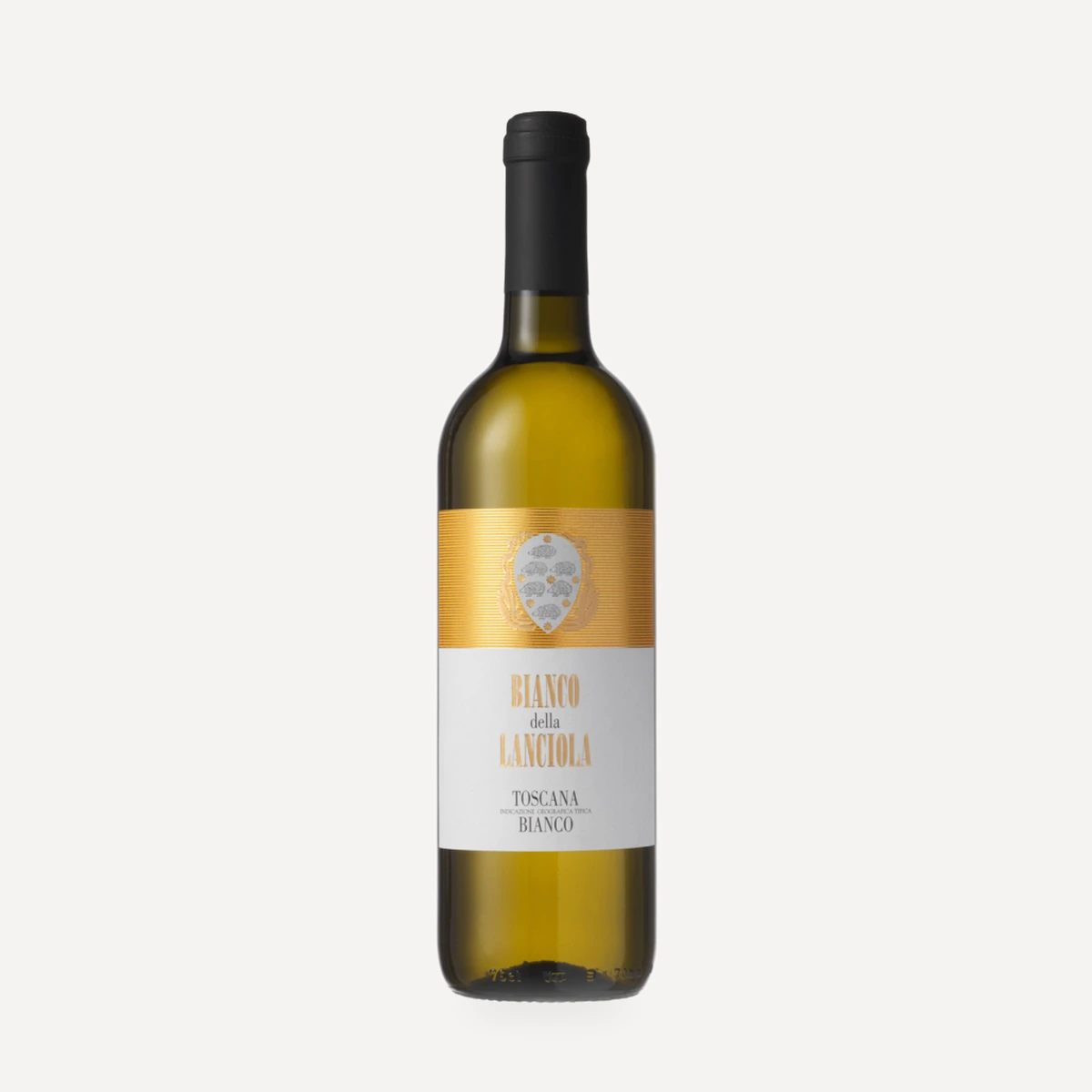
Bianco della Lanciola Toscana IGT
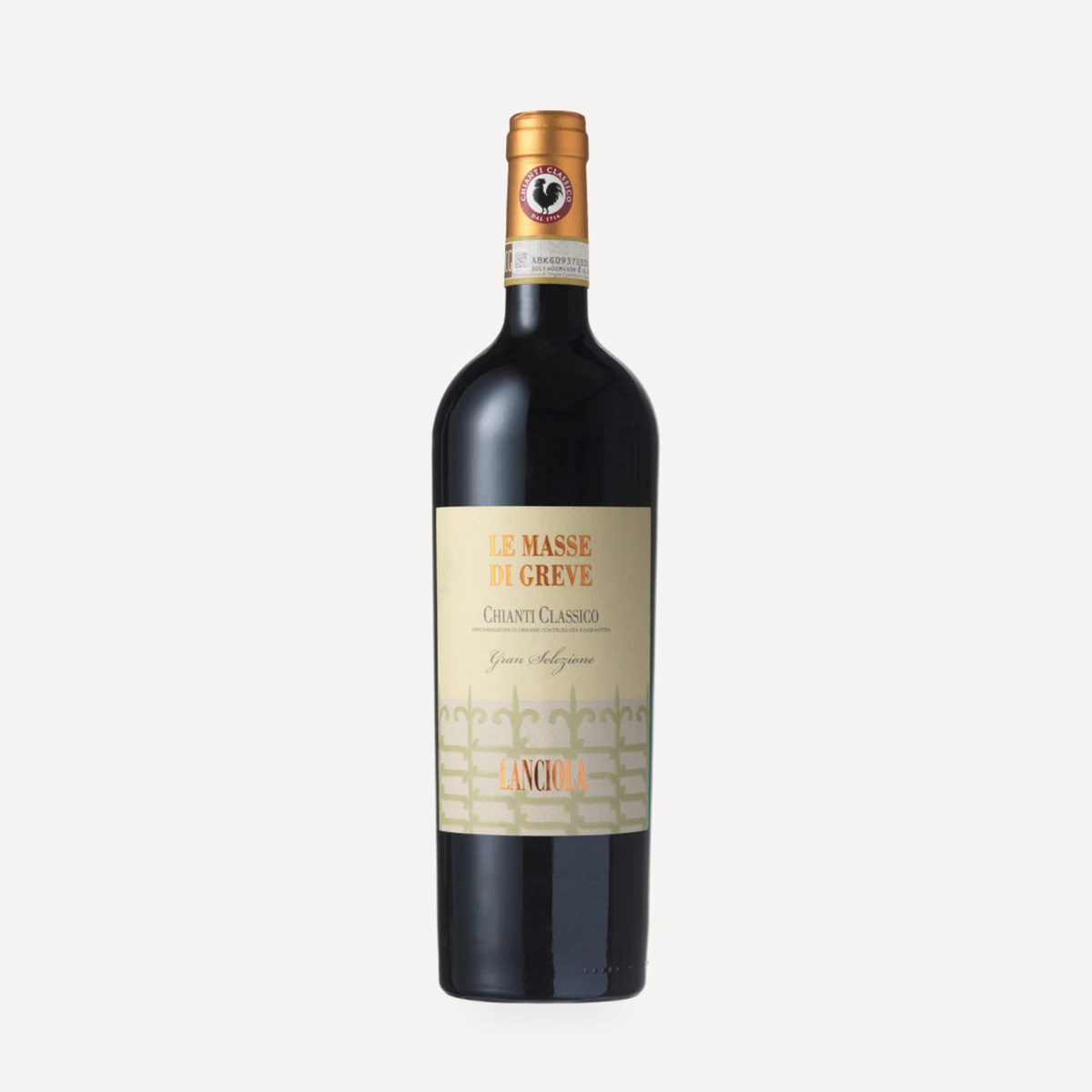
Chianti Classico Le Masse di Greve Gran Selezione
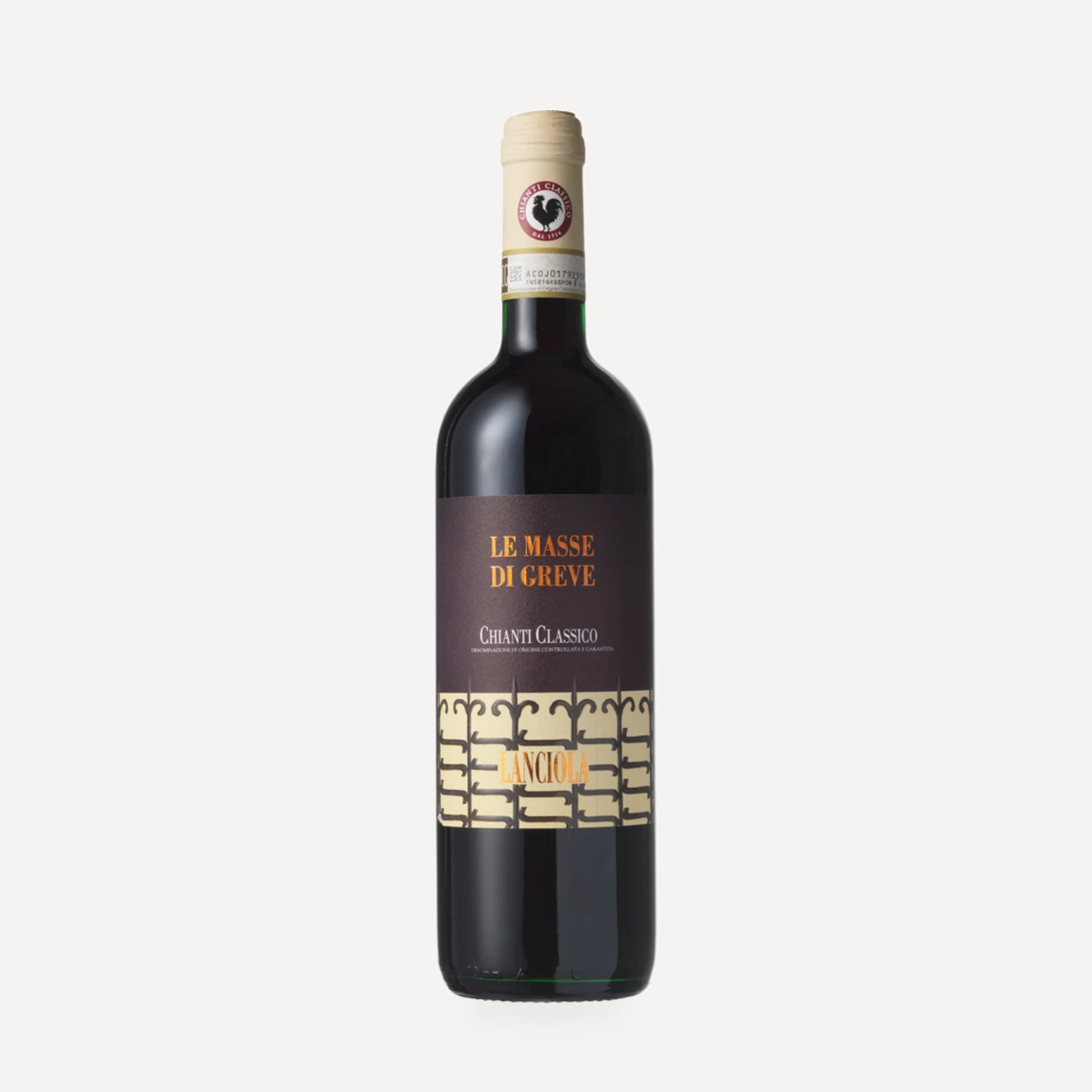
Chianti Classico Le Masse di Greve
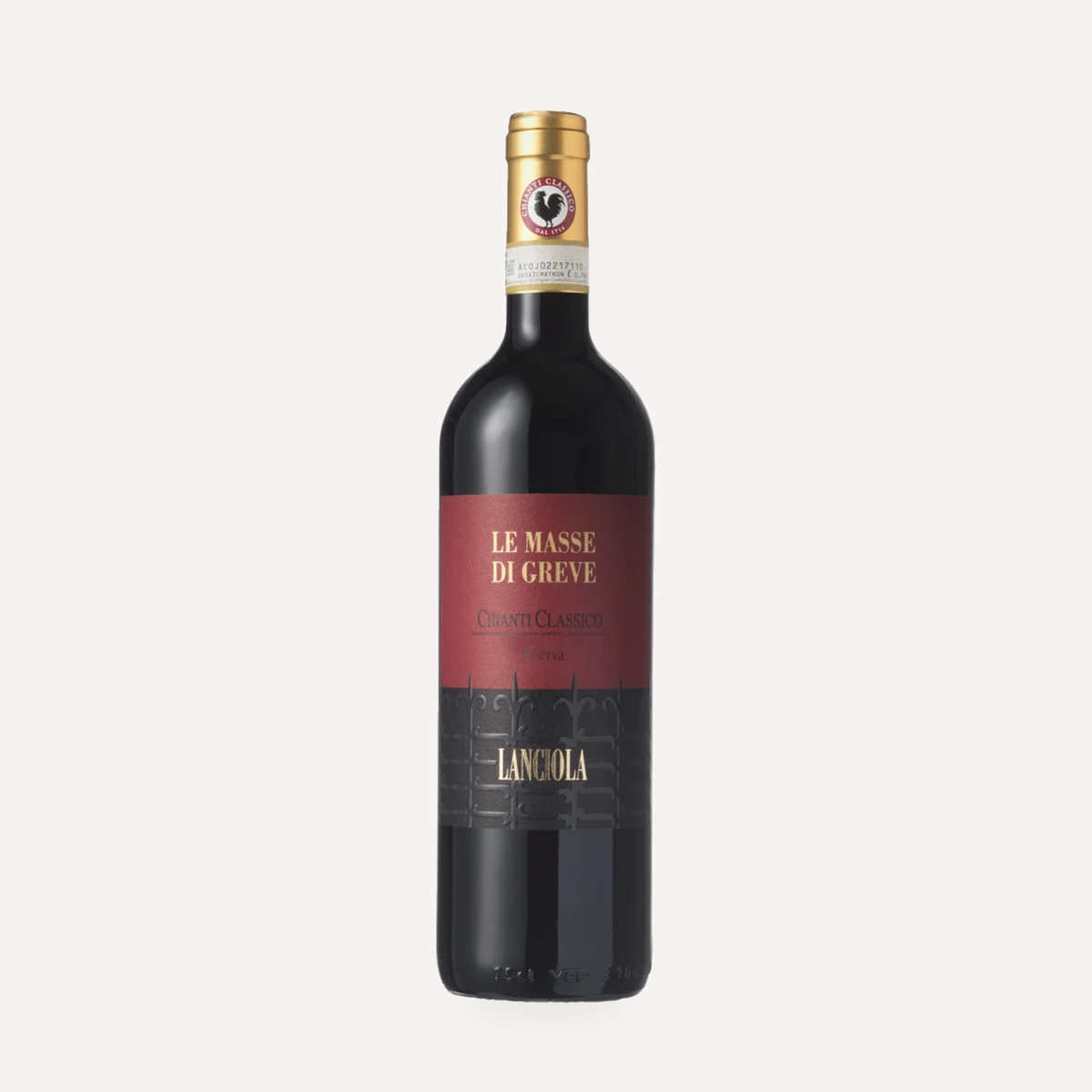
Chianti Classico Le Masse di Greve Riserva
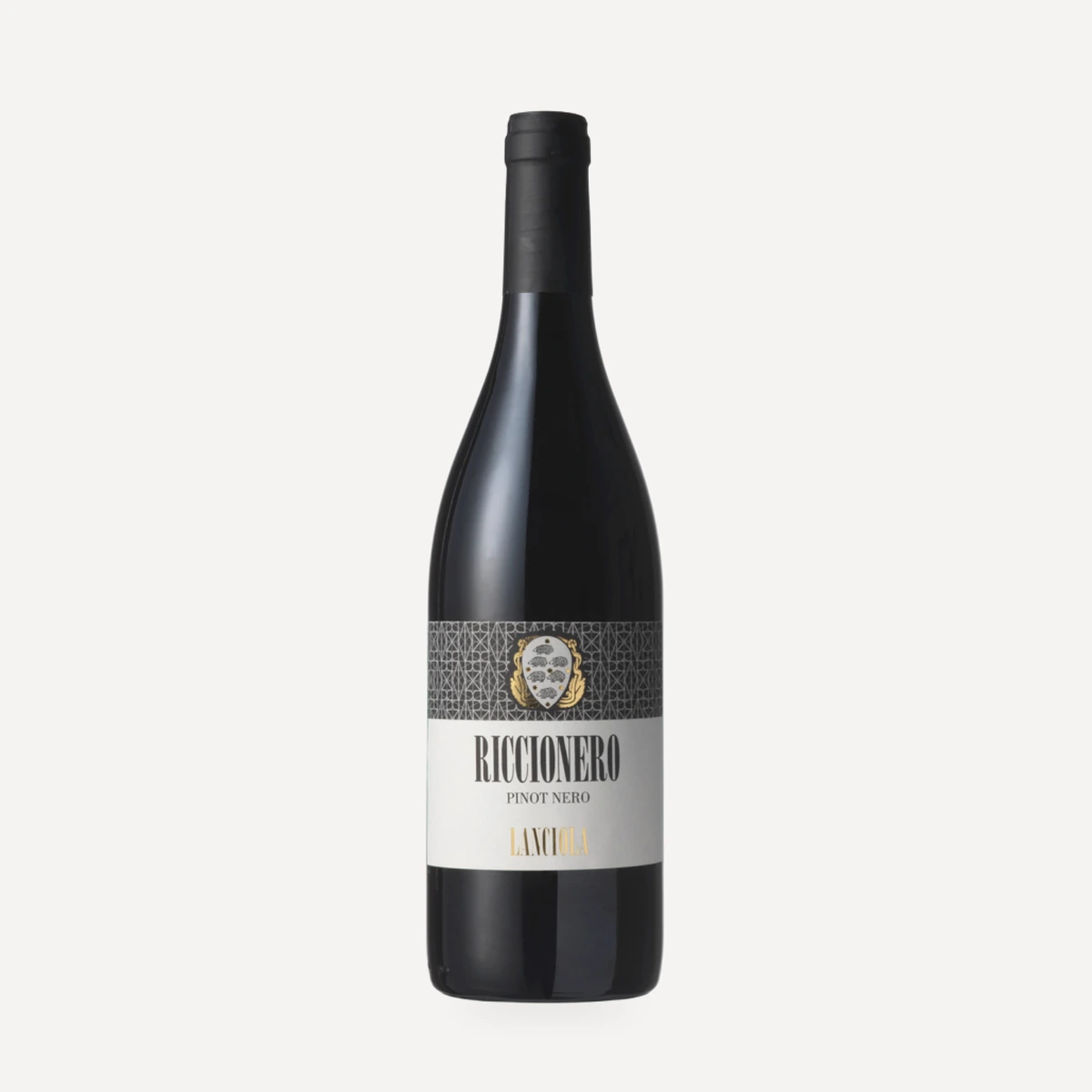
Riccionero IGT