History
Antonio and Ernestina: 1900–1949
Antonio Scarpa was born on the Venetian island of Burano in 1879. Trained in commerce, he moved to Nizza Monferrato as a young wine trader and remained there because of both the perceived potential of the surrounding vineyards and his relationship with Ernestina Ottavia Deantonio, whom he married in 1908.
In 1900, at the age of twenty-one, Antonio founded the business that became the Stabilimento Enologico Scarpa. Antonio and Ernestina specialized initially in bottling and marketing local wines while pursuing a more ambitious objective: demonstrating that Barbera, then widely treated as an everyday wine, could develop into a serious, long-lived expression. Their knowledge of the Monferrato vineyards guided the selection of grapes for Barbera Riserva.
The early facility was equipped with bottling lines and barrels for red-wine maturation, together with technology for Metodo Classico sparkling wines, vermouth and liqueurs. By the early 1930s, Scarpa had become one of Piedmont’s recognized wine houses. Antonio also initiated vermouth production during the 1920s from his own botanical formula.
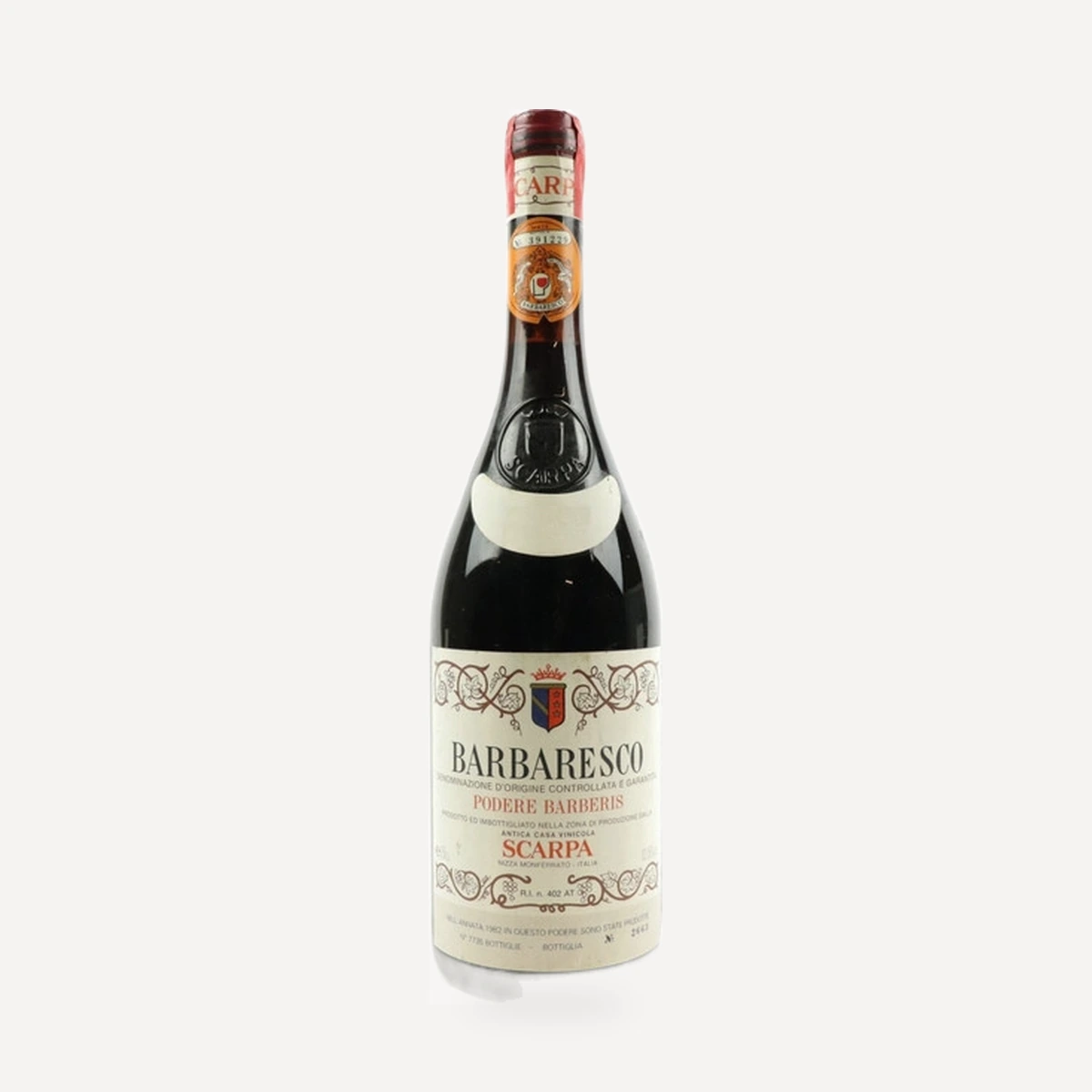
Scarpa bottled its first Barolo vintage in 1940, creating an enduring connection with the Langhe. This history predates the modern production regulations and underpins the exemption that permits Scarpa to vinify and bottle Barolo—and subsequently Barbaresco—in Nizza Monferrato, outside the formal boundaries of those denominations.
Mario Pesce: selection, longevity and hospitality
Antonio had no heirs and, as retirement approached, sold Scarpa in 1949 to Mario Pesce, a respected young producer and friend from Nizza Monferrato. Pesce was twenty-eight and had trained in Burgundy and Alsace. He introduced selective and staggered harvesting, bunch thinning and green harvesting, separate vinifications, and long, delicate maturation in large oak casks. His objective was a style defined by longevity, elegance and territorial identity.
Between 1963 and 1992, while Italy’s early wine denominations were being established, Pesce served as president of the Commissione per l’elevazione della qualità dei vini Astigiani. His work helped direct investment toward improved agronomy, vinification and maturation practices in Monferrato.
Pesce also developed Scarpa’s distinctive bottle. Drawing upon Antonio’s earlier designs and the proportions of large ageing formats, he created a tapered 750-ml bottle with a longer, narrower neck intended to reduce the quantity of air in the bottle and delay oxidation. The design became part of the house’s visual identity.
He opened Scarpa to international visitors before wine tourism was established locally, arranging tastings and bespoke gala dinners for journalists, importers and wine lovers from Scandinavia, Japan and the United States. Scarpa retains his menus and written dedications. He also continued the vermouth tradition with his father, Pasquale Pesce, recovering formulas from the beginning of the twentieth century. A dedicated operation for bitters, liqueurs and vermouth functioned inside the company until the mid-1970s.
Carlo Castino and Poderi Bricchi
Mario Pesce had no children and brought his nephew Carlo Castino into the business after Castino completed his studies at the Scuola Enologica di Alba. Castino first became Pesce’s assistant and later director of wine production.
In 1969, Castino, his father and his uncle acquired Poderi Bricchi, a steep and then-uncultivated 25-ha holding between Castel Rocchero, Moirano and Acqui Terme. Scarpa had previously depended on outside growers; ownership of this contiguous estate allowed it to grow its own fruit, control the chain from vineyard to bottle and accept direct responsibility for quality. The family restored the overgrown terrain and developed an independent agricultural base.
During the 1970s, Castino pursued an early form of micro-zoning. With engineer Callegaro, Dr Bargiacchi and Professor Miele of the University of Pisa, he arranged soil analyses for each part of the estate and matched varieties to sandy, lean, freely draining decomposed-tuff soils or cooler, more clay-rich marl. Barbera remained central, but Freisa, Ruchè, Dolcetto, Brachetto, Moscato and Timorasso were progressively planted. One experimental Ruchè planting occupied 2,000 m² of sandy ground, while Brachetto covered approximately 1 ha.
Castino identified an approximately 3-ha sector where Barbera expressed a distinct character. In 1974 this work produced the first vintage of La Bogliona, Scarpa’s first Barbera d’Asti Superiore, initially matured for three years in large oak casks. The wine embodied the long-ageing interpretation of Barbera envisaged by Antonio Scarpa. The same year also marked Scarpa’s first Barbaresco vintage. In 1978, Scarpa made a Barolo called Cascina Roncaglia from the Roncaglie site, establishing a historical link that preceded the estate’s later return to that MGA.
Castino retired in 2007 and continued to live with his wife, Rita, in a private residence above the historic Nizza Monferrato cellars.
Silvio Trinchero and the Langhe expansion
Silvio Trinchero, trained within the internal “Scarpa school,” became the estate’s enologist in 2007. He maintained longevity, Piedmontese identity, varietal definition and delicate extraction as the principal stylistic references while adapting vineyard and cellar work to changing climatic conditions.
The hospitality project also developed alongside the wines. The four independent Scarpa Villas occupy a complex constructed between 1996 and 2000 in place of an old farmhouse, using traditional Piedmontese brick. Their renovation and interior restyling were completed in 2017. The historic Nizza Monferrato cellars were restored, while the former bottle warehouse became the Wine Lounge & Scarpa Gallery.
From 2018, Scarpa strengthened its direct presence in the Langhe through vineyards in three Menzioni Geografiche Aggiuntive: Monvigliero in Verduno, Roncaglie in La Morra and Canova in Neive. The acquisitions extended a relationship with the Langhe that had begun with Barolo in 1940, Barbaresco in 1974 and the 1978 Cascina Roncaglia bottling. The long-term objective is to develop site-specific Barolo and Barbaresco while retaining the Monferrato varieties at the core of the estate.
125 years
Scarpa marked its 125th anniversary in 2025. On 27 September, immediately after the Poderi Bricchi harvest ended on 25 September, the estate held its first Festa della Vendemmia at Poderi Bricchi for employees, families, local growers, friends and members of the community. Carlo Castino returned to the vineyard whose purchase he had championed in 1969.
The anniversary program also announced a new project in the Montalcino area, conceived as an extension of Scarpa’s long-term approach to terroir and ageing. By 2026, CEO Davide Champion described the Langhe acquisitions as a project intended to unfold over decades rather than deliver immediate results.
Terroir
Scarpa’s vineyards extend for more than 30 ha between Monferrato and the Langhe, from the contiguous Poderi Bricchi estate between Castel Rocchero and Acqui Terme to the Barolo hills of Verduno and La Morra and the Barbaresco hills of Neive. The Langhe sites lie on the right bank of the Tanaro.
The wider landscape consists of gently undulating ridges, woodland and headlands formed from ancient seabeds. Marl, sand and limestone recur across the holdings. Conditions are generally dry and sunny, with air currents arriving from Liguria.
Poderi Bricchi occupies the highest part of a steep Alto Monferrato hill at 350–400 m, surrounded by woods and lavender fields. Its soils alternate between lean, sandy, freely draining material formed from decomposed tuff and cooler calcareous-clayey marl. The estate spans exposures from northeast to southwest. Erosion and differences in fertility are marked: vines at the bottom of the slope are more vigorous, while those higher on the hill are leaner.
Monvigliero forms a natural amphitheatre in Verduno at approximately 300 m. Scarpa’s sectors face south and southwest. The climate is notably dry, while the light, loose, marl-rich soils support the site’s emphasis on finesse and ageing potential.
Roncaglie lies near the boundary between Verduno and La Morra at approximately 300 m, with southeast exposure. Silty-loamy soil contains a substantial sandy component. A later description characterizes the wider La Morra context as calcareous marl and associates Roncaglie with aromatic depth, harmony and finesse.
Canova occupies a west-facing panoramic ridge at 250–300 m, descending from Bricco di Neive toward the plain where Neive begins. Its soils are rich in clay and limestone or calcareous marl, with smaller proportions of silt and sand. These conditions are associated with structure, tannic definition and longevity.
Recent growing seasons illustrate the climatic contrast between the holdings. In 2023, Monferrato suffered severe drought and water stress, receiving approximately half the precipitation experienced in the Langhe. In 2024, more than 1,000 mm of rain—over twice the previous year’s total—was recorded, with rain beginning in March and continuing through a hot July and August. The 2025 season was steadier: a mild, dry winter was followed by spring rain and moderate conditions without comparable extremes.
Winemaking
Scarpa’s direct ownership of Poderi Bricchi was conceived as a closed production chain in which the estate could control fruit quality from cultivation through bottling. The vineyard was developed through micro-zoning: each parcel’s soil was analyzed, and varieties were matched to lean sandy sectors, freely draining decomposed tuff, cooler marl or more clay-rich ground.
Historical practices introduced by Mario Pesce included selective and staggered harvests, bunch thinning and green harvesting. Present work remains parcel- and season-specific. Silvio Trinchero follows the vineyards closely, prioritizing healthy fruit and avoiding excessive production so that vines remain balanced.
Soil-health measures include cover crops to maintain organic matter, grass cover between the rows, green manure, organic fertilizers and breaking the surface crust to improve water infiltration and limit erosion. Earlier work at Poderi Bricchi relied heavily on manure obtained from nearby farms. Organic conversion of the Langhe holdings began in 2023; an estate-wide certification or conversion date is not established.
Canopy management responds to weather rather than a fixed calendar. In the rainy 2024 season, clusters were opened to help them dry. Thinning during the intense July–August heat protected fruit against sun damage, followed by a lighter pass after late-August and early-September rain caused Barbera berries to swell. During the steadier 2025 season, canopy work again managed rapid changes in heat and humidity.
Harvest dates have advanced with climate change. Barbera is now picked almost three weeks earlier than in the past to avoid excessive concentration, while Nebbiolo remains on the vine until adequate phenolic maturity. Historically, Moscato was picked around 15 September, Brachetto around 20 September, Ruchè around 24 September, Dolcetto around 26 September, La Bogliona Barbera around 10 October and Nebbiolo in late October. In the dry 2023 season, Moscato and Brachetto were harvested during the final week of August to retain acidity and freshness, while Nebbiolo was scheduled for the first half of October.
Scarpa vinifies varieties and sites separately, using slow, measured processes intended to retain varietal and territorial identity. Single-vineyard wines are conceived as monovarietal expressions. The cellar relies principally on steel, wood, large casks and glass rather than a standardized recipe.
Extraction is deliberately gentle and is adjusted to the vintage. During 2024, prolonged rain produced thinner skins, so macerations were shortened and extraction became still more delicate. Healthy fruit took precedence over power or concentration.
Large oak casks are a central ageing vessel. Historical practice extended maturation to 36 months for important wines; this has gradually been reduced to approximately 28–30 months to retain freshness and finesse, with greater emphasis placed on subsequent bottle ageing. Barbera maturation can be twice the minimum required by its production rules, and the wines generally receive more than one additional year of ageing before release. Long bottle rest is used to harmonize the wine after cask maturation.
The Nizza Monferrato cellars were constructed in the early twentieth century and contain both large barrels and steel tanks. The Caveau preserves selected bottles from the best vintages from 1960 onward, with the quantity set aside determined by the ageing aptitude of each wine.
Mario Pesce’s custom 750-ml bottle uses a longer, narrower neck inspired by large ageing formats. The reduced headspace and more favorable wine-to-air relationship are intended to limit oxidation and support long maturation.
Philosophy
Scarpa defines its work through purity, elegance and time. Its declared objective is not to force fruit into a predetermined style but to listen to the rhythm of each wine, measure every intervention and give maturation the time it requires.
Longevity, Piedmontese identity and respect for varietal expression form the continuity between Antonio Scarpa, Mario Pesce, Carlo Castino and Silvio Trinchero. Elegance is understood through balance, freshness and finesse rather than extraction or sheer concentration. Acidity is treated as an asset for long ageing.
The estate considers vineyard protection the foundation of quality. Production is not pushed at the expense of vine balance, while cover crops, grassing, erosion control and organic inputs are intended to support the long-term health of soils and plants.
Its approach to the Langhe is explicitly long-term: historic crus are cultivated with patience and respect for their identity, with results assessed over decades. Hospitality follows the same concept of time, encouraging guests to experience vineyards, cellars, food, architecture and art at a slower pace.
Wines

Barolo Tettimorra DOCG
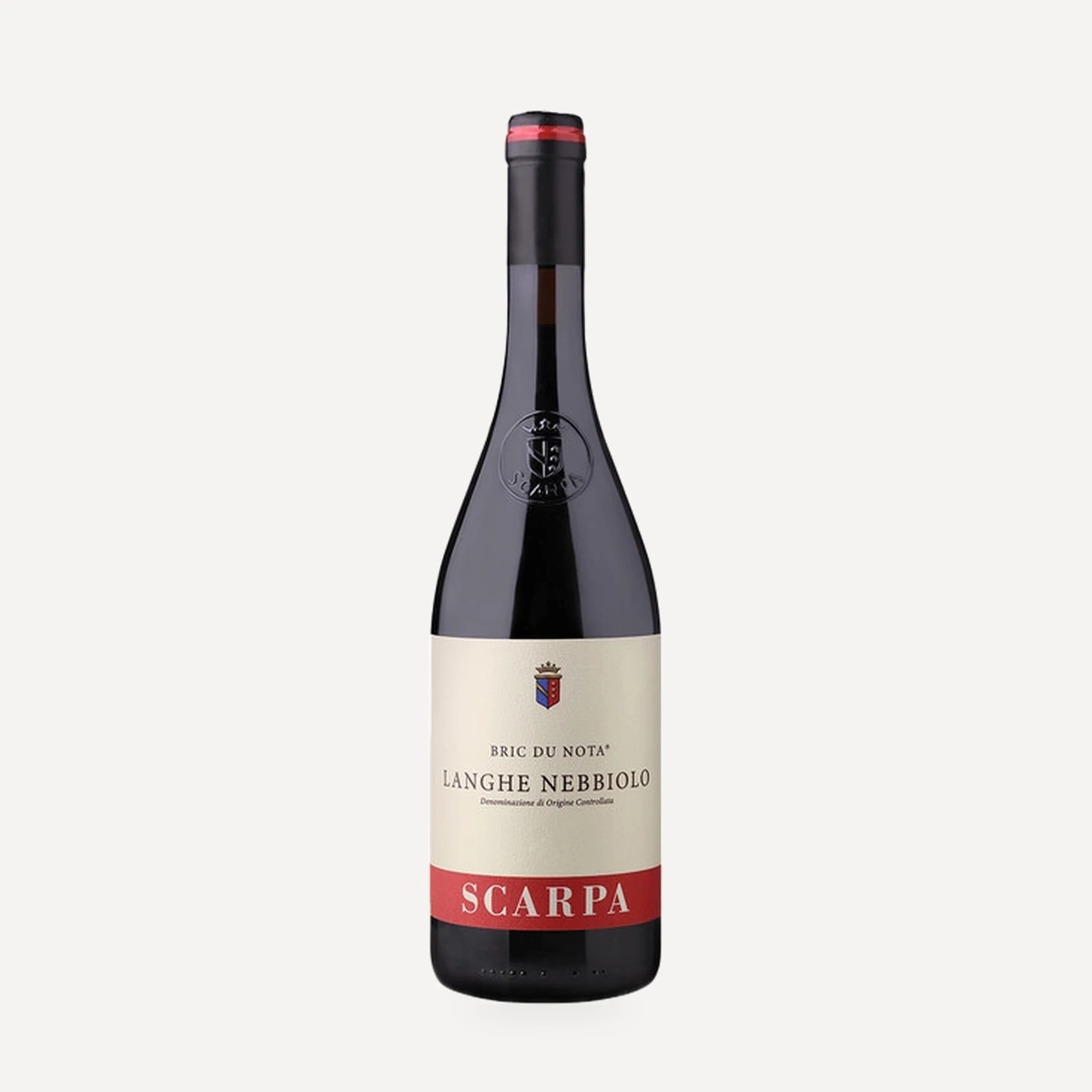
Langhe Nebbiolo Bric du Nota DOC

Barbaresco Tettineive DOCG

Barolo Monvigliero DOCG

Barbera d'Asti Briccomora DOCG

Barbera d'Asti Superiore La Bogliona DOCG

Barbera d'Asti I Bricchi DOCG

Dolcetto d'Acqui DOC

Monferrato Bianco DOC
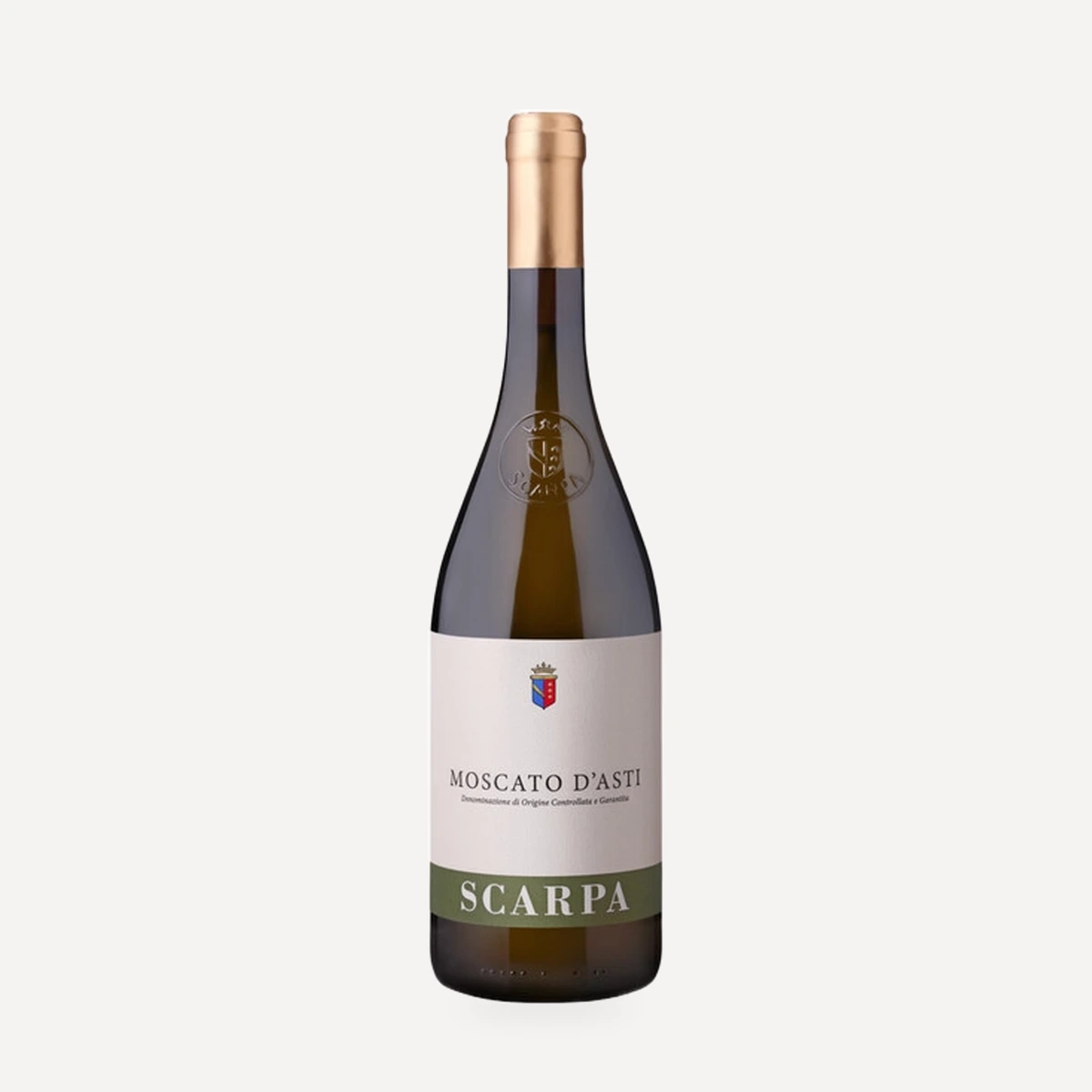
Moscato d'Asti DOCG
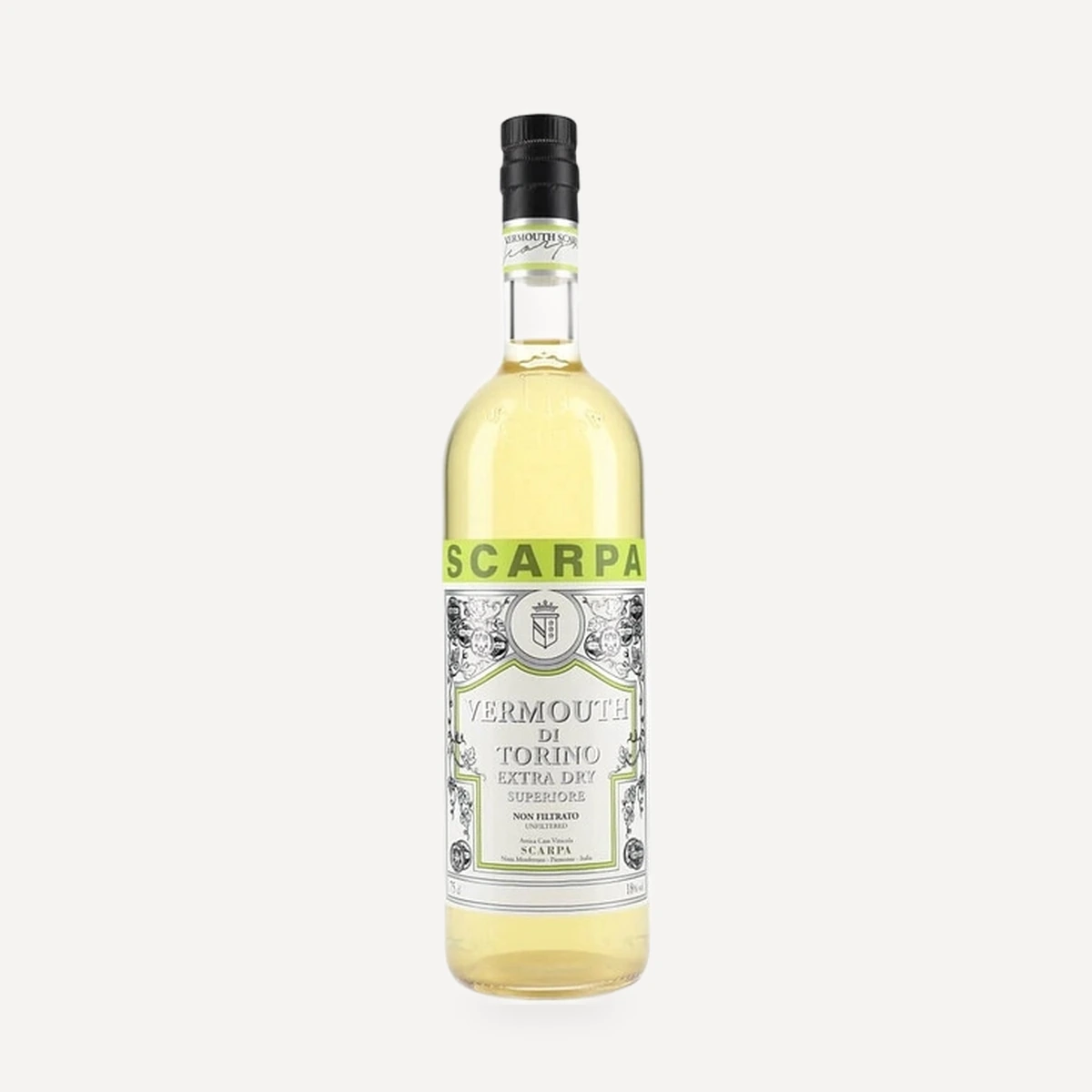
Vermouth di Torino Extra Dry

Vermouth di Torino Bianco

Vermouth di Torino Rosso
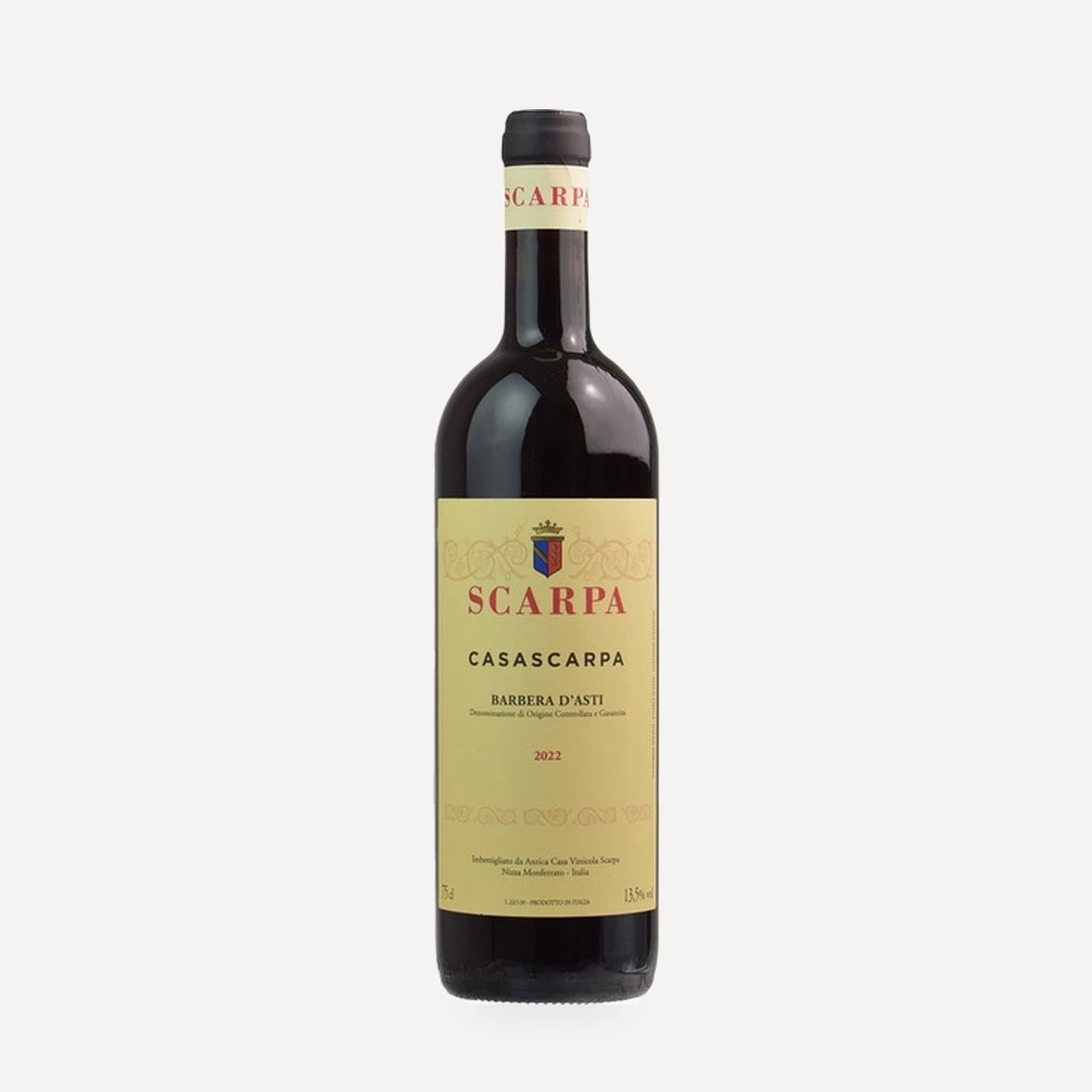
Casa Barbera d'Asti DOCG