History
1963: Leonardo Specogna establishes the estate
Leonardo Specogna spent several years working as an emigrant in Switzerland, an experience shared by many Friulians of his era. On returning to Friuli Venezia Giulia in 1963, he passed through the hills of Rocca Bernarda at Corno di Rosazzo for the first time. Struck by their beauty, history and winegrowing potential, he invested his savings in a small parcel there, in the heart of Friuli’s vineyard country.
The new family farm was initially diversified and oriented toward subsistence. It combined dairy farming, cereal cultivation and grape growing, with production intended largely for the household rather than a specialized commercial wine business.
The second generation: specialization under Graziano
Leonardo’s son Graziano Specogna subsequently joined the farm. His work brought progressive improvements to vineyard management and vinification. Over time, these changes shifted the estate away from its original mixed-farming model and toward specialization in grape growing and wine production.
The third generation: Cristian and Michele
Cristian and Michele Specogna eventually assumed management as the family’s third generation of winegrowers. Cristian grew up accompanying his father Graziano and brother Michele through the vineyards, learning the agricultural calendar and seasonal work. After completing studies in viticulture and oenology, he undertook study trips and practical experiences in leading Italian and French wine regions. On returning, he contributed to the study of the estate’s pedoclimatic conditions, vineyard zoning, organic agronomy and the sustainability of production processes.
Cristian and Michele have continued to improve work in both vineyard and cellar while expanding the estate’s presence in international markets. Cristian’s wife Violetta is also identified as part of the family’s present involvement in the business.
Cellar renewal and environmental projects
The cellars were renovated to provide better control over each production stage. The resulting facilities include areas for vinification and storage in stainless-steel tanks and terracotta amphorae, a barrel room with wooden vessels of different sizes, and tasting rooms for visitors.
The cultivated area came to be managed according to organic principles. The estate also joined VTS — Vini di Territorio Sostenibili, adopted plot-specific monitoring and preventive crop-protection strategies, installed photovoltaic panels, preserved woodland and hill morphology, planted roses, olive trees and cherry trees, and introduced beehives. Honey production became an additional estate activity.
Recognition and international reach
In 2017, FOOD & WINE Italia included Specogna among its 50 wineries of the year. In 2021, FoodDrink Magazine selected Cristian Specogna for its list of the world’s 50 best young winemakers. Further recognition followed through Fortune’s Italian wine-industry 40 Under 40 selection, Vinoway’s Best Young Italian Winemaker 2023 award for Cristian, and Forbes Small Giants’ inclusion of the family business among ten Italian entrepreneurial success stories covered in 2023.
Today the estate covers approximately 30 hectares, about 25 hectares of which are vineyards. Annual production is reported at approximately 130,000 bottles, with half sold in Italy and half exported to more than 30 countries.
Terroir
Location and landscape
The estate lies at Corno di Rosazzo on the hills of Rocca Bernarda, within Friuli Colli Orientali in the eastern part of the province of Udine. The broader appellation’s hills range from approximately 100 to 350 metres above sea level. Specogna’s producing sites represented in the vineyard descriptions extend from roughly 100 to 180 metres and include both hillsides and some level ground.
The landscape is formed by vineyard terraces and stepped slopes shaped by generations of growers, interspersed with woodland. Within Friuli Colli Orientali, northern sectors closer to the mountains are cooler and more humid, while southern sectors are milder and drier; olives can grow alongside vines in the latter conditions.
Geological origin and soils
Between 35 and 55 million years ago, during the Eocene, the Friulian plain was covered by the sea, with the coastline close to the present-day Julian Prealps. Sedimentation on the floor of an ancient lagoon created substantial formations that emerged when the sea withdrew. Subsequent compaction produced flysch made from alternating layers of marl—calcareous clay—and sandstone—cemented sand. This local formation is called Ponka.
The alternating strata vary in thickness and provide mineral and trace-element richness together with soil textures suited to grape growing. Differences in bedrock, stratification, water absorption and mineral availability can alter vine behaviour even over short distances. Marl and sandstone dominate the hillside vineyards; clay is also present in some lower or mixed hill-and-plain sites. The slopes are naturally susceptible to erosion, making their stabilization and the preservation of their morphology important parts of estate management.
Climate
Eastern Friuli is a convergence zone for maritime and continental air masses, producing continual climatic alternation. The Carnic and Julian Alps to the north shelter the vines from cold northern European currents, while the Adriatic Sea to the south supplies milder air.
Cool, dry easterly Bora winds reach the hills, supporting day–night temperature variation and indirectly increasing solar exposure. These conditions reduce relative humidity and the risk of fungal disease, allowing bunches to remain on the vines for a longer ripening period. The estate treats the interaction of climate, soil, flora, fauna, slope form and vineyard position as the basis of its individual microclimates.
Winemaking
The entire cultivated surface follows organic-farming principles. The estate also participates in VTS — Vini di Territorio Sostenibili, an Italian pilot project inspired by Directive 2009/128/EC. VTS aims to develop knowledge and practices that eliminate synthetic insecticides and anti-botrytis products while reducing the environmental impact of cultivation.
Observation, data and zoning
Vineyard decisions are based on continuous study of climatic, meteorological, pedological and viticultural conditions. Data collection includes the climatic pattern of each vintage, bunch count per vine, average bunch weight, average berry weight, and the sensory and analytical characteristics of the grapes. This growing record is intended to improve interpretation of each season and the timing and management of individual operations.
An estate-zoning project seeks to match varieties with the positions best suited to them. Monitoring extends to the agronomic characteristics of individual vines, which are assessed together with climatic data and each parcel’s geological profile. The resulting plot-specific programs cover plant and soil management as well as crop protection.
Soil fertility and plant protection
Green manure is used, with seed mixtures selected in response to the particular fertility or deficiency characteristics of each parcel. The estate’s crop-protection strategy prioritizes prevention: vineyard position, slope modelling, local climate and previous treatments are considered when evaluating susceptibility to phytophagous insects and fungal diseases. Agricultural environments are managed to make large infestations less likely. This approach has substantially reduced both the number of treatments during a season and the amount of product required for each application.
All vineyard and cellar work is timed with reference to lunar calendars, reflecting the family’s belief that accumulated details can influence the final result.
Biodiversity and slope conservation
A conservation program protects hill morphology, local microclimates, trees and characteristic plant species. Three of the estate’s 25 hectares of owned land are maintained as woodland, helping regulate nearby microclimates and support balance among flora and fauna. New rose bushes, olive trees and cherry trees have been planted; their root systems help stabilize the area’s fragile, erosion-prone slopes.
Beehives support pollinators and provide estate honey. The beekeeping initiative was developed with the apiarists behind ENO BEE — Api in Vigna.
The cellar is conceived as a place for preserving the quality achieved in the vineyard and producing wines that express their soil and area of origin. The family combines inherited practices with newer techniques and technology rather than treating tradition and innovation as opposing approaches.
Renovation undertaken in recent years created spaces in which individual production stages can be managed more precisely. The facility includes a vinification and storage area equipped with stainless-steel tanks and terracotta amphorae. A separate barrel room contains wooden vessels of different sizes for maturation. Dedicated tasting rooms receive visitors.
The production philosophy emphasizes maintaining grape quality with as little alteration as possible. Cellar operations, like vineyard work, are scheduled with reference to lunar calendars. Detailed information on grape reception, sorting, pressing, maceration, fermentation temperatures and yeasts, malolactic fermentation, lees work, filtration, fining, sulphur use and bottling protocols is not specified at estate level.
Philosophy
The family’s guiding objective is to interpret the pedoclimatic identity of its vineyards while preserving grape quality from vine to bottle. Winegrowing is understood as demanding work governed by each season’s climate, often requiring rapid intervention and careful planning rather than a fixed annual routine.
Their interpretation of place is based on the whole vineyard ecosystem: climate, soil, flora and fauna are studied together. New techniques arising from contemporary research are combined with traditions and practical lessons accumulated by earlier generations. Vineyard zoning, long-term data collection and individualized treatment of parcels are intended to help the vines adapt to their particular soils and climate while allowing the character of each vintage to remain legible.
In the cellar, tradition and innovation are joined in pursuit of wines that reflect their soil and origin. Environmental responsibility follows the same search for equilibrium: organic management, lower treatment inputs, renewable energy, woodland protection, slope stabilization, pollinator support and increased biodiversity are treated as means of preserving the territory for present and future generations.
The family also places emphasis on openness and exchange. Cristian describes improvement as a process of sustained effort, dialogue and comparison with the wider wine world, coupled with a commitment to communicating the distinctive qualities of Friuli Venezia Giulia.
Wines
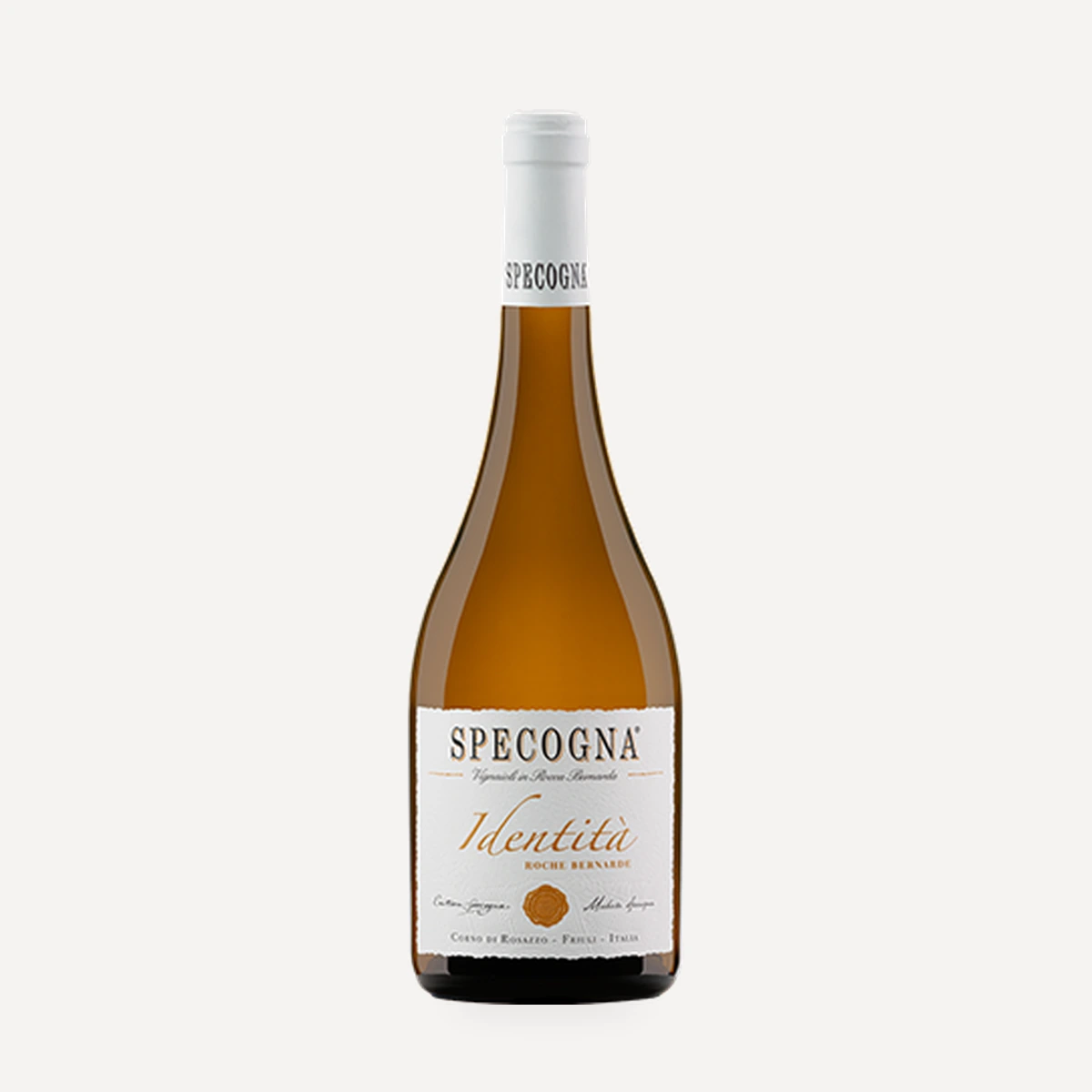
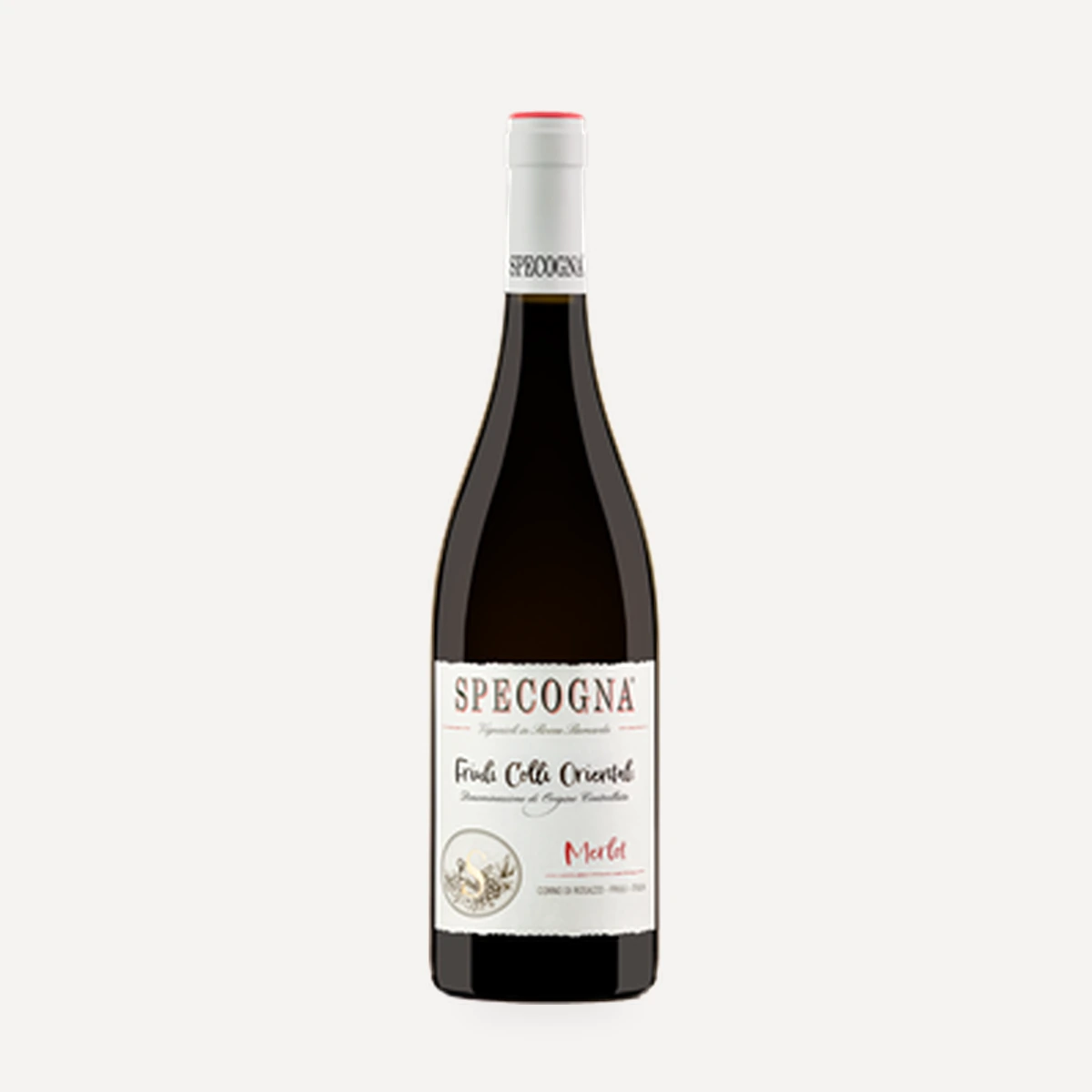
Identità Roche BernardeBianco Friuli Colli Orientali DOC
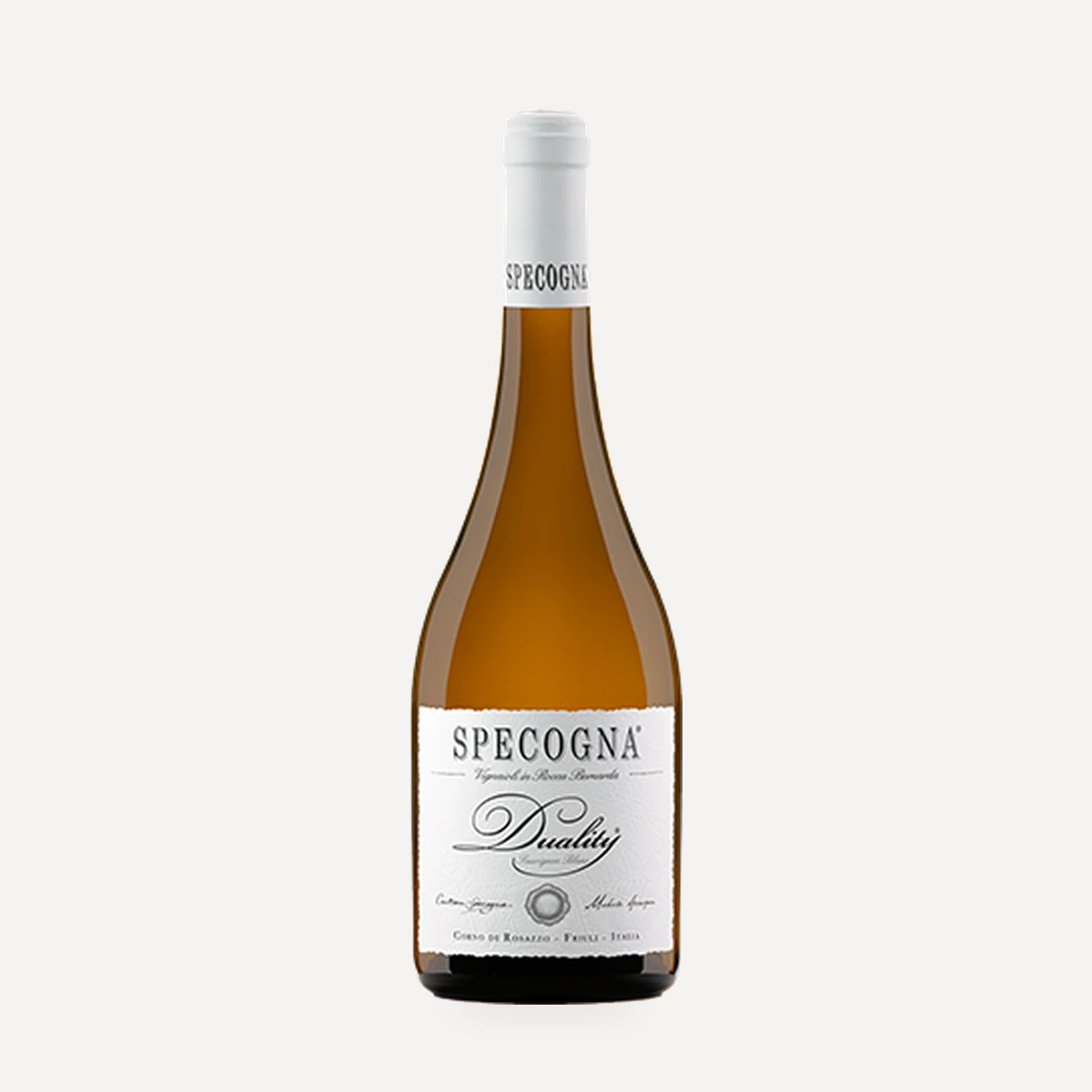
Sauvignon Blanc DualityFriuli Colli Orientali DOC
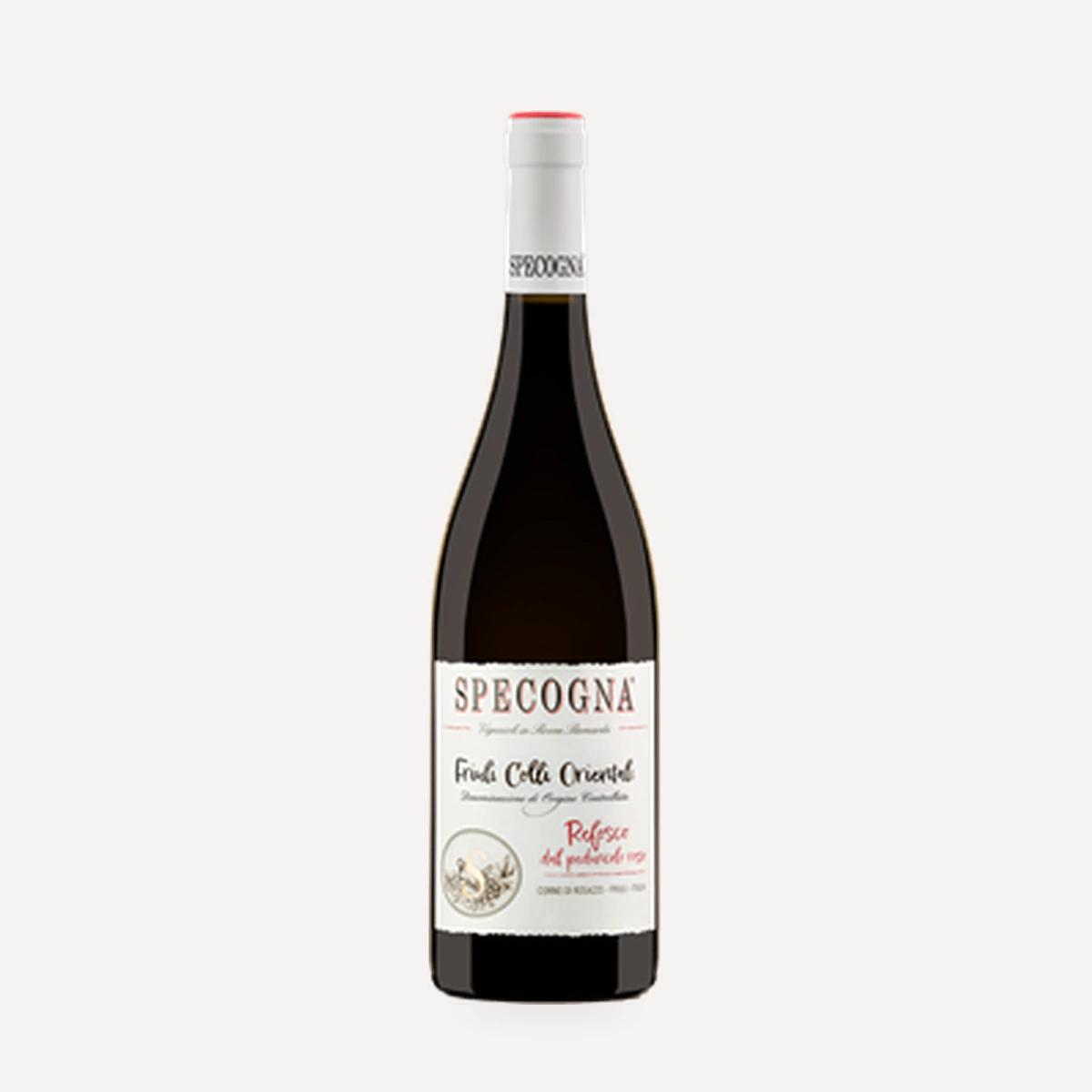
Refosco dal Peduncolo Rosso Friuli Colli Orientali DOC
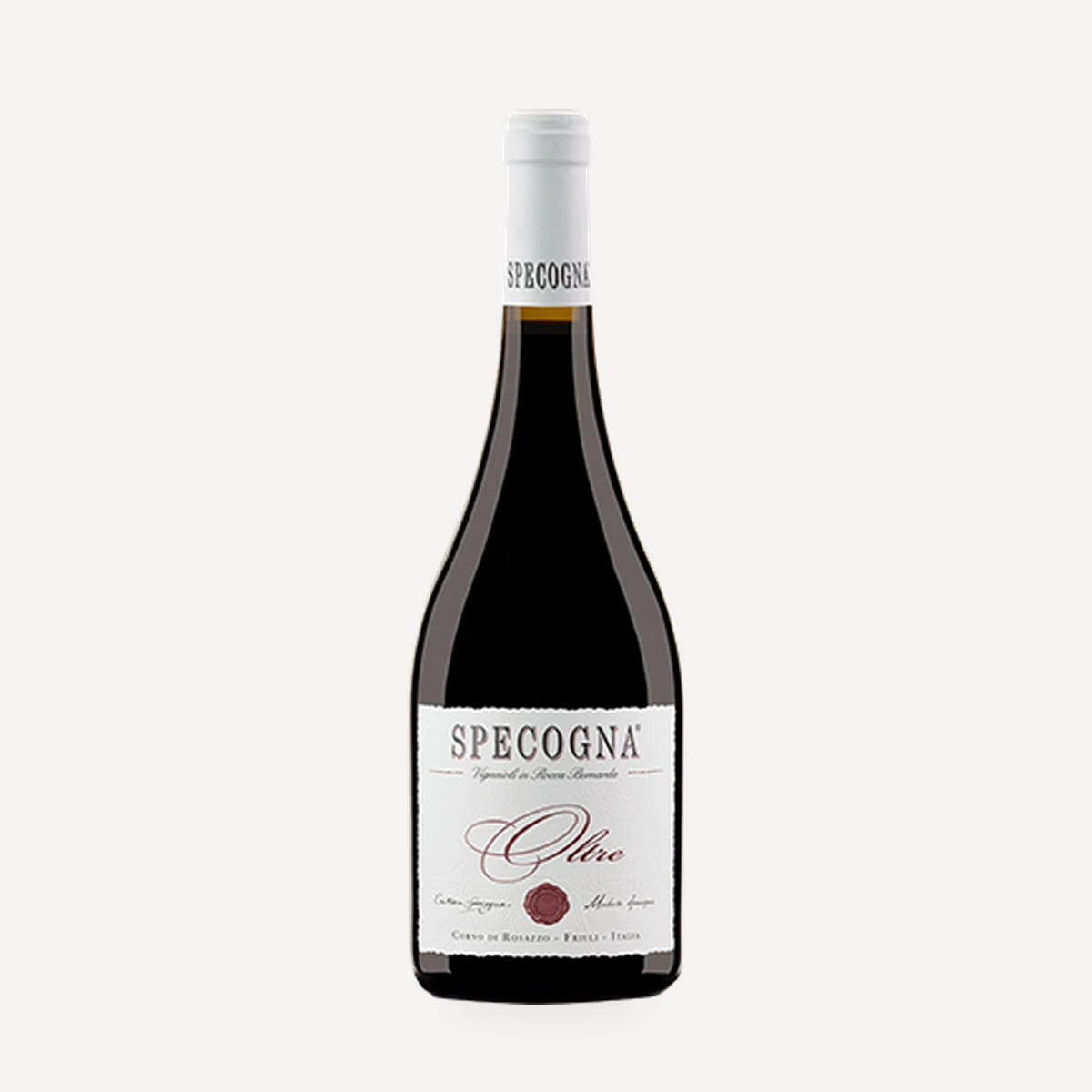
Oltre Rosso Friuli Colli Orientali DOC
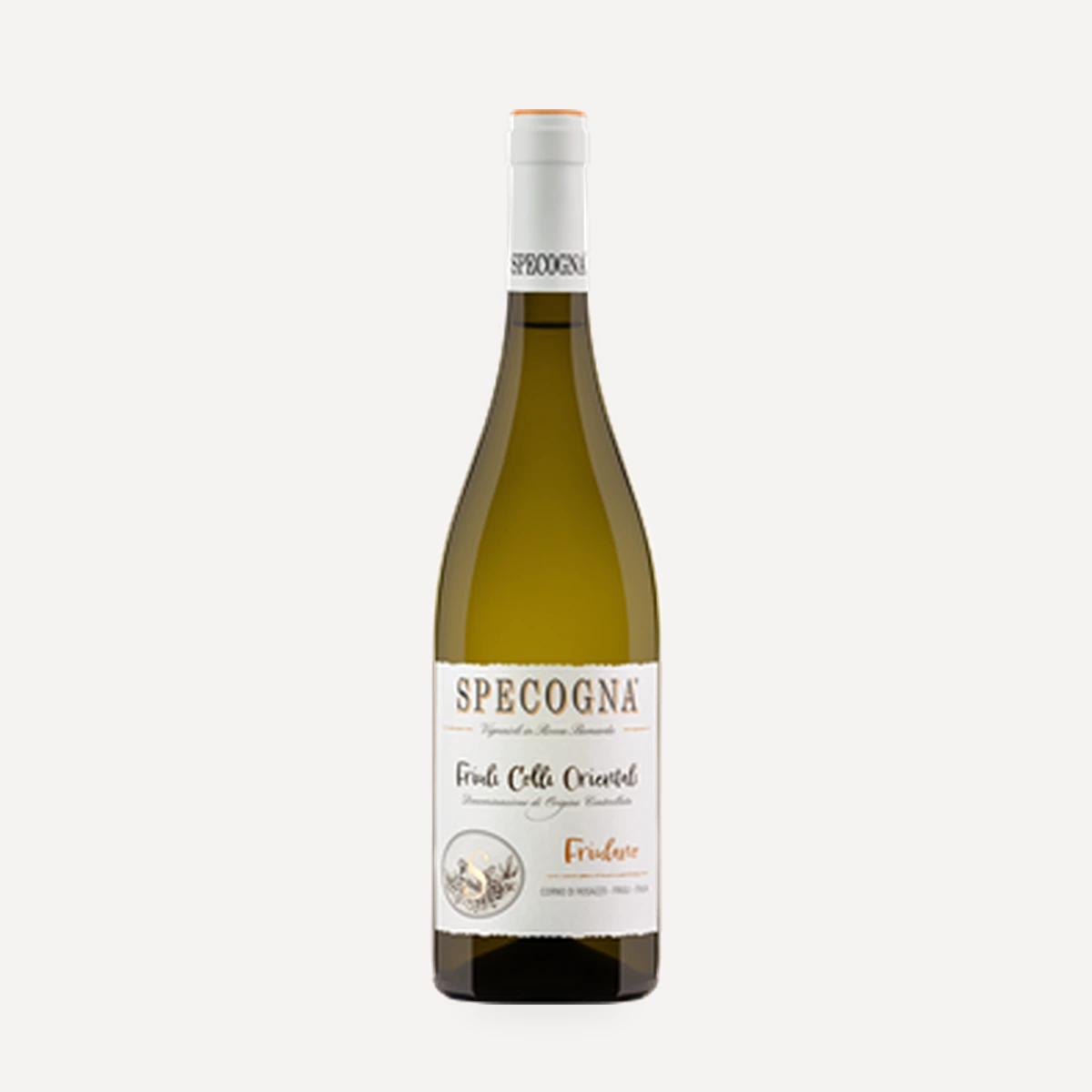
Friulano Friuli Colli Orientali DOC
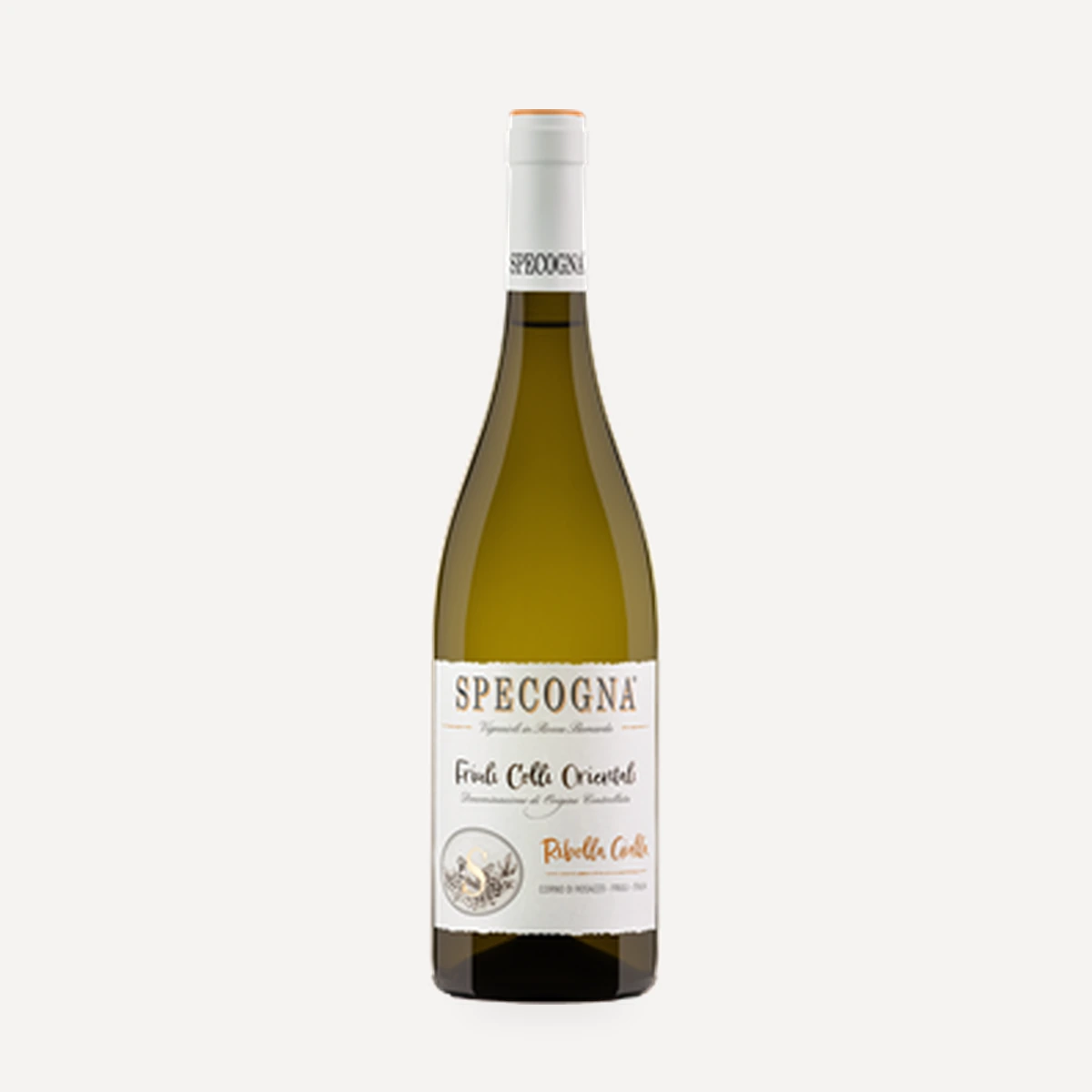
Ribolla Gialla Friuli Colli Orientali DOC
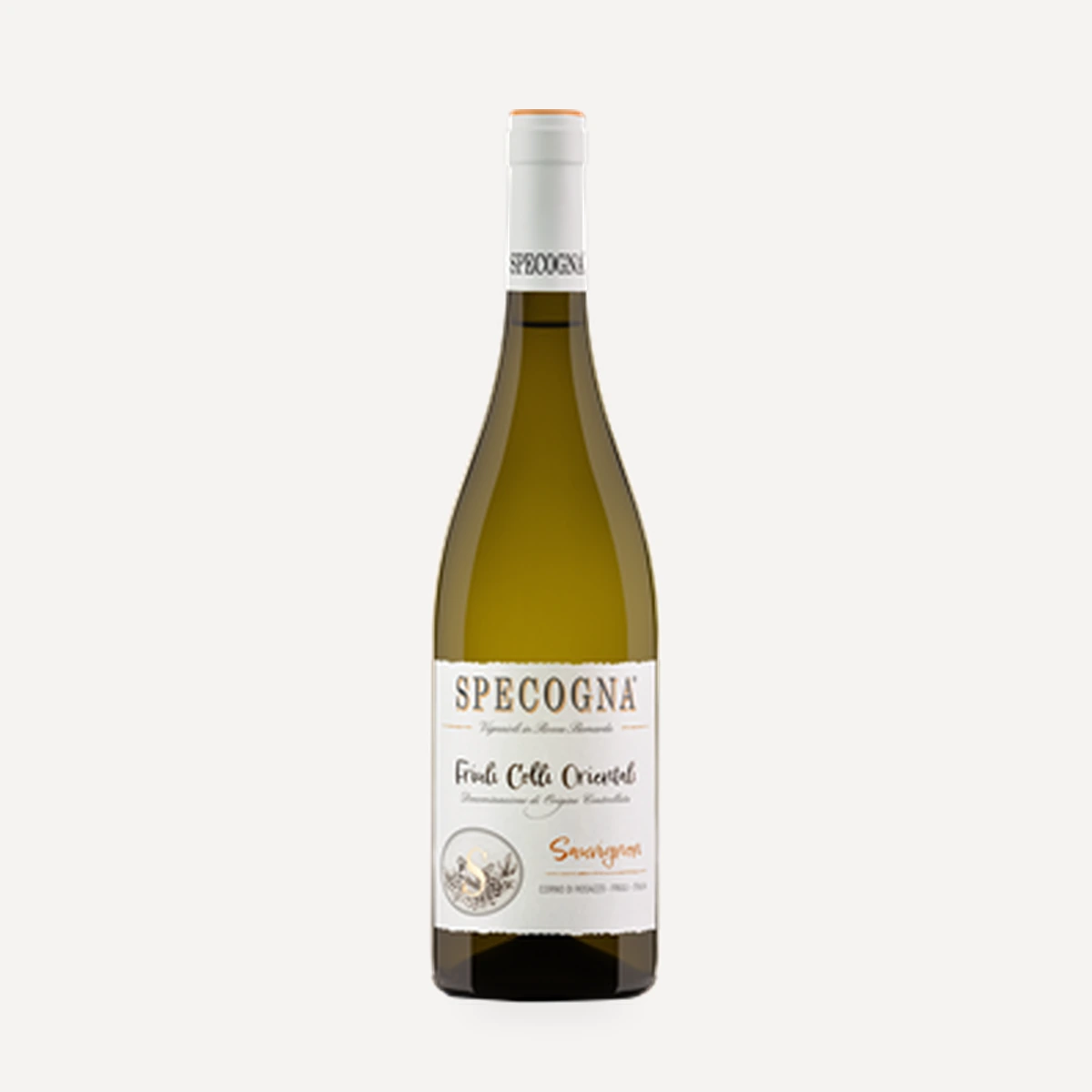
Sauvignon Friuli Colli Orientali DOC
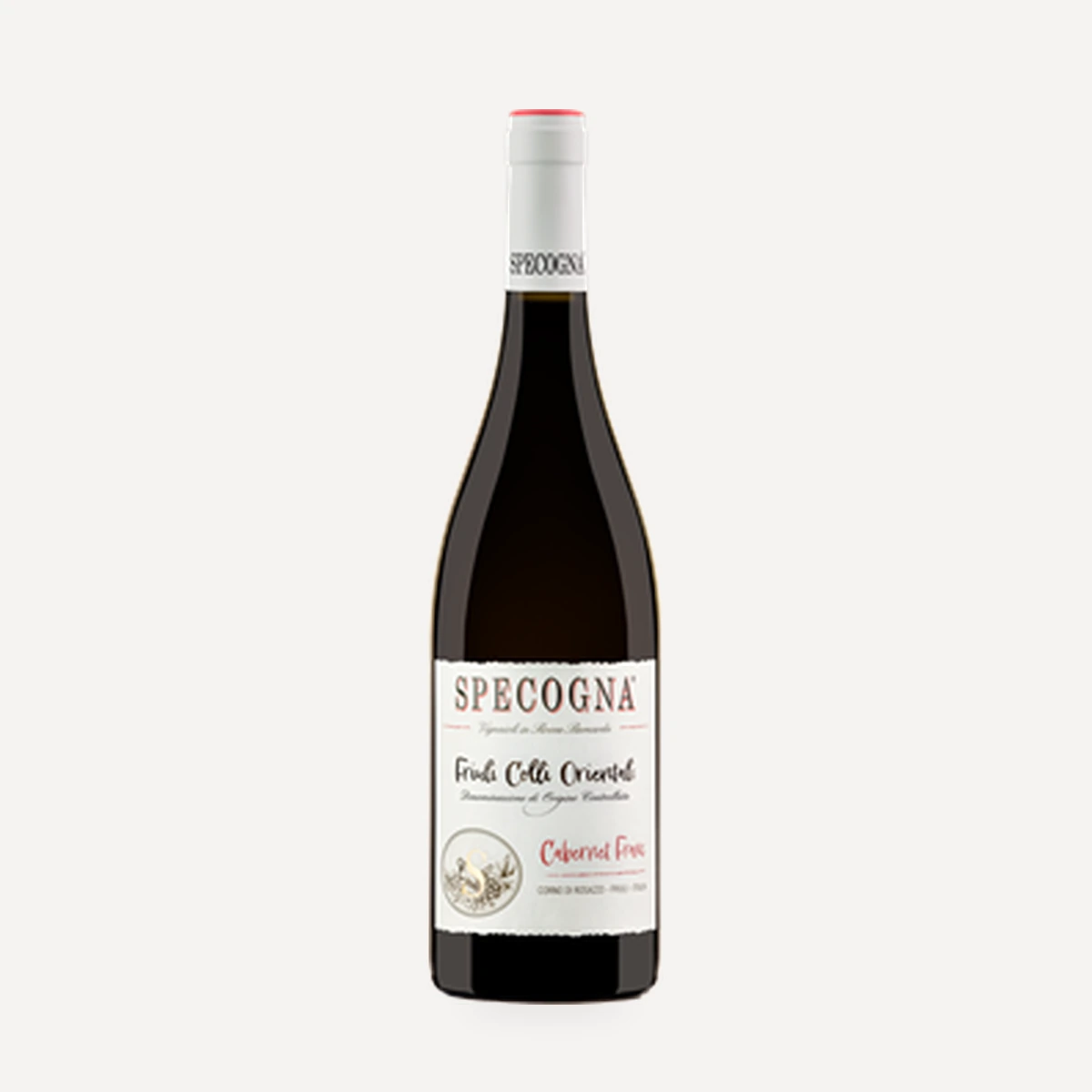
Cabernet Franc Friuli Colli Orientali DOC
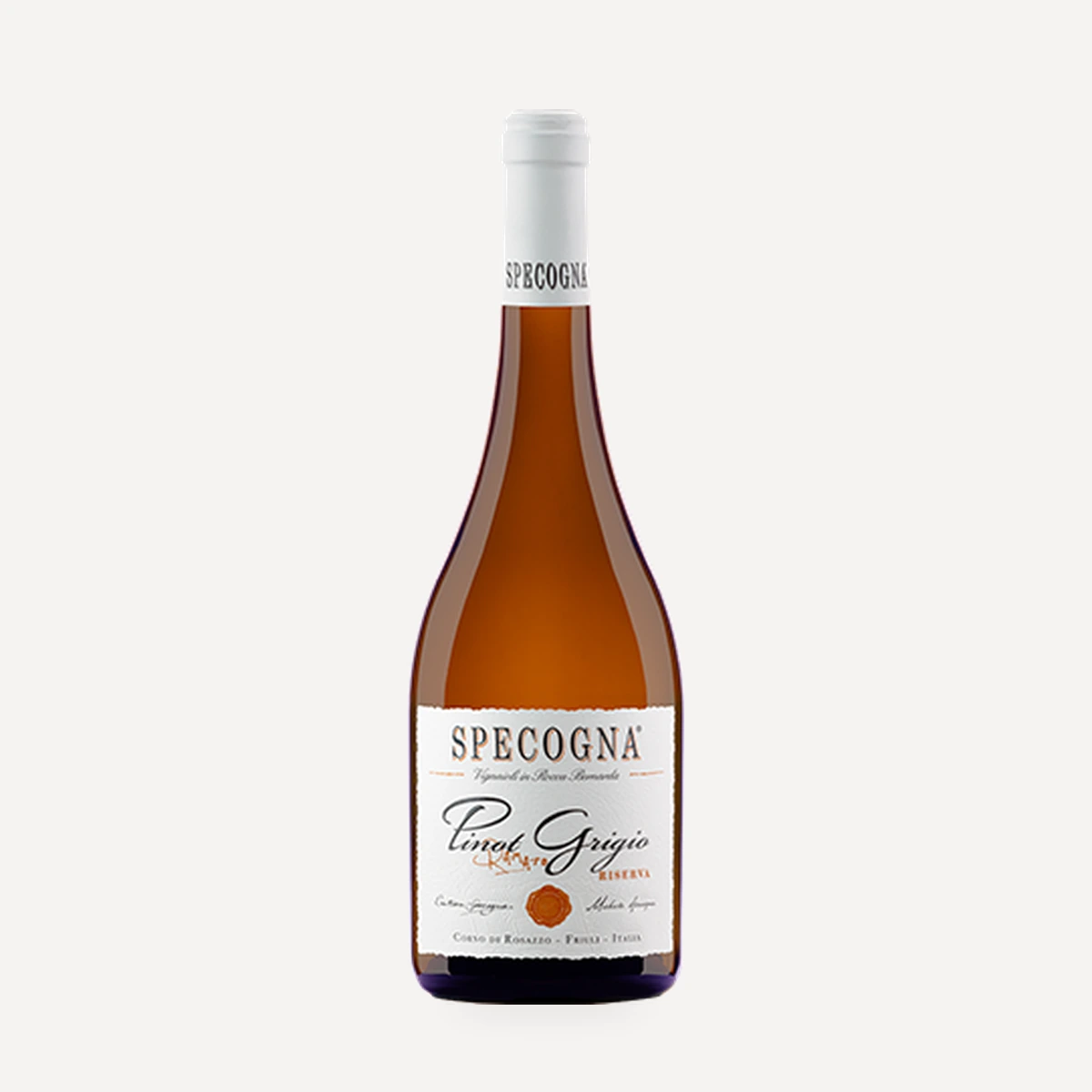
Pinot Grigio Ramato Riserva
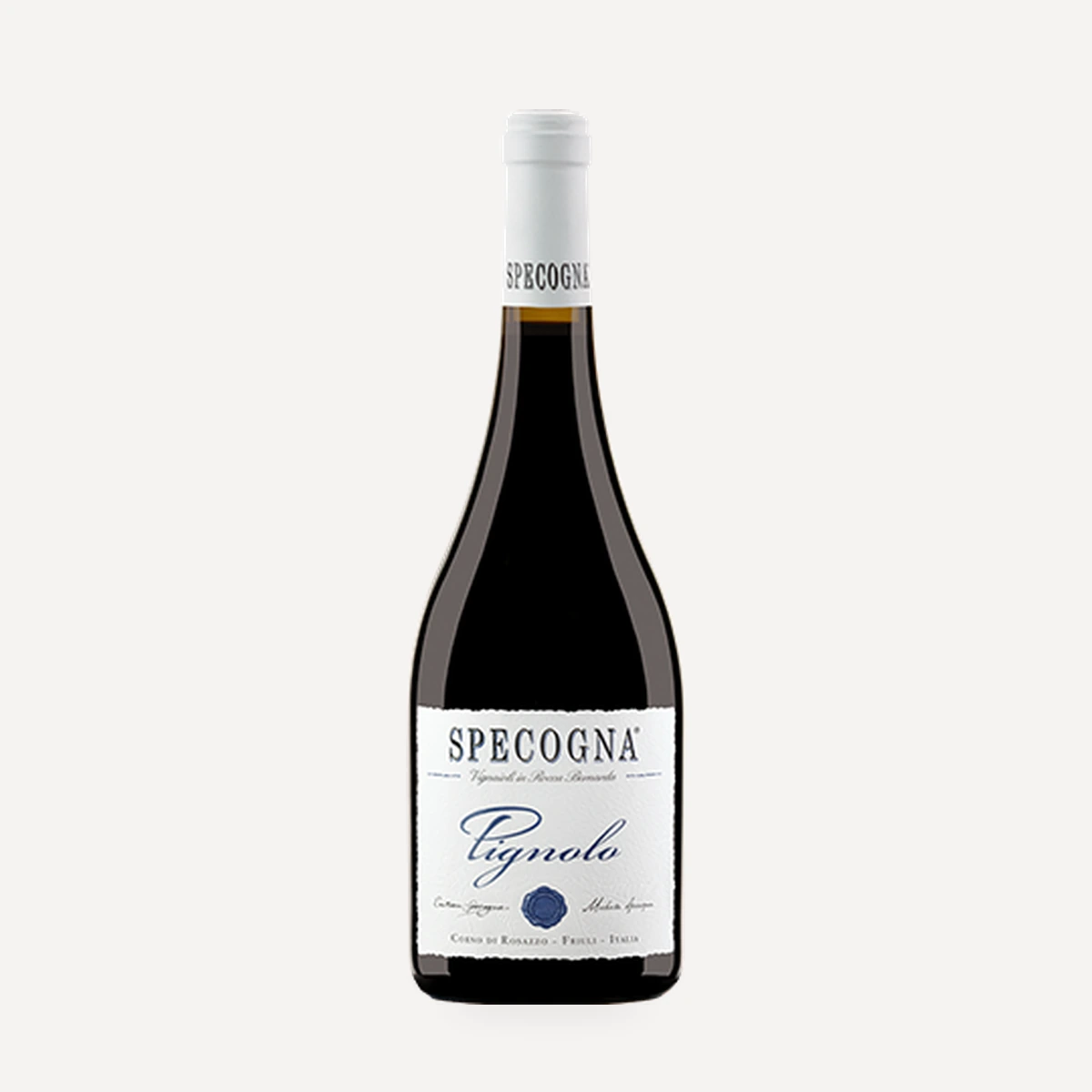
Pignolo
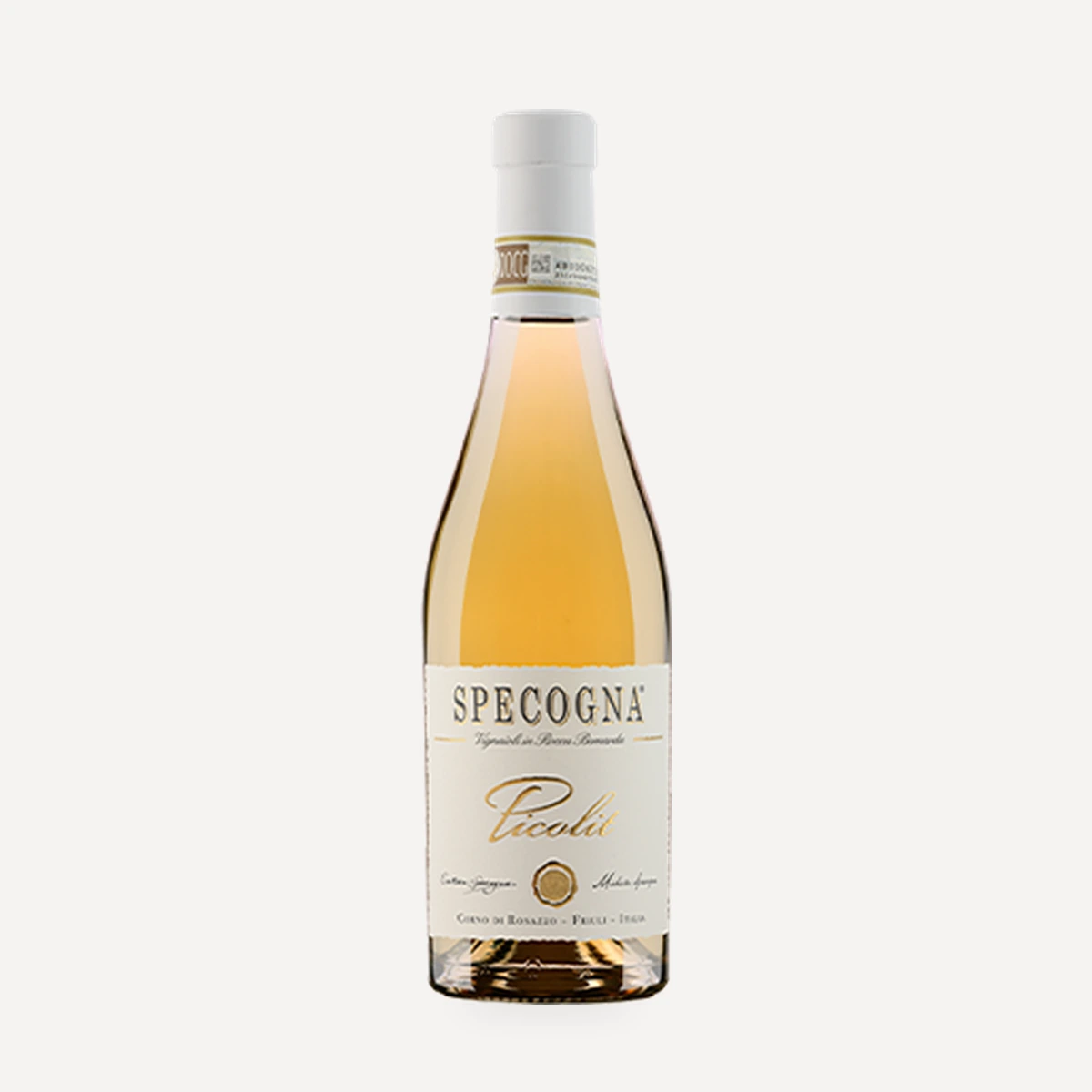
Picolit
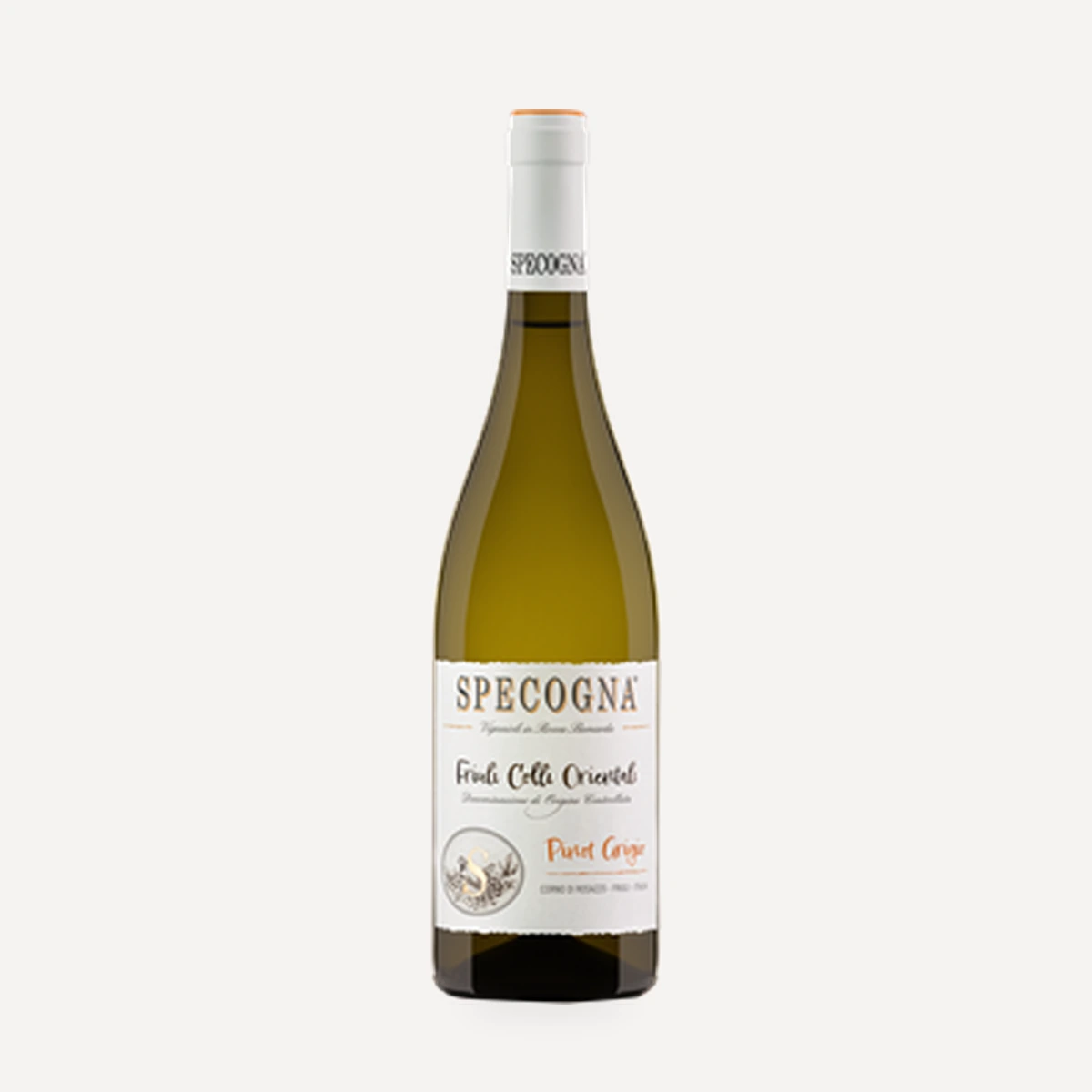
Pinot Grigio Ramato
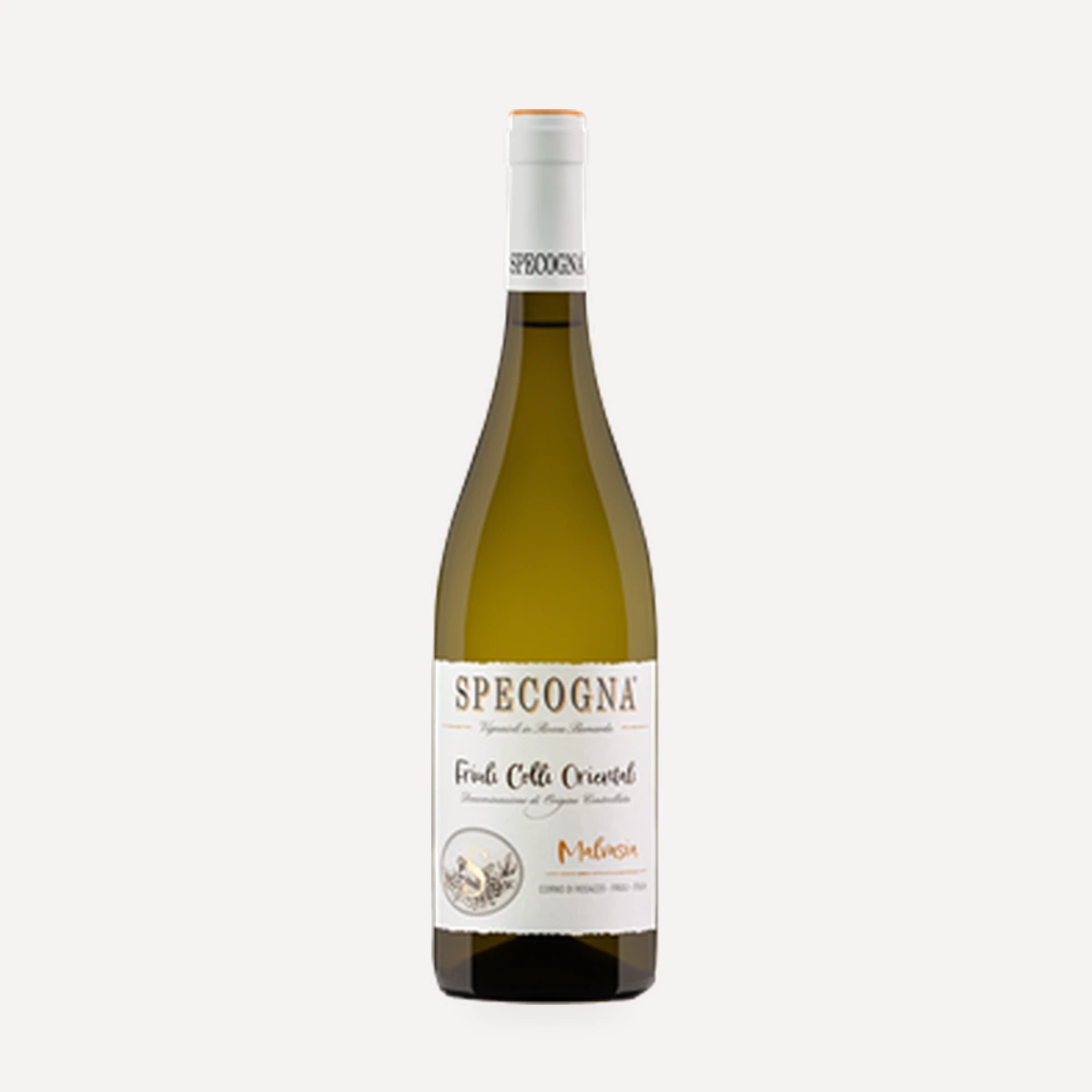
Malvasia
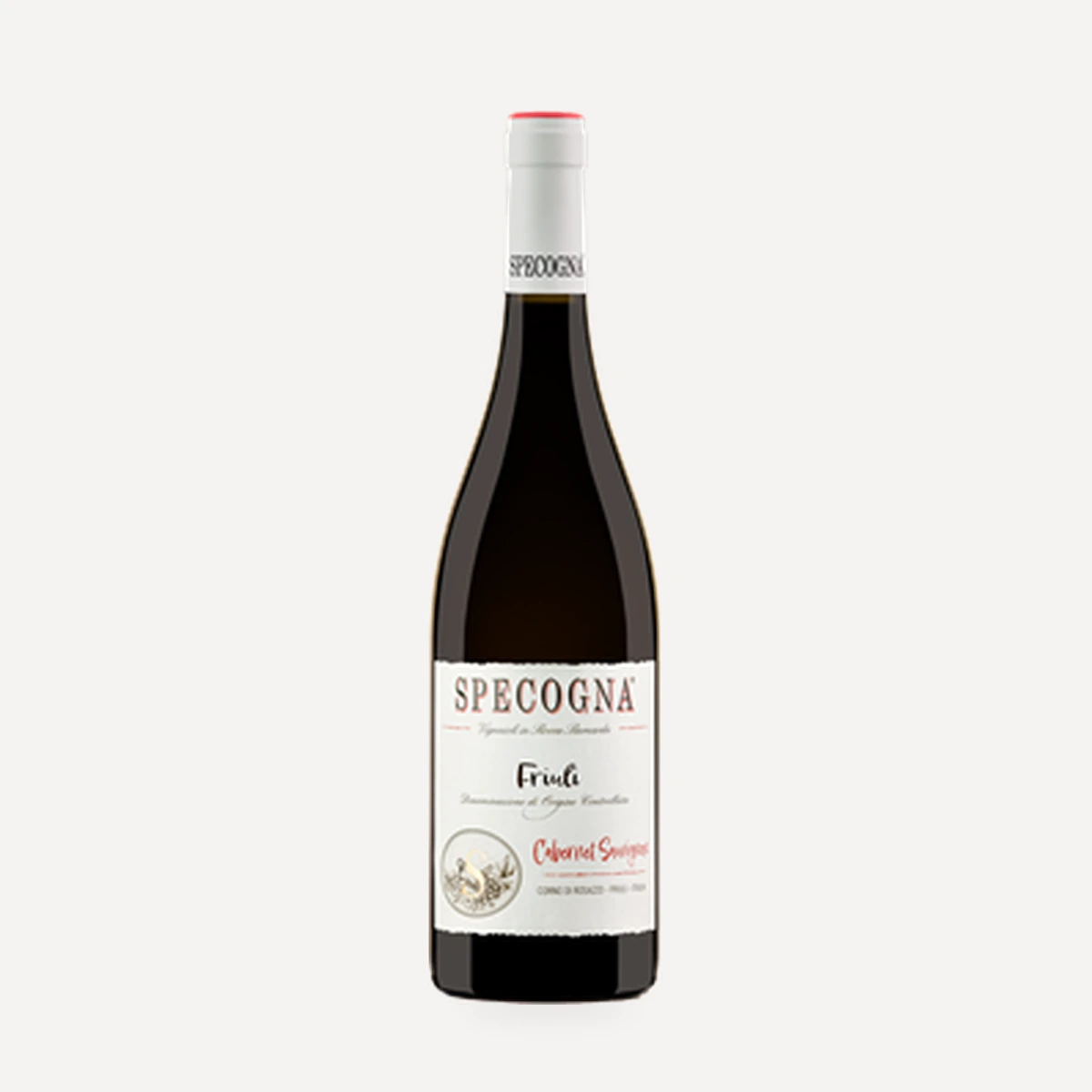
Cabernet Sauvignon