Storia
Family roots
The Cecchetto family has lived and grown grapes in the Piave area for more than a century. Marino Cecchetto is remembered as the family patriarch and the point of reference for the grandchildren who now direct the winery. The knowledge accumulated by Marino and by the brothers’ father formed the viticultural inheritance on which the present business was built.
The family’s historic setting is Rai di San Polo di Piave. Its agricultural identity is closely connected to Bellussera, the radial training system developed in the late nineteenth century. Ca di Rajo has retained 15 hectares under this system, including vines more than 70 years old and some reaching approximately a century. A Tai vineyard planted in the early years of the twentieth century later became the basis of the ICONEMA project.
2005: foundation of the winery
Simone Cecchetto founded Ca di Rajo in 2005 and was soon joined by his brothers Alessio and Fabio. Together they represent the family’s third generation. They converted the viticultural experience inherited from their father and grandfather into a structured business with an international outlook. Simone assumed responsibility for strategic development, Alessio for agronomy and production, and Fabio for the commercial network and market development.
The brothers constructed a modern winery in San Polo di Piave that combines contemporary technology and sustainability measures with Treviso’s winemaking culture. The headquarters remained rooted in the family’s historic landscape, beside the Chiesetta del Carmine, Casa Convento and Torre di Rai.
2006: first Raboso releases
The 2006 harvest produced the first vintages of Sangue del Diavolo and Notti di Luna Piena. Both were conceived around Raboso, establishing the native Piave variety as a central element of the winery’s identity.
2013: cellar expansion
In 2013 the principal winery building at San Polo di Piave was enlarged. An additional structure was created to accommodate a bottling plant and a new warehouse, expanding the estate’s ability to manage production and packaging directly.
2017: the ICONEMA project
The 2017 harvest inaugurated ICONEMA, a Tai project based on fruit from a Bellussera vineyard dating to the early twentieth century. The project joined the conservation of an old vineyard with the production of a limited wine and subsequently developed a connection with art through individually decorated Magnum cases.
2023: formal sustainability framework
In 2023 Ca di Rajo completed its first sustainability report and obtained Equalitas Sustainable Organization certification. The agricultural company also holds SQNPI certification for integrated production, while its food-safety system is certified to FSSC 22000.
2024: reorganization and vineyard growth
The Ca di Rajo Group organization was established in 2024, bringing distribution and shared services into a broader structure while the family agricultural company remained the producer. The reorganization also encompassed the family’s separately identified Aganis and Terre di Rai businesses without changing Ca di Rajo’s individual estate identity. During the year, approximately 17 hectares of vineyards at Meolo were acquired to increase the agricultural company’s productive surface and reduce dependence on outside suppliers.
2025–2026: packaging, range and hospitality
Beginning with the 2025 vintage, the white-wine range adopted clear glass. A new lightweight bottle was introduced to reduce glass use and the environmental burden of production and transport.
In 2026 the range expanded with a zero-alcohol sparkling product and a sparkling wine at 5% alcohol, developed in response to growing interest in moderation and alternative occasions for drinking. The Wine Shop at San Polo di Piave was also completely renovated in 2026 to provide a broader visitor experience.
Terroir
Ca di Rajo’s identity spans eastern Veneto between the Piave plain and the hills of Prosecco Superiore. The principal estate is based at Rai di San Polo di Piave in the province of Treviso, within a landscape shaped by grape cultivation, agricultural history and biodiversity.
The Piave vineyards stand on alluvial soils rich in mineral material. Breezes arriving from the Adriatic influence the local microclimate. Within this setting the estate associates its native varieties with freshness, structure and the capacity to age.
Bellussera is the defining agricultural architecture of the San Polo di Piave landscape. Vines are lifted approximately 2.5 metres above the ground on wooden posts around 4 metres tall. Iron wires radiate from the posts, and permanent cordons are trained diagonally upward to form a spoke-like canopy. The broad spacing and elevated vegetation expose a large vine surface to sunlight while leaving wide corridors between the rows.
The estate’s territorial range also extends to Glera grown for Prosecco DOC and Valdobbiadene Prosecco Superiore DOCG. This creates a geographic link between the Piave plain and the Prosecco hills while retaining the Piave vineyards and their native grapes as the core of the estate’s identity.
Vinificazione
Certified integrated production
All vineyards managed by Società Agricola Ca di Rajo S.S. participate in the Sistema di Qualità Nazionale di Produzione Integrata (SQNPI). The program applies regional integrated-farming protocols, limits plant-protection interventions and provides traceability from vineyard to cellar. Soils and microclimates are managed as interconnected parts of the vineyard ecosystem.
Soil and fertility
Chemical herbicides are rejected. Spontaneous grass cover and alternating mowing preserve soil health and encourage biological diversity. Fertilization plans are based on soil analysis and assessment of vine condition. Applications are divided into separate doses, and slow-release fertilizers are used to improve efficiency and reduce unnecessary inputs.
Plant protection and biodiversity
Disease and pest pressure is monitored continuously. Integrated protection includes sexual-confusion techniques and adjustment of spraying volumes to reduce phytosanitary-product use. Semi-natural areas and buffer strips are maintained, pollinating insects are encouraged, and links between cultivated land and wooded areas are preserved.
Canopy and harvest management
Pruning and vegetation management are adjusted to the climate and the needs of each variety. Green operations include shoot removal and selective removal of excess growth, helping to reduce the need for treatments. Ripening is monitored continuously, and harvest timing is planned to collect each block at its optimum point while retaining traceability into the cellar.
Water
Water use in the vineyards is limited through micro-irrigation. Rainfall and vine requirements are monitored so irrigation can be targeted rather than applied routinely.
Bellussera by hand
Bellussera cannot be mechanically pruned or harvested. Both operations are performed manually with trailers and elevated platforms that carry workers to the canopy. Winter pruning normally begins between late January and early February. It follows a large-scale form of Sylvoz mixed pruning: old fruiting shoots are removed, current-season fruiting canes are chosen, and spurs are retained to provide the following season’s canes. A Bellussera cordon generally carries four or five fruiting canes and a similar number of spurs, compared with two or three in a conventional Sylvoz arrangement.
Young willow branches called sàche are traditionally cut around the waxing moon at the end of November, bundled and later used to tie fruiting canes. Their flexibility provides a renewable alternative to synthetic ties. The system’s lower planting density is offset by its broad sun-exposed canopy and the potential for greater production per vine. Historically, its 8-metre spacing also allowed potatoes, legumes and fodder to be cultivated beneath the vines.
Ca di Rajo operates a modern winery at San Polo di Piave and directly oversees the chain from vineyard management through reception of grapes, production, bottling, packaging and distribution. The 2013 expansion added an on-site bottling plant and a new warehouse.
Harvest scheduling is based on analysis of environmental conditions, grape condition and ripeness, allowing fruit to enter the cellar at the intended stage of maturity. Production protocols cover the process from grape reception through packaging, with controlled use of enological products and monitoring of water and energy. Consumption of enological inputs, water and electricity has been tracked systematically since 2023 to identify further reductions and improve plant efficiency.
The production model prioritizes traceability, food safety and control of the complete chain. FSSC 22000 certification covers the food-safety management system, while Equalitas encompasses environmental, social and economic sustainability. Wastewater is collected and treated in compliance with environmental requirements, and separate waste collection is used throughout the operating sites.
Packaging forms part of the production strategy. FSC-certified paper is used, bottle weight is being reduced, and clear glass was introduced for the white-wine range from the 2025 vintage. The lightweight bottle adopted for the wider range reduces both raw-material demand and transport emissions.
The San Polo di Piave facility has a 330 kW photovoltaic installation. In 2024 the agricultural company generated 341,448 kWh of photovoltaic electricity, consumed 290,430 kWh of that production internally and returned 51,018 kWh to the grid.
Filosofia
Ca di Rajo defines its work through the relationship between family continuity, the Piave landscape and a contemporary approach to production. Its central objective is to enhance the Piave area through wines grounded in local grape varieties, particularly Raboso, the Manzoni crossings and Marzemina Bianca, while also interpreting Glera from the Prosecco territories.
The three Cecchetto brothers present preservation and innovation as complementary responsibilities. Bellussera is maintained not for efficiency—it requires manual pruning and harvesting—but because it carries the family’s memory, the identity of the local landscape and old genetic material. Contemporary cellar technology, direct control of the chain and renewable energy are used to carry that heritage forward rather than replace it.
Sustainability is treated as an ongoing process encompassing environmental, social and economic responsibilities. The stated priorities include measured use of natural resources, prevention of waste, lower-impact technology, safe and traceable production, fair working conditions, staff development, transparent relationships with suppliers and long-term engagement with the local community.
Quality is linked to detailed vineyard monitoring, control of every production stage and the expression of origin. The estate’s philosophy also places hospitality and shared experience around wine at the centre of its relationship with visitors and the surrounding community.
Vini
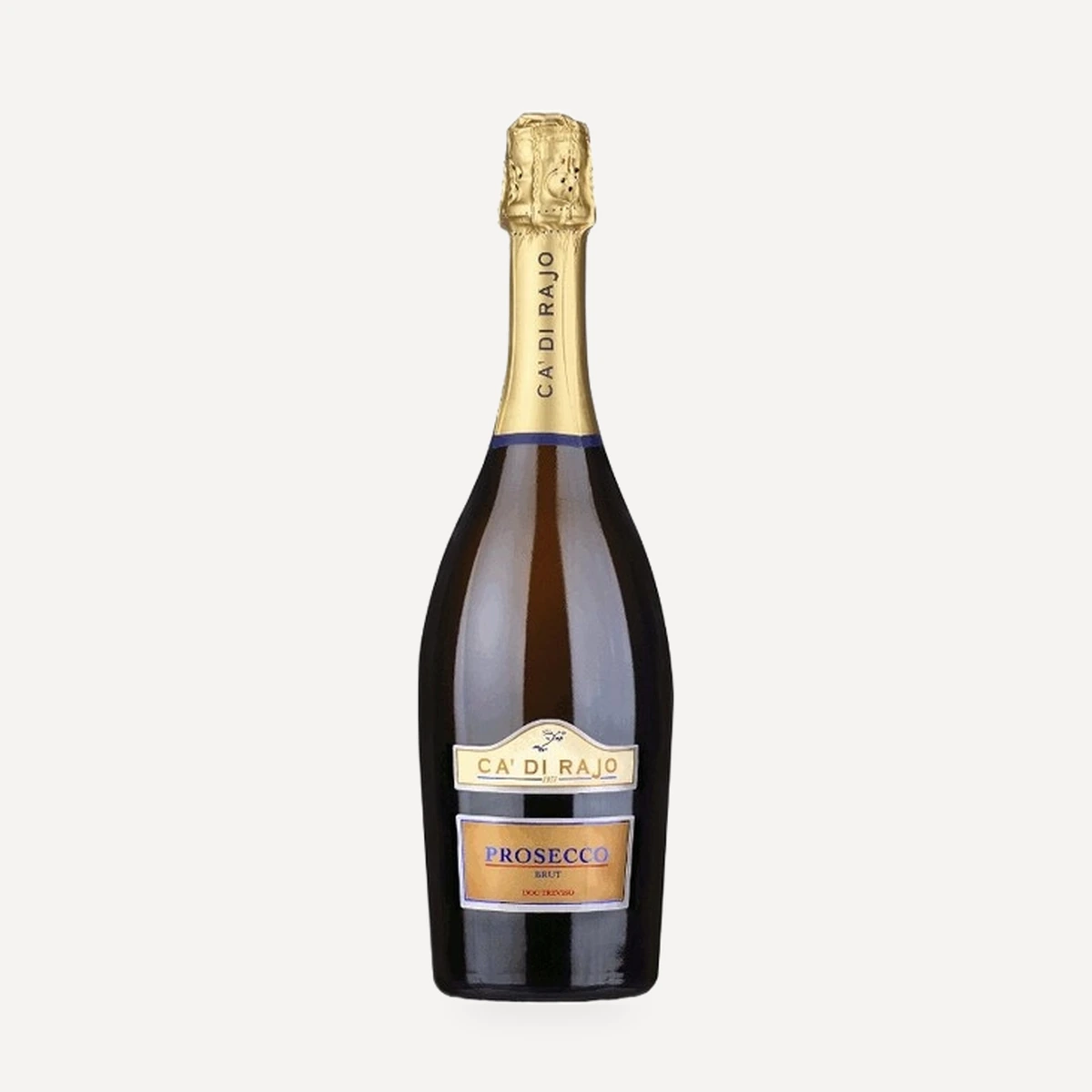
Prosecco Brut Treviso DOC
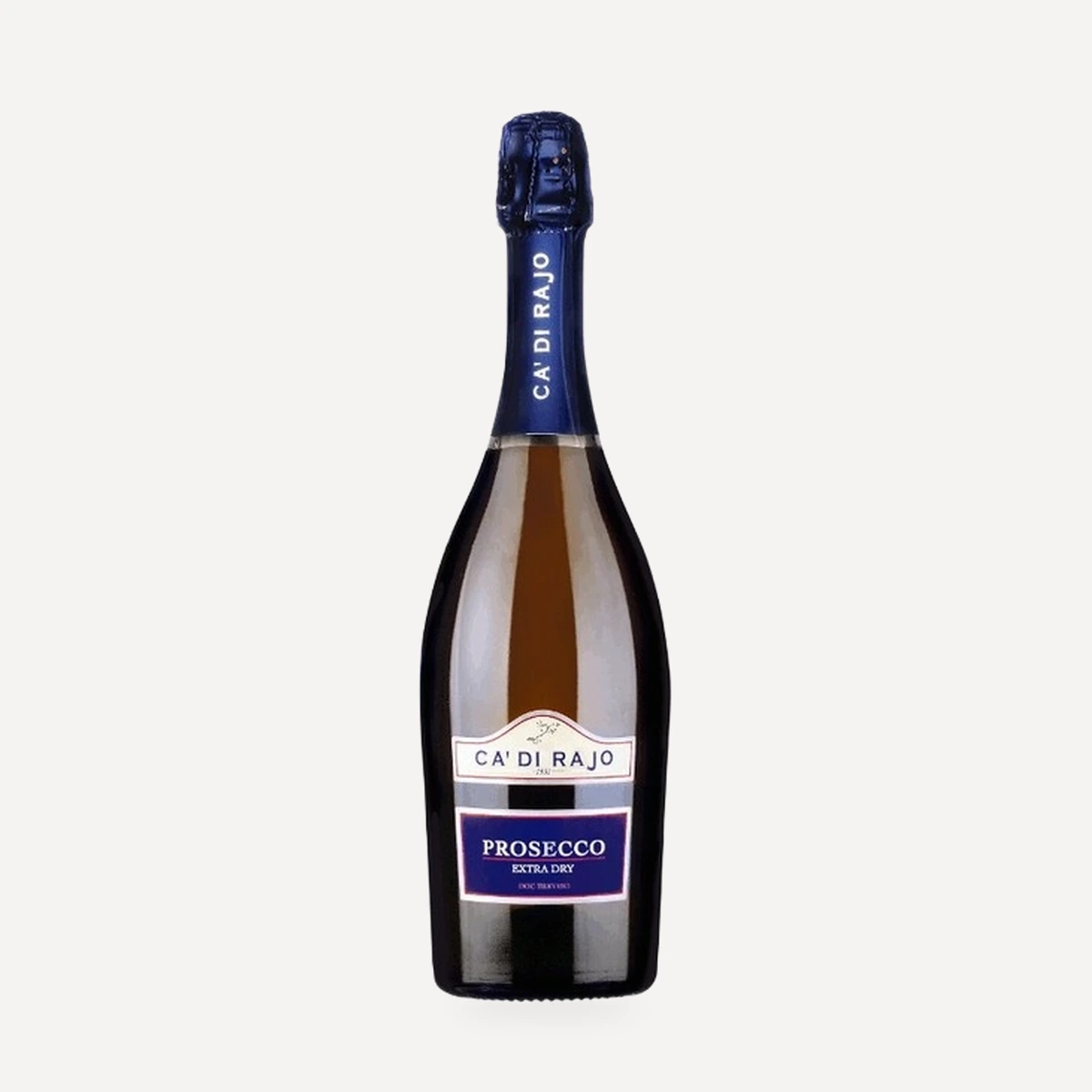
Extra Dry Prosecco Treviso DOC
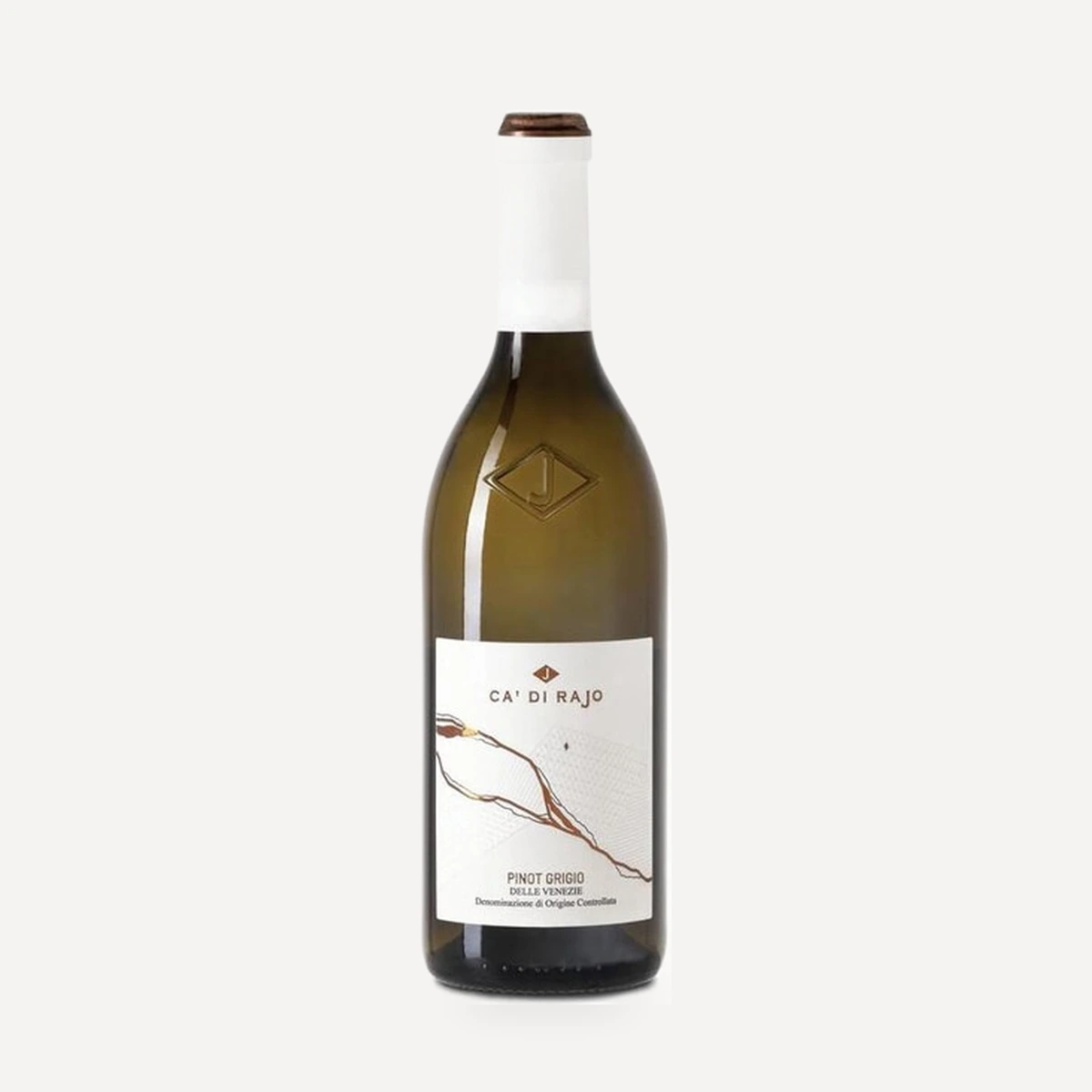
Pinot Grigio delle Venezie DOC
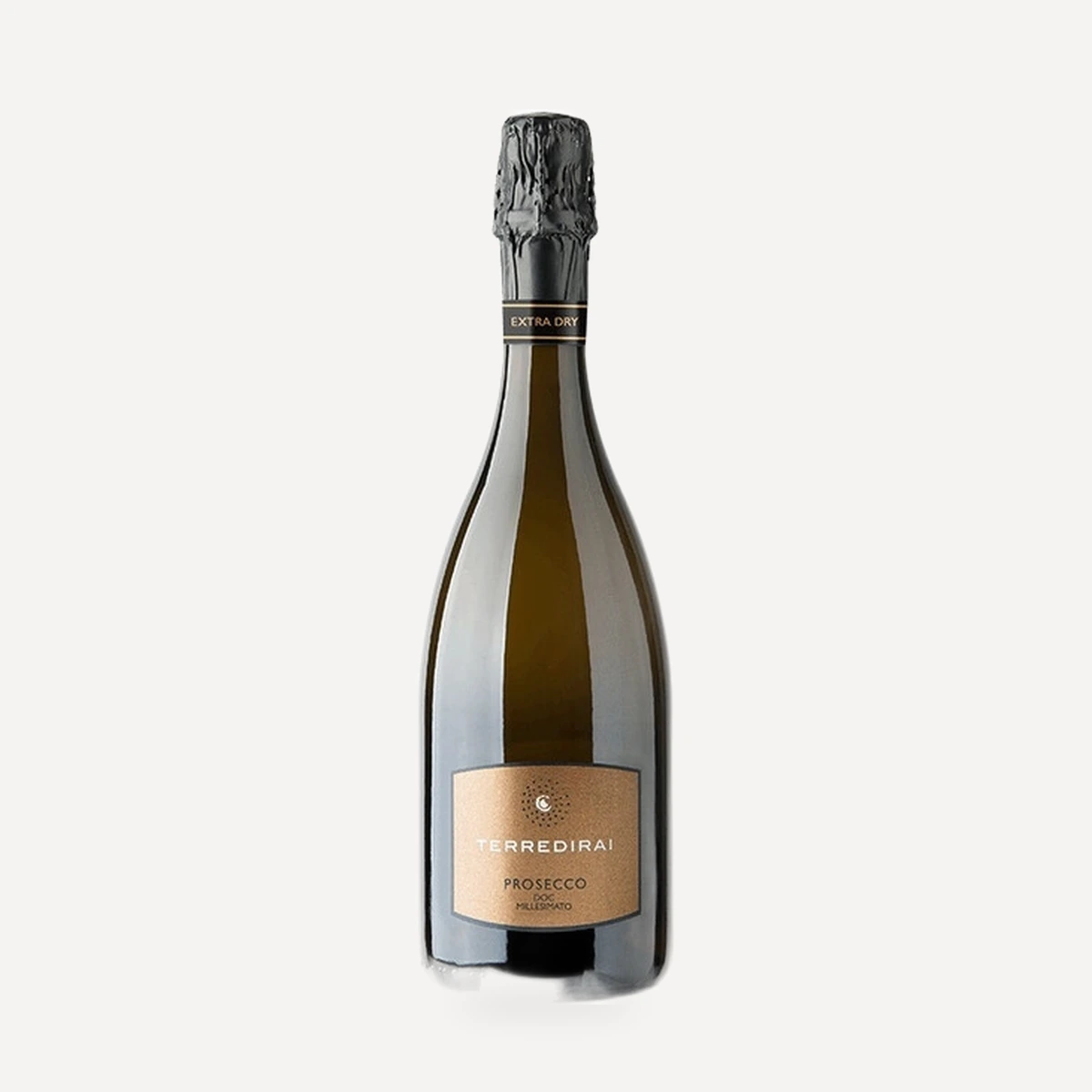
Prosecco Extra Dry DOC
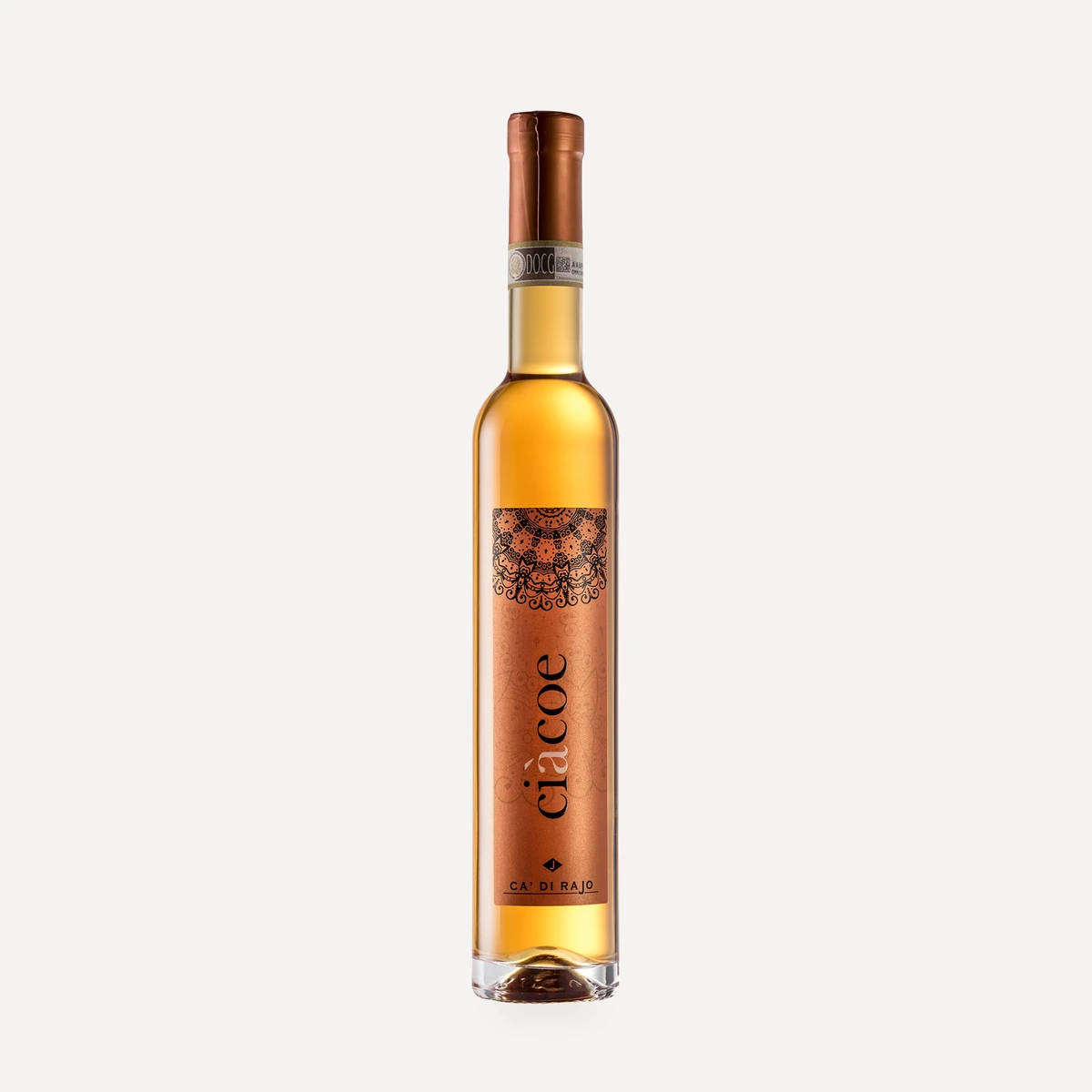
Ciàcoe Torchiato di Fregona Colli di Conegliano DOCG Dolce
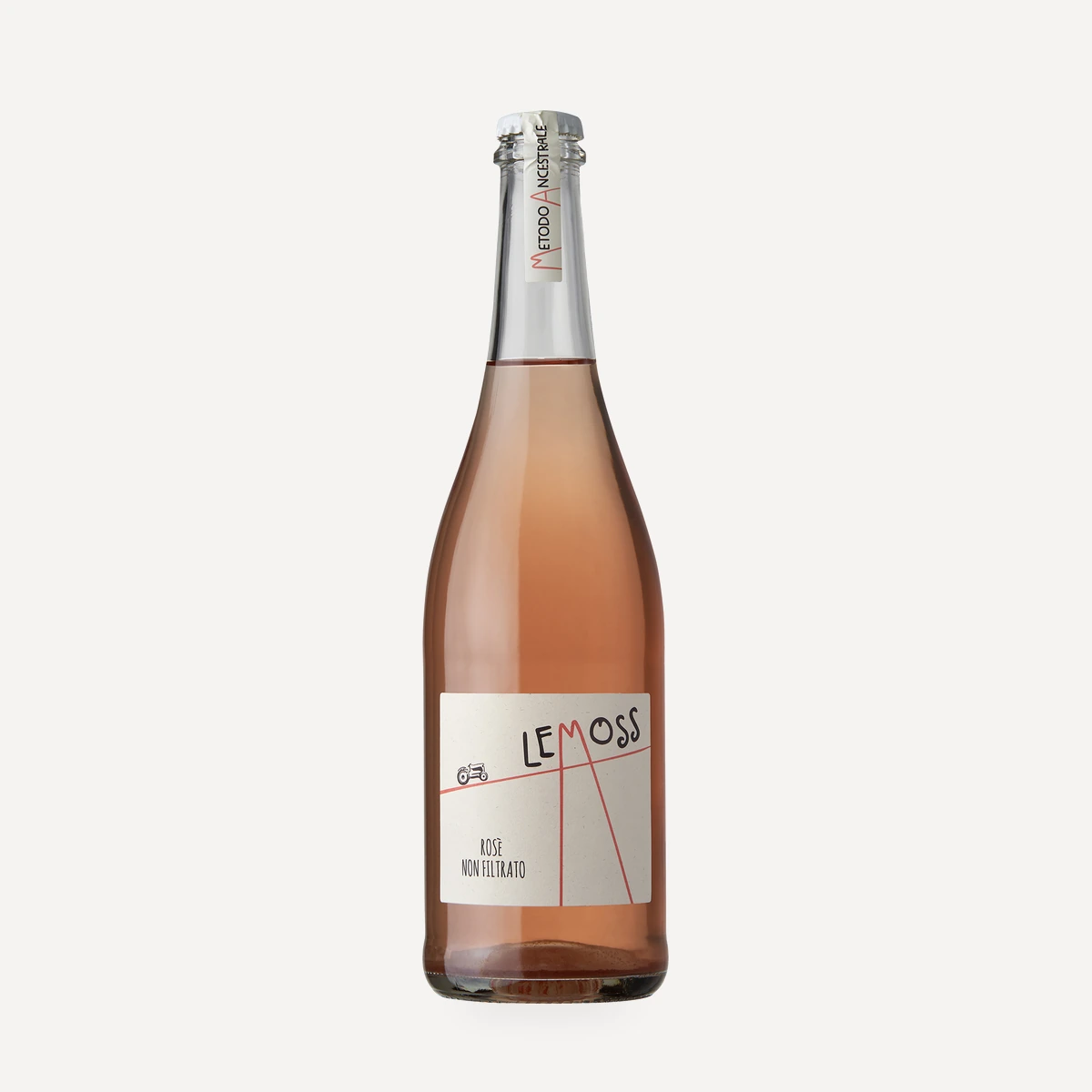
Lemoss Rosato Rosato Frizzante Non Filtrato Trevenezie IGT
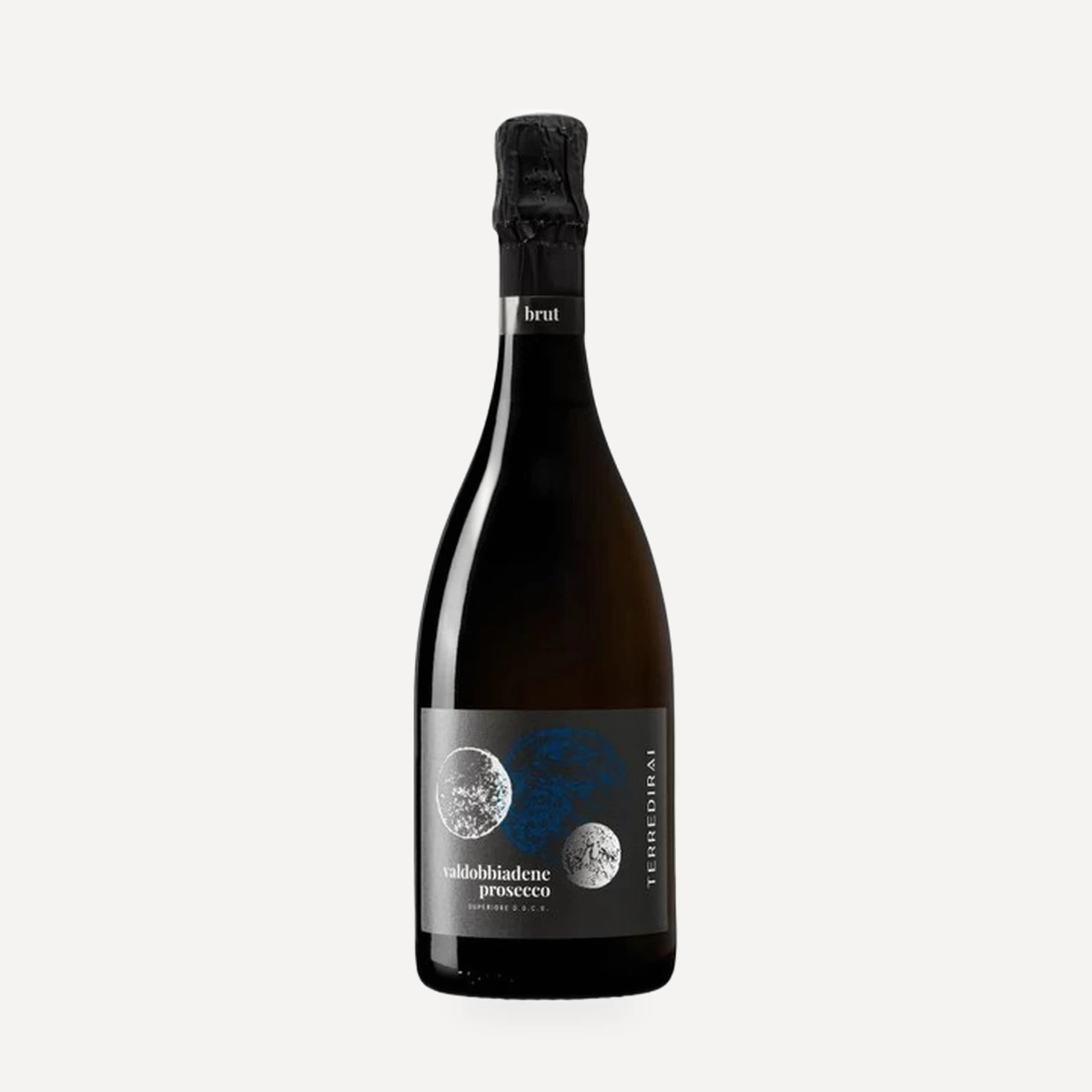
Terre di Rai Valdobbiadene Prosecco Superiore Brut DOCG
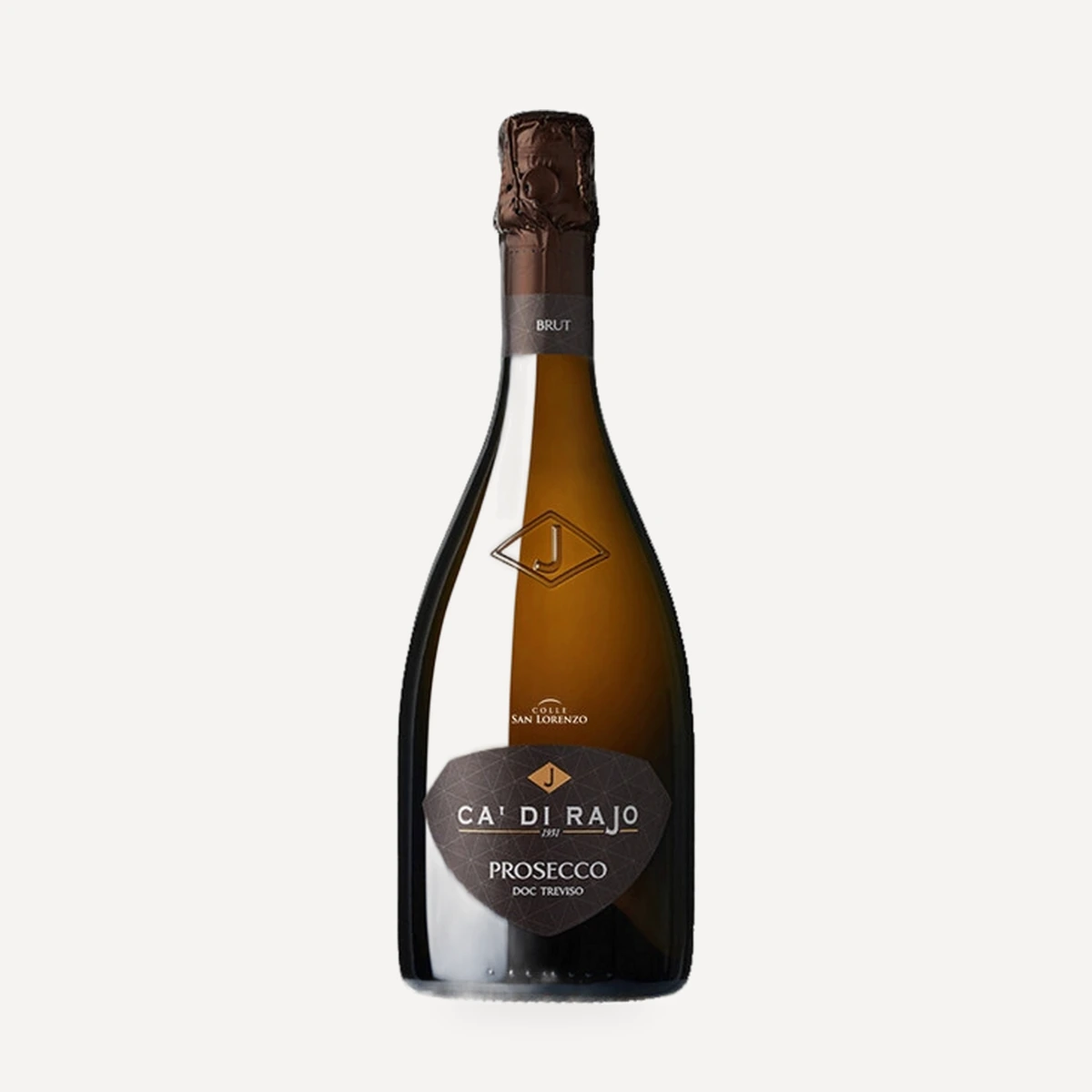
Colle San Lorenzo Prosecco Treviso DOC
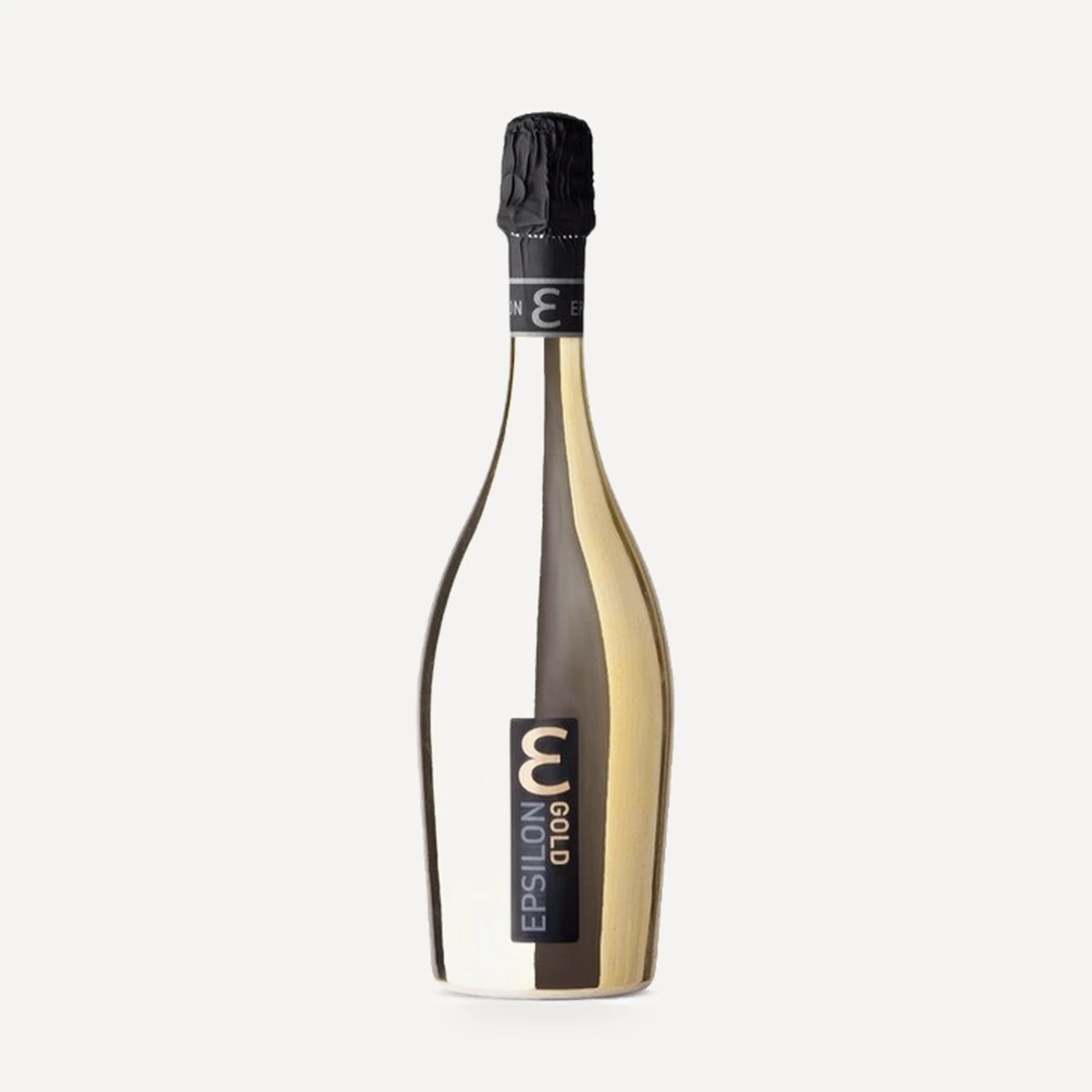
Epsilon Gold Extra Dry Spumante Veneto
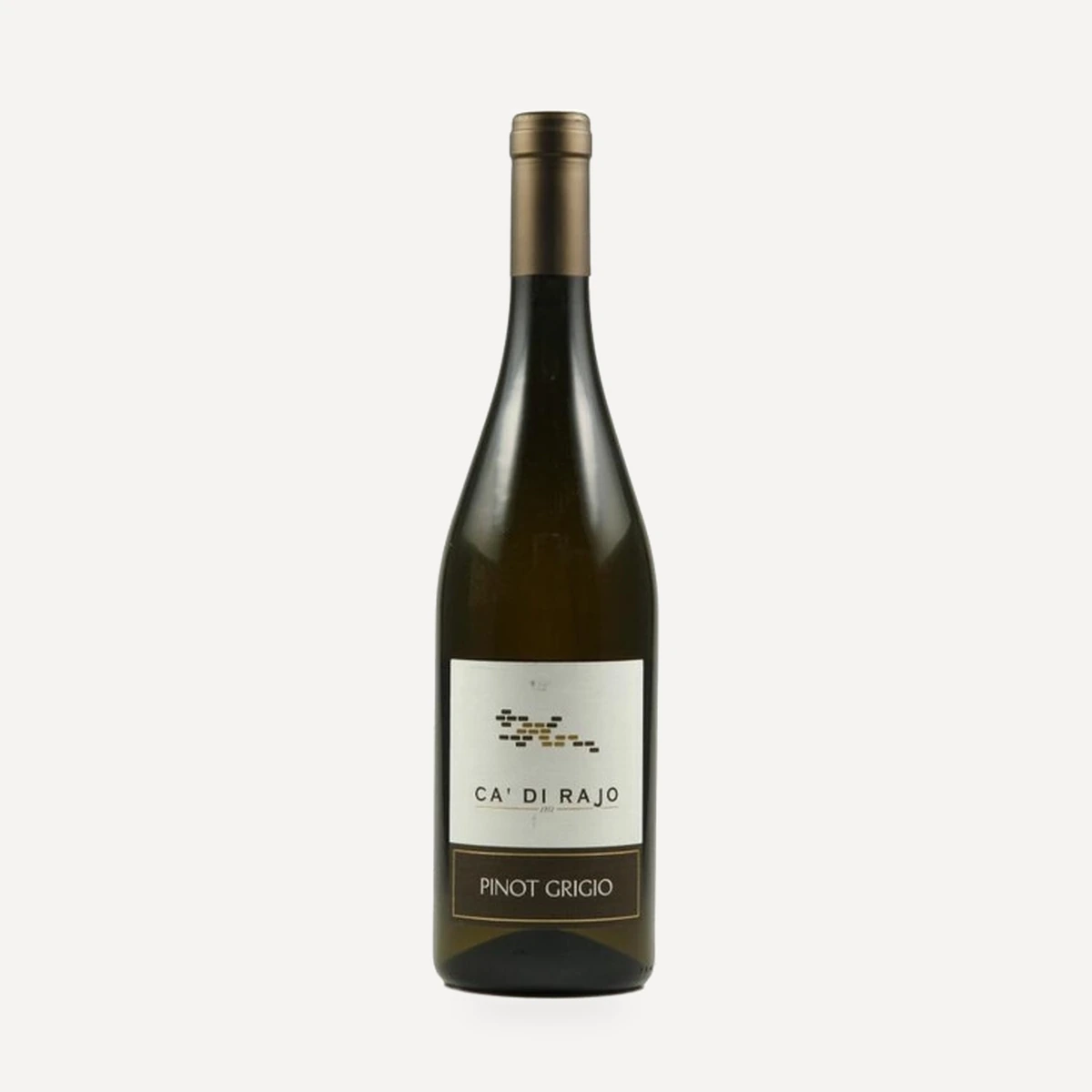
Pinot Grigio Marca Trevigiana IGT
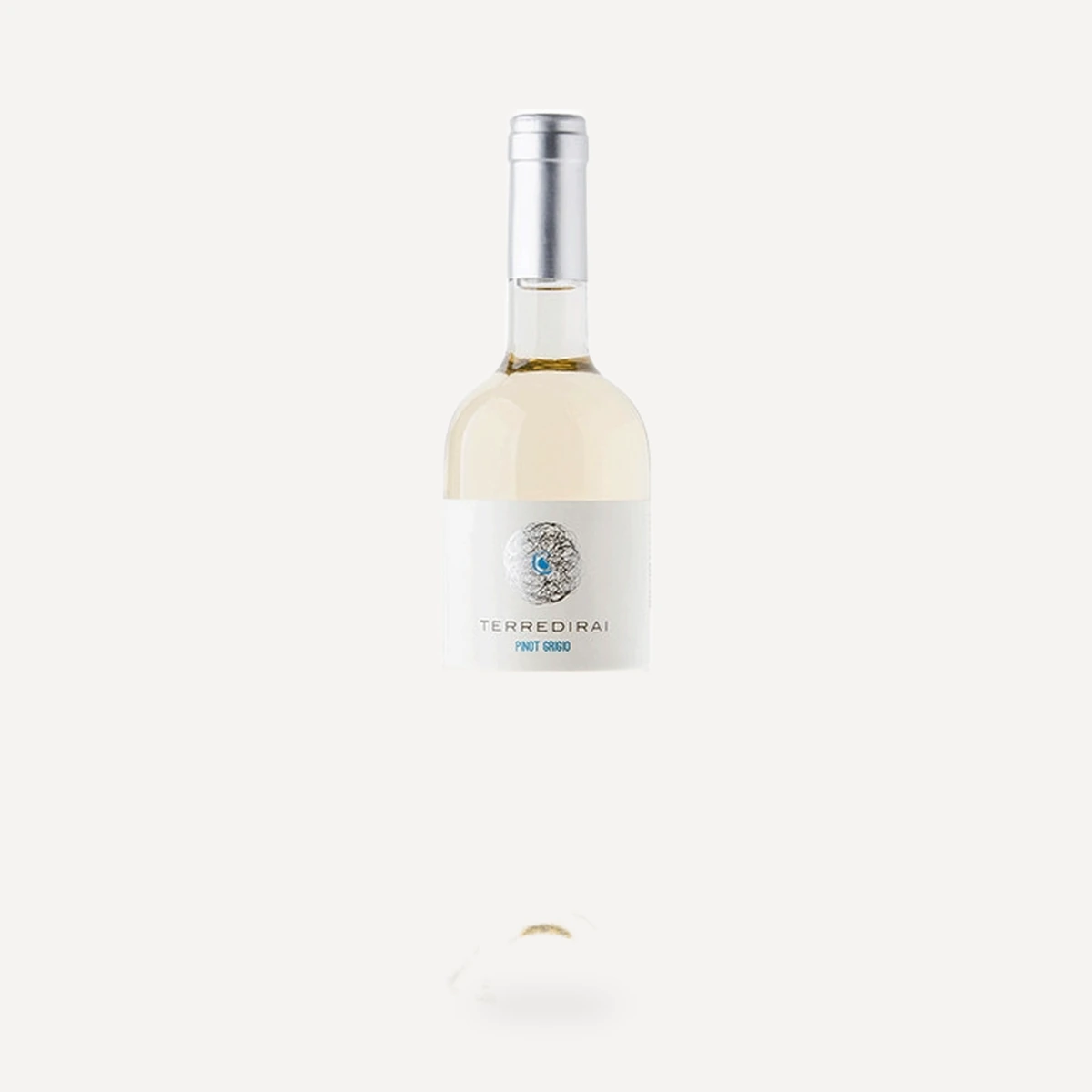
Terre di Rai Pinot Grigio Veneto IGP
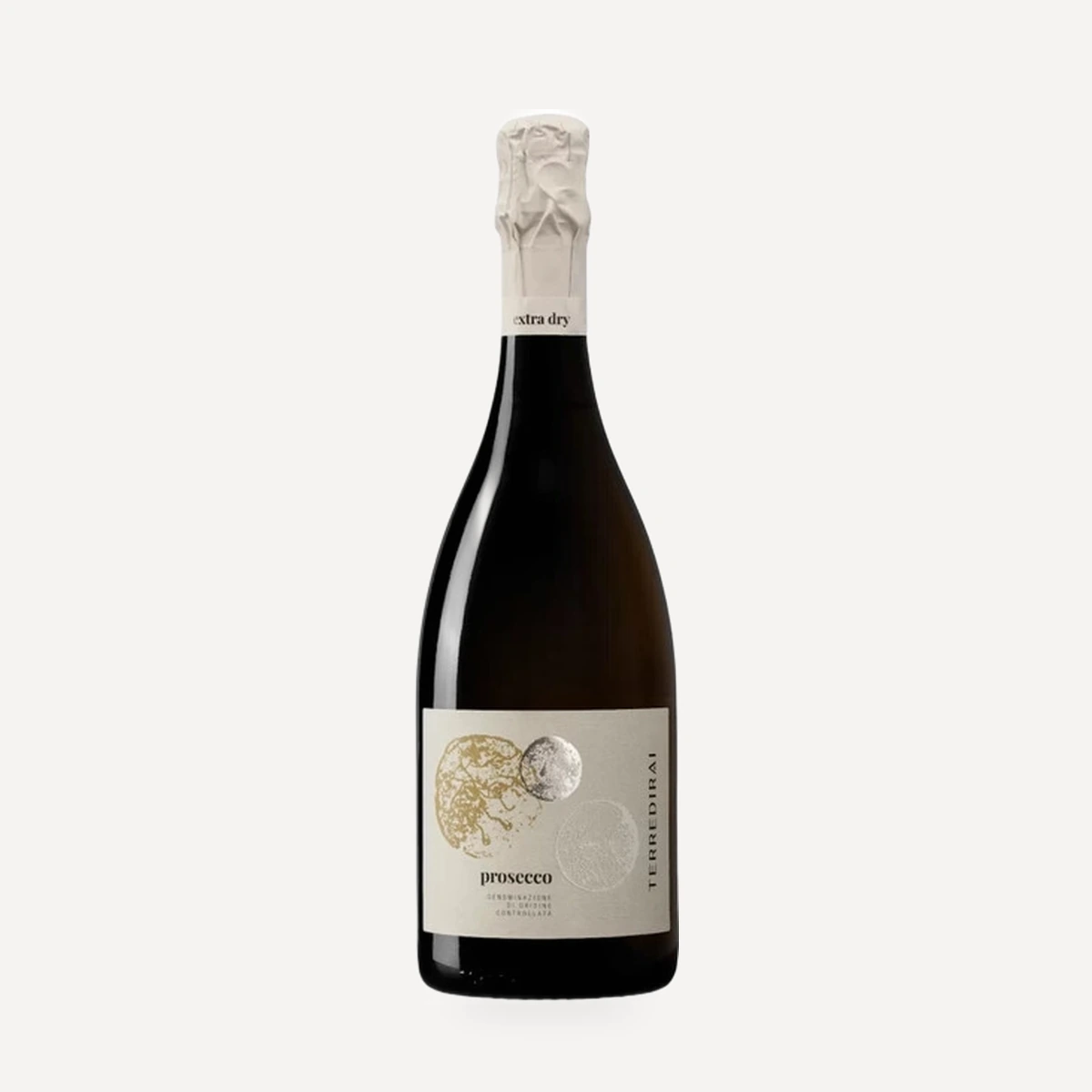
Terre di Rai Prosecco Treviso Millesimato DOC
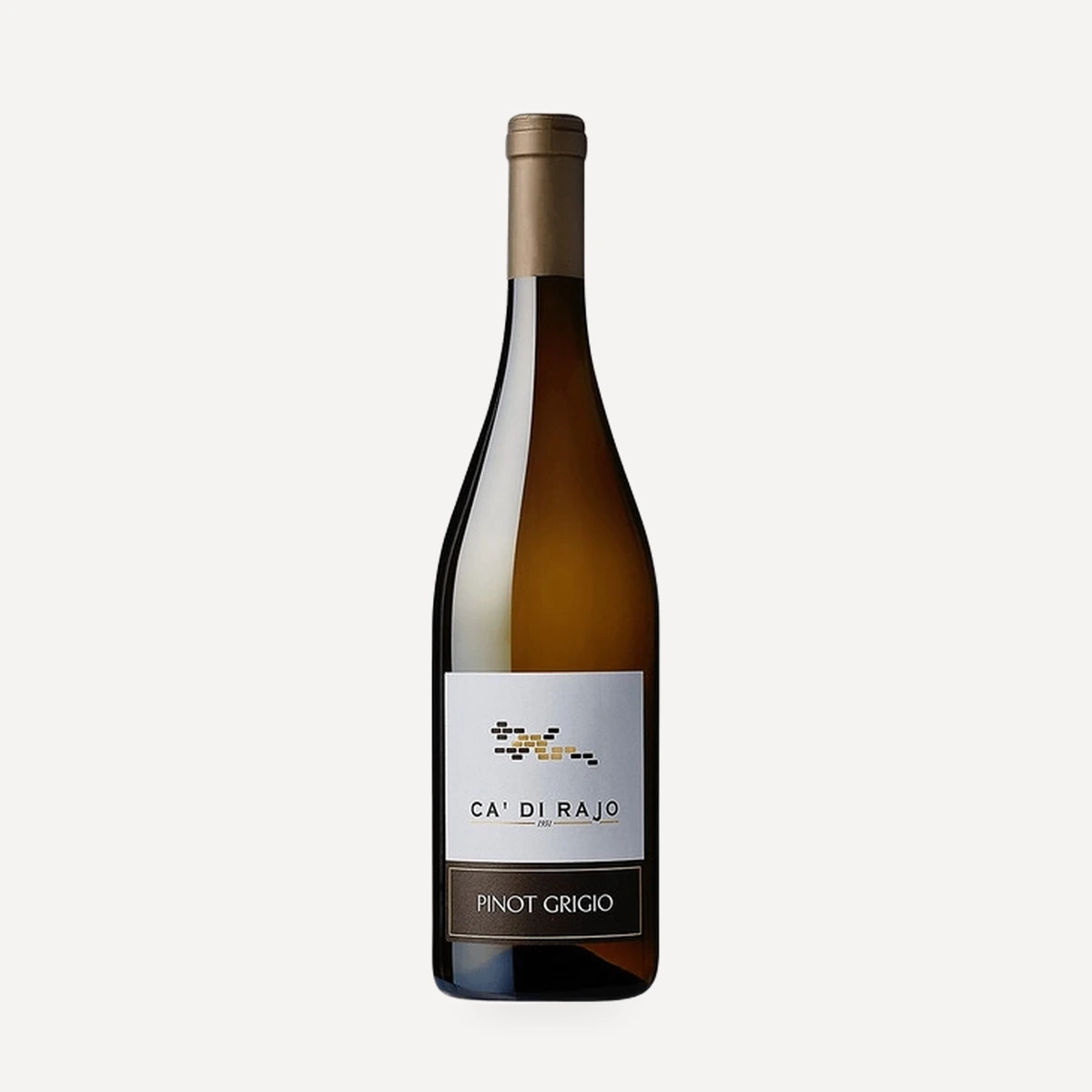
Pinot Grigio Venezia DOC
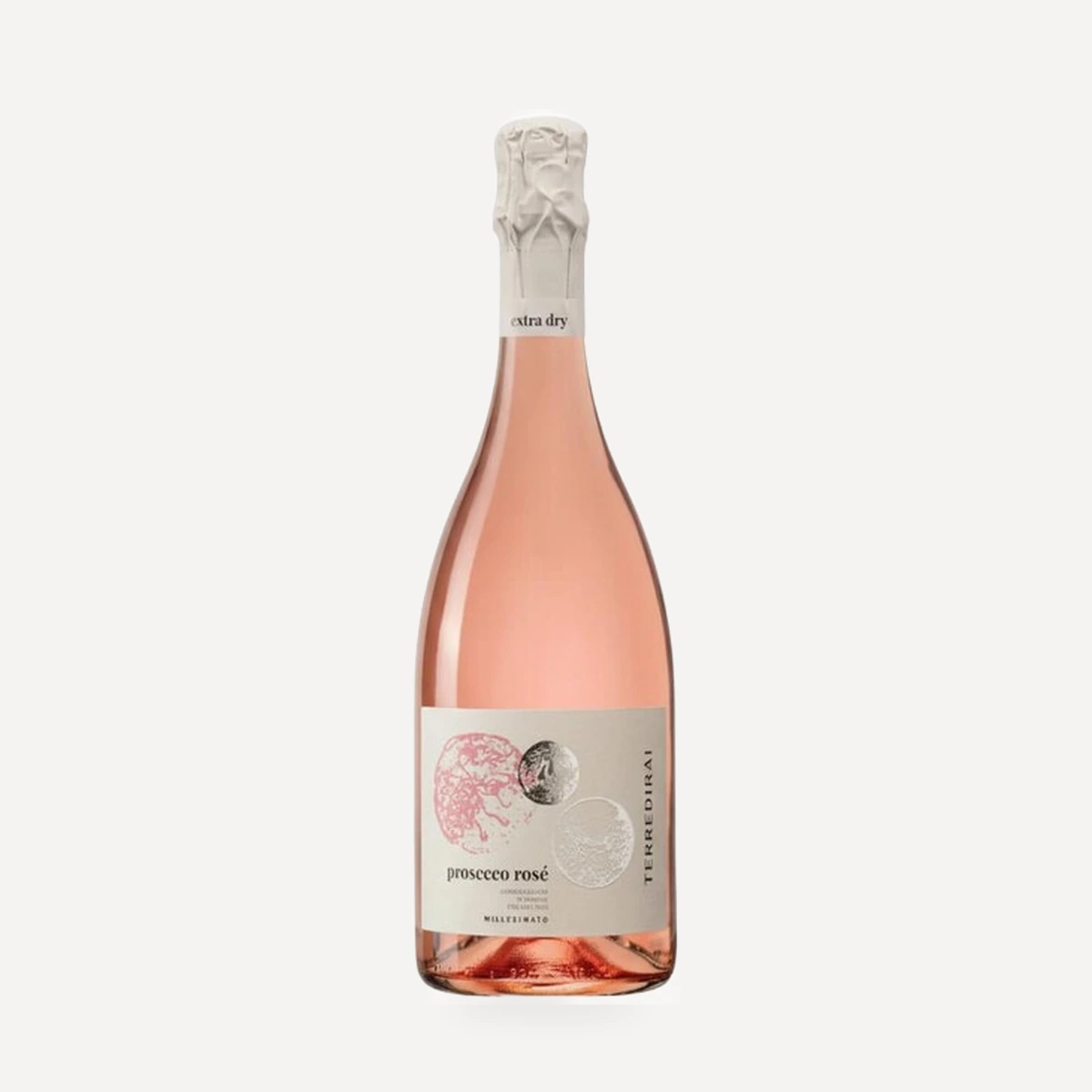
Terre di Rai Rose Prosecco Treviso Millesimato DOC
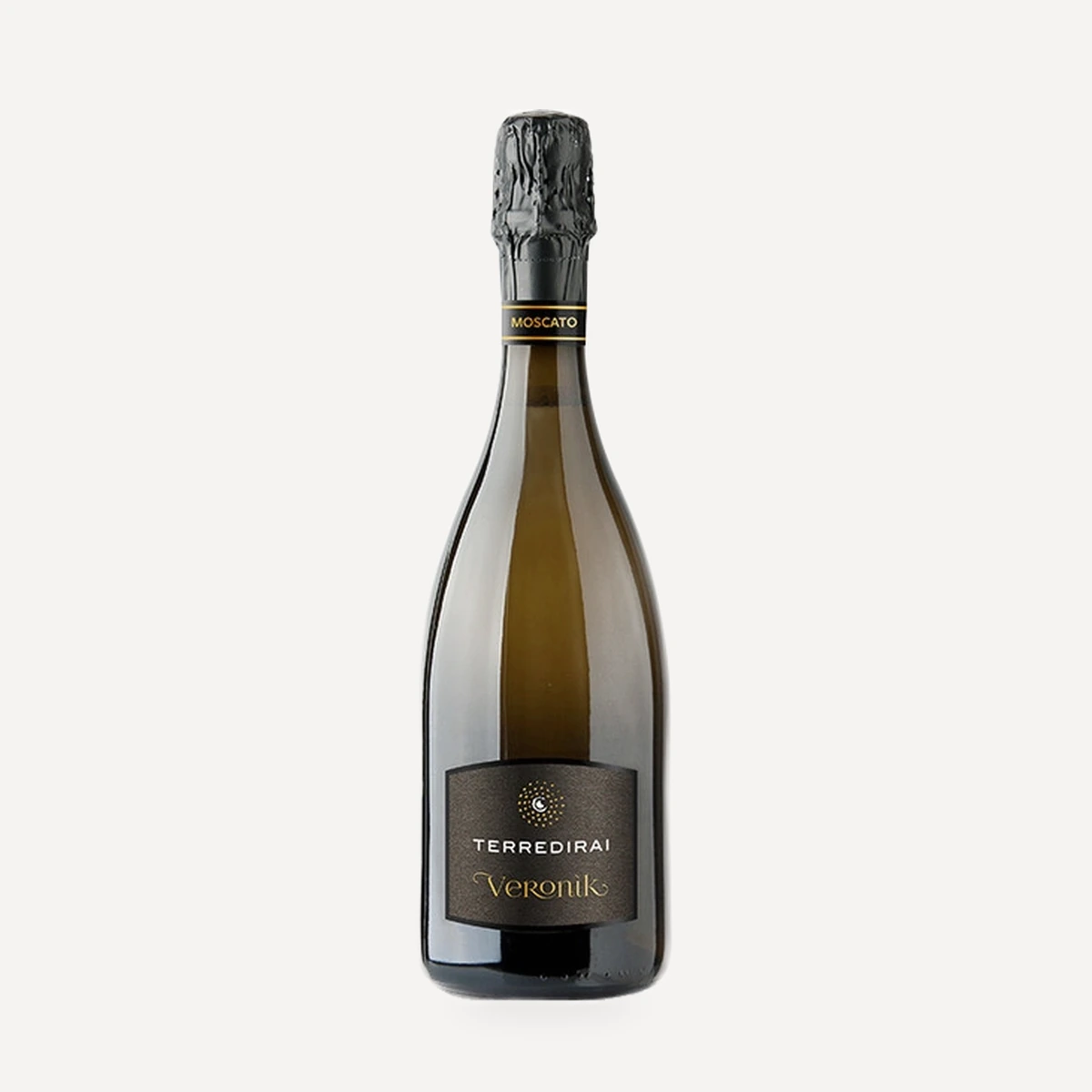
Veronik Veneto IGP
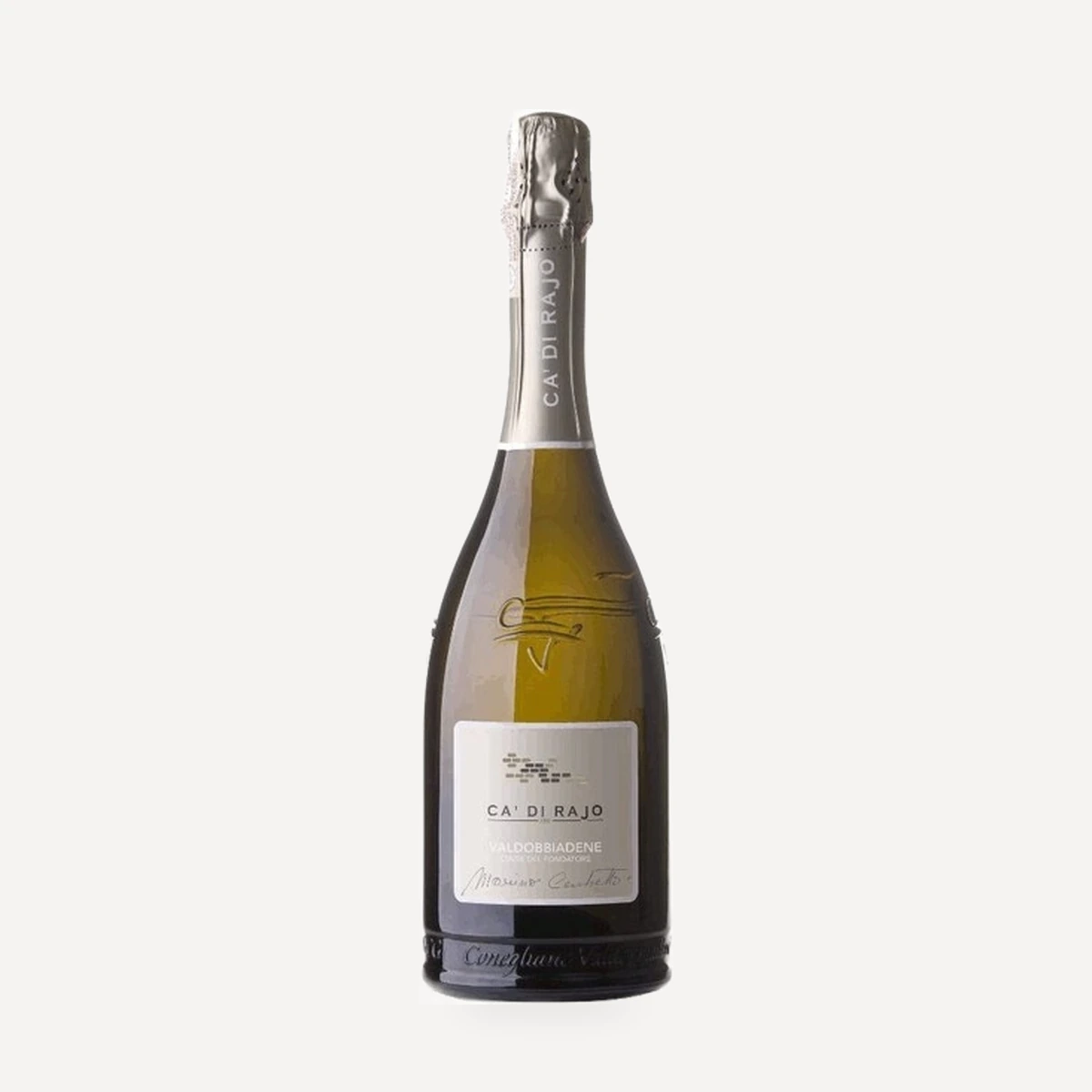
Extra Dry Millesimato Valdobbiadene Prosecco Superiore DOCG
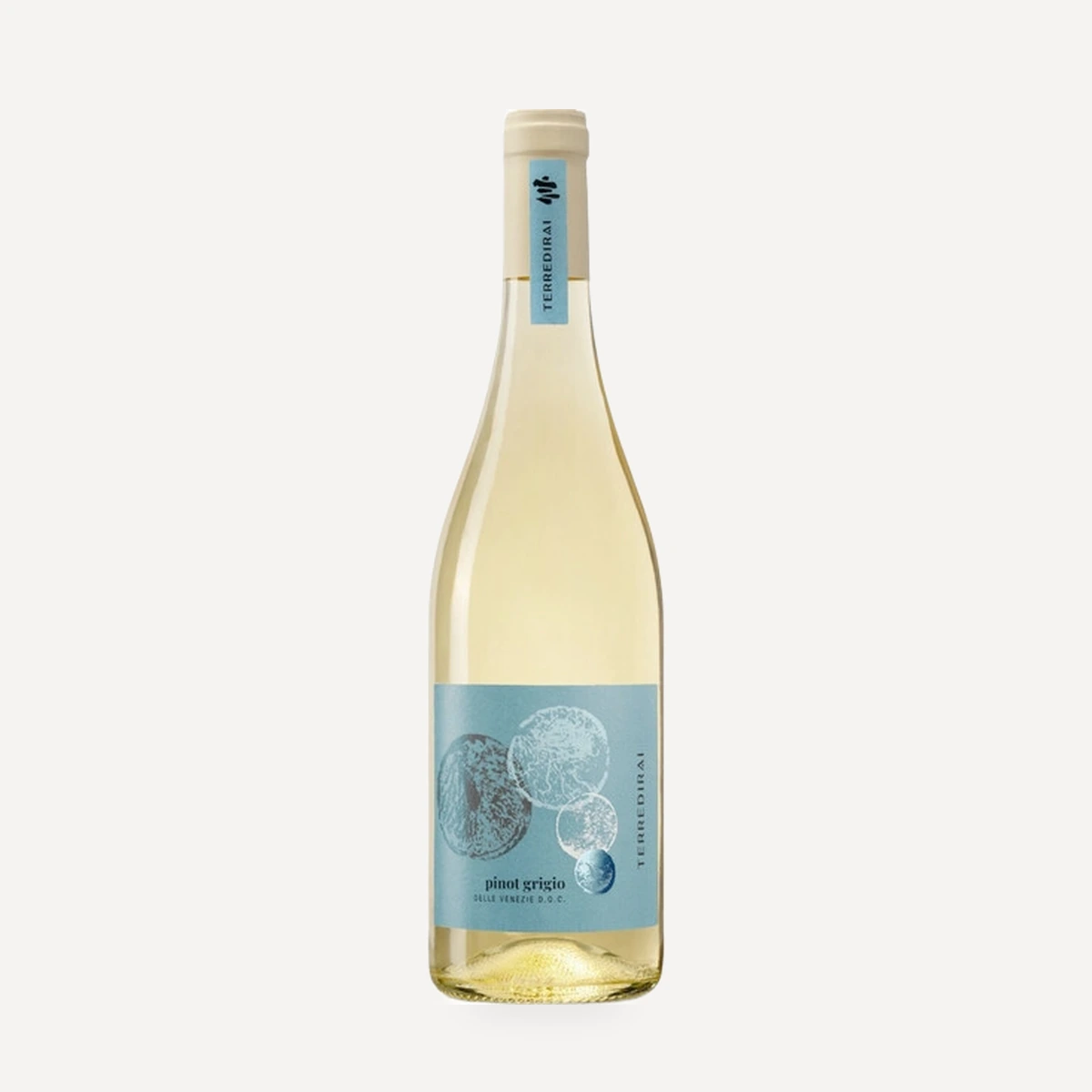
Terre di Rai Pinot Grigio delle Venezie DOC
Bio Prosecco DOC Brut
Cuvée del Fondatore Valdobbiadene Prosecco Superiore DOCG Brut
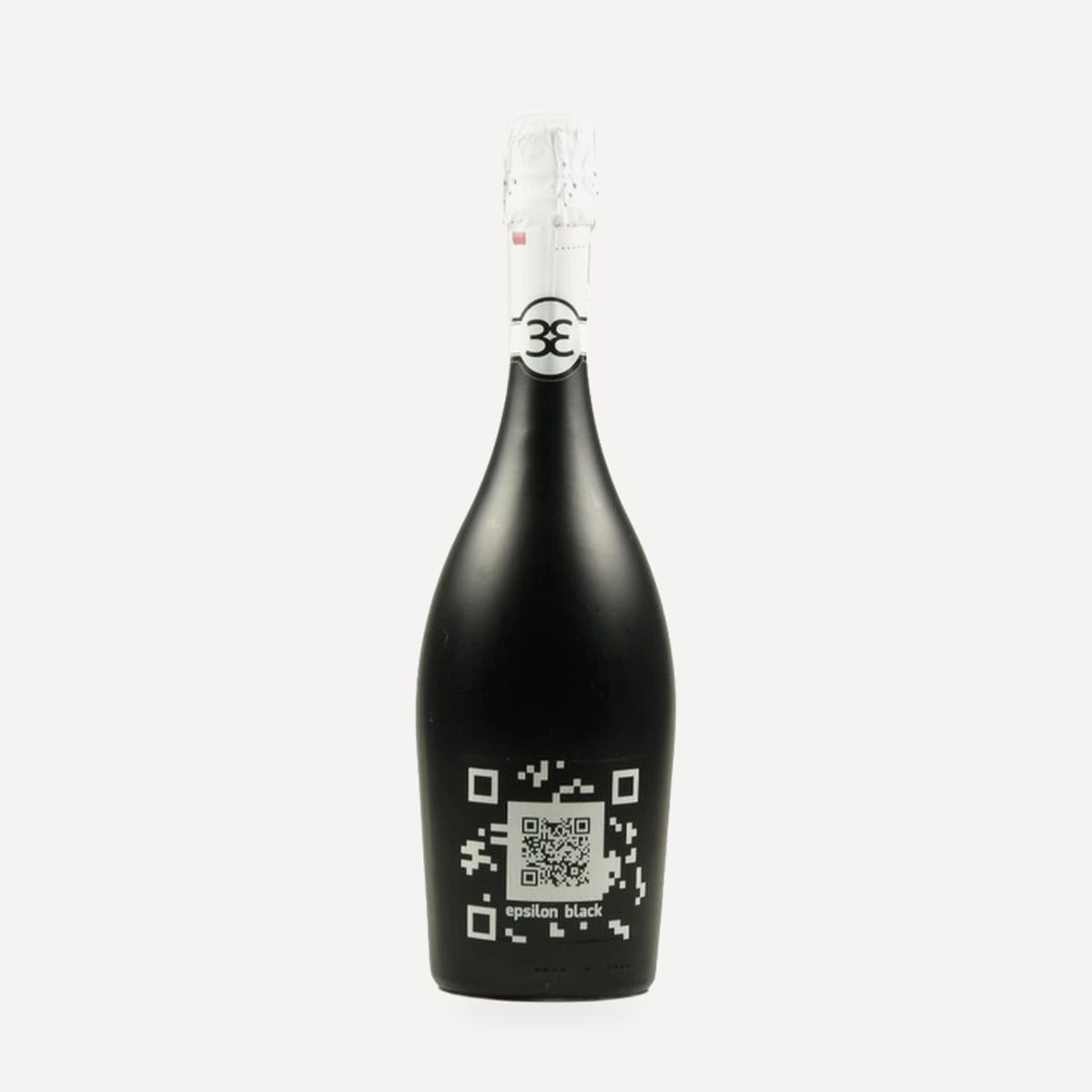
Epsilon Black Extra Dry Veneto
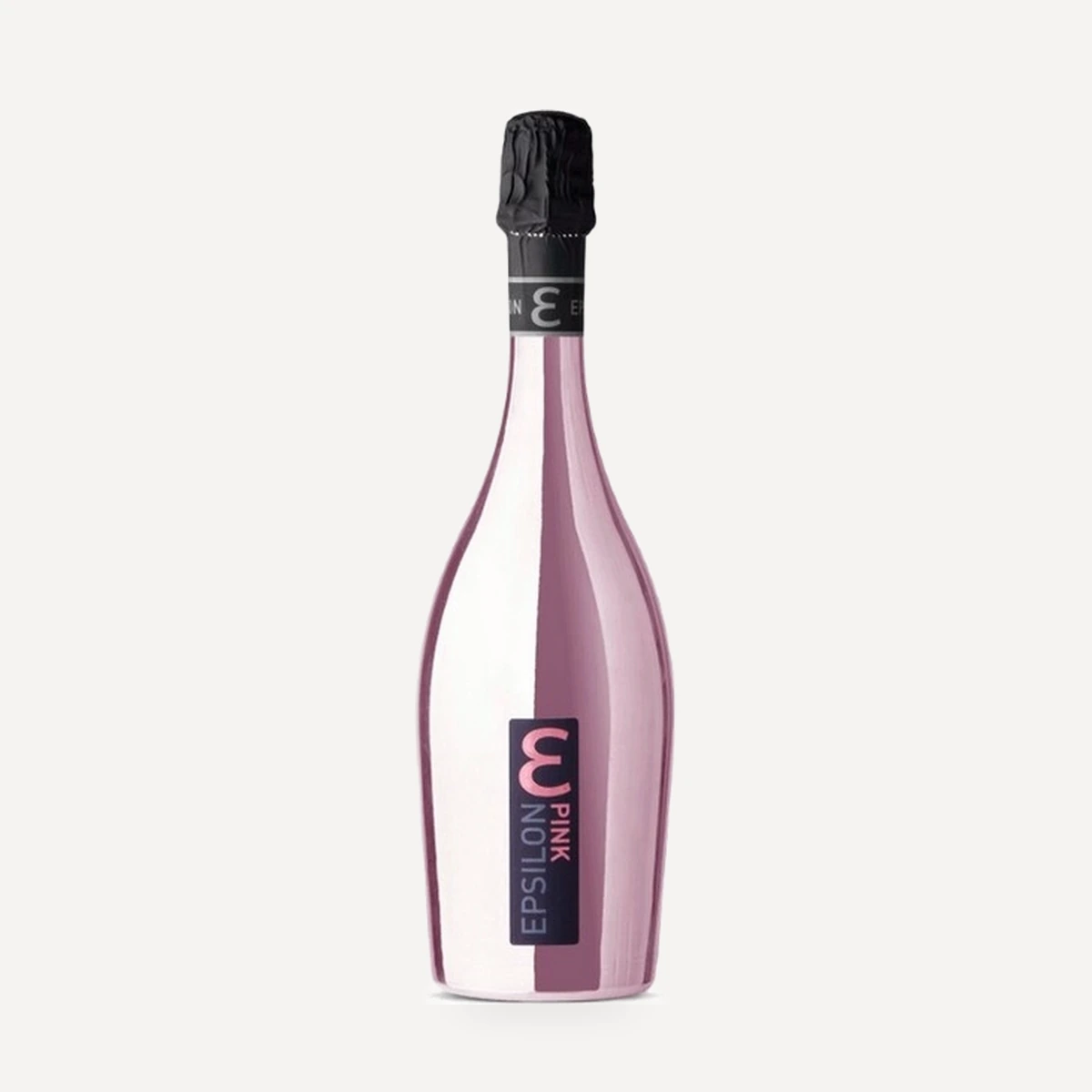
Epsilon Pink Extra Dry Spumante Veneto
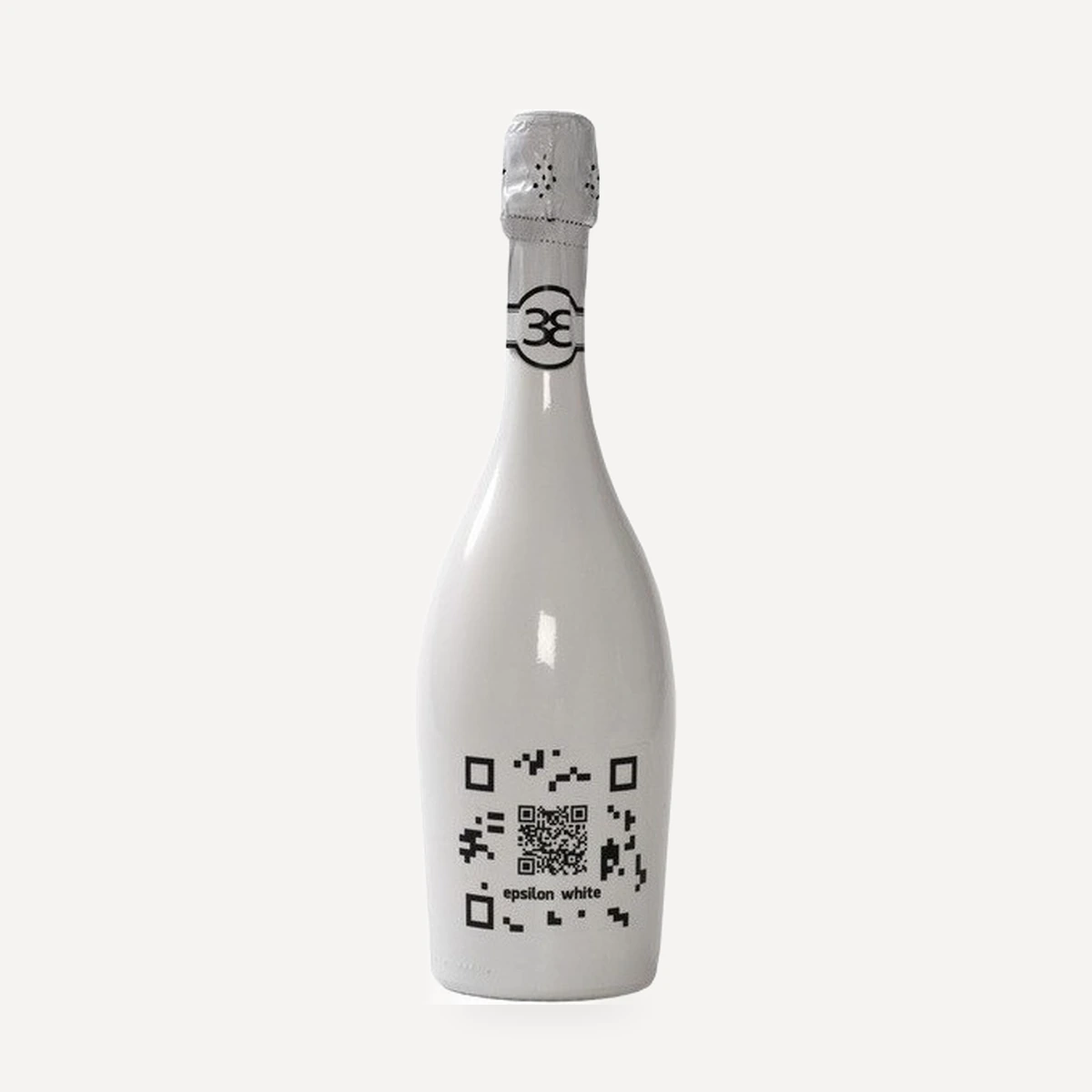
Epsilon White Dry Veneto