History
A place recorded since the 12th century
The place-name appears in medieval records as Brigaldara, Bragadara or Bragaldara. Its first known appearances date to 12th-century deeds of sale. A farmhouse already stood at the foot of Monte Masua, between San Floriano and Valgatara in the Marano Valley, on land long devoted to vines, olive trees, fruit trees and cereals.
The Augustinian estate, 13th–15th centuries
During the 13th century, Brigaldara passed to the Augustinian monastery of Sant’Eufemia in Verona, which retained it at least until the 15th century. The monastery’s parchments trace donations, sales and successions involving the property and repeatedly describe it as terra arativa cum vineis et olivis: arable land with vineyards and olive trees.
The Fontana period, 1653–1714
A 1653 fiscal record documents Brigaldara in the hands of the Fontana brothers, possibly members of a noble Veronese family associated with the chapel of Santa Maria in Organo. The holding in San Floriano comprised owners’ and workers’ houses and thirty arable fields with vineyards and meadows. Its declared income rose from 70 ducats to 120 ducats by 1682, indicating a productive and carefully cultivated estate.
In 1714, the indebted Giacomo Fontana sold Brigaldara to Margherita, wife of Giacomo Locatelli. Fontana remained indebted to Sant’Eufemia and was subsequently required to deliver a barrel of good-quality grapes each year, at his own expense and including duties. The cited land was at Rugolin, close to Brigaldara, and the obligation reflects the growing specialization and value attached to local viticulture.
The villa and the 19th-century estate
The early-19th-century Austrian Land Registry recorded the configuration that still defines the property: a 16th-century manor house surrounded by meadows, woodland, olive trees and vineyards both on the plain and on the hills. The upper Monte Masua vineyards were articulated by marogne, dry-stone terraces, while other vines occupied the lower slopes. In 1873, engineer Giuseppe Fraccaroli’s reconstruction project gave the villa and estate their present architectural form.
The Cesari family and the birth of the modern estate
Renzo Cesari purchased Brigaldara in 1928, the date treated as the birth of the modern agricultural estate. Renzo and his son Lamberto increased its specialization in viticulture. In the early 1980s, management passed to Renzo’s grandson Stefano Cesari. Stefano left the earth-moving machinery business, first leased and subsequently received the family vineyards from his father, and committed himself entirely to wine production.
Stefano began a long collaboration with Professor Roberto Ferrarini, a university lecturer, consultant and influential innovator in Amarone and Valpolicella winemaking. Their work established the technical foundations subsequently continued by Ferrarini’s former students. Brigaldara’s Amarone received its first Gambero Rosso Tre Bicchieri in 1997.
Case Vecie and high-altitude viticulture
At the beginning of his work with Brigaldara, Stefano approached his uncle Piero to lease Case Vecie. Together with Roberto Ferrarini, he conceived the estate’s high-altitude vineyard project at close to 500 metres. Land abandoned after the Second World War and reclaimed by woodland returned to cultivation in the late 1990s. The first Amarone Case Vecie vintage was 1999, after which it developed into the estate’s flagship cru.
Marcellise and the reorganization of the vineyards
The Marcellise property has been cultivated by Brigaldara since 2004. During the 2000s, Stefano and his sons Lamberto and Antonio undertook a broad renewal of production structures and the cellar. They reorganized the vineyards so that varieties would occupy the sites considered most appropriate for them. The resulting estate encompassed the historic vineyards around the San Floriano villa, Corvina and Corvinone in Marano, the high-altitude Case Vecie land in Grezzana, the Cavolo vineyard in Grezzana and new plantings at Marcellise.
A new generation and an expanded team
Antonio began working beside Stefano during university in 2011, later helping drive the estate’s digital transformation and assuming responsibility for daily winery management and the United States market. Stefano’s elder son Lamberto joined in autumn 2019 after professional experience in Germany and England, bringing responsibility for communication and the German, British and Southeast Asian markets.
Marco Furia joined in 2010 and became responsible for the production process from grape reception through bottling. Following Roberto Ferrarini’s premature death, Stefano entrusted Ferrarini’s former pupil Enrico Nicolis with the next phase of oenological work; Enrico became oenological production manager in 2015.
Certification, redesign and hospitality
Brigaldara obtained Equalitas Sustainable Wine certification for both organization and product and renewed it for a second consecutive year in 2020. The certification formalized practices already embedded in the estate while introducing annual reporting, measurable improvement plans and independent audits.
During the 2020 lockdown, agricultural work continued. The Cesari family used the period to redesign a logo and labels that had remained substantially unchanged for more than forty years. The arrival and increasing involvement of Antonio and Lamberto helped prompt the change, while the name Brigaldara—the historical toponym rather than merely a commercial identity—was given greater prominence.
The estate received Gambero Rosso’s Sustainable Winery Award in 2021. In summer 2023, Agriturismo Locanda Case Vecie opened in the farmhouse at the entrance to the Case Vecie property, becoming Brigaldara’s first hospitality venture. The same year, the estate restored a 19th-century rainwater-collection tank for irrigation, replaced obsolete vineyard equipment, began preventive analysis of incoming cork batches and initiated trials with DIAM 5 closures.
Brigaldara today
The estate now extends over more than 120 hectares, including 48 hectares of vines. The remaining land is occupied principally by olive groves, cultivated fields, pasture and woodland. Its vineyards span Valpolicella Classica, Valpantena and Eastern Valpolicella, with offices, vinification, maturation and bottling centered at San Floriano.
Terroir
Three areas of Valpolicella
Brigaldara’s land is distributed across Valpolicella Classica, Valpantena and Eastern Valpolicella. The estate treats variations in soil, altitude, exposure, climate and landform as a network of distinct terroirs and microterroirs rather than a uniform growing area.
Estate-wide soil framework
The principal soil types include three mapped groups. AR2 consists of valley fills and alluvial fans, with fine deposits derived from volcanic basalt, flat to gently sloping at 0.1–3%; clay and silt are mixed with gravel and can be highly calcareous. LB2 covers the southern portions and lower western slopes of densely terraced ridges, with calcareous-sandstone and basic silicate materials. LB3 comprises moderate and lower slopes with abundant debris cover, as well as rounded ridge crests and steep, closely terraced flanks; local calcarenite occurs at ridge tops and on southern portions, together with calcareous-marly and calcareous-sandstone formations.
Brigaldara and Monte Masua
The historic vineyards surround the 16th-century villa at San Floriano, at the foot and on the ridge of Monte Masua. The slope rises to approximately 250 metres and is terraced by marogne, dry-stone walls originating before the 17th century. Clay-sandy soils over tuff both retain accessible moisture in dry seasons and drain rainfall in wet years. A south-southwesterly exposure keeps Monte Masua shaded early in the morning and in full sun later, supporting a balance between freshness and sugar maturity.
Case Vecie
Case Vecie occupies the high hills of Grezzana known as the Torricelle, named for four Austrian defensive towers on the ridge. The property lies at approximately 450 metres, with some vineyard descriptions approaching 480–500 metres. It forms a high-altitude rural ecosystem of vines, pasture, cultivated fields, chestnut groves and truffle-rich woods; parts lie within the protected Borago-Galina conservation area.
The site is divided between valleys and ridges. South-facing valleys have silty-sandy soils rich in organic matter and are planted mainly with Corvina. More sun-exposed ridges have poorer, pebbly soils; roots penetrate the underlying tuff, and Corvinone predominates. The Mandrie plot has a southwesterly exposure at about 450 metres. Its southern sector is silty-sandy and rich in organic matter, while its western sector is poorer and stonier.
Altitude and surrounding woodland create a cool, well-ventilated mountain environment. Temperatures in the high vineyard can average about 4°C below more traditional Valpolicella sites. Corvina and Corvinone ripen approximately 20–25 days later than in the estate’s other vineyards, with marked day-night temperature changes. The later harvest also delays the start of Amarone drying by about one month, exposing bunches to colder, drier conditions and producing slower, more regular dehydration.
Cavolo
Cavolo lies in a protected small valley in Grezzana, halfway between upper and lower Valpantena, at 130 metres. Its easterly exposure is balanced by a microclimate warmer than surrounding areas. The poor, stony soil limits production per vine and encourages deep rooting. Almost two hectares of olive groves surround the vines, including some century-old Grignano trees.
Marcellise
Marcellise lies in Eastern Valpolicella and contains contrasting flatland and lower-slope soils. Terreno Orti Manara is a flatland sector with clay soils containing smaller proportions of silt and sand. La Bianca, between the plain and the foot of the hill, has lighter soils with more sand and pebbles. The wider Marcellise vineyard range lies approximately between 150 and 250 metres; the Garganega section associated with Soave lies at about 150–200 metres.
Winemaking
Site-specific vineyard management
Agronomic decisions are tailored to each vineyard’s ripening pattern, vegetative and productive balance, ecosystem and grape requirements. Agronomists work directly with the winemaking and management teams, and most principal vineyard operations are performed manually. Timing and precision are used to reduce treatments to the minimum considered necessary.
The 2023 sustainability program classifies management across the vineyard area as traditional. Chemical herbicides are not used. Pesticides and synthetic products are excluded in favor of reasoned applications of sulfur and copper and fertilization with pelleted manure.
Soil and water
Spontaneous grass cover is maintained to improve soil fertility and load-bearing capacity, reduce compaction and limit surface erosion. Irrigation is drip-based and reserved for emergency support. During the dry beginning of spring 2023, young vines received light watering to help establishment; heavy summer rainfall made further irrigation unnecessary.
A 19th-century rainwater-collection tank at Brigaldara was restored and returned to service in 2023 so that captured water could be reused for irrigation. A purification system for the tank and a dedicated washing area for machinery and crop-protection equipment were identified as subsequent improvements.
Yield and ripening control
The maturity of each site is assessed individually. At Mandrie in Case Vecie, naturally limited production is further controlled by shoot or bunch thinning to approximately 2 kg per vine. At Case Vecie, late ripening, substantial day-night temperature changes and the surrounding forest moderate summer heat; Corvina and Corvinone mature about 20–25 days later than elsewhere on the estate.
Biodiversity and mixed agriculture
Vineyards form part of a broader agricultural landscape of olive groves, cultivated fields, pasture and woodland. At Case Vecie, forestry, field and dry-stone-wall maintenance, truffle cultivation and the reintroduction of sheep farming are integrated into the rural cycle. Rows alternate with grazing areas, fields, chestnut groves and woodland. At Cavolo, vines coexist with Grignano olive trees, some approximately a century old.
Production center
The San Floriano facility contains the offices and the centers for vinification, maturation and bottling. Marco Furia directs the production process from the arrival of grapes through bottling, working with Enrico Nicolis, Valerio and the wider cellar team.
Vintage-led vinification
The cellar approach developed from Professor Roberto Ferrarini’s research and technical work. The team does not follow a fixed recipe: decisions respond to the variety, condition of the grapes and the seasonal character of each vintage. Lots are vinified separately by vineyard before subsequent maturation decisions, preserving distinctions among Corvina, Corvinone, Rondinella and the estate’s different sites.
The intended style reverses the pursuit of excessive concentration, prolonged drying, extreme extraction and high residual sugar. The objective is a clean, rigorous profile centered on freshness, drinkability and the preservation of varietal aromas, with alcohol and sugar kept from dominating the territorial expression.
Wood maturation
Brigaldara was among the early Valpolicella estates to adopt a double passage through wood for Amarone and Recioto. Wines begin maturation in barriques and then move to large 20- or 25-hl barrels; the English description specifies Slavonian oak for the large casks. Small wood promotes oxygenation and color fixation. Large casks complete maturation, contributing roundness and structure while supporting the grapes’ natural aromatic development.
Quality and packaging controls
Incoming cork lots are sampled for preventive analysis by UIV in Verona. Trials begun in 2023 place six DIAM 5-closed bottles from each bottling into a monitoring program for subsequent evaluation of TCA and oxidation. Packaging choices favor lighter bottles and labels where compatible with product and market requirements, cork or assembled Nomacorc closures, and cartons containing the highest practicable proportion of recycled cellulose.
Philosophy
Brigaldara presents itself as an anthology of Valpolicella: one family estate encompassing different interpretations of Valpolicella Classica, Valpantena and Eastern Valpolicella. The historical toponym is central to this identity, representing a place capable of holding different vineyards, experiences and generations within a common perspective.
The vineyard is treated as the starting point for both agronomic and cellar decisions. Site-specific intervention is intended to preserve the vegetative balance, biodiversity, maturity curve and varietal expression of each ecosystem. Sustainability is understood as the restoration of an older relationship between farming and the land, including the natural synergies among people, plants, animals, woodland, pasture and cultivated fields.
In the cellar, Stefano Cesari’s principle is that no fixed recipe can account for the changing variety, grapes and season. The inability to standardize a vintage is considered a strength. Tradition therefore coexists with research and technical adaptation: the estate seeks freshness, lightness and drinkability without abandoning the structure or identity of Amarone and Valpolicella.
The sustainability policy extends beyond environmental management. Its three declared pillars are environmental, social and economic responsibility. The business aims to respect employees, suppliers, customers and its surrounding environment, maintain durable relationships and combine food safety, reliable supply, environmental care and economic continuity. Its operating strategy rests on connection with the territory, innovation and integration of the production chain, supported by qualified staff, appropriate working conditions, training and advanced technology.
Wines
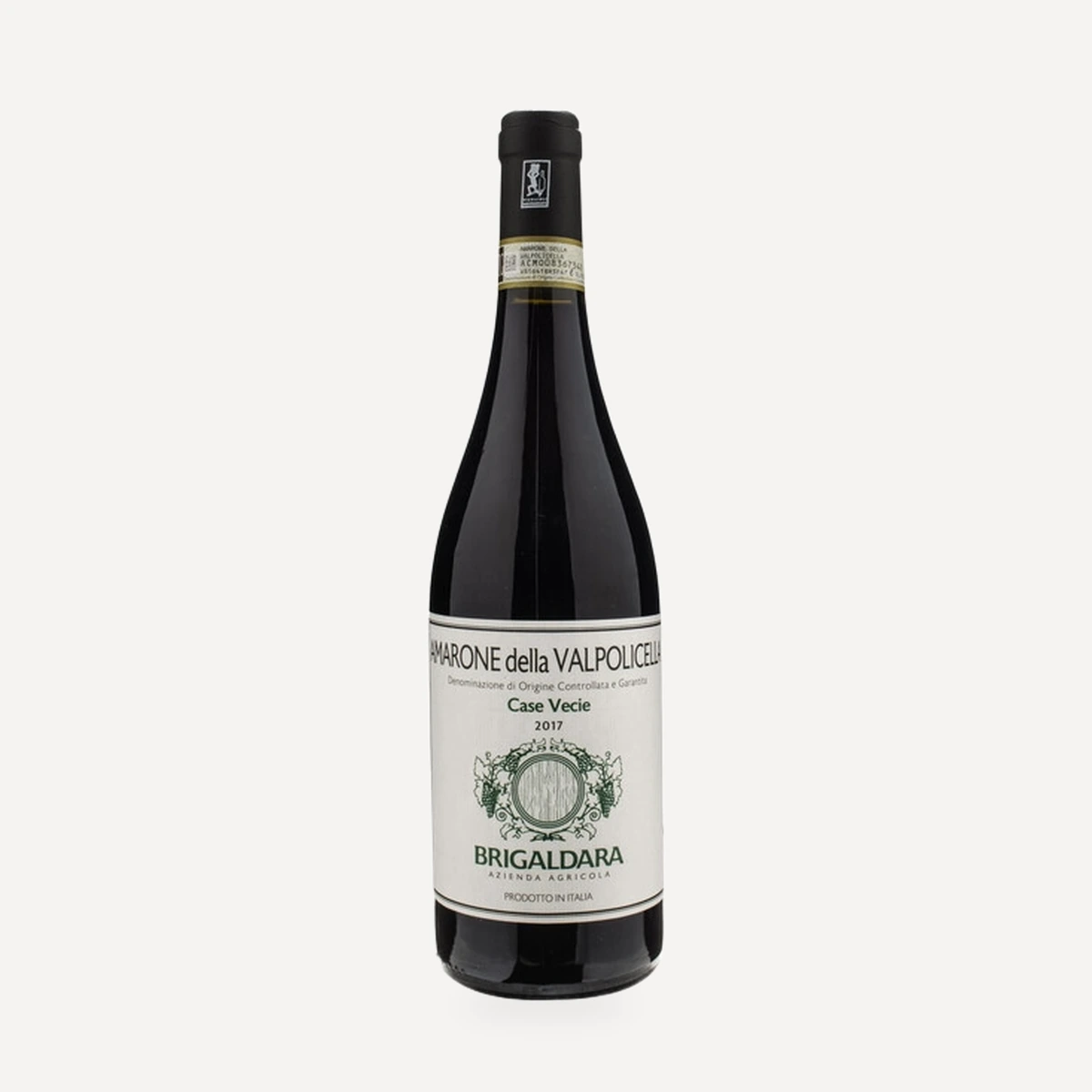
Amarone della Valpolicella Case Vecie DOCG
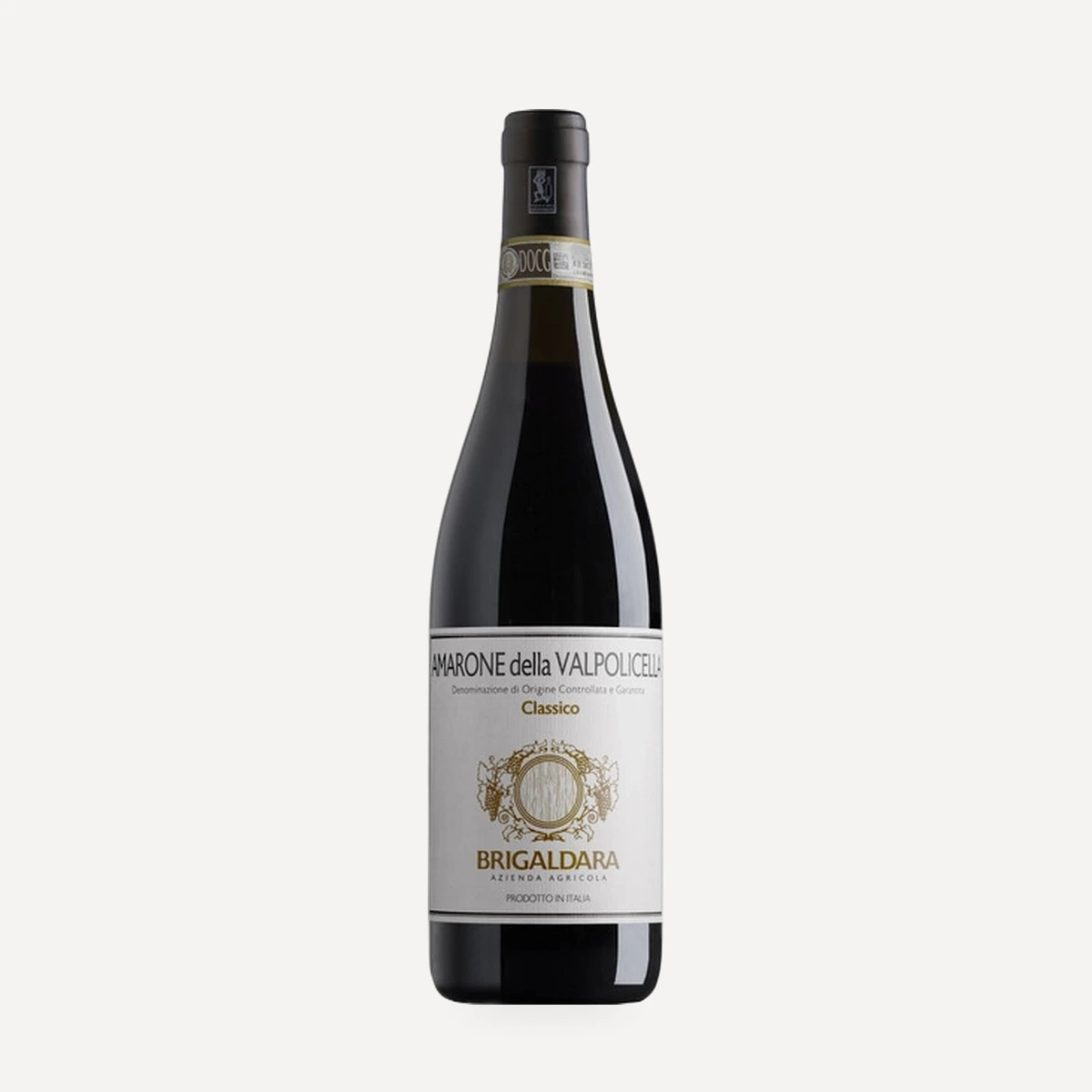
Amarone della Valpolicella Classico DOCG
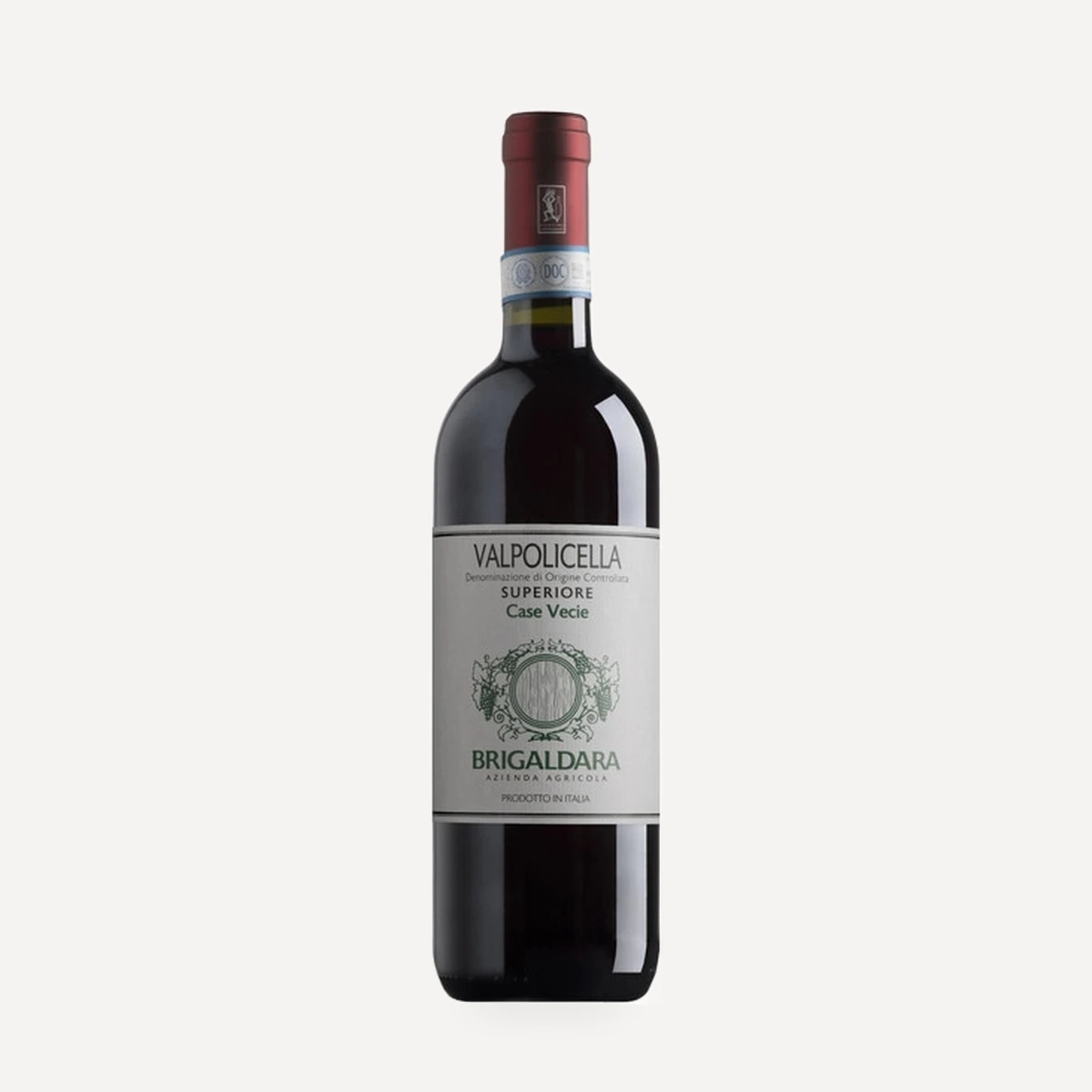
Valpolicella Superiore Case Vecie DOC
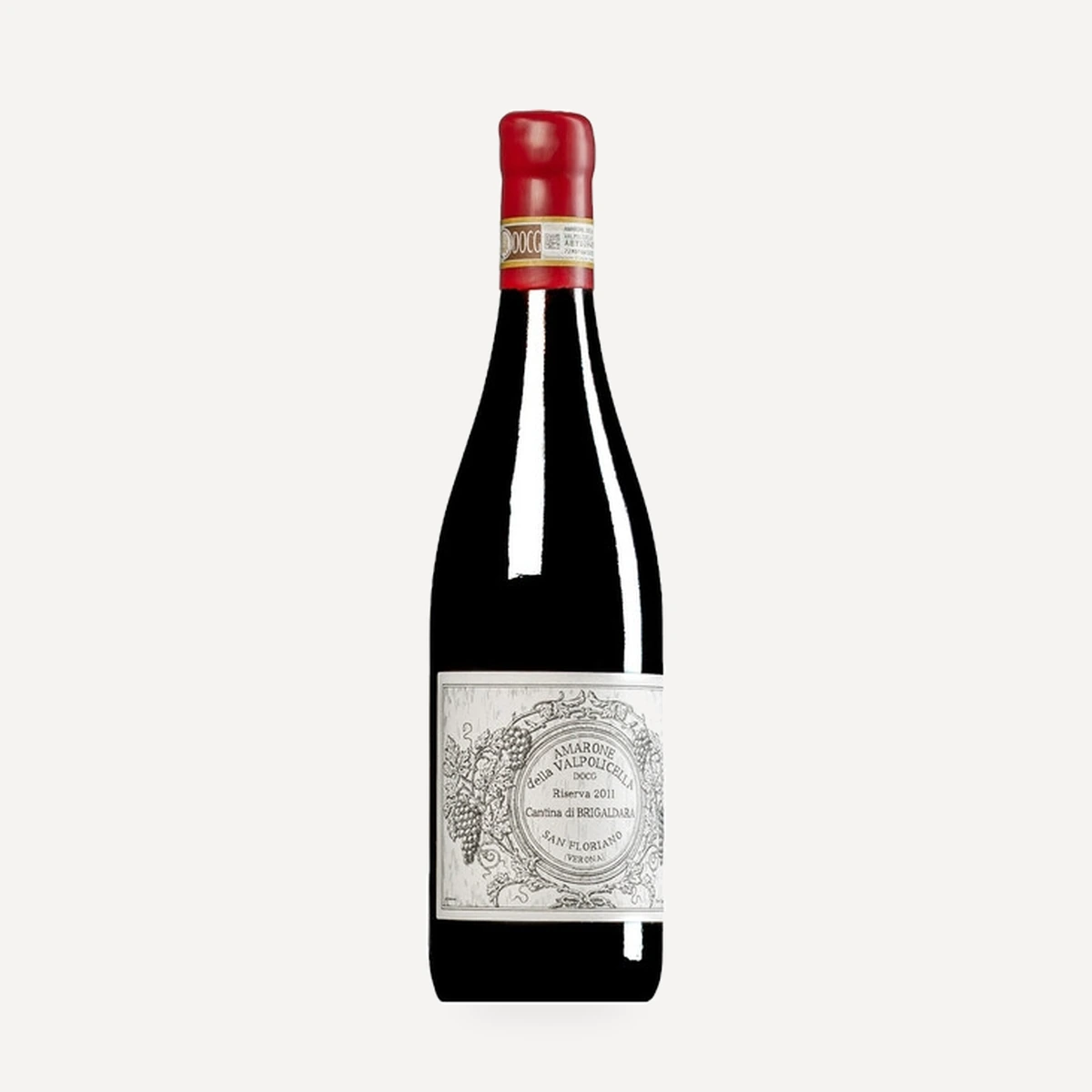
Amarone della Valpolicella Riserva DOCG
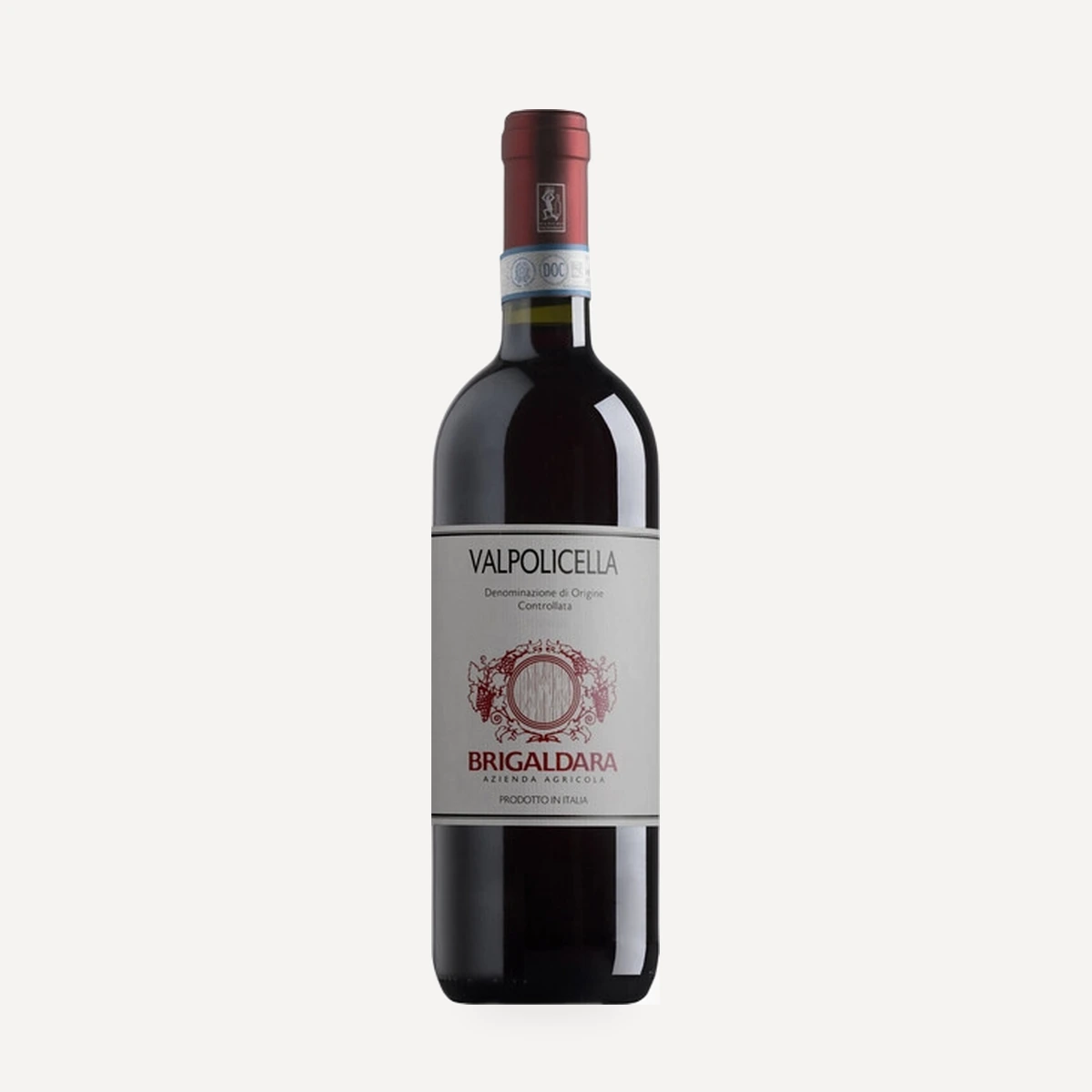
Valpolicella DOC
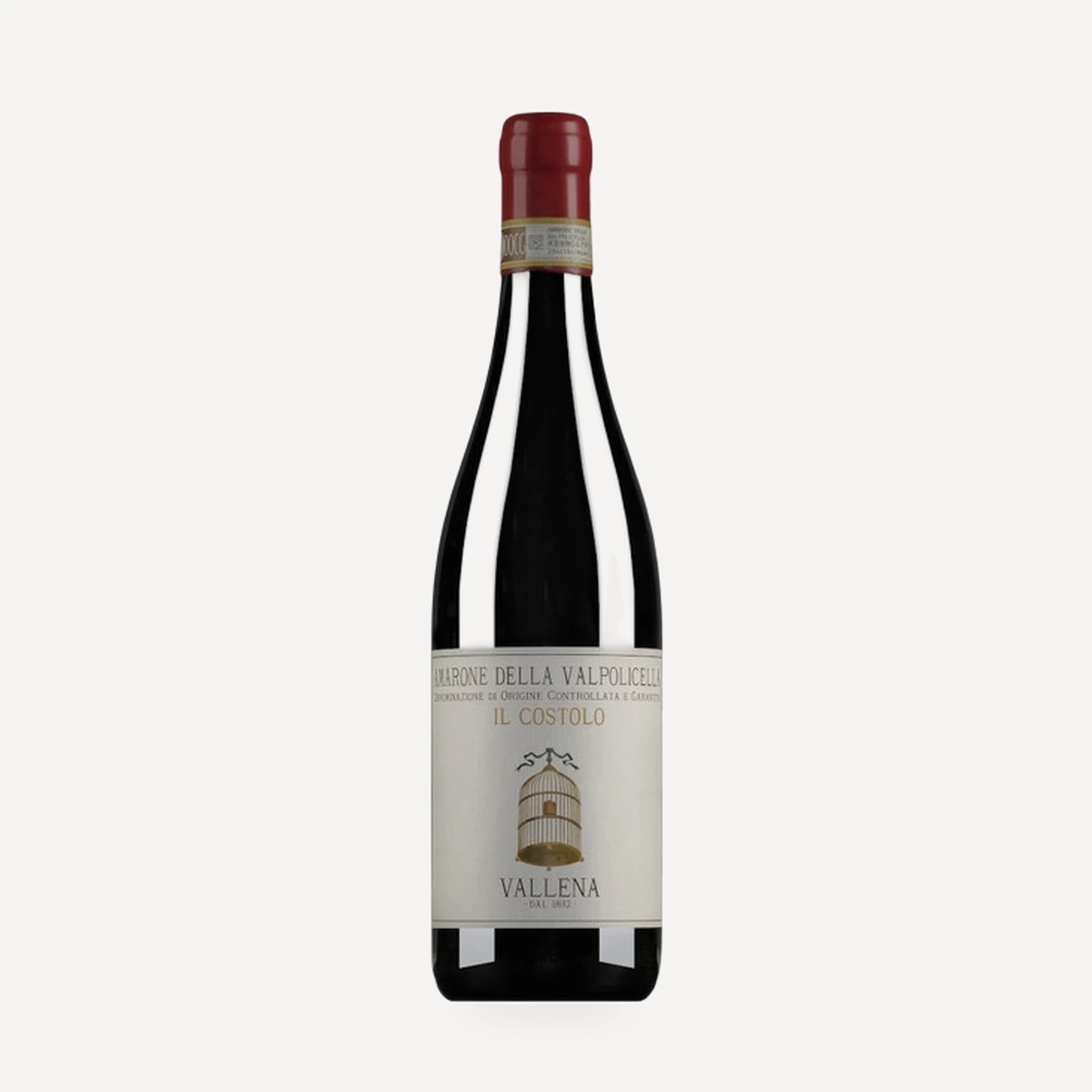
Amarone della Valpolicella Il Costolo DOCG
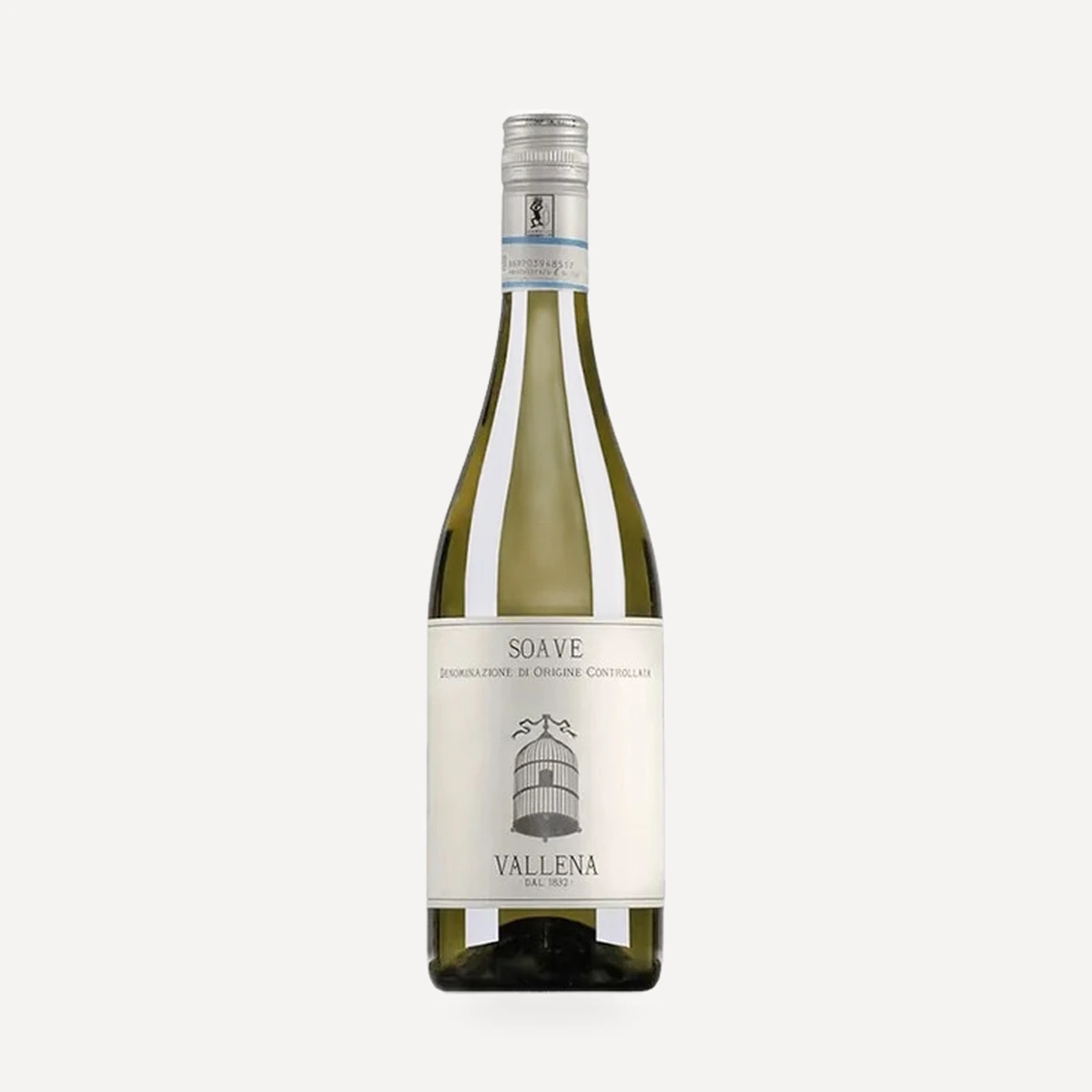
Soave DOC
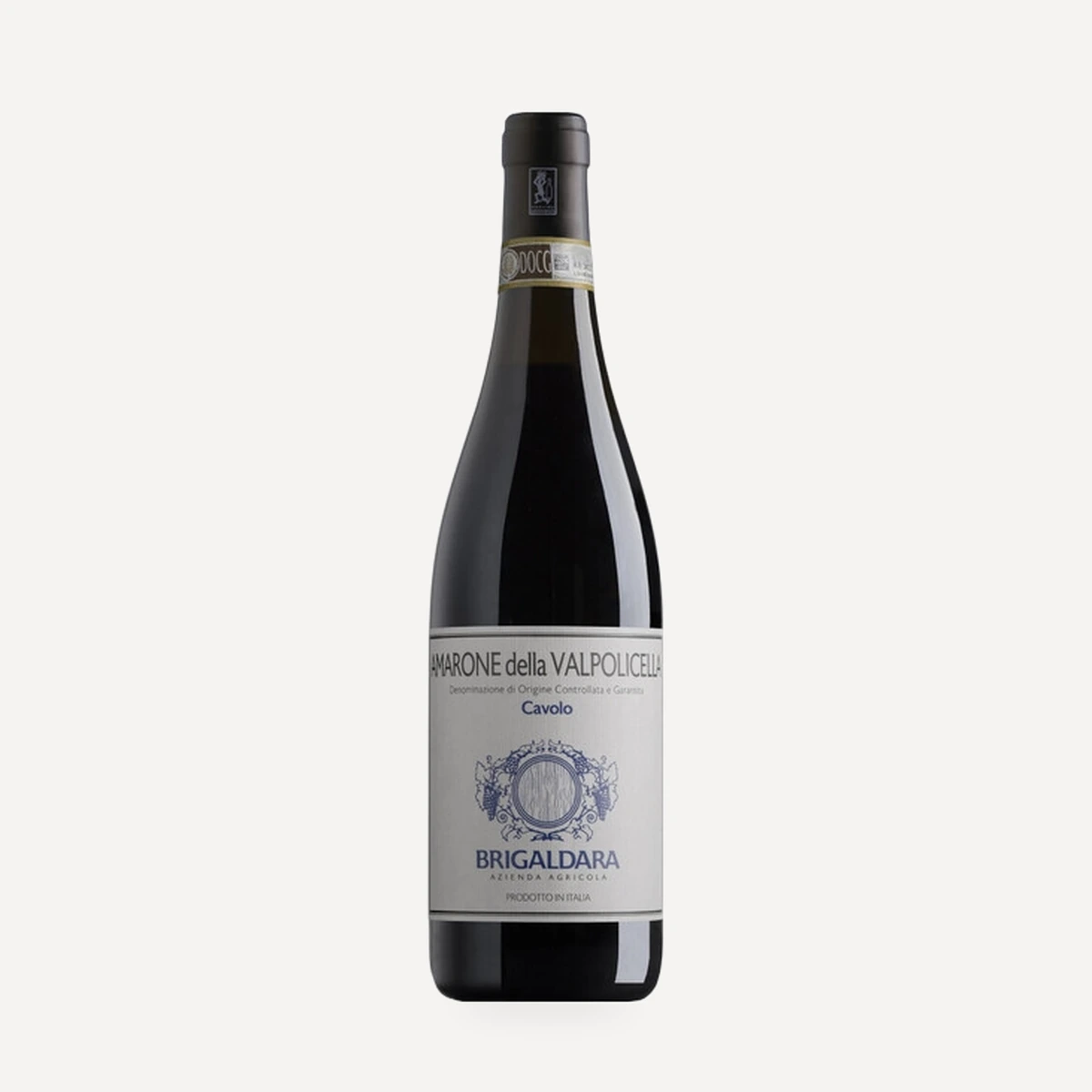
Amarone della Valpolicella Cavolo DOCG
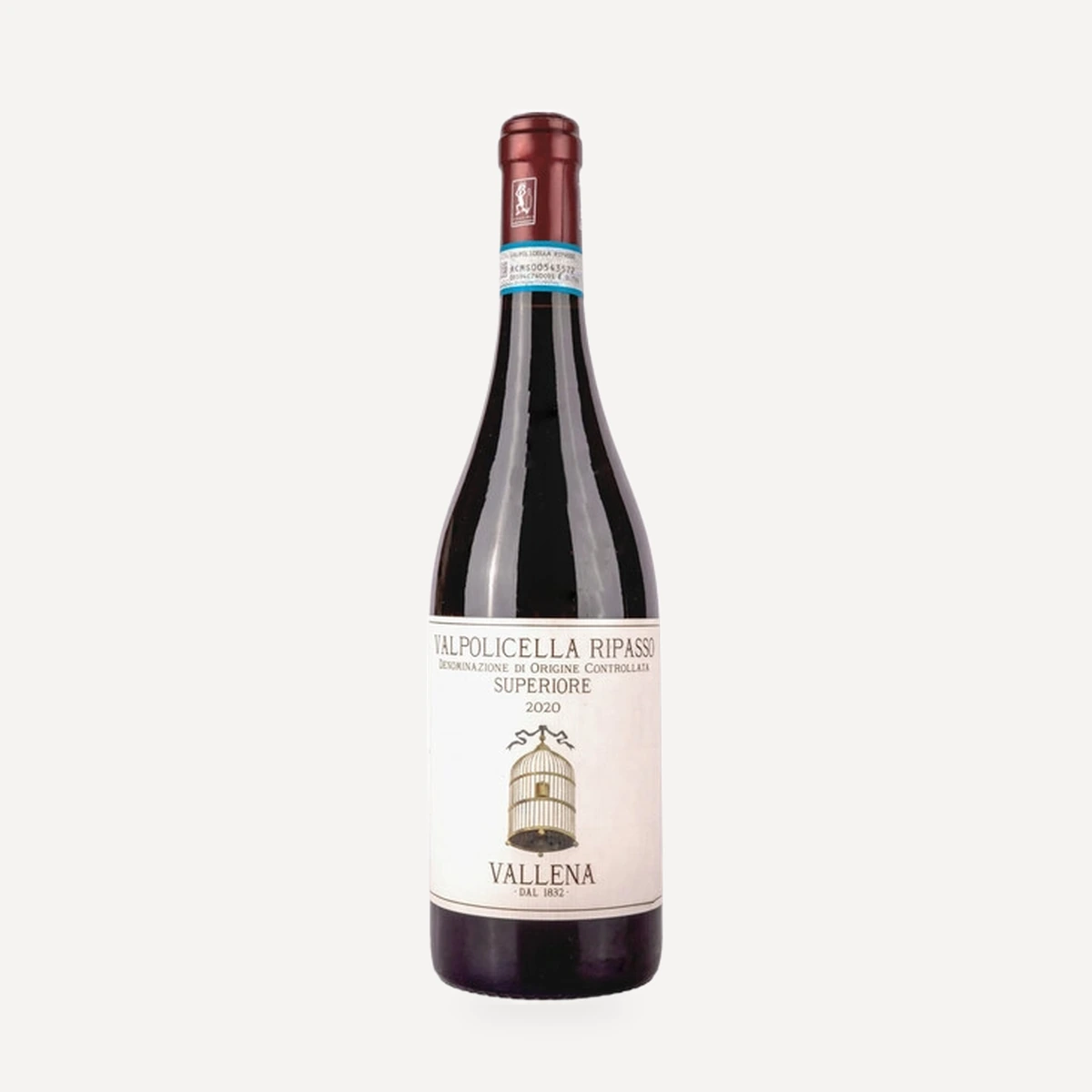
Valpolicella Superiore Ripasso Il Vegro DOC