History
Foundation and first vineyards
Capanna was founded in 1957 by Giuseppe Cencioni together with his sons Benito and Franco. The family estate is located in the Montosoli area, north of Montalcino.
During the 1960s, the family planted new Sangiovese vines alongside the existing vineyards and began bottling its own wines.
Brunello and the Consortium
After Brunello di Montalcino received DOC recognition in 1966, Giuseppe Cencioni became one of the 25 founders of the Consorzio del Vino Brunello di Montalcino.
Production began with only a few thousand bottles. New vineyards were planted over the following decades, gradually expanding the vineyard surface to the current 25 hectares.
Family continuity
Capanna has always been managed exclusively by the family. The winery is now run by Patrizio and Amedeo, representatives of the third and fourth generations, who personally oversee the oenological and agronomic work.
The production style remains based on the practices passed down through the generations, together with technologies for grape selection, fermentation control, pumping over, bottling and storage.
Terroir
All the vineyards are located within a radius of approximately 2 km from the cellar in the Montosoli area, north of Montalcino. They lie at elevations between 250 and 300 metres above sea level.
The microclimate is marked by a pronounced difference between daytime and nighttime temperatures, including during the hottest months. The soils are predominantly clayey galestro with abundant skeletal material.
The combination of temperature variation and galestro soils is associated with structured wines that retain acidity, elegance and fruit.
Winemaking
All vineyards are trained to bilateral spurred cordons. Sangiovese accounts for approximately 80% of the planted area. Moscato Bianco covers about 3 hectares, Merlot about 1 hectare and Pinot Grigio approximately 5,000 m².
Grassing and green manure are used throughout the vineyards to maintain soil structure and fertility. Work during the growing season includes spring bud selection, canopy management, bunch thinning before veraison and manual harvesting.
The grapes are selected by hand according to the intended wine. At the cellar, whole bunches pass through a vibrating hopper, destemmer and optical sorter. Small, dry or shrivelled berries are removed before fermentation.
The cellar occupies part of the restored 18th-century farm complex and includes grape-reception, fermentation, aging, packaging and storage areas.
The best Sangiovese grapes for Brunello di Montalcino, and part of the grapes for Rosso di Montalcino, ferment in traditional truncated-conical Slavonian oak vats. Stainless-steel tanks are used for Sant’Antimo, Moscadello and other wines.
Since 1988, fermentation temperature and pumping over have been automated. Aging takes place in the underground stone cellar in Slavonian oak vessels ranging from 10 to 30 hl, with the exact size and duration determined by the wine.
The rooms used for production, bottling, labelling, packaging and storage are maintained at controlled temperature and humidity.
Philosophy
Capanna remains a family-managed estate. Agronomic and cellar decisions are handled directly by members of the Cencioni family.
The winery combines a production style passed down through the generations with precise grape selection, controlled fermentations and stable conditions during maturation, bottling and storage.
Wines
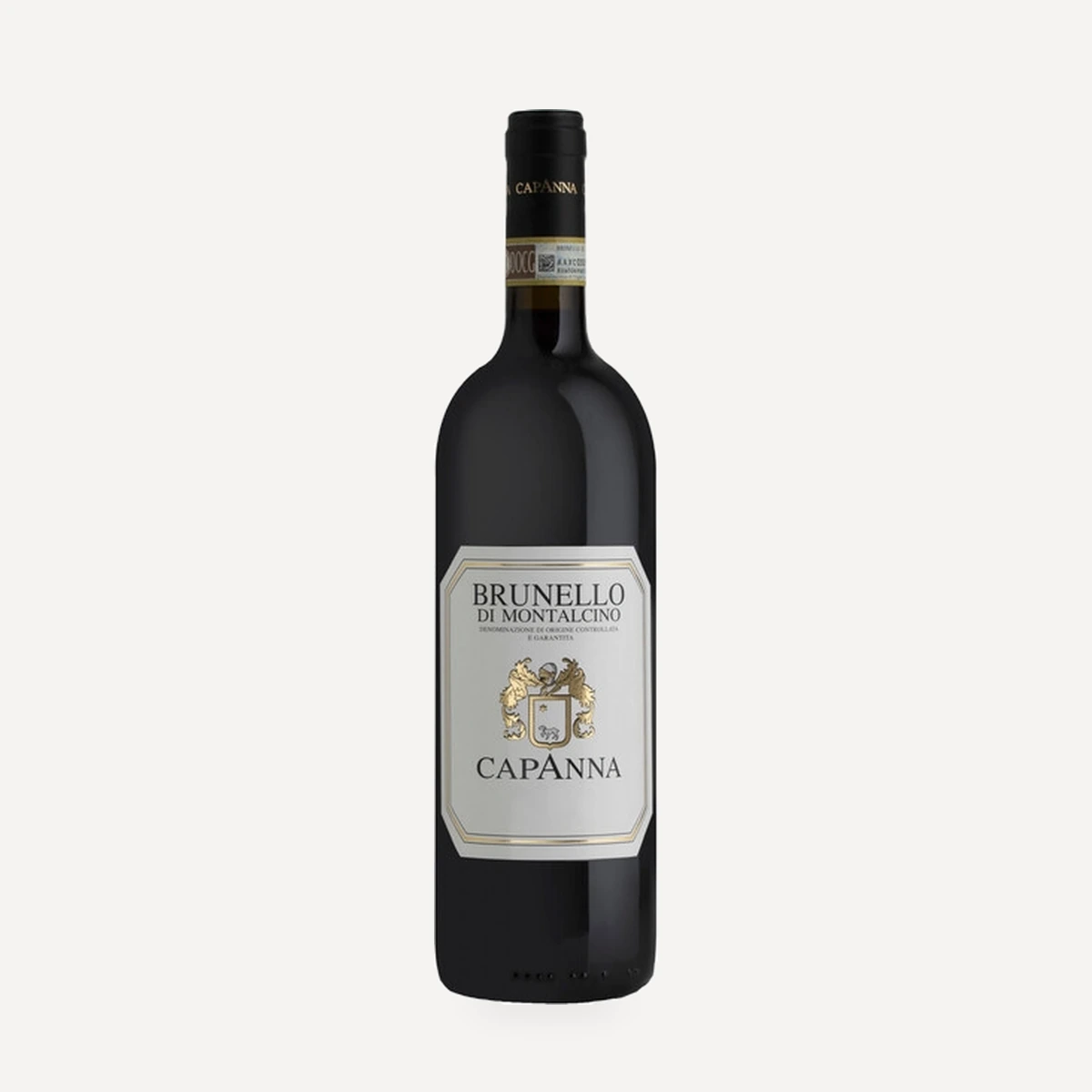
Brunello di Montalcino
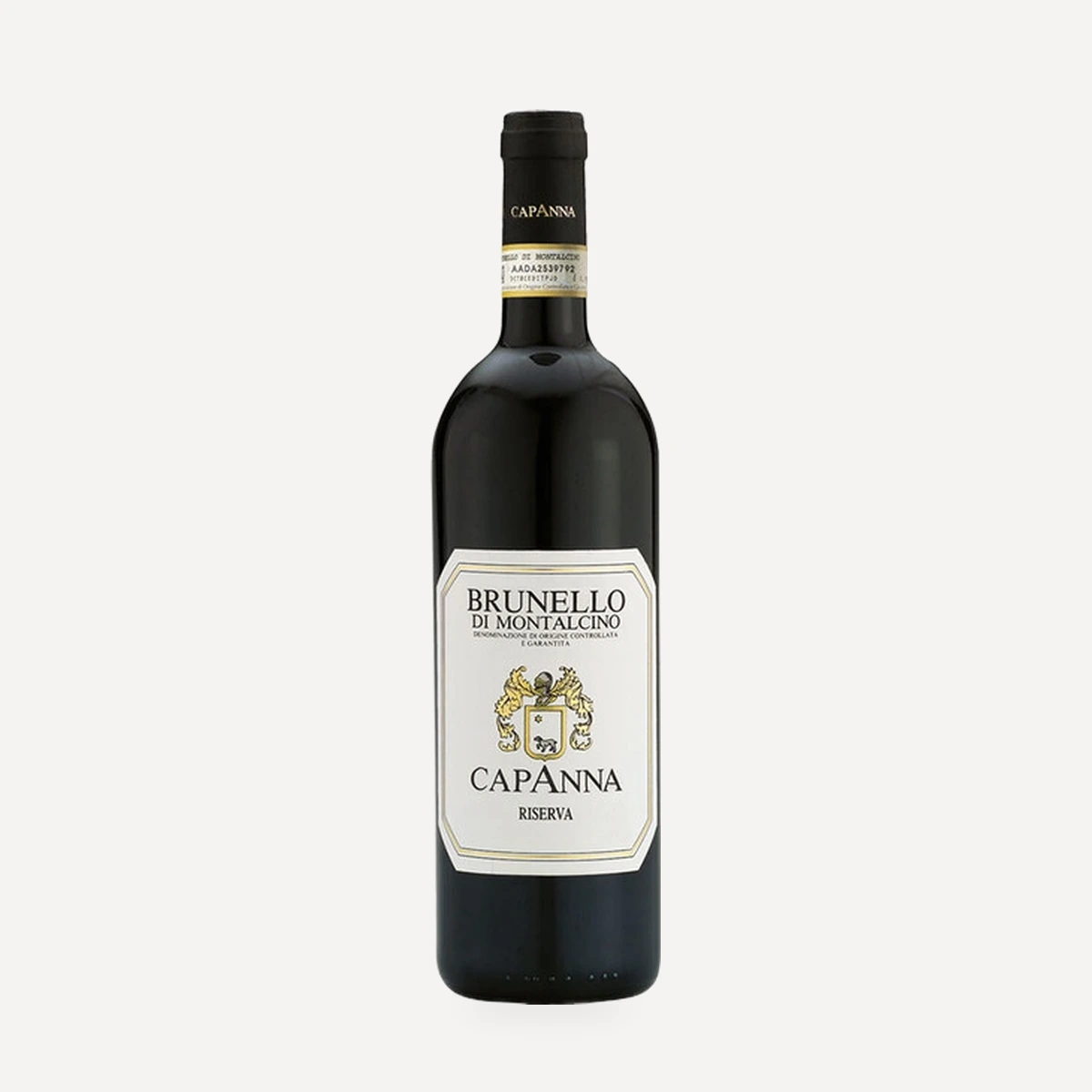
Brunello di Montalcino Riserva
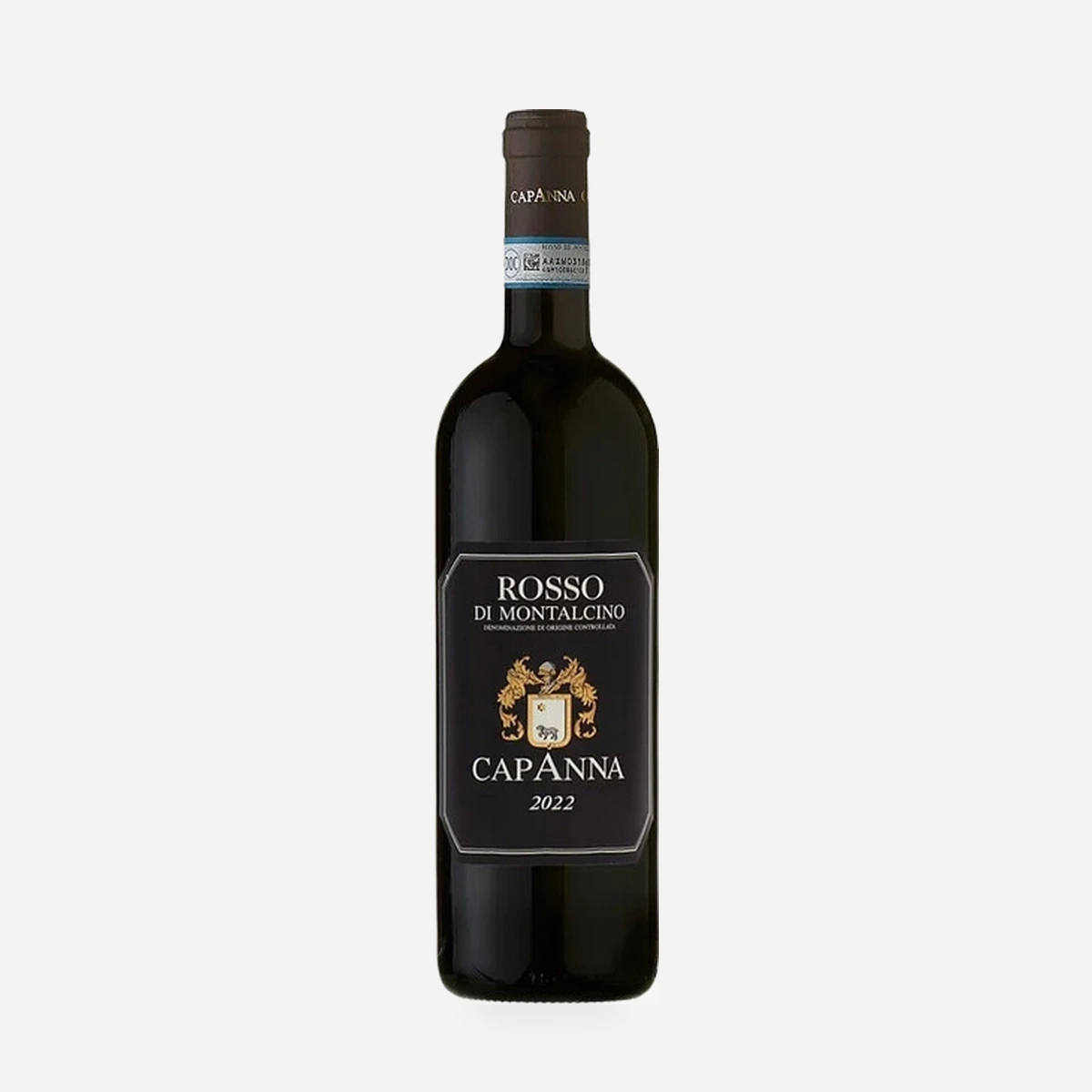
Rosso di Montalcino
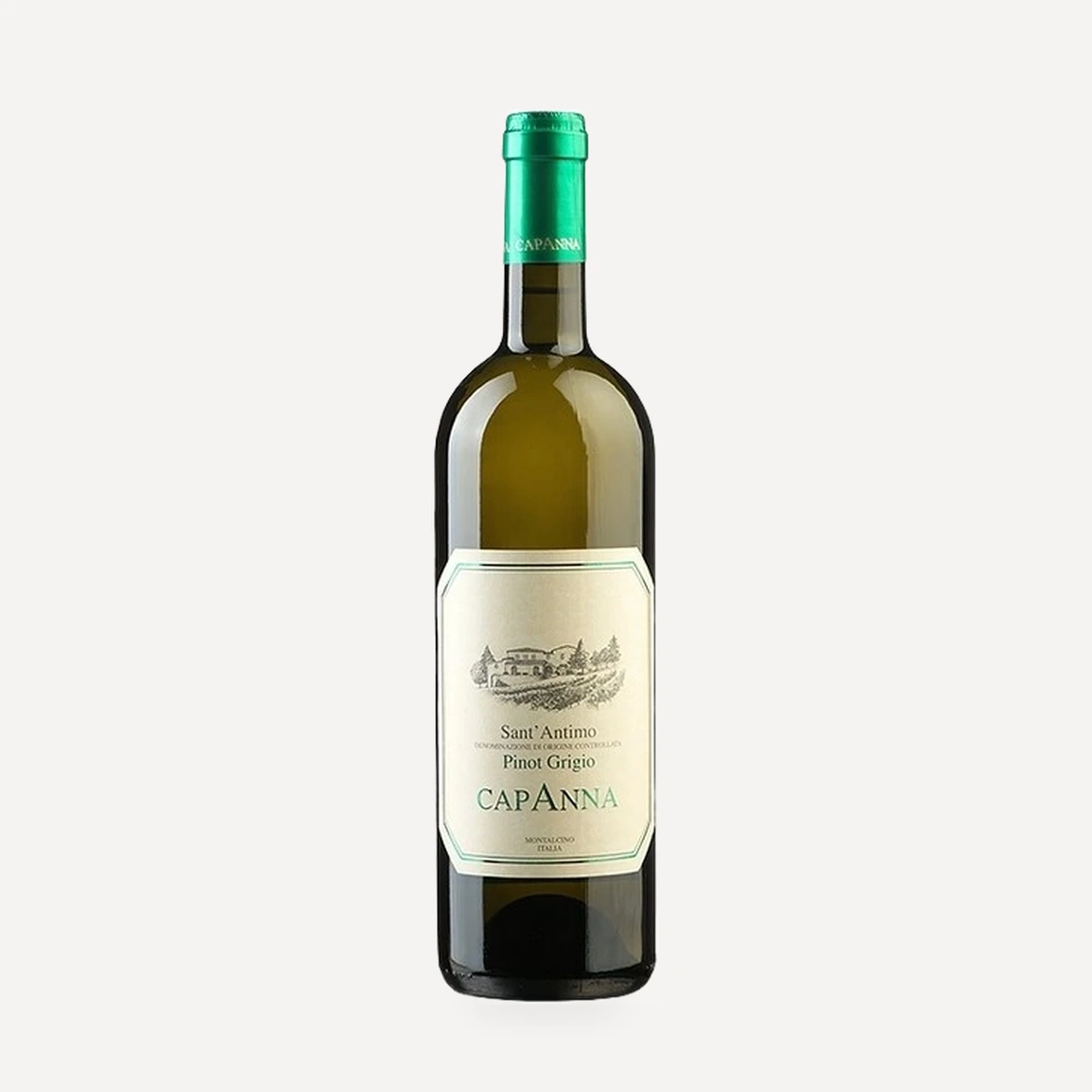
Sant’Antimo Pinot Grigio