History
Falchini agricultural roots: 1627–1720
The Falchini family’s documented agricultural history reaches back to seventeenth-century Tuscany. Carlo Falchini, son of Pier Giovanni di Lorenzo, was born on 22 August 1627. After serving the Medici family, he received Florentine citizenship by sovereign grant on 19 November 1682.
Carlo’s son Domenico Falchini was born on 22 October 1671. On 4 February 1710, Domenico succeeded his father, who had served as fattore at Lappeggi, in managing the agricultural property. Cosimo III de’ Medici appointed Domenico superintendent of the Villa di Lappeggi at Bagno a Ripoli on 22 July 1713.
In 1720, while at Lappeggi, Domenico wrote a Treaty of Agriculture. Its subjects included general cultivation, pruning and training vines, making noble white and red wines, and producing virgin olive oil. Viticulture, winemaking, olive growing and botany therefore formed part of the family’s work centuries before the creation of the present San Gimignano estate.
Foundation and specialized vineyards: 1964–1968
Riccardo Falchini founded the Casale agricultural estate at San Gimignano in 1964. Its name derives from the old Casale, an ancient building on the hill north of San Gimignano that had once been a friars’ convent. The first specialized Vernaccia di San Gimignano vineyards were planted in 1968, two years after Vernaccia di San Gimignano received DOC status in 1966.
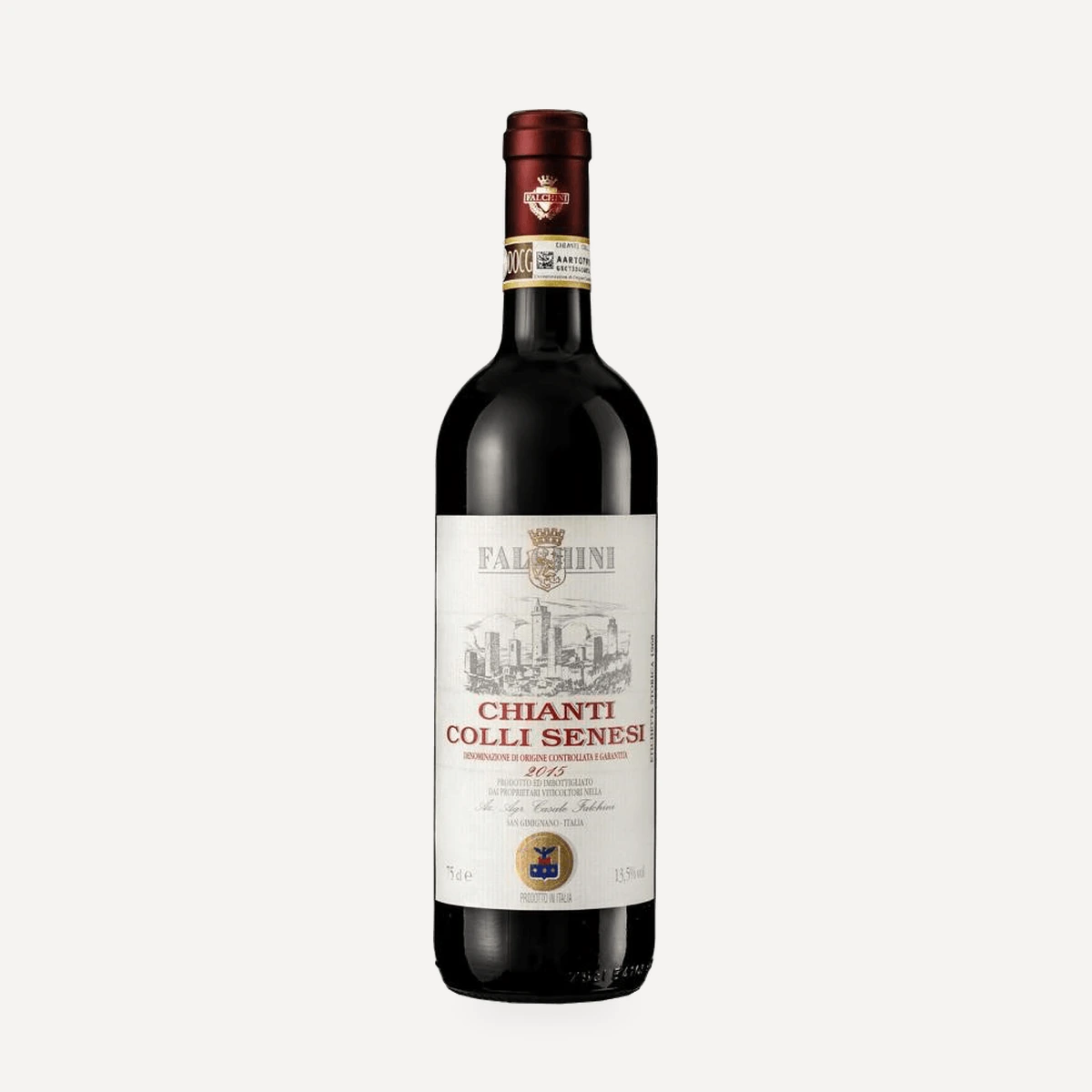
The estate’s earliest wine identity developed around Vernaccia. Benozzo Gozzoli became its first wine and has remained in production for more than half a century. The Historic Label 1968 Chianti Colli Senesi also traces its identity to 1968.
A new cellar and technological modernization: 1976
In 1976, following advice from Riccardo Falchini’s friend and oenologist Giacomo Tachis, the old cellar was replaced by a modern facility beneath the historic Casale. The installation included temperature-controlled stainless-steel equipment for cold vinification and a specialized bottling line.
Casale Falchini became the first winery in the San Gimignano area, and one of the first in Tuscany, to employ cold temperature control for fermenting musts and tartaric stabilization of white wines during the mid-1970s. The new cellar was also equipped with French oak barriques for the maturation of selected white and red wines.
New varieties, vineyards and olive groves: 1980–1989
Experimental Chardonnay vineyards were planted in 1980, broadening the estate’s traditional varietal base. Campora, sourced from its eponymous Cabernet Sauvignon vineyard, debuted with the 1985 vintage.
A severe frost in 1985 completely destroyed the estate’s existing olive production. New olive trees were planted in 1986, using the Tuscan varieties Moraiolo, Leccino, Frantoiano and Impollinatore. In 1989, the owners acquired additional surrounding land, expanding both vineyard and olive-growing surfaces. The olive groves subsequently reached approximately 2,200 trees.
The estate today
The Falchini family remains the owner of Casale. The vineyards lie less than one kilometre from San Gimignano and supply the estate’s production, with Vernaccia di San Gimignano accounting for approximately 65%. Other plantings comprise Sangiovese, Merlot, Chardonnay, Cabernet Sauvignon, Trebbiano and Malvasia, with very small quantities of Canaiolo and Malvasia Nera.
The estate has exported for more than 50 years. Named markets include the United States, Canada, Japan, Singapore and countries of the European Community. Its activities continue to encompass vineyards, winemaking and olive growing.
Terroir
Casale Falchini lies in northern San Gimignano, in the province of Siena, less than one kilometre from the medieval town. The old Casale occupies a strategic position at the top of a hill, while the estate’s vineyards extend through a landscape of rolling green hills, meadows, olive groves and surrounding woodland.
The vineyards have an average elevation of approximately 280 metres above sea level. Their soils contain a strong marine-clay component, yellow sands and abundant Pliocene marine fossils. The hills around San Gimignano were formerly beneath the Tyrrhenian Sea, leaving the marine geological material that the estate associates with a saline mineral character in both its white and red wines.
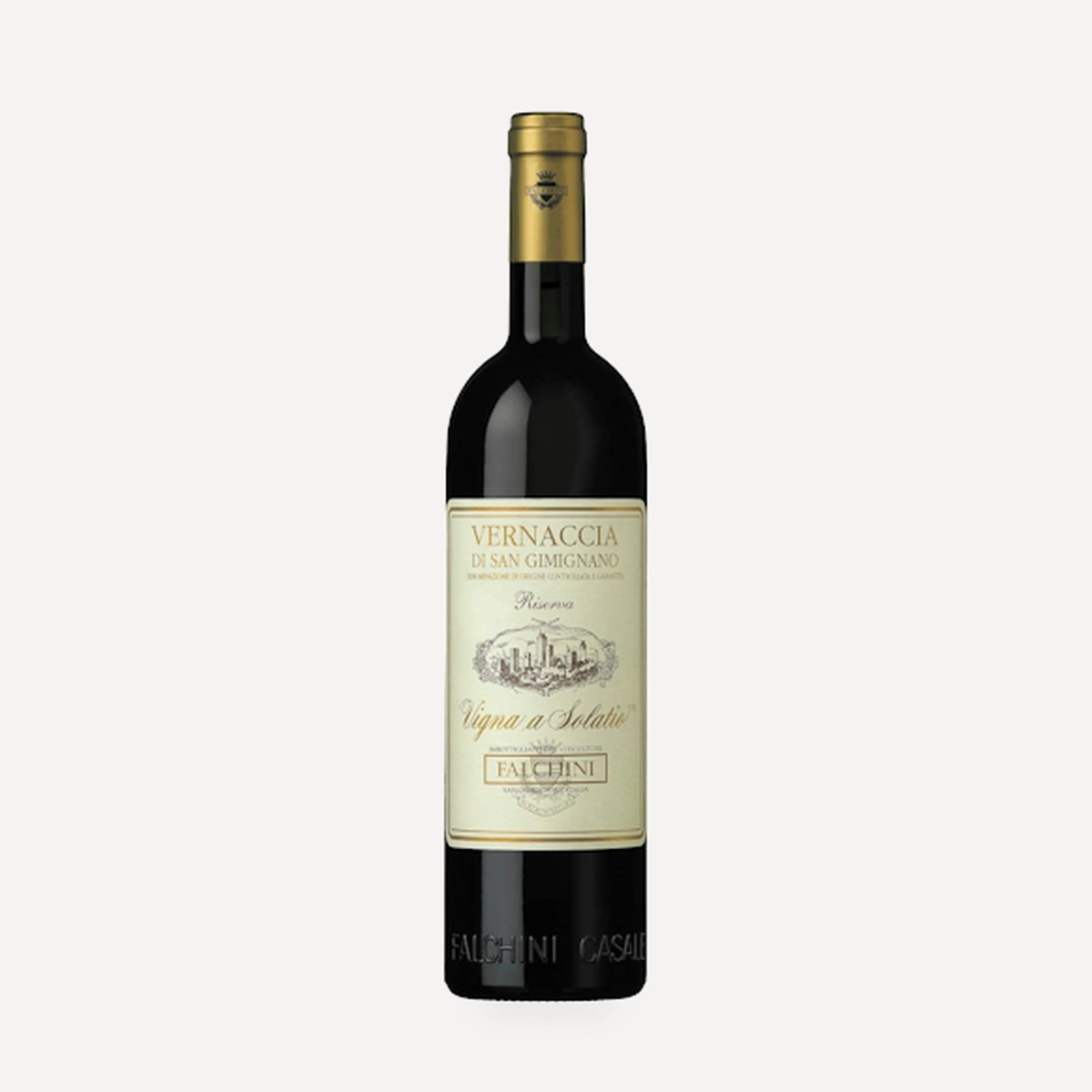
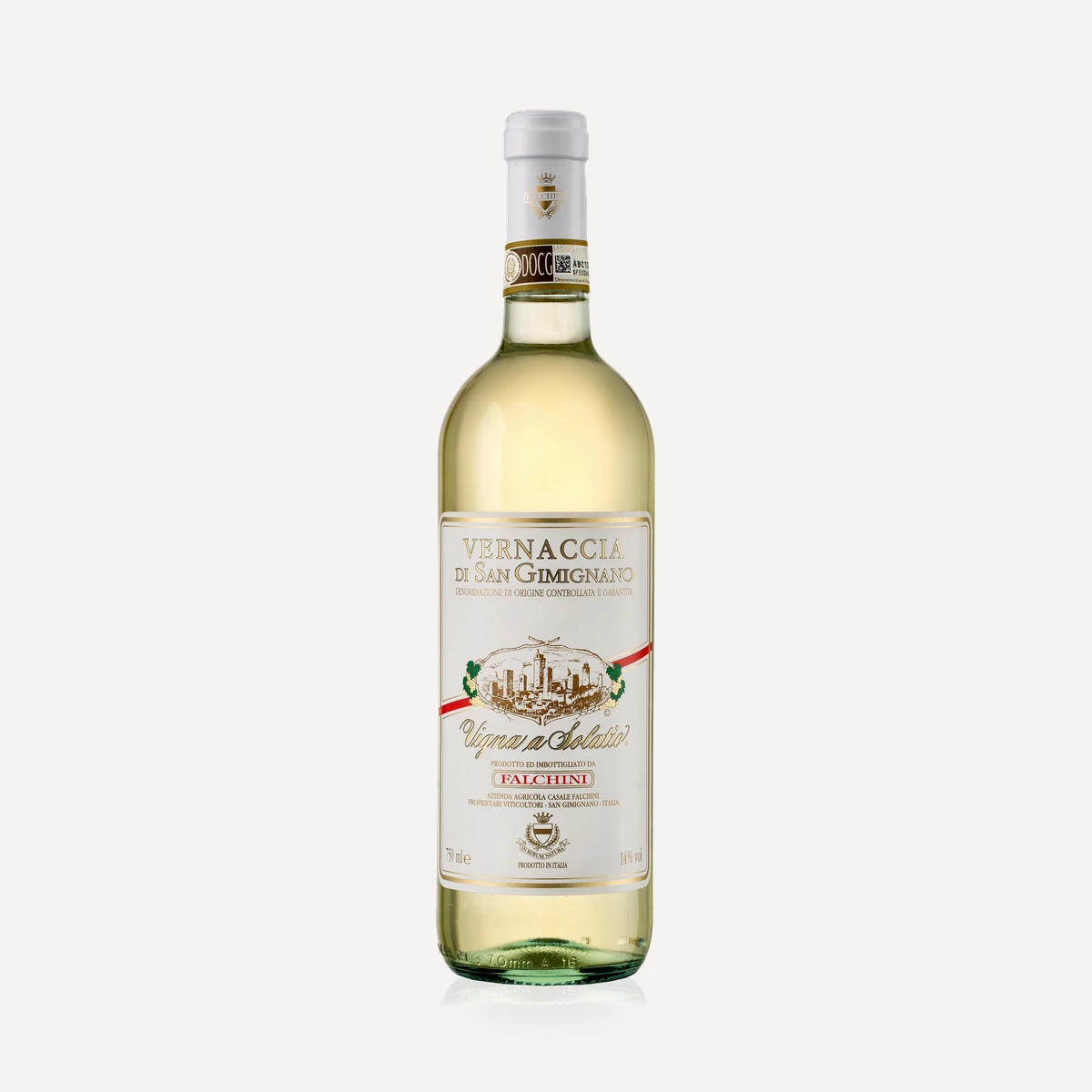
The vineyards’ average planting density is approximately 4,000 vines per hectare. Vigna a Solatìo occupies a sunny side of the estate and is among Casale’s oldest vineyards. Olive groves are situated around the vineyards, particularly to their south-west.
Winemaking
Casale Falchini bases its wine production on estate-owned vineyards within the territory of San Gimignano. The average planting density is approximately 4,000 vines per hectare, and Vernaccia di San Gimignano represents about 65% of production. The remaining vineyard base includes Sangiovese, Merlot, Chardonnay, Cabernet Sauvignon, Trebbiano and Malvasia, plus very small plantings of Canaiolo and Malvasia Nera.
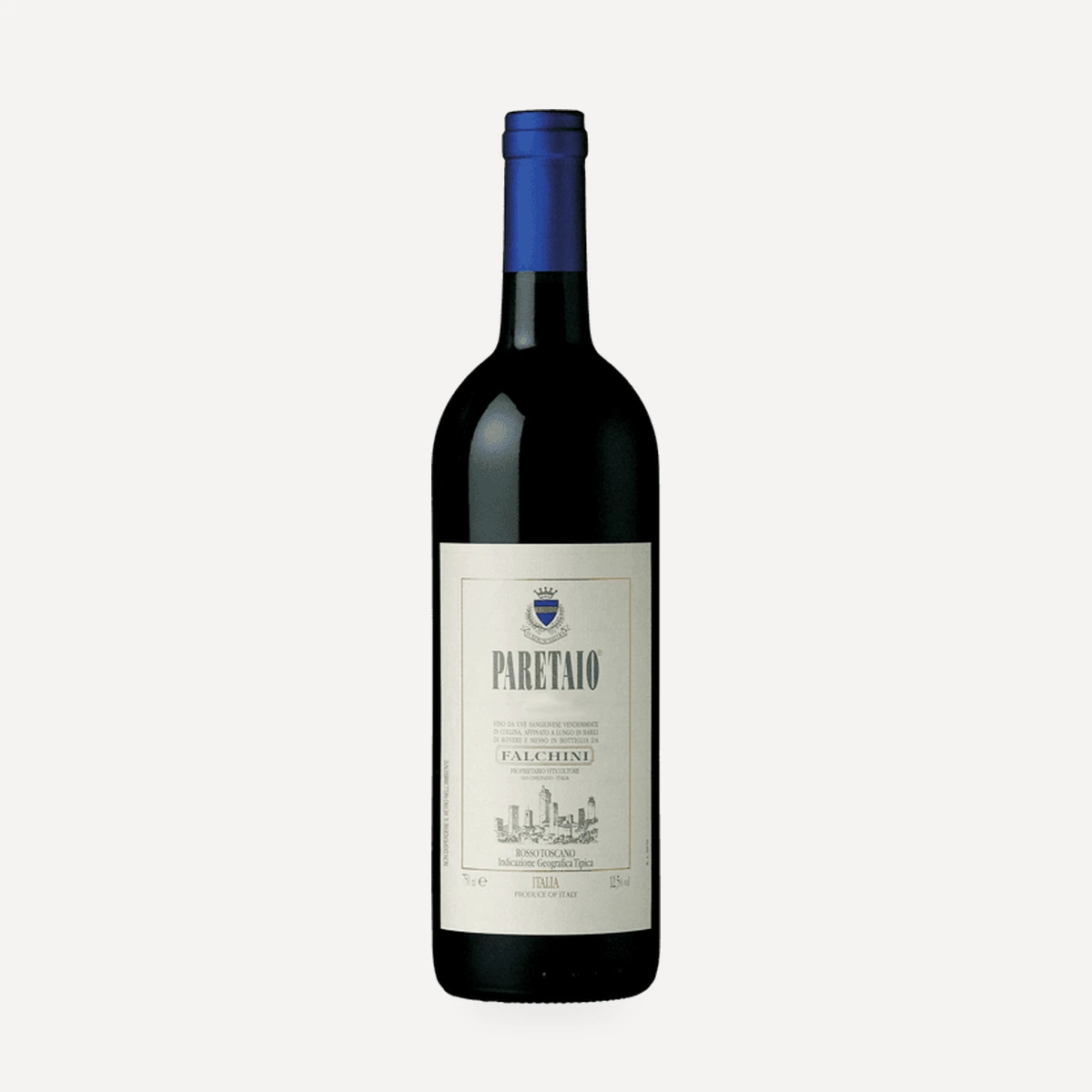
Harvest selection is documented for several estate wines and parcels. Vernaccia from Vigna a Solatìo is picked by hand for the Riserva; Chardonnay from the experimental vineyards is hand-harvested; Campora’s predominantly Cabernet Sauvignon crop is harvested manually; Paretaio bunches are selected by hand during harvest; and Malvasia and Trebbiano from Podere Casale I° are hand-selected for Vin Santo.
No organic, biodynamic or other formal vineyard certification is identified.
Cellar and equipment
The modern cellar was completed beneath the old Casale in 1976, replacing the previous facility. It was equipped with temperature-controlled stainless-steel tanks for fermentation and cold vinification, together with a specialized bottling line. Casale Falchini became the first winery in the San Gimignano area and one of the first in Tuscany to control must fermentation by refrigeration and to use tartaric stabilization for white wines in the mid-1970s.
Maturation
The temperature-controlled cellar contains numerous French oak barriques used to mature selected white and red wines. The estate’s documented use of these barrels includes Vernaccia di San Gimignano, Chianti Colli Senesi and Toscana IGT wines.
Estate-specific processes
Selected Vernaccia and Chardonnay are vinified in temperature-controlled steel for the base of Falchini Brut, followed by a short passage in French oak, blending and a second fermentation in bottle with selected yeasts. The sparkling wine remains on its lees for at least 24 months and undergoes remuage in the estate cellars.
For Vin Santo del Chianti Riserva, hand-picked Malvasia and Trebbiano are naturally dried for approximately three to four months. After pressing, the must is transferred to small caratelli made from various woods and sourced from different regions. Maturation lasts at least 48 months, and only the best casks are selected for the Riserva bottling.
Vernaccia pomace intended for grappa is placed in hermetically sealed containers immediately after pressing to preserve it through alcoholic fermentation. Distillation proceeds slowly and discontinuously in traditional copper stills, followed by several months in stainless steel.
Philosophy
Casale Falchini presents viticulture, winemaking and olive growing as a continuous Falchini family vocation whose documented roots extend to the seventeenth and eighteenth centuries. Domenico Falchini’s agricultural writing linked careful cultivation, vine pruning, the production of noble white and red wines, and virgin olive oil; the present estate frames its work as a continuation of that commitment.
The production approach combines this family agricultural tradition with technical modernization. The decisive example was the 1976 cellar, where temperature-controlled stainless steel, cold processing and specialized bottling were introduced while French oak remained part of maturation. Vineyard work emphasizes estate-grown grapes and hand selection for particular parcels and cuvées, with the stated aim of preserving the fruit’s original characteristics through processing.
Wines
Vigna a Solatìo Riserva
Paretaio
Vigna a Solatìo
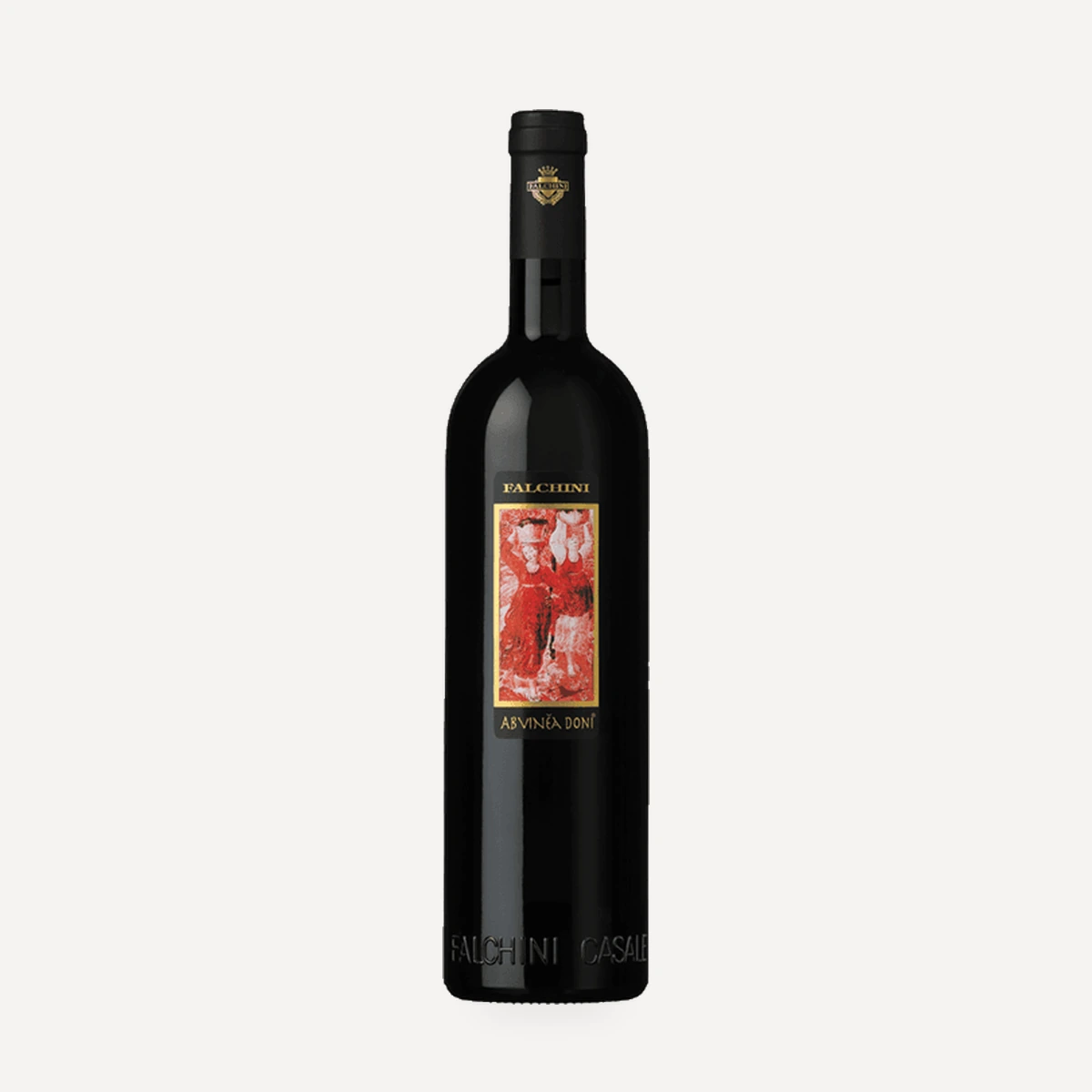
Ab Vinea Doni
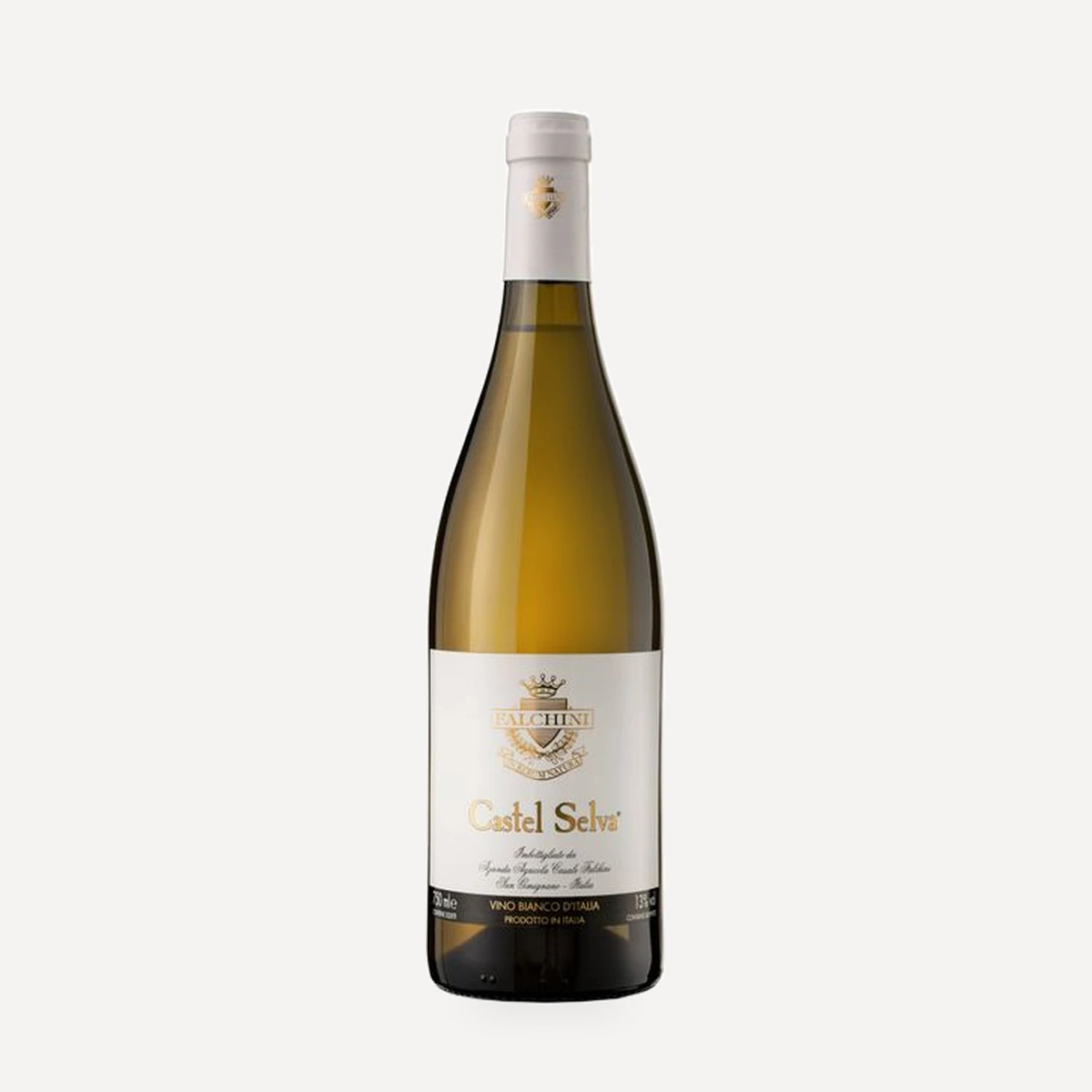
Castel Selva
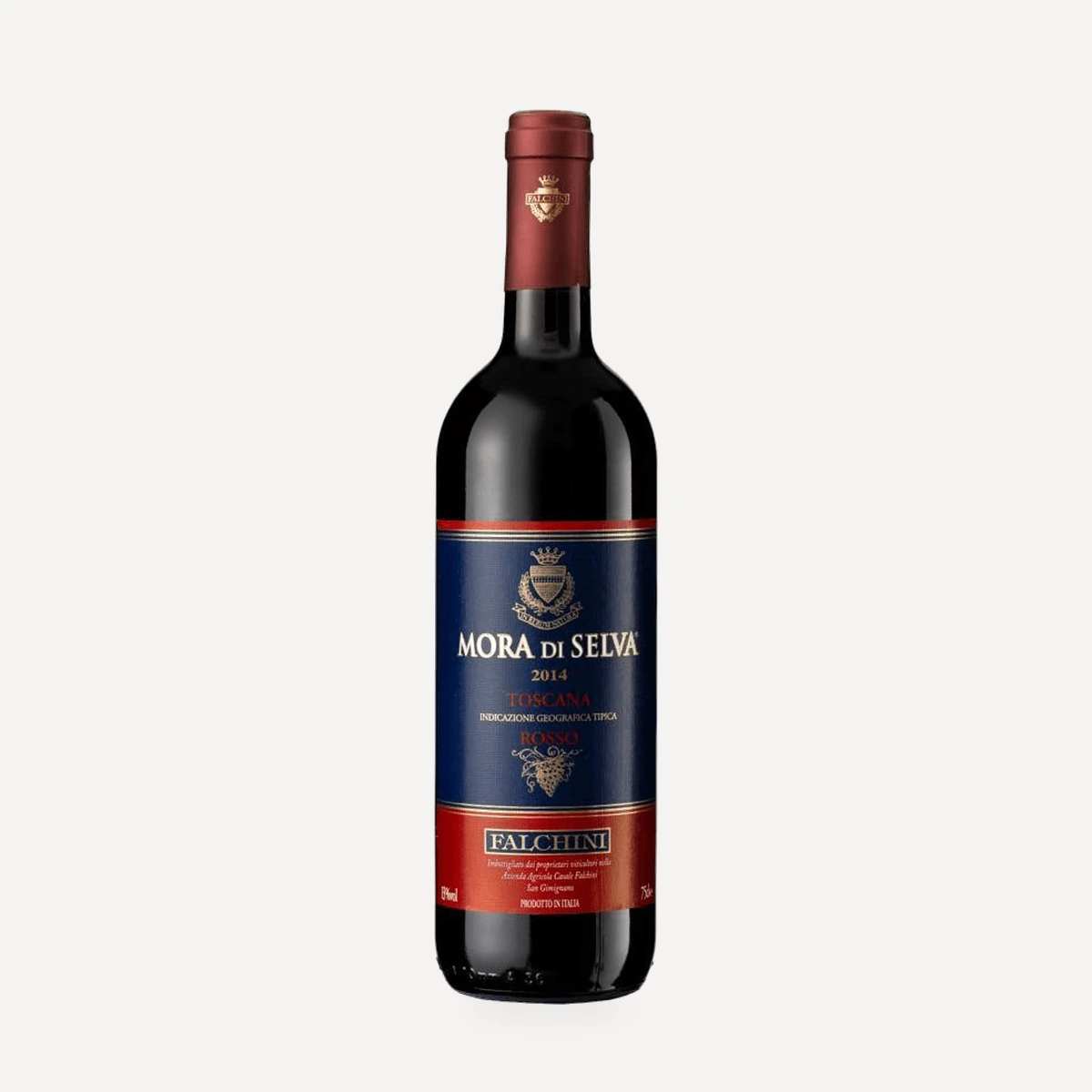
Mora di Selva
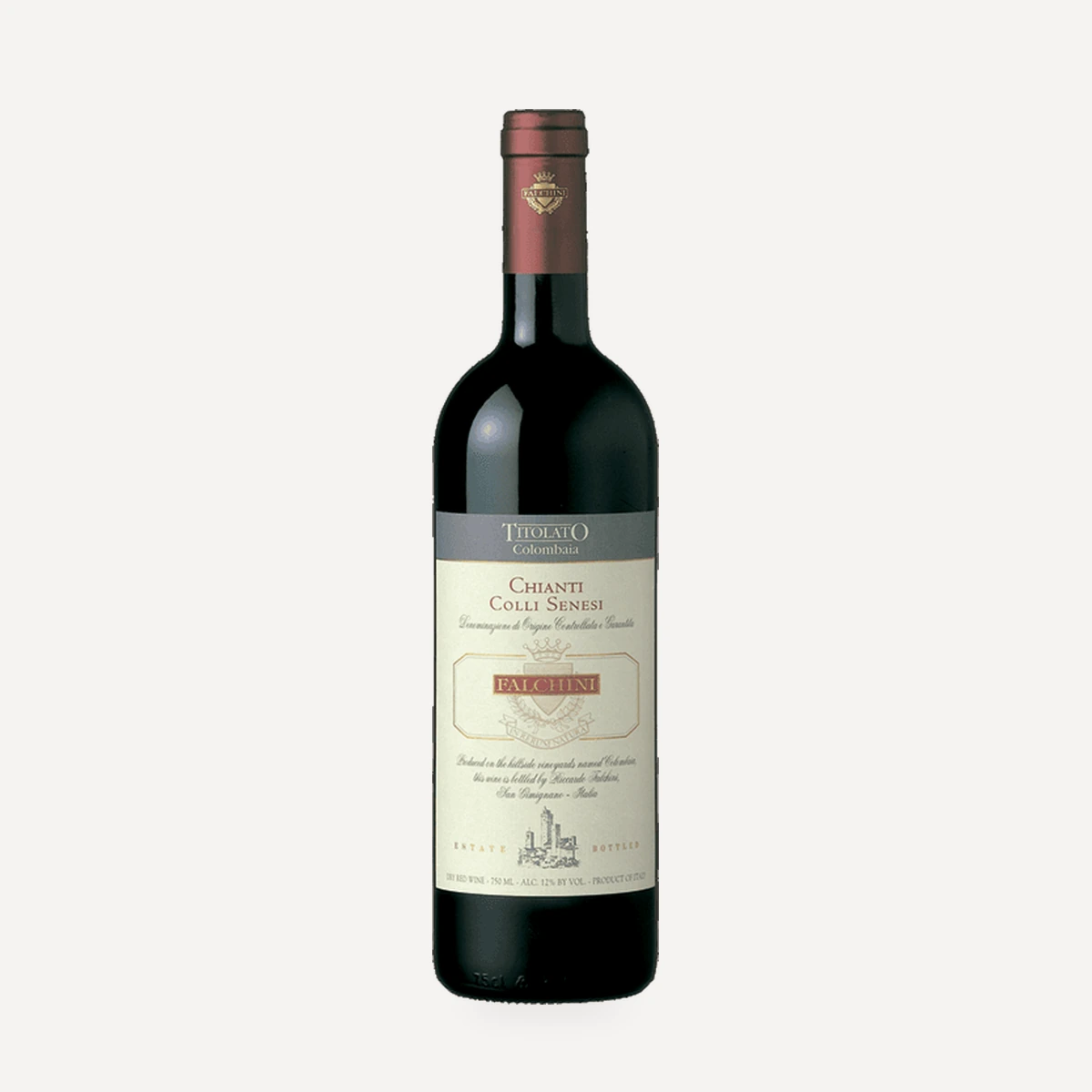
Titolato Colombaia
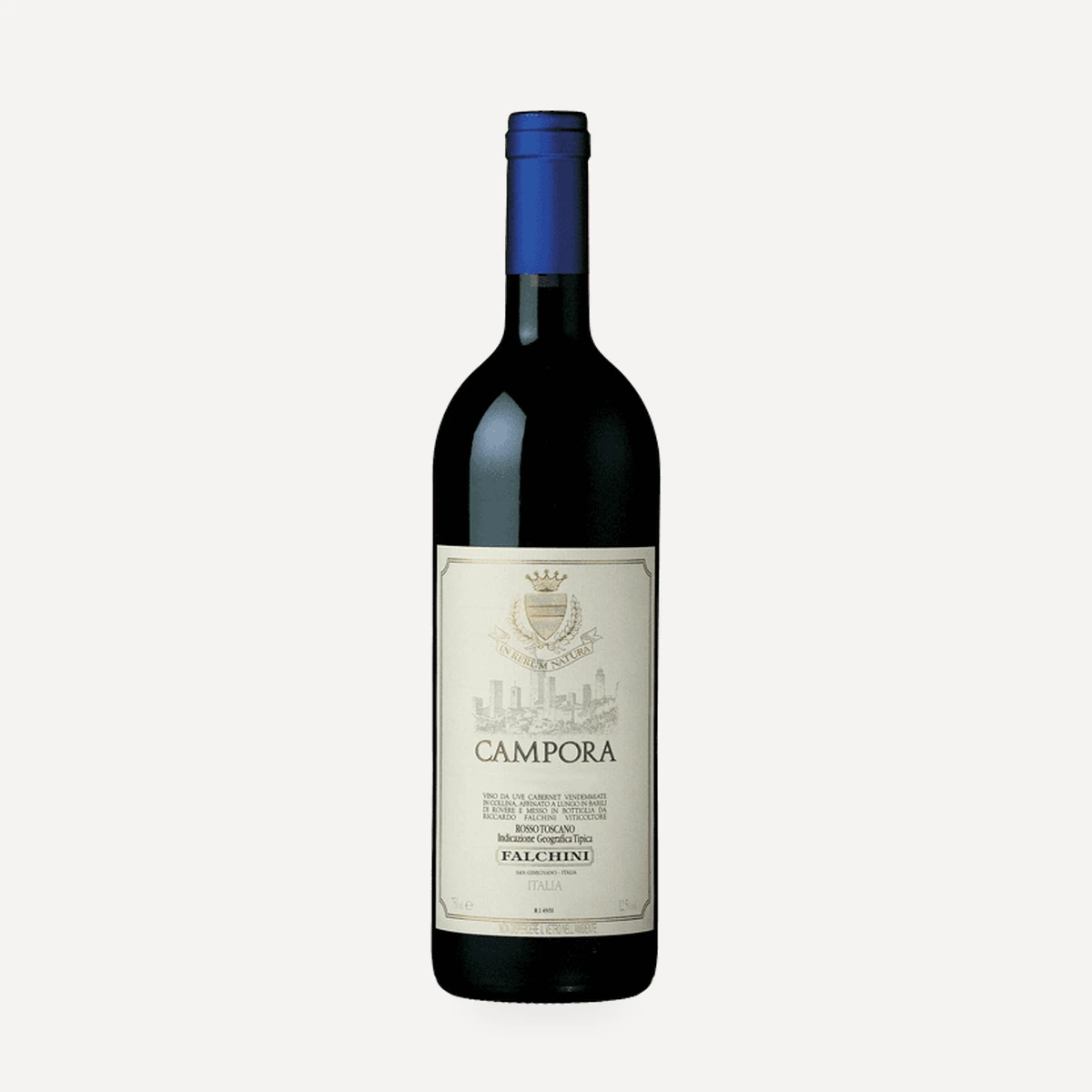
Campora
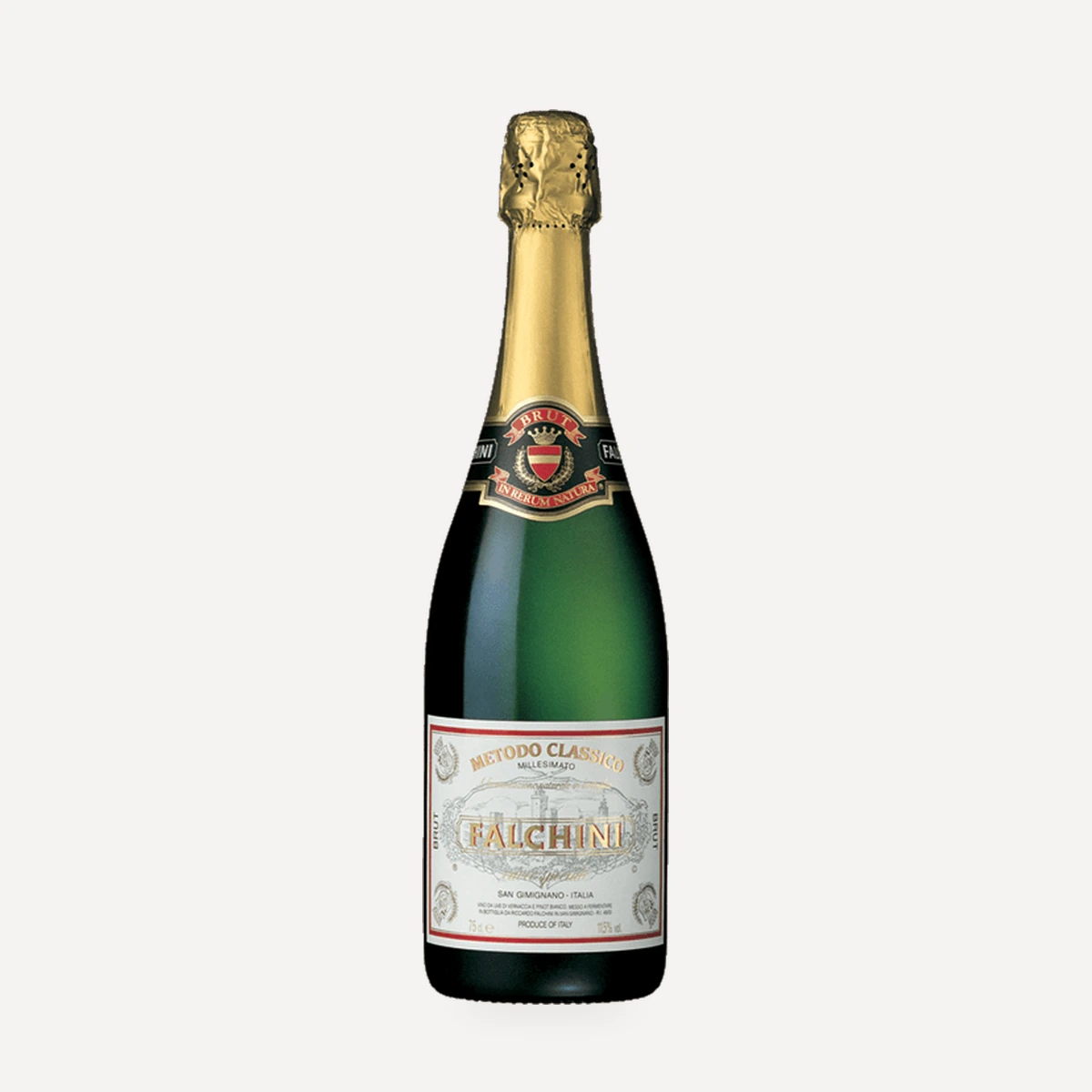
Falchini Brut
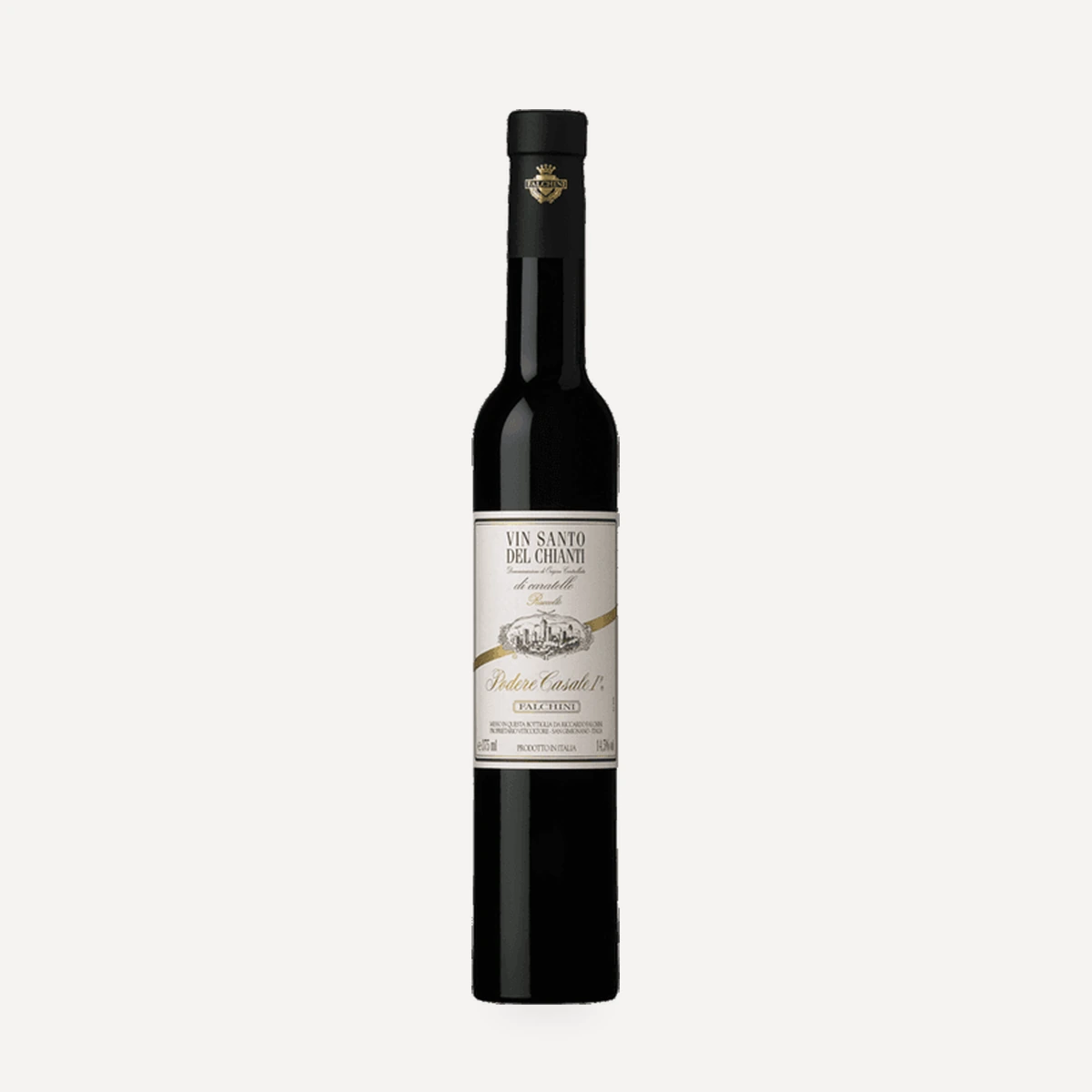
Vin Santo del Chianti Riserva DOC
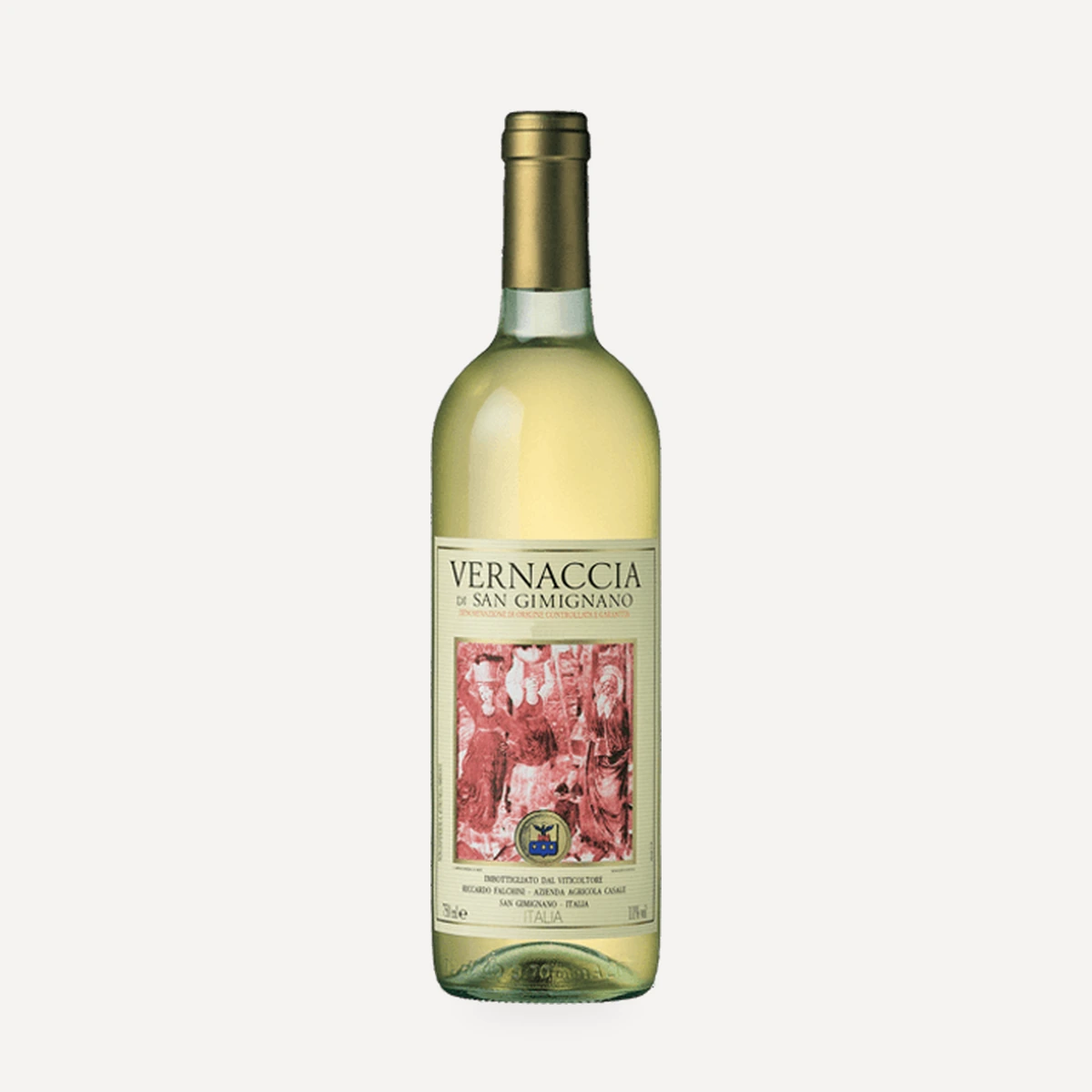
Benozzo Gozzoli