History
Conterno Fantino was founded in 1982 by Claudio Conterno and Guido Fantino, who joined their two surnames — and two families — into one estate. The site credits Alda Conterno, Guido's wife and Claudio's cousin, as the person who "wove together two families that knew how to respect and grow with each other". The first Barolo was bottled that same year, 1982, from the Sorì Ginestra vineyard.
The estate has always worked exclusively with vineyards in Monforte d'Alba, from its headquarters on the Ginestra hill — the highest point of the commune. The first vintages of its wines track the estate's growth: Sorì Ginestra 1982, Ginestrino 1984, Vigna del Gris, Monprà and Vignota 1985, Bricco Bastìa 1992, Bastìa 1993, Mosconi Vigna Ped and Barolo Chinato 2004, Prinsìpi 2005, and the newest cru, Castelletto Vigna Pressenda, in 2013.
In 1996 the estate obtained organic certification — a cornerstone it still highlights today. A geothermal system has been active since 2008, and a photovoltaic system became fully operational in 2025. Today the second generation — Claudio's children Noemi and Matteo Conterno and Guido's children Elisa and Fabio Fantino — works alongside the founders; the site speaks of "more than 40 years of history".
Terroir
The estate sits at Ginestra, the highest point of Monforte d'Alba, in the Langhe (Cuneo province, Piedmont) — a UNESCO World Heritage landscape. The site describes views towards four Alpine ranges — the Maritime, Cottian, Graian and Pennine Alps, with Monviso (3,841 m) and Gran Paradiso (4,061 m) — and breezes carrying scents from the Ligurian Sea.
The 27 hectares of vineyards lie at 280–400 m altitude (up to 550 m for Dolcetto and Chardonnay plots), on slopes of 20–35% facing south, south-east and south-west, on soils of sand, silt, clay and marl. The tech sheets name the geological formations under the Barolo crus: sandy Marne di Sant'Agata Fossili under Sorì Ginestra and Mosconi, and the Formazione di Lequio under Vigna del Gris and Castelletto Pressenda. Vine age ranges from 15 to 40 years; yields run 60–90 quintals/ha depending on variety.
Winemaking
Certified organic since 1996. All vineyard work is by hand: Guyot pruning, spontaneous ground cover between the rows, rainwater recovery. Harvest is manual for every wine, timed to optimal ripeness per variety — from late August (Prinsìpi) and early September (Dolcetto, Chardonnay) to mid-October for Nebbiolo. Planting densities run 4,500–5,000 vines/ha for Nebbiolo and 5,000–6,000 for Barbera and the whites; yields are capped at 55–60 q/ha for the Barolo crus and 65–90 q/ha for the other wines.
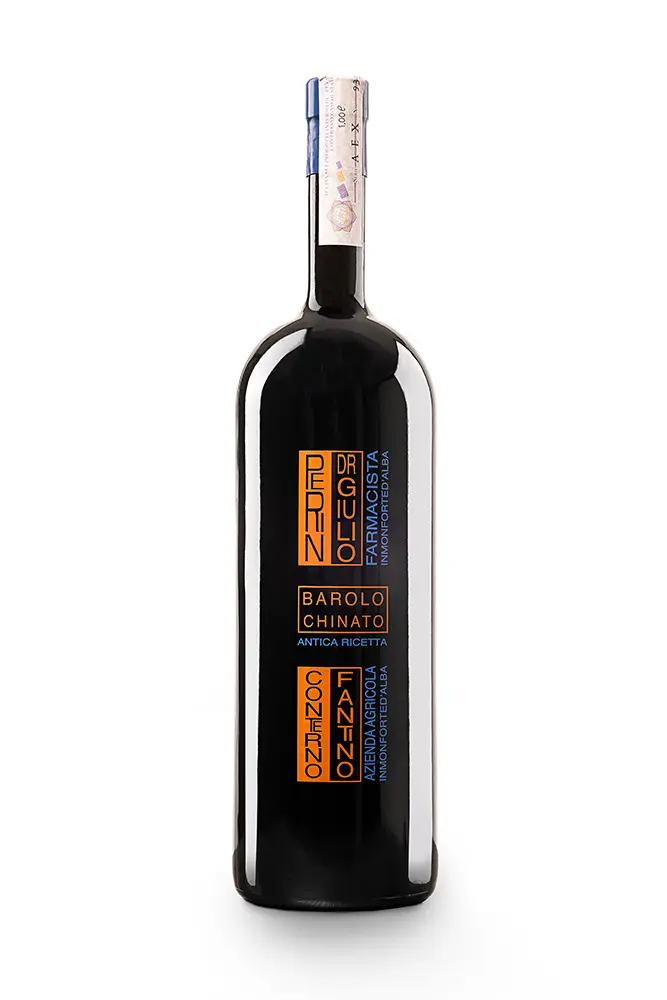
Reds are macerated and fermented in temperature-controlled steel vats with indigenous yeasts and gentle pressing; malolactic fermentation happens in wood. Aging is in French oak of various sizes (the Ginestrino and Vignota partly in steel; Bricco Bastìa entirely in steel). The Chardonnay "Bastìa" is whole-cluster pressed and goes through both fermentations in French oak. Monprà's two varieties are vinified separately and blended only before bottling. The Barolo Chinato "Perin" starts from single-vintage Barolo infused with more than 50 herbs, flowers and spices, then racked with sugar and alcohol added.
Sustainability runs through the cellar: all wastewater is treated by phytodepuration, a geothermal system has worked since 2008 and photovoltaics since 2025, bottle weight was cut from 600 g to 500 g, capsules are 80% vegetable-origin and fully recyclable, labels use FSC paper, about 80% of key suppliers are in Piedmont, and 32% of the estate's land is kept as natural habitat. The whole team — vineyards, cellar and office — gathers daily at 6 PM.
Philosophy
The estate describes its goal as "elegance, fruit, and the beauty of things that you don't truly know why you like, but like very much", and says each vintage should "know how to say something worth listening to". It avoids ranked vintage evaluations, instead encouraging collectors to "build your own cellar, setting aside another bottle for every one you open". The stated pillars are respect for the environment, organic certification, and sustainability of both vineyards and processing — presented as observable practice rather than marketing narrative.
Wines
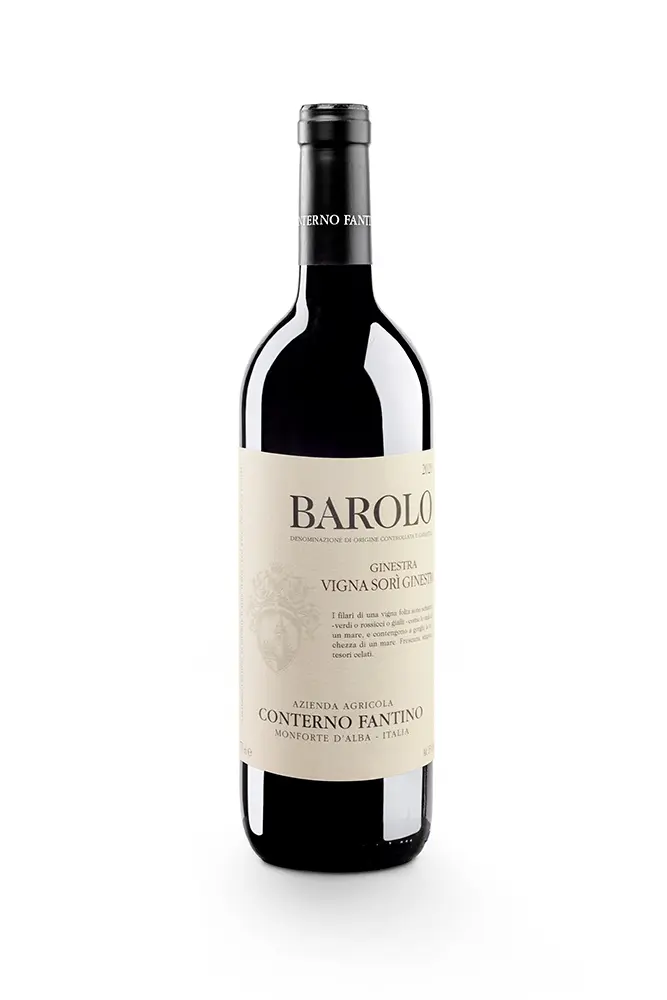
Barolo Ginestra Vigna Sorì Ginestra DOCG
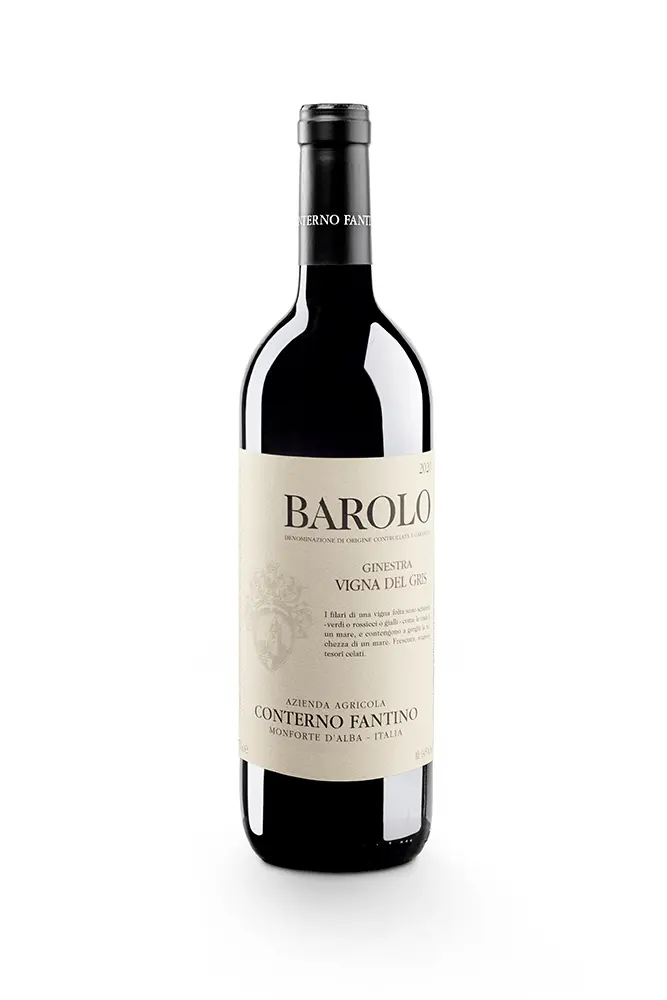
Barolo Ginestra Vigna del Gris DOCG
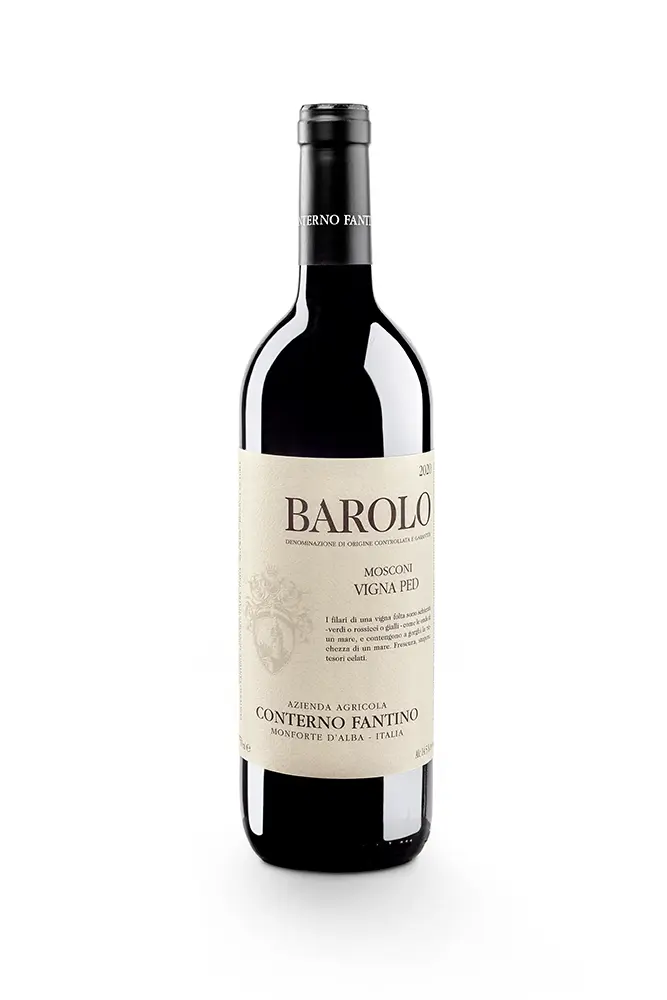
Barolo Mosconi Vigna Ped DOCG
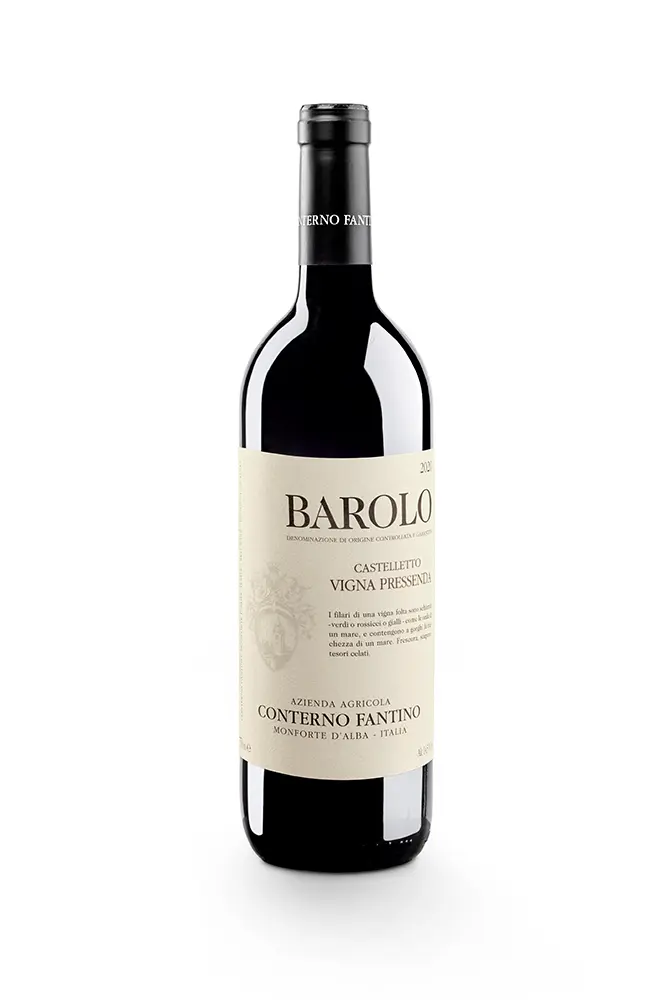
Barolo Castelletto Vigna Pressenda DOCG
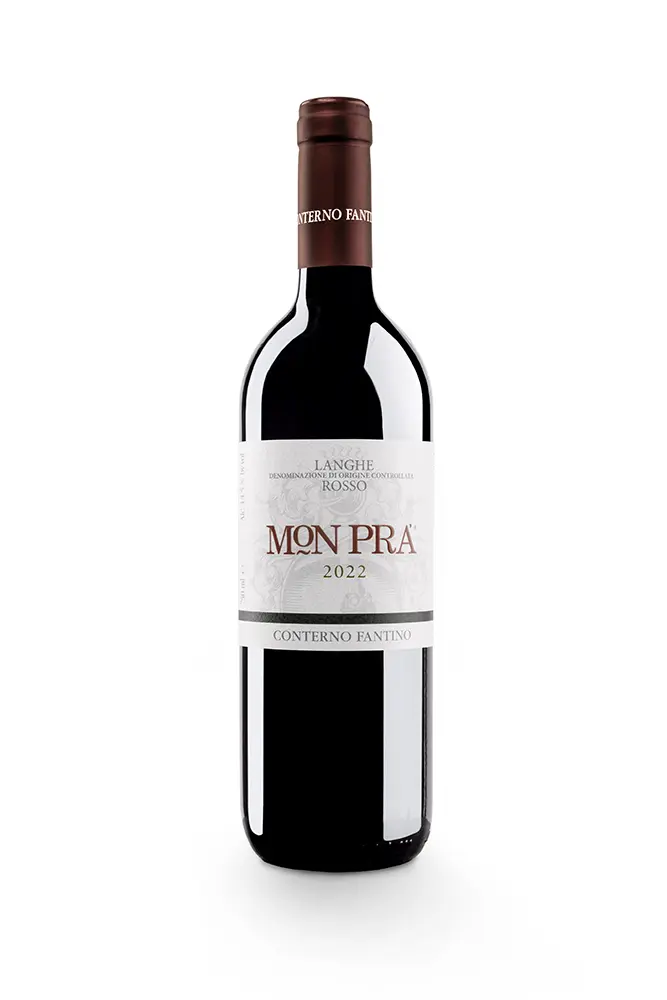
Monprà
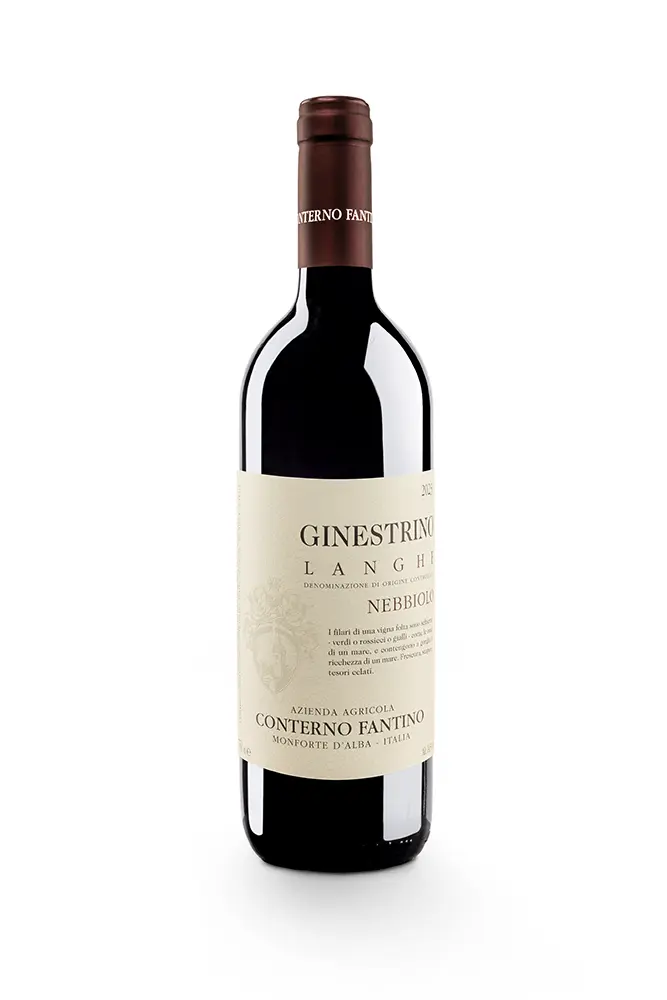
Ginestrino
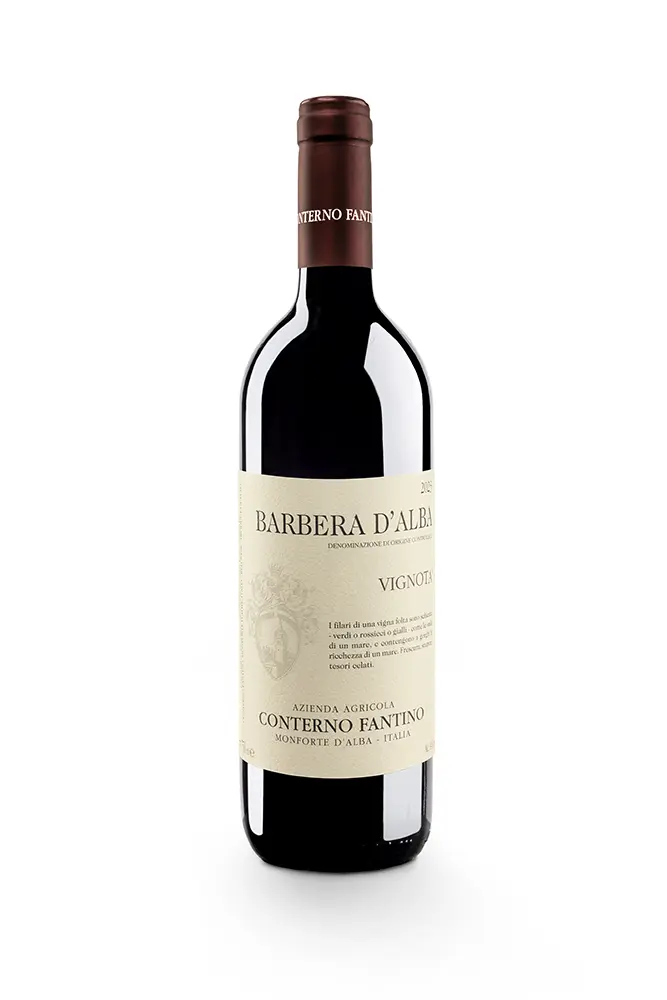
Vignota
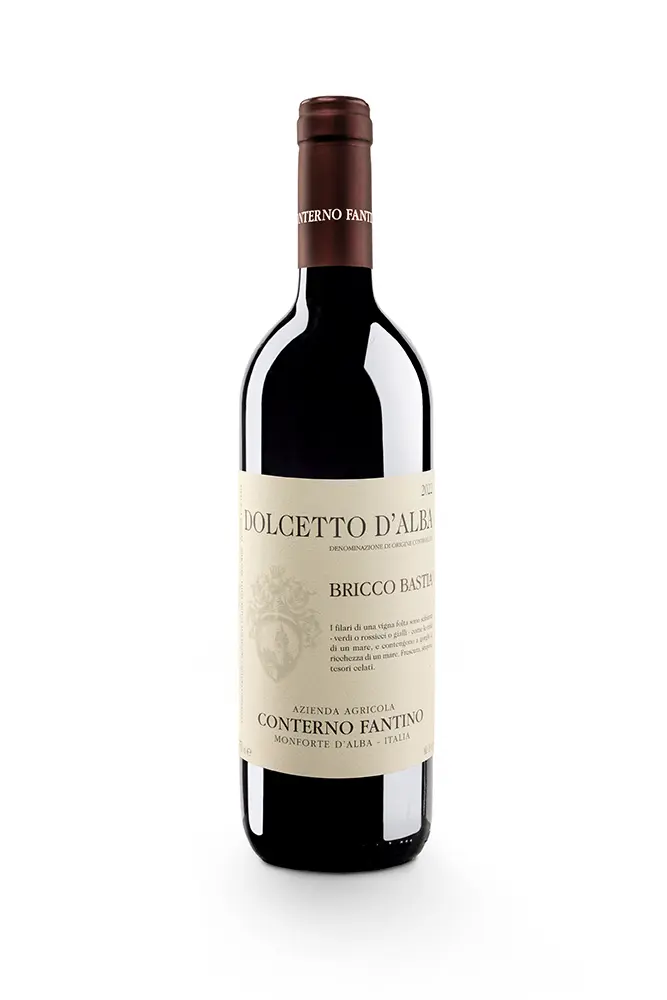
Bricco Bastìa
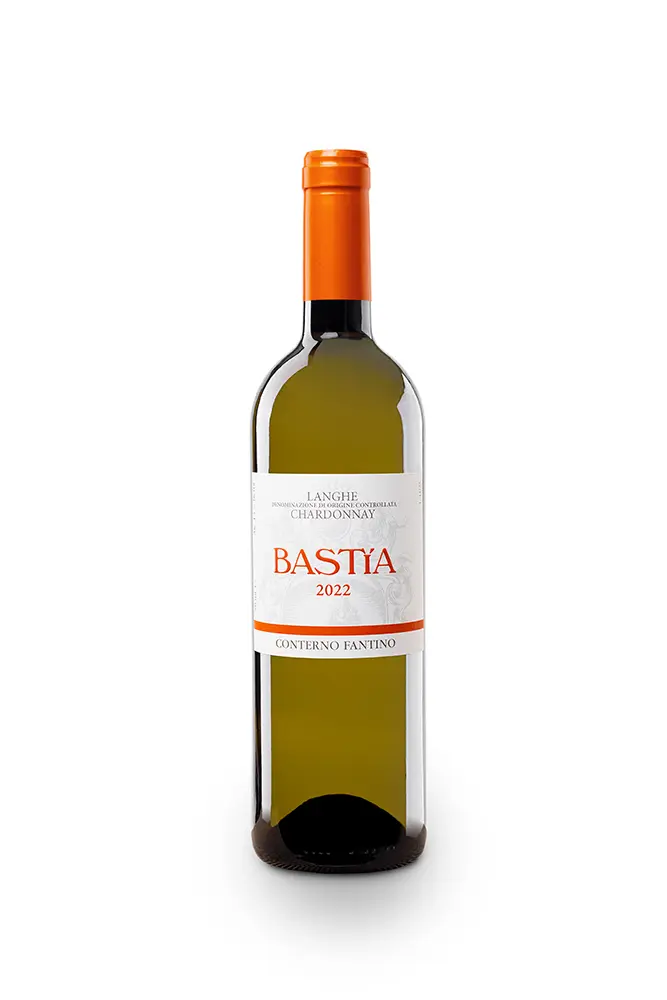
Bastìa
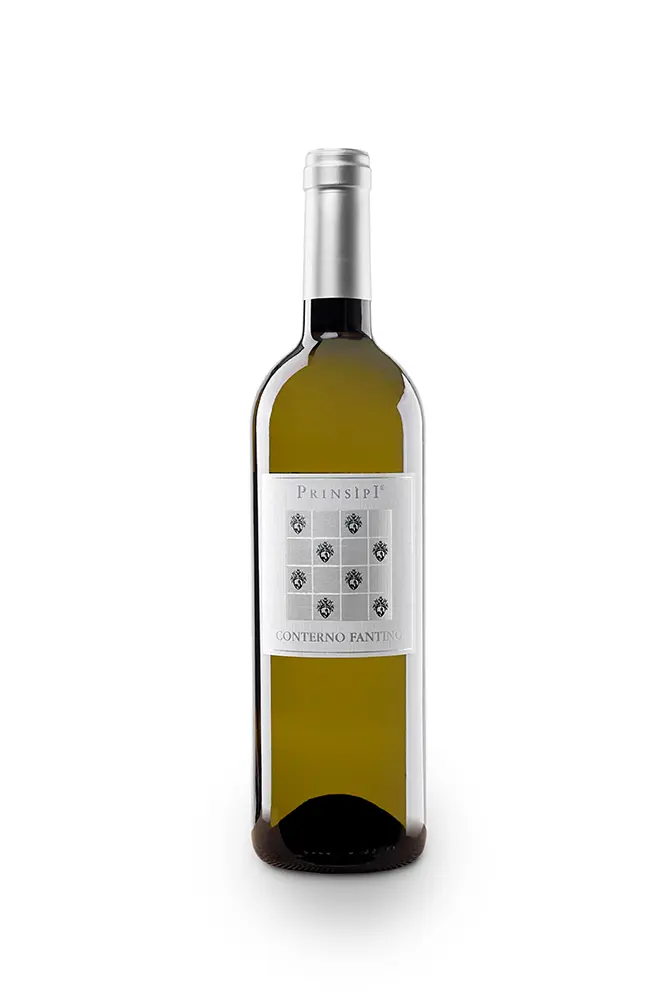
Prinsìpi