History
Origins in the late 19th century
The history of Tenuta Il Poggione began at the end of the 19th century with Lavinio Franceschi, a landowner from Scandicci in the hills above Florence. Stories told by a shepherd who moved livestock through the country between Montalcino and Sant’Angelo prompted Franceschi to inspect the area. Impressed by its landscape and inhabitants, he acquired land and established an agricultural enterprise.
By the end of the century, the Franceschi family had entered its name in the estate’s local “golden book” alongside the Tolomei family and the Counts of Ciaia. Lavinio Franceschi recognized the potential of the area for viticulture and the possibilities offered by the locally cultivated Sangiovese. His management introduced a modern, entrepreneurial model in place of older agricultural practices. The estate selected Sangiovese clones suited to quality production, planted new vineyards on the most appropriate sites and constructed a winery equipped with advanced technology for its time, while retaining traditional methods and the local character of the wines.
Early commercialization of Brunello
Tenuta Il Poggione was among the first estates to market Brunello di Montalcino, doing so from the beginning of the 20th century. It subsequently became one of the founding members of the Brunello di Montalcino Consortium.
Research, clonal selection and Vigna Paganelli
Across successive generations, the family invested in quality research, clonal selection, vinification and maturation techniques. Vigna Paganelli was planted in 1964 on an alluvial terrace. Its old Sangiovese vines became an important clonal reference for later plantings both within the estate and elsewhere in Tuscany. The vineyard remains the source of the estate’s single-vineyard Brunello di Montalcino Riserva.
The new winery
In 2004, a new winery was built in the heart of the property. The facility combined the estate’s established winemaking practices with controlled-temperature equipment and submerged-cap fermentation. A maturation cellar situated five metres below the vinification area houses the estate’s large French-oak casks under naturally stable temperature and humidity conditions.
The estate today
The property now covers 530 ha, comprising 140 ha of vineyards, 50 ha of olive groves and land devoted to arable crops, woodland and livestock. Lavinio Franceschi’s successors, Leopoldo and Livia Franceschi, continue the family enterprise, combining its established winemaking traditions with newer techniques. The first vintage of the Sangiovese-based Marchesa Clementina Metodo Classico, created in honour of their grandmother, was 2014.
Terroir
Tenuta Il Poggione lies at Sant’Angelo in Colle, approximately 10 km south of Montalcino. Its vineyards occupy a commanding position and extend from 150 to 450 m above sea level. Their setting is influenced by the proximity of Monte Amiata and the Tyrrhenian Sea.
The wide difference in elevation, together with variations in vineyard age, gives the estate flexibility in planning the harvest. It also supports the production of structured wines intended for extended maturation under differing vintage conditions.
Vigna Paganelli occupies an alluvial terrace. Planted in 1964, it has an east–west orientation and is trained using the doppio capovolto system. Its old Sangiovese selections produce loose bunches and small, thick-skinned berries and have maintained their performance in both favourable and difficult years.
Winemaking
Viticulture is the central element of Tenuta Il Poggione’s quality policy. Work in the vineyards is predominantly manual, including the harvest and other seasonal operations. Grapes for the estate’s wines are hand-picked; selection in Vigna Paganelli includes choosing the best and ripest bunches individually.
The estate follows a diversified agricultural model in which vineyards coexist with olive groves, arable crops, woodland and livestock. Different crops have long been planted alongside the vineyards, while the use of phytosanitary products is limited as much as possible.
Yield management includes green harvesting and a substantial reduction in the number of bunches retained. Vineyard health is monitored continuously, together with the soil’s nutritional requirements. These measures are intended to sustain fruit quality in more difficult vintages as well as favourable ones.
Clonal research has been a long-term focus. Sangiovese selections from old estate and local vineyards—particularly the loose-bunched, small-berried and thick-skinned material preserved at Vigna Paganelli—have been used in new estate vineyards and in other Tuscan plantings. Their continued use is intended to preserve the identity of Sangiovese in Montalcino.
Solar panels installed on the winery roof reduce the carbon footprint associated with production.
Winery and fermentation
The winery constructed in 2004 stands in the heart of the property and was designed to combine traditional vinification with modern control systems. Grapes are harvested by hand. Red-wine fermentation takes place in stainless-steel tanks at controlled temperatures with indigenous yeasts and the submerged-cap technique. Current red vinifications use temperatures of 25–28 °C; depending on the cuvée, skin contact lasts approximately 15–20 days. Malolactic fermentation is carried out in stainless steel.
The submerged cap keeps the skins immersed during fermentation, increasing the extraction of colour compounds and contributing to concentrated colour and aroma.
Oak maturation
The maturation cellar lies five metres beneath the vinification floor and is completely underground. Its naturally stable temperature and humidity provide conditions for ageing and storing wine. The principal vessels are large French-oak casks, including capacities of 30–50 hl; 350-litre barriques are also used within the range.
Oak is selected directly in France. The timber is seasoned outdoors for at least four years before a cooper assembles it into casks. Wood maturation is followed by bottle ageing where required.
Philosophy
Tenuta Il Poggione places vineyard care at the centre of its approach, holding that the quality of red wine begins with attentive work among the vines. This principle connects manual farming, bunch thinning, vineyard-health monitoring, soil-nutrition assessment and long-term clonal selection.
The estate seeks to preserve local character while improving quality through research and selection. Old Sangiovese material is retained and propagated as a means of protecting the identity of Sangiovese in Montalcino. Lower yields and careful vineyard management are used to maintain quality when a growing season is challenging.
Tradition and technology are treated as complementary. Indigenous yeasts, large oak casks and established maturation practices coexist with controlled-temperature equipment and the winery completed in 2004. The same balance guides the current owners, Leopoldo and Livia Franceschi, in continuing the work begun by Lavinio Franceschi.
Environmental policy is based on diversified agriculture, reduced reliance on phytosanitary products and renewable energy. Vineyards are integrated with olive groves, arable land, woodland and livestock, while photovoltaic panels help lower the production footprint.
Wines
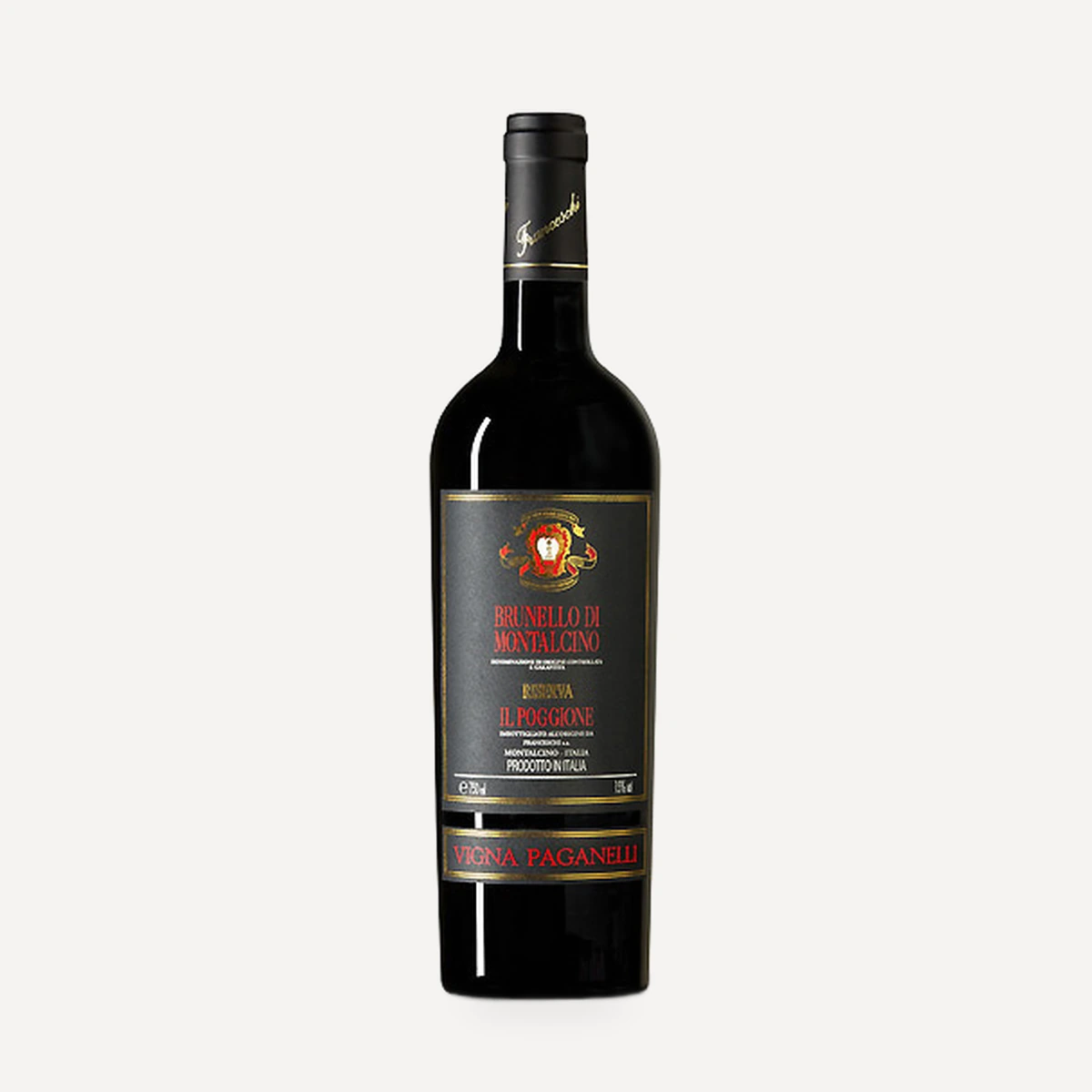
Brunello di Montalcino Riserva Vigna Paganelli DOCG
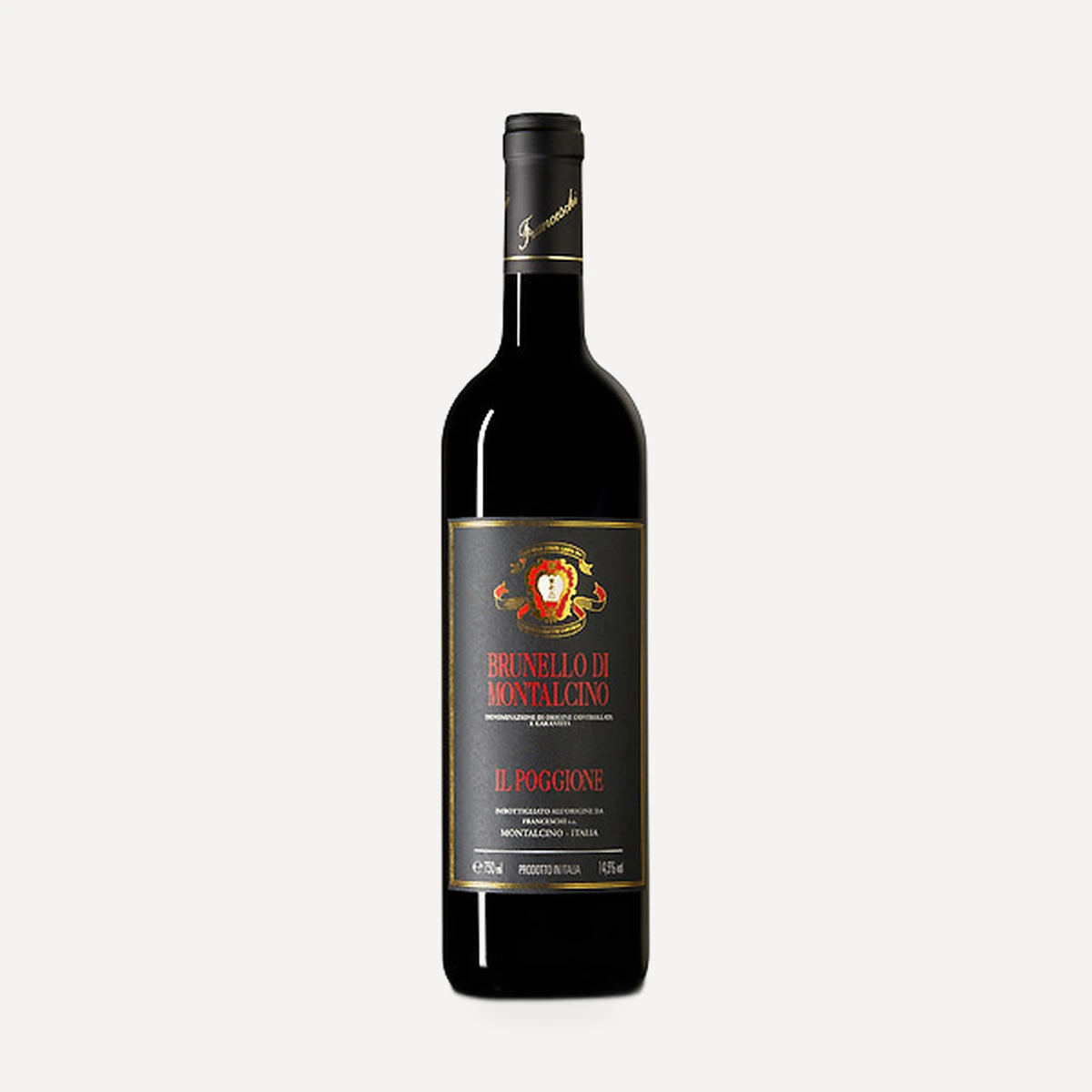
Brunello di Montalcino DOCG
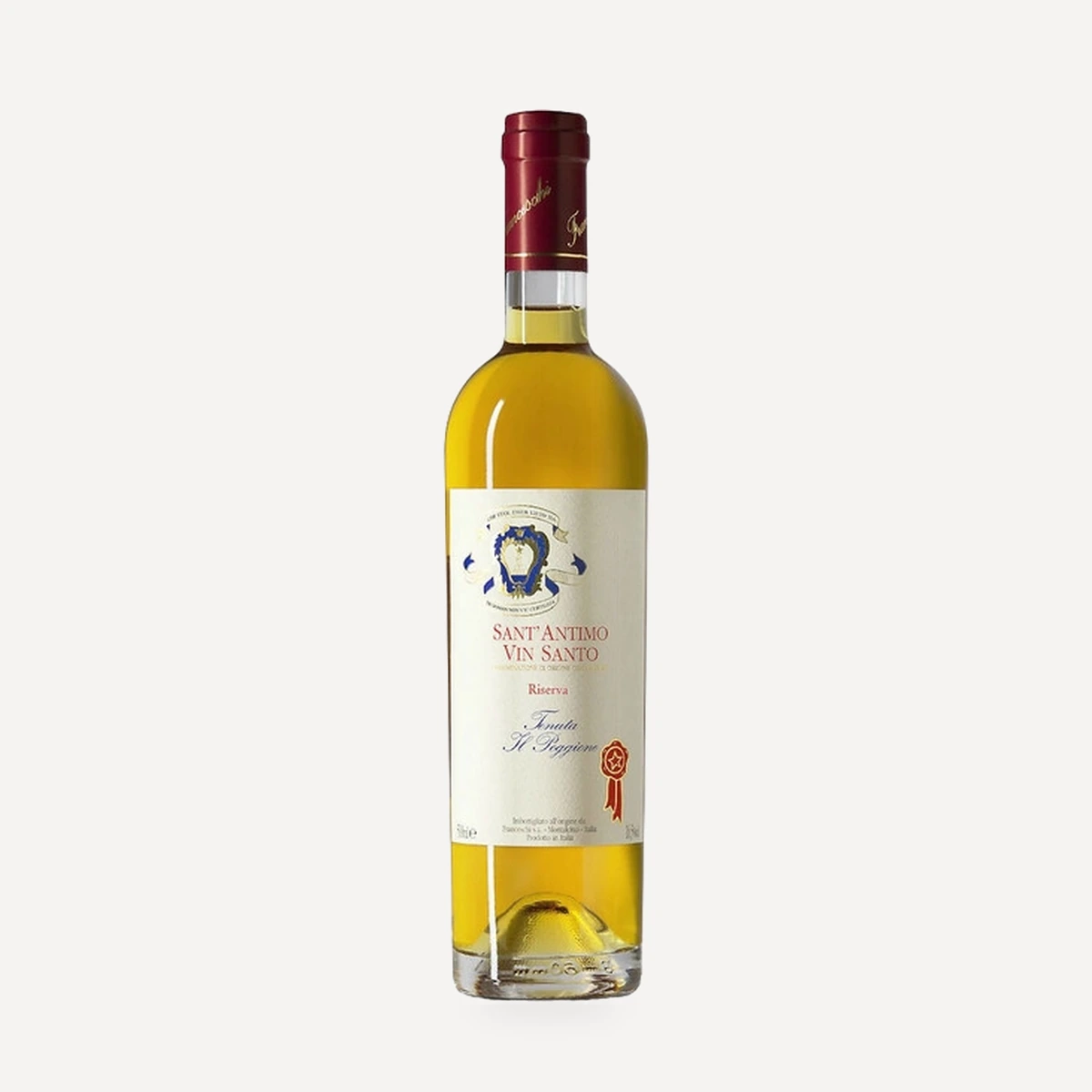
Vin Santo Sant'Antimo Riserva
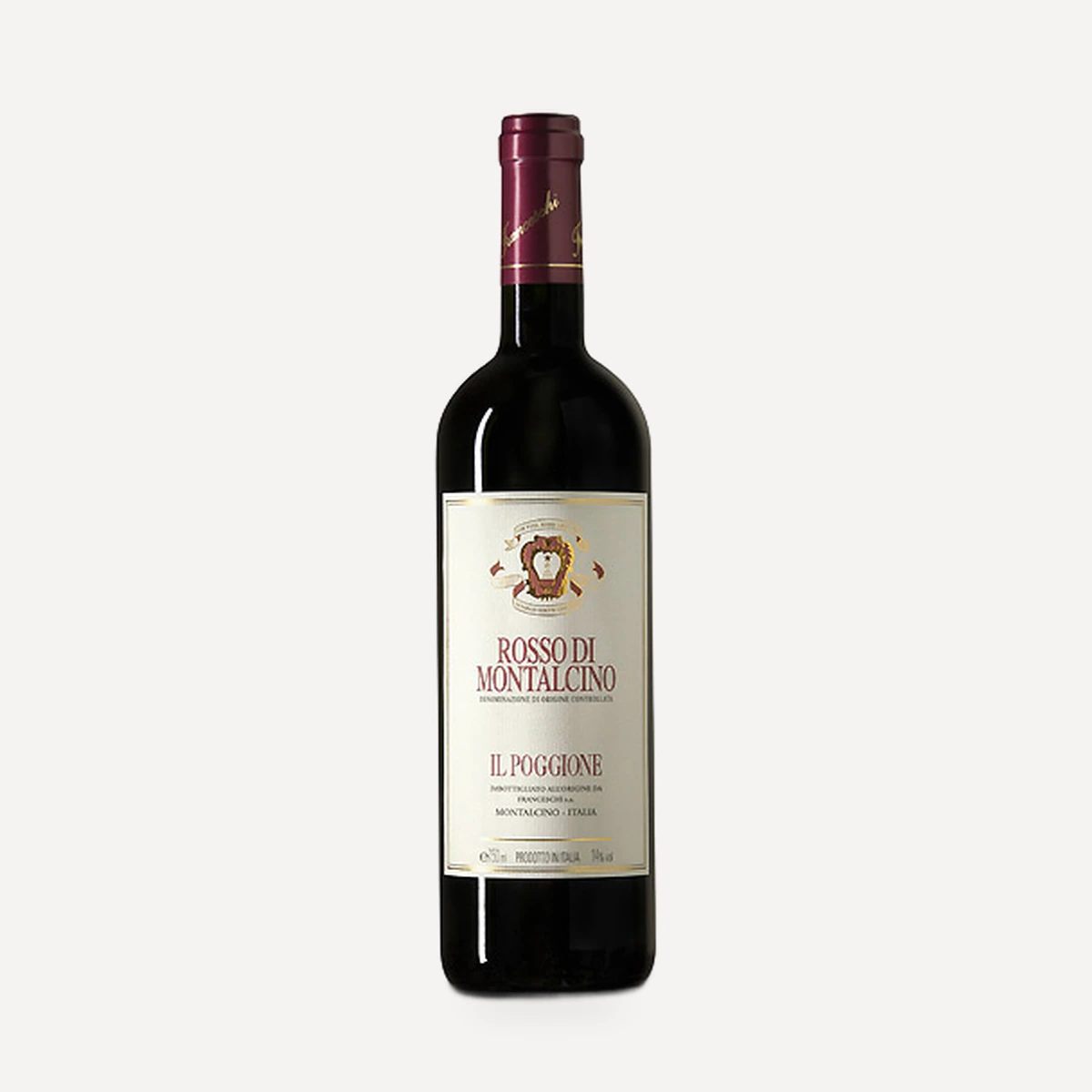
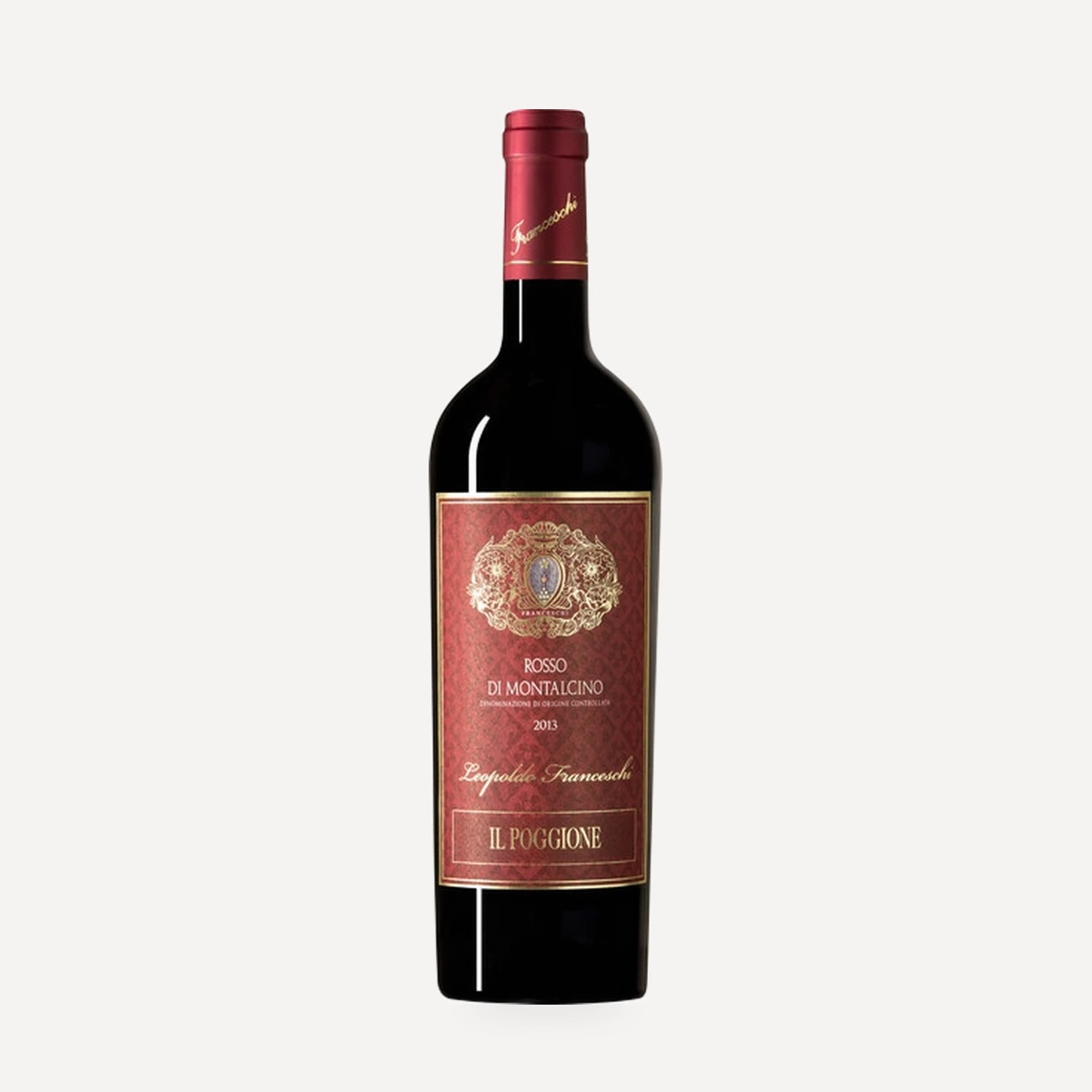
Rosso di Montalcino DOC
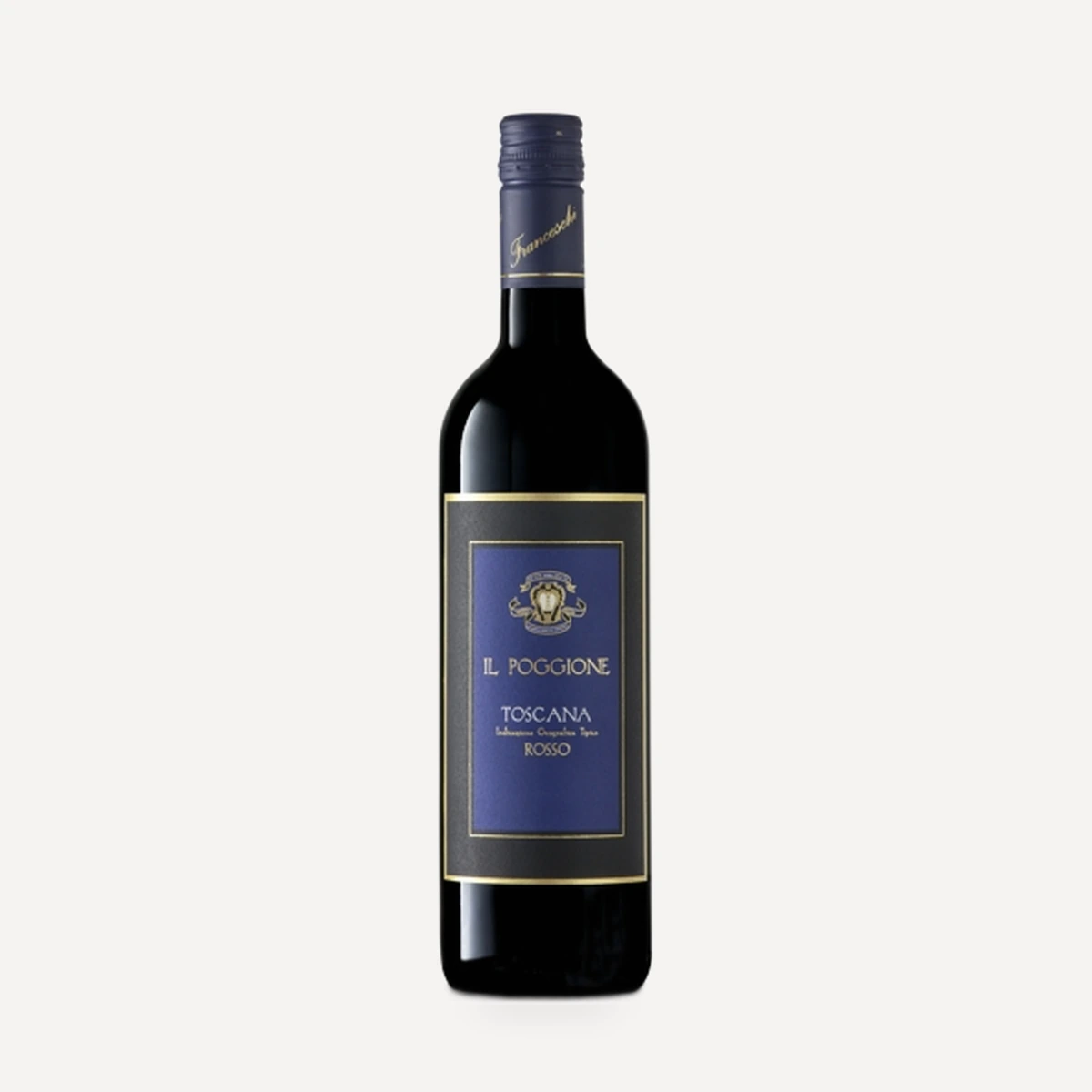
Rosso di Toscana IGT
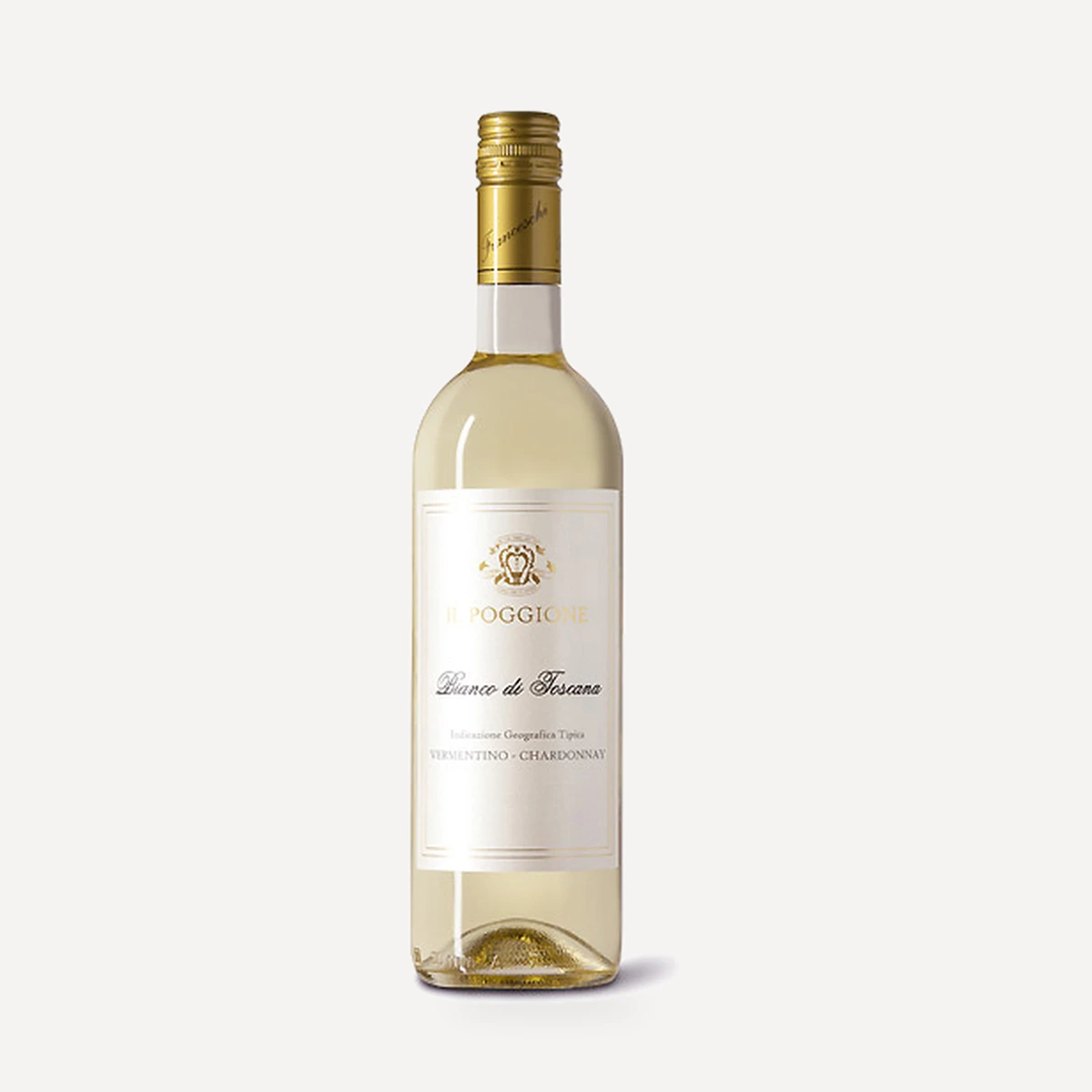
Bianco di Toscana IGT
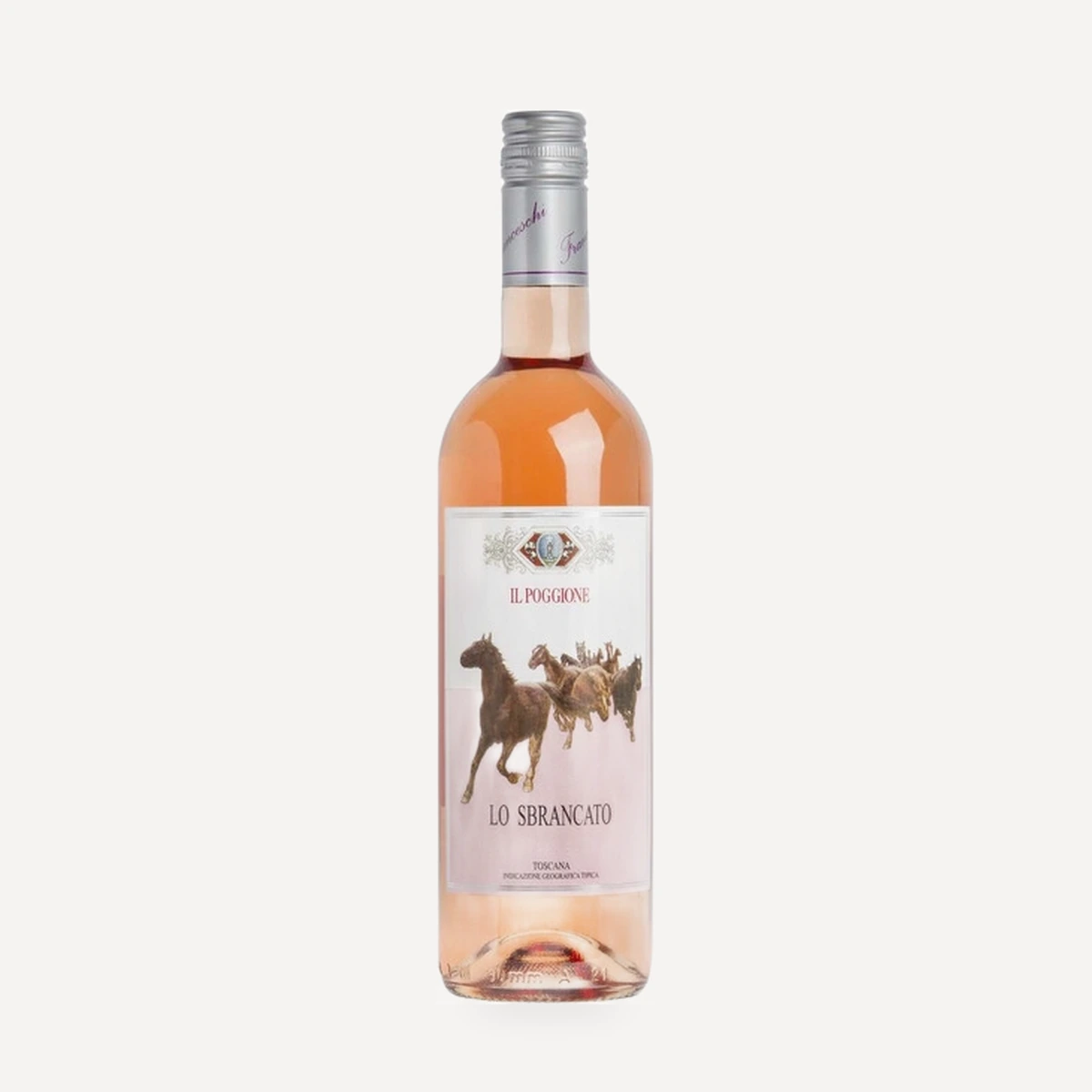
Lo Sbrancato
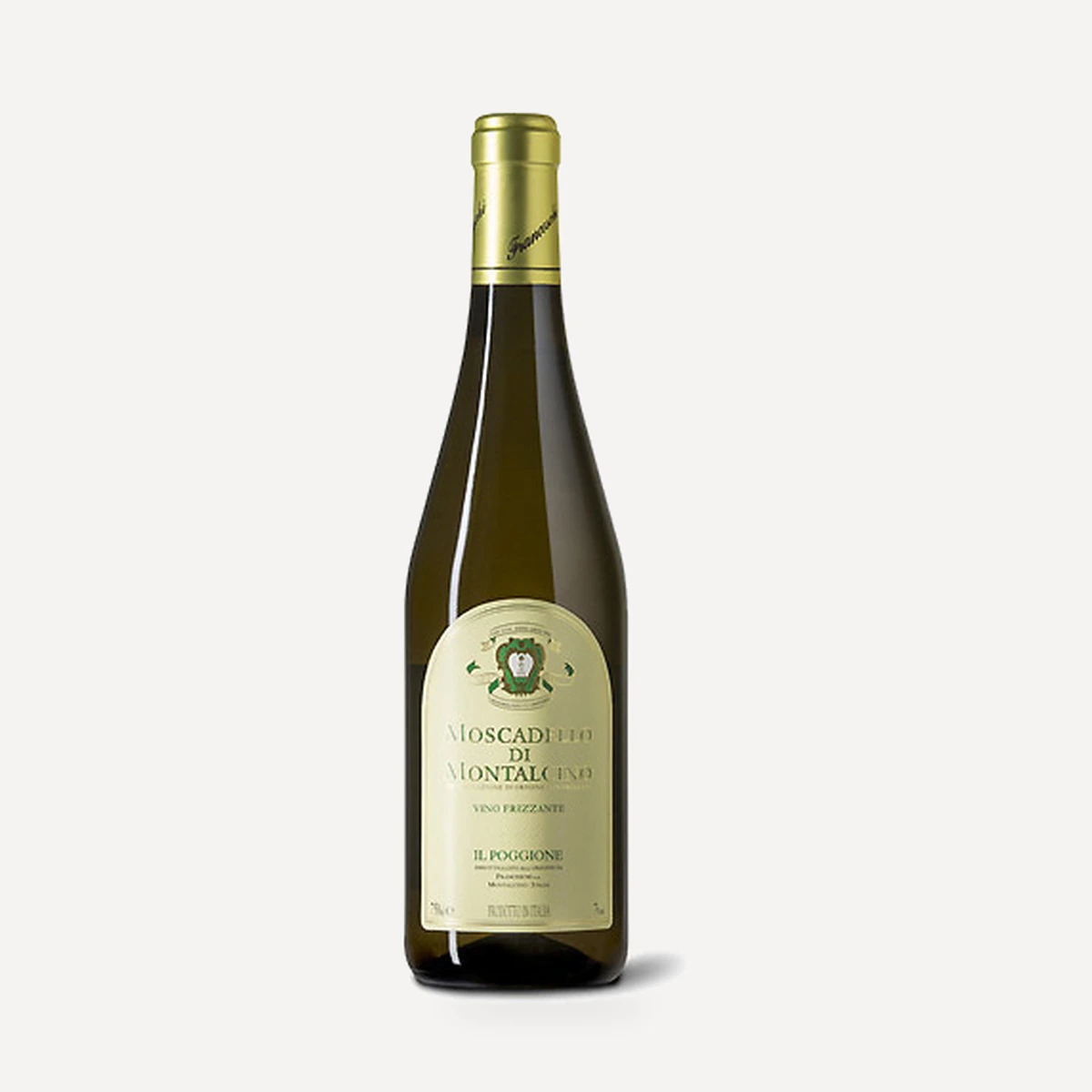
Moscadello di Montalcino DOC
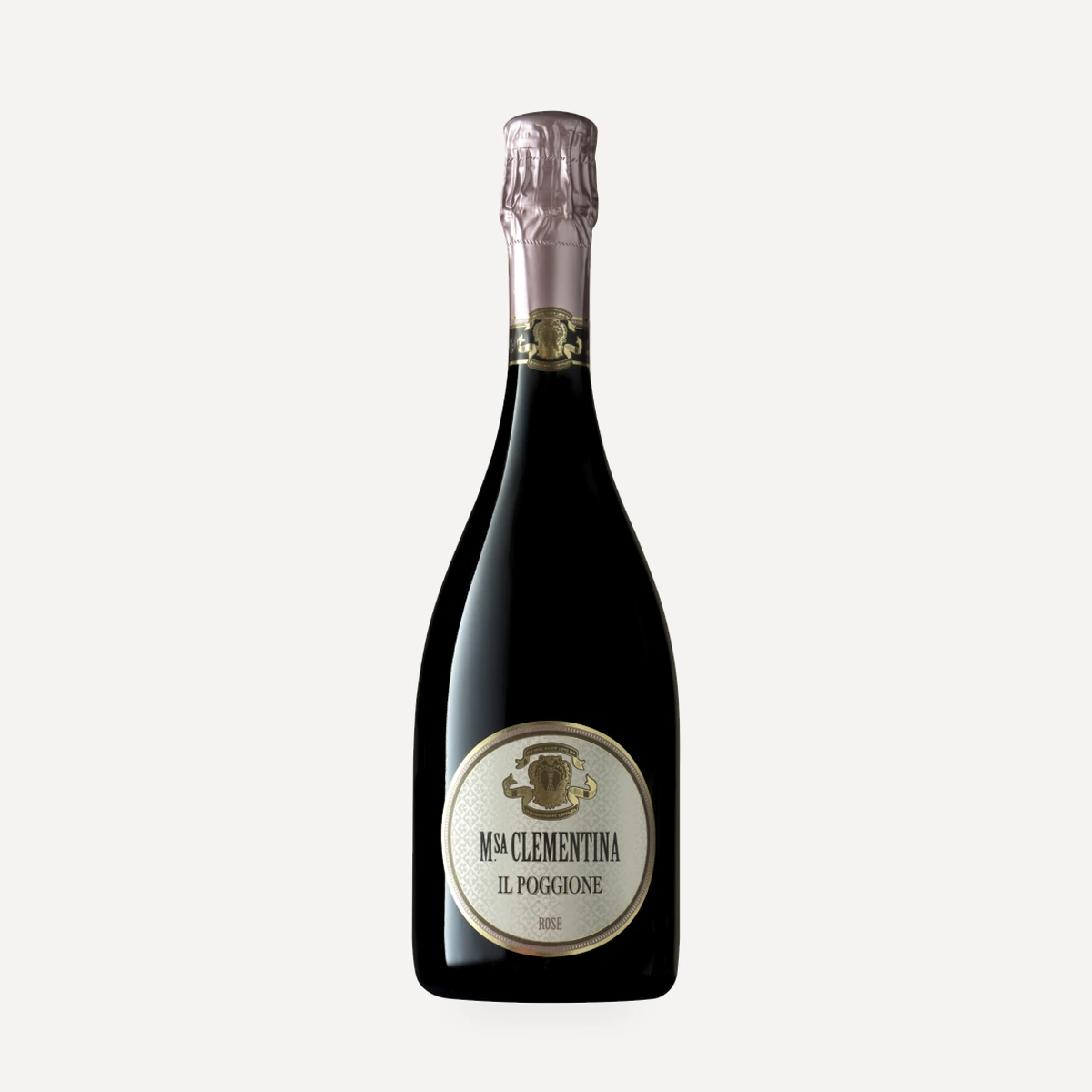
Marchesa Clementina - Rosé Metodo Classico - Pas Dosé
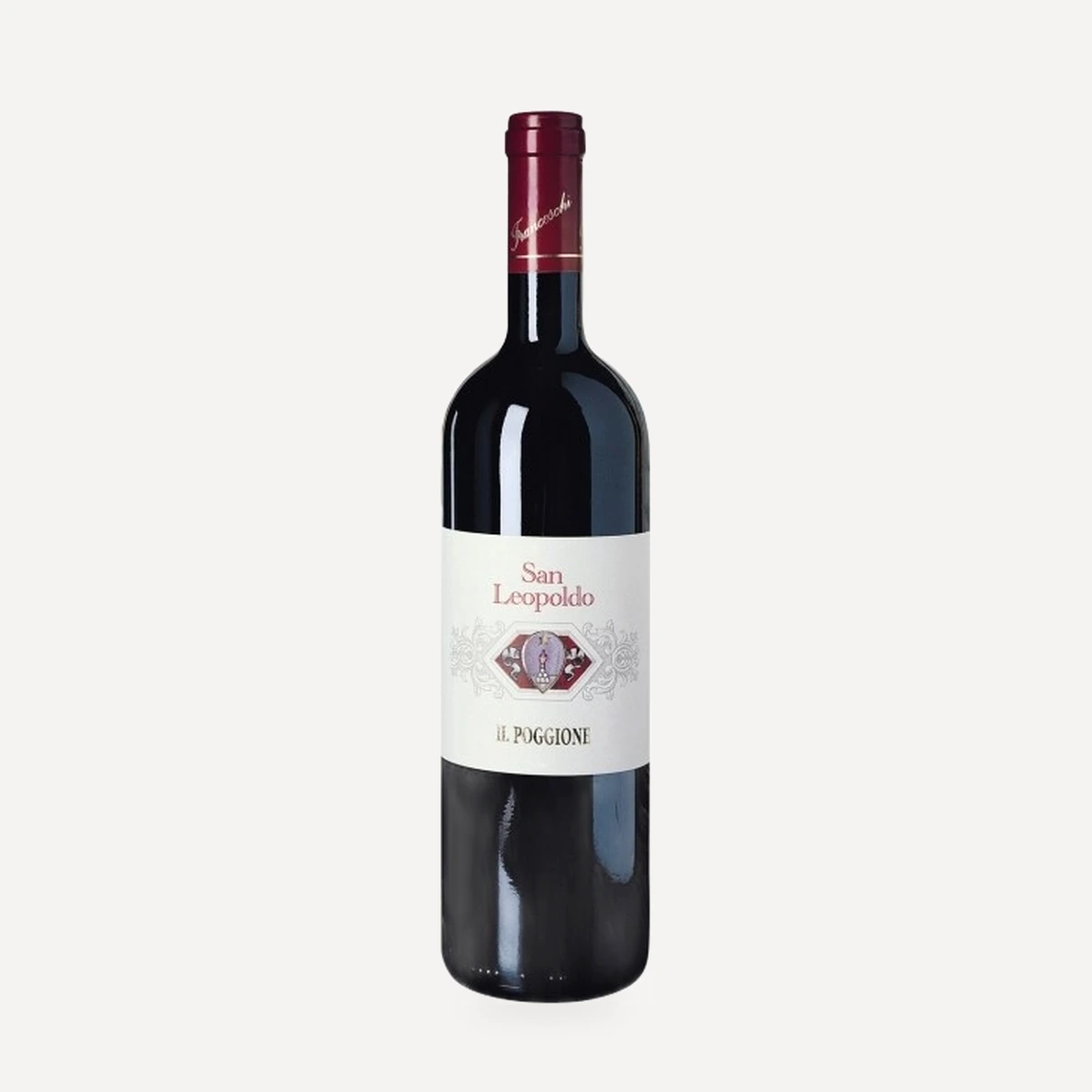
San Leopoldo Toscana IGT