History
1914: origins in Tortona
Cantine Volpi began in 1914, when Cristina and her two recently adult sons acquired an old tavern in central Tortona, Il Cappel Verde, and began selling wine by the glass.
1930s: trade beyond the local market
Tortona’s position at the meeting point of Piemonte, Lombardia, Emilia-Romagna and Liguria, together with the established identity of Barbera from the Colli Tortonesi, supported the expansion of sales to Milano and Genova during the 1930s.
1957–1970s: from tavern to winery
In 1957 the family built the Viguzzolo winery to vinify grapes from the Colli Tortonesi. A second, more modern facility followed in Tortona in 1962, dedicated to maturation and bottling. This separated vinification from ageing and packaging and established a complete chain encompassing the selection of local grapes, vinification, bottling and distribution in Italy and abroad. During the 1970s Cantine Volpi was among the first wineries in the area to seek denomination-of-origin status for its wines.
1975–2000: Carlo Volpi and the organic range
Carlo Volpi joined the business in 1975. He contributed to the success of Cortese Frizzante during the 1980s, promoted international-market development and later backed organic production. At the end of the 1990s, responding to an English customer seeking a selection of Italian wines made from organically grown grapes, he developed the first experimental organic range. The range was presented at Millésime Bio in Montpellier in 2000, gaining international orders. Carlo named the line ERA after the Greek goddess of prosperity.
2003–2005: Cascina La Zerba
After years of negotiations, the family acquired Cascina La Zerba at Volpedo in 2003, fulfilling an ambition held by Carlo’s father. An old Barbera vineyard surrounding the cascina was then 50–60 years old but neglected. Although the initial plan was to remove and replant it, Carlo followed the advice of his friend and oenologist Giuliano Noè and restored it instead; about 80% of its original vines were saved. In 2005 Carlo and Noè selected a calcareous-clay site for the first Timorasso vineyard. Further plantings subsequently expanded Timorasso to about 4 ha by 2022.
2015–2020: organic conversion and production consolidation
By 2015 all vineyard production at Cascina La Zerba had been converted to certified organic farming under ICEA. In 2019 the winery presented redesigned Bio ERA labels at Millésime Bio. That year it also opened a new vinification plant in Tortona, beginning the consolidation of every production stage—from grape processing through packaging—at a single site and closing the historic Viguzzolo facility. Modernization continued through 2021. In 2020 Bio ERA marked 20 years since its Montpellier launch; the range had grown to ten organic wines representing several Italian regions, and organic wine accounted for 70% of Cantine Volpi’s total production at that time.
2021–2023: formal sustainability and hospitality
Cantine Volpi began formalizing its sustainability-management system in September 2021. CSQA completed the first audit in July 2022 and issued conformity certification under the Equalitas SOPD Sustainable Organization module. A second audit and certificate followed in July 2023.
In 2022 the family began converting the former hayloft at Cascina La Zerba into a tasting room and shop. Conceived with recovered materials, bio-building principles and photovoltaic power, the new hospitality space opened among the Timorasso and Barbera vineyards for tastings, courses, meetings, presentations and small events.
The family today
More than a century after its foundation, Cantine Volpi is represented by the fourth and fifth generations. Carlo, his wife Laura and their son Marco combine family experience with technology and innovation, with quality, sustainability and the Colli Tortonesi at the center of the business.
Terroir
The Colli Tortonesi occupy the north-eastern edge of the province of Alessandria, between Lombardia, Emilia-Romagna and Liguria, with Tortona at the geographical center. The hilly territory is a historic crossroads and is particularly fertile and suited to vines.
Gravel, sand, silt and clay alternate with formations of the Piemonte Tertiary Basin and marine formations of the Ligurian-Piemontese Oceanic Domain. Sedimentary clay-marl soils predominate and are described as lithium-rich, a feature associated with marked savouriness in the wines. Winters are cold, the annual mean temperature is around 12 °C, and the end of ripening is marked by substantial day–night temperature variation.
Cascina La Zerba lies at Volpedo. Its Barbera and Timorasso vineyards stand at about 250 m above sea level on calcareous-clay soils and are trained to Guyot. The estate combines vines with a fruit orchard, uncultivated ecological areas and adjoining woodland.
Winemaking
Cascina La Zerba’s vineyard production has been entirely ICEA-certified organic since 2015. Integrated pest management is practiced without pesticides, herbicides or chemical fertilizers; beneficial fungi are used to protect vines against harmful fungi. Native multiclonal varieties are favored.
Spontaneous vegetation beneath the vines is removed mechanically. The inter-rows remain grassed, and mowing is staggered over time. Green manuring was first introduced in 2021: several plant species are sown between rows in autumn and incorporated into the soil in spring to return nutrients and improve soil structure without chemical inputs or invasive cultivation.
Biodiversity measures extend beyond the vine rows. Functional uncultivated areas encourage insect pollination, while an orchard of peach, apricot, apple and mulberry trees and adjacent woodland diversify the habitat. The woodland is maintained each spring through vegetation management.
Cantine Volpi also provides grape suppliers with free technical support. The company agronomist and oenologist visit vineyards, conduct analyses, monitor ripening and share data from weather stations across the Colli Tortonesi through the VITA Sustainable Agriculture project bulletins.
The Tortona production center brings grape processing, vinification, maturation, bottling and packaging together on one site. The facility originated in the early 1960s and has been continually renewed; a new vinification plant opened in 2019 and modernization continued through 2021. Dedicated spaces include a vinification area with temperature-controlled stainless-steel tanks, a maturation room with French-oak barriques and large casks, bottling and packaging areas, and a modern analytical laboratory.
Grapes from the Colli Tortonesi are selected before vinification. Defined processing protocols govern operations, while systematic analytical controls run throughout production to support product quality and safety. The winery uses static clarification with granular bentonite, tangential filters and microfilters, and sulfur dioxide as a preservative across the winemaking process. Long-chain gum arabic may be added during bottling. A microfiltration CIP system improves the efficiency of pre- and post-bottling cleaning.
Maturation vessels include concrete, large French-oak casks and French-oak barriques. The production center also accommodates sparkling wines in both tank-fermented and traditional-method categories.
Bringing vinification from Viguzzolo to Tortona eliminated transfers of wine between the two facilities and the associated transport emissions. The upgraded refrigeration system eliminated cooling-water consumption and allows energy load to be modulated. Further work included inverter pumps for refrigeration, larger cold-energy storage, more efficient cooling plates on two tanks and removal of a refrigeration unit using R-11.
Water, electricity, cellar detergents and oenological inputs are monitored. A 2021 water-use review identified and enabled repair of a leak. In 2022 the filler’s vacuum pump was upgraded so that roughly 10 litres of water per minute can be recovered while the filler is operating. Cleaning protocols cover tanks, pumps, pipes, tangential filters, microfilters and bottling equipment, with monitoring intended to reduce chemical use.
Philosophy
Cantine Volpi frames sustainability as the care and enhancement of its territory and natural environment, support for the social and economic fabric of the Colli Tortonesi, durable collaboration with suppliers and customers, and respect for employees and collaborators. Its Equalitas program treats social solidarity, economic effectiveness and ecological responsibility as equally important and interdependent dimensions.
The family’s declared approach joins more than a century of winemaking experience to technology and innovation, with quality, sustainability and territorial identity as priorities. Carlo Volpi presents quality as indispensable and links the company’s development to affection for the Colli Tortonesi. Marco Volpi describes organic farming first as an act of respect for the environment and a means of preserving biodiversity.
Cascina La Zerba also expresses a broader territorial aim: using wine tourism to promote the historical, artistic and cultural heritage of the Colli Tortonesi and Volpedo. The restored estate vineyards and tasting facility connect winegrowing with the landscape, local foods and the cultural legacy of the area.
Wines
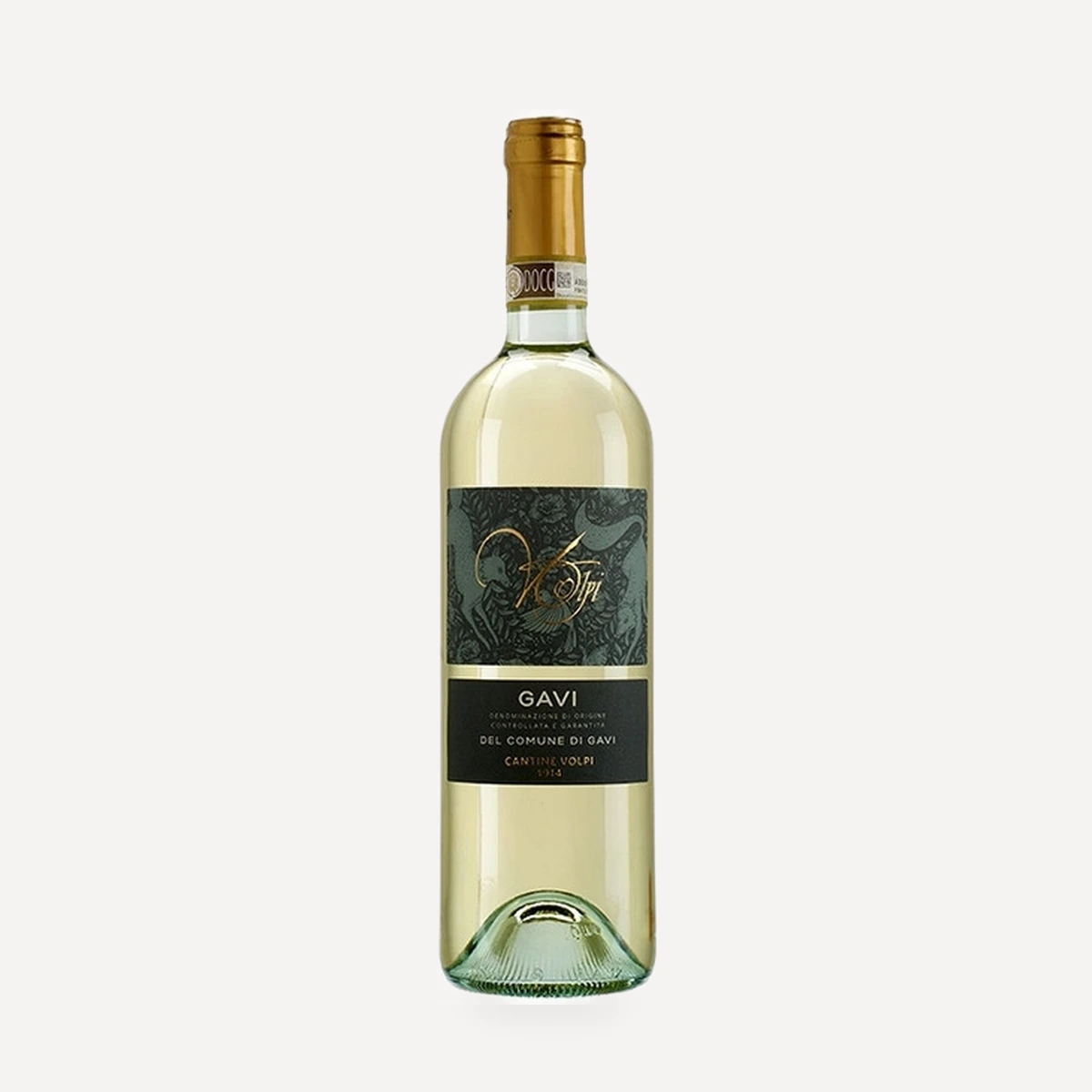
Gavi del Comune di Gavi DOCG
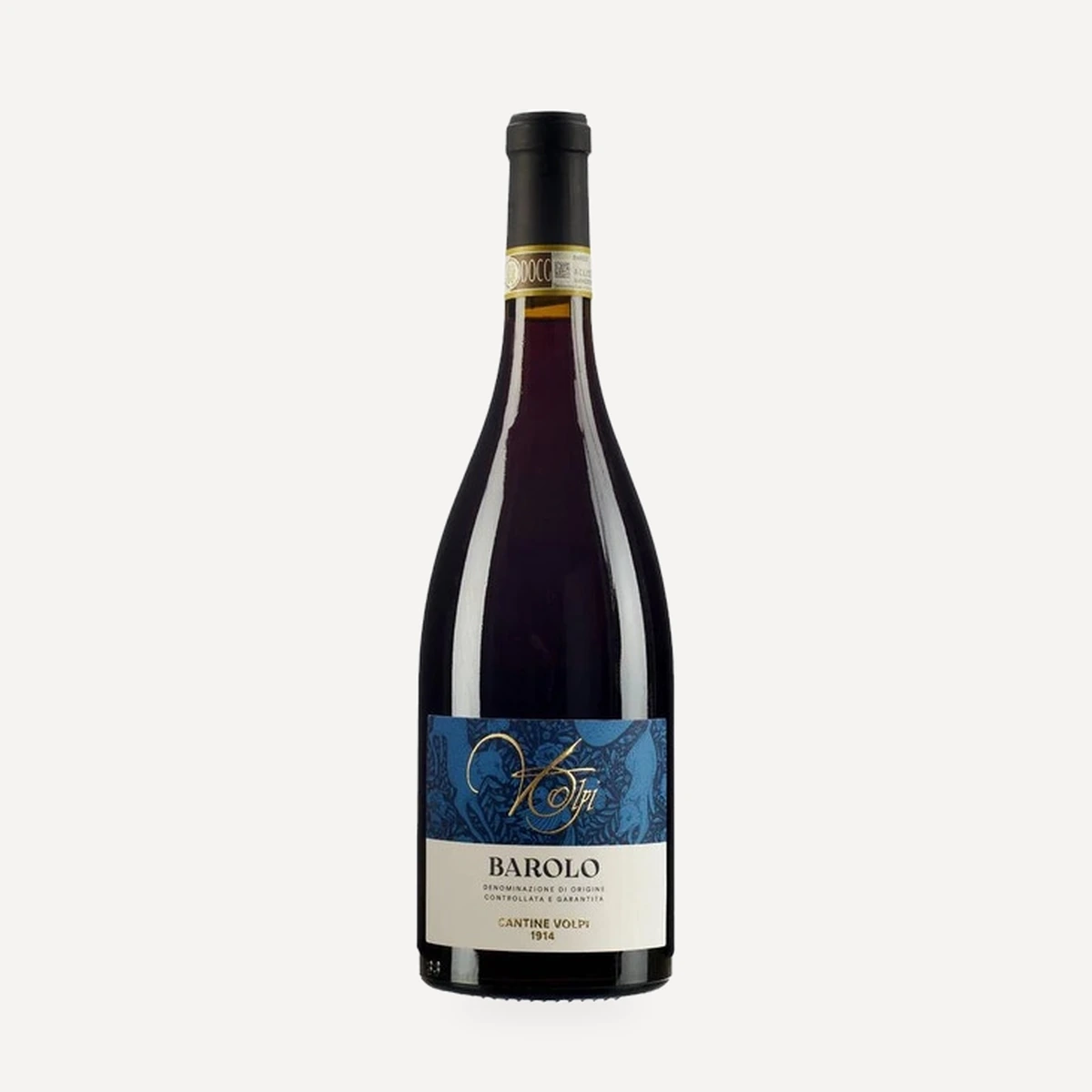
Barolo DOCG
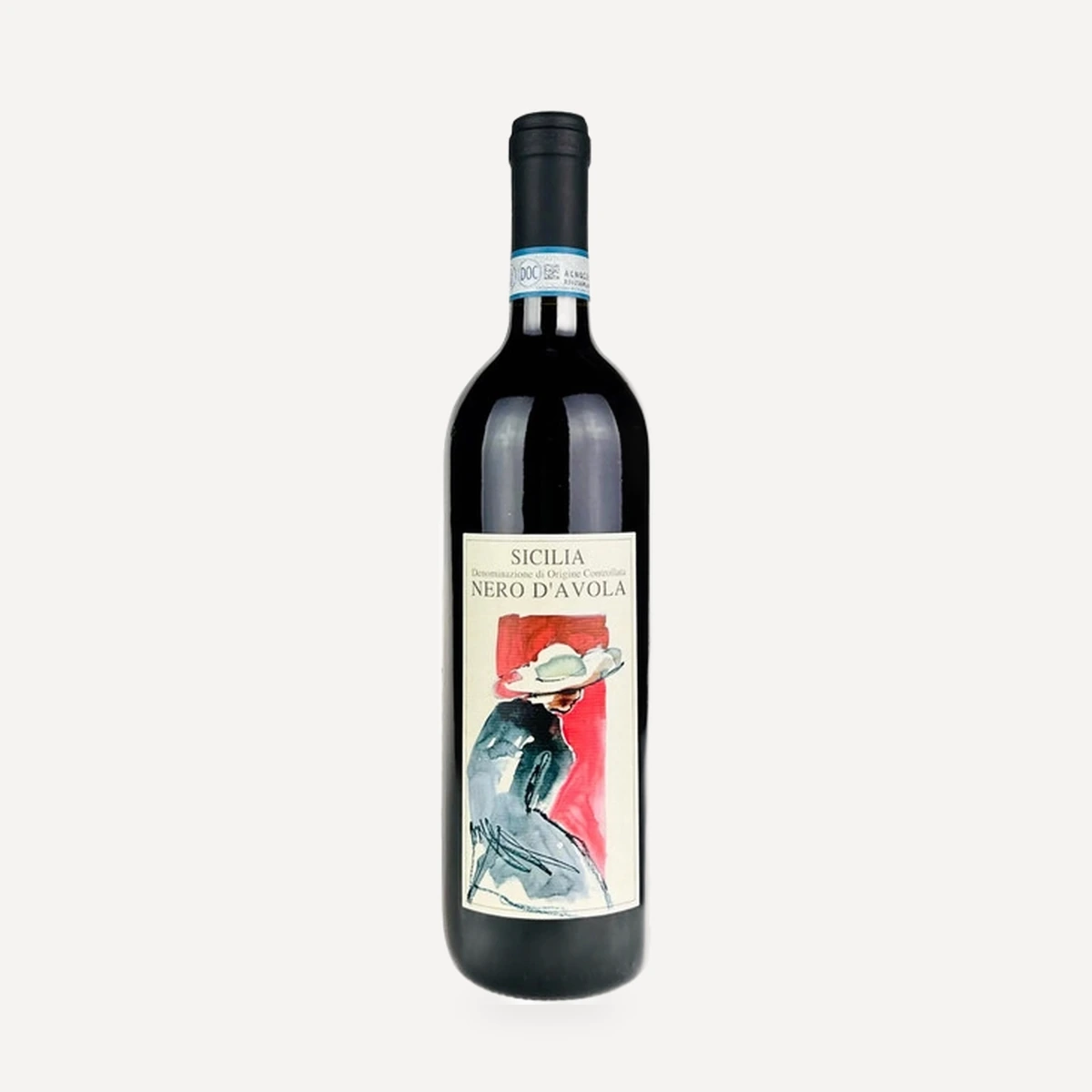
Nero d'Avola Sicilia DOC
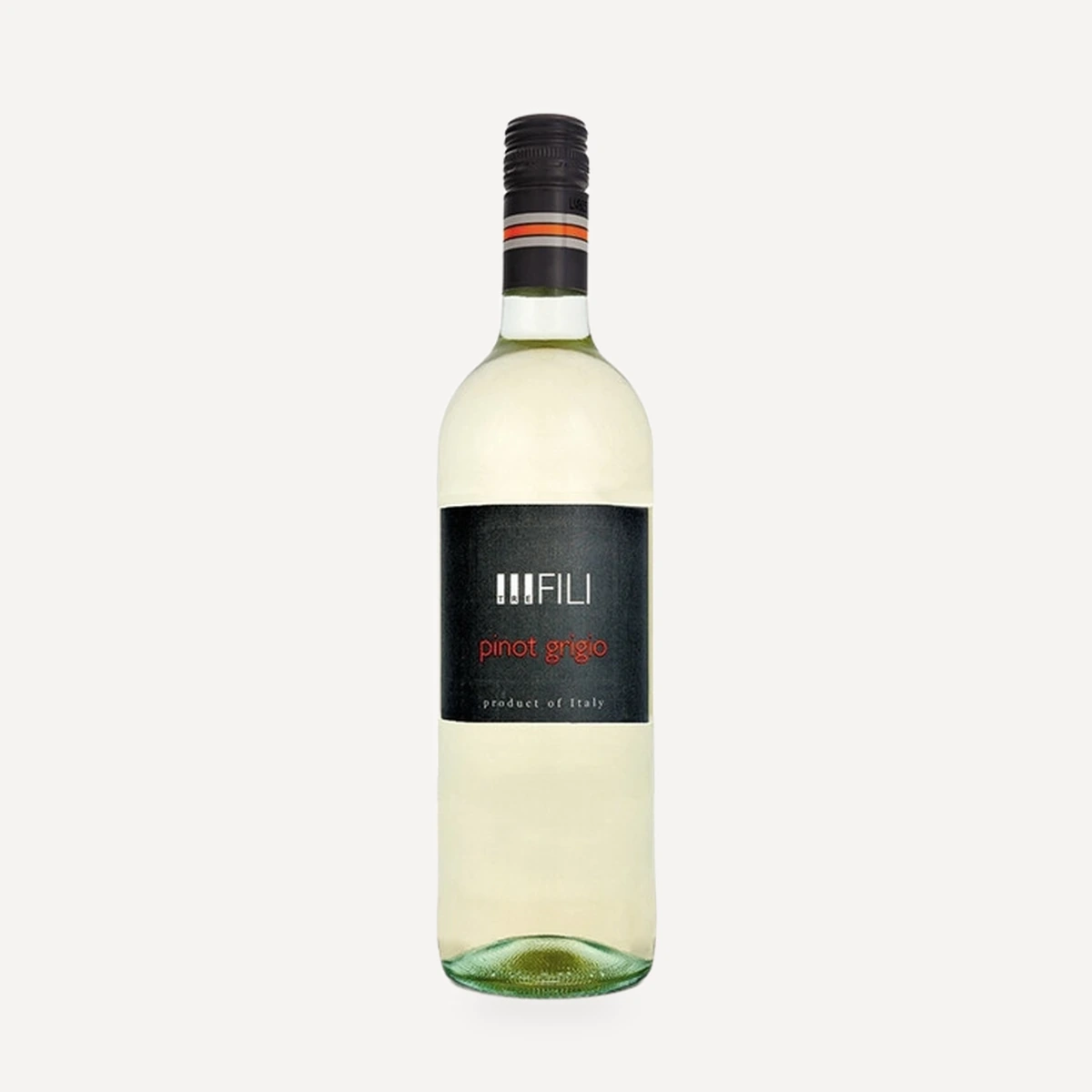
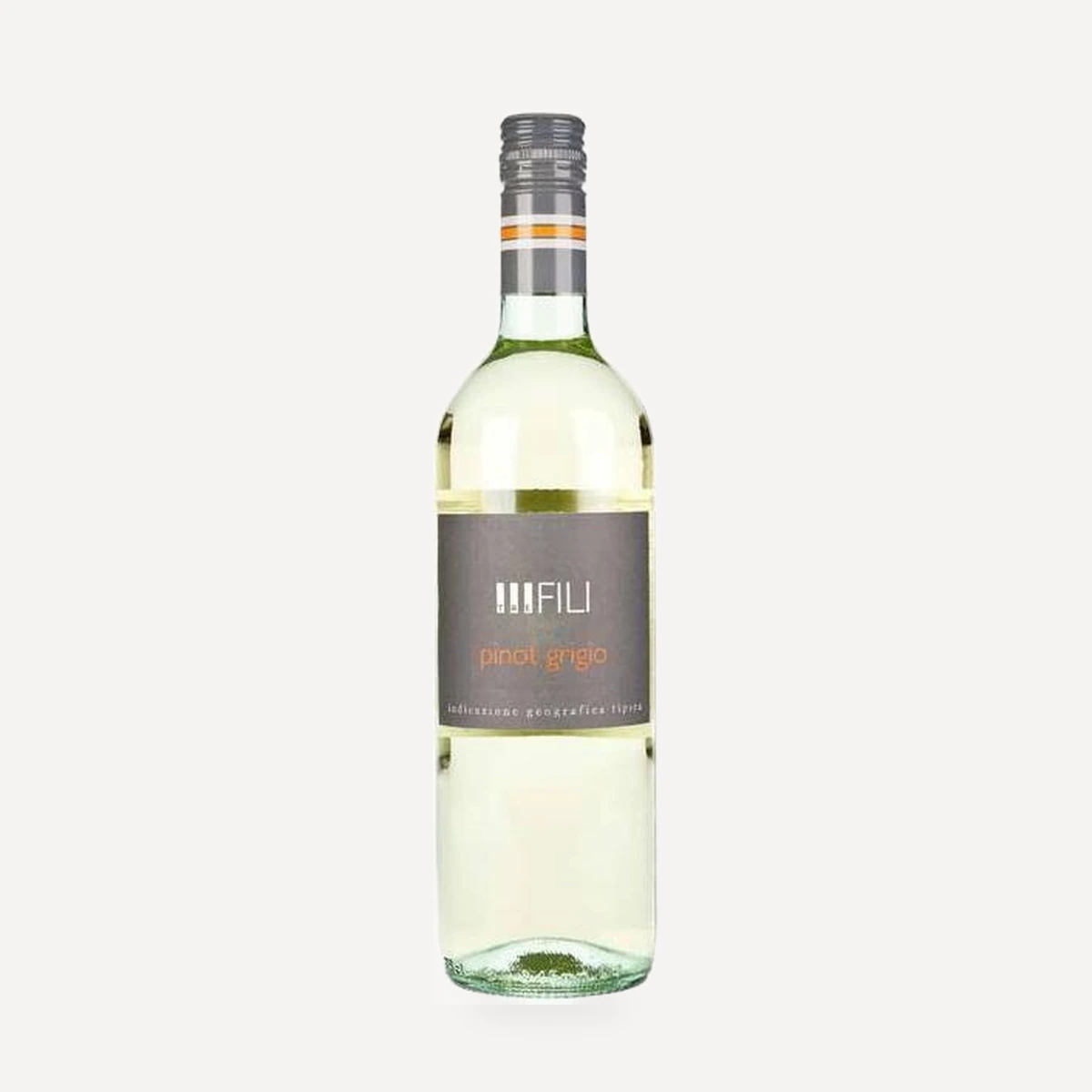
Tre Fili Pinot Grigio Provincia Pavia IGT
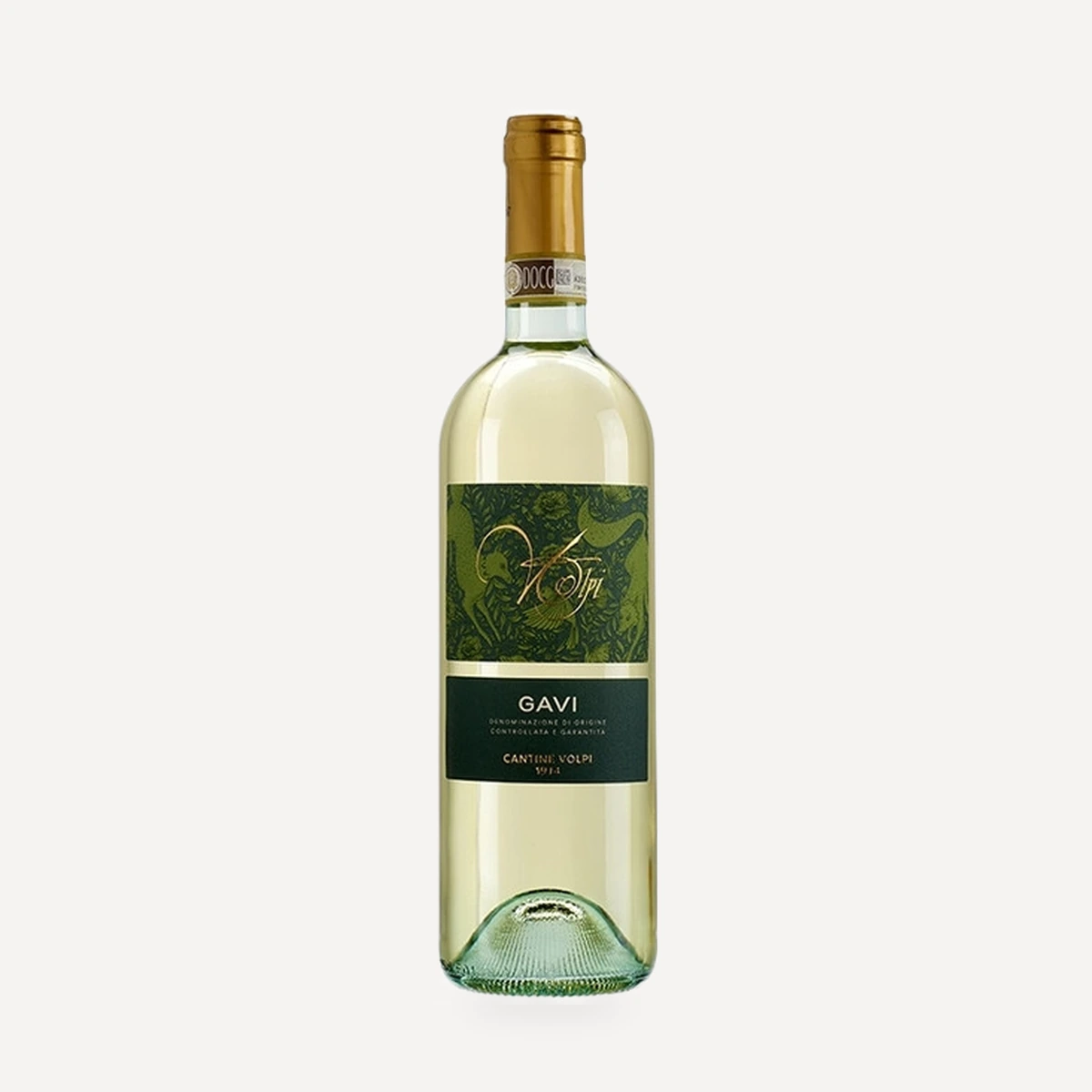
Gavi DOCG
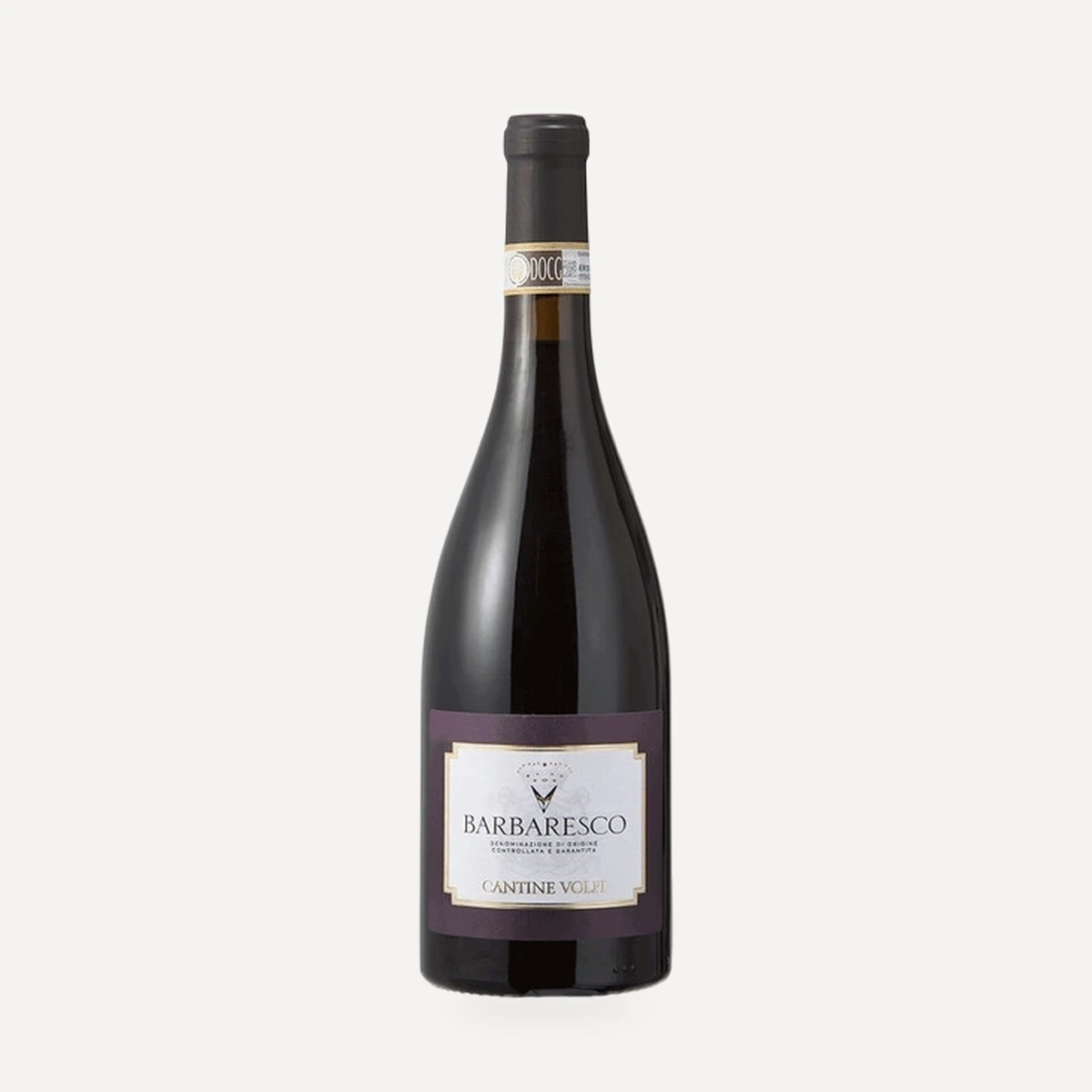
Barbaresco DOCG
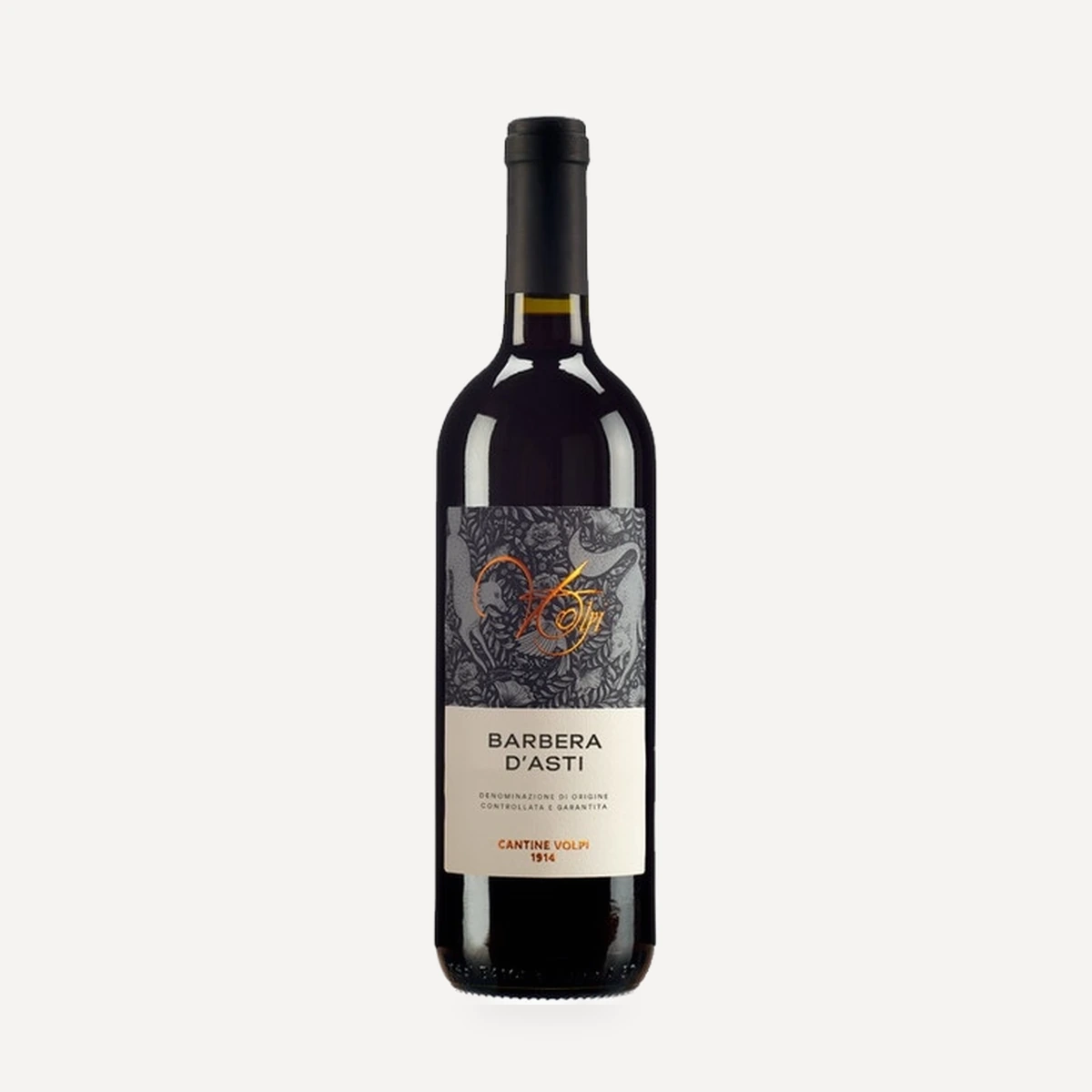
Barbera d’Asti DOCG
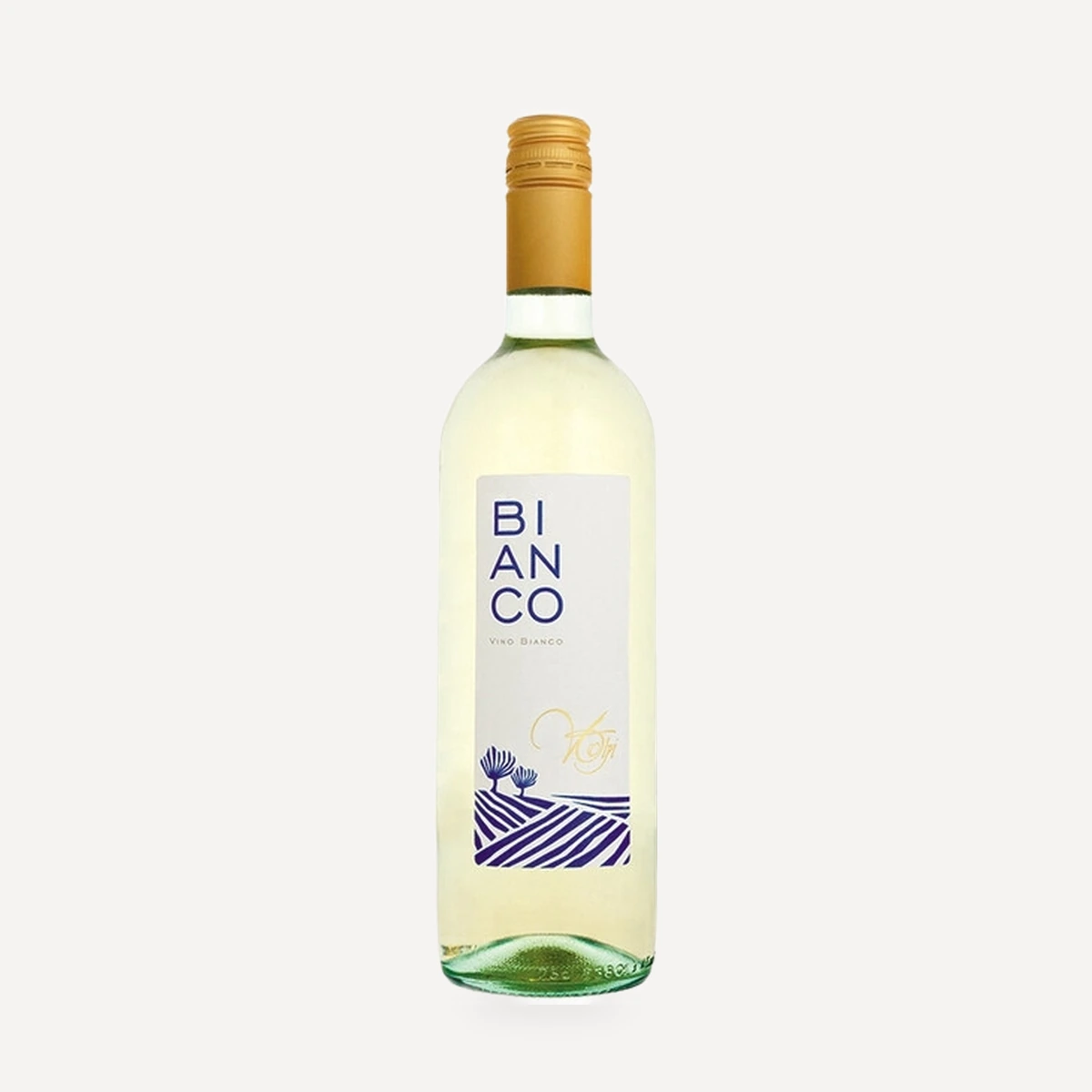
Volpi Bianco Piemonte DOC
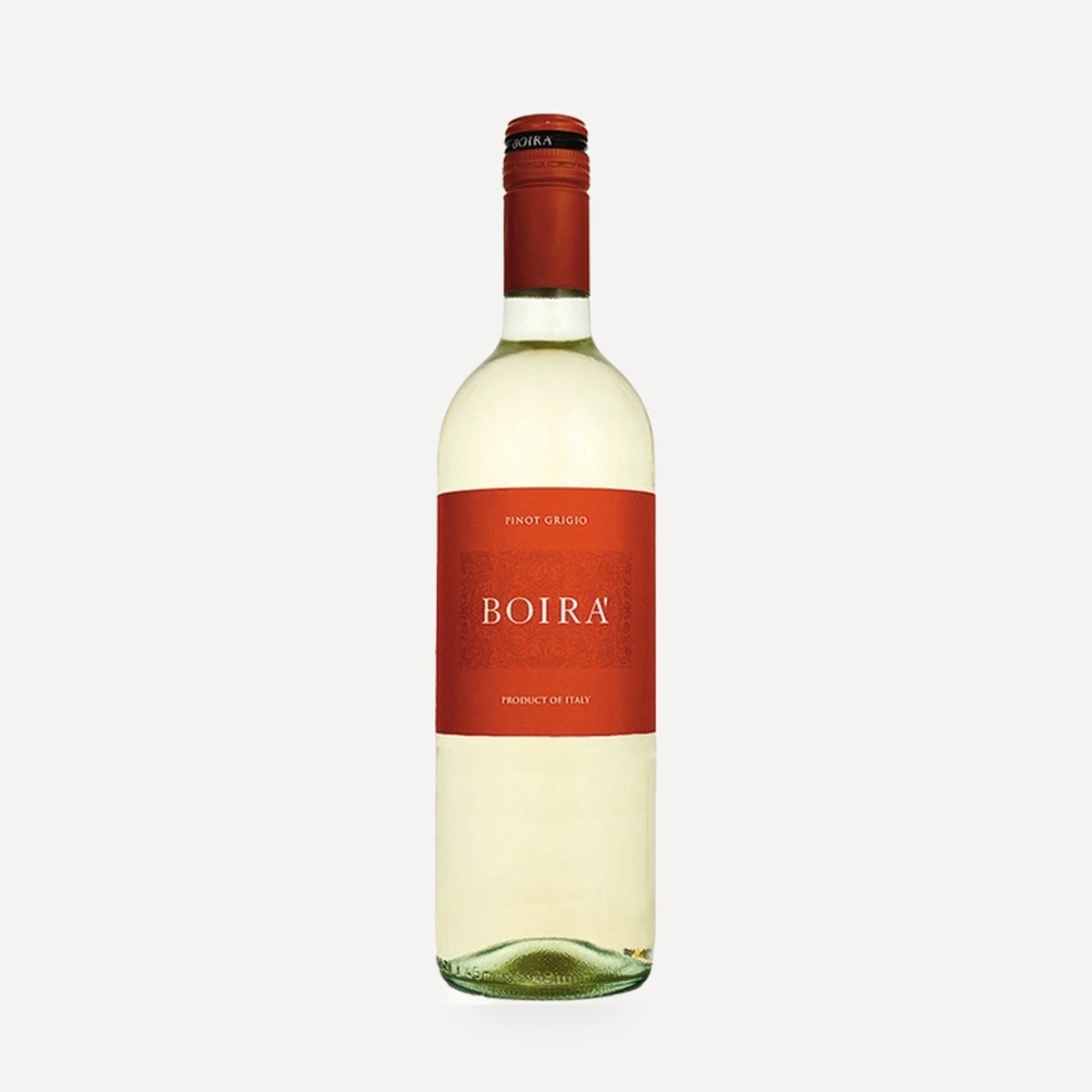
Boira Pinot Grigio Pavia IGT
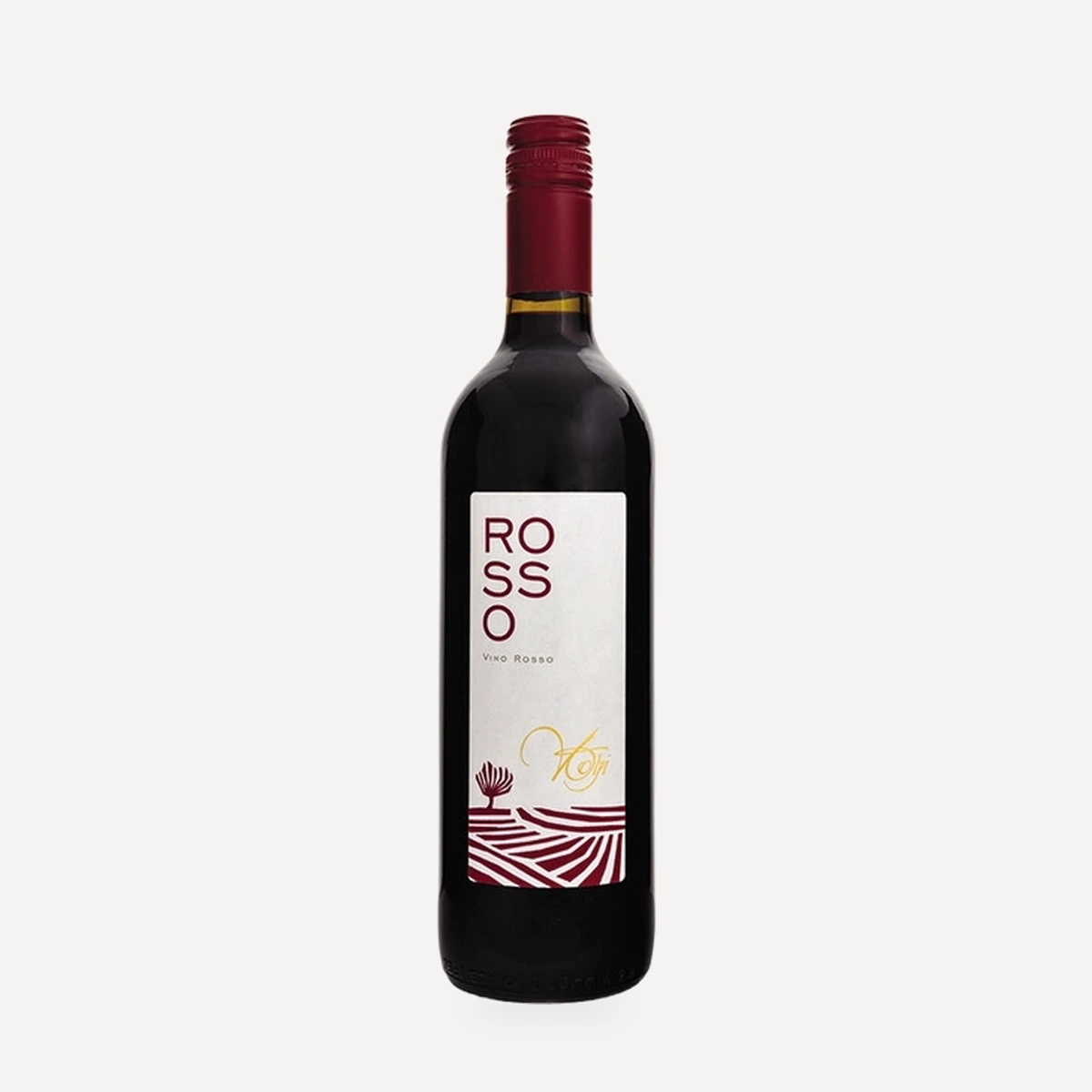
Volpi Rosso Piemonte DOC
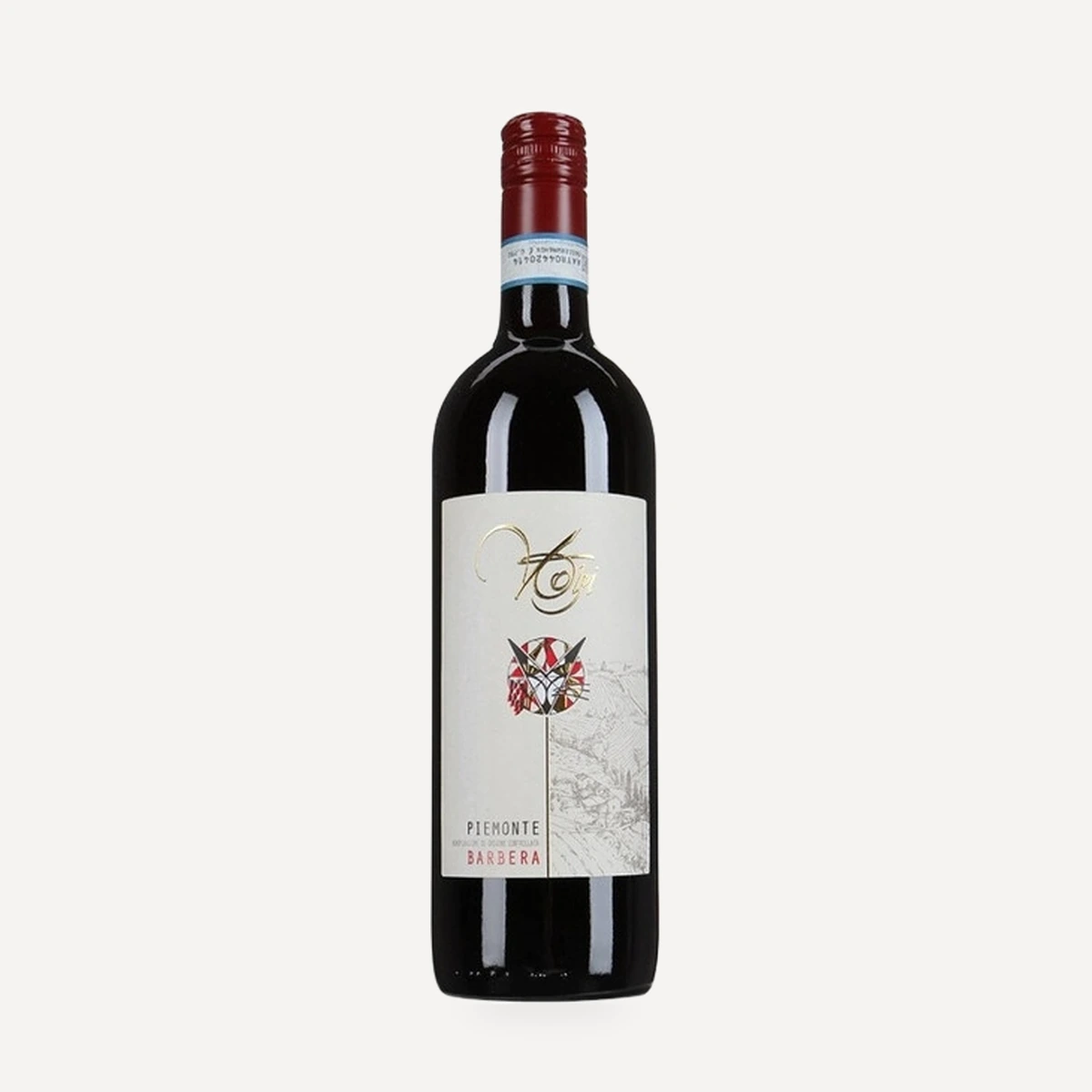
Piemonte Barbera DOC
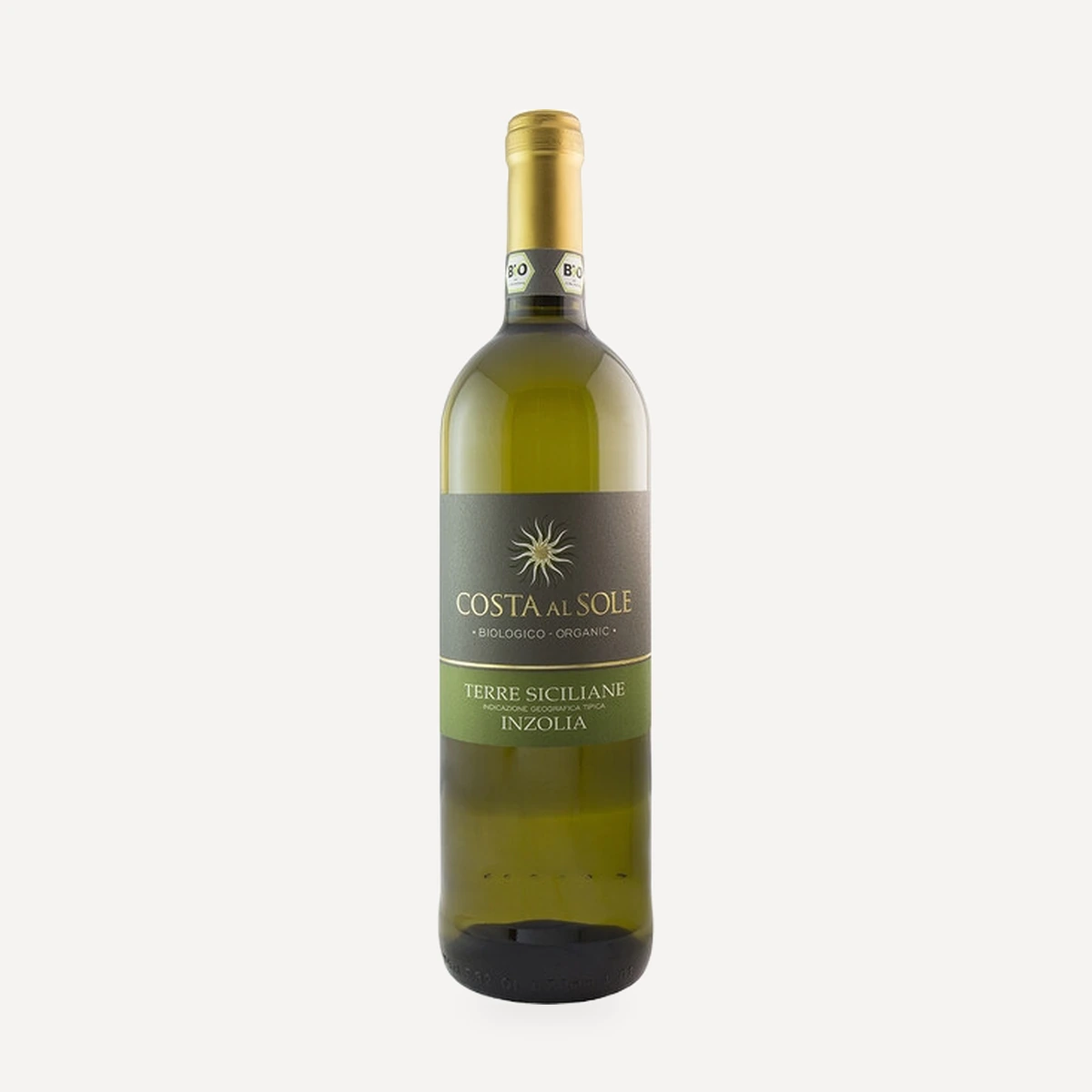
Costa al Sole Inzolia Terre Siciliane IGT