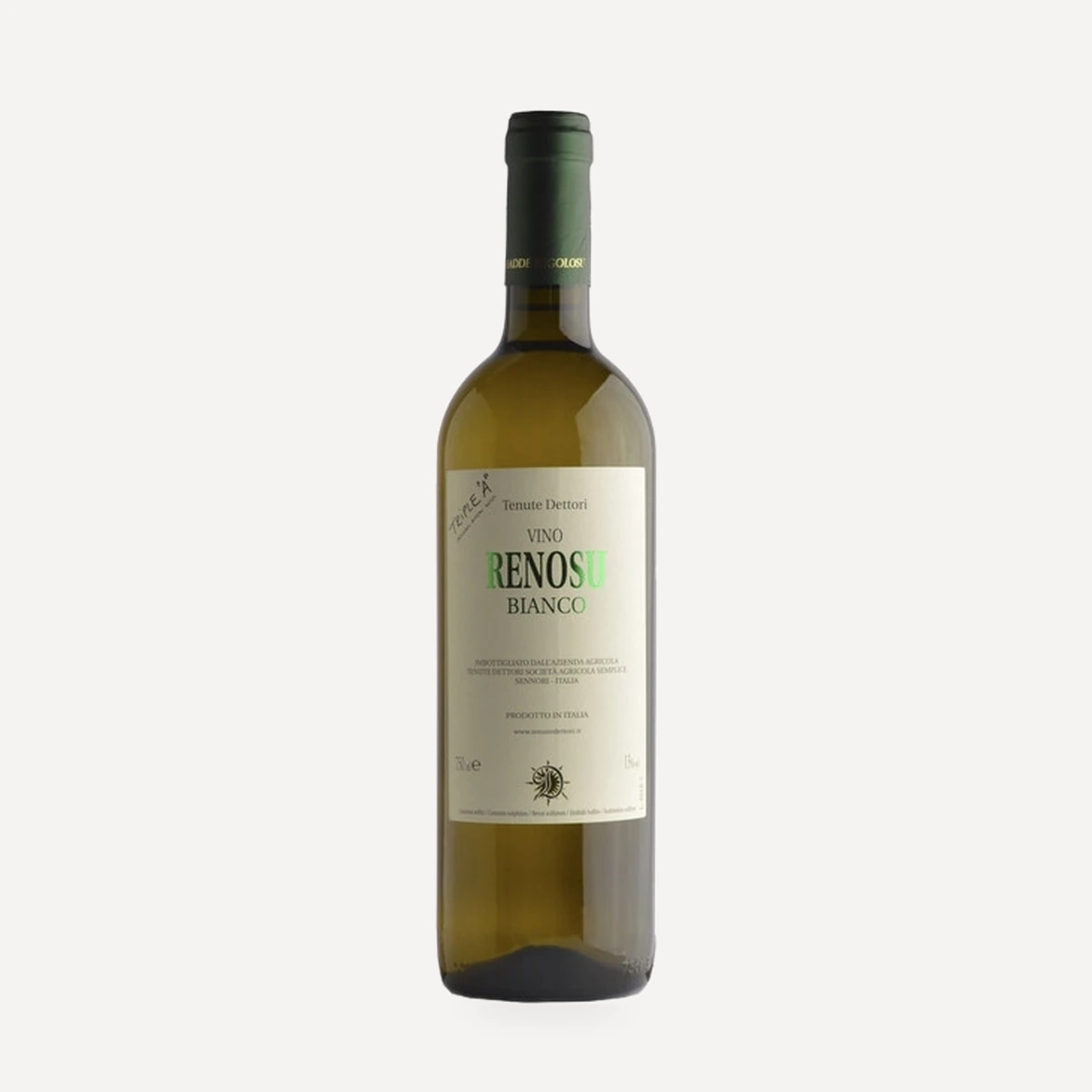
Storia
Ancient landscape around Badde Nigolosu
Badde Nigolosu lies within an archaeological landscape that long predates the estate. An axis around the property connects the rural settlement of Su Nuraghe, its domus de janas, the Badde Nigolosu–Oridda giants’ tomb and the Serra Cabriles necropolis. Su Nuraghe and its chamber tombs date from approximately 3400–2500 BC, while the giants’ tomb is dated to 1600–1400 BC. The area remained inhabited into the Roman period.
Wine vessels found across Romangia indicate wine activity by the 14th century BC, and an intact askos found near Monte Cao dates to the 10th century BC. From the 2nd century BC to the 3rd century AD, wine amphorae associated with the Nuraghe La Varrosa at Marina di Sorso document Roman production and commerce. Julius Caesar founded Turris Libyssonis in 46 BC, encompassing the countryside of Sorso, Sennori and Castelsardo. From 27 BC, farms and rural settlements expanded in its hinterland; vineyards and olive groves were developed more intensively on the Romangia hills. The Roman villa of Santa Filicita at Marritza preserves evidence of trade from the 3rd through the 7th centuries AD.
Medieval wine culture
Around 1140, Gonario II of Torres donated properties in Romangia to the Cistercians. The monks’ agricultural culture linked prayer, manual work, experimentation and careful record-keeping. Medieval documents from 1101–1300 record vineyards, agricultural estates and transfers of land at Gennor, Favules, Bubui, Urcone and Salvennor.
The Free Commune of Sassari was established in 1294 and incorporated Romangia, with Sorso, Sennori and Osilo becoming part of the Sassari district. Archaeological work at the village of Geridu uncovered carbonised grape seeds, pruning and harvesting knives, drinking vessels and vinification containers dating to about 1300.
The Sassari Statutes of 1316 regulated vineyards and wine in detail. New planting and wine imports were prohibited, while growers could replace unproductive vines and plant vacant ground within existing vineyards. After the anti-Aragonese revolt of 1329, exiled families were invited back so that abandoned vineyards could be worked and their harvest preserved. The rural settlement around Badde Nigolosu was ultimately abandoned between the 14th and 15th centuries because repeated incursions made isolated habitation unsafe, although its vineyards continued to be cultivated.
In 1440, incentives were granted to the inhabitants of Sorso and Sennori to encourage vineyard planting. Rural guards were established to protect vines day and night, and the tax imposed on buyers leaving the villages with wine was abolished. Sassari’s coopers had organised within a craft confraternity by 1538.
Badde Nigolosu enters the written record
A rock-cut winemaking installation found at Pedraia bears the date 1602. Badde Nigolosu itself first appears by name in a 1630 record held in the Amat archive in Cagliari. The document refers to the lands of Badde Nigolosu and includes the name Juanneddu Detori. In 1639, Sassari set prices for Malvasia and for a barrel of “vin blanc y canonat,” an early written reference to wine associated with Cannonau.
Later records continued to establish the standing of Romangia wine. Giorgio Aleo discussed the island’s white, red, Cannonau, Malvasia and Moscato wines in 1677. Francesco Giuseppe de la Perrière, Count of Viry, identified northwestern Sardinia—including Romangia, Sassari and Alghero—as one of the island’s principal concentrations of viticulture in 1746. Francesco Gemelli praised Sardinian vine cultivation in 1776 and differentiated its sweet, powerful, and light dry wine traditions. Agricultural unrest reached Sorso and Sennori in 1777, by which time both places had developed intensive viticulture, fruit growing and olive cultivation.
Manca dell’Arca’s 1780 account documented many Sassari-area grapes, including forms identified with modern Moscadeddu, Vermentino, Pascale, Cannonau and Retagliadu Nieddu. Vittorio Angius later described Romangia’s flourishing vineyards, more than twenty white and dark grape varieties, abundant production and an established trade with Genoese buyers. Cettolini recorded in 1887 that Cannonau was called Retagliadu Nieddu in Sorso.
The Dettori family and estate bottling
The Dettori family’s work as shepherds and farmers in historic Romangia became specifically tied to wine during the 1800s. Giovanni Antonio Dettori, grandfather of the later winegrowing generation, was born on 8 March 1920—a date subsequently memorialised by the name Ottomarzo.
Ampelographic work completed by Bruni in the mid-20th century recorded Cannonau as the predominant grape around Sorso in 1951. A national ampelographic record published in 1960 documented Retagliadu Nieddu as a Sorso synonym or local identity associated with Cannonau. In 1961, Giuseppe Dessì’s contribution to Luigi Veronelli’s I Vini d’Italia singled out Cannonau di Sorso among Sardinia’s culturally important wines.
A decisive change came in 1996, when Paolo and Alessandro Dettori elected to bottle their entire production at Badde Nigolosu. Before that decision, part of the wine had continued to be sold in bulk. Their work placed native Romangia grapes, old local biotypes, natural vinification and biodynamic farming at the centre of the estate.
In 2003, Tenute Dettori participated in the formative moment of Italy’s natural-wine movement at the personal invitation of Luigi Veronelli, regarded by the family as a teacher and friend.
Paolo later planted a final 1 ha vineyard on difficult, almost continuous limestone slabs. He did not live to taste its wine. Alessandro vinified it in his father’s memory and named it 18 Settembre. The vineyard remains too young to be treated as one of the estate’s established clos.
Badde Nigolosu today
Badde Nigolosu is organised as a single cru containing seven clos. The present vineyard area is 26 ha, surrounded by 20 ha of Mediterranean scrub woodland. New vines are propagated through massal selection from the estate’s own old genetic material. All are trained as non-irrigated alberello a sa sardisca.
The estate remains wholly family-owned and independent of corporate or listed groups. Alessandro Dettori is identified as its sole Professional Agricultural Entrepreneur. The operation employs no agronomic, oenological or marketing consultants, and vineyard and cellar decisions remain in the hands of the winegrowers and their team.
Terroir
Location and relief
Badde Nigolosu is the estate’s cru on the upper hills of Sennori in Romangia, northwestern Sardinia, reaching 250 m above sea level. Romangia lies between the Gulf of Asinara and the rocky heights of Anglona and Osilo. Across 12 km, the wider landscape descends from Osilo at 766 m to the coast at Marina di Sorso and Platamona. Valleys, hills and fertile plateaus form a fan-shaped agricultural landscape exposed to the maestrale and opening toward the sea.
The estate comprises a mosaic of vineyard environments separated by kilometres of dry-stone walls. Phenological stages and ripening can differ even between vines only a few metres apart.
Geological intersection
Badde Nigolosu occupies an intersection of volcanic and sedimentary formations created between the Miocene and the Holocene. Its geology brings together Miocene marine marls, limestone, sandstone and conglomerate; iron-rich red soils produced by trachyte breakdown; sands; and ancient river alluvium. The principal vineyard textures range from loam to clay. Calcareous soils are well aggregated and free-draining.
The wider Romangia sequence includes andesitoid and trachitoid formations, a Miocene sedimentary complex, Quaternary aeolian deposits, and alluvial and slope deposits. Morphological development shaped these materials into hills arranged like a theatre facing north toward the sea, generally descending gently to the coast and interrupted by resistant rock outcrops.
Three broad soil families occur in the landscape: permeable, subalkaline recent alluvial soils ranging from sandy loam to clay; neutral-to-subalkaline loam and clay soils developed over Miocene limestone and marl slope deposits, sometimes artificially terraced; and well-drained, subalkaline loam and clay soils formed through erosion of limestone and marl on sedimentary hills.
Sea, light and climate
The climate is Mediterranean, with mild winters and hot, sunny summers. Reflected sea light is considered part of the ripening environment and is associated by the family with gentler tannin development. Cool maritime breezes temper daytime heat and help retain balanced acidity. The Sardinian Sea is also understood as a moderating influence under climate change.
Living landscape
Twenty hectares of Mediterranean scrub woodland protect the vines. Vegetation includes olive trees, carob, oleaster, laurel, myrtle, lentisk, mock privet, strawberry tree, buckthorn, butcher’s broom, prickly pear and fig trees. Sheep graze in the vineyards, while the surrounding habitat supports falcons, buzzards, foxes, hedgehogs, hares, wild rabbits and wild boar.
Vinificazione
Tenute Dettori works with organic and biodynamic agriculture. Its organic certification is IT-BIO-004, operator no. 36725, and current certification material also identifies BD Farmers biodynamic certification.
The vineyards are planted exclusively with old Romangia grape material: Retagliadu Nieddu, the historic Sorso–Sennori biotype associated with Cannonau; Monica di Sorso; Pascale; Vermentino; and Moscato di Sennori. New vines are propagated through rigorous massal selection from the estate’s own genetic material rather than through a change to standardised planting stock.
Every vine is trained as non-irrigated alberello a sa sardisca. Most vineyard and cellar work is manual. Operations are adapted to individual plants and changing conditions rather than imposed through fixed calendars or standard work sheets.
Soil management is intended to maintain humus, friability, structure and drainage so that vines can obtain their needs from the soil without external nutritional assistance. Natural vegetation is encouraged between and around the rows to support indigenous flora and fauna. Spontaneous ground cover is managed rather than eliminated. Compacted ground is aerated and rehabilitated after tractor traffic, excessive rain, or prolonged dryness followed by intense summer heat.
The vineyard is treated as one component of a larger living organism encompassing cultivated plants, wild species, animals and people. Sheep graze among the vines, while 20 ha of Mediterranean scrub woodland and kilometres of dry-stone walls provide surrounding habitat. Prunings, stems and pomace are returned to the land after cellar use.
Cellar design
The cellar is simple, traditional and entirely underground. Its construction followed years of observation and analysis. The excavation was deliberately left open through three winter seasons so that stability and water infiltration could be studied before separate zones were assigned to vinification and bottle maturation.
Walls approximately 2 m thick provide natural insulation. Although below ground, the cellar retains natural light until sunset.
Gravity and concrete
Grapes, must and wine move through the cellar by gravity. Concrete is the exclusive material used for fermentation and maturation. The estate avoids wood as a winemaking medium, connecting that choice to the tannin development achieved in its maritime, light-filled environment.
Electricity is used only for destemming and the bottling machine. Natural vinification continues the low-intervention work of the vineyards, and time is treated as an active part of maturation. Production is limited and numbered.
Stems, prunings and pomace are returned to the land. The estate does not employ external oenological consultants, and cellar decisions are made directly by the winegrowers in response to the particular conditions of each vineyard and vintage.
Filosofia
The Dettori family describes itself as a family of winegrowers and craftspeople of wine and land. Its declared aim is not to follow market expectations but to make the traditional wines it wants to drink itself: wines that remain what their place and vintage make them rather than being adjusted to an external model.
Badde Nigolosu is understood as a living organism rather than a collection of production parcels. Individual berries, vines, animals, wild plants, soils and people belong to one interdependent system. The agronomic objective is equilibrium: soil rich in humus, autonomous plants, spontaneous biodiversity and the smallest essential level of intervention.
No fixed calendar or standard work sheet governs every season. Closely spaced vineyards can have different phenological cycles and ripening patterns, requiring observation and decisions tailored to each place. The family characterises this work as repeated learning and an exercise in humility before variables that cannot all be measured.
The cellar extends the work of the vineyard through gravity, concrete, natural insulation and restrained energy use. The estate rejects wood as an intermediary and seeks a direct expression of native Romangia varieties, especially Retagliadu Nieddu. Romangia IGT and the name Badde Nigolosu on the labels express the family’s attachment to origin.
Independence is also structural. The estate remains wholly family-owned, belongs to no corporate group, and works without commercial directors or agronomic, oenological and marketing consultants. Relationships are framed in terms of supporters rather than customers.
Vini
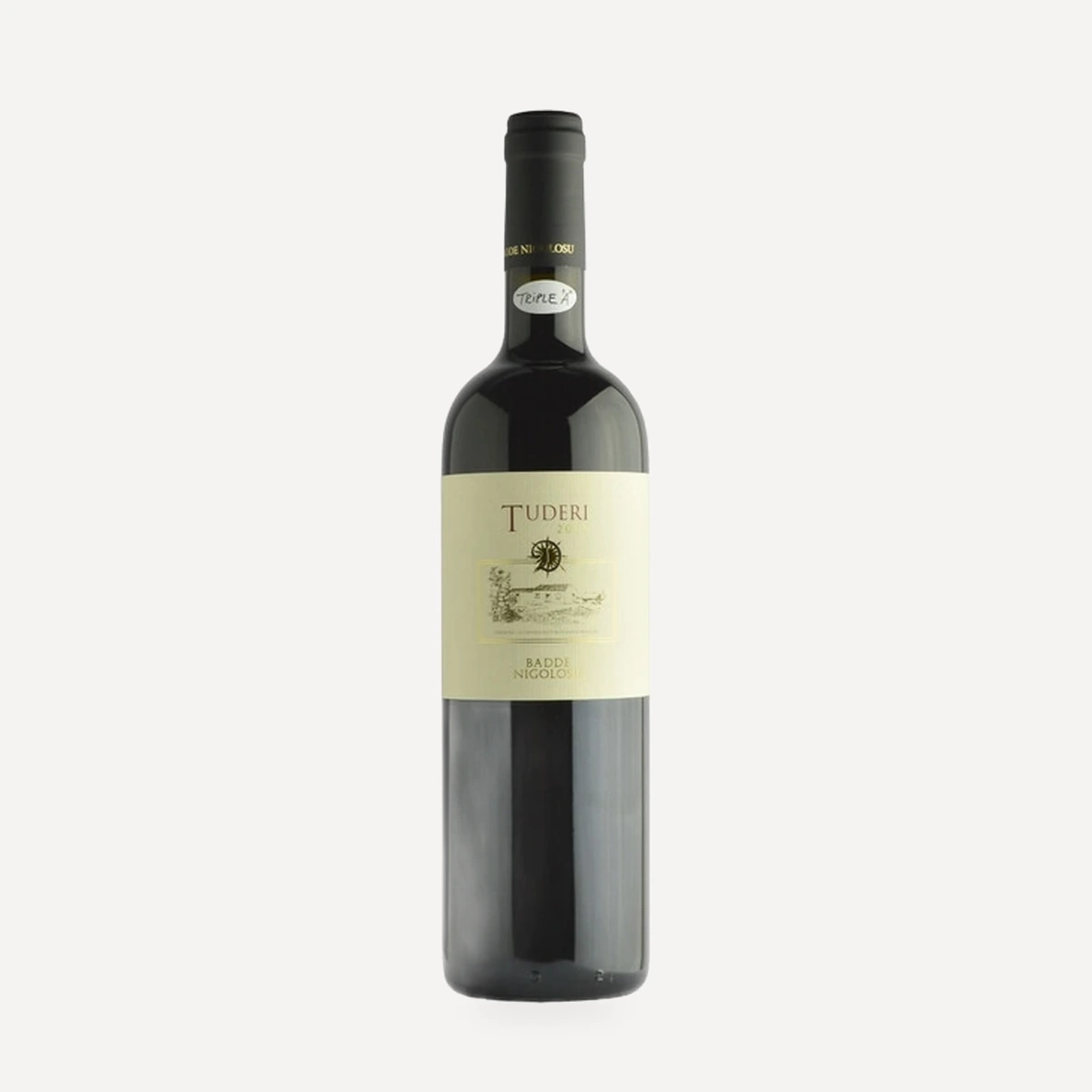
Tuderi
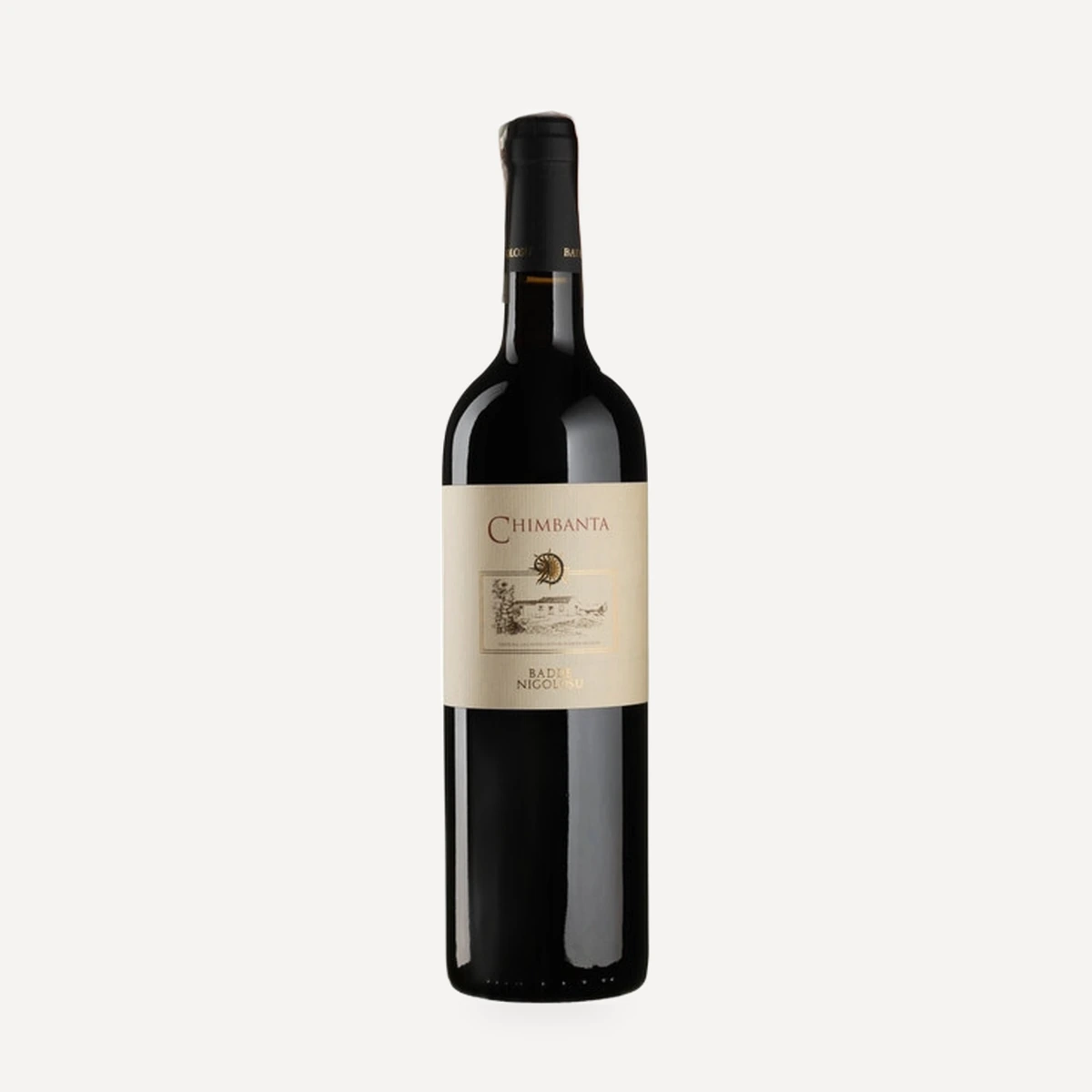
Chimbanta
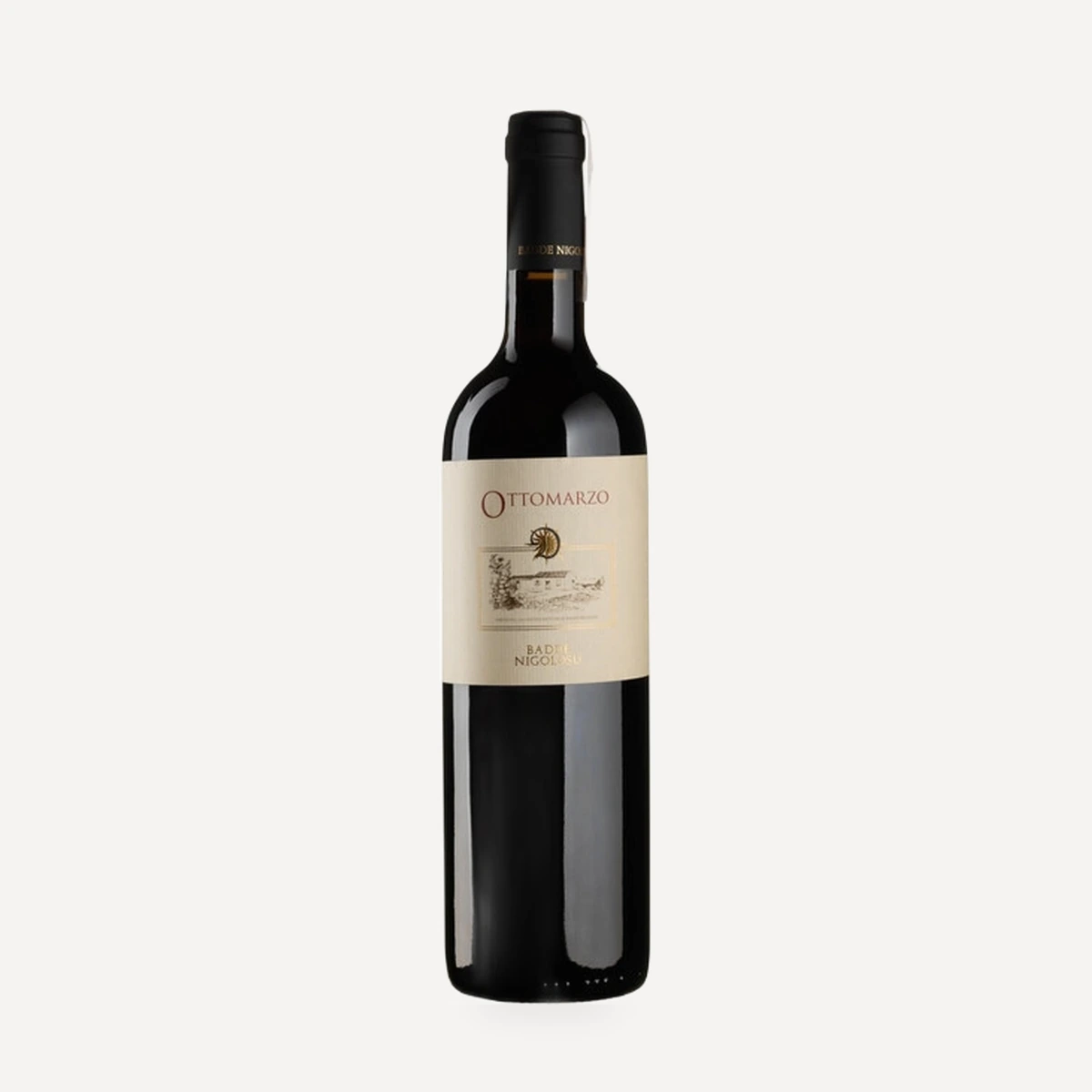
Ottomarzo
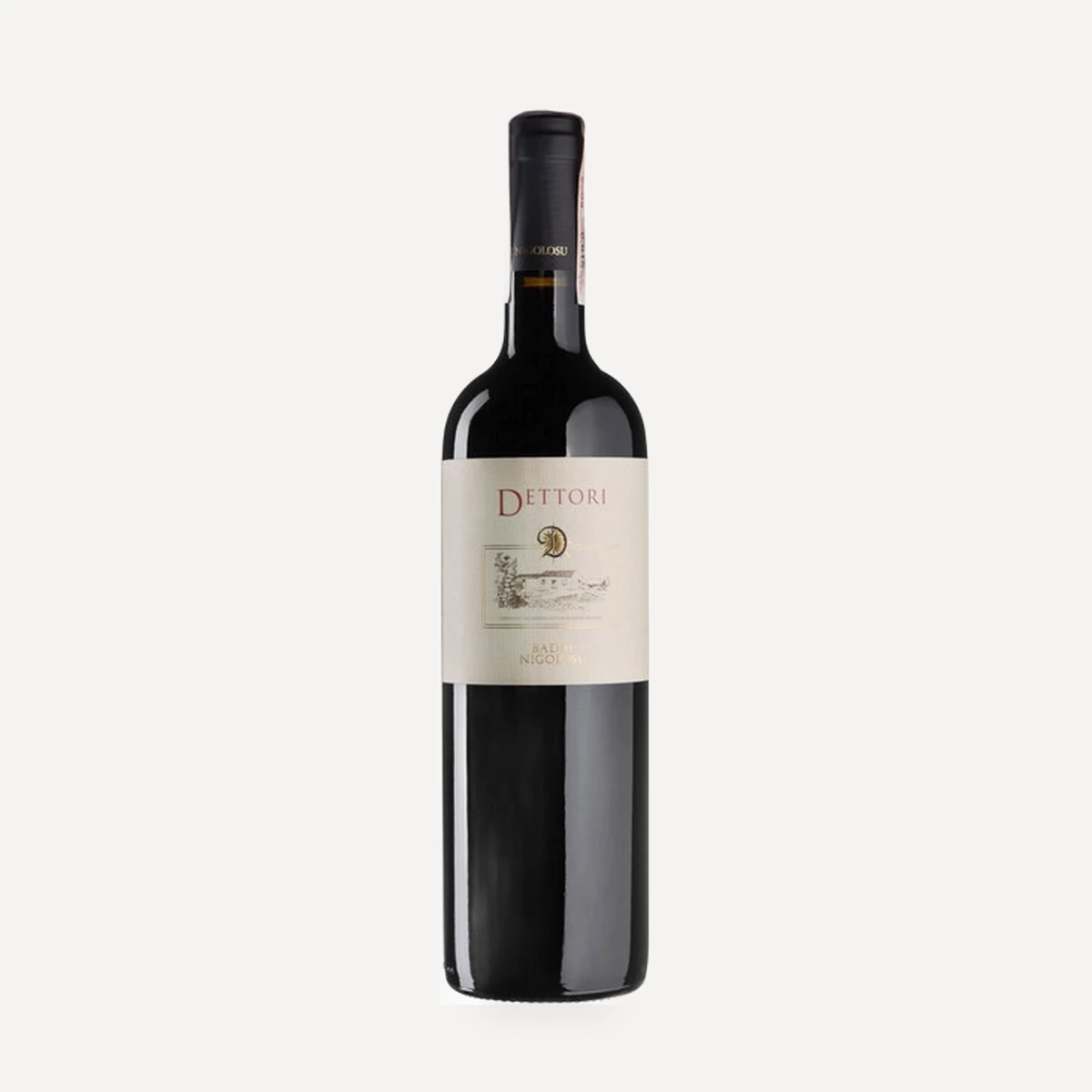
Dettori
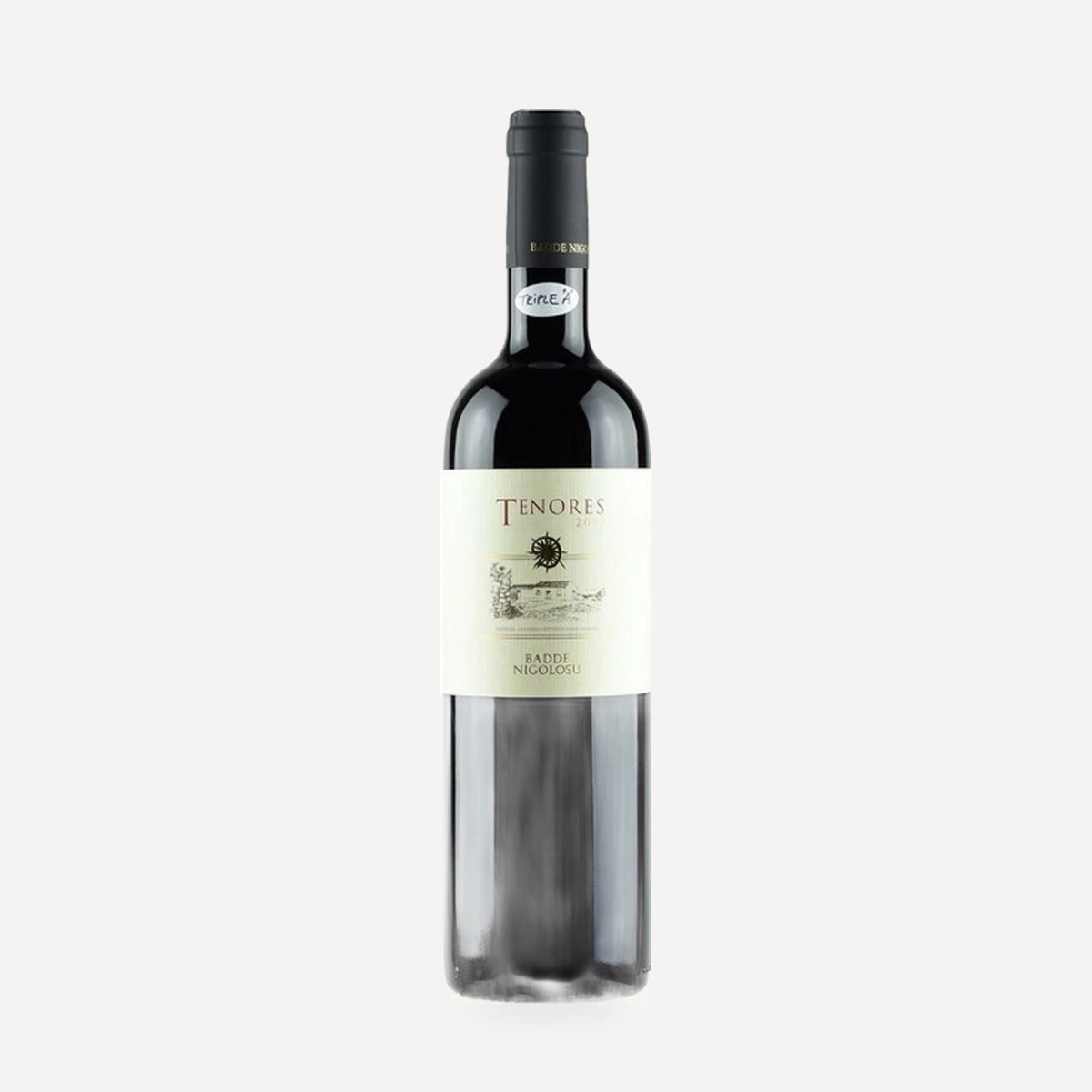
Tenores
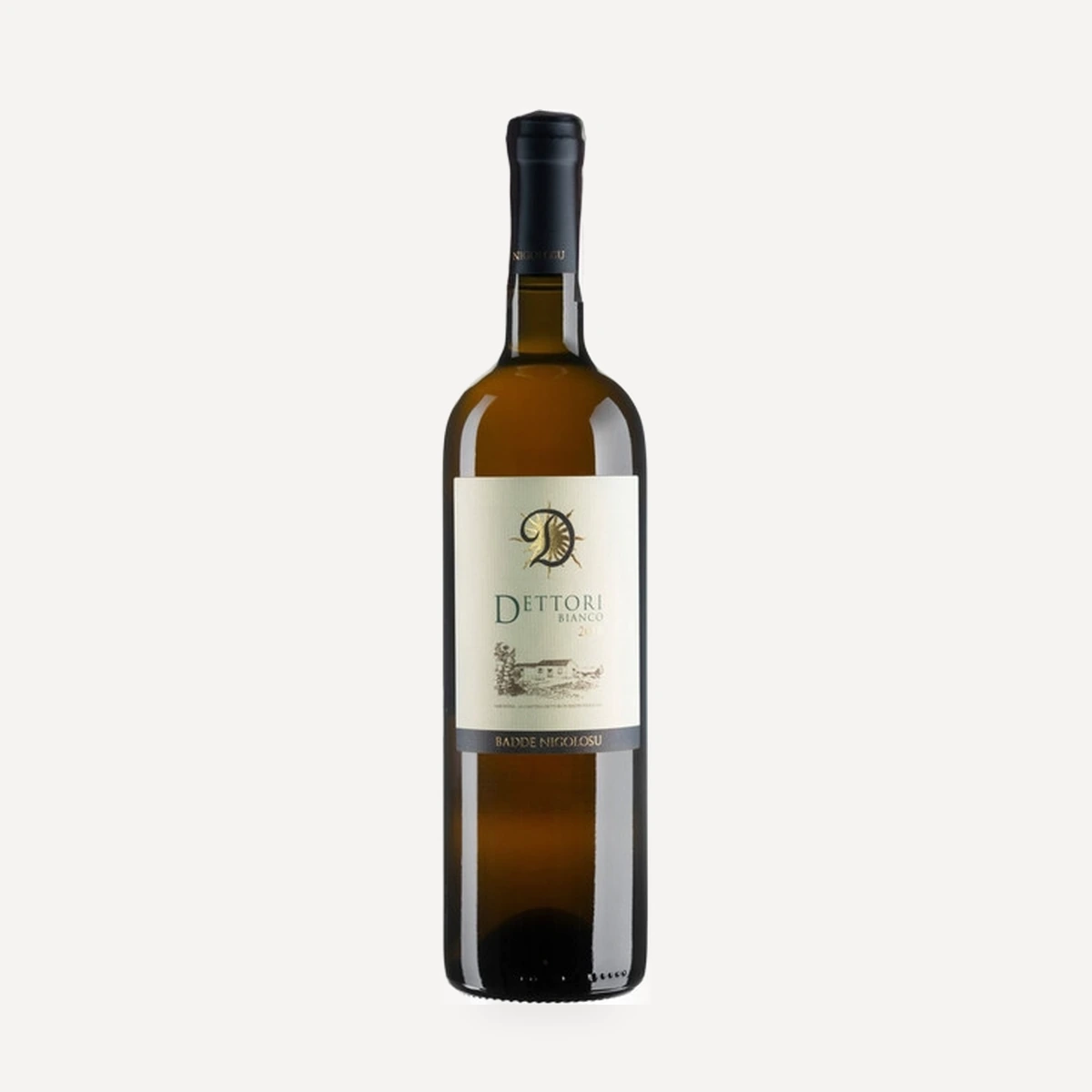
Dettori Bianco
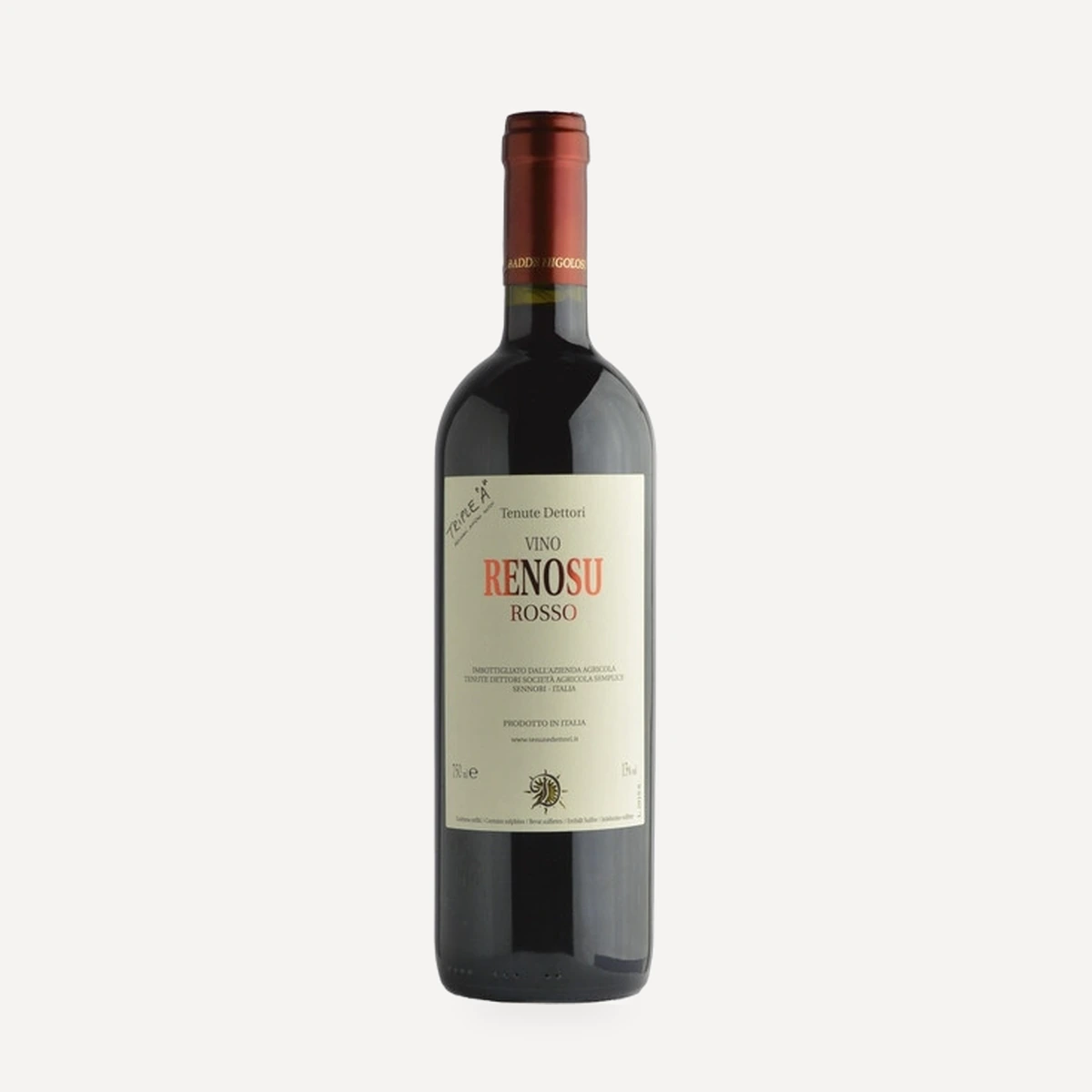
Renosu Rosso