Storia
Carlo Gancia’s education and formative experiments, 1829–1850
Carlo Gancia was born in Narzole in 1829 to a prosperous family of winegrowers and wine merchants. His early interest in his father’s work led him to study pharmacy and chemistry in Turin, where he developed a grounding in oenology. He subsequently joined Dettoni e C., one of the city’s oldest coffee and liqueur businesses. In 1847, he reformulated vermouth by using Moscato as the base for the herbal infusions.
In 1848, Carlo moved to Reims and began a two-year apprenticeship at Piper Heidsieck, learning the méthode champenoise. During this period he conceived the idea of adapting the French process to Piedmontese Moscato grapes to create an Italian sparkling wine.
Foundation and the first Italian sparkling wine, 1850–1865
Carlo returned to Italy in 1850 and founded Fratelli Gancia & C. in Chivasso with his brother Edoardo. He then spent more than fifteen years researching and experimenting with the application of the Champagne method to Piedmontese Moscato. The work culminated in 1865 in the wine subsequently identified by Gancia as the first Italian sparkling wine.
Initially called “Moscato Champagne” or “Champagne Italiano,” it soon reached international markets. At the same time, Carlo brought Pinot Nero and Chardonnay cuttings from Champagne to Piedmont and used them to produce a dry Italian sparkling wine by the traditional method. This experimentation established an early foundation for the later Alta Langa Metodo Classico tradition.
Transfer to Canelli and industrial development, 1866–1893
Growing production created a need for more suitable space and infrastructure. On 11 May 1866, Carlo and Edoardo transferred the business to Canelli. The new premises occupied a former customs warehouse in a strategic position beside the railway. The surrounding hills supported Moscato cultivation, while the deep underground spaces provided naturally stable conditions for prolonged sparkling-wine maturation. Excavation of the cellars and subterranean passages continued for several decades.
Despite initial technical difficulties, Moscato Champagne was exported beyond Italy before the end of 1866. In 1870, King Vittorio Emanuele II granted Casa Gancia the right to bear the Royal Coat of Arms. Gancia subsequently received distinctions at the Vienna Exhibition of 1873 and the Paris Exhibition of 1878 for Moscato Champagne and vermouth. The Royal House also authorized the claim “Bianco Gancia, Vermouth dell’Aristocrazia e della Regalità.”
The company adopted the structure and name Fratelli Gancia & C. in 1880. In 1893, Carlo entrusted its direction to his son Camillo. Under Camillo, the business introduced its first white vermouth based on Moscato di Canelli; it received a distinction at the 1893 World’s Columbian Exposition in Chicago. Camillo also promoted the replacement of foreign product terminology with Italian names.
Camillo Gancia, modernization and protection of origin, 1896–1937
As production expanded in the early twentieth century, Gancia acquired another plant in Santo Stefano Belbo. Camillo concentrated the range around Moscato Champagne, Champagne Italiano and Moscato Spumante, alongside vermouth and traditional Piedmontese wines.
Communication and visual culture became an important part of the company’s development. Cesare Saccaggi designed the “Moscato Spumante F.lli Gancia Canelli” poster in 1896. During the 1920s, Gancia worked with Leonetto Cappiello, whose designs included “Donna con le stelle” and the 1922 “Donna Farfalla.”
For the 1928 Turin International Exhibition, Gancia constructed a complete pavilion and collaborated with the Istituto LUCE on a documentary explaining sparkling-wine production. Camillo also led efforts against fraud and product adulteration. In 1932, he helped guide the creation of the Consorzio dell’Asti to protect the origin and quality of Moscato.
In 1937, Gancia was recognized as the “only Italian industrial house producing Champagne” and received the titles “Servants of the Royal Household” and “Suppliers to His Majesty the King.” Following the Second World War, the company resumed its expansion into major international markets.
The centenary and post-war expansion, 1950–1980
Gancia marked its centenary in 1950 by introducing Gancia Rosso, an aperitif based on wine and aromatic herbs. French artist Lucien Cayol created the commemorative poster “L’Apéritif centenaire.” Gancia Americano also first appeared during this period, initially for export. It entered the Italian market in 1966 and achieved rapid commercial success.
Exports reached record levels during the 1970s, particularly in markets including Belgium and France. In 1980, Gancia introduced Pinot di Pinot, described as the first sparkling wine made exclusively from Pinot Nero, Pinot Bianco and Pinot Grigio. Created for the aperitif occasion, it became the focus of numerous advertising and sponsorship campaigns and was associated with offshore racing during the 1990s.
Historic-cellar restoration and UNESCO recognition, 2000–2020
The company celebrated its 150th anniversary in 2000. Restoration of the Gancia Historic Cellars began in 2003. The extensive underground galleries were associated with the initiative that developed into the UNESCO candidacy for the vineyard landscapes of Langhe-Roero and Monferrato and the Underground Cathedrals of Canelli.
In 2014, the Vineyard Landscape of Piedmont: Langhe-Roero and Monferrato was inscribed on the UNESCO World Heritage List. Its six components include “Canelli and Asti Spumante,” where the historic underground cellars are situated. In 2020, Gancia’s 170th anniversary was commemorated by the issue of a postage stamp dedicated to notable elements of the Italian production system.
Industrial and ownership changes, 2023–2025
In 2023, the historic Canelli plant also became the exclusive European production site for Russian Standard vodka, made there from selected raw materials under the brand’s production standards.
Gancia’s ownership structure was reorganized in 2025. After more than a decade within an international group, the company returned entirely to Italian capital.
Terroir
Gancia’s historic base is in Canelli, in Piedmont. The move there in 1866 placed production near hills considered suitable for Moscato and provided access to deep underground spaces capable of maintaining stable conditions for sparkling-wine maturation.
Canelli lies within the Asti DOCG territory, where Moscato Bianco is the predominant variety. It is also one of the six components of the UNESCO-listed Vineyard Landscape of Piedmont: Langhe-Roero and Monferrato. The six components are La Langa del Barolo, Il Castello di Grinzane Cavour, Le Colline del Barbaresco, Nizza Monferrato e Barbera, Canelli e l’Asti Spumante, and Il Monferrato degli Infernot.
The Underground Cathedrals beneath Canelli are hand-excavated in tuff. Gancia’s route through this subterranean system extends for more than 4 km. The deepest section, Cantina Sant’Ilario, connects with Cantina Muratori. The galleries act as natural thermal insulation and maintain temperatures of approximately 12–14°C, supporting traditional-method production and prolonged maturation.
Vinificazione
Gancia’s production facilities are integrated into the historic underground cellars of Canelli. The subterranean route extends for more than 4 km through hand-excavated tuff galleries. These spaces were created as natural thermal insulation and maintain temperatures of approximately 12–14°C, conditions used for processing and maturing Metodo Classico and Alta Langa sparkling wines.
Moscato, Pinot Nero and Chardonnay are softly pressed in vaulted cellars covering more than 600 m². The vaults date from the beginning of the 18th century. Historic equipment, including Marmonnier presses, is preserved alongside modern installations. The cellar contains 16 temperature-controlled stainless-steel tanks and more than 300 French-oak barriques. Bottles undergoing traditional-method maturation rest on pupitres in the underground galleries.
The production tradition originated in Carlo Gancia’s adaptation of the méthode champenoise to Piedmontese Moscato between 1850 and 1865. He subsequently applied the traditional method to dry sparkling wine from Pinot Nero and Chardonnay, establishing the historical foundation of Gancia’s present Metodo Classico and Alta Langa production.
Filosofia
Gancia presents experimentation and technical expertise as continuous elements of its identity, beginning with Carlo Gancia’s work to adapt the Champagne method to Piedmontese grapes. Its narrative combines the preservation of historical cellars, equipment and traditional-method practices with temperature-controlled tanks and other modern production infrastructure.
The company frames its development around a continued connection to Piedmont, respect for the land, product quality and the ability to combine tradition with innovation. The contemporary “Drink Beauty” concept links this identity to the landscapes of Alta Langa and the UNESCO-recognized Underground Cathedrals.
Responsible consumption is also part of the company’s stated philosophy. Alcoholic drinks are positioned as products to be appreciated slowly and socially rather than consumed excessively, with particular emphasis on moderation and avoiding alcohol during pregnancy, when taking incompatible medication, or before driving or operating machinery.
Vini
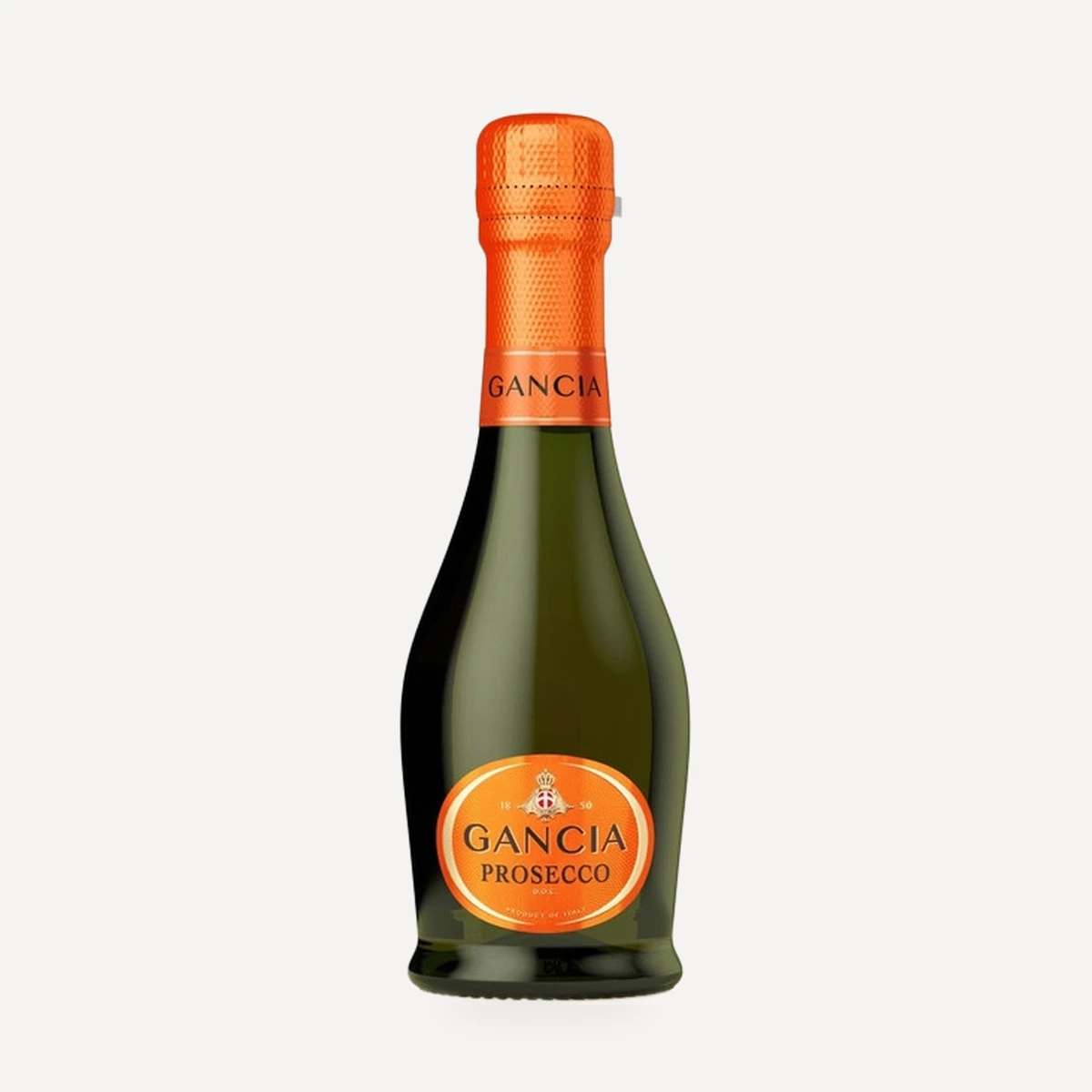
Prosecco Brut DOC
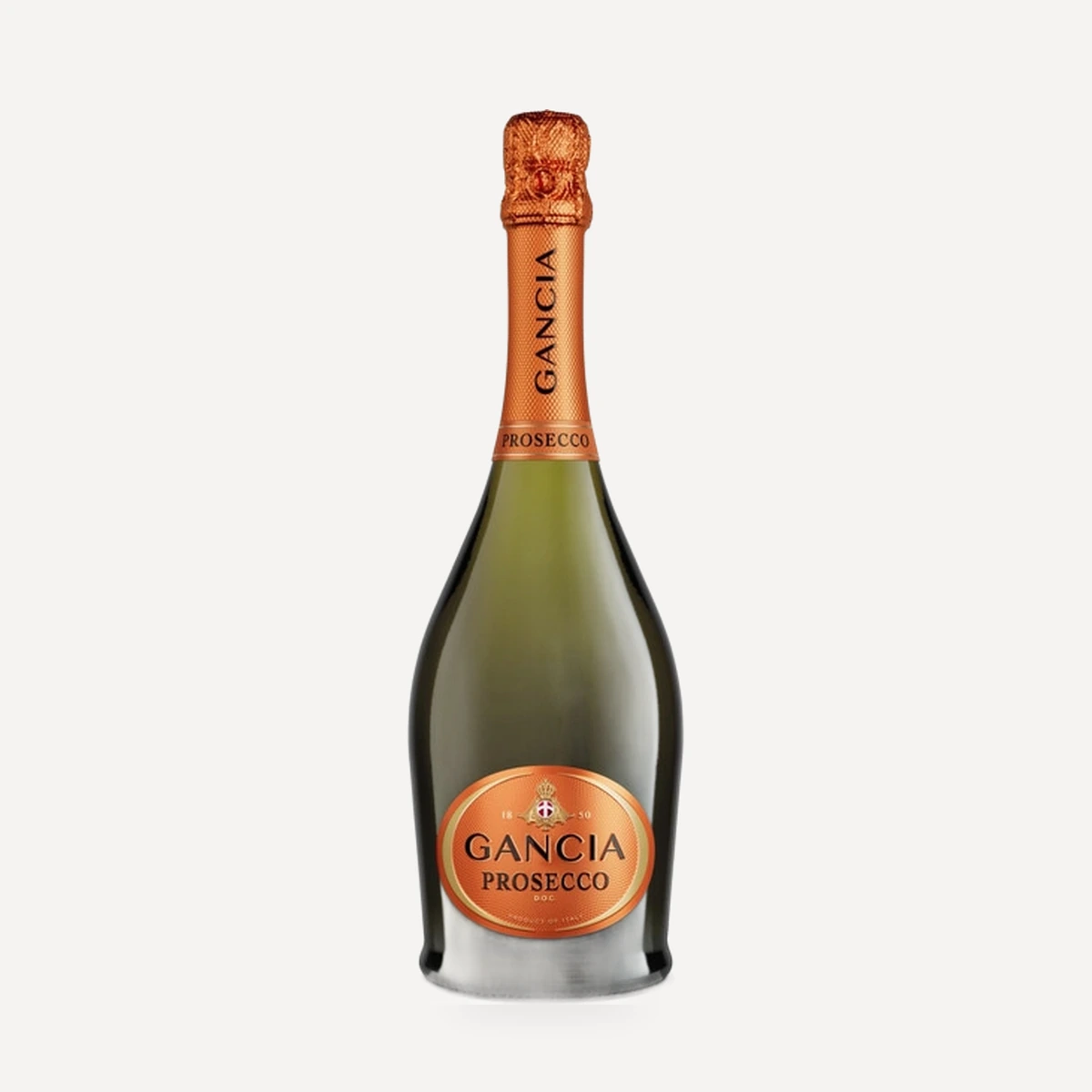
Prosecco Dry DOC
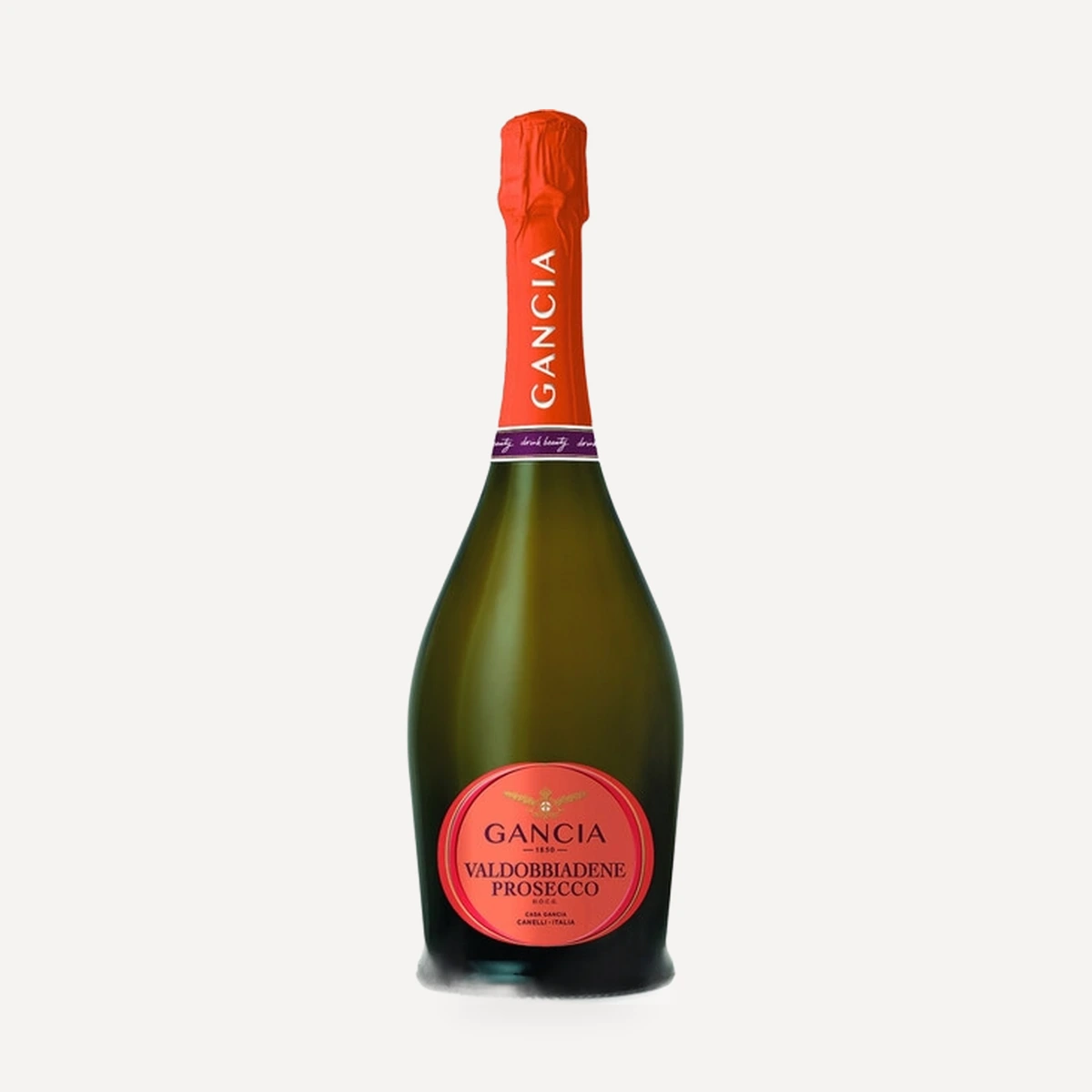
Valdobbiadene Prosecco Superiore DOCG
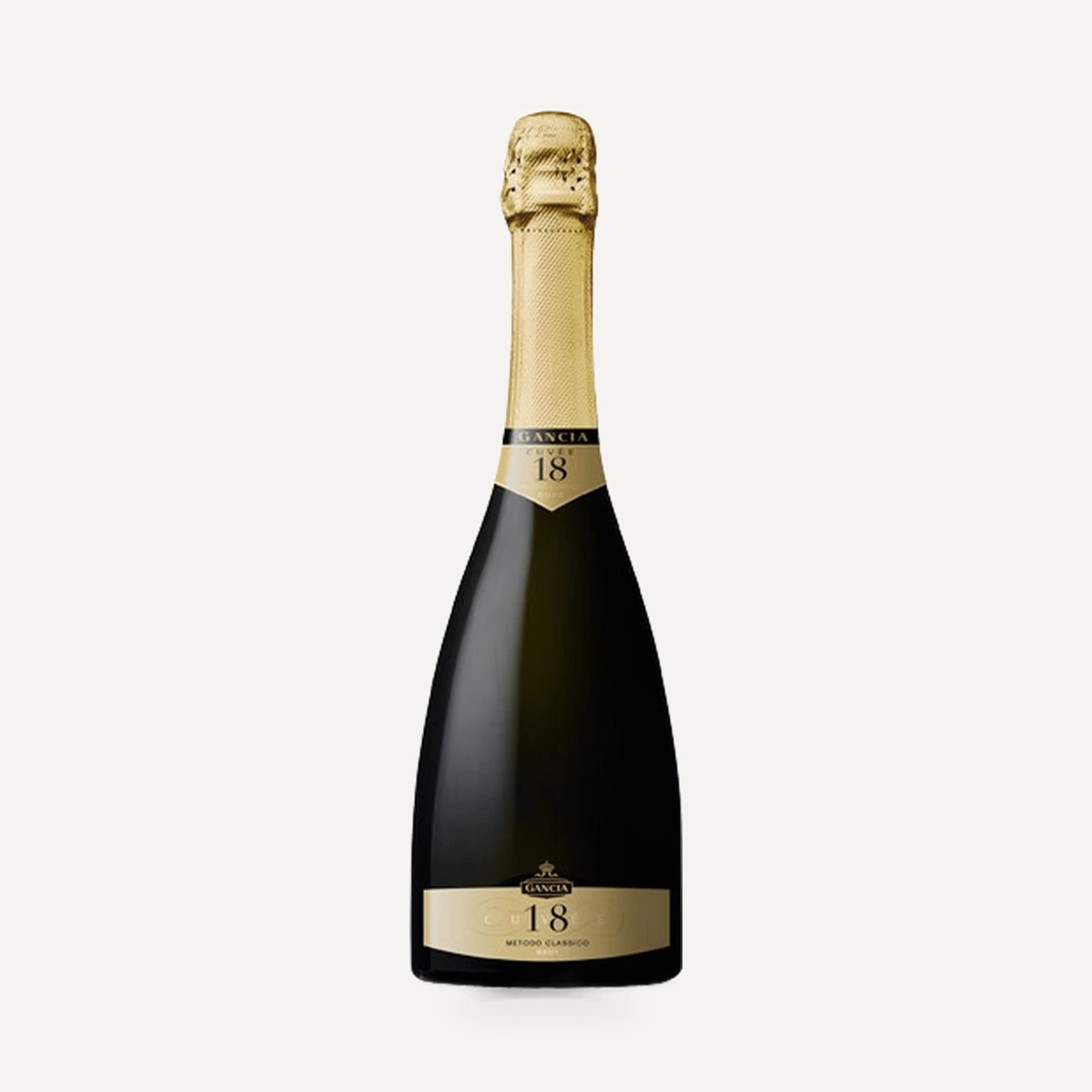
Cuvee Metodo Classico Brut 18 Monferrato DOC
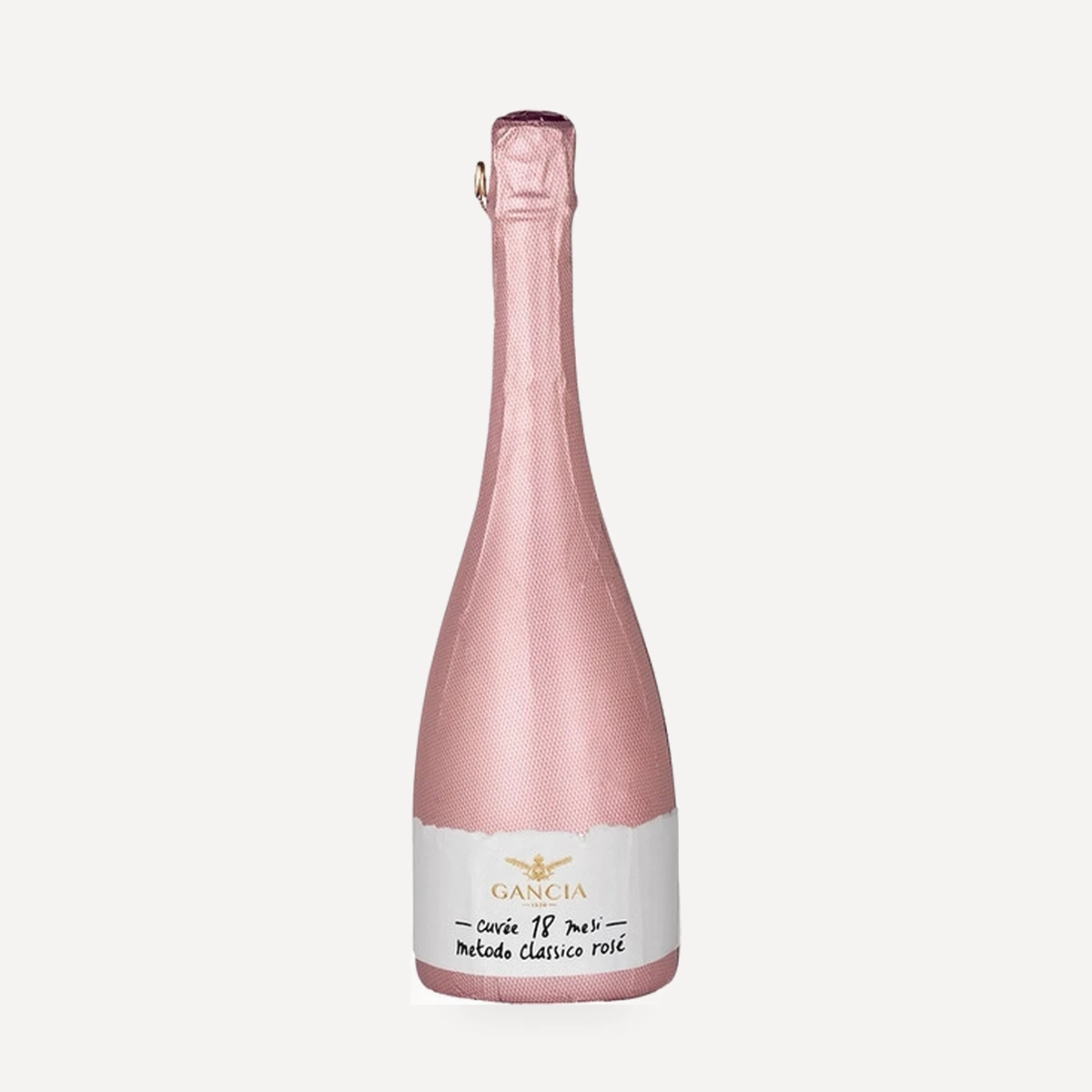
Gancia Metodo Classico Rose 18 Mesi
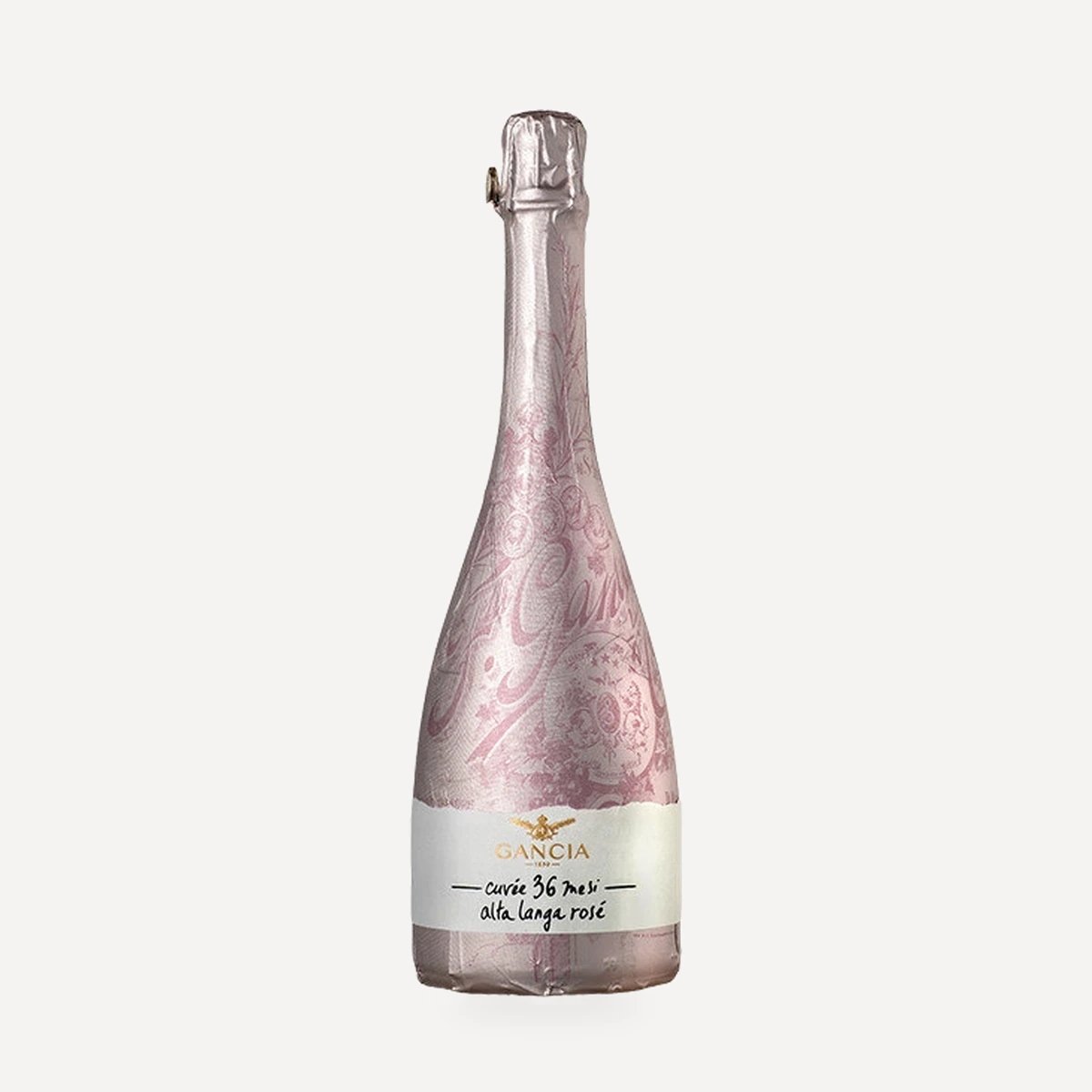
Cuvee 36 Mesi Alta Langa Metodo Classico Rose DOCG
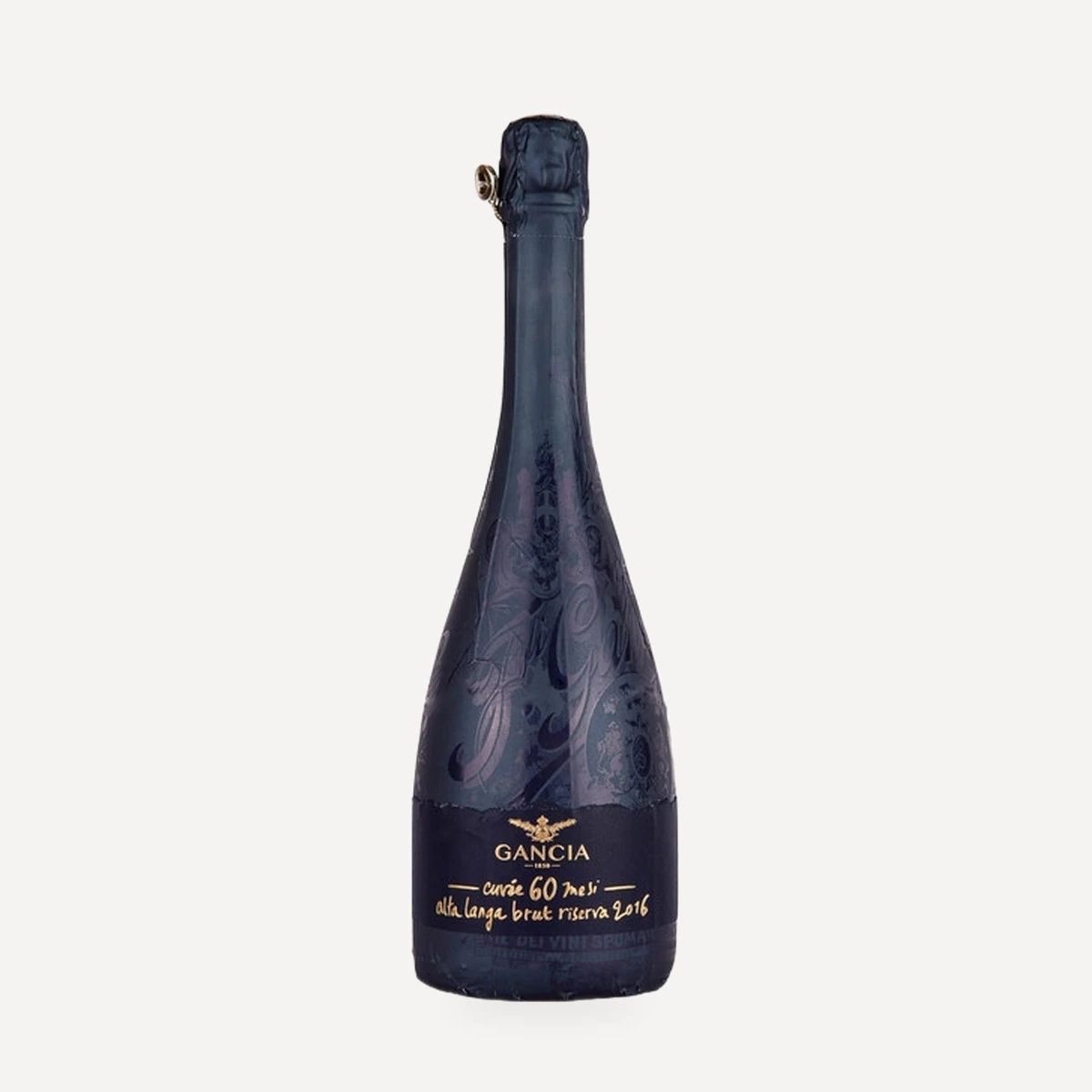
Cuvee 60 Riserva Alta Langa DOC
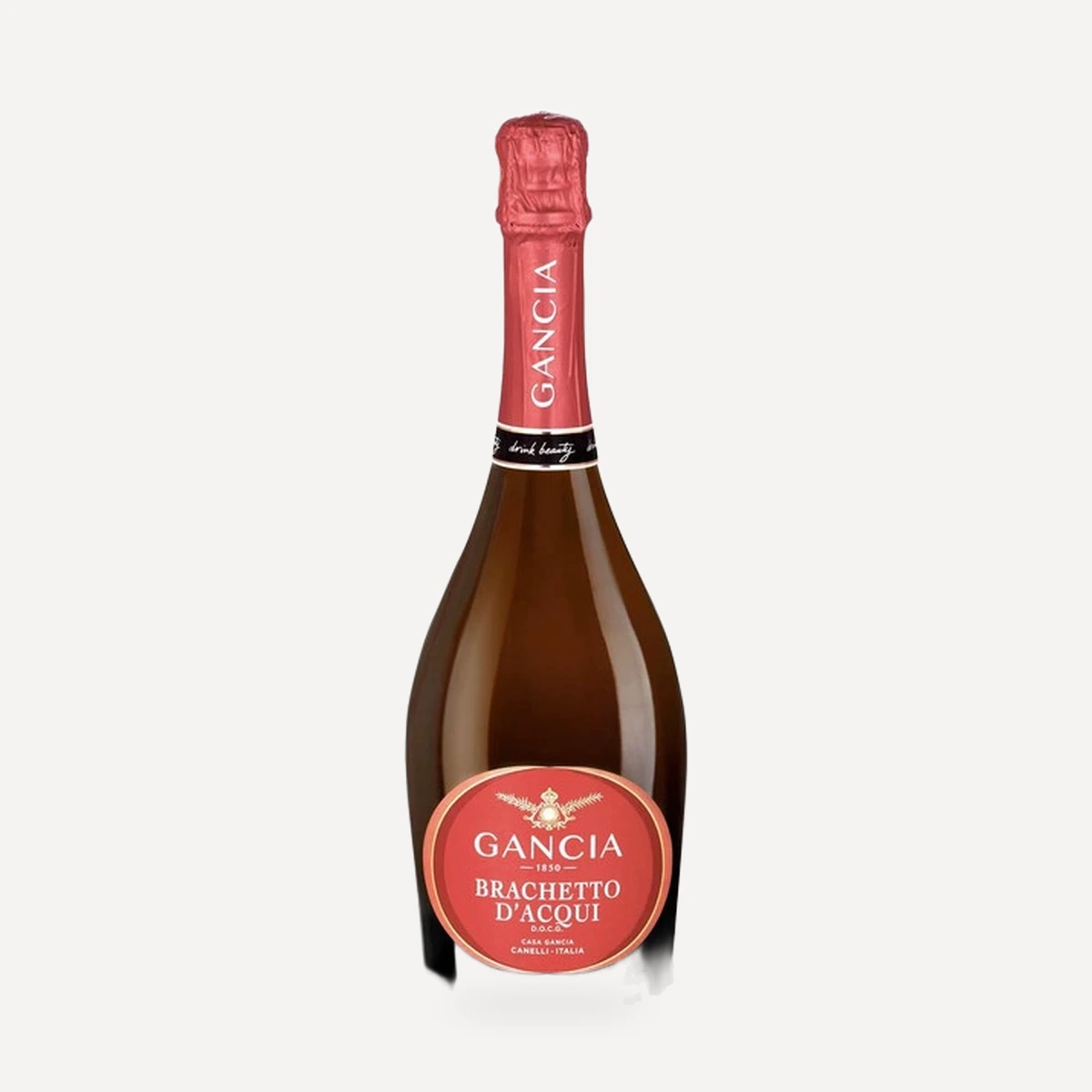
Brachetto d'Acqui DOCG
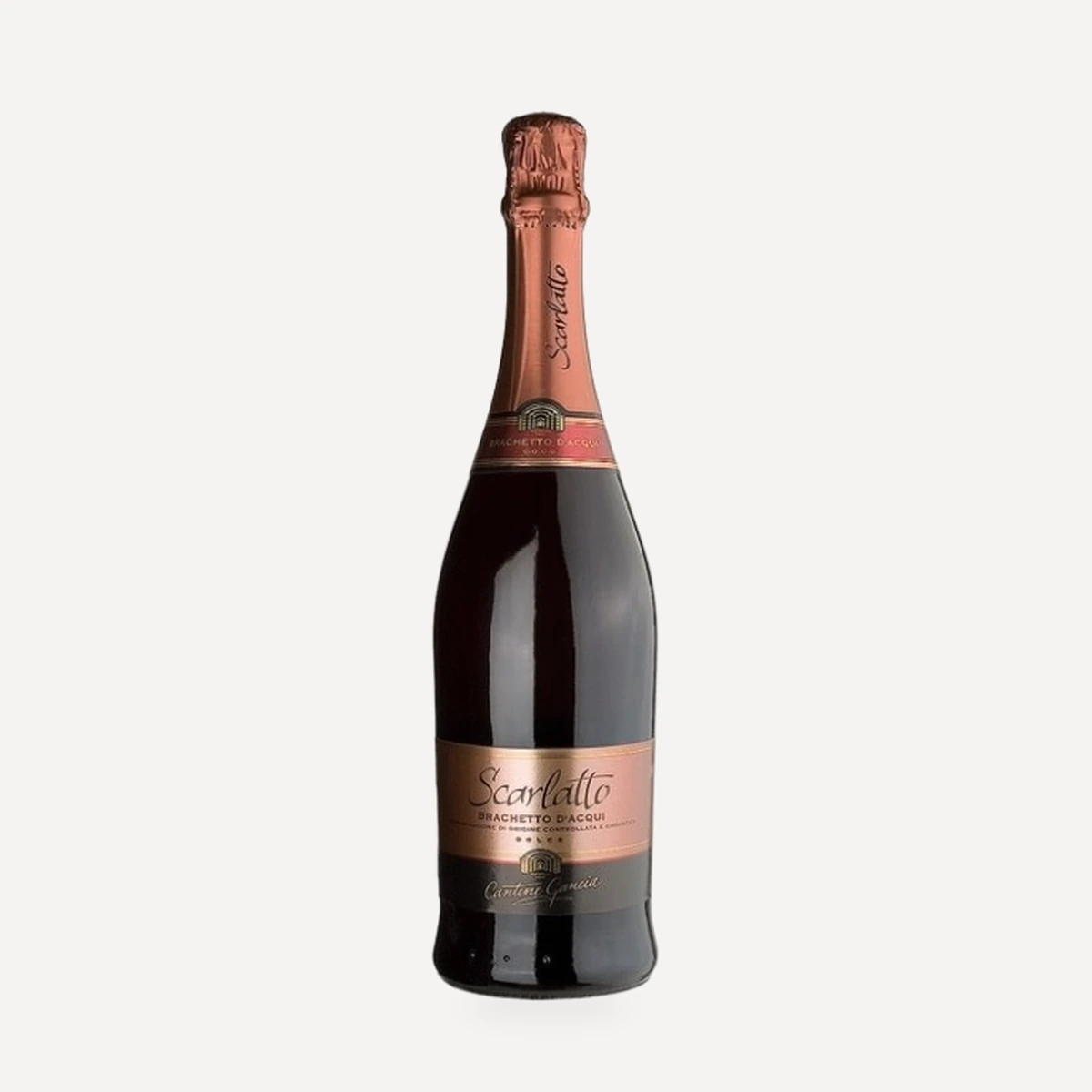
Scarlatto Brachetto D'Acqui DOCG
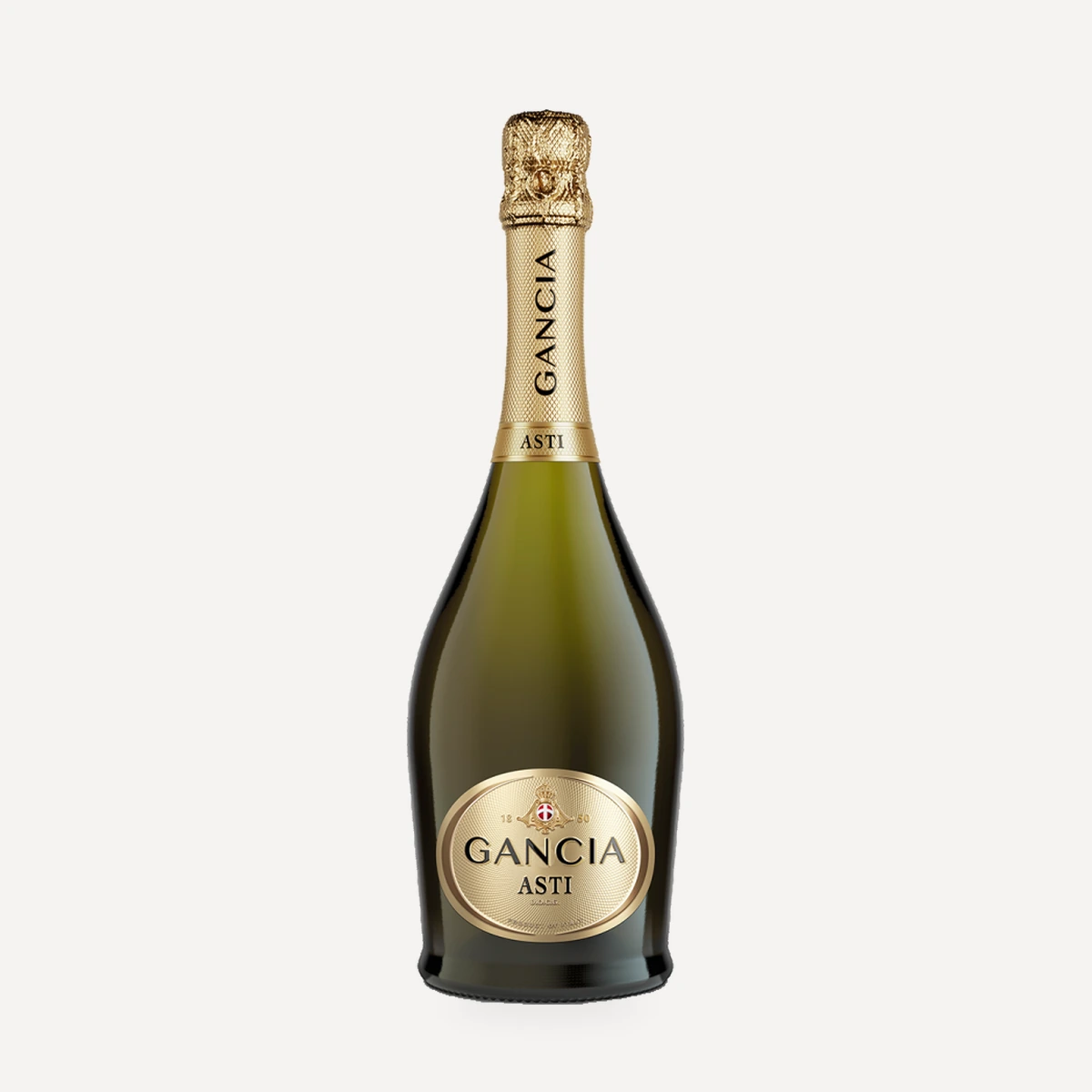
Asti DOCG
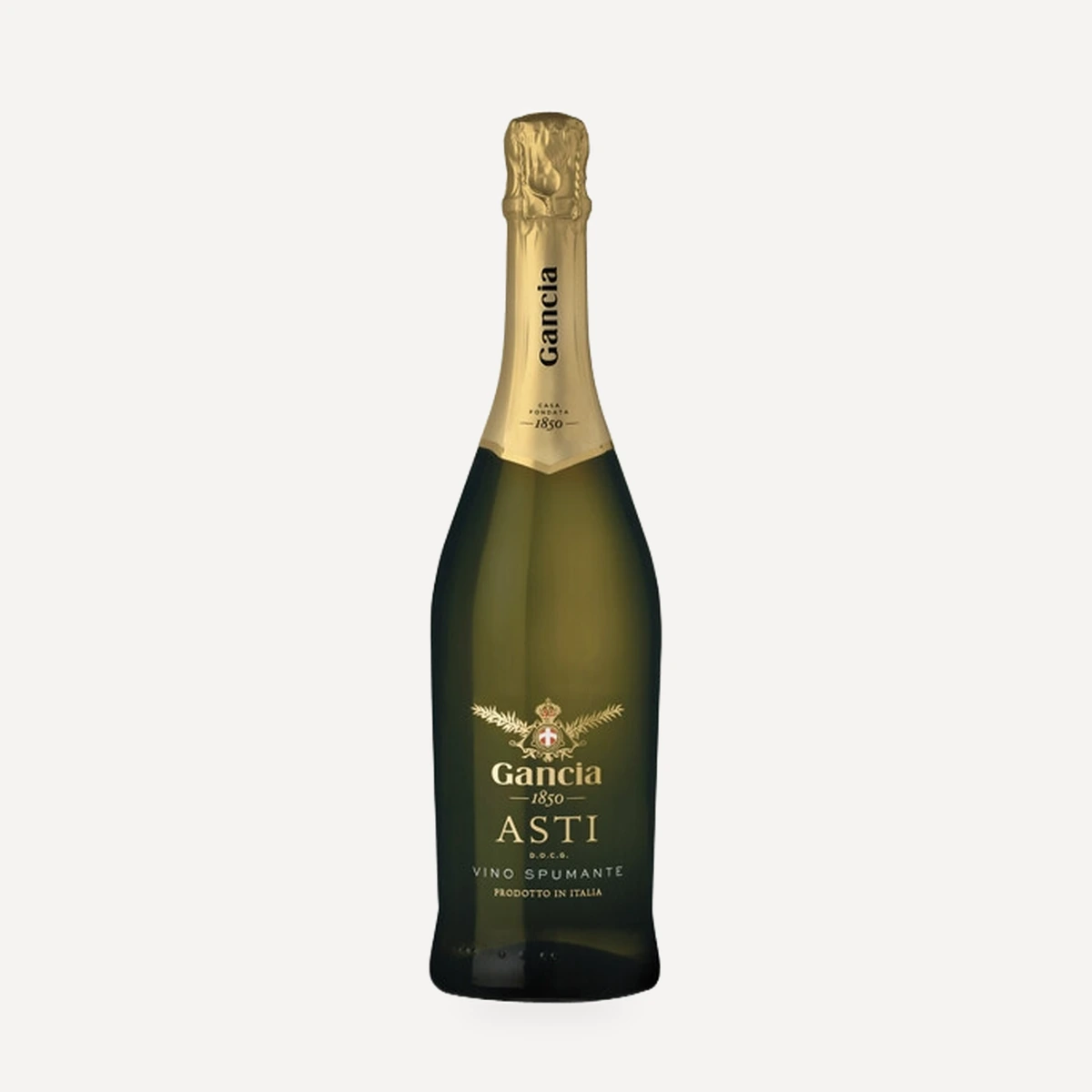
Gancia Cuvee Platinum Asti DOCG
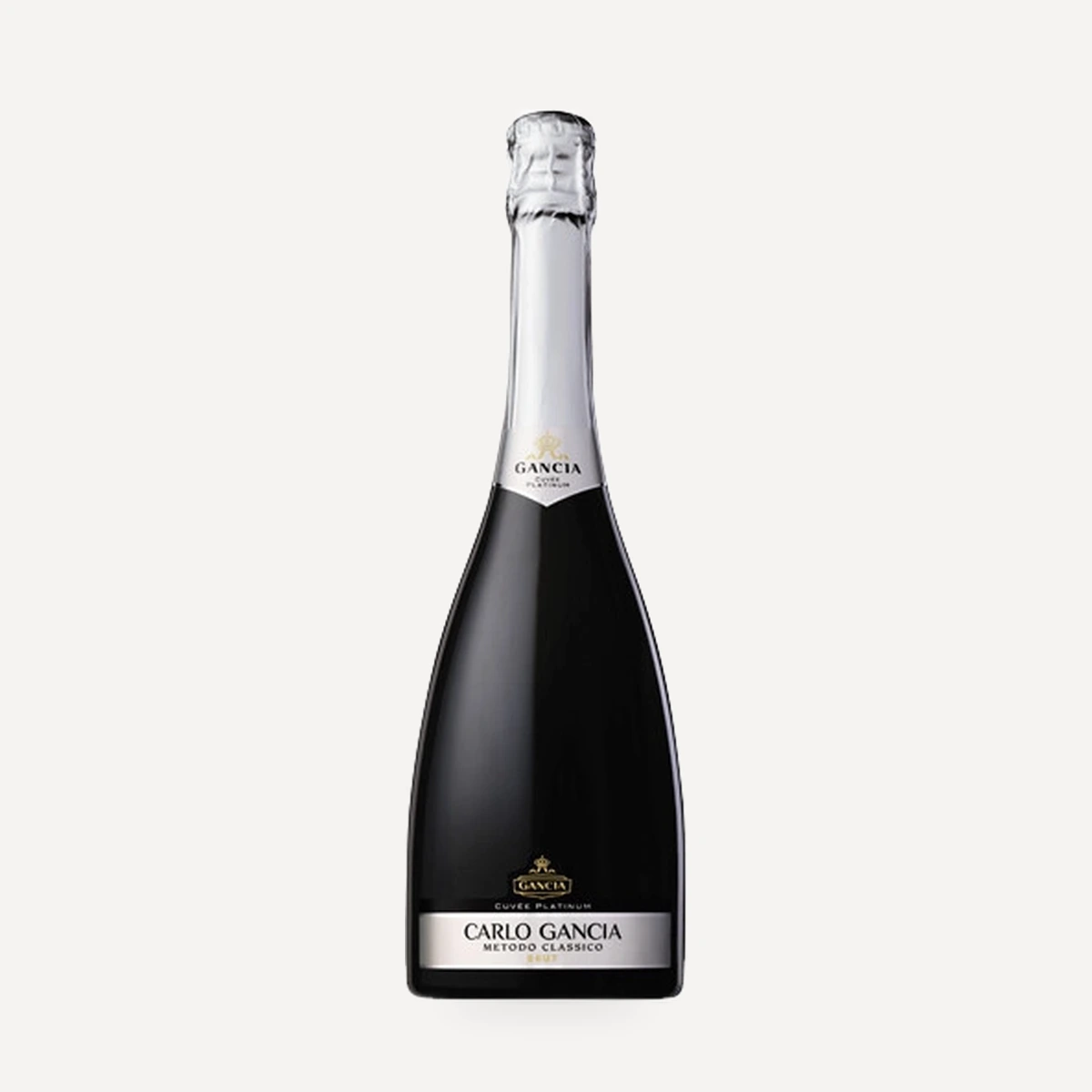
Metodo Classico Brut Cuvee Platinum Piemonte DOC
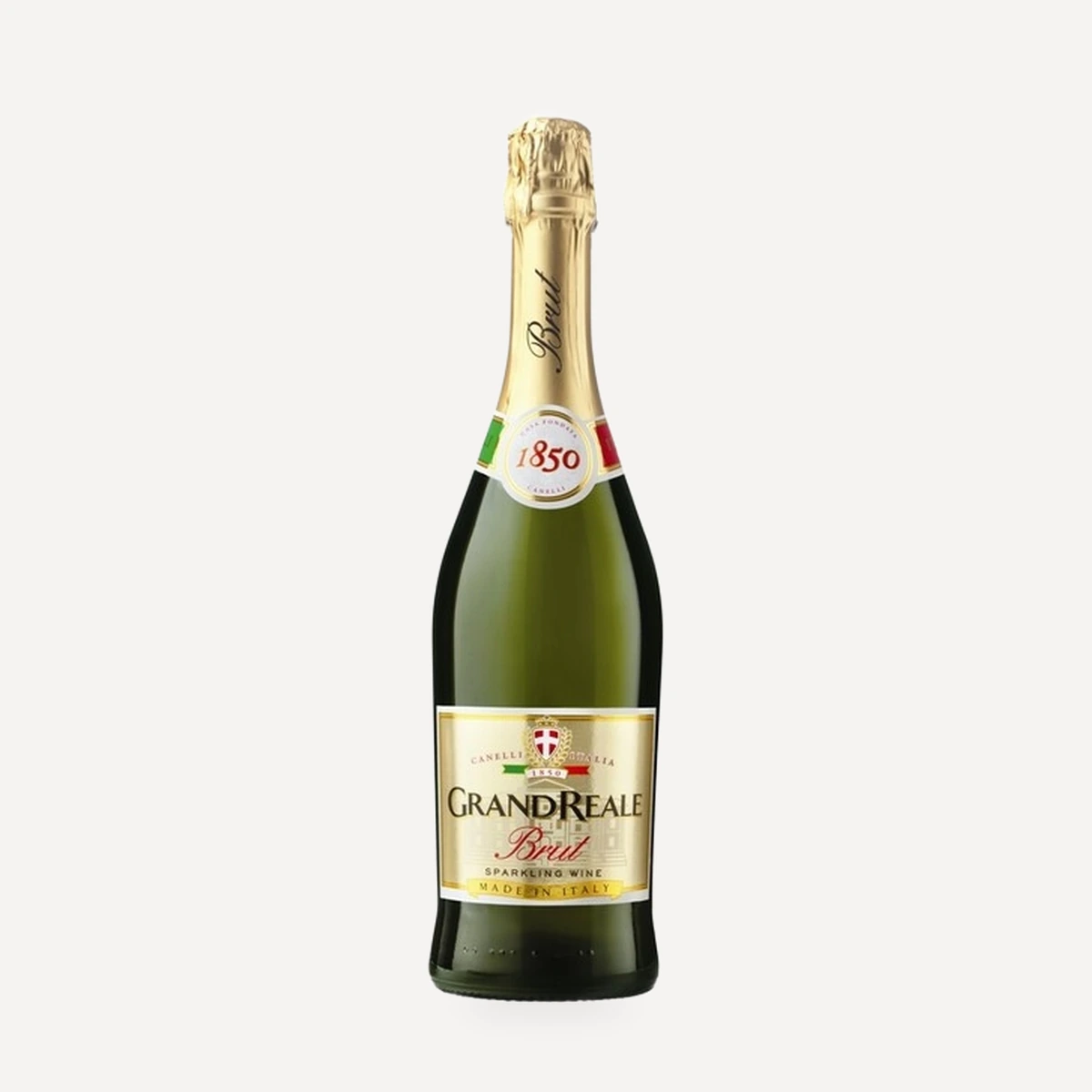
Grand Reale Brut
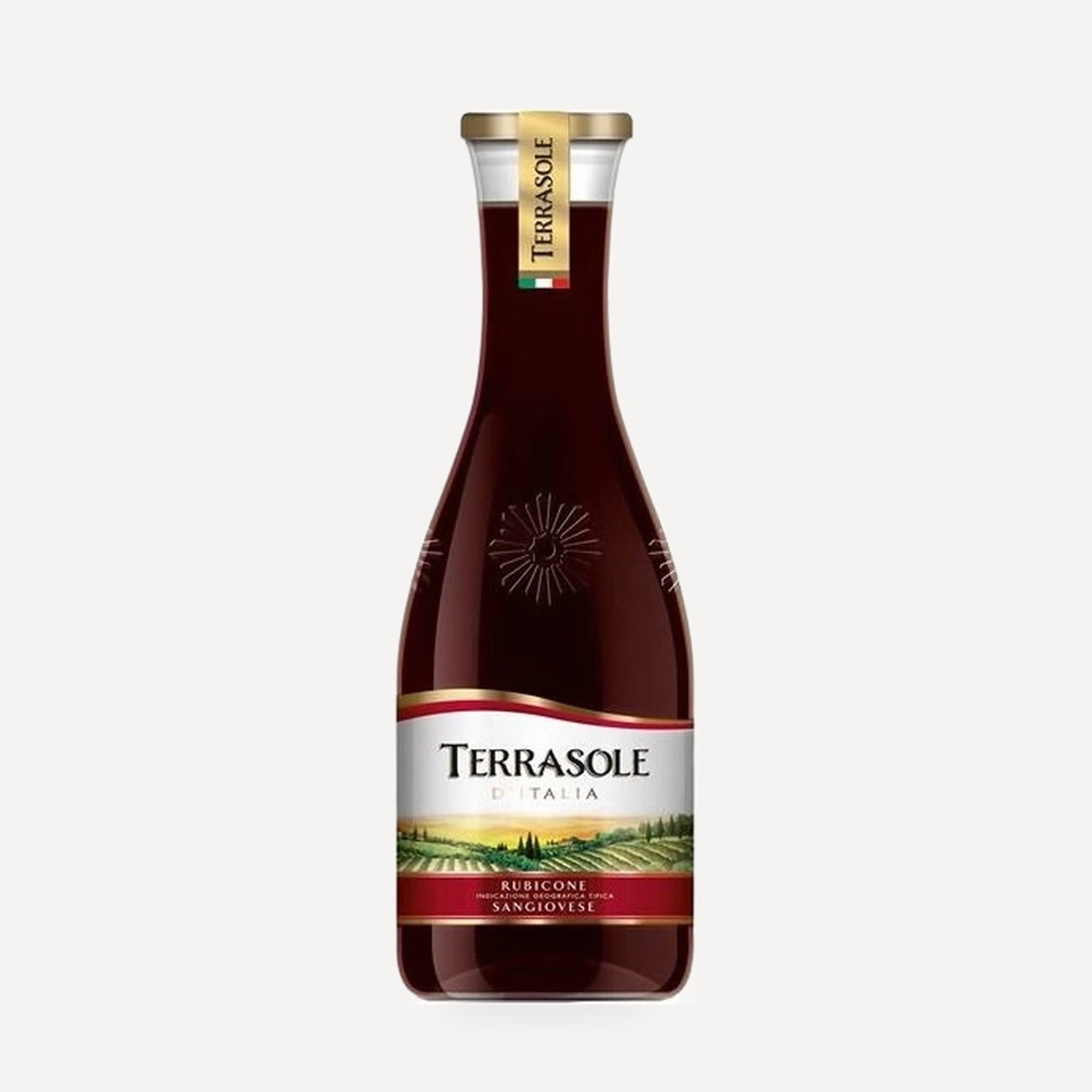
Terrasole Sangiovese Rubicone IGT
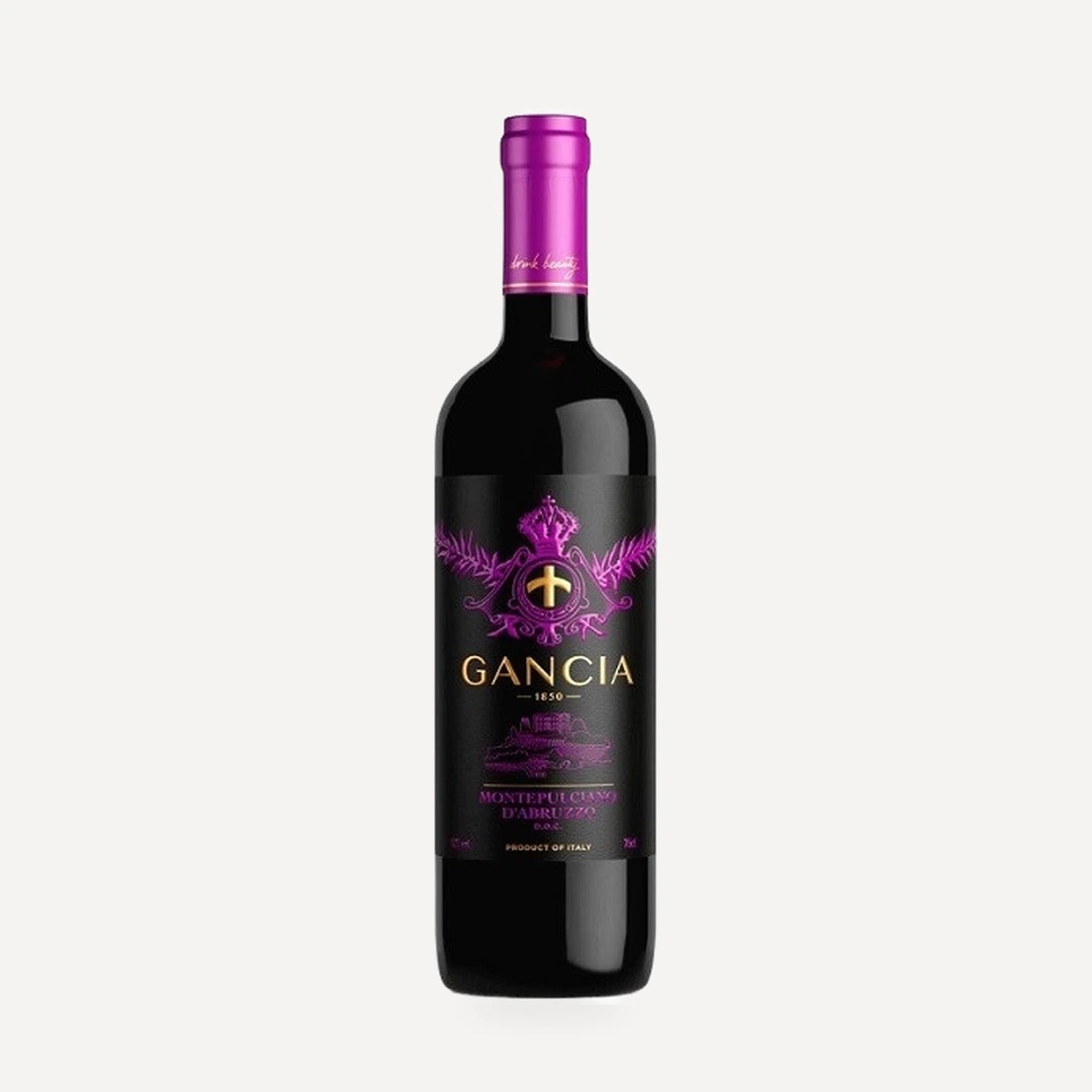
Montepulciano d'Abruzzo DOC
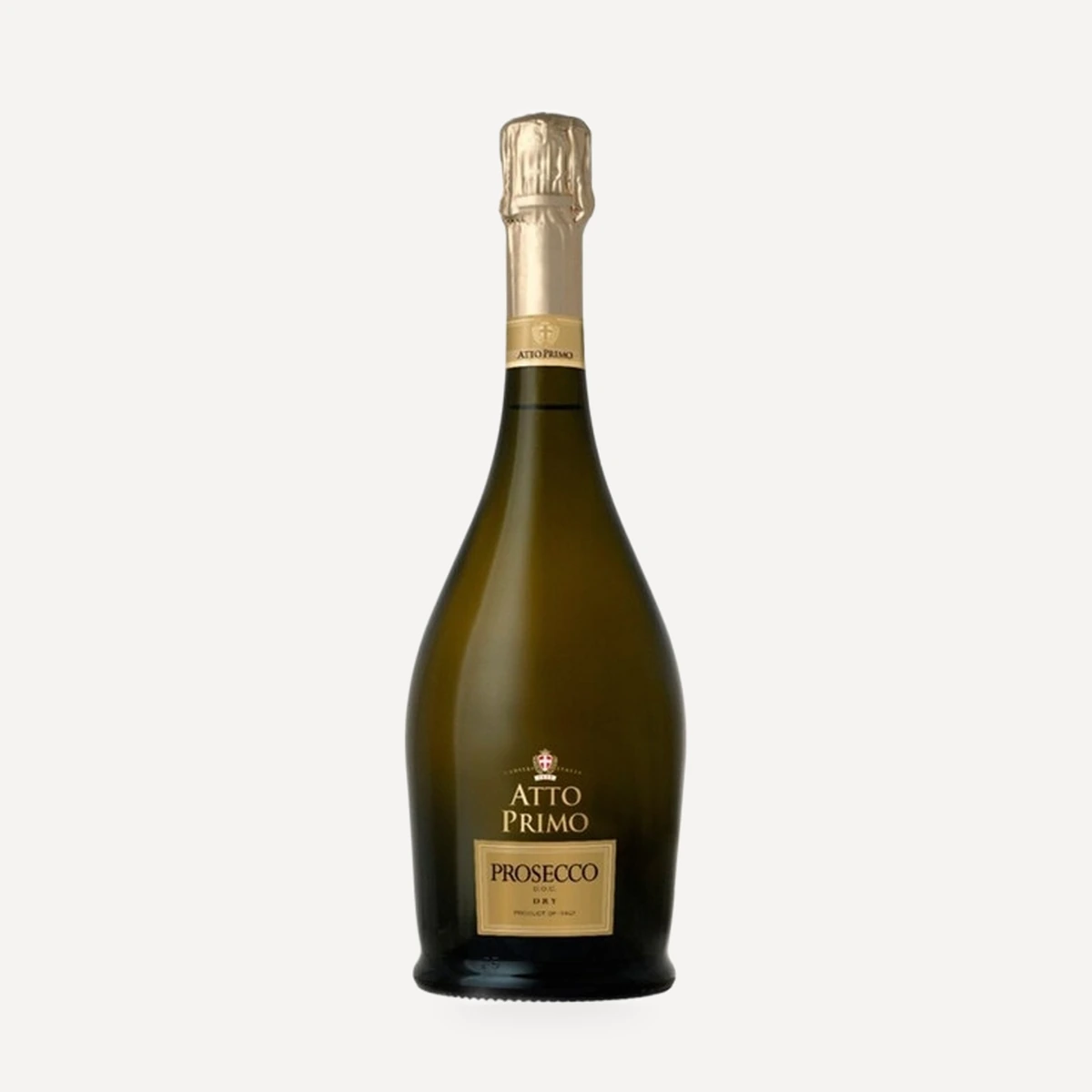
Atto Primo Prosecco Dry DOC
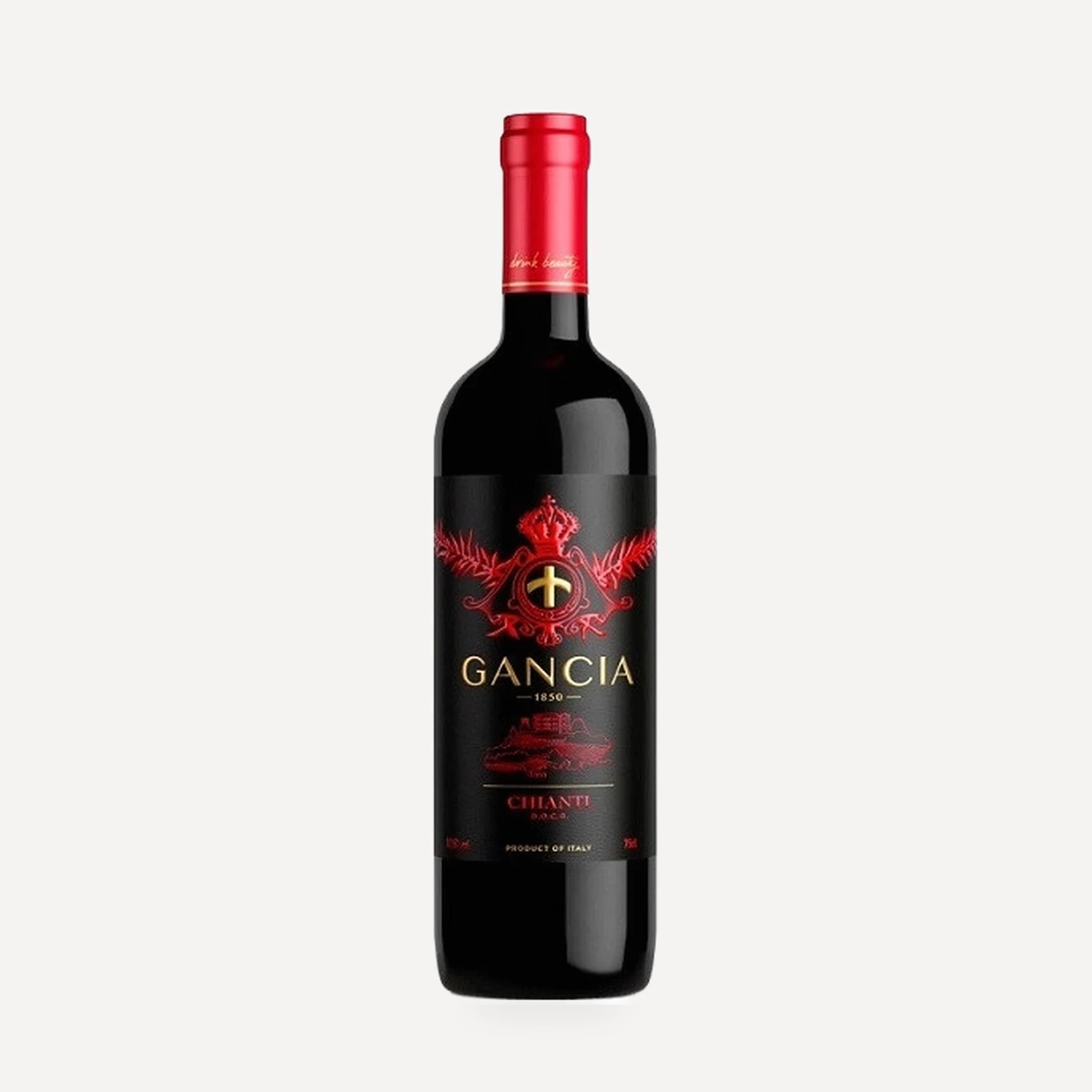
Chianti DOCG
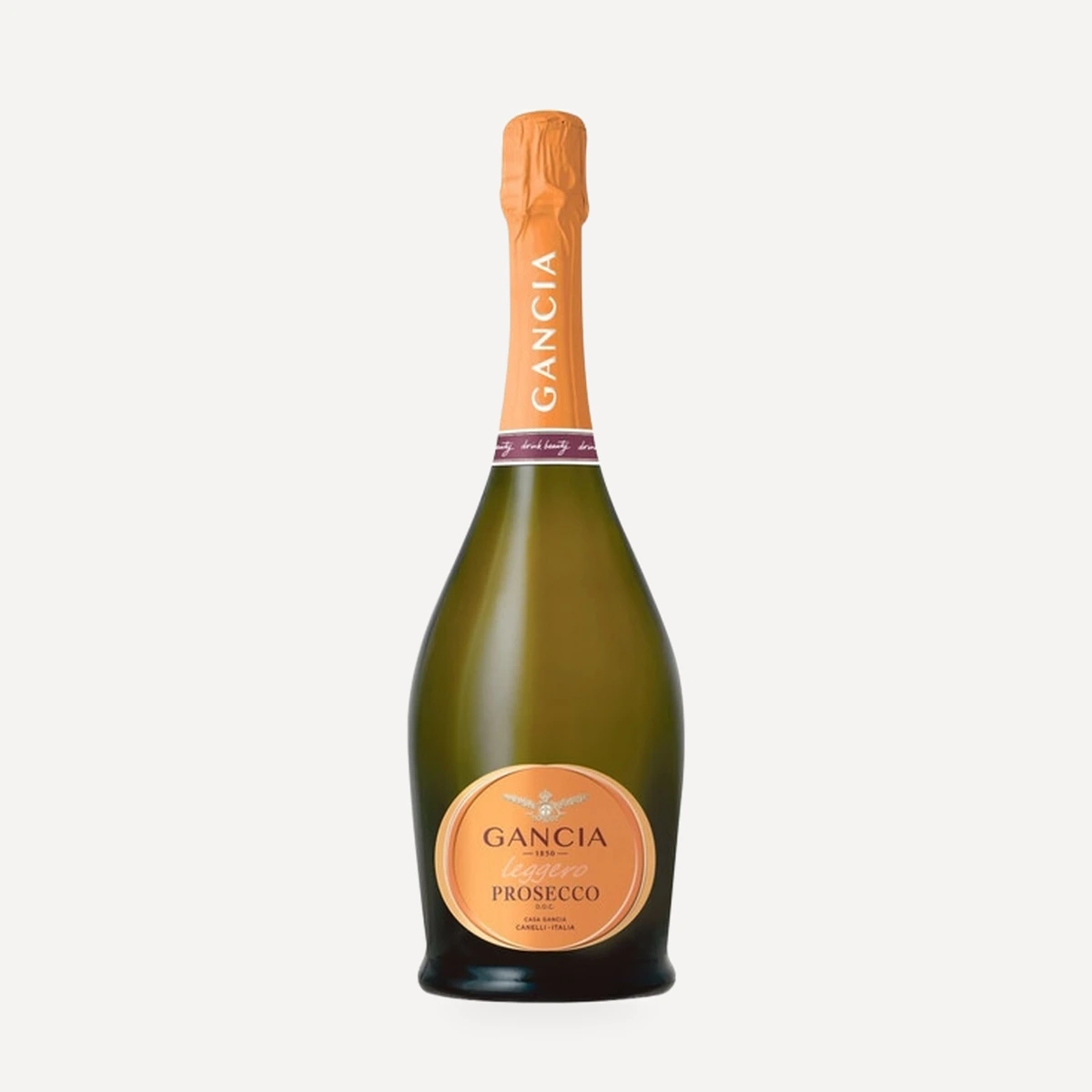
Leggero Prosecco DOC
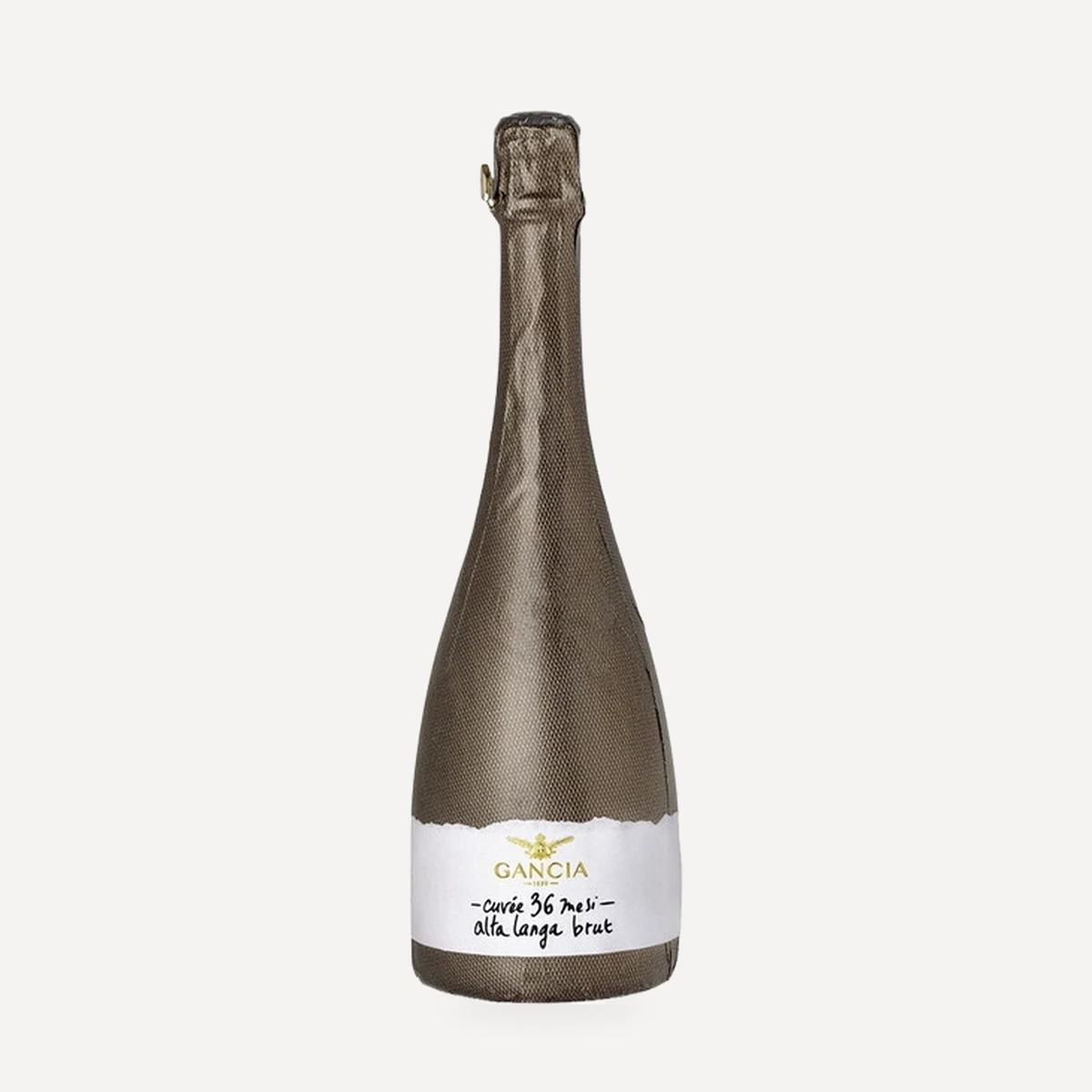
Cuvee 36 Alta Langa Metodo Classico DOCG
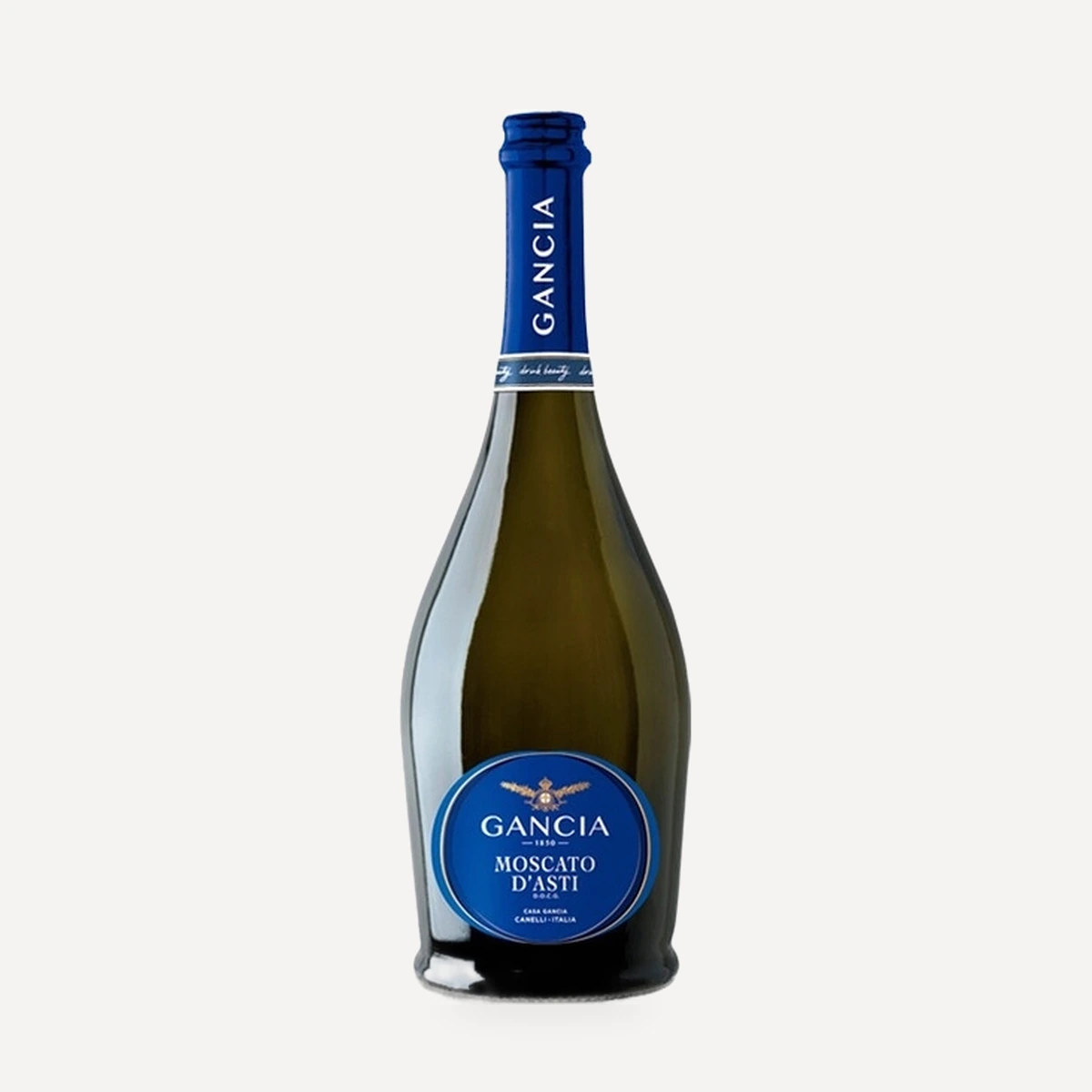
Moscato d'Asti DOCG
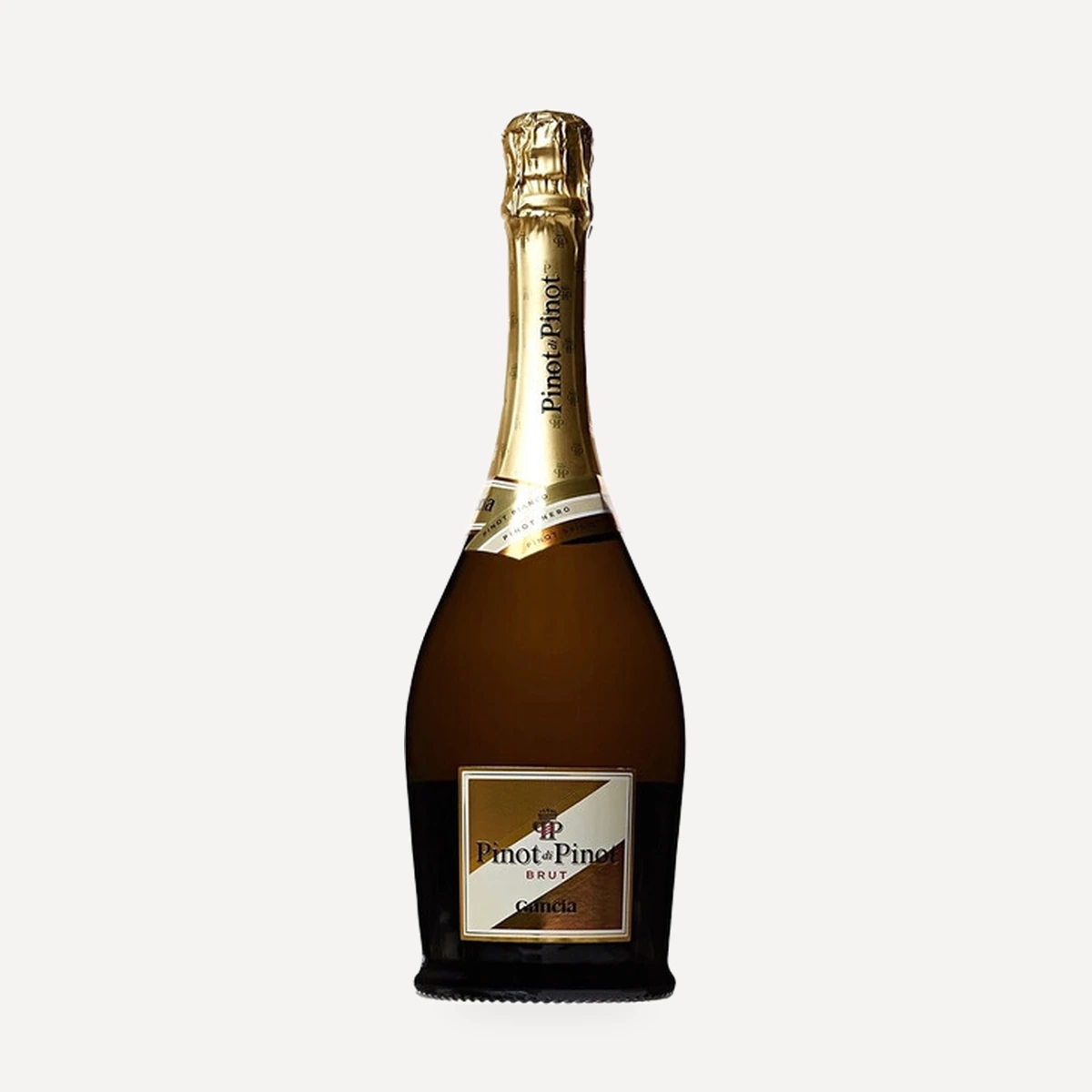
Pinot di Pinot Brut
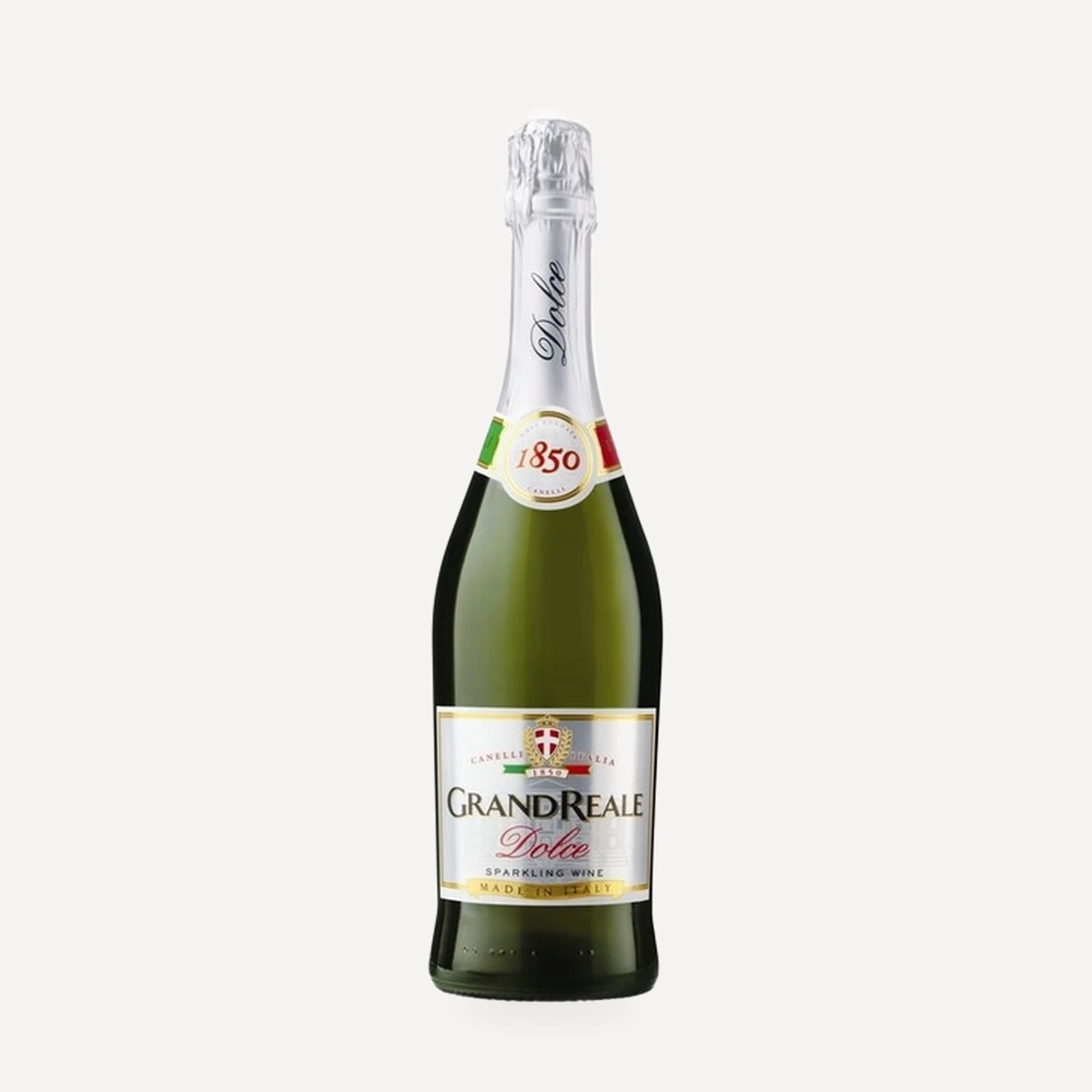
Grand Reale Dolce
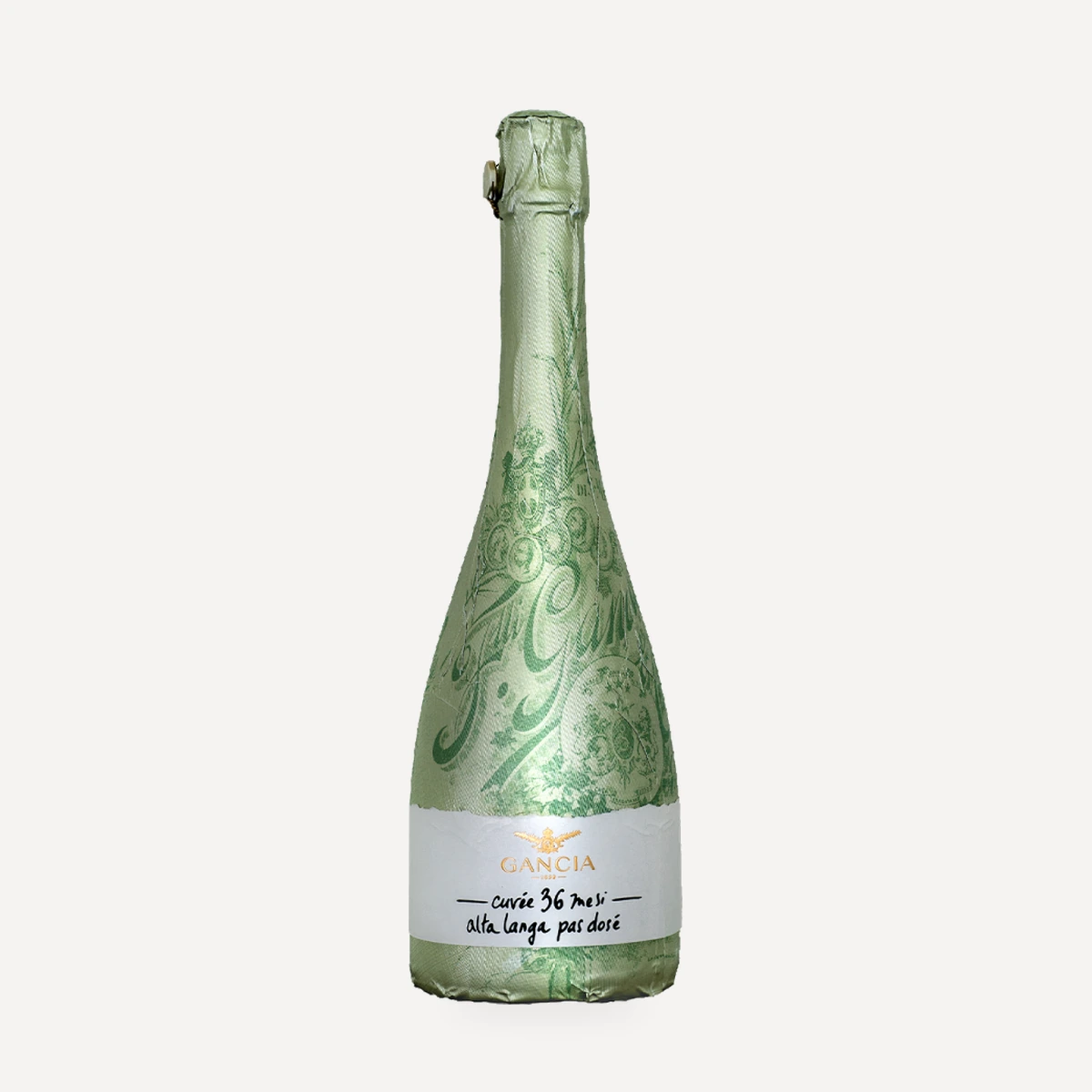
Cuvée 36 mesi Alta Langa DOCG Pas Dosé
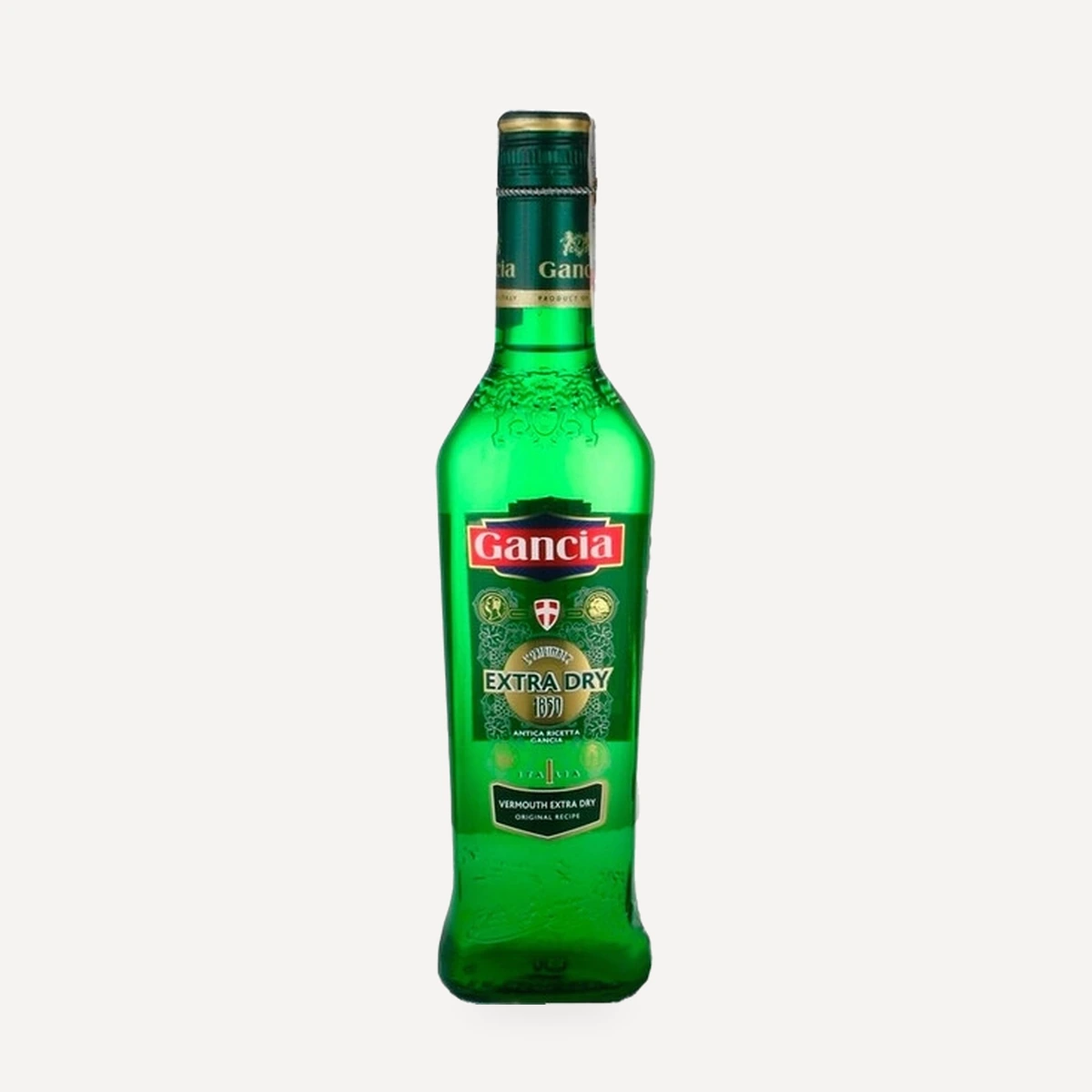
Gancia Extra Dry
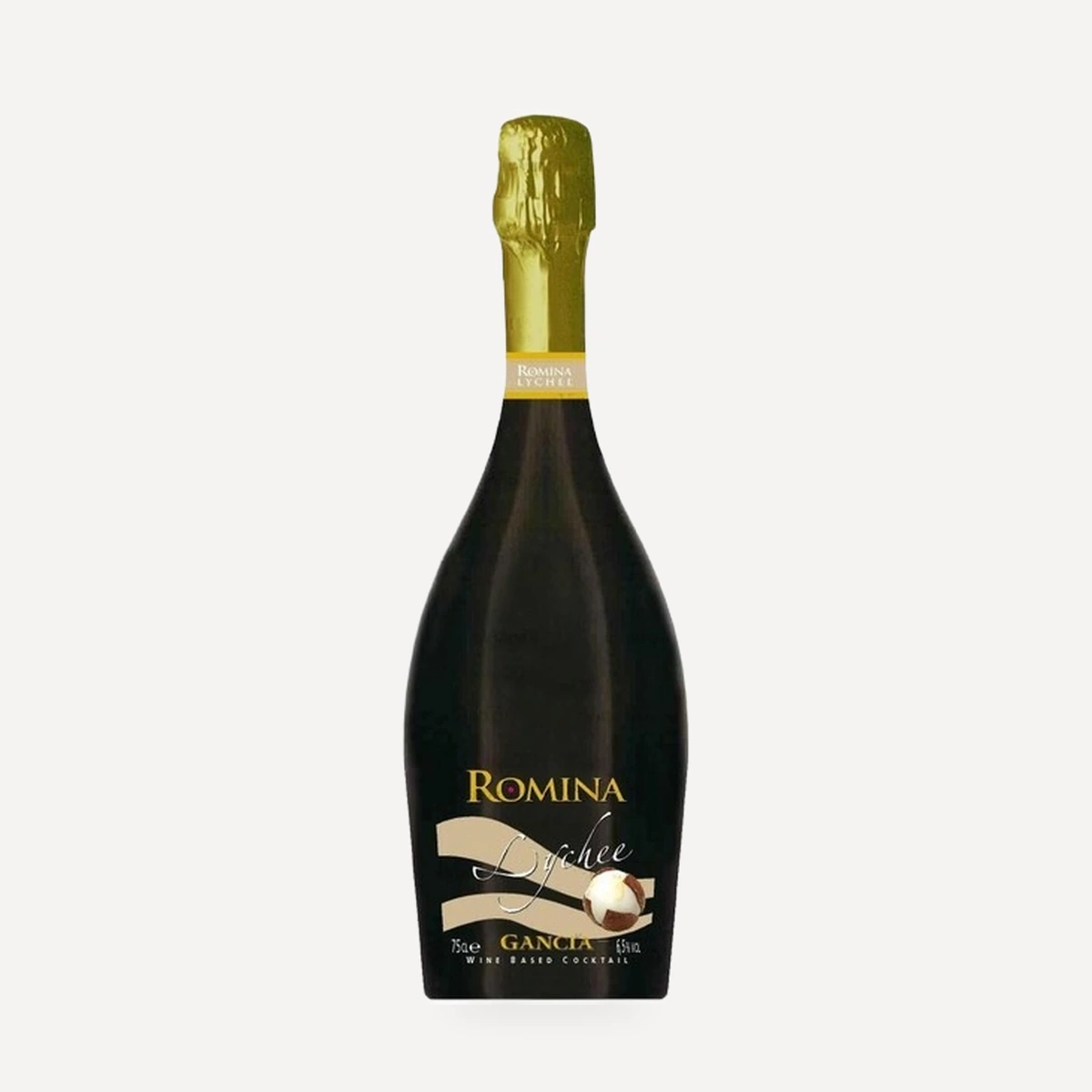
Romina Lychee
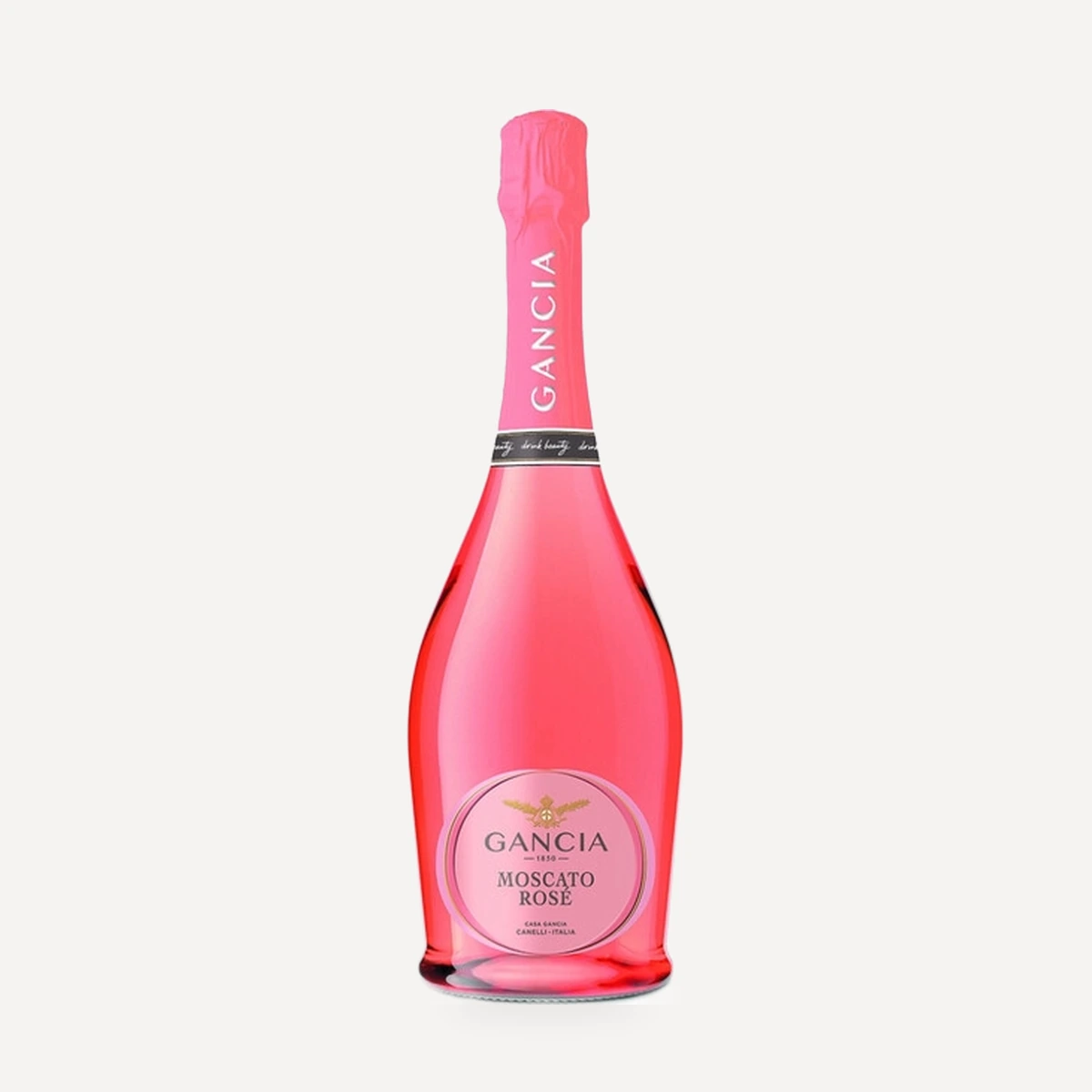
Moscato Rose
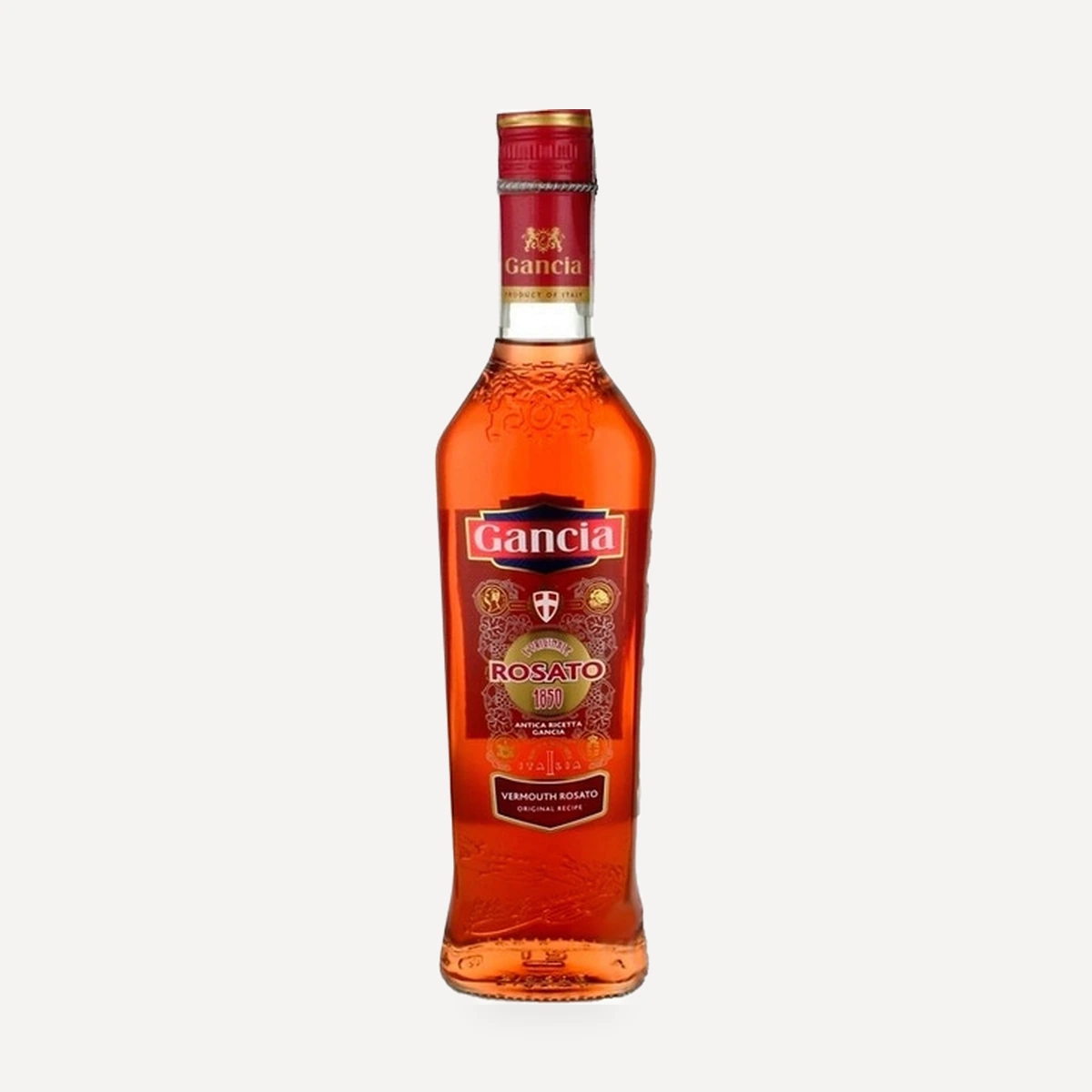
Gancia Rosato
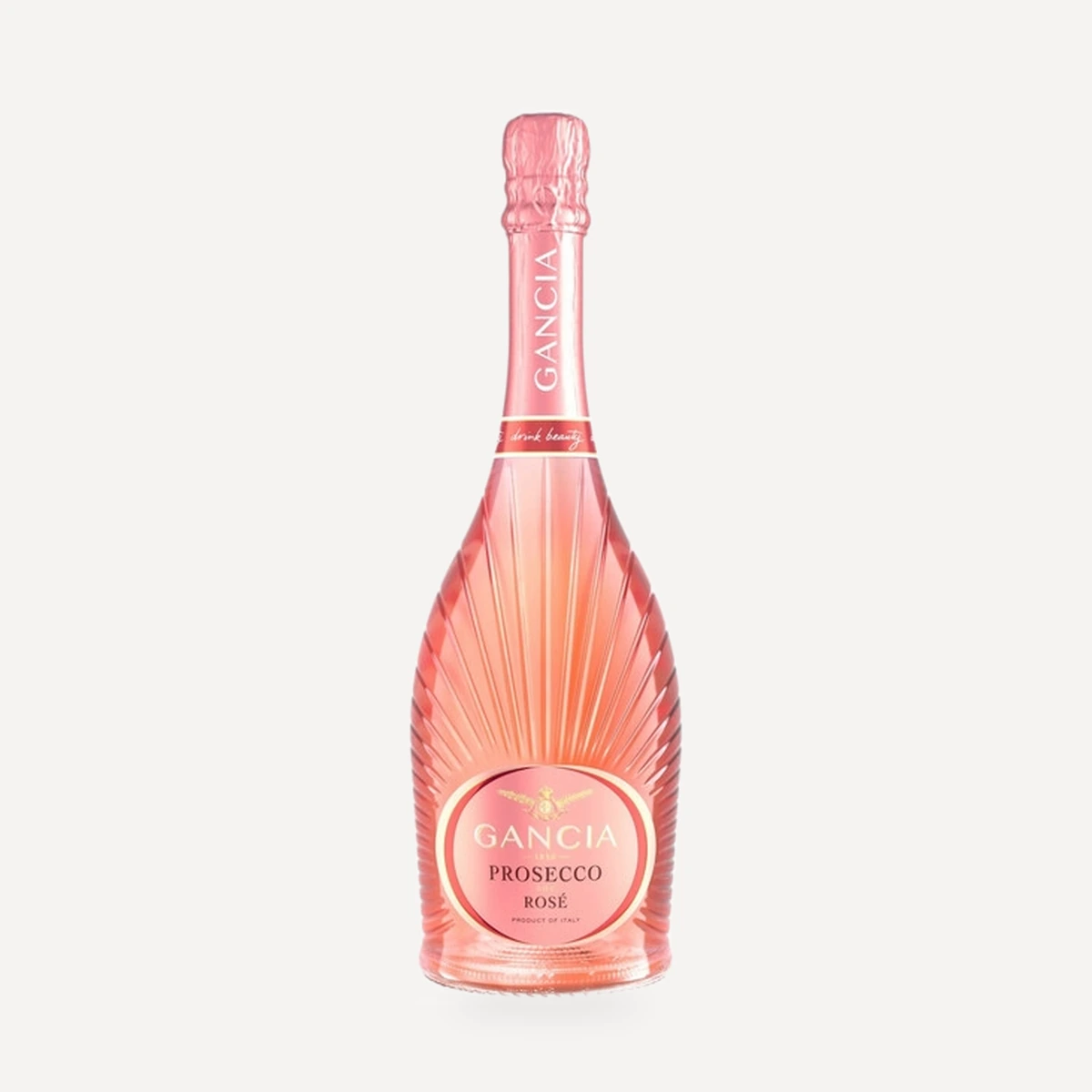
Prosecco Rose DOC
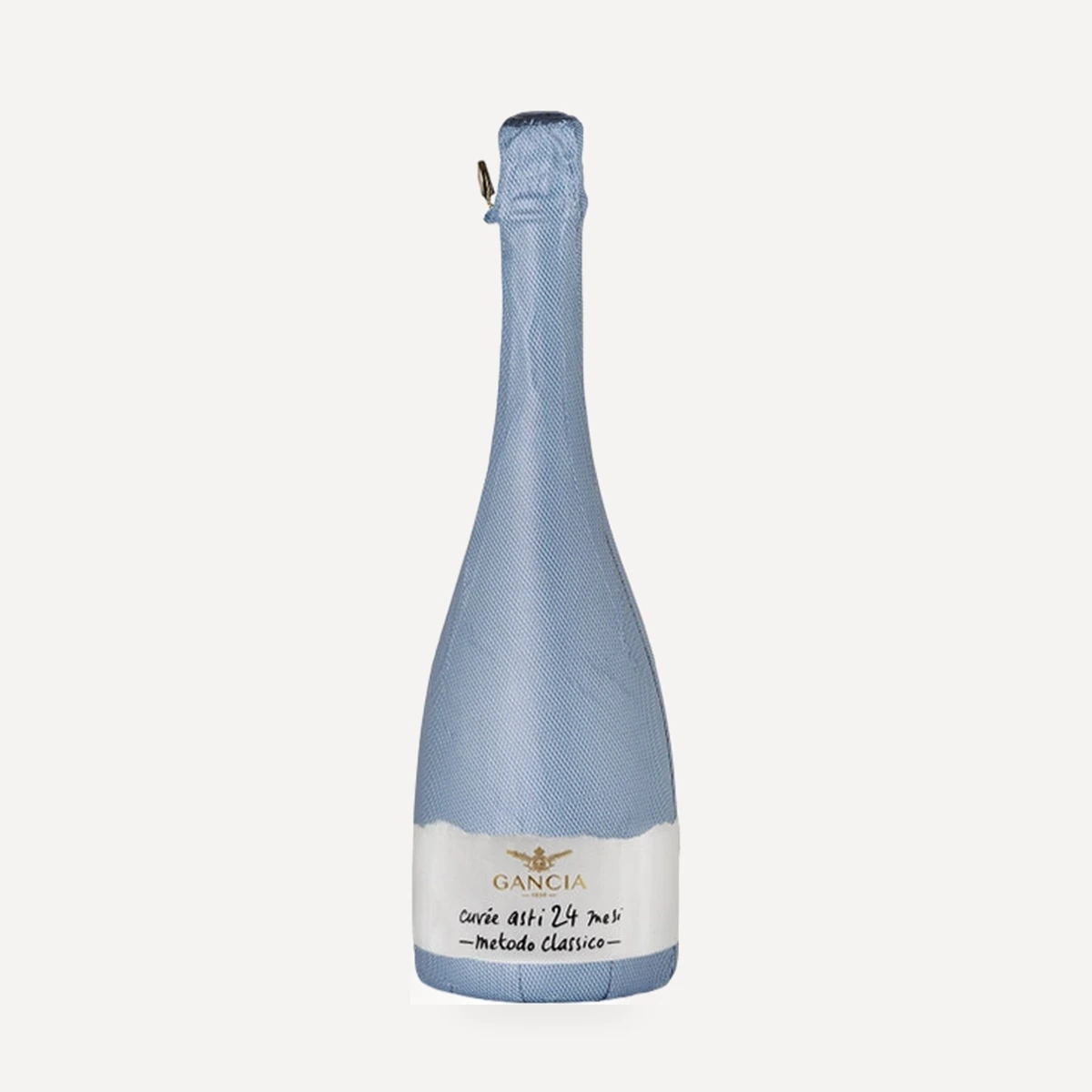
Cuvee 24 Millesimato Asti Metodo Classico DOCG
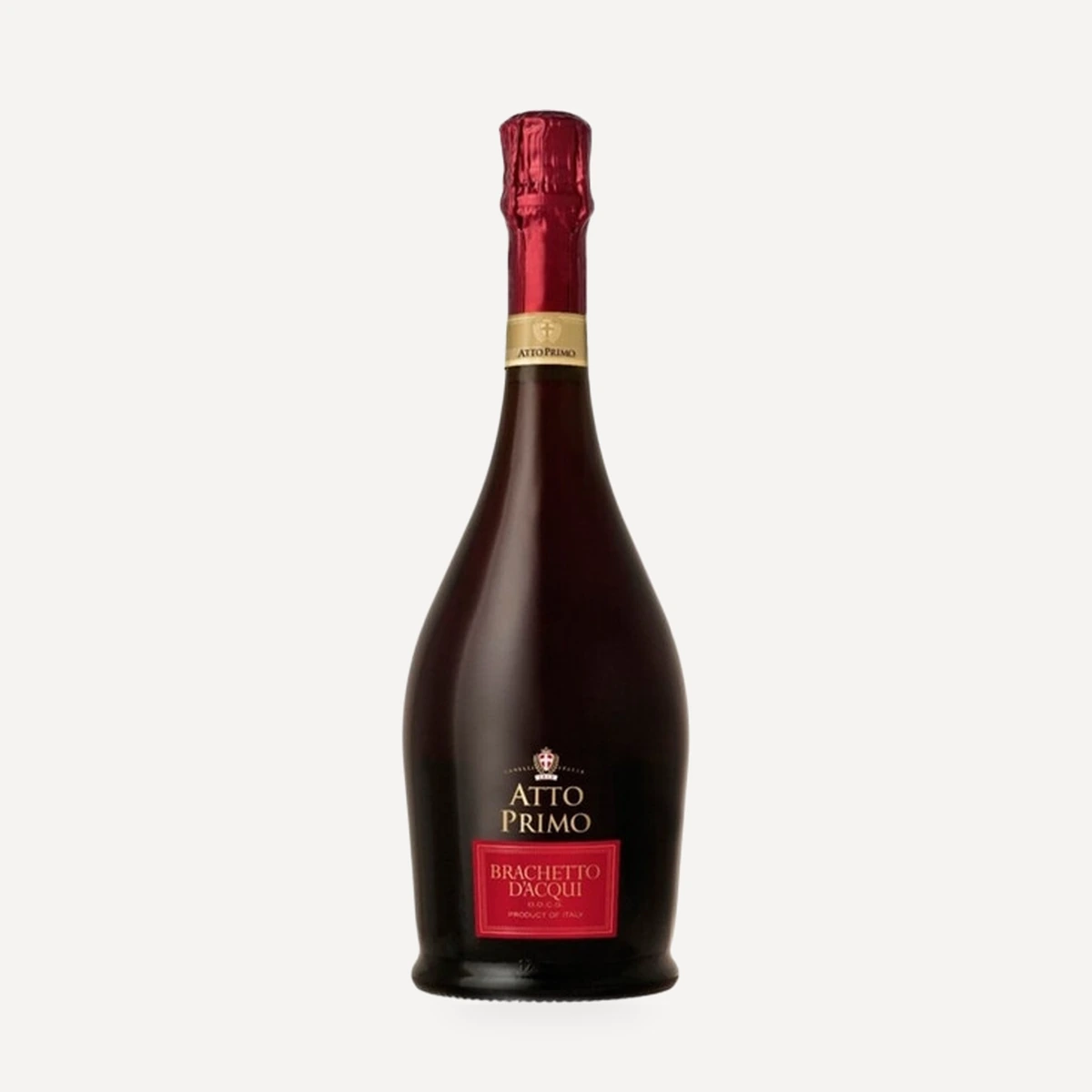
Atto Primo Brachetto d'Acqui DOCG
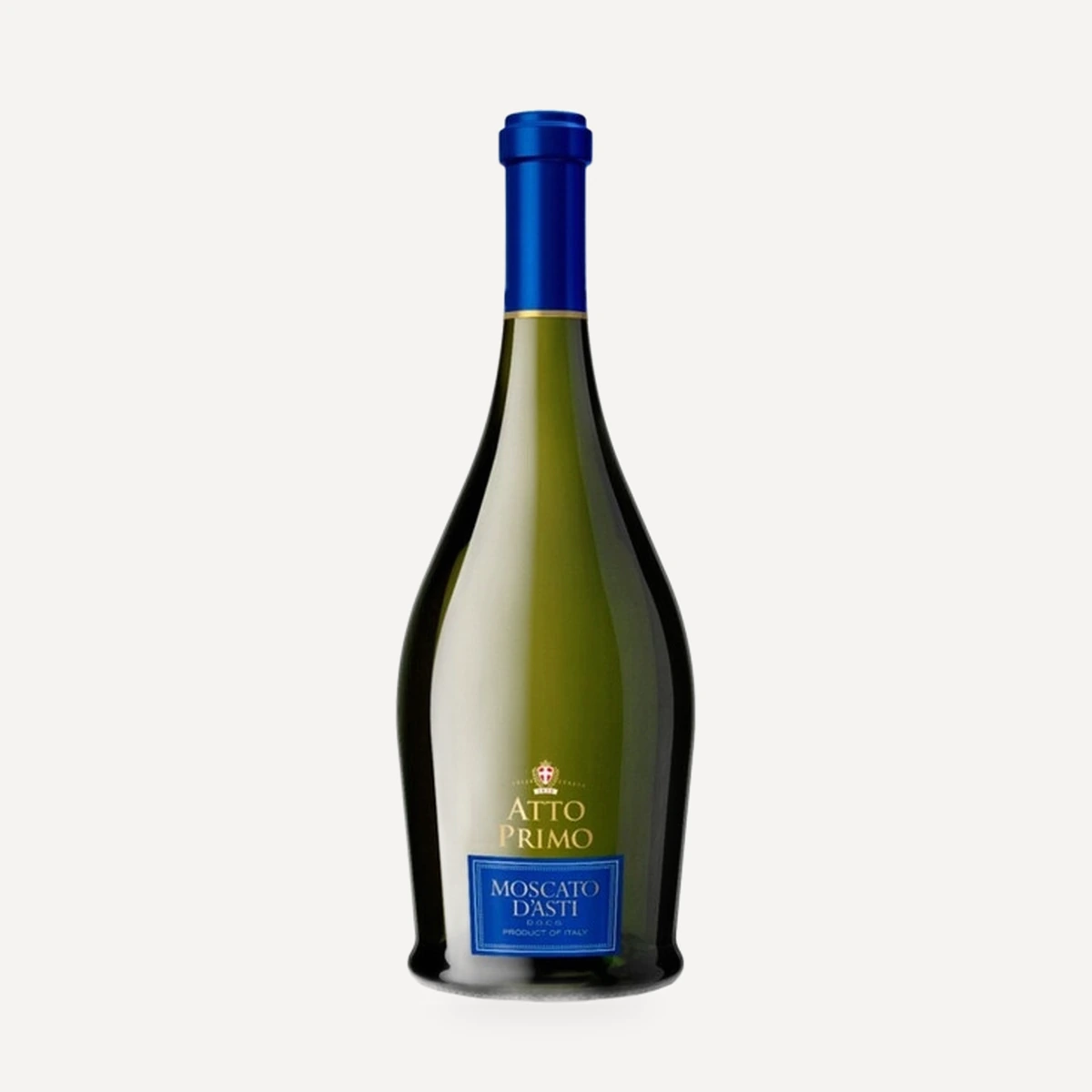
Atto Primo Moscato d'Asti DOCG
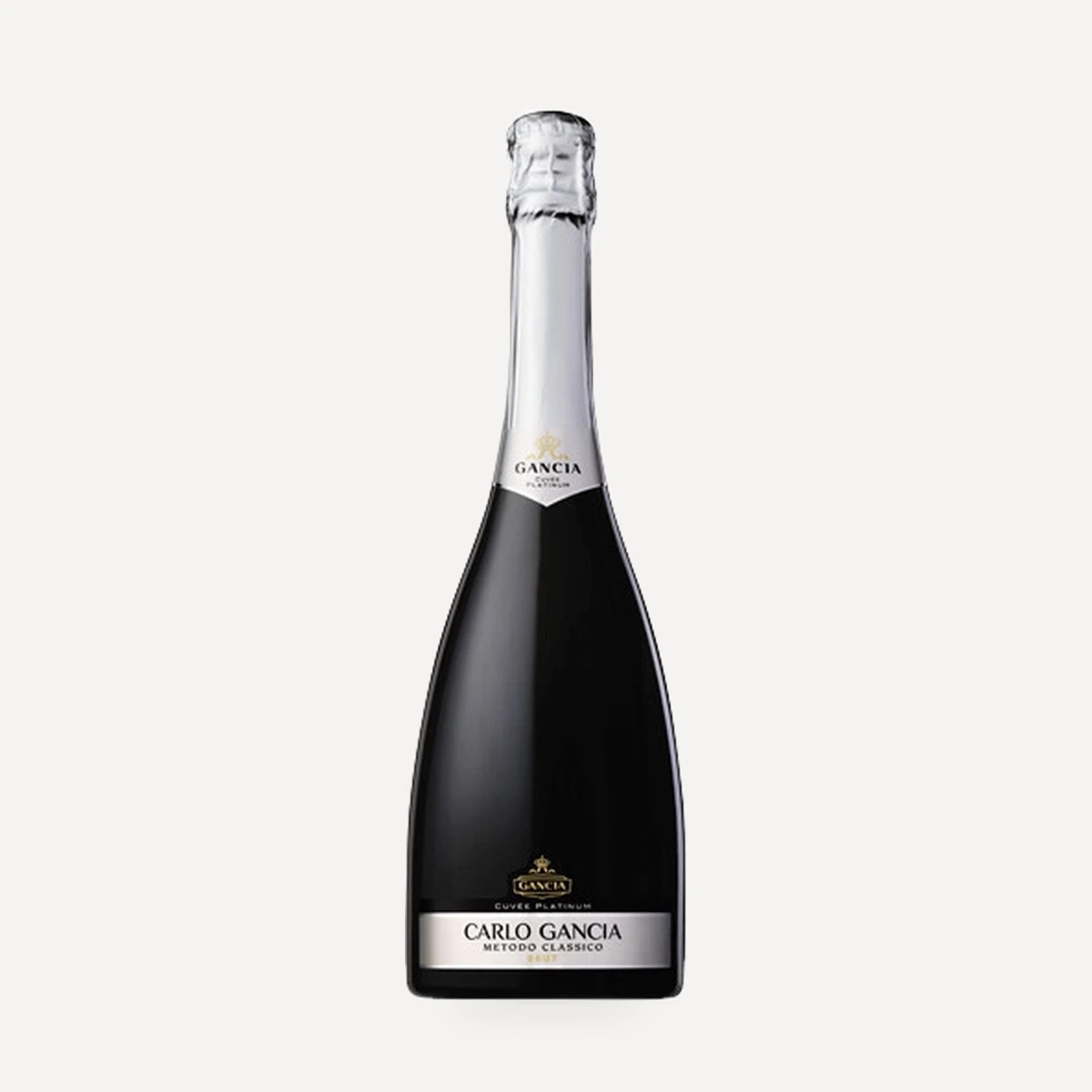
Carlo Brut Piemonte DOC
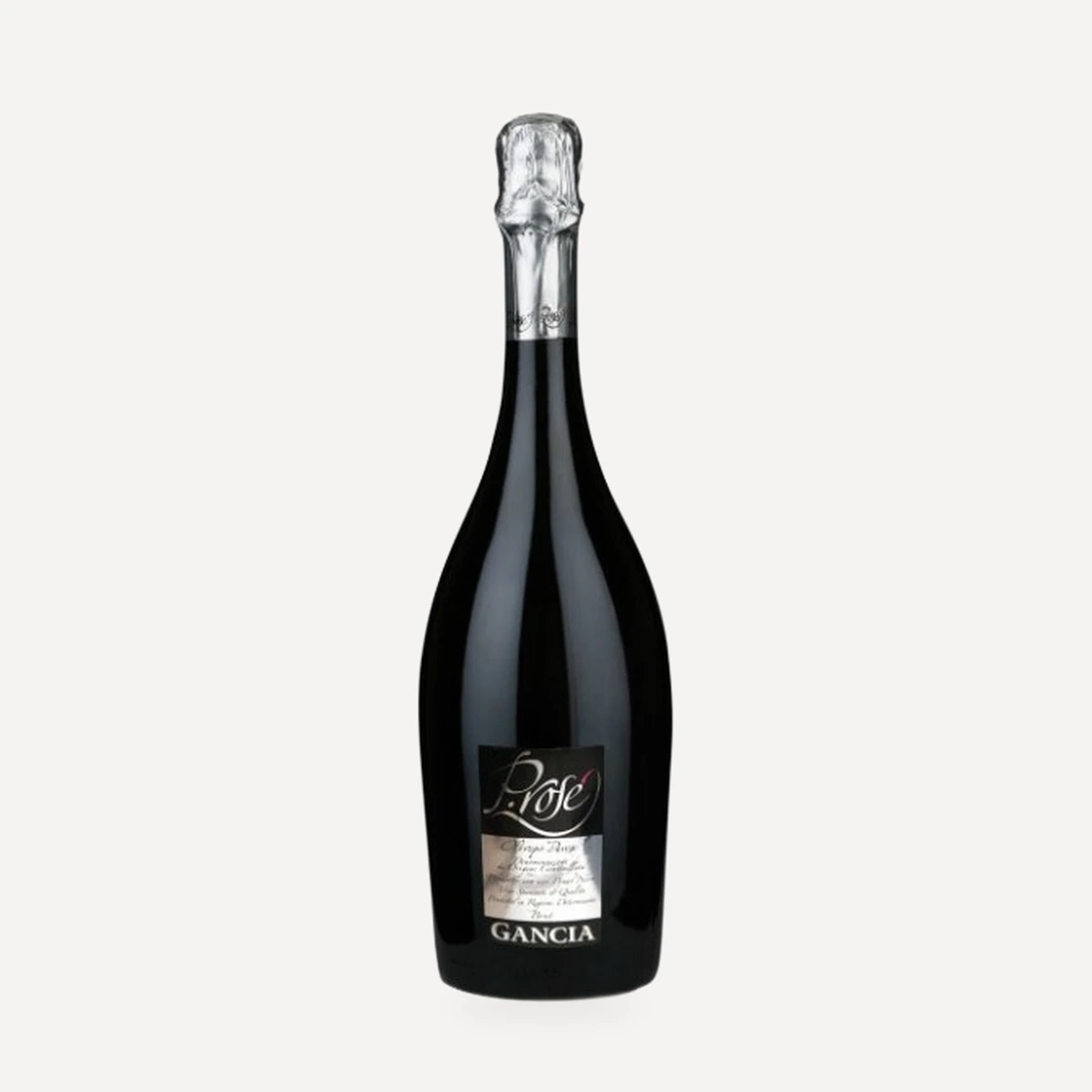
P. Rose Brut Oltrepo Pavese (Lombardia) DOC
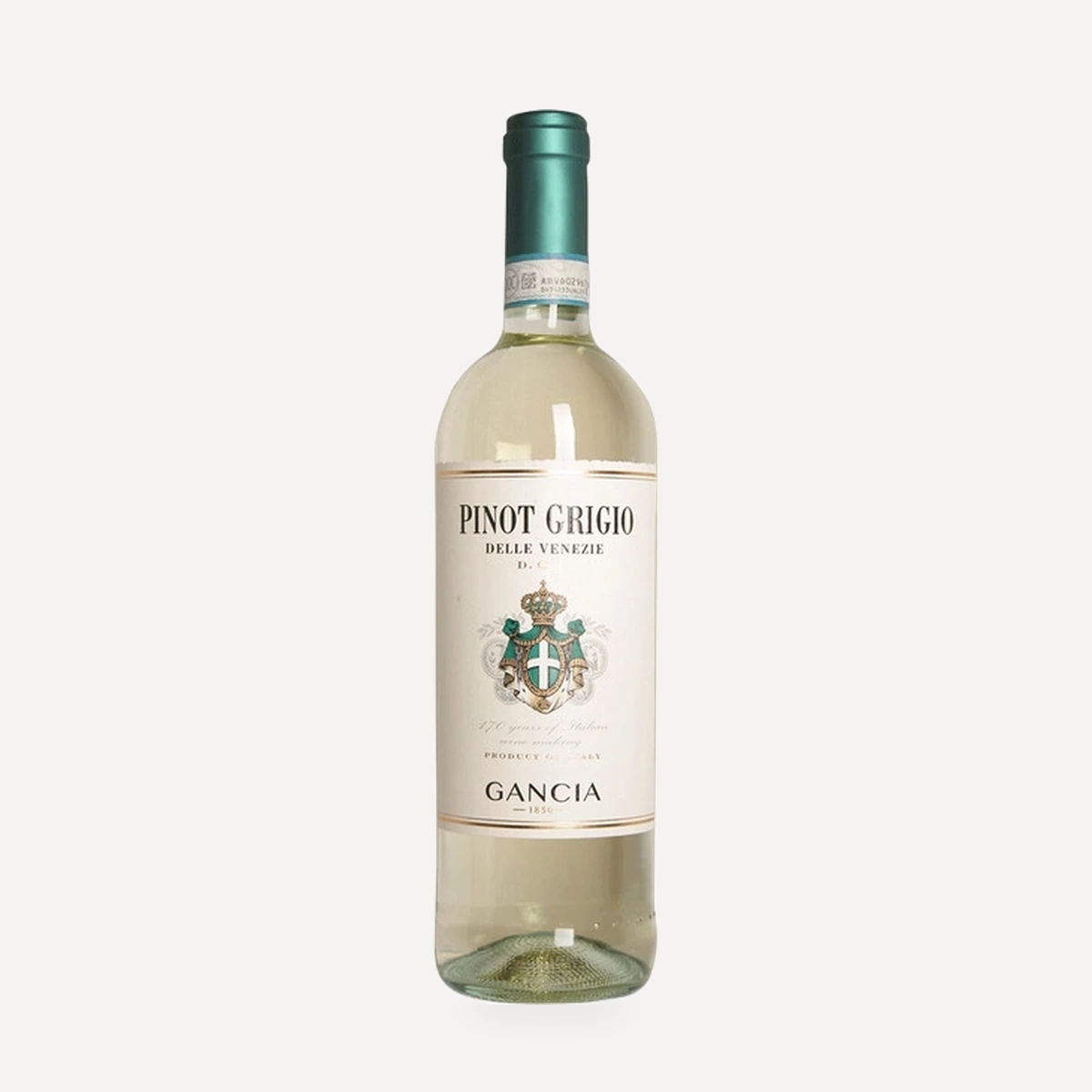
Pinot Grigio delle Venezie DOC
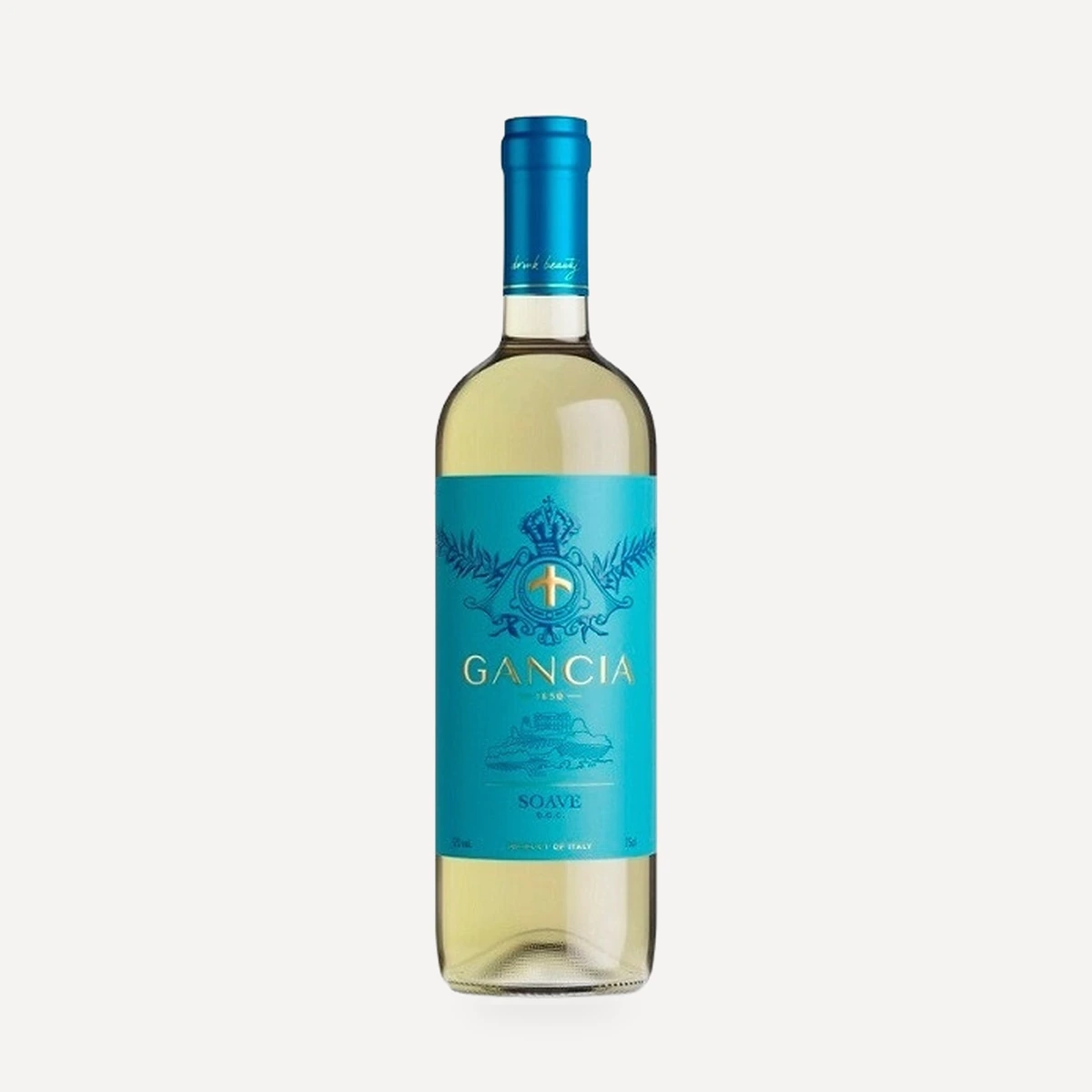
Soave DOC
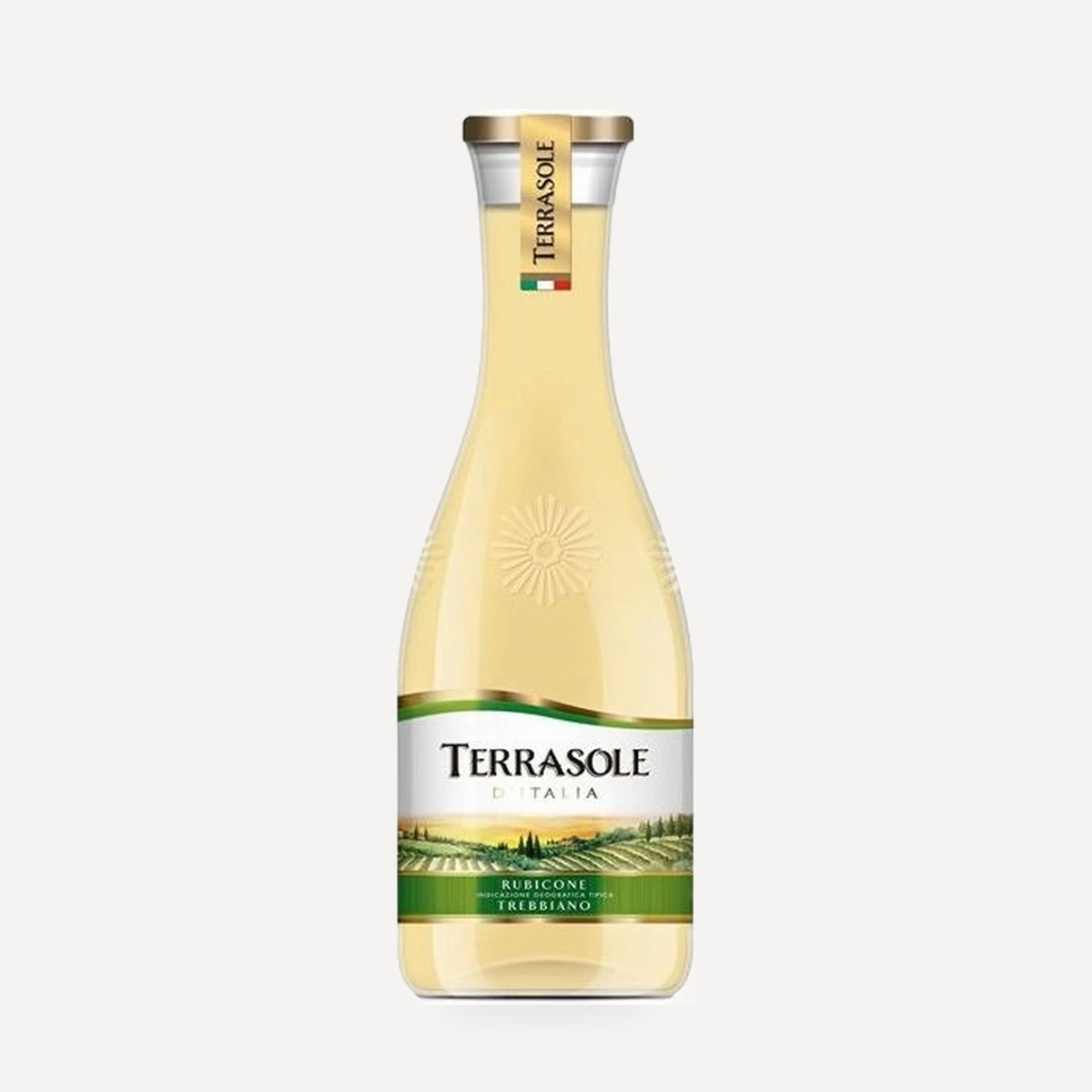
Terrasole Trebbiano Rubicone IGT
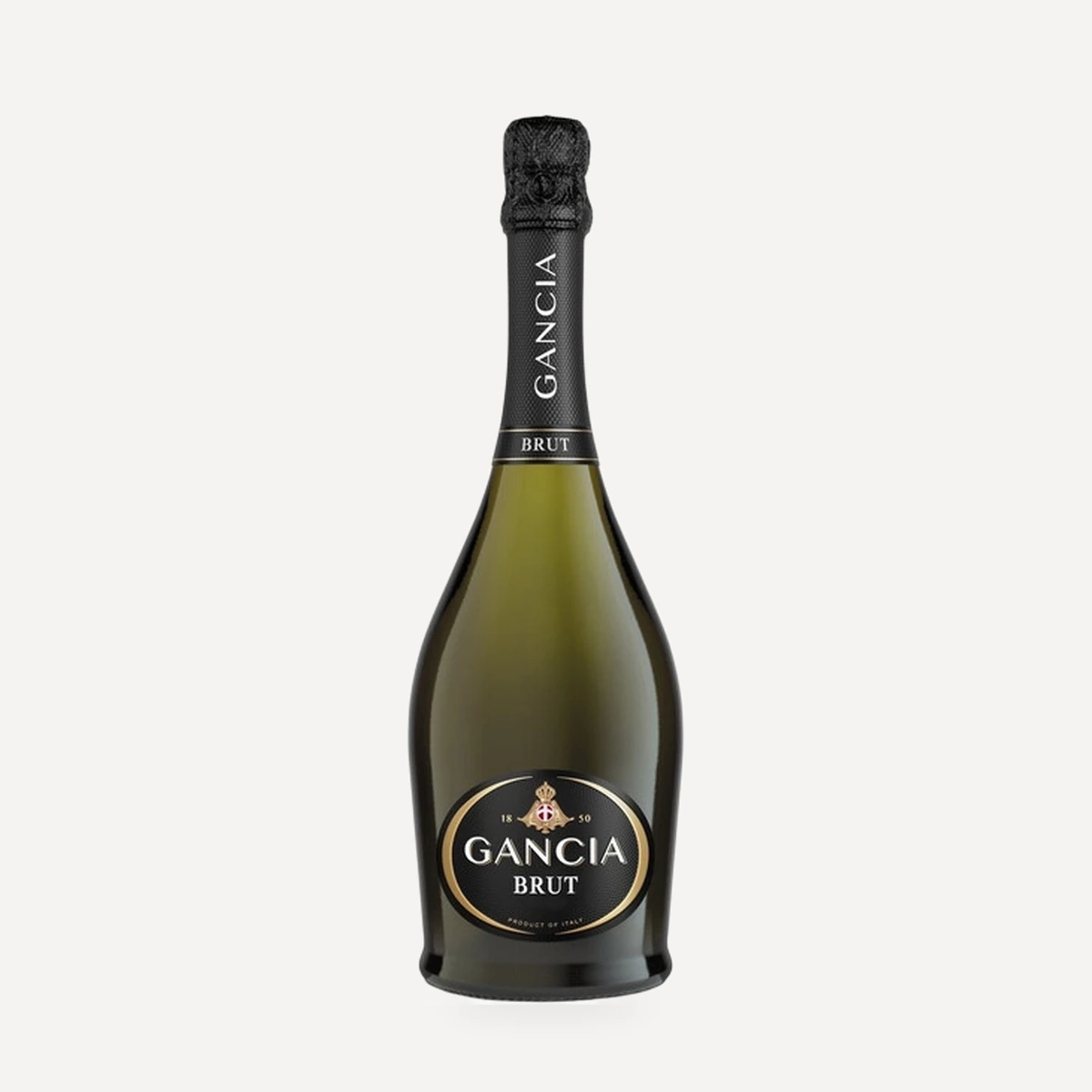
Brut
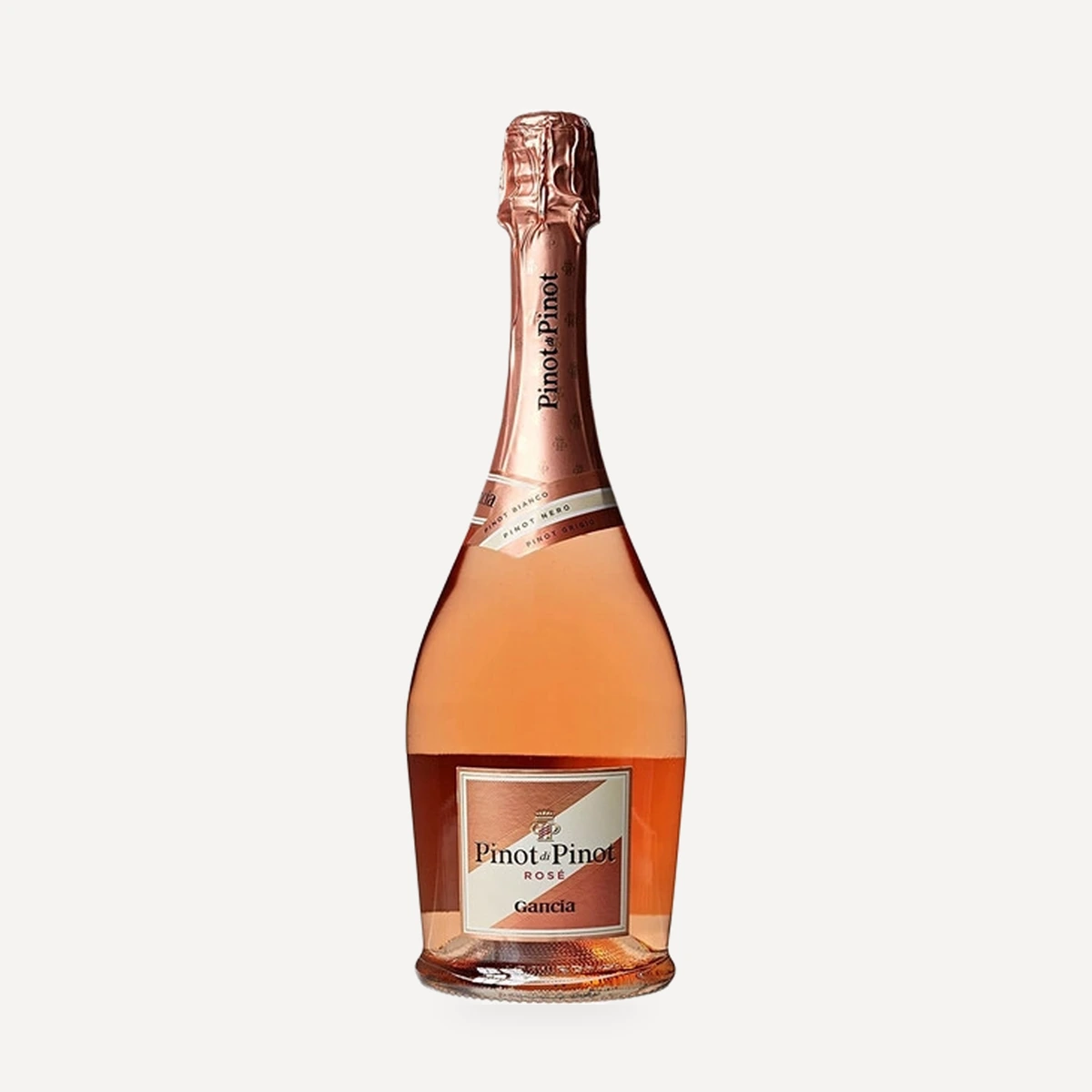
Pinot di Pinot Rose
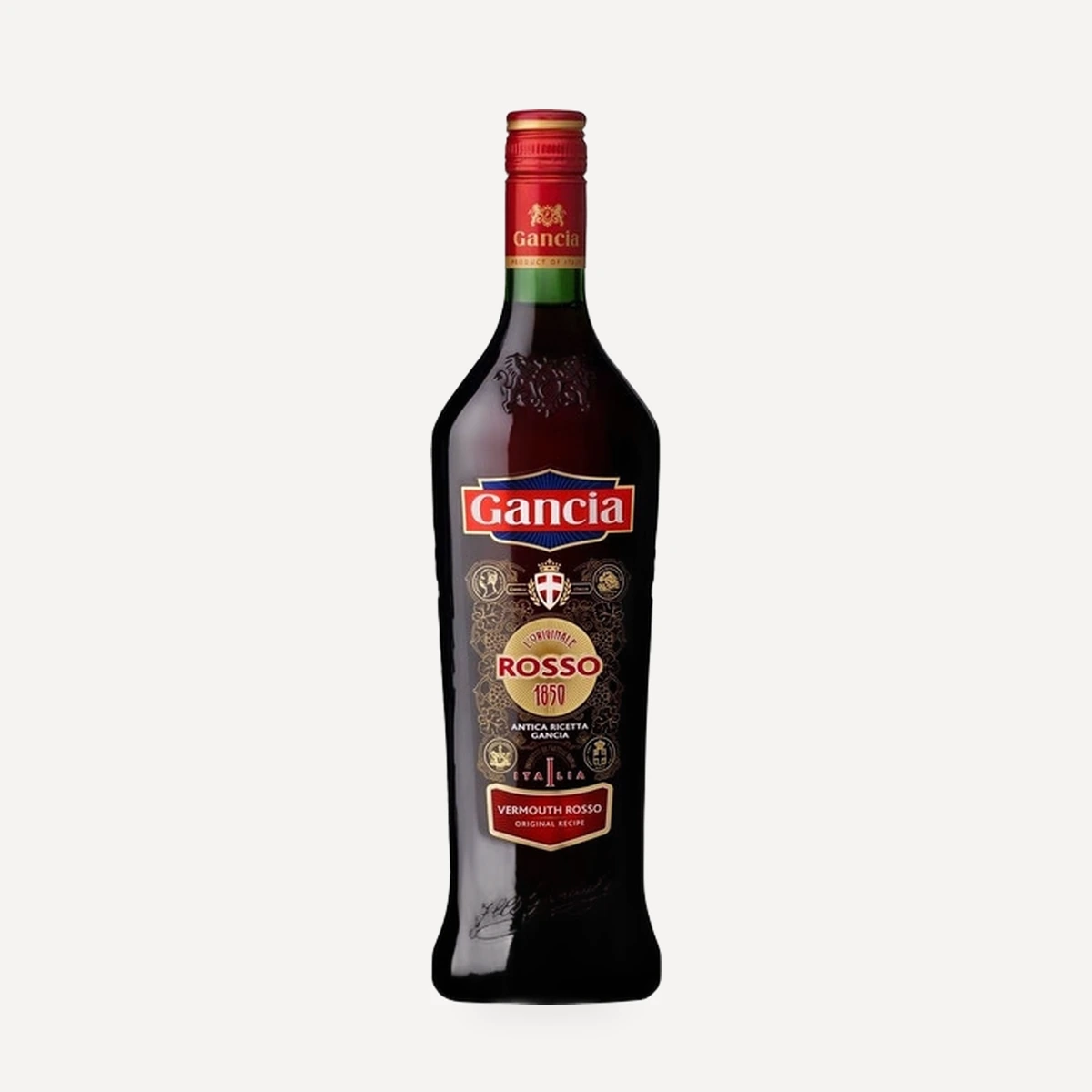
Gancia Rosso
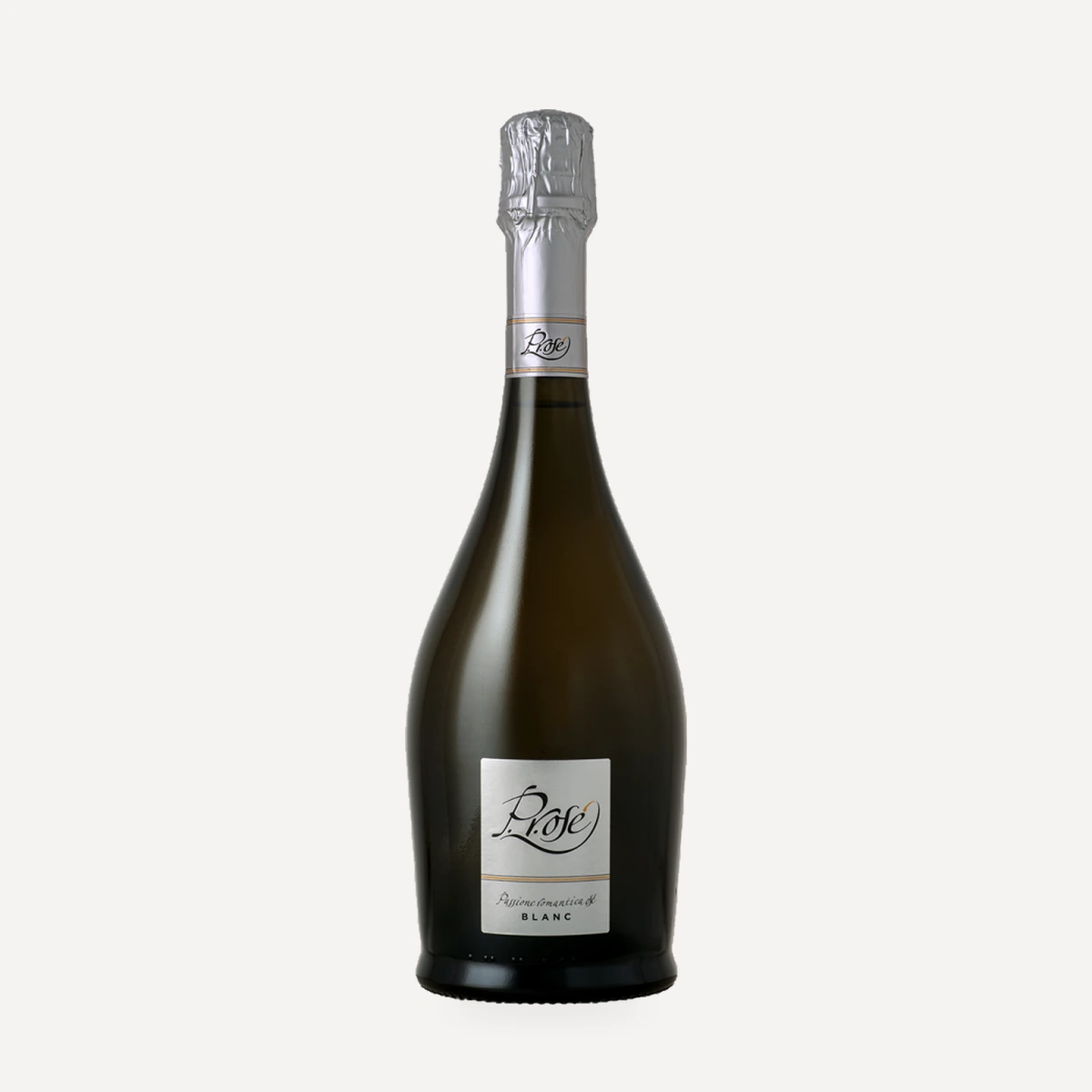
P.R.Osé Blanc
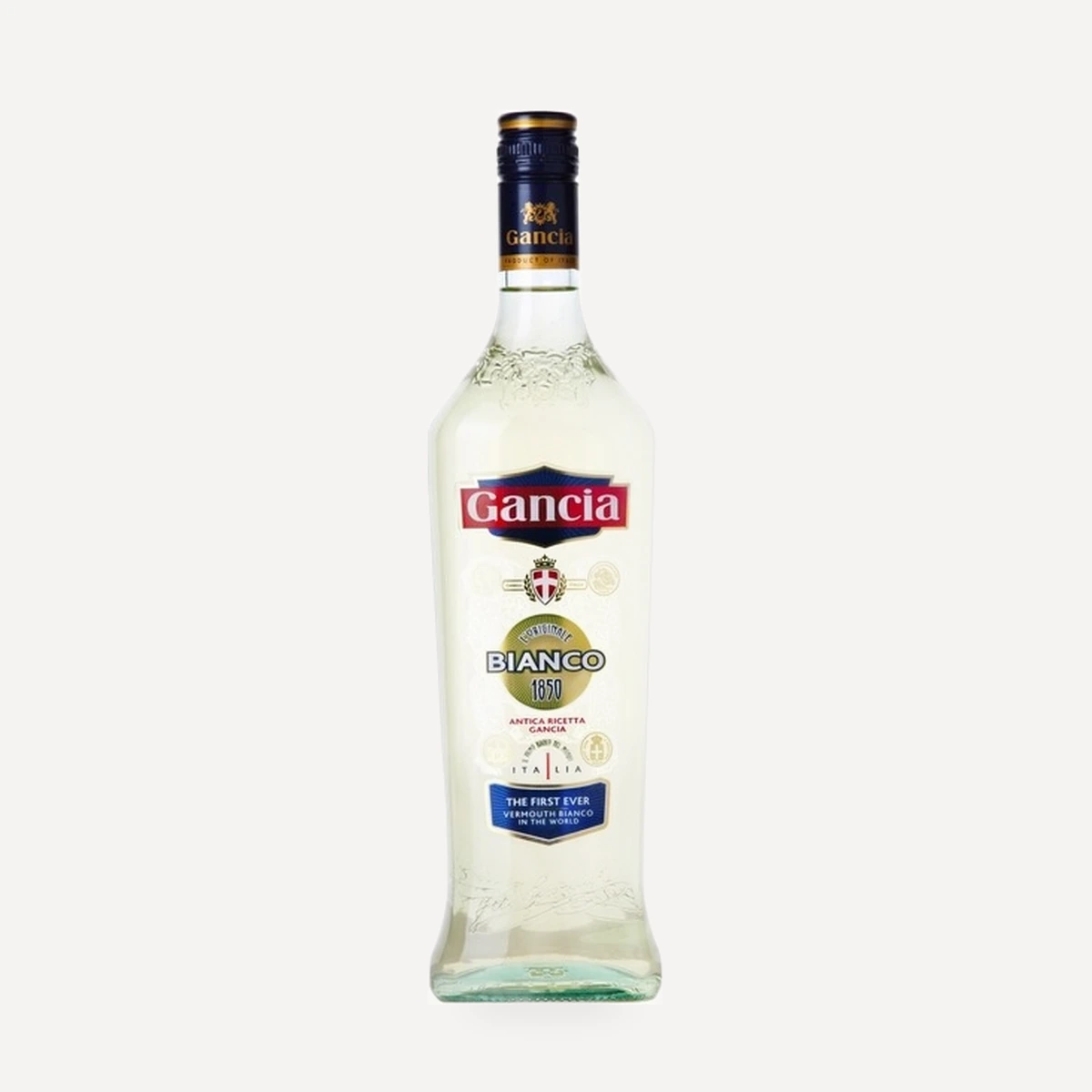
Gancia Bianco
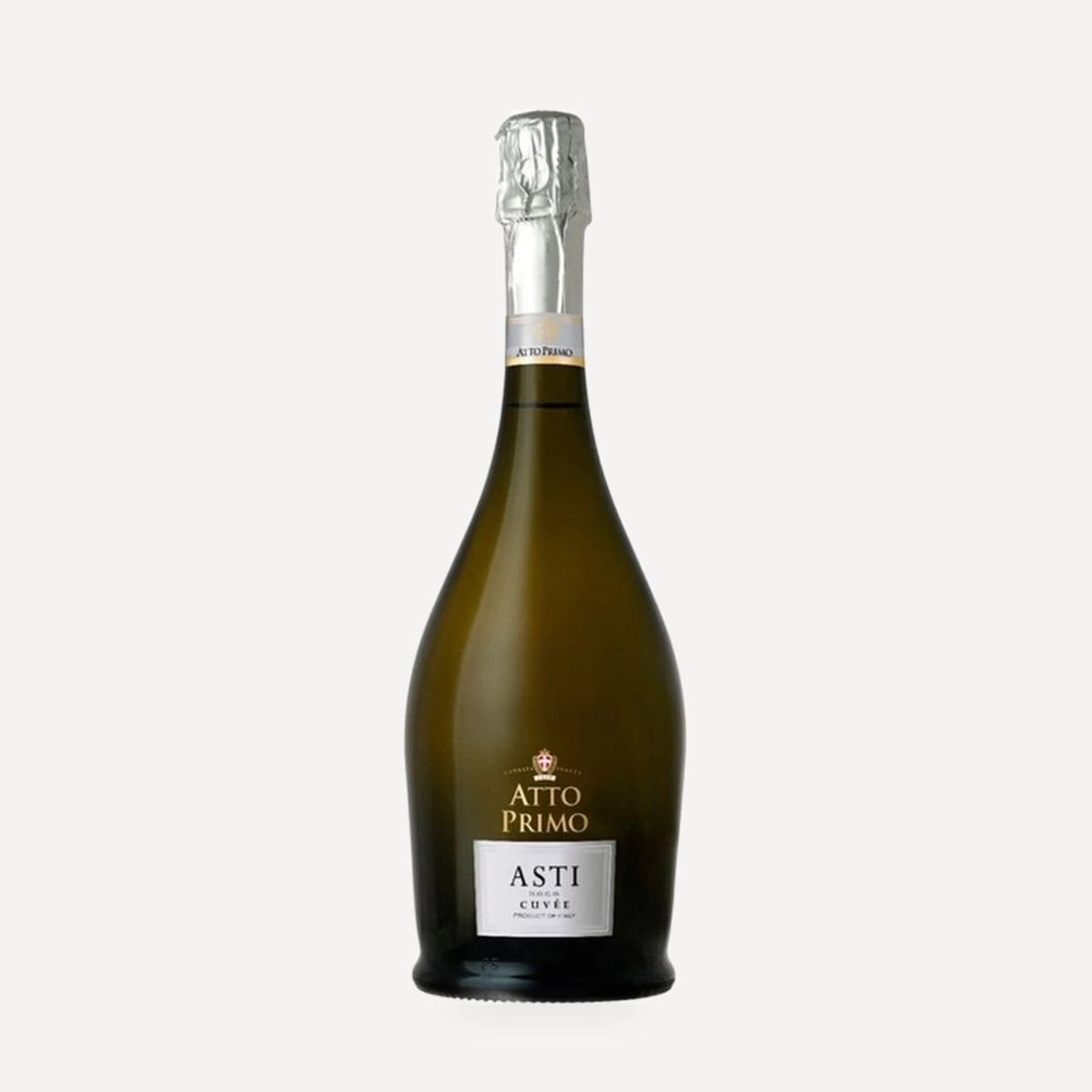
Atto Primo Asti Cuvee DOCG
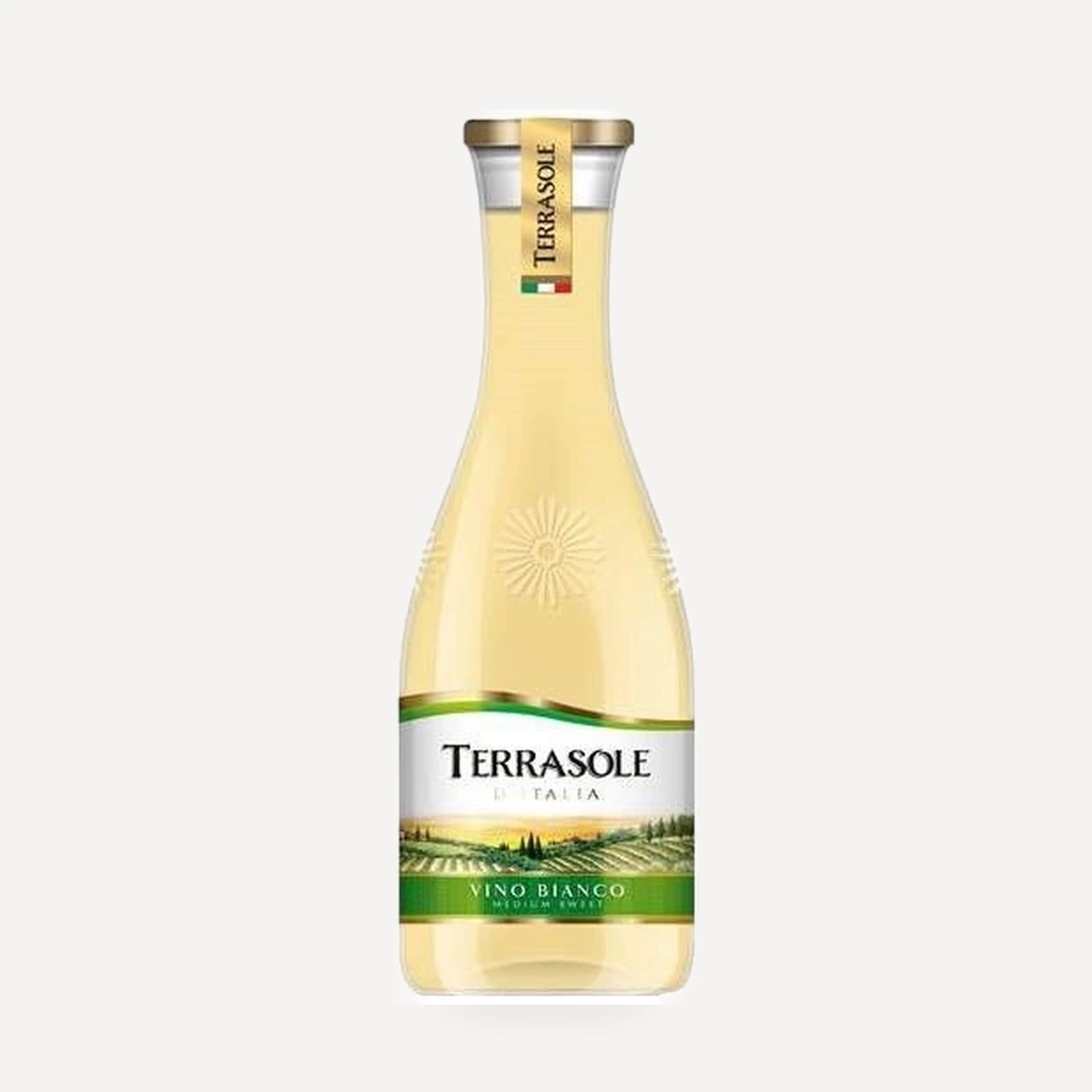
Terrasole Bianco Medium Sweet
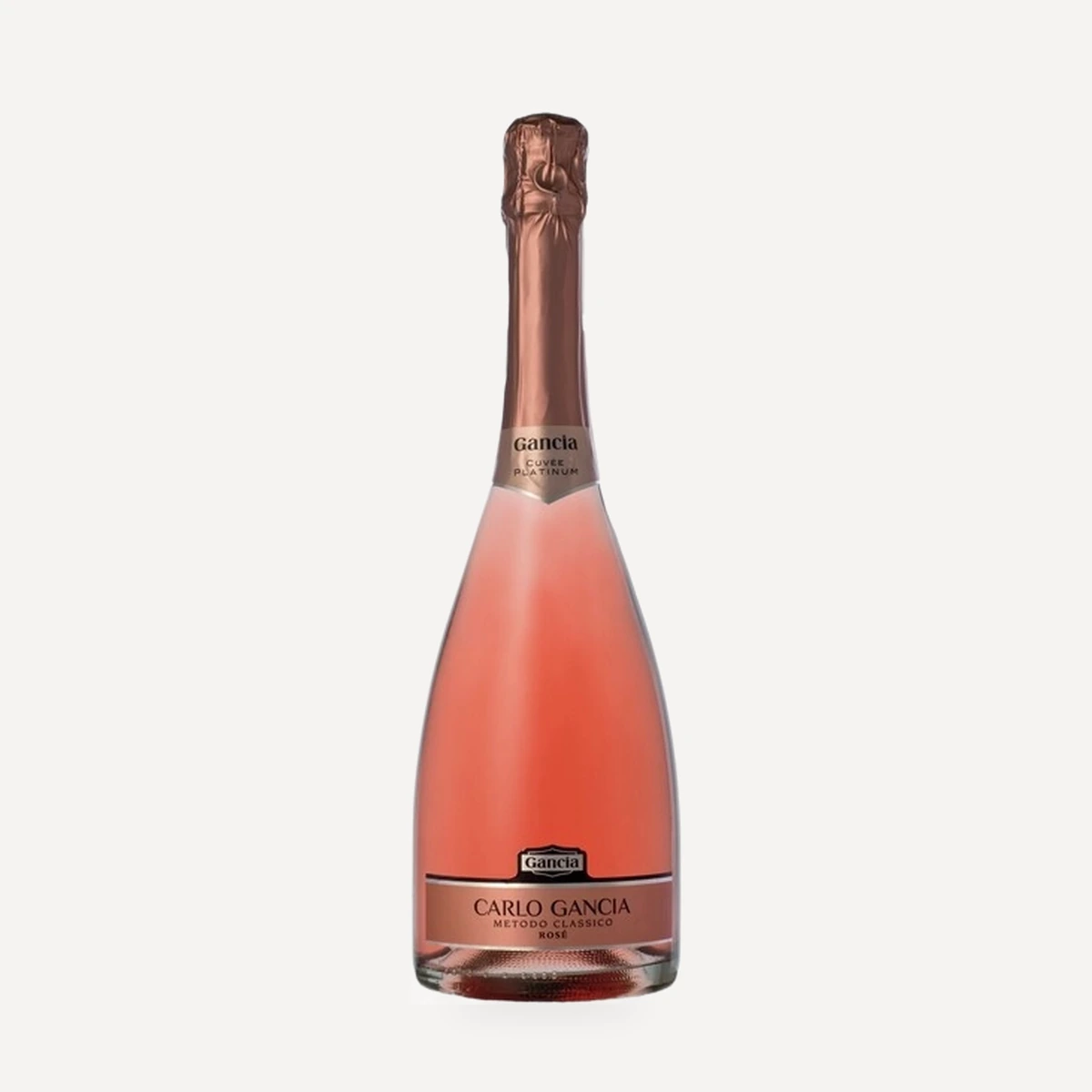
Carlo Rose Brut
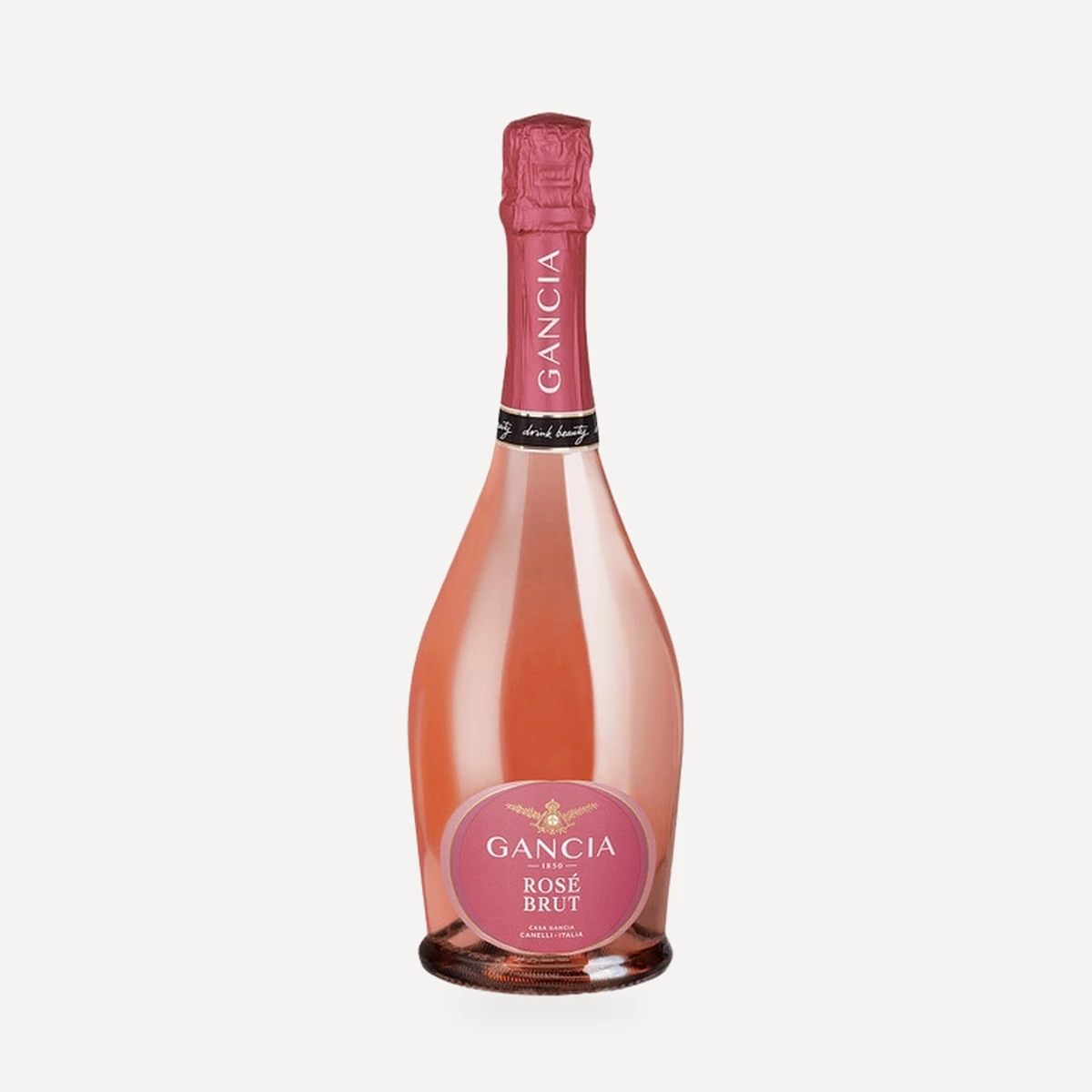
Rose Brut
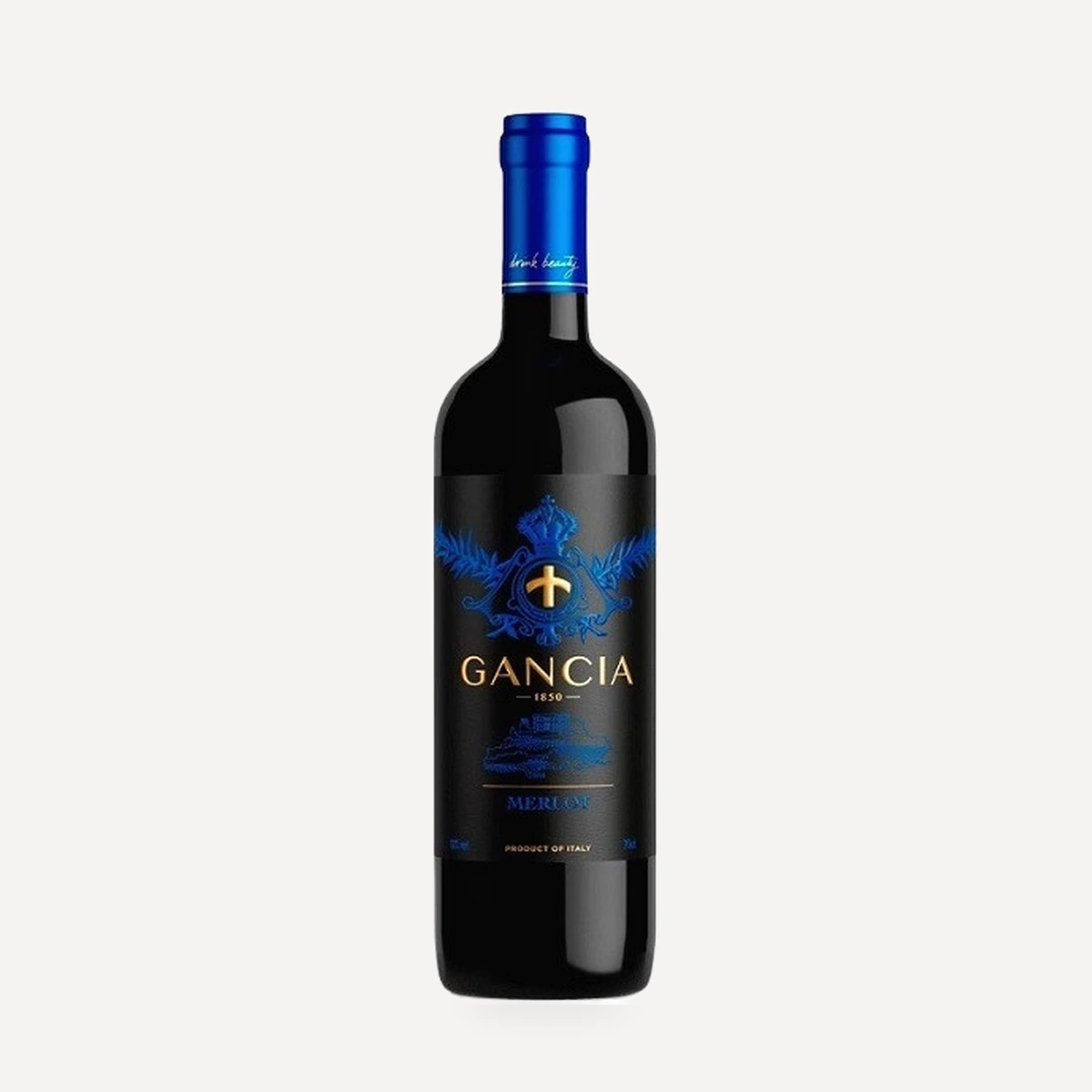
Merlot
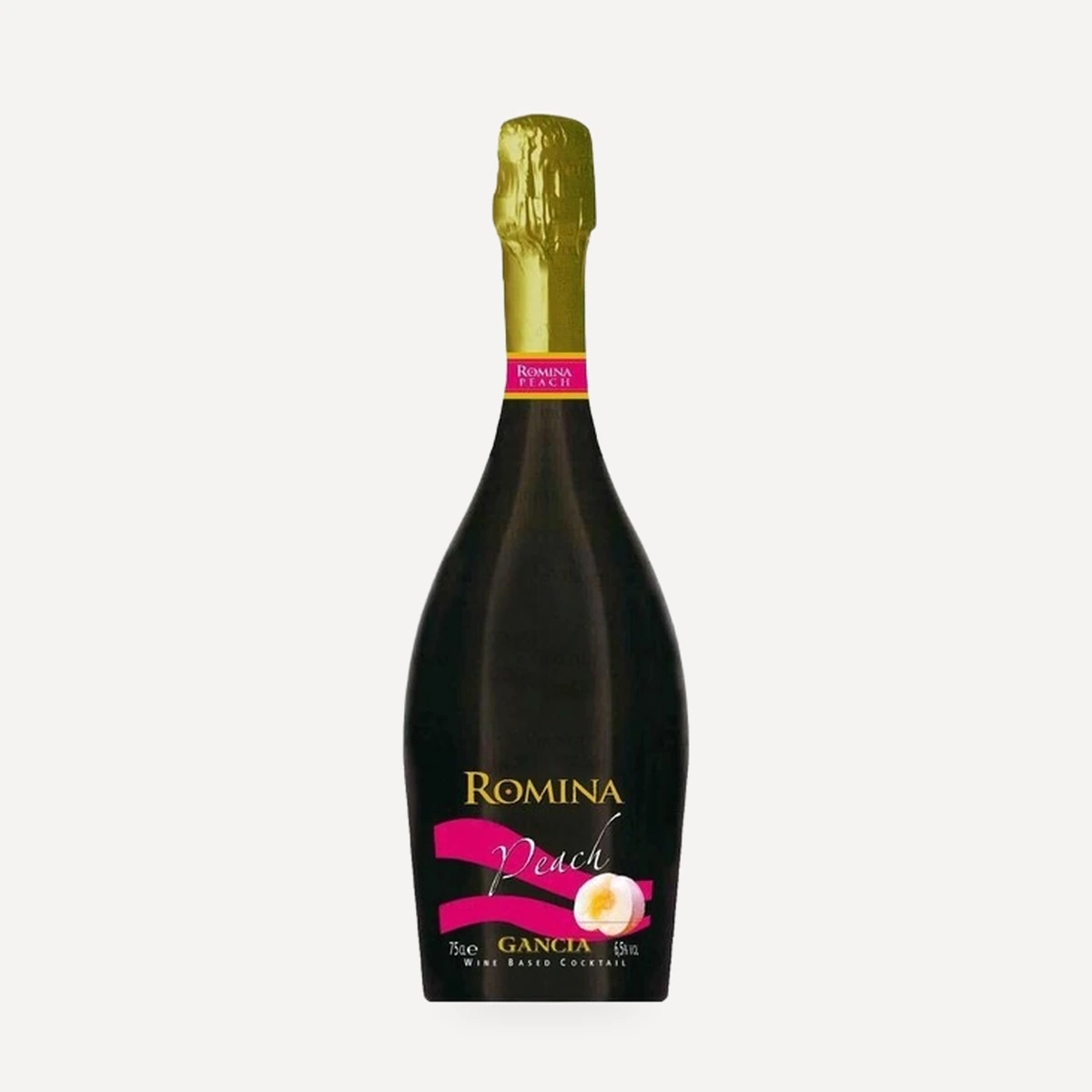
Romina Peach
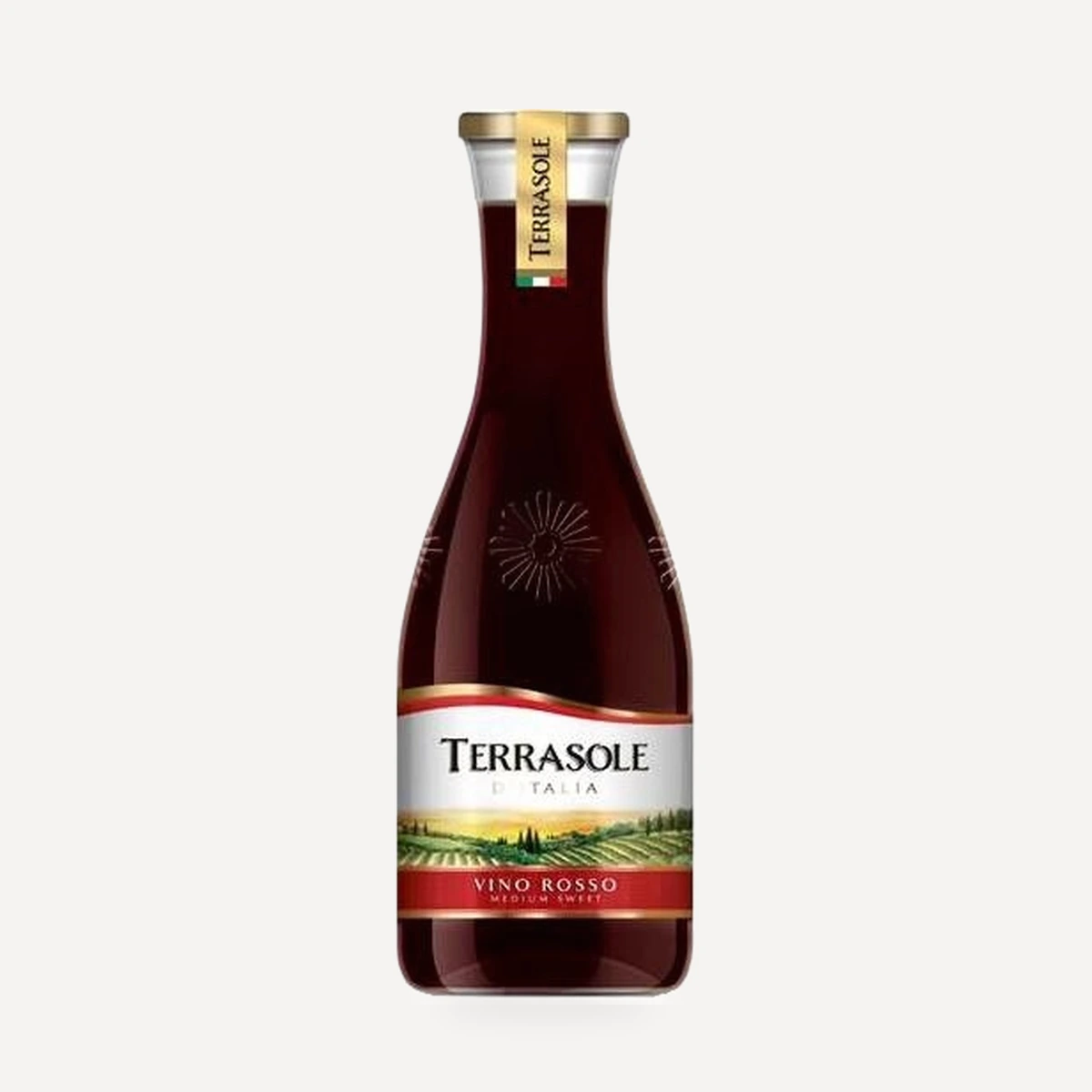
Terrasole Rosso Medium Sweet