History
Medieval Fonterutoli and the origins of Chianti
Fonterutoli occupied a strategic position in the long dispute between Florence and Siena. Peace treaties were signed there in 1202 and 1208, when Chianti territory was ceded to Florence. A traditional account places the meeting of two knights at Fonterutoli after the Florentine rider, dispatched at the early crowing of a deliberately underfed black rooster, gained a decisive head start over his Sienese counterpart. Florence consequently extended its frontier to the line of Castellina, Radda and Gaiole, while the Military and Administrative Alliance of Chianti adopted the Black Rooster as its emblem.
On 16 December 1398, the Florentine notary Ser Lapo Mazzei referred to six barrels of wine from Chianti in correspondence with the merchant Francesco Datini of Prato. The document is presented as the earliest known written reference to Chianti as a wine-producing area. Their correspondence also records Ser Lapo's interest in wine and his concern for quality.
The Mazzei family at Fonterutoli
The Mazzei family has owned Castello di Fonterutoli and practised viticulture there since 1435. Winemaking knowledge has subsequently passed through 25 generations. The family describes Fonterutoli as the place where its wine enterprise began and continues to maintain the estate as its historic base.
Philip Mazzei and an international viticultural legacy
Philip Mazzei was born at Poggio a Caiano on 25 December 1730. While working as a merchant in London, he encountered Benjamin Franklin, Thomas Adams and other Virginians. Adams encouraged him to prepare plans for cultivating Mediterranean fruits and plants in Virginia, reinforcing Mazzei's intention to transfer Tuscan viticultural practice to America.
In September 1773, after obtaining finance and permission from the Grand Duke of Tuscany, Philip sailed to Virginia with vines, olive trees, ten vignerons and other Tuscan materials. Thomas Jefferson persuaded him to settle beside Monticello and granted him 193 acres. By 1778 Mazzei had acquired approximately another 700 acres, named the farm Colle and planted European vines there. He later served in numerous capacities—including physician, merchant, horticulturist, viticulturist, political writer, diplomat, historian and royal adviser—before dying in Pisa on 19 March 1816.
Experimentation and new estate wines
At the beginning of the 1980s, Merlot was planted at Siepi as a complement to Sangiovese in its particular microclimate. Concerto di Fonterutoli followed in 1981, emerging from experiments with new training systems, blends and non-native varieties. Its first vintage filled only 15 barriques—the first barriques used at Fonterutoli—and matured for 18 months in the historic cellars. Carla Mazzei chose the name Concerto after the first tasting suggested a harmonious combination of its two varieties. The wine became one of the first ten associated with the emergence of the Super Tuscan category.
Castello Fonterutoli became a forerunner of what would become the Chianti Classico Gran Selezione category in 1995.
Modernisation and the parcel-based winery
Lapo Mazzei initiated a programme of modernisation, subsequently accelerated under Filippo Mazzei. Agnese Mazzei designed the present low-impact winery, combining production requirements with architectural integration into the landscape. The three-level building permits gravity movement from grape reception through vinification and maturation. Parcel-by-parcel microvinification was incorporated into the design, while five natural water-bearing layers exposed during construction now help maintain cellar temperature and humidity without an external climate-control system.
Cru development and the UGA era
Beginning with the 2017 vintage, the family focused three Chianti Classico Gran Selezione wines on the distinctions among its holdings in Castellina in Chianti, Castelnuovo Berardenga and Radda in Chianti: Castello Fonterutoli, Vicoregio 36 and Badiòla.
From the 2020 vintage, those three municipalities became three of Chianti Classico's 11 Additional Geographical Units. The UGA system became operative on 1 July 2023 with the release of the 2020 vintage, formalising a stronger connection between each Gran Selezione and its geographical origin.
Terroir
Castello di Fonterutoli occupies 650 ha in the heart of Chianti Classico. Its 110 ha of specialised vineyards extend across Castellina in Chianti, Castelnuovo Berardenga and Radda in Chianti, rising from 220 to 570 metres above sea level. The holdings comprise 114 parcels distributed among seven principal zones and identified through eight terroirs.
The estate is characterised by poor, rocky ground formed through the breakdown of Alberese limestone and sandstone. Extensive woods and secondary crops surround and interlace with the vineyards, supporting freely occurring wildlife and forming part of the estate's biodiversity.
Three municipal expressions
Around the Fonterutoli hamlet in Castellina in Chianti, selected vineyards lie at approximately 470 metres. Their soils are rich in Alberese rock, and the location has a favourable microclimate.
Vicoregio 36, in Castelnuovo Berardenga, is an experimental Sangiovese vineyard planted with 36 biotypes. It occupies a well-exposed plateau at approximately 350 metres, where substantial day–night temperature variation accompanies clay-rich Alberese soil with abundant stony gravel.
Badiòla lies in Radda in Chianti at approximately 570 metres, among the estate's highest vineyards. It experiences the freshest conditions and the estate's lowest daily temperatures; its soils combine Galestro and sandstone.
Siepi has a distinct microclimate shaped in part by the oak woodland surrounding the vineyard. This setting informed the early-1980s decision to grow Merlot alongside Sangiovese.
Winemaking
The vineyard programme is organised around zonation: each microzone or cru is identified and managed separately. All 114 parcels are harvested by hand, then vinified and matured in wood as separate lots so that differences among sites remain available for final selection and blending.
Sustainable management began at Castello di Fonterutoli before being extended to the family's other estates. Chemical weeding and chemical topdressing have been eliminated. Pruned shoots, grape stalks, marc, olive pomace and horse manure are recycled into estate compost and returned to the land as organic fertiliser.
Green manure is used to raise soil organic matter and reinforce agro-ecosystem biodiversity. Species sown in alternating rows include field bean, common vetch, sainfoin, clovers, oats, barley, blue tansy, mustard, pasture hawksbeard, lupin, pea and horseradish; these are cut after germination.
Biological pest management uses sex pheromones against important phytophagous pests of vines and olive trees, reducing reliance on synthetic insecticides. Vineyard terraces, water regulation and land arrangement are intended to limit erosion, preserve the landscape and increase soil water and organic-matter reserves.
The wider estate mosaic of vineyards, woods, olive groves, plantations, forage crops and other cultivation supports biodiversity and naturally occurring wildlife. Its calculated carbon balance is reported as favourable to the environment by 1,243 tonnes of CO₂.
Gravity-fed winery
The modern winery stands above the estate slopes facing Siena but extends downward through three production levels. Agnese Mazzei designed the building to reconcile architectural integration, low environmental impact and production efficiency. Grapes received in the upper plaza descend through vinification and maturation by gravity, reducing mechanical handling and stress on the raw material.
Parcel-by-parcel vinification
Seventy-four tapered cylindrical stainless-steel fermenters, each with a capacity of 100 hl, make it possible to process the estate's 114 parcels independently. The resulting microvinifications preserve the identity of individual sites. The cellar combines this separation with carefully managed punch-downs and long macerations, seeking colour extraction and supple, refined tannins.
The parcels continue to mature separately in wood. More than 3,000 oak vessels are housed in the cellar before the individual lots are evaluated and combined.
Underground maturation
The barrel cellar lies 15 metres underground. Five natural water-bearing layers run across its exposed rock walls, maintaining appropriate temperature and humidity throughout the year. No external cellar climate-control system is used, and water emerging through the rock is recycled.
The winery belongs to Toscana Wine Architecture, a network of 14 contemporary design wineries.
Philosophy
Castello di Fonterutoli's approach places diversity at the centre of quality. Its eight terroirs and 114 parcels are treated as separate viticultural and vinification units rather than reduced to a uniform estate average. Hand harvesting, individual fermentation and separate wood maturation are intended to translate site differences into aromatic breadth and structural complexity.
The Mazzei family's broader production philosophy is founded on knowledge transmitted over 25 generations while continuing to pursue new qualitative directions. At Fonterutoli, tradition is paired with experimentation: Concerto grew from new training systems and blends in 1981, while the modern cellar uses contemporary design to execute gravity handling and parcel microvinification.
The family presents local varieties as expressions of territorial identity and commits itself to respecting natural diversity. Its environmental objective is to maintain the hydrogeological balance, limit erosion, maximise water reserves and pass the land intact to future generations. The same principle informs the elimination of chemical weeding and topdressing, composting of agricultural residues, green manure, biological pest control and the cellar's passive regulation by underground water and exposed rock.
Wines
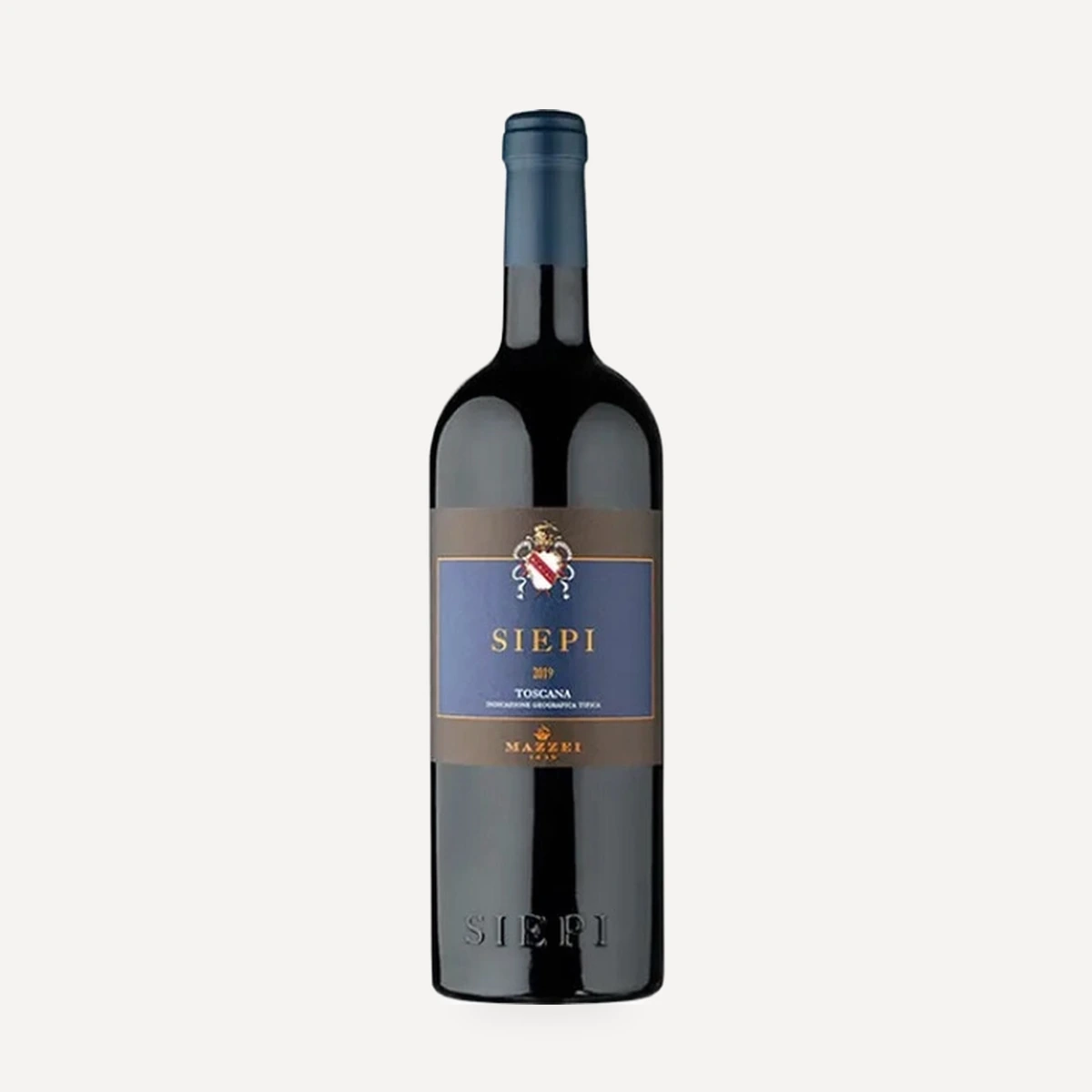
Siepi Toscana IGT
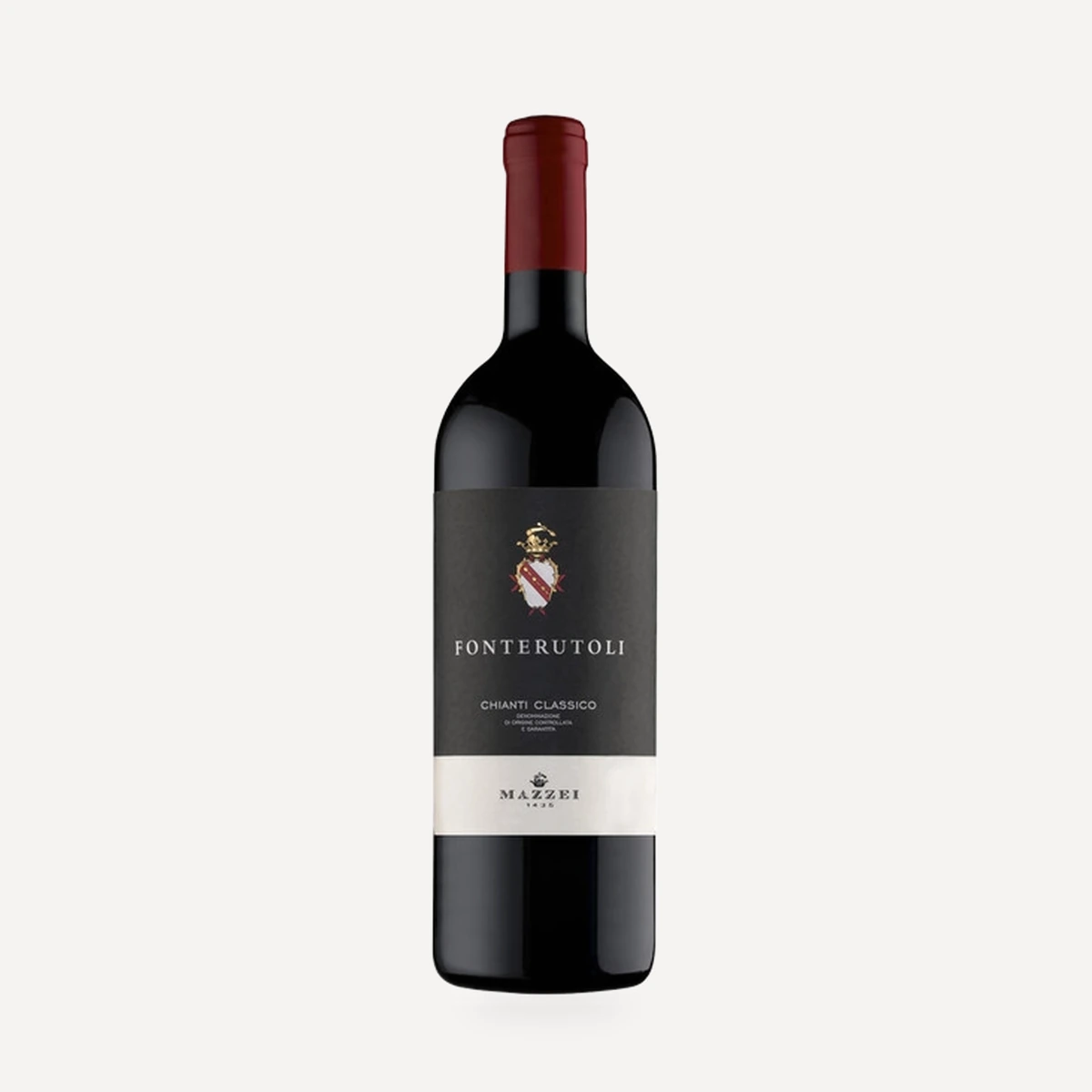
Fonterutoli Chianti Classico DOCG
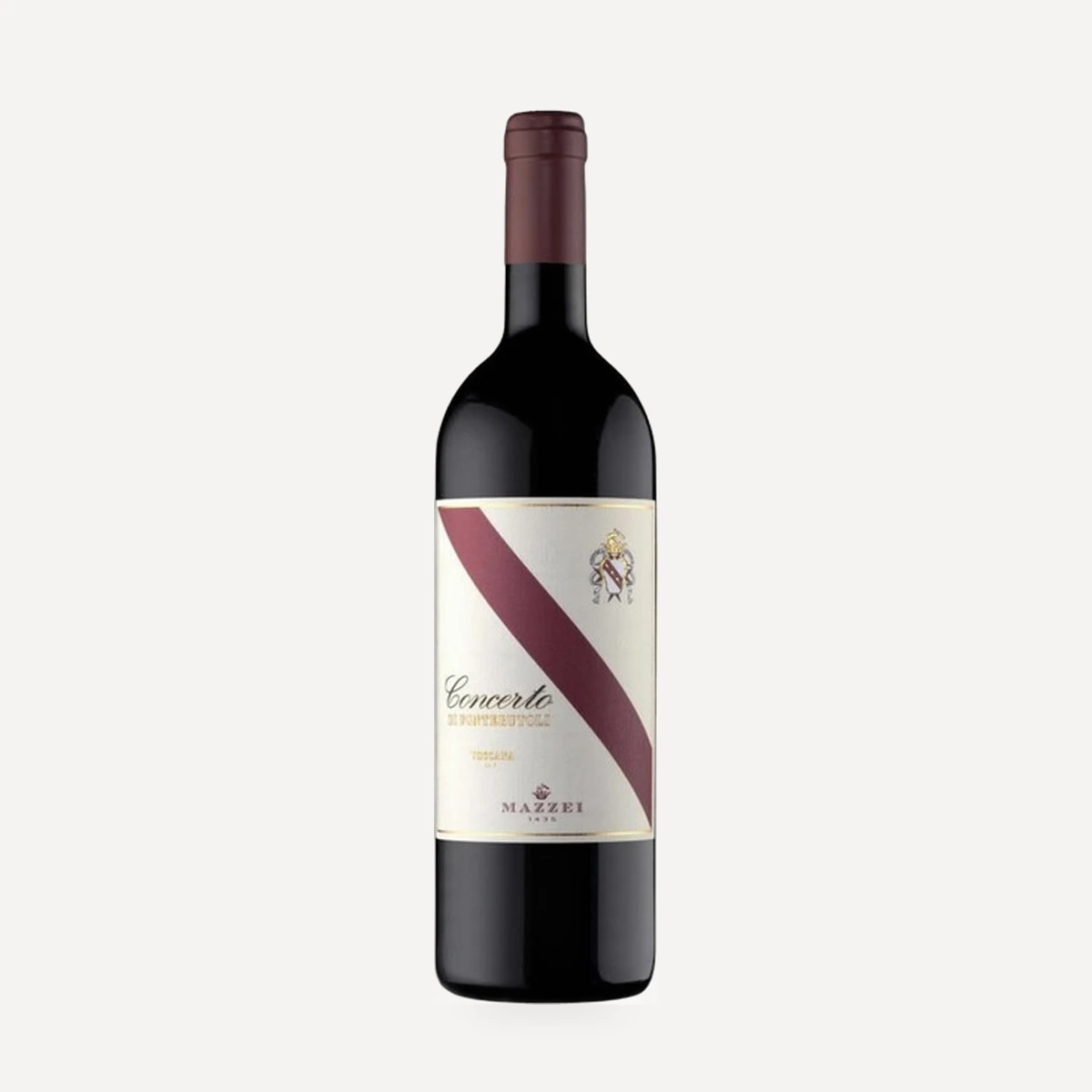
Concerto di Fonterutoli Toscana IGT
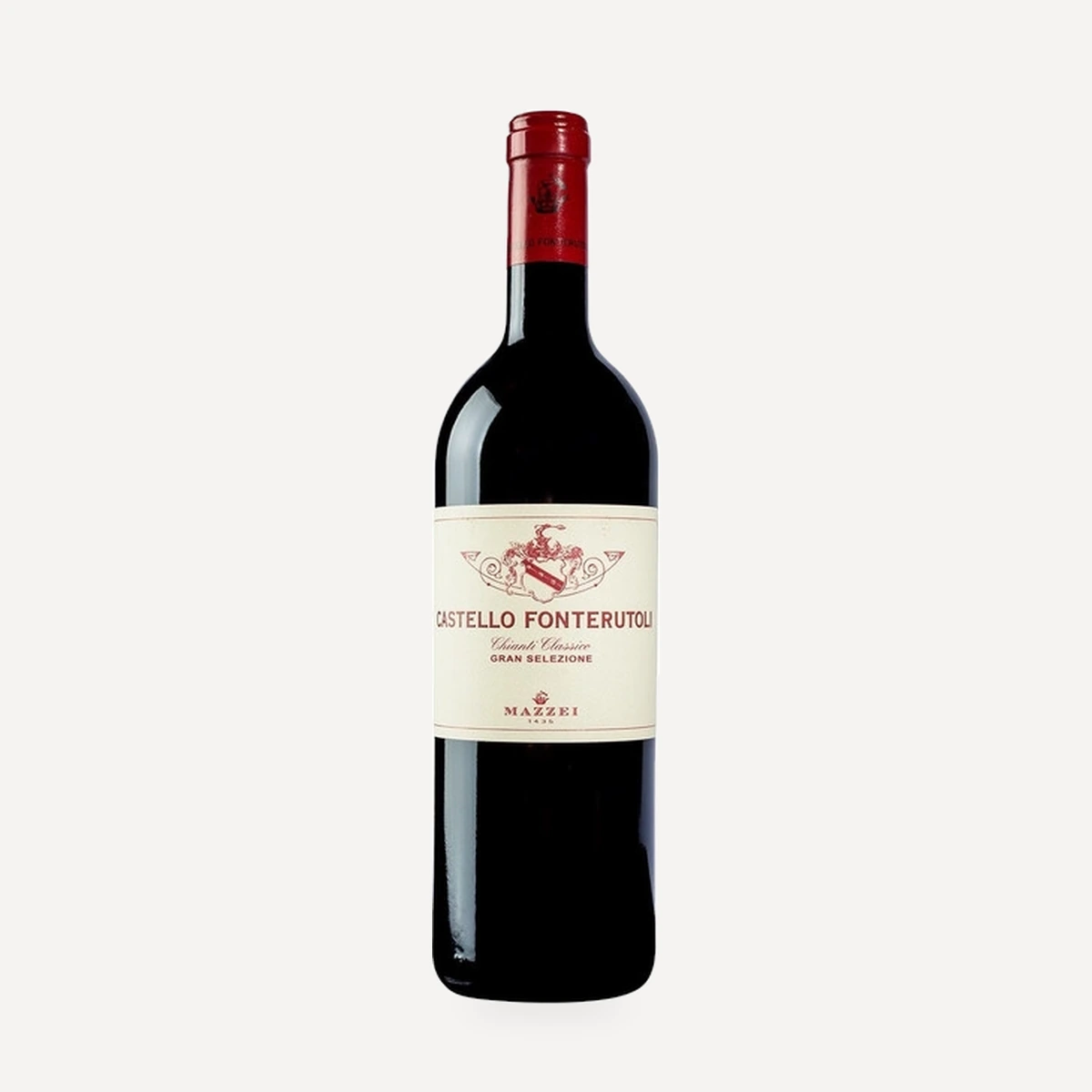
Castello Fonterutoli Chianti Classico Gran Selezione DOCG
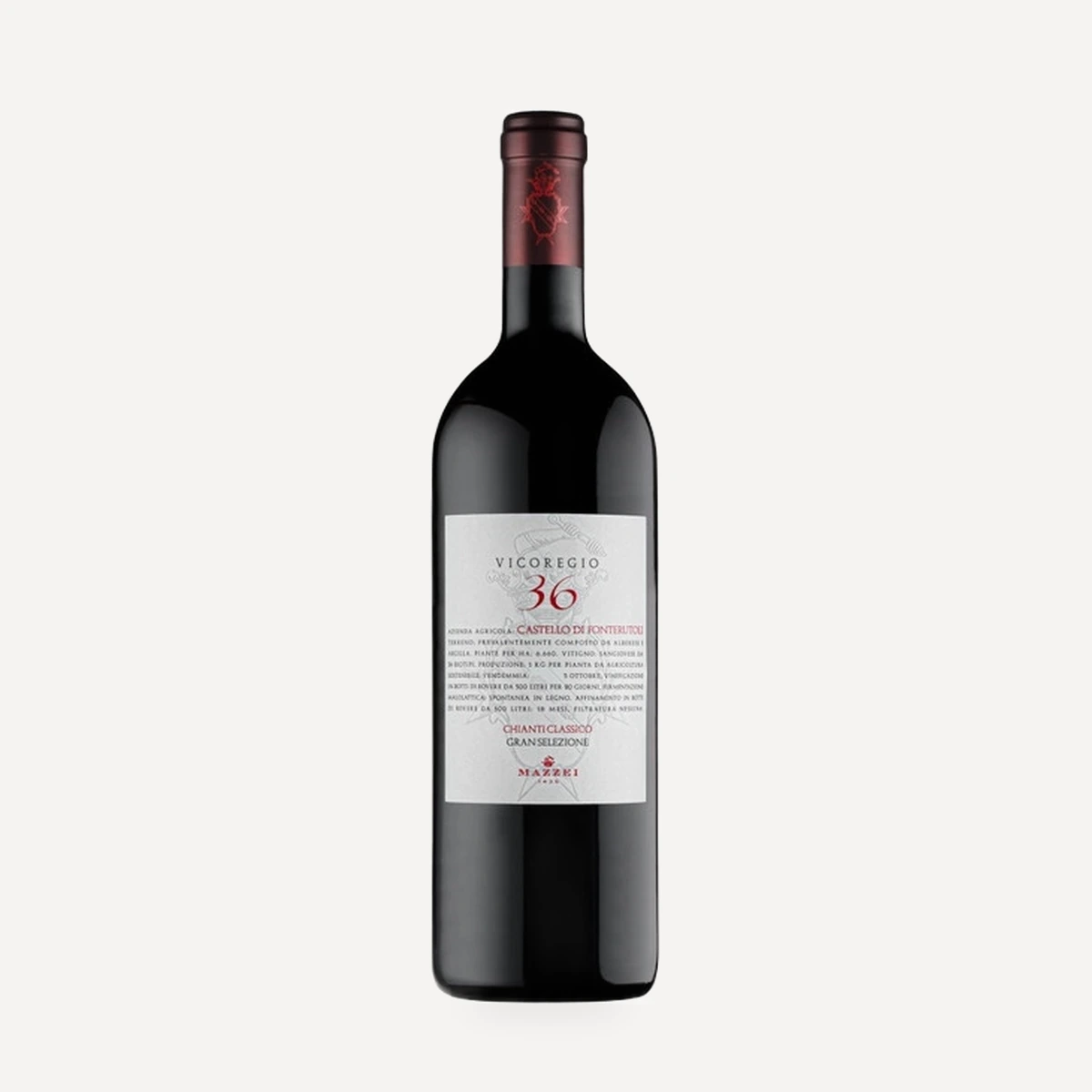
Vicoregio 36 Chianti Classico Gran Selezione DOCG
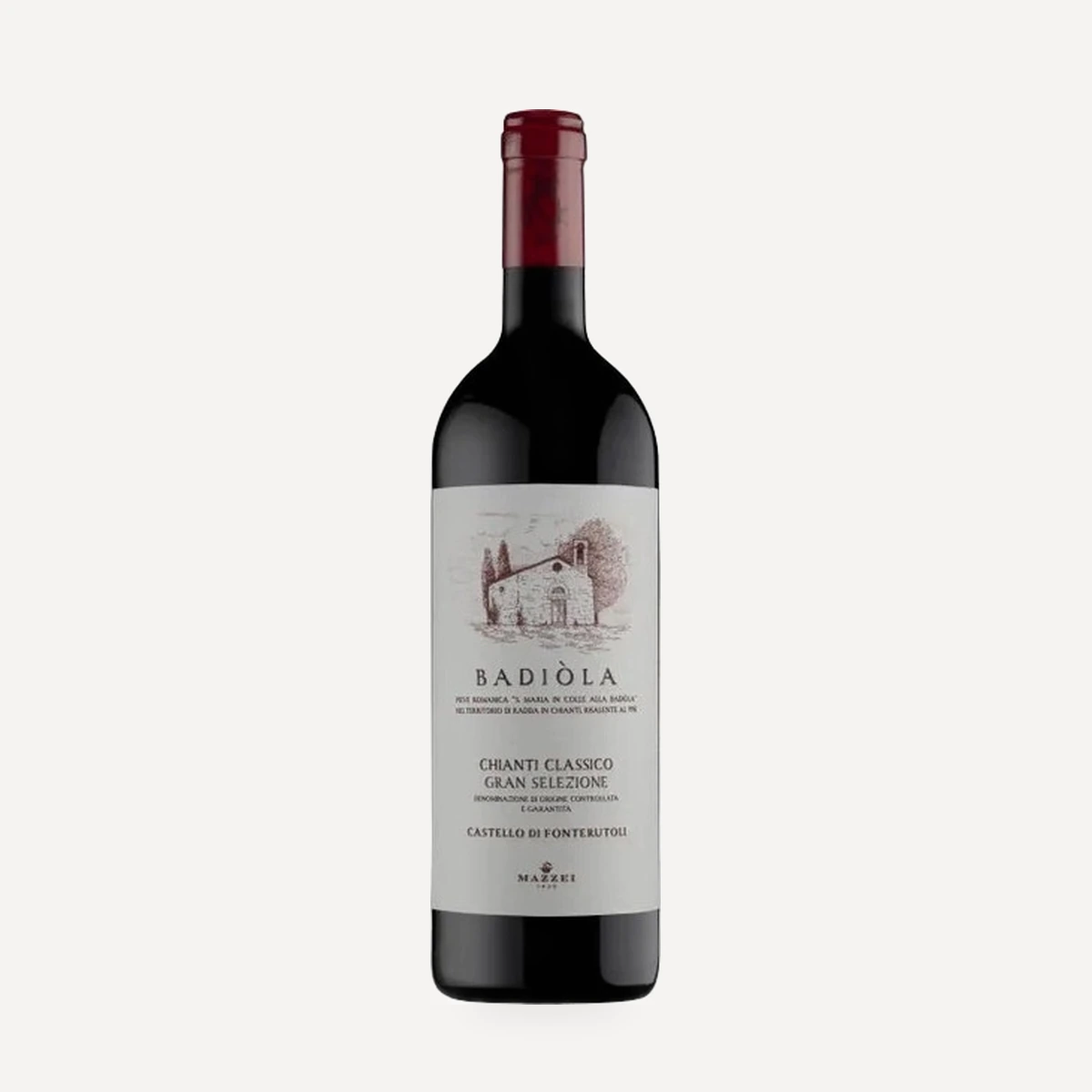
Badiòla Chianti Classico Gran Selezione DOCG
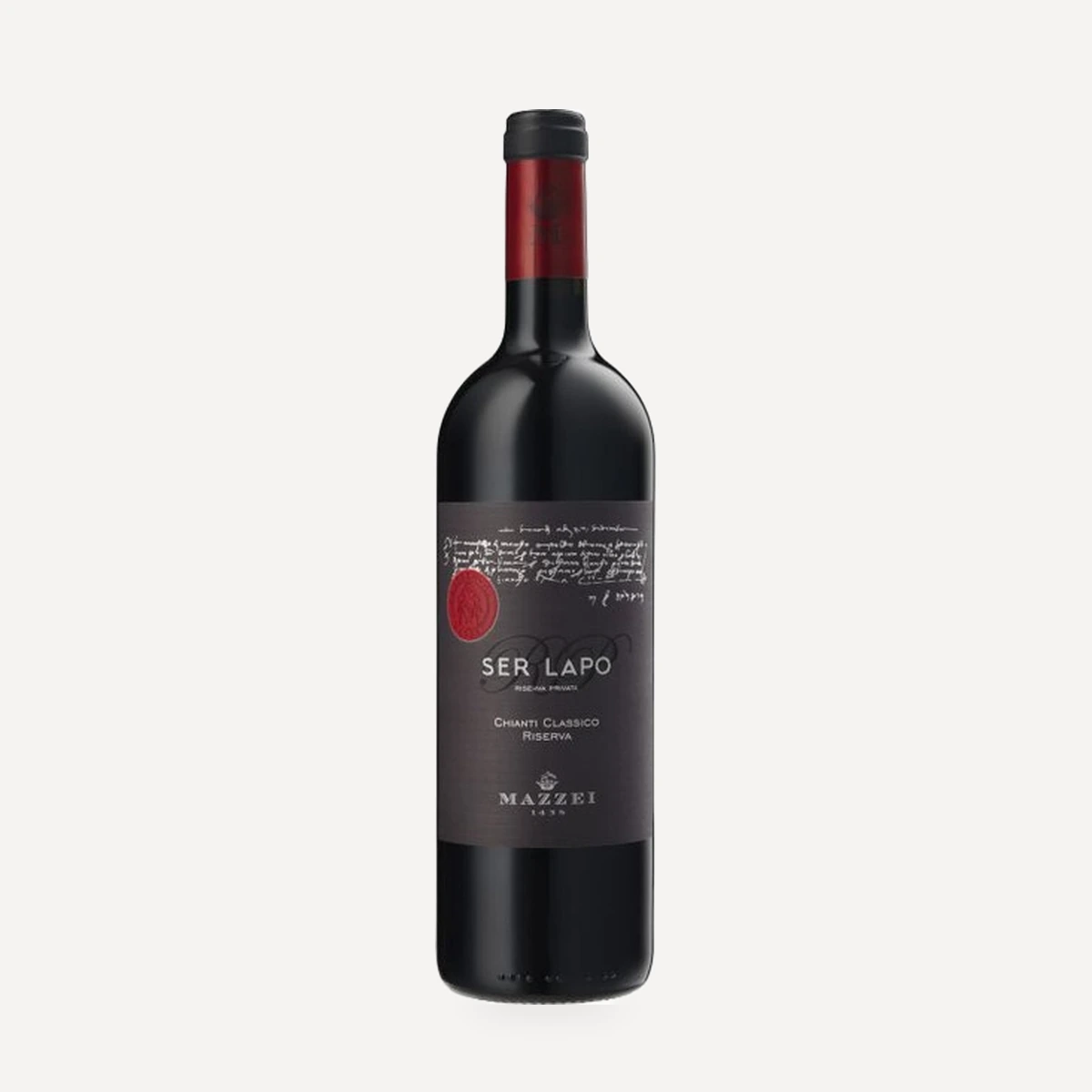
Ser Lapo Chianti Classico Riserva DOCG
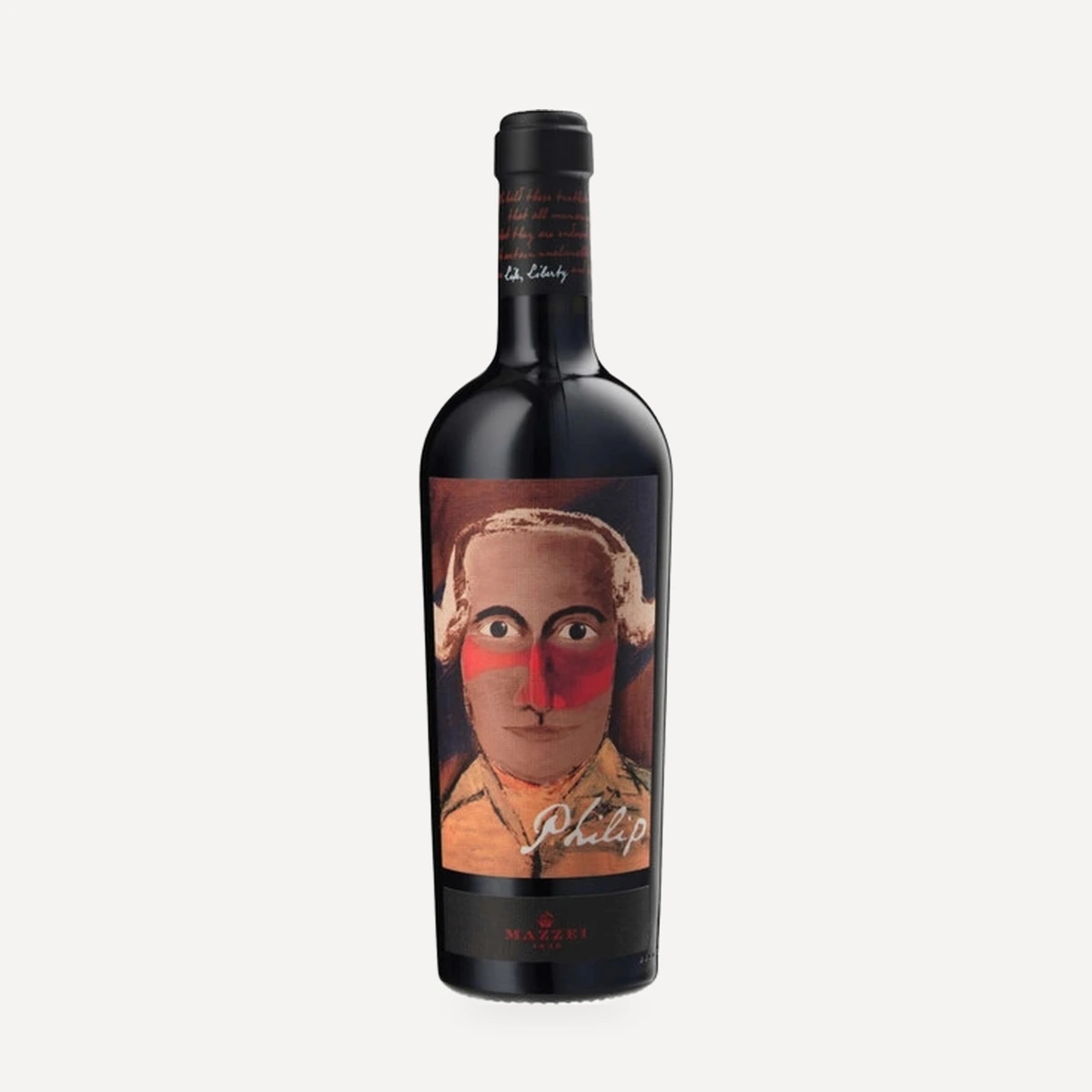
Philip Toscana IGT
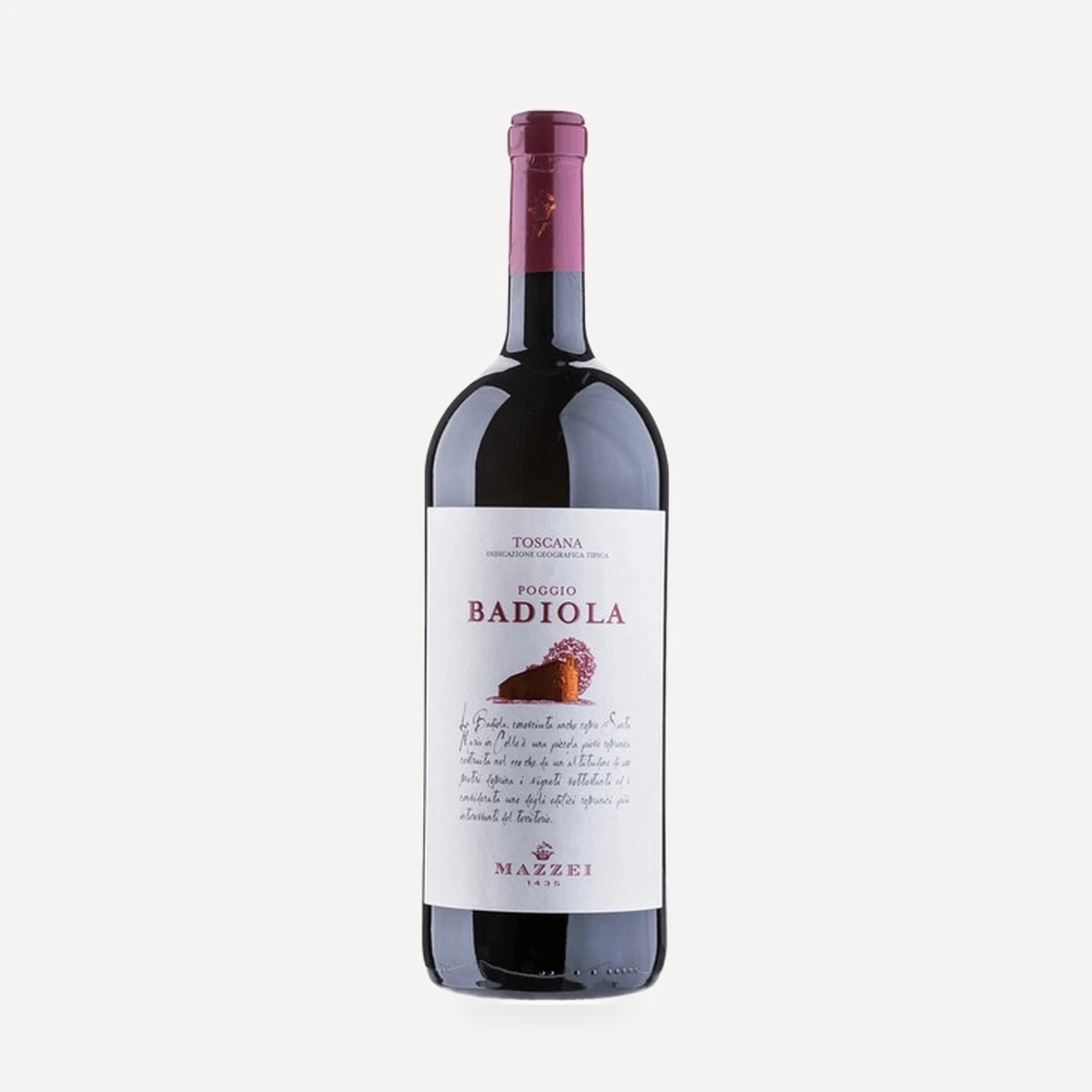
Poggio Badiola Toscana IGT
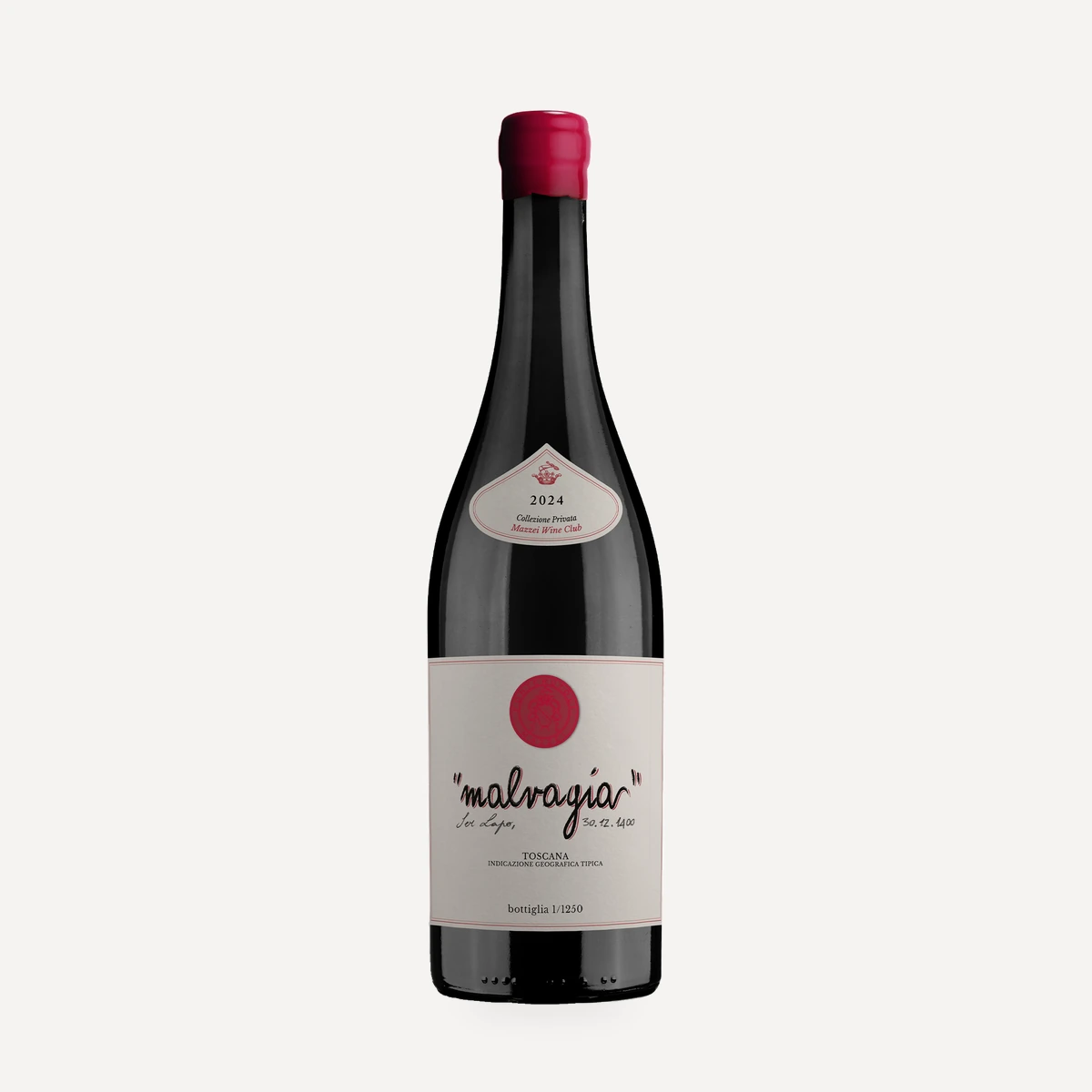
Malvagia Toscana IGT
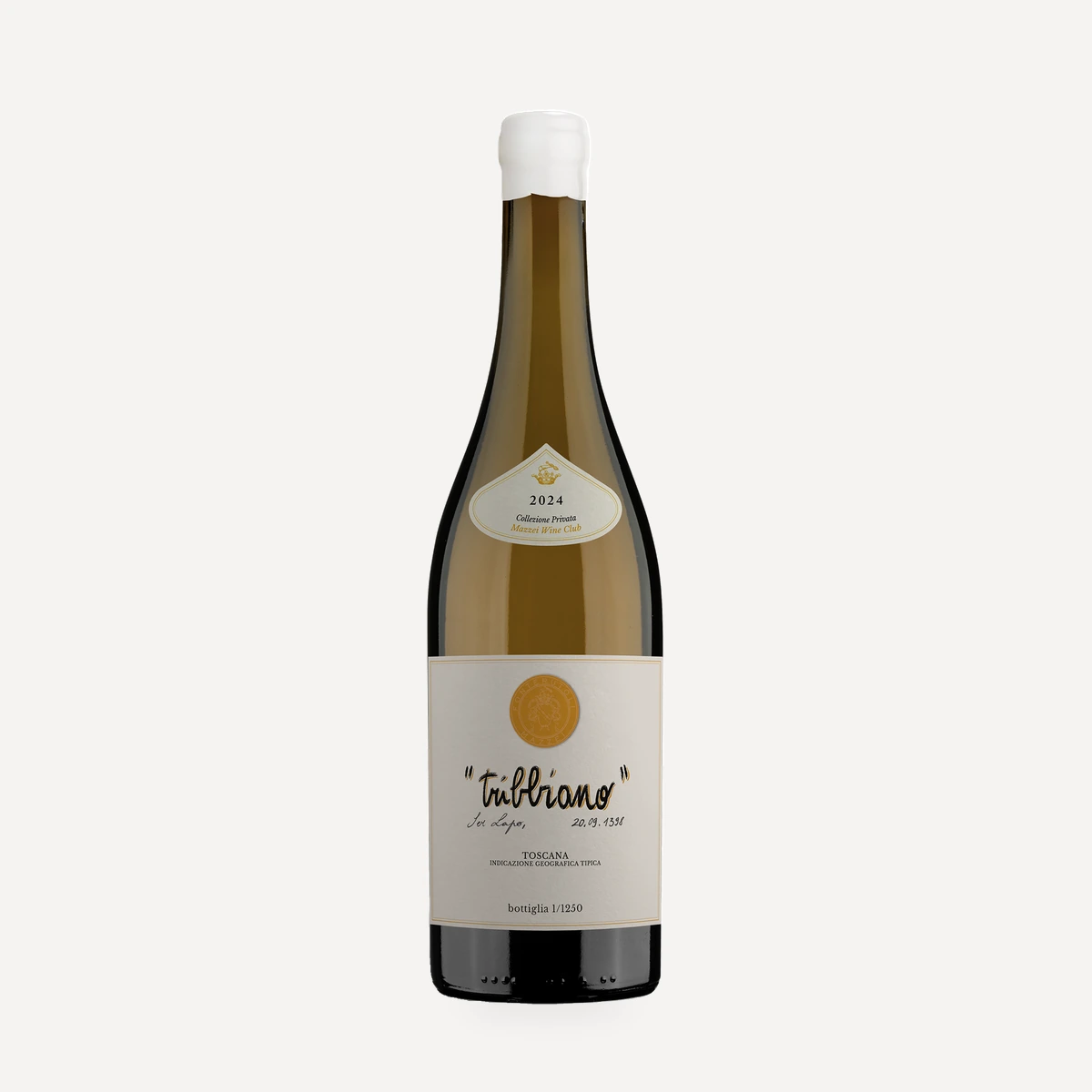
Tribbiano Toscana IGT
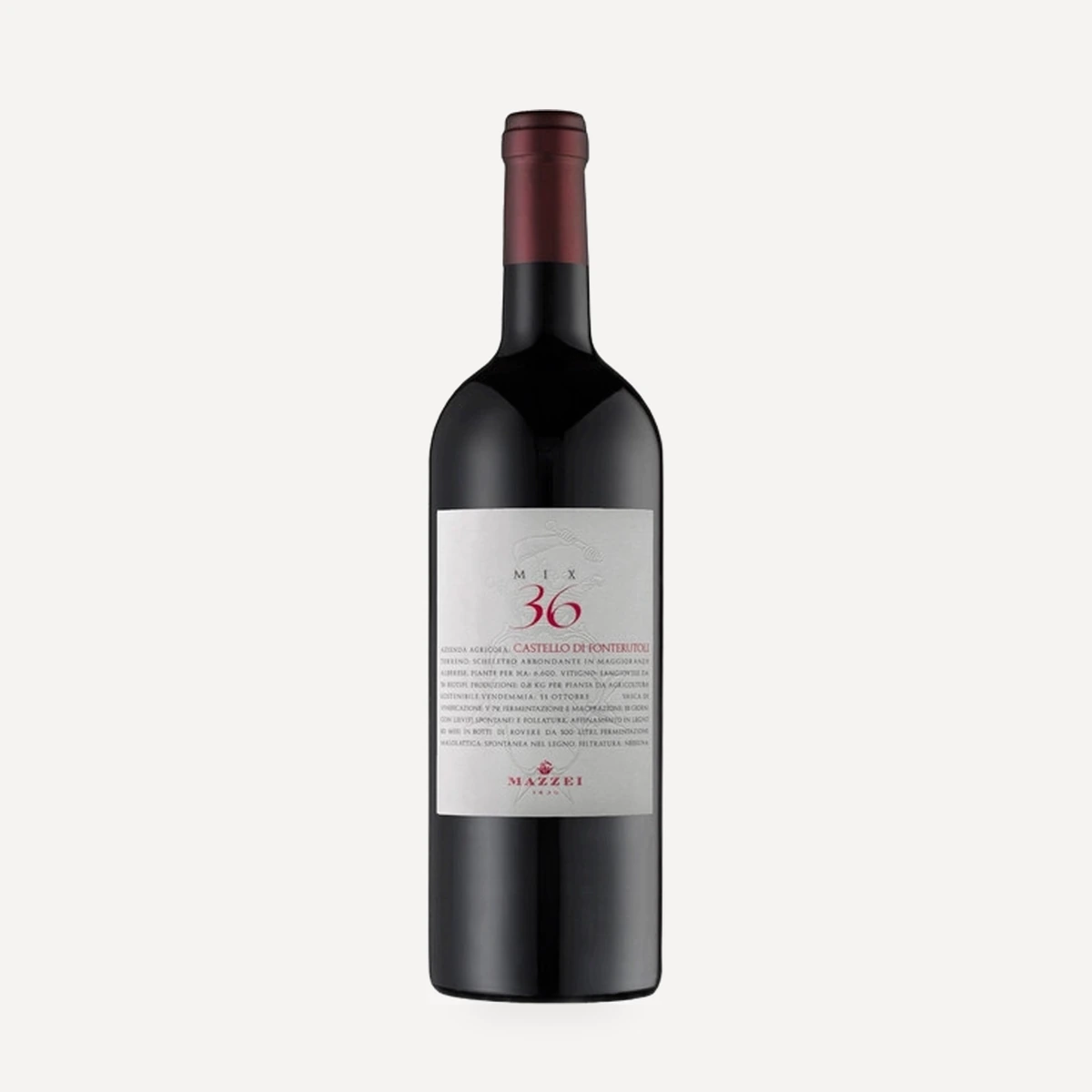
Mix 36 Toscana IGT
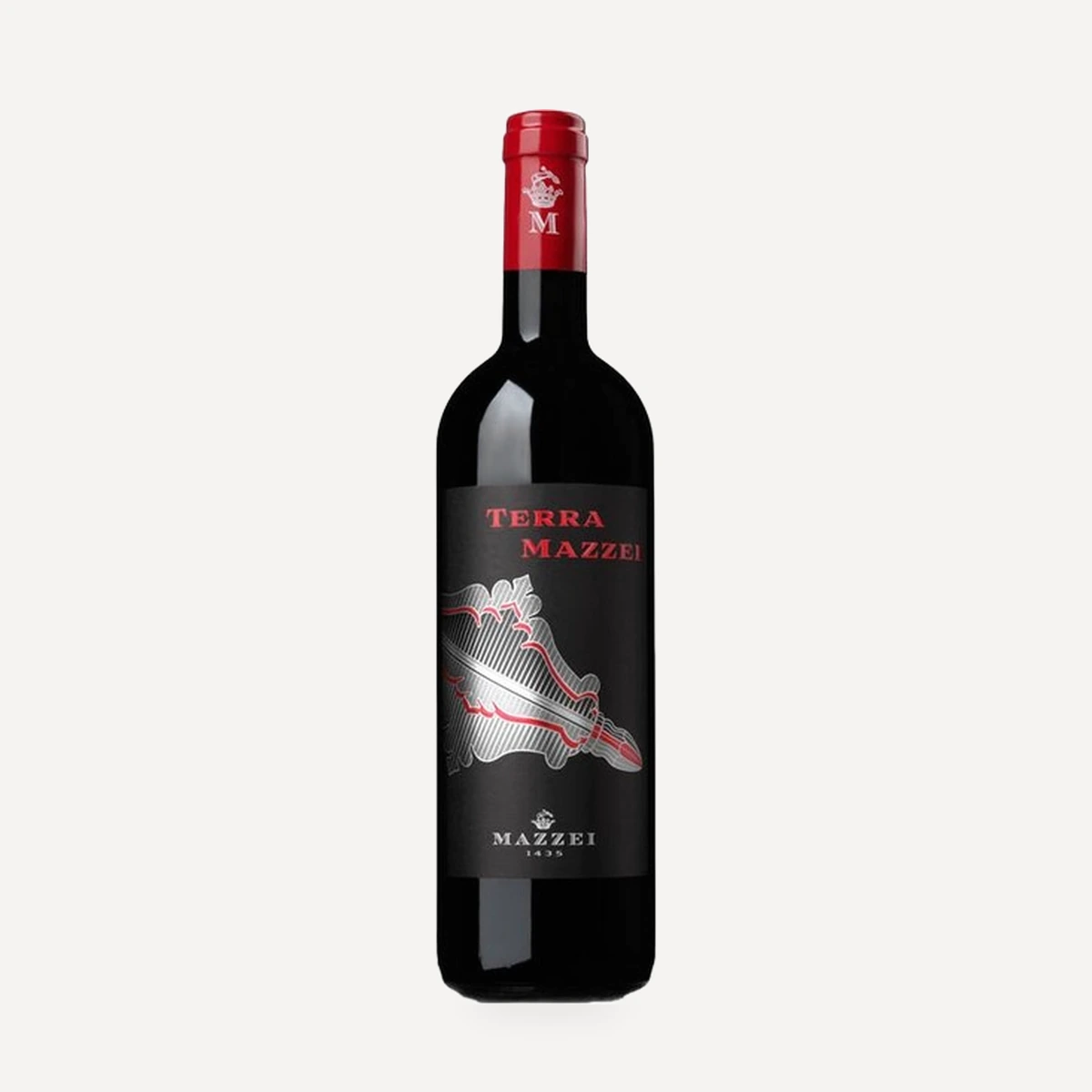
Terra Mazzei