History
Establishment and the Foradori family
The agricultural estate was established in 1901. Vittorio Foradori purchased it in 1939, and Roberto Foradori began working there in 1960. The first vintage bearing the Foradori name followed during this period.
After Roberto’s death, Gabriella Casna Foradori assumed management in 1976. Their daughter Elisabetta completed her studies at the wine school in San Michele all’Adige and handled her first harvest in 1984. Her earliest priority was the survival of the business, but she also began a long-term effort to restore the genetic breadth of Teroldego.
Recovery of Teroldego
Massal selection of Teroldego began in 1985. The estate identified its oldest vineyard, selected and propagated plants with the desired qualities and, after continued observation and further selection, isolated 15 biotypes for replanting and for use as the qualitative foundation of its wines.
Granato was first produced in 1986, with Rainer Zierock involved in its creation. Morei and Sgarzon followed in 1987. During the late 1990s, Elisabetta became dissatisfied with an exclusively technical, mechanical understanding of farming and winemaking. This initiated a broader re-evaluation of the relationship among soil, plant, farmer and wine.
In 2000 the estate began its “vines from seeds” work with Teroldego. The research later expanded to the study of 300 individuals grown from self-fertilized Teroldego seeds and to seed-based work with Nosiola, seeking to reveal genetic variation concealed by vegetative propagation and modern clonal selection.
Biodynamic conversion
Biodynamic preparations were introduced in 2002 after an extended period of reflection on earlier farming practices. Demeter and ICEA certification followed in 2009. In the same year the estate joined Renaissance des AOC, produced Fontanasanta Nosiola for the first time and resumed separate bottlings from the contrasting Morei and Sgarzon sites after biodynamic farming had strengthened the individual character of the two vineyards.
Rainer Zierock died in February 2009. His ideas concerning agriculture, biodiversity and the farm as a complete organism remain central to the estate’s development.
Fontanasanta Manzoni Bianco was first produced in 2010. Emilio Zierock, son of Elisabetta Foradori and Rainer Zierock, directed his first harvest in 2013. That vintage also brought the first Morei and Sgarzon Cilindrica bottlings, aged for an additional 12 months without skins in elongated 350-litre clay vessels.
Fourth-generation transition and diversification
Fuoripista Pinot Grigio was first produced in 2014 through collaboration with Campo Rotaliano biodynamic winegrower Marco Devigili. Theo Zierock joined Emilio in the estate’s work in 2015.
The August 2017 hailstorms destroyed a substantial part of the crop. Fruit recovered from damaged vines was used for trials involving very short macerations in amphora, wood, cement and steel, leading to the first Lezèr. Fontanasanta Nosiola Cilindrica followed in 2018.
Also in 2018, the family began a new mixed-farming project below Monte Baldo with an initial piece of land at Tragno, followed gradually by holdings at Cazzano and Crosano. Myrtha Zierock began the estate’s vegetable production in 2019. Elisabetta began cheesemaking in 2020, when the first Nosiola and Schiava vines were also planted on Monte Baldo. The first bottlings from Monte Baldo fruit appeared in 2021, and the estate joined respekt-BIODYN.
The estate today
Foradori is passing through its fourth generational transition. Emilio oversees wine production; Theo is responsible for management and commerce; and Myrtha directs agricultural diversification and gradual expansion. All three participate across the estate’s work with continuing support from Elisabetta.
The vineyards cover 29 ha: 70% Teroldego, 15% Manzoni Bianco, 5% Nosiola and 10% Pinot Grigio in the principal reported breakdown. Average annual production is 180,000 bottles. The broader Monte Baldo project adds Schiava and further high-altitude plantings while integrating vines, vegetables, Tyrolean Grey cattle, milk and cheese production.
Terroir
Campo Rotaliano
Campo Rotaliano lies at the border between Trentino and Alto Adige. It is a roughly 400 ha triangular floodplain at the confluence of the Noce and Adige rivers, enclosed by massive cliffs. The Noce transported limestone, granite and porphyry downstream and divided the plain naturally into the areas now occupied by Mezzolombardo and Mezzocorona.
The soils are loose, shallow, poor and exceptionally free-draining. Their composition changes according to distance from the former Noce riverbed, producing stony, gravelly, pebbly and sandy zones within a compact geographic area. The surrounding vertical cliffs shelter the vines from cold winds and reflect stored solar heat back toward the plain.
The Noce was controlled and diverted southward in the mid-19th century, ending the recurring threat of flooding and giving the plain its present form. The resulting fragmentation into small plots makes soil differences particularly visible. Teroldego and Pinot Grigio are cultivated here on alluvial soils. The southern edge, close to the Noce, contains gravel derived principally from dolomitic rock.
Fontanasanta and the hills of Trento
Fontanasanta stands on the hills east of Trento, where vineyards, woods, waterways and residential land meet. The villa takes its name from the nearby Salùga stream, whose name derives from “Santa aga,” or holy water. It overlooks the town, while a small south-facing valley rises behind it toward Martignano.
The vineyards are embraced by woods and crossed or bordered by small streams. Their red clay and white limestone form calcareous-clay soils suited to Nosiola and Manzoni Bianco. Afternoon breezes and cooler nights temper daytime heat, while the site’s biodiversity and low-fertility soils allow Nosiola to remain on the vine late into the season.
Monte Baldo
The developing mixed-farming project lies below Monte Baldo in southern Trentino. It began at Tragno and expanded through Cazzano and Crosano. These holdings include high-altitude plots of Schiava and Manzoni Bianco as well as Nosiola plantings.
Winemaking
Foradori has farmed biodynamically since 2002 and has held Demeter and ICEA certification since 2009. It later joined respekt-BIODYN, an association of biodynamic estates in Austria, Germany, Italy and Hungary.
The vineyard is treated as part of a diverse farm organism. Old fruit varieties and hedges have been planted around the vines; animals have been reintroduced; and diverse plants are sown between rows. Wild grasses are allowed to flower. Blackbirds, thrushes, finches, butterflies, bees and other insects have returned or increased in the vineyards.
Soil fertility is pursued through greater microbiological activity, careful soil management, biodynamic preparations and compost. The stables and henhouses at Fontanasanta have been restored, and manure is used to build compost heaps. The long-term goal is a self-sufficient, closed-cycle organism in which human, social, plant, animal and mineral components have equally important, mutually supportive roles.
Biodynamic preparations are used in very small quantities after dynamization in water. The liquid is stirred into a vortex and repeatedly reversed, a process intended to oxygenate it and convey the preparation’s activity to soil and plant. Preparation 501, based on finely ground quartz matured in cow horns, is sprayed at only a few grams per hectare. Its intended role is to support photosynthesis, ripening, vegetative balance and fruit quality. Six plant-based compost preparations—yarrow, chamomile, stinging nettle, oak bark, dandelion and valerian—are used to guide the conversion of organic matter into humus.
Canopy work is deliberately restrained. Shoots are no longer routinely topped; leaves beside the bunches are retained; deep pruning cuts are avoided; and spontaneous inter-row plants are allowed to flower. Each vine is observed individually through its posture and shoot vigour, with intervention guided by the plant’s condition rather than a fixed mechanical formula.
Genetic diversity is another central viticultural tool. Beginning in 1985, the estate selected and multiplied plants from its oldest Teroldego vineyard and identified 15 biotypes for replanting. The seed project launched in 2000 now includes the study of 300 individuals derived from self-fertilized Teroldego vines. Seed propagation is also used with Nosiola to reveal hidden phenotypic variation and improve the varieties’ ability to respond to environmental change.
The six Tyrolean Grey cows graze in the vineyards from the end of harvest until budbreak. Harvest timing varies markedly by season; the published 2013–2024 records show starts from 24 August to 23 September and finishes from 28 September to 17 October. In the irregular 2019 vintage, individual vineyards were picked in as many as four passes to obtain ripe fruit.
The cellar follows a low-intervention approach intended to retain the vitality and identity of healthy fruit. Fermentations use indigenous yeasts and proceed without temperature control. Additions are avoided during the first phase of transformation. Sulphites are not introduced until after the first racking, normally 6–8 months after the wine has been drawn off the skins; finished wines contain no more than 30 mg/L sulphur dioxide. Bottling takes place without filtration.
Fermentation and ageing may occur in the same vessel. The cellar uses acacia and oak casks, open wooden vats, cement, stainless steel and clay tinajas. Cement is valued for thermal inertia, while stainless steel remains part of the cellar and a material link with its earlier period. Large open vats are used for some Teroldego fermentations, and cement or 40 hl wooden casks are used for fermentation and finishing in the capsule-designated wines.
The tinajas come from Villarrobledo, Spain. Their porosity and shape permit slow exchange while allowing long contact between wine and skins. Standard amphora vinifications can remain on the skins for about eight months. Cilindrica wines spend six to eight months on skins followed by another 12 months without skins in elongated 350-litre clay vessels. Single Tinaja bottlings isolate the contents of one selected amphora. Wines identified as “SS” receive no sulphur at any stage.
Skin contact is adapted to the material and the vintage. Nosiola, Morei and Sgarzon can undergo approximately eight months of skin contact in tinajas. Manzoni Bianco ferments on skins in cement before ageing in acacia. The principal multi-parcel Teroldego ferments in cement and matures for 12 months in barrel and cement. Granato ferments in large open vats and is aged for 15 months in tonneaux; submerged-cap work began with the 2015 vintage. Lezèr was created through trials in amphora, wood, cement and steel with macerations no longer than 24 hours; its vessels, whole-bunch proportion, technique and timing continue to change by vintage.
Whole-bunch use is also vintage-dependent: approximately 20% was used for the principal Teroldego in 2018, roughly 30% for Foradori and Granato in 2020, 50% for Foradori in 2022 with only ten days on skins, and 30% for Morei in 2023.
Philosophy
Foradori describes itself as a community of free farmers united by respect for the earth and its abundance. Its stated aim is to grow plants capable of maintaining their natural expressiveness, transform their fruit for human wellbeing and create harmony between people and nature.
Observation replaces standardized intervention. Every season and every vine is treated as a new source of information; agricultural work should respond creatively to what the earth and plant communicate at that moment. Passion, continuity between words and actions, independence, belonging, ethical farming, continual improvement and visual harmony across the land form the estate’s declared identity.
Biodiversity is understood both ecologically and genetically. A varied agricultural landscape must be protected and, where necessary, reconstructed. The estate rejects the narrowing effects of monoculture and clonal uniformity, favouring massal selection, seed propagation, hedges, flowering inter-rows, old fruit varieties and animals as parts of a complete living cycle.
The biodynamic outlook includes material, biological, human, spiritual and cosmic dimensions. Preparations, biological rhythms and attentive observation are not treated as a fixed recipe; the farmer is expected to respond freely and responsibly to the actual conditions of the field.
In winemaking, the guiding principle is to preserve the vital forces and identity of the fruit. The cellar does not pursue a neutral container philosophy: wood, clay, cement and steel each participate differently in transformation. The wine is guided rather than engineered, with indigenous fermentation, delayed sulphur additions, no temperature control and no filtration.
Time is integral to this approach—from vine growth and ripening to slow evolution in the dark cellar, bottle and glass. Sensitive crystallization is used as an image-forming method to contemplate vitality in Teroldego, Nosiola and Manzoni Bianco, complementing analytical data with observation of form and development.
Wines
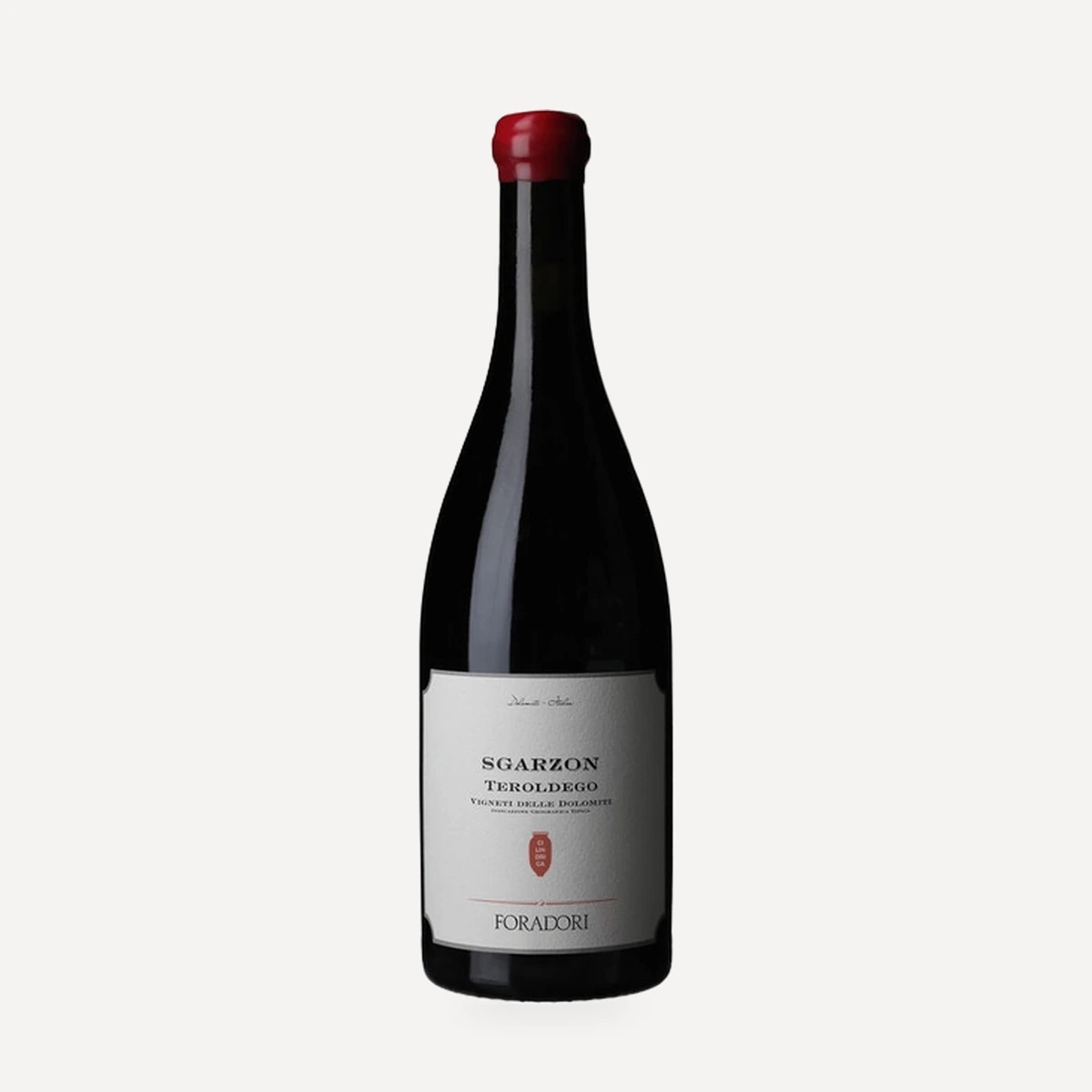
Sgarzon Cilindrica Vigneti Dolomiti IGT
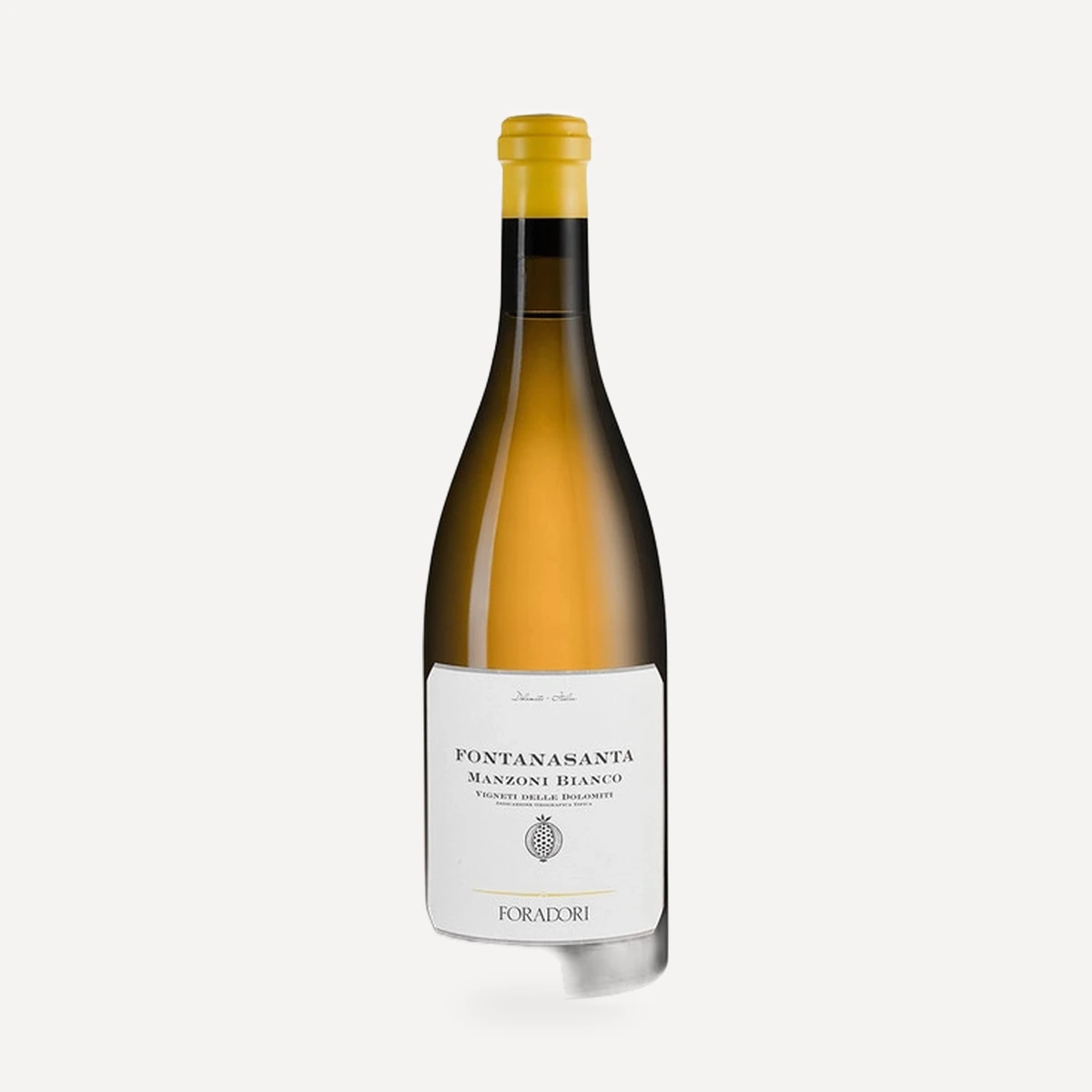
Fontanasanta Vigneti delle Dolomiti IGT
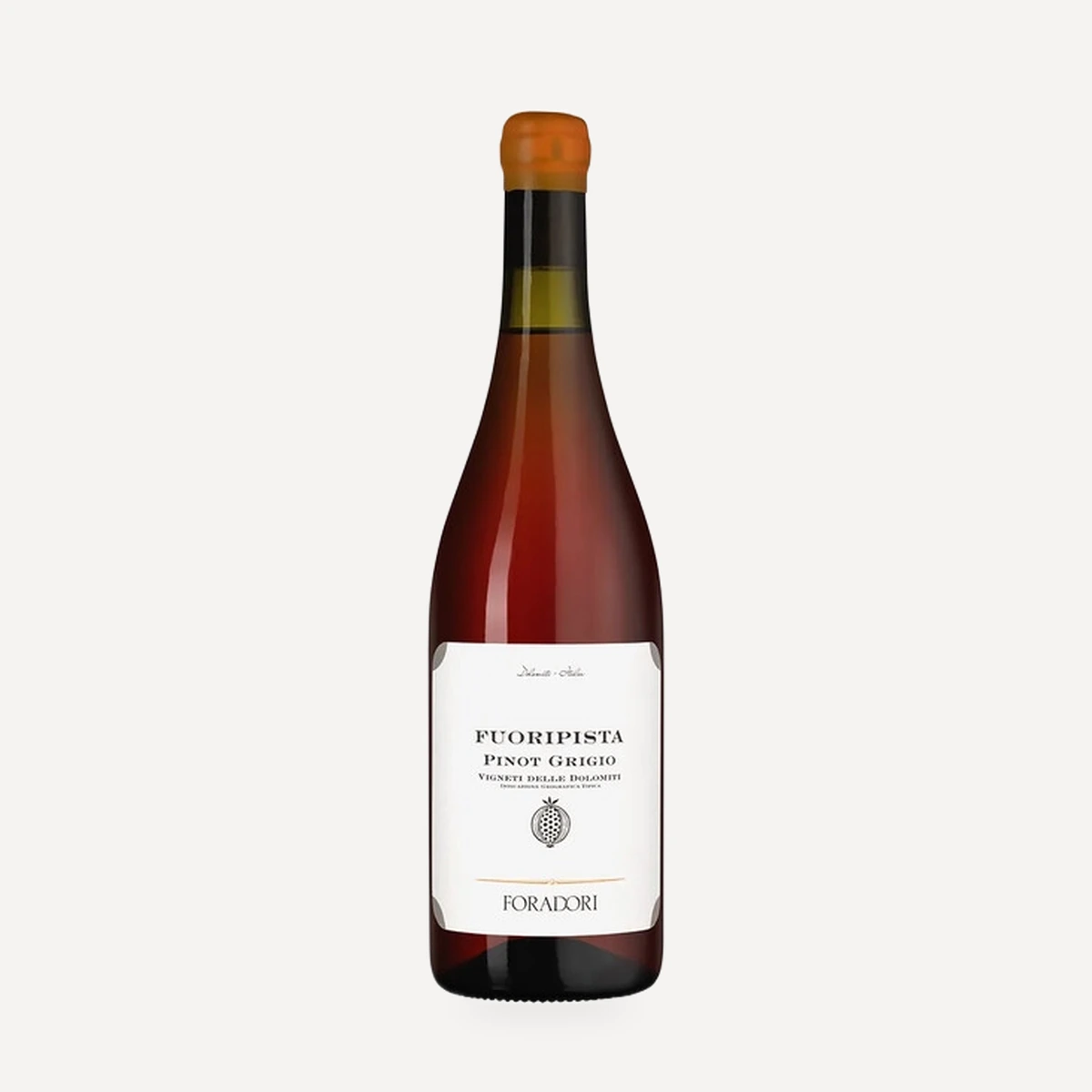
Fuoripista Pinot Grigio Vigneti delle Dolomiti IGT
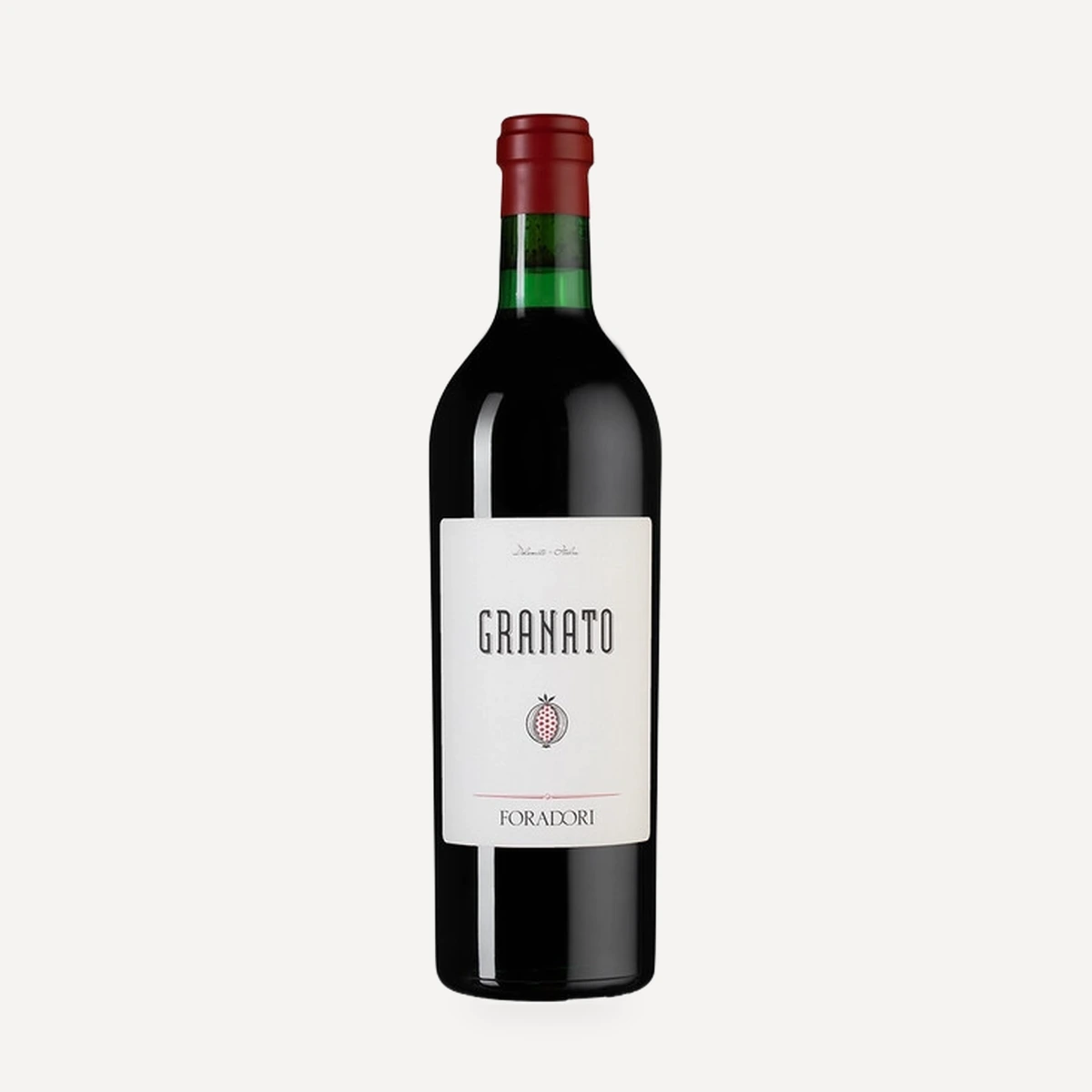
Granato Vigneti delle Dolomiti IGT
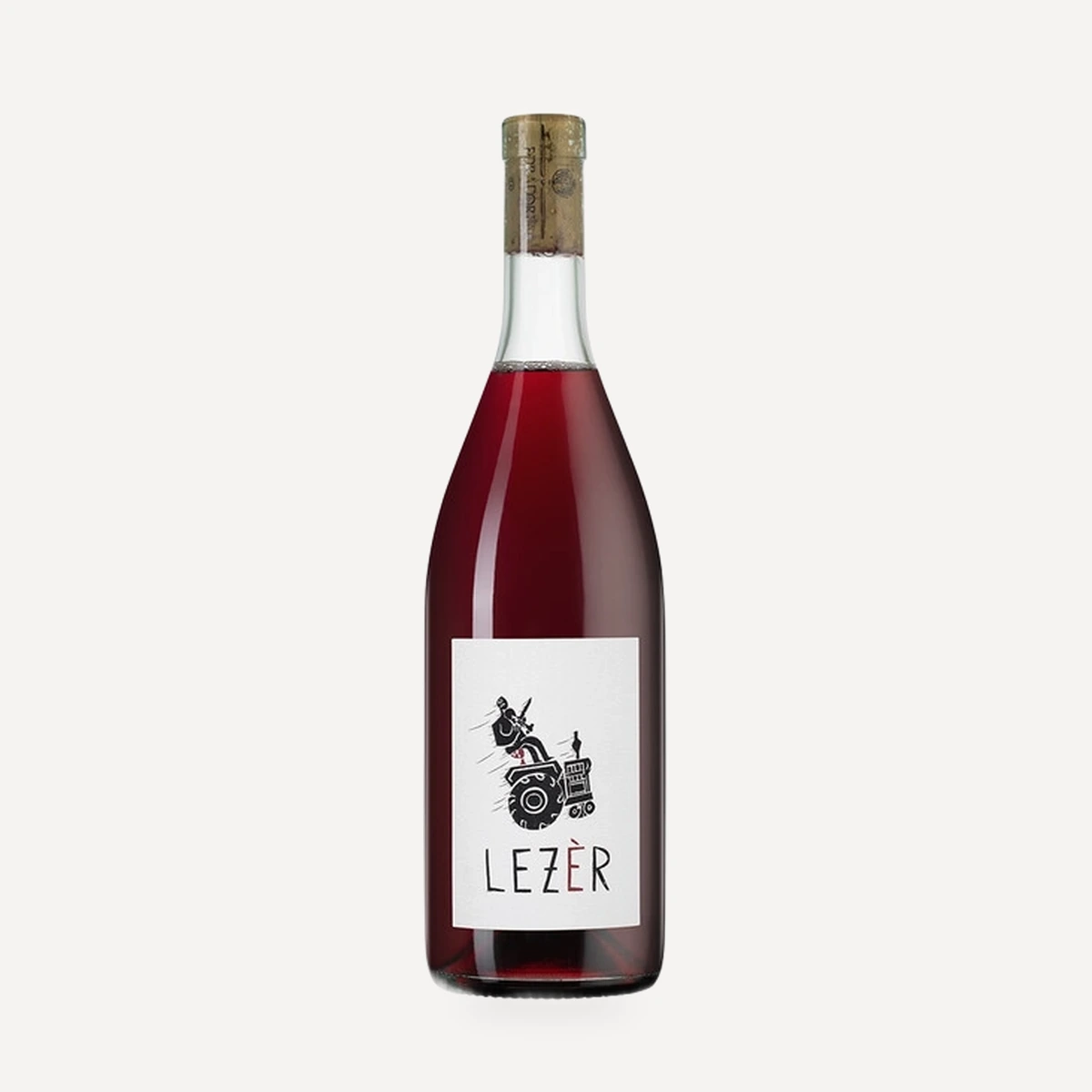
Lezer Vigneti delle Dolomiti IGT
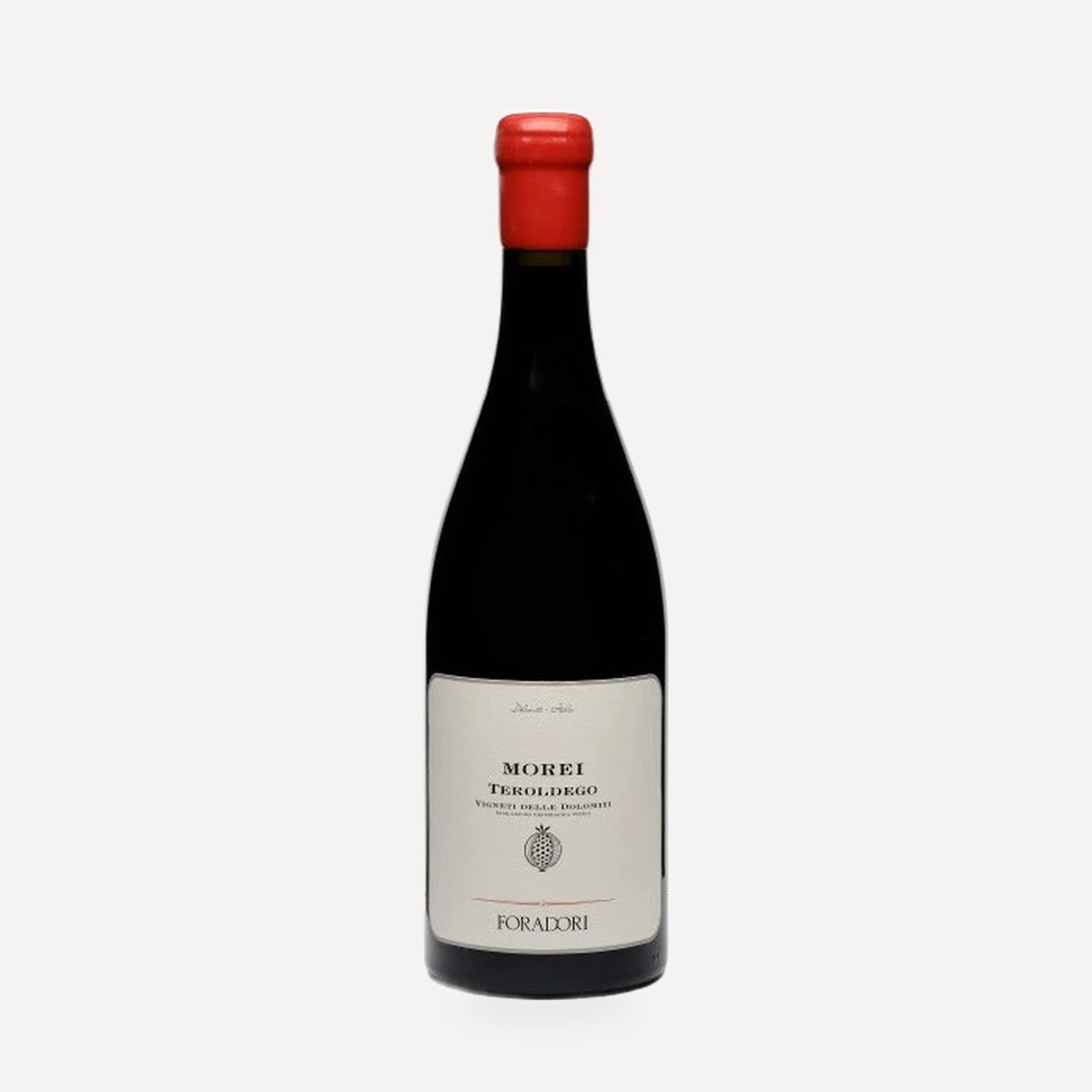
Morei Teroldego Vigneti delle Dolomiti IGT
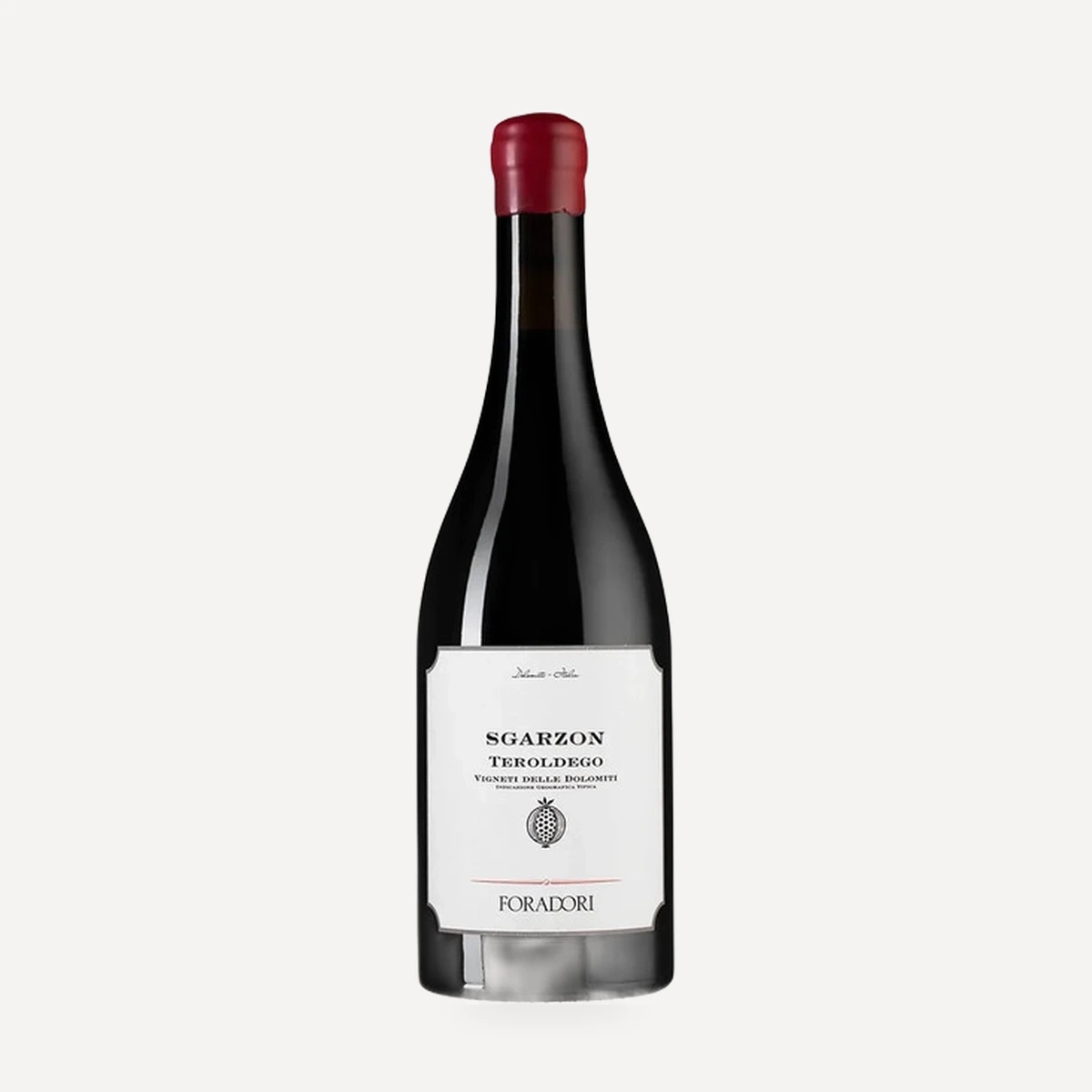
Sgarzon Teroldego Vigneti delle Dolomiti IGT
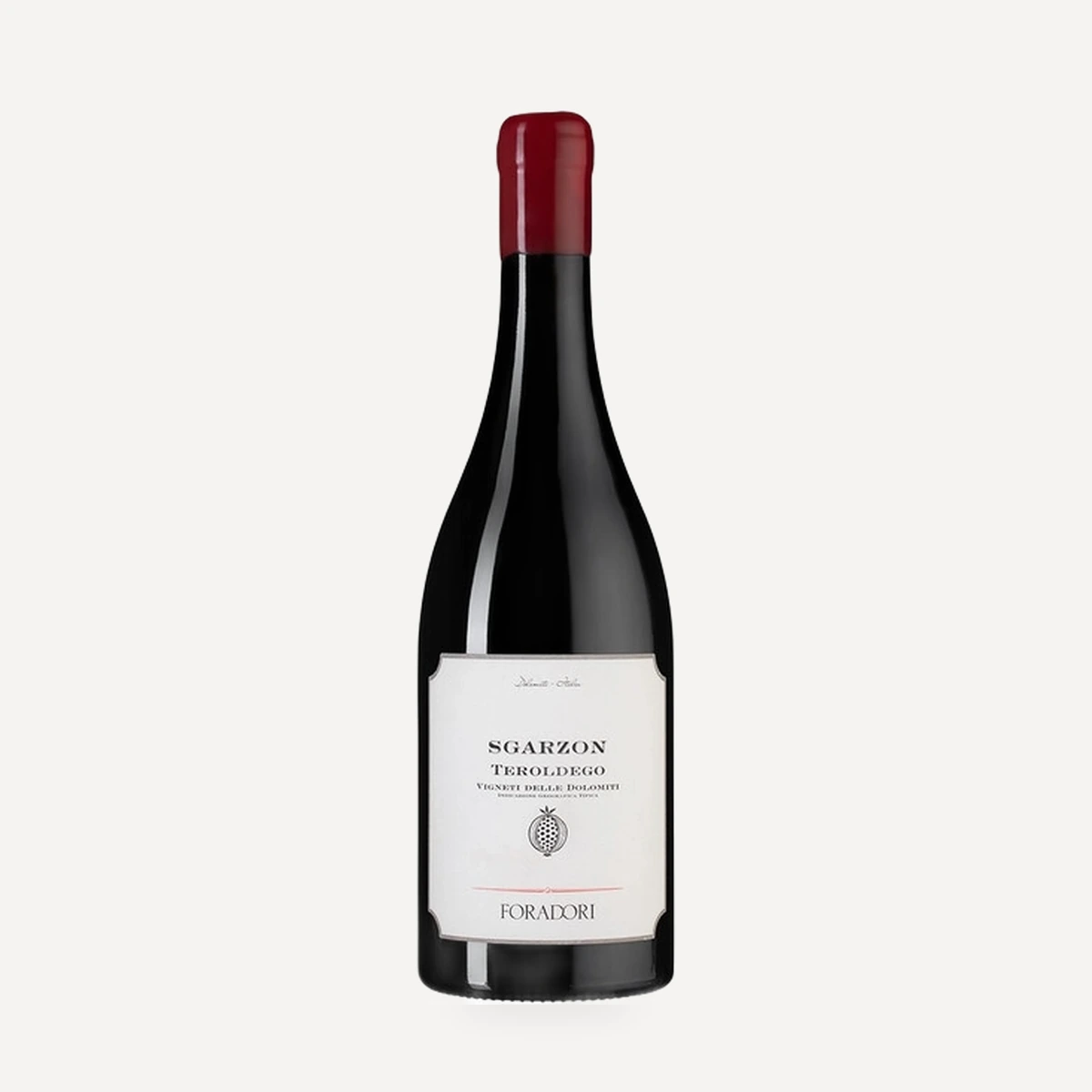
Sgarzon Vigneti Dolomiti IGT
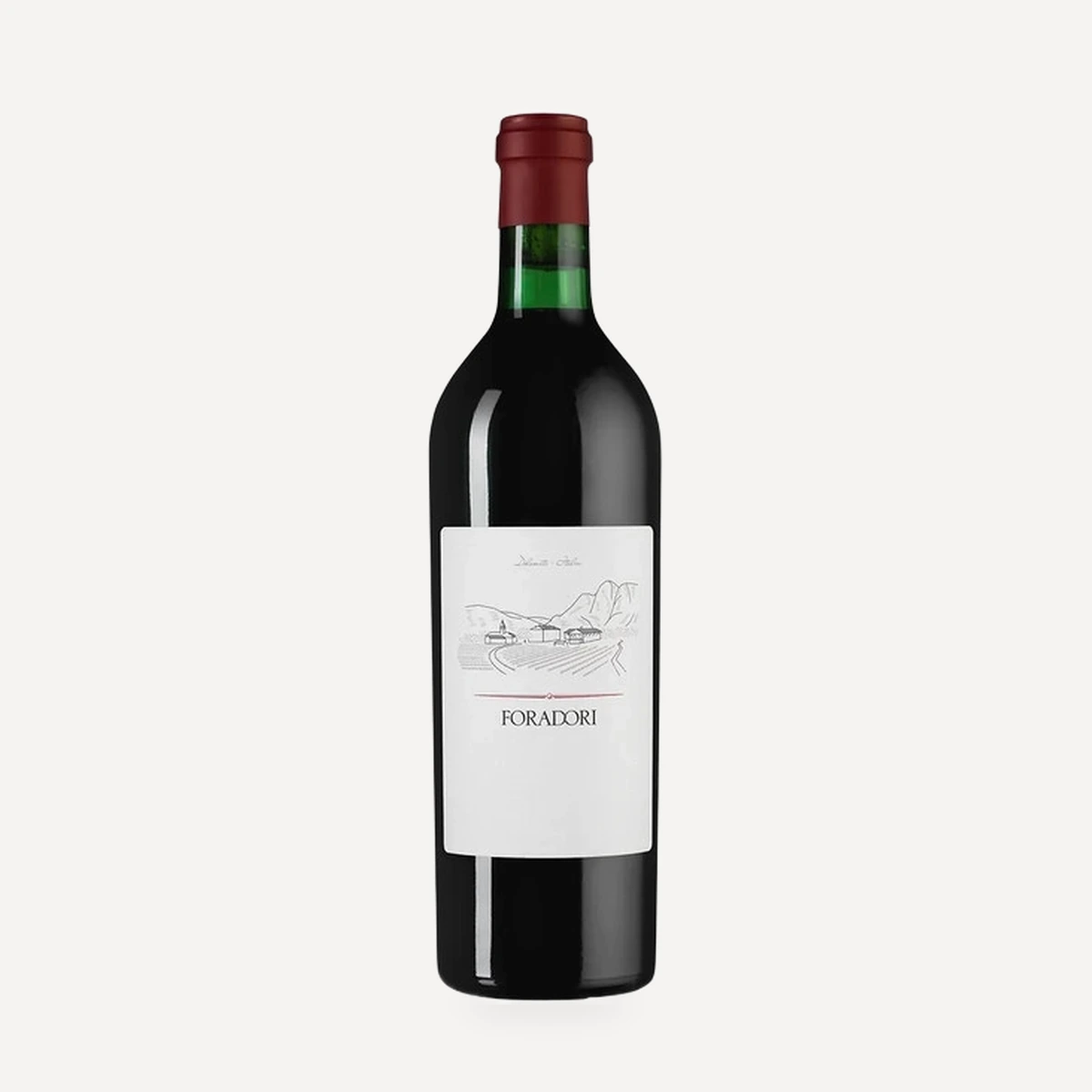
Foradori Teroldego Vigneti delle Dolomiti IGT
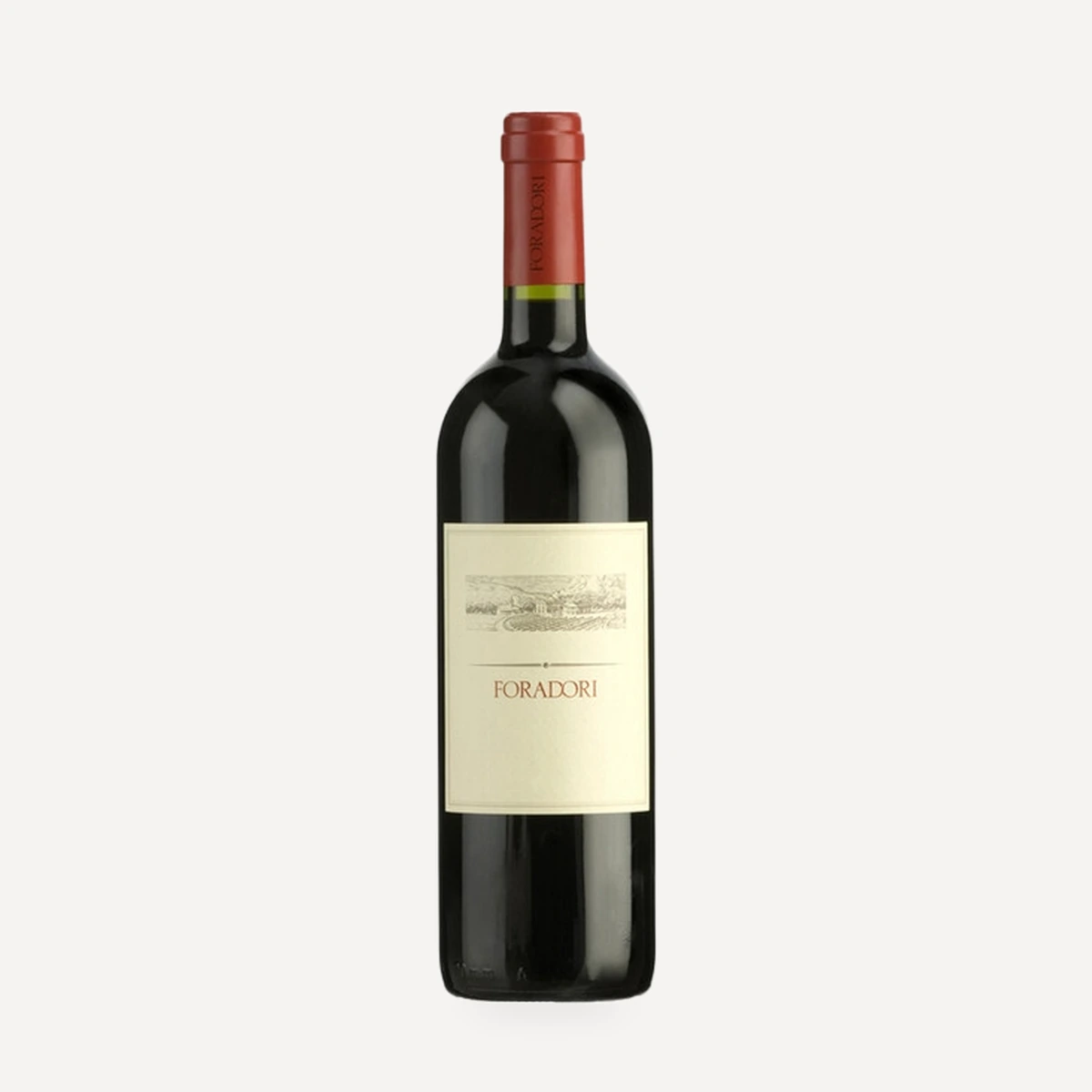
Foradori Teroldego Rotaliano DOC
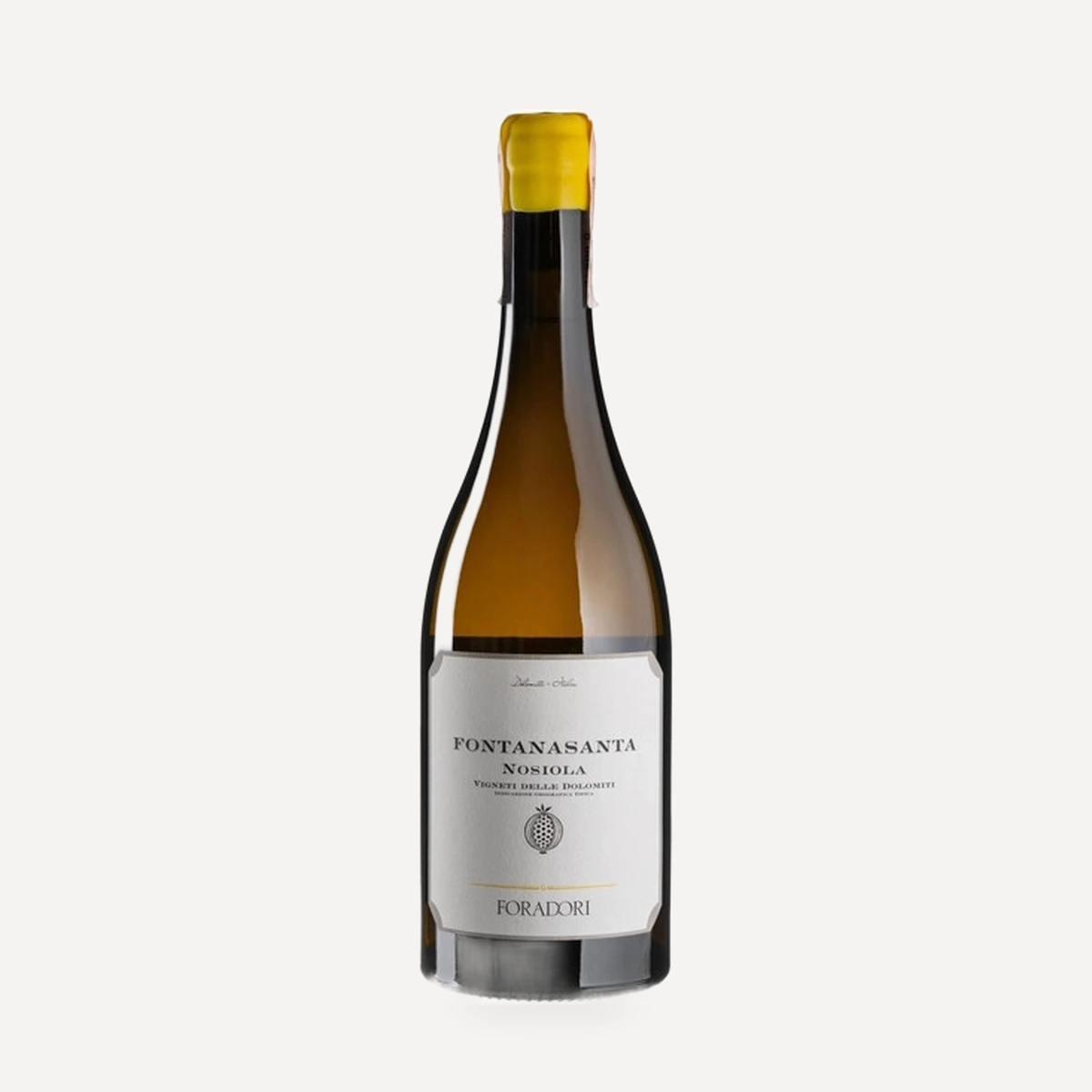
Fontanasanta Nosiola Vigneti delle Dolomiti IGT