History
Foundation and the first generation — 1898
Pietro Sartori founded the business in 1898 and purchased its first barrel. The same year also marked the birth of his son, Regolo Sartori.
Villa Maria — 1924
In 1924, Pietro acquired Villa Maria. The property already contained a vineyard within its park and a dedicated area where grapes could be dried on traditional arele racks. Villa Maria subsequently became the Sartori family’s historic residence, witnessing the growth of successive generations alongside the development of the business.
Regolo Sartori and the house identity — 1934
Regolo Sartori assumed control of the company in 1934. He registered a trademark depicting Cangrande della Scala, establishing the historical figure as the visual emblem of the house.
Amarone and the first exports — 1961–1965
The company bottled its first Amarone in 1961. Four years later, in 1965, Sartori wines were exported abroad for the first time.
International expansion and Verona — 1999
A renewed drive towards foreign markets began in 1999. At the same time, the company started building prominent cultural partnerships as an expression of its connection and sense of responsibility towards Verona.
Fondazione Arena di Verona — 2005
The relationship with Fondazione Arena di Verona began in 2005, when the company became an Official Supplier of the opera season.
Conservation of Cangrande della Scala — 2021
In 2021, a project was established to support the conservation and maintenance of the equestrian statue of Cangrande della Scala. The initiative joined the company’s historic emblem to a tangible programme for safeguarding Verona’s cultural heritage.
Terroir
Casa Vinicola Sartori works across several distinct production areas extending through the Veronese wine landscape and around Lake Garda.
Lugana
Lugana straddles Lombardy and Veneto. Its viticultural landscape moves from firm clay to more markedly morainic, gravel-bearing ground. Temperate breezes from Lake Garda maintain a mild, relatively stable microclimate with limited differences between daytime and nighttime temperatures. The characteristic soils are stratified, sedimentary morainic clays, predominantly calcareous and rich in mineral salts.
Custoza
Custoza lies in the south-western sector of the Garda morainic amphitheatre and encompasses Sommacampagna, Sona, Villafranca di Verona, Valeggio sul Mincio, Peschiera del Garda, Castelnuovo del Garda, Lazise, Pastrengo and Bussolengo. Summers are hot without becoming excessively humid, while relatively cold winters are moderated by nearby Lake Garda. The hills have varied, generally light soils interrupted by broad gravelly plains; limestone is a major component.
Valpolicella and Valpolicella Classico
Valpolicella occupies the hills and valleys north of Verona, stretching from the Adige valley in the west to the volcanic soils of the Soave production area in the east. Valpolicella Classica comprises Negrar di Valpolicella, Fumane, Marano di Valpolicella, San Pietro in Cariano and Sant’Ambrogio di Valpolicella. Eastern Valpolicella encompasses the municipality of Verona and the Illasi, Tramigna and Mezzane valleys.
Lake Garda contributes a cool, ventilated microclimate without extreme temperatures, while the Monti Lessini to the north moderate winter cold. The area contains several broad soil types defined by differences in morphology, lithology and bioclimatic conditions, creating correspondingly varied environments for the vines.
Soave and Soave Classico
The Soave production area occupies the eastern hills of the province of Verona and includes Soave, Monteforte d’Alpone, San Martino Buon Albergo, Lavagno, Mezzane di Sotto, Caldiero, Colognola ai Colli, Illasi, Cazzano di Tramigna, Roncà, Montecchia di Crosara, San Giovanni Ilarione and San Bonifacio. The predominantly hilly landscape has a mild, temperate climate, with rainfall concentrated mainly in spring and autumn. Volcanic soils supply mineral components that shape the musts.
Bardolino and Bardolino Classico
Bardolino occupies hilly and foothill terrain in the province of Verona. Its morainic hills contain highly varied soils of glacial origin, including sandy, gravelly and clay-rich ground. The combination of these soils, a mild climate and locally established grape varieties defines the production environment.
Winemaking
The house places meticulous vineyard care alongside precision in wine production and treats this work as part of a broader responsibility towards the territory and the people who live and work there. No specific soil-management regime, disease-control programme, pruning system, yield target, harvest protocol or estate-wide organic or biodynamic status is defined.
The cellars contain both tanks and barrels and are presented as spaces in which wines are kept under careful supervision for the time required to mature and develop an individual character. Their old walls also embody the continuity between the company’s historical practices and present activity.
Villa Maria already possessed a dedicated grape-drying area equipped with traditional arele racks when Pietro Sartori acquired it in 1924. This establishes drying as part of the property’s historical winemaking infrastructure. The cellar tour passes through areas containing tanks and barrels, but no comprehensive estate-wide protocol for reception, fermentation, extraction, maturation, filtration or bottling is defined.
Philosophy
Casa Vinicola Sartori frames wine as a means of strengthening relationships over time: at the table, in wine culture and throughout the connection from vineyard to glass. Its identity begins in an old cellar in Valpolicella Classica and extends through an international outlook.
Heritage
The Sartori name is treated as a living inheritance carried by both wines and people. This heritage is rooted in Veronese wine tradition and in a family history spanning five generations.
Creativity
Inherited knowledge is not regarded as static. Continuous research and innovation are intended to renew established expertise, honour the histories of Sartori and Valpolicella Classica, and keep the business oriented towards the future.
Dedication
Meticulous care in the vineyard and winery is paired with a commitment to sustainable development. The guiding ambition is a responsible balance between the needs of the territory and the wellbeing of the people who inhabit it.
Elegance
Elegance and stylistic consistency form the stated aesthetic direction. They are linked to the character of the Veronese territory and to respect for the wine culture of Valpolicella Classica.
Wines
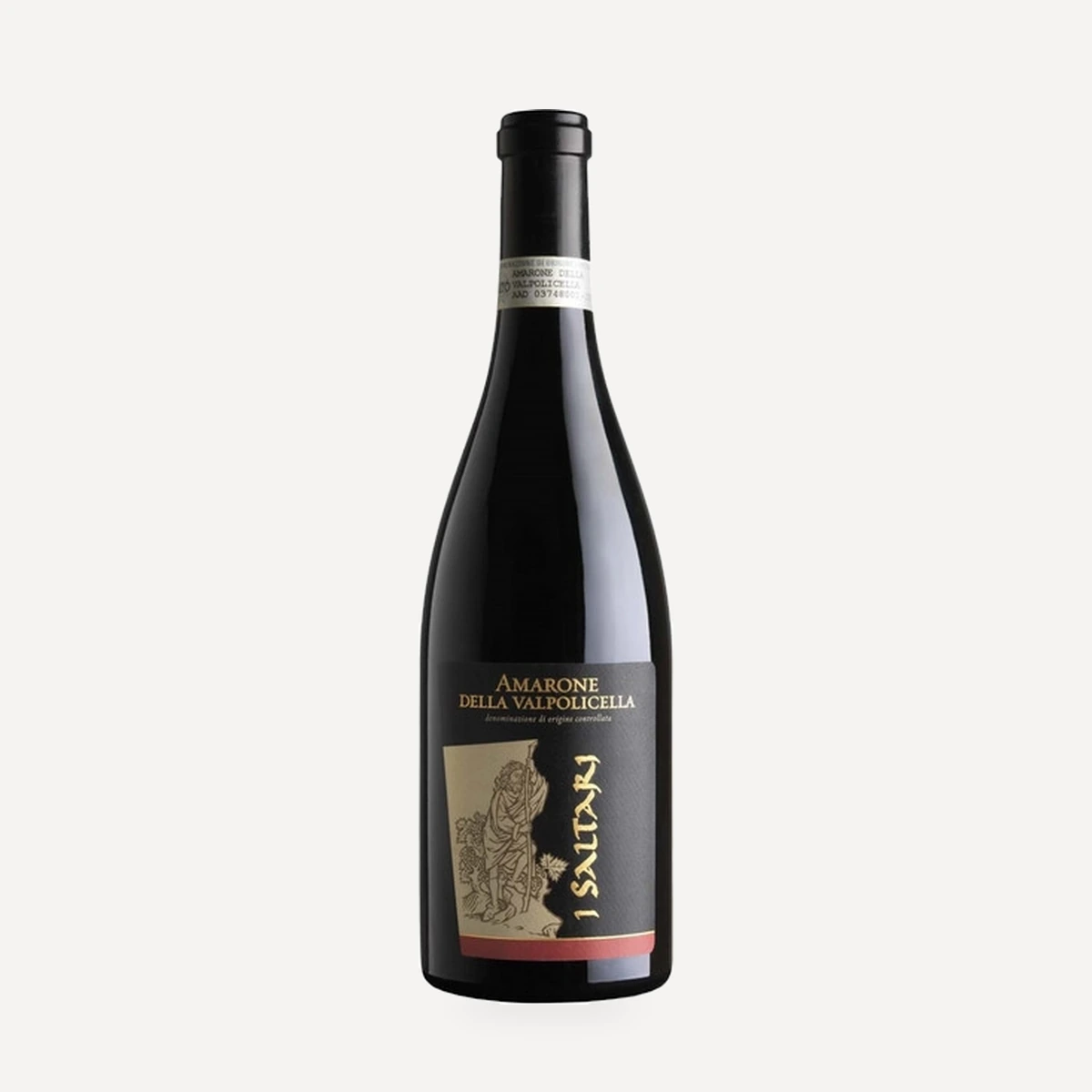
I Saltari Amarone della Valpolicella DOC
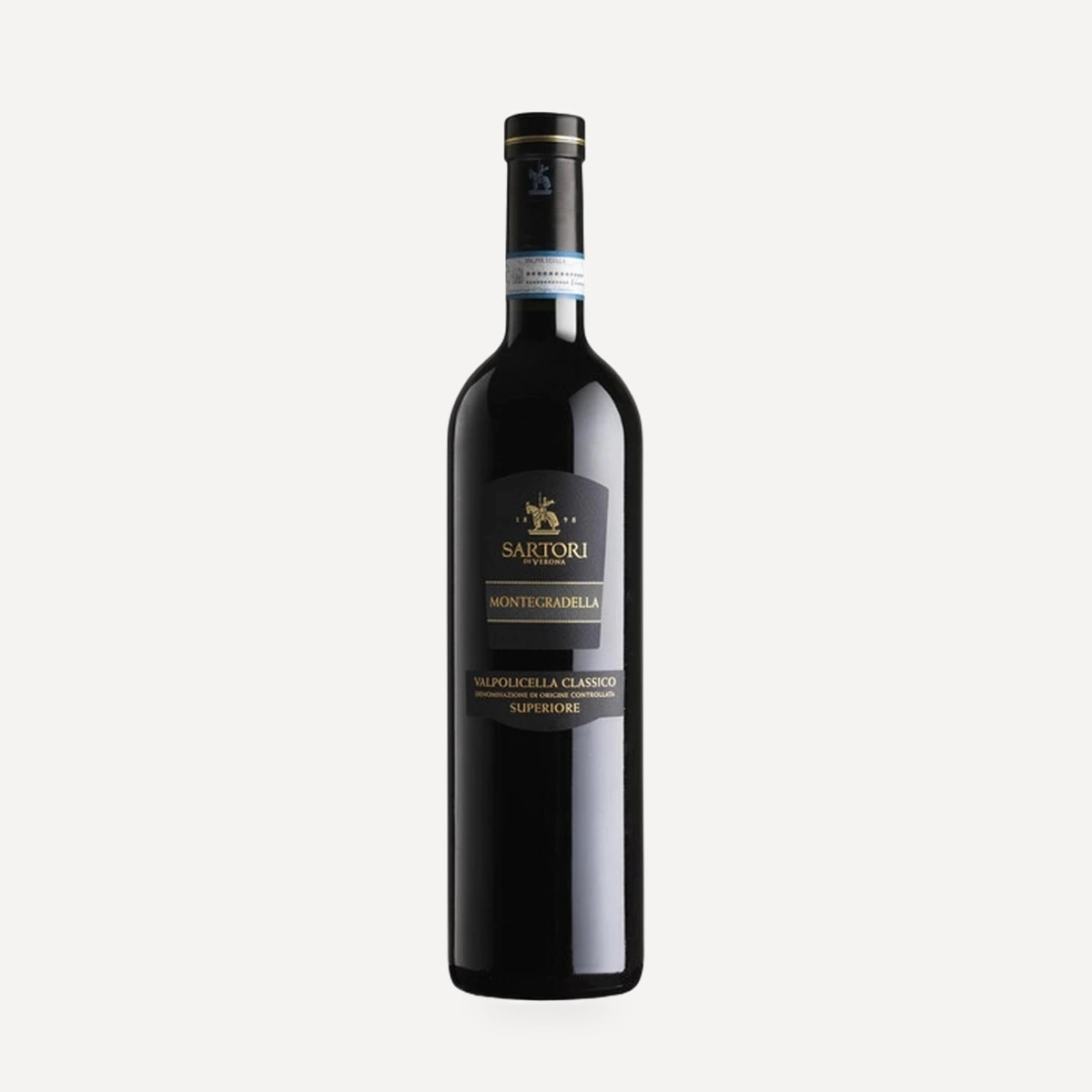
Montegradella Valpolicella Classico Superiore DOC
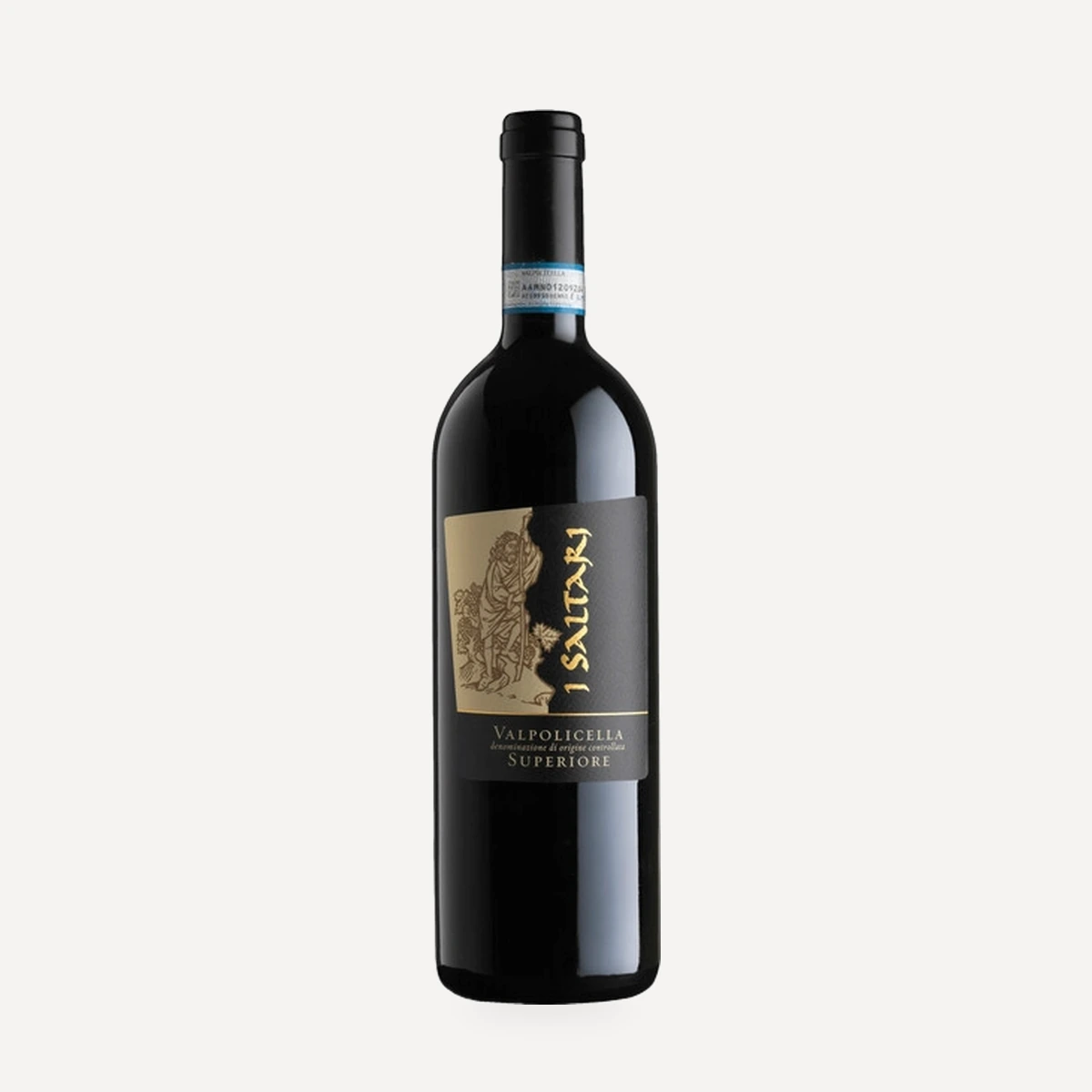
I Saltari Valpolicella Superiore DOC
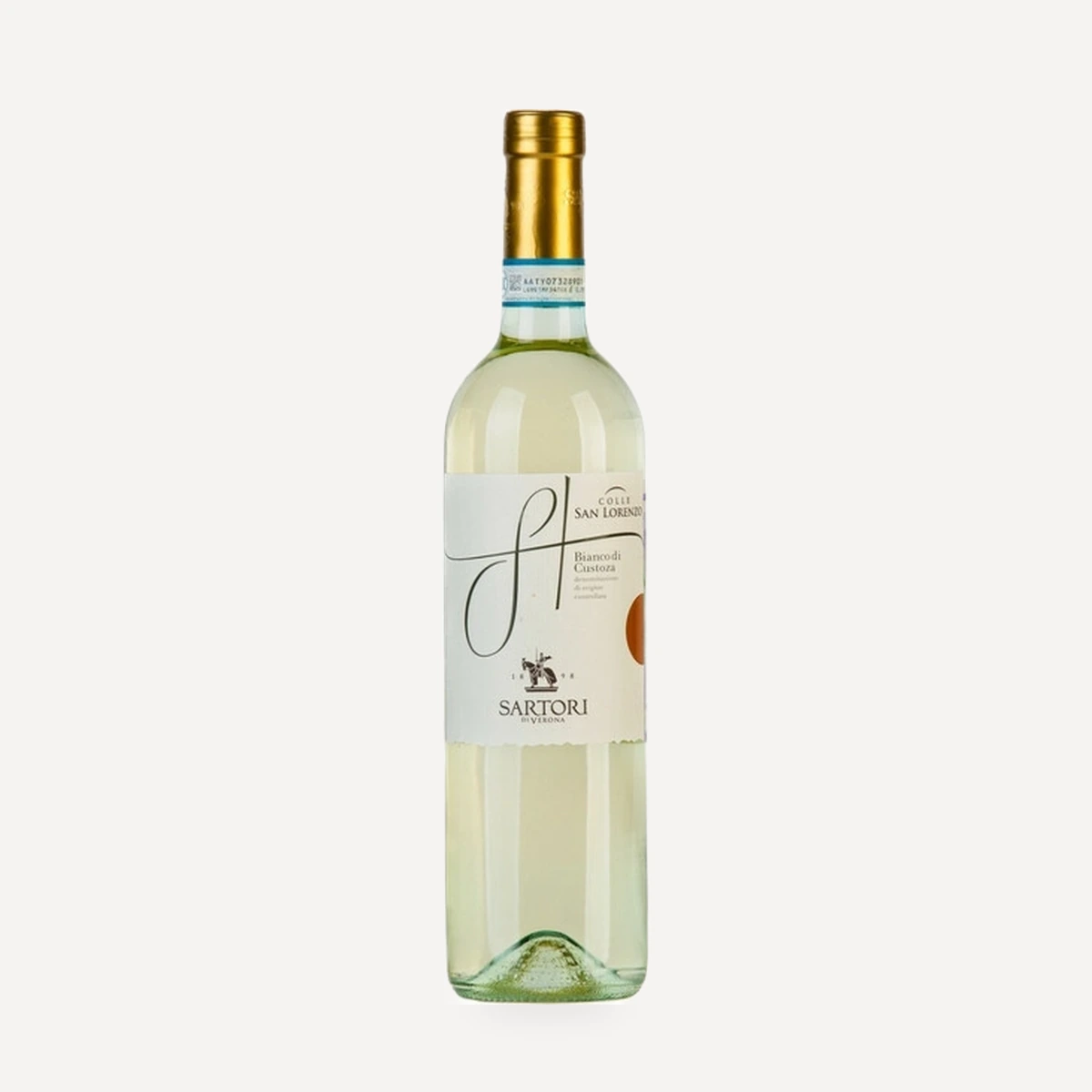
Colle San Lorenzo Bianco di Custoza DOC
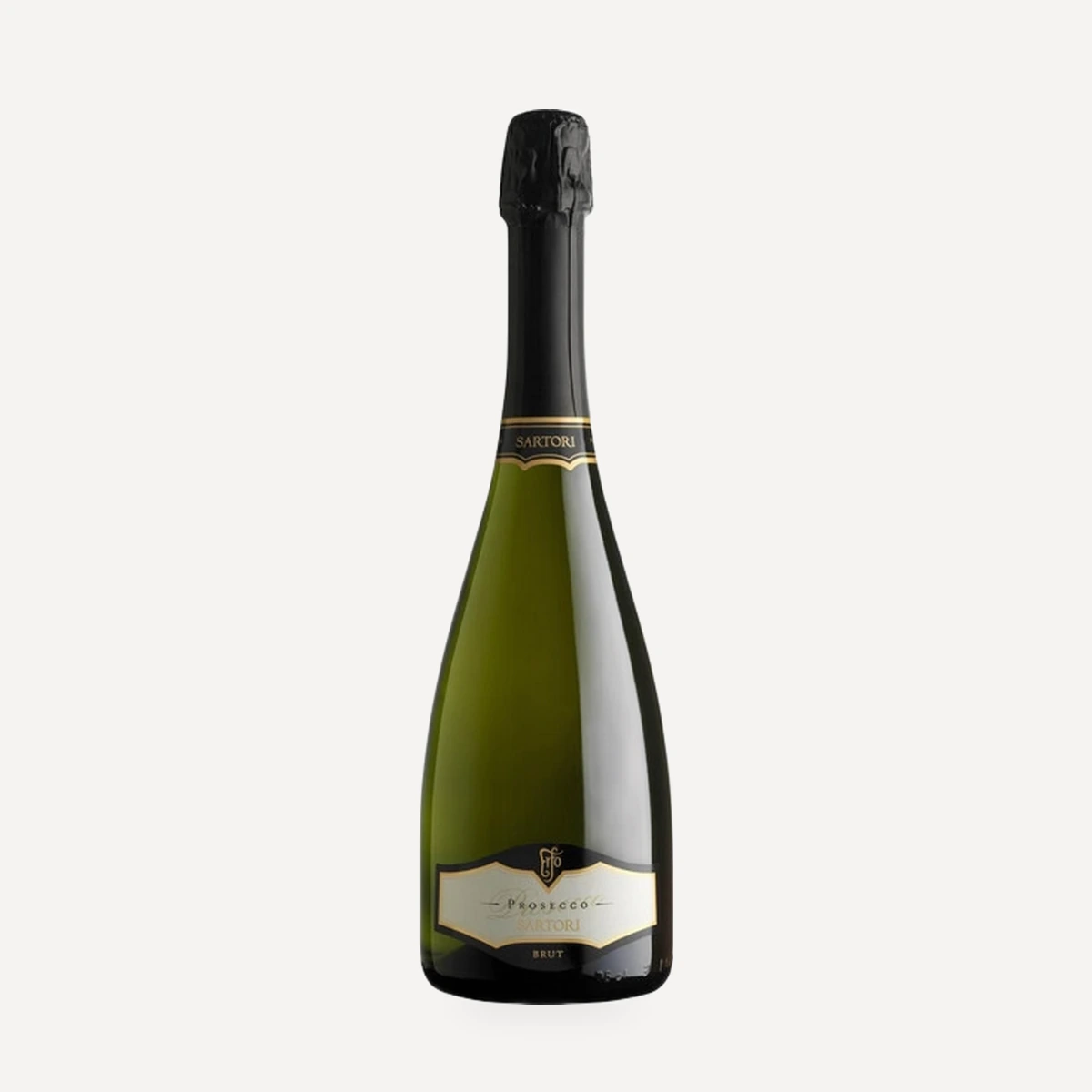
Erfo Prosecco Brut DOC
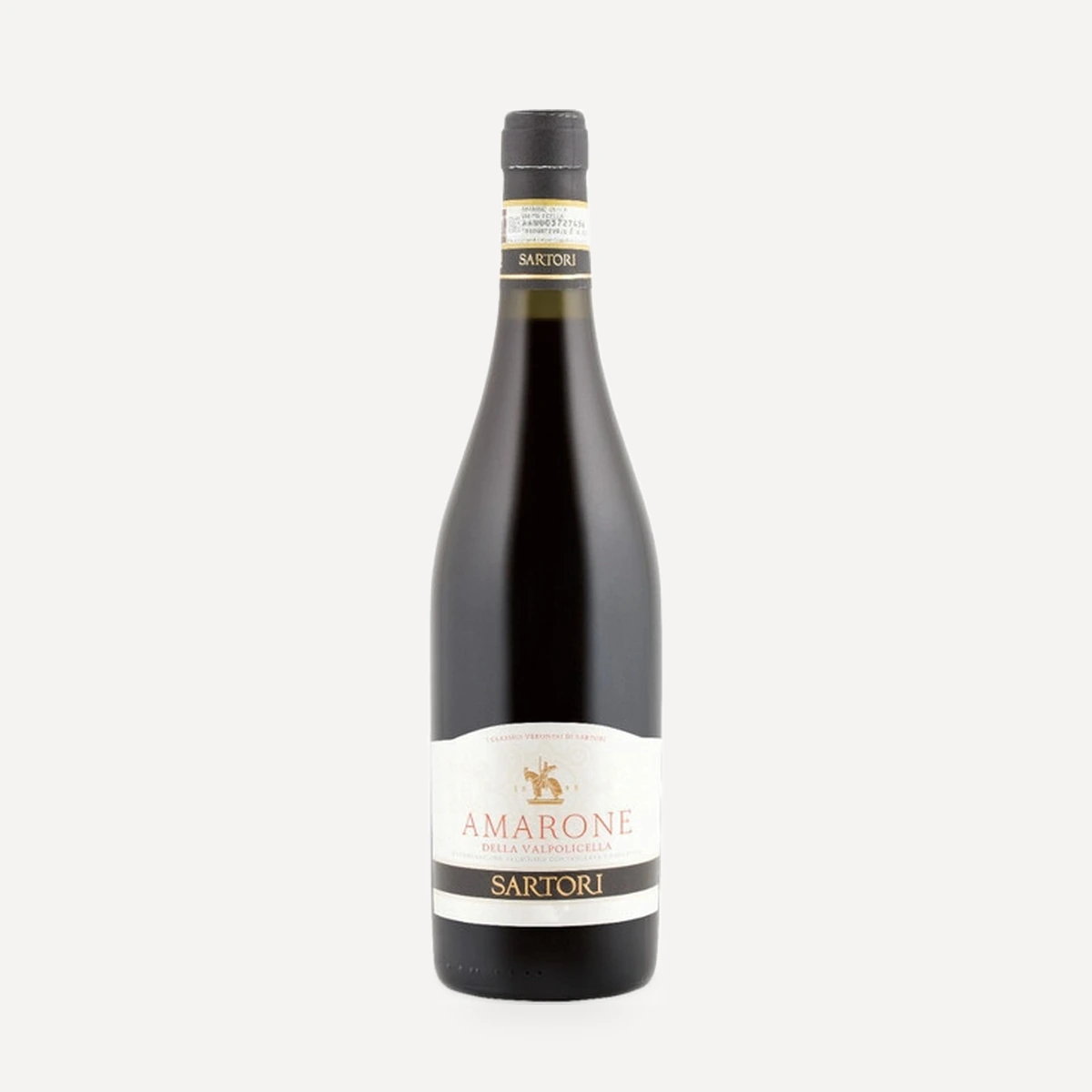
Amarone della Valpolicella DOCG
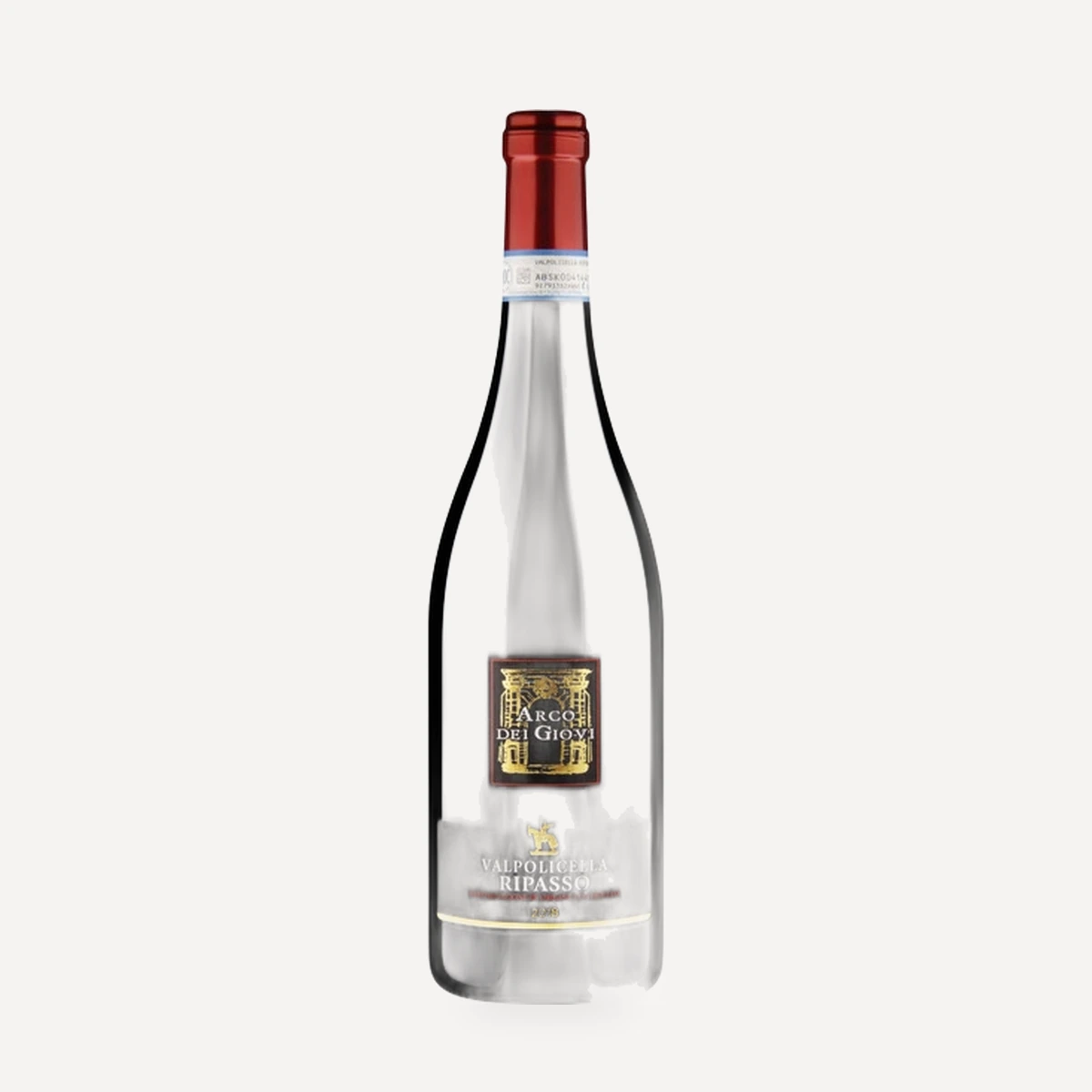
Arco Dei Giovi Valpolicella Ripasso DOC
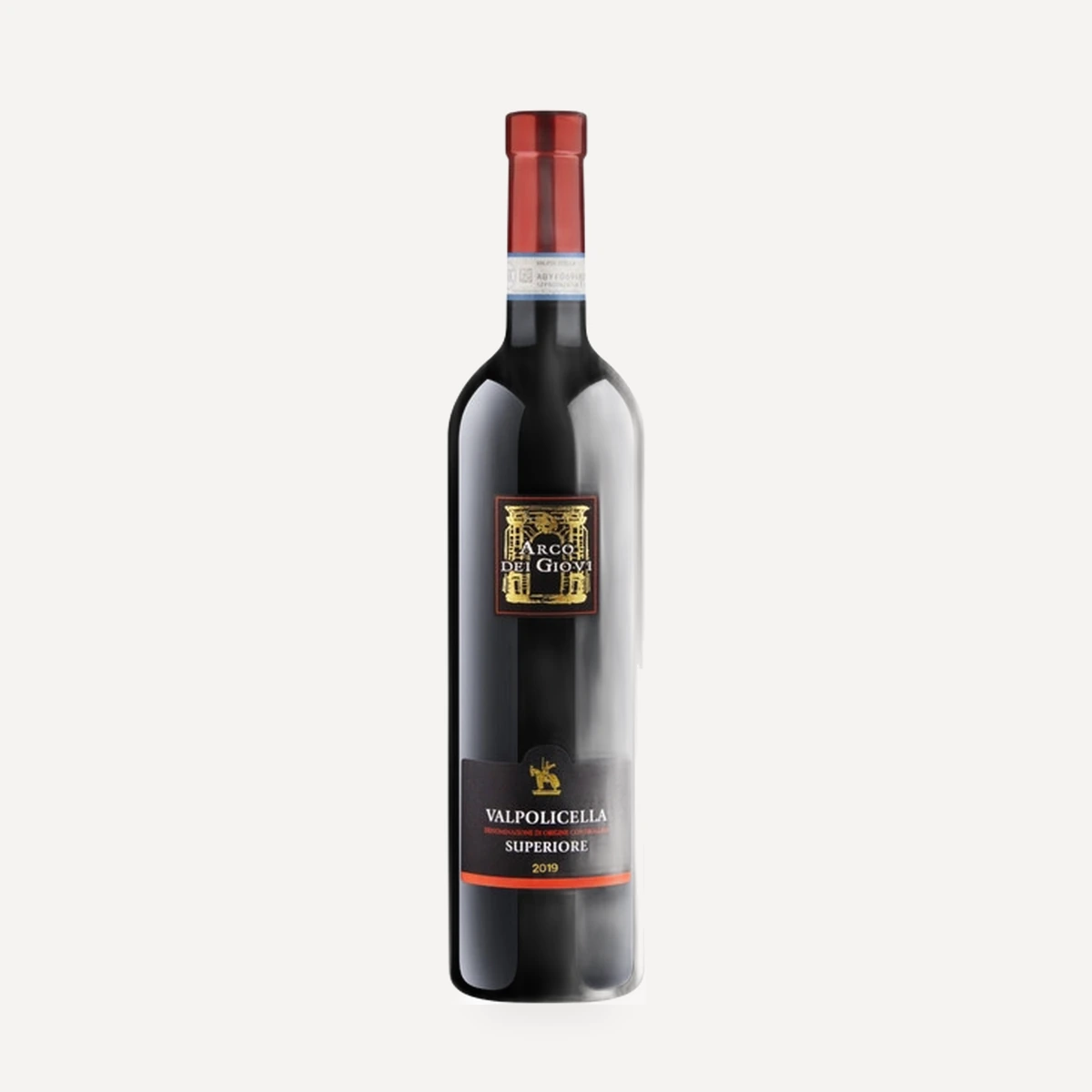
Arco Dei Giovi Valpolicella Superiore DOC
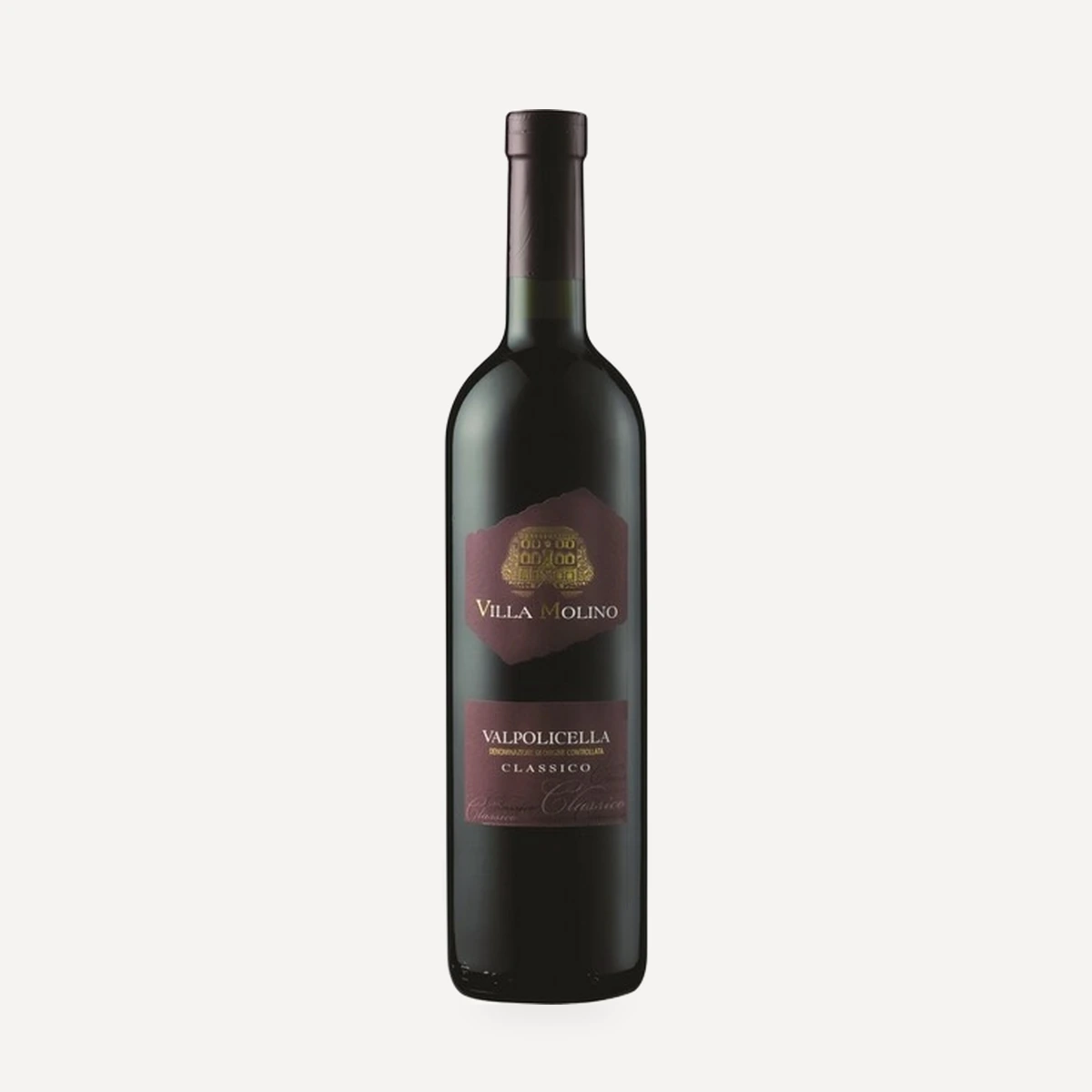
Villa Molino Valpolicella Classico DOC
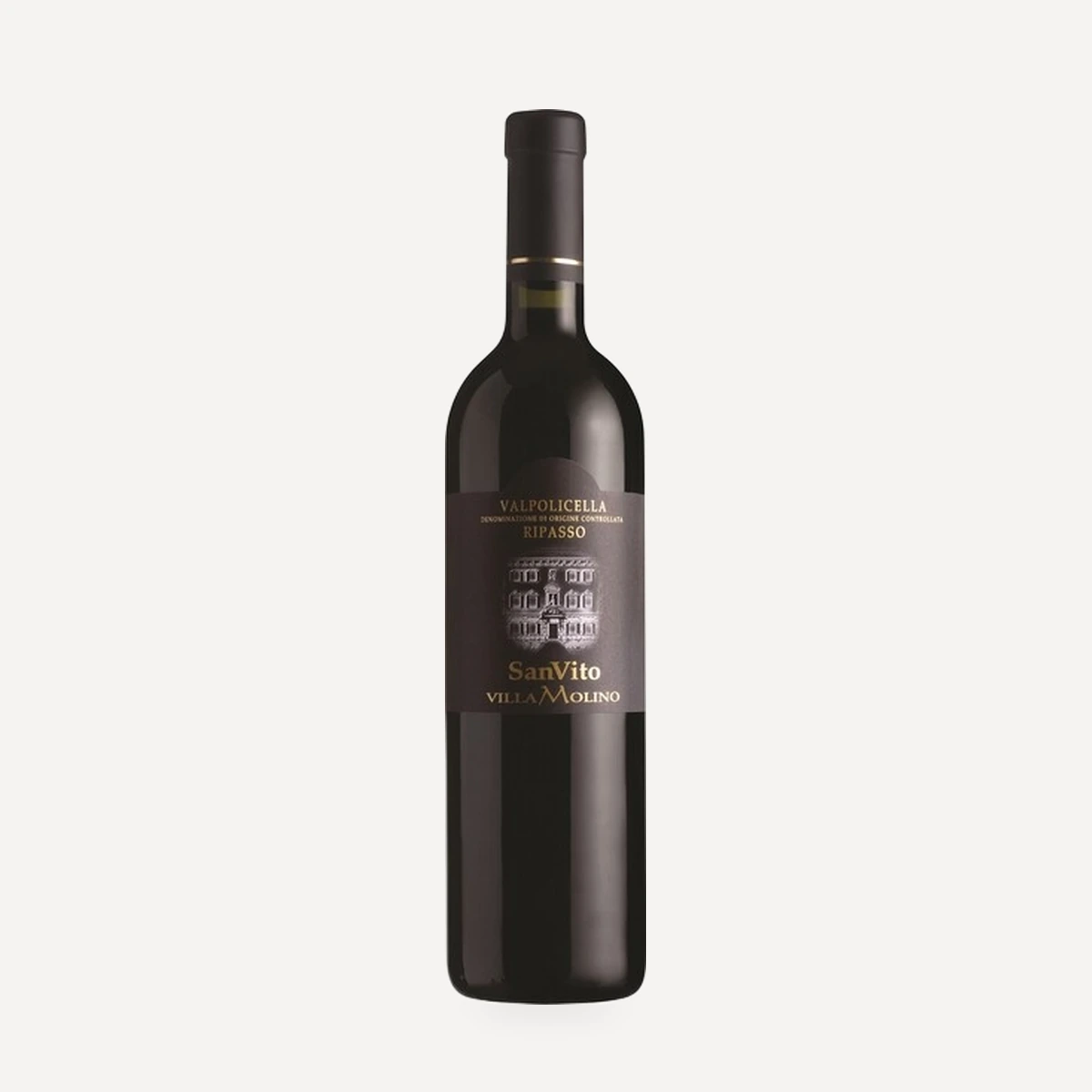
Villa Molino Valpolicella Ripasso DOC
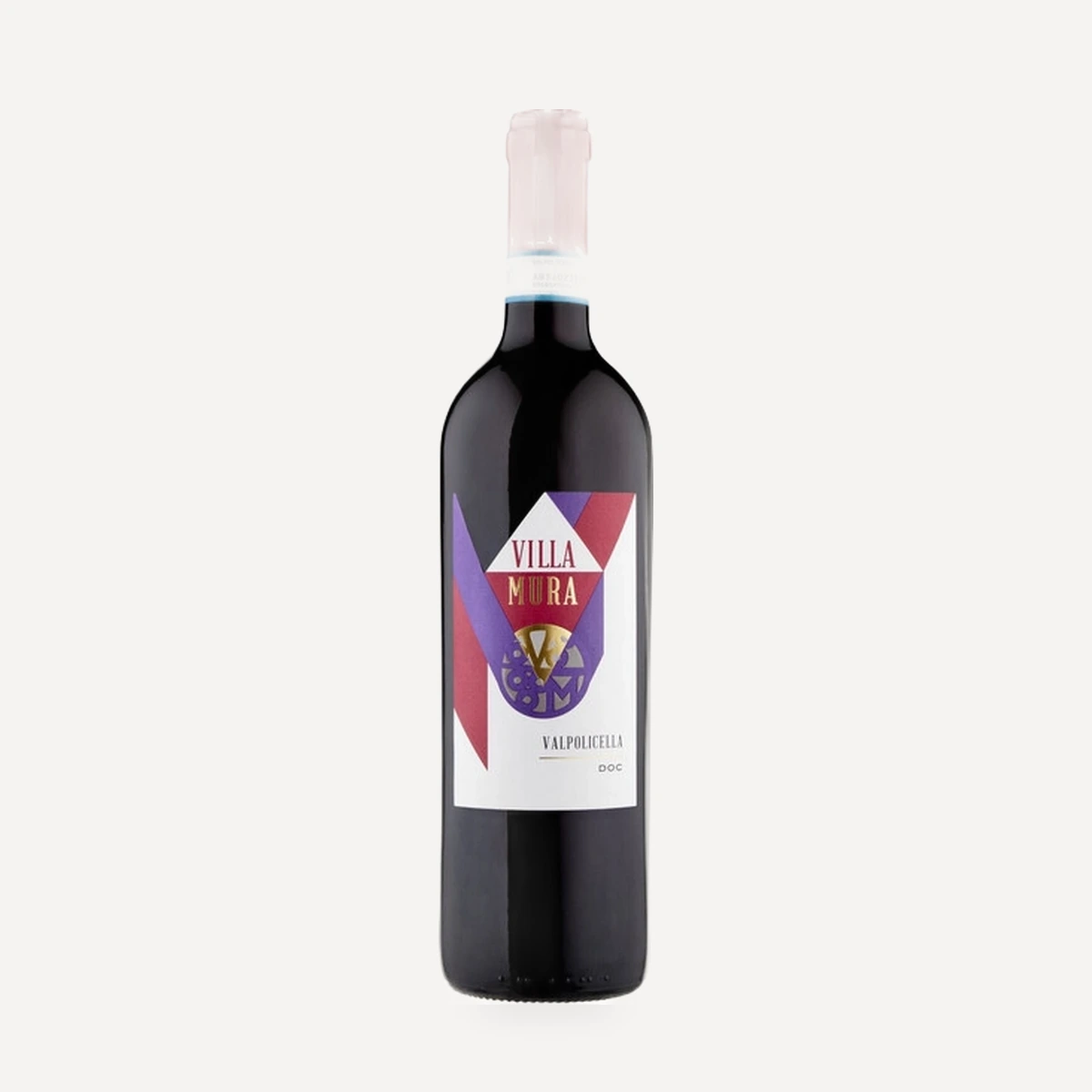
Villa Mura Valpolicella DOC
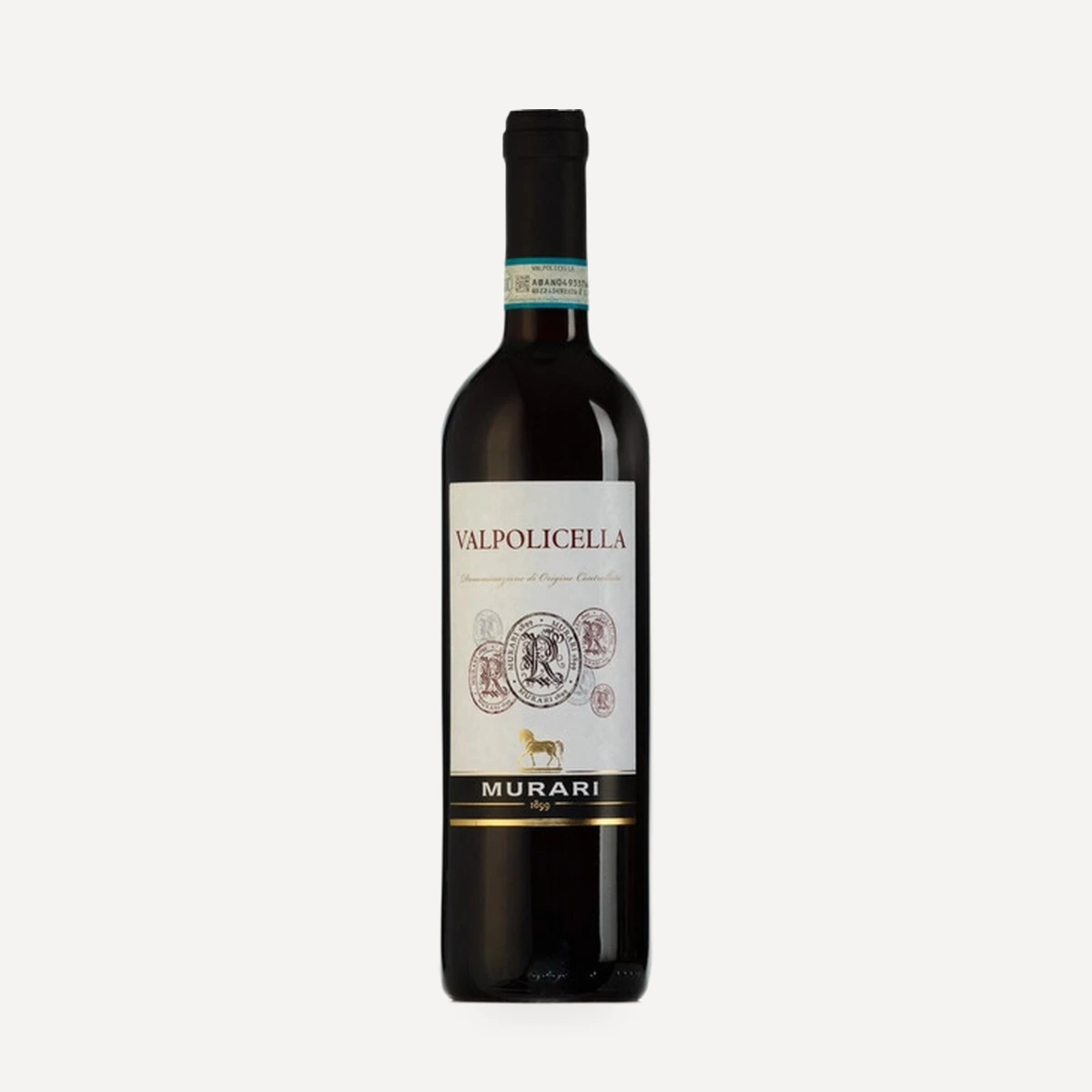
Murari Valpolicella DOC
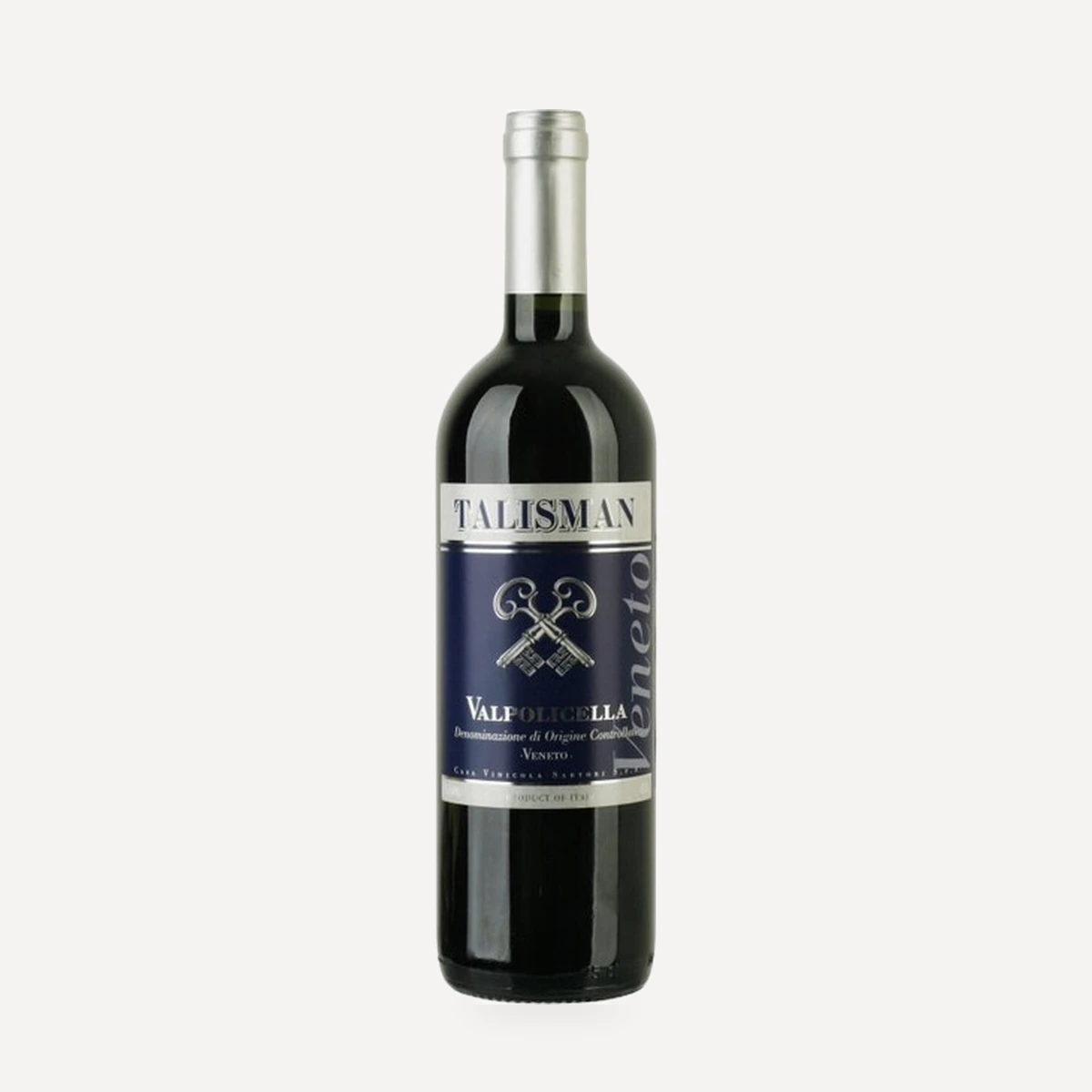
Talisman Valpolicella DOC
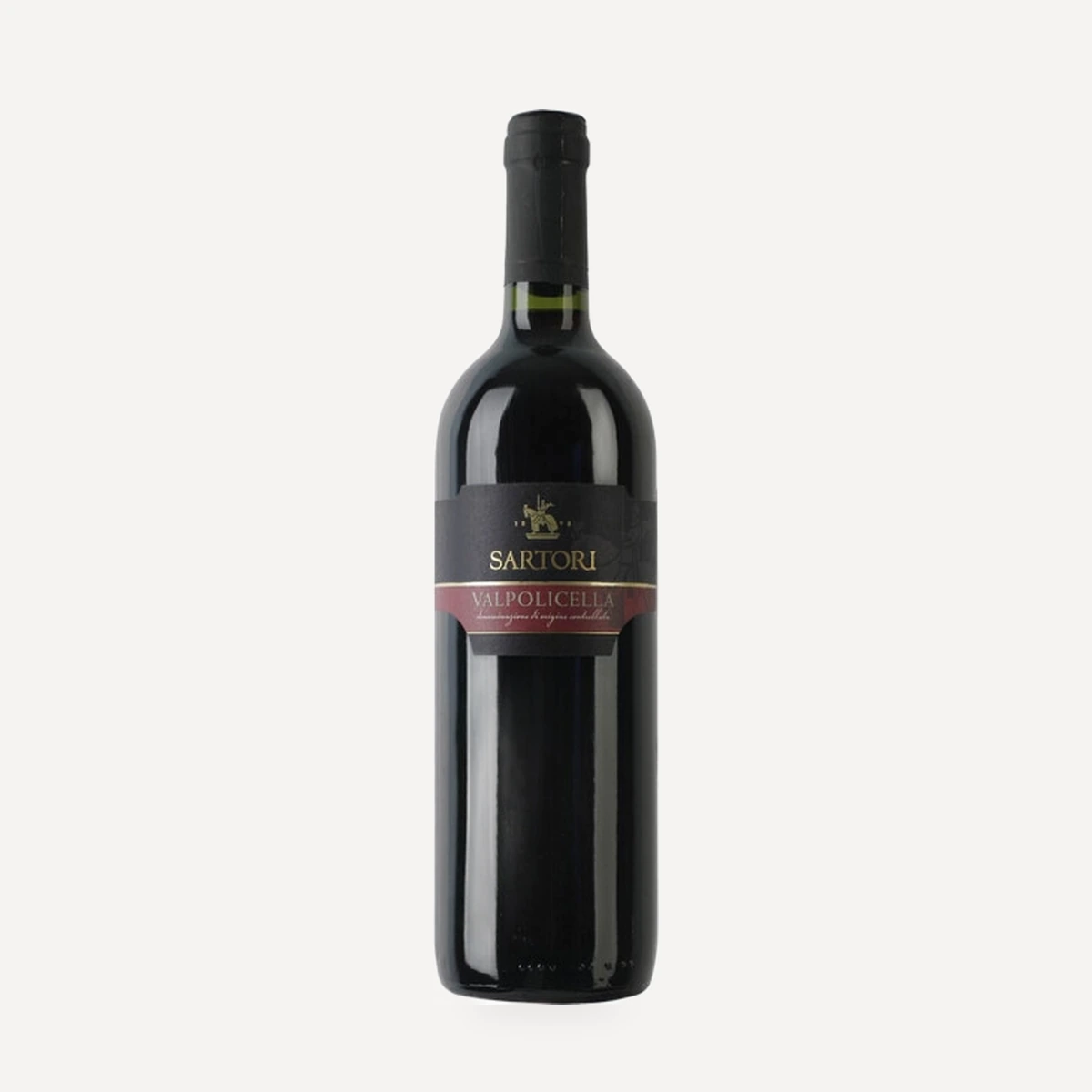
Valpolicella DOC
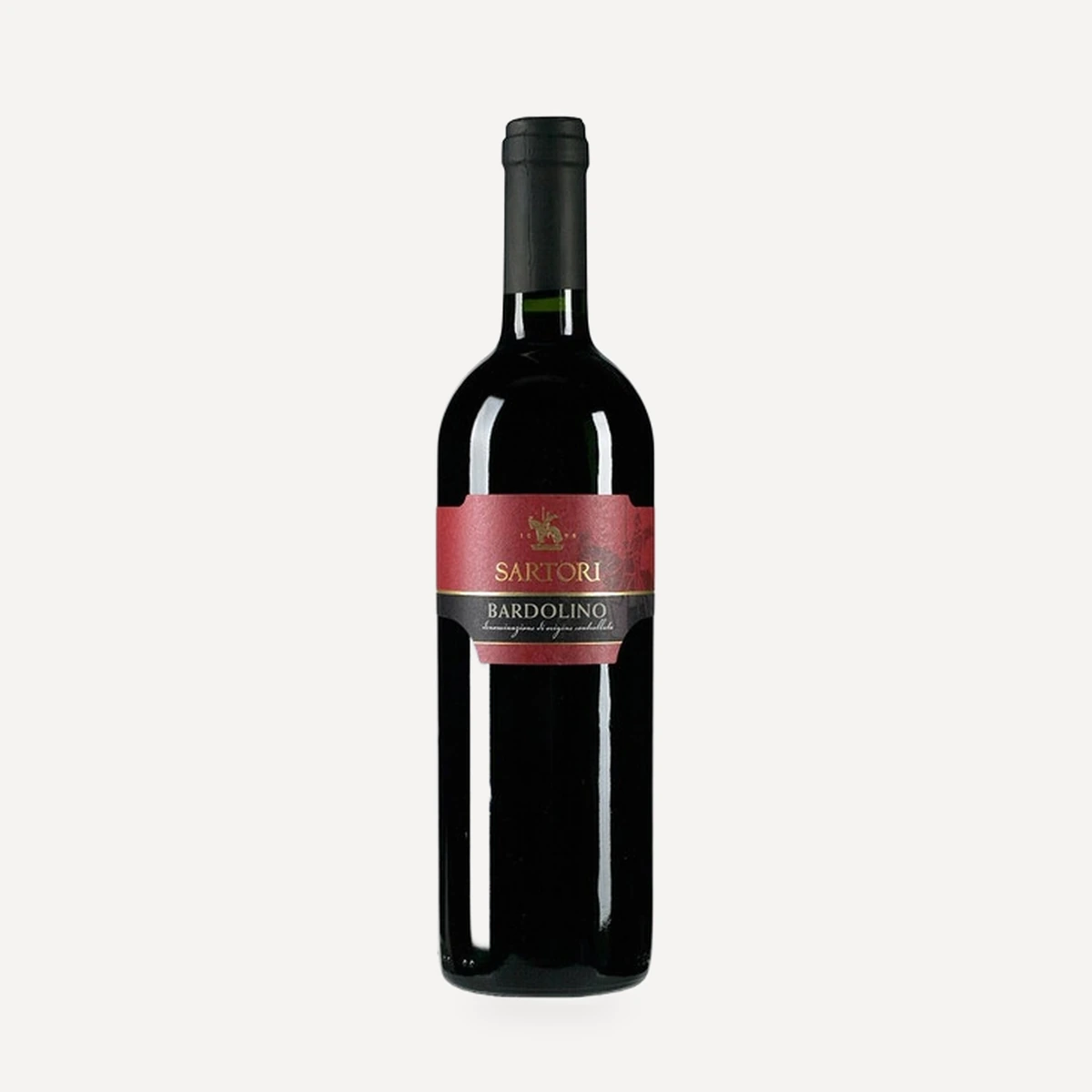
Villamura Bardolino DOC
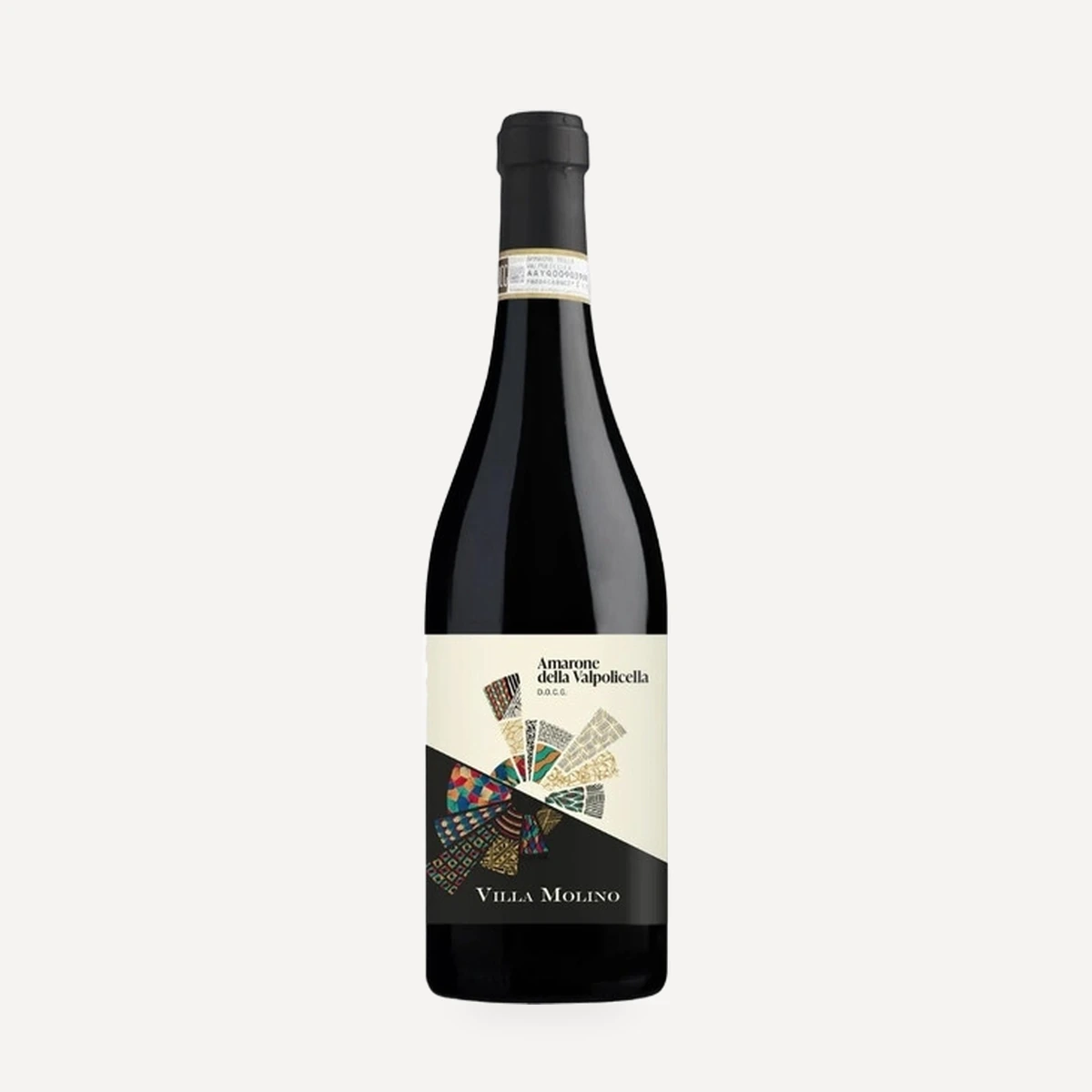
Villa Molino Amarone della Valpolicella DOC
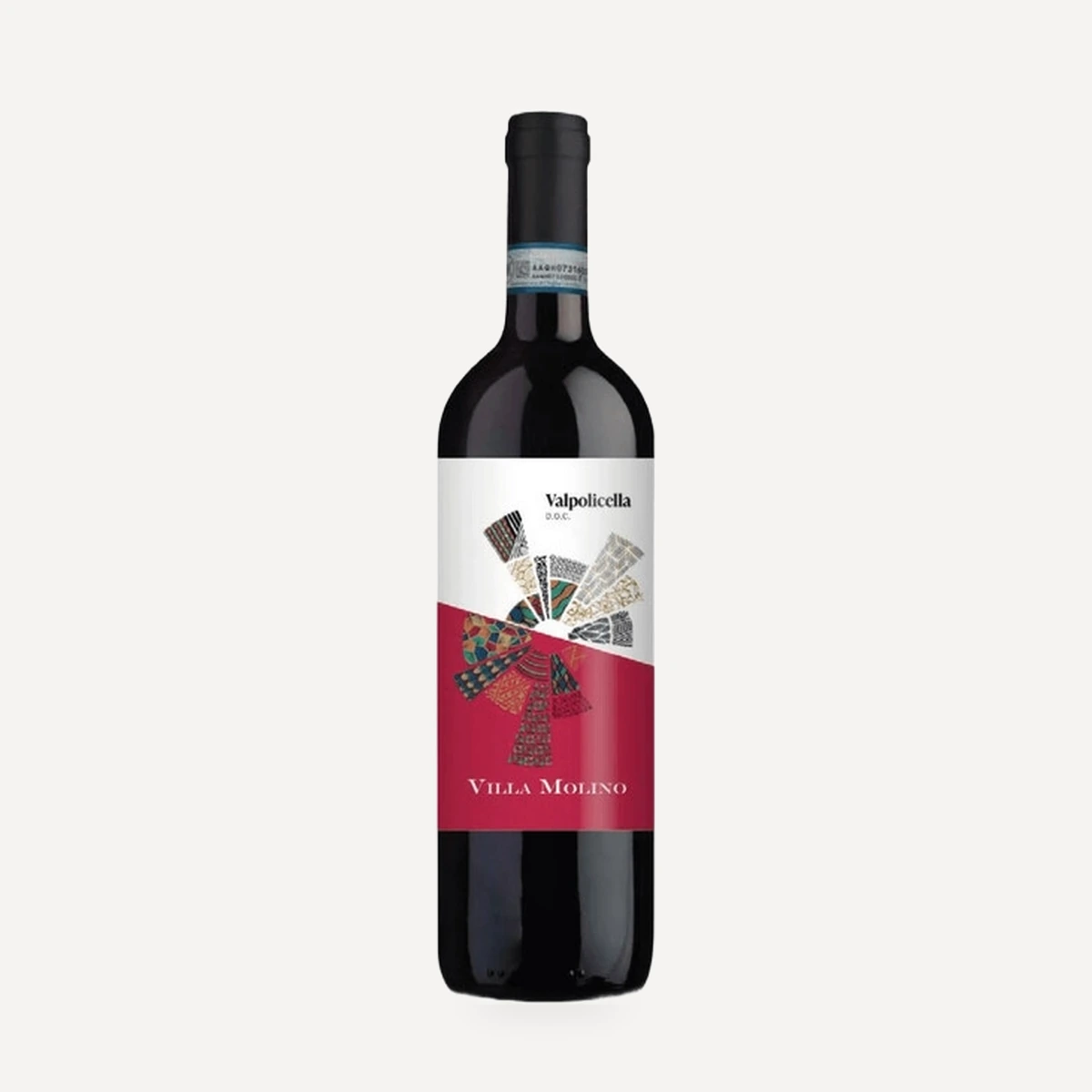
Villa Molino Valpolicella DOC