Storia
Origins in San Lorenzo
Lis Neris was founded in 1879 in San Lorenzo, where the southern slopes of the hills meet the glacial plateaux of the Isonzo River Valley. The family made its home in this borderland, and five generations have since contributed to the estate’s development. The surrounding villages and vineyards formed the agricultural setting in which the business grew.
The valley’s cultural identity reflects its position between Latin and Germanic Europe. Ancient Rome, the Republic of Venice and the Austro-Hungarian Empire all formed part of its historical setting, and the estate regards this meeting of cultures as an important component of its own identity.
1981: a new production vision
The decisive production change came in 1981. A new approach began to take shape, directed toward higher quality rather than continuity for its own sake. White wines emerged as the central expression of the territory and became the foundation of the estate’s mission. The long-term objective remained continual improvement through the creation of the best possible conditions in the vineyard and cellar.
New projects and categories
In 1989, Lis Neris began producing the red cuvée bearing the estate’s name. Based on Merlot and Cabernet Sauvignon, it has subsequently been made only in selected vintages.
A new sparkling-wine project began in the summer of 2008. The purpose was to explore another expression of Chardonnay from the Isonzo Valley while combining traditional bottle fermentation with research and technical refinement. This project developed into the Dom Jurosa Metodo Classico range.
The range later took shape around several distinct expressions: premium single-varietal wines from historic vineyards; premium cuvées assembled from selected varieties and parcels; Metodo Classico Chardonnay; a family caveau holding limited quantities of special vintages; and traditional wines from younger vineyards.
Fifth-generation continuity
The fifth generation remains active in representing the family and its work. Federica Pecorari represented Lis Neris at international events in Paris and New York in 2026, continuing the estate’s family presence alongside Alvaro Pecorari’s long-standing role in articulating its production philosophy and interpreting its wines and territory.
Terroir
The Isonzo River Valley
The vineyards occupy the Upper Isonzo Valley in eastern Friuli Venezia Giulia. More than 70 hectares extend between the Slovenian border to the north and the right bank of the Isonzo River to the south. The principal vineyard communes include San Lorenzo, Romans, Corona and Moraro.
Geological formation and soils
The landscape originated through Alpine glaciation. Glaciers carved the valley, while meltwater shaped its present contours and created a plateau of deep gravel. Much of the estate lies on broad, calcareous gravel and alluvial deposits at approximately 25–60 metres above sea level.
Surface pebbles are locally known as claps. They provide rapid drainage and absorb solar heat during the day, releasing it after sunset. This stored warmth supports complete, even ripening and contributes to the concentration and breadth sought in the wines.
A contrasting sector used for Ribolla reaches approximately 80–140 metres above sea level and has Eocene flysch, or ponca, soils. Ribolla is associated with the sunny, exposed conditions of this area.
Wind and temperature
The Bora enters the valley from the northeast. Its cooling influence creates valuable temperature changes, particularly between summer days and nights. These shifts promote aromatic concentration while helping the grapes retain balanced acidity and freshness.
The estate interprets the interaction of warm gravel and cooling wind as a balance between power and elegance. The valley’s position between Latin and Germanic cultures provides the parallel cultural framework for this interpretation of the wines.
Vinificazione
Lis Neris follows a sustainability-based approach intended to protect the territory, air, vineyards and water while preserving the identity of the fruit. Vineyard treatments employ active ingredients selected for low environmental impact, and chemical weed killers are avoided.
The approach begins with soil health. Healthy soil is expected to help vines develop their own defences, respond resiliently to difficult conditions and direct energy toward balanced fruit. Organic fertilisation and integrated pest management under European rules have also formed part of the vineyard programme.
Traditional manual work remains central. Pruning, shoot selection, leaf removal, cluster thinning and harvesting are performed by hand. Grapes are selected carefully during harvest, while the oldest parcels of Jurosa receive a precision harvest for the long-aged Metodo Classico wine.
Environmental measures extend to the buildings. The winery stands in the centre of the village and was designed to integrate into the surrounding landscape. Solar power supplies clean energy for its operations.
Winery and production structure
The winery is located in the centre of San Lorenzo and is conceived as part of the village landscape. Solar energy powers the facility. Fruit is handled through distinct production paths according to vineyard age, variety and intended expression.
Historic-vineyard white wines
For the premium single-varietal range, grapes from the historic vineyards are kept separate by variety and place of origin. Fermentation and maturation commonly take place in 500-litre French oak tonneaux. The purpose of this format is to broaden aromatic complexity without obscuring varietal or vineyard character.
Gris and Jurosa ferment in 500-litre French oak and remain on fine lees in the same vessels for approximately 11 months, with frequent bâtonnage. Picol and La Vila combine stainless steel and 500-litre French oak during an approximately 11-month fine-lees maturation, again with frequent bâtonnage. Bottling is followed by cellar ageing. Selected vintages are retained in limited quantities in the family caveau for extended maturation.
Cuvées
Premium cuvées result from strict selection and the blending of different varieties or historic vineyards. White cuvée components may ferment in 500-litre French oak, mature on fine lees for approximately 11 months with frequent bâtonnage, and then undergo extended stainless-steel maturation after blending.
Fiore di Campo Gold is fermented in large wooden vessels, remains on fine lees in the same containers for approximately 11 months with frequent bâtonnage, and receives a further long maturation in stainless steel after assembly.
Tal Lùc is made from a cuvée of dried white grapes. After harvest, the grapes dry gradually for approximately 120–130 days in a controlled environment. Fermentation and maturation take place in new 225-litre French oak barrels, followed by bottling and prolonged bottle ageing. The wine is not filtered.
The red Lis Neris cuvée combines Merlot and Cabernet Sauvignon. Maceration takes place in stainless steel for approximately 10–15 days with regular délestage, followed by 15–20 months in 225-litre French oak and extended bottle maturation. The traditional Cabernet Sauvignon follows a related path: approximately 8–10 days of stainless-steel maceration with délestage, then about 15 months in 500- and 225-litre oak.
Traditional wines
Grapes for the traditional wines come from the younger vineyards. Fermentation and maturation are principally in stainless steel. White wines remain on fine lees in their fermentation tanks for approximately eight months with frequent bâtonnage before bottling and cellar ageing.
Metodo Classico
The sparkling wines are vintage Chardonnay expressions. Only free-run must obtained by low-pressure pressing is used. The base wine ferments in 500-litre French oak and matures on fine lees in the same barrels for about eight months with frequent bâtonnage. Dom Jurosa Brut spends a minimum of 36 months on lees after tirage, while Dom Jurosa Extra Brut, made from precisely harvested fruit from the oldest Jurosa parcels, spends at least 60 months on lees.
Filosofia
Lis Neris defines its work through the principle “more terroir, less varietal.” Variety remains important, but the central objective is to express the interaction of place, microclimate, soil and human work.
The estate associates the heat stored by the claps with power and the cooling Bora with elegance. Complexity arises from the tension and balance between these two qualities. Cultural identity follows a similar pattern: the Isonzo Valley is understood as a meeting point between Mediterranean and northern European influences, and the wines are intended to reflect that duality.
Quality is treated as an ongoing process rather than a completed achievement. Since the production change of 1981, the aim has been to improve the wines continually by creating the conditions in which vineyard and vintage can express themselves fully. Experience, research and balance are placed alongside inherited tradition.
Environmental stewardship is framed as an obligation to future generations. Respect for soil, vines and the surrounding countryside is intended both to preserve nature and to retain the territorial identity of the fruit. In the cellar, vessel choice and ageing are adapted to each range: historic vineyards receive longer, more elaborate élevage, while younger-vineyard wines are handled more simply in stainless steel.
The estate also rejects the assumption that white wine must be consumed young. Its caveau programme and extended maturation of still and sparkling wines are intended to demonstrate the depth and evolutionary capacity of its white wines.
Vini
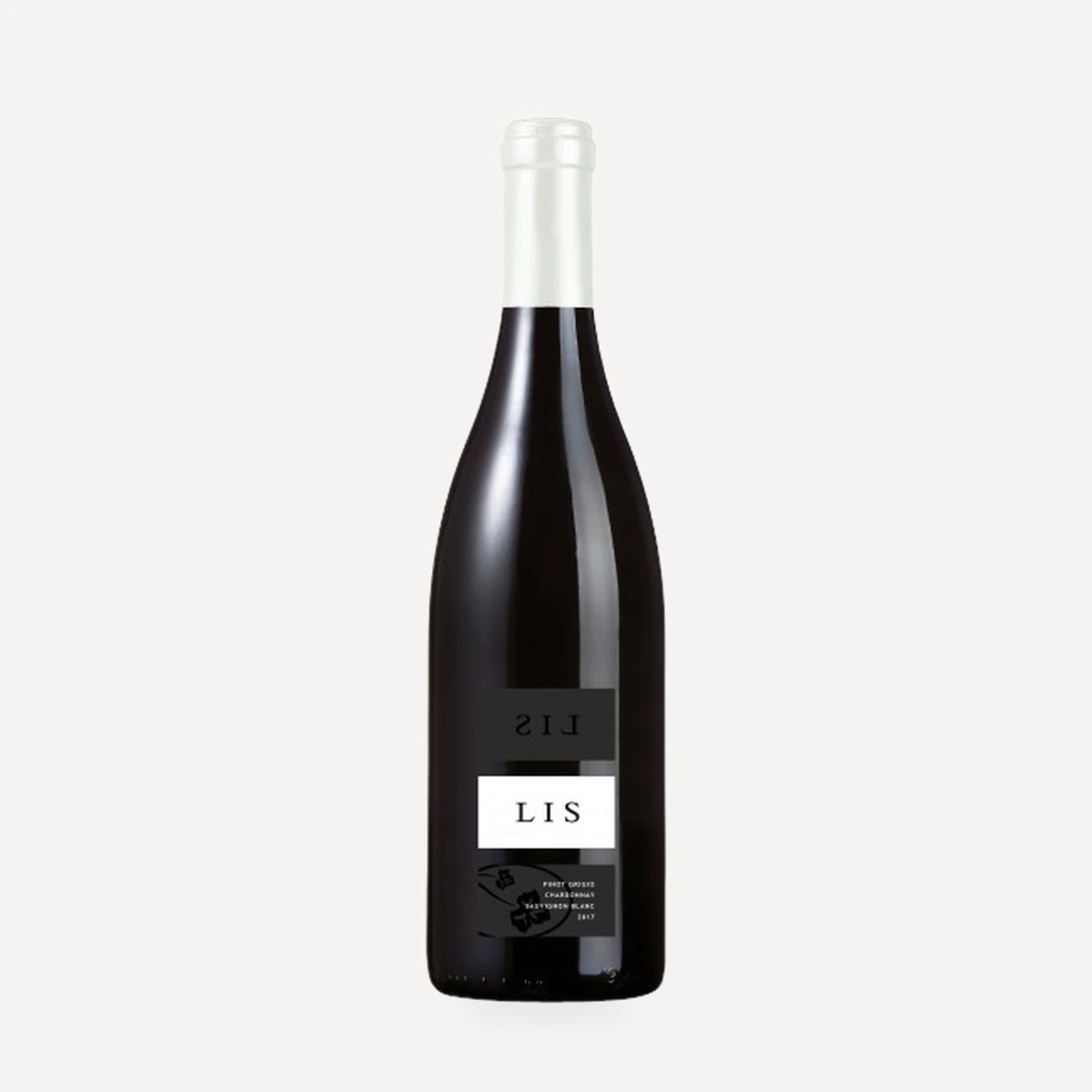
Lis
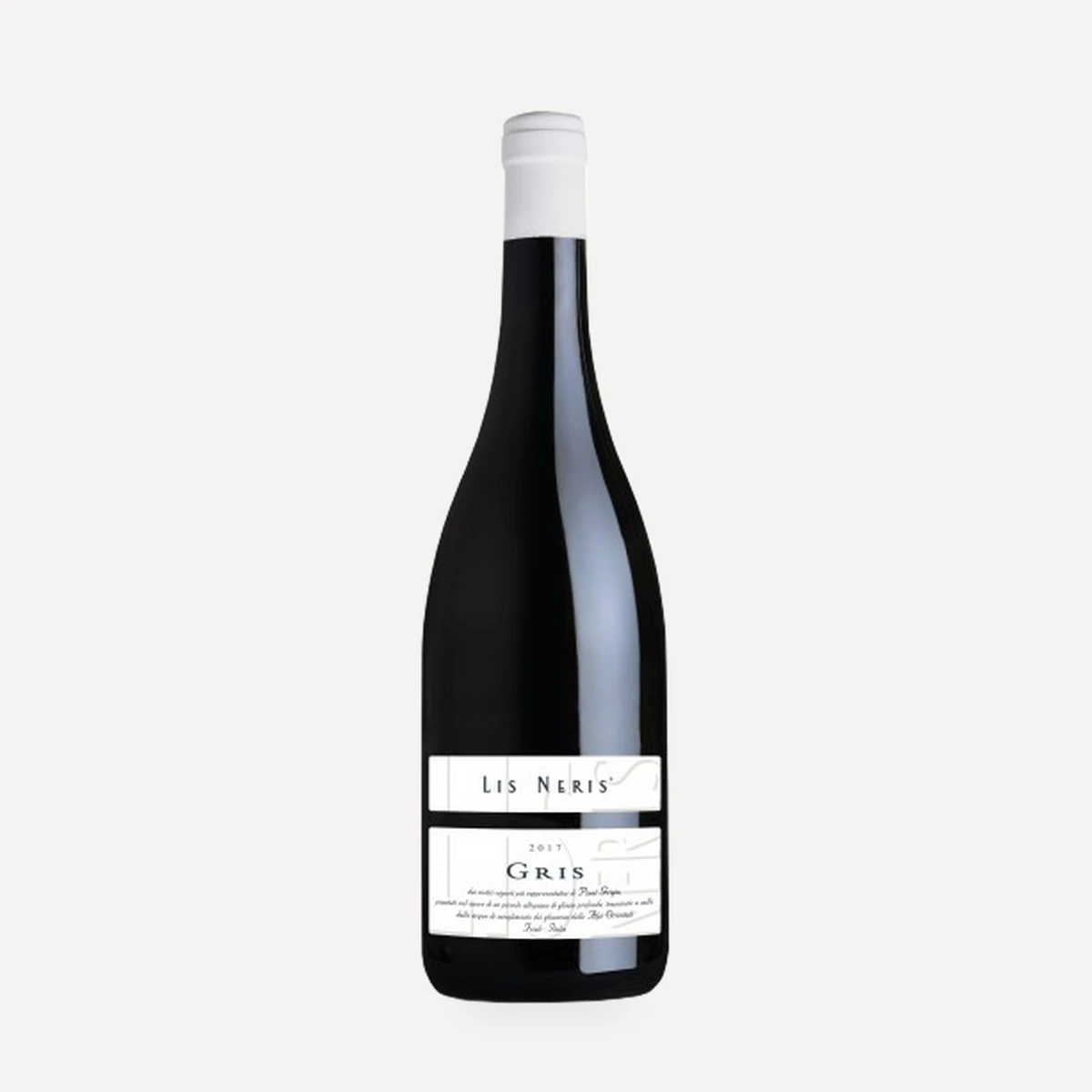
Gris
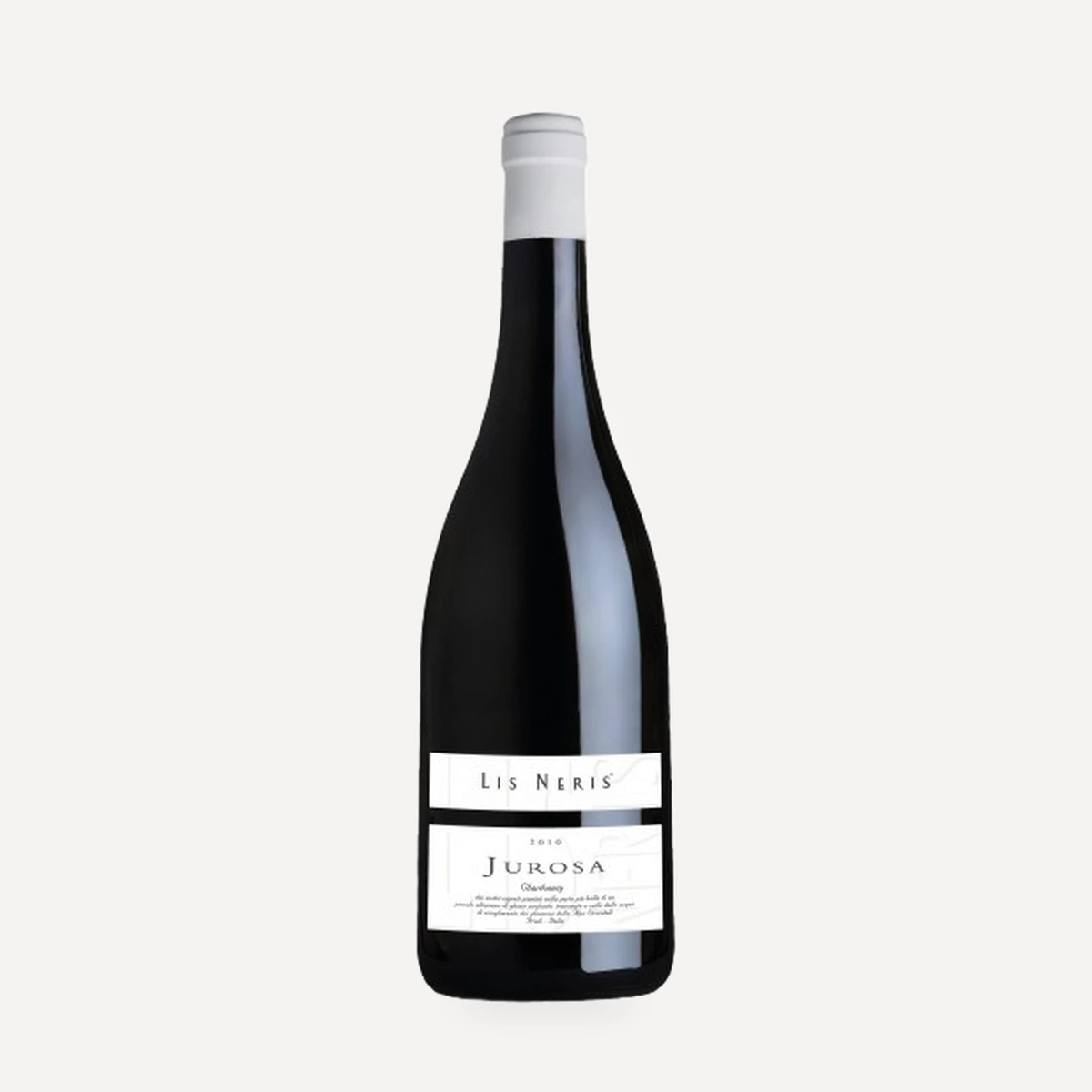
Jurosa
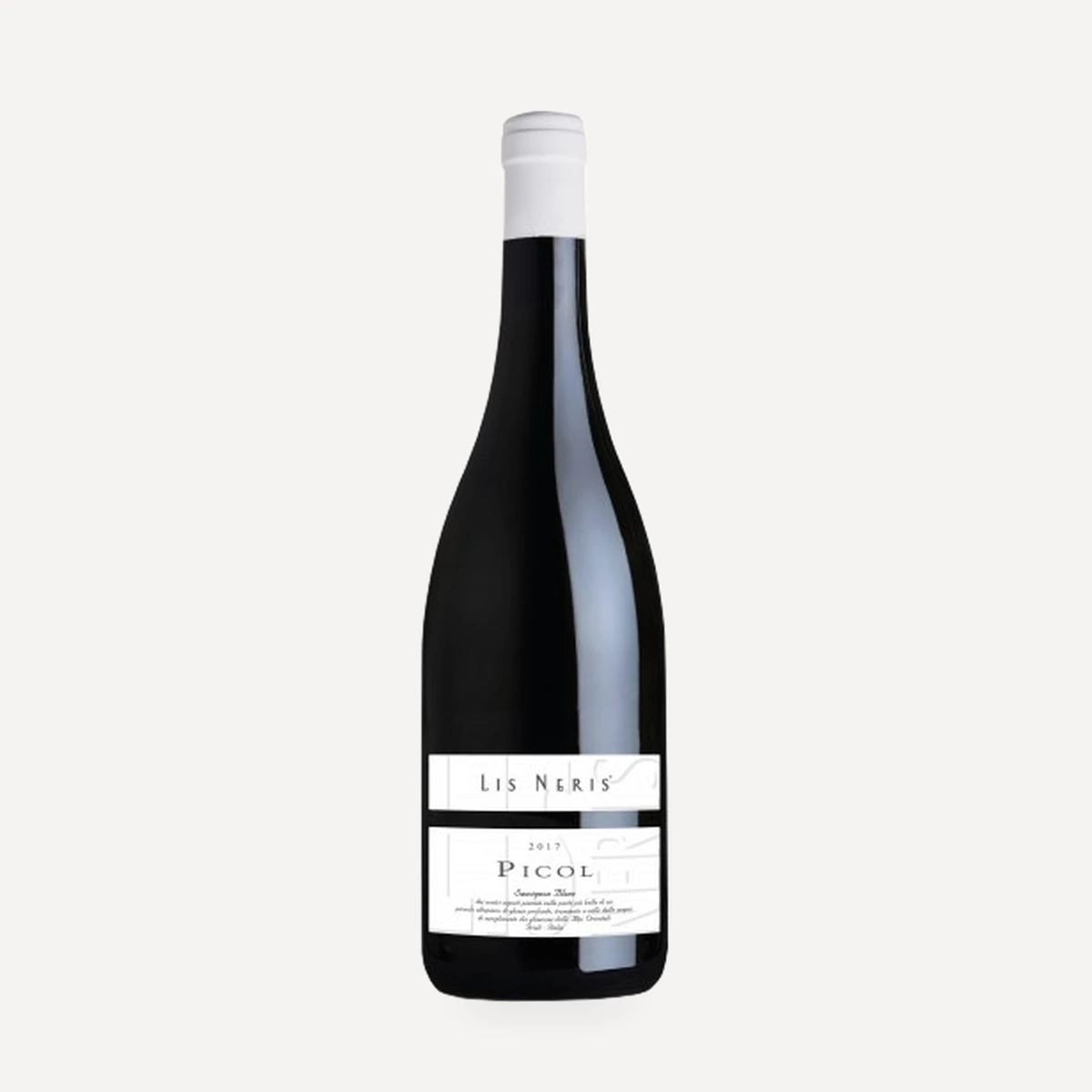
Picol
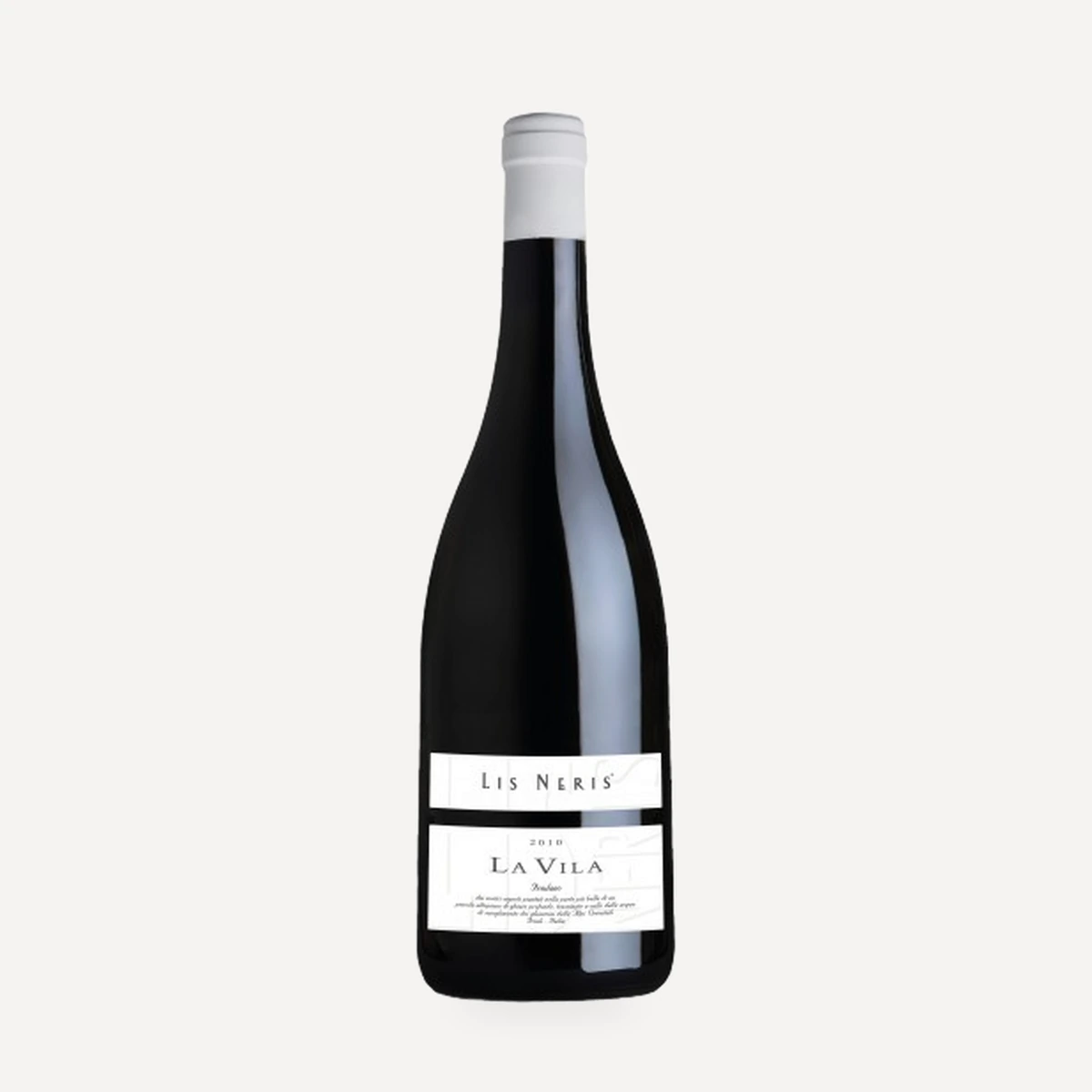
La Vila
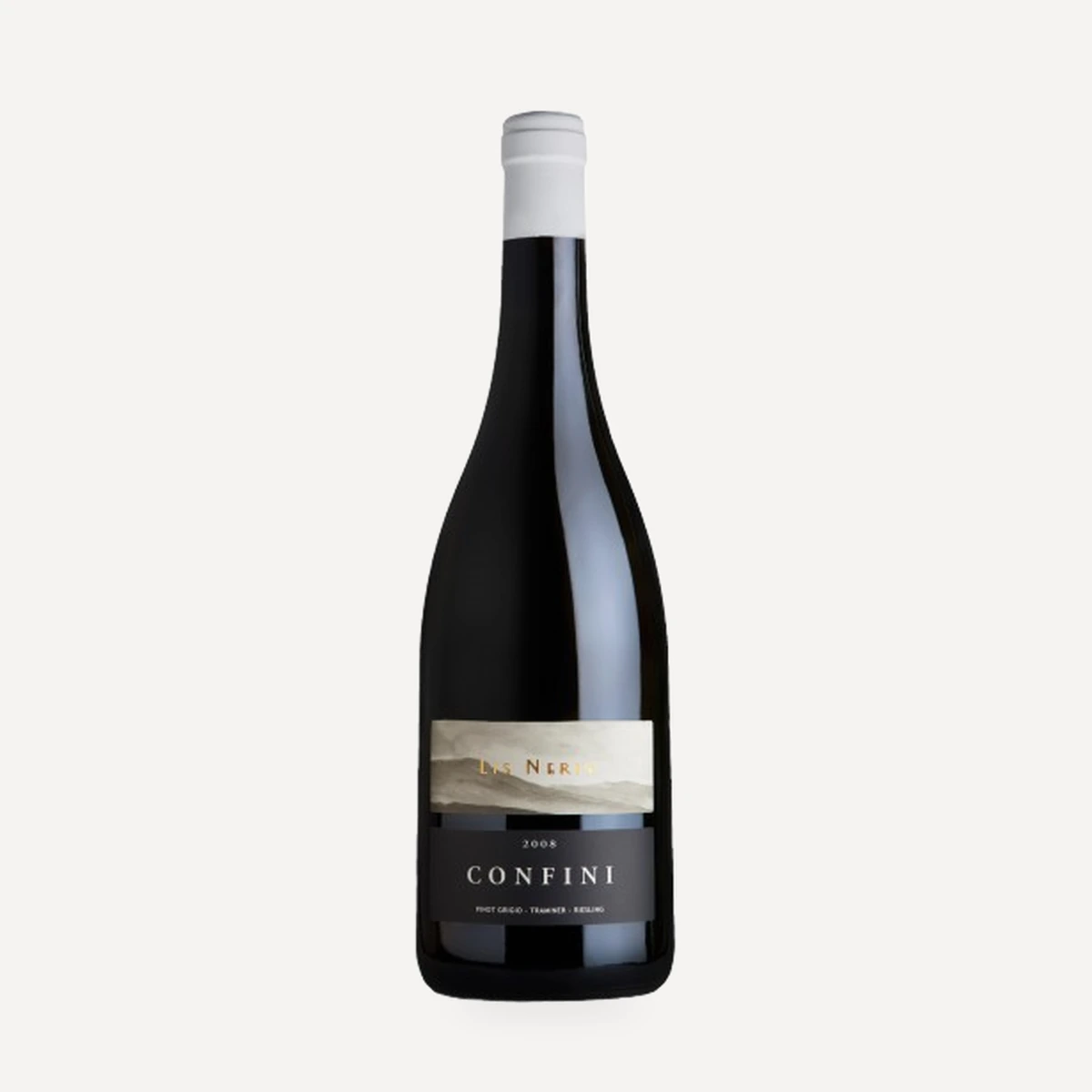
Confini

Tal Lùc
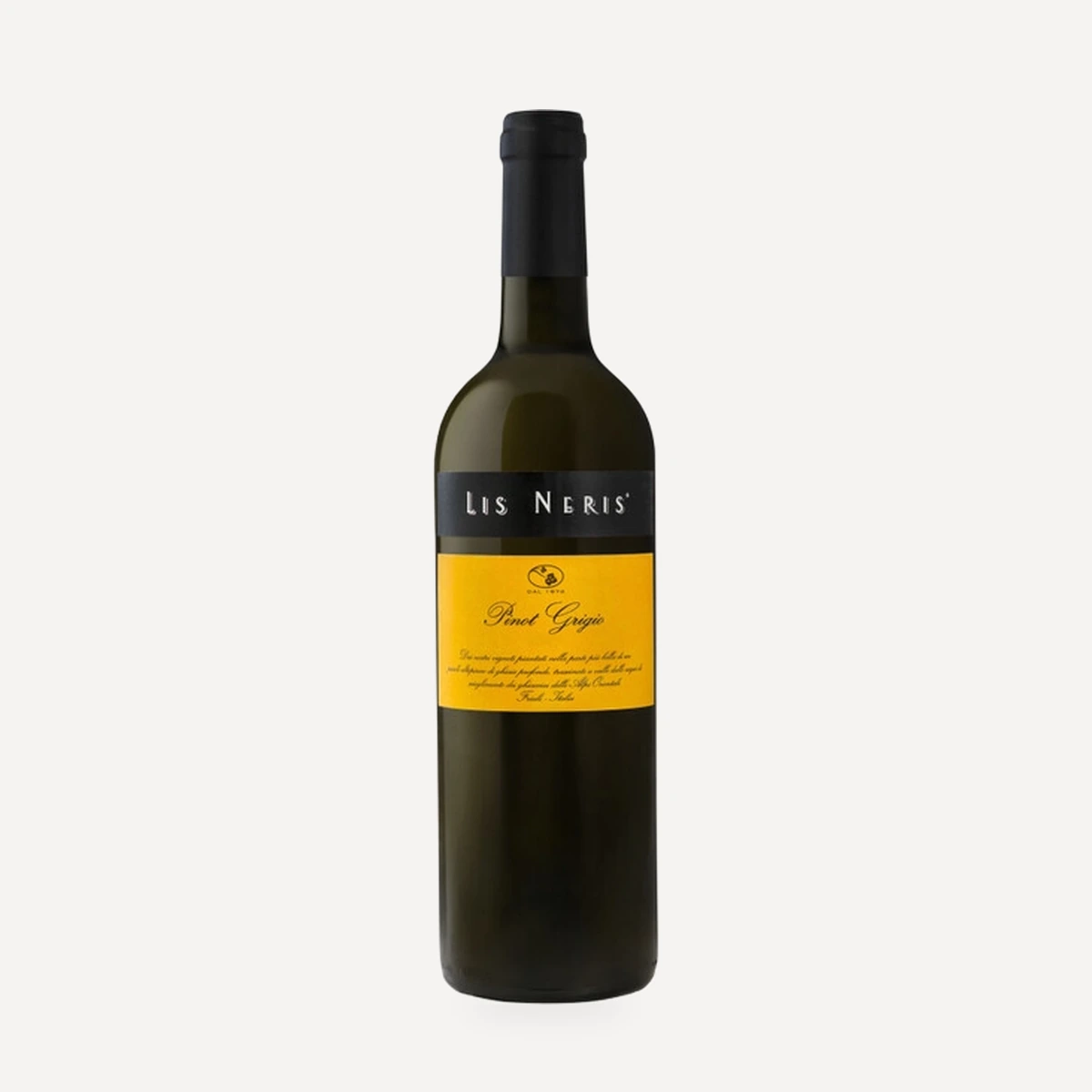
Pinot Grigio
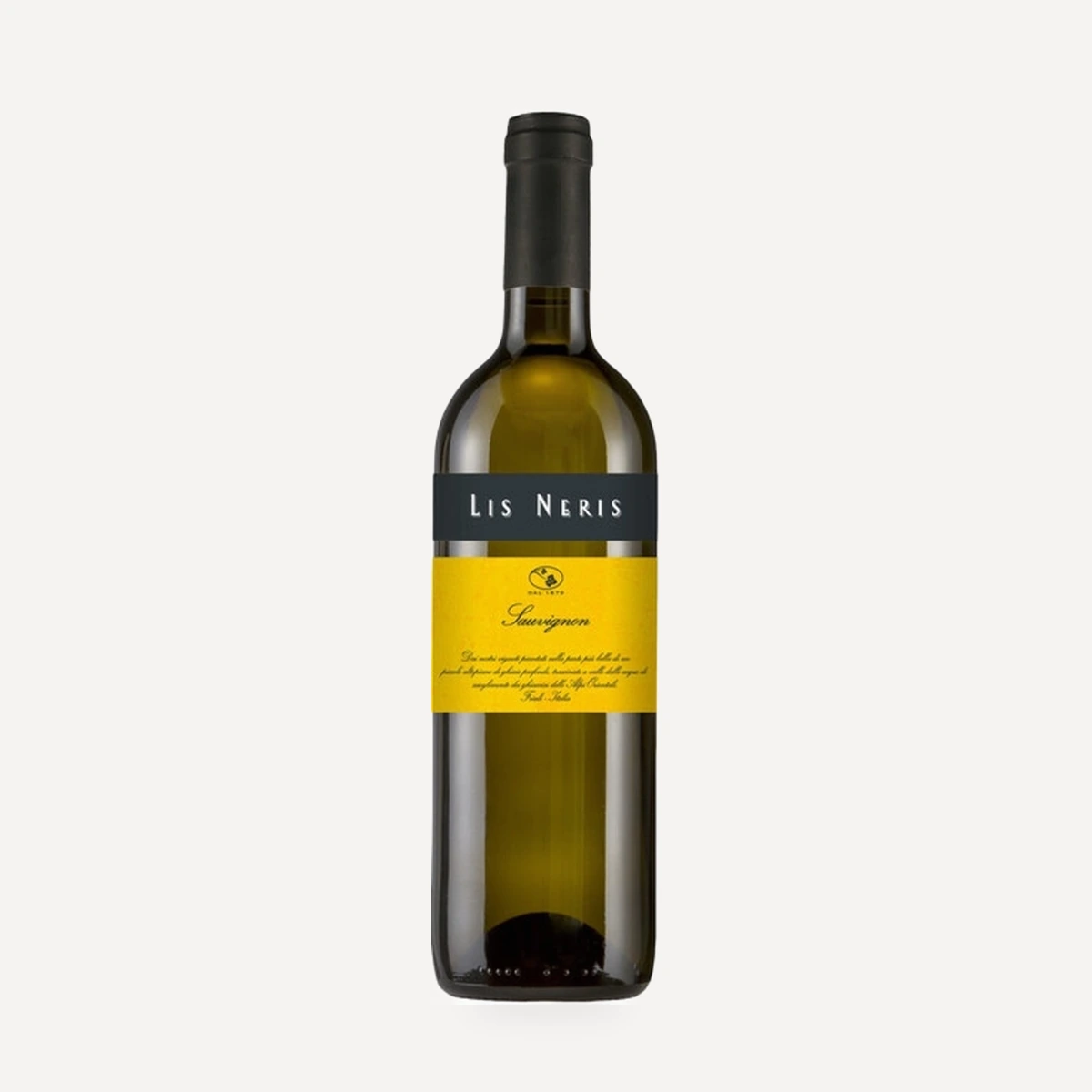
Sauvignon
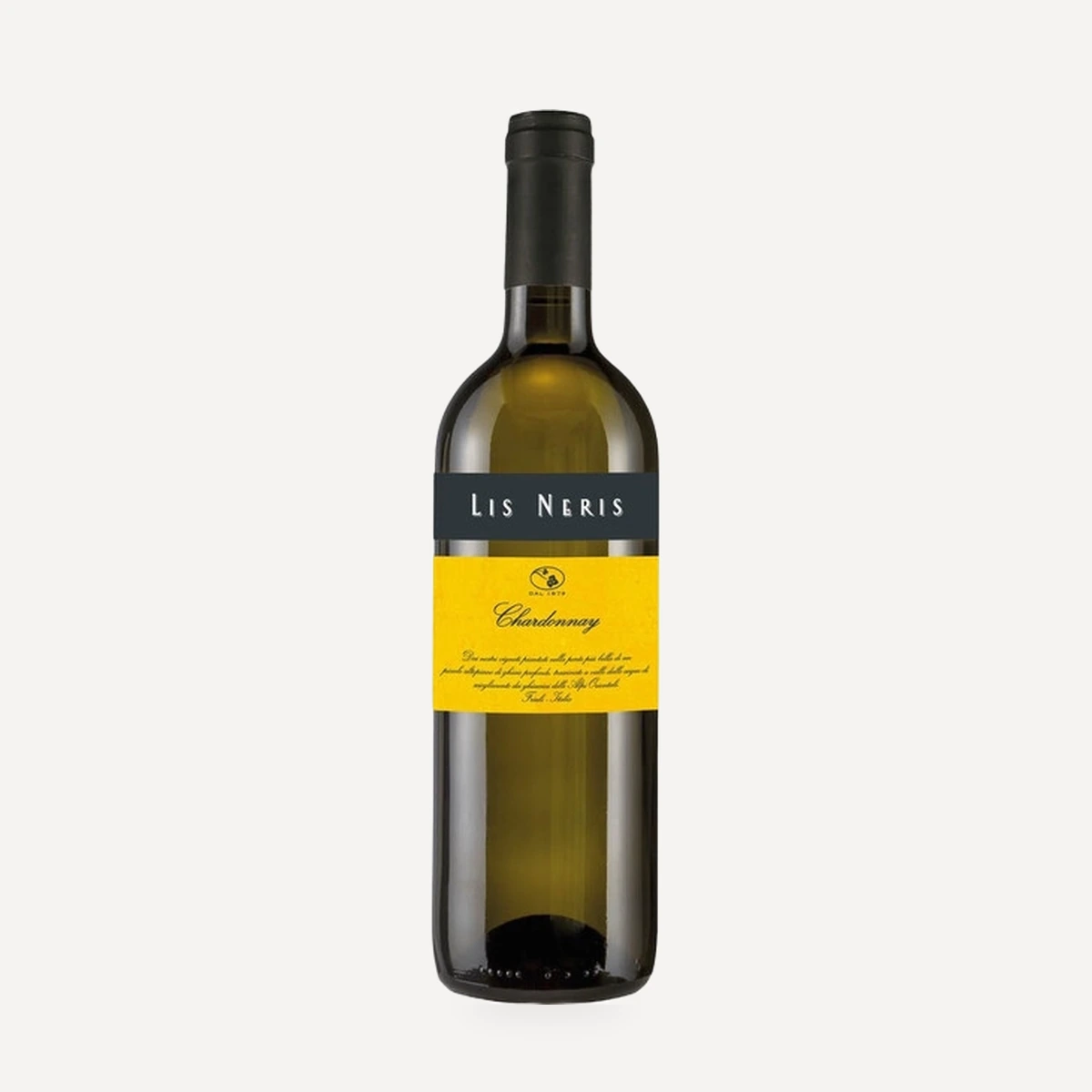
Chardonnay
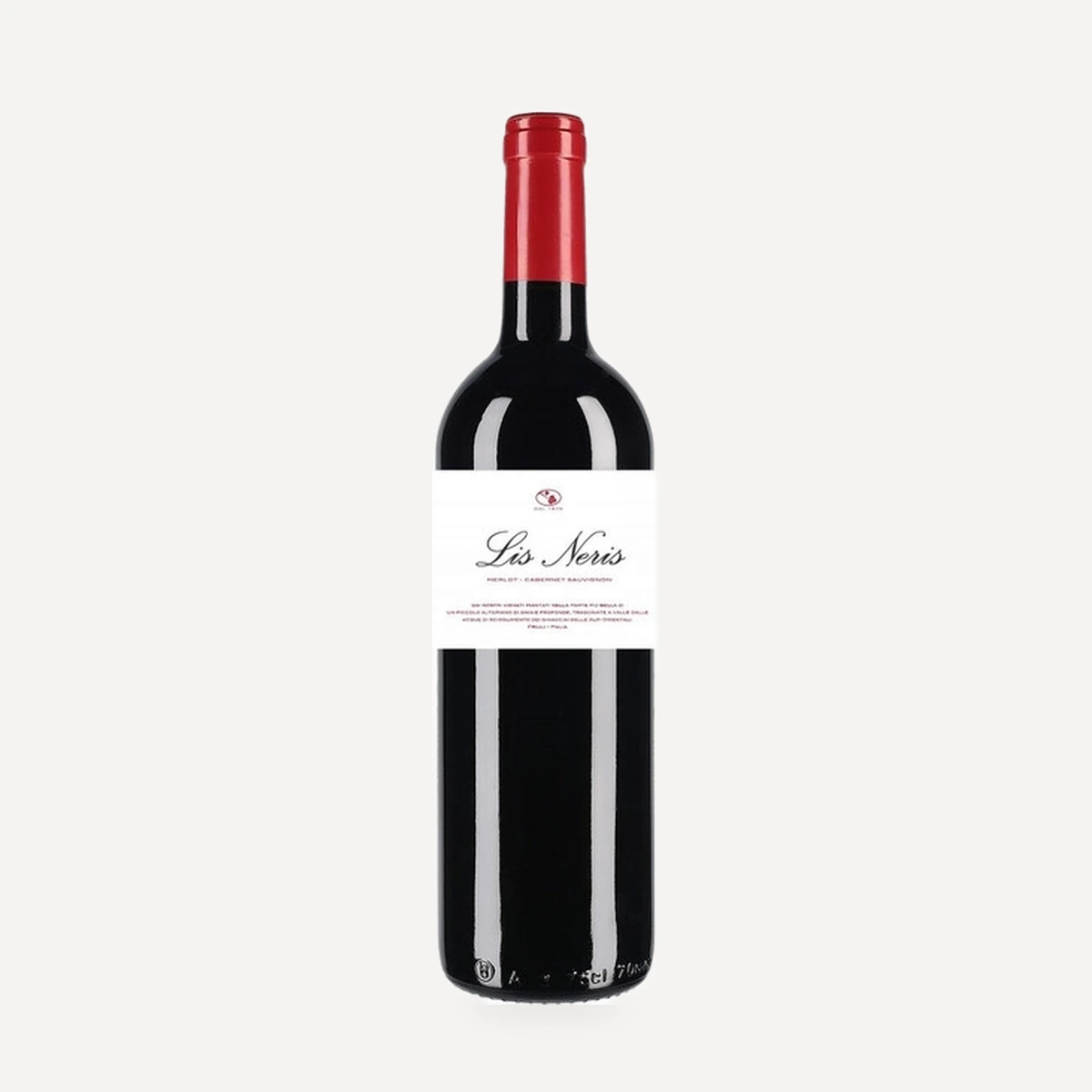
Friuli-Venezia-Giulia IGT
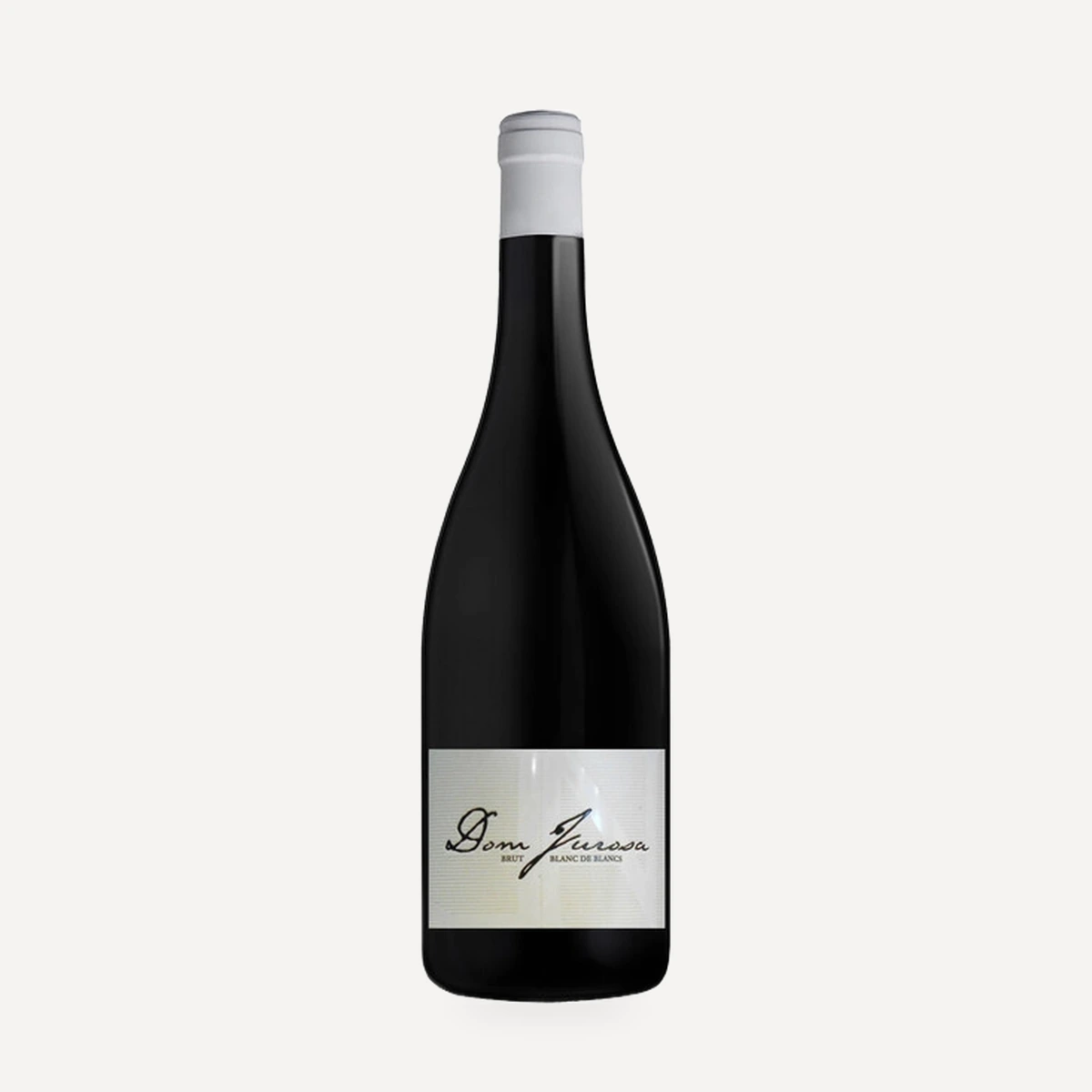
Dom Jurosa Brut
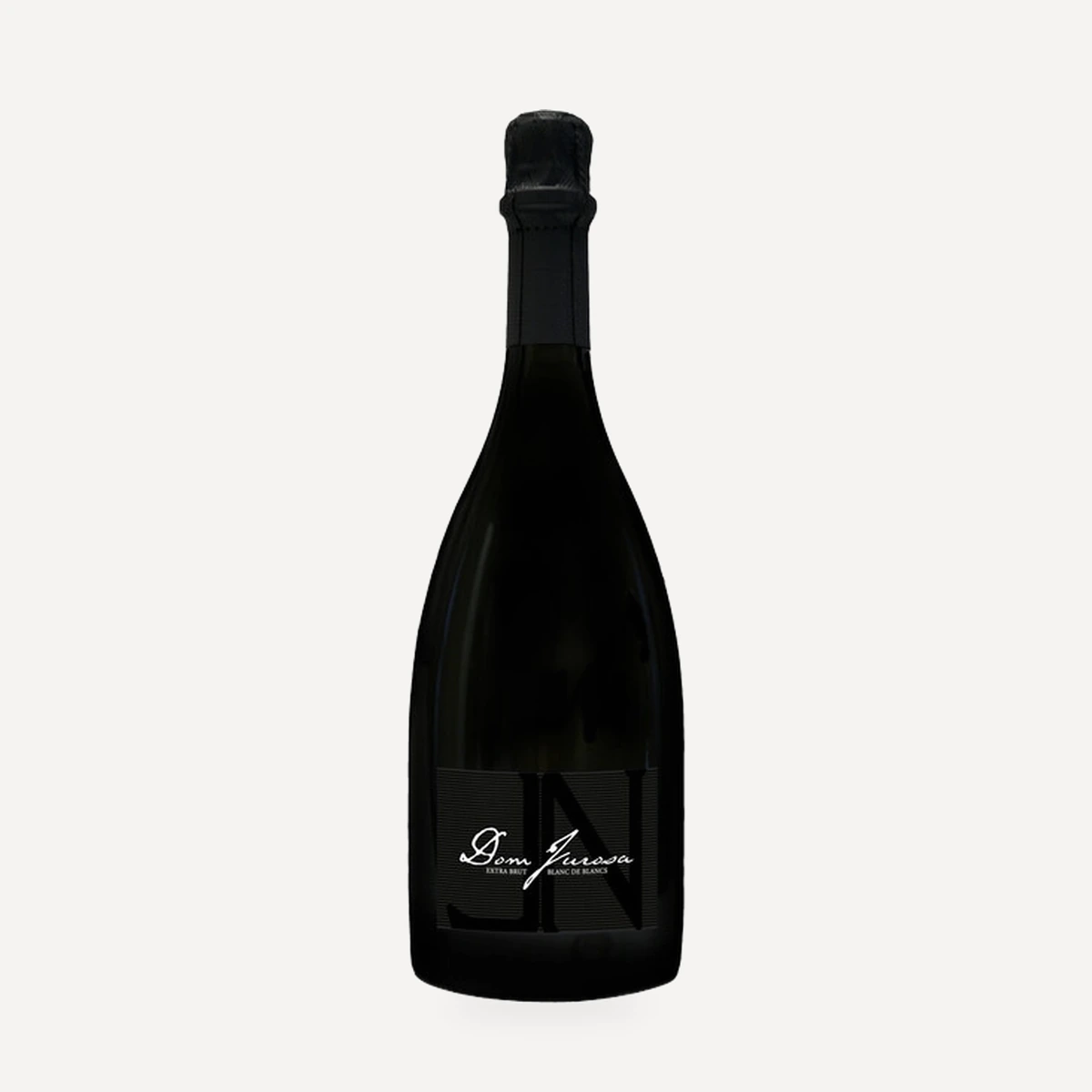
Dom Jurosa Extra Brut
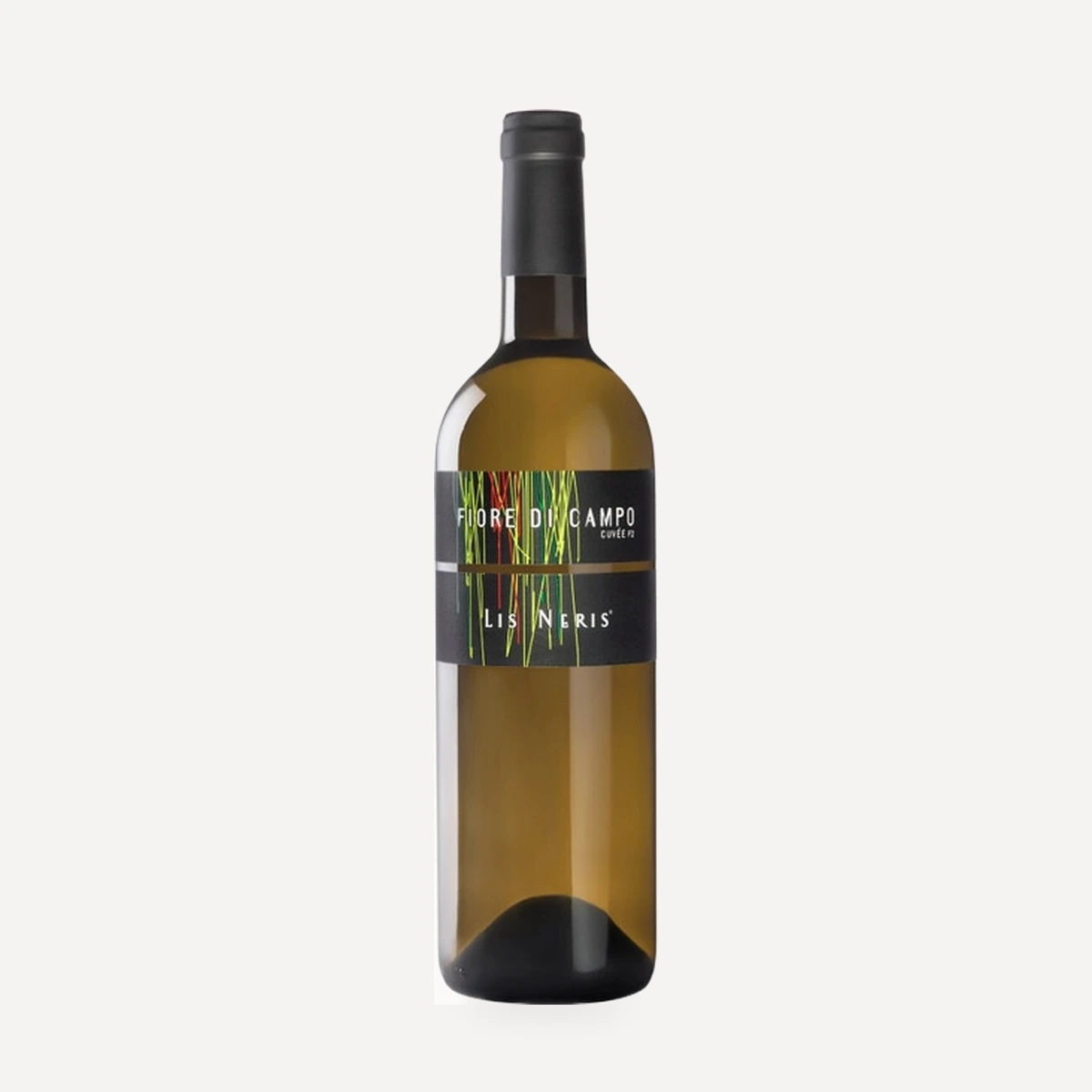
Fiore di Campo
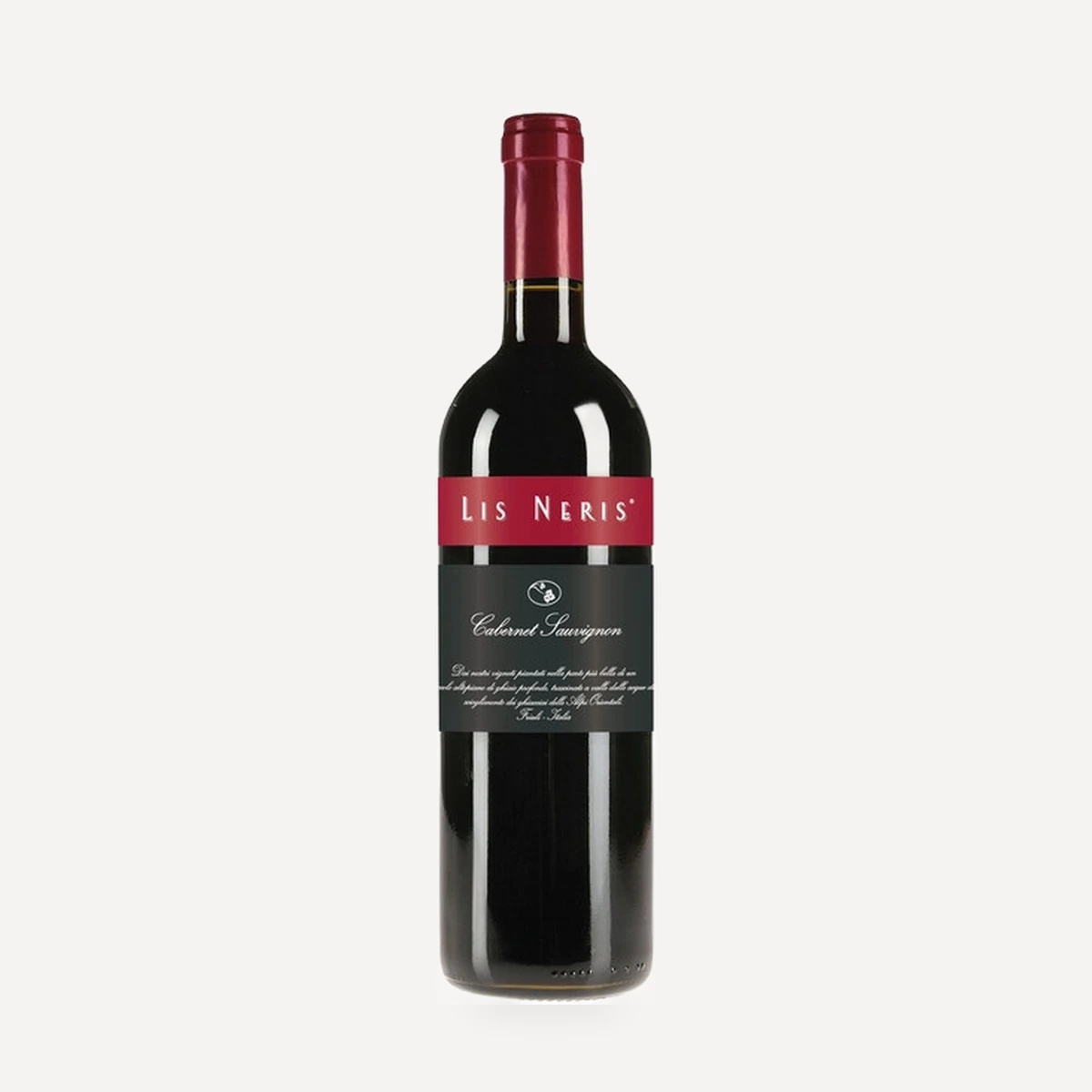
Cabernet Sauvignon
