History
Family roots and the inherited estate
The Rallo family’s involvement in Sicilian wine dates to 1851. Gabriella Anca Rallo inherited the Contessa Entellina estate and 40 hectares of vineyards from her father. Her relationship with this landscape began in her youth and later became central to the family’s new wine project.
1983: Donnafugata begins at Contessa Entellina
In 1983 Gabriella and her husband, Giacomo Rallo, founded Donnafugata at Contessa Entellina. Giacomo was the fourth generation of his family in wine and brought experience in production, exports, marketing and international markets. Gabriella managed the estate while also directing communication and public relations.
Their goal was to establish an innovative Sicilian production and cultural project: one that expressed the identity of the territory while applying contemporary international winemaking science and techniques. Contessa Entellina became one of the project’s vinification centres, alongside Pantelleria, while maturation was also associated with the historic Marsala cellars.
Gabriella reshaped the estate’s viticulture. She reduced yields per hectare to improve grape quality, refined training and pruning, removed varieties considered less suitable, introduced international cultivars and selected promising biotypes of native grapes.
1987–1995: wines, design and a new Sicilian identity
Vigna di Gabri was born in 1987 as an expression of Gabriella’s attachment to Ansonica and Contessa Entellina. Its name links the vineyard and wine directly to her.
Gabriella’s collaboration with illustrator Stefano Vitale began in 1992. In 1994 La Fuga became their first designer label, establishing an artistic and feminine visual language that would become closely associated with Donnafugata.
José and Antonio Rallo joined the family enterprise in the early 1990s. José brought business and international-management experience; Antonio, an agronomist and winemaker, focused on vineyards, wine and production.
In 1995 Giacomo Rallo and oenologist Giacomo Tachis created the first vintage of Mille e una Notte. The project was conceived as a demonstration that Sicily—and Contessa Entellina in particular—could produce deep, elegant red wines capable of long ageing. It became a defining milestone for the estate and the wider company.
2000–2009: culture, clean energy and biodiversity
Since 2000 Donnafugata has supported archaeological excavations at Rocca d’Entella. The work is conducted by the Scuola Normale Superiore di Pisa with the cultural-heritage authorities and investigates the Elymian civilisation present there from the fourth century BC, including its agricultural and viticultural activity.
Photovoltaic installations were added at Contessa Entellina in 2002 and 2008. The two estate systems provided a combined capacity of 68 kW and marked an early investment in renewable power and reduced environmental impact.
In 2009 an experimental field was established to protect and study Sicilian grape biodiversity. It contains 19 native varieties and 30 biotypes, including widespread cultivars and heritage grapes that had nearly disappeared. Small-lot vinifications were intended to help identify which varieties offered the most promising oenological results in the territory. Nocera was among the recovered heritage varieties.
2010s–2020s: hospitality, certification and precision farming
Contessa Entellina subsequently opened to visitors, offering guided visits to the vineyards and winery, professional tastings and food pairings. The family villa, winery, vineyards and Gabriella’s Garden became parts of a combined hospitality experience.
In 2011 the quality and environmental management system was extended to the vineyards through Good Agricultural Practices and ISO 22000 food-safety certification. Carbon-footprint calculations for Contessa Entellina and Pantelleria wines were also introduced across the cycle from vineyard to bottling.
Donnafugata joined the SOStain Sicilia Foundation and obtained its related certification in 2021. This framework incorporates the VIVA programme and its Air, Water, Vineyard and Territory indicators.
Gabriella Favara joined the family enterprise in 2022, bringing the sixth generation into the business. She initially worked in wine tourism and hospitality before moving to export trade marketing.
During the dry and warm 2024 growing season, many Contessa Entellina vineyards received supplementary irrigation from estate reservoirs. A sensor network monitored microclimatic data, while artificial intelligence combined those observations with seven-to-ten-day weather forecasts to support agronomic decisions. The harvest began ten days early on 22 July and ended during the first ten days of September.
The 2025 season returned to a more regular pattern. Autumn and winter rain replenished soil reserves, May rain supported vegetative growth, and a largely mild summer allowed gradual ripening. Harvest began on 28 July with Chardonnay for sparkling bases and concluded on 18 September with Cabernet Sauvignon. The estate judged both grape quality and harvested volume to be aligned with its objectives.
Terroir
Setting and relief
The estate lies among the hills of western Sicily, around Contessa Entellina. Its vineyards occupy hilly terrain between approximately 200 and 500 metres above sea level, while named districts span a broader set of individual elevations from 110 metres at Cavallaro to 400 metres at Casale Bianco.
Climate
The climate is Mediterranean. Winters are mild, while summers are dry, sunny and breezy. Rain falls principally in autumn and winter; average annual precipitation over the most recent ten-year period is 670 mm. Strong day–night temperature differences cool the fruit and promote gradual ripening, aromatic definition and freshness.
Soils
The prevailing soils are clay-loam with a subalkaline reaction. Across the estate, pH ranges from 7.5 to 7.9 and total limestone generally ranges from 20% to 35%, exceeding 35% in Arcera and Casale Bianco. The soils contain potassium, magnesium, calcium, iron, manganese and zinc. Local differences in clay content, depth, fertility, slope, orientation and microclimate distinguish the districts and guide the matching of varieties to sites.
Winemaking
The estate follows an eco-sustainable system centred on lower-impact agronomy and efficient use of water, soil, air and energy. Soil is managed with minimum tillage. Weeds are removed mechanically rather than with chemical herbicides; fertility is supported by organic inputs and leguminous green manure between rows. These measures are intended to protect the soil microbiome, limit erosion and improve resilience to disease and drought.
Pruning and thinning regulate crop load. Vertical Shoot Positioning is combined with Guyot and spurred-cordon pruning, leaving 6–10 buds per plant. Planting densities range from 4,500 to 6,000 vines/ha and yields from 4,000 to 8,500 kg/ha.
Integrated pest management reduces crop-protection treatments through field observation, monitoring of rainfall, temperature and humidity, and pheromone traps. In 2024 a network of sensors collected microclimatic information; artificial intelligence analysed these measurements alongside seven-to-ten-day forecasts to assist agronomic decisions.
Drip irrigation is reserved for emergency or supplementary use. During the dry 2024 season, water stored in estate reservoirs supported many vineyards in June and July. Grassing and soil-cover management help conserve moisture.
Harvest dates follow the different ripening cycles of varieties and districts. Bunches are selected in the vineyard and undergo a further selection on a vibrating table at the cellar. Chardonnay can be harvested at dawn, when bunch temperature is lowest, reducing cooling energy by approximately 70% while protecting aroma.
Since 2009 the estate has maintained an experimental field dedicated to Sicilian biodiversity. It contains 19 native varieties and 30 biotypes, including Nocera and other heritage cultivars that had become nearly extinct. Small-batch trials evaluate their adaptation and wine potential. An apiary connected with the SOStain Sicilia Foundation’s Honey&Bees & Vineyard project supports the Sicilian Black Bee, pollinating insects and the wider vineyard ecosystem.
The environmental framework includes SOStain Sicilia certification, VIVA indicators, Good Agricultural Practices, ISO 22000, ISO 14001, ISO 50001, EMAS and ISO 9001 at company level.
The Contessa Entellina vinification cellar is in the Duchessa district. Varieties and parcels are harvested according to their individual ripening schedules and vinified separately.
Selection begins in the vineyard. On arrival, bunches pass over a vibrating table for additional cleaning and selection. A modern destemmer can remove green or overripe berries. Chardonnay destined for sparkling bases may be harvested at dawn to deliver cooler fruit and reduce the energy required before processing.
The broader production model combines artisanal attention with modern technology designed to preserve the natural qualities of grapes, must and wine. For the estate’s flagship red, grapes are hand-picked and selected again at reception; fermentation is followed by maturation in barriques and an extended period in bottle. Estate white-wine practice documented for Vigna di Gabri has included cold maceration, gentle pressing, temperature-controlled fermentation in stainless steel and maturation on the lees in steel and oak. These details relate to the production methods demonstrated by the estate and are not presented as a uniform recipe for every wine.
Wastewater from the Contessa Entellina winery is treated by an on-site purification system before release into a surface water body. Photovoltaic generation and the use of cooler harvest hours reduce the production site’s energy demand.
Philosophy
Donnafugata’s estate philosophy combines quality, tradition and innovation with the aim of expressing Sicily through carefully matched districts and grape varieties. Respect is framed as the starting point of quality: observing the land and its rhythms, working district by district and vine by vine, and combining artisanal precision with openness to technical innovation.
At Contessa Entellina, this approach is expressed through restrained yields, detailed pruning and training, separate harvesting and vinification schedules, native-variety research and the selection of international varieties that have adapted successfully to particular sites. The desired style emphasises freshness, elegance, personality and the ability of selected wines to evolve over time.
Environmental responsibility extends from soil management and biodiversity to renewable energy, water efficiency, packaging and hospitality. The family also treats art, literature and landscape as parts of the estate’s identity. Gabriella’s Garden, the windswept-woman emblem and Stefano Vitale’s labels connect agricultural work with a cultural narrative centred on Sicily and the people who shaped the estate.
Wines
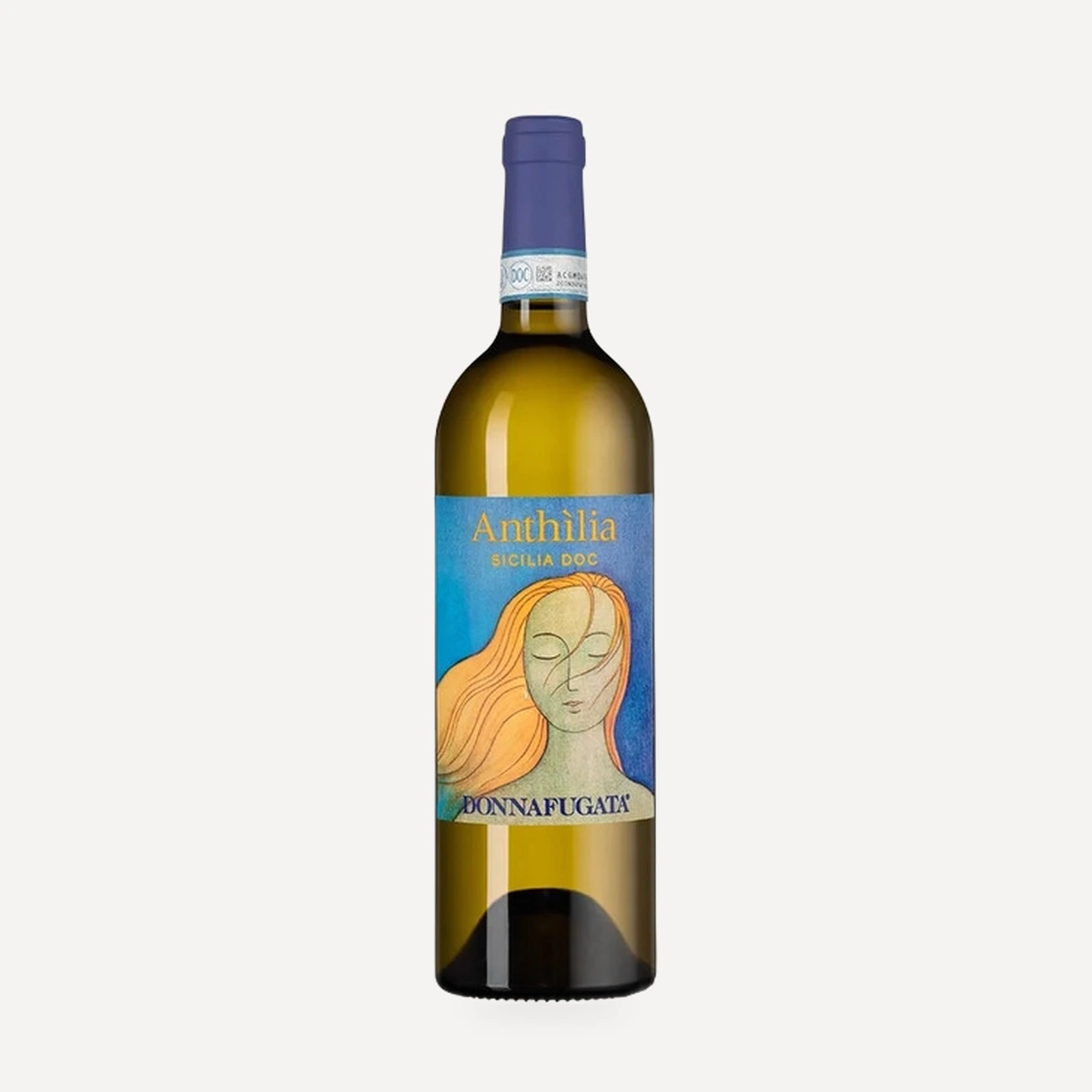
Anthilia Sicilia DOC
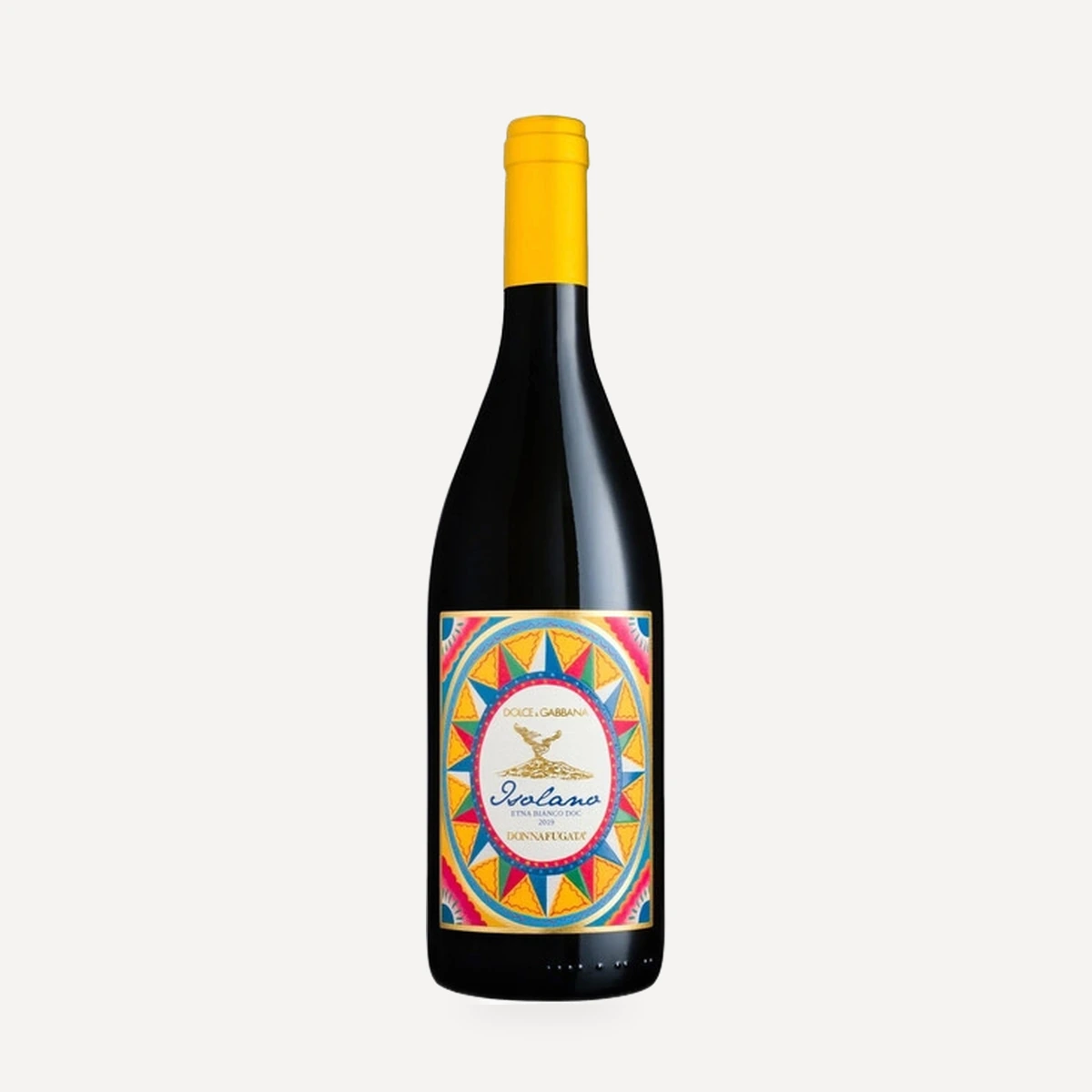
Isolano Etna Bianco DOC
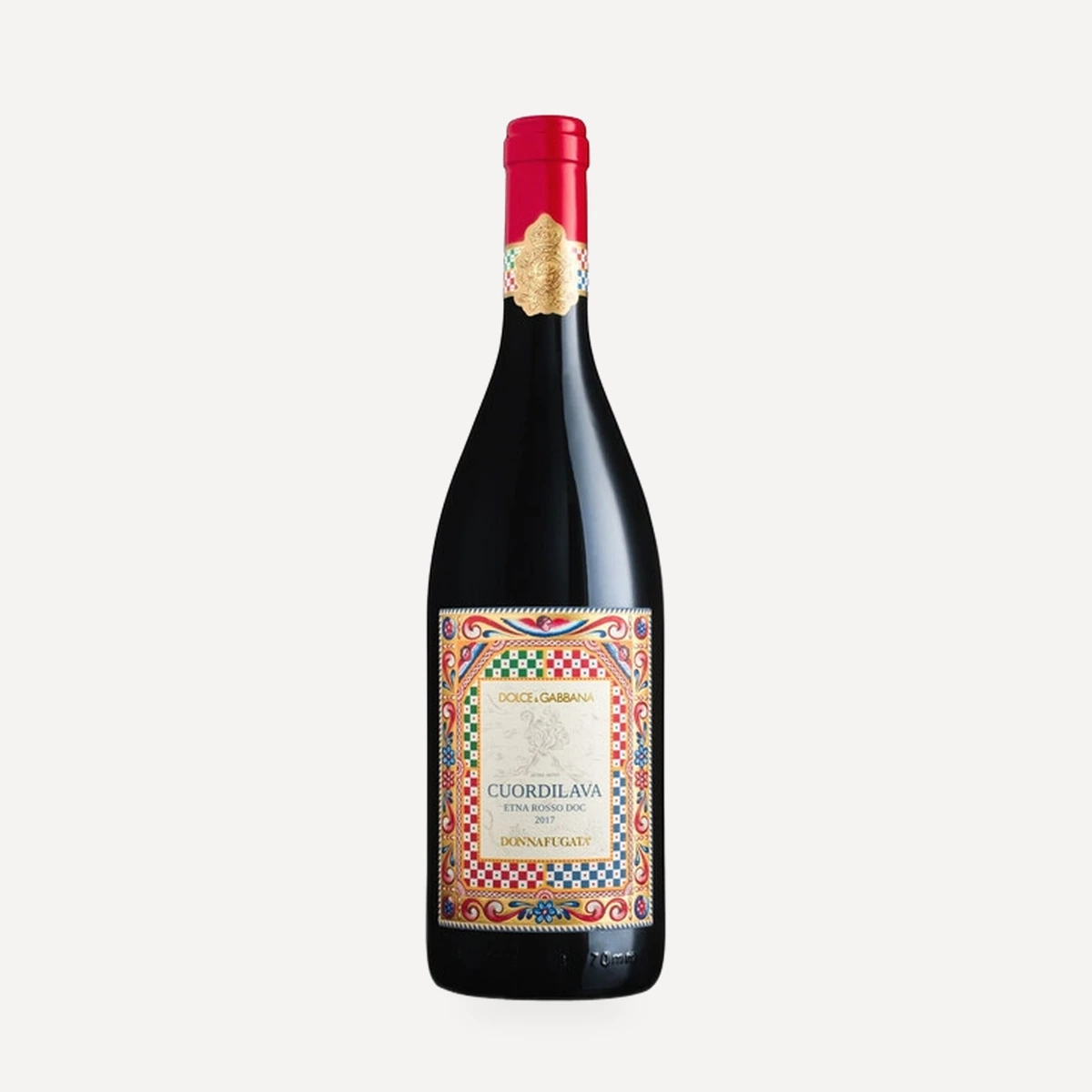
Cuordilava Etna Rosso DOC
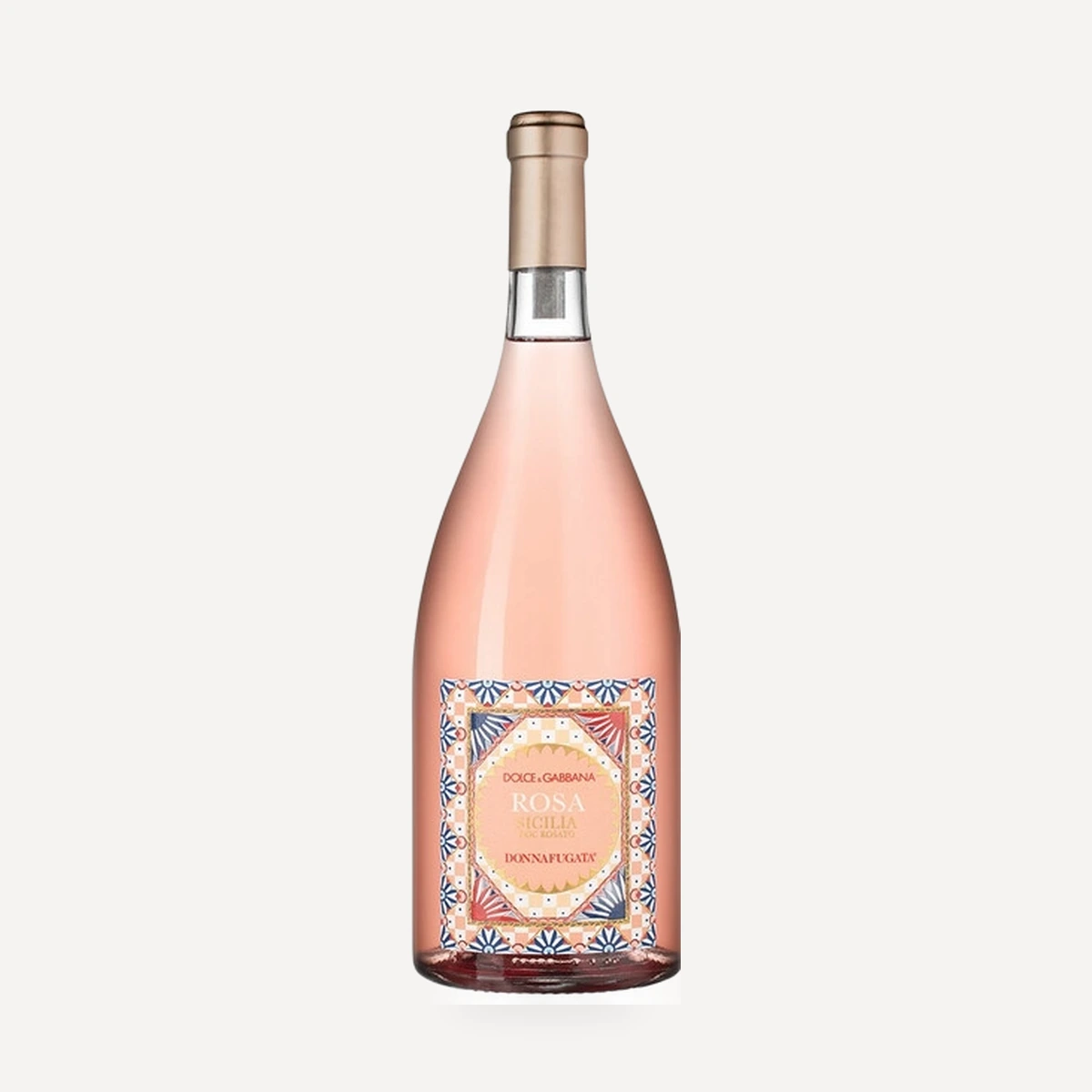
Dolce&Gabbana Rosa Sicilia DOC
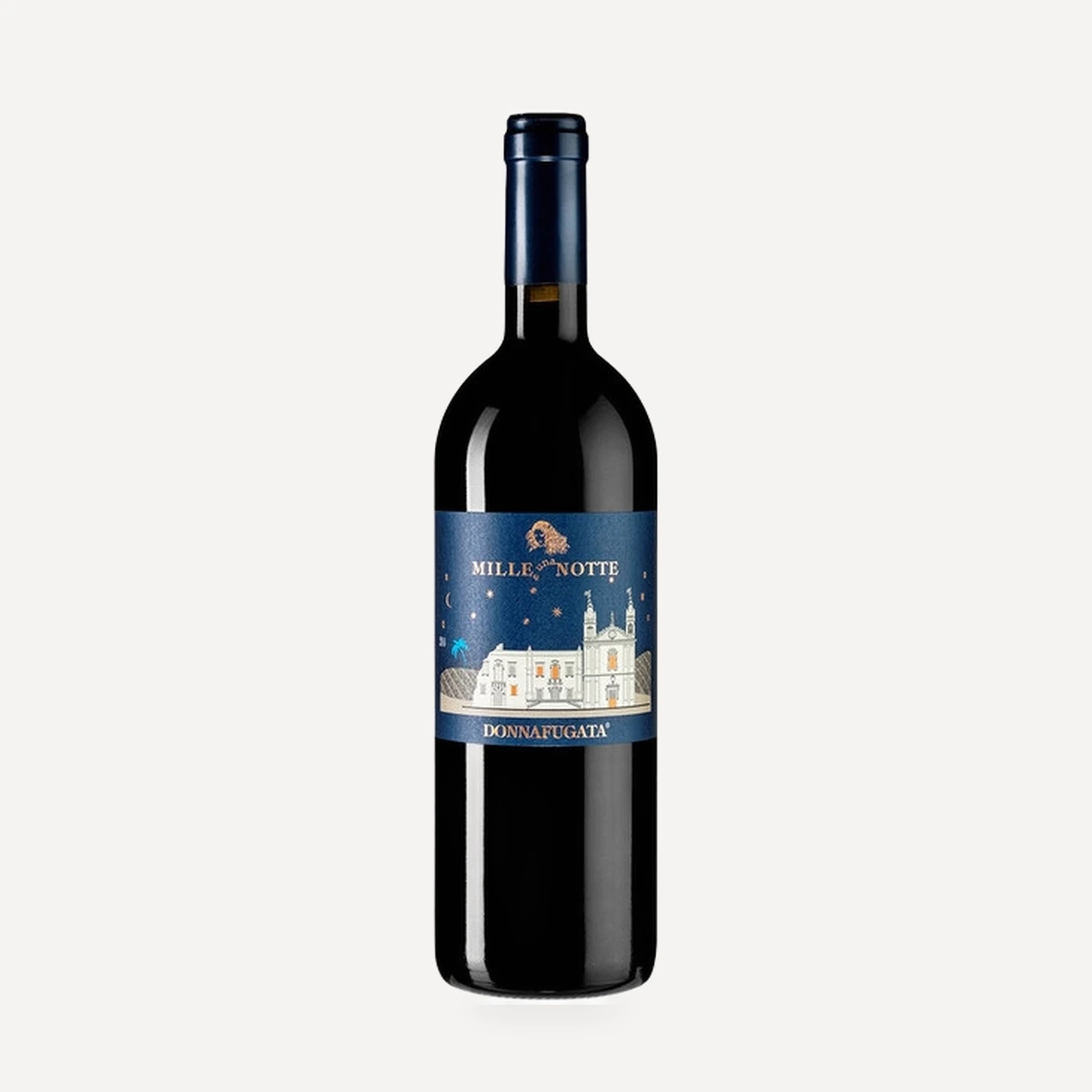
Mille e una Notte Sicilia DOC
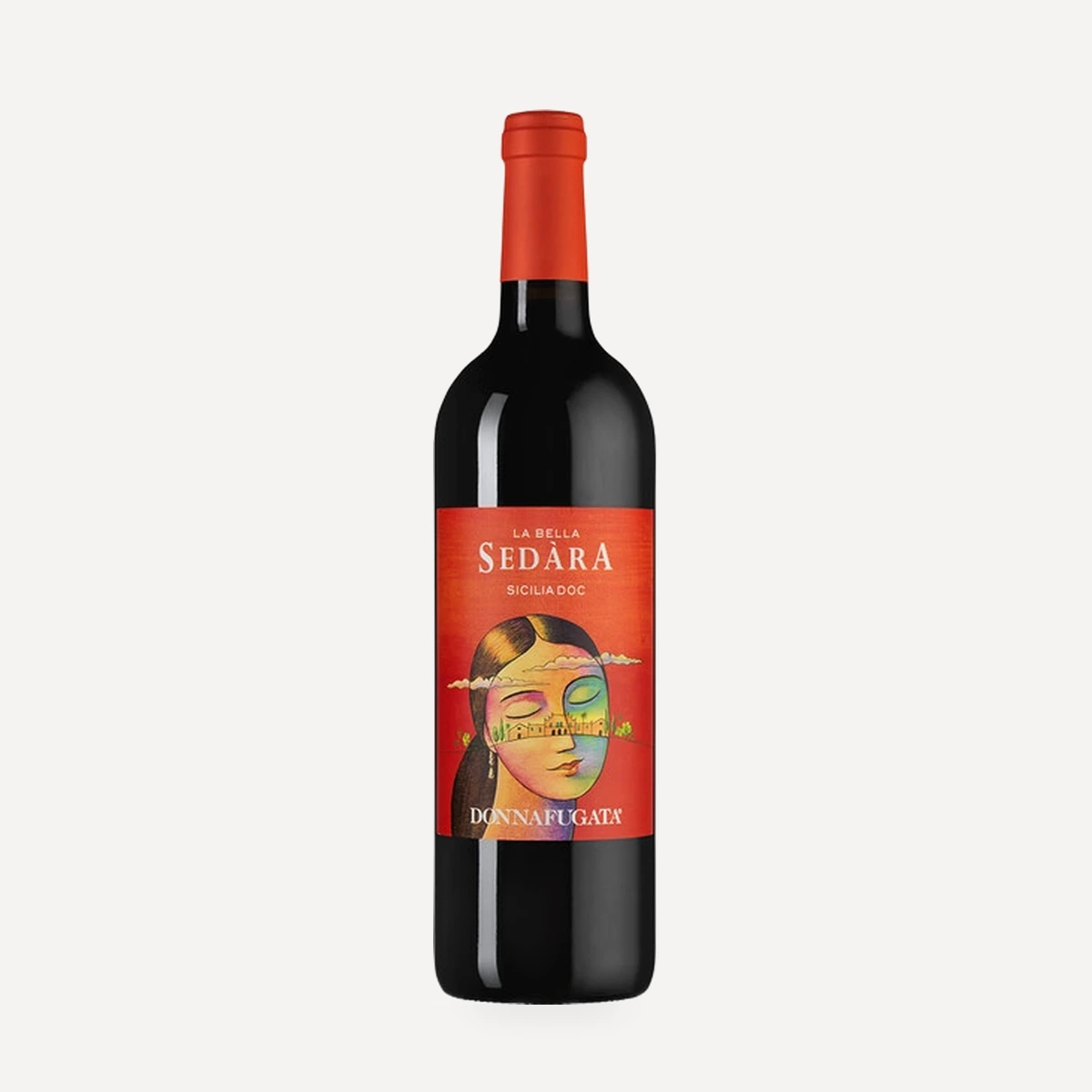
Sedara DOC
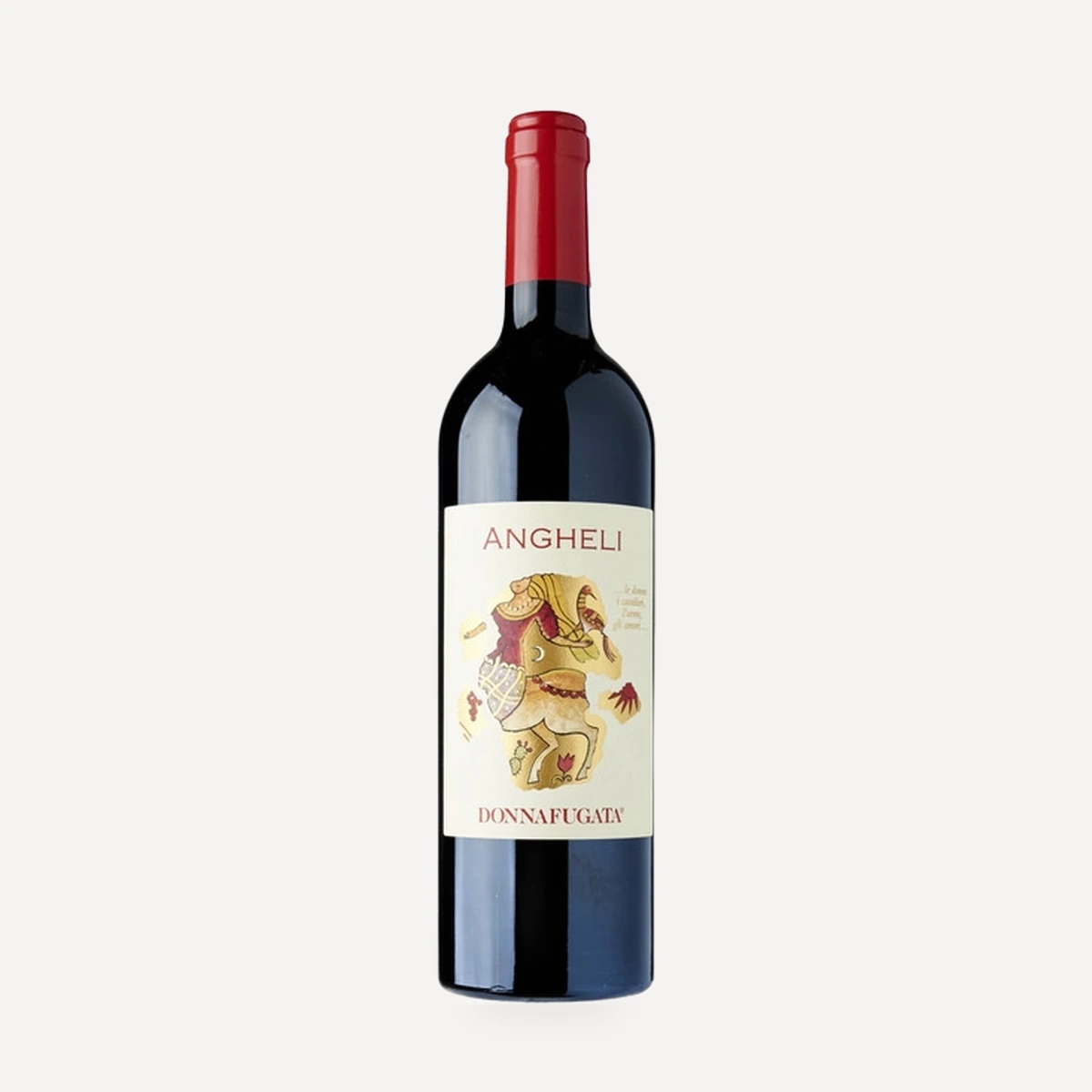
Angheli Sicilia DOC
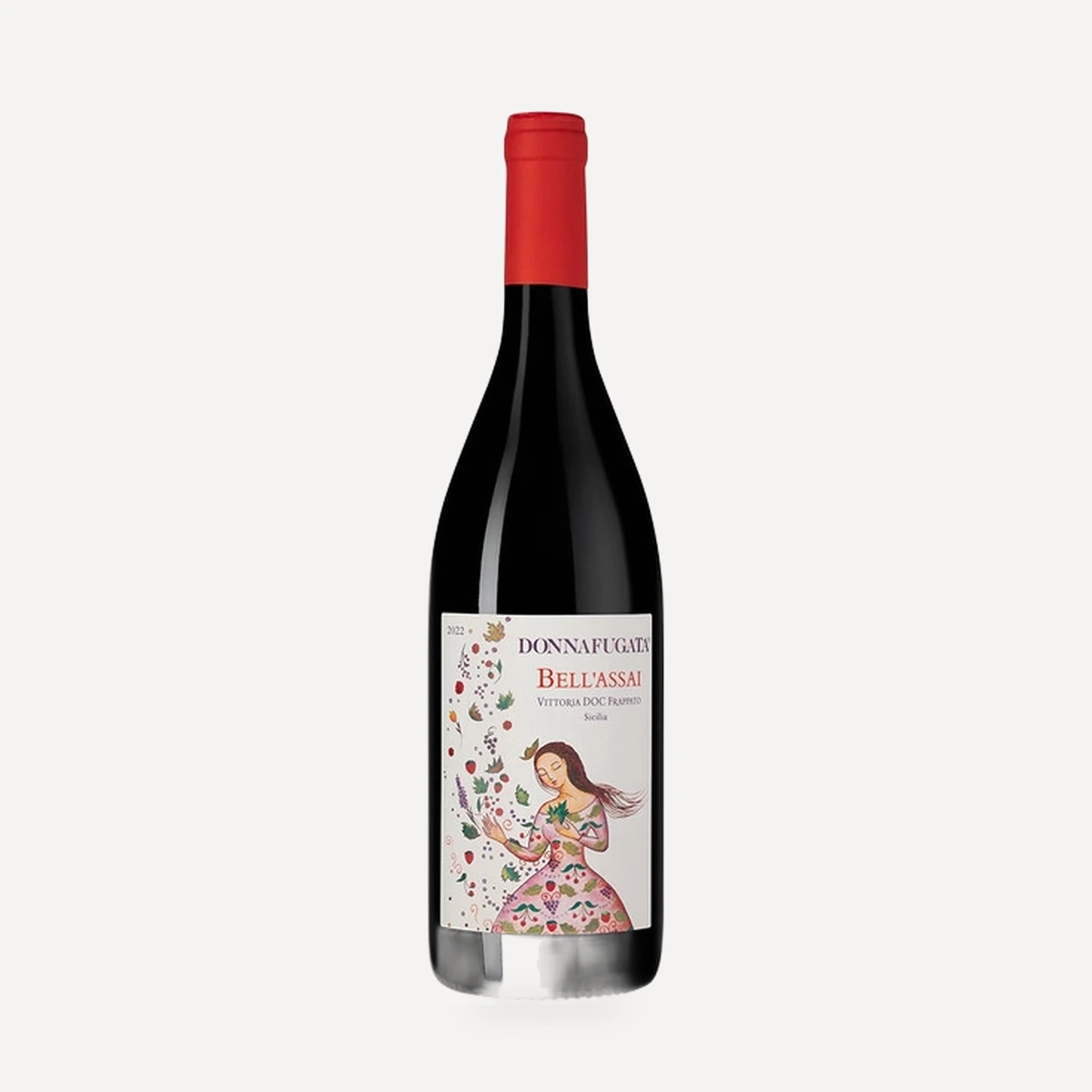
Bell'Assai Vittoria Frappato Sicilia DOC
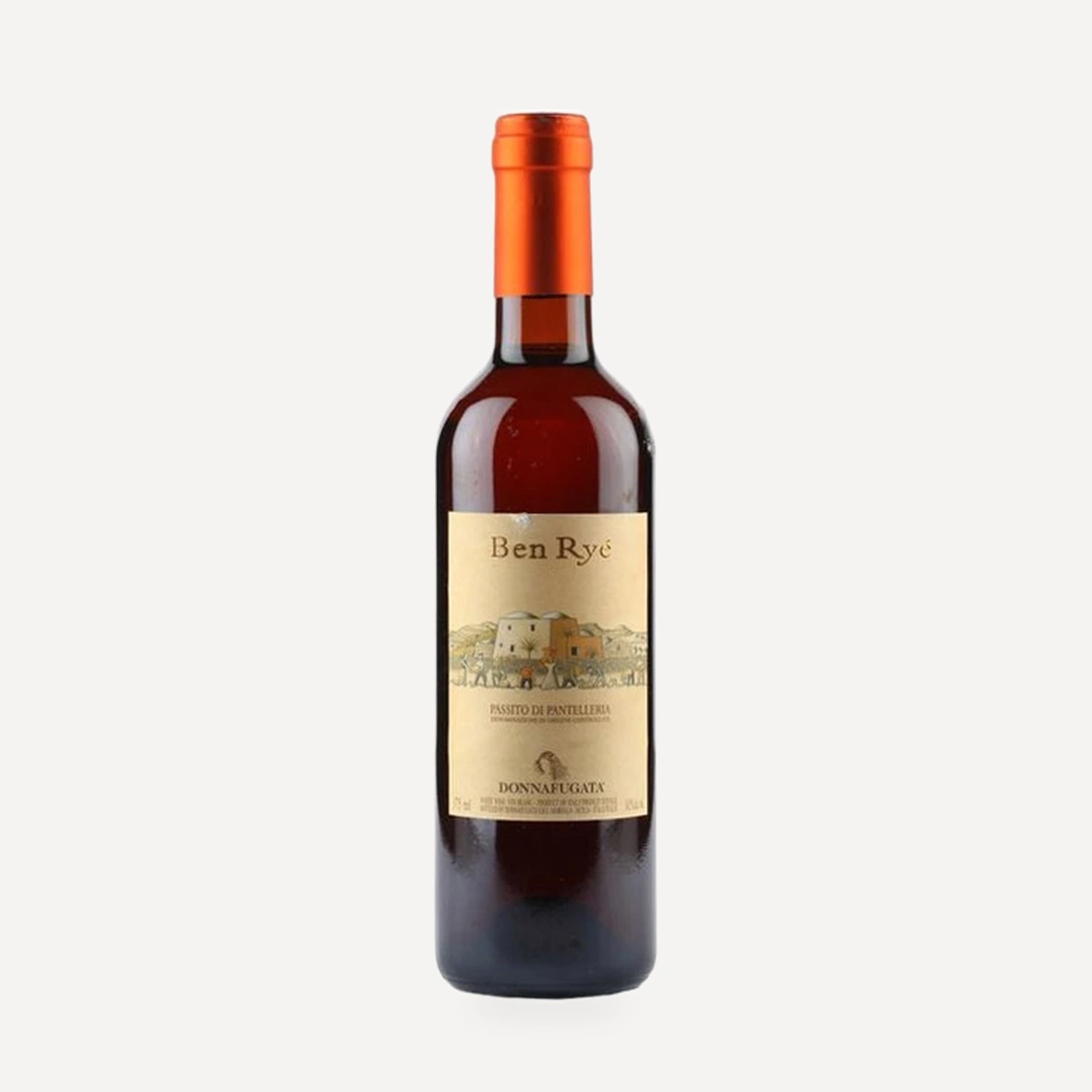
Ben Rye Passito di Pantelleria DOC
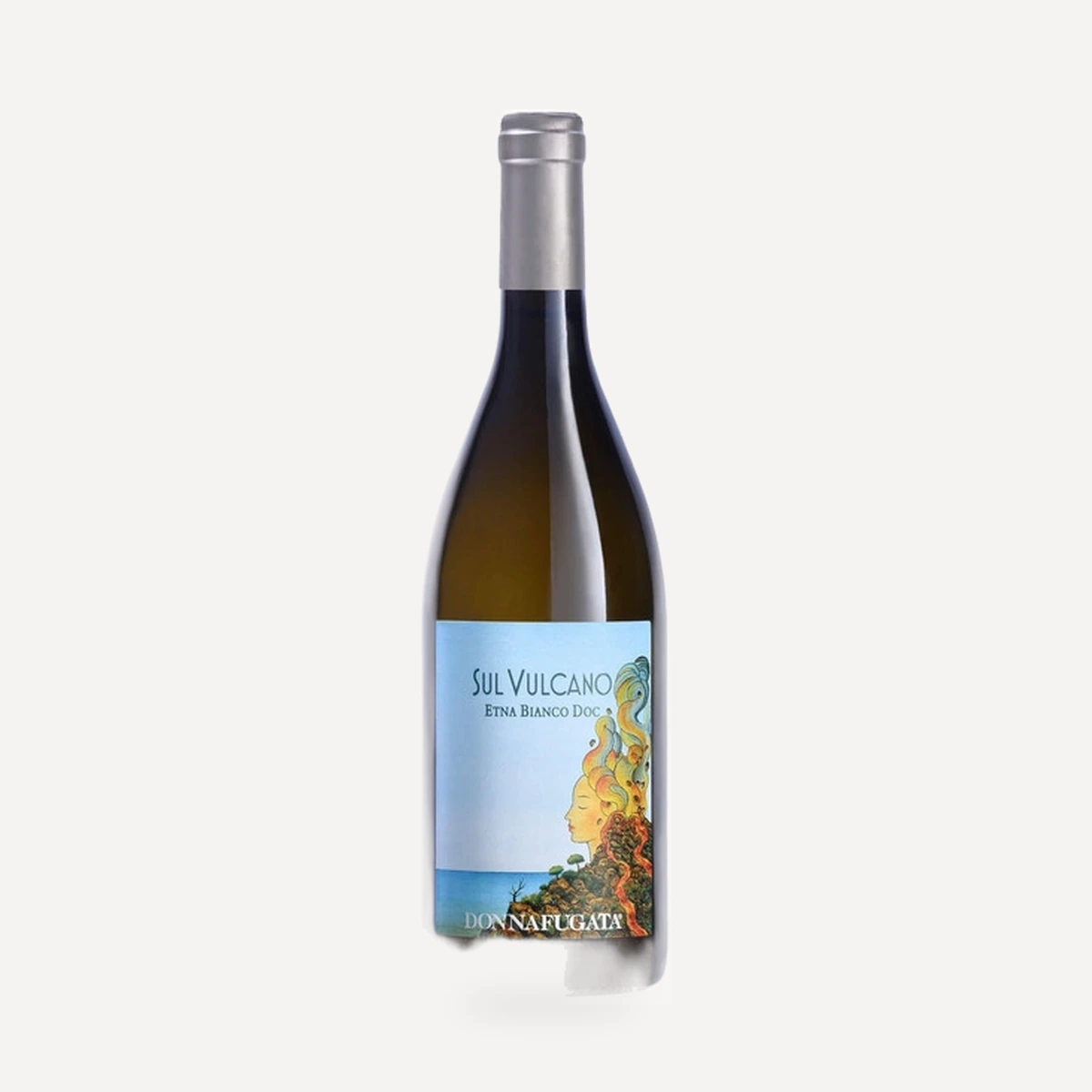
Sul Vulcano Etna Bianco DOC
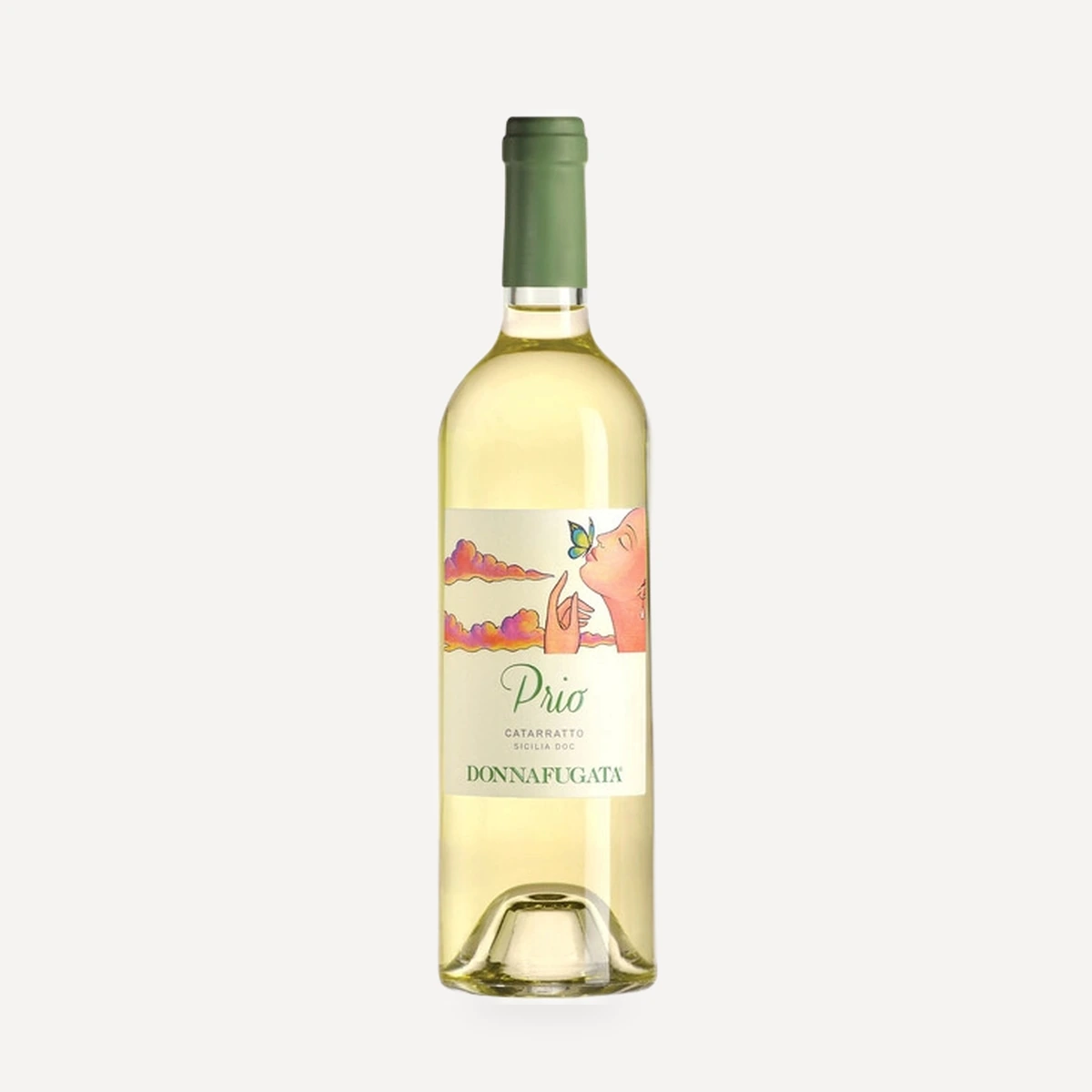
Prio Catarratto Sicilia DOC
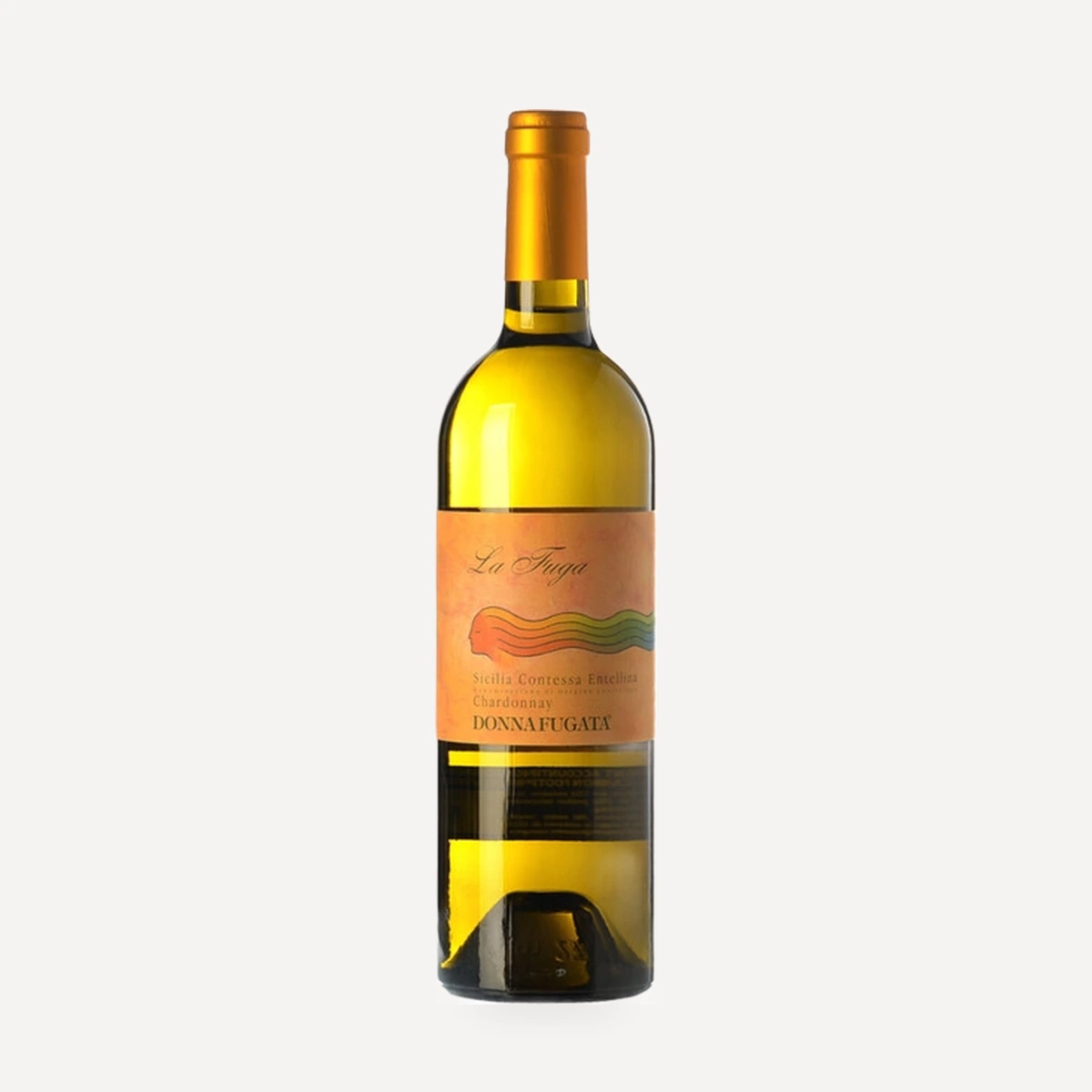
La Fuga Chardonnay Contessa Entellina DOC
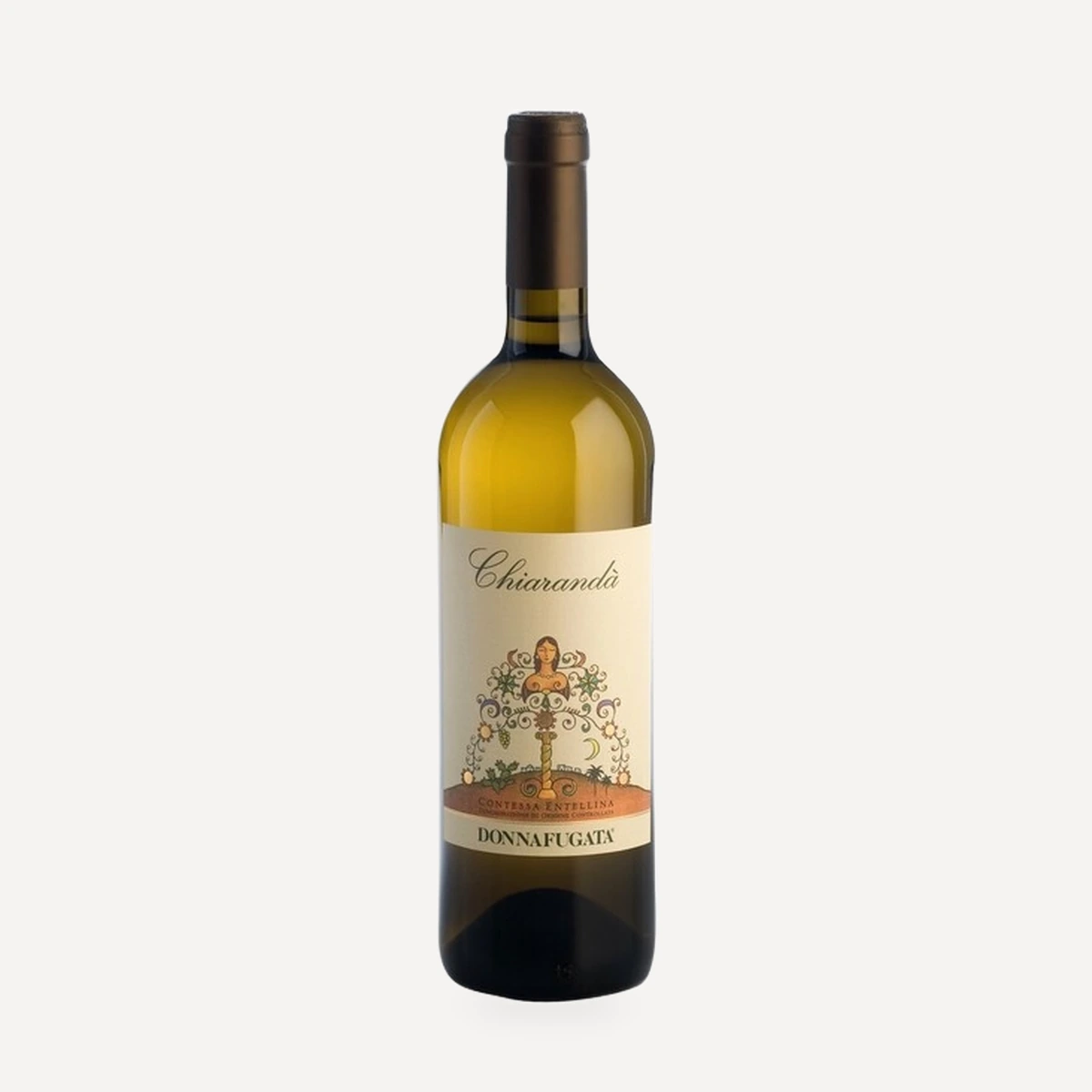
Chiaranda Contessa Entellina DOC
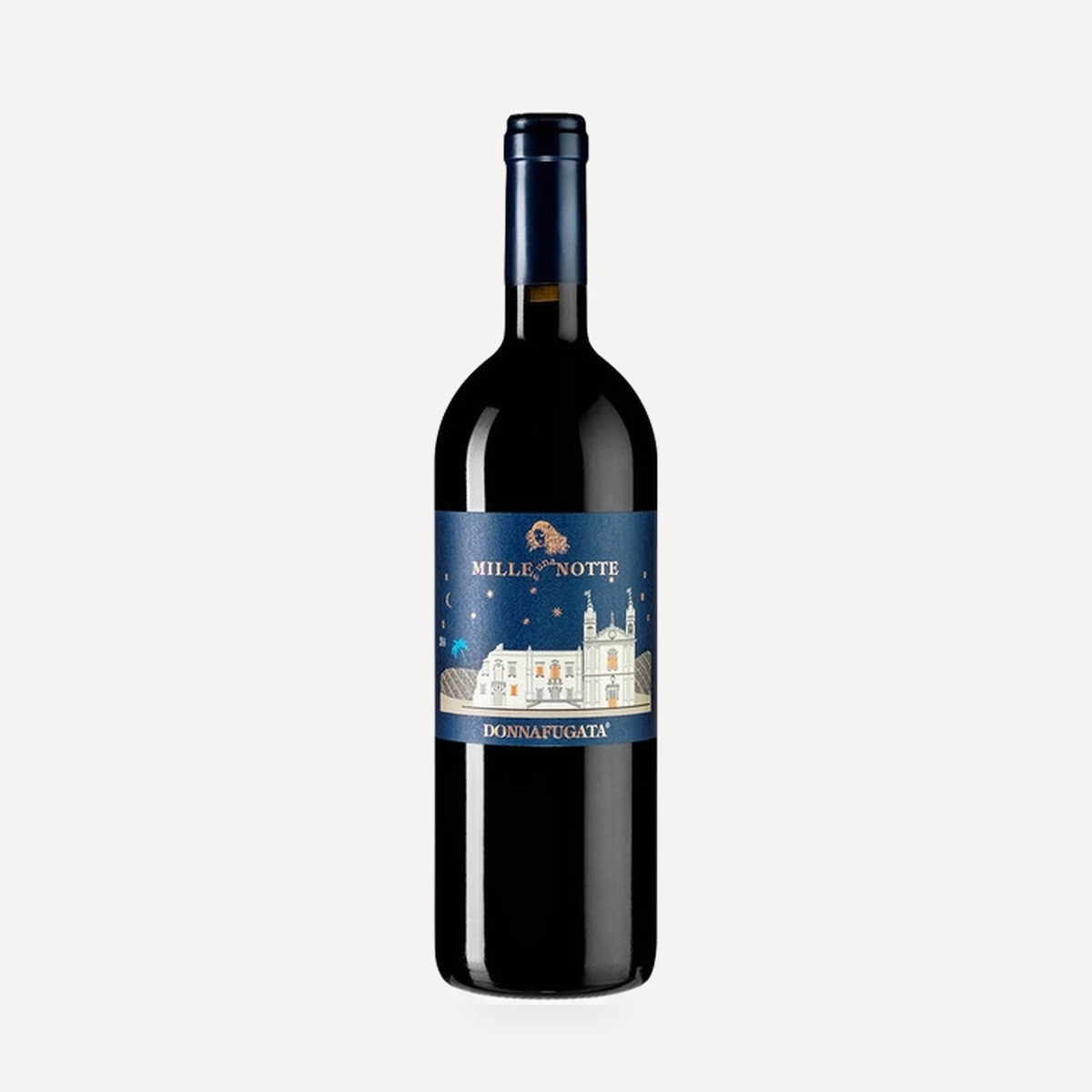
Mille e una Notte Contessa Entellina DOC
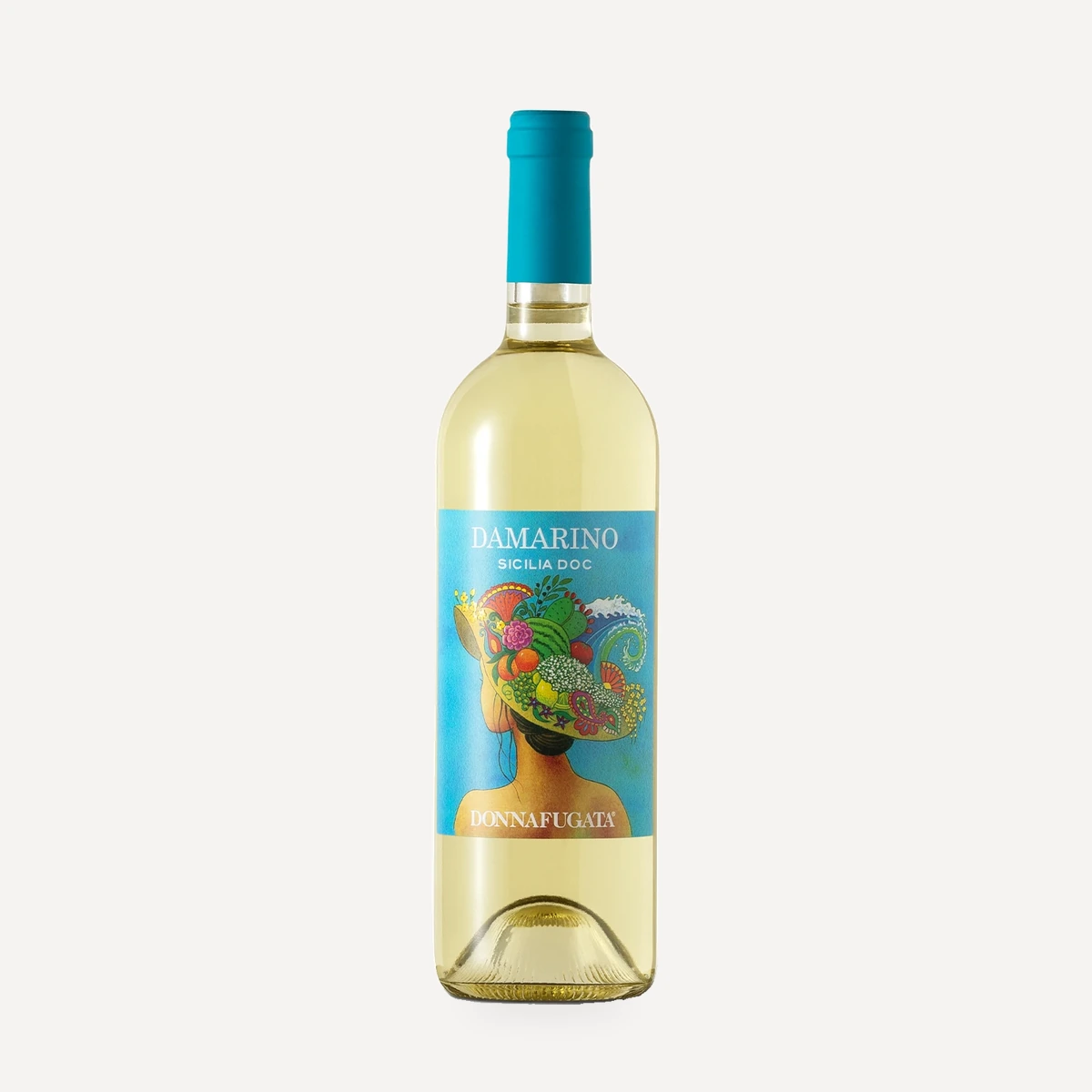
Damarino Sicilia DOC
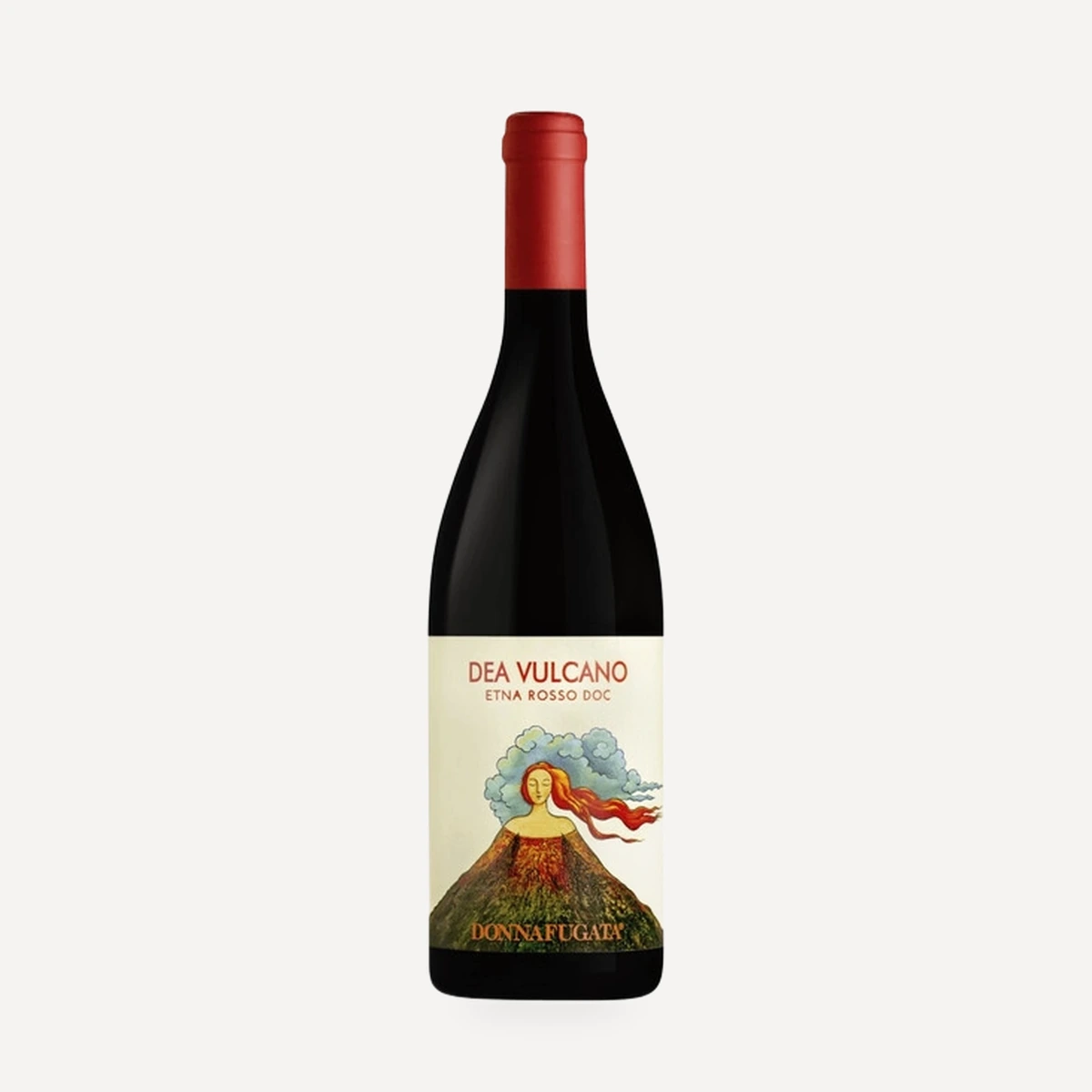
Dea Vulcano Etna Rosso DOC
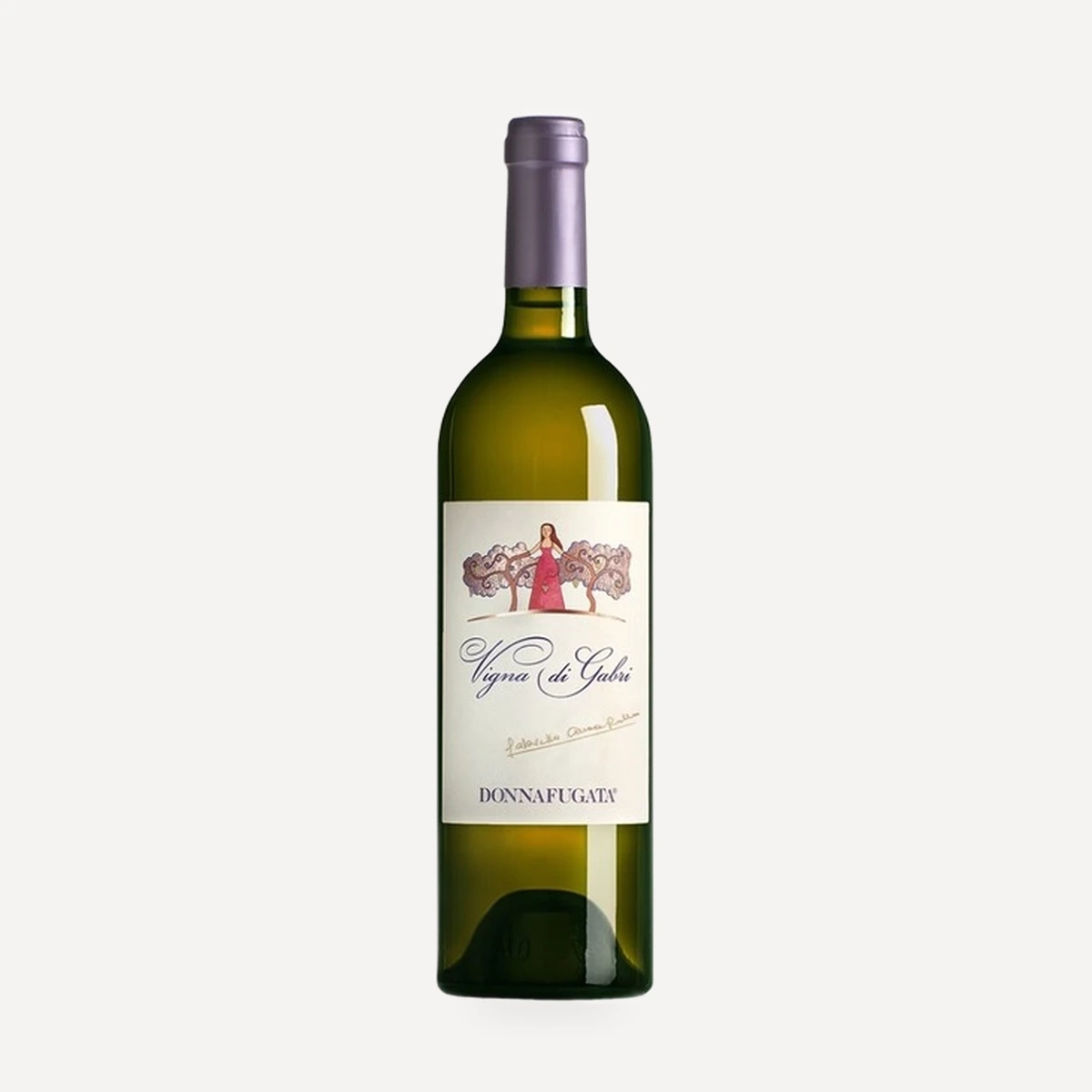
Vigna di Gabri Sicilia DOC
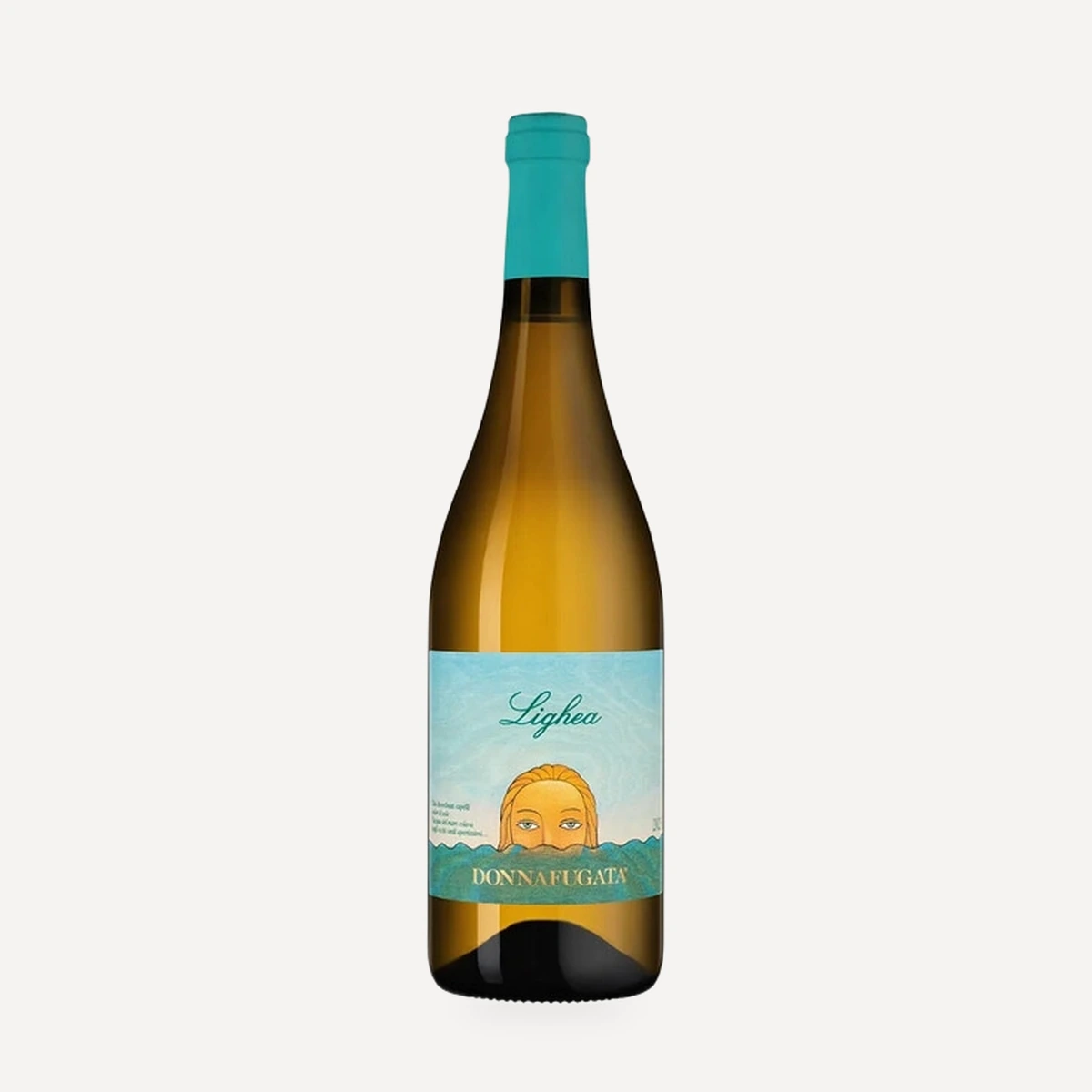
Lighea Zibibbo Sicilia DOC
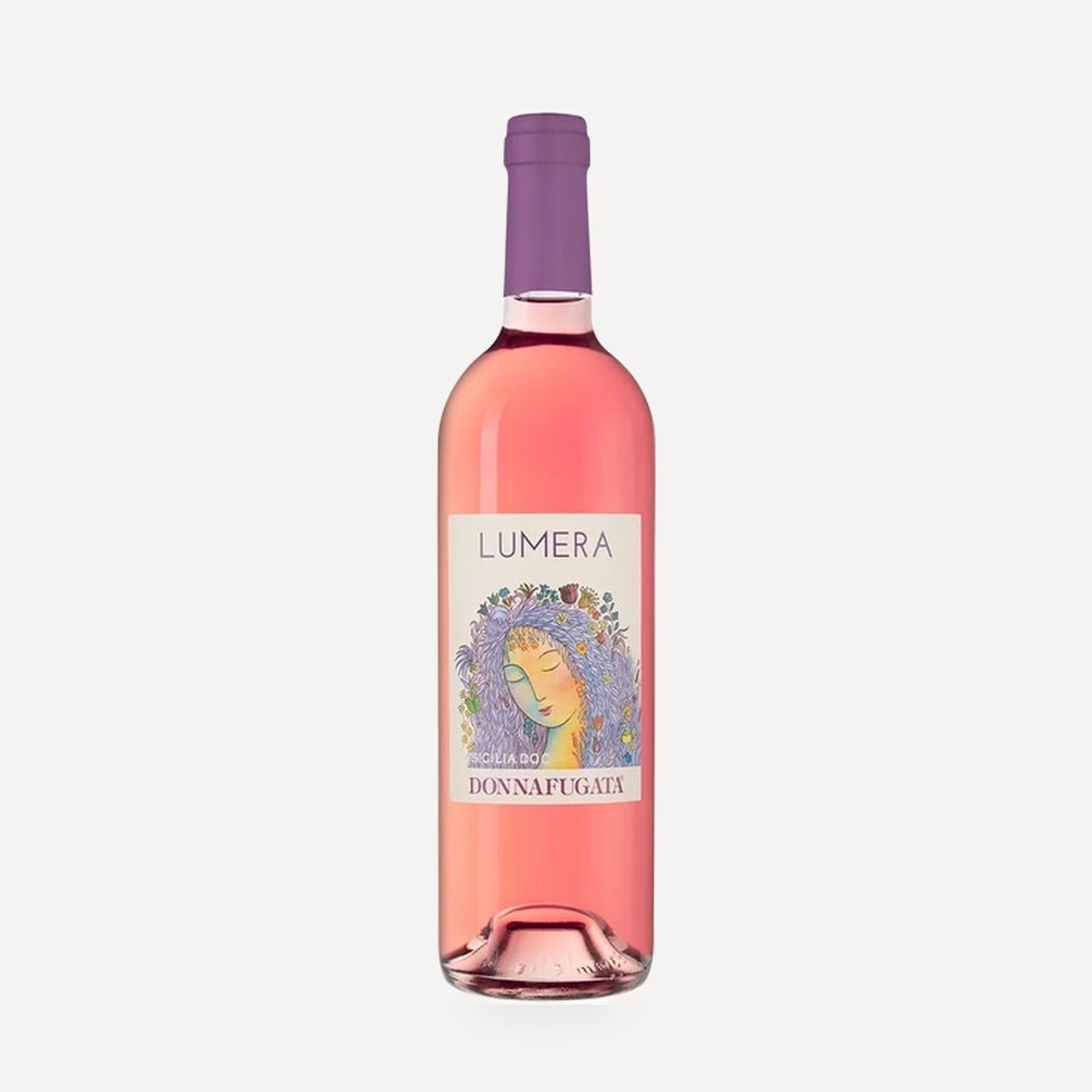
Lumera Sicilia DOC
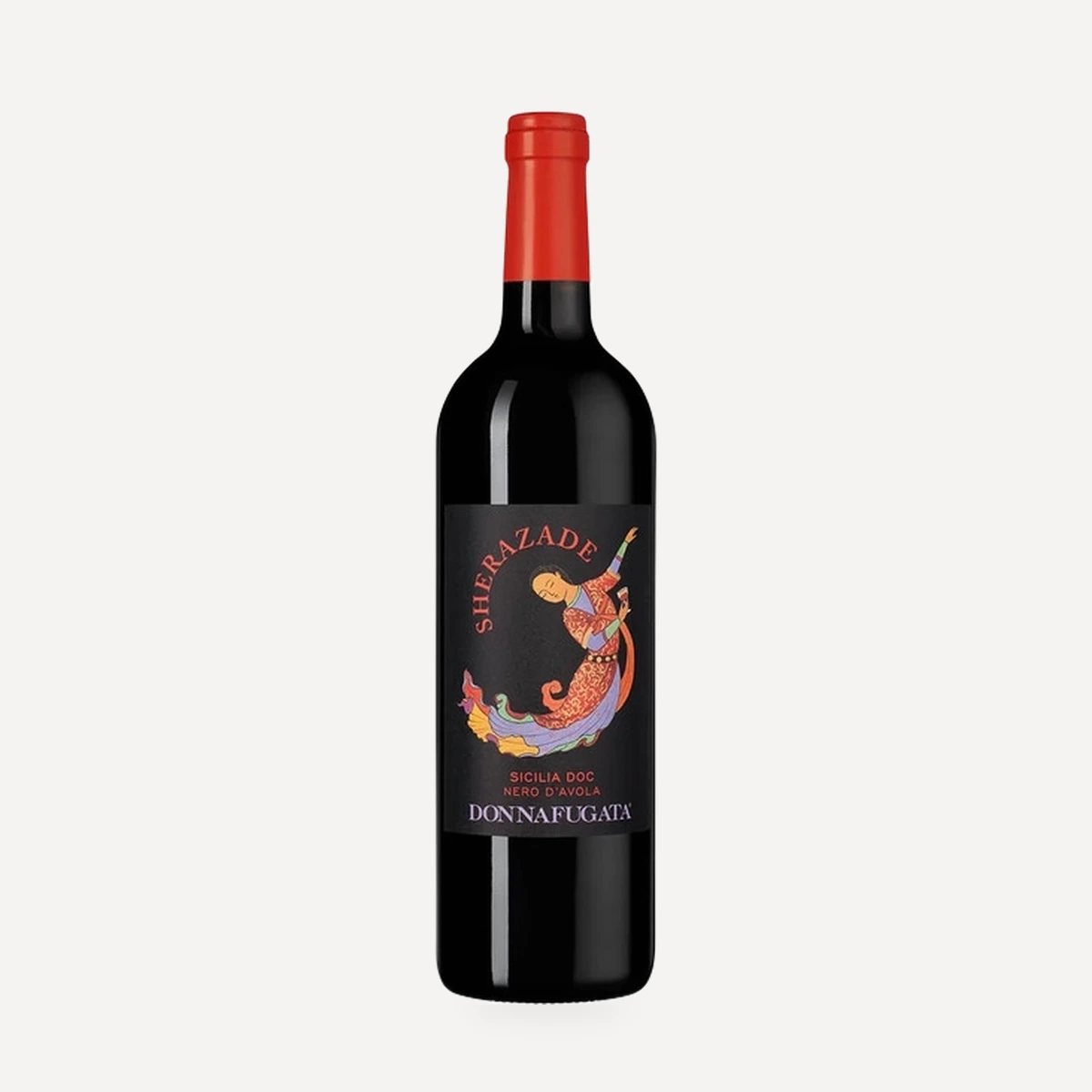
Sherazade Sicilia DOC
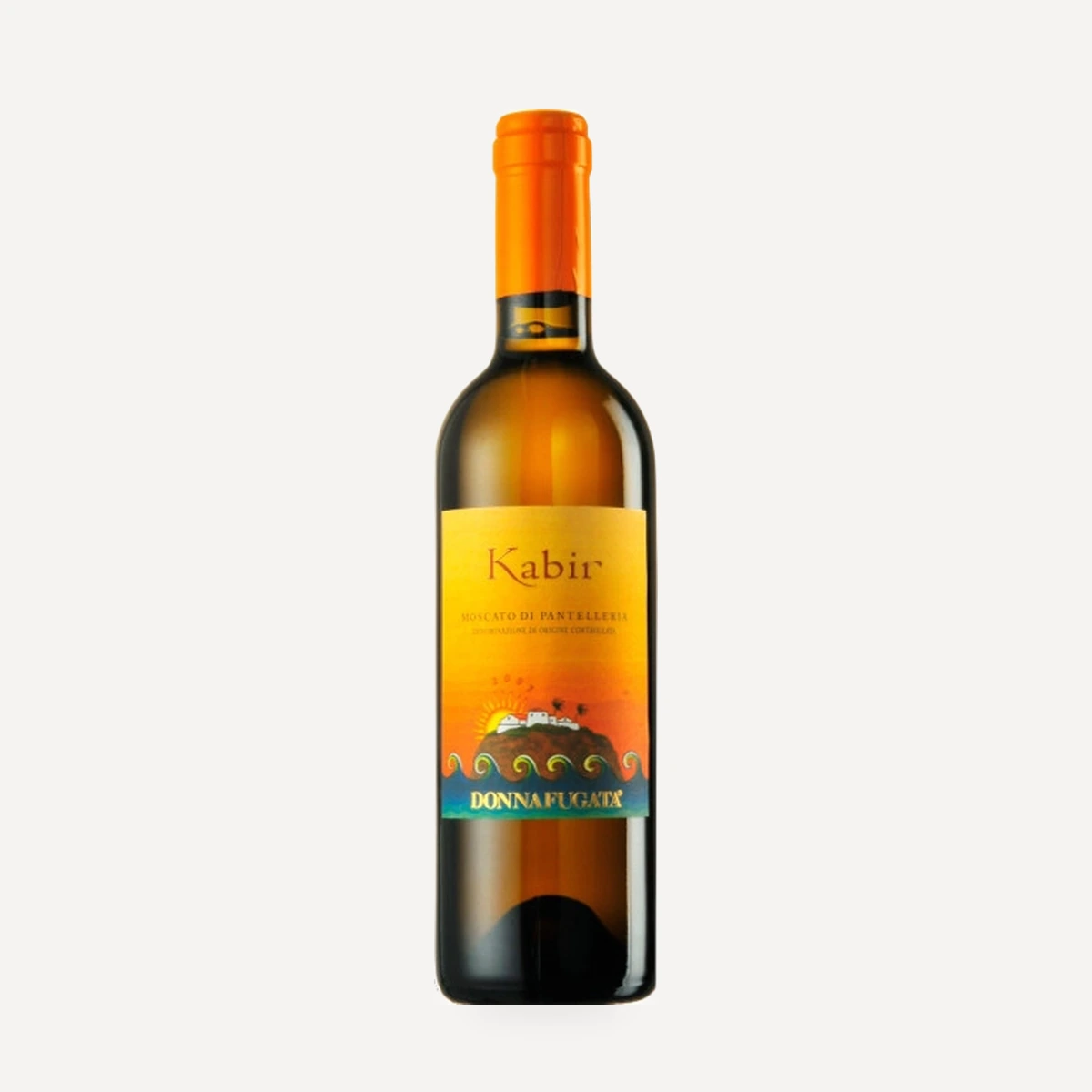
Kabir Moscato Passito di Pantelleria DOC
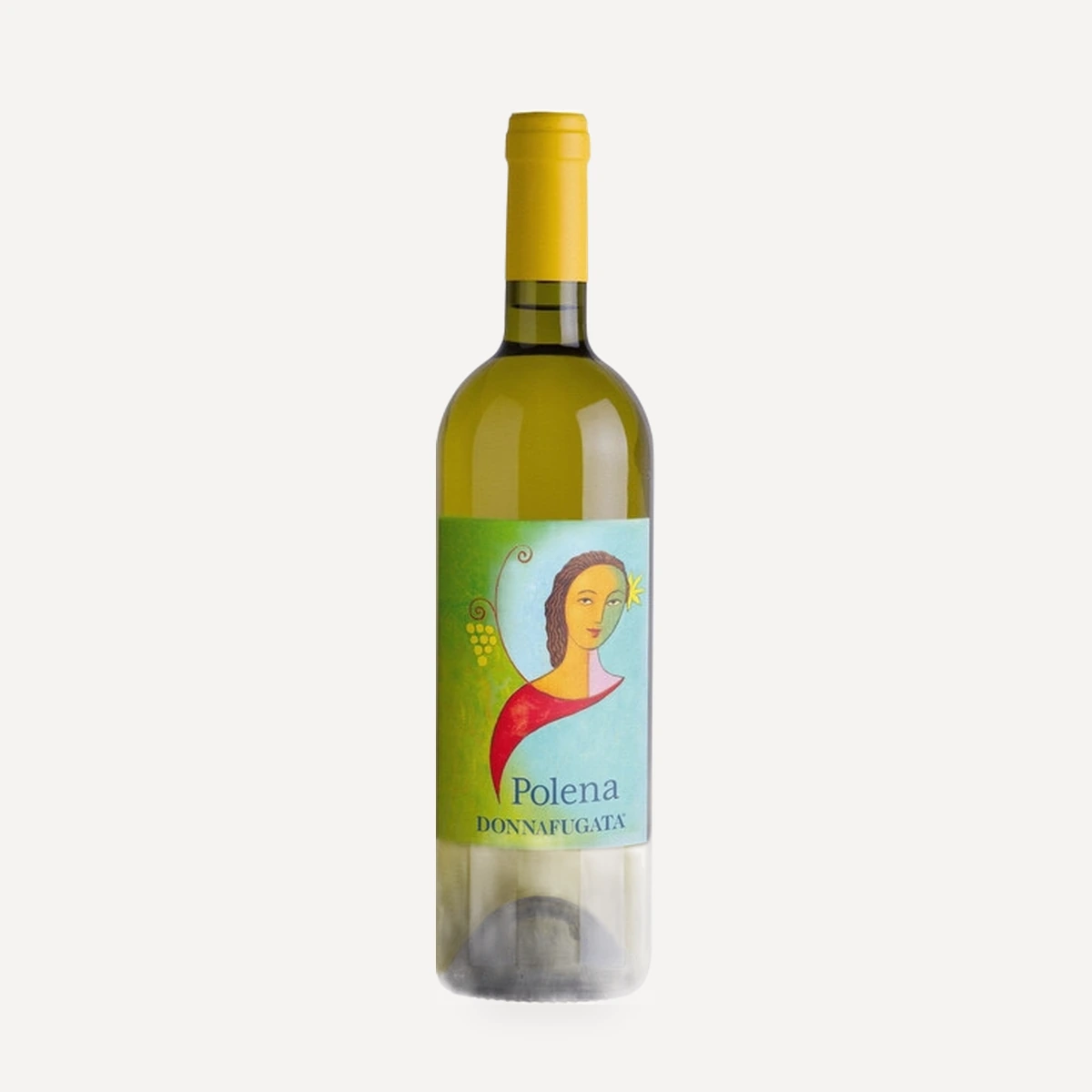
Polena Sicilia IGP
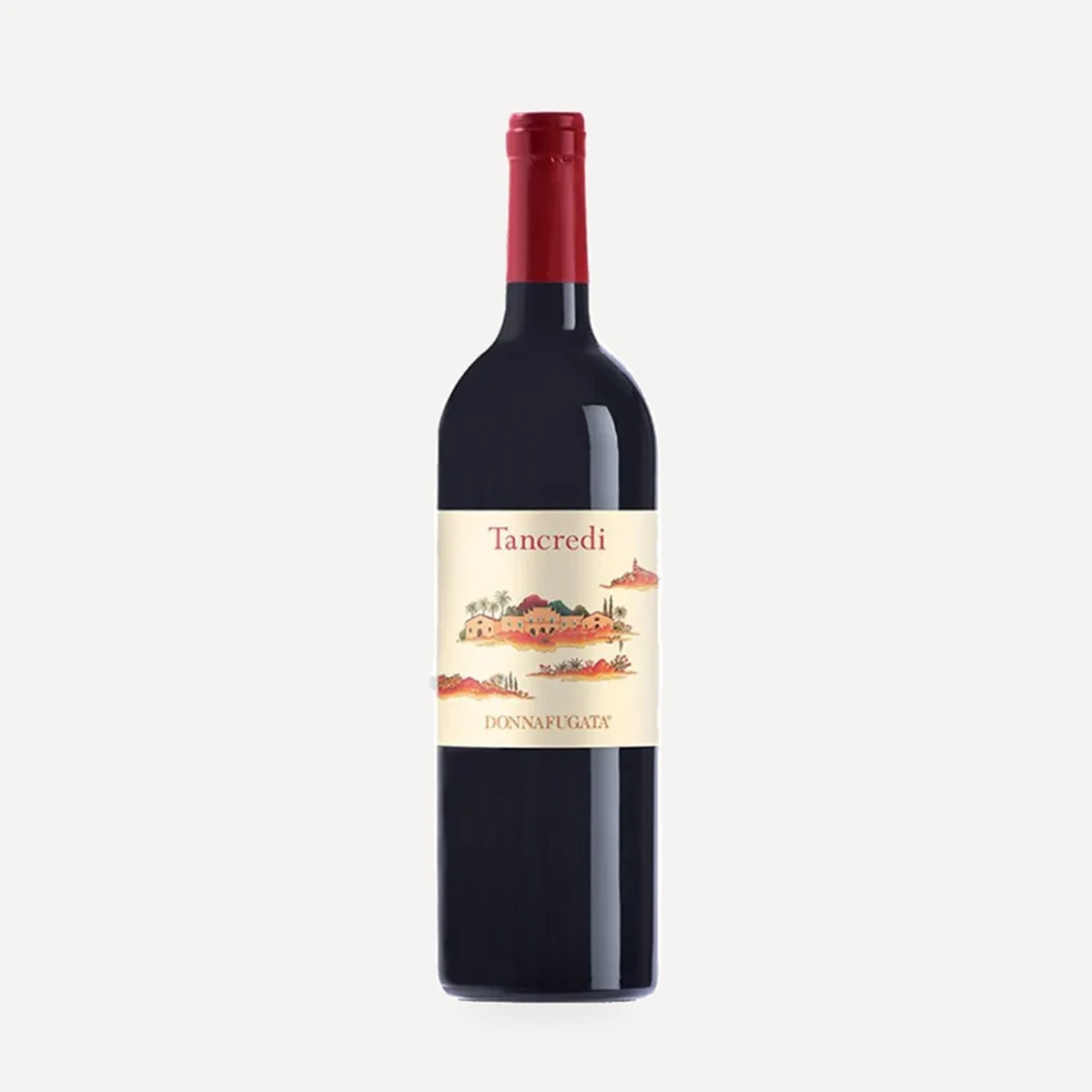
Tancredi Terre Siciliane IGT
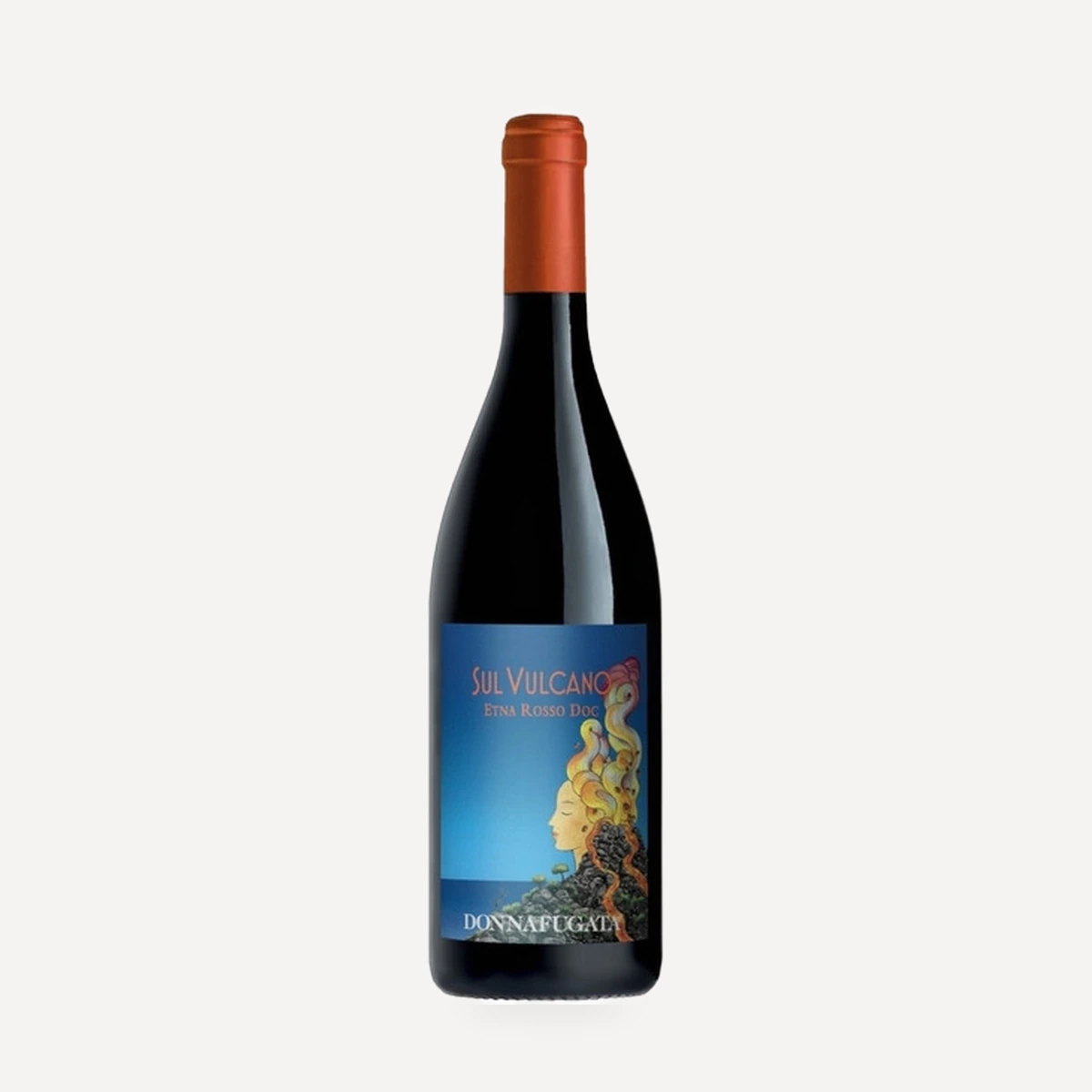
Sul Vulcano Etna Rosso DOC