History
Pre-Roman viticulture
Winegrowing around Terlano has pre-Roman roots. Settequerce, San Maurizio and Gries offered a favourable climate and elevated ground above the floodplain, making them suitable for early settlement. Ladles and bronze vessels dated to the 5th–4th centuries BCE point to an early wine culture.
More conclusive evidence comes from the late-Iron-Age pruning knife found at Settequerce. Its sharply angled blade corresponds to a form used for pruning vines and preserved with few changes over subsequent millennia. Large quantities of grape seeds assigned to the same period reinforce the evidence for viticulture in late-Iron-Age Terlano.
Before the cooperative
Agriculture remained central to the local economy, but land and winemaking were controlled by a small number of large landowners. A limited group of pioneers looked to the Rheingau for ideas and, during the century before the cooperative’s foundation, introduced valued grape varieties from Germany and France.
1893: foundation
Twenty-four small Terlano growers joined forces in 1893 to free themselves from the economic dominance of the landlords and established the Terlano Wine Growers’ Cooperative. At the end of the 19th century, South Tyrolean production was approximately 80% red and 20% white, yet Terlano was already recognised as a white-wine area. That orientation strengthened over time; the present production mix is 70% white and 30% red.
The oldest surviving bottle in the cellar dates from the founding vintage of 1893.
Sebastian Stocker and the foundations of longevity
Former winemaker Sebastian Stocker tested his belief in the longevity of Terlano wines by quietly reserving 500 bottles from every vintage. His experiment developed into the Wine Archive, which preserves every vintage from 1955 onward and several older bottles.
Stocker also extended maturation on the lees, taking inspiration from French practice. His approach became the Stocker method: selected vintages mature first in wood and then spend many years on their fine lees in small stainless-steel tanks.
The inaugural Rarity was based on the 1979 vintage. During a visit by André Tchelistcheff, Stocker and the Napa winemaker tasted the 1979 wine, which had remained at the back of the cellar. Tchelistcheff advocated inert stainless steel as a means of preserving acidity, aroma and site expression. Part of the vintage was bottled in 1991, while another portion remained in tank for a later release.
Governance and commercial development
Baron Carl Eyrl chaired the cooperative from 1989 to 1995. His son Georg Eyrl later followed him into the office.
Klaus Gasser joined in 1994 and played a central role in building and positioning the brand. Distribution expanded from a local and national focus to more than 30 countries, concentrating on high-end gastronomy, hospitality and selected specialist retail.
In 2008, the year of the merger with Cantina Andriano, Willi Tschigg became responsible for the cooperative’s back-office management, including bookkeeping, annual accounts and human resources.
2009: cellar expansion
An upgrade and architectural refurbishment completed in 2009 expanded the cellar to 18,000 m³ of storage space. The new wing was faced in local red porphyry, while its planted roof was covered with vines to integrate the building into the cultivated landscape.
Current leadership
Georg Eyrl has chaired the cooperative since 2017, acting as the link between its 143 growers and the winery’s employees. Hansjörg Hafner serves as vice-chairman. The board elected for a three-year term at the end of 2023 comprises Anton Adami, Norbert Elsler, Ulrike Gratl, Hans-Peter Höller, Stefan Sandrini, Robert Müller, Christoph Patauner, Martine Huber, Konrad Rauch, Manfred Runer and Georg Spitaler.
Terroir
Setting and elevation
The vineyards occupy steep south- to southwest-facing slopes on the left side of the Adige Valley, beneath Monte Tschöggl, at elevations from 250 to 900 m. Both red and white varieties grow between 250 and 400 m; from 400 to 900 m, the cooler sites are devoted to white varieties. Lower sites favour Lagrein, Cabernet and other structured reds, whereas Pinot Noir and white varieties are associated with higher, cooler elevations.
The valley floor is largely devoted to apples, leaving the higher ground—considered more advantageous for winegrowing—to vines. The exceptionally high proportion of steep sites increases the need for manual work but is also integral to their qualitative potential.
Geological formation
Terlano lies in the Middle Adige Valley, which was carved during the last Ice Age by an Adige glacier probably more than 1,000 m thick. The glacier formed a broad U-shaped valley with steep sides. When it receded, erosion acted on the exposed slopes, while gravel, boulder clay, sediment and mudflows accumulated on the present valley floor.
The vineyards sit among red volcanic porphyry, specifically Bolzano quartz-porphyry. Its mineral components include alkali feldspar, light plagioclase, quartz and muscovite, embedded in a fine-grained to glassy matrix. The vineyard soils developed on a mudflow debris fan formed from eroded rock above.
Soils
The soils are skeletal, sandy to sandy-loamy and rich in quartz. Coarse siliceous stone and sand dominate the topsoil, while the limited fine-earth fraction is principally sandy or sandy loam. The skeletal structure warms rapidly and is highly permeable to water.
Calcium carbonate is absent or limited, accounting for neutral to slightly acidic pH values. Carbonate content is described as low to moderate. Soil depth exceeds 2 m, the skeletal fraction is very high, and the underlying rock is predominantly siliceous porphyry. Restricted nutrient availability moderates vine vigour and naturally limits yields.
The vines respond to these conditions of mild environmental stress by developing terroir-specific polyphenols. This combination is associated with tension, depth and a saline character in the wines.
Climate
The vineyards lie at approximately the same latitude as Burgundy. The main Alpine chain shelters them from cold northerly winds, while mild southern air reaches the slopes and nearby glaciers provide a reservoir of cooler air. The wide valley opens westward, extending evening sunlight.
The climate is mild and sub-Mediterranean within a continental Cfa Köppen-Geiger classification. Summer days heat the land, while cool downslope air from the mountains lowers night-time temperatures. This creates pronounced diurnal variation. Cool, dry north-foehn air typically arrives in the morning; the Ora, a southerly valley wind carrying air from the Po Valley, generally follows in the afternoon.
General climatic figures give annual temperatures of approximately 11–12°C, summer maxima near 38°C, winter minima near −4°C, more than 2,000 hours of sunshine, and 600–700 mm of well-distributed annual rainfall. The detailed microclimate panel records 2,135 sunshine hours, a maximum of 38.2°C, an average of 12.9°C, a minimum of −10.7°C, average precipitation of 712 mm and mean global radiation of 150.1 W/m². Monthly averages remain above 10°C throughout the April–October growing season.
The free-draining soils can absorb heavy rainfall efficiently. Vegetation also reflects the climatic range: downy-oak coppice occupies warm southern slopes, hop-hornbeam and manna ash occur on northern slopes, and pine communities dominate higher levels. Sweet chestnut, cypress, succulents and even prickly pear grow near vineyards, within sight of the snow-covered 3,000 m peaks of the Texel range.
Winemaking
The small-plot structure permits targeted management of individual vineyard units. Cultivation is adjusted to soil requirements, and herbicides are avoided. Steep slopes demand extensive manual labour; annual handwork can reach 700 hours/ha.
The objective is to retain as many vigorous old vines as possible so that each site’s potential is fully expressed. Vine requirements are assessed according to variety, site and age, with attention to natural biological rhythms. Old vines, balanced growth and low yields per plant form part of the cooperative’s strategy for longevity.
Over centuries, vines have adapted to the combination of volcanic soils and local microclimate. Selection and propagation of the best-performing plants have driven continuing improvements. Sauvignon Blanc has been the subject of particularly focused clonal selection, producing proprietary Terlano selections.
Harvest quality depends on rigorous selection of healthy, fully mature grapes. The demanding 2025 harvest illustrates the approach: humid September conditions required more handwork, patience and precisely timed interventions to deliver high-quality fruit.
Cellar and production structure
All production is DOC. The present mix is 70% white and 30% red wine. The 2009 refurbishment created 18,000 m³ of cellar storage, giving the wines space for undisturbed development. Finished products are held in temperature-controlled storage.
Documented operations encompass pressing and/or destemming, fermentation, racking from the pomace, stabilisation, maturation and bottling. The food-control programme provides traceability through every production stage to the origin of the supply chain. Wine-contact closures, containers and oenological products are supplied under applicable national and European food-contact rules. The wines are produced without genetically modified organisms; sulphites are the allergen expressly identified under the applicable labelling rules.
Wood, lees and slow maturation
Wooden barrels have a traditional role in Terlano winemaking. Lees ageing is equally central: wines may remain on their yeast for years before bottling, then continue their slow development in bottle. This prolonged maturation is intended to build character and complexity, prioritising secondary and tertiary aromas over primary fruit.
Stocker method and Rarity programme
Selected outstanding vintages spend approximately one year in wooden barrels. The newer account of the programme also records malolactic fermentation and bâtonnage during the wood phase. The wines are subsequently transferred to 2,500-litre stainless-steel tanks for extended maturation on fine lees. The most recent dated account gives a range of 10–25 years, after which the cellar team bottles the wine when balance and harmony are judged complete.
Bottle maturation continues for another four or five years before release. Eighteen Rarity vintages were reported as ageing underground in late 2025. The programme has included Pinot Bianco, Chardonnay, Sauvignon Blanc and Terlaner Cuvée. Annual releases are extremely limited, with the dedicated Stocker-method description specifying 3,330 bottles.
Long-term bottle care
Archive bottles are stored horizontally in cool, dark and humid conditions. Cellar temperature is maintained within a 10–15°C range with minimal fluctuation. Corks are inspected and replaced when necessary; archive rarities are re-corked periodically and losses are topped up with old wine.
Philosophy
Time and longevity
Time is treated as an essential production resource. Vines are allowed to follow their own rhythms, and wines receive the years—or, where appropriate, decades—needed to mature. The goal is not immediate primary-fruit expression but the gradual development of more complex secondary and tertiary aromas.
Longevity is understood as the combined result of mineral-rich soils, old vines in balanced growth, low yields per plant, meticulous vineyard care, fully mature healthy grapes, traditional wood and prolonged contact with fine lees.
Site expression
The cooperative seeks to preserve old vines and adapt work to the needs of each soil and plot. Repeated selection and propagation of the best vines are intended to strengthen the relationship between plant and site. Rudi Kofler describes perfection as a process beginning in the vineyard; his cellar approach is deliberately restrained, favouring clarity, elegance and unadulterated quality rather than eccentricity.
Cooperative values
Georg Eyrl’s management principles centre on collective effort, shared objectives, open dialogue and respect between the 143 grower-members and employees. Compromise is accepted in organisational matters but not where quality is concerned. Klaus Gasser applies a related principle in distribution: quality takes precedence over volume, with market channels selected to support the wines’ positioning and development potential.
Tradition and renewal
The cooperative’s founding principle was that tradition can sometimes be preserved only through renewal. That relationship remains visible in the coexistence of historic wood ageing, long lees maturation, stainless-steel Rarity tanks, modern cellar infrastructure and a planted roof that connects the refurbished building to its agricultural setting.
Wines
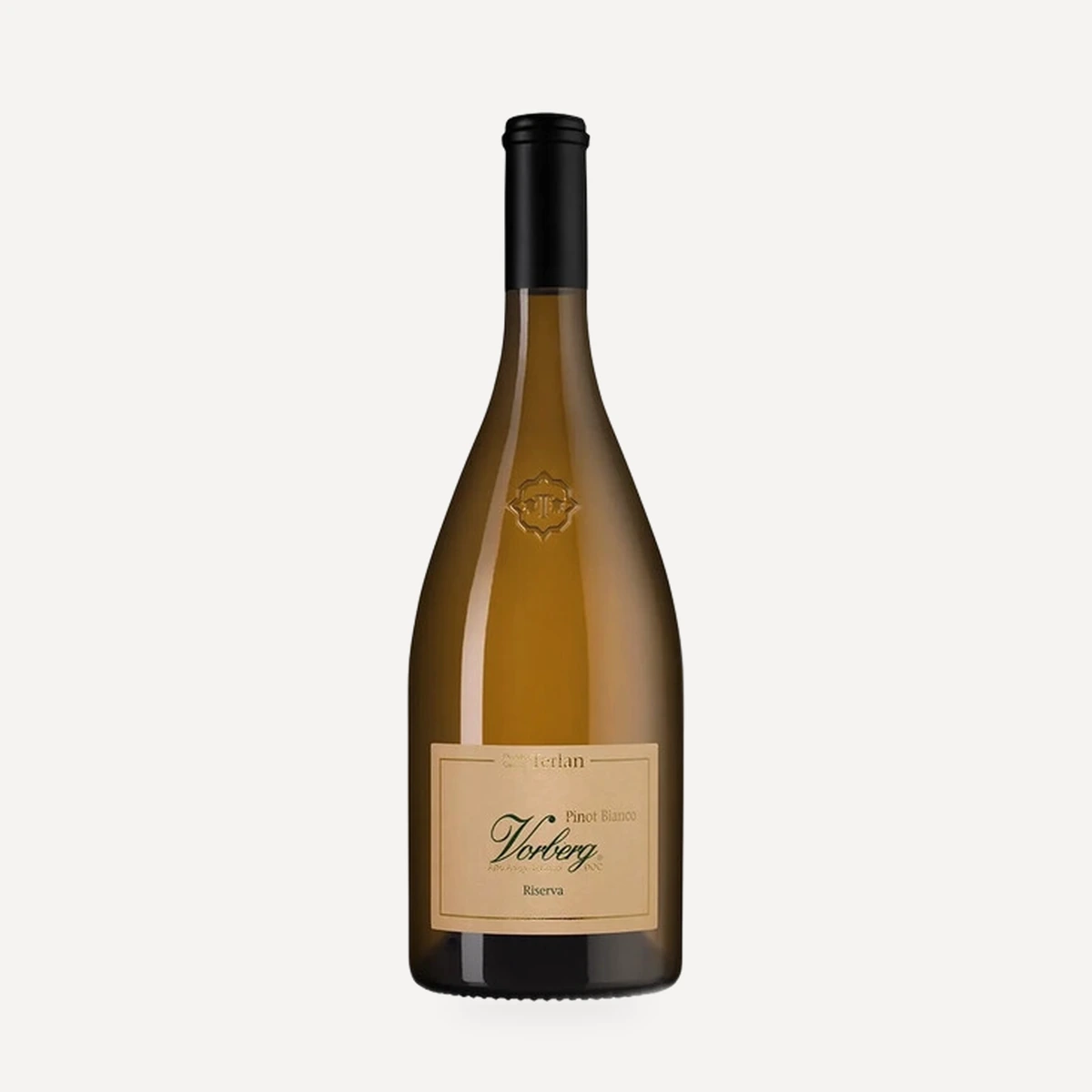
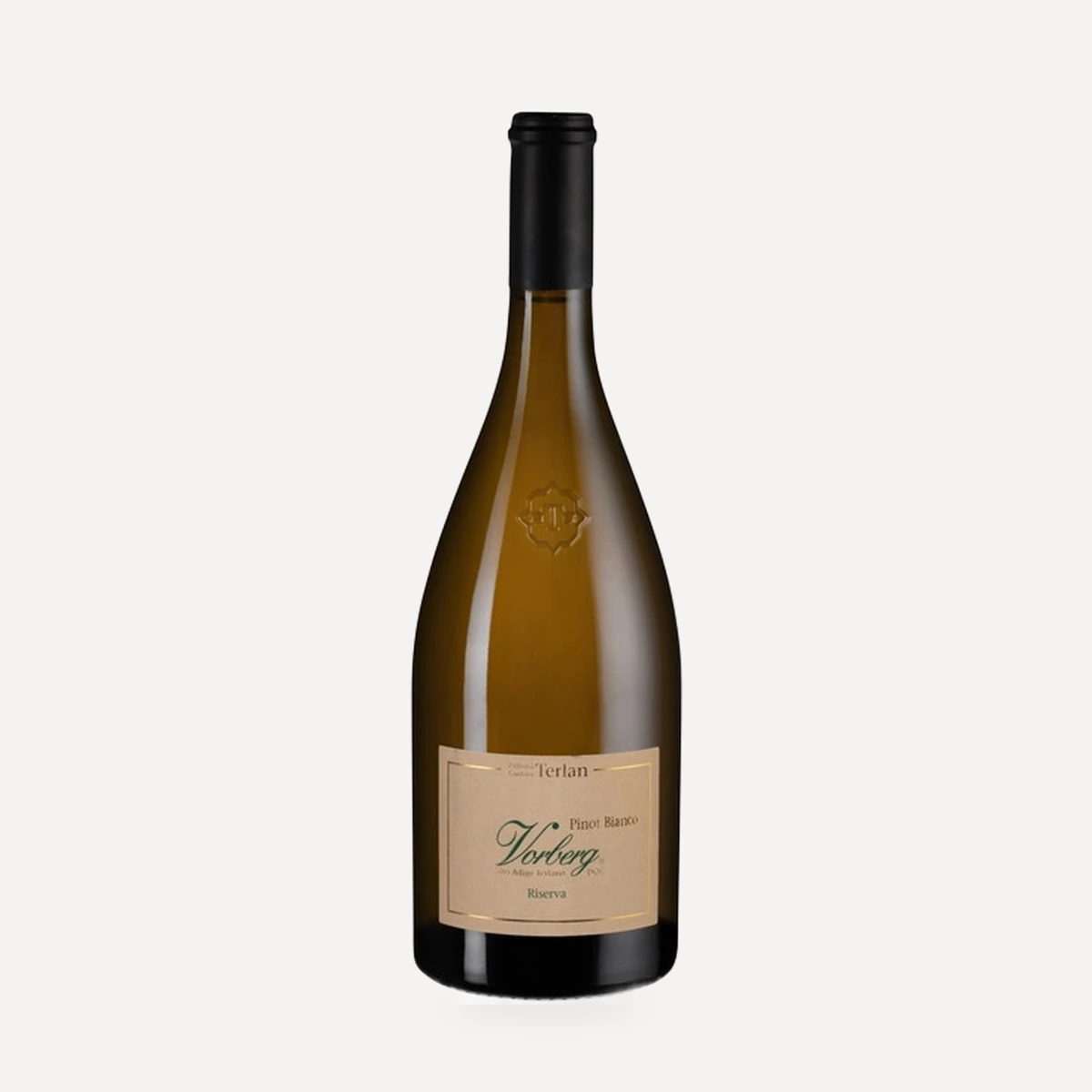
Vorberg Pinot Bianco Riserva
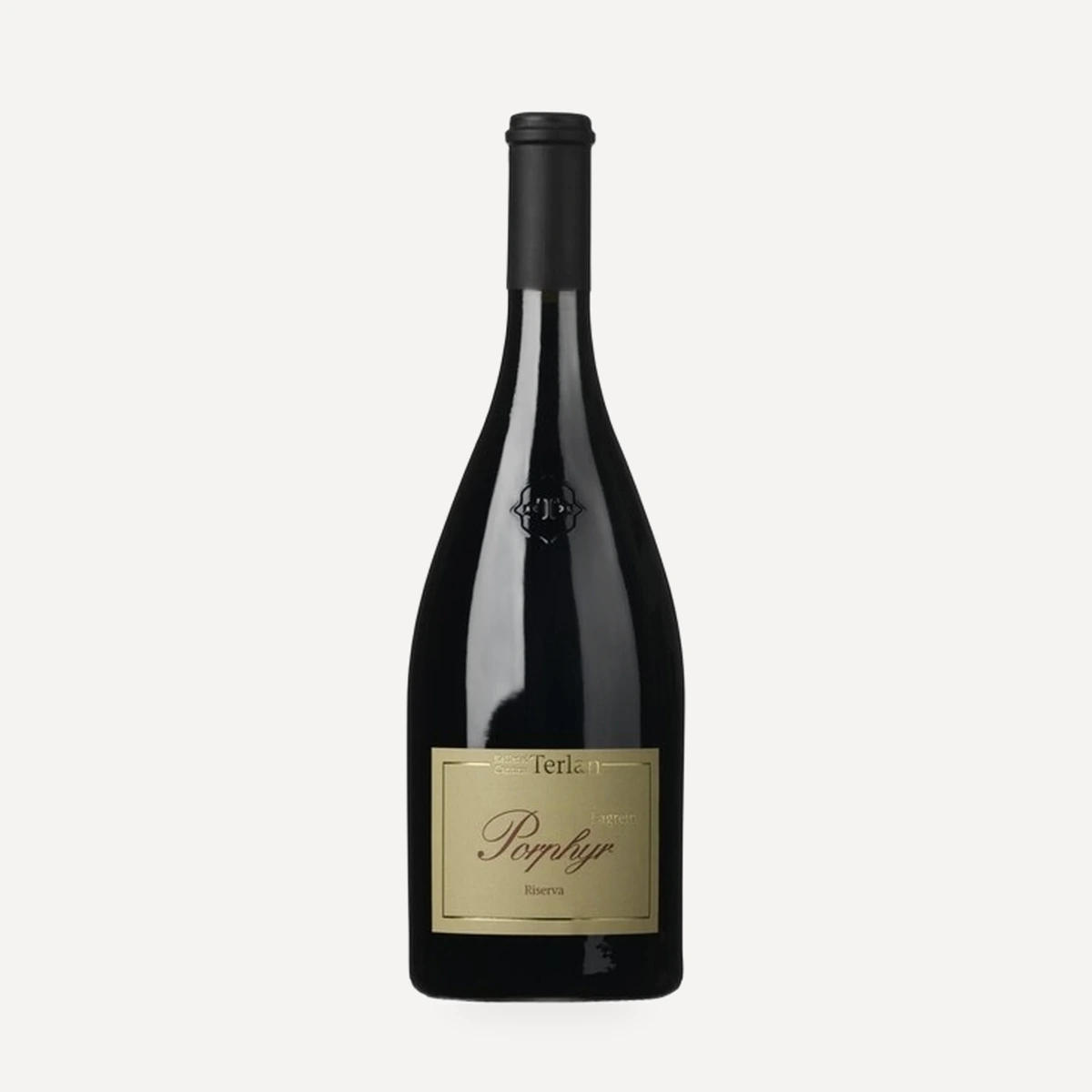
Porphyr Lagrein Riserva
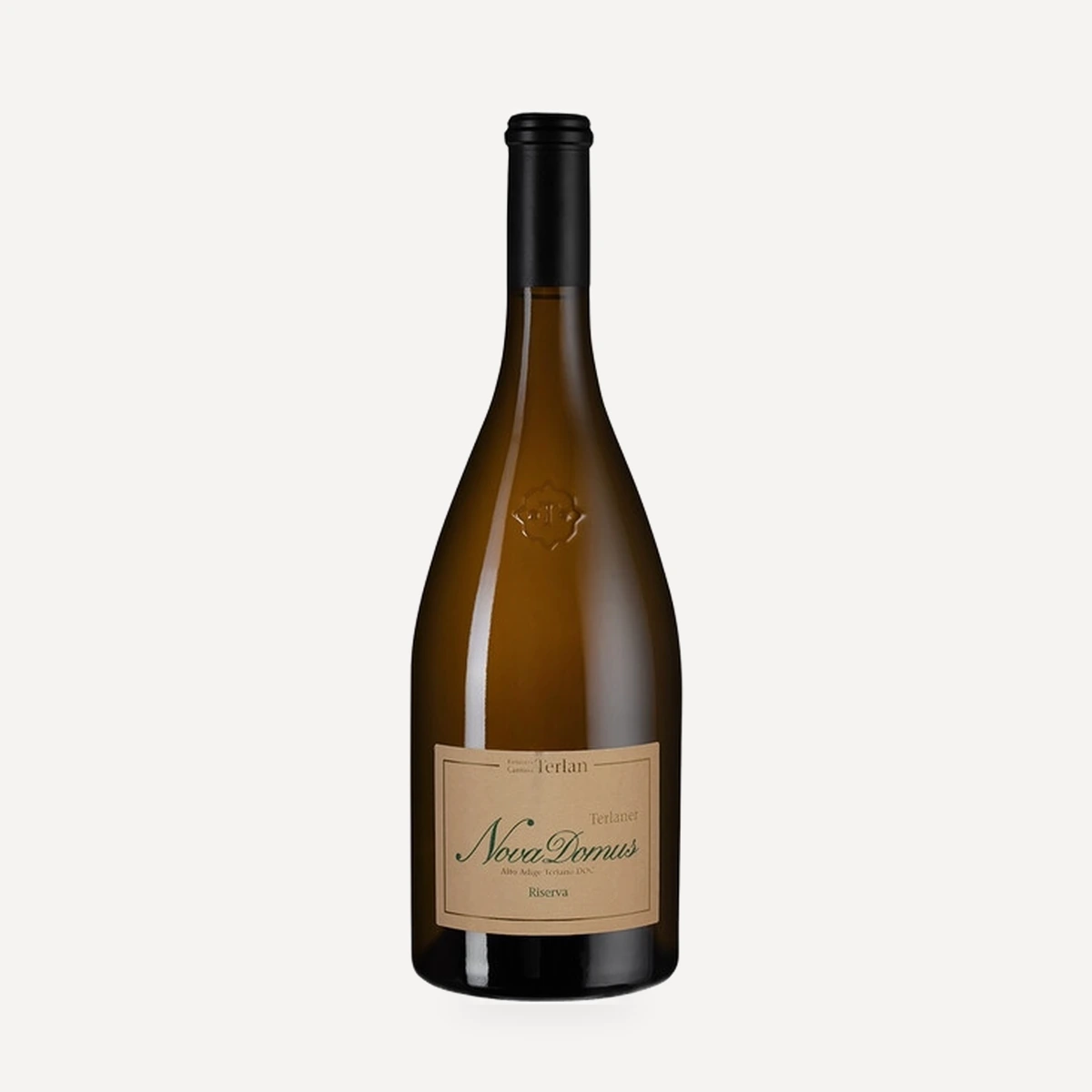
Terlaner Cuvée Riserva Nova Domus
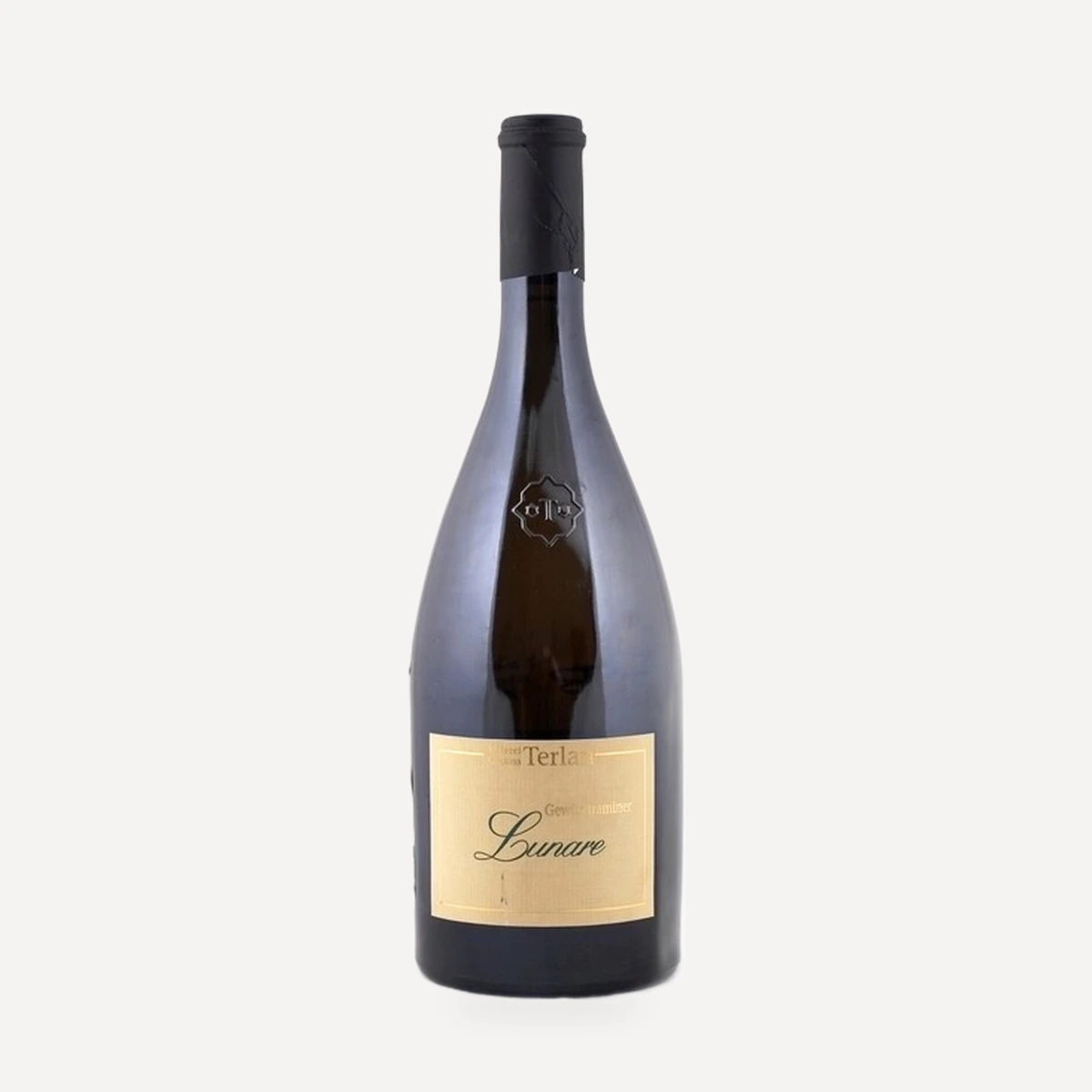
Lunare Gewürztraminer
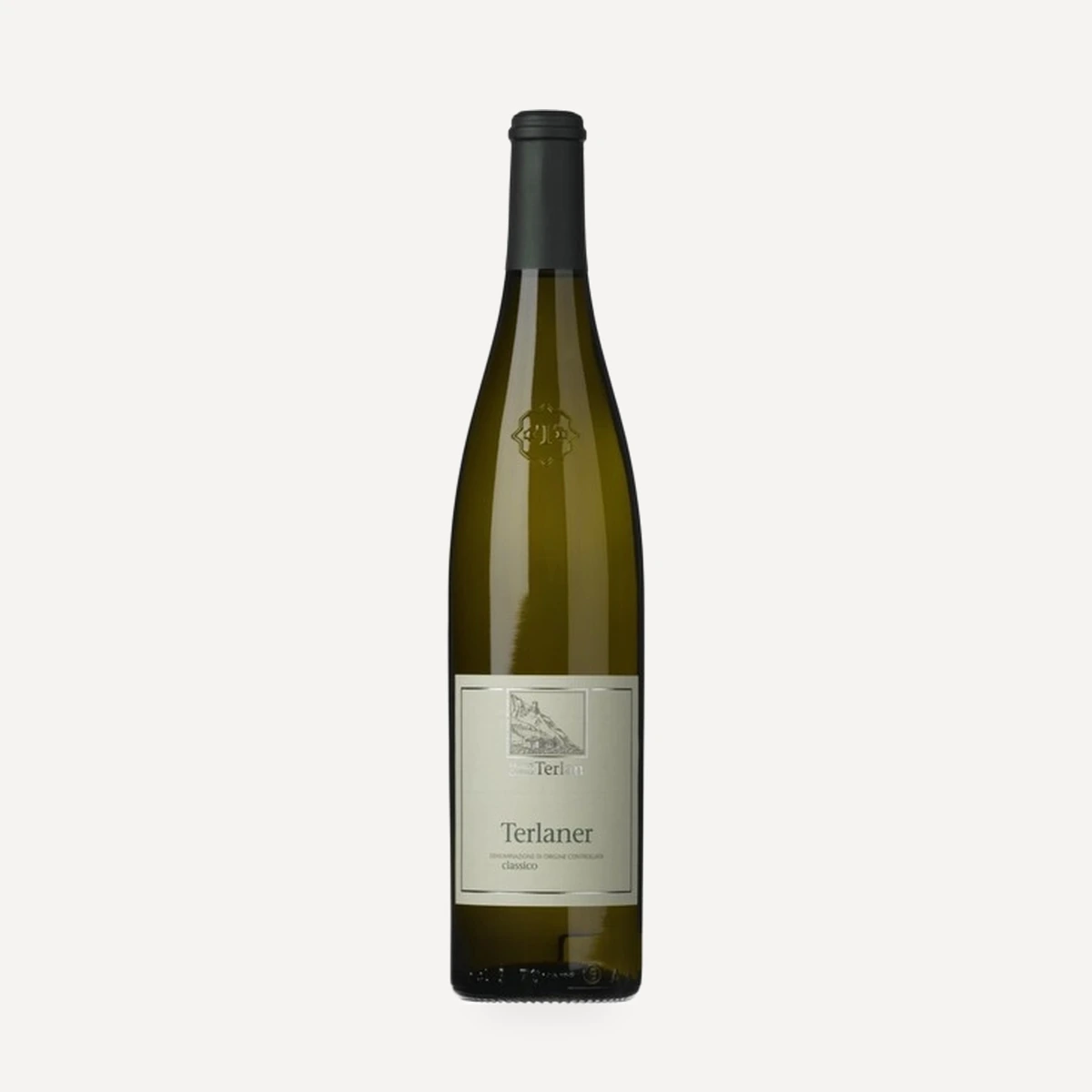
Terlaner Cuvée
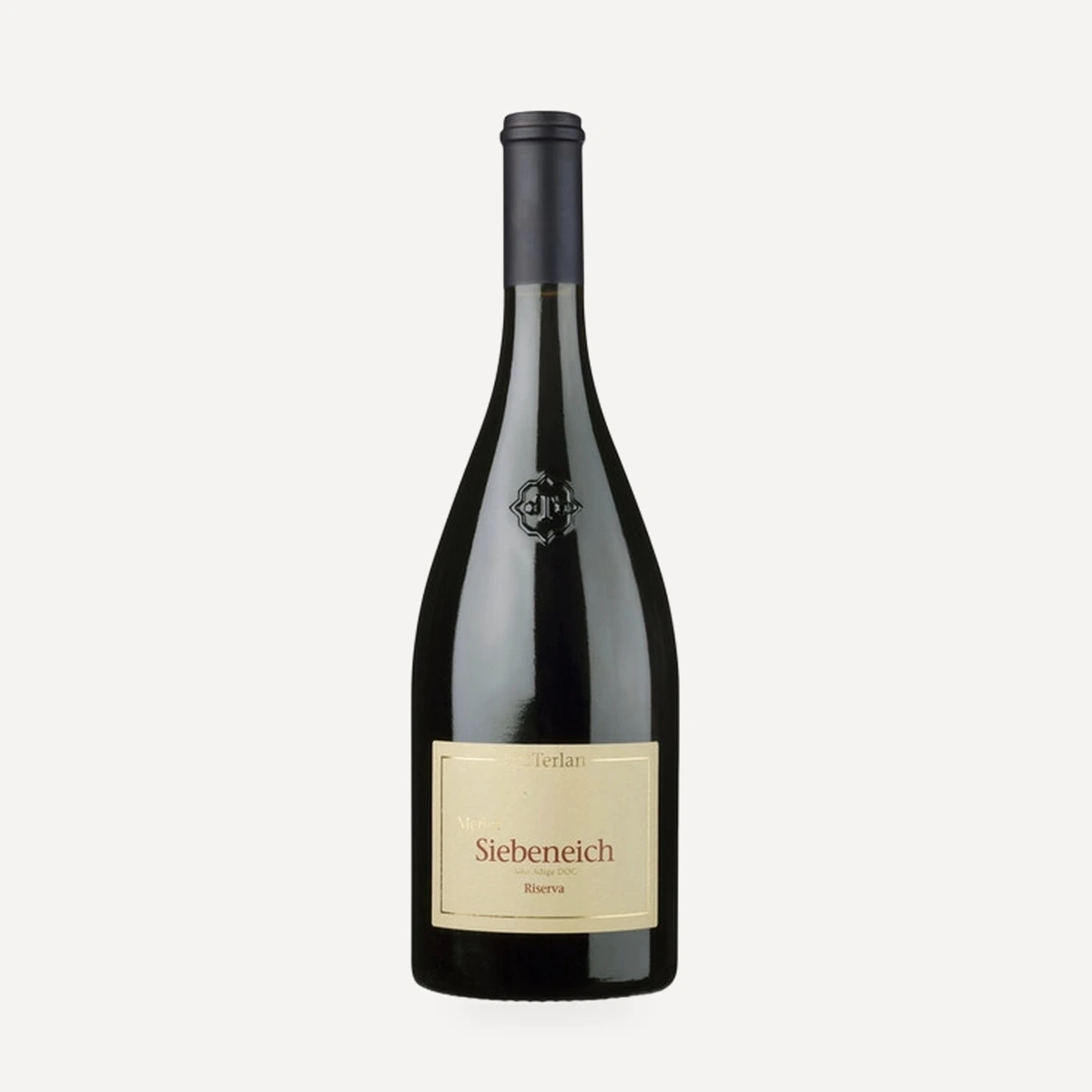
Siebeneich Merlot Riserva
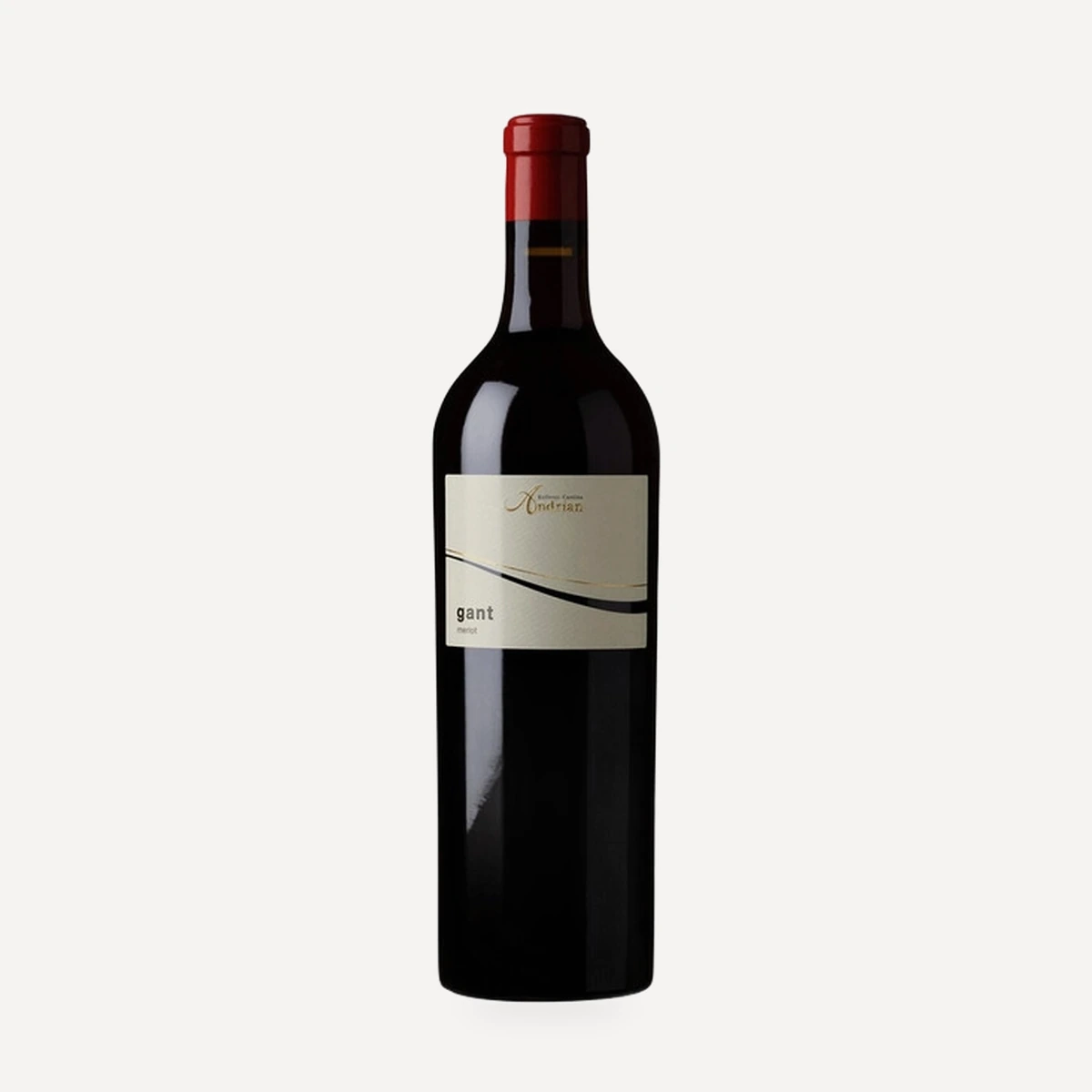
Gant Merlot Alto Adige DOC
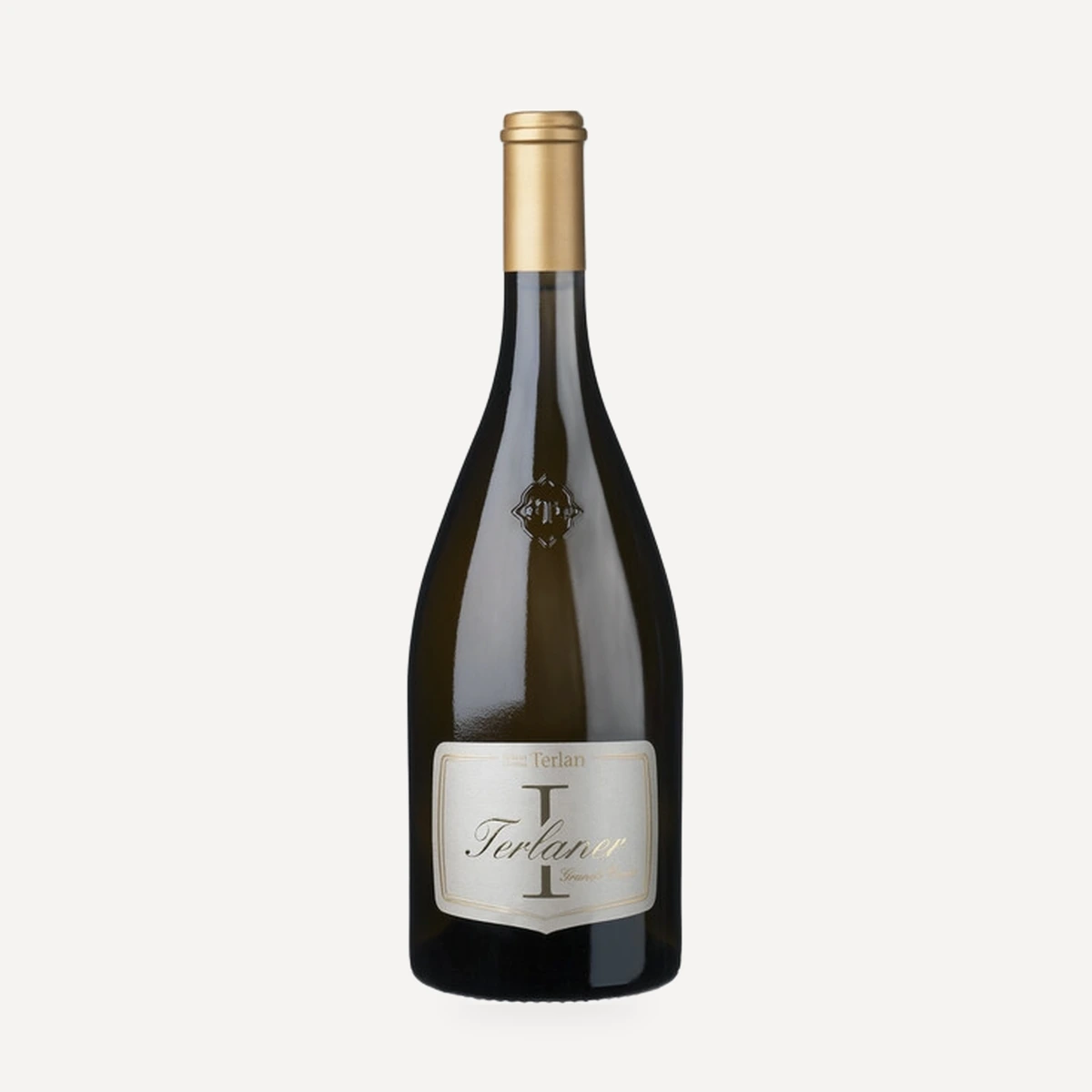
Terlaner I Grande Cuvée
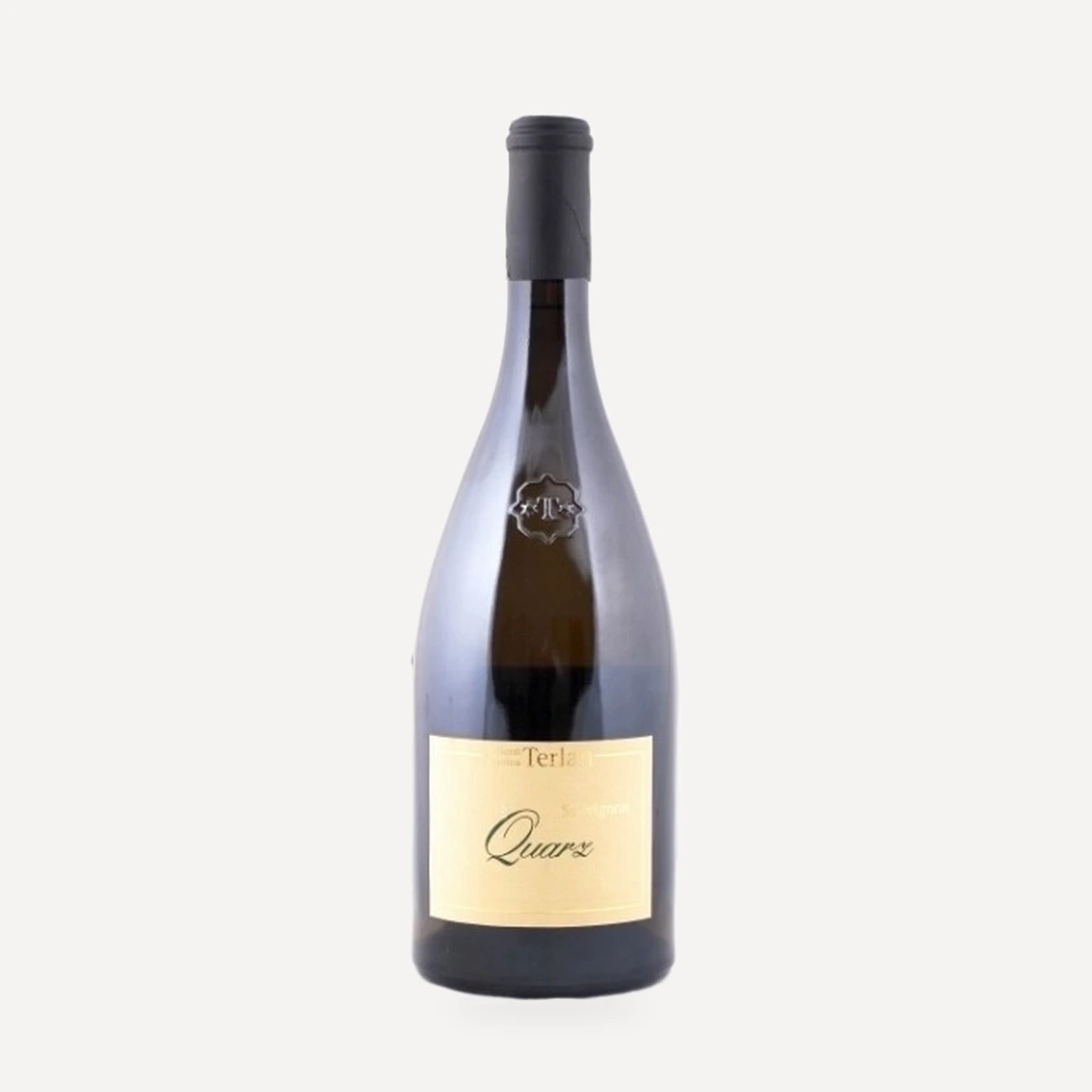
Quarz Sauvignon Blanc
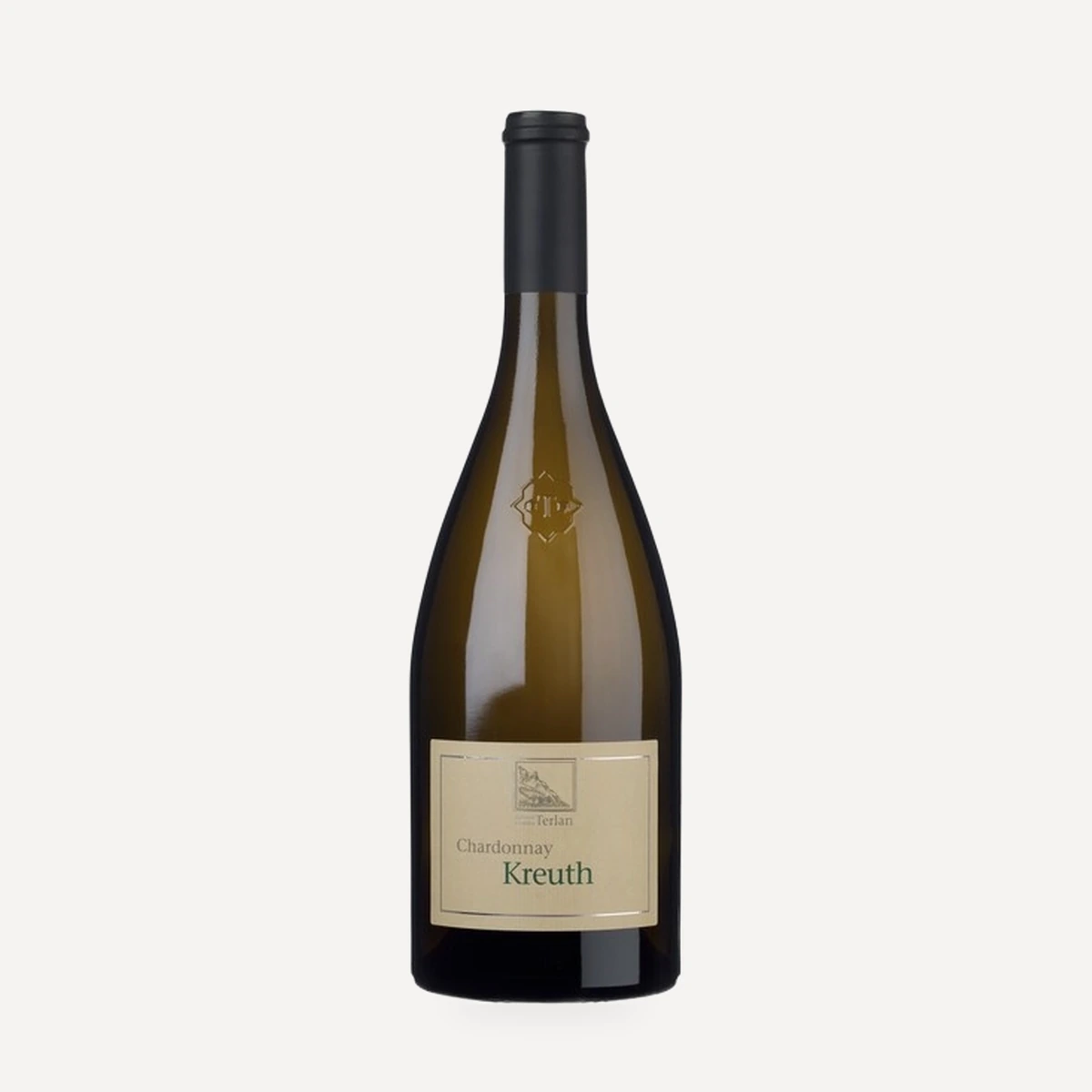
Kreuth Chardonnay
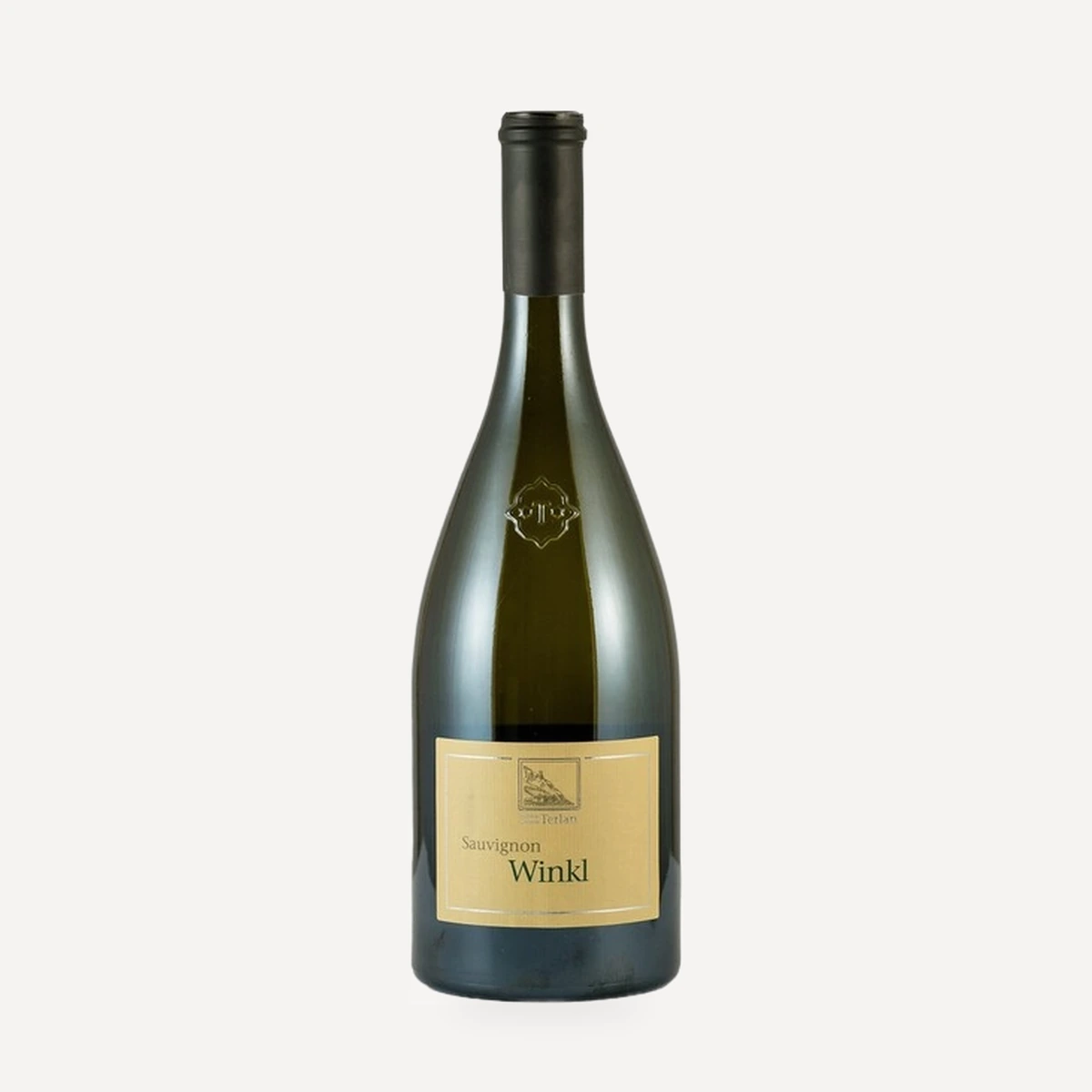
Winkl Sauvignon Blanc
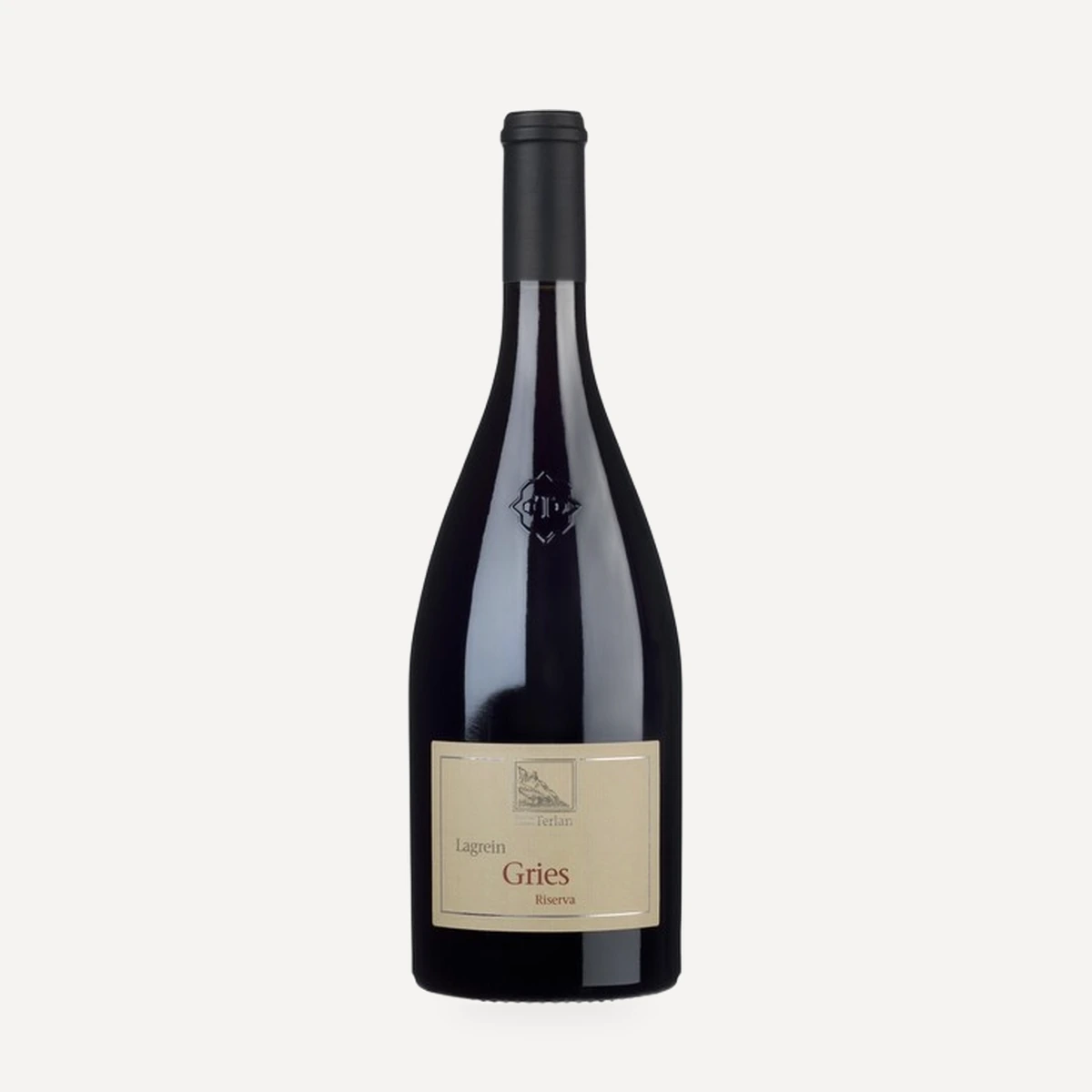
Gries Lagrein Riserva
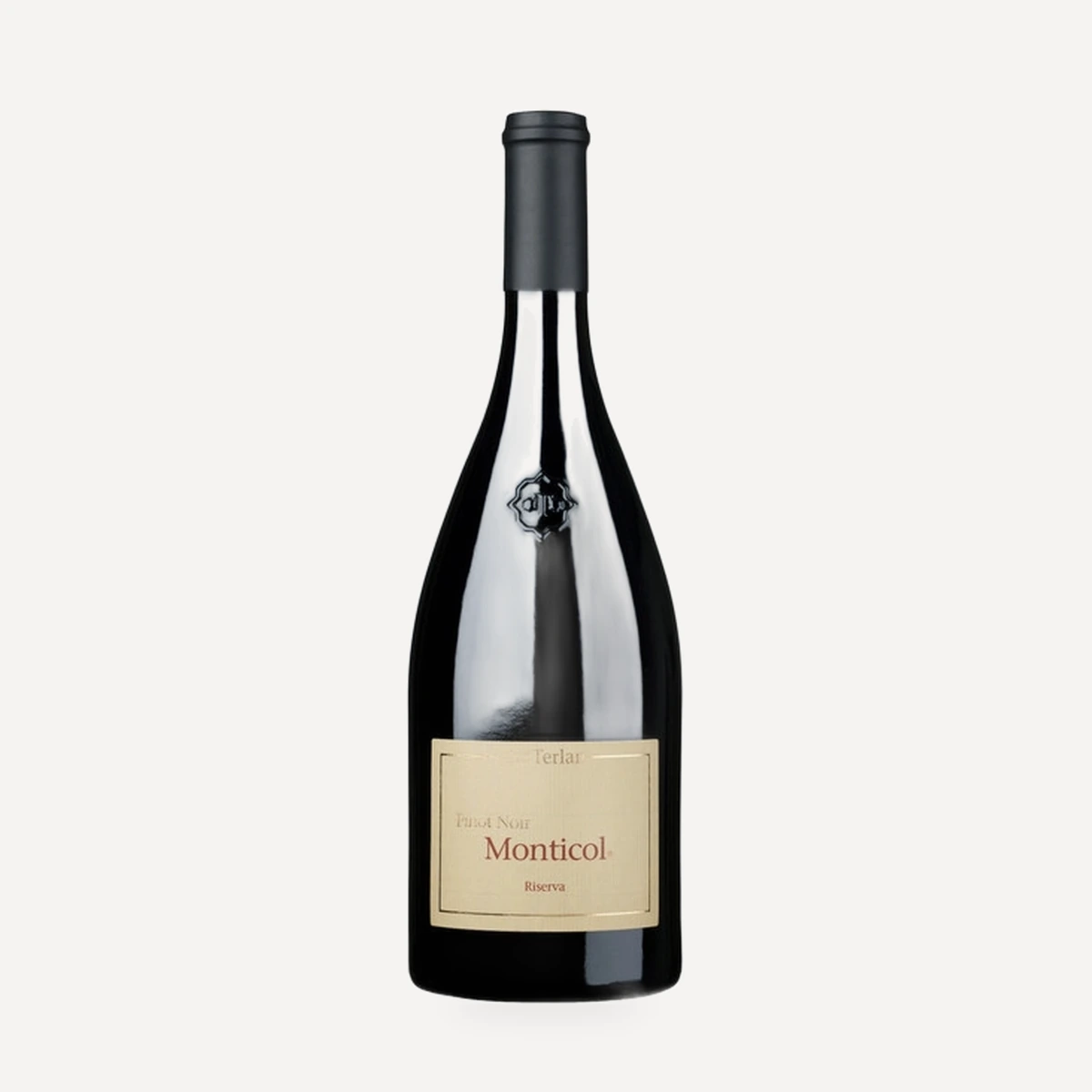
Monticol Pinot Noir Riserva
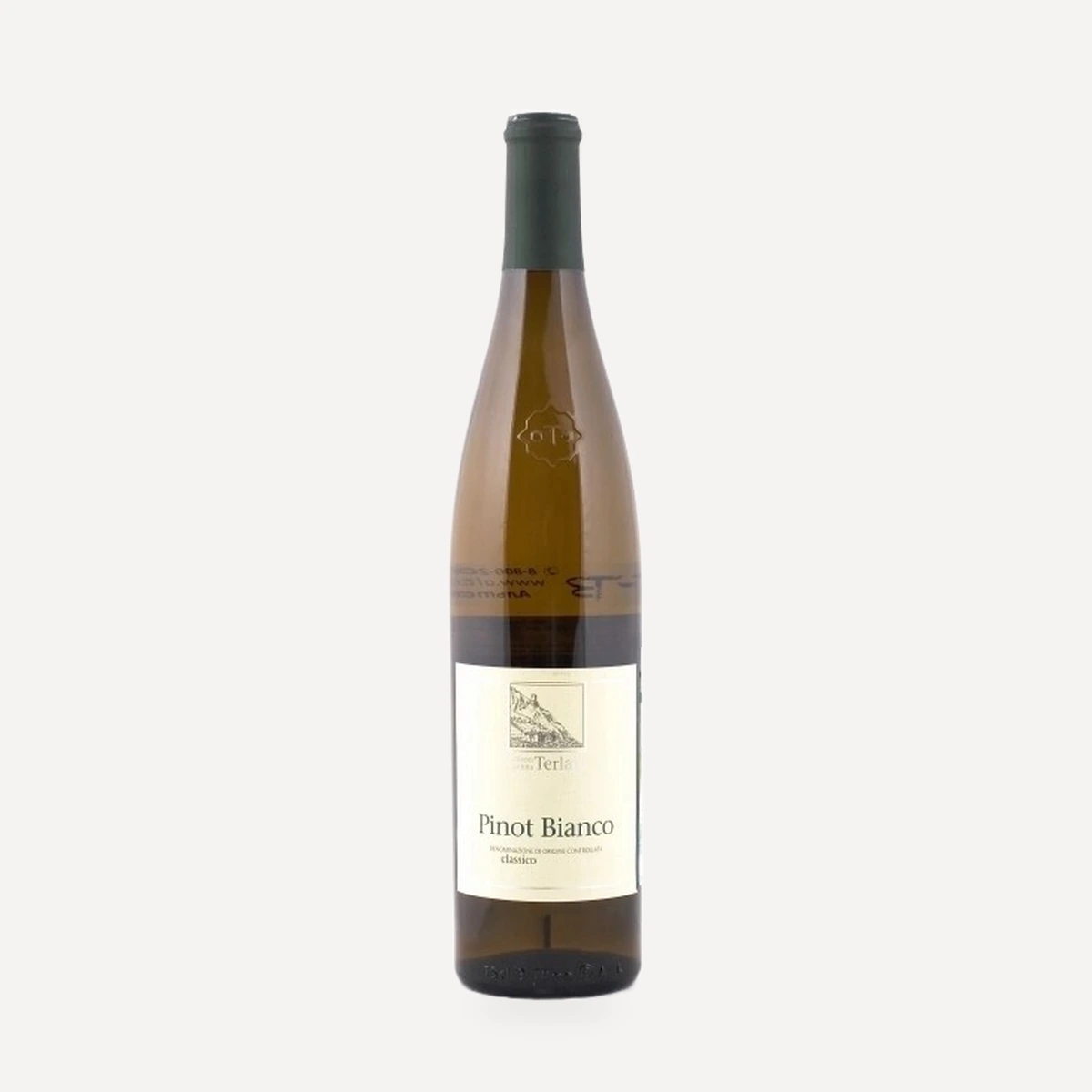
Pinot Bianco
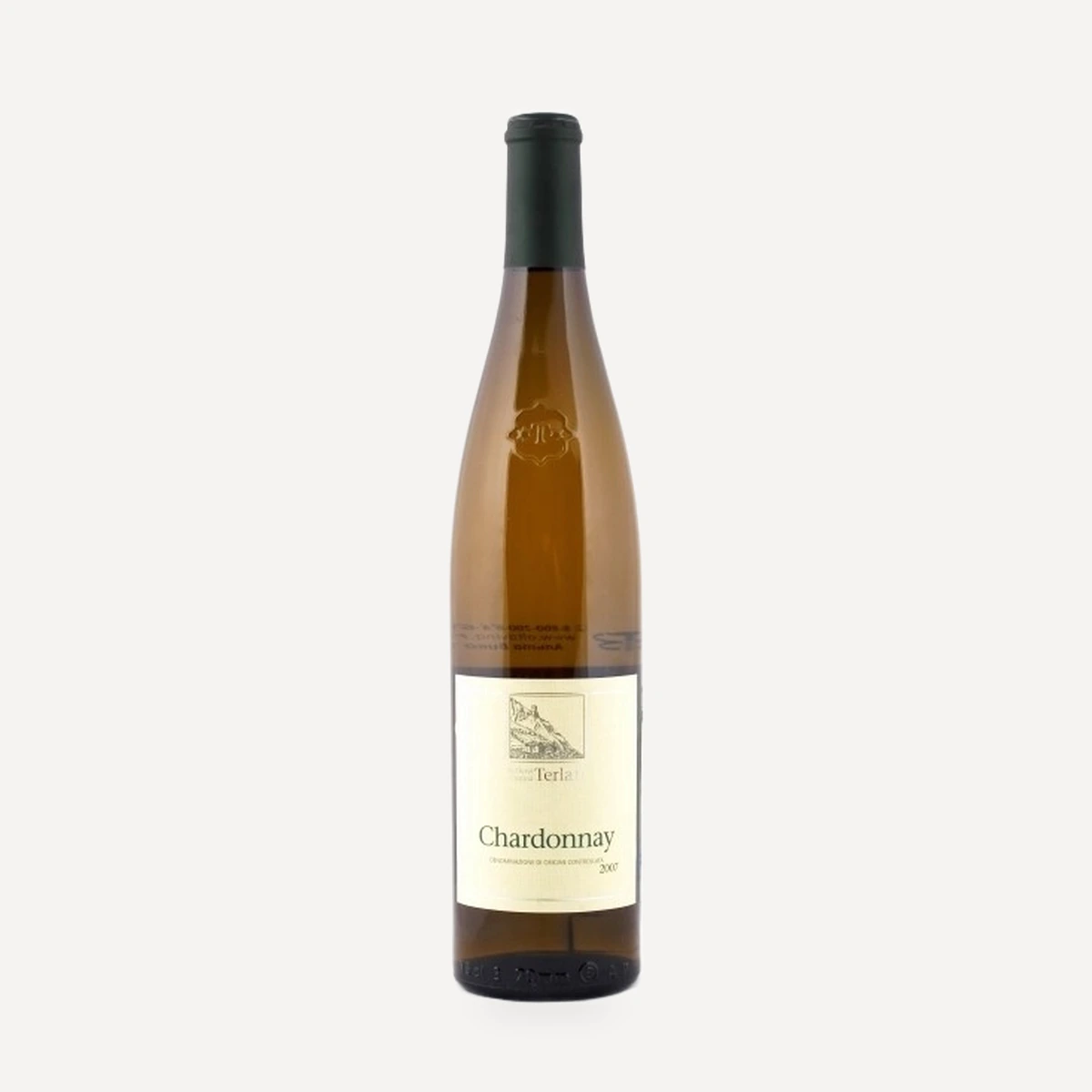
Chardonnay
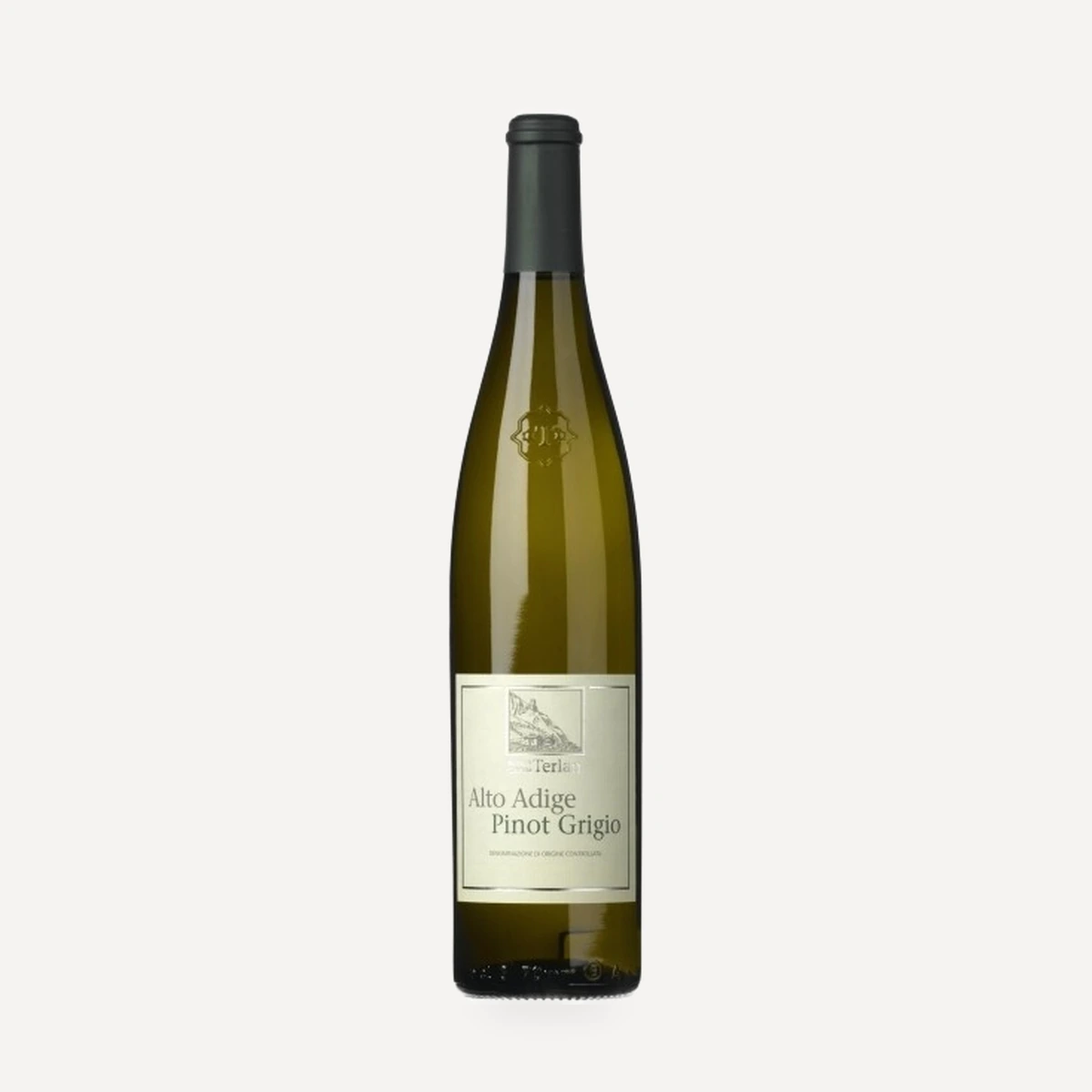
Pinot Grigio
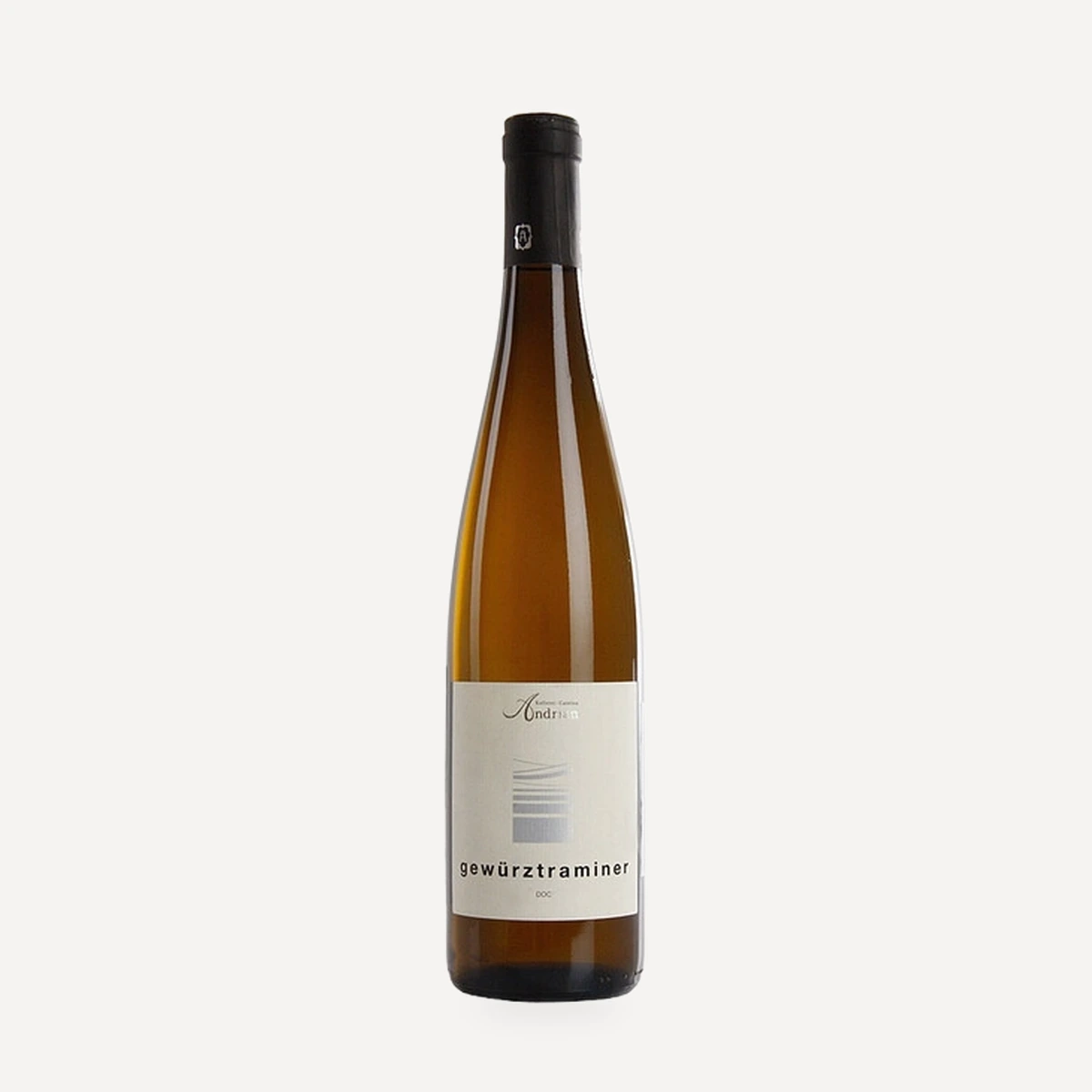
Gewürztraminer
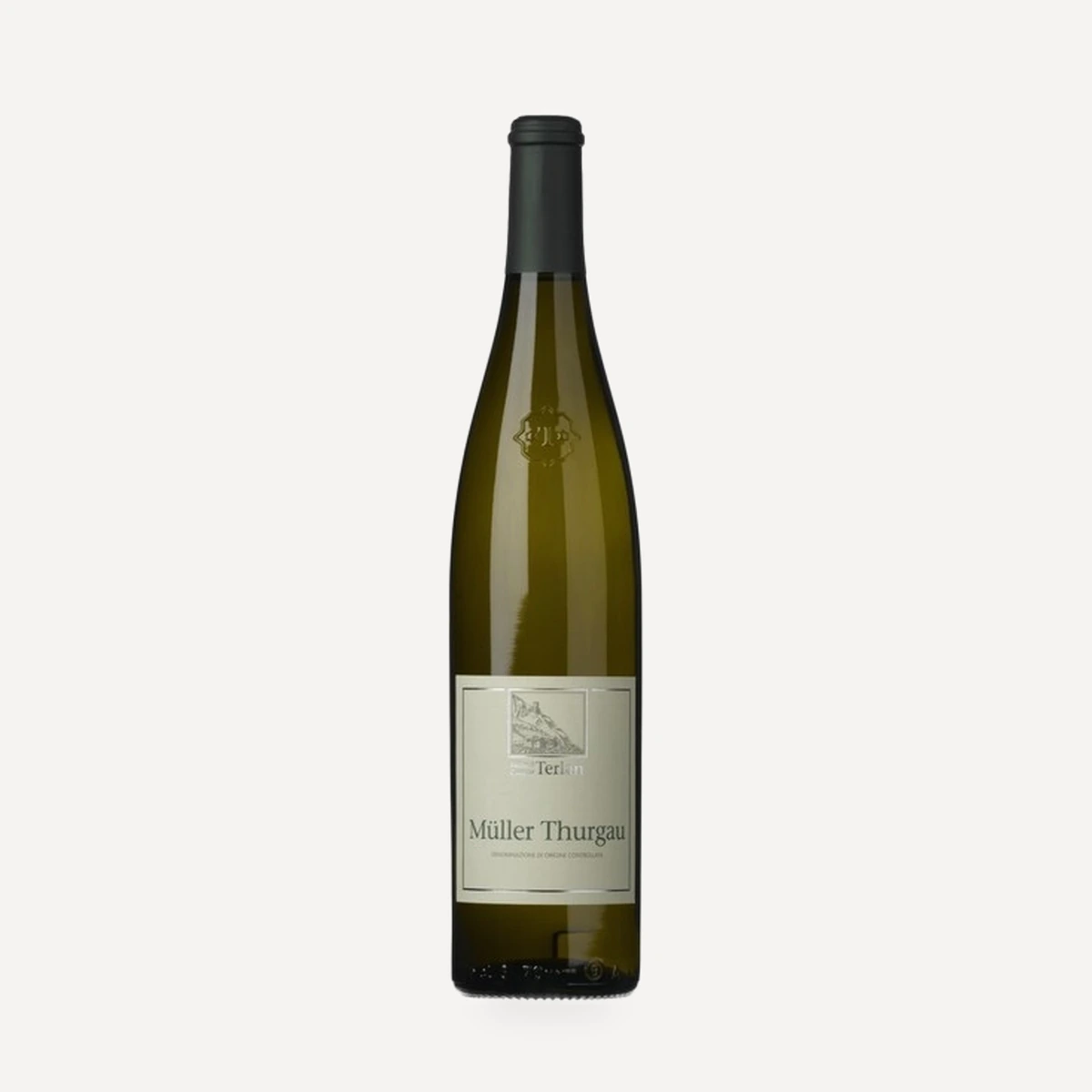
Müller Thurgau
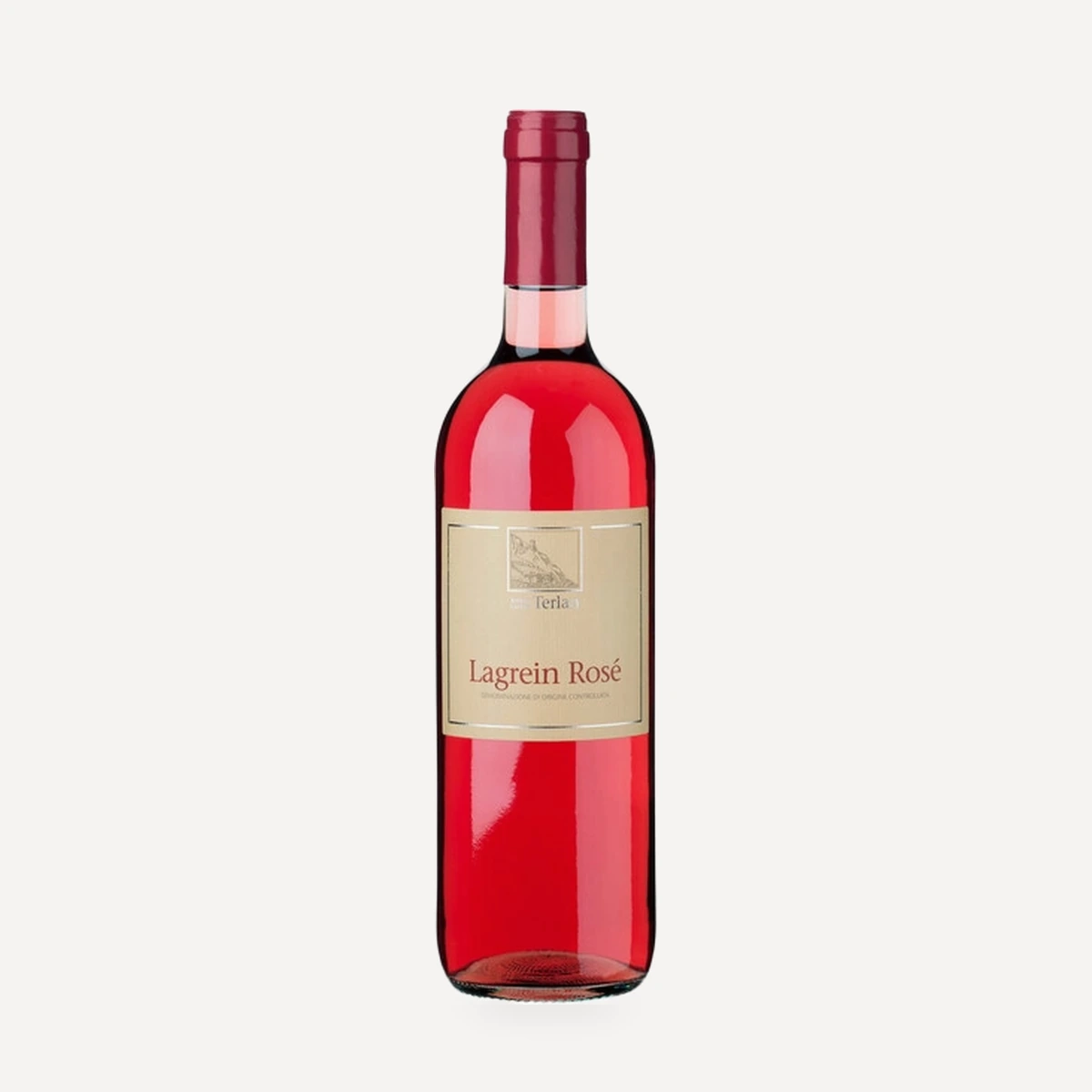
Lagrein Rosé
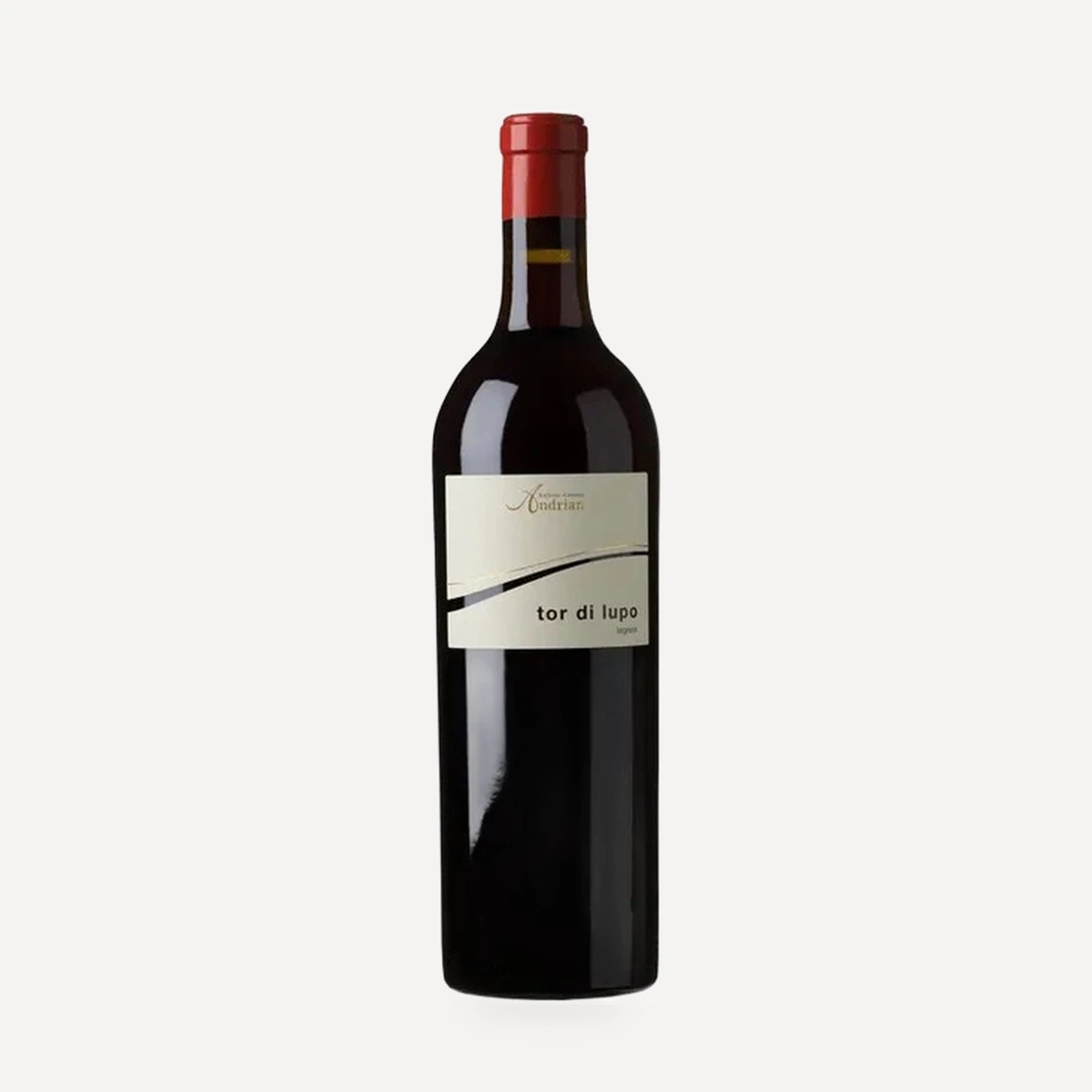
Lagrein
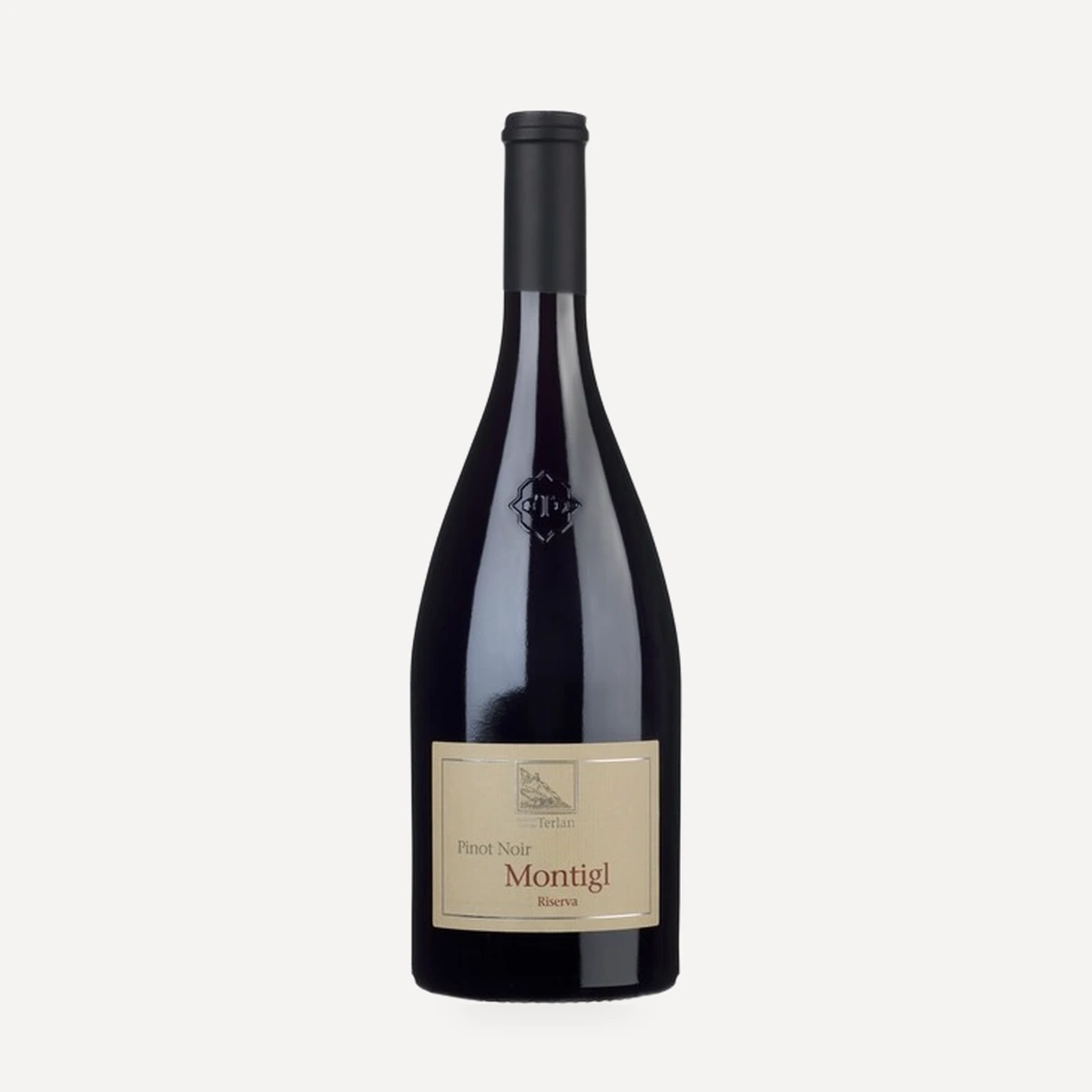
Pinot Noir
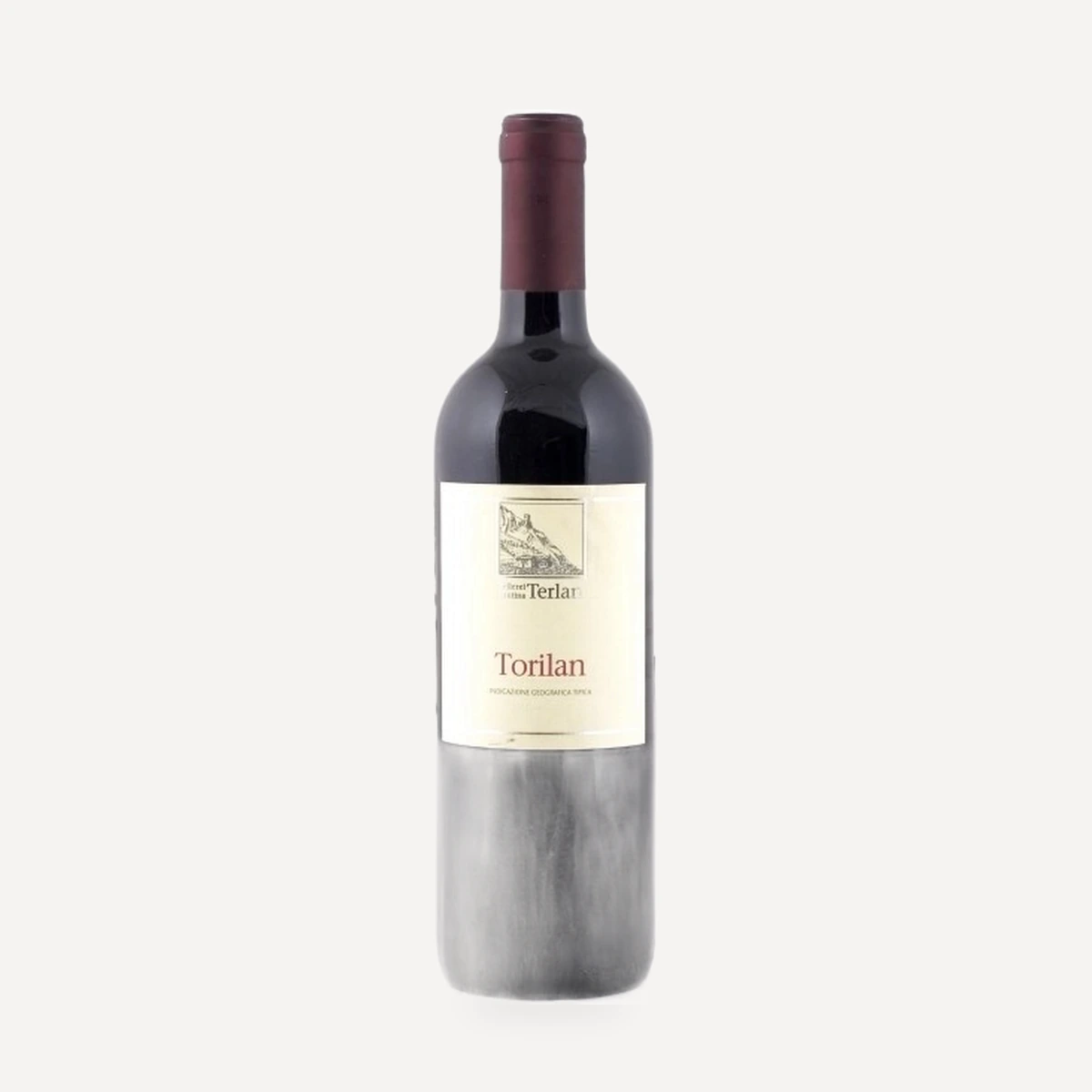
Torilan
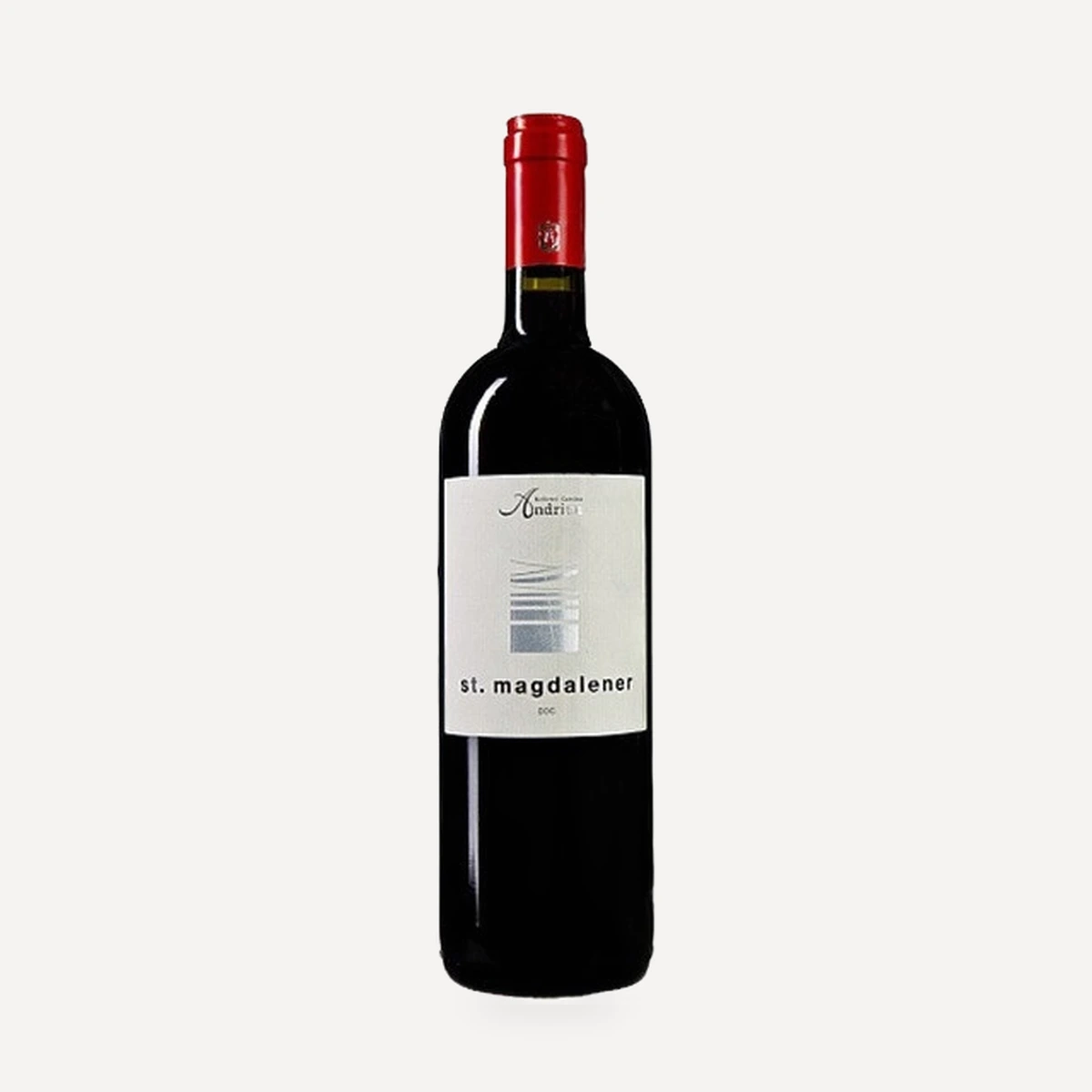
Santa Maddalena
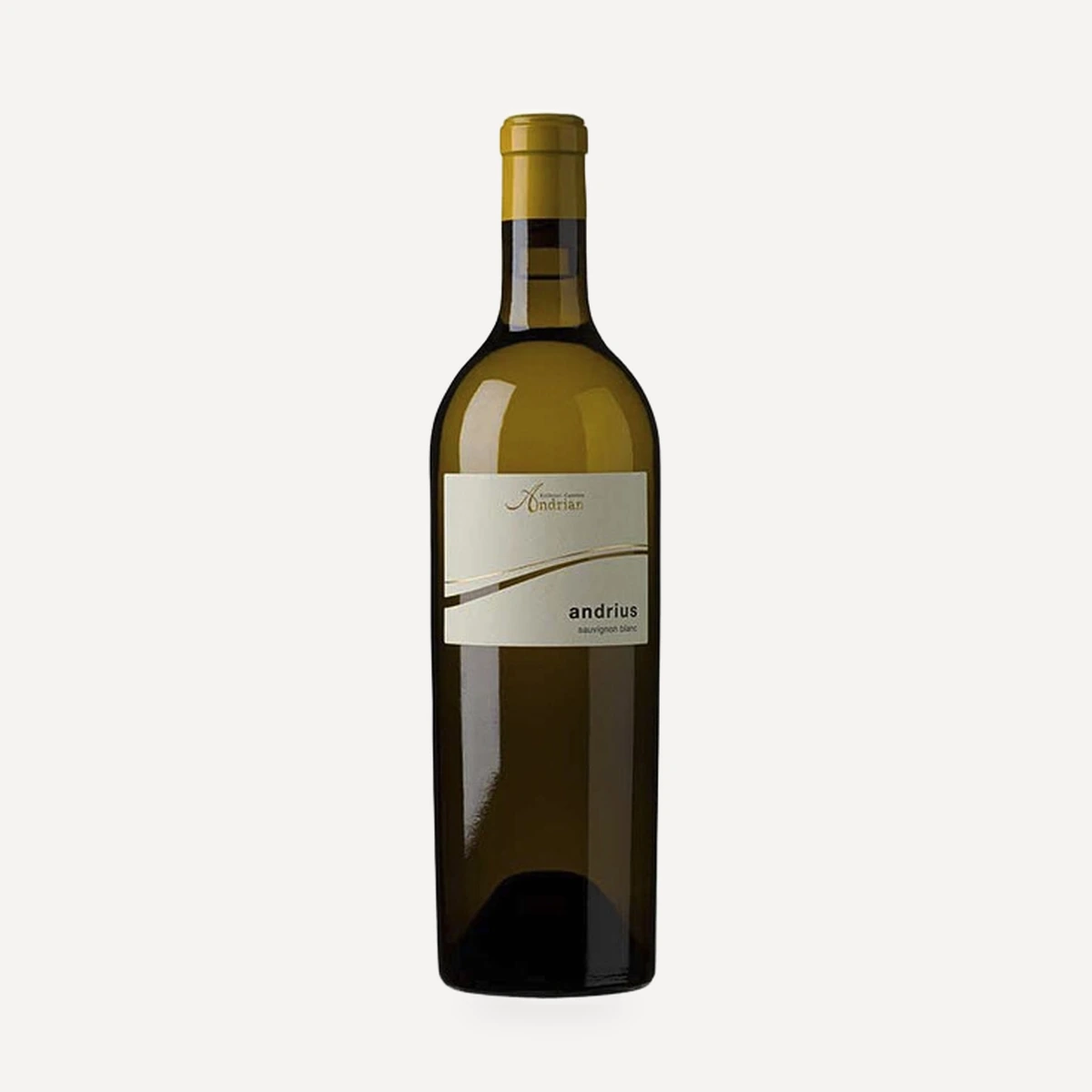
Andrius Sauvignon Blanc Alto Adige DOC
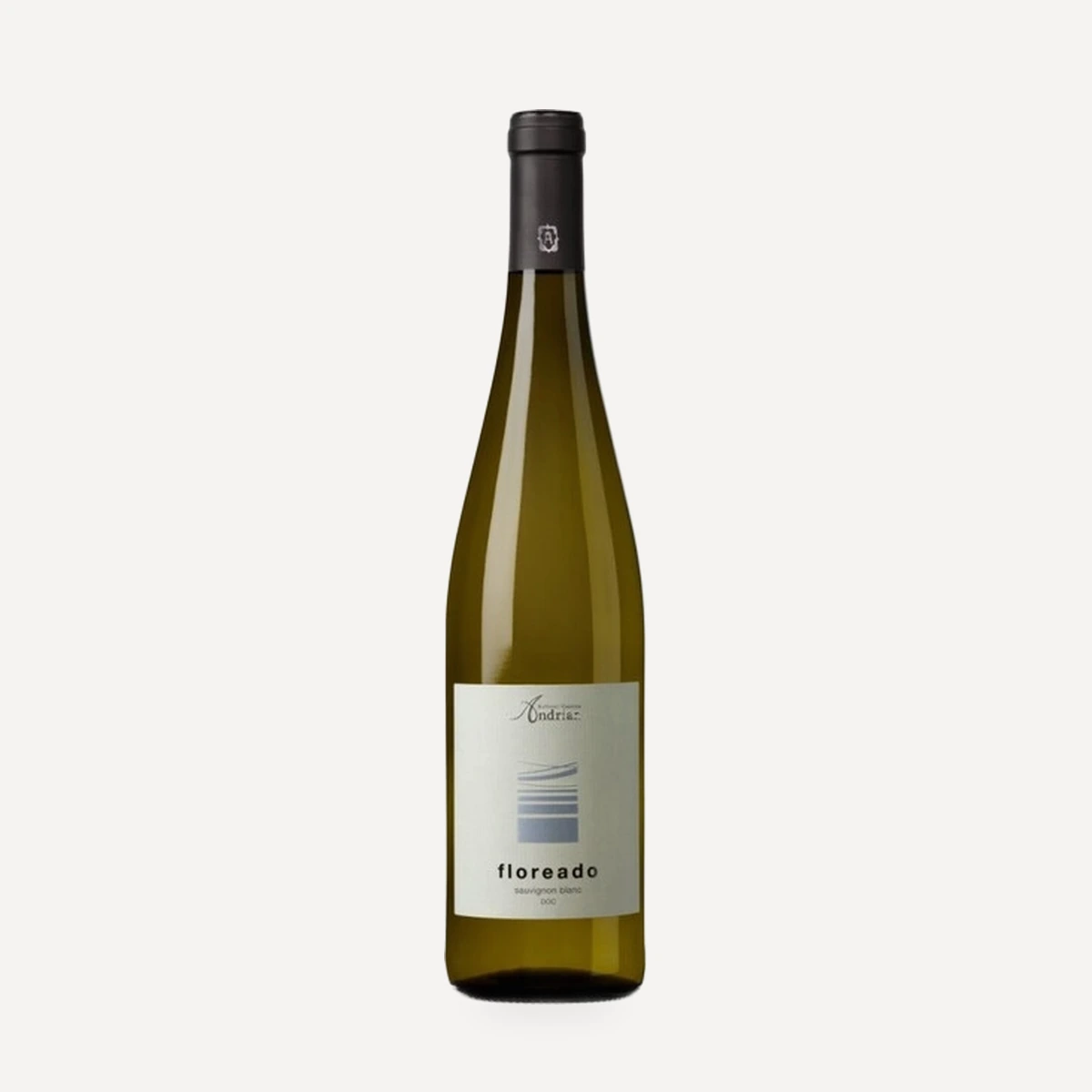
Floreado Sauvignon Blanc Alto Adige DOC
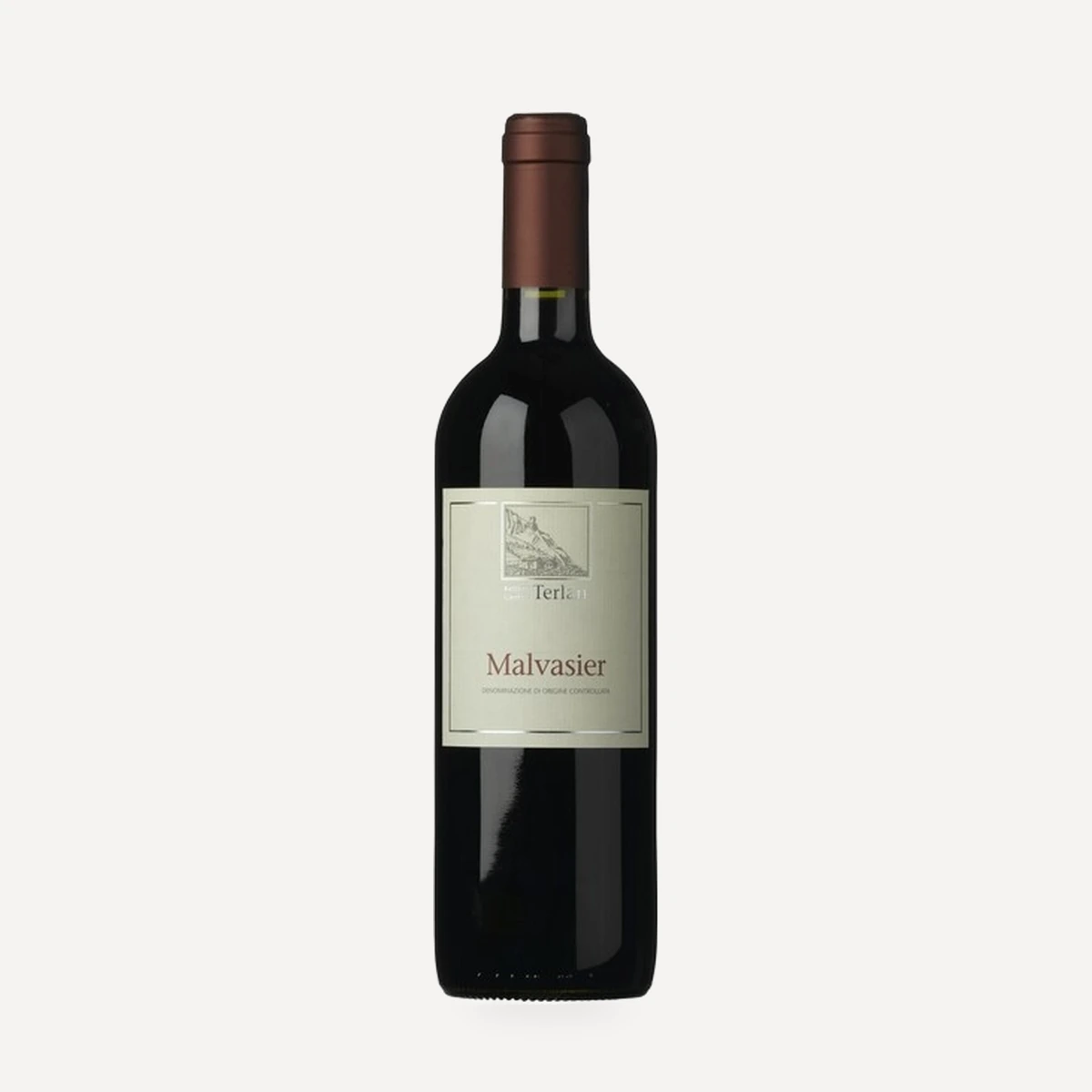
Malvasier Alto Adige DOC