History
The precursor cooperative: 1893
Cantina Sociale di Egna was established in 1893. Its heritage included vineyards in and around Egna/Neumarkt, among them historic Pinot Nero sites on the Mazon plateau and the steep slopes of Glen. This cooperative would later become part of Cantina Tramin.
Foundation in 1898
Cantina Tramin began in 1898 during a period of economic hardship and limited prospects for Alto Adige's mountain winegrowers. Christian Schrott, parish priest of Tramin and later a member of the Austrian Parliament, brought together a small initial group of families. The cooperative was intended to protect the livelihoods of local growers and secure their future through collective action.
The model developed into a cooperative of winegrowing families whose small holdings, shared resources and close knowledge of individual sites became central to its identity.
The 1971 merger
In 1971, Cantina Tramin merged with Cantina Sociale di Egna. The union consolidated two traditions within one cooperative and enlarged its vineyard base to include the Pinot Nero sites of Mazon and Glen on the eastern side of the Adige Valley.
Quality reorientation and the Selection range
Unterebner Pinot Grigio was introduced in 1989 as an early expression of the cooperative's pursuit of higher quality.
During the 1990s, the arrival and leadership of winemaker Willi Stürz consolidated a decisive shift toward rigorously quality-focused production. The cooperative began developing its Selection range from chosen parcels among its best vineyards. This change was not confined to a small group of labels: it established quality as the orientation for the entire production. The Selection range subsequently came to encompass Epokale, Troy, Nussbaumer, Terminum, Unterebner, Stoan, Maglen, Urban and Loam, later also including Roen in the current collection.
The new winery: 2010
The reconstruction of the headquarters was completed in January 2010. Architect Werner Tscholl designed the new structure as an architectural interpretation of the vine: projecting forms evoke vine shoots, while new volumes were grafted onto the original winery. The intervention preserved every metre of the surrounding vineyards. Its combination of old and new, wood and steel, glass and concrete, transparency and darkness became a visual symbol of Tramin.
Renewable energy: 2012
A fully south-facing photovoltaic installation began operating on the winery roof in June 2012. Its annual output of approximately 100,000 kWh covers 85% of the winery's energy demand. The remaining 15% is purchased from fully renewable, REC-certified sources.
Epokale and the 2018 milestone
Cantina Tramin released Epokale in 2018 from the debut 2009 vintage. Wine Advocate awarded it 100 points, making it the first Italian white wine to receive that score. The project extended the cooperative's work with Gewürztraminer and became an important milestone in its quality programme.
Troy and the present cooperative
Troy, a mountain-grown Chardonnay conceived as an Alpine interpretation of the variety, is presented as the latest major addition to the portfolio.
Cantina Tramin now unites 160 winegrowing families tending approximately 270 ha of vineyards. Average annual production is about 1.9 million bottles: 70% is sold in Italy and 30% is exported. Cooperation remains the operating principle, with the growers and cellar team working to translate individual vineyard environments into wine.
Terroir
Setting and relief
Termeno, known in German as Tramin, lies on the western side of the Adige Valley south of Bolzano, in the Italian Alps and approximately 160 km north of Verona. The cooperative's growers cultivate small plots across a pronounced range of slopes, gradients, aspects and microclimates at elevations from approximately 250 to 850 m. Certain individually described vineyards extend slightly lower, including Glarea at 220–280 m.
The vineyard network reaches beyond Tramin. Warmer sites extend toward Kurtatsch/Cortaccia; on the eastern side of the valley, growers work in Neumarkt/Egna and Montan/Montagna, including Mazon and Glen. Auer/Ora provides an important area for Lagrein.
Alpine and Mediterranean climatic influences
The Alps form a protective northern barrier, while valleys open toward warmer southern influences. The wider area receives more than 300 days of sunshine annually. Warm days alternate with cool nights, producing marked diurnal temperature changes.
Two winds are particularly important. Cool downslope air descends from the surrounding mountains at night. From the afternoon, the warmer Ora wind arrives from Lake Garda. Their interaction creates an Alpine-Mediterranean climatic pattern, allowing grapes to ripen in sunny conditions while retaining the effects of cool nights.
Geology and soils
The vineyard area combines clay, gravel, limestone and porphyry. Highly calcareous soils are associated with Chardonnay and Pinot Grigio sites. Many Gewürztraminer vineyards occupy calcareous clay and gravel soils, while the more precisely selected Nussbaumer and Unterebner sites have calcareous gravel and loam over porphyry bedrock.
Limestone mixed with clay stores warmth during the hottest part of the day and releases it later while helping preserve soil moisture. At Glarea, an alluvial fan formed by the Höllenbach stream deposited limestone and gravel derived from the Mendel mountain range, including material from around the 2,116 m Roen peak. Other specialised red-wine sites include sandy loam in Mazon and Glen and heat-storing calcareous gravel with loam in the protected Loam vineyards.
Varieties and microzones
Gewürztraminer occupies medium to high elevations. Its most characteristic sites face south and southeast, combining abundant sunlight with cool, breezy nights. Evidence of the variety's cultivation around Tramin extends back more than a thousand years.
Warm, protected vineyards toward Kurtatsch/Cortaccia allow late-ripening Cabernet Sauvignon, Cabernet Franc and Merlot to mature fully—an uncommon type of microzone in this Alpine setting. Across the valley, the Mazon plateau and the steep, sunny Glen slopes form complementary Pinot Nero areas. Auer/Ora is associated with Lagrein, while the varied calcareous sites across the cooperative support Chardonnay, Pinot Grigio and the other white varieties.
Winemaking
Cantina Tramin's cooperative structure places vineyard work in the hands of 160 families tending small individual holdings. This makes it possible to respond separately to the conditions of each micro-area and to schedule sensitive operations with precision. A difference of one day can influence grape fragrance and aromatic intensity, so harvest, leaf removal, fertilisation and ground-cover work are planned parcel by parcel.
Approximately 90% of the producing vineyards are cultivated without herbicides. This approach preserves vegetation and biological activity between the rows, supports the balance of organic components in the soil and uses biodiversity and natural fertility as working resources. Organic fertilisation and the sowing of flowers and other plants between rows are among the practices identified for individual scheduling.
Manual harvesting is carried out carefully on the members' small plots, with grapes moved in small containers where specified to protect their integrity. The combination of small holdings, grower flexibility and hand picking allows harvest timing and selection to be adapted closely to ripeness and local conditions. Low-impact cultivation is applied across a large share of the vineyard base rather than being restricted to isolated experimental parcels.
Philosophy
Cantina Tramin defines cooperation as both its historical foundation and its practical method. The collective joins the detailed knowledge and flexibility of small family holdings with shared agronomy, winemaking and commercial resources.
Its declared working values are accuracy, commitment, trust and creativity. Accuracy appears in the parcel-specific timing of vineyard operations; commitment lies with the member families and technical team; trust is rooted in the cooperative relationship; and creativity is expressed through the development of selected vineyard projects and new interpretations of established varieties.
The 1990s quality shift established excellence as an objective for the whole production, not only the Selection range. The cooperative seeks to produce wines that reflect the landscape and its individual microzones, while respecting nature, the environmental potential of each site and the agricultural culture connecting local growers to the mountains and seasonal rhythms.
Tradition is treated as a platform for innovation. The cooperative links its long history and experience with technical precision, collaboration and experimentation. Its particular commitment to Gewürztraminer reflects both the variety's long association with Tramin and the aim of exploring its different expressions across altitude, exposure, harvest timing and vineyard selection.
Environmental responsibility extends from vineyards to buildings and energy. Reduced herbicide use, biodiversity between the rows, renewable electricity, recyclable construction materials, careful thermal design, well-water cooling and complete waste separation form parts of the same low-impact approach.
Wines
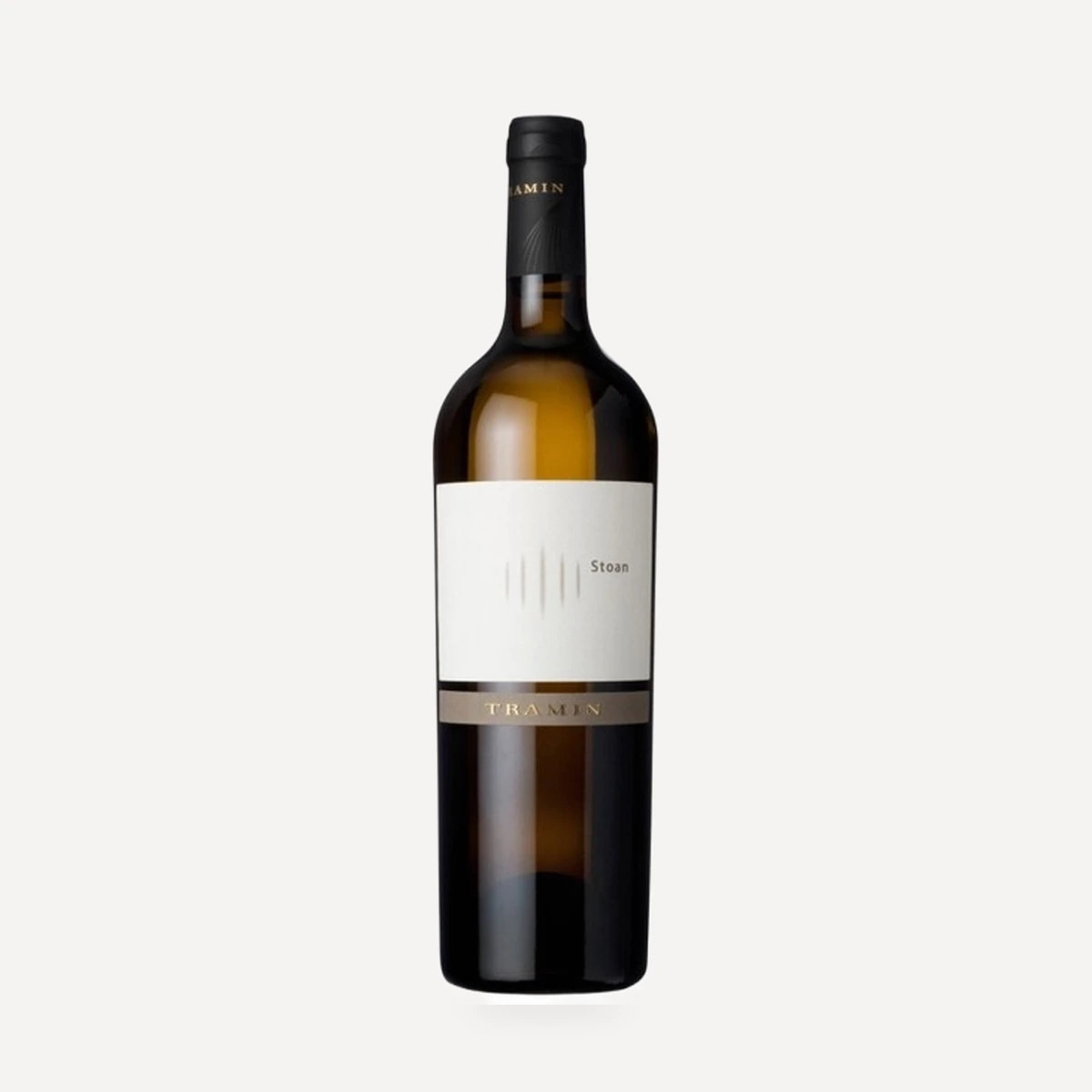
STOAN Alto Adige Bianco DOC
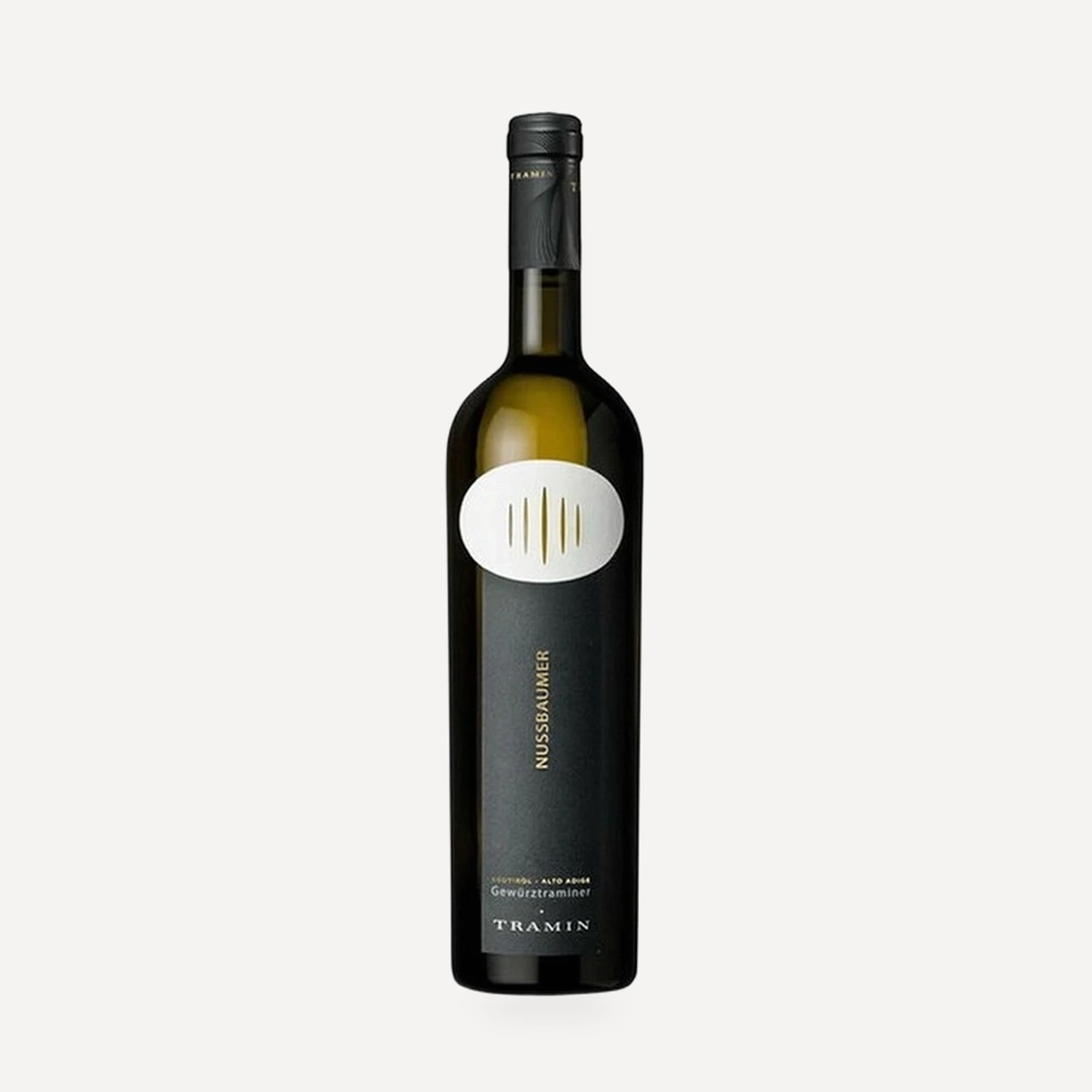
NUSSBAUMER Alto Adige Gewürztraminer DOC
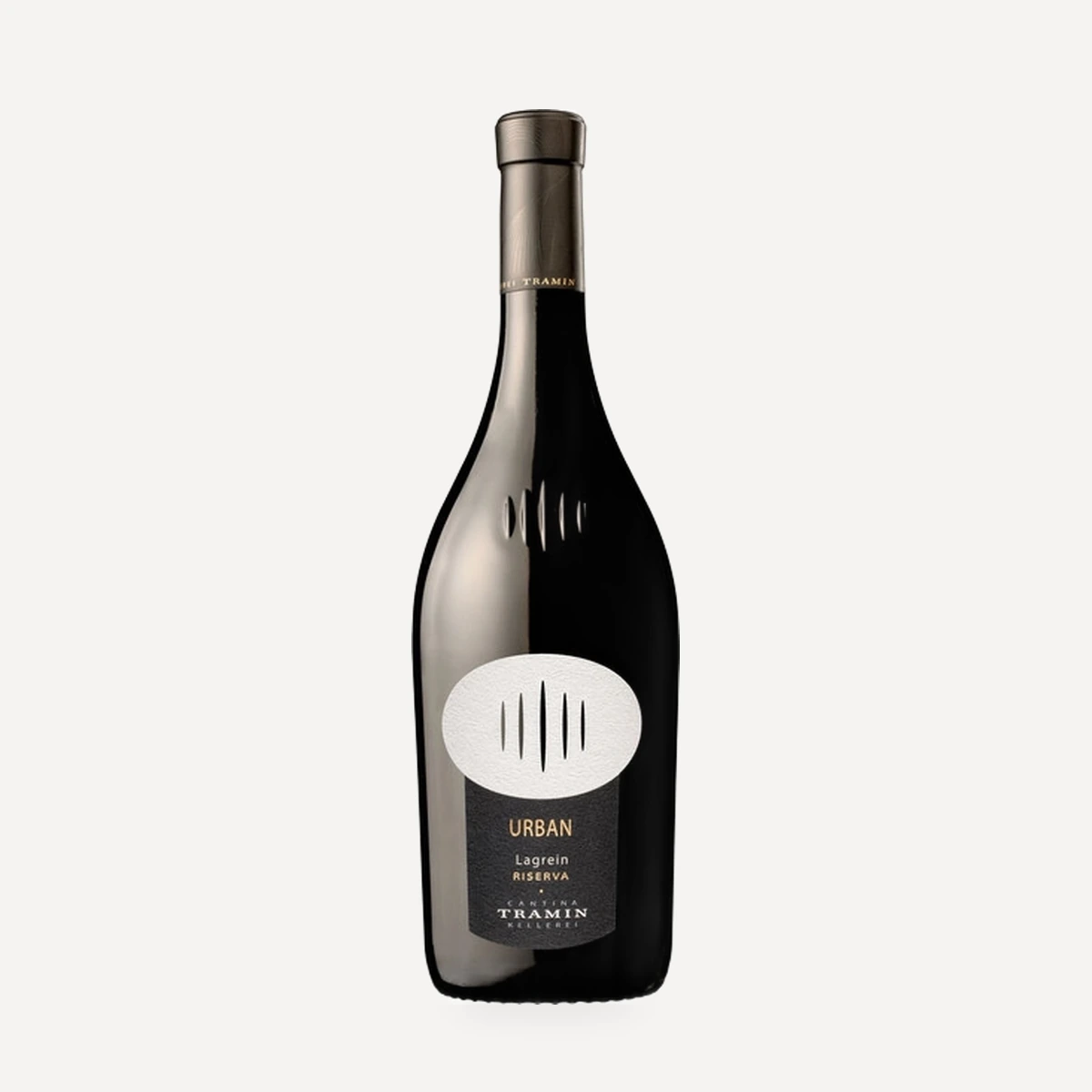
URBAN Alto Adige Lagrein DOC
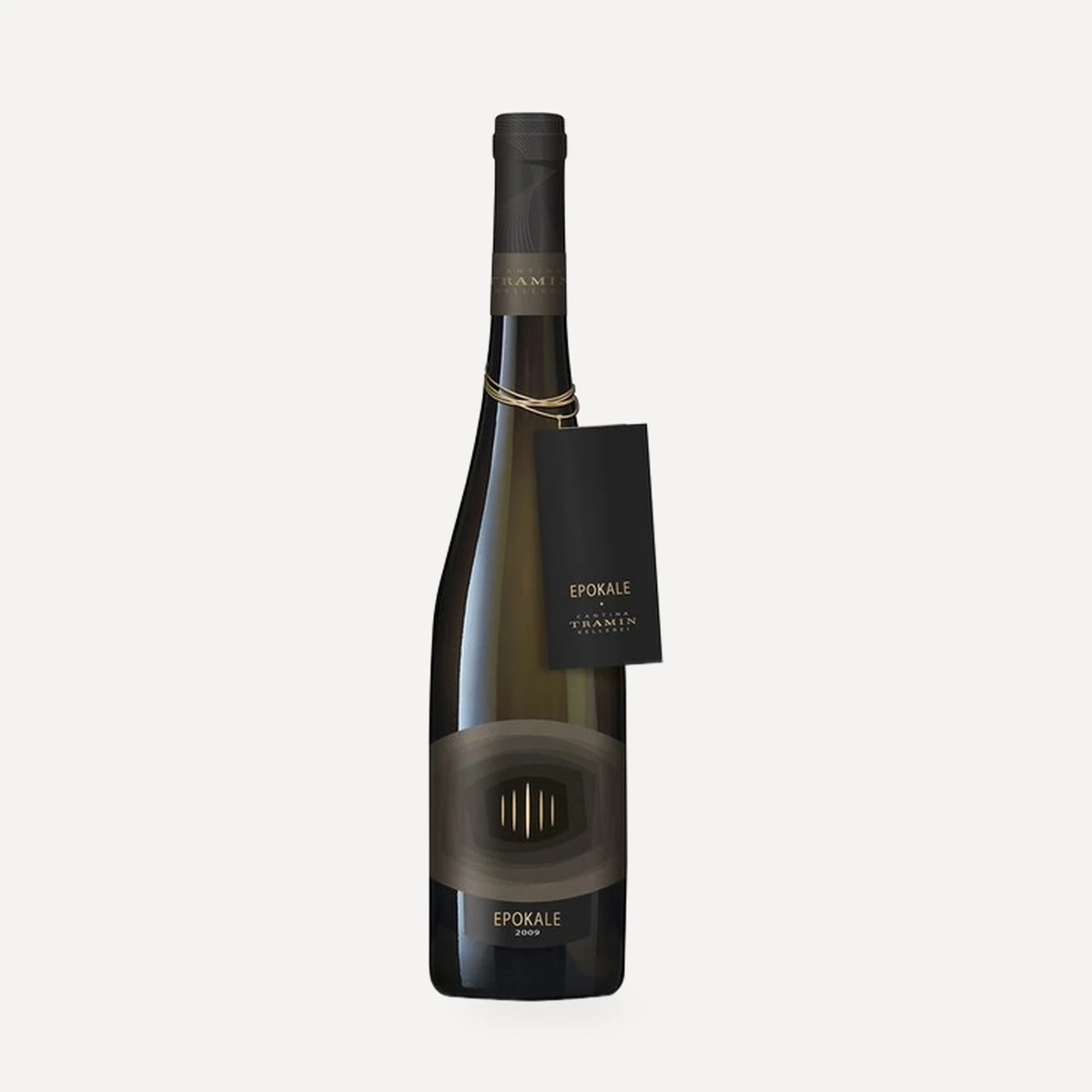
Epokale Gewürztraminer
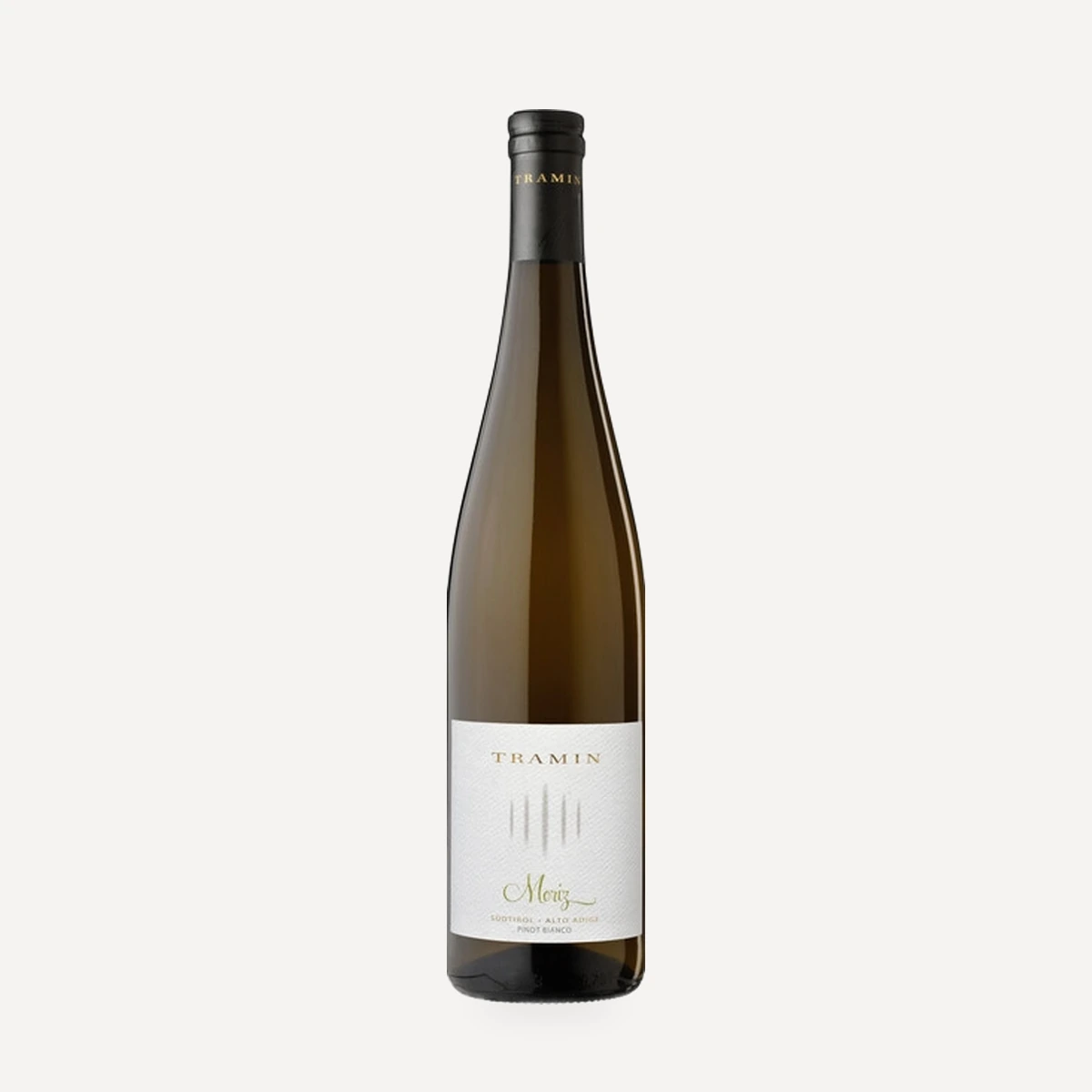
MORIZ Alto Adige Pinot Bianco DOC
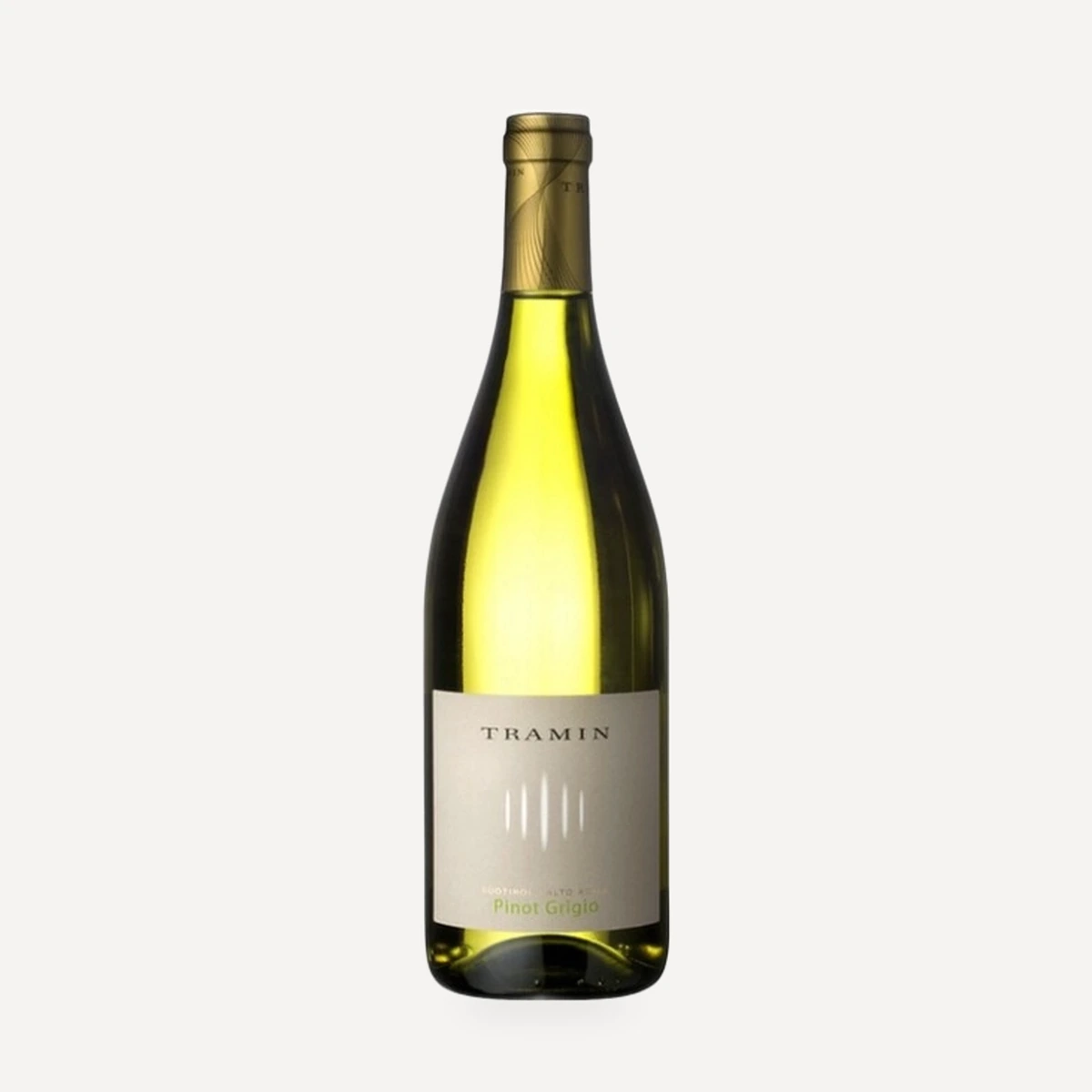
Pinot Grigio Alto Adige DOC
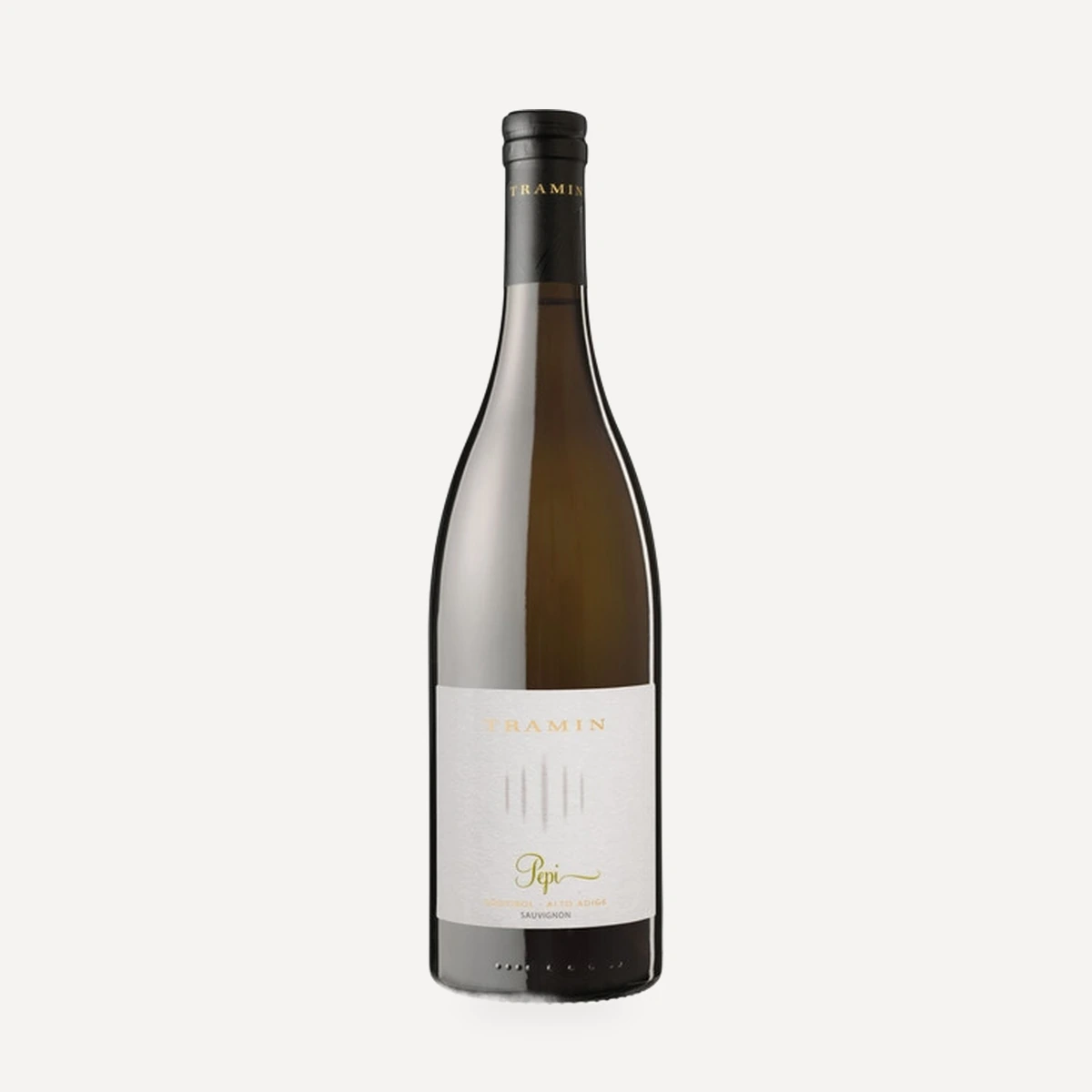
PEPI Alto Adige Sauvignon DOC
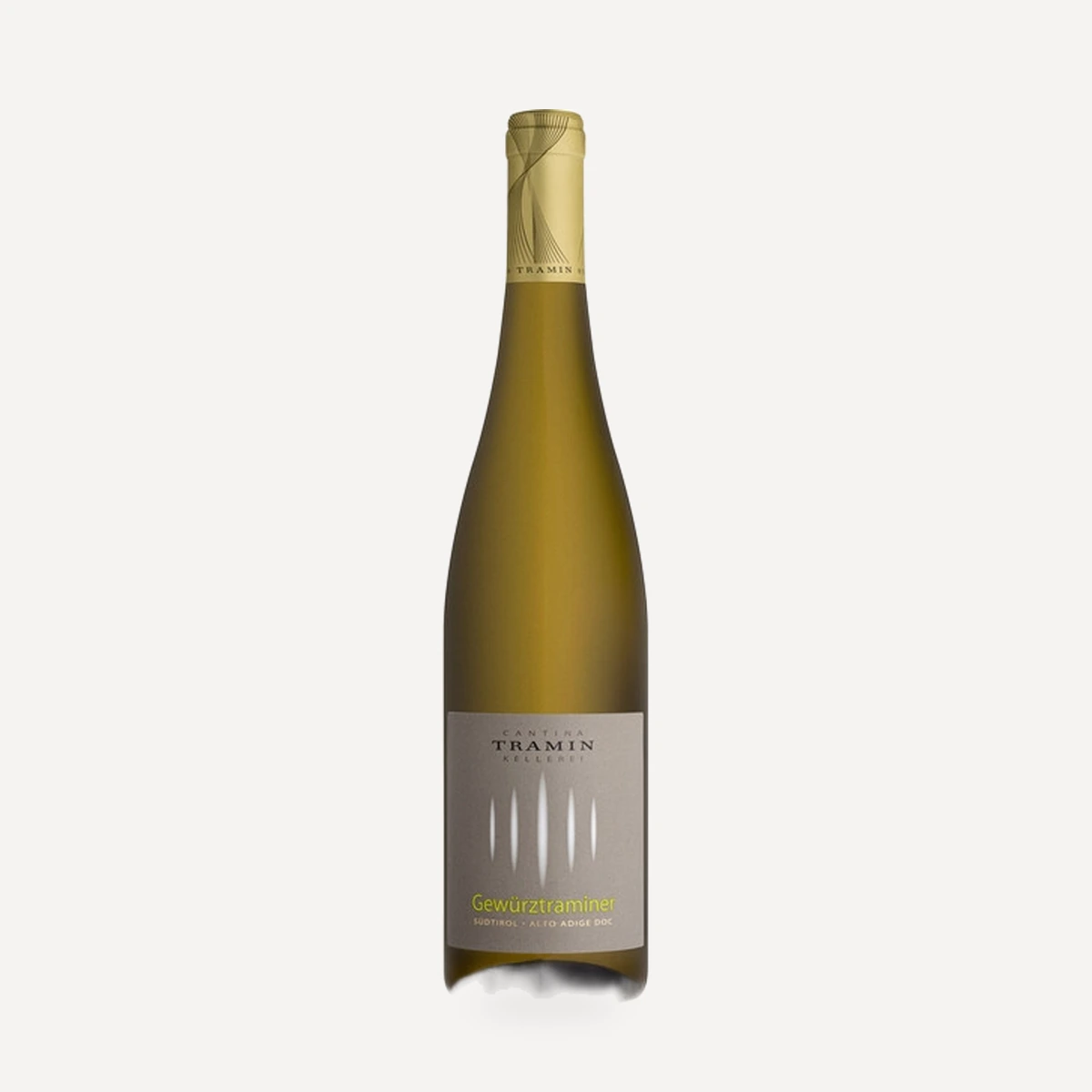
GEWÜRZTRAMINER Alto Adige DOC
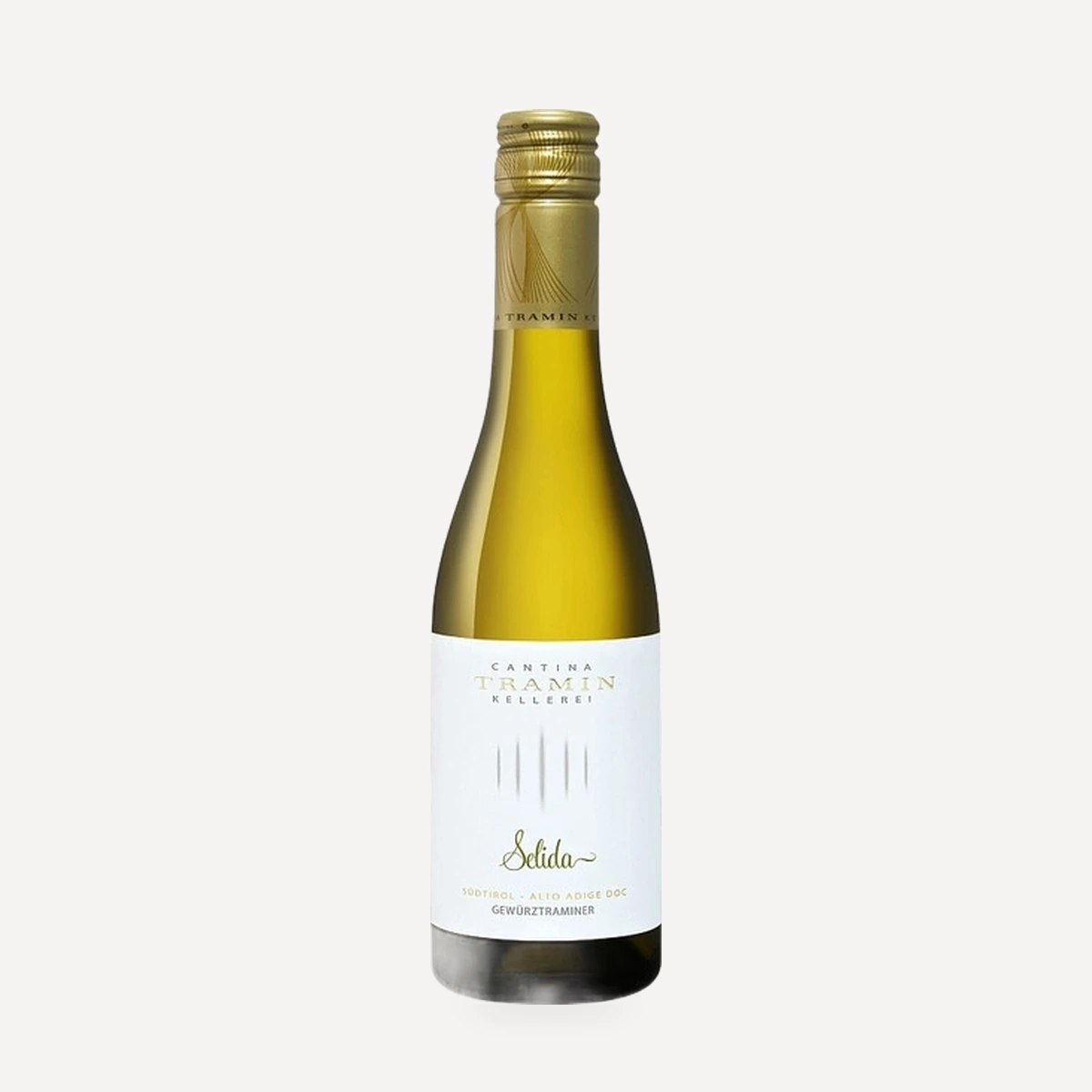
SELIDA Alto Adige Gewürztraminer DOC
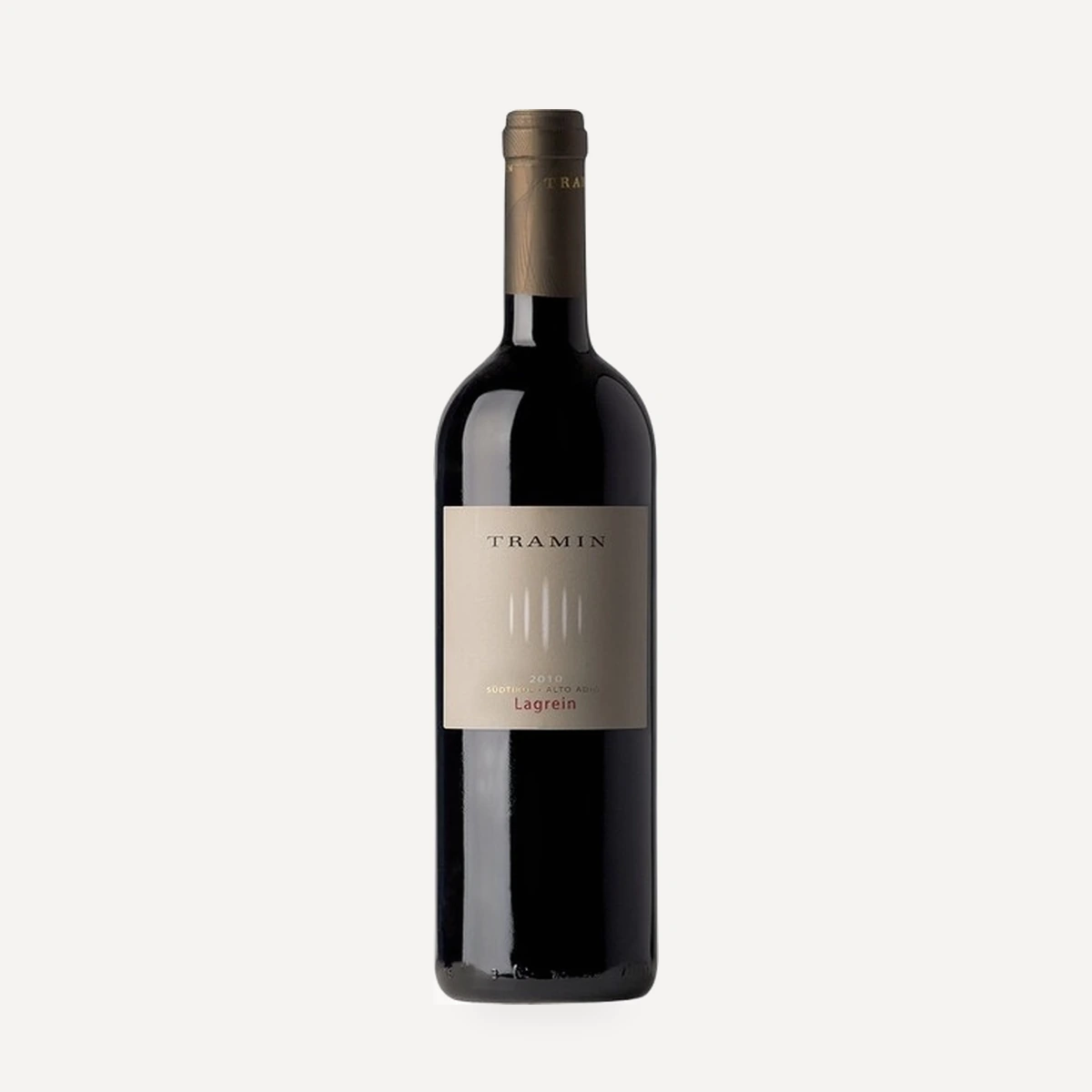
LAGREIN Alto Adige DOC
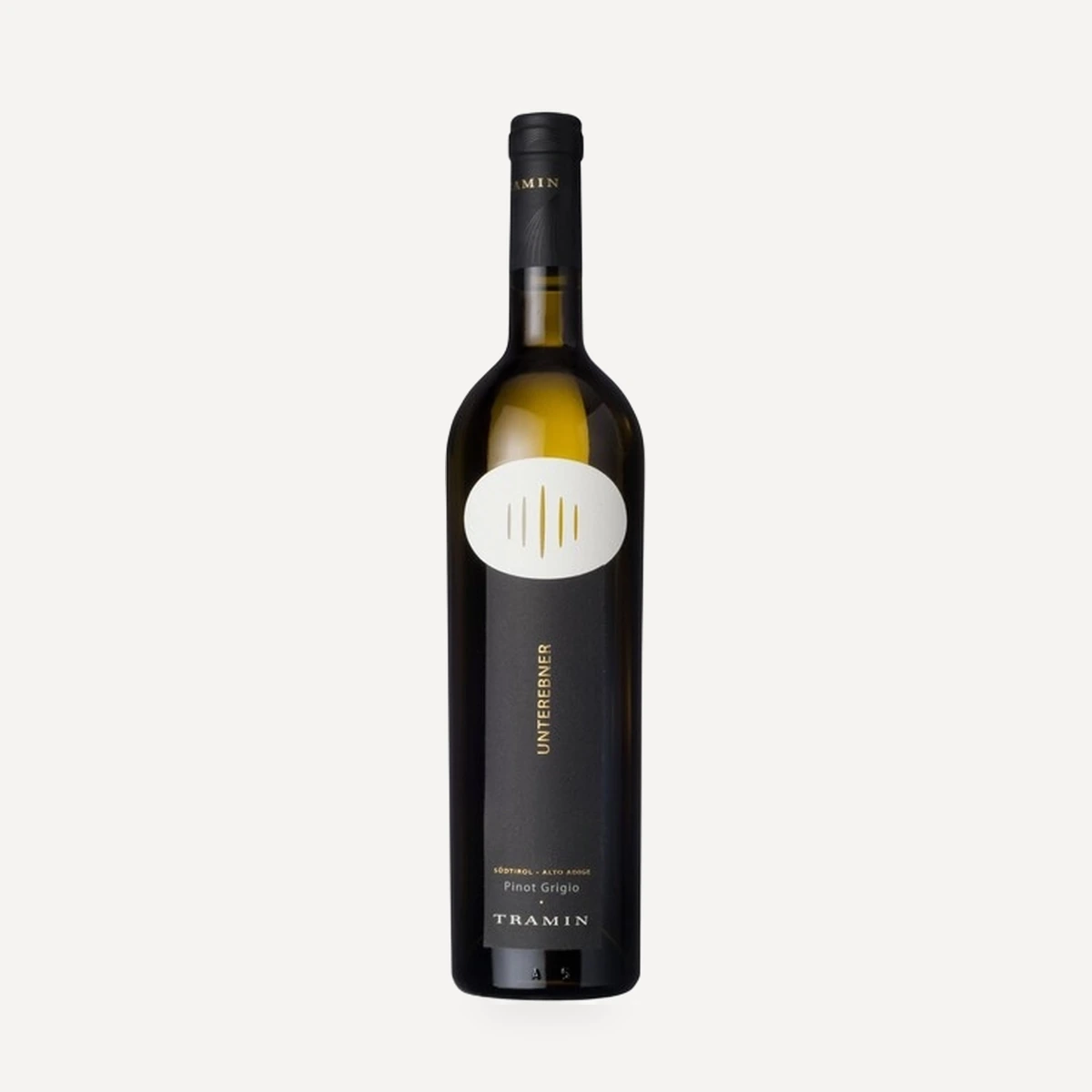
UNTEREBNER Alto Adige Pinot Grigio
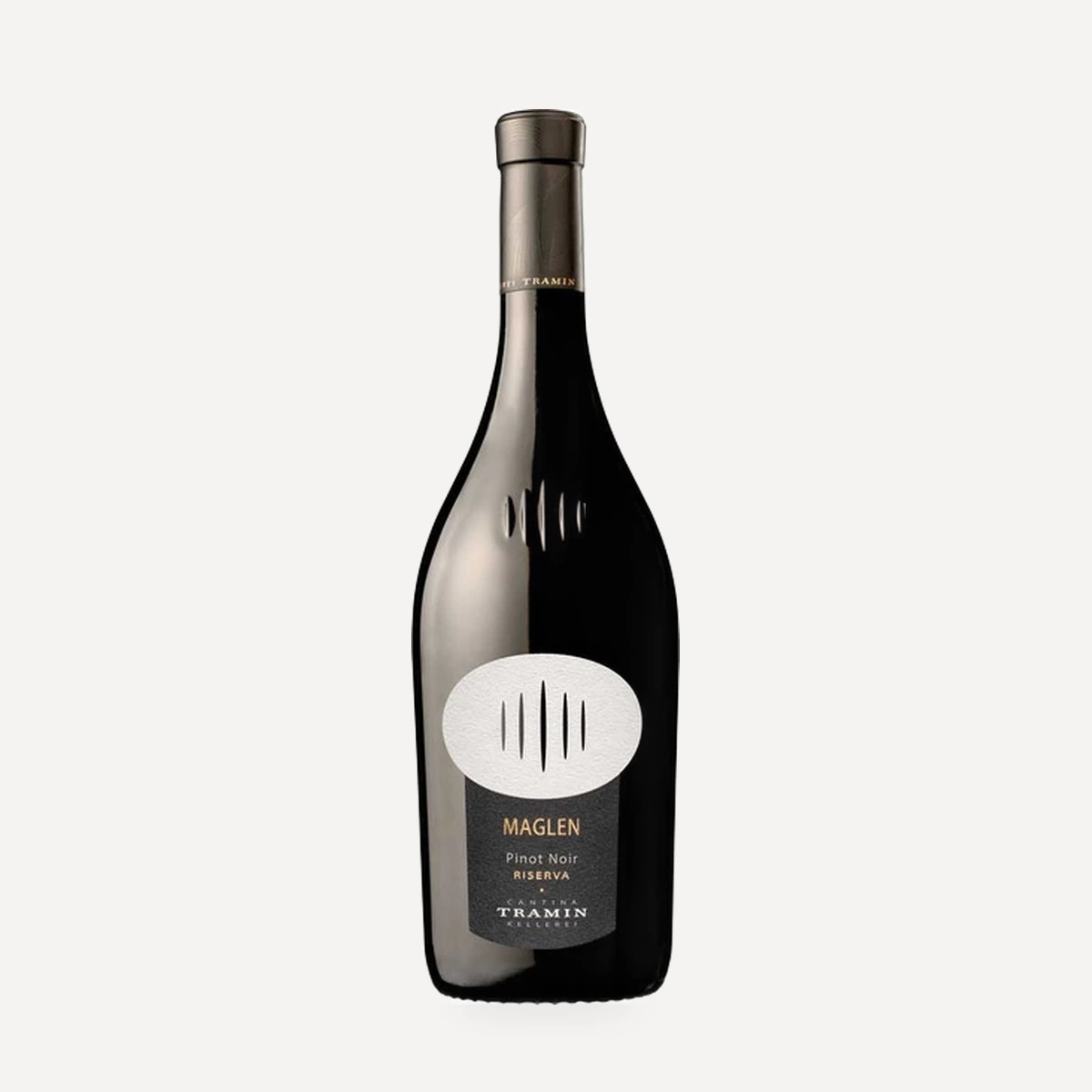
MAGLEN Alto Adige Pinot Nero Riserva DOC
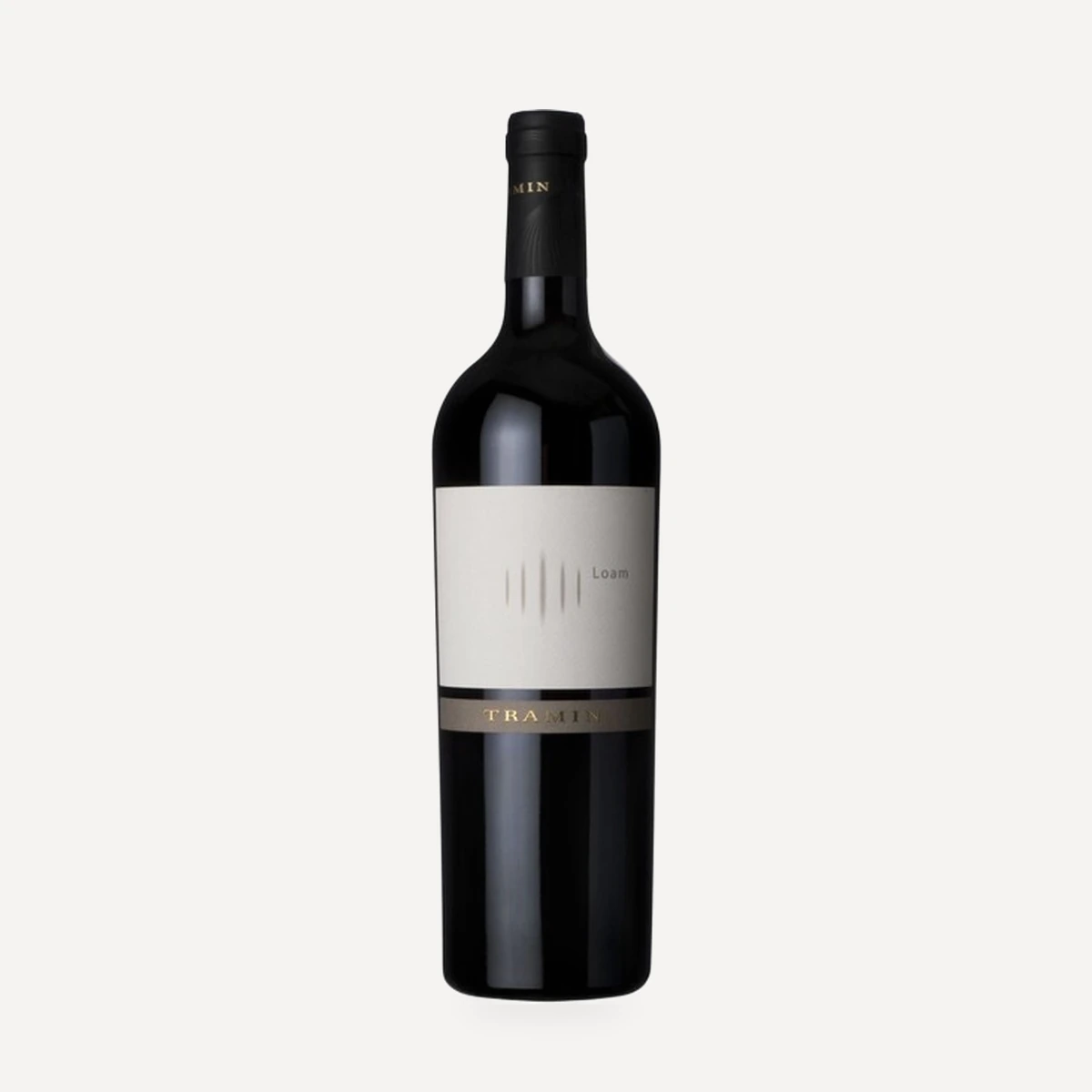
LOAM Alto Adige Cabernet-Merlot Riserva DOC
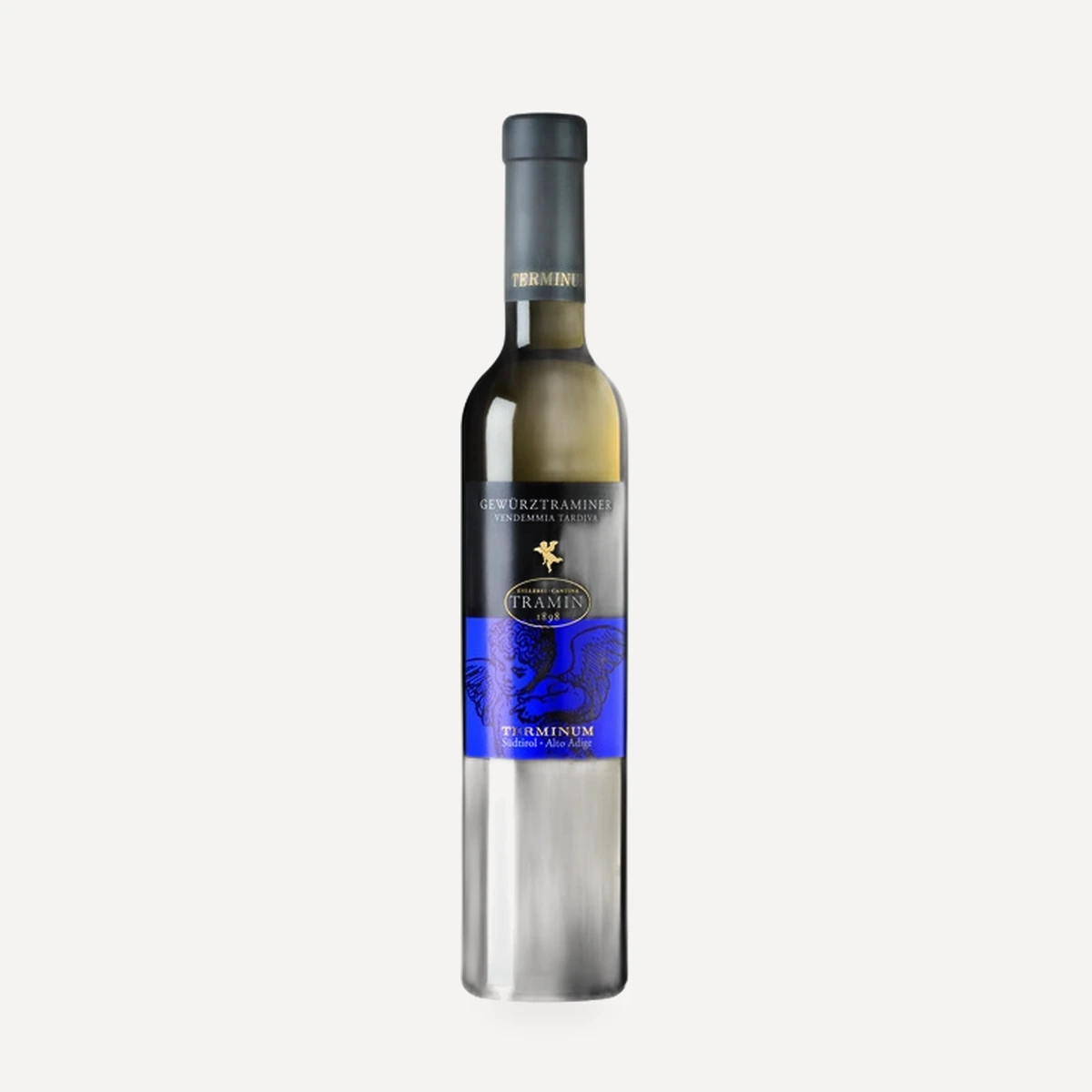
TERMINUM Alto Adige Gewürztraminer Vendemmia Tardiva DOC
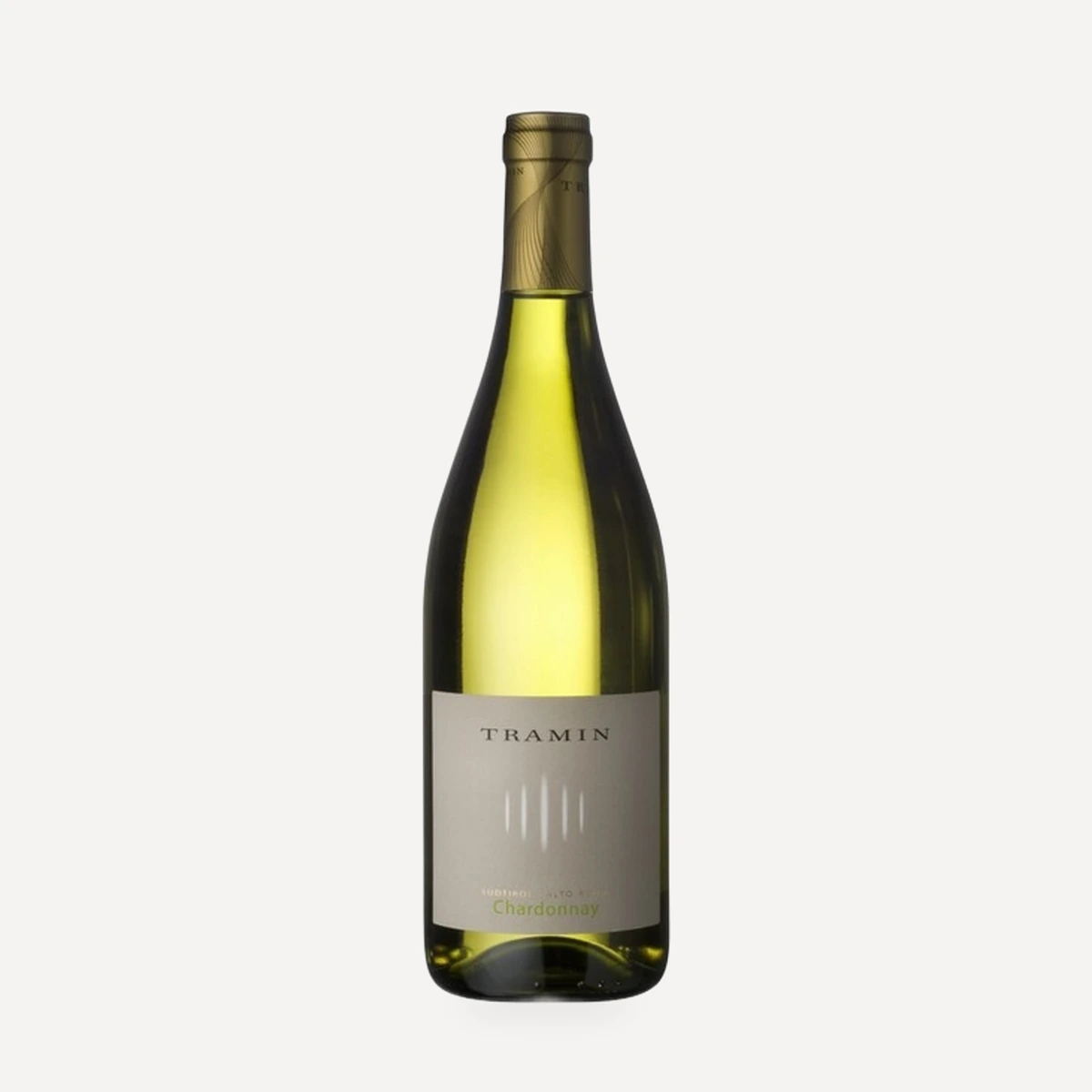
CHARDONNAY Alto Adige DOC
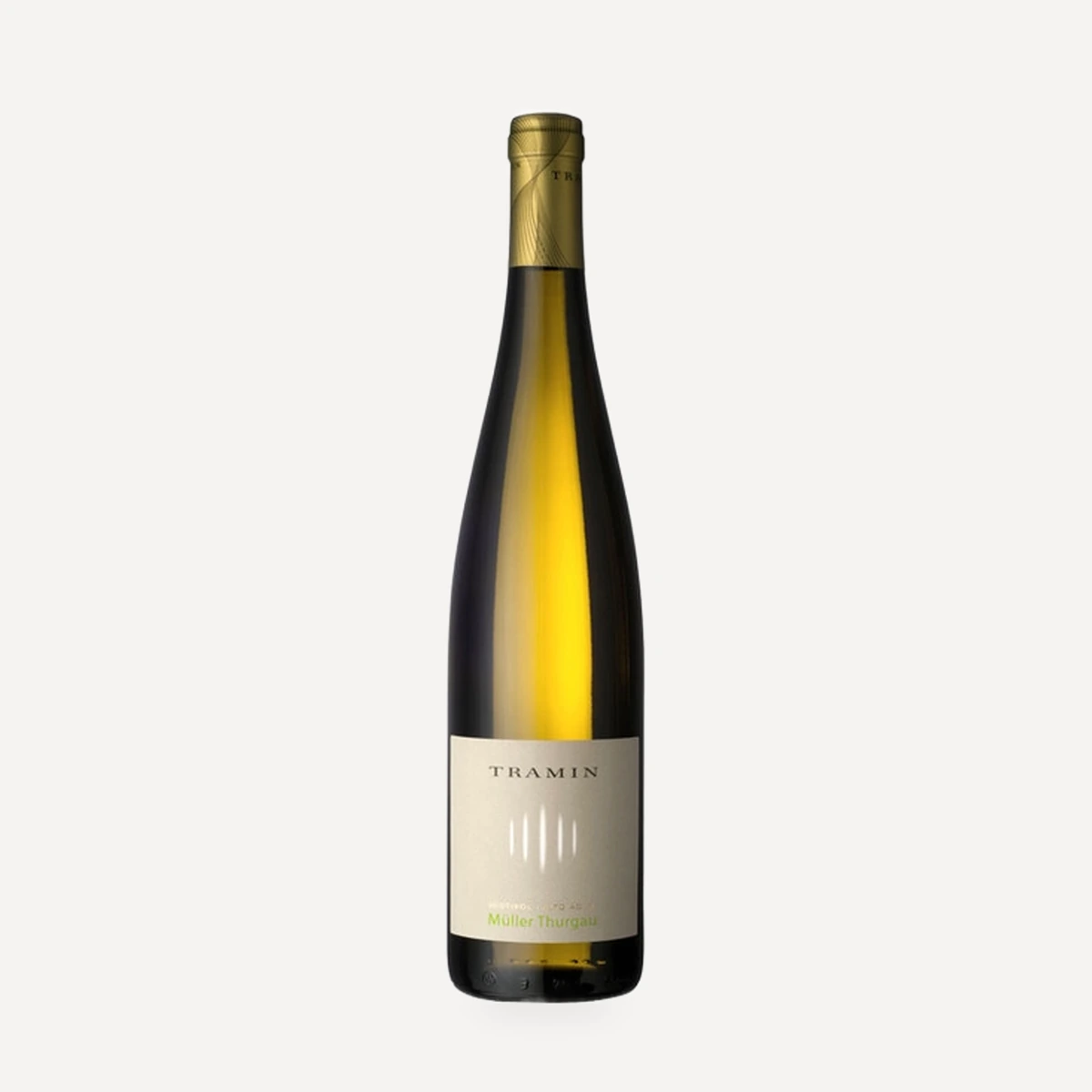
Müller Thurgau Alto Adige DOC
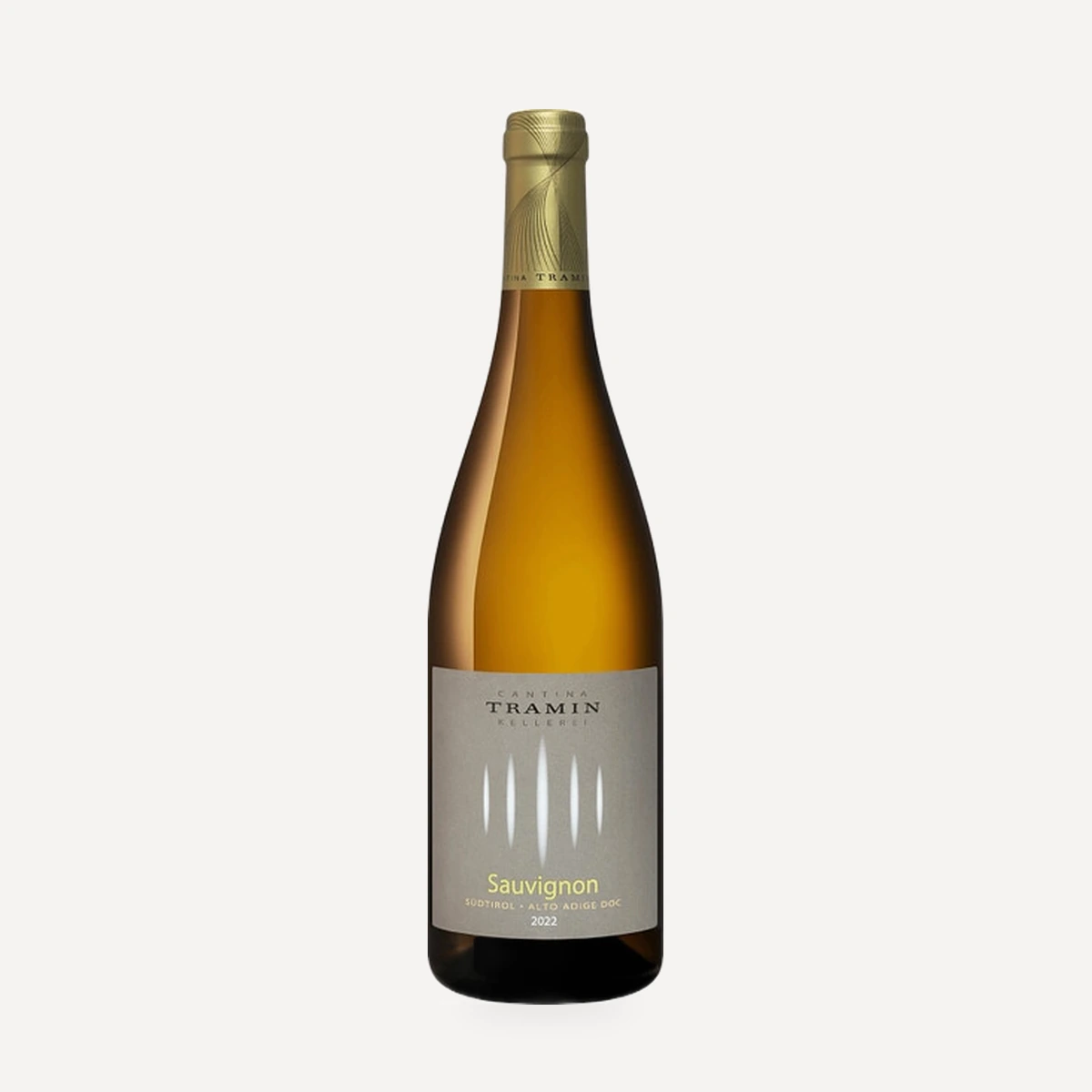
SAUVIGNON Alto Adige DOC
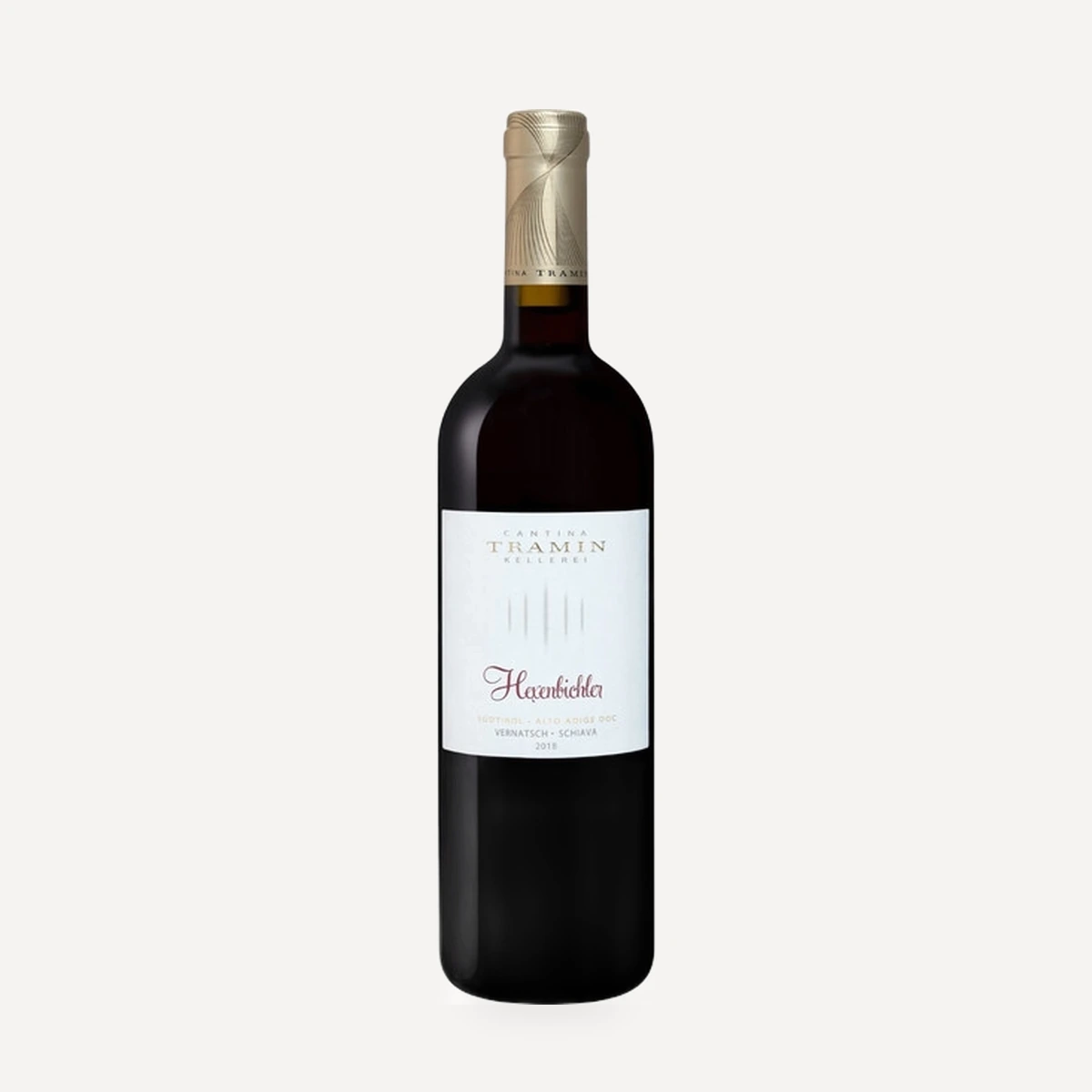
HEXENBICHLER Alto Adige Schiava DOC
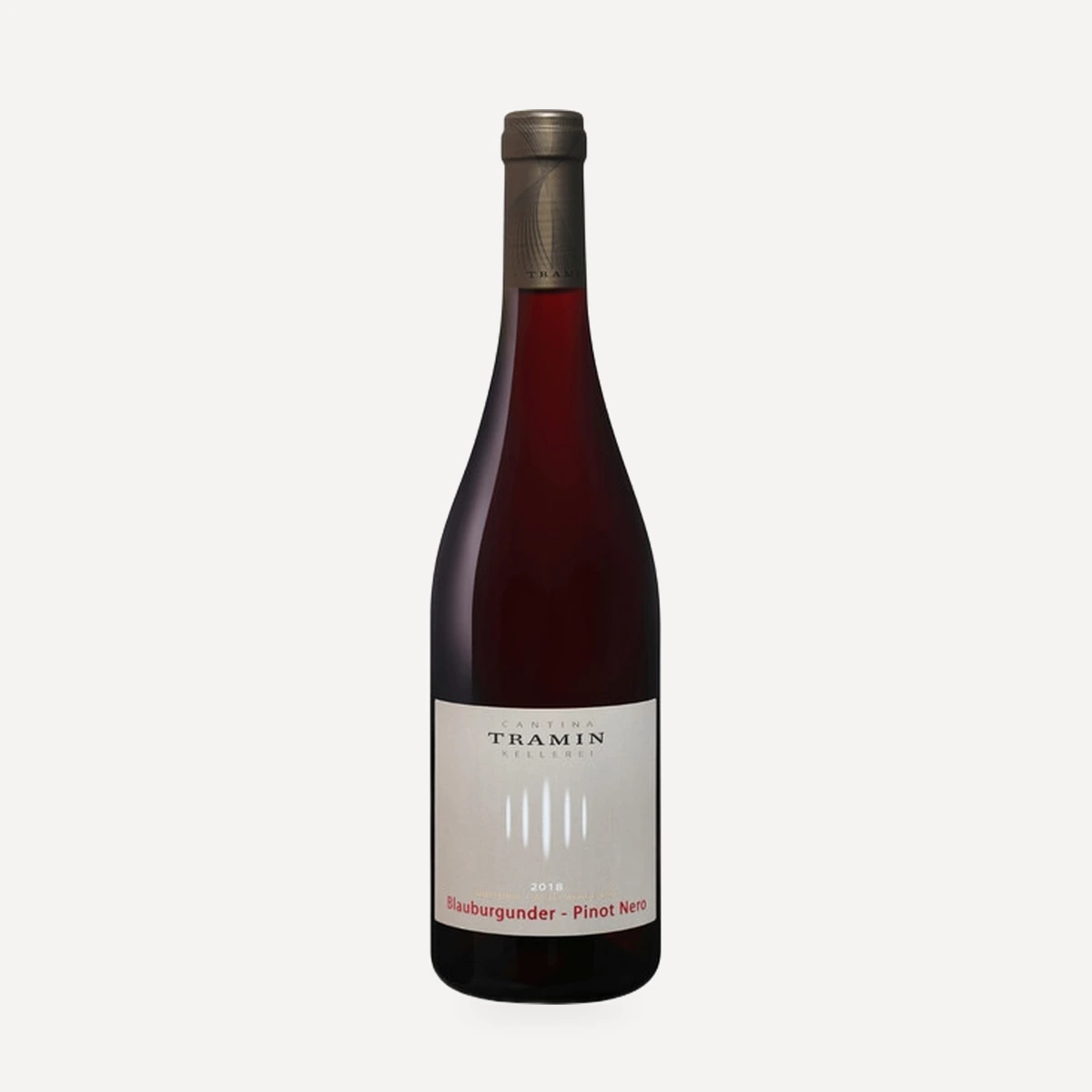
Pinot Nero Alto Adige DOC
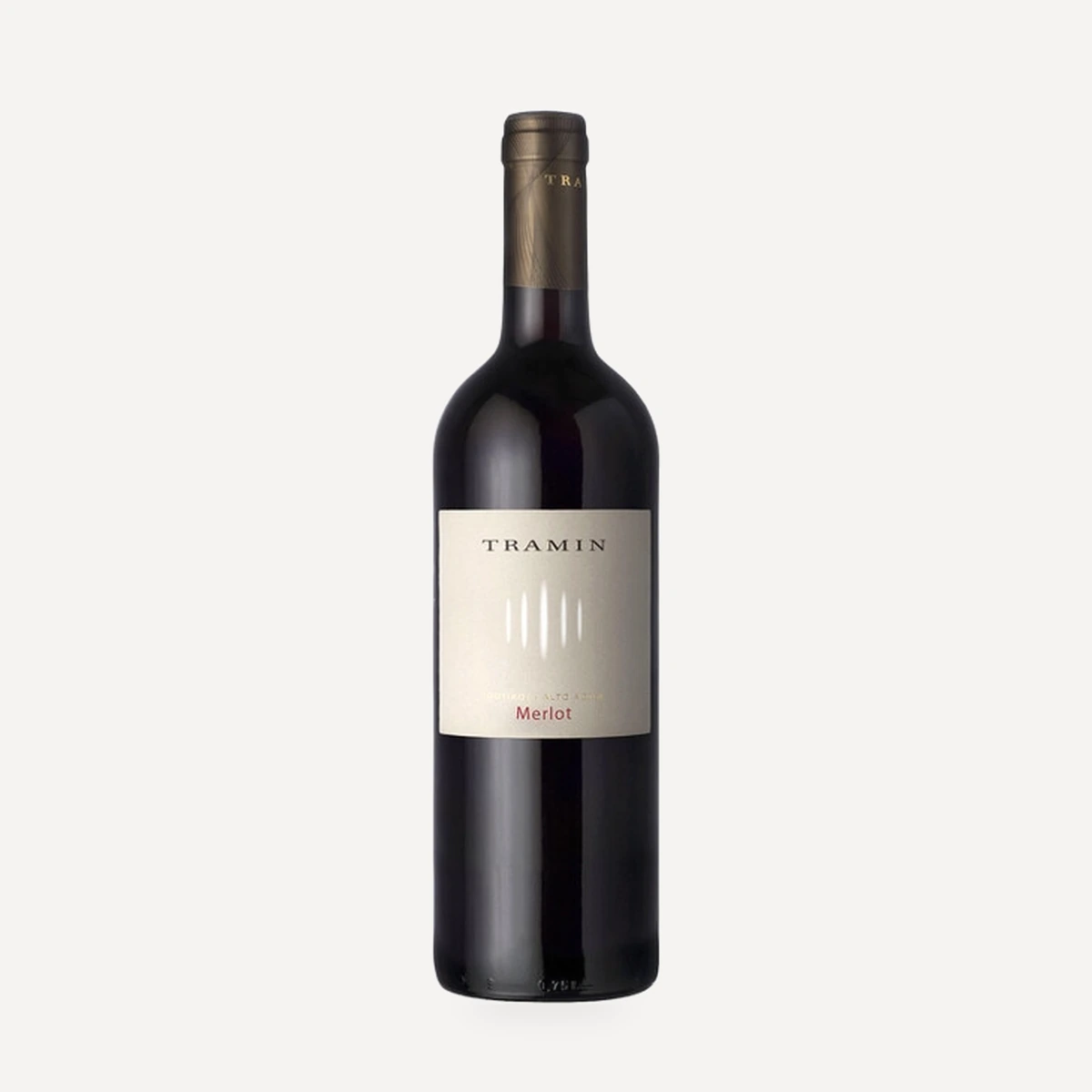
MERLOT Alto Adige DOC
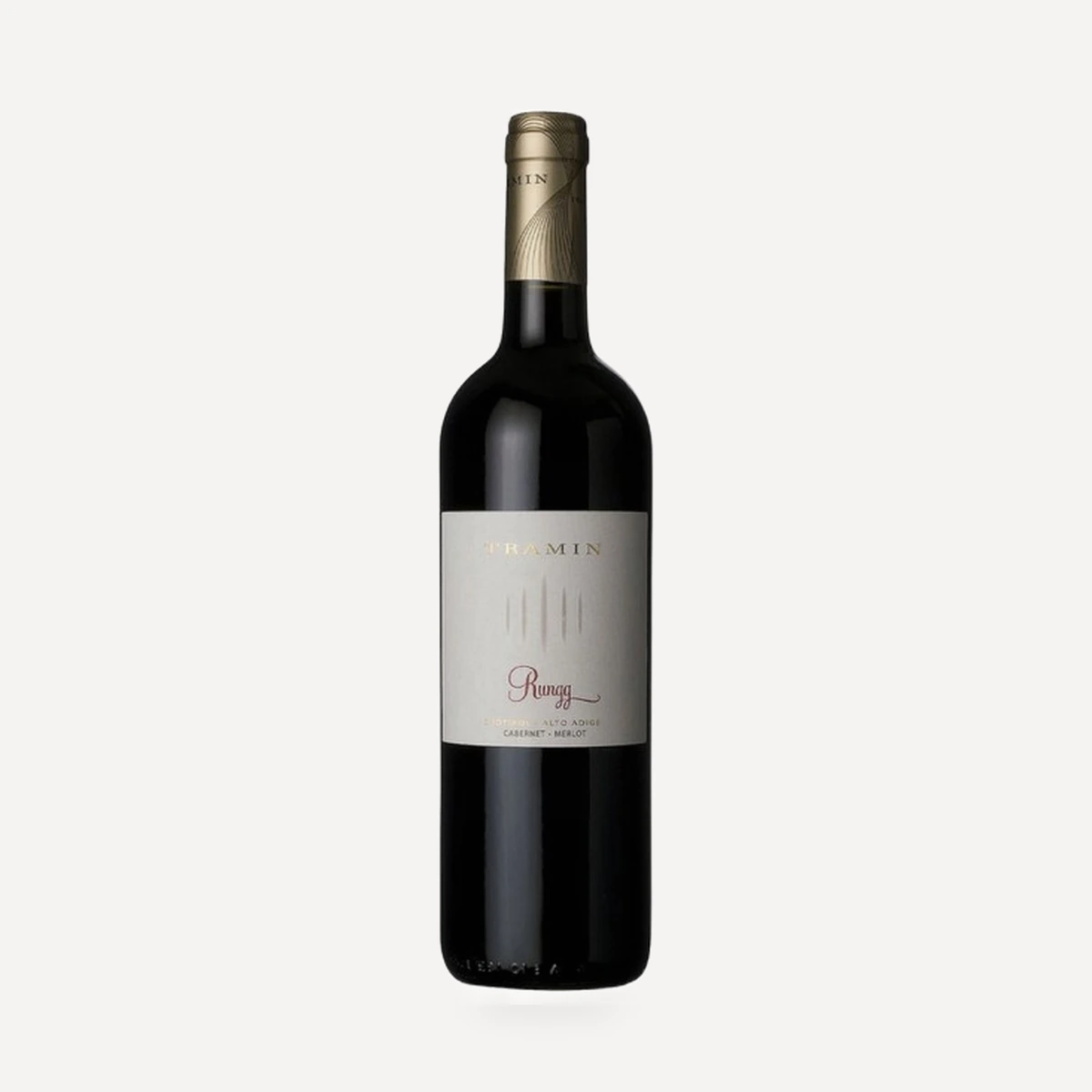
RUNGG Alto Adige DOC
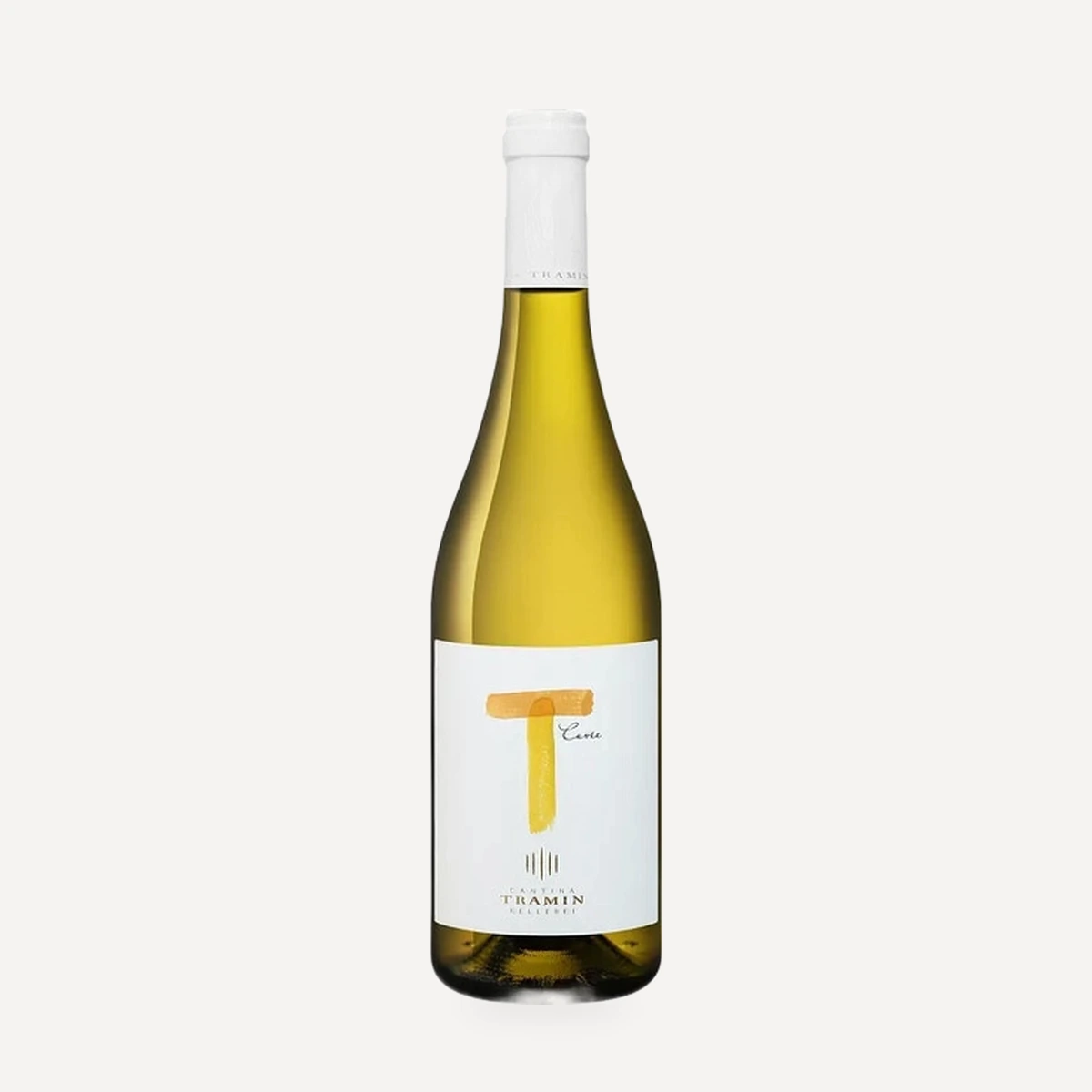
T Cuvée Bianco Dolomiti IGT
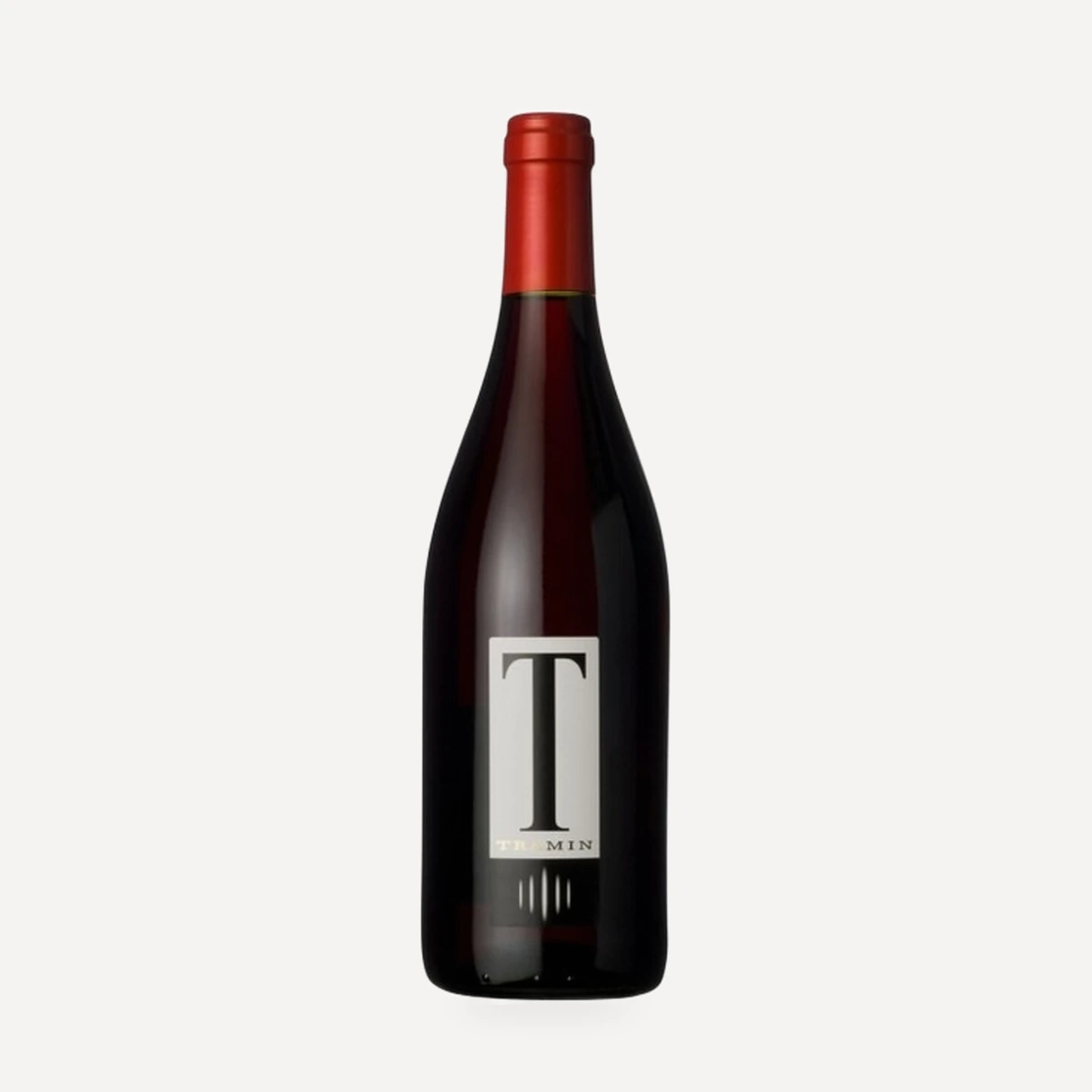
T Cuvée Rosso Dolomiti IGT