History
Family origins: 1267–1414
The family's documented Tuscan history begins in 1267. Edgardo Bona, a Genoese nobleman regarded as the family patriarch, arrived in Toscana and acquired a castle that had belonged to Girolamo Nacchi. The combination of the names Bona and Nacchi gave rise to the surname Bonacchi.
In 1414, the family obtained Florentine citizenship and became established within the Tuscan nobility of the period.
The beginnings of winegrowing in the 19th century
The family's direct involvement in wine began in the late 19th century. Enrico Bonacchi, great-grandfather of the present owner, worked as a small grower in the hills of Montalbano, in the same general area as the vineyards surrounding the Campiglio winery.
Pio Bonacchi and the expansion of the vineyards
Pio Bonacchi was born in 1909. As Enrico's son, he continued his father's activity together with his brothers. The family acquired additional neighbouring land and subsequently planted it with vines.
Giovanni Bonacchi and Tenuta di Montemagno
In 1965, Giovanni Bonacchi, Pio's son and Andrea Bonacchi's father, sought to expand Chianti production by purchasing Tenuta di Montemagno. The property, now known as Tenuta Bonacchi, became the central nucleus of the modern business and then comprised approximately 40 ha of vineyards in the Chianti Montalbano production area.
Bottling, export and the fourth generation
At the end of the 1980s, the business moved beyond the local sale of bulk wine and developed bottled products for both domestic and international markets. Andrea Bonacchi subsequently succeeded his father and became the fourth generation to direct the company.
The new winery at Quarrata was completed and inaugurated in 1999. In the same year, Andrea began the company's broader territorial expansion with the acquisition of Fattoria Casalino in Chianti Classico. Tenuta Molino della Suga at Montalcino followed in 2001, and Fattoria La Cerretella in the Bolgheri area was acquired in 2022. These properties remain distinct estates within the wider family company.
The Quarrata headquarters
Tenuta Bonacchi at Quarrata developed into Cantine Bonacchi's central operating site, coordinating production from grape reception through wine storage and bottling. The complex now includes a winery with capacity for up to 60,000 hl, a bottling installation operating at up to 6,000 bottles per hour, company offices, client-reception areas and a conference room. Cantine Bonacchi's wines serve both domestic and international markets, with the Bonacchi name distributed in more than 20 countries.
Terroir
Tenuta Bonacchi is situated at Quarrata in the province of Pistoia, among the hills associated with Montalbano. The vineyards surround the Campiglio winery and form the agricultural core of the Quarrata headquarters.
Of the present 38 ha under vine, 34 ha belong to the Chianti Montalbano area and 4 ha are assigned to Toscana IGT Rosso. The estate treats knowledge of the individual characteristics of its land and careful vineyard management as the starting point for wine quality.
Winemaking
Viticulture is presented as the foundation of quality, with emphasis on attentive cultivation, respect for the land and detailed knowledge of vineyard characteristics.
The organic operator certificate first issued in November 2022 did not classify the recorded vineyard land as organic: 5.4812 ha of specialised vine cultivation were entered as non-organic. Its organic scope instead concerned wine and other products in the wine-production chain, while the authorised activities at Quarrata were preparation, distribution or placing on the market, and storage.
The Quarrata estate is Cantine Bonacchi's central production and organisational facility. Activities are coordinated there from grape reception and vinification through storage, bottling and dispatch.
The vinification cellar has storage capacity of up to 60,000 hl. Its recognised production scope encompasses grape crushing, vinification, clarification, filtration, refinement and blending of still bulk wines. Wine is bottled in 0.75- and 1.5-litre glass formats and carafes; traditional straw-covered flasks have also formed part of the plant's bottling capability.
The current bottling installation can process as many as 6,000 bottles per hour. Production is integrated with close operational monitoring and quality controls intended to preserve the identity of each wine. Annual output exceeds 3,000,000 bottles, destined for domestic and international markets.
The wider production system combines established cellar techniques with modern technology. ISO 9001:2015 quality-management certification has covered grape crushing, wine production, processing, maturation, bottling and the trade in bulk and bottled wine. The BRCGS and IFS scopes additionally specify clarification, filtration, blending and bottling operations.
Philosophy
Cantine Bonacchi places the vineyard at the beginning of its quality model: careful cultivation and knowledge of the land are treated as prerequisites for preserving the character of the finished wine.
At Quarrata, tradition is paired with organisation, research and current technology. The stated objective is to retain the identity of each wine while maintaining rigorous quality standards throughout the route from vineyard to bottle. The estate's self-description also stresses continuity between family memory and a forward-looking approach, supported by shared expertise, dedication and preparation for the conditions of each new harvest.
Environmental initiatives form part of this forward-looking position. Greater use of renewable electricity and the installation of solar panels at Quarrata are intended to make the headquarters more sustainable and energy-efficient.
Wines
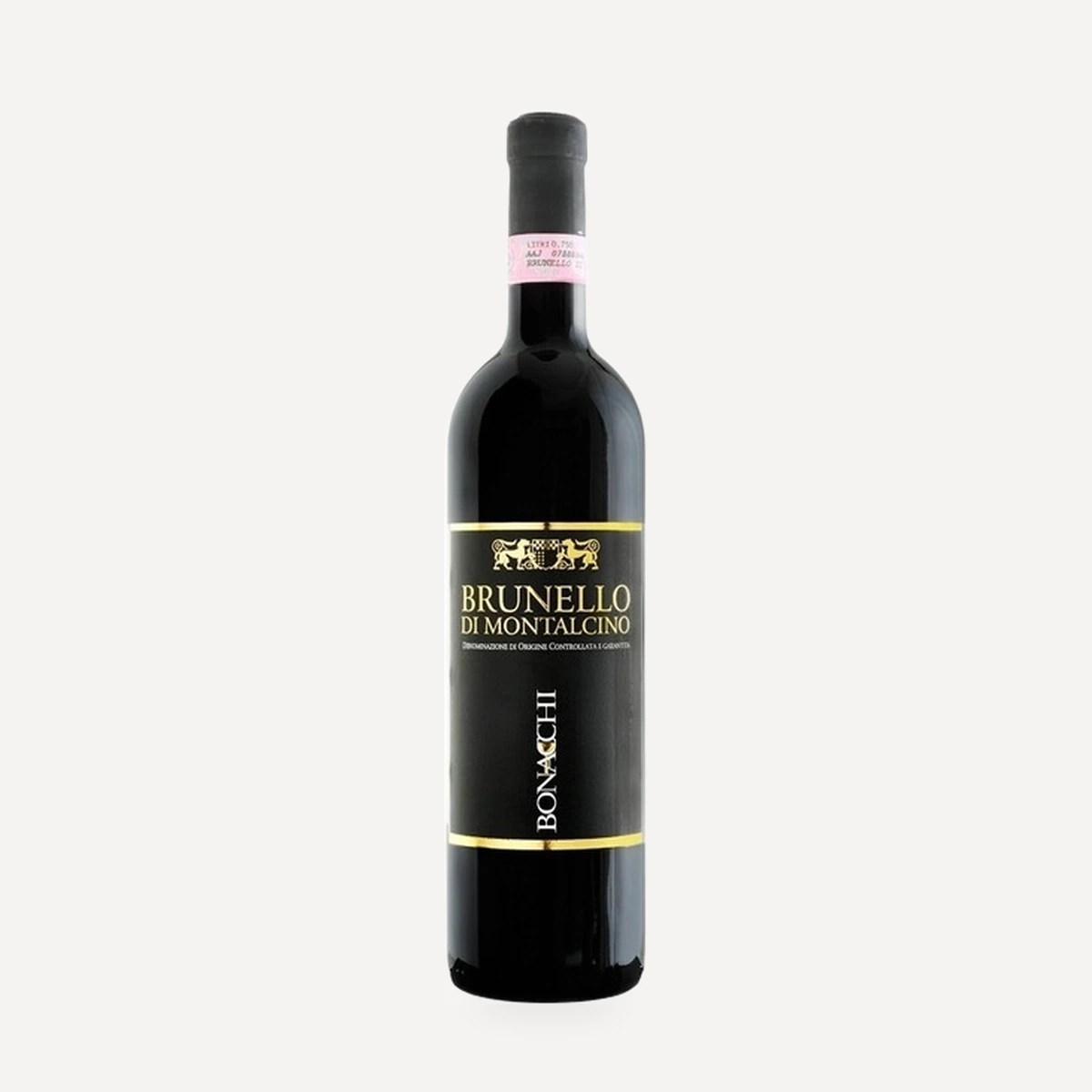
Brunello di Montalcino
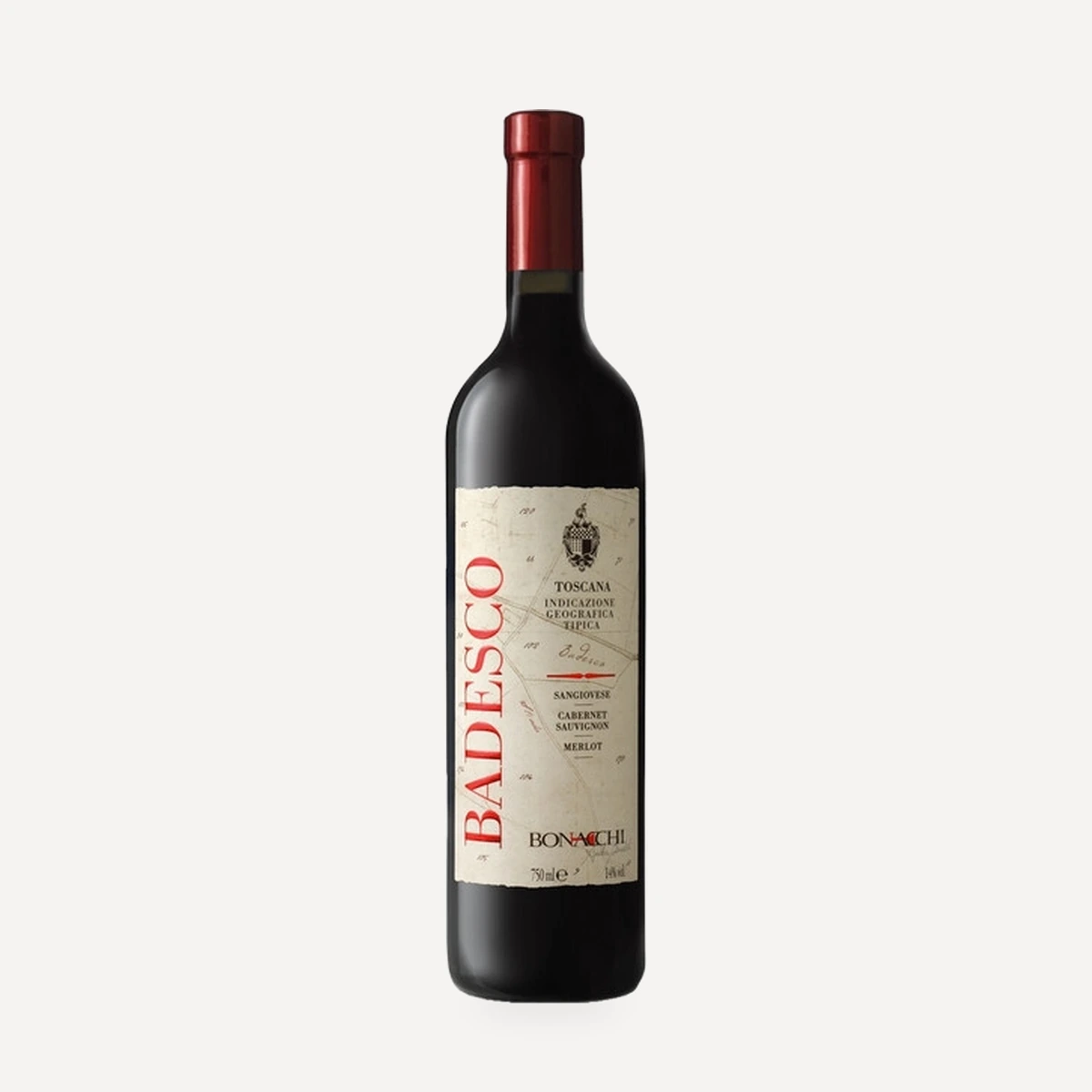
Badesco
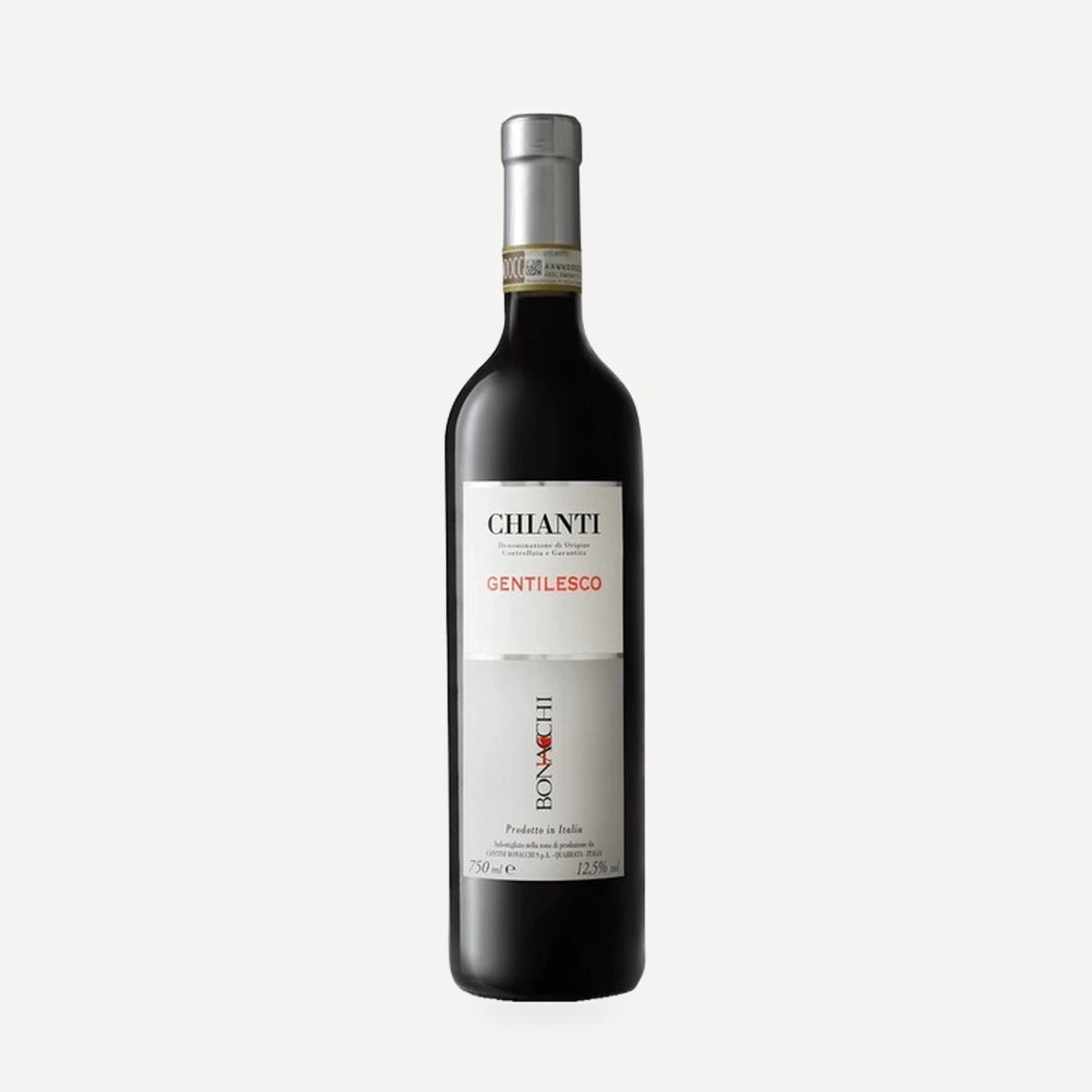
Chianti Gentilesco
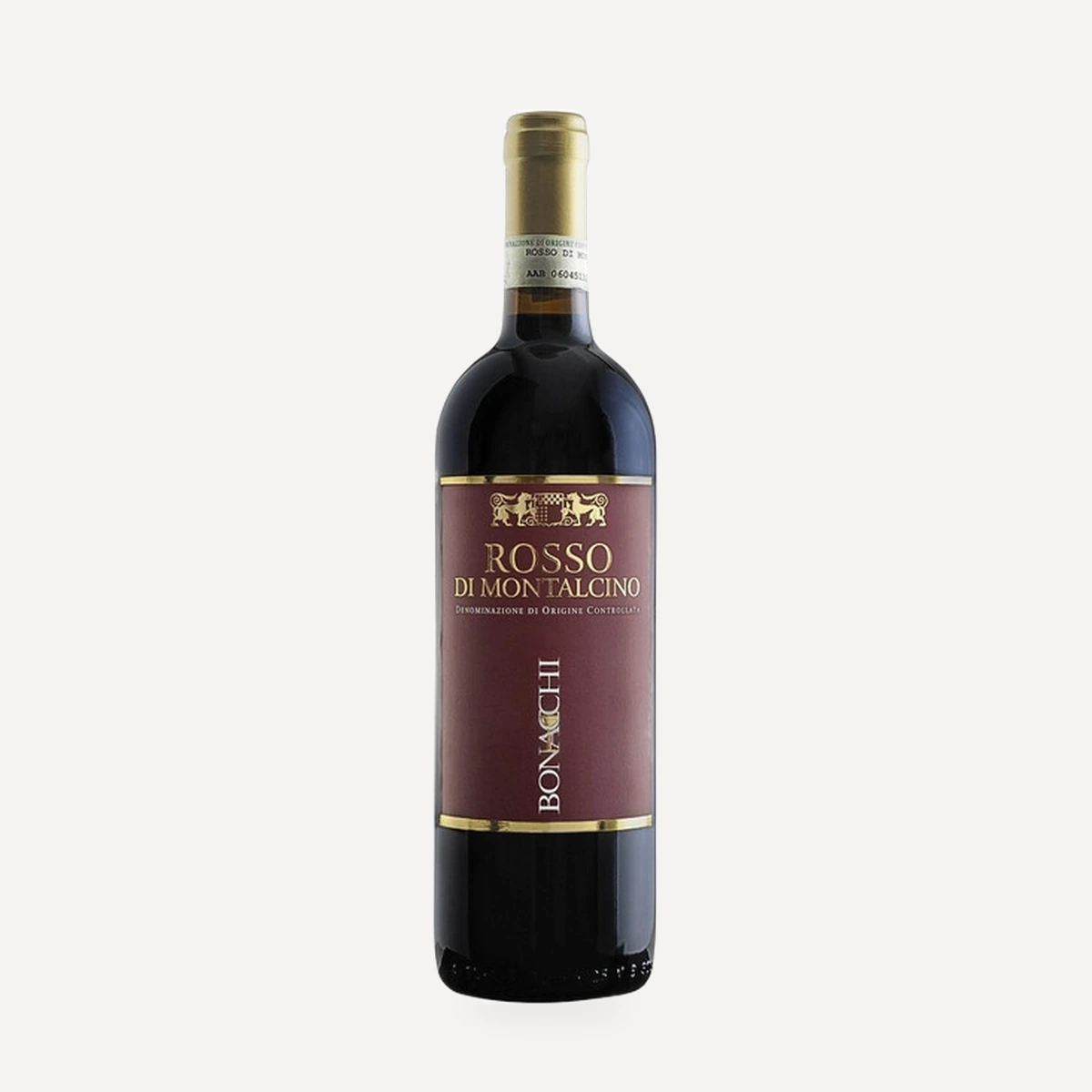
Rosso di Montalcino
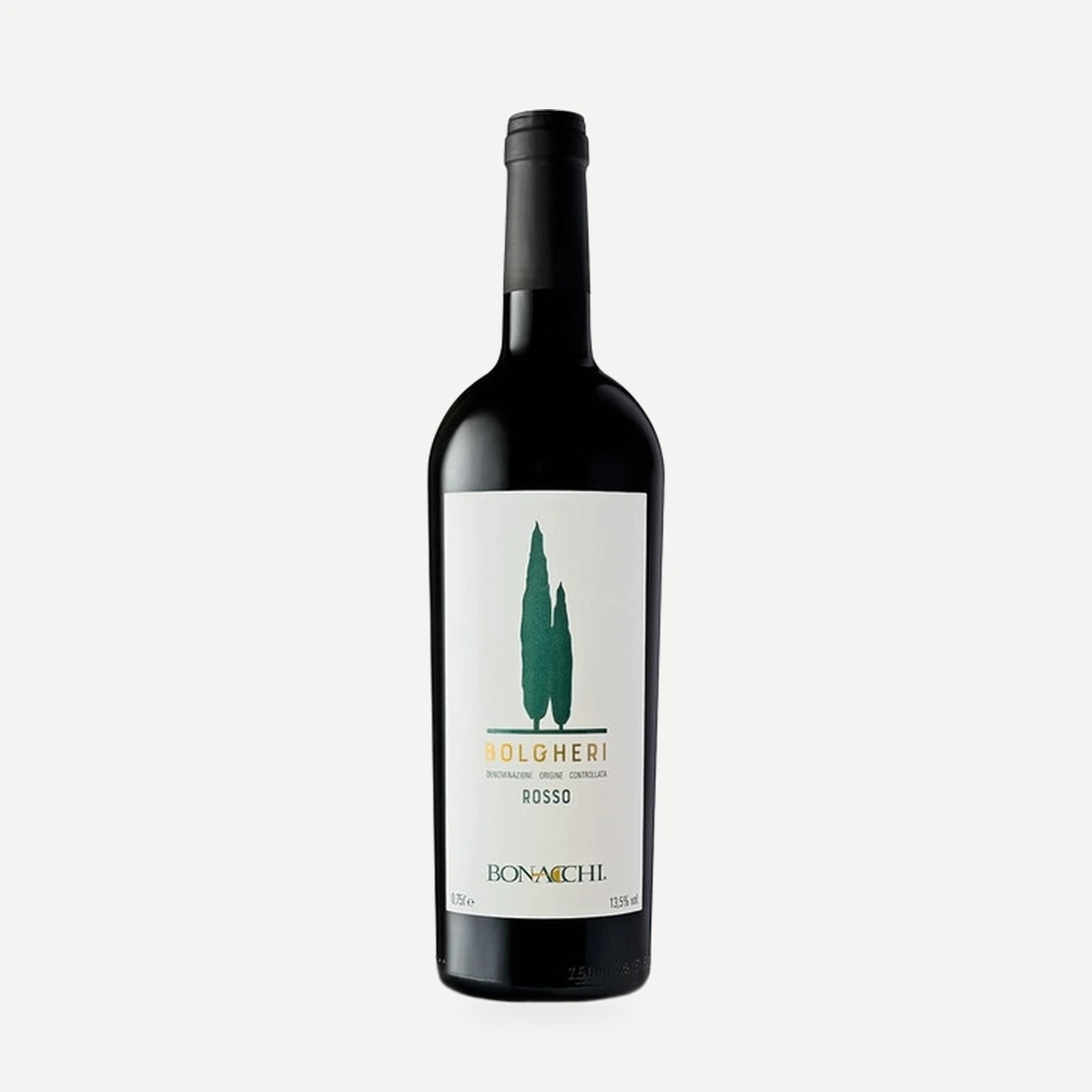
Bolgheri Rosso
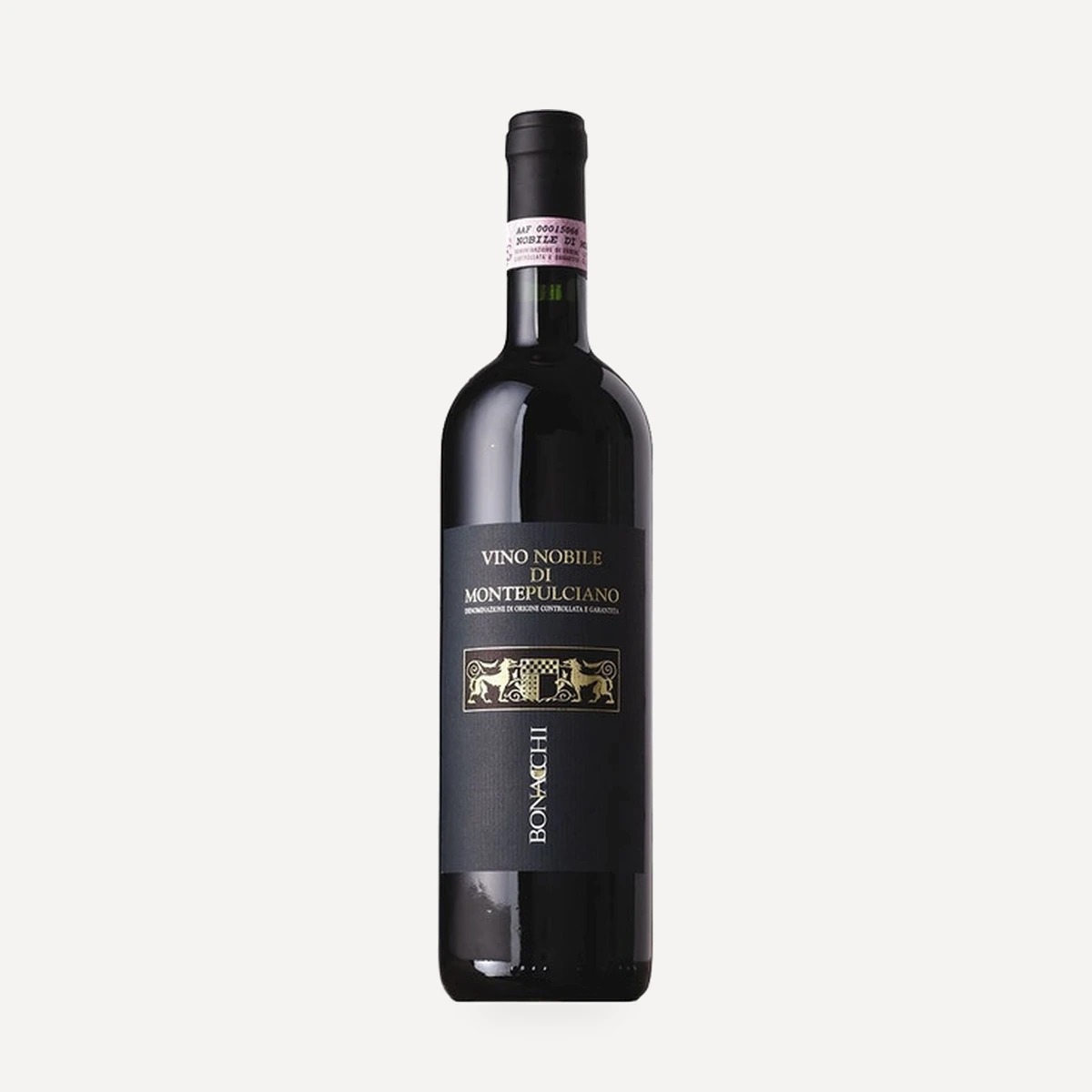
Vino Nobile di Montepulciano
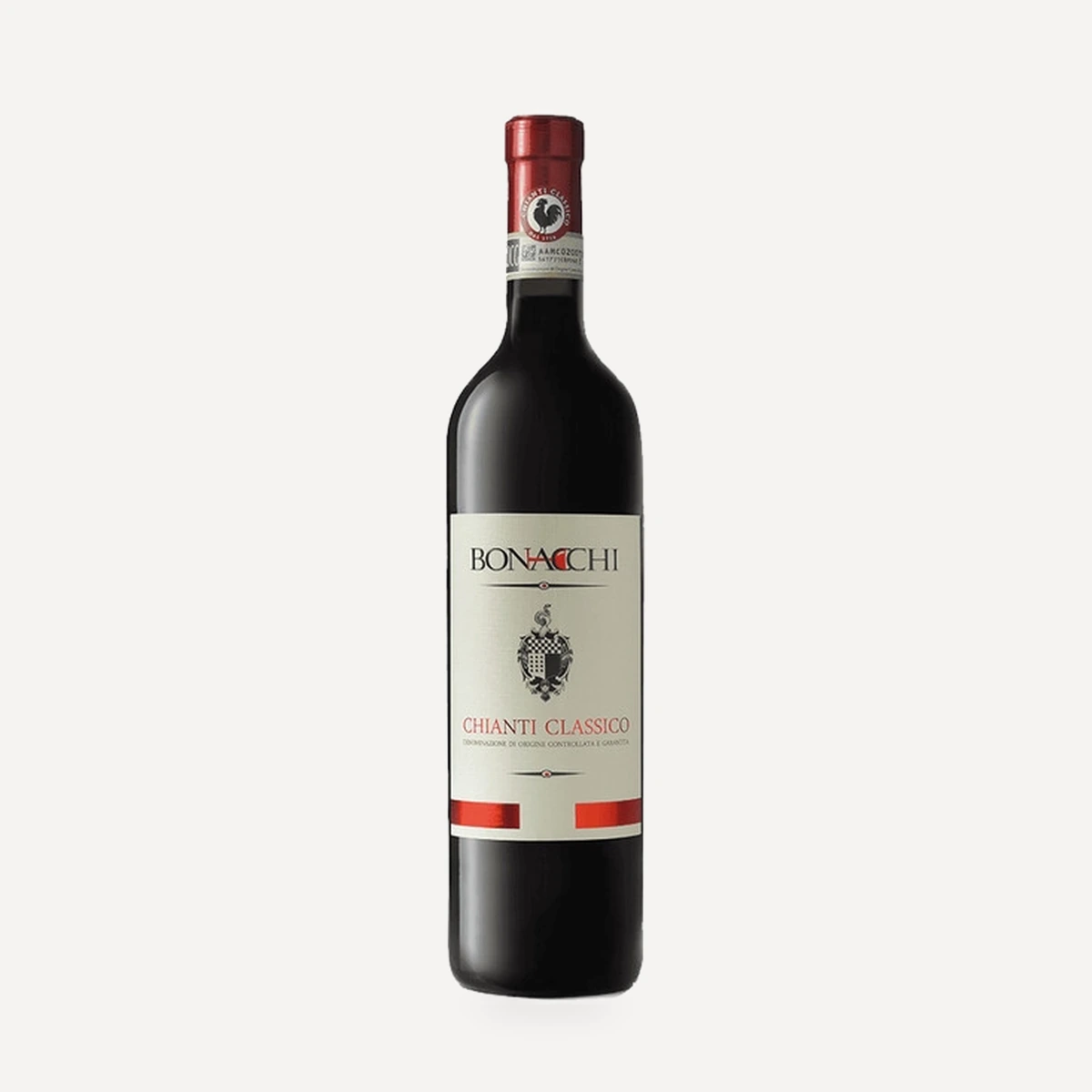
Chianti Classico
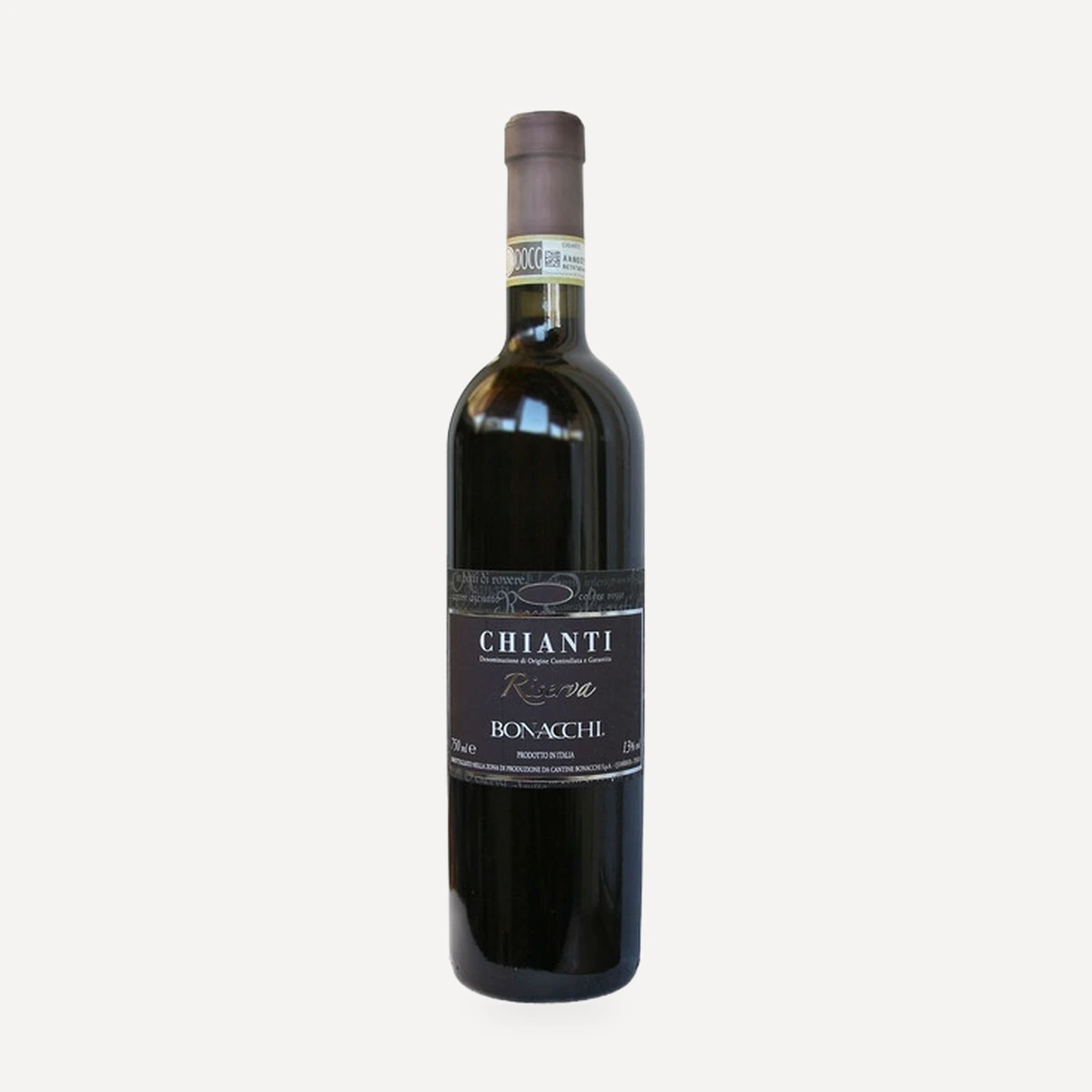
Chianti Riserva
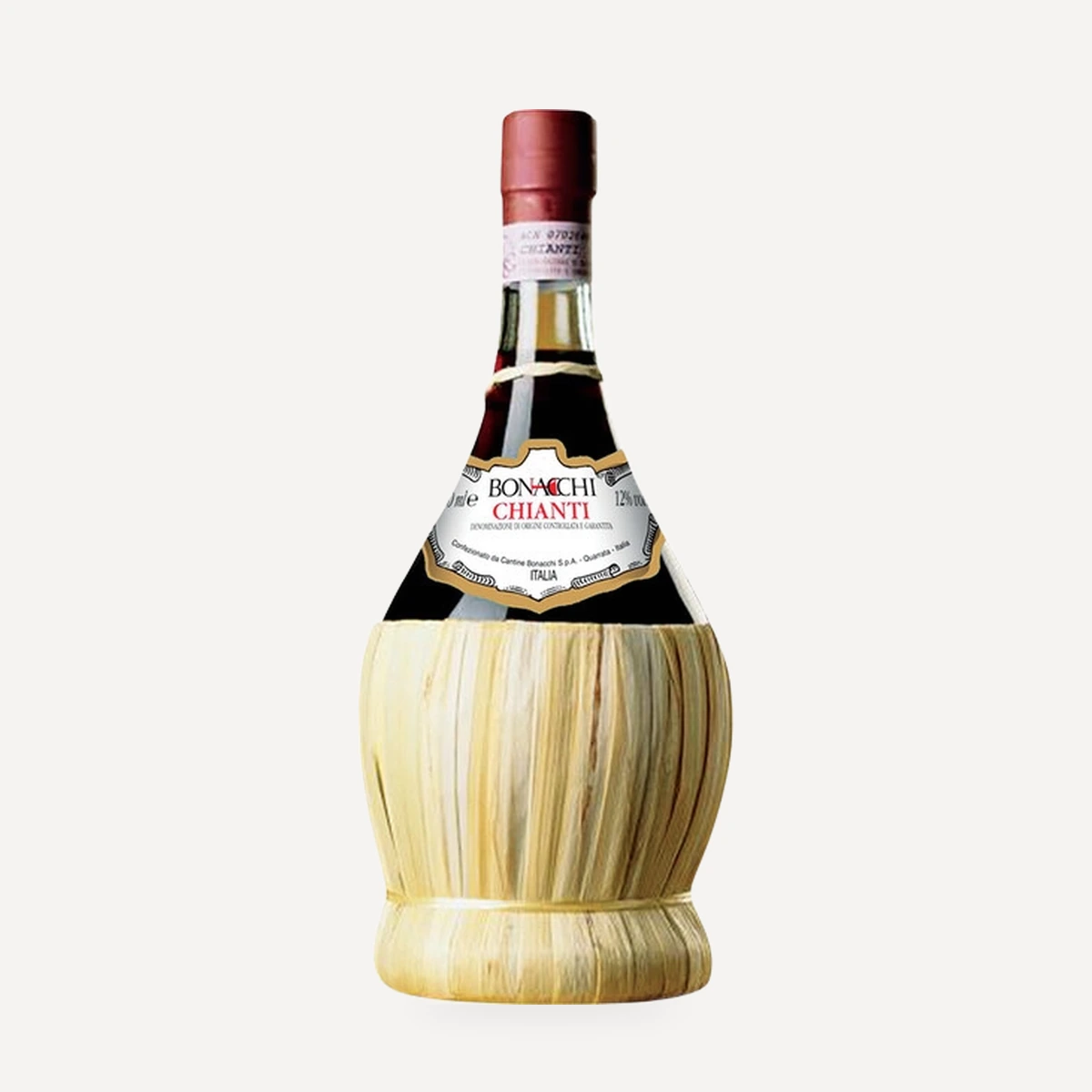
Chianti
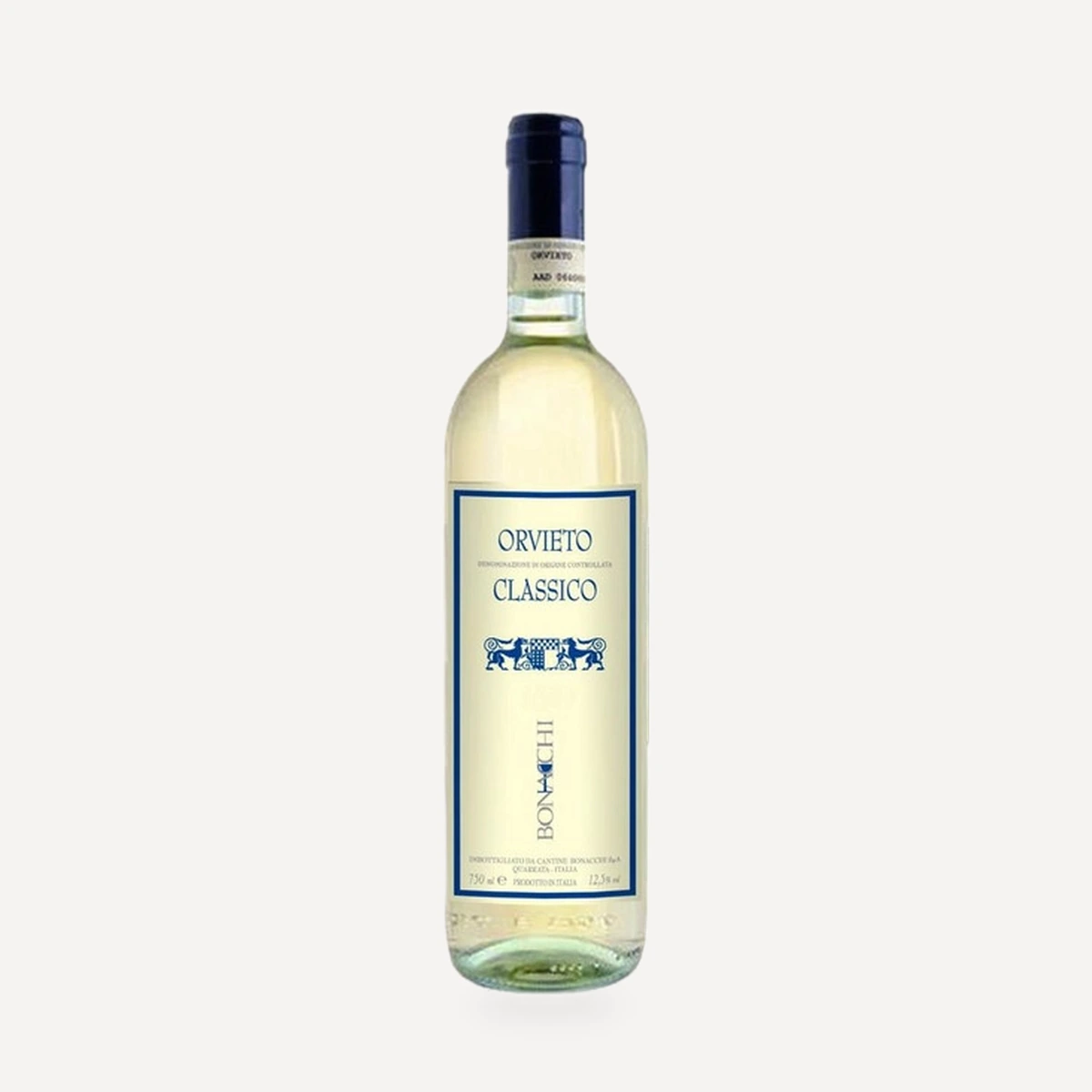
Orvieto Classico
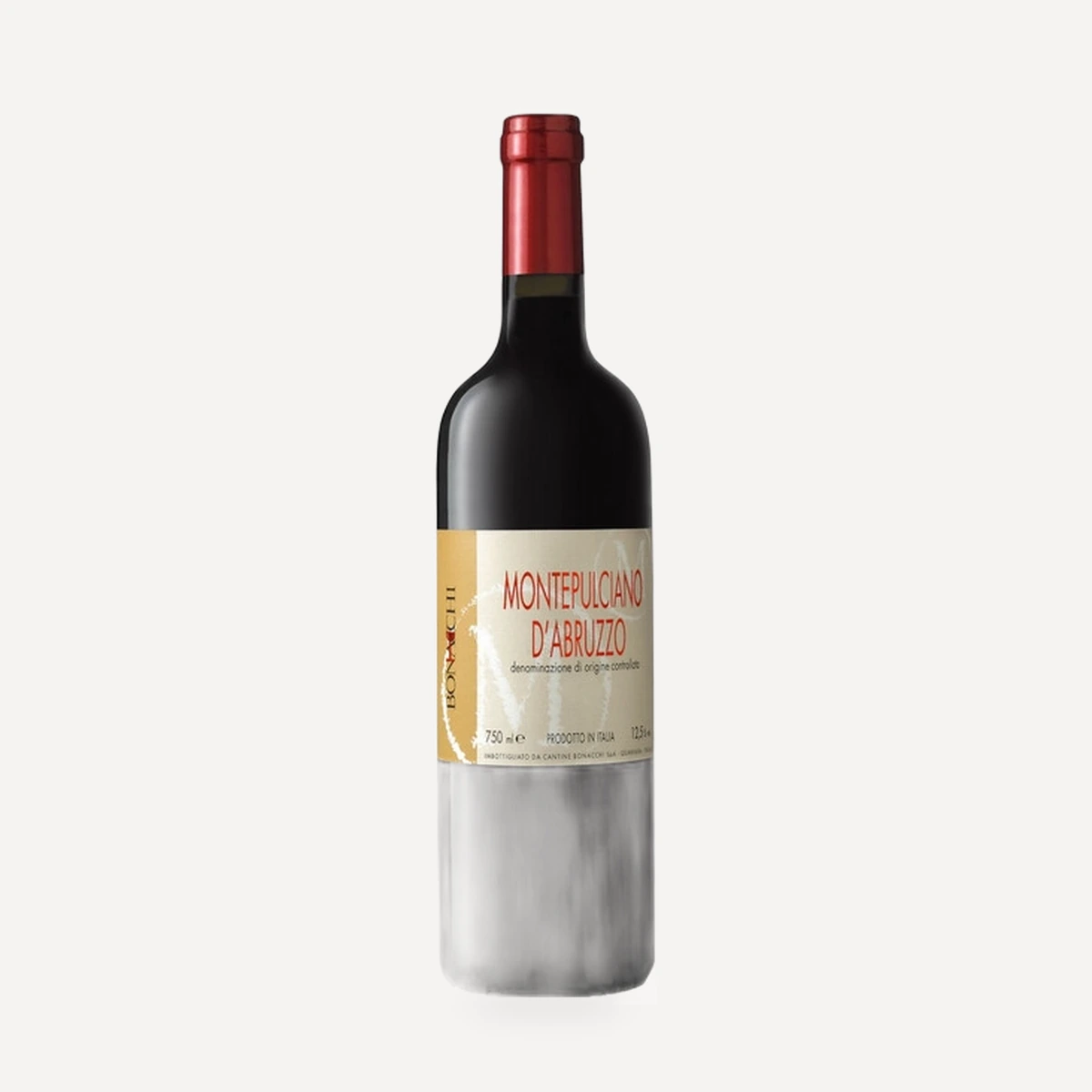
Montepulciano d'Abruzzo
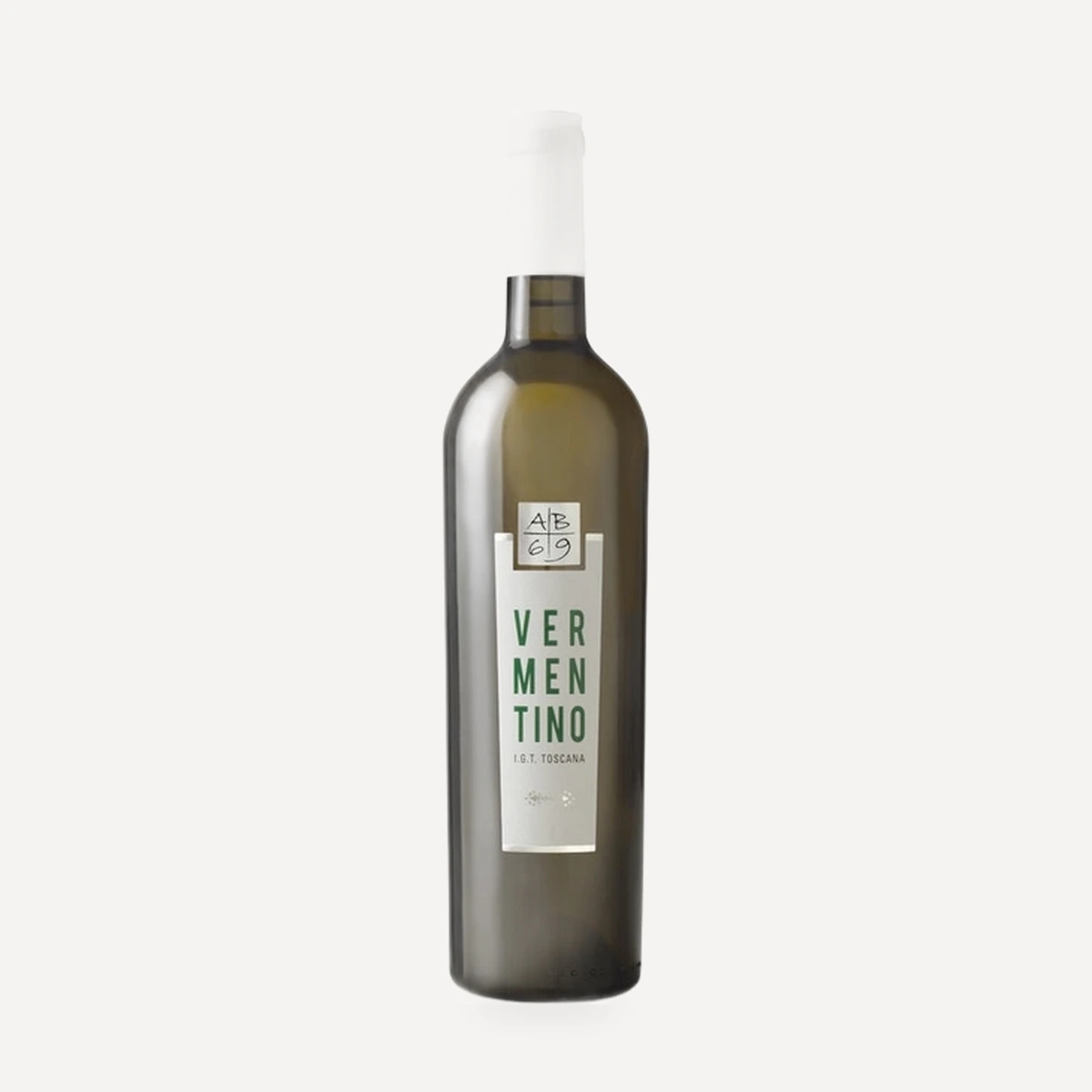
AB 69 Vermentino Toscana IGT
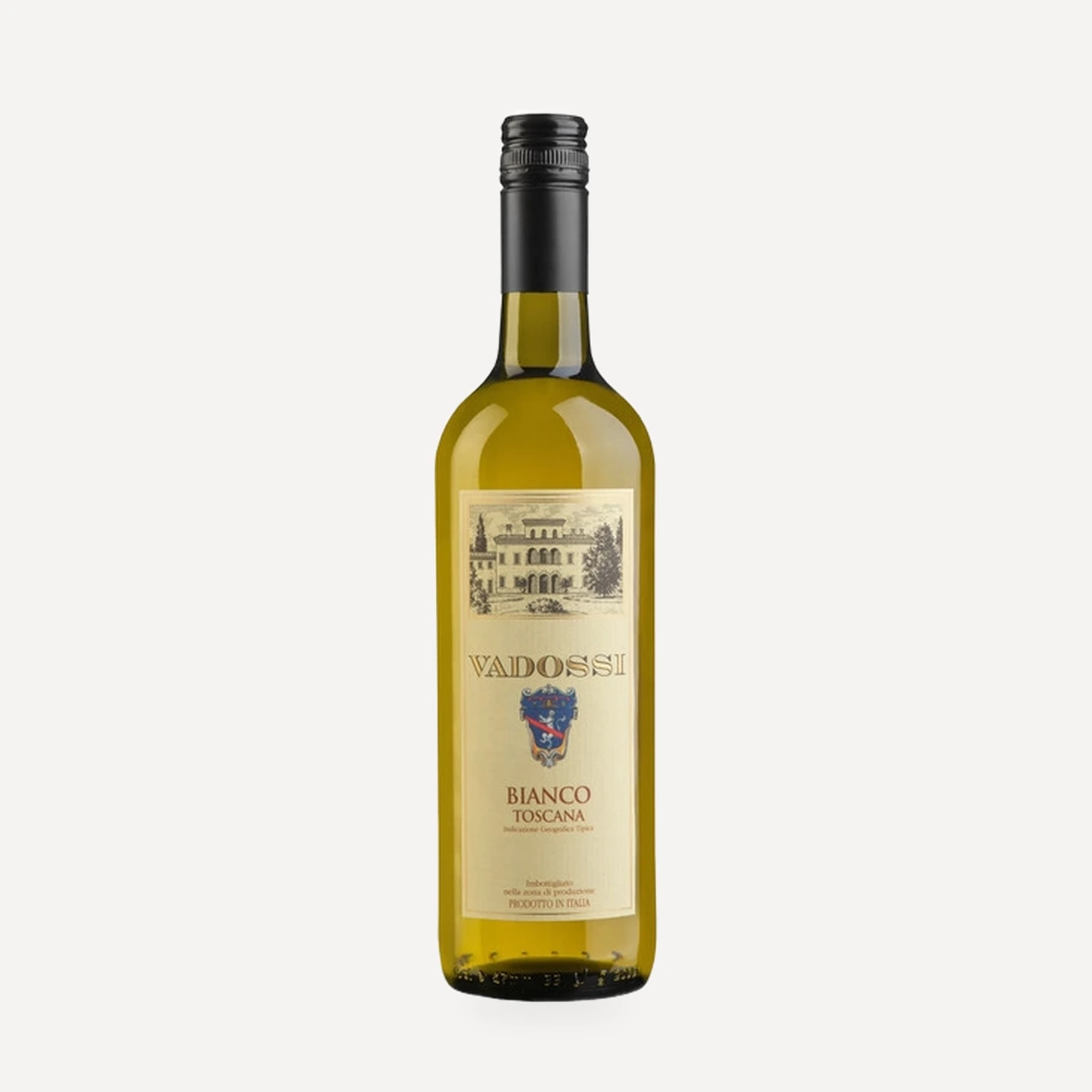
Vadossi Bianco Toscana IGT
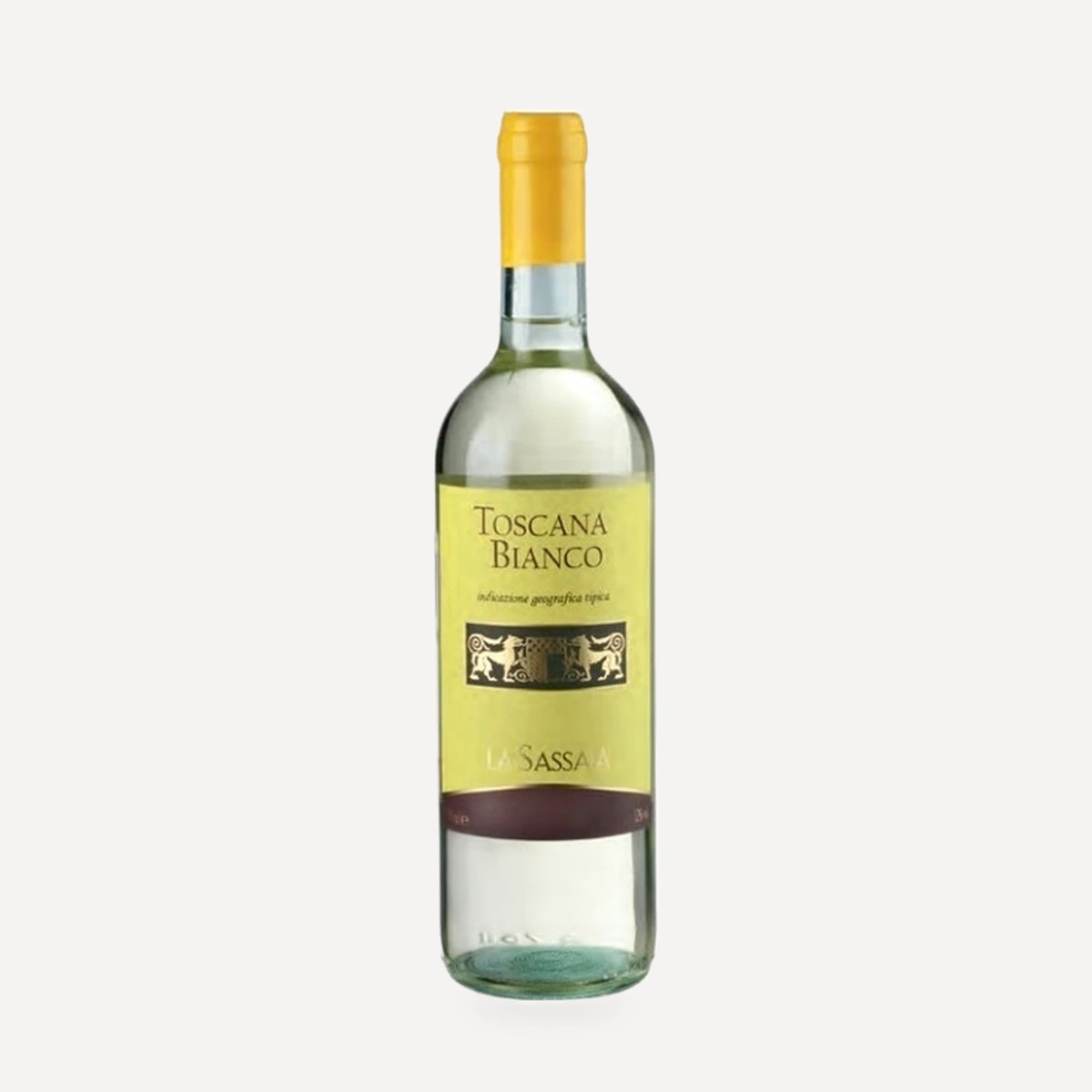
La Sassaia Toscana Bianco IGT
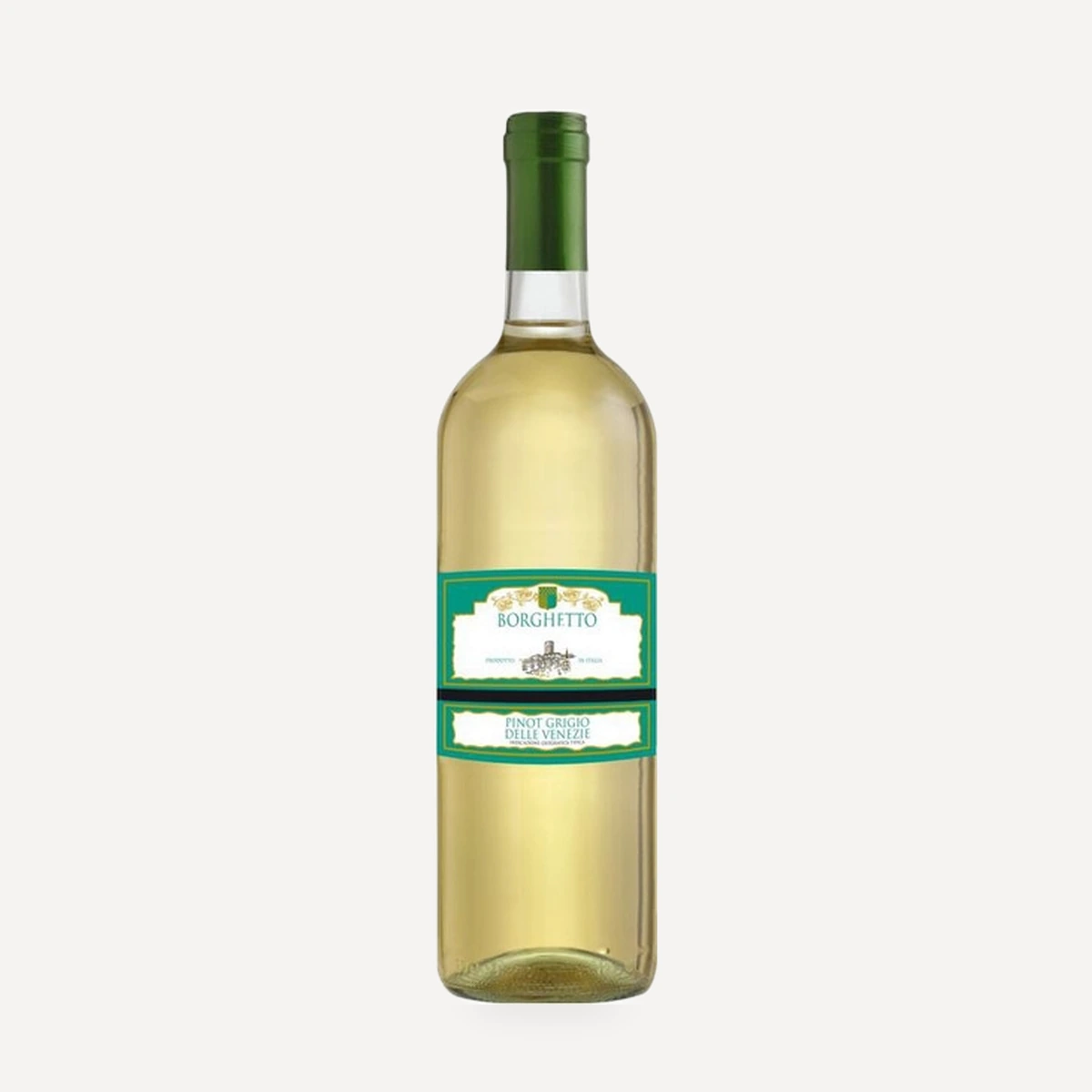
Borghetto Pinot Grigio delle Venezie IGT
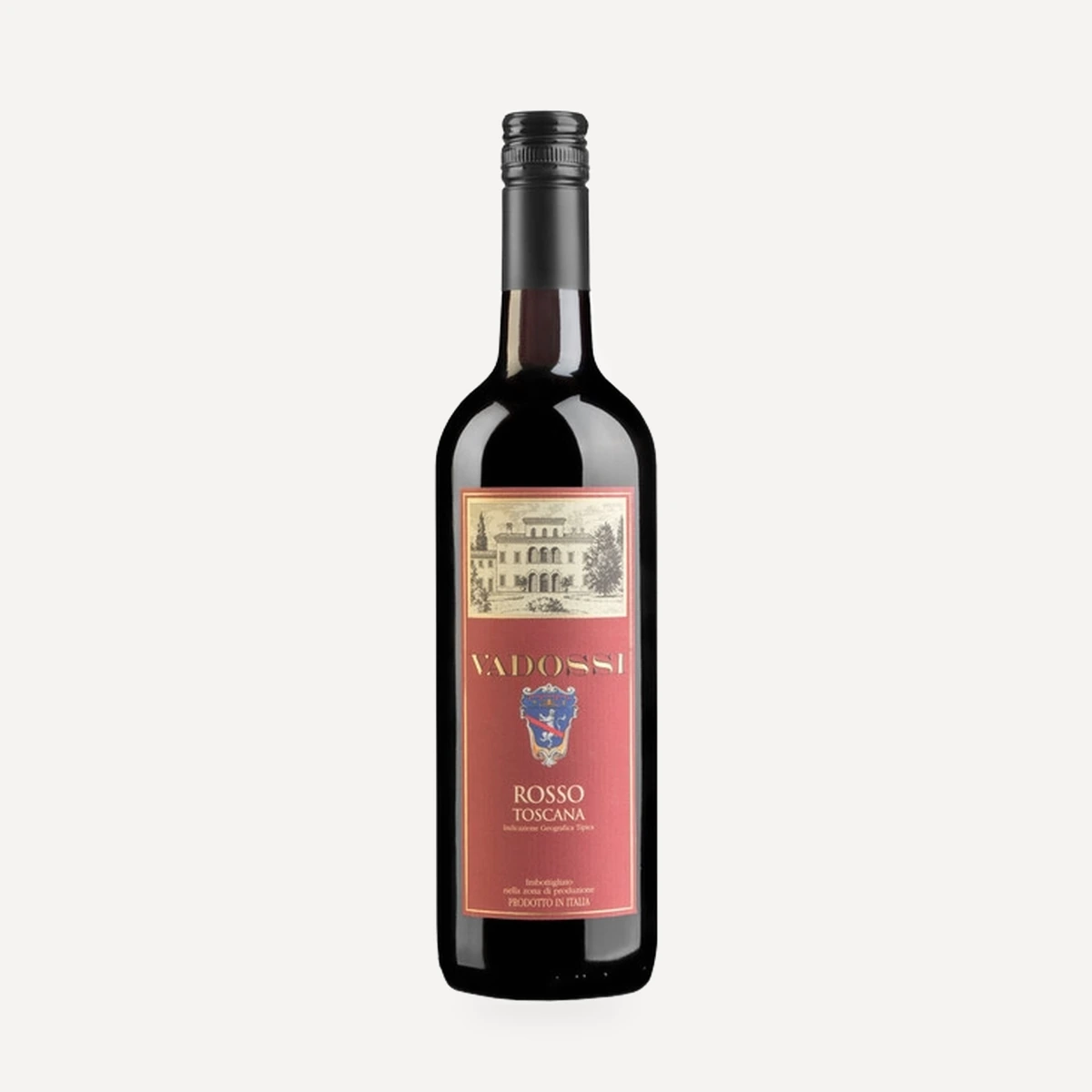
Vadossi Rosso Toscana IGT
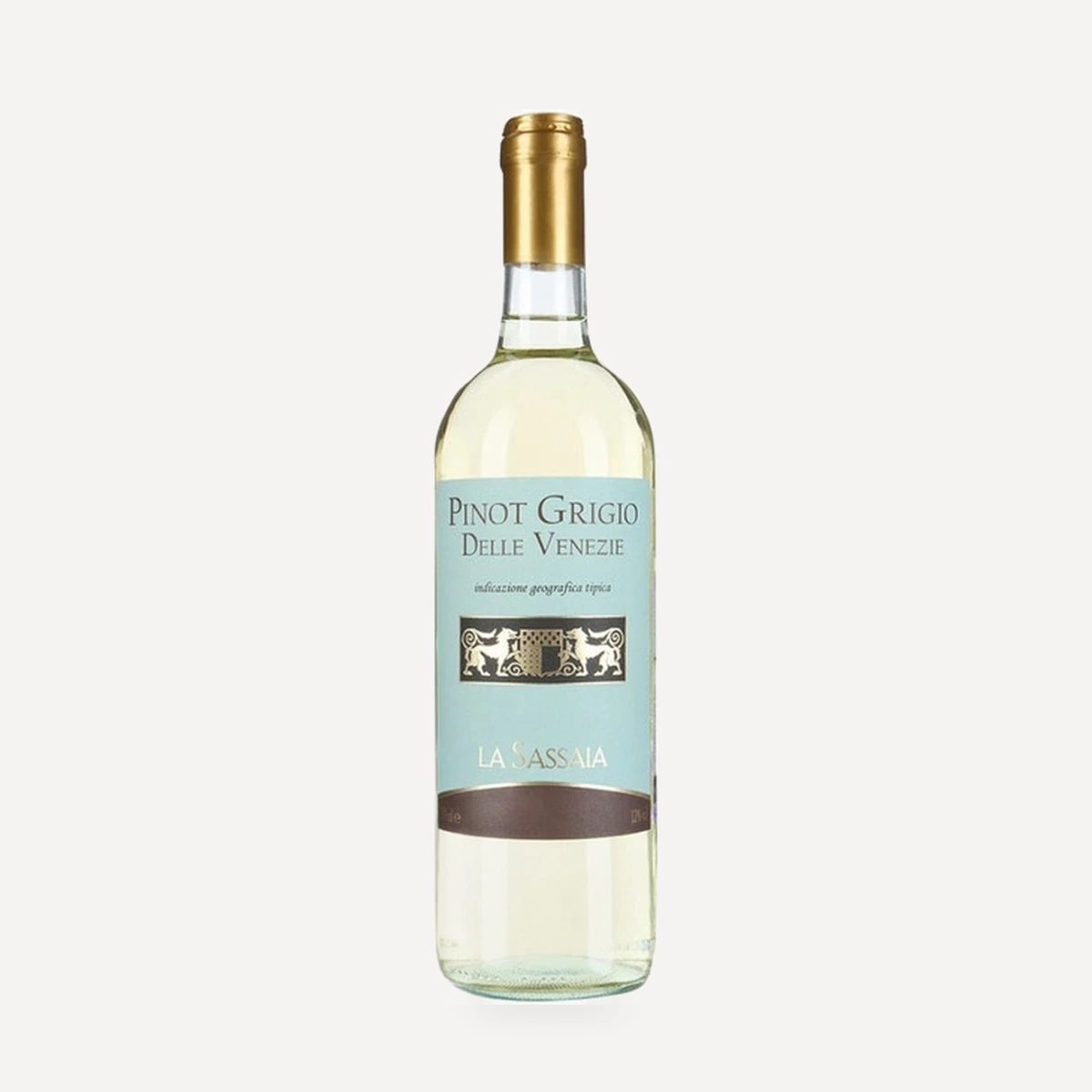
La Sassaia Pinot Grigio delle Venezie IGT
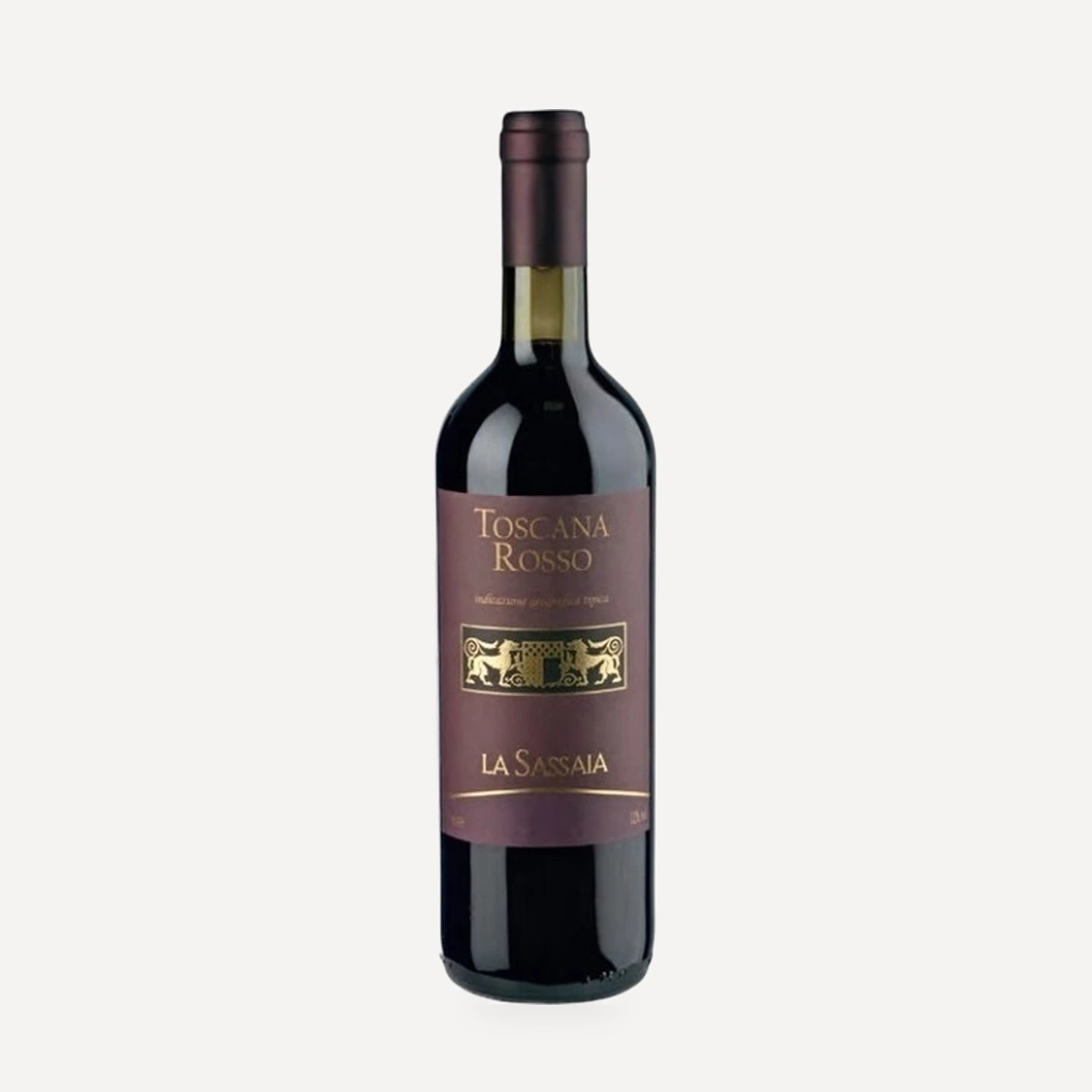
La Sassaia Toscana Rosso IGT
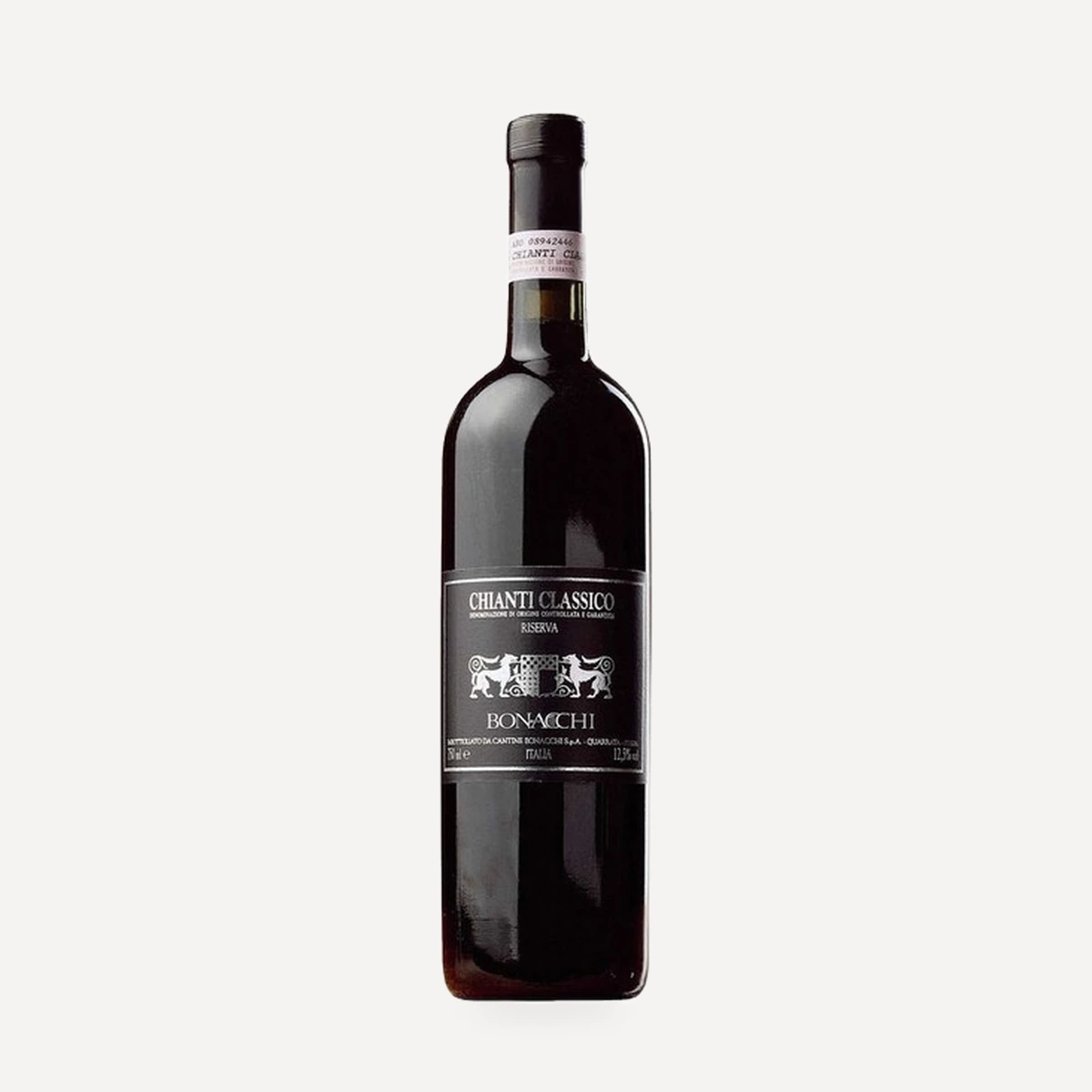
Chianti Classico Riserva
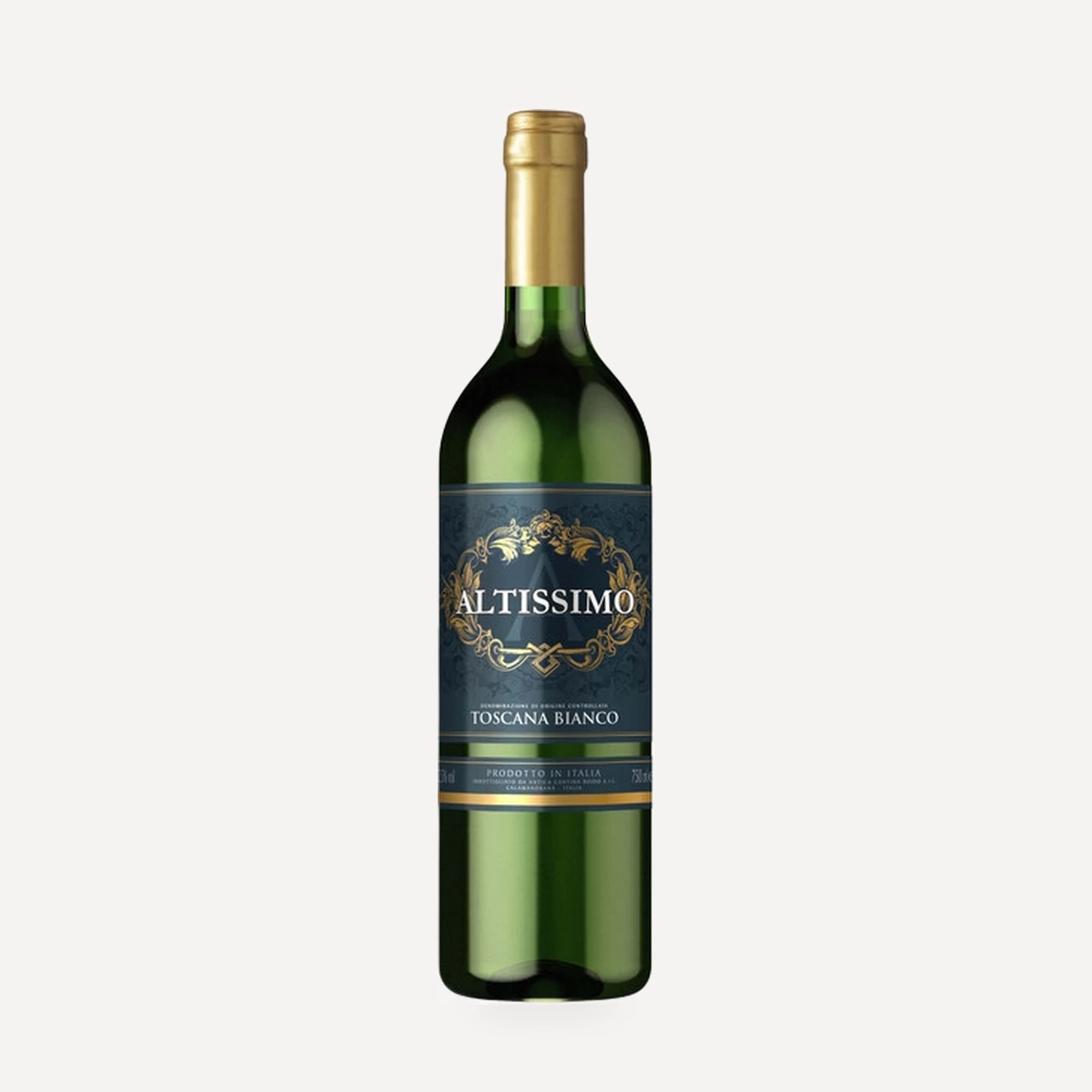
Altissimo Bianco Toscana IGT
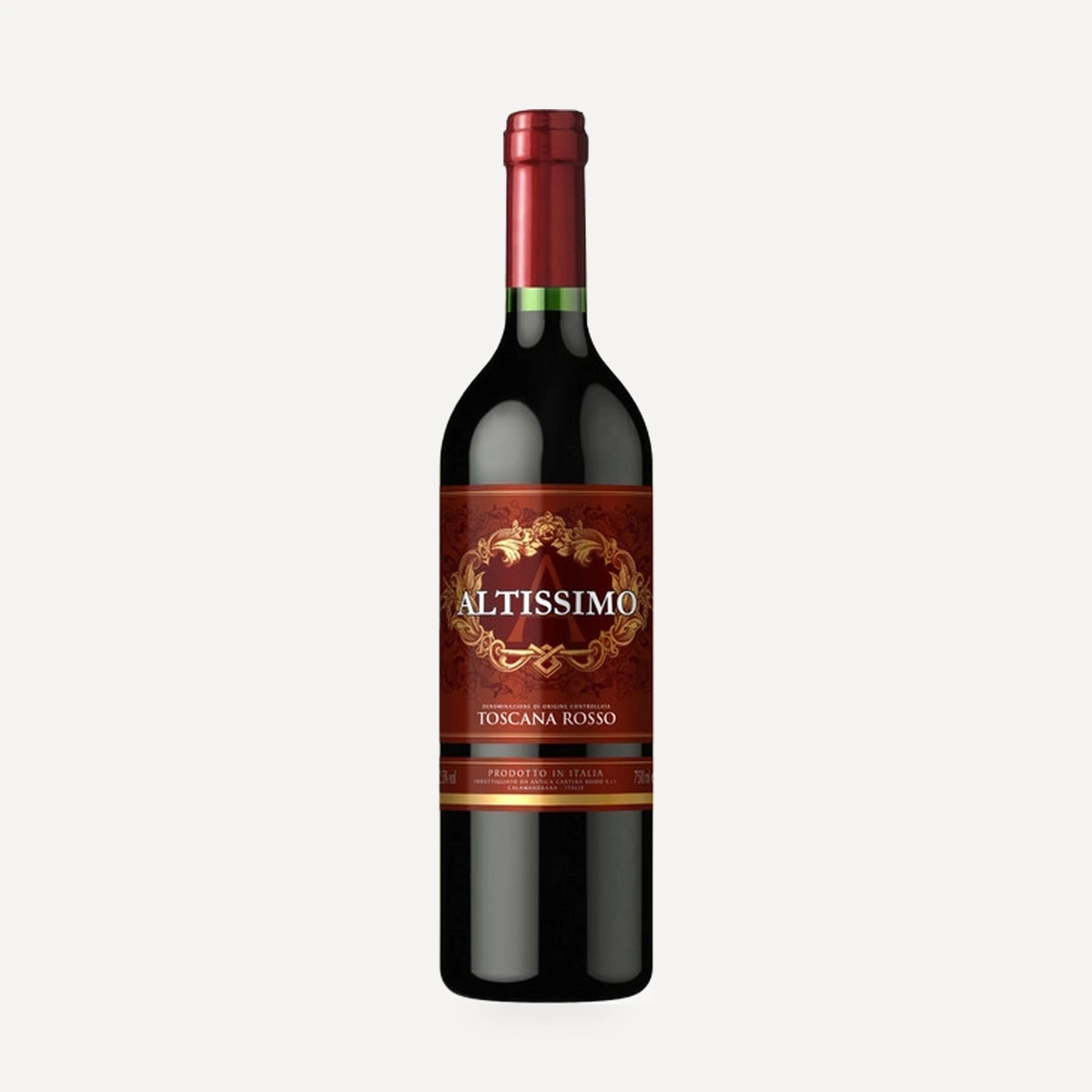
Altissimo Rosso Toscana IGT
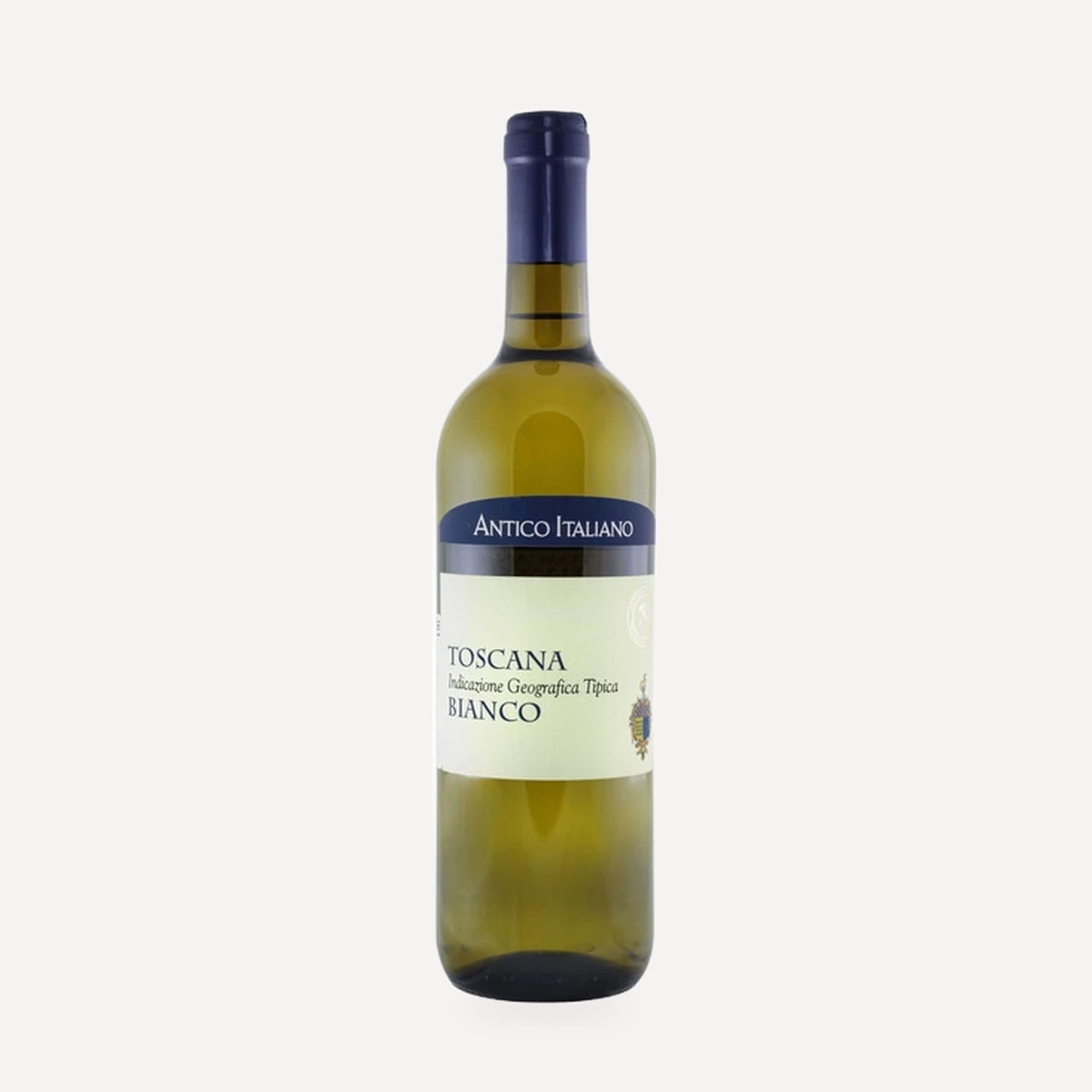
Antico Italiano Bianco Toscana IGT
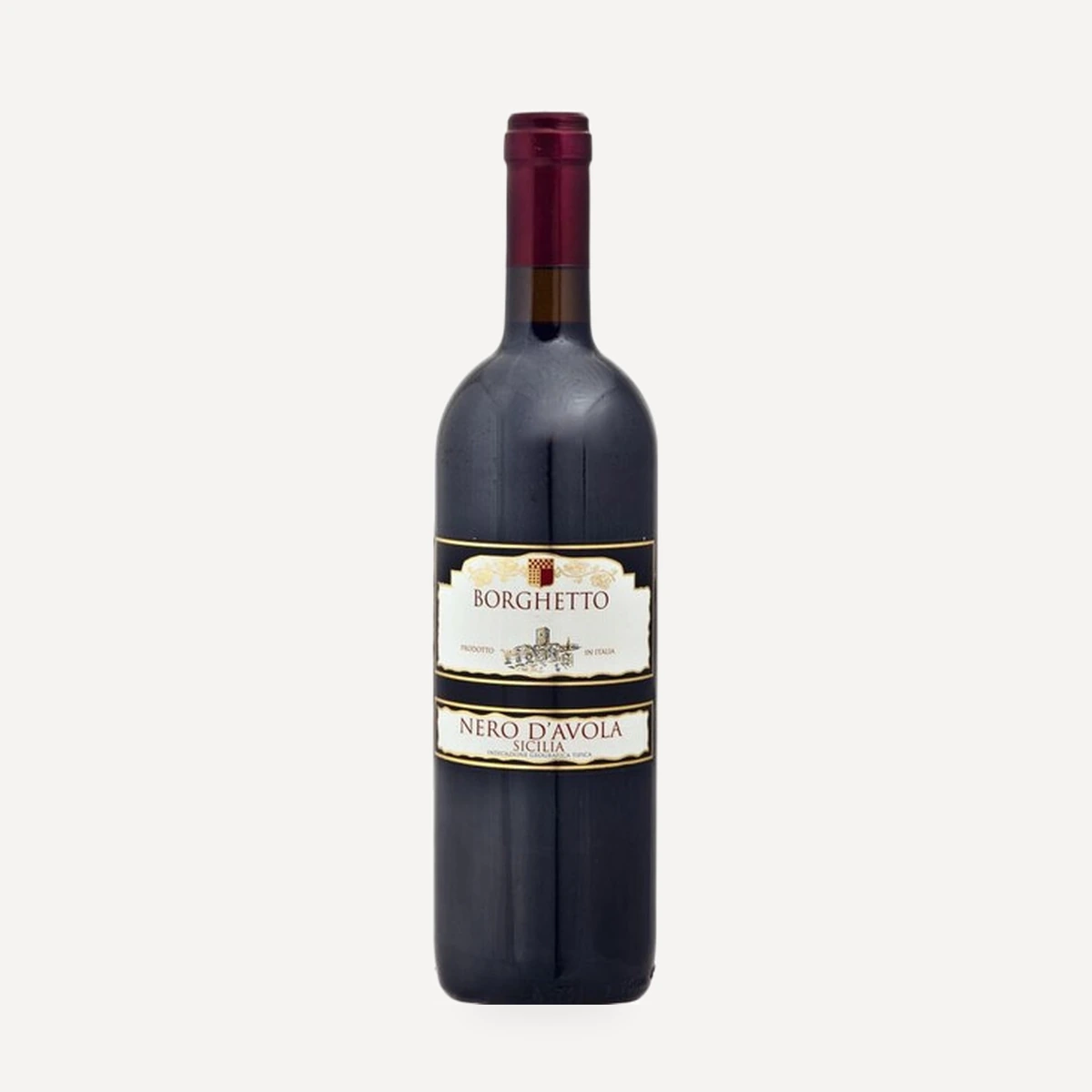
Borghetto Nero d'Avola Sicilia IGT
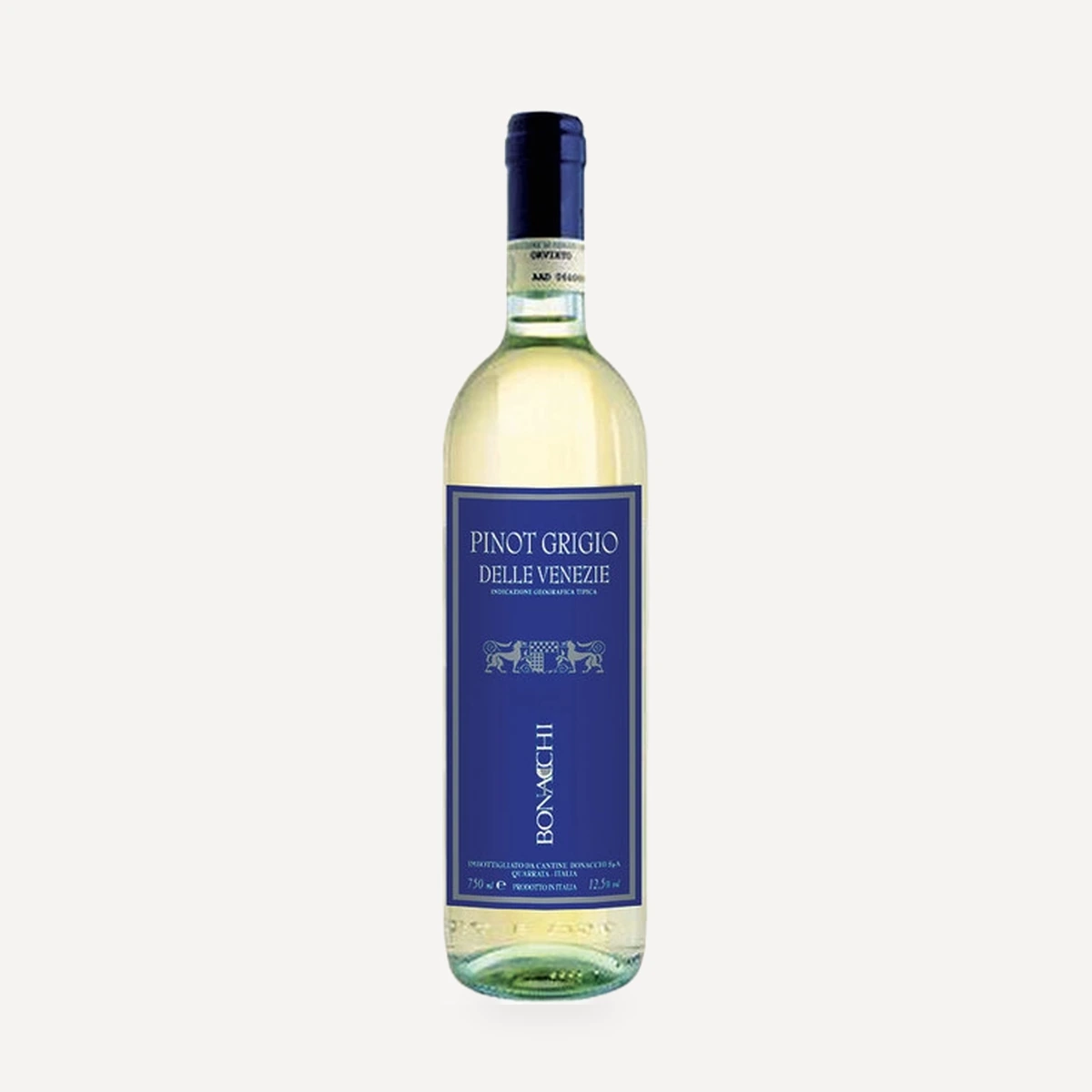
Pinot Grigio delle Venezie IGT
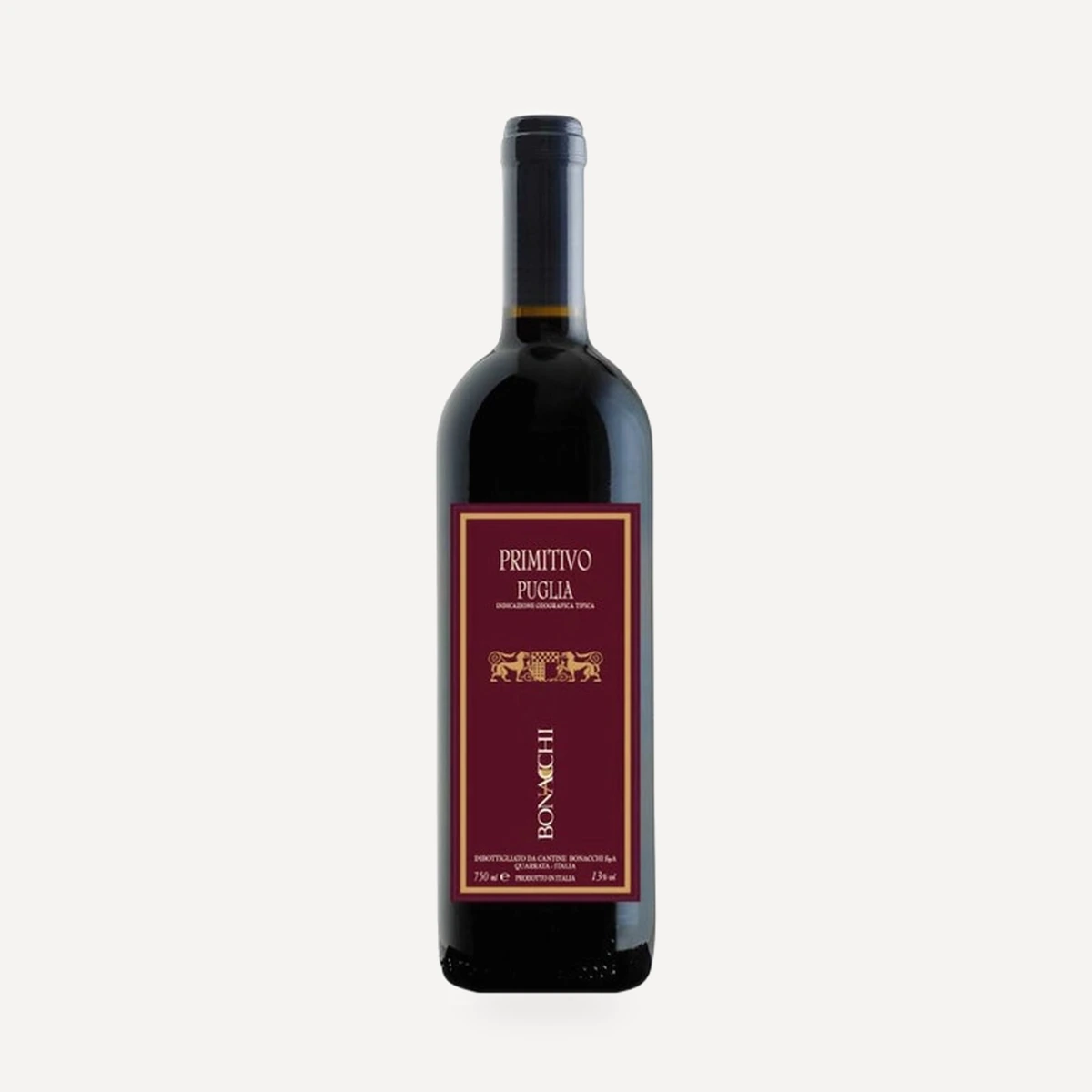
Primitivo Puglia IGP
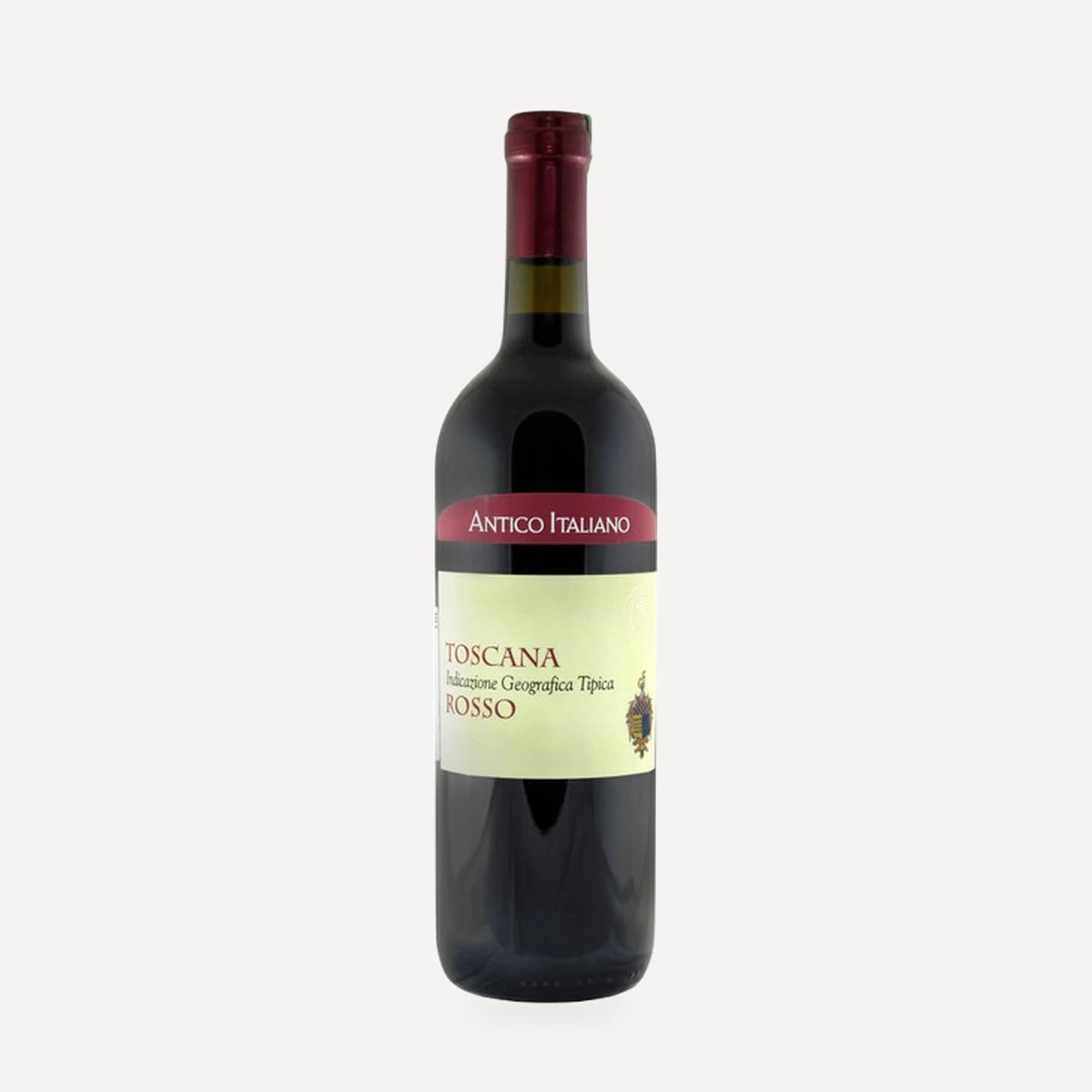
Antico Italiano Rosso Toscana IGT