History
The first cooperative and the birth of Barbaresco, 1894–1934
Before 1894, Nebbiolo grown at Barbaresco was either sold for the production of Barolo or made into ordinary table wine. In 1894, Domizio Cavazza—headmaster of the Royal Oenological School of Alba and owner of Barbaresco Castle and its adjoining farm—assembled nine farmers and landowners to establish the Cantine Sociali di Barbaresco, dedicated to producing both luxury and table wines.
The group vinified in the Castle cellars. Cavazza put the village name on the label, formally recognising that Barbaresco-grown Nebbiolo possessed a character of its own. His objective was to raise the standing of both the wine and the municipality, following the developing example of Barolo. The year 1894 is consequently treated as the unofficial birth year of Barbaresco wine. Cavazza owned vineyards in both Ovello and Pora at this time.
Cavazza died in 1913. The original cooperative closed during the 1920s after the advent of Fascism. Barbaresco nevertheless continued to establish its identity, and in 1934 the Consorzio di Difesa dei Vini Tipici di Pregio Barolo e Barbaresco was founded to combat fraud and adulteration and to promote knowledge and consumption of the two wines. Fascism, war and persistent rural poverty subsequently formed the difficult background from which the village had to recover.
Don Fiorino Marengo and the new cooperative, 1945–1960
Don Fiorino Marengo arrived in Barbaresco immediately after the Second World War. Inspired by Cavazza’s cooperative experiment, the young parish priest saw collective action as a means of freeing local farmers from extreme poverty and entrenched individualism.
In 1958 he gathered nineteen growers and founded Produttori del Barbaresco, with the purpose of qualifying and guaranteeing Barbaresco. The first harvest was vinified in the courtyard of the priest’s house. Selling the resulting wine produced a substantially better return than the growers had previously obtained by selling their grapes.
Don Fiorino was assisted by Dr Maffei, the pharmacist of Neive, a respected local vineyard owner seeking better economic returns from his land. Maffei’s business judgement complemented the priest’s community-minded ideals. Riccardo Cravanzola and Lorenzo Viglino—later the cooperative’s first two presidents—also played decisive roles. By involving families from Ovello and Rabajà, they gave the young association an immediately credible territorial base.
Construction of the permanent winery at the foot of the Barbaresco tower was completed in 1960. It remains in the centre of the village.
Consolidation from the 1960s to the 1980s
Don Fiorino was transferred to another parish in the early 1960s, but the cooperative continued under the principles he had established. Celestino Vacca, known as “the secretary,” guided the winery for three decades. He maintained three defining rules: the cooperative would make only Barbaresco; members would deliver their entire production of Nebbiolo grapes; and profits would be distributed according to grape quality rather than quantity alone. These rules were novel for their period and became central to the cooperative’s development.
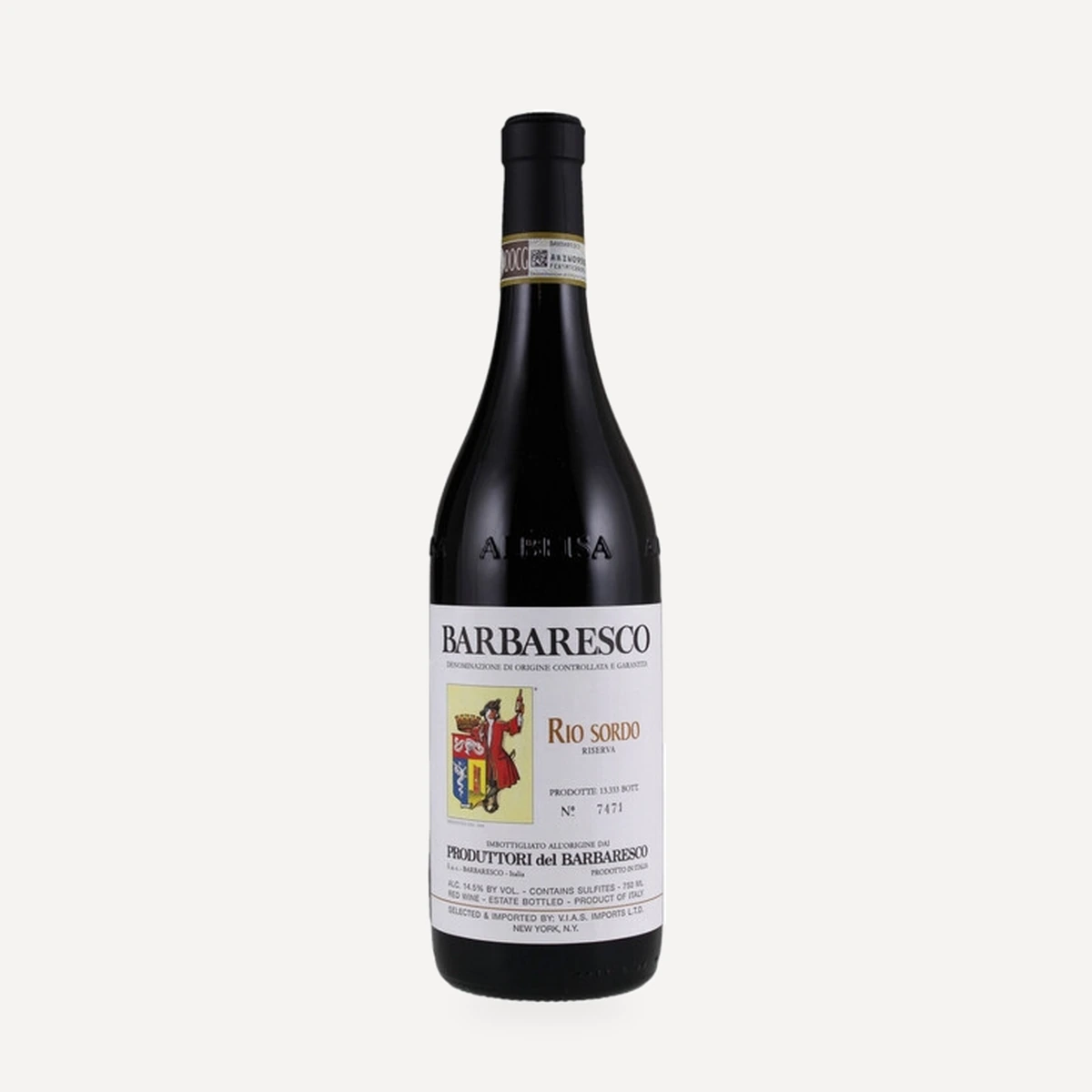
The first separately vinified single-vineyard Barbarescos appeared in 1967. Asili, Muncagota—then labelled Moccagatta—Ovello and Pora were among the inaugural sites; Pajè also appeared that year as a small commemorative bottling for the Cavalieri del Tartufo association. Montefico and Rabajà followed in 1970, Montestefano in 1974 and Rio Sordo in 1978. Regular Pajè production began with the 1982 vintage. The crus were vinified by the same method so that differences attributable to their sites could be compared directly.
The cooperative grew through the work of its members. By the end of the 1980s it began generating substantial profits, its name had gained standing, and membership had risen beyond fifty. The members had progressed from suppliers of grapes to internationally recognised winegrowers.
International growth and the present model
From the 1990s, international demand expanded strongly, particularly in the United States, Japan, Scandinavia and the United Kingdom. The cooperative retained its monovarietal focus and its rules concerning full delivery of members’ Nebbiolo and remuneration based on quality.
Today, more than fifty families cultivate 120 ha of Nebbiolo vineyards. The winery produces approximately 650,000 bottles annually. It makes Barbaresco every year, alongside Langhe Nebbiolo from younger vineyards. In years judged excellent throughout the denomination, it also releases nine individual-cru Barbaresco Riservas after four years. The cooperative continues to connect collective ownership, territorial identity and returns to its farming community.
Terroir
Barbaresco and the cooperative’s vineyard base
The Barbaresco production area lies a few kilometres from Alba and comprises Barbaresco, Neive, Treiso and San Rocco. Approximately 800 ha are planted to Nebbiolo across the denomination. The cooperative’s members cultivate 120 ha, with vineyard exposures ranging through south, west and east.
Across the members’ vineyards, limestone and calcium-bearing clay recur, often with sandy veins. Differences in calcium, clay, sand, fertility, elevation, exposure and proximity to the Tanaro River create marked variations among the nine separately bottled crus.
River influence, elevation and exposure
The Tanaro moderates several sites. Pora lies close to the valley floor and is relatively warm in the morning, breezy and slightly more humid later in the day. Pajè is open to the river and correspondingly cooler. Montefico can receive cool northerly morning air funnelled from the Tanaro into the narrow valley between Barbaresco and Neive. Asili lies farther from the river and valley influence, producing a warmer, less breezy summer bowl. Ovello occupies the northern edge of the village at relatively high elevation and drops sharply toward the river.
The nine crus range from approximately 200 m at Pora to 320 m at Ovello. Most face south, south-west or south-east, but differences between warm afternoon exposure and cooler morning sun materially distinguish the sites.
Soil contrasts
Montestefano has one of the highest soil-calcium concentrations among the vineyards; its warm, south-facing slope reinforces the resulting structural power. Montefico is nearby and also calcium-rich. Ovello combines calcareous soils with a higher clay component. Muncagota has calcareous soil with relatively little sand. Pajè is limestone-rich and high in calcium. Rio Sordo has lighter limestone and less calcium than many other Barbaresco sites. Pora is somewhat more fertile. Rabajà stands at the meeting point of two ridges: the westward ridge toward the Tanaro becomes progressively less calcareous and more fertile, while the ridge running north toward Ovello has more calcium. This conjunction underpins Rabajà’s internal complexity.
Winemaking
More than fifty families cultivate the cooperative’s 120 ha of Nebbiolo, delivering grapes from their own vineyards. Nebbiolo from the youngest vineyards is directed to Langhe Nebbiolo, while grapes from across the DOCG zone supply Barbaresco. Members are required to deliver their entire Nebbiolo crop, and grape quality—not quantity alone—helps determine the distribution of cooperative profits.
Seasonal work responds directly to vintage conditions. Canopy management and disease control became particularly demanding during the unstable, rainy spring of 2024. Downy-mildew control was crucial during the wet period around flowering in 2023. Conversely, the dry 2022 season reduced fungal pressure and the number of necessary fungicide treatments; foliage was managed carefully to preserve shade around bunches and prevent sun damage.
Crop regulation is adapted to natural fruit set. In 2021, a naturally modest crop reduced the need for green harvesting. In the larger 2004 season, growers carried out severe summer thinning to balance production before September. Harvest timing is determined by grape condition and weather: in wet 2024 conditions, picking was paused repeatedly so bunches could dry, and grapes from the various vineyards were carefully selected. Nebbiolo was harvested from 19 to 30 September in 2025, while the wet 2024 harvest began on 5 October. Grapes in both years arrived healthy, despite the contrasting conditions.
The winery follows a traditional, low-intervention model built around long maceration and maturation in large oak vessels. Grapes are handled as little as possible, with cellar interventions reduced to preserve distinctions among vineyards.
The current Langhe Nebbiolo process ferments in stainless-steel tanks at 28°C, remains on the skins for 20 days, receives pumping over twice daily and completes malolactic fermentation. It then matures for four months in large oak barrels.
Barbaresco DOCG ferments in stainless steel at 28°C, with 28 days on the skins and pumping over two to three times daily. The current maturation regime is 20 months in 50 hl oak casks.
The nine cru Riservas are made only when a vintage is considered excellent consistently across the denomination. All nine are vinified by the same method to retain a meaningful comparison among sites: fermentation at 30°C, 28 days of skin contact, completed malolactic fermentation and 30 months in large oak barrels, followed in the current releases by nine months in bottle. They are marketed as Riserva after four years.
The 2016 Don Fiorino Riserva returned to the historical practice of blending grapes from leading vineyards rather than keeping each vineyard separate. It underwent alcoholic fermentation at 30°C, 30 days of maceration, completed malolactic fermentation and 30 months in 25 hl French-oak casks.
Philosophy
Produttori del Barbaresco defines its identity through a deliberately narrow focus: one grape, Nebbiolo, and one principal wine, Barbaresco. It describes itself as the Langhe’s only single-grape winery and connects quality to an inseparable relationship between Nebbiolo and its territory.
Its cellar philosophy is “hands off.” Grapes are handled as little as possible, and intervention is kept to a minimum so that the origin of the fruit and the personality of each cru remain perceptible. Traditional long macerations and large oak vessels are retained within a production system that has continued to evolve technically.
The cooperative dimension is equally fundamental. Don Fiorino’s rules place collective responsibility ahead of volume: members commit their full Nebbiolo production, while compensation reflects grape quality rather than quantity alone. This aligns the growers’ economic interests with vineyard quality and sustains a model conceived to serve the farming community.
Vintage variation is treated as part of Barbaresco’s identity. The nine crus are made only in years judged excellent throughout the area, and their identical vinification is intended to show differences created by soil, exposure, light, climate and elevation rather than differences in cellar technique. The Don Fiorino project preserves the complementary historical idea that grapes from leading vineyards can also be blended to create the best possible unified expression of Barbaresco.
Wines
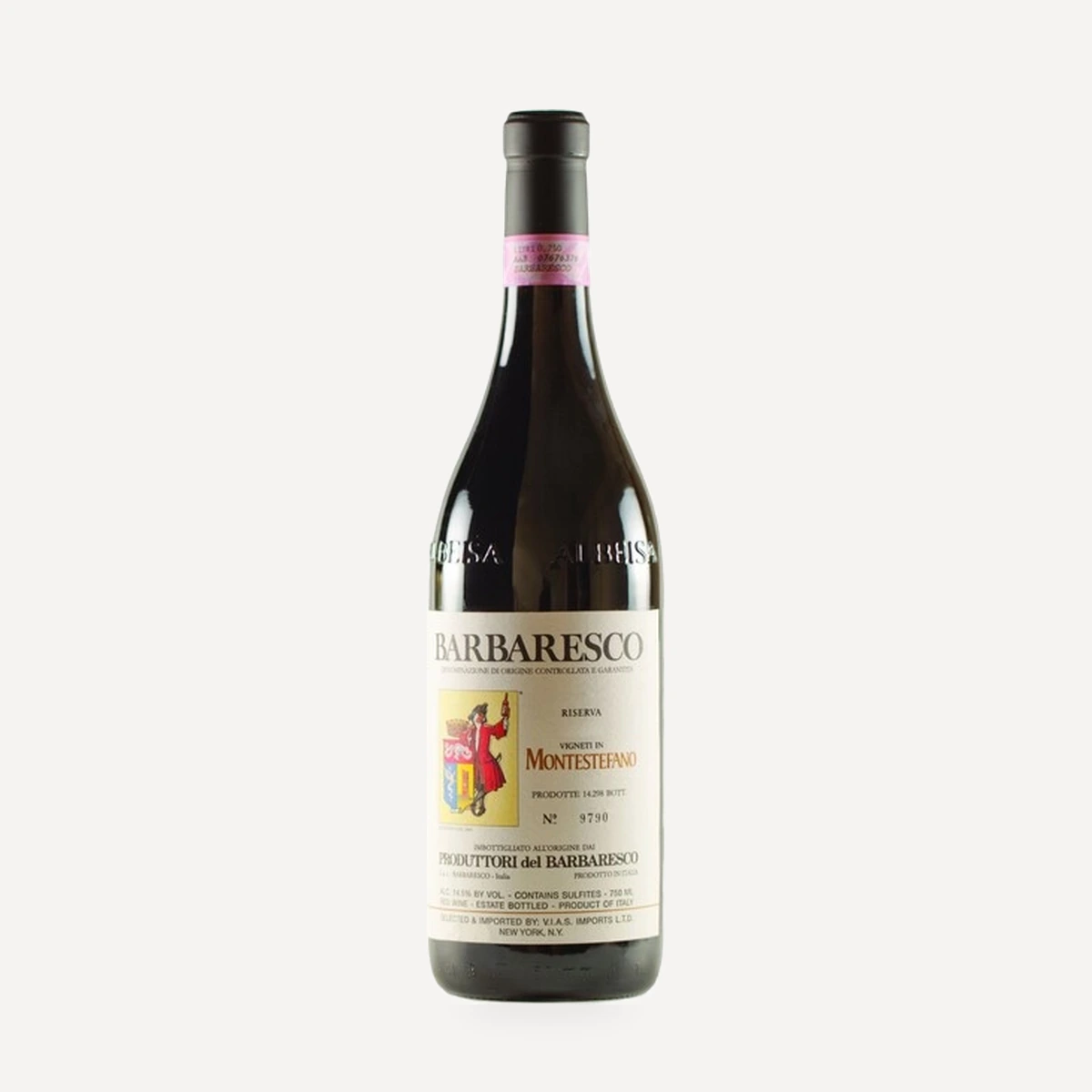
Barbaresco Riserva Montestefano DOCG
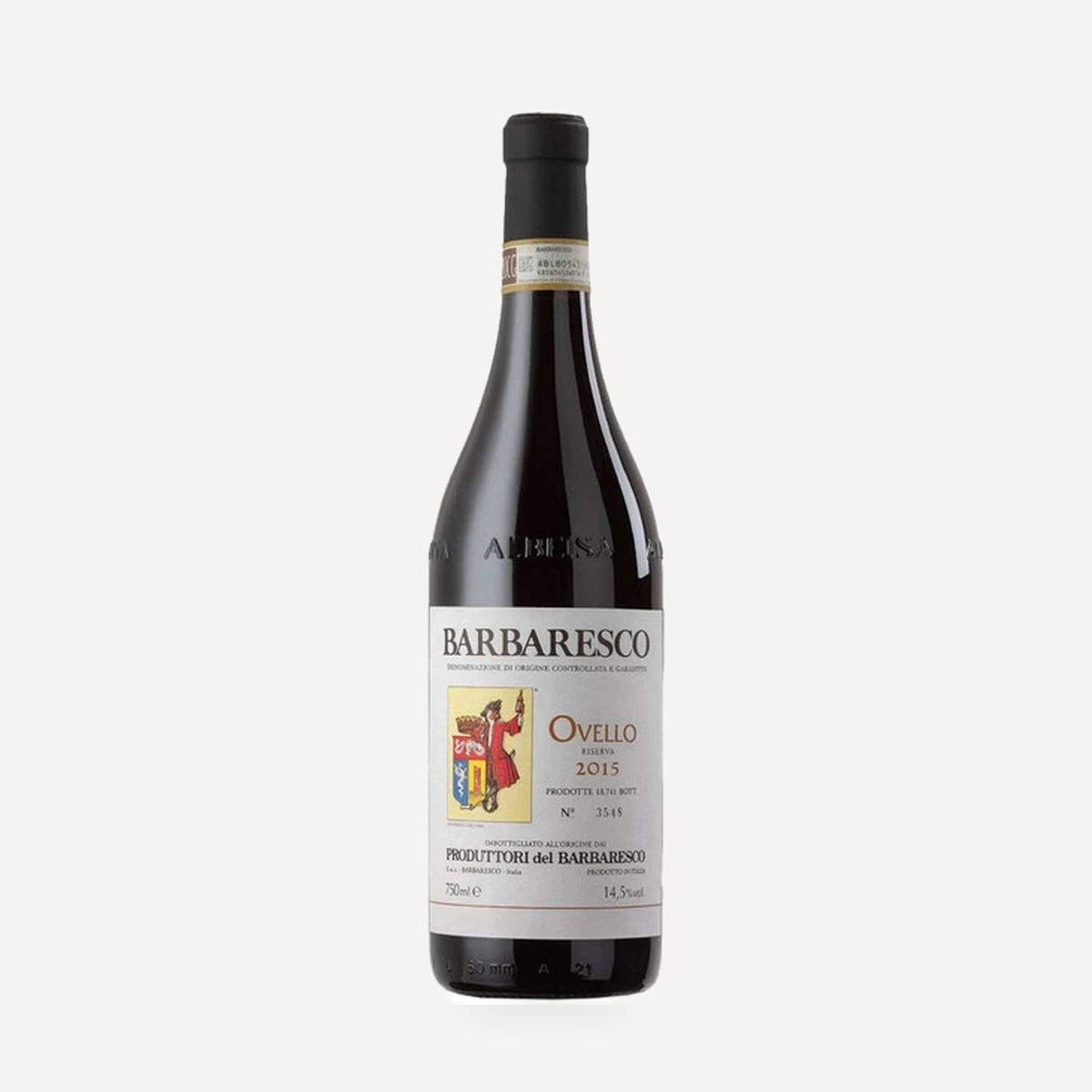
Barbaresco Riserva Ovello DOCG
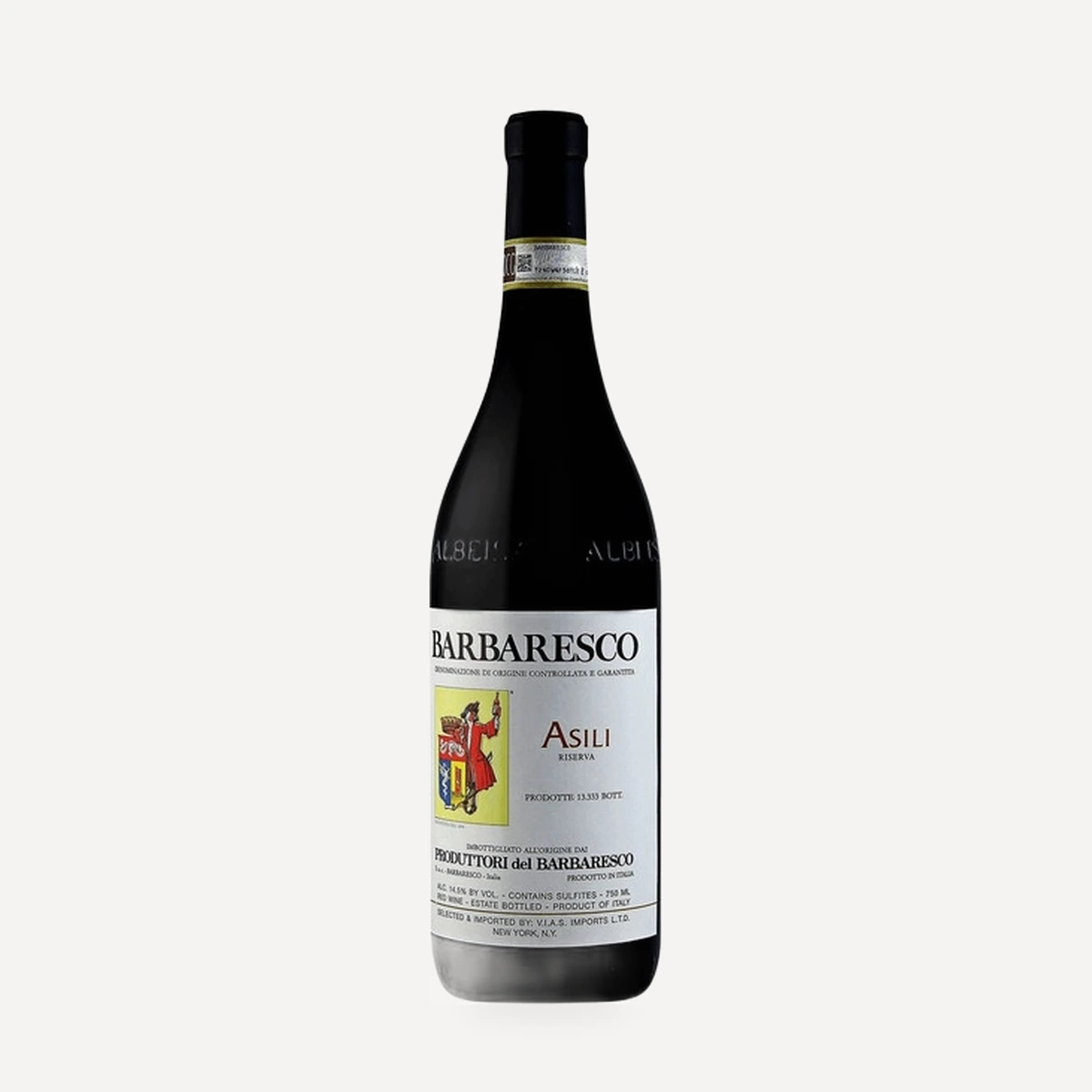
Barbaresco Riserva Asili DOCG
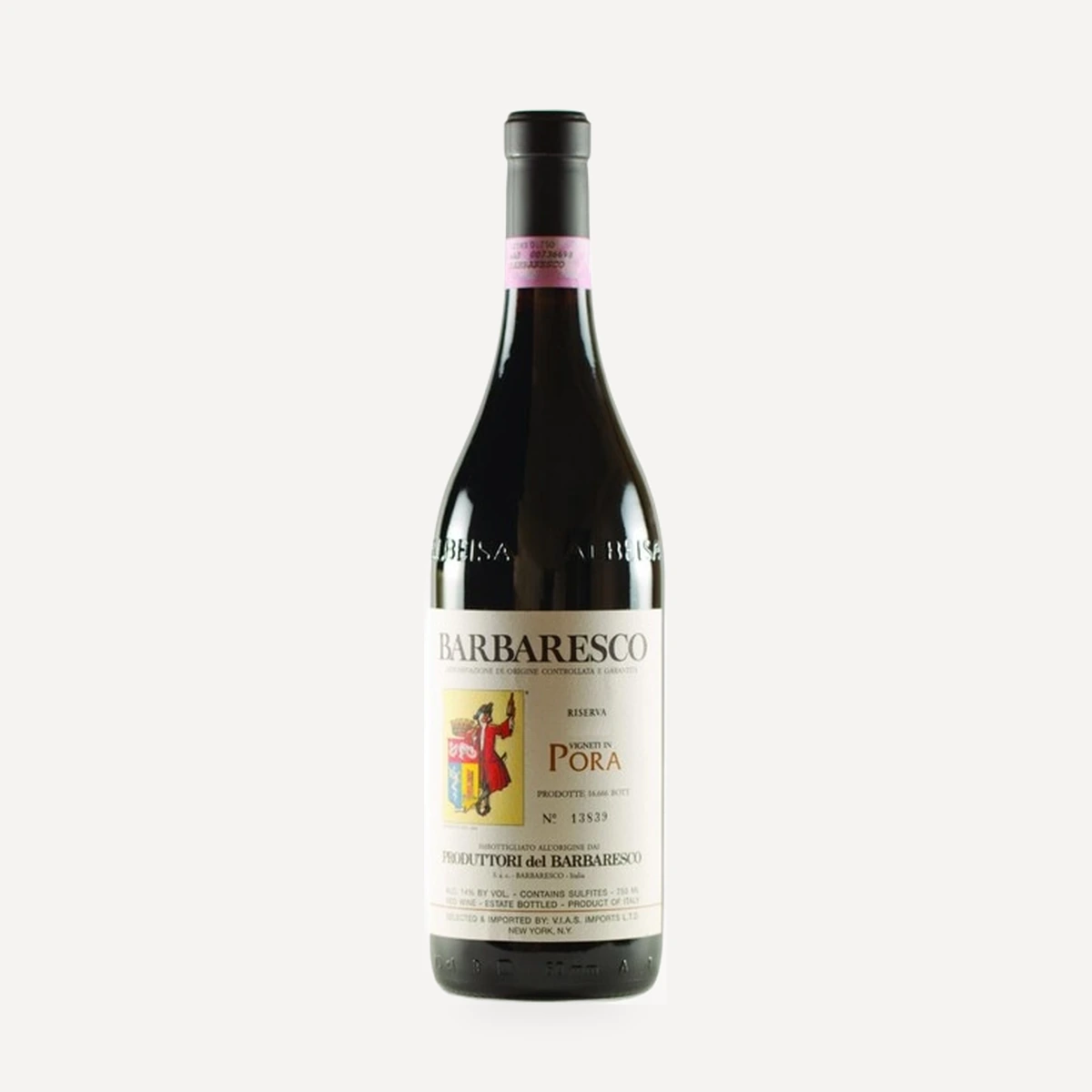
Barbaresco Riserva Pora DOCG
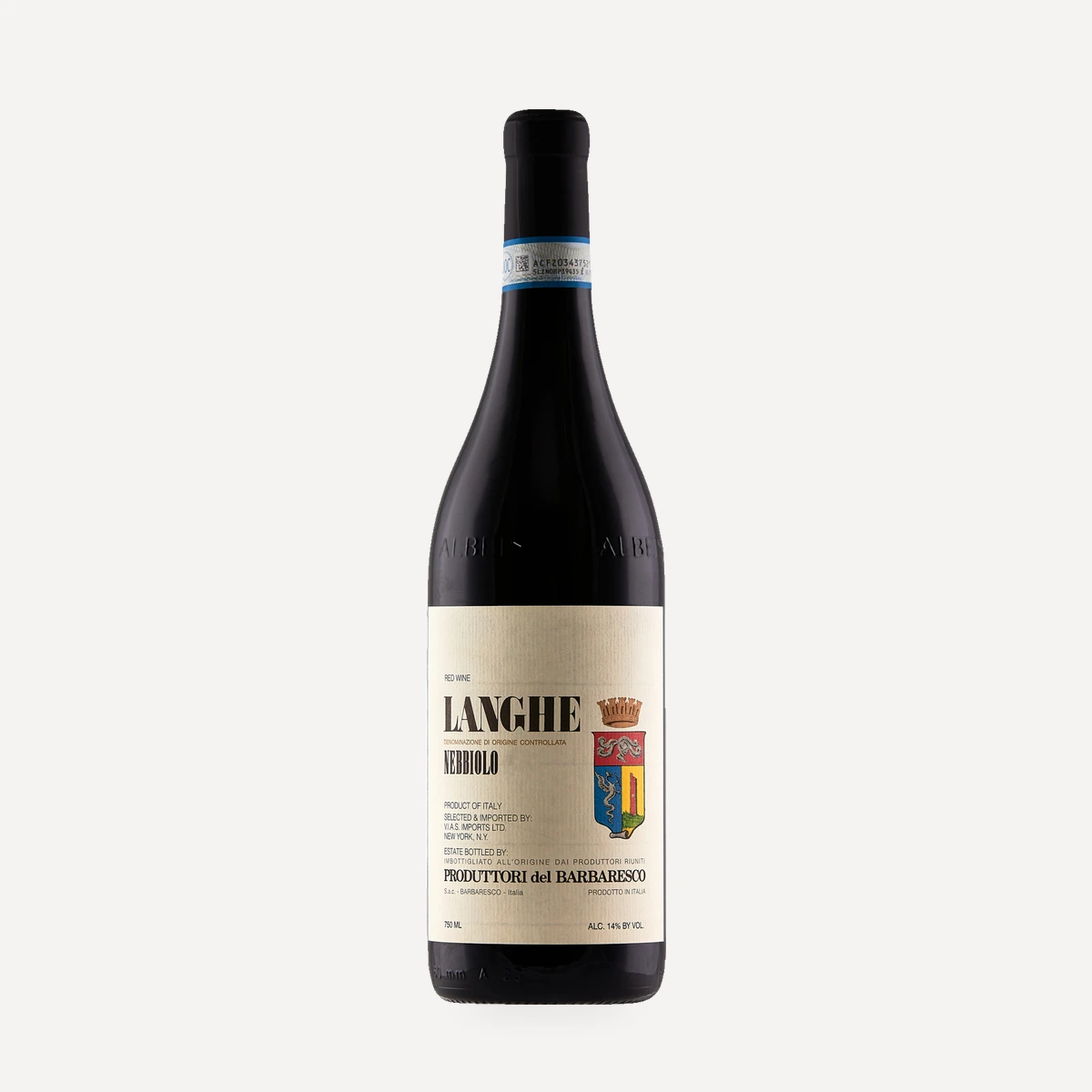
Nebbiolo Langhe DOC
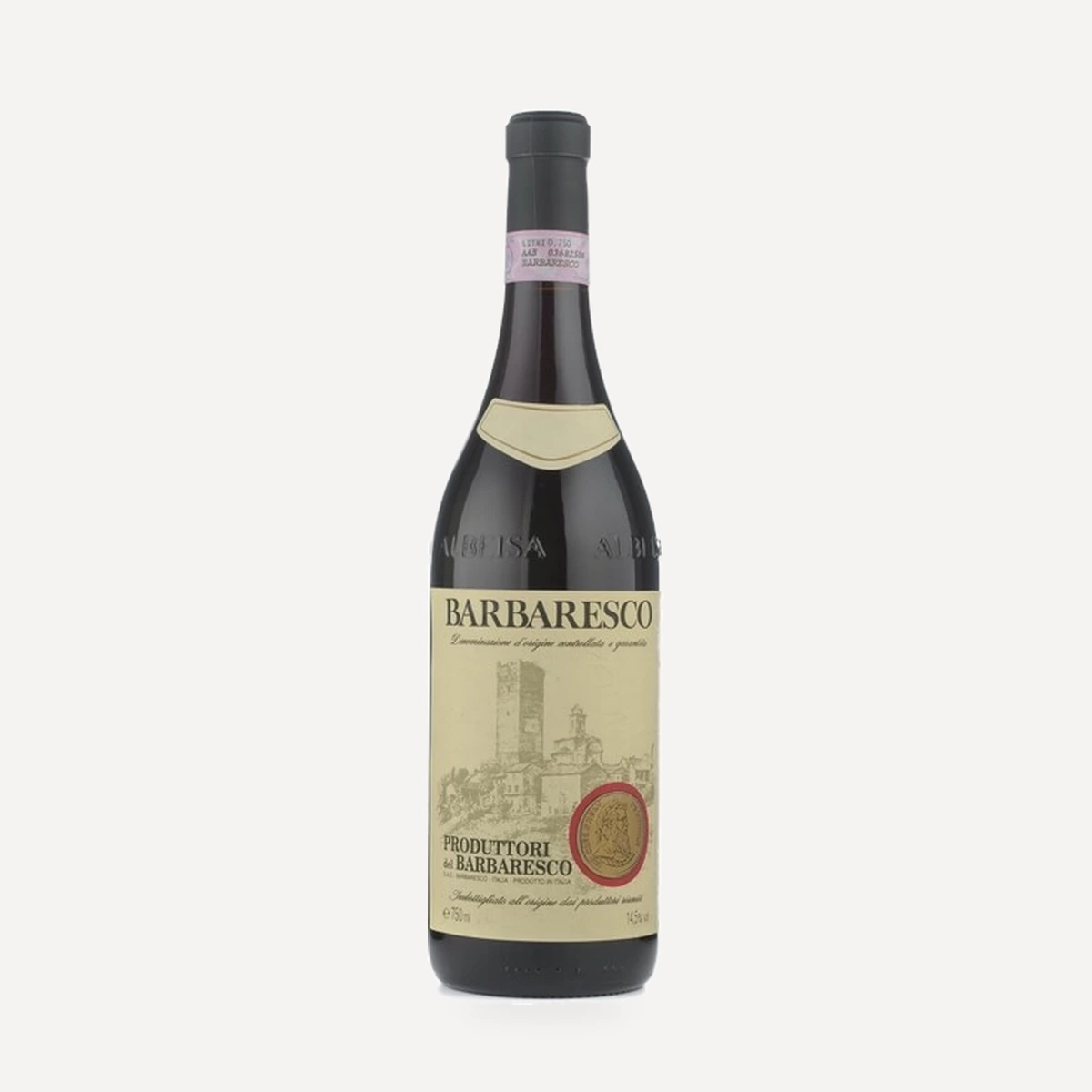
Barbaresco DOCG
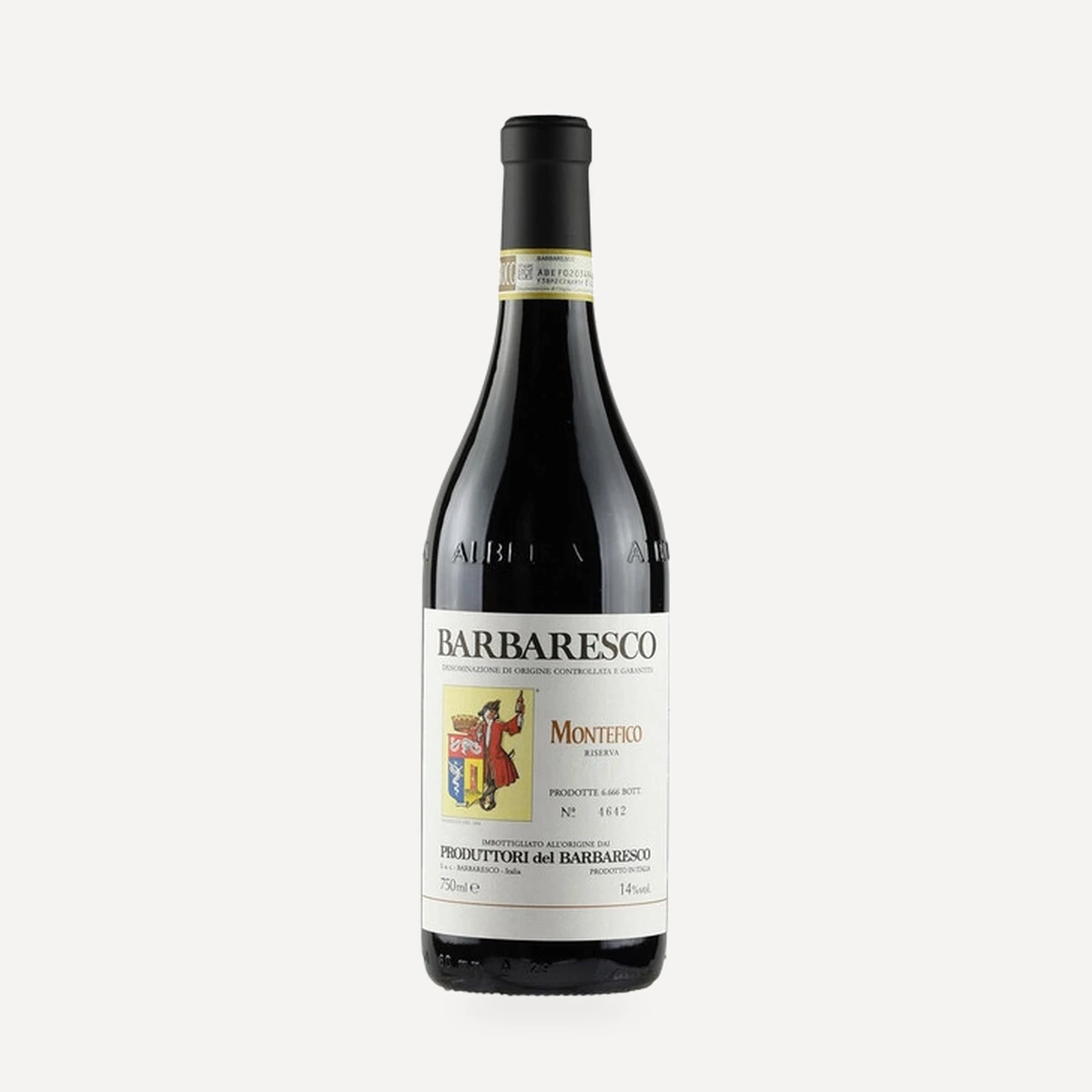
Barbaresco Riserva Montefico DOCG
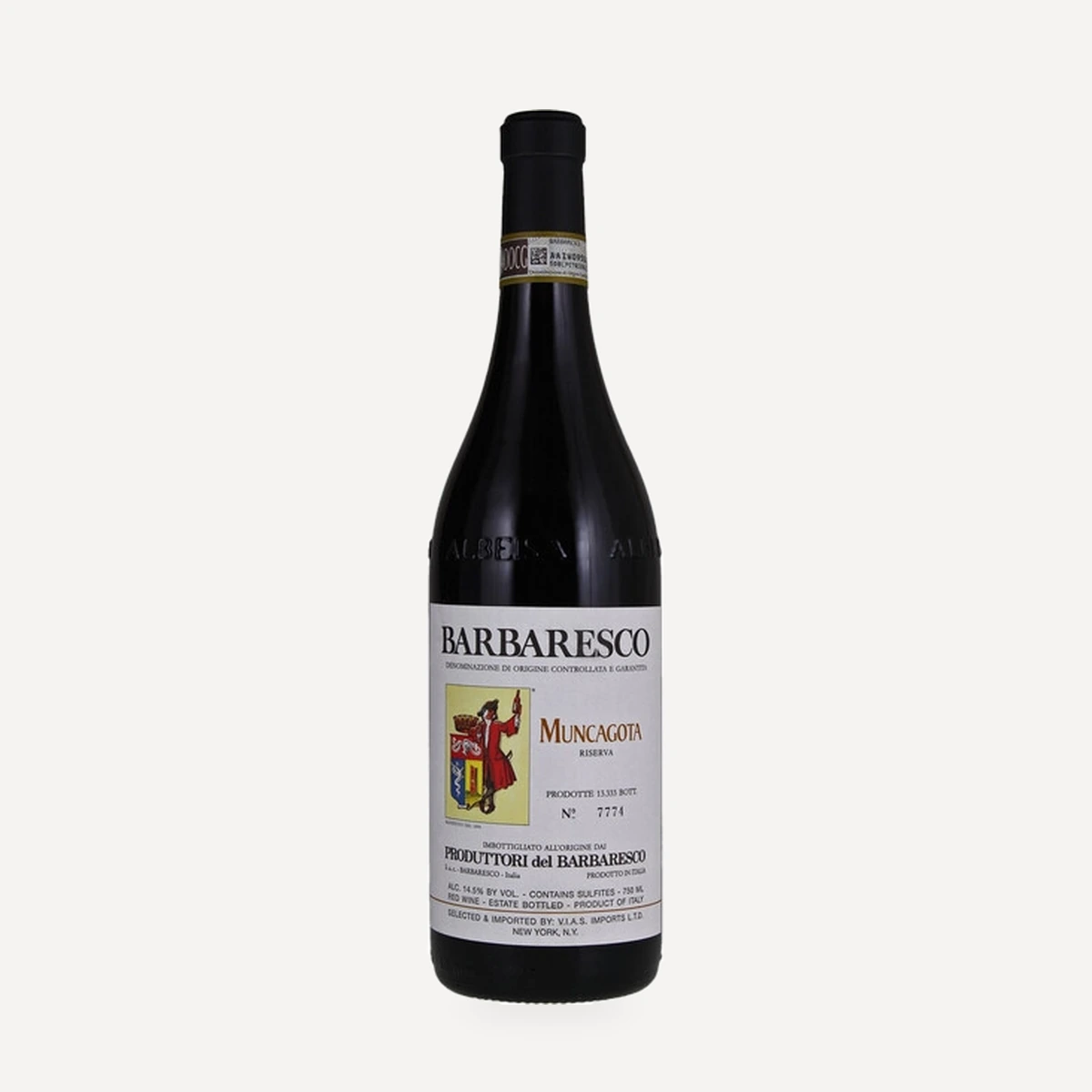
Barbaresco Riserva Muncagota DOCG
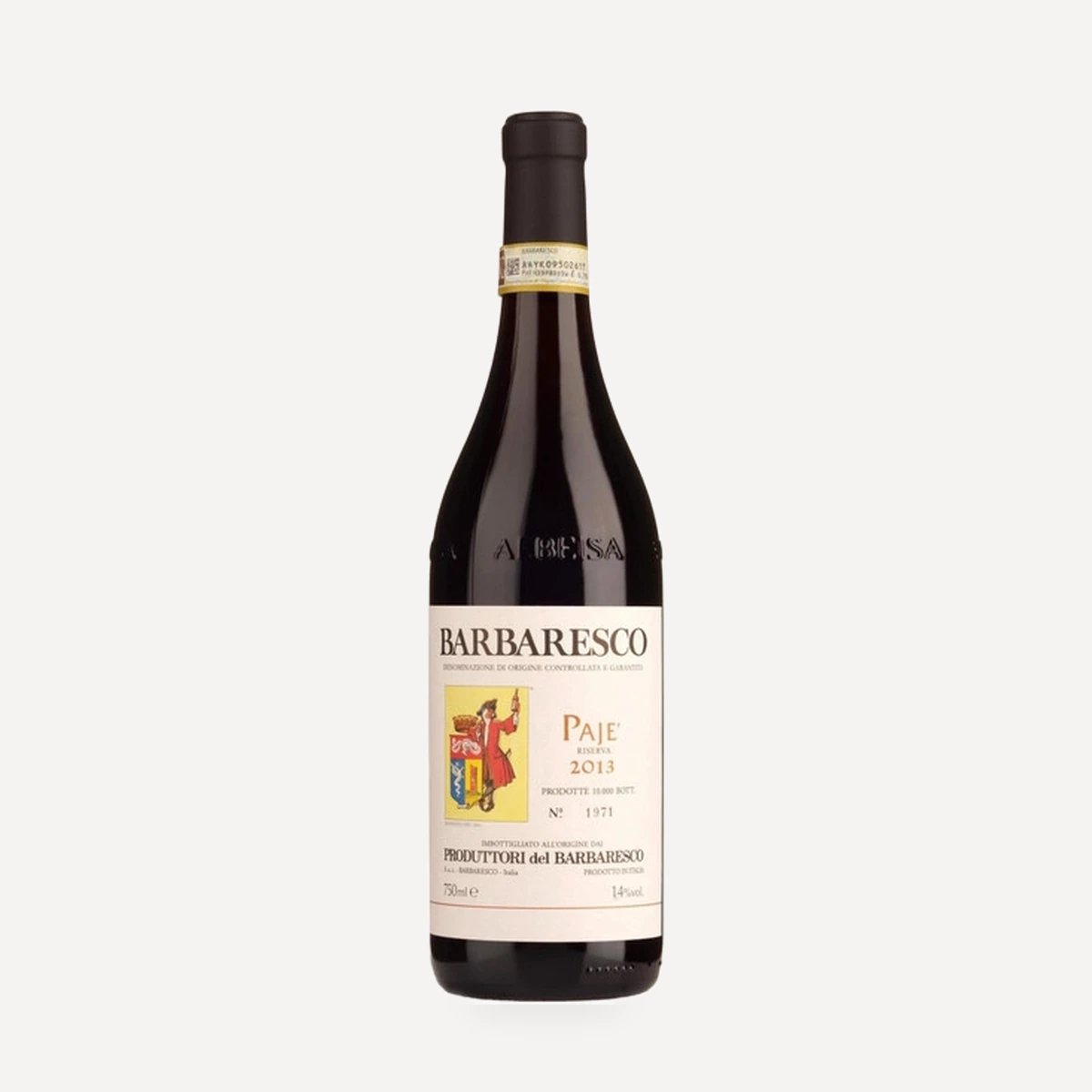
Barbaresco Riserva Pajè DOCG
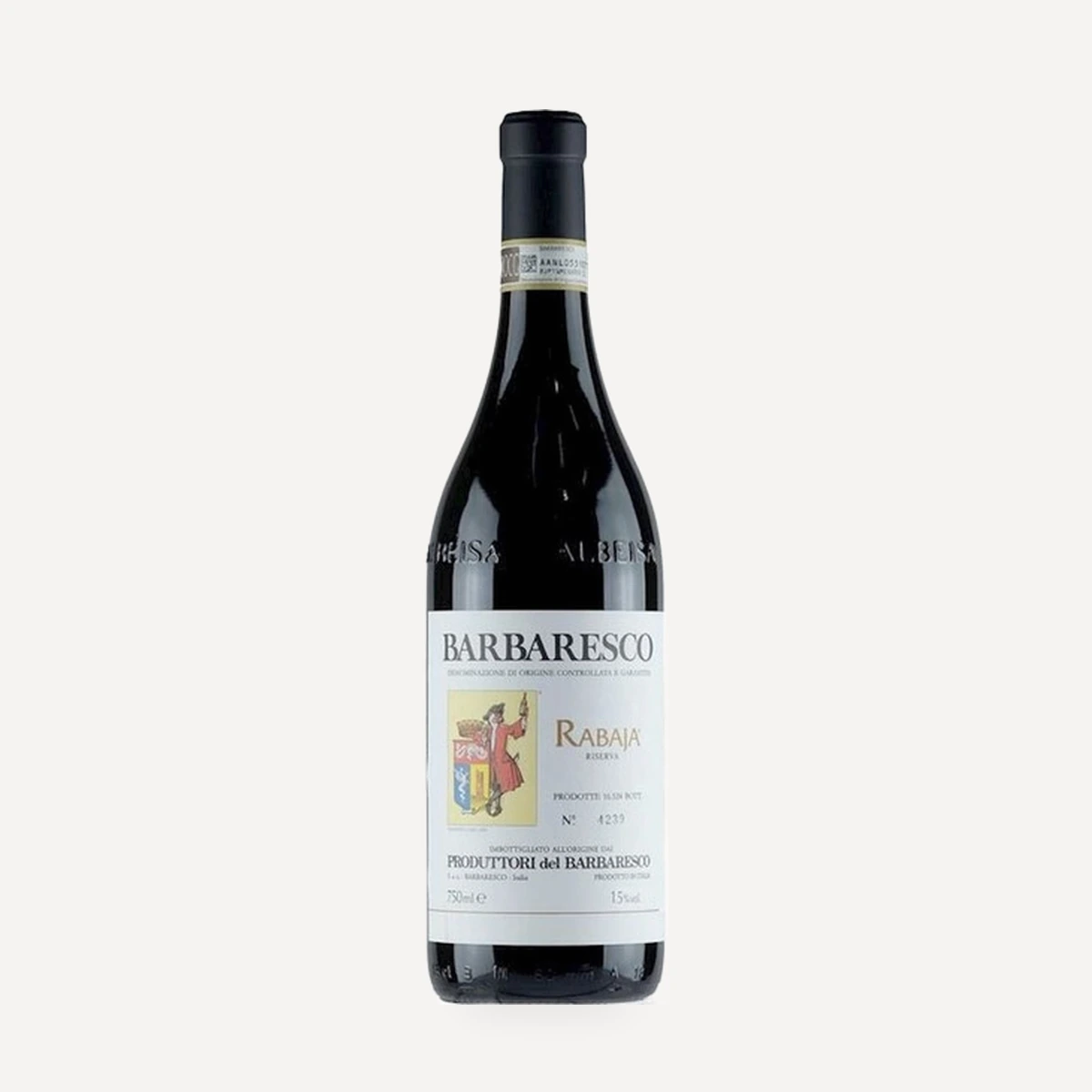
Barbaresco Riserva Rabajà DOCG