History
1974: the Ruffoli estate
Giuseppe “Pepito” Castiglioni, an industrial entrepreneur, wine collector and lifelong enthusiast, acquired a small property in Ruffoli on the hillside above Greve in Chianti. His ambition was to create Tuscan wines capable of combining a strong sense of place with international stature. The first Chianti vintage was produced in 1974 from vineyards near the cellar. It initially appeared under Casaocci, the property’s former name, before both the estate and its principal Chianti Classico adopted the name Querciabella.
The name derives from Poggio della Querciabella, an oak-covered hill immediately above the cellar. “Querciabella” means “beautiful oak.”
1979–1995: Riserva, international varieties and a new cellar
The first Querciabella Riserva was made in 1979. In its early form, fruit from selected high-slope Ruffoli parcels received maturation in smaller barrels with a greater proportion of new oak.
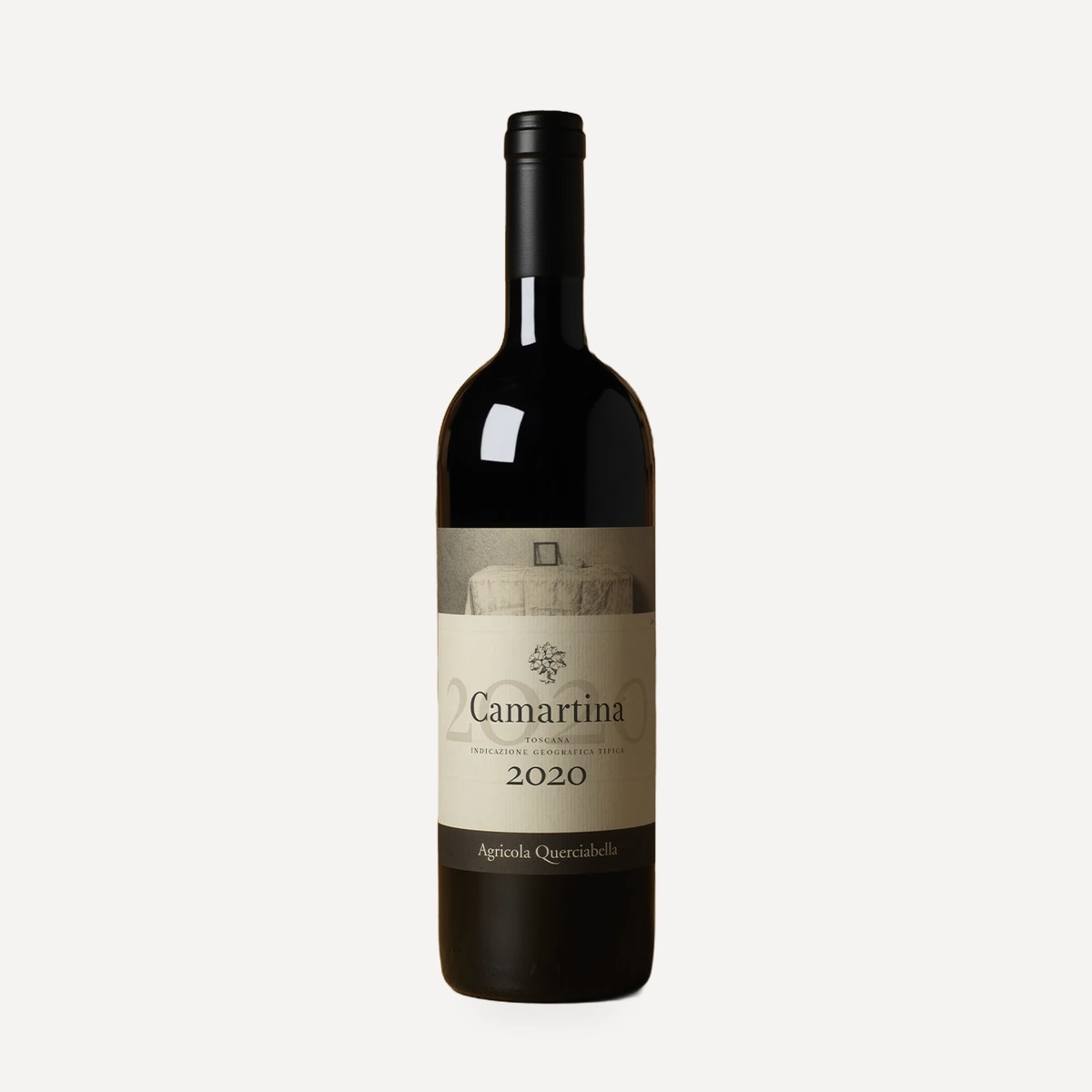
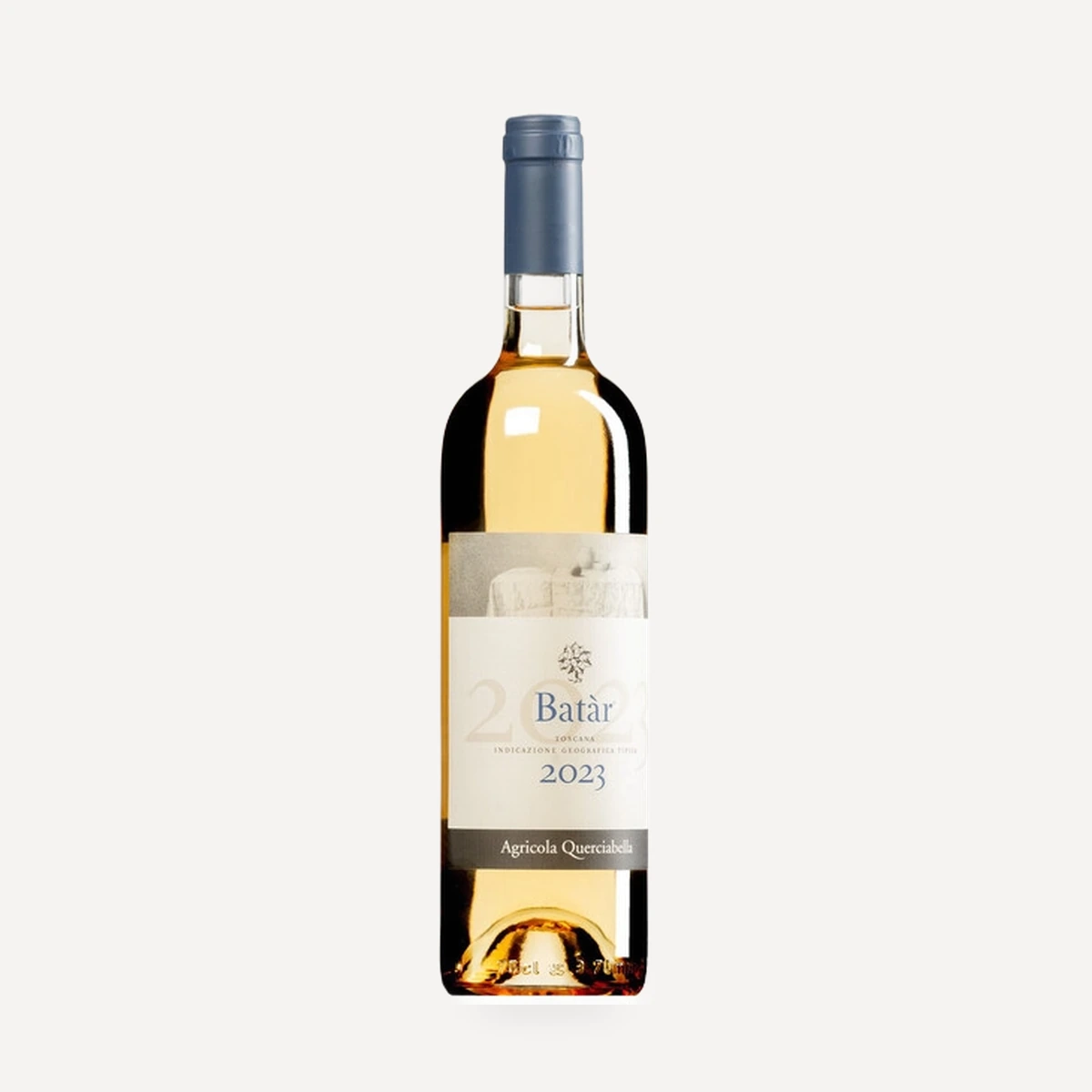
From 1980 to 1995, Pepito expanded the vineyard holdings, planted French varieties and developed two wines that became central to the estate’s identity. Camartina began with the 1981 vintage. Batàr followed in 1988, initially as two barrels of pure Pinot Bianco under the name Bâtard-Pinot. Chardonnay entered the blend between 1992 and 1994, when the wine was briefly called Bâtard; the name became Batàr in 1995.
A new, technically advanced cellar was built to support the expanding estate. The Castiglioni family also began considering Maremma as a second area for viticultural development.
Organic farming became integral to the estate in 1988, preceding many later sustainability initiatives.
Mid-1990s–2002: succession and expansion into Maremma
Sebastiano Cossia Castiglioni assumed responsibility from his father during the mid-1990s. His tenure joined wine quality with environmental stewardship and animal-welfare principles.
In 1997, Pepito and Sebastiano acquired approximately 20 ha at Banditella 1 in Sugherrettaia, near Alberese and south of Grosseto. The site contained only a few hectares of existing vines, which were removed because they did not suit the estate’s objectives. Principal plantings of Sangiovese, Cabernet Sauvignon and Merlot followed in 1998. The estate’s cellar in Maremma remained at Banditella 1.
The Maremma project became a testing ground for biodynamics. The technical team attended seminars, including a nine-week course in Piedmont led by Nicolas Joly, while Leonello Anello and Alex Podolinsky influenced the early programme. Cover crops, compost preparations, ancient grains and beans were introduced as part of a broader study of soil and ecosystem health. A bee sanctuary was also created.
Querciabella adopted biodynamic farming in 2000. The first newly planted Maremma vineyards date from that year. In 2002, the purchase of Banditella 3, formerly Podere Marras, increased the Maremma holding to approximately 33 ha. Syrah and Cabernet Franc joined the earlier plantings; smaller areas of Petit Verdot, Mourvèdre and Counoise supported further experimentation.
1999–2014: reassessing Riserva and refining Sangiovese
Production of the original Riserva stopped after 1999 because Camartina then occupied a similar role as a Sangiovese-led blend. During the first decade of the 2000s, Camartina progressively became more Cabernet Sauvignon-led, leaving Sangiovese in a supporting role and creating space for a renewed interpretation of Riserva.
Querciabella acquired its first vineyards outside Greve in 2007: Bagnaccio, Oasi and Rialdoli in Radda in Chianti. The estate also leased 27 ha in Gaiole in Chianti. These additional sites allowed the team to compare Sangiovese from distinct communes and encouraged a system of separate, small-lot vinifications. The 2011 vintage marked the return of Riserva; it was released in 2014.
2000–2010: new Maremma wines and plant-based conversion
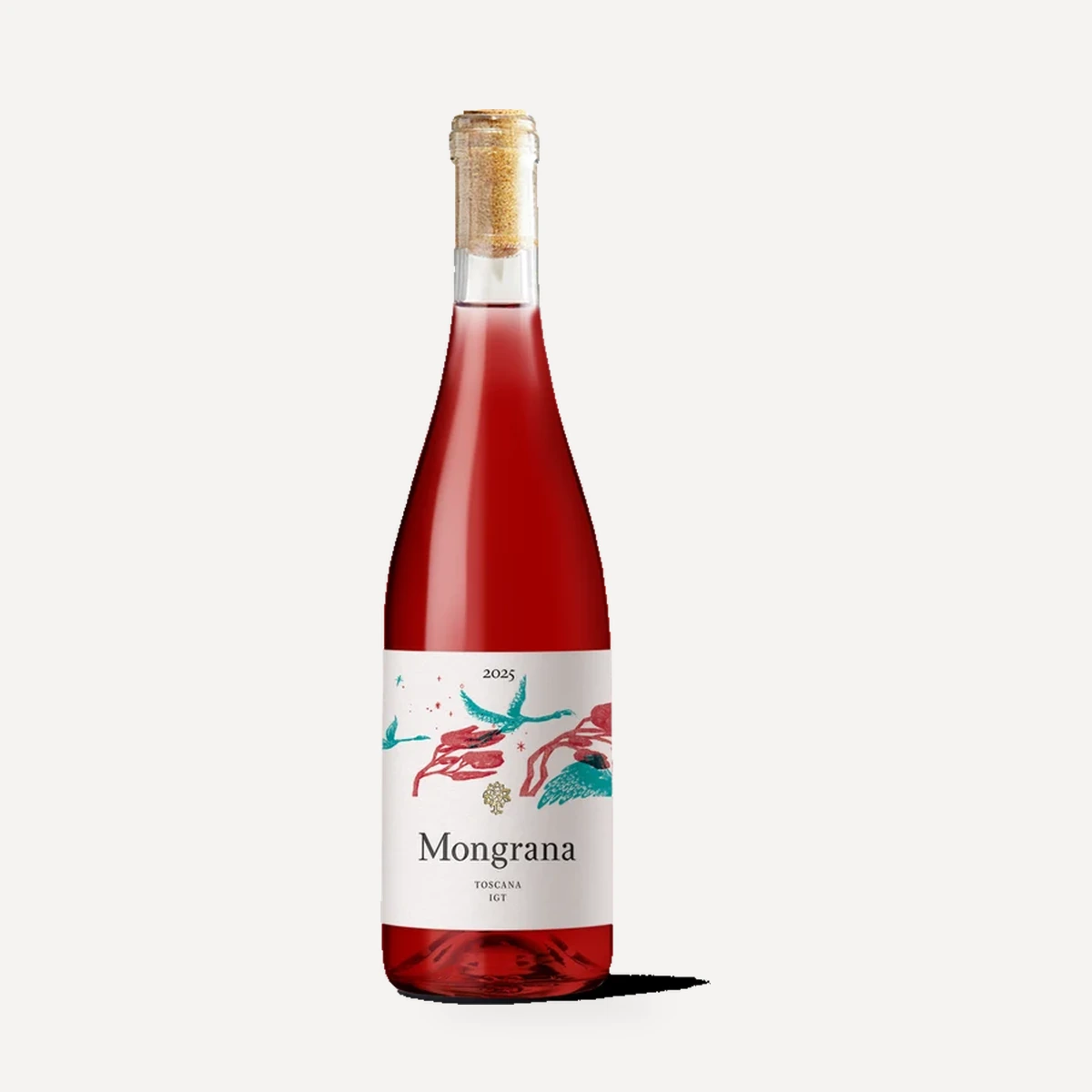
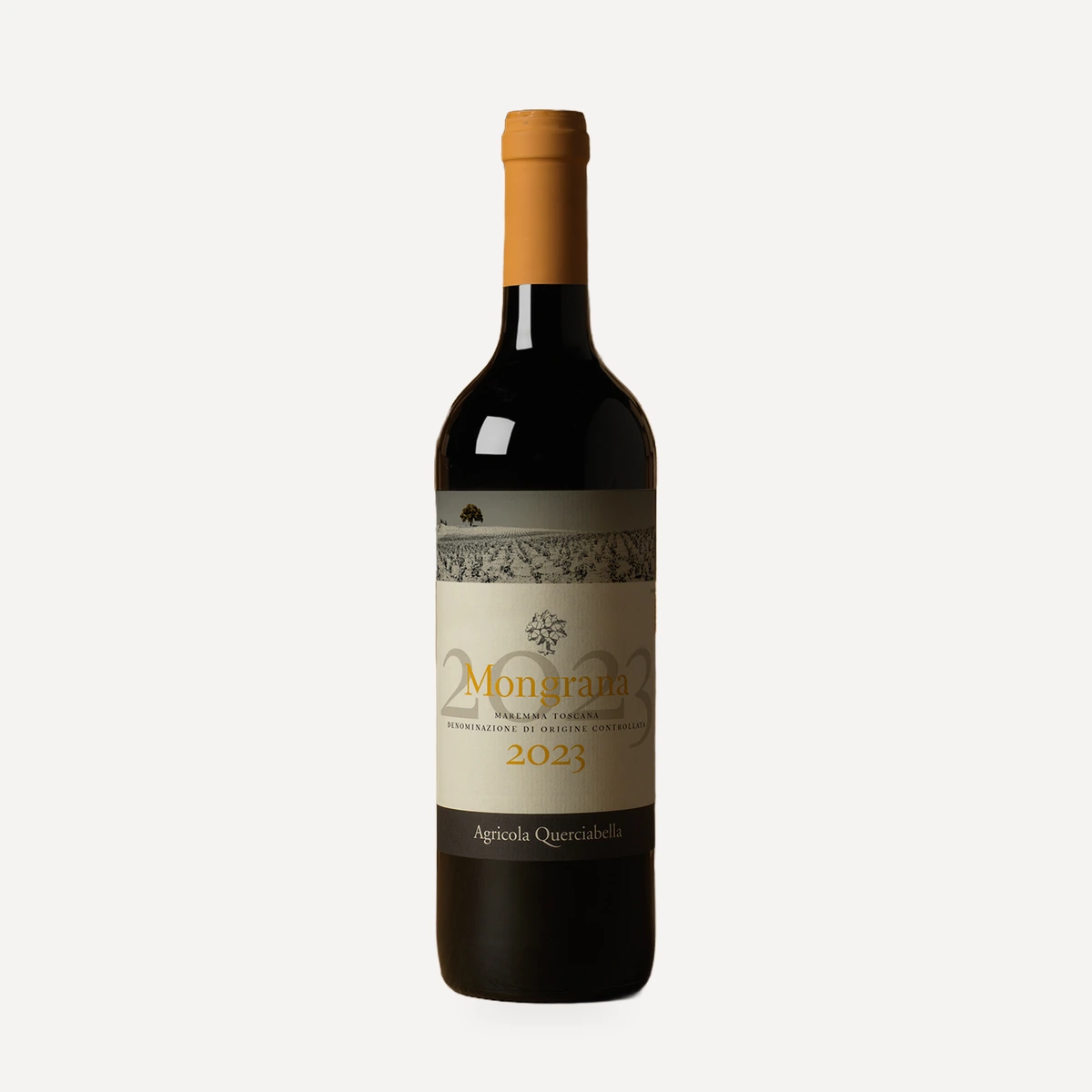
Mongrana 2005 was the first commercially released wine from the Alberese vineyards. Turpino was first created in 2007, although that experimental vintage was not released; its official debut came with the 2010 vintage.
In 2010, under Sebastiano’s direction, all estate operations became plant-based. Cover crops, green manure and plant preparations became the foundation of soil fertility, while the same ethical framework extended through vinification, bottling and packaging. South African-born Manfred Ing became winemaker in the same year.
2004 and the development of site-specific Chianti Classico
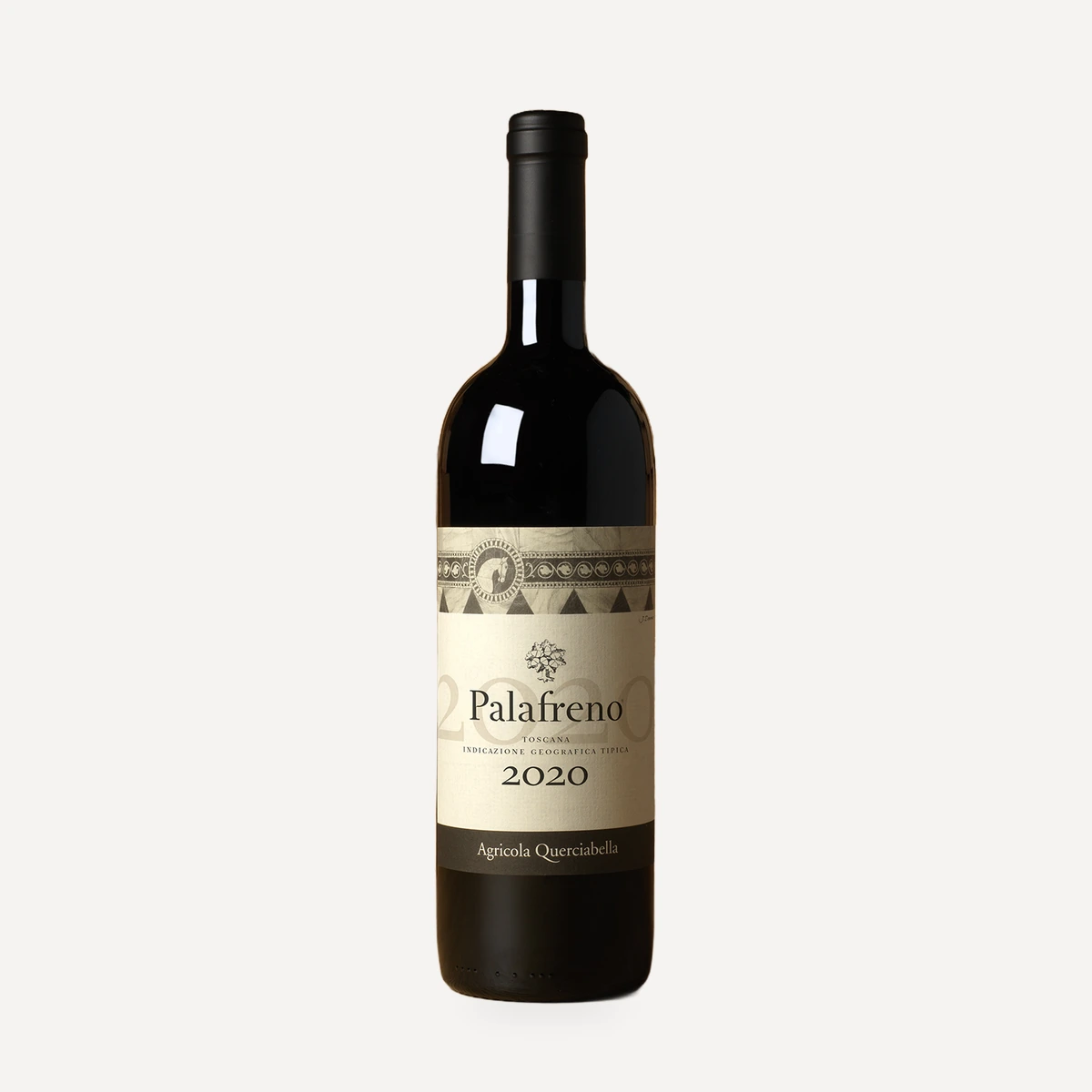
In 2004, Camartina 2000 received the Best Italian Wine award. During Sebastiano’s tenure, Palafreno, Mongrana, Turpino and the first single-vineyard Chianti Classico expressions were created.
Research into individual Chianti Classico sites developed over nearly two decades. Roughly sixty Sangiovese micro-vinifications per year enabled the team to study separate parcels before blending. Radda, acquired in 2007, became the estate’s first single-origin Sangiovese experiment outside Greve and helped establish the project later called Genius Loci.
2020–2024: Lamole, Vallemaggiore and generational change
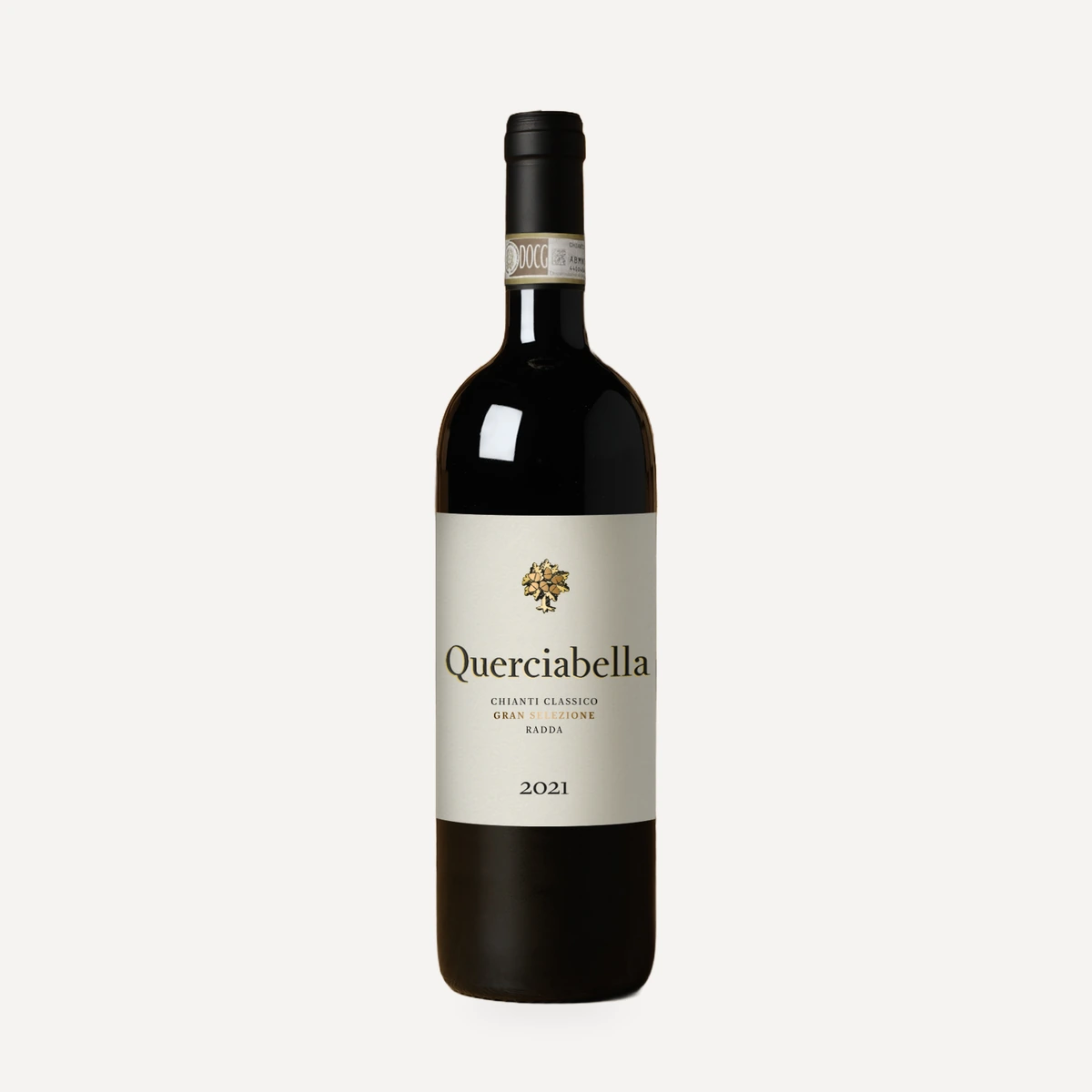
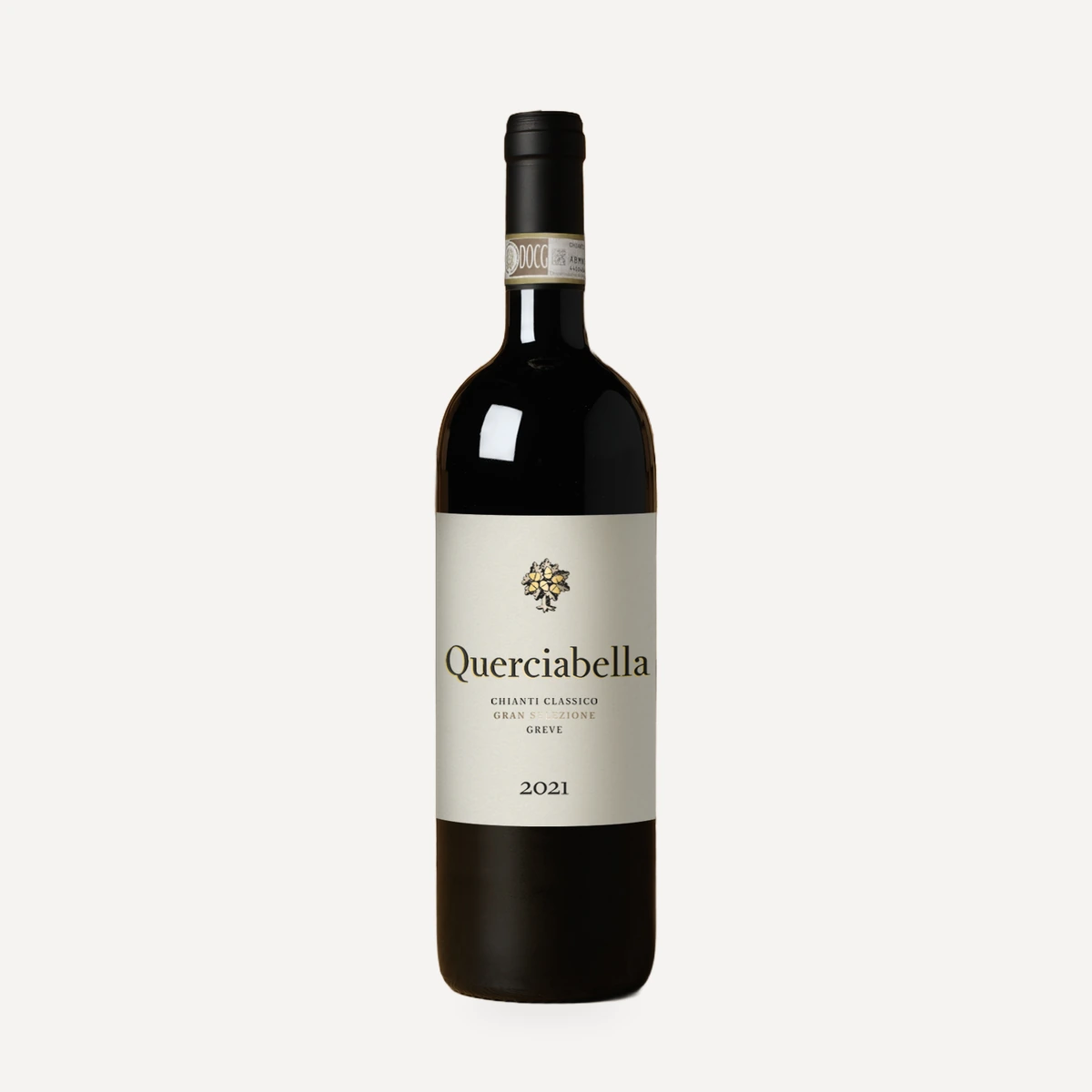
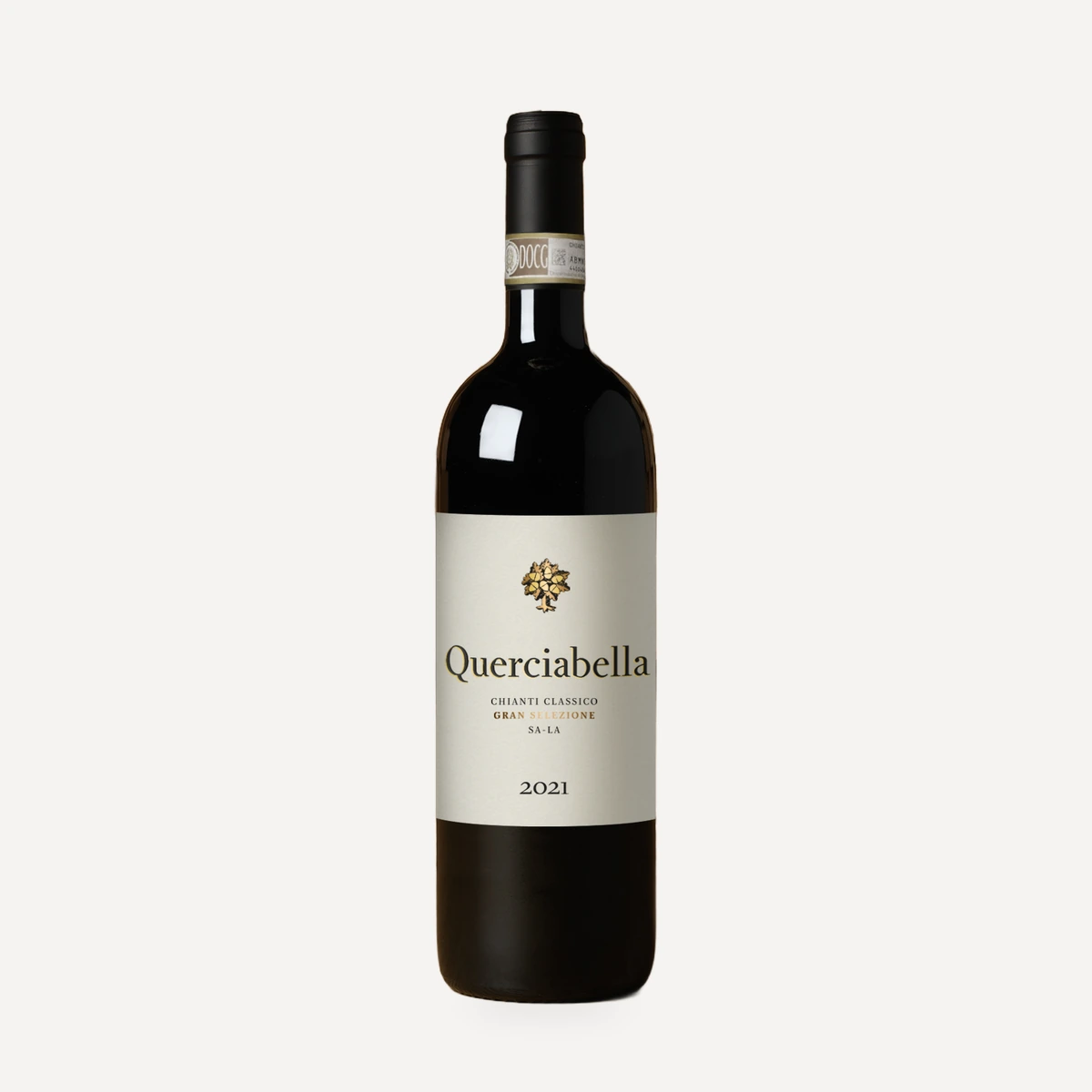
From 2020, Querciabella began managing 8.5 ha at Casole in the Lamole UGA. These high-altitude, historically terraced vineyards expanded the study of Sangiovese beyond Greve and Radda. The first three 2021 Gran Selezione wines from Greve, Radda and Lamole subsequently expressed the Genius Loci project through separate village origins.
Mongrana Bianco debuted with the 2020 vintage, translating the Maremma programme into Vermentino.
Querciabella acquired Vallemaggiore in 2023. In spring 2024, approximately 6 ha were planted, principally with Vermentino and red Rhône varieties. A dedicated Syrah section used high-density bush training and the hexagonal settonce or ordo septuncialis layout. The remaining rows followed the hill’s contours to improve orientation, limit erosion and reduce environmental impact.
In July 2024, a consensual agreement between siblings Sebastiano and Mita Castiglioni transferred ownership to Mita, Pepito’s eldest daughter. Sebastiano left to pursue his work in the art trade. Mita brought experience as a company shareholder and board member as well as involvement in cultural initiatives in Mexico and the United States. Her children, Andrea and Selene, were positioned to participate in the next generation of the family business. CEO Roberto Lasorte and the existing management and technical teams remained in place.
Present direction
After its 50th vintage, Querciabella is led by Mita Castiglioni with Andrea and Selene. Sangiovese has returned to the centre of the estate’s development, particularly through single-origin research in Greve, Radda and Lamole. The continuing programme combines family ownership, organic and regenerative farming, plant-based biodynamics, low-impact experimentation and increasingly precise interpretation of individual sites.
Terroir
Two Tuscan settings
Querciabella works in two markedly different parts of Tuscany: high-elevation Chianti Classico and the low, maritime landscape around Alberese in southern Maremma.
Ruffoli and Greve in Chianti
The estate’s home vineyards overlook Greve in Chianti on the hillside of Ruffoli, which extends from Monte San Michele. Fifteen hectares of Sangiovese form a mosaic of parcels at approximately 350–600 m. Exposures vary but are mainly south and south-west.
At lower elevations, the soils are deeper, more clay-rich and based on galestro. Higher on the slope, soils become lighter, more skeletal and freer-draining, with a larger sandstone component. Earlier descriptions identify disintegrated turbidite sandstone and marly schist around 350 m, with galestro and sandstone increasingly dominant toward 550 m. The climate is comparatively dry, and constant air movement moderates growing-season temperatures. Sunlight, ventilation and natural vine stress allow Sangiovese to balance ripeness with acidity.
The estate’s white varieties occupy contrasting sites. Chardonnay at south-facing Casaocci Sud, around 350 m, and Il Pallonaio, at 600 m, grows in galestro-rich soils; sandstone has a greater role at Il Pallonaio. Pinot Bianco occupies cooler, north-facing plots near 400 m, where weathered galestro has produced denser clay-and-schist soils.
Radda in Chianti
Bagnaccio, Oasi and Rialdoli lie on the western side of Radda, along the right bank of the Pesa. Their 14.5 ha sit at 400–450 m, principally on rocky, galestro-rich soils associated with Macigno del Chianti.
Rialdoli is the most exposed and ventilated parcel and has rockier, more freely draining ground. Bagnaccio is cooler, more humid and richer in clay. Oasi combines characteristics of both in a more protected setting bordered by woods and natural vegetation. Radda’s cool conditions, steady ventilation and pronounced day–night temperature variation support slow, even and extended Sangiovese ripening.
Casole in Lamole
The 8.5 ha managed since 2020 at Casole occupy steep, historic terraces between 500 m and almost 650 m in the Lamole UGA. The soils are light, sandy and freely draining, derived from non-calcareous Macigno del Chianti sandstone and interspersed with clay and schist. Elevation, plentiful water availability and the cooling effect of surrounding chestnut woodland help retain freshness and aromatic definition.
Alberese and coastal Maremma
The Maremma property lies at Alberese, south of Grosseto and behind the hills of the Uccellina Natural Park. Rolling slopes, ancient olive trees and Mediterranean vegetation open toward the Tyrrhenian Sea. The Uccellina hills shelter the estate, while marine breezes relieve the sun-exposed slopes during hot weather.
The established vineyards at Banditella sit mostly at 20–50 m and were planted in 2000 on a north–south orientation. Their acidic, mineral-rich soils combine silt and alluvial sand with gravel and surface pebbles; iron-rich ground is also characteristic of the area. Proximity to the sea moderates temperatures and contributes to the saline character associated with the estate’s coastal fruit.
Vallemaggiore rises to about 95 m and has views toward Castiglione della Pescaia, Elba and the Uccellina hills. Sea breezes cool its exposed slopes. Its plantings follow the natural contours where possible to restrain erosion and reduce disturbance.
Winemaking
Organic, biodynamic and plant-based farming
Organic farming has been integral since 1988, and the estate holds organic certification. Biodynamic practices began in 2000. In 2010 the entire operation became plant-based, applying the same principles from the vineyard through the cellar, bottling and packaging.
The soil is treated as a living system whose bacteria, fungi and other microorganisms support vine nutrition, resilience and site expression. Agrochemicals are rejected because of their effects on soil balance, water and wildlife. Vineyard work combines manual tending, careful canopy and vine management, herbal or plant preparations, green manure and parcel-specific cover-crop regimes.
Cover crops and soil management
Seed mixtures are adjusted for each site according to nutrient surpluses or deficiencies. Legumes such as clover, vetch and peas fix nitrogen, contribute organic matter and support beneficial insects. Clover’s taproot and vetch’s rapid growth help loosen soil, improve drainage, suppress weeds and limit erosion.
Radish, turnip and mustard provide biofumigation, add organic material and suppress soil-borne pests and pathogens. Buckwheat and phacelia improve structure, retain nutrients and attract pollinators; phacelia also holds nitrogen and suppresses weeds. Rye, barley and wheatgrass anchor soil with fibrous roots, add organic matter and provide seasonal cover.
This vegetation shades the ground against drying, reduces damage from heavy rain, limits erosion, improves infiltration and drainage, and creates habitat above and below ground. Green manure and plant preparations also reduce dependence on inputs brought from outside the farm.
Biodiversity
The vineyards support abundant insects, rare birds, partridges, wood pigeons, hares and roe deer. Ancient grains and beans were trialled in Maremma to explore their contribution to soil and ecosystem health. The bee sanctuary remains part of the property; honey is left with the colonies while bees pollinate phacelia, clover and other flowering cover crops.
Vine balance and climate resilience
On steep slopes, the plant-based system is intended to reduce the usual movement of water and nutrients toward the bottom of the hill. The resulting objective is even budbreak, shoot development, véraison and ripening across each slope. Deep rooting and biologically active soils are also central to the response to rising temperatures, drought, irregular rainfall and violent storms.
At Vallemaggiore, row orientation follows the contours of the hill where practical to limit erosion. One high-density Syrah block uses bush-trained vines in a settonce layout for root distribution, canopy illumination and central airflow.
Harvest
Picking dates are determined by the maturity of each site and variety. Sangiovese harvest across the Chianti Classico holdings can extend for more than a month. Grapes are hand-picked at optimal ripeness; a documented procedure uses 9 kg crates. Different varieties and parcels are harvested independently, preserving their identity for separate vinification.
Parcel-by-parcel production
Querciabella’s cellar work is based on small lots and precise separation of sites. Around sixty Sangiovese micro-vinifications may be conducted in a year. Each vineyard or parcel is followed independently from fermentation through maturation, with repeated tasting used to determine the final blend. This system underpins both the multi-site Chianti Classico wines and the single-origin Genius Loci programme.
Reception and fermentation
Hand-harvested fruit is destemmed and selected again on a cellar sorting table so that only suitable berries proceed to crushing. Fermentation vessels include stainless steel, cement and oak. Sangiovese lots ferment separately at approximately 22–28°C with gentle pump-overs. Skin contact can continue for as long as four weeks after fermentation. Submerged-cap fermentation is used for selected sites to develop textural complexity.
Fermentations rely on indigenous yeasts rather than cultured strains. Cellar intervention is limited to physical and transformative processes, with close monitoring, rigorous cleanliness and careful timing. Chemical inputs and unnecessary additives are avoided.
Whole-bunch and whole-berry techniques form part of the Maremma experimentation. Turpino’s varieties are harvested and fermented separately with a proportion of whole bunches. Mongrana’s component varieties—up to nine in a vintage—are picked and fermented according to their individual maturity; whole-cluster fermentation has been introduced to increase lift and freshness. Small cement and stainless-steel vessels are used for Mongrana.
Malolactic fermentation, maturation and blending
After malolactic fermentation, Sangiovese lots may mature in 225 L barriques, 500 L tonneaux or oak vats of approximately 25–30 hL. A documented Chianti Classico regime uses about 14 months in oak before blending, followed by more than a year in bottle for current releases. Riserva lots mature separately for approximately 16 months in fine- to extra-fine-grained French oak barriques and tonneaux, with up to 20% new wood; only selected lots enter the final blend, which receives at least a further year in bottle.
The Greve Gran Selezione uses a 30-day submerged-cap maceration, nine months in tonneaux, twelve months in 25–30 hL casks and thirty months in bottle. Radda includes 30% whole bunches during a 30-day maceration, followed by 16–18 months in 25–30 hL casks and thirty months in bottle. Lamole receives a 30-day skin maceration, the same 16–18 months in large cask and thirty months in bottle.
Batàr is vinified by lot in 228 L French oak barriques and remains on its own yeasts for more than nine months with minimal bâtonnage. Fine- and extra-fine-grained barrels are used, approximately 20% new.
Turpino matures for 16 months in French oak barriques, up to 20% new. Its final blend is assembled in cement, followed by at least two years in bottle. Mongrana receives at least ten months in cement before final blending and bottling. Mongrana Bianco matures for six months in cement and stainless steel.
Plant-based cellar practice
The plant-based standard extends through vinification, clarification, bottling and packaging. Animal-derived fining materials, vineyard fertilisers, beeswax-treated closures and milk-based packaging adhesives do not form part of the programme. Wines carry Organic and Vegan certification.
Philosophy
Balance is the estate’s organising principle: balance between vines and their environment, biological diversity and cultivation, ripeness and freshness, technical precision and restrained intervention.
The vineyard is understood as a living ecosystem rather than an isolated crop. Soil organisms, cover plants, insects, wildlife and vines form an interdependent whole. Organic certification provides a baseline, while regenerative methods, plant-based biodynamics and site-specific management are intended to go further by strengthening resilience and reducing external inputs.
Environmental and ethical objectives are joined to wine quality. Sebastiano Cossia Castiglioni’s animal-welfare convictions drove the 2010 plant-based conversion, but the estate also presents the system as a way to improve soil vitality, evenness of ripening and clarity of place. Cover crops and green manure replace animal-derived fertility inputs and contribute to greater farm self-sufficiency.
In the cellar, the goal is varietal purity, tension and faithful expression of individual vineyards. Indigenous yeast, separate lots, gentle extraction, restrained additives and exact timing replace formulaic handling. Vintage differences remain part of the final expression rather than something to be standardised away.
The Genius Loci project applies this philosophy to Sangiovese: long-term research, individual parcel vinification and repeated tasting reveal the distinct characters of Greve, Radda and Lamole. Maremma serves a complementary role as a field for experimentation with varieties, planting systems, whole-cluster and whole-berry fermentation, and less extractive approaches suited to a warming climate.
Under Mita Castiglioni, the stated direction joins family continuity with environmental respect, social inclusion, equitable economic development and purposeful innovation intended to create value for employees, customers, local communities and the wider environment.
Wines
Camartina
Gran Selezione Radda
Batàr
Mongrana
Palafreno
Gran Selezione Greve
Gran Selezione SA-LA
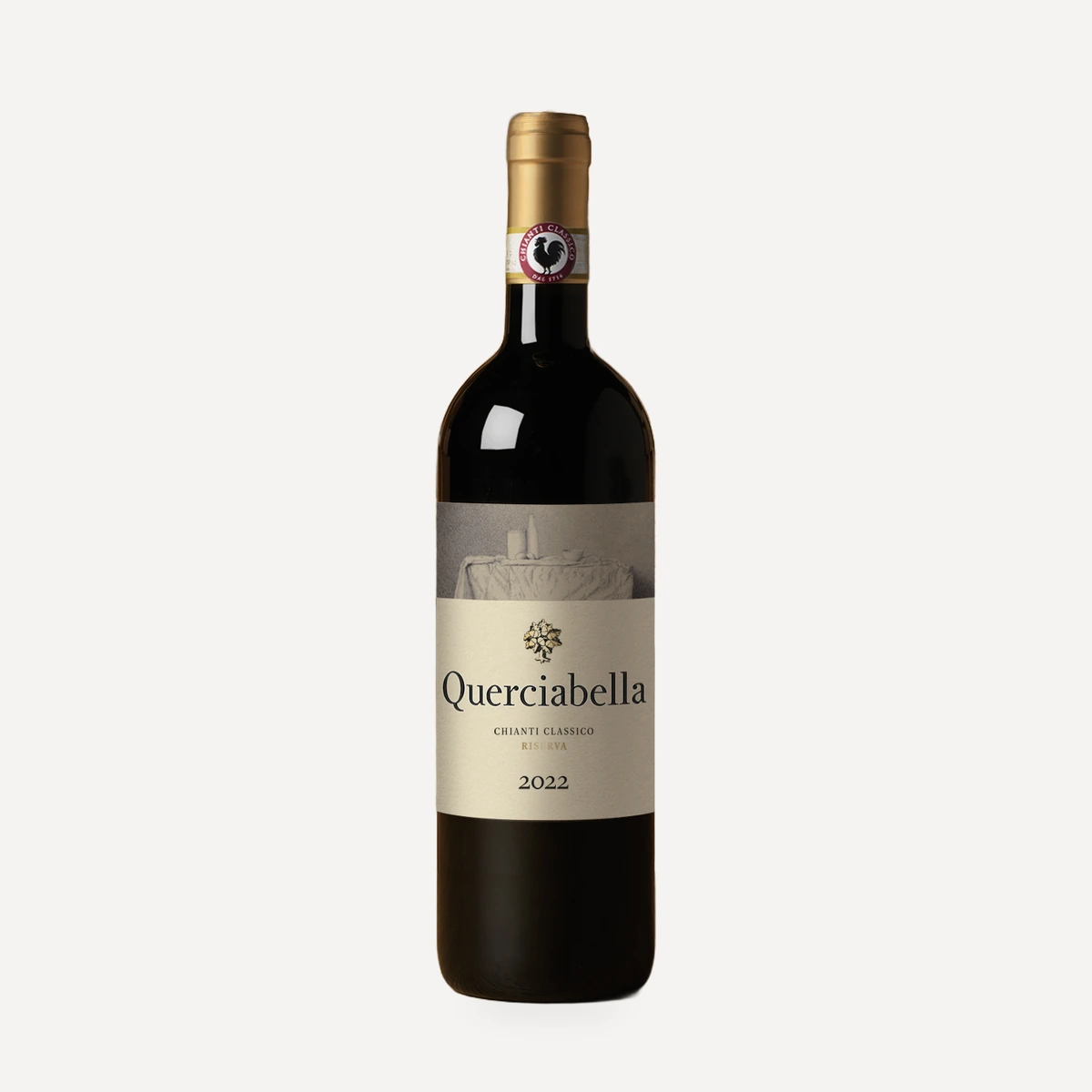
Querciabella Chianti Classico Riserva
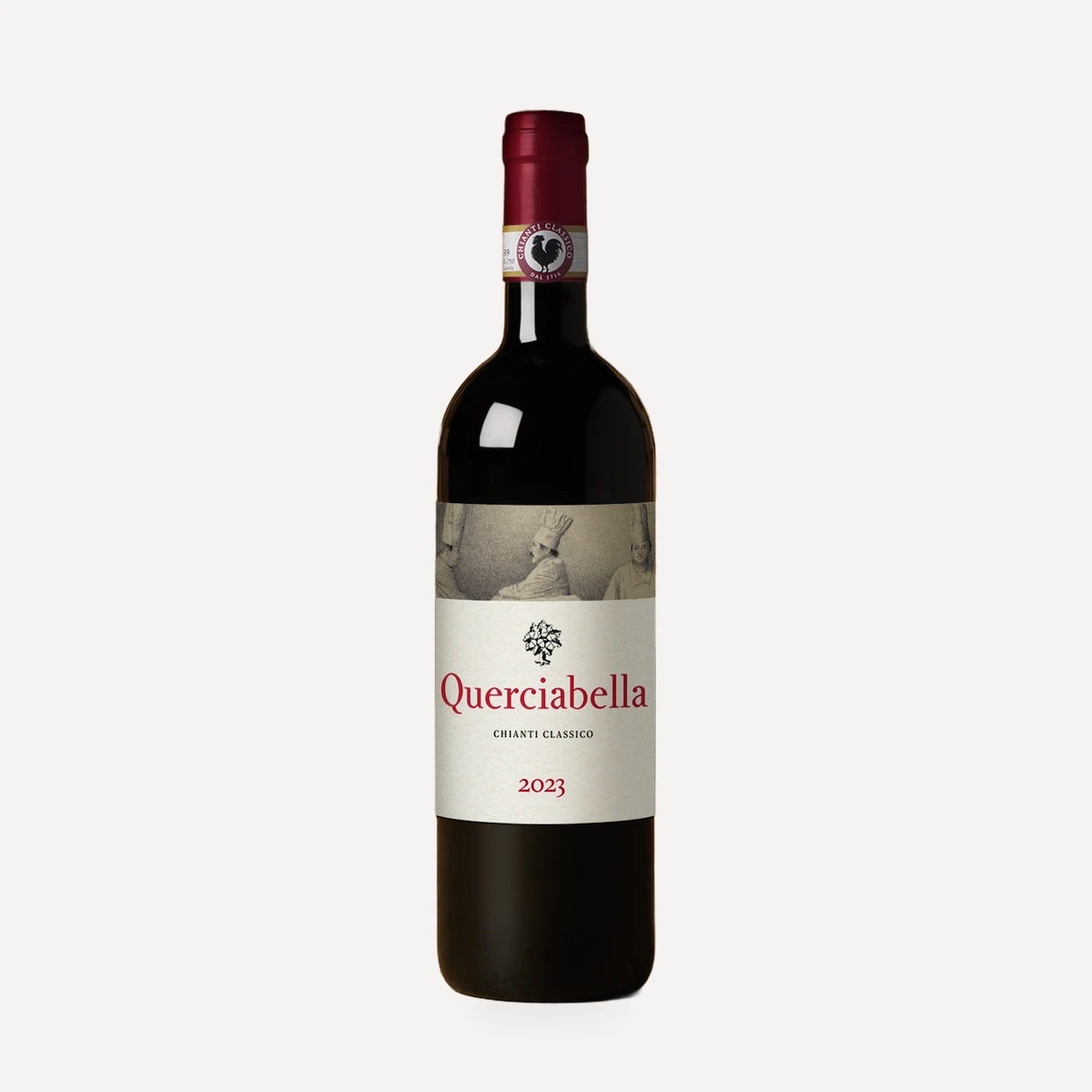
Querciabella Chianti Classico
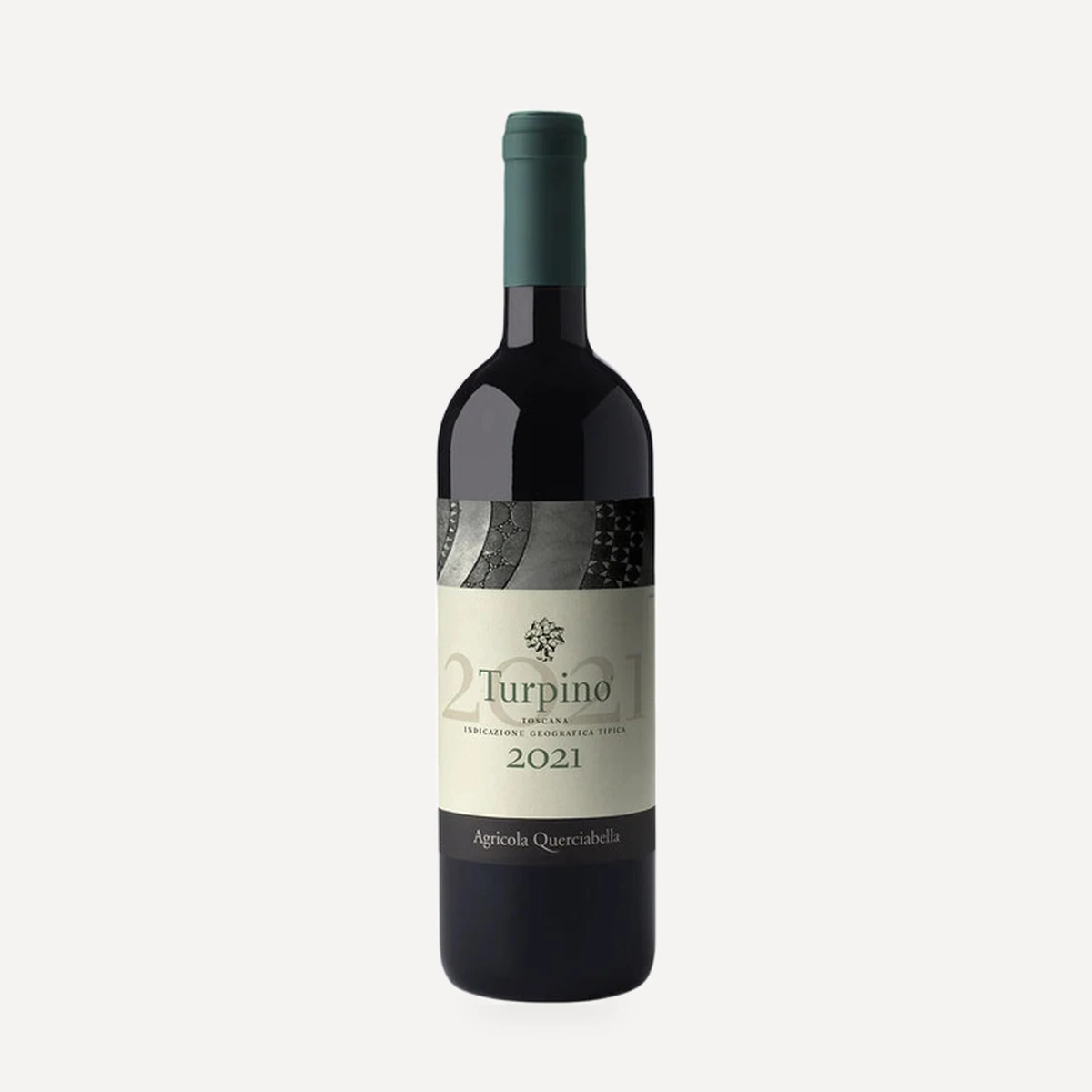
Turpino
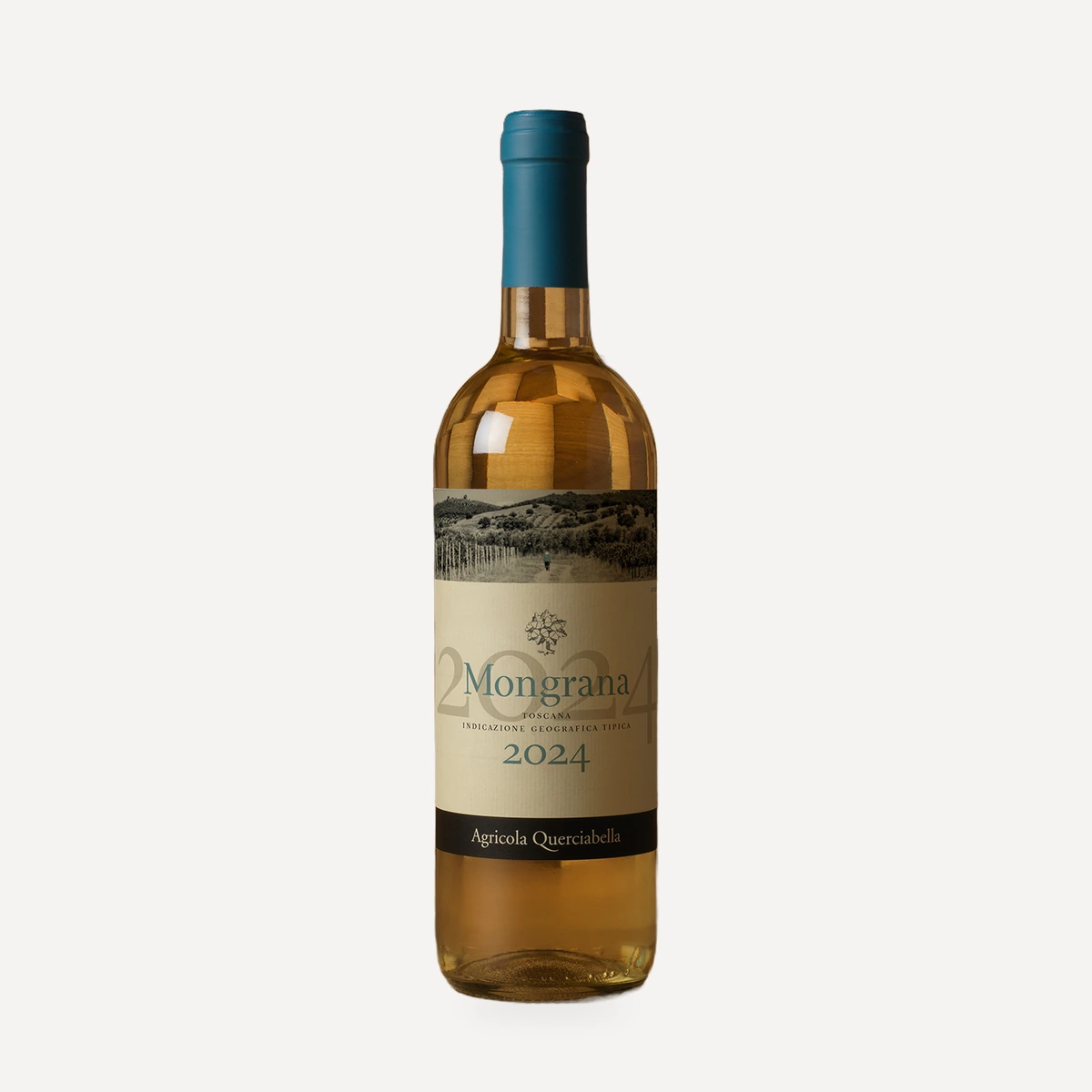
Mongrana Bianco