History
Medieval origins and the fortress of Brolio
The earliest mention of Brolio Castle dates to 1009, when Boniface III, Margrave of Tuscany and father of Countess Matilda, ceded the castle and the nearby Church of San Regolo to the monks of Badia Fiorentina. Geremia, a Lombard regarded as the presumed progenitor of the Ricasoli line, was present in Chianti in the eleventh century. Rodolfo appears in a papal bull of 1076 and is associated with the early family designation de filiis Rodulphi, later rendered as Firidolfi.
The Ricasoli family received Brolio Castle and its lands from the monks in exchange for other properties. A public deed preserved in the family archive establishes that the exchange and Ricasoli feudal sovereignty over Brolio were already in place by 1141. The family’s documented relationship with Brolio and wine is therefore traced from that year.
In 1187, the warrior Ranieri, a follower of Frederick Barbarossa, seized Ricasoli Castle in the Valdarno; the principal family branch subsequently derived its name from that holding. In the division of the estates around 1200, Ugo received Brolio, Ricasoli, Cacchiano, Vertine and other Chianti dominions and is treated as a founder of the Ricasoli line at Brolio. The castle became Florence’s forward defensive position against Siena, guarding Florentine territory as far as the Arbia River.
Bindaccio Ricasoli acquired the fiefs of La Trappola and Rocca Guicciarda and is credited with fortifying Brolio in 1339. At the beginning of the fifteenth century, the Sienese soldier of fortune Antonio di Checco Rosso Petrucci captured Brolio by deception and confined Galeotto Ricasoli and his family in its underground vaults. Petrucci remained for forty days and left only after Neri Capponi arrived with Florentine troops.
In 1478, forces allied under Ferdinand I of Naples, Pope Sixtus IV and Siena besieged the castle for more than two months, occupied it and left it close to ruin. On 23 April 1484, the General Council of the Florentine People ordered the reconstruction of the walls because of Brolio’s strategic importance. The replacement ramparts, attributed to Giuliano da Sangallo, formed the irregular pentagonal defensive system that survives today.
Brolio was attacked again in 1529, during the Spanish siege of Florence under Emperor Charles V. Sienese forces expelled the family and set fire to the castle, although the ramparts escaped major damage. Siena’s subsequent incorporation into the Medici state ended Brolio’s function as a frontier fortress.
Agriculture, wine and the consolidation of the family
Around 1600, the family increasingly concentrated on management of its agricultural estate and particularly on wine. Documents from the late seventeenth century record exports to Amsterdam and England. A print made in 1584, preserved at the castle, charts five centuries of Ricasoli genealogy from Geremia and sets the family tree within a detailed Chianti landscape of castles, farms, cultivated slopes, wildlife and place names still used today.
The separate branches of the family multiplied from the thirteenth century and reunited between the late eighteenth and early nineteenth centuries. In 1852, the marriage of Bettino Ricasoli’s daughter Elisabetta Penelope Ricasoli to Alberto di Giovanni Ricasoli Firidolfi joined the Brolio, Meleto and Panzano/Firidolfi branches. The composite coat of arms created for that union combines their emblems. Its French motto, Rien Sans Peine, means that nothing is achieved without effort; the related image of an antique drill piercing a diamond symbolizes perseverance in the pursuit of perfection.
Bettino Ricasoli and the modern Chianti formula
Bettino Ricasoli was born in Florence on 9 March 1809, the son of Baron Luigi Ricasoli and Elisabetta Peruzzi. In 1830, he married Anna Bonaccorsi Dolcini. Anna brought a dowry of 334,000 lire—three times the period average—which helped settle family debts and reorganize the Brolio estate. The couple withdrew from Florentine society to live at Brolio, reducing the cost of maintaining their city palace and concentrating on restoring and developing the lands. Anna’s financial intelligence, education and administrative ability helped establish the stability on which the estate’s subsequent expansion rested. She died in 1852, aged 41; of their four children, only Elisabetta Penelope survived.
After serving as Mayor of Florence until 1848 and spending a short period in Switzerland, Bettino returned to Brolio and found that its wines had lost competitiveness against French examples. In 1851, while travelling through France on his way to the Great Exhibition in London, he studied farming and winemaking in Bordeaux, Médoc, Gironde, Beaujolais and Burgundy. Burgundy most closely matched his conception of viticulture, and its wines became a reference for the durable, export-worthy wine he sought to make at Brolio. The journey led to the introduction of new methods and technologies and began more than two decades of experiments.
Bettino combined scientific research with an effort to improve the material, intellectual and moral condition of farmers and sharecroppers. Brolio’s wine earned its first gold medal at the Paris International Exposition of 1867. In 1872, Bettino set out his formula for Chianti in a letter to Professor Cesare Studiati of the University of Pisa, creating an early production framework for the wine now known as Chianti Classico.
His agricultural work ran alongside a major political career. He became provisional Interior Minister of Tuscany after the departure of the House of Lorraine on 27 April 1859, led Tuscany through the March 1860 referendum that sanctioned union with Piedmont, succeeded Cavour as Prime Minister in 1861–1862, and returned as head of government in 1866. He also founded the newspaper La Nazione. He died at Brolio in 1880 and was ultimately buried in the crypt of the castle’s San Jacopo chapel.
The manor house facing Siena was restored and partly rebuilt for Bettino in 1860, to a project by the Sienese architect Marchetti. It uses a Sienese neo-Gothic language of brick, stone, merlons, pointed arches and triple lancet windows. King Vittorio Emanuele II visited on 22 April 1863.
At the end of the nineteenth century, Bettino’s grandson Giovanni Ricasoli Firidolfi built a dedicated olive-oil facility at Brolio with a steam-powered mechanical mill, then the only installation of its kind in Italy. He documented the innovation in a report to the agronomist Emilio Bechi. By the beginning of the twentieth century, Brolio wines were exported across a broad international network extending from China and Saudi Arabia to South Africa, Guatemala, Costa Rica and the former British African colonies.
The twentieth century
On 14 May 1924, Luigi Ricasoli Firidolfi, Francesco Ricasoli’s grandfather, joined 32 other producers in Radda in Chianti to establish the Consorzio per la Difesa del vino Chianti e della sua Marca d’Origine, Italy’s first wine-producer consortium. Its purpose was to protect the wine, its producers and its geographical identity from misuse generated by Chianti’s growing success. The Black Rooster of the medieval Chianti League became its emblem.
During the first twelve days of July 1944, retreating German forces and advancing British and South African units subjected Brolio Castle to artillery fire and aerial bombing. Allied forces occupied it without a fight on 15 July 1944. A German officer had twice refused orders that would have destroyed the castle—first delaying preparations to blow up its towers, then directing artillery fire to either side of the building. He was court-martialled and imprisoned. In April 1946, he described the episode in a letter to Baron Luigi Ricasoli. The castle sustained severe damage but survived.
Francesco Ricasoli and the estate’s renewal
In 1993, Francesco Ricasoli, the 32nd Baron of Brolio, left an established career in advertising photography and became company president. He inherited a wine operation that was not reaching the quality potential he saw in Brolio. His programme centred on Sangiovese, soil research, precision viticulture and sustainability. The vineyards were comprehensively mapped and renewed, while individual plots and even geologically distinct portions within plots began to be studied and vinified separately.
Casalferro was created in 1993, initially from a selection of Sangiovese and later developed as a pure expression of Merlot. The 1997 vintage of Castello di Brolio helped establish the renewed estate internationally as a producer focused on Sangiovese. The first vintage of the single-vineyard Sangiovese cru Colledilà followed in 2007.
In 2013, Francesco marked twenty years at the company’s helm with Historia Familiae. Eight Sangiovese-based samples from the 2011 harvest were tasted blind at the anniversary celebration, and the preferred sample became the commemorative wine. Its bottle carried the names of 61 notable family members. The same year brought the first Brolio Bettino, conceived as a tribute to Bettino Ricasoli.
Francesco strongly supported the creation of the Chianti Classico Gran Selezione category in 2014. The estate subsequently presented Roncicone and CeniPrimo from the 2015 vintage, joining Colledilà as three single-vineyard interpretations of Sangiovese. The introduction of the Gaiole additional geographical unit later allowed the four Gran Selezione wines—Castello di Brolio and the three crus—to carry the Gaiole designation.
The estate achieved Equalitas certification in 2020. Carbon and Water Footprints were measured for the first time with that vintage, and Brolio Chianti Classico from 2020 became eligible to carry the sustainable-wine mark. A programme begun in 2021 reduced bottle weights, while a 500 kW photovoltaic installation on the winery roofs was connected and tested in 2024.
After almost ten years of research into Brolio Trebbiano, a 1.18 ha parcel at Tarci was grafted to the variety in 2018. Its first wine, Sanbarnaba 2020, debuted in 2023. The vineyard and wine are named for San Barnaba, traditionally invoked as a protector of vineyards from hail.
After the 2020 harvest, an old Cabernet Sauvignon vineyard beside CeniPrimo was removed. The steep site, with slopes reaching 30%, was reshaped into five natural-earth terraces, reducing the working gradient to about 10% and improving erosion control. It was replanted to Sangiovese, including the Brolio clones CRA BR 1141 and CRA BR 1872, and presented in 2024 as a new stage in the estate’s work with ancient fluvial-terrace soils.
Terroir
Setting and climate
The 1,200 ha Brolio estate surrounds Castello di Brolio in the commune of Gaiole in Chianti. Its landscape combines hills, valleys, oak and chestnut woods, Mediterranean scrub, streams and the valley of the Arbia River. All vineyards occupy hilly ground between 220 and 500 m above sea level and are oriented predominantly south and southwest, although the estate’s varied terrain also provides southeast, east, west and northwest exposures.
The climate is Mediterranean. Approximately 813 mm of rain falls annually, concentrated mainly in spring and autumn. Winters are mild and snow is uncommon; summers are hot and dry. Differences in elevation, exposure, waterways and soil create numerous microclimates within the estate.
Zoning and geological diversity
A three-year zoning programme mapped the approximately 240 ha of vineyards and identified 19 soil types. These were used to guide variety, clone, rootstock, row orientation and agronomic decisions. Separate vinification of plots—and, where geology changes, subdivisions within a plot—allowed the technical team to evaluate their individual character and identify the sites used for the cru project.
Five substrates dominate:
- Macigno del Chianti Formation (Arenarie): sand and rock, freely drained and low in organic matter. It occurs mainly at 400–500 m with varied exposures and planting densities of 5,500–6,600 vines/ha. Sangiovese, Merlot and Chardonnay are planted. Part of the Casalferro area and Torricella lie on this formation.
- Scaglia Toscana: thin argillite or schist-derived Galestro, associated locally with Macigno del Chianti. It occurs at 400–500 m on west-, northwest- and south-facing slopes, generally at 5,500–6,600 vines/ha. Sangiovese from these soils is associated with pronounced tannin, complex structure and minerality.
- Monte Morello Formation (Alberese): rocky calcareous clay rich in calcium carbonate and clay but poor in organic matter. It lies around 350–390 m on southeast-, south- and west-facing slopes, with densities around 6,600 vines/ha. Sangiovese predominates alongside Cabernet Sauvignon and Merlot. Colledilà occupies this formation.
- Marine Deposit: Pliocene marine sediment with sand, sea-smoothed stones, deeper clay and good organic-matter levels. It occurs at 300–350 m with variable exposures and 5,500–6,600 vines/ha. Roncicone lies within the Leccione formation, where sand, lignite, chalk and marine fossils occur together. The loose soil permits deep root penetration.
- Ancient Fluvial Terrace: silty, poorly structured fluvial-lacustrine deposits with clay, created in the Pliocene–Pleistocene period. These soils occur at 260–300 m, especially near the Arbia River, Massellone torrent and their tributaries. They are relatively poor in limestone and organic matter and can show reddish Argenina or browner Flysch di Santa Fiora components. Their alluvial origin makes them vulnerable to erosion and compaction. CeniPrimo occupies one of these terraces.
The geological record includes ancient marine incursions and later river deposition. Marine and alluvial sedimentary rocks preserve evidence that the sea covered much of Tuscany near the end of the Pliocene, approximately five million years ago, before glacial and interglacial cycles repeatedly exposed and submerged the land.
Winemaking
Barone Ricasoli practices precision viticulture under Equalitas certification, obtained in 2020. The estate is not certified organic, but chemical weedkillers and pesticides have been excluded, while fertilization and pest-control systems are designed to meet or exceed organic parameters. Organic fertilizers have replaced chemical fertilizers since 2009.
Soil zoning and vigour mapping determine where and how inputs are used. Since 2021, the Agriculture 4.0 programme has employed digital tools. A smart tractor interprets vigour maps created from drone photographs and varies fertilizer delivery parcel by parcel, concentrating it only where vines need it and helping equalize growth. A dense network of vineyard weather stations records temperature, humidity, rainfall and leaf wetness. Decision-support software, managed with a spin-off of the University of Piacenza, models fungal-disease risk so treatments can be restricted to the sites and moments in which they are necessary.
Green manuring is one of the estate’s longest-standing soil practices. Herbaceous crops are sown between rows and incorporated around flowering, providing organic fertilization, increasing soil life and organic matter, protecting soil and groundwater, stabilizing structure, improving water absorption, suppressing weeds and reducing pest pressure. Seed mixtures are adapted to mapped soil types:
- Alberese soils receive legumes such as pea, crimson clover and sainfoin or lupin, with brassicas such as radish.
- Sandy Arenarie soils receive lupin and pea together with grasses such as triticale and barley.
- Alluvial soils are sown primarily with grasses, followed by legumes.
- Phacelia appears in all mixtures, supplying nectar and pollen for bees and other pollinators while adding nitrogen.
Biological control is used against mealybug. Where the pest is detected, Anagyrus parasitoids are released; more severe infestations receive Cryptolaemus ladybirds, which consume both mealybugs and their honeydew. In 2020, approximately 750 beneficial insects per hectare were released across 50 ha in two applications fifteen days apart, the third year of this programme.
A joint research project with CREA and Fondazione MACH is attempting to develop Sangiovese with resistance to powdery and downy mildew. Flowers from a genetically close, naturally resistant donor were used to pollinate emasculated Sangiovese flowers. About 50 bunches were fertilized, with the potential to produce up to 5,000 seeds and 1,000–2,000 seedlings for resistance testing. The objective is to reduce or eventually eliminate vineyard treatments without sacrificing the quality and identity of Brolio Sangiovese.
Woodlands and Mediterranean scrub form the estate’s principal ecological reserve. The newer estate figures identify 880 ha, or approximately 73% of the property, as woodland. Oaks, holm oaks, juniper, myrtle and strawberry trees coexist with streams, springs, ponds, ditches and water-collection tanks. Managed cutting renews the woods, while maintenance of ditch vegetation, grass and shrubs provides habitat for pollinators and wildlife. A specialist study commissioned in 2022 assessed the forest’s role in absorbing carbon dioxide and lowering the company footprint.
Water use is measured through a Water Footprint programme begun with the 2020 vintage. Consumption associated with production fell by more than 40% over five years through measures including a dedicated pressure-washing platform for agricultural machinery, trigger guns on winery and cellar hoses, a more efficient bottle-rinsing filler and an internal staff-awareness programme. Young vines may be irrigated manually during severe drought with stored rainwater; in 2022 this was done every 10–15 days where necessary.
Harvest timing is determined parcel by parcel from ripeness monitoring. The cru vineyards are continuously monitored, including collaboration with the University of Pisa’s agriculture department. Named estate vineyards are hand harvested and selected, and each plot is kept separate from picking through vinification. Grapes travel to the winery in containers holding no more than 200 kg.
The winemaking cellars stand at the foot of Brolio Castle, physically separate from the main winery building and dedicated exclusively to vinification. Their modernization preserved the appearance and functions of the original nineteenth-century rooms while introducing contemporary technical spaces.
Each vineyard plot is harvested and processed separately. Grapes reach the vat room in containers of no more than 200 kg and are vinified in small stainless-steel tanks. Distinct geological sectors may remain separate even within the same vineyard. The cellar is arranged for gravity filling, reducing mechanical handling and permitting gentle extraction through punching down.
For the principal red-wine programme, fermentation and maceration generally take place in temperature-controlled stainless steel at 24–27°C, with daily punching down and approximately 14–16 days on the skins; some Merlot lots extend to 18 days. The 2022 Gran Selezione vintage was handled with shorter macerations to preserve elegance and finer tannins after a hot, dry growing season.
After fermentation, wines move to the barrel cellar, which contains large casks, 500-litre tonneaux and barriques. Fine-grained, lightly toasted wood is preferred because it moderates aromatic and tannic transfer while providing measured oxygenation. Approximately 70% second- or third-passage wood is commonly used to limit the imprint of oak. The 500-litre tonneau is considered particularly effective for expressing Sangiovese; smaller barriques are used more readily for the polyphenolic structure of Cabernet Sauvignon and Merlot. Long-lived Sangiovese selections can spend more than 20 months in wood. Laboratory tasting and analysis follow the wines throughout élevage.
White-wine techniques include low-temperature stainless-steel fermentation, short oxygen-free cold maceration and lees ageing with bâtonnage in selected tonneaux. Torricella Chardonnay, for example, uses overnight skin contact at 5°C without oxygen, fermentation at 12–16°C for approximately 30 days and about ten months on its yeasts with frequent bâtonnage.
The Sanbarnaba Trebbiano project uses a distinct method: destemmed, gently crushed grapes ferment with their skins in Tuscan cocciopesto amphorae at about 14°C, with maceration lasting up to three months. The wine then matures for twelve months, divided between 40% amphora, 30% stainless steel and 30% older barriques.
Finished wines can undergo long or very long bottle ageing in temperature-controlled rooms. Monitoring by the internal laboratory continues until release. Packaging changes introduced from 2021 and expanded in 2025 include lighter bottles, recycled glass and simplified cartons. Selected bottles now weigh 380 g and contain up to 90% recycled glass; packaging uses reduced inks and colours and FSC-certified recycled cardboard.
Philosophy
Research, territorial interpretation and continuity between generations form the core of Barone Ricasoli’s approach. Francesco Ricasoli treats tradition as something dynamic: historical work—particularly Bettino Ricasoli’s scientific experimentation—is carried forward through soil zoning, clonal selection, precision viticulture and separate vinification rather than reproduced as a fixed recipe.
The estate’s cru concept rests on the sensitivity of Sangiovese to small changes in soil, elevation and microclimate. Variety, clone, rootstock, row direction and vineyard work are selected for each site, while cellar handling aims to preserve those distinctions. Wood is intended to support the fruit and provide controlled oxygenation, not dominate varietal character.
Francesco Ricasoli presents sustainability as a responsibility to protect Brolio for future generations and as a balance of environmental, social and economic commitments. Certification is treated as a stage in continuous improvement rather than an endpoint. This includes care for forests, streams, dry-stone walls, white roads, cypress avenues and old farm buildings, alongside reductions in water, treatments, fertilizer, glass and energy use.
The social dimension is tied closely to place. Barone Ricasoli is the largest employer in Gaiole in Chianti, draws most skills and resources locally and supports continuity in rural communities. Sixty-three workers from 13 countries were recorded in 2024, with accommodation made available when needed through restored estate buildings. Supplier relationships are selected for competence, shared sustainability values and long-term mutual respect.
The family motto, Rien Sans Peine—nothing is achieved without effort—summarizes the work ethic applied to vineyard research, wine production and stewardship of the estate.
Wines
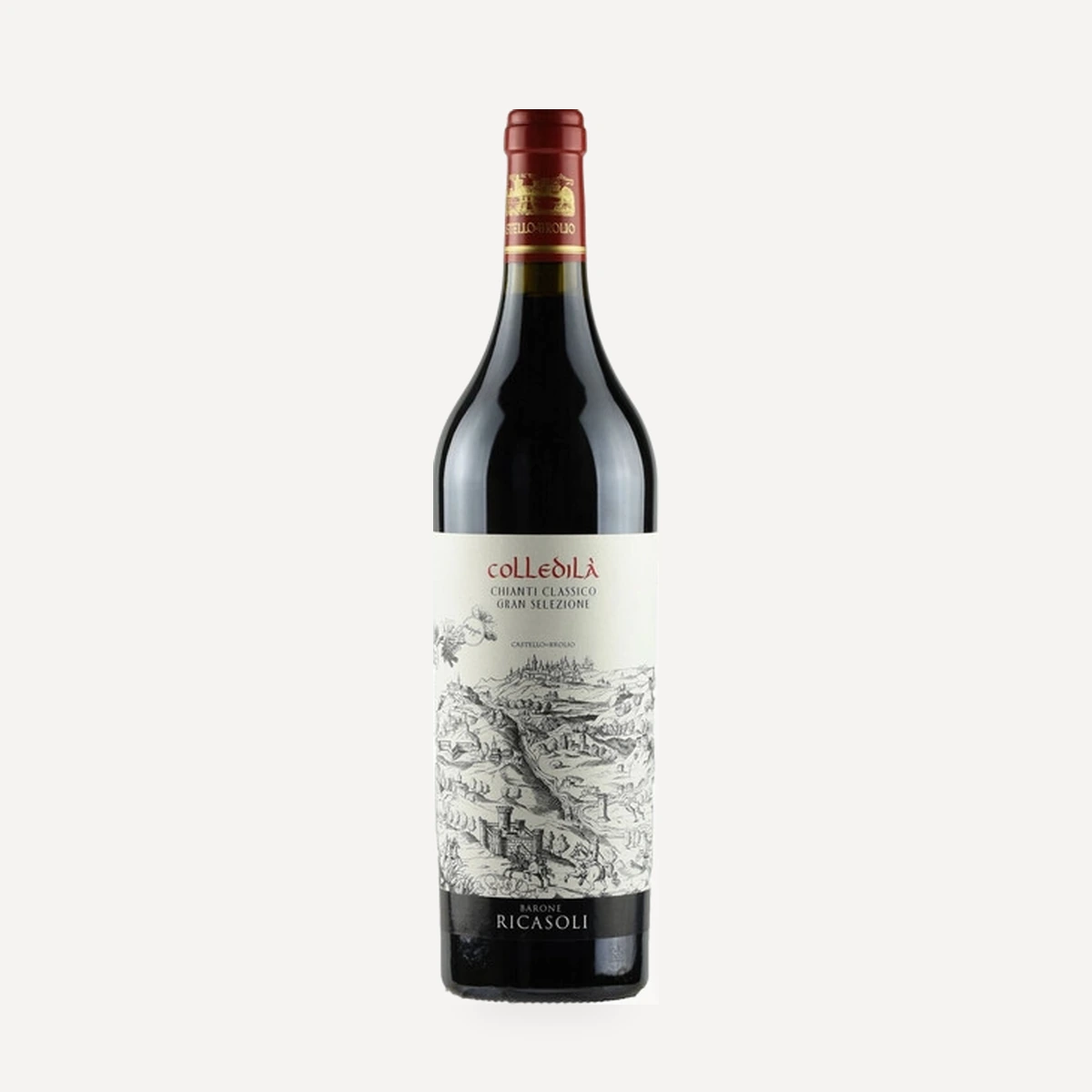
Colledilà Chianti Classico Gran Selezione Gaiole DOCG
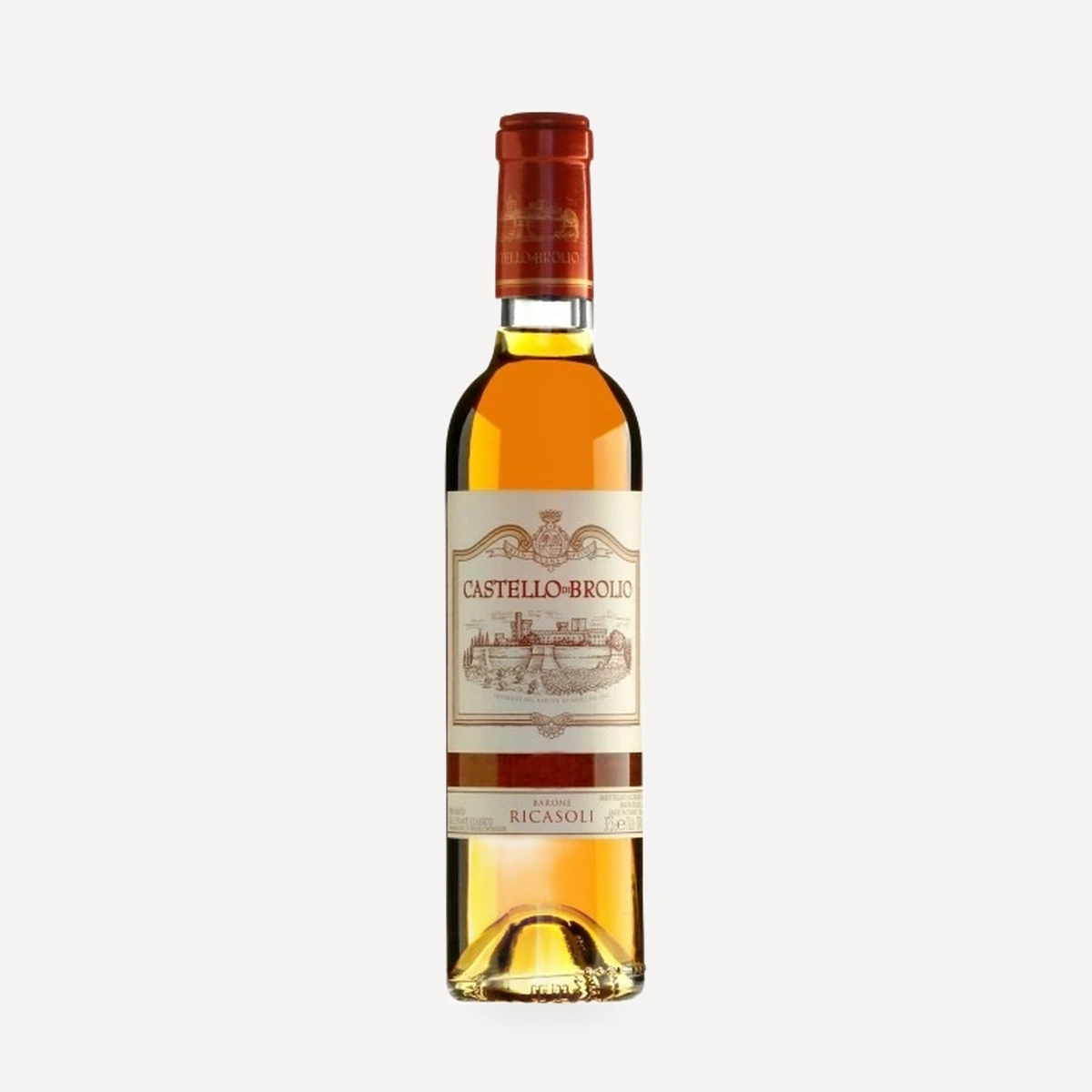
Castello di Brolio Vin Santo del Chianti Classico DOC
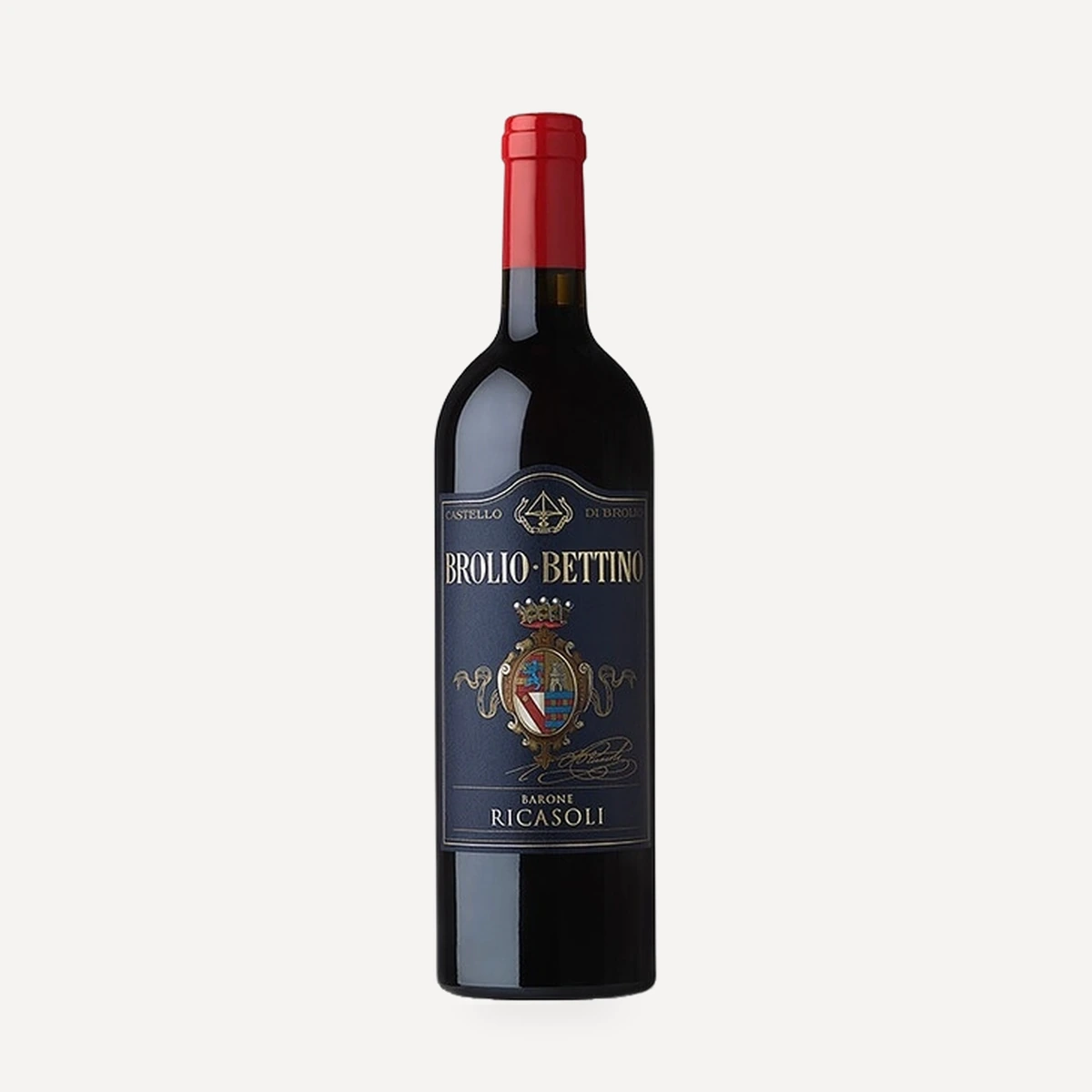
Brolio Bettino Chianti Classico DOCG
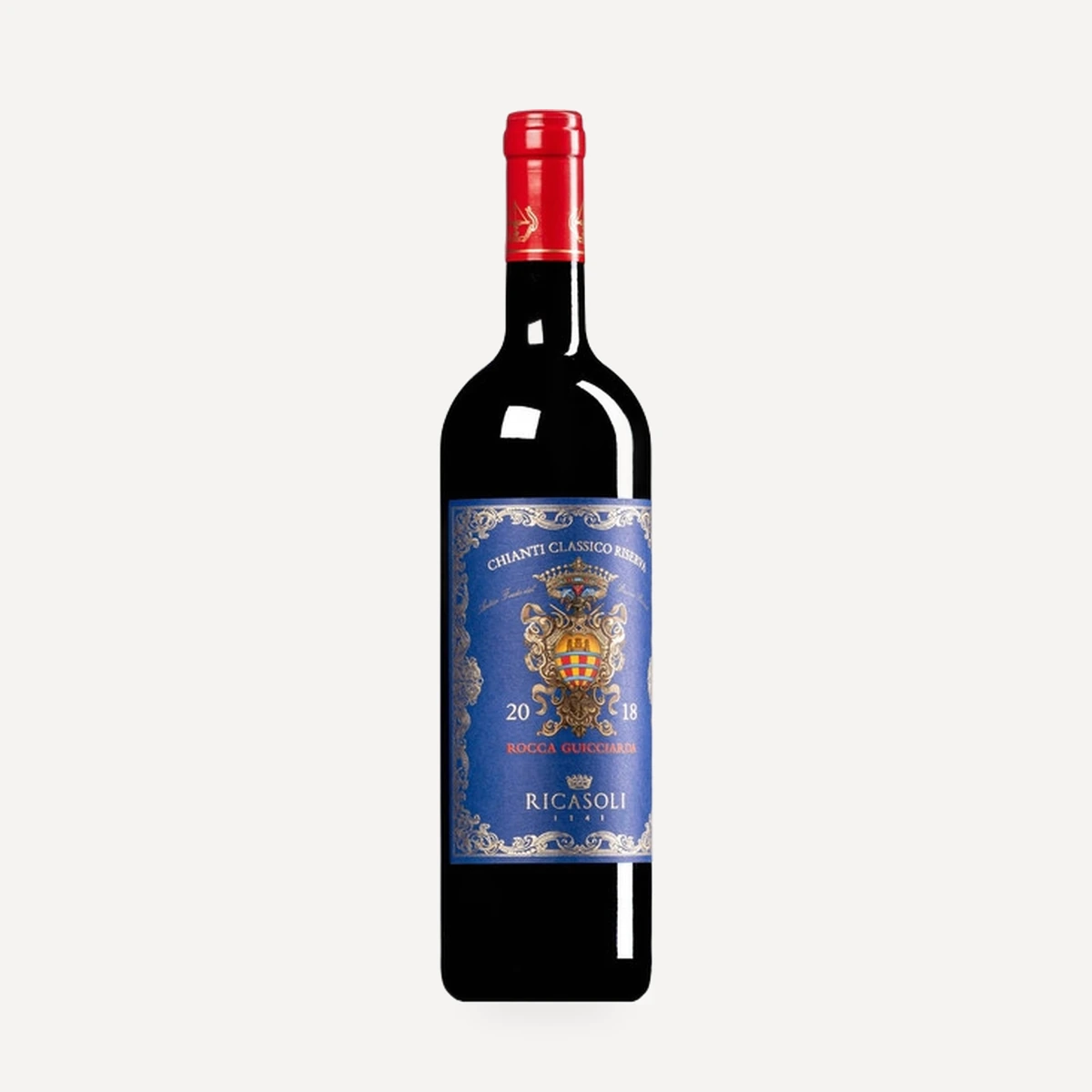
Rocca Guicciarda Chianti Classico Riserva DOCG
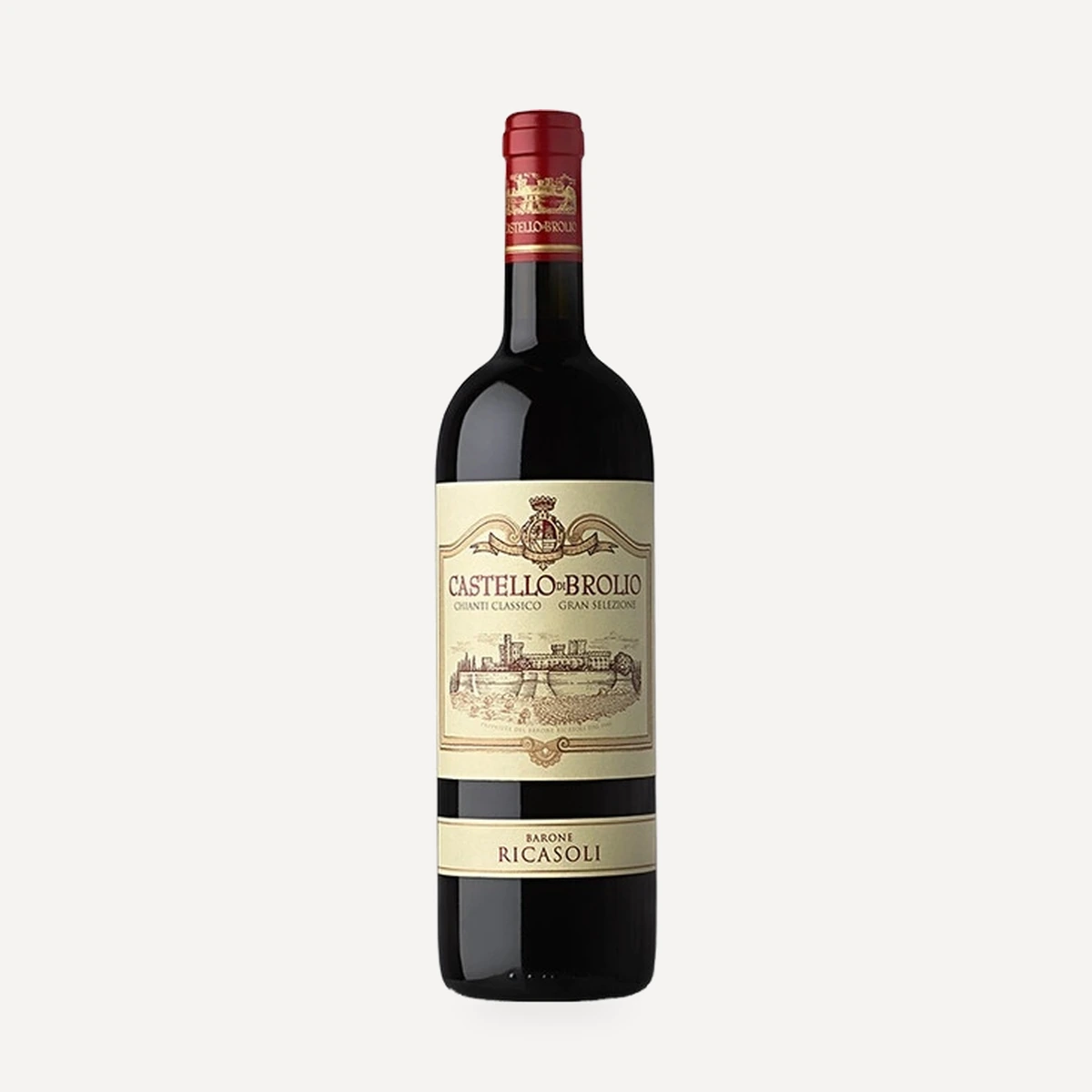
Castello di Brolio Chianti Classico Gran Selezione Gaiole DOCG
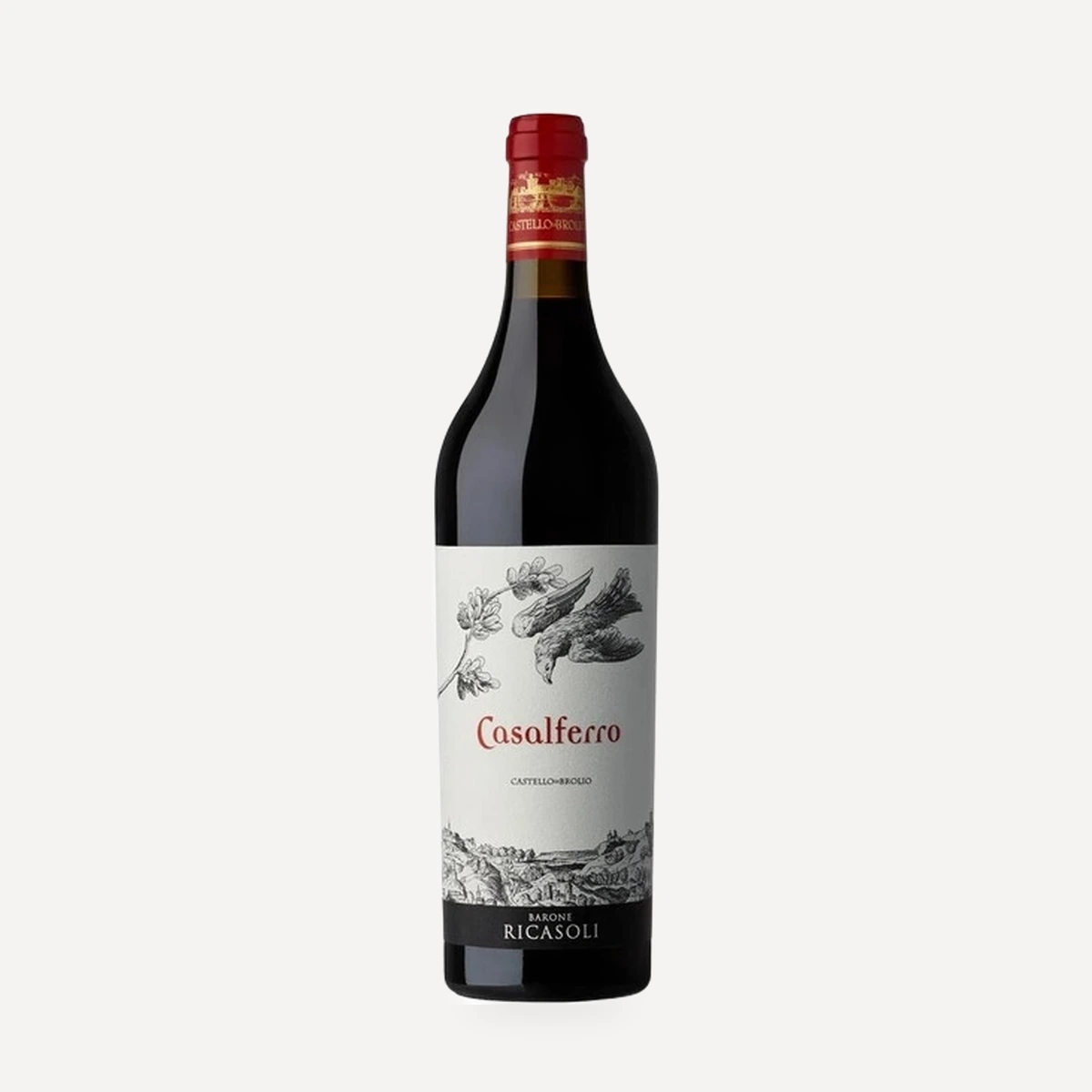
Casalferro Toscana IGT
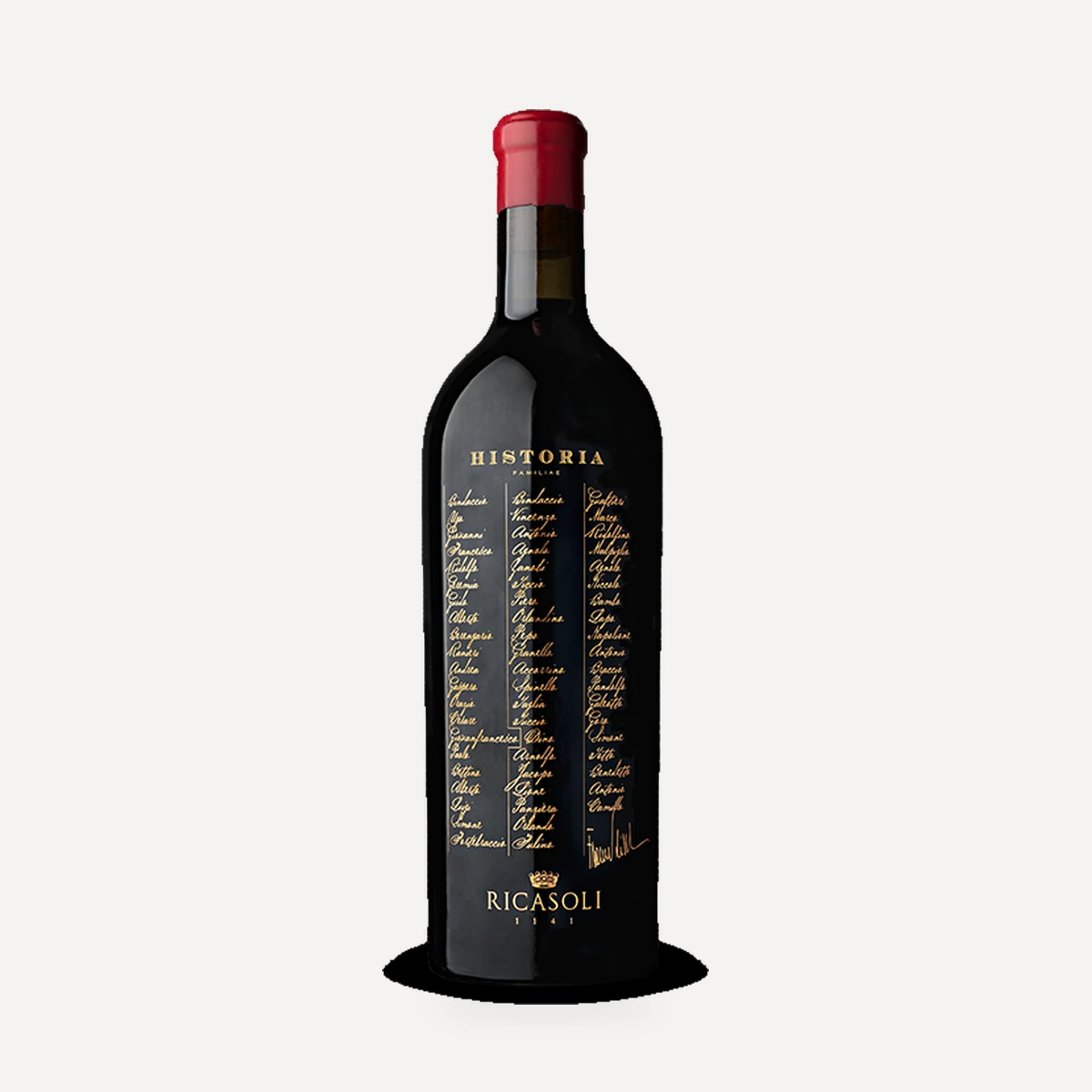
Historia Familiae Toscana IGT
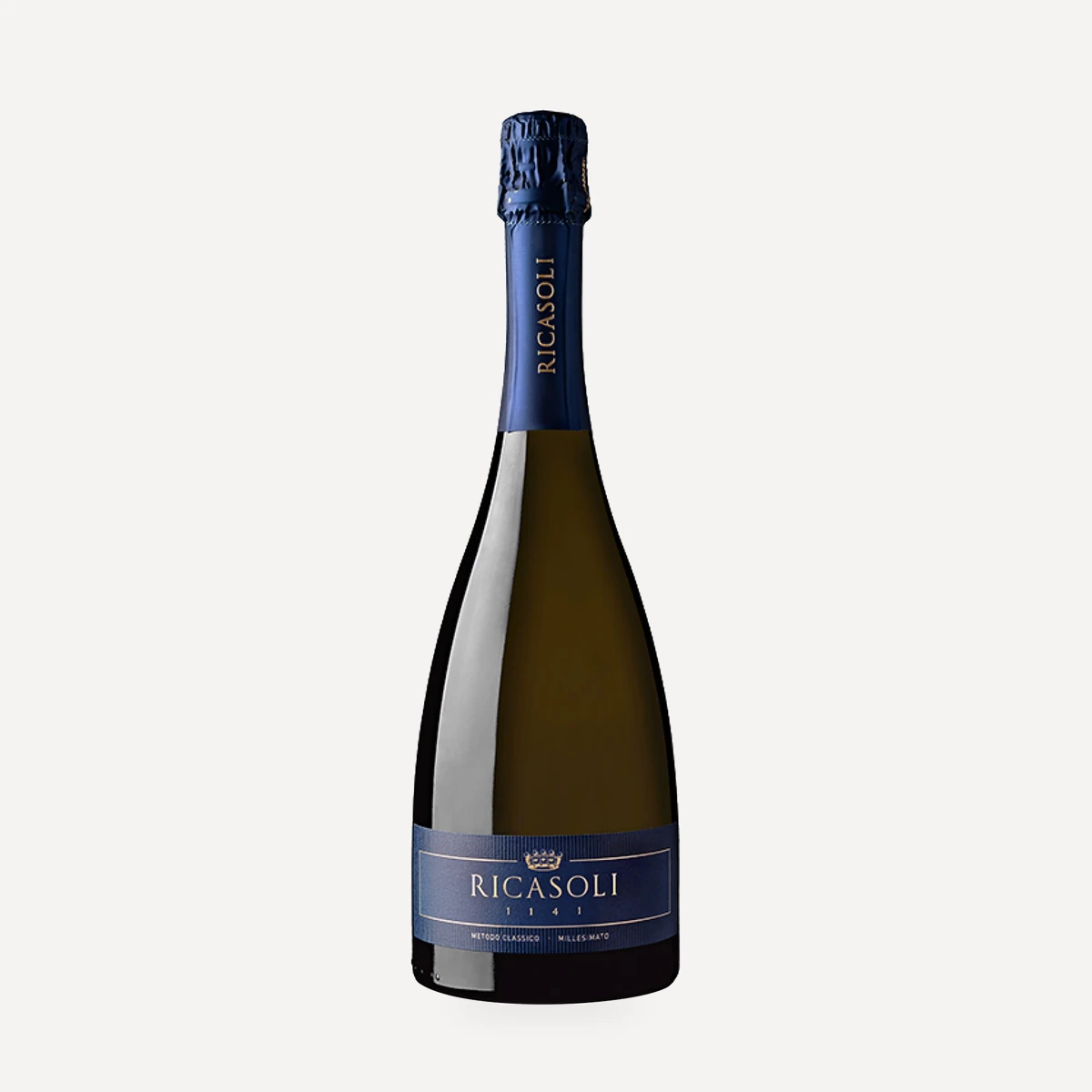
Ricasoli Metodo Classico Millesimato
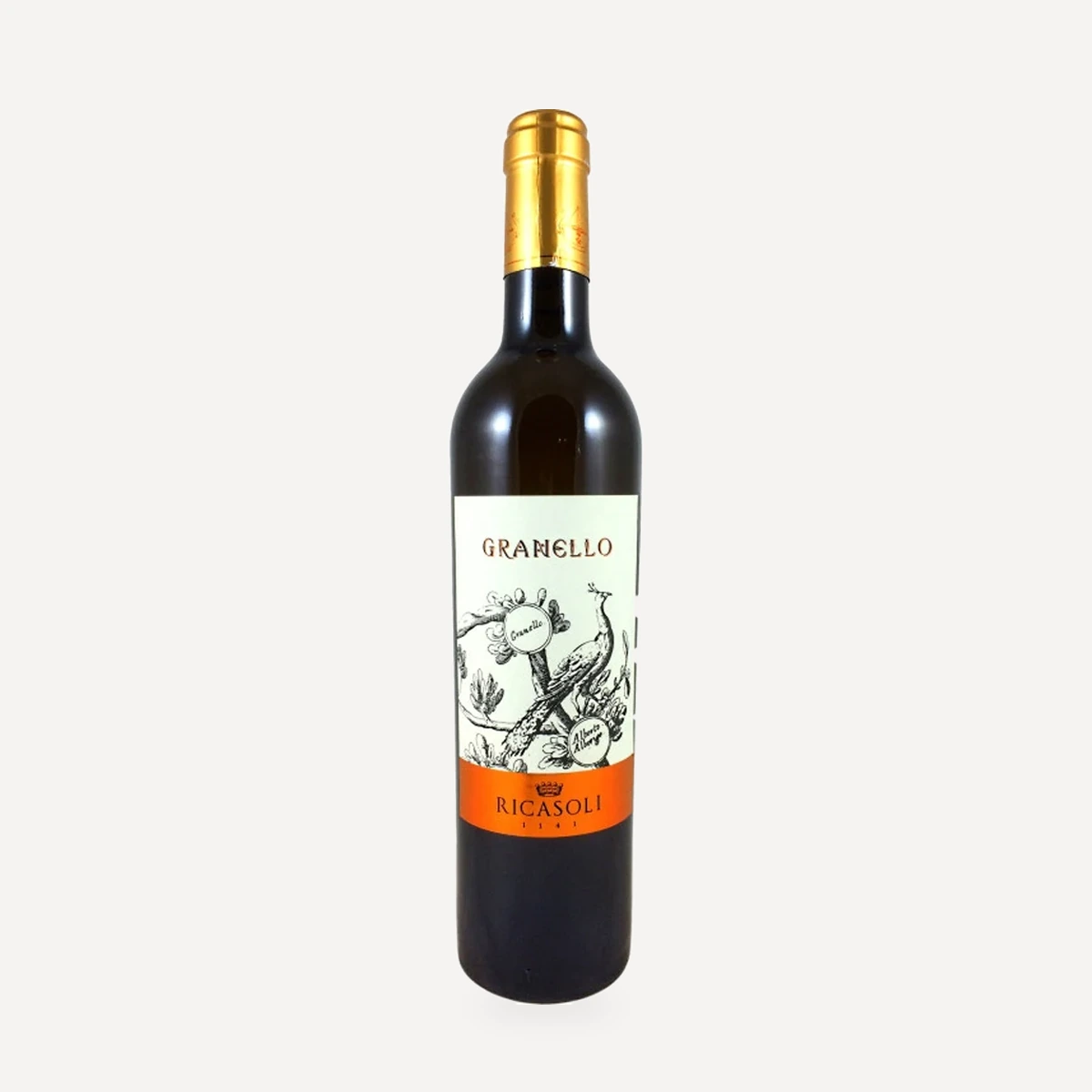
Granello Toscana Passito IGT
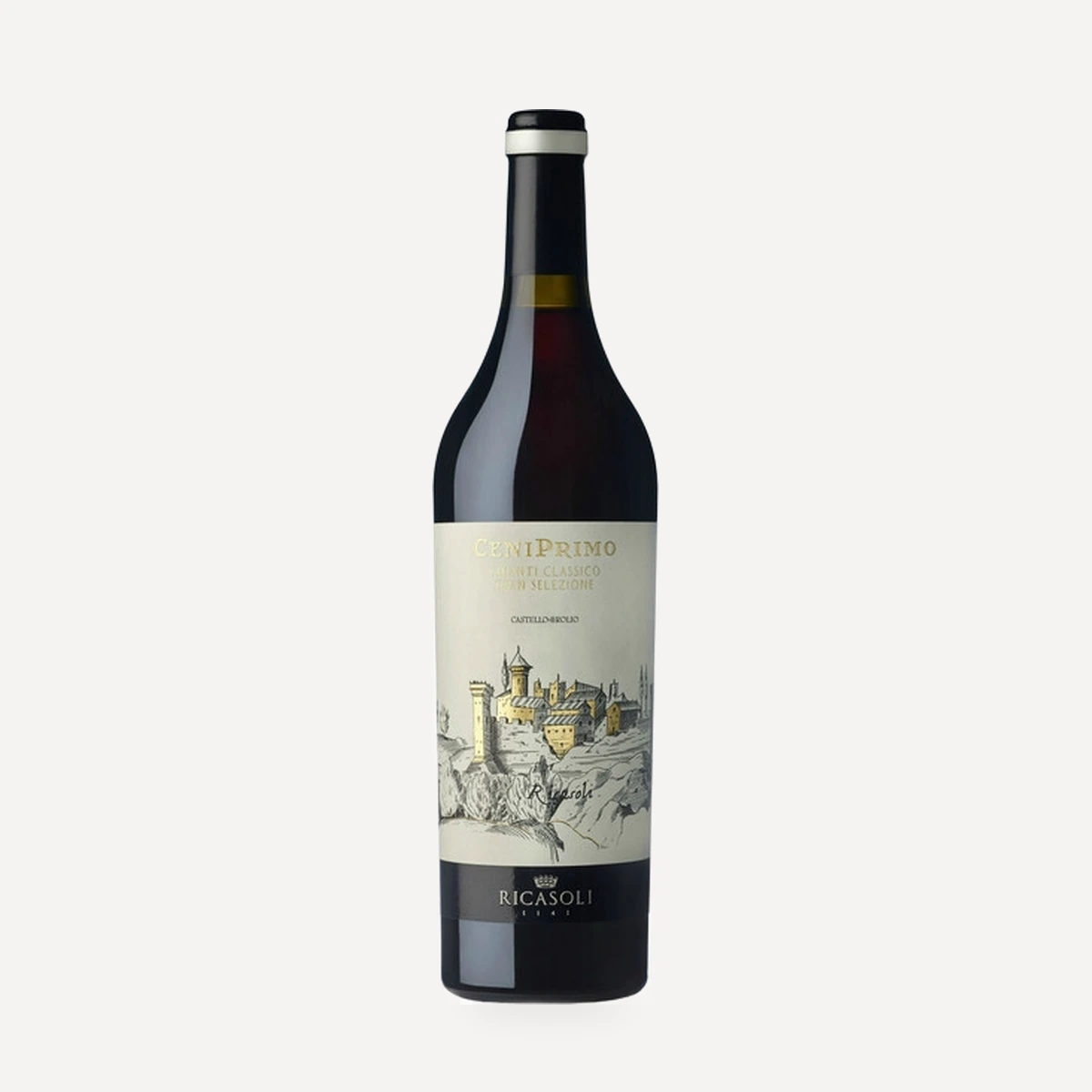
CeniPrimo Chianti Classico Gran Selezione Gaiole DOCG
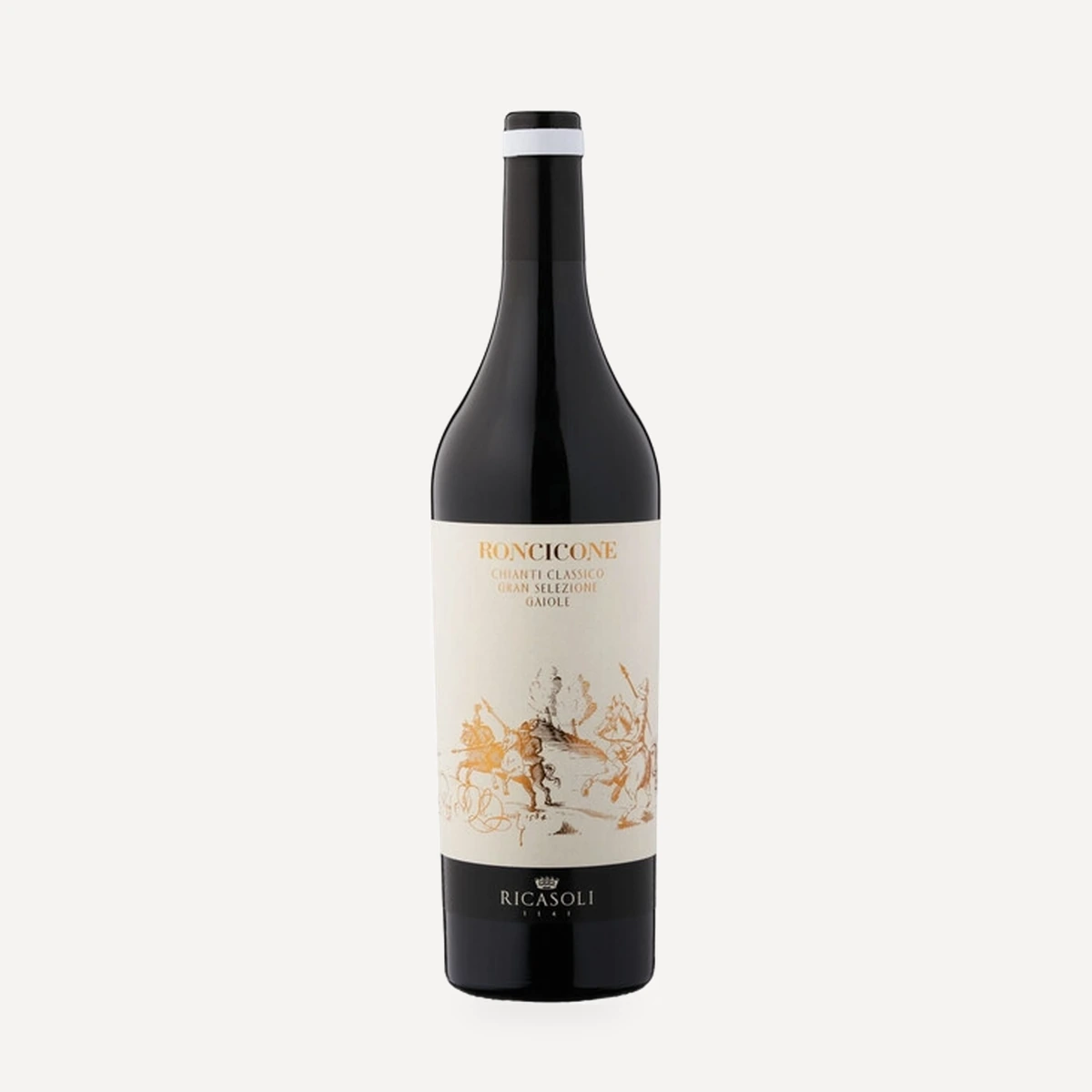
Roncicone Chianti Classico Gran Selezione Gaiole DOCG
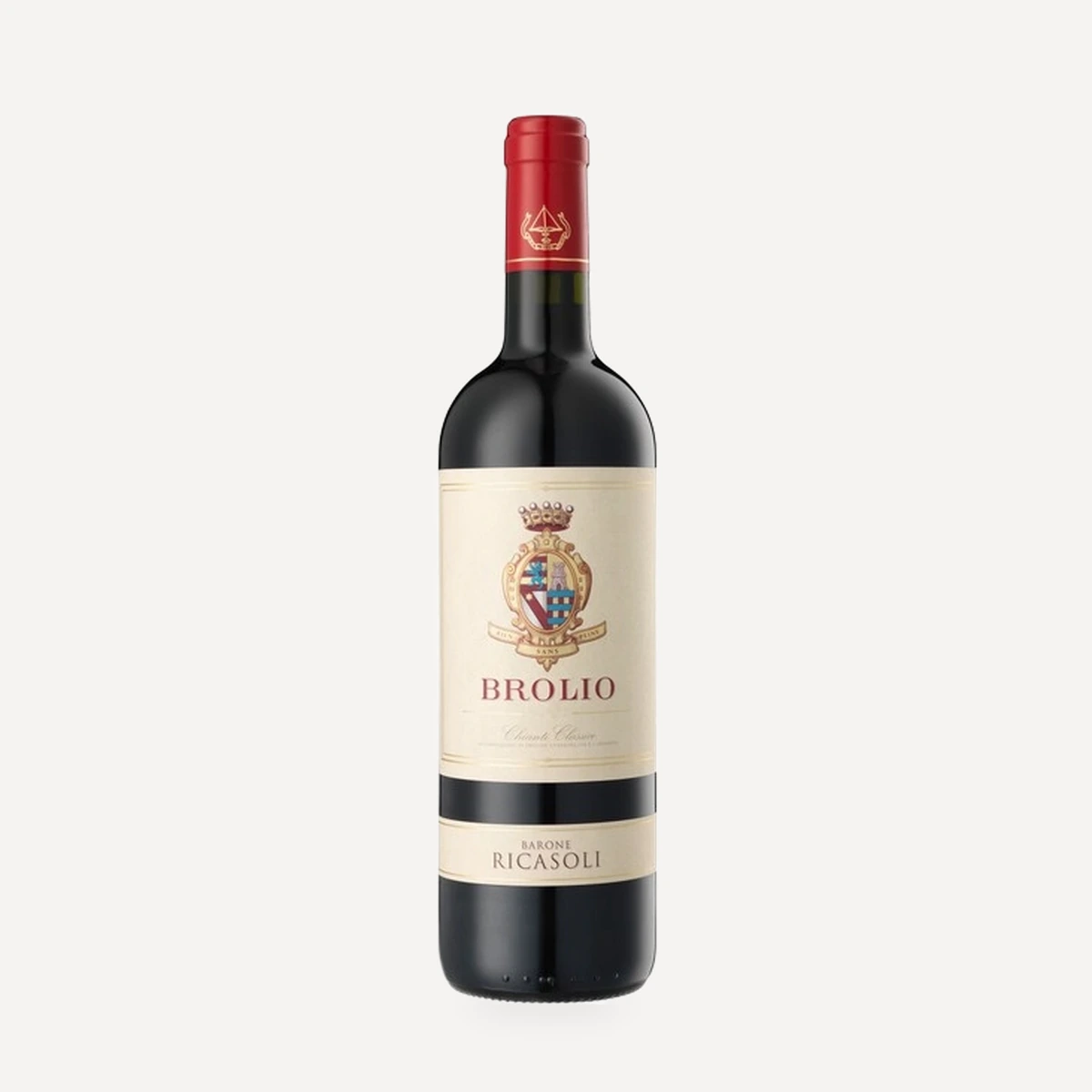
Brolio Chianti Classico DOCG
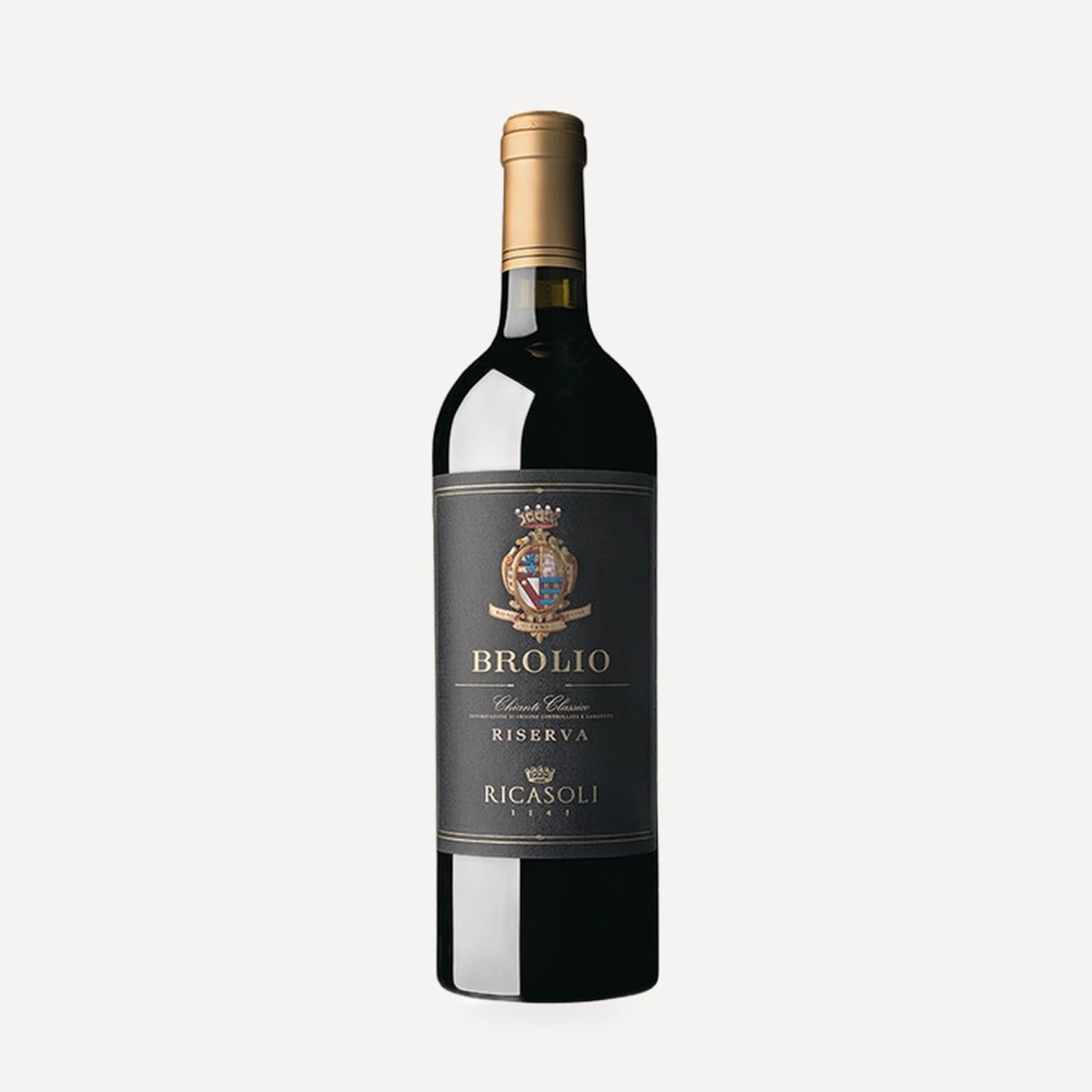
Brolio Riserva Chianti Classico Riserva DOCG
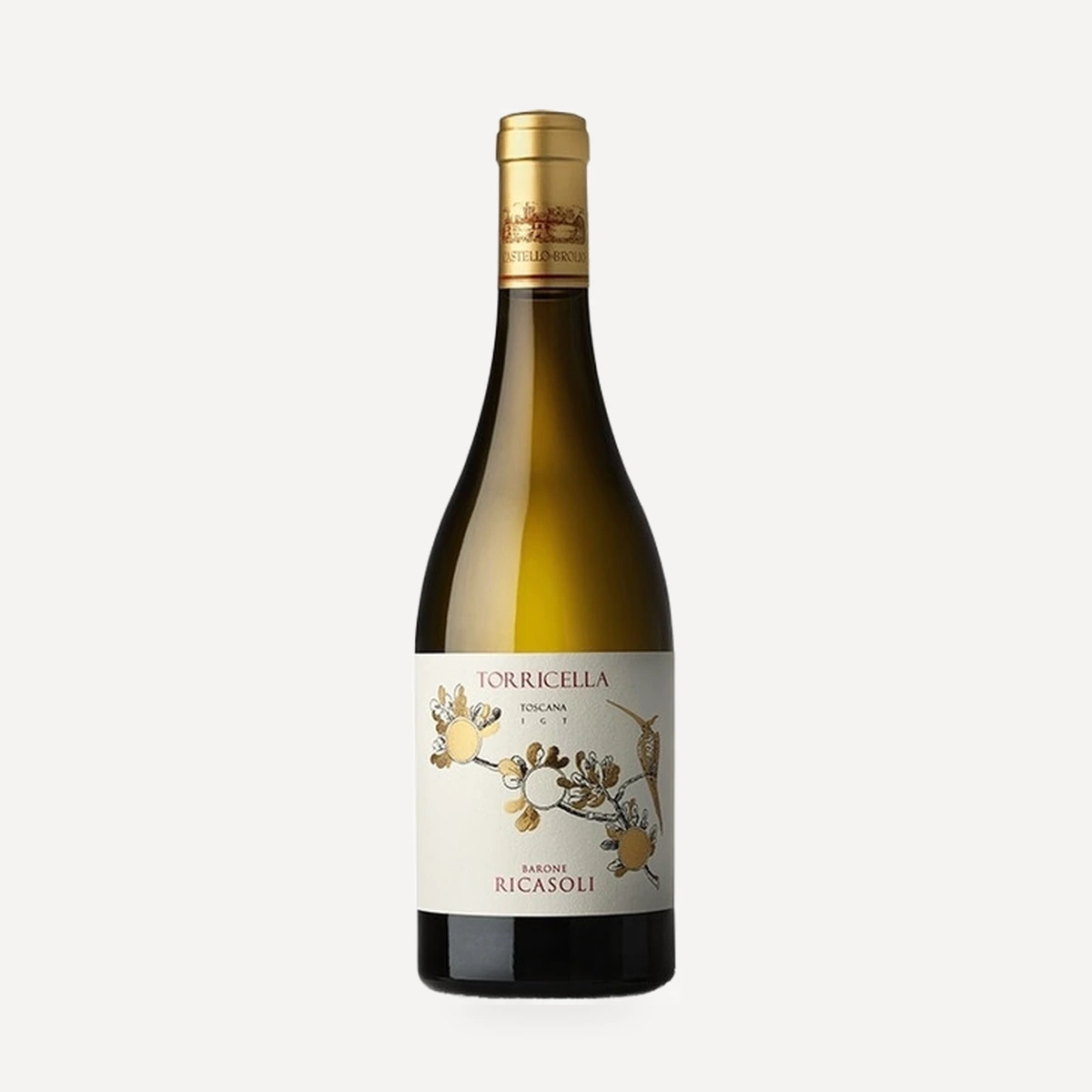
Torricella Toscana IGT
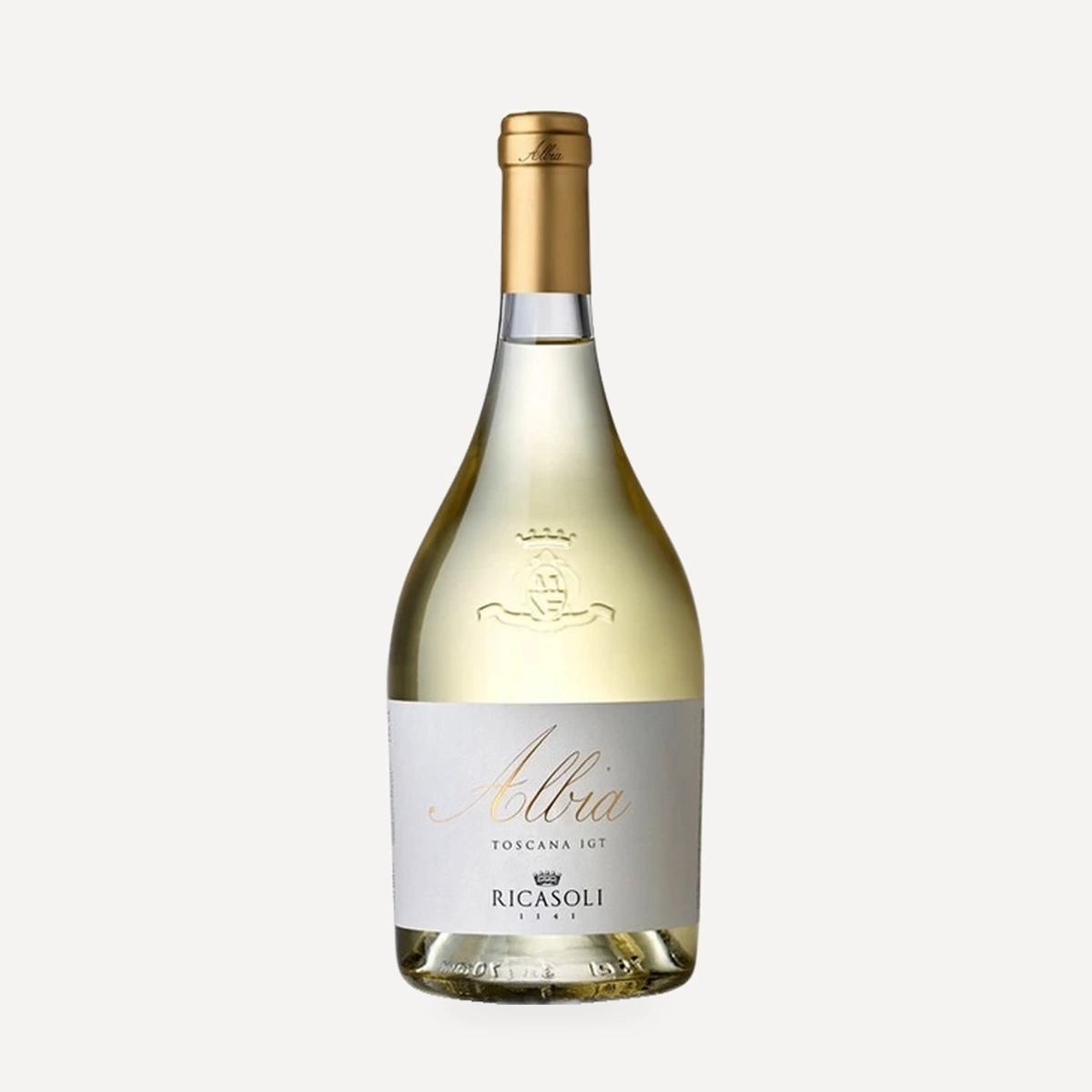
Albia Bianco Toscana IGT
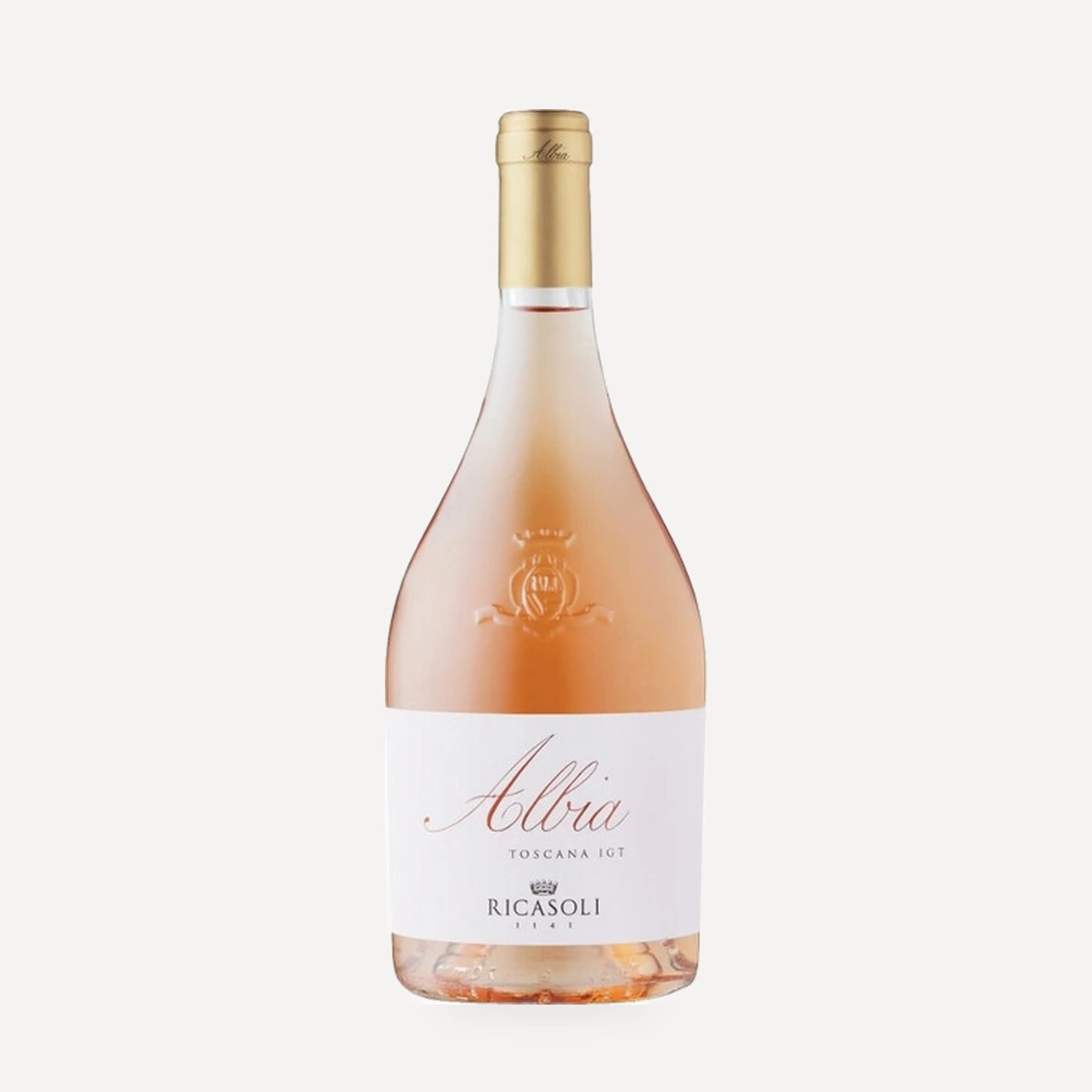
Albia Rosé Toscana IGT
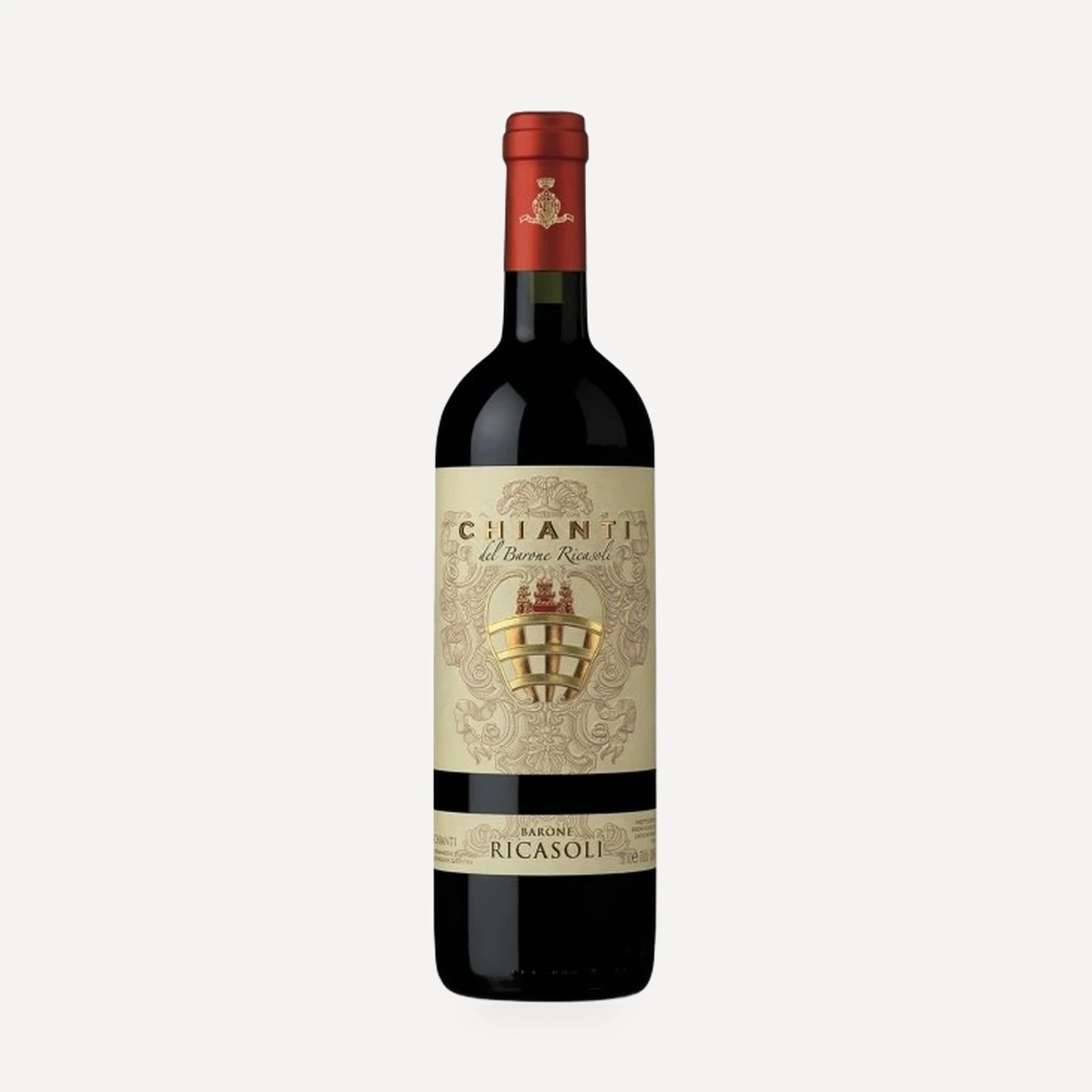
Chianti Ricasoli Chianti DOCG
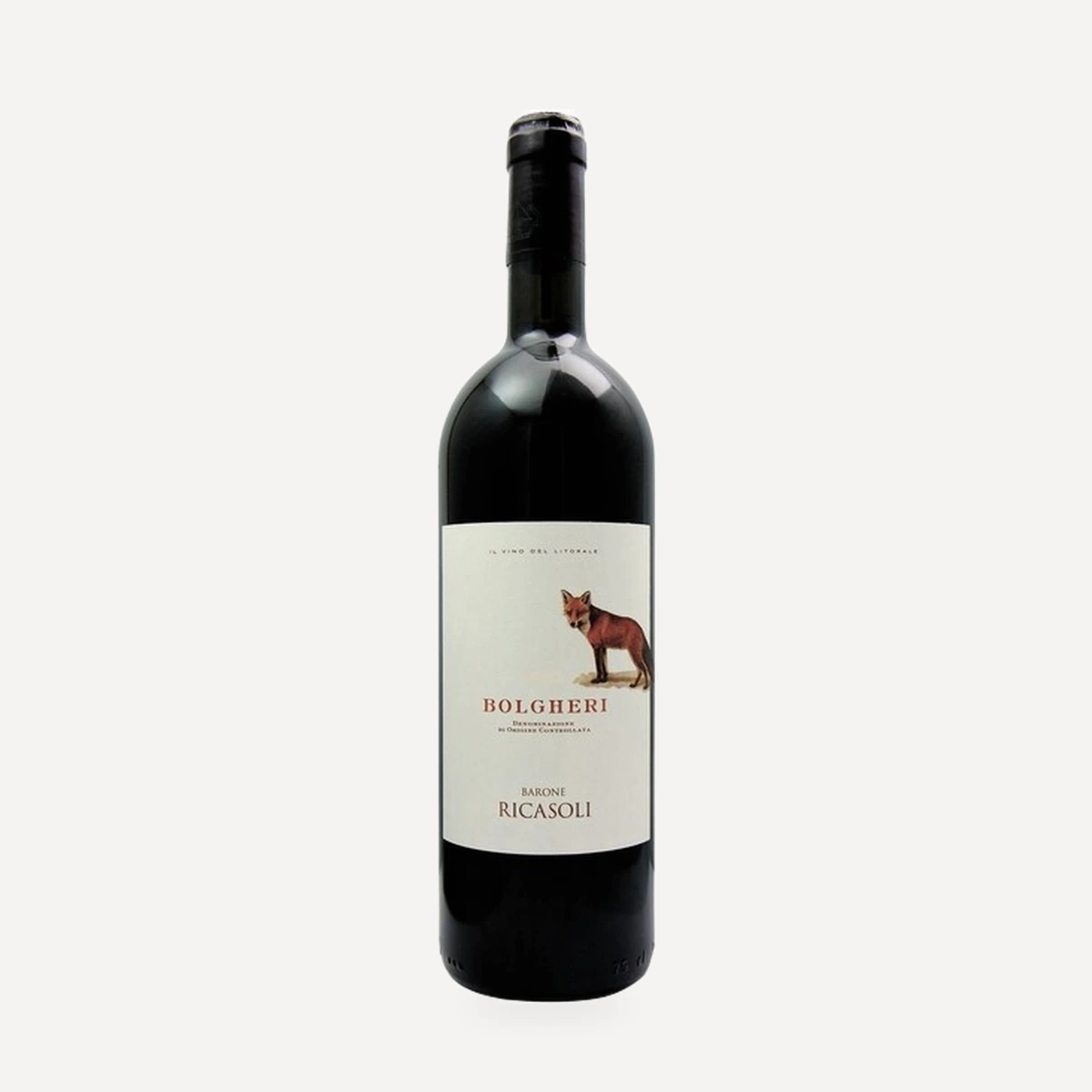
Bolgheri DOC
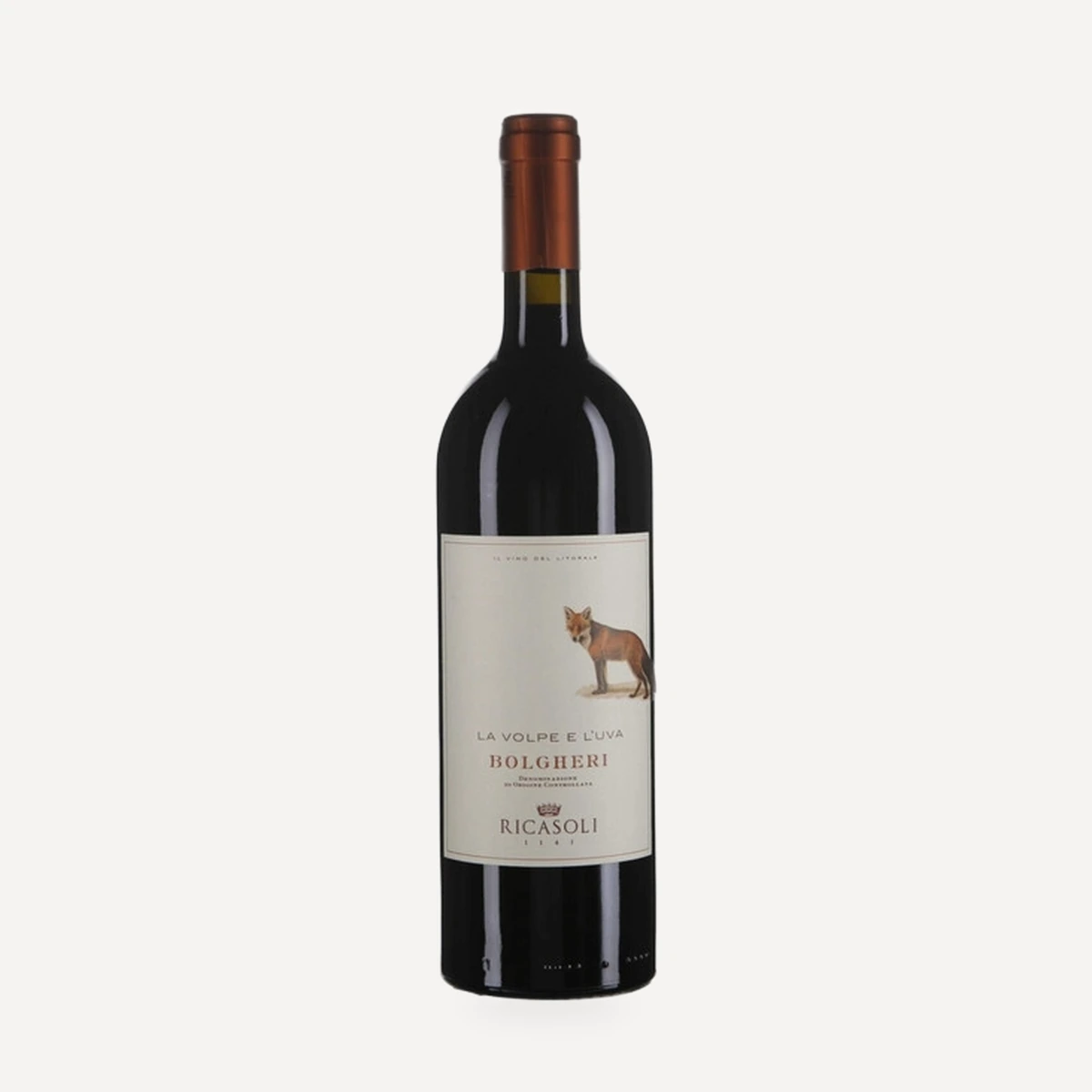
Bolgheri La Volpe e L'Uva DOC
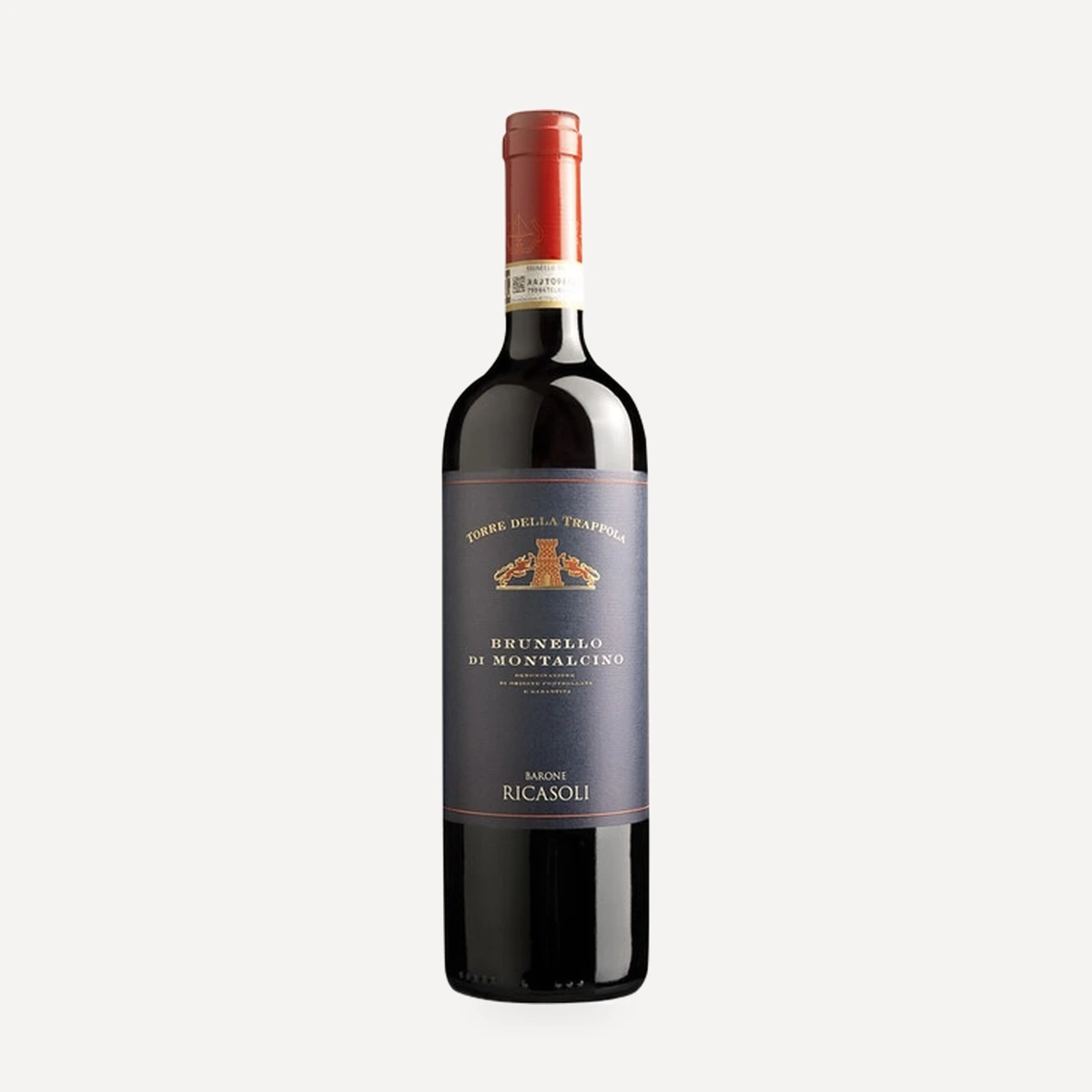
Torre della Trappola Brunello di Montalcino DOCG
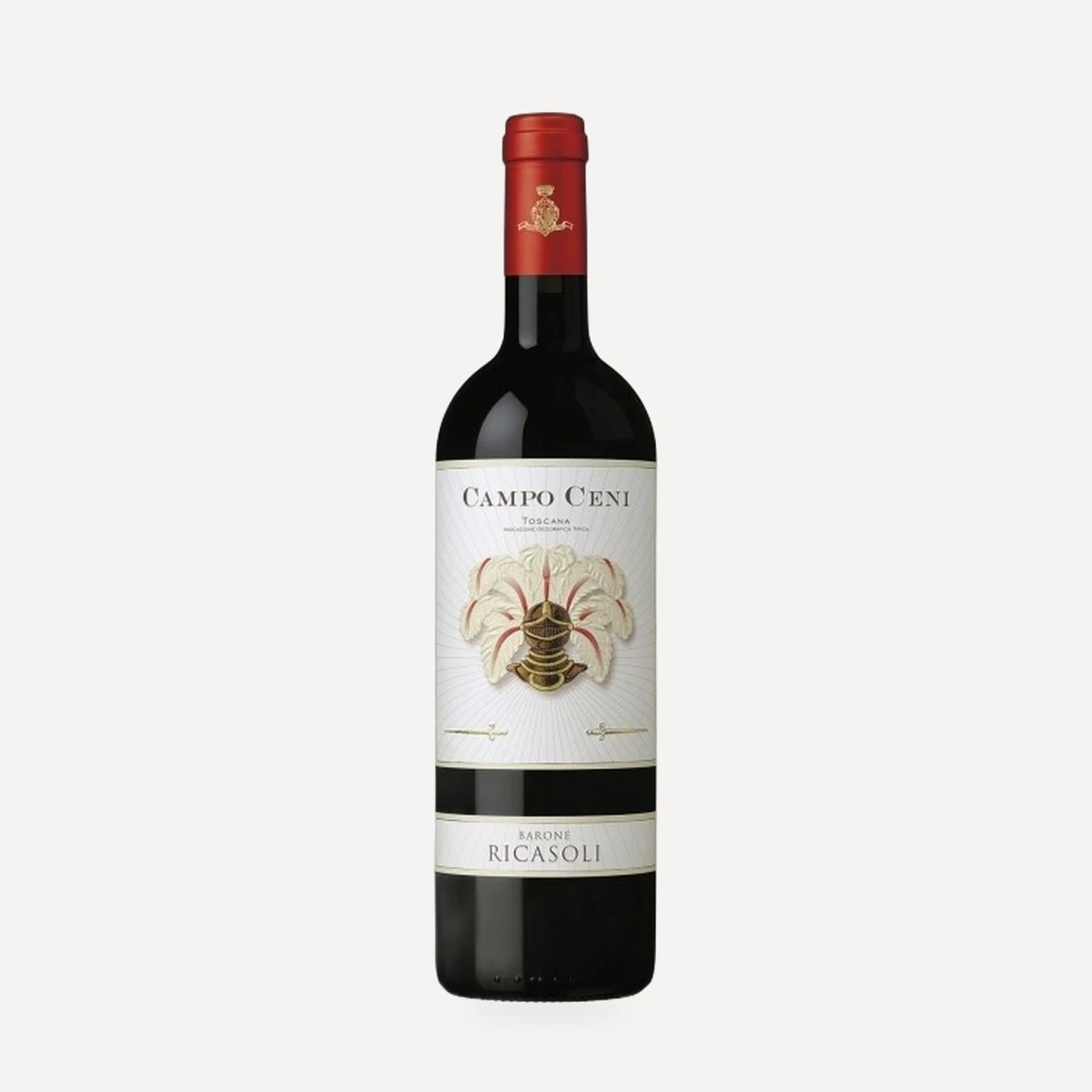
Campo Ceni Toscana IGT
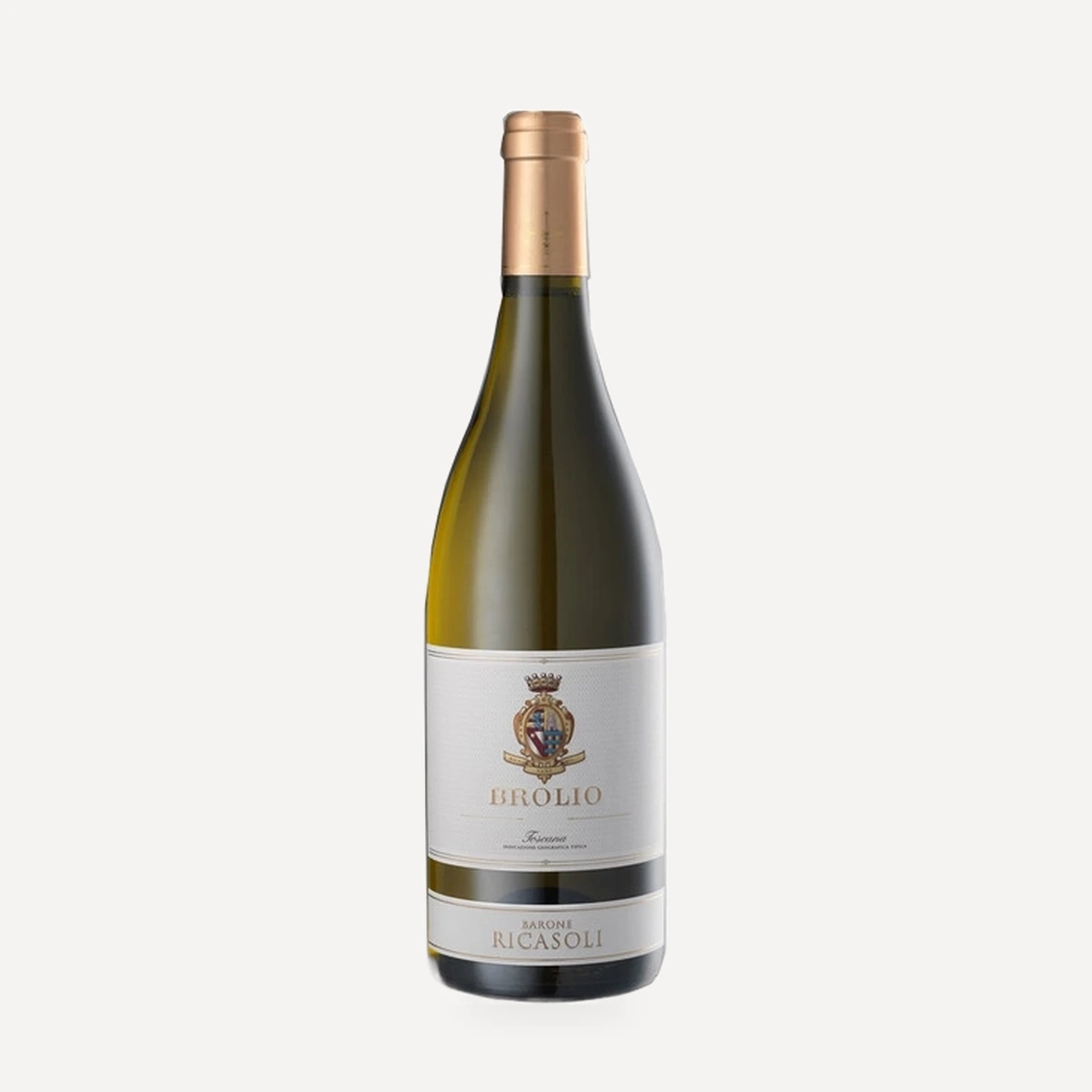
Castello di Brolio Sanbarnaba Vin Bianco Toscana IGT
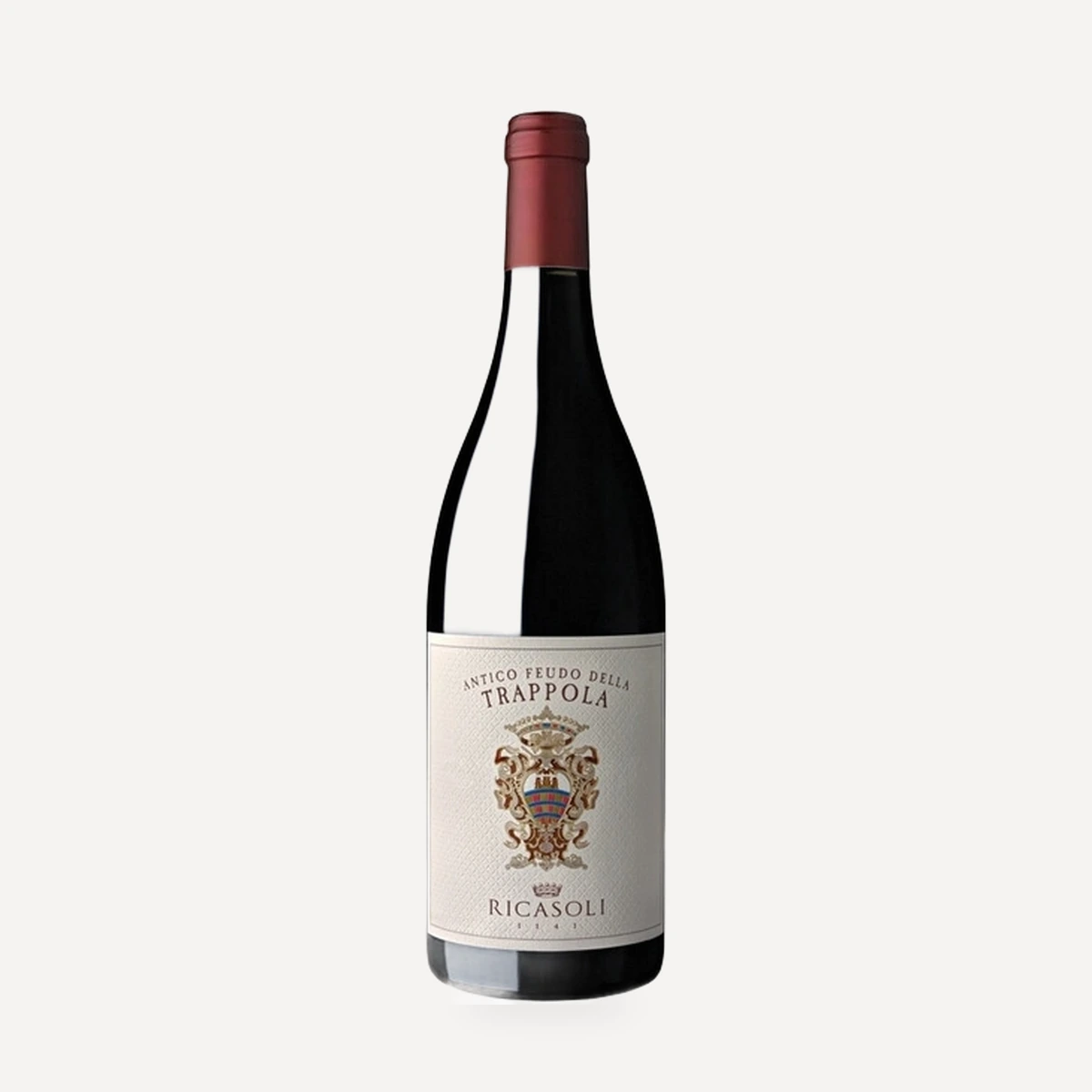
Antico Feudo Toscana Rosso Toscano IGT