Storia
1871: the beginning
San Silvestro traces its history to 1871, when Giovanni Sartirano began producing and selling wine in the Langhe. The business subsequently passed through four generations of the Sartirano family.
The winery’s name preserves the toponym of its original location in the commune of Narzole. From its origins, the business followed the traditional Piedmontese model: wine production combined grapes from family vineyards with fruit supplied by selected growers. Long-term agreements, sometimes continued across generations, gave growers and winery continuity between vintages and fostered reciprocal trust.
The succeeding generations
A later Giovanni Sartirano introduced his son Paolo to the family’s work while Paolo was still a child. Paolo accompanied him through the family vineyard rows, into the cellar to inspect the maturation of Barolo DOCG Patres, and to meetings in an Alba café where local growers discussed vineyard work and the coming harvest. These experiences brought Paolo into the practical and social world of Langhe wine from an early age.
2006: Novello and organic production
In 2006 San Silvestro transferred its headquarters to Novello, on the boundary with the commune of Barolo. The modern facility covers 5,000 m², of which 4,000 m² are underground. The same year marked the attainment of ICEA organic certification and the beginning of certified organic-wine production.
2016: a new presentation
New packaging introduced in 2016 was conceived to express San Silvestro’s intended balance between inherited Piedmontese tradition and contemporary technology. The redesign sought to preserve the past received from earlier generations while presenting the range in a modern form.
Fourth-generation management
Paolo and Guido Sartirano now represent the fourth generation and continue to run San Silvestro as a family business. Their management combines investment, technical research and development with the principles inherited from their predecessors: consistency, authenticity or typicity, and innovation.
The production model now combines 7 ha of owned vineyards with approximately 40 long-standing suppliers of grapes and wine. Collaboration continues throughout the year, with vineyard operations and harvest decisions discussed jointly. The range is entirely Piedmontese and represents most of the region’s DOC and DOCG denominations.
2022–2025: recognition and sustainability standards
In 2022 San Silvestro was included in Forbes Italia’s selection of 100 Italian Food & Wine excellences. At that time, the winery was distributed in more than 35 countries and was pursuing confirmation under the Equalitas sustainability standard.
By 2025, the business held current BRC, IFS, SQNPI and Equalitas certifications. Equalitas Organization revision 4 covers the operations of Sartirano Figli Cantine e Vigneti from the arrival of grapes at the winery through bottling and sale of the finished product.
Terroir
San Silvestro is based in Novello, in the Langa del Barolo and close to the boundary of the commune of Barolo. The winery stands near the small natural lake Ghercina, surrounded by vineyards and facing the Alps and Monviso.
Its production geography extends beyond the immediate surroundings of Novello through long-term growers in several Piedmontese wine districts. The range spans Gavi, Asti, Barolo and Barbaresco and therefore reflects markedly different geological and morphological settings. Marl, clay, limestone and sand can alternate even across small sections of hillside, producing different expressions of the same variety.
Nas-cëtta has a particularly close relationship with Novello, where it is most widely cultivated. Arneis and Favorita are associated with the predominantly sandy hills of Roero, to the left of the Tanaro. Arneis is linked to light sandy soils, south-eastern and western exposures, diurnal temperature variation and infrequent spring frosts. Cortese is sourced in the province of Alessandria, especially around Gavi; the Gavi hills are described as being near the sea and rich in marl and fossils. Most Chardonnay used by San Silvestro comes from Alta Langa, particularly Vesime, while Pinot Noir for Alta Langa is harvested at Monastero Bormida. Alta Langa vineyards rise above 250 m.
Vinificazione
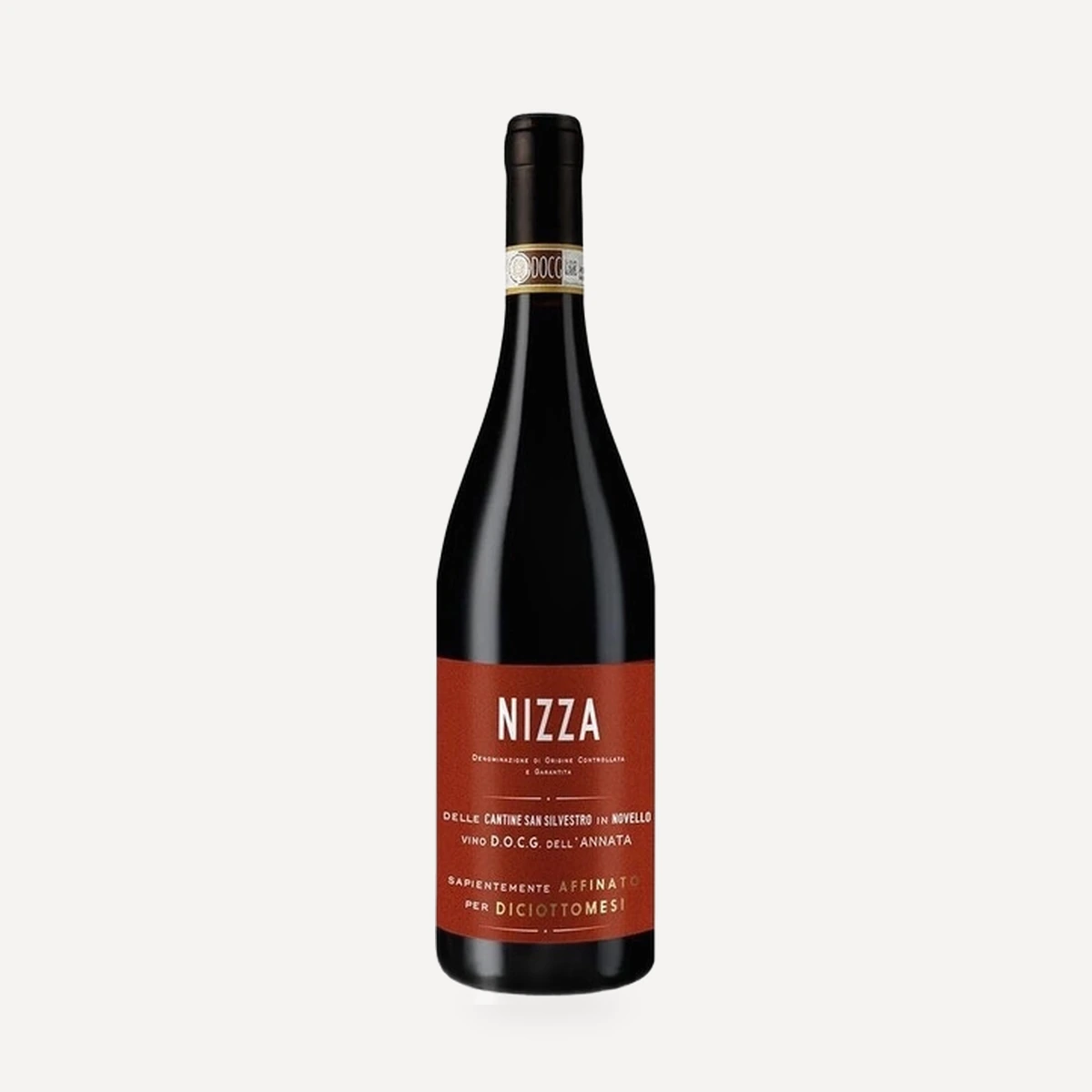
San Silvestro follows the historic Piedmontese model, combining 7 ha of family-owned vineyards with grapes and wine from approximately 40 carefully selected suppliers. Many partnerships have lasted for decades, reflecting the regional tradition of long-term agreements between small vineyard holders and a central producer capable of vinifying their harvests.
The relationship is active throughout the growing year. San Silvestro and its partners discuss vineyard work and make harvest decisions together, while agronomist Prof. Carlo Arnulfo supervises the growers’ work and the required quality standards. Supplier selection, continuity between generations and reciprocal technical exchange are central to the model.
The 2025 SQNPI certification applies the principles of integrated agriculture, with particular attention to ecosystems and human health. Its stated agronomic objective is to minimize synthetic chemical substances while considering ecological, economic and toxicological principles.
Certified organic-wine production began in 2006 under ICEA control. This organic activity forms a defined part of the range rather than a claim that every vineyard and wine is organic. ICEA certification addresses ethical and environmental standards, respect for workers and consumer rights, and organic agricultural practices.
Variety-specific cultivation considerations include crop thinning for the naturally productive Dolcetto to improve ripening and quality; careful management of Dolcetto because it is sensitive to rain near harvest; and the use of Favorita’s naturally upright growth habit to facilitate trellising and vineyard work.
The Novello winery occupies 5,000 m², with 4,000 m² built underground. It combines a modern production facility with the continuity of a cellar owned and operated by the Sartirano family for four generations.
All production is based on Piedmontese wines. Barolo accounts for 20% of production, Barbera for 18%, and white wines for 15%; the white share includes Langhe DOC Nas-cëtta made from the native variety of Novello. The portfolio also includes two traditional-method sparkling wines.
Production draws on the winery’s own vineyards and on approximately 40 long-standing suppliers of grapes and wine. Coordination begins during the growing season and continues through the harvest. Technical research and development of advanced oenological projects form part of the production strategy.
Equalitas Organization revision 4 covers the company’s operating chain from the arrival of grapes at the winery through production, bottling and sale of the finished wine. Food-safety and process controls are also covered by current BRC and IFS certification.
Individual categories employ several distinct techniques. Traditional-method sparkling production uses secondary fermentation in bottle; Alta Langa remains on fine lees for 30 months. Other sparkling and semi-sparkling wines use the Charmat method, with secondary fermentation in pressure tanks. Organic grapes are kept within a certified production framework through vinification. The portfolio also includes stainless-steel maturation, large Slavonian-oak casks, French wooden casks and appassimento, depending on the wine category.
Filosofia
San Silvestro defines its work through the conjunction of Piedmontese tradition and technological innovation. The fourth generation seeks to preserve lessons inherited from its predecessors—consistency, typicity and innovation—while continuing to invest in vineyards, the cellar and oenological research.
The winery’s idea of typicity begins with the vineyard and with Piedmont’s geological and morphological diversity. Different varieties and growing districts are treated as ways to represent the breadth of the region rather than to impose a single house style. This approach includes established varieties such as Barbera, Nebbiolo, Dolcetto, Grignolino, Arneis, Cortese and Moscato, alongside renewed attention to Favorita and Novello’s Nas-cëtta.
Its Piedmontese model is also a social and production philosophy. Family vineyards are complemented by growers selected for quality and linked to the winery through enduring relationships. Decisions are shared during the year, including vineyard operations and harvest timing, with mutual trust and professional exchange treated as essential elements of consistency.
Quality and sustainability are framed as continuing commitments rather than fixed achievements. The approach joins environmental, economic and social considerations and is supported by integrated-production, organic, food-safety and organizational sustainability certifications. Commercially, San Silvestro identifies flexibility and the ability to represent Piedmont’s principal wine denominations as core strengths.
Vini
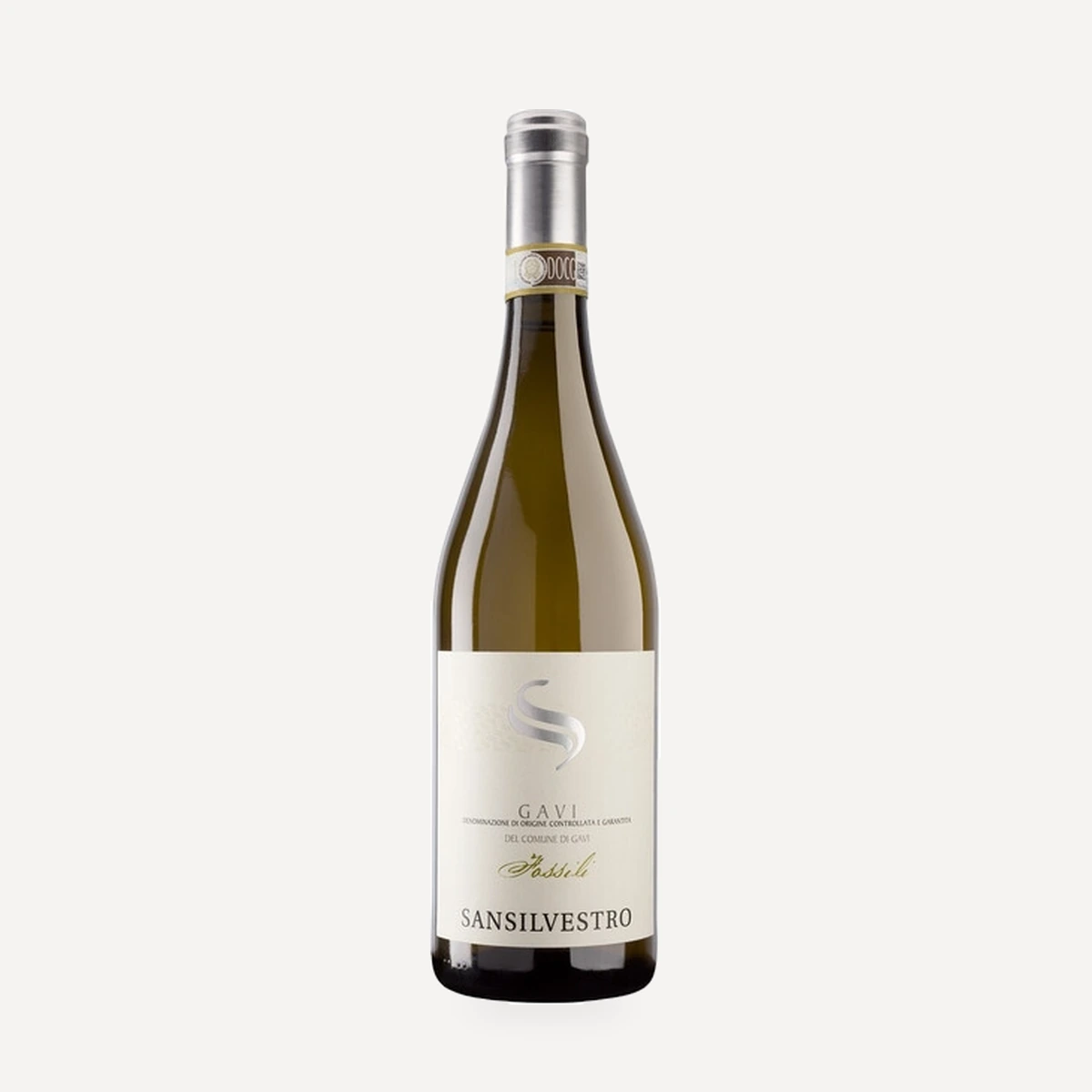
Gavi del Comune di Gavi Fossili DOCG
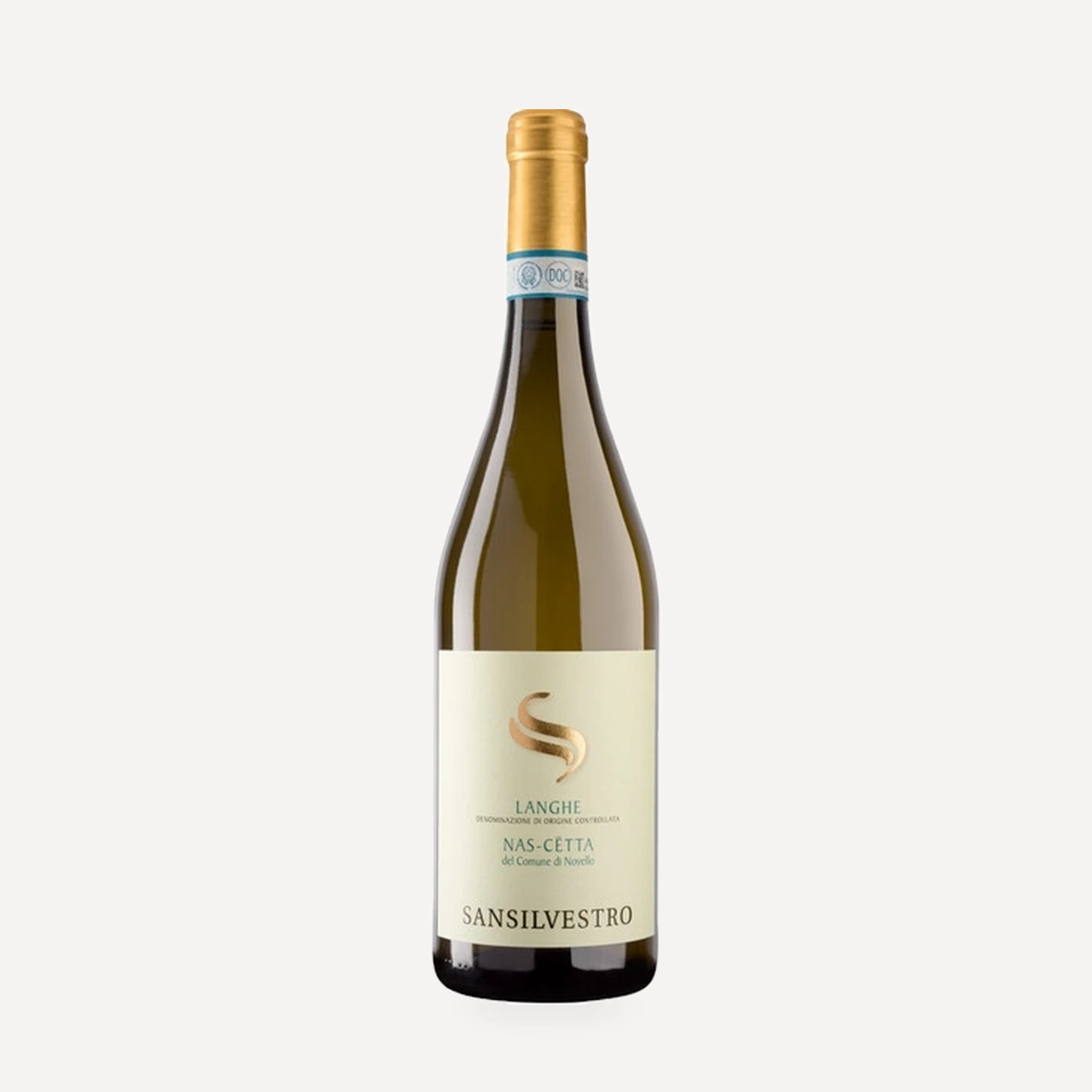
Langhe Nas-cëtta del Comune di Novello DOC
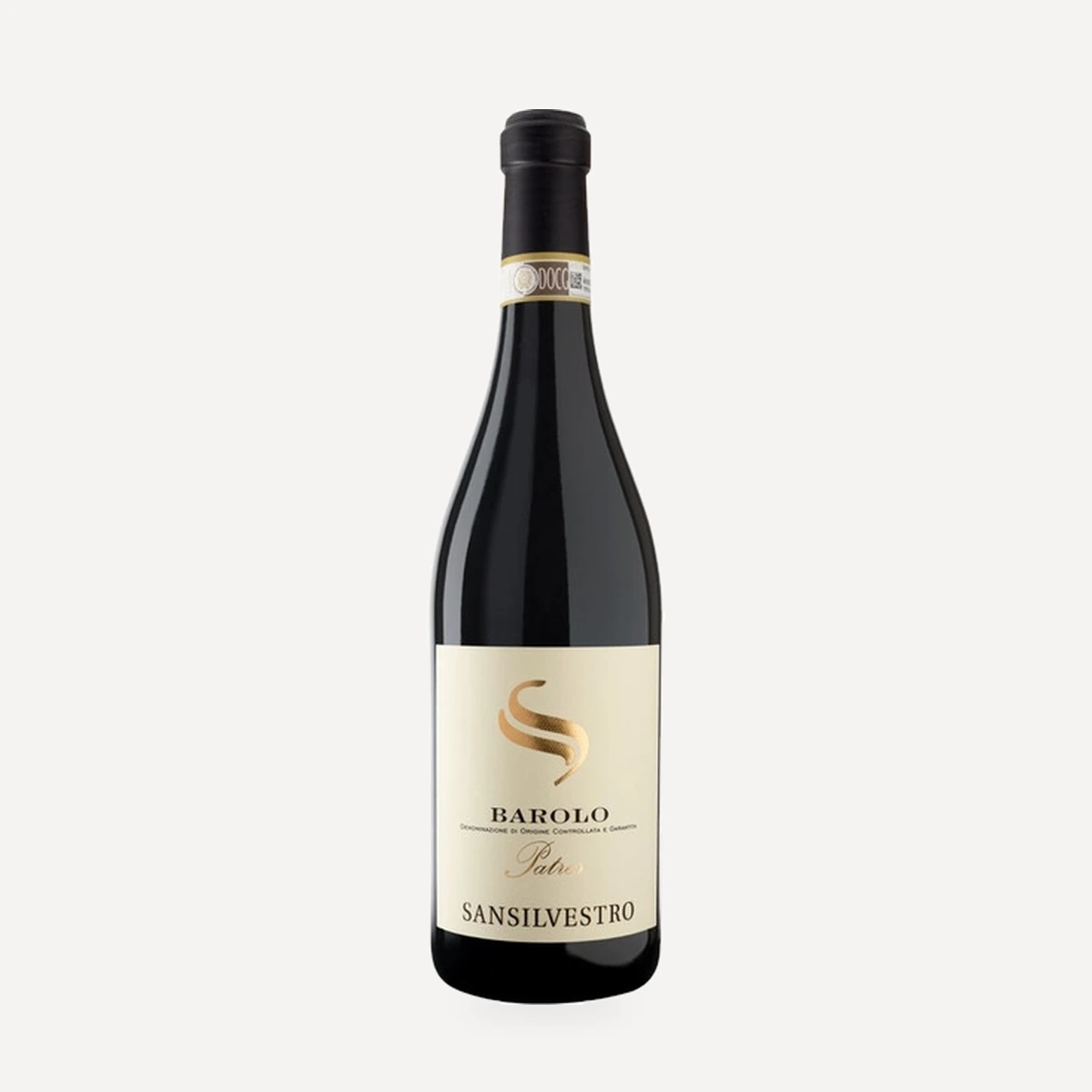
Barolo Patres DOCG
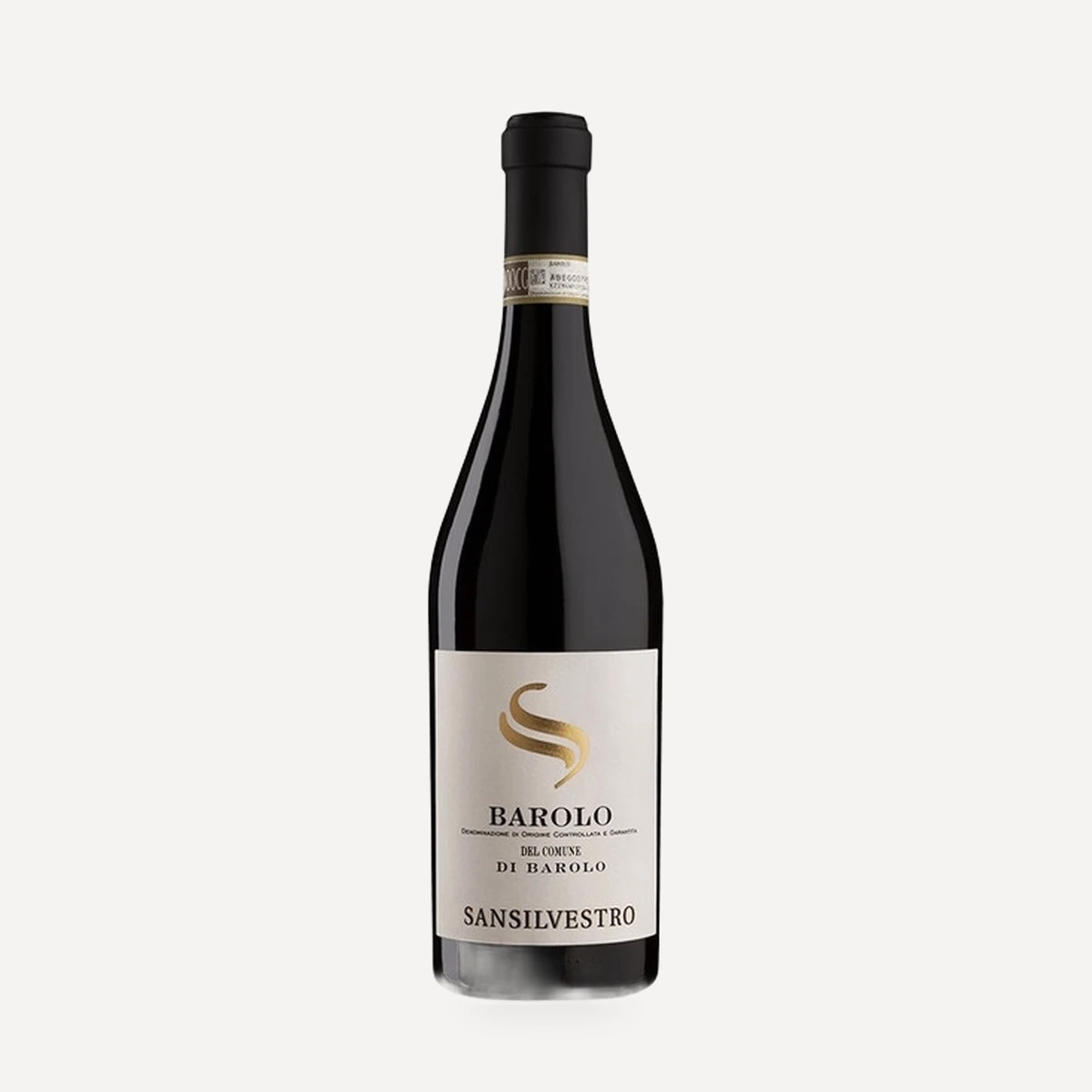
Barolo del Comune di Barolo DOCG
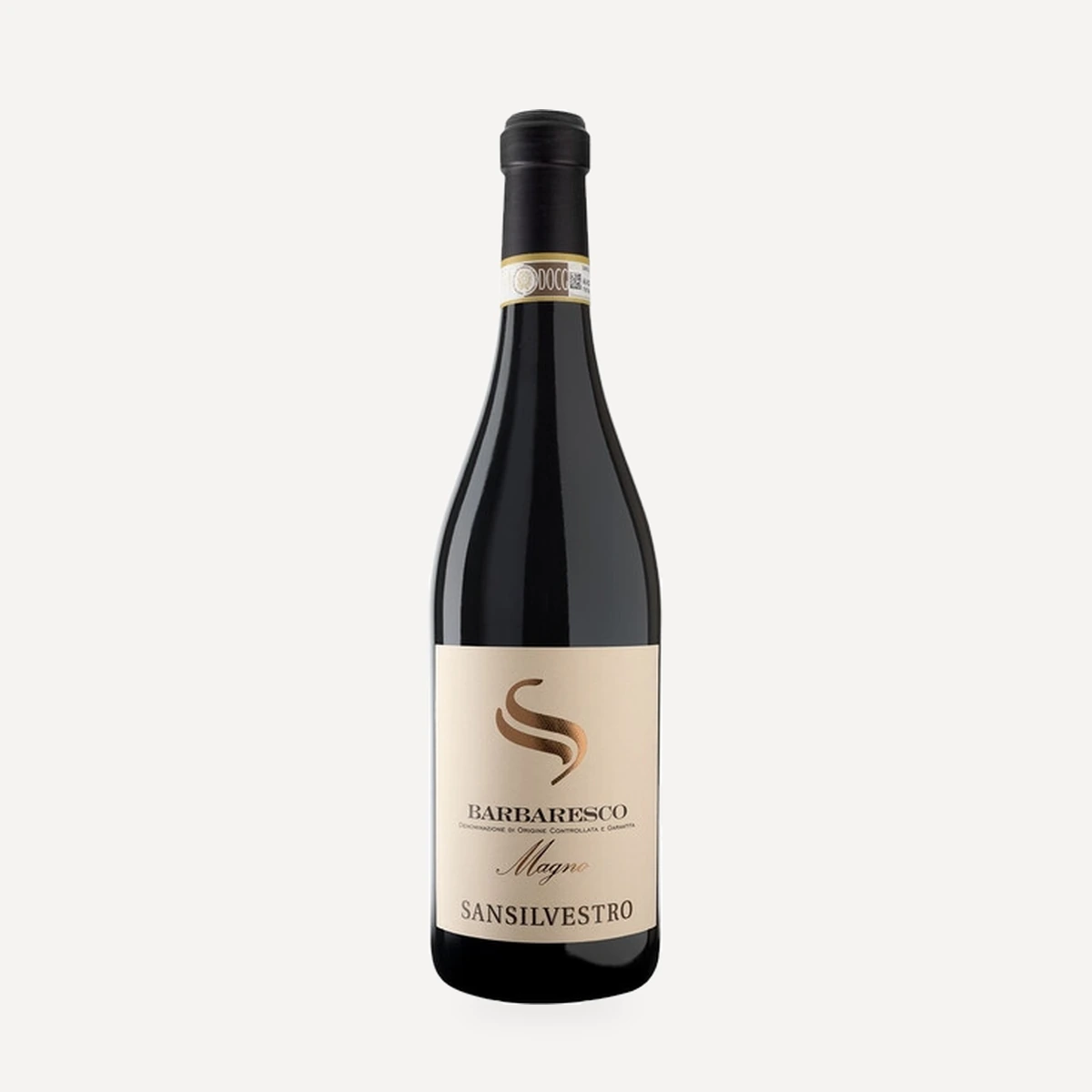
Barbaresco Magno DOCG
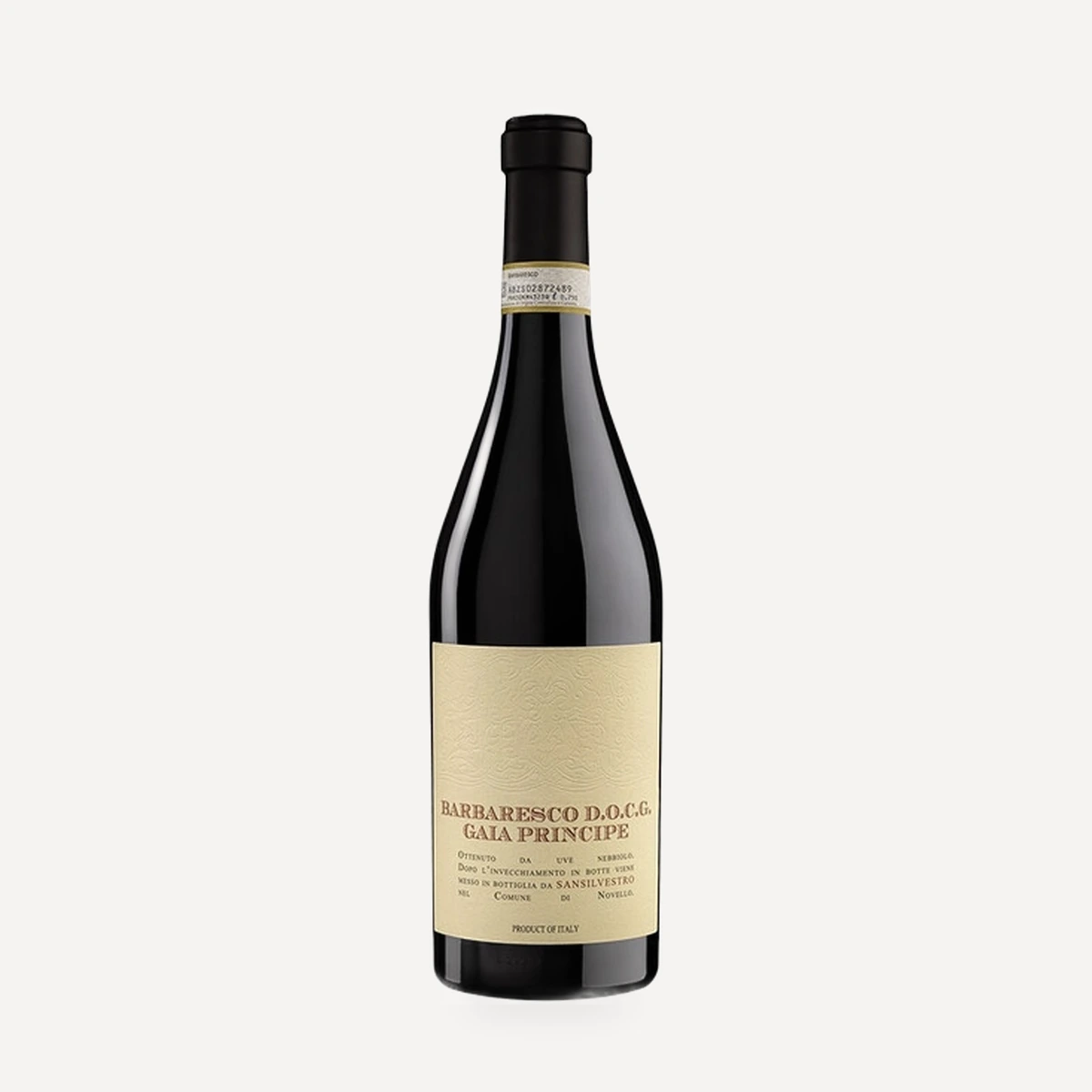
Barbaresco Gaia Principe DOCG
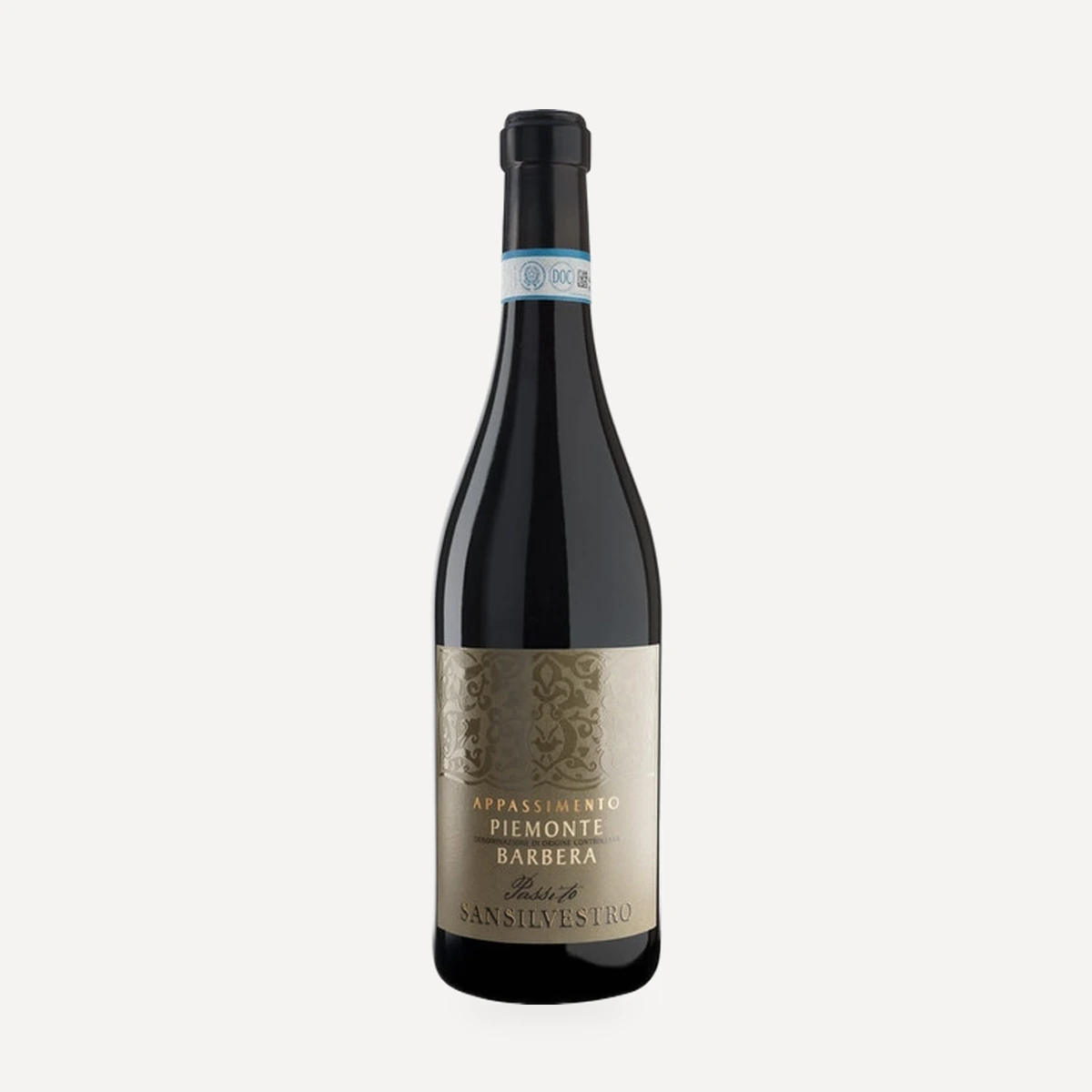
Piemonte Barbera Passito Appassimento DOC
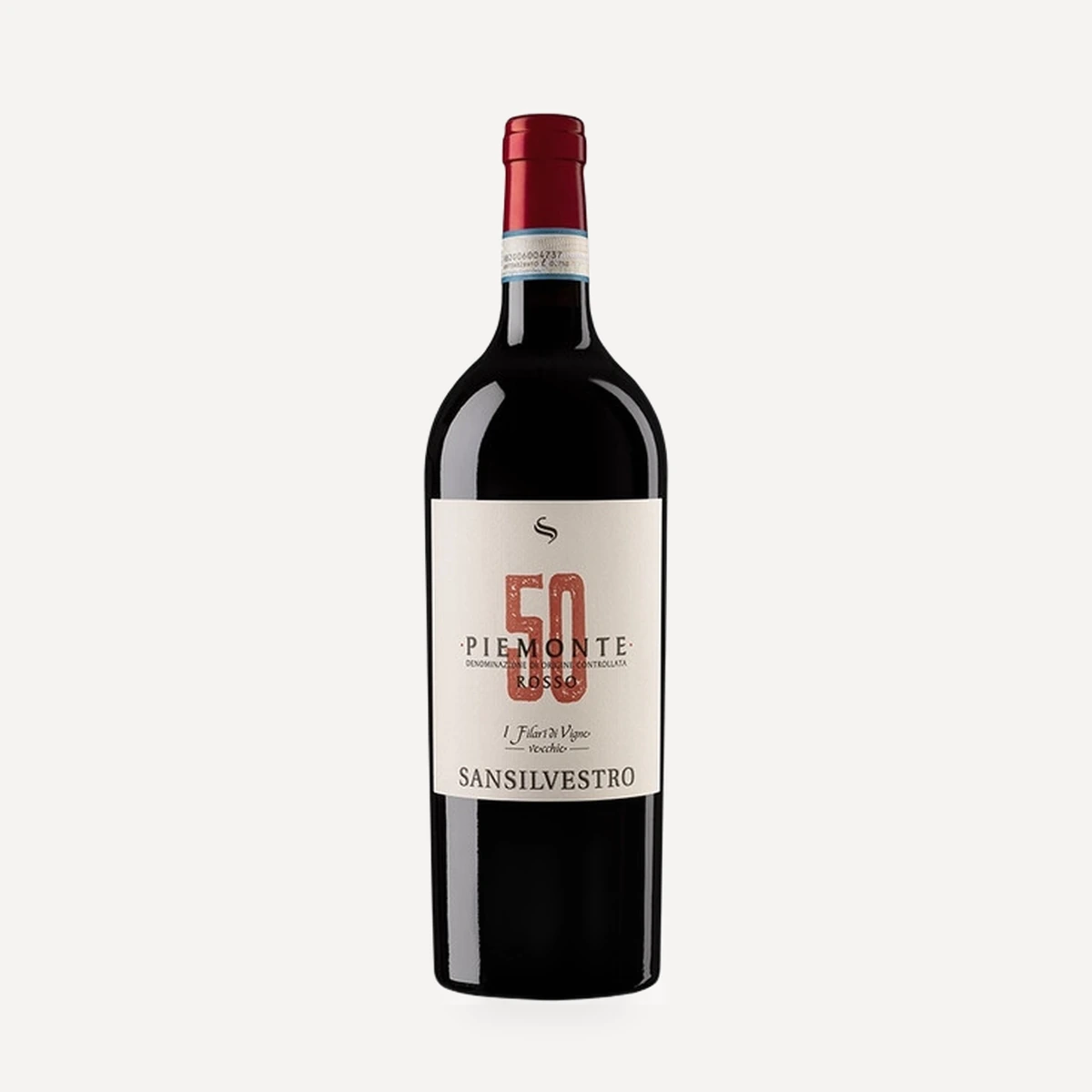
Piemonte Rosso Vigne Vecchie DOC
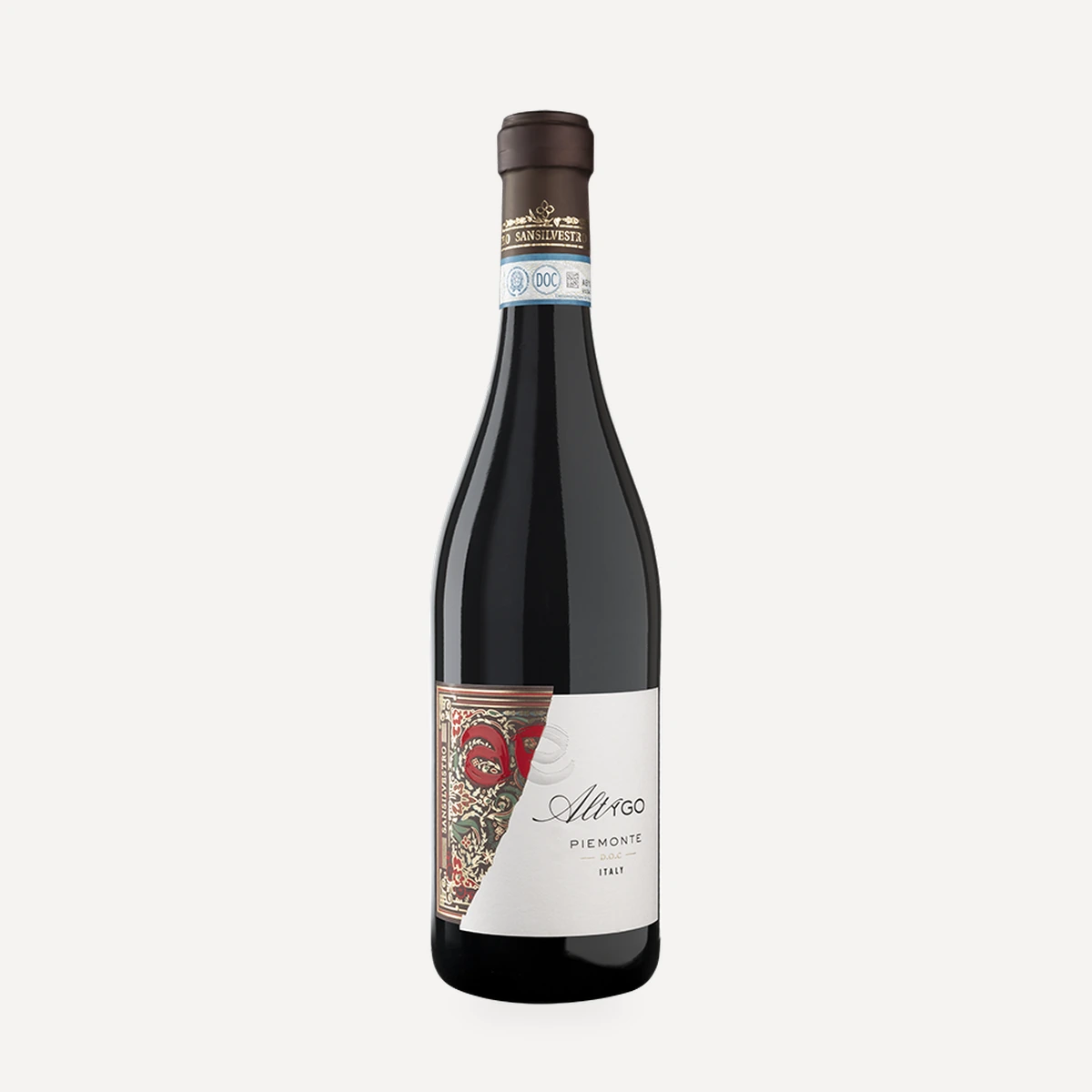
Piemonte Altygo DOC
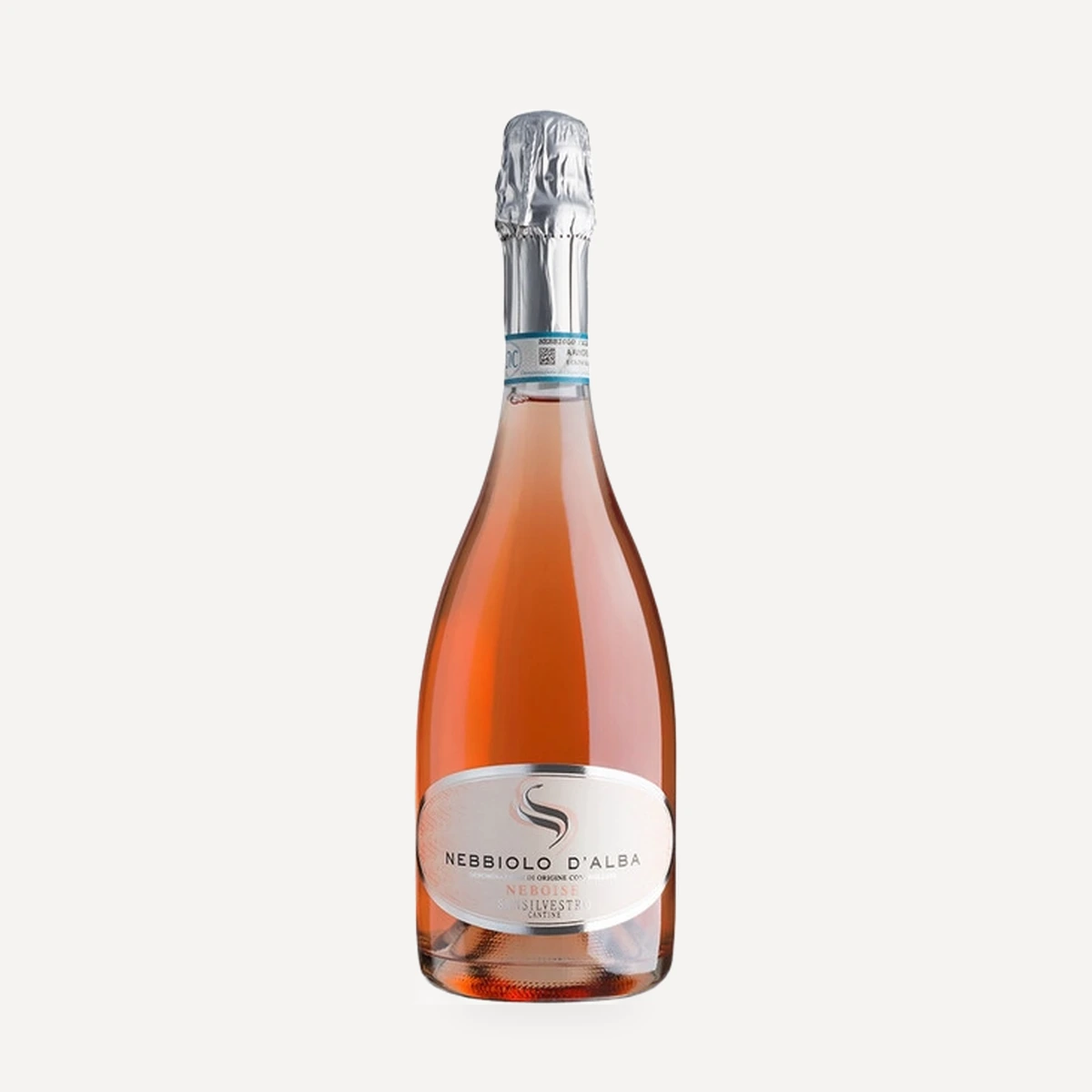
Nebbiolo d'Alba Spumante Brut Metodo Classico Neboise DOC
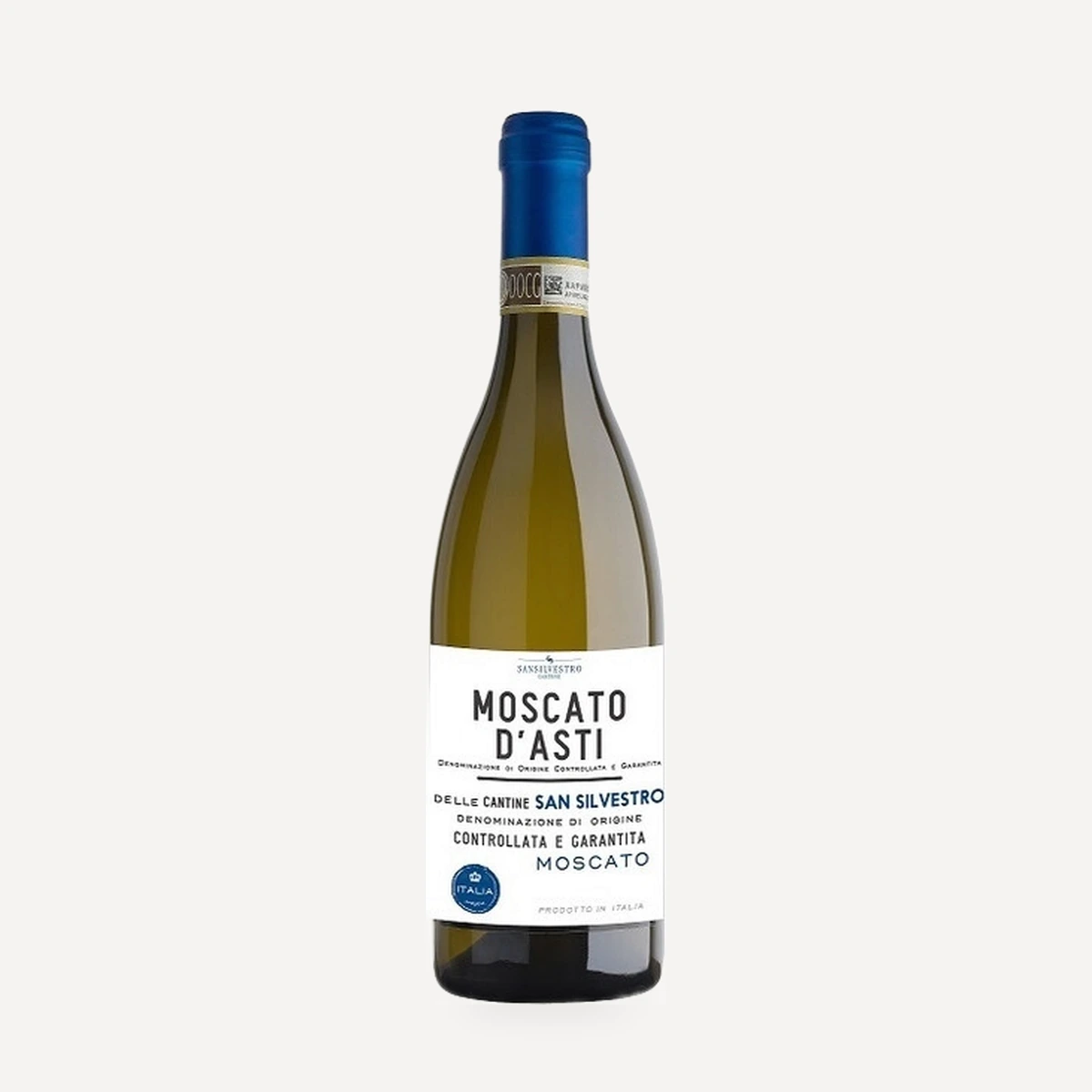
Moscato d'Asti Dulcis DOCG
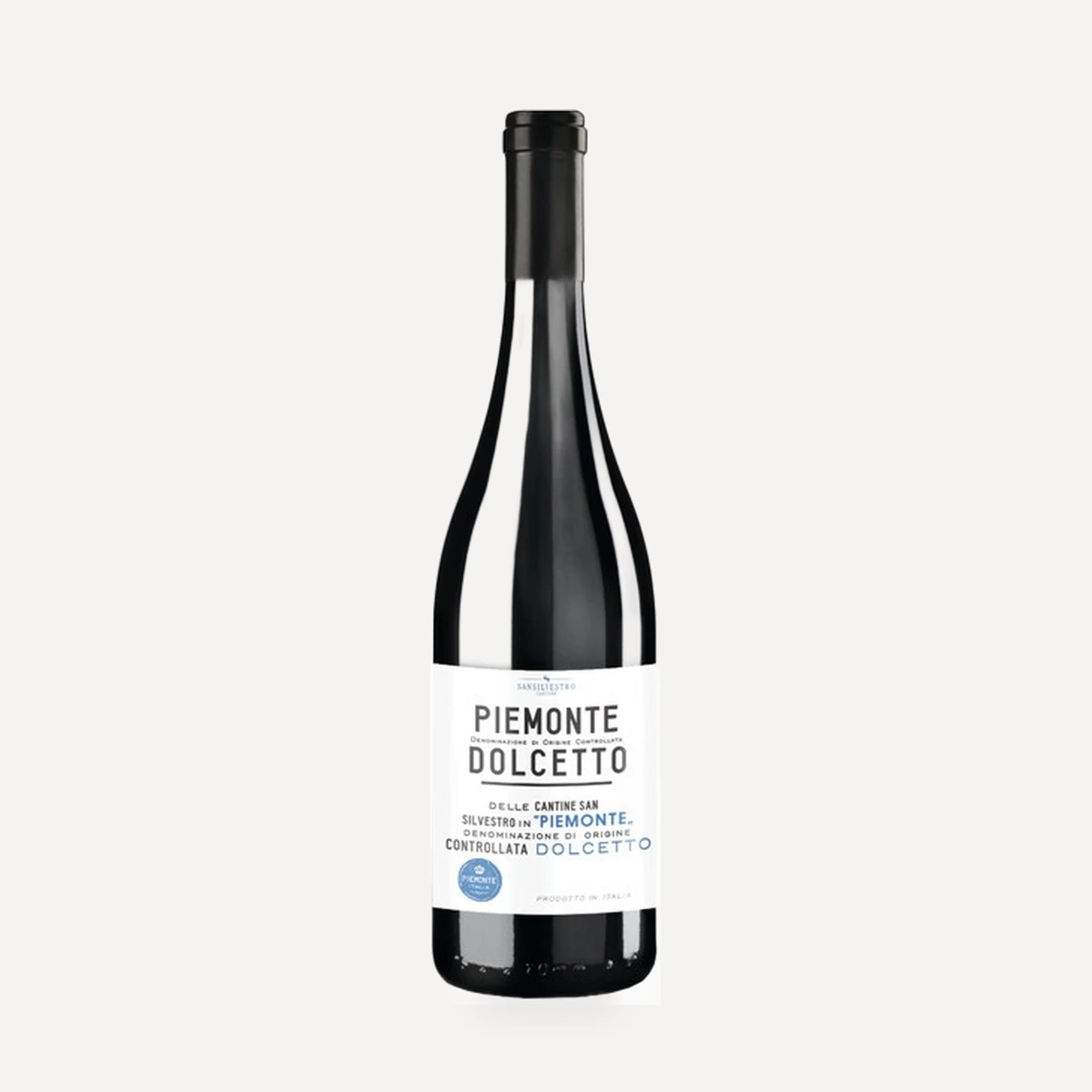
Piemonte Dolcetto Anselmo DOC
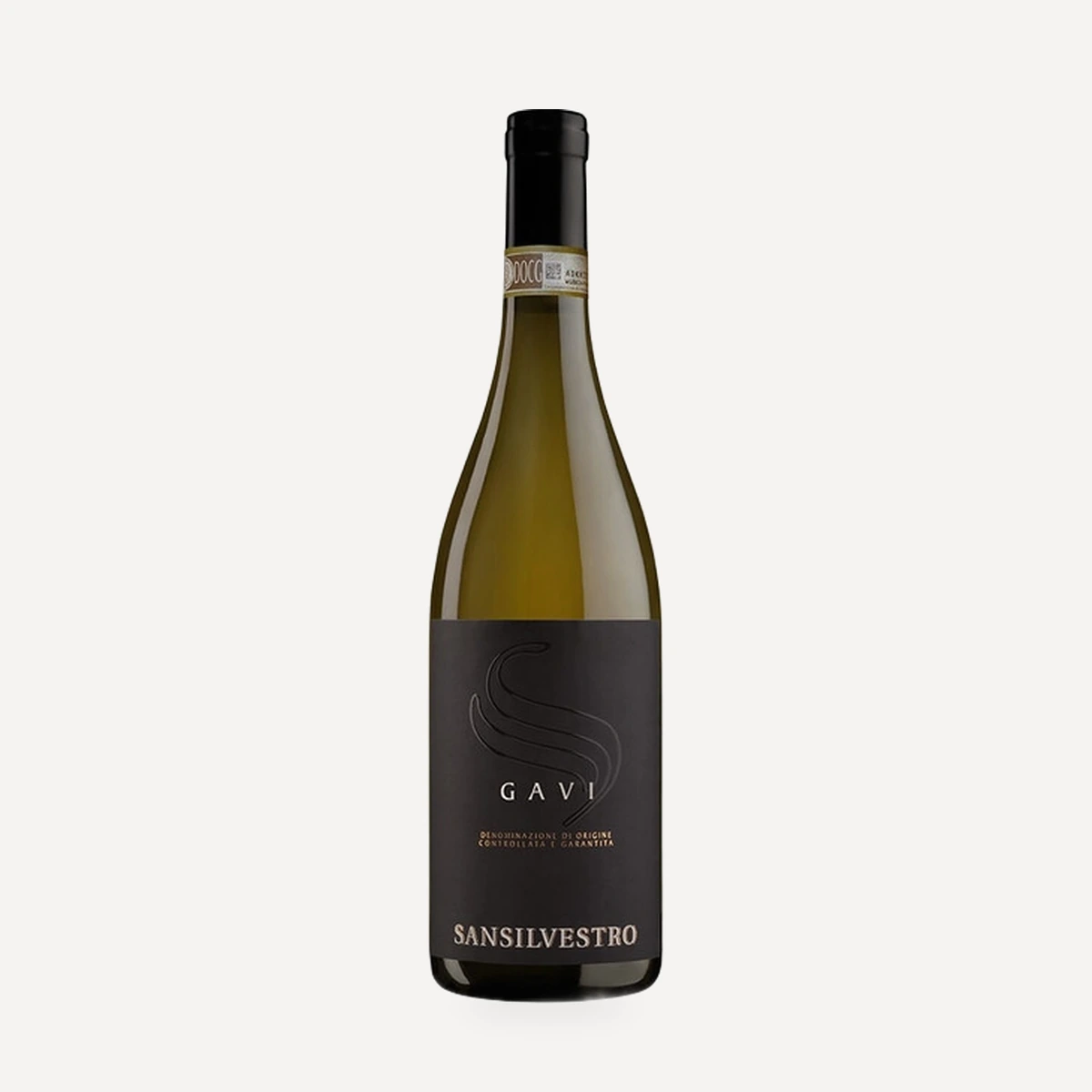
Gavi DOCG
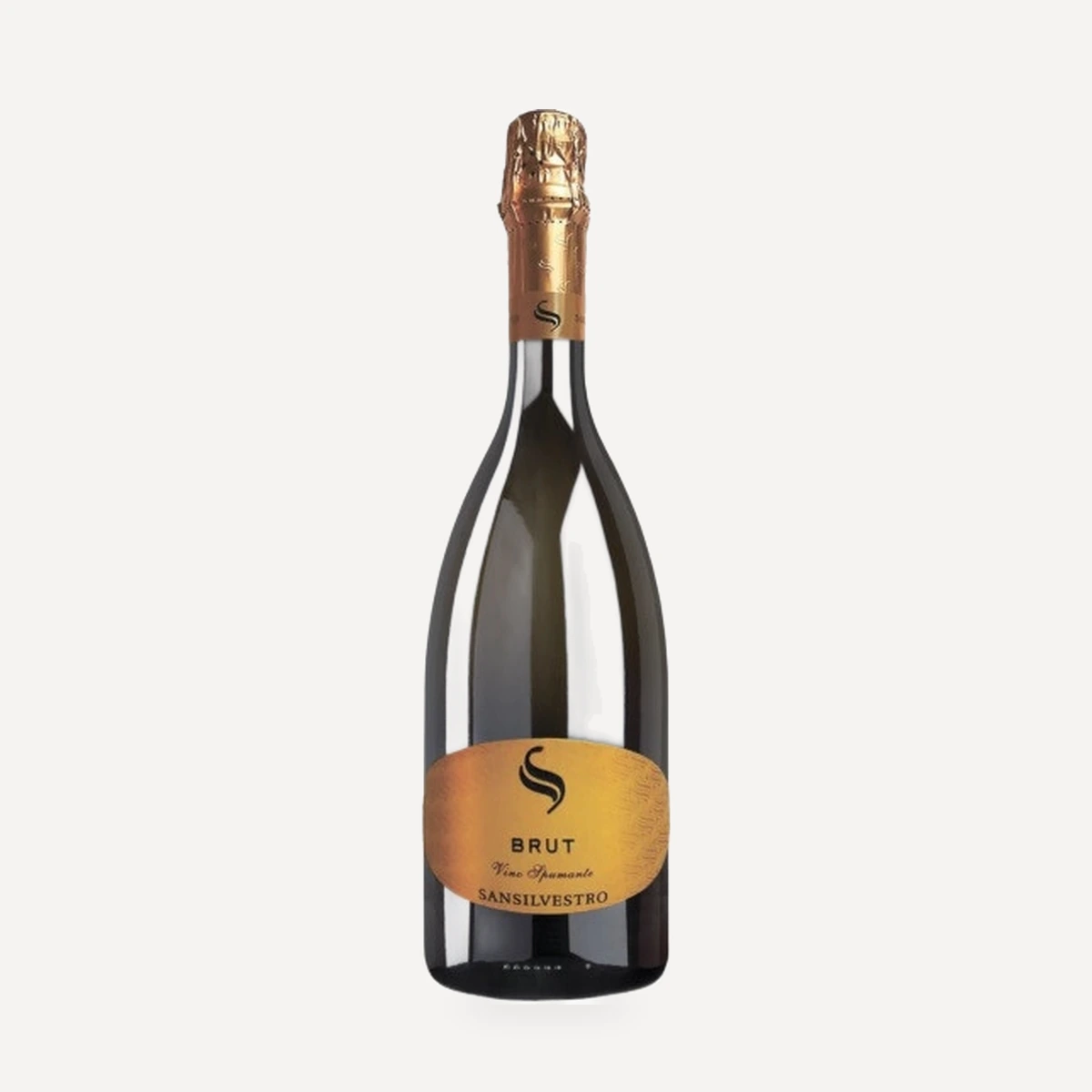
Piemonte Spumante Brut DOC
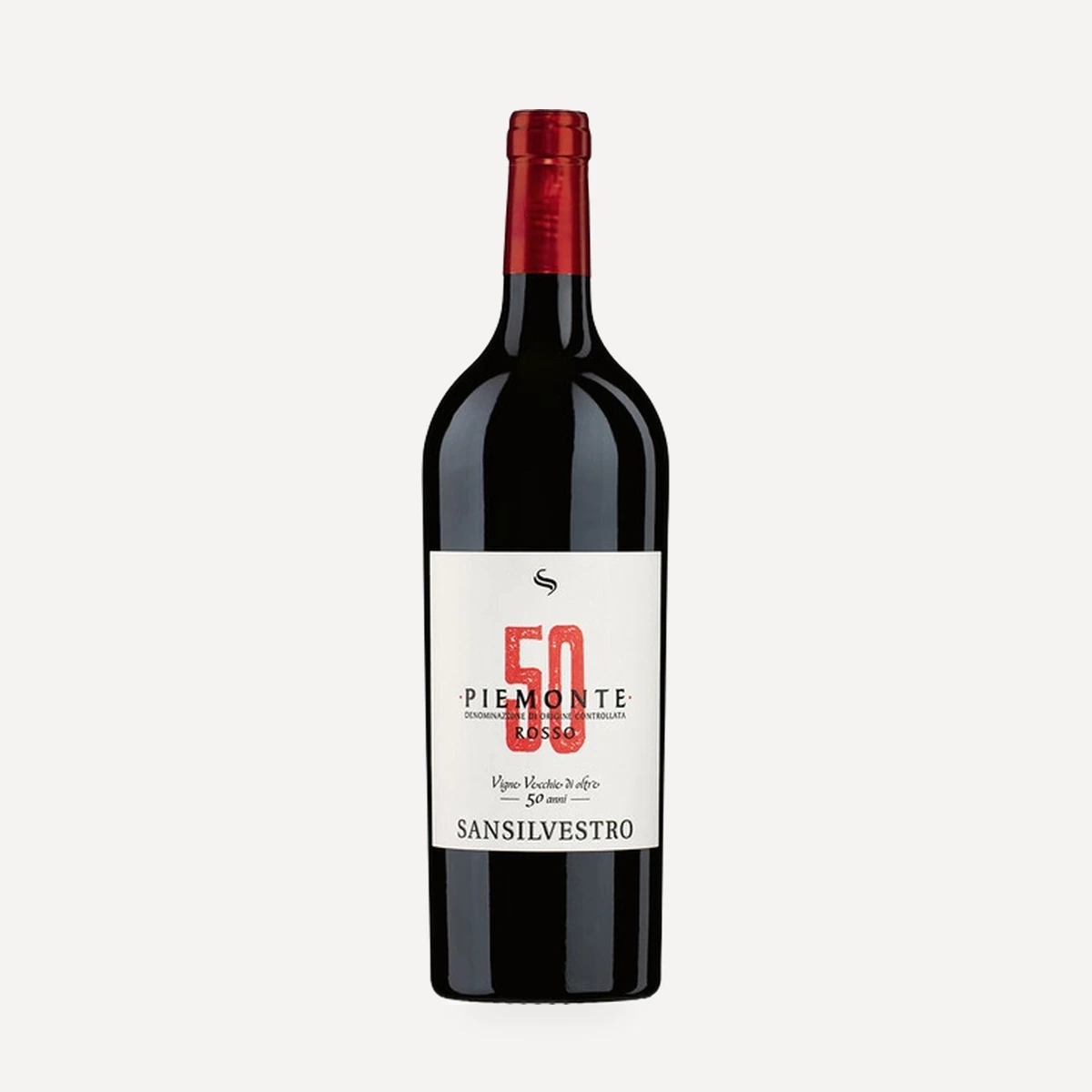
Rosso 50 Anni Piemonte DOC
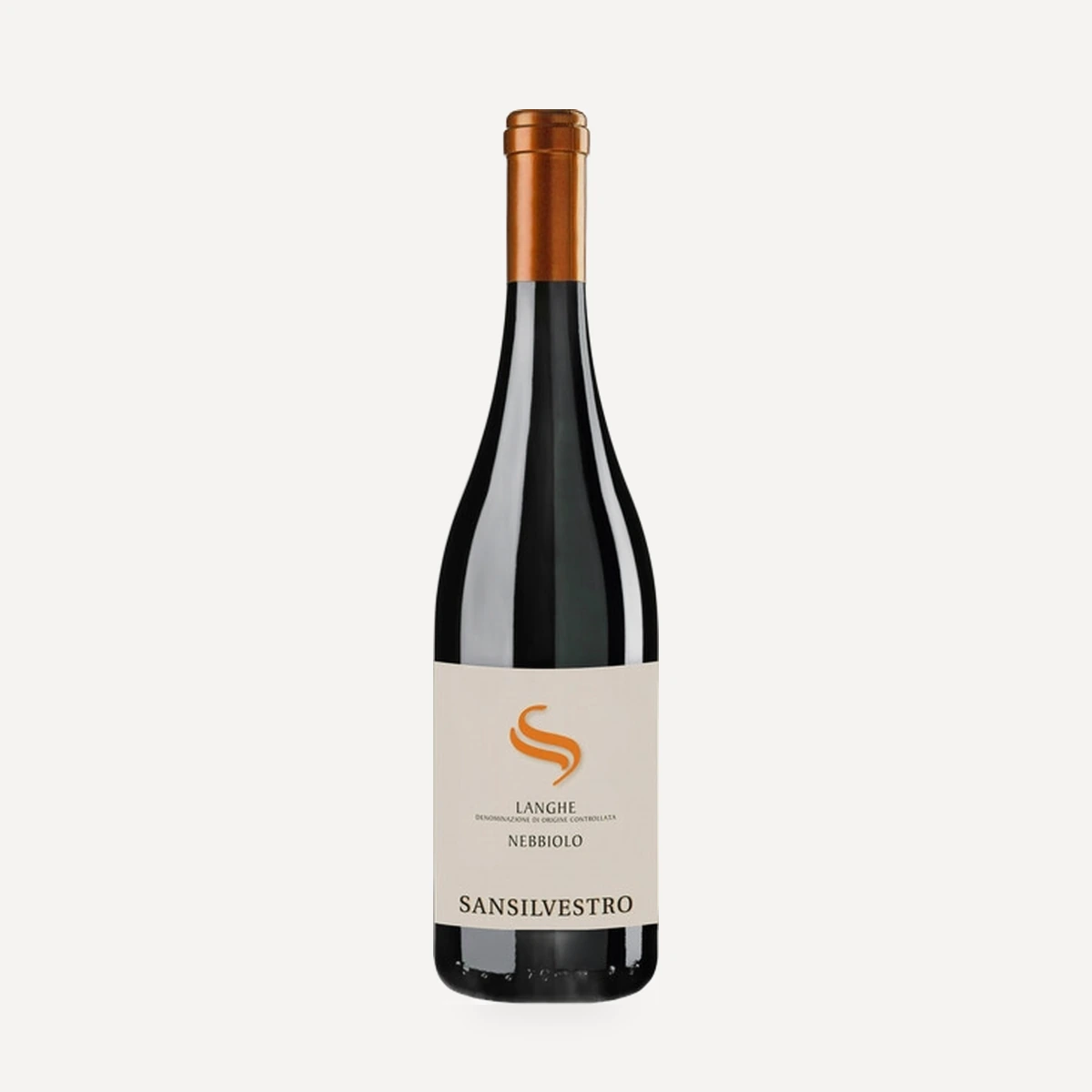
Langhe Nebbiolo DOC