Storia
Foundation and the historic cellar
St. Michael-Eppan Winery was founded in 1907 in Appiano. The cooperative’s historic building and deep barrel cellar remain part of its identity. Four monumental oak casks, each holding 150 hl, carry antique carvings depicting events connected with 1907.
Hans Terzer and the quality transformation
In 1977, Hans Terzer assumed responsibility for wine production. Still only 21 near the end of the 1970s, he challenged the prevailing emphasis on the comparatively unprofitable red variety Vernatsch/Schiava. He argued that Chardonnay, Pinot Grigio, Pinot Bianco, Sauvignon and Gewürztraminer should instead play a leading role, while calling on approximately 350 growers to reduce yields drastically in pursuit of higher quality.
During the 1980s, separate white- and red-wine barrique cellars became central elements of the winery. Small French-oak barrels were introduced for selected high-quality lots, while maturation in large oak casks continued as an important traditional practice.
In 1982, St. Michael-Eppan vinified Chardonnay as a varietal wine for the first time in South Tyrol. Until the late 1970s and early 1980s, small proportions of Chardonnay had generally been grown and vinified together with Pinot Bianco and the resulting wine identified simply as Pinot Bianco.
The Sanct Valentin selection became the defining achievement of Terzer’s quality programme. Chardonnay, Pinot Grigio and Gewürztraminer were represented in the line by 1986. The first Sanct Valentin Pinot Grigio came from selected Appiano Monte vineyards and was vinified separately in small wooden barrels. The foundations for Sauvignon Sanct Valentin were laid in 1989, and Pinot Noir Riserva joined the line in 1995.
Appius and limited-selection projects
The Appius project began in 2010. Terzer had identified individual low-yielding vines in historic Appiano vineyards whose grapes merited separate harvesting and vinification. The project was conceived as an annually changing white cuvée of Chardonnay, Pinot Grigio, Pinot Bianco and Sauvignon, with both the blend and label redesigned for each vintage. The varieties are matured separately in small wooden barrels, assembled after 12 months and then kept for another three years on fine lees in dedicated steel tanks. The inaugural 2010 vintage was first presented publicly in autumn 2014.
In 2017, the cooperative celebrated its 110th anniversary and 30 years of the Sanct Valentin brand with a gathering of members and a light show projected onto the historic façade. That year Hans Terzer also received the FEINSCHMECKER Wine Award for lifetime achievement.
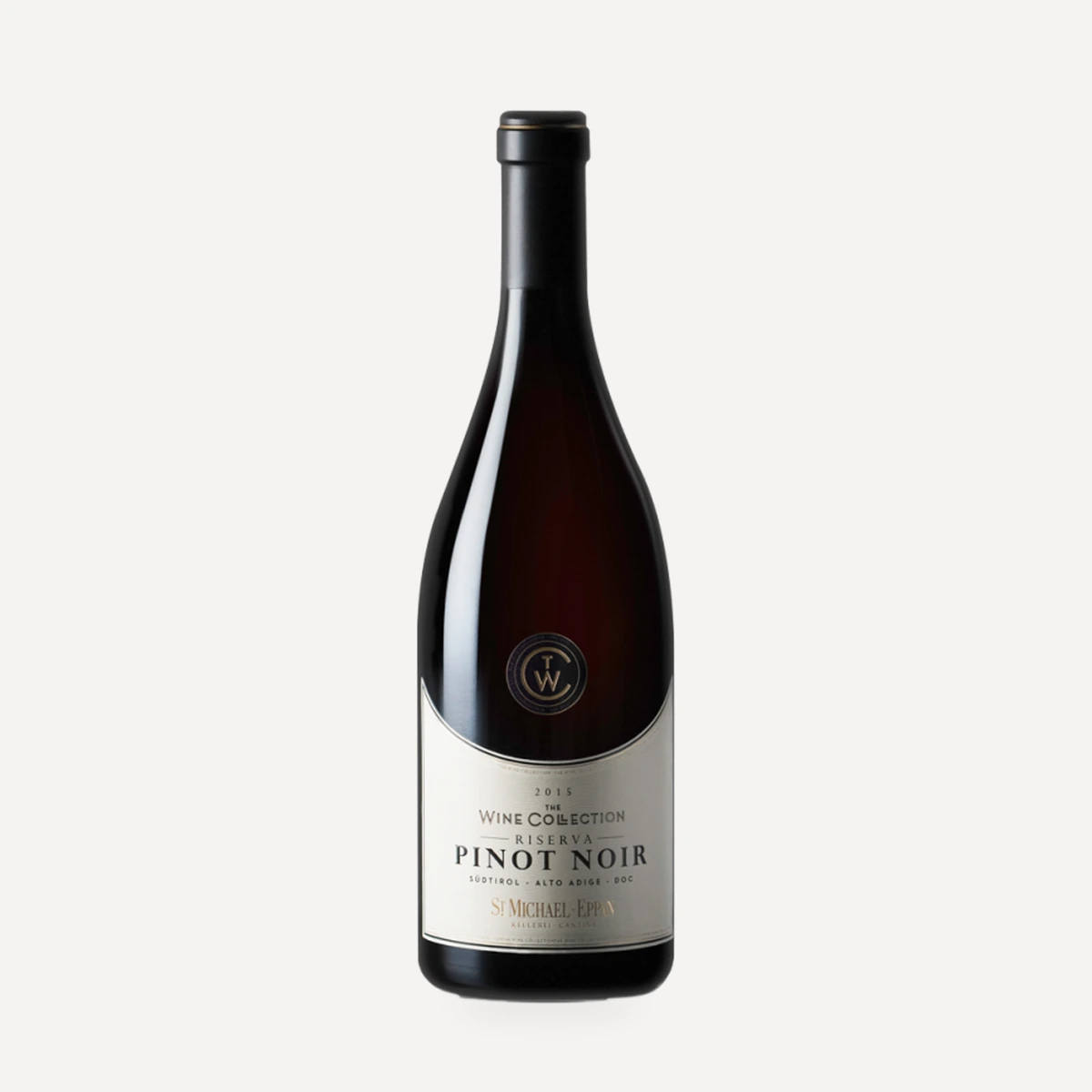
In 2018, St. Michael-Eppan introduced TWC – The Wine Collection. The project is reserved for memorable vintages and highly selective, limited-production varietal wines, generally numbering about 3,000 bottles per grape variety.
Generational transition and cellar expansion
Jakob Gasser completed a dual degree at Geisenheim and Udine in 2017 and joined St. Michael-Eppan as an intern that year. From 2019, he worked closely with Hans Terzer. Klaus Pardatscher also became president of the cooperative in 2019.
A 30,000 m³ gravity-flow cellar and grape-reception area was completed in 2020. It was designed to handle distinct quality levels gently, individually and rapidly, strengthening the winery’s ability to keep vineyard and grape lots separate.
Hans Terzer was named Wine Personality of the Year 2023 by Gault&Millau. In 2024, after several years of preparation and professional development, Jakob Gasser was appointed winemaker. He now serves as Chief Winemaker and Technical Director, combining further research, environmental priorities and openness to innovation with respect for the winery’s established practices.
Terroir
Location and elevation
The cooperative is based in Appiano sulla Strada del Vino, at the threshold of the Dolomites in Bolzano Province. Appiano contains more than 1,000 ha of vines and is the largest winegrowing municipality in South Tyrol. The cooperative’s 390 ha are distributed among sunny slopes and warmer valley sites over an exceptionally broad elevation range.
Most Pinot Bianco, Sauvignon and Pinot Noir grows between 400 and 700 m at the foot of the Mendola massif in the zone known as Appiano Monte/Eppan Berg. Pinot Grigio, Chardonnay and Gewürztraminer occupy hills around the winery and along the South Tyrolean Wine Road at approximately 400 m. Riesling is cultivated around Lake Monticolo at 550 m, while Müller Thurgau and Riesling reach sites as high as 900 m, where the winery describes the work as heroic viticulture.
Red varieties occupy warmer terrain. Lagrein grows in the Bolzano basin, identified in the German-language material at about 200 m. Merlot and Cabernet extend along the Wine Road from Lake Caldaro to Cortaccia, while the remaining Schiava vineyards lie in historic parts of the Oltradige.
Alpine-Mediterranean climate
The growing area receives about 2,000 hours of sunshine. Warm daytime conditions and the Ora, which blows from south to north, promote sugar accumulation. At night, descending winds from the Mendola massif cool the vineyards, slow premature ripening and help preserve acidity and aromatic compounds. These downdrafts also dry grapes rapidly after rainfall and thereby reduce fungal pressure. The resulting day-to-night temperature range is one of the defining climatic features of the vineyards.
Geological diversity
The slopes are dominated by gravelly calcareous soils derived from Dolomite rock and glacial processes. They have a high pH and good nutrient-storage capacity. Clay-rich variants favour Pinot Noir, while gravelly-sandy limestone soils are associated with Pinot Bianco and Sauvignon.
Morainic debris around Appiano originated as glacial deposits. These soils have a low pH, are well aerated and permeable only to a limited depth, and are associated with slow grape ripening. Chardonnay, Pinot Grigio and Gewürztraminer are cultivated on them.
Reddish porphyry soils consist of fragmented volcanic rock mixed with clay and sand. They are dry, poor in humus, readily permeable and ventilated, and store heat efficiently; Sauvignon and Riesling are particularly associated with them.
Alluvial soils were created from river-borne material deposited along banks. Locally called Flins, they are sandy and contain relatively few stones. They support Lagrein, Merlot and Cabernet.
Vinificazione
The cooperative brings together 320 winegrowing families farming 390 ha. Their holdings are distributed across slopes and valley sites ranging from approximately 200 to 900 m, allowing the principal varieties to be matched to distinct elevations, climates and soil types.
Vineyard work is predominantly manual and is directed toward grape quality and the biological balance of soil and vine. Practices explicitly identified include careful canopy work and targeted thinning of grape clusters to regulate yield and improve fruit quality. Growers are expected to work accurately and with respect for the surrounding environment and the wider vineyard ecosystem.
Low yields and intensive manual work are integral to the Fallwind and top-selection programmes. Harvesting and grape selection are performed by hand for the documented vineyard selections. The cellar then preserves the identity of different qualities and sites by processing them separately.
The agronomist uses a vineyard-management application to assess individual holdings in place and record reports and photographs. These assessments keep the winemaking team informed about incoming grape quality and contribute to the economic valuation of delivered fruit at the end of the year.
Mendola downdrafts provide a natural protective effect: after rain they dry the grapes quickly, helping to limit fungal pressure. No formal organic, biodynamic or other vineyard certification is assigned to the cooperative’s holdings.
Cellar principle
“Respect for the grape” is the governing production principle. Grapes are vinified with attention to the characteristics of each vineyard, and lots are matured in steel or wood according to the identity sought for each variety and site. The approach combines established maturation practices with modern cellar technology.
Gravity-flow cellar and grape reception
The 30,000 m³ gravity-flow cellar, completed in 2020, incorporates the grape-reception area. It enables gentle, efficient handling and lets the winery process different quality levels individually within a short period, preserving differentiation among incoming lots.
Stainless steel
Stainless-steel vessels serve both fermentation and storage. Their hygienic, readily cleaned surfaces support pure must handling and controlled transformation while retaining varietal freshness and aroma.
Large oak casks
Large-oak maturation remains an important traditional element. The historic cellar was renovated and equipped with more than 50 large oak casks. Four monumental 150 hl barrels retain antique carved heads depicting events associated with 1907.
Barrique cellars
Separate white- and red-wine barrique cellars have been focal points since the 1980s. Selected lots mature in small French-oak barrels. This work is intended to build complexity while integrating fruit and wood without allowing either to dominate.
Appius cellar
The dedicated Appius cellar uses truncated-cone tanks made from satin-finished, bronze-coloured stainless steel. Tiled walls reference the architecture of older wine cellars. For the Appius project, the component varieties are handled separately in small wooden barrels; after approximately 12 months they are assembled and continue for about three years on fine lees in special stainless-steel tanks before bottling.
Filosofia
St. Michael-Eppan defines quality through close observation of terroir, respect for grapes and uncompromising selection. Its vineyards are treated as a mosaic rather than a uniform source: varieties are matched with different elevations and soil types, and incoming qualities are processed separately so that distinctions among sites are retained.
Jakob Gasser’s philosophy casts the winemaker first as an observer and listener. Nature and the governing relationships within the ecosystem are treated as practical guides, while research, study travel and new technology are evaluated critically rather than adopted as ends in themselves. Innovation is paired with respect for inherited cellar practices, including maturation in large oak casks.
The cooperative model places the winegrowing families at the centre of production. Their manual skill, accumulated knowledge and connection to viticulture across generations provide the fruit on which cellar quality depends. Precision in vineyard work, controlled yields, ecological balance and careful handling of each lot form a continuous process from vine to bottle.
Corporate principles extend this outlook beyond production. The cooperative commits itself to legality, fair competition, non-discrimination, safe working conditions, transparent conduct, member development and environmental protection. Environmental decisions are framed in terms of their effects on future generations and the need to balance economic activity with ecological requirements.
Vini
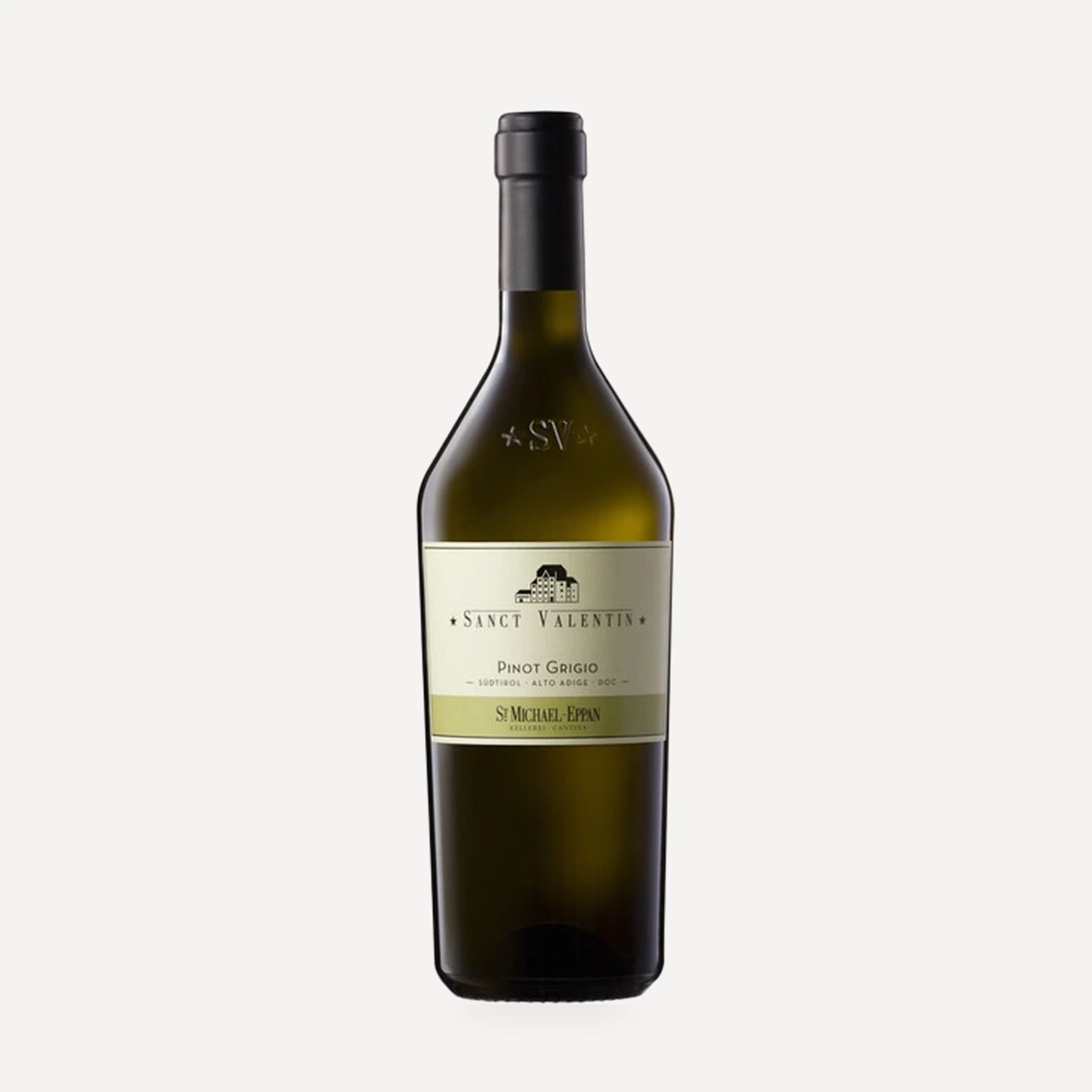
Pinot Grigio Sanct Valentin
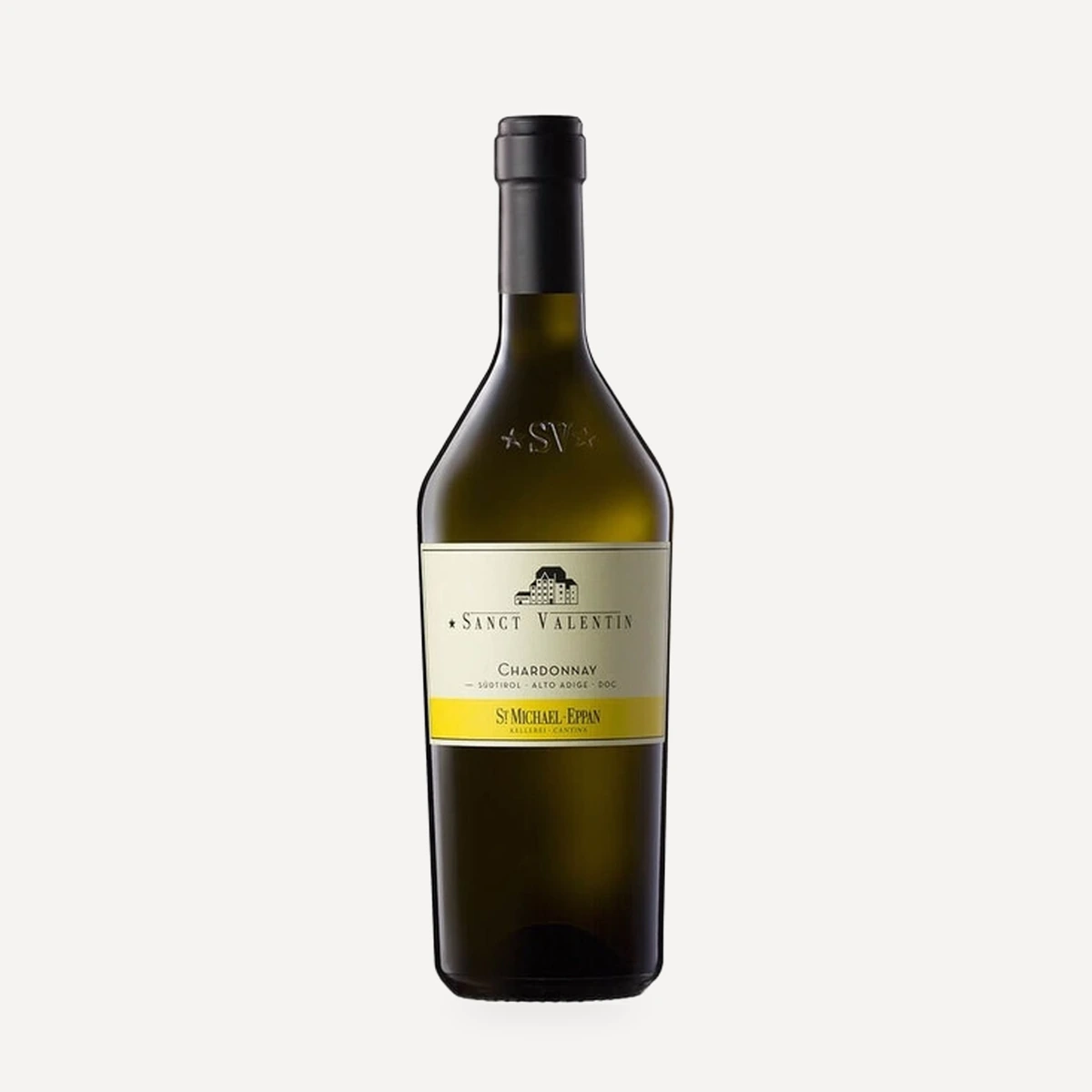
Chardonnay Sanct Valentin
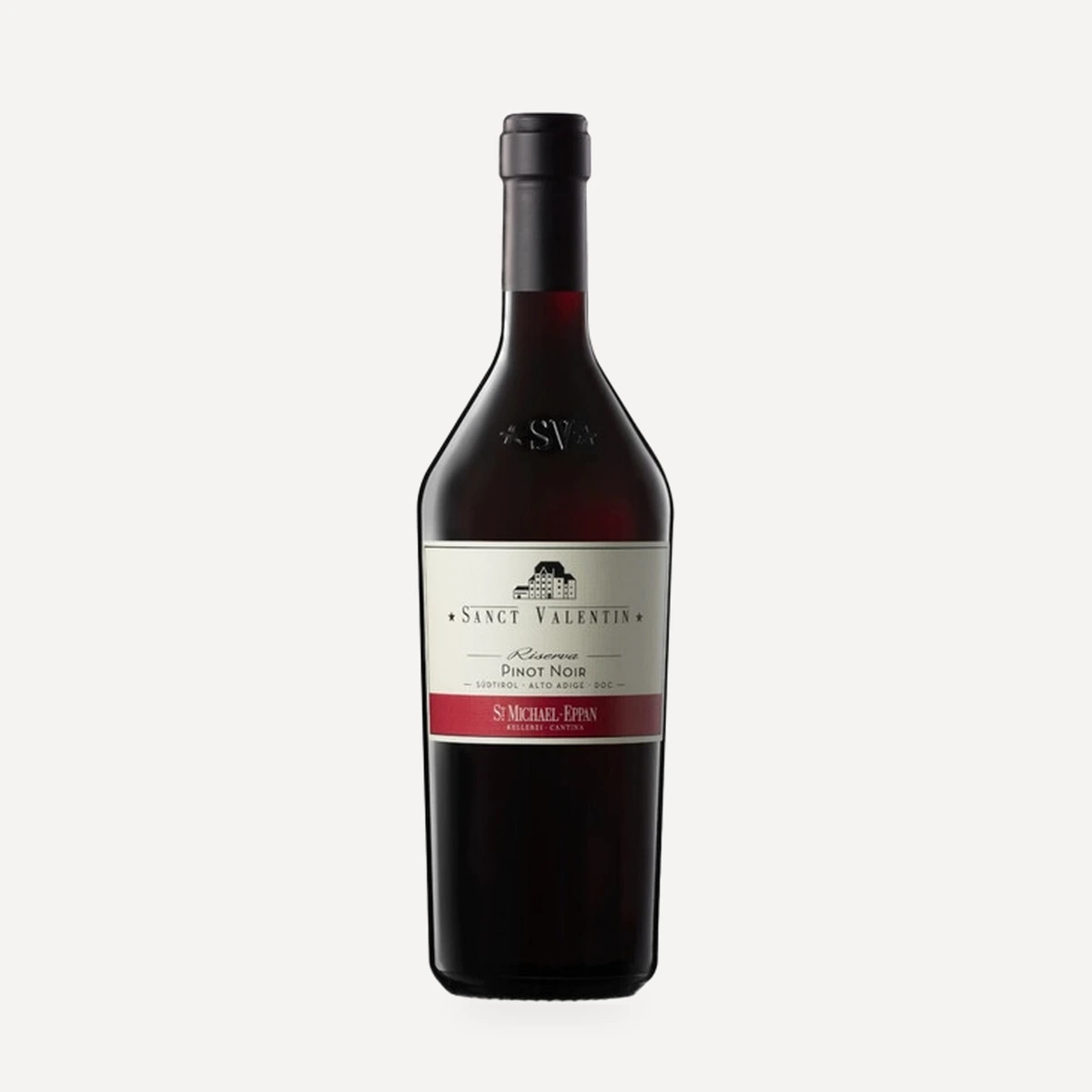
Pinot Noir Riserva Sanct Valentin
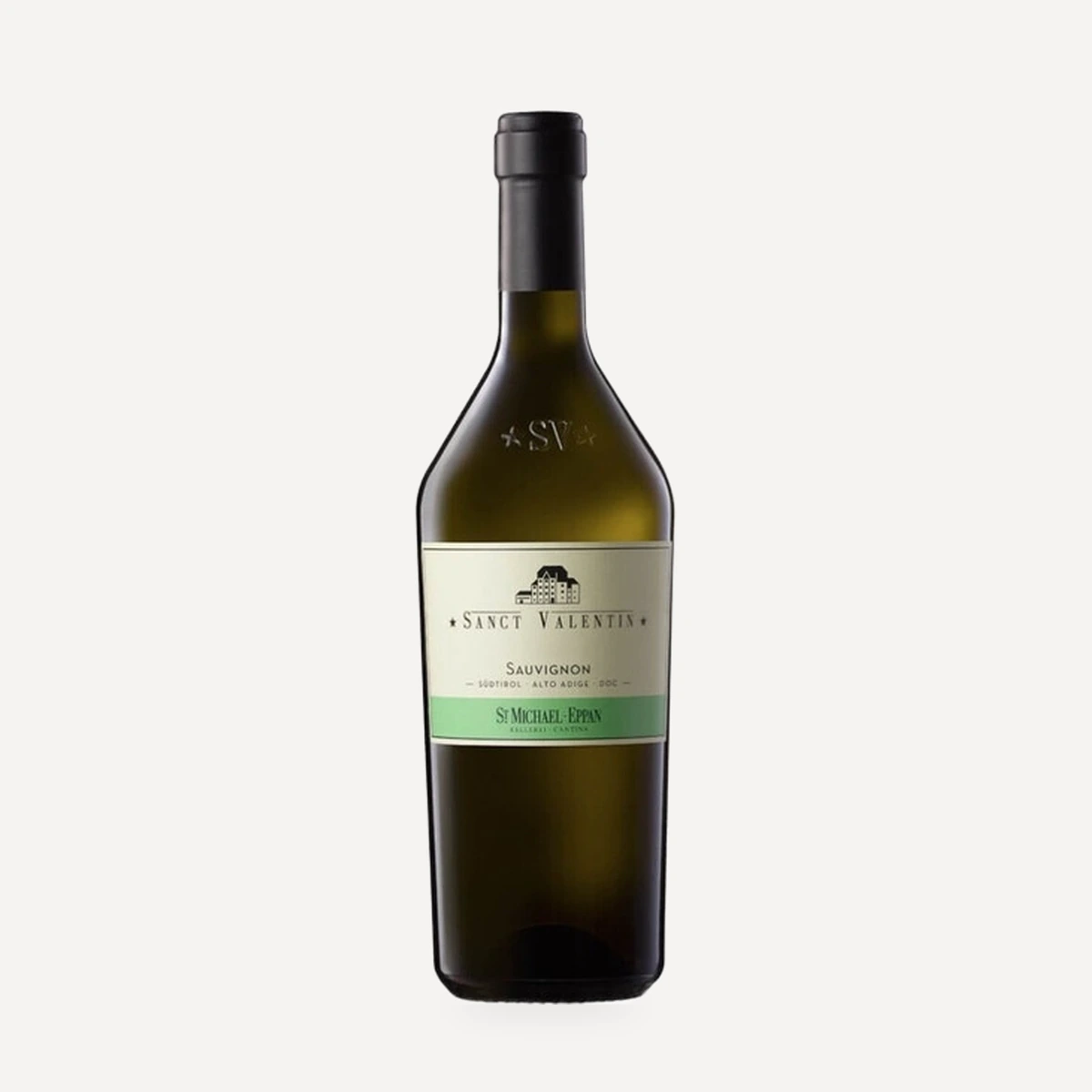
Sauvignon Sanct Valentin
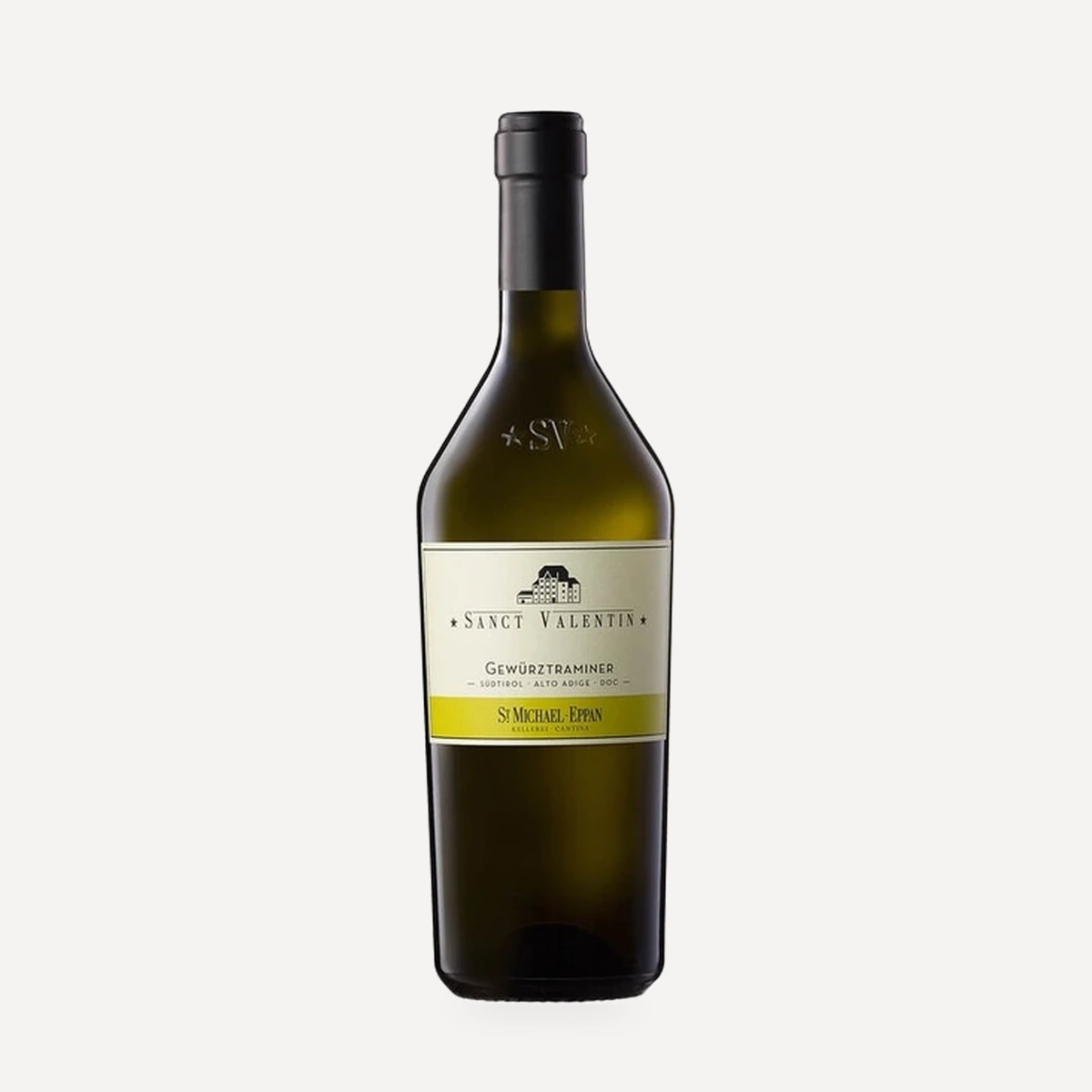
Gewürztraminer Sanct Valentin
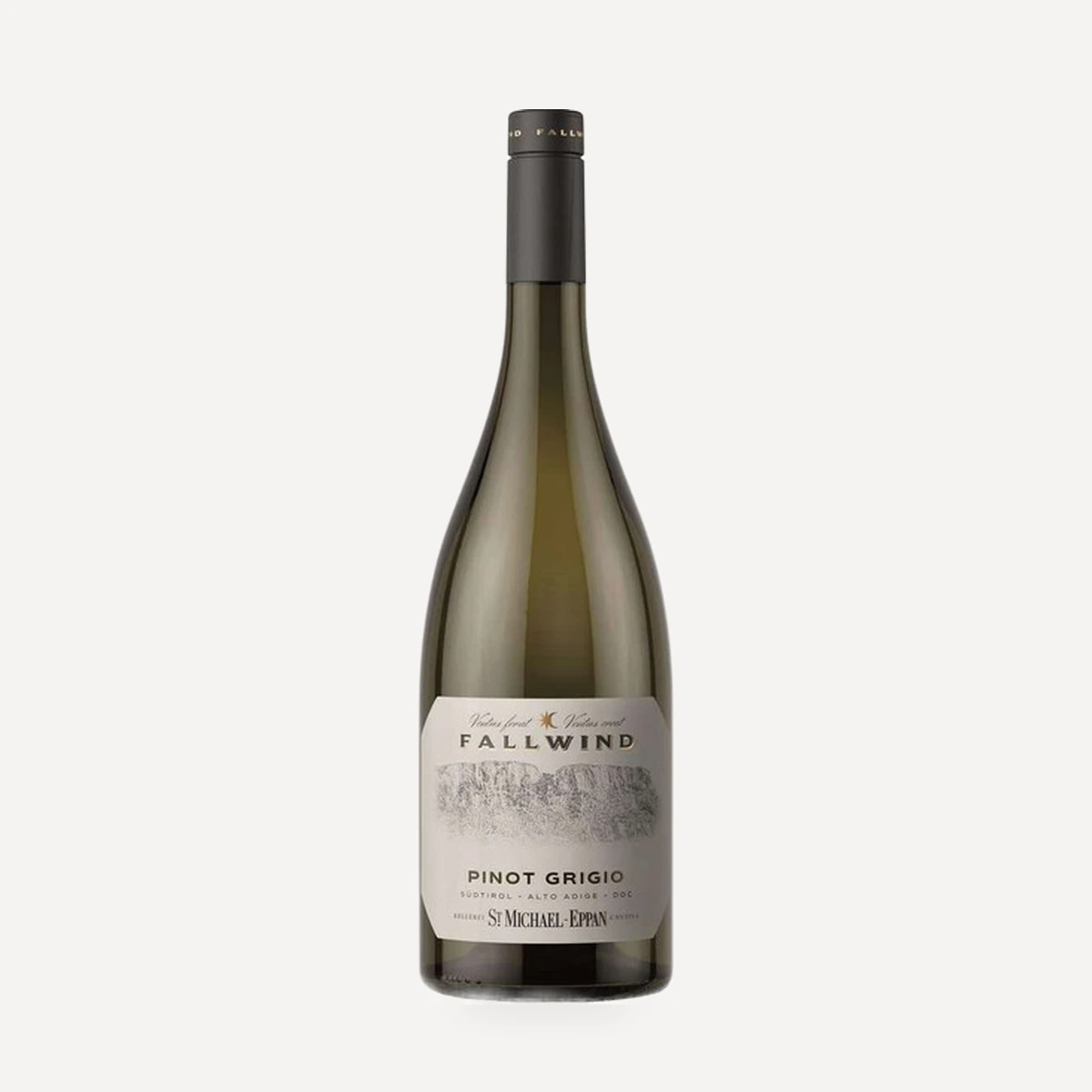
Pinot Grigio Fallwind
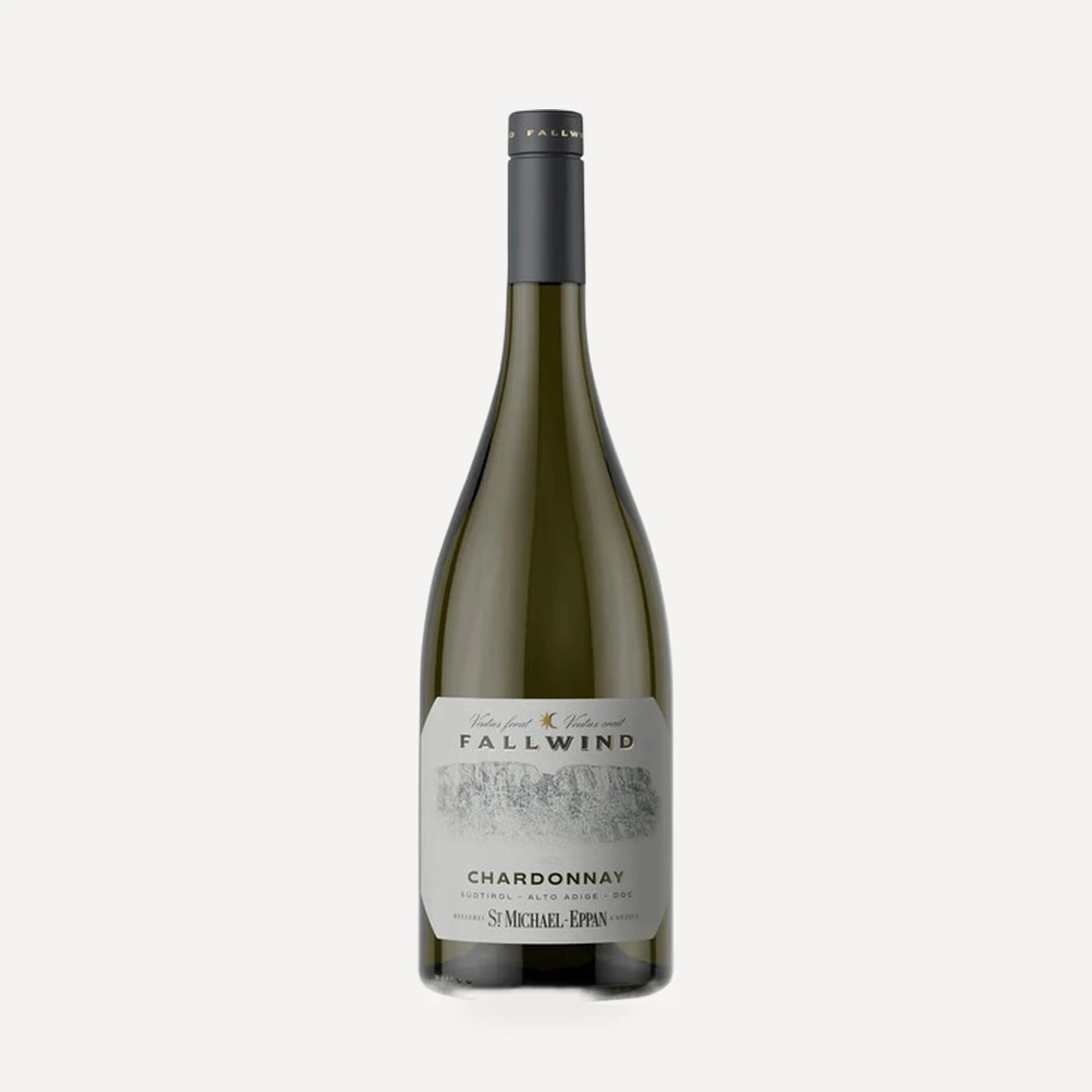
Chardonnay Fallwind
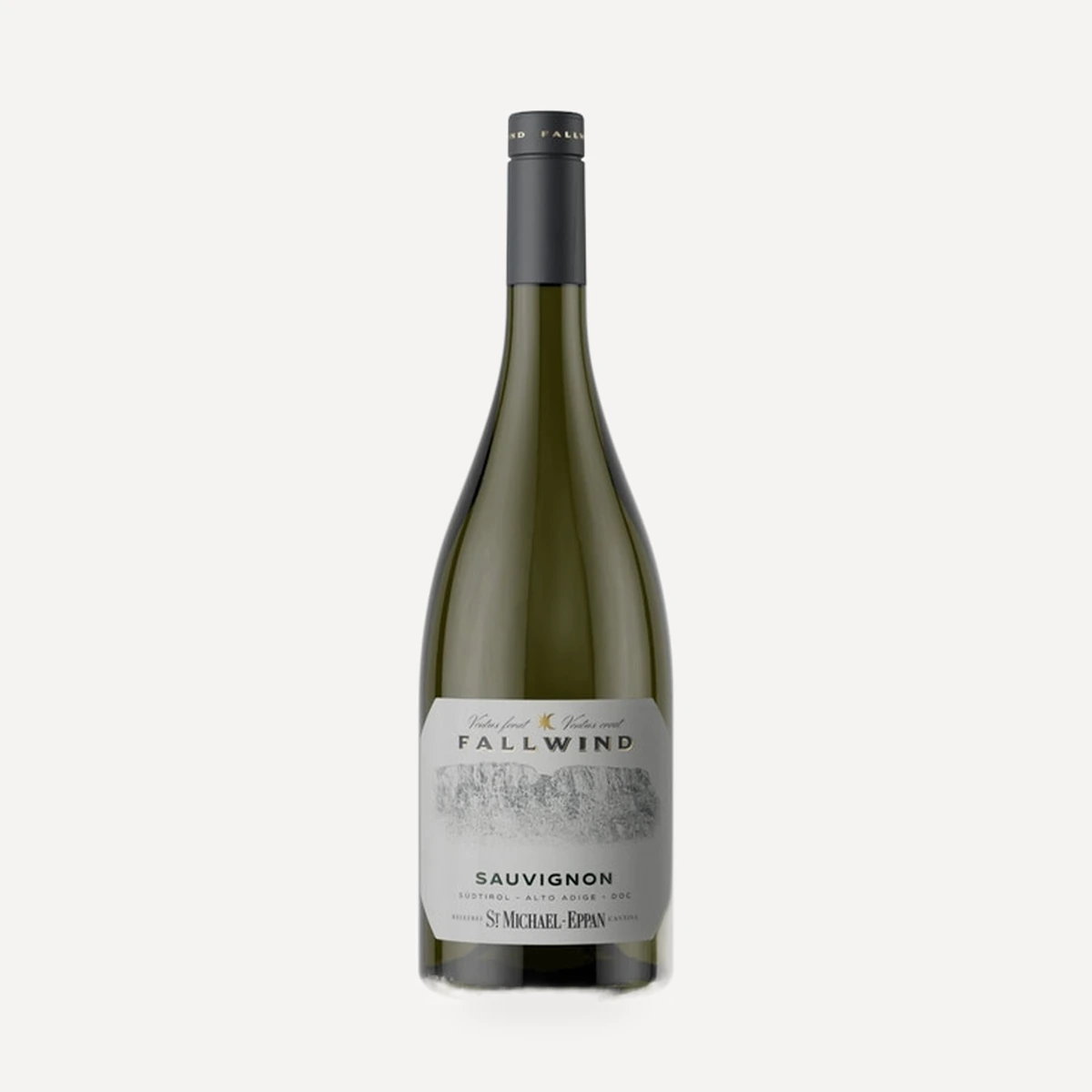
Sauvignon Fallwind
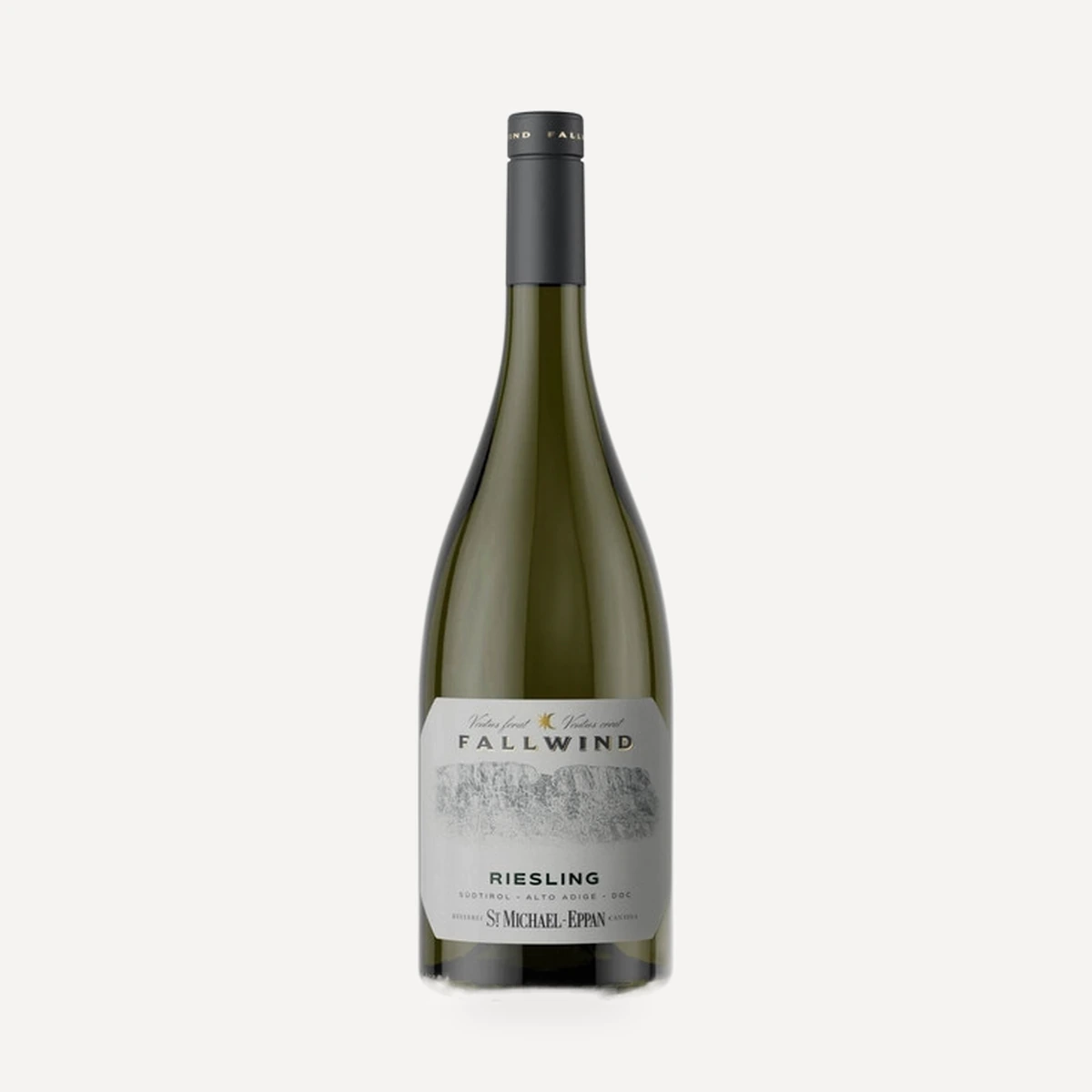
Riesling Fallwind
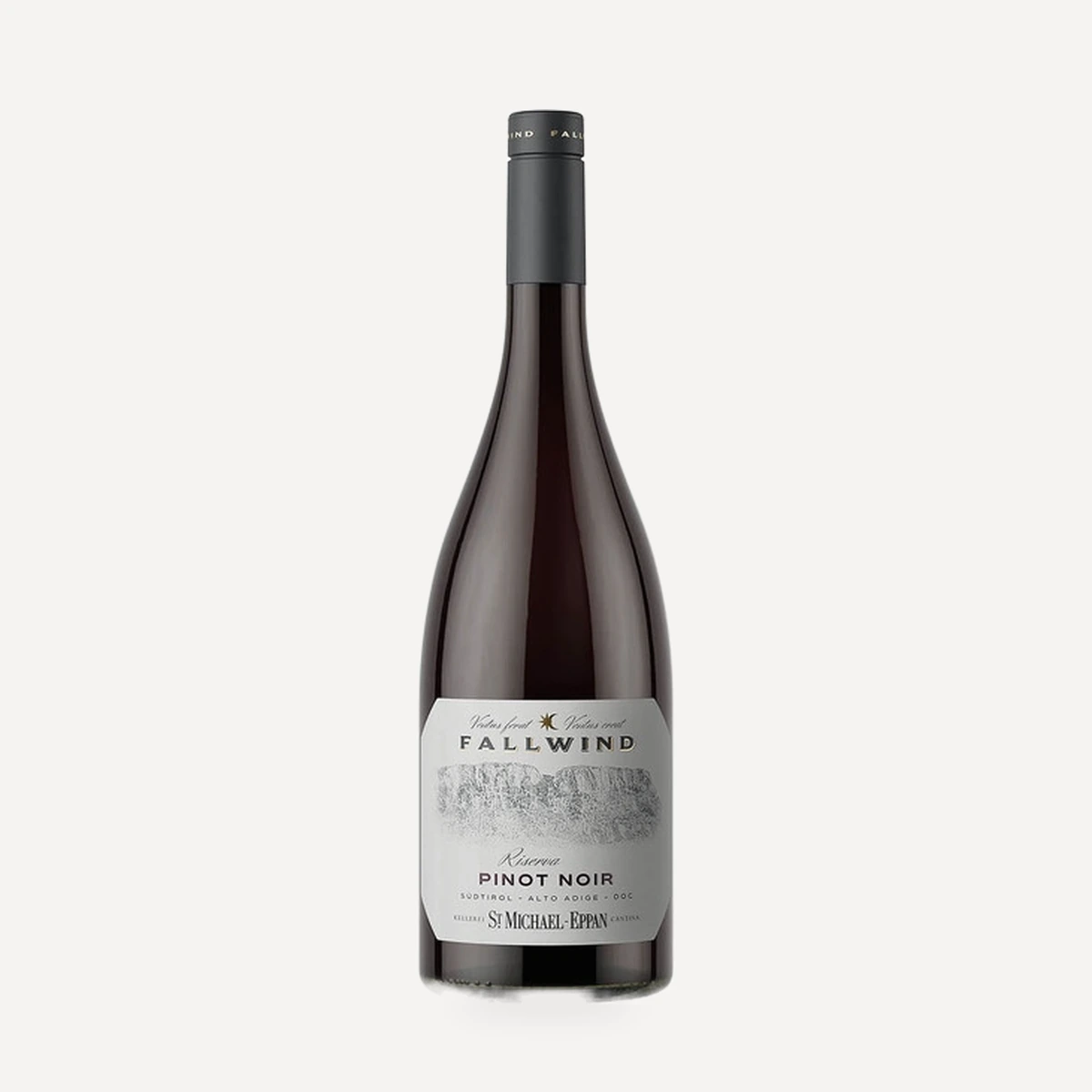
Pinot Noir Riserva Fallwind
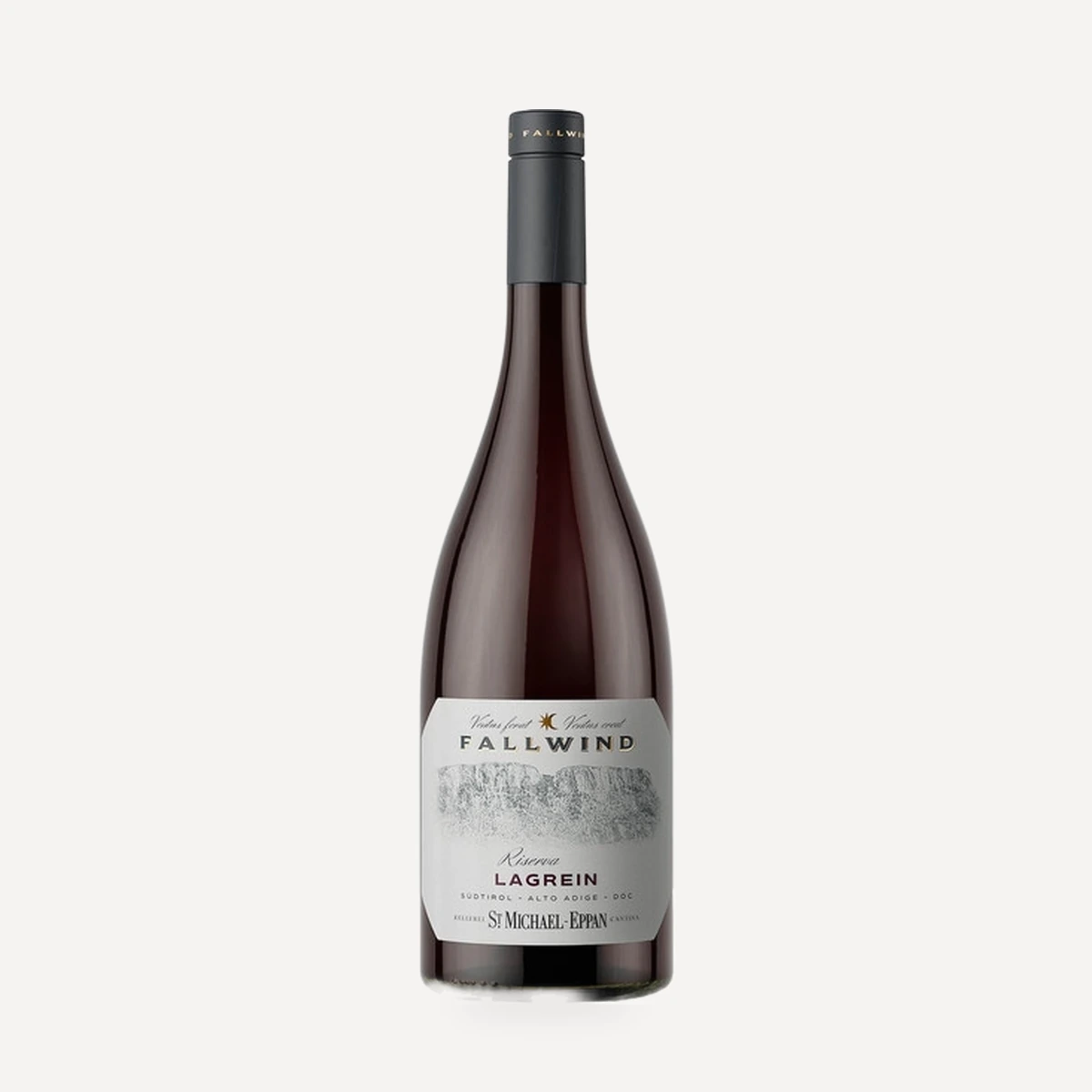
Lagrein Riserva Fallwind
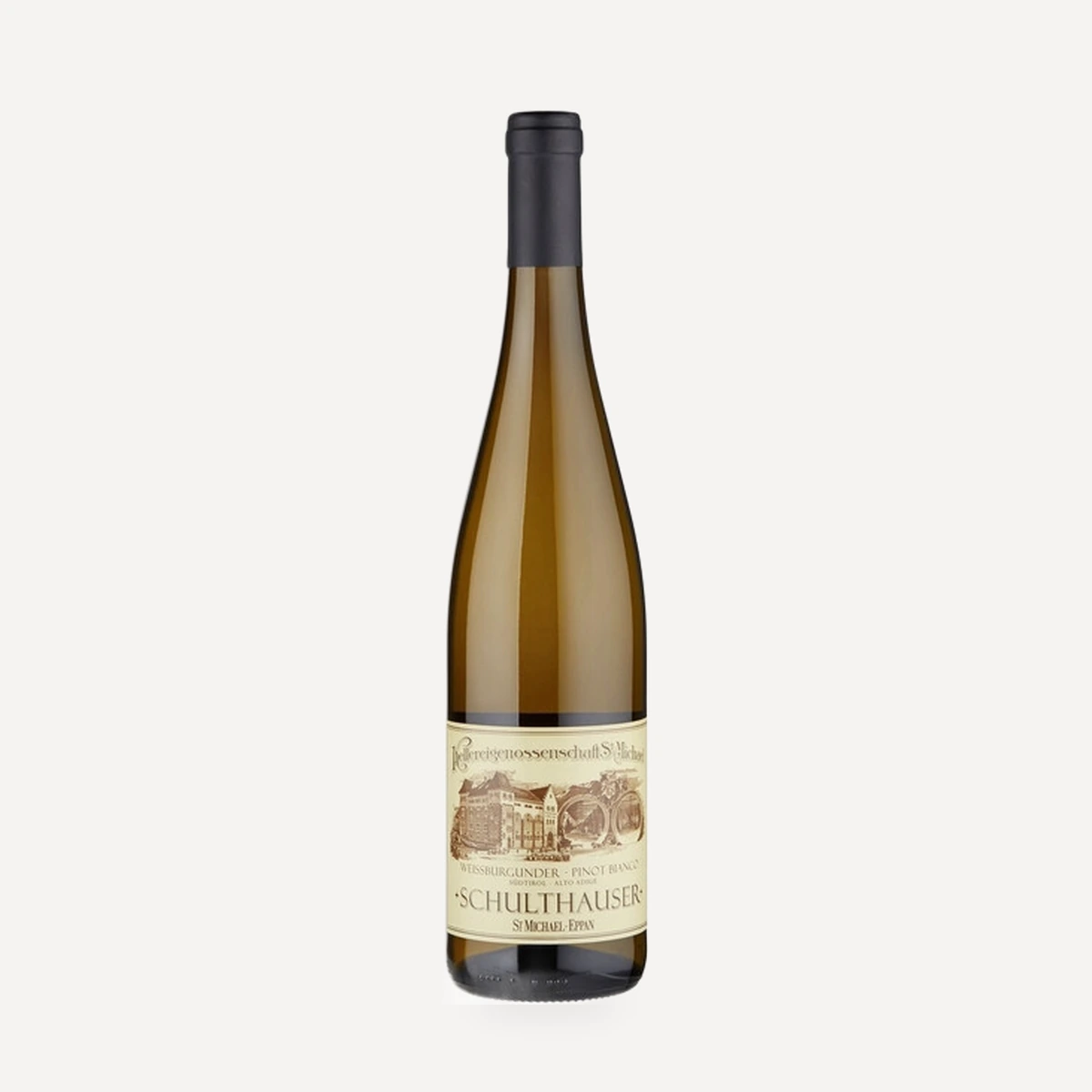
Pinot Bianco
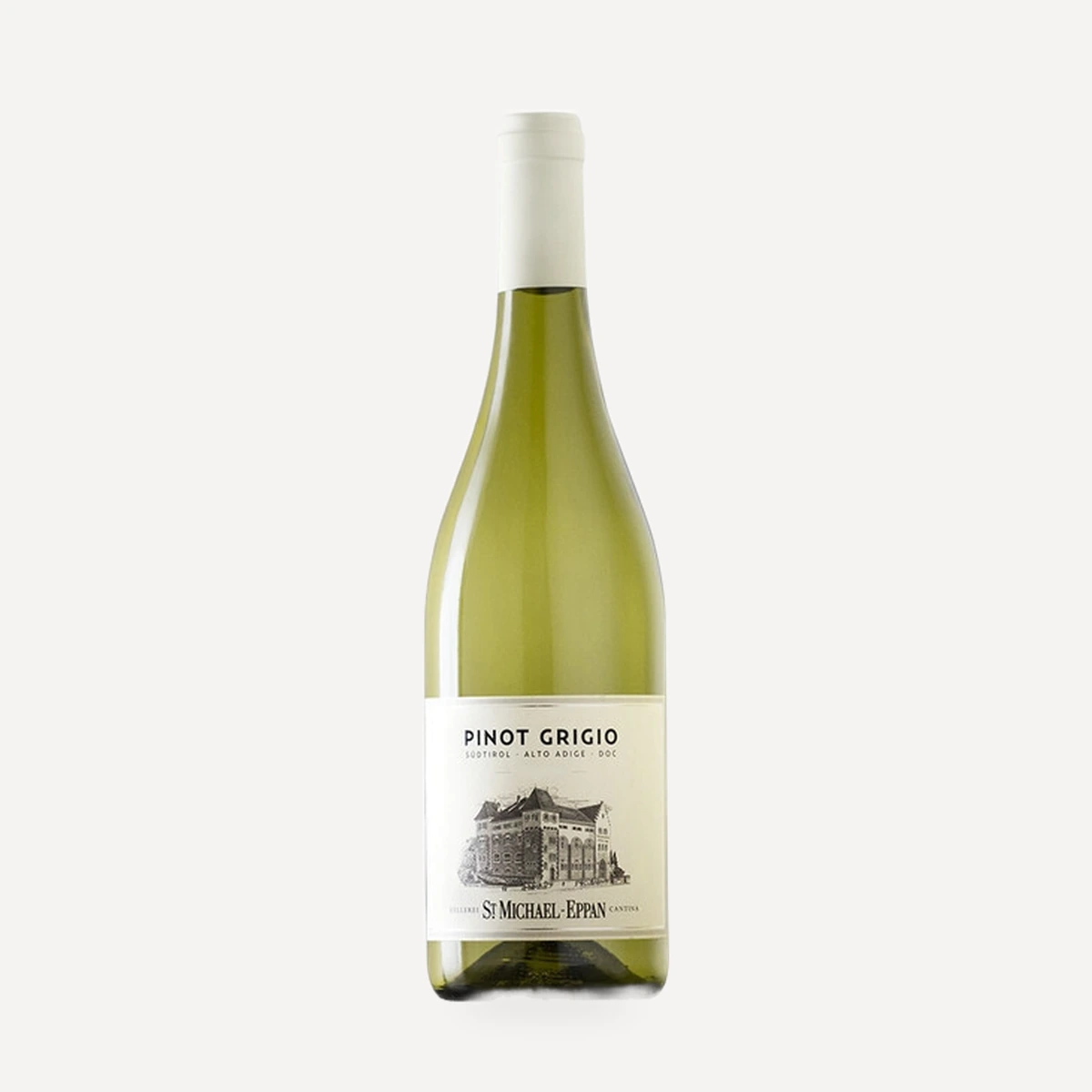
Pinot Grigio
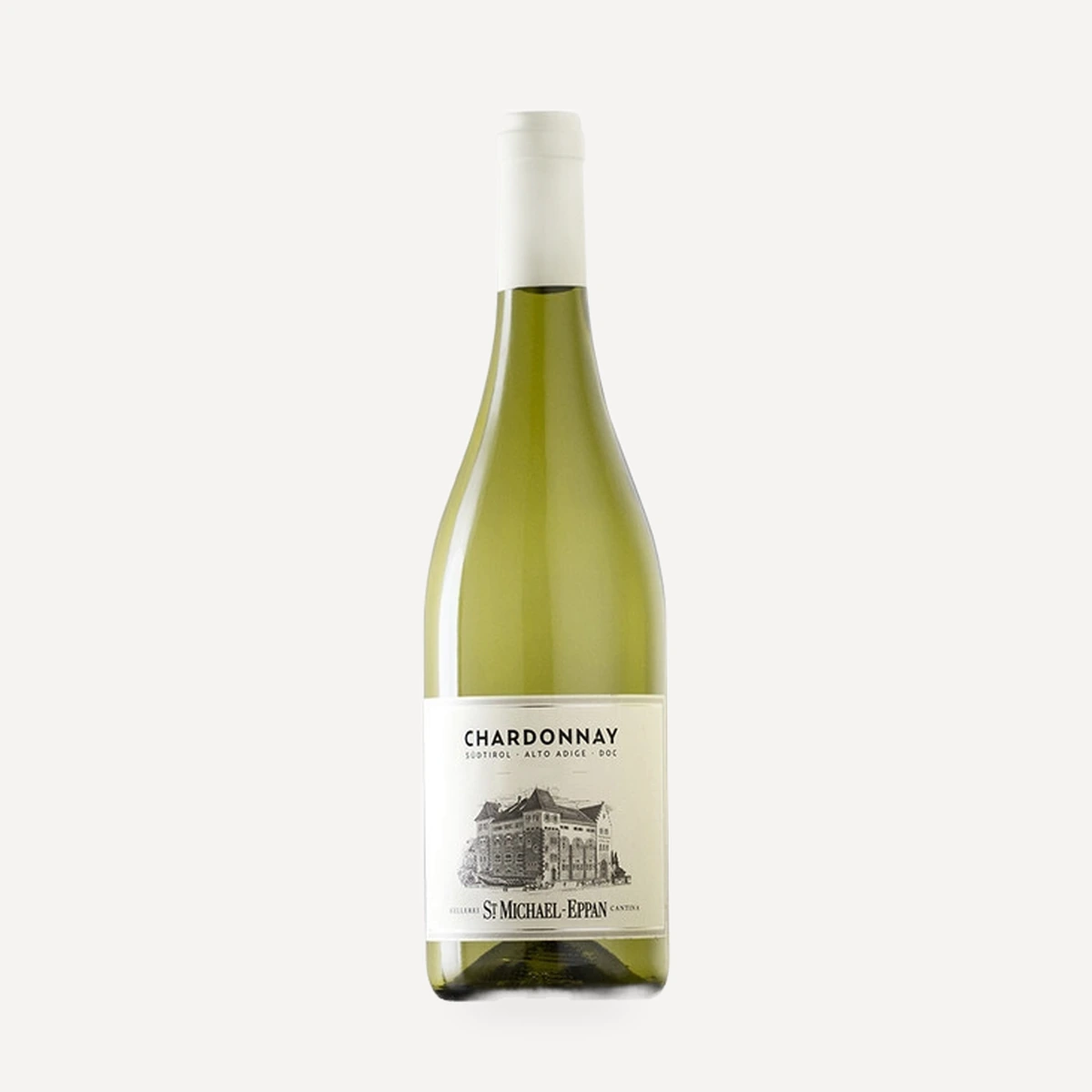
Chardonnay
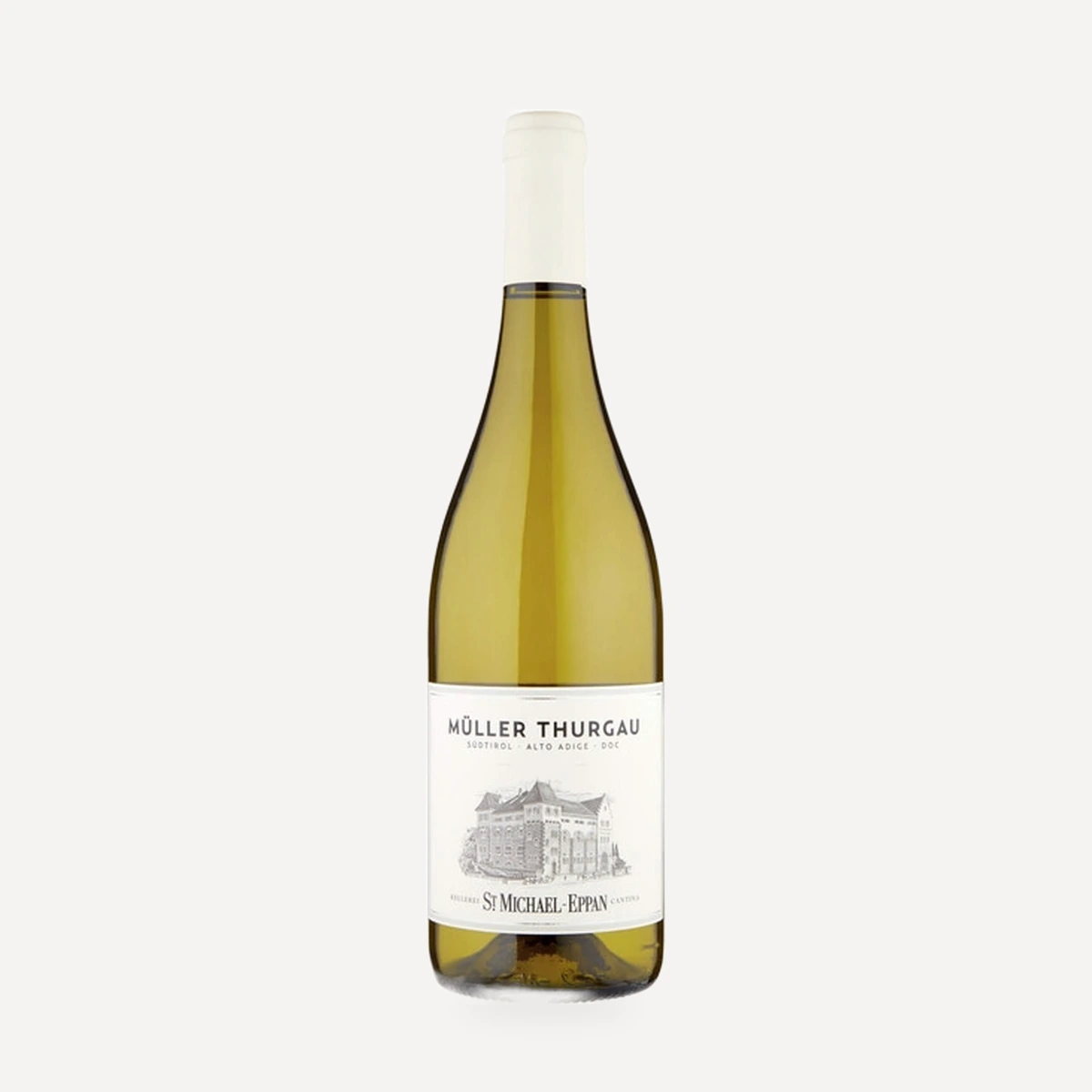
Müller Thurgau
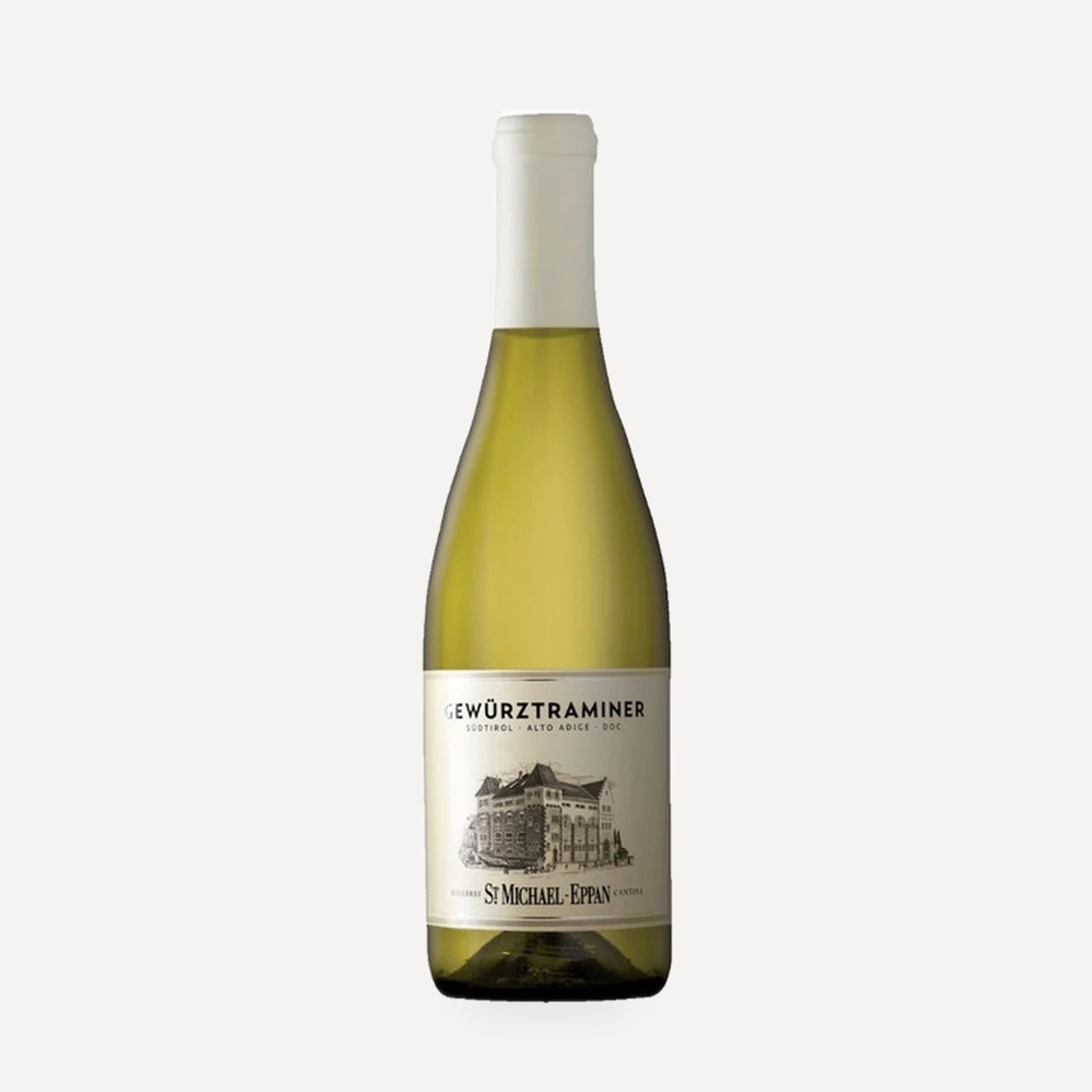
Gewürztraminer
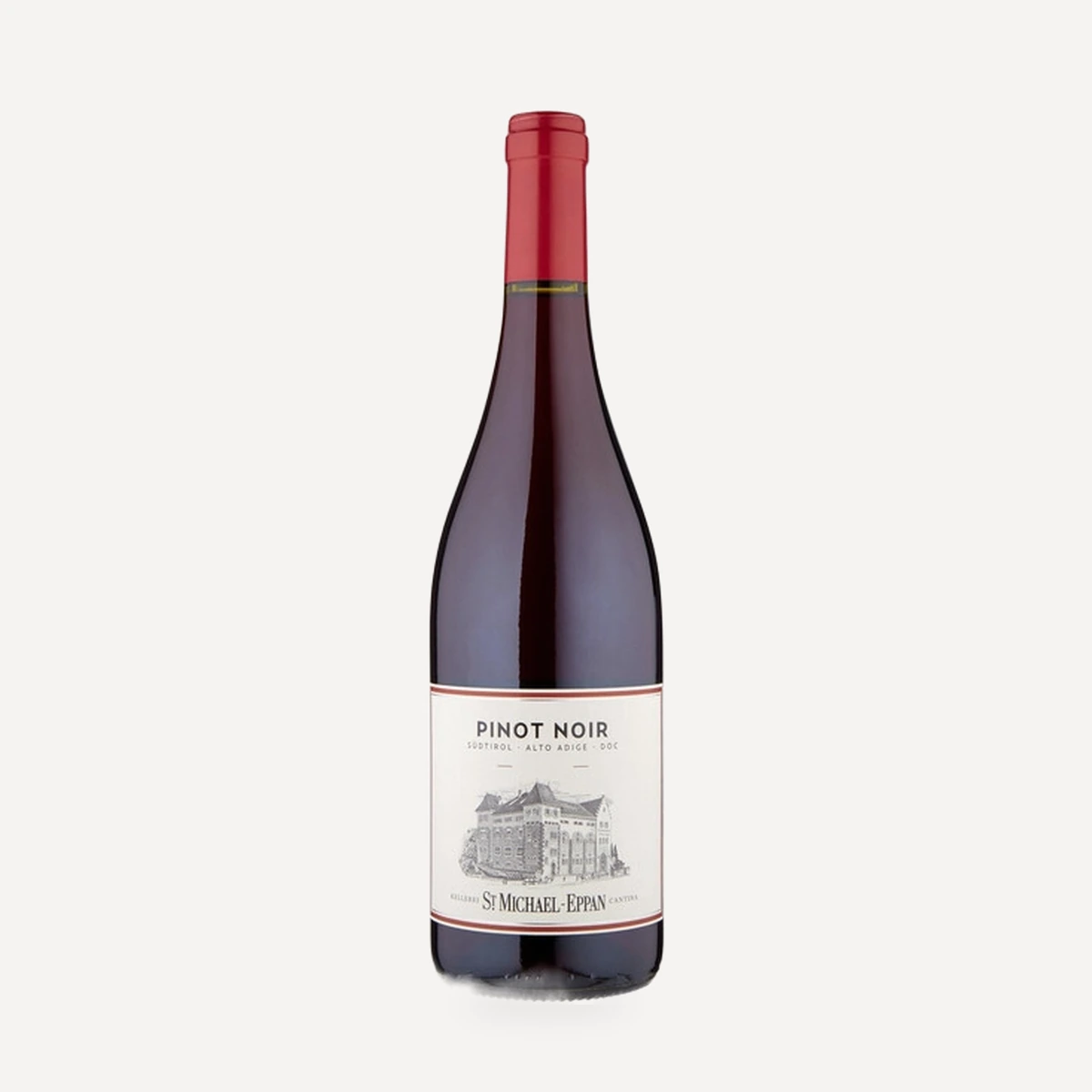
Pinot Noir
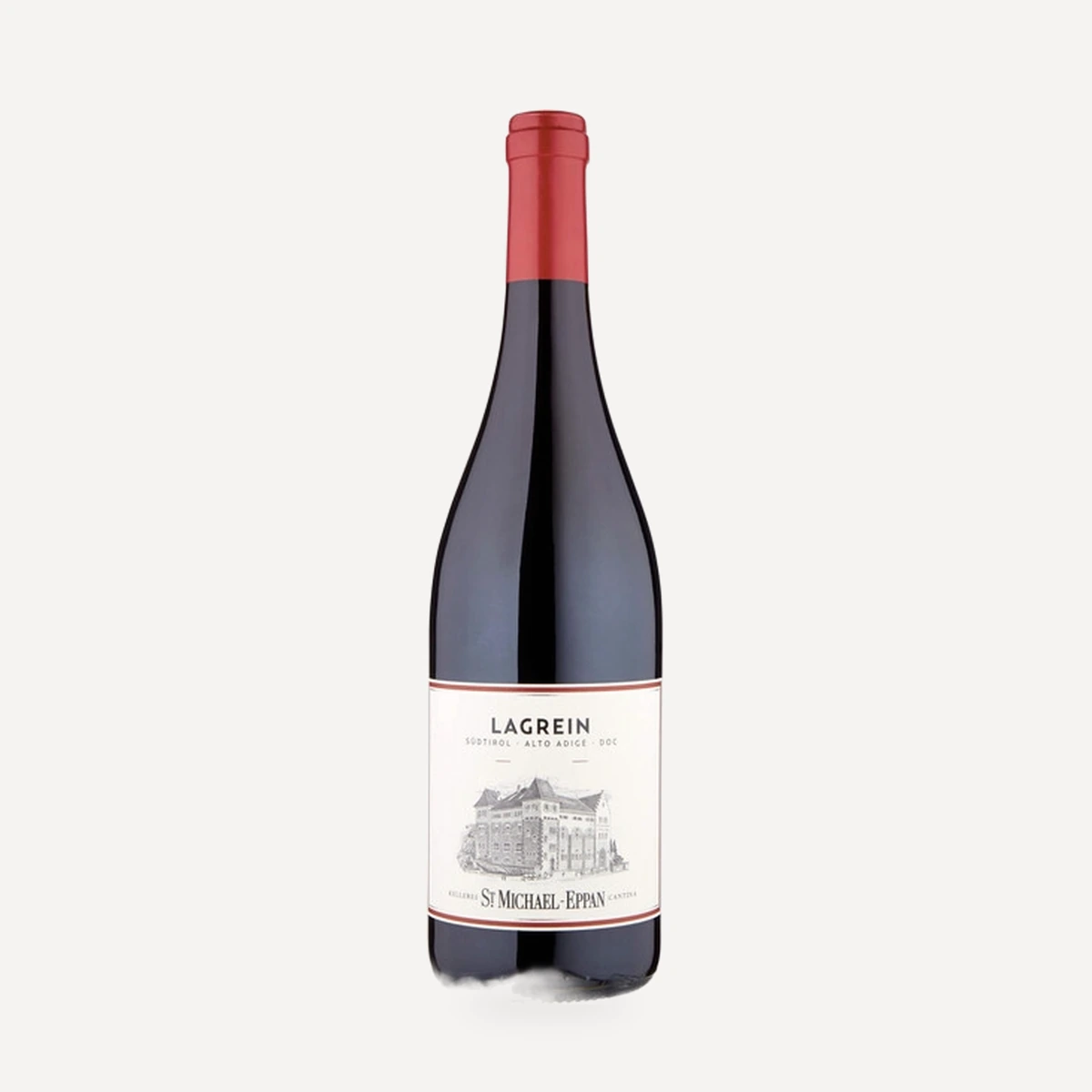
Lagrein
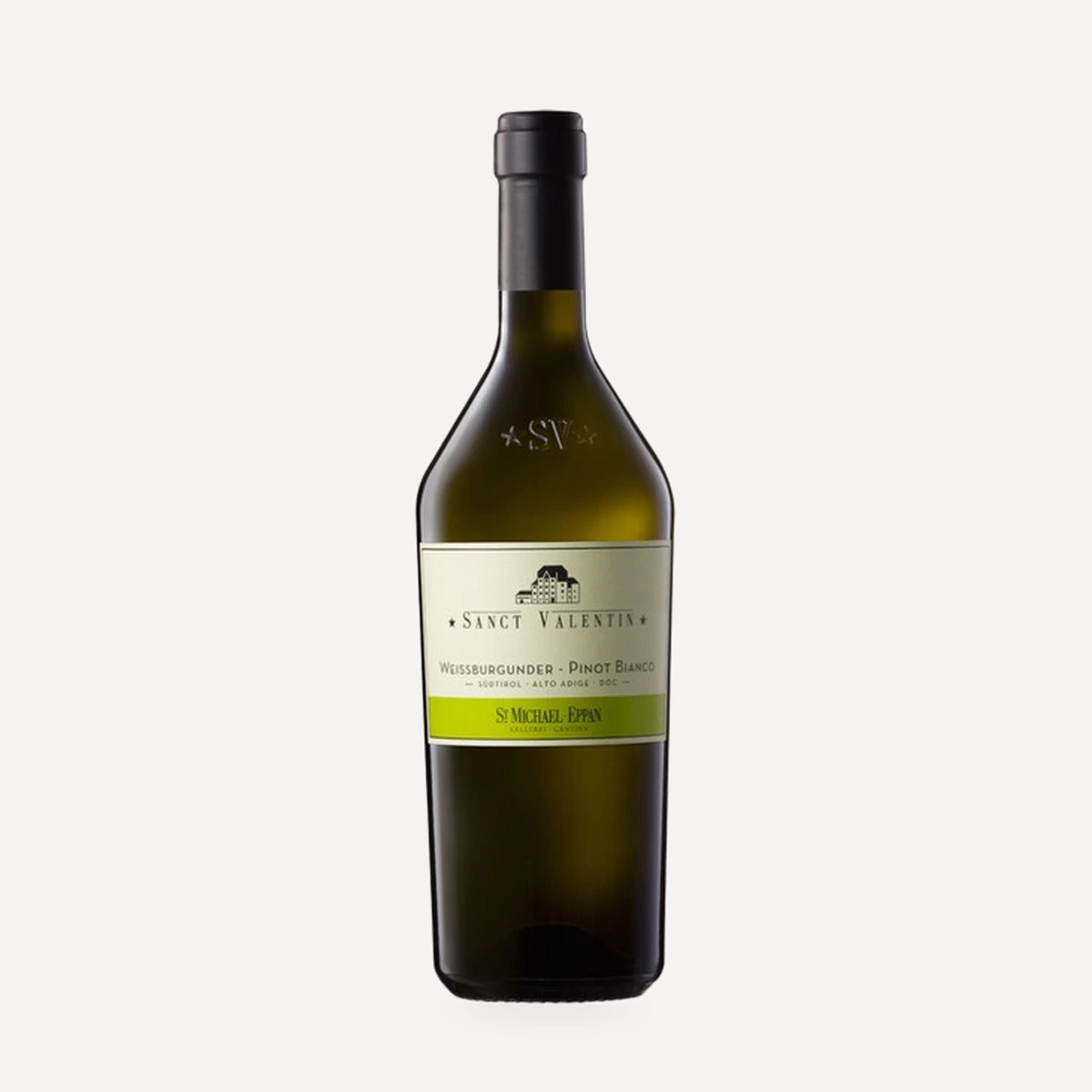
Pinot Bianco Sanct Valentin
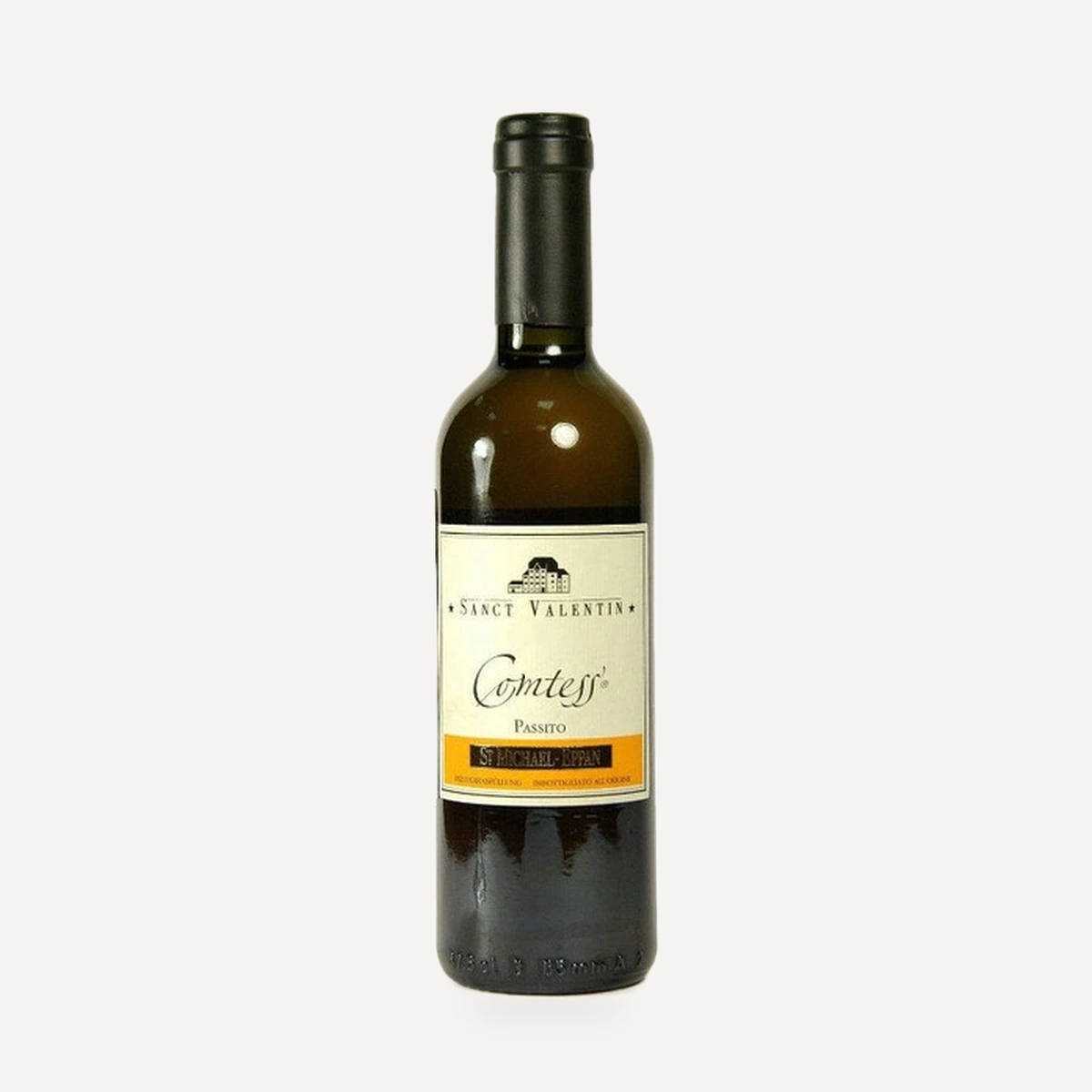
Passito Comtess Sanct Valentin
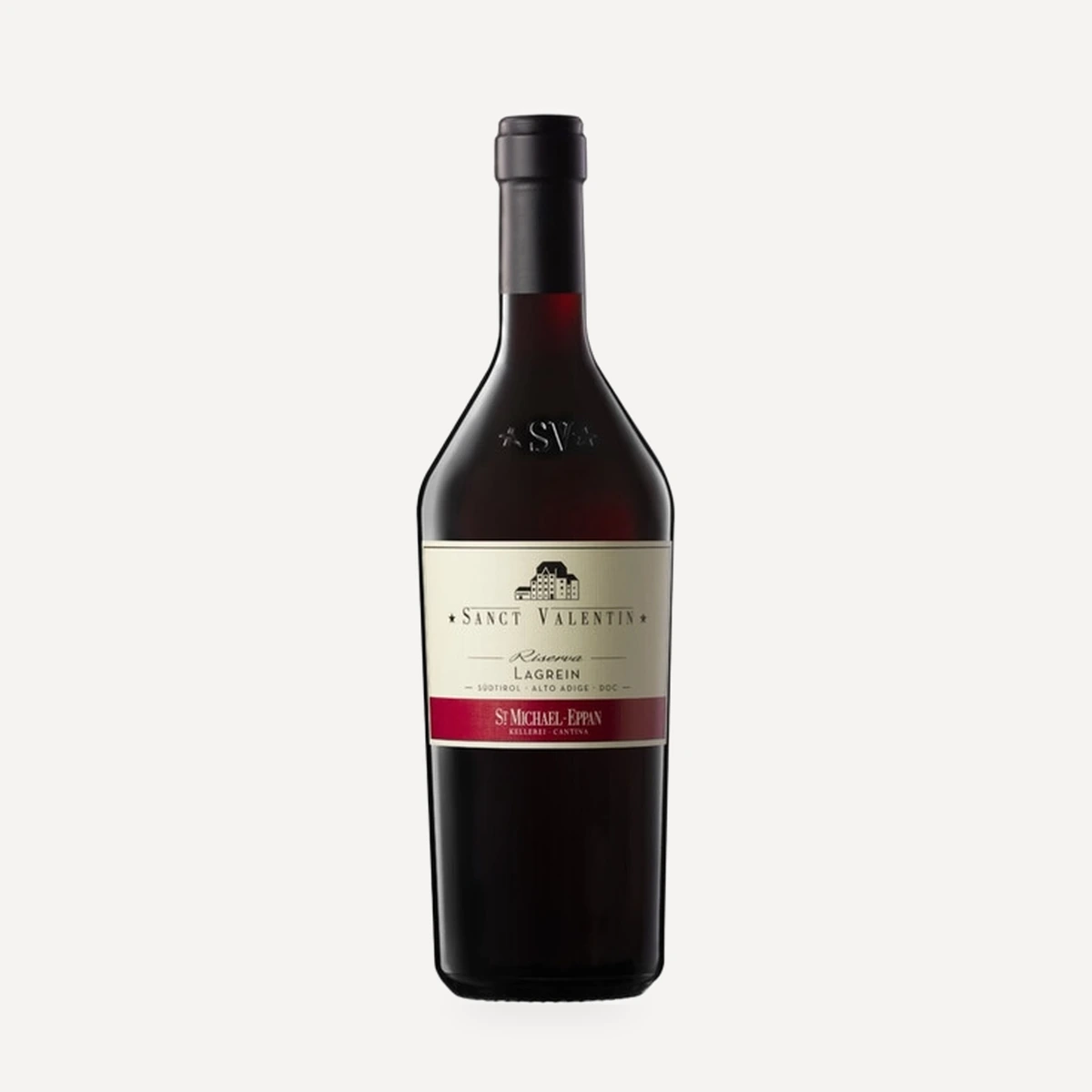
Lagrein Riserva Sanct Valentin
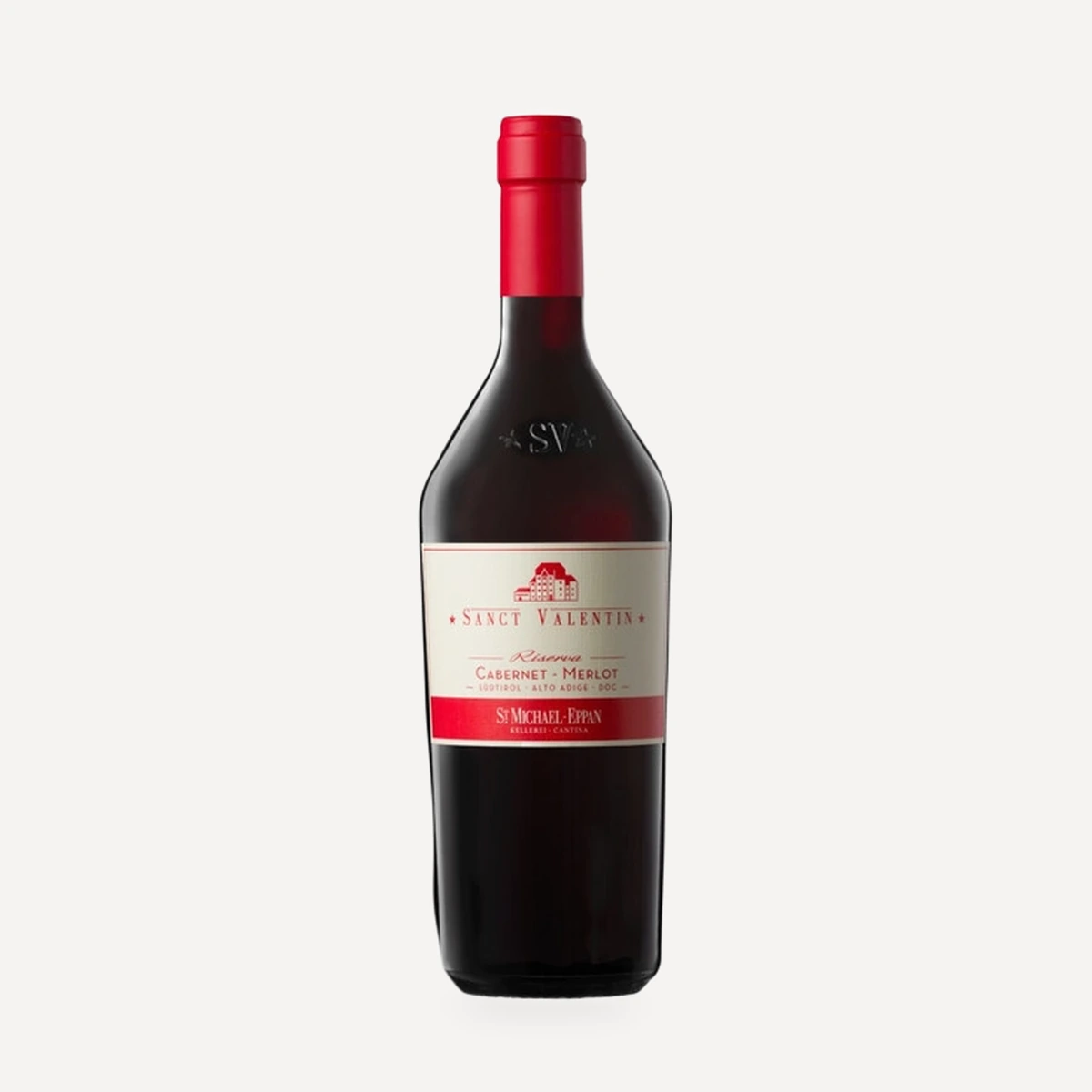
Cabernet Merlot Riserva Sanct Valentin
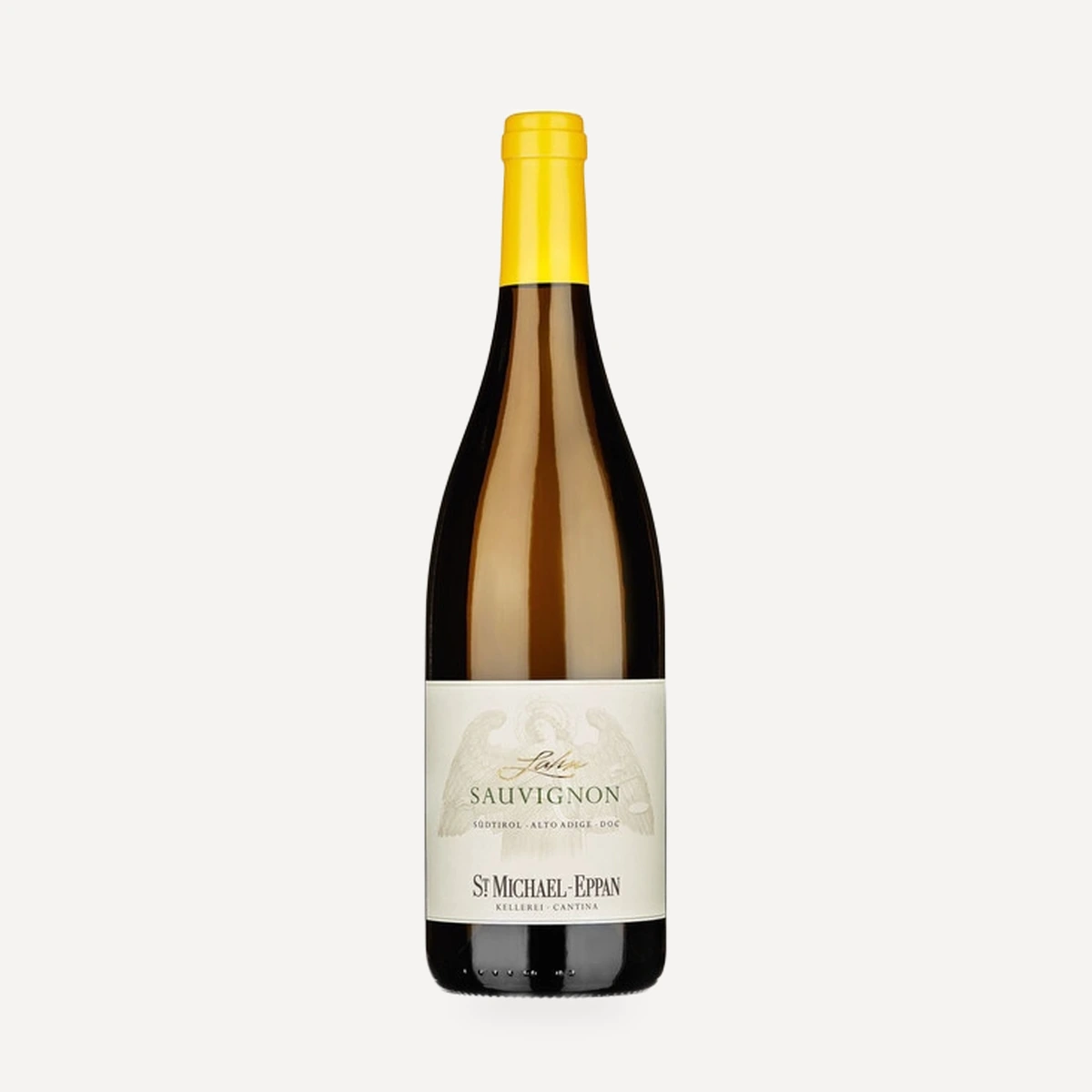
Lahn Sauvignon Alto Adige DOC
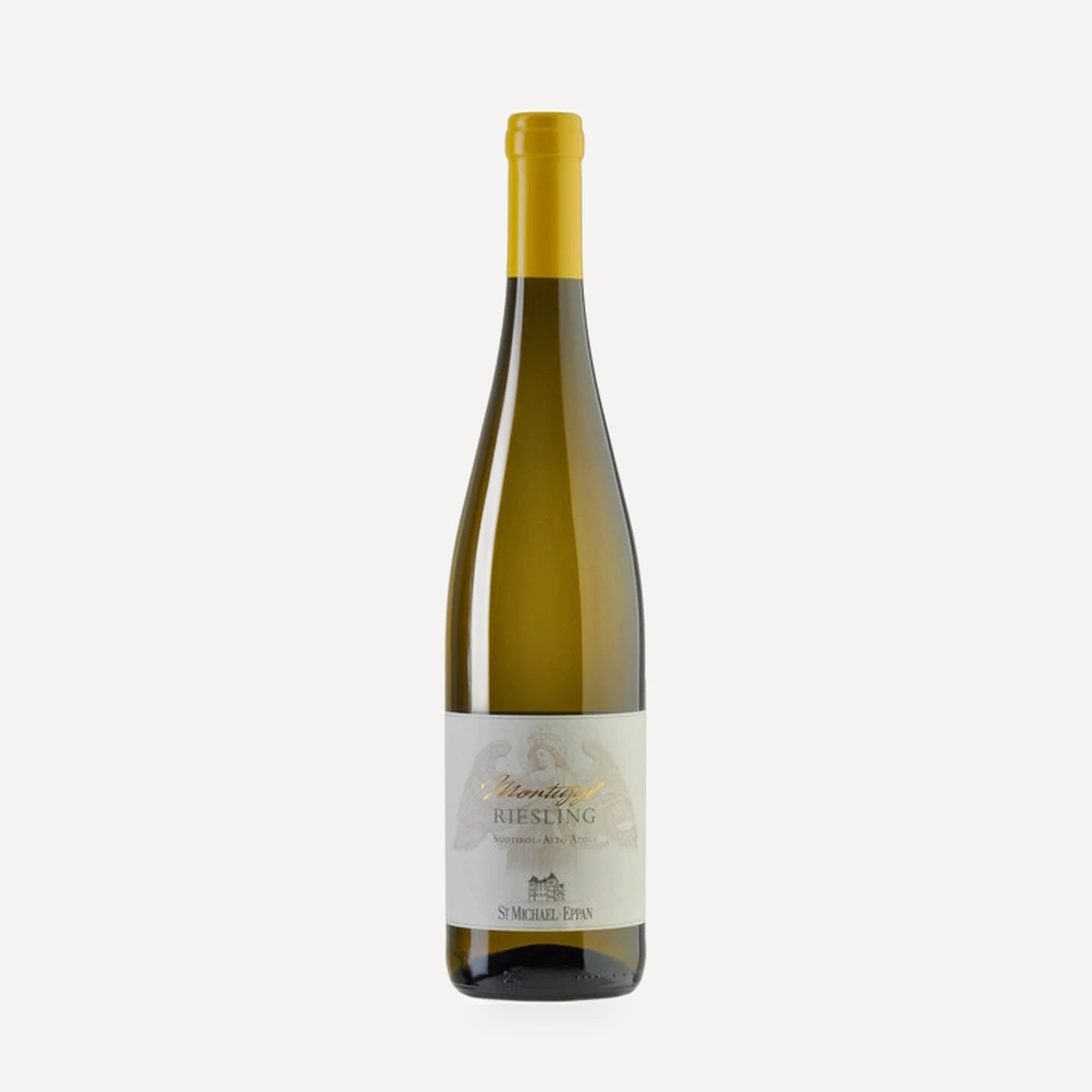
Riesling Montiggl Alto Adige DOC