History
From the Rugate hill to the first cellar
Ca’ Rugate’s history is inseparable from the Tessari family and the dark volcanic earth of the Rugate hill near Brognoligo. At the beginning of the 20th century, Amedeo Tessari, known as “Mideo,” recognised the quality potential of the family land and began serving his wine in the family osteria.
Amedeo died when his son Fulvio was three, on the day the First World War ended. Fulvio’s mother, Adele Filippi, raised him with help from Amedeo’s brother Giovanni. Although Adele hoped that he would secure a dependable position at the Post Office, Fulvio was drawn from childhood to farming and working the Rugate land.
The Tessari family acquired Monte Fiorentine in 1945. Fulvio Tessari, known as “Beo,” expanded the vineyards, crushed the fruit from Monte Fiorentine and invested in new concrete vats and large wooden barrels. The first cellar at Rugate took shape around 1950. Bottling followed the earlier sale of bulk wine, while Fulvio and his eldest son, Amedeo, enlarged the Brognoligo cellar and introduced new technology.
The Ca’ Rugate name and vineyard expansion
The first bottles bearing the Ca’ Rugate name were from the 1986 vintage and entered export markets immediately. That year Monte Fiorentine also became a named cru within the family’s Soave Classico production. Tremenalto had joined the family holdings during the 1980s, while the amphitheatre-shaped Studio site had belonged to the Tessari family since 1990.
The estate moved into eastern Valpolicella at the end of the 1990s. Punta 470 joined the holdings in 1998 and Campo Lavei in 1999. The 2000 and 2001 harvests produced the first Campo Lavei Valpolicella Superiore and Amarone. These early releases pursued a fresher, more agile profile in place of an overriding dried-grape character.
Fourth-generation management and the new winery
Michele Tessari, Amedeo’s son and a trained oenologist, entered the business in 2001 as the fourth generation. He began a broad strategic and organisational renewal and accelerated the acquisition of vineyards suited to high-quality production. The initial expansion into Valpolicella encompassed 15 hectares.
A new technological and functional winery opened in September 2002 at Montecchia di Crosara, on the Val d’Alpone road. Distribution subsequently expanded across 98 Italian provinces and 42 international markets.
From 2004, vineyard management adopted a formal sustainability programme covering fertilisation, canopy trimming and crop protection. Campo Lavei became an annual cru from the same year. The family abandoned chemical fertilisers in favour of cattle manure applied on a three- to five-year rotation, organic soil improvers and organo-mineral fertilisers.
Museum, Lessini Durello and organic conversion
In 2006 Michele and his family began creating a museum of farming culture from the winegrowing and domestic objects preserved by successive Tessari generations. Restoration by Andrea Ciresola took two years, and the Enomuseo was completed in 2008. It received recognition from the Veneto Region as a museum of regional interest.
The family also invested in Lessini Durello in 2008, taking over management of the Brenton site. From the 2009 harvest its Durella and Garganega supplied the estate’s traditional-method sparkling-wine project. Bastia joined the holdings in 2010, while Punta 470 became the estate’s Amarone cru in 2012.
Five electronic weather stations have operated since January 2012, supplying data for phytosanitary decisions and vintage-by-vintage climatic analysis across Soave Classico, Valpolicella and Lessini Durello. In 2013 Ca’ Rugate joined the Independent Winegrowers of Soave, affiliated with F.I.V.I., supporting traceability, authenticity, environmental responsibility and the protection of Soave’s identity.
Organic vineyard management was in place by May 2017. From the 2020 vintage, wines began carrying European Community organic certification progressively according to their maturation periods.
Education, inclusion and a new high-altitude project
Ca’ Rugate became a Veneto Region Educational Farm in 2019 and now welcomes learners from nurseries through universities and professional training organisations. In 2023 it became the first winery recognised as a Social Farm in the Veneto Region, extending agriculture-based experiences to children, adults, families and people with differing emotional needs in cooperation with local social organisations.
After more than two decades in Valpolicella DOC, Ca’ Rugate entered the Amarone classico area with Cima Caponiera. The vineyard lies at approximately 600 m in Monte, a hamlet of Sant’Ambrogio della Valpolicella. Its altitude and difficult terrain form part of the estate’s response to climate change and continue its experience with steep, high vineyards.
Terroir
Soave Classico
The estate’s origins lie on the dark volcanic Rugate hill near Brognoligo. Its Soave Classico vineyards occupy the historic hills between Soave and Monteforte d’Alpone. The soils have volcanic origins, with basaltic and calcareous components that shape the aromatic and mineral character associated with Garganega and Trebbiano di Soave.
The individually described Soave sites range from 90 to 350 m. Monte Fiorentine rises through broad terraces from 120 to 350 m and includes east, south-east and south-west exposures. Tremenalto lies between 90 and 170 m, with a 27% average gradient and predominantly south to south-east exposure. Monte Alto rises from 110 to 230 m on steep south and south-east slopes. Studio occupies the arena-like Tenda amphitheatre at 95–160 m, with a 34% gradient and south to south-east exposure. Natural woodland forms part of the biodiversity around these sites.
Valpolicella
Ca’ Rugate’s eastern Valpolicella vineyards stand on the slopes overlooking the Alpone and Cazzano di Tramigna valleys. The zone averages about 450 m, with deep, fresh, whitish soils that are strongly calcareous and relatively poor in clay. The sites combine terraces, steep slopes and river-bank land.
Campo Lavei lies at 410 m on a gentle, east-facing slope. Bastia is lower, at 320 m, but reaches a 27% gradient and faces south to south-east. Punta 470 occupies east-facing terraces and slopes at 410–440 m, with a 23% average gradient. The Cima Caponiera vineyard is higher still, at approximately 600 m in Monte, Sant’Ambrogio della Valpolicella, with views extending from Lake Garda to the Dolomites. Its high altitude, wind exposure and difficult orography were central to its selection in the context of changing climatic conditions.
Lessini Durello
Brenton lies at 300 m in the hills of Roncà, facing due south on an 18% gradient. The high Lessini valleys cross the provinces of Verona and Vicenza and retain extensive biodiversity. Their ancient volcanic traces appear in basaltic soils, while Durella favours hilly clay-limestone terrain. Natural woodland surrounds the Brenton vineyard.
Climatic observation
Five electronic weather stations have operated since January 2012. They record meteorological conditions needed for crop protection and the climatic characterisation of individual vintages in Soave Classico, Valpolicella and Lessini Durello. These measurements inform daily work and agronomic decisions because vintage variability directly affects grape and wine expression.
Winemaking
Ca’ Rugate farms 90 ha of estate vineyards distributed across Soave Classico, Valpolicella and Lessini Durello, including hillside positions with gradients exceeding 35%. Much of the work is manual because steep slopes differ substantially from mechanised cultivation on the plain.
A structured environmental programme began in 2004. Chemical fertilisers were abandoned and replaced with cattle manure applied on a three- to five-year rotation, organic soil conditioners and organo-mineral fertilisers. The individually documented vineyards receive autumn organic fertilisation, and all listed sites maintain permanent grass cover. Natural woodland is retained around most of the principal vineyards as a biodiversity resource.
Emergency under-canopy irrigation is installed at Monte Fiorentine, Tremenalto, Monte Alto, Studio and Bastia. Campo Lavei, Punta 470 and Brenton have no irrigation system. Training systems respond to slope, site and planting period and include Guyot, unilateral Veronese pergola, pergoletta and mixed Guyot/pergola arrangements. Bud loads generally range from 7 to 12 buds per vine.
Canopy work includes removing unproductive shoots so that selected shoots develop and thinning leaves around the bunches to improve sun exposure and ripening. Five weather stations record meteorological data used for phytosanitary protection and vintage characterisation. These measurements guide interventions in all three production areas.
The objective is healthy fruit that can be vinified without corrective treatment of the must, preserving the identity of each harvest. Specialist advisers and technicians support production and quality decisions.
The vineyards had entered organic management by May 2017. European Community organic certification began appearing progressively from the 2020 vintage, according to each wine’s ageing schedule. The educational and social farm adds a bio-lake, bees, turtles, peacocks, pheasants and geese, medicinal plants and old fruit trees, many associated with Slow Food Presidia, to the estate’s broader biodiversity programme.
The Montecchia di Crosara winery covers more than 4,000 m² over three levels and concentrates vinification, maturation, bottling and bottle ageing in one building.
The ground floor contains the grape-processing and vinification areas. Grapes are crushed, musts are handled and lots are vinified in approximately 100 stainless-steel tanks of different capacities. This configuration keeps individual crus separate and permits precise small-lot handling and experimental microvinifications. Bottling and finished-wine storage also take place on this level, with storage maintained at 16 °C.
The first floor contains a 500 m² drying loft reserved for Recioto di Soave grapes. About 10,000 crates, each potentially holding 5 kg, are transferred there annually. Grapes for Amarone are dried separately in a dedicated loft in Cazzano di Tramigna, as required by the production rules. Both facilities use ventilation and humidity-control systems to maintain suitable drying conditions.
The basement contains a 500 m² barrel and bottle cellar. Approximately 200 French wooden vessels of different sizes are used for maturation. The same area accommodates part of the production of traditional-method sparkling wine, including second fermentation for approximately 35,000 bottles annually. A secluded caveau retains hundreds of bottles from different vintages for extended ageing.
The cellar is designed to combine contemporary control with the family’s historical methods. Separate tanks, microvinification capacity and varied French wooden vessels allow work by site and lot while pursuing fruit that needs no corrective treatment of the must.
Philosophy
Ca’ Rugate defines quality as beginning in the vineyard before continuing in the cellar. Its stated objective is to grow healthy grapes that do not require corrective intervention in the must and that retain the character of the season, allowing each vintage to express its differences.
The estate’s approach combines inherited practice with technological and organisational innovation. It invests in sites suited to historic local varieties and has deliberately retained an indigenous focus rather than planting international grapes. The intended wines are tied directly to their varieties and places of origin.
Michele Tessari describes comparison, research and professional training as essential to growth. Experience in Barolo, Barbaresco and Bordeaux encouraged reflection on climate change and on balancing complexity with drinkability. The Valpolicella programme likewise pursued freshness, juiciness and agility rather than making dried-fruit character dominant.
Environmental stewardship is framed as an obligation between generations: the land should remain healthy and vital for those who follow. Traceability, authenticity and responsibility also underpin membership in the F.I.V.I.-affiliated Independent Winegrowers of Soave.
Hospitality, education and inclusion extend this outlook beyond wine. The museum preserves farming memory, the Educational Farm brings visitors into contact with organic agriculture and biodiversity, and the Social Farm places agriculture at the service of people with different needs. The family presents continuity, humility, dedication and informed ambition as the values connecting its four generations.
Wines
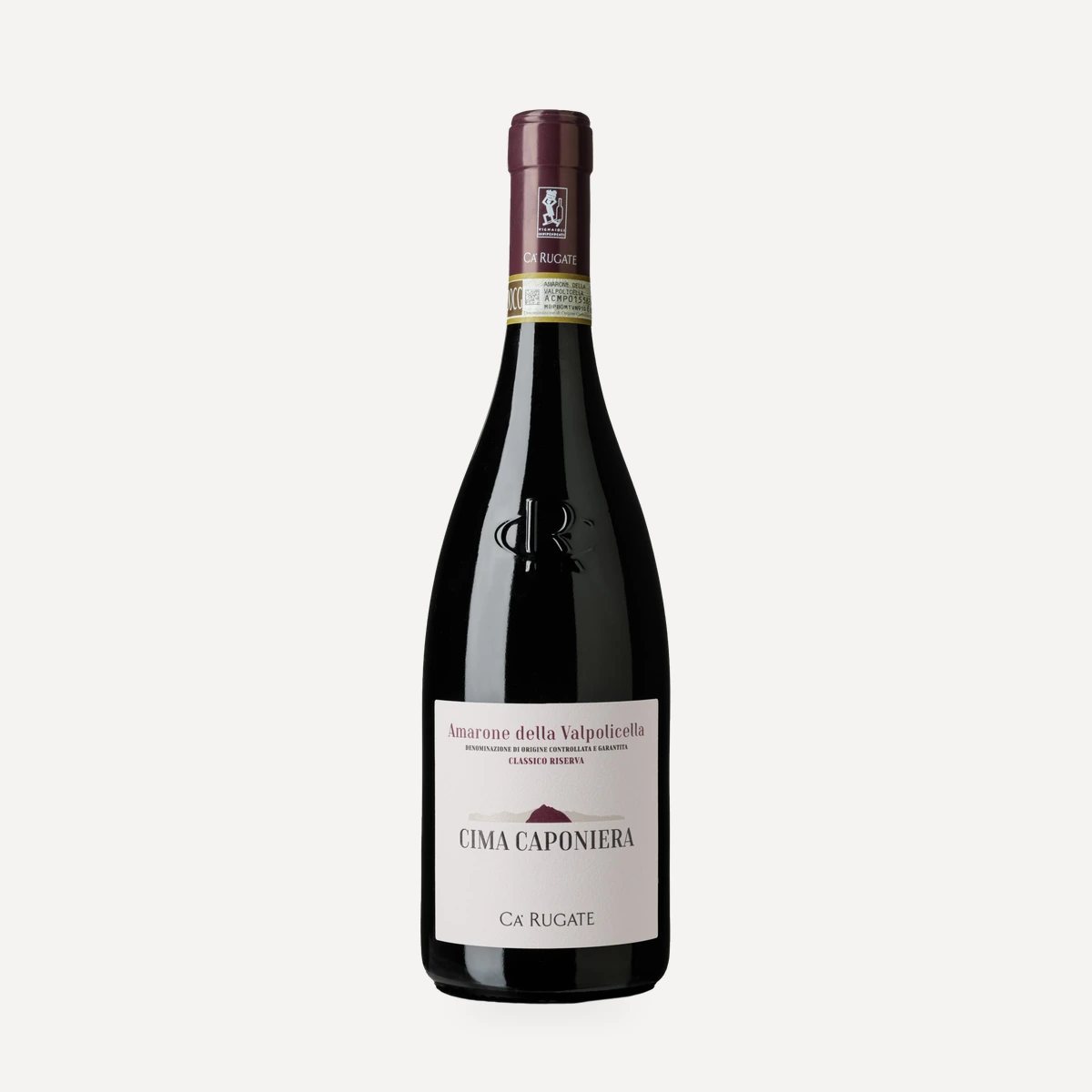
Cima Caponiera Amarone Classico Riserva
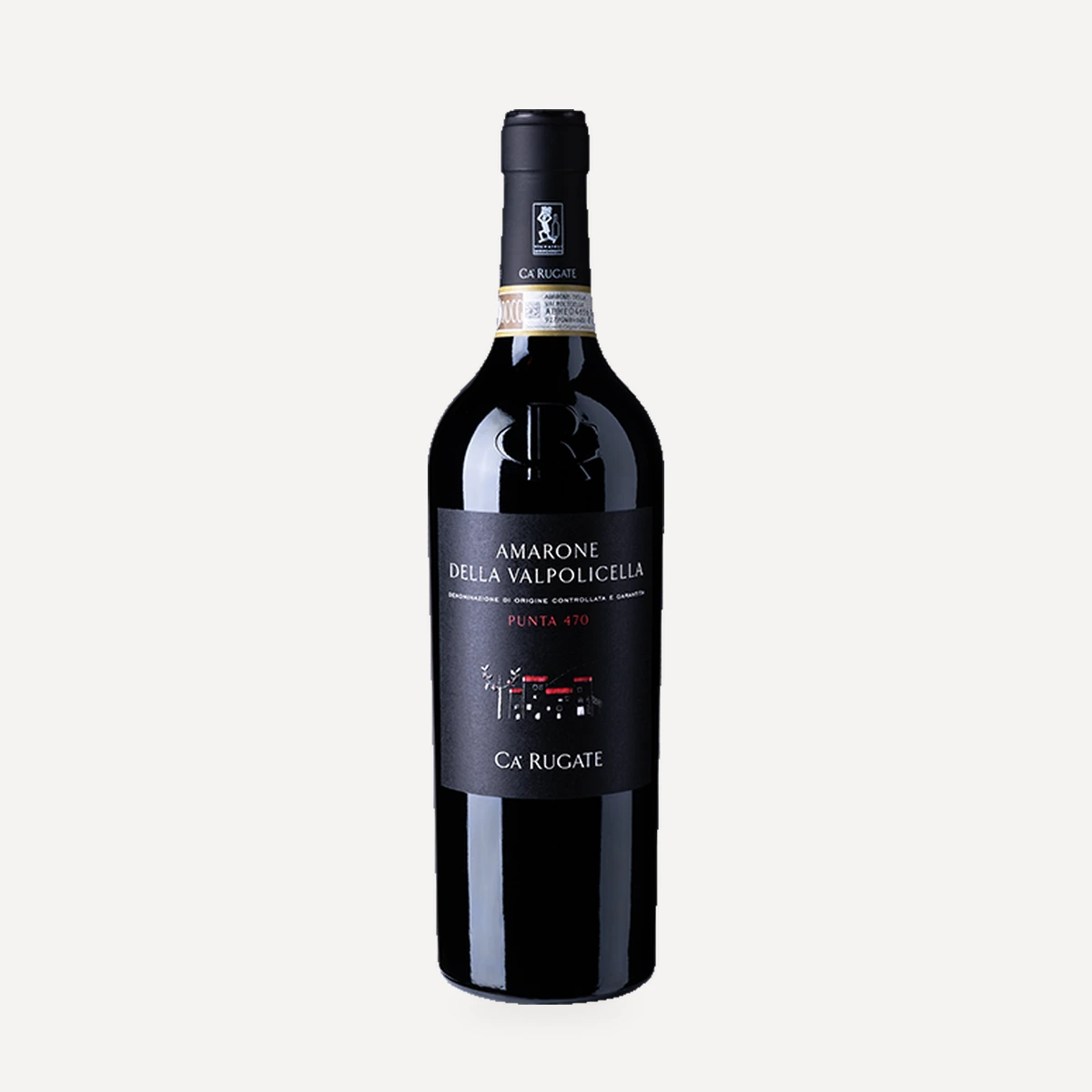
Amarone della Valpolicella Punta Tolotti
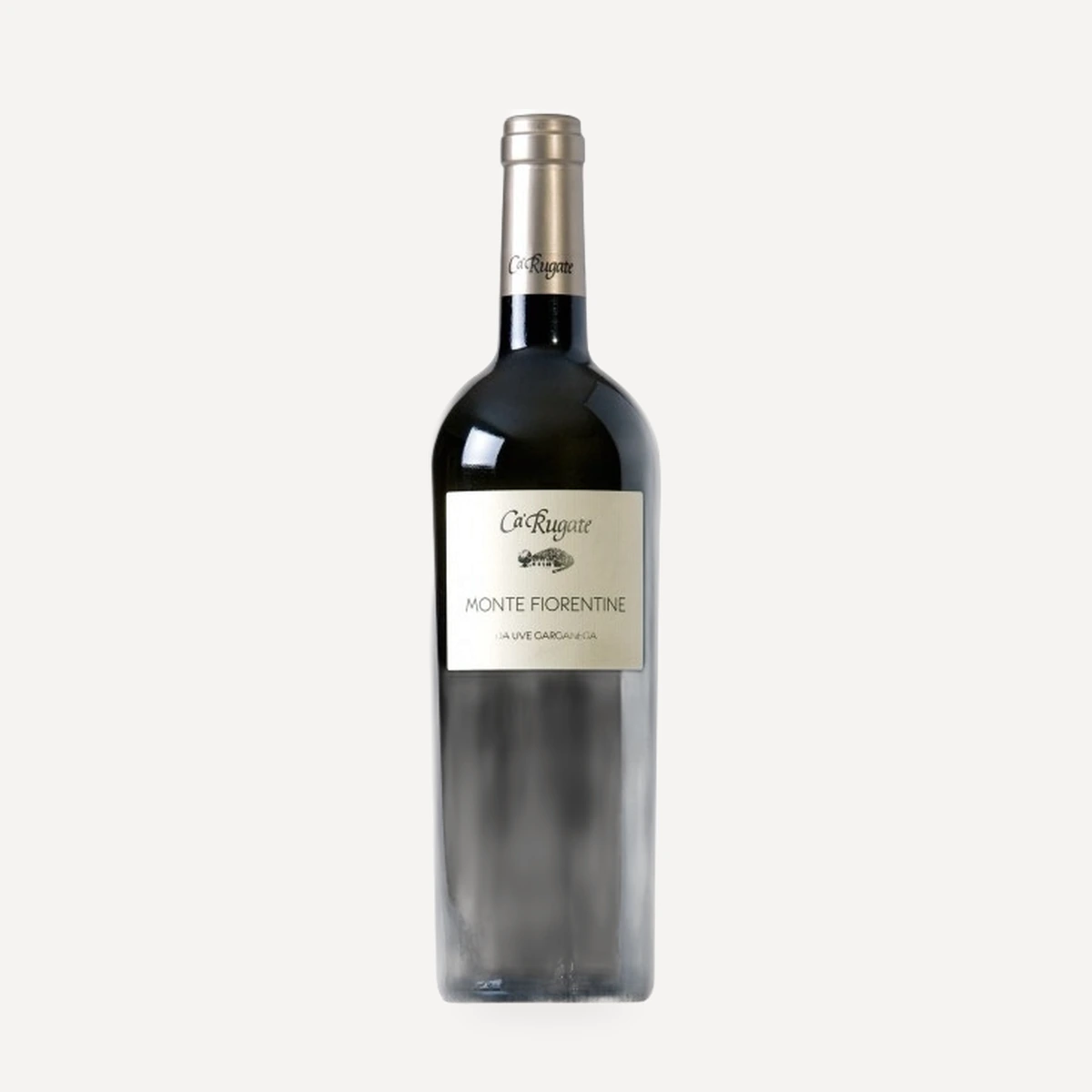
Monte Fiorentine Soave Classico
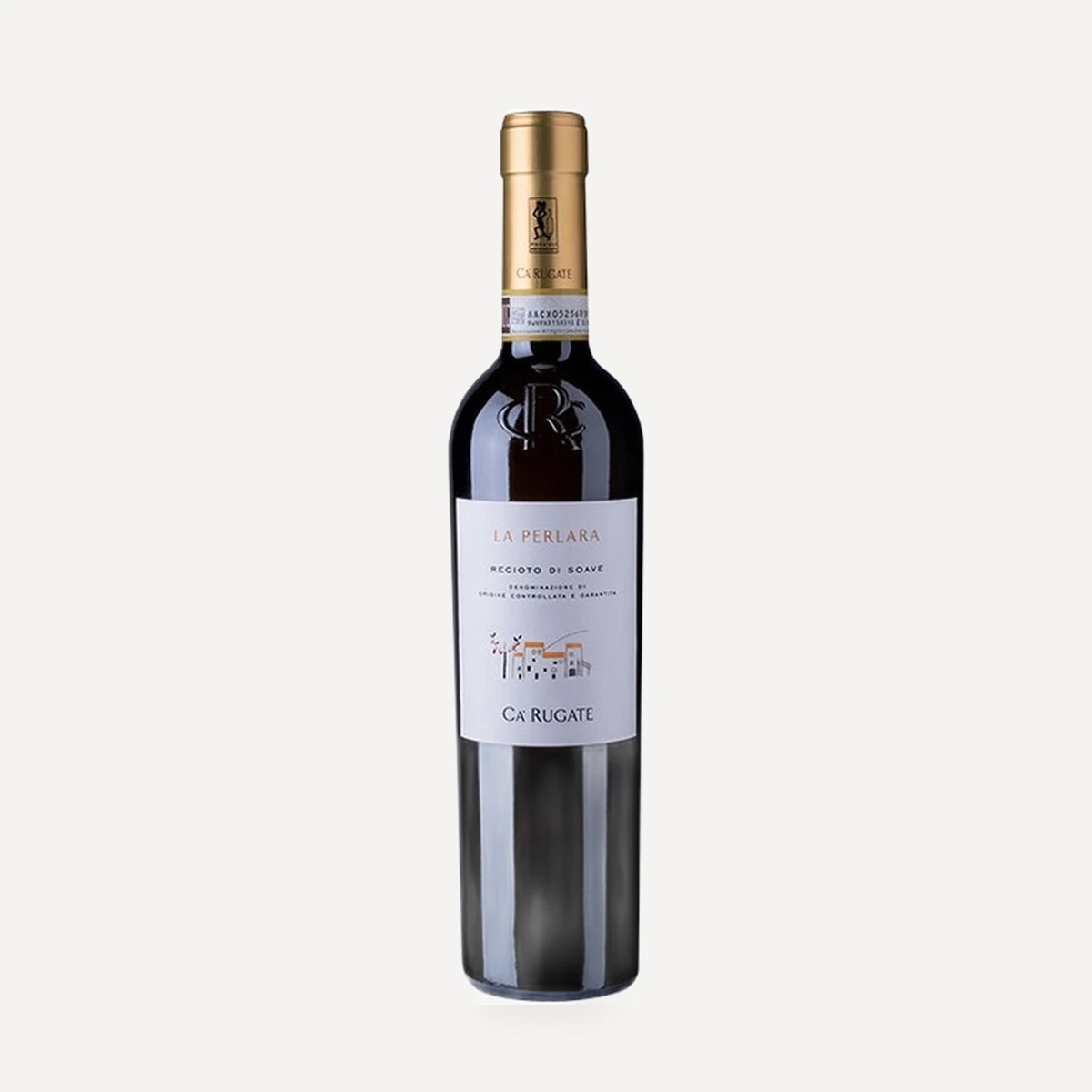
La Perlara Recioto di Soave
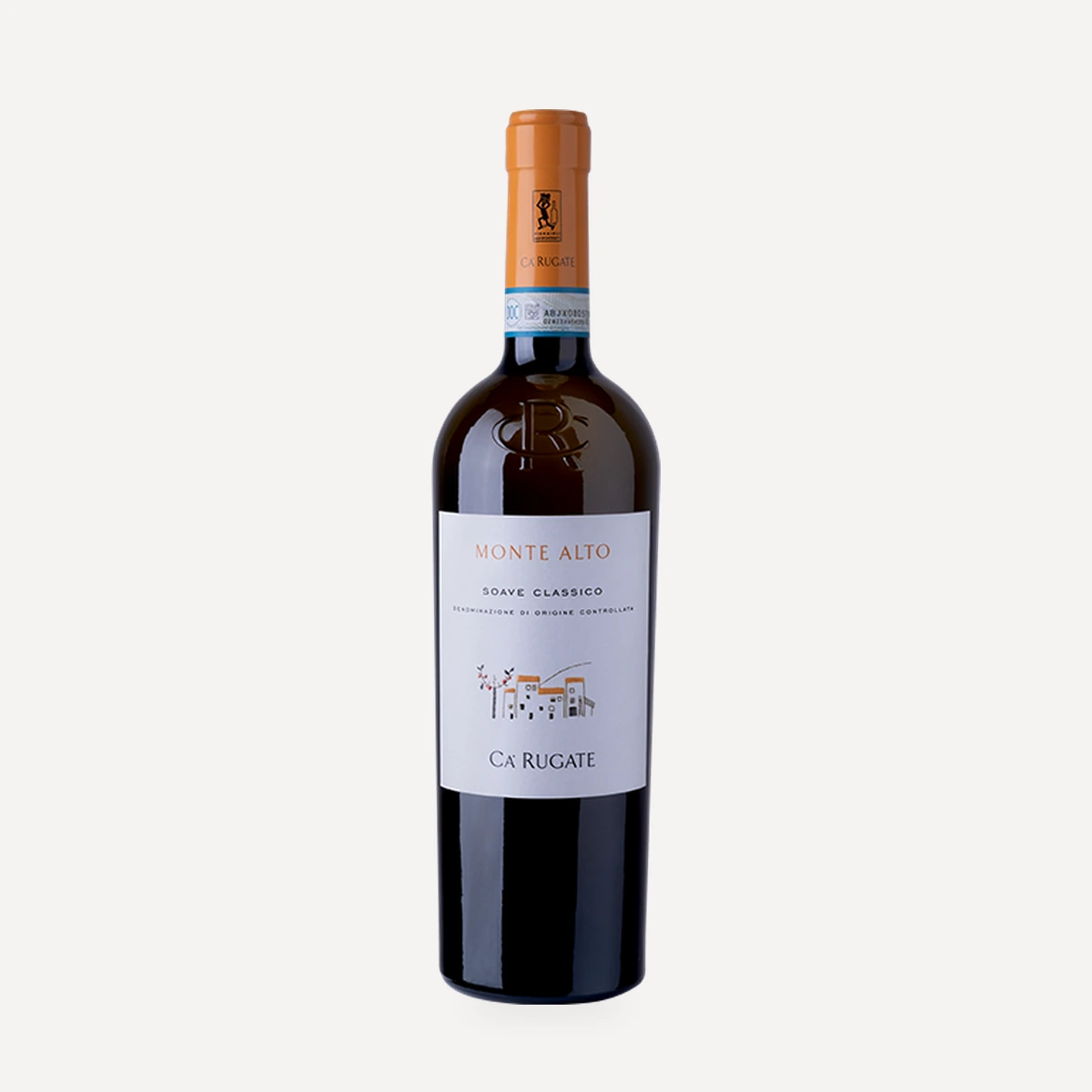
Monte Alto Soave Classico
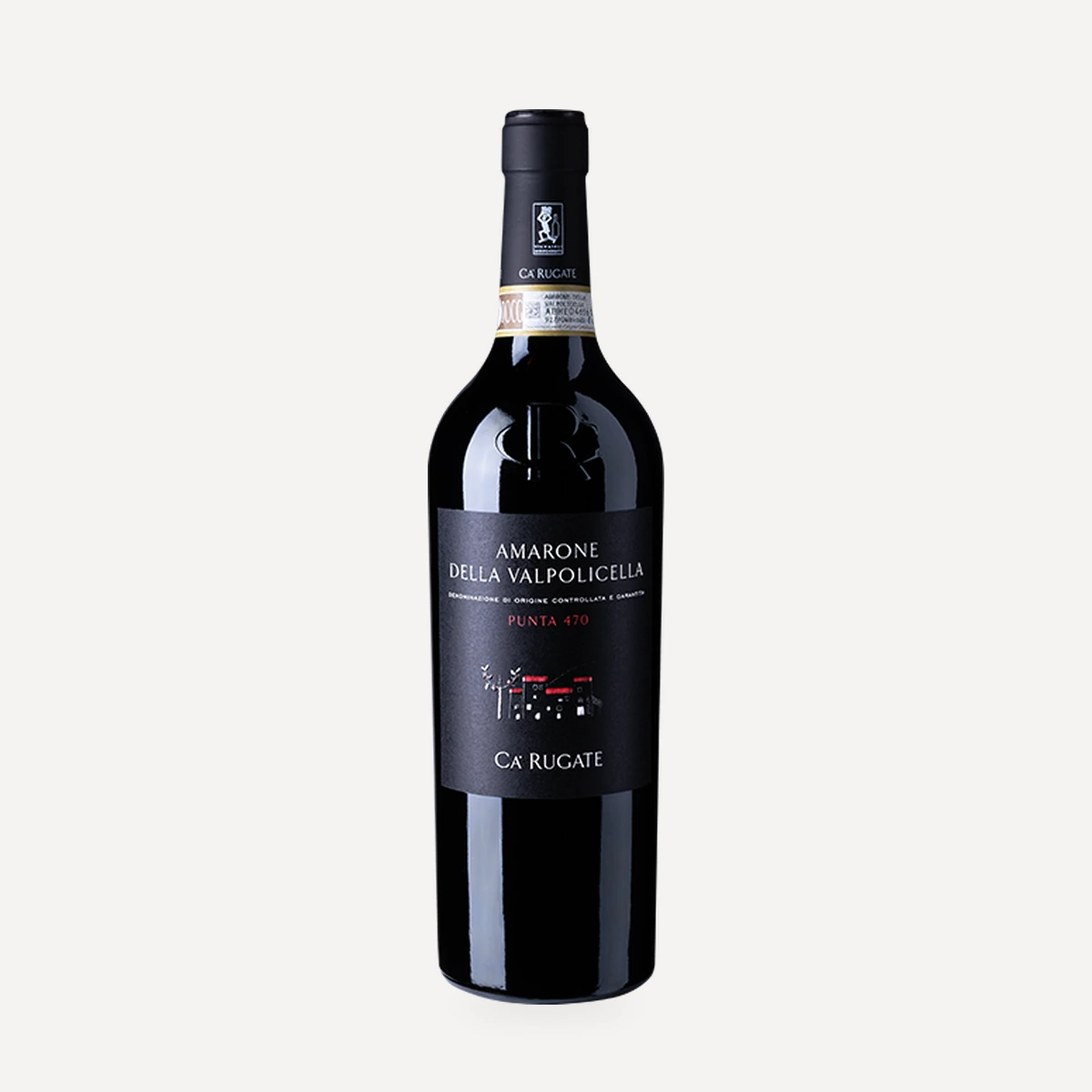
Punta 470 Amarone della Valpolicella
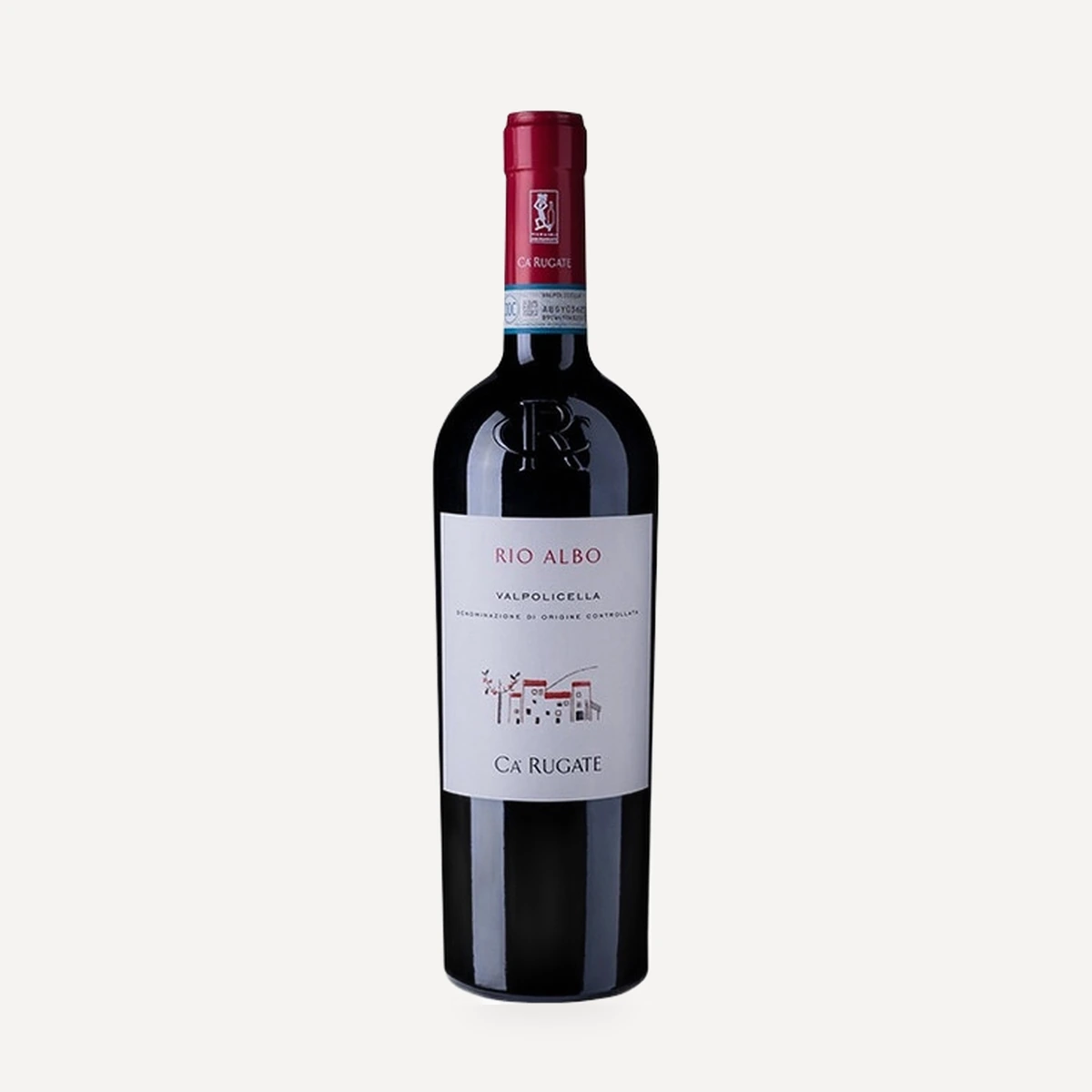
Rio Albo Valpolicella
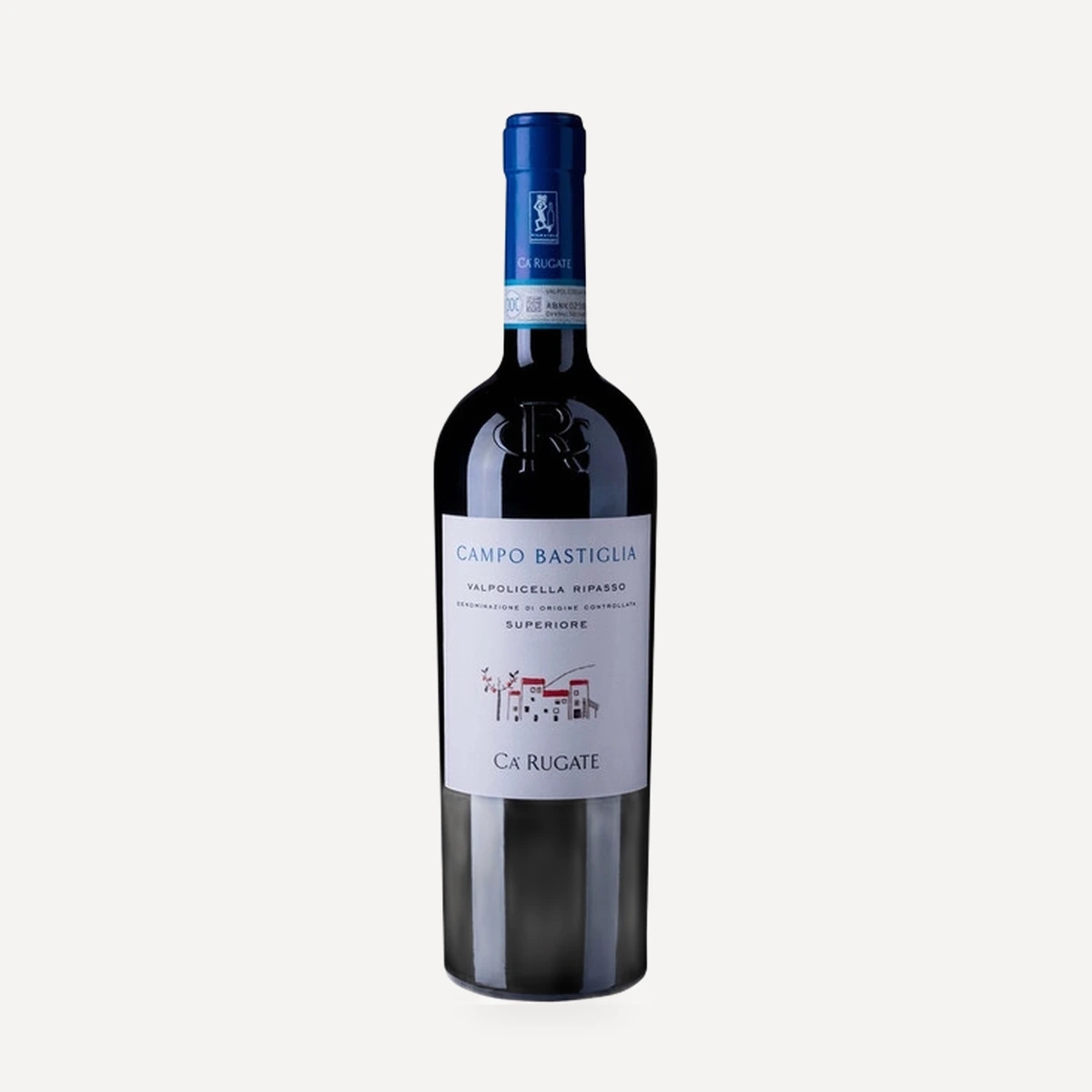
Campo Bastiglia Valpolicella Ripasso
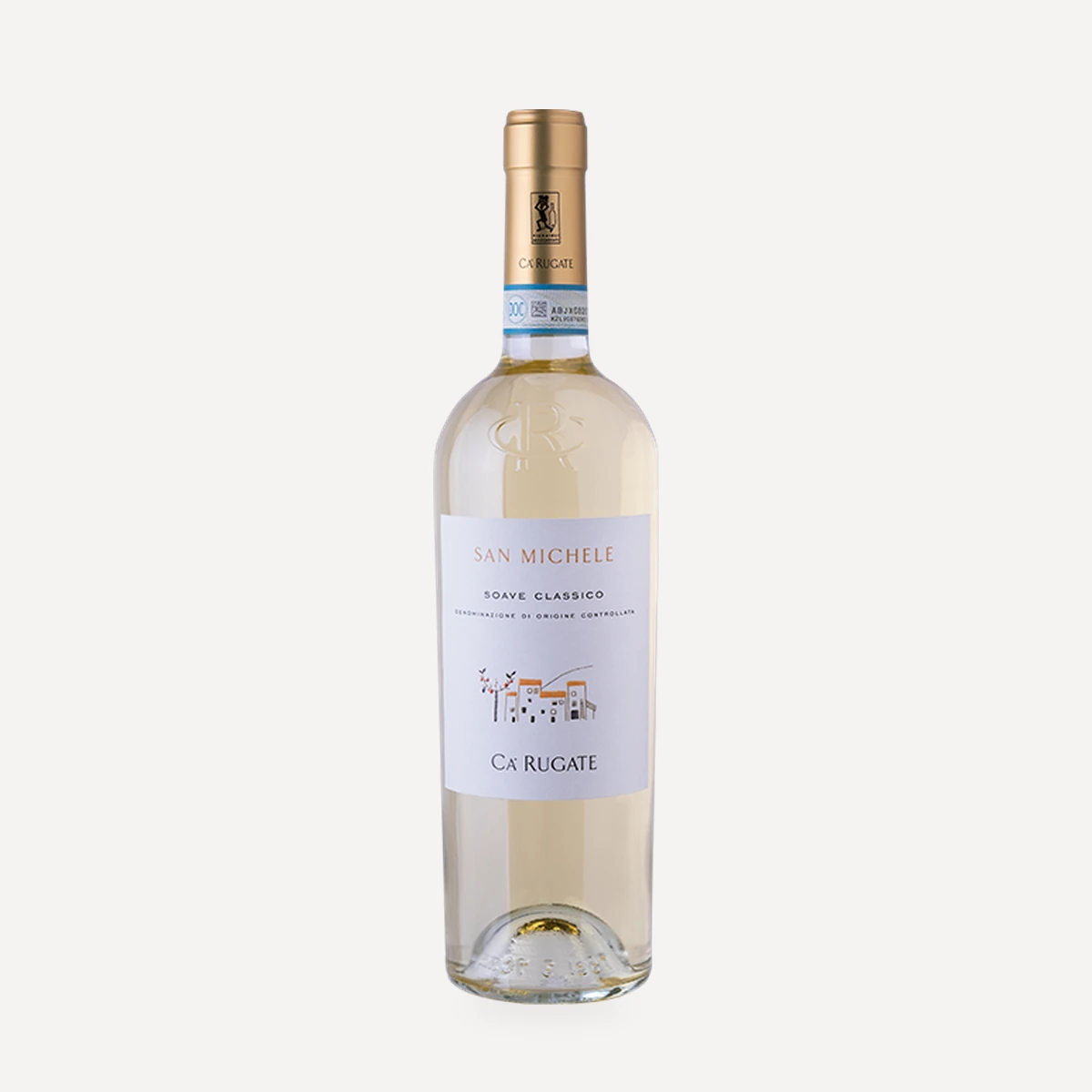
San Michele Soave Classico
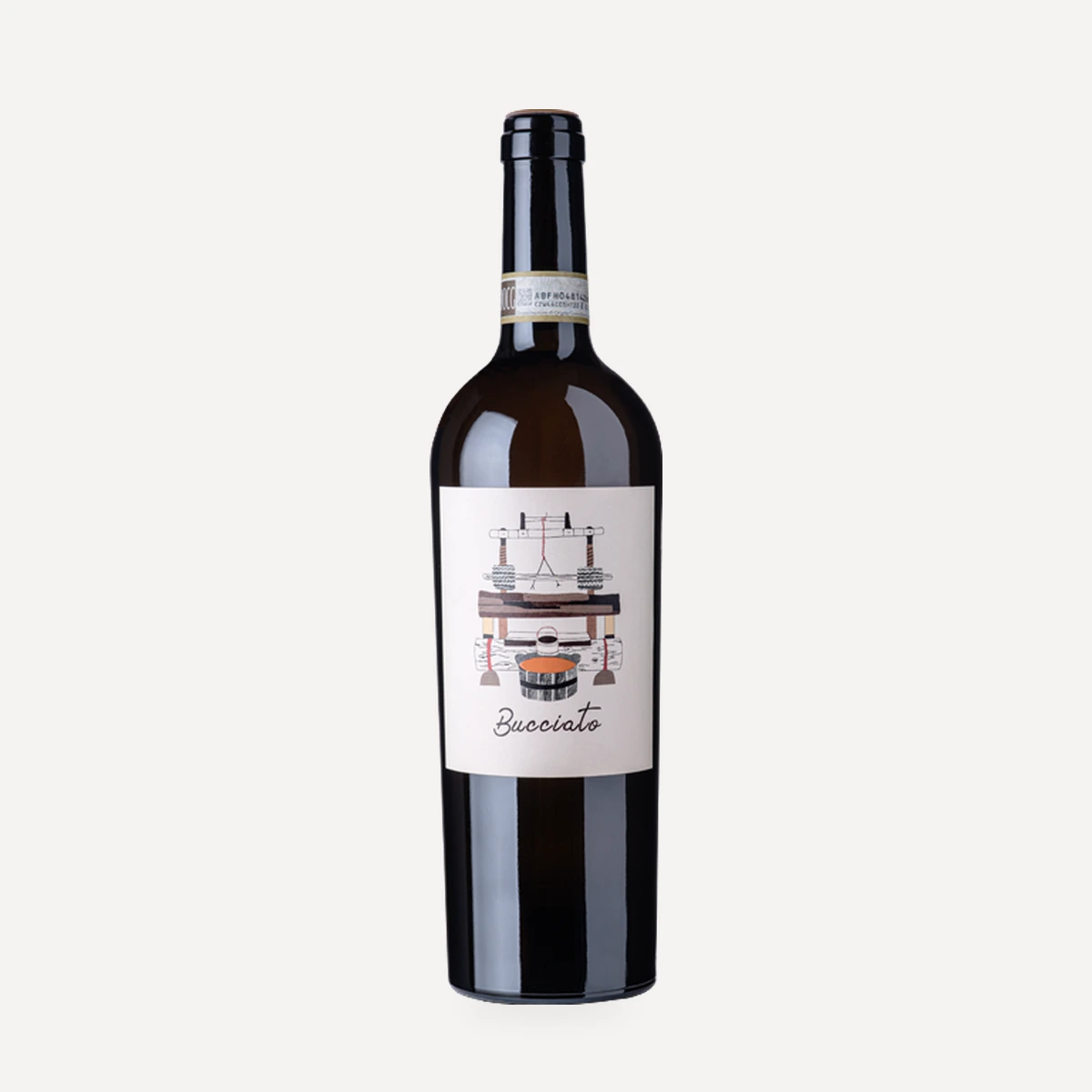
Bucciato Soave Classico Superiore
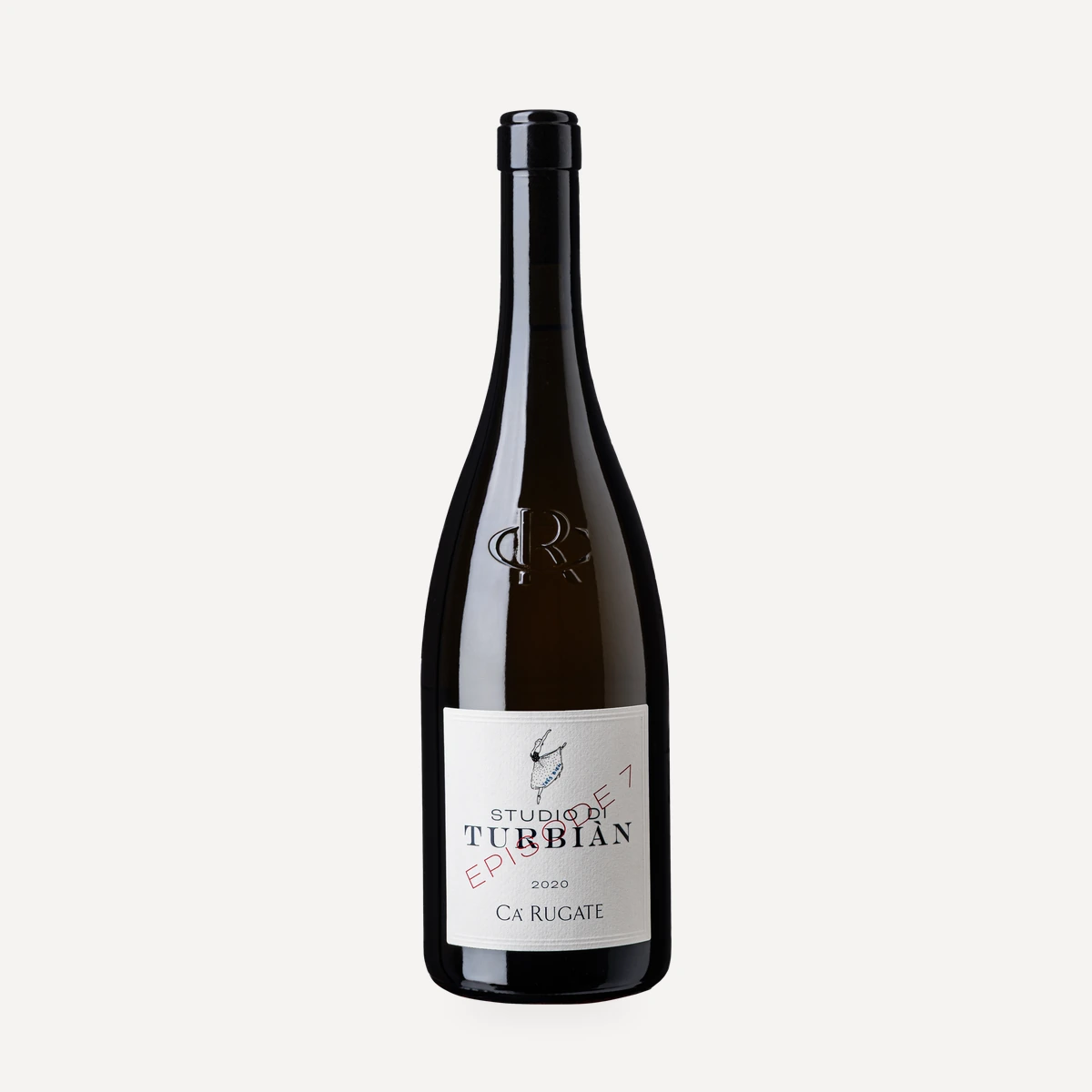
Studio di Turbiàn Episode 7 Veneto Bianco
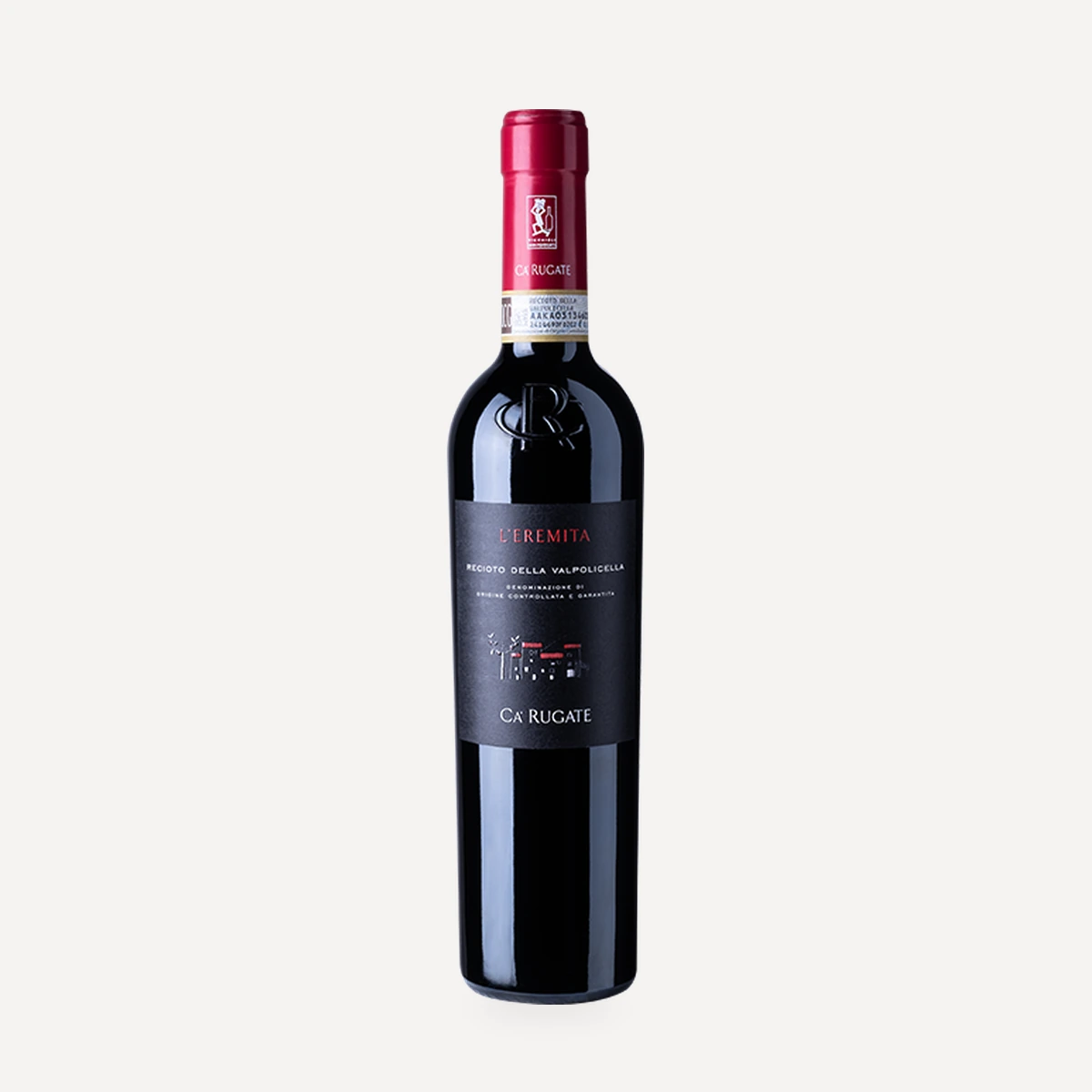
L’Eremita Recioto della Valpolicella
Corte Durlo Veneto Bianco Passito
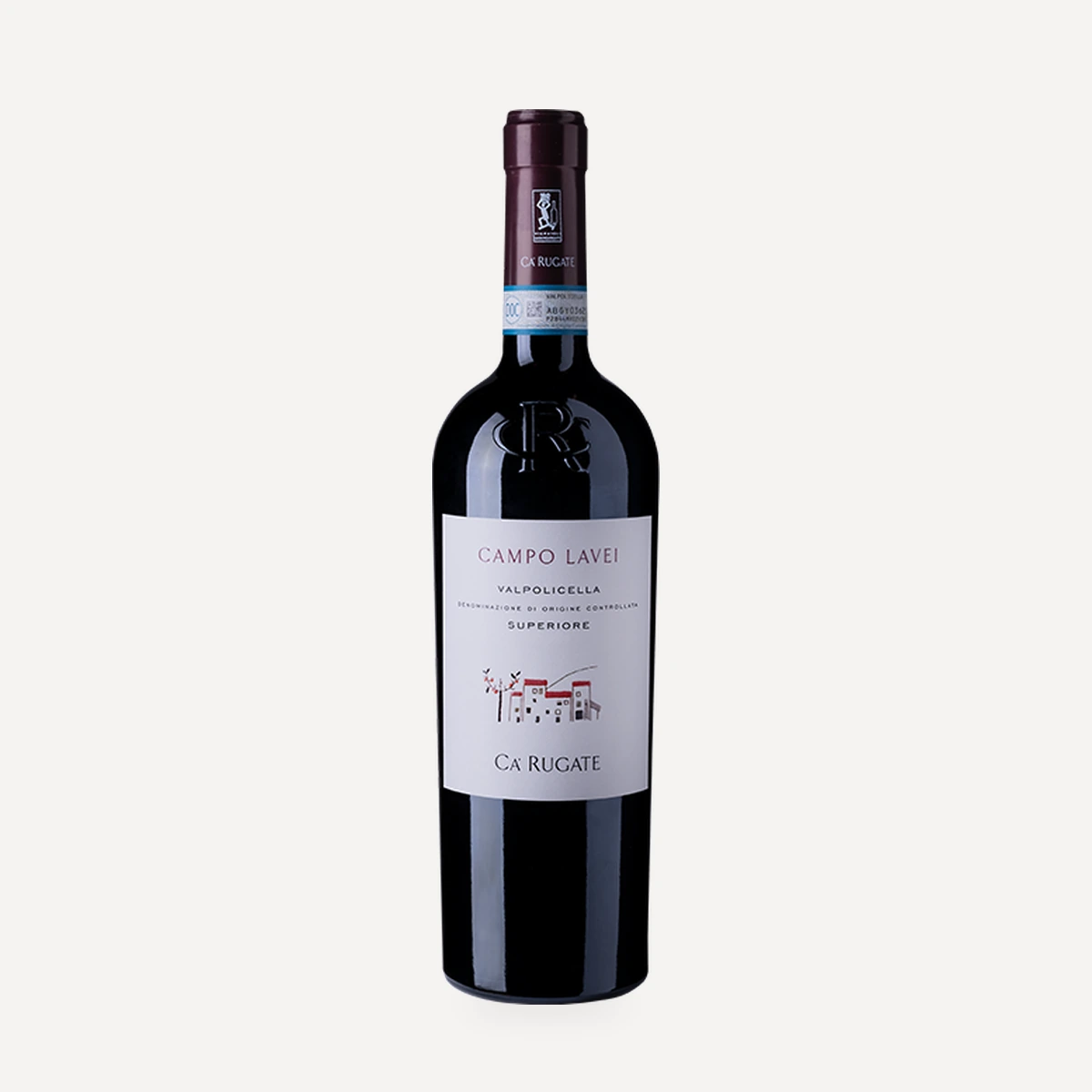
Campo Lavei Valpolicella Superiore
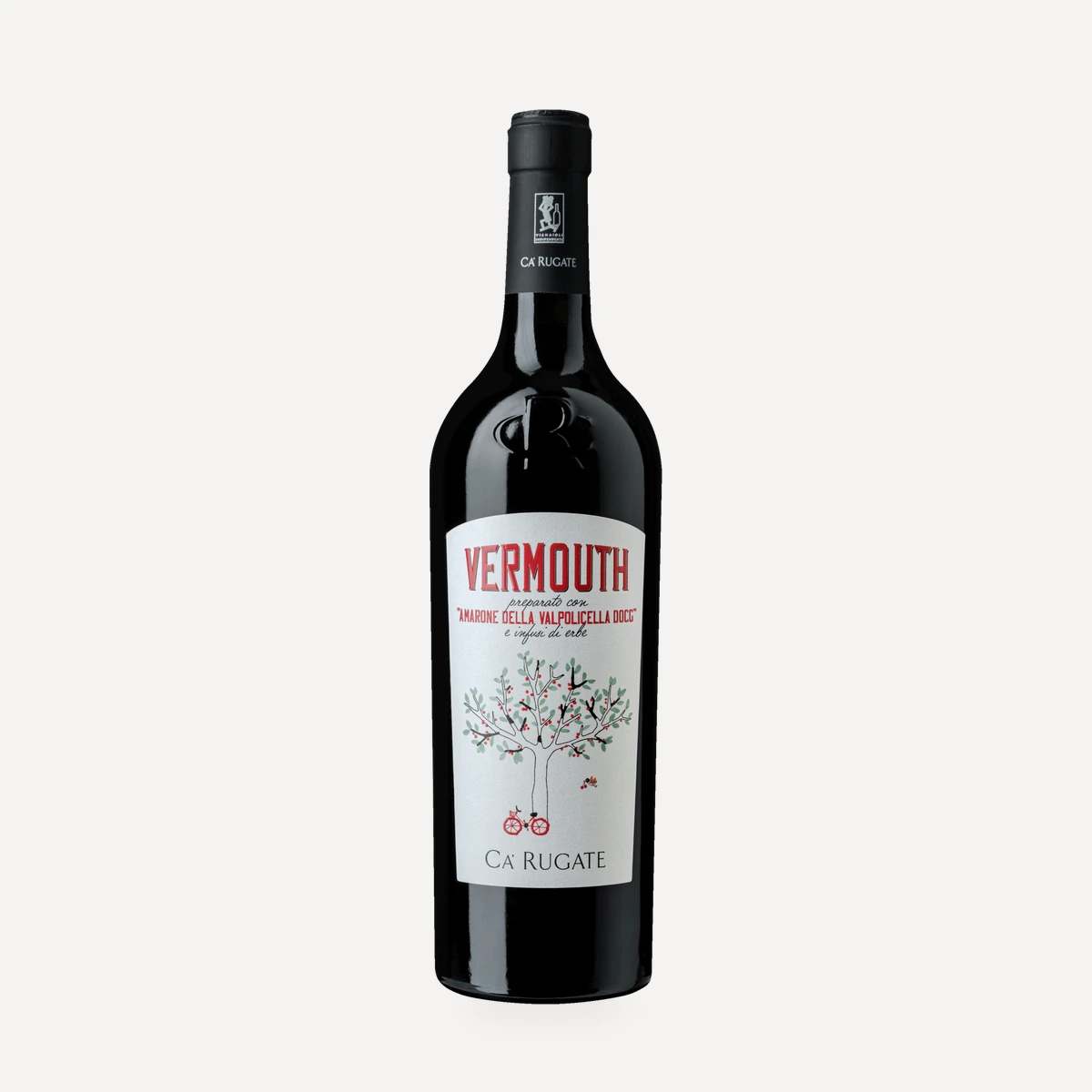
Vermouth di Amarone della Valpolicella