History
From Dogliani to La Morra
The Altare family was originally from Dogliani. Giuseppe Altare arrived in La Morra in 1948 and bought a farmhouse of about 5 ha, with some Nebbiolo, Barbera and Dolcetto vineyards, along with hazelnuts, peaches and apples. At that time orchards were more profitable than vineyards.
Elio Altare and the break with the past
The crisis in local wine pushed Elio Altare and friends to look beyond Italy. His first trip to Burgundy in January 1976 was decisive: he returned convinced that change had to begin with mentality, but also with vineyard cultivation, winemaking and wine sales. He began to experiment with alternatives to inherited local practice.
The symbolic act was radical. Elio used a chainsaw first in the orchard, cutting fruit trees, and then in the cellar, cutting old large casks into firewood to make room for the first new barriques. His father Giovanni did not accept those drastic choices. The conflict ended with Giovanni's death in 1985 and Elio being disinherited, forcing him to buy back the land and cellar from his siblings.
A small family estate
Elio continued to pursue a different interpretation of wine, built on elegance, finesse and balance, with strict vineyard work and cellar methods designed to emphasize variety and territory. The winery remains small and family-run. Under Elio's constant supervision it now covers around 10 ha and produces about 70,000 bottles per year.
The present family
The winery keeps an explicitly family character. Since the early 2000s, Silvia, Elio's elder daughter, has worked full-time in the estate; Elena, the younger daughter, moved to Germany and opened a wine-import agency. Elio, Lucia, Silvia and the team are involved in every part of the work: pruning, harvest, vinification, sales, logistics, office and promotion.
Elio remains active and has also turned to projects beyond the historic winery: white wine in Liguria's Cinque Terre, restoration of a hamlet in Castelmagno, Castelmagno cheese, medicinal herbs, a small Alta Langa planting of the local Liseiret grape for future sparkling wine and an organic vegetable garden.
Terroir
The estate is based in Frazione Annunziata, La Morra, at coordinates LAT 44 deg 38' 23'' N and LONG 7 deg 56' 55'' E. The wine pages identify production zones across classic Langhe and Barolo areas: La Morra, Castiglione Falletto, Serralunga d'Alba and Barolo for Barolo DOCG; La Morra for Arborina, Brunate, Larigi, Giarborina, La Villa and Barbera d'Alba; Serralunga d'Alba for Cerretta Vigna Bricco; Barolo for Cannubi; and La Morra plus Monforte for Langhe Nebbiolo.
The soils described on the wine pages include clay-sandy marls, clay-calcareous marls, sandy and tuffaceous soils, calcareous and sandy soils, mixed soils and various compositions. Exposures vary by wine, with south and south-east recurring often, while some vineyards include east, north-east, north, south-west or mixed exposures.
Winemaking
The estate describes its wines as simple and natural. Vineyards are cultivated without chemical substances, fertilizers or pesticides except in cases of extreme necessity. The treatments and fertilization named are sulfur, copper sulfate and organic cow manure. The approach is not framed as biodynamic or as a similar doctrine; it is based on experience acquired and handed down across generations.
Health, the wellbeing of the people who work in the vineyards and environmental protection are stated as the first priorities. The environment is treated as the inherited patrimony that must be kept as intact as possible for future generations.
Elio Altare's cellar identity comes from a decisive break with old local practice after the 1976 Burgundy trip. The winery uses short macerations in temperature-controlled rotofermenters and French barriques for the main red wines. The Barolo wines generally macerate on the skins for 4-5 days and age 24 months in French barriques; cru wines such as Arborina, Cannubi, Cerretta and Brunate specify 30% new French barriques. Langhe reds such as Larigi, Giarborina, La Villa and L'Insieme macerate for 3-4 days and age 18 months in 100% new French barriques.
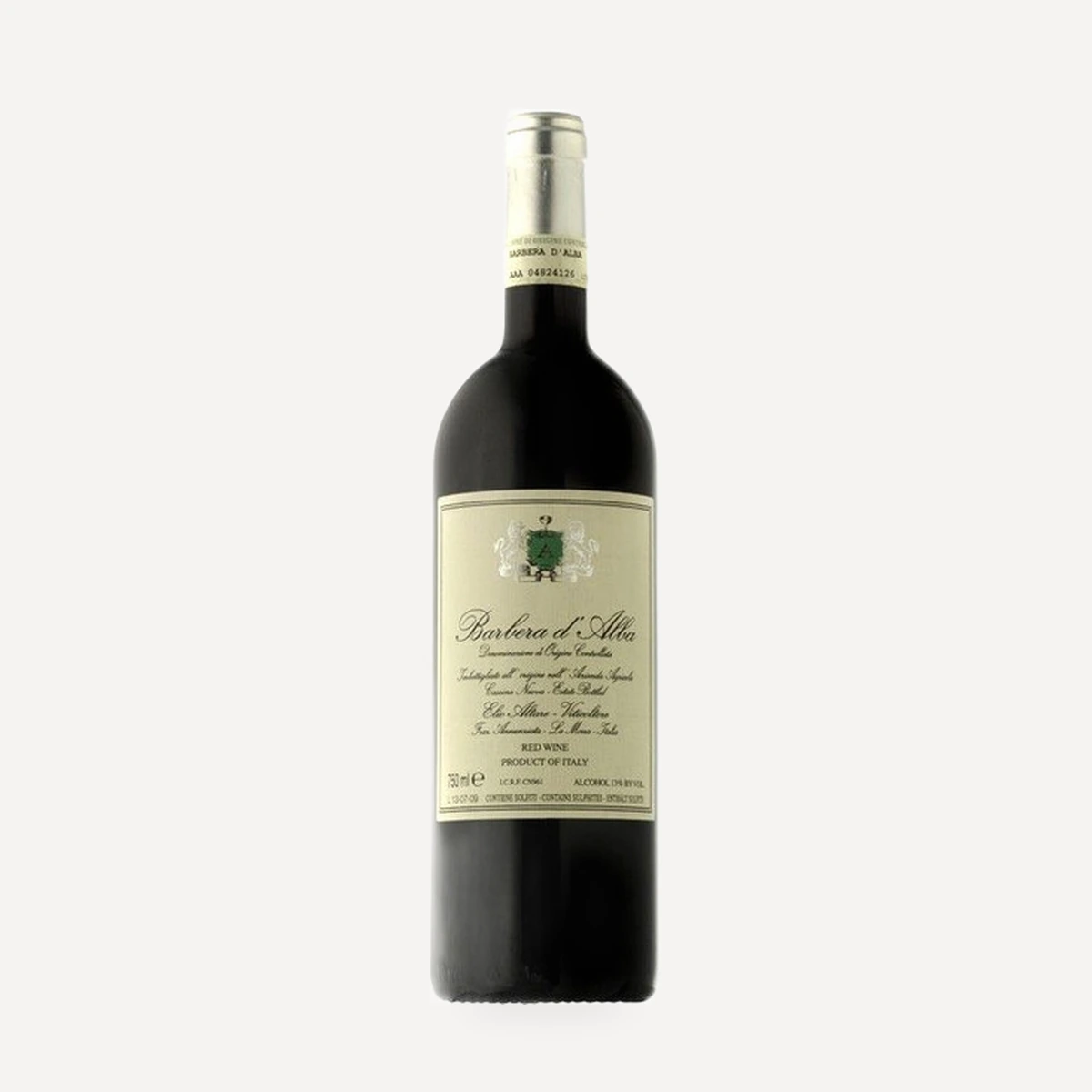
Dolcetto is treated differently: maceration lasts 2 to a maximum of 3 days, followed by 10 months in stainless steel. Barbera d'Alba and Langhe Nebbiolo macerate 3-4 days and see a short passage of 5 months in used French barriques.
Alcoholic fermentation uses indigenous yeasts rather than external inoculation, followed by spontaneous malolactic fermentation. The wines are not filtered or clarified. No substances are used to modify colour or structure, and added sulfur is kept well below the level allowed by Italian law.
Philosophy
The estate defines its wines as simple and natural. The philosophy is practical rather than doctrinal: no biodynamics, no external yeast inoculation, spontaneous malolactic fermentation, no filtration or clarification, no additives intended to alter colour or structure, and sulfur additions kept below legal limits.
Elio Altare's work is also a philosophy of generational rupture and renewal. The goal is not power for its own sake, but an interpretation of wine based on elegance, finesse, balance, severe vineyard work and cellar methods that highlight grape variety and territory. The family's environmental position is grounded in responsibility to workers, land and future generations.
Wines
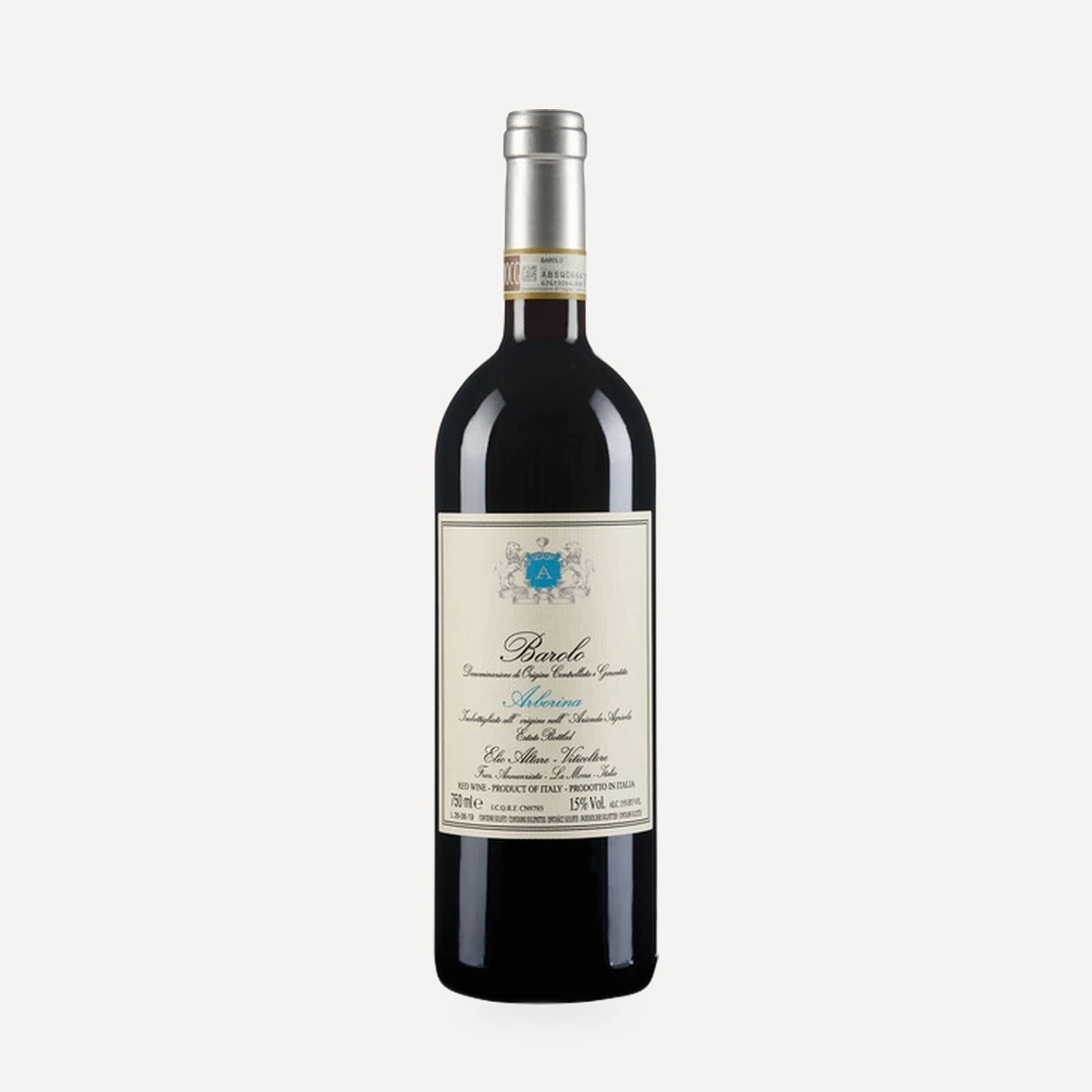
Barolo Arborina DOCG
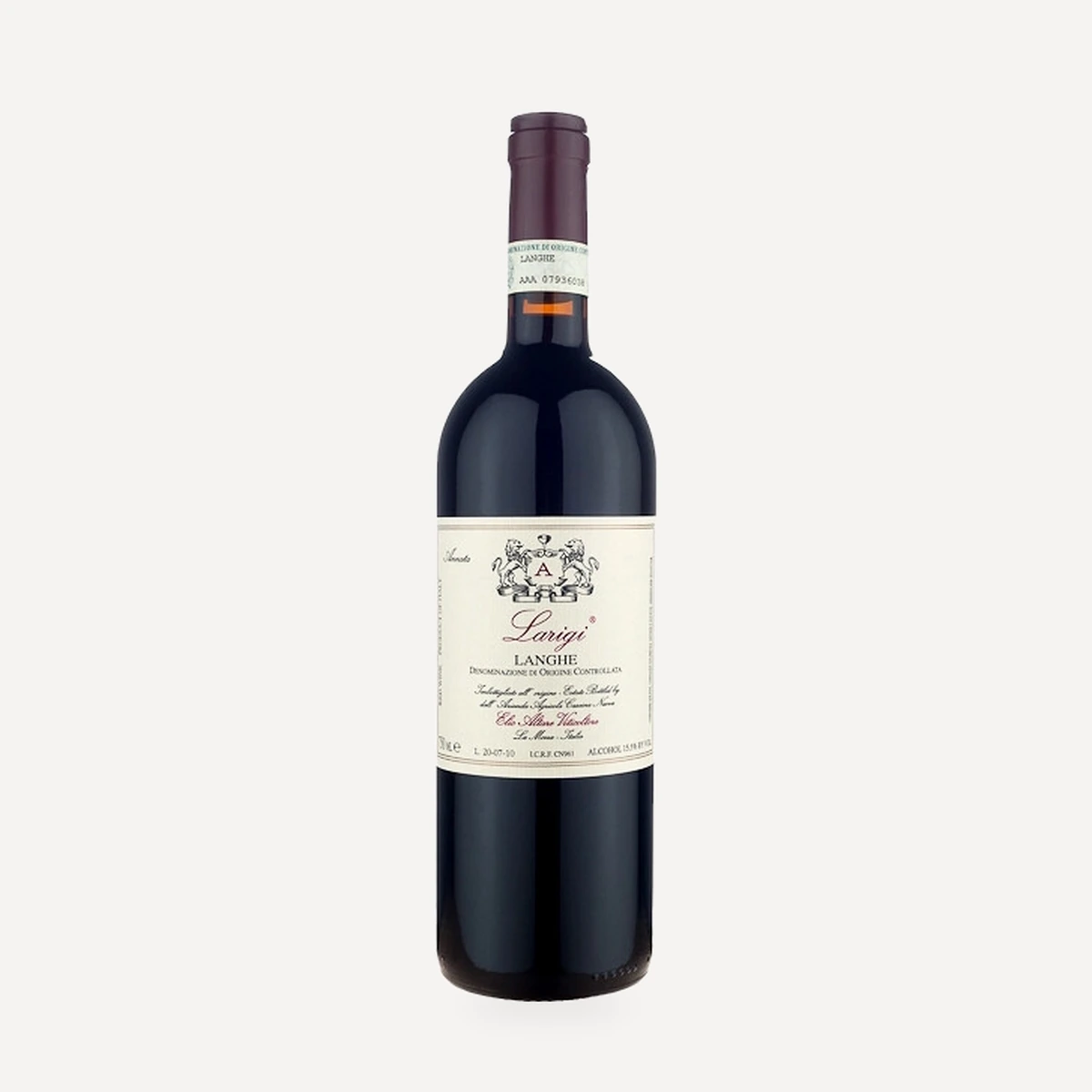
Langhe Rosso Larigi DOC
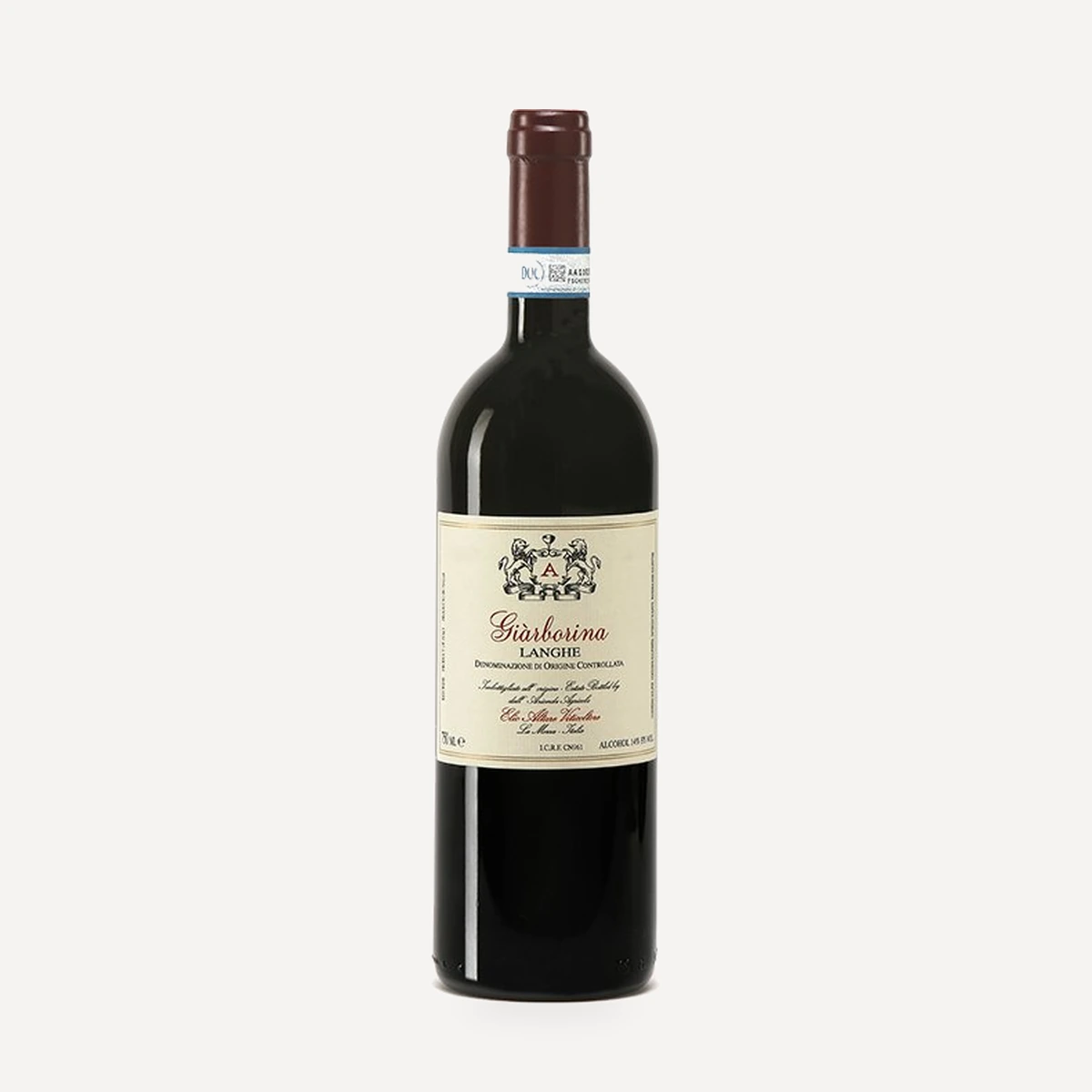
Langhe Rosso Giarborina DOC
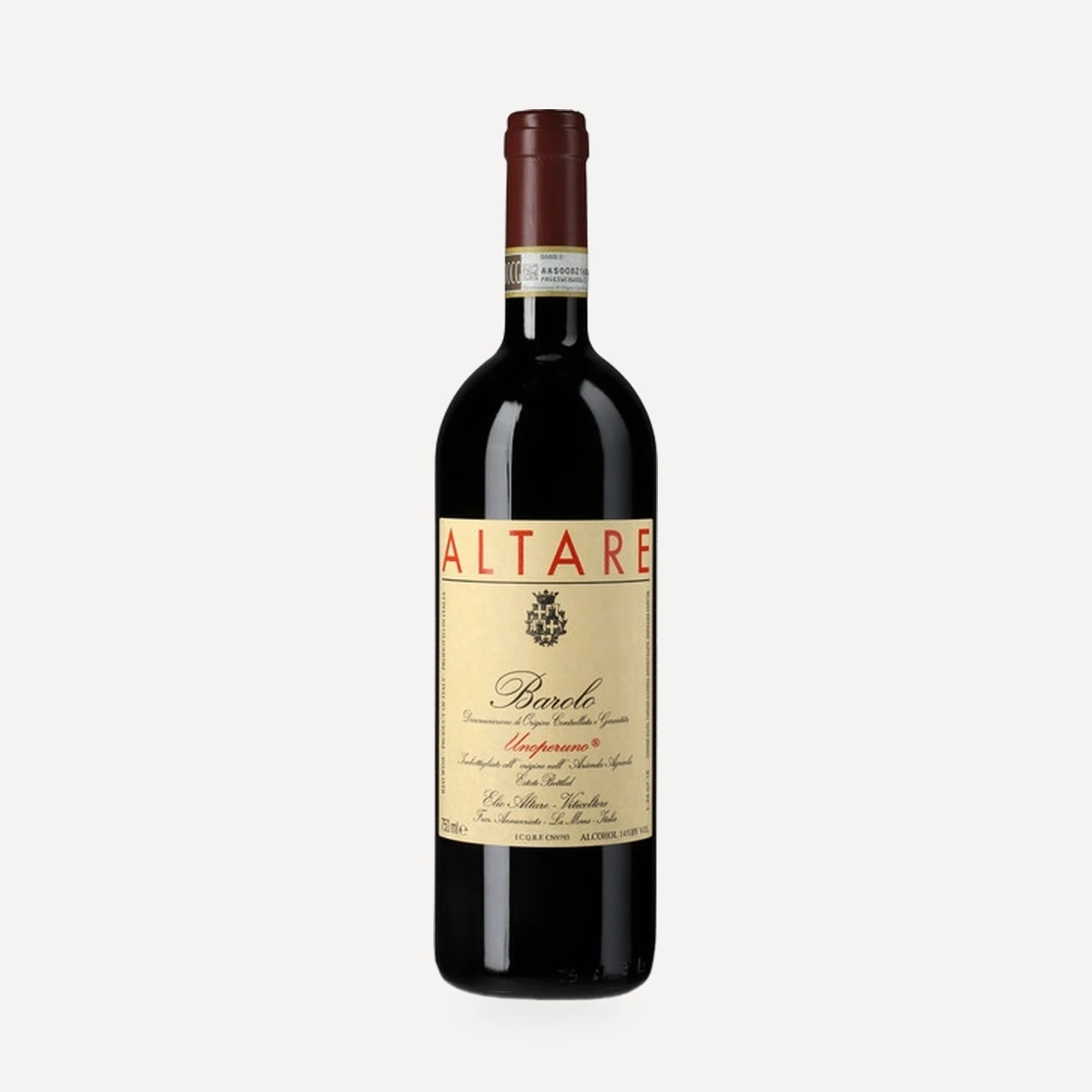
Barolo Unoperuno DOCG
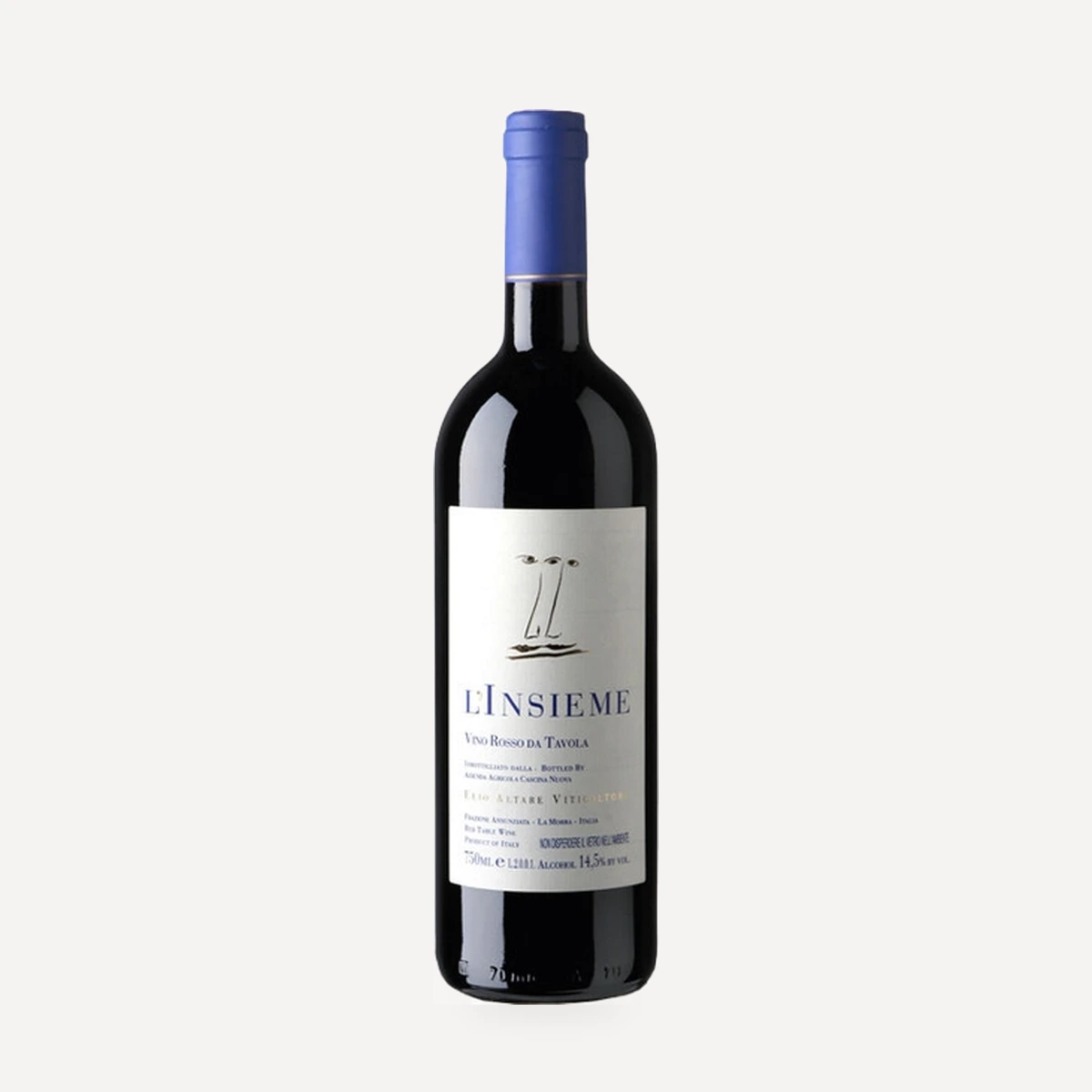
Vino Rosso L'Insieme
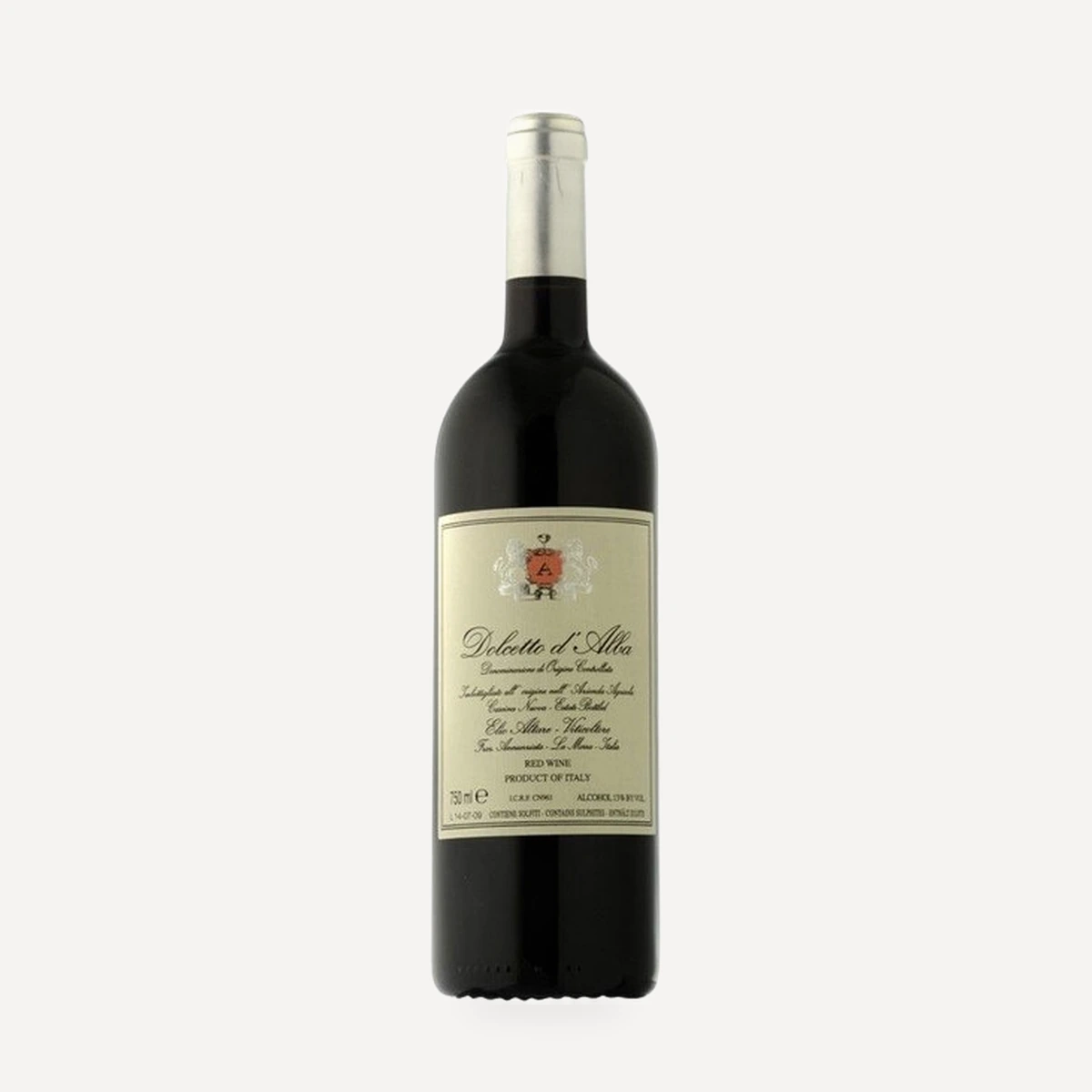
Dolcetto d'Alba DOC
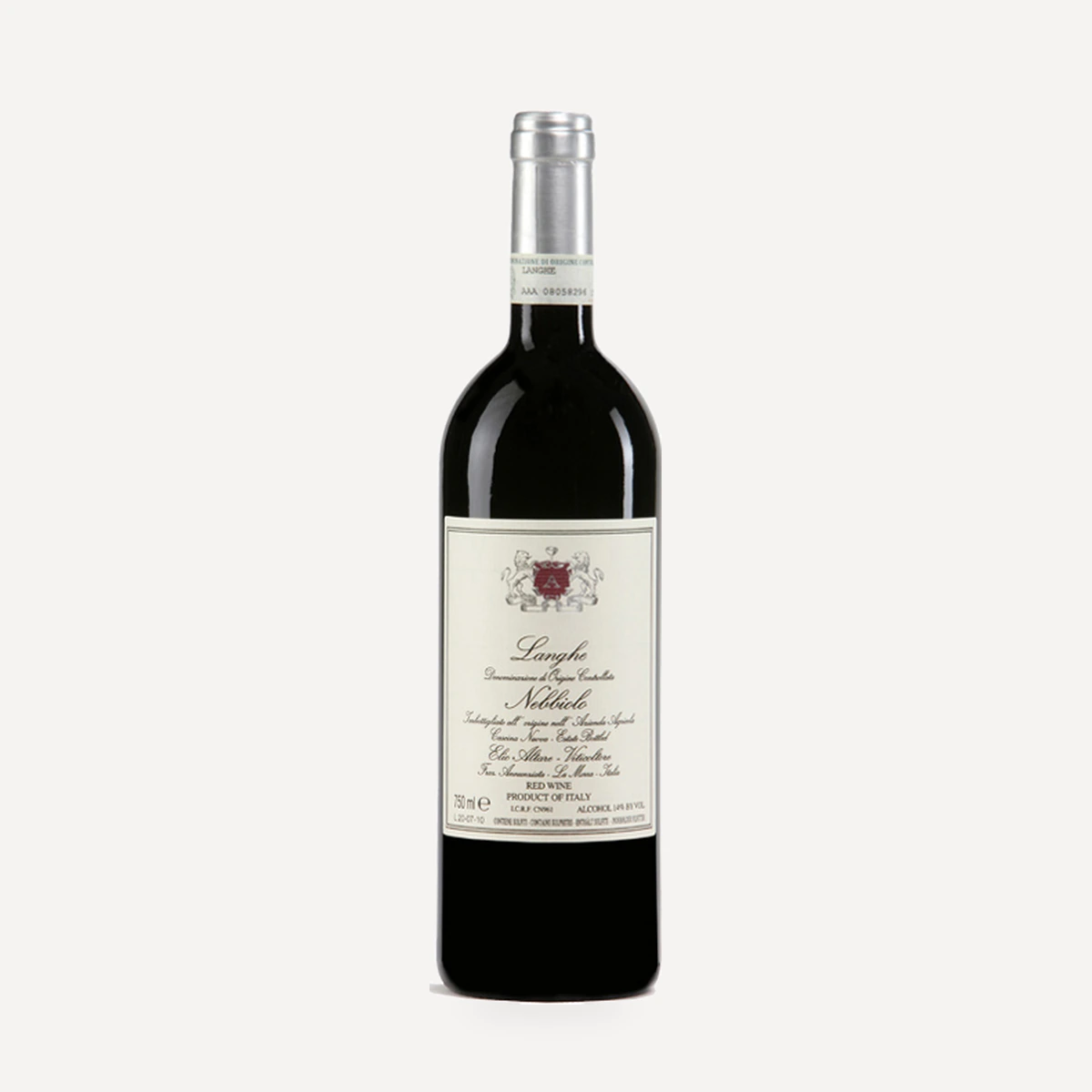
Langhe Nebbiolo DOC
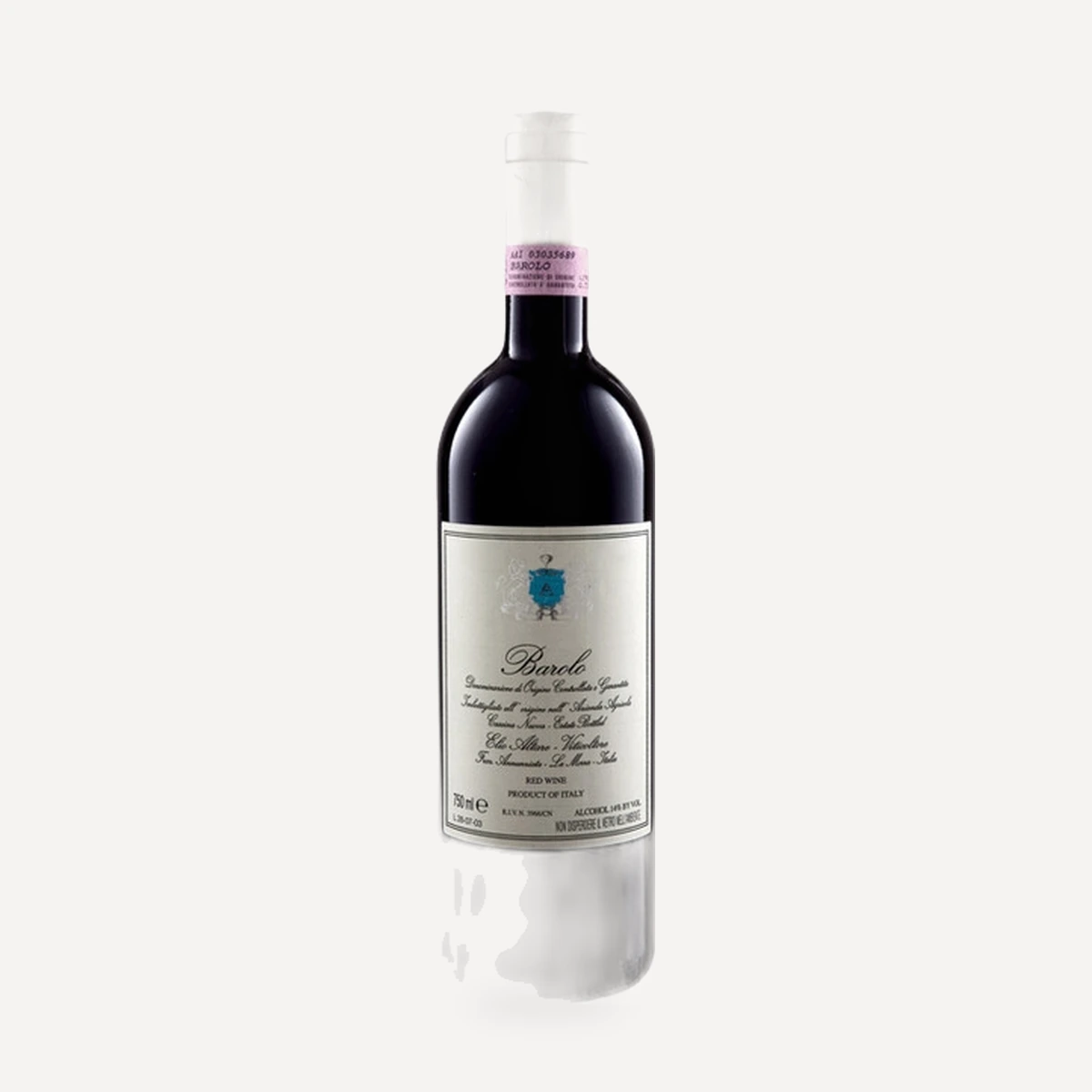
Barolo DOCG
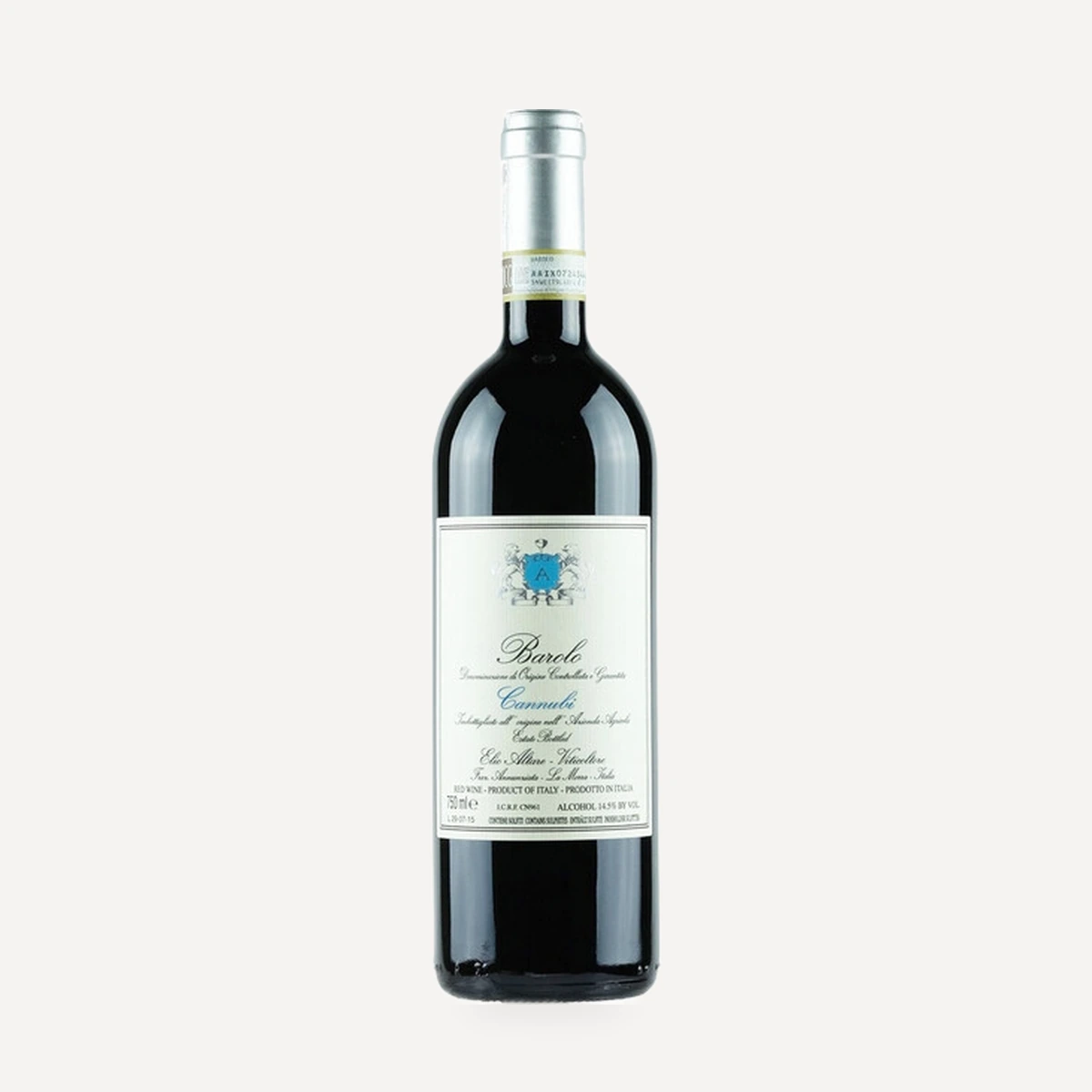
Barolo Cannubi DOCG
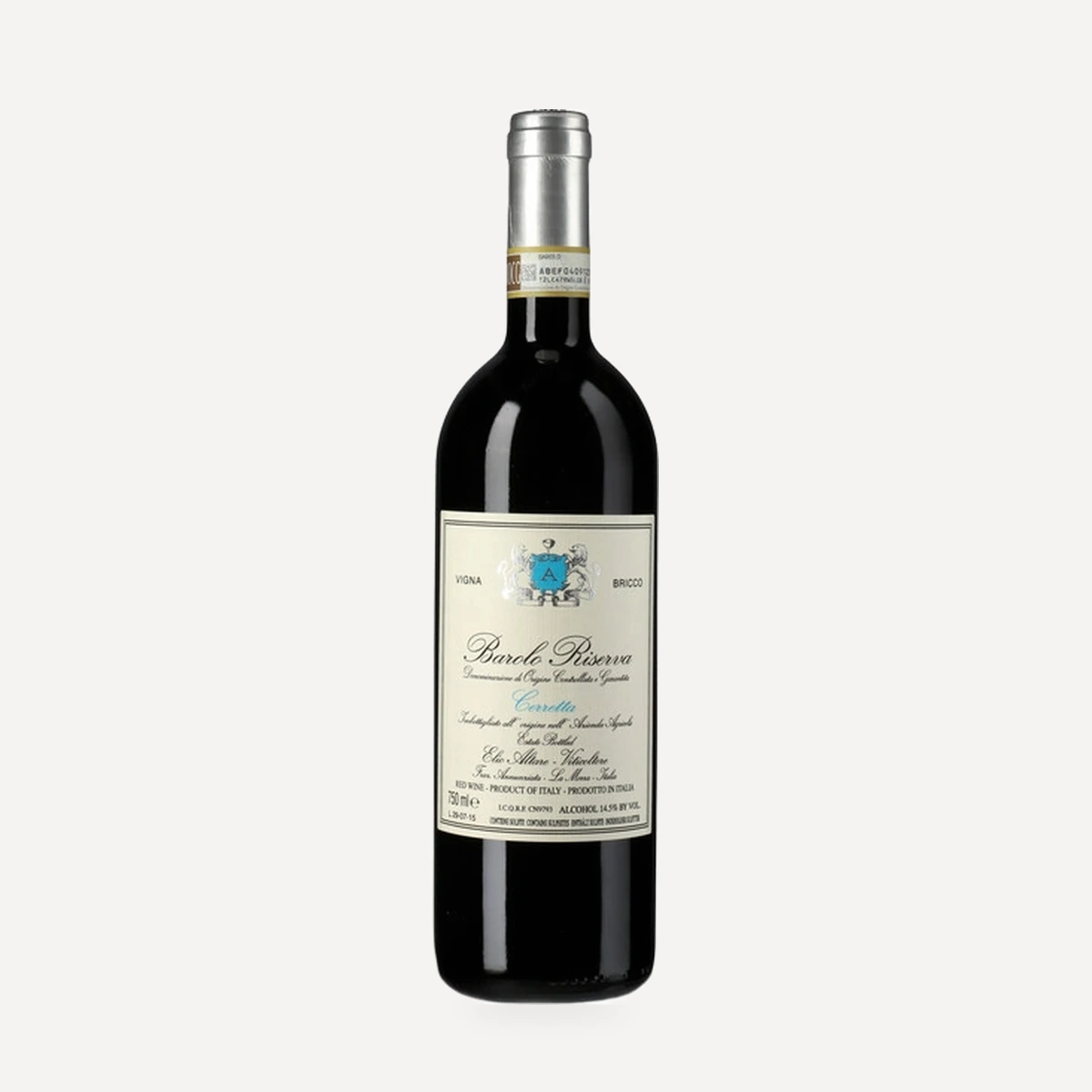
Barolo Riserva Cerretta Vigna Bricco DOCG
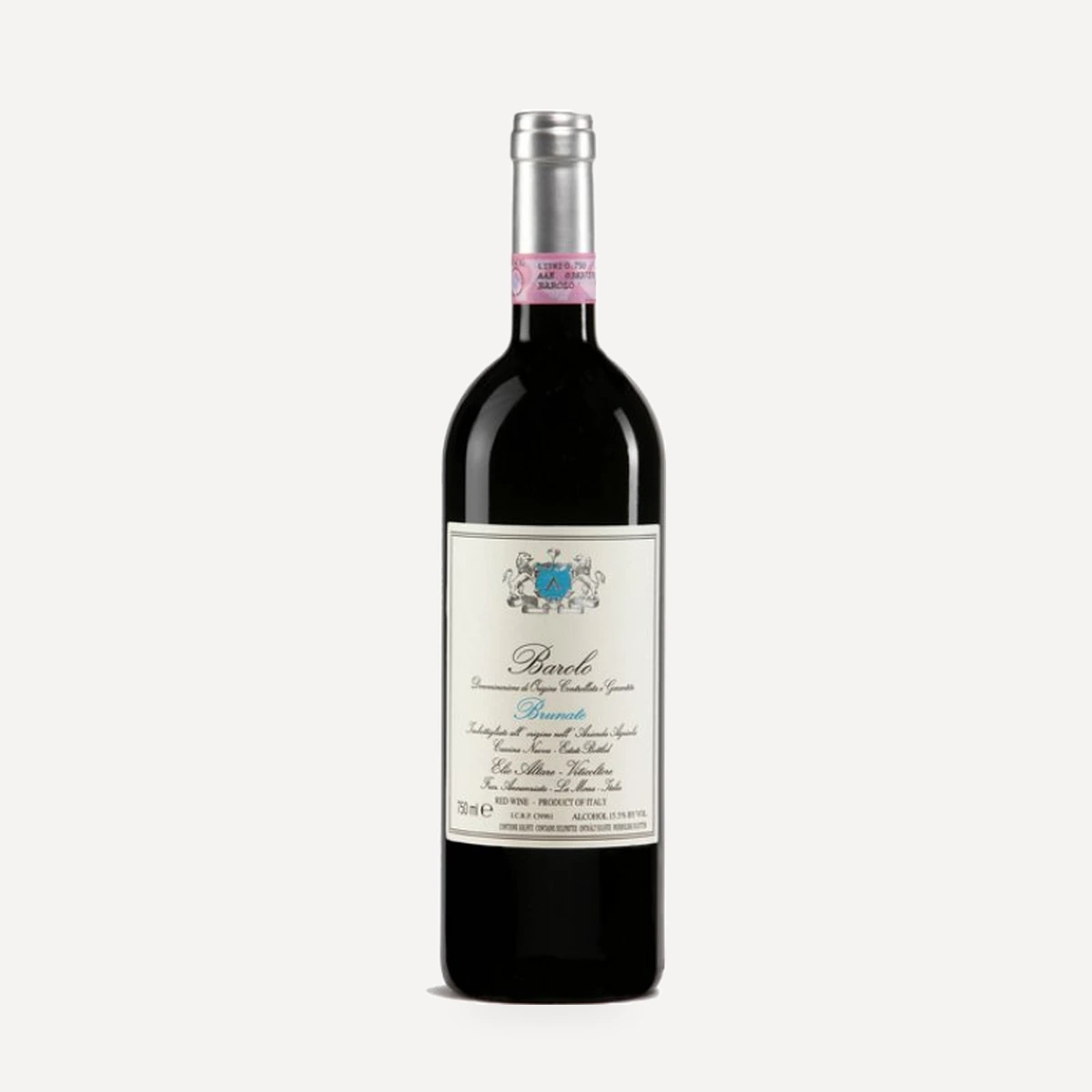
Barolo Brunate DOCG
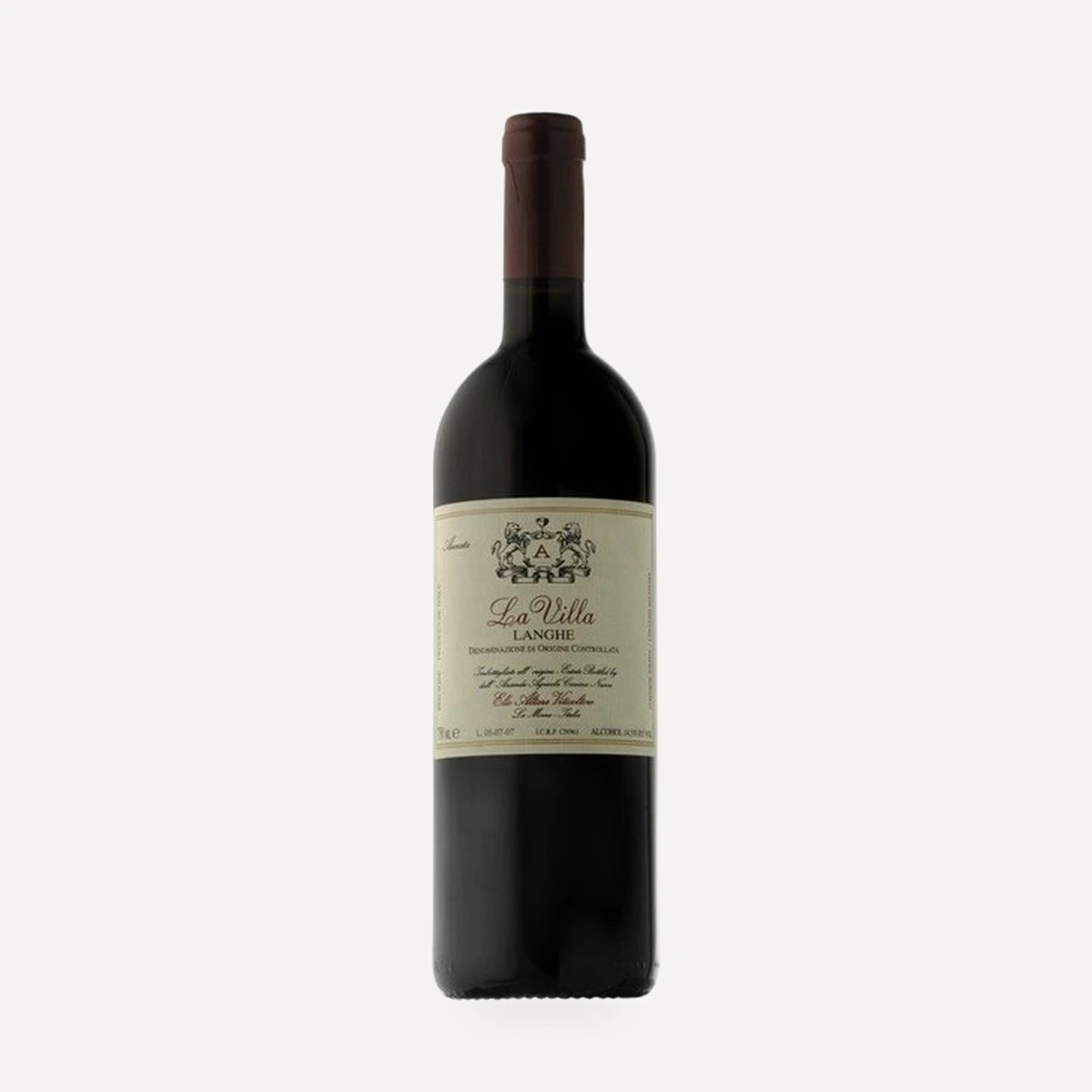
Langhe Rosso La Villa DOC