Storia
1928 — Foundation
Peter Zemmer, great-uncle of the present winemaker of the same name, founded the estate in 1928. From that point, the family owned and worked vineyards and winery properties in favored positions around Cortina s.s.d.v. in the Bassa Atesina of Alto Adige.
1969 — Helmut Zemmer takes over
Helmut Zemmer, the founder’s nephew, had long worked in the family business. Following his uncle’s premature death in 1969, Helmut assumed control of the estate and developed it into one of the region’s leading businesses.
2007 — Renewable energy
From 2007 onward, renewable energy has covered the winery’s entire energy requirement, establishing a measurable component of its environmental program.
The present generation
Helmut’s son Peter subsequently took up the family legacy and continues to lead it as the estate’s winemaker. His approach brings together accumulated family experience, detailed technical knowledge, innovation and close attention to the natural conditions of each vineyard.
2022 — Cellar-door and barrel-cellar expansion
In 2022 the estate added a contemporary building for direct sales and tastings. A new wooden-barrel cellar was built immediately beside it as a central maturation space for the Single Site Wines.
Recent site development
The estate’s contemporary identity is centered on precisely delimited origins across an 800 m difference between its lowest and highest vineyards. Its named portfolio now encompasses valley-floor, hillside and high-altitude sites, including Punggl, Giatl, Furggl, Frauenrigl, Pinzon, Buchholz and Aldein-Eich. The current presentation distinguishes Vigna, single-vineyard, monopole-vineyard and estate-wine categories.
Terroir
A vineyard landscape spanning 800 metres
Peter Zemmer’s lowest and highest vineyards are separated by an elevation difference of 800 m. The holdings therefore combine warm valley-floor conditions, intermediate terraces and slopes, and a high-altitude plateau above 1,000 m. Altitude, slope, orientation, soil and the requirements of each individual plot are treated as defining elements of origin.
Cortina s.s.d.v. and the valley floor
The winery stands in Cortina s.s.d.v., in the Bassa Atesina of Alto Adige, near the Adige River. The village is the only settlement in this part of the region positioned in the middle of the valley floor. It has about 600 inhabitants and is the final village with a German-speaking majority before the provincial boundary with Trentino.
The locality was recorded more than 700 years ago. Latin documents of the late 13th and early 14th centuries use Curtinego, Curtinie and Cortine; German forms Curtinie and Cortinie appear in 1288. The name probably developed from the Latin curtus dominica, interpreted as the court of a king or lord.
The local climate combines Alpine influence with relatively mild valley conditions. Cortina receives an average of about 1,800 hours of sunshine annually and has an average temperature of 18 °C, with precipitation distributed through the growing period. Snow-fed mountain streams bring abundant water after winter, while summers can produce intense valley heat. Pronounced day–night temperature changes contribute to flavor development.
Loose, aerated soils warm readily. Across the area, the geological materials include dolomite and limestone together with glacial and alluvial gravel, sand and clay. Local soil conditions vary sharply because the Adige changed course, former marshes were reclaimed, glaciers transported mixed rock material, and fans, streams, landslides and colluvial movement redistributed sediment.
Winds and moisture
From April through October, two recurring air movements shape many of the vineyards: a cool morning breeze from the north and the warmer afternoon Ora from the south. The narrow, funnel-like Salorno gorge intensifies these currents in the southern valley. The Ora ventilates grapes and limits lingering humidity and decay after rain. Ground heating can also trigger local updrafts and isolated convective showers in the afternoon or evening.
Contrasting sites
The named sites range from Punggl at 230 m and Giatl at 240 m to Furggl at 250 m, Frauenrigl at 380 m, Pinzon at 500 m, Buchholz at 400–800 m and Aldein-Eich at 1,030 m. The resulting contrasts include warm, humid valley-floor vineyards with relatively small diurnal swings; terraced slopes with more complex exposure; and a cool, dry plateau with strong day–night variation. At Aldein-Eich, temperatures are 3–6 °C below the valley floor, while its solar-radiation index is the highest in Alto Adige.
Vinificazione
Peter Zemmer treats vineyard work as the foundation of wine character. Vines receive close, continuous attention, including intensive canopy and other green work and rigorous grape selection. The aim is to accompany the plants carefully and support their natural growth rather than forcing it.
Work in the vineyards follows a stated minimum principle. Fertilizer and pesticide use is governed by defined requirements and restricted to the absolute minimum. Careful manual work continues throughout the year. No organic, biodynamic or other vineyard certification is identified.
Site-specific viticulture responds to an unusually broad range of conditions: shallow groundwater and dense silty-clay soils in parts of Punggl; historic drainage channels and variable alluvium in Giatl; the porous Rio Nero fan at Furggl; mixed glacial and colluvial deposits at Frauenrigl and Pinzon; terraced vineyards and cold-air channels at Buchholz; and dry, aerated glacial soils above 1,000 m at Aldein-Eich. Guyot wire training is specifically associated with Vigna Crivelli, where Chardonnay has been trained in this manner since 1933. Gewürztraminer and Sauvignon descriptions also identify slow-growing rootstocks and Guyot training.
Renewable sources have met the winery’s entire energy requirement since 2007. Packaging measures include a 400 g Burgundy bottle, approximately 30% lighter than the earlier format. At average requirements, this reduces annual glass use from 193 to 140 tonnes—a saving of about 53 tonnes that also reduces the material requiring transport and recycling.
The cellar is designed to retain the original character established in the vineyard. Healthy grapes are handled as naturally and gently as possible with modern, innovative equipment. Rigorous vineyard selection precedes careful crushing, fermentation and maturation.
Fine-lees ageing is used to build balance and texture. Wines with pronounced site character mature in both large and small oak vessels. The process is directed toward wines that preserve their origin and convey the distinctions among valley-floor, hillside and high-altitude vineyards.
The estate expanded in 2022 with a contemporary building for direct sales and tastings. Beside it, a new wooden-barrel cellar became a central maturation space for the Single Site Wines.
Across the range, documented cellar techniques include pneumatic pressing; short pre-press skin contact or cold maceration for selected white varieties; gentle pressing; clarification by natural sedimentation; controlled-temperature alcoholic fermentation with selected pure yeast cultures in stainless steel or large wooden barrels; maturation on the lees; red-wine fermentation with regular pump-overs and gentle submersion of the cap; maturation in large oak and French barriques; blending; and further bottle ageing. These treatments vary by wine and are used to support fruit, texture and site expression rather than impose a uniform cellar style.
The sparkling-wine program employs controlled-temperature fermentation in steel followed by a second fermentation in cuve close. Its Chardonnay sparkling wine remains on the lees at 14 °C for 6–9 months, is separated from the lees and cooled, then rests in the cellar for three months after bottling.
Filosofia
Peter Zemmer’s guiding objective is to preserve the original character of each wine. In his formulation, that character can be retained only by observing the vines carefully and supporting their natural growth.
The estate regards the vineyard—not cellar technique—as the place where expressive character is formed. Soil, climate, elevation, slope and orientation are approached as active components of origin, while detailed knowledge of each plot guides the work. Precisely delimited vineyards are intended to produce wines that convey the identity of their terroir with clarity and intensity.
Tradition and innovation are treated as complementary. Family experience and established vineyard practices are combined with modern technical knowledge and cellar equipment, but intervention is directed toward protecting healthy fruit and the distinctions among sites. The current emphasis is on terroir-driven single-vineyard wines, elegant white wines—particularly Burgundian varieties—and Pinot Noir from contrasting Alpine settings.
Environmental care is framed as a continuing way of working rather than a temporary initiative. The minimum principle in the vineyard, year-round manual work, renewable energy and lighter packaging are practical expressions of that position. Nature is regarded as the estate’s most valuable asset and therefore something that must be protected while wine quality and pleasure are maintained.
Vini
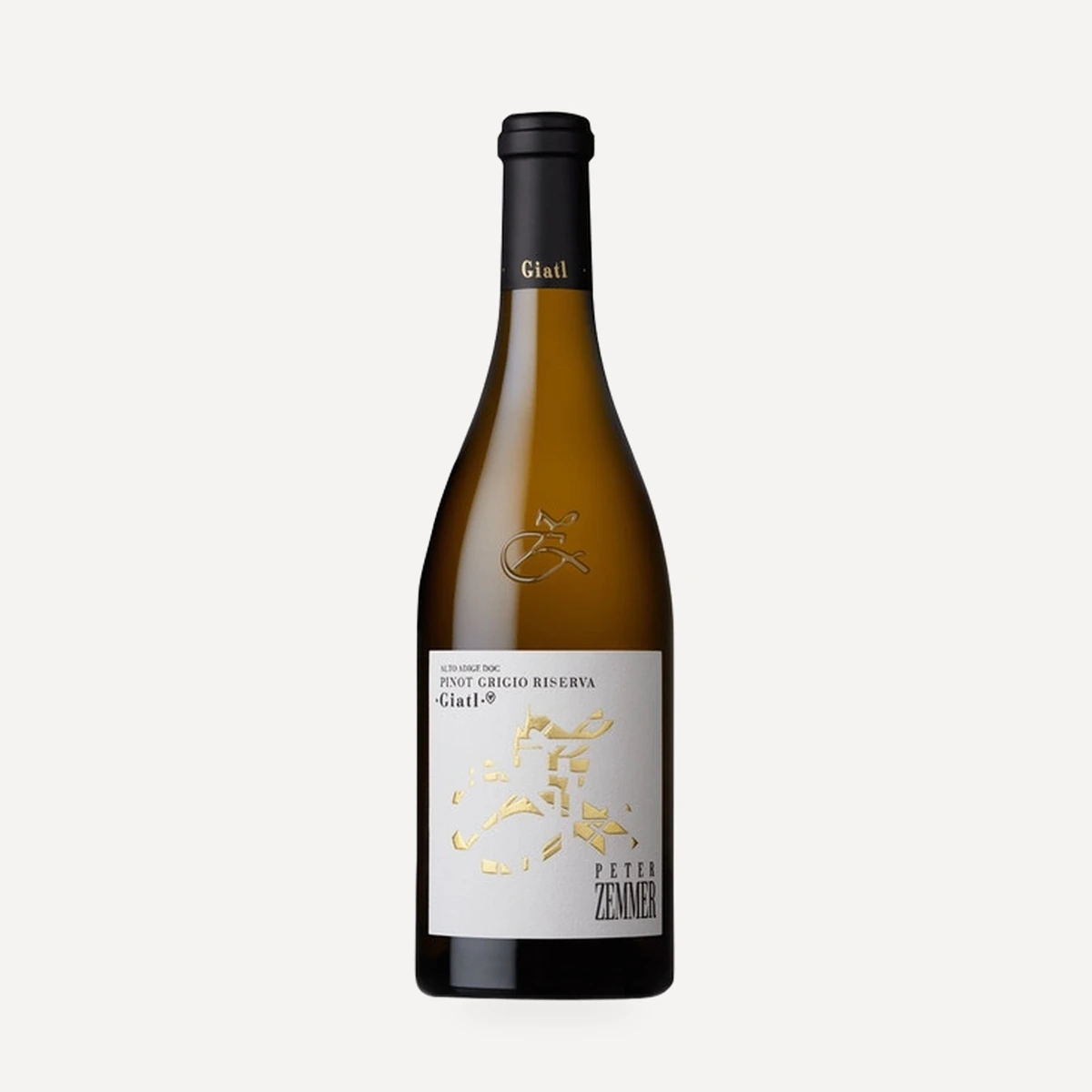
Pinot Grigio Riserva Giatl
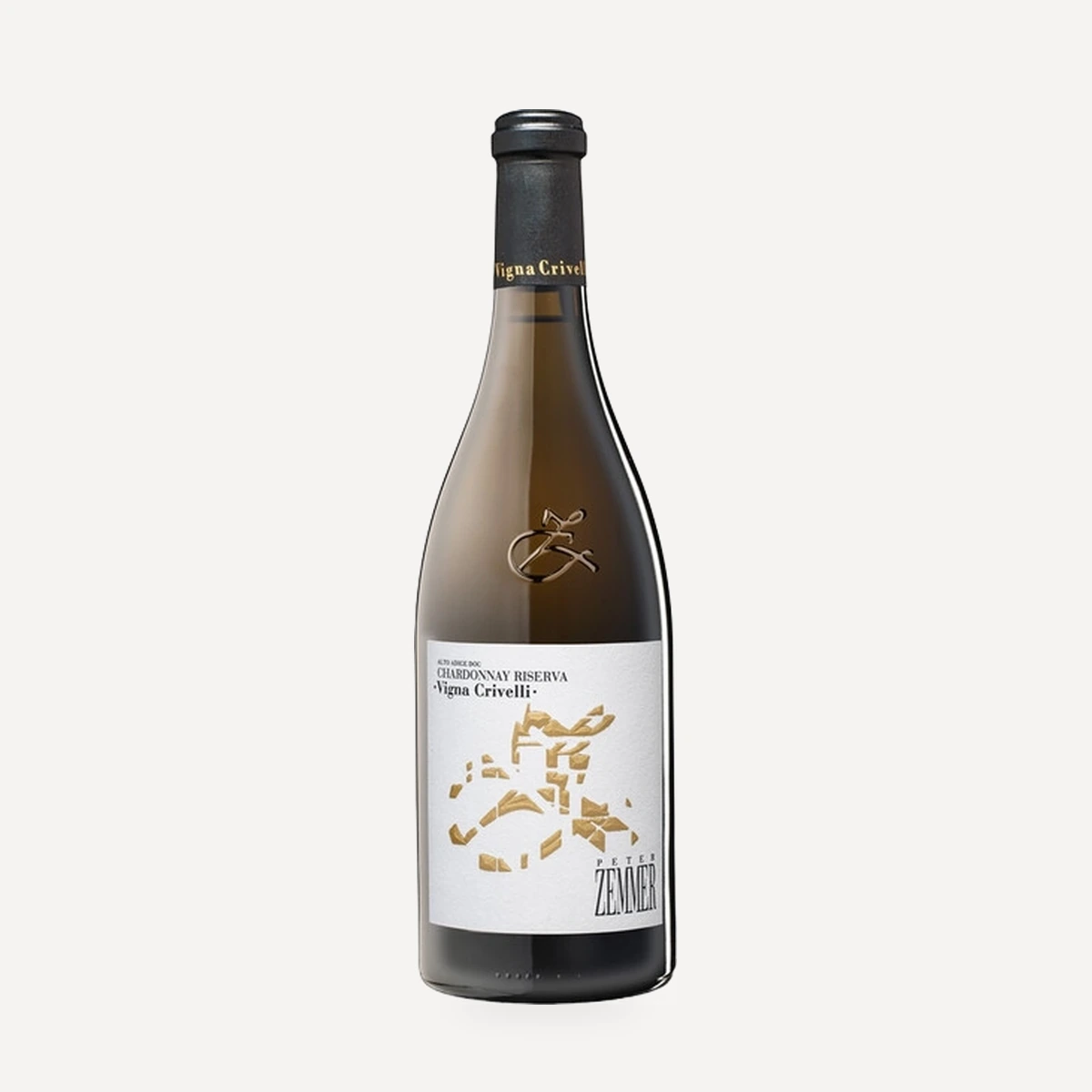
Chardonnay Riserva Vigna Crivelli
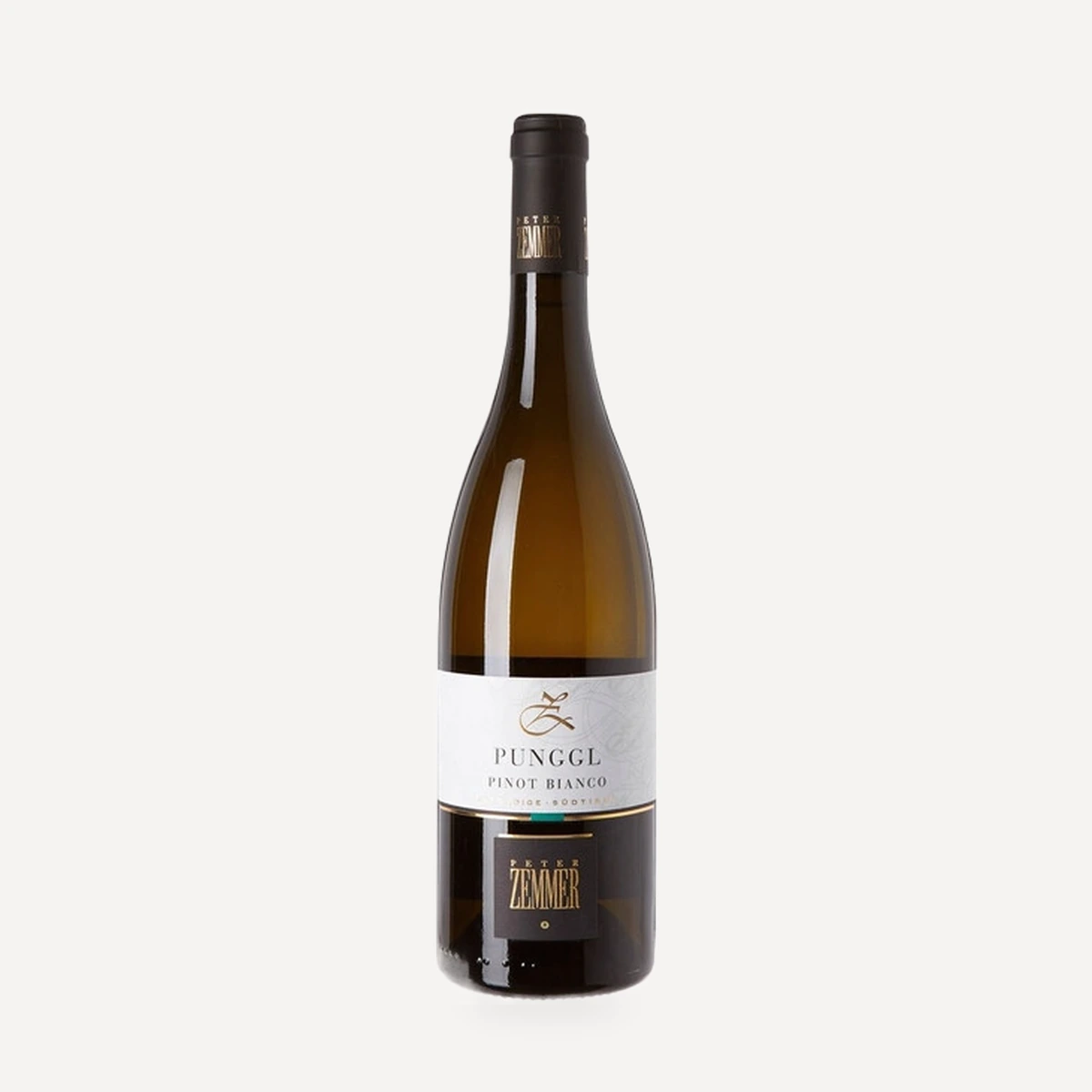
Pinot Bianco
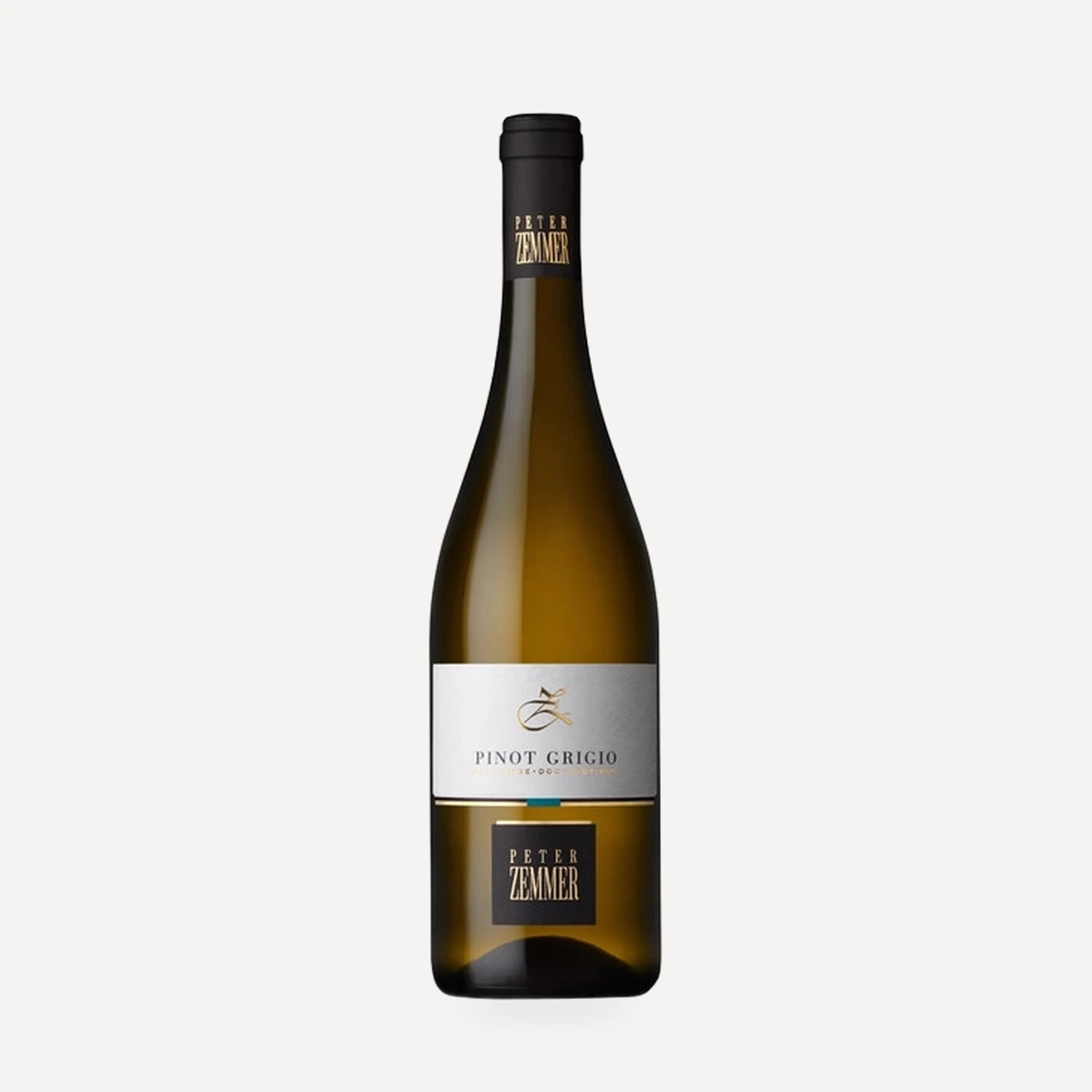
Pinot Grigio
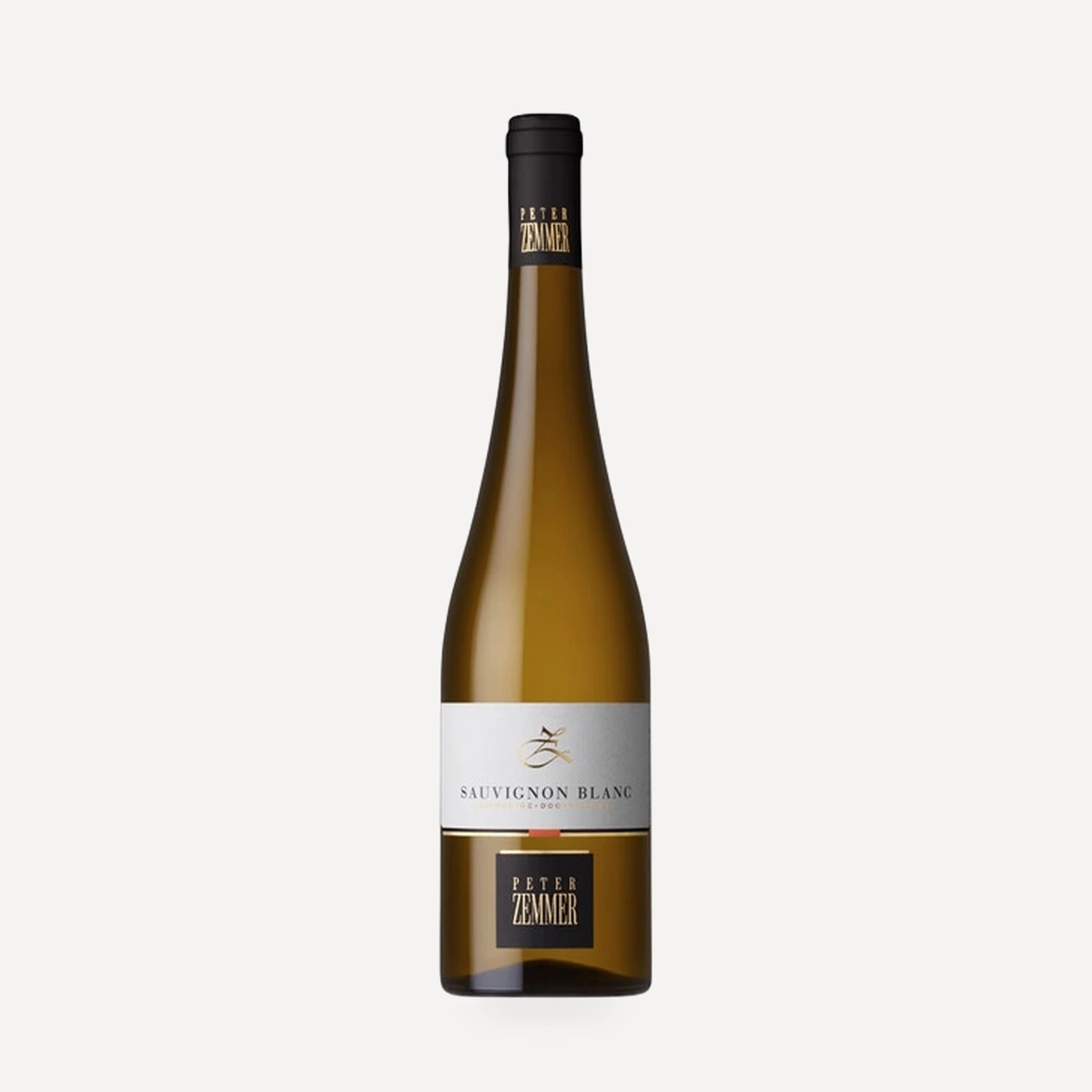
Sauvignon Blanc
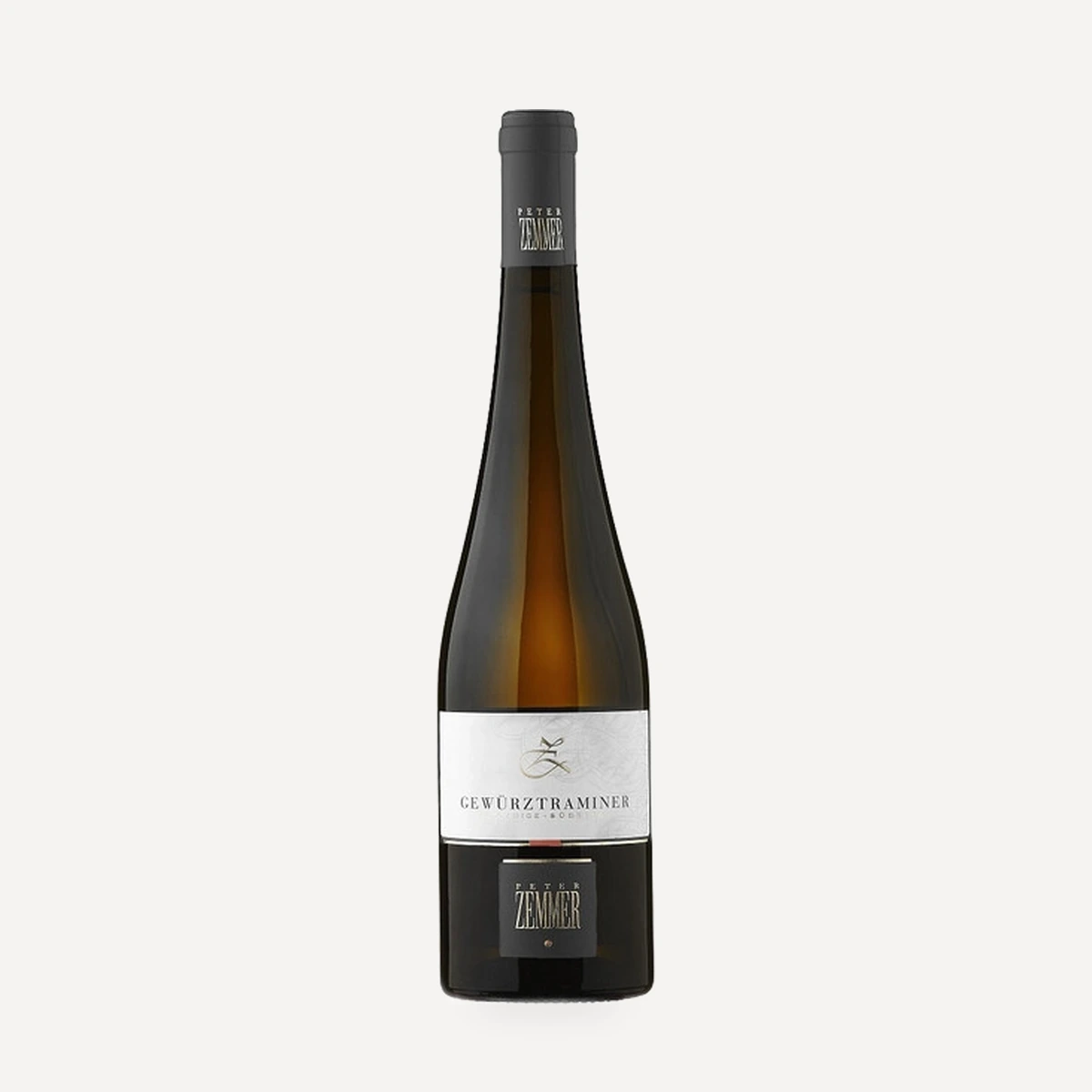
Gewürztraminer
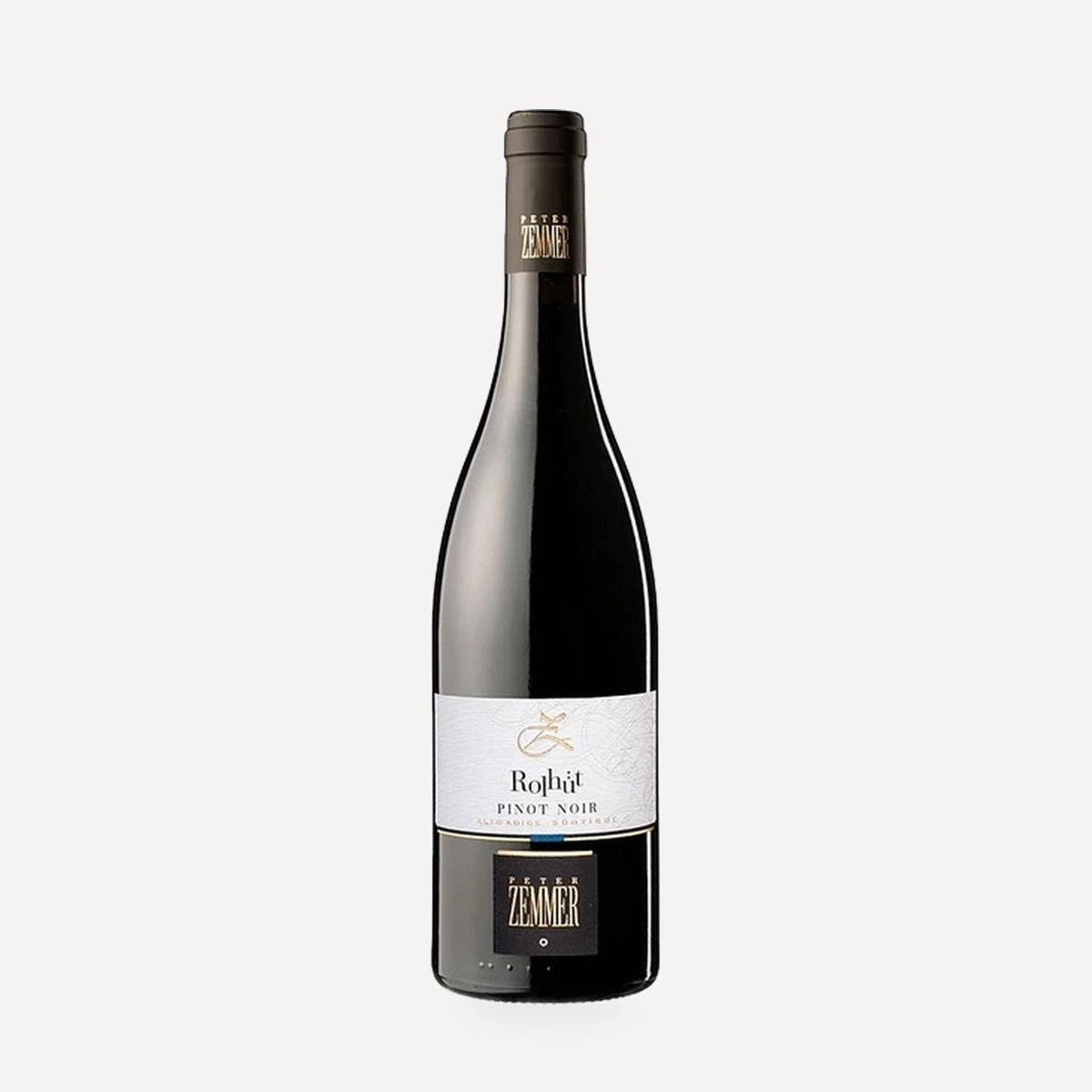
Pinot Noir