History
From the medieval watchtower to the Bardi estate
The earliest references to Gabbiano go back to the 11th century, when construction began on a square tower intended to defend an important route between Florence and Siena. Work on the vaulted cellars began in 1124. Their construction reveals that they were designed for wine production, establishing a direct connection between the property and winemaking in the Middle Ages.
At that time the castle belonged to the Bardi, one of Florence’s leading banking families. During the second half of the 13th century, the Bardi enlarged the fortress with perimeter walls and battlements in the Guelph architectural style.
The Soderini transformation
The Bardi retained the castle until the early 15th century, when it passed to the Soderini, one of Florence’s most politically influential families. A land survey submitted by Tommaso Soderini to the officials of the Republic of Florence’s land registry in 1464 identified wine and olive oil as the estate’s most prized products.
Under the Soderini, the turreted manor was converted into a fattoria. The transformation had been completed by the late 15th century and was described in a further cadastral declaration submitted by Tommaso Soderini, father of Pier Soderini, in 1480. Additional structures were erected in several phases during the century. Variations in the masonry preserve evidence of this gradual expansion into a large quadrilateral complex that also functioned as a private fortified residence, with cylindrical turrets strengthening its corners.
In 1505, four round corner towers of French architectural influence were added, giving the castle a form closer to its present appearance. During the 16th century, the Soderini were declared rebels because of their struggle against the Medici and were expelled from Florence. The castle was consequently abandoned for an extended period.
Return and restoration
The Soderini returned in the 17th century and brought the property back to life. A sandstone plaque above the entrance records this restoration and bears the date 1652. Beneath the family’s two coats of arms is the inscription “FRANC. SODERINUS SENAT. GASP. F. RURIS HUIUS IN FAMIGLIA RESTITUTOR SUB. A MDCLII.” Above them appears Pier Soderini’s motto from his election as gonfalonier: “IUS UT PALMA FLO,” an abbreviated form of “Iustus ut palma florebit.”
From the 19th century onward, successive owners restored the property while retaining the defining features of the castle’s architecture. The Del Turco family commissioned the neoclassical private chapel within the group of buildings adjoining the castle. The Lemmi family restored the chapel in 1957, an intervention recorded by an inscription inside it.
Renewal and sustainable production
A broad renewal and expansion of production was undertaken over the ensuing decades, with sustainable processes becoming a central consideration. Castello di Gabbiano entered the MAGIS sustainable-wine programme in 2012 and obtained MAGIS certification for its wine production in 2013. In 2014 it adopted Horta’s Vite.net® decision-support system, using agrometeorological stations and forecasting models to guide protection against downy mildew and powdery mildew.
The estate began working with the Ministry of the Environment’s V.I.V.A. programme in 2015. On 29 May 2017 it received ISO 14001 environmental-management certification. Its products obtained V.I.V.A. certification in 2018, followed by validation of the complete enterprise system on 24 June 2021.
Castello di Gabbiano joined LIFE GREEN GRAPES in 2019. Pilot vineyards were used to test ways of reducing plant-protection inputs while preserving grape quality, production and soil biodiversity. In 2021 the business also began the process of obtaining SA 8000:2014 social-accountability certification and received initial ISO 45001:2018 certification for occupational health and safety management.
Terroir
Castello di Gabbiano lies in the heart of Chianti Classico. Its 165 ha of vines are concentrated mainly in the municipality of San Casciano in Val di Pesa, where the vinification and maturation cellars are situated. Further vineyard hectares extend into the San Donato in Poggio area, increasing the diversity of growing environments within the estate.
The vineyard soils combine clay, limestone and abundant stones. Vineyard management is based on the principle that the interaction between each variety and its particular soil is decisive: different grapes have distinct requirements and responses that must be understood and anticipated.
Winemaking
Viticulture begins with soil analysis, followed by the selection of rootstocks and clones suited to the individual conditions and varieties. Production is deliberately contained, and each vine is managed carefully throughout its annual cycle to encourage healthy fruit and uniform ripening. Training is predominantly single spurred cordon, supplemented by Guyot.
The entire production process is managed under a certified sustainability framework. MAGIS certification for wine production was achieved in 2013. Since 2014, Horta’s Vite.net® decision-support system has combined agrometeorological stations with forecasting models to improve the timing and effectiveness of protection against downy mildew and powdery mildew.
Through LIFE GREEN GRAPES, the estate tested vineyard-defence protocols designed to help vines withstand biotic stress while reducing plant-protection products. The work integrated cover-crop management, resistance inducers, field monitoring and disease-development models. Integrated and organic strategies—including major reductions in copper applications—were compared in three pilot Sangiovese plots. The trials maintained production at levels comparable with ordinary management while improving environmental indicators. Under lower disease pressure, the lowest-input strategy provided complete protection, improved production quality and quantity, and increased profitability.
The environmental programme also addresses wastewater. A constructed phytodepuration system recreates the self-purification processes of wetlands in an impermeable, gravel-filled basin planted with aquatic and non-aquatic vegetation. Substrate, plants, effluent and microorganisms act together to absorb dissolved organic compounds. The process produces legally purified outflow without generating sludge.
The castle’s vaulted cellars were begun in 1124, and their structure preserves evidence of their original use for wine production. They witnessed the development of winemaking at Gabbiano through the succeeding centuries and into the end of the 20th century.
The historic spaces have been restored while retaining their original architectural character. They now accommodate the large casks and barriques used to mature the castle’s wines. Vinification and maturation take place at the San Casciano in Val di Pesa estate.
The cellar approach combines accumulated experience with contemporary technical competence. Modern equipment is employed to carry out inherited operations with greater control, precision and consistency. The certified production-management system encompasses vineyard work, harvesting, winemaking, maturation, processing, bottling, packaging and storage.
Philosophy
Castello di Gabbiano places grape quality at the centre of wine quality. Its vineyard philosophy is based on understanding how every variety responds to its soils and anticipating the different needs of individual vines. Soil analysis, suitable plant material, controlled production and attentive management are treated as interdependent parts of the same objective: healthy grapes with even ripeness.
In the cellar, the guiding principle is an equilibrium between tradition and innovation. Historical practice is retained as the foundation, while contemporary technology supplies more accurate control over established operations.
Sustainability is presented as a commitment to the future continuity of both the estate and its territory. Environmental management focuses on controlling the impacts of production and pursuing systematic improvement. The social dimension extends this commitment to human and worker rights, occupational health, safety and consultation with employees and other stakeholders.
Wines

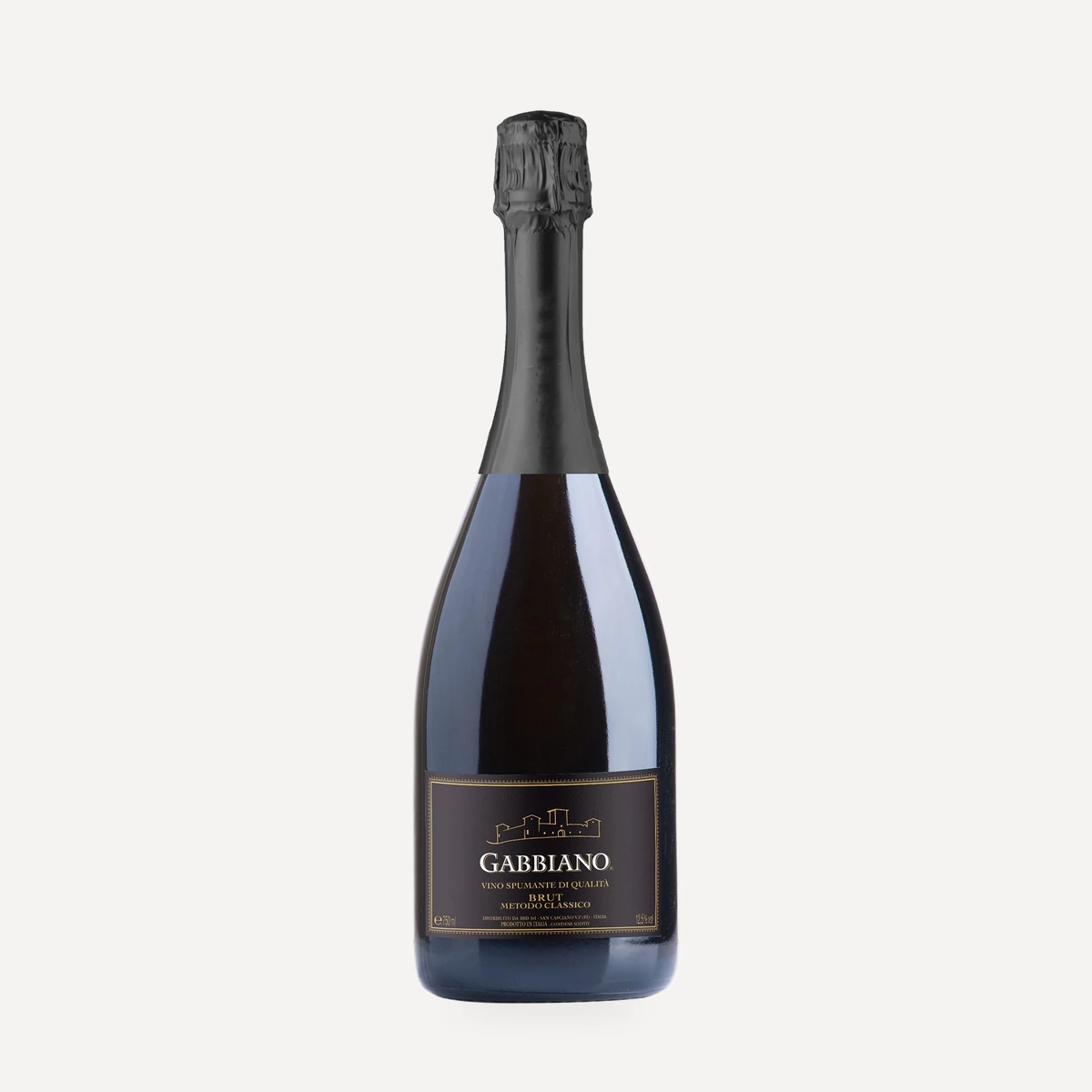
Prosecco Brut DOC
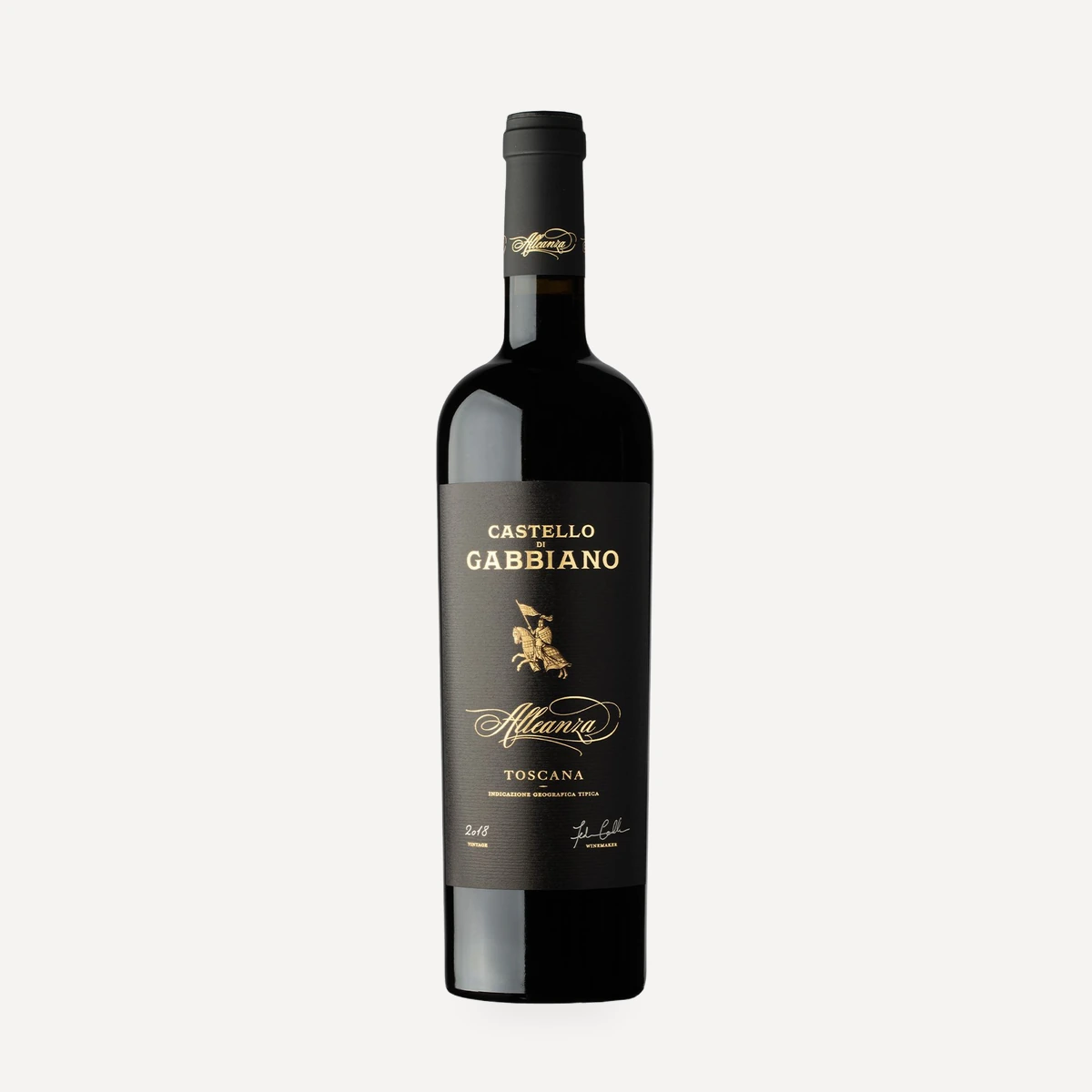
Alleanza Toscana IGT
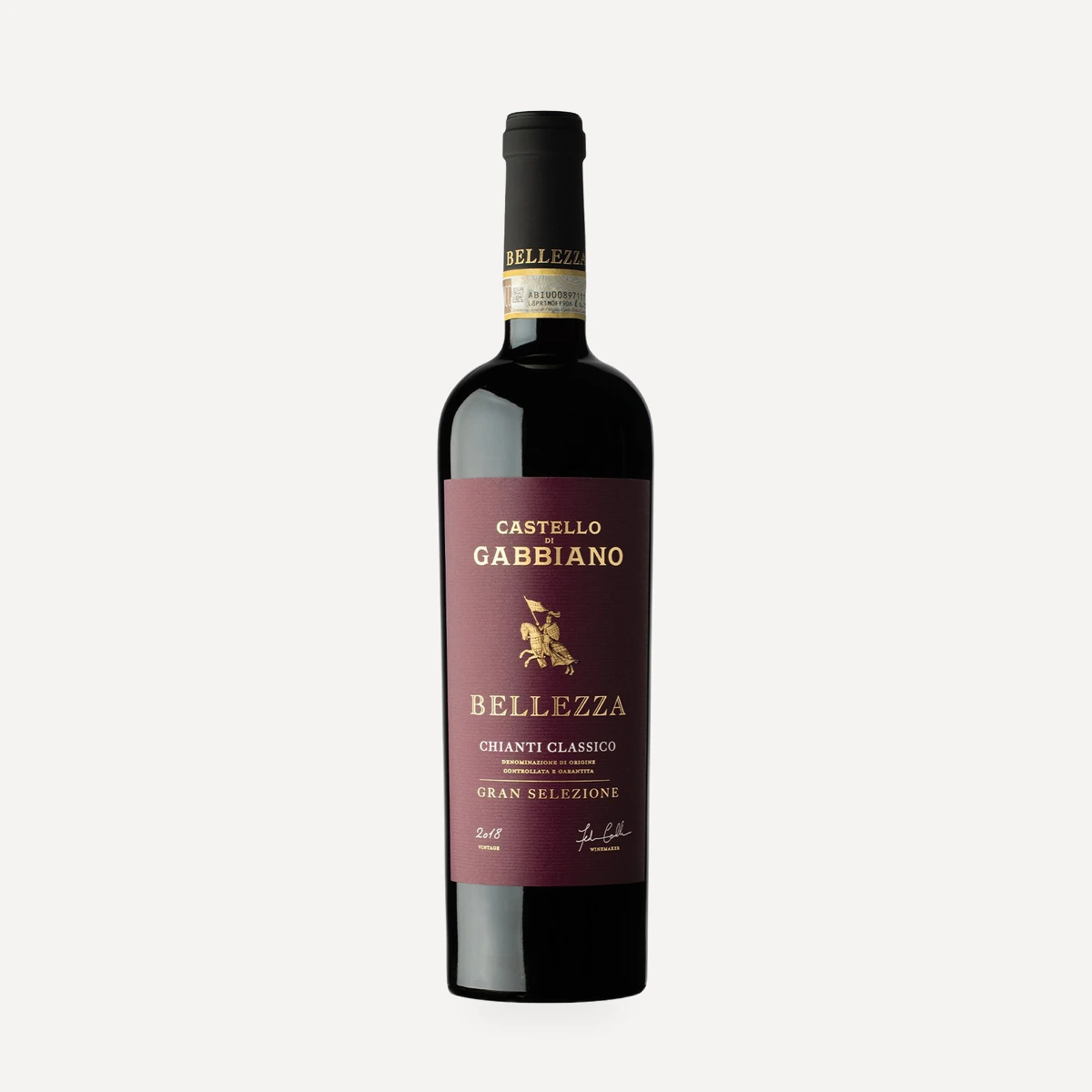
Bellezza Chianti Classico Gran Selezione DOCG

Cabernet Franc Toscana IGT
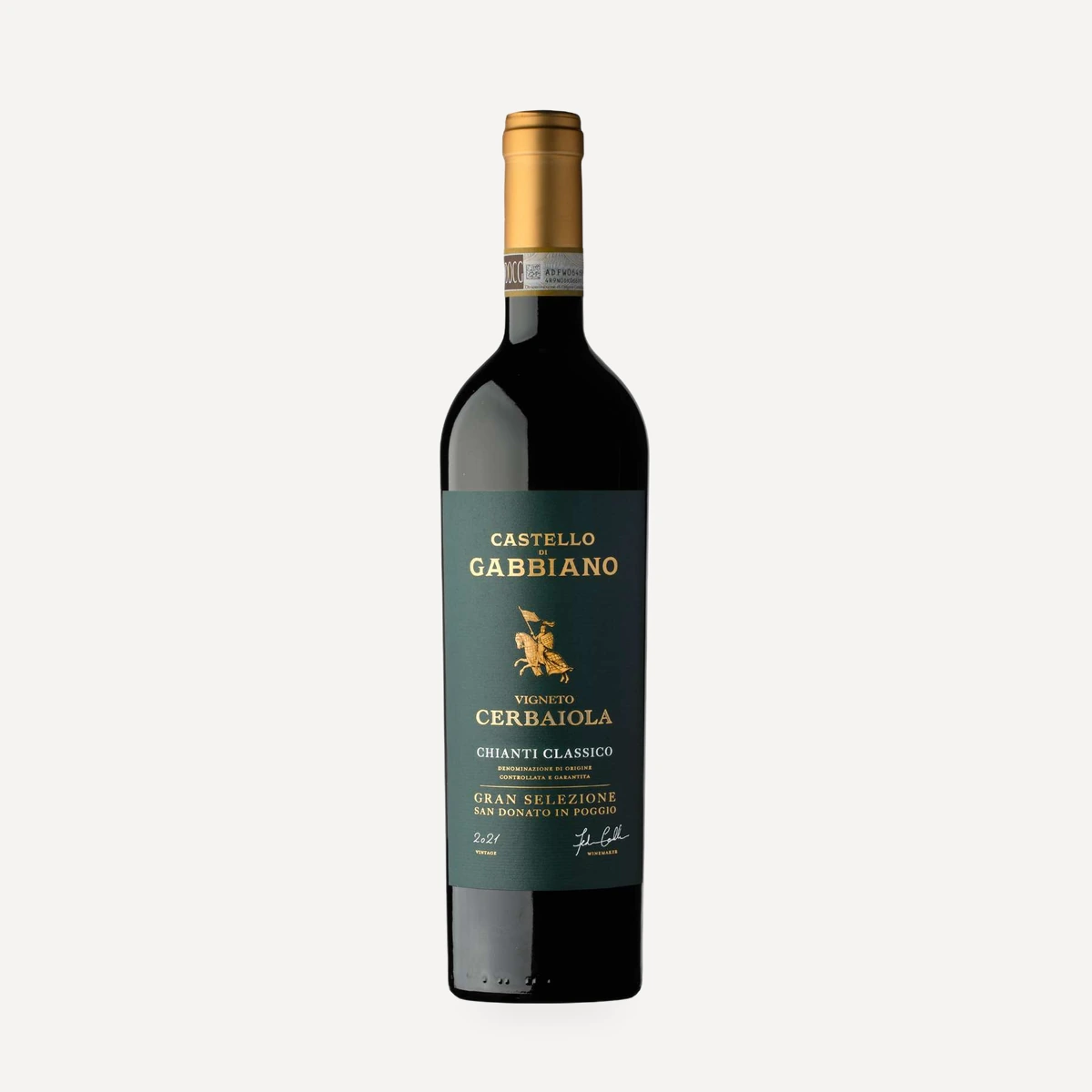
Cerbaiola Chianti Classico Gran Selezione DOCG
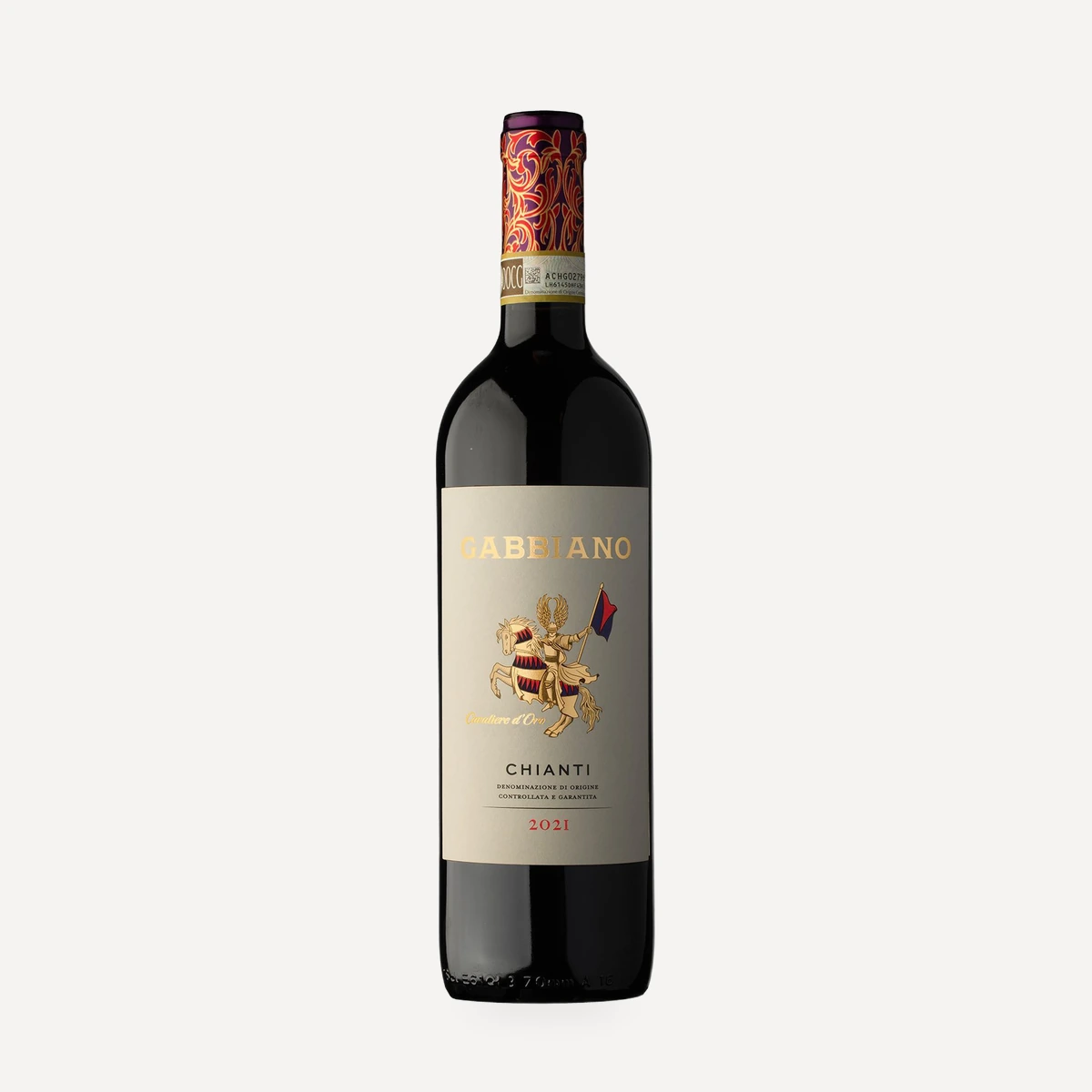
Chianti DOCG
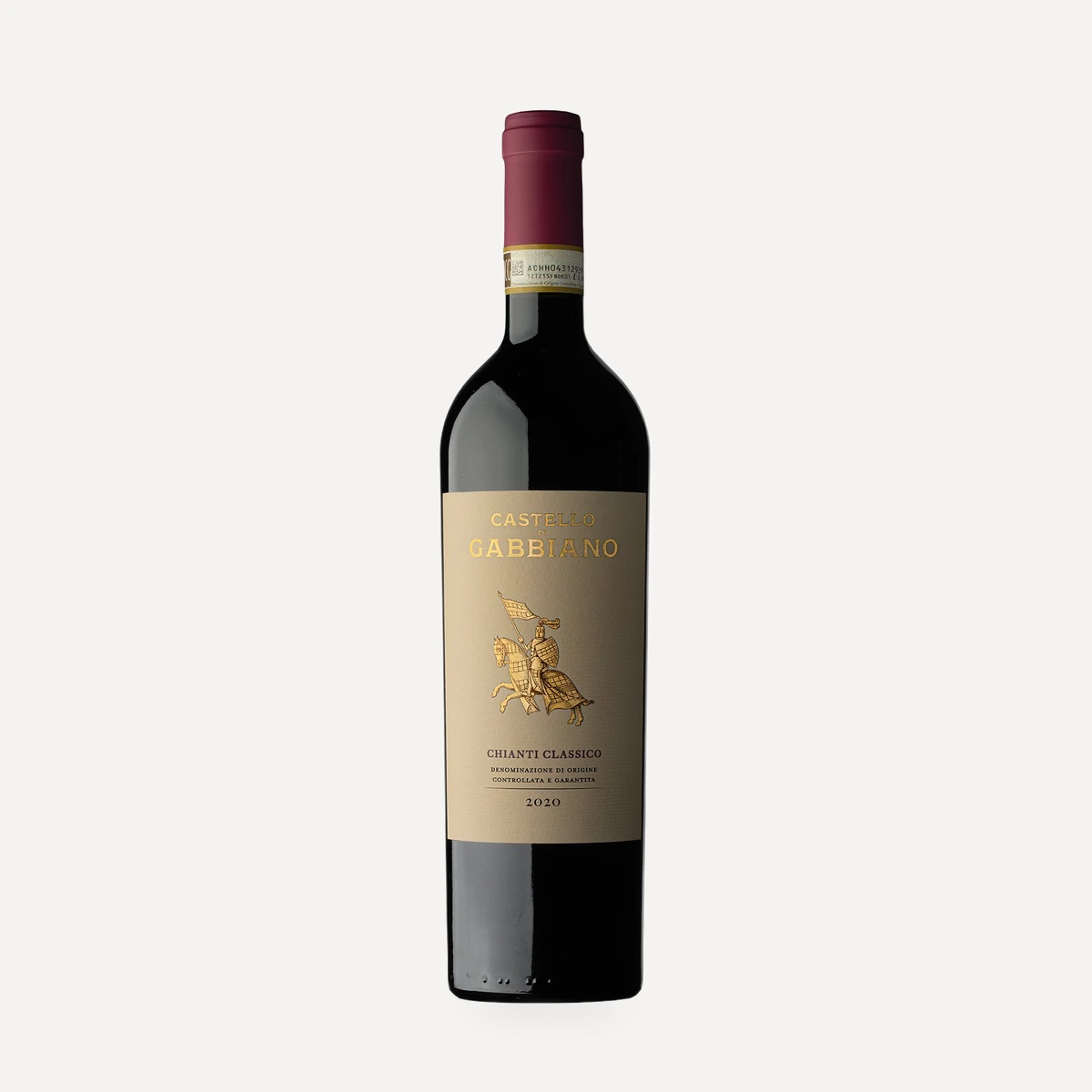
Chianti Classico DOCG
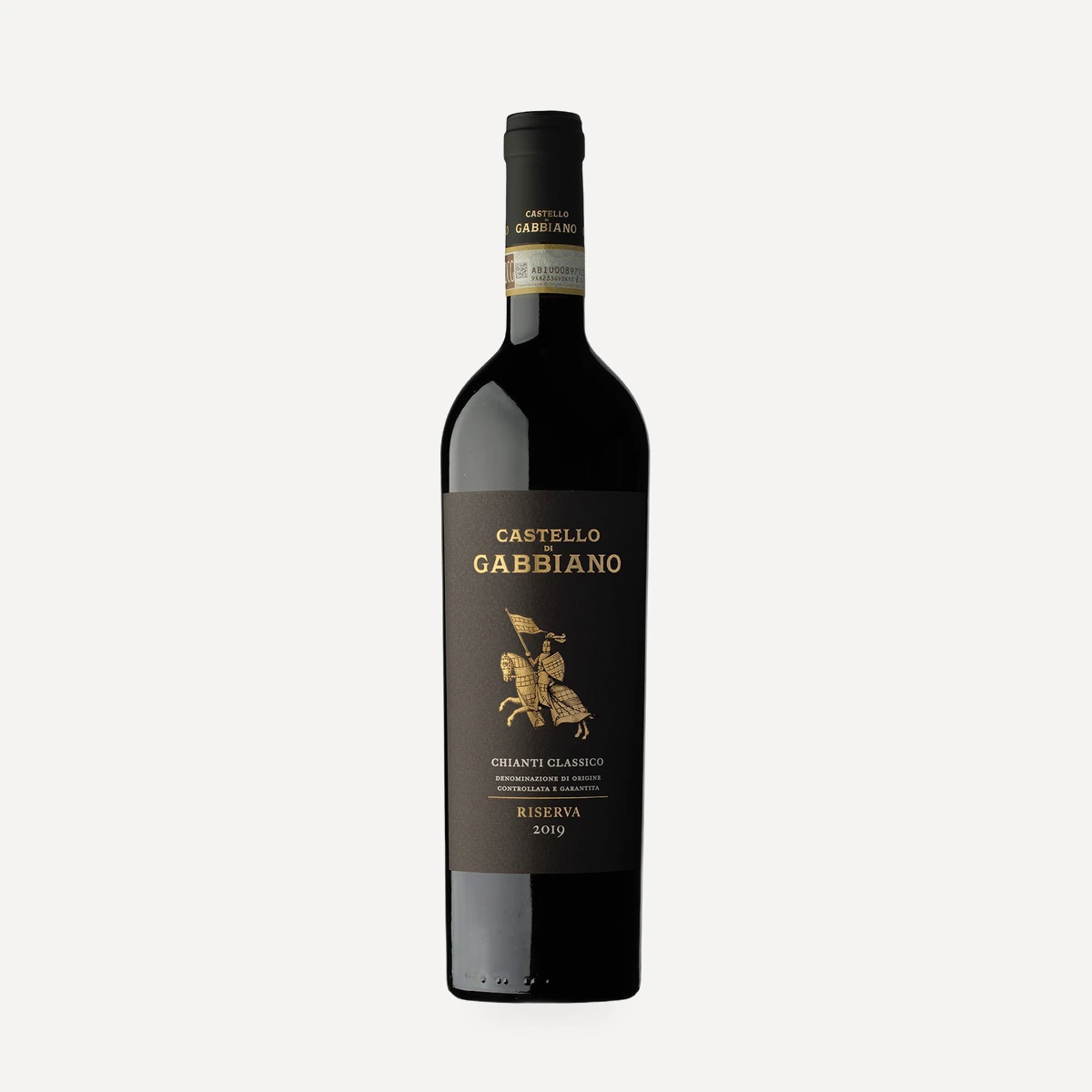
Chianti Classico Riserva DOCG
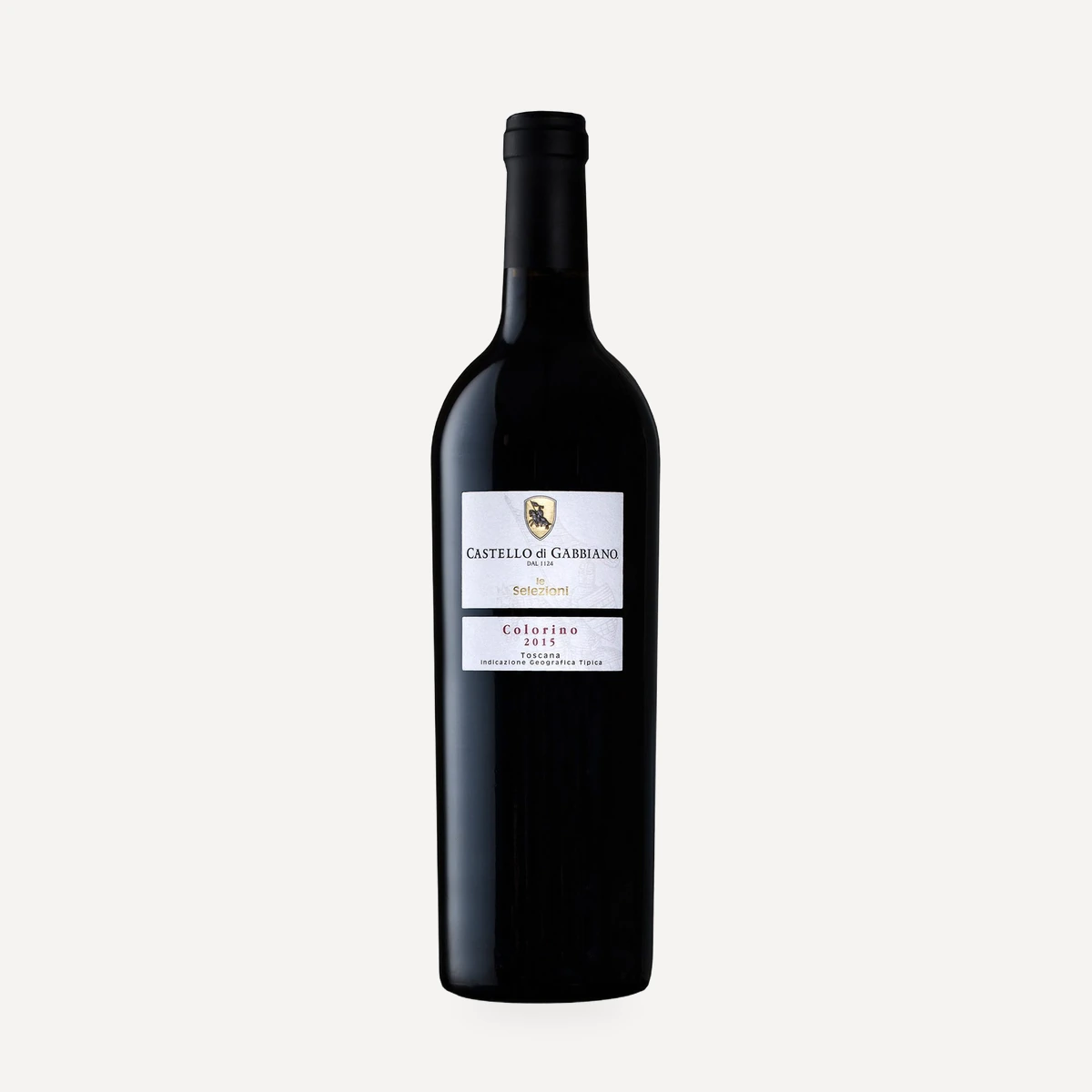
Colorino Toscana IGT
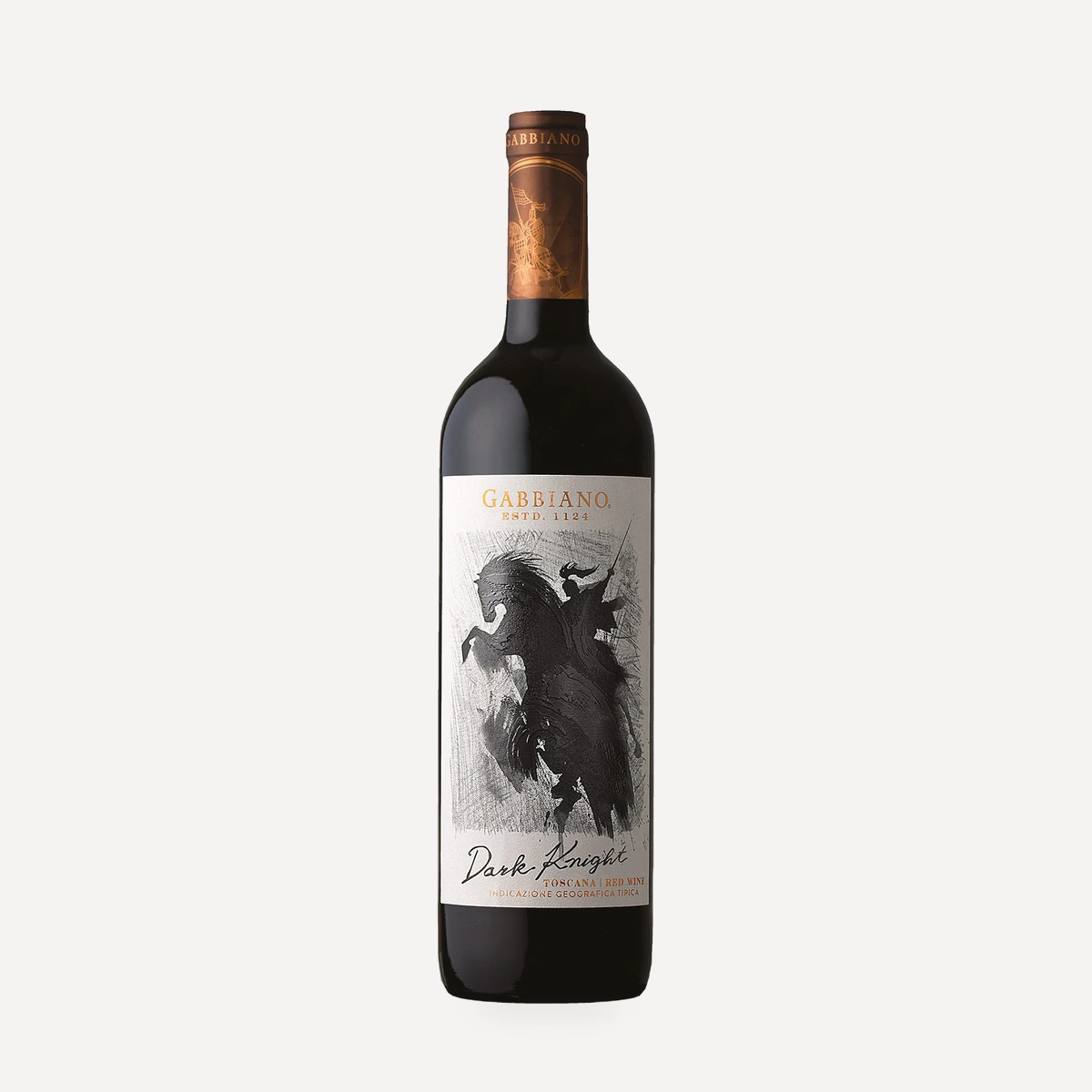
Castello di Gabbiano Dark Knight Toscana IGT
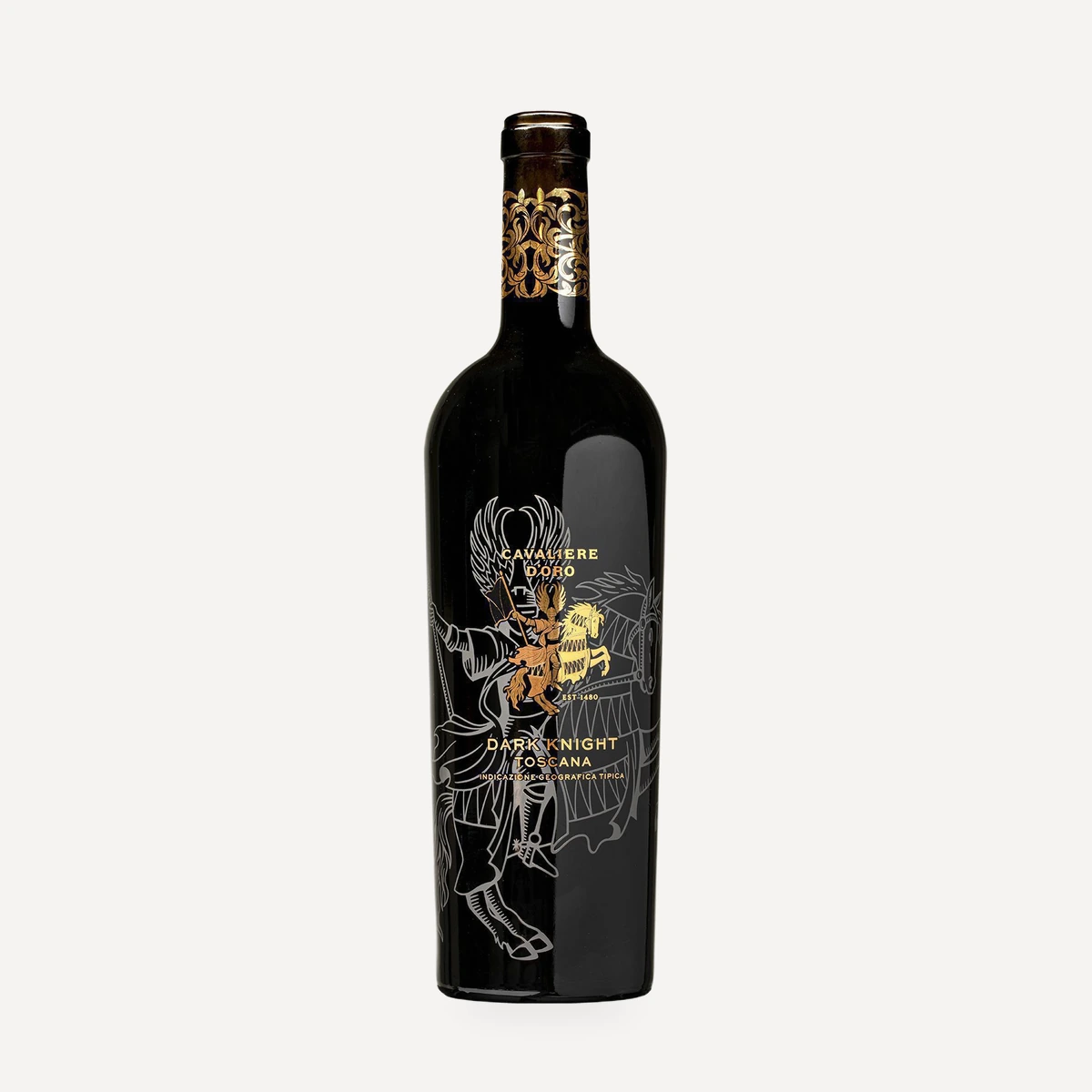
Cavaliere d'Oro Dark Knight Toscana IGT
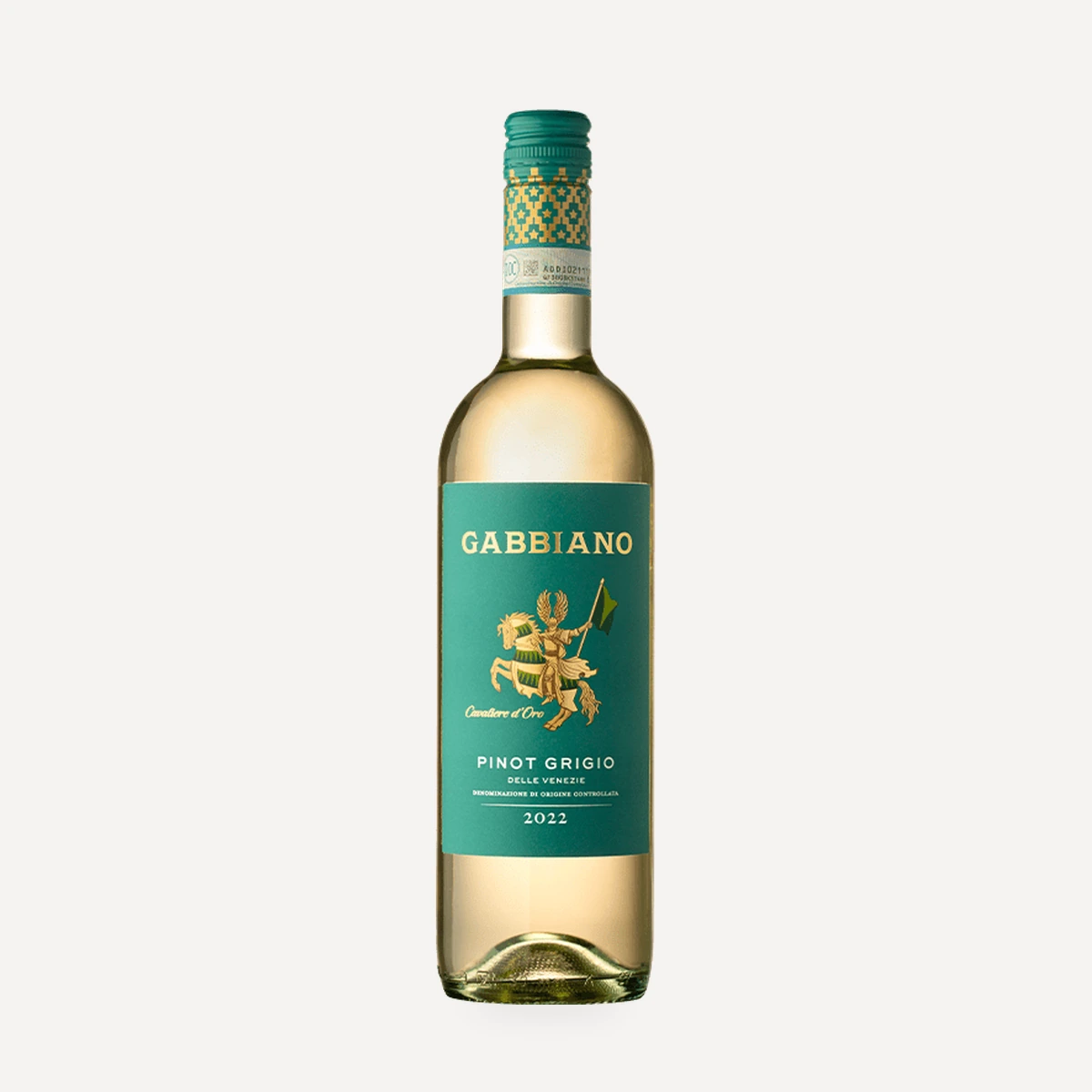
Pinot Grigio delle Venezie DOC

Rosato Toscana IGT
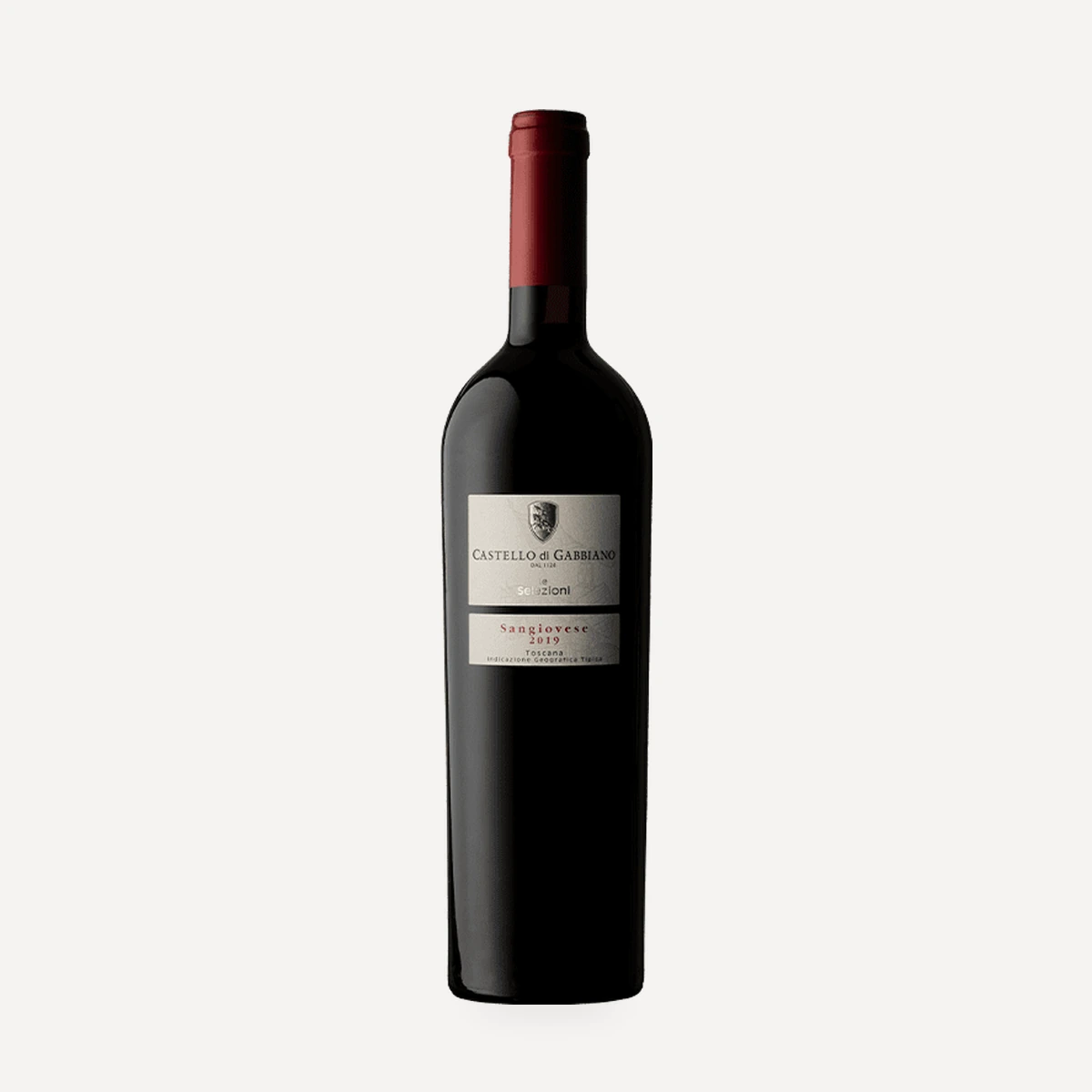
Sangiovese Toscana IGT
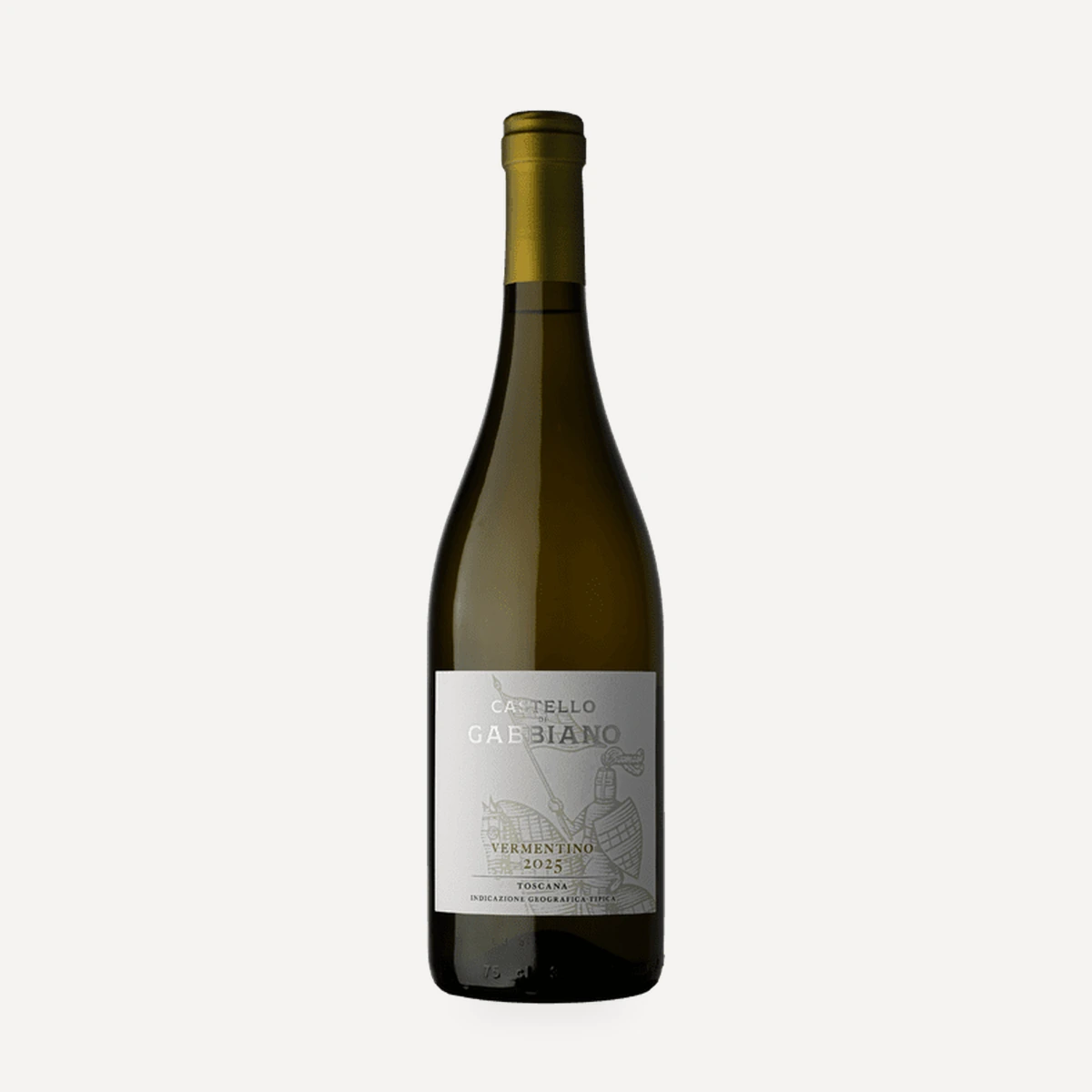
Vermentino Toscana IGT

Vinsanto del Chianti Classico DOC
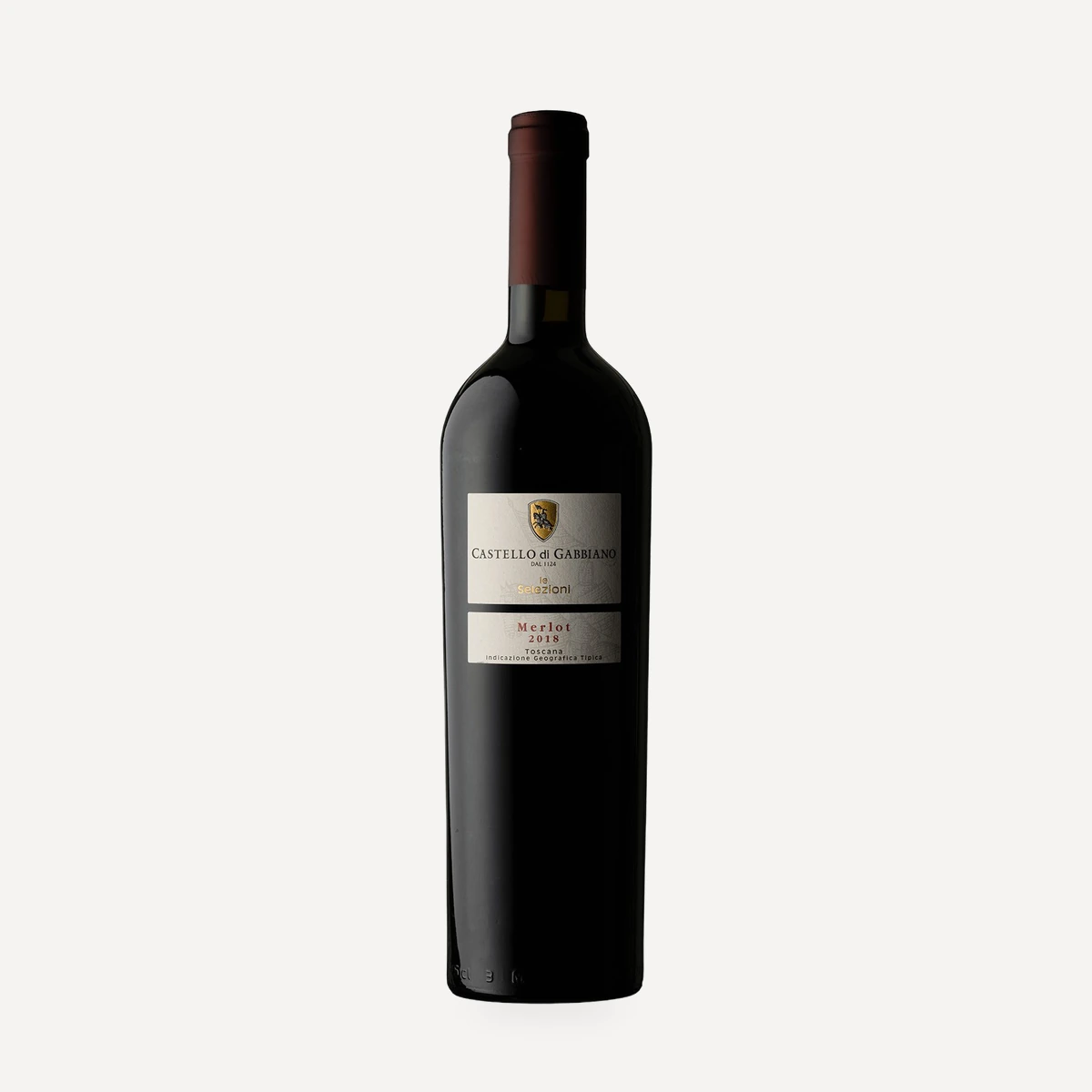
Merlot Toscana IGT

White Knight Toscana IGT

Vernaccia di San Gimignano DOCG