History
Fifteenth-century origins
Santedame’s history reaches back to the fifteenth century. The estate takes its name from the Santedame Chapel, whose restored fresco depicts a holy woman. The image from that fresco was subsequently incorporated into the estate’s labels.
A medieval hermitage, or romitorio, also stood beside one of the old vineyards. It provided shelter for pilgrims travelling towards Rome and later gave its name to Romitorio di Santedame.
Acquisition and the recovery of Colorino
Ruffino acquired Santedame at the beginning of 1988. The first vintage of the estate’s eponymous Santedame wine also dates from 1988.
At the time, the traditional Tuscan Colorino grape was close to disappearing. An old Colorino vineyard survived beside the medieval hermitage, and its discovery suggested that the variety could be developed rather than abandoned.
A structured recovery programme began at Santedame in the late 1990s. Colorino biotypes found among the rows of the estate’s old vineyards were selected and propagated through massal selection. This approach preserved the genetic variability present in the surviving material. The recovered selections now occupy approximately 9 ha of Colorino vineyards at Santedame.
Estate-wide environmental programmes
From 2011, the Chianti Classico vineyards entered a precision-viticulture programme based on NDVI and GIS mapping. Vineyard vigour was mapped down to individual rows, enabling variable-rate nutrient distribution according to the needs of each section.
The conversion of Ruffino’s estates to organic agriculture began in FY 2016 and was formalised as a Tuscan conversion programme in FY 2019. The programme introduced organic manure, the exclusion of herbicides, disease protection based on copper, sulfur and other products of natural origin, and alternatives to conventional insecticides such as mating disruption.
In 2018, the estates obtained Biodiversity Friend certification. During 2019, participation in the experimental Kattivo project added ultrasound-guided variable-rate spraying technology, reducing pesticide waste by as much as 30% in trials.
The 2022 Romitorio di Santedame became that wine’s first certified-organic vintage.
Terroir
Santedame lies in the municipality of Castellina in Chianti, on the south-facing slopes of the Chianti Classico area known as the Conca d’Oro, or “Golden Basin.” The name refers to the terrain’s distinctive basin-like form and the quality historically associated with its agricultural products.
The estate occupies 250 ha, including 70 ha of vines. Its vineyards climb steep, high-hill terrain and are dry and exposed to the wind. The principal vineyard elevations described for the estate range from 350 to 470 m above sea level. A cool microclimate and pronounced temperature differences between warm days and cool nights characterize the upper parts of the vineyards.
Galestro is abundant and occurs at the surface. The estate’s poor soils also include alberese, while individual vineyard descriptions add plentiful gravel and textures ranging from loamy clay to loamy sand.
The single vineyard associated with Romitorio di Santedame is at 430 m. Its moderately deep, very rocky profile contains galestro or shale and calcareous marl, with a silty-sandy-clayey composition.
The olive-growing slopes, situated at 310–400 m, have mixed clay-and-sand soils with abundant stones.
Winemaking
Preservation of Colorino
Santedame is a centre for the preservation of Colorino, an old native variety that had almost disappeared. Beginning in the late 1990s, biotypes surviving among the rows of old vineyards were identified and propagated through massal selection. This maintained the genetic diversity found in the original material rather than reducing the plantings to a single selection. Approximately 9 ha of the estate’s Colorino vineyards now contain these recovered selections.
Organic management
The broader conversion of the estates to organic agriculture began in FY 2016 and was formally structured in Tuscany in FY 2019. Its principles are the exclusion of herbicides, the use of organic manure, protection from the principal vine diseases using copper, sulfur and other products of natural origin, and alternative insect-control techniques including mating disruption.
Reduced reliance on chemical products requires continual monitoring of diseases and parasites, dedicated machinery and timely decisions in the vineyard. A network of weather and environmental sensors is paired with data-analysis software to improve the timing of treatments and reduce pesticide requirements.
Romitorio di Santedame’s 2022 vintage was its first to carry organic certification. Santedame is also covered by the Biodiversity Friend certification held across the estates.
Precision viticulture
Precision work in the Chianti Classico vineyards began in 2011 with NDVI and GIS mapping. Vigour maps reach the scale of individual rows and guide variable-rate fertilisation, matching nutrient distribution to the actual requirements of each vineyard section.
The experimental Kattivo programme, joined in 2019, applies an ultrasound-equipped kit to conventional sprayers. It reads the volume of vegetation in real time and varies the treatment rate accordingly; trials reduced pesticide waste by up to 30%. The objective of this site-specific approach is to reduce inputs, balance vegetation and crop development, improve grape quality and extend vineyard life.
Philosophy
Santedame’s approach centres on expressing the character of its south-facing Conca d’Oro vineyards while safeguarding their history and biological diversity. The preservation of Colorino illustrates this principle: old genetic material was recovered, studied and propagated by massal selection rather than replaced with uniform plant stock.
Traditional material and modern vineyard technology are treated as complementary. NDVI and GIS mapping, variable-rate fertilisation, environmental sensors and experimental precision spraying are used to respond to differences within individual sites while reducing unnecessary inputs.
Environmental stewardship is framed around preserving the distinctive traits of each property, respecting local flora and fauna and managing vineyards in closer alignment with natural systems. Organic conversion, Biodiversity Friend certification and the protection of historic vineyard material form the practical expression of that position.
Wines
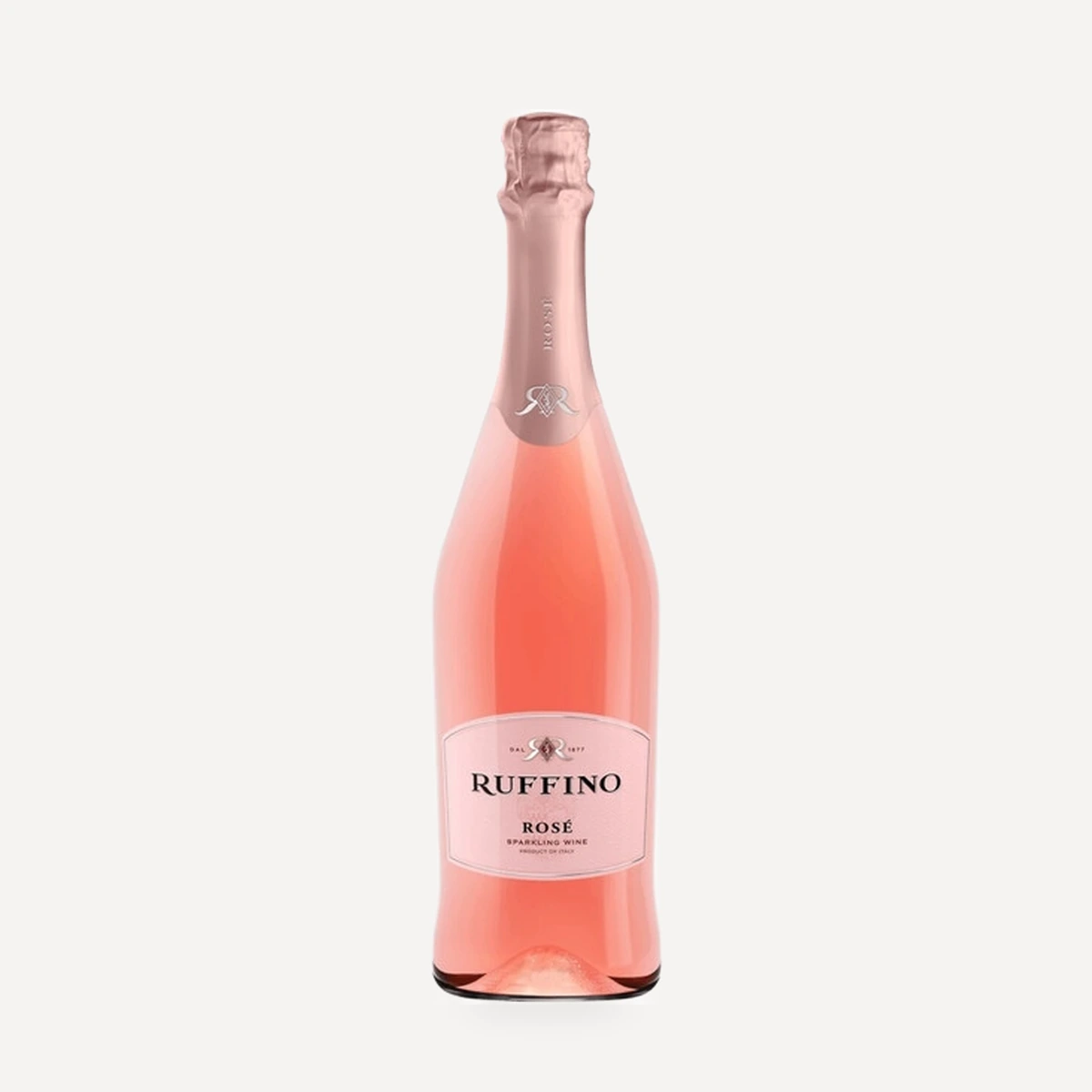
Prosecco Rosé DOC
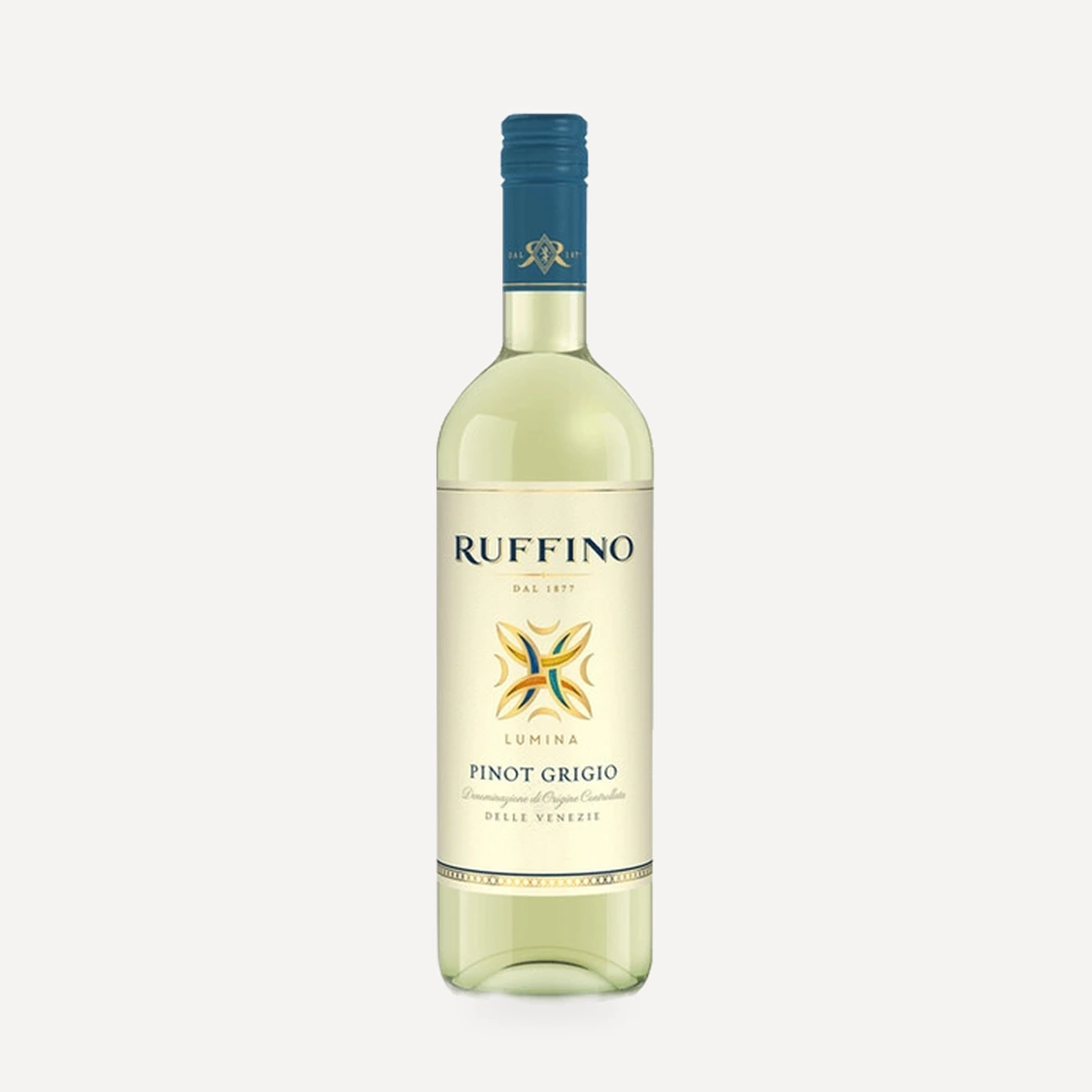
Lumina Pinot Grigio delle Venezie DOC
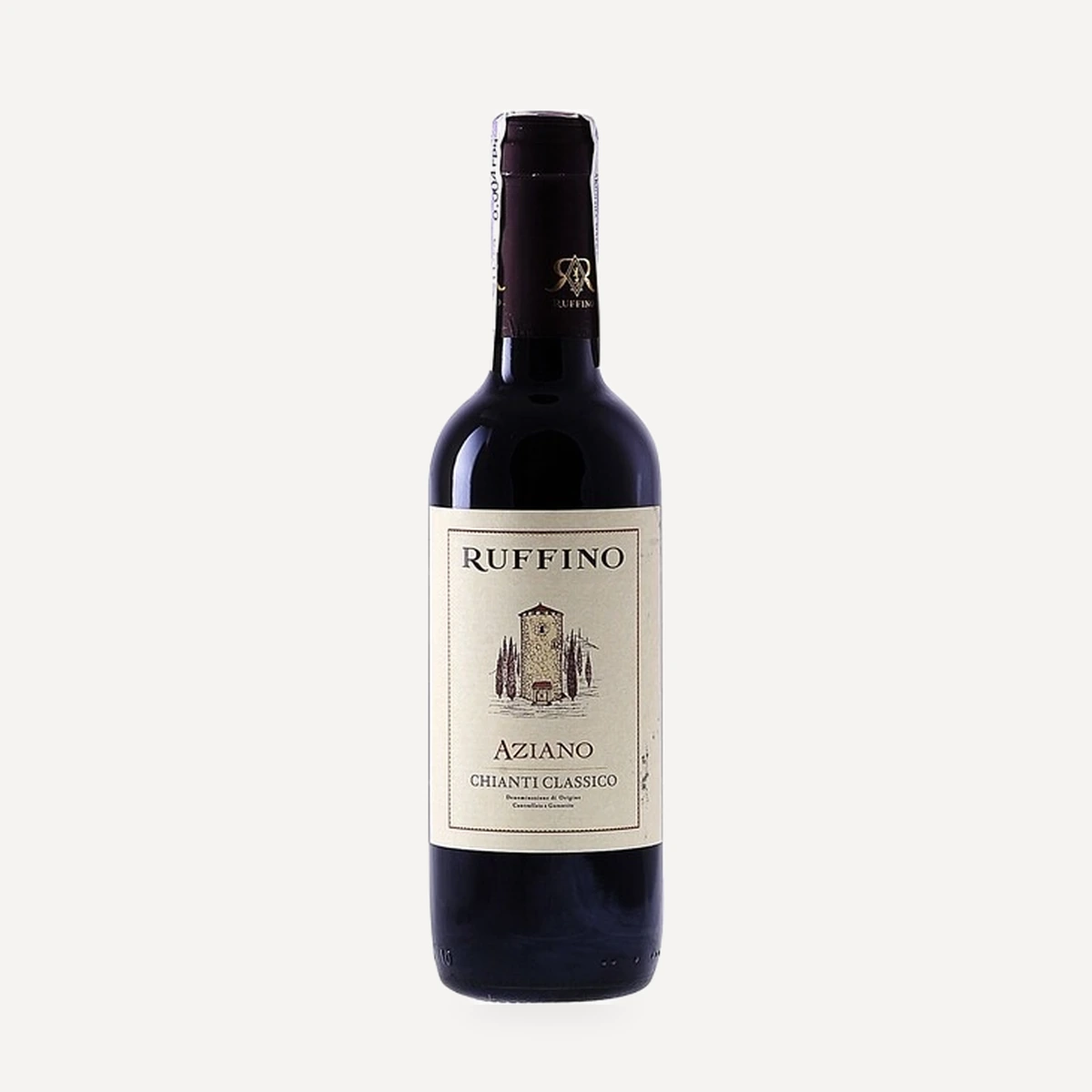
Aziano Chianti Classico DOCG
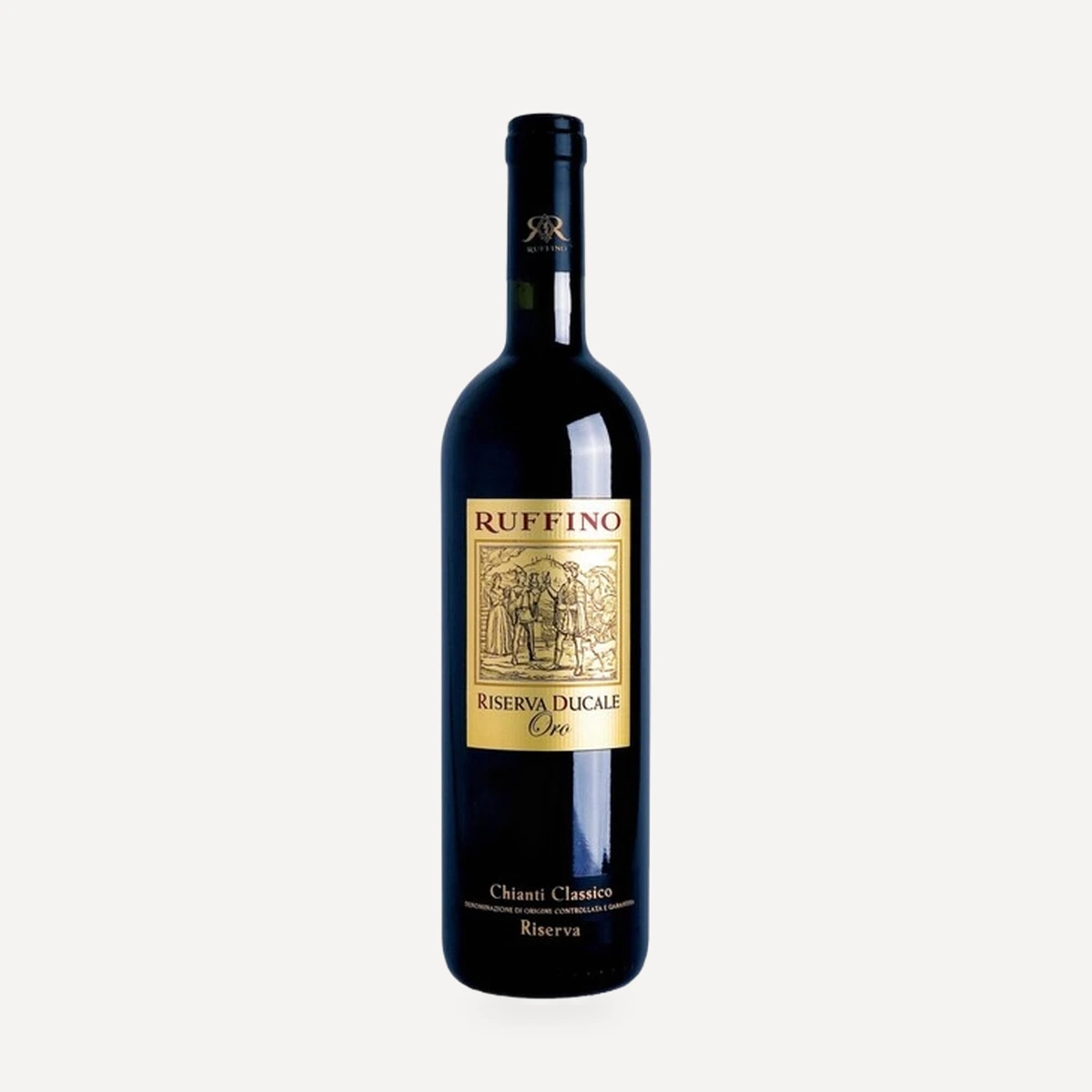
Riserva Ducale Oro Chianti Classico Riserva DOCG
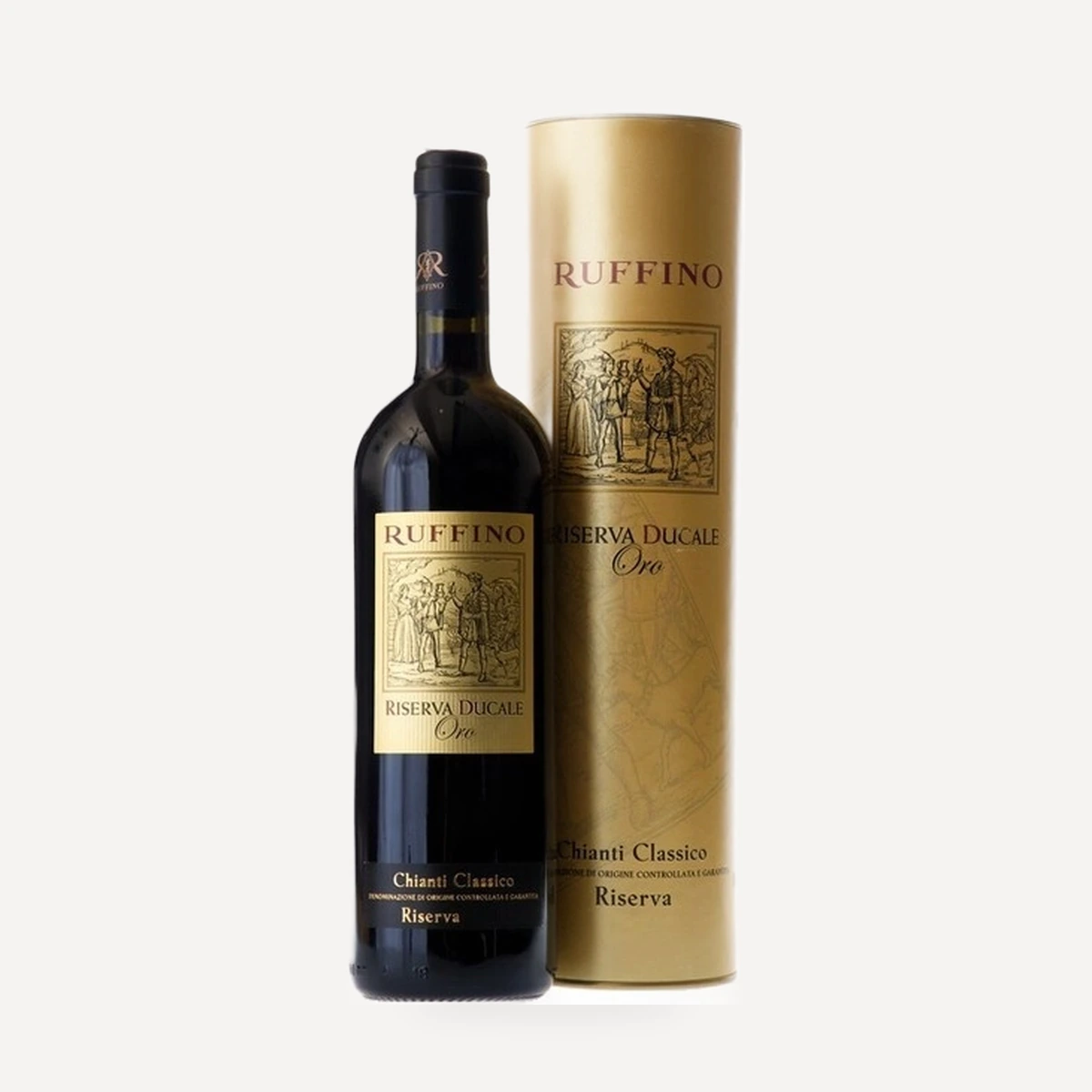
Riserva Ducale Oro Chianti Classico Riserva in DOCG
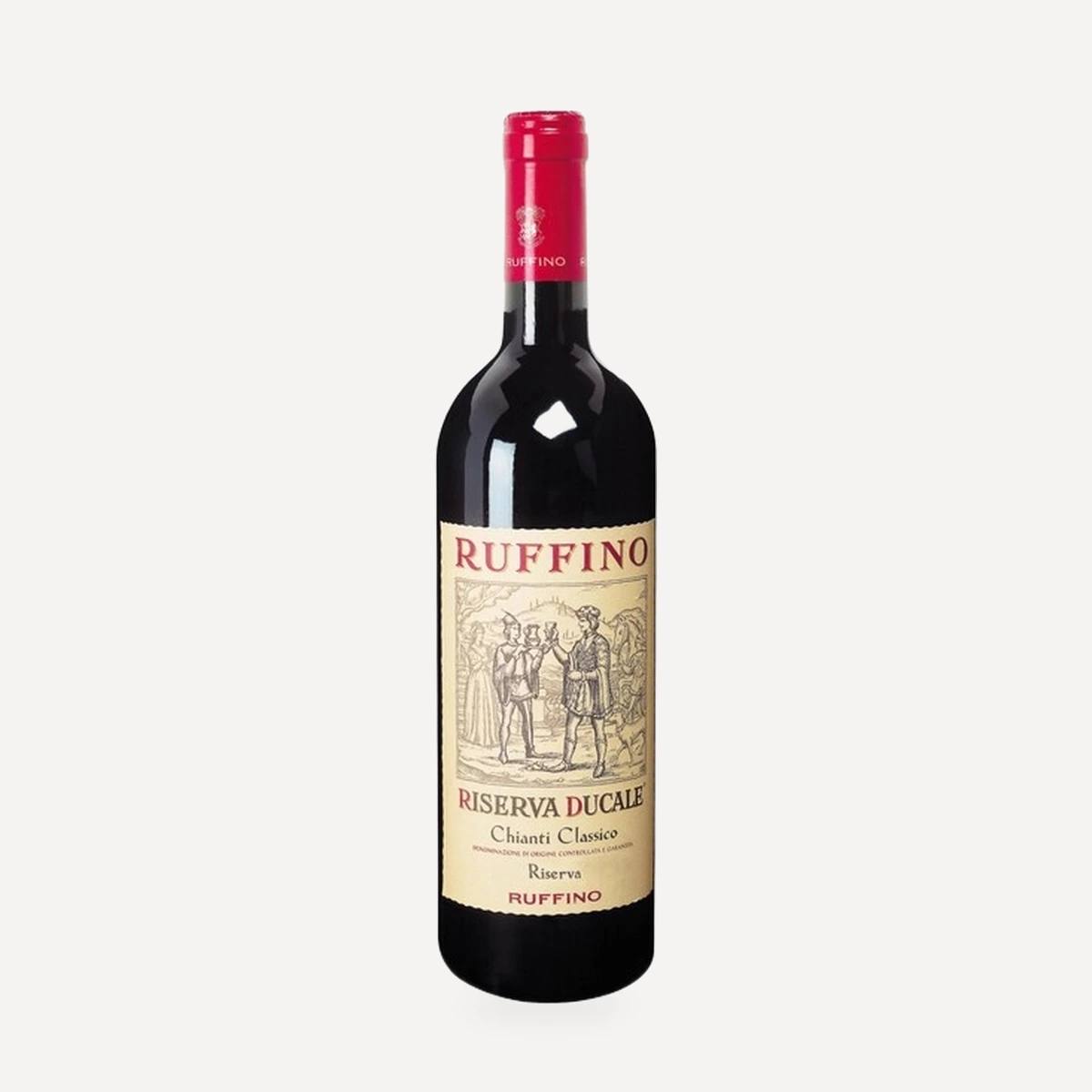
Riserva Ducale Chianti Classico Riserva DOCG
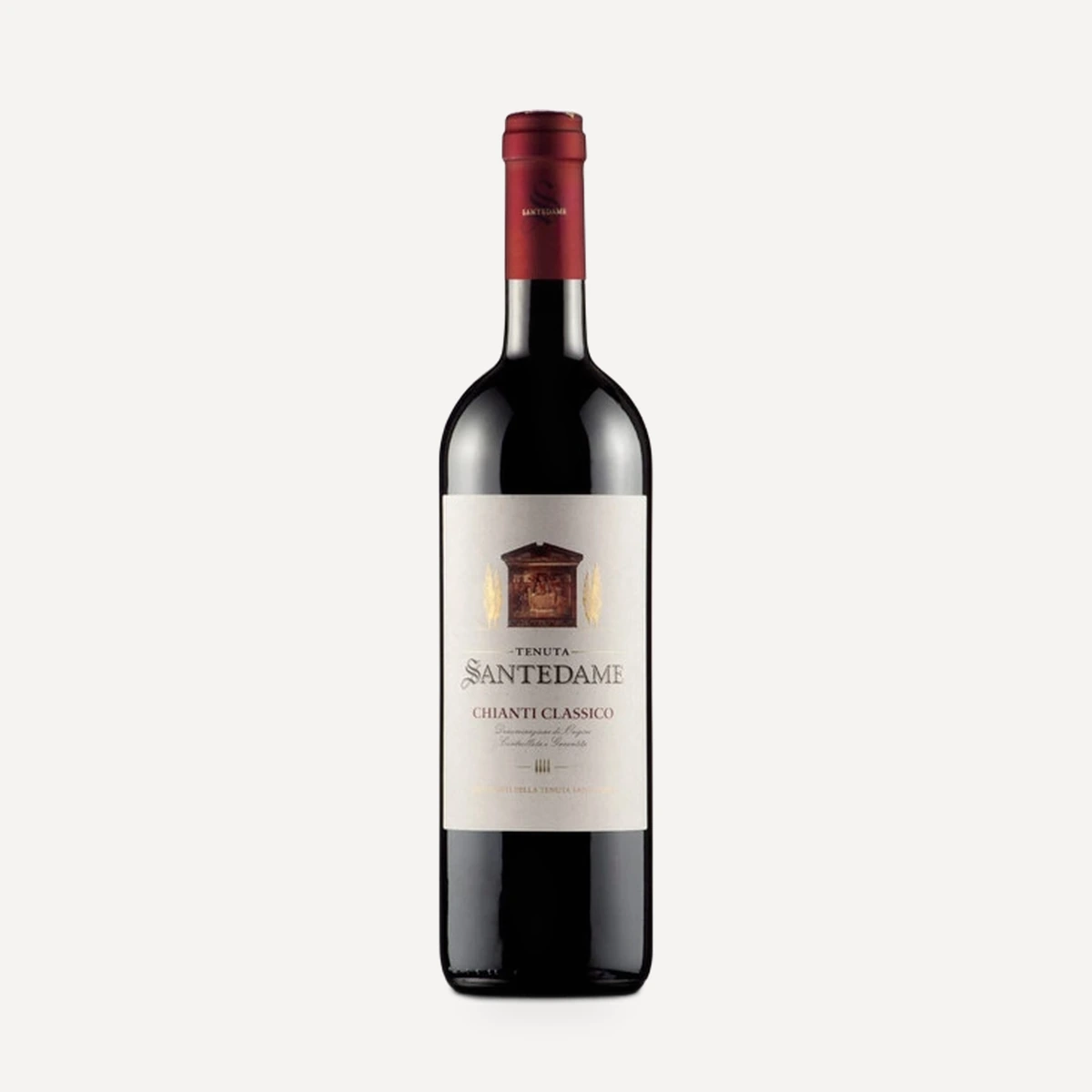
Santedame Chianti Classico DOCG
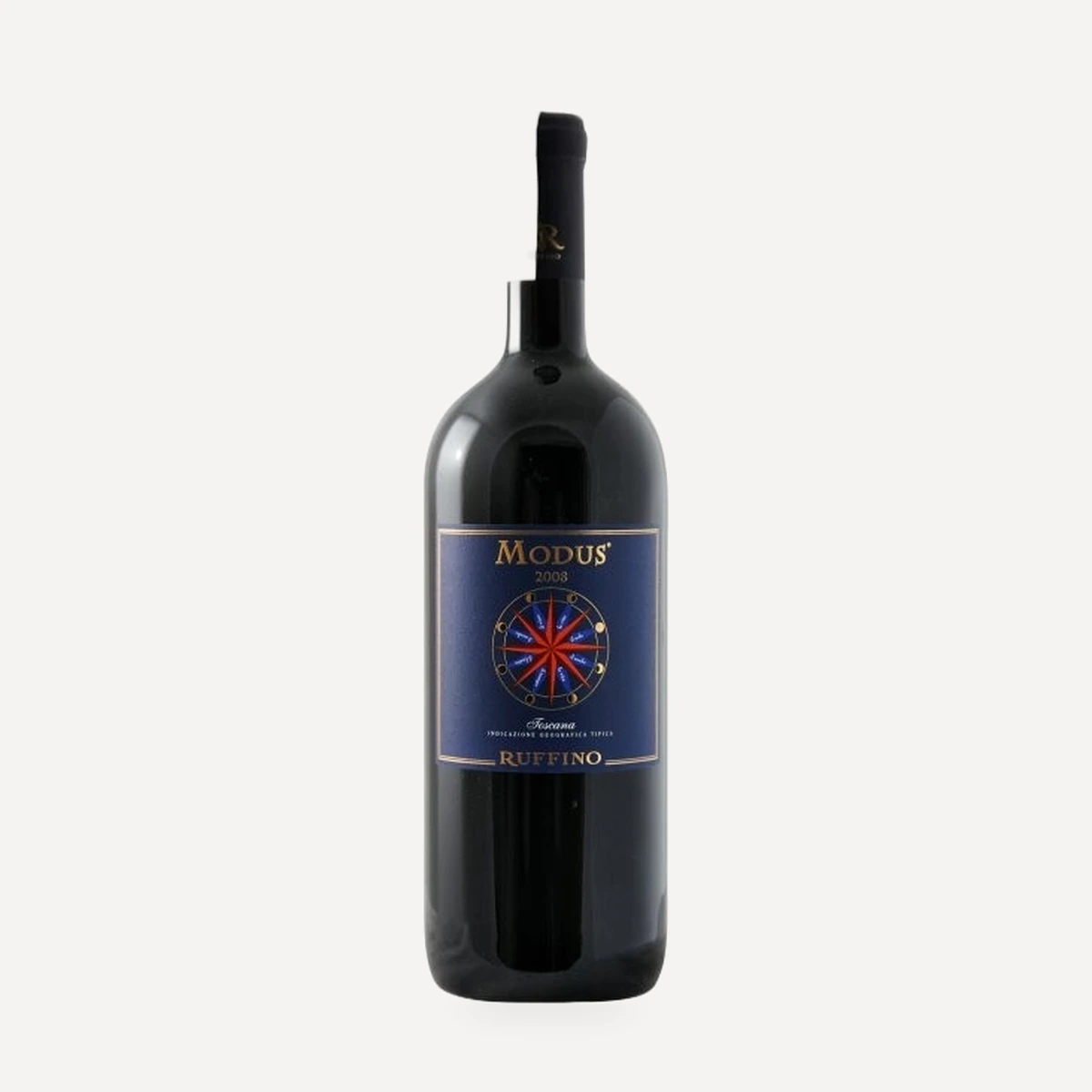
Modus Toscana IGT
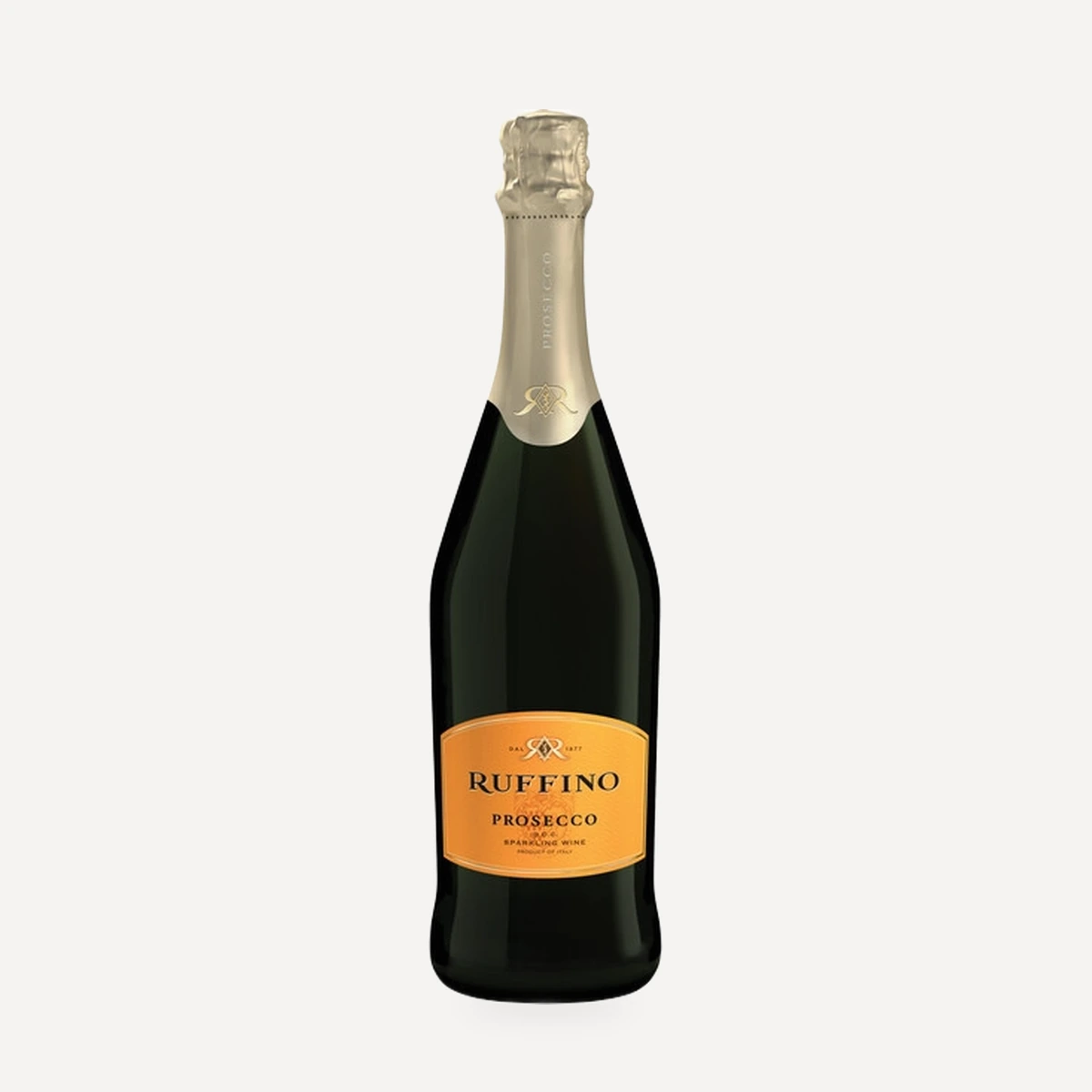
Prosecco DOC
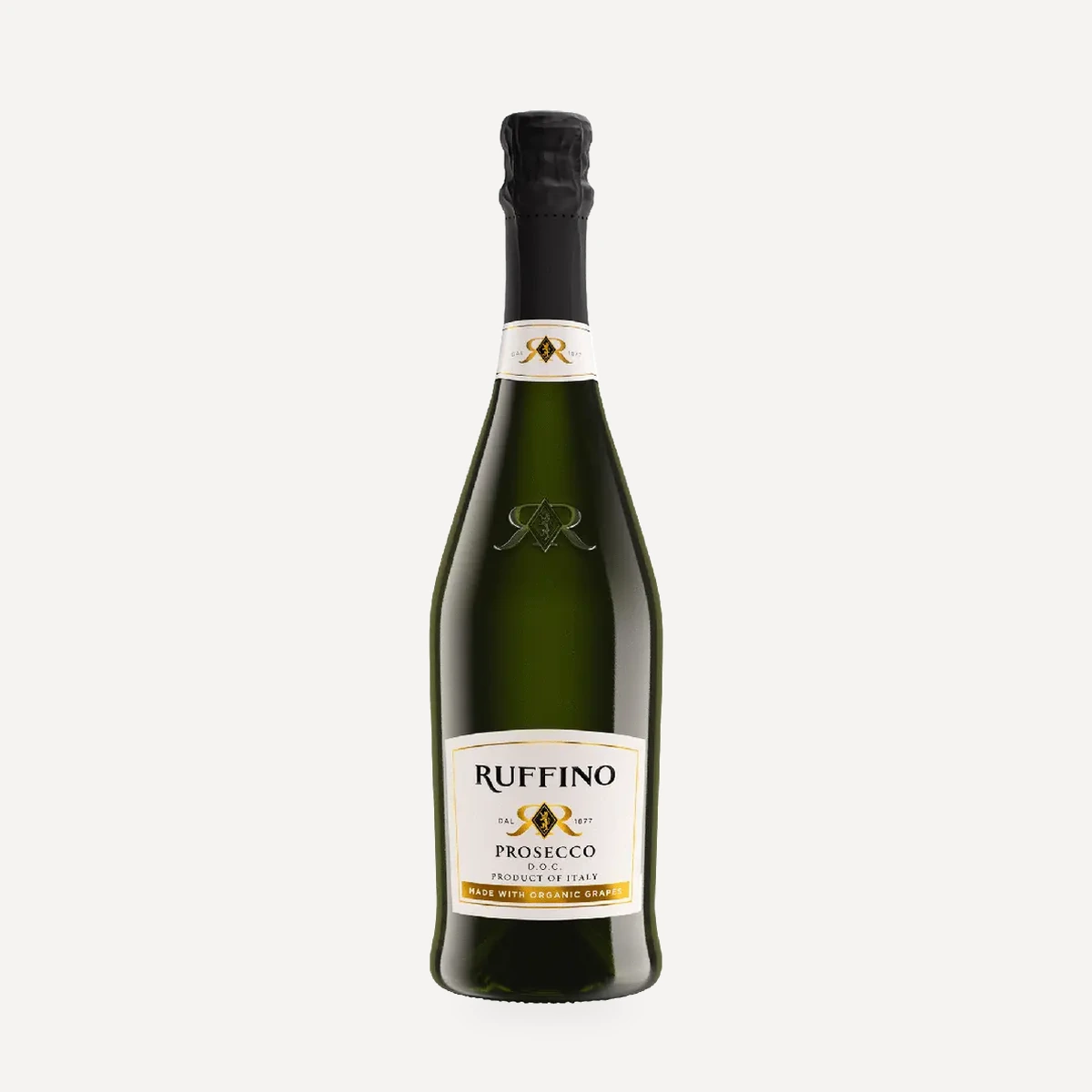
Prosecco Organic DOC
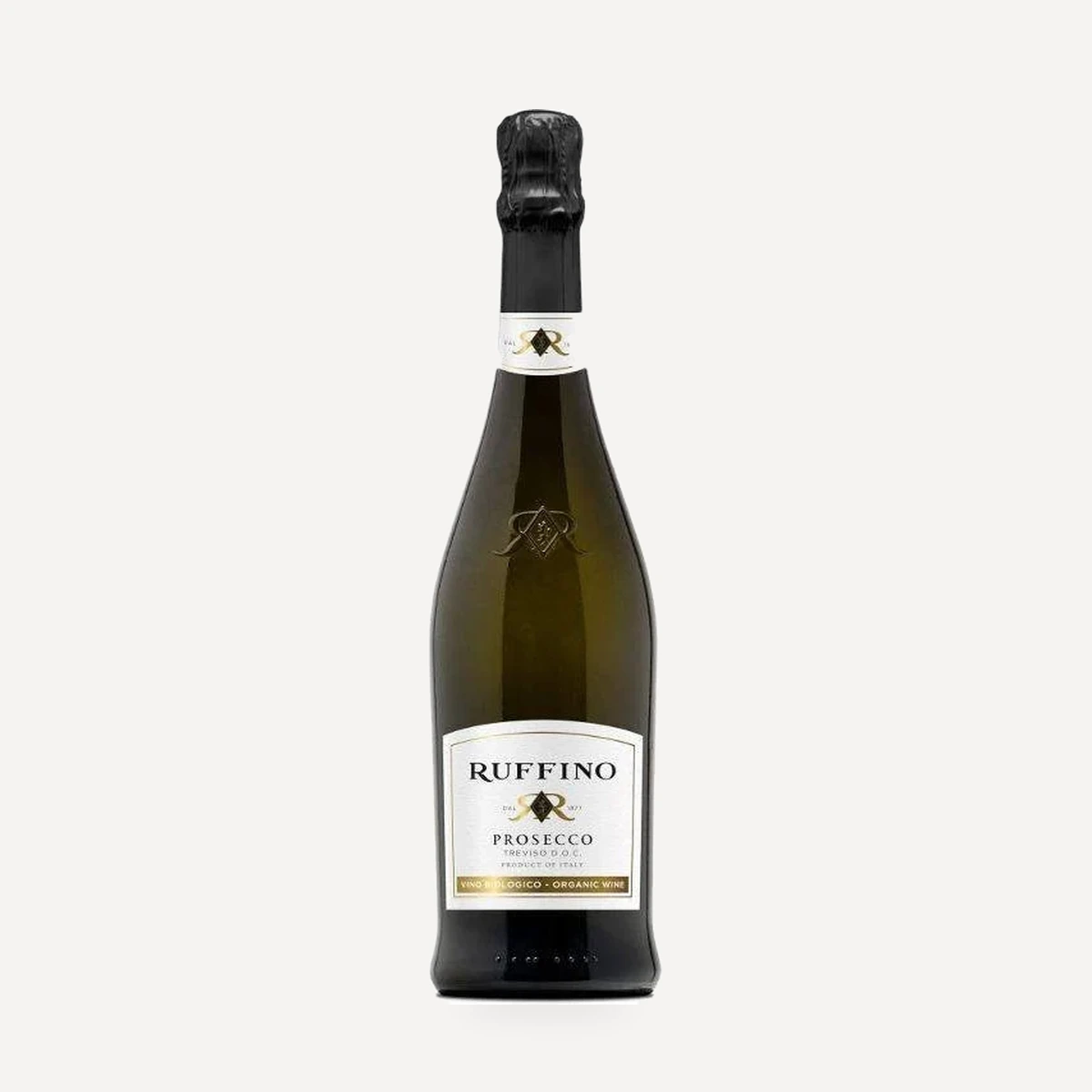
Prosecco BIO Treviso DOC
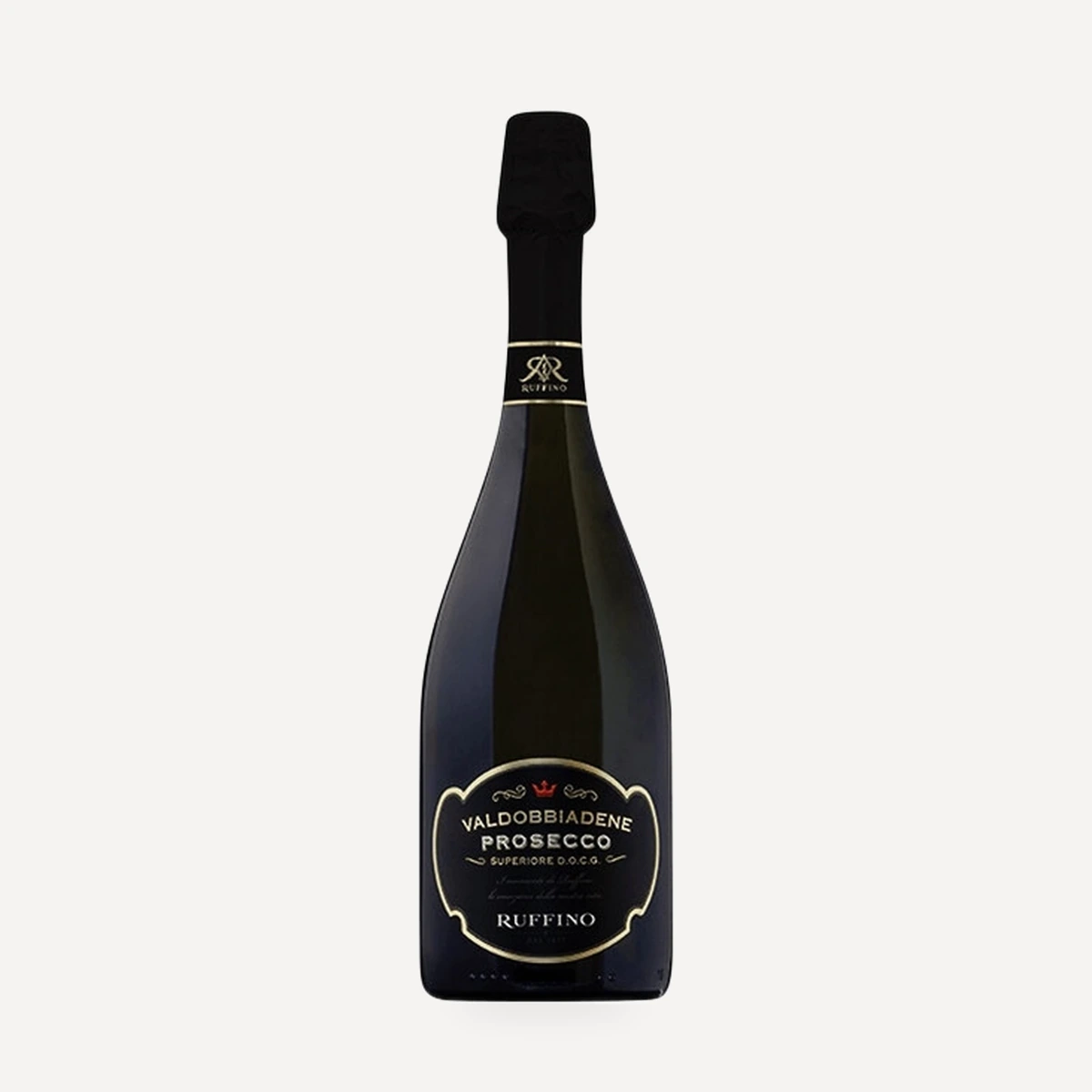
Valdobbiadene Prosecco Superiore DOCG
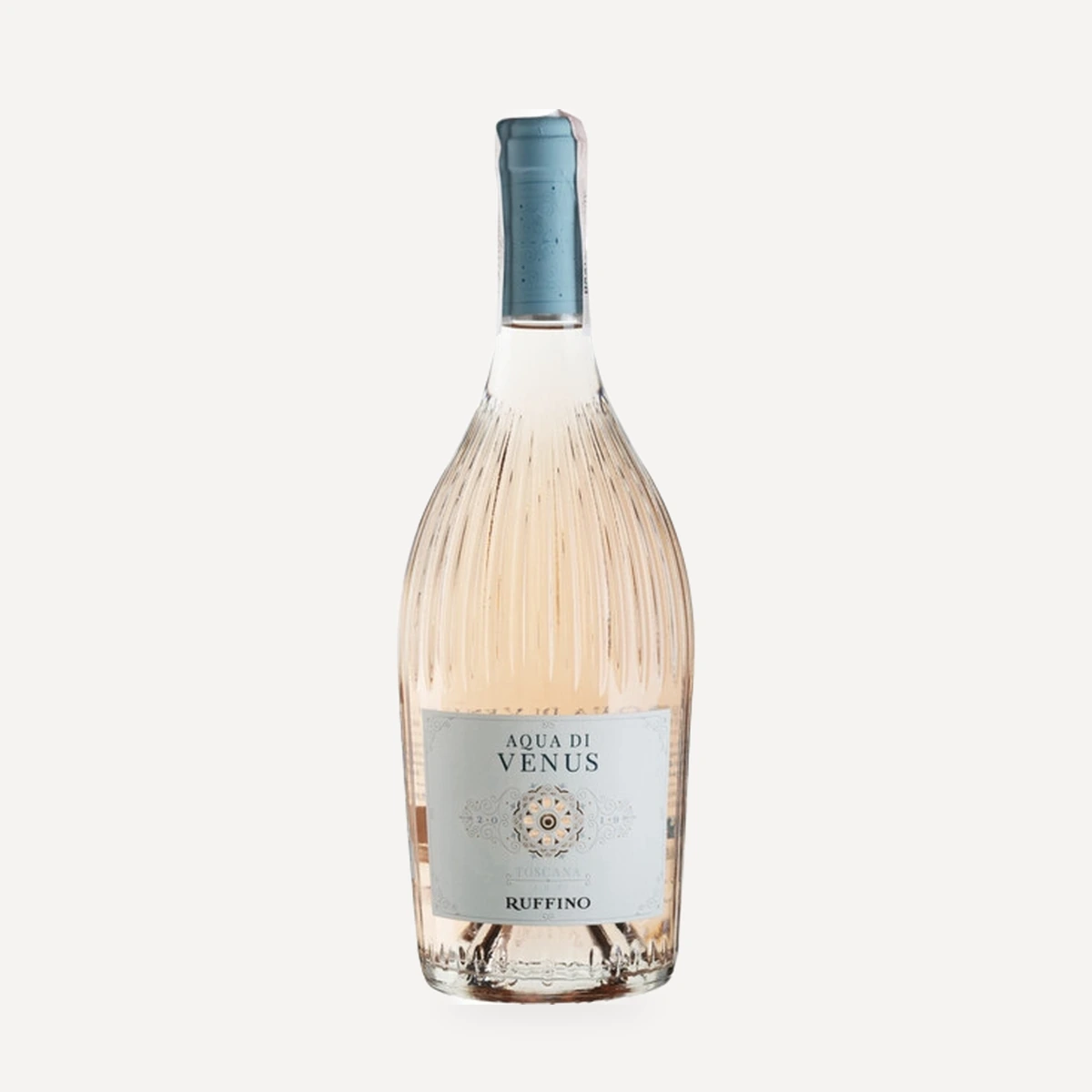
Acqua di Venus Cuvée
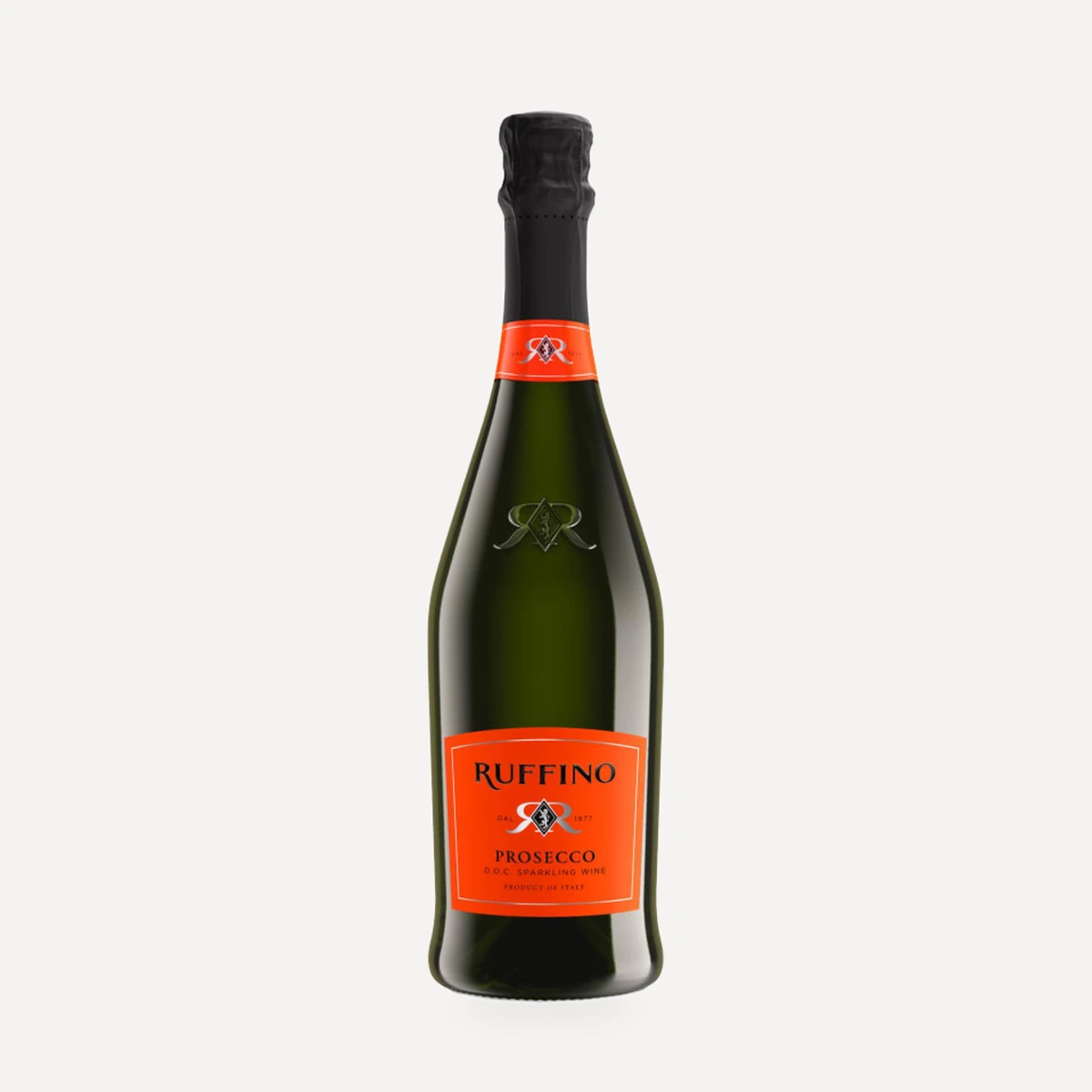
Prosecco
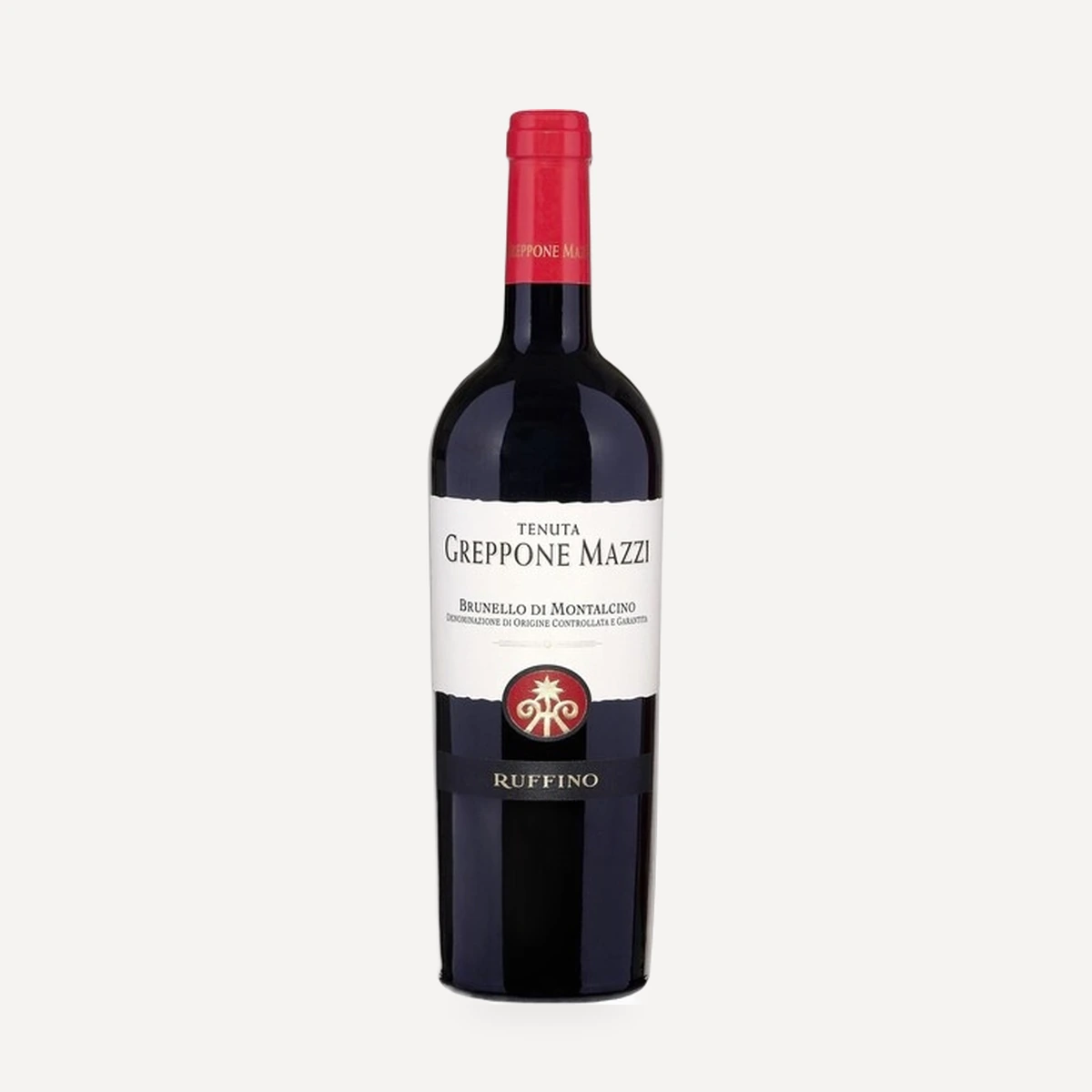
Greppone Mazzi Brunello di Montalcino DOCG
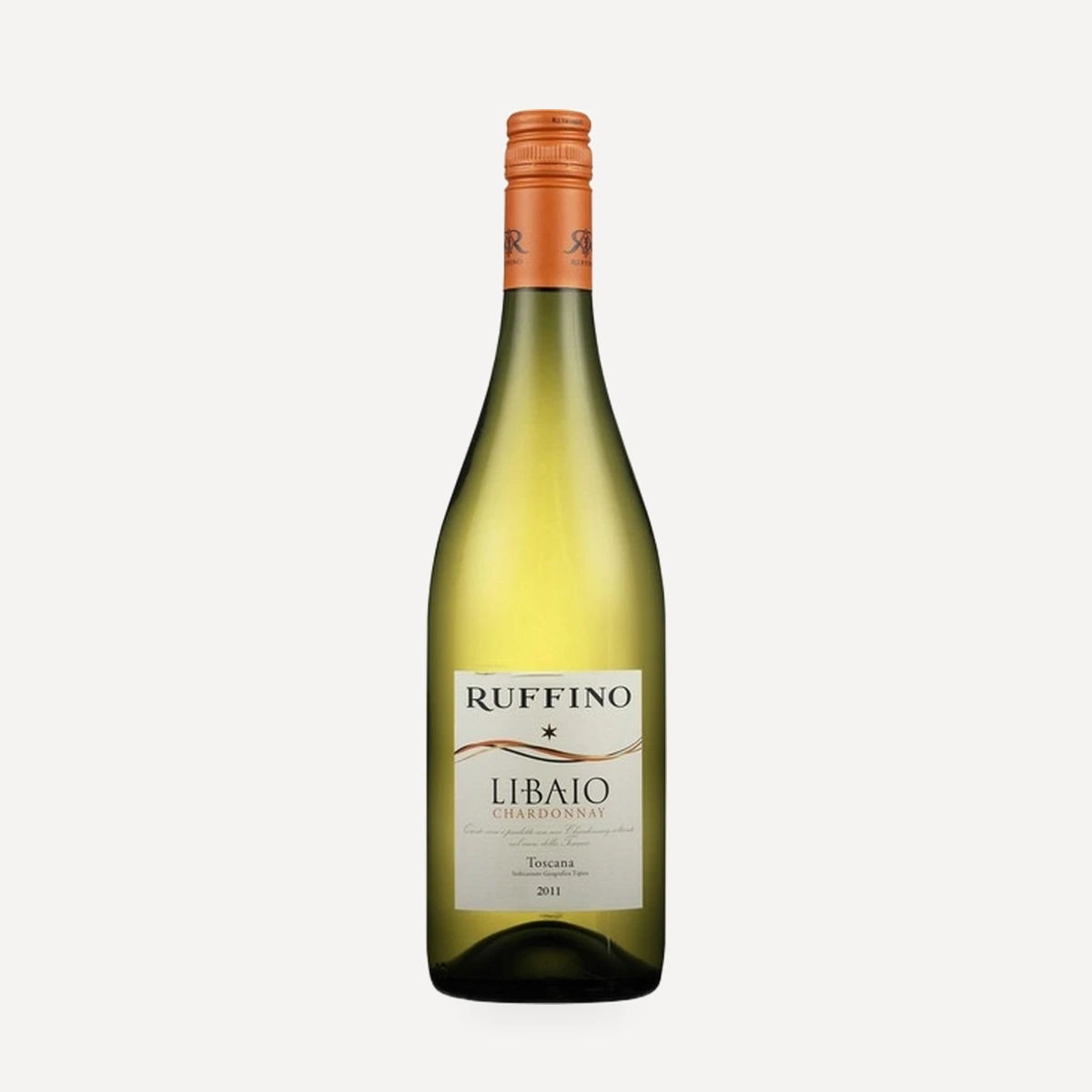
Libaio Chardonnay Toscana IGT
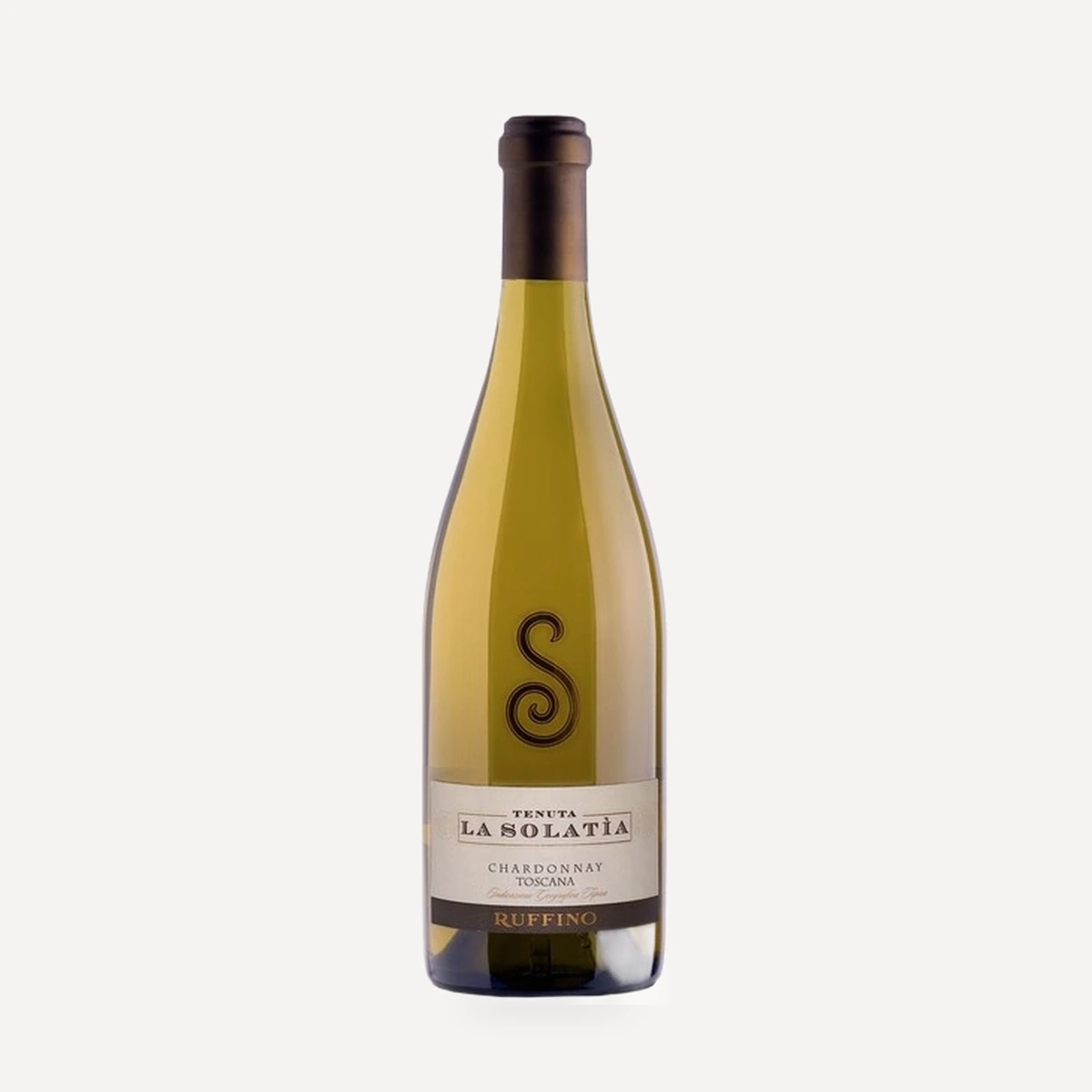
La Solatia Chardonnay Toscana IGT
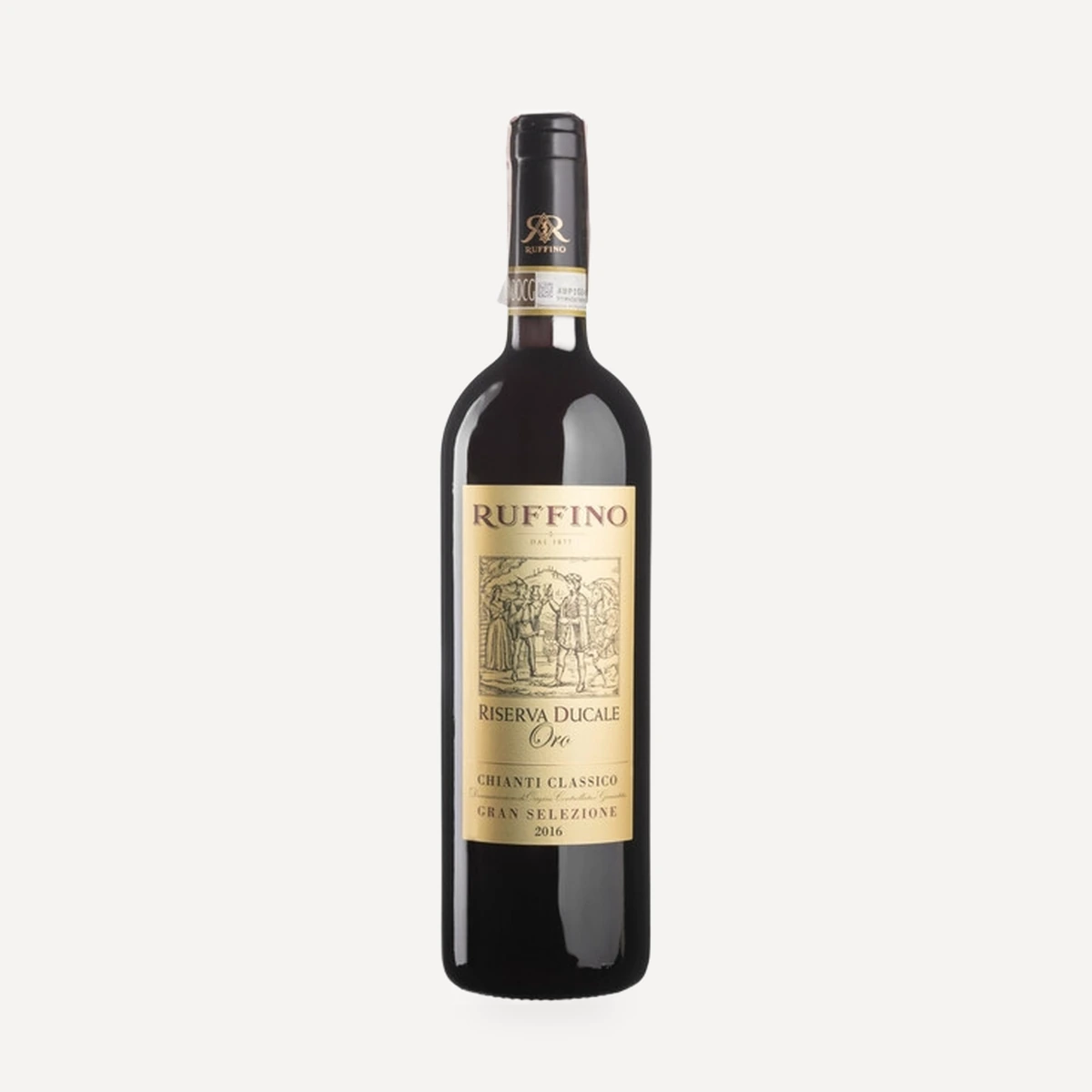
Riserva Ducale Oro Chianti Classico Gran Selezione DOCG
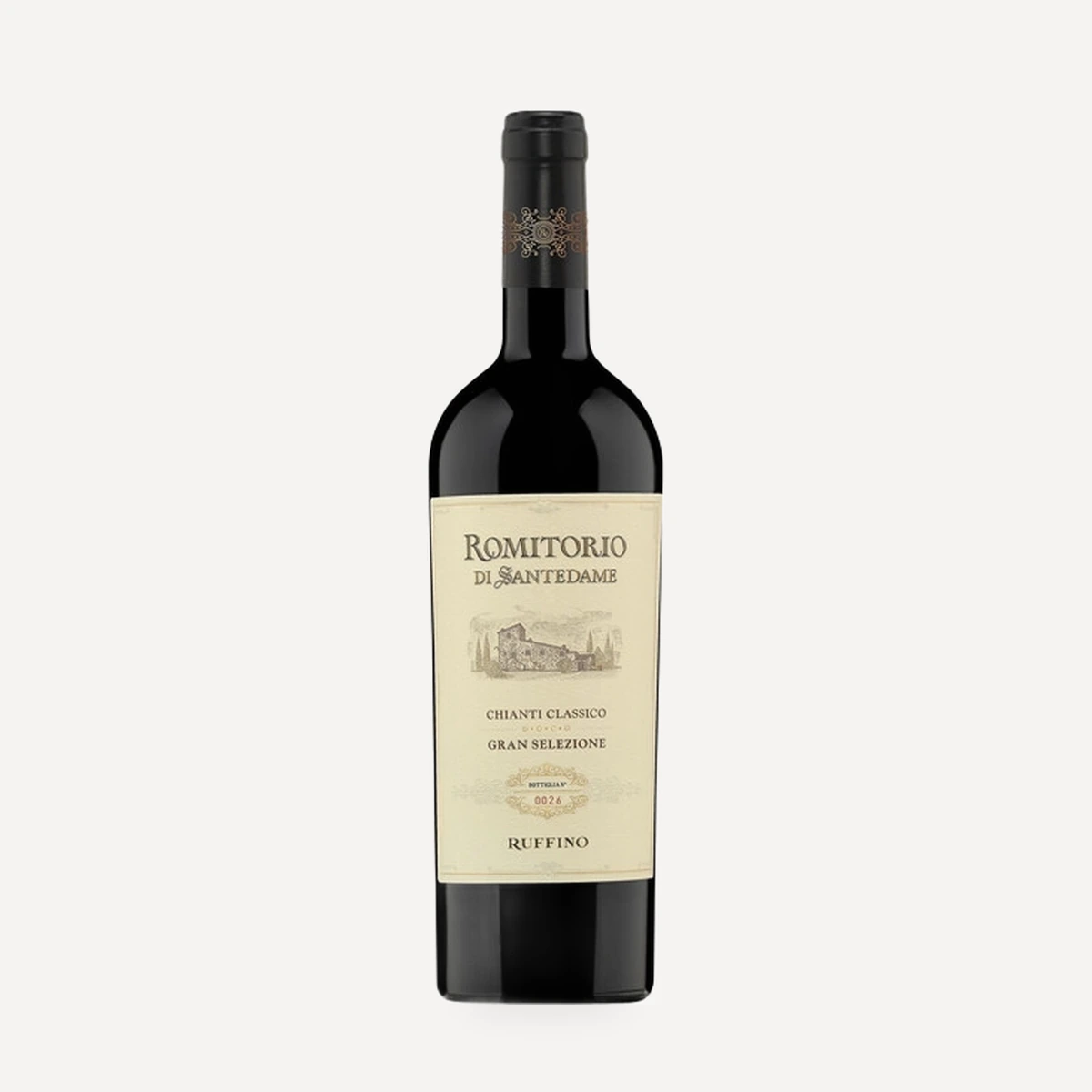
Romitorio di Santedame Chianti Classico Gran Selezione DOCG
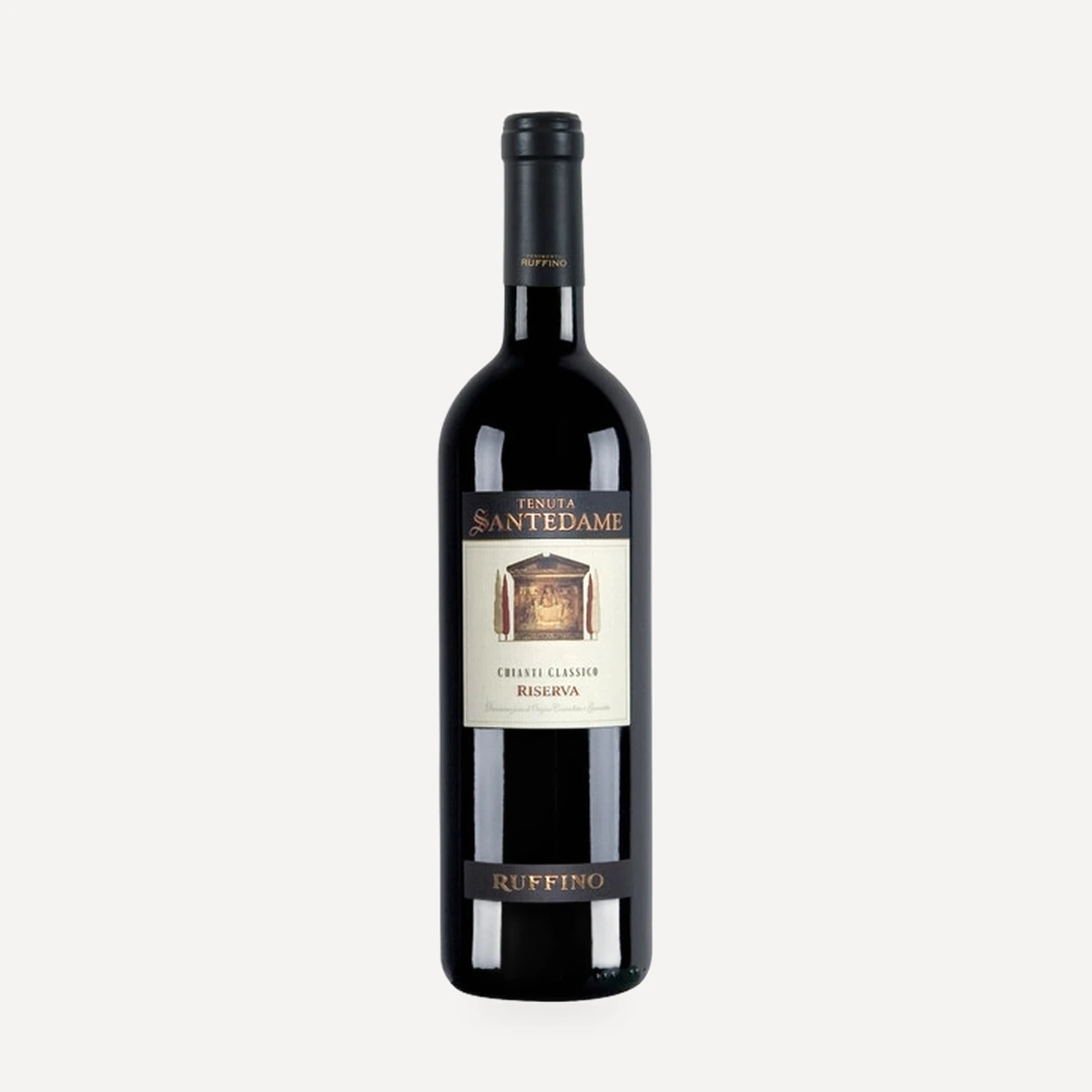
Santedame Riserva Chianti Classico DOCG
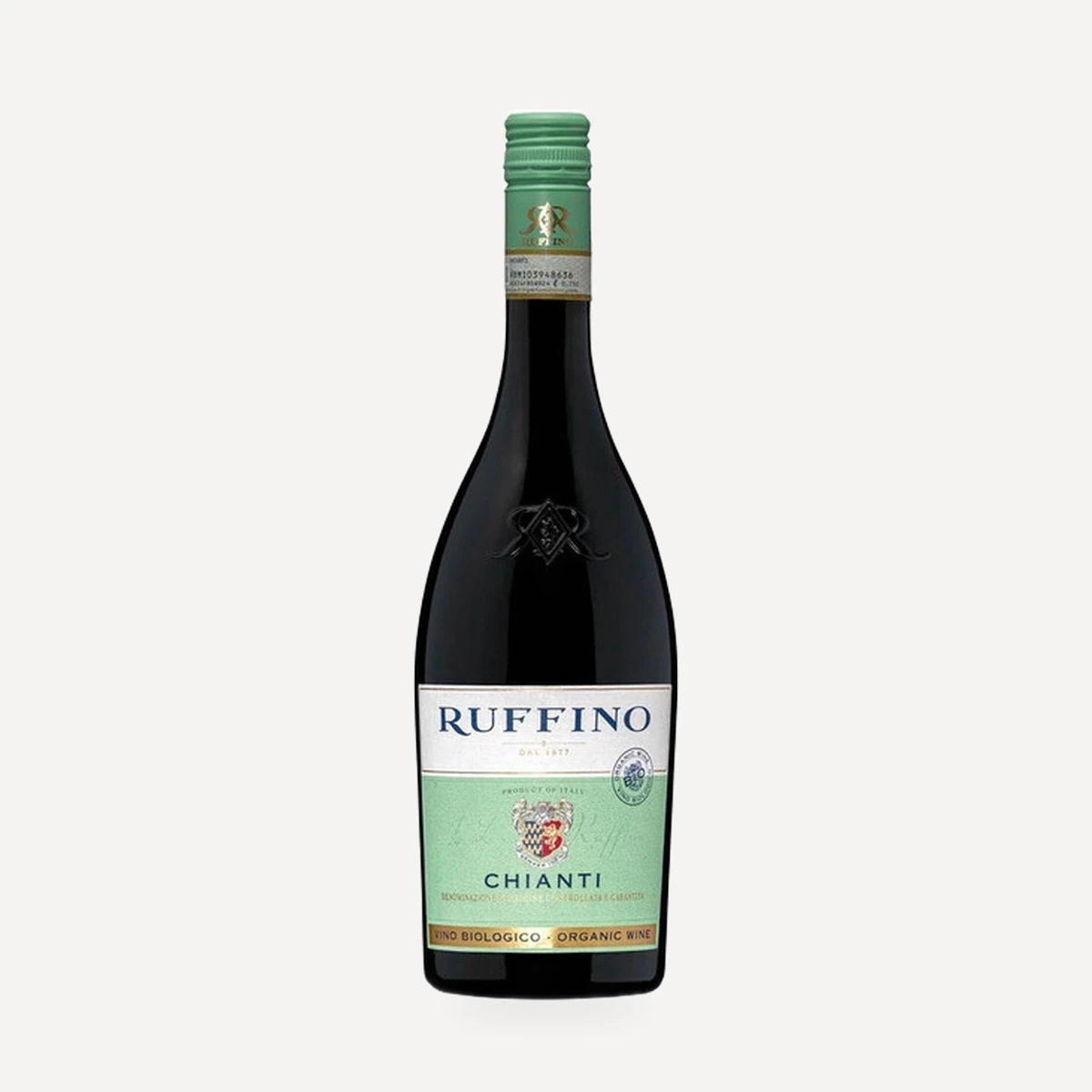
Chianti Organic DOCG
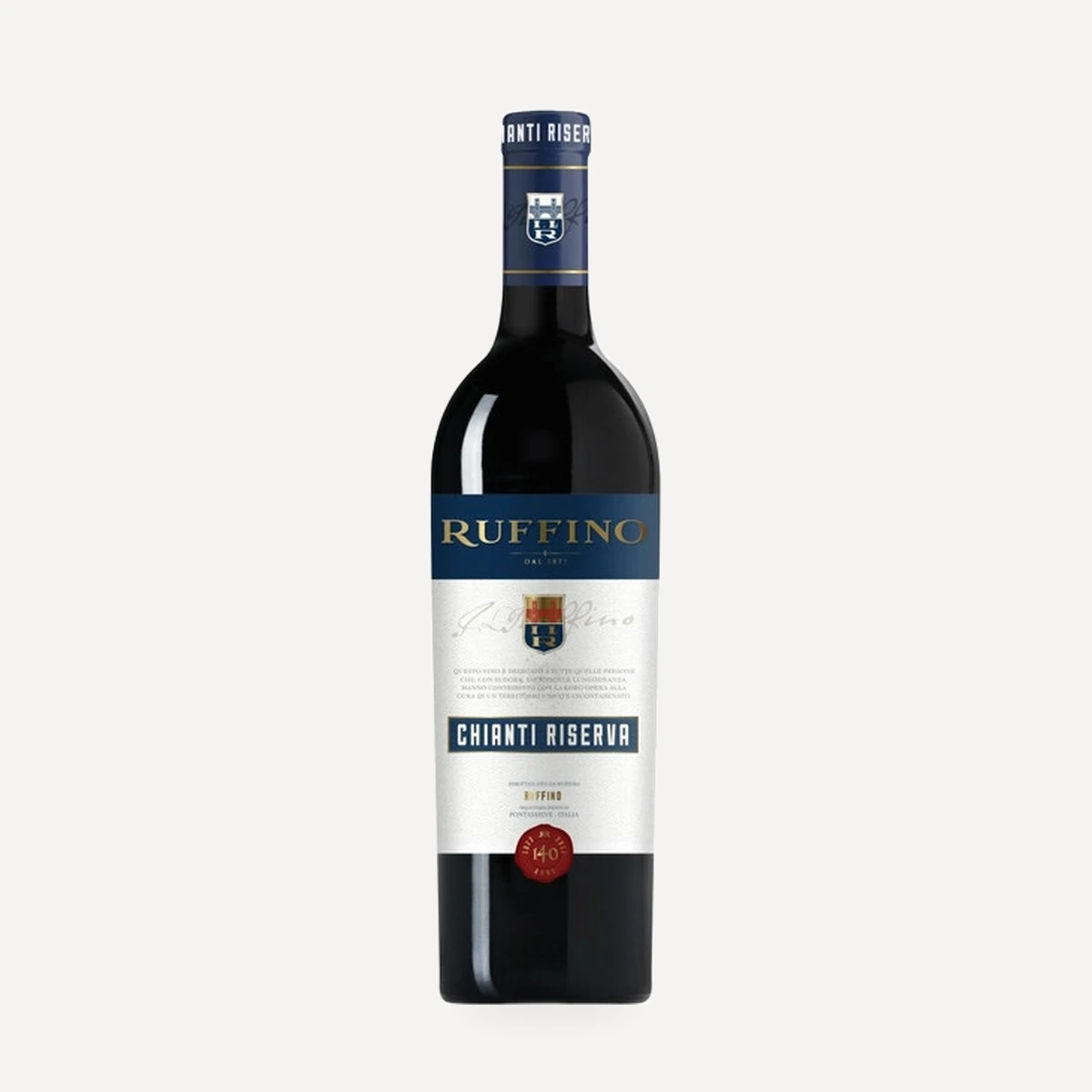
Chianti Riserva DOCG
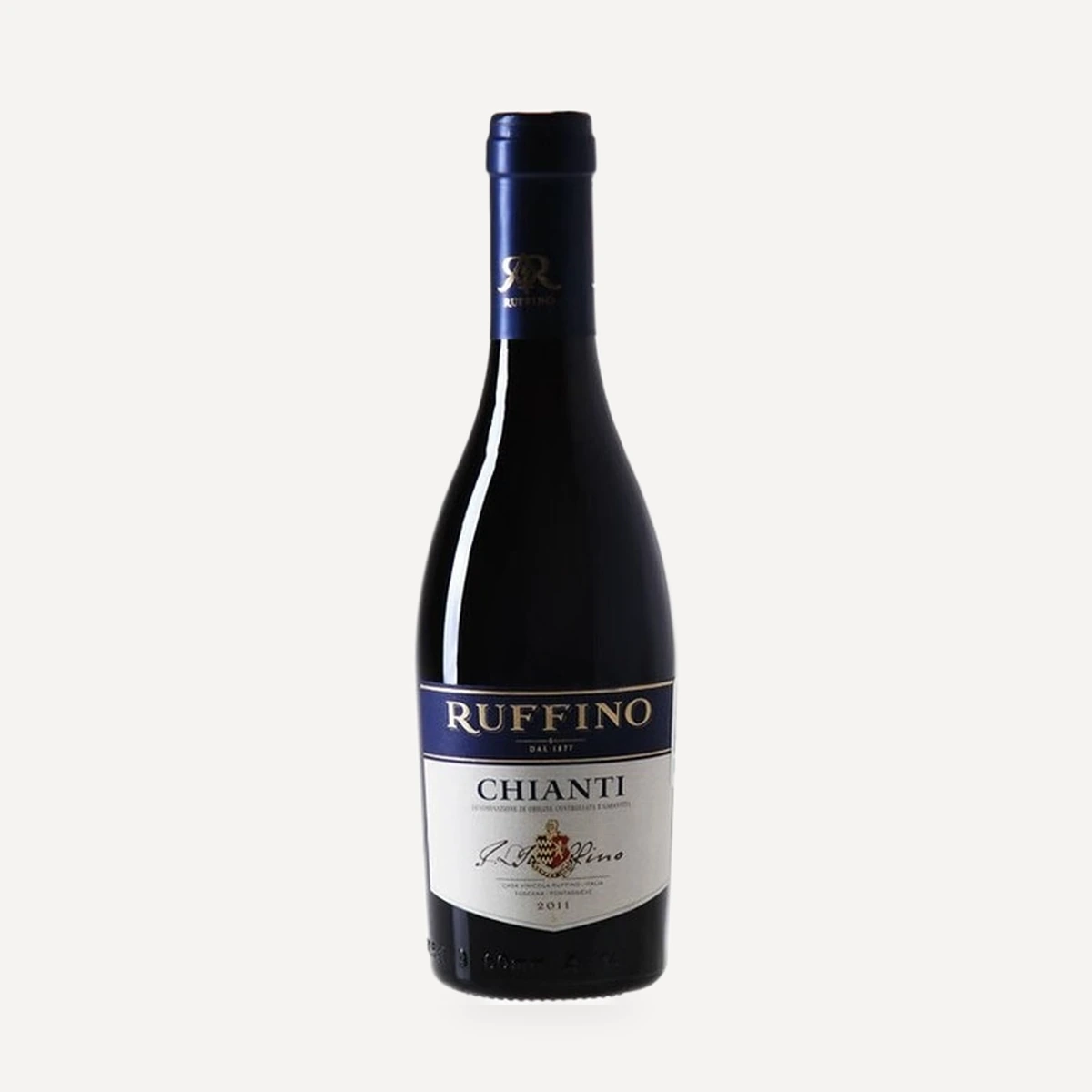
Chianti DOCG
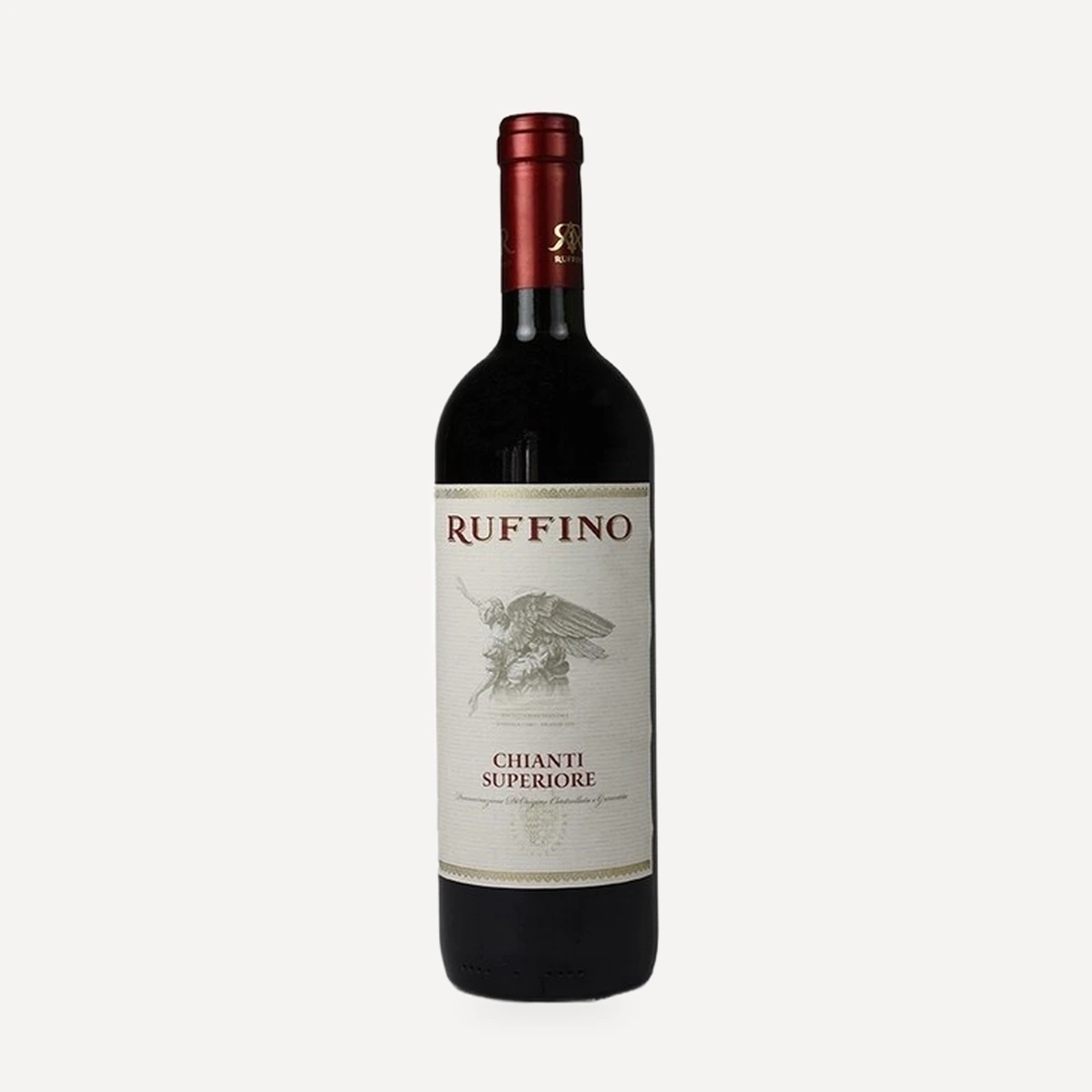
Chianti Superiore DOCG
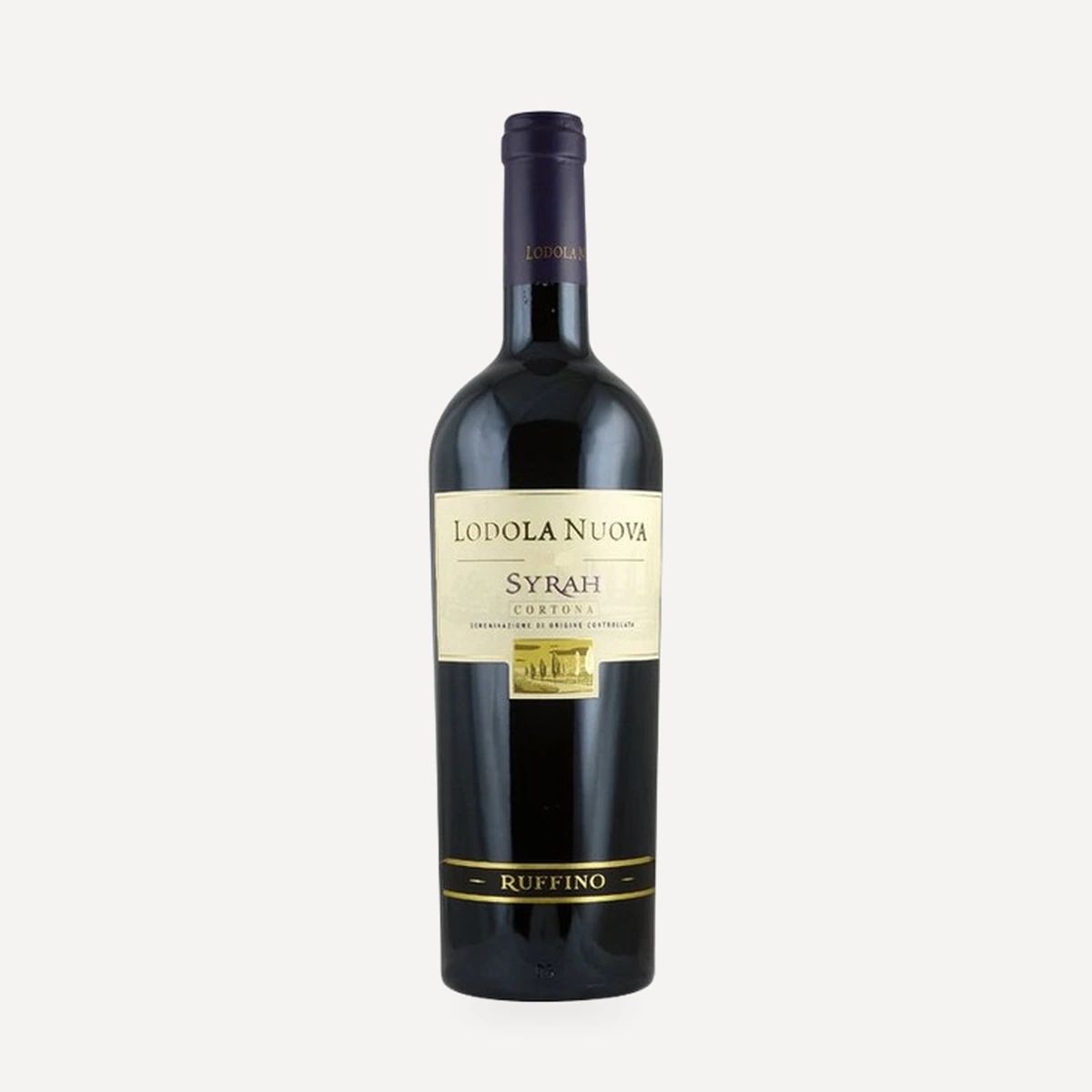
Lodola Nuova Syrah Cortona DOC
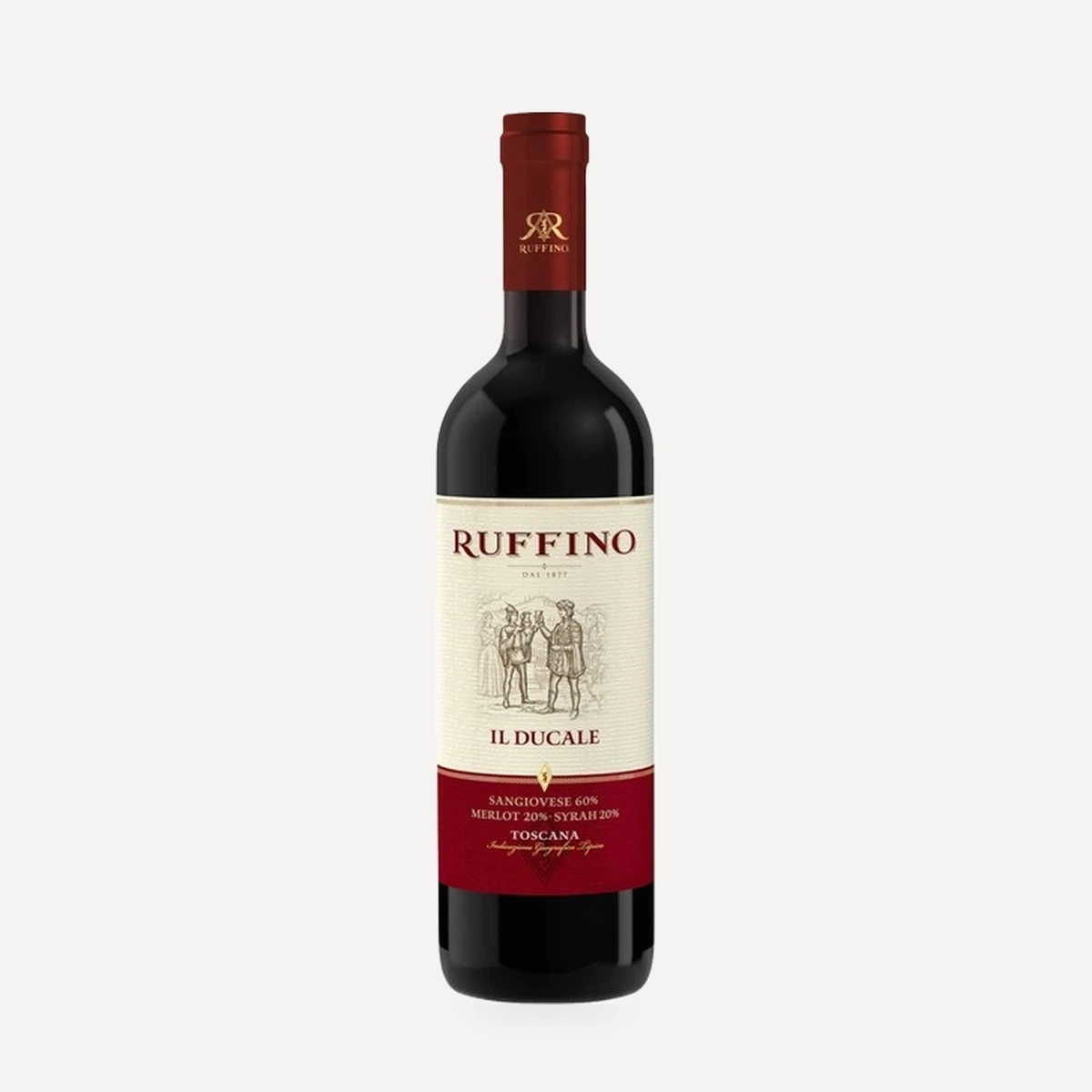
Il Ducale Toscana IGT
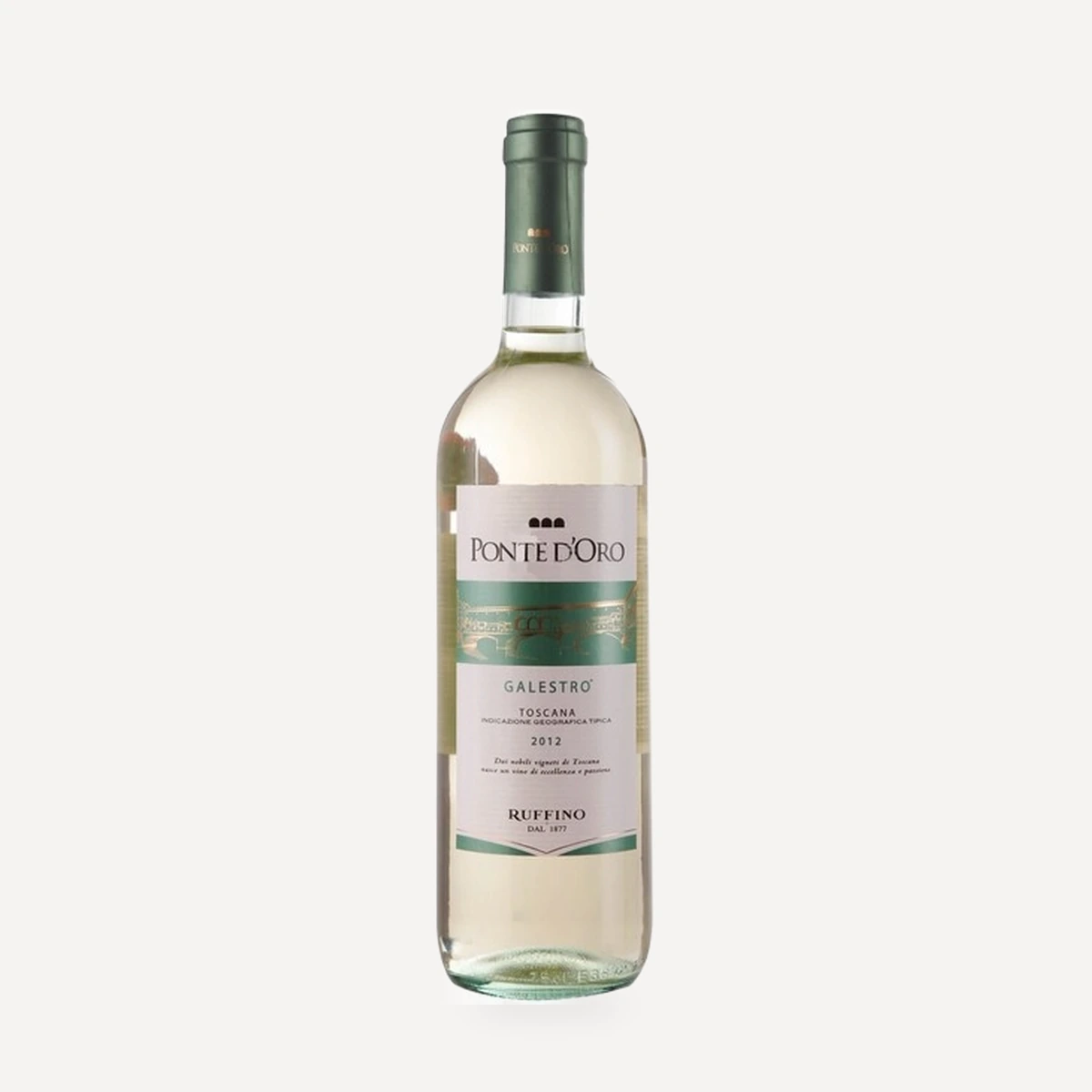
Ponte d'Oro Galestro Toscana IGT
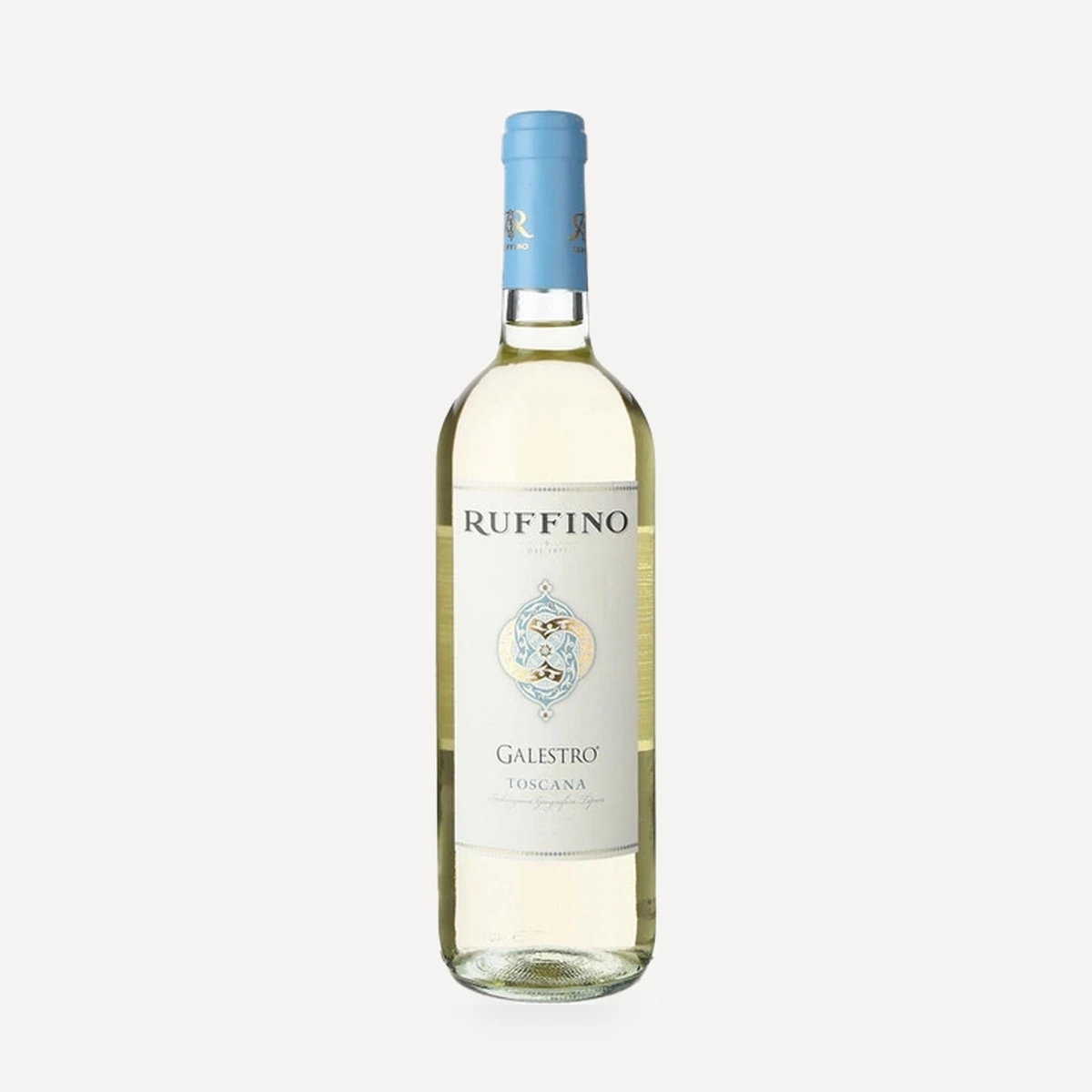
Galestro Toscana IGT
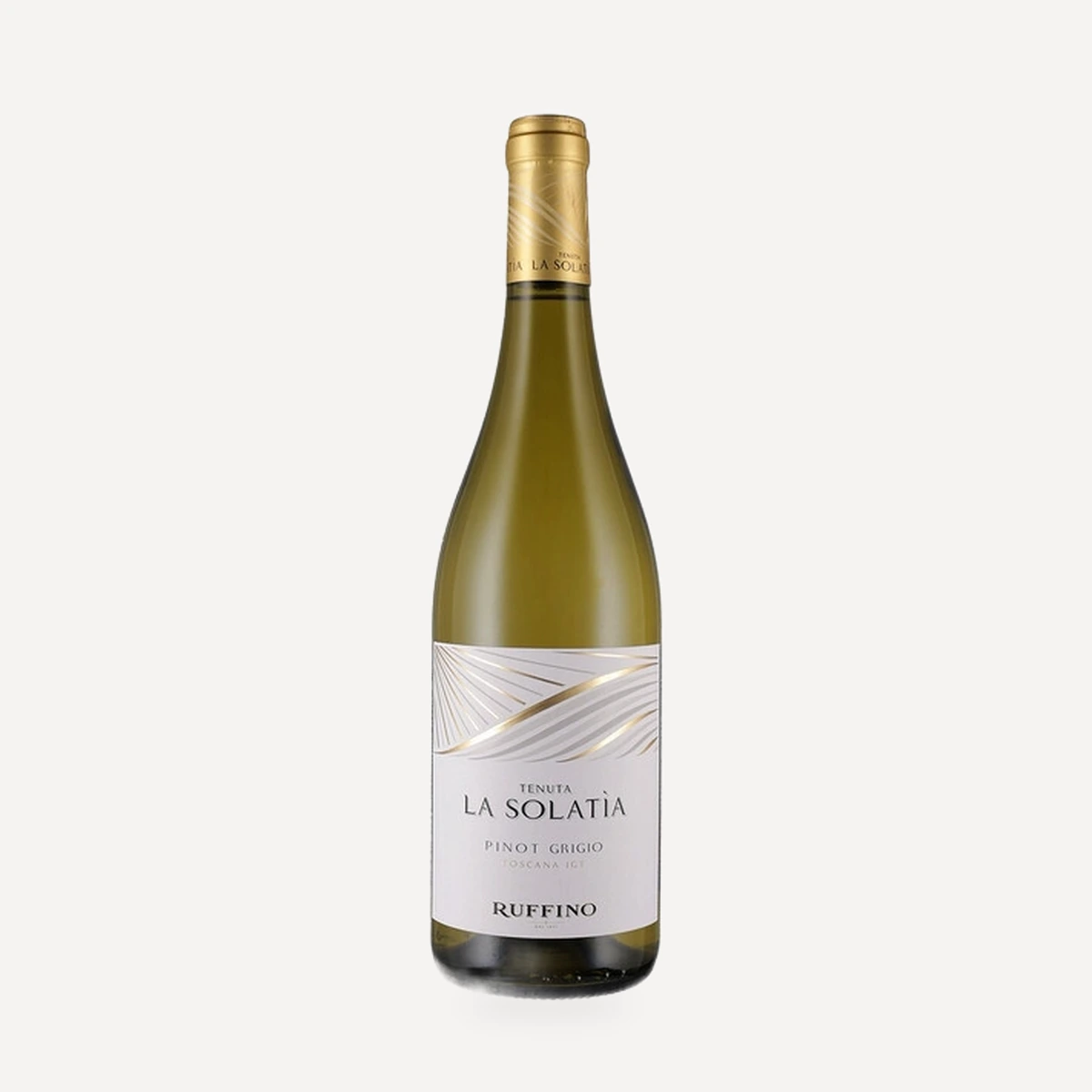
La Solatia Pinot Grigio Toscana IGT
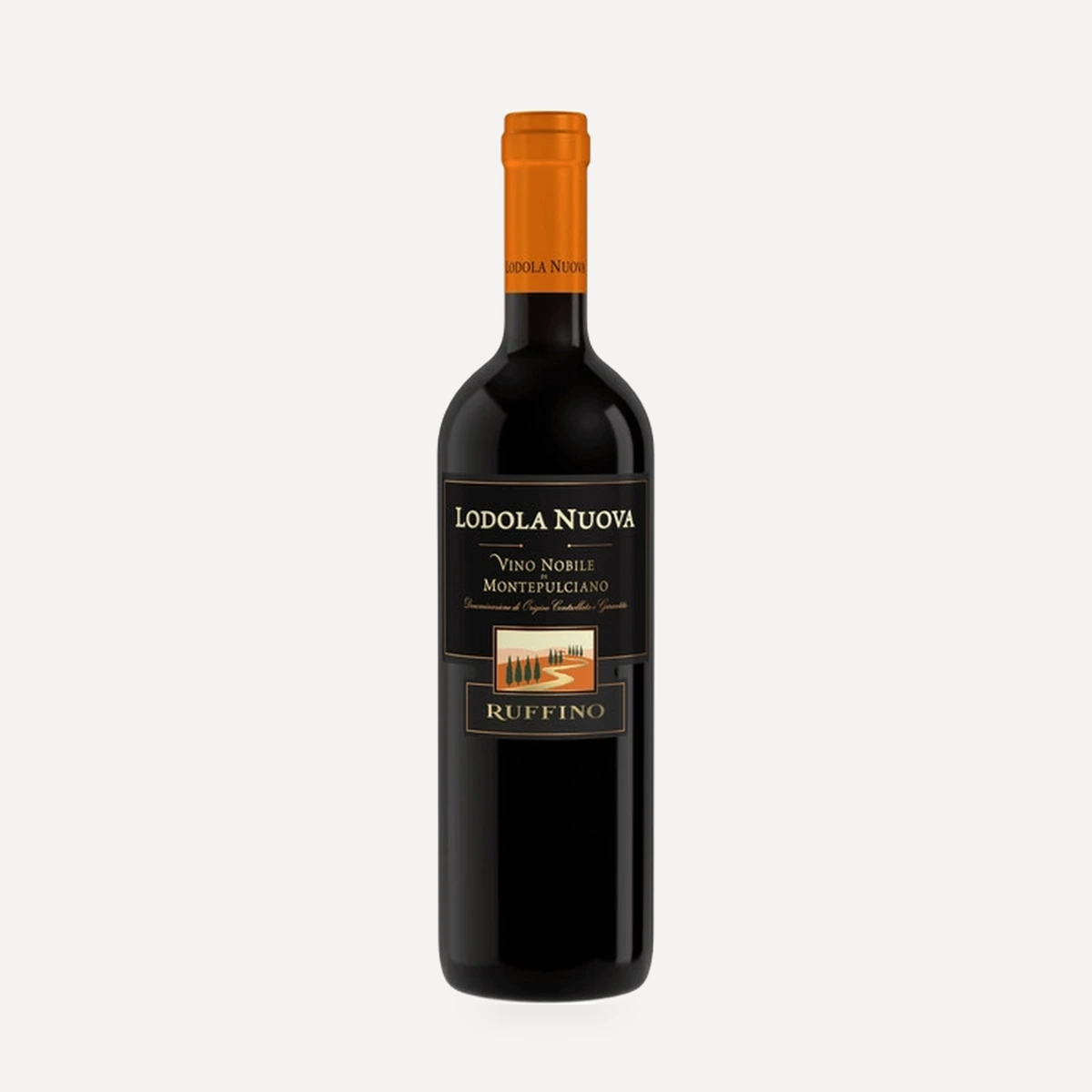
Lodola Nuova Vino Nobile di Montepulciano DOCG
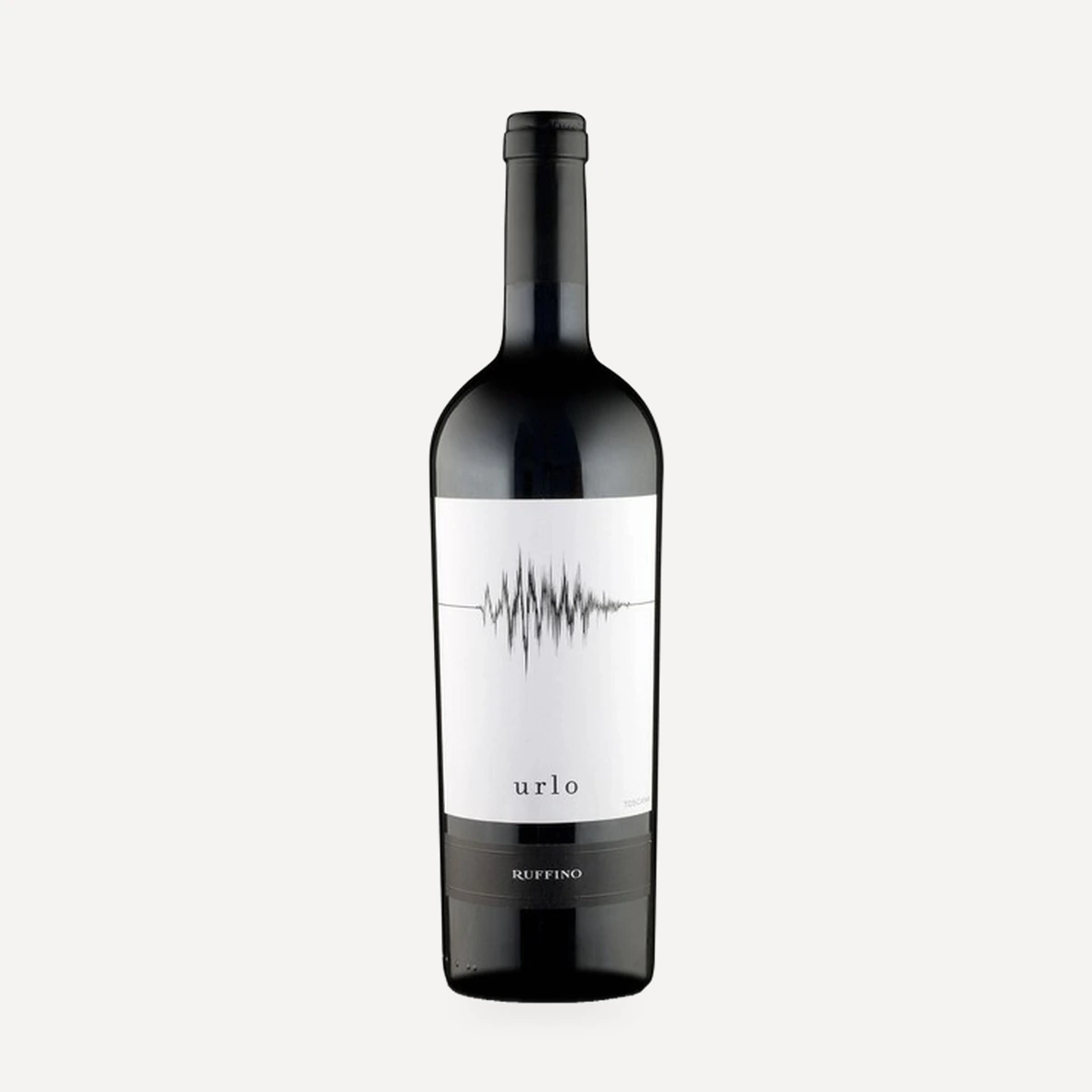
Urlo Toscana IGT
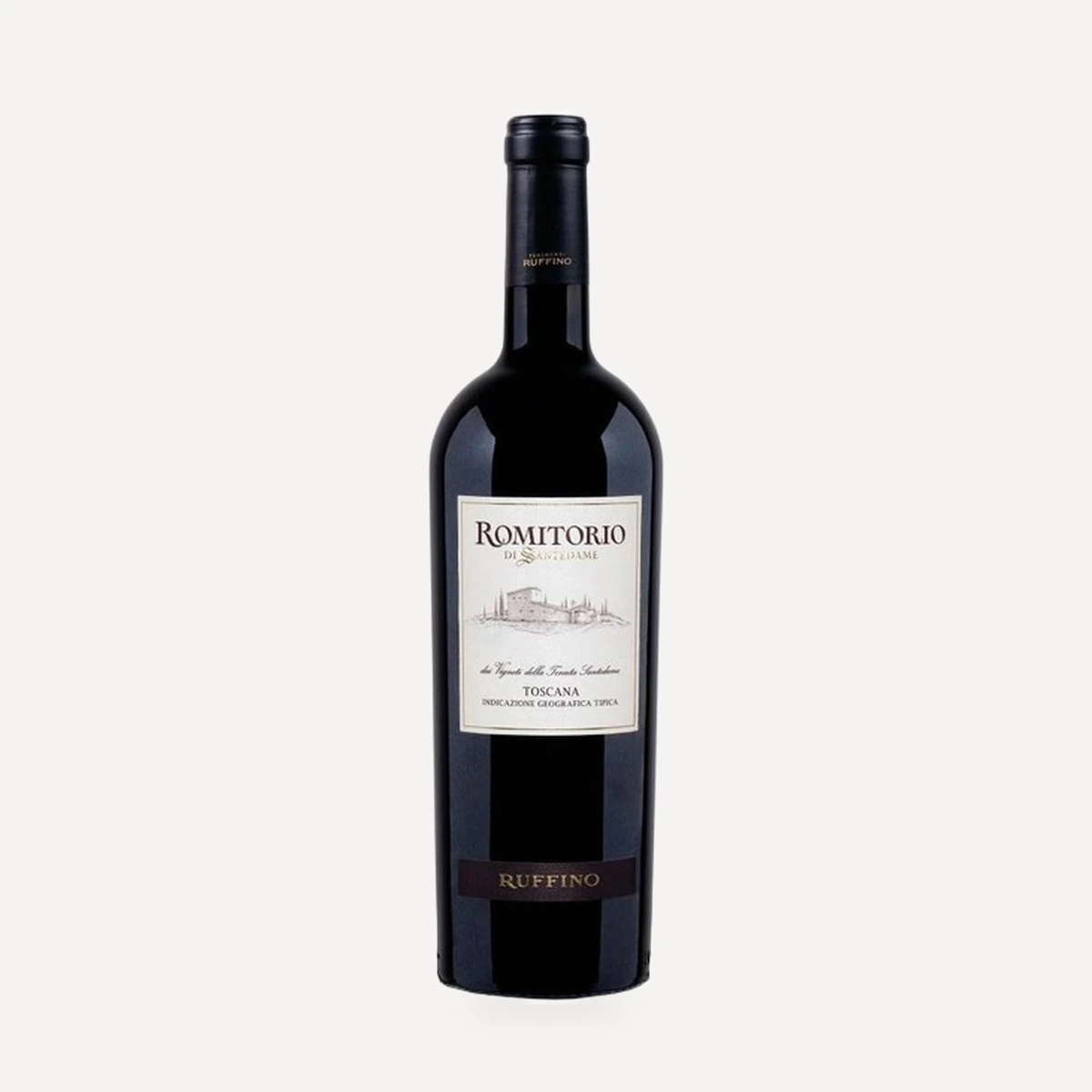
Romitorio di Santedame Toscana IGT
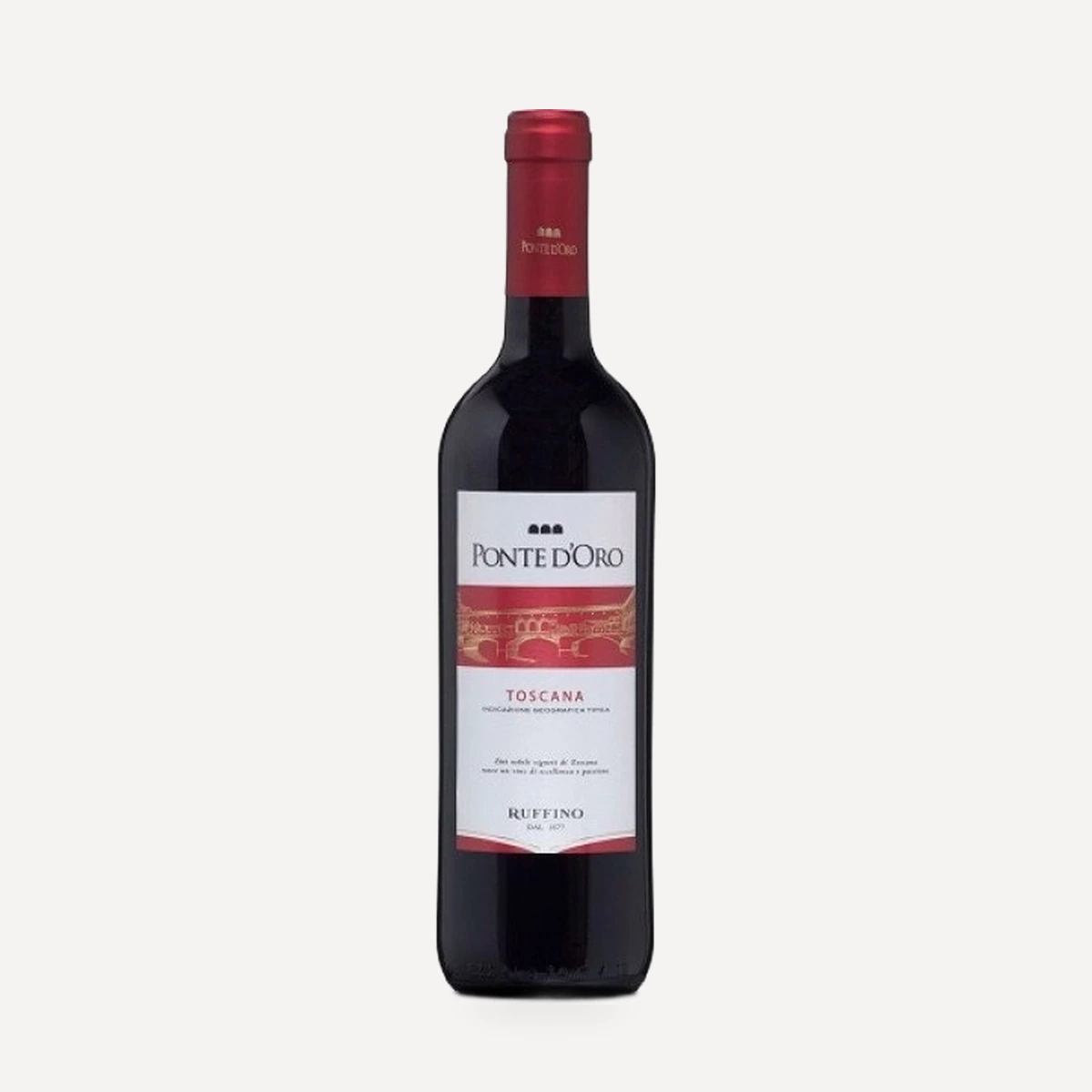
Ponte d'Oro Rosso Toscana IGT
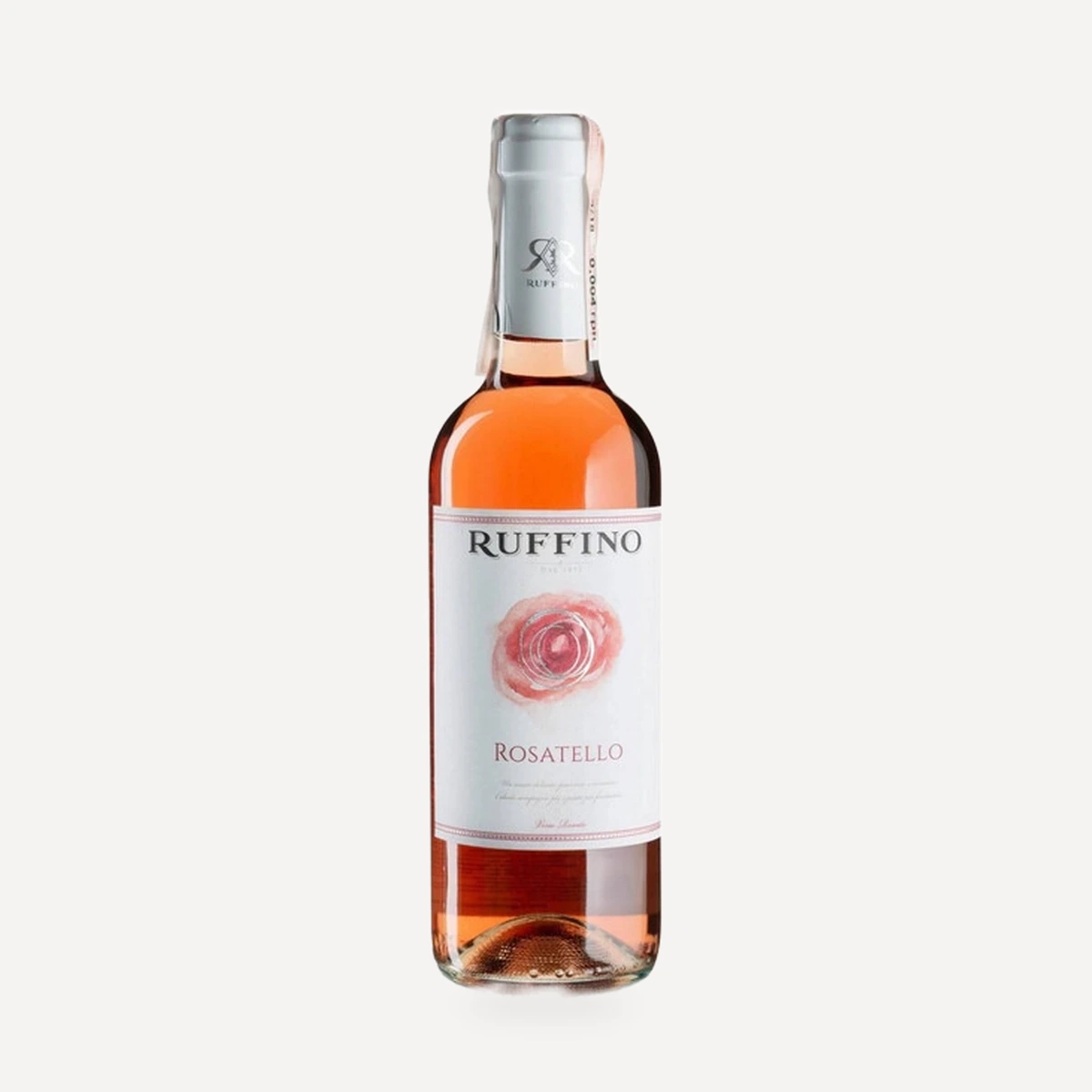
Rosatello
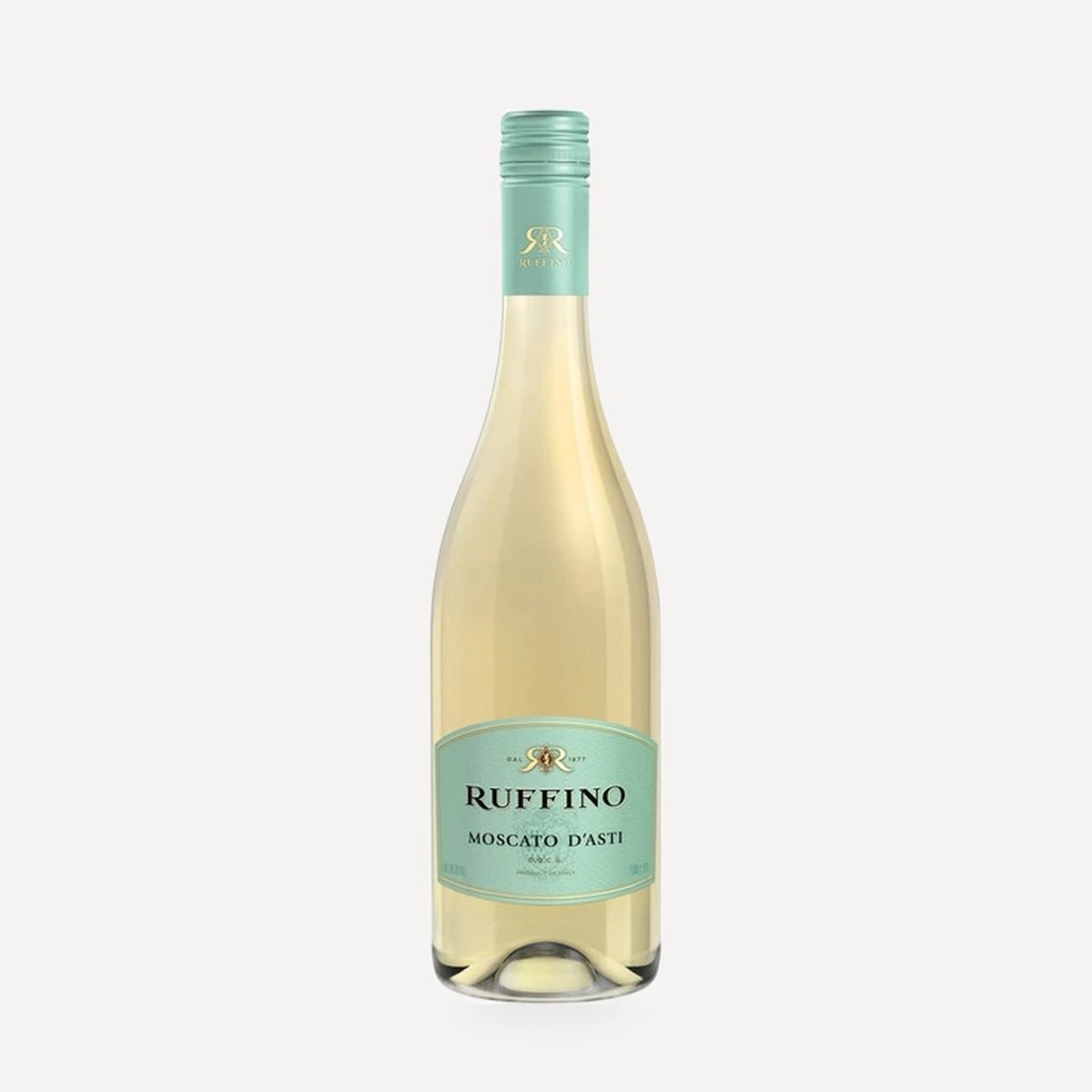
Moscato d'Asti DOCG
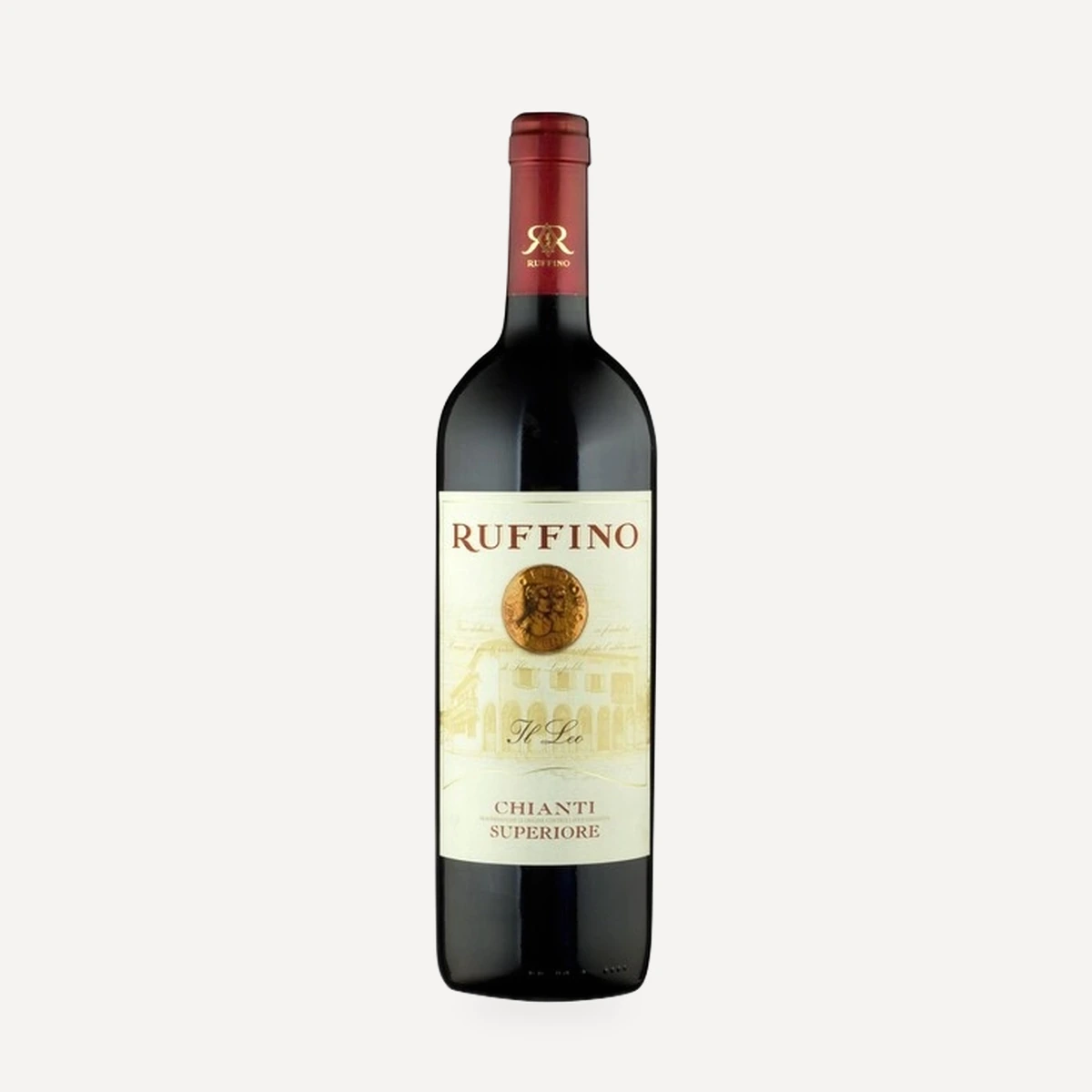
Il Leo Chianti Superiore DOCG
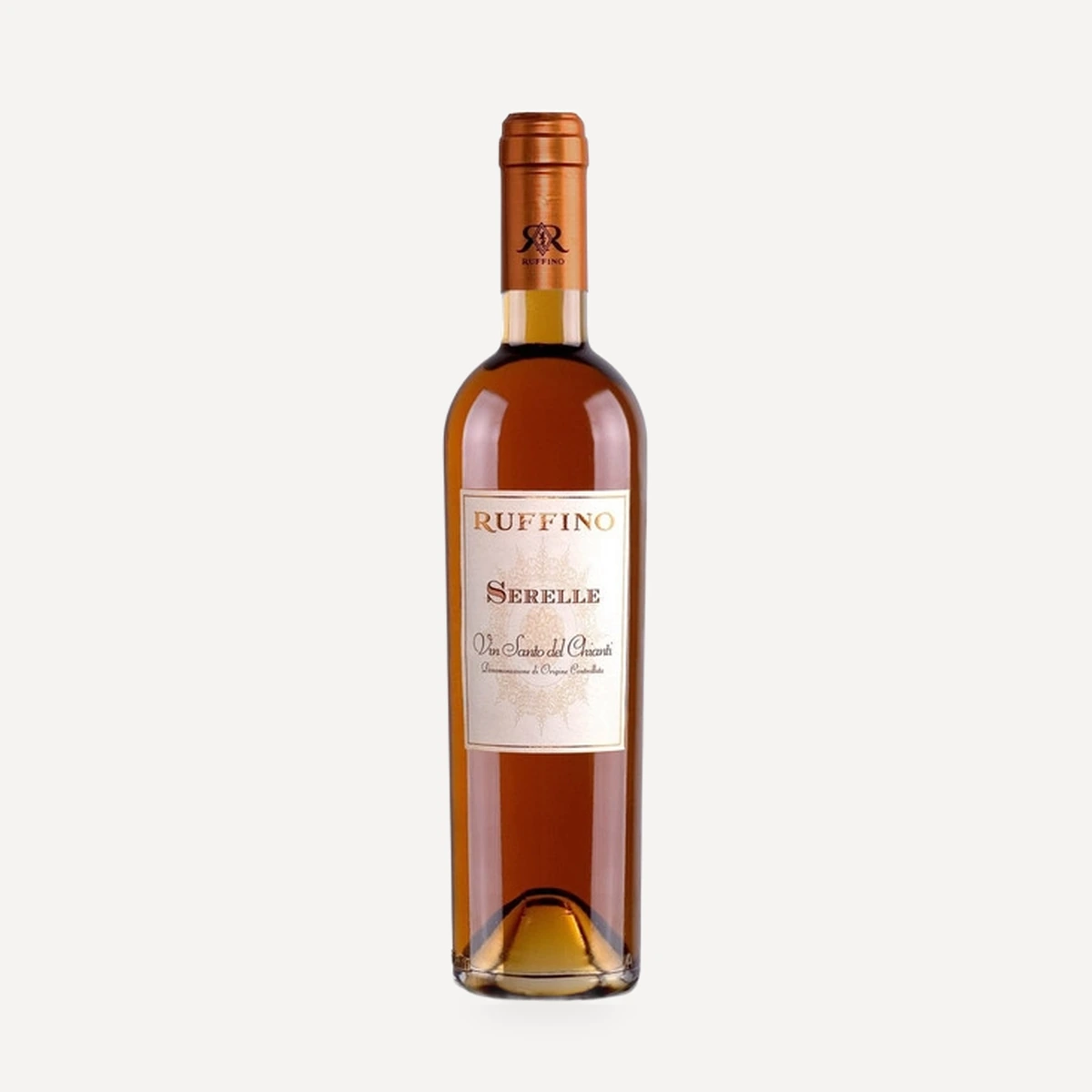
Serelle Vin Santo del Chianti DOC
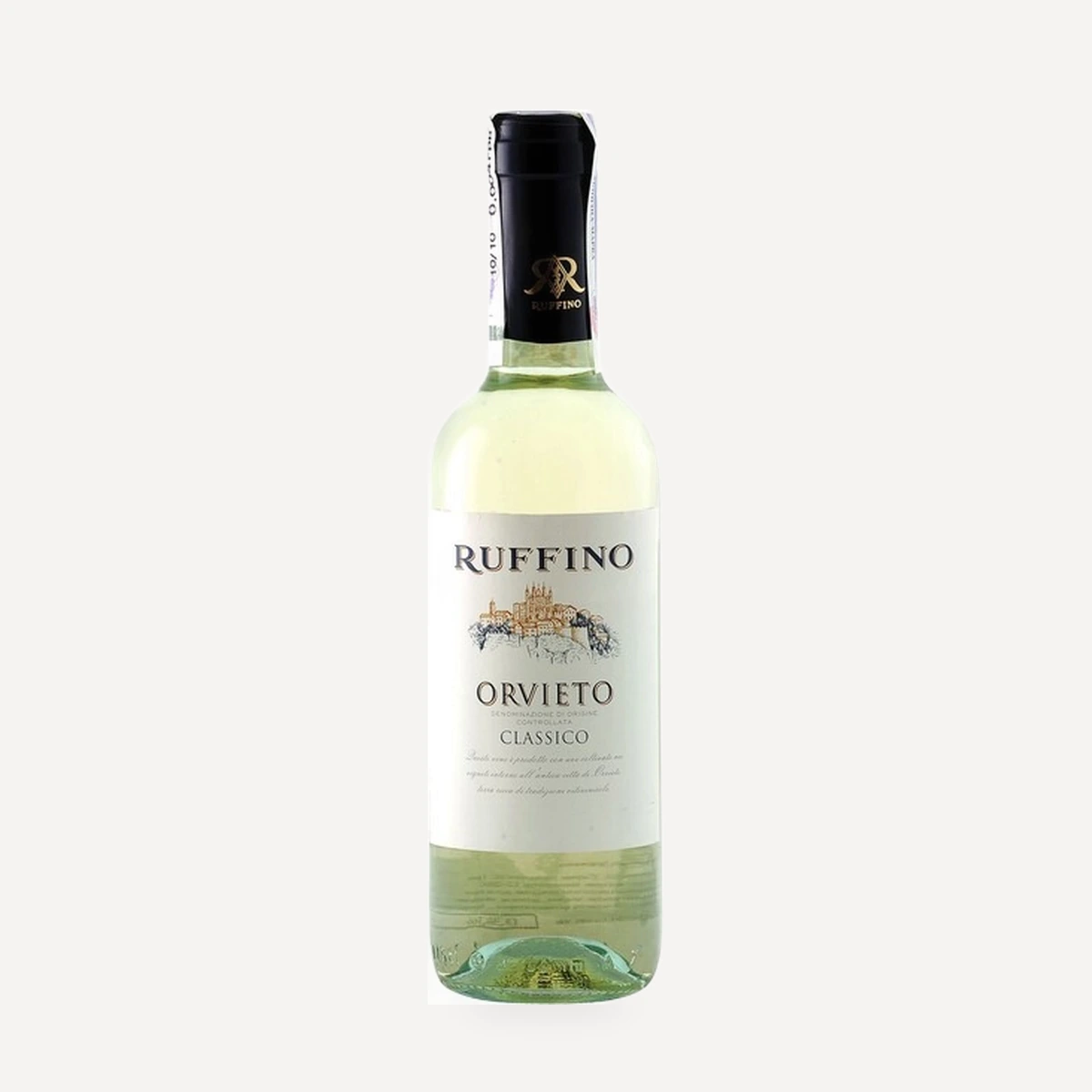
Orvieto Classico DOC
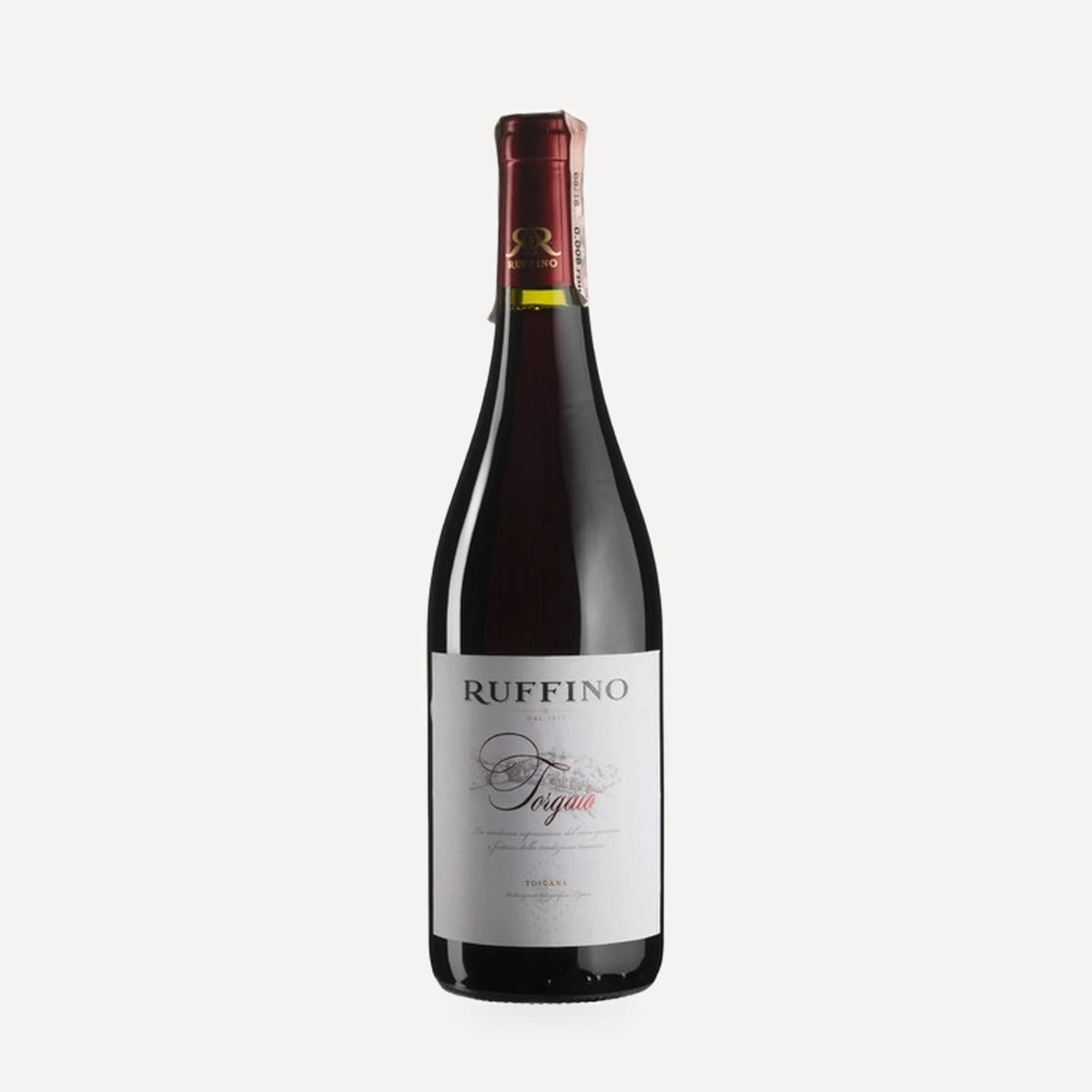
Torgaio Toscana IGT