Storia
Origins: 1893
Luigi Cecchi, a wine enthusiast and expert taster, established the foundations of the family business in 1893. His attention to detail, close relationship with the land and focus on quality viticulture became the principles inherited by later generations.
The second generation and international expansion
During the 1930s, the second generation began taking the Cecchi name beyond Italy. Chianti was among the family’s earliest wines and among the first Tuscan labels marketed abroad. Recognition in important export markets opened a period of sustained growth while the company maintained its emphasis on quality and established winemaking traditions.
During the Second World War, the family found refuge and protection around San Gimignano. This experience created a lasting association with the area and its historic white grape, Vernaccia.
Castellina in Chianti and the third generation
In the early 1960s, the third generation, led by another Luigi Cecchi, made Castellina in Chianti the centre of the business. The family rooted its identity in Chianti Classico and strengthened the company through quality-led production and agronomic experimentation. Sangiovese became central to its interpretation of the territory through Chianti Classico, Riserva and Gran Selezione.
Expansion under the fourth generation
Over the last three decades, expansion has been accompanied by investment in properties across Tuscany and Umbria, greater attention to sustainable vineyard management and closer study of individual territorial expressions.
Cecchi entered the Maremma in 1996 with a broad agronomic and oenological programme. In the late 1990s it also began working in Montefalco, concentrating on the native Sagrantino and Trebbiano Spoletino varieties. A long period of study in Montalcino, undertaken with producers who were partners and friends, led to the acquisition of an estate there in 2018.
The fourth generation is represented by Andrea Cecchi, CEO. Its programme combines the family legacy with experimentation and sustainability through Sangiovese-clone research, vineyard zoning, organic conversion and continuing agronomic development.
Environmental milestones
In the 1990s, Cecchi became the first Tuscan winery to install a constructed-wetland system for treating wastewater. The approach was subsequently replicated at Val delle Rose; three such systems are now active across the family company.
Organic conversion at the Val delle Rose and Tenuta Alzatura vineyards was completed in 2021. In 2023, Cecchi obtained Equalitas certification for its sustainability-management system, covering environmental, economic and social commitments.
Recent development
Coevo, conceived as a meeting of Chianti Classico and Maremma, made its debut eighteen years before the 2021 release. With the 2021 vintage, its composition was refocused on Sangiovese from Chianti Classico and Merlot from Maremma.
In 2025, the company introduced Cecchi Atelier, a five-wine selection created specifically for restaurants and specialist wine shops. The project marked a more focused presentation of territorial identity and typicity while building on Cecchi’s established international distribution. The selection initially comprised Coevo 2021, Brunello di Montalcino 2020, Rosso di Montalcino 2023, Caprifoglio Viognier 2024 and Calipte Rosato 2024.
The family continues to manage the company from Castellina in Chianti, linking more than a century of activity with research, organic conversion, territorial development and sustainability.
Terroir
Chianti Classico and Chianti
Cecchi has been centred in Castellina in Chianti since the early 1960s. Sangiovese is the principal reference variety in its Chianti Classico work, expressed through the denomination’s Chianti Classico, Riserva and Gran Selezione categories. The broader Chianti territory is presented as the historic foundation of Tuscan viticulture and the source of one of the family’s earliest wines and export labels.
Maremma Toscana
The Maremma combines broad, relatively wild hills with proximity to the sea. Rich soils and a Mediterranean climate underpin the area’s character, while maritime breezes moderate the bright, warm coastal conditions. These breezes encourage even ripening and help retain freshness and aromatic intensity. Cecchi has worked here since 1996 with Morellino di Scansano, Vermentino, Viognier, Ciliegiolo and international varieties.
Montalcino
Cecchi’s work in Montalcino grew from a long period of exploration and collaboration with local producers before an estate was acquired in 2018. The company focuses on contrasting interpretations of Sangiovese: Brunello structured around intensity, longevity and balance, and a more fragrant, immediately approachable Rosso di Montalcino with an independent identity.
Montepulciano
Montepulciano occupies a plateau overlooking the Val di Chiana. Cecchi’s interpretation of Vino Nobile di Montepulciano is framed around finesse, balance and respect for the area’s established tradition.
San Gimignano
San Gimignano’s landscape combines golden hills and medieval towers. Sandy, mineral-rich soils and a breezy climate support the fresh, savory profile associated with Vernaccia. The family’s relationship with this territory dates to the Second World War.
Montefalco
Montefalco links land, nature and a long-established Umbrian wine culture. Since the late 1990s, Cecchi has concentrated on native Sagrantino and Trebbiano Spoletino, seeking both structured, complex reds and fresh, vibrant whites.
Vinificazione
Cecchi’s viticultural development is based on Sangiovese-clone research, vineyard zoning, agronomic experimentation and the progressive conversion of selected family properties to organic farming. Vineyard care and clonal selection are intended to preserve the distinguishing features of each variety and territory from one vintage to another.
The organic conversion of Val delle Rose in the Maremma and Tenuta Alzatura in Montefalco was completed in 2021. These are separately identified family estates rather than a universal organic designation for every Cecchi vineyard or wine.
Environmental management is directed toward reducing impacts, preserving natural resources and safeguarding agricultural landscapes. This programme includes three active constructed-wetland systems for wastewater treatment. Equalitas certification of the wider sustainability-management system was obtained in 2023 and encompasses environmental, economic and social dimensions.
Cecchi’s general production approach begins with observing natural conditions and preserving the distinctive traits of each grape variety in each vintage, both in the vineyard and in the cellar. Production is supported by agronomic experimentation, clonal research and zoning rather than a single standard protocol for every territory and denomination.
Environmental infrastructure forms a defined part of the production system. Cecchi installed Tuscany’s first winery constructed wetland for wastewater treatment in the 1990s; the method was later reproduced at Val delle Rose, and three systems are currently active. In 2023, the complete sustainability-management framework received Equalitas certification.
No common technical protocol for reception, sorting, fermentation, maceration, maturation, stabilization, filtration or bottling is applied to the entire Cecchi portfolio. These parameters vary among individual wines and vintages.
Filosofia
Cecchi defines its production philosophy through close observation of nature and the effort to preserve the particular character of each grape variety in every vintage. Territory and attention to detail guide decisions in both vineyard and cellar.
The family presents tradition as a foundation for continued evolution rather than a fixed model. Its current programme combines inherited experience with clonal research, zoning, agronomic experimentation, organic conversion and the development of new territorial expressions.
Environmental responsibility is understood broadly: reducing production impacts, conserving natural resources and protecting agricultural landscapes are joined by economic and social sustainability. Andrea Cecchi frames this as a commitment to preserve and strengthen the winemaking heritage of the family’s territories for future generations.
Quality is linked to consistent work, territorial identity and sensitivity to the individual vintage and grape variety. The company’s recent projects also place greater emphasis on typicity and on communicating the distinct identities of Chianti Classico, Maremma, Montalcino and its other production areas.
Vini
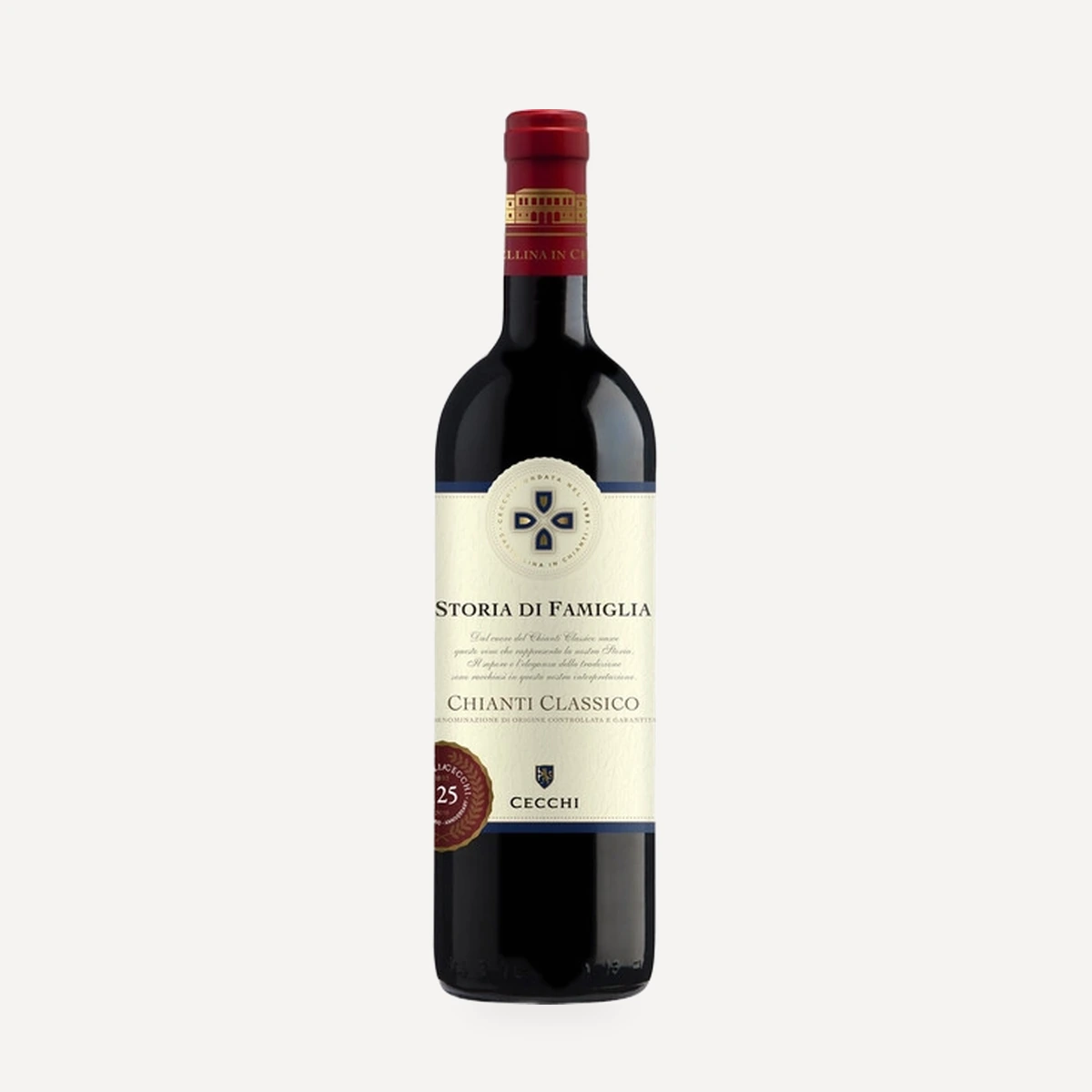
Storia di Famiglia Chianti Classico DOCG
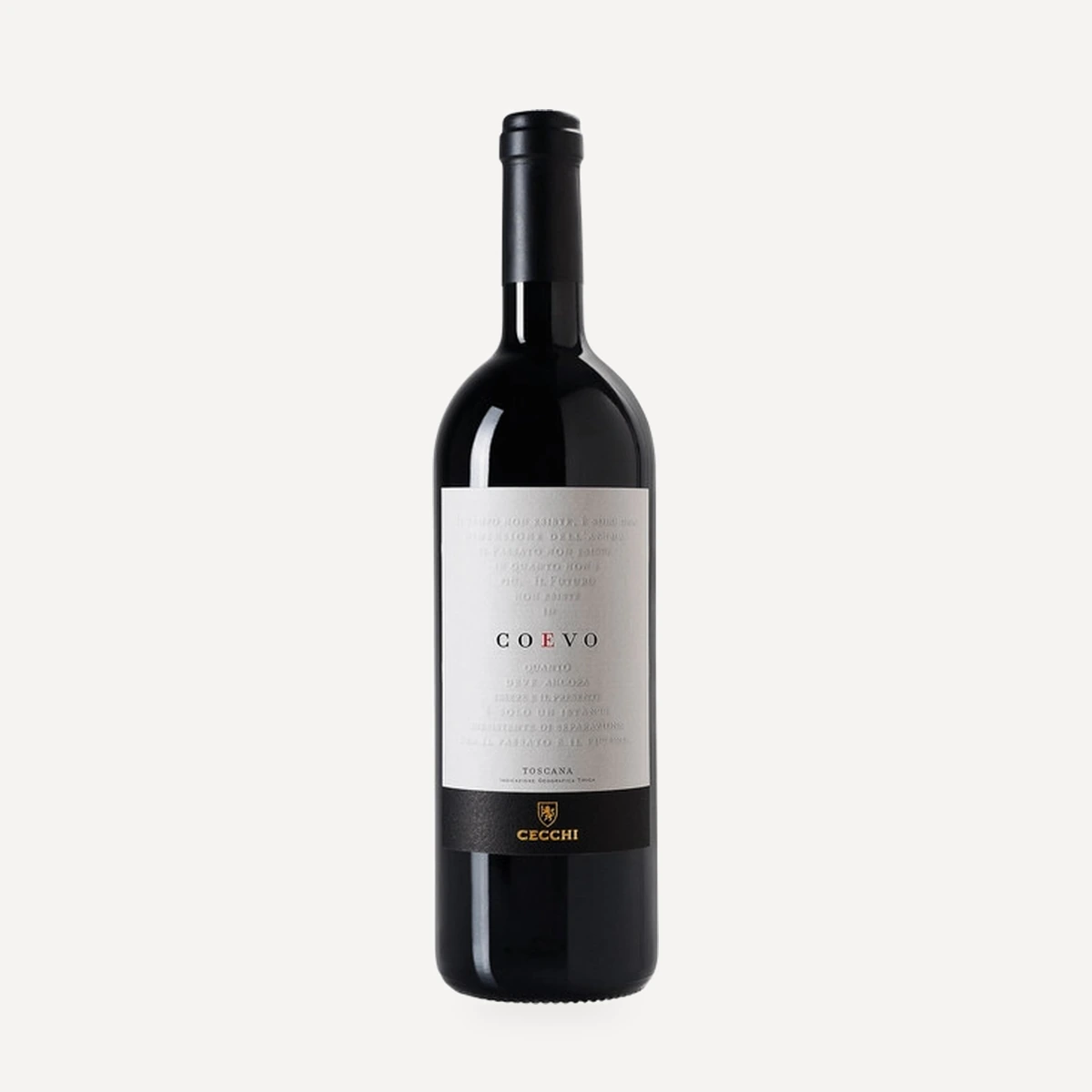
Coevo Toscana IGT
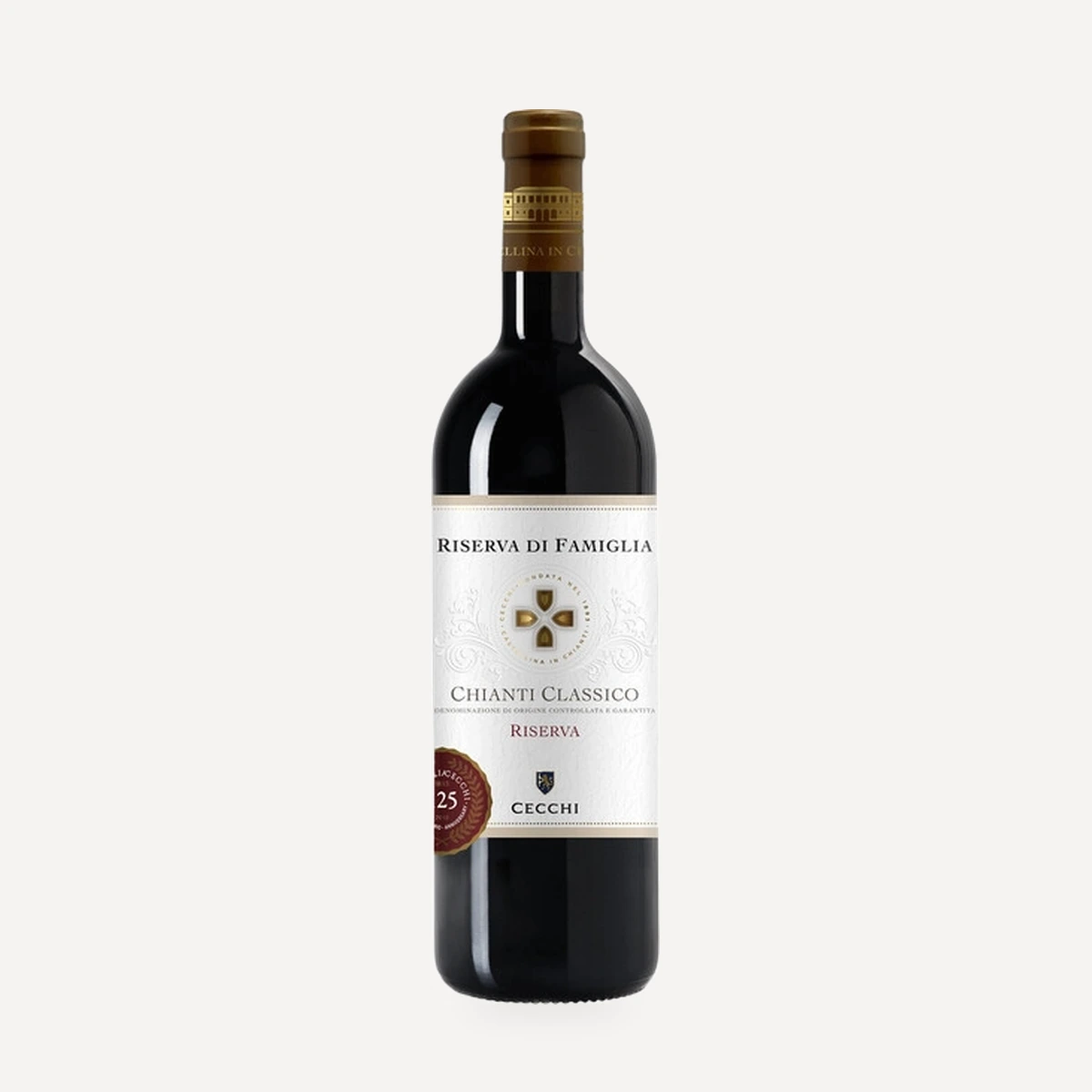
Riserva di Famiglia Chianti Classico Riserva DOCG
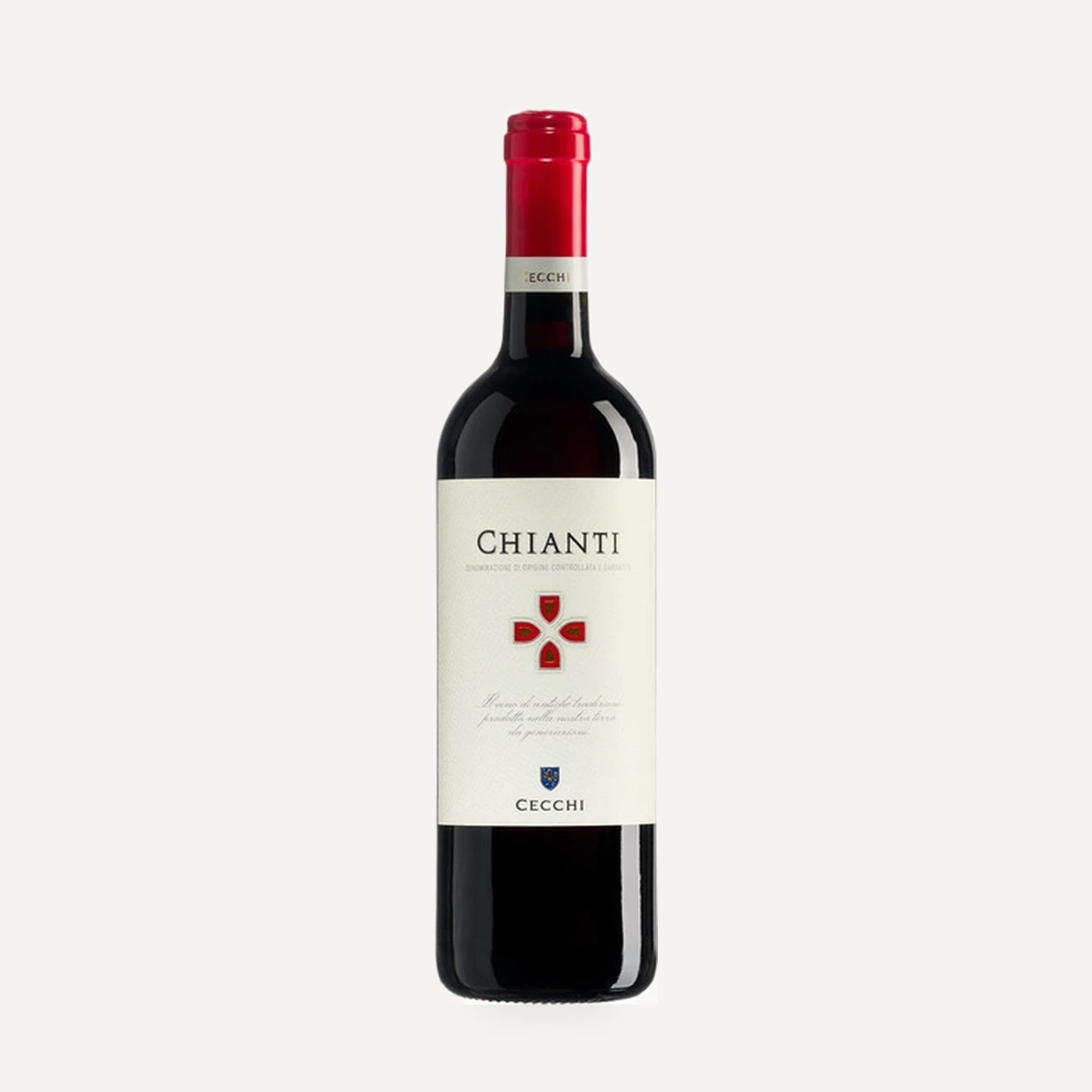
Chianti DOCG
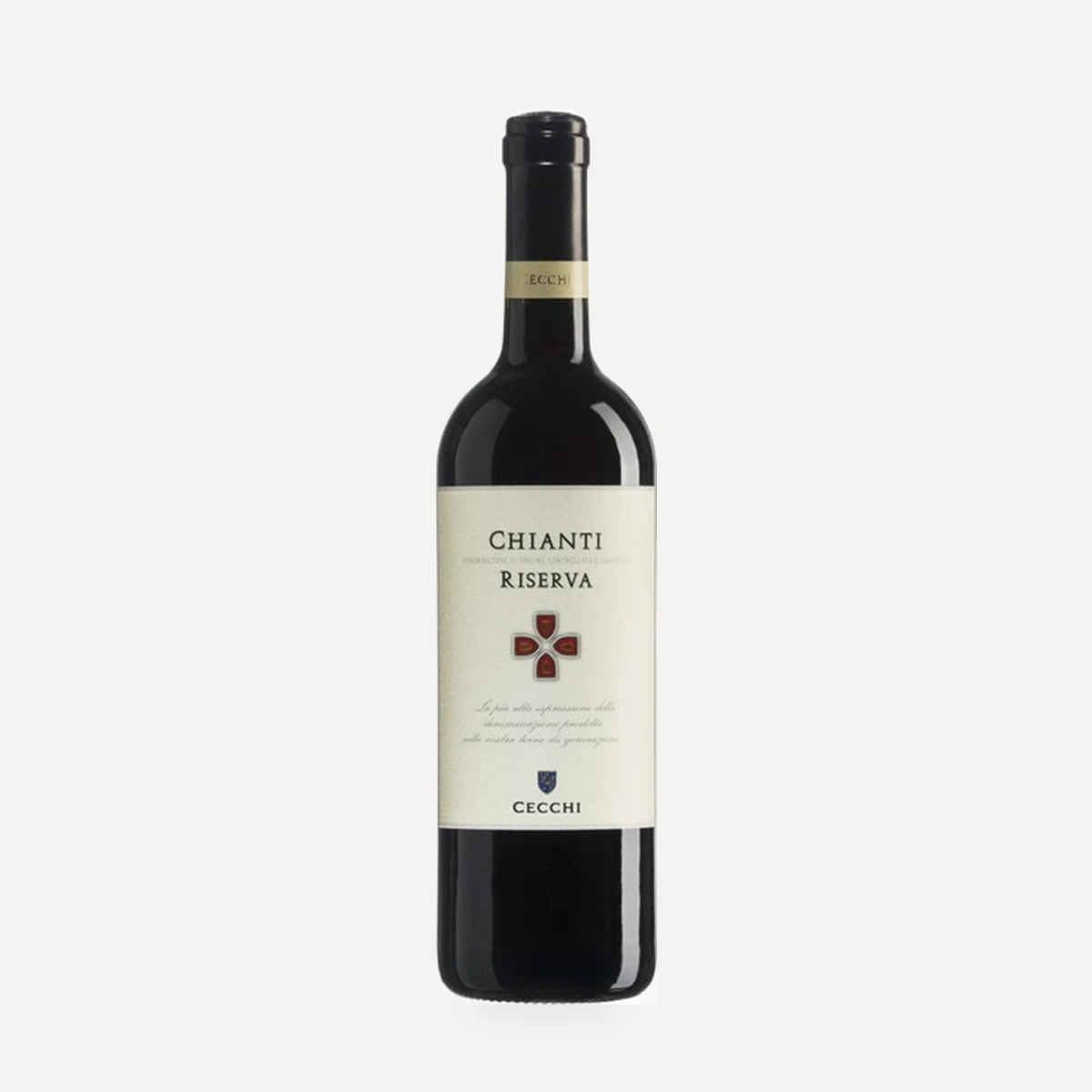
Chianti Riserva DOCG
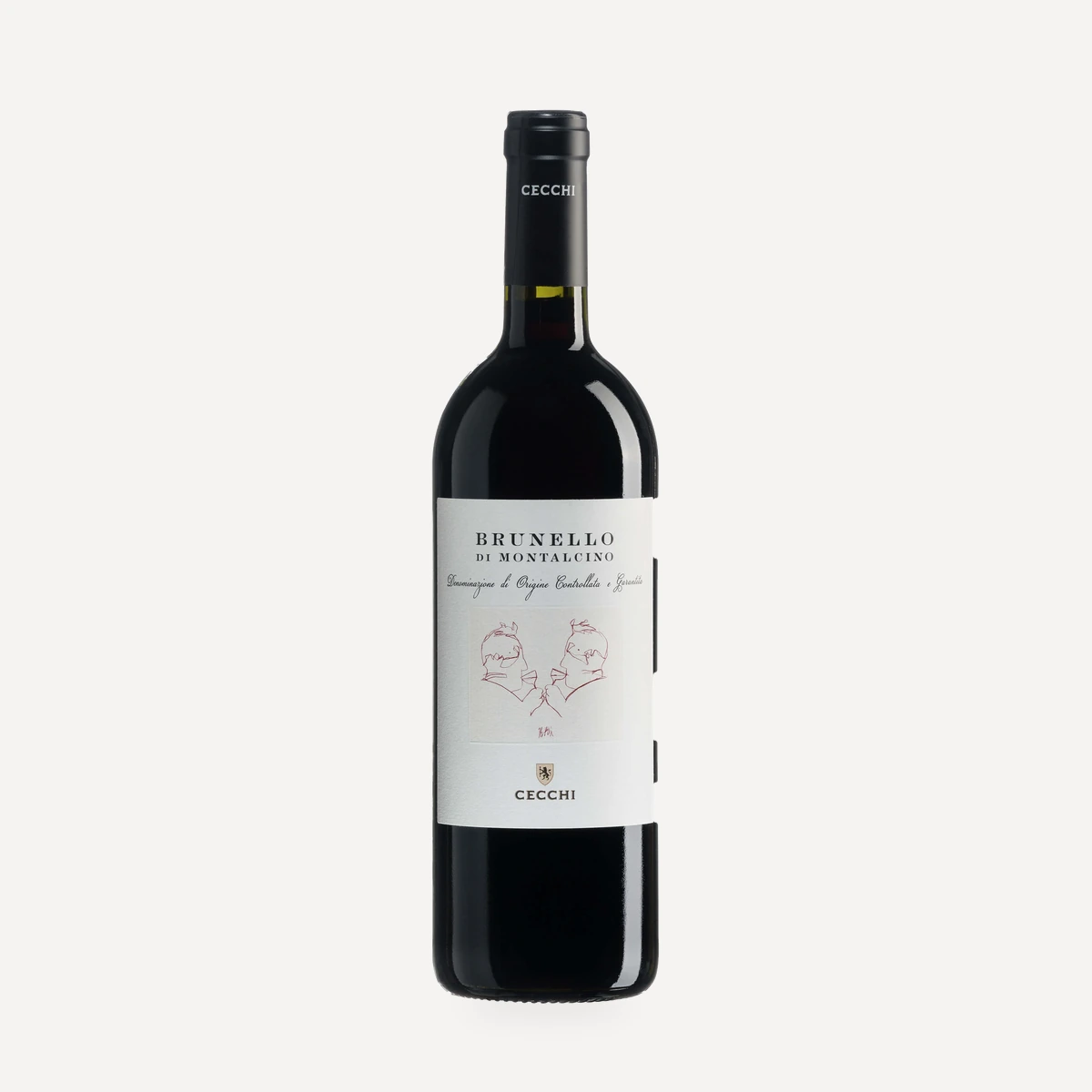
Brunello di Montalcino DOCG
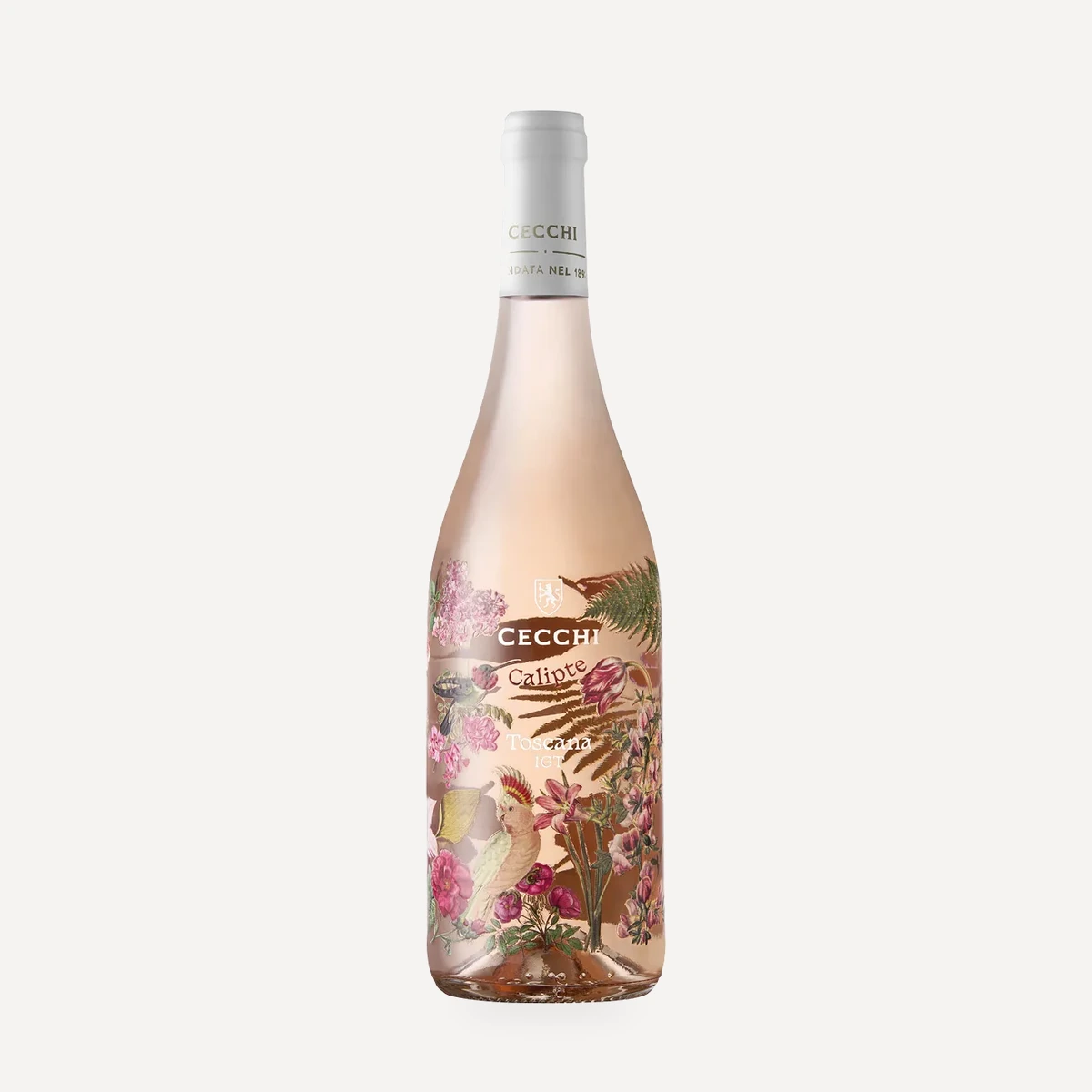
Calipte Toscana IGT
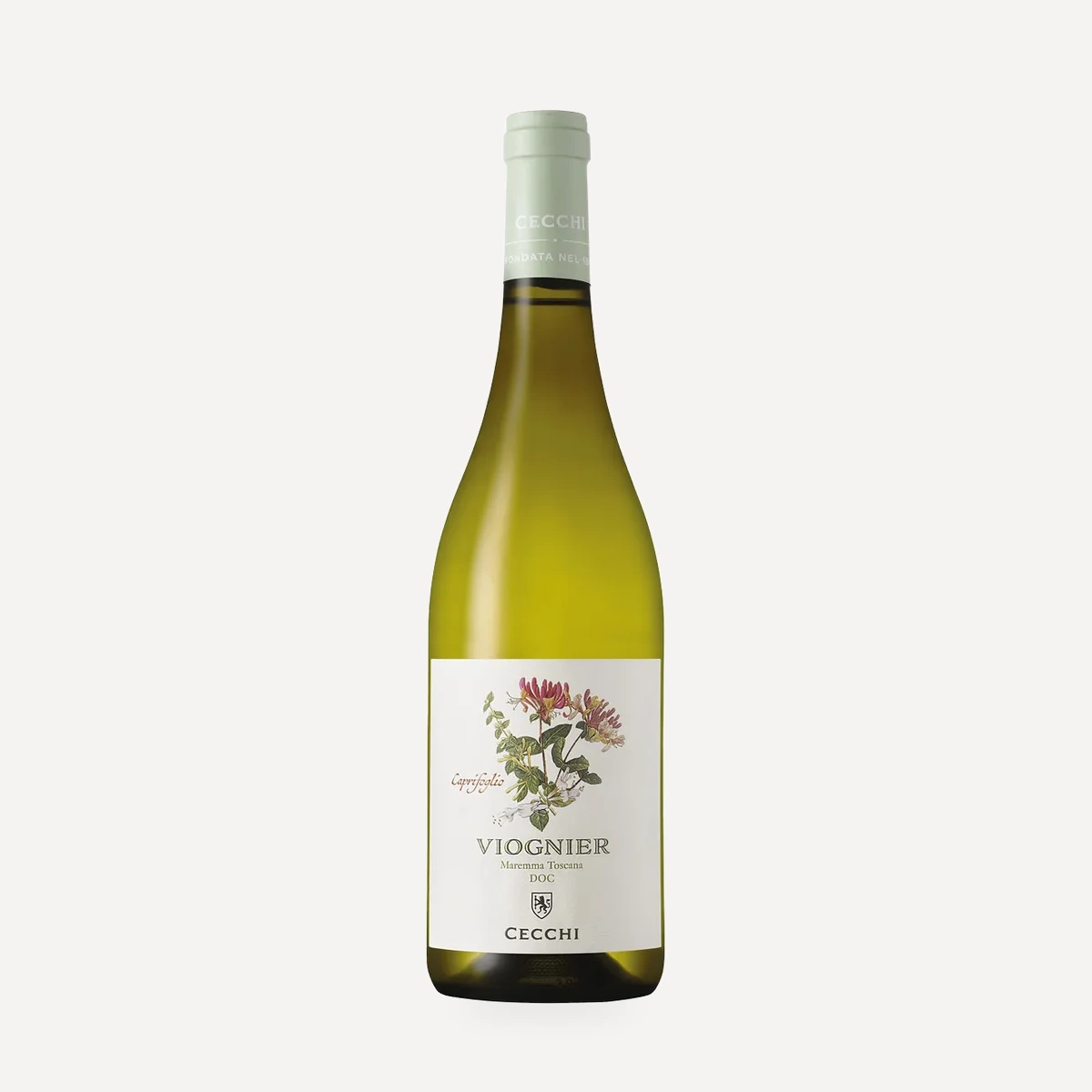
Caprifoglio Viognier Maremma Toscana DOC
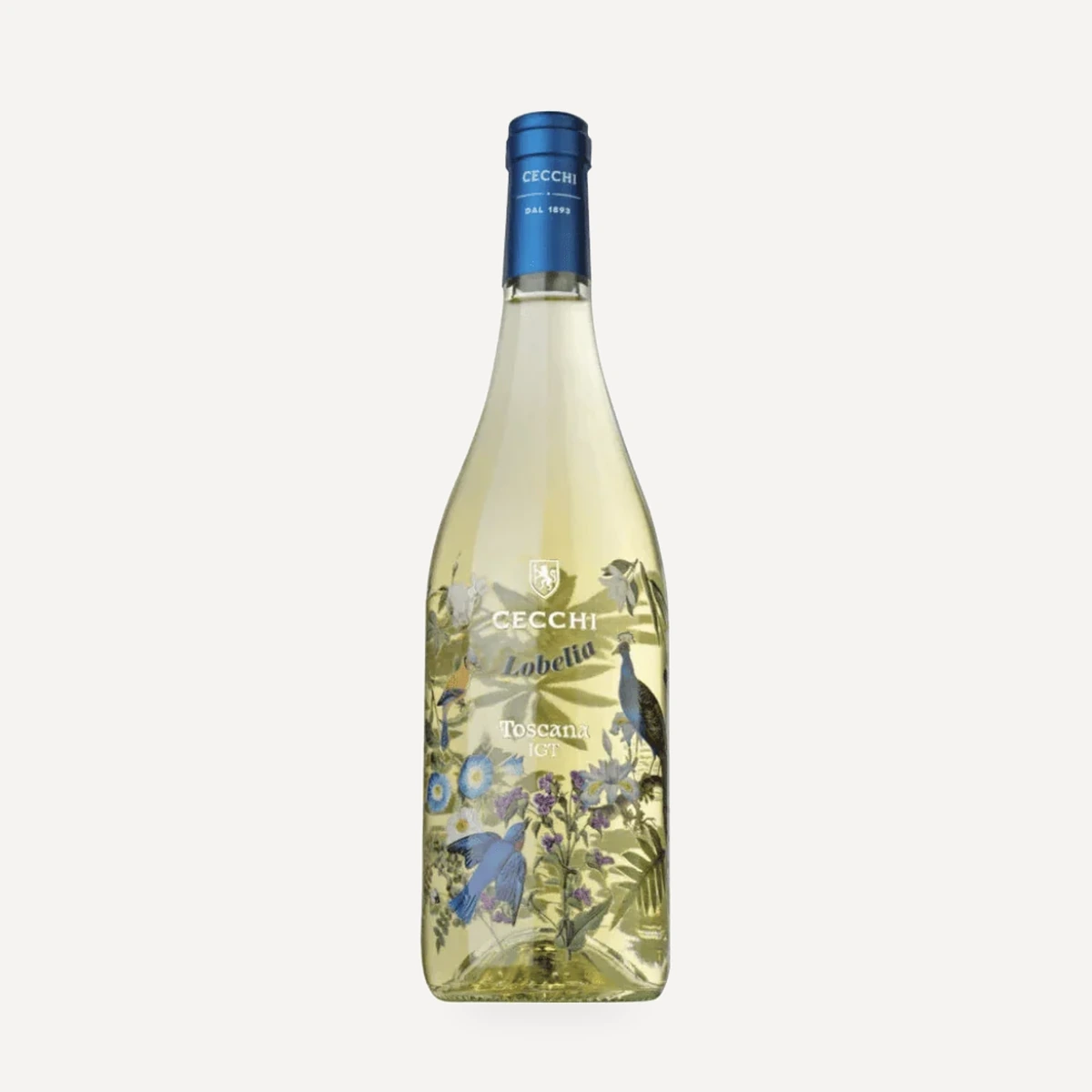
Lobelia Toscana IGT
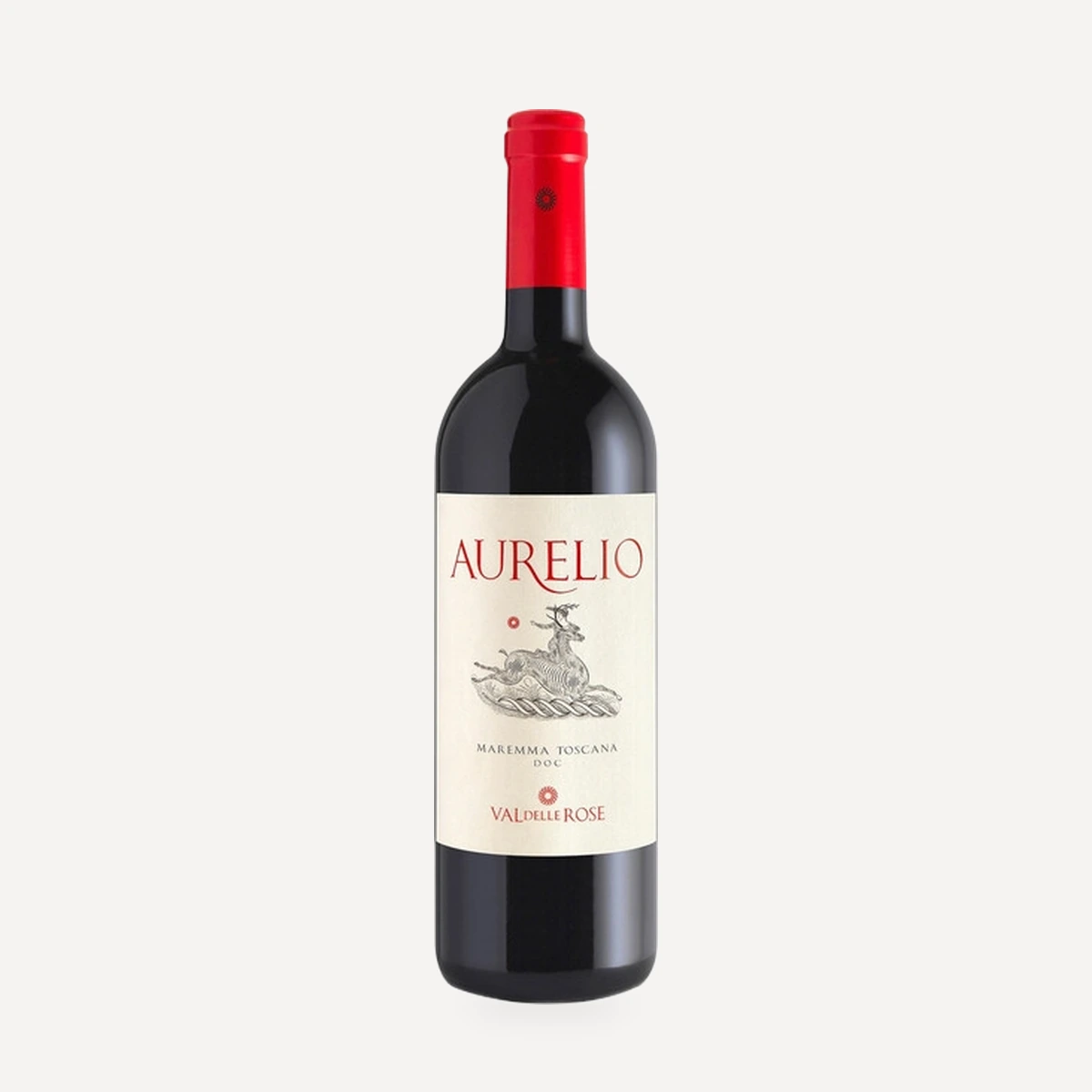
Aurelio Maremma Toscana DOC
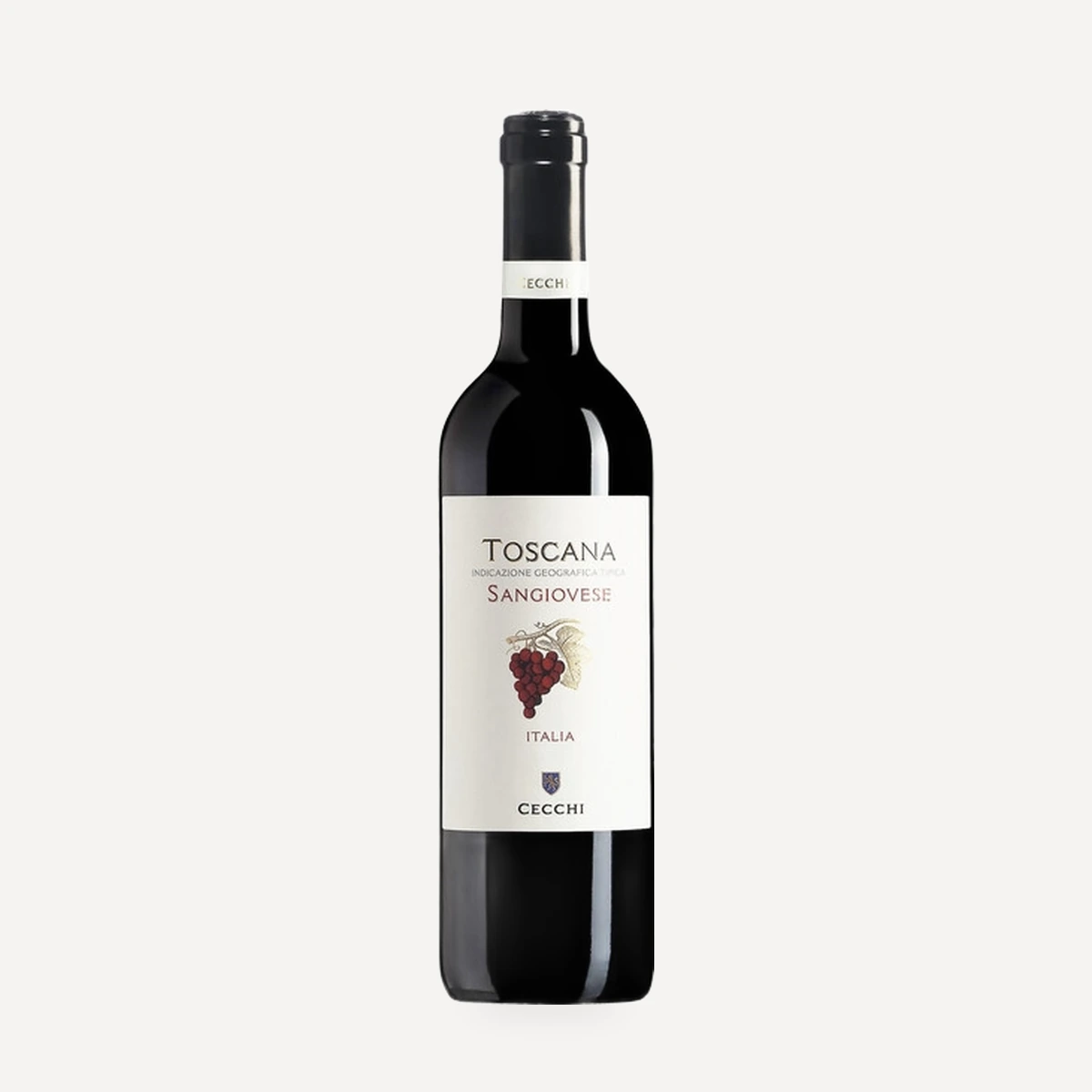
Sangiovese Toscana IGT
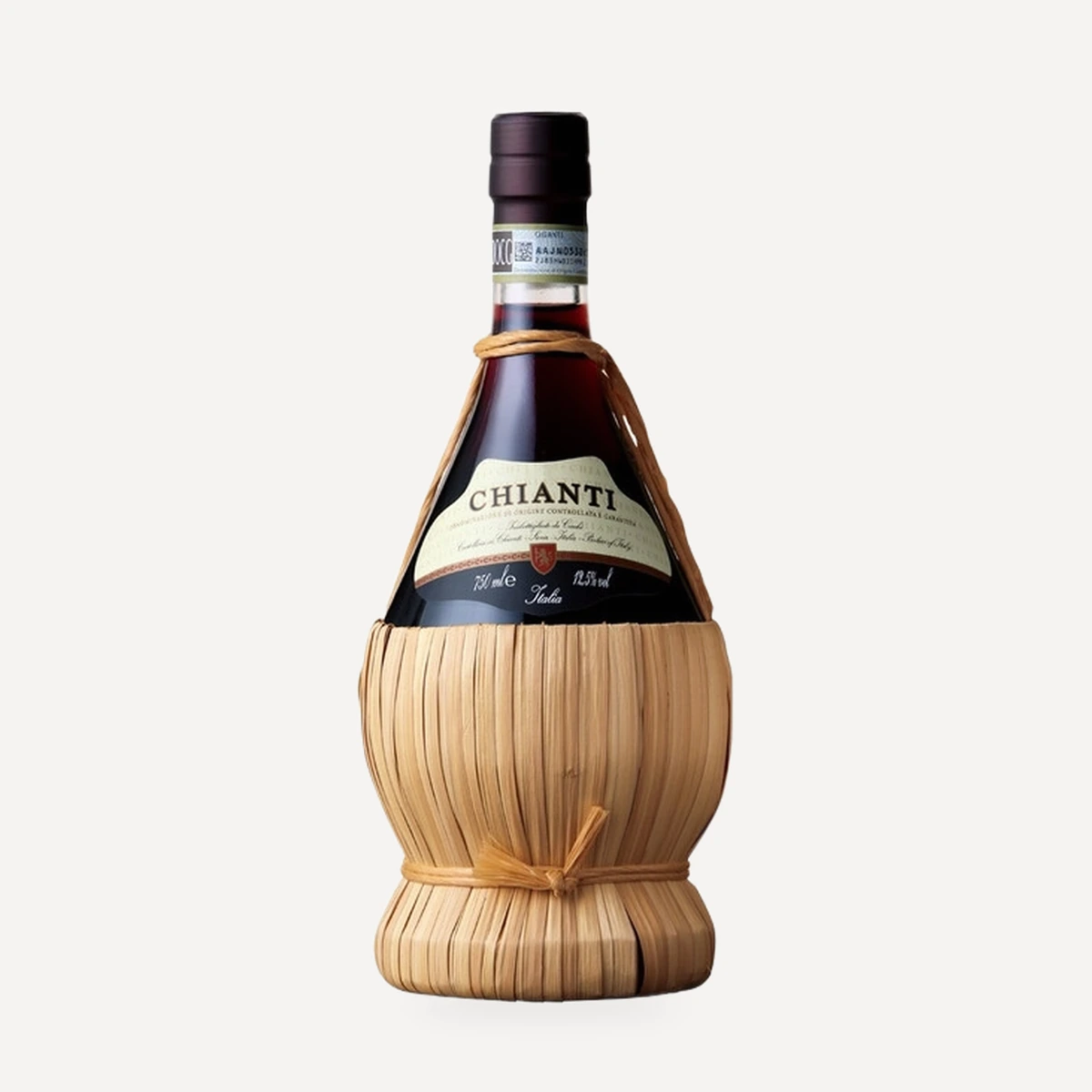
Chianti in straw basket DOCG
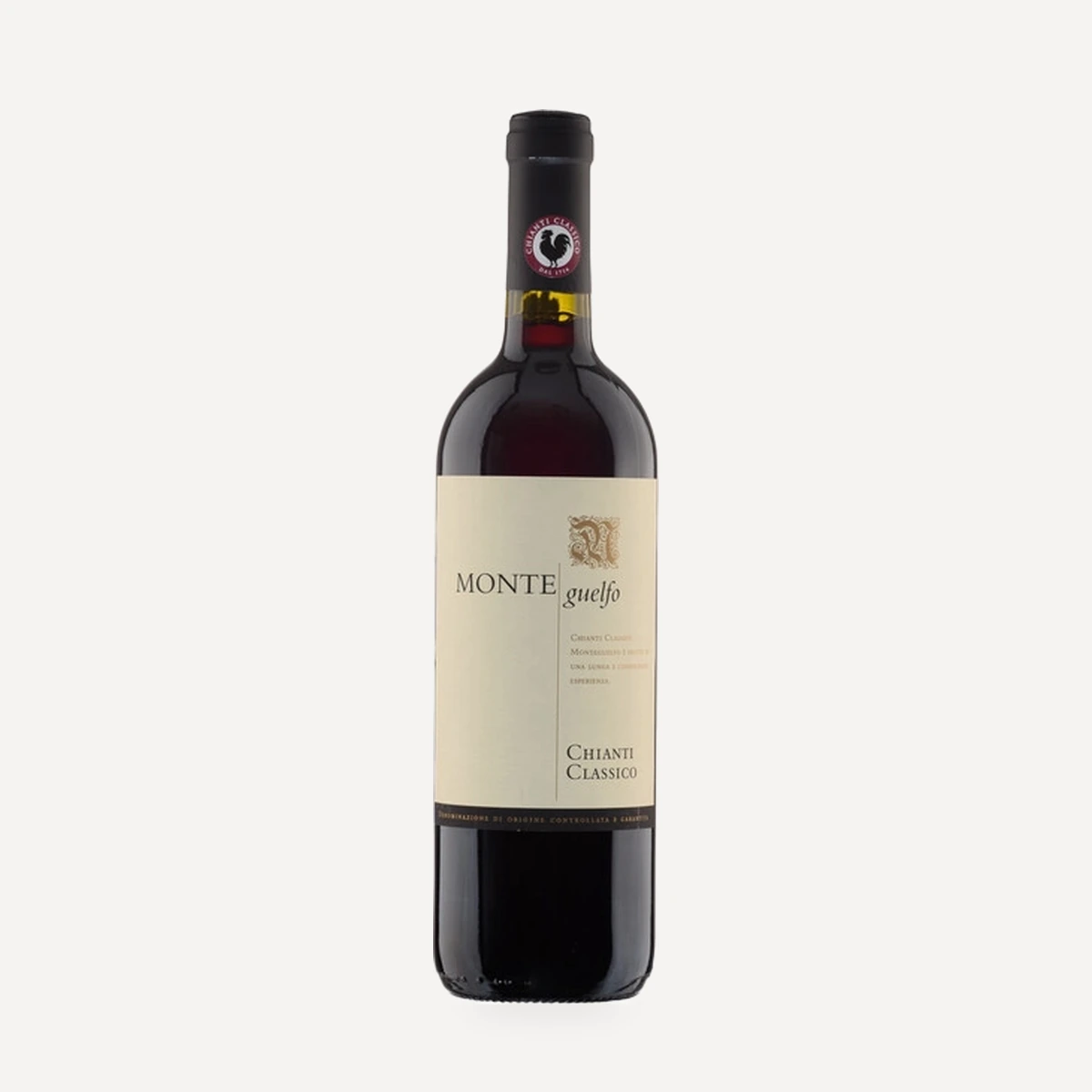
Monteguelfo Chianti Classico DOCG
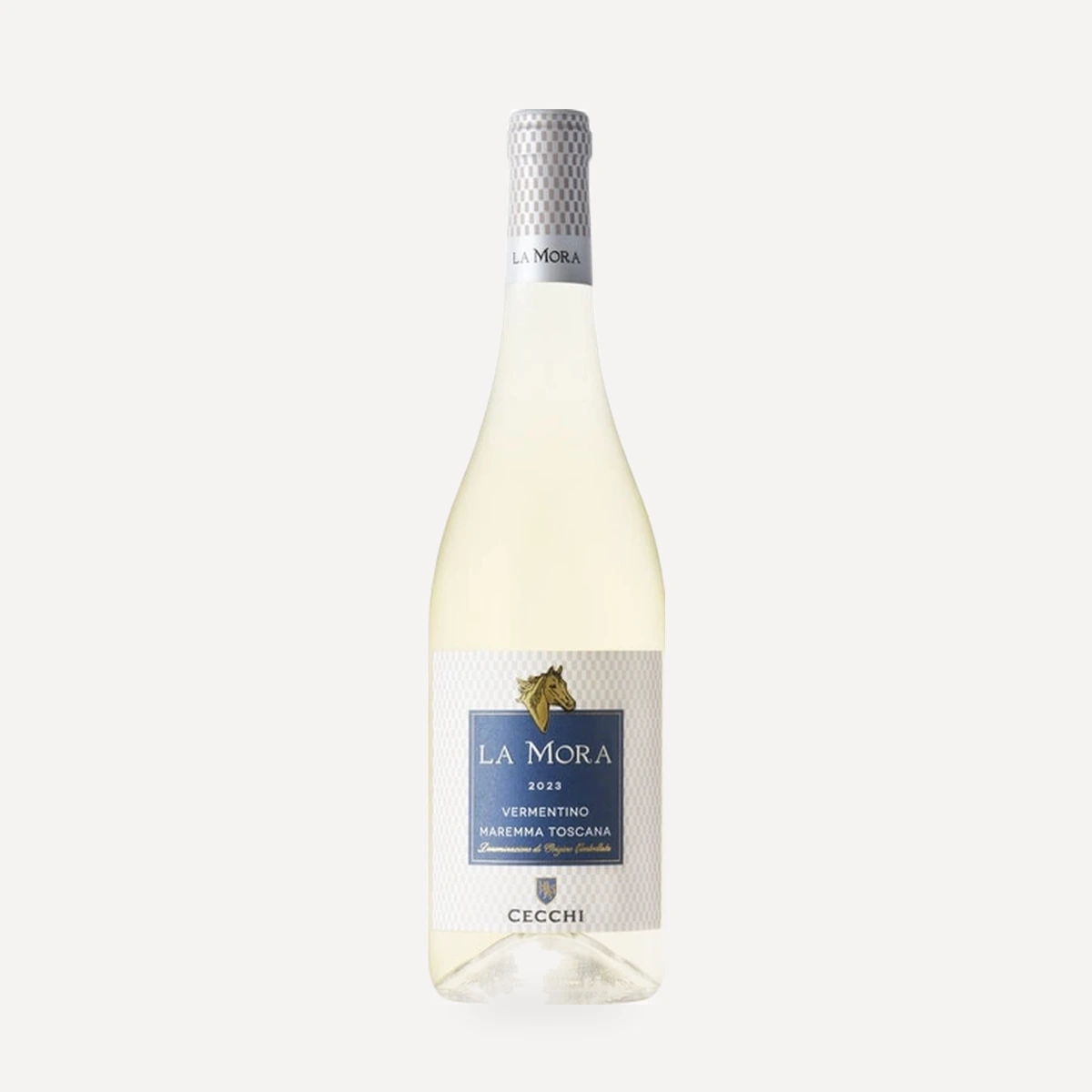
La Mora Vermentino Maremma Toscana DOC
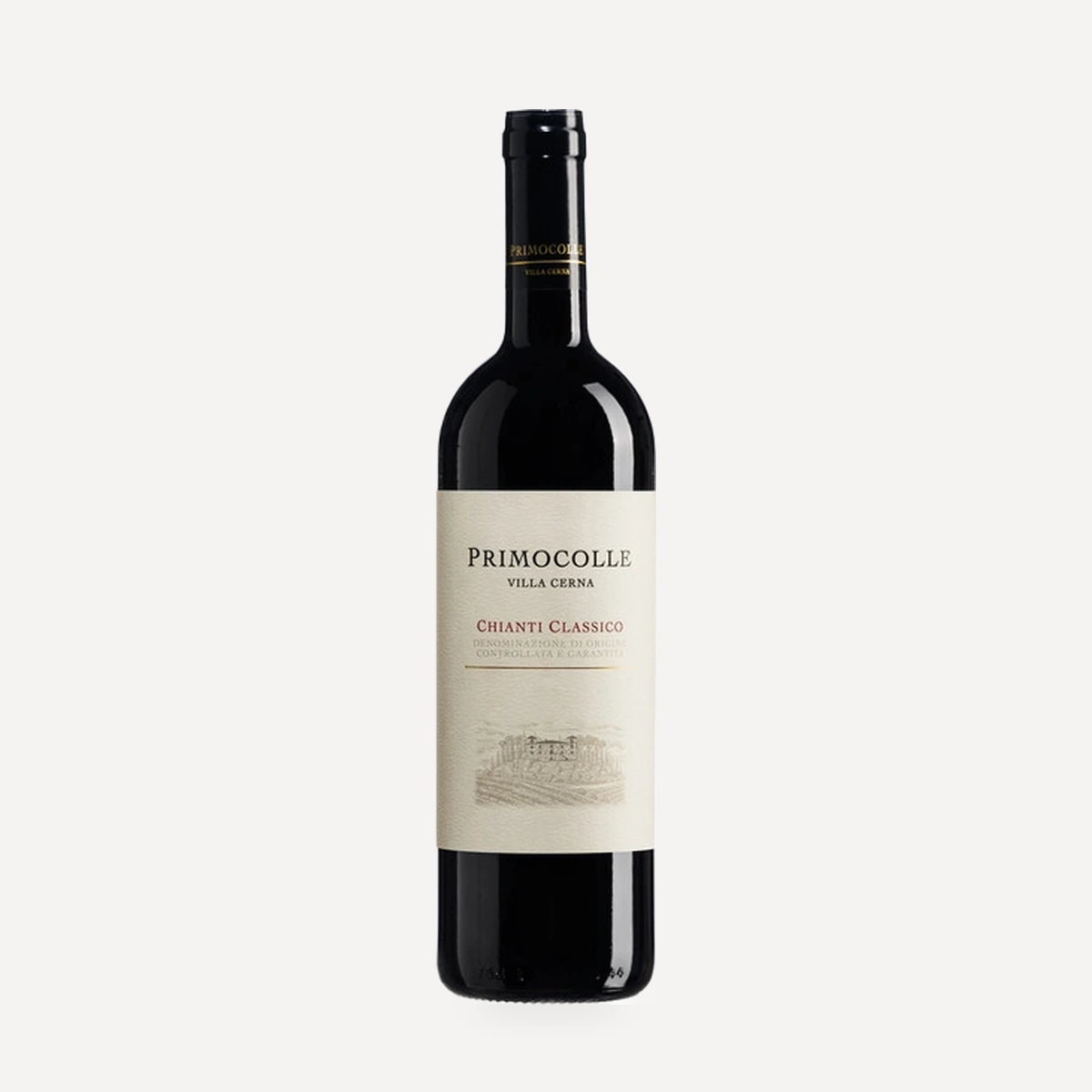
Primocolle Chianti Classico DOCG
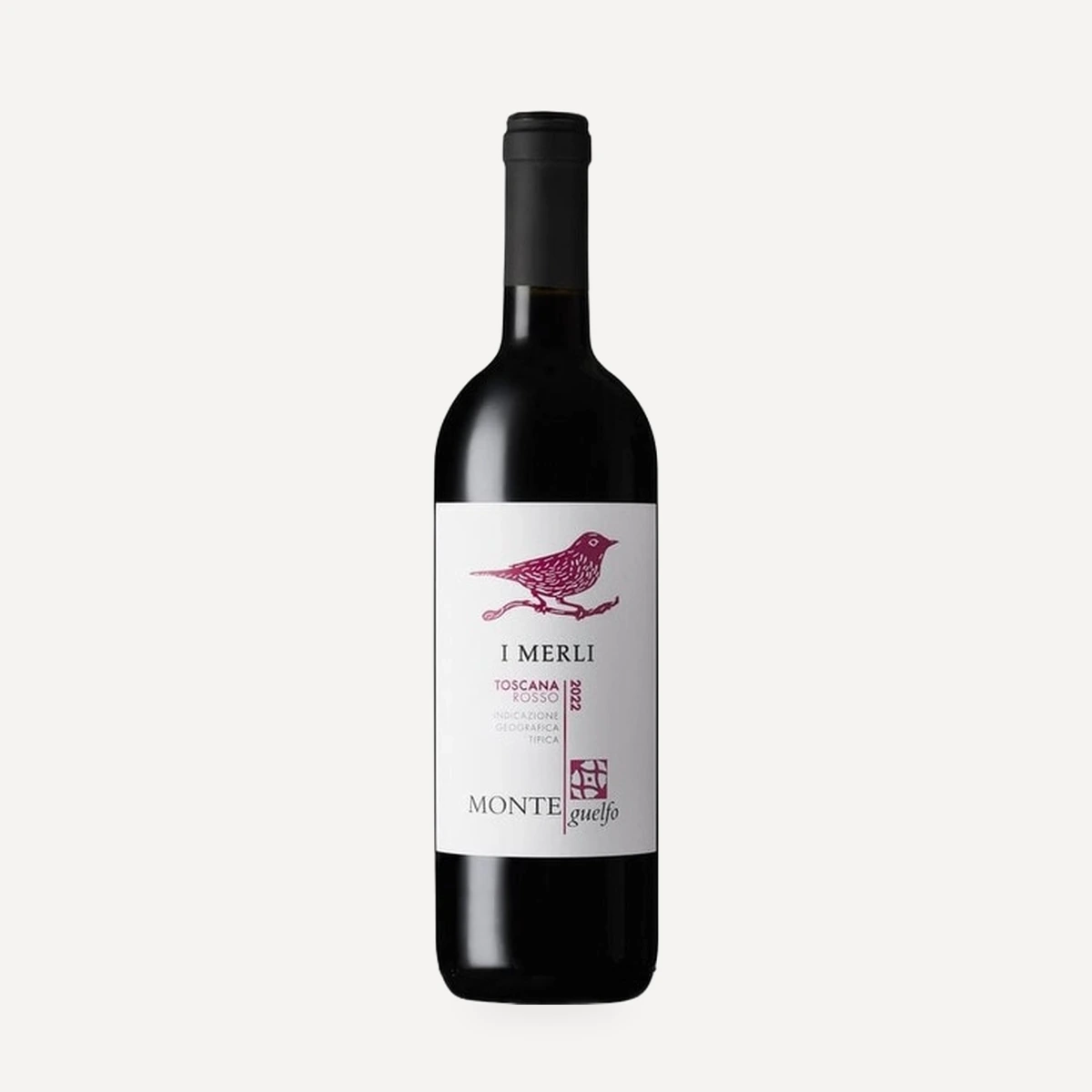
Monteguelfo I Merli Toscana IGT
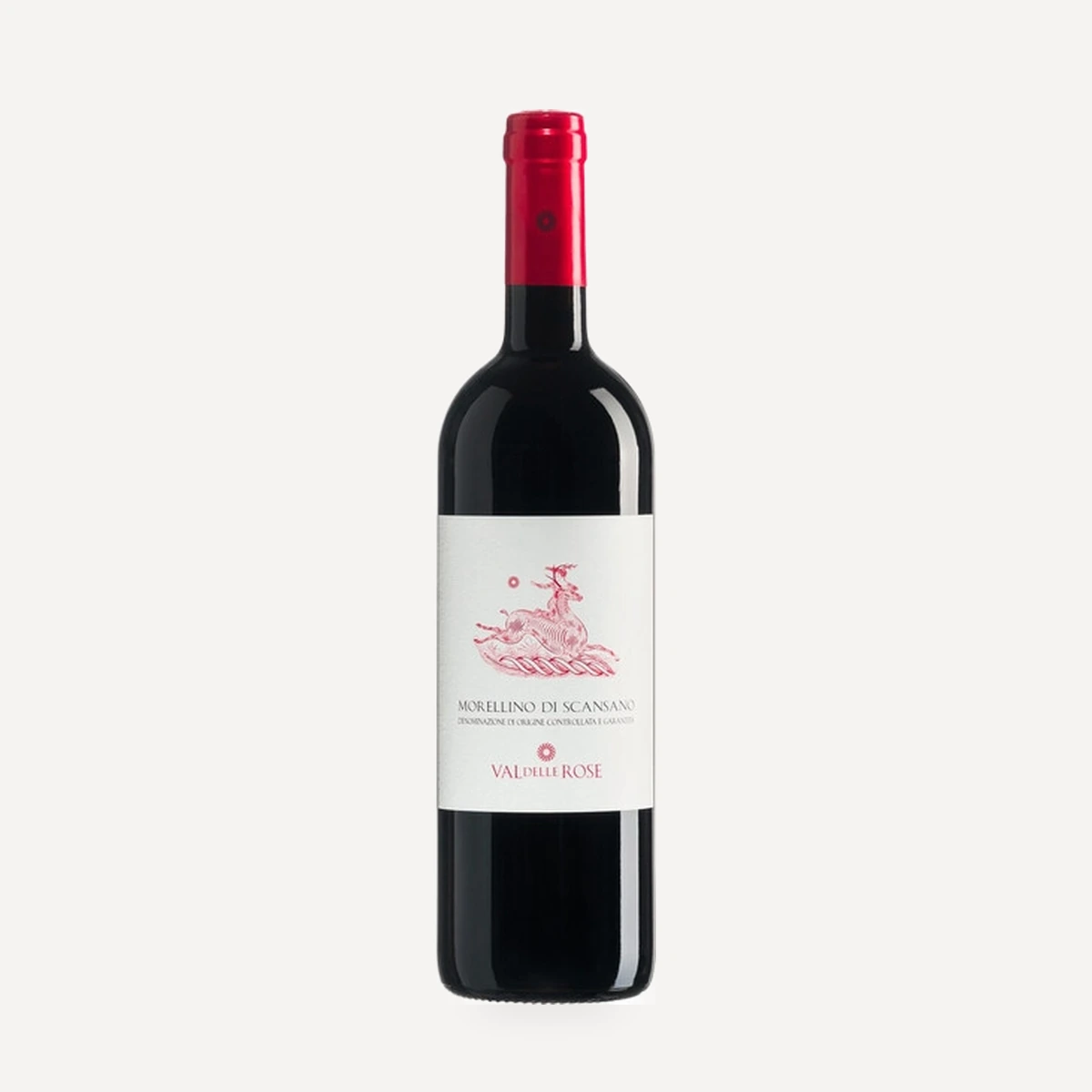
Morellino di Scansano DOCG
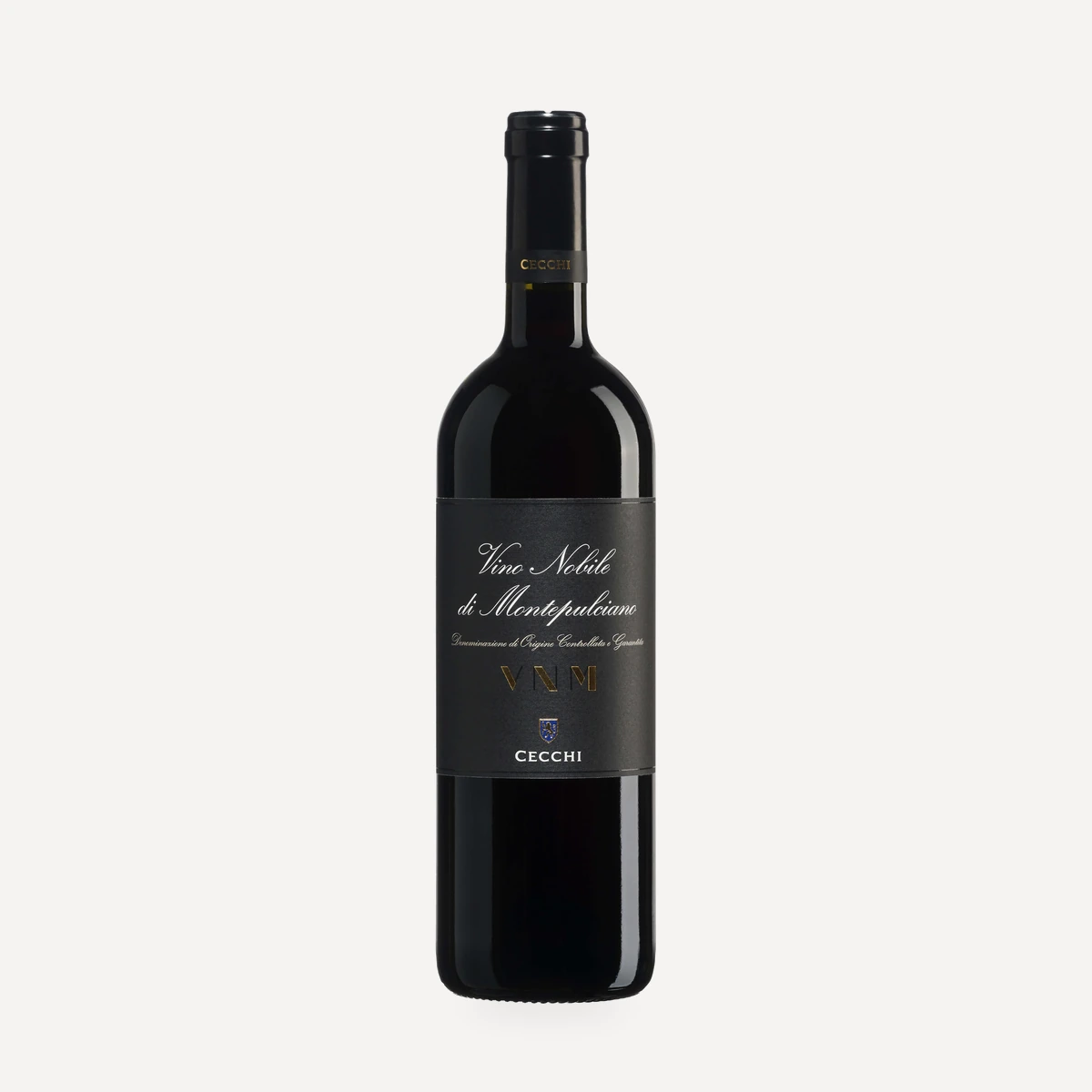
VNM Vino Nobile di Montepulciano DOCG
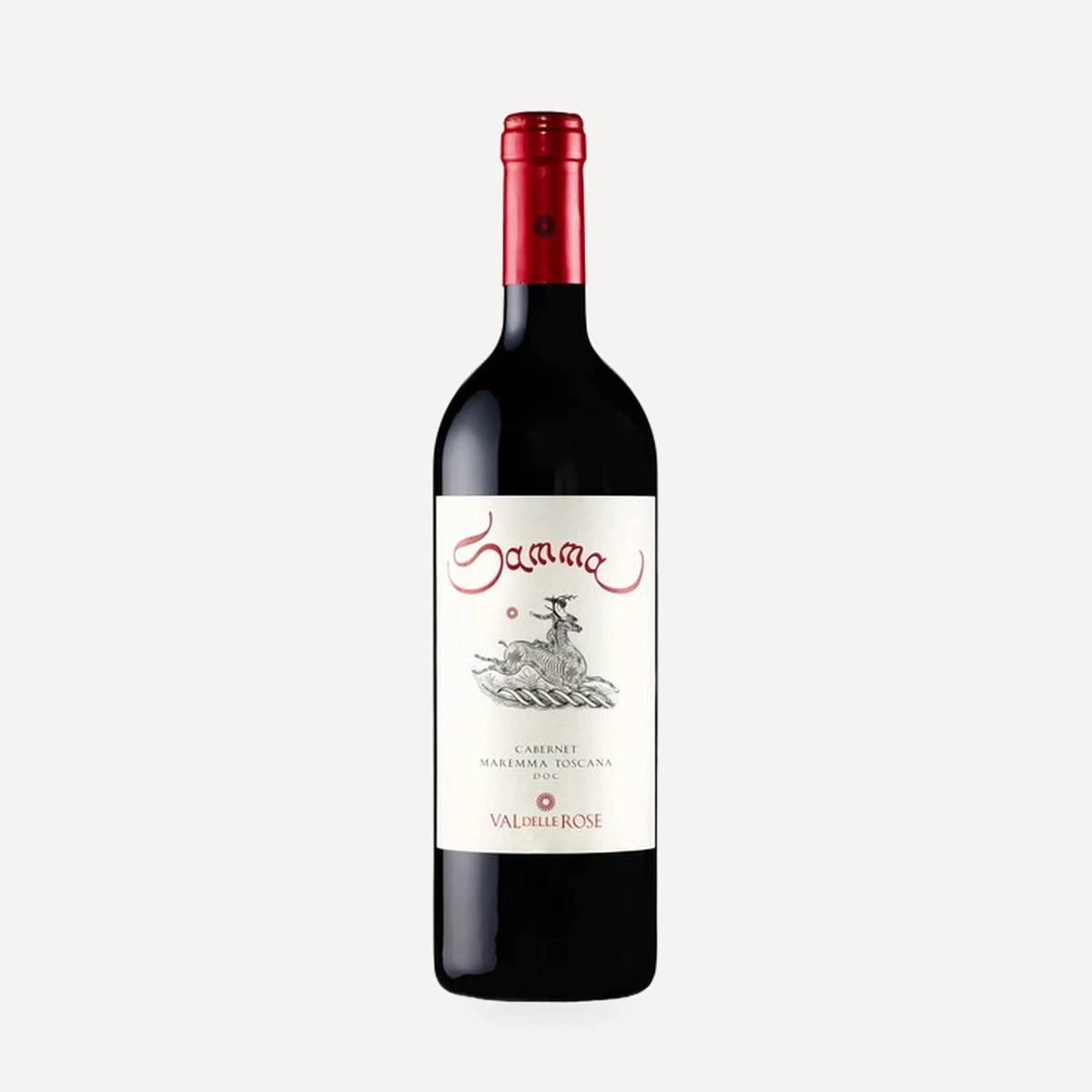
Samma Cabernet Maremma Toscana DOC
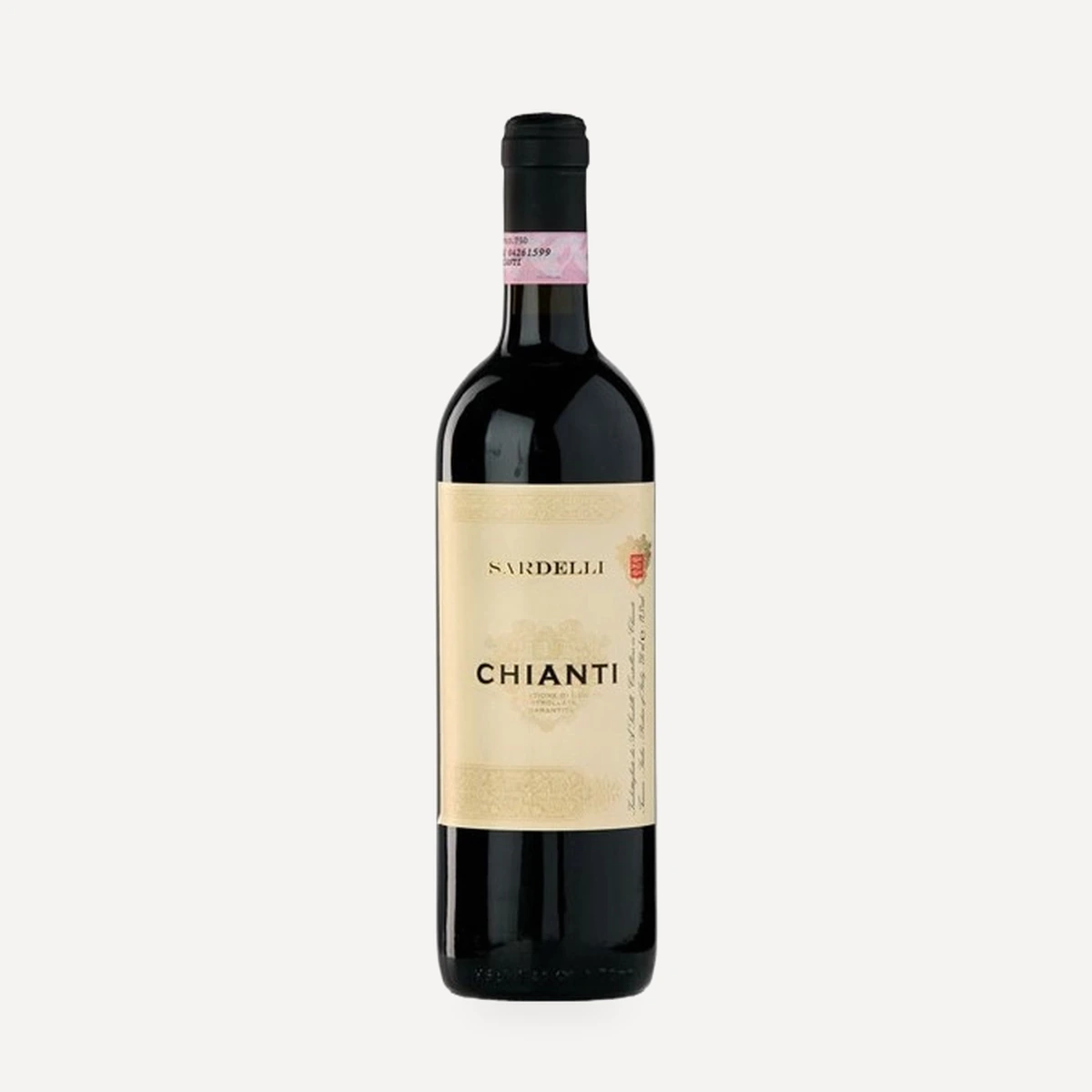
Sardelli Chianti DOCG
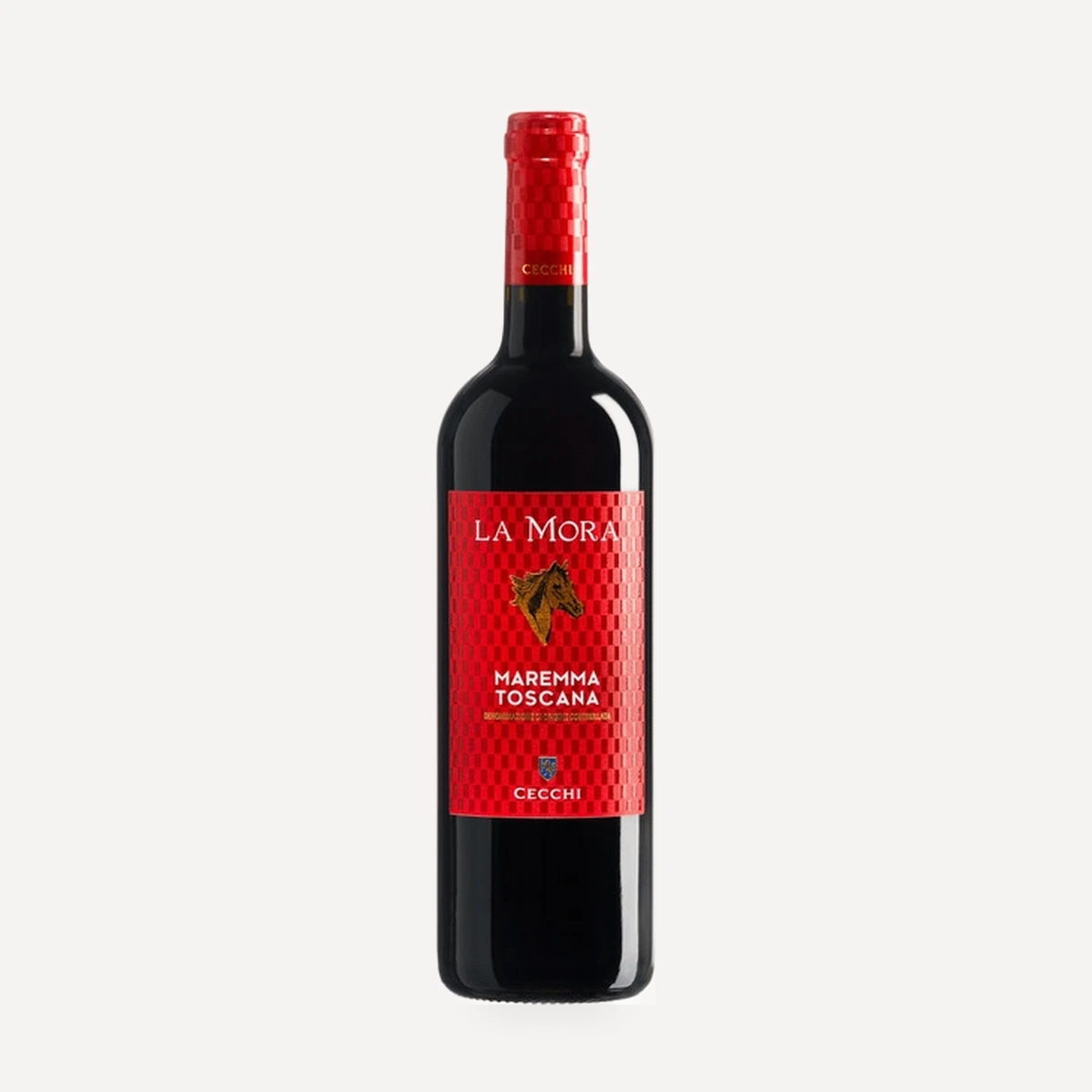
La Mora Maremma Toscana DOC
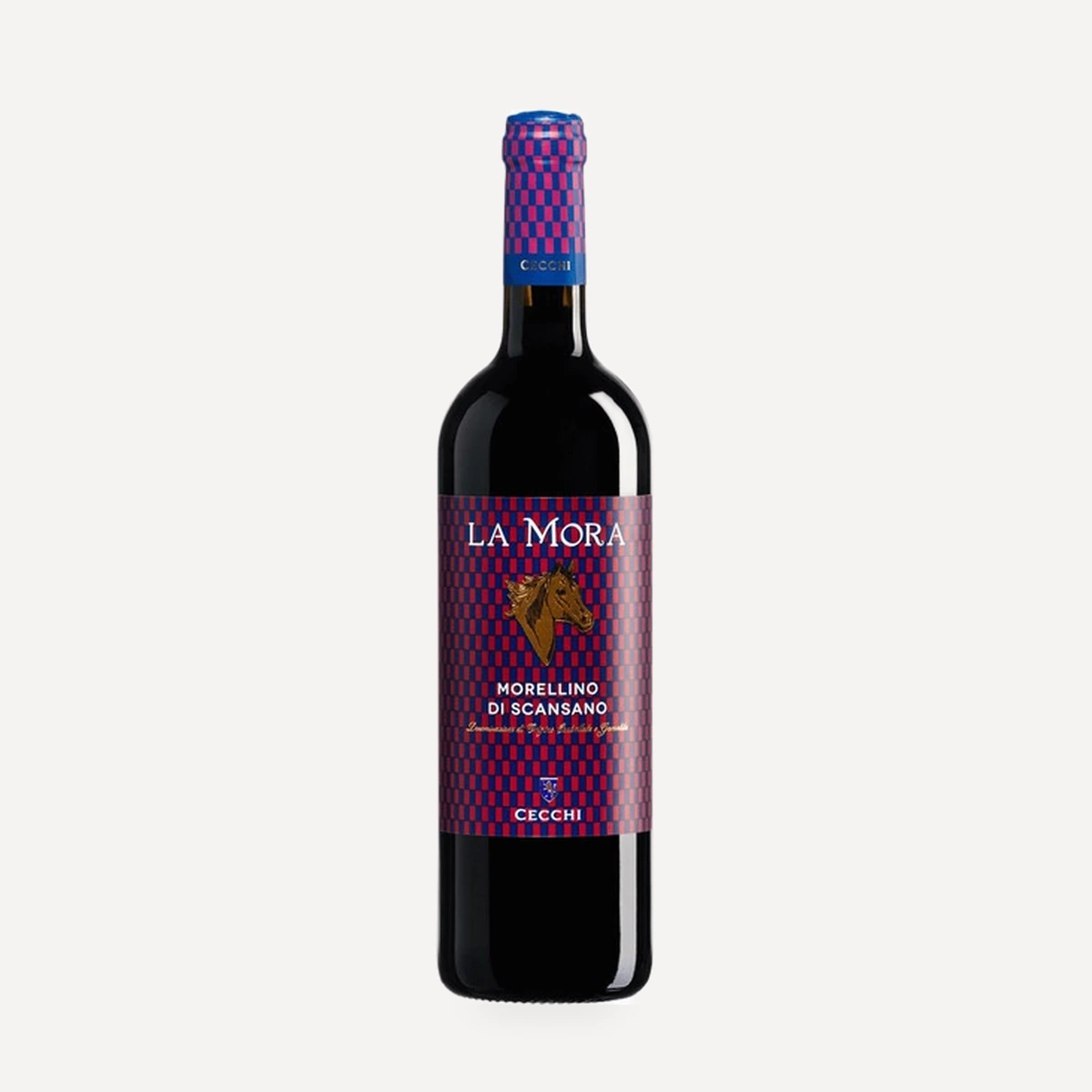
La Mora Morellino di Scansano DOCG
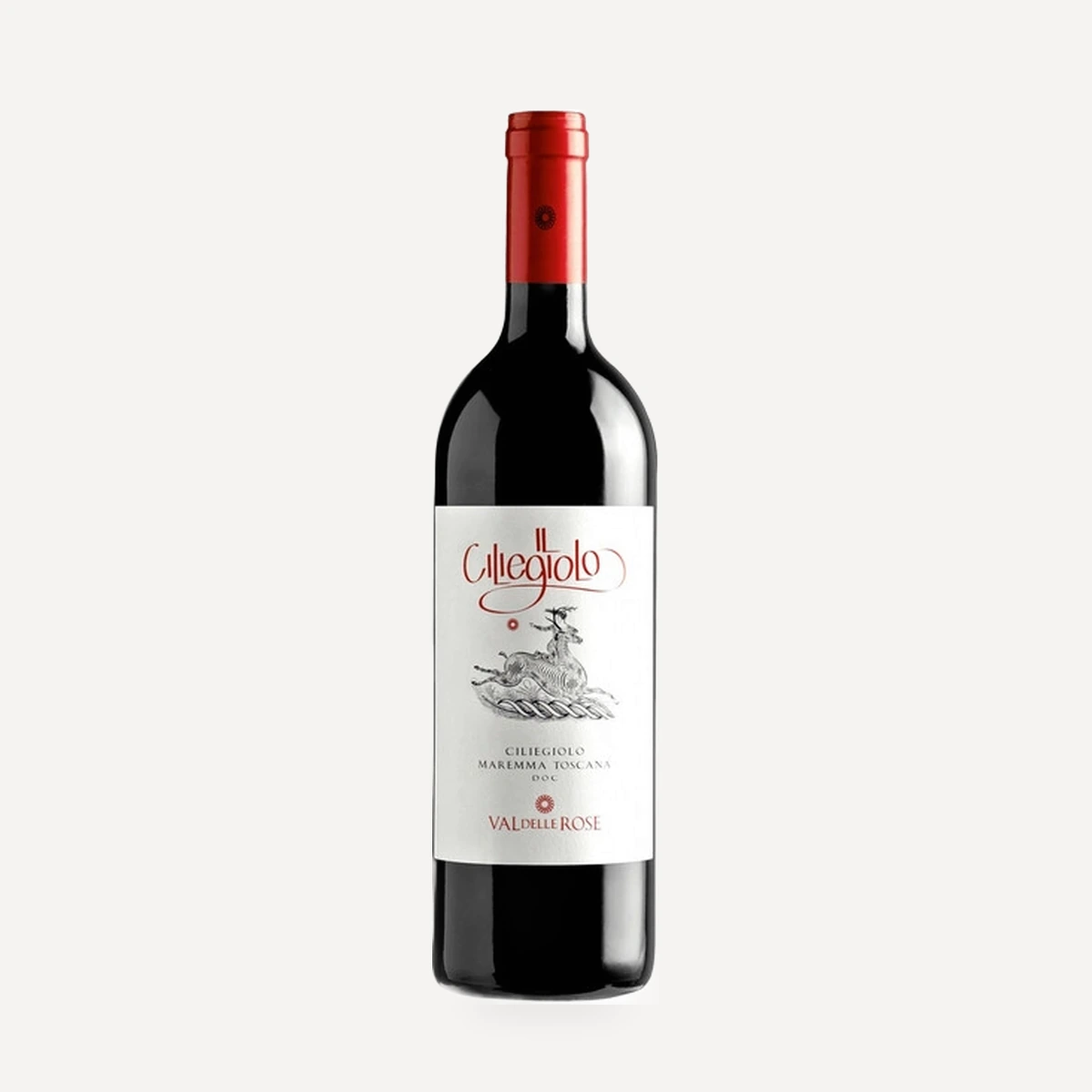
Il Ciliegiolo Maremma Toscana DOC
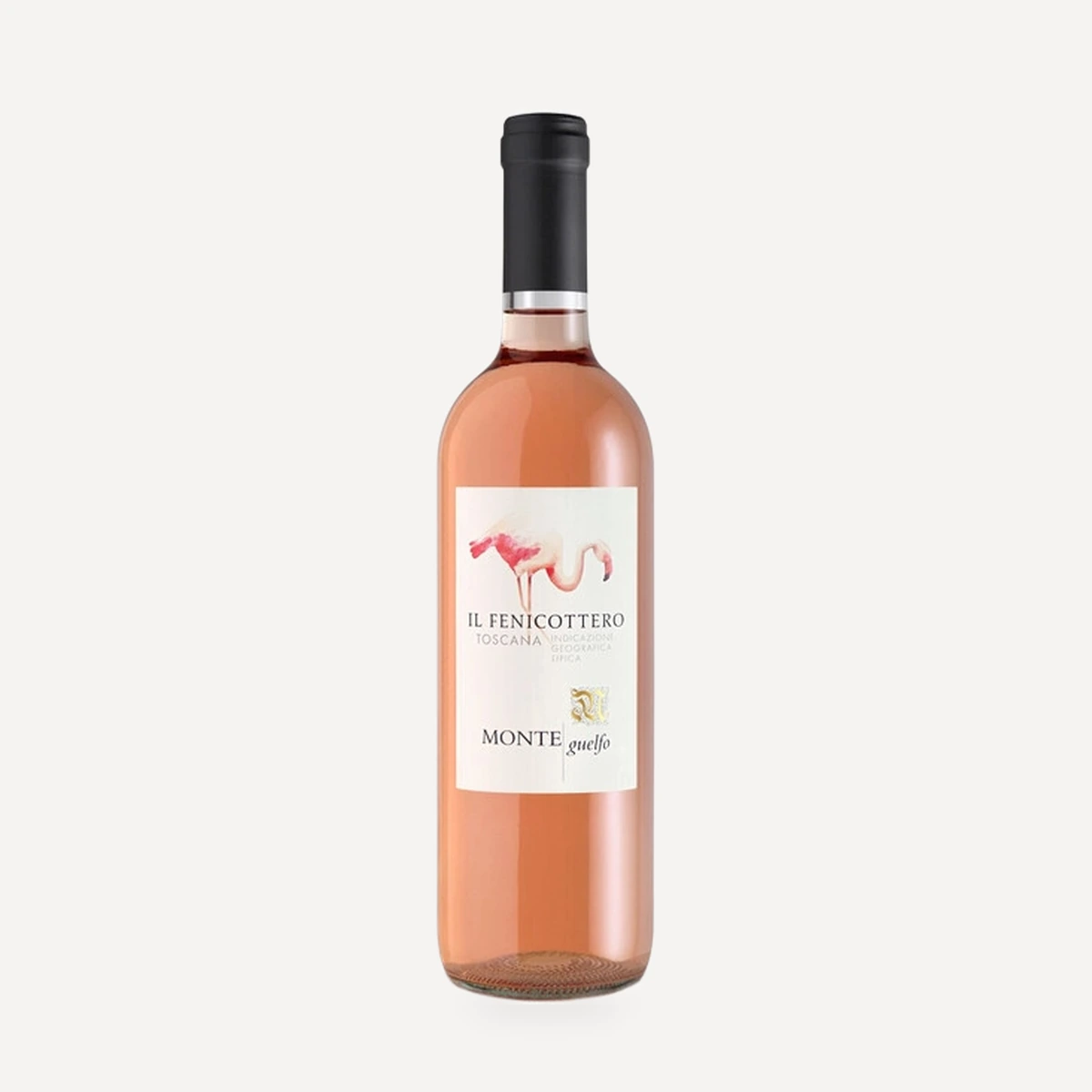
Monteguelfo Il Fenicottero Toscana IGT
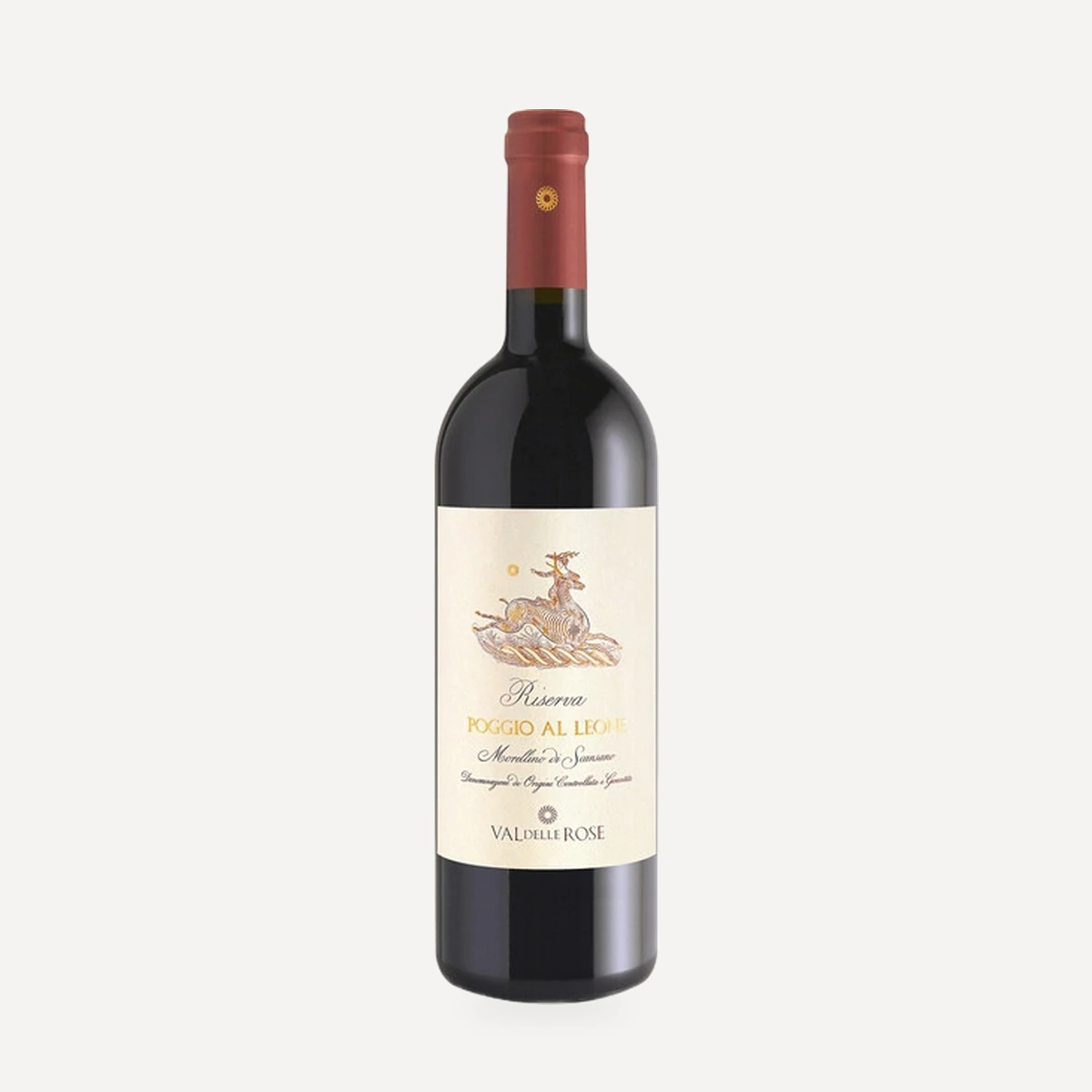
Poggio al Leone Morellino di Scansano Riserva DOCG
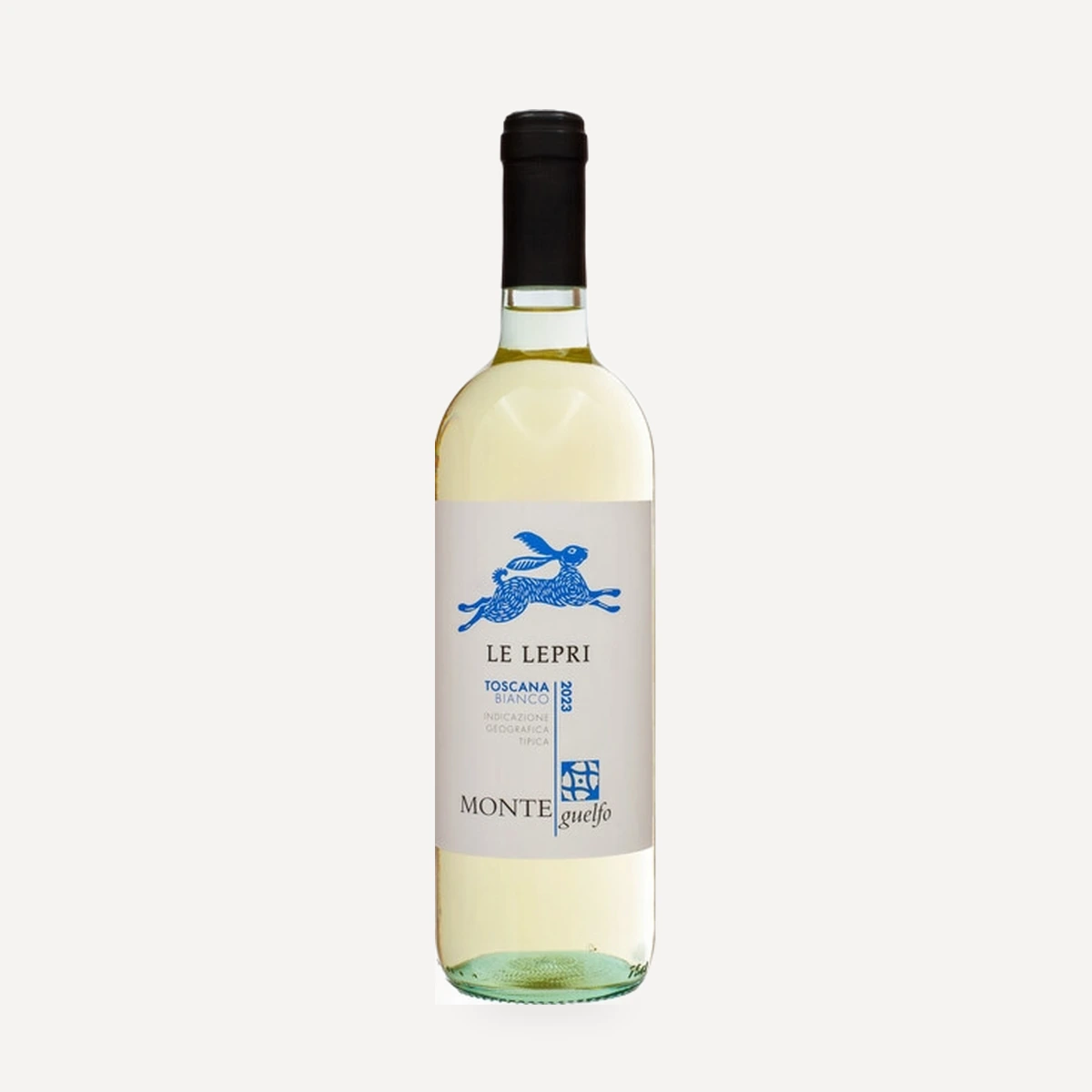
Monteguelfo Le Lepri Toscana IGT
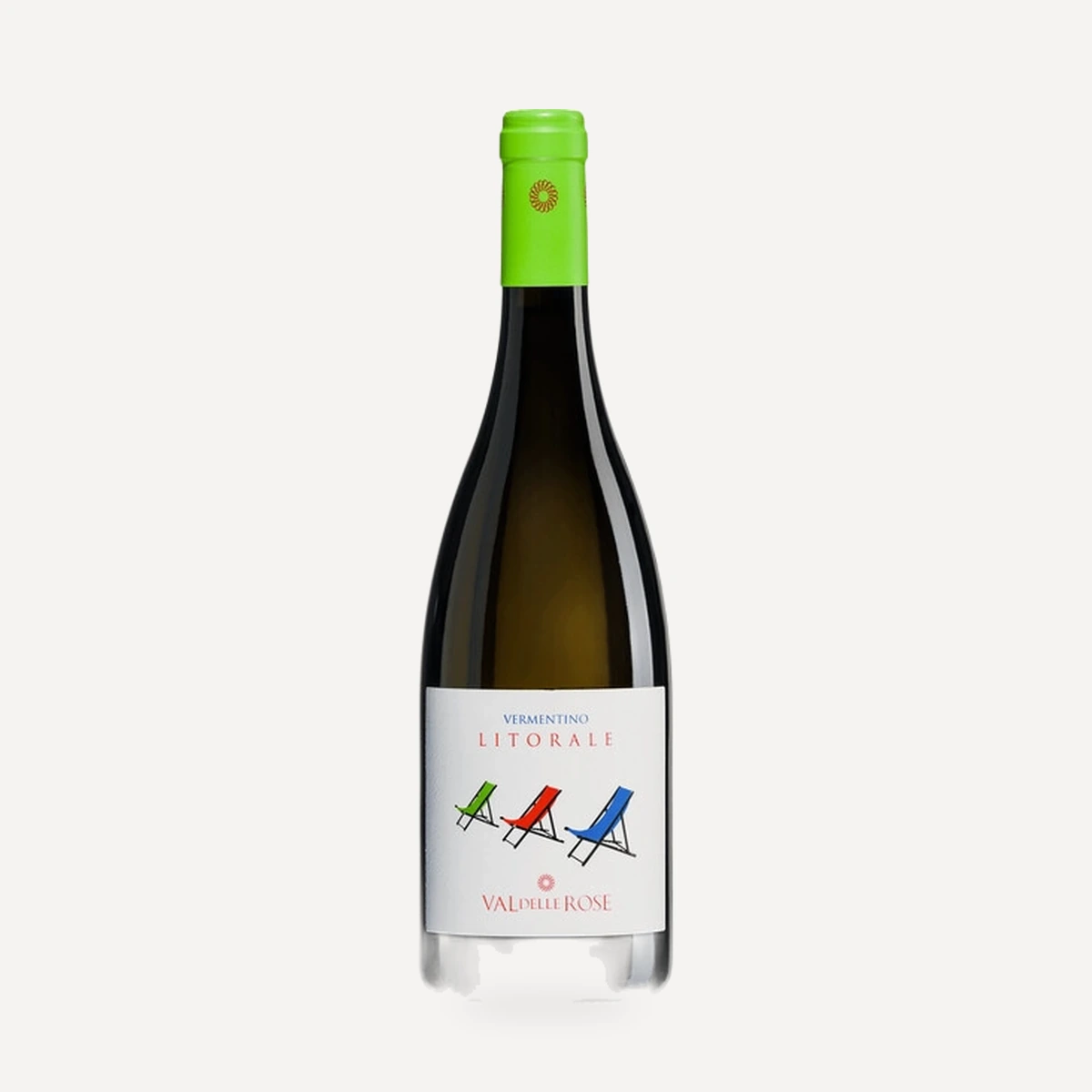
Litorale Vermentino Maremma Toscana DOC
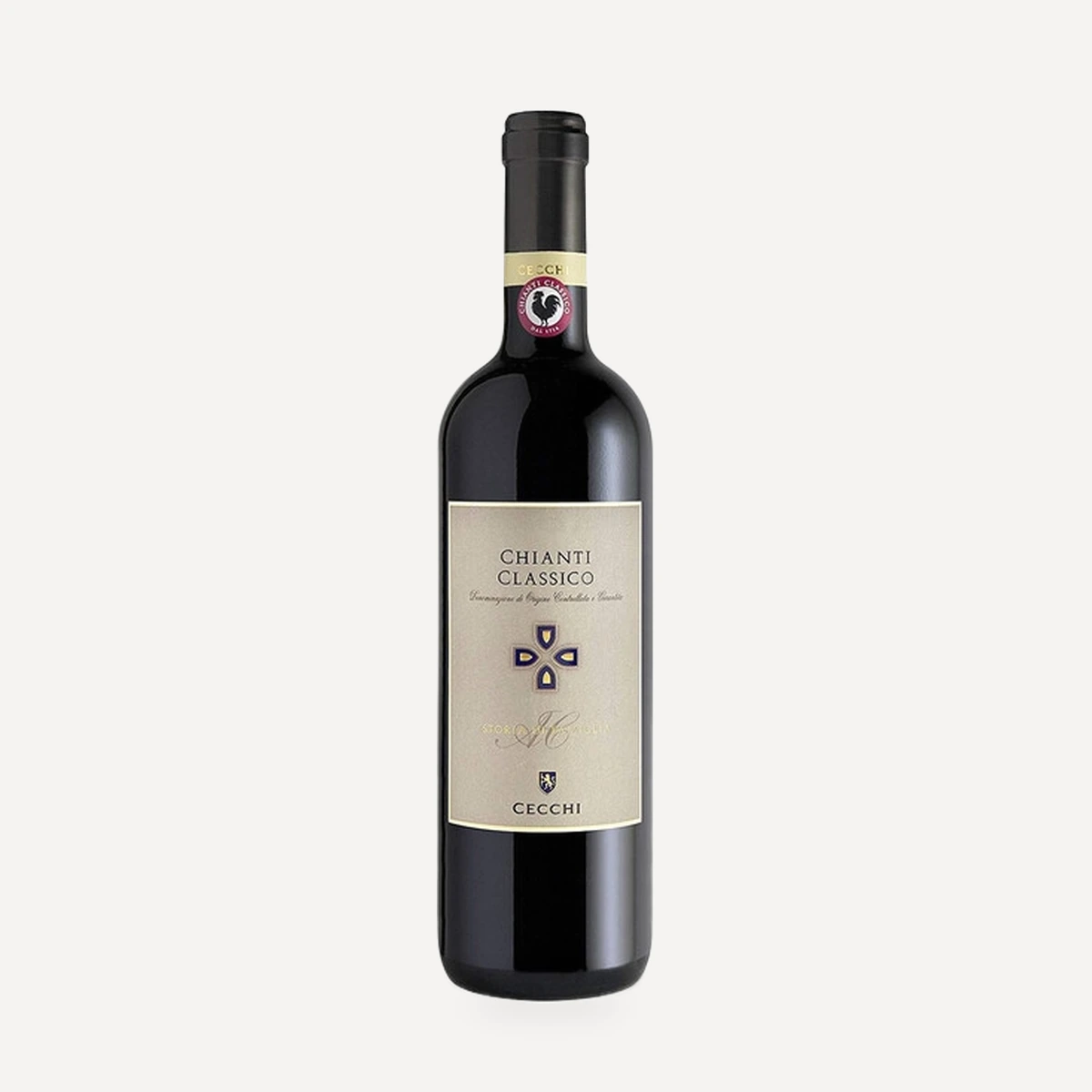
Chianti Classico DOCG
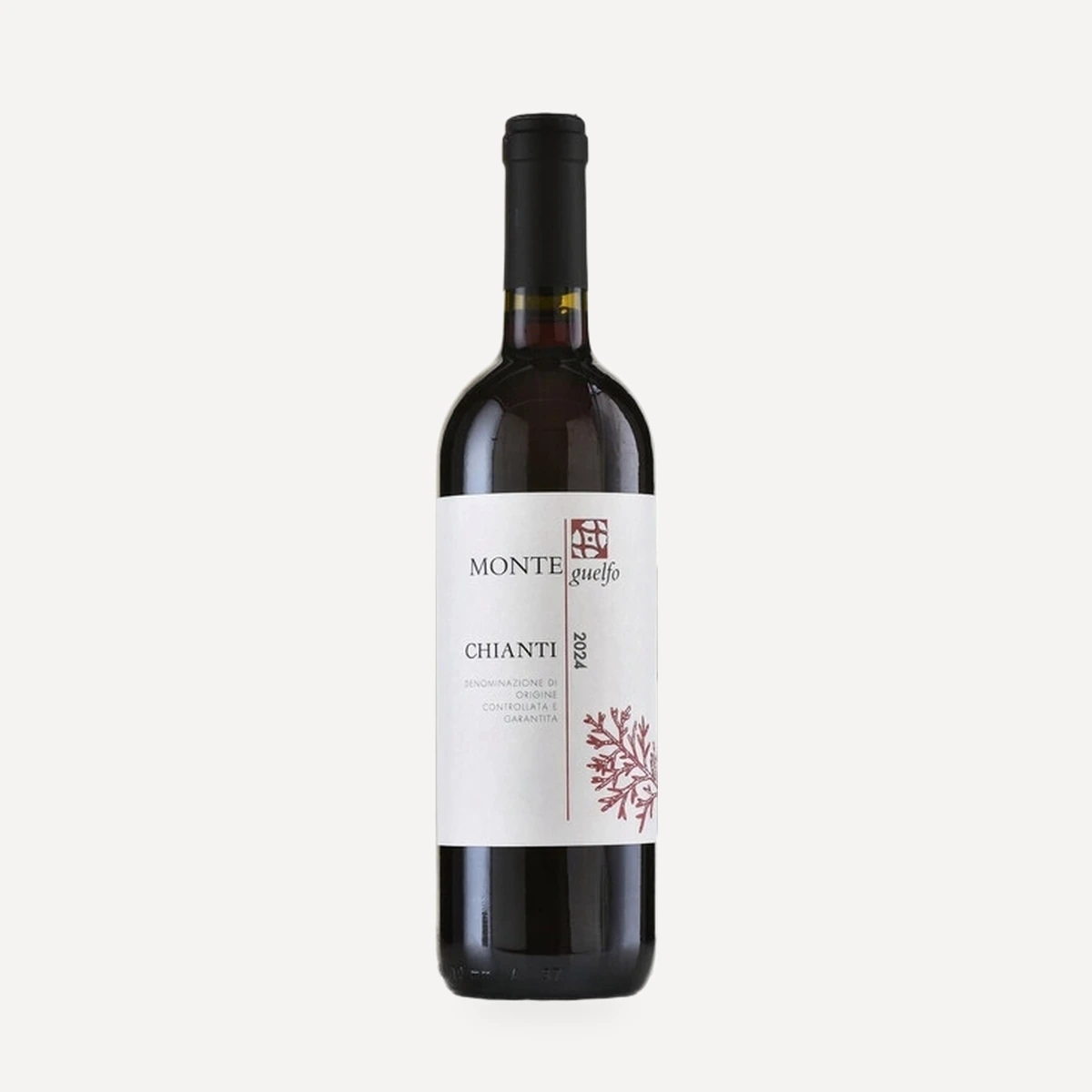
Monteguelfo Chianti DOCG