History
1936: foundation
Cesari was founded in 1936, the same year in which the term “Amarone” was coined. The company’s later identity would be built around a contemporary interpretation of Valpolicella, combining established regional practices with technical and stylistic development.
1971: the first Amarone
Franco Cesari redirected attention from the then-popular production of Bardolino toward the still-underexplored potential of the Valpolicella hills. Cesari’s first Amarone was the 1971 vintage, then officially designated Recioto della Valpolicella DOC Amarone. From its debut, the wine was conceived around elegance, silkiness and longevity rather than excessive weight or power.
The presentation evolved alongside the wine. Distinctive packaging included the original S-shaped neck mould and, subsequently, the frosted bottle, created to give the range a recognizable identity in international markets.
1973: entry into the United States
In 1973, one hundred cases of Cesari Amarone reached Lafayette Street in New York. The shipment made the 1971 Amarone Classico one of the early examples of Amarone exported to the United States.
The 1980s and the British Royal household
During the 1980s, Cesari entered markets that were still unusual destinations for Valpolicella wine, including Venezuela. The company also supplied wine to the British Royal household for two years. Franco Cesari received a letter of thanks and commendation from Queen Elizabeth II after presenting her with a bottle of Amarone. Cesari approached the three-year threshold required for a Royal Warrant, but the death of the Queen Mother prevented completion of the qualifying period.
1997: Cavaion Veronese and Bosan
The Cavaion Veronese cellar was built in 1997 specifically for the slow maturation of wines destined for extended ageing in barriques, tonneaux and large casks. The same year marked the debut vintage of the Bosan project, centred on a high, terraced single vineyard near Marano di Valpolicella.
2021: renewal at Fumane
The multi-level Fumane winery, positioned at the foot of the Lessini Mountains, was redesigned in 2021. It became the principal centre for grape reception, appassimento, pressing, fermentation, finishing and bottling, as well as the starting point for hospitality itineraries.
2024: Caveau Bosan
Caveau Bosan was established inside the Fumane winery in 2024. Conceived as both a historical archive and a tasting space, it protects more than 10,000 bottles from the Bosan collection, beginning with the inaugural 1997 vintage. It also supports vertical tastings and the dedicated Bosan Experience.
2025–2026: international recognition and new research
Amarone della Valpolicella Classico Riserva DOCG Bosan 2016 received Tre Bicchieri in the Vini d’Italia 2026 guide, the first Bosan vintage to earn that distinction. The recognition initiated an international programme of masterclasses and vertical tastings during 2025 and 2026, with stops in Tokyo, Hong Kong, Chengdu, Shanghai, New York and Toronto.
The 2021 Amarone Classico, released as Cesari’s fiftieth vintage, marked half a century from the first 1971 harvest. By this stage the winemaking programme was led by Michele Gamba, continuing a succession of oenologists who had adapted the style to changing climates, markets and technical knowledge.
In 2026, Cesari introduced a limited amphora-aged Valpolicella Classico project at Vinitaly. Exactly 1,936 numbered bottles were produced in reference to the foundation year. The project applied modern control to terracotta maturation, using approximately five months in amphora to explore neutral ageing and natural micro-oxygenation without the aromatic influence of wood.
Terroir
Valpolicella Classica
Cesari’s principal territory is Valpolicella, northwest of Verona, extending into neighbouring areas and the southern shore of Lake Garda. The valleys of Valpolicella Classica combine favourable sunlight with cool Alpine breezes and warmer winds arriving from nearby bodies of water. Mountains, hills and plains meet within this landscape, creating contrasting growing environments.
Bosan
Bosan is a historic, terraced single vineyard near Marano di Valpolicella, at approximately 500 metres above sea level. It occupies the high slopes of Valpolicella Classica and has an open, cool and breezy microclimate. The soils are calcareous and volcanic in origin, while the exposure supports the ripening of Corvina Veronese, Corvinone and Rondinella. The combination of altitude, air movement and retained acidity is central to the intended longevity of the Bosan wines.
Southern Lake Garda and Centofilari
On the southern shore of Lake Garda, ancient glacial retreat left dense, calcareous, heavily stratified clay rich in mineral salts. The soil becomes compact in drought and plastic after rain. Lake Garda acts as a thermal regulator, reducing temperature swings, while the Pelér and Ora breezes dry the bunches and keep the air clear. These conditions favour slow, steady ripening and acid retention. The Centofilari vineyard is a dedicated lakeside parcel planted principally to Turbiana, with Chardonnay also used in the project.
Tremenalto and Soave Classico
The Tremenalto hillside lies at the boundary between Monteforte d’Alpone and Montecchia di Crosara. Its name joins termine, referring to the municipal boundary, with alto, referring to its elevated hillside position. The broader Soave Classico environment is characterized by dark, volcanic-derived soils with basalt and limestone outcrops. Cesari’s Tremenalto project is based on Garganega.
Winemaking
The appassimento harvest begins in September, when the best bunches of Corvina Veronese, Corvinone and Rondinella are selected manually. For Recioto, this selection may continue into October and uses grapes harvested early. Selected bunches are placed in a single layer in wooden or plastic crates before transfer to the Fumane drying loft.
At Bosan, the terraced vines are trained to the traditional pergola Veronese system. Selection is directed toward fruit suited to a long, controlled drying period and extended ageing.
At Centofilari, canopy management is handled carefully to regulate the fruiting zone, followed by rigorous selection during harvest. The vineyard programme seeks slow ripening and preservation of acidity under the moderating influence of Lake Garda.
Cesari’s environmental commitments include conserving natural resources, investigating the reuse or recirculation of energy and materials, reducing operational impacts, preventing pollution, protecting water and biodiversity, monitoring carbon footprint and engaging employees, suppliers, customers and public authorities in continual improvement. The integrated management framework references ISO 14001, ISO 45001, BRC, IFS and the Equalitas sustainability standard. These management commitments do not constitute a declared organic or biodynamic farming status.
Fumane: appassimento, vinification and bottling
The Fumane winery stands at the foot of the Lessini Mountains in the centre of Valpolicella Classica. Its multi-level architecture is integrated into the surrounding landscape. Appassimento, pressing and fermentation take place here, alongside refinement, blending, stabilization, filtration, microfiltration and bottling of still wines.
The fruttaio can accommodate about 55,000 crates. Selected bunches are placed in single layers, stacked in the ventilated loft and dried for 100–120 days under continuous temperature and humidity control. During this period, the berries may lose as much as 40% of their original weight. Water loss concentrates sugars, acids and polyphenols while aromatic precursors evolve. Corvina Veronese’s thick skin makes it particularly suited to the process.
For Amarone, dried grapes undergo a slow fermentation that converts almost all sugar into alcohol. Maturation then continues in wooden vessels and in bottle. For Recioto, fermentation proceeds slowly at controlled temperature but is stopped before completion to retain natural residual sugar; the wine subsequently rests for about six months in bottle. Ripasso begins with a fresh-grape Valpolicella base, which is placed in contact with the warm pomace left from Amarone fermentation for about ten days.
Cavaion Veronese: maturation
Built in 1997, Cavaion Veronese was designed for wines requiring prolonged ageing. Temperature and humidity are controlled to support gradual development, soften texture and manage tannin extraction. The barrel room contains more than 590 barriques, 125 tonneaux and 95 larger casks. Small formats are made from French oak, while the larger casks use Slavonian oak to develop structure and complexity. Refinement, blending and stabilization are performed at this location.
Neutral-vessel research
The 2026 amphora project applies terracotta as a neutral maturation material. Its porosity permits slow micro-oxygenation without adding toasted or woody aromas, while its thermal behaviour supports stable development. The first limited release spent approximately five months in amphora, with the precise duration intended to vary by vintage.
For white-wine production described across the estate projects, grapes are pressed gently and fermented at controlled temperature. Centofilari Lugana ferments at 16°C and rests on its lees for three months. Tremenalto Soave Classico is fermented with selected yeasts at 16°C.
Philosophy
Cesari defines its approach as a Contemporary Soul: raising the classic into the present while preserving the intimate character of its places. Tradition is treated as the foundation for innovation rather than an end in itself. New methods, technology and changing perspectives are used to connect past and future, with respect for the territory presented as the fixed point of that evolution.
The stylistic objective is elegance and authenticity throughout the chain from vineyard to cellar and bottle. In Amarone, this translates into silkiness, balance and longevity rather than power or extraction for their own sake. The Bosan programme similarly prioritizes aromatic precision, persistence, freshness and a structure capable of developing gracefully.
Environmental and social policy extends this approach beyond wine style. Cesari commits to product safety and authenticity, responsible use of water and other natural resources, biodiversity protection, carbon-footprint monitoring, pollution prevention, employee safety, human rights and the creation of shared value for stakeholders. Continuous measurement and improvement are built into its integrated management system.
Wines
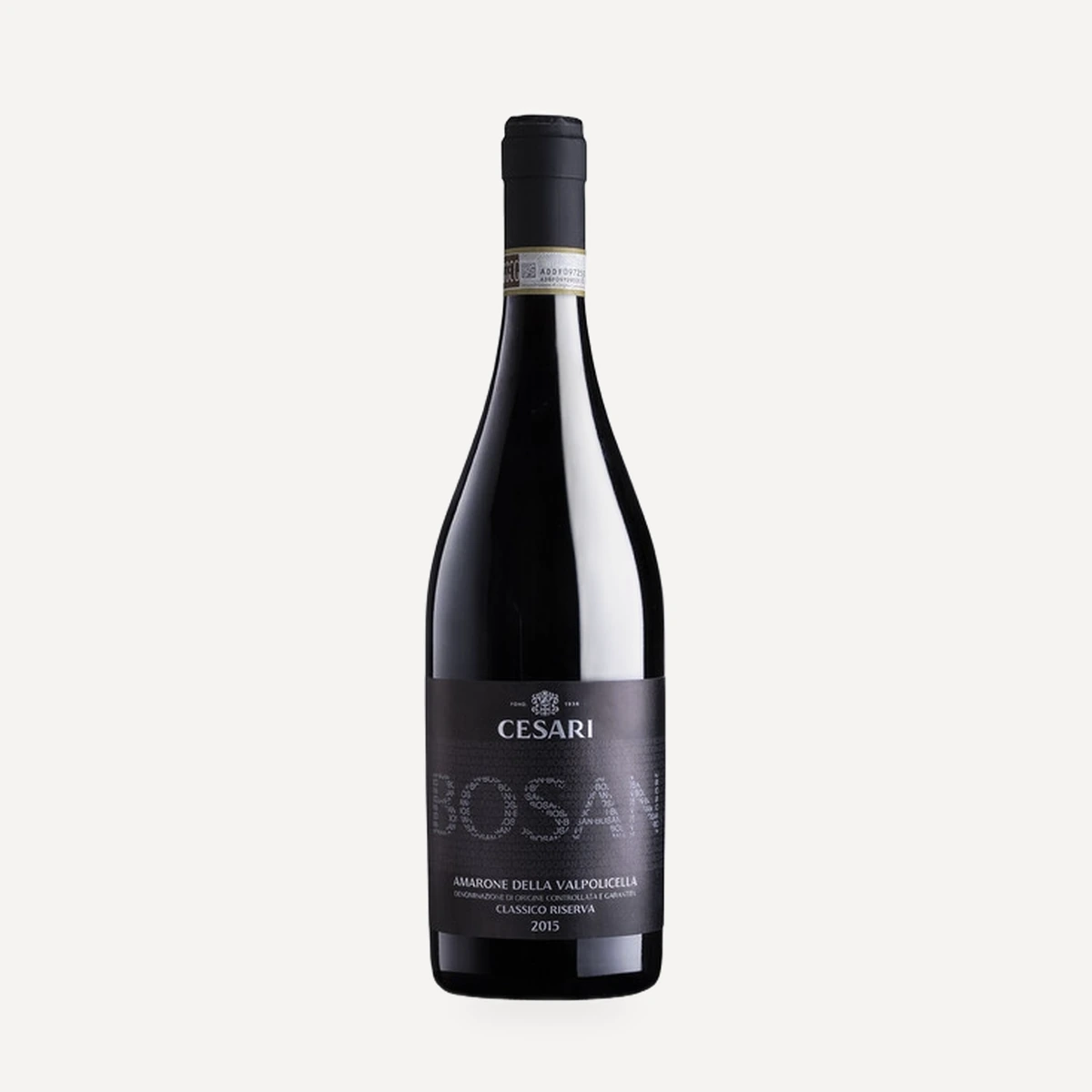
Amarone della Valpolicella Classico Riserva Bosan DOCG
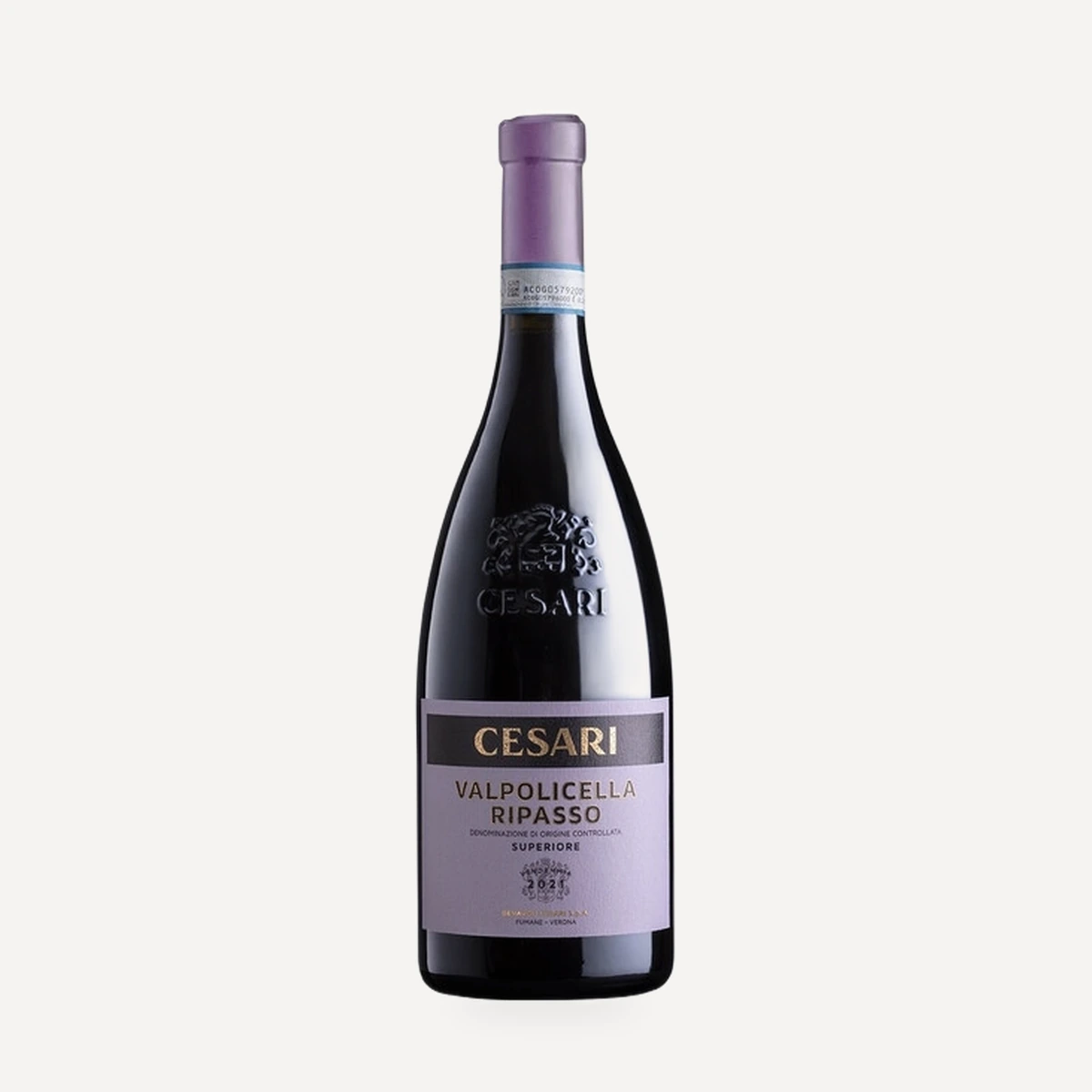
Valpolicella Ripasso Superiore Bosan DOC
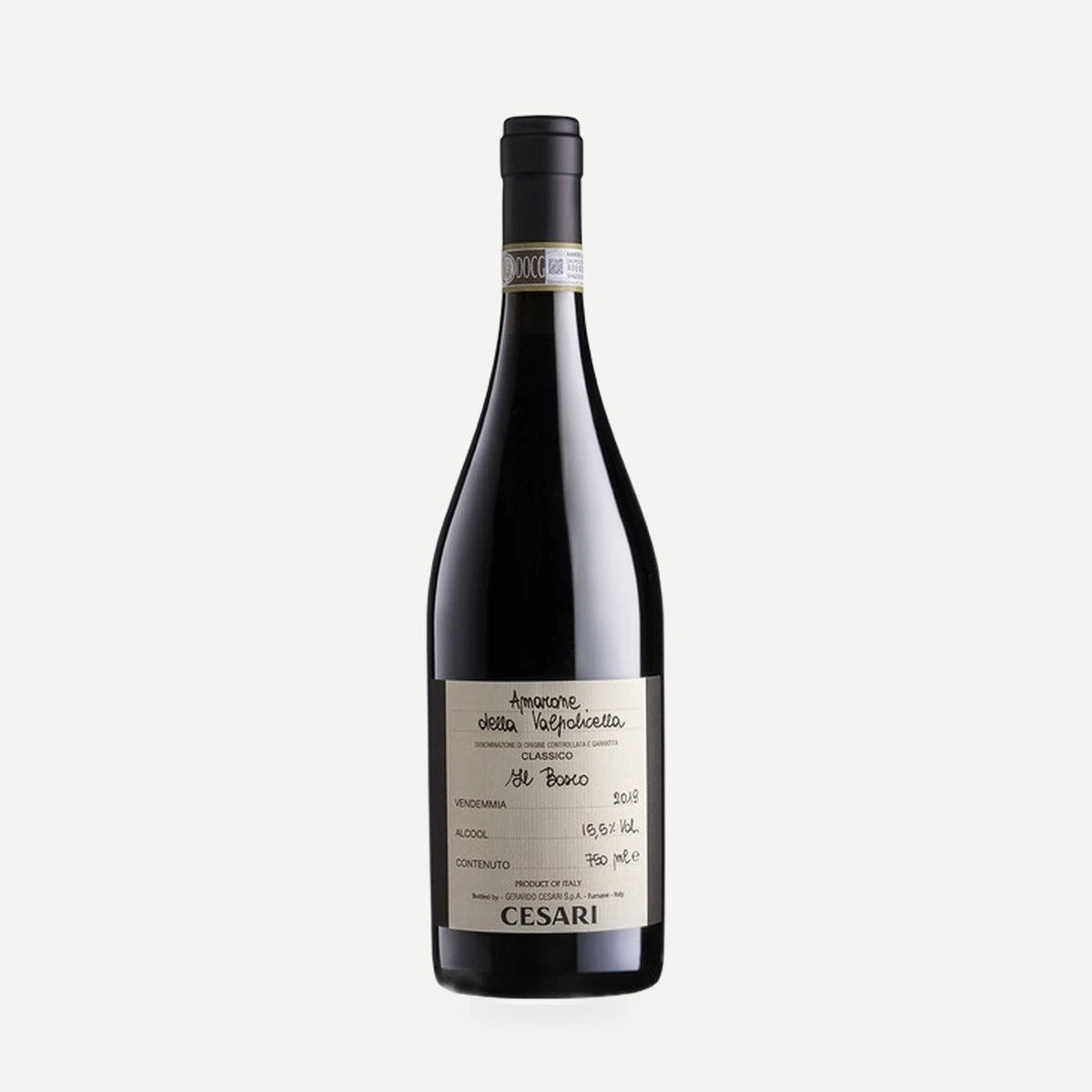
Il Bosco Amarone della Valpolicella Classico DOC
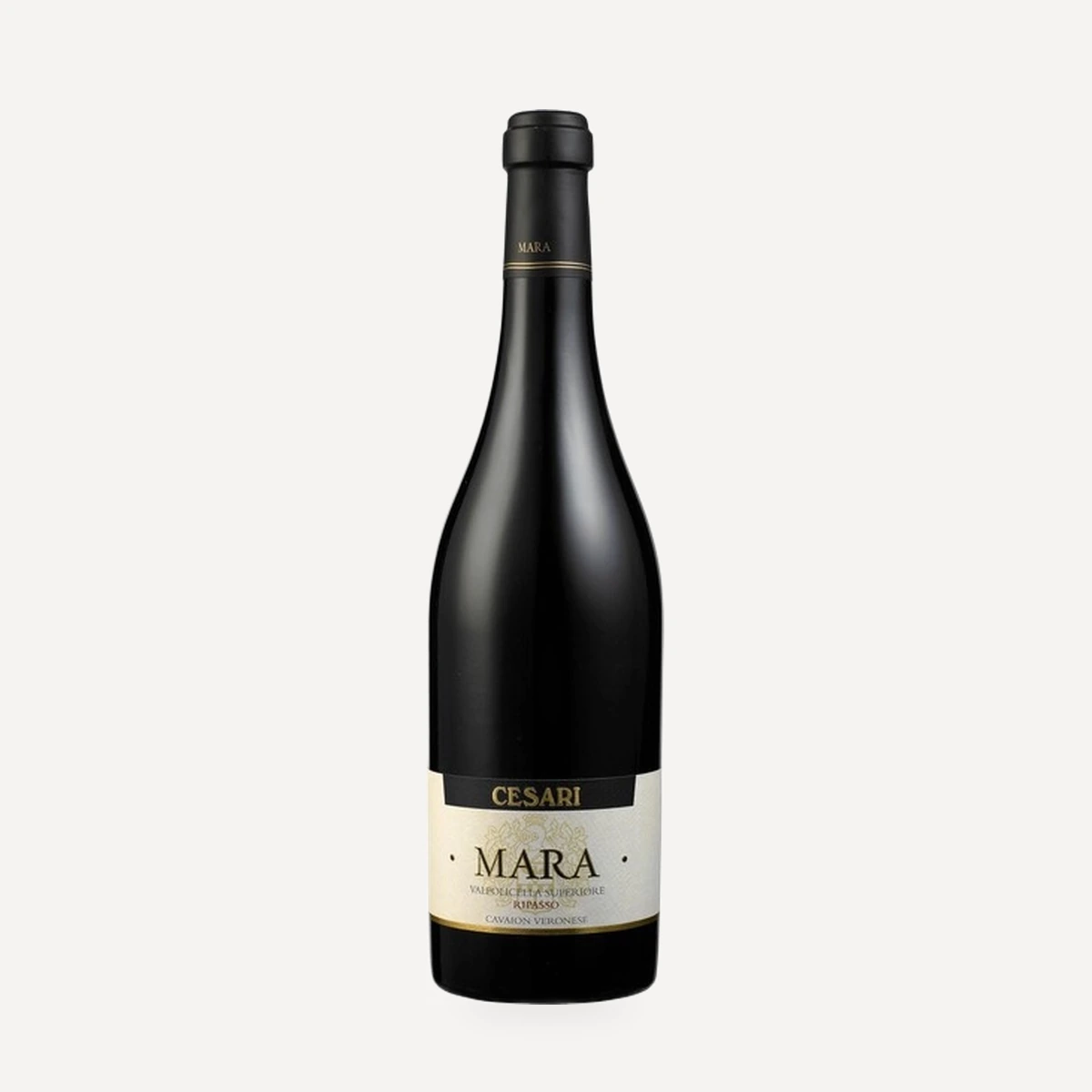
Mara Valpolicella Ripasso Superiore DOC
Bardolino Classico DOC
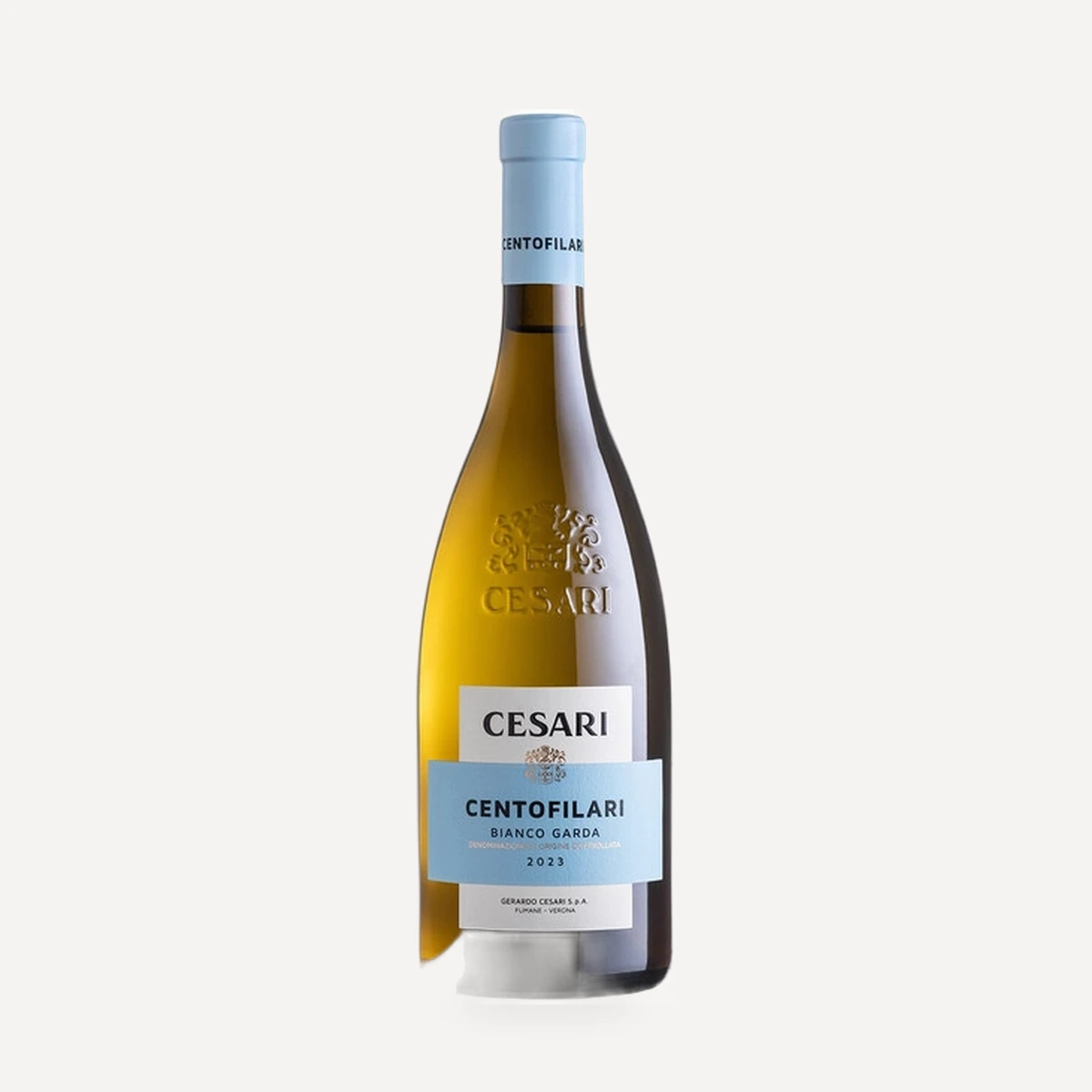
Centofilari Bianco Garda DOC
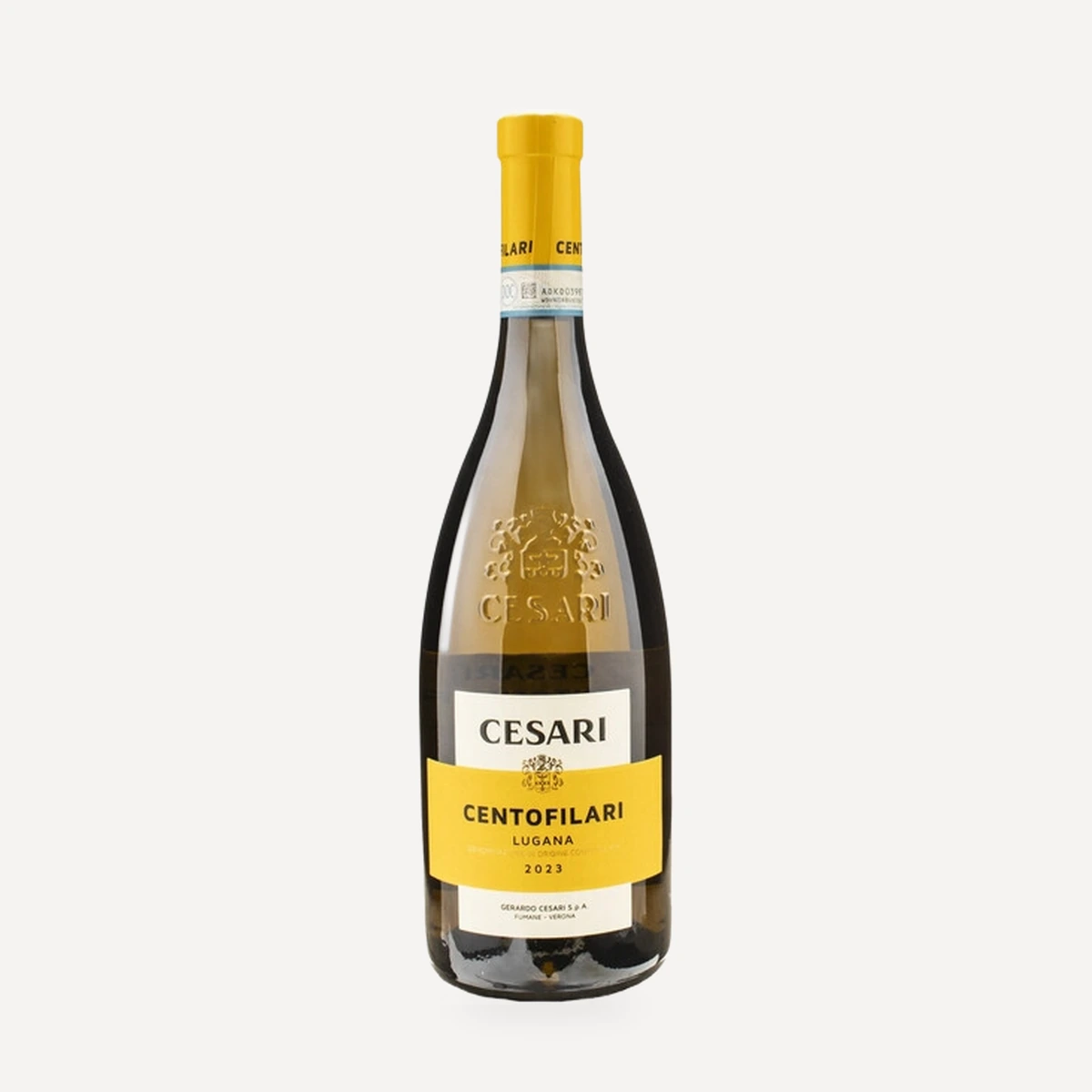
Cento Filari Lugana DOC
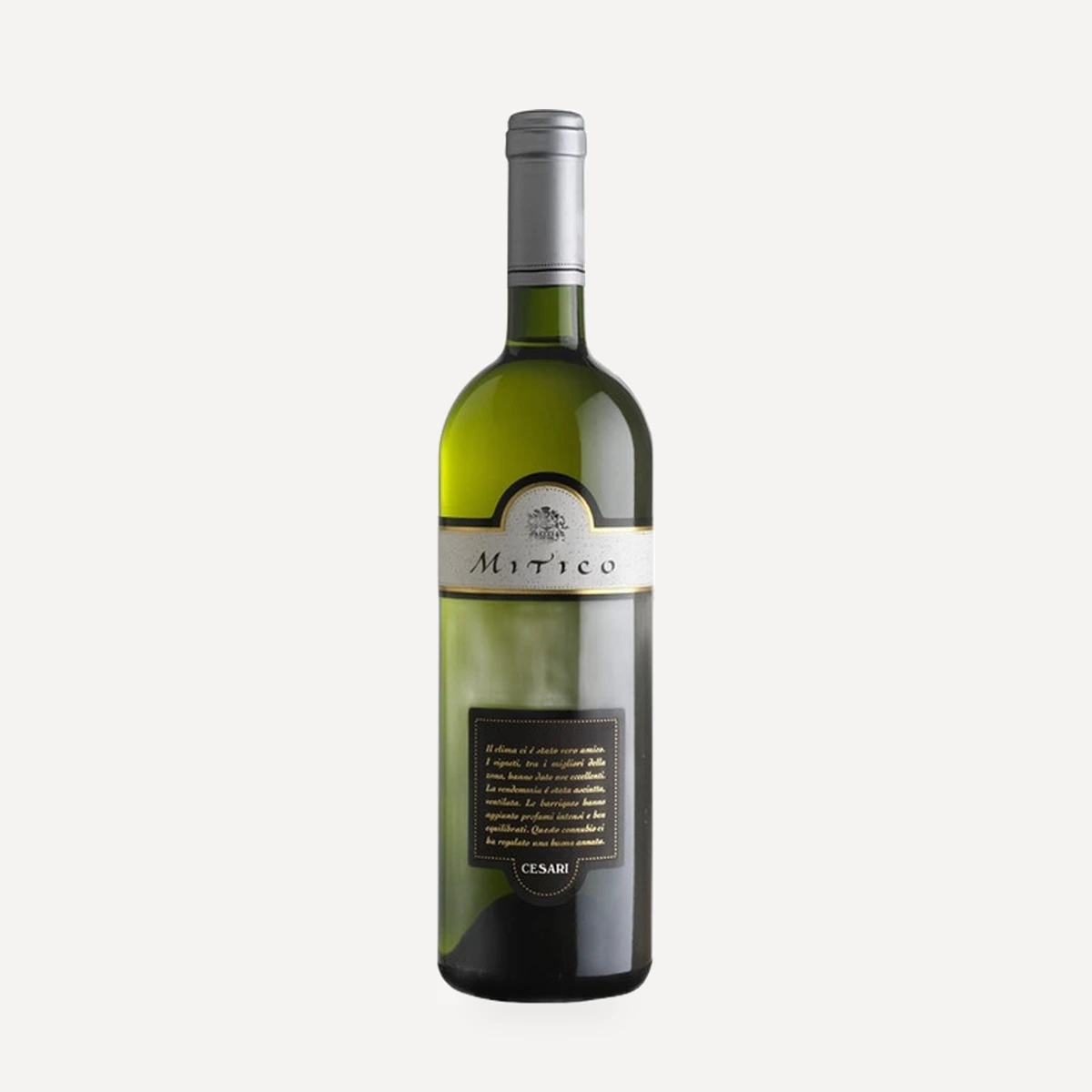
Mitico Chardonnay delle Venezie IGT
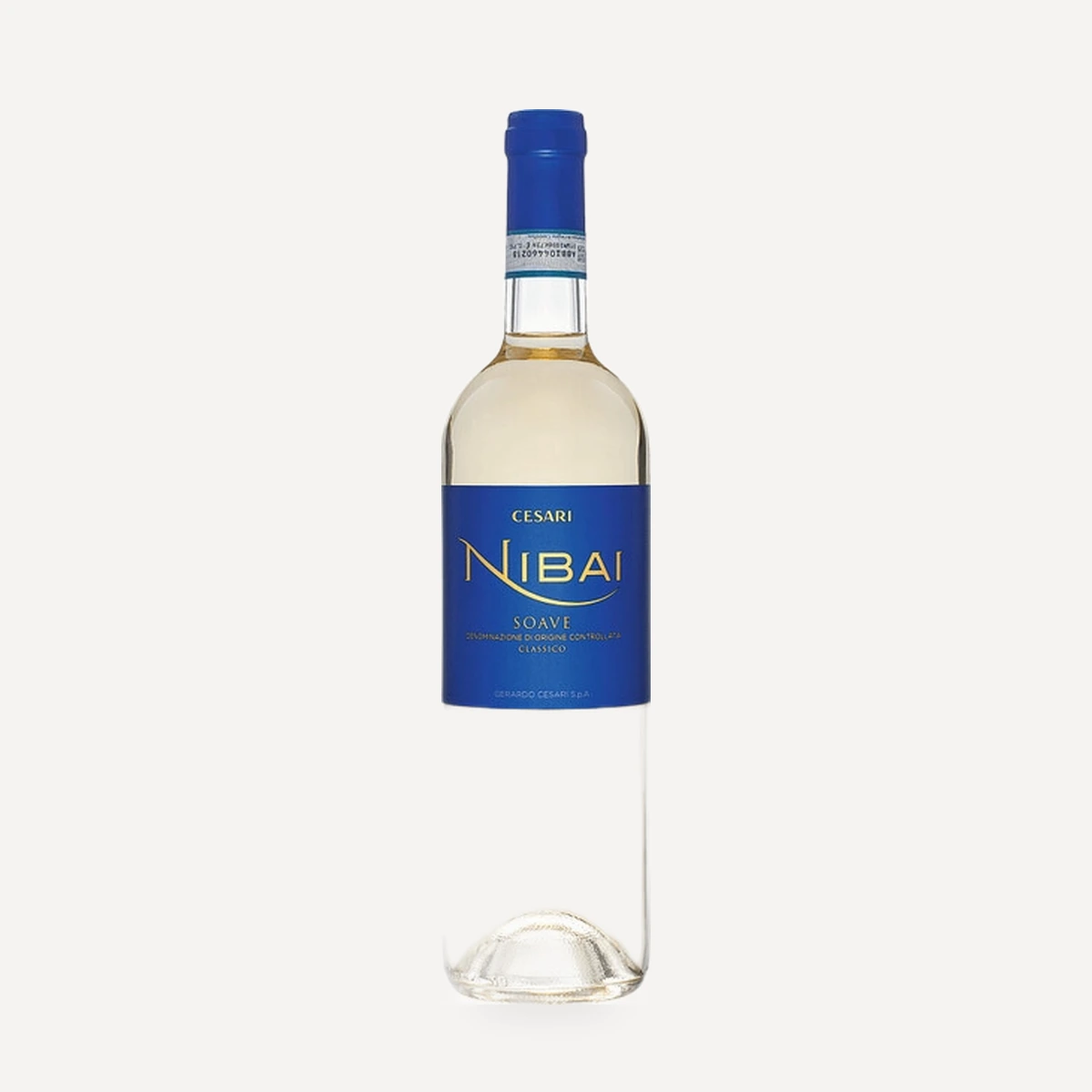
Nibai Soave Classico DOC
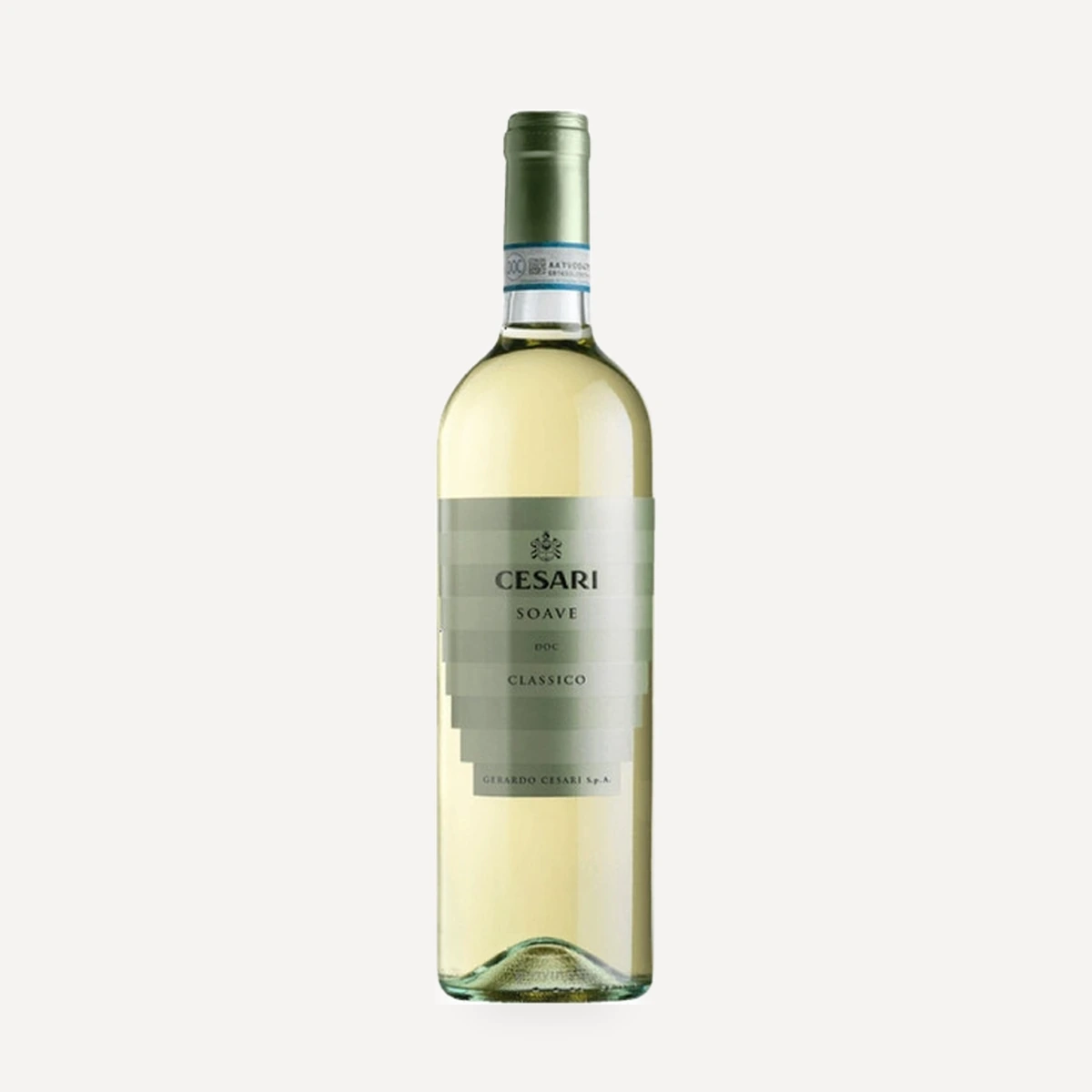
Soave Classico DOC
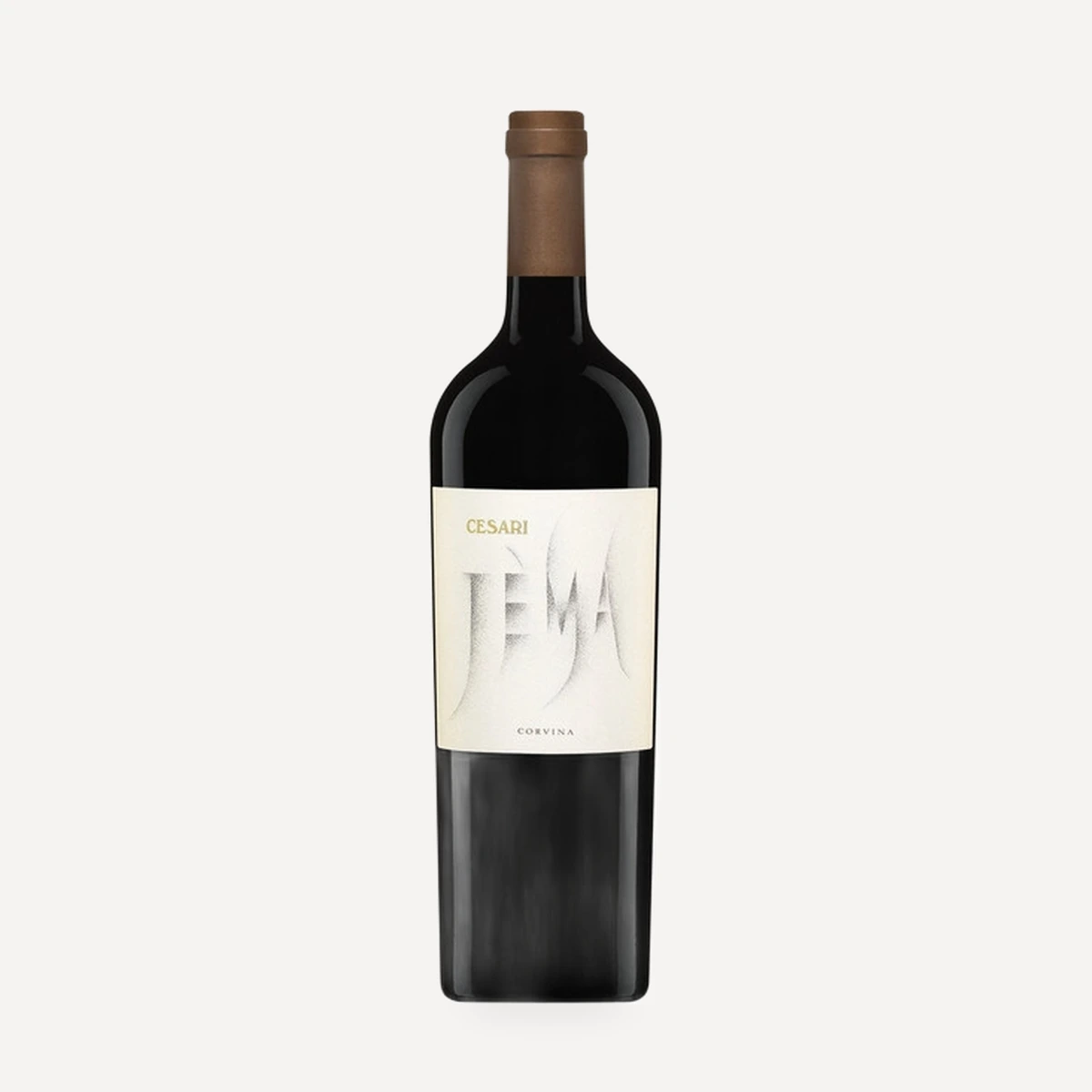
Jema Corvina Veronese
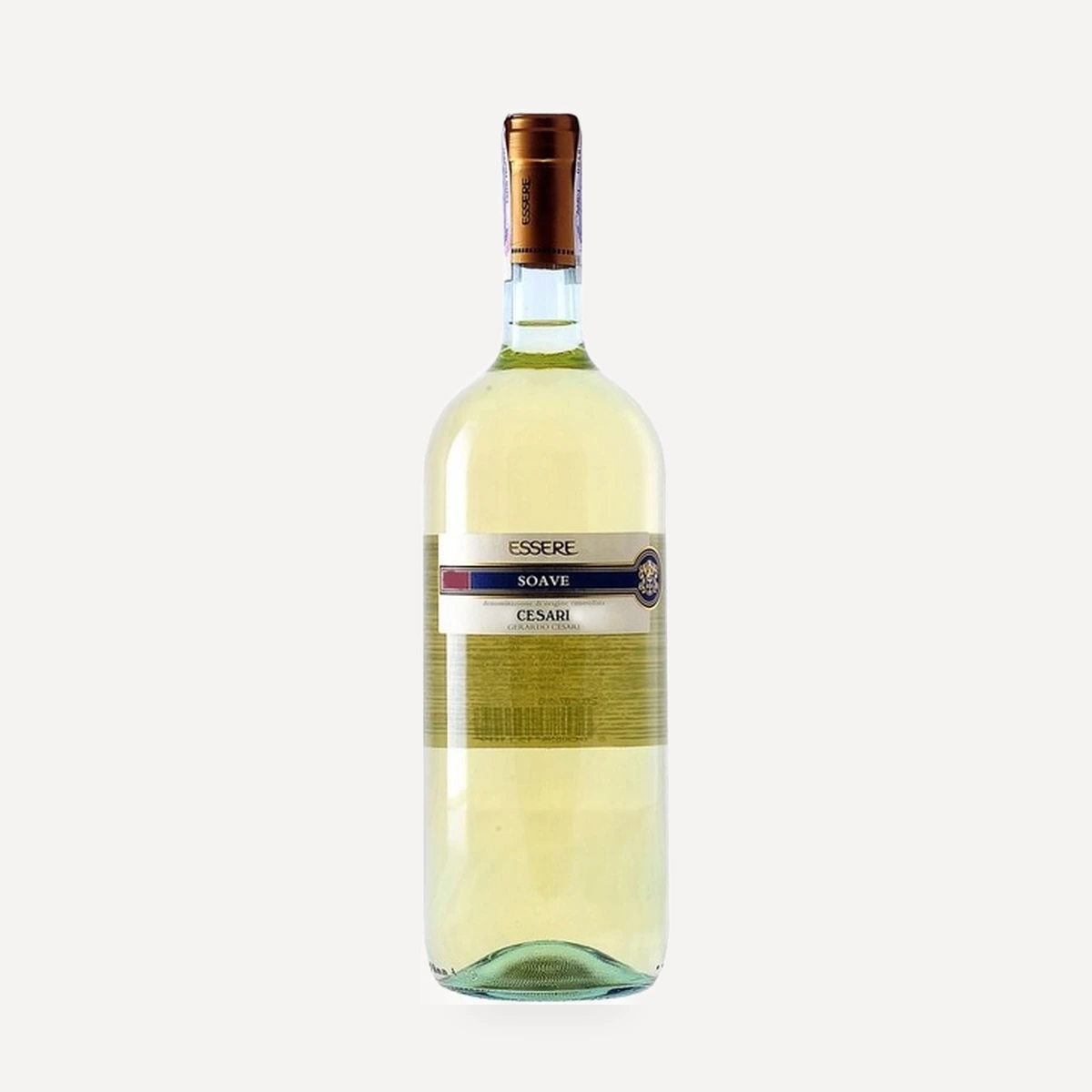
Essere Soave DOC
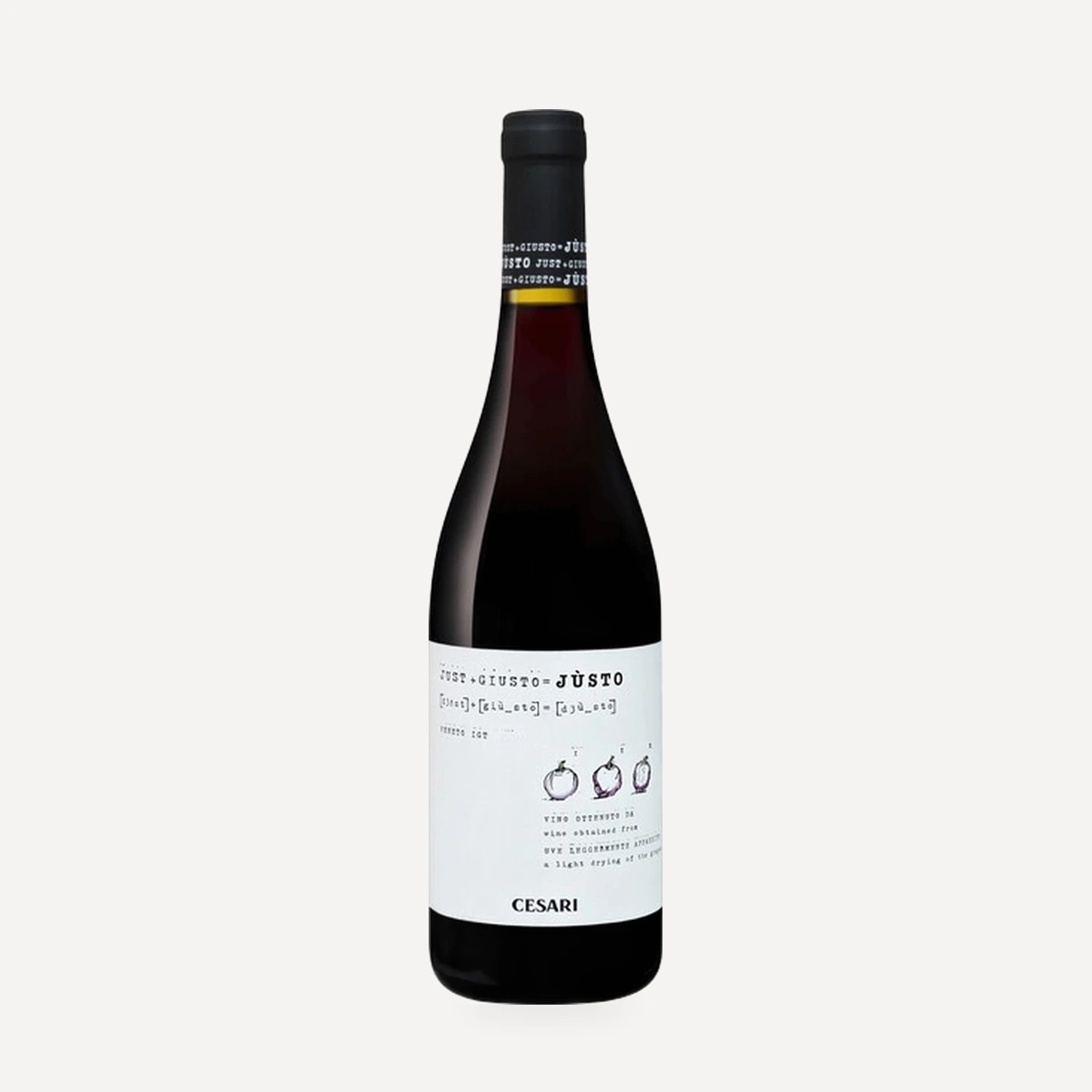
Justo Veneto IGT
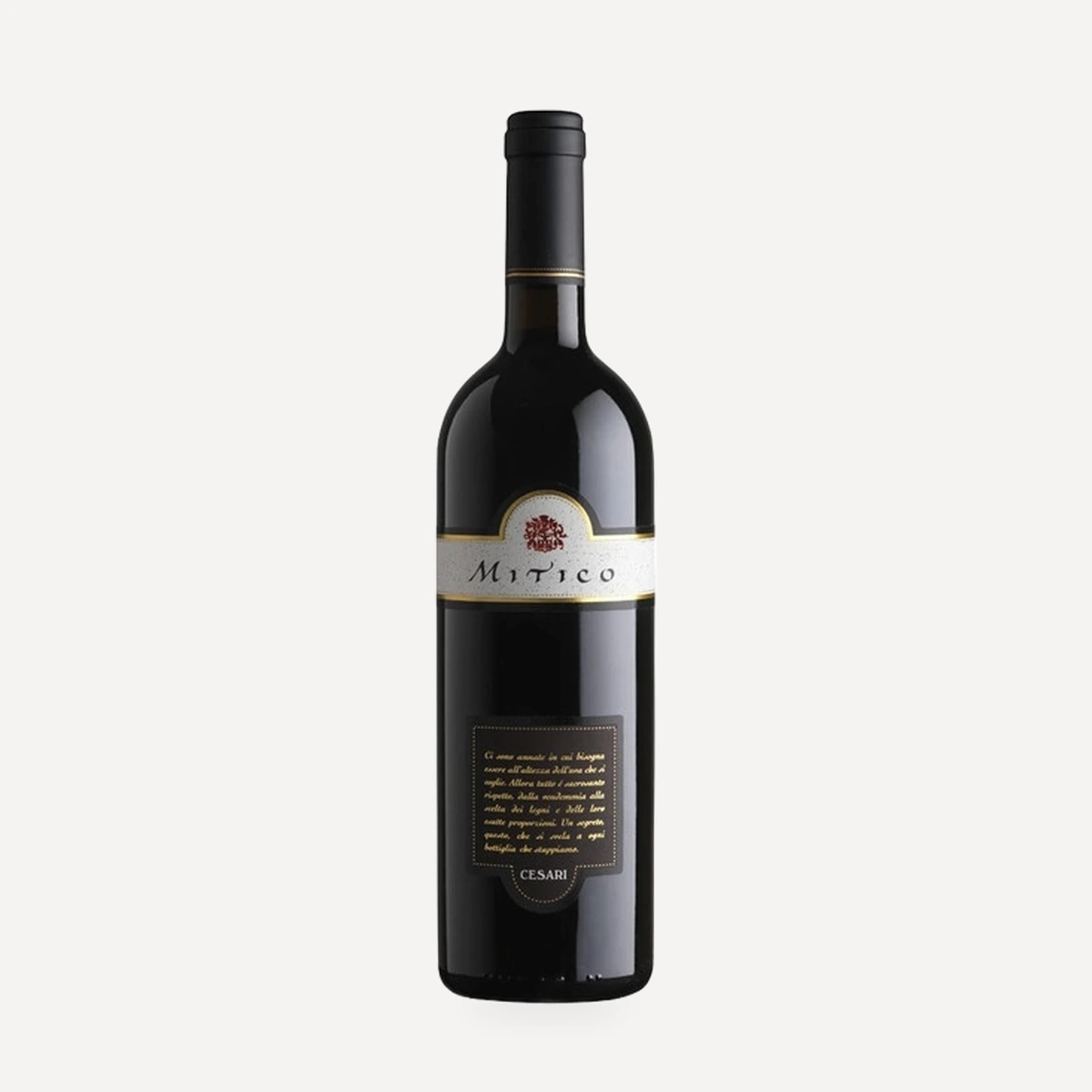
Mitico Merlot delle Venezie IGT
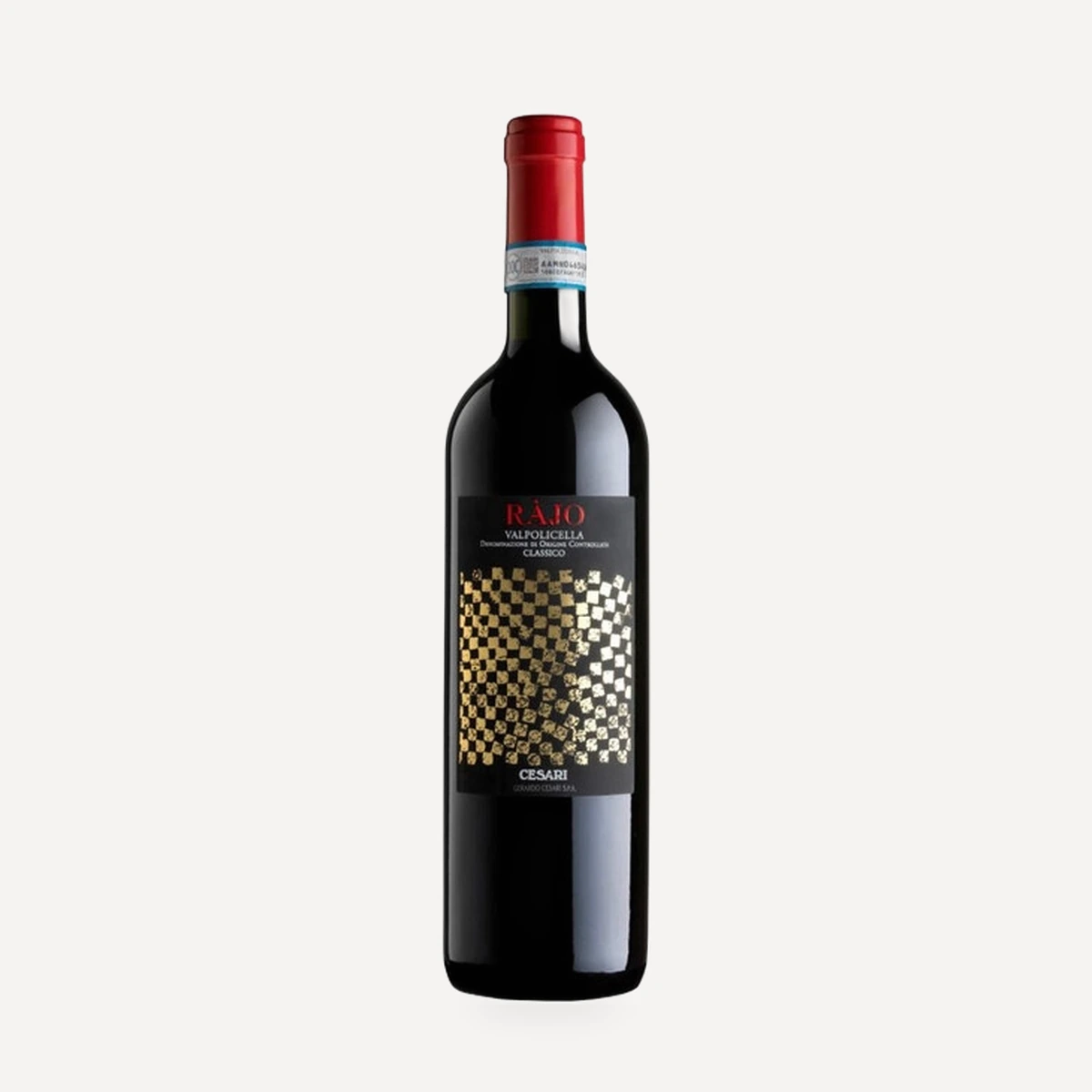
Rajo Valpolicella Classico DOC
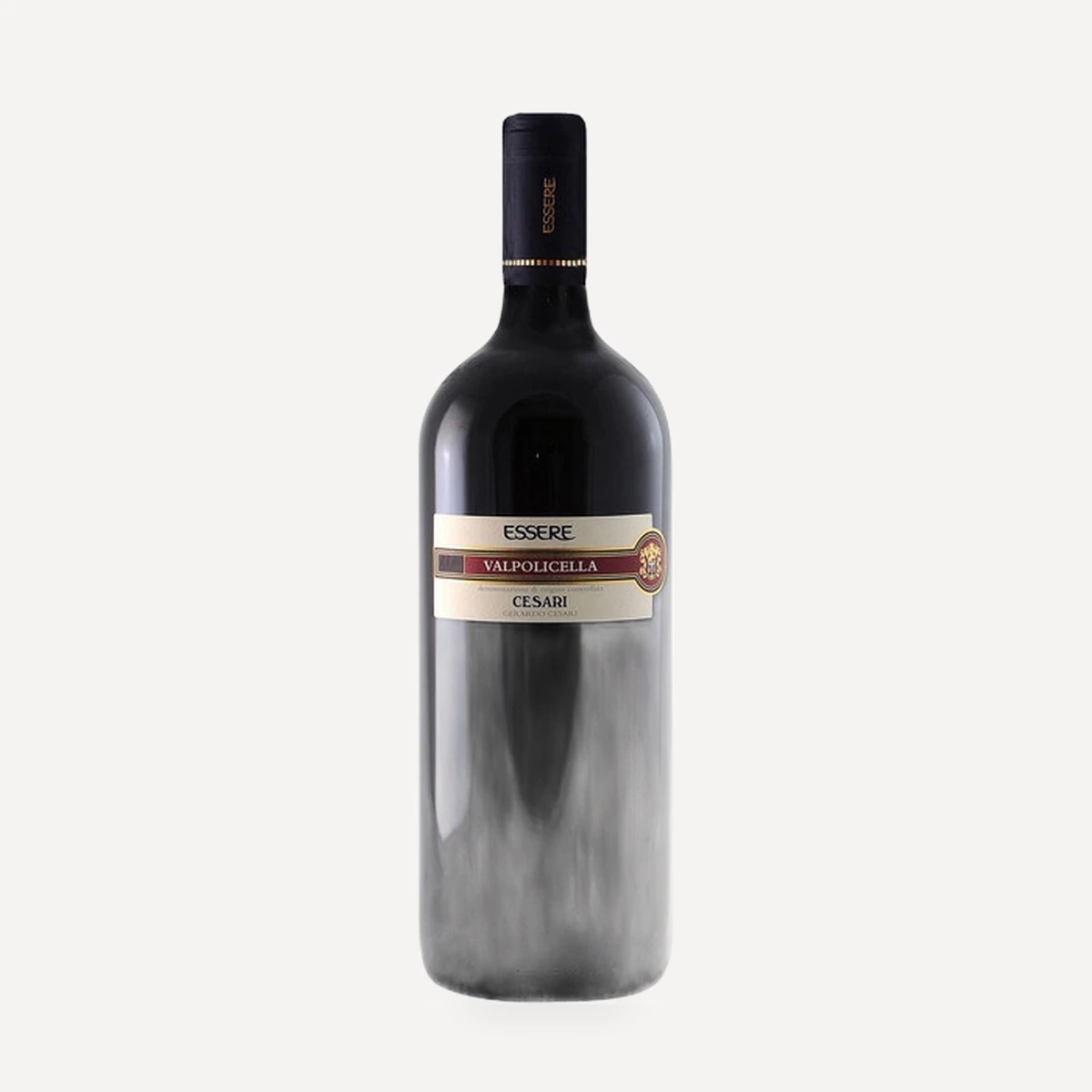
Essere Valpolicella DOC
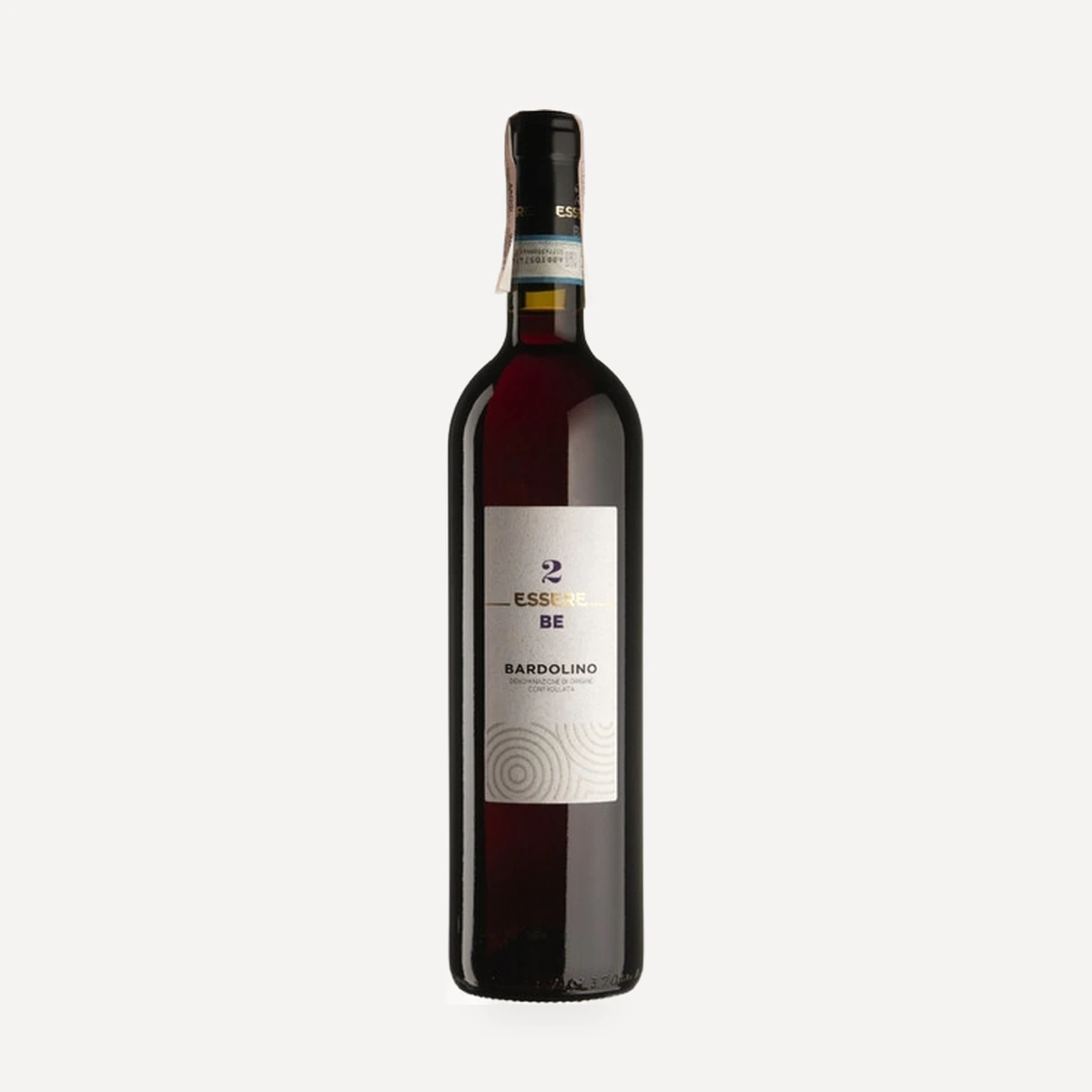
Essere 2 Be Bardolino DOC
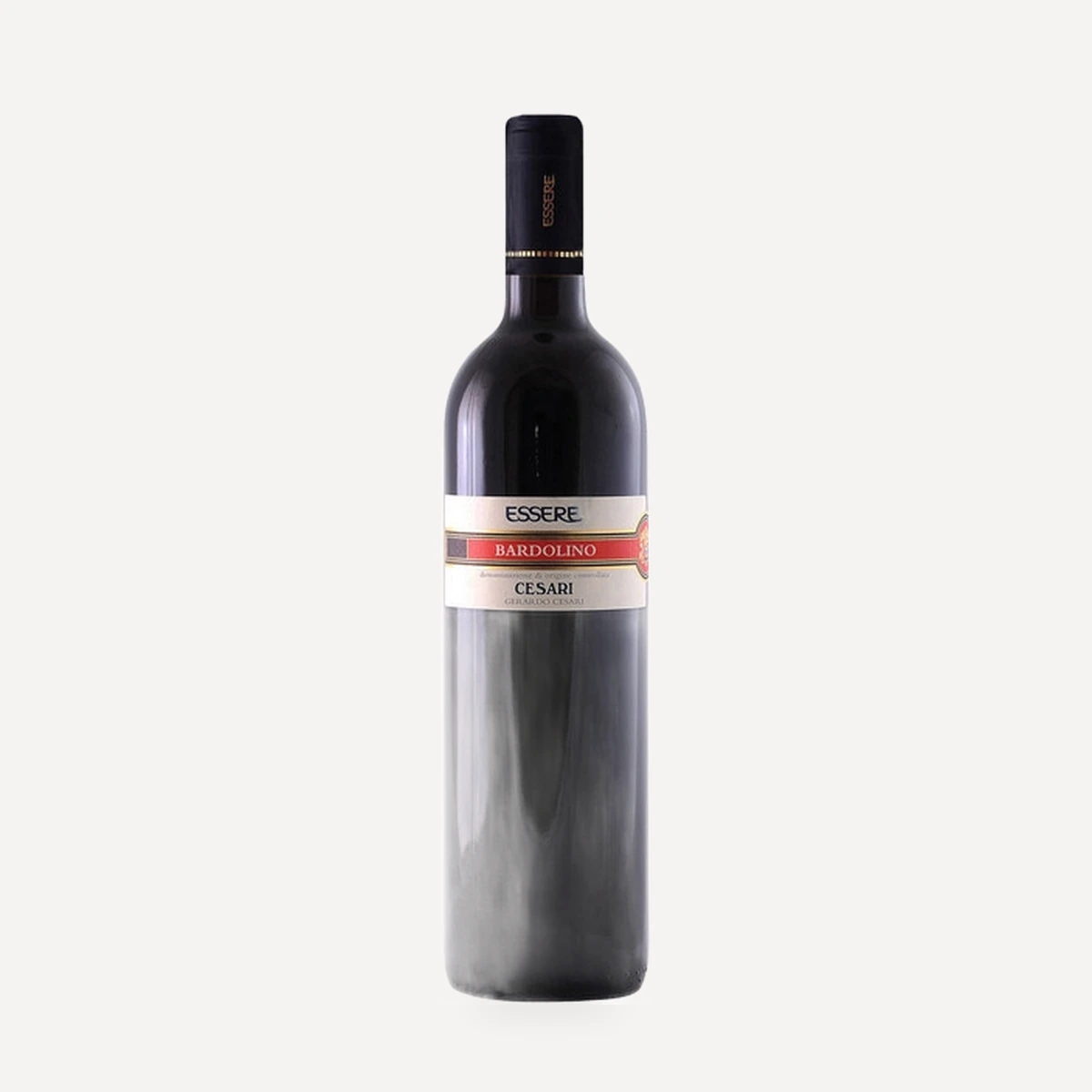
Essere Bardolino DOC
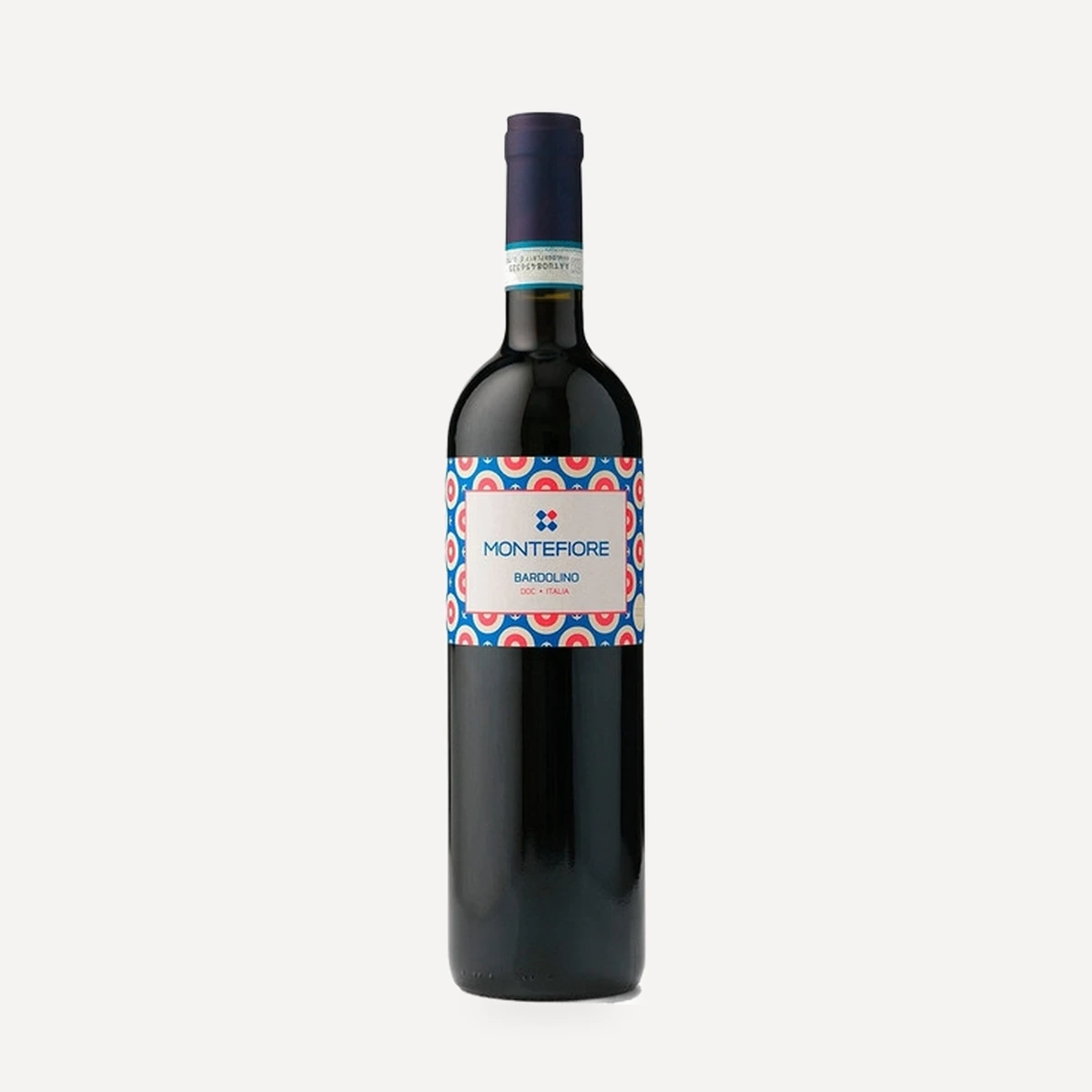
Montefiore Bardolino DOC
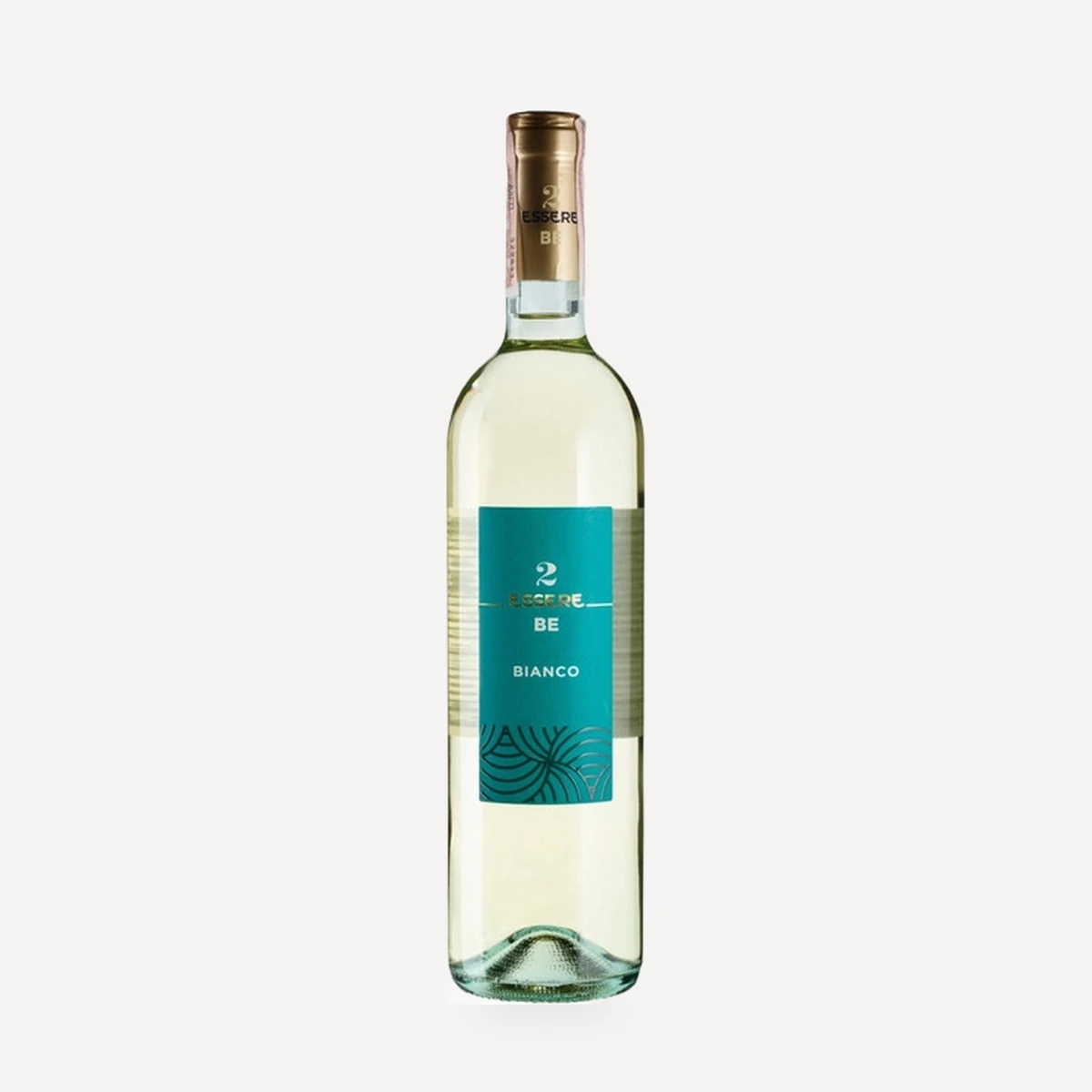
Essere 2 Be Bianco Trevenezie IGT
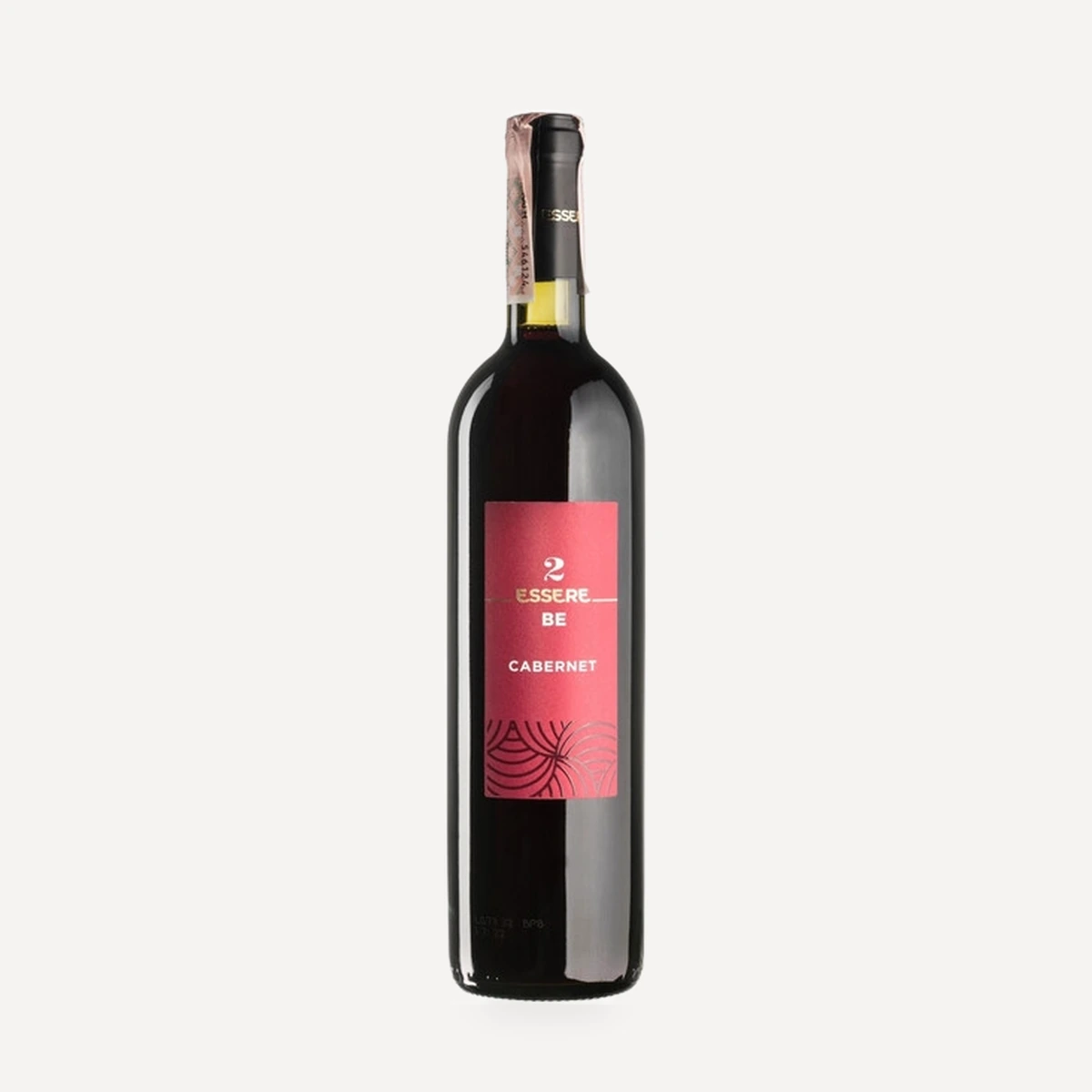
Essere 2 Be Cabernet Trevenezie IGT
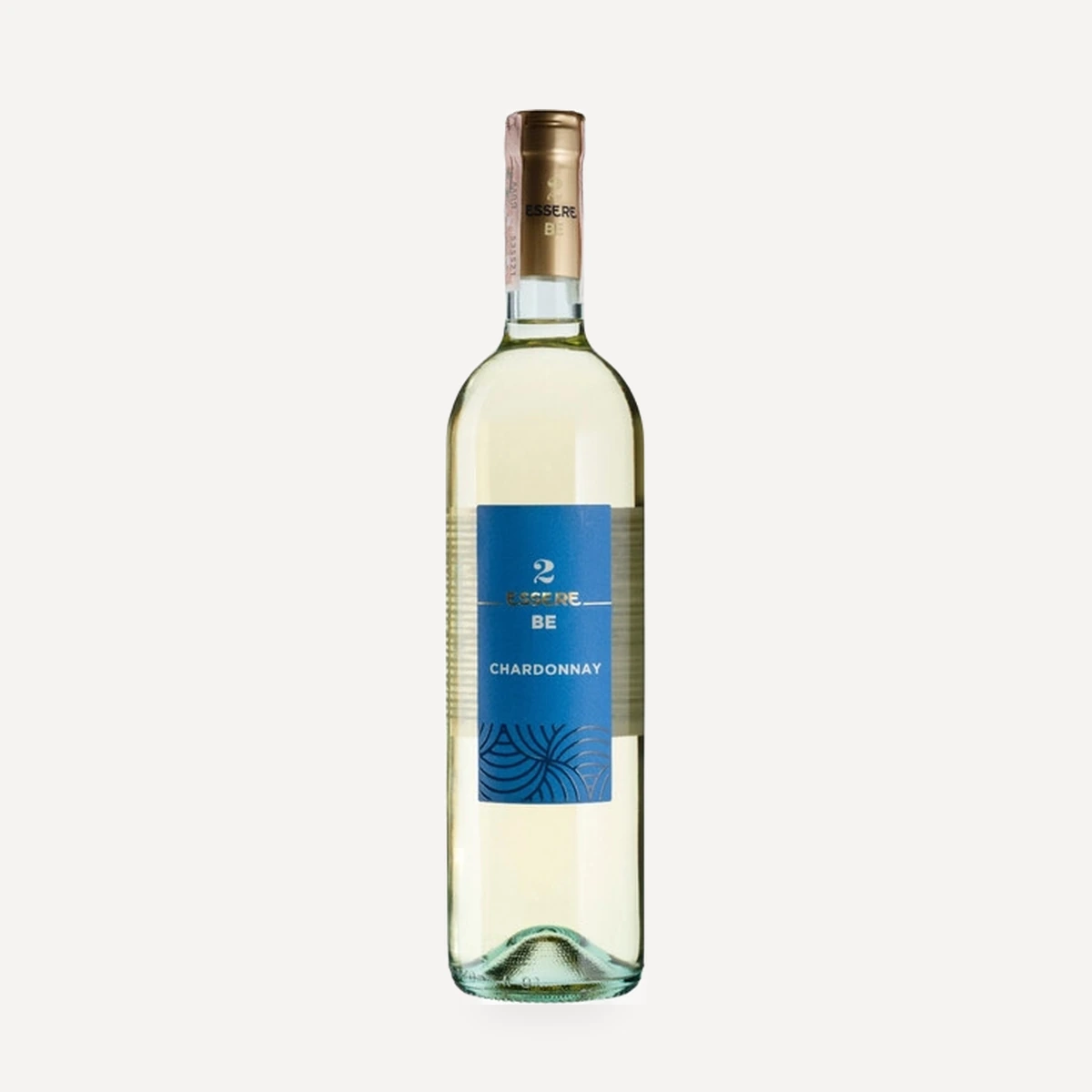
Essere 2 Be Chardonnay Trevenezie IGT
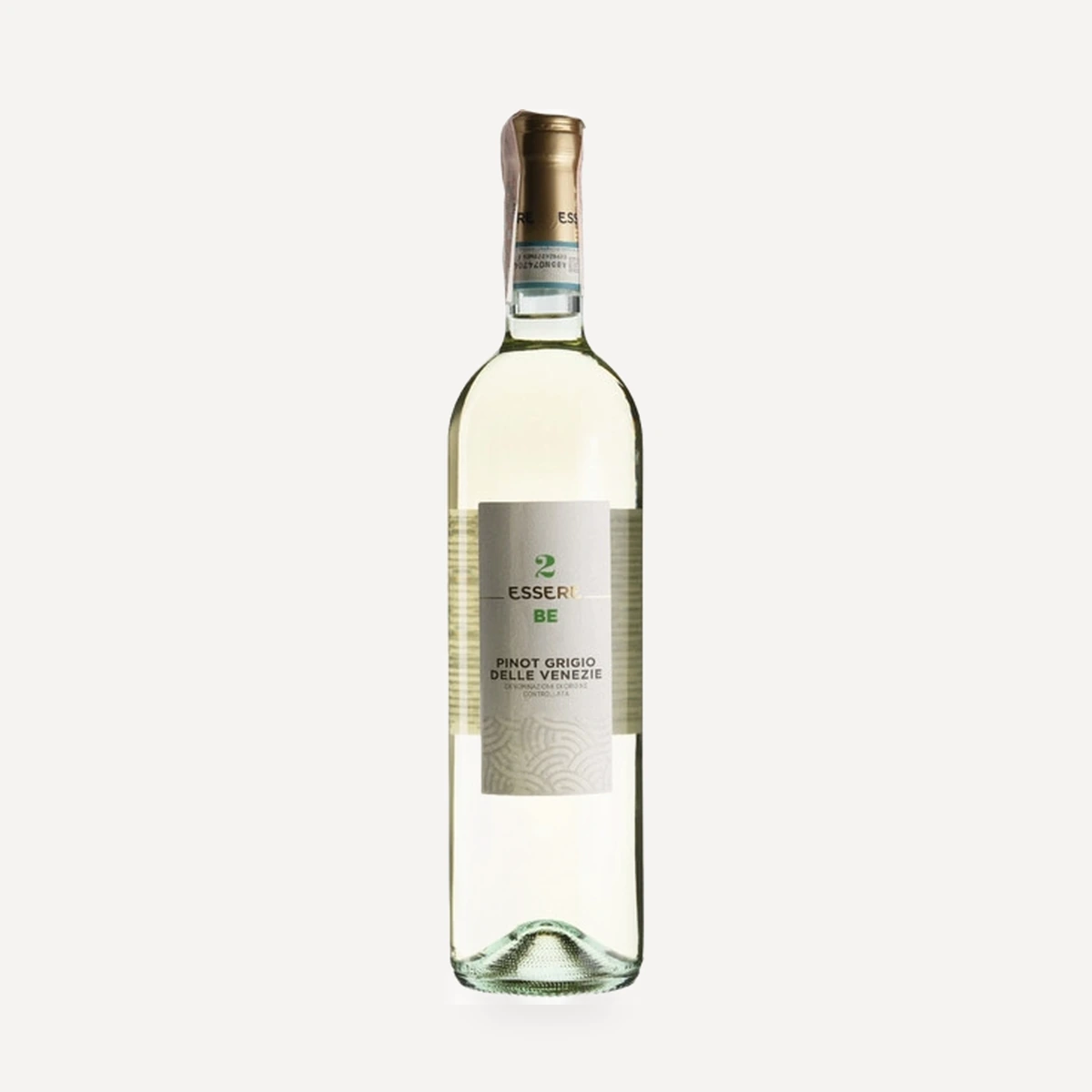
Essere 2 Be Pinot Grigio delle Venezie DOC
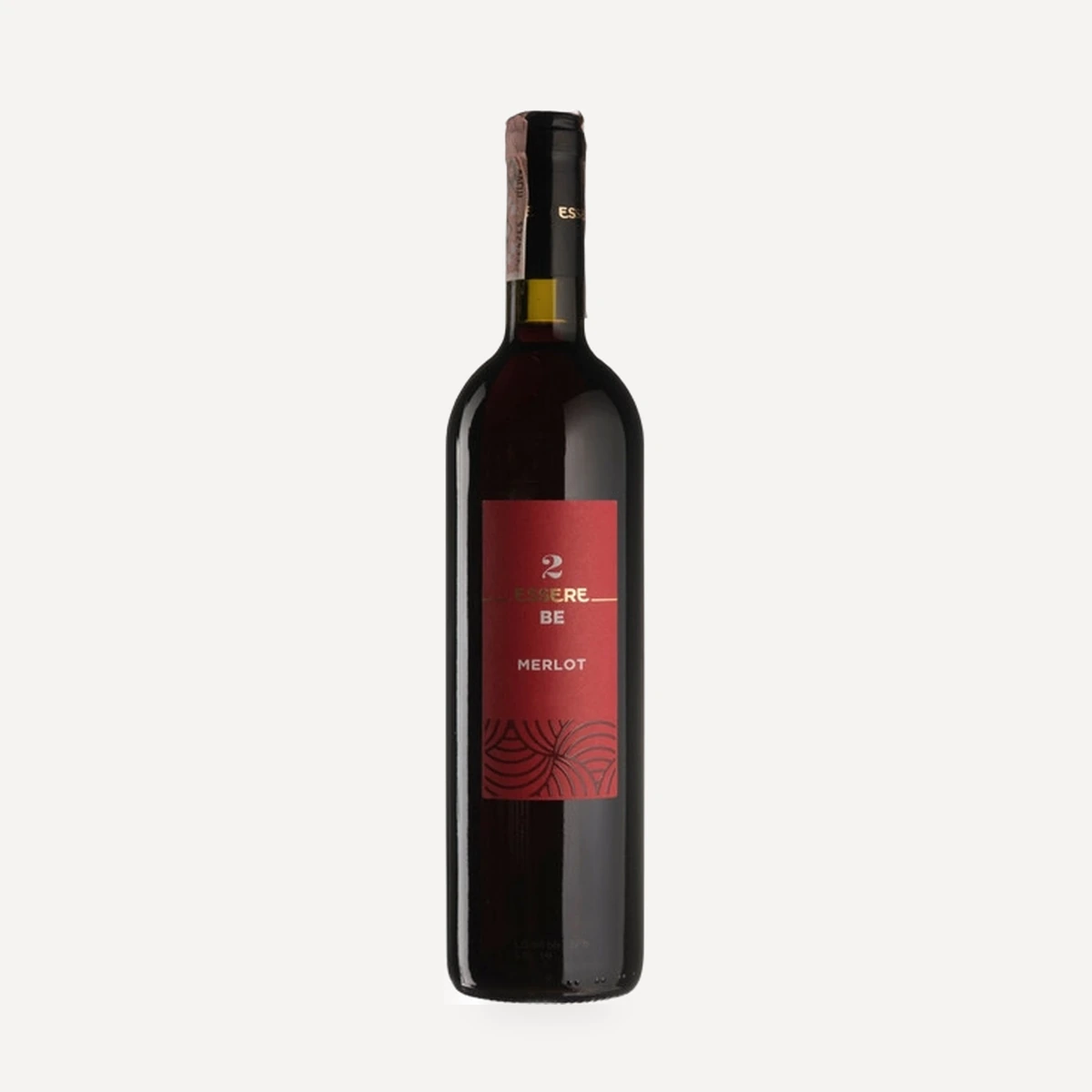
Essere 2 Be Merlo Trevenezie IGT
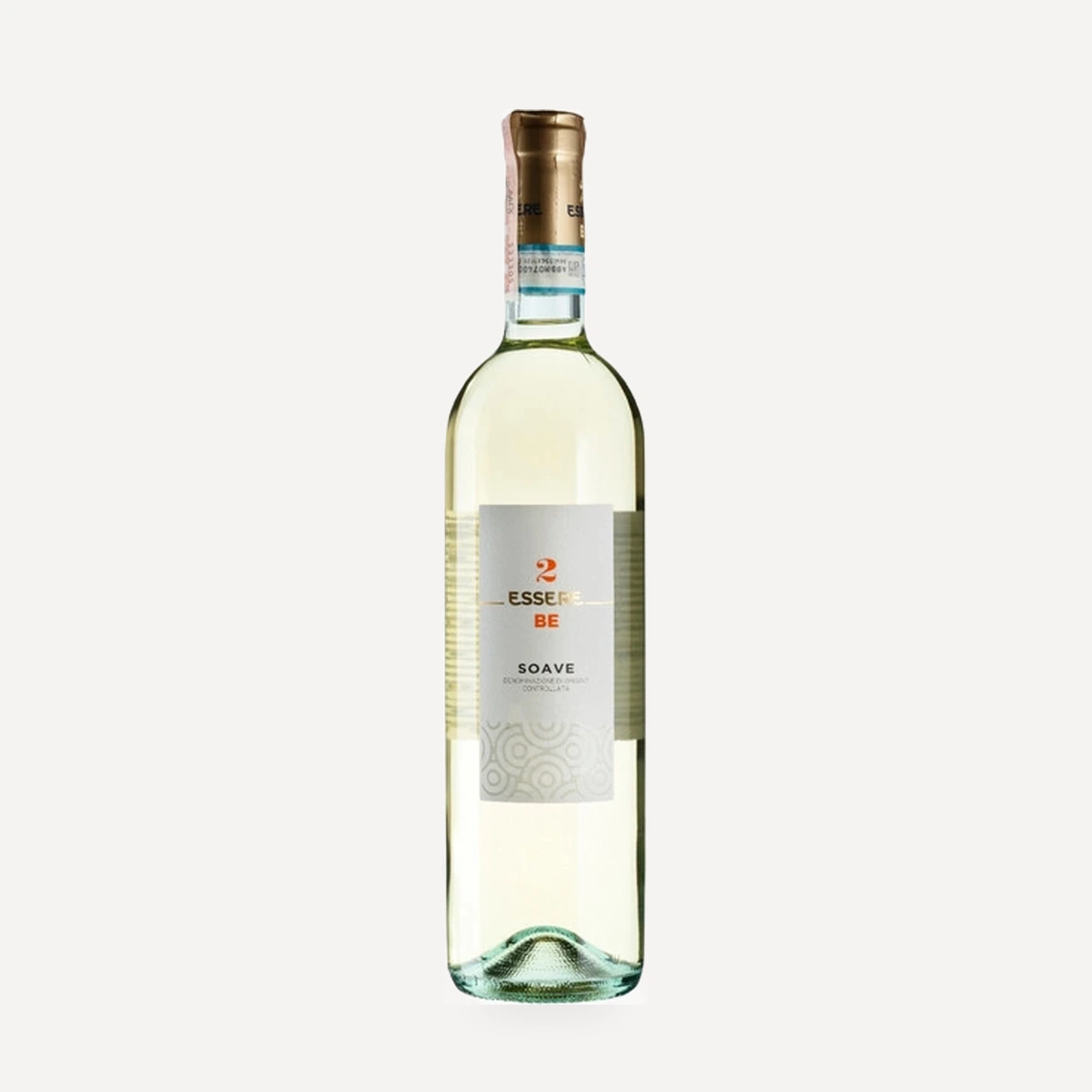
Essere 2 Be Soave DOC
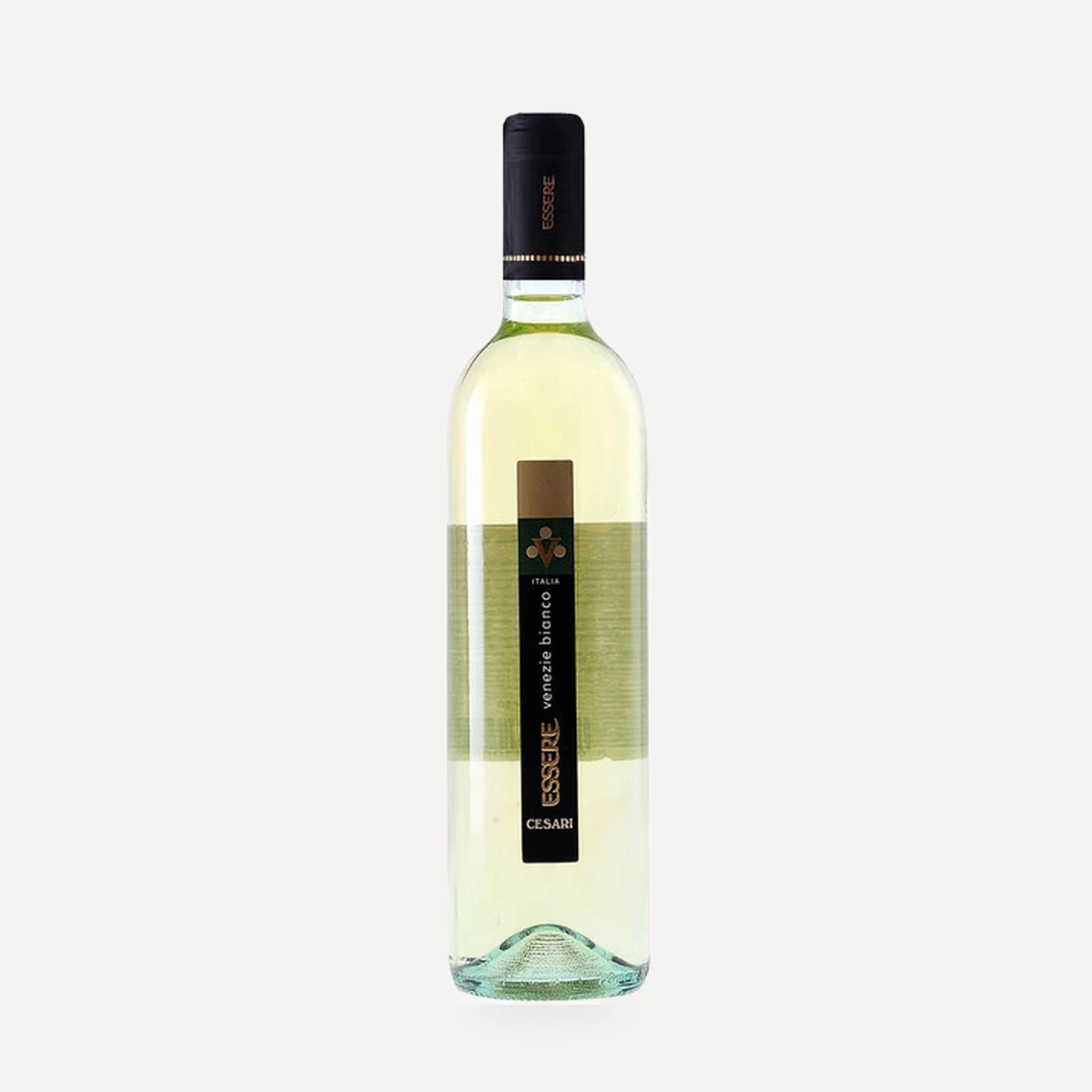
Essere Bianco delle Venezie
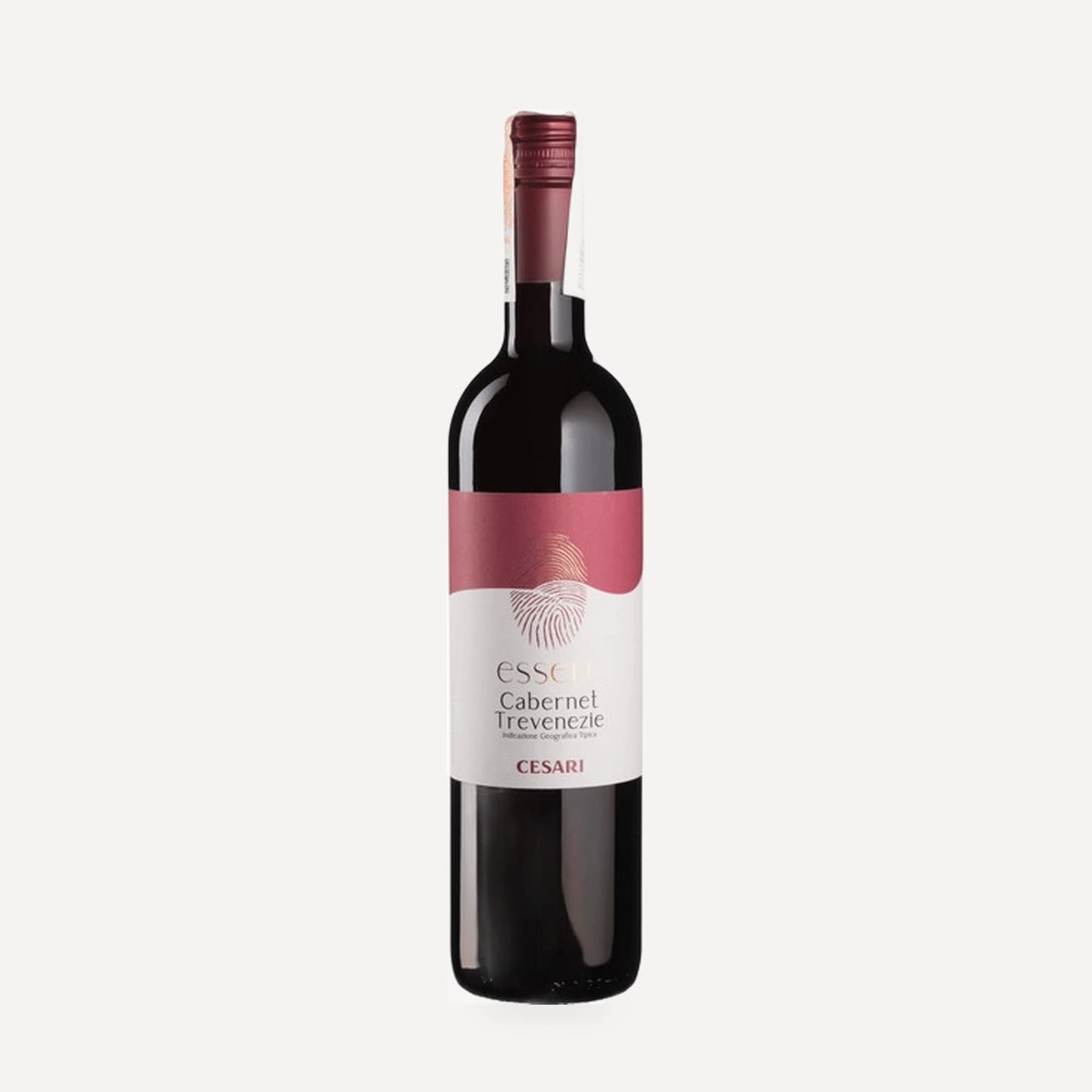
Essere Cabernet Trevenezie IGT
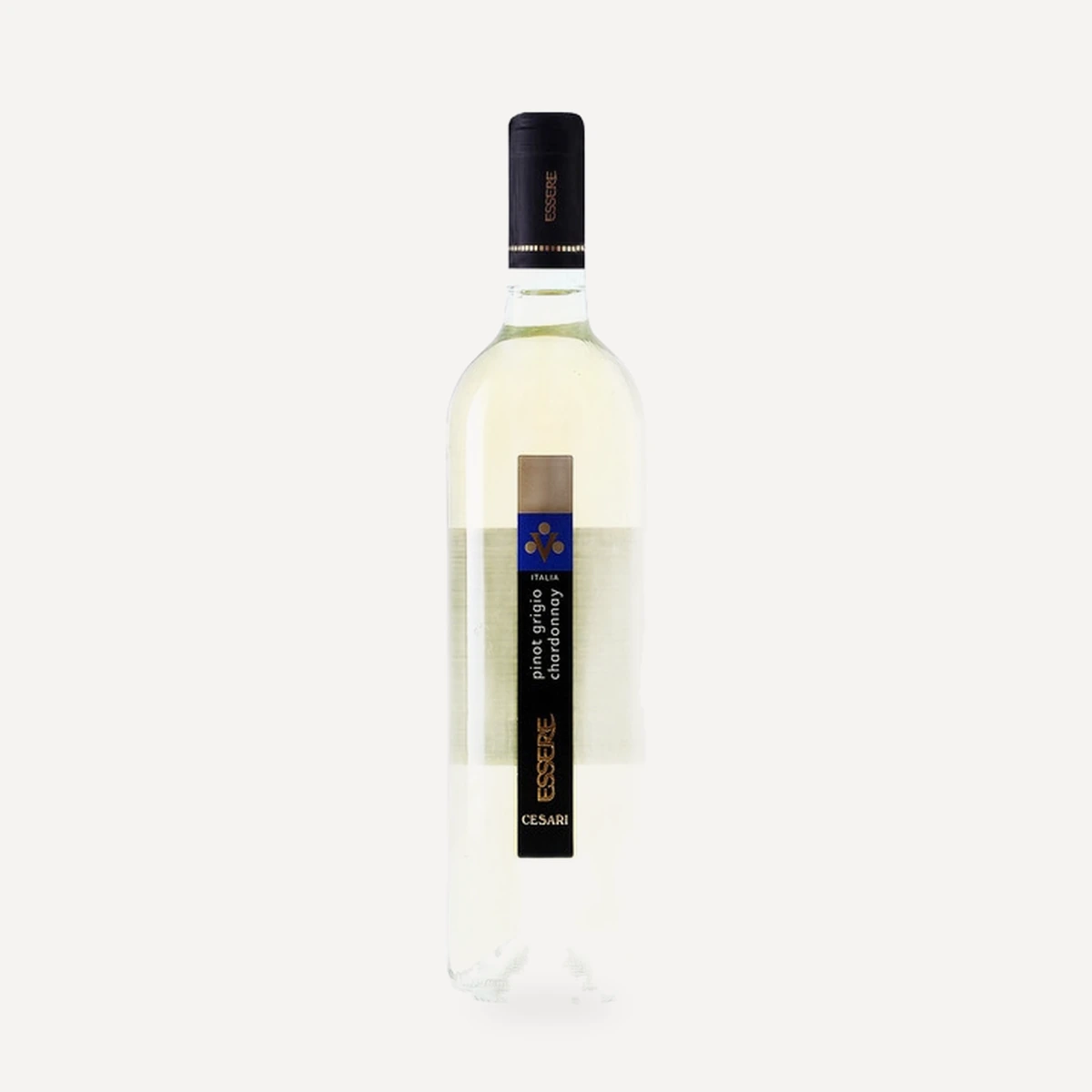
Essere Pinot Grigio-Chardonnay delle Venezie
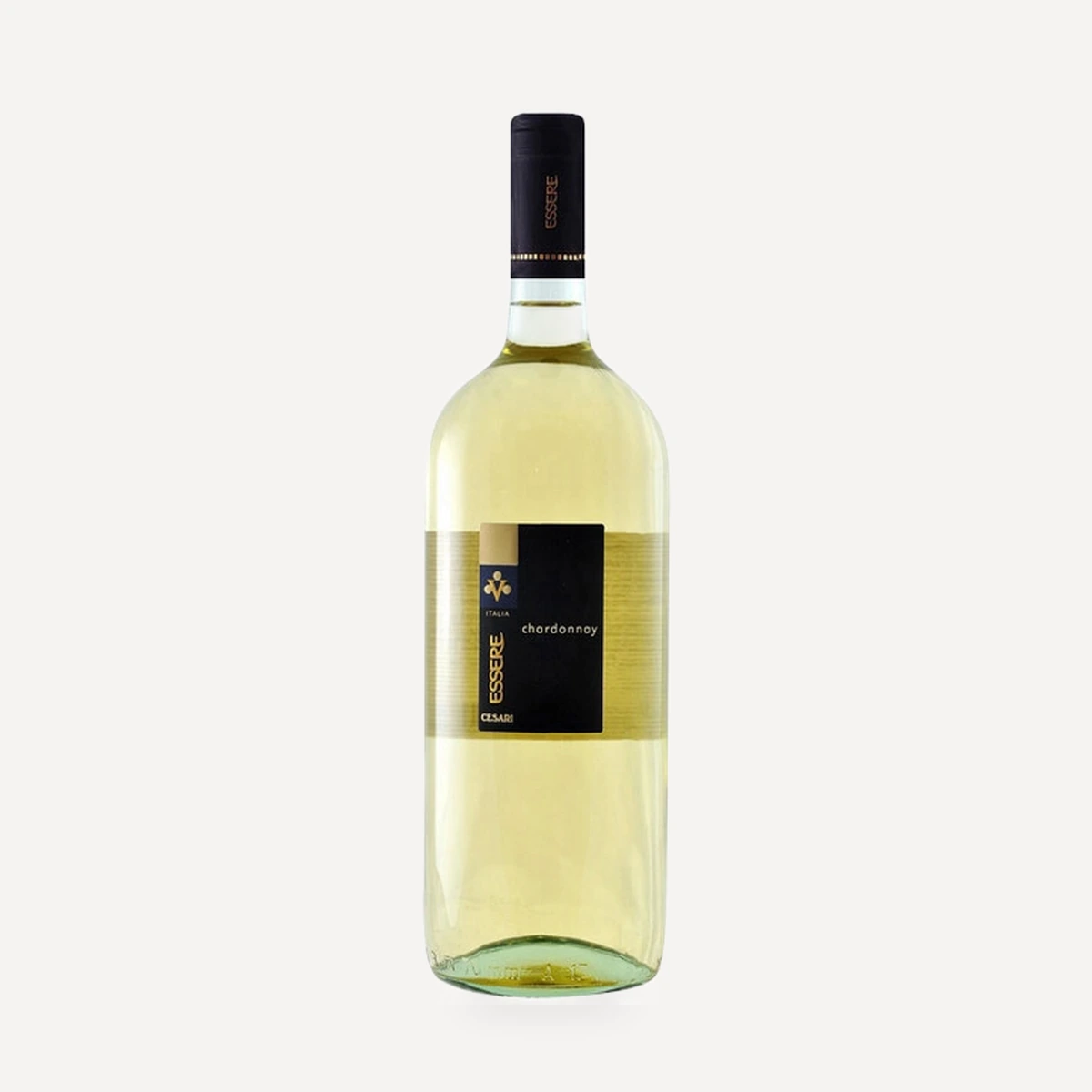
Essere Chardonnay delle Venezie
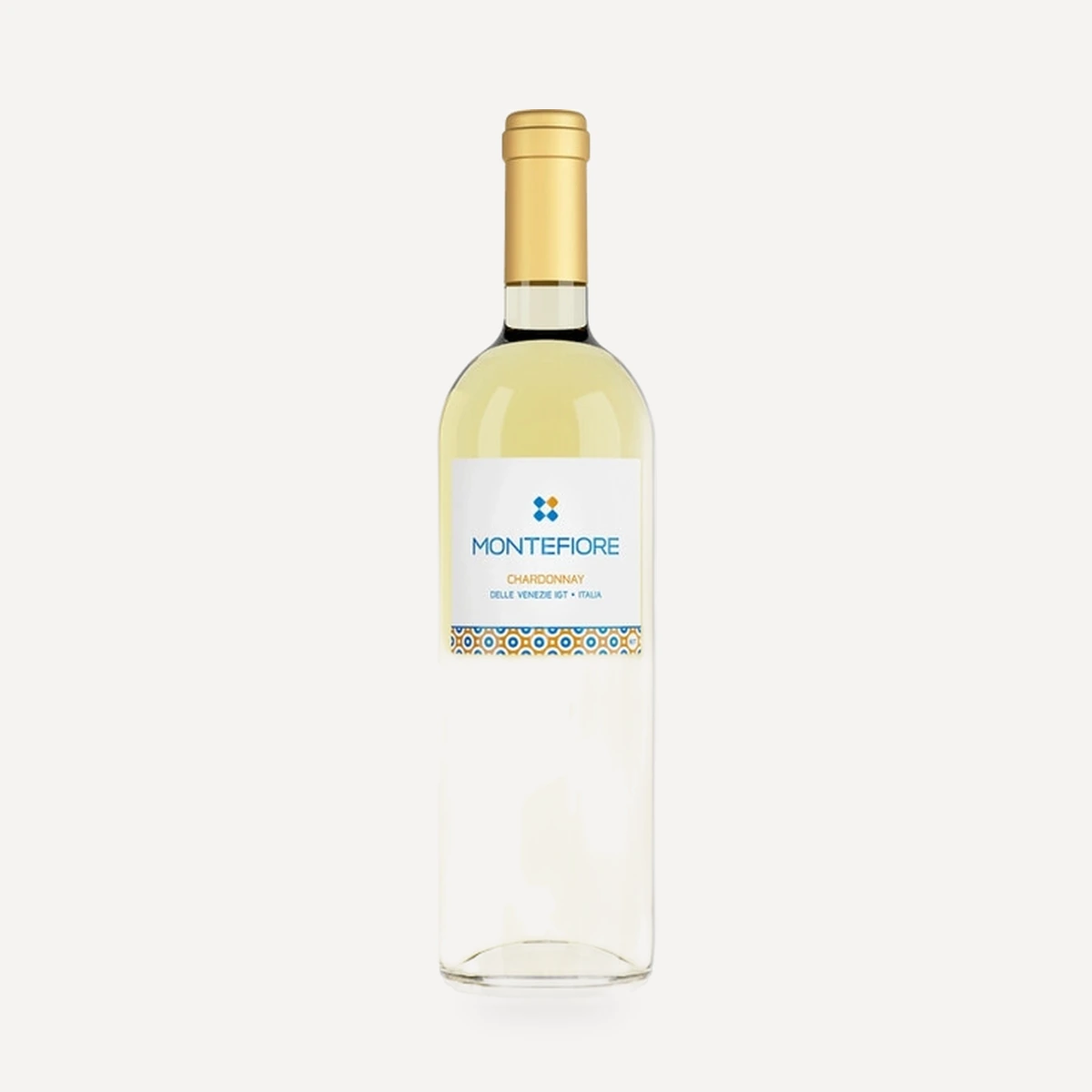
Montefiore Chardonnay delle Venezie IGT
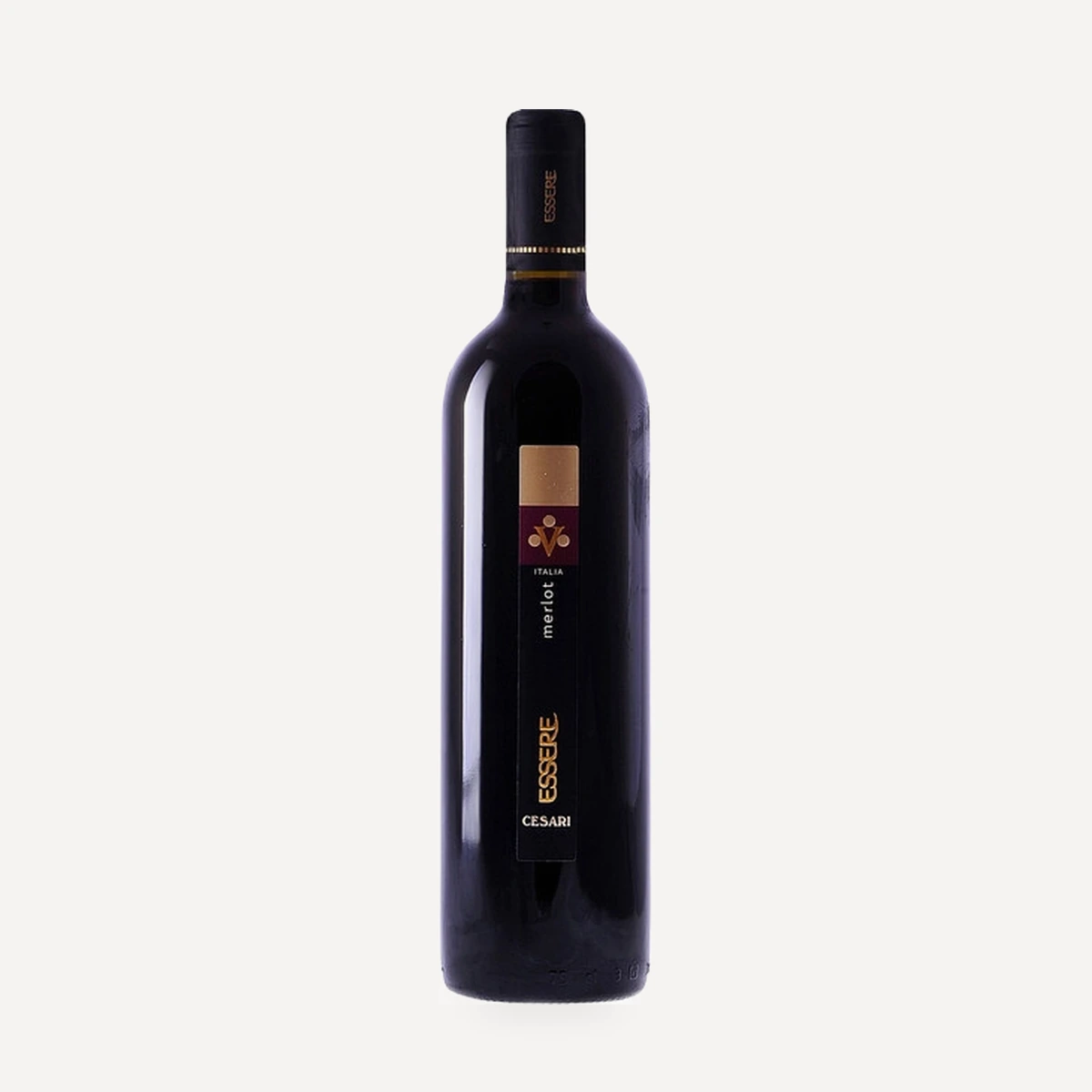
Essere Merlot delle Venezie
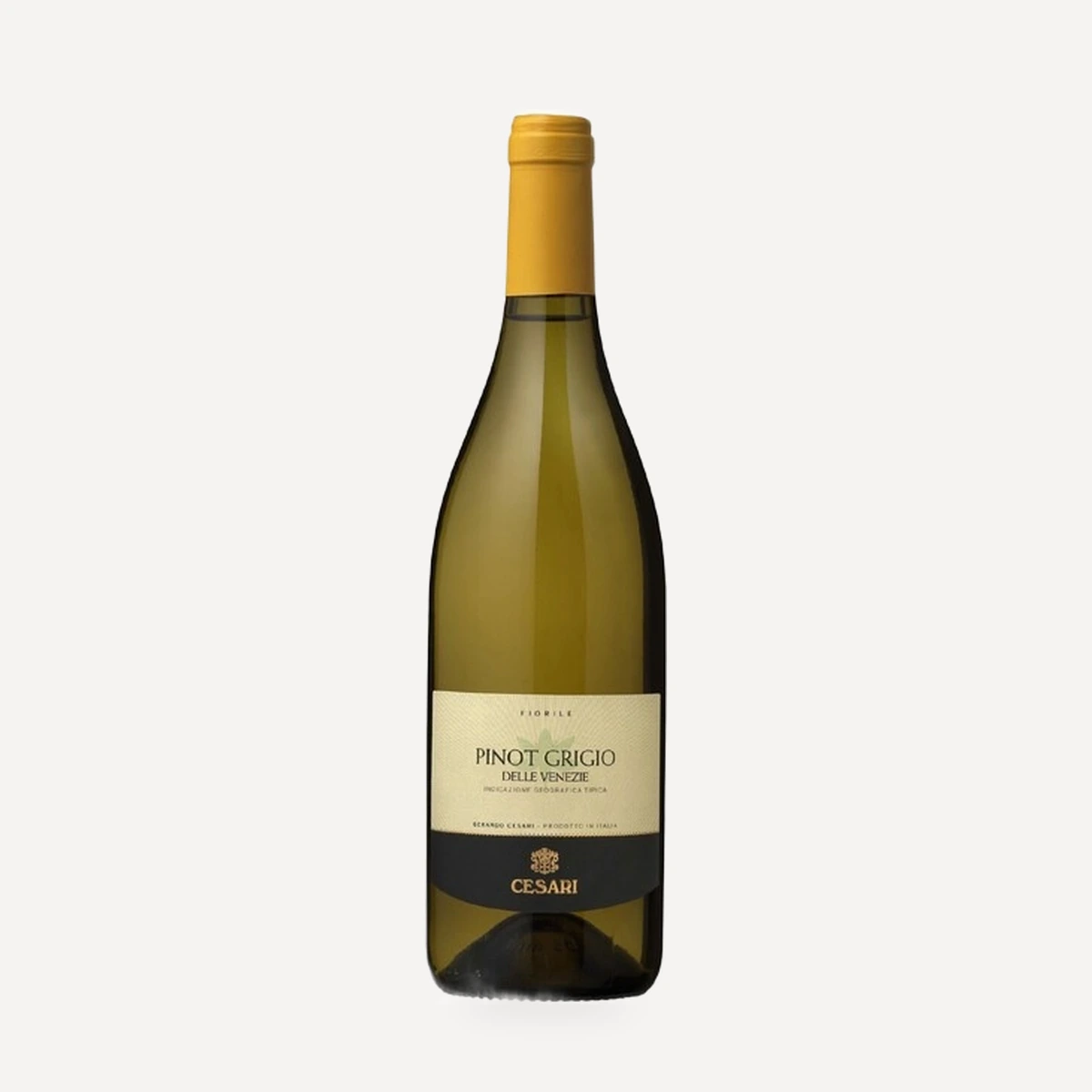
Fiorile Pinot Grigio delle Venezie IGT
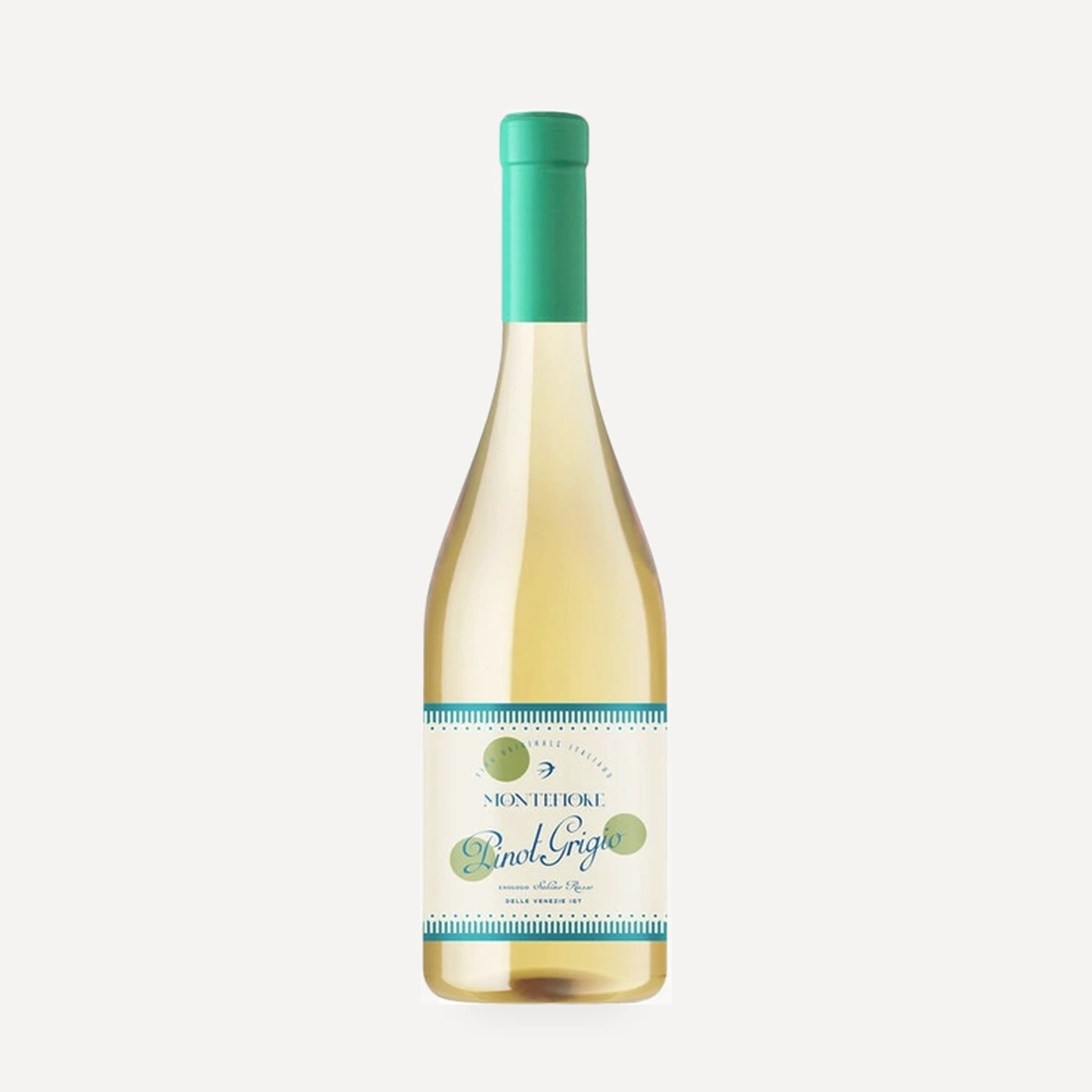
Montefiore Pinot Grigio delle Venezie IGT
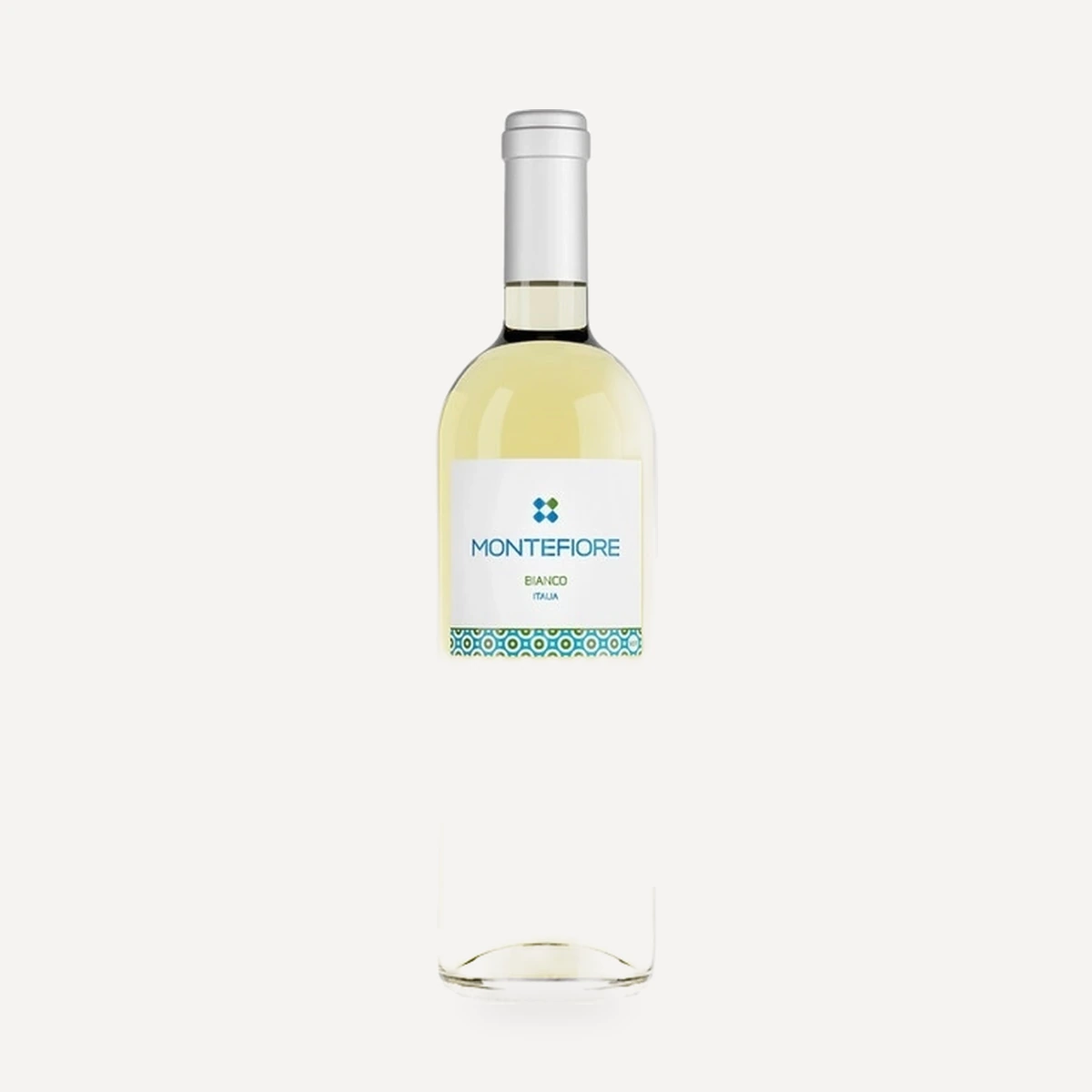
Montefiore Bianco