Storia
Ancient roots
Wine-growing in Nalles can be traced to the Roman era. The settlement lay on the Via Appia trade route, a position that helped establish its early connection with viticulture and wine commerce.
In 1063, a testamentary disposition of the Augsburg Cathedral chapter recorded Bishop Ebriko’s acquisition of a wine-growing estate together with four adjoining farms. This document gave Nalles particular historical standing as a wine-producing locality.
The Campi estate
In 1764, the Von Campi wine estate was built where the present winery stands. Its original cobblestones survive inside Vinotheque 1764, physically linking the eighteenth-century property with the contemporary complex.
Two cooperative wineries
Kellerei Nals was founded in 1932 by 34 members under chairman Alois Busetti. A second cooperative, Kellerei Margreid-Entiklar, was established in 1954.
The first bottle was exported to Germany in 1963, marking the beginning of the winery’s export activity.
Formation of Nals Margreid
In 1985, Kellerei Nals and Kellerei Margreid-Entiklar merged and adopted the name Kellerei Nals Margreid. The combined cooperative united vineyards extending from Nalles in the Adige Valley to Magrè in southern South Tyrol.
Nals Margreid participated in Vinitaly in Verona for the first time in 1990.
Architectural renewal
The winery building was renovated and enlarged in 2011. The project introduced contemporary architecture while retaining a deliberate connection with the historic site and reorganising the complex around the stages of vinification.
In 2012, Sirmian Pinot Bianco was named Italy’s best white wine by Gambero Rosso’s Vini d’Italia guide.
In 2019, the historic eighteenth-century Von Campi residence was carefully restored and converted into the cooperative’s headquarters. The completed building incorporated presentation rooms, Vinotheque 1764 and the administrative offices.
Present day
Nals Margreid now brings together 138 member wine-growing families. They cultivate approximately 160 hectares divided among 14 growing areas between Nalles and Magrè, with each area covering between 2 and 12 hectares.
Terroir
Nals Margreid’s vineyards extend from Nalles in the Adige Valley to Magrè in southern South Tyrol, principally along the orographic right bank of the Adige. The cooperative works approximately 160 hectares in 14 areas measuring 2–12 hectares each. Across the wider vineyard base, grapes mature from roughly 200 to 900 metres above sea level.
The territory combines Alpine, continental, sub-Mediterranean and Mediterranean conditions. Higher sites above Nalles have mild summers and cool autumns, supporting a long growing season and harvests extending to mid-October. Lower and more southerly sites experience warm or very hot summers and mild winters. Warm afternoon Ora winds arrive from Lake Garda, while cool downslope winds, the Venti di Caduta, can generate day-to-night temperature changes of as much as 20°C.
The geological range includes permeable glacial moraine over porphyry; limestone gravel; porphyry rubble; gneiss, mica, slate and marble; sandy river alluvium; compact clay-rich moraine; chalky gravel rich in humus; and layered grey clay sand. Nals Margreid treats the interaction of climate, soil and living organisms as the foundation of vineyard identity, observing and analysing differences among sites to refine its understanding of each terroir.
Vinificazione
The cooperative bases vineyard work on natural and sustainable agriculture and on a respectful relationship with the environment. Its objective is to harvest high-quality grapes that retain the influence and defining character of their place.
The approach is site-specific. Differences in climate, soil, exposure, microclimate and soil life are observed and analysed in detail, and the resulting information is used to improve the understanding of each growing area. This is particularly significant across holdings that range from warm valley-floor vineyards to cool Alpine slopes and encompass markedly different geological formations.
Harvest timing follows the conditions of each site. The higher Sirmian and Penon vineyards benefit from extended growing seasons and can be harvested around mid-October. Hand harvesting is used throughout the documented range, with selective picking employed where required. No single uniform vineyard regime is imposed across all 14 areas; the emphasis is on preserving the character created by each combination of soil and climate.
The contemporary winery was conceived around the sequence of vinification. Its architecture makes the individual processing stages legible and permits gravity to be used for gentler movement during production. The barrel cellar stands between nine-metre reddish-brown concrete walls beneath an asymmetrically folded roof; both its interior and exterior are clad in oak and evoke an oversized wine case.
Production is adapted to grape variety, site and intended expression rather than following one cellar recipe. The documented range employs stainless-steel tanks, large wooden casks of approximately 12–40 hl, 500-litre barrels, barriques and small oak barrels. White musts may be clarified before fermentation, fermented at low temperature for around three weeks and matured on fine lees. Depending on the bottling, lees ageing extends from roughly five to eight months. Some whites undergo a short pre-fermentation maceration, while others ferment directly in wood.
Red grapes are carefully destemmed and fermented in stainless steel with gentle pumping over or gentle cap management. Malolactic fermentation is used for several reds, followed by maturation either in 40 hl wooden casks or in barriques. Longer-aged red wines may receive 12 months in barrique followed by another year in bottle.
The cooperative’s cellar philosophy is to let wine mature as naturally and authentically as possible, preserving rather than changing its defining characteristics. Its most extended documented élevage combines small-oak fermentation and maturation, stainless-steel integration and subsequent bottle ageing.
Filosofia
Nals Margreid places geographical and cultural diversity at the centre of its identity. Its 14 growing areas are treated as distinct combinations of geology, climate, exposure and living soil rather than as a uniform vineyard base. Close observation is intended to improve the cooperative’s understanding of the relationship among these elements and to translate the character of each place into wine.
Harald Schraffl’s guiding objective is to make expressive, authentic wines with an individual identity. He treats nature, terroir and microclimate as the cooperative’s core assets and follows development continuously from the vineyard into the cellar.
Kurt Wolfensberger connects quality with natural, sustainable agriculture and respectful work in harmony with the land. In the cellar, this becomes an aim to let wines mature naturally and authentically without changing their essential characteristics.
Gottfried Pollinger frames the meeting of Alpine conditions, Mediterranean influence and complex Alpine geology as both an opportunity and a responsibility. His work combines more precise interpretation of the individual growing areas with an international orientation.
Across the ranges, the intended stylistic signature is Alpine freshness, clarity of terroir and an outward-looking, international expression. Tradition is paired with contemporary architecture and technical precision, while time and correct harvest maturity are regarded as fundamental components of quality.
Vini
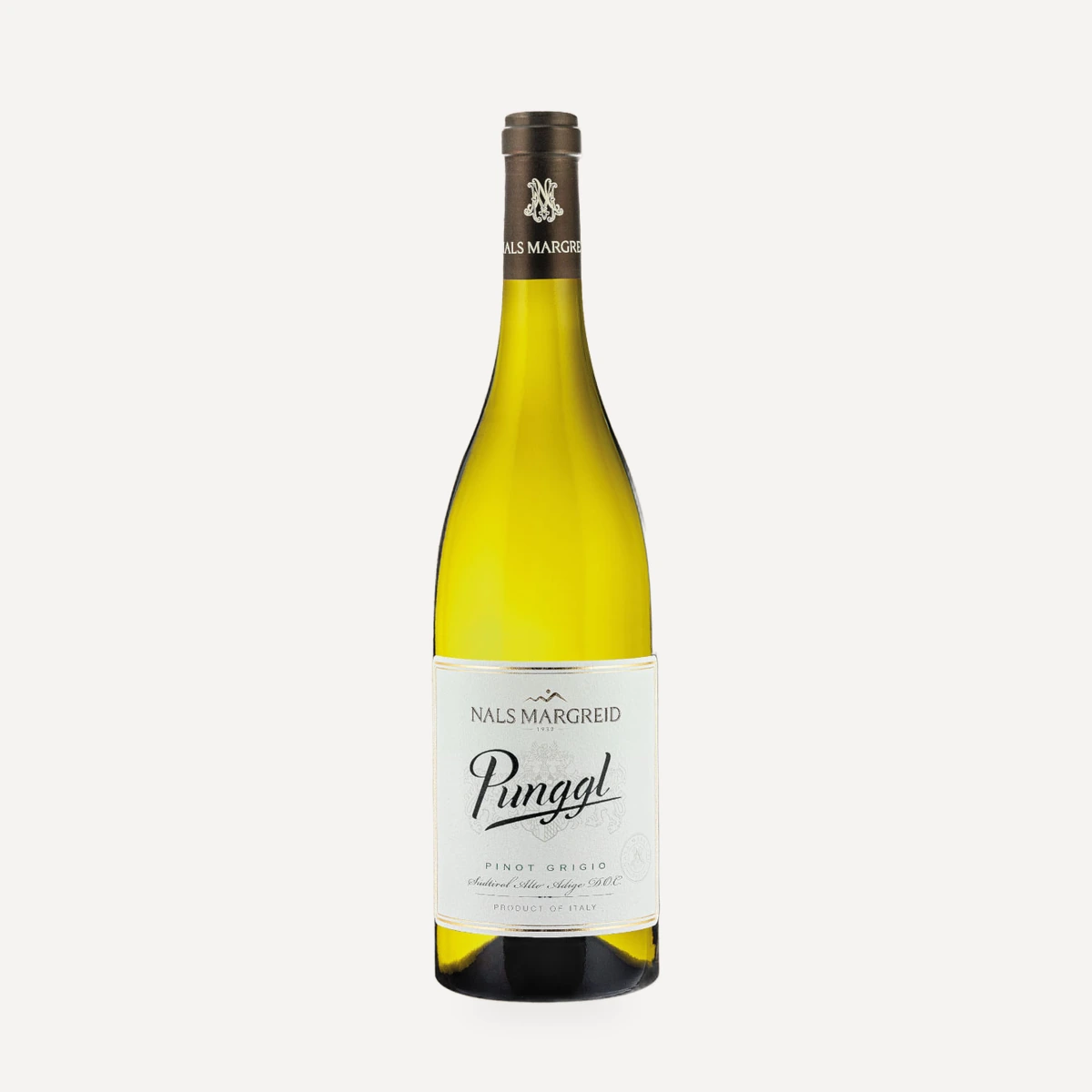
Punggl Pinot Grigio
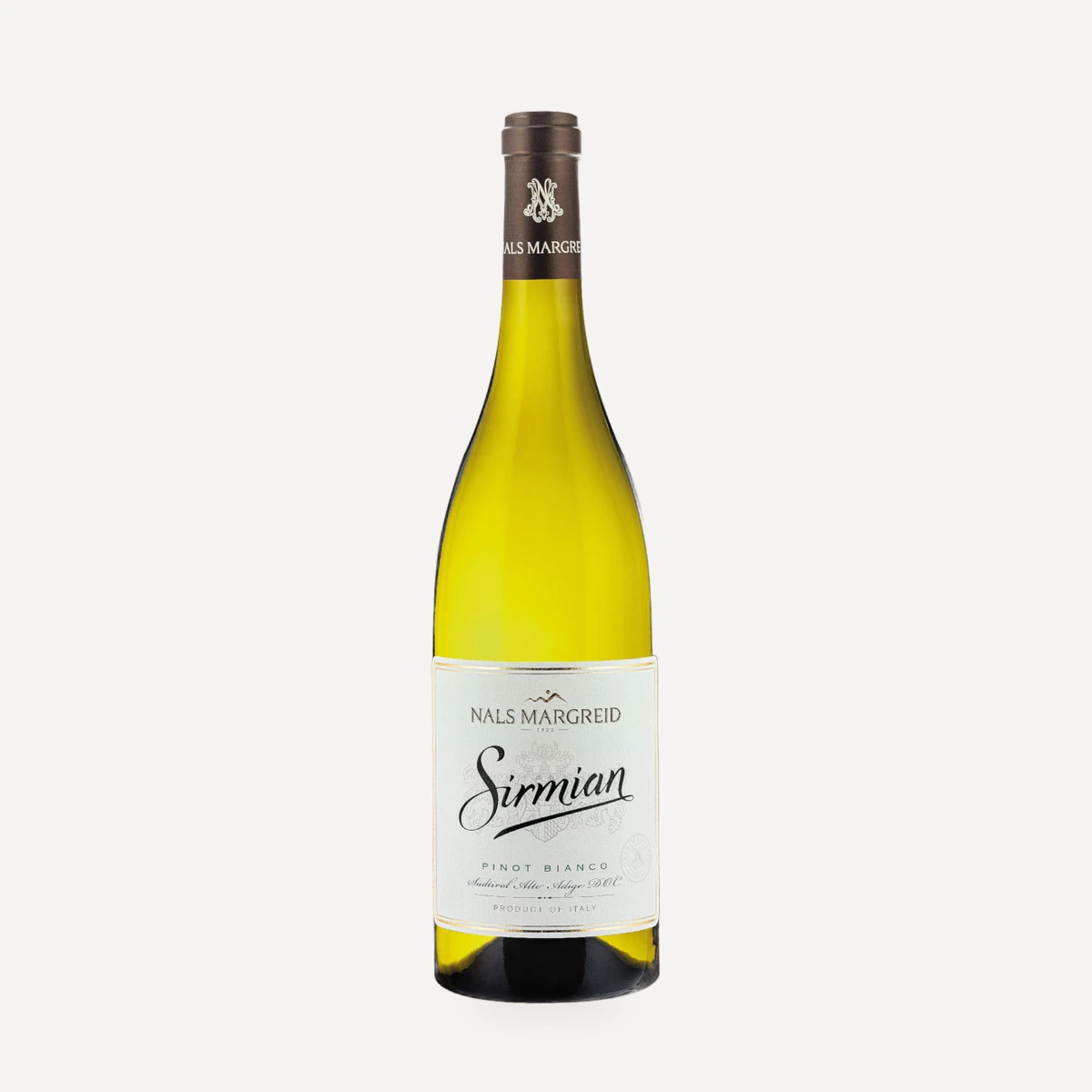
Sirmian Pinot Bianco
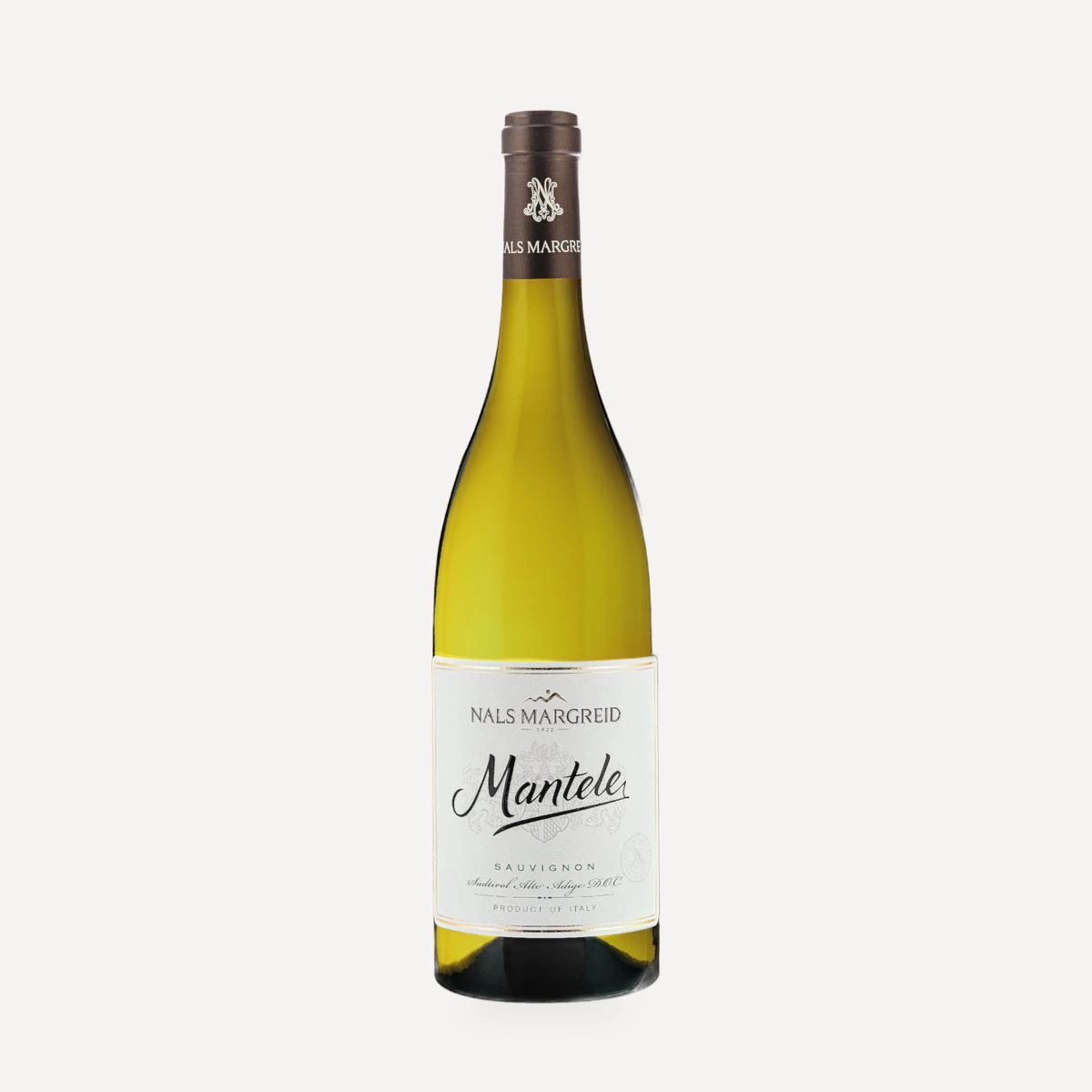
Mantele Sauvignon
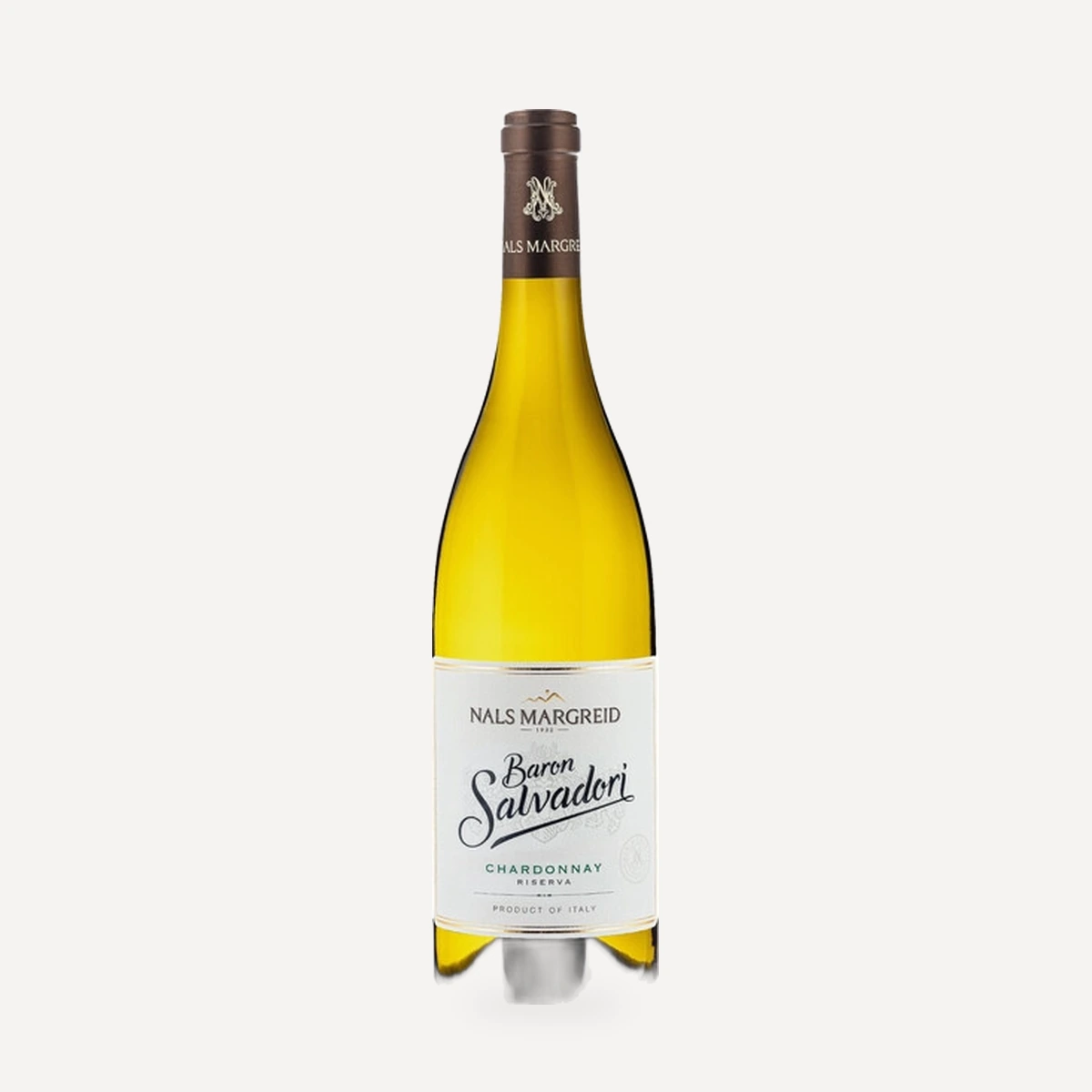
Baron Salvadori Chardonnay Riserva
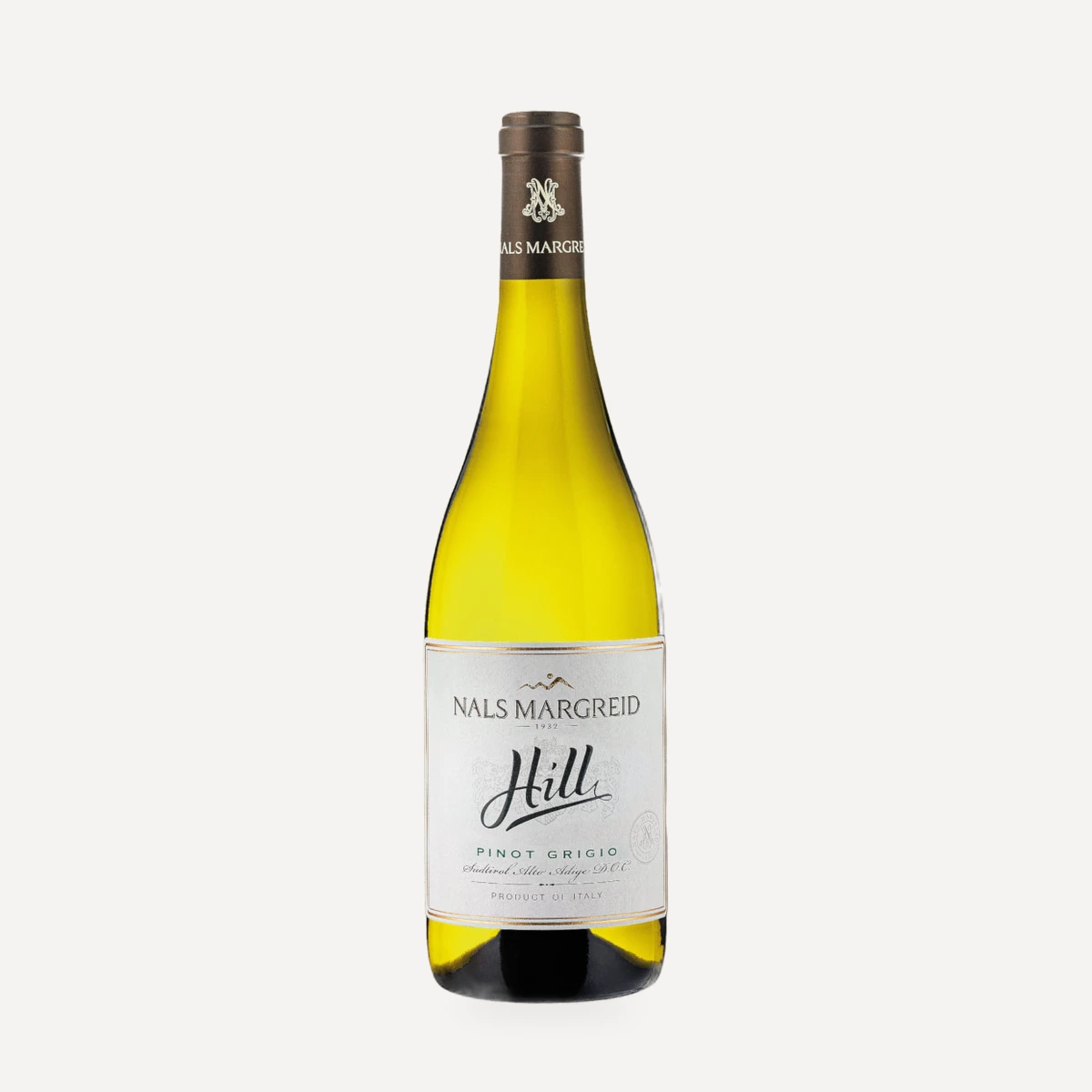
Hill Pinot Grigio
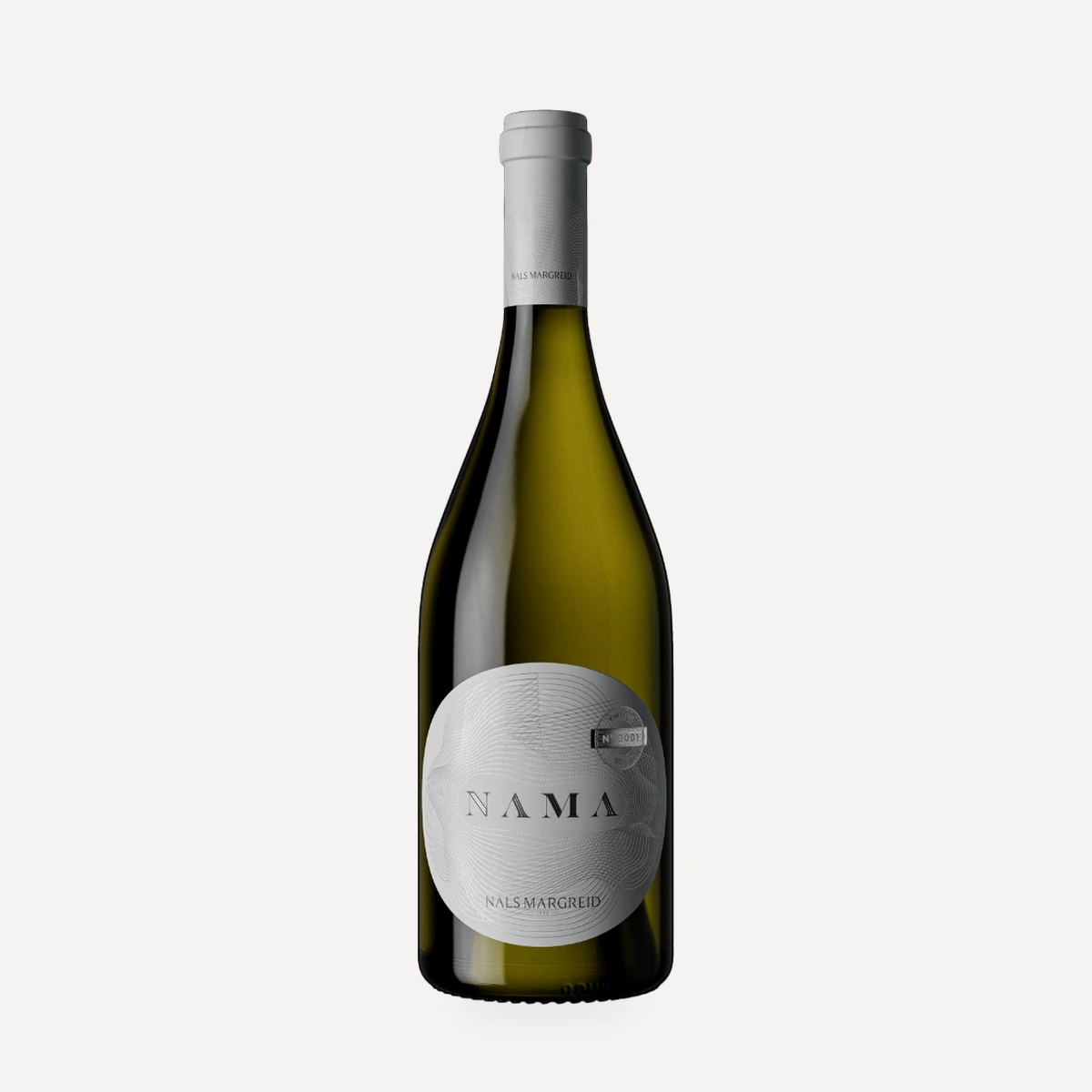
Nama Chardonnay
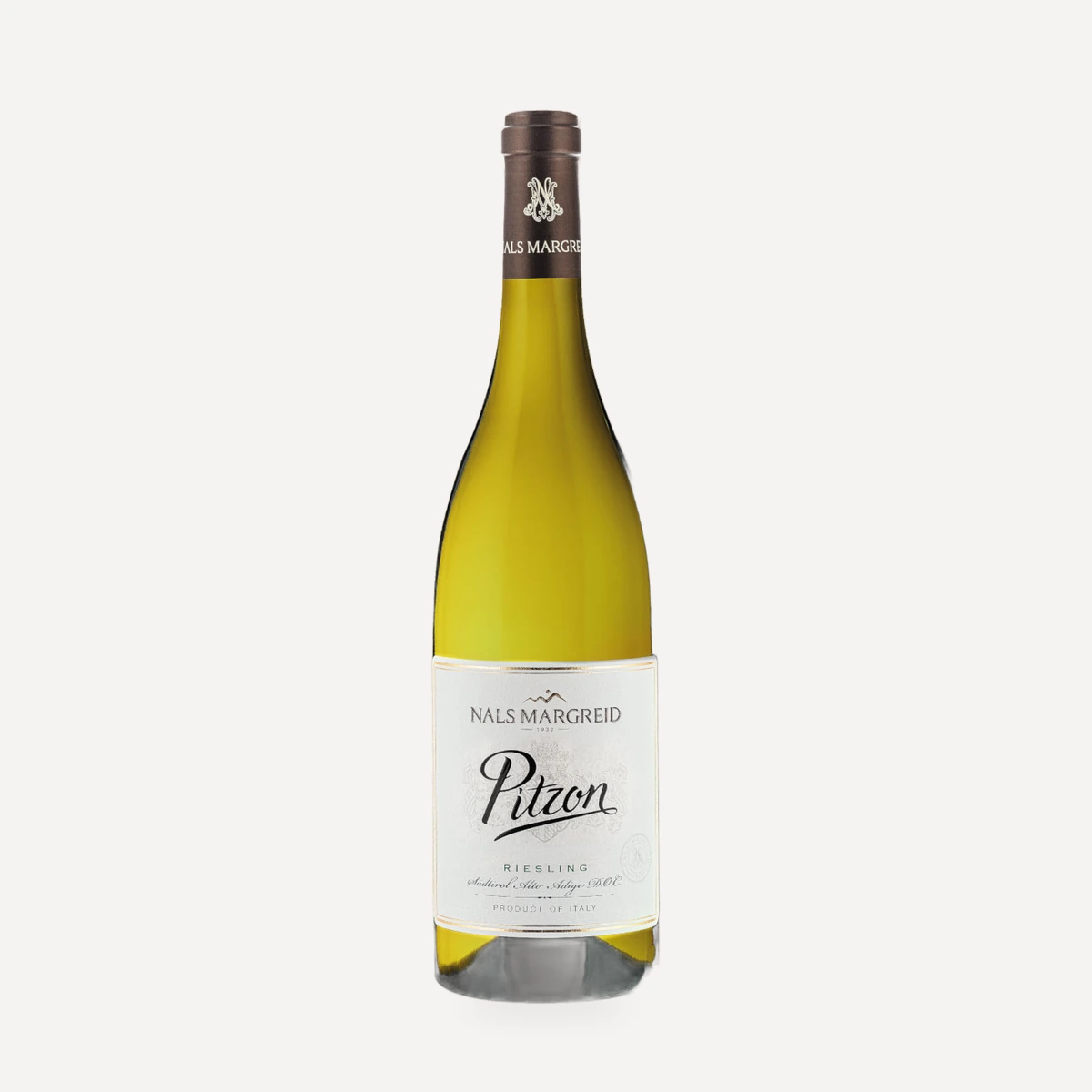
Pitzon Riesling
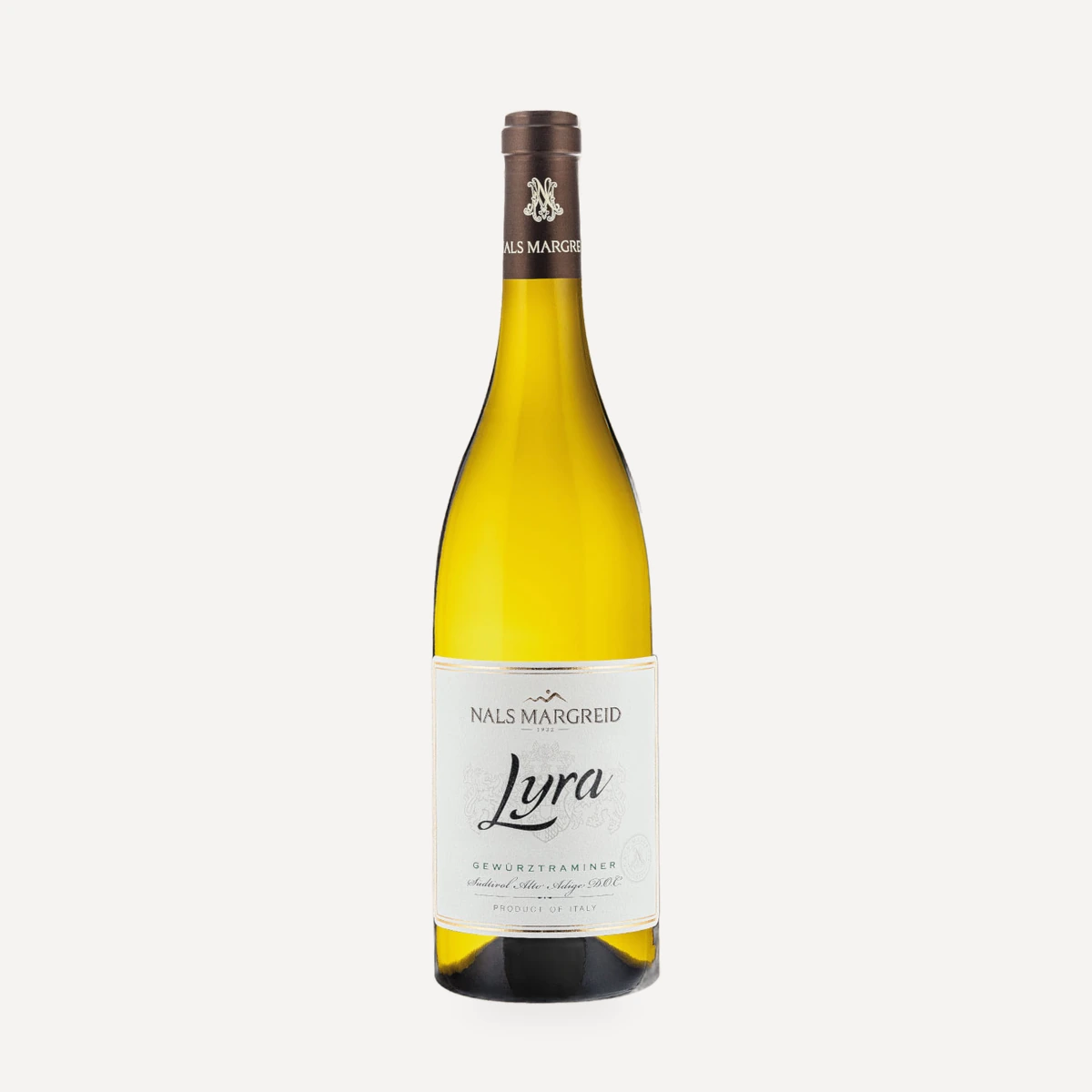
Lyra Gewürztraminer
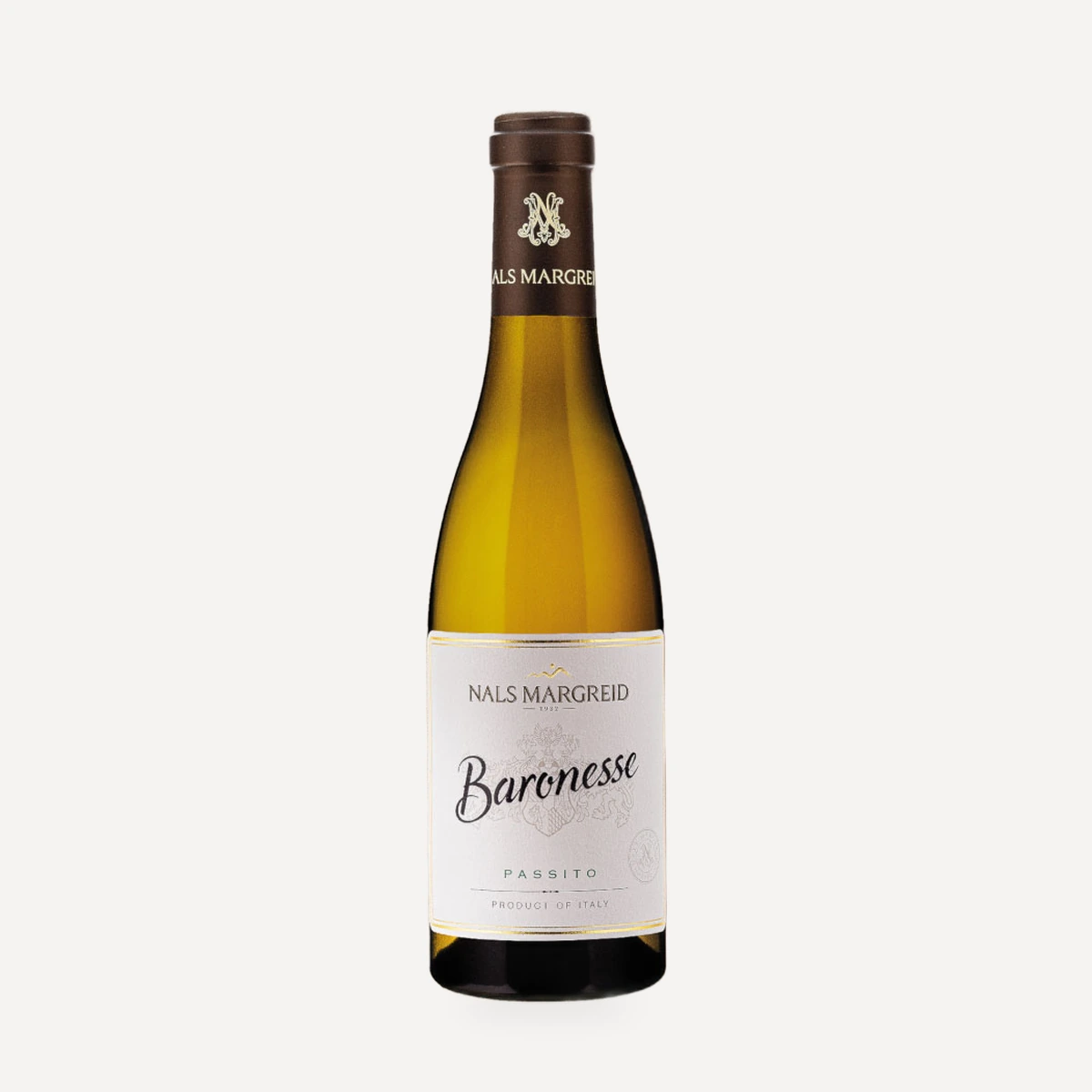
Baronesse Moscato Giallo Passito
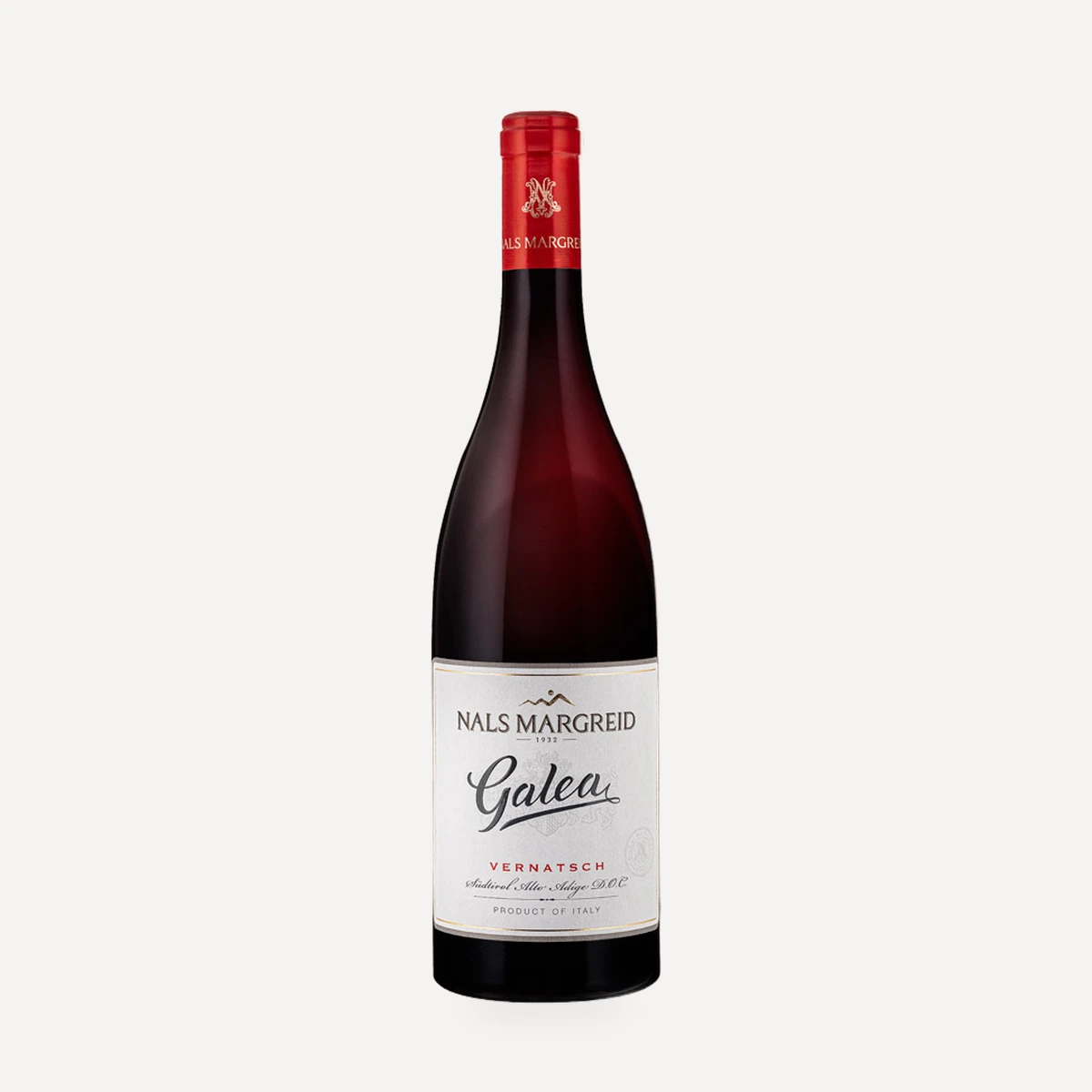
Galea Schiava
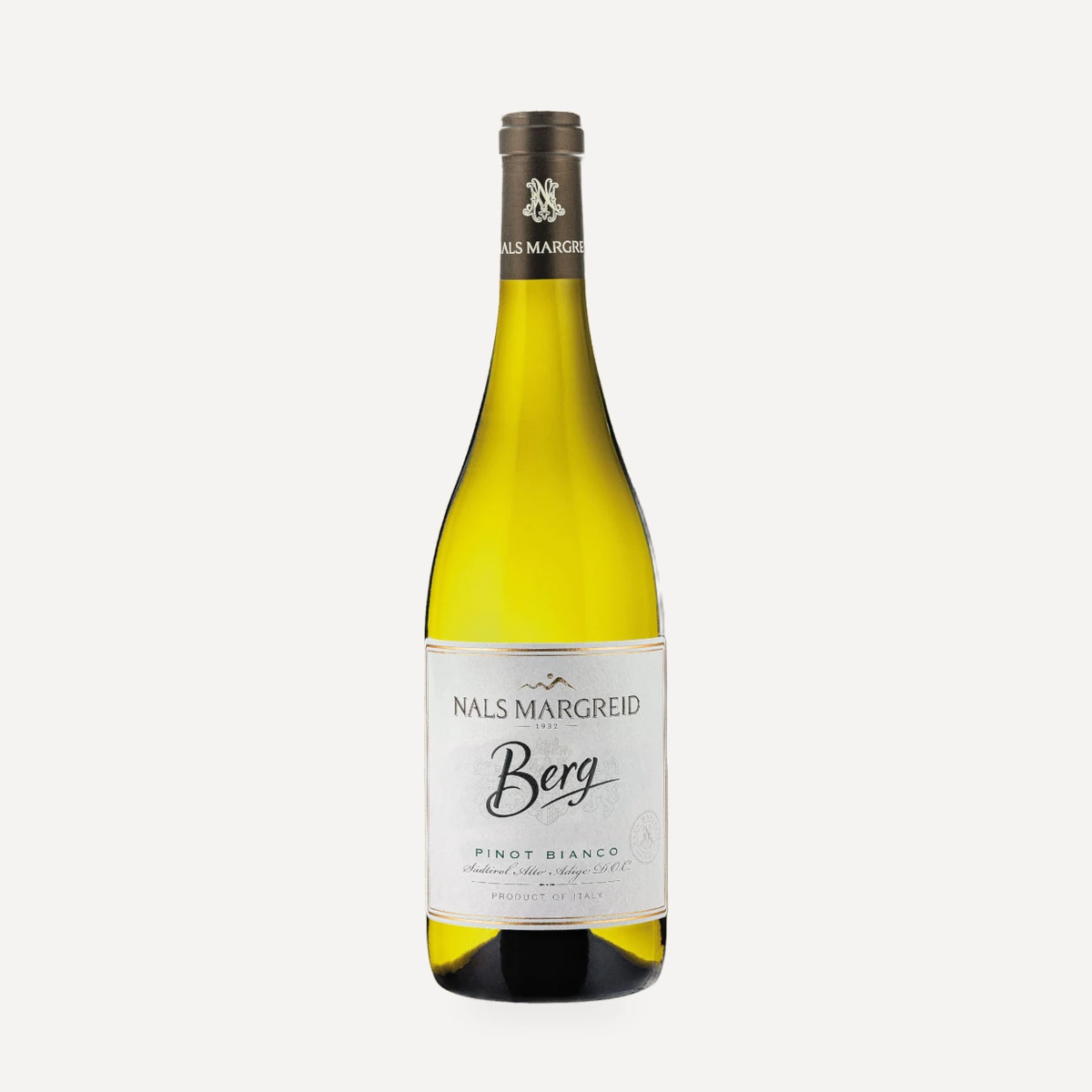
Berg Pinot Bianco
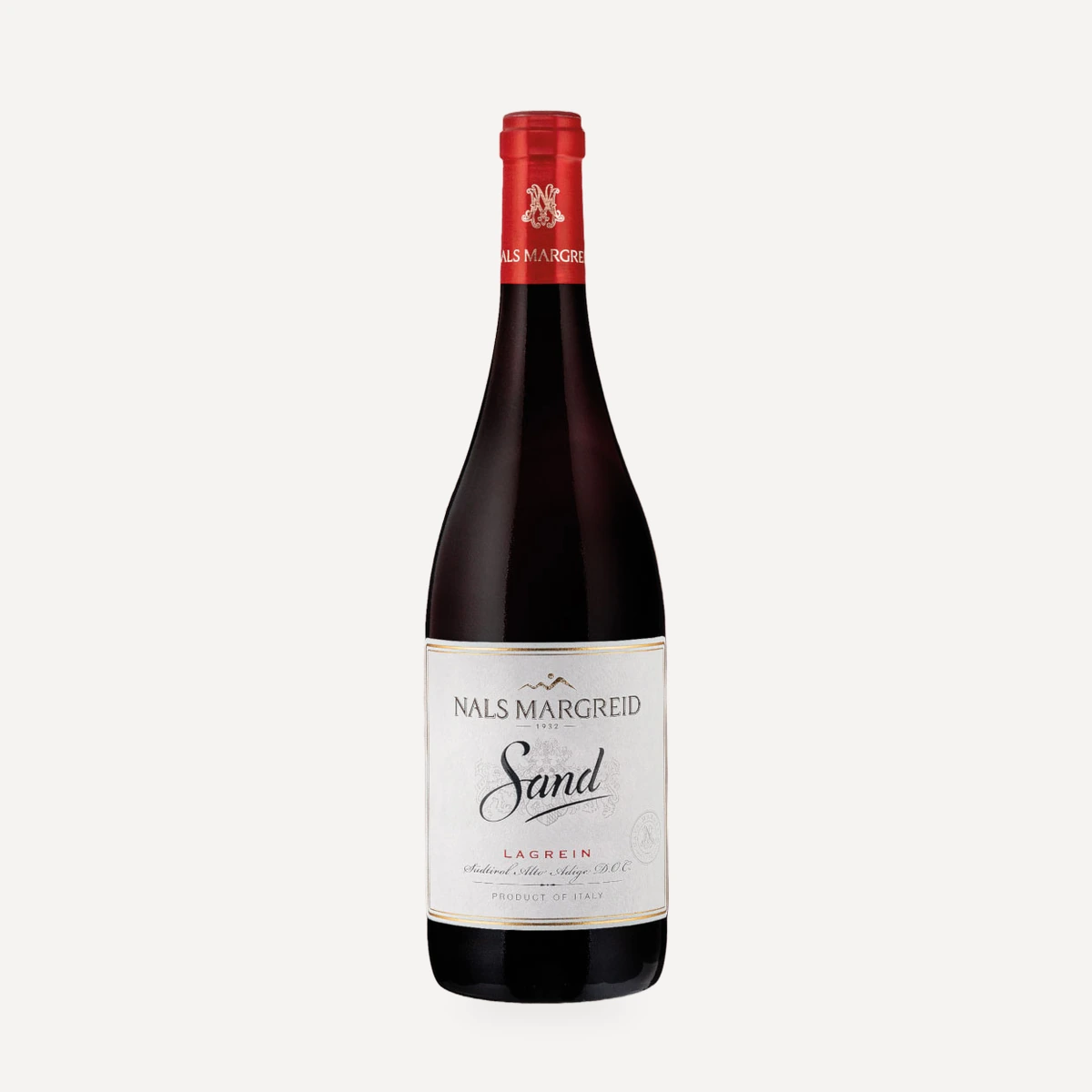
Sand Lagrein
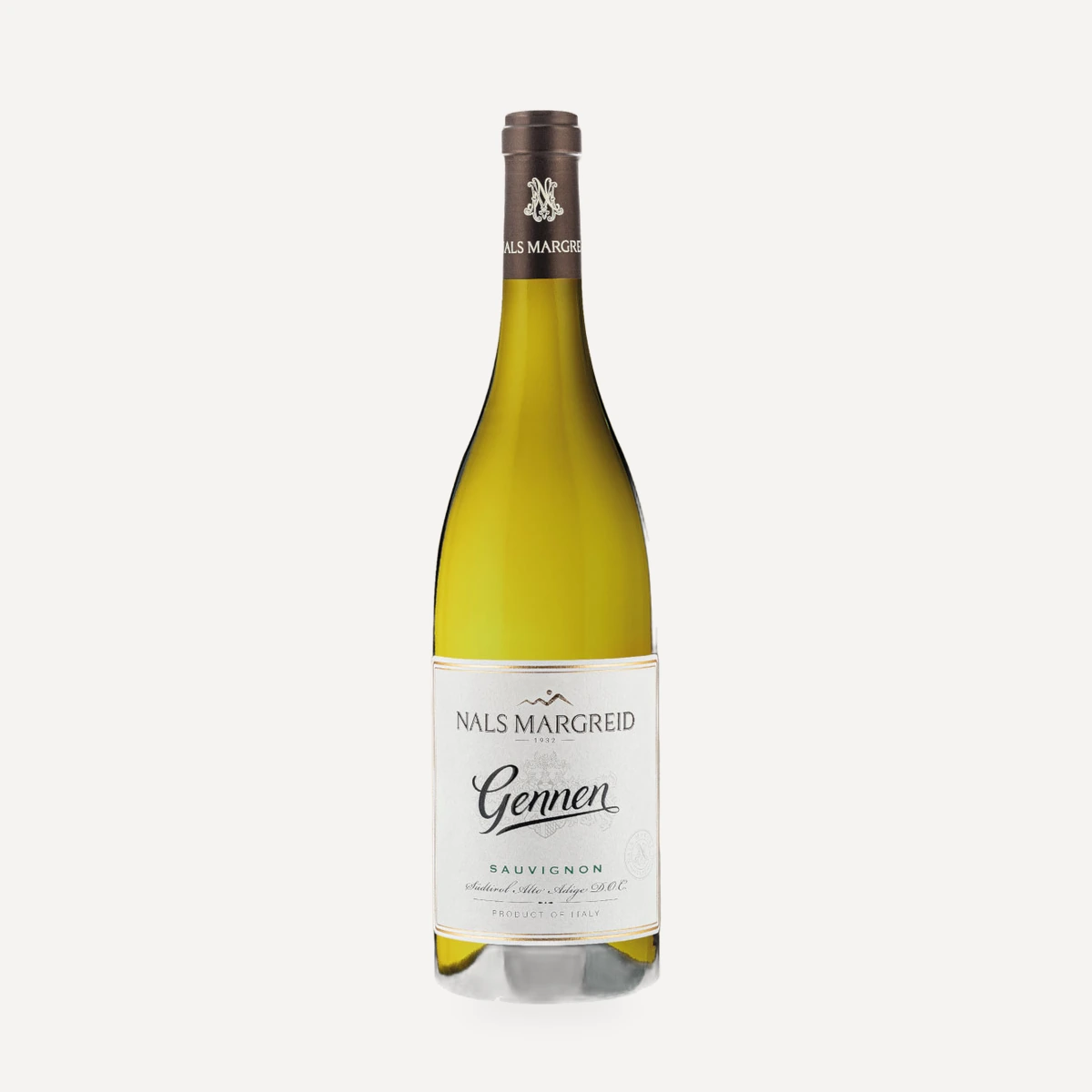
Gennen Sauvignon
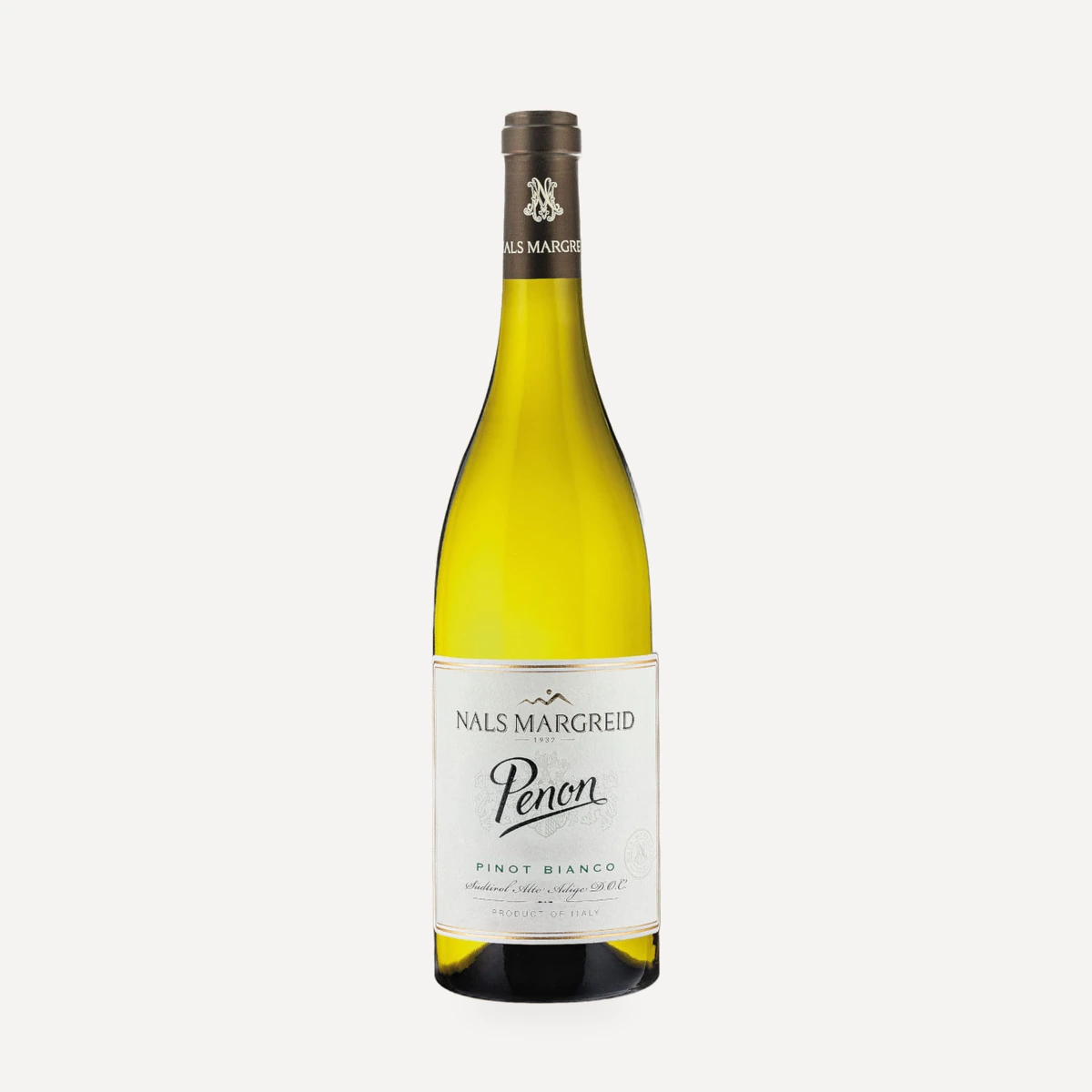
Penon Pinot Bianco
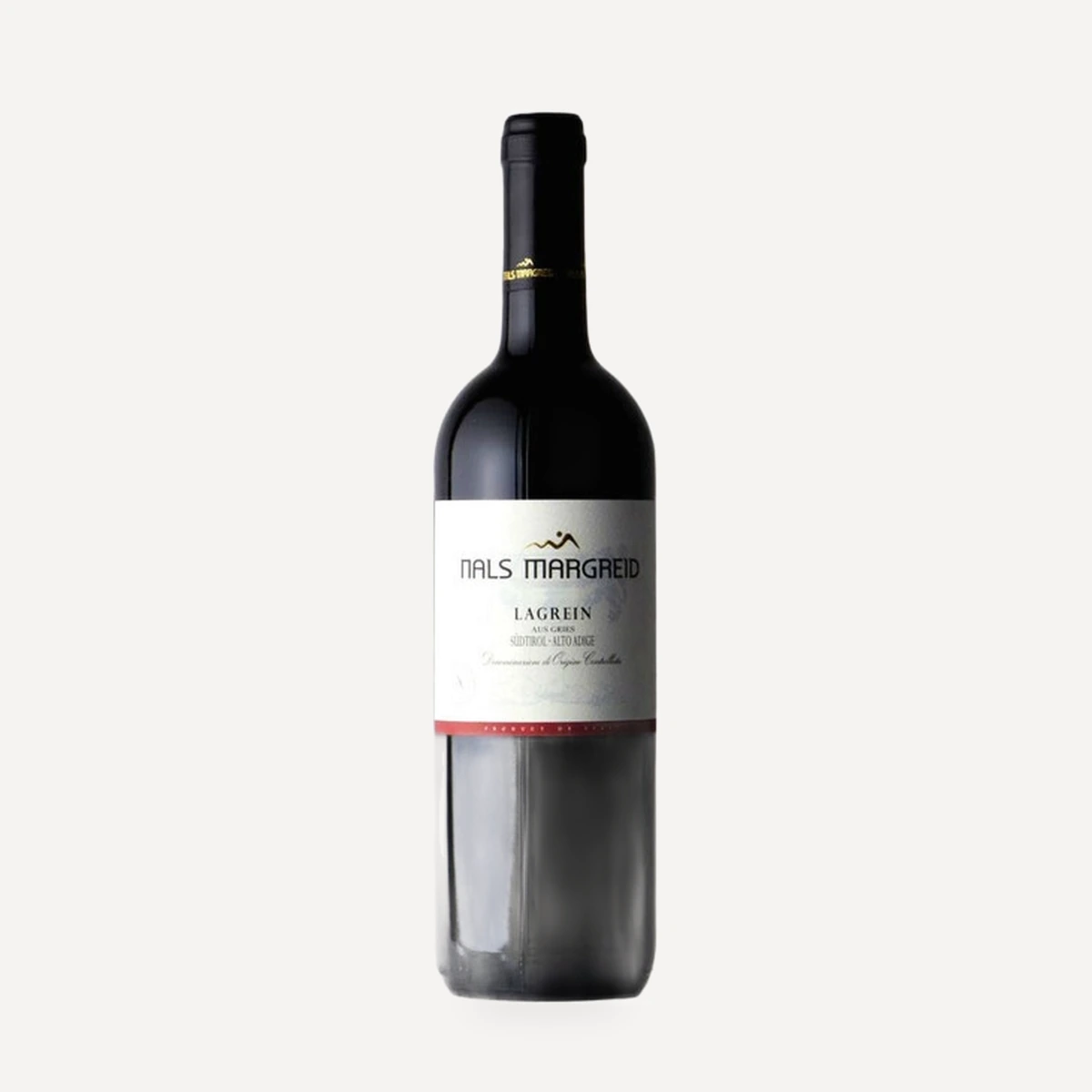
Gries Lagrein Riserva
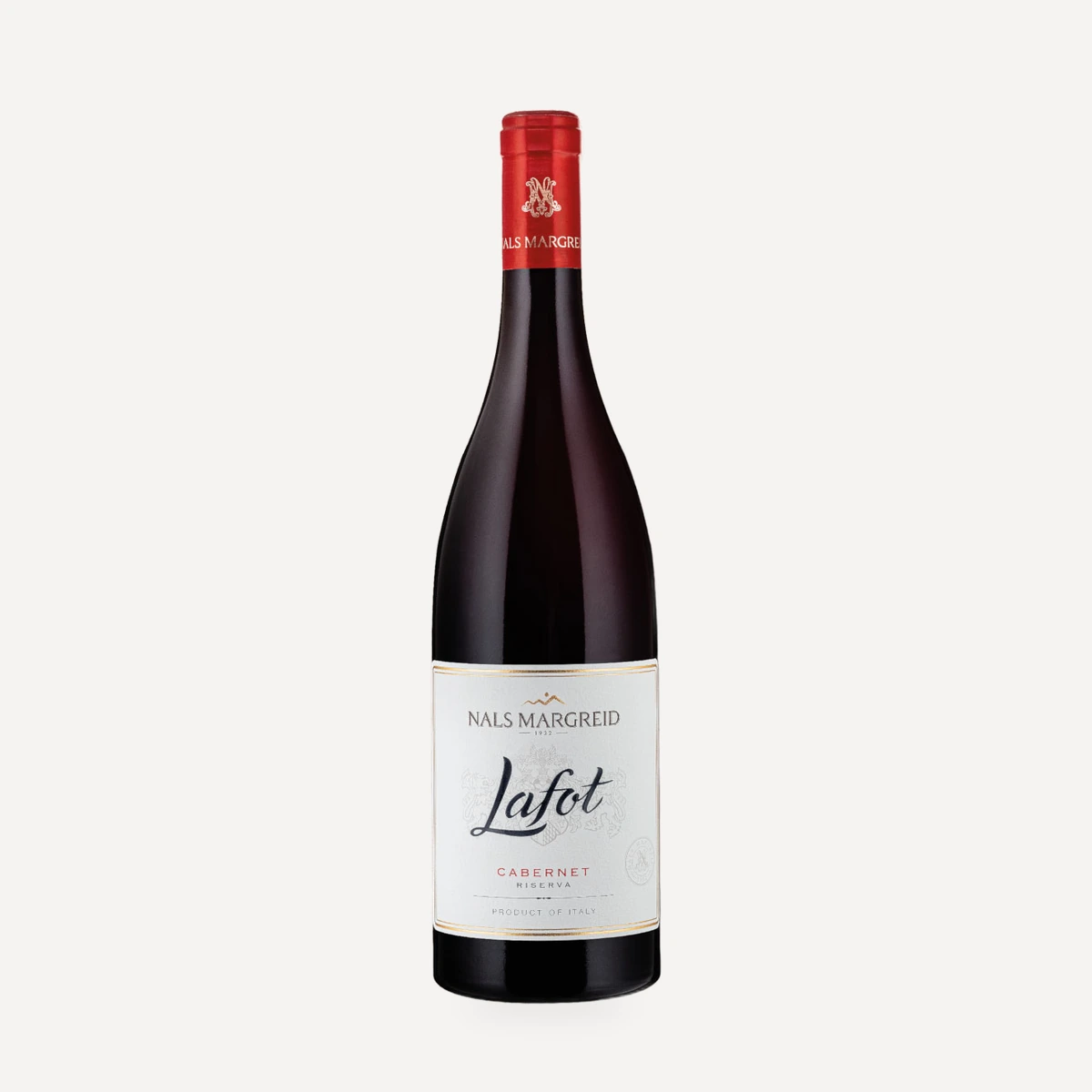
Lafot Cabernet Riserva
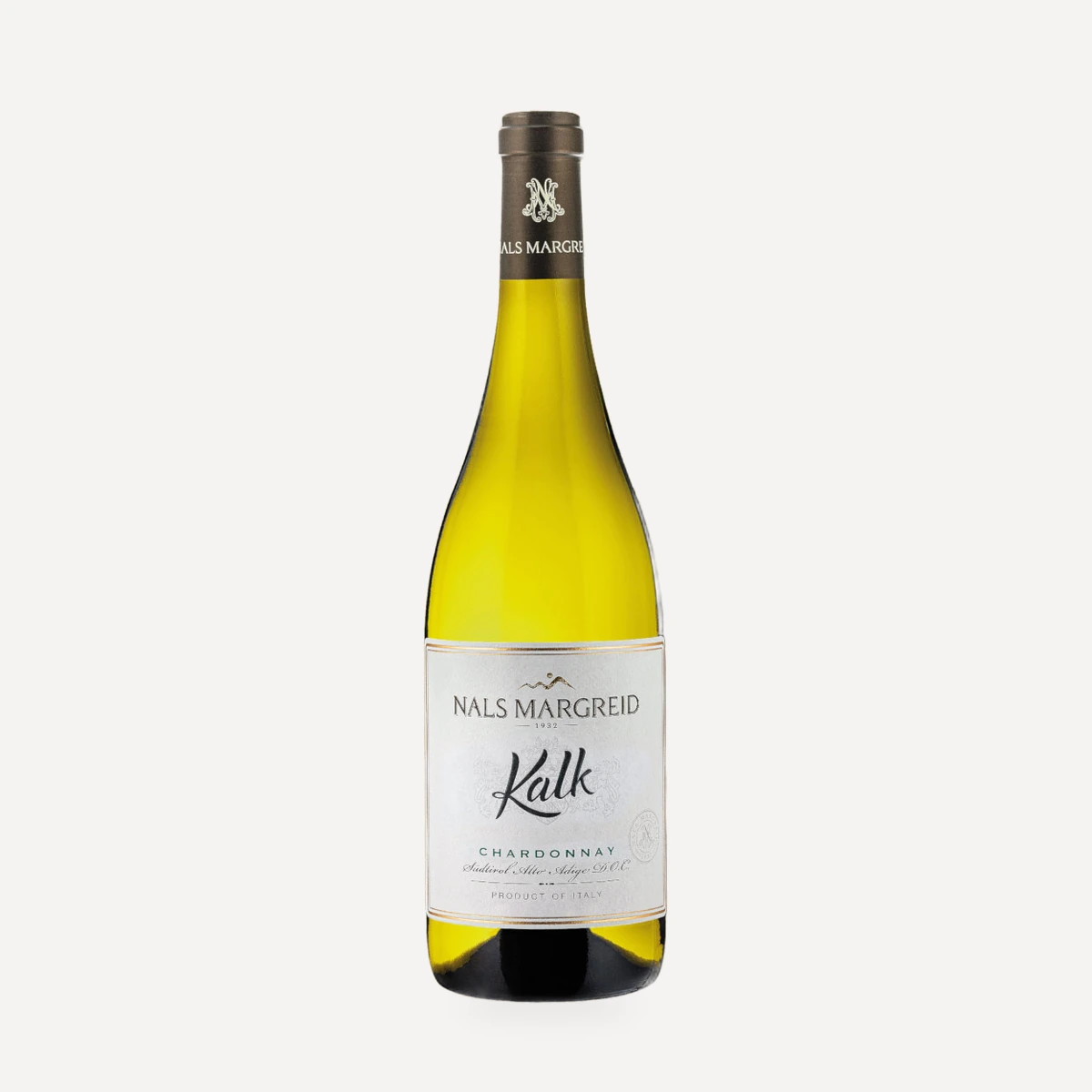
Kalk Chardonnay
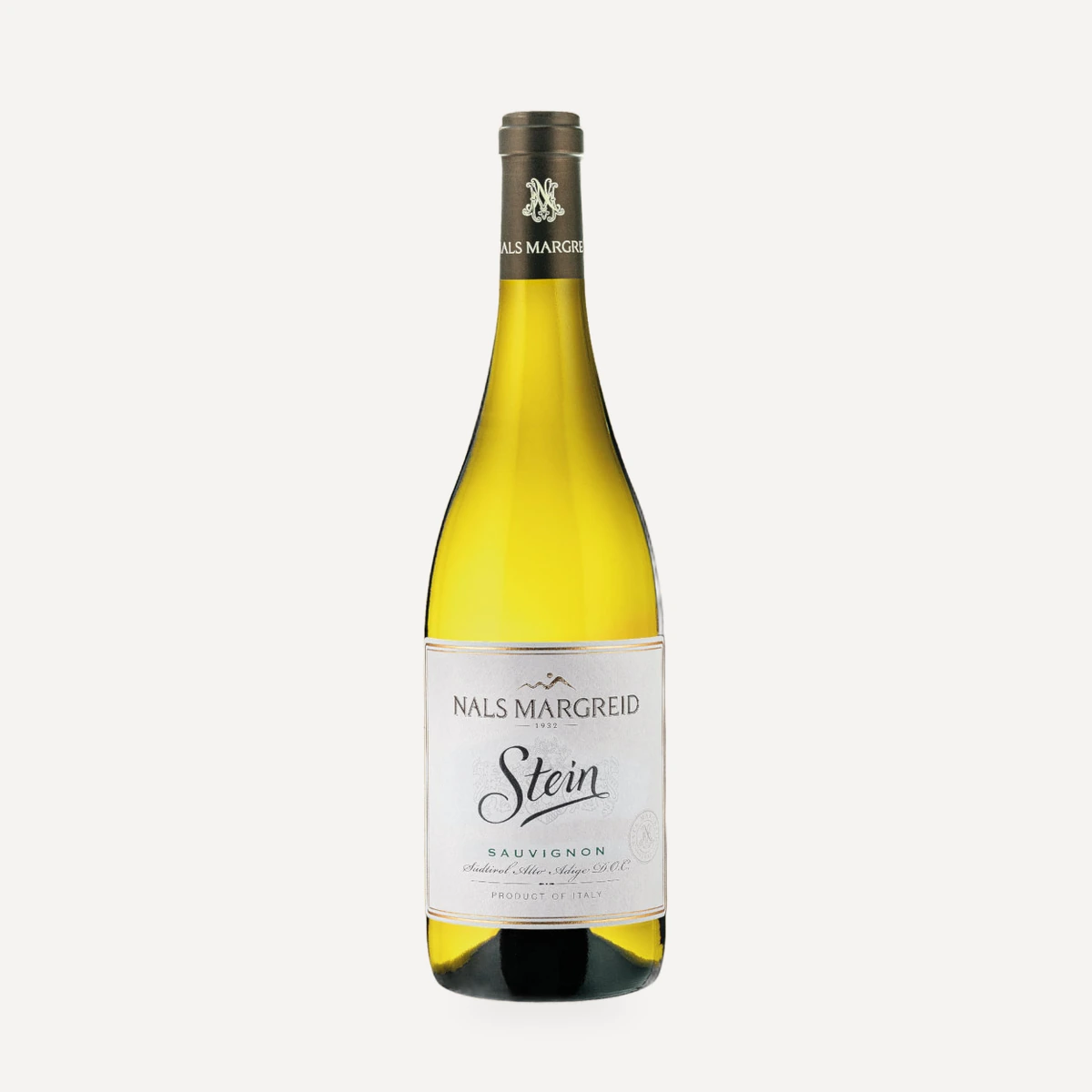
Stein Sauvignon
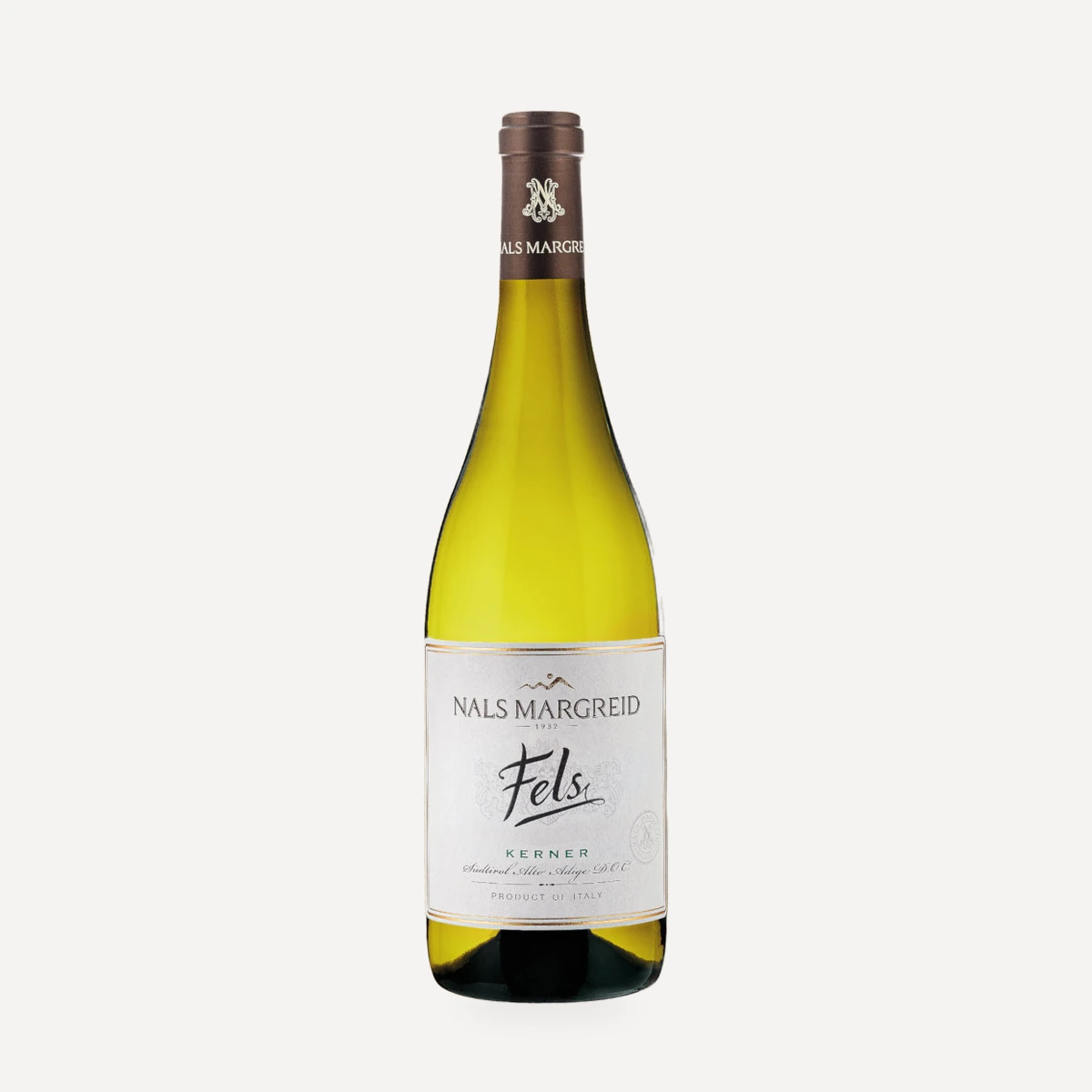
Fels Kerner
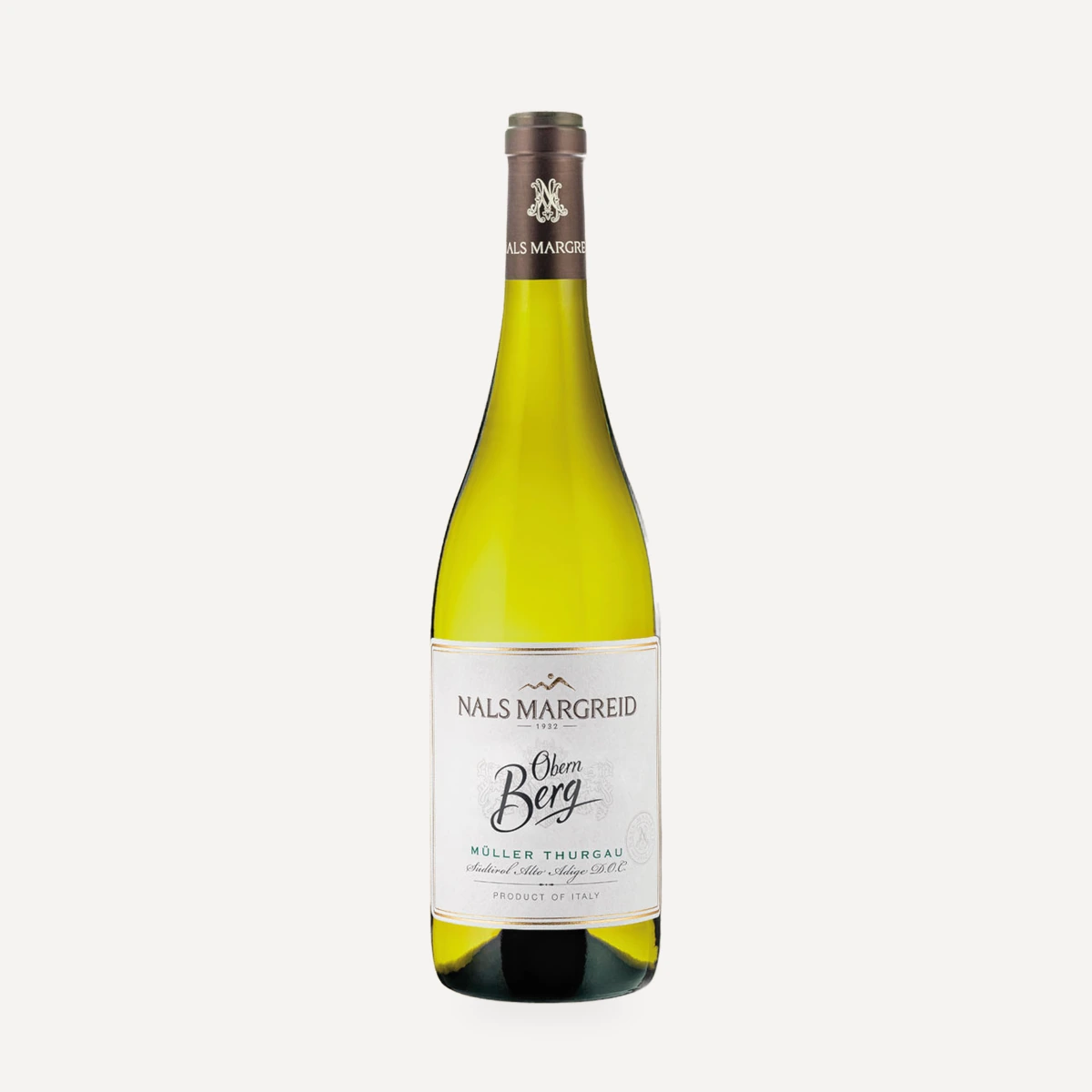
Obern Berg Müller Thurgau
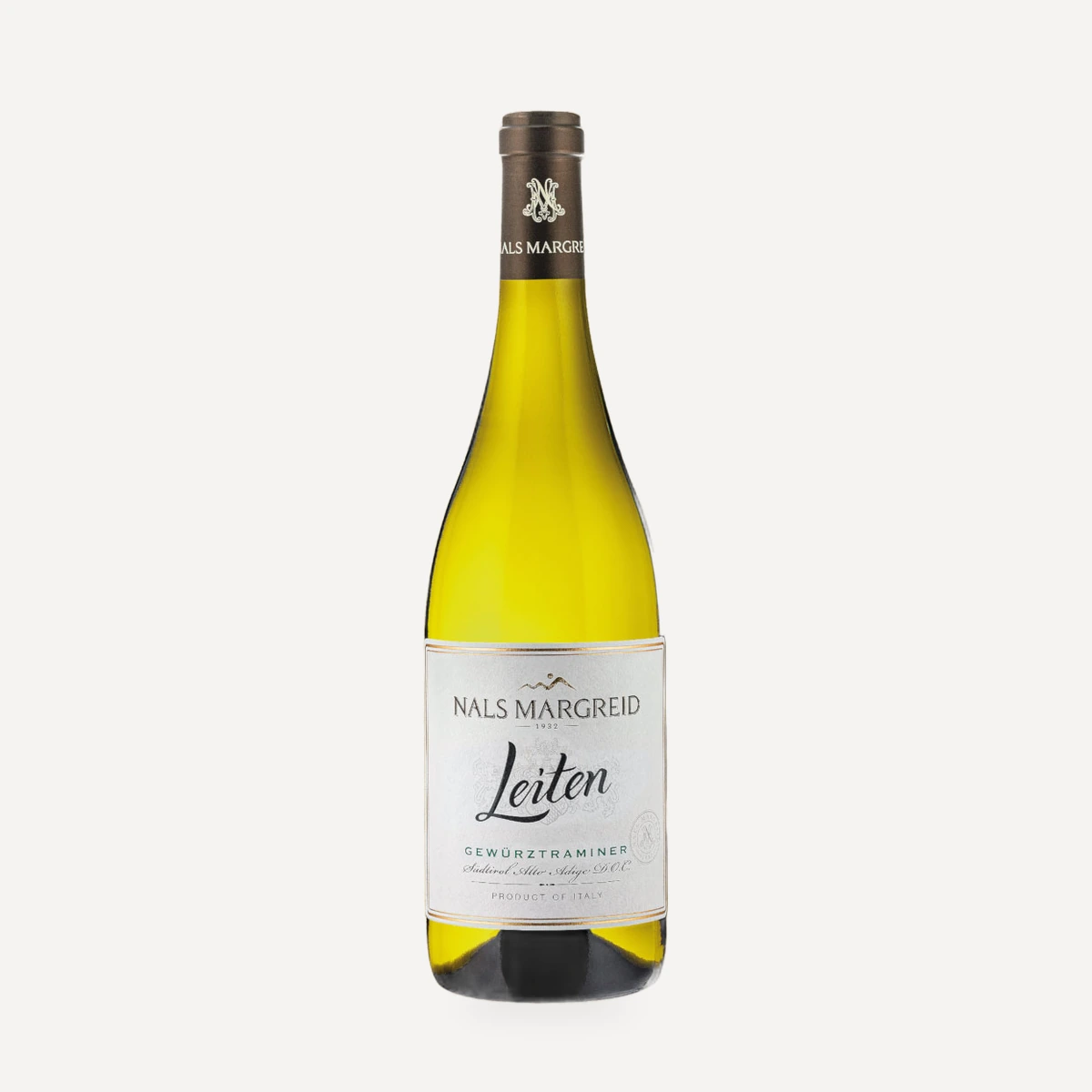
Leiten Gewürztraminer
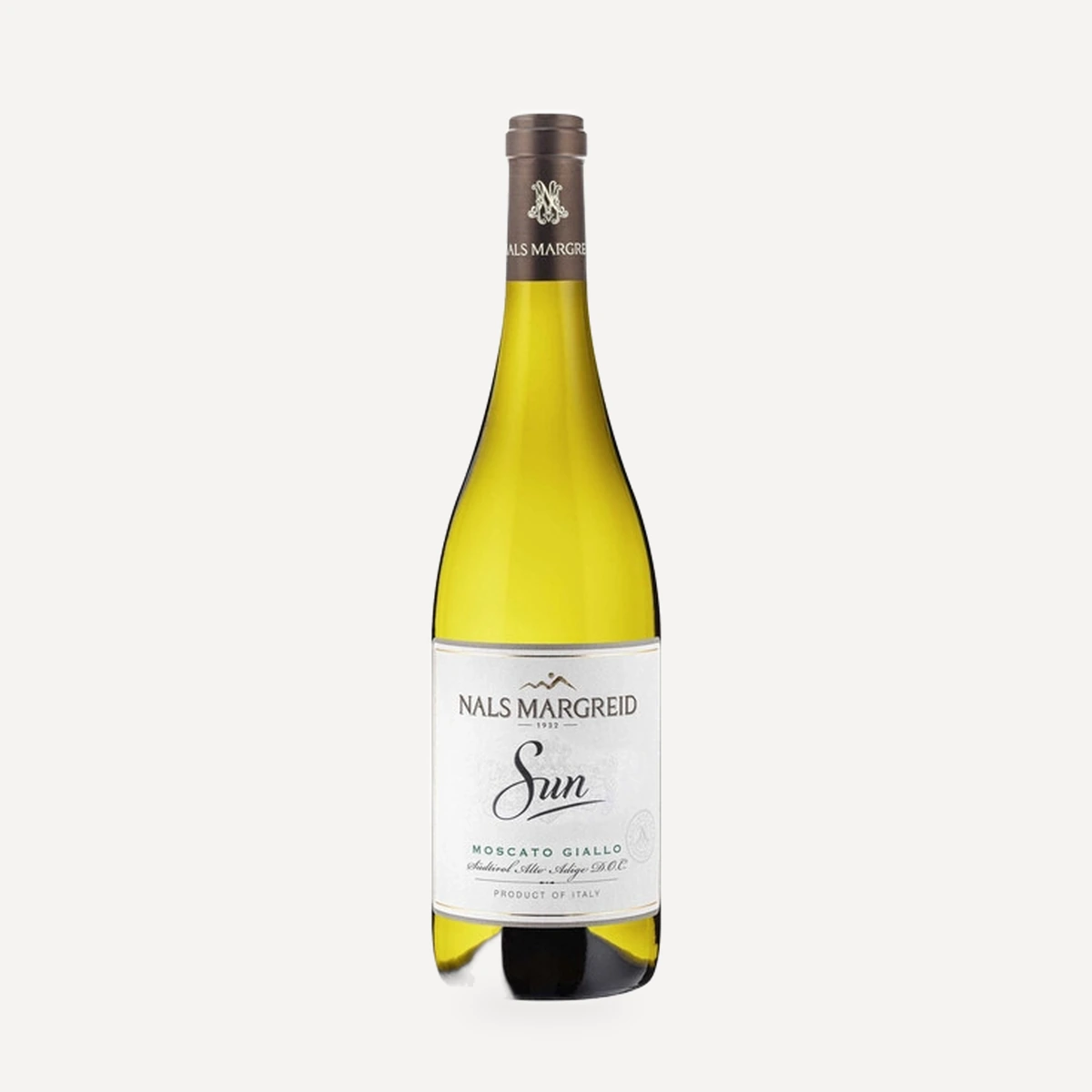
Sun Moscato Giallo
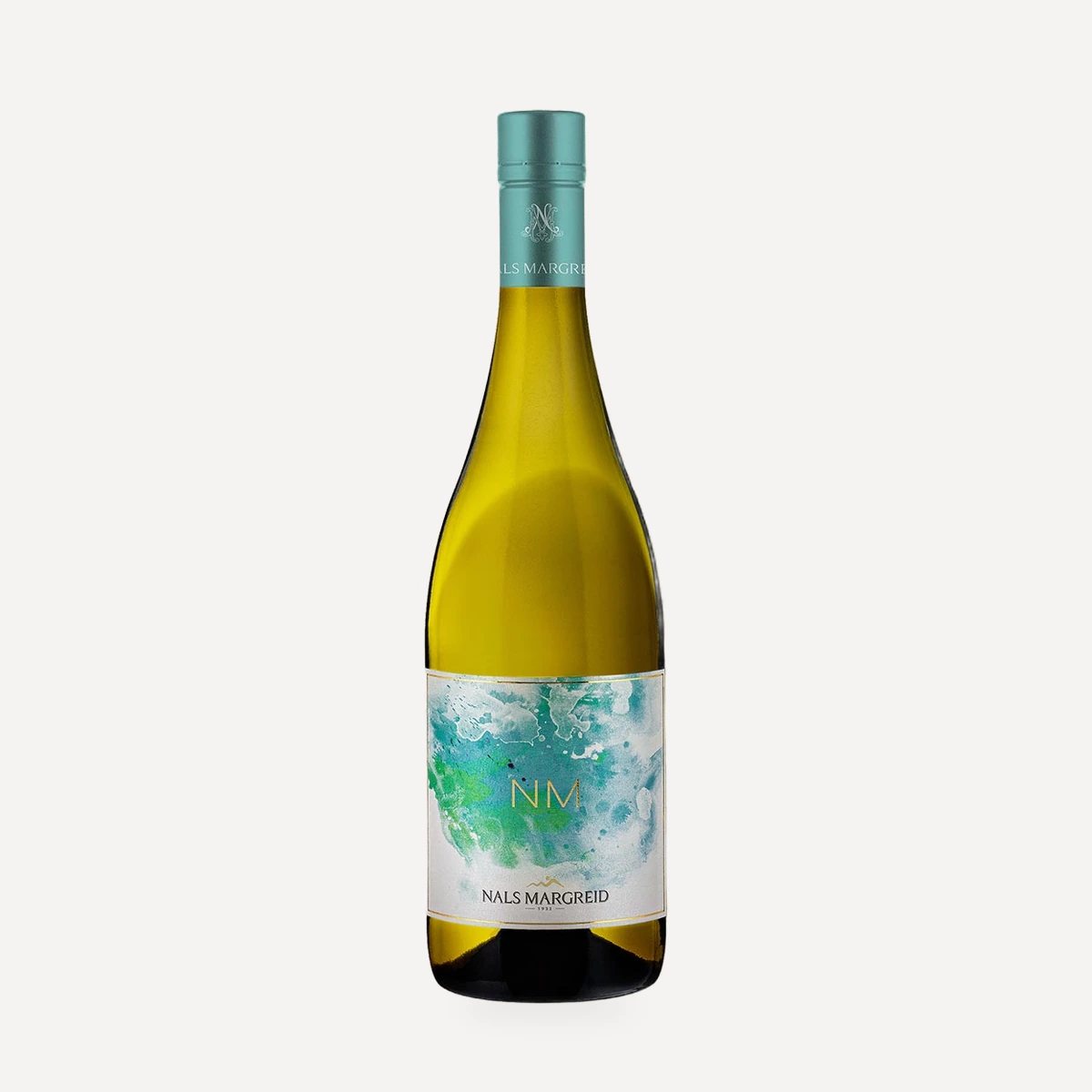
NM Cuvée Chardonnay · Sauvignon
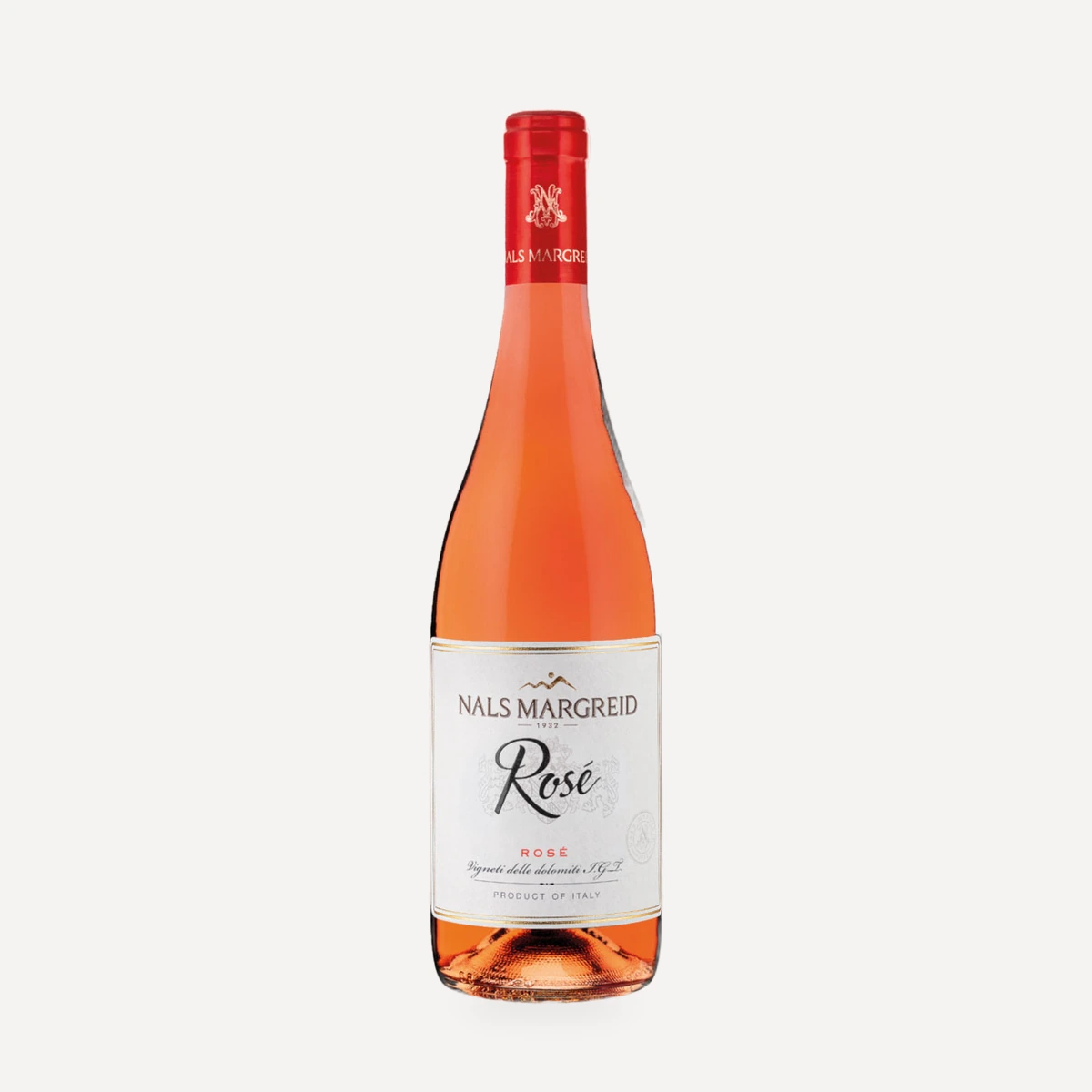
Rosé Cuvée Pinot Noir · Merlot · Lagrein
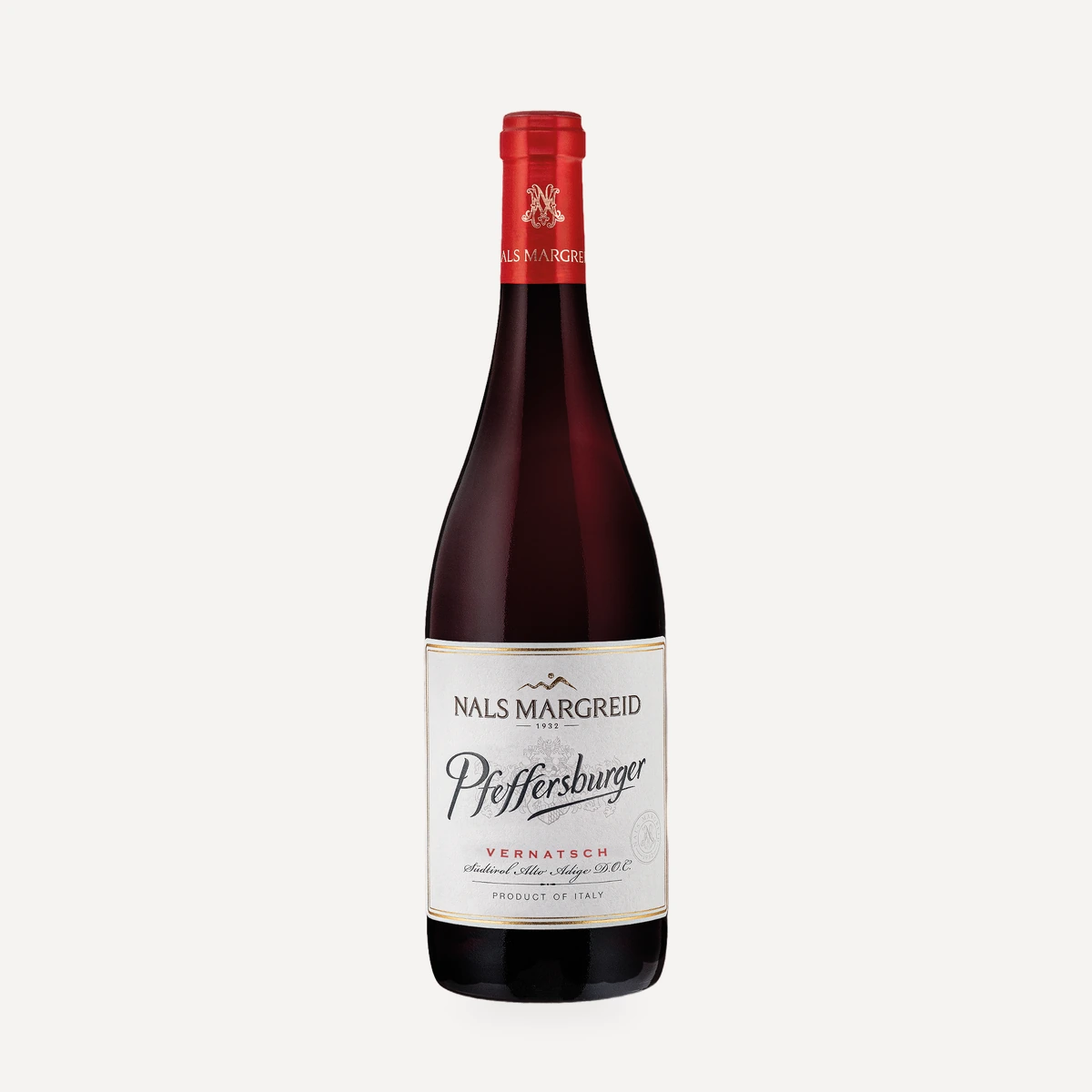
Pfeffersburger Schiava
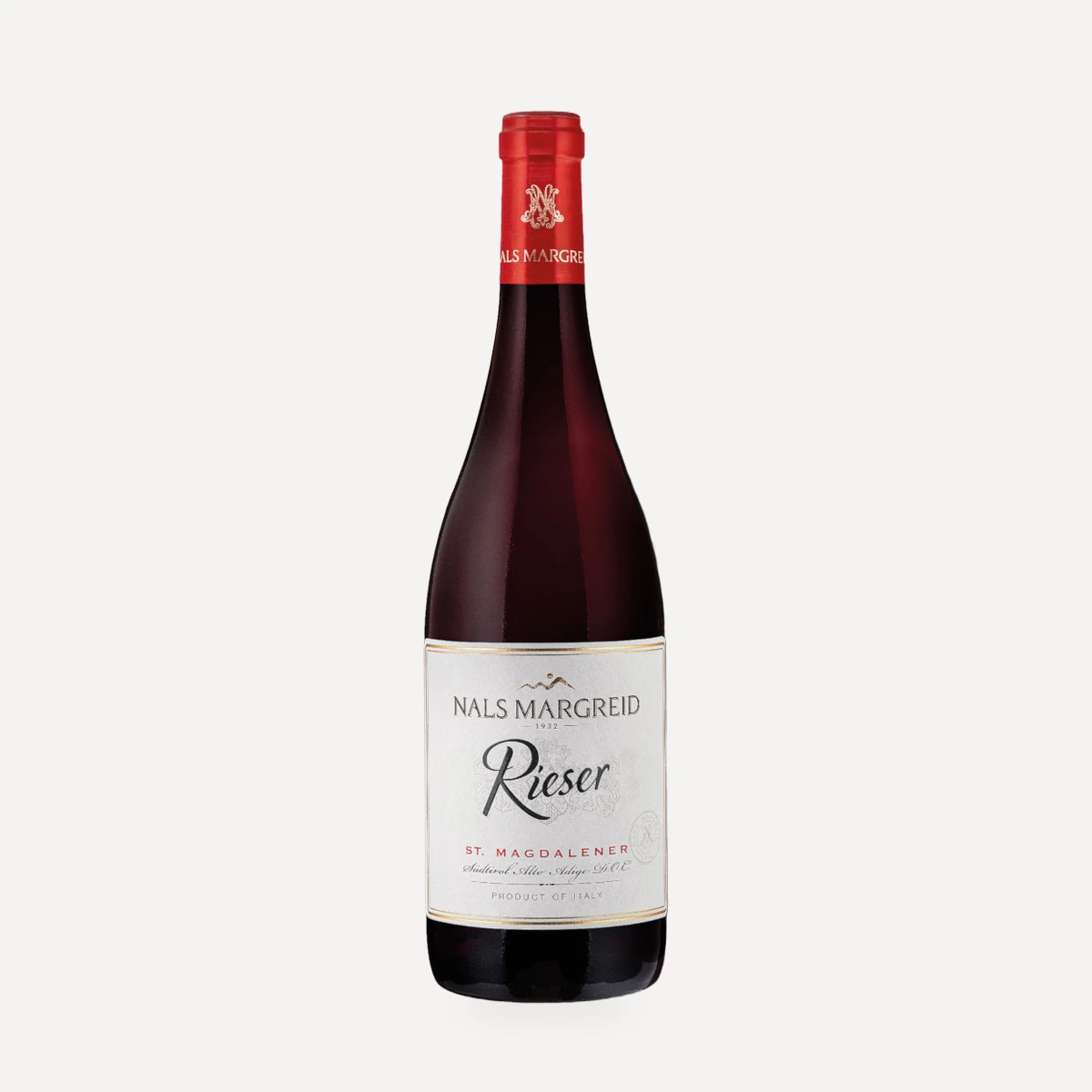
Rieser Santa Maddalena
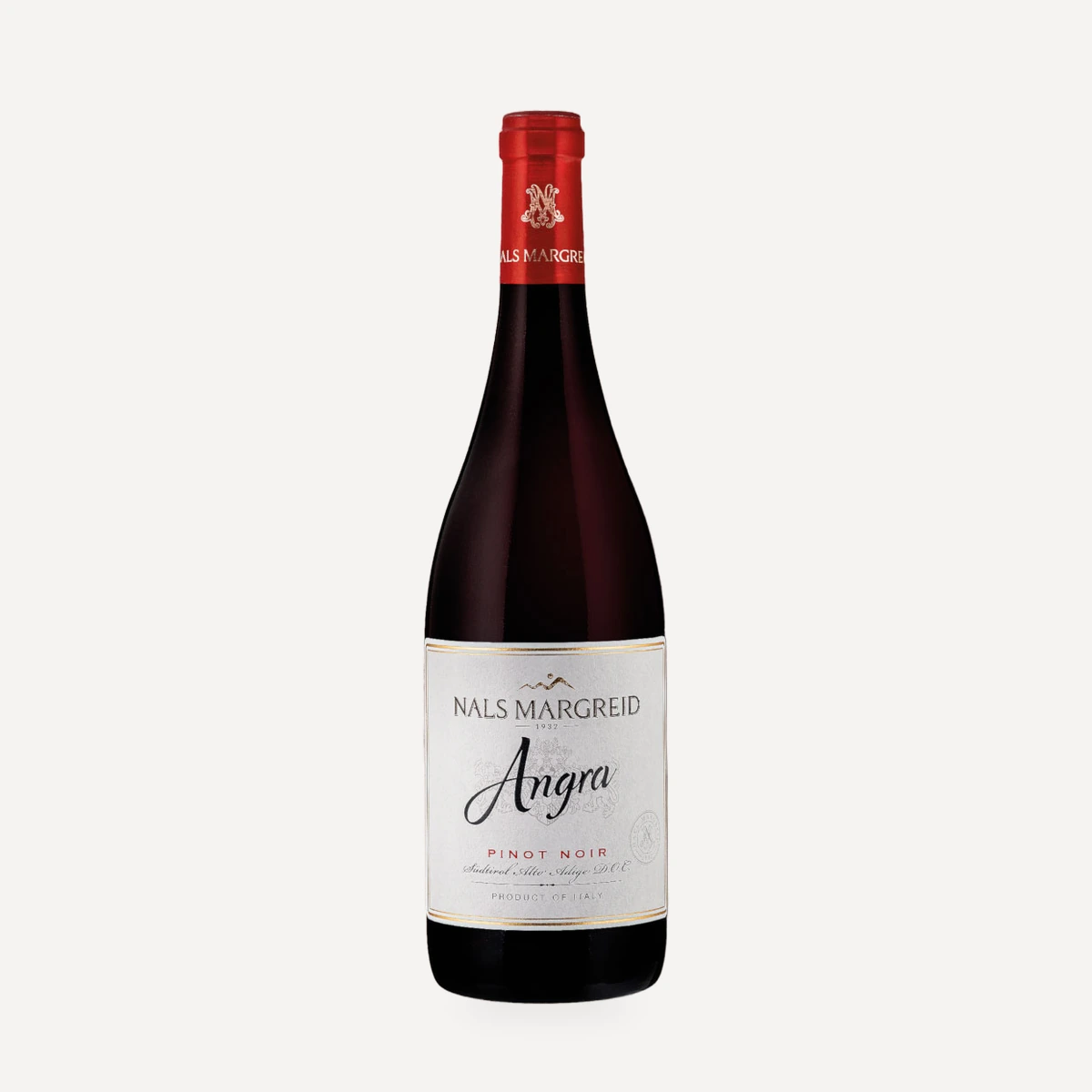
Angra Pinot Noir
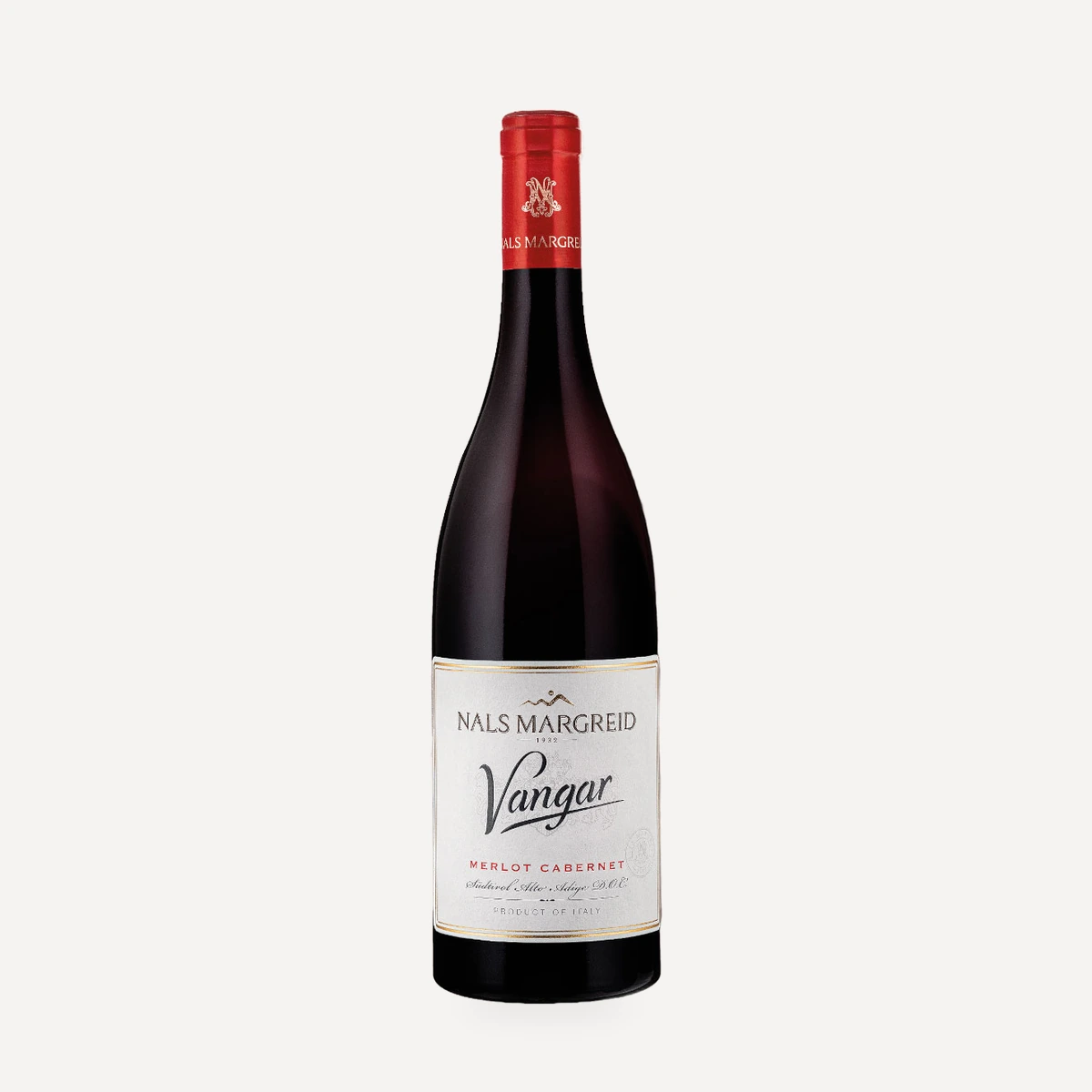
Vangar Merlot · Cabernet
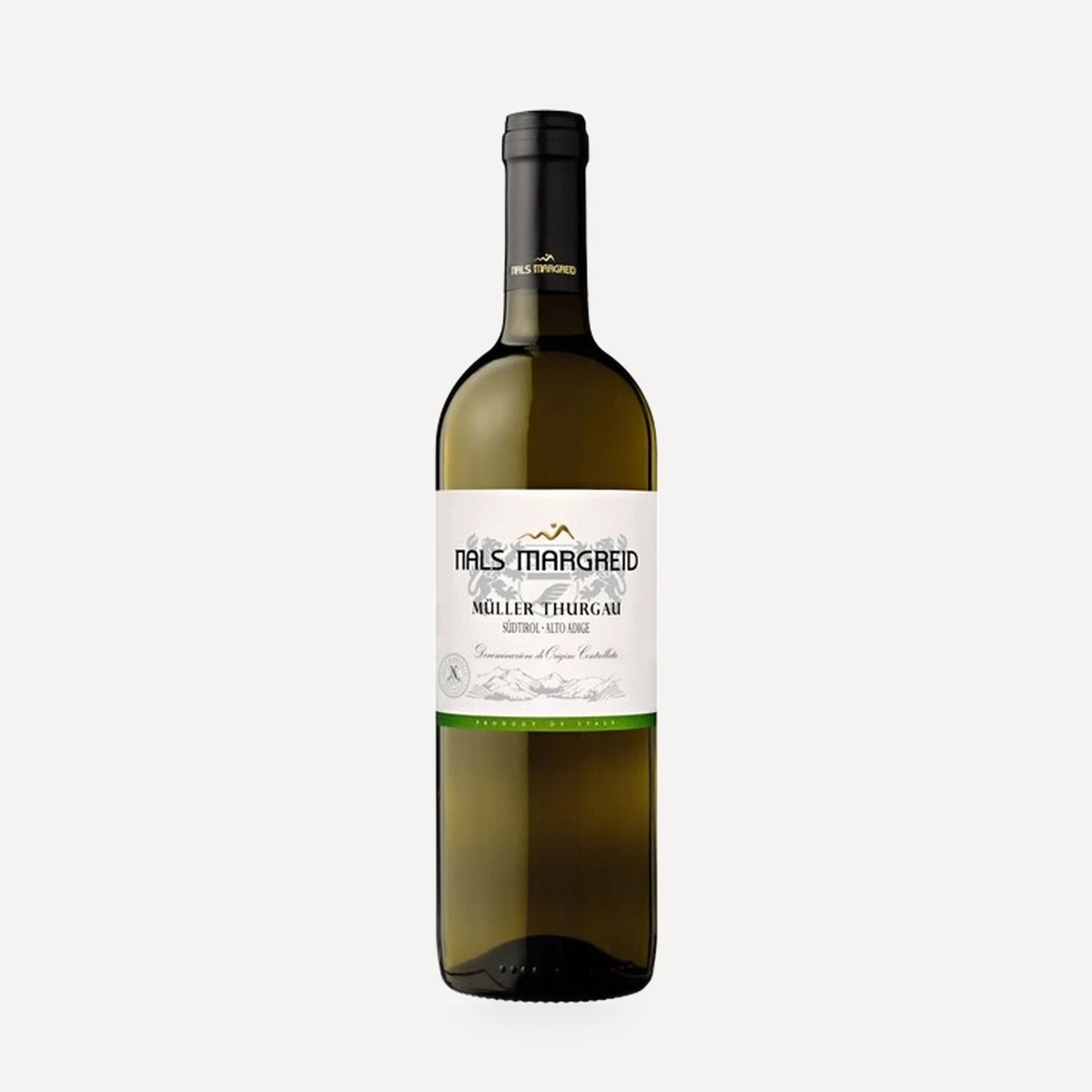
Muller Thurgau Sudtirol Alto Adige DOC
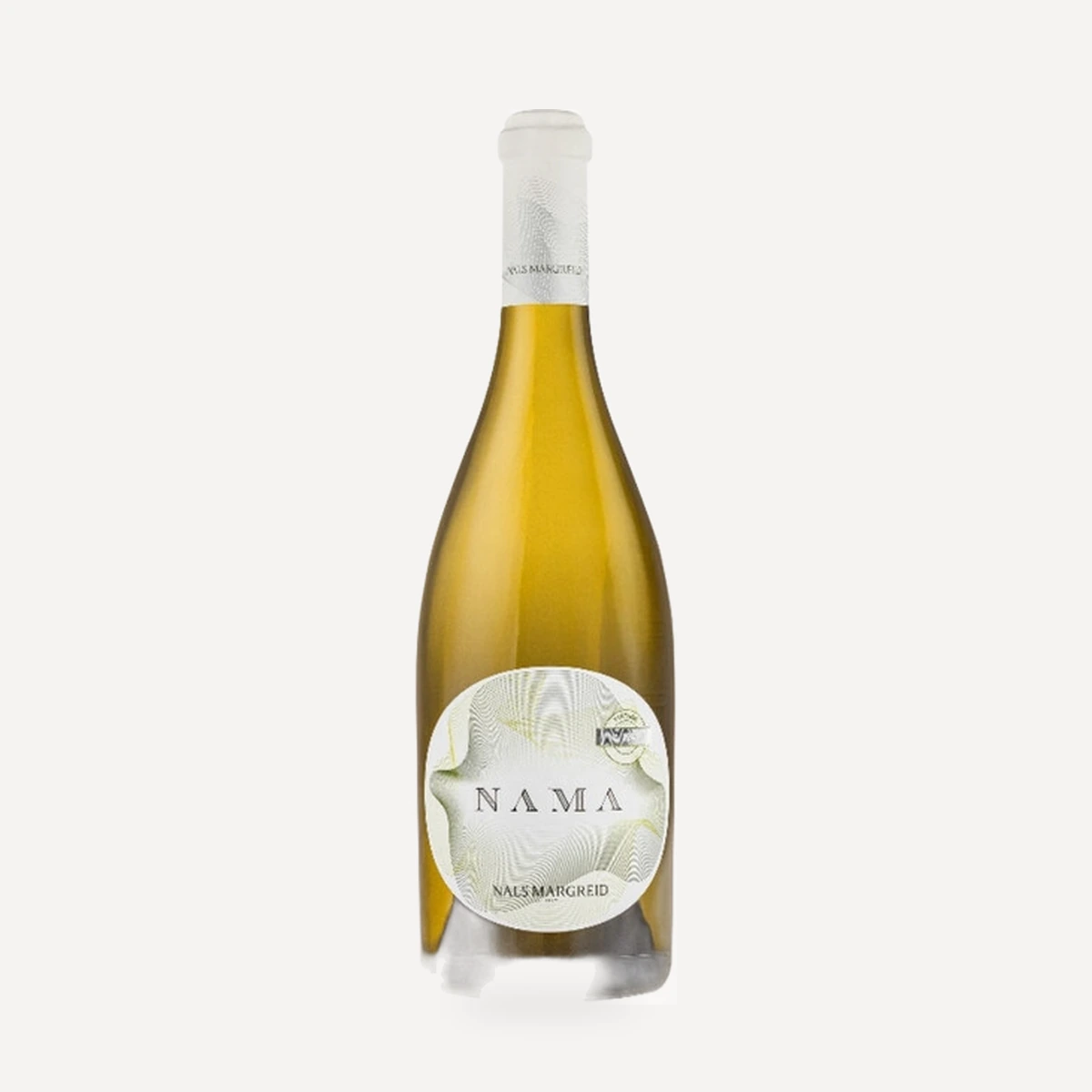
Nama Sudtirol Alto Adige DOC
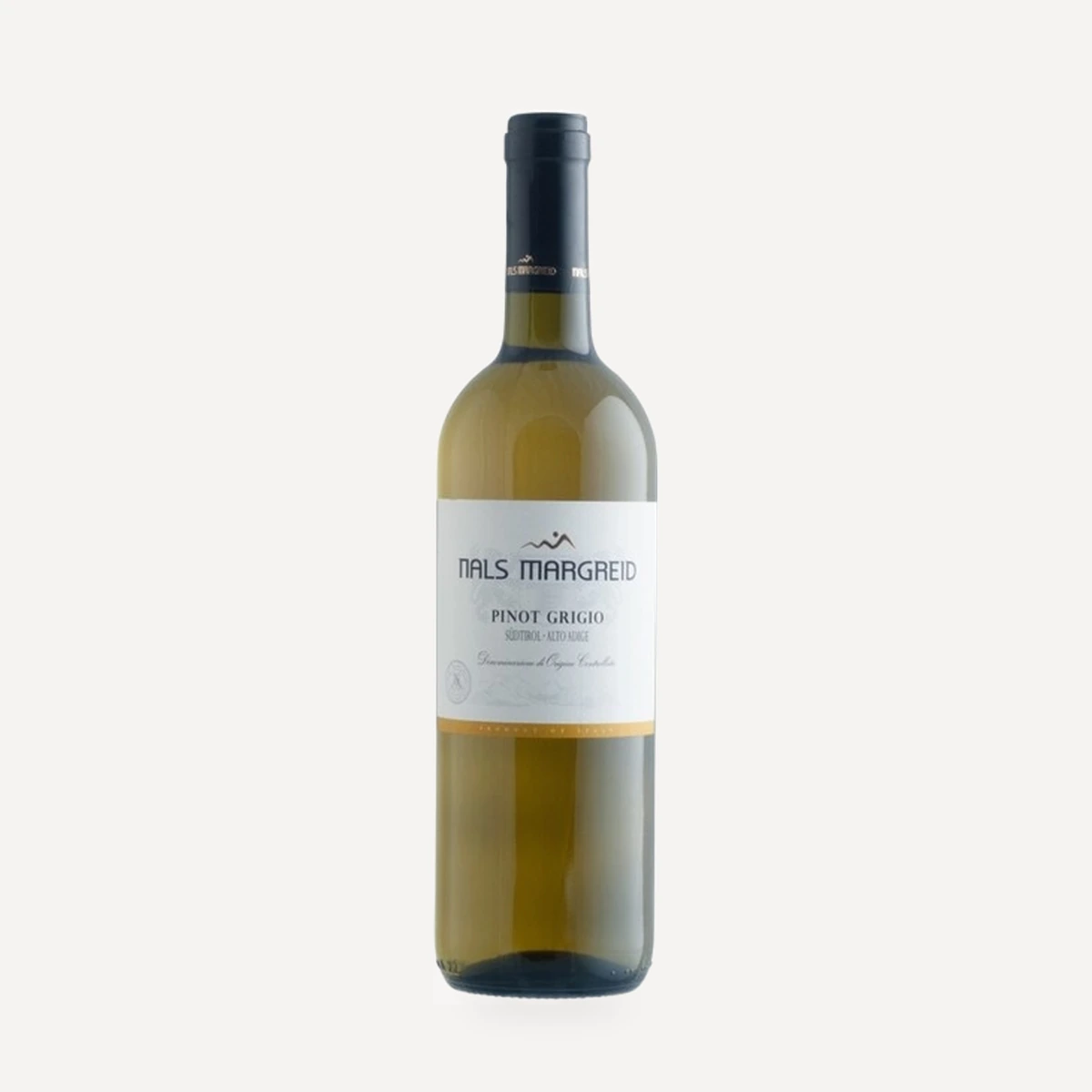
Pinot Grigio Sudtirol Alto Adige DOC
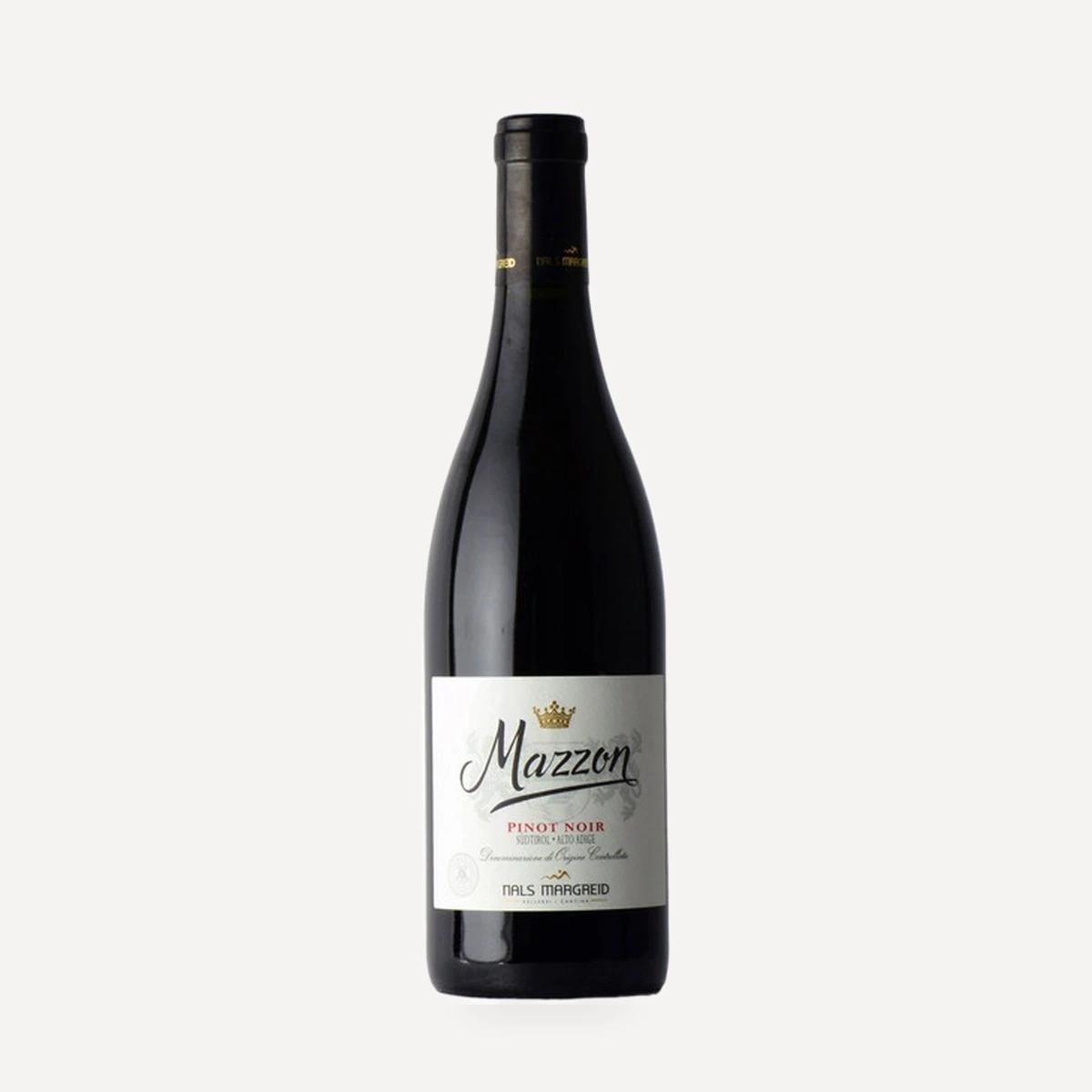
Mazzon Pinot Noir Sudtirol Alto Adige DOC
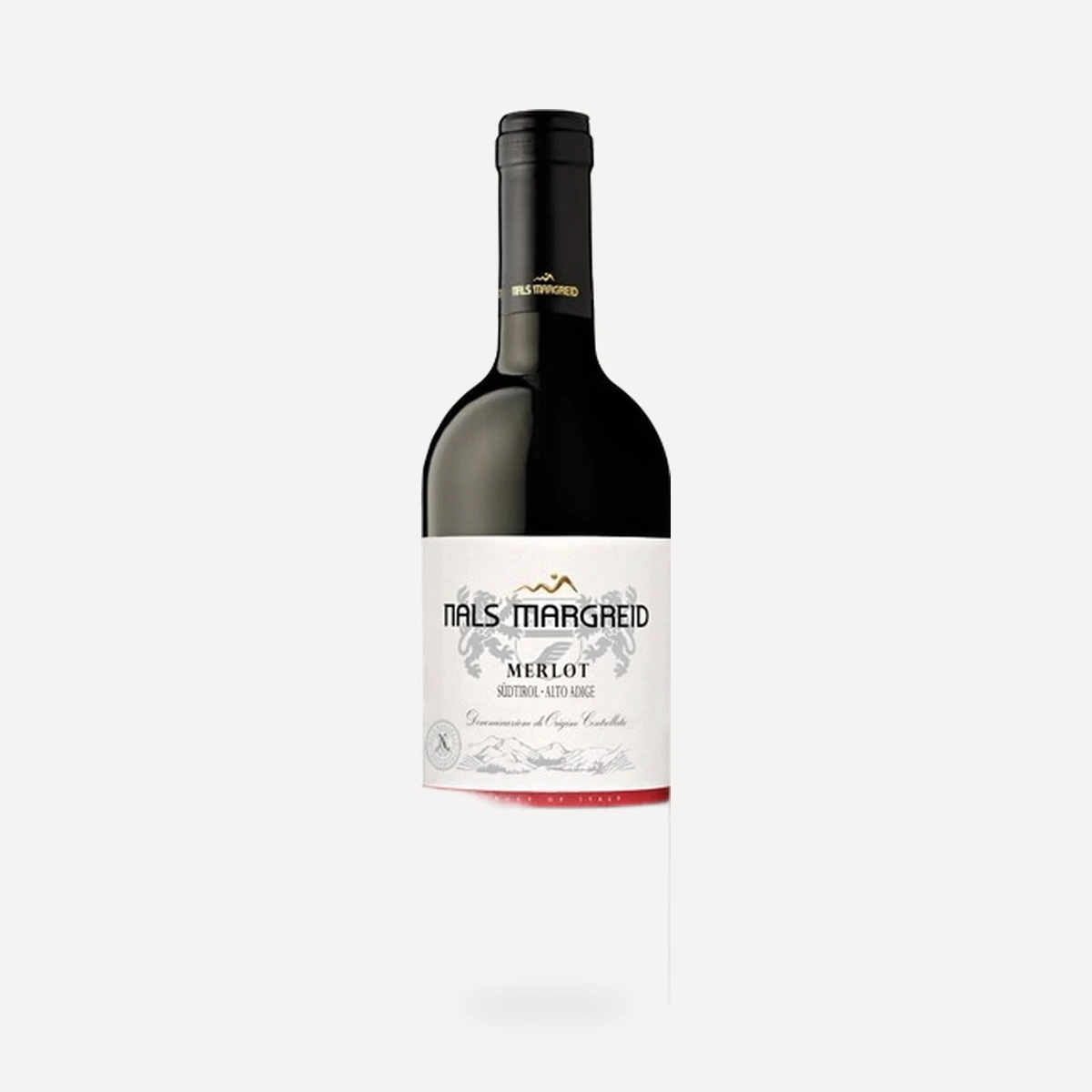
Merlot Sudtirol Alto Adige DOC