Storia
Ancient viticultural background
Vine-growing in the area predates the winery by many centuries. The Etruscans were bringing new vines into the territory as early as the sixth century BC. In the second century AD, the Roman agronomist, scholar and grammarian Varro described Trebbiano as the “wine of the legionaries,” reflecting the variety’s reputation across the Roman Empire.
Medieval municipal statutes contain numerous references to wines from Emilia and Romagna, some of which travelled through Venice for export. In the mid-sixteenth century, the philosopher and writer Andrea Bacci praised the wines made where the hills approach the Apennines, connecting their quality with maritime air, healthy winds, abundant vines, careful cultivation, balanced strength and purity.
Despite this long tradition, the wines of Bologna and Romagna did not begin to attract sustained attention in Italian and international markets until the early 1960s.
1964: the beginning of Umberto Cesari
Umberto Cesari founded the estate in 1964 after recognising the potential of the terroir and its regional grape varieties. He acquired an initial 20 hectares in the hills of Castel San Pietro Terme and set out to raise the profile of Emilia-Romagna wine beyond its traditional market.
From the outset, his approach combined continuous research with close attention to detail. He established three enduring principles: respect for heritage and tradition; innovation through new technology and advanced methods; and sustainability through responsible environmental practices.
The 1980s and the promotion of Sangiovese
During the 1980s, Umberto Cesari became known as an ambassador for Sangiovese. His work helped present Emilia-Romagna wines to a wider Italian and international audience while demonstrating the expressive possibilities of the region and its native varieties.
Environmental practices intended to preserve the land and vines were introduced in the Castel San Pietro vineyards by the end of the decade. These practices subsequently developed into integrated crop protection, environmental monitoring, precision agriculture and biological and biotechnological approaches.
Estate development
The original 20-hectare holding grew into an estate of 12 poderi divided between Castel San Pietro Terme and Montecatone. The present structure includes two production facilities, several barrel cellars and hospitality spaces. Local grapes remain the starting point of the estate’s work, complemented by international varieties selected for particular plots.
The vineyards were studied individually for exposure, soil, altitude, humus and water-table conditions before varieties were matched to specific parcels. In the cellar, artisanal knowledge was progressively combined with optical selection, precision analysis, microvinification, centrifugal crushing, spherical concrete tanks and cocciopesto amphorae.
Continuing direction
The estate continues to pursue incremental improvements through annual investment, experimentation and technical development. Human experience remains central: oenologists, artisans, tasters and other specialists share observations and jointly assess decisions throughout production. The long-term objective is to preserve the territory and its varieties while raising quality through carefully controlled innovation.
Terroir
The estate lies among the hills of Castel San Pietro Terme and Montecatone, between Emilia and Romagna. Its 12 poderi differ in exposure, soil, altitude, humus and underlying water-table conditions, and each responds differently to cultivation.
The landscape includes slopes with southern, eastern, western and northern components. Exposure to winds, rain and breezes, together with clearly differentiated seasons, shapes the behaviour of the individual varieties. Vineyard planning is therefore conducted parcel by parcel: each site is observed and matched with varieties suited to its particular combination of aspect, terrain and microclimate.
The soil mosaic includes clay and medium-textured clay; clay-limestone soils; reddish marl or terre rosse; partly stony clay; clay rich in natural humus; loamy-silty-clayey and clayey-silty textures; limestone with a loamy-clayey-silty texture; and loamy-clayey soils. Sensors linked to weather stations and vine-vigour maps provide detailed information about the microclimatic and environmental conditions of individual plots.
Vinificazione
The estate follows certified integrated agriculture and describes approximately one third of its vineyards as organically managed; its detailed programme quantifies 30% of the vineyard area as being in conversion to organic farming.
Environmental monitoring is based on weather stations, field sensors and vine-vigour maps. These tools identify the microclimatic and environmental conditions of each plot, guide vine nutrition and protection, track ripening curves and help determine harvest timing. Integrated crop protection is supplemented by biological and biotechnological approaches so that plant-health treatments can be limited to those considered necessary.
Soil management is intended to maintain biological fertility, structure and biodiversity. Grassing and cover crops between the rows protect against erosion, particularly during winter, provide habitat for beneficial insects and improve soil structure and fertility. Green-manure crops are sown between rows, cut after flowering and incorporated into the soil, increasing organic matter and reducing reliance on fertilisers.
Organic and organo-mineral fertilisers, vermicompost and mycorrhizae support soil vitality and plant resistance to pests and diseases. Mycorrhizae are also applied when new vineyards are planted. Zeolite is used on the soil and fruit: it retains water during rainfall and releases it in dry periods, reduces vine stress, improves the soil’s capacity to retain nitrogen, potassium and magnesium, and helps reduce irrigation waste.
Other vineyard operations include defoliating the fruiting zone and using precision-agriculture data to adapt work to individual parcels. Water consumption is monitored closely and minimised. Plant-based products are used to eliminate vineyard residues.
A marginal estate area has been planted with Lippia, a low-water-demand plant used to obtain an essential oil associated with antispasmodic, sedative and fever-reducing properties. Its flowers also attract bees, contributing to the estate’s biodiversity programme.
From harvest to fermentation
Production is organised to move fruit from the vineyard to the cellar as rapidly as possible while retaining human oversight at every stage. During harvest, grapes reach the winery within one hour of picking. Fruit then passes through a destemmer-crusher; grapes intended for Cru production are directed through optical selection. White grapes proceed shortly afterwards to pressing, while red grapes go directly to the fermenters.
The estate treats fermentation as a natural transformation whose progress can be controlled with modern equipment. Oenologists, artisans, tasters and specialists continually exchange observations, analyse results and jointly refine production decisions.
Selection, analysis and experimentation
A linear selector with a sorting table removes stalk material that could contribute excessive tannin. The optical selector is programmed to choose berries according to defined colour, size and ripeness parameters; this precise selection underpins Cru production.
A modern in-house laboratory permits analysis throughout the working day and allows rapid intervention to protect wine quality and purity. Microvinification trials apply different methods to the same variety to determine which approach best expresses its potential. These trials assess the winemaking potential of grapes and soils and investigate the chemical, physical and sensory properties of rare local vines cultivated in experimental fields.
Centrifugal crushing
The Extractive 2 dynamic wine press opens berries through centrifugal force. Its energy is adjusted according to fruit ripeness so that skins are opened without being pulped. The objective is controlled extraction of must, polyphenols and aromatic components.
Concrete and amphora
Spherical Galileo tanks made from lightweight concrete promote convective movement during ageing. Their entire inner surface participates in heat exchange, improving temperature control, while the spherical form provides thermal insulation.
Cocciopesto amphorae are made exclusively from natural or recycled raw materials, including clay. They are air-dried rather than fired. Their microporosity provides controlled micro-oxygenation, supporting slow, continuous development while preserving varietal sensory characteristics.
Oak maturation
Fine-grained, medium-toast Allier oak barriques and tonneaux are used for long-ageing red wines and selected white and passito production. Large Slavonian oak casks are used for other red wines. The porosity of oak enables natural micro-oxygenation, through which wines develop softness, structure and harmony.
The barrel rooms are maintained at 16–18°C and 80% humidity by air-treatment units.
Filosofia
Umberto Cesari’s philosophy rests on three connected principles: heritage, innovation and sustainability. Heritage means respecting the roots of regional viticulture and the knowledge accumulated through generations. Innovation means using research, experimentation and advanced technology to improve quality. Sustainability means preserving the environment through responsible agricultural and management practices.
The estate regards terroir as more than physical territory: it also encompasses the work and practical culture of the people who have cultivated vines there over centuries. Its aim is to develop the potential of each podere and vineyard while remaining attentive to the responses of nature.
Research is treated as an ongoing discipline rather than a finite project. Experiments can continue for months or years, and new techniques are expected to handle grapes gently and respect lessons learned from the past. Advanced machinery is adopted as an extension of skilled human observation and craftsmanship.
Quality decisions are collaborative. Different fields of expertise are brought together so that observations multiply and decisions can be supported by increasingly precise information. The stated goal is continual refinement: preserving the territory and its grape varieties, protecting people and the environment, and improving standards through investment, tenacity and experimentation.
Vini
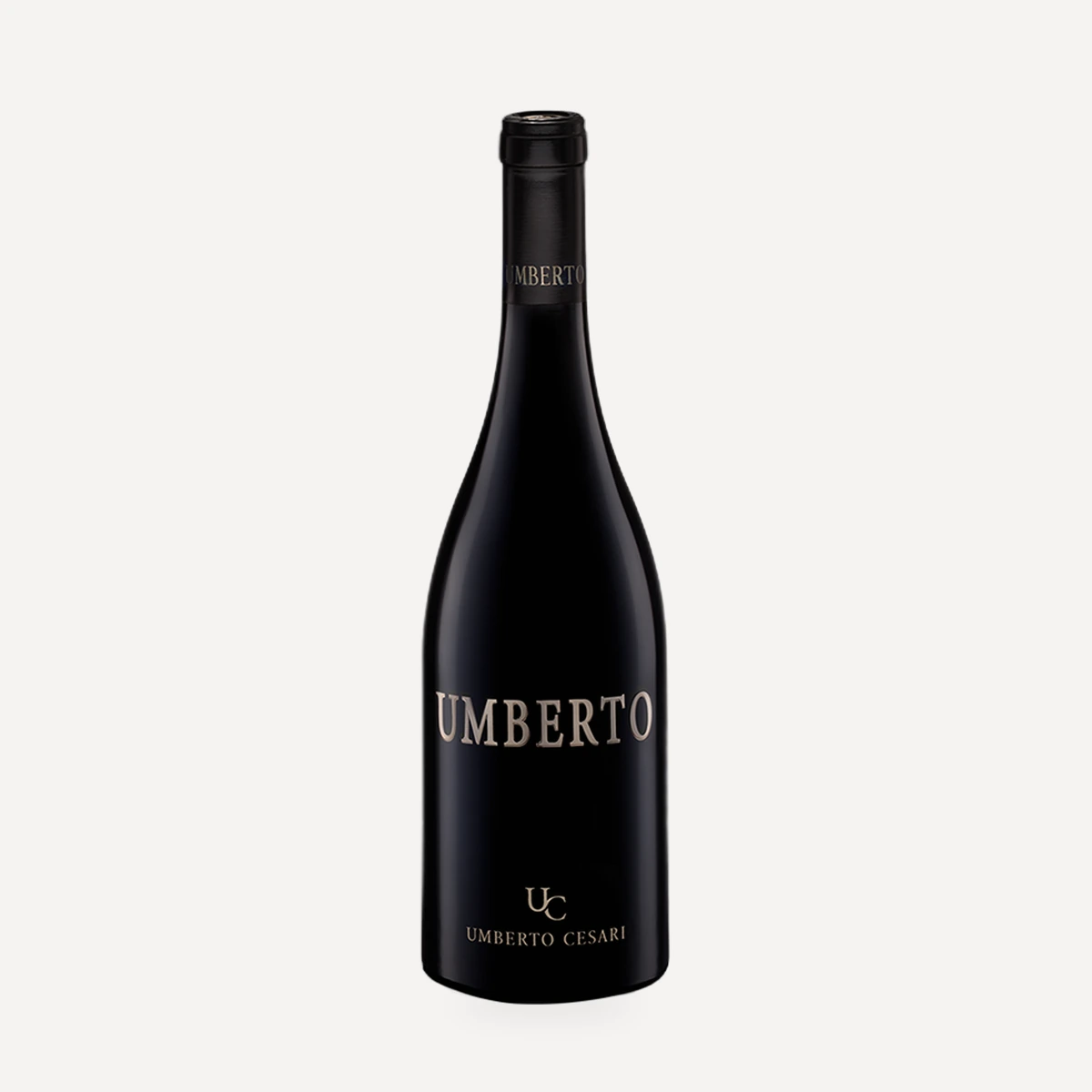
Umberto
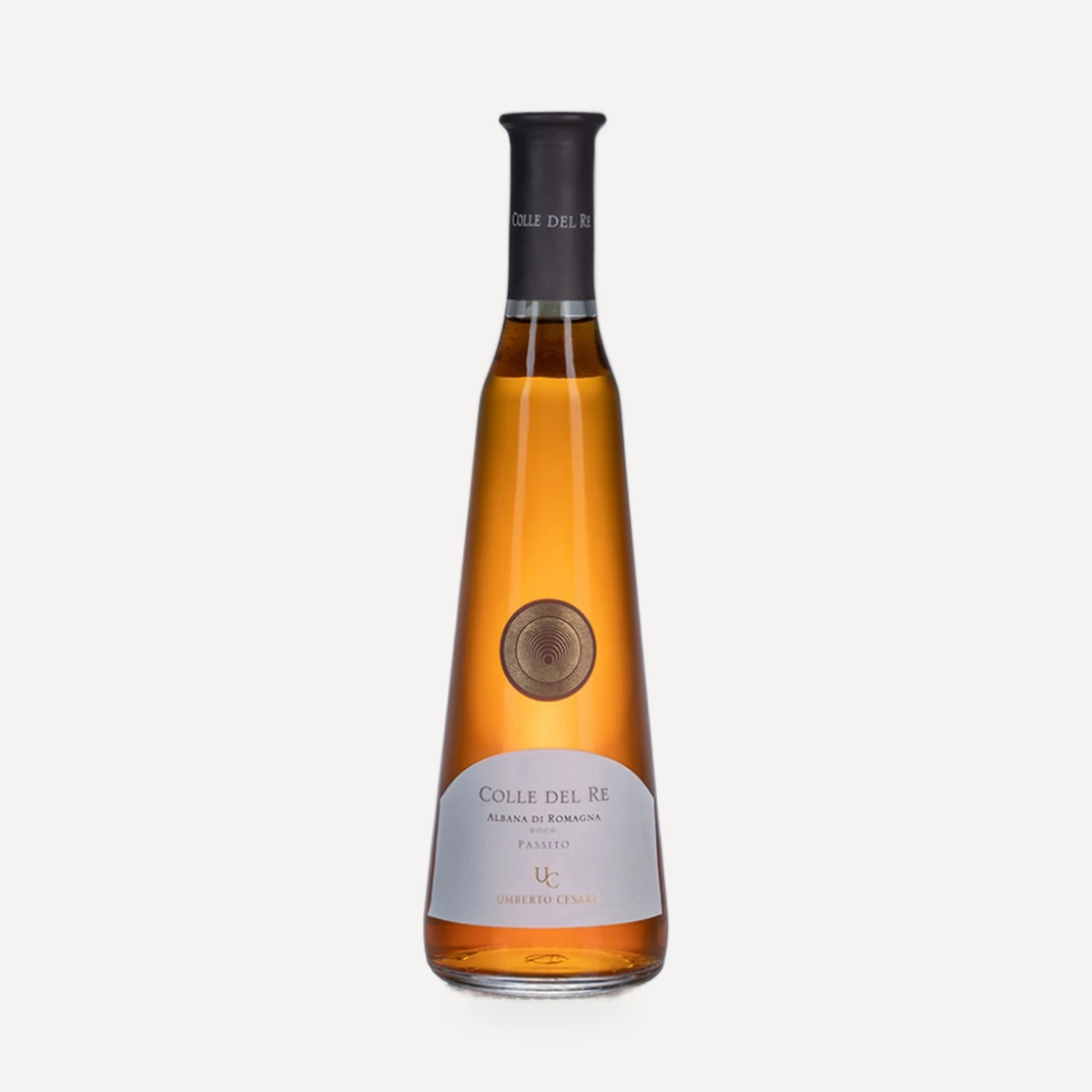
Colle del Re Passito
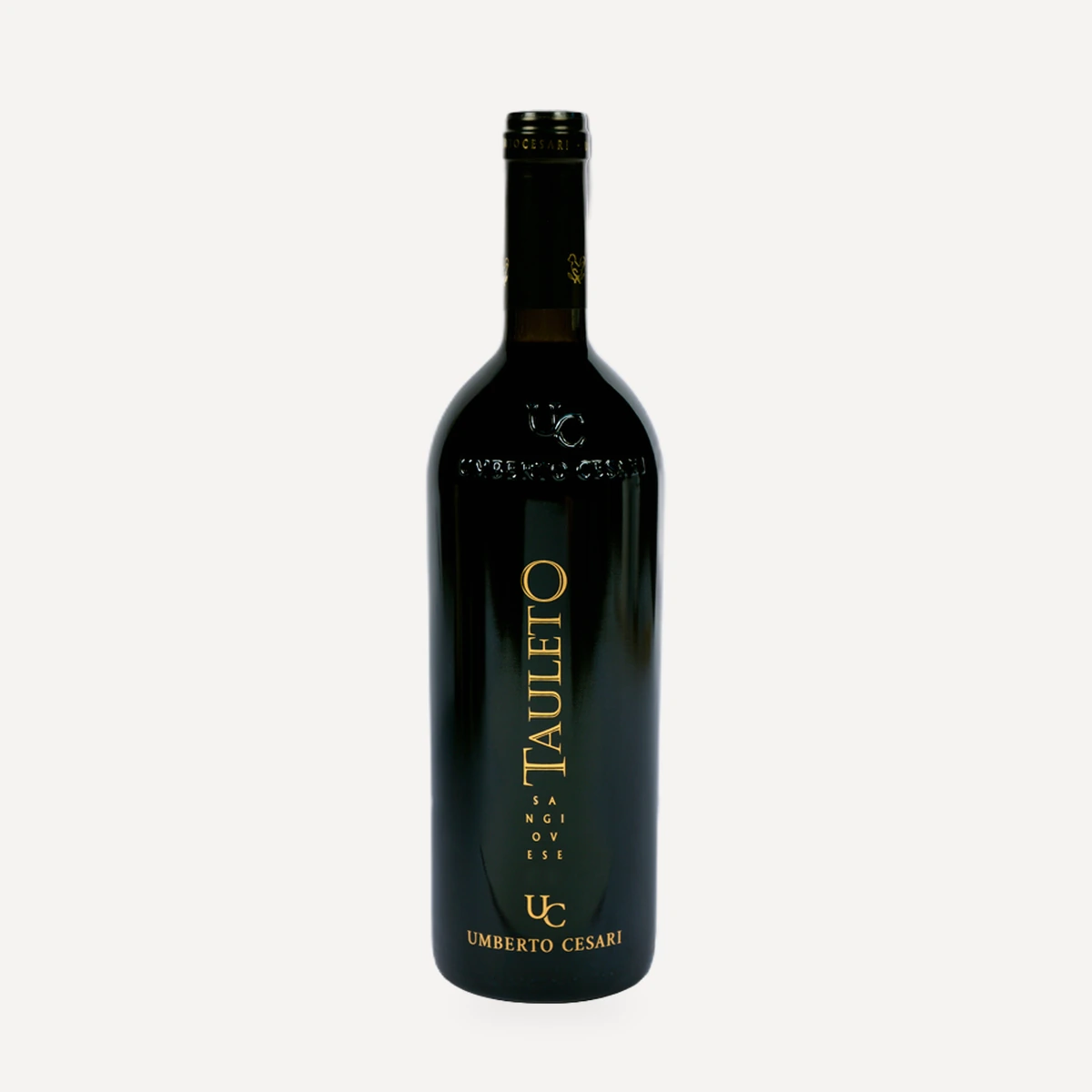
Tauleto
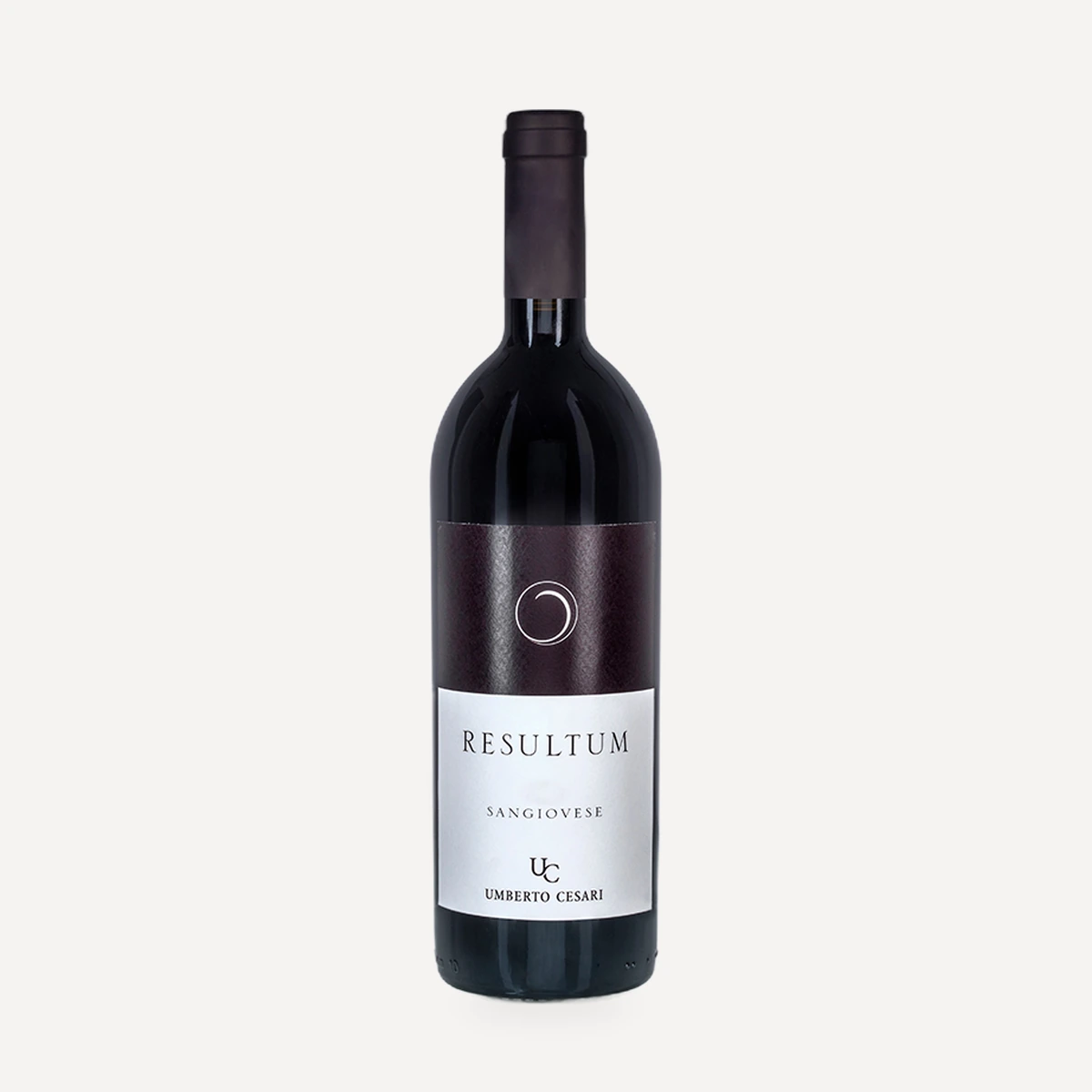
Resultum
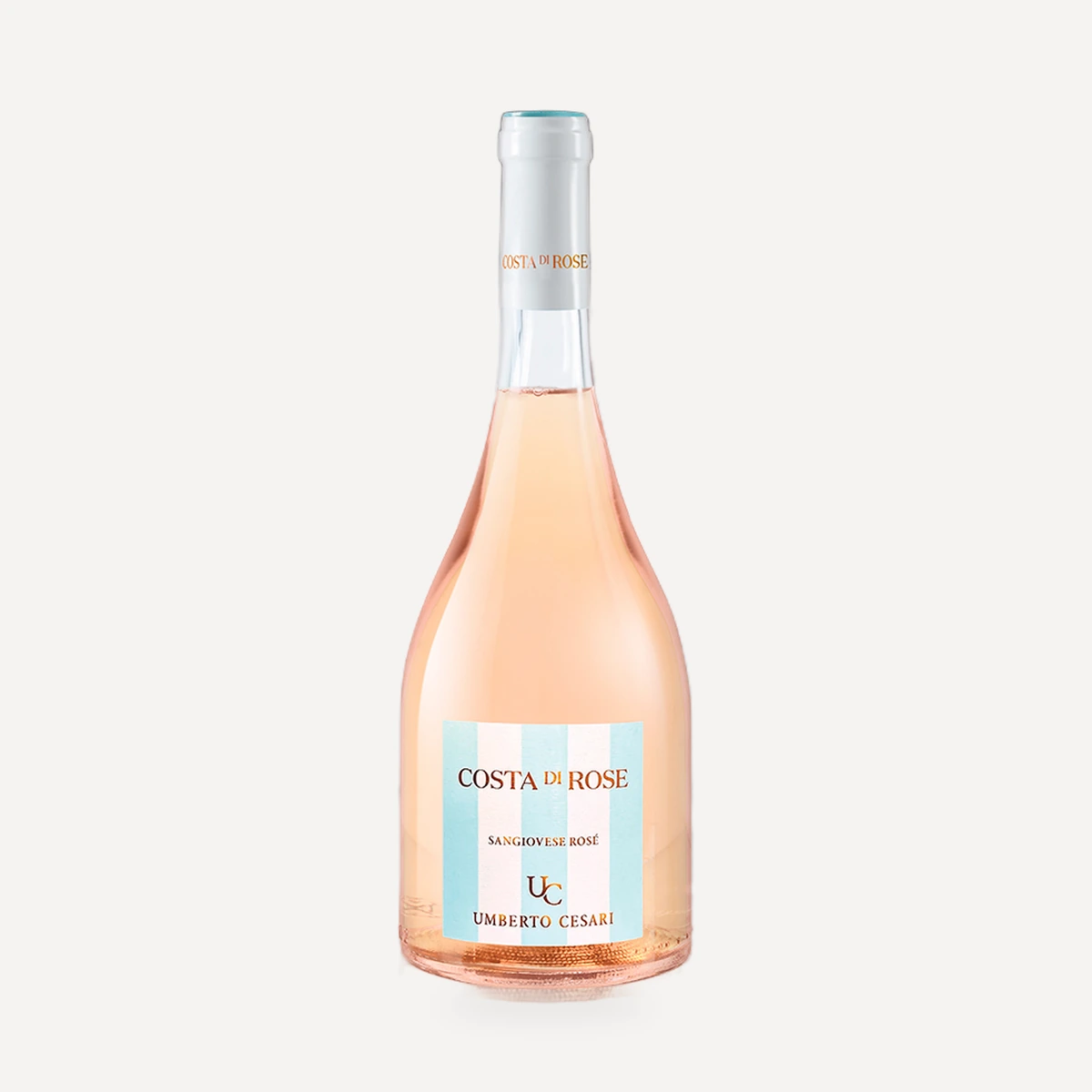
Costa di Rose
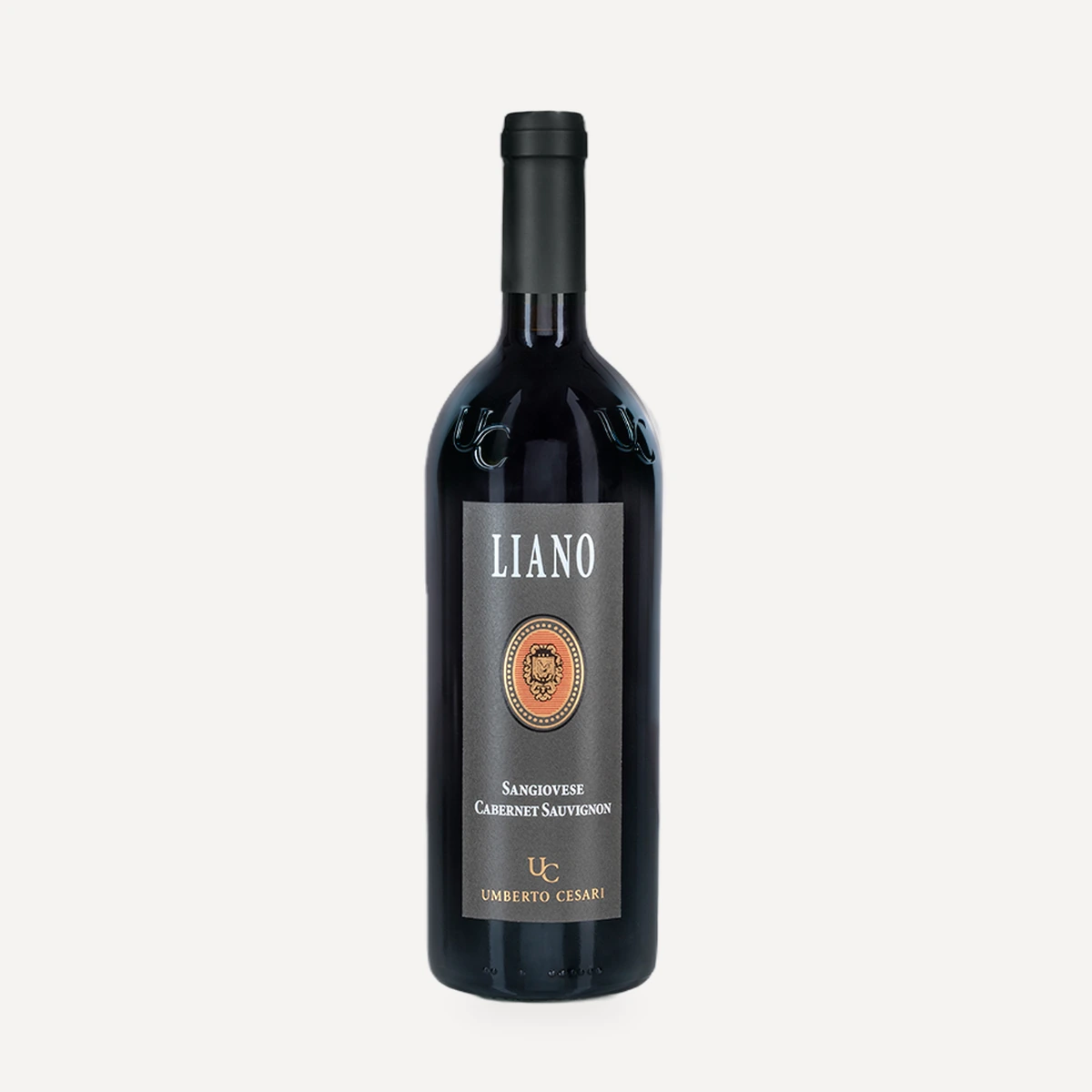
Liano
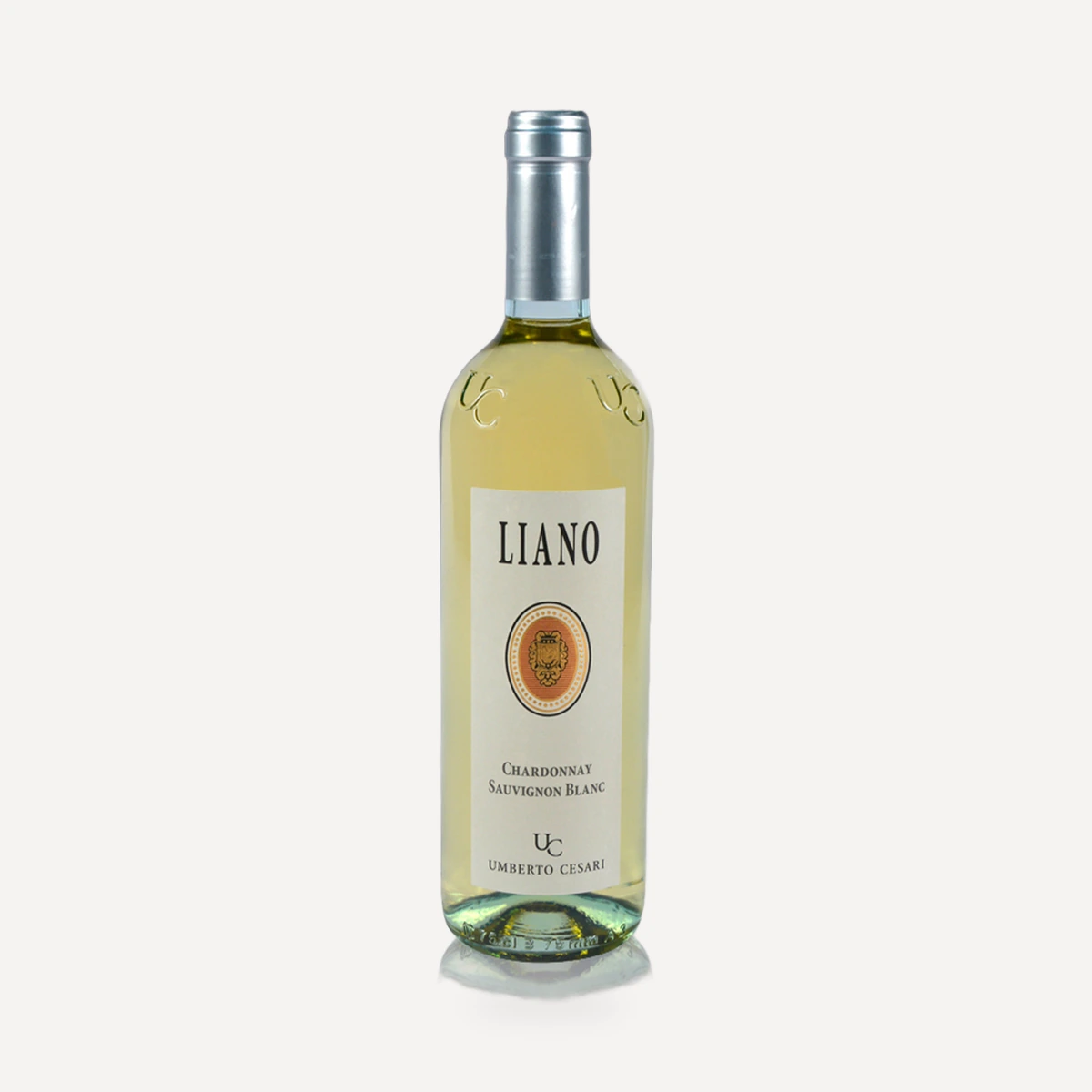
Liano Bianco
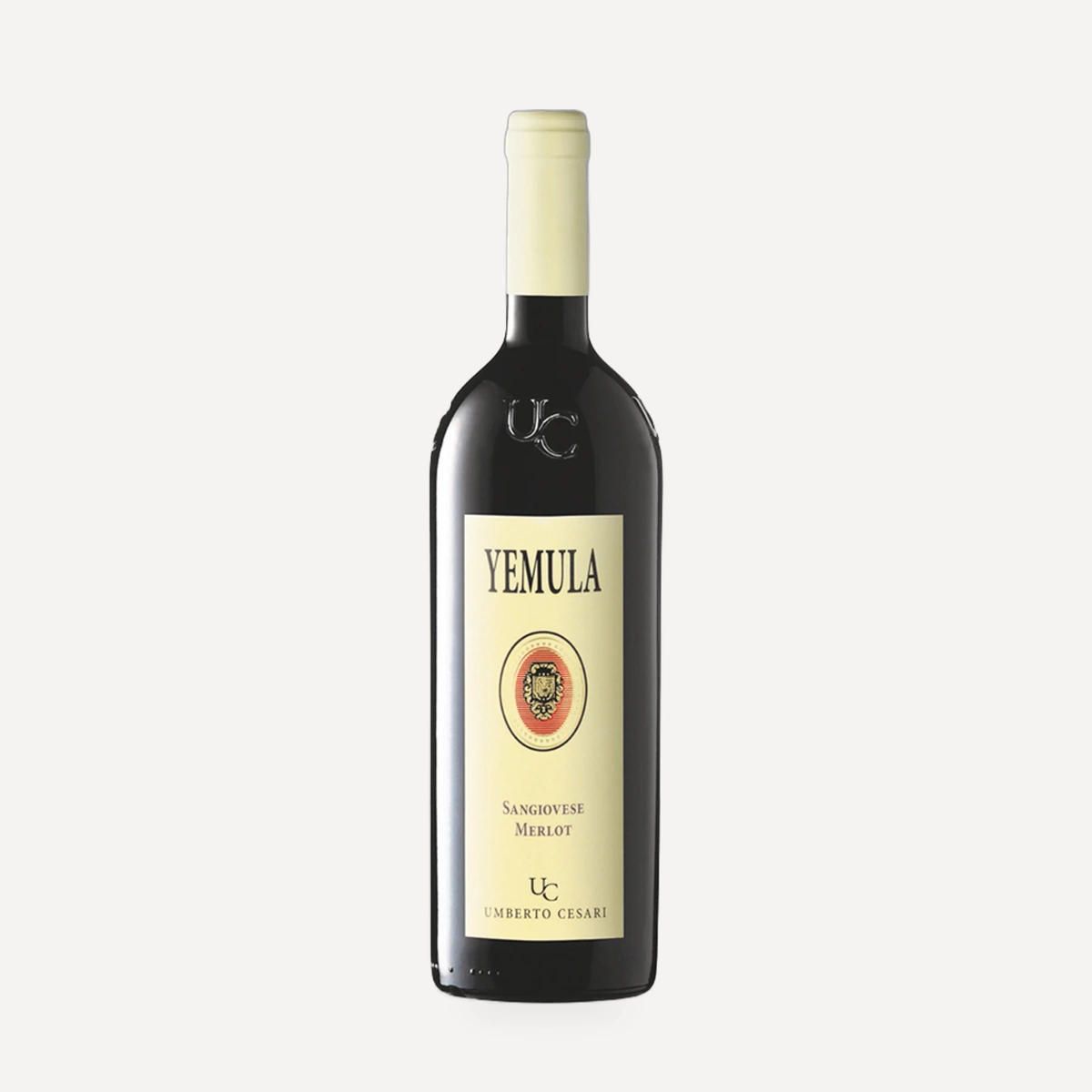
Yemula
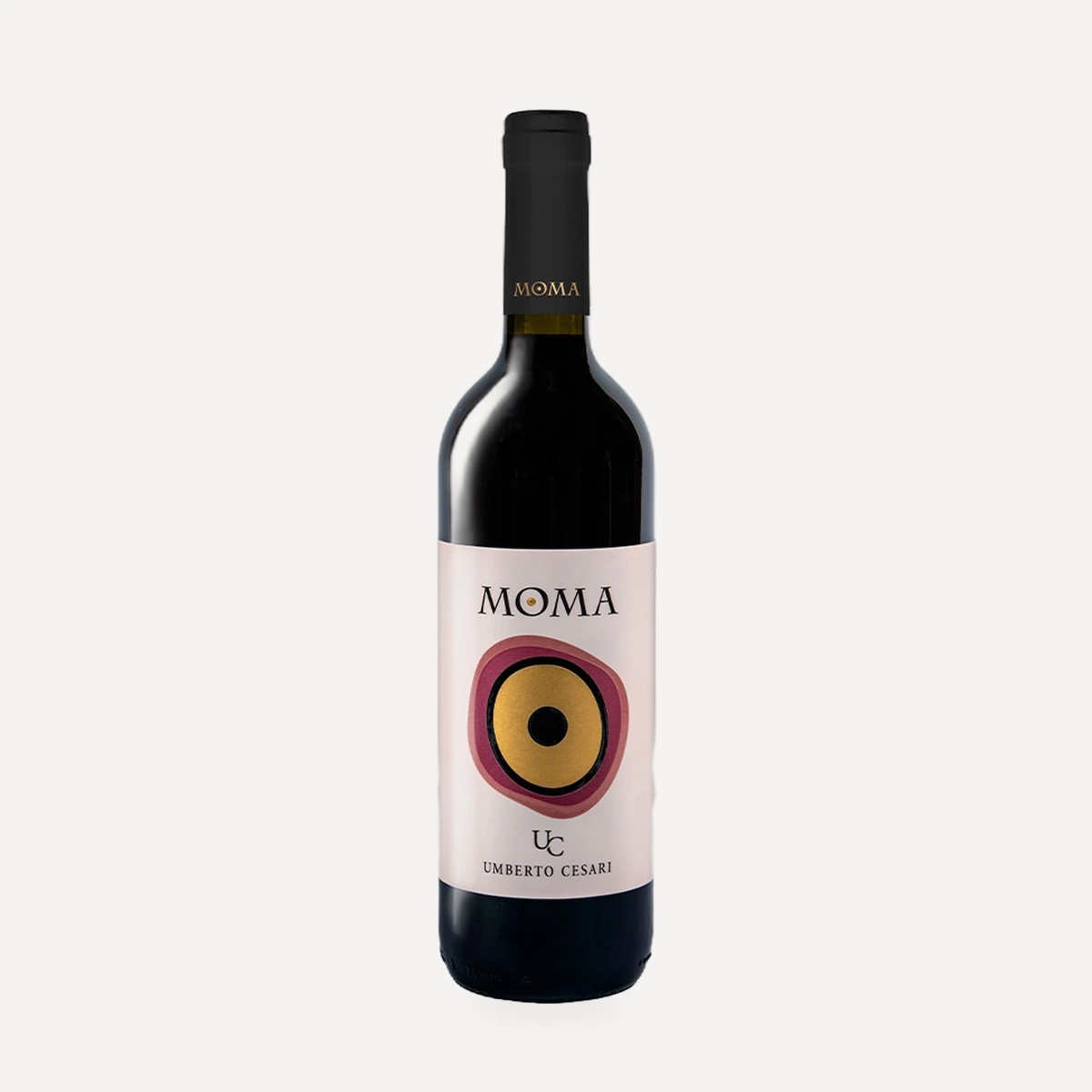
Moma Rosso
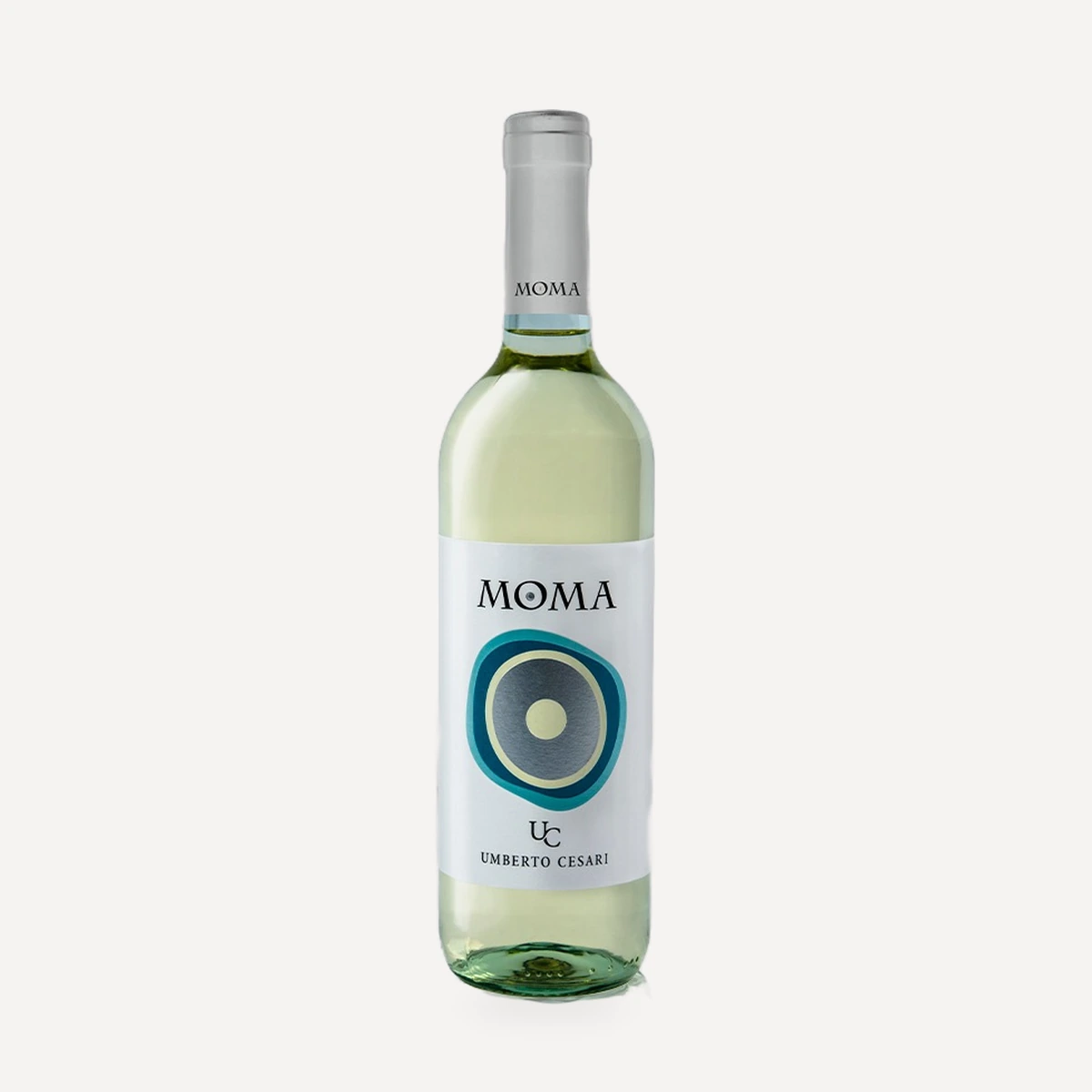
Moma Bianco
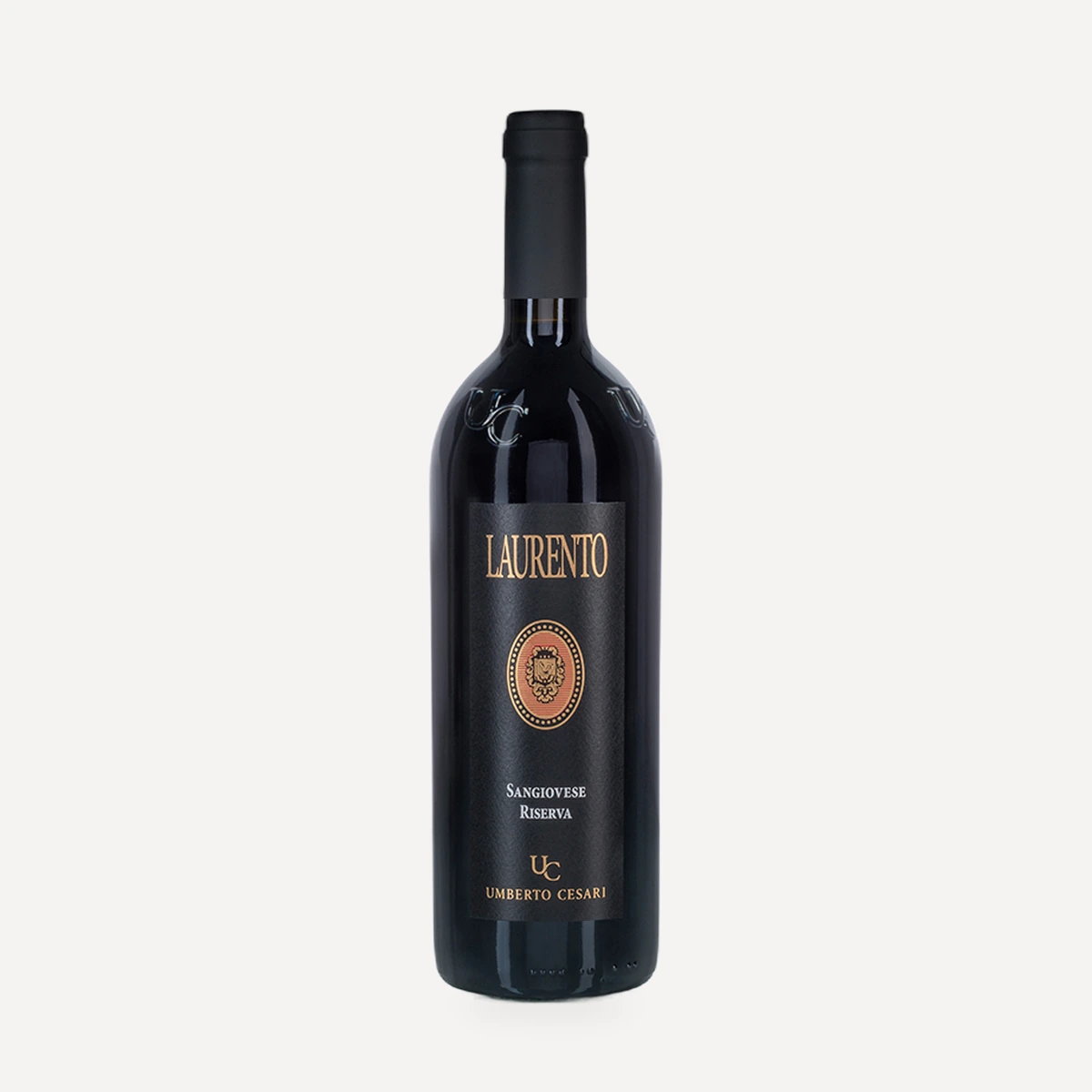
Laurento
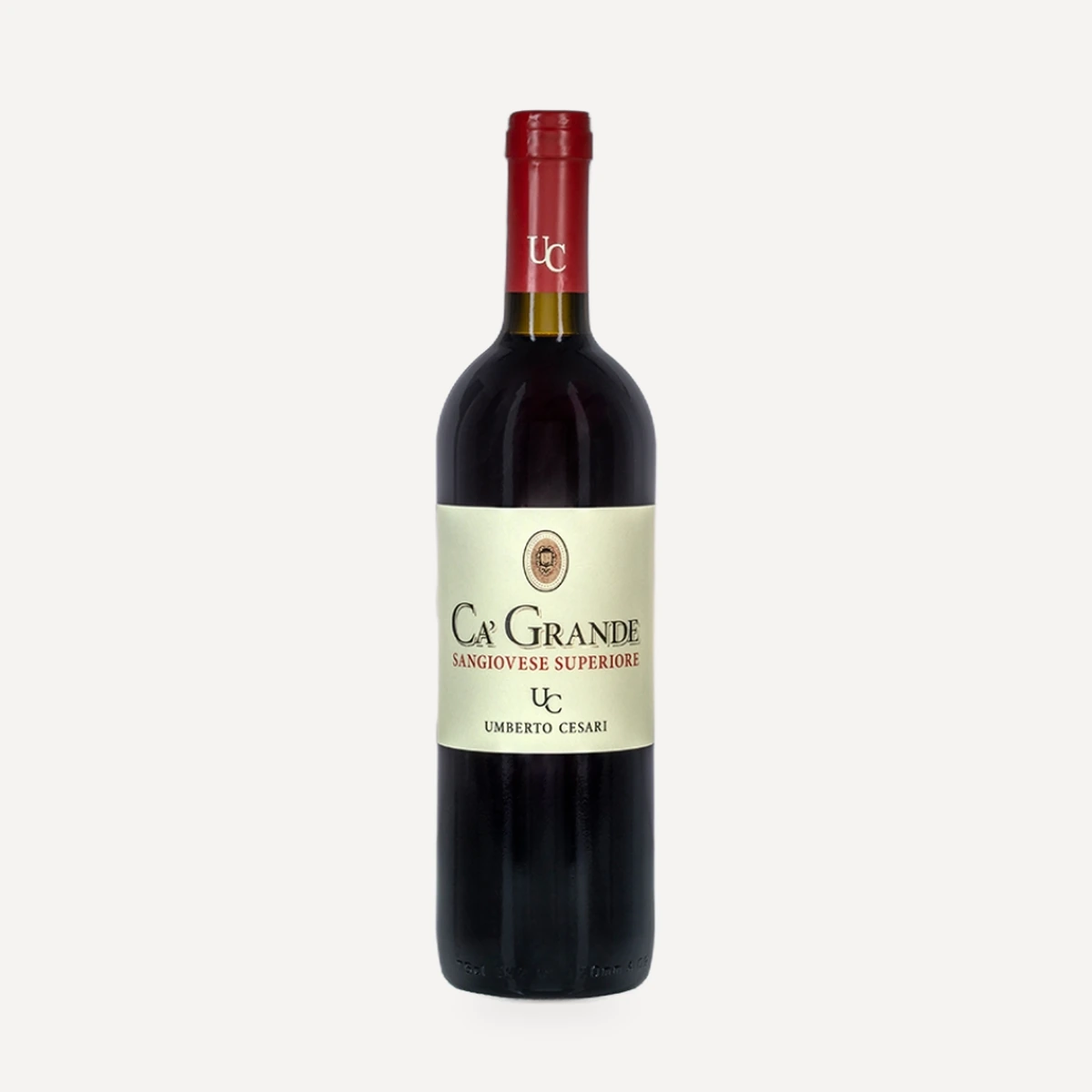
Ca' Grande
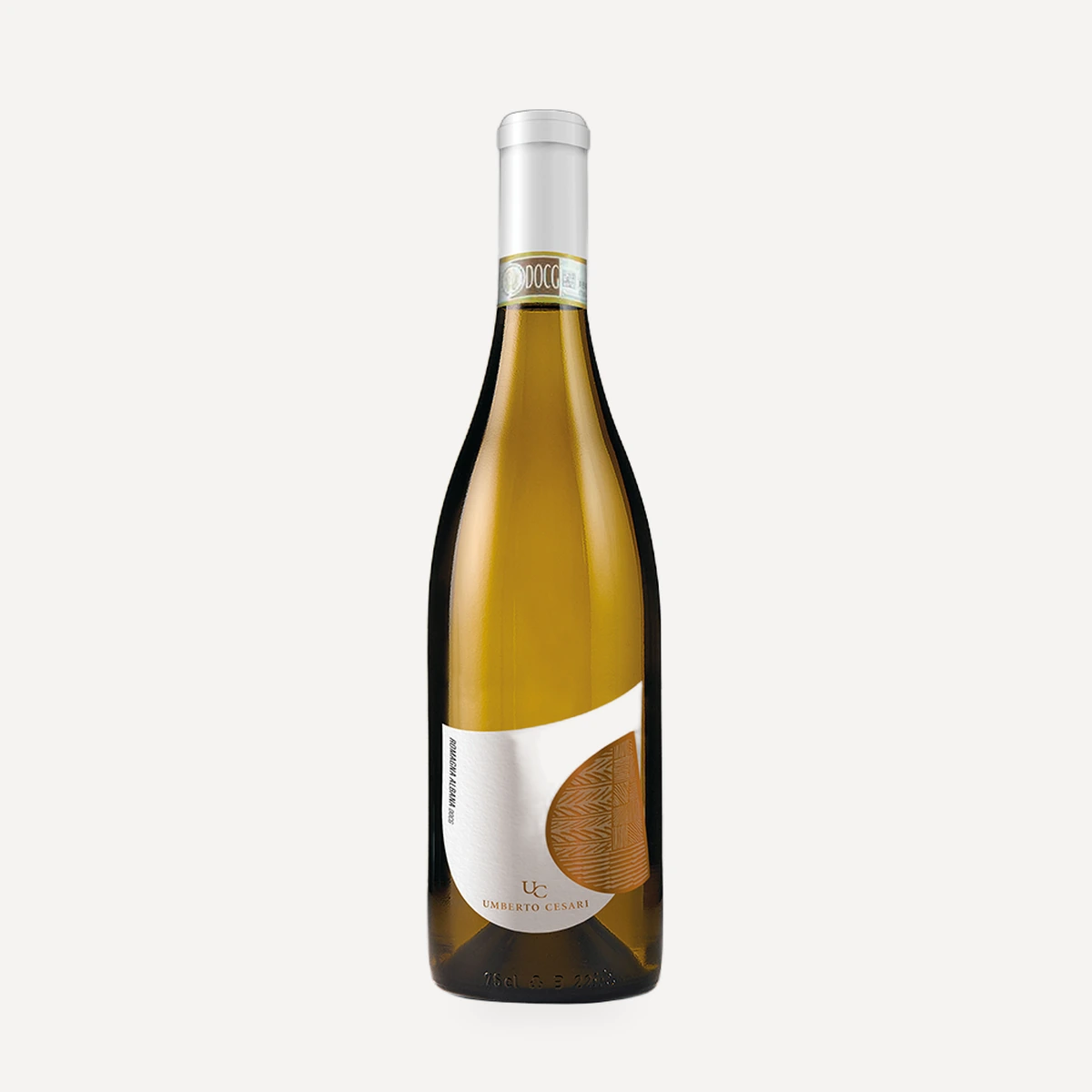
Albana
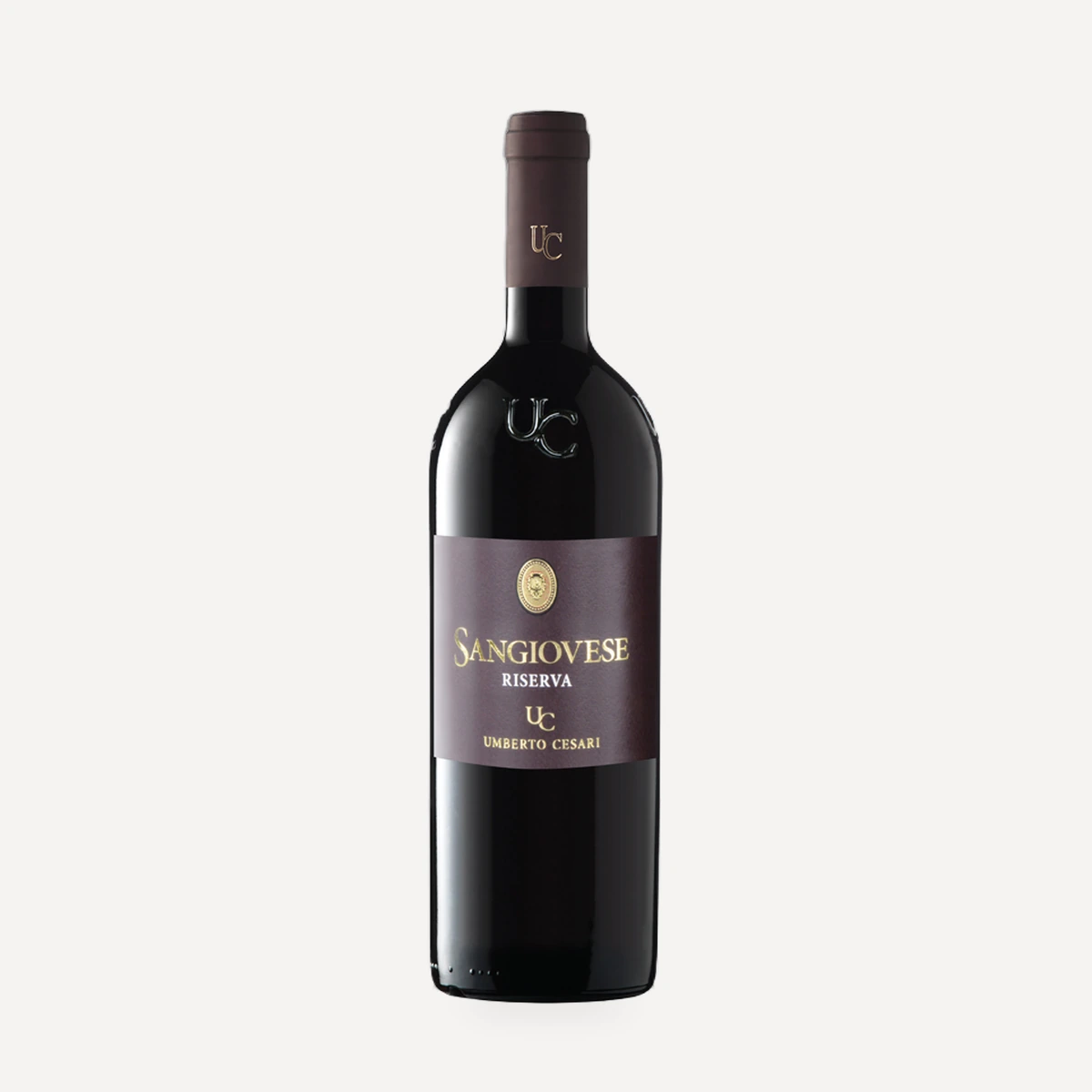
Sangiovese Riserva
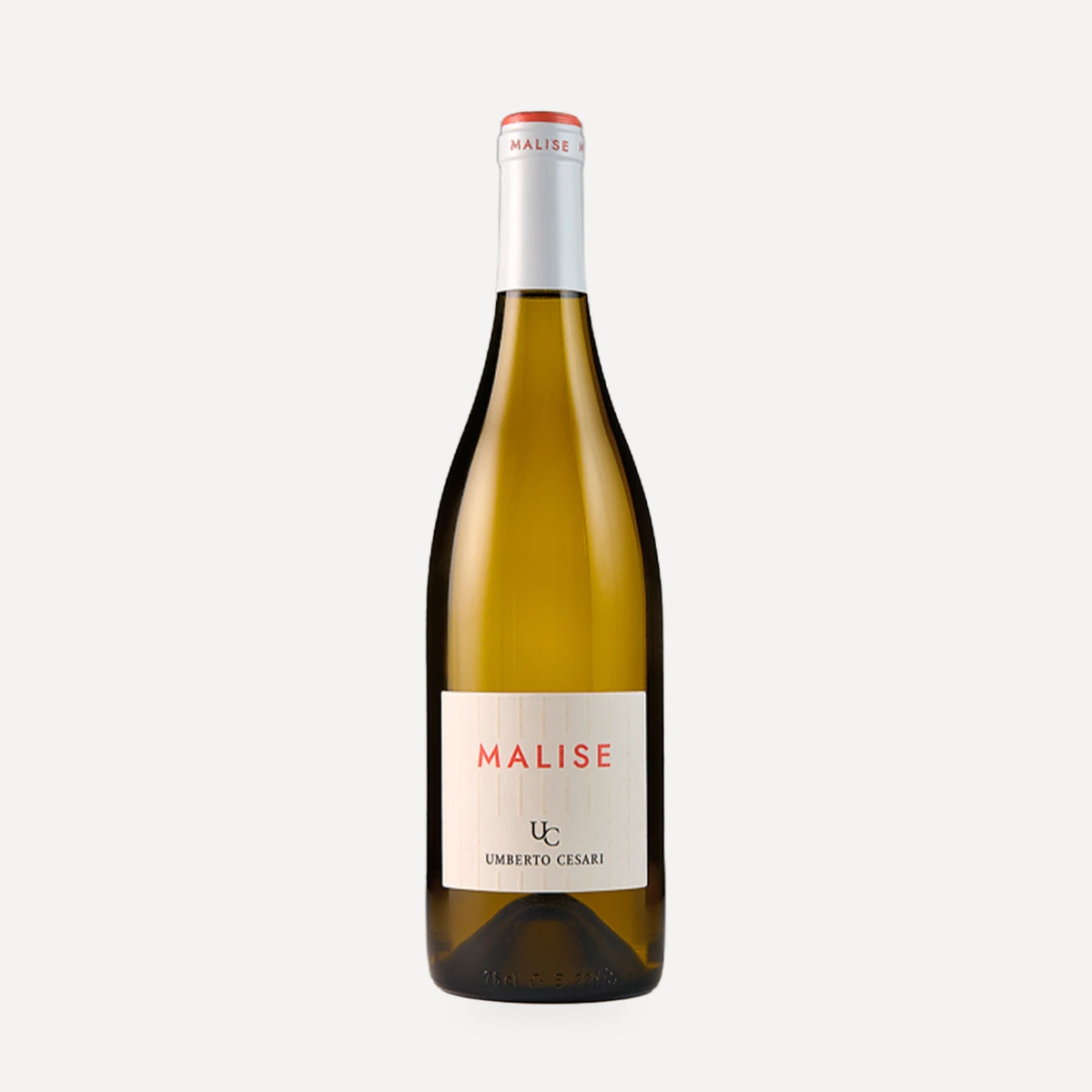
Malise Trebbiano
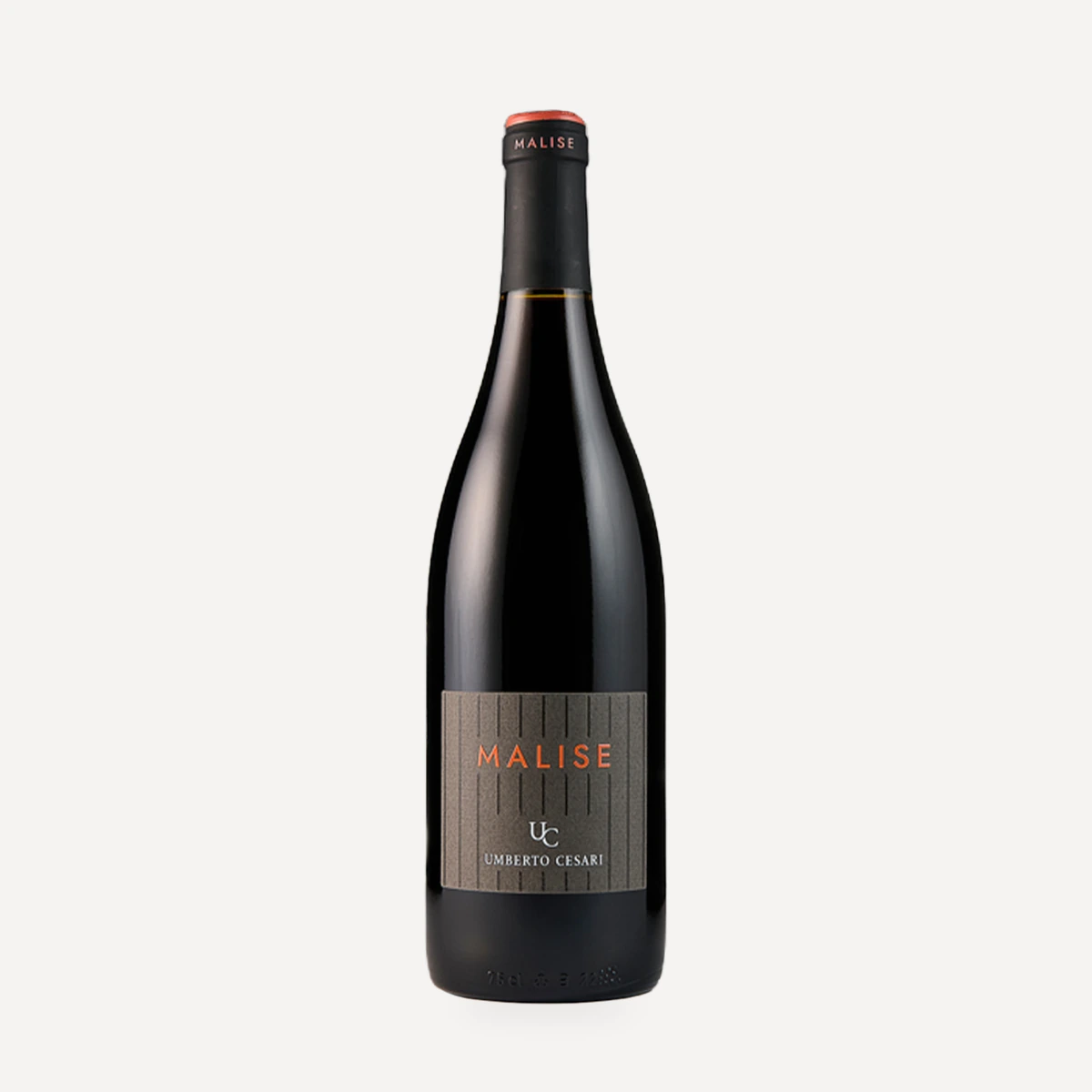
Malise Sangiovese
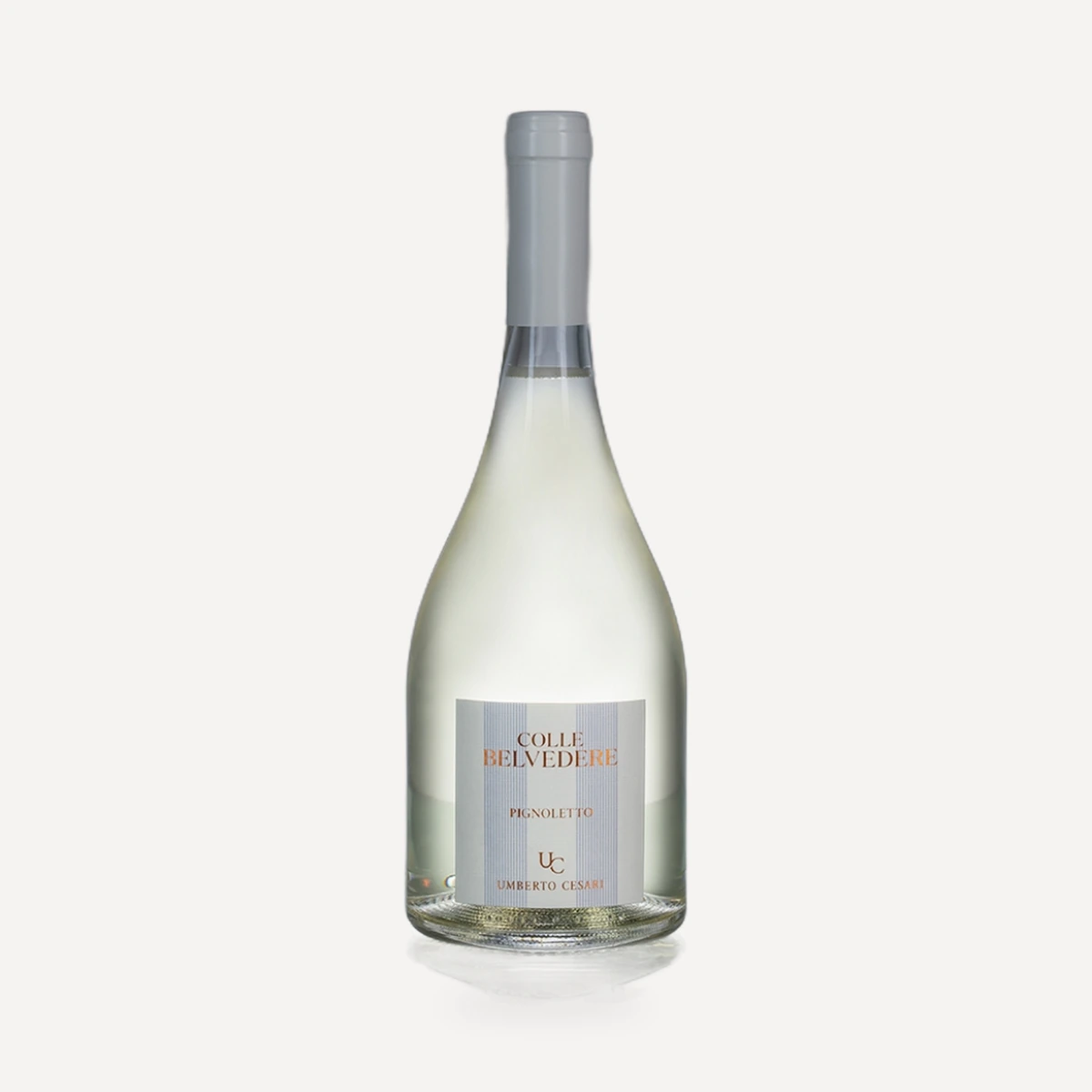
Colle Belvedere
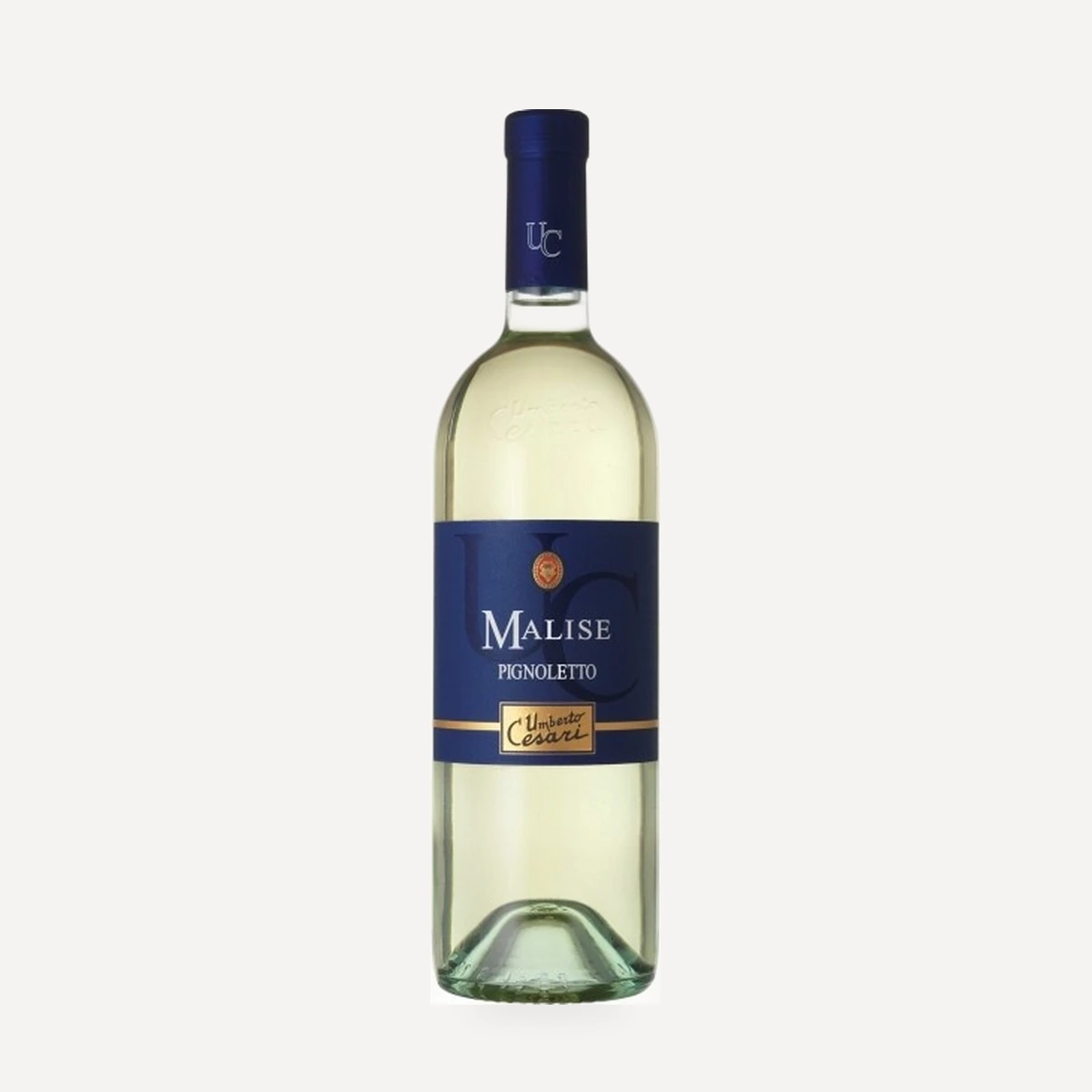
Malise Pignoletto Emilia IGT