History
The cellar before the winery
The historic cellar in central Alba was constructed at the end of the eighteenth century over sections of the ancient defensive walls of the Roman settlement of Alba Pompeia. Pio Cesare remains one of the few wineries operating in the historic center of the city.
1881: Cesare Pio establishes the business
Pio Cesare was founded in Alba in 1881 by the entrepreneur Cesare Pio—Cesare was his given name and Pio his surname. He began by making a small, carefully selected quantity of wine from the hills of Barolo and Barbaresco for family and friends. The activity developed year by year into a commercial business grounded in attention to terroir, quality and a recognizable family style. Barolo assembled from multiple family vineyards has been produced since the foundation year.
Early twentieth century: promotion beyond Piemonte
Cesare Pio travelled across Europe in the early twentieth century to promote both the family’s wines and their region. An authentic copy of his passport, numbered 55 and described as one of the first passports issued in Italy, survives in the cellar.
The historical aromatized wines
The family formerly made limited quantities of Vermouth and Barolo Chinato from a recipe passed down by the founder’s descendants. A surviving handwritten Vermouth recipe is dated 1952. Rosy Pio, the founder’s granddaughter and a member of the third generation, subsequently safeguarded the recipes.
In the early 1950s, the family stopped making Vermouth and Barolo Chinato as demand shifted toward less traditional aromatized wines and products suited to the developing culture of mixed drinks.
1974: expansion into Treiso
In 1974 the family began acquiring vineyards in Treiso, the first Barbaresco-area village in which it established vineyard ownership. The holdings included elevated portions of Bricco di Treiso, later selected for a single-vineyard Barbaresco.
1985: the first single-vineyard red and a pioneering white
The 1985 vintage marked two important projects. Barolo Ornato became the family’s first single-vineyard wine, made from selected Nebbiolo microplots in the Ornato MGA at Serralunga d’Alba. In the same vintage, the family officially presented Piodilei, made from some of the early Chardonnay plantings vinified in barriques in Piemonte and Italy. The project sought to give a Langhe white wine the complexity, restraint, structure and longevity associated with the family’s reds.
1990: Il Bricco and L’Altro
The family first produced Barbaresco Il Bricco in the 1990 vintage, selecting Nebbiolo microplots from the highest portion of Bricco di Treiso to express its cooler, windier microclimate, steep slopes and clay-rich compact marls. The 1990 harvest also introduced L’Altro as a younger, more immediate interpretation of the family’s white-wine approach.
1996: Fides
Fides has been produced in small quantities since 1996. Its name is the Latin word for “trust” and expresses the family’s commitment to Barbera cultivated in distinguished sites and given extended cellar ageing. Production is now based mainly on old Barbera vines in Mosconi.
2014–2015: Mosconi
After a long-standing interest in the terroir of Monforte d’Alba, the family completed its acquisition of vineyards in the historic portion of the Mosconi MGA in 2014. The holding includes very old Nebbiolo vines. Barolo Mosconi debuted with the 2015 vintage, thirty years after the first release of Ornato.
2016: revival of Vermouth and Barolo Chinato
Responding to renewed interest in traditional aromatized wines with a strong regional identity, the fifth generation restored very small-scale production of Vermouth di Torino and Barolo Chinato in 2016. The revived products use historical labels and recipes preserved by Rosy Pio.
Recent expansion
Continuous vineyard selection has brought the family’s holdings to about 80 hectares. Alongside properties in the Barolo and Barbaresco areas and elsewhere in the Langhe, the family has expanded more recently into Alta Langa and the Colli Tortonesi. Its Timorasso project is based at Vho in Tortona. Derthona Colli Tortonesi Timorasso Riserva was released for the first time with the 2023 vintage.
Terroir
A dispersed family estate
The approximately 80-hectare vineyard estate is distributed among numerous villages and exposures rather than concentrated around a single property. About 30 hectares lie in the Barolo area, about 25 hectares in the Barbaresco area and another approximately 25 hectares in other locations, including the wider Langhe, Alta Langa and Colli Tortonesi.
Barolo-area sites
The Barolo holdings extend through Serralunga d’Alba, Monforte d’Alba, Novello, La Morra and Grinzane Cavour. Published elevations range from approximately 280 metres at Gustava to around 400 metres at Ravera. Limestone is a recurring component, accompanied in varying proportions by clay and sand.
Ornato forms a broad amphitheater with a southern arc of exposures receiving sunlight from early morning until late afternoon. Its limestone-and-clay soils and dry, warm microclimate contrast with sandier Roncaglie and Gustava. Mosconi, at approximately 380 metres, combines abundant limestone with roughly equal proportions of clay and sand. Its high position and calcareous-marly ground support very old Nebbiolo vines. Ravera lies at approximately 400 metres on a southeast exposure.
Barbaresco-area sites
The principal Barbaresco holdings are at Treiso and San Rocco Seno d’Elvio in Alba. Bricco di Treiso reaches approximately 410 metres, among the higher points in the area, and has a fresher microclimate, all-day natural light and limestone-rich soils with clay and sand in similar proportions. Its upper Nebbiolo microplots occupy steeper slopes exposed to a cooler and windier environment, with clay and compact marls. San Stunet and Bongiovanni are both around 400 metres, while Rocche Massalupo is approximately 280 metres and combines a southern exposure with limestone- and sand-rich soil.
Other areas
Additional vineyards stretch from Cissone, Sinio, Diano d’Alba and Trezzo Tinella to Tortona and Gavi. The Timorasso vineyard at Vho in Tortona lies at approximately 250 metres with full southern exposure and calcareous-clay to calcareous-marly soil. Higher and cooler Langhe and Alta Langa positions are used for white varieties, including Chardonnay and Sauvignon Blanc. Sauvignon Blanc is cultivated on north-facing slopes at Bricco di Treiso and Bossania, while further plantings are planned at Cissone.
Winemaking
Vineyard management follows a sustainable integrated-viticulture system certified under SQNPI, the Sistema di Qualità Nazionale Produzione Integrata. The approach is presented as a rigorous production principle intended to respect the natural environment while sustaining wine quality.
The family emphasizes continuous research and selection of vineyard sites, matching varieties to differing elevations, exposures, soils and microclimates. High-elevation, cooler sites are used for Chardonnay and Sauvignon Blanc, including north-facing Sauvignon slopes. Old Nebbiolo and Barbera vines are maintained at Mosconi. Some projects use an early harvest to preserve freshness or balance, including Timorasso and the estate’s rosé production. Gentle pressing is used where preservation of grape finesse is a stated goal.
Production remains centered in the historic cellar in Alba, built over the Roman walls of Alba Pompeia. The family characterizes its work in both vineyard and cellar as artisanal and employs a tailor-made approach with limited yields and small production lots.
Red varieties are generally fermented in stainless-steel tanks, with skin maceration adapted to the intended style—from very short contact for youthful expressions to long macerations for structured reds. Multi-site Barolo and Barbaresco are assembled through a meticulous final selection of vineyard components. Longer-aged reds mature principally in large French and Eastern European oak casks, commonly for approximately 12 to 24 months, with a small component in French barriques. Extended bottle rest precedes release for several wines.
White-wine production uses several distinct pathways. Chardonnay fermentation may begin in stainless steel and finish in French oak barriques, followed by close to ten months in oak with very limited new wood and delicate toast. Sauvignon Blanc begins fermentation in stainless steel and matures partly in steel and partly in French barriques, with 50% new oak in that program. Other whites divide ageing between stainless steel and barriques, while Timorasso receives a short partial skin maceration, ferments and rests in stainless steel for one year, then ages in bottle for almost two years before release as Riserva.
The rosé program uses early harvesting and gentle pressing, followed by fermentation and ageing divided between stainless steel and third-use French barriques. Fresh, early-bottled reds can remain entirely in stainless steel until bottling, generally in March after harvest.
Vermouth is made by macerating 26 aromatic herbs—including wormwood, marjoram leaves, gentian root and orange zest—for almost 40 days in a small blend of white wines and alcohol. Chardonnay, part of the estate’s Moscato, sugar and alcohol are then added. The infusion matures for at least four months in small stainless-steel tanks and is finished with caramelized sugar, which supplies its amber color.
For Barolo Chinato, bark from China Calissaja and Succirubra is macerated for 21 days in a small quantity of Barolo. Gentian, rhubarb, cardamom, sweet and bitter orange, cinnamon and other botanicals are added, followed after several weeks by more Barolo, sugar and alcohol. The infusion rests for at least four months in small stainless-steel tanks and for a further two months in bottle.
Philosophy
The family’s philosophy joins continuity and experimentation. Traditional Barolo and Barbaresco are conceived as meticulous blends of different family-owned vineyards, intended to represent the varied positions and exposures of an entire appellation. Alongside this regional interpretation, very limited single-vineyard wines isolate the voice of an individual MGA or site.
The family describes its working culture as artisanal across vineyard management, cellar production, administration and international promotion. Limited yields, small production volumes and a tailor-made approach underpin its desired style. Innovation is pursued when it can become part of family tradition: examples include early work with barrique-fermented Chardonnay, the exploration of international varieties, single-vineyard bottlings and the newer Timorasso project.
White wines are intended to possess structure, complexity and ageing capacity comparable to the estate’s reds. International varieties are explored without displacing the central role of Piemonte’s indigenous grapes. Sustainable integrated viticulture and respect for the natural environment form the environmental dimension of this philosophy.
Family continuity is central: the estate has preserved its style over five generations, while historical recipes, labels and production ideas have been restored or reinterpreted by the current generation. The wines are promoted in more than 50 countries while production remains based in the family’s historic Alba cellar.
Wines
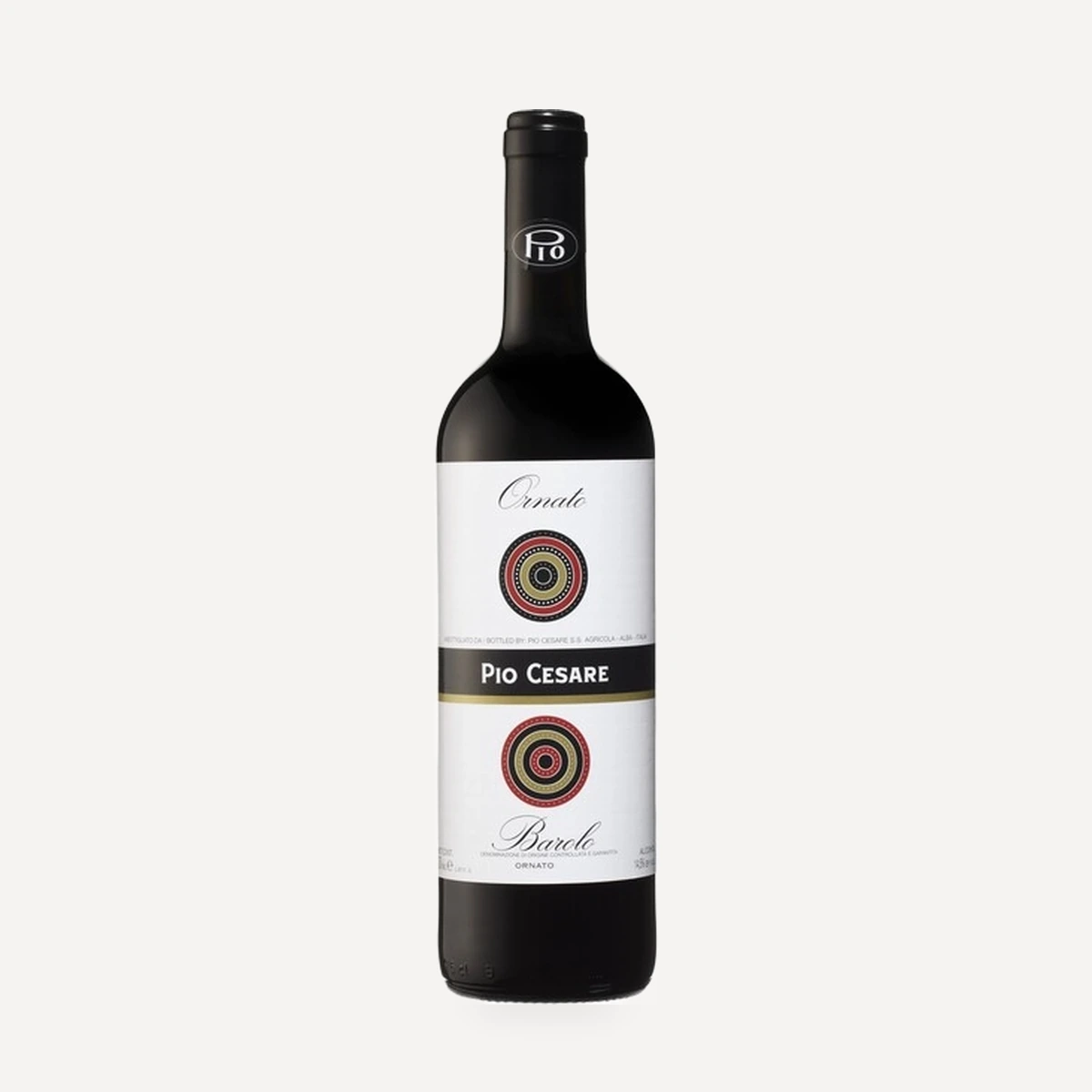
Barolo Ornato DOCG
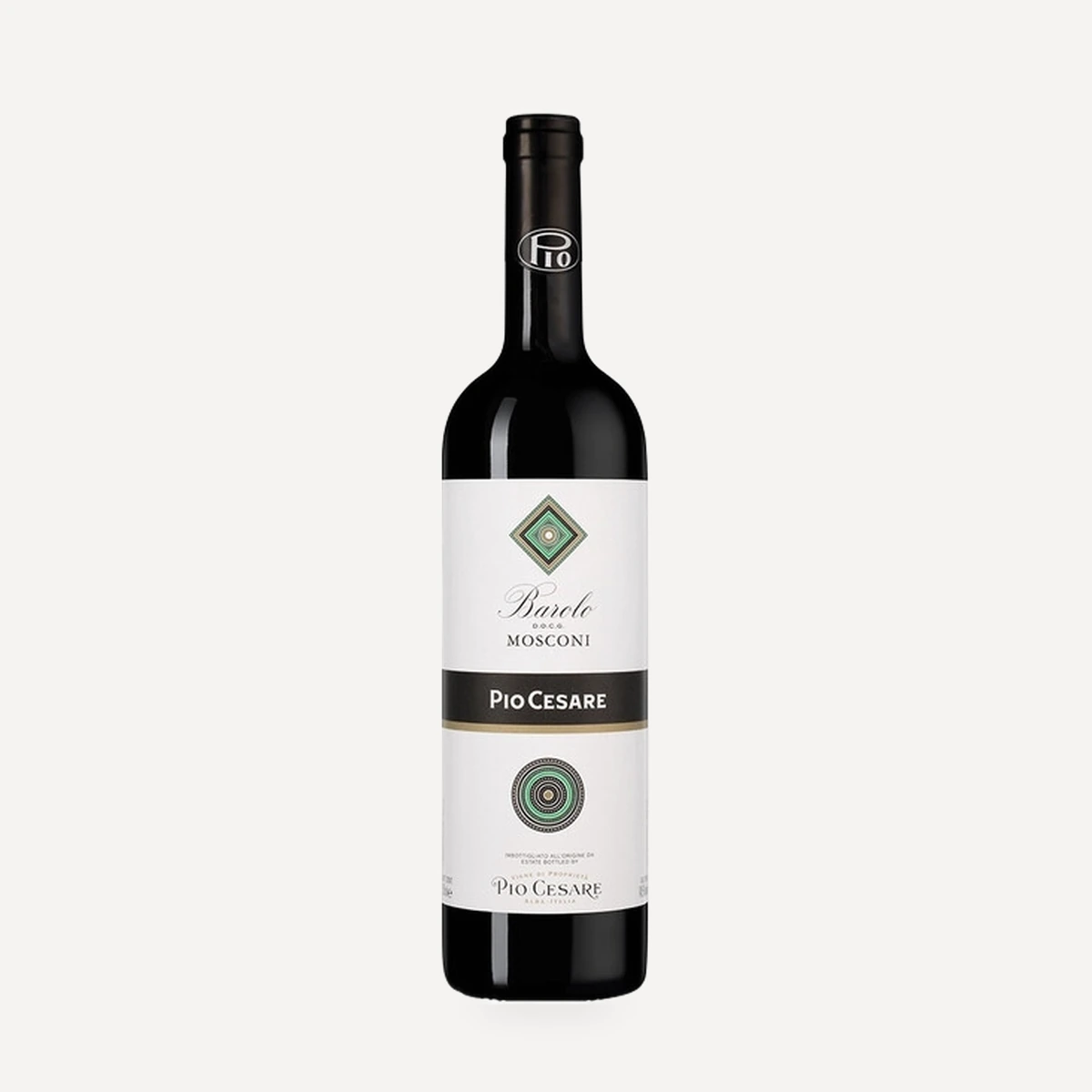
Barolo Mosconi DOCG
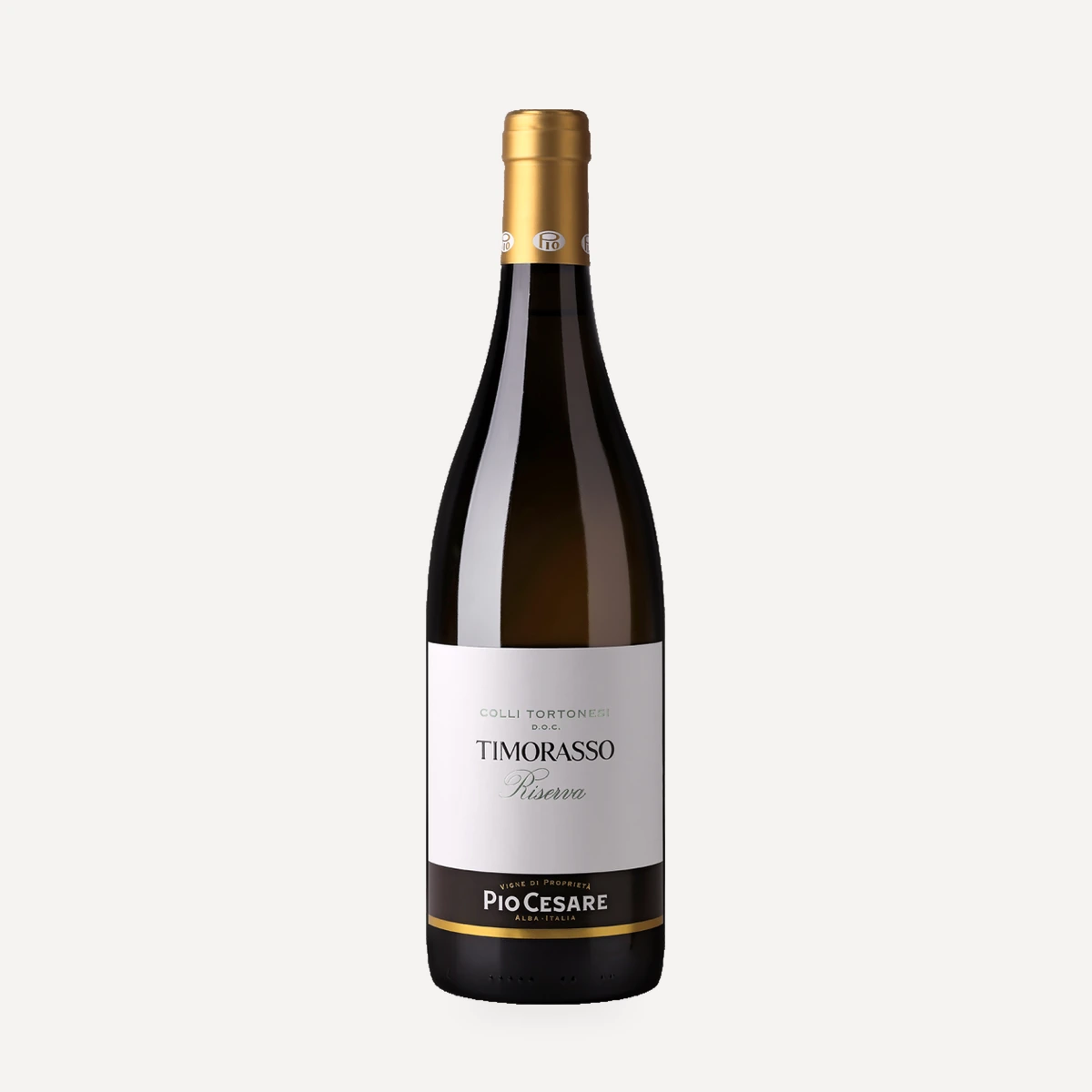
Derthona Colli Tortonesi Timorasso Riserva DOC
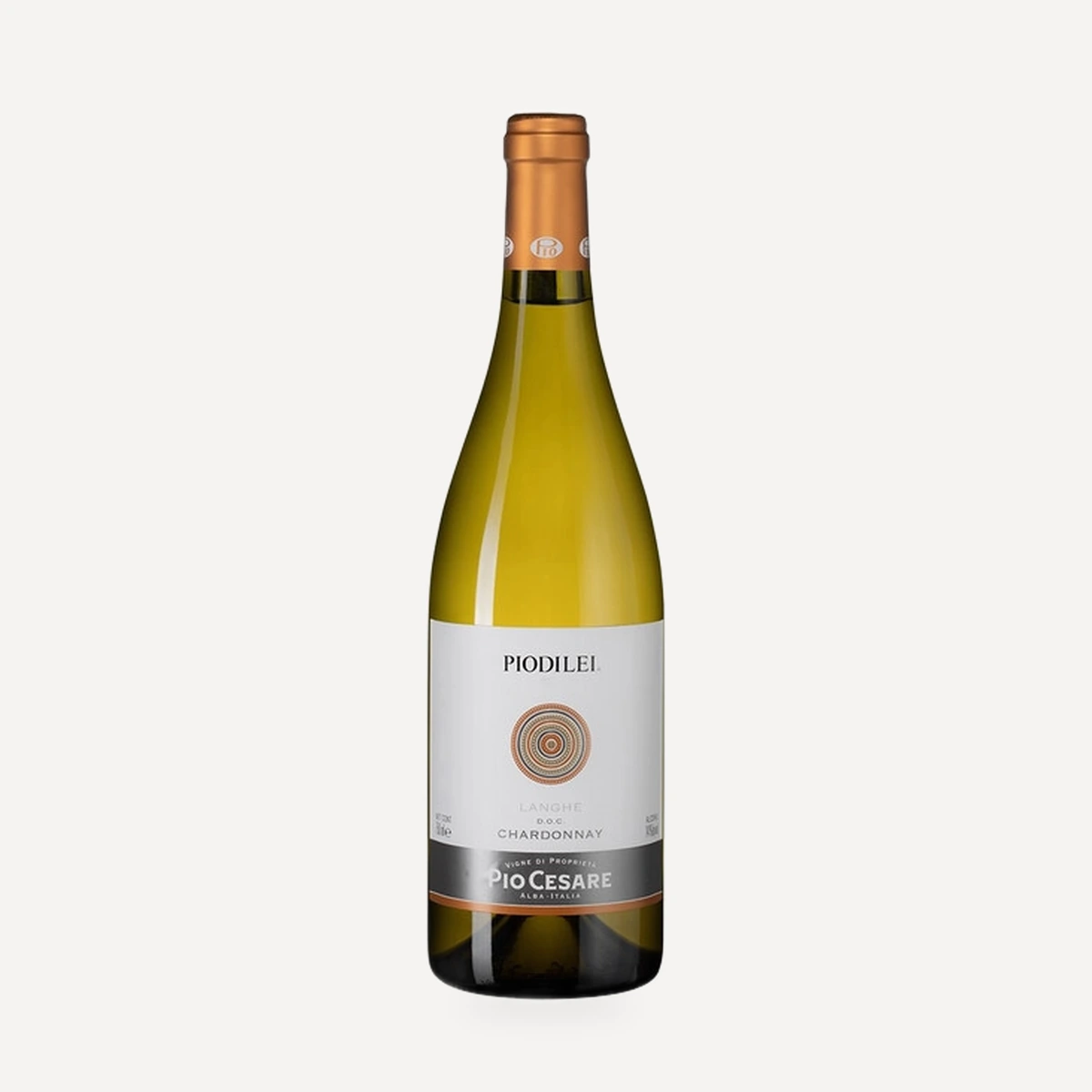
Piodilei Langhe Chardonnay DOC
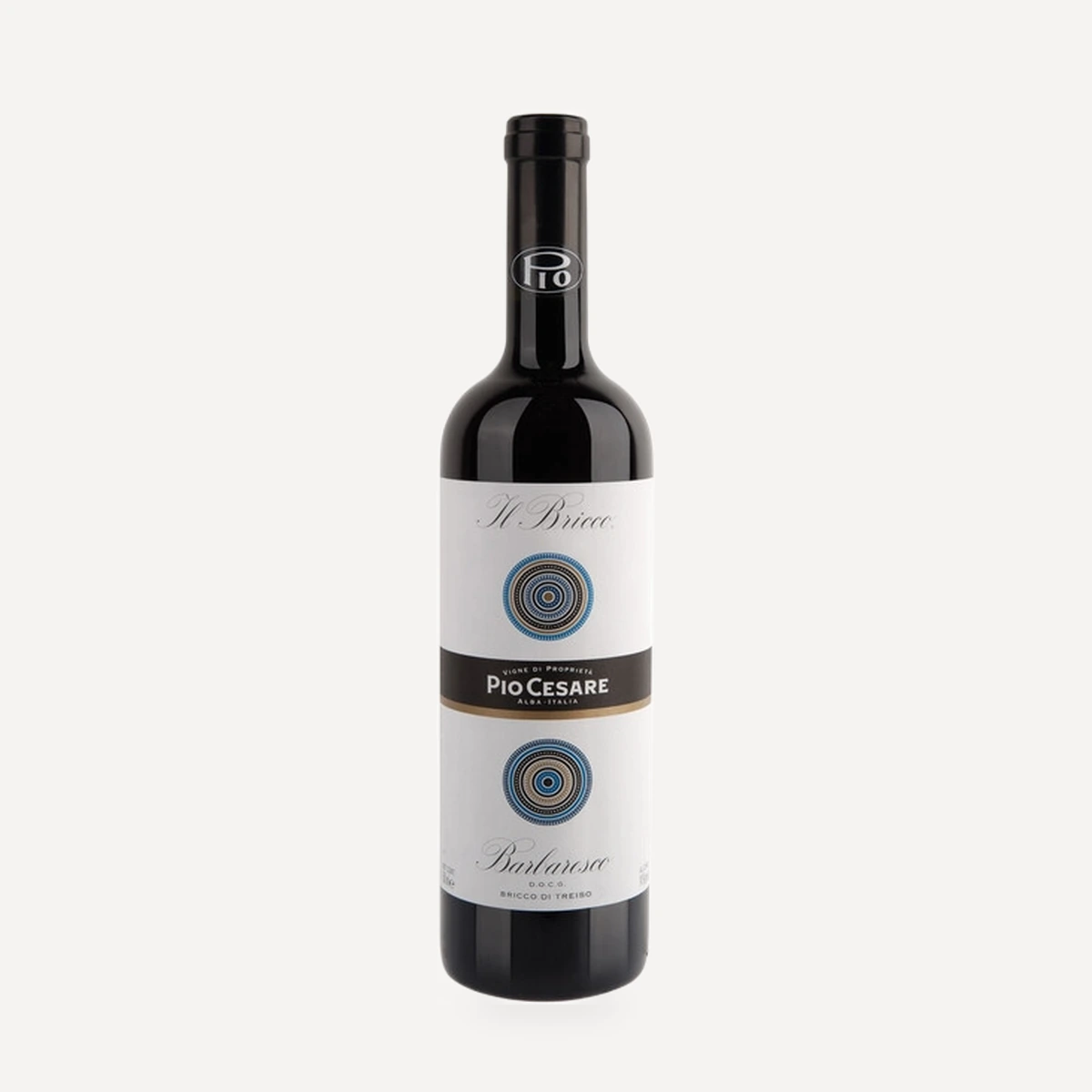
Barbaresco Il Bricco DOCG
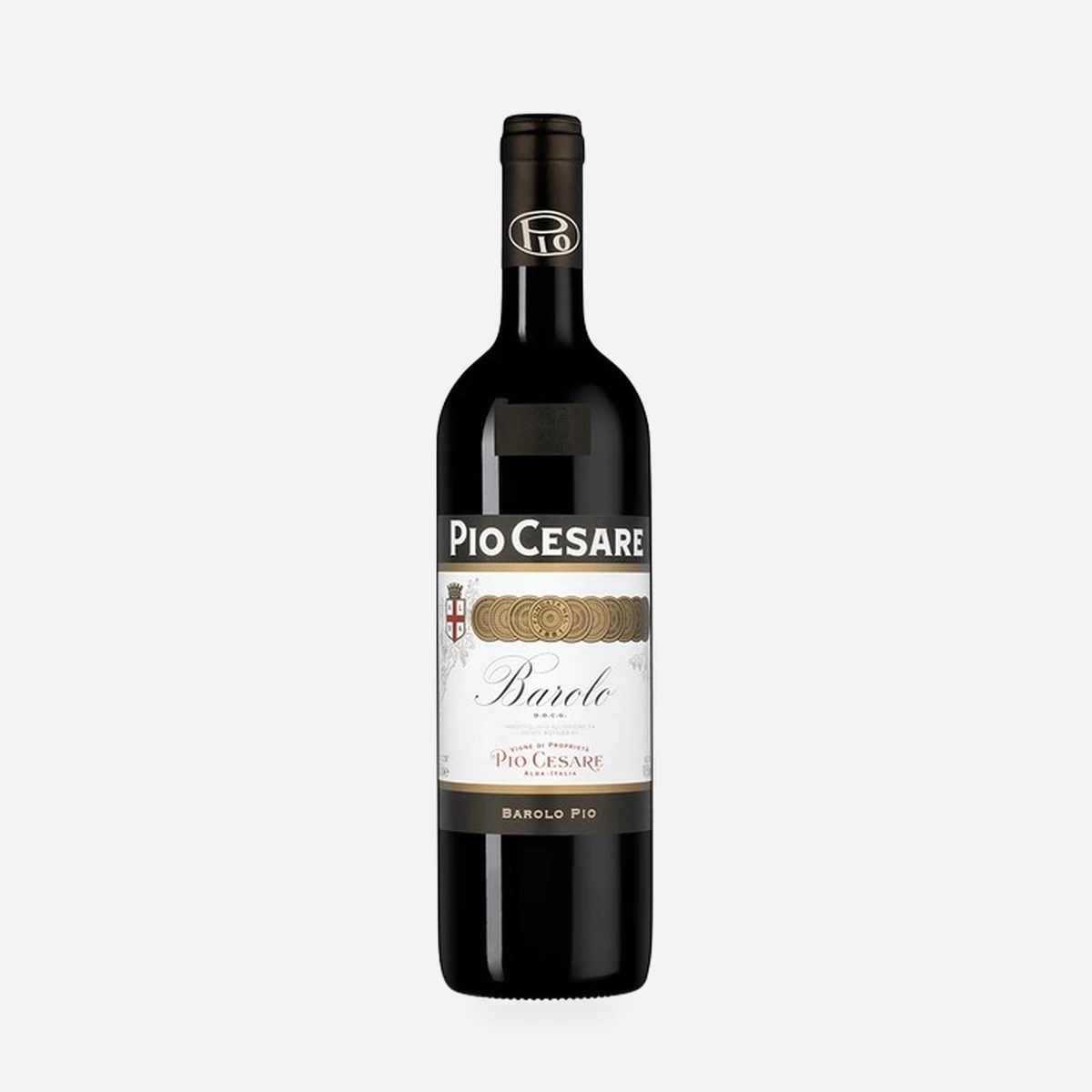
Barolo Pio DOCG
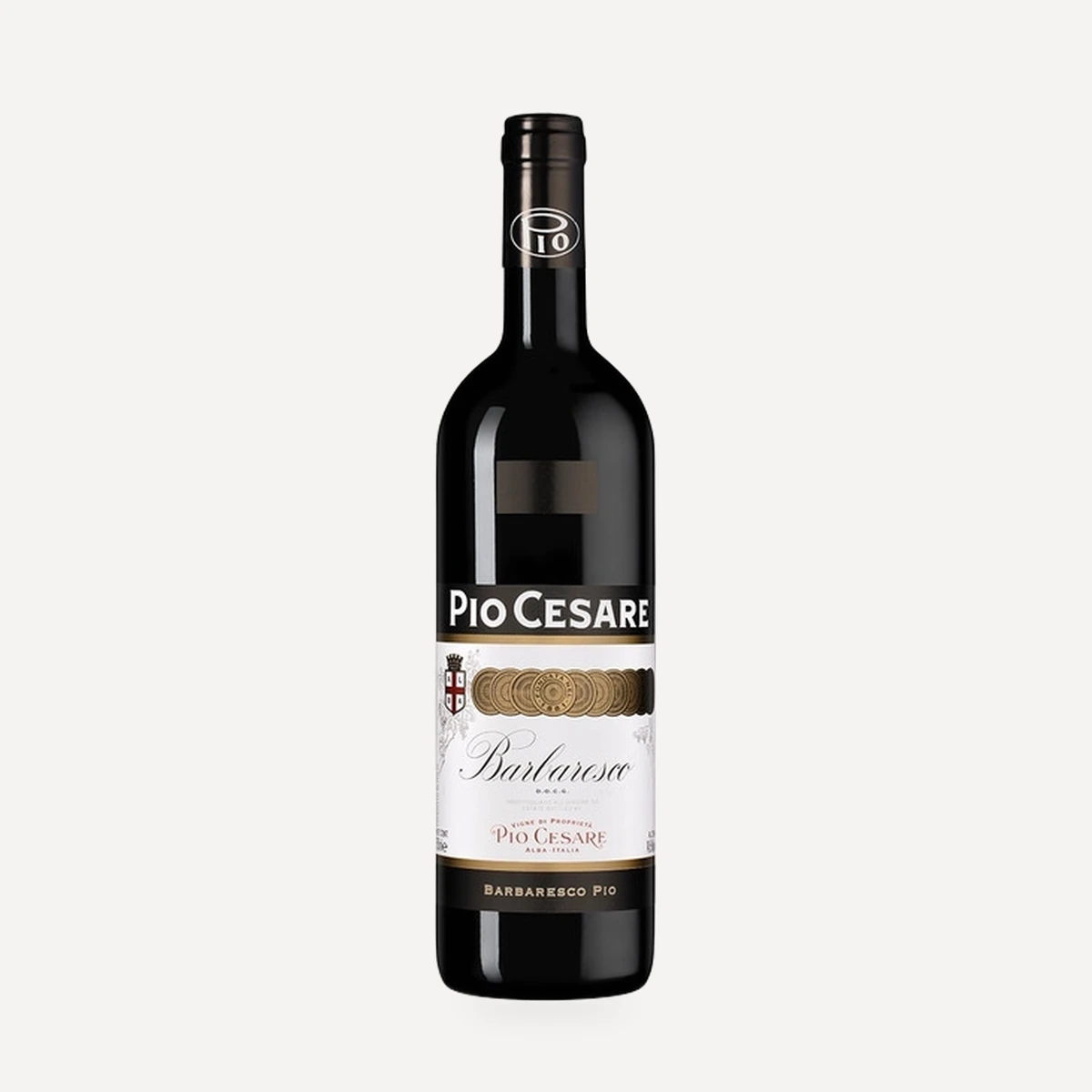
Barbaresco Pio DOCG
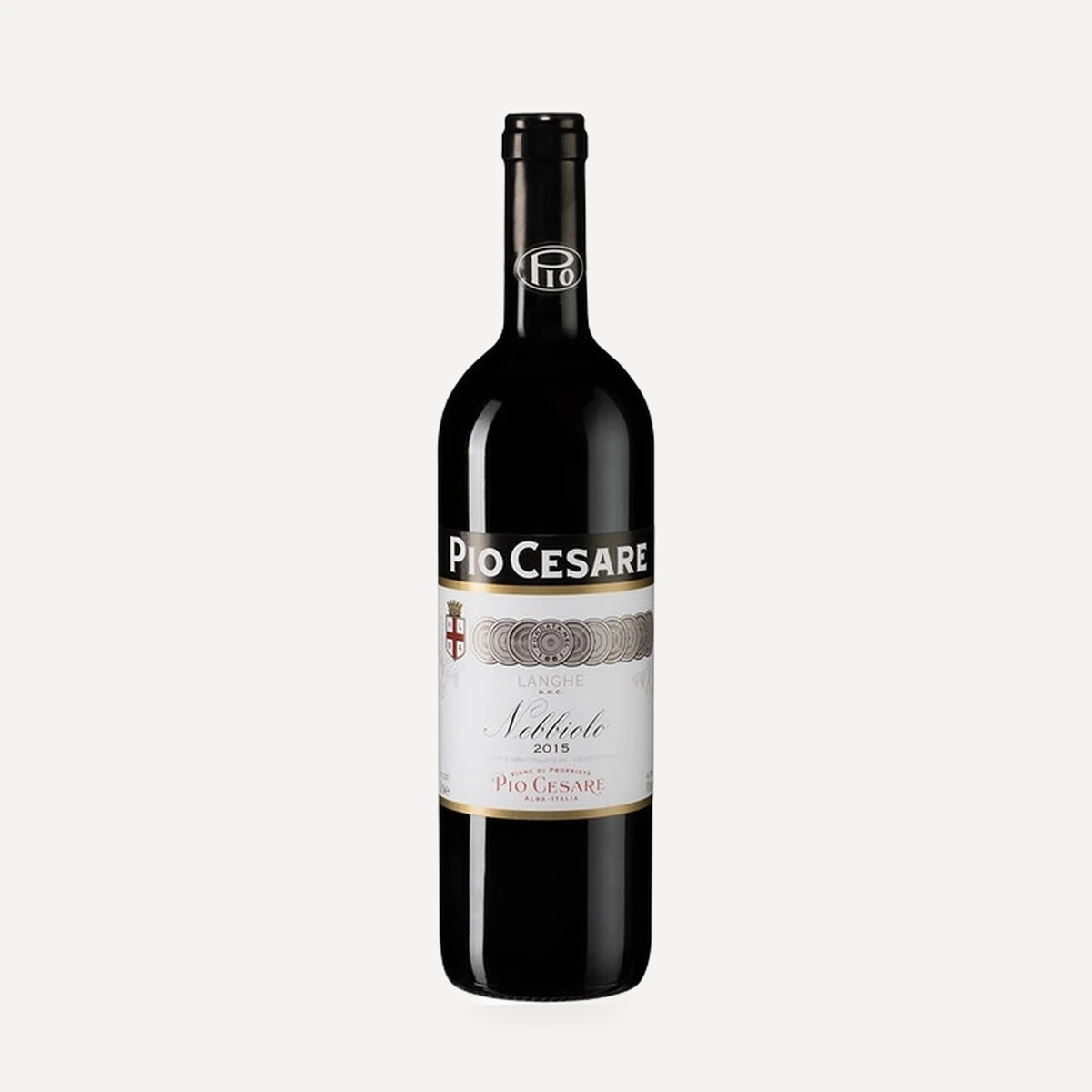
Langhe Nebbiolo DOC
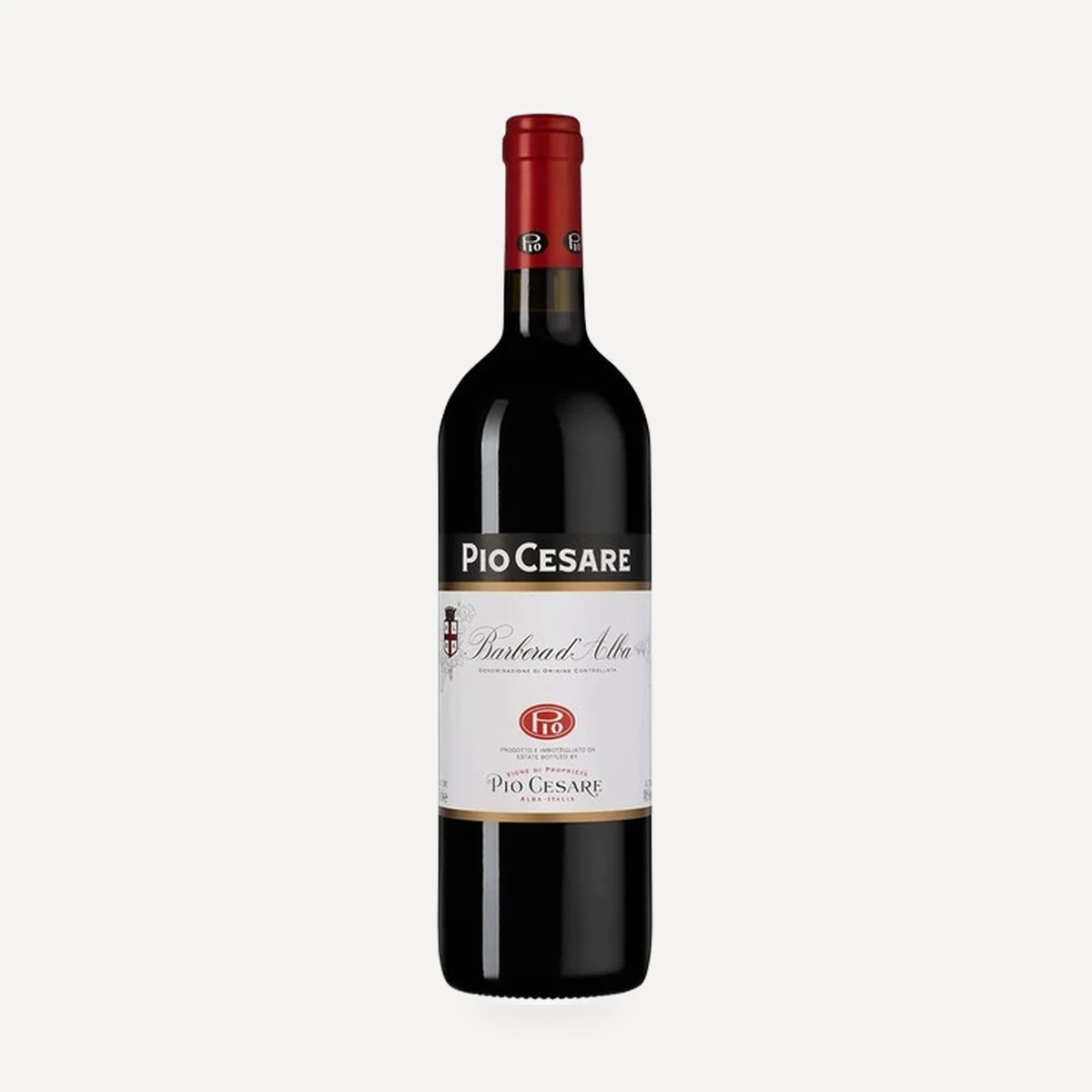
Barbera d’Alba DOC
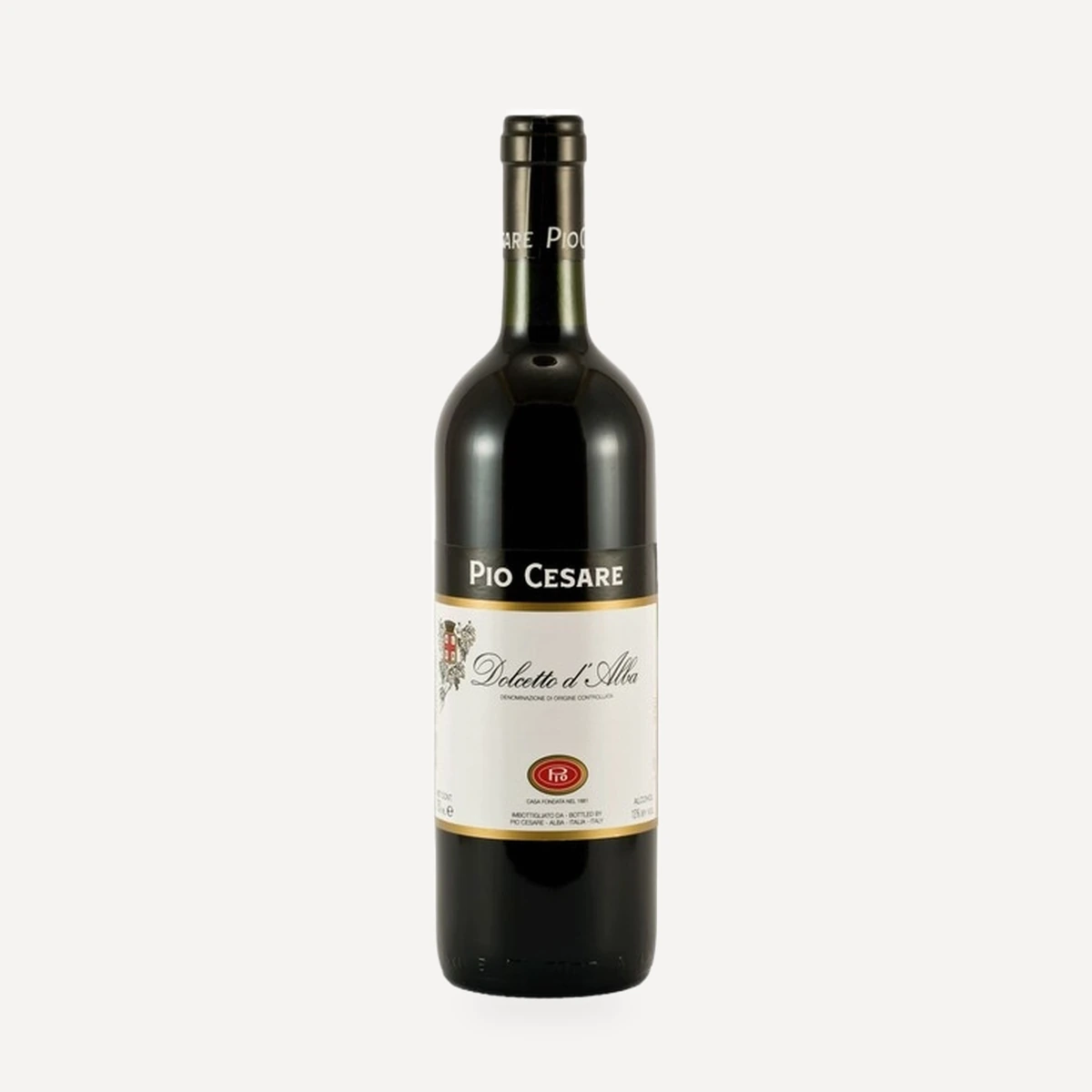
Dolcetto d’Alba DOC
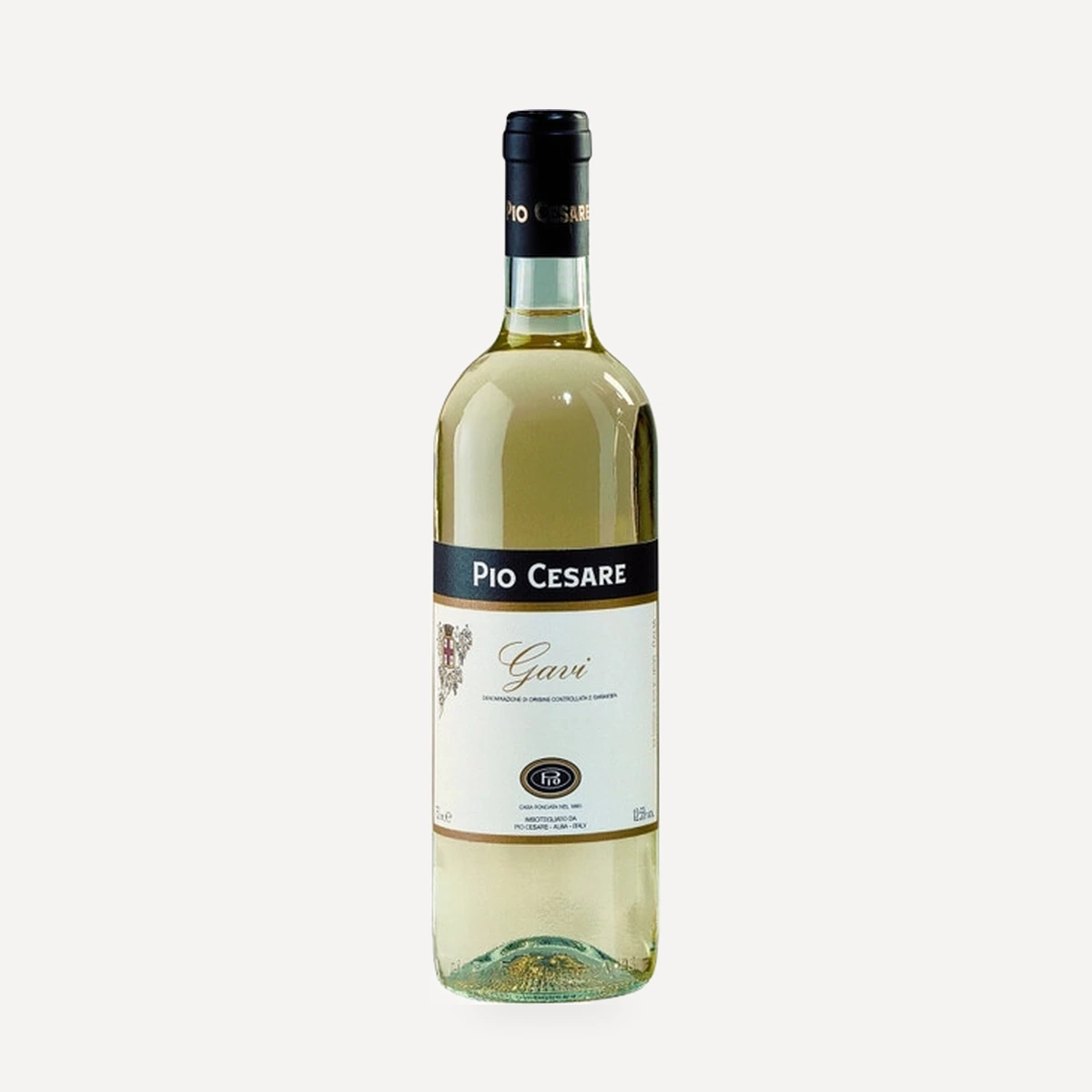
Gavi DOCG
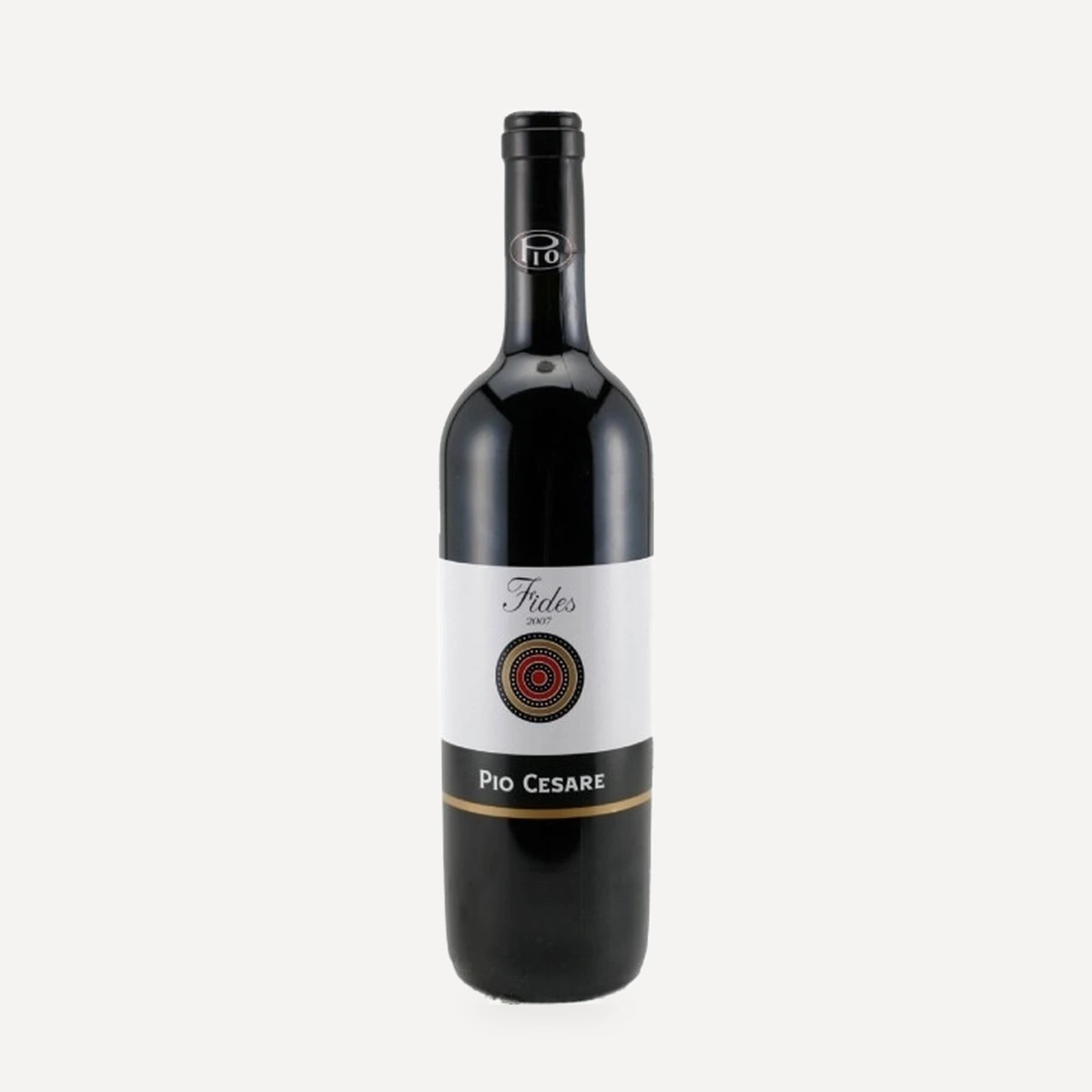
Barbera d’Alba Superiore Fides Vigna Mosconi DOC
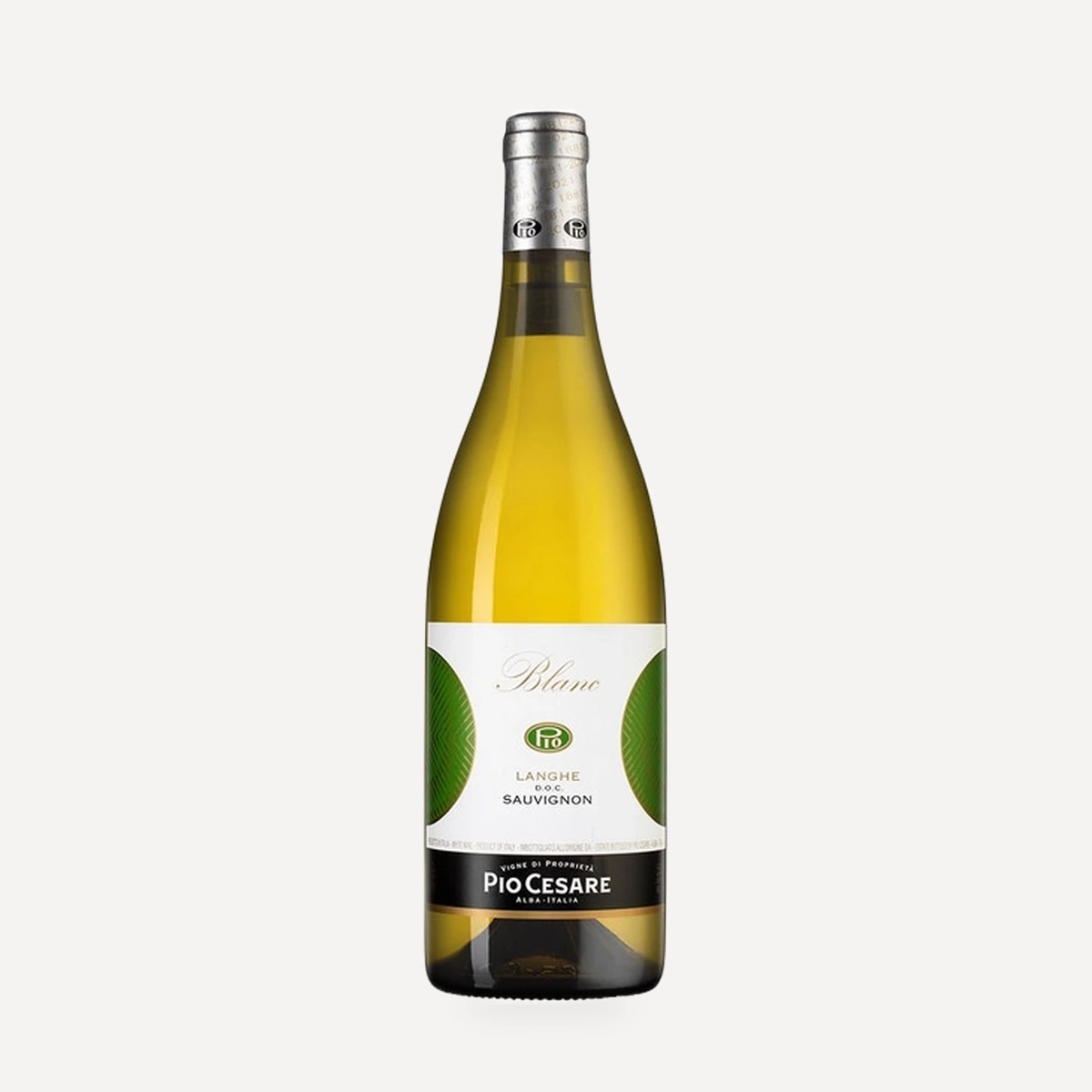
Blanc Langhe Sauvignon DOC
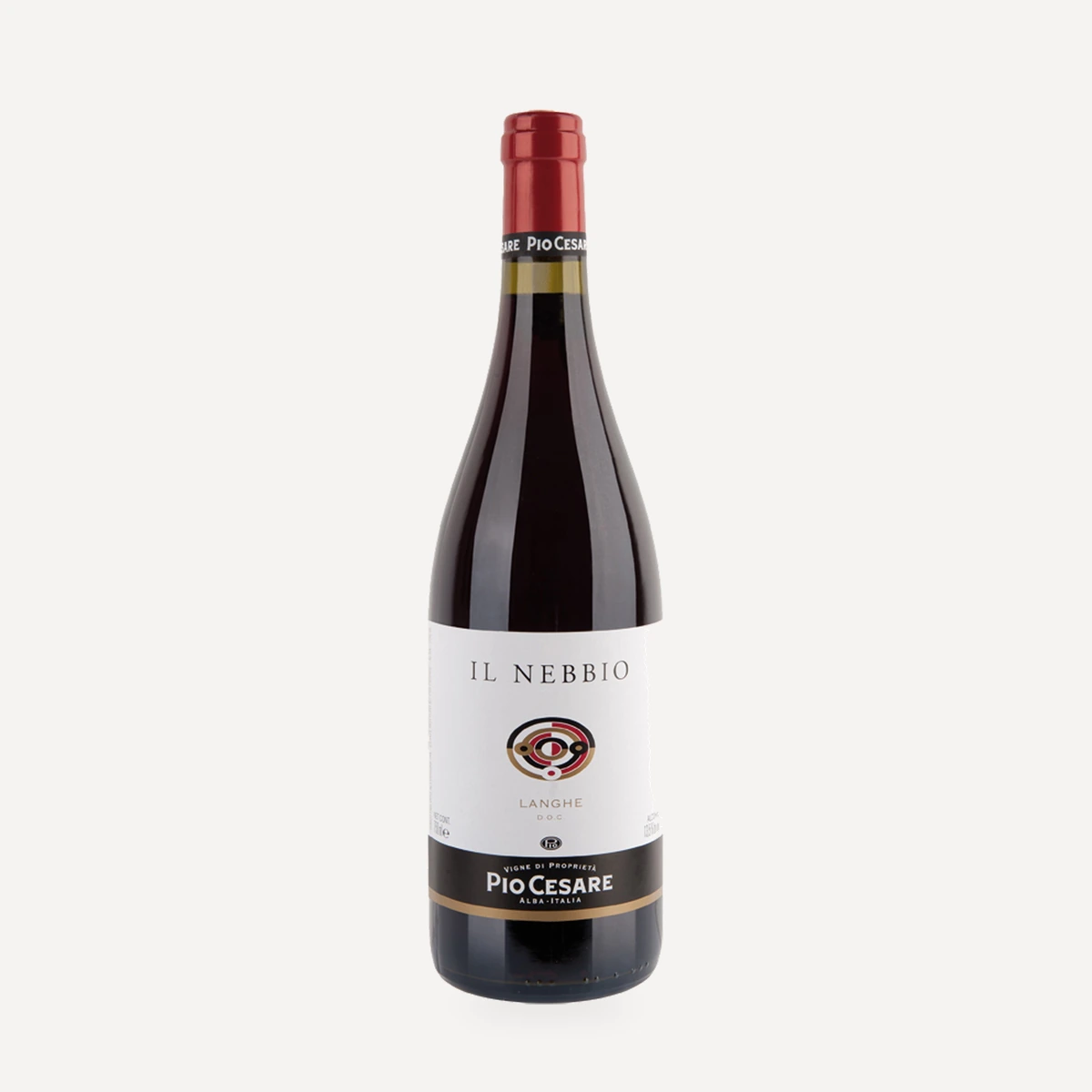
Il Nebbio Langhe DOC
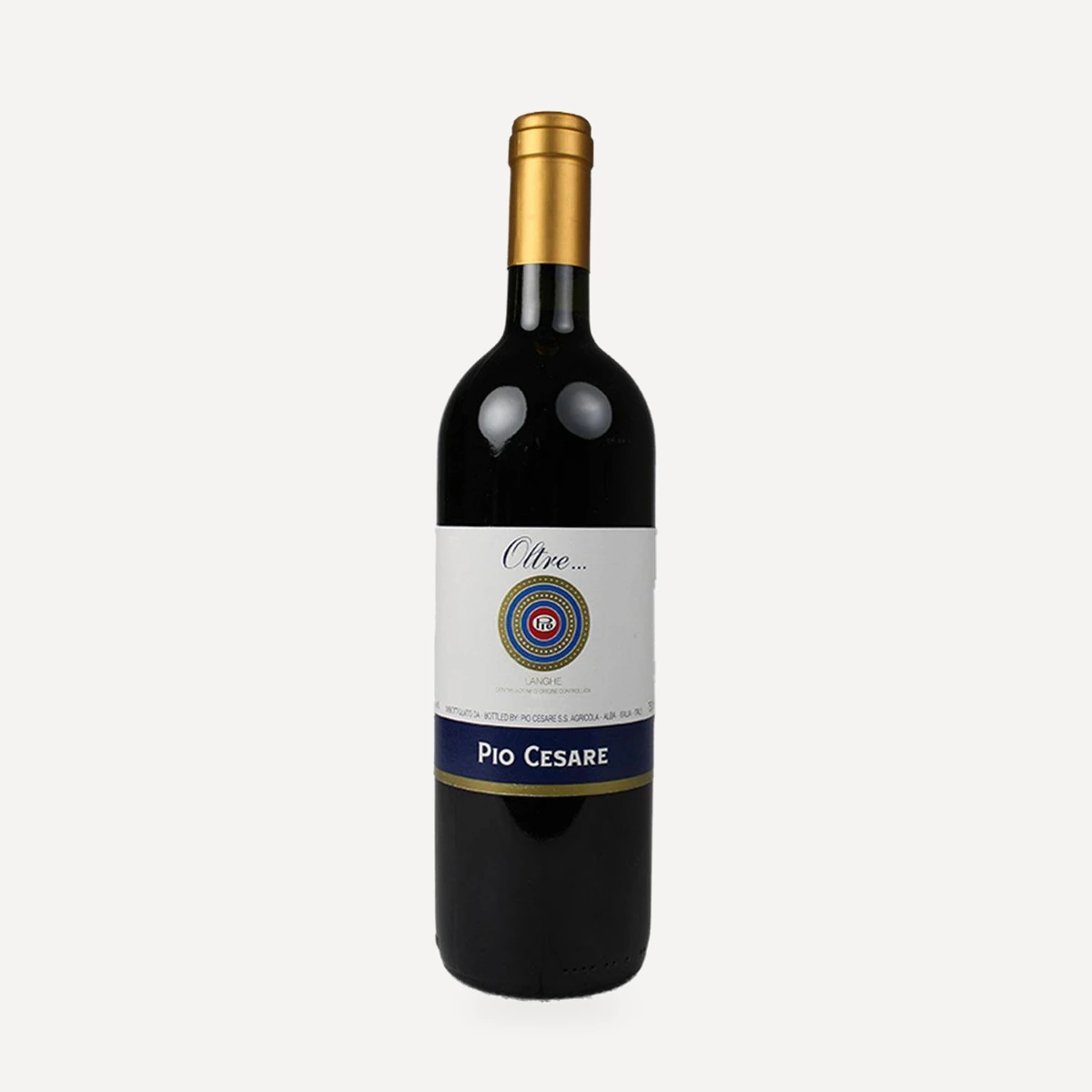
Oltre Langhe DOC
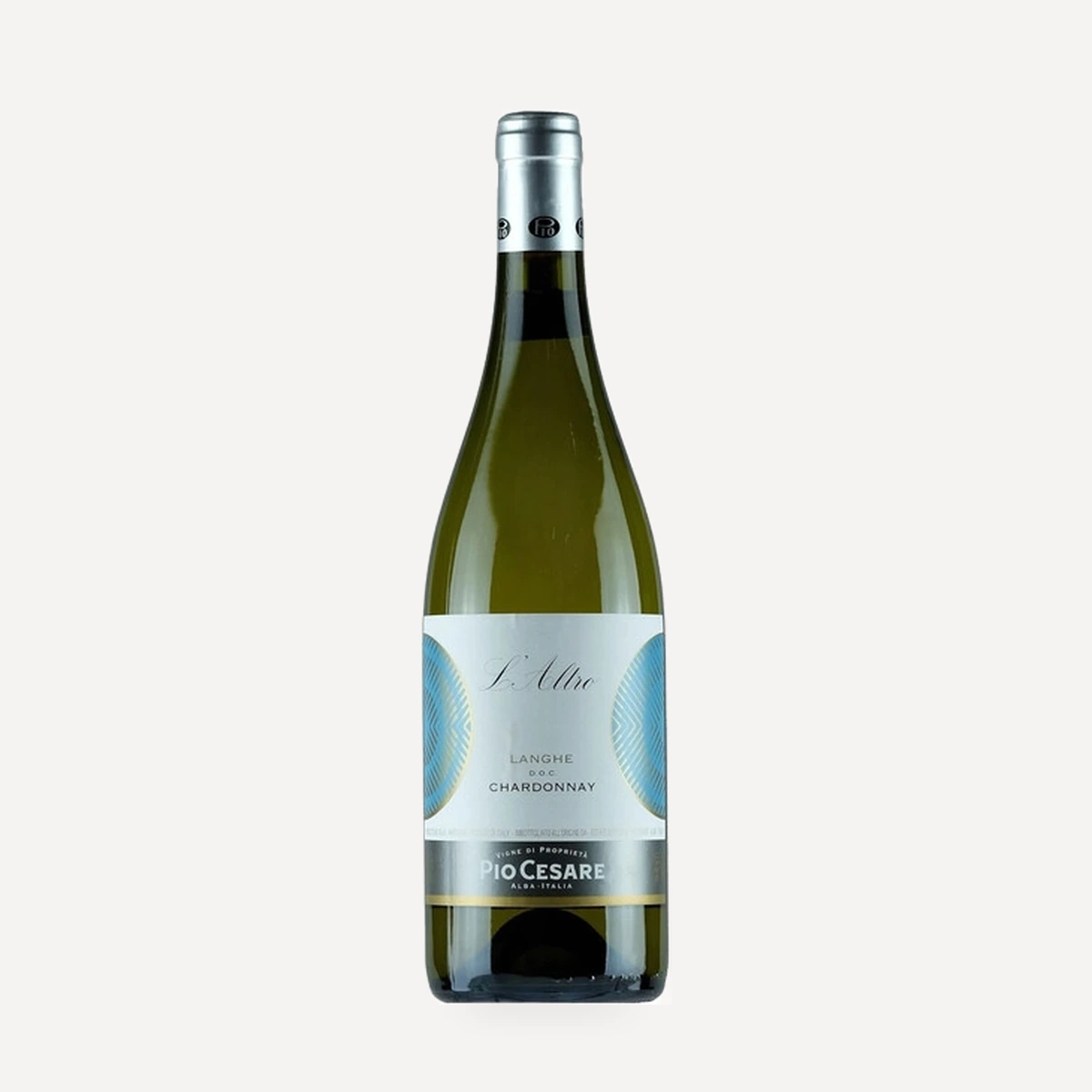
L’Altro Langhe Chardonnay DOC
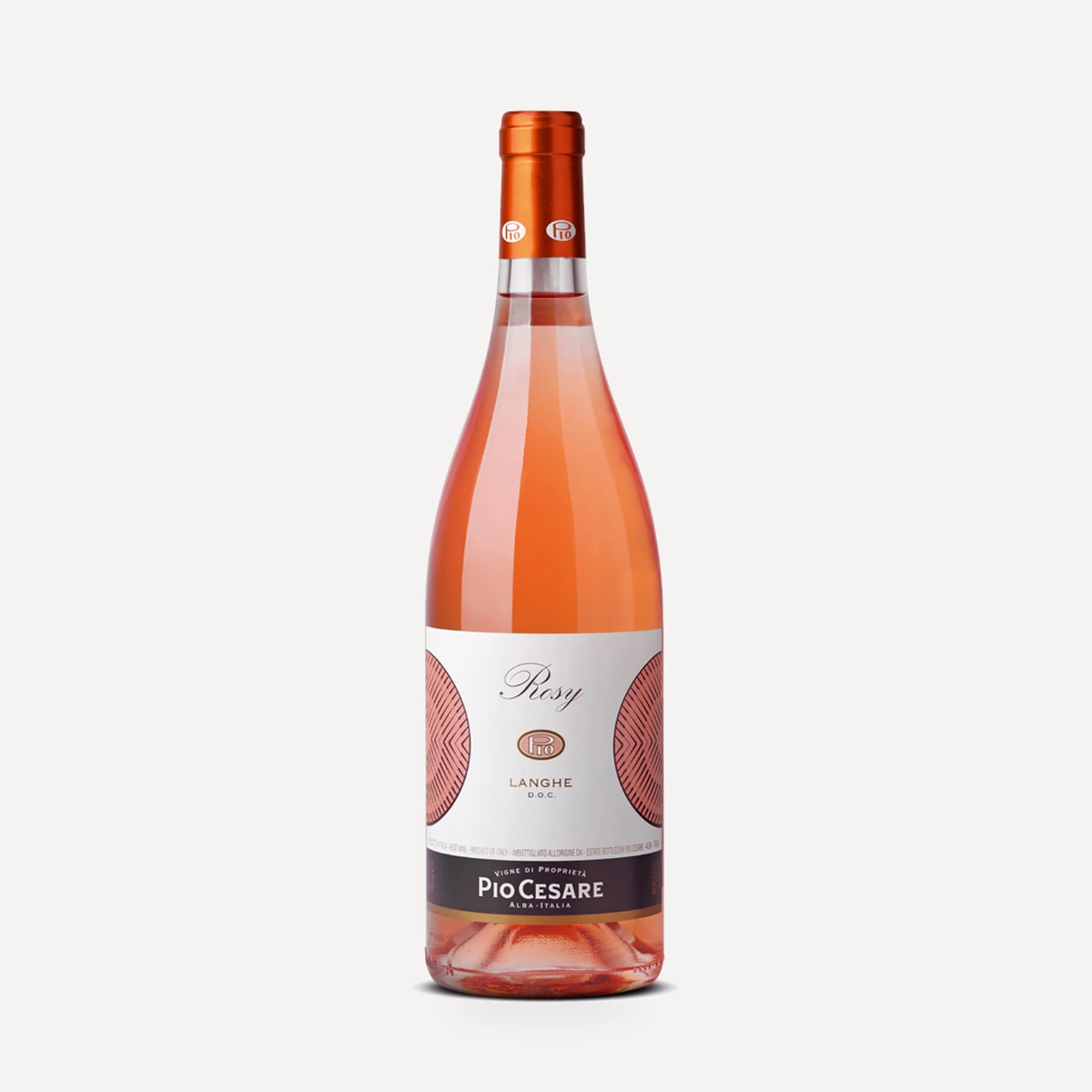
Rosy Langhe Rosato DOC
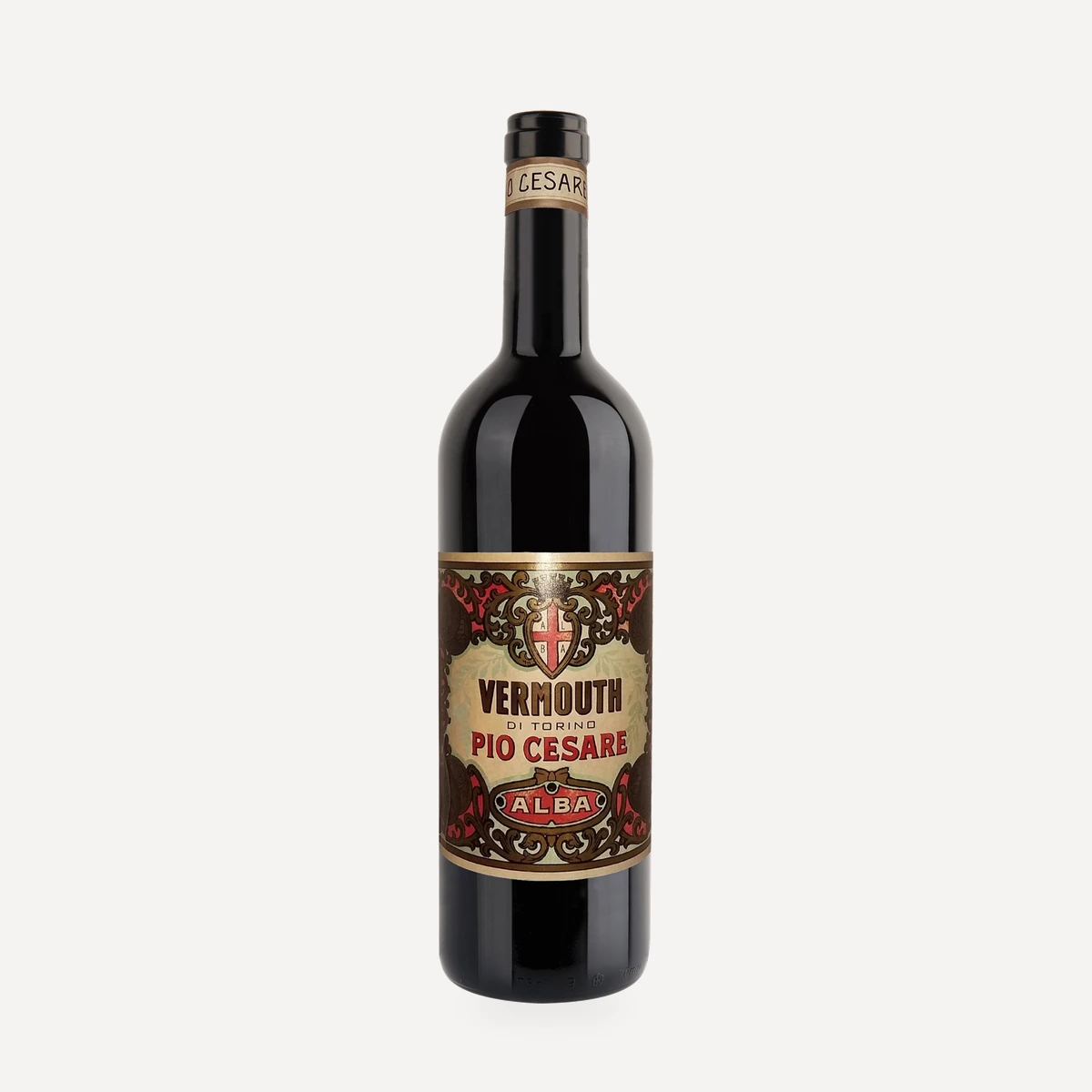
Vermouth di Torino
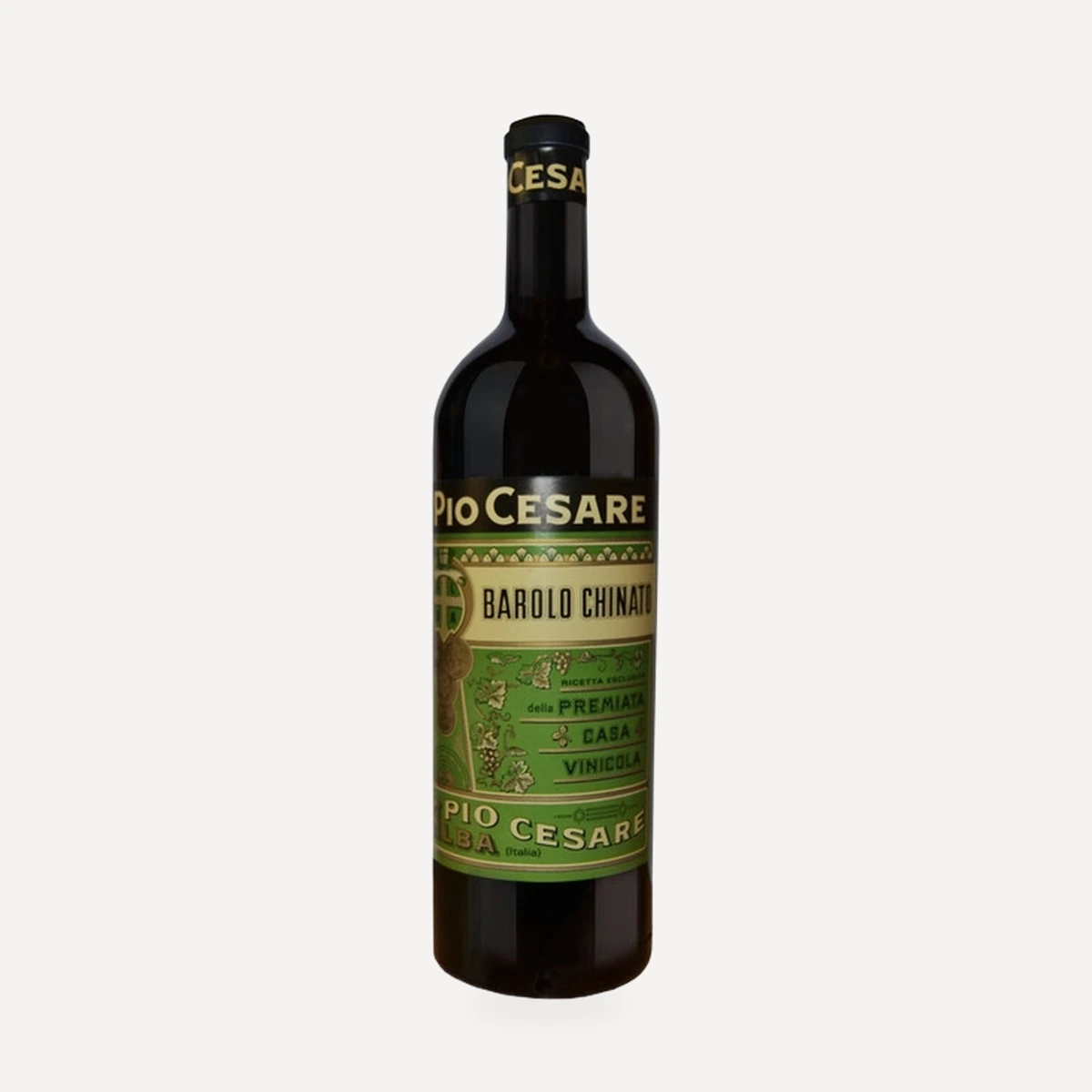
Barolo Chinato
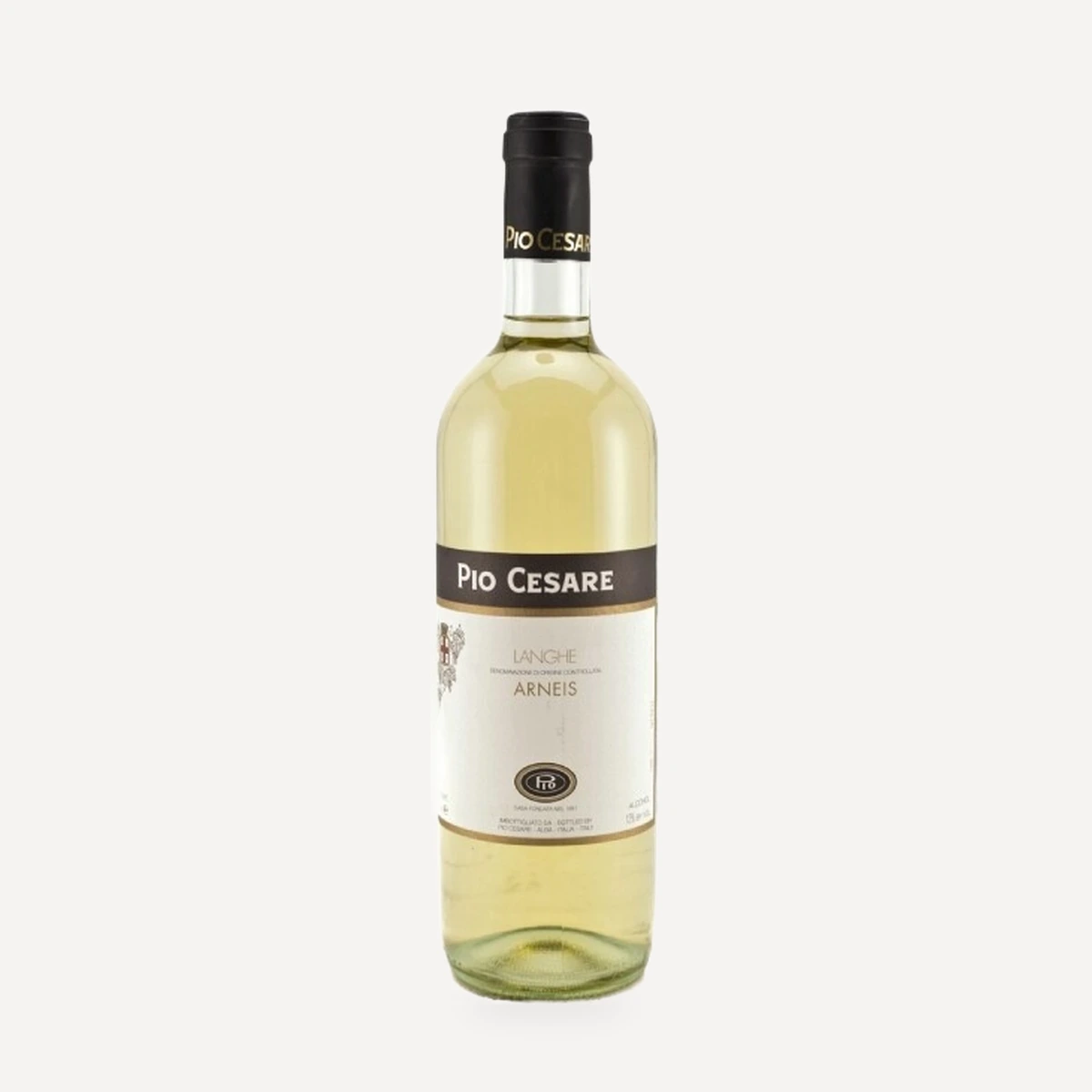
Arneis Langhe DOC
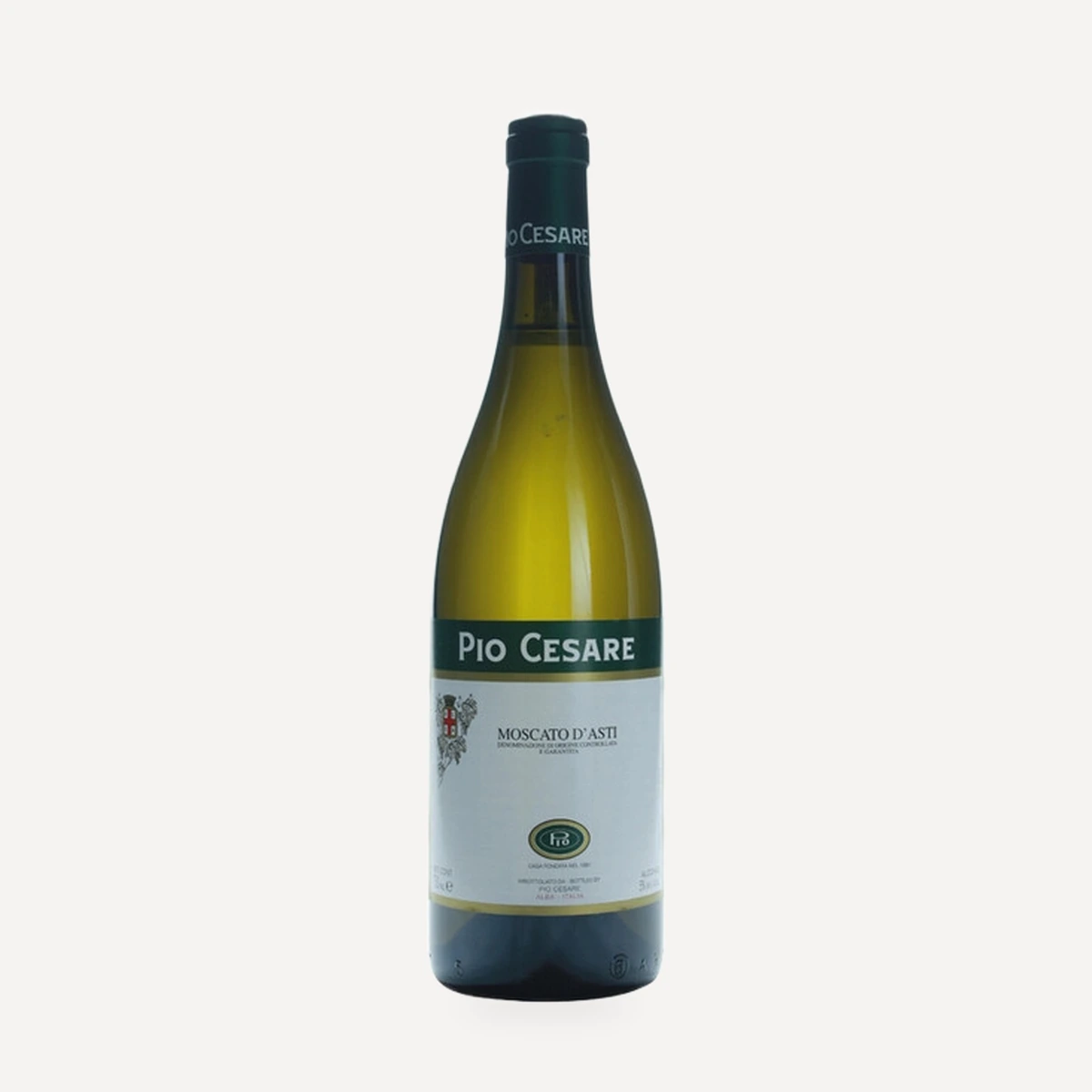
Moscato d’Asti DOCG