Storia
Cooperative roots, 1966–1978
Caviro emerged from the transformation of postwar Italian agriculture. Land reform had encouraged mechanisation, intensive vineyard cultivation and the creation of cooperative wineries to vinify members’ grapes. In Romagna, nine cooperatives from the Forlì, Faenza and Ravenna areas joined forces in 1966 to form a second-level cooperative. The name was created from Cooperative Associate Viticoltori Romagnoli.
The founders wanted both to market their members’ wine independently, rather than depending entirely on private brokers, and to find productive uses for winemaking by-products. Pomace disposal was already a major local activity—Faenza alone had nine distilleries—and Caviro decided to build a large distillery of its own. The plant was placed in open countryside outside Faenza, before the present industrial district existed, and opened in 1969 after three years of construction. It could convert pomace and surpluses from Romagna’s fruit-and-vegetable sector into alcohol.
A parallel cooperative, Corovin—Consorzio Romagnolo Vini Tipici, had been created in Cesena in 1968 by eleven wineries, seven of which also belonged to Caviro. Corovin was dedicated to bottling. It began operating in 1969 from premises rented from the agricultural consortium at Castel Bolognese, then moved to a purpose-built Forlì plant in 1976. Between 1972 and 1976, the two organisations developed distillation and storage capacity at Faenza and wine-packaging capacity at Forlì. Caviro’s early equipment included a pomace-piquette extraction plant and a distillery initially capable of producing 100 hectolitres of anhydrous alcohol per day.
Corovin’s large, technologically ambitious Forlì plant required heavy investment. Both Caviro and Corovin had begun without private capital, relying on credit and national agricultural-development programmes. Corovin initially lacked commercial experience, struggled to remunerate its member wineries and operated below the scale anticipated when the plant was built.
A change of direction, 1979–1982
In 1979, oenologist Alfeo Martini, previously with a member winery in Faenza, became Corovin’s director, supported by oenologist Giordano Zinzani. Management sought to diversify production, improve wine management and make full use of the Forlì facility. Member wineries were required to contribute minimum volumes and meet quality specifications prepared by the consortium’s oenologists. Wines were evaluated blind by a panel that included technicians from the participating cooperatives, allowing members to assess one another’s production in a neutral, collaborative setting.
The consortium also pursued foreign markets. Germany was its principal European destination, with smaller volumes going to Britain; separate sales managers were appointed for German- and English-speaking markets. Corovin supplied substantial quantities to the Italian Army and began looking toward the United States. Investments in primary processing enabled member wineries to clarify must and ferment at controlled temperatures of 13–16°C, raising stability and quality across the network.
The Tavernello carton project, 1979–1983
In autumn 1979, Tetra Pak Italia approached Corovin about supplying the Italian Army with wine in lightweight, unbreakable containers. Corovin was then bottling 250,000 hectolitres of still wine annually—150,000 for export and 100,000 for Italy—and was well suited to testing a flexible package. Zinzani recognised that a one-way carton could eliminate the expense, breakage, return transport and repeated washing associated with returnable bottles.
The technical uncertainties were substantial. Wine contained 11–12% alcohol, had a pH of approximately 3.2–3.4 and continued to evolve after packaging. Initial trials took place at Tetra Pak’s Modena plant. Zinzani monitored preservation through repeated analysis, while Professor Aureliano Amati and his students at the University of Bologna helped establish a formal research programme. Testing showed that the wine could keep successfully, but a thicker aluminium layer was required between the paper and synthetic lining to improve the oxygen barrier. Tetra Pak assigned a 50-engineer research team in Malmö to the problem.
The partners spent about two years refining the package and another eighteen months securing permission to use it in Italy, where wine containers had previously been limited to glass, wood and terracotta. By the time approval arrived, the Army had abandoned the project. Corovin therefore had to introduce the package directly to consumers. Its board approved the launch by only six votes to five; Tetra Pak supported the risk by supplying paper free for the first year. Management deliberately chose wine comparable in quality to a good DOC bottling, anticipating that the unfamiliar package itself would attract criticism.
Production began on 5 April 1983 under the newly created Tavernello name. The first cartons contained white Trebbiano and red Sangiovese, followed shortly by rosé. More than six million litres were sold between April and the end of that year. Member wineries quickly moved away from returnable demijohns, avoiding return transport and washing at 90°C. The carton also reduced material use, weight and storage space. Tavernello’s launch was accompanied by extensive design and marketing work, and its success helped establish cartons in Italian large-scale retail.
Merger and integrated production, 1984–1995
Tavernello’s growth transformed Corovin’s wine business, but its finances were taking time to stabilise. Caviro, meanwhile, was generating strong results by distilling agricultural, wine and fruit-and-vegetable surpluses. Because Corovin’s members also belonged to Caviro, Corovin was incorporated into Caviro on 18 December 1984. The merger created an integrated group spanning wine production, packaging and the recovery of by-products.
To preserve a consistent sensory profile despite variations among wineries and vintages, Caviro’s oenologists developed detailed blending practices. Wines from consecutive harvests were phased into the blend over three to four months so that consumers would not experience an abrupt vintage change. Must clarification, temperature-controlled fermentation and analytical and sensory evaluation became central to the system. Microfiltration later supplied physical microbiological stability for carton wines.
Tavernello entered Germany in 1984 as Hauswein and the United States as Caraffa d’Oro, distributed by a Pepsi-Cola company. As demand outgrew the original Trebbiano and Sangiovese supply, Caviro sought wineries outside Romagna and broadened its varietal and regional base. The name Terre Forti was temporarily paired with Tavernello before becoming an independent line.
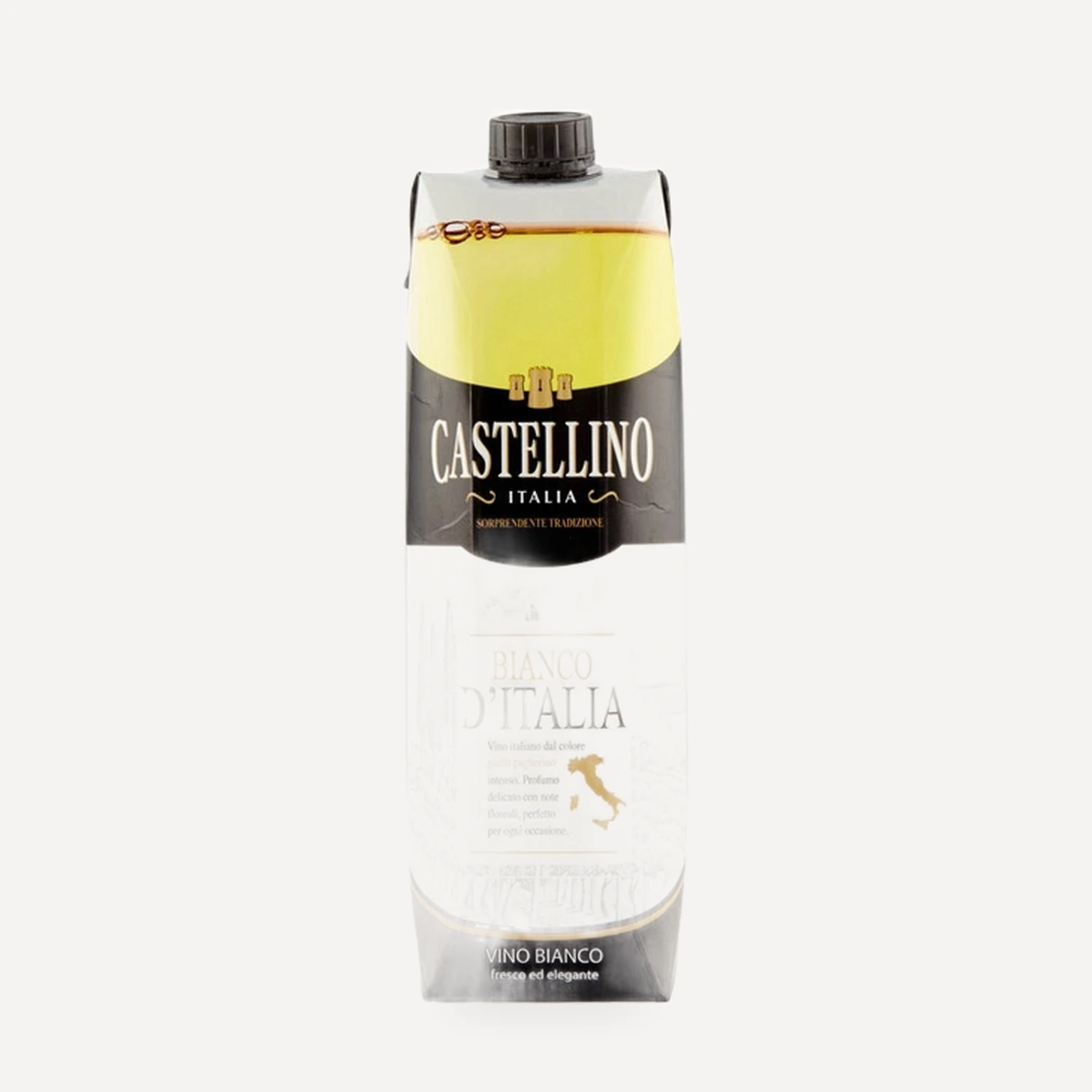
Between 1988 and 1995 Caviro acquired Castelli Modenesi, which became its specialist facility for frizzante and spumante wines at Savignano sul Panaro, as well as the Poggese and Castellino brands. Expansion brought access to Montepulciano, Grillo, Nero d’Avola, Rosato del Salento and other wines alongside established names such as Chianti, Valpolicella, Merlot, Chardonnay and Moscato. The network’s broad assortment also strengthened Caviro’s role as a single certified, traceable supplier to large-scale retail.
Sparkling wine and national expansion, late 1990s–2014
At the end of the 1990s Caviro introduced Tavernello Lambrusco and Tavernello Bianco Frizzante in 1.5-litre glass bottles. Packaging was initially outsourced, then brought into the Savignano sul Panaro facility, which developed from frizzante packaging into spumante production. The Novebolle project later established Romagna DOC Bianco Spumante and Rosato Spumante, largely based on Trebbiano.
Between 2000 and 2005, wineries from Abruzzo and Tuscany joined the cooperative, consolidating Caviro’s transformation from a Romagna organisation into a national supply chain. In 2007, regulatory changes governing cooperative mutuality led to the separation of Caviro Distillerie Srl. From 2007 to 2010 the group installed a 13.7 MW thermoelectric plant and transferred energy and environmental activities to Enomondo. Between 2012 and 2014, a new Jenbacher installation began producing electricity and heat, while Caviro acquired dalleVigne—subsequently Leonardo da Vinci SpA—and Gerardo Cesari SpA.
Circular bioeconomy and modernisation, 2018–2022
In 2018 Caviro Distillerie became Caviro Extra, reflecting its expansion from distillation into biorefining and bio-based products. During 2019–2020, biomethane and carbon-dioxide capture plants opened in Faenza. A new glass bottling line was built in Forlì, and sparkling-wine production moved there from Savignano sul Panaro in 2019 as demand grew.
Caviro obtained Equalitas certification in 2020. During 2021–2022 the Forlì production site was enlarged; Caviro Extra and Enomondo activated district heating for users near Faenza; and the ACFA composting plant began producing fertiliser from agri-food residues. In 2022 Caviro Extra received the Gold Medal for Circular Economy at the Sustainable Development Awards. The same year, Novebolle became a representative range for the newly introduced Cantine Caviro identity.
Resilience, energy and the sixtieth anniversary, 2023–2026
A fire affected the Faenza industrial site in 2023. The damaged area subsequently became the location of a new internally designed natural-tartaric-acid plant. Opened in October 2025 after an investment of approximately €20 million, it has capacity for 5,000 tonnes per year and reinforces the recovery of winemaking by-products.
An advanced agrivoltaic installation was inaugurated beside the Forlì winery in 2024 and became fully operational in 2025. Its 1,386 bifacial panels occupy 1.5 ha and generate approximately 1.3 million kWh annually. The installation is designed both to supply renewable electricity and to study protection of vines from frost and hail while preserving sunlight.
Caviro celebrated its sixtieth anniversary at Forlì in February 2026. At that point the cooperative represented 11,500 growers, 36,200 ha of member vineyards and 150 million litres of annual wine production, with exports to 90 countries. In March, a dealcoholisation plant at Savignano sul Panaro began supporting low-alcohol wine production through vacuum evaporation and low-temperature distillation. In April, Vecchia Cantina di Montepulciano joined the cooperative, strengthening the Tuscany–Romagna Sangiovese project and extending the partnership behind the Leonardo da Vinci portfolio. In July, Caviro issued its seventh sustainability report, prepared for the first time in voluntary alignment with the European ESRS framework.
Terroir
Caviro’s viticultural base is a national cooperative network rather than a single contiguous estate. It encompasses 36,200 ha across eight Italian regions: Piedmont, Emilia-Romagna, Veneto, Tuscany, Marche, Abruzzo, Apulia and Sicily. The network combines plains, hills and numerous exposures, climates and cultivation systems.
Emilia-Romagna remains the historical centre of the cooperative and accounts for approximately 14,926 ha in the current regional breakdown. Romagna contributes Sangiovese, Trebbiano, Albana, Pignoletto and the recovered Famoso variety, while its hills and plains underpin both still-wine and sparkling-wine programmes. Trebbiano has historically served both as an everyday white and as a base for sparkling wine.
The broader membership gives Caviro access to contrasting Italian growing conditions. Abruzzo contributes pergola-trained vineyards and varieties including Montepulciano; the drier conditions of Apulia and Sicily support organic production and grapes such as Primitivo, Grillo and Nero d’Avola. Tuscany and Veneto contribute Sangiovese- and Valpolicella-related territories, while Piedmont and Marche expand the cooperative’s northern and central Italian coverage.
No single soil profile, altitude or exposure can represent this dispersed network. Its defining physical feature is diversity: each member area has its own climate, exposure and cultivation method, and Caviro combines their output through an integrated national supply chain.
Vinificazione
Caviro coordinates 11,500 growers whose holdings average about 3.15 ha. Grapes are delivered to the cooperative wineries in each grower’s area for vinification, while Caviro oenologists support those wineries with technical guidance and common quality objectives.
Sustainability and certification
The supply chain has held Equalitas certification since 2020, covering sustainable practices from the vineyard through transport. Caviro also holds organic certification for bottling under EU rules with NOP/USDA and JAS equivalence. Organic wine remains one component of a network that otherwise includes varied cultivation systems across eight regions.
Organic production expanded from 5,000 to 25,000 hectolitres over four years in the period documented by the cooperative history. Organic Montepulciano, Trebbiano–Chardonnay and Primitivo were specifically identified, with additional organic supply from Sicily. Drier southern conditions are considered more favourable, while high humidity makes organic grape production more difficult. Organic vineyards have lower quantitative yields, and protection from accidental pesticide drift is necessary where organic and conventional vineyards adjoin.
Circular vineyard inputs
Pruning residues are treated as raw material rather than discarded. Together with pomace, lees and other agri-food residues, they enter Caviro’s circular system for renewable energy, soil improvers and natural fertilisers. Compost and ACFA fertiliser are returned to agricultural soils, closing the cycle from vineyard to winery and back to the vineyard. More than 99% of the material handled in the circular system is regenerated.
Research and resilience
Viticultural research includes SINERGIA, addressing grapevine yellows; CLIMA.VIT.ER, focused on climate-resilient viticulture in Emilia-Romagna; CO.VI.RES and VITI.RES, evaluating resistant and fungus-resistant vine varieties; and SPIN-FERT, developing peat-free fertilisers. University of Bologna doctoral research examines how agrivoltaic shading affects vine physiology and evaluates experimental vinification of grapes grown under sustainable practices.
The Forlì agrivoltaic pilot combines solar generation with vineyard monitoring. Its design seeks to maintain sufficient sunlight while offering vines protection against frost and hail, and to determine whether the model can be replicated in other local conditions.
Caviro operates an integrated cooperative system in which member wineries receive and vinify growers’ grapes, while Caviro’s oenologists provide technical guidance, evaluate contributions, assemble blends and manage large-scale processing and packaging. The current supply chain produces approximately 534,000 tonnes of grapes, representing more than 9% of Italy’s total, and Caviro reports 150 million litres of wine annually.
Member contributions and quality control
Wine, must, pomace and lees are contributed principally by members. In FY 2024/25, member contributions represented 161,783 tonnes, or 74%, of the relevant incoming wine and by-product volume; 58,124 tonnes, or 26%, were purchased externally. External wine can be used to meet a particular customer or market specification.
Historically, 58 types of member wine formed the bulk of Caviro Sca’s production. Each wine may differ by winery, site and harvest, so oenologists use blind tasting, analytical controls and collaborative evaluation with member technicians. More than one million checks are conducted annually across the wider quality and food-safety system. Caviro maintains traceability and formal quality-control procedures before products enter the market.
Fermentation and blending
In the 1980s Corovin invested 1.8 billion lire in refrigeration and must-clarification equipment for member wineries. Must was clarified before fermentation and fermented under temperature control at 13–16°C, improving stability and raising overall quality. The resulting wines could also serve as sparkling-wine bases.
Blending is used to harmonise wines from different member wineries while preserving the intended analytical and sensory profile. For large, continuously supplied ranges, wine from two successive harvests can be phased into the blend over three to four months, avoiding an abrupt change in taste. The composition nevertheless continues to evolve because wine remains a living product in either bottle or carton.
For carton wine, microbiological stability is achieved through physical microfiltration. Research for the original carton programme also established an improved oxygen barrier by increasing the thickness of the aluminium layer between the paper and synthetic lining.
Packaging and logistics
The Forlì site contains the principal processing, wine-storage, bottling, carton and bag-in-box lines. Stainless-steel storage tanks feed high-speed packaging equipment. Historical operating figures include carton lines capable of 7,000 packs per hour continuously and quarter-litre lines capable of 15,000 packs per hour. Finished bottles and cartons are directed by robotic arms to automated warehousing, where laser-guided vehicles prepare shipments.
The six-layer Tetra Pak structure developed for Tavernello protects wine from air and light while reducing weight, transport and storage requirements. Caviro also packages glass bottles, bag-in-box wines, frizzante and spumante. A specialist sparkling-wine operation was established at Savignano sul Panaro; growing demand led sparkling production to move to a new Forlì glass line in 2019.
Sparkling and low-alcohol production
The Romagna sparkling programme includes largely Trebbiano-based wines. In 2026, Caviro installed a dealcoholisation facility at Savignano sul Panaro following an investment exceeding €1.8 million. It uses controlled vacuum evaporation and low-temperature distillation to reduce alcohol while retaining aroma, structure and sensory identity. Capacity is 30,000 litres per day, with annual potential exceeding nine million bottles. The base wine undergoes conventional vinification before partial dealcoholisation.
By-product recovery
Pomace, lees, grape seeds, stalks and tartaric materials enter a separate recovery system. They are converted into alcohol, natural tartaric acid, grape-seed products, enocyanin, renewable electricity and heat, biomethane, carbon dioxide and natural fertilisers. Current circular processing regenerates approximately 99% of incoming material.
Filosofia
Caviro defines its purpose through cooperative mutuality: enhancing members’ agricultural production, protecting their working conditions and translating vineyard labour into stable and fair income. Economic viability is treated as a prerequisite for keeping growers on the land and thereby safeguarding rural landscapes, biodiversity and soil stability.
Its wine philosophy combines accessibility with technical control. Everyday wines are not positioned as the opposite of quality; they provide scale and commercial stability for the cooperative, while regional and premium programmes extend the same supply chain into other market segments. Research, blending, sensory analysis and technology are used to manage natural variation without erasing the agricultural origins of the wine.
Circularity is the other central principle. Grapes become wine; pomace, lees, tartaric materials and pruning residues become energy, ingredients and fertilisers; organic matter then returns to agricultural soils. The stated goal is to move continually closer to zero waste and lower emissions rather than treating sustainability as a completed target.
Caviro’s sustainability model is explicitly environmental, economic and social. It encompasses resource protection, renewable energy, product safety, responsible employment and the long-term competitiveness of growers. Innovation—from controlled fermentation and carton research to agrivoltaics, resistant-vine projects and low-alcohol production—is framed as a means of preserving cooperative continuity while responding to changing climates and consumer habits.
Vini
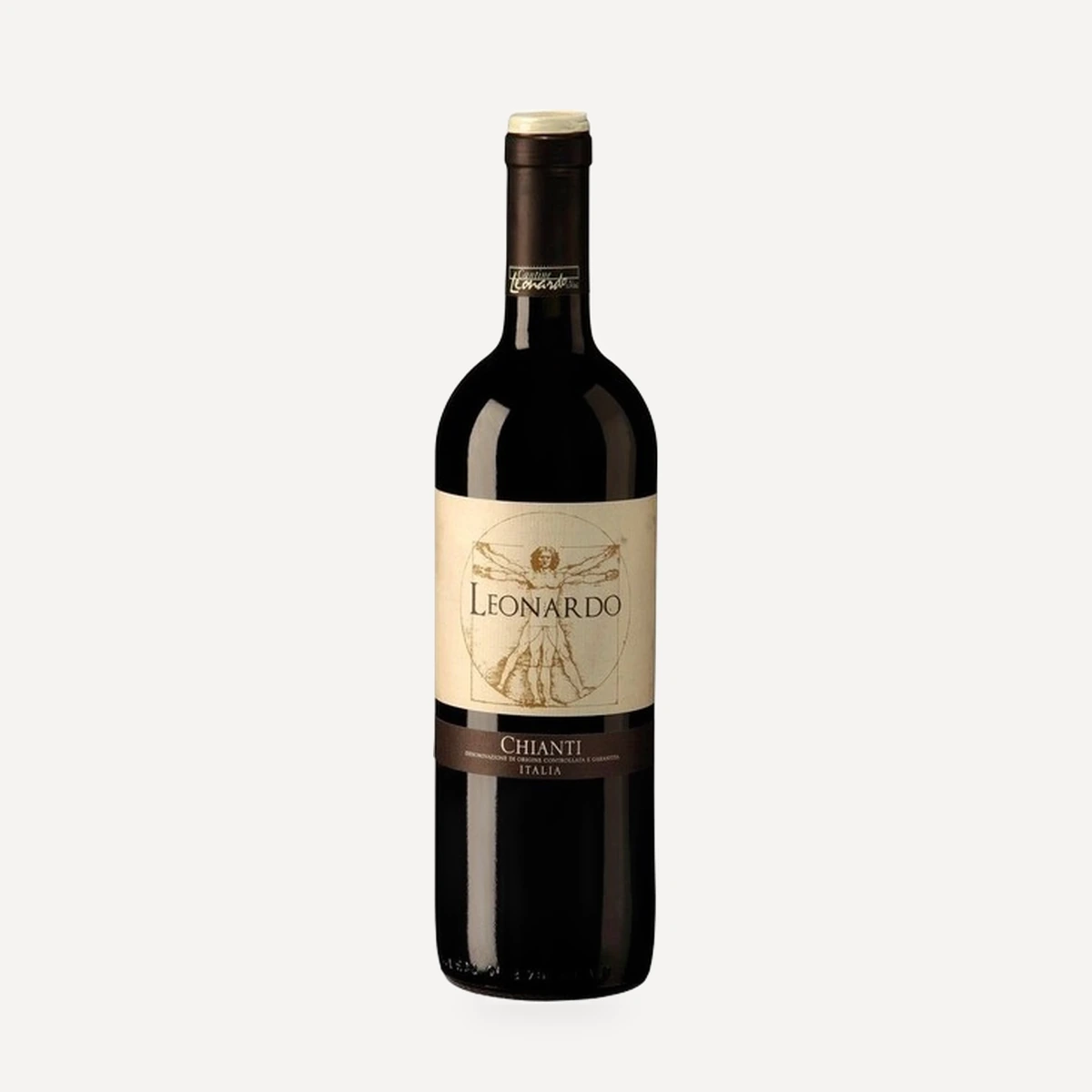
Leonardo Chianti DOCG
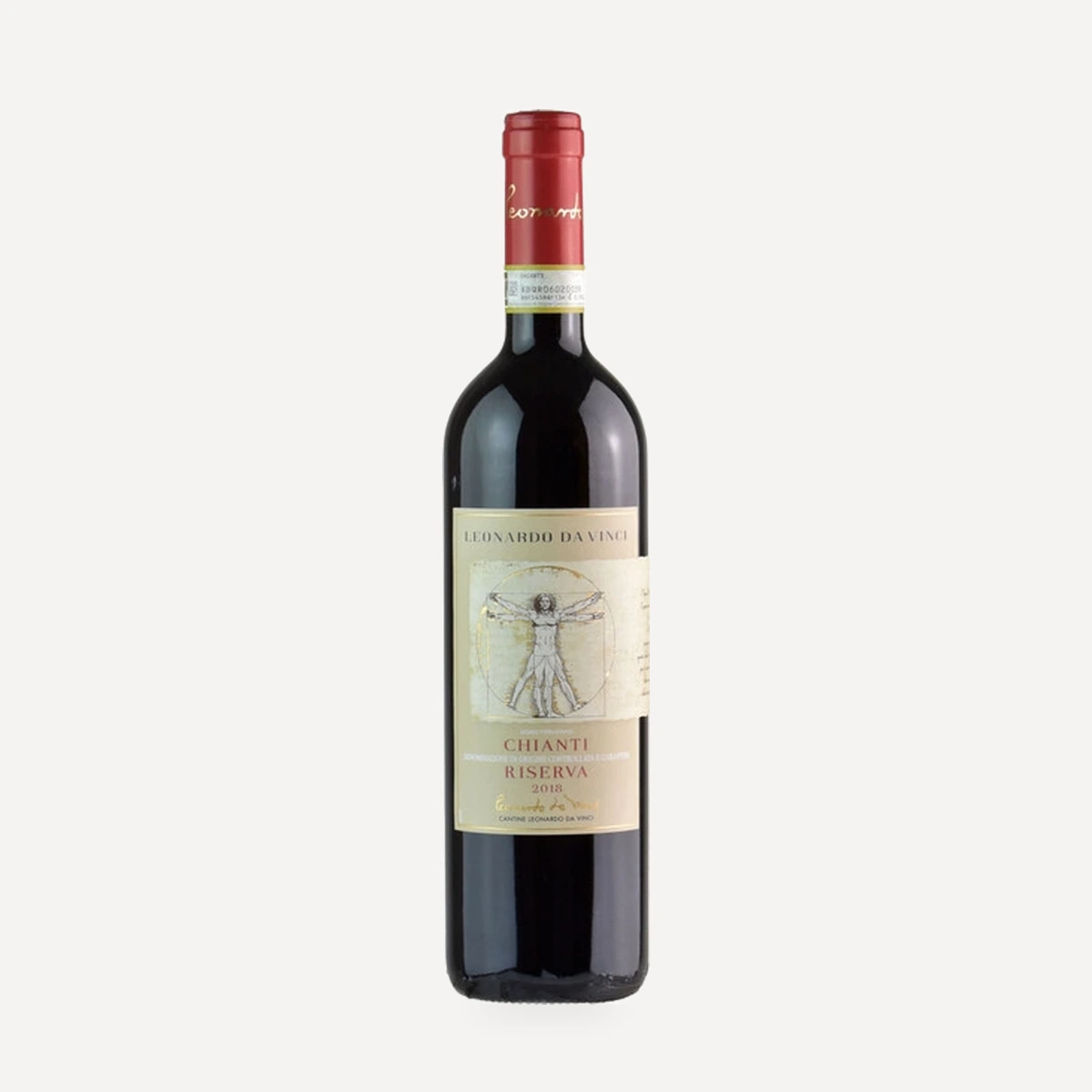
Leonardo da Vinci Chianti Riserva DOCG
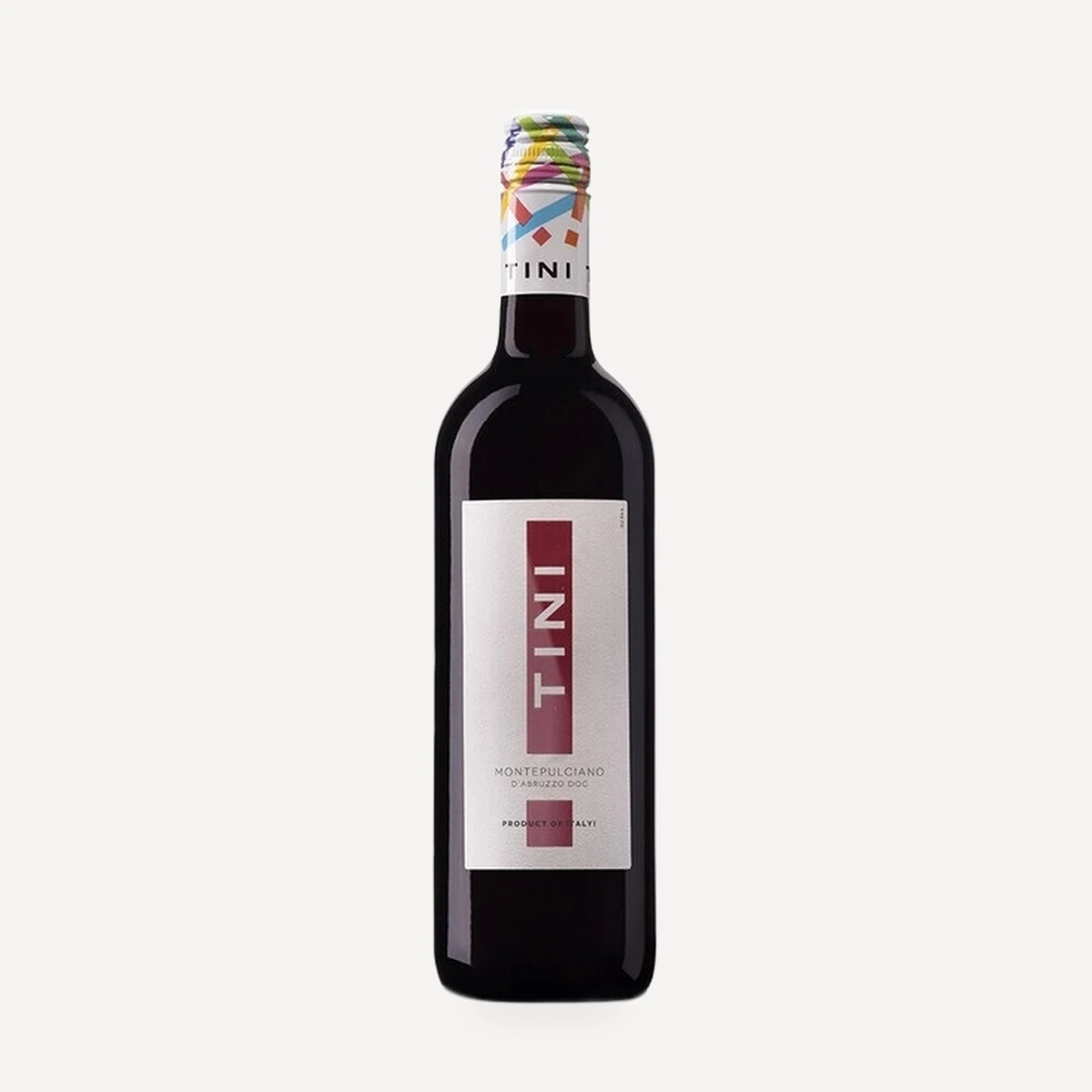
TINI Montepulciano d'Abruzzo
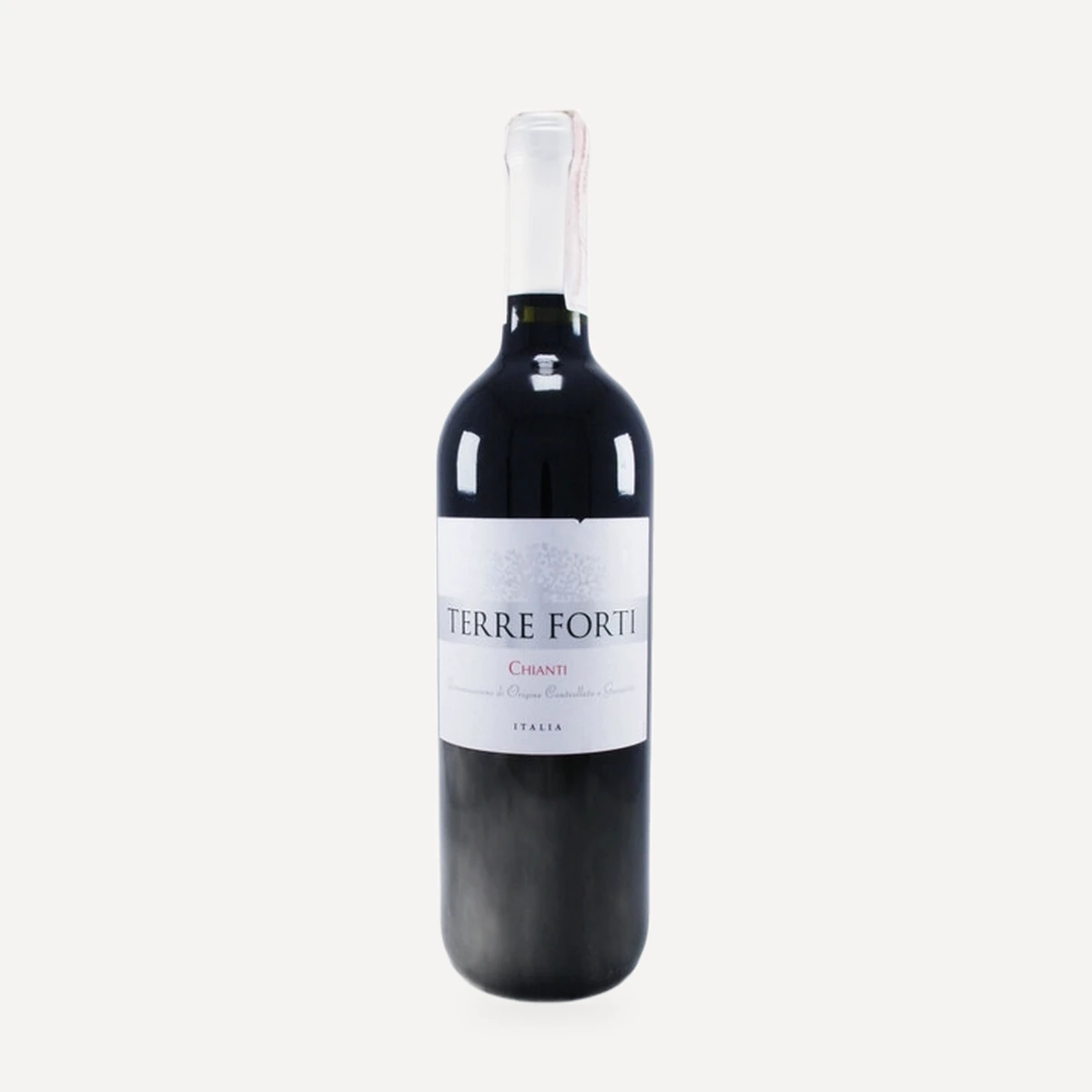
Terre Forti Chianti DOCG
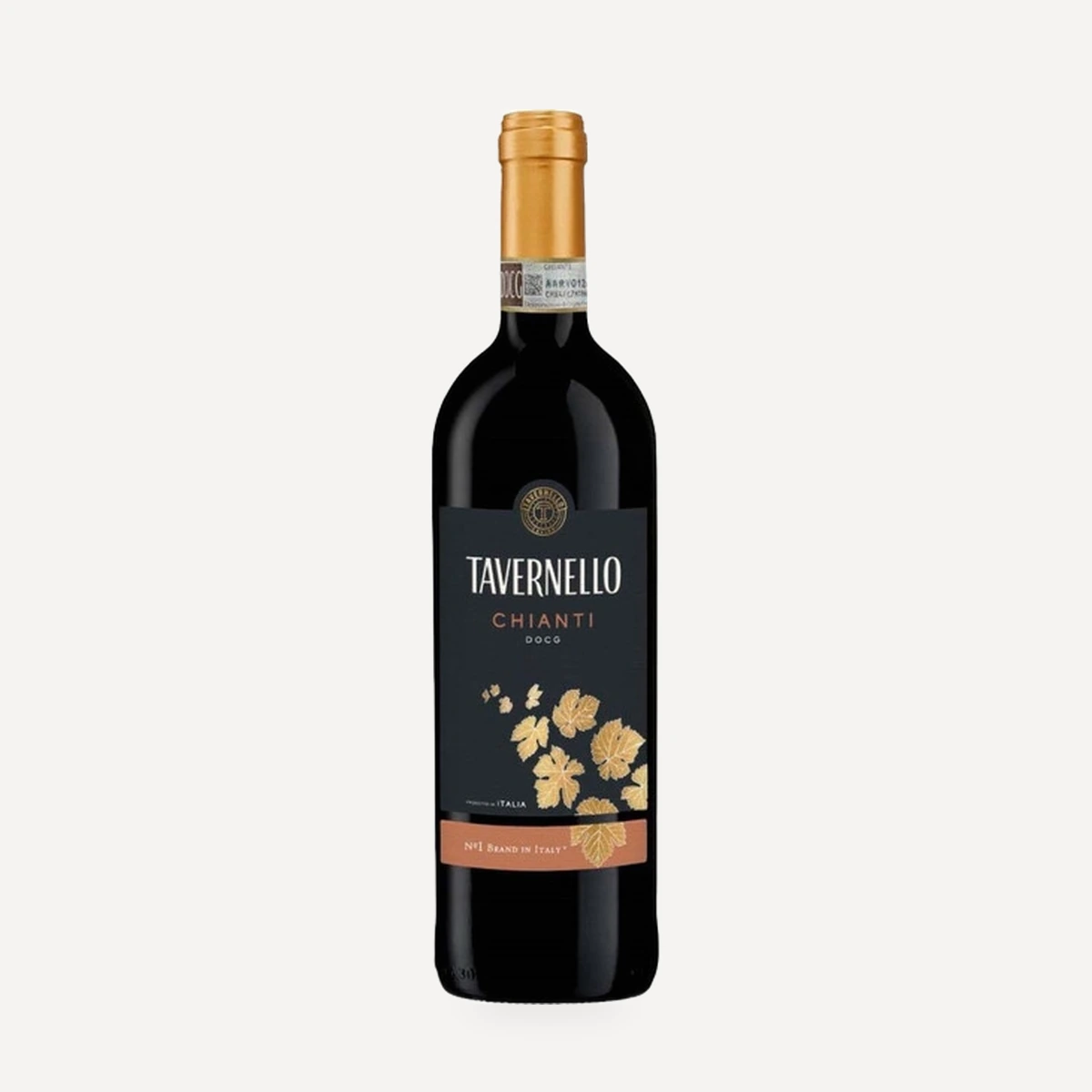
Tavernello Chianti DOCG
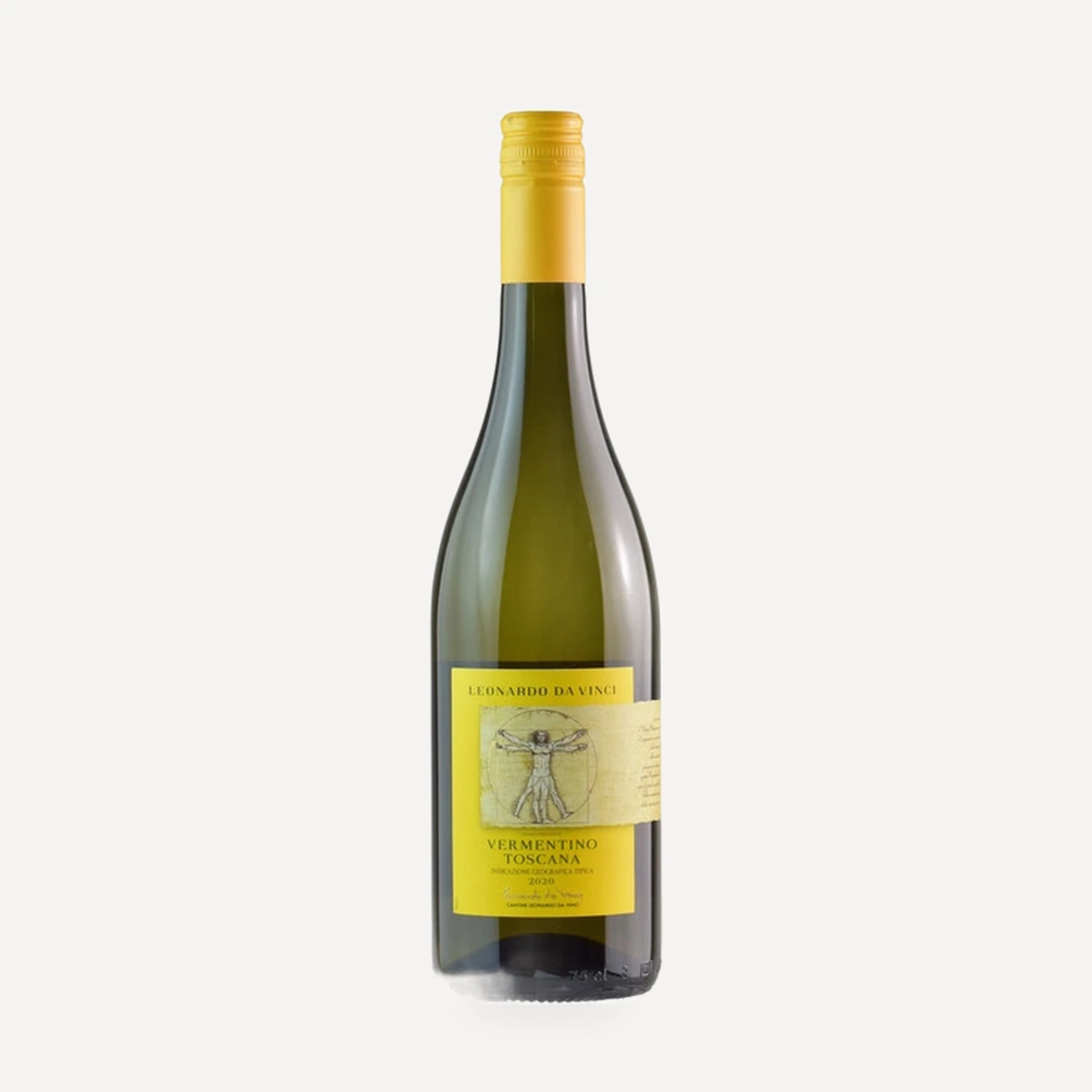
Leonardo da Vinci Vermentino Toscana IGT
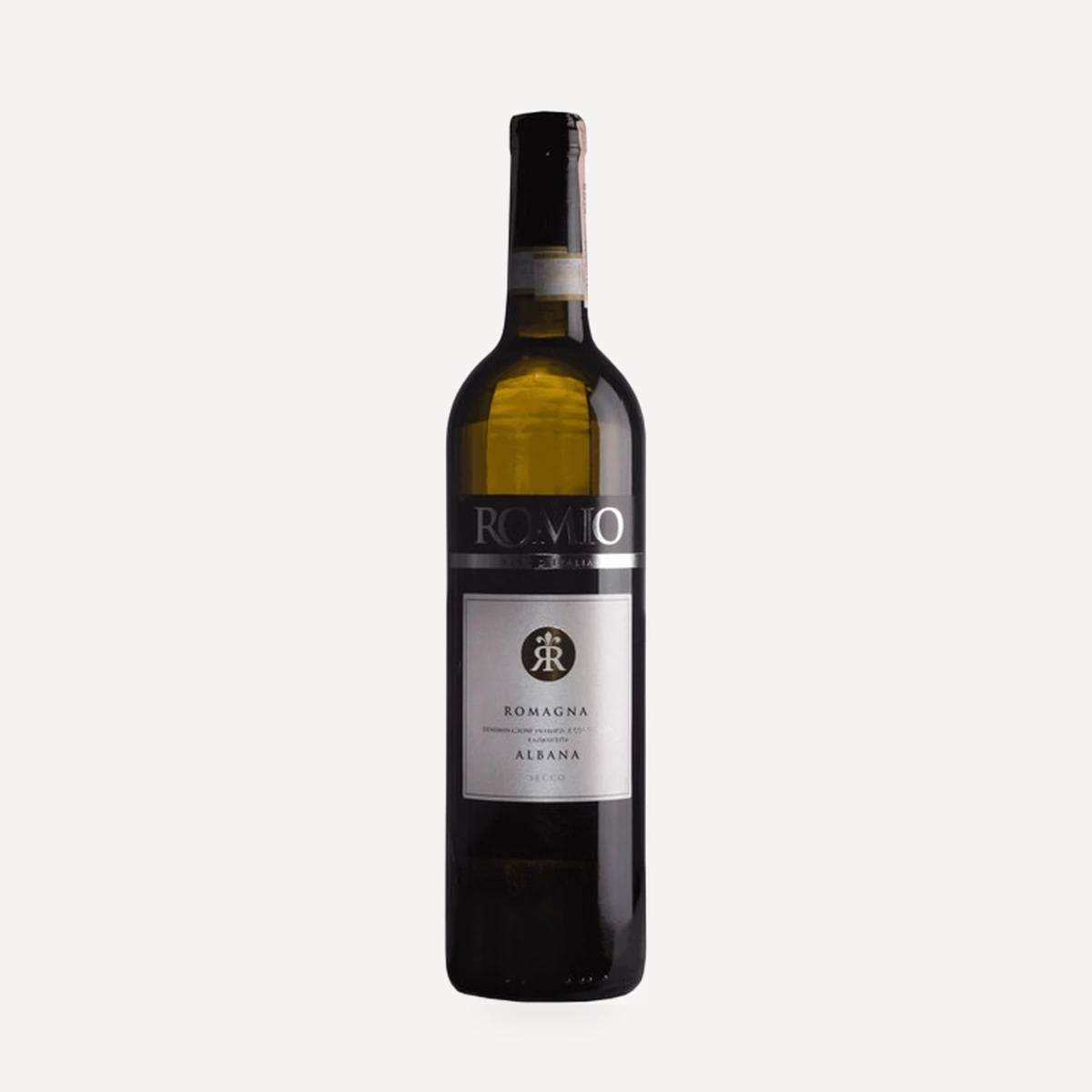
Romio Albana Secco Romagna DOCG
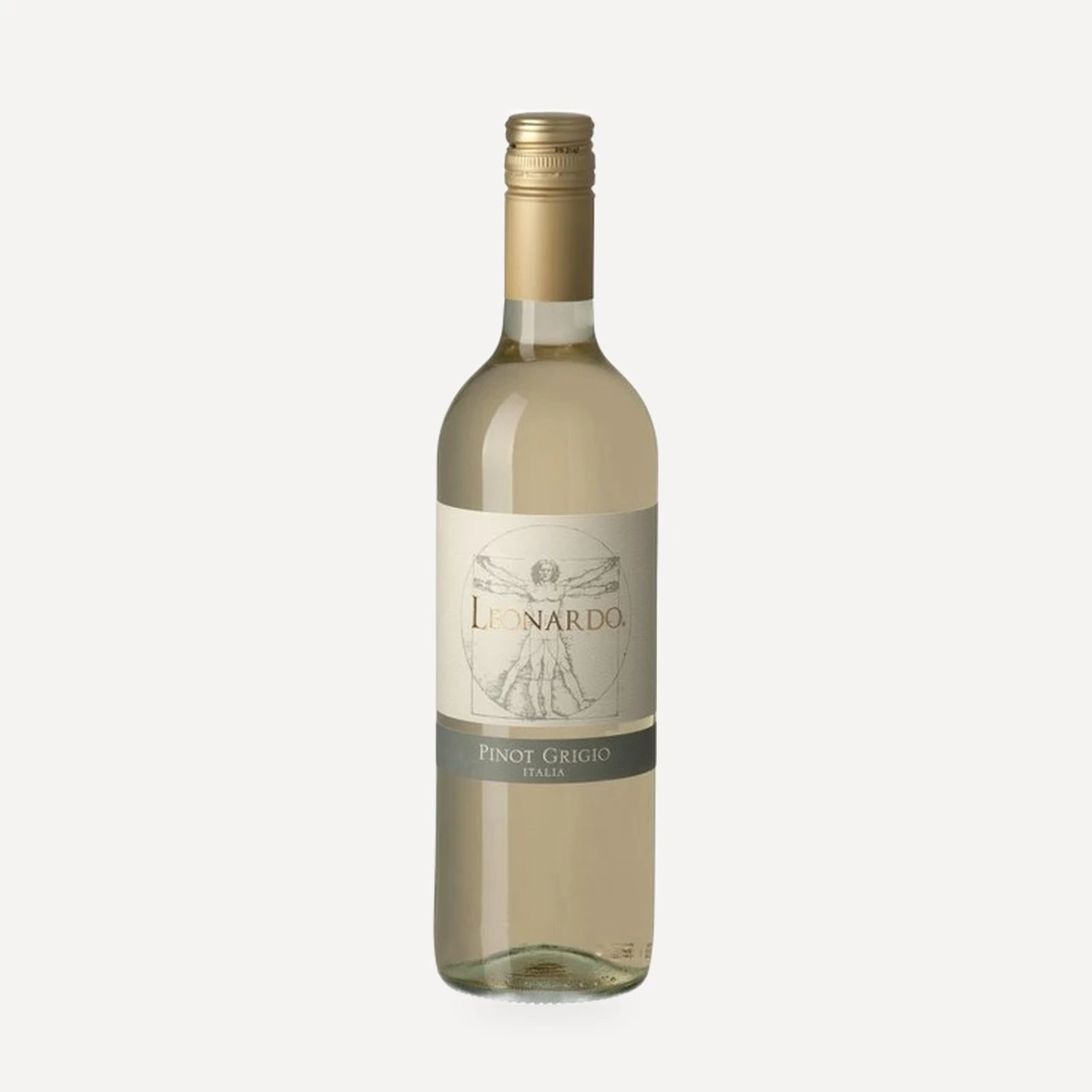
Leonardo Pinot Grigio Venezie IGT
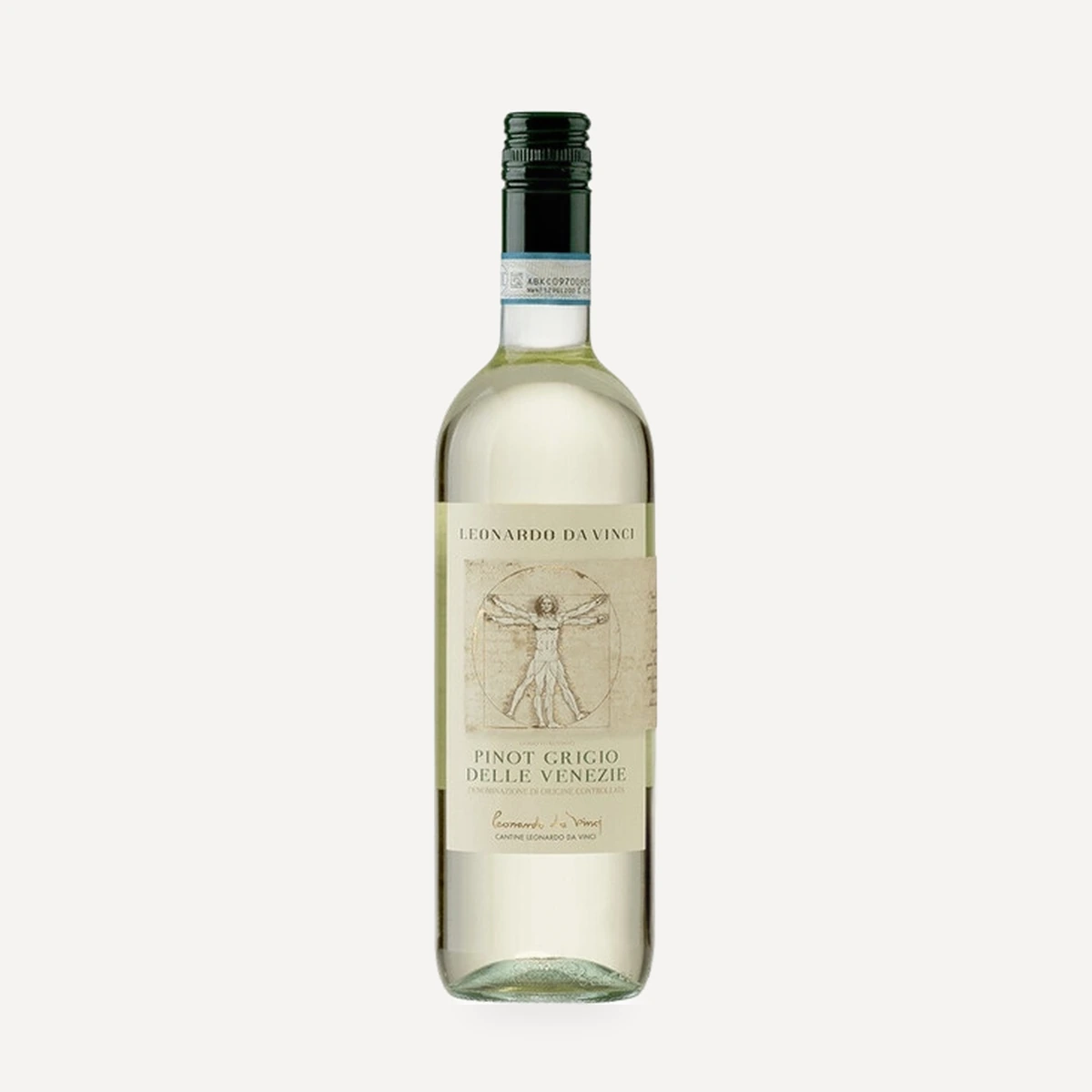
Leonardo da Vinci Pinot Grigio delle Venezie DOC
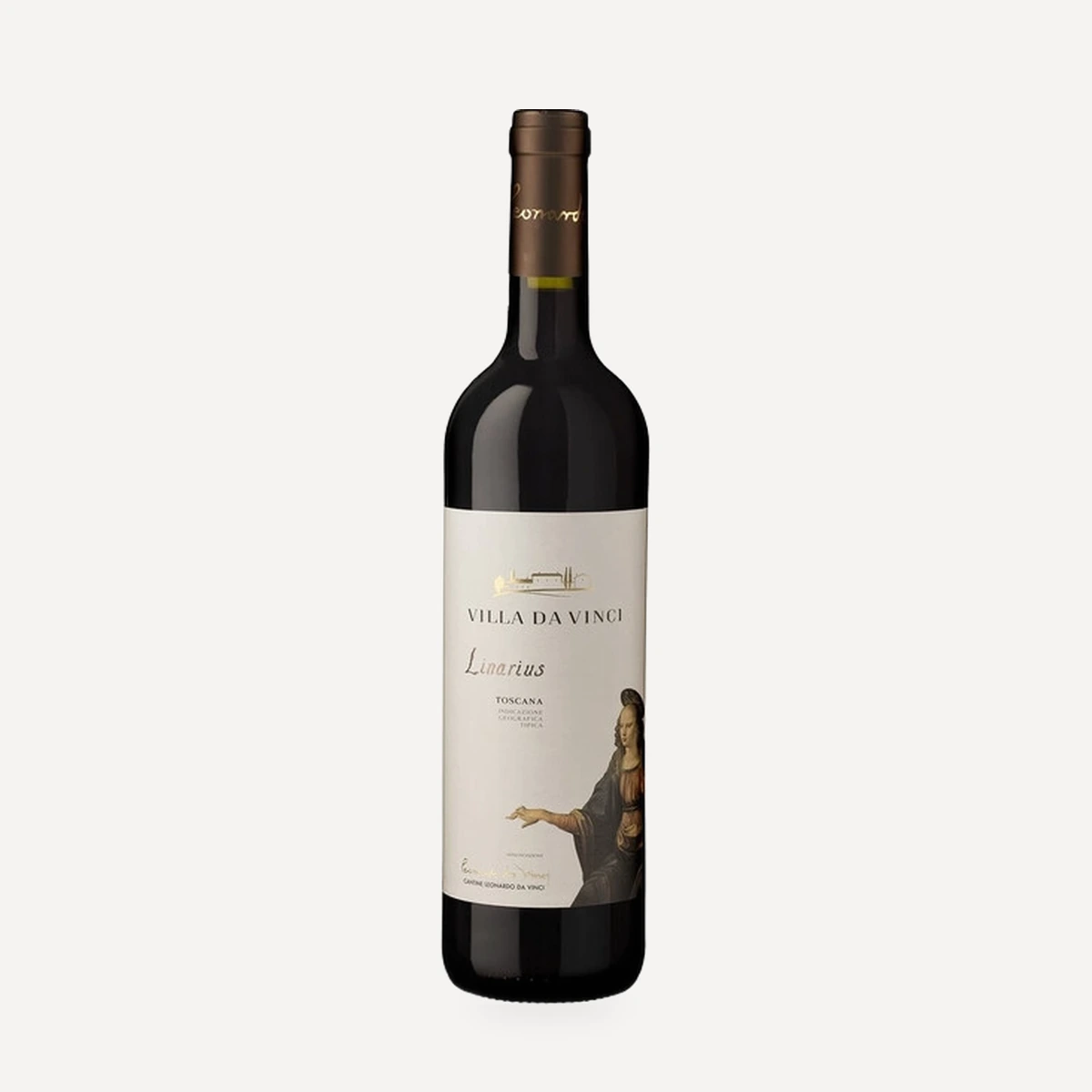
Linarius Toscana IGT
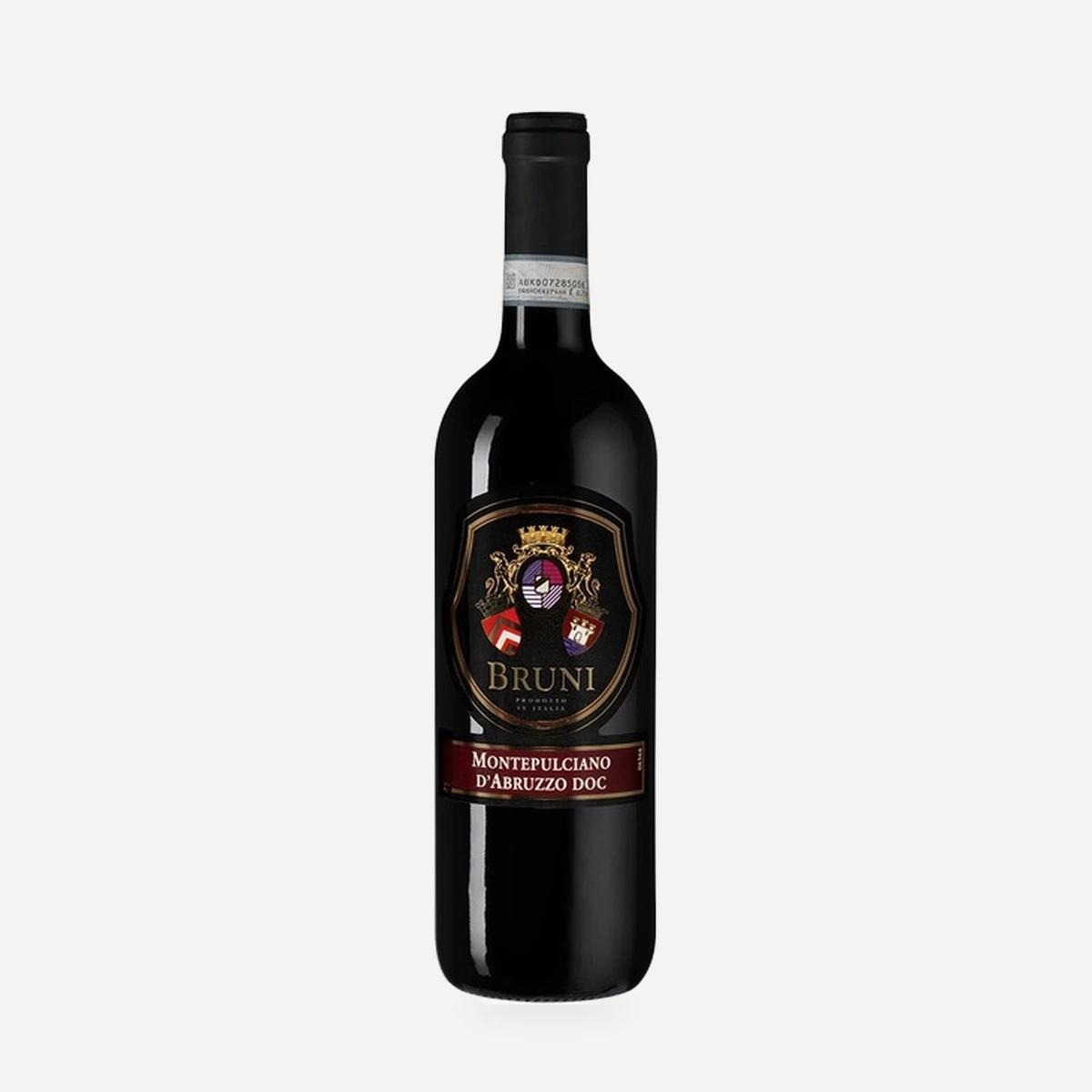
Bruni Montepulciano d'Abruzzo DOC
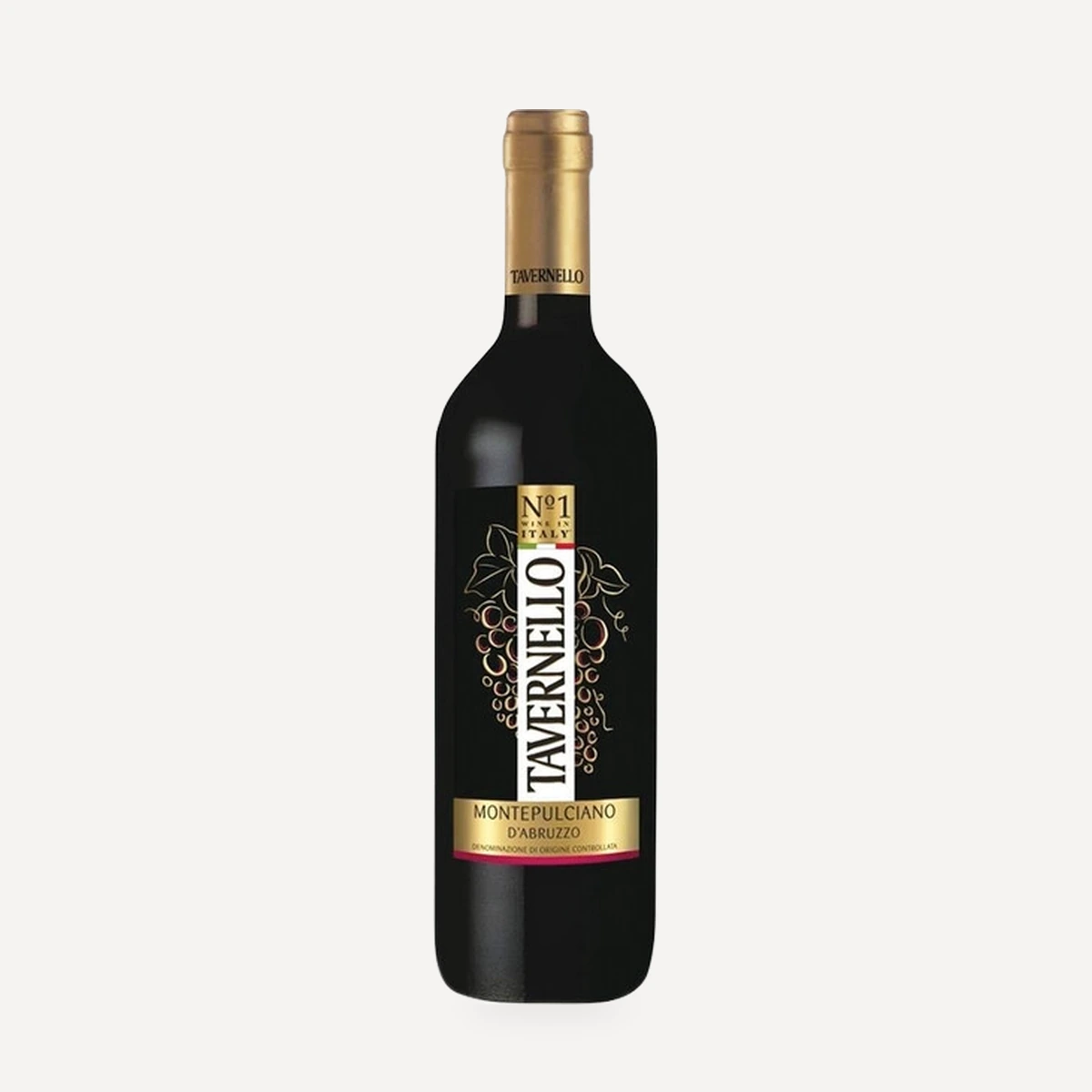
Tavernello Montepulciano d'Abruzzo DOC
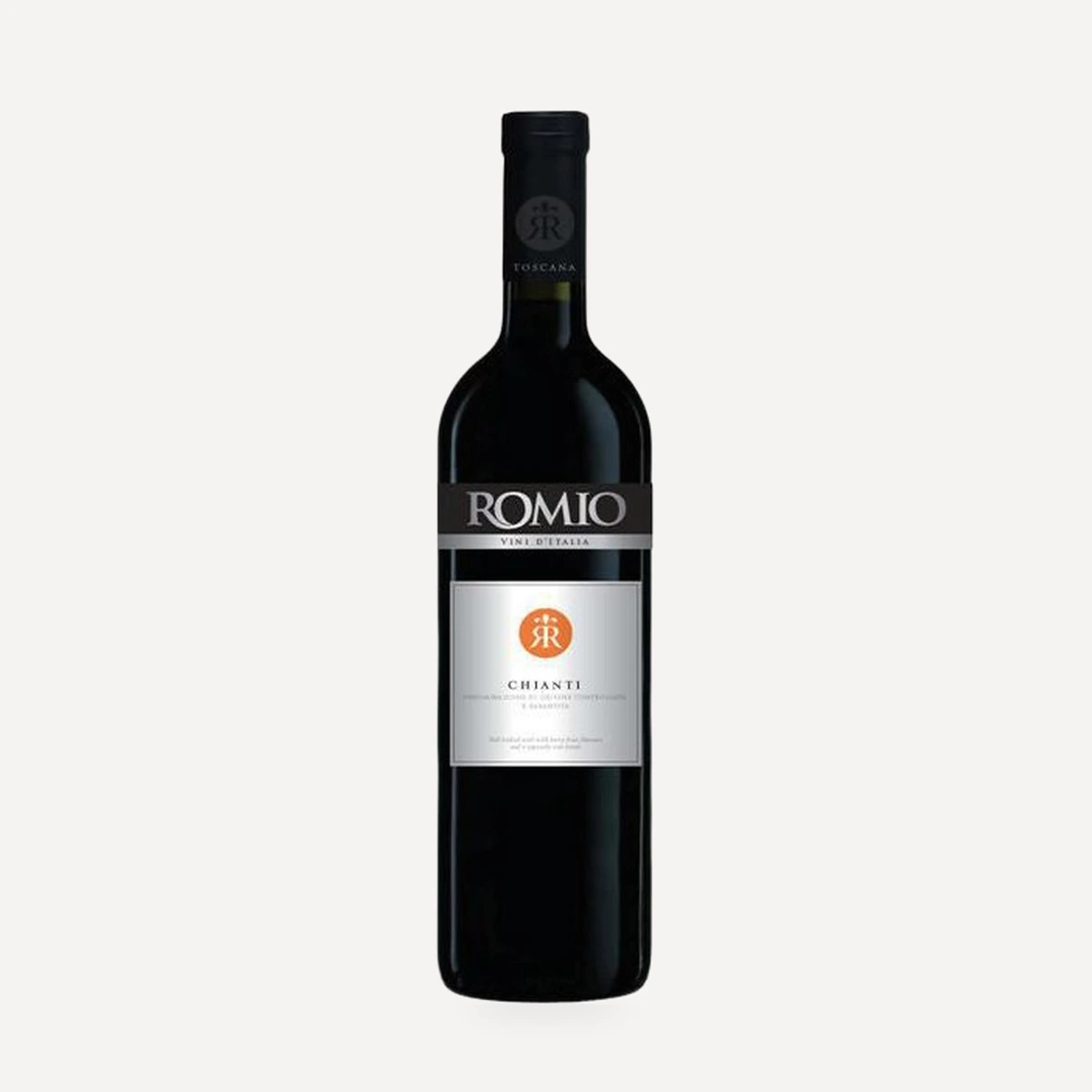
Romio Chianti DOC
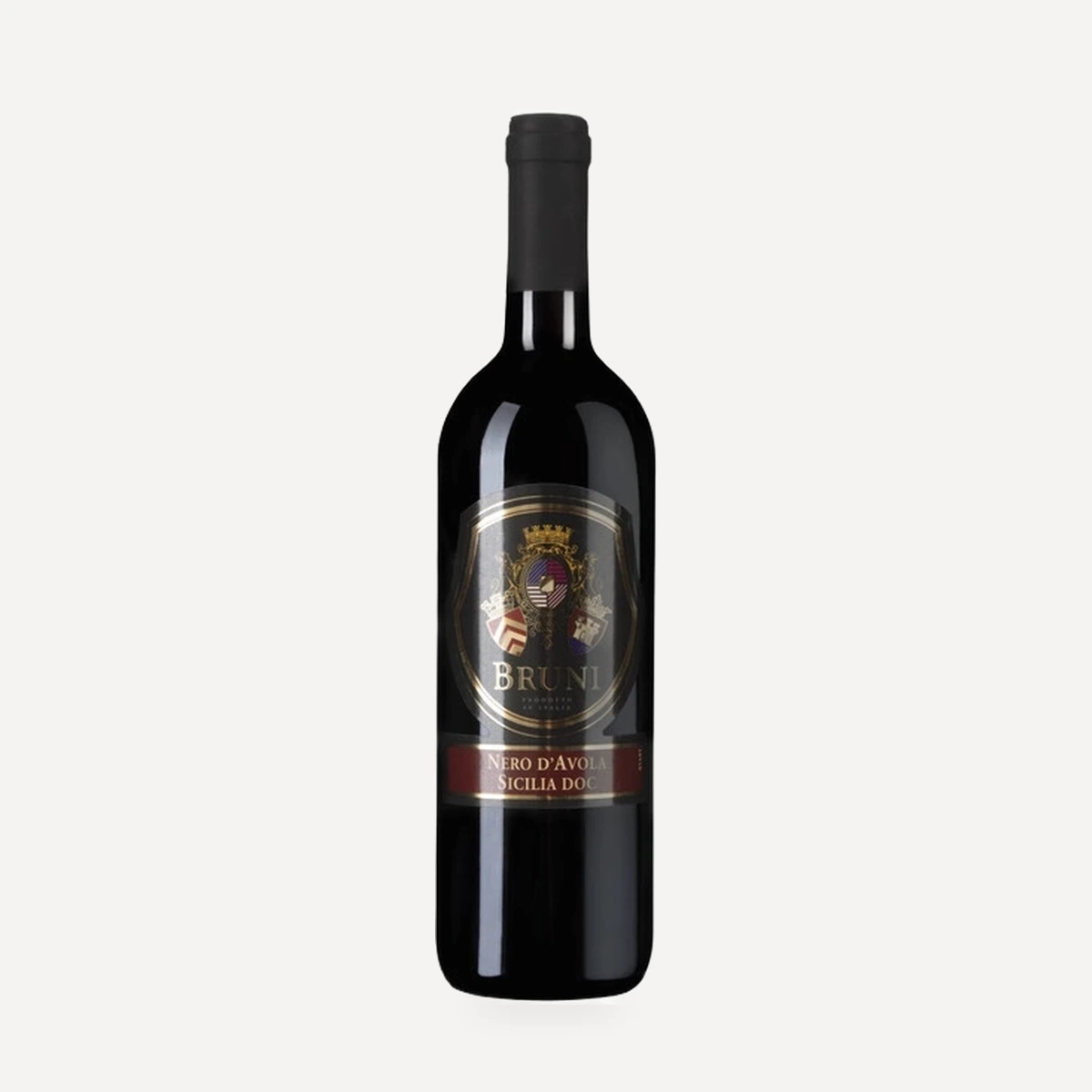
Bruni Nero d'Avola Sicilia DOC
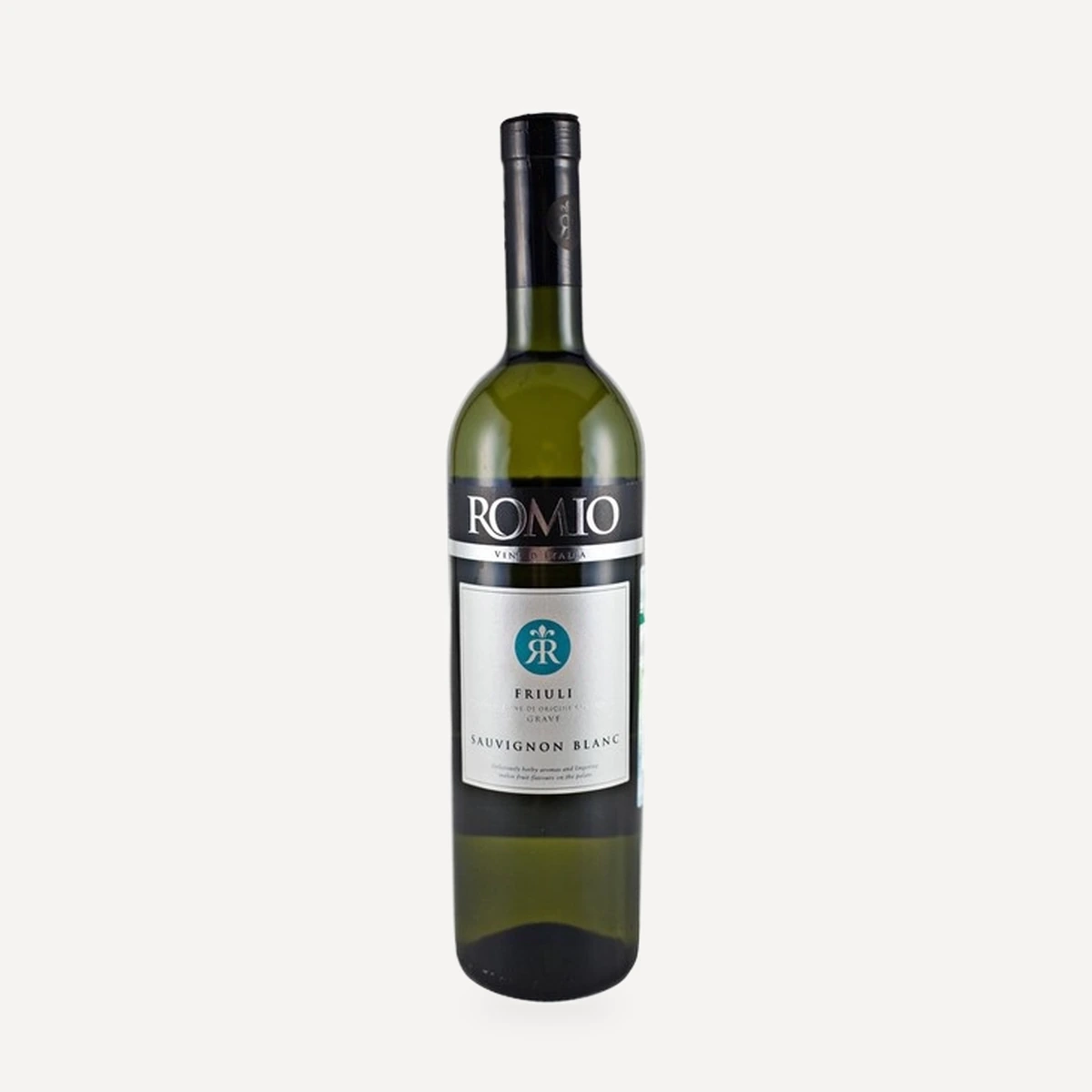
Romio Sauvignon Blanc Friuli Grave DOC
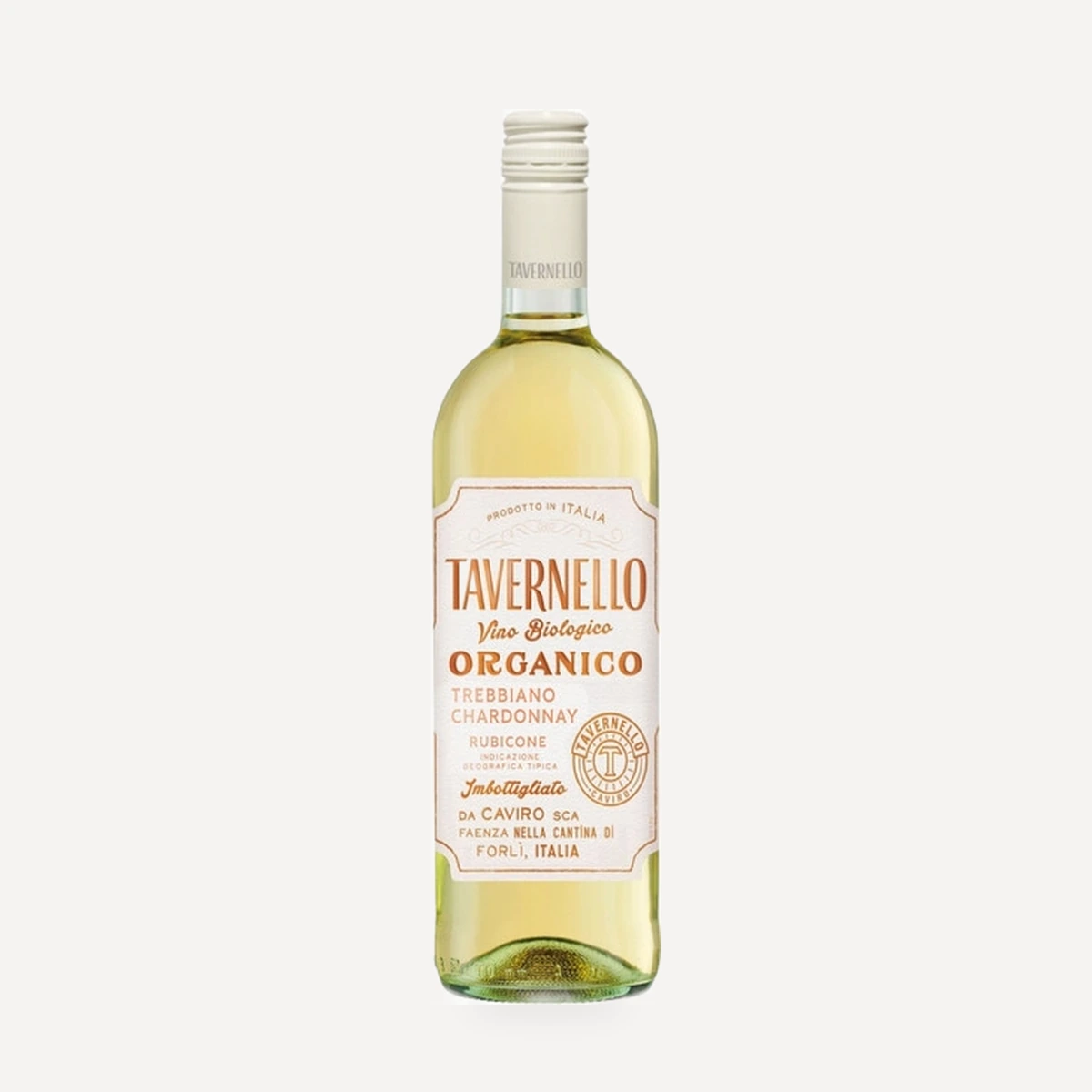
Tavernello Organico Trebbiano-Chardonnay Rubicone IGT
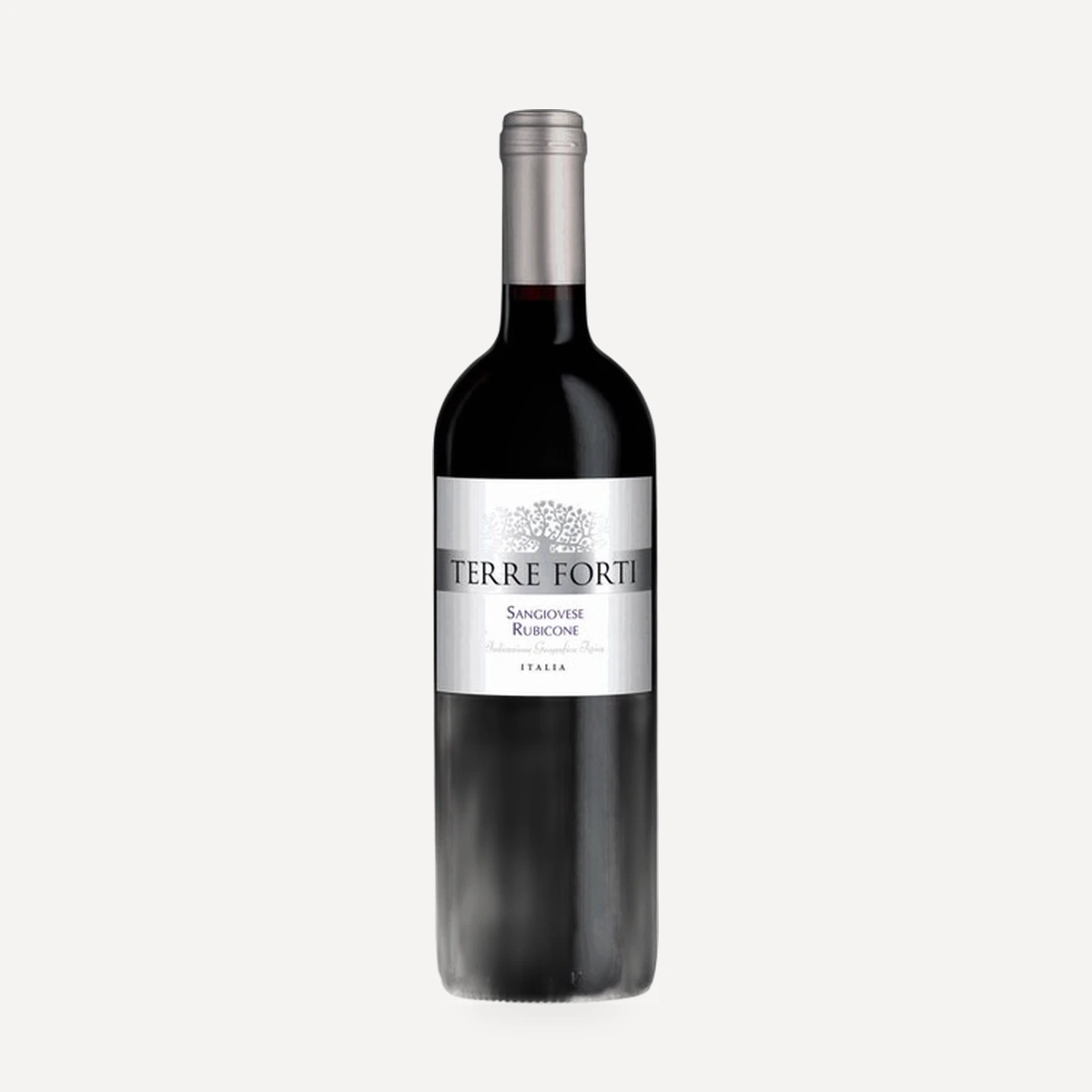
Terre Forti Sangiovese Rubicone IGT
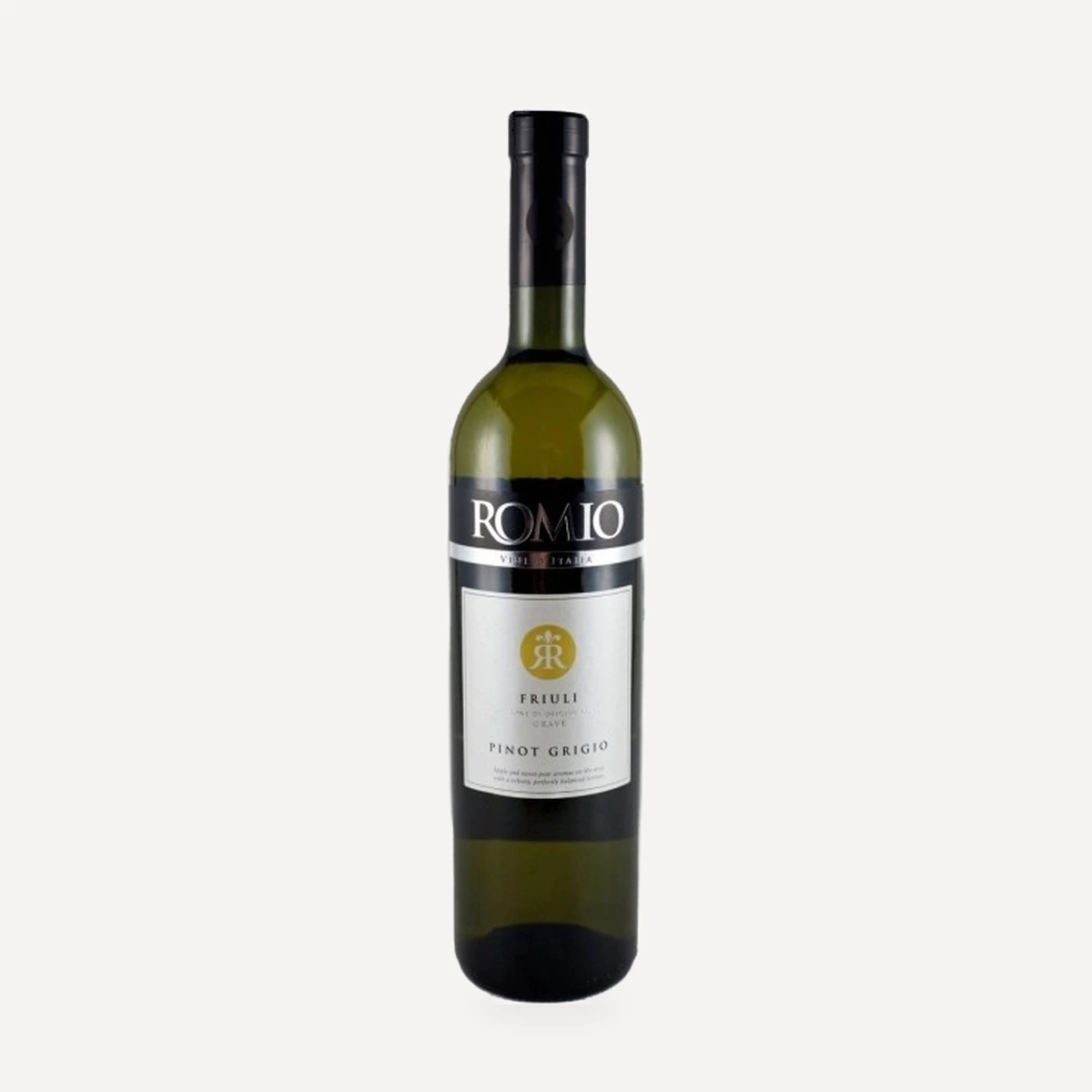
Romio Pinot Grigio Friuli Grave DOC
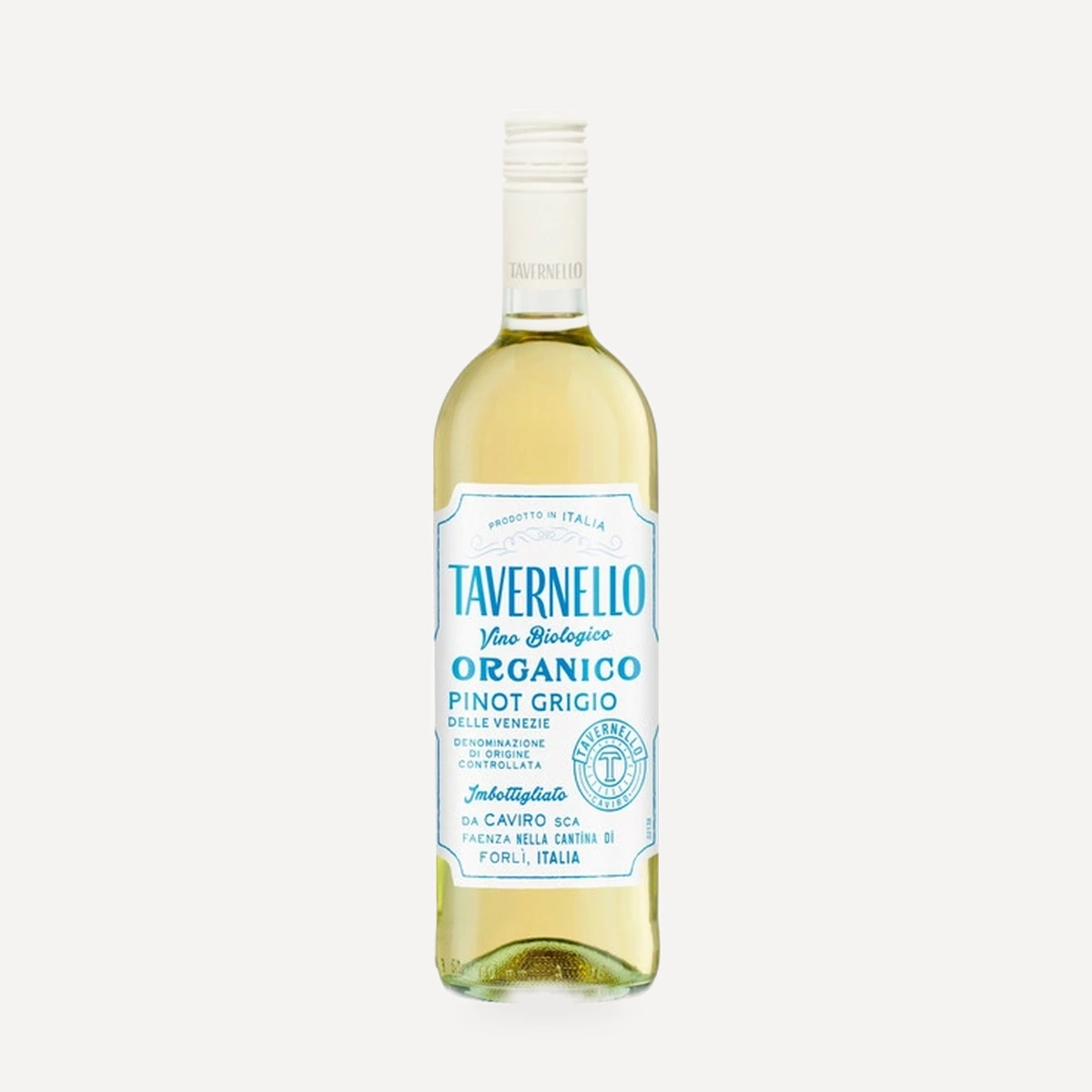
Tavernello Organico Pinot Grigio delle Venezie DOC
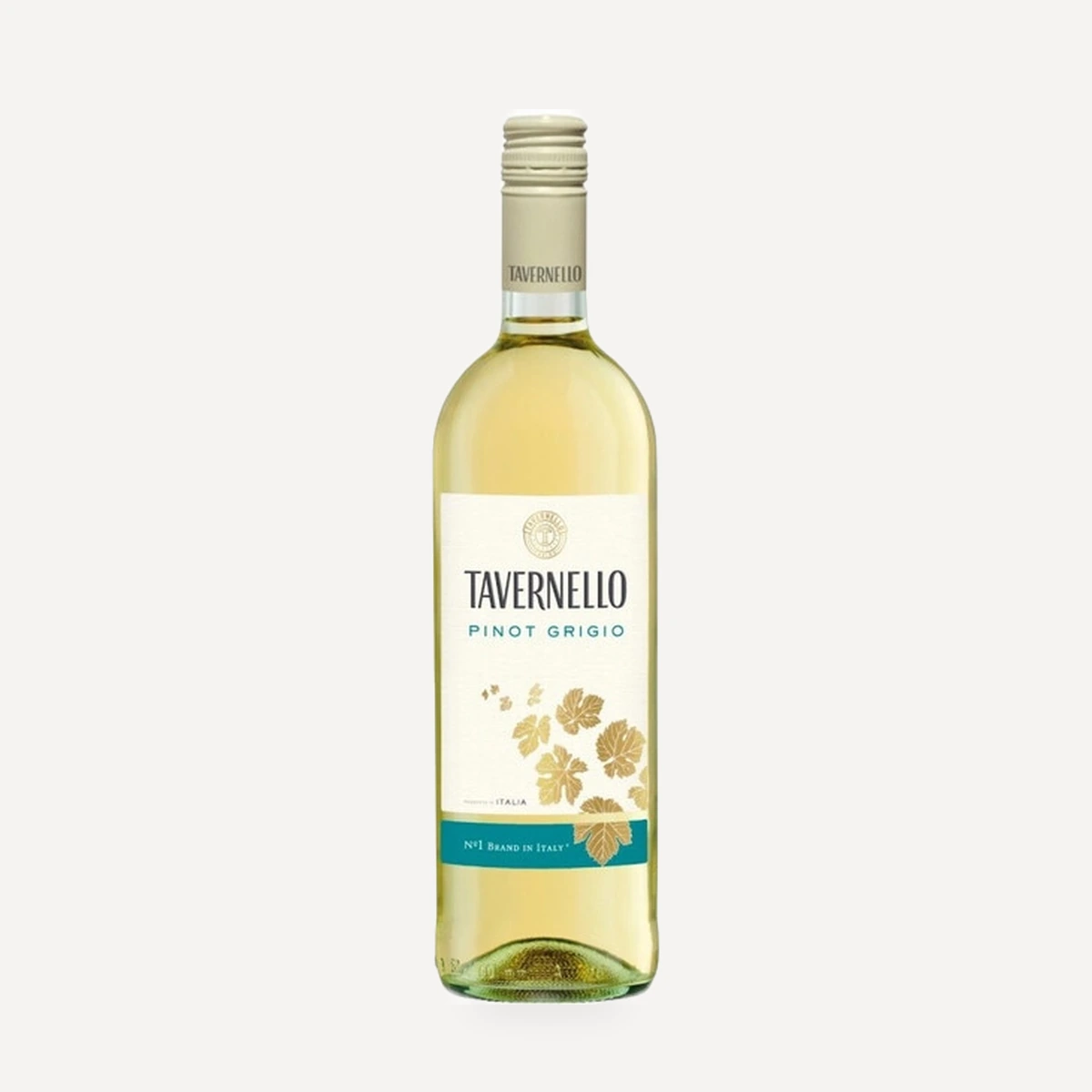
Tavernello Pinot Grigio delle Venezie DOC
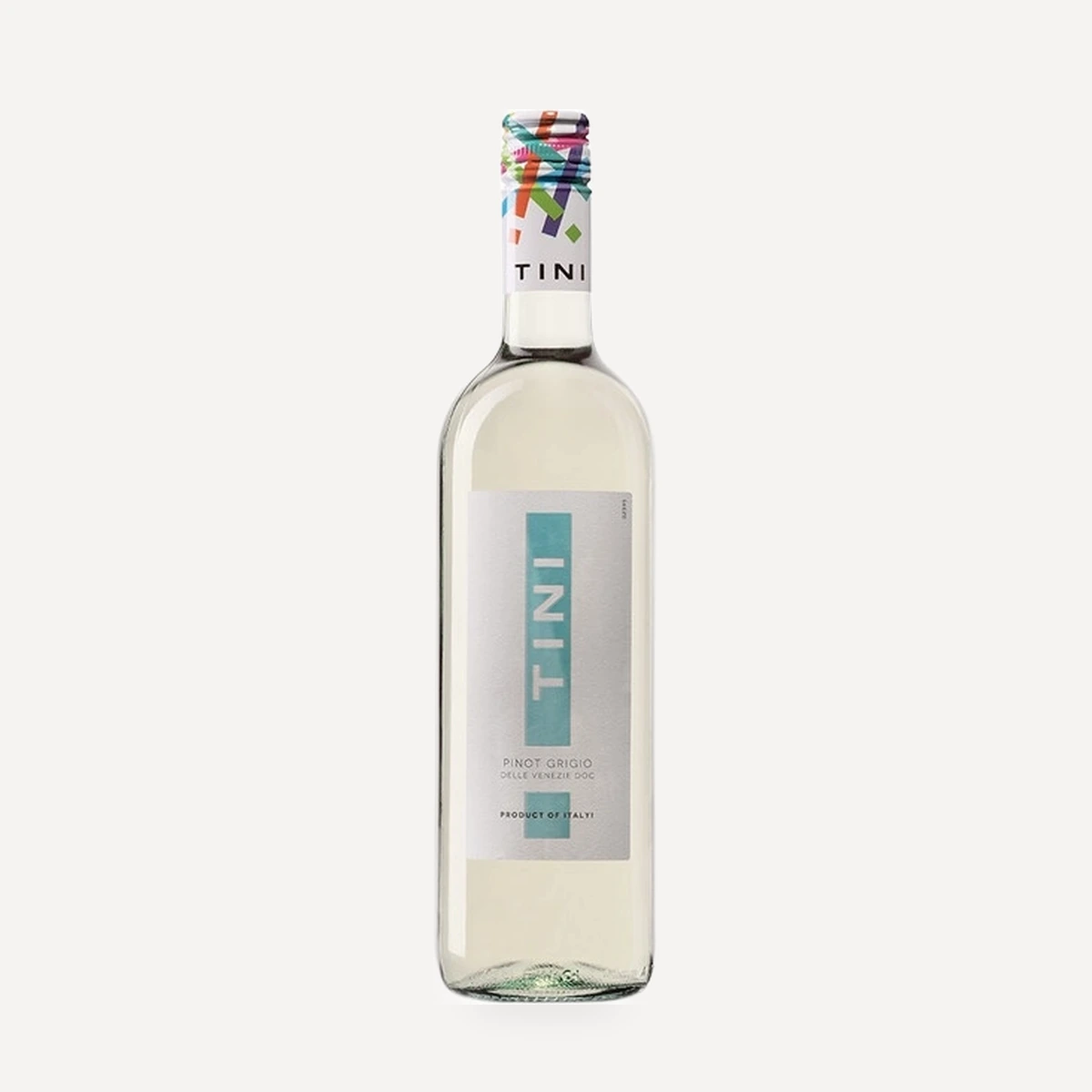
TINI Pinot Grigio delle Venezie DOC
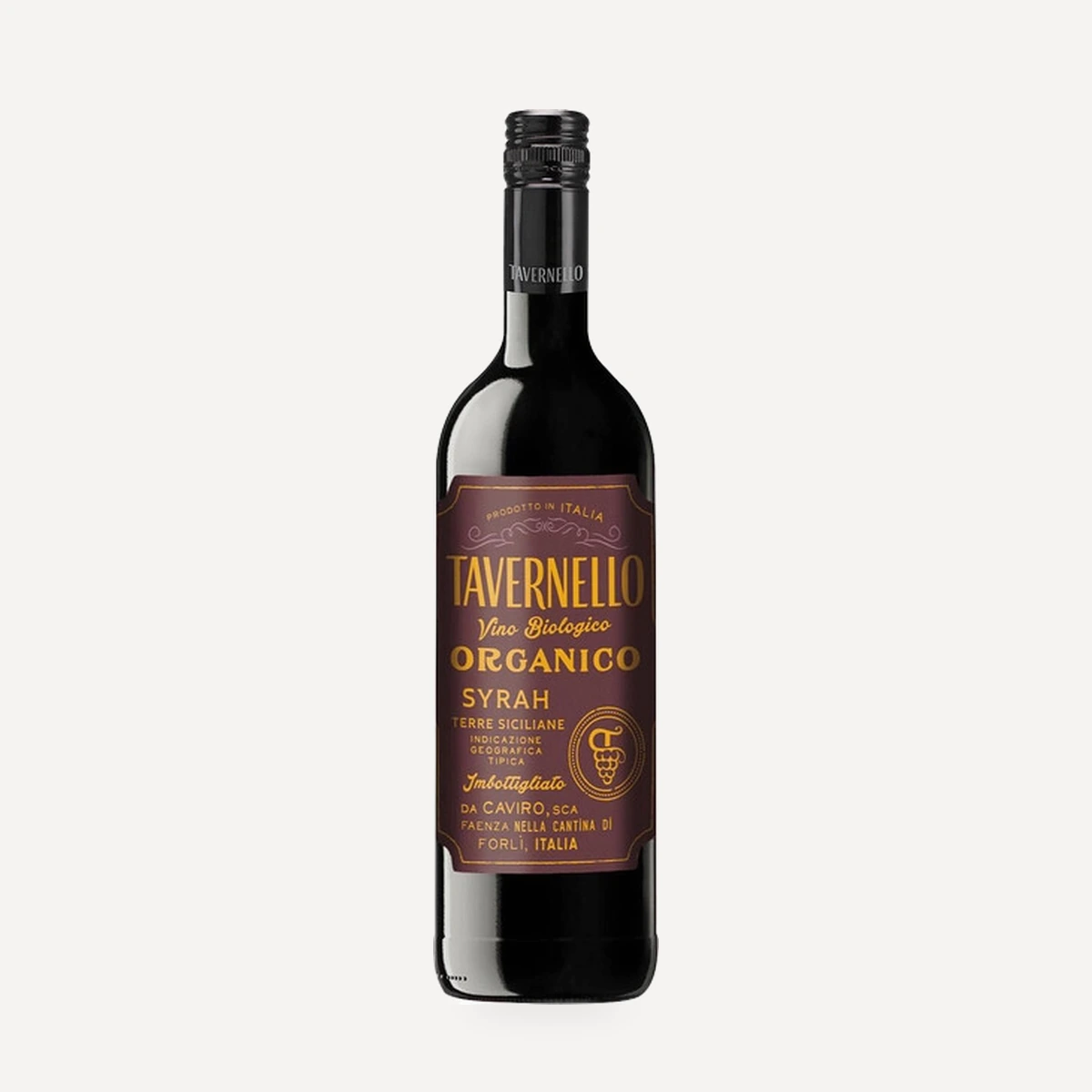
Tavernello Organico Syrah Terre Siciliane IGT
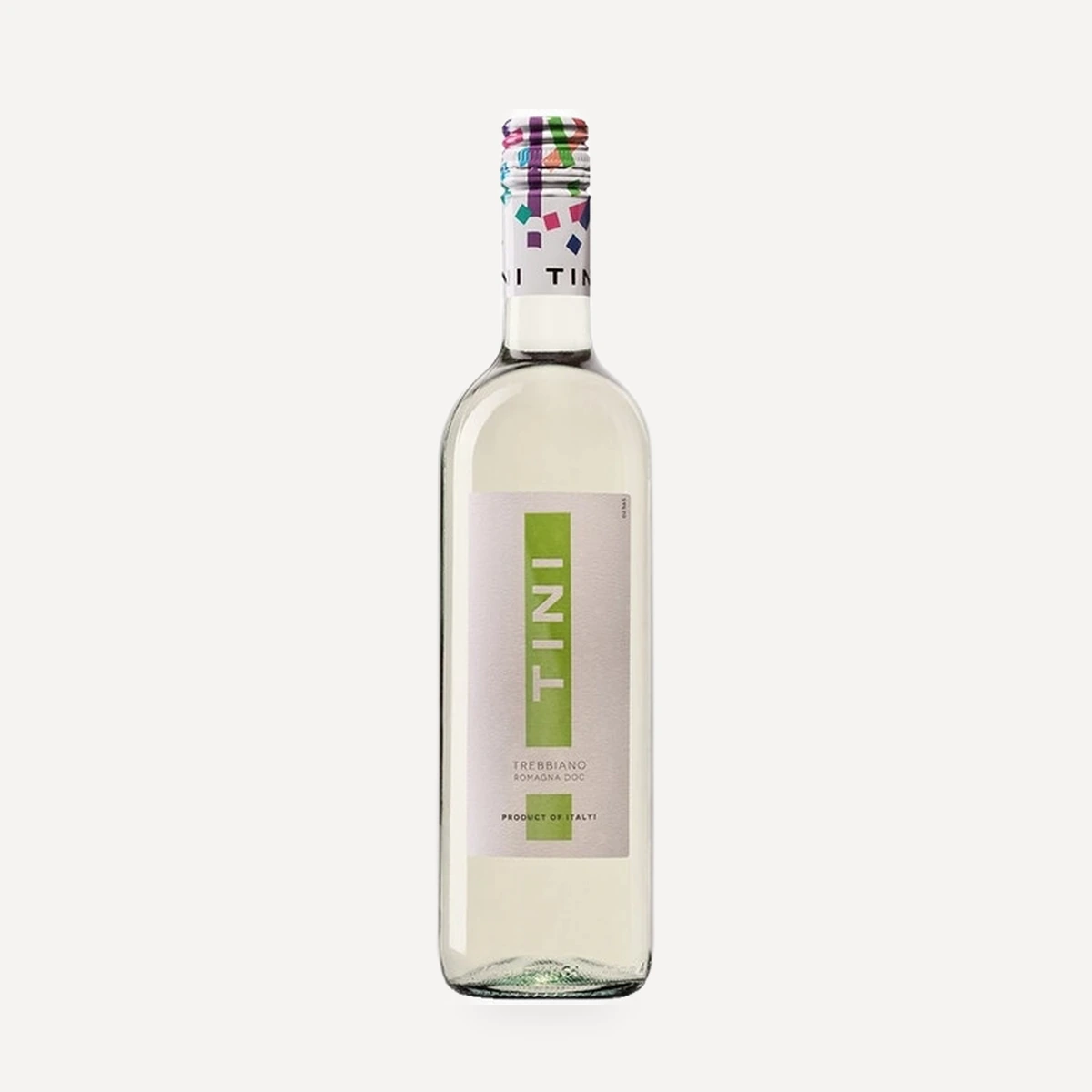
TINI Trebbiano di Romagna DOC
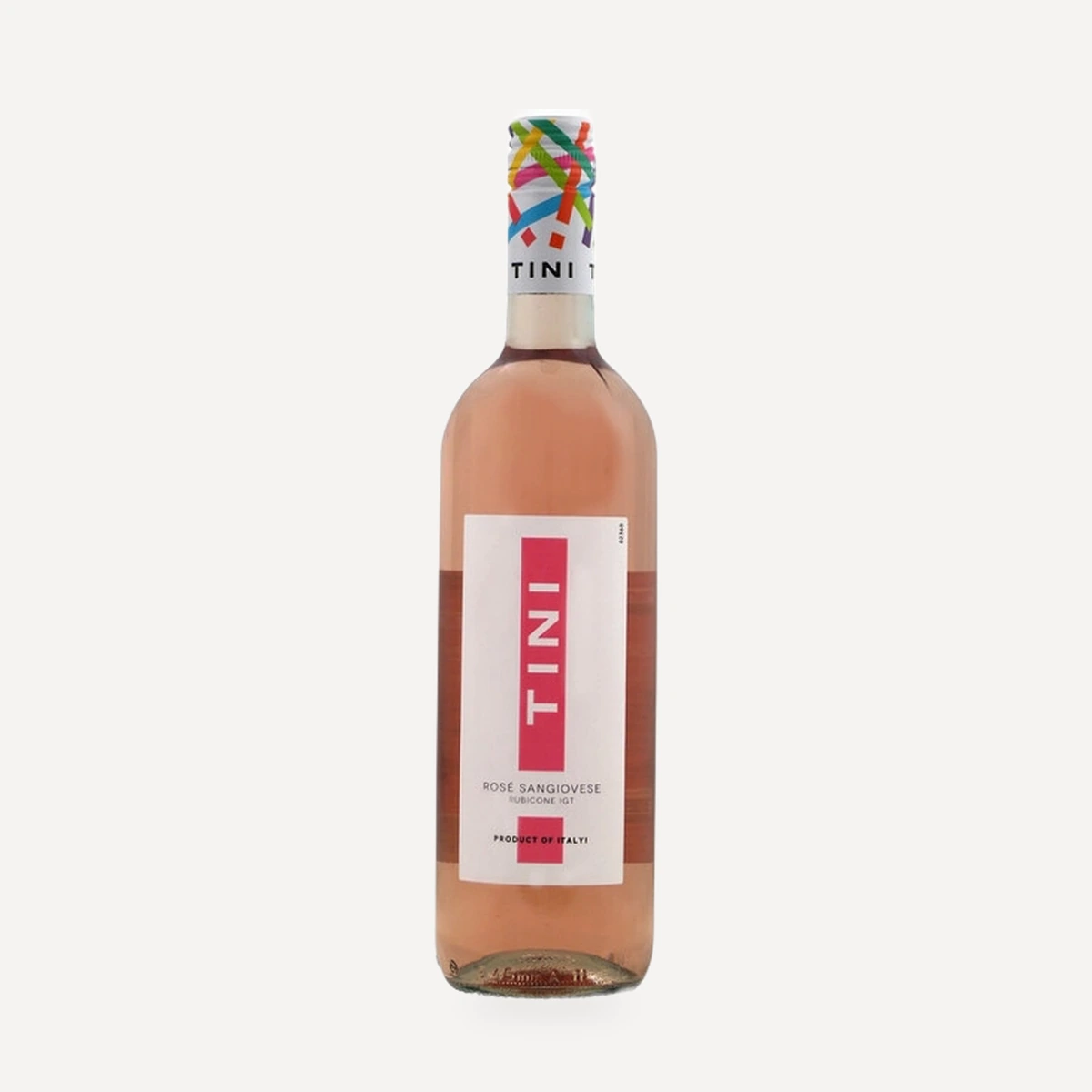
TINI Rose Sangiovese Rubicone IGT
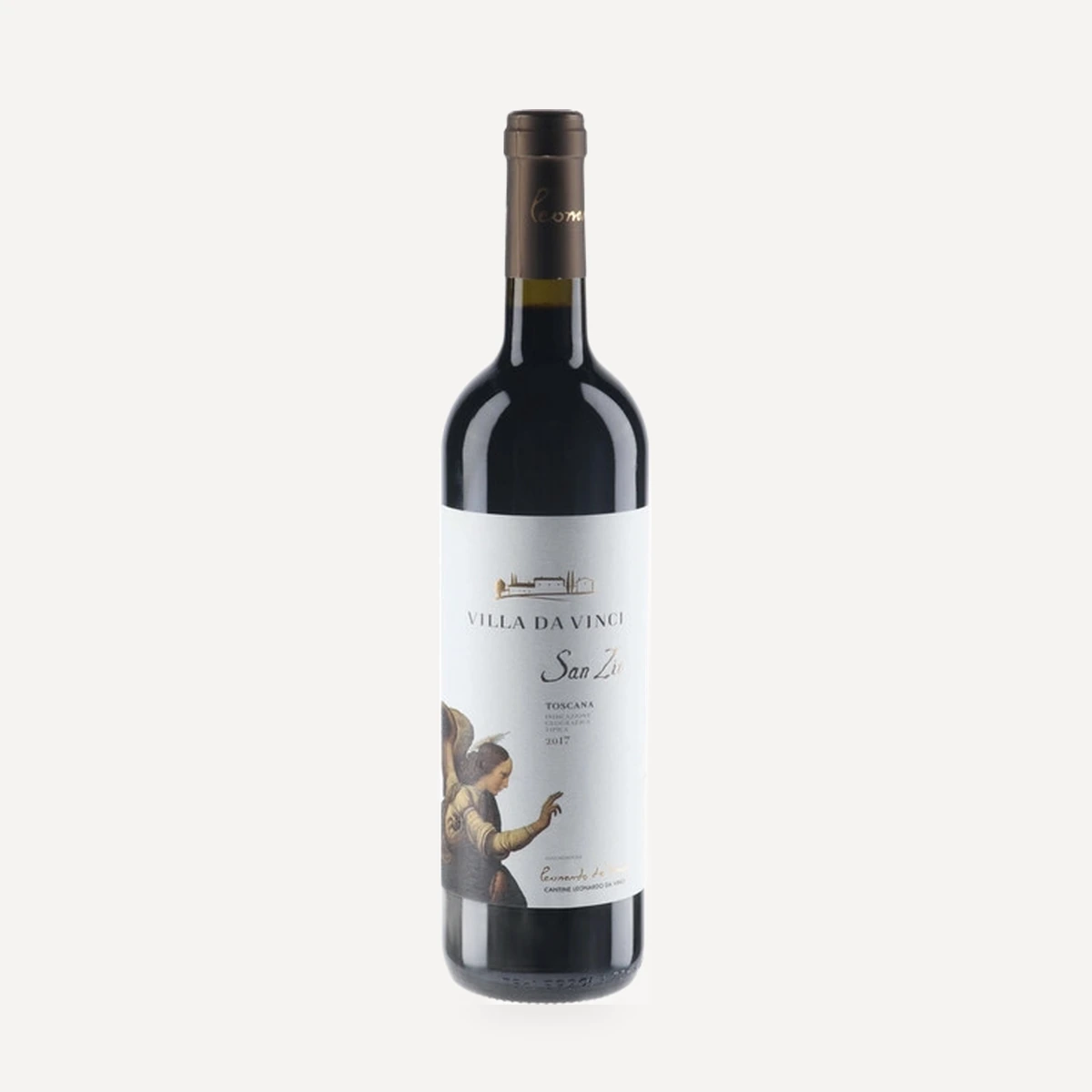
San Zio Toscana IGT
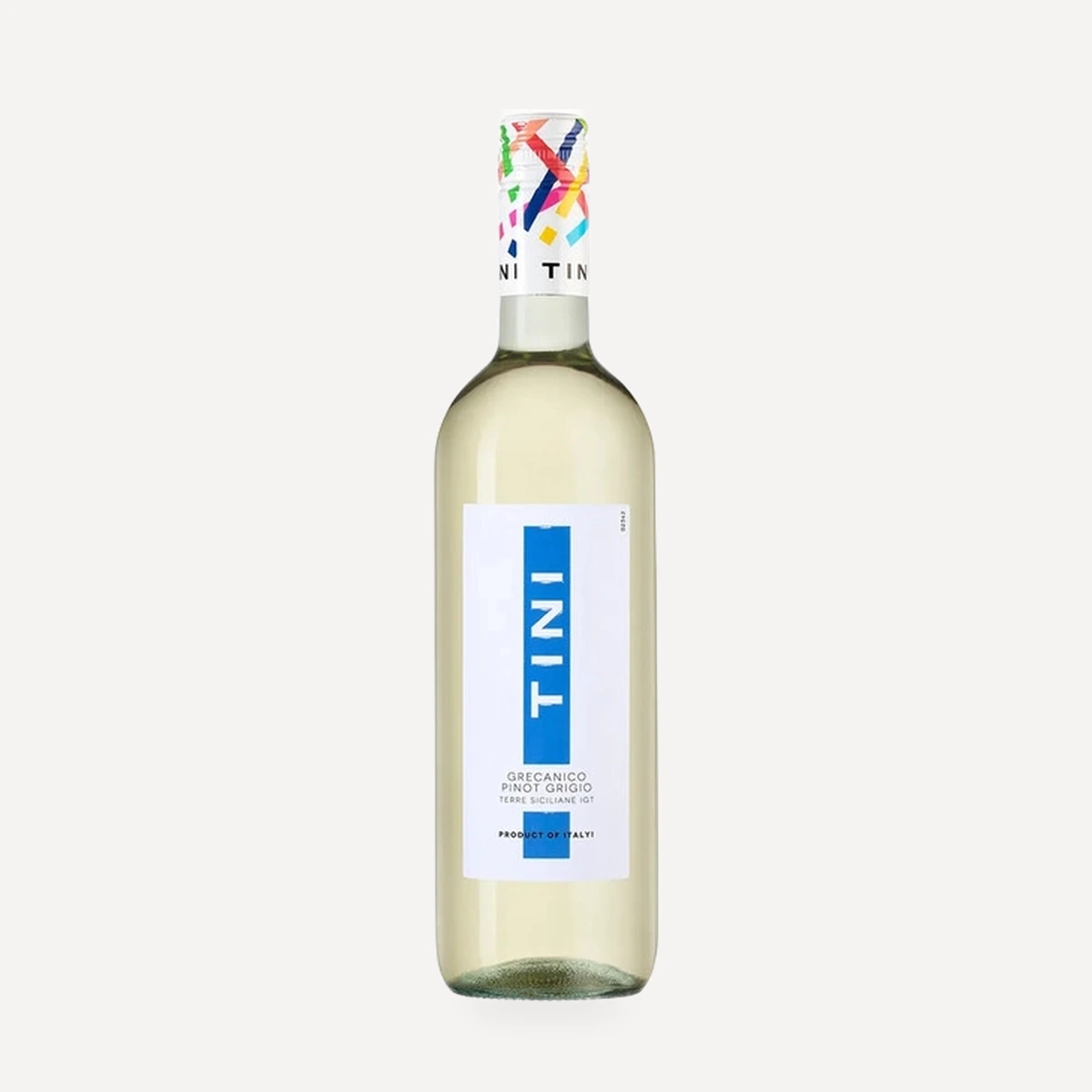
TINI Grecanico-Pinot Grigio Terre Siciliane IGT
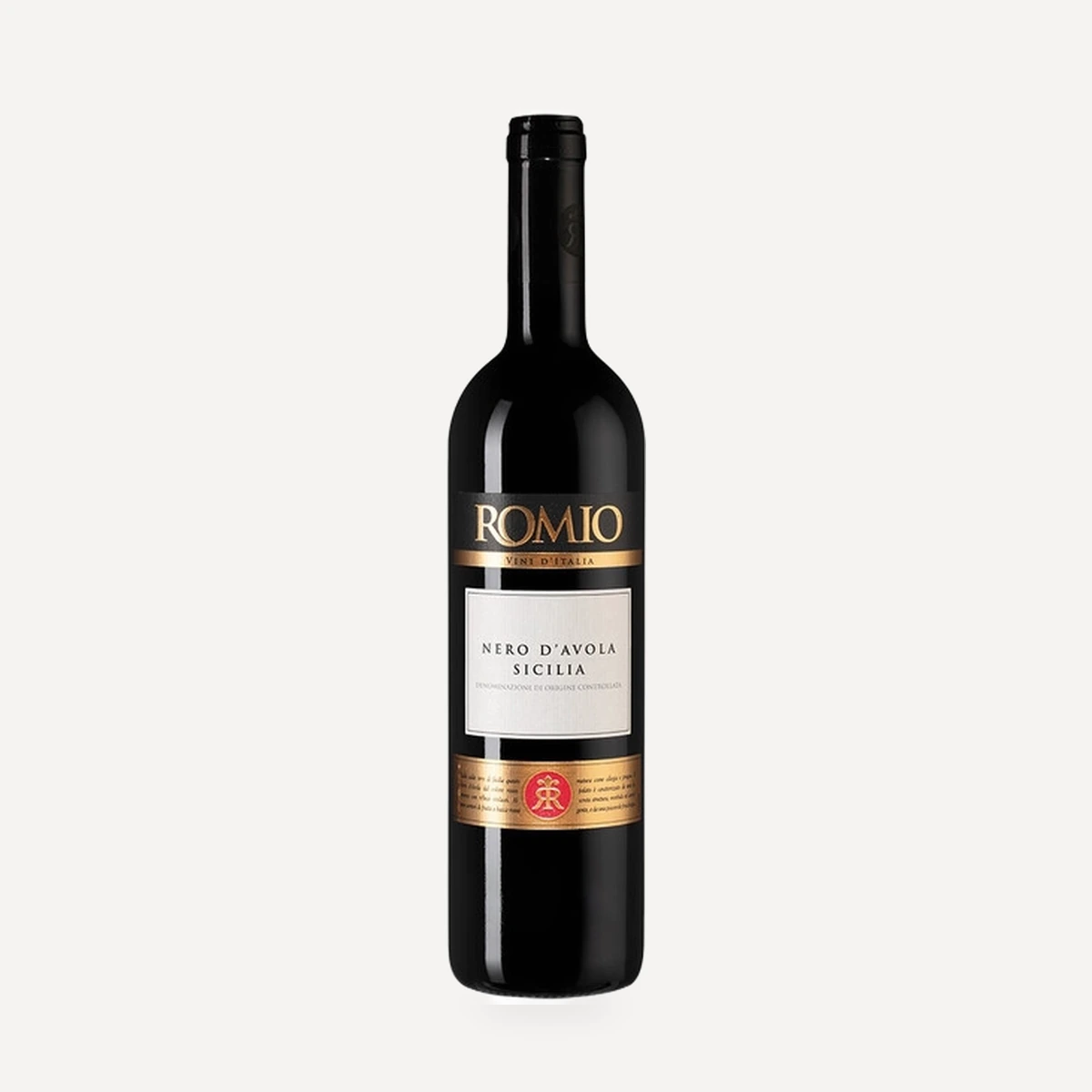
Romio Nero d'Avola Sicilia IGT
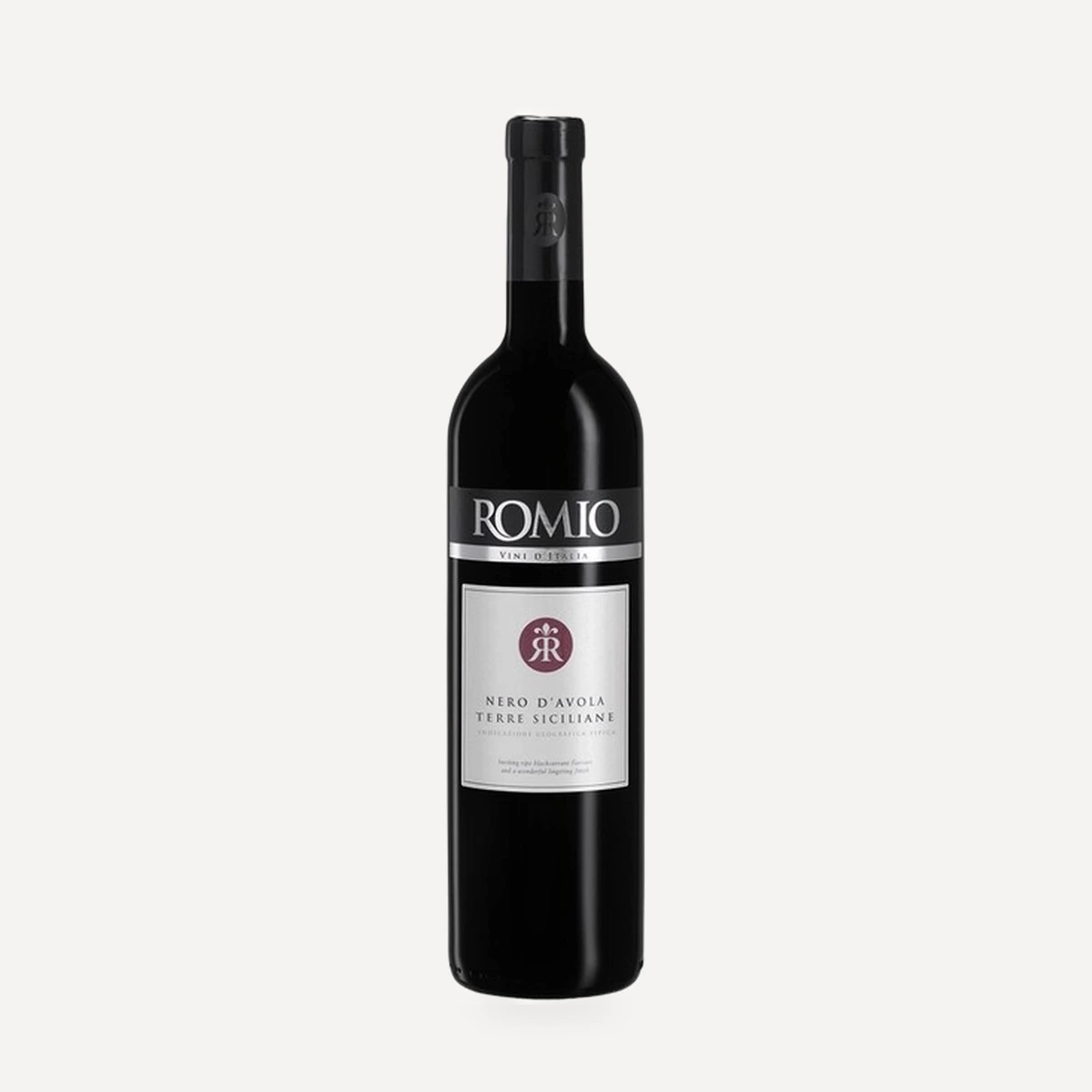
Romio Nero d'Avola Terre Siciliane IGT
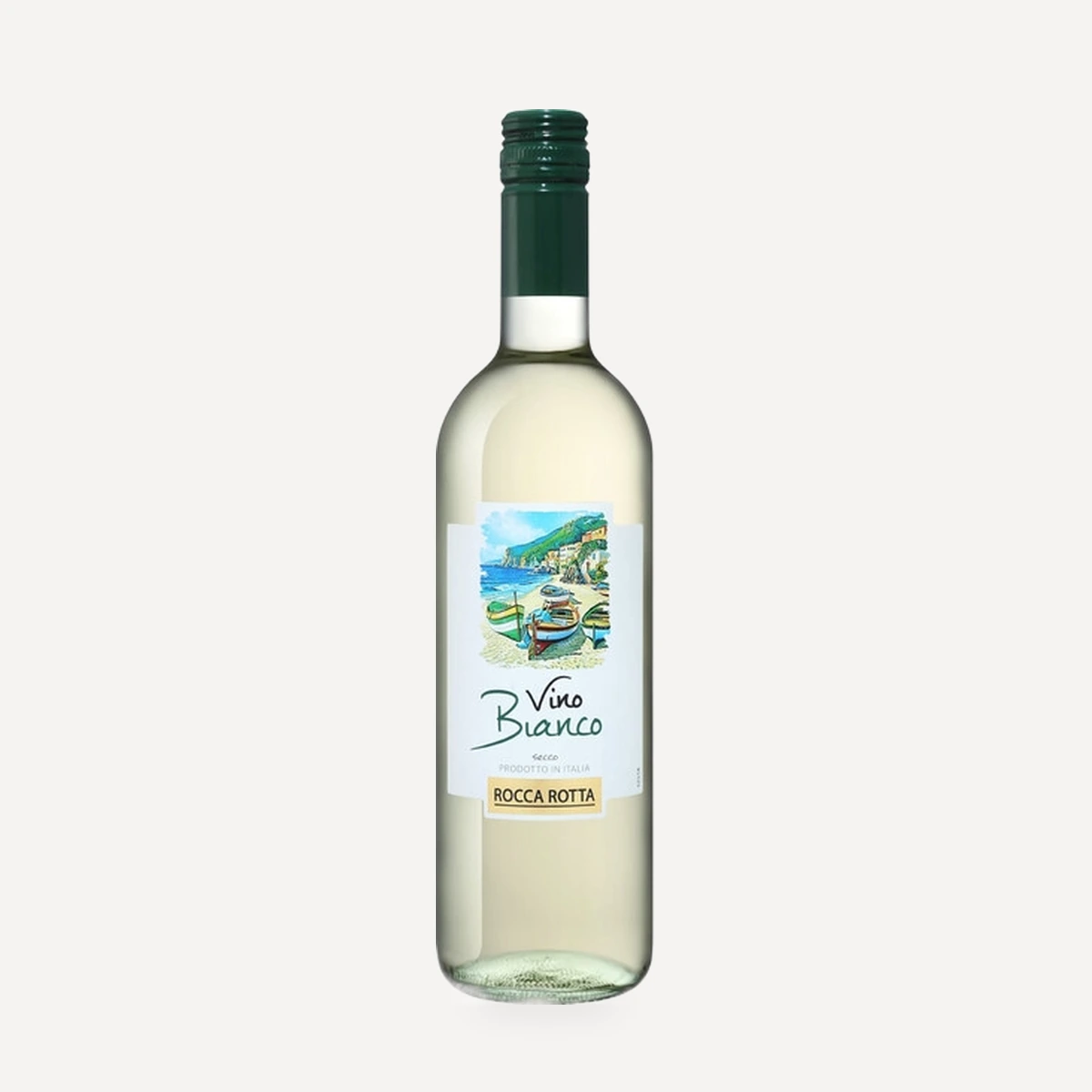
Rocca Rotta Bianco Secco
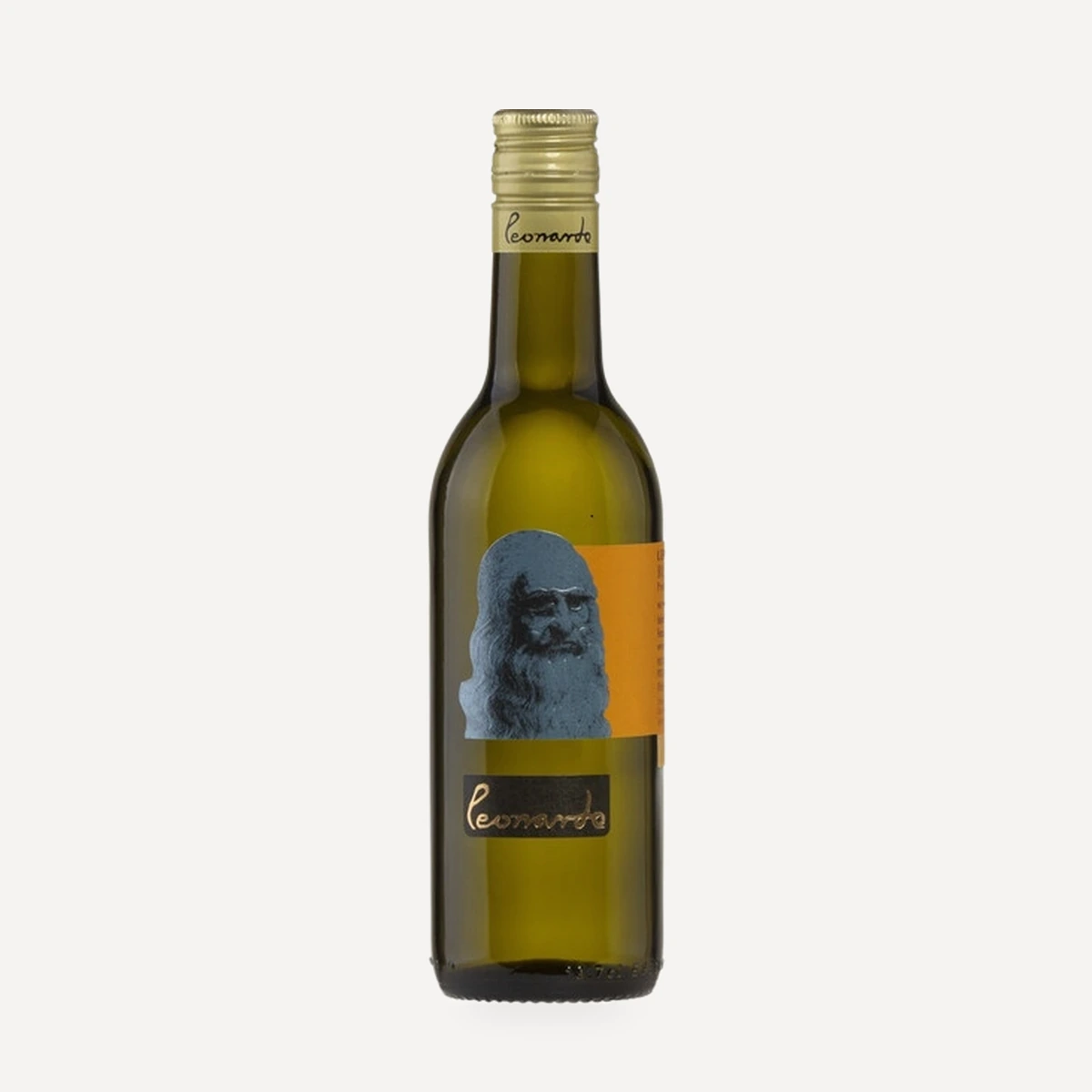
Leonardo Bianco
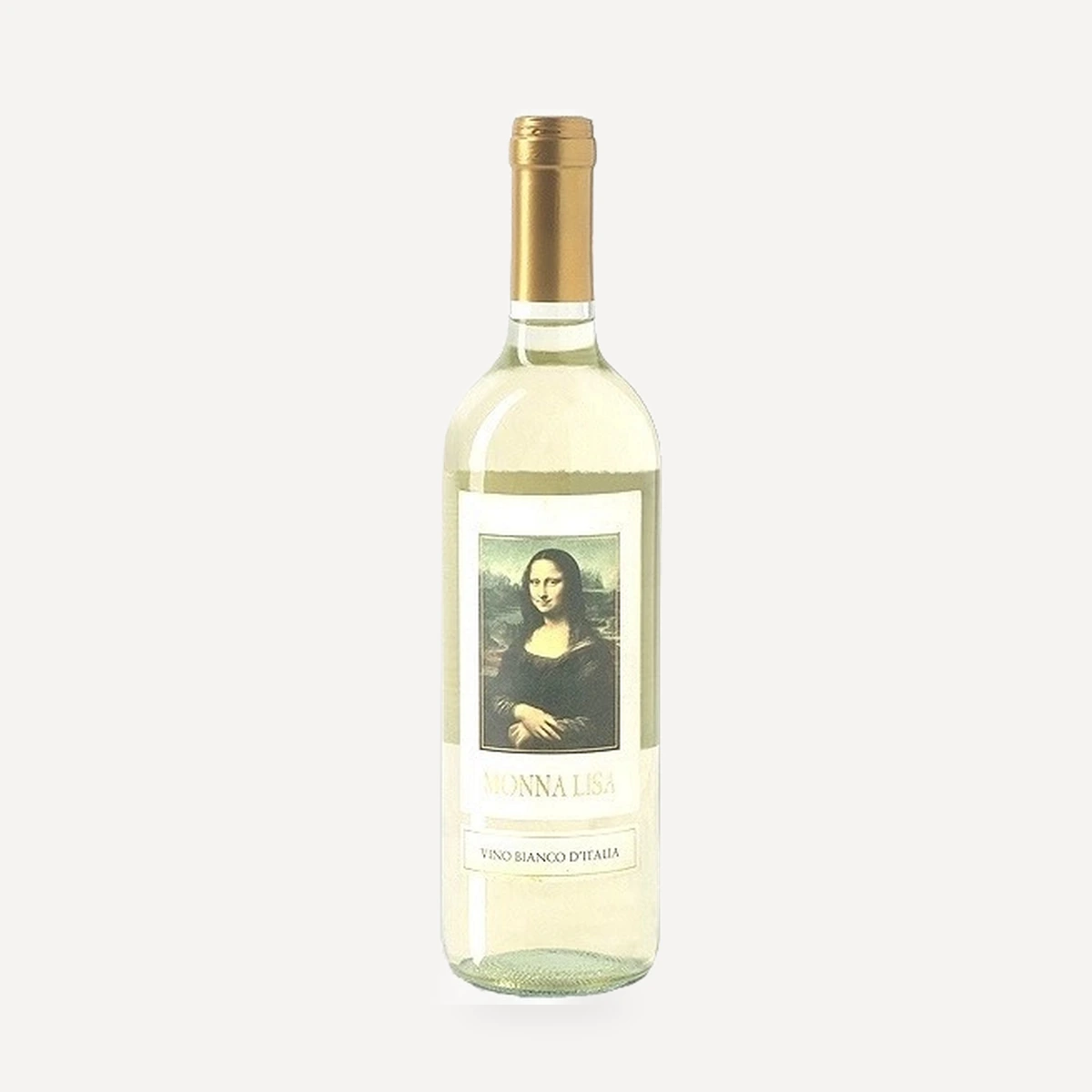
Leonardo Monna Lisa Bianco
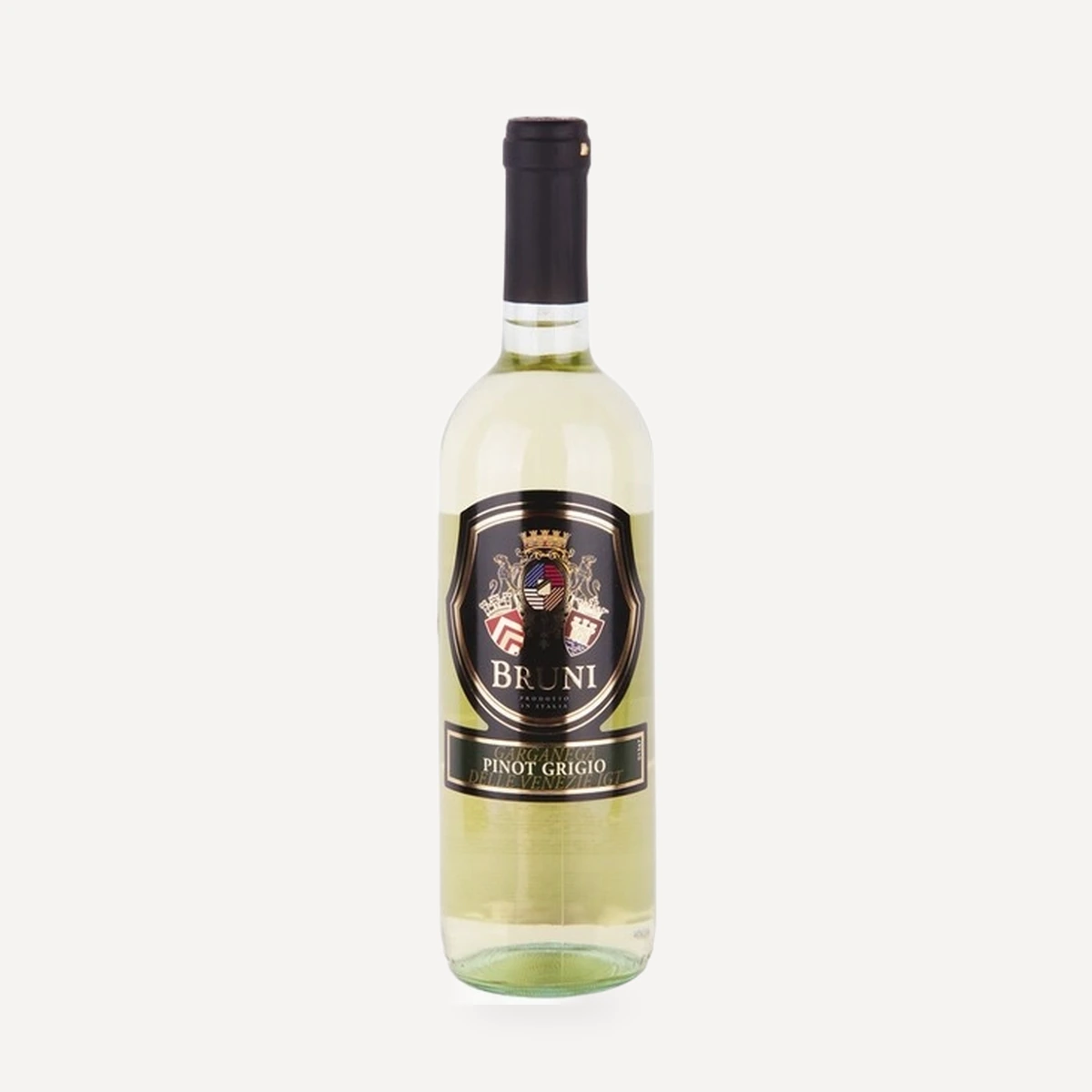
Bruni Garganega-Pinot Grigio Delle Venezie IGT
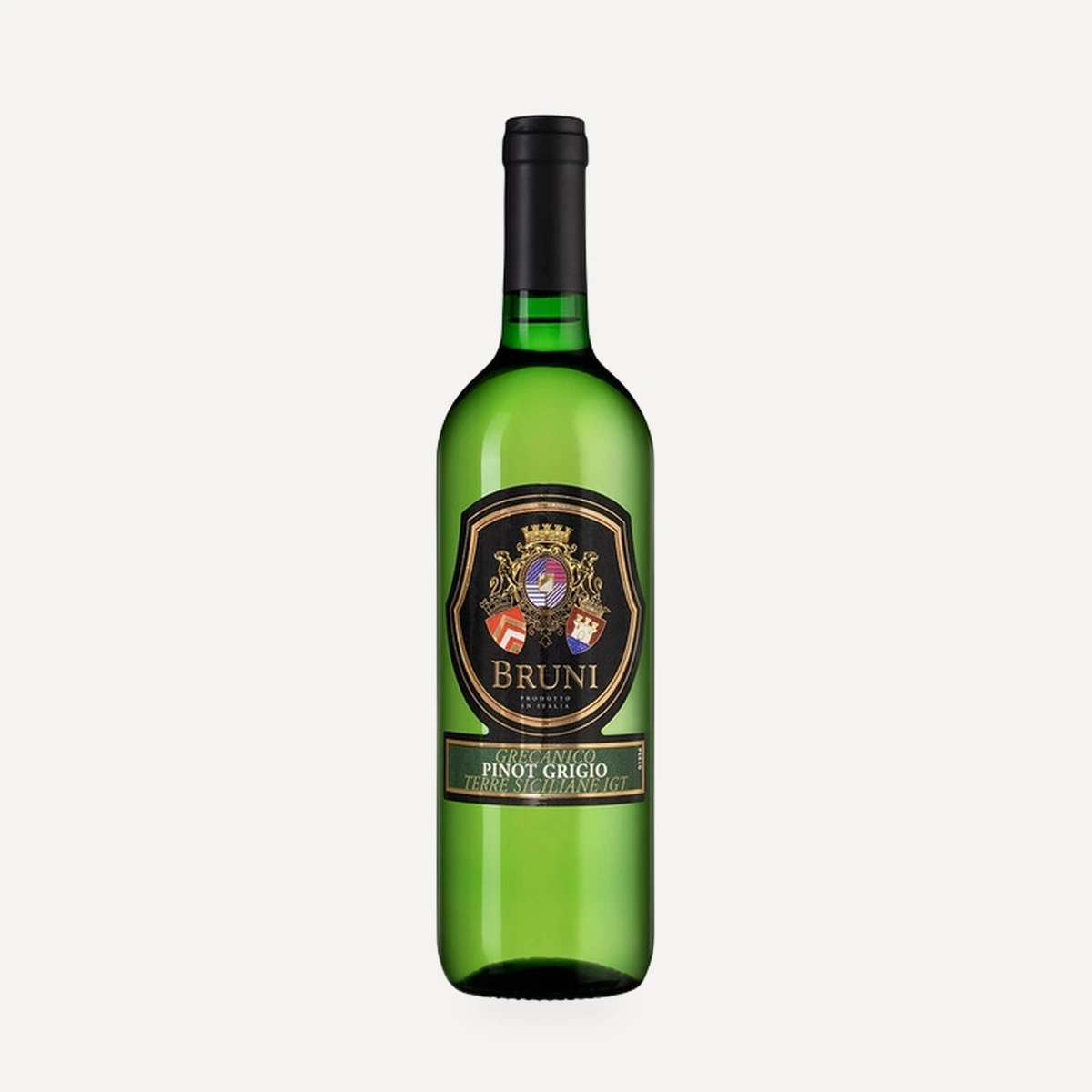
Bruni Grecanico-Pinot Grigio Terre Siciliane IGT
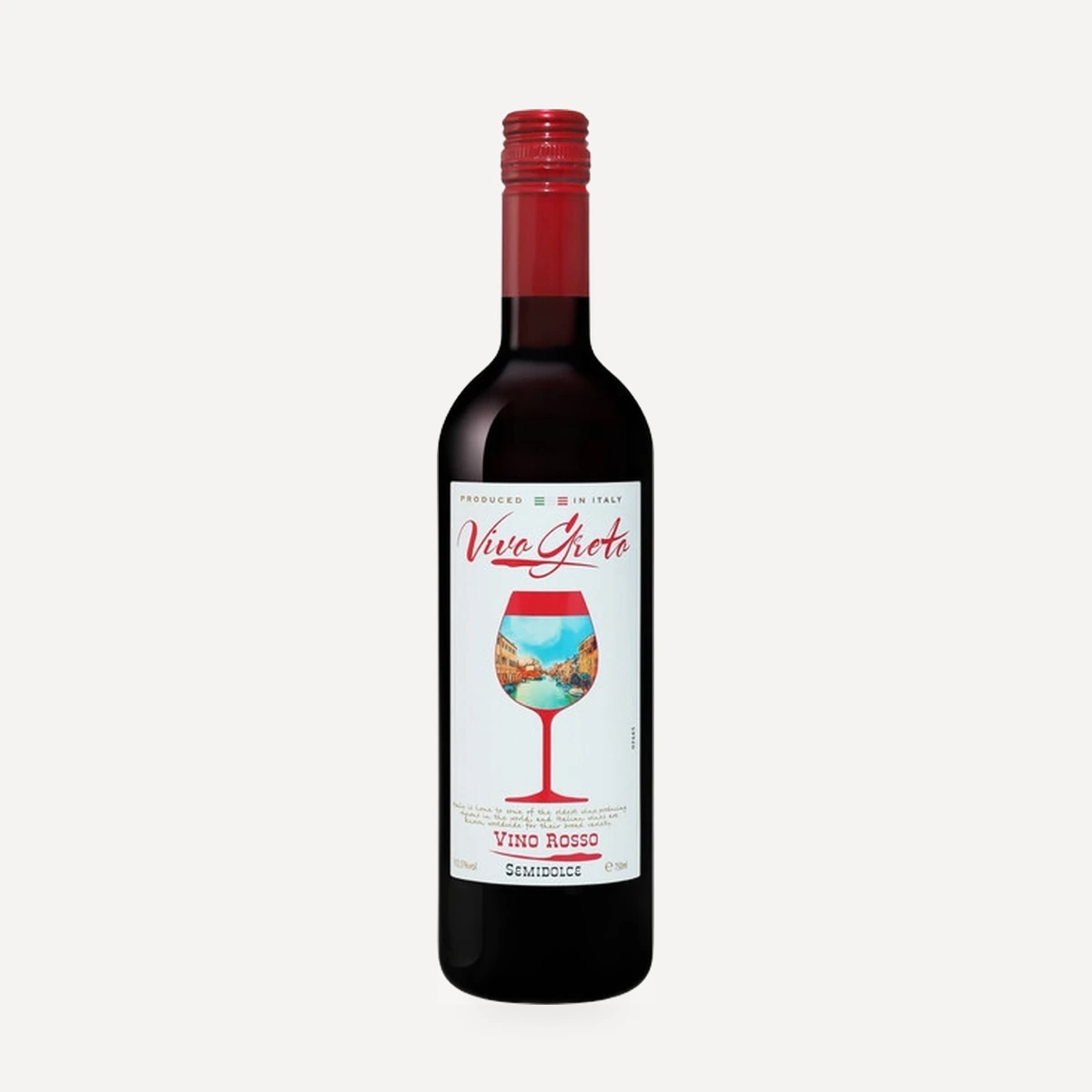
Vivo Greto Rosso Semidolce
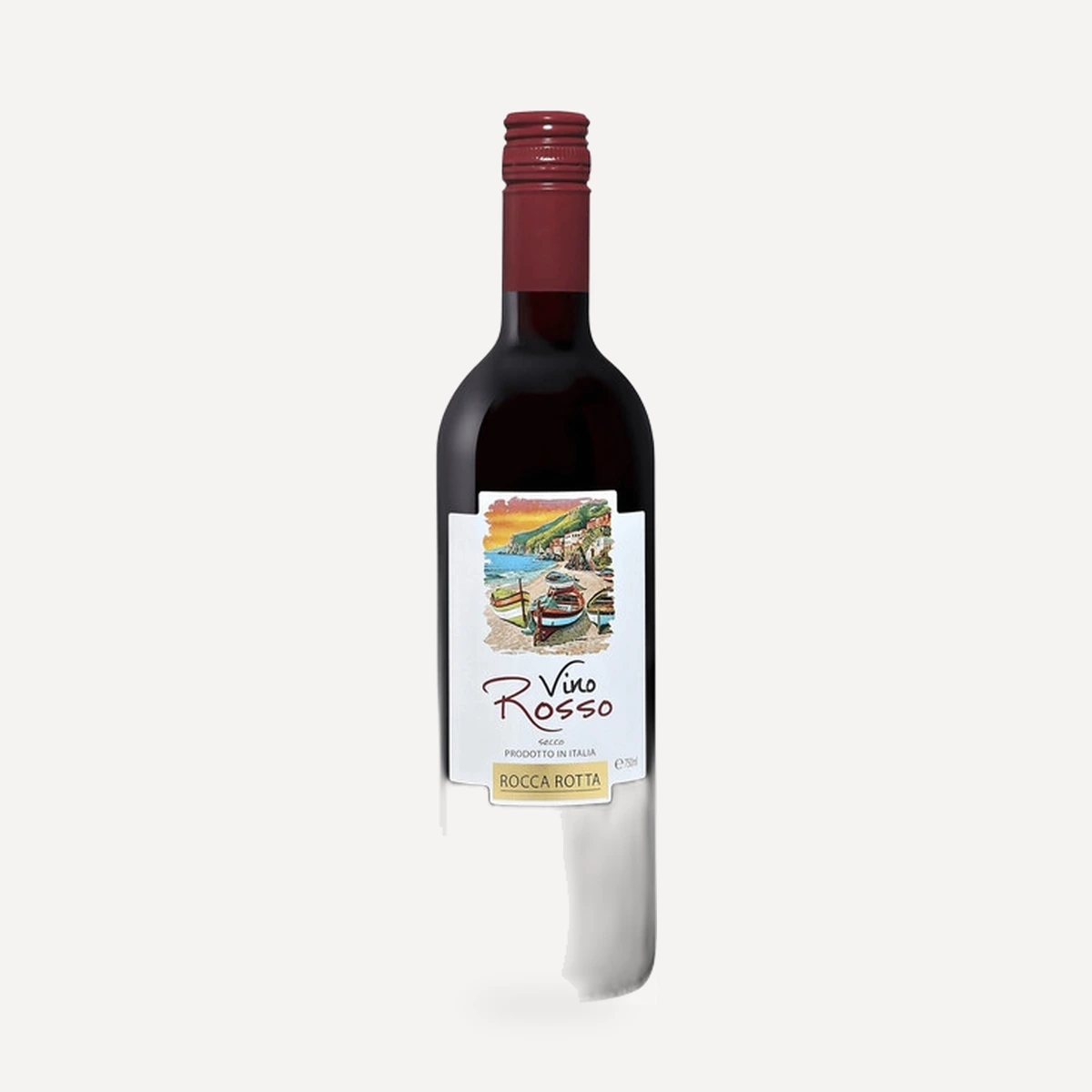
Rocca Rotta Rosso Secco
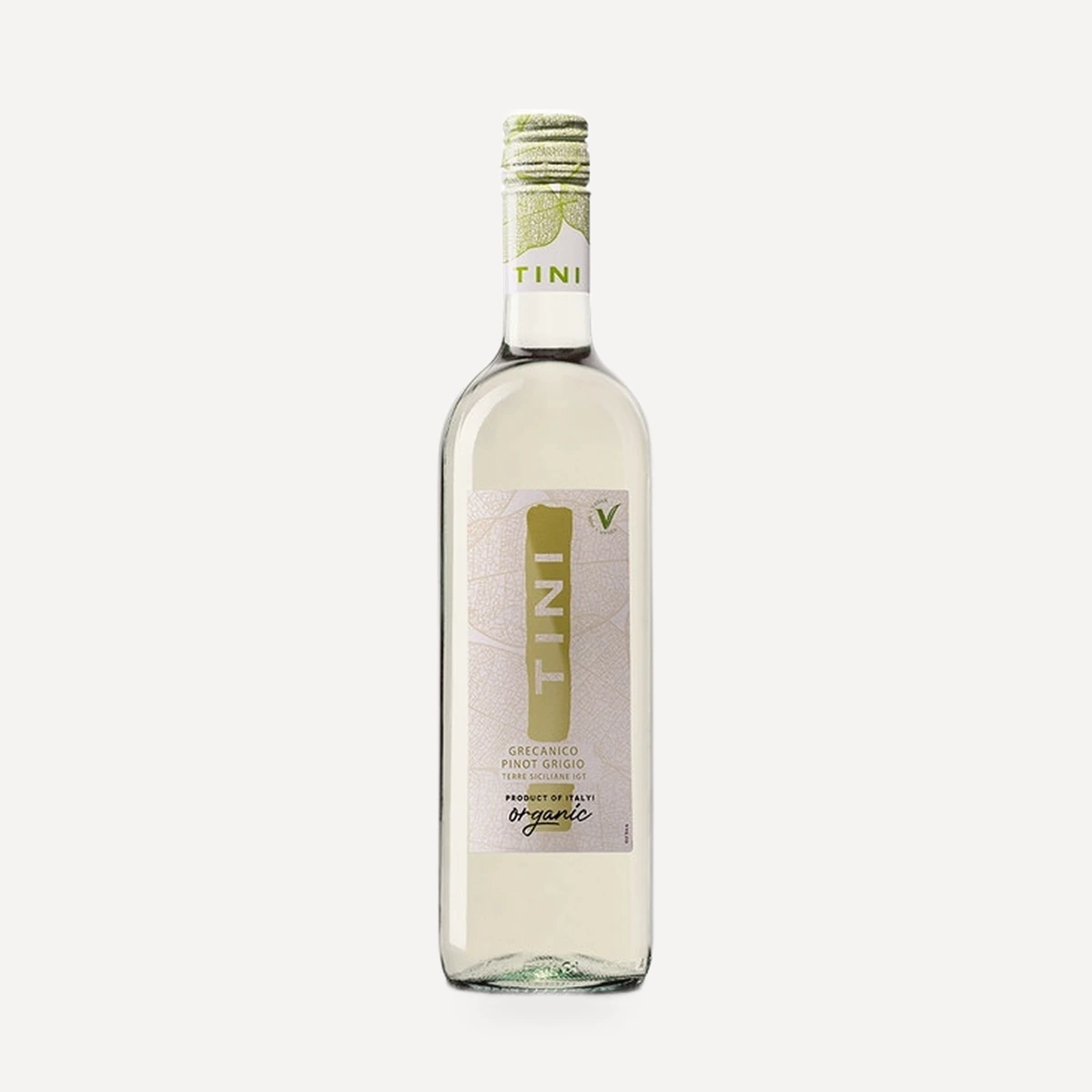
TINI Organic Grecanico-Pinot Grigio terre Siciliane IGT
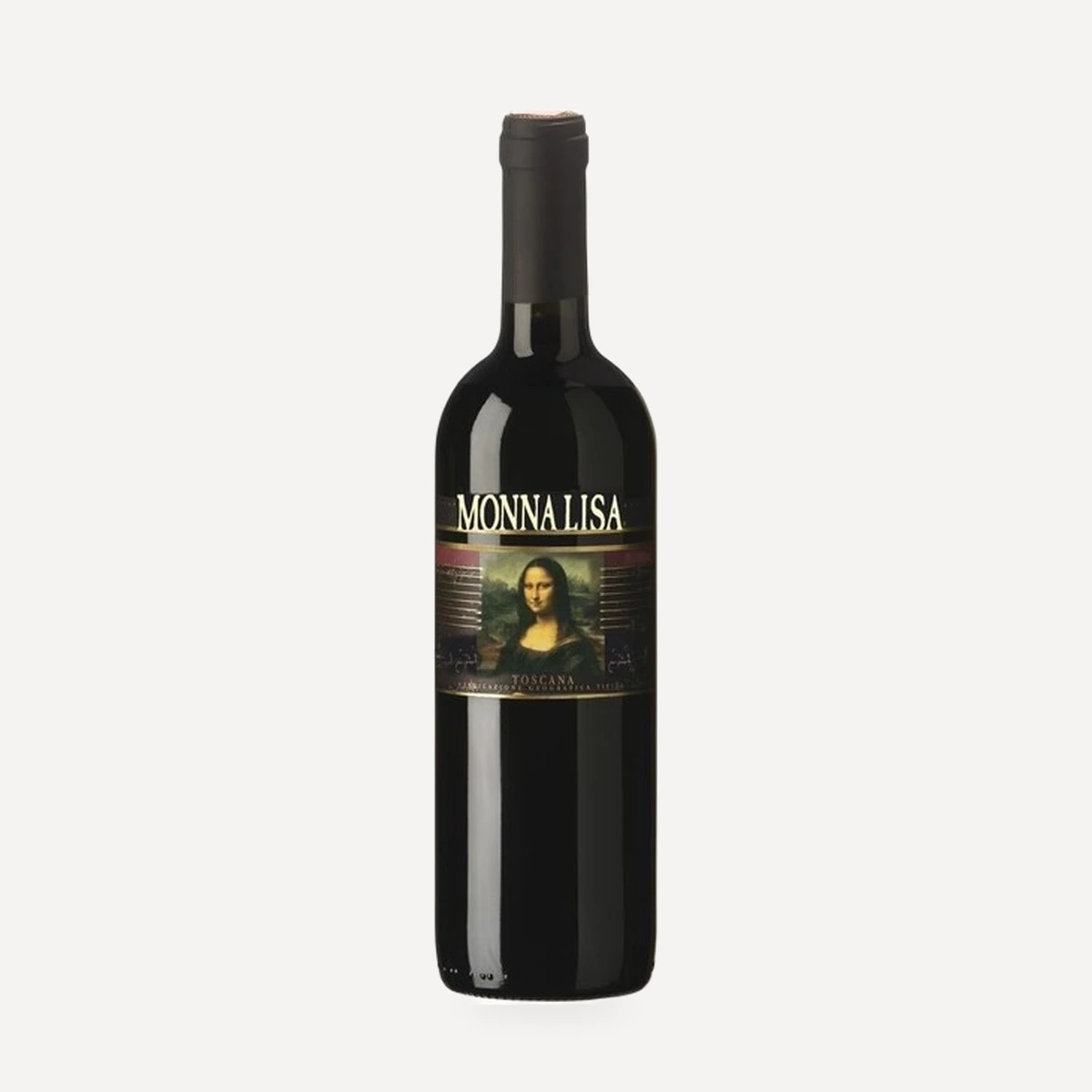
Leonardo Monna Lisa Rosso Toscana IGT
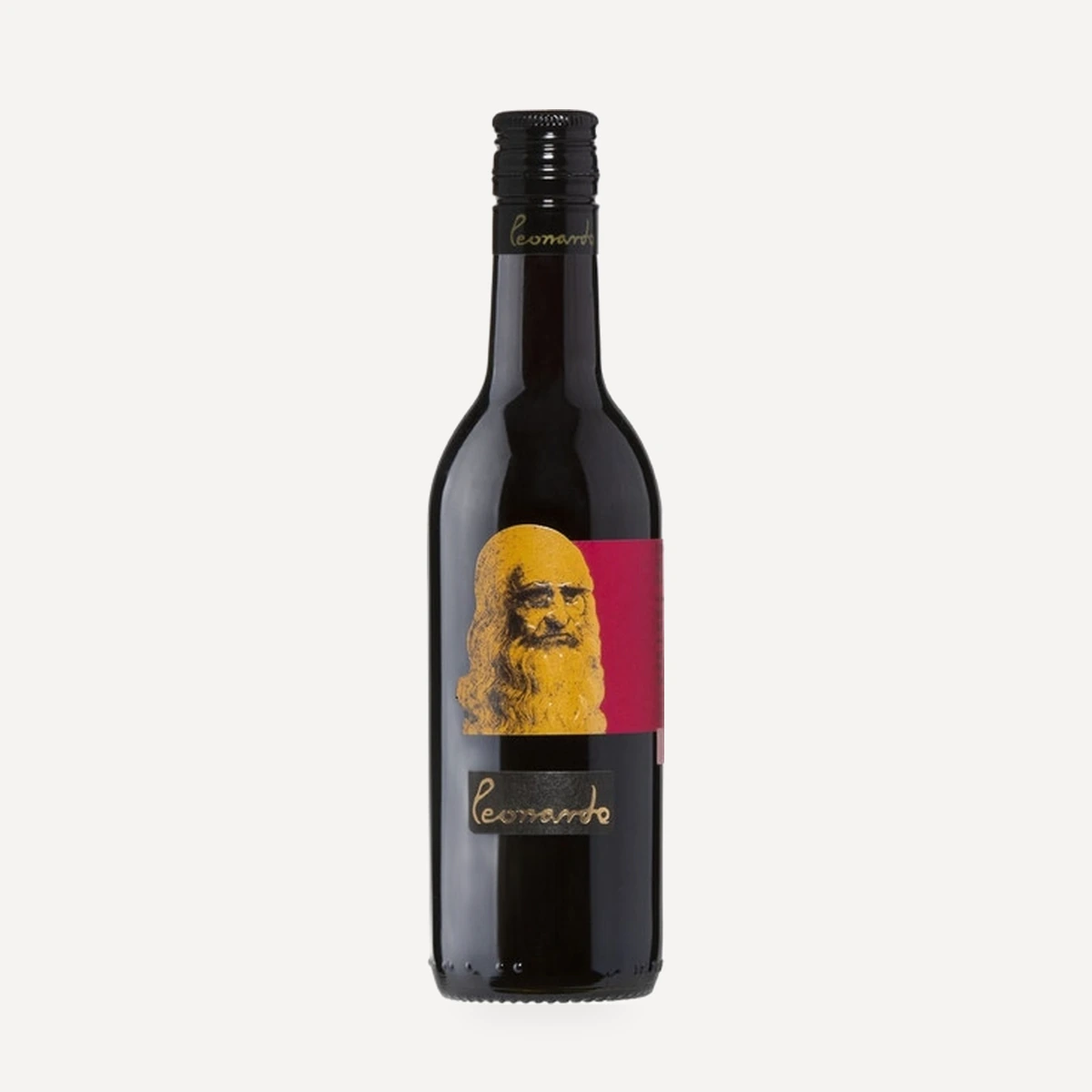
Leonardo Rosso
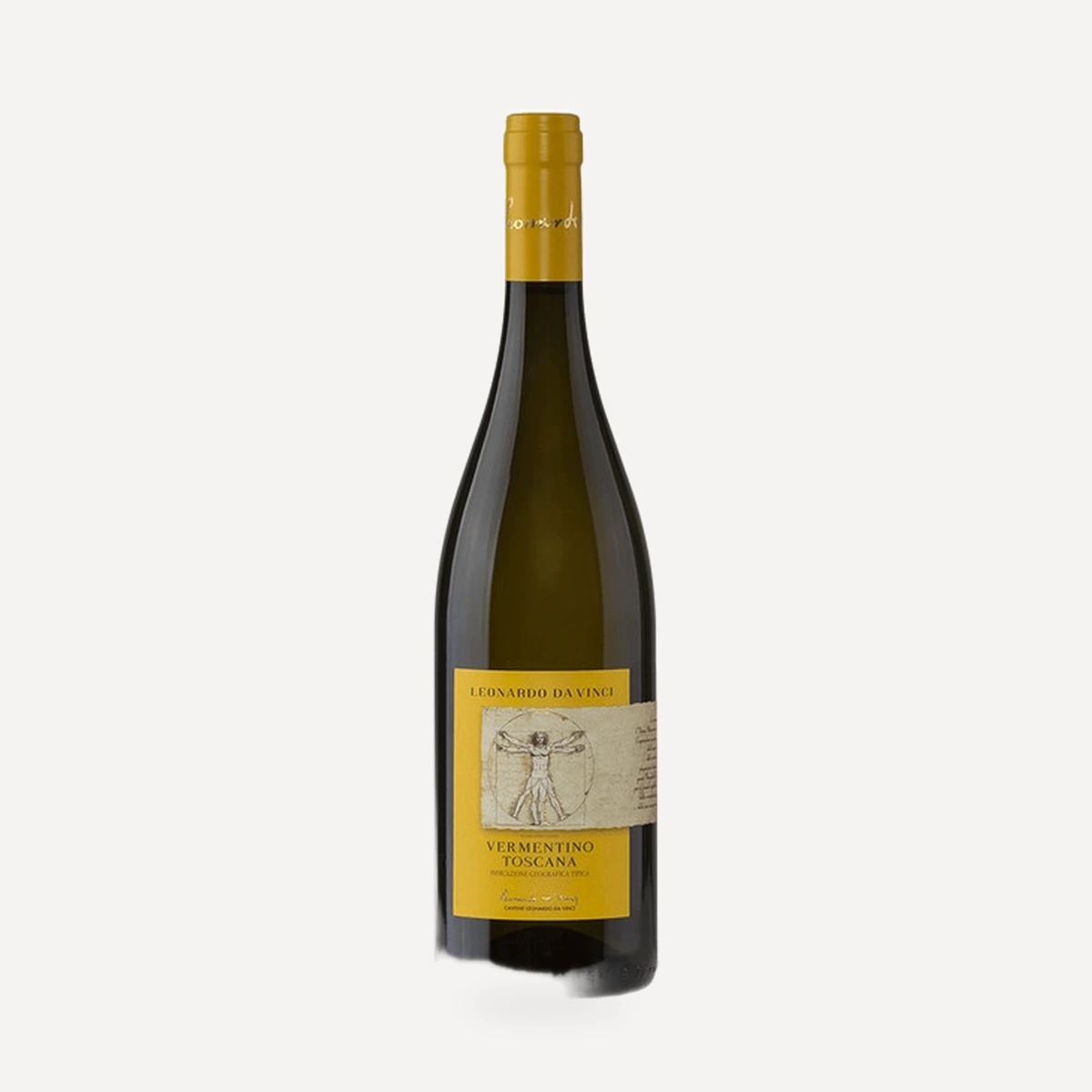
Leonardo Vermentino Toscana IGT
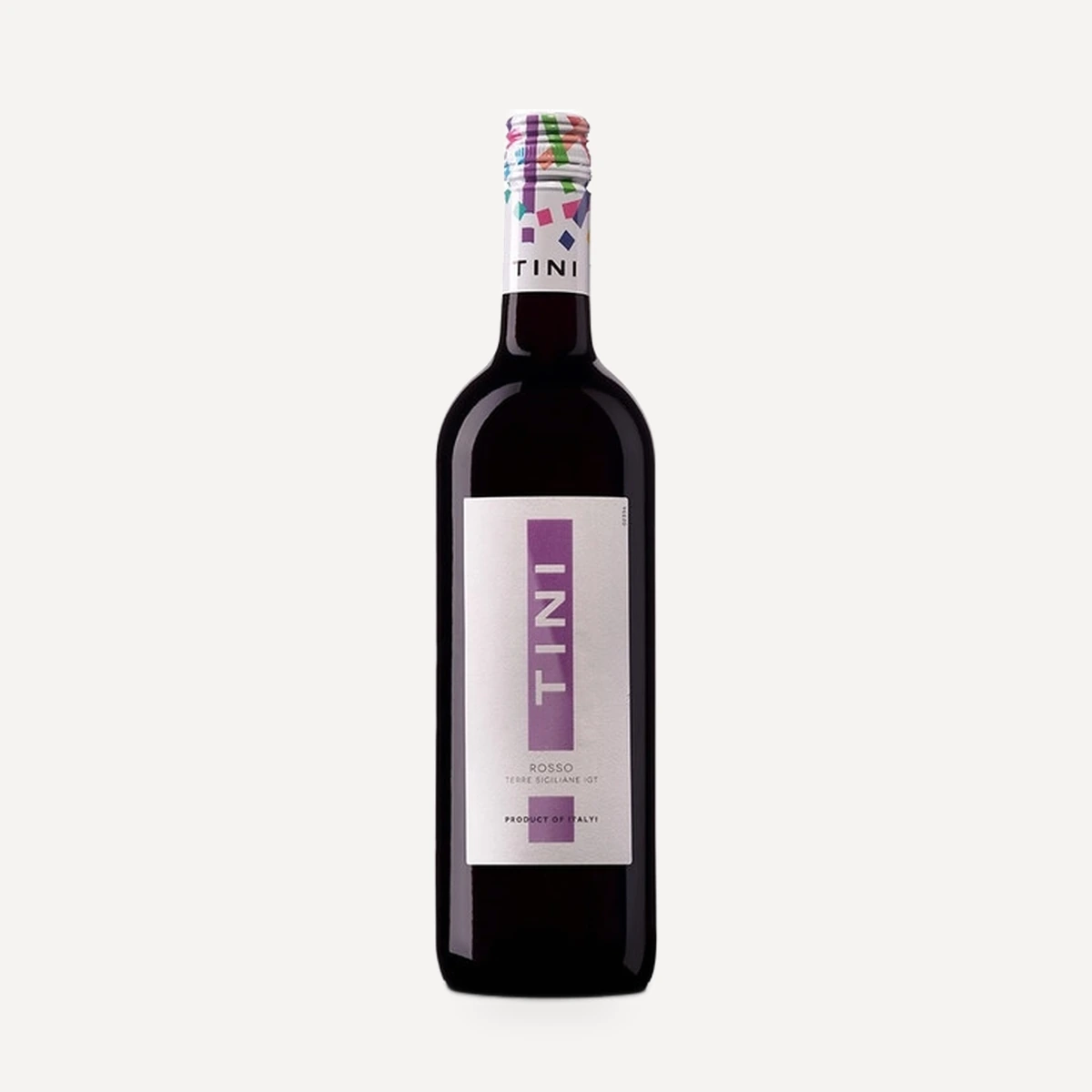
TINI Rosso Terre Siciliane IGT
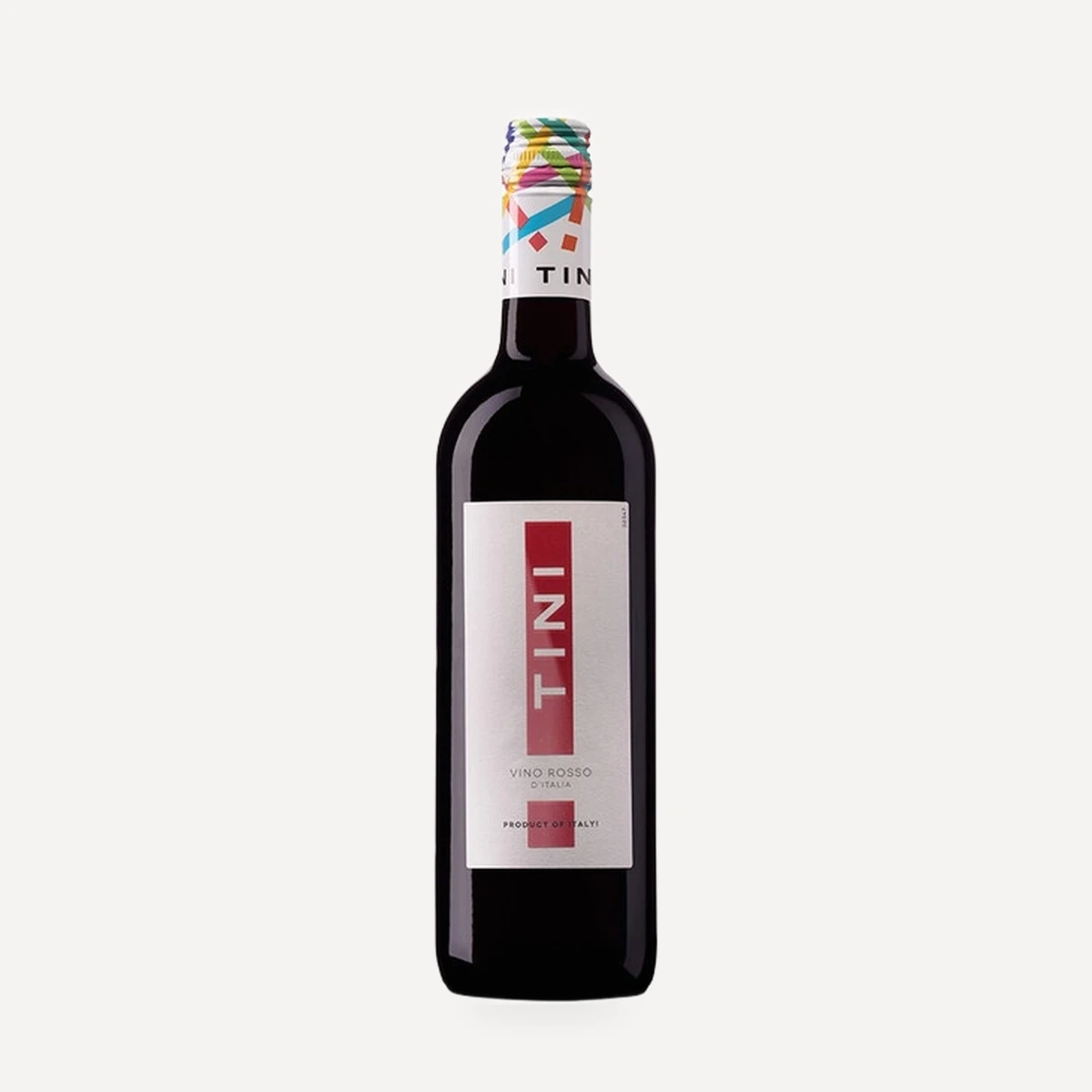
TINI Rosso VdT
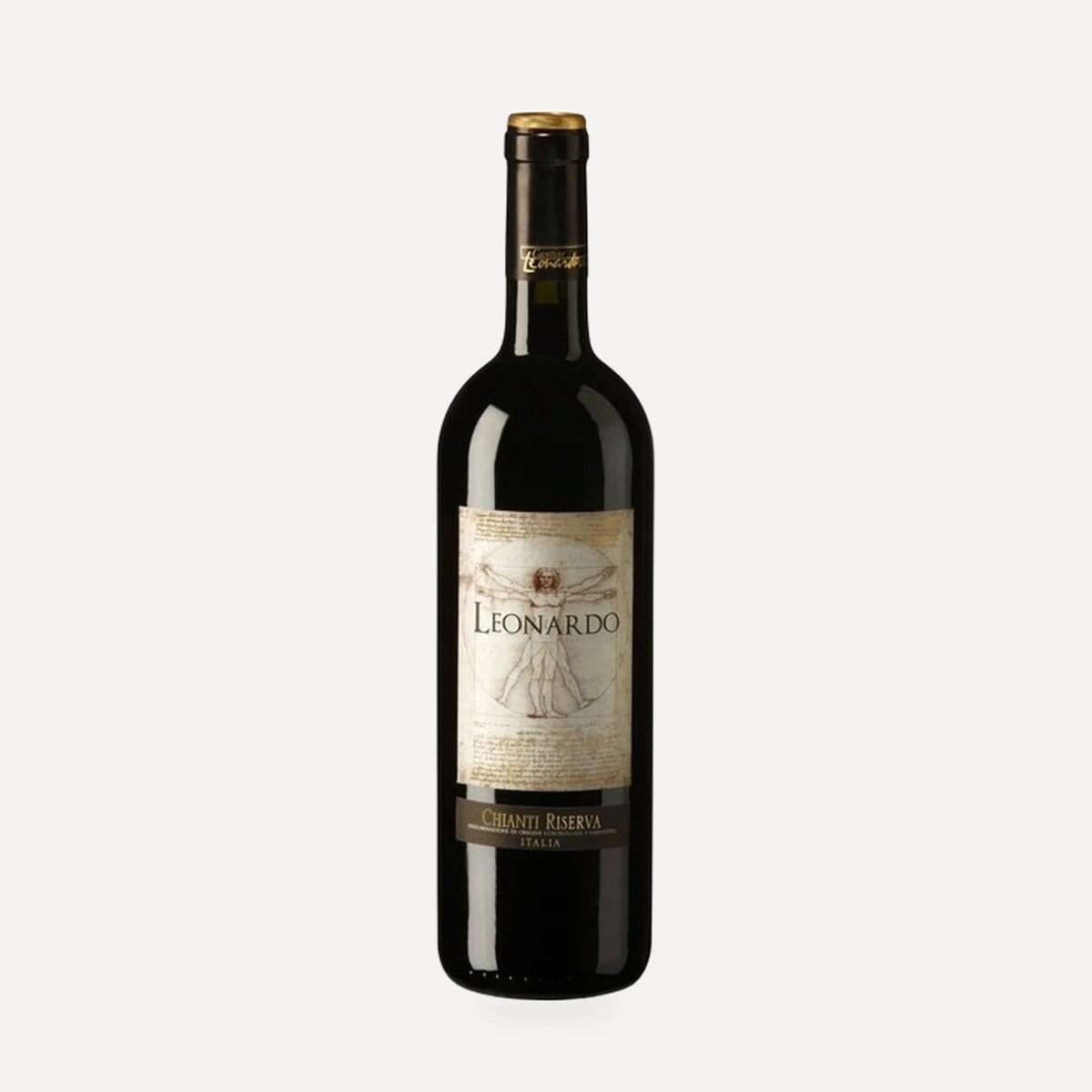
Leonardo Chianti Riserva DOCG
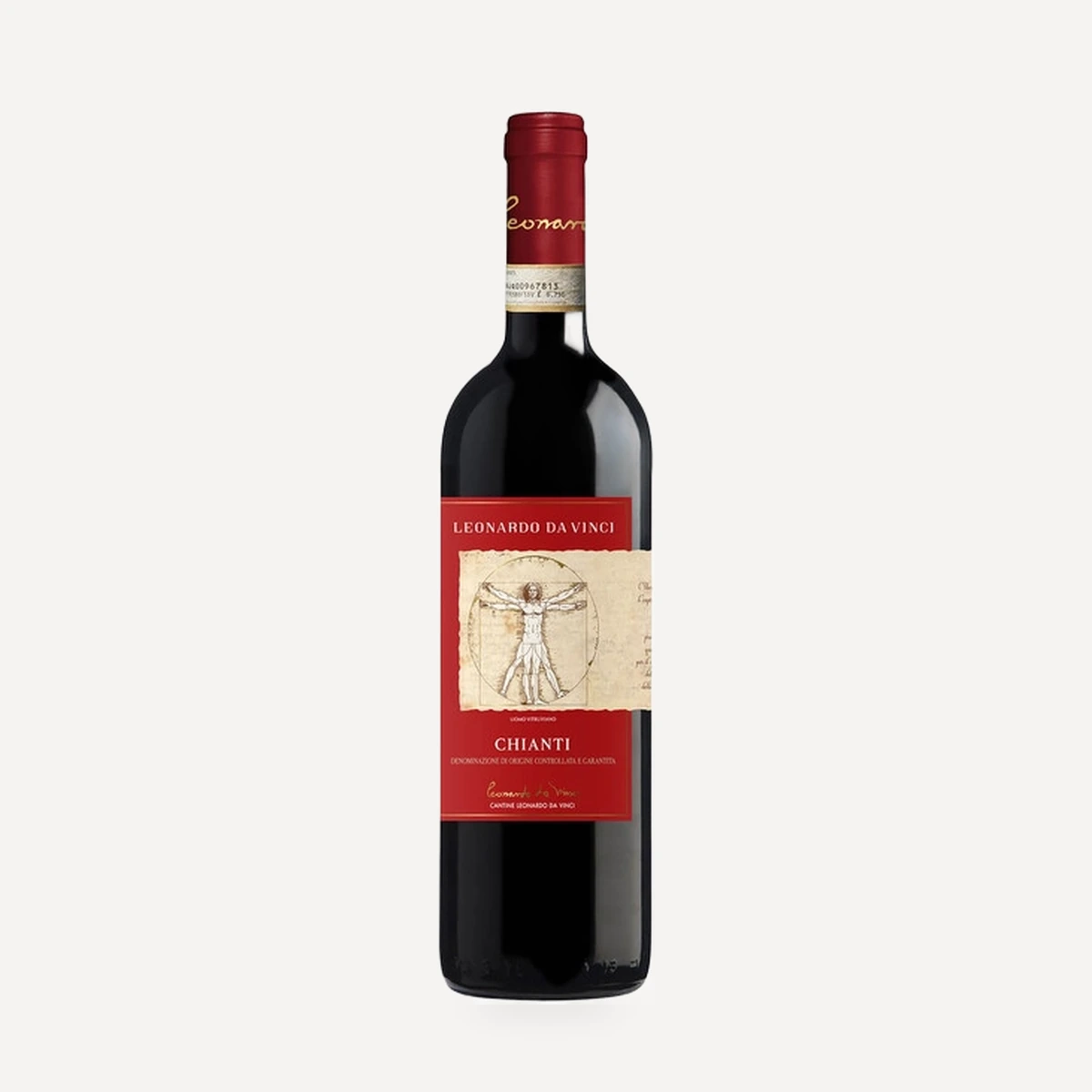
Leonardo da Vinci Chianti DOCG
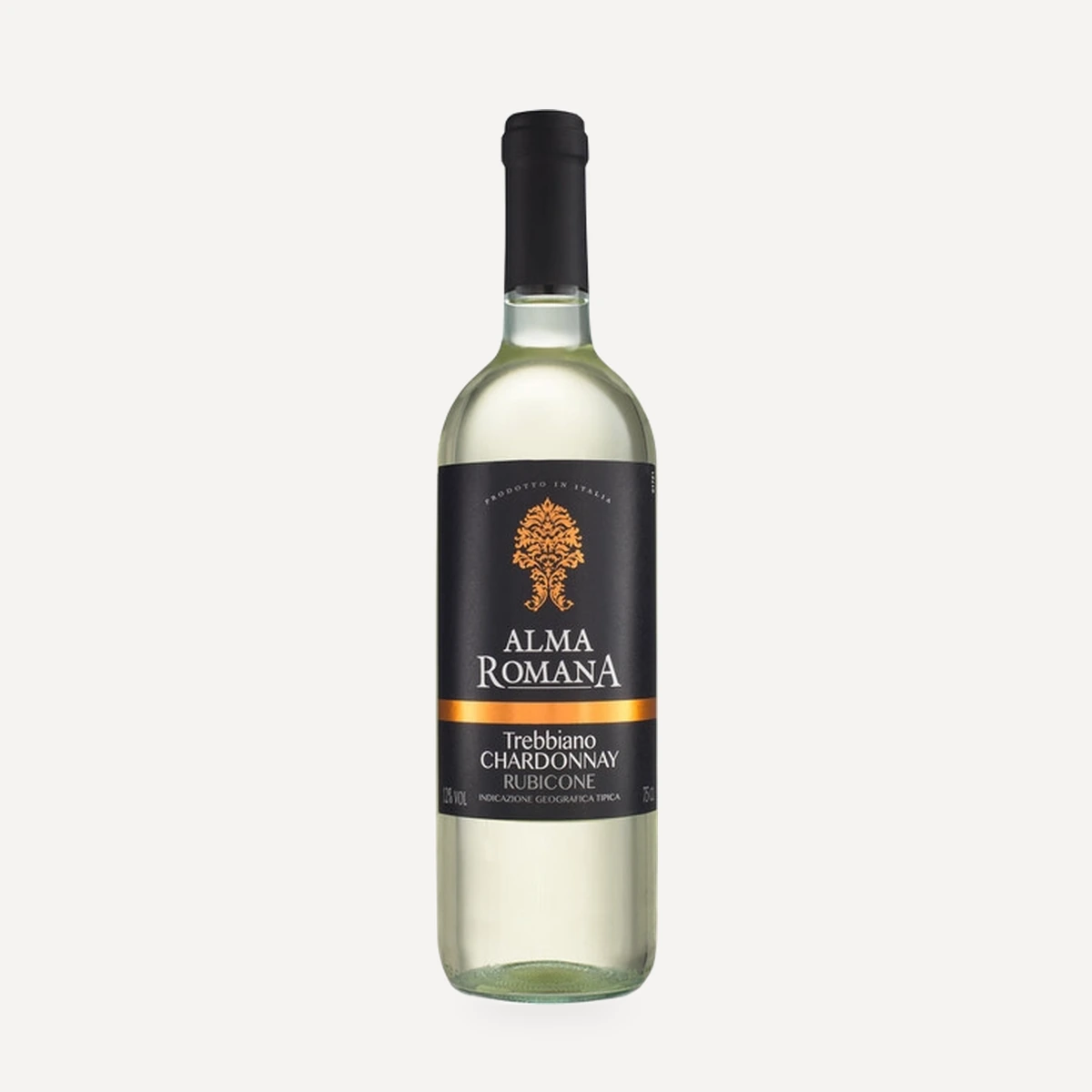
Alma Romana Trebbiano/Chardonnay Rubicone IGT
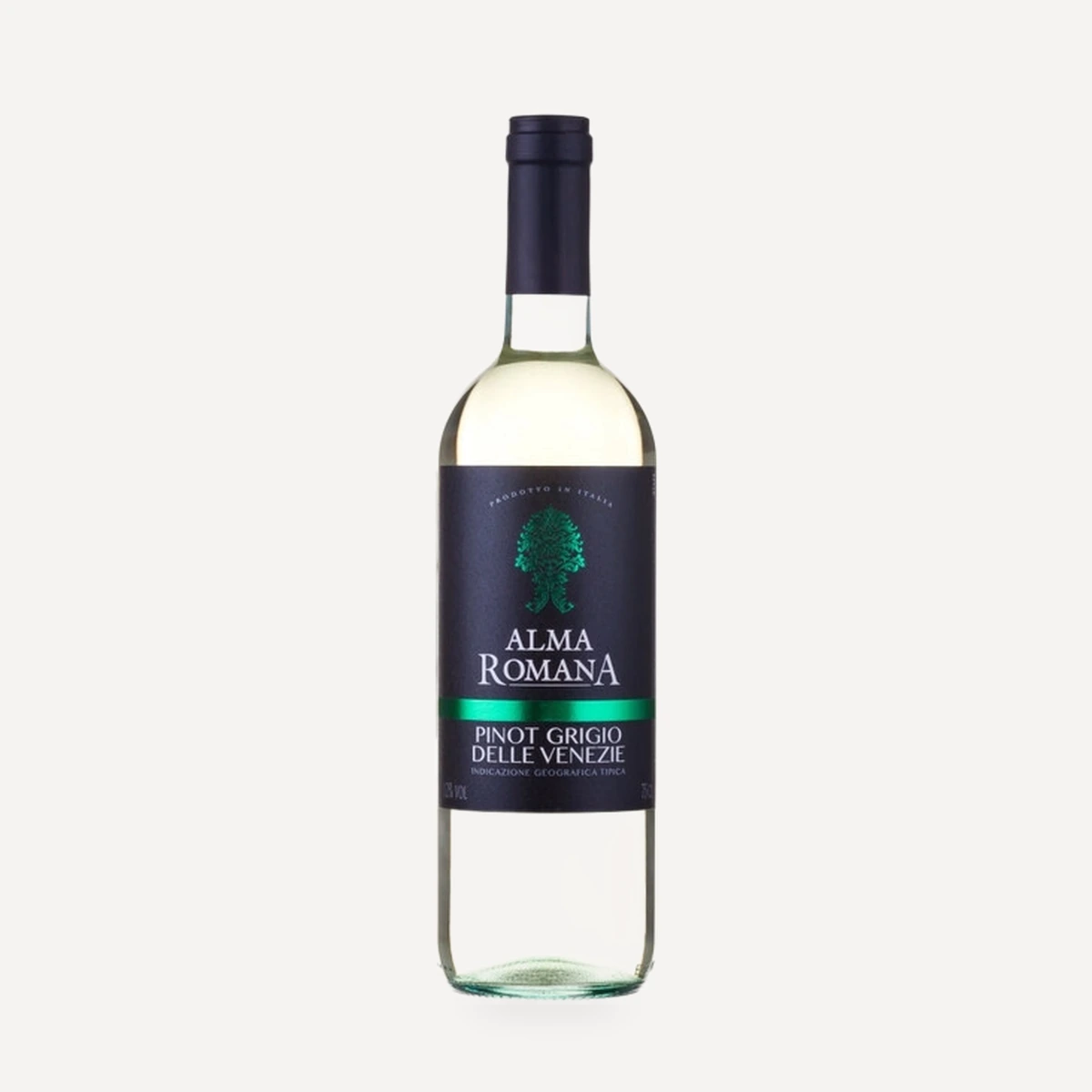
Alma Romana Pinot Grigio Delle Venezie IGT
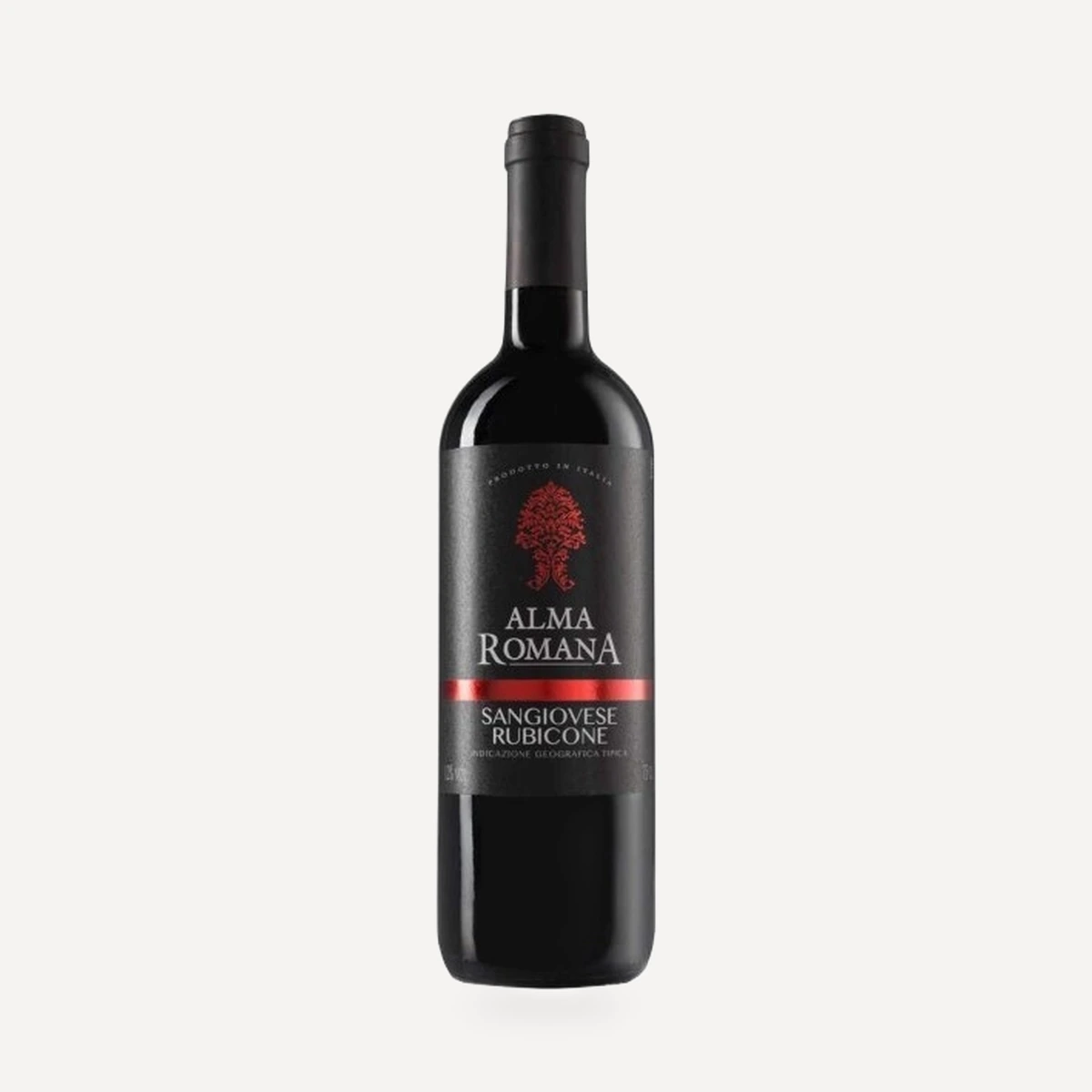
Alma Romana Sangiovese Rubicone IGT
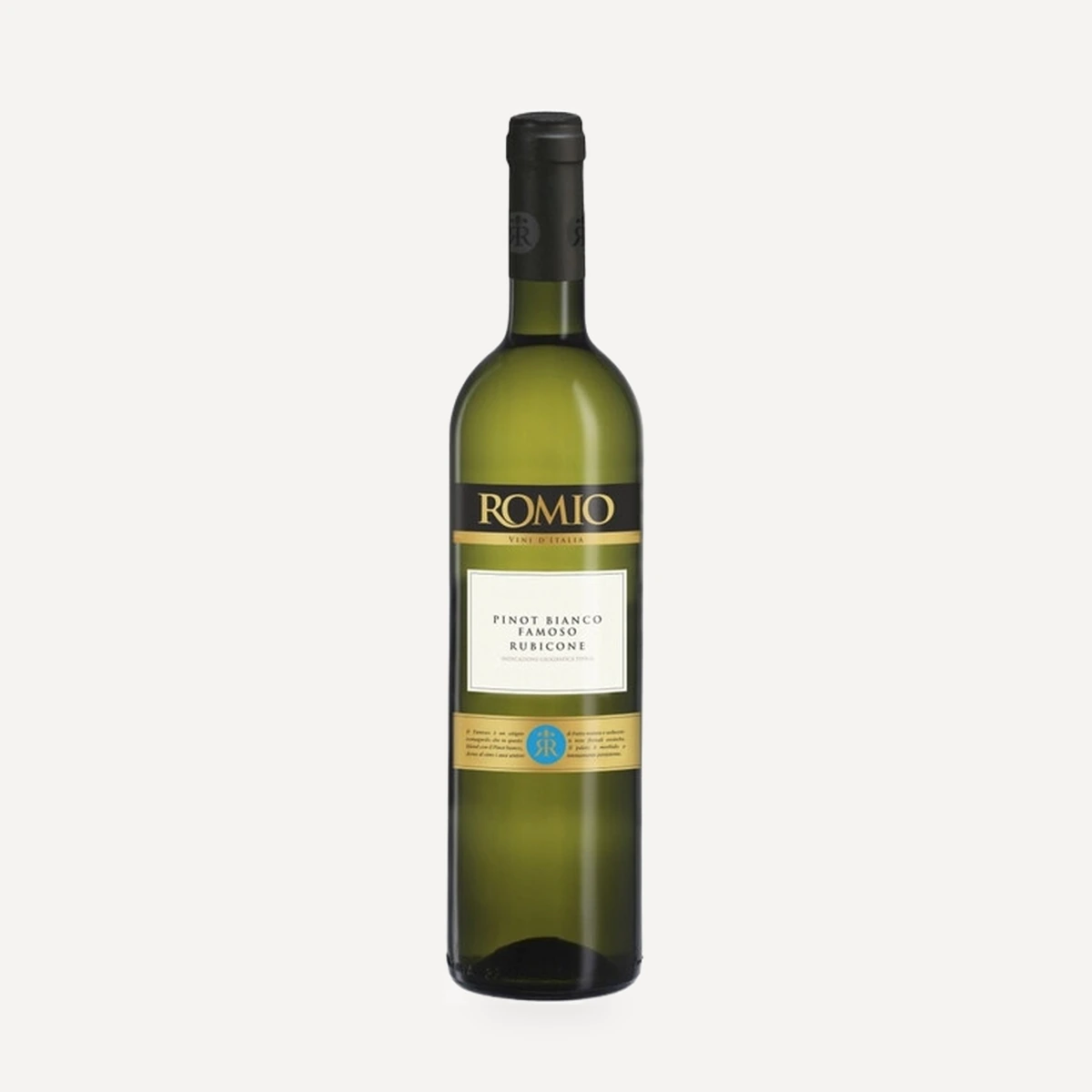
Romio Pinot Bianco Famoso Rubicone IGT
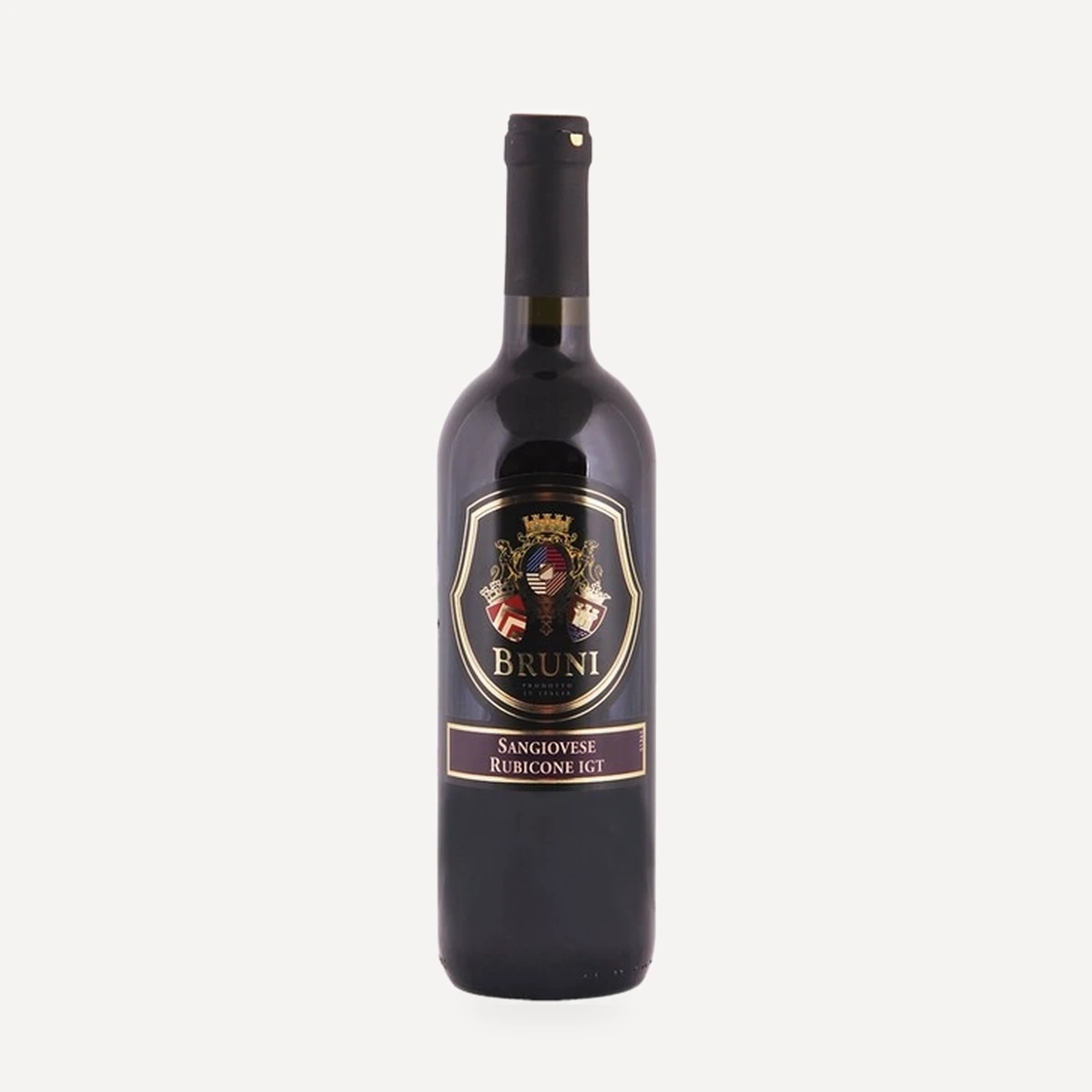
Bruni Sangiovese Rubicone IGT
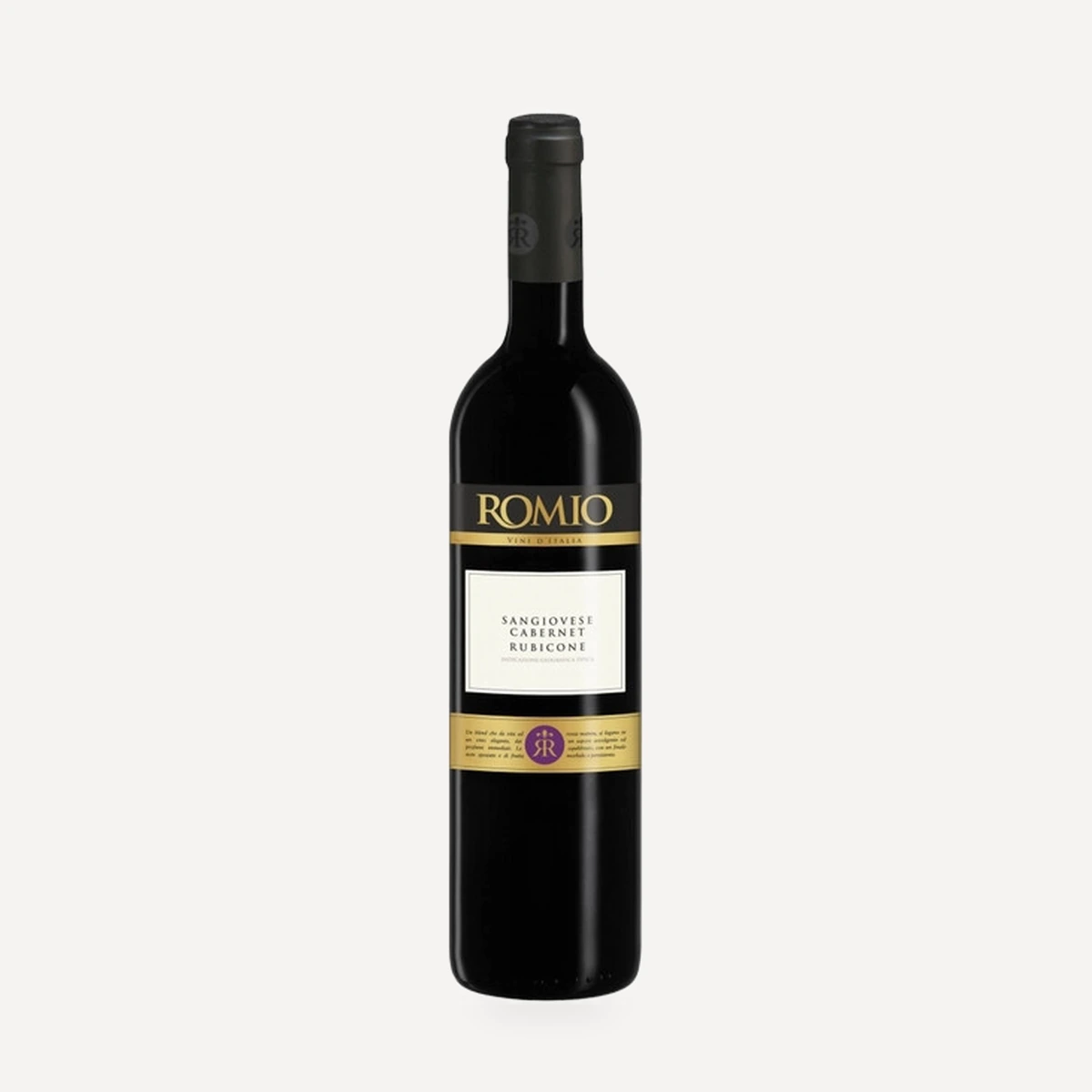
Romio Sangiovese Cabernet Rubicone IGT
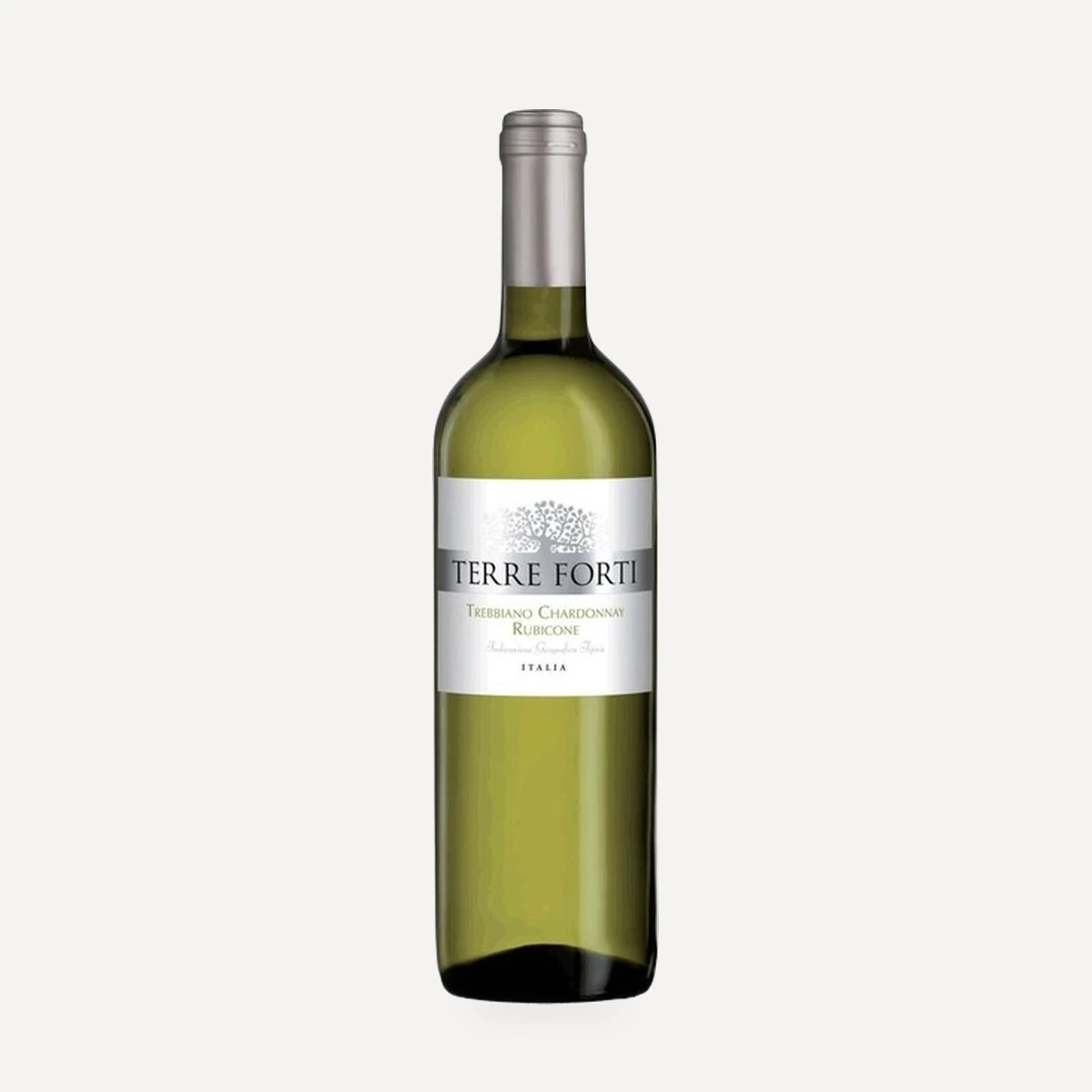
Terre Forti Trebbiano-Chardonnay Rubicone IGT
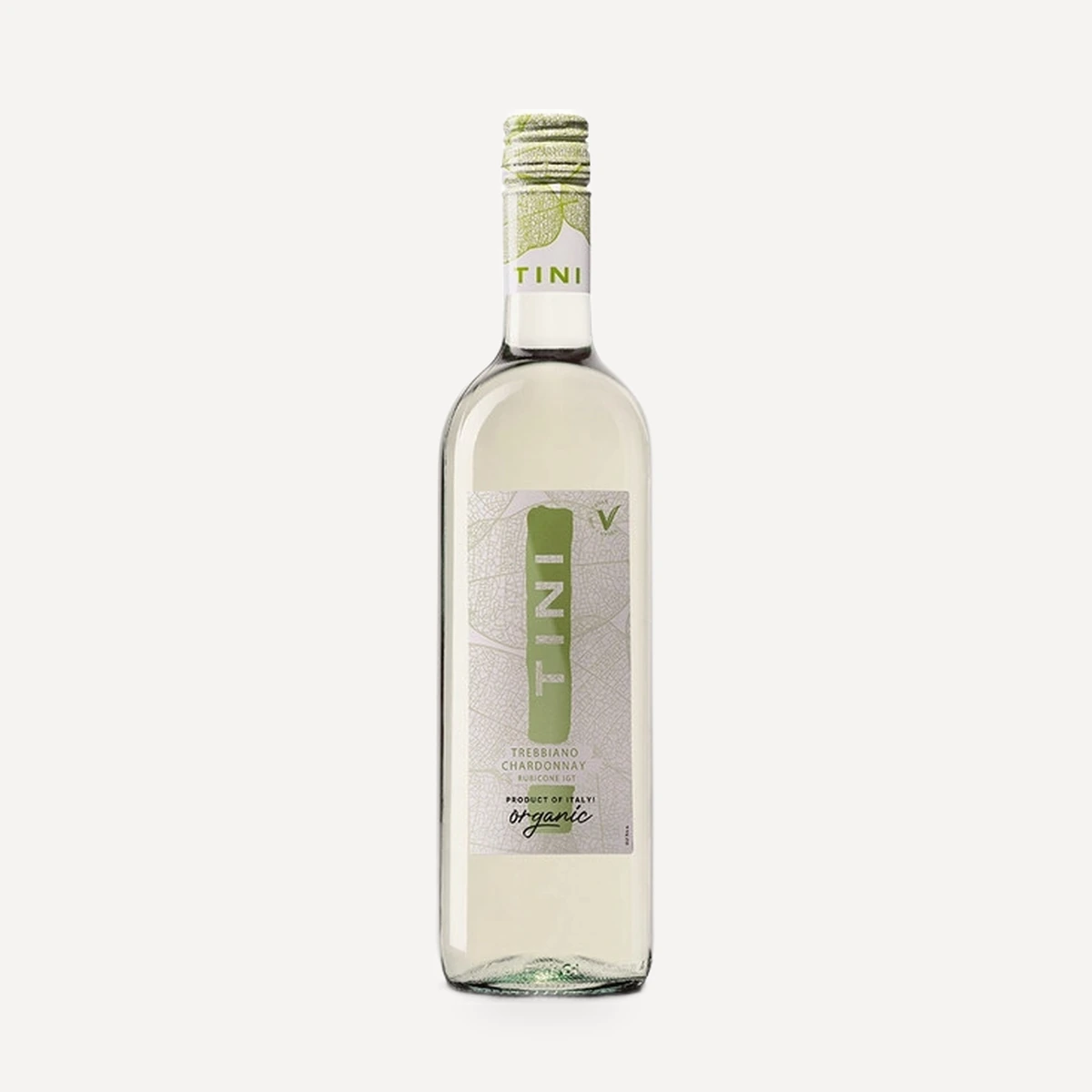
TINI Organic Trebbiano-Chardonnay Rubicone IGT
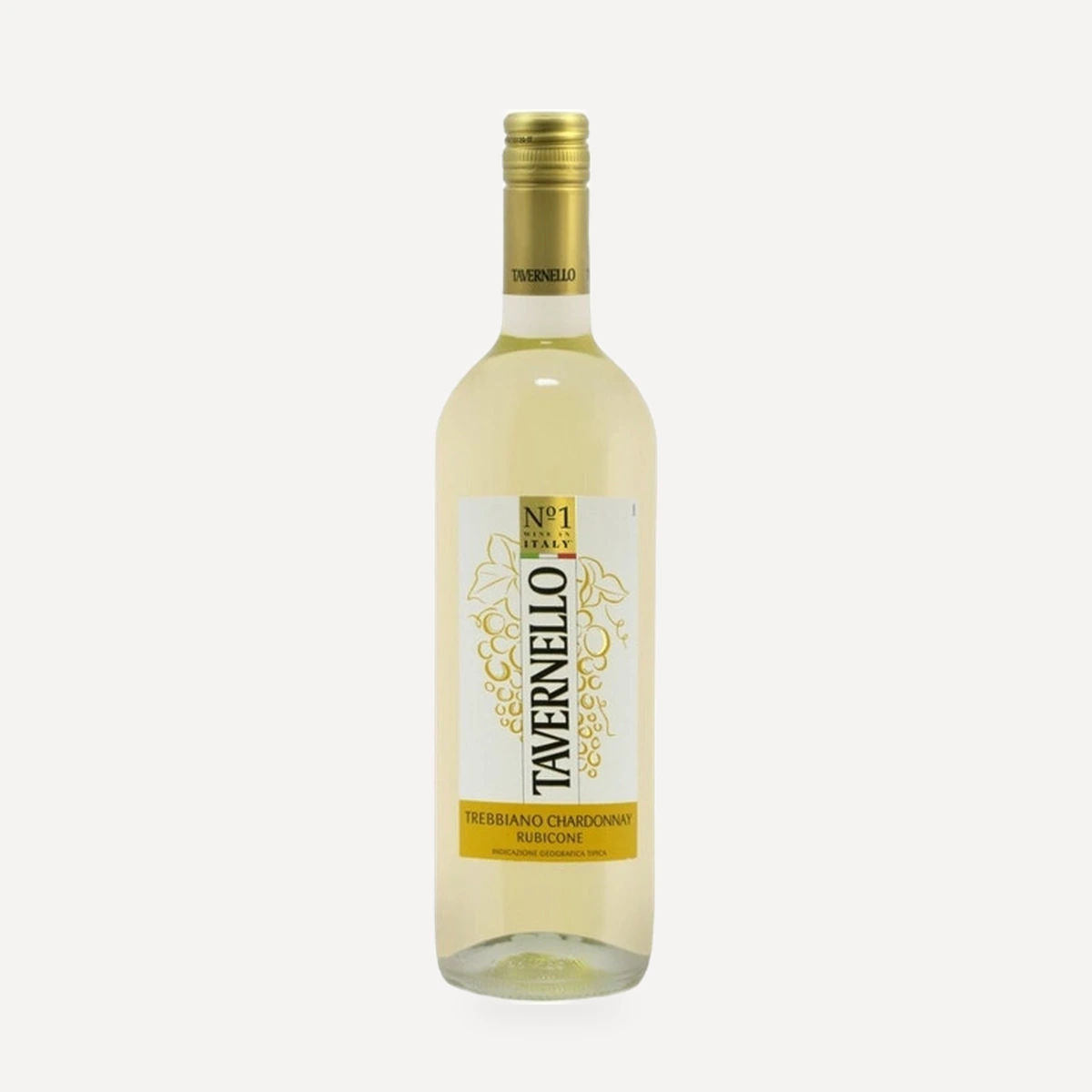
Tavernello Trebbiano–Chardonnay Rubicone IGT
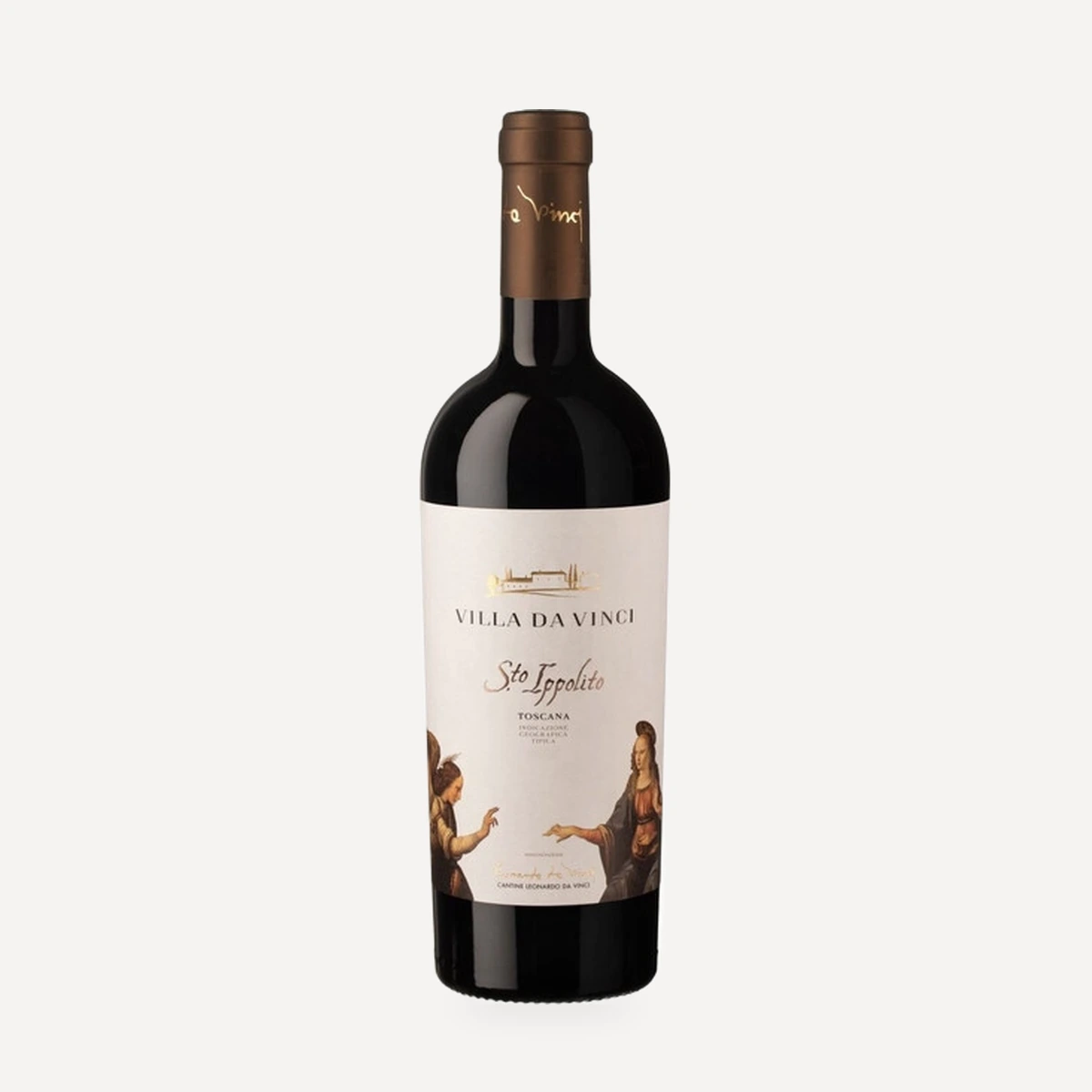
Santo Ippolito Toscana IGT
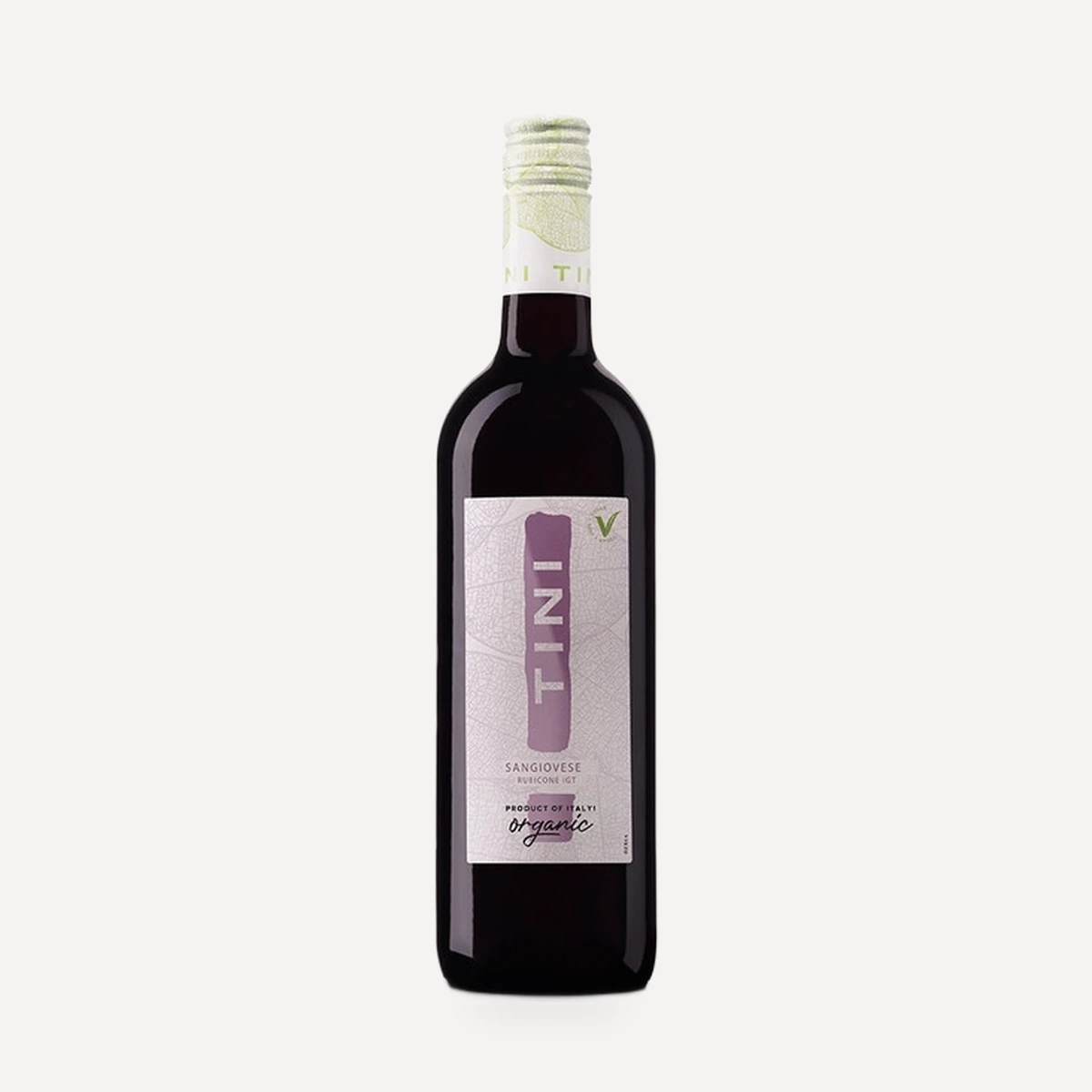
TINI Organic Sangiovese Rubicone IGT
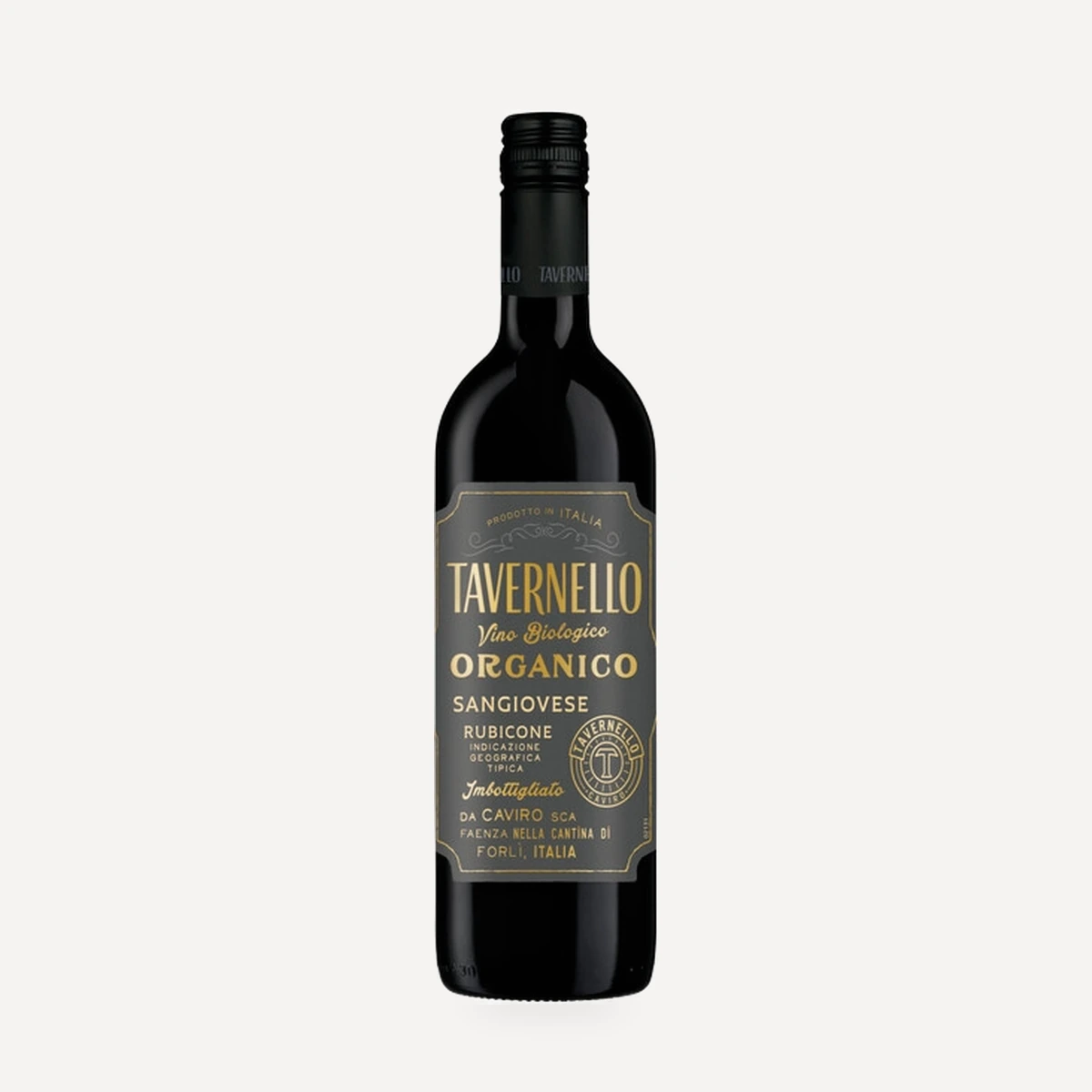
Tavernello Organico Sangiovese Rubicone IGT
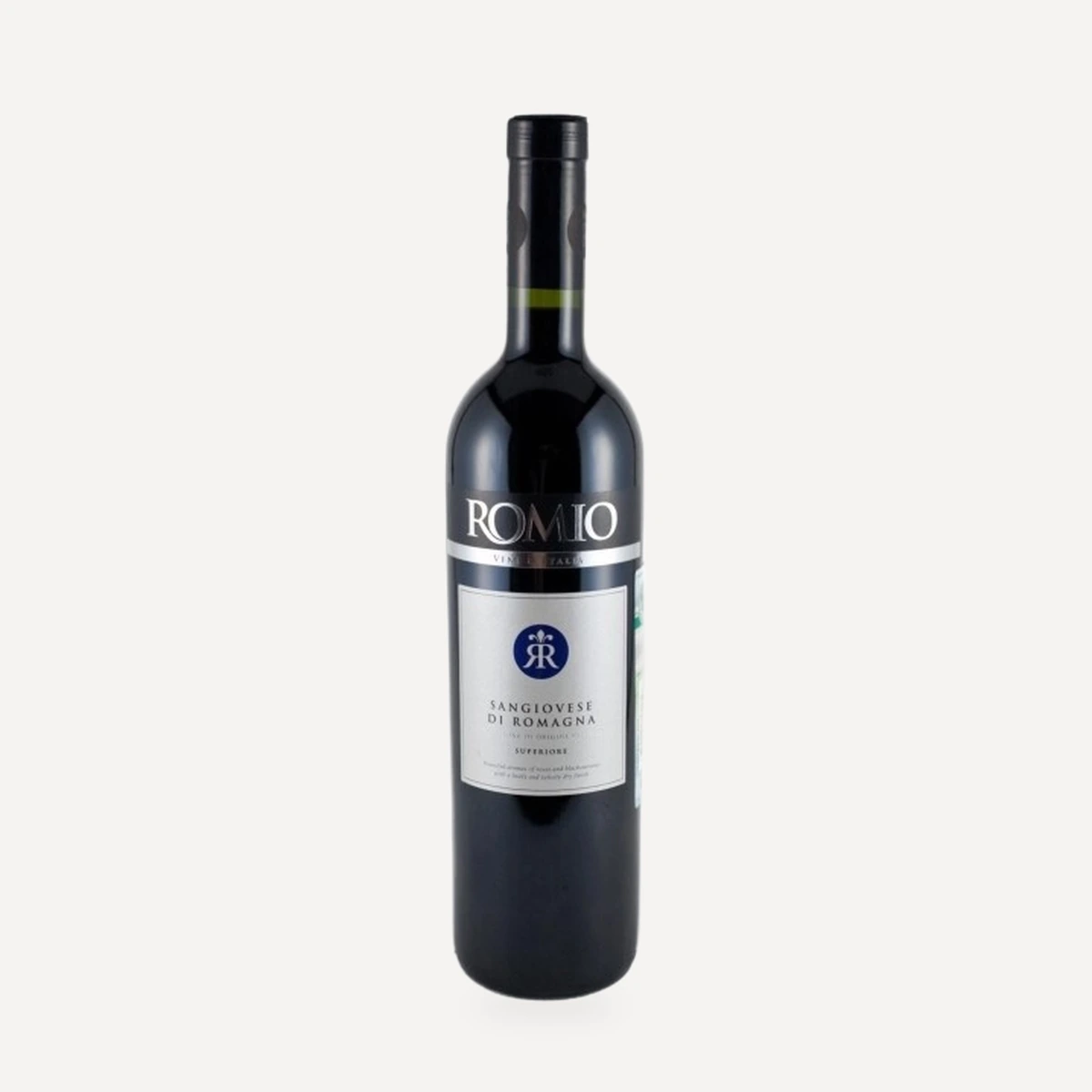
Romio Sangiovese di Romagna Superiore DOC
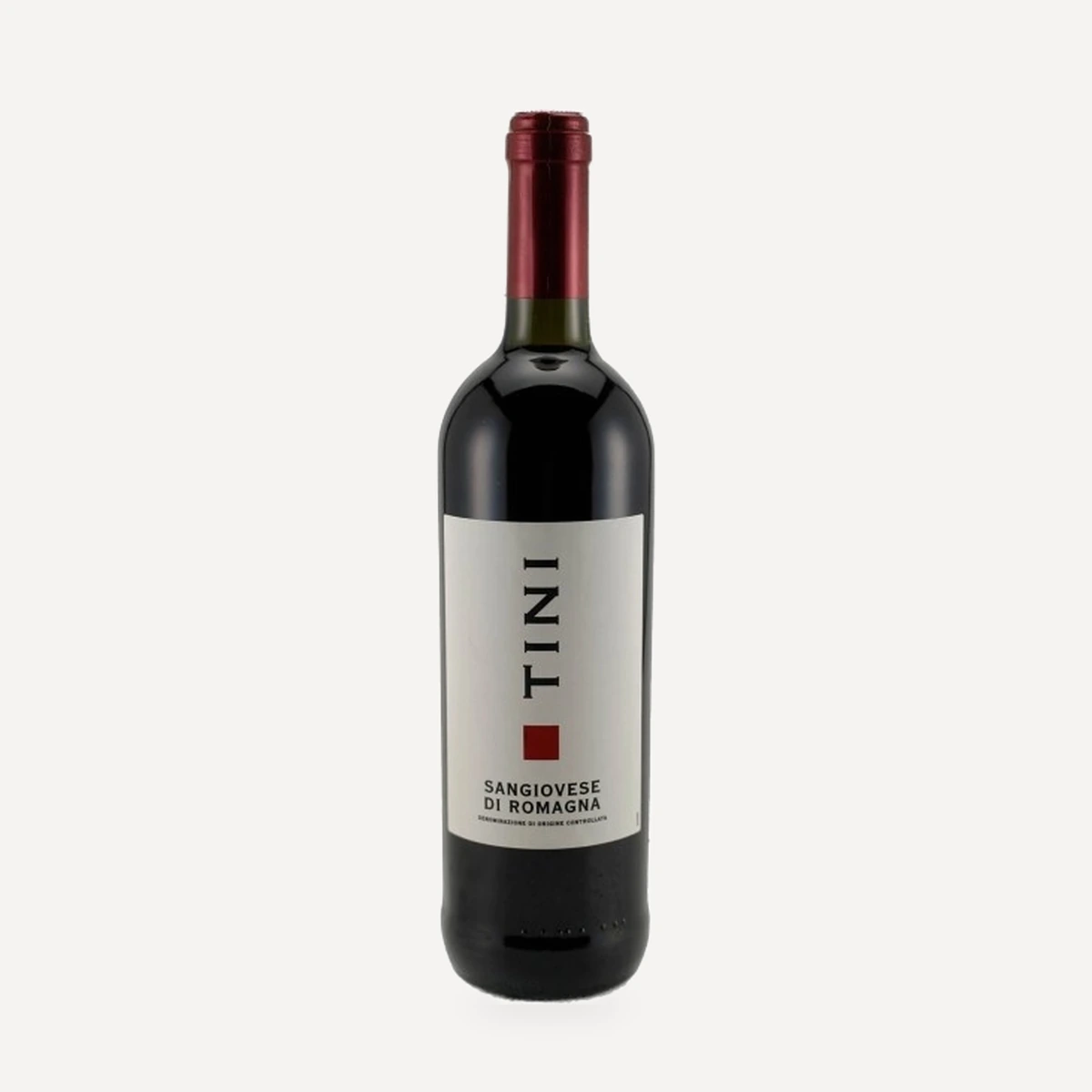
TINI Sangiovese di Romagna DOC
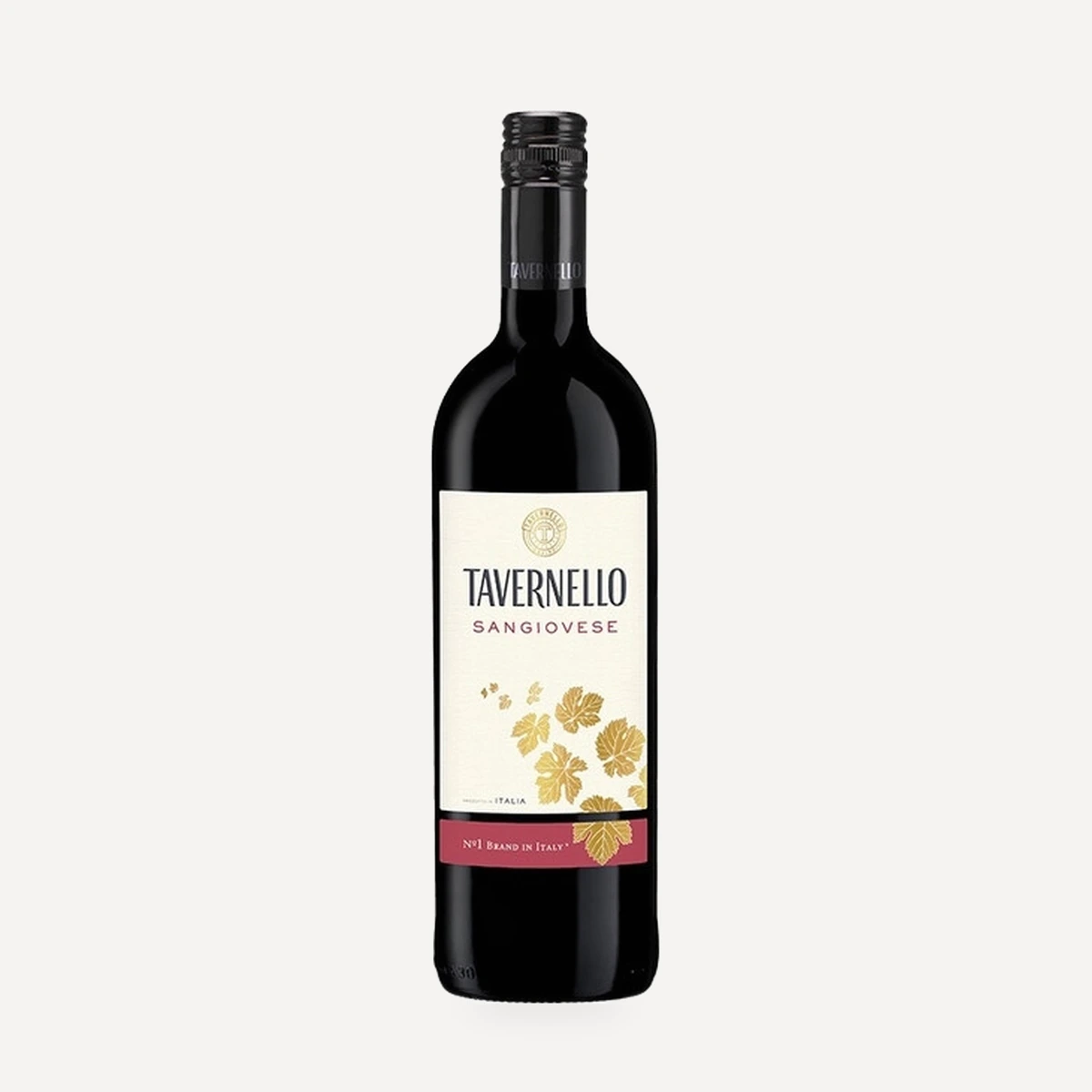
Tavernello Sangiovese Rubicone IGT
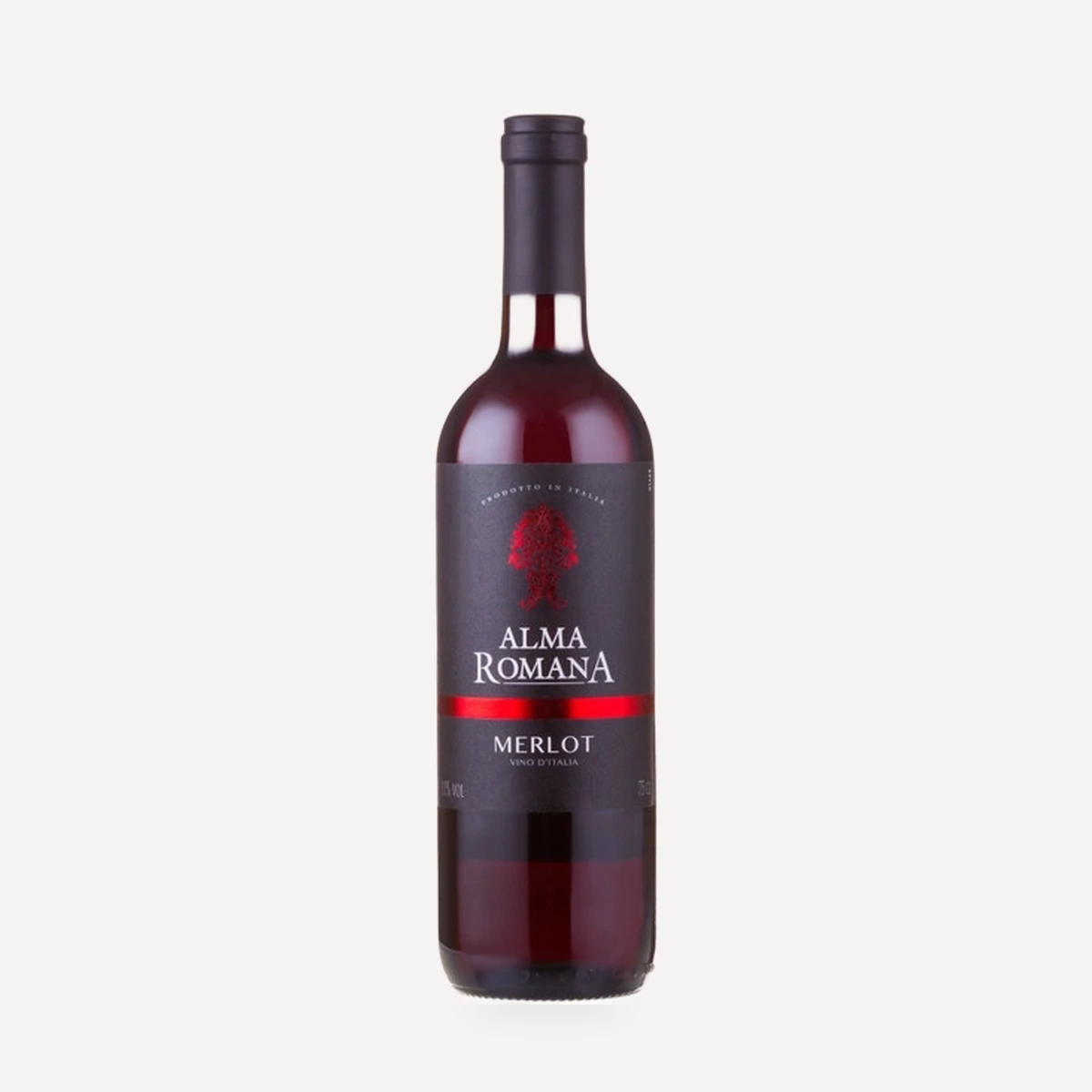
Alma Romana Merlot
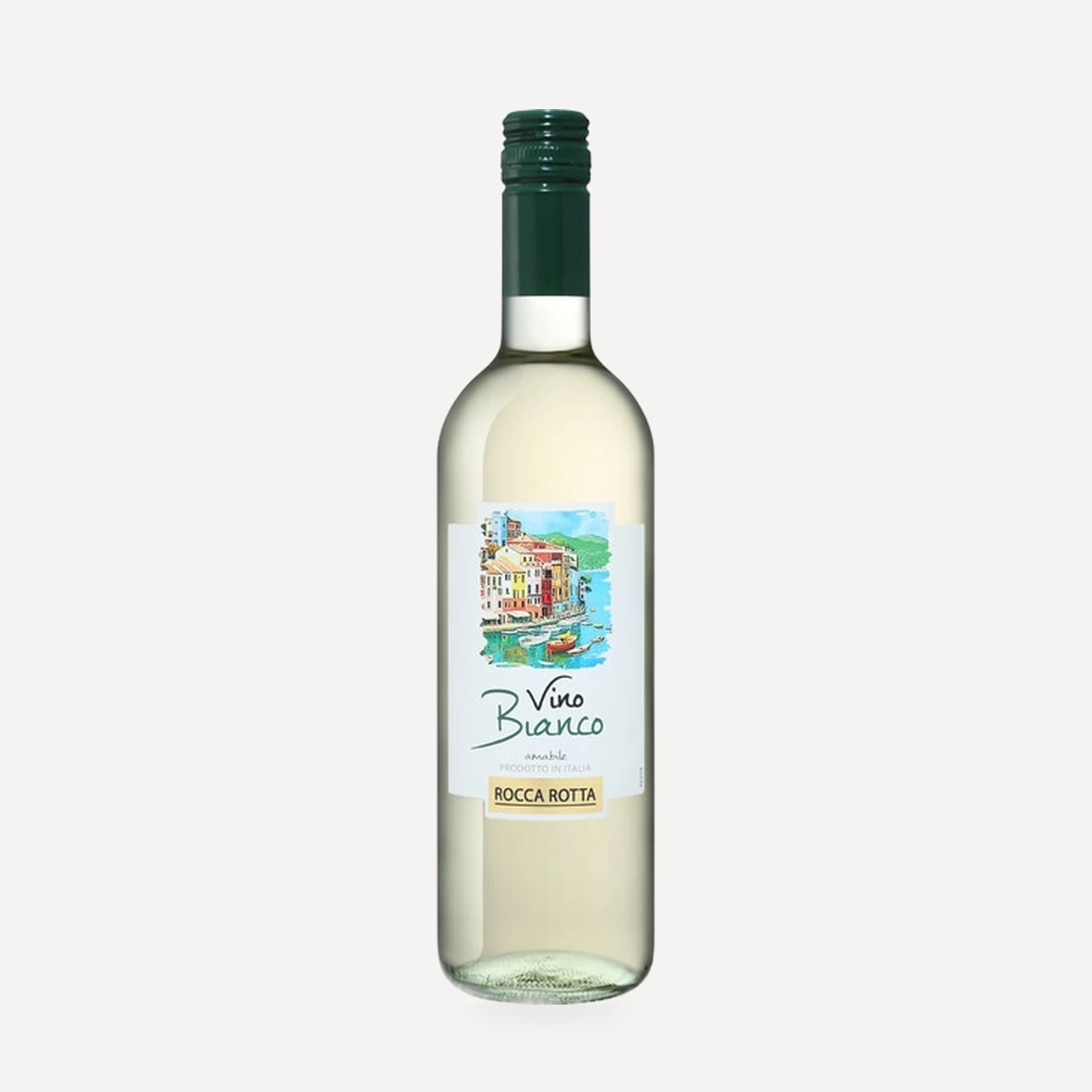
Rocca Rotta Bianco Amabile
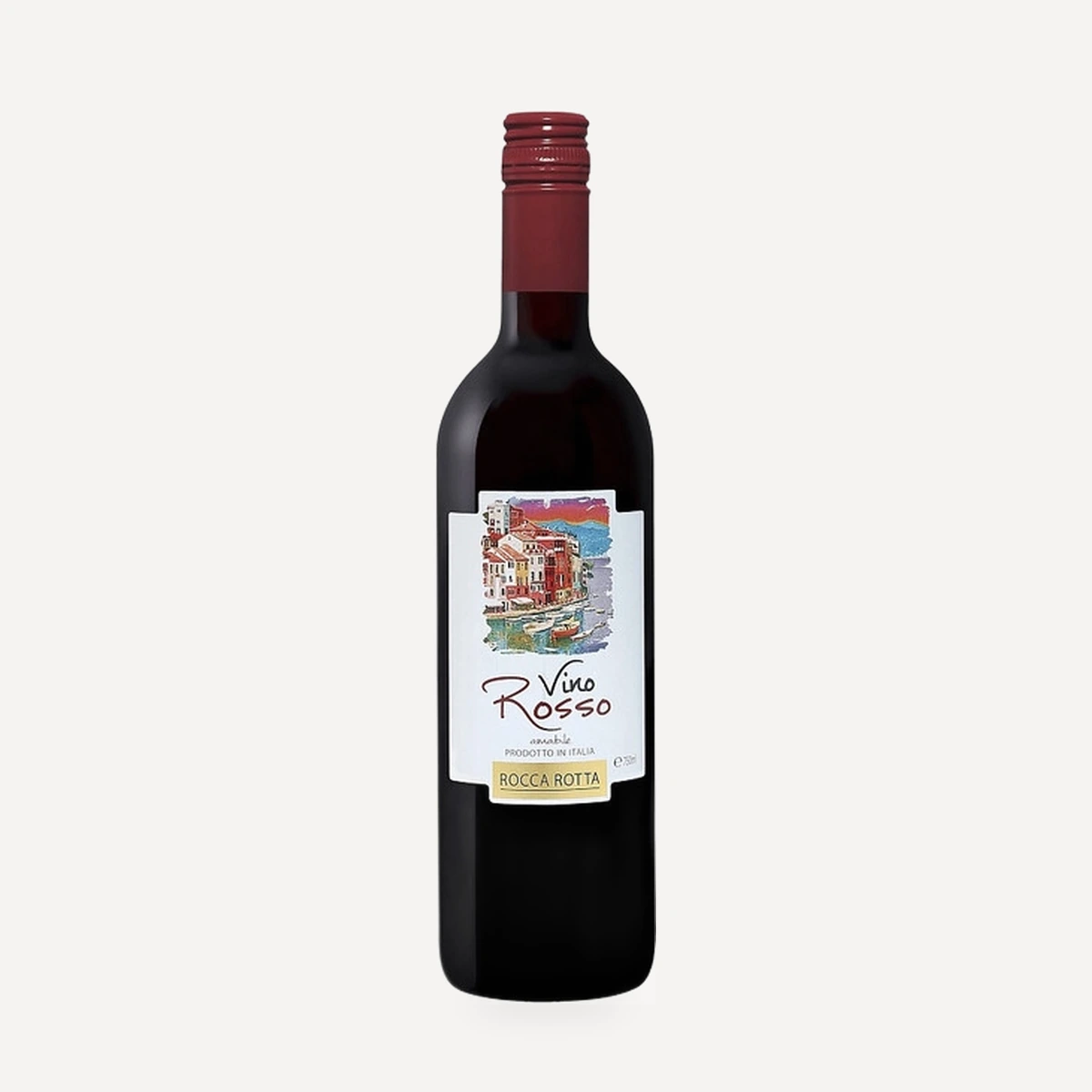
Rocca Rotta Rosso Amabile
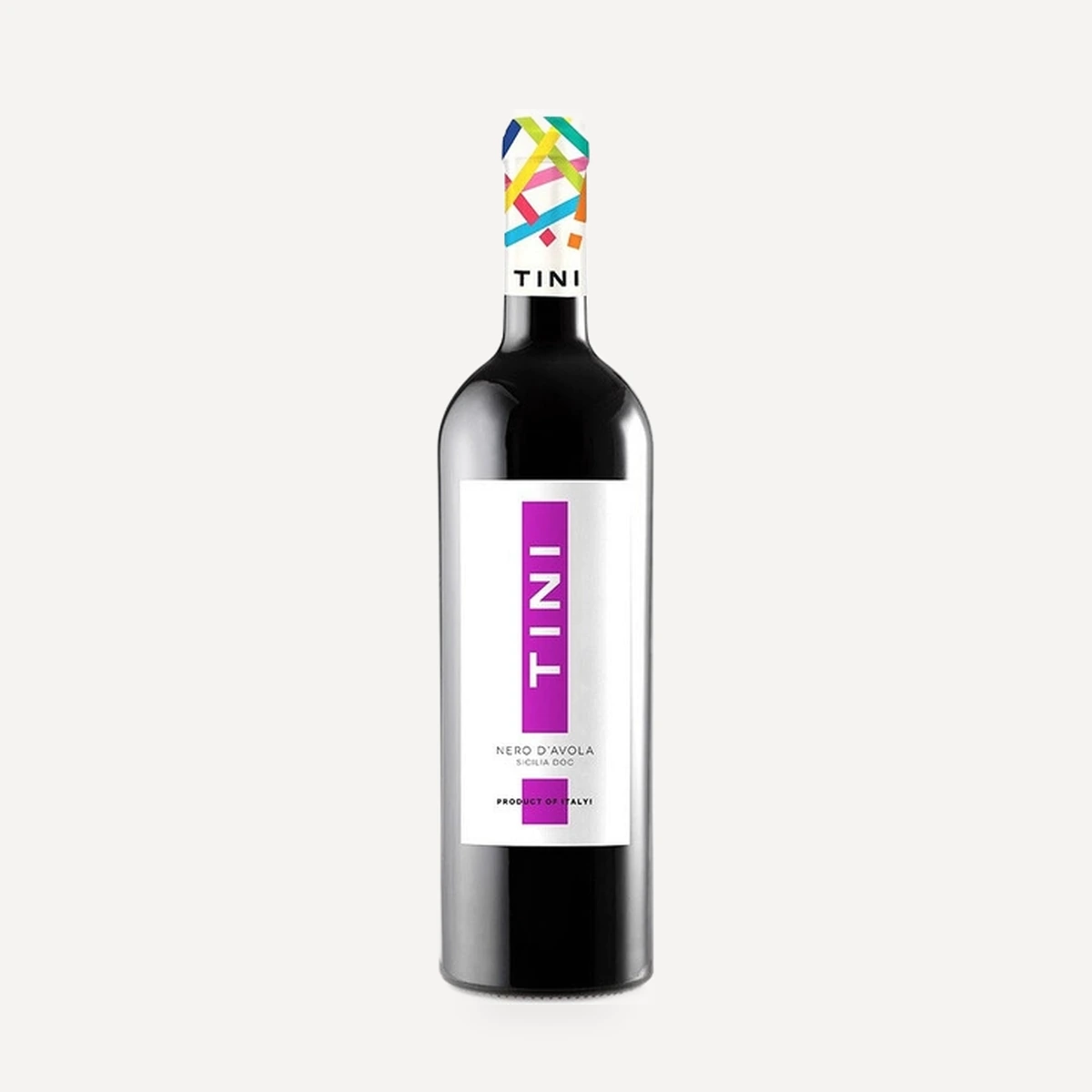
TINI Nero d'Avola Sicilia IGT
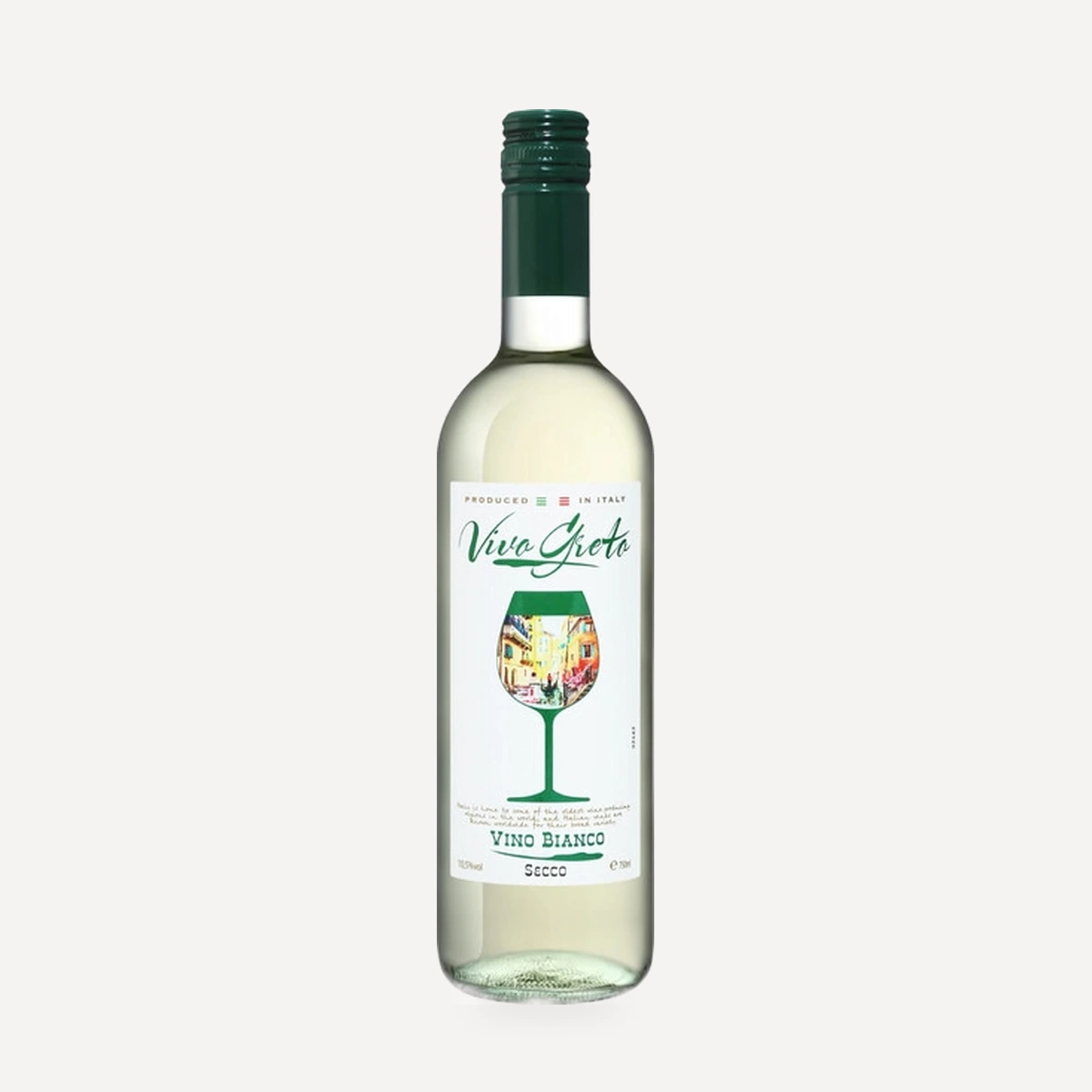
Vivo Greto Bianco Secco
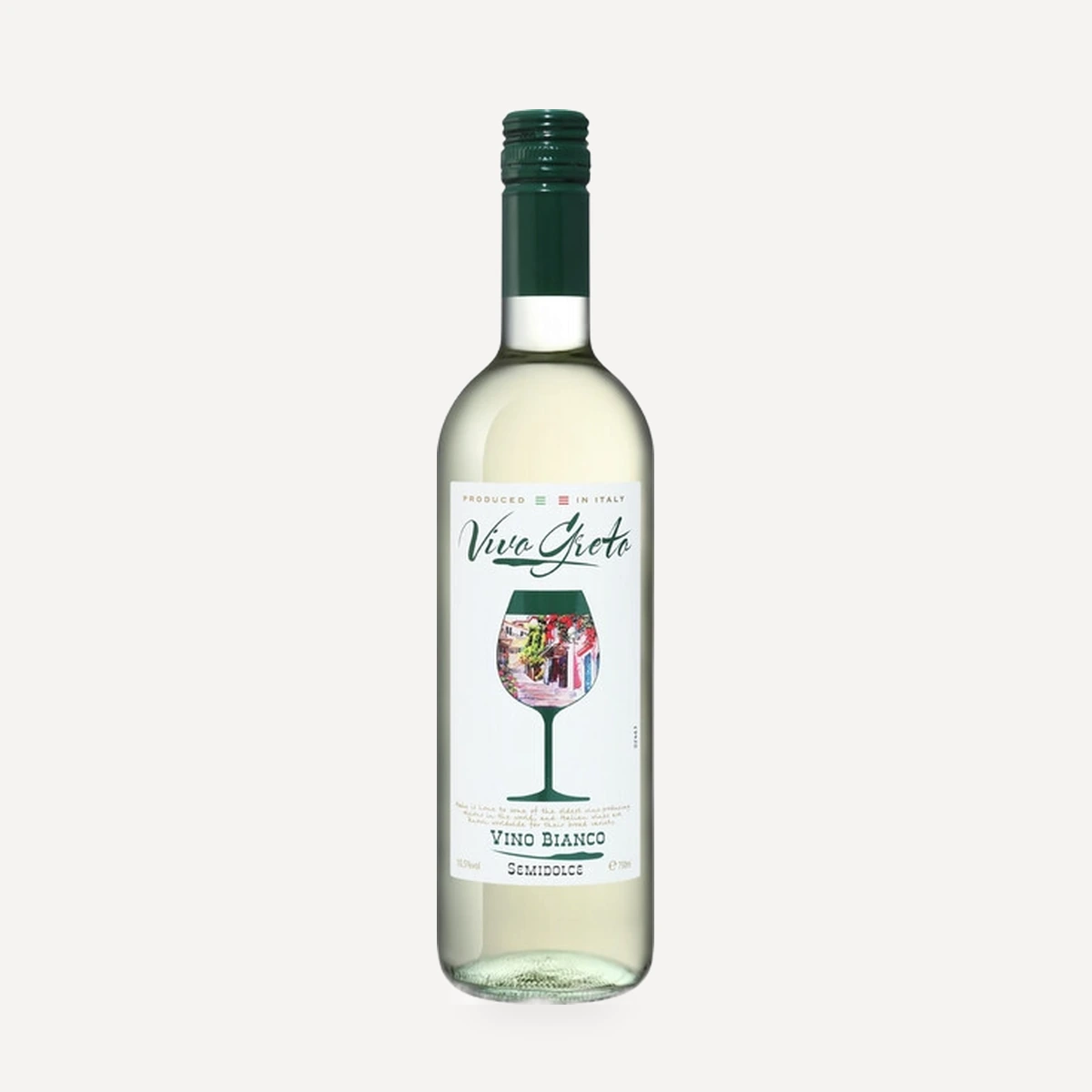
Vivo Greto Bianco Semidolce
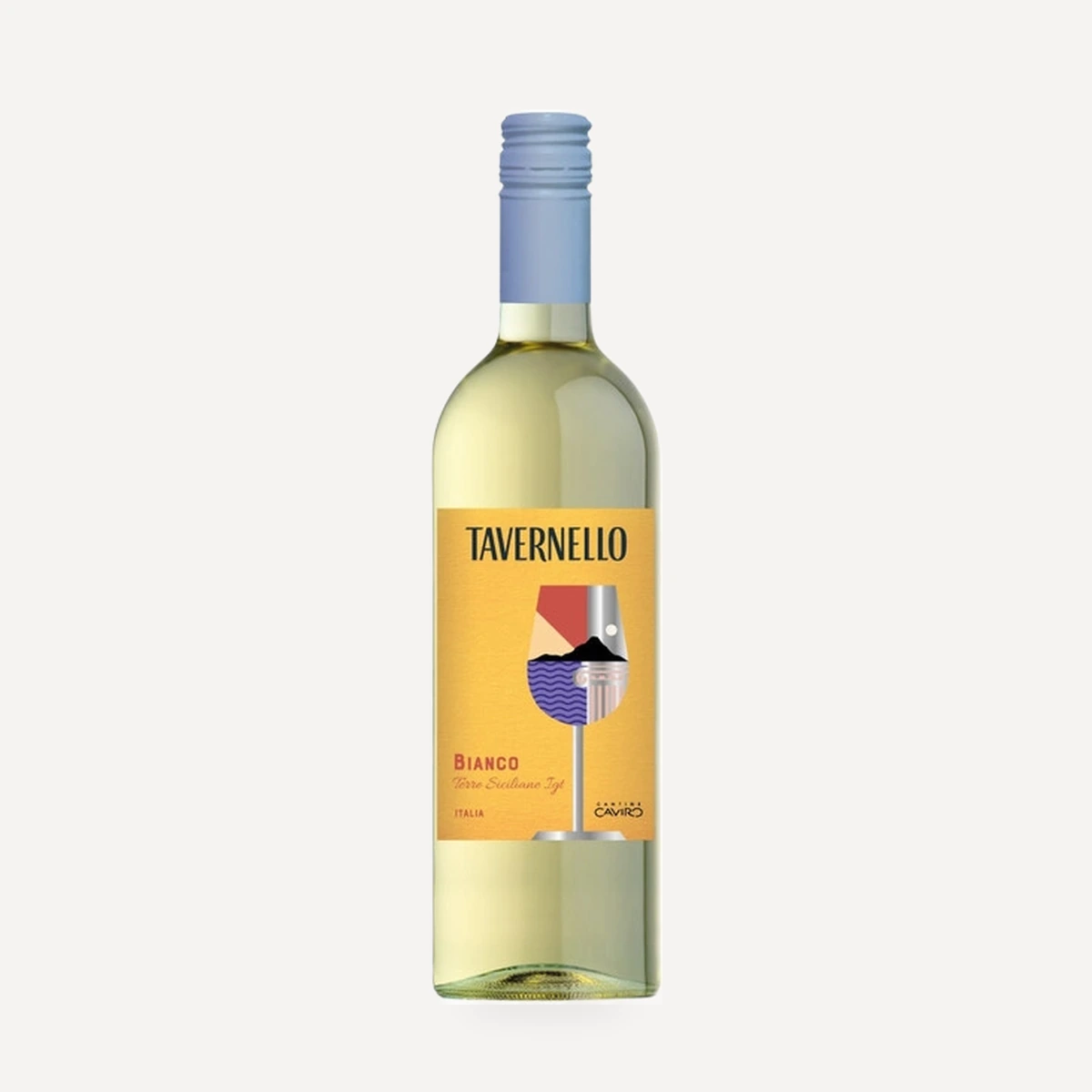
Tavernello Bianco Terre Siciliane IGT
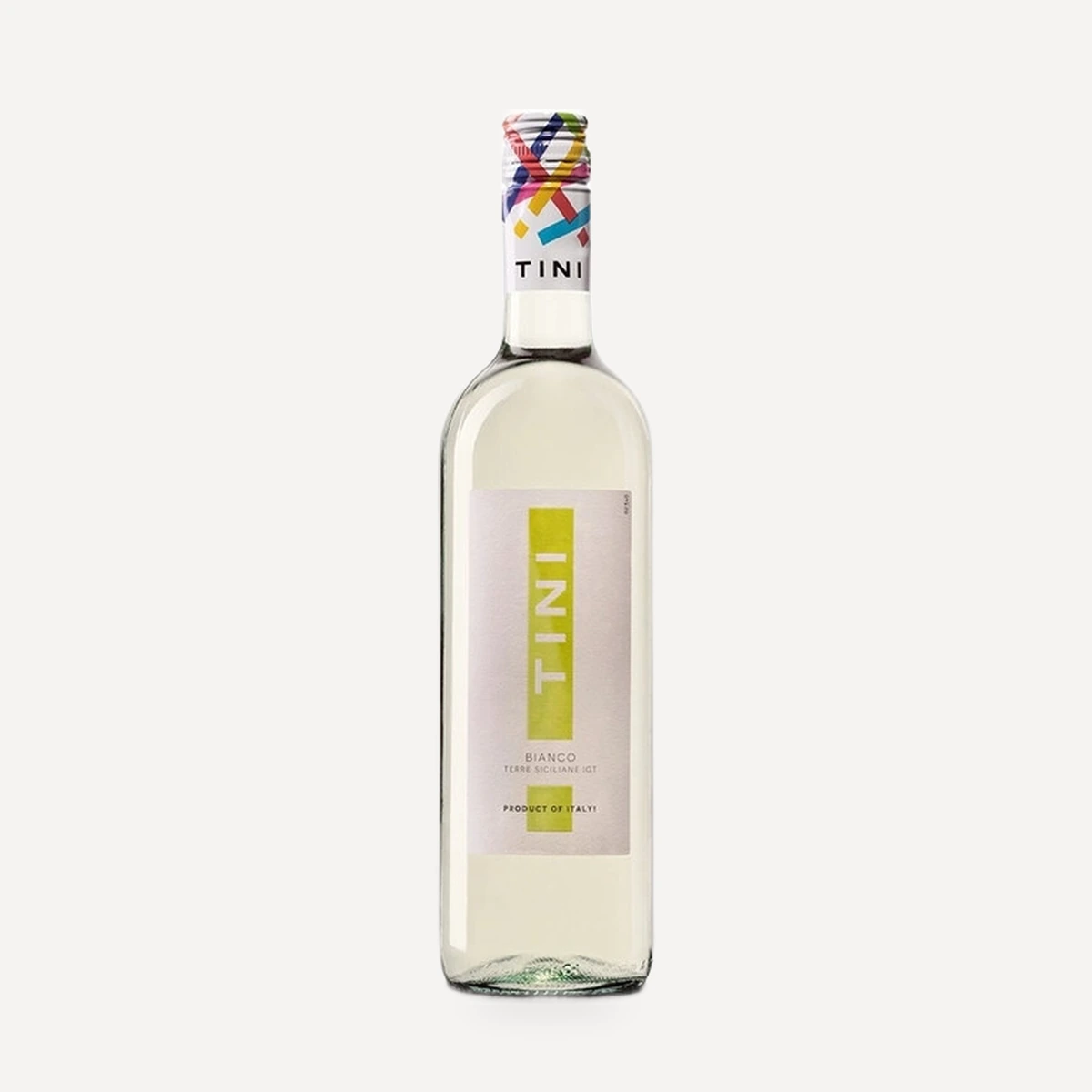
TINI Bianco Terre Siciliane IGT
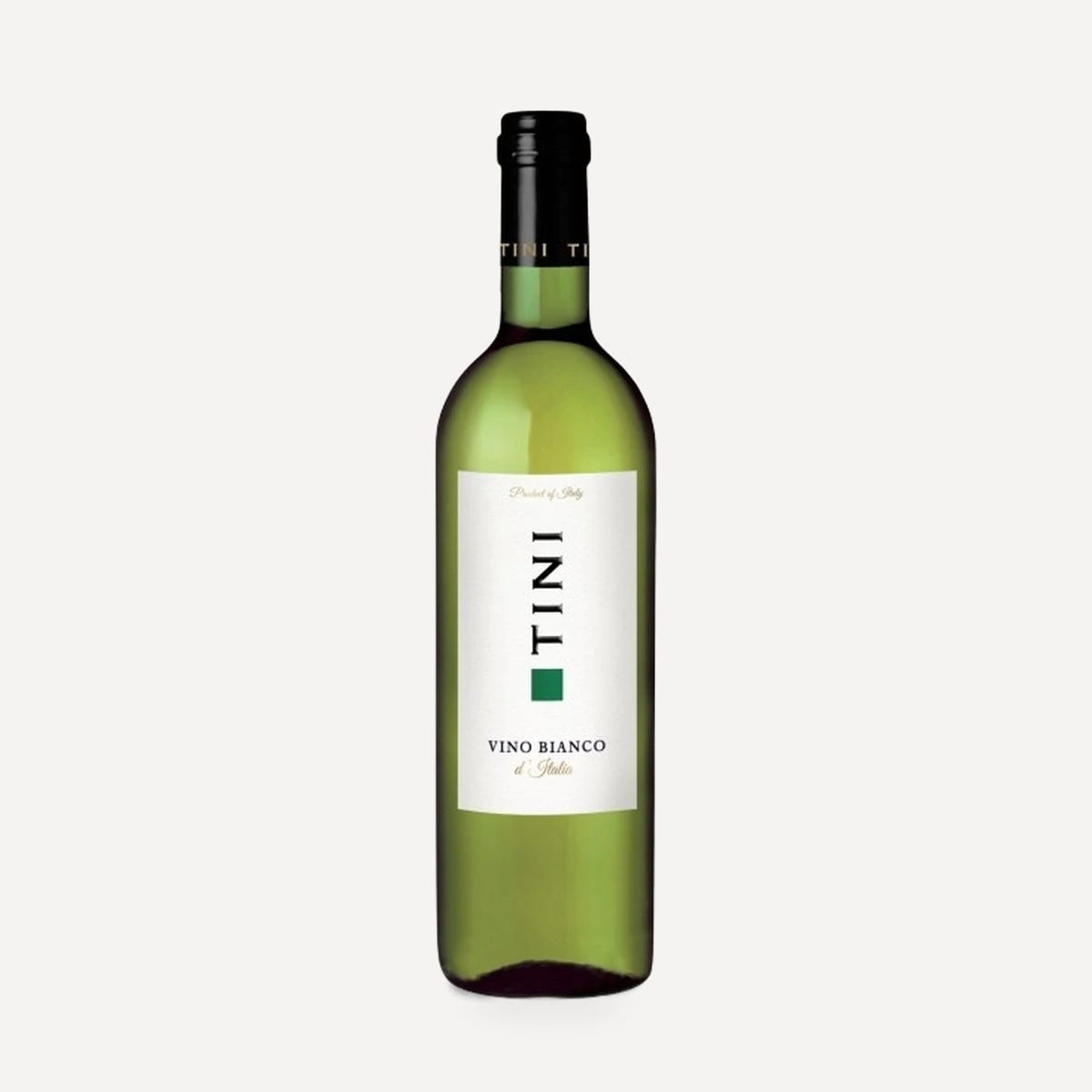
Tini Bianco
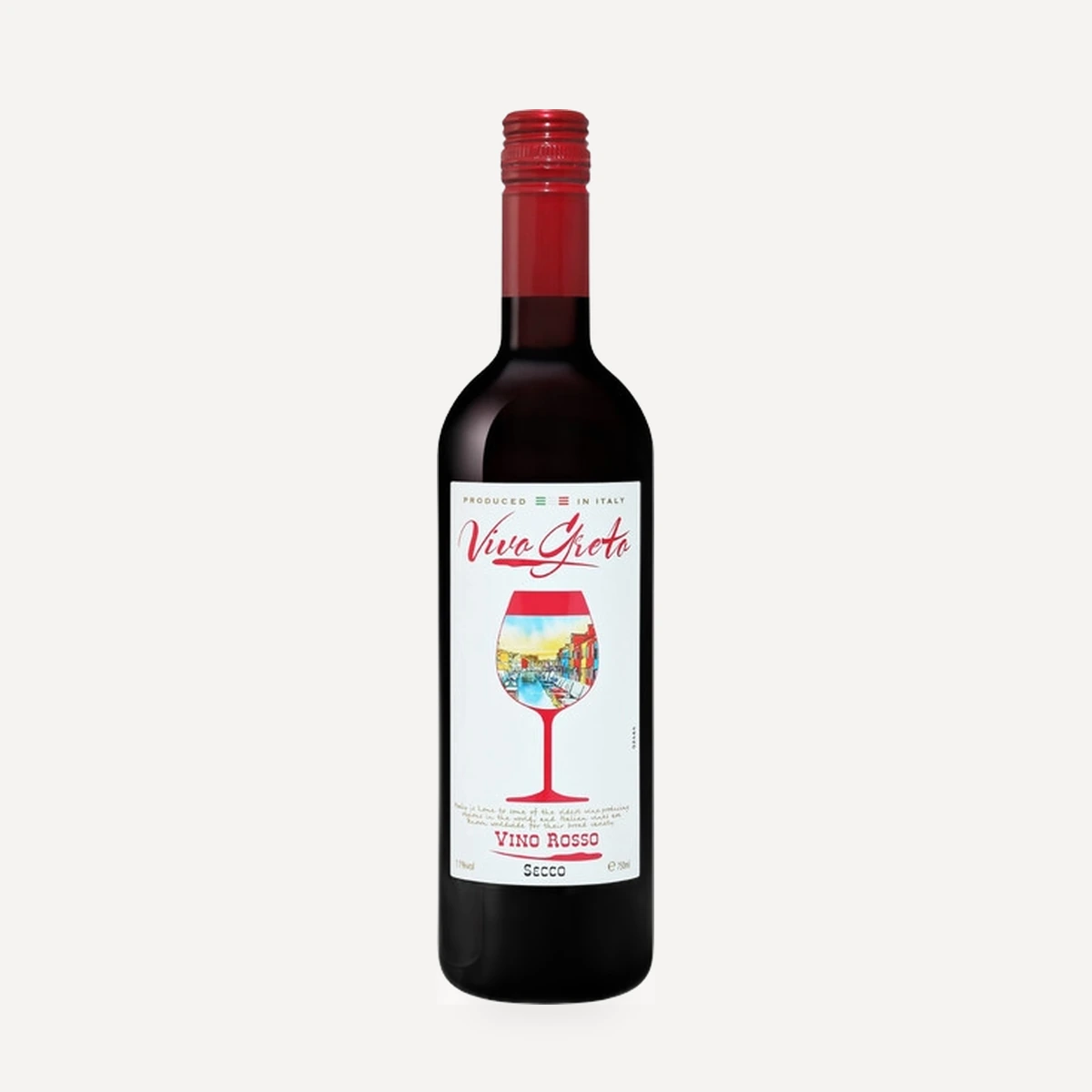
Vivo Greto Rosso Secco
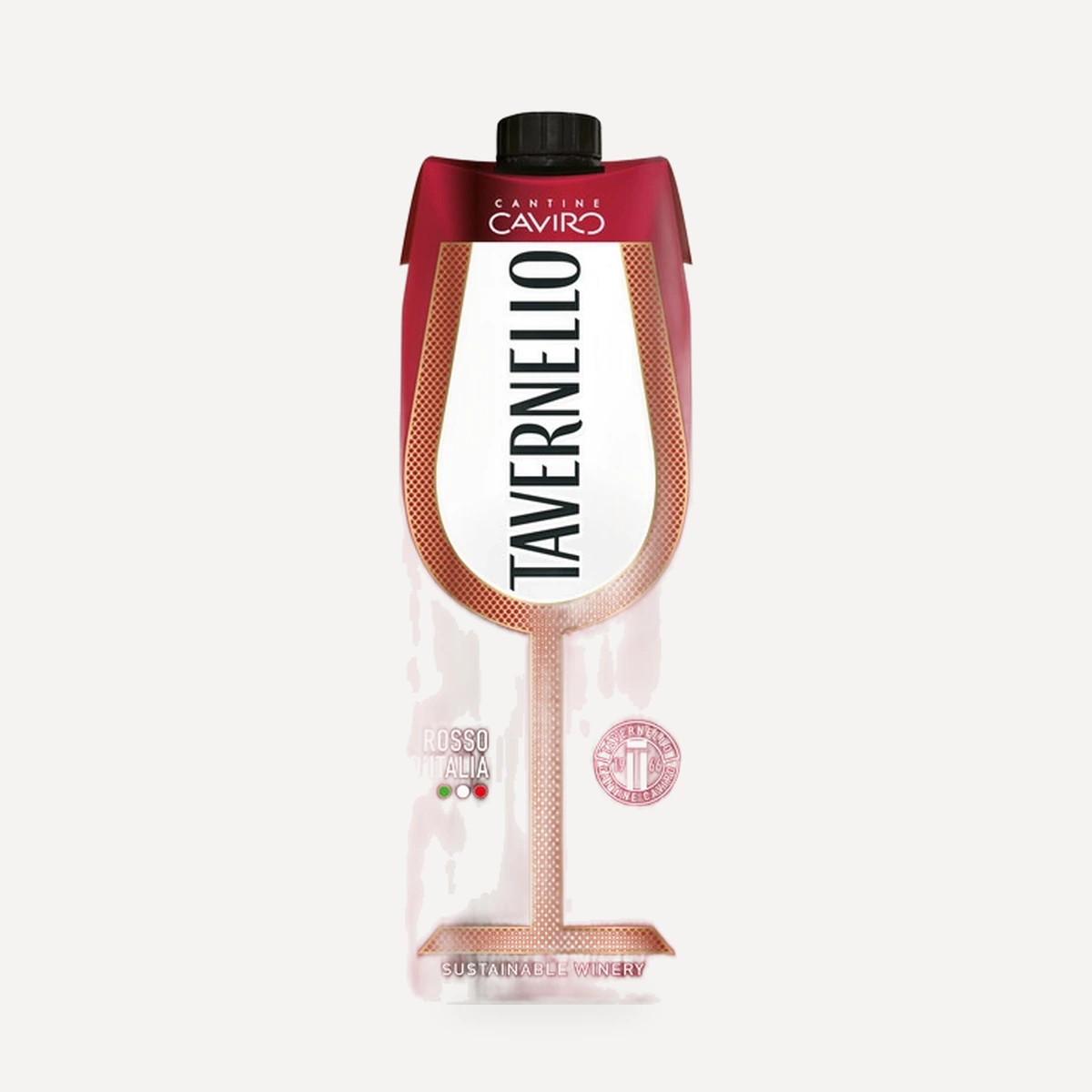
Tavernello Rosso Semi-Dry Tetra Prism
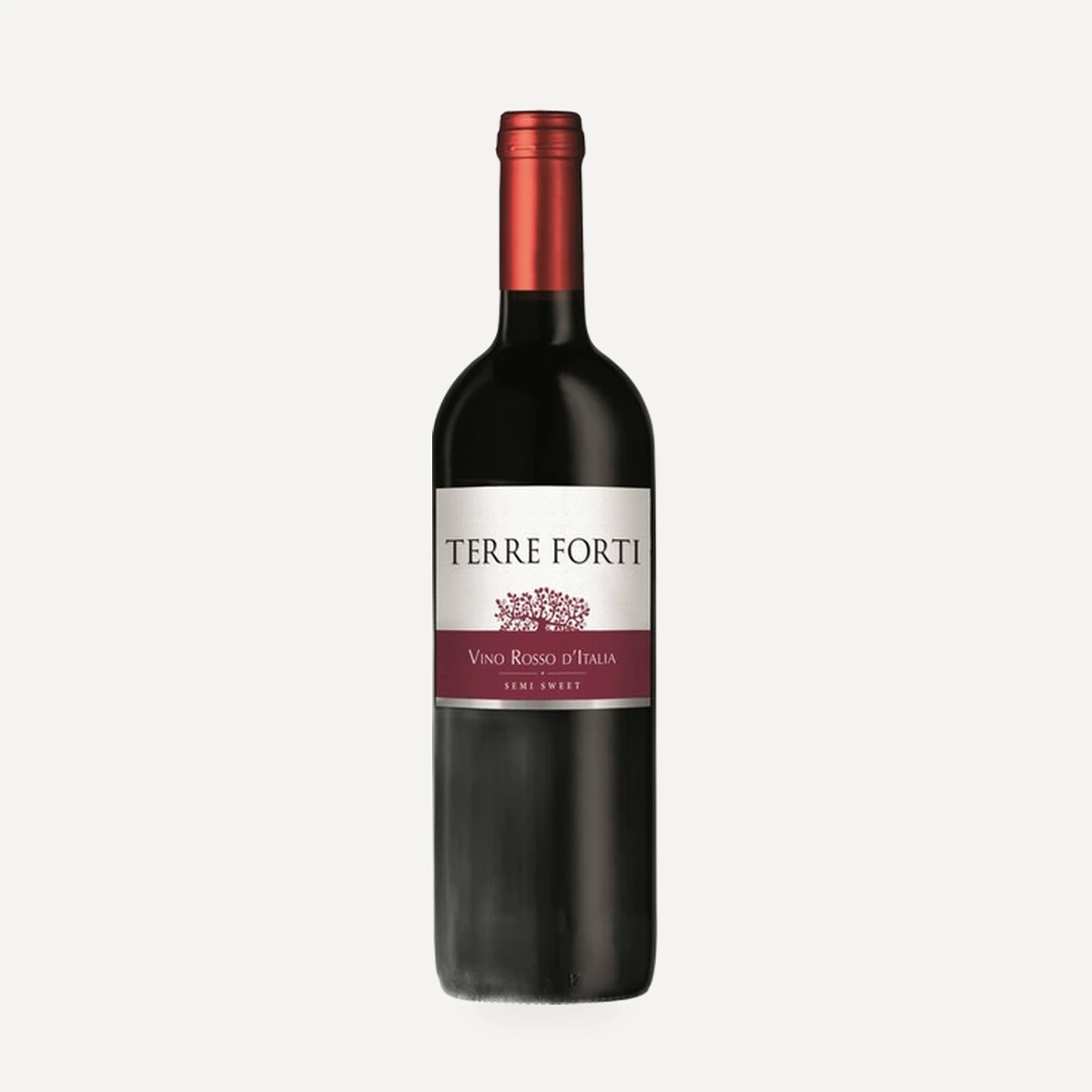
Terre Forti Vino Rosso d'Italia Semi-Sweet
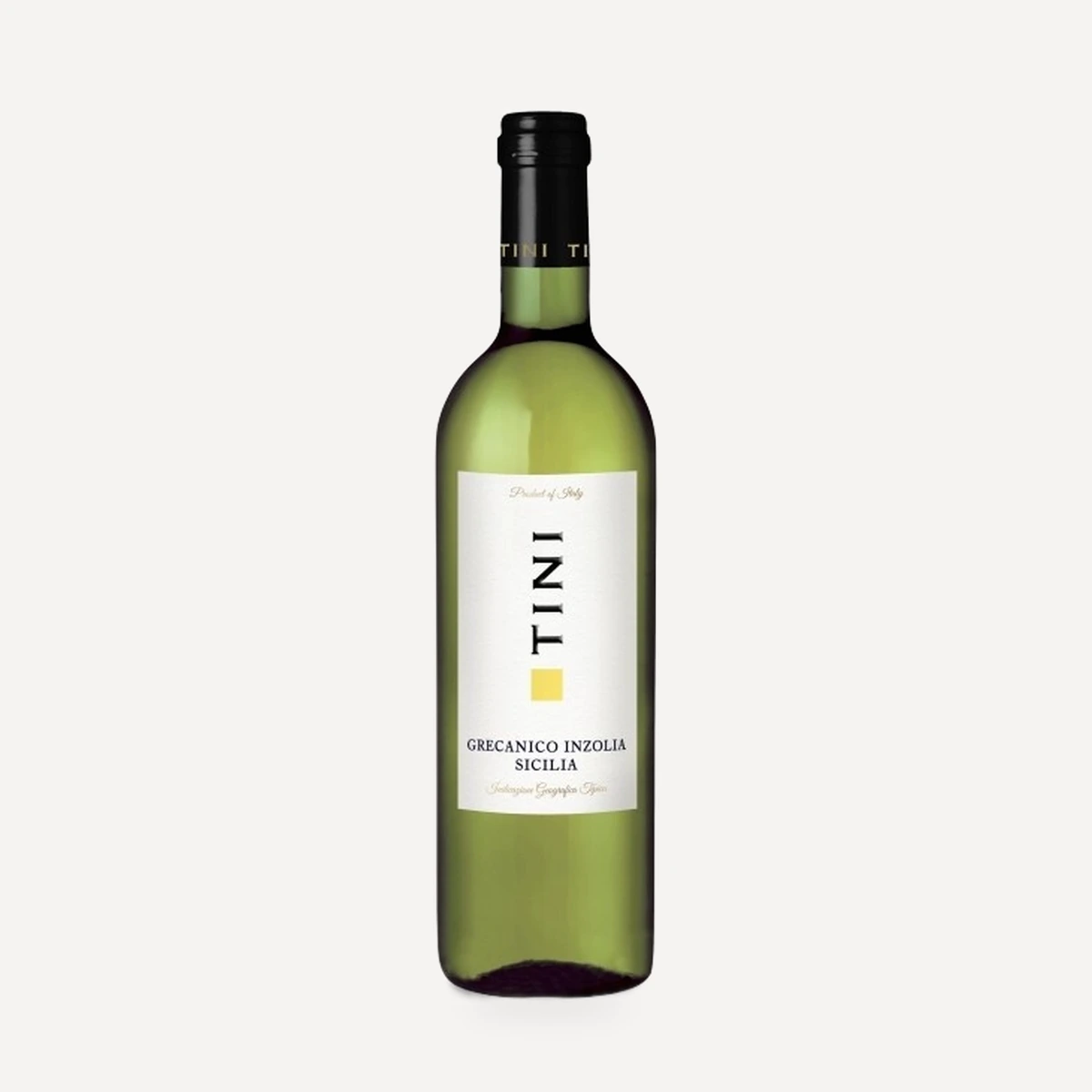
TINI Grecanico-Inzolia Sicilia IGT
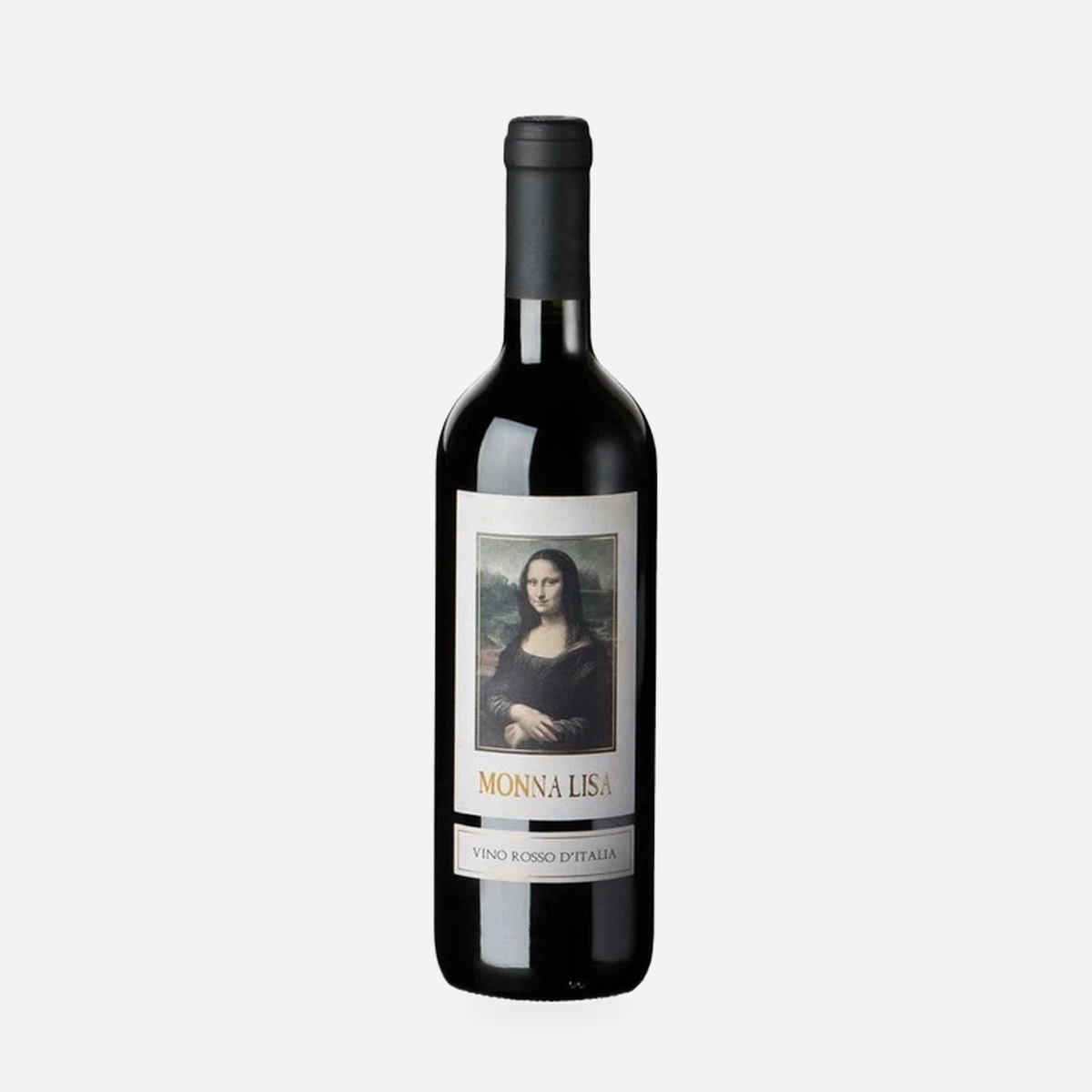
Leonardo Monna Lisa Rosso
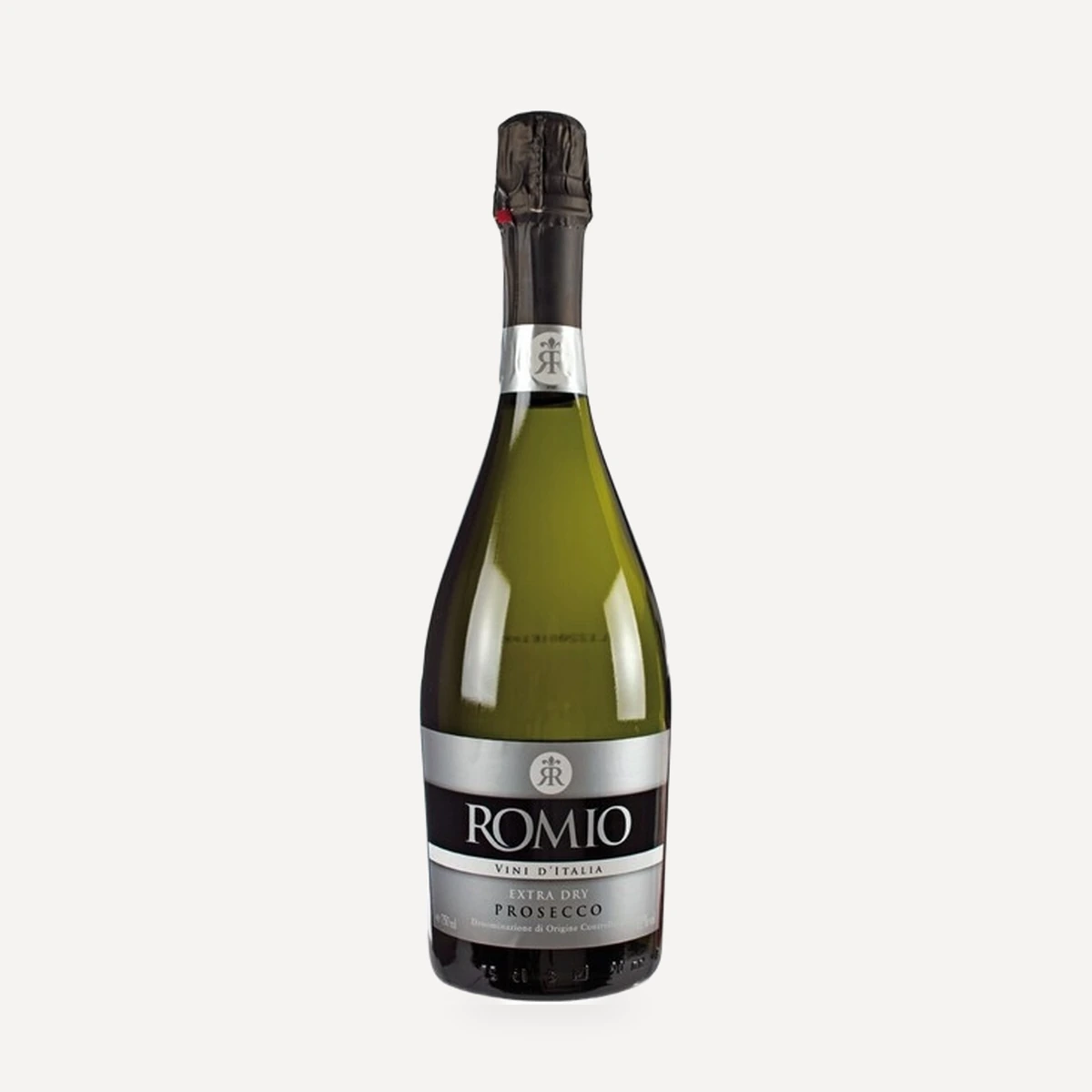
Romio Prosecco IGT
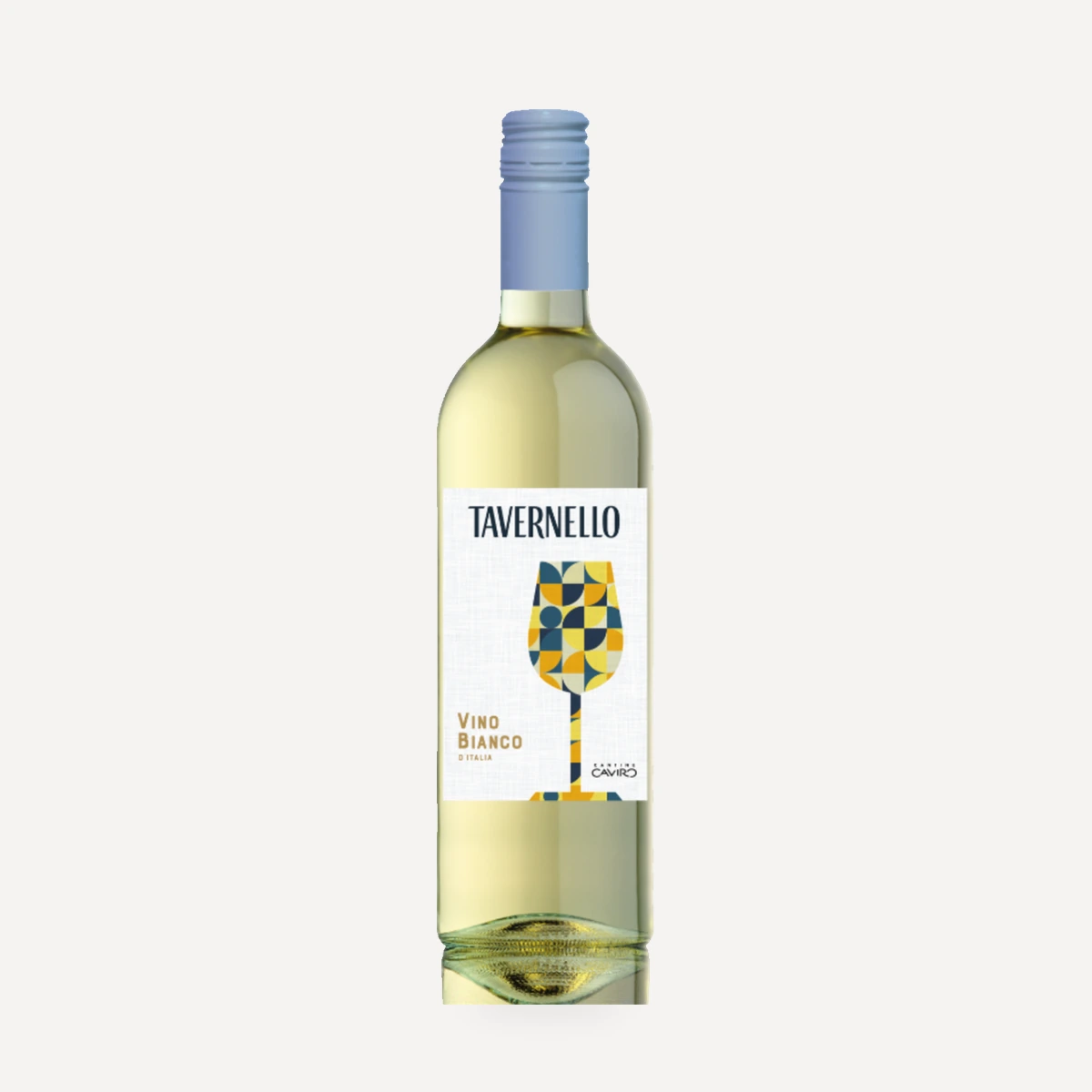
Tavernello Classico Vino Bianco
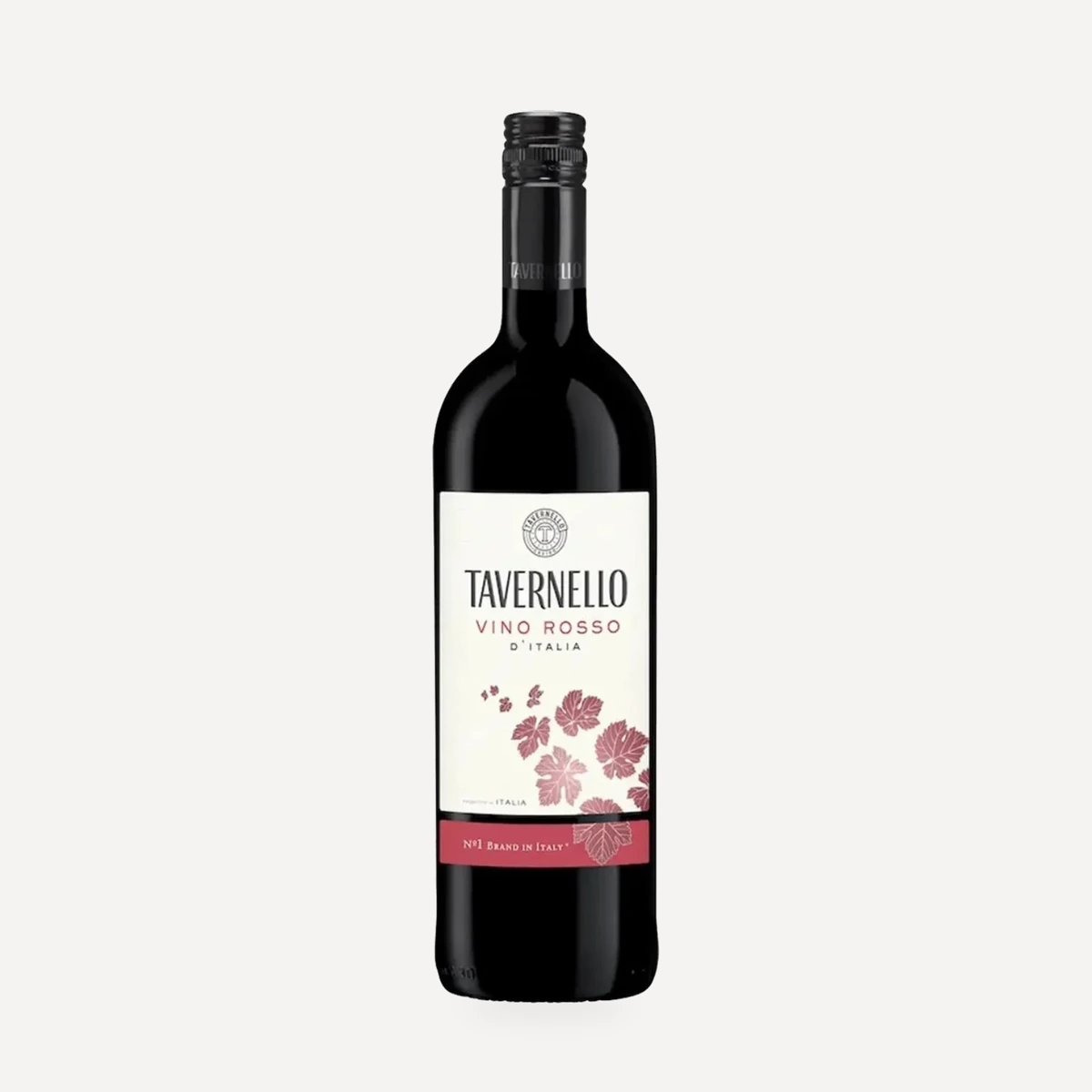
Tavernello Classico Vino Rosso
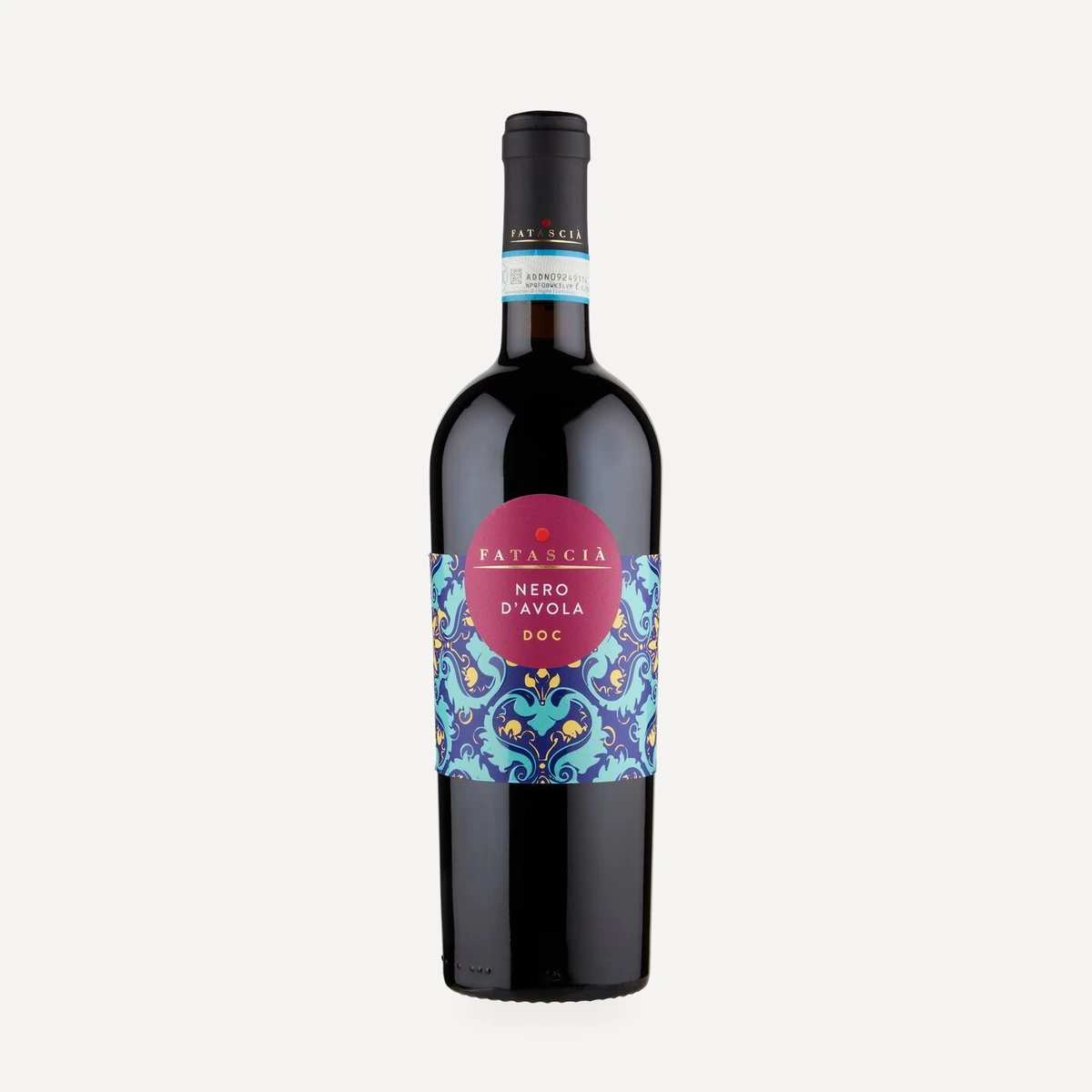
Fatascià