History
Origins in Barbaresco
Between 1860 and 1880, as the modern identities of Barbaresco and Barolo were beginning to take shape, Roagna ancestors Vincenzo and Rosa made the family’s first bottles of the wine now known as Barbaresco in the old centre of the village. The family’s roots in Barbaresco pre-date the modern definitions of both appellations.
Giovanni Roagna and Maria Candida Rocca Roagna were born between 1912 and 1915. In 1929 the family acquired its Montefico vineyard, which became the vineyard Roagna has vinified for the longest continuous period.
Giovanni and Maria Candida
Giovanni and Maria Candida bought the historic Pajé farm in 1953. In 1958 Giovanni separately vinified the parcel that would later become Crichet Pajé. His approach followed the family’s older cellar practice: Nebbiolo could remain on its skins until shortly before Christmas and sometimes until January, with the cap held submerged beneath oak planks.
In 1961 Giovanni purchased 0.22 ha in the centre of Asili. Years of selection and experimentation in Pajé eventually established Crichet Pajé as the family’s private reserve, kept for important occasions.
Alfredo and Luigina
Alfredo Roagna and Luigina Malvicino Roagna were born between 1949 and 1953. Alfredo completed his first harvest in 1971. Roagna vinified its vineyards separately in the 1974, 1975 and 1976 vintages.
In 1978 Alfredo released Crichet Pajé commercially, following Giovanni’s long programme of selection and experimentation. In 1979 Alfredo created Opera Prima, conceived as a blend of two to four Nebbiolo vintages that would synthesise their different qualities rather than express a single harvest.
In 1990 Alfredo and Luigina acquired historic Cascina Pira in the Rocche area of Castiglione Falletto and began producing Barolo there. The wines initially carried the names La Rocca and La Pira; following the introduction of geographical mentions, the name became Pira. The dedicated Pira profile dates the family’s ownership and sole-owner status to 1989.
Luca Roagna and a longer élevage
Luca Roagna was born in 1981. He joined the family business in 2001 after completing oenology school. That year he extended both maceration and maturation in wood and developed the practice of holding Riserva wines in neutral containers.
Roagna worked with Tommaso Canale in Vigna Rionda for the 2003, 2004, 2005 and 2006 vintages. In 2004 the family resumed separate vinification of Asili, Montefico, Pajé and Pira. A one-vintage collaboration in the historic Le Coste mention at Monforte d’Alba followed in 2007, producing a very limited edition. Also in 2007, Roagna introduced the additional Viti Vecchie selection, isolating old-vine material to pursue a more detailed expression of individual sites.
The first Barolo wines were vinified in the new Castiglione Falletto winery in 2010. In 2012 the family began an experimental programme of raising vines from grape seeds collected from its oldest and most interesting plants, seeking new genetic material adapted to contemporary conditions while increasing vineyard biodiversity.
Expansion into additional sites
The first Barolo di Barolo was produced in 2013 from a vineyard owned by the family of Romina Barberis, Luca’s partner. From 2013 through 2018, Roagna collaborated in the historic Faset vineyard in Barbaresco.
In 2014, friendship with the owner of historic vineyards in Neive enabled Roagna to lease Albesani and Gallina; that year provided the first vintage from both sites. The same year, the family purchased land at Montemarzino in the Colli Tortonesi for a Timorasso project conceived around a white wine capable of extended ageing.
Roagna purchased 0.48 ha in Rocche di Castiglione in 2016. The parcel, planted with Nebbiolo in the early 1970s, became another estate source in Castiglione Falletto.
The next family generation
Alessandro, son of Luca and Romina, was born in 2020. In 2024 the family welcomed his sister Chiara.
Terroir
Regional geology
The Langhe vineyards occupy soils of marine sedimentary origin. Alternating calcareous clay, grey-blue marl, limestone and sand create small but consequential differences between geographical mentions. Roagna associates the interpretive capacity of old vines with roots that pass through several of these layers and encounter distinct minerals and microelements.
Barbaresco
Pajé is a gently sloping natural amphitheatre at an average 230 m, open toward the Tanaro valley and sheltered from wind by surrounding hills. The valley moderates both winter cold and summer heat. Its south to south-west exposures and calcareous marl contain the estate’s highest concentration of active limestone, particularly in Crichet Pajé.
Asili lies at 250 m on a south-west-facing, mid-slope position in the historic centre of the hill. Its approximately 70-million-year-old marine sedimentary soil is calcareous clay crossed by sandy veins. Montefico is a small south-east-facing triangle at 230 m; calcareous clay with a strong marl component characterises this north-western sector of Barbaresco. Carso lies above the Rocche of Barbaresco, faces east and has sand-rich soils alternating with marl.
Castiglione Falletto
Pira faces south-east toward Serralunga and Perno. Its Tertiary marine sediments belong to the Helvetian formation, identified as the oldest formation in the Barolo area. Disintegration of the Rocche di Castiglione produced alternating white limestone, grey and blue marl, sand and iron-bearing mineral layers. The site is sheltered above by the Rocche and below by woodland, where a stream descends from Bussia di Monforte. Six micro-plots range from the limestone rock of the Rocca to bluish marl.
Rocche di Castiglione occupies a south-facing position at 300 m near the top of the hill. Its calcareous clay includes white rock and sand.
Neive, Barolo and Colli Tortonesi
Albesani lies at 240 m near the top of its hill on the boundary with Santo Stefano. Its soil has a high concentration of active limestone. Gallina consists of calcareous clay with a substantial sandy component.
The 0.17-ha Barolo di Barolo parcel lies within Terlo, between the hills connecting Novello and La Morra and overlooking Barolo. It borders Coste and is close to Ravera.
Montemarzino faces east at 450 m in the Colli Tortonesi. Its soils are of Tortonian origin.
Winemaking
Old vines and site-specific propagation
Old vines are central to Roagna’s viticulture because their deep roots cross several sedimentary layers. The estate neither irrigates nor fertilises its vines. New plants normally come from massal selection: wood is taken from mother vines within the same geographical mention, preserving the heterogeneous population and avoiding the transfer of plant material between distinct sites.
Since 2012, seeds from the oldest and most interesting vines have also been sown to generate daughter plants with new genetic combinations. The objective is to broaden biodiversity and select material better adapted to current climatic conditions and potentially more resistant to fungal disease and climatic fluctuation. Pira contains an experimental field of seed-grown plants originating from all the historic vineyards.
Cuttings remain the normal means of propagation. Layering is also used by bending part of a mother-vine shoot into the soil until it develops roots and new growth. To replace dead vines while limiting uprooting, plants grafted to American rootstock are inserted by traditional bud grafting. A meristematic bud rather than an already woody section is placed into the prepared rootstock to favour longevity.
Soil cover and regenerative practice
Until 2001, grass was cut once a year. Since then, Roagna has adopted complete, permanent grassing without mowing. The soil has not been tilled or mown for over 20 years. Trampled vegetation forms a natural mulch that moderates soil temperature, slows evaporation and helps retain carbon and moisture. Pruned shoots are laid between the rows, where they decompose over approximately two years and return organic matter.
No fertiliser or manure is applied. Mechanical soil disturbance is minimised, while mixed cropping and free grazing are encouraged where possible. Woodland has been retained around the vineyards. Pira supports wild mint, flowers, mushrooms, grasses, shrubs, insects, butterflies, birds, earthworms and small animals. The diversity of decomposing plants is intended to replenish the soil with a varied range of micronutrients.
Roagna connects these practices with the preservation of mycorrhizae and other soil microorganisms. Mycorrhizal associations expand the volume of soil explored by roots, improve nutrient and water uptake, strengthen resistance to biotic and climatic stress and support soil structure, aeration and water retention.
Pruning, plant health and harvest
Pruning avoids forcing every vine into a standardised form. Three-dimensional development is favoured while maintaining the plant’s vascular pathways. Decisions consider both crop quality and vine longevity.
Copper and sulphur are used against fungal diseases. Frost protection combines infrared-wire technology with wind machines in Pajé and Pira. The wires convert infrared radiation to heat at the vine, while the wind machines move warmer upper air toward the ground during thermal inversions.
Harvest timing is based on physiological rather than sugar maturity. Skins and pips are tasted; woody, crunchy pips indicate readiness. The intended result is moderate potential alcohol, malic acid close to zero and retained tartaric acidity. Grapes are picked entirely by hand into 10 kg crates, with each bunch placed gently to avoid broken berries. Two manual selections are usual for Barolo and Barbaresco; difficult years can require three cleaning and selection passes before processing.
Family-run production
The Roagna family personally oversees vineyard work, grape selection, processing and packaging. Alfredo and Luca work the vines, and no external oenologists or agronomists are employed. Every bottle is handled at least six times by a family member before leaving the cellar. Production takes place at cellars in Barbaresco and Castiglione Falletto; the latter first vinified the family’s Barolo in 2010.
Reception and fermentation
Hand-harvested bunches arrive in small crates and undergo manual selection. Grapes are processed quickly to retain freshness and integrity. For red wines, destemming without crushing limits mechanical stress. The fruit is gravity-fed into truncated oak vats.
A few days before each geographical mention is harvested, several baskets of its grapes are selected to make a separate pied de cuve. After crushing, indigenous yeasts normally initiate activity within two days and bring the starter to full fermentation within approximately one week. The active starter is added to the main must at crushing or several days later, depending on the vintage. Fermentation in wooden vats generally lasts around ten days.
Submerged-cap maceration
After alcoholic fermentation, oak planks are fitted across and completely close the upper opening of the wooden vat. Filling the vessel holds the skins beneath the wine, allowing gradual extraction without aggressive mechanical action. Giovanni Roagna sometimes kept Nebbiolo on its skins until Christmas or the following January. Current macerations average 60–100 days. The general Barolo and Barbaresco regime is approximately 60–70 days, while Riserva selections may remain under the submerged cap for 80–90 days. Traditional Dolcetto vinification can extend to 100 days.
Maturation
Ageing is adapted to the identity and development of each vineyard rather than a fixed timetable. Pira and Asili commonly require three to four years in large oak casks. Crichet Pajé, Pajé and Montefico generally need four to five years and, in some vintages, more than ten. Geographical-mention wines are released five years after harvest following slow maturation in oak and concrete.
The large casks are handmade from carefully selected wood. Their staves are seasoned for up to ten years and shaped with steam without toasting, limiting aromatic interference. Finer, earlier-developing components may rest in concrete until more structured components mature. Extended holding in neutral concrete or ceramic slows evolution while sediment and yeast continue to enrich the wine. Riserva wines may remain in oak, concrete and ceramic for roughly twice the standard period and reach the market 15–20 years after harvest.
Dolcetto generally matures for about one year, white wines for two years, and Barbaresco and Barolo for at least five. Wines are bottled during summer after reaching maturity. Long clarification through ageing removes the need for filtration or fining.
White-wine method
The white-wine programme is designed for extended ageing and follows an oxidative pre-fermentation approach. After aeration, the cloudy must ferments in wood with an indigenous-yeast pied de cuve. It remains in the vat without racking for approximately two years, maturing on its lees at the bottom, and is then bottled. For Montemarzino, whole Timorasso bunches macerate for several hours in the press; after pressing, the must is allowed to brown without added sulphites before wooden-vat fermentation and two years on the lees.
Energy and emissions
Photovoltaic systems generate renewable electricity for production. All electricity used comes from renewable sources, and for several years generation has exceeded consumption. Investments in energy efficiency and emissions management underpin Roagna’s stated objective of zero atmospheric impact.
Philosophy
Vineyard identity before technique
Roagna’s stated objective is to translate the expressive potential of each vineyard as precisely as possible. Terroir, position and climate are considered the principal forces shaping a wine; cellar technique should protect rather than supersede that identity. Old vines, site-specific massal selection and long maturation are the principal means of pursuing this expression.
Cooperation with natural systems
The family describes viticulture as cooperation with nature rather than control over it. Its approach draws parallels with permaculture and Masanobu Fukuoka’s “do-nothing” agriculture: human intervention is reduced so that woodland, grasses, microorganisms, fungi and animals can form a self-sustaining habitat. Roagna regards soil, human and planetary health as connected and treats regenerative agriculture as a response to erosion, desertification and climatic instability.
Healthy soil is understood as a living carbon reservoir. Permanent vegetation, reduced mechanical disturbance, the absence of fertilisers and the encouragement of diverse plant and animal life are intended to maintain stable soil temperatures, reduce evaporation and support microorganisms. The winegrower’s responsibility is framed as preserving the land’s intrinsic capacity and passing it to later generations.
Artisan family work
Each vine is treated as an individual whose growth and fruit must be interpreted over time. Vineyard and cellar decisions rely on accumulated family experience rather than external oenological or agronomic consultants. Long maceration and maturation are guided by a wine’s development and family tradition rather than a rigid schedule or minimum appellation requirements.
Wines
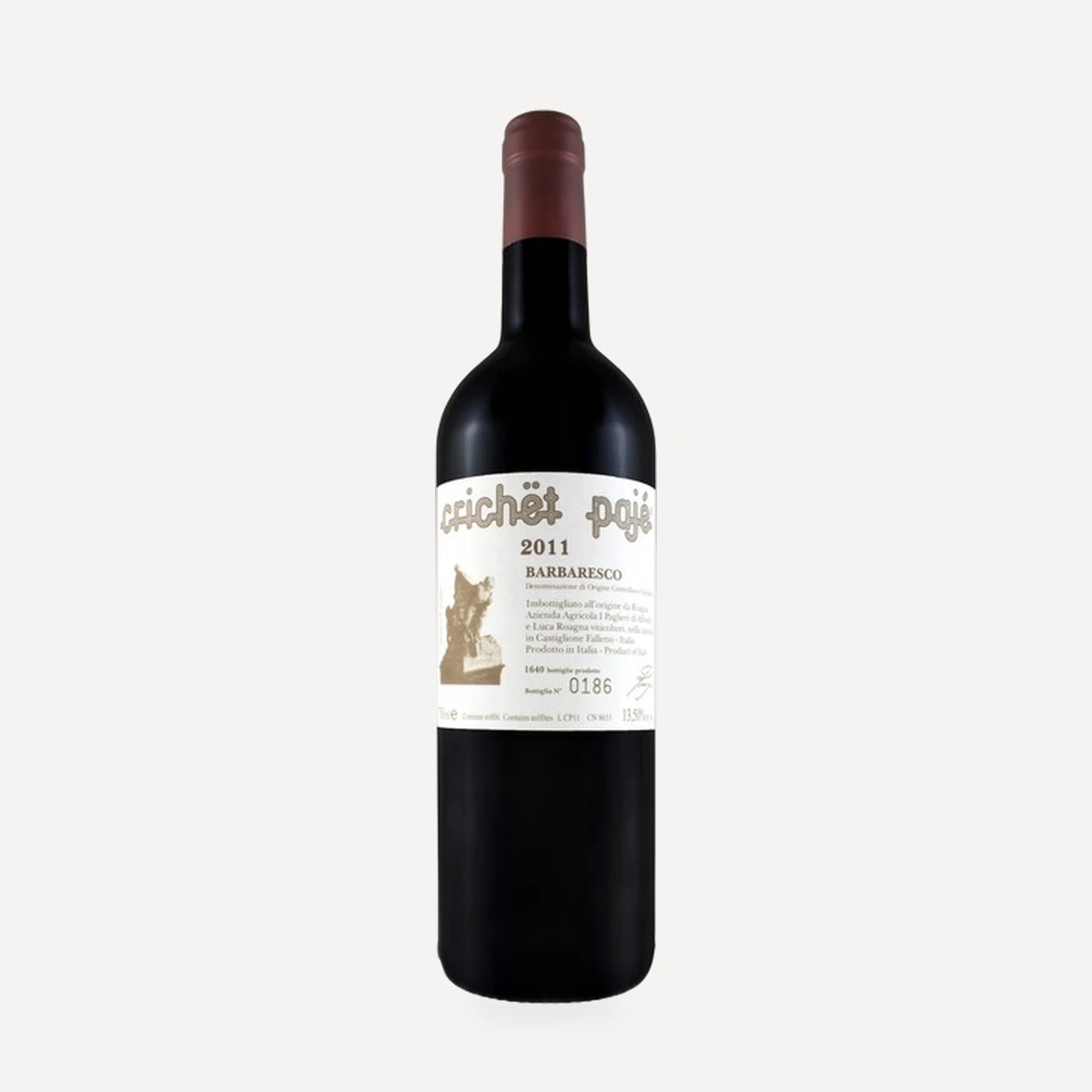
Barbaresco Crichët Pajé
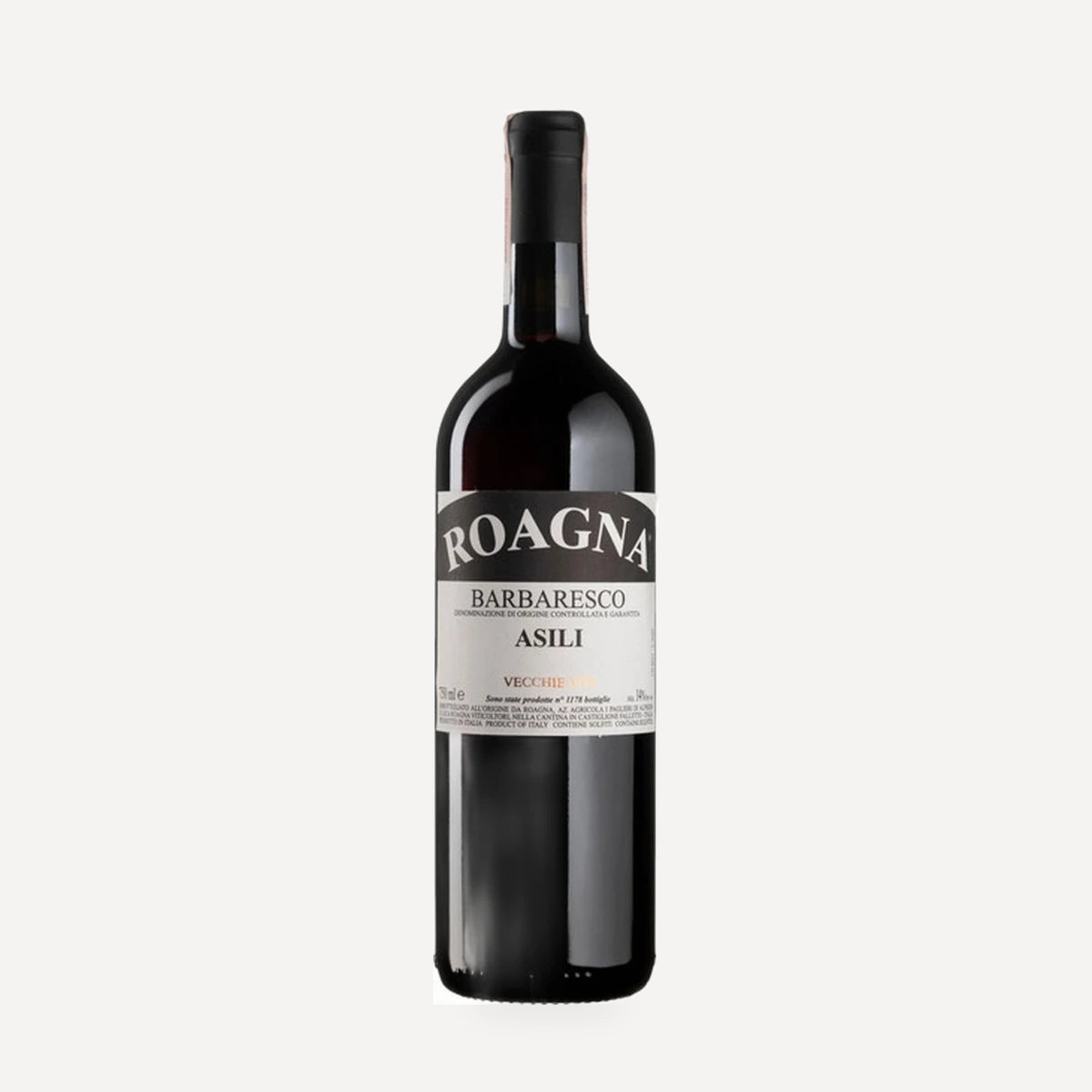
Barbaresco Asili Vecchie Viti
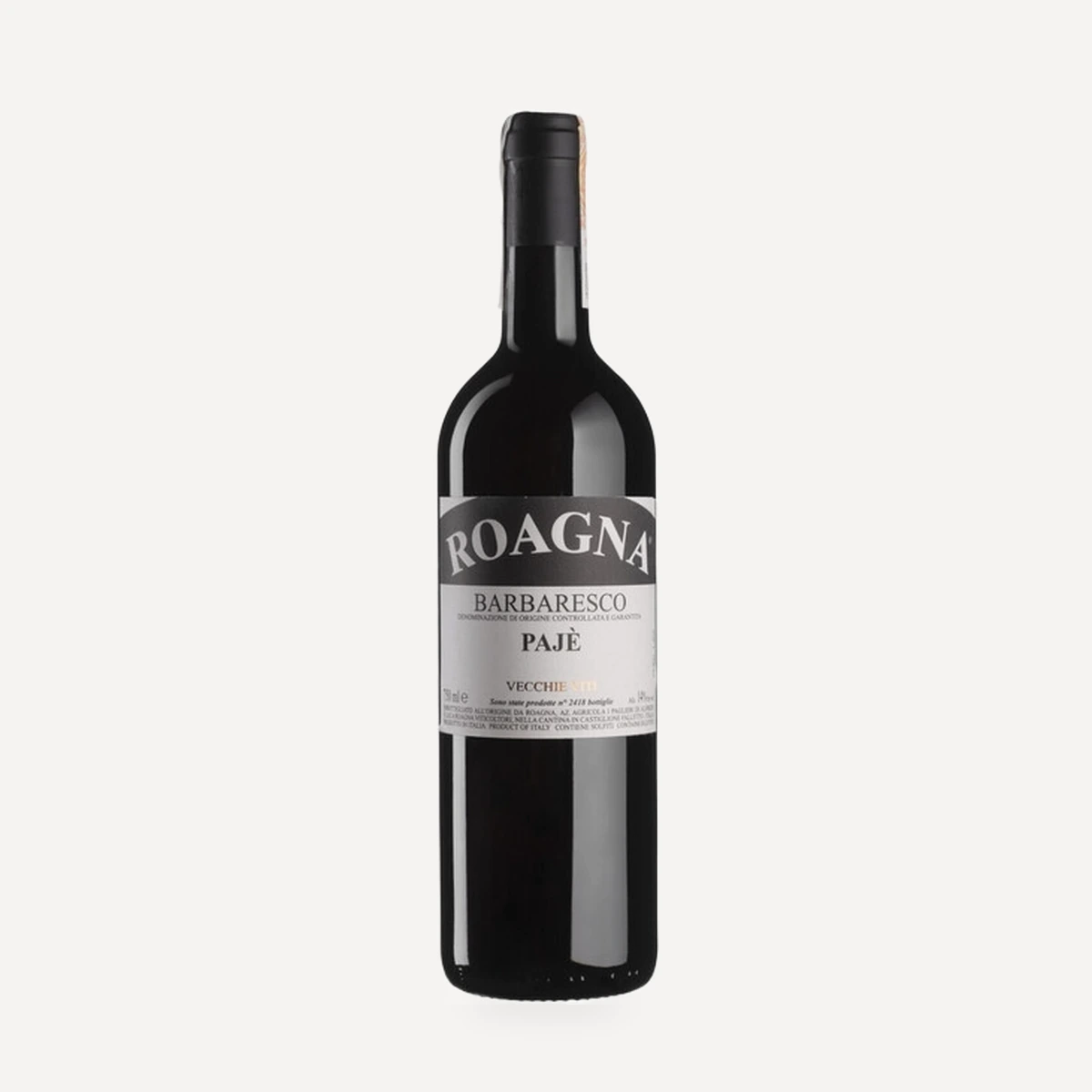
Barbaresco Pajè Vecchie Viti
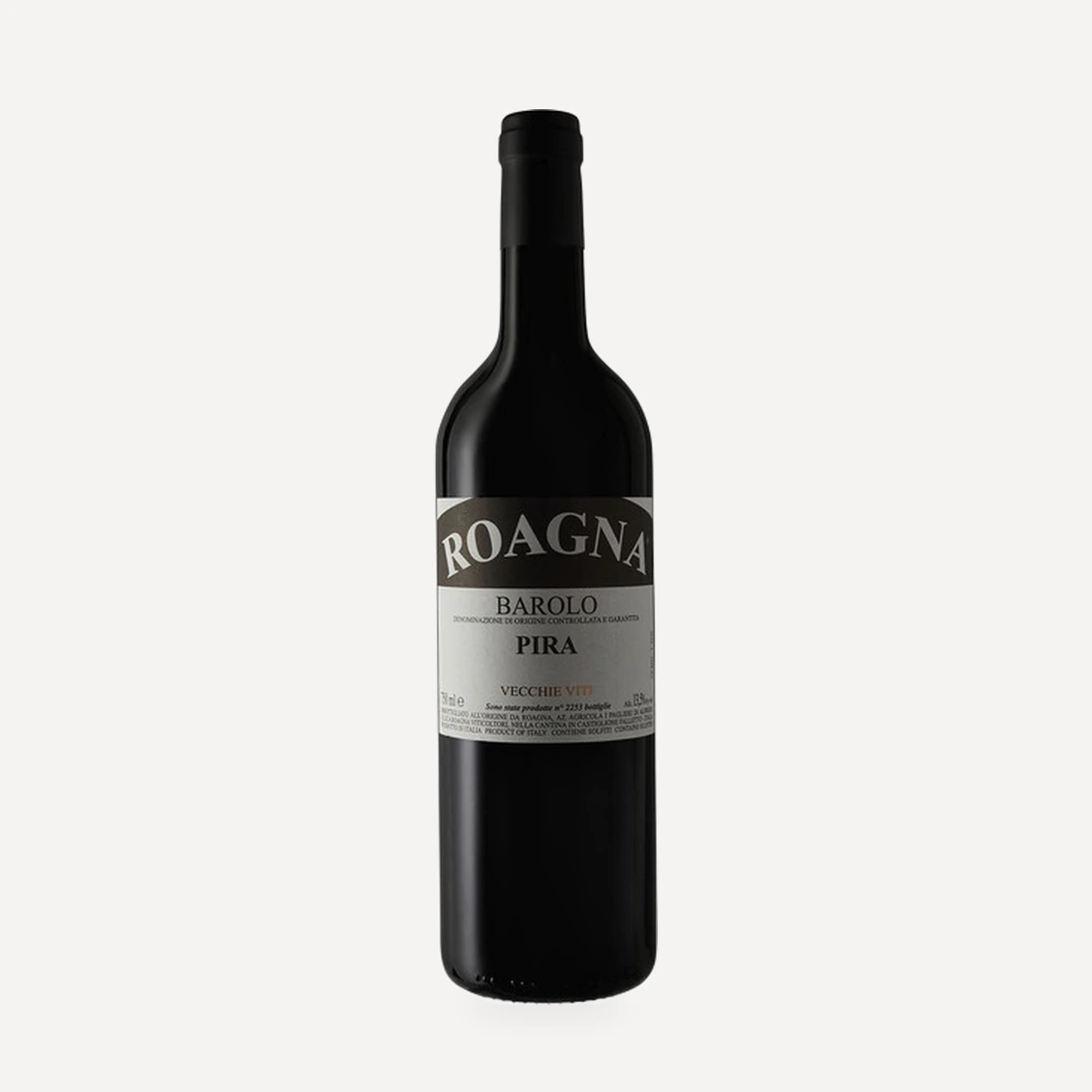
Barolo Pira Vecchie Viti
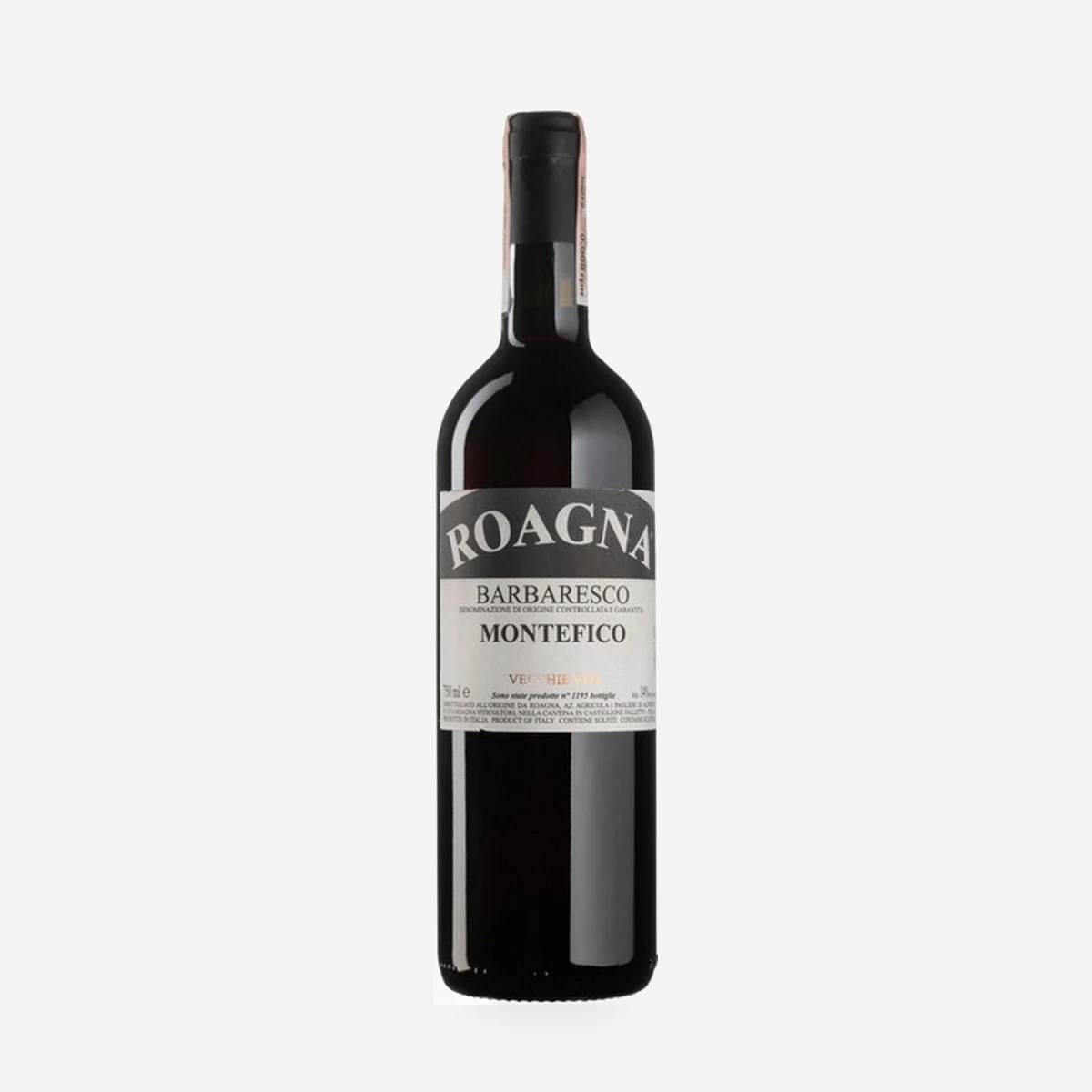
Barbaresco Montefico Vecchie Viti
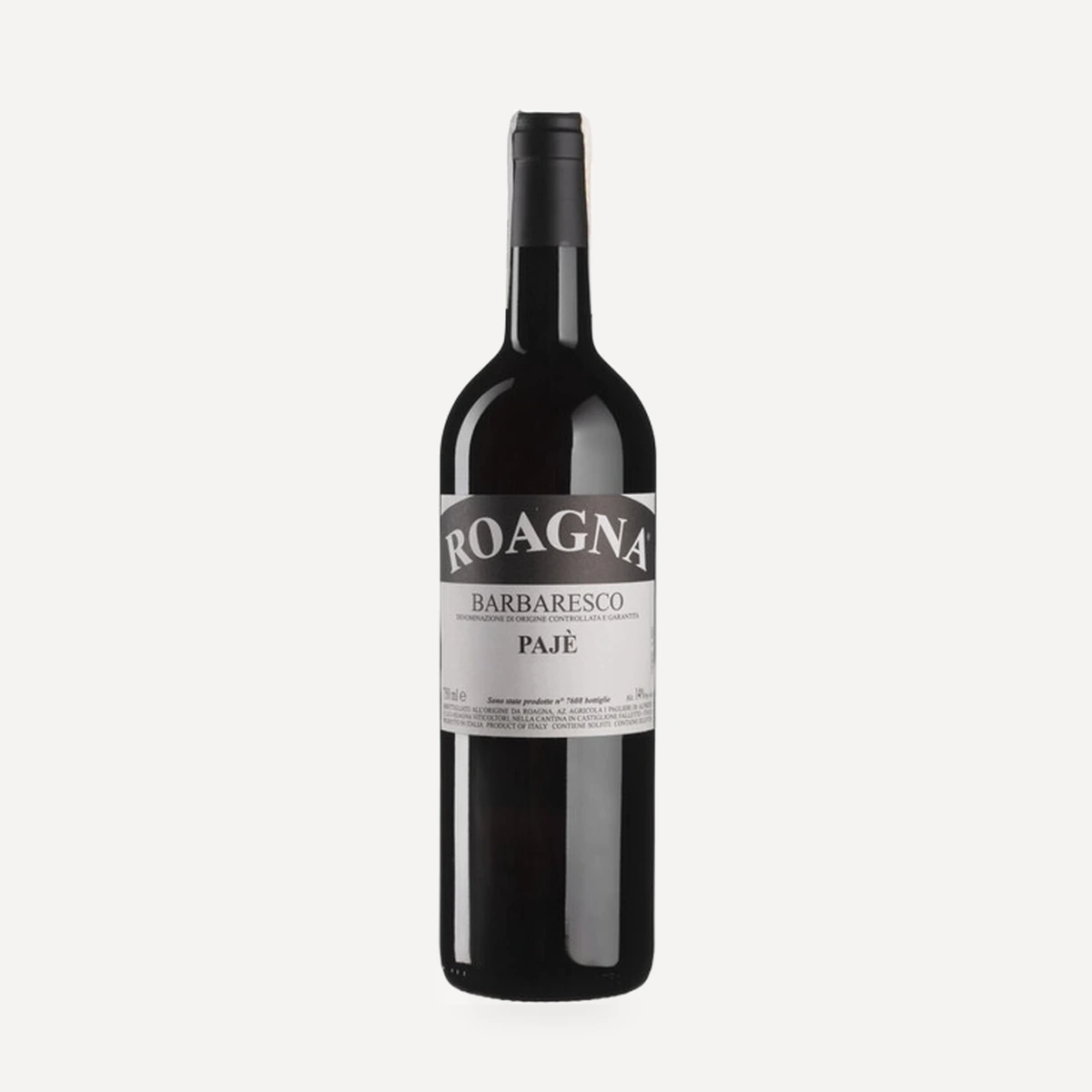
Barbaresco Pajè
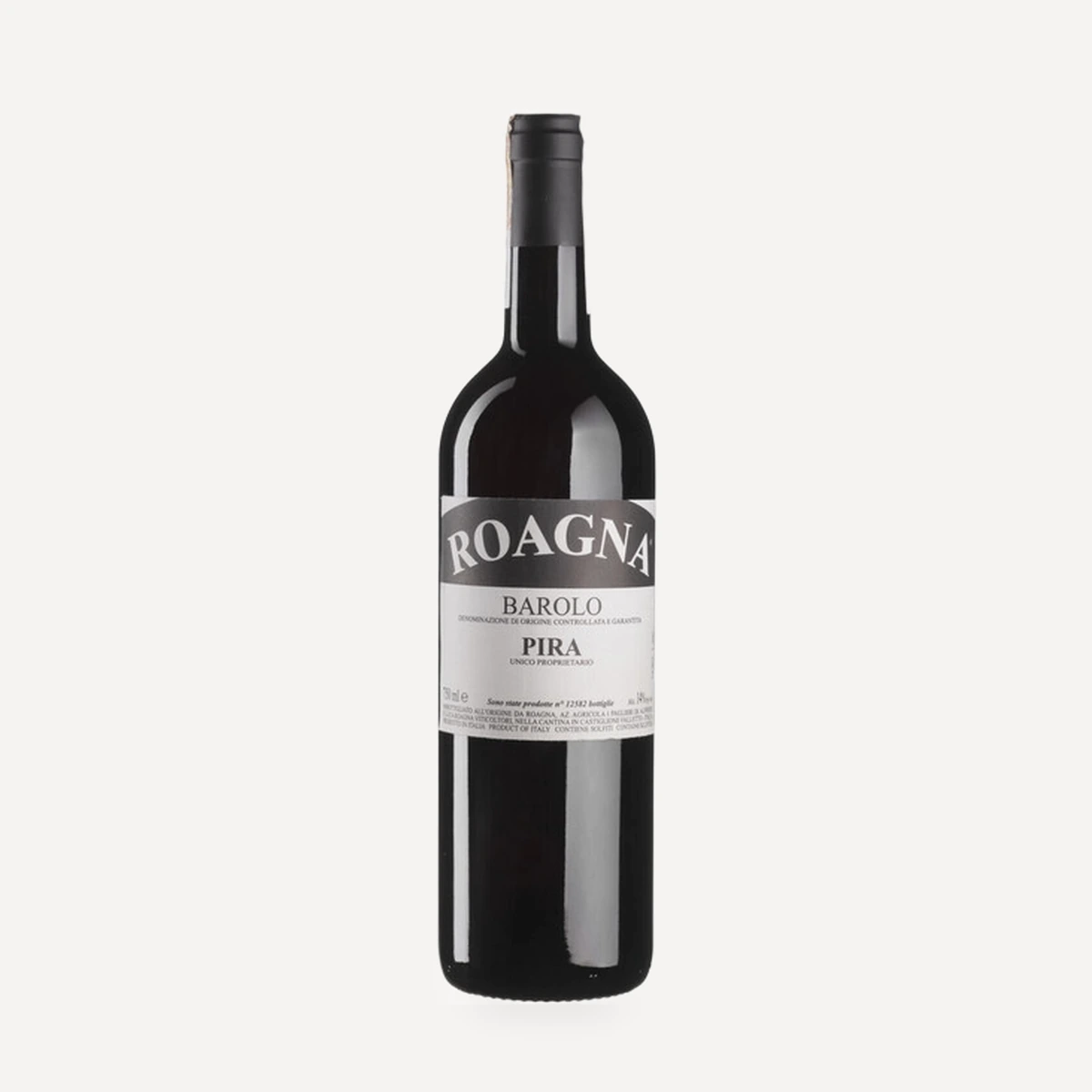
Barolo Pira
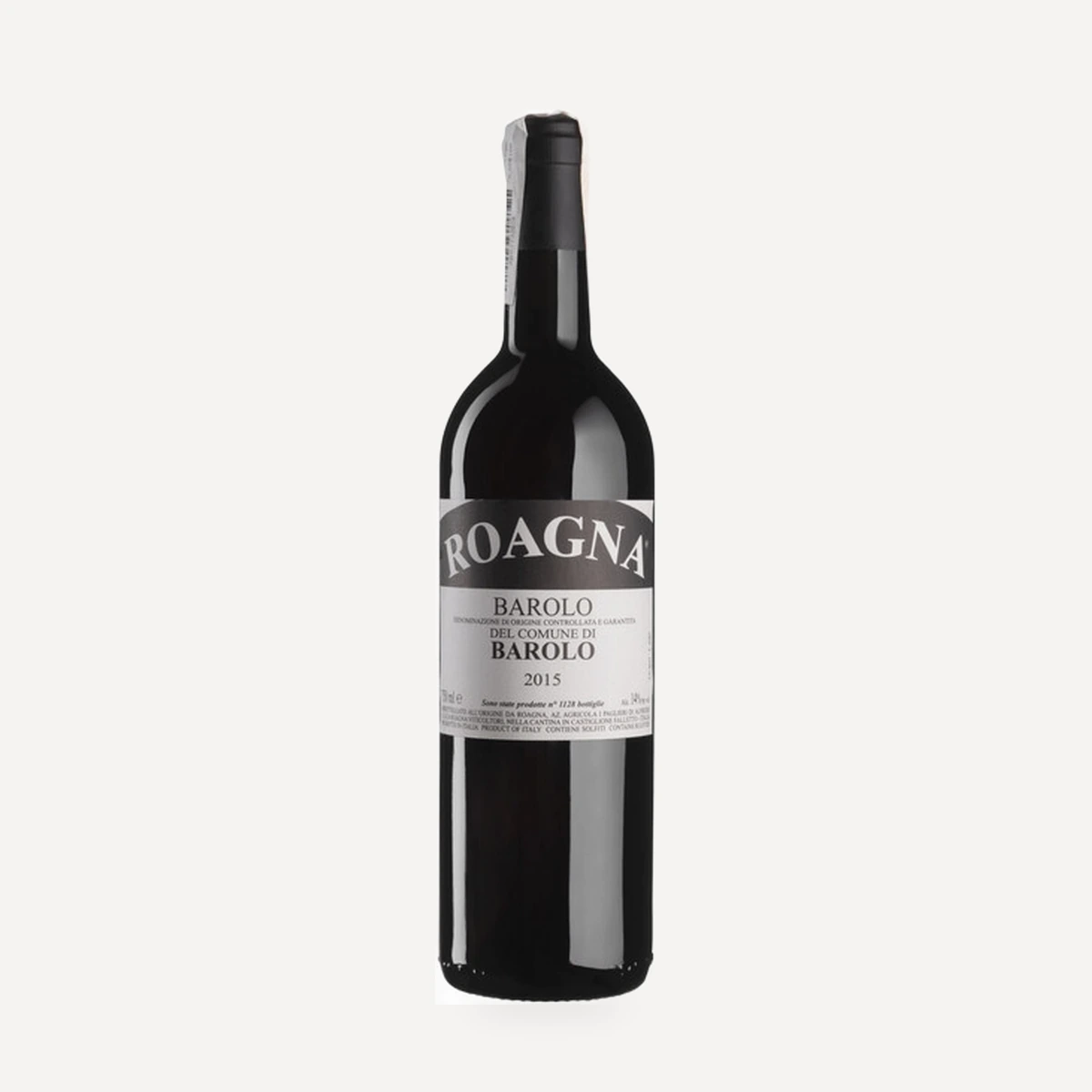
Barolo del comune di Barolo
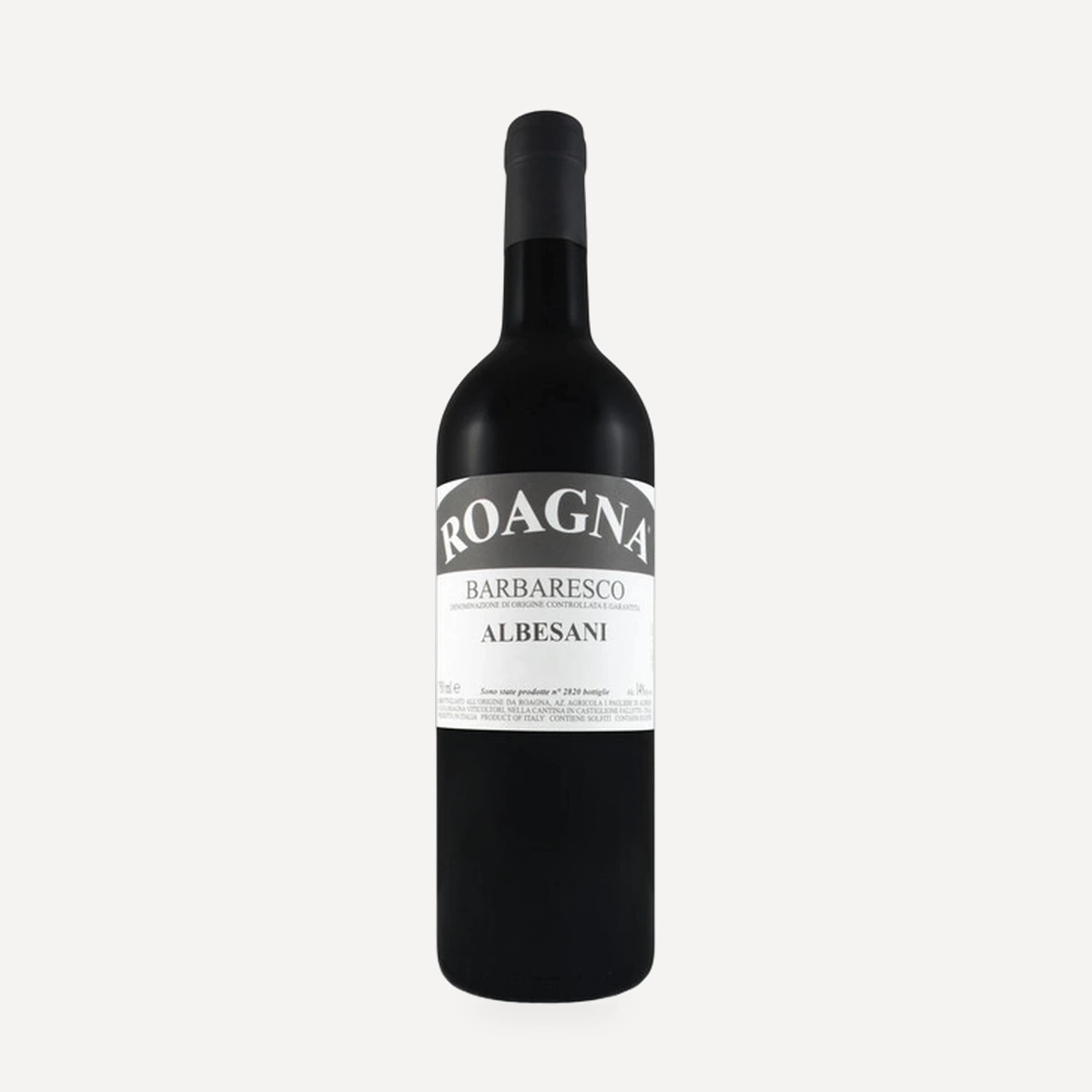
Barbaresco Albesani
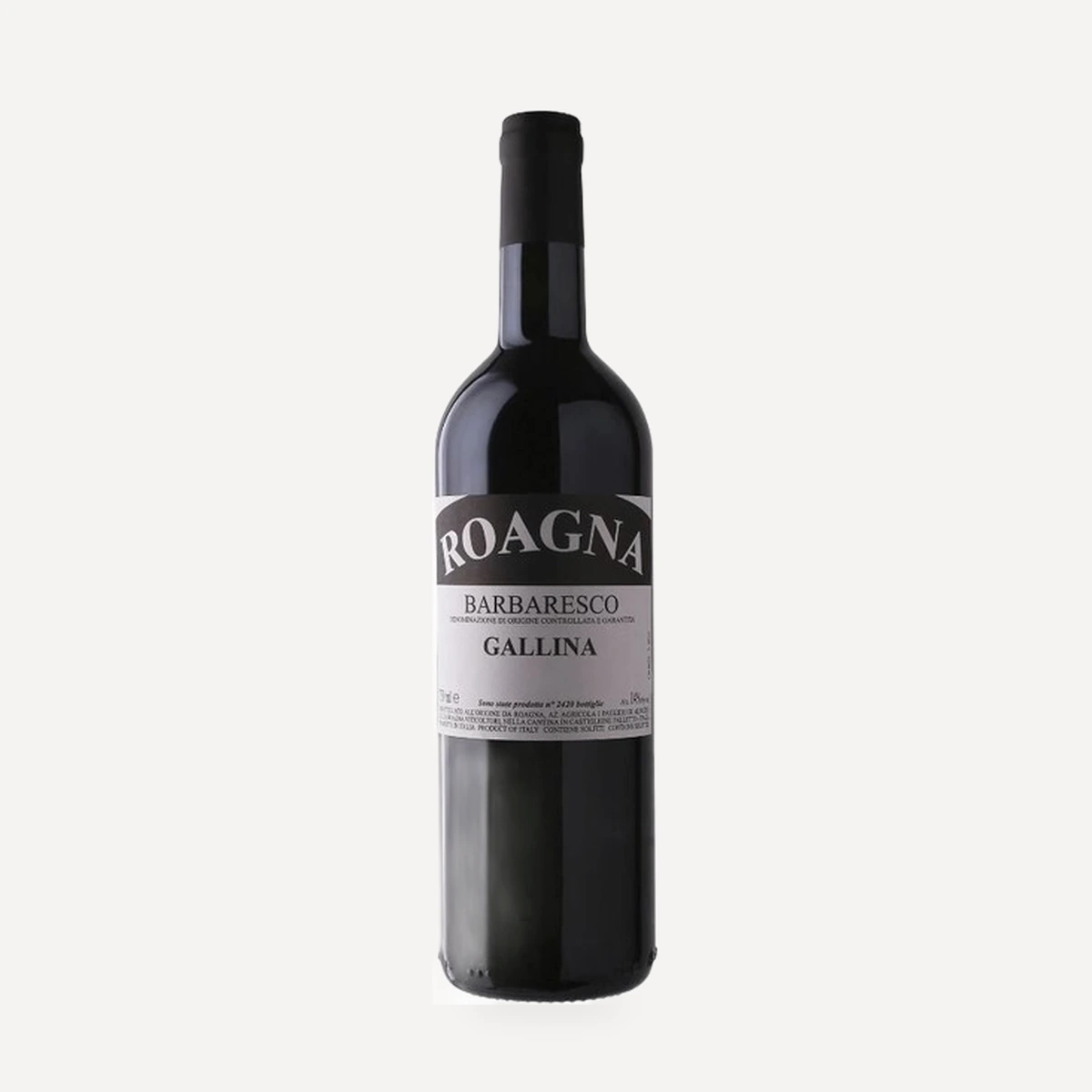
Barbaresco Gallina
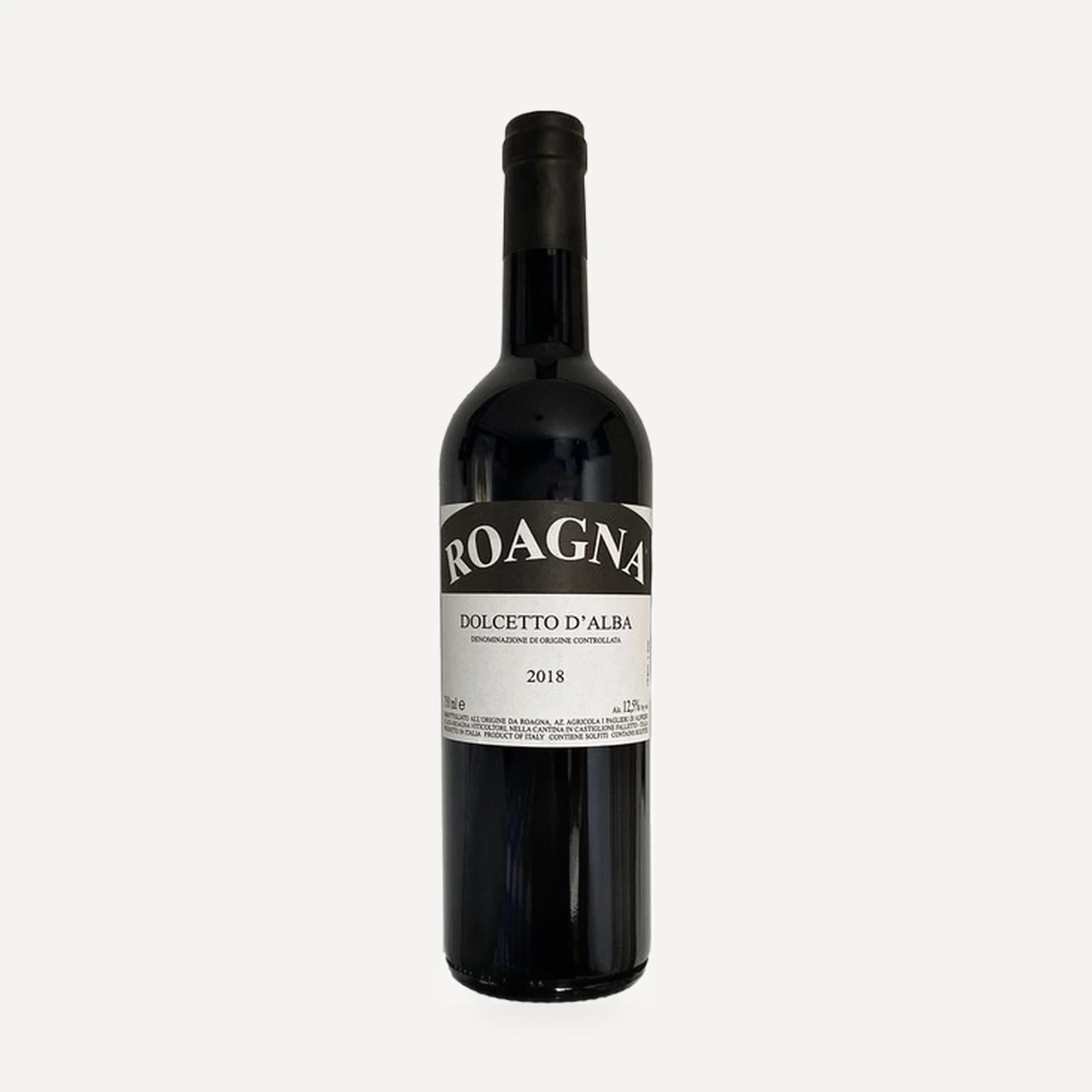
Dolcetto d’Alba
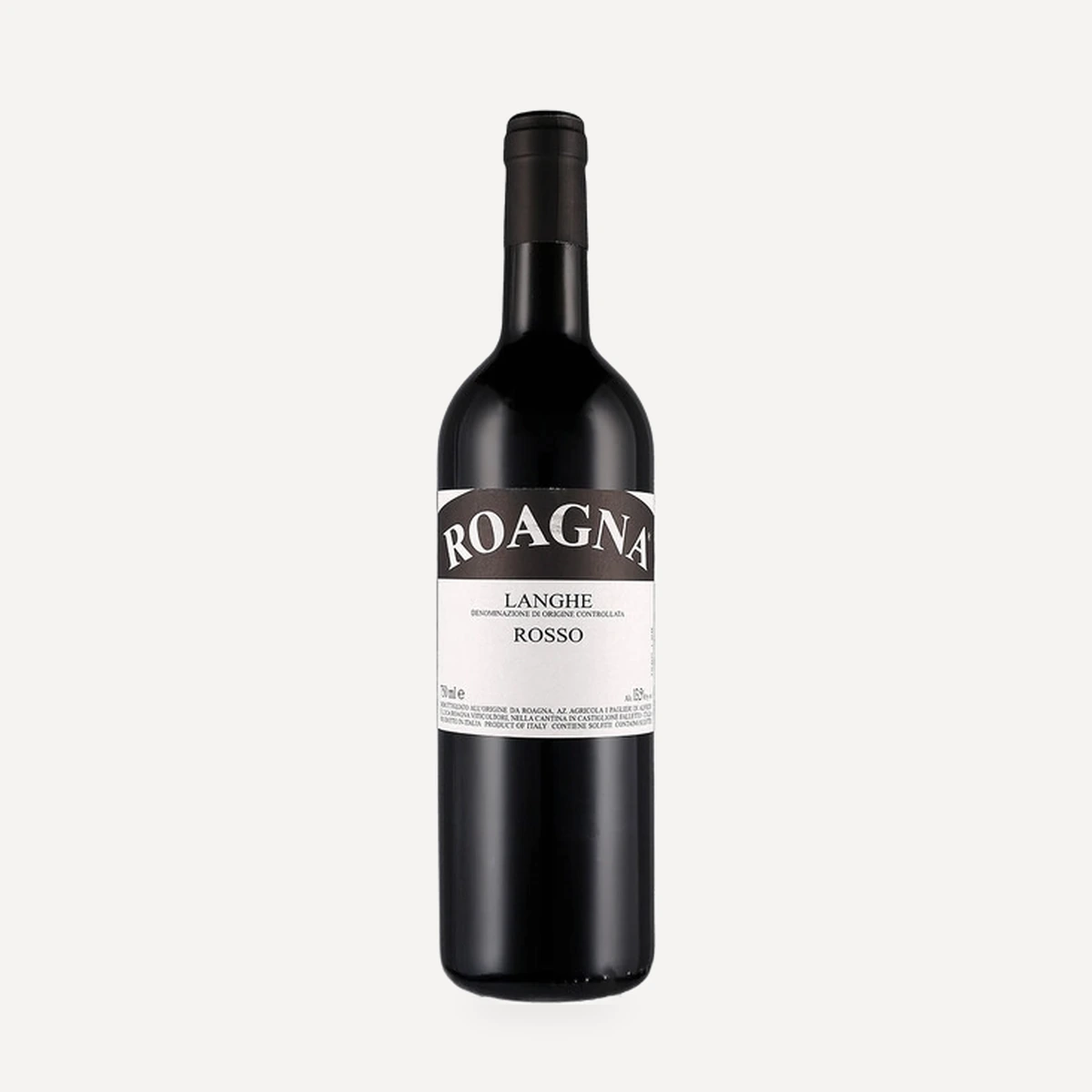
Langhe Rosso
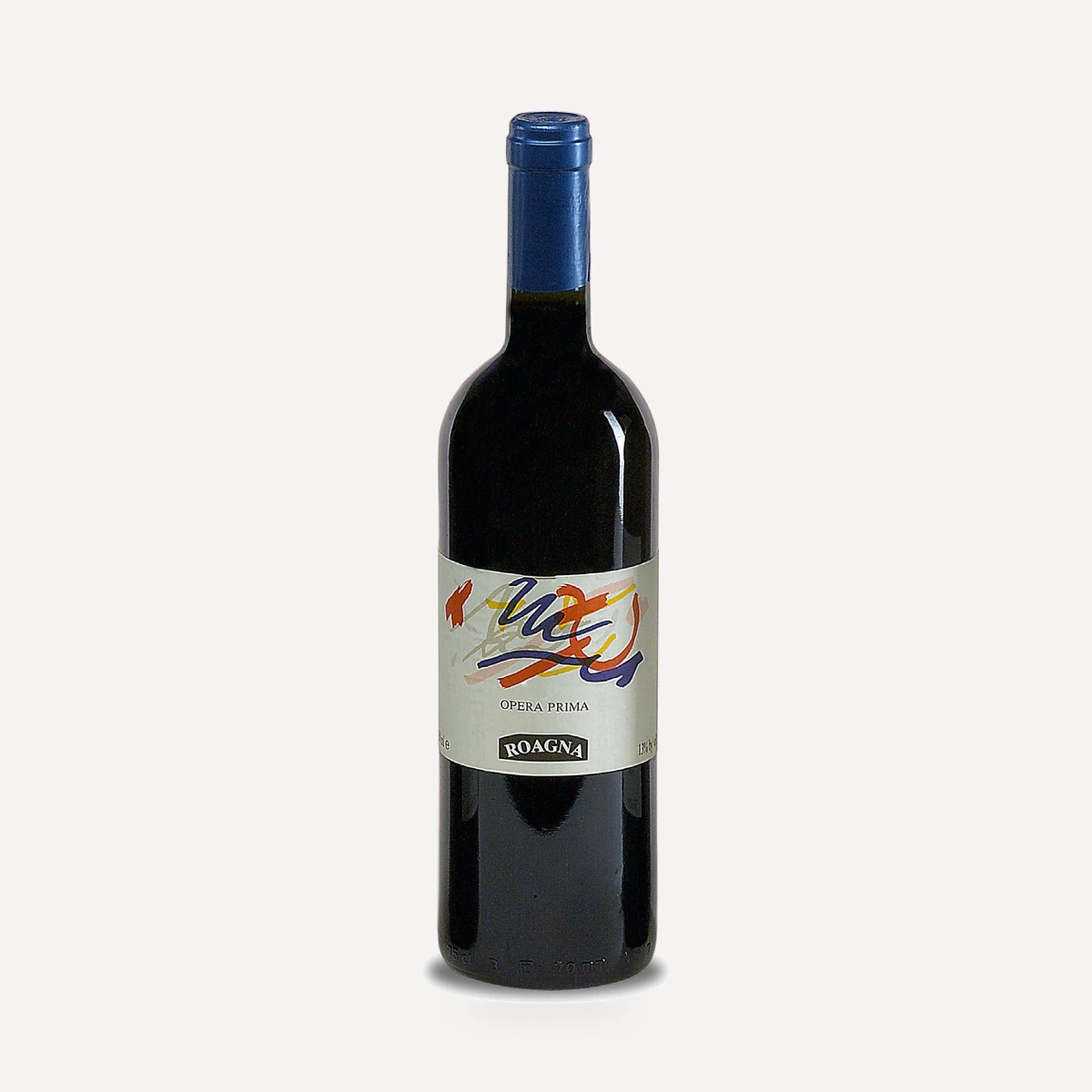
Opera Prima
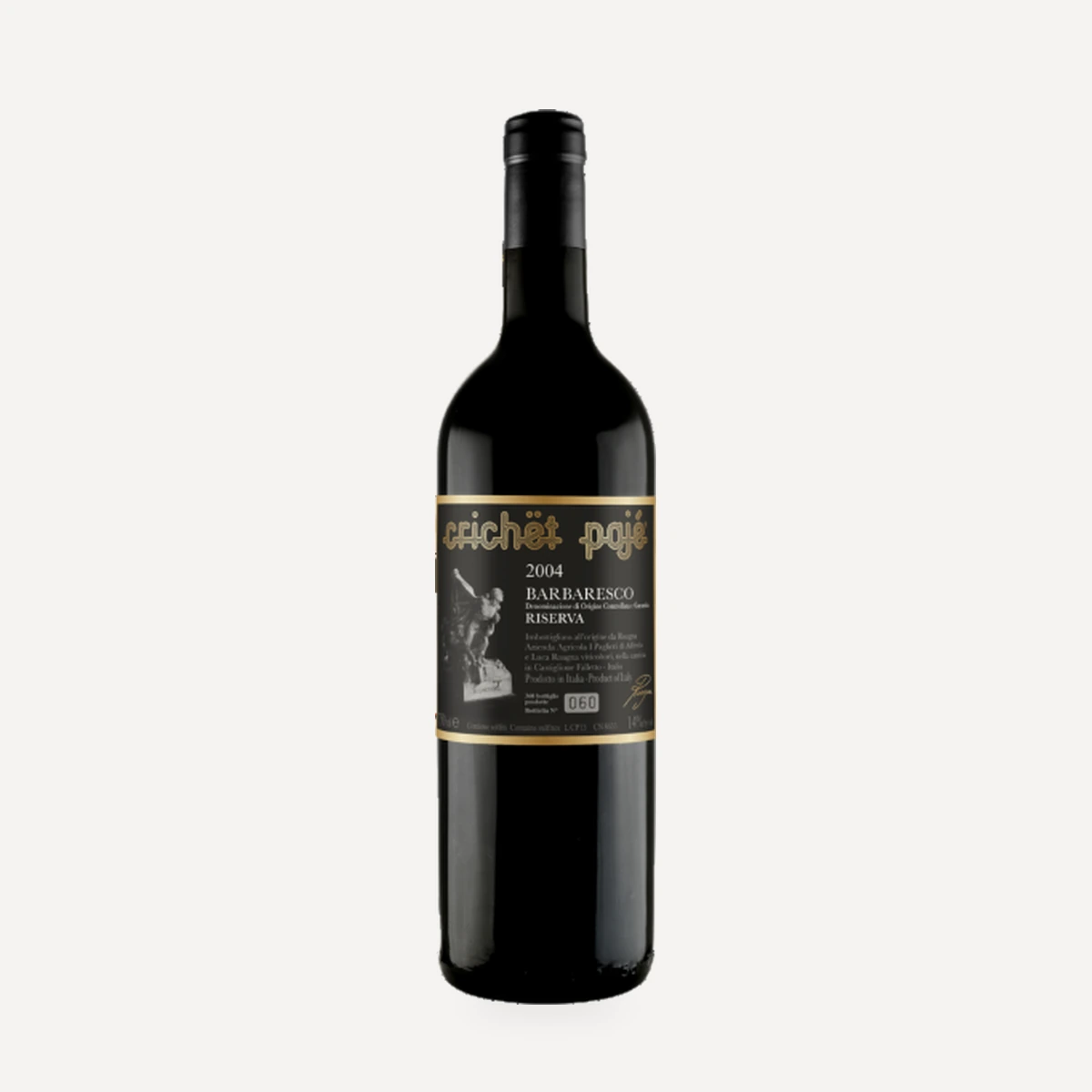
Barbaresco Crichët Pajé Riserva
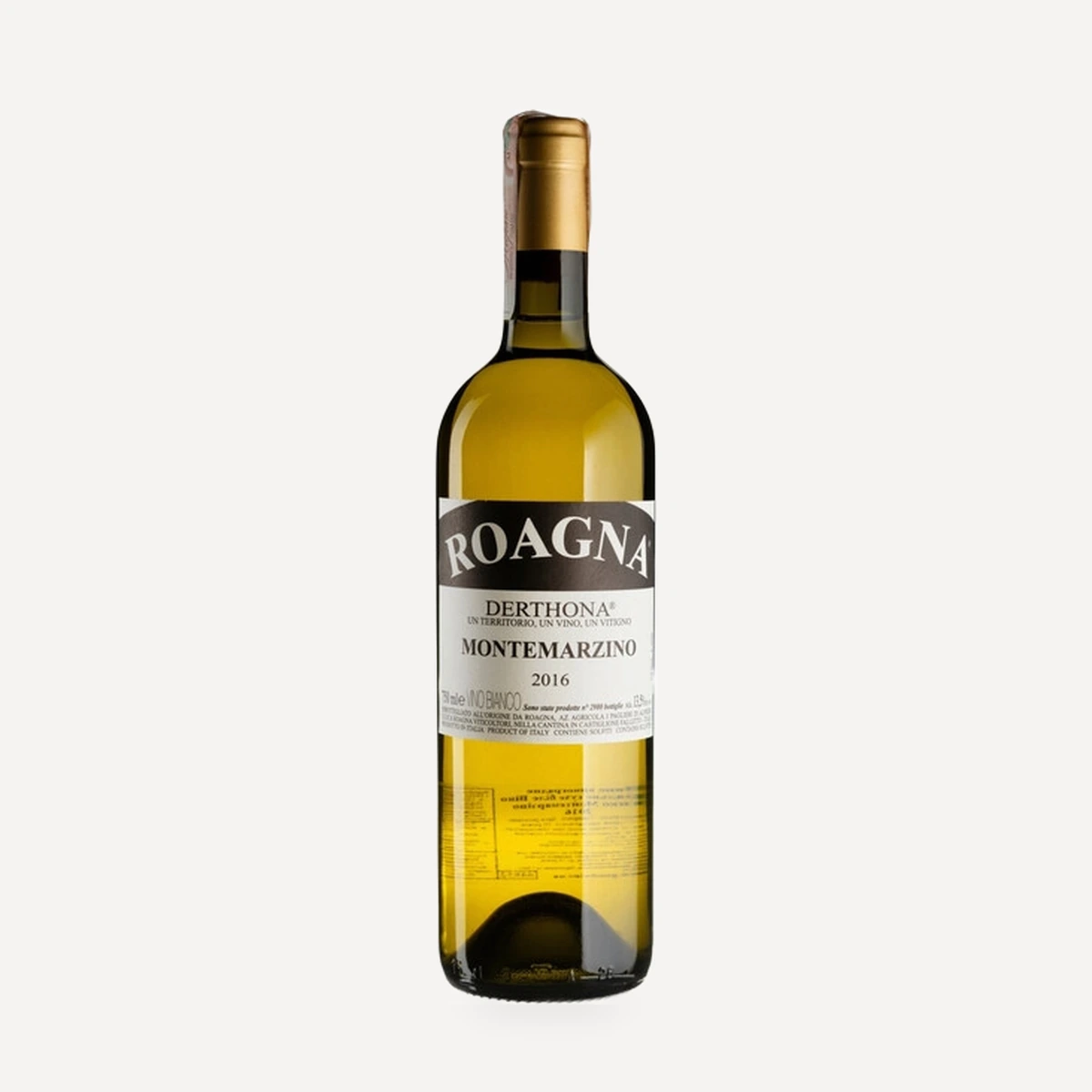
Montemarzino
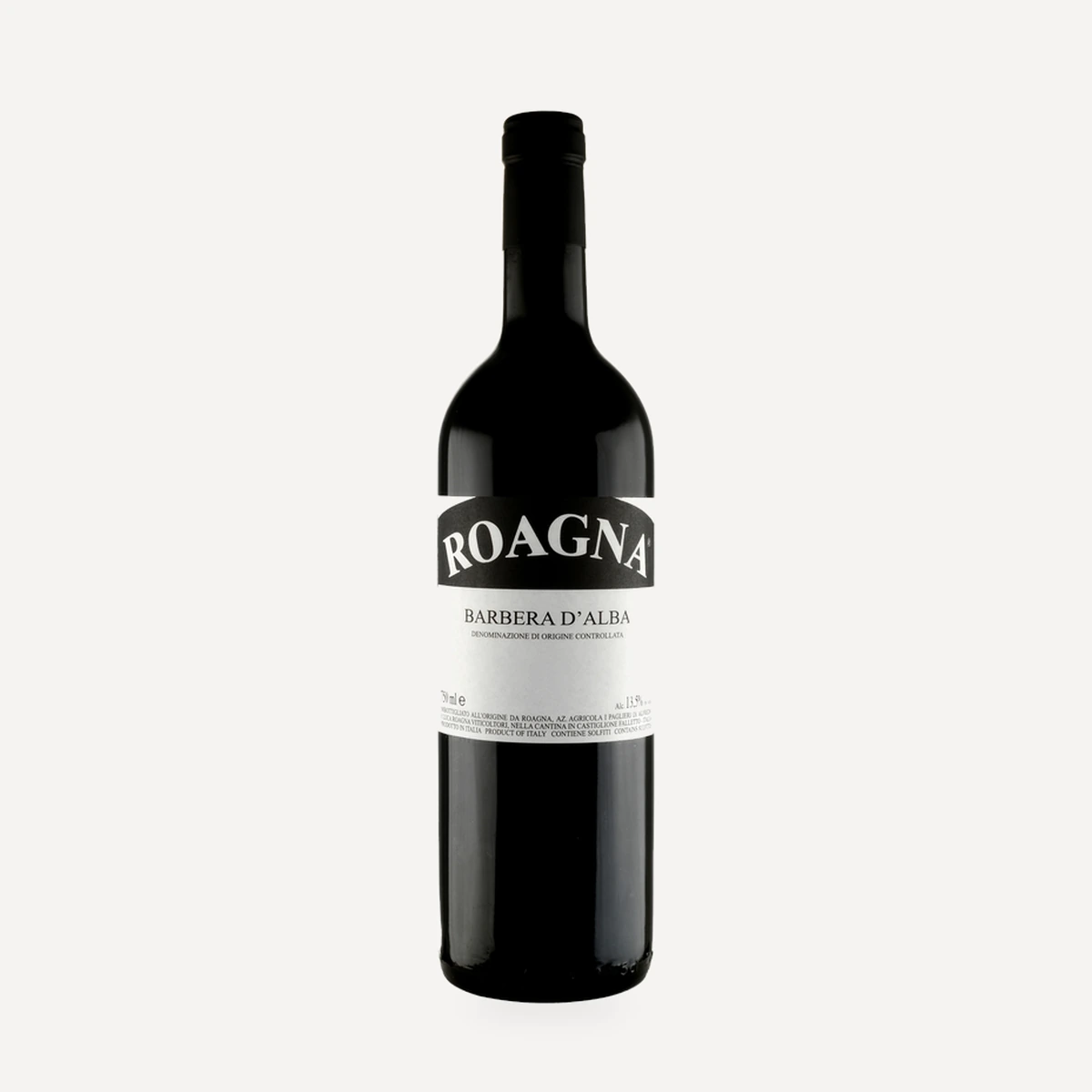
Barbera d’Alba
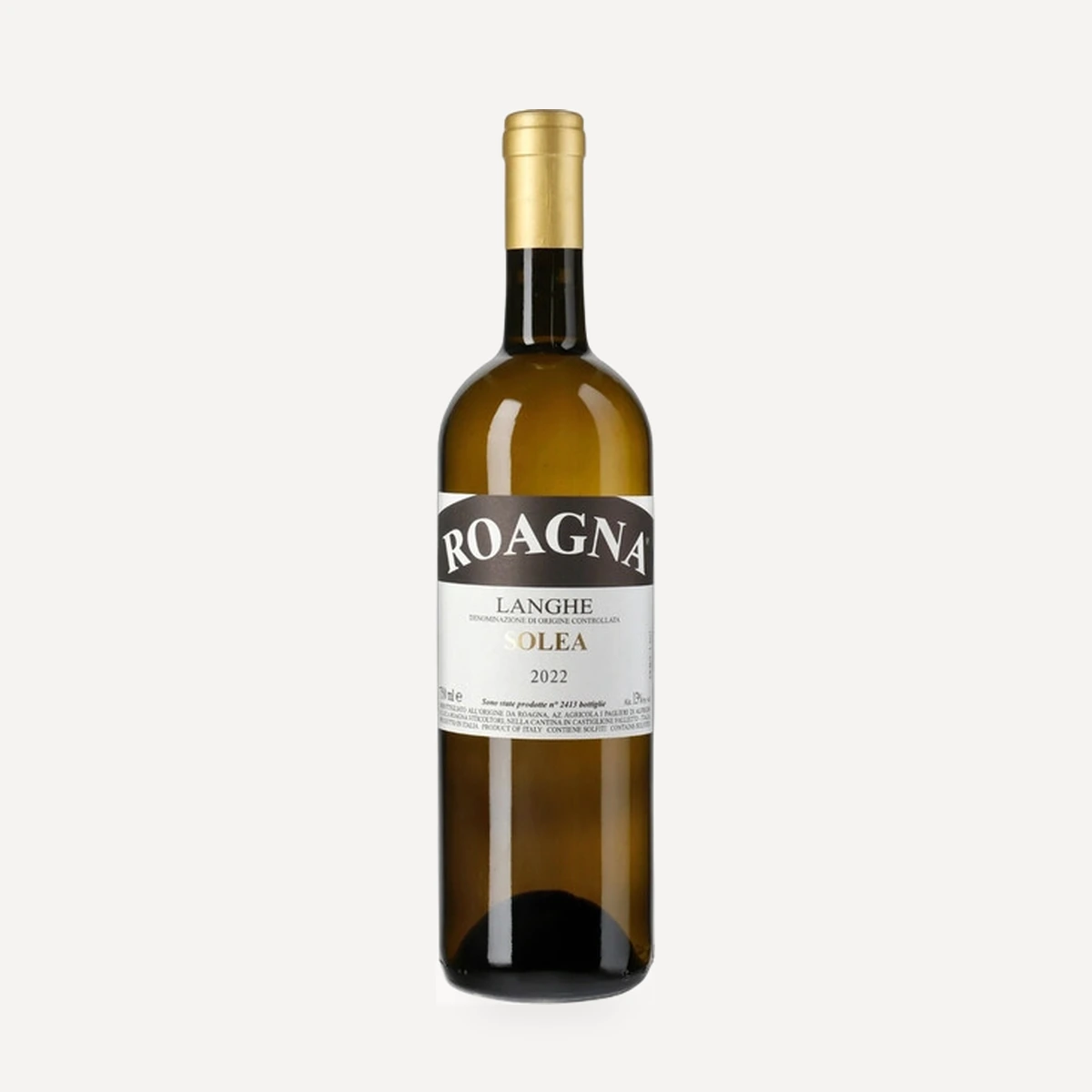
Solea
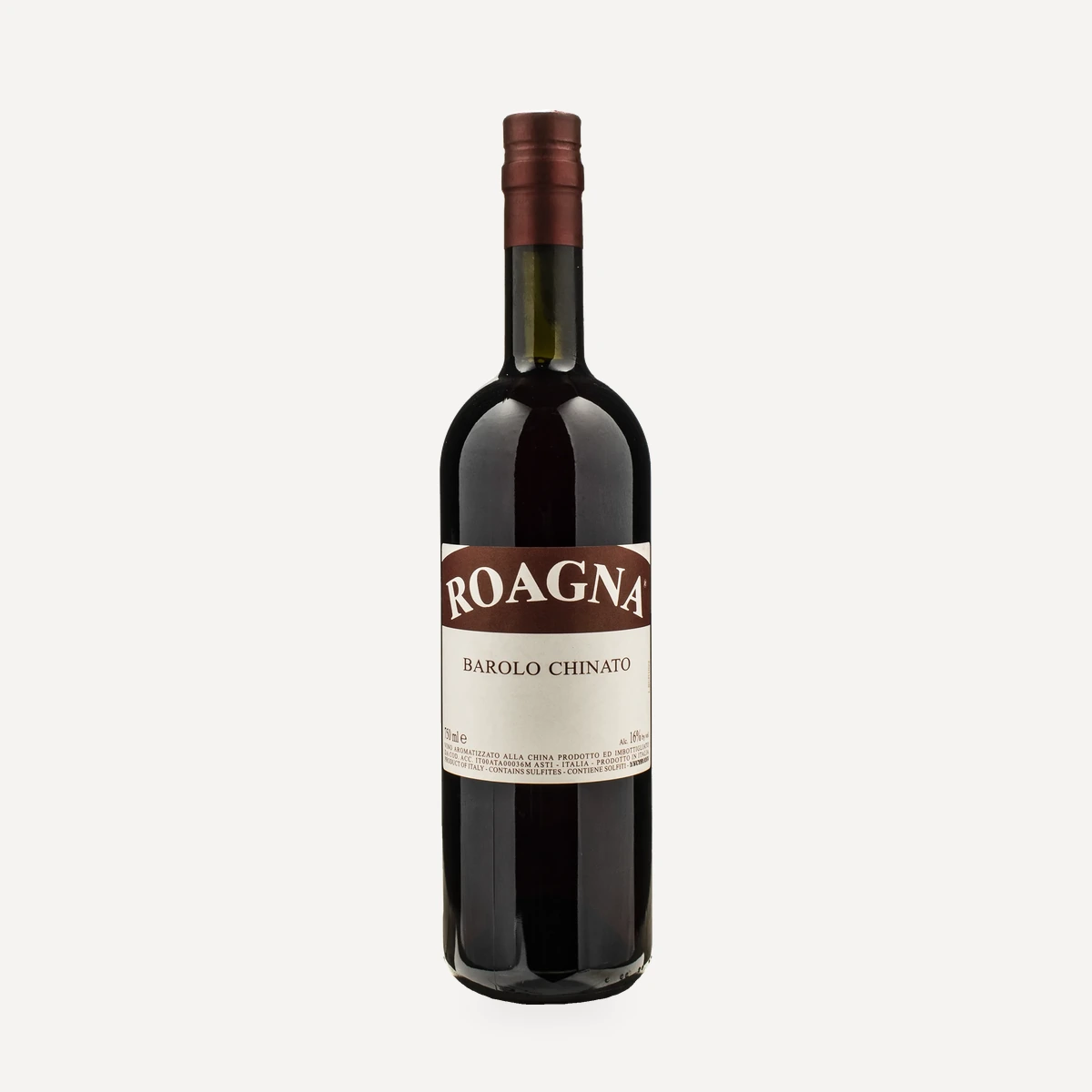
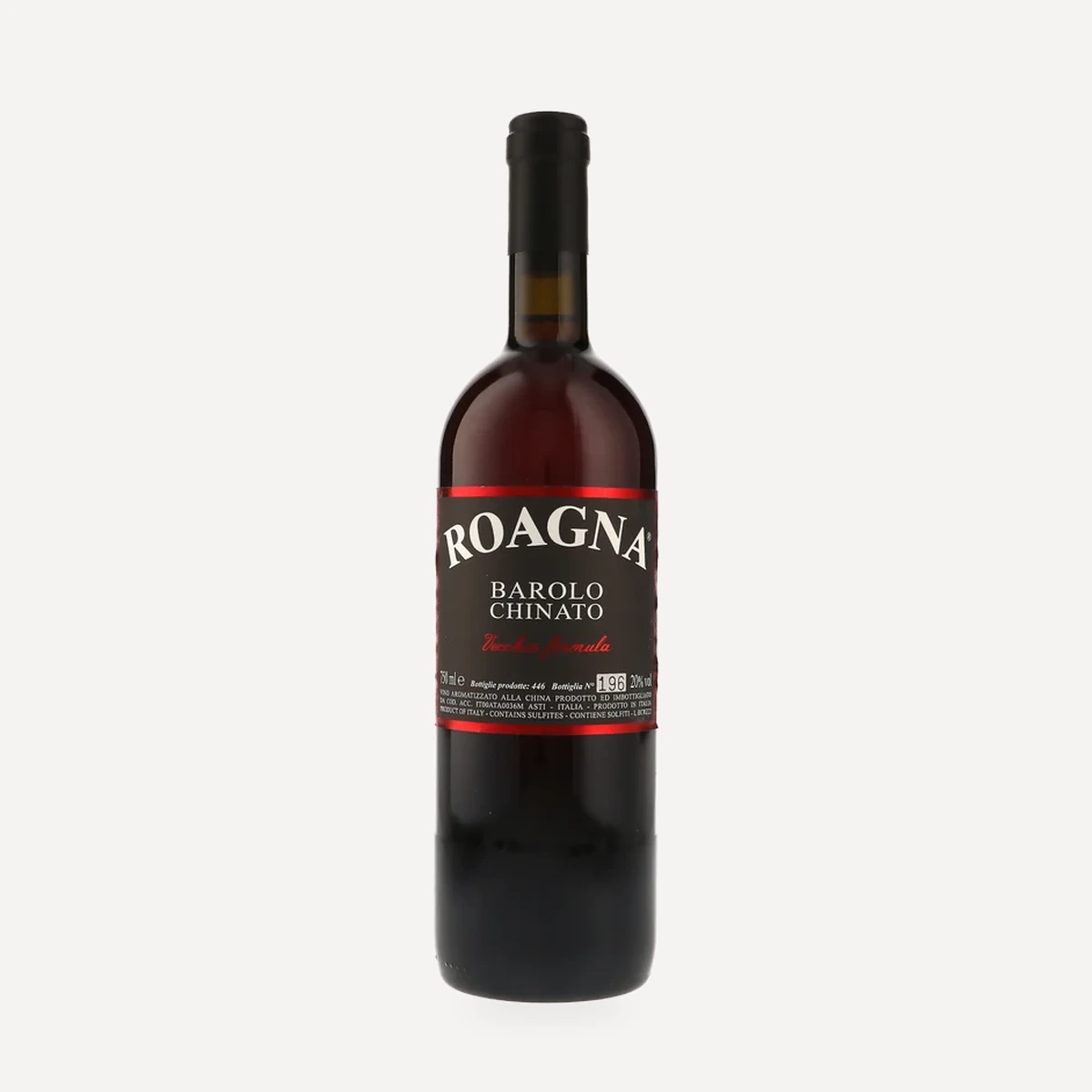
Barolo Chinato
Barolo Rocche di Castiglione
Barbaresco Faset
Barolo Le Coste
Barolo Vigna Rionda
Barbaresco
Barbaresco Pajé Riserva