Storia
Origins and foundation
Eugenio Tinazzi began working in wine during the early 1960s. In 1968 he founded Tinazzi Eugenio & Figli in Cavaion Veronese, on the Veronese side of Lake Garda. The young business initially operated locally, supplying Veneto DOC wines to small businesses around the lake. Eugenio’s son Gian Andrea joined his father at the age of eighteen and progressively broadened both production and the company’s markets.
The family name has an older connection with wine: in traditional Veronese usage, tinazzi were large, barrel-like vessels in which crushed grapes fermented.
Export and the first estate
Tinazzi began exporting in 1984. In 1986 the family acquired Tenuta Valleselle in Bardolino, a country property formerly belonging to Camaldolese monks. The acquisition began a longer-term move from a locally focused cellar toward a business combining wine production, vineyard estates and international distribution.
Expansion between Veneto and Puglia
During a journey through Salento in 2001, Gian Andrea Tinazzi recognized the potential of the area’s vineyards. The family acquired Feudo Croce at Carosino and subsequently planted vineyards and built the masseria. In 2002 Tinazzi completed its headquarters in Lazise, concentrating the processing, bottling and storage of Veneto wines there.
In 2011 the family acquired and restored Cantine San Giorgio in San Giorgio Ionico, with the objective of developing wines from Puglia’s indigenous varieties. The Puglian operation was subsequently moved to a purpose-built production headquarters in nearby Faggiano. Completed in 2020, the facility handles vinification and bottling for the Puglian production.
Valpolicella and the wine-estate project
In 2014 Tinazzi acquired Poderi Campopian at Sant’Ambrogio di Valpolicella and built a pressing cellar there. The facility completed its first vinification in 2015. The family purchased Cascina Montelupo at Sona in 2017. In 2018 it restored the historic rural building at Poderi Campopian and planted vineyards; planting at Cascina Montelupo followed in 2019.
These acquisitions formed part of Gian Andrea Tinazzi’s wine-estate project: defined production areas intended to express individual territories through limited-edition wines. Processing, bottling and storage of Veneto wines remain centered in Lazise, while grapes are pressed and vinified at Sant’Ambrogio di Valpolicella.
Sustainability, Tuscany and hospitality
A photovoltaic installation entered service at Lazise in 2019. The first harvest intended for organic wine production in Bardolino took place in 2020, and organic production certification for Valleselle and Cantine San Giorgio also dates from that year. Cantine San Giorgio received the Equalitas Sustainable Organization certification in 2021. Tinazzi prepared its first Sustainability Report for the 2021 reporting year and published it in 2022, while the Tinazzi (R)Evolution program brought its environmental and social-responsibility initiatives under one identity.
Tinazzi entered Tuscany by acquiring the 5.5-hectare Pian del Gallo property at Greve in Chianti in 2022. Renovation of Cascina Montelupo’s agritourism complex began in 2023. Poderi Campopian opened to hospitality in 2024 after restoration of its historic house, followed by the Pian del Gallo agriturismo in April 2025 and Cascina Montelupo in 2026.
Third-generation management
Gian Andrea continues to lead the business with his children Giorgio and Francesca, the third generation. Giorgio developed Italian and international sales from the early 2000s and became commercial director. Francesca oversees finance, management control, sustainability and hospitality and is identified as Tinazzi’s CEO. The company now serves more than 50 international markets.
Terroir
Tinazzi’s vineyard base extends across three distinct Italian regions rather than a single contiguous estate. The Veneto holdings include Bardolino on Lake Garda, Custoza at Sona and high-altitude Valpolicella at Sant’Ambrogio di Valpolicella. Puglia’s vineyards lie at Carosino in Salento, while the Tuscan property is at Greve in Chianti in the Chianti Classico area.
Poderi Campopian occupies a high site in Valpolicella Classica, approximately 650–670 metres above sea level. Tenuta Valleselle overlooks Lake Garda and combines vineyards with olive groves and woodland. Cascina Montelupo lies among the hills of Custoza. Feudo Croce is situated at Carosino in the Alto Salento winegrowing area. Pian del Gallo covers 5.5 hectares in the hills of Chianti Classico.
Vinificazione
Tinazzi combines certified-organic parcels with conventional vineyards. ICEA BIO certification has covered Tinazzi Srl’s processing and bottling since 2017. Valleselle Srl and Cantine San Giorgio have held organic-production certification since 2020, with the latter also certified for processing and bottling.
Organic work is documented at Tenuta Valleselle and on Feudo Croce’s 35 hectares. The Bardolino vineyards entered organic conversion in 2020. Feudo Croce combines spurred-cordon training with traditional Puglian bush vines.
The Longevitis program began with soil-composition studies in 2020, allowing deficiencies to be identified and fertilization adjusted. Pruning and canopy management were subsequently modified to improve the balance between vegetative growth and crop production.
Precision viticulture is intended to reduce plant-protection products, fertilizer, water and energy. TrapView technology at Poderi Campopian uses high-resolution cameras and cloud transmission to monitor grapevine moth flights in real time, helping the agronomy team time interventions and avoid unnecessary treatments.
PIWI trials began in 2024 as a climate-resilience and treatment-reduction project. Approximately 6,000 Souvignier Gris vines, resistant to major fungal diseases, were planted between Tenuta Valleselle and Cascina Montelupo. A further experimental vineyard was planned near Carosino as an open-air laboratory for lower-impact agronomic techniques.
Agrobiodiversity is treated as a practical element of climate adaptation: protecting plant and animal species within the production environment is intended to preserve diverse cultivation systems and favor genetic material capable of tolerating drought and extreme heat.
Veneto operations are divided between two principal facilities. Lazise concentrates processing, maturation, bottling and storage, while the Sant’Ambrogio di Valpolicella cellar receives and presses grapes and has conducted vinification since 2015. A separate plant at Vo’ is used for bottling and storage. The Faggiano facility, completed in 2020, handles the processing and bottling of the Puglian production. Its equipment includes stainless-steel tanks intended to preserve fruit freshness.
Quality and traceability are controlled through an integrated certification system. Tinazzi has maintained UNI EN ISO 9001 certification since 2003 for processing, maturation and bottling of red, rosé and white wines. UNI EN ISO 22005 certification has covered Lazise since 2008 and Sant’Ambrogio since 2021. BRCGS AA+ and IFS Higher Level certification cover control of critical points in vinification, maturation and bottling at Lazise and, since 2022, Sant’Ambrogio.
The multi-year Longevitis Project studies how to preserve the sensory and color characteristics of wines over time. Corvina from Veneto and Primitivo from Puglia are subjected to chemical analysis and cellar trials to determine effective maceration methods and durations and to manage polyphenols affecting structure, astringency and evolution. Grape-seed tannins are extracted from pressing residues and tested at controlled doses in red-wine samples. This work seeks both to improve repeatability between vintages and to replace some purchased additives with material recovered from the production process.
The Lazise photovoltaic system, installed in 2019 and expanded in 2024 by 180 kWp, supplies part of the bottling line and refrigeration system. Bottle washing and bottling use water from the public network. Wastewater is monitored monthly under the operation’s environmental authorization and treated through an upgraded MBR system.
Packaging has progressively shifted toward lighter glass. The 550 g Prince bottle was introduced in 2023 as an alternative to the 1,175 g Imperiale format. During 2024 and 2025, Prince replaced Imperiale for almost all references, while the heavier bottle was retained for selected Amarone, Primitivo di Manduria and Valpolicella Ripasso wines. By 2025, 41.62% of bottles were in the 360 g range, 30.17% in the 500–680 g range and 28.21% above 1,200 g.
Filosofia
Tinazzi defines itself through family continuity, territorial expression, tradition and ongoing technical innovation. Its stated ambition is to remain a solid family business associated internationally with prestigious wines from indigenous Italian varieties. Integrity, humility, passion and sustainable creativity form its declared value base.
Product quality is linked to respect for origin, careful selection of soils and varieties, sound raw materials and consistency in winemaking. The wine-estate project reflects the view that clearly defined production areas should communicate their own territorial character rather than a generic house style.
Sustainability is conceived across environmental, economic and social dimensions. The family’s stated objective is to meet present needs without compromising those of future generations. This approach encompasses precision farming, agrobiodiversity, renewable energy, resource management, product traceability, worker welfare, training, community relationships and responsible purchasing.
Tinazzi treats suppliers as part of the same responsibility framework. Its Supplier Code of Conduct requires legal compliance, protection of human rights, decent working conditions, health and safety, anti-corruption measures, fair competition and data protection. Signing the code is a condition of collaboration.
Research is intended to join tradition with measurable improvements in resilience and wine quality. Precision agriculture, PIWI varieties, wine-longevity studies and the recovery of grape-seed tannins are pursued as ways to reduce inputs, improve consistency and convert production residues into resources.
Vini
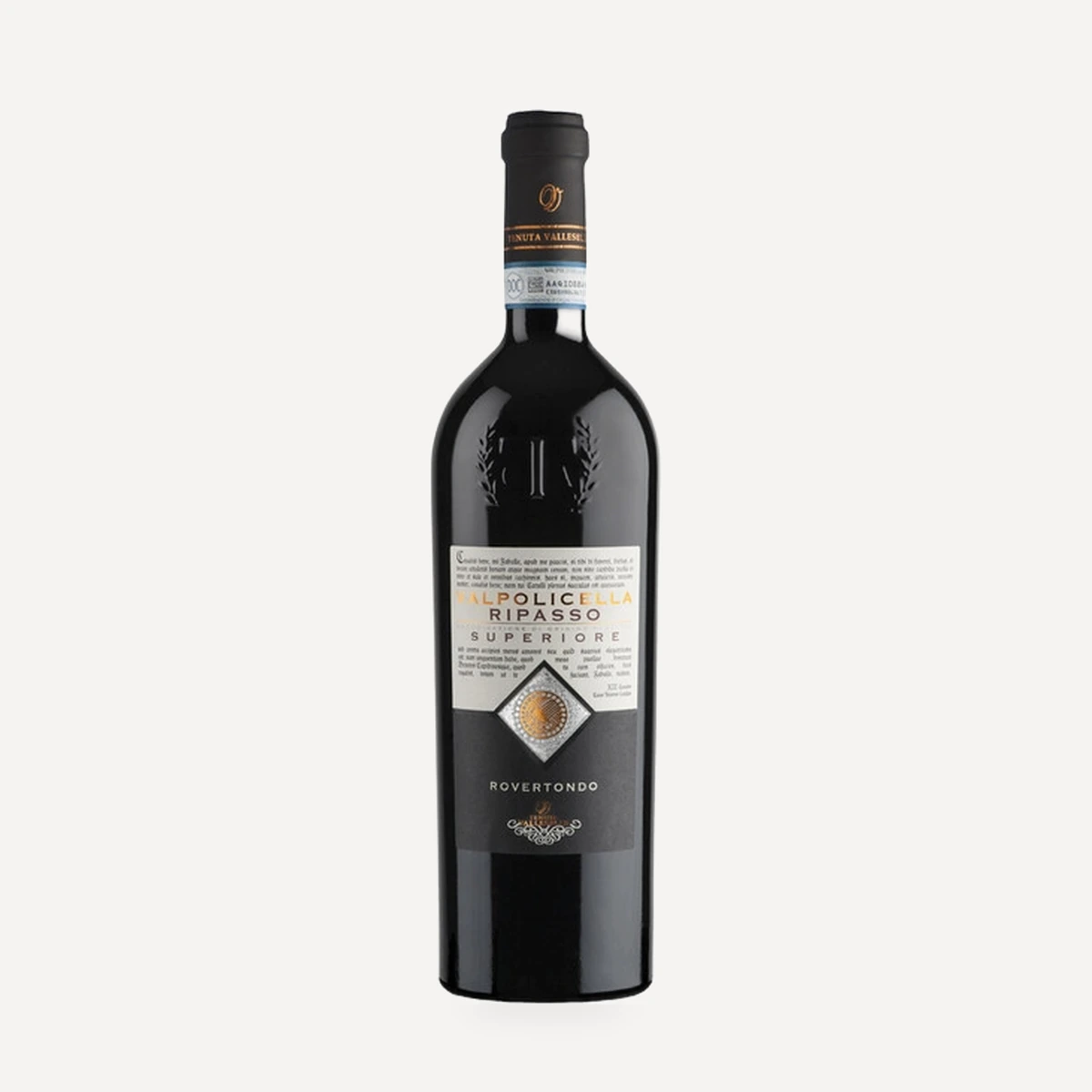
Rovertondo Valpolicella Ripasso Superiore DOP
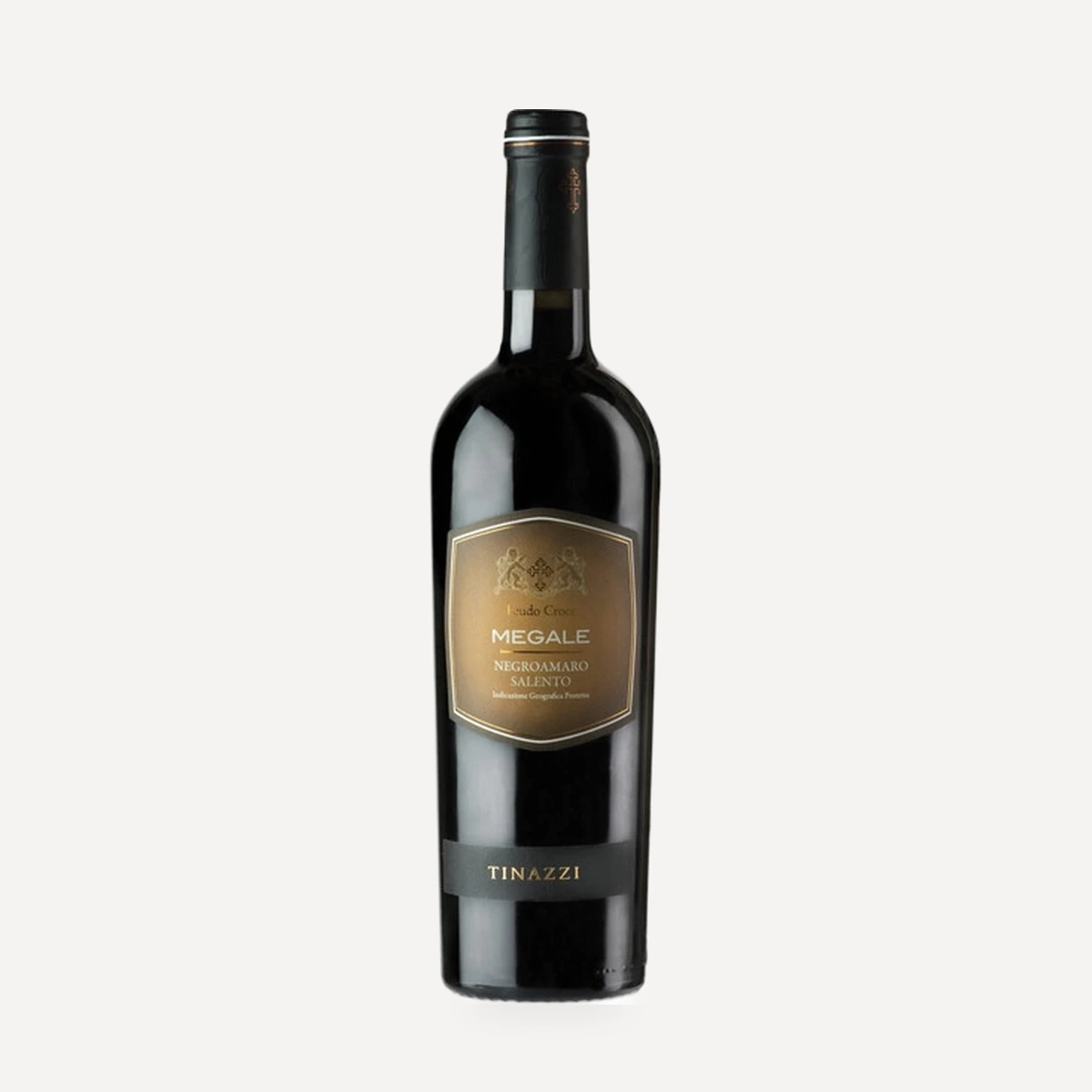
Megale Negroamaro Salento IGP
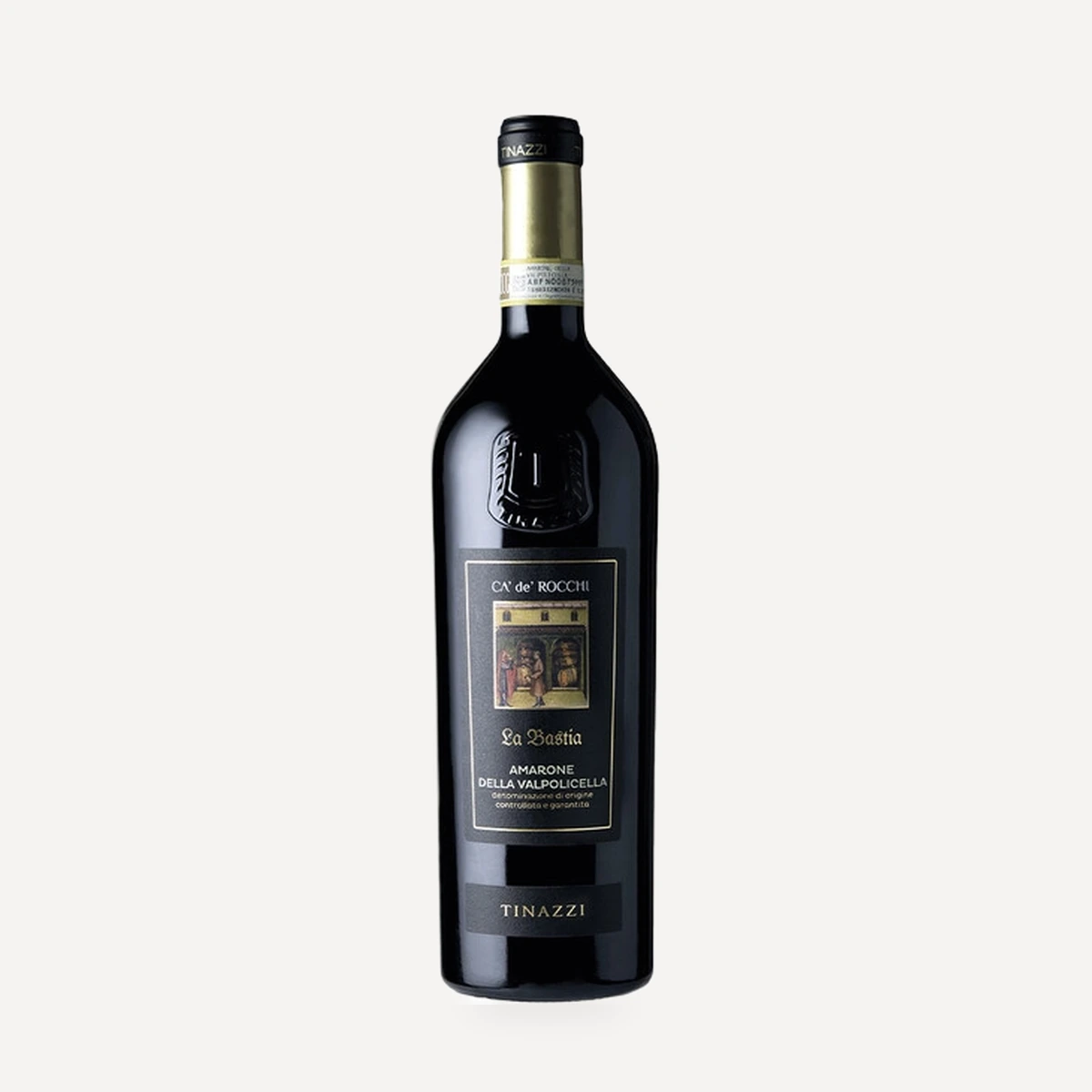
La Bastia Amarone della Valpolicella DOCG
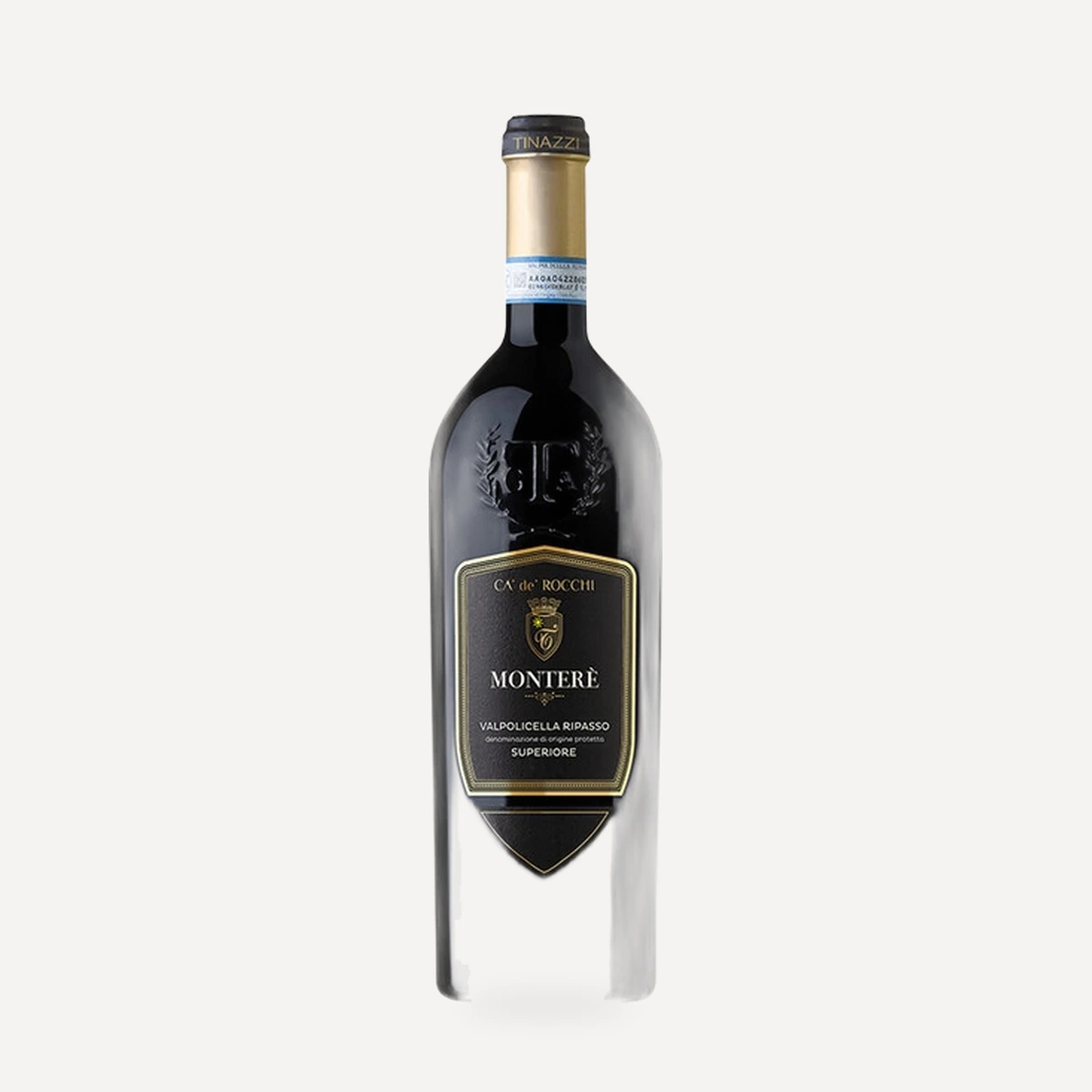
Montere Valpolicella Ripasso Superiore DOP
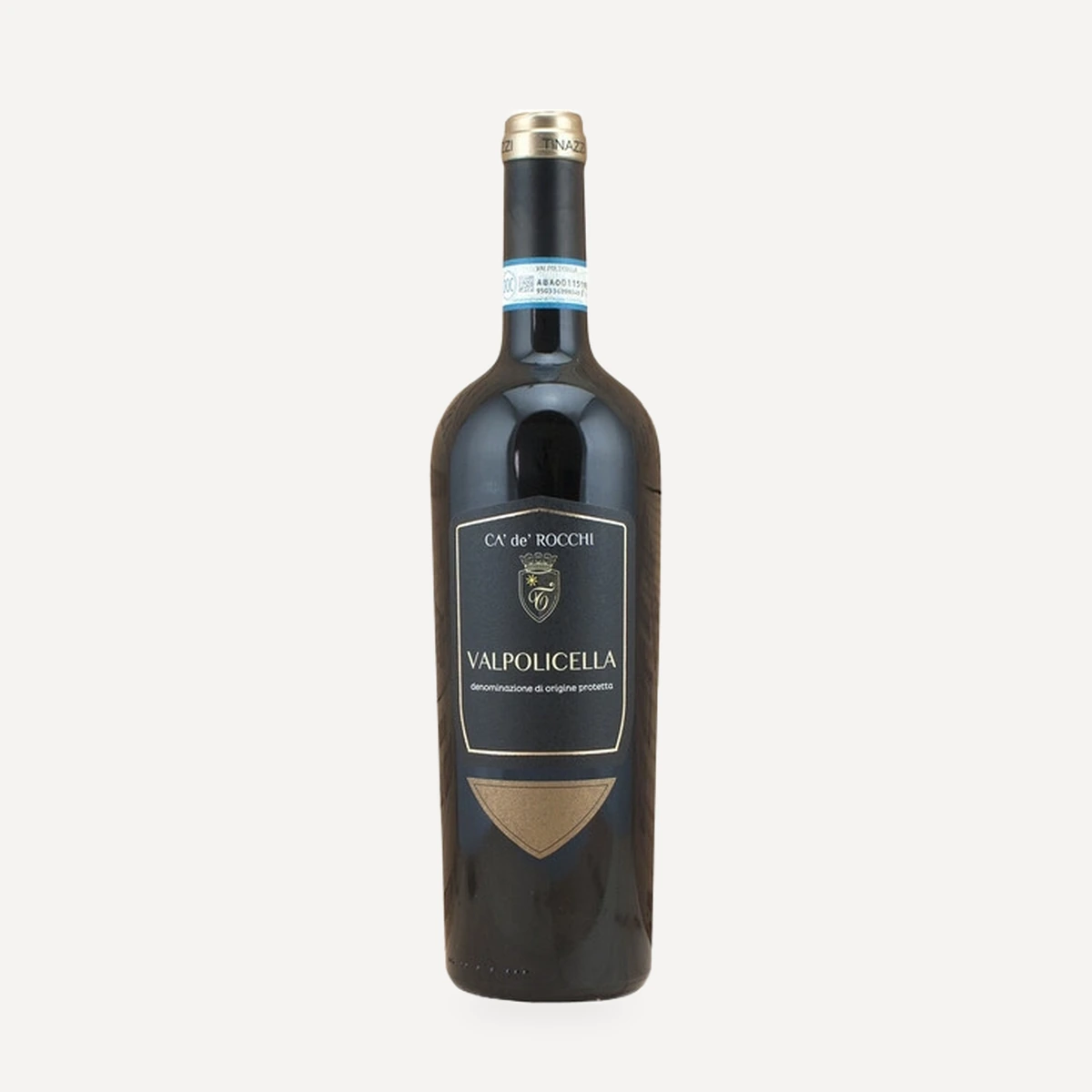
Valpolicella DOP
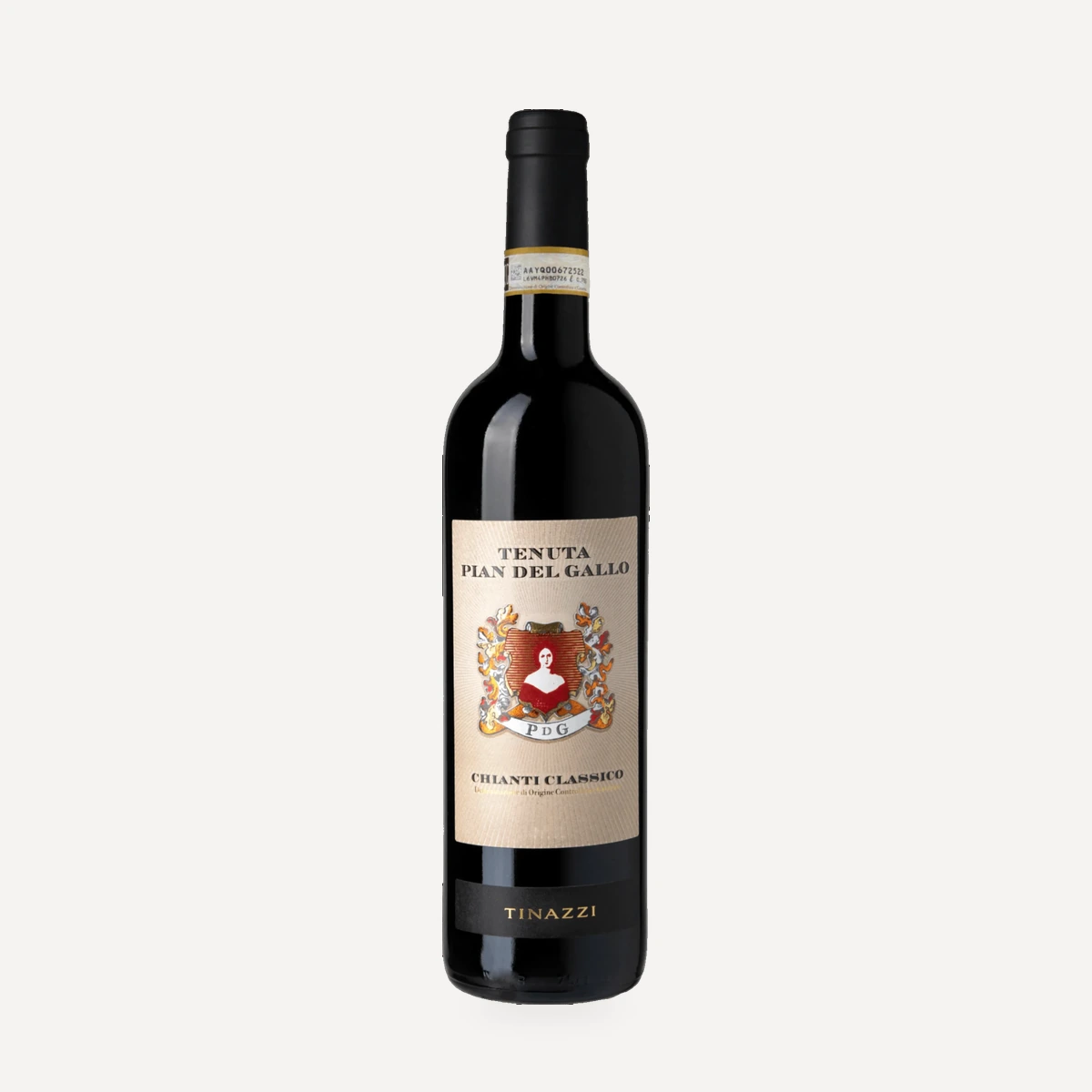
Tenuta Pian del Gallo Chianti Classico DOCG
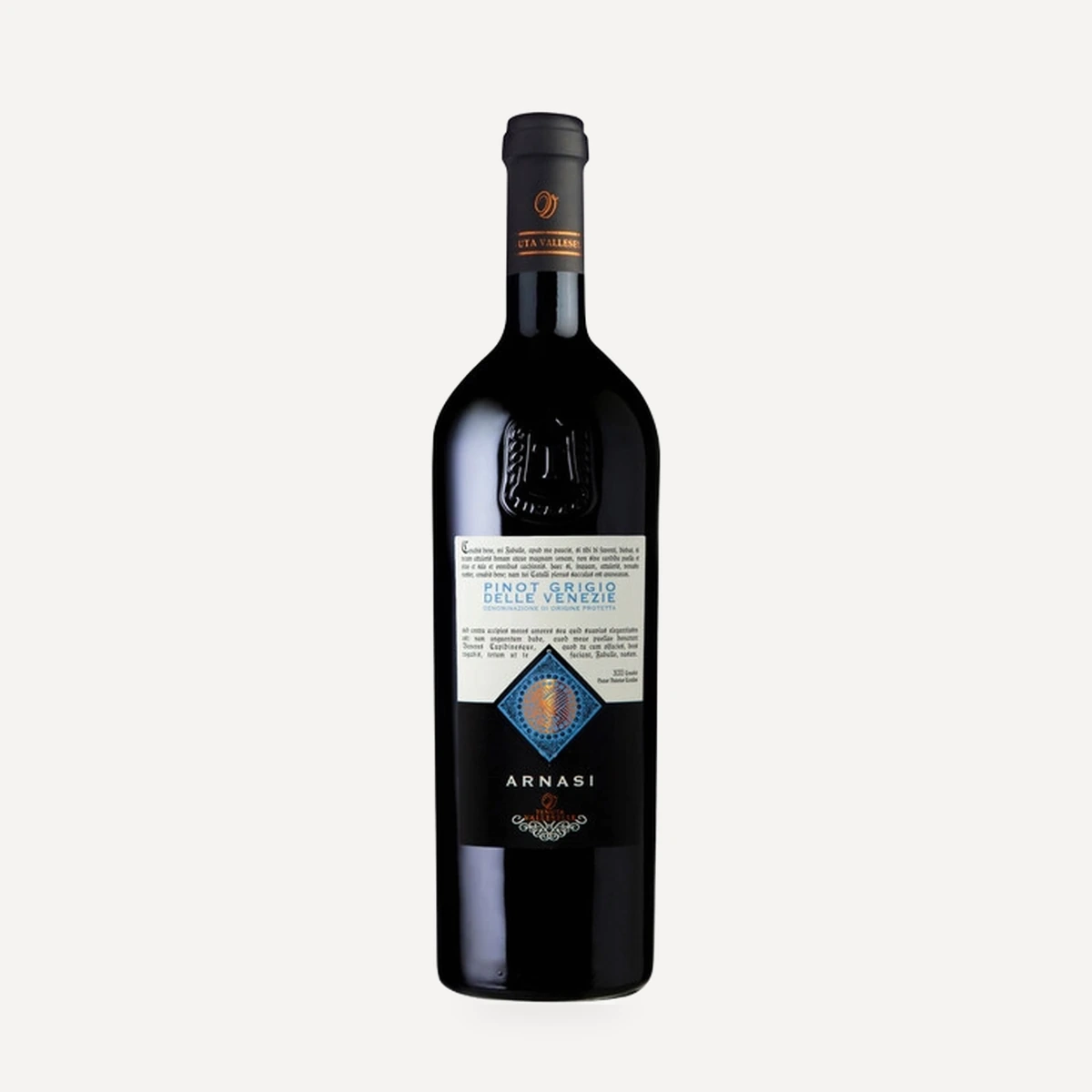
Arnasi Pinot Grigio delle Venezie IGP
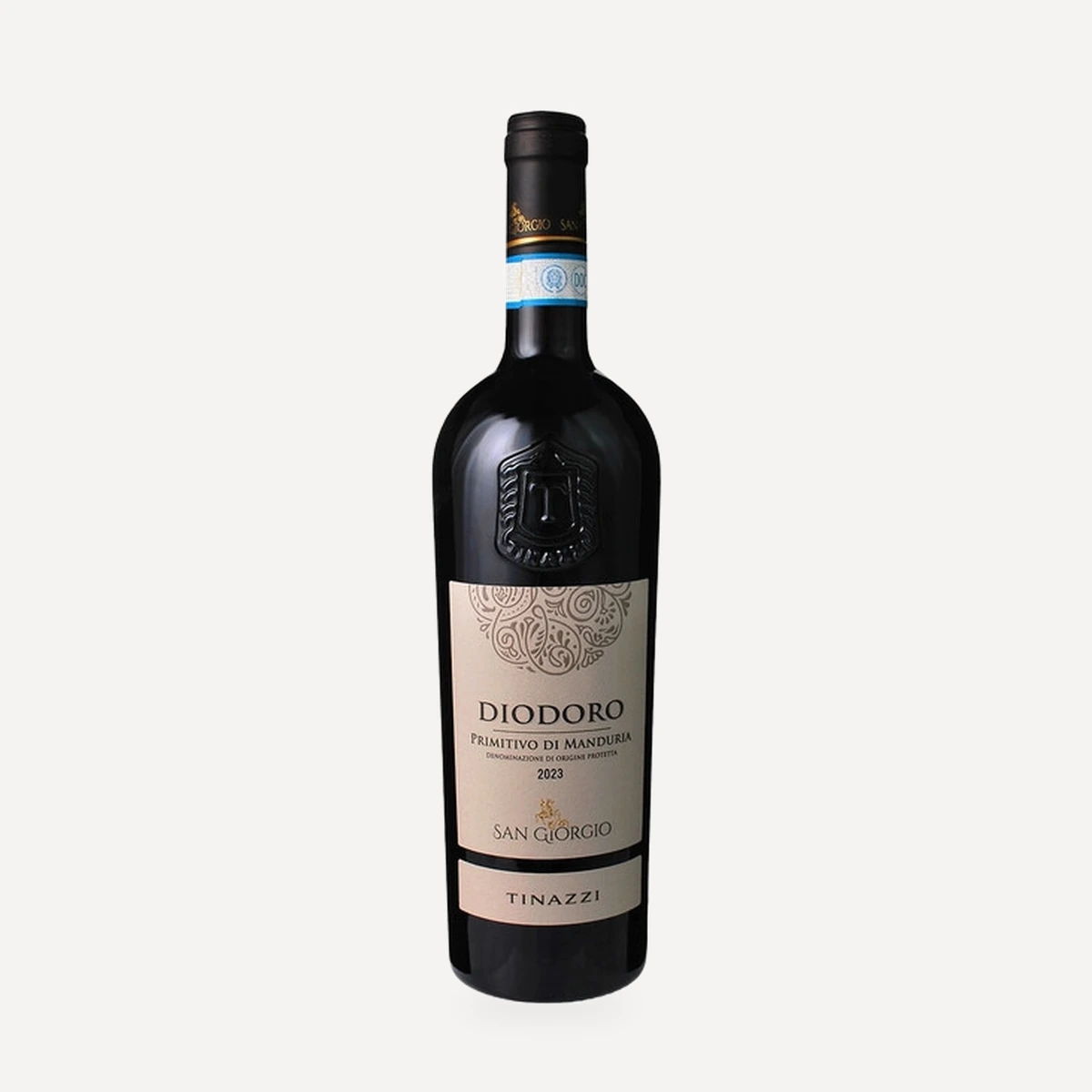
Diodoro Primitivo di Manduria DOP
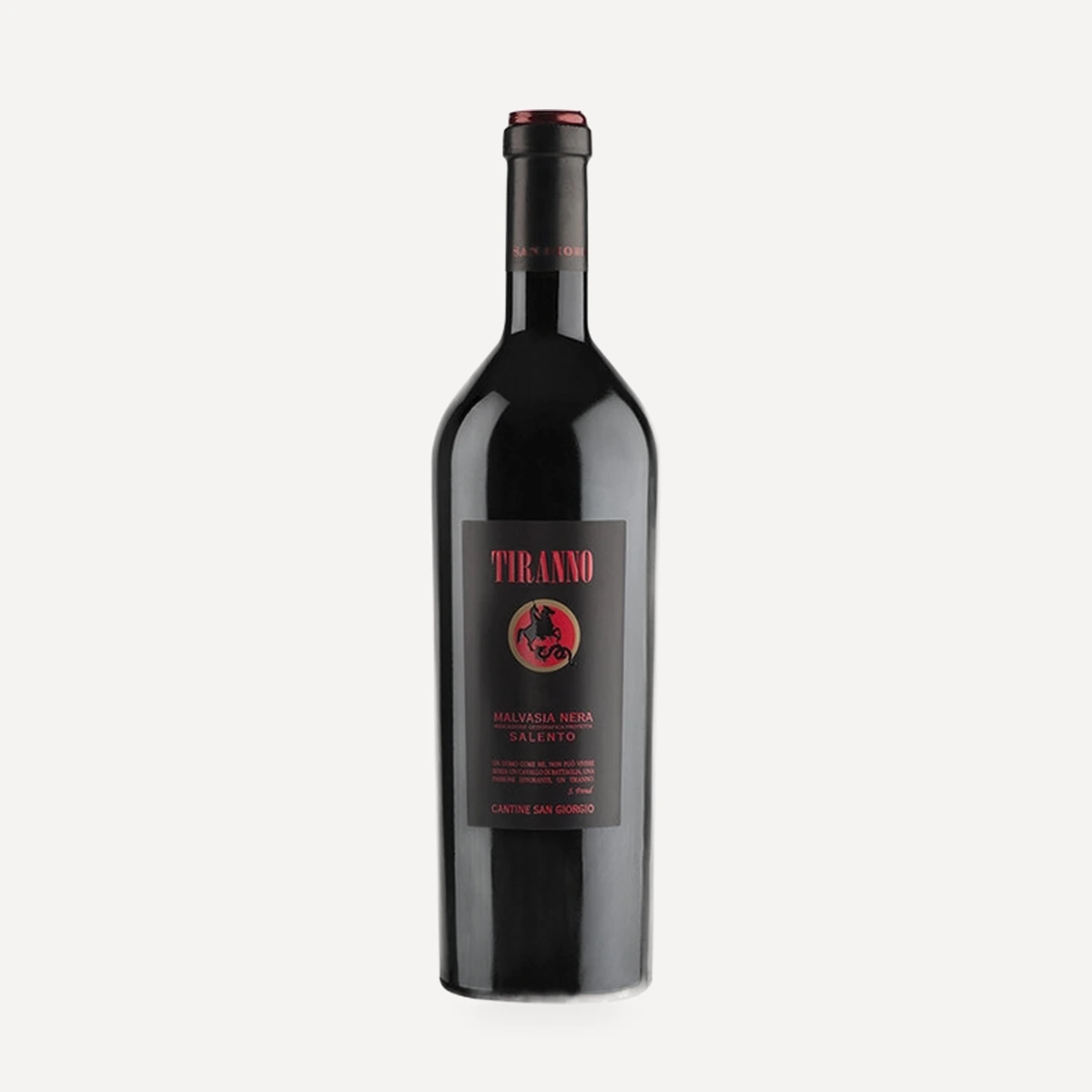
Tiranno Malvasia Nera Salento IGP
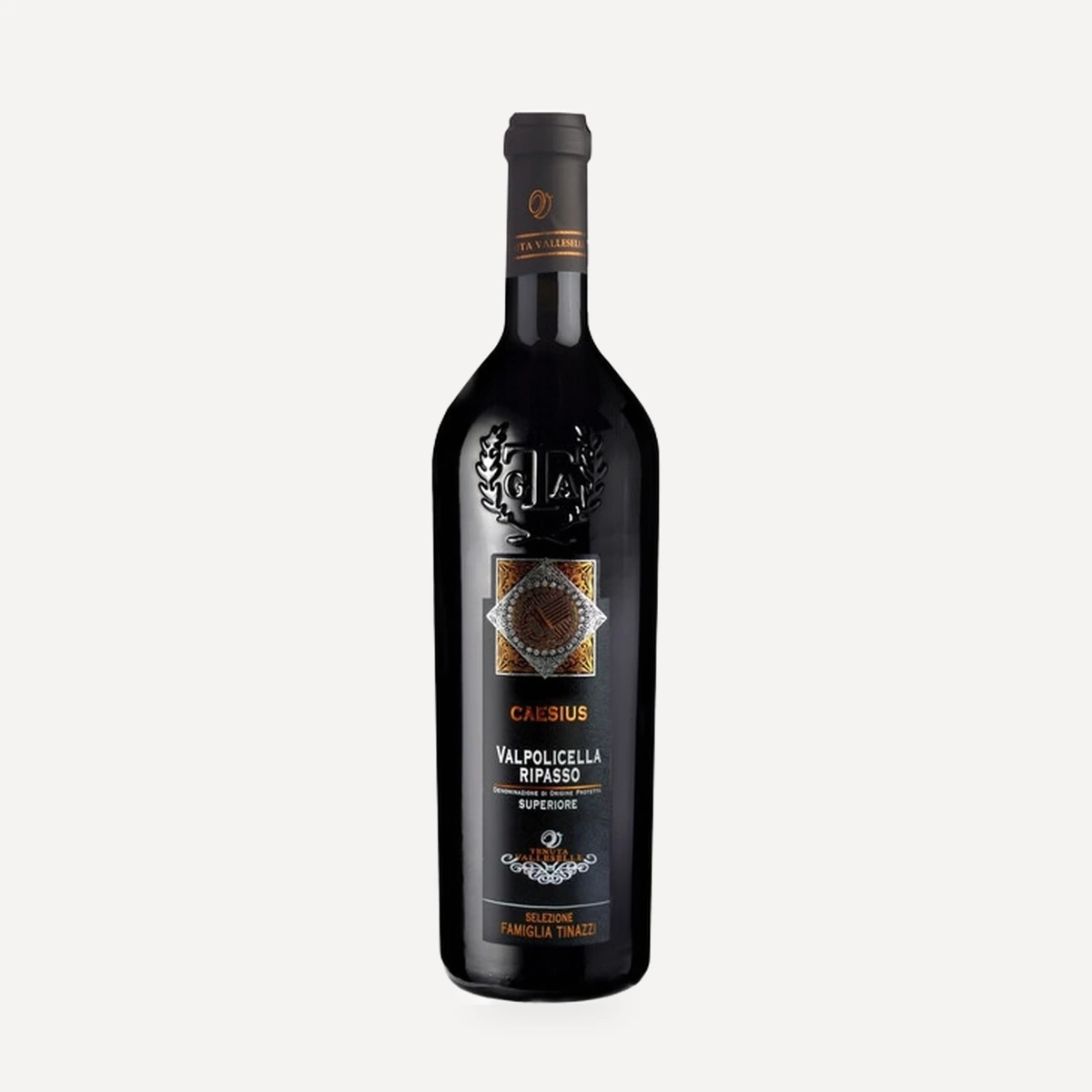
Caesius Valpolicella Ripasso Superiore DOP
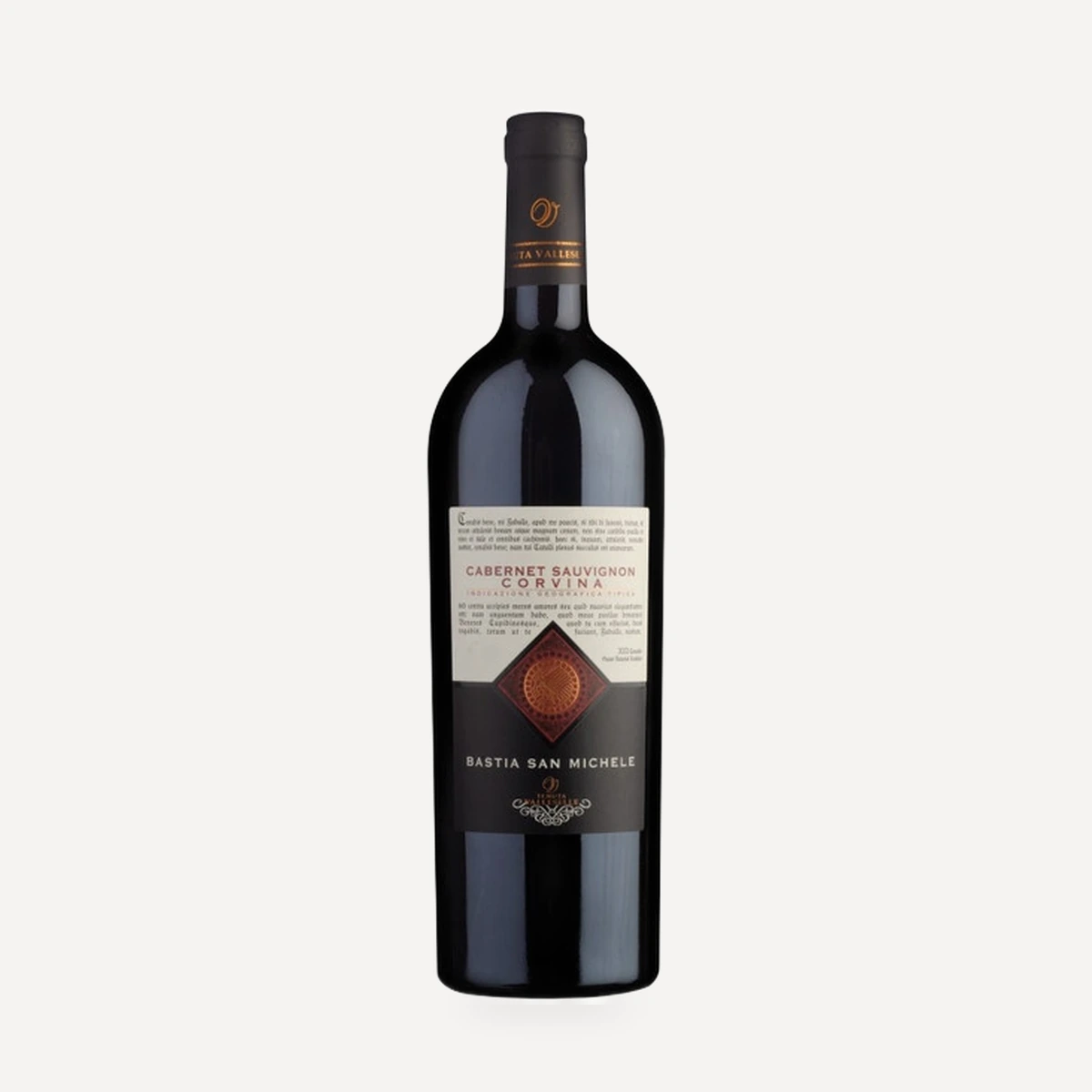
Bastia San Michele Cabernet Sauvignon Corvina IGP
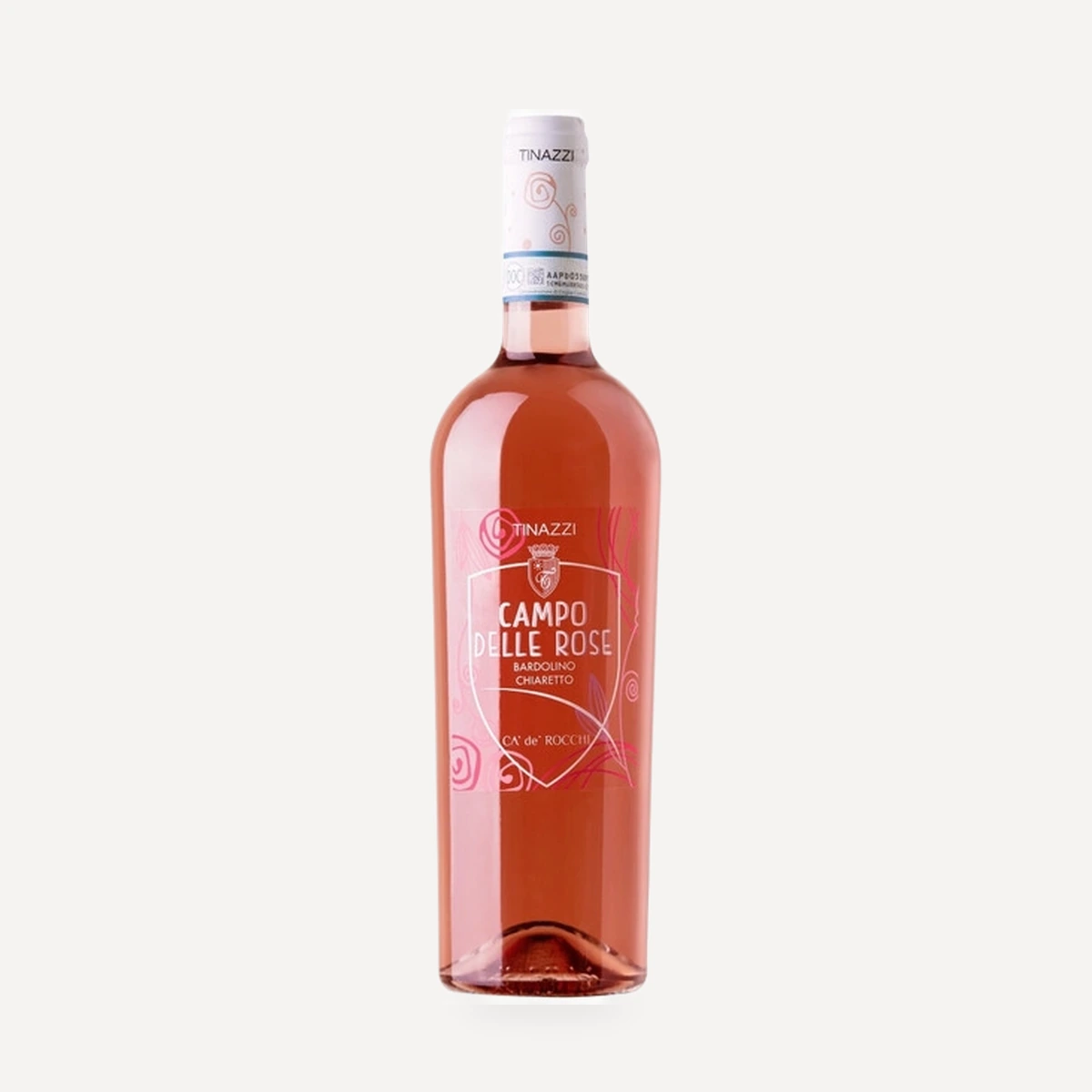
Campo delle Rose Bardolino Chiaretto DOP
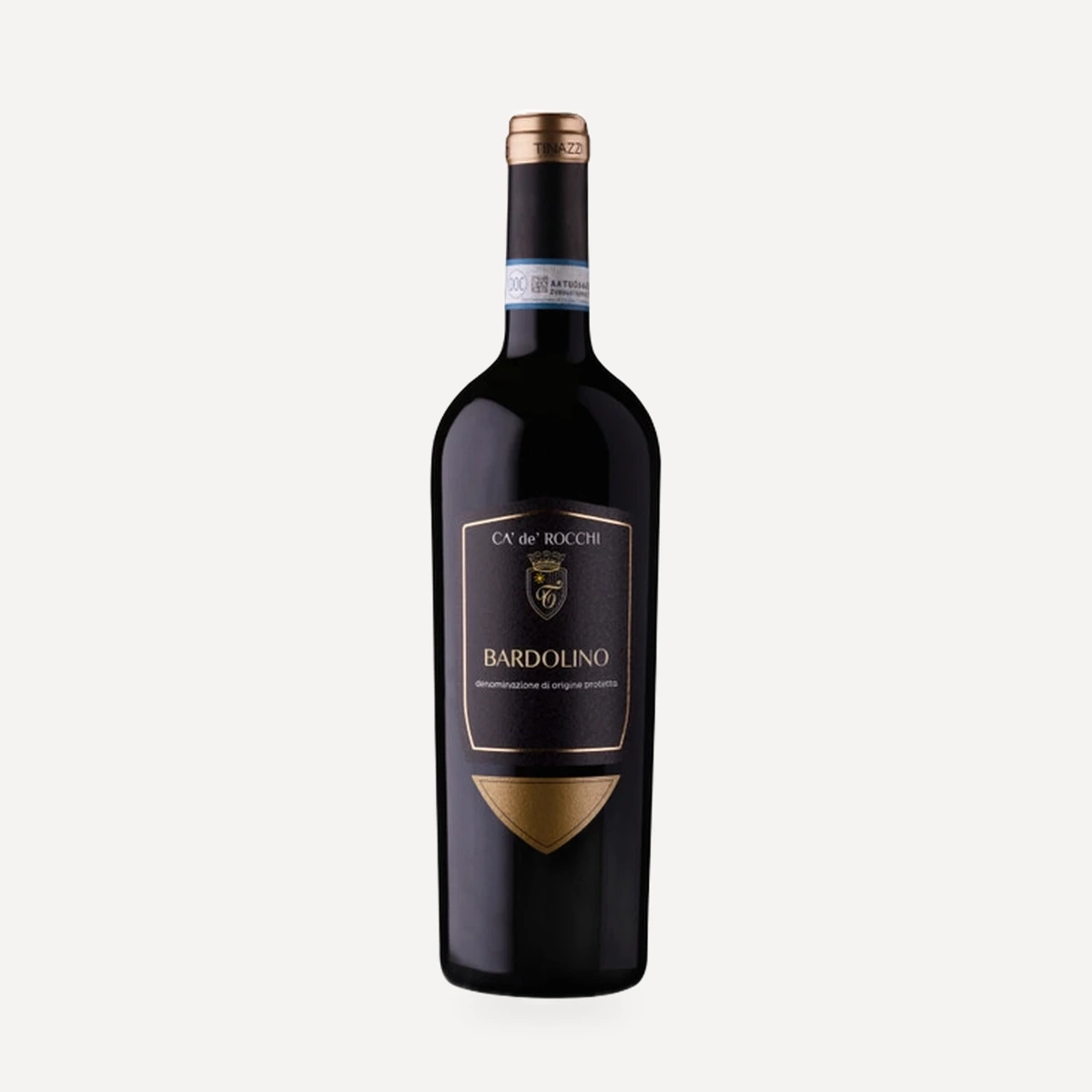
Bardolino DOP
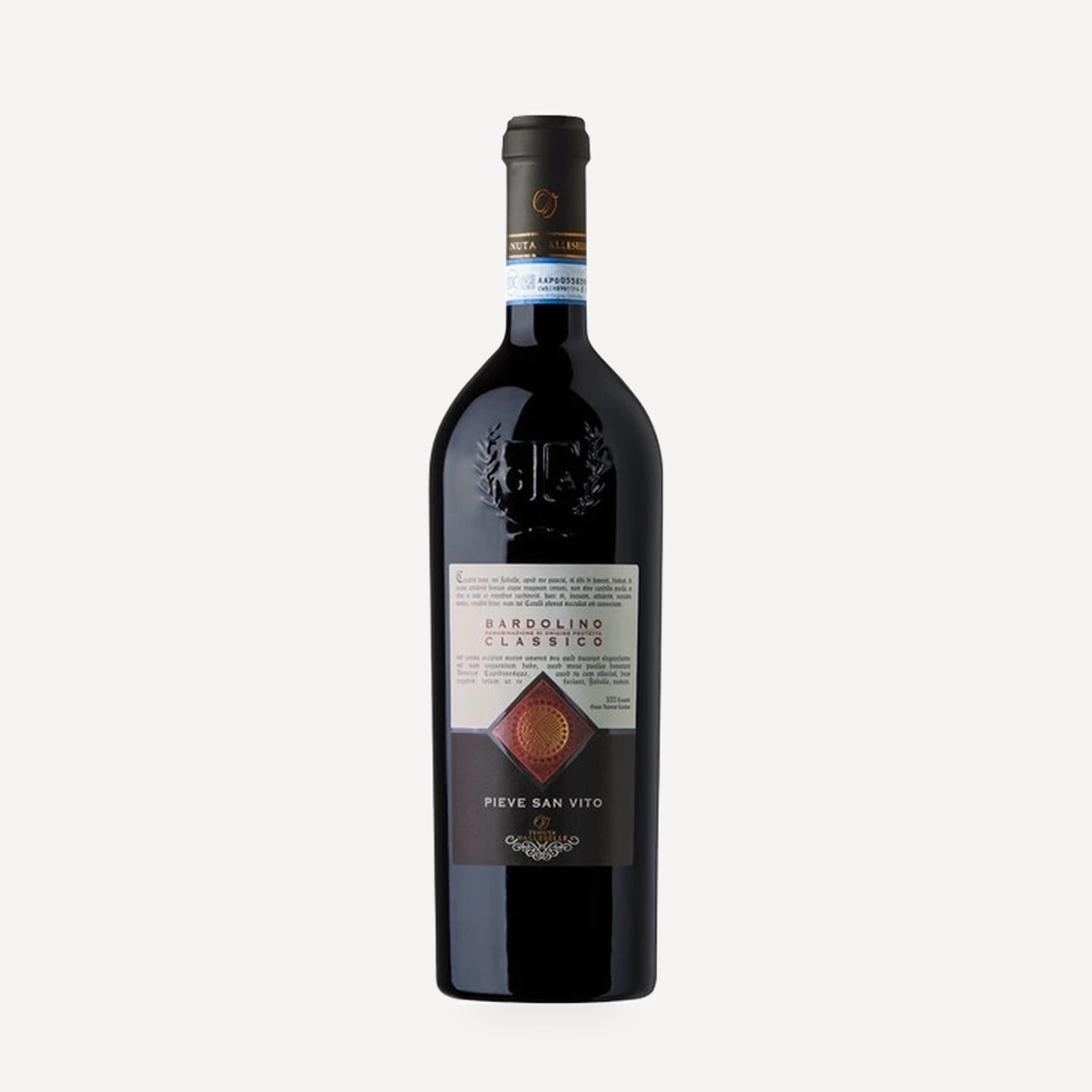
Pieve San Vito Bardolino Classico DOP
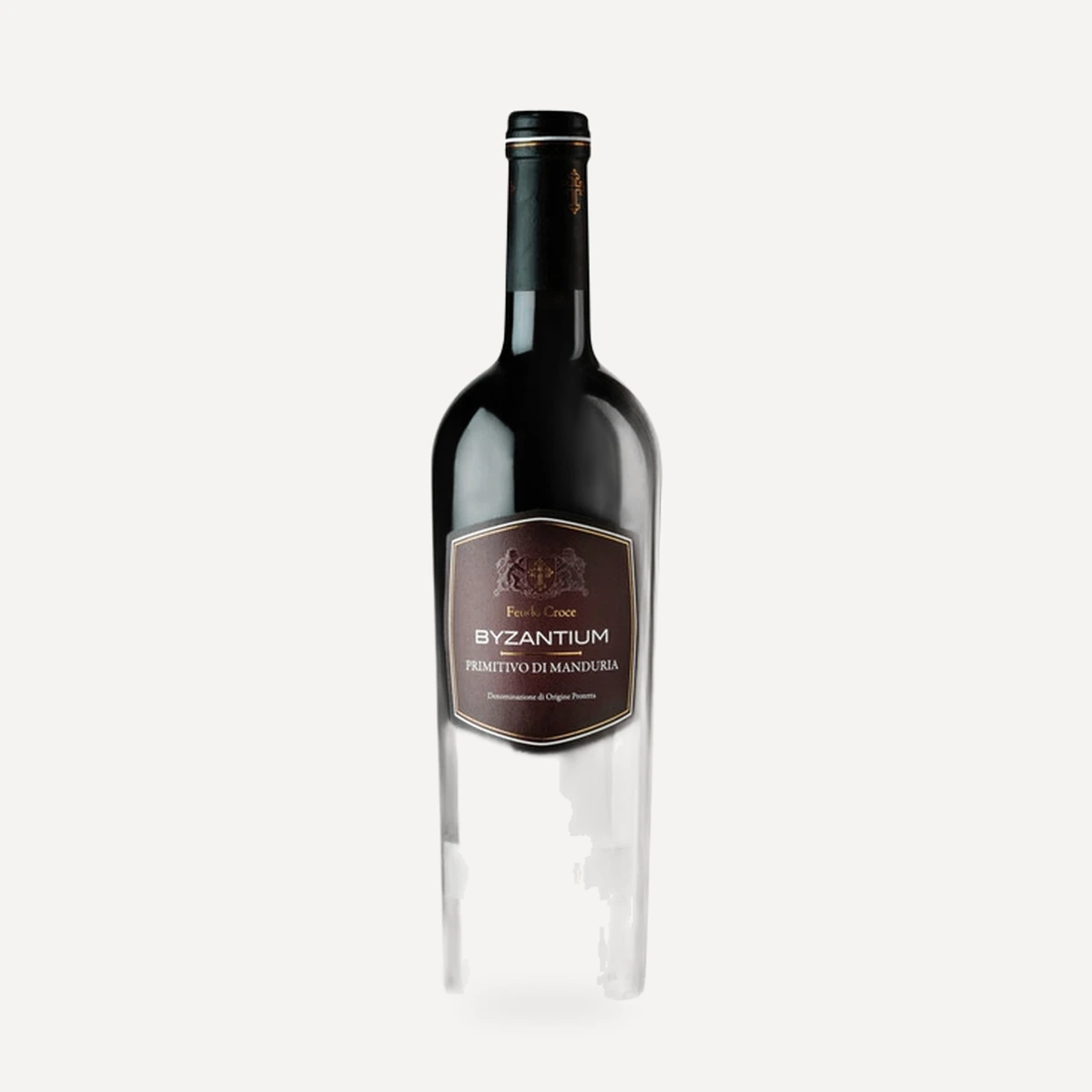
Byzantium Primitivo di Manduria DOP
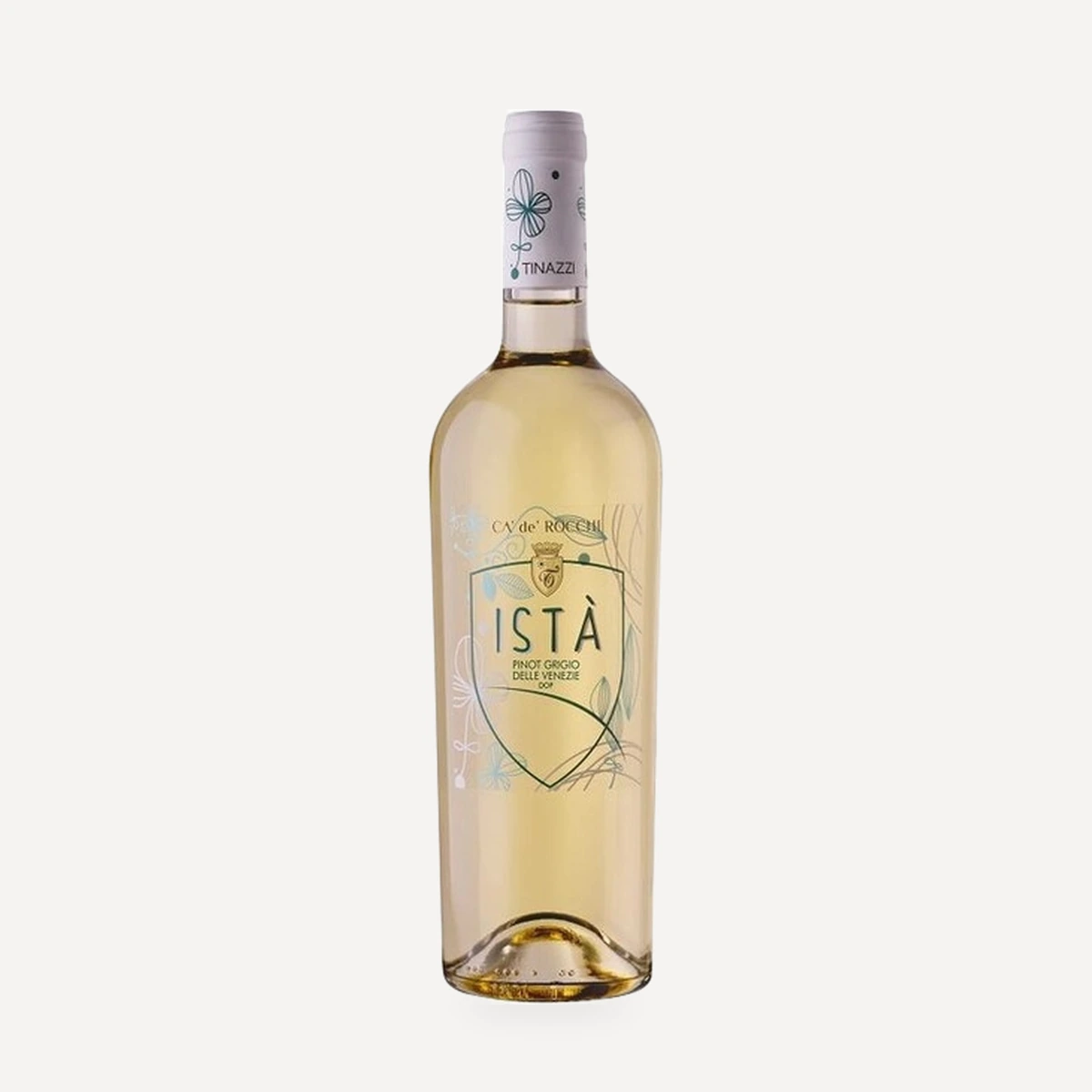
Ista Pinot Grigio delle Venezie DOP
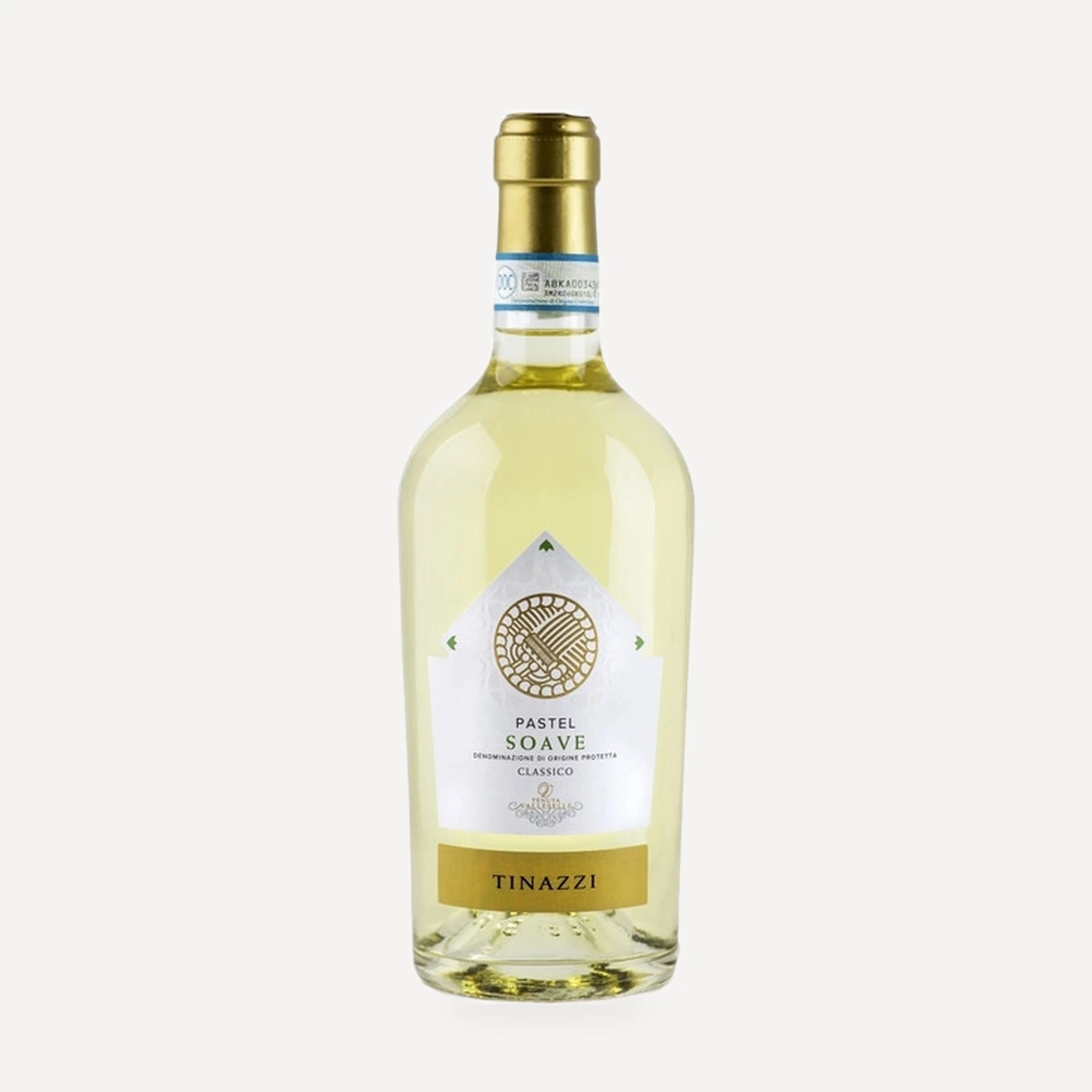
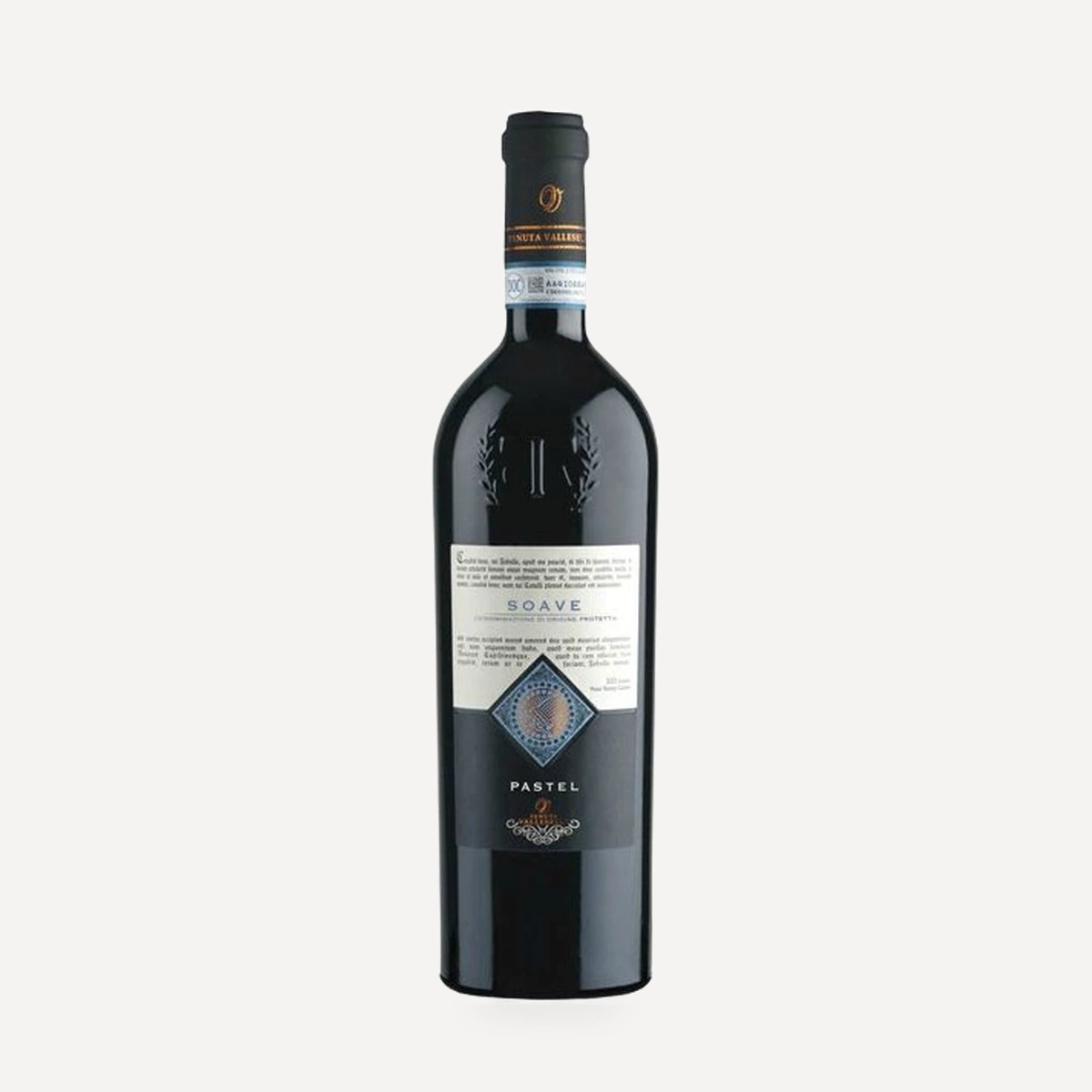
Pastel Soave Classico DOP
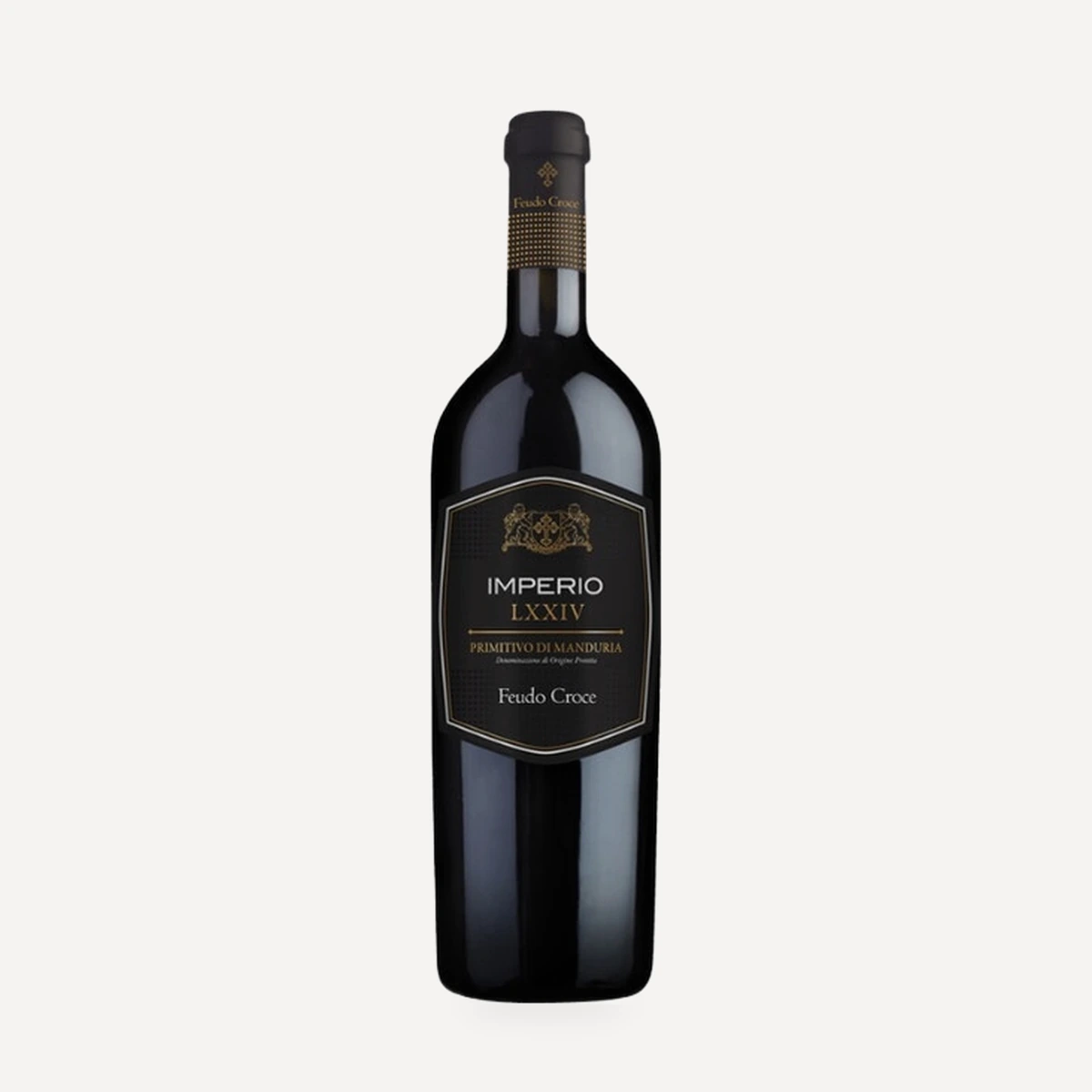
Imperio LXXIV Primitivo di Manduria DOP
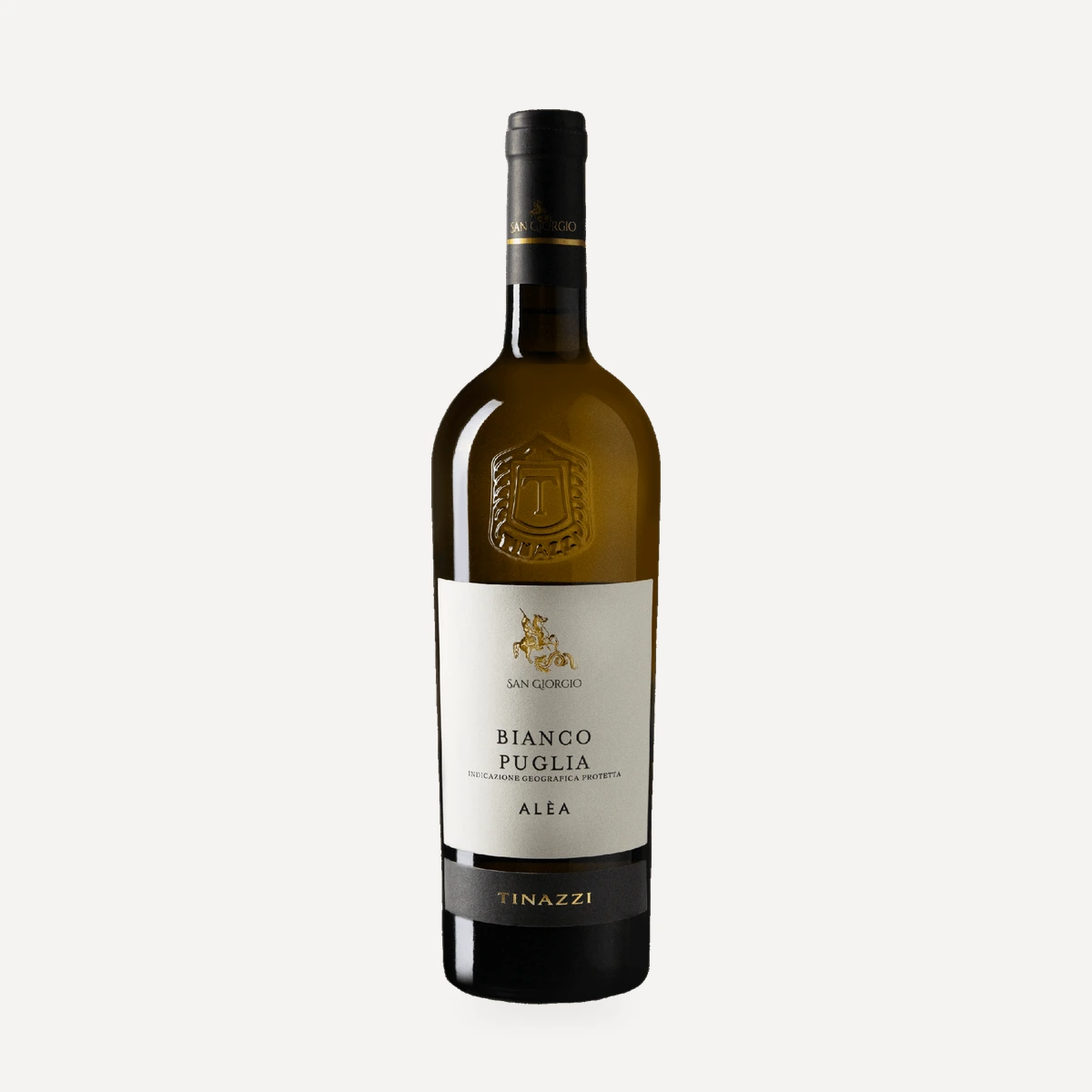
Alèa Bianco Puglia IGP
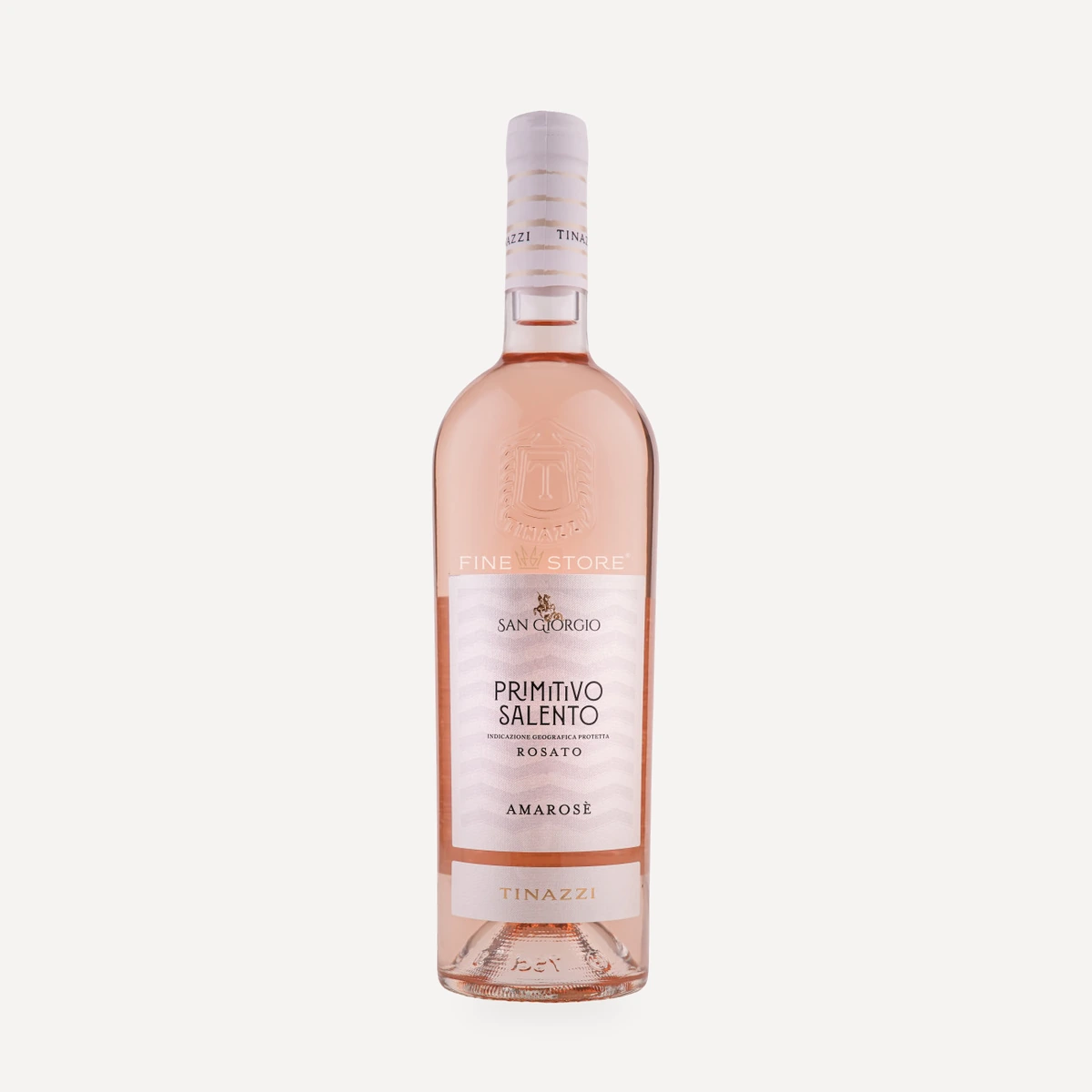
Amarosè Primitivo Salento Rosato IGP
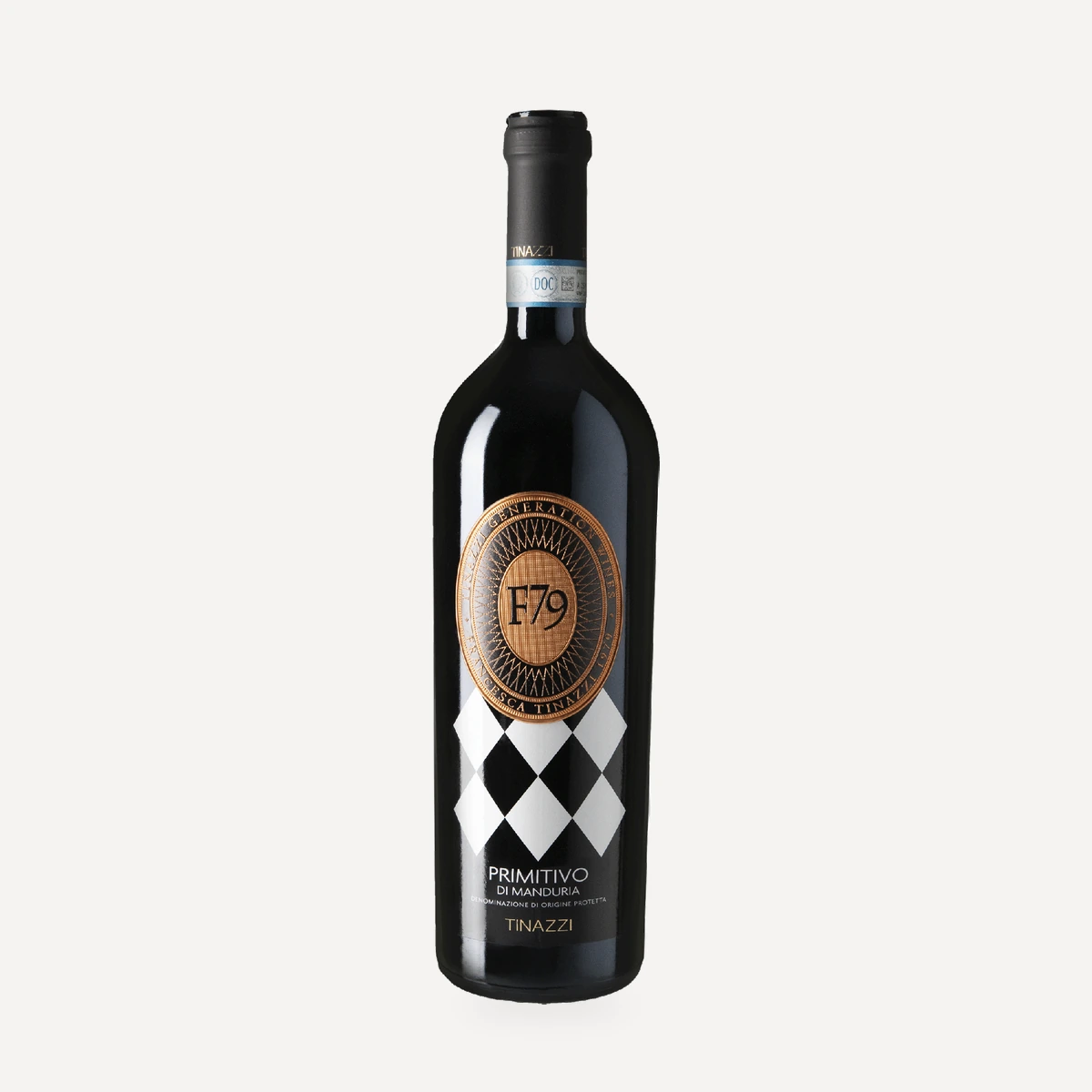
F79 Primitivo di Manduria DOP
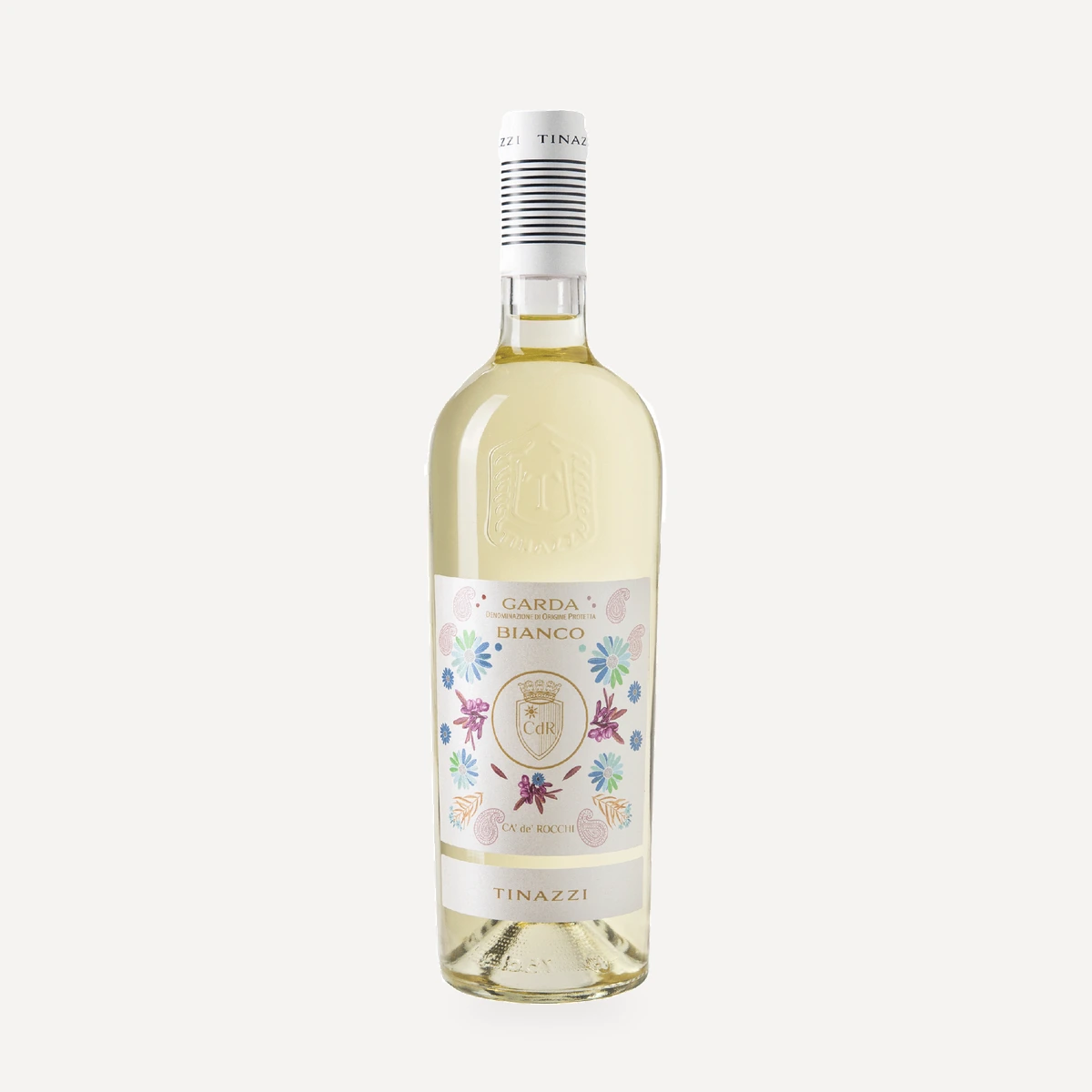
Garda Bianco DOP
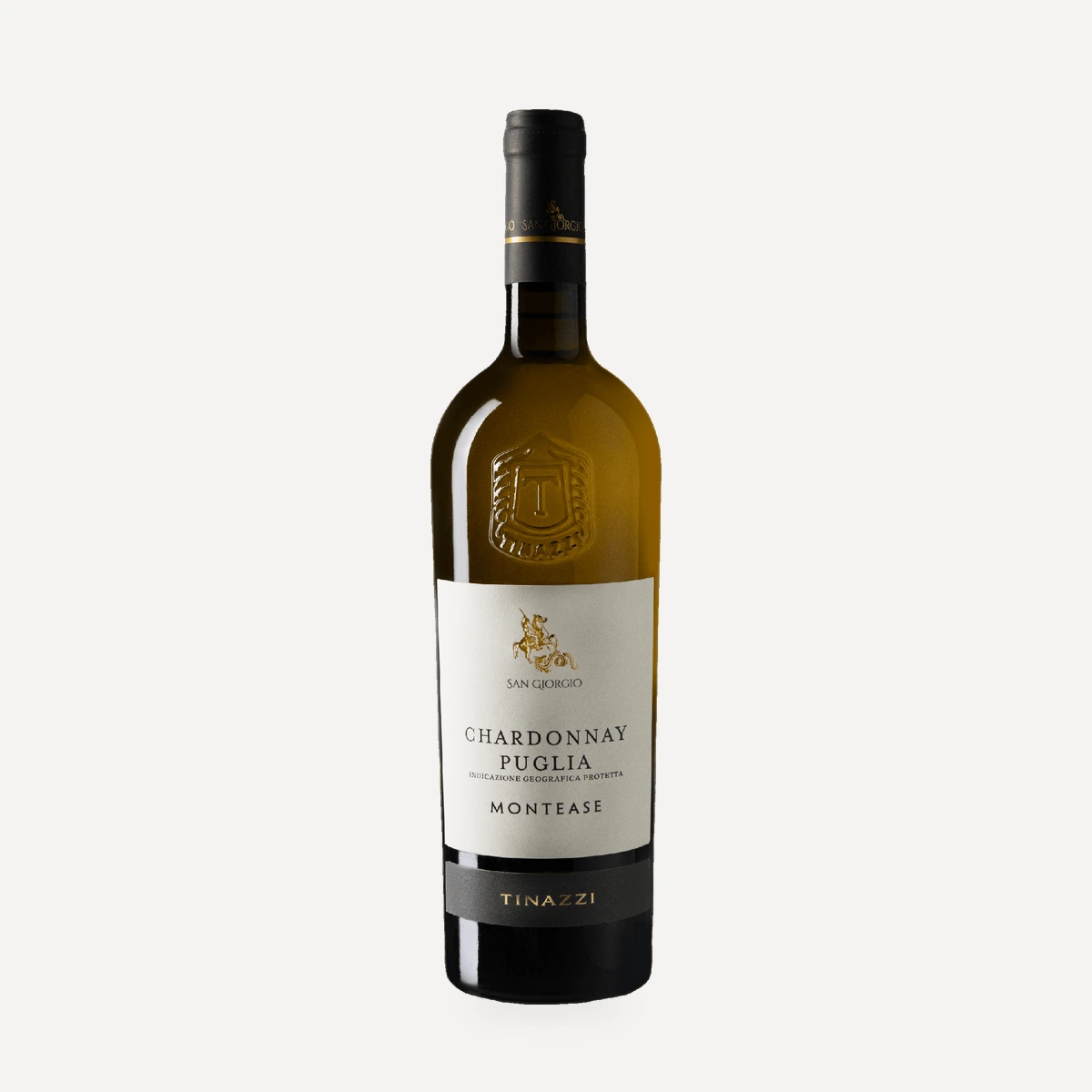
Montease Chardonnay IGP
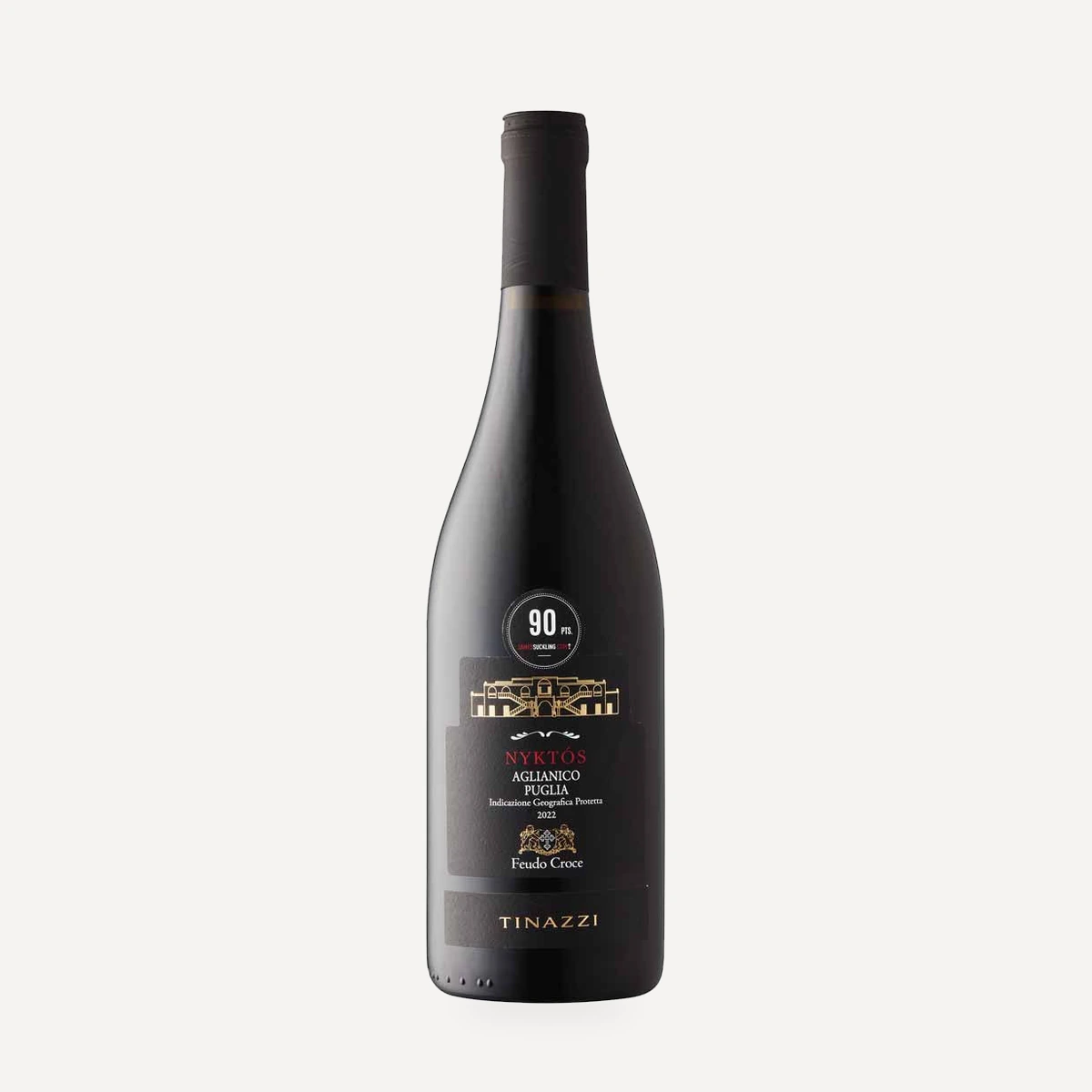
Nyktós Aglianico Puglia IGP
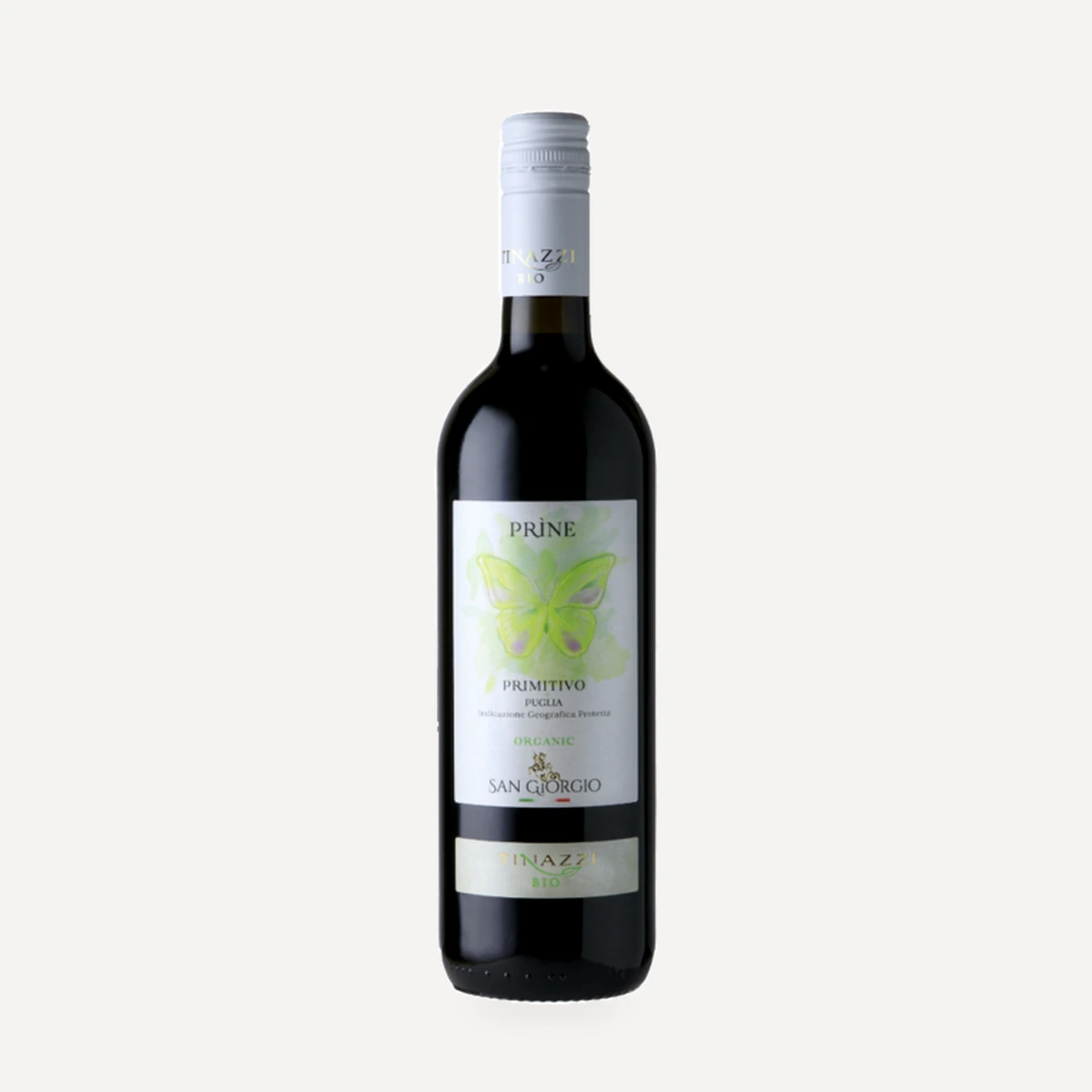
Prine
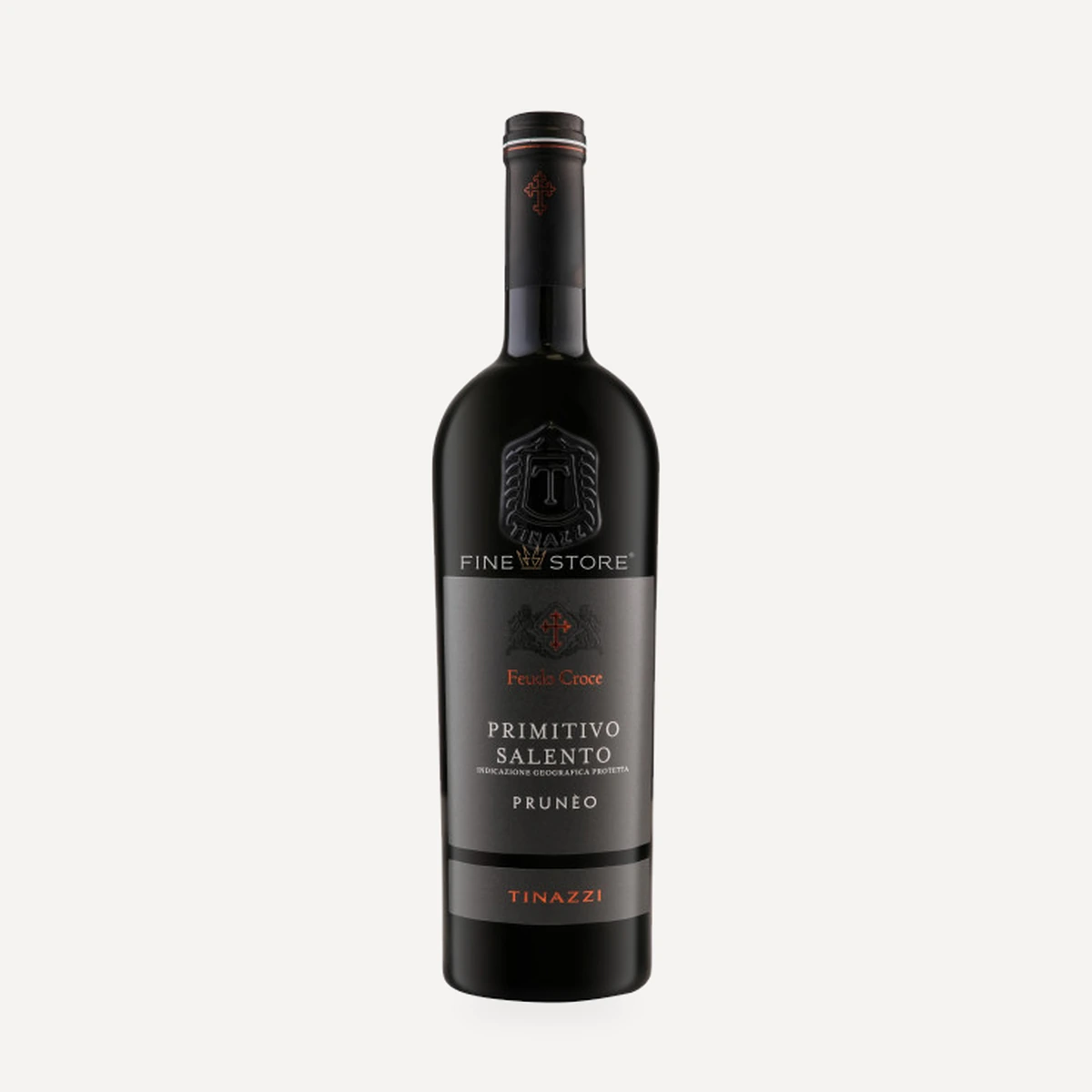
Prunèo Primitivo Salento IGP
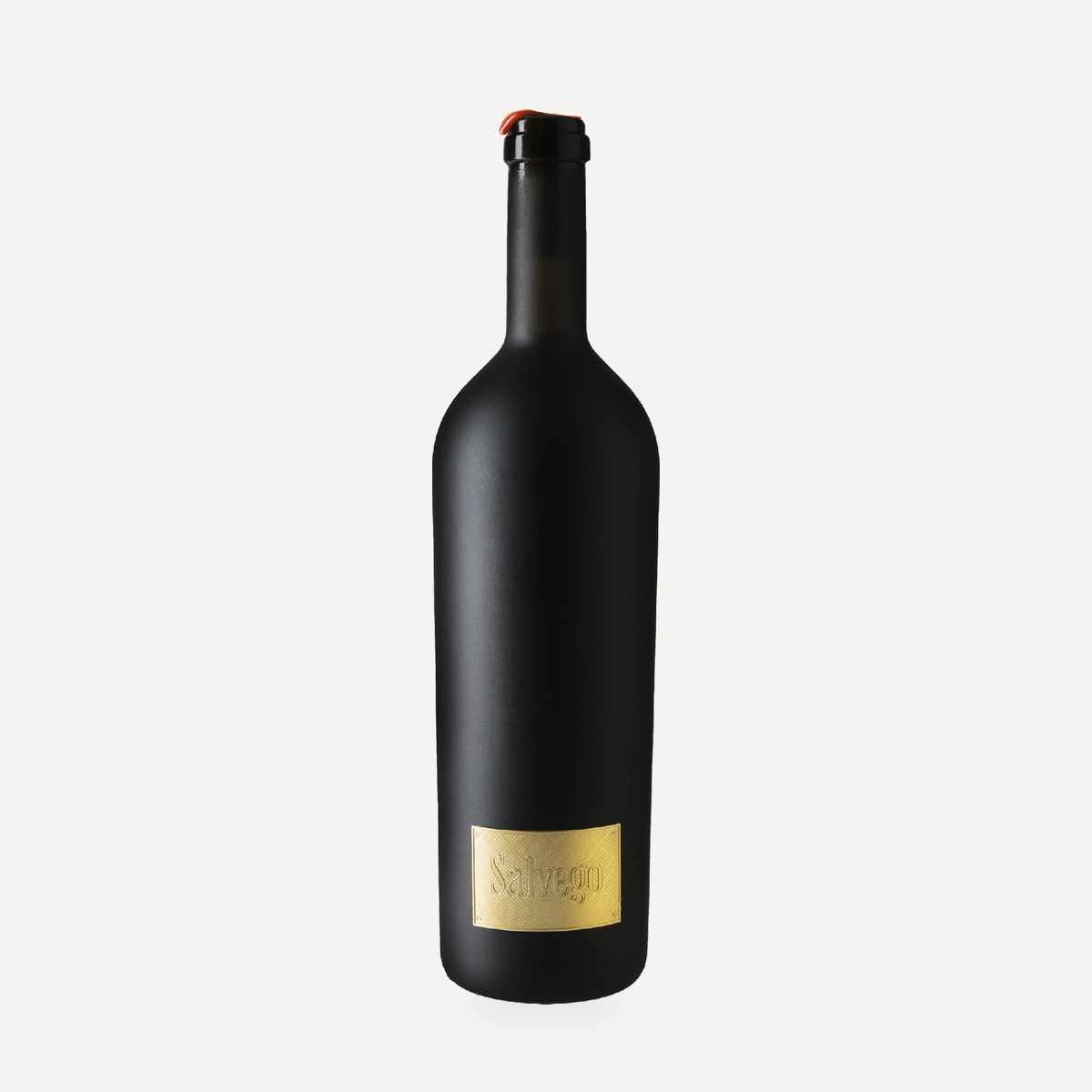
Salvego Rosso Verona IGP
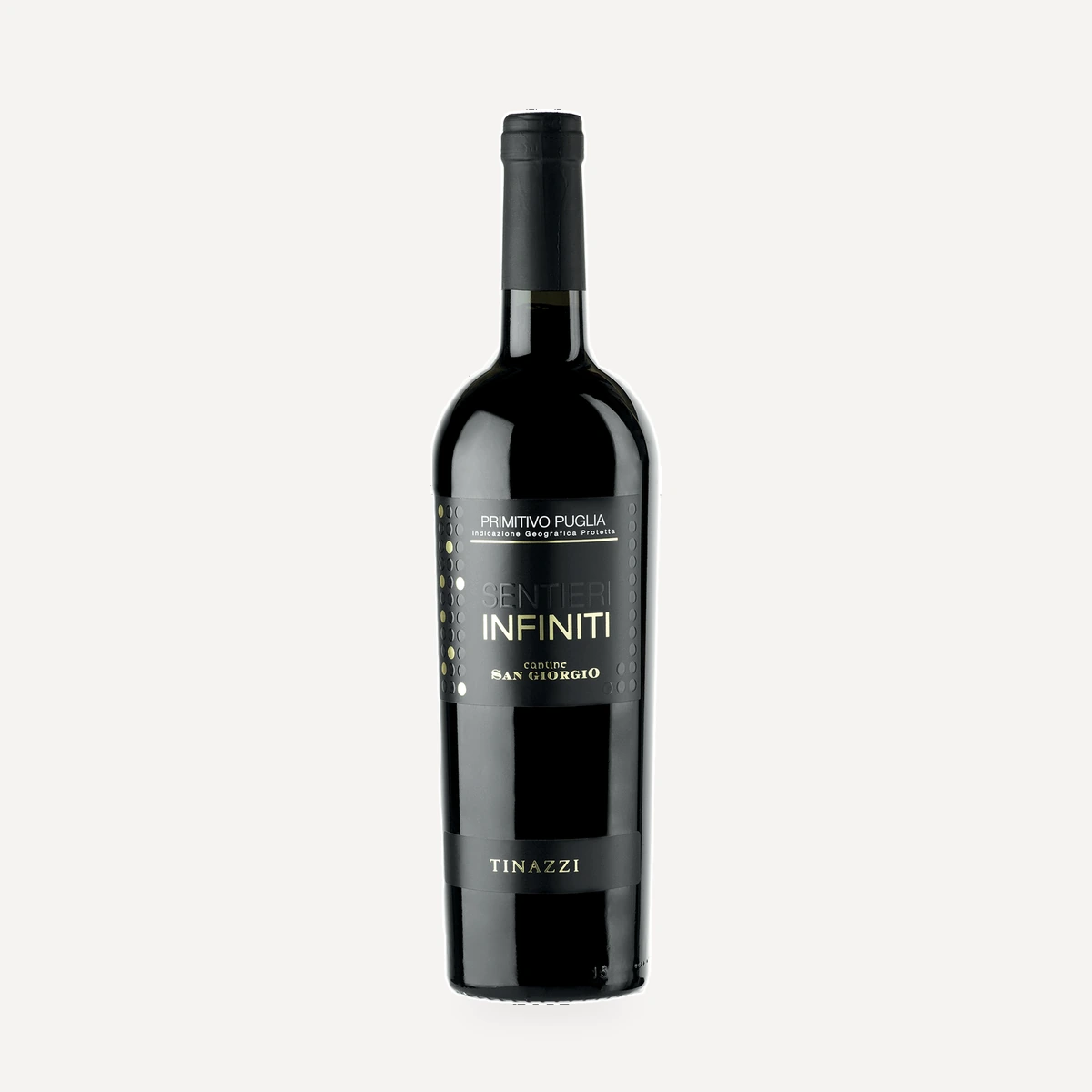
Sentieri Infiniti Primitivo Puglia IGP
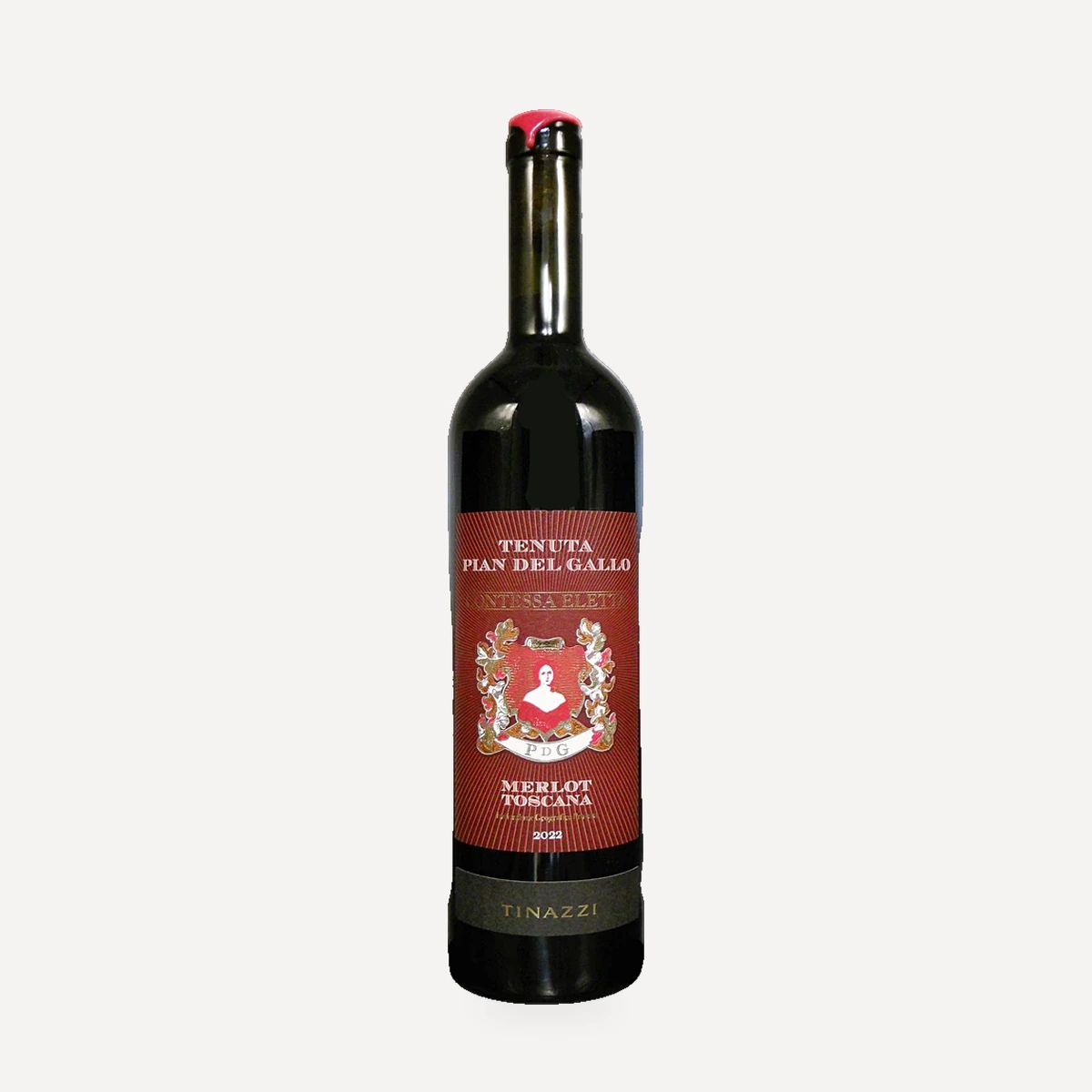
Tenuta Pian del Gallo Merlot Toscana IGT
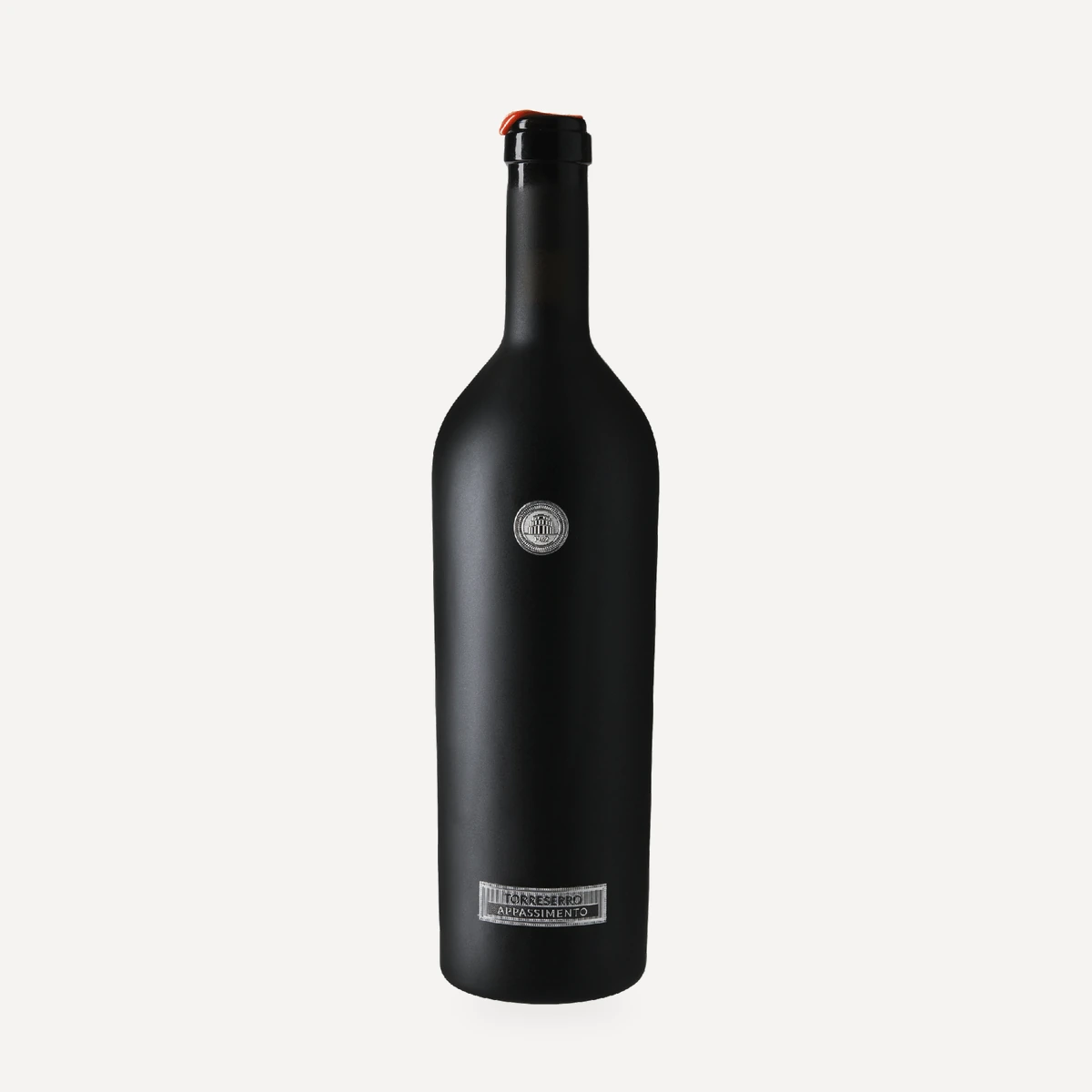
Torreserro Rosso Puglia IGP Passito
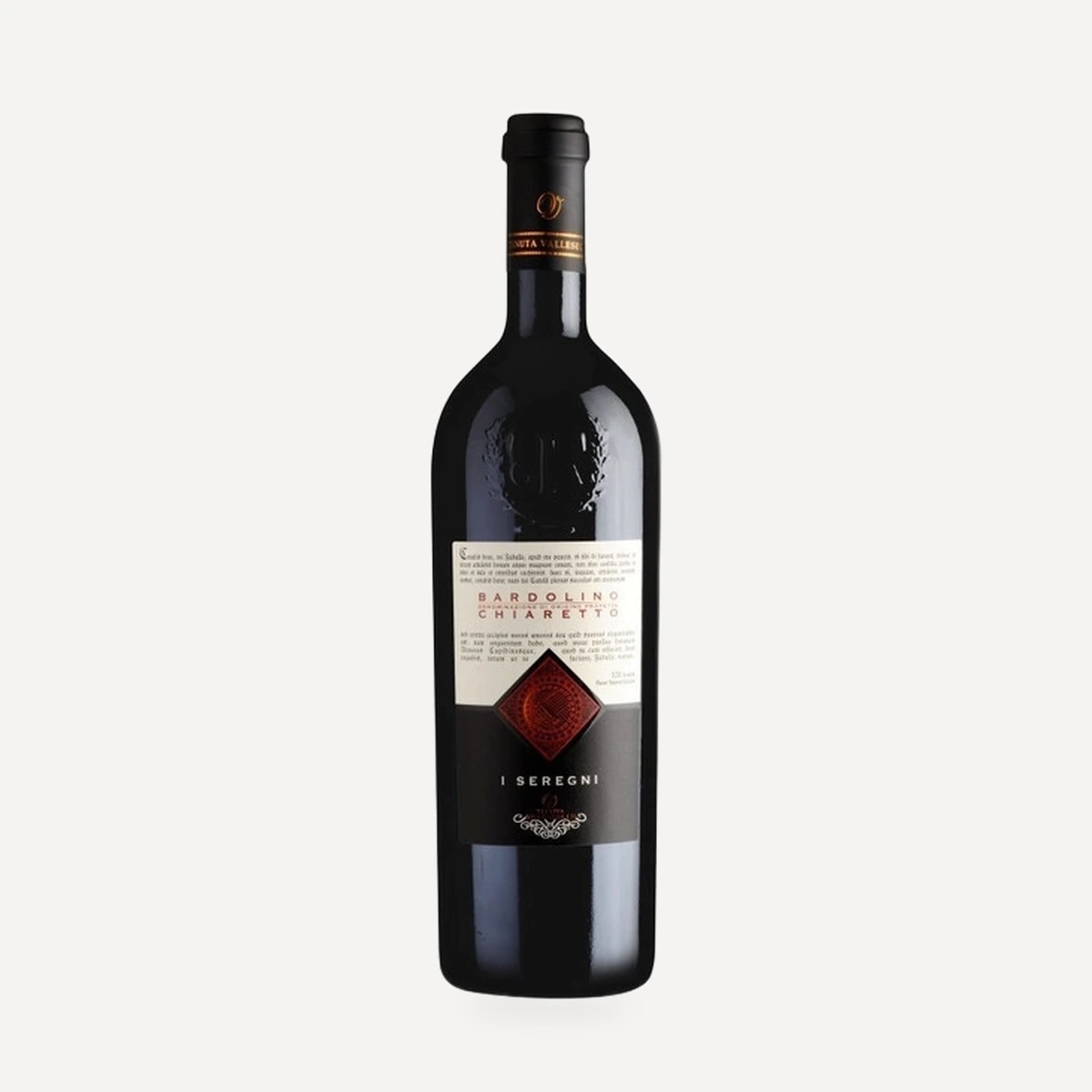
I Seregni Chiaretto Bardolino DOP
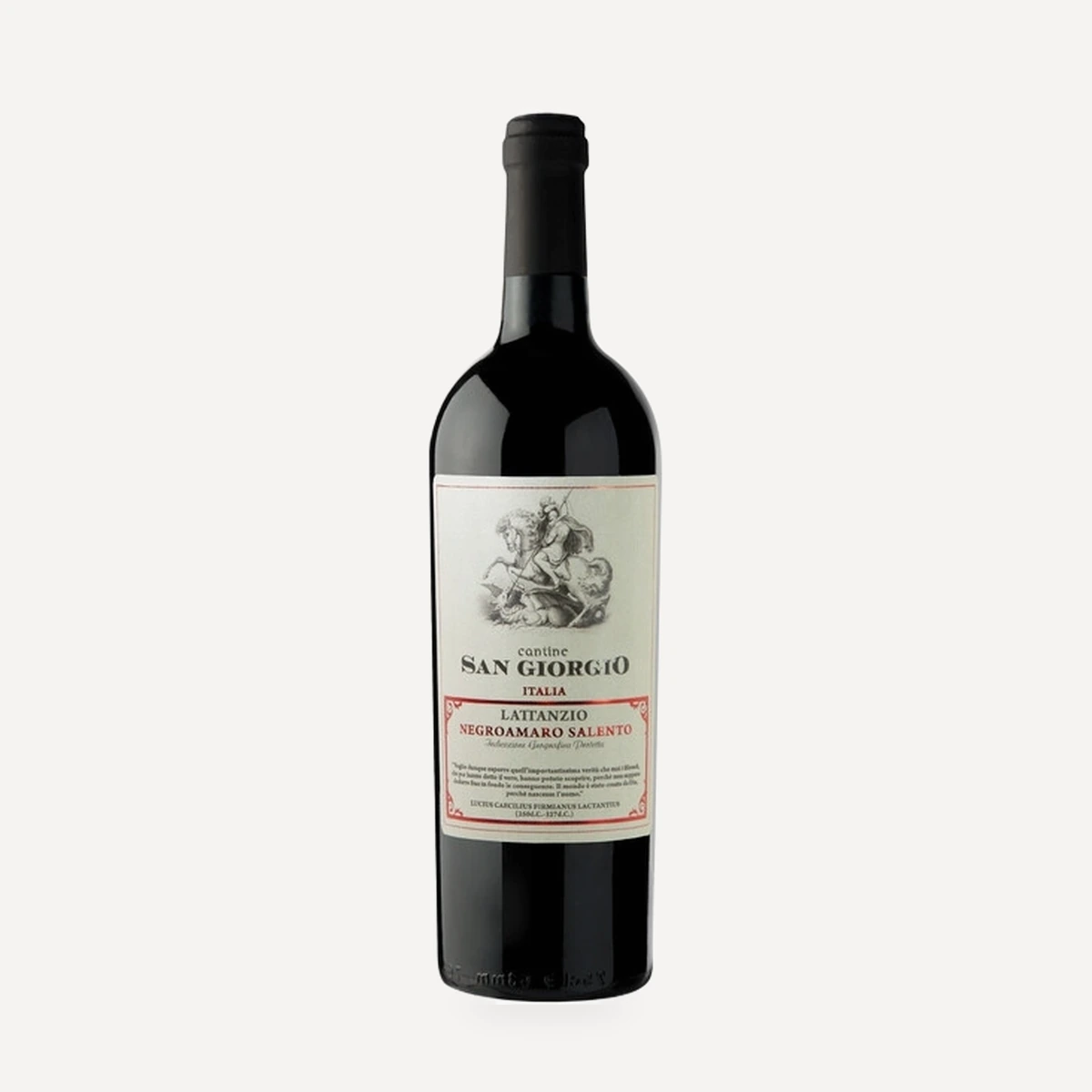
Lattanzio Negroamaro Salento IGP
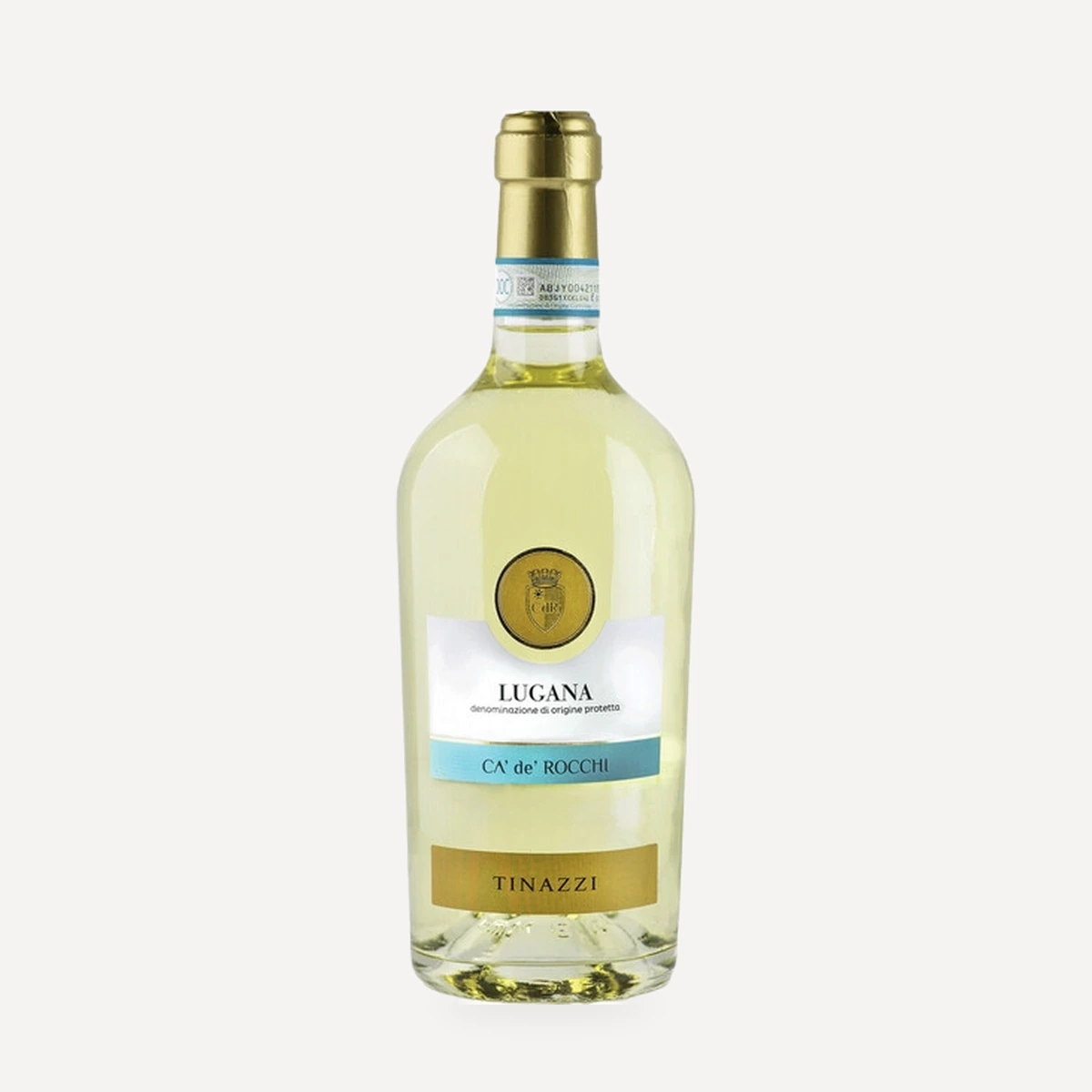
Ca' de' Rocchi Lugana DOP
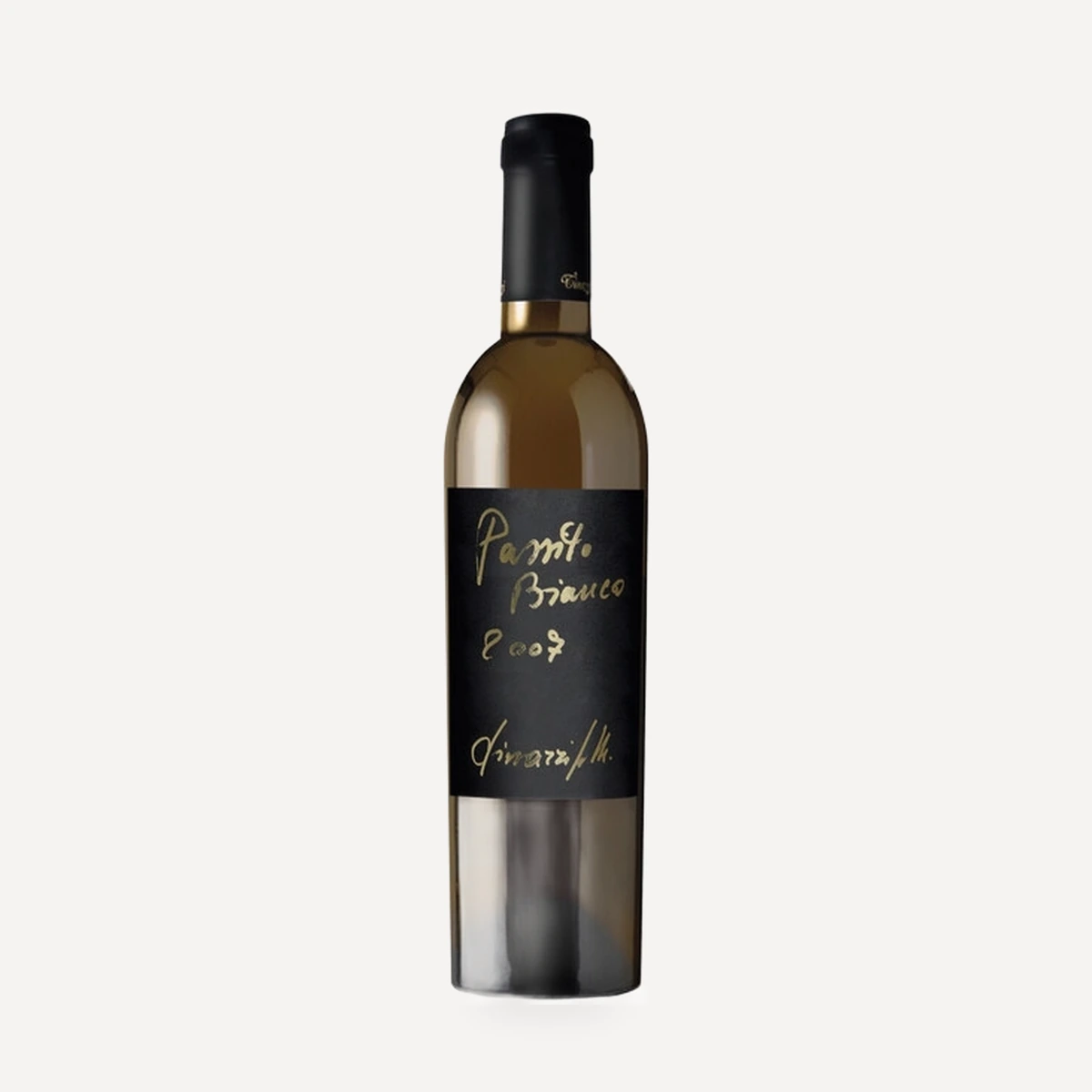
Passito Bianco Veneto IGT
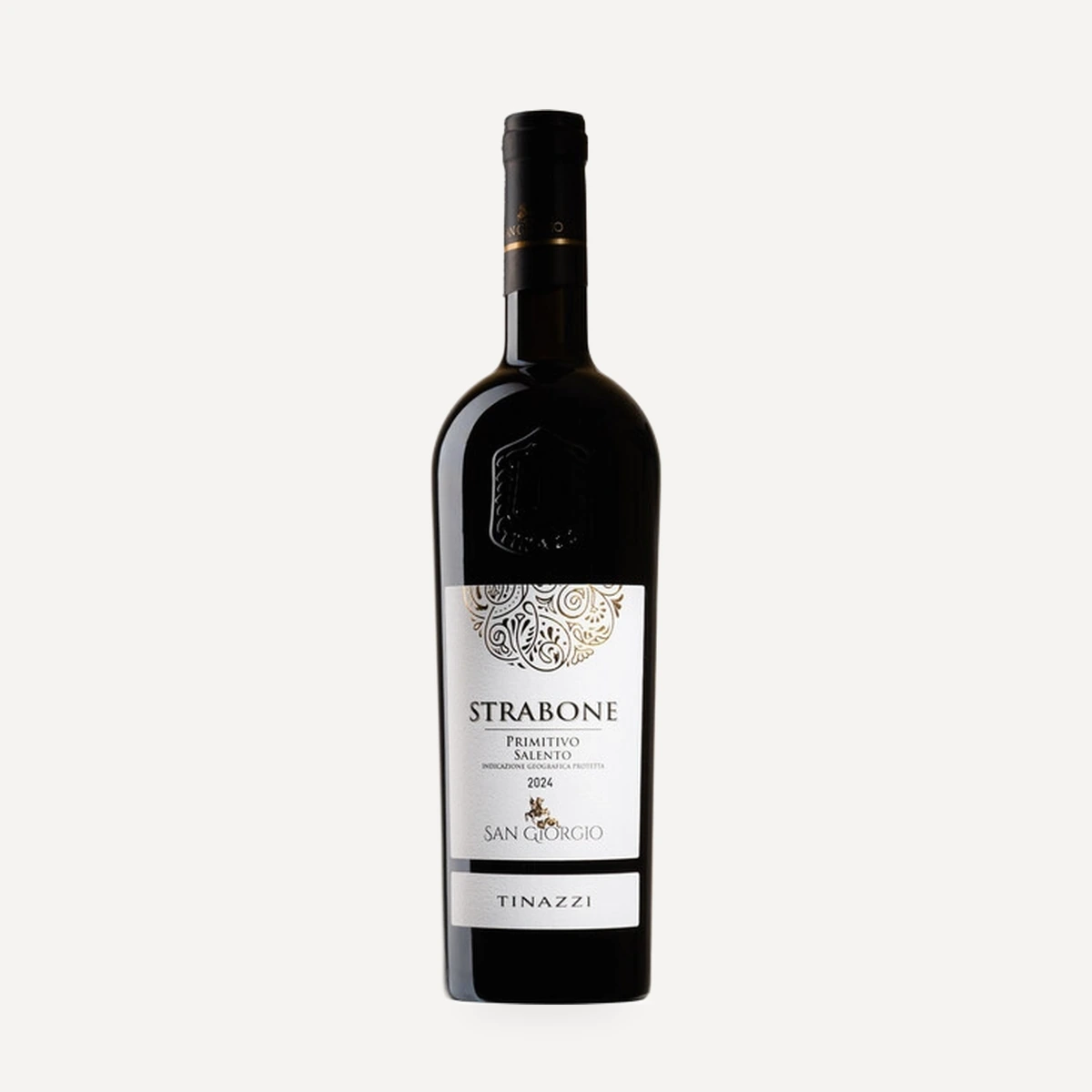
Strabone Primitivo Salento IGP
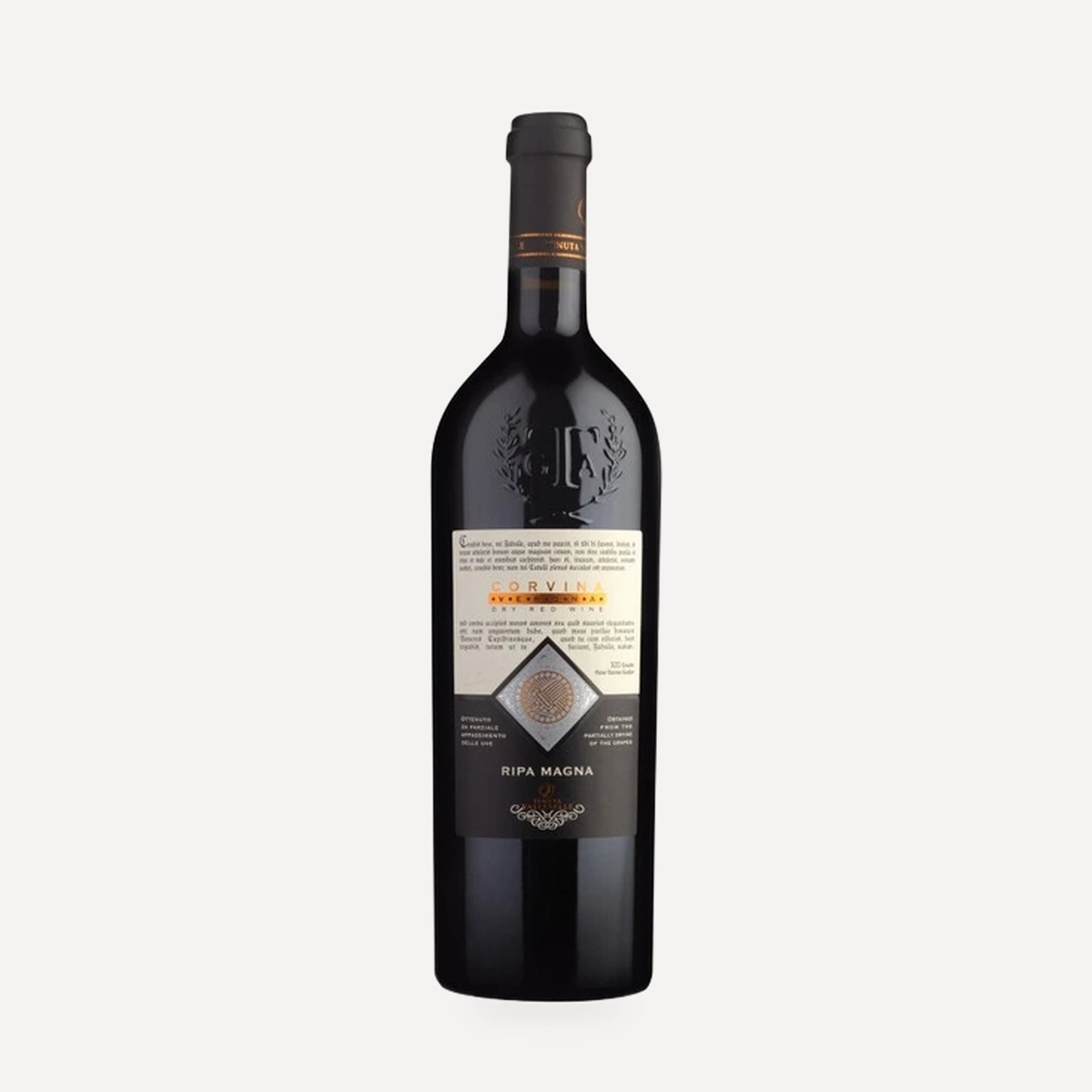
Ripa Magna Corvina della Provincia di Verona IGP
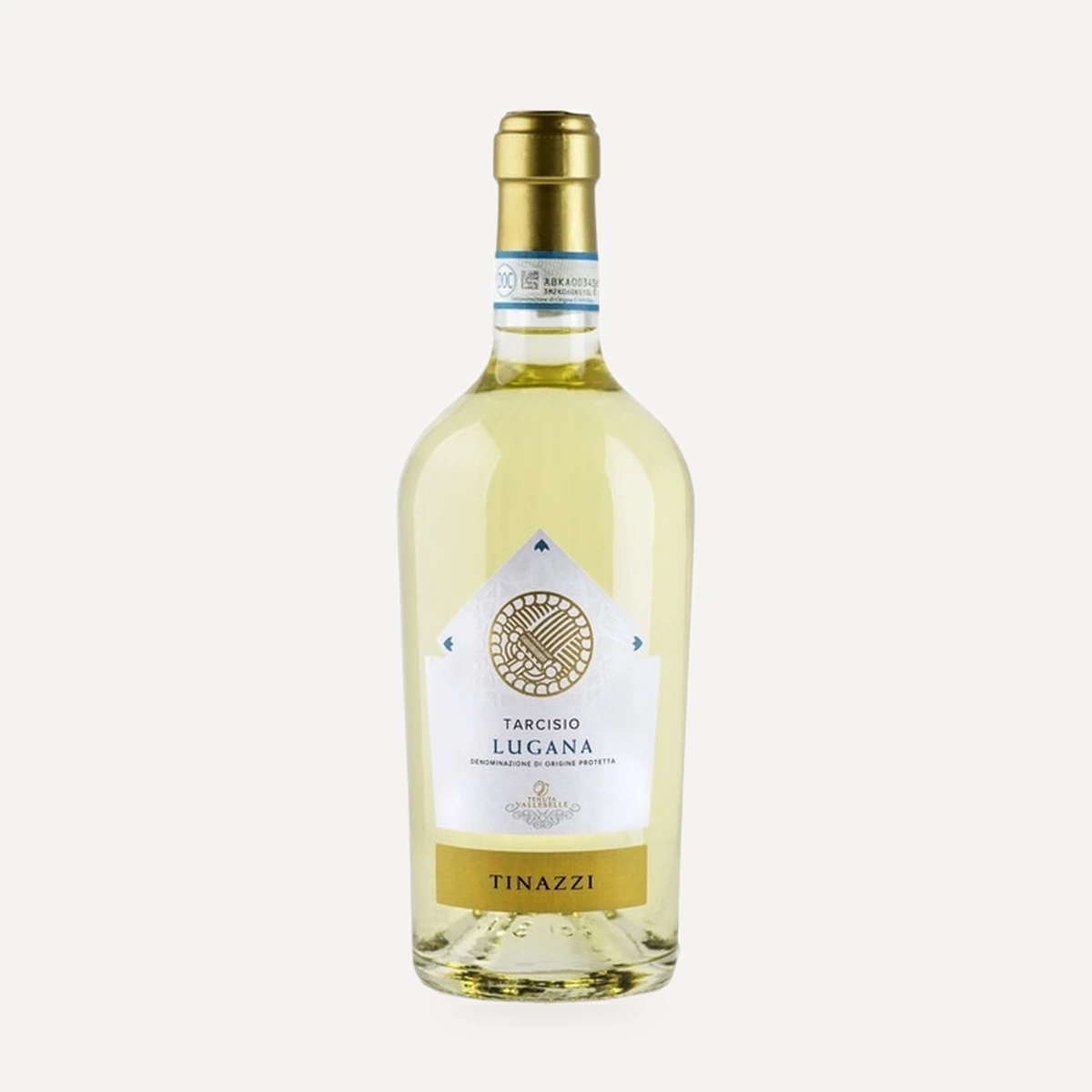
Tarcisio Lugana DOP
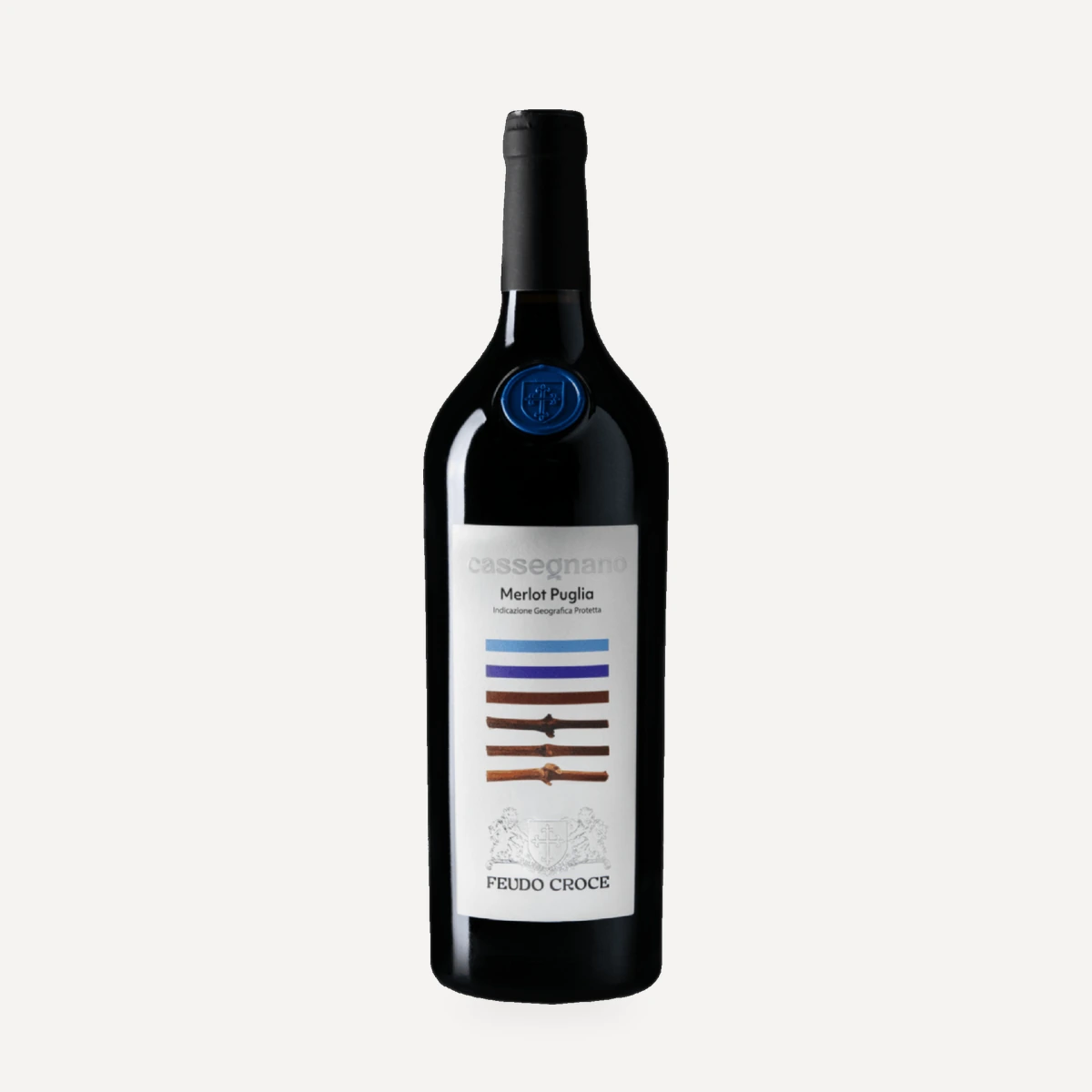
Cassegnano Merlot IGP
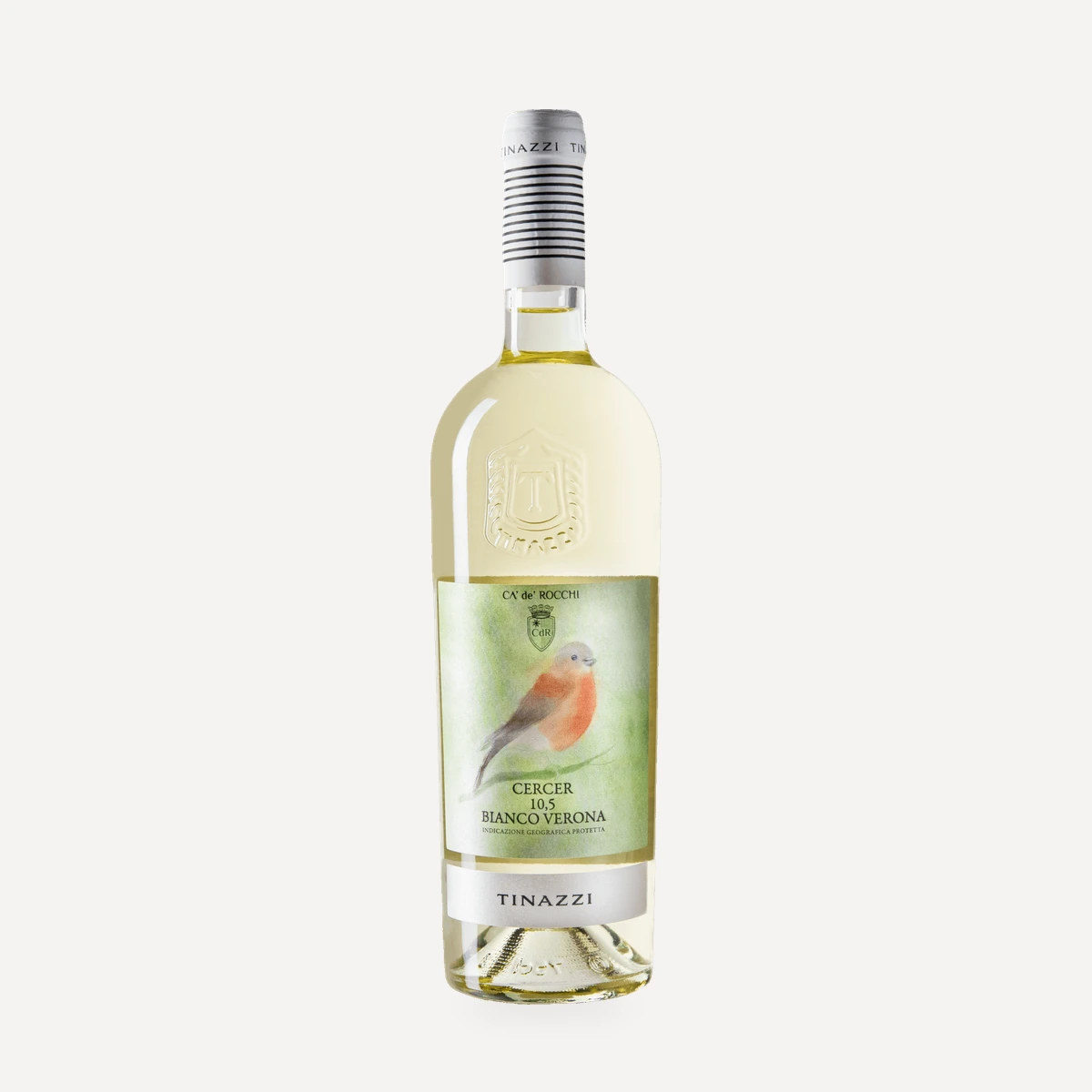
Cercer 10,5 Bianco Verona IGP
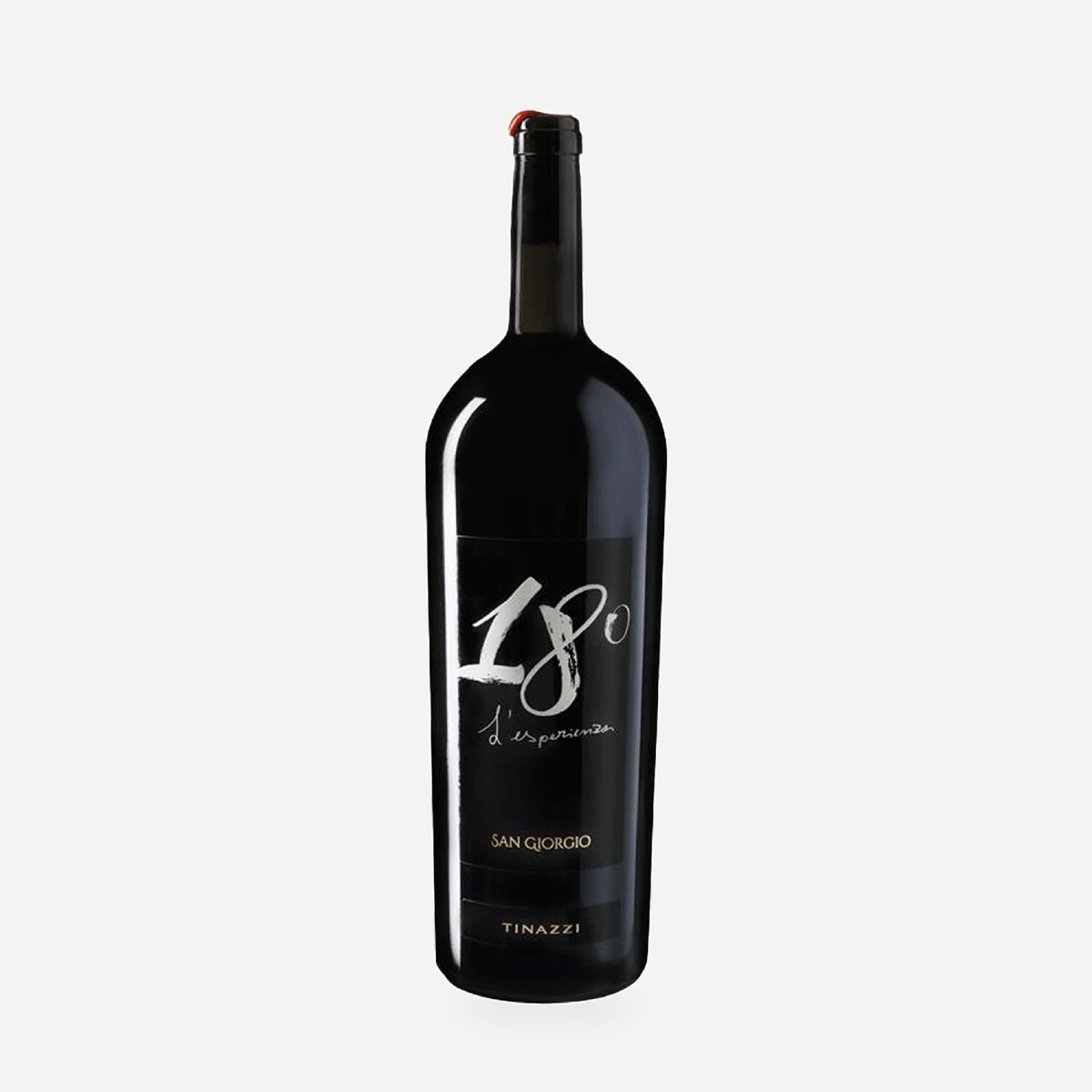
Esperienza Rosso Puglia IGP
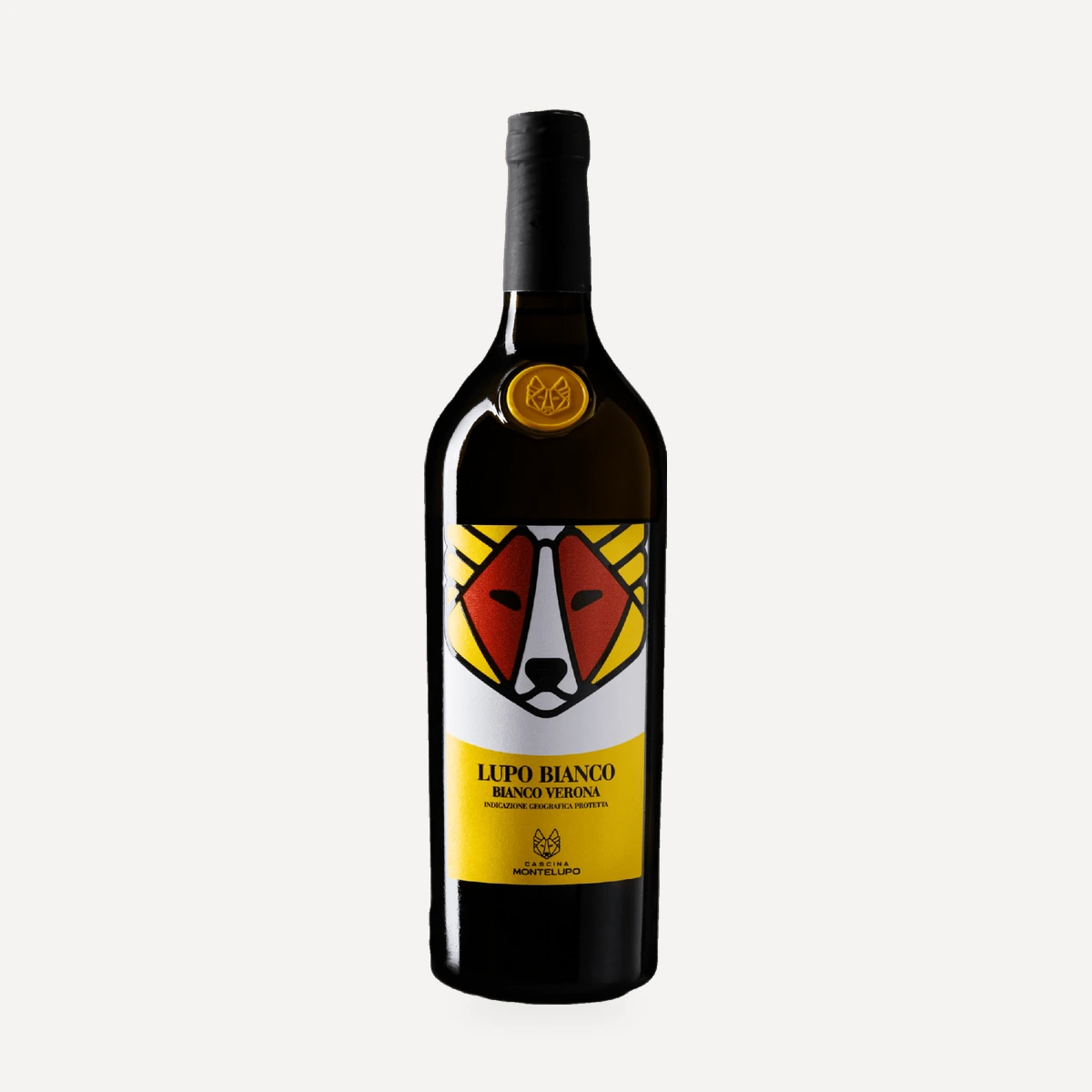
Lupo bianco Bianco Verona IGP
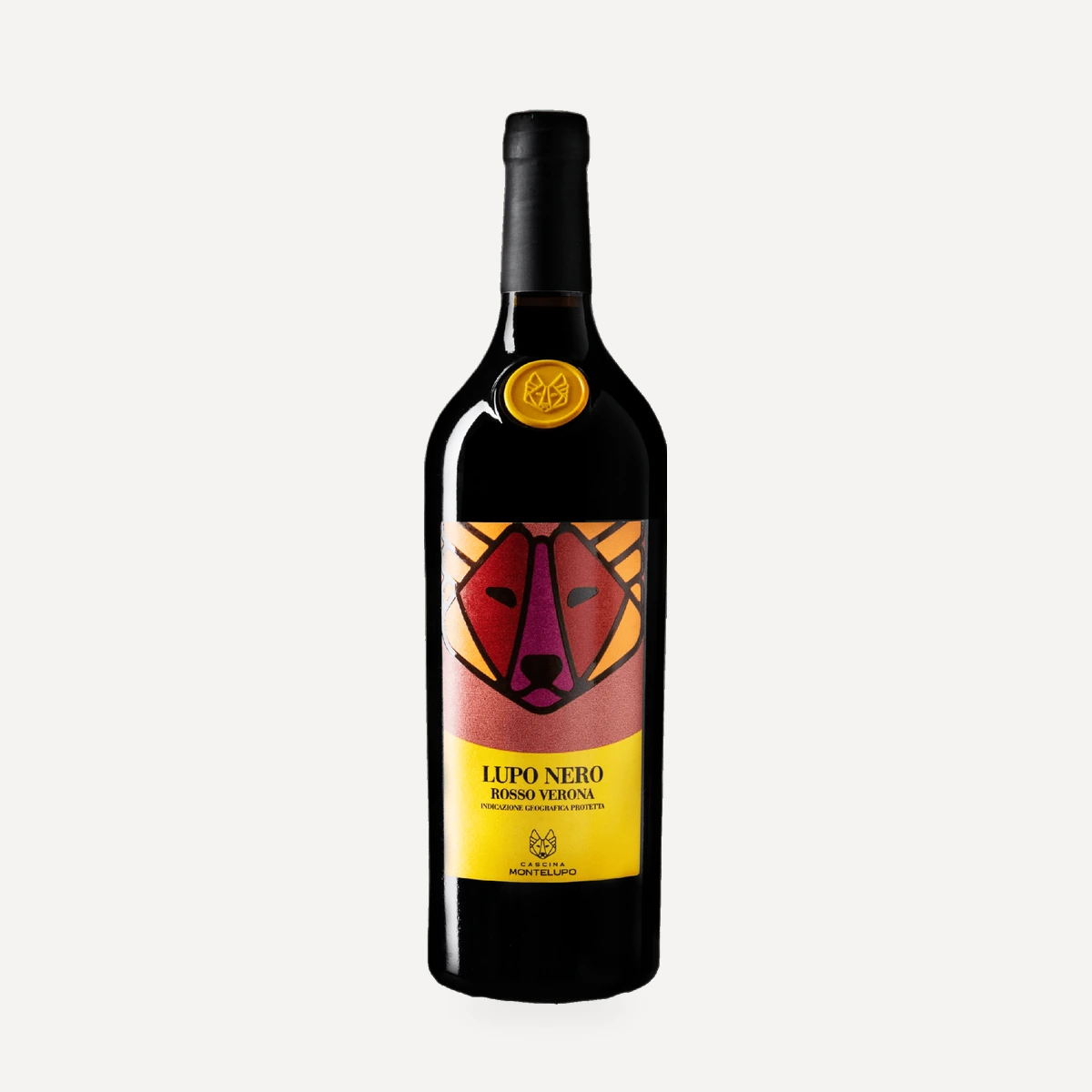
Lupo nero Rosso Verona IGP
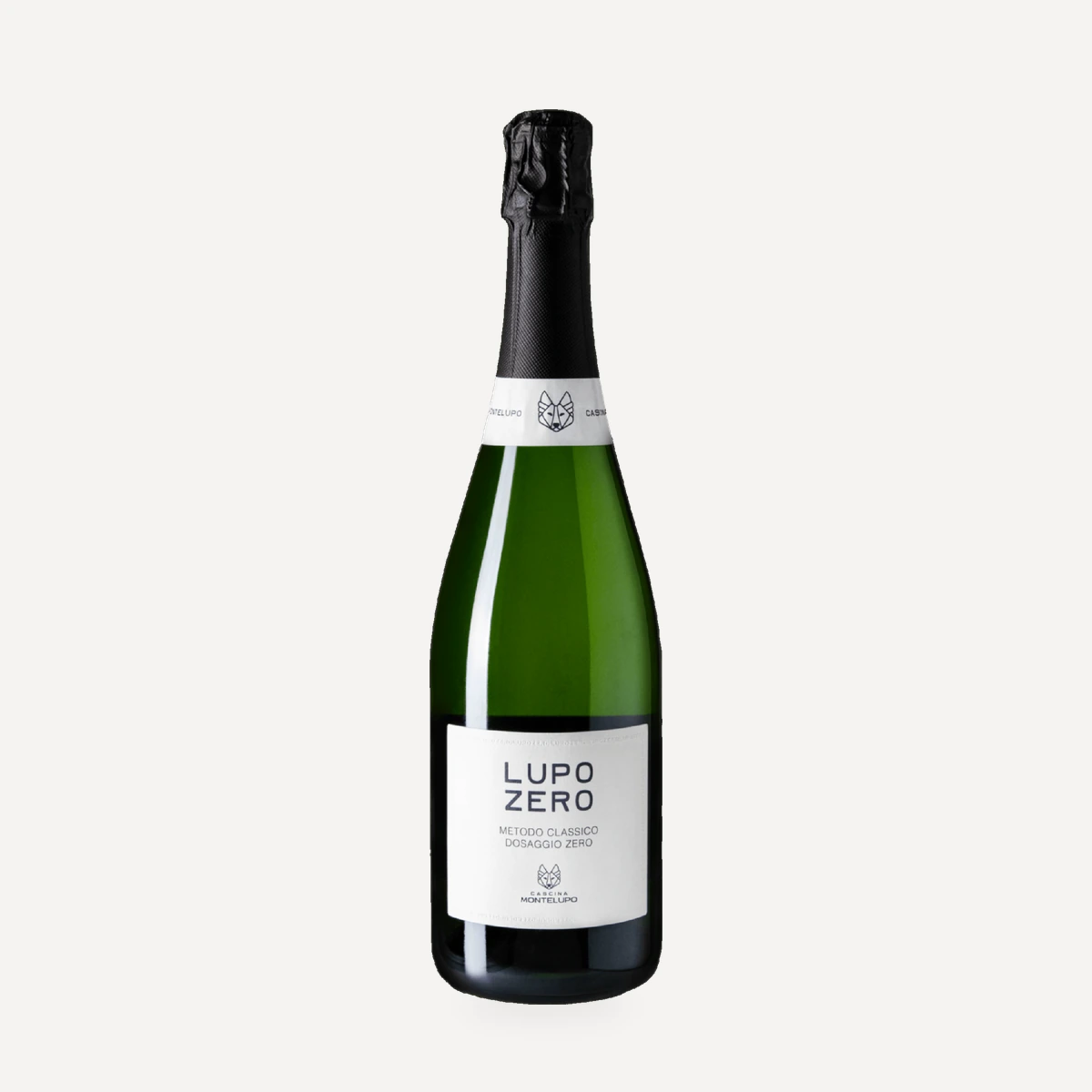
Lupo zero Metodo Classico Dosaggio Zero
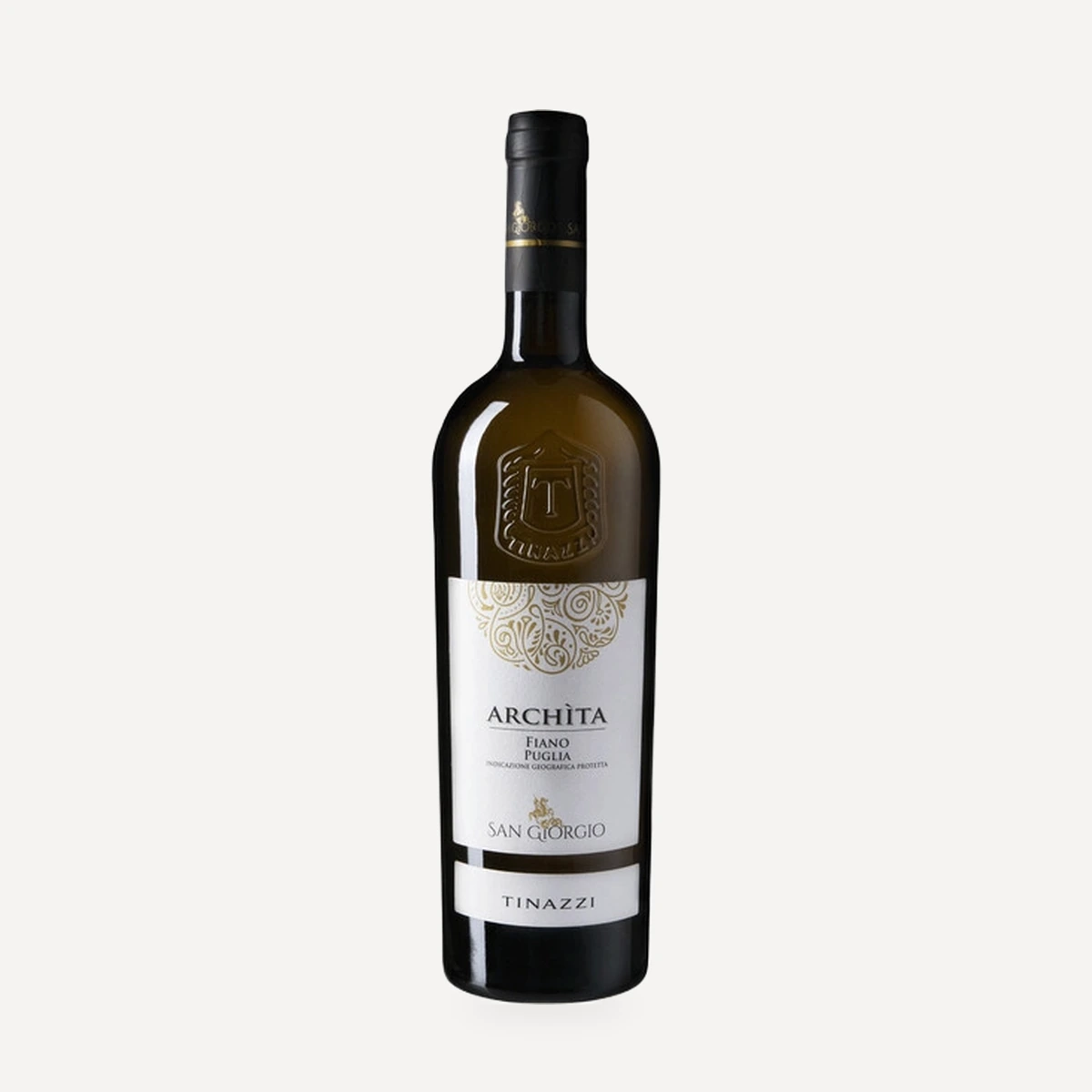
Archita Fiano Puglia IGP
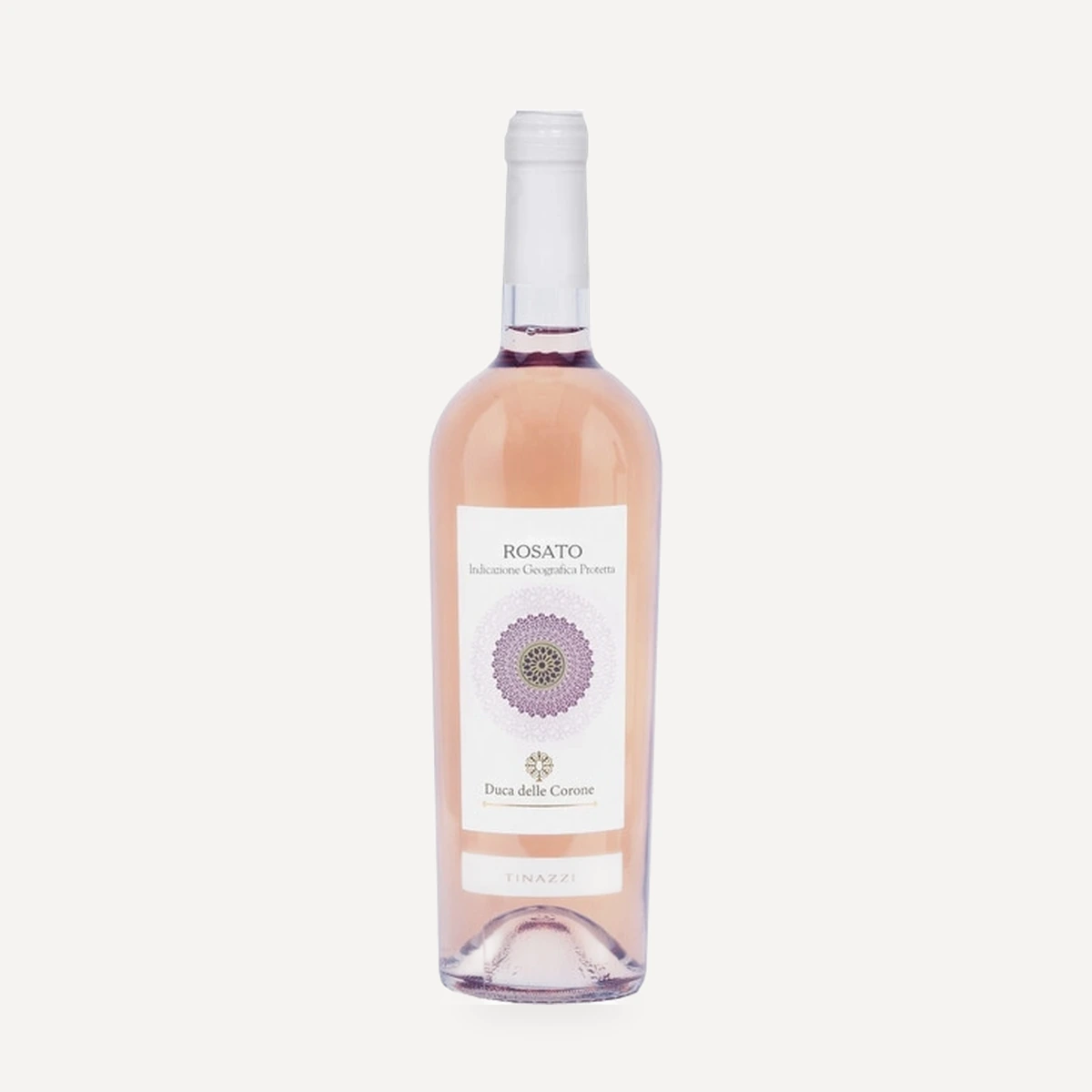
Duca delle Corone Rosato Puglia IGT
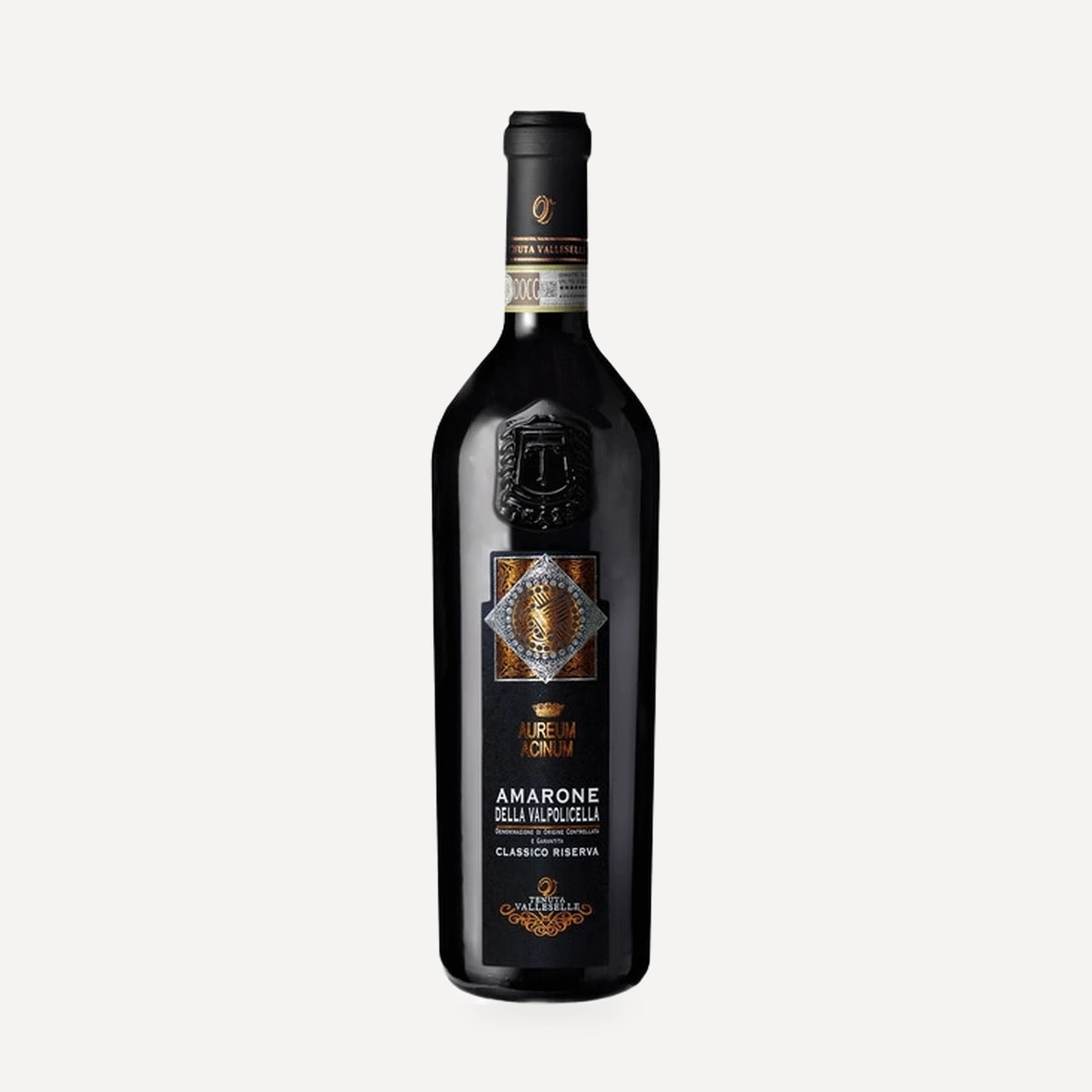
Aureum Acinum Amarone della Valpolicella Classico Riserva DOCG
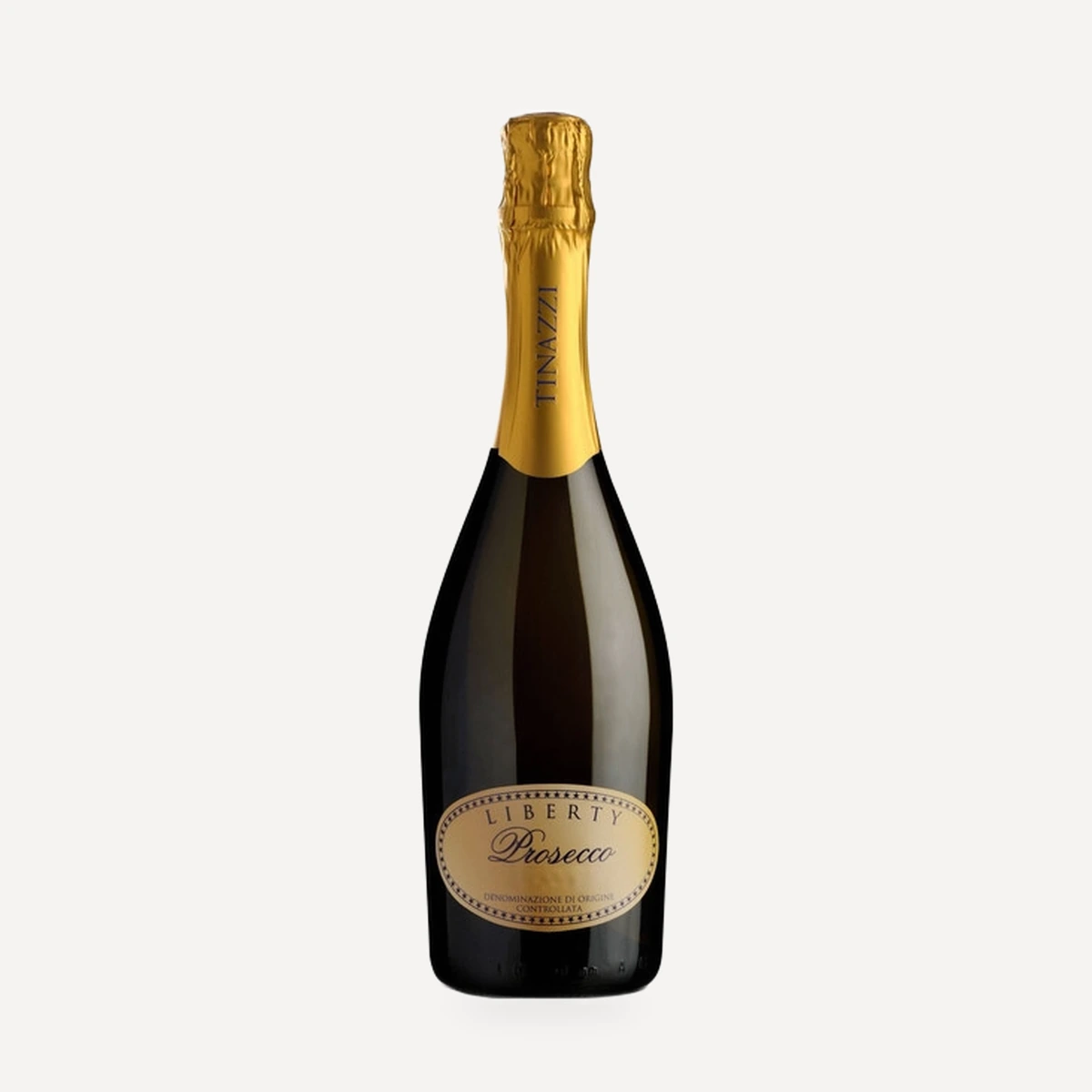
Liberty Prosecco Brut DOC
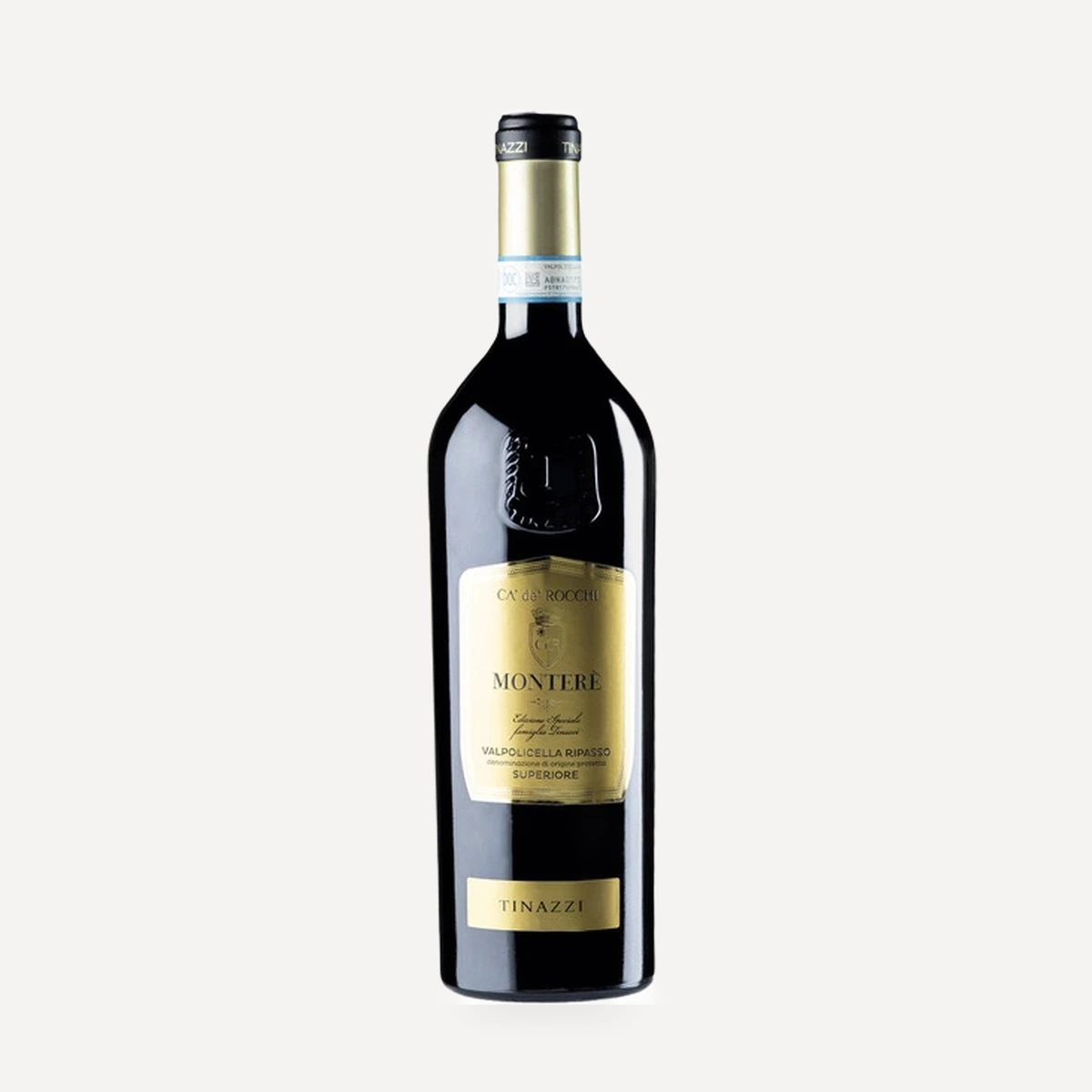
Montere Limitata Valpolicella Ripasso Superiore DOP
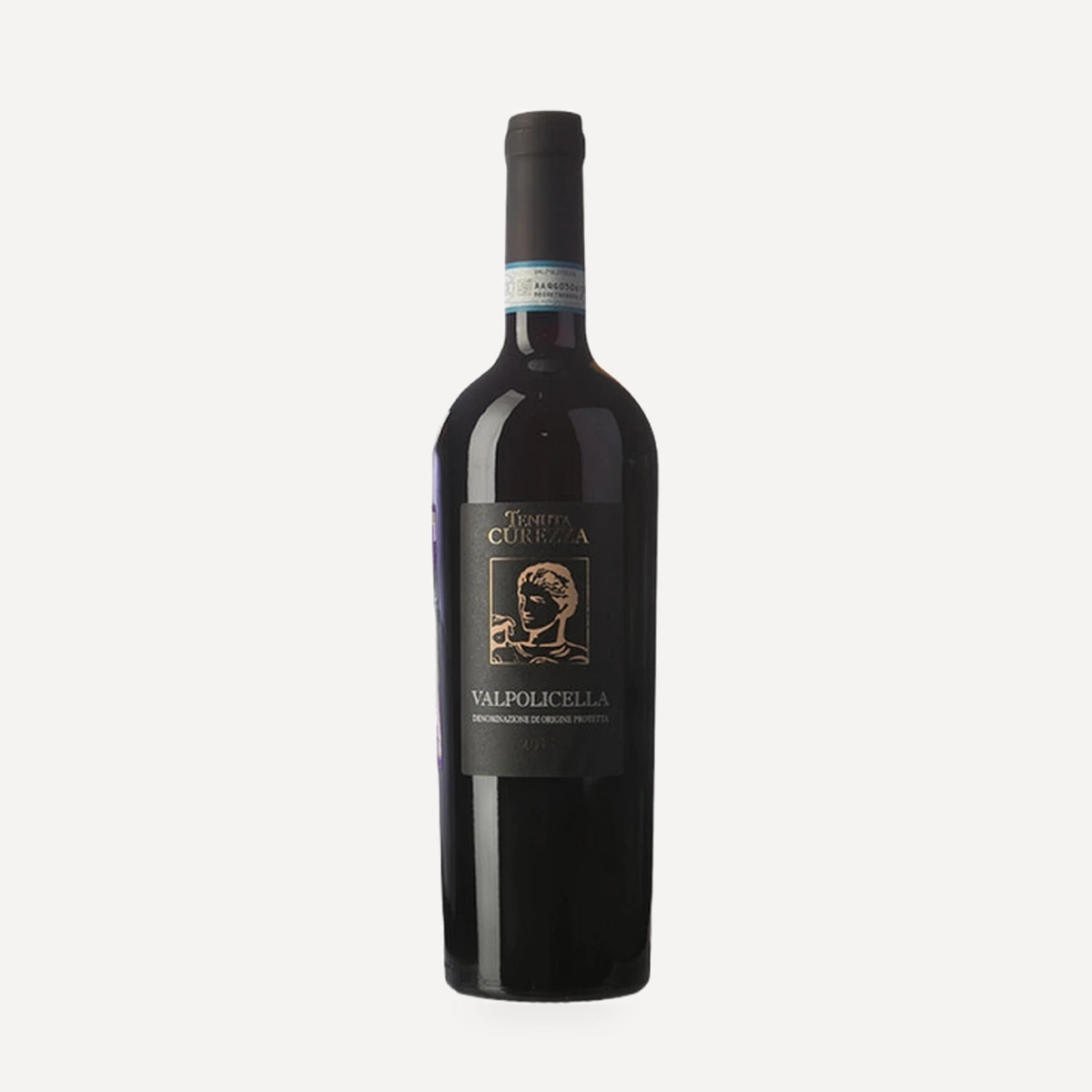
Tenuta Curezza Valpolicella DOC

National Prosecco DOC
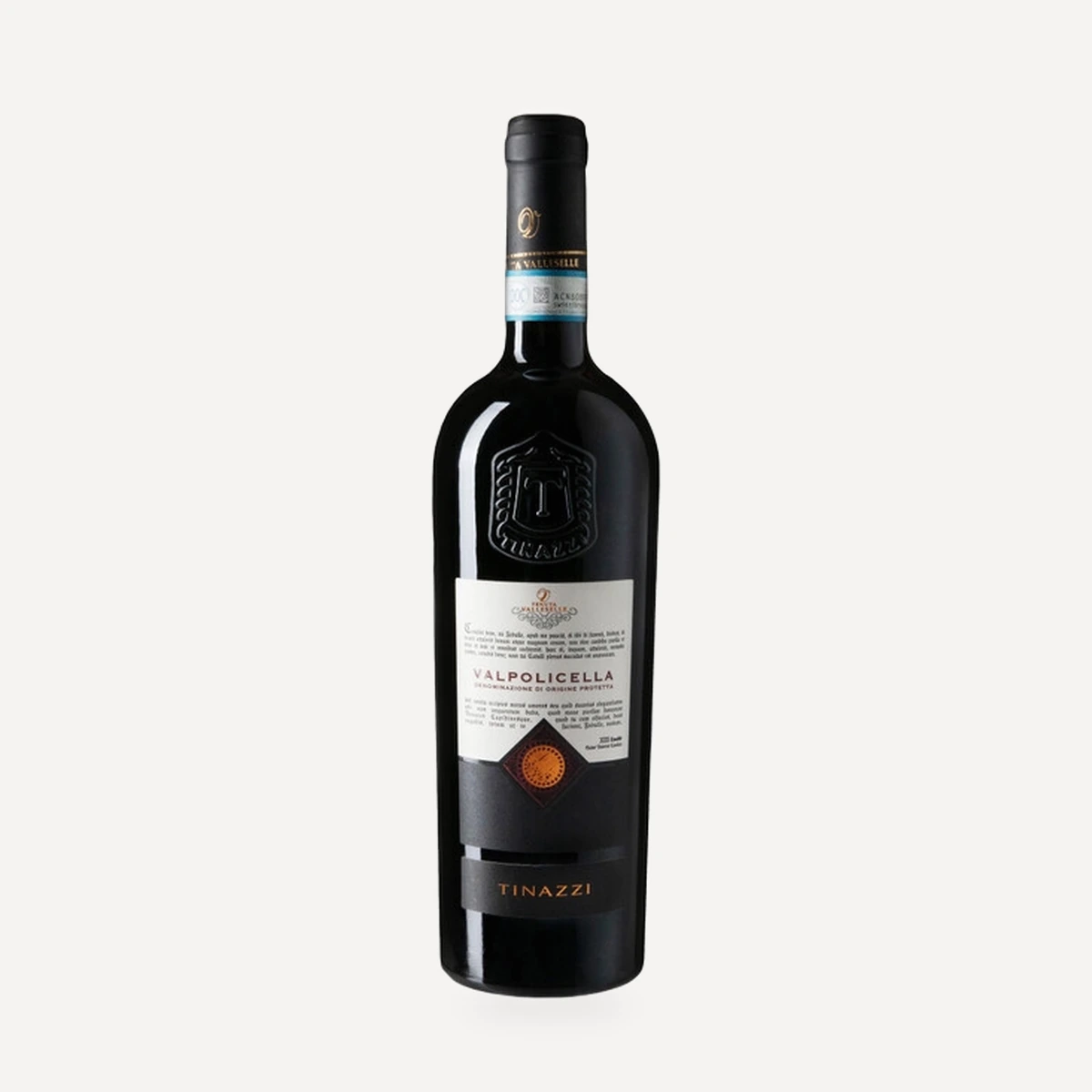
Valpolicella Veneto DOP
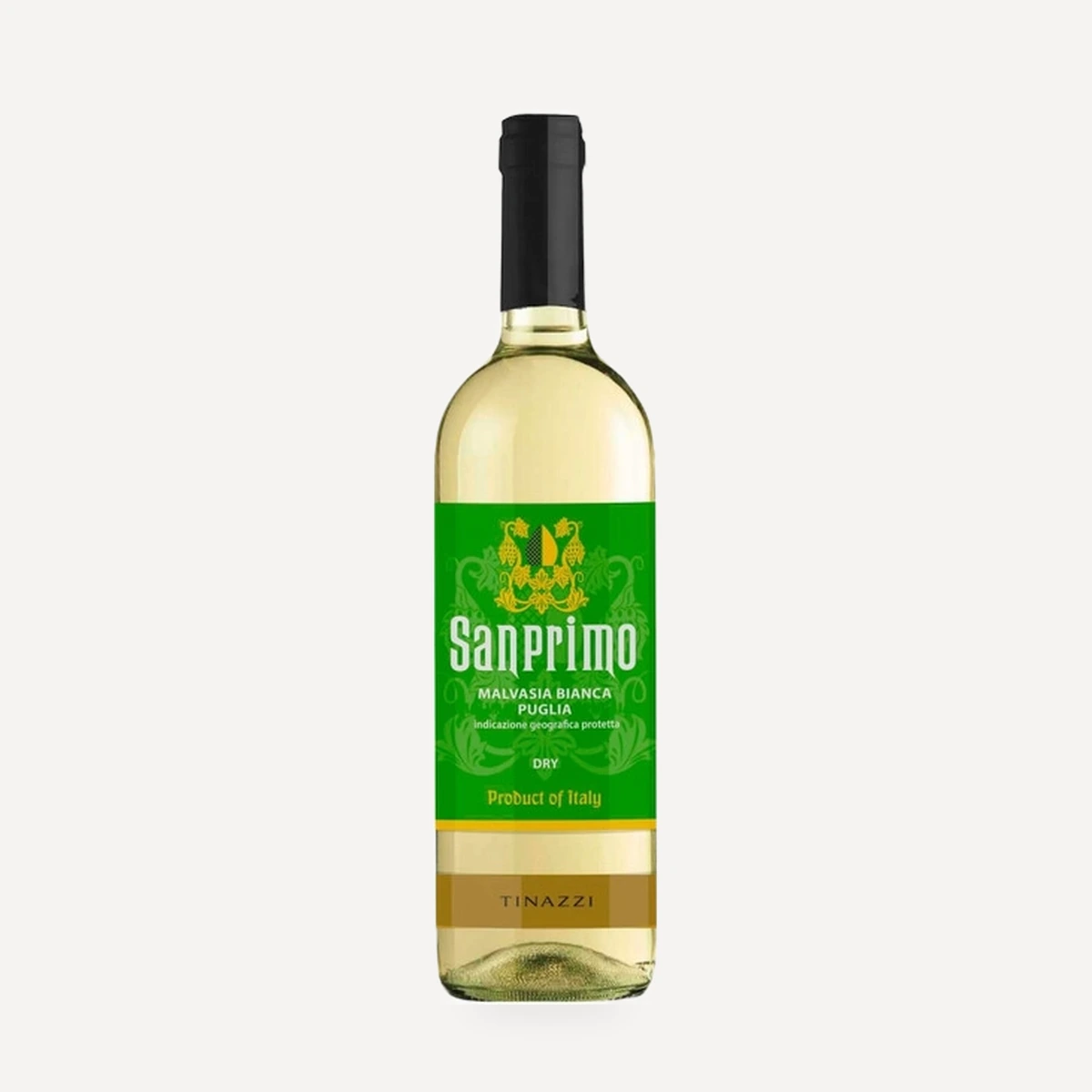
Sanprimo Malvasia Bianca Dry Puglia IGP
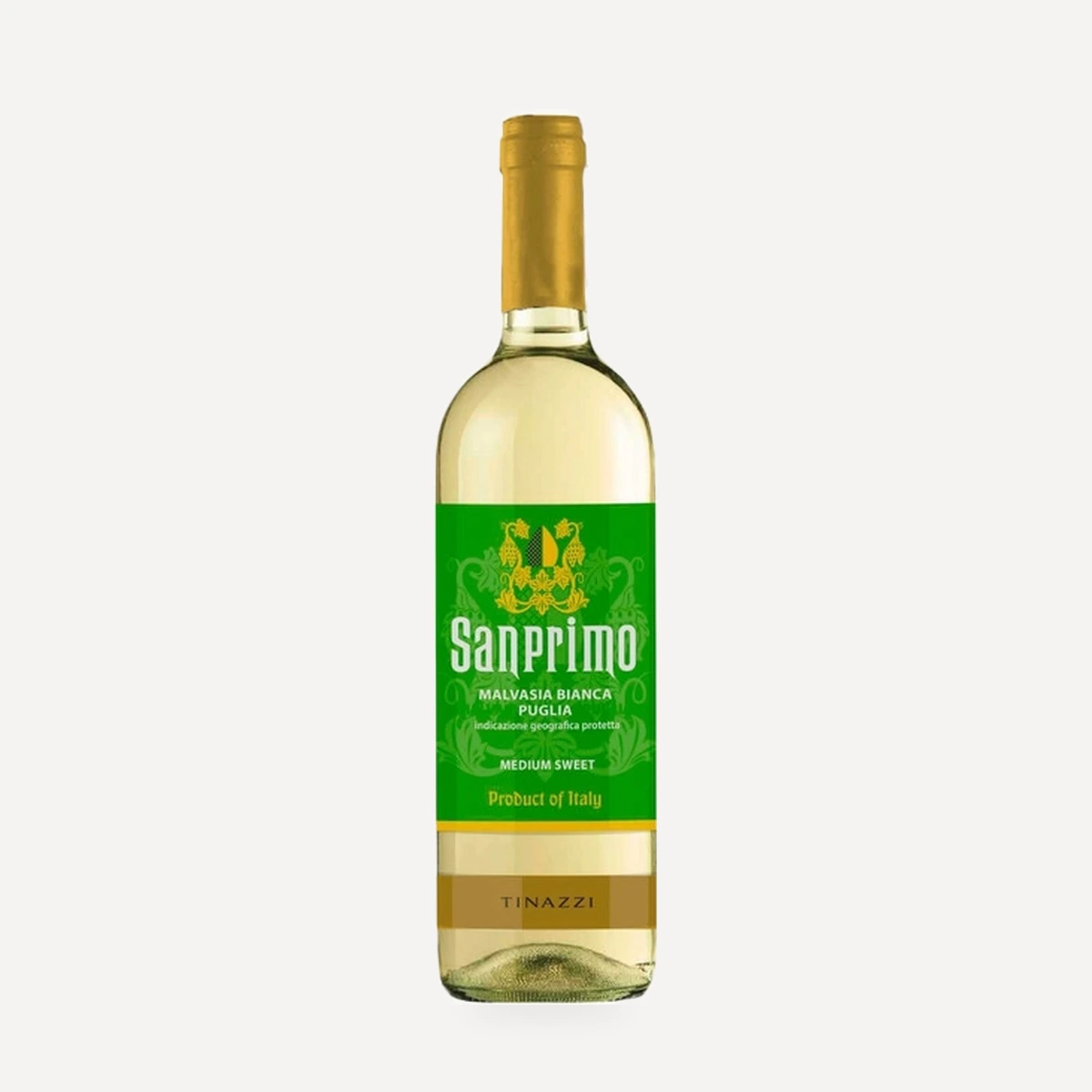
Sanprimo Malvasia Bianca Medium Sweet Puglia IGP
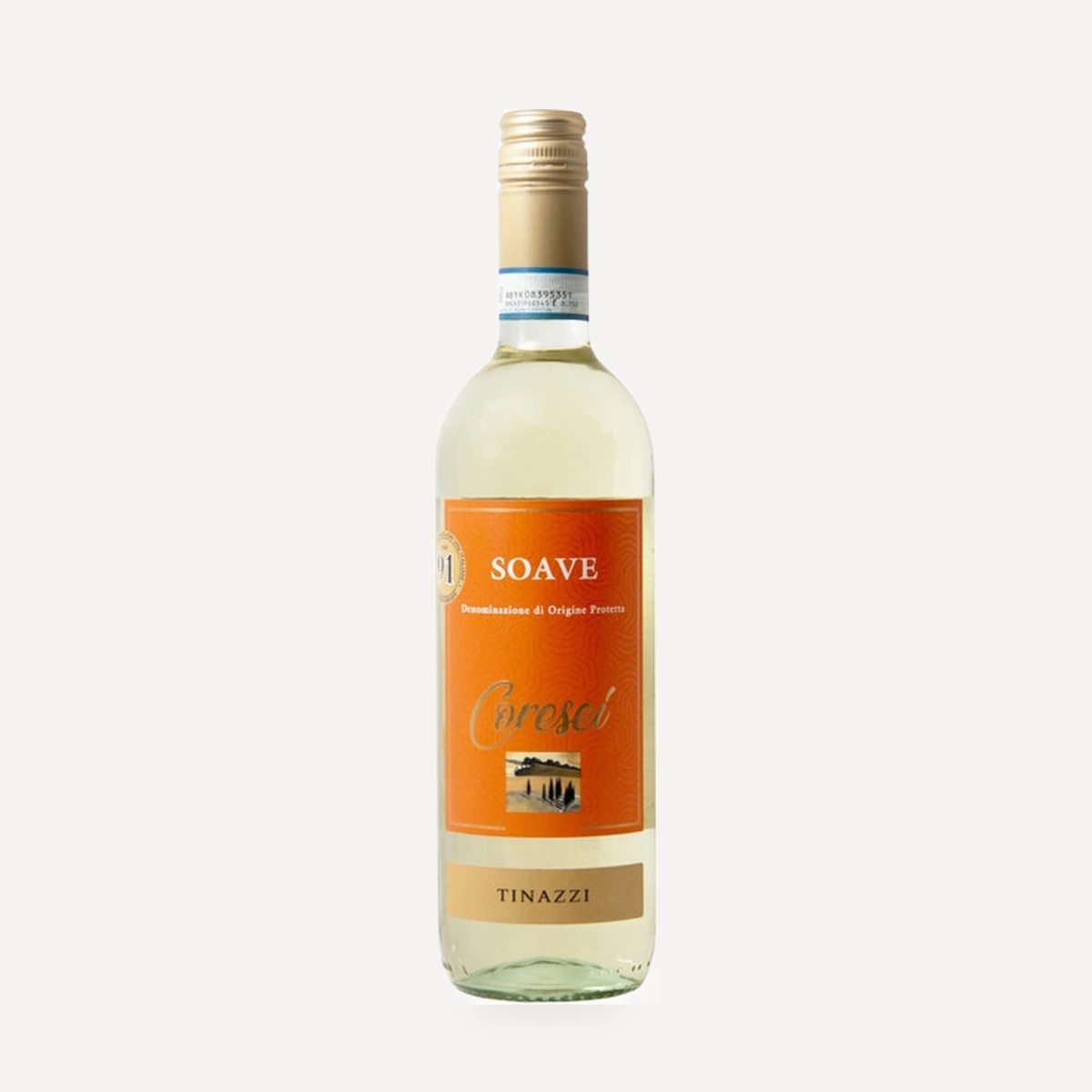
Coresei Soave DOP
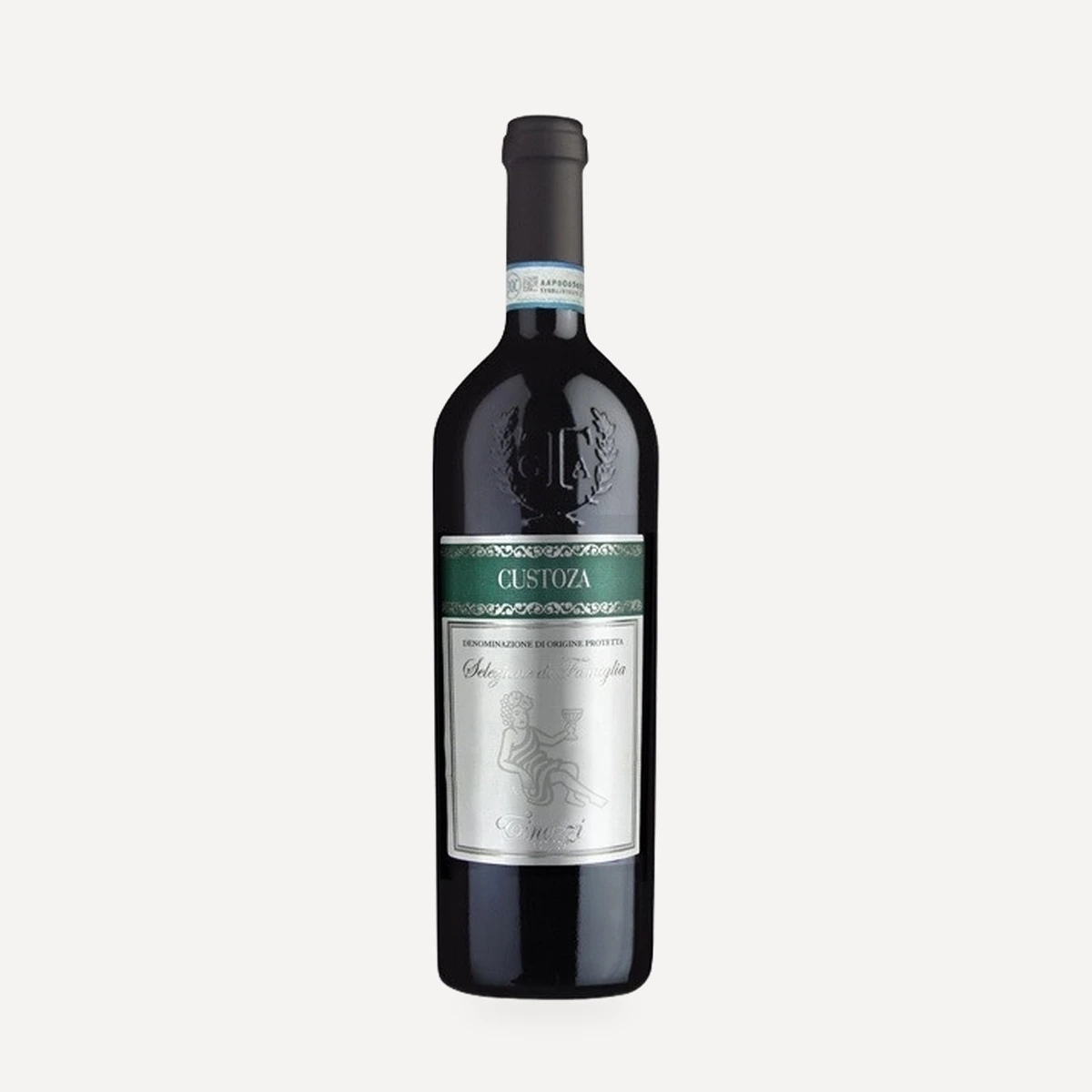
Selezione di Famiglia Custoza DOP
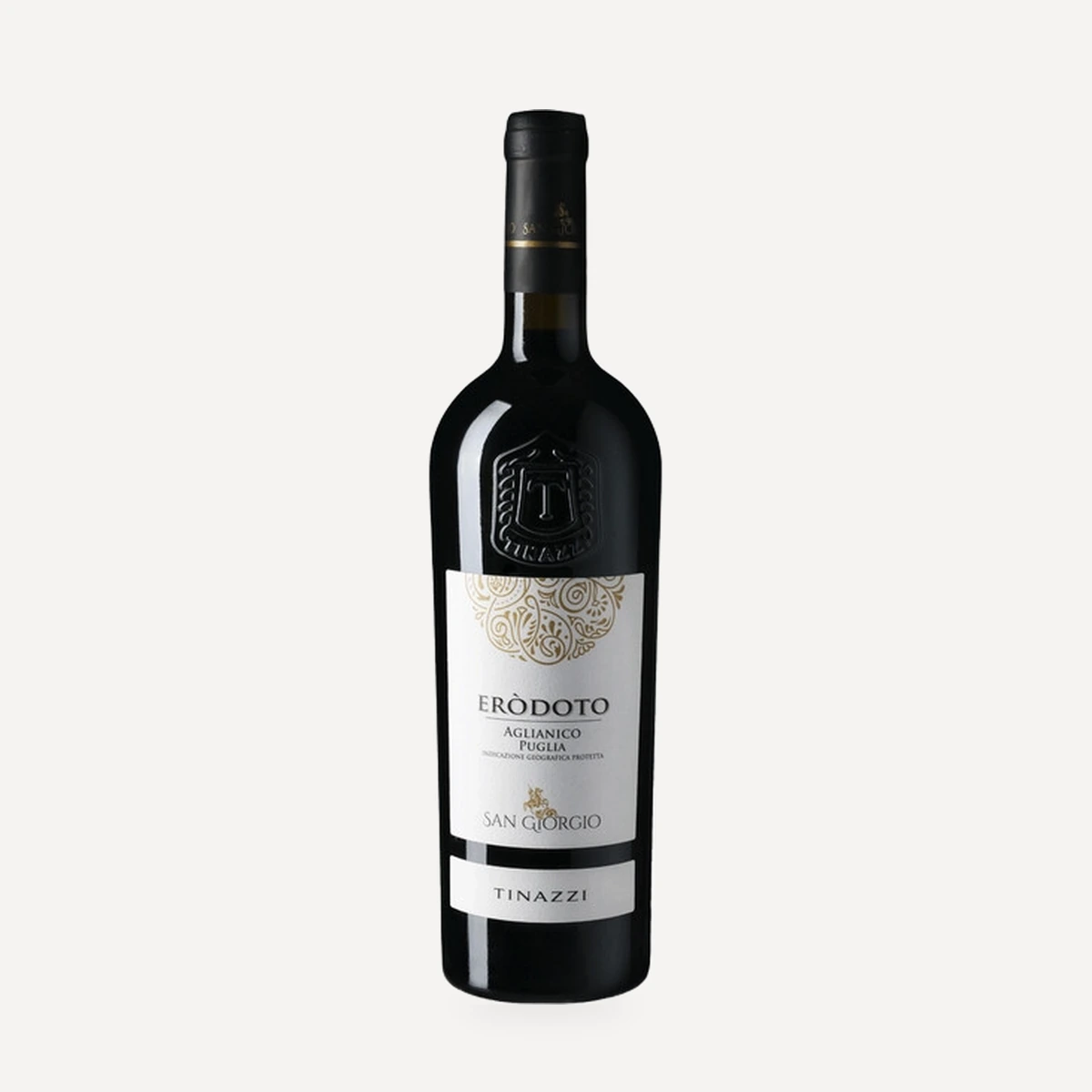
Erodoto Aglianico Puglia IGP
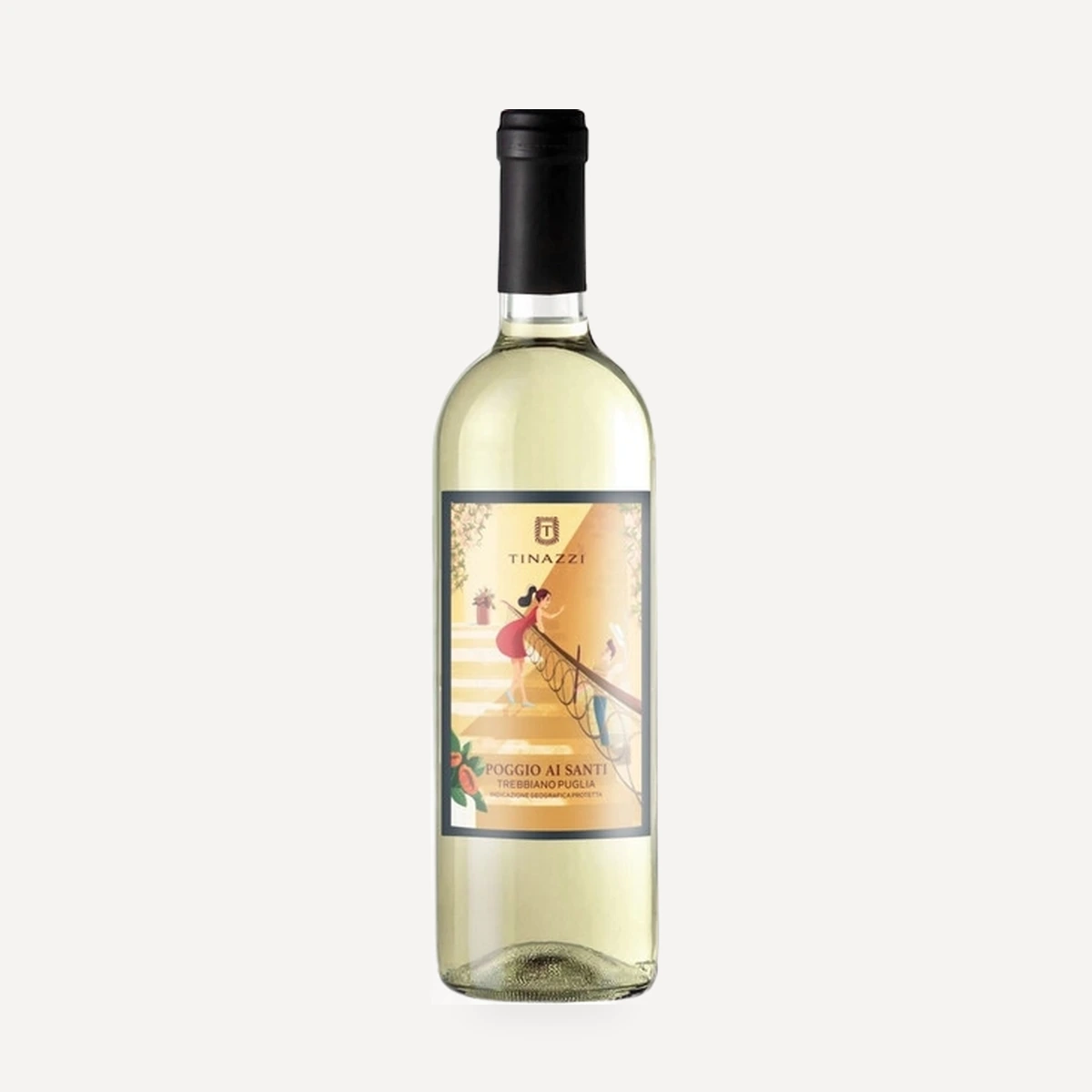
Poggio Ai Santi Trebbiano Puglia IGP
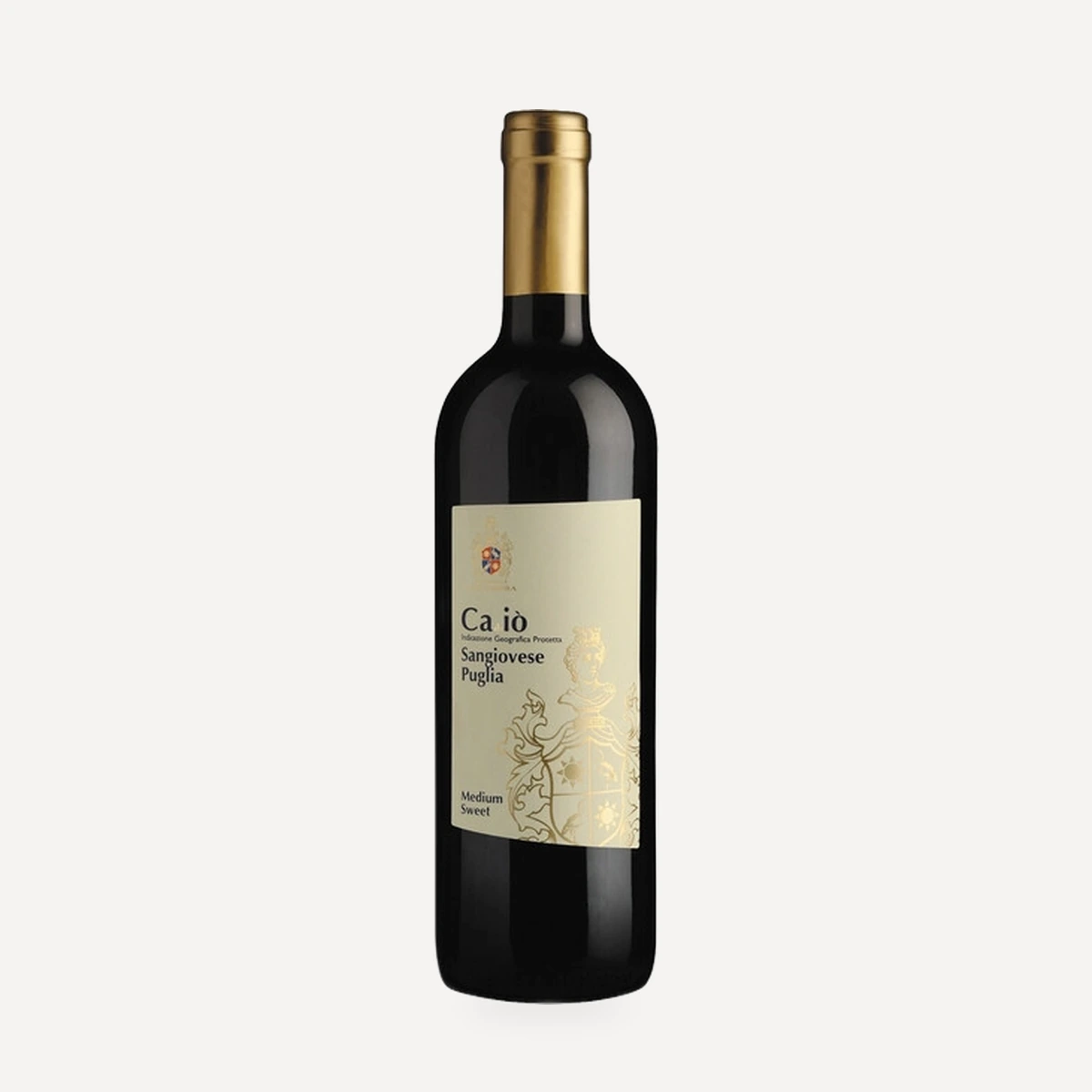
Vignali Roccamora Ca de Io Sangiovese Medium Sweet Puglia IGP
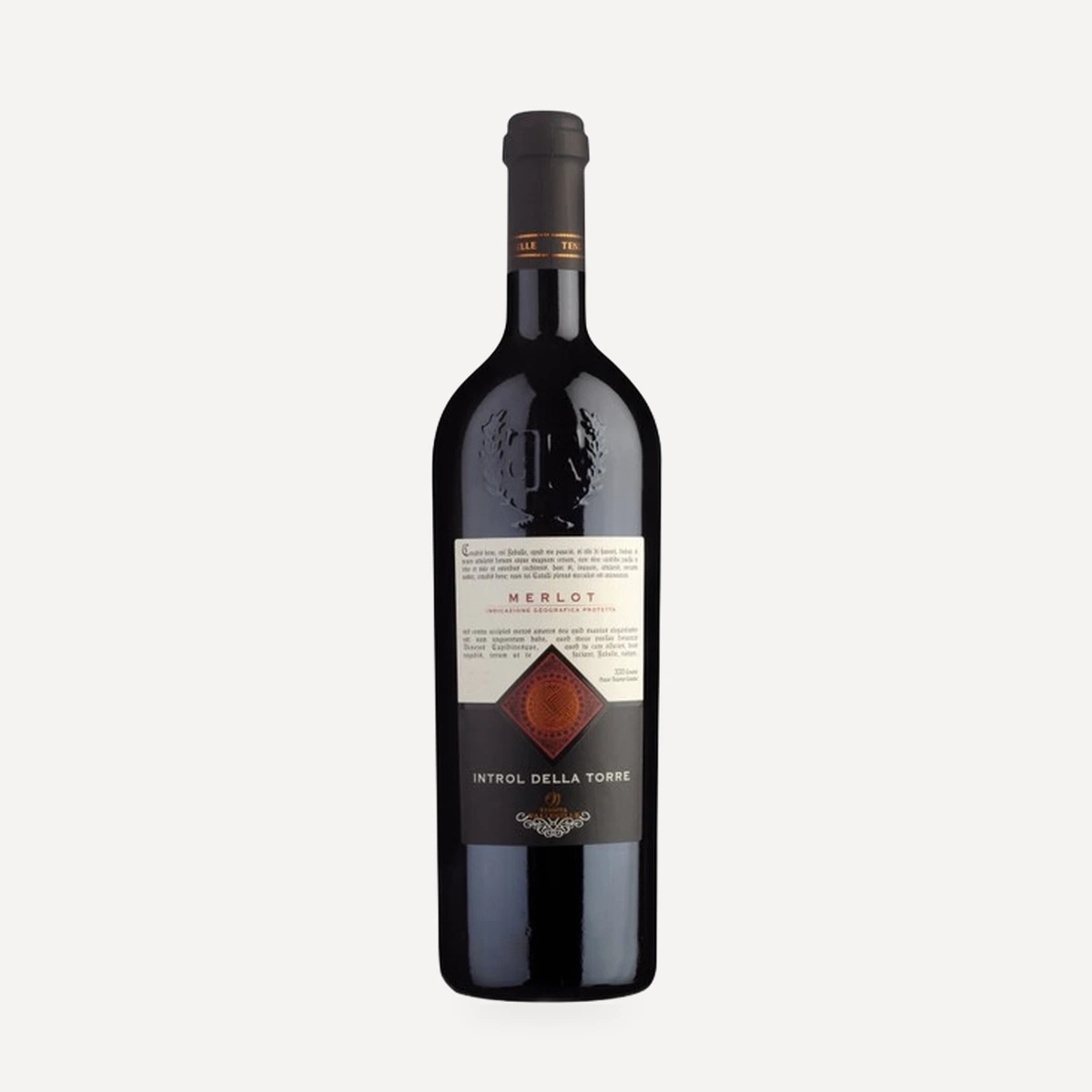
Introl della Torre Merlot del Veneto IGP
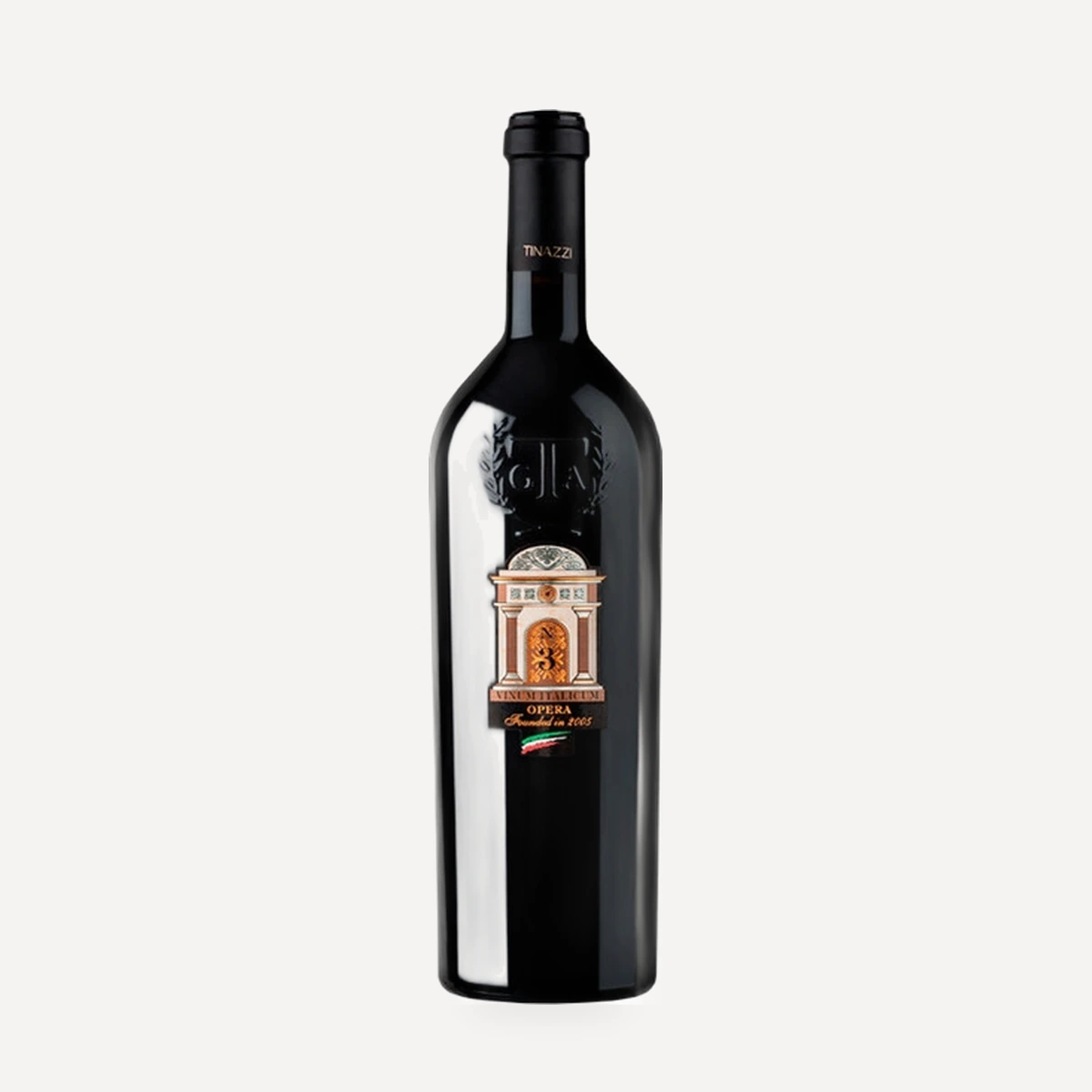
Opera N. 3 Vinum Italicum VdT
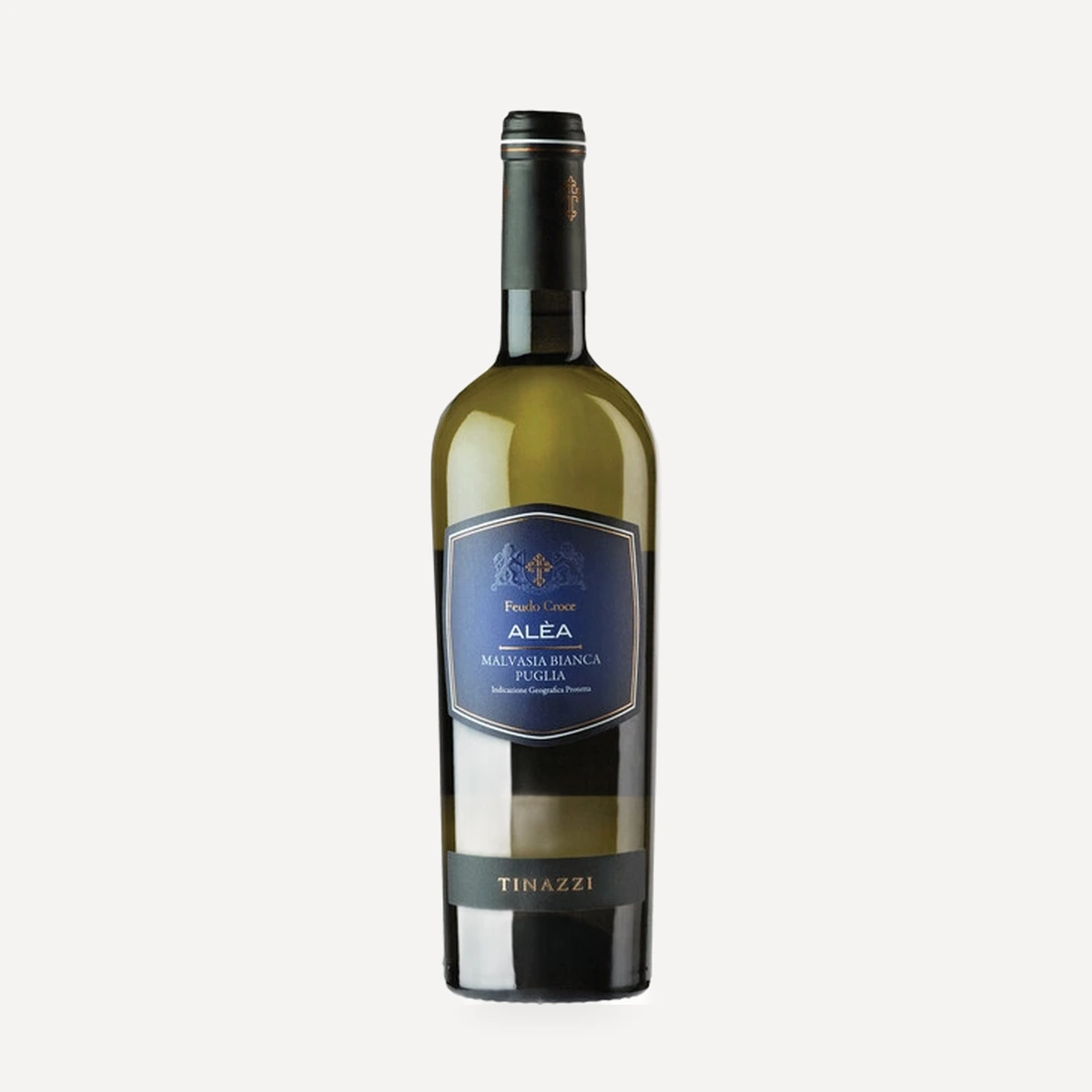
Alea Malvasia Bianca Puglia IGP
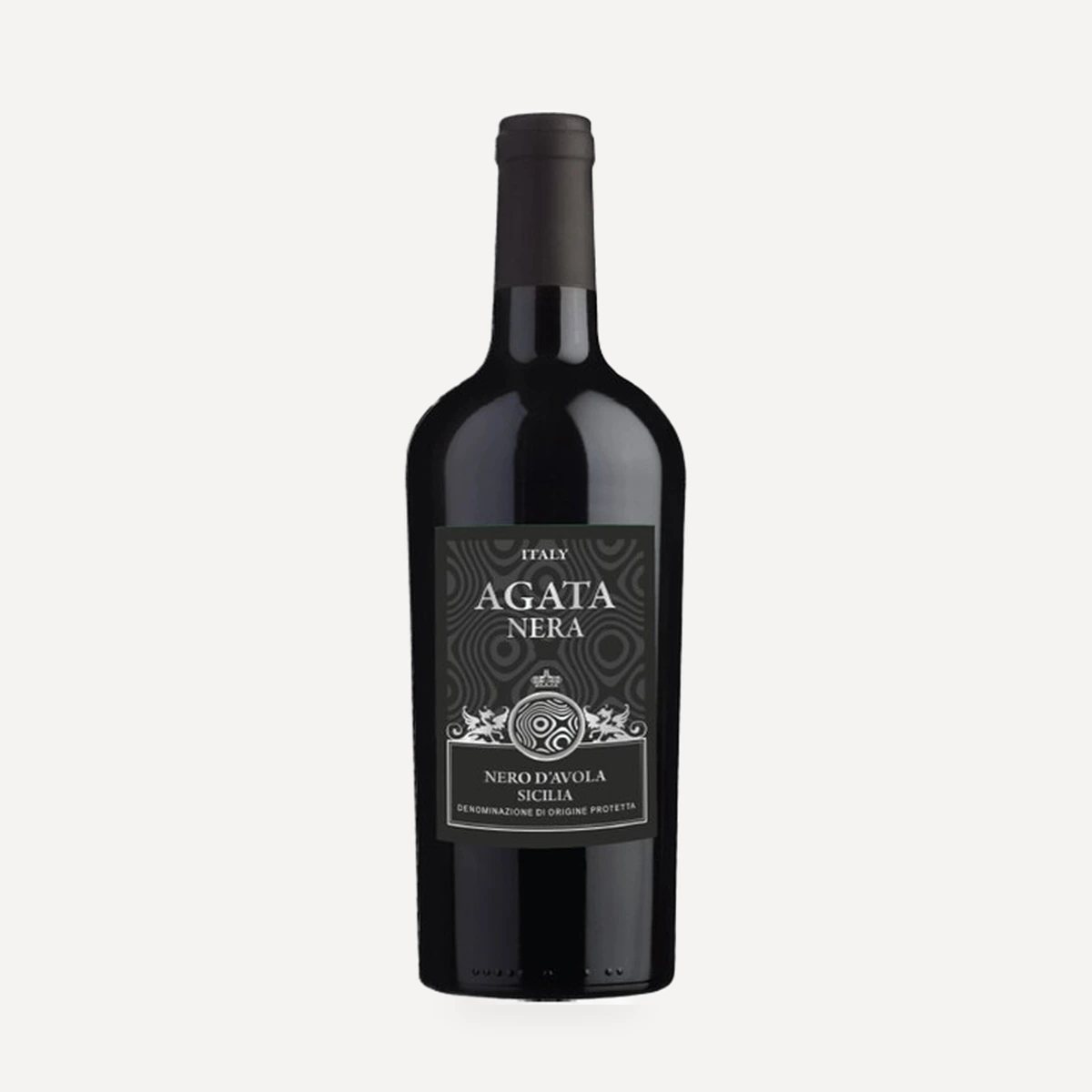
Agata Nera Nero d'Avola Sicilia DOP
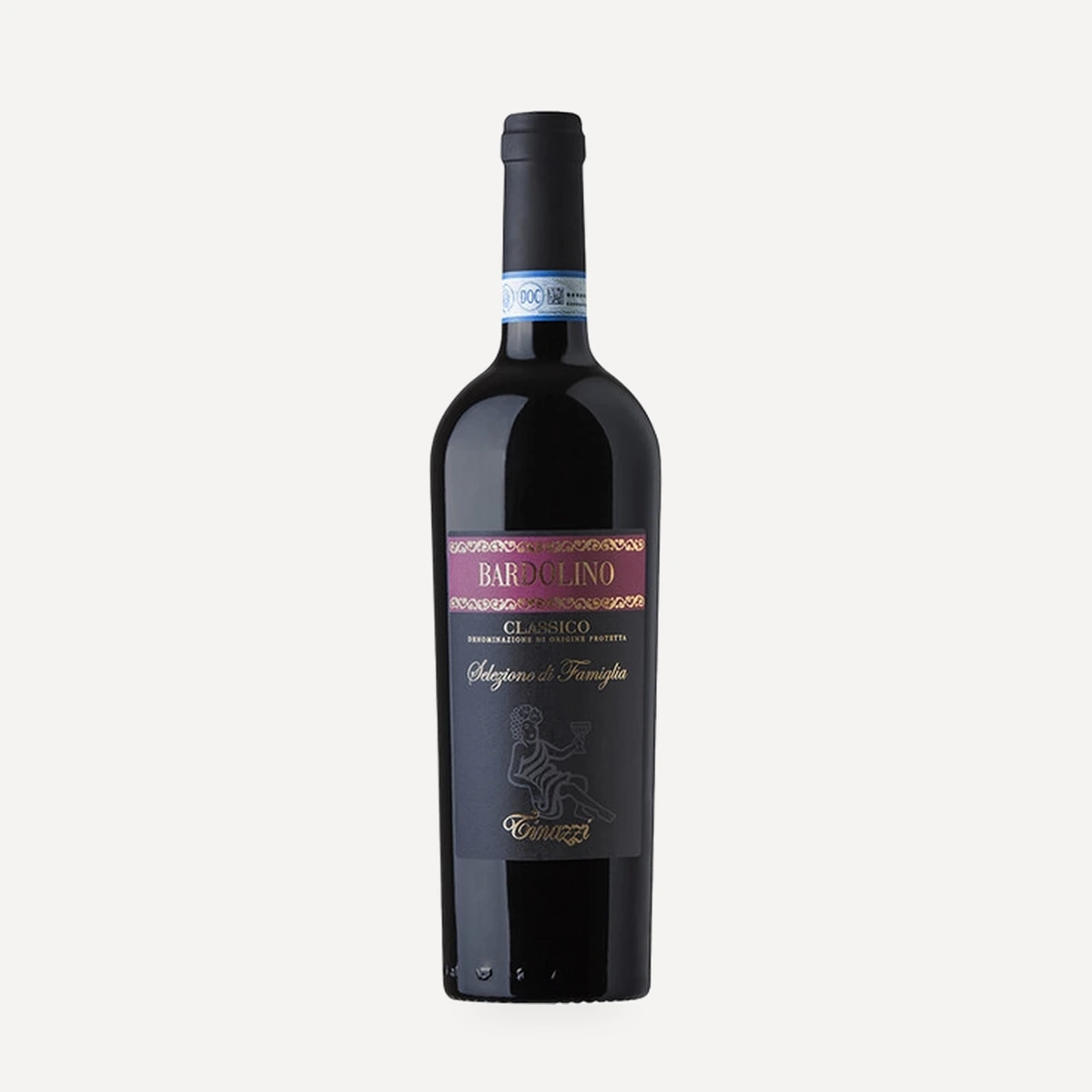
Selezione di Famiglia Bardolino Classico DOP
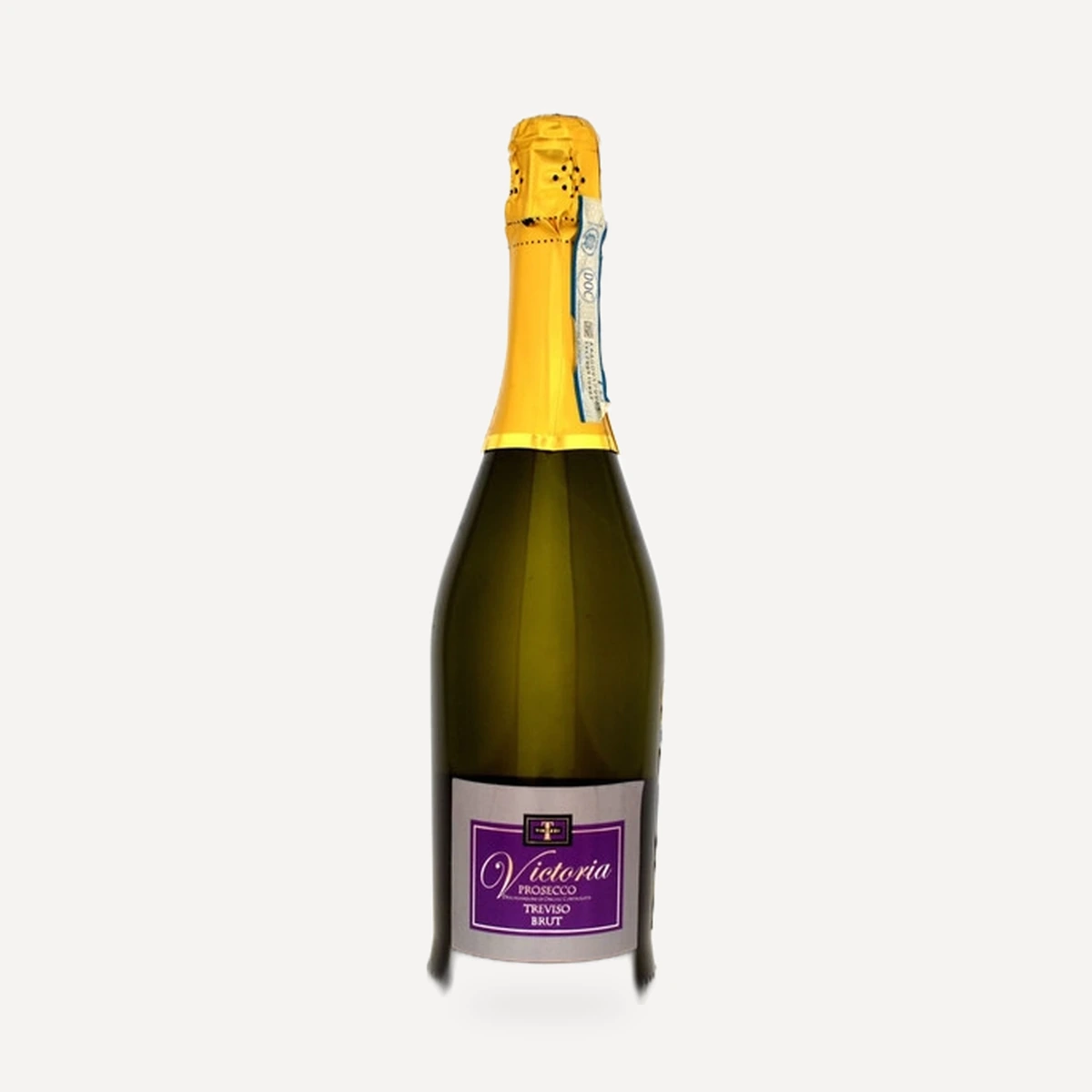
Victoria Brut Prosecco DOC
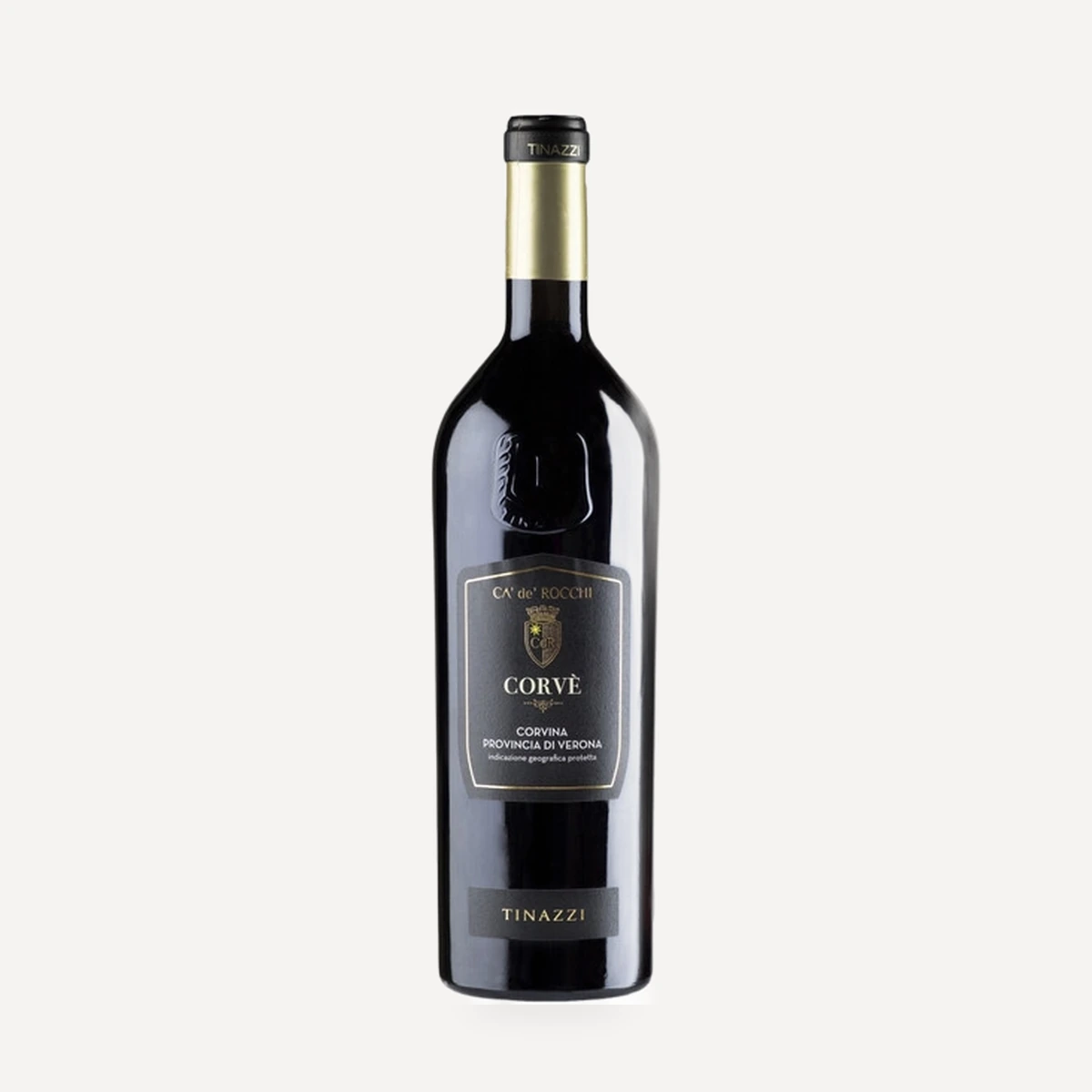
Corve Verona IGP
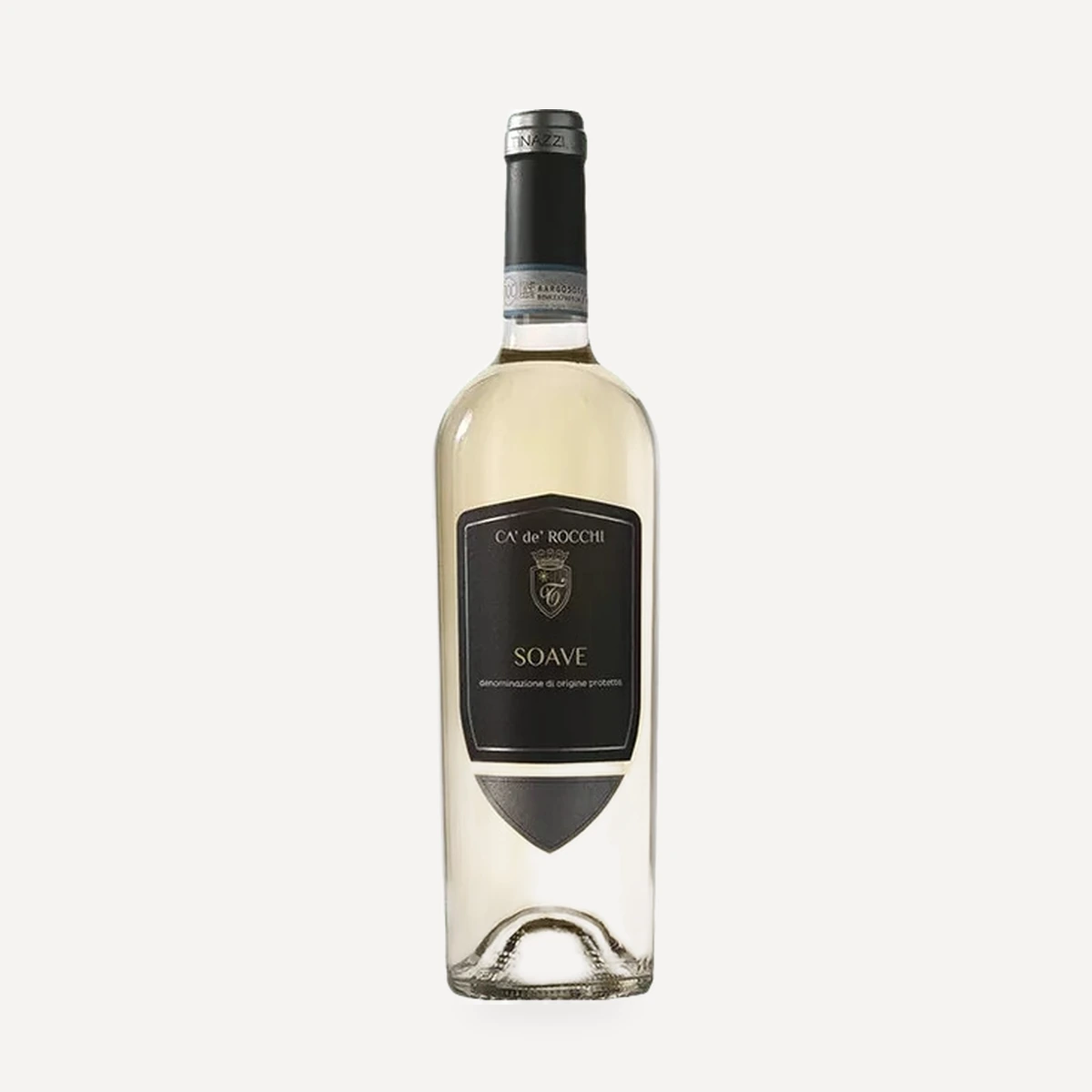
Soave DOP
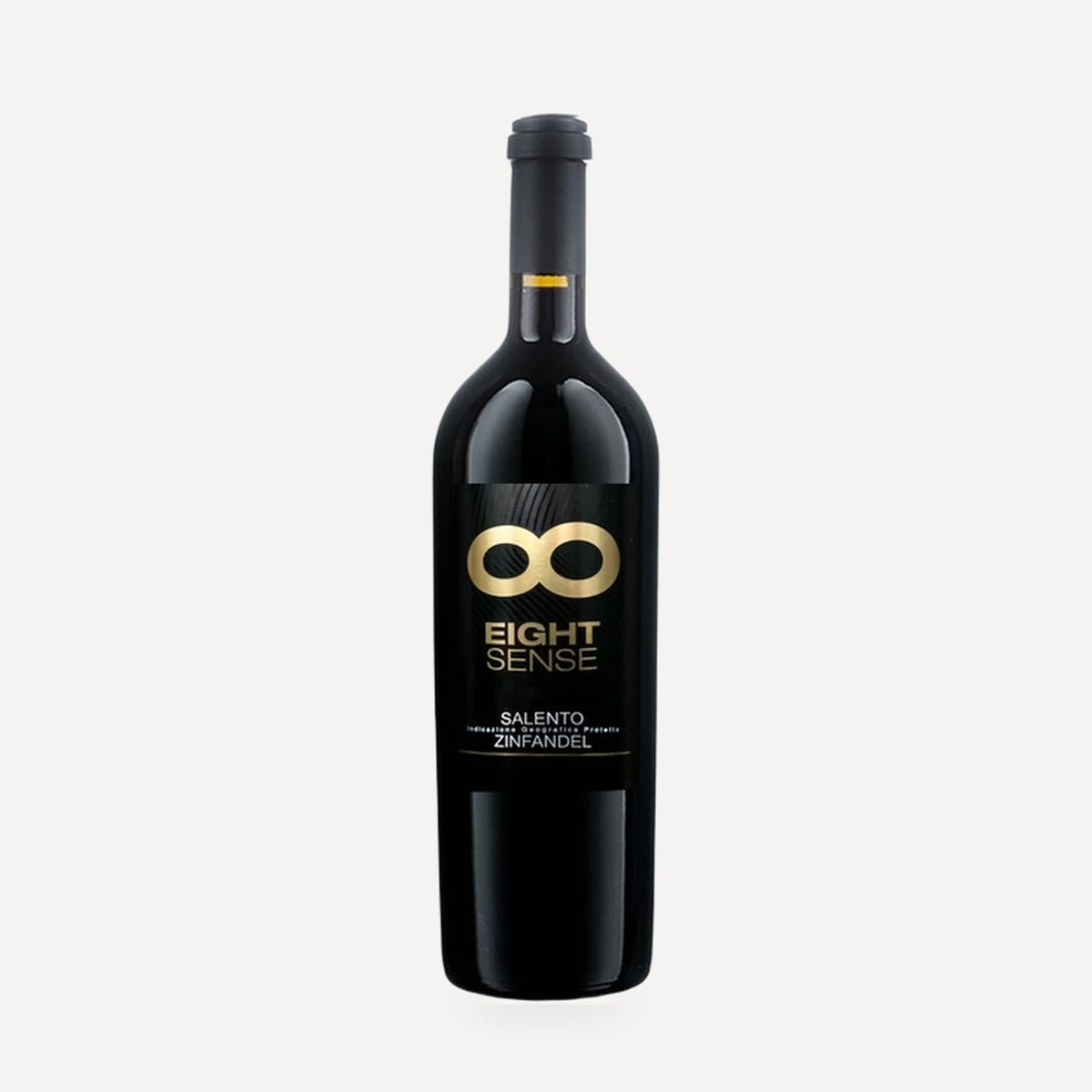
Eight Sense Zinfandel Salento IGP
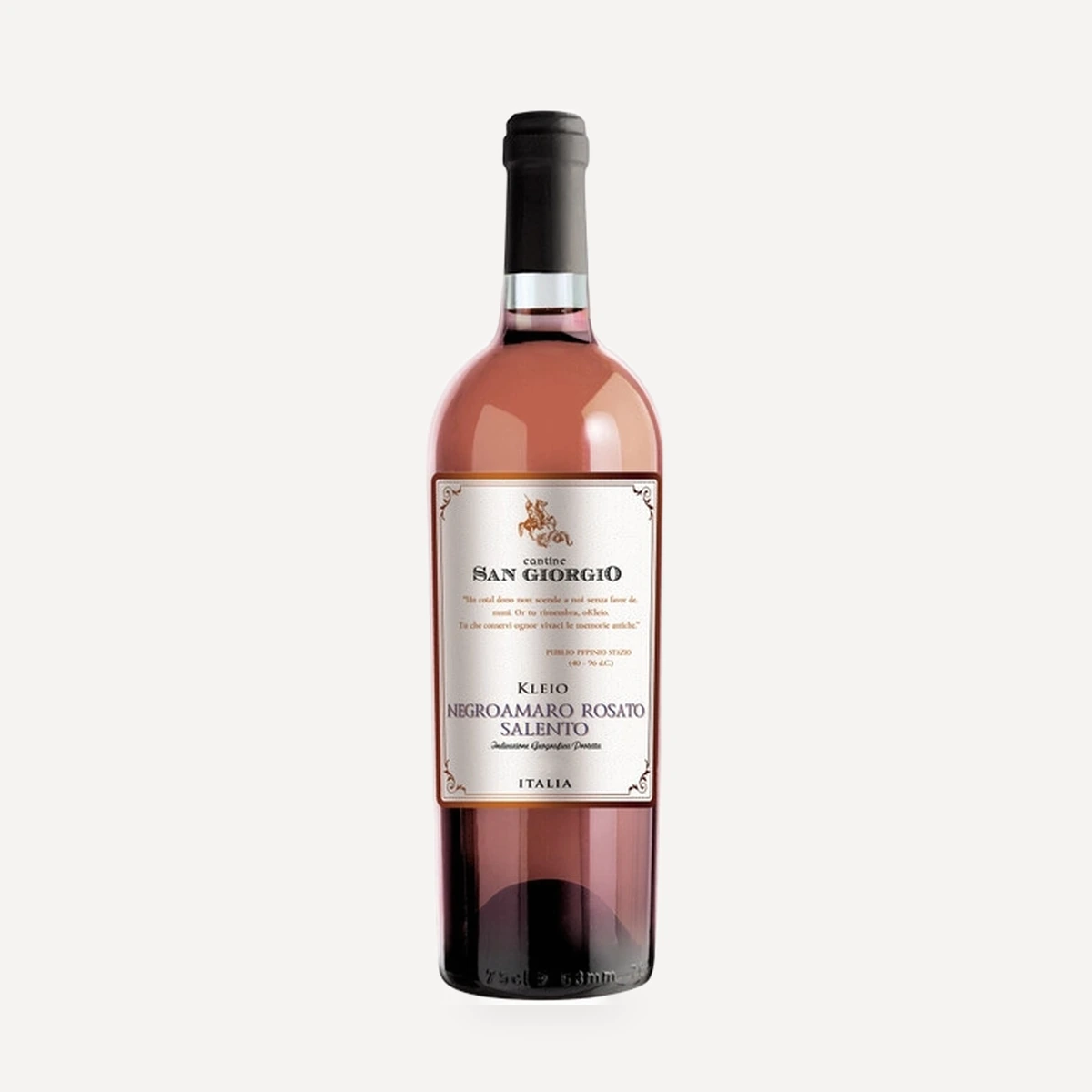
Kleio Negroamaro Rosato Salento IGP
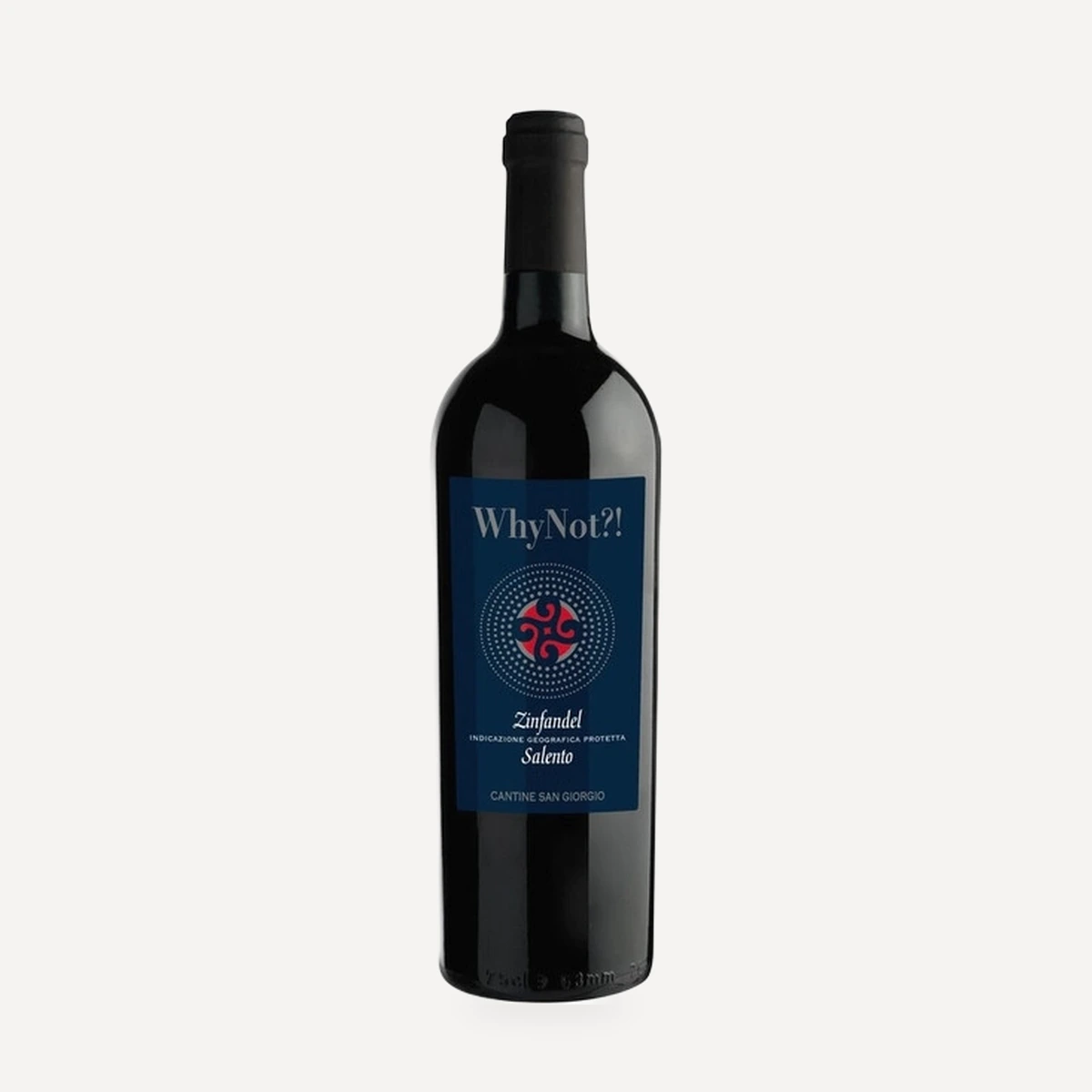
WhyNot?! Zinfandel Salento IGP
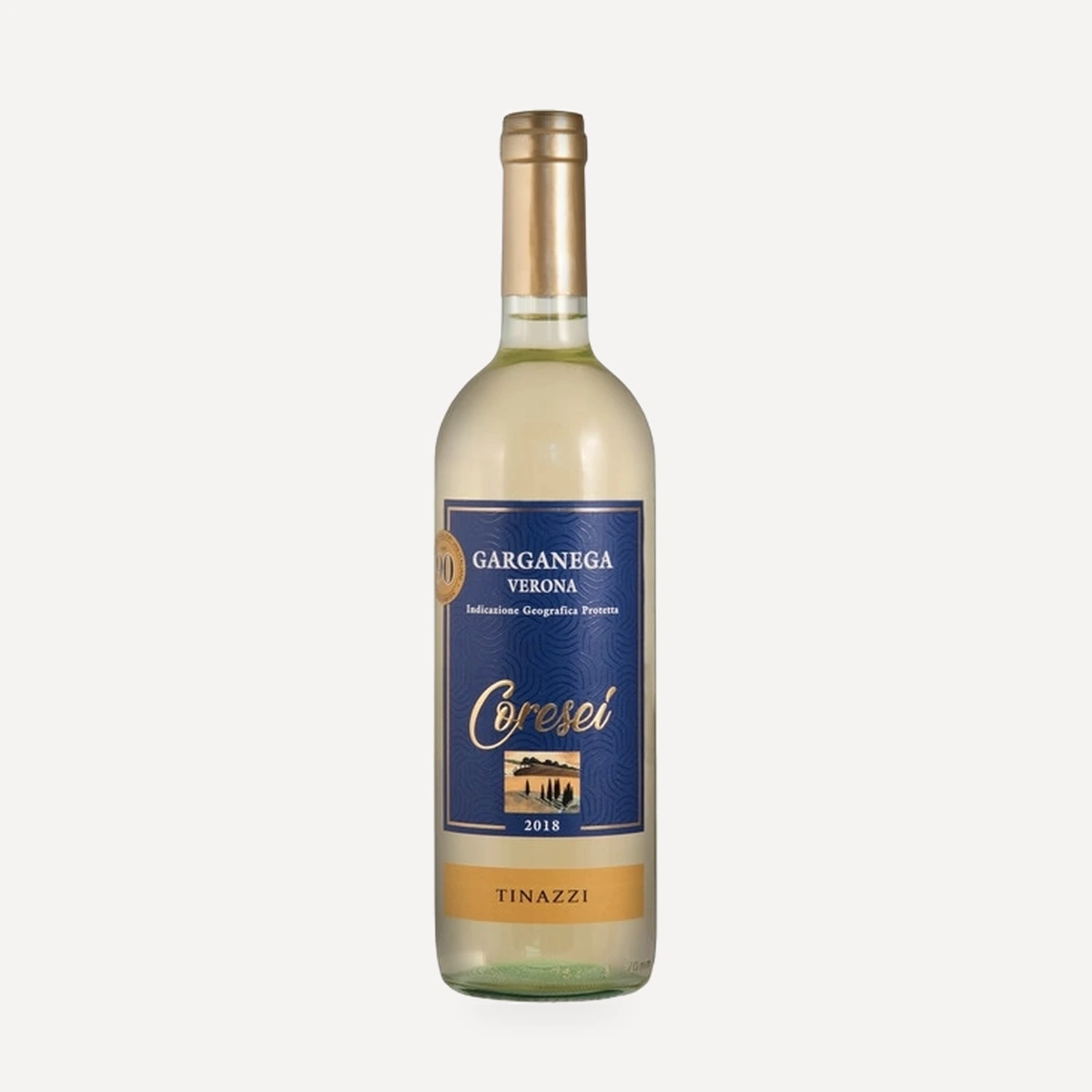
Coresei Garganega Verona IGP
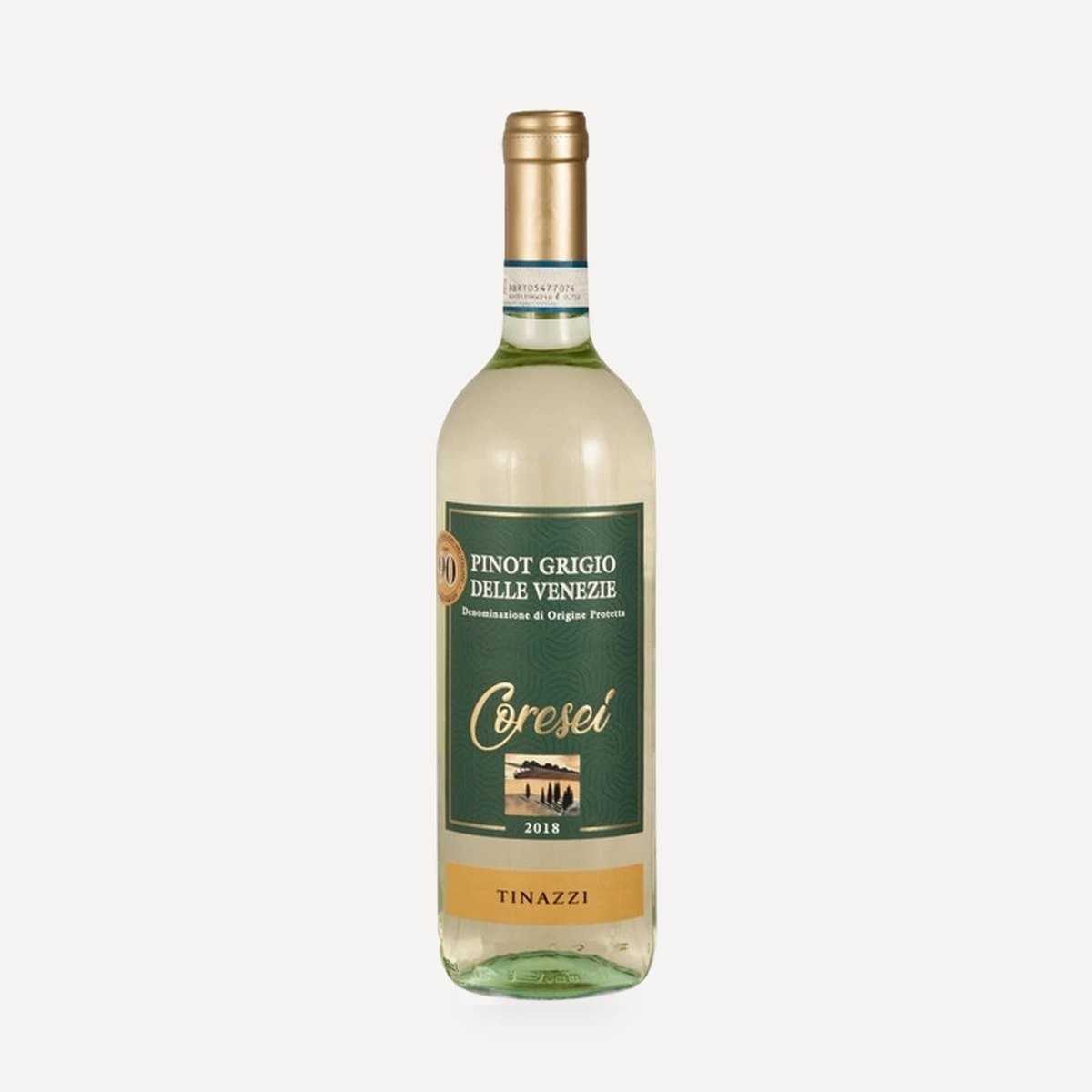
Coresei Pinot Grigio delle Venezie DOP
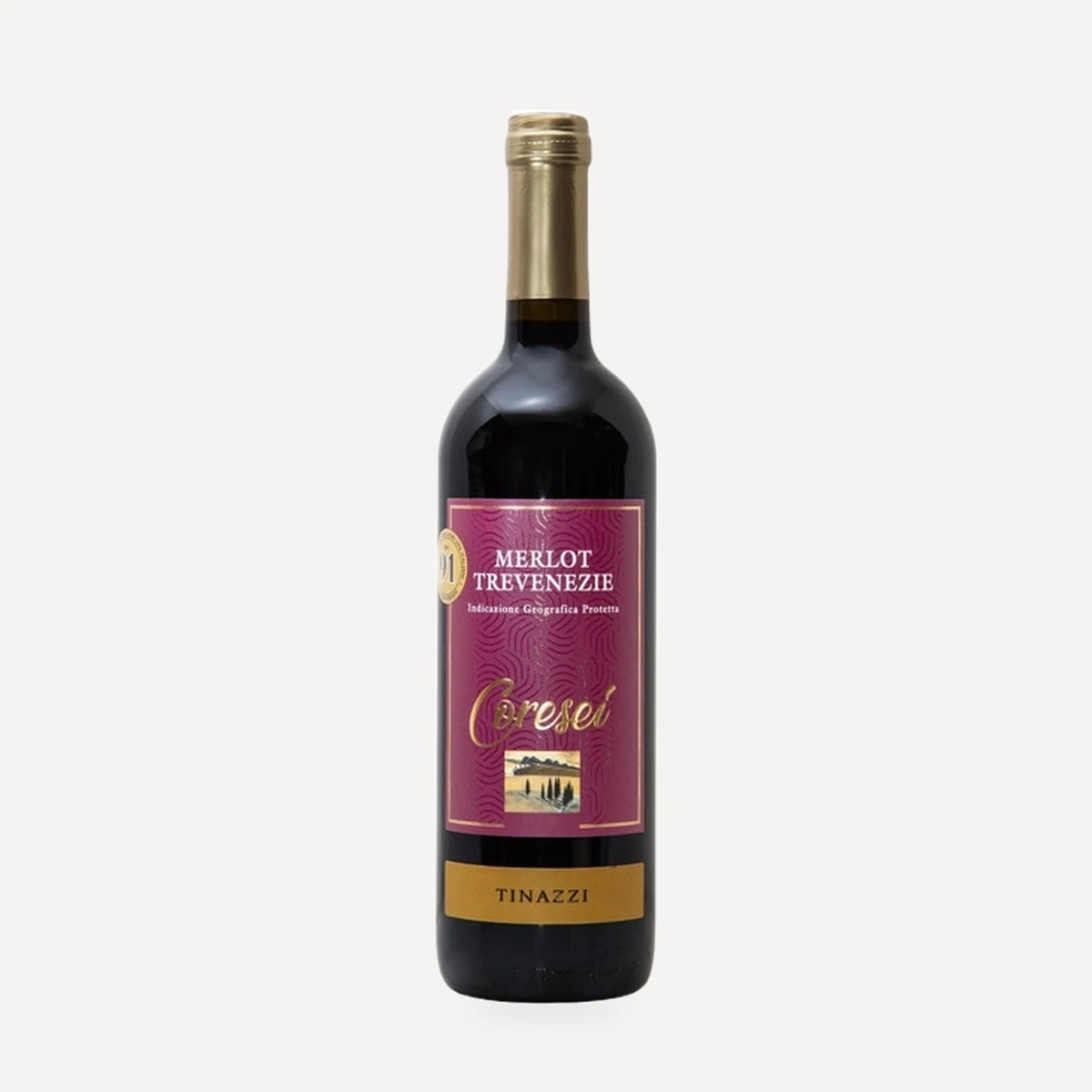
Coresei Merlot Trevenezie IGP
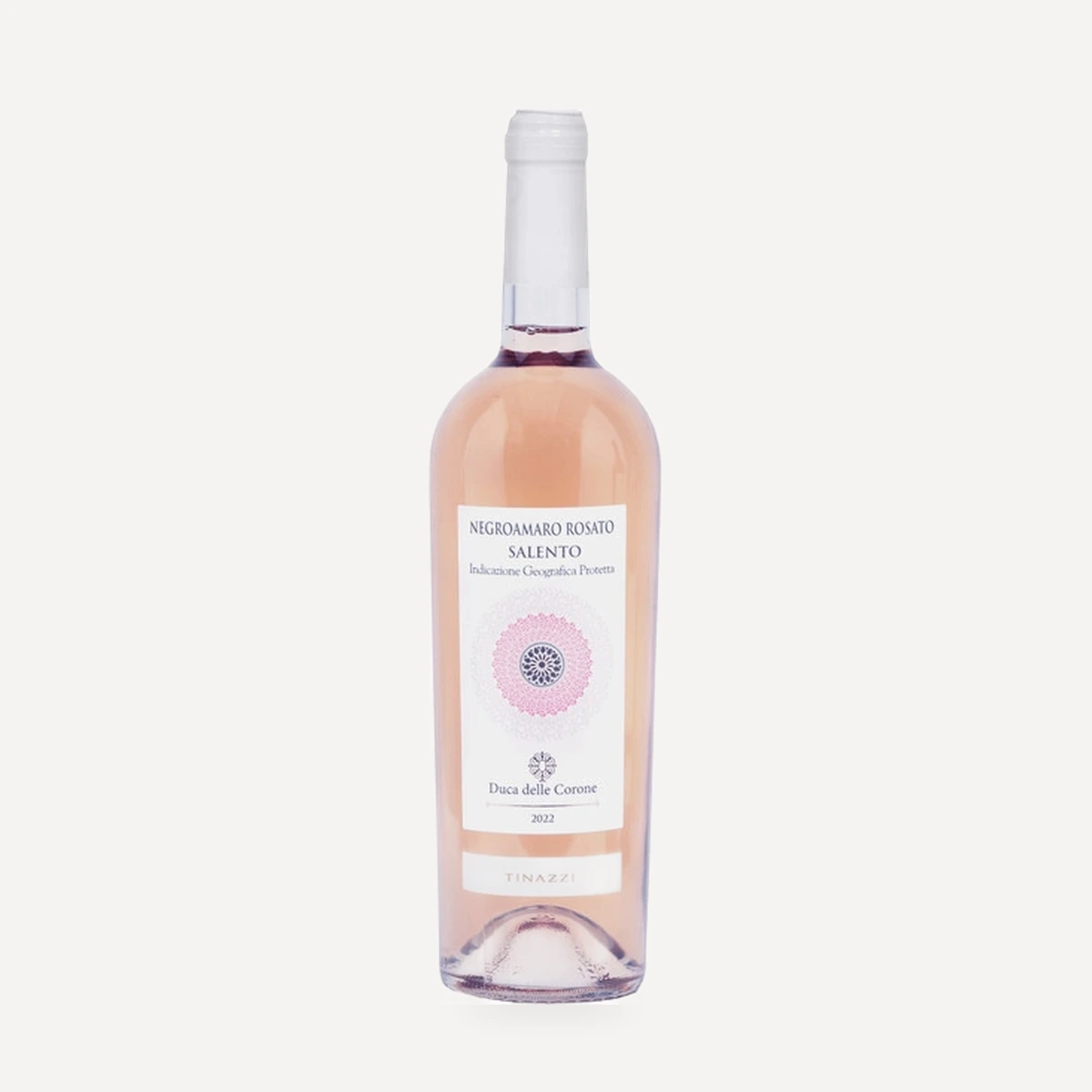
Duca delle Corone Negroamaro Rosato Salento IGP
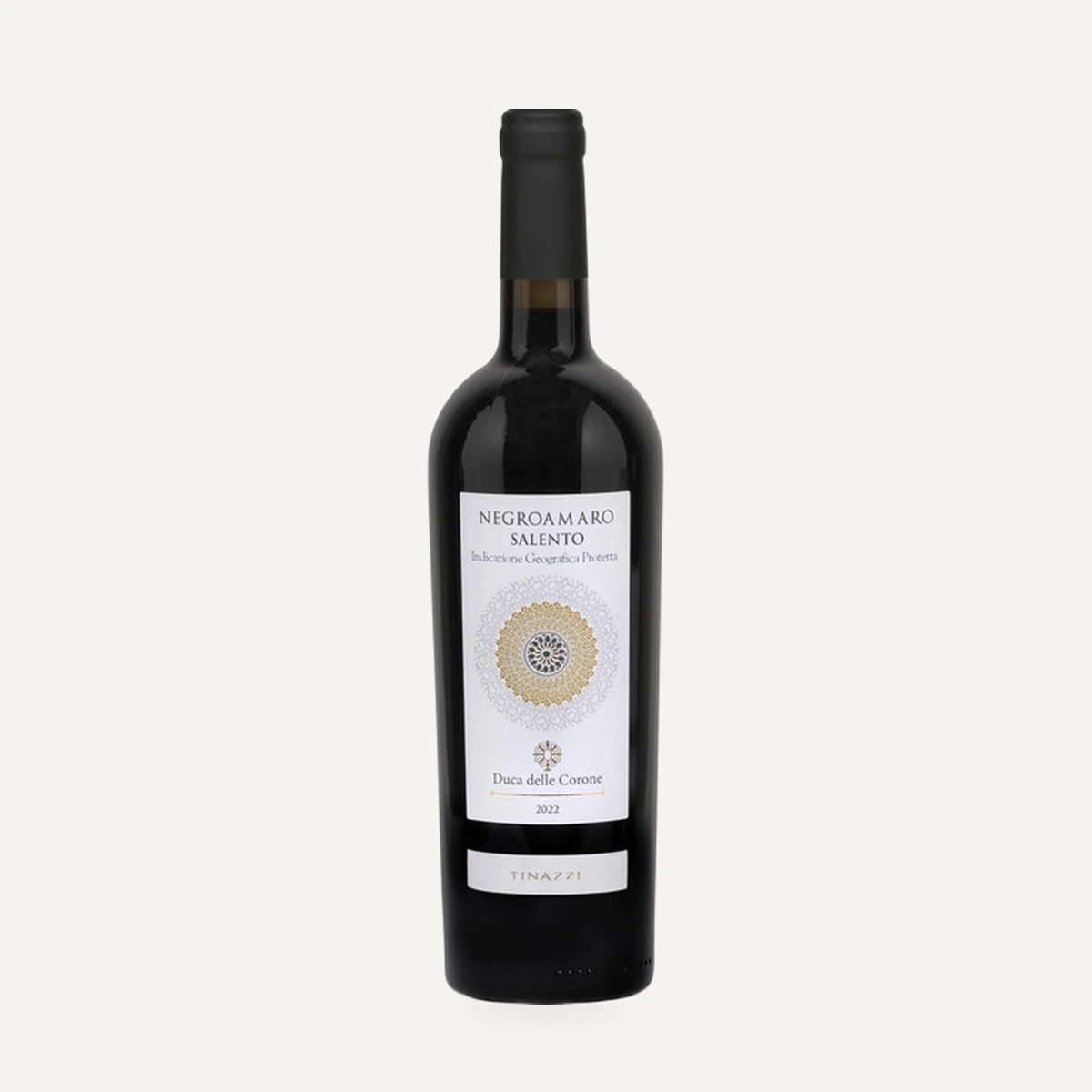
Duca delle Corone Negroamaro Salento IGP
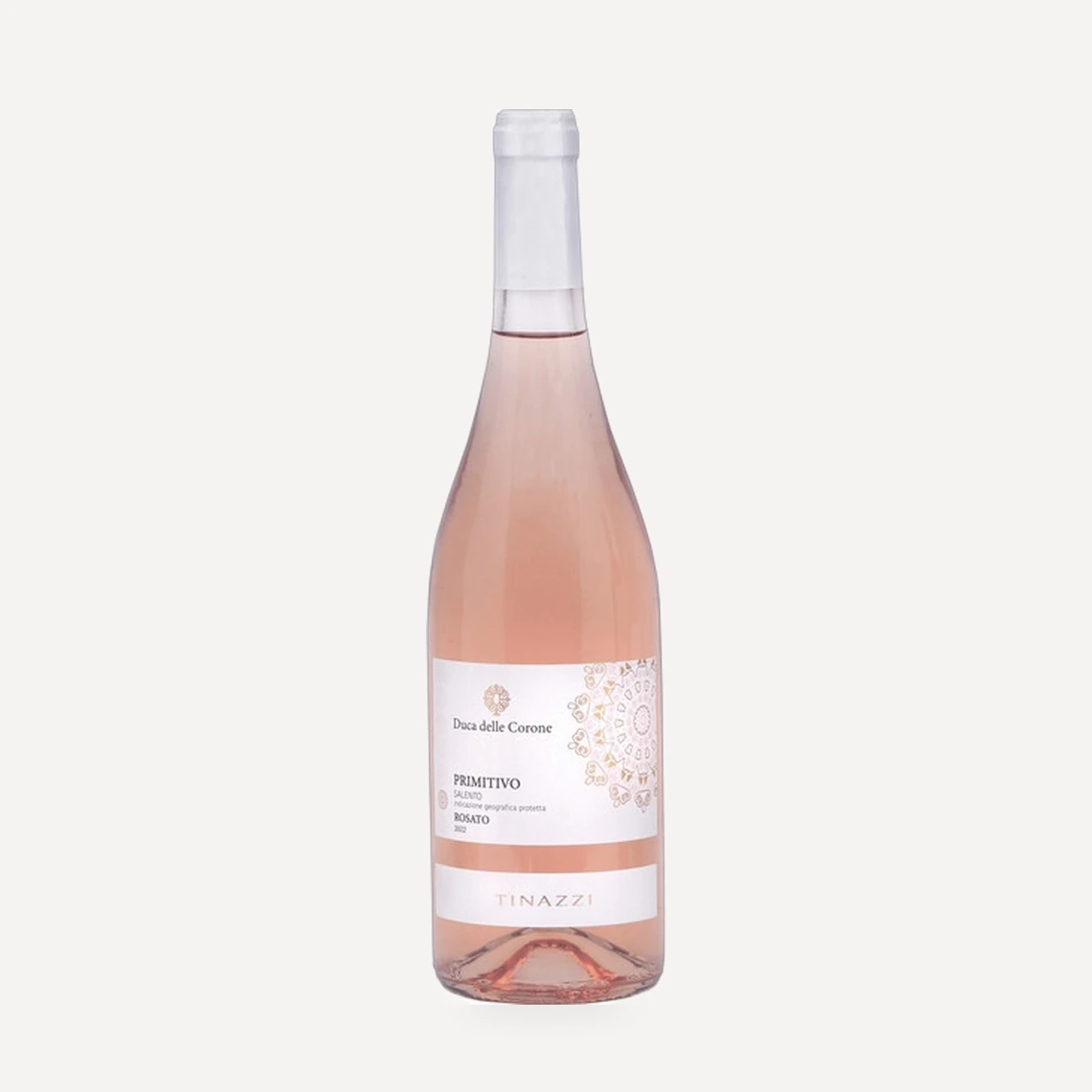
Duca delle Corone Primitivo Rosato Salento IGP
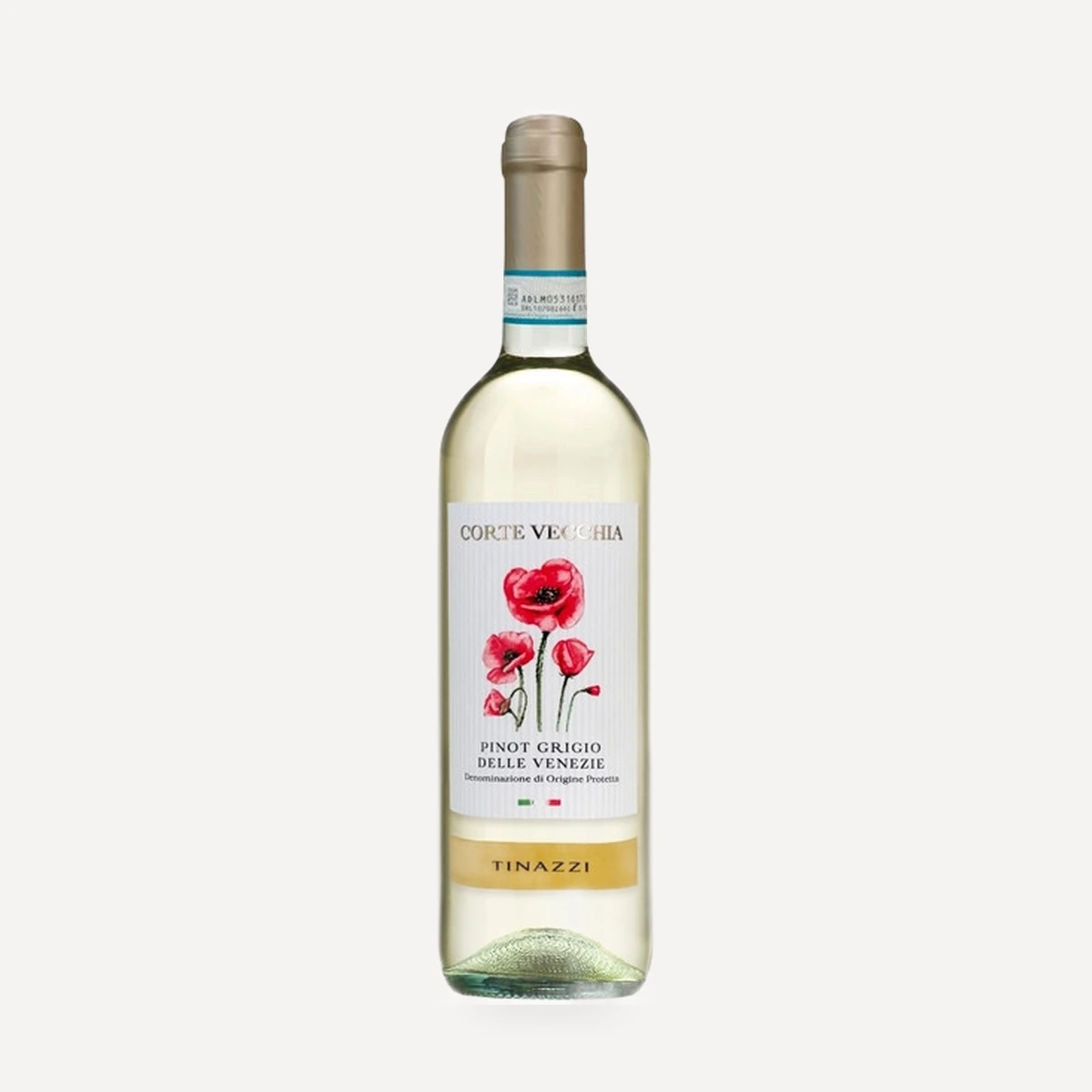
Corte Vecchia Pinot Grigio delle Venezie DOP
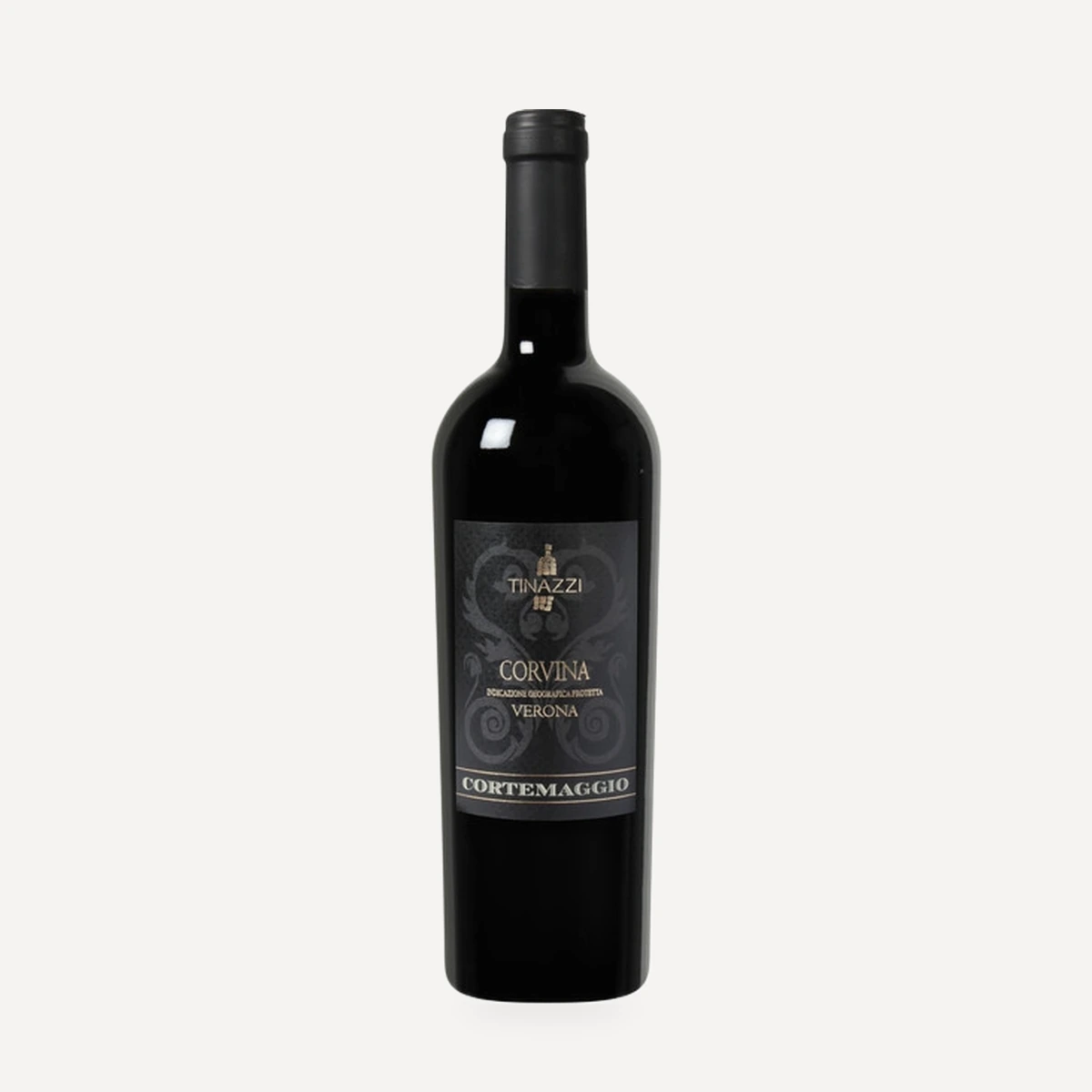
Cortemaggio Corvina Verona IGP
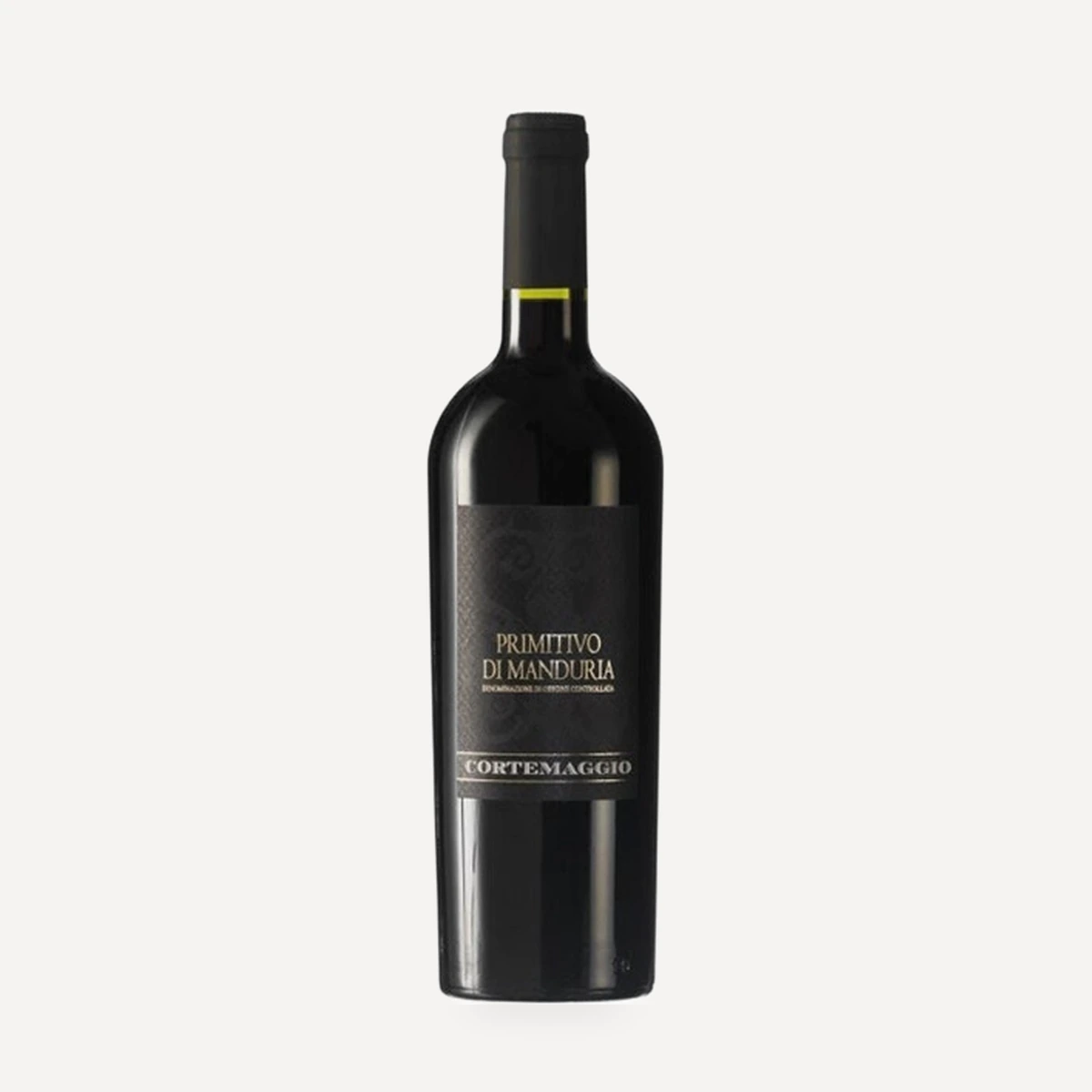
Cortemaggio Primitivo di Manduria DOC
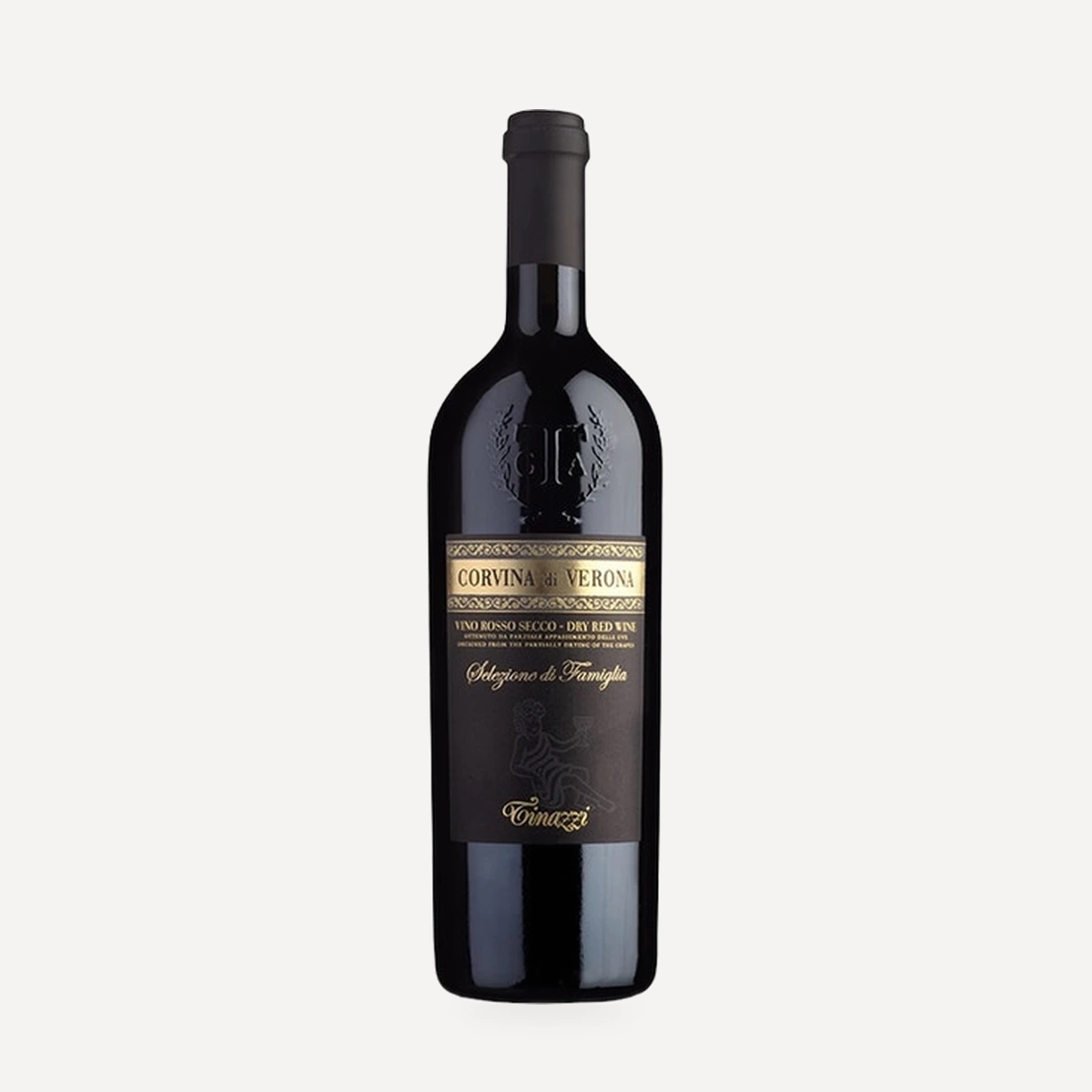
Selezione di Famiglia Corvina di Verona IGP
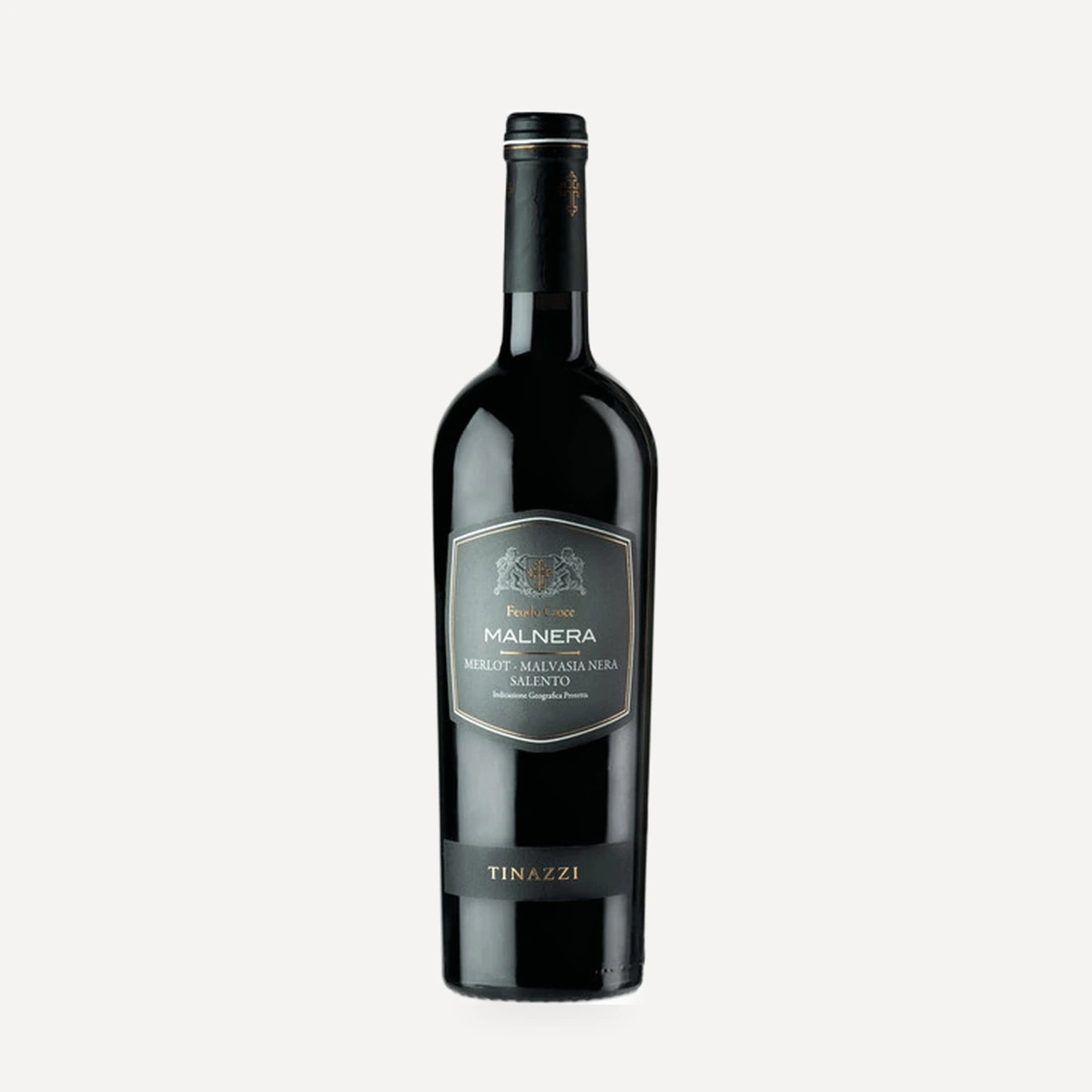
Malnera Salento IGP
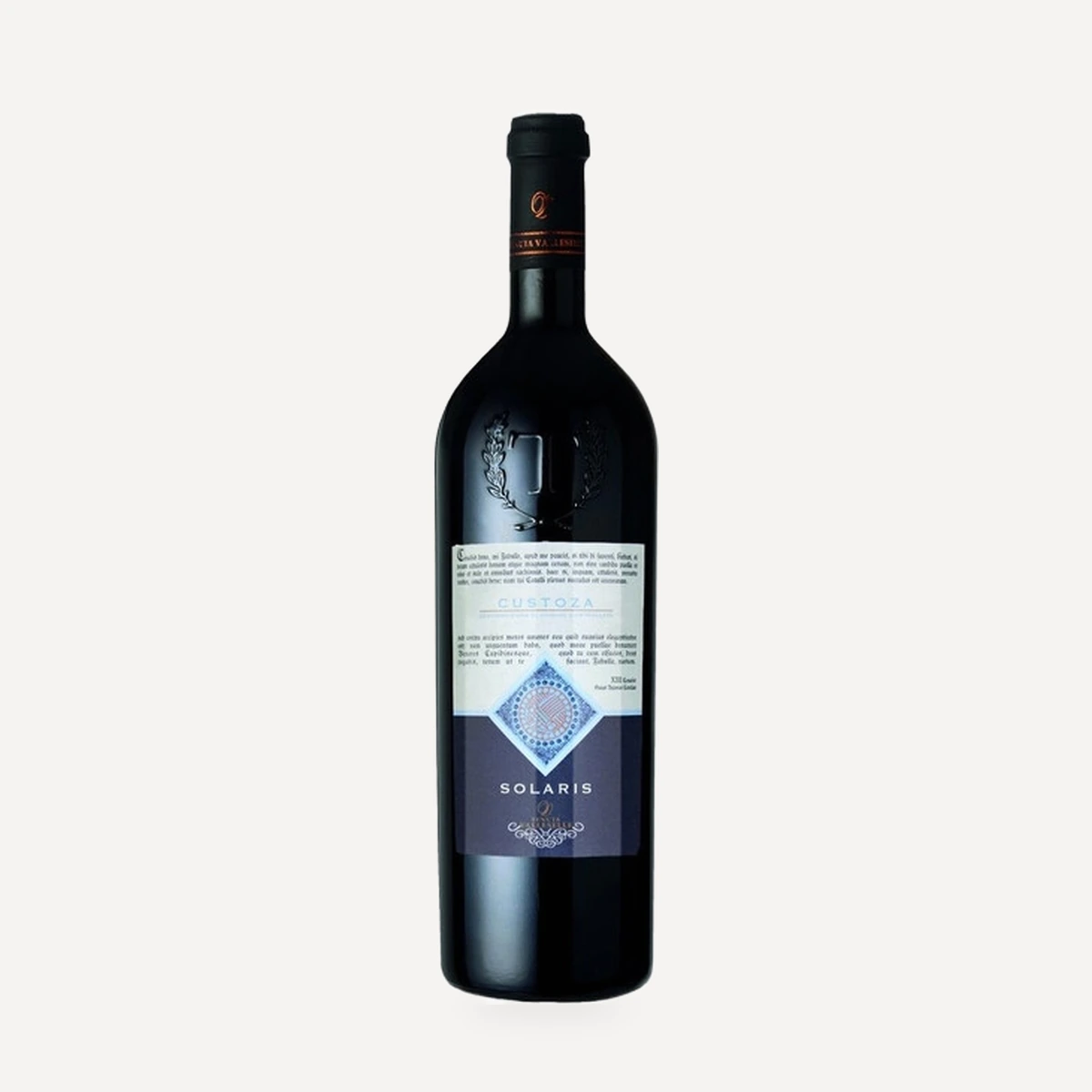
Solaris Custoza DOP
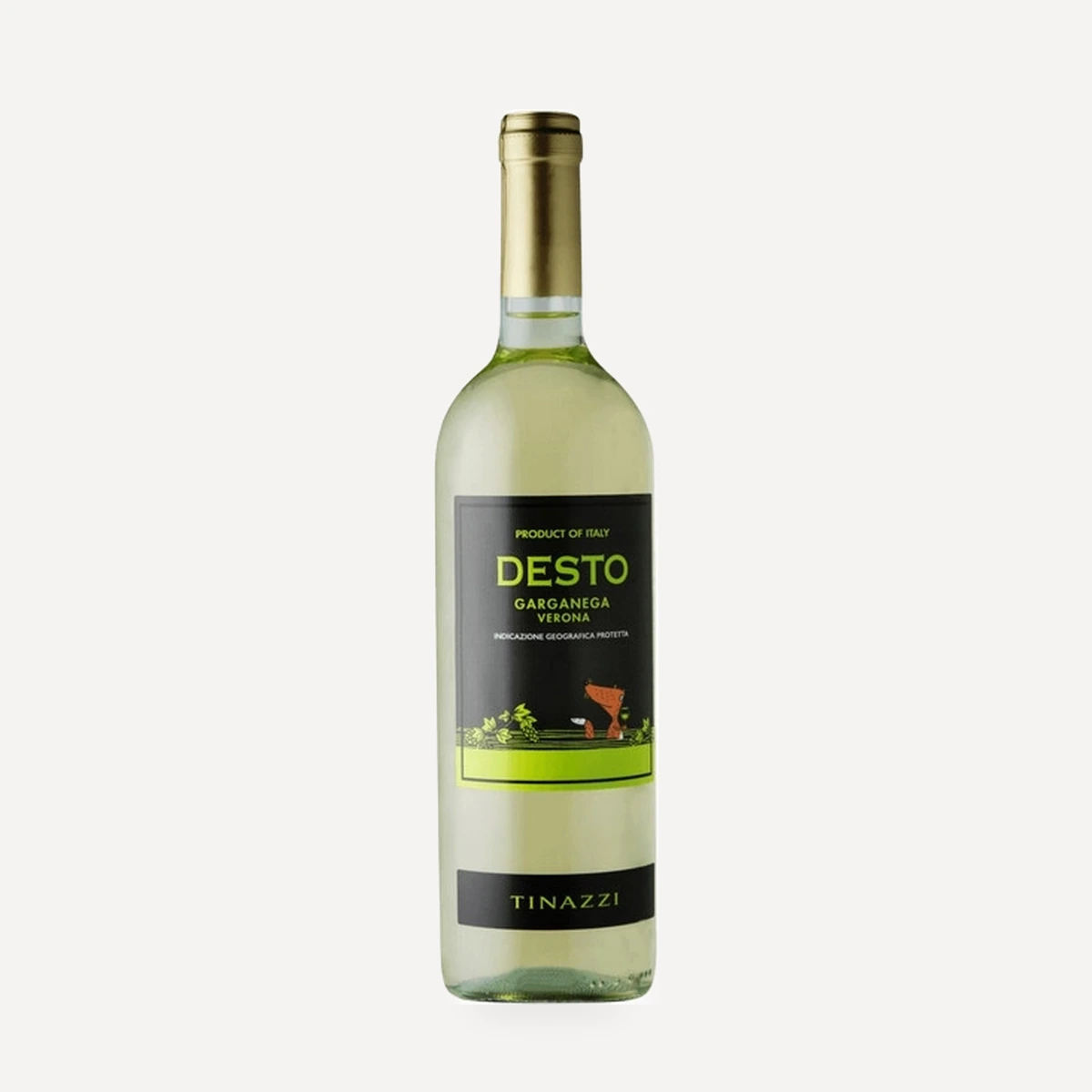
Desto Garganega Verona IGP
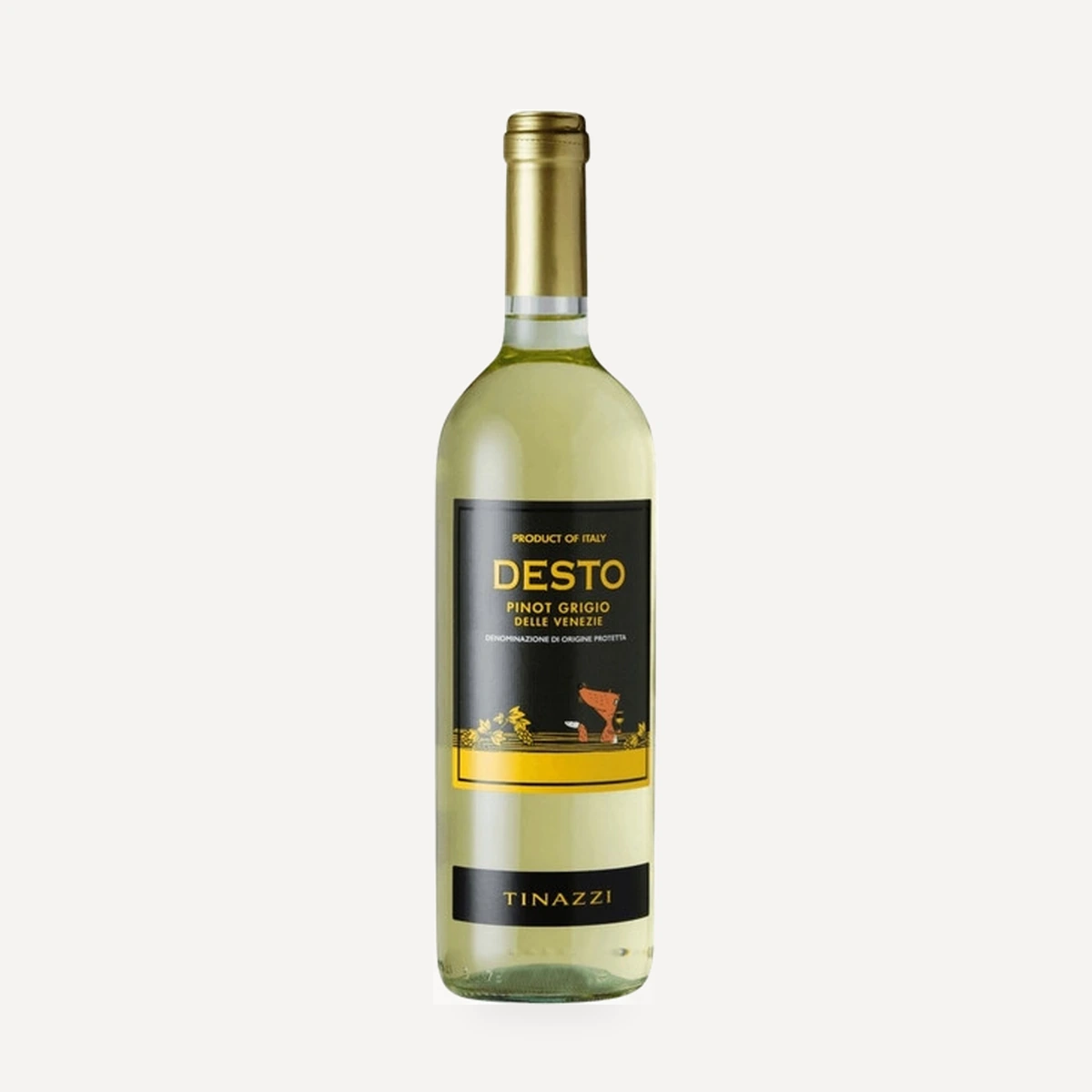
Desto Pinot Grigio delle Venezie DOP
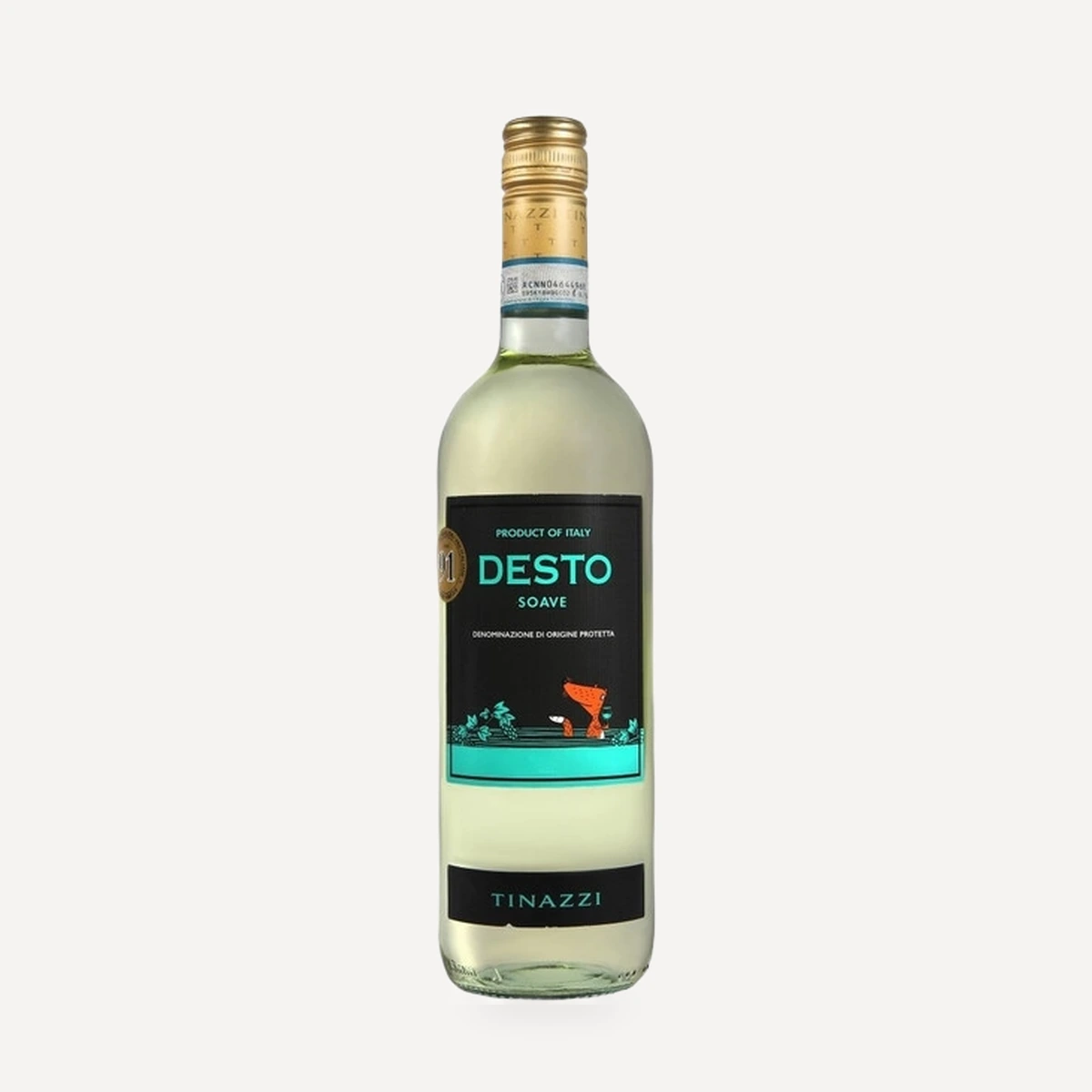
Desto Soave DOP
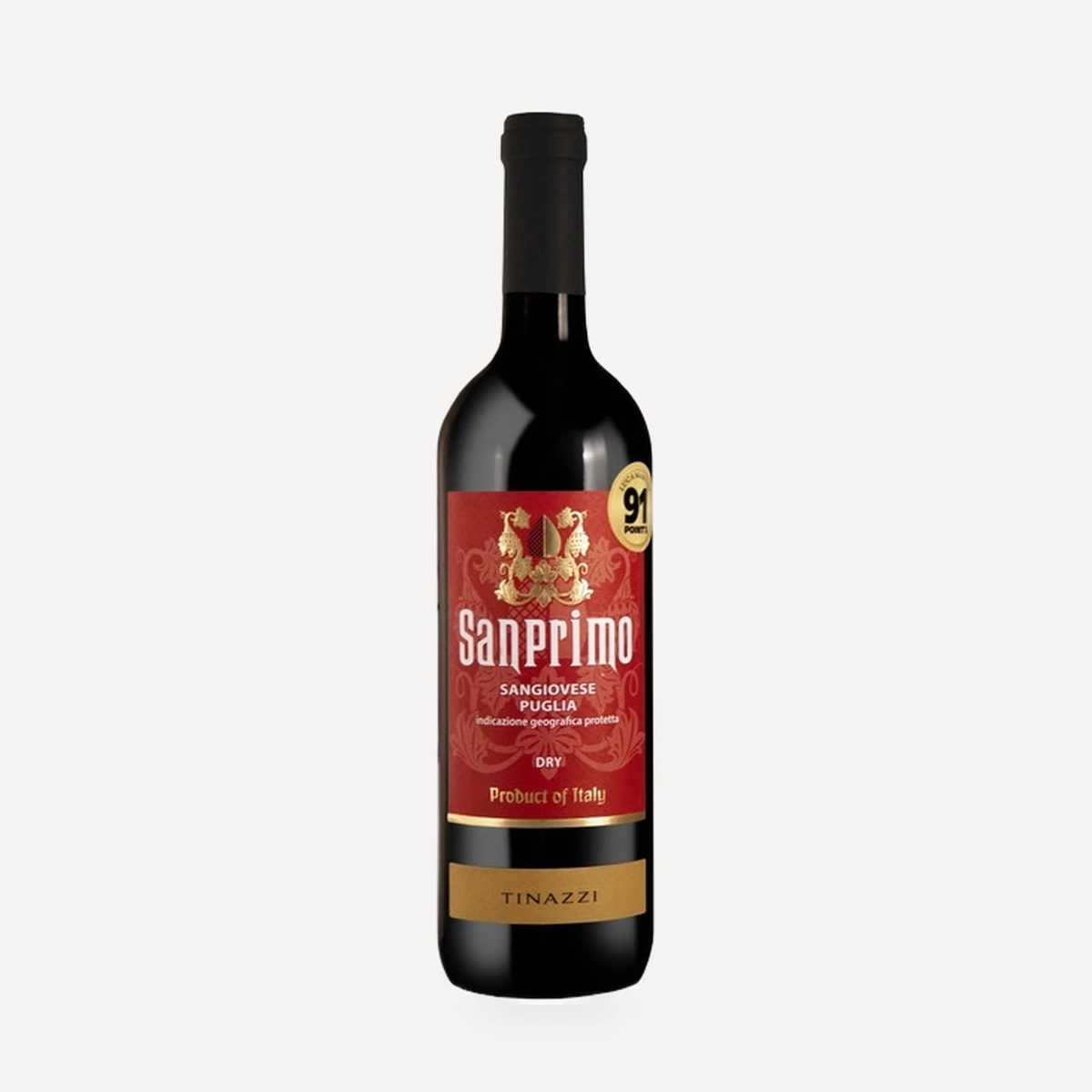
Sanprimo Sangiovese Dry Puglia IGP
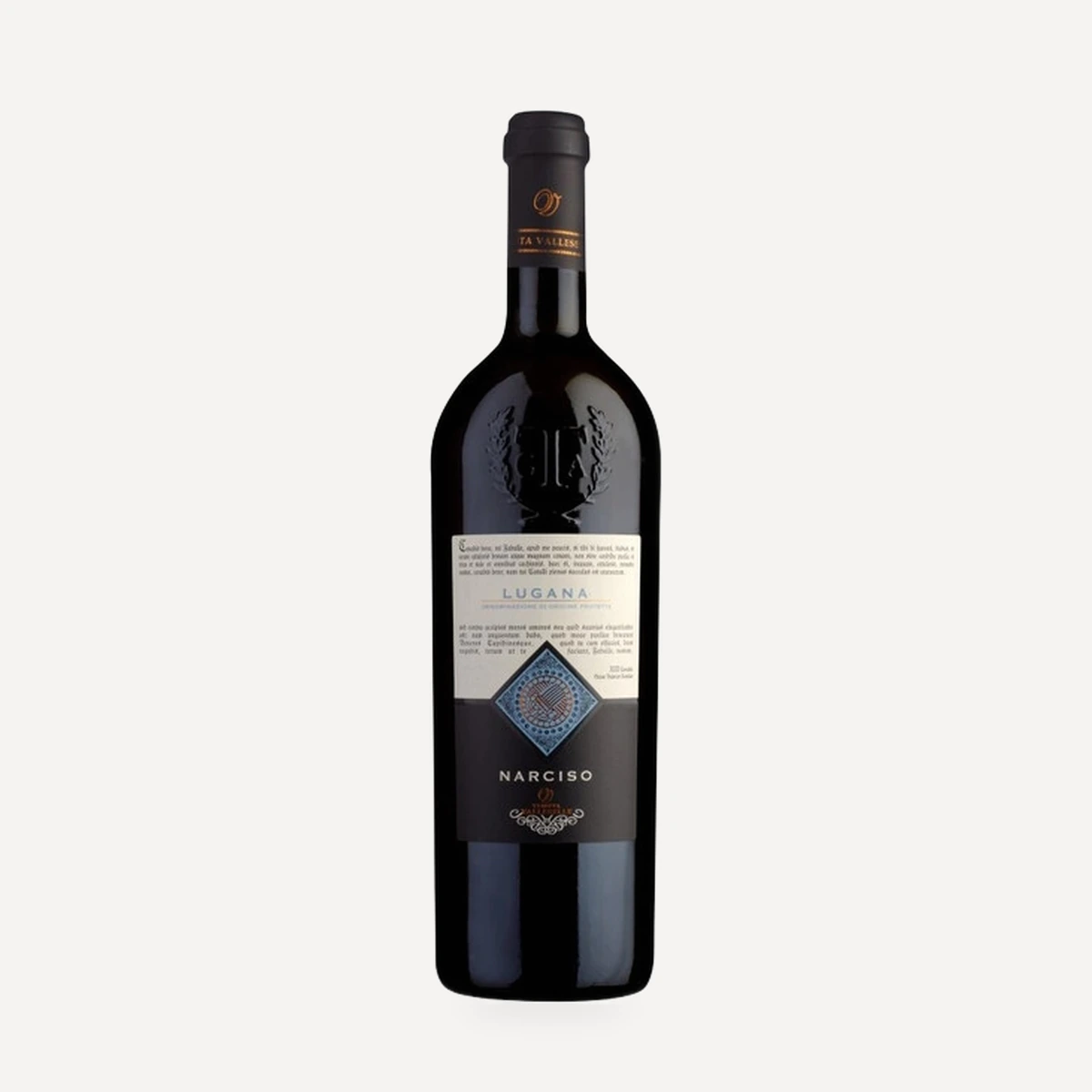
Narciso Lugana DOP
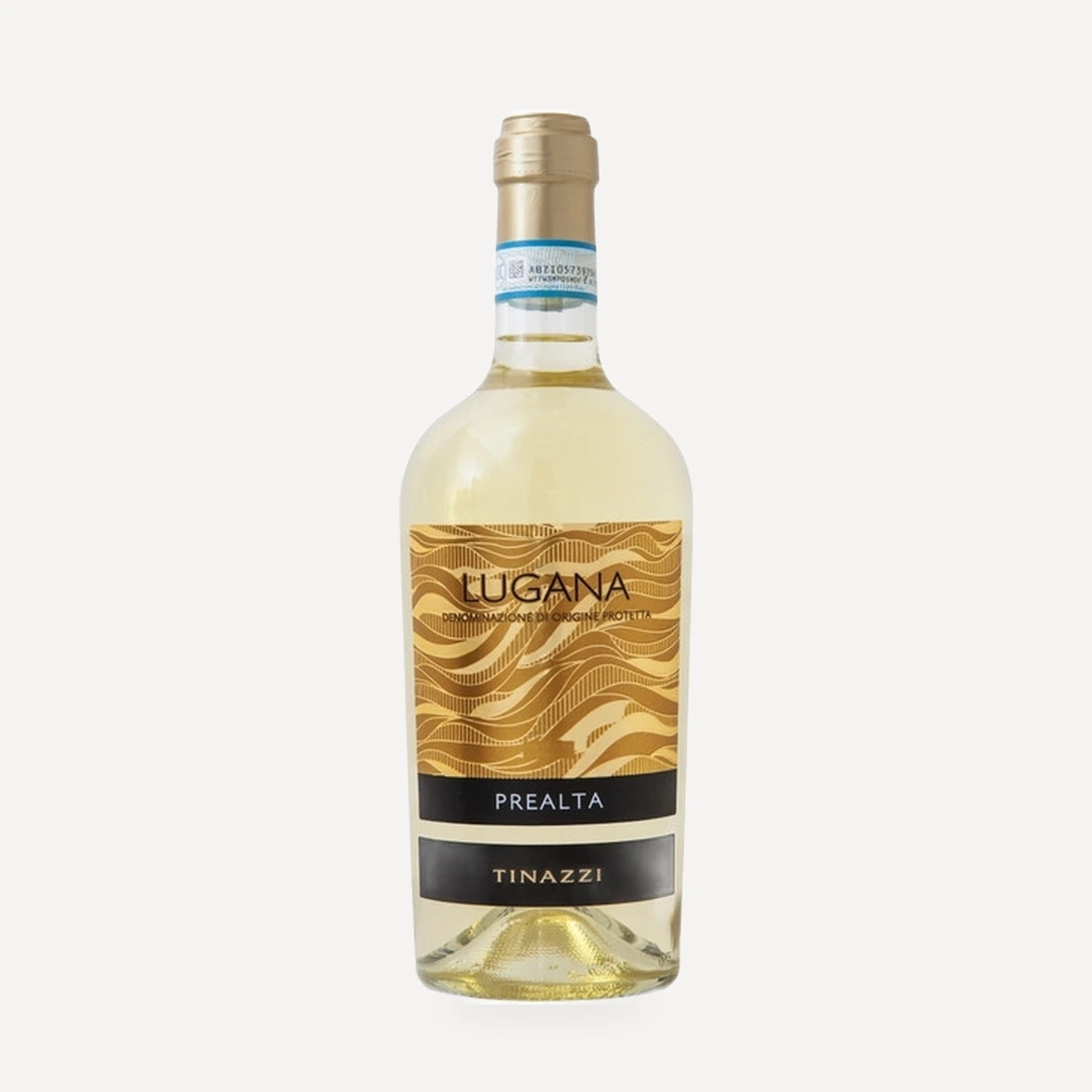
Prealta Lugana DOC
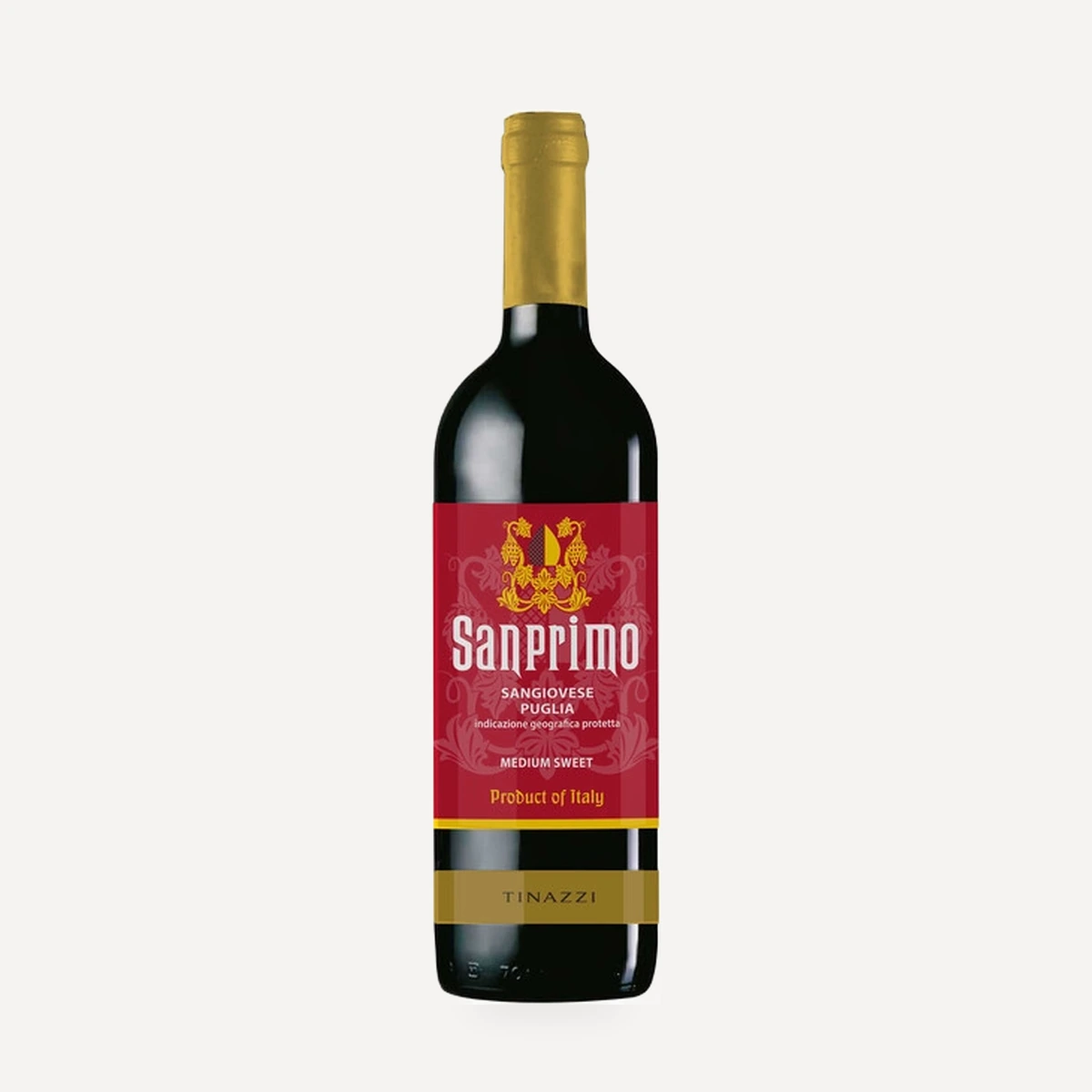
Sanprimo Sangiovese Medium Sweet Puglia IGP
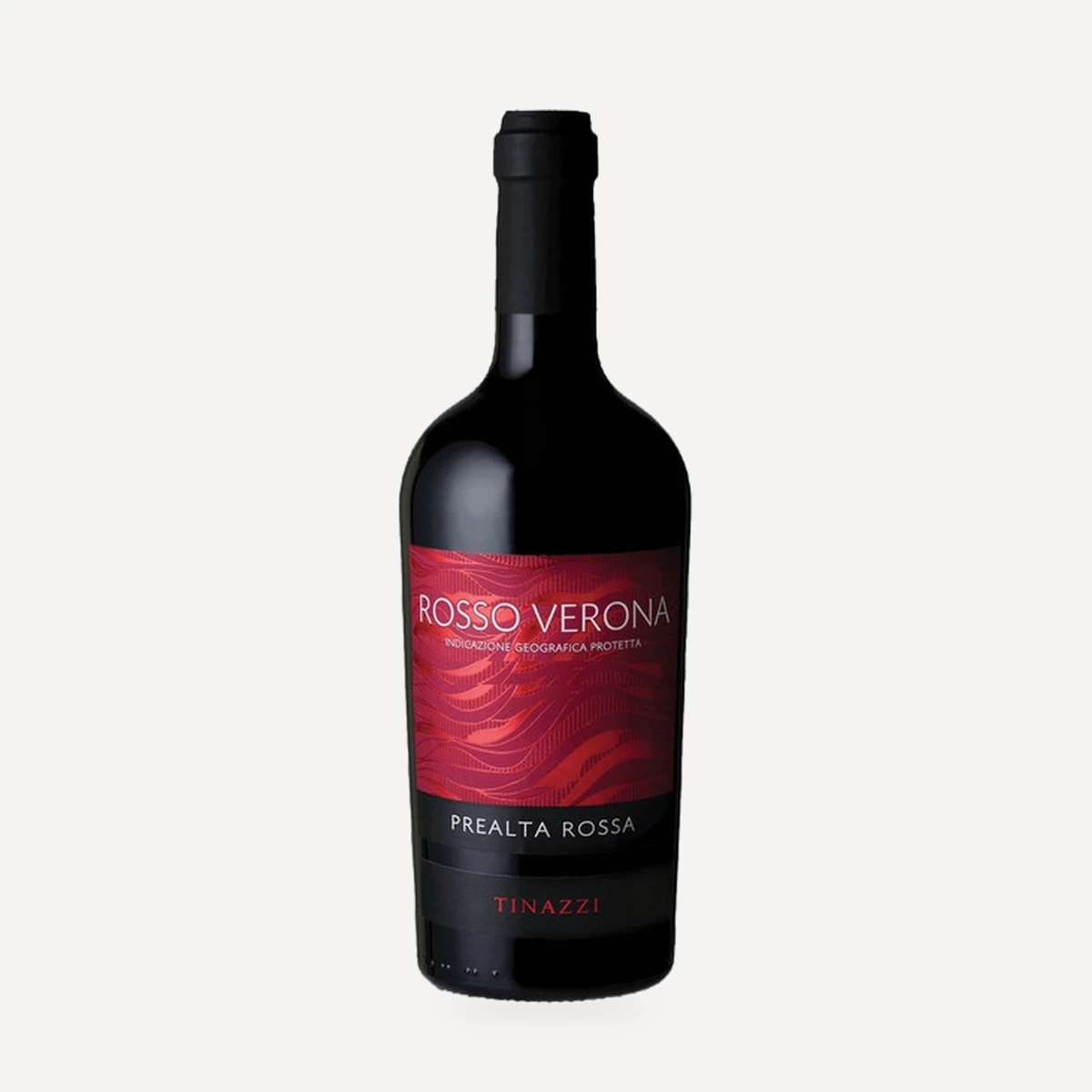
Prealta Rossa Rosso Verona IGP
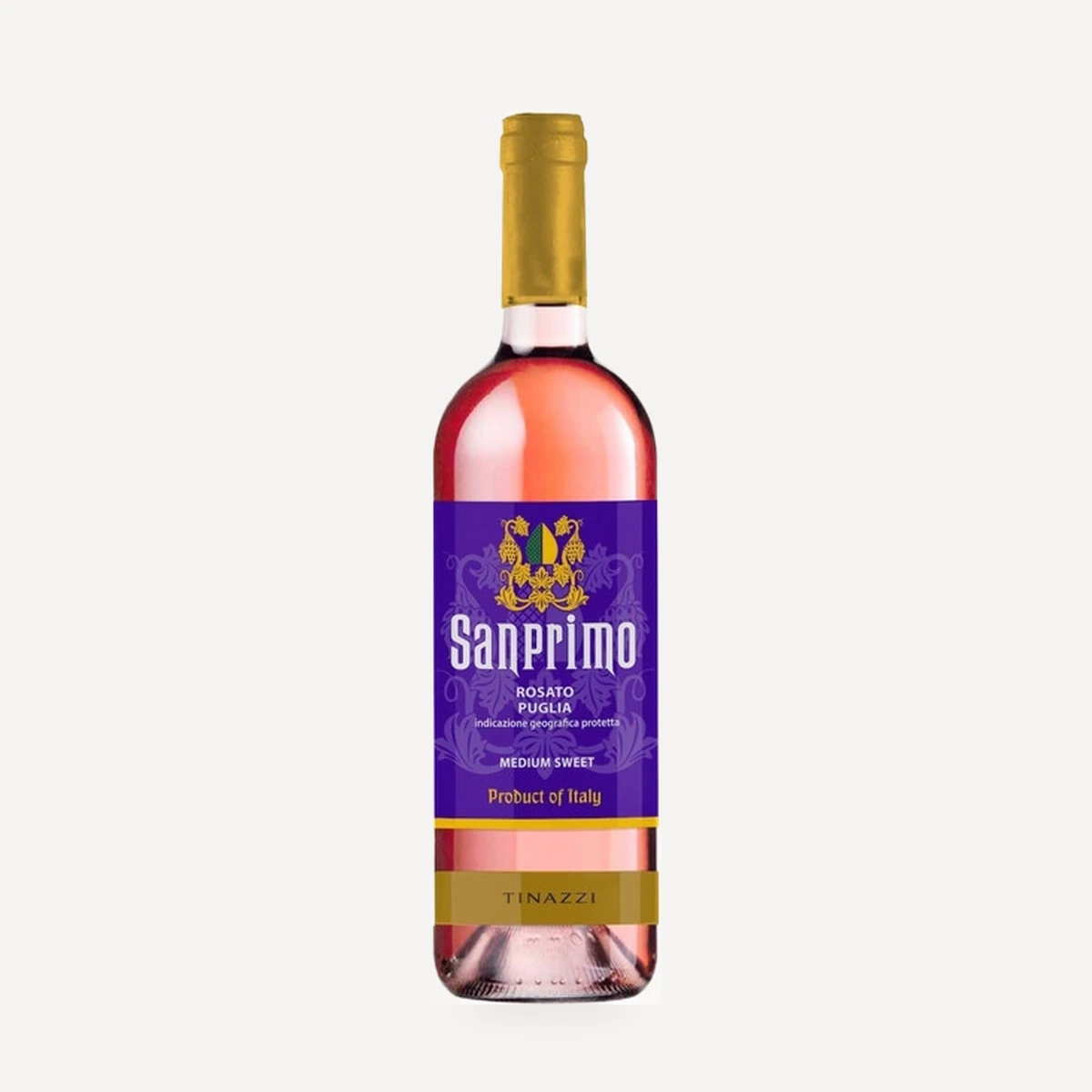
Sanprimo Rosato Puglia IGP
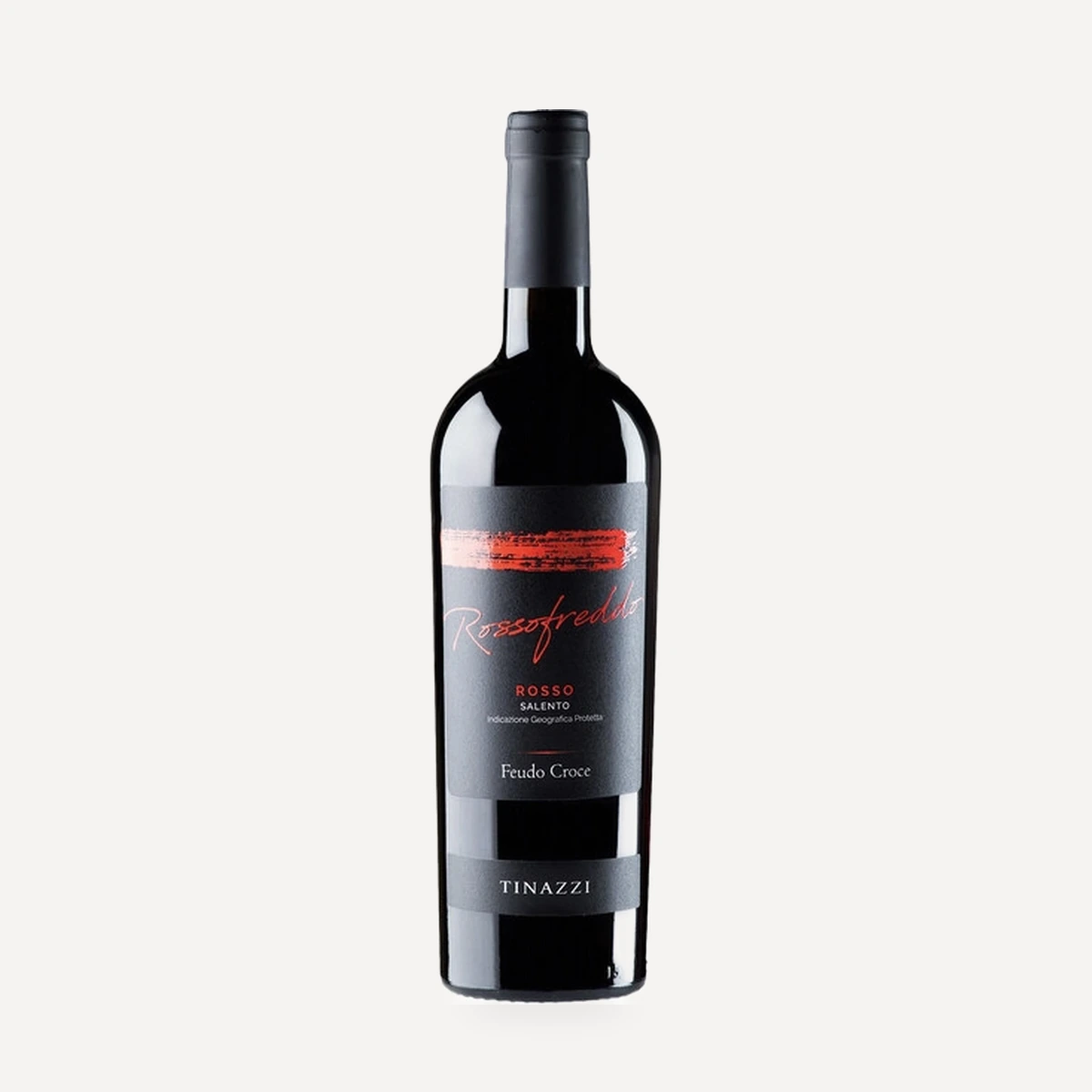
Rossofreddo Rosso Salento IGP
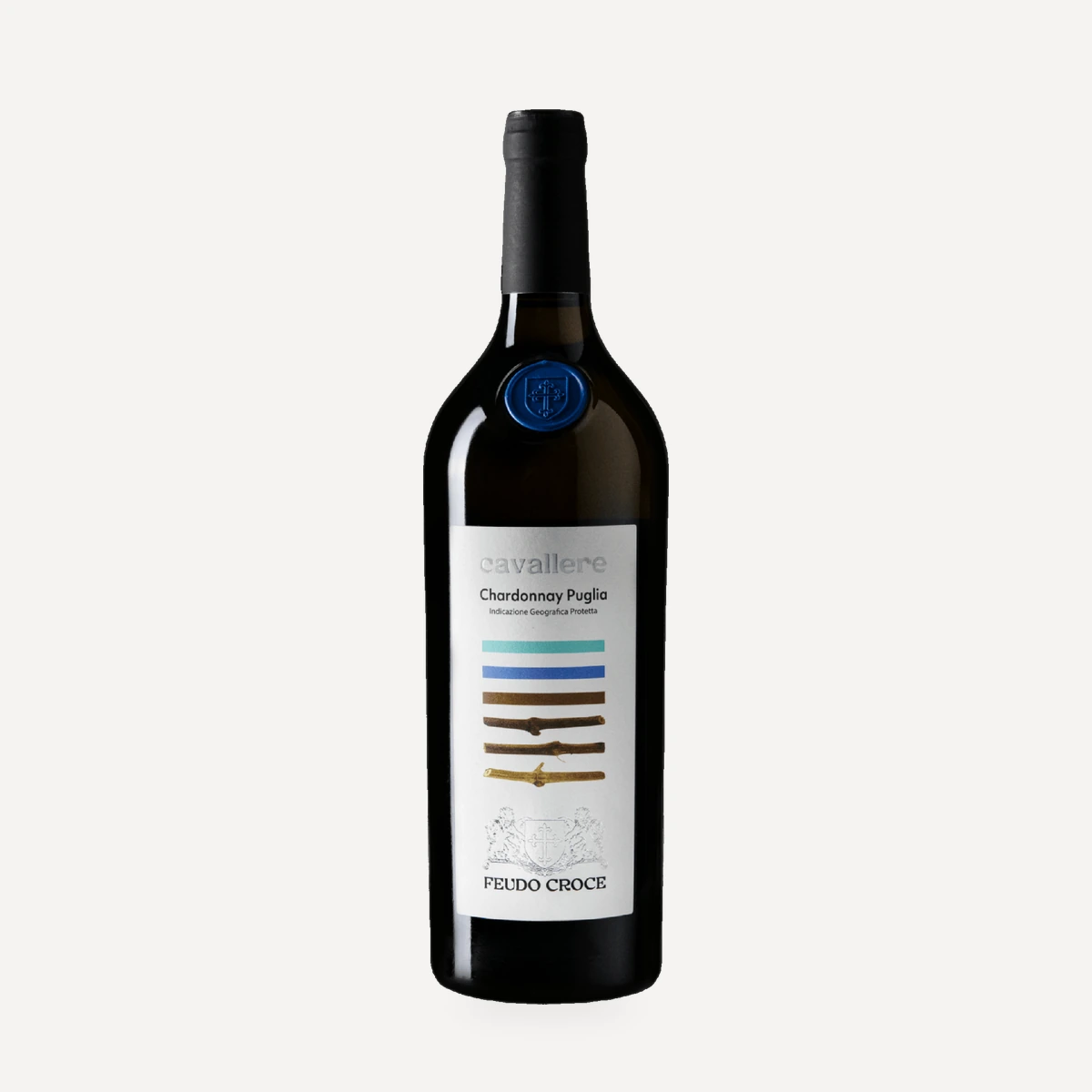
Cavallere Chardonnay Puglia IGP
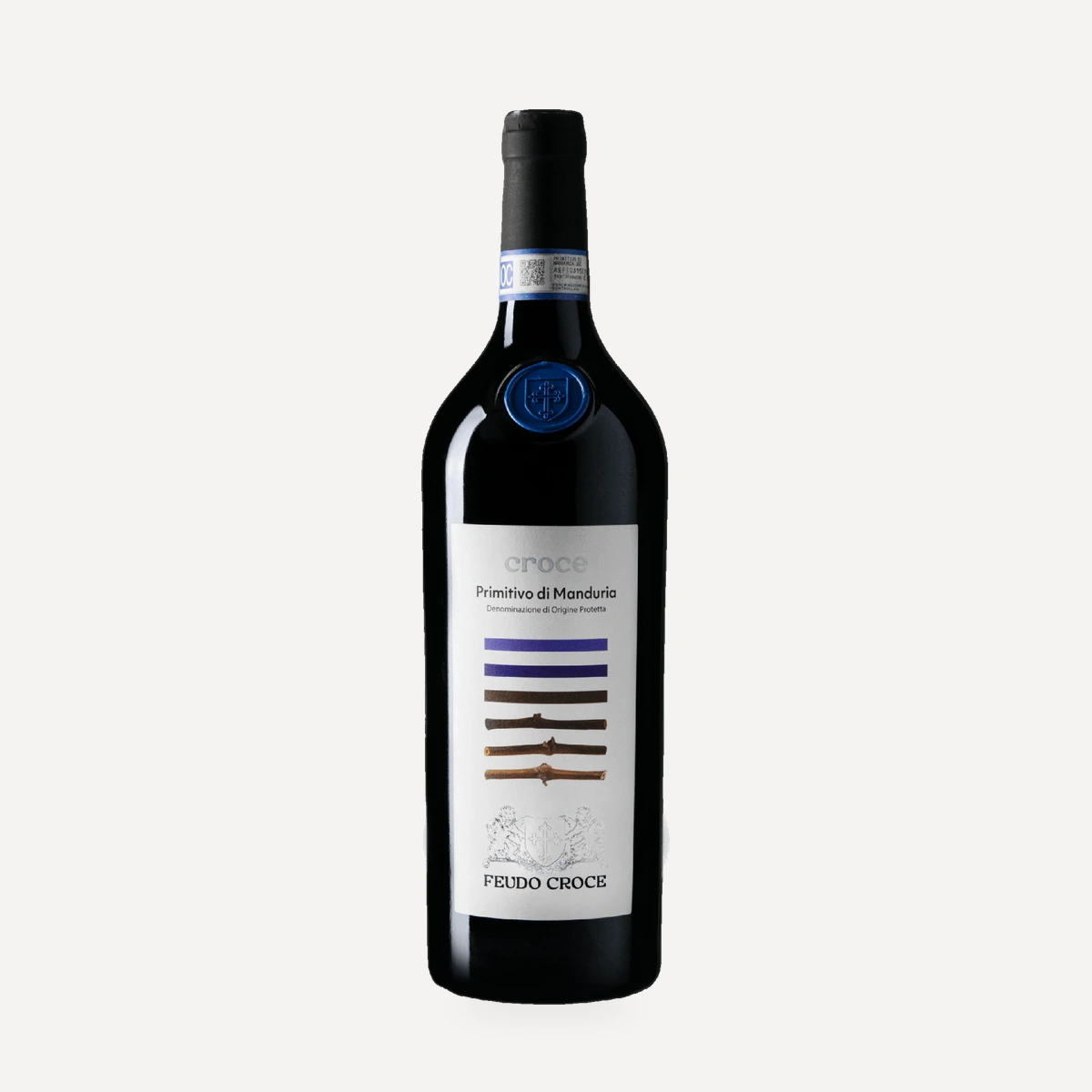
Croce Primitivo di Manduria DOP
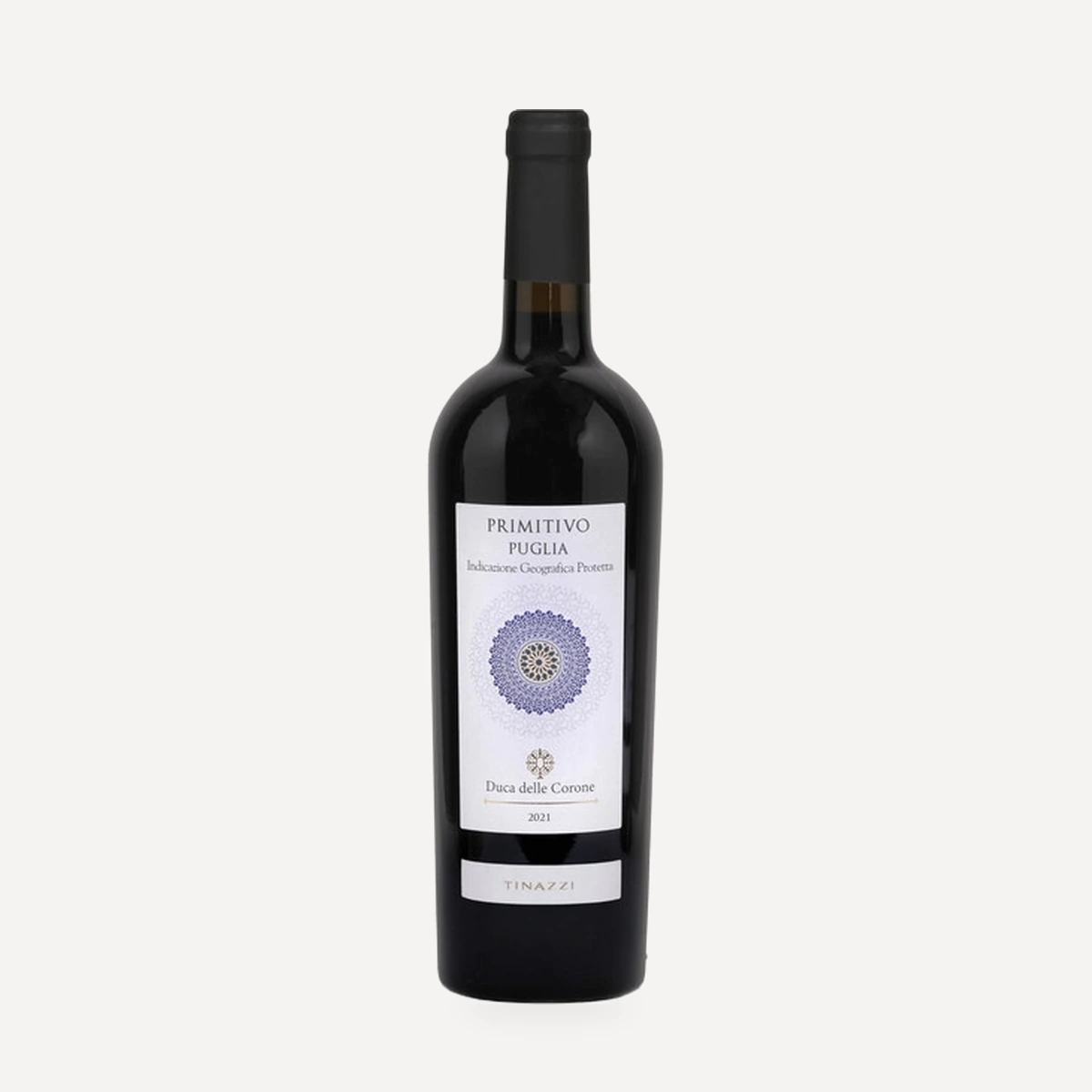
Duca delle Corone Primitivo Puglia IGT
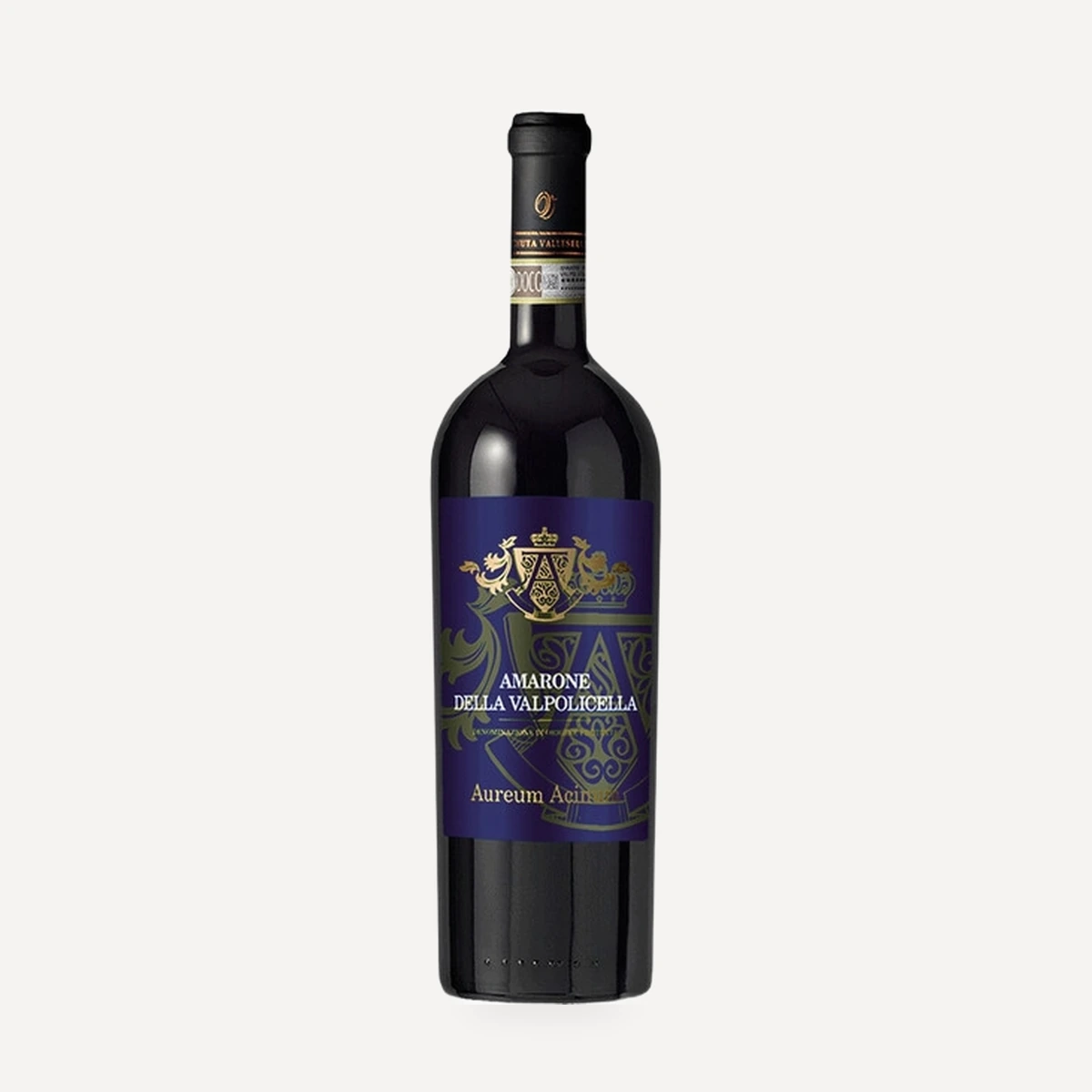
Aureum Acinum Amarone della Valpolicella Classico DOP
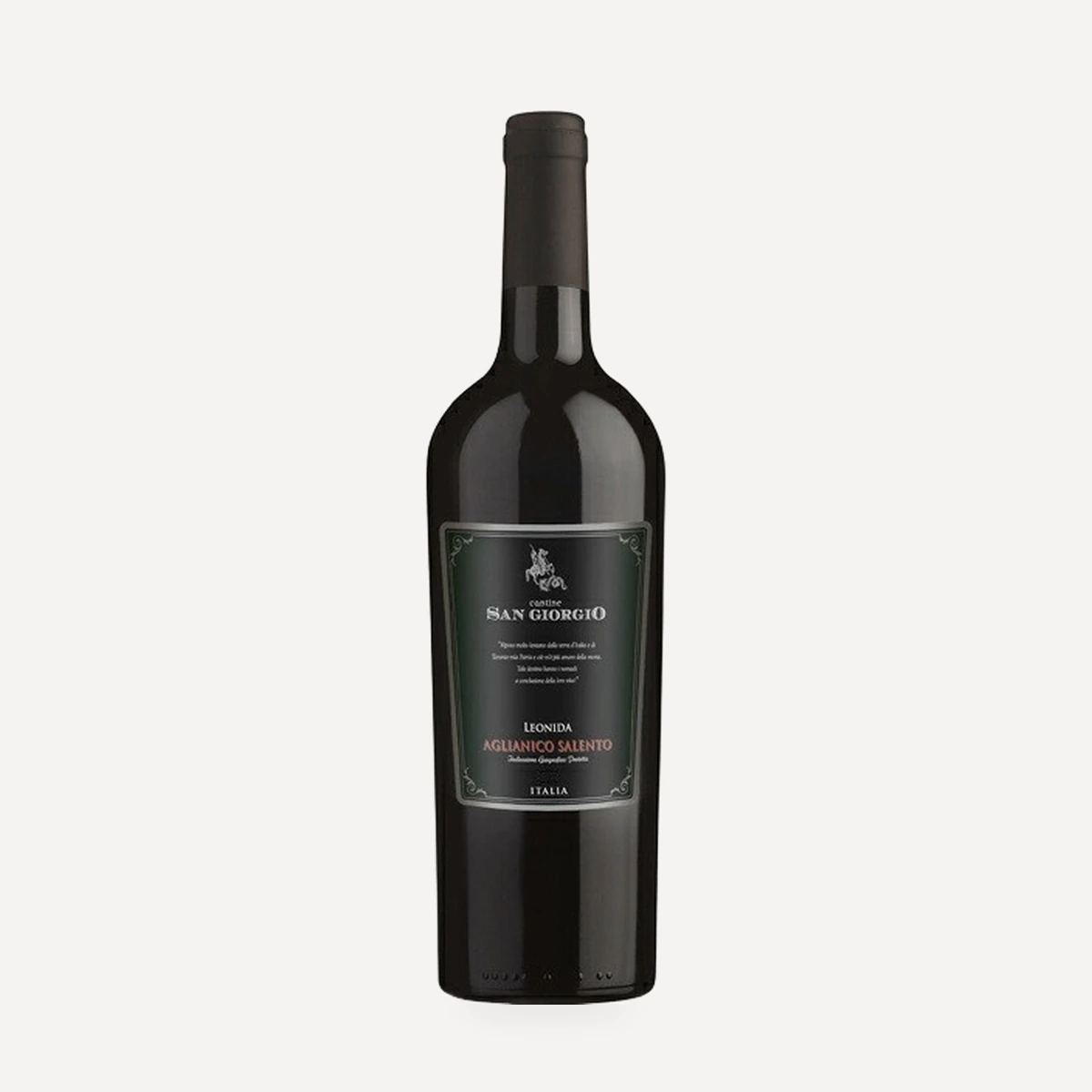
Leonida Aglianico Salento IGP
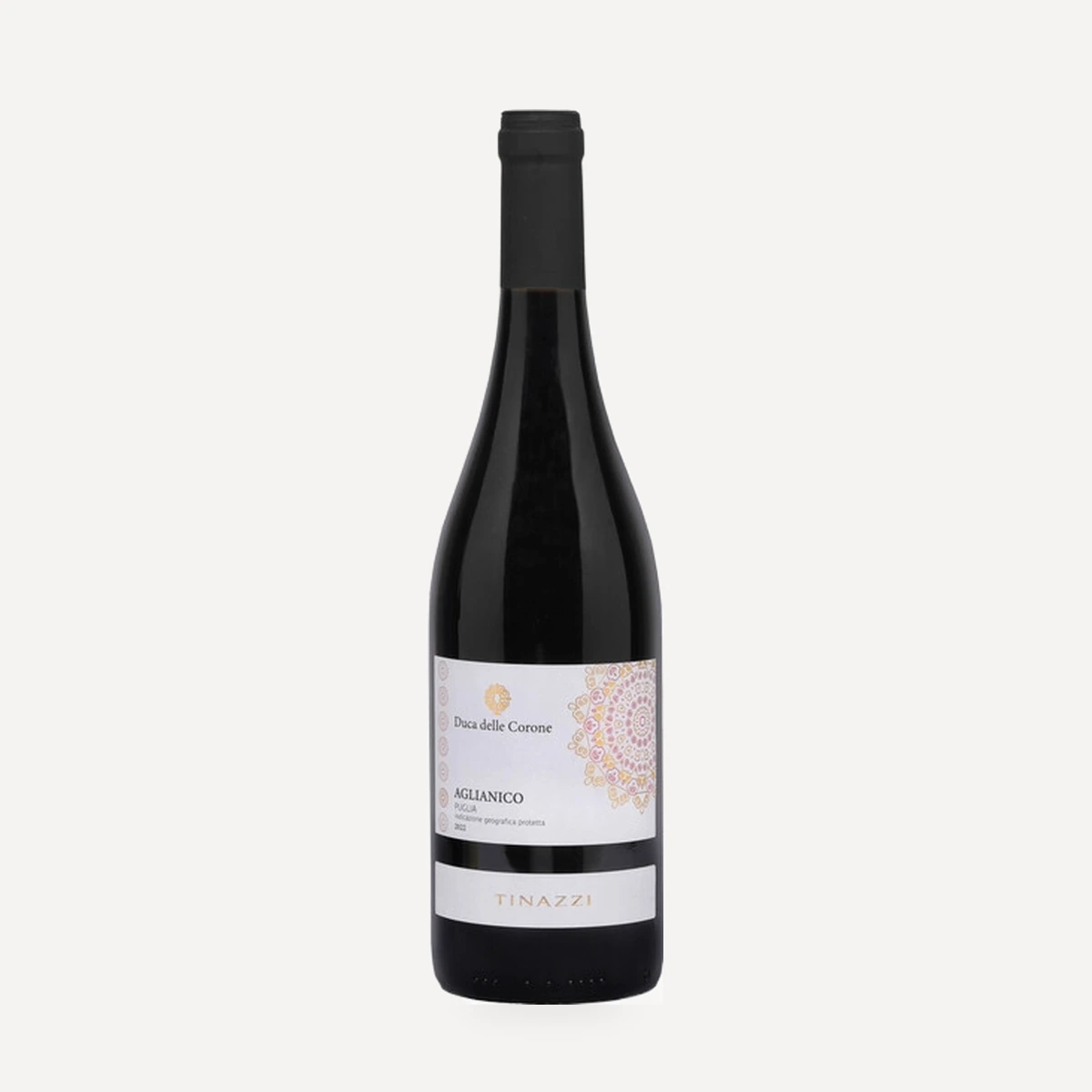
Duca delle Corone Aglianico Puglia IGT
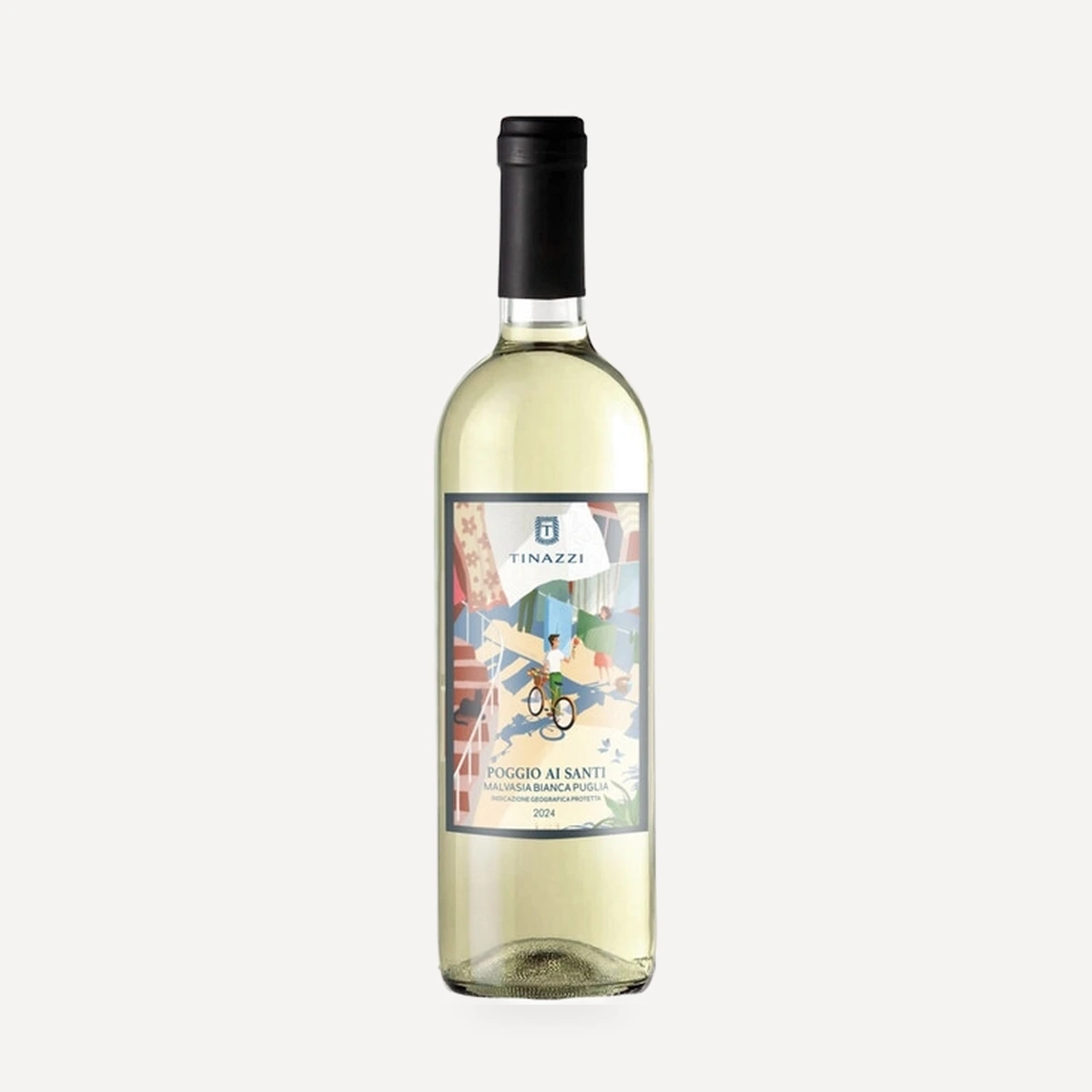
Poggio ai Santi Malvasia Bianca Dry Puglia IGP
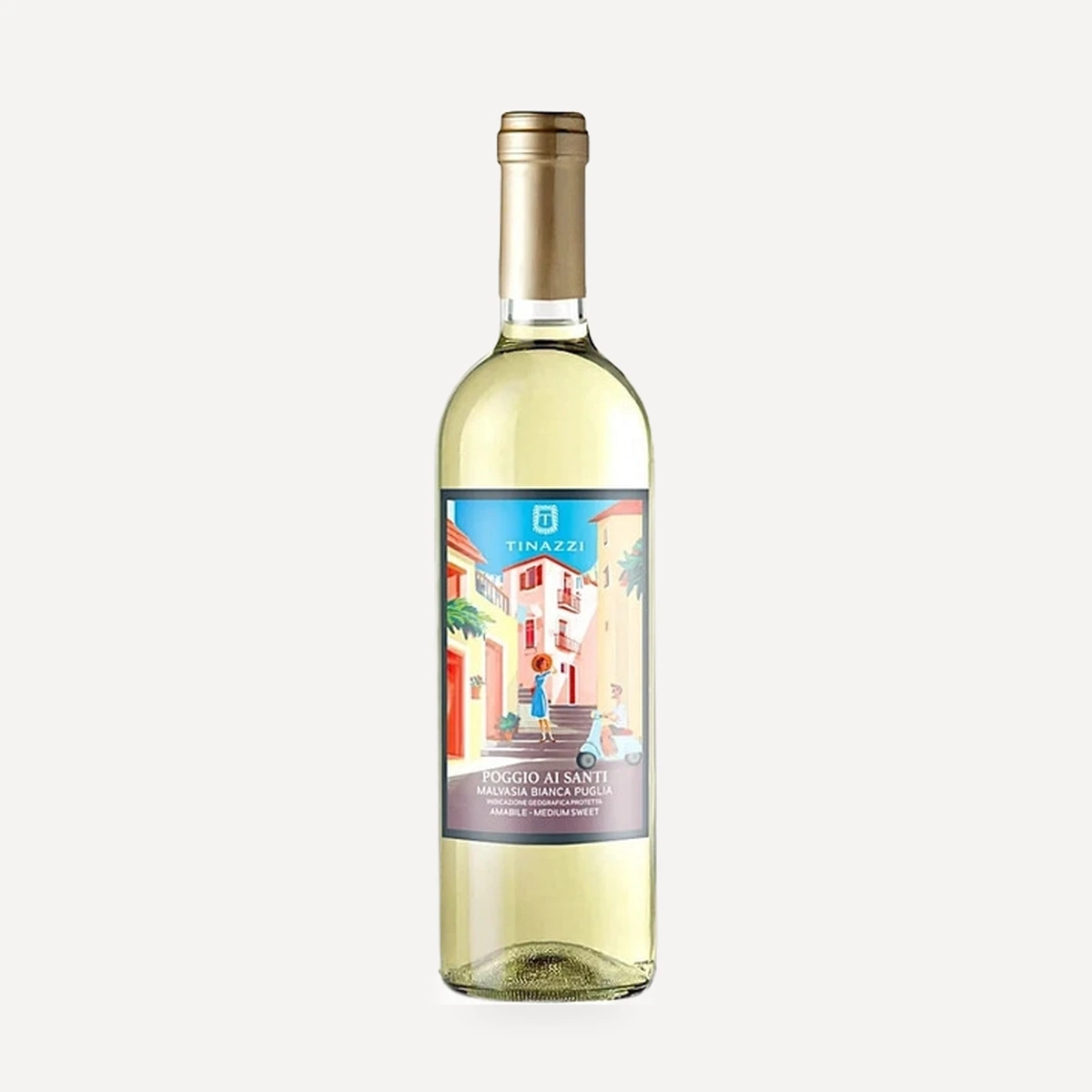
Poggio ai Santi Malvasia Bianca Medium Sweet Puglia IGP
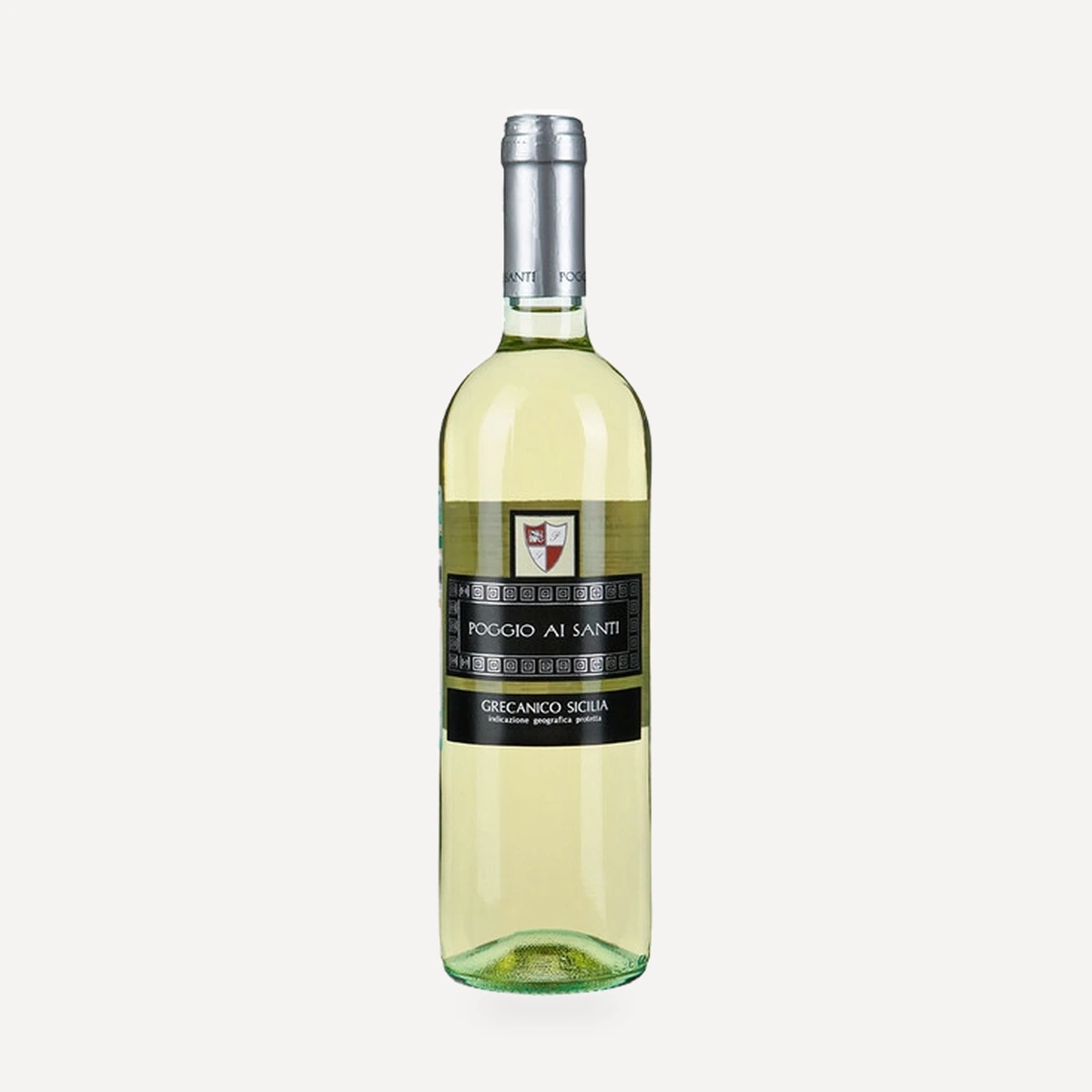
Poggio Ai Santi Grecanico Dry Sicilia IGP
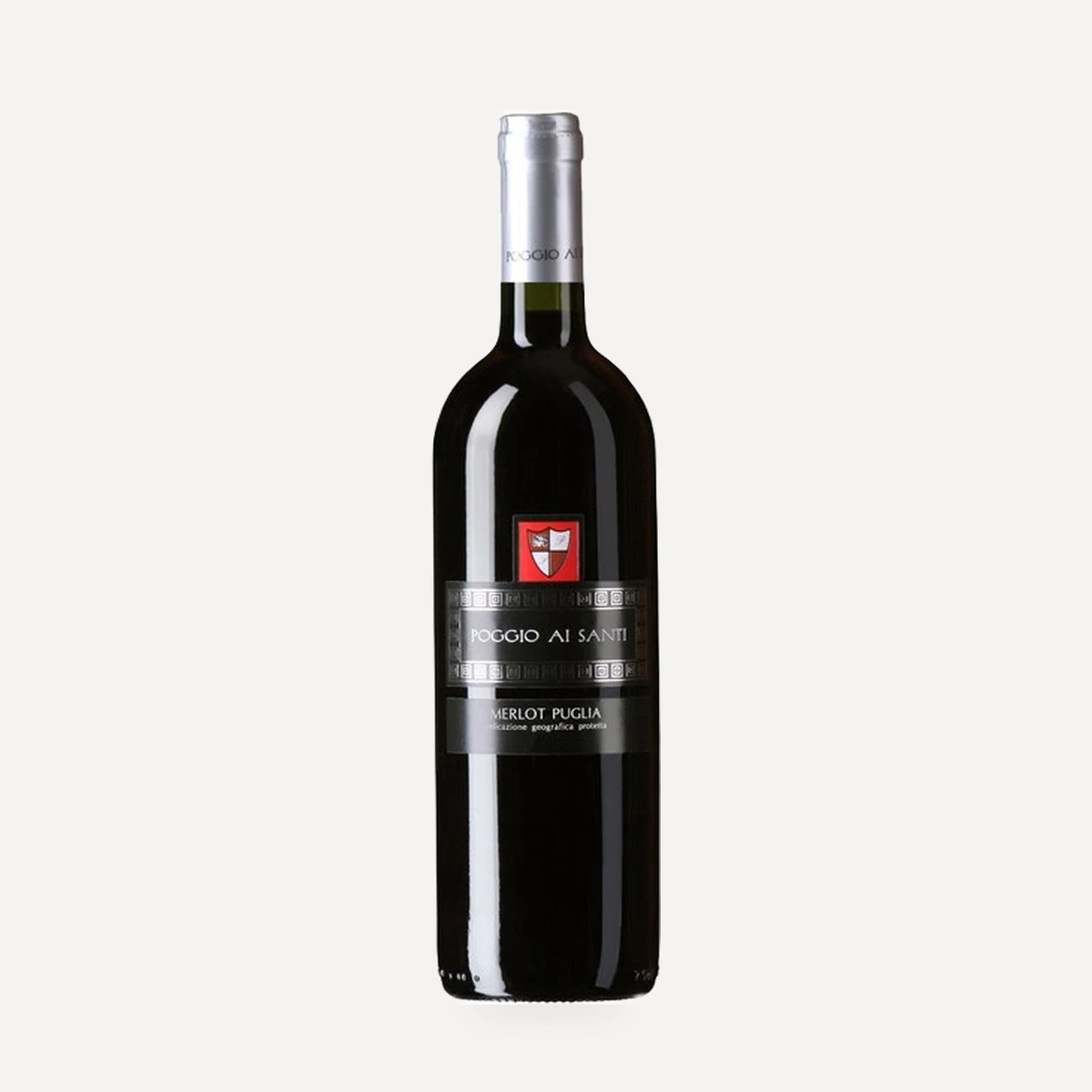
Poggio Ai Santi Merlot Dry Puglia IGP
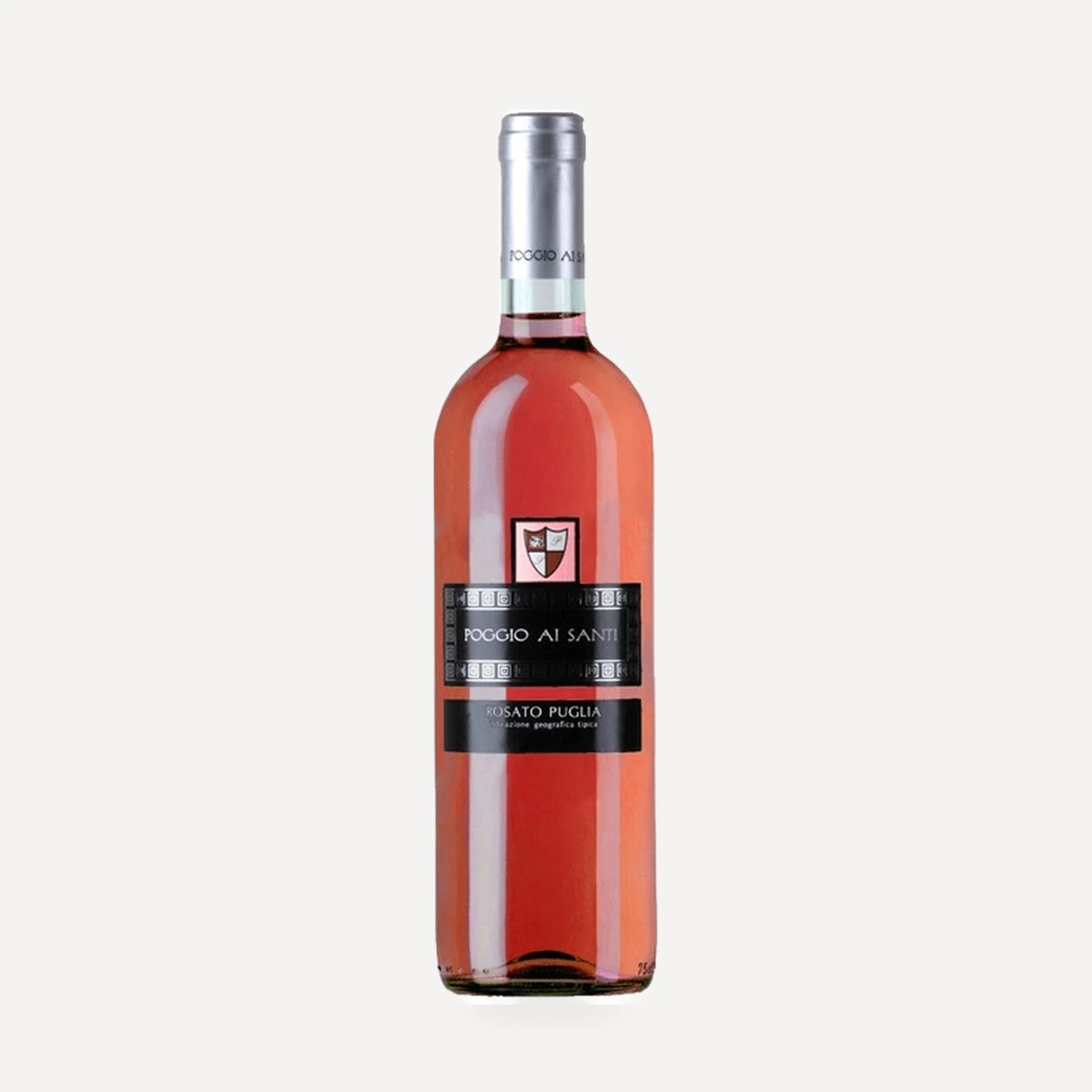
Poggio Ai Santi Rosato Dry Puglia IGP
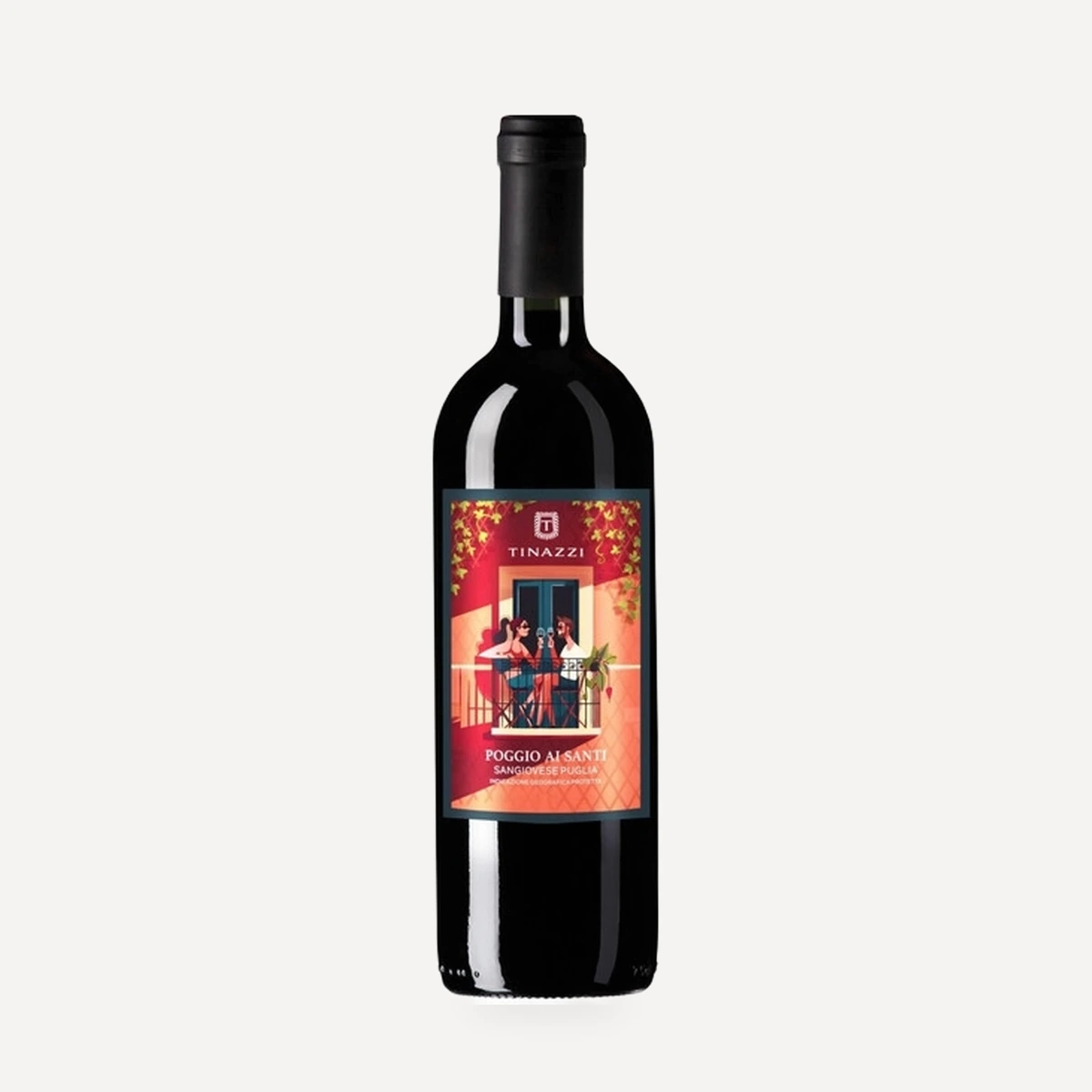
Poggio Ai Santi Sangiovese Dry Puglia IGP
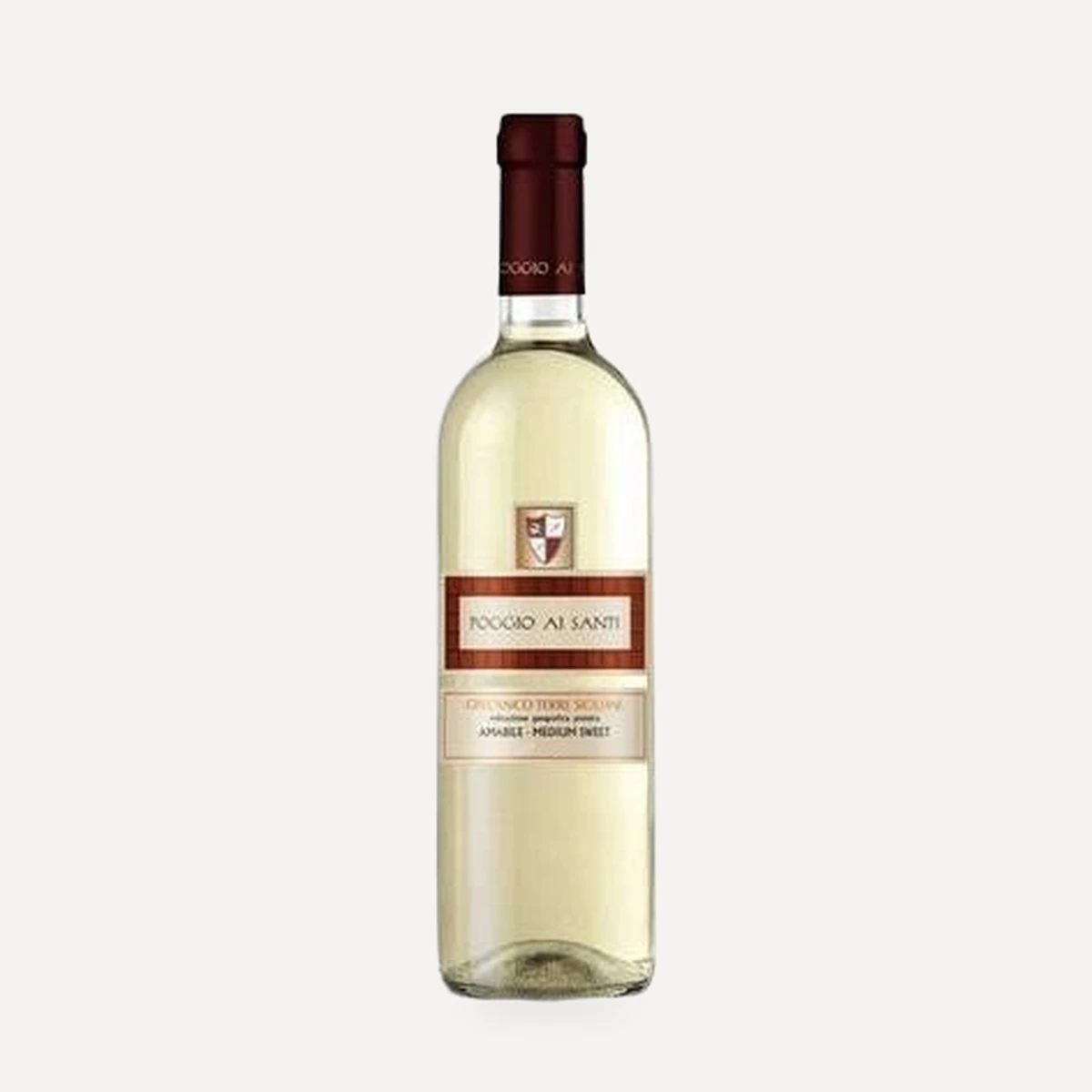
Poggio Ai Santi Grecanico Medium Sweet Terre Siciliane IGP
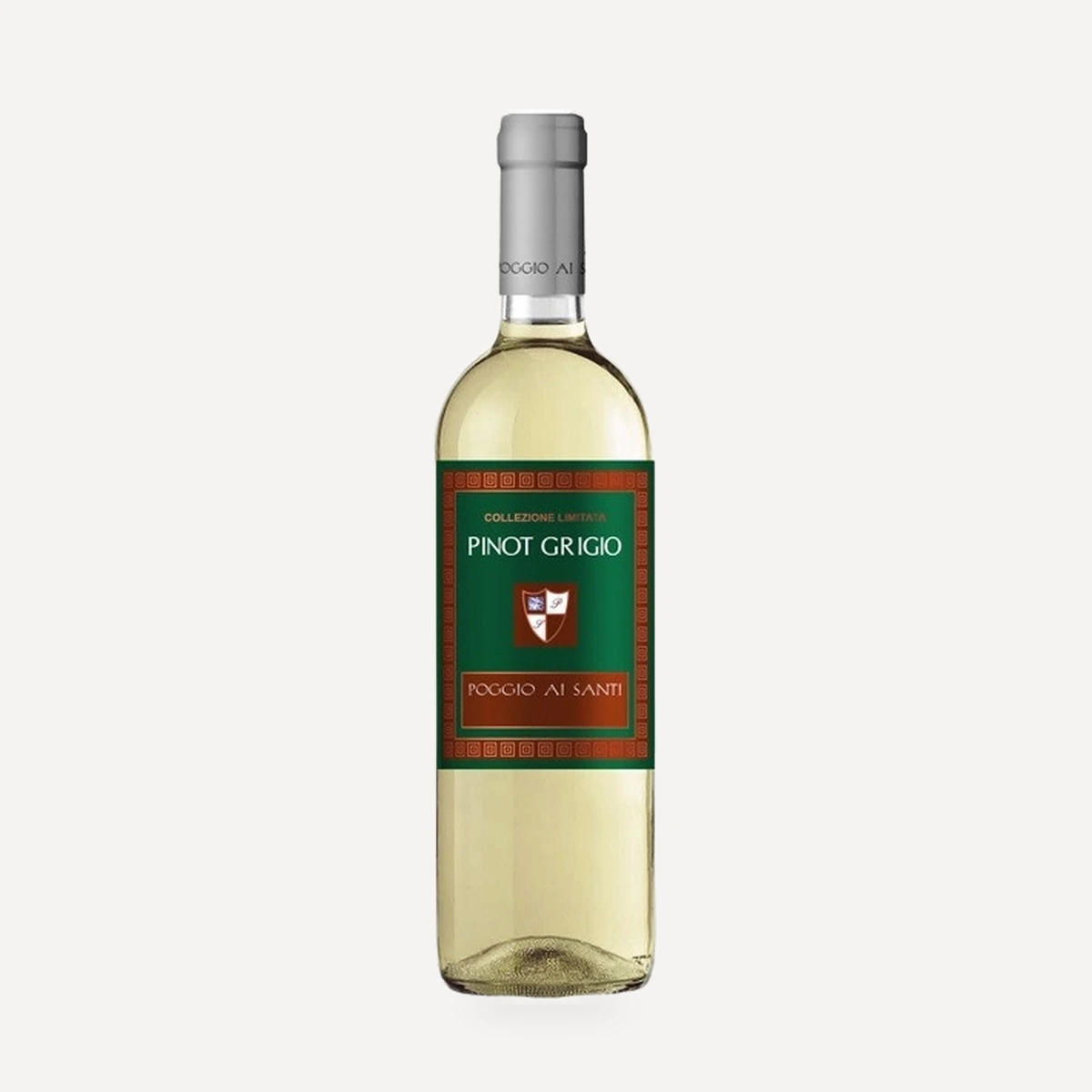
Poggio Ai Santi Pinot Grigio Veneto IGP
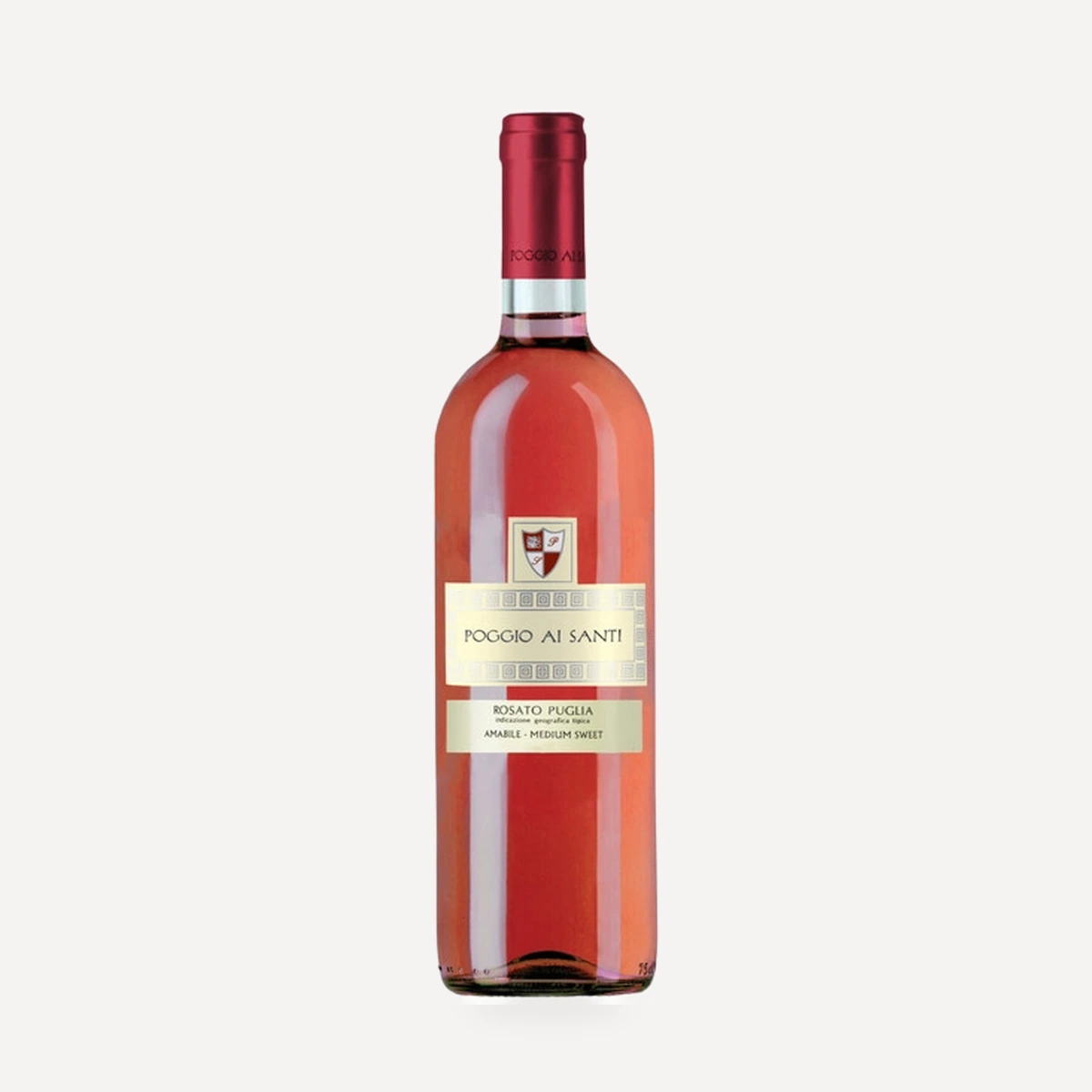
Poggio Ai Santi Rosato Medium Sweet Puglia IGP
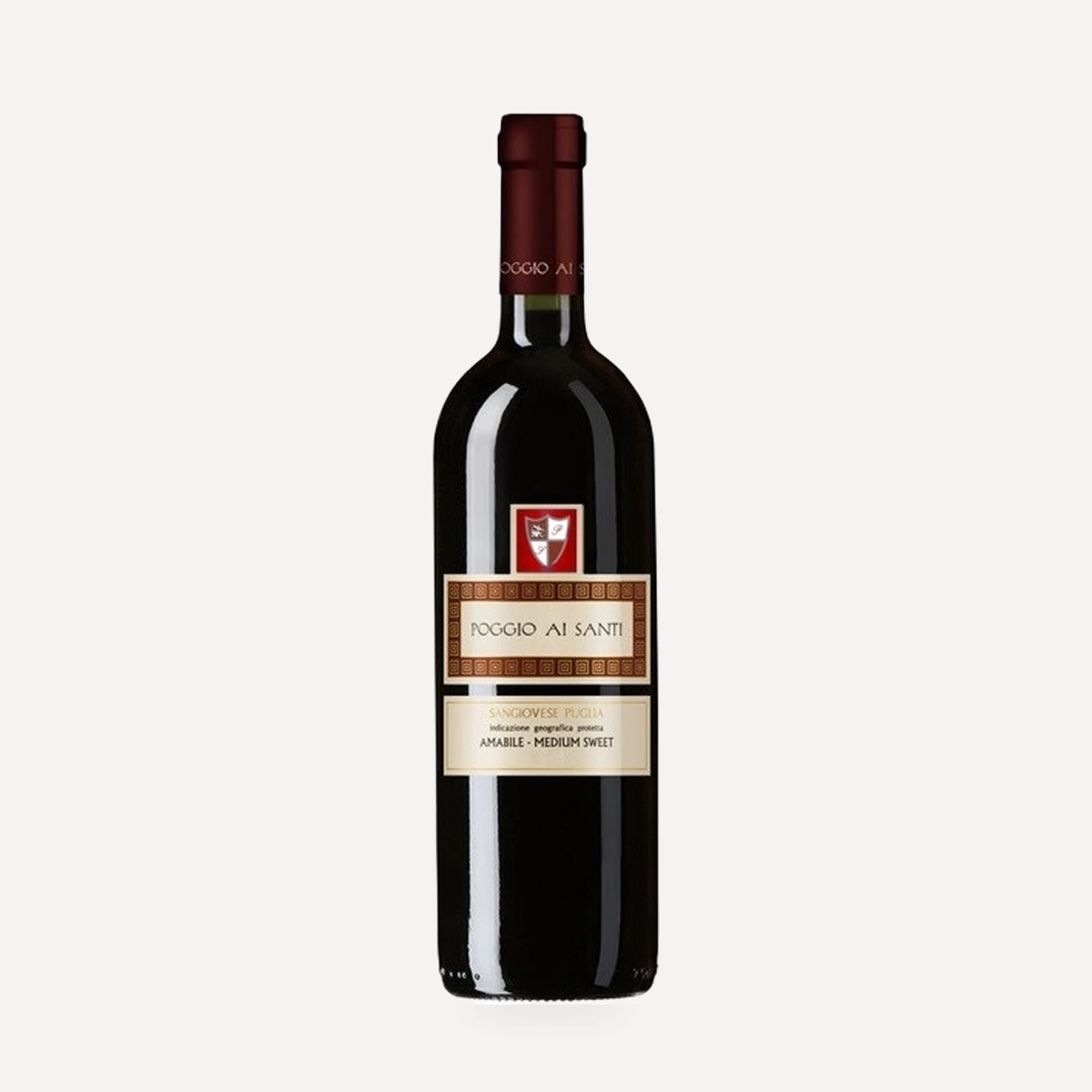
Poggio Ai Santi Sangiovese Medium Sweet Puglia IGP
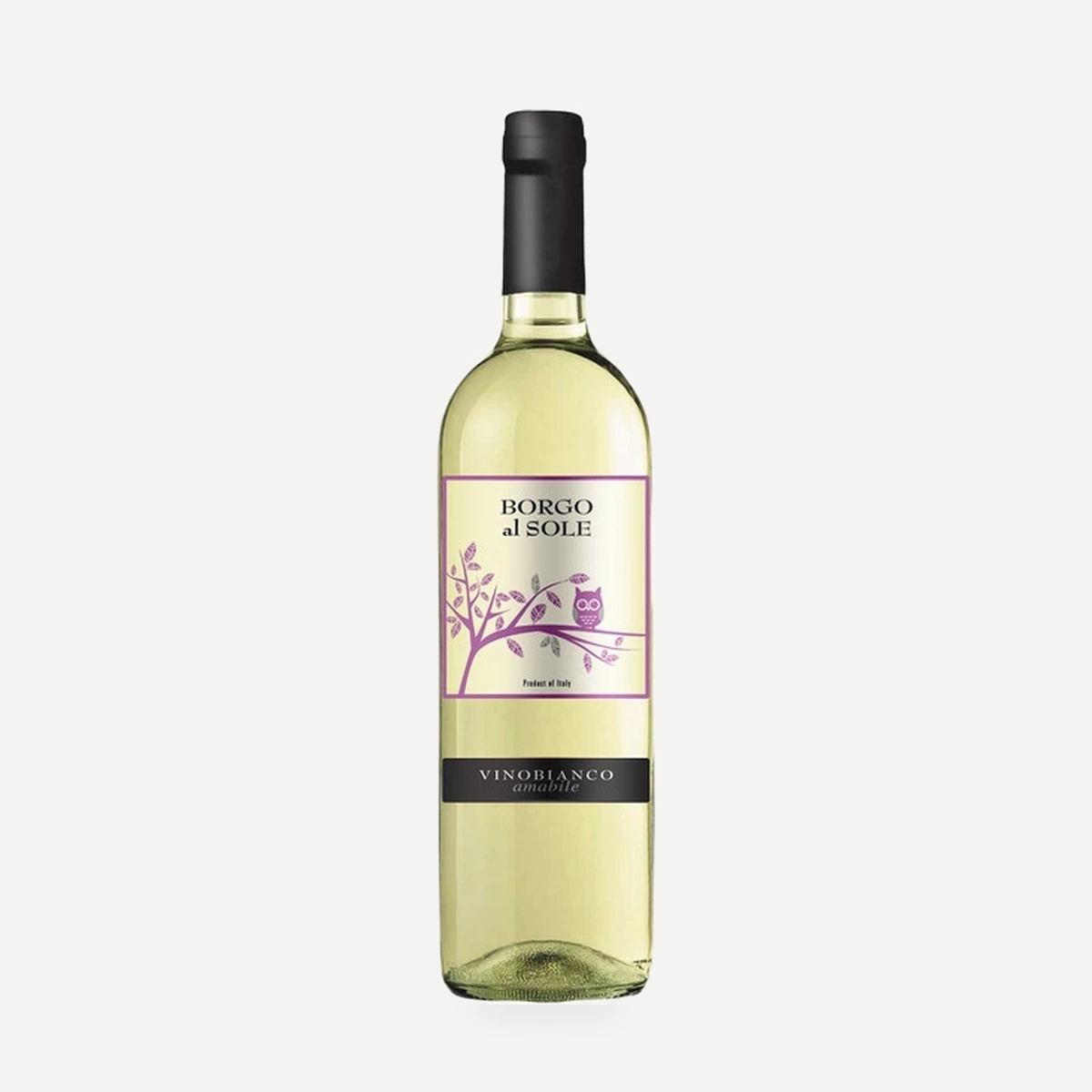
Borgo al Sole Bianco Amabile
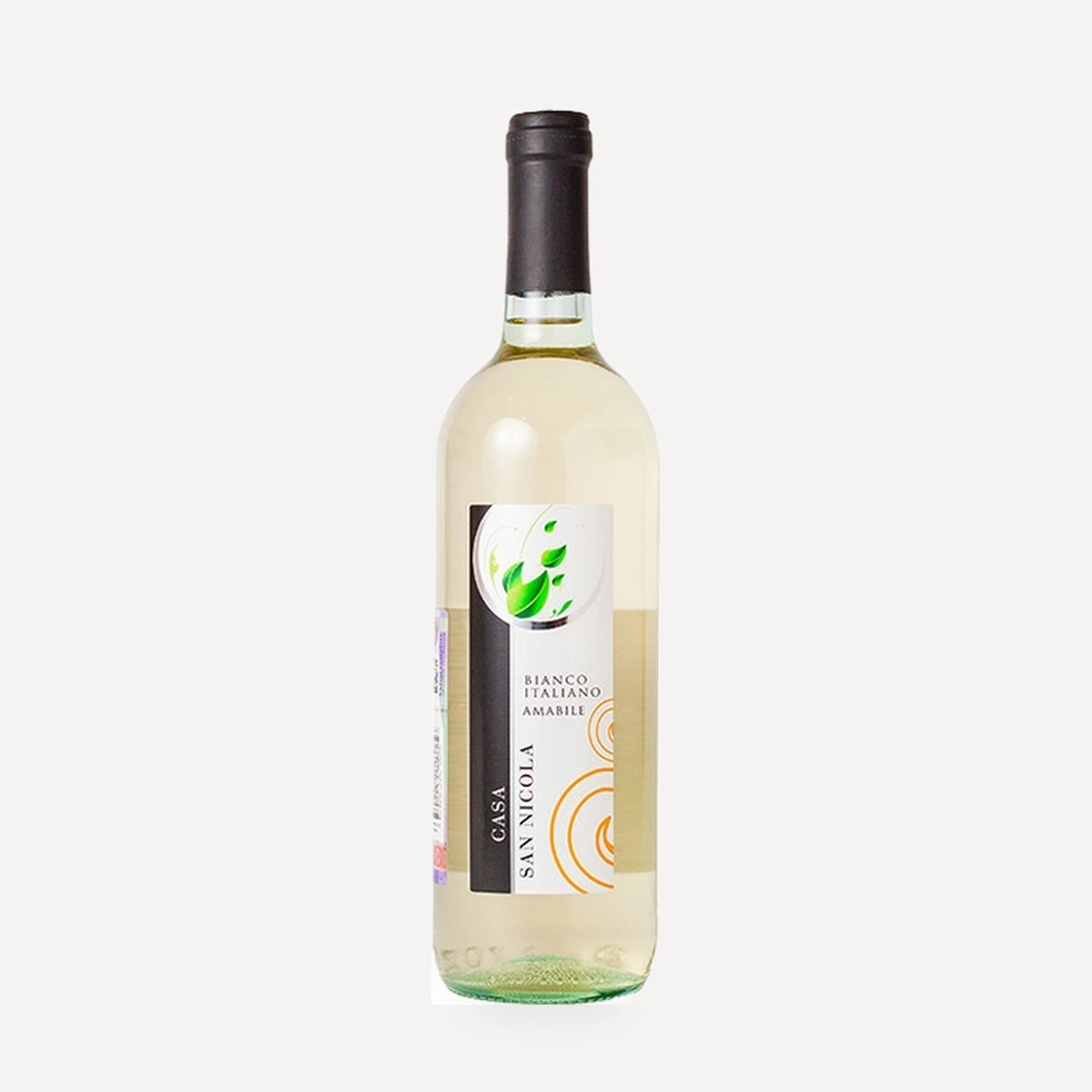
Casa San Nicola Bianco Amabile
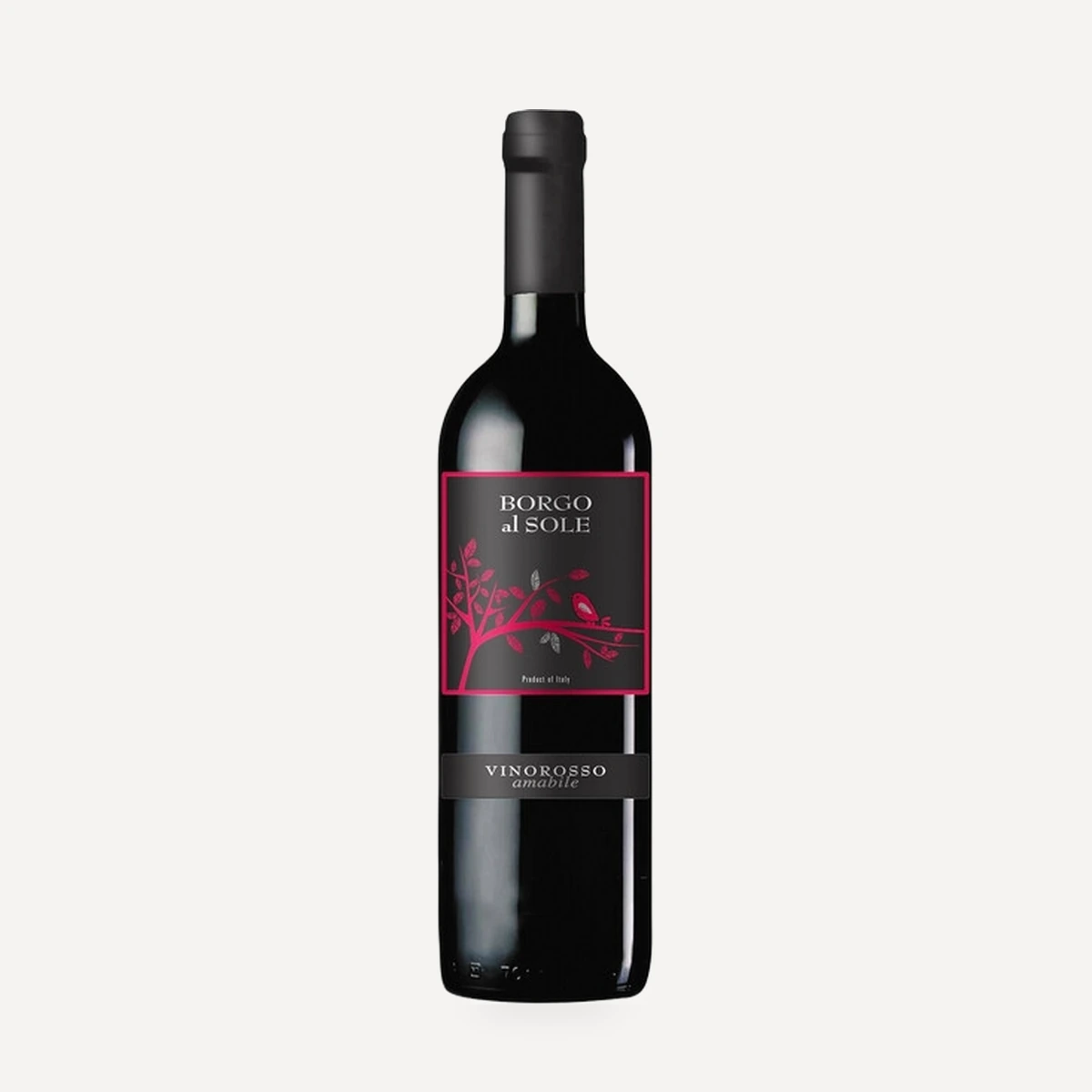
Borgo al Sole Tinto Amabile
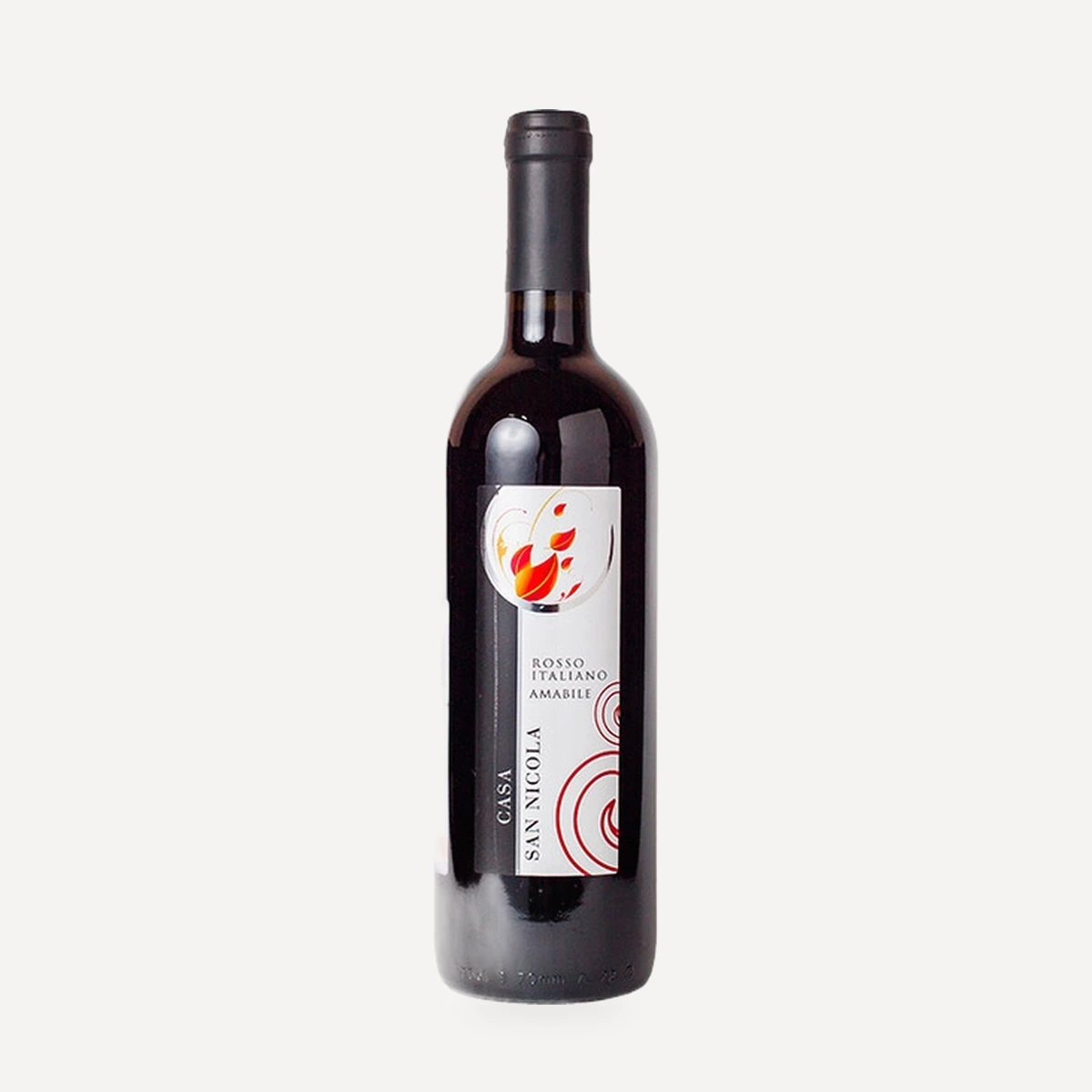
Casa San Nicola Rosso Amabile
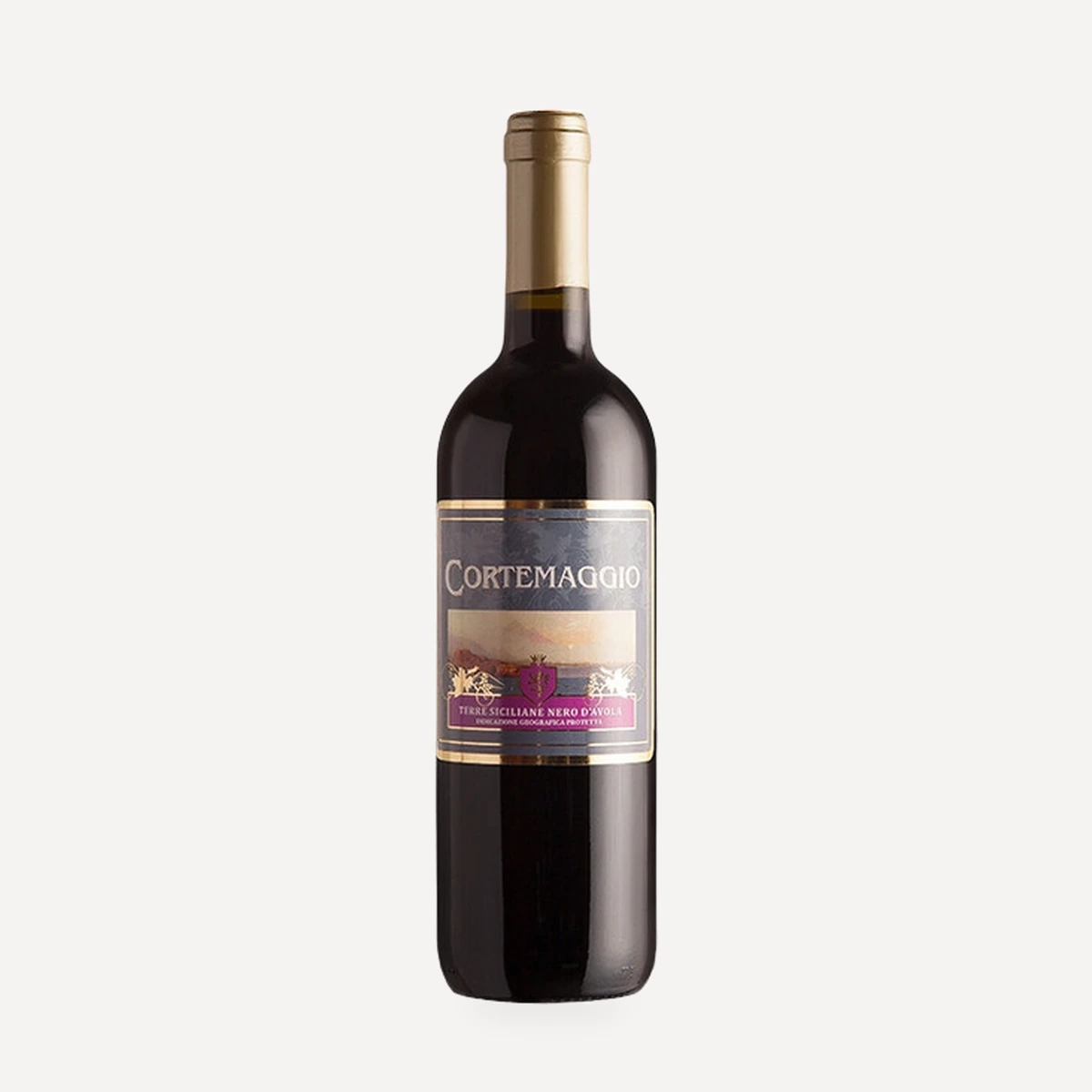
Cortemaggio Nero d'Avola Terre Siciliane IGT
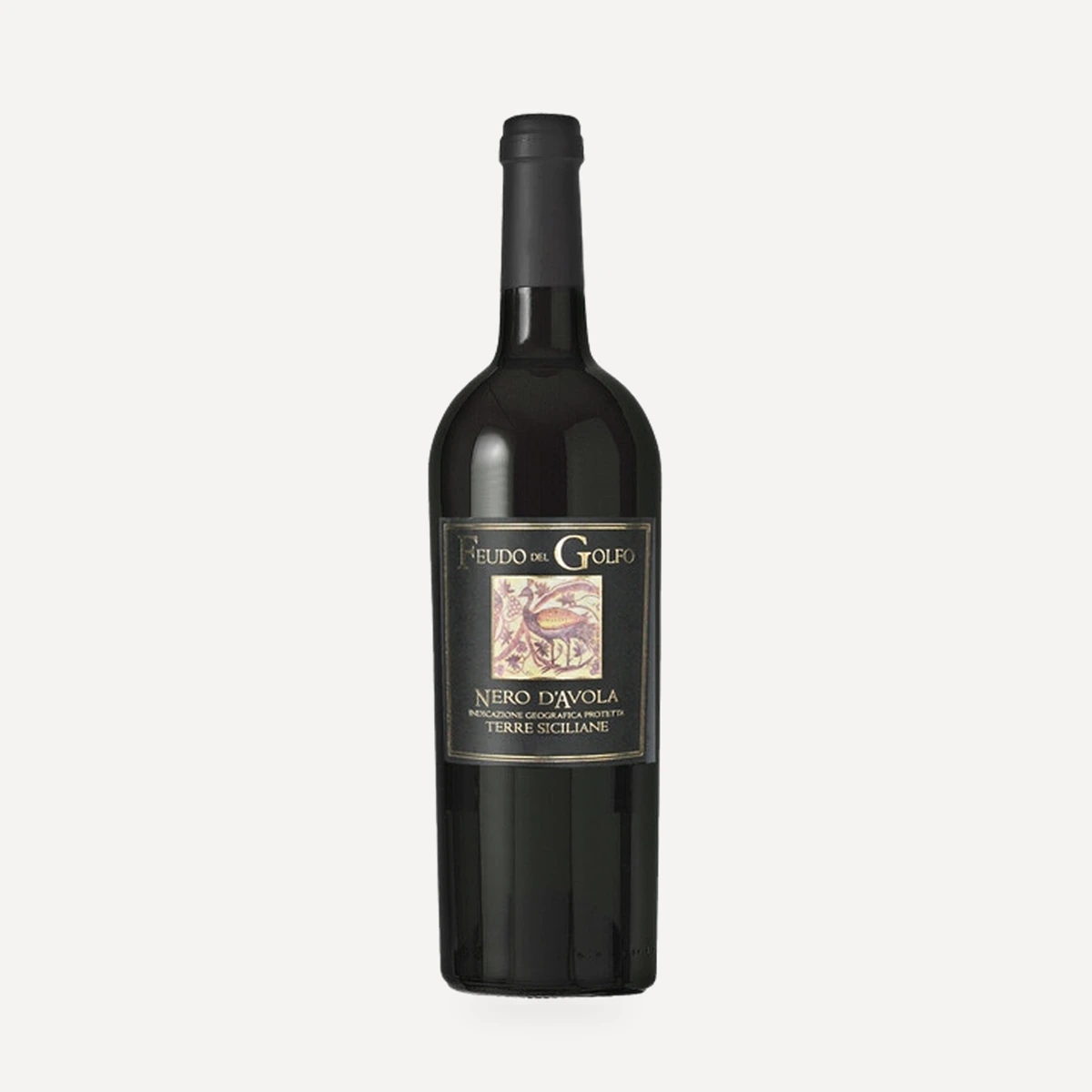
Feudo Del Golfo Nero d'Avola Terre Siciliane IGP
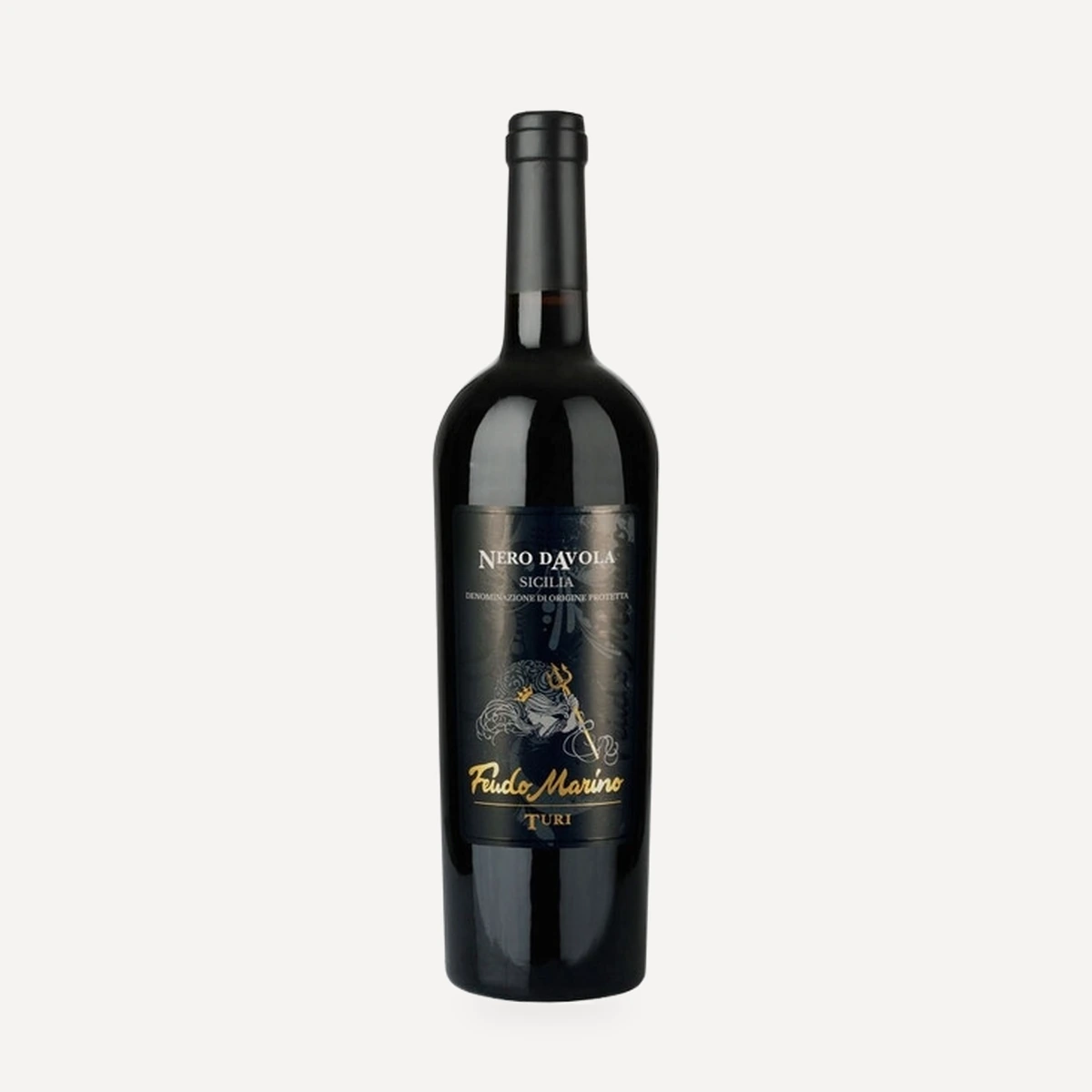
Turi Nero d'Avola Sicilia IGP
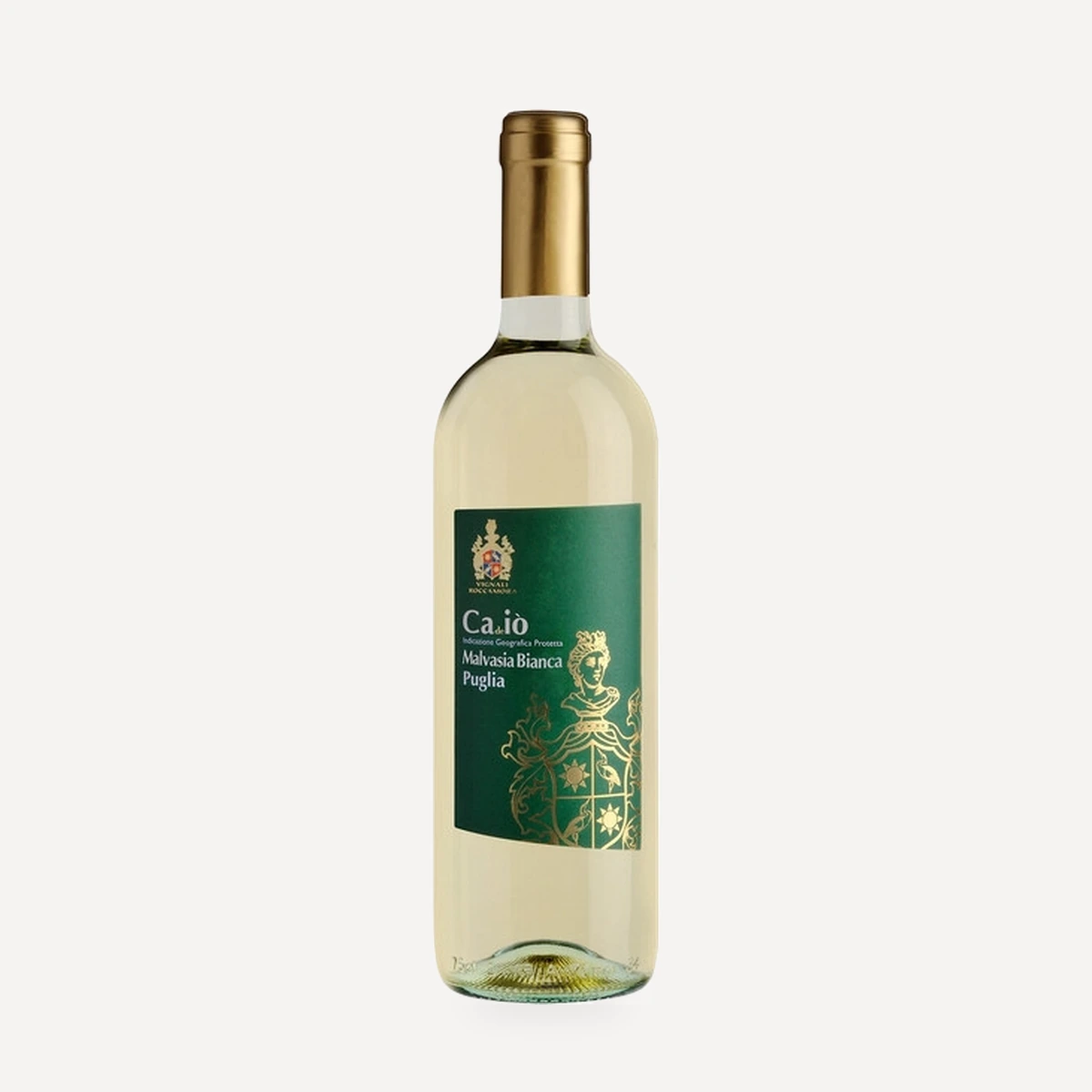
Ca de Io Malvasia Bianca Dry Puglia IGP
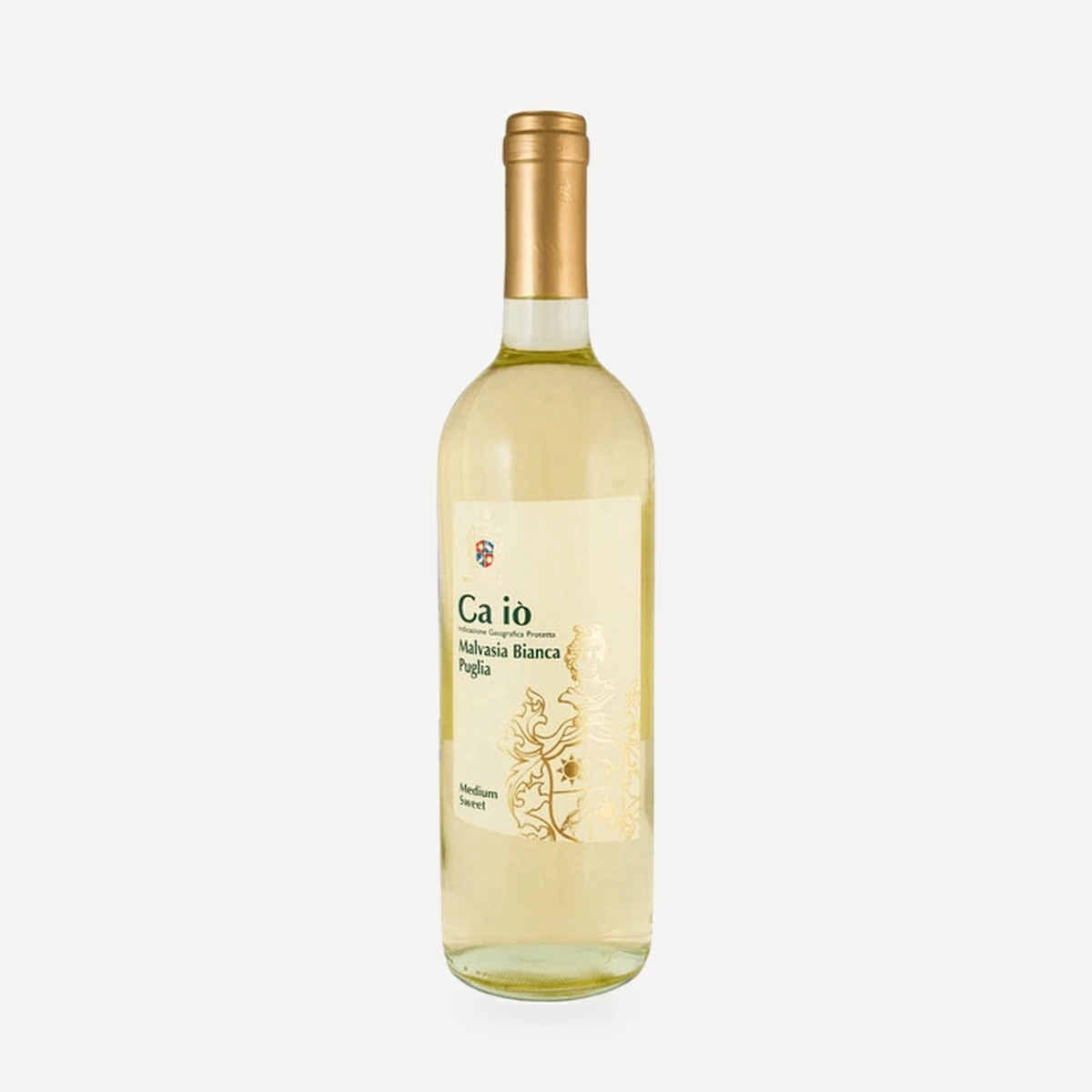
Ca de Io Malvasia Bianca Medium Sweet Puglia IGP
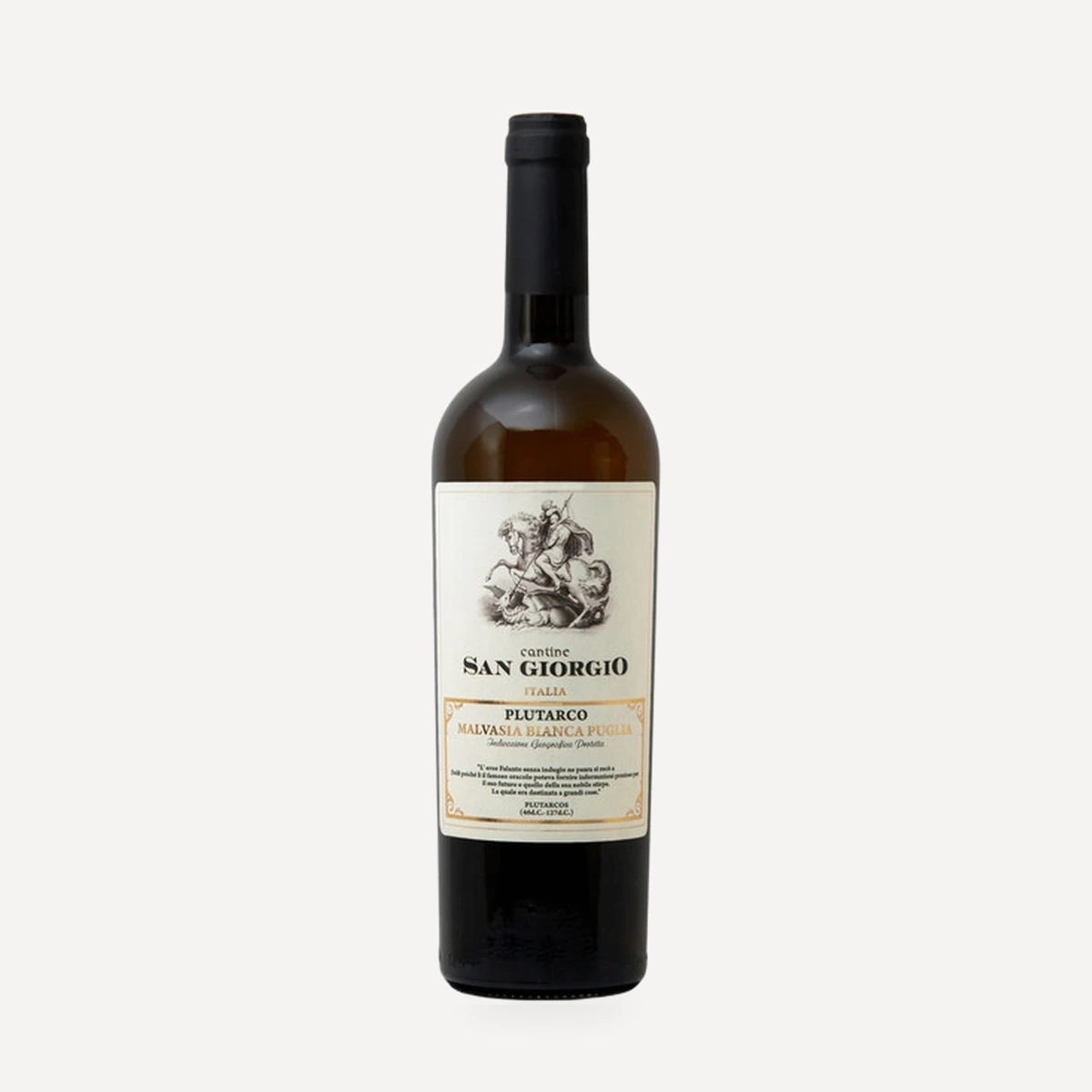
Plutarco Malvasia Bianca Puglia IGP
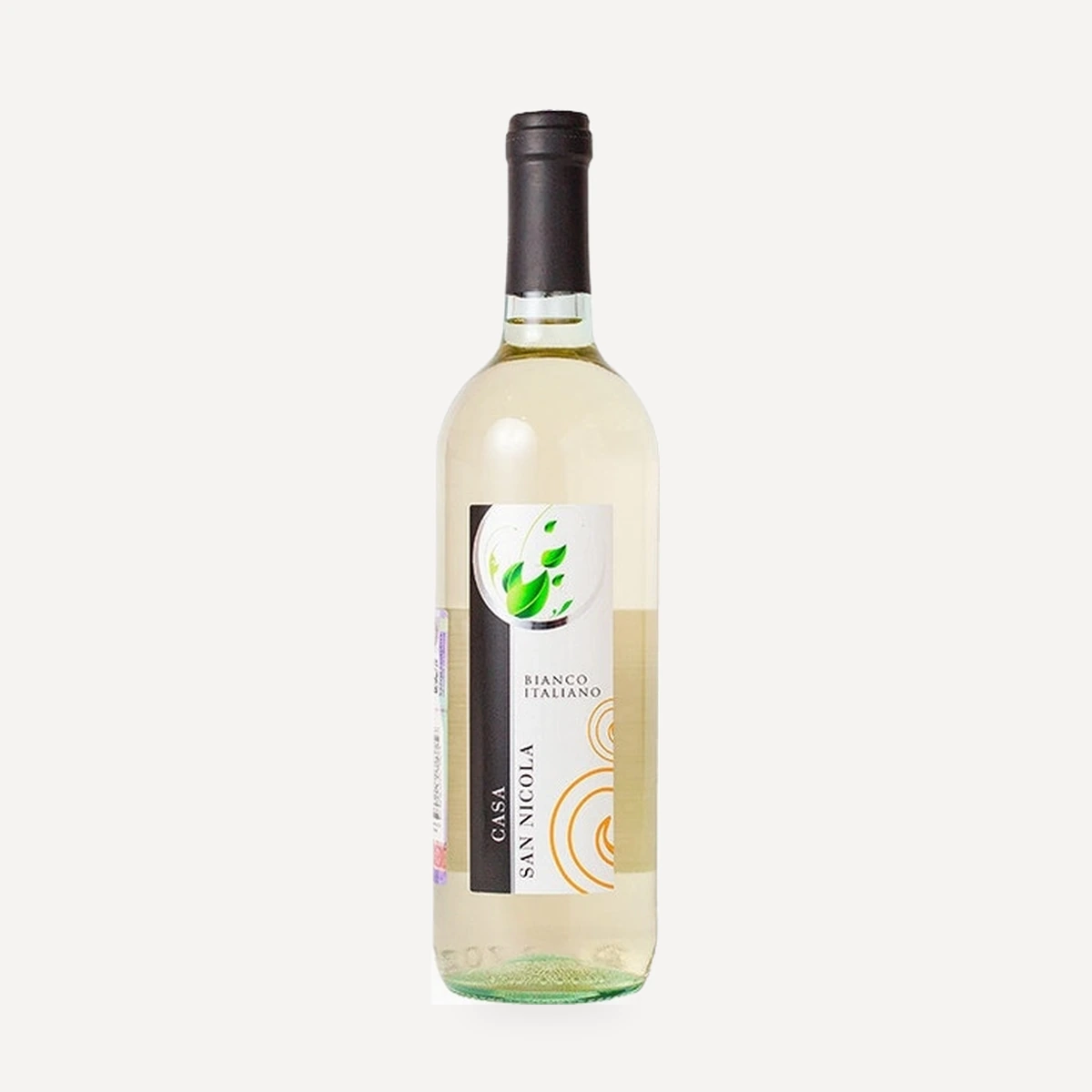
Casa San Nicola Bianco Secco
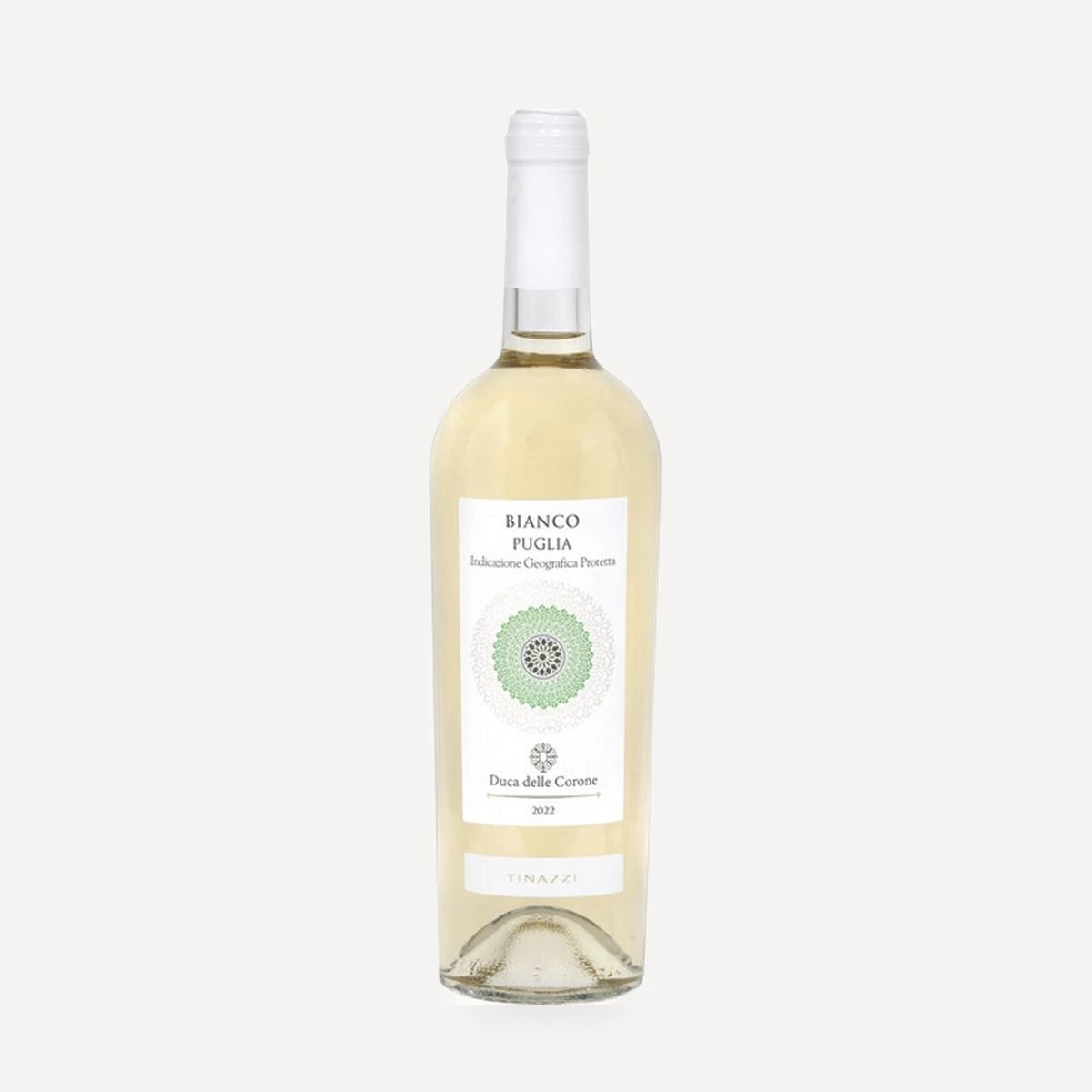
Duca delle Corone Bianco Puglia IGT
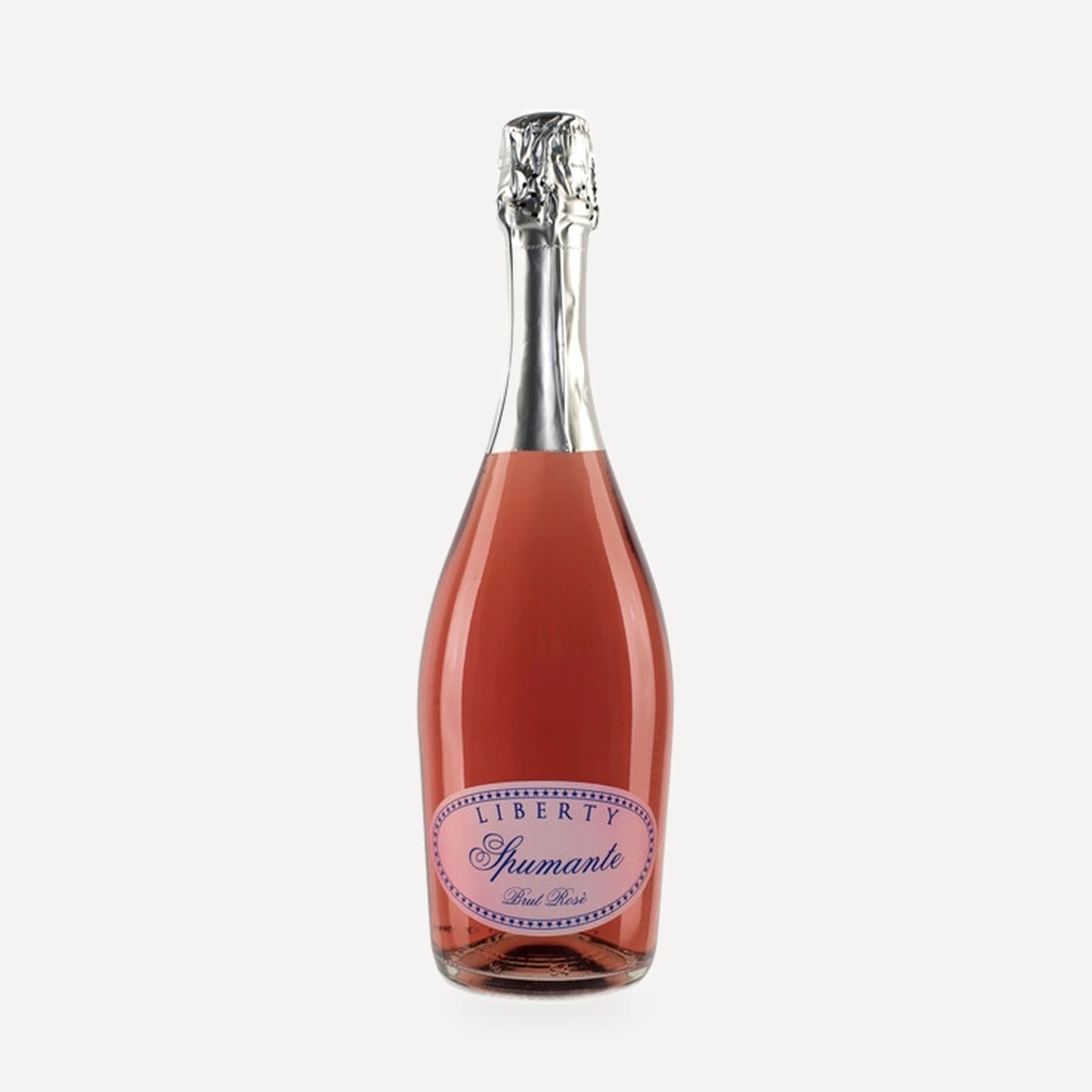
Liberty Spumante Rose Brut
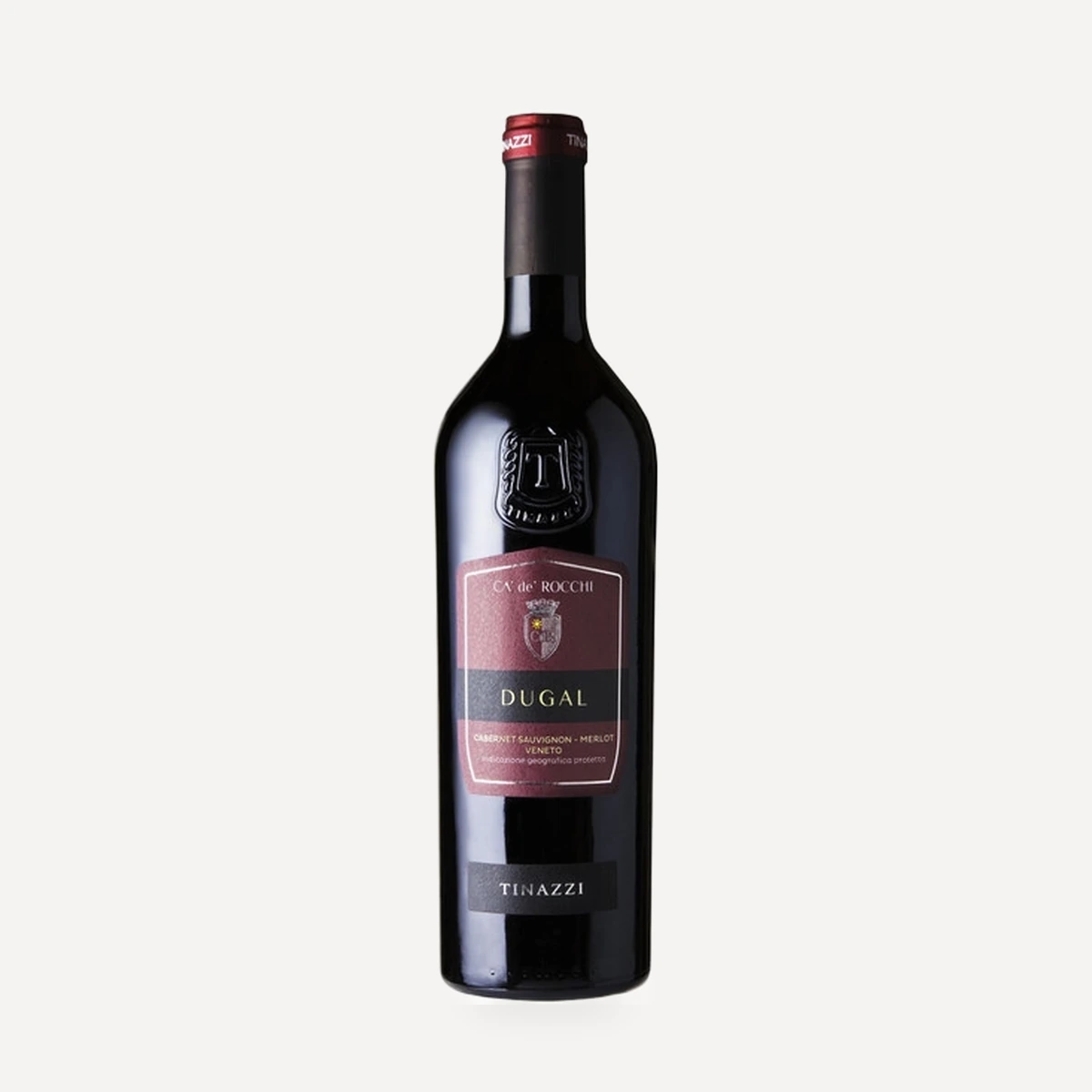
Dugal Cabernet Sauvignon-Merlot Veneto IGP
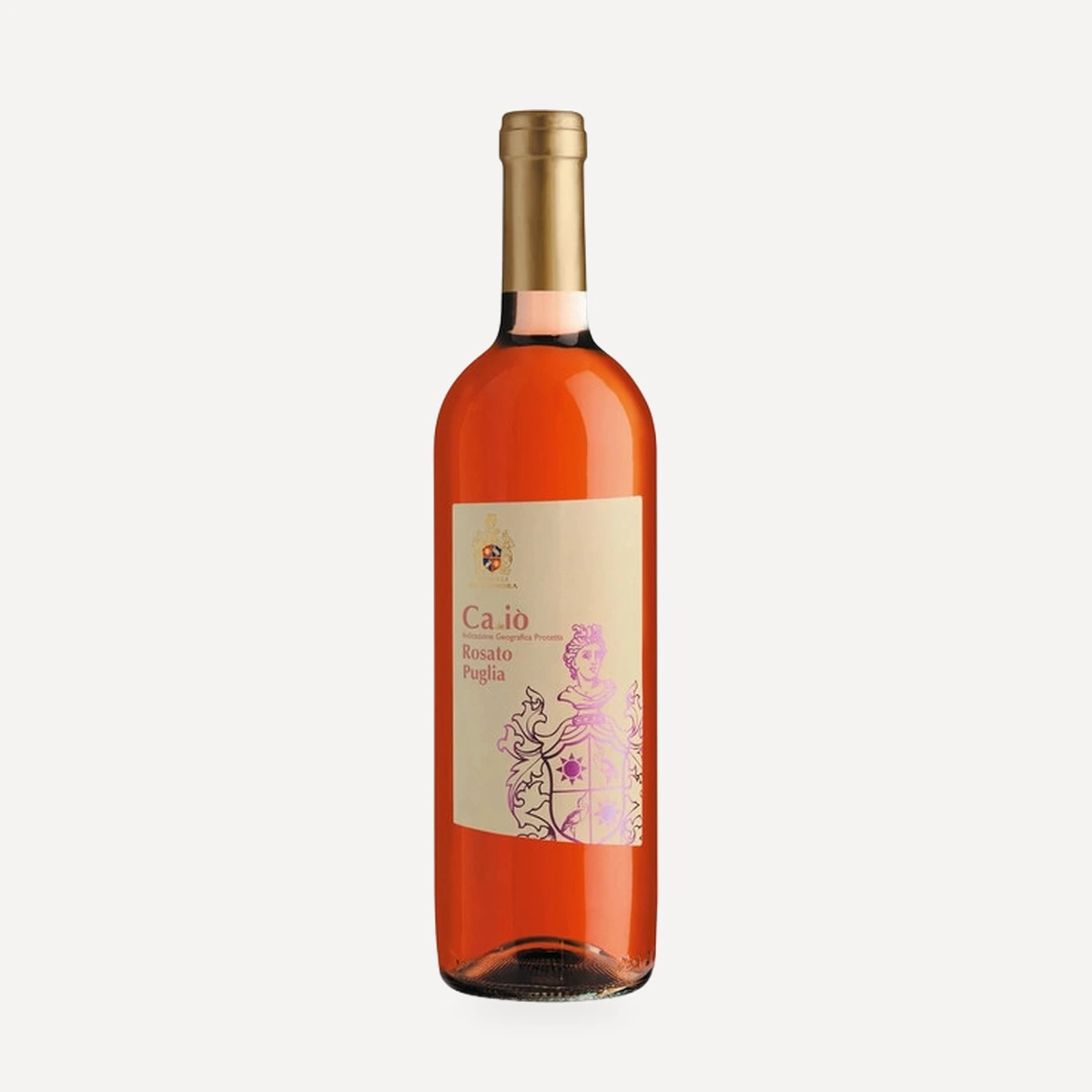
Ca de Io Rosato Dry Puglia IGP
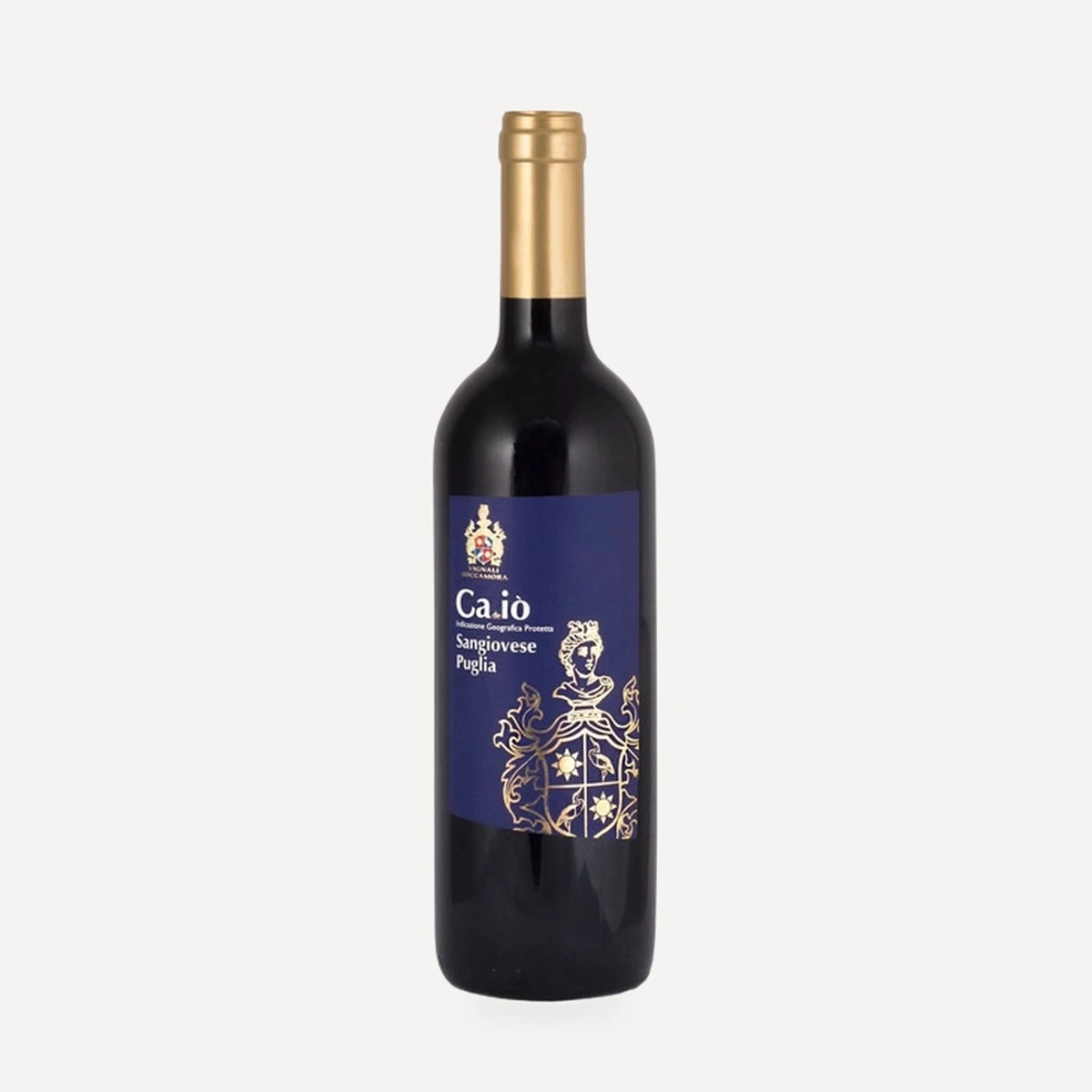
Ca de Io Sangiovese Dry Puglia IGP
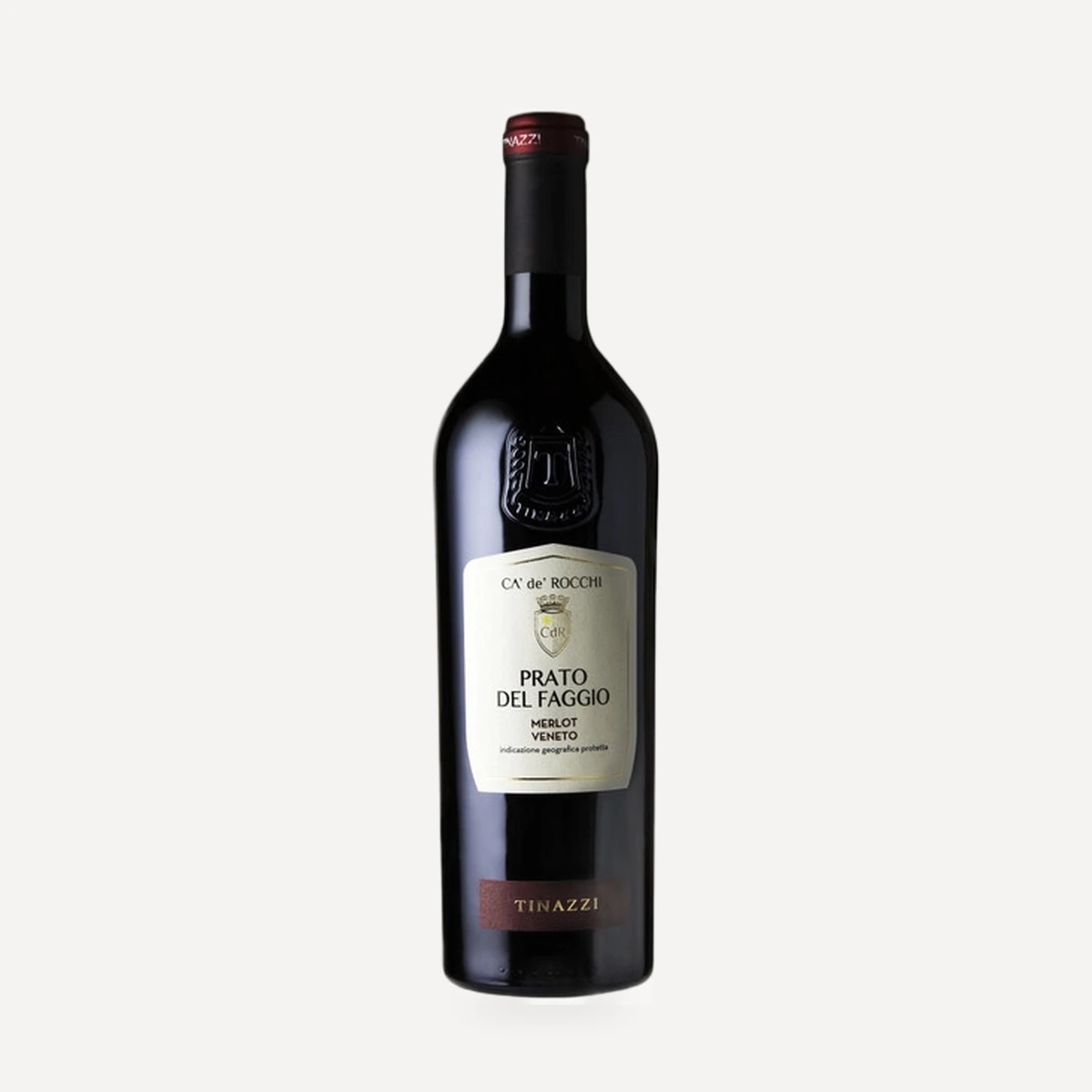
Prato del Faggio Merlot Veneto IGP
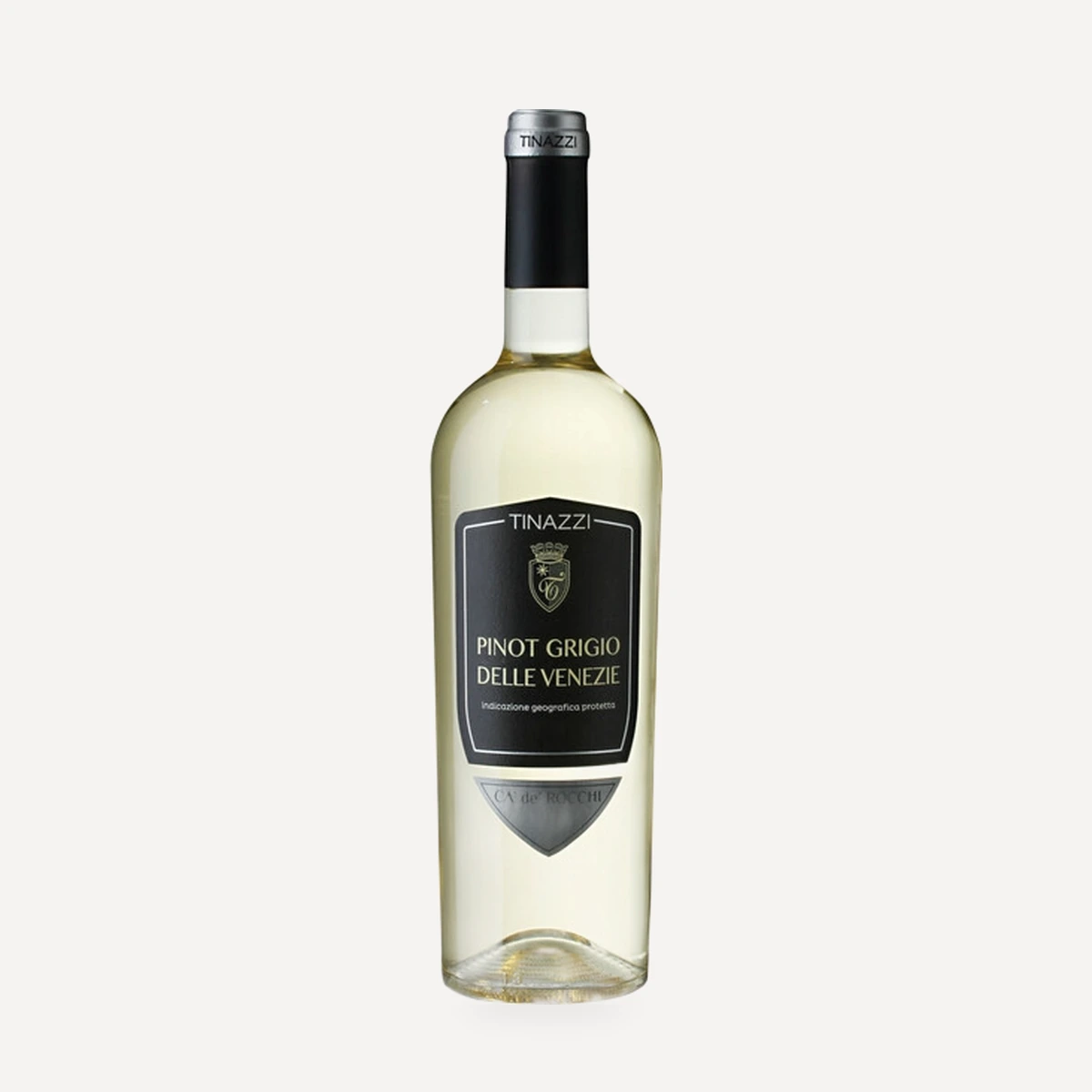
Pinot Grigio DOP
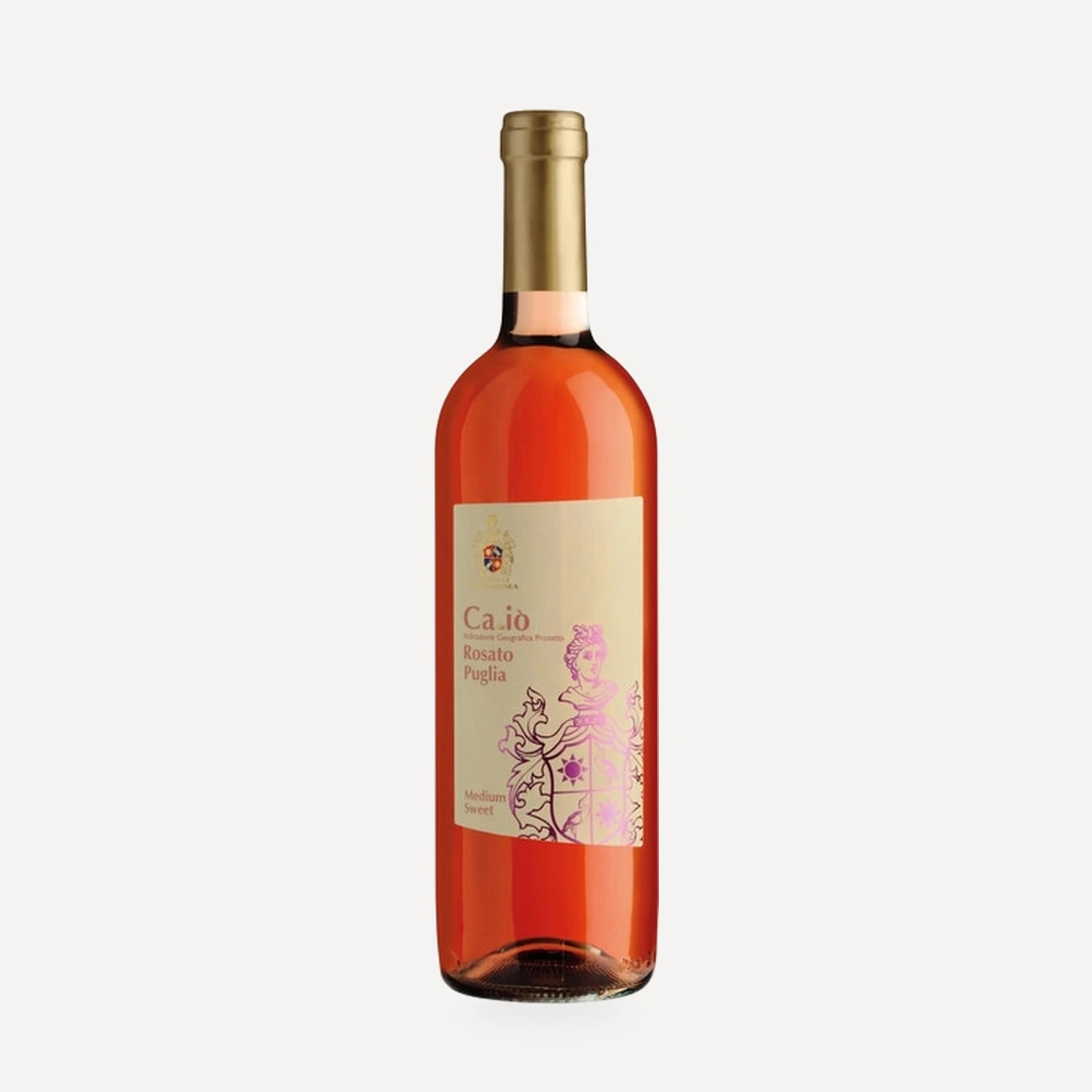
Ca de Io Rosato Medium Sweet Puglia IGP
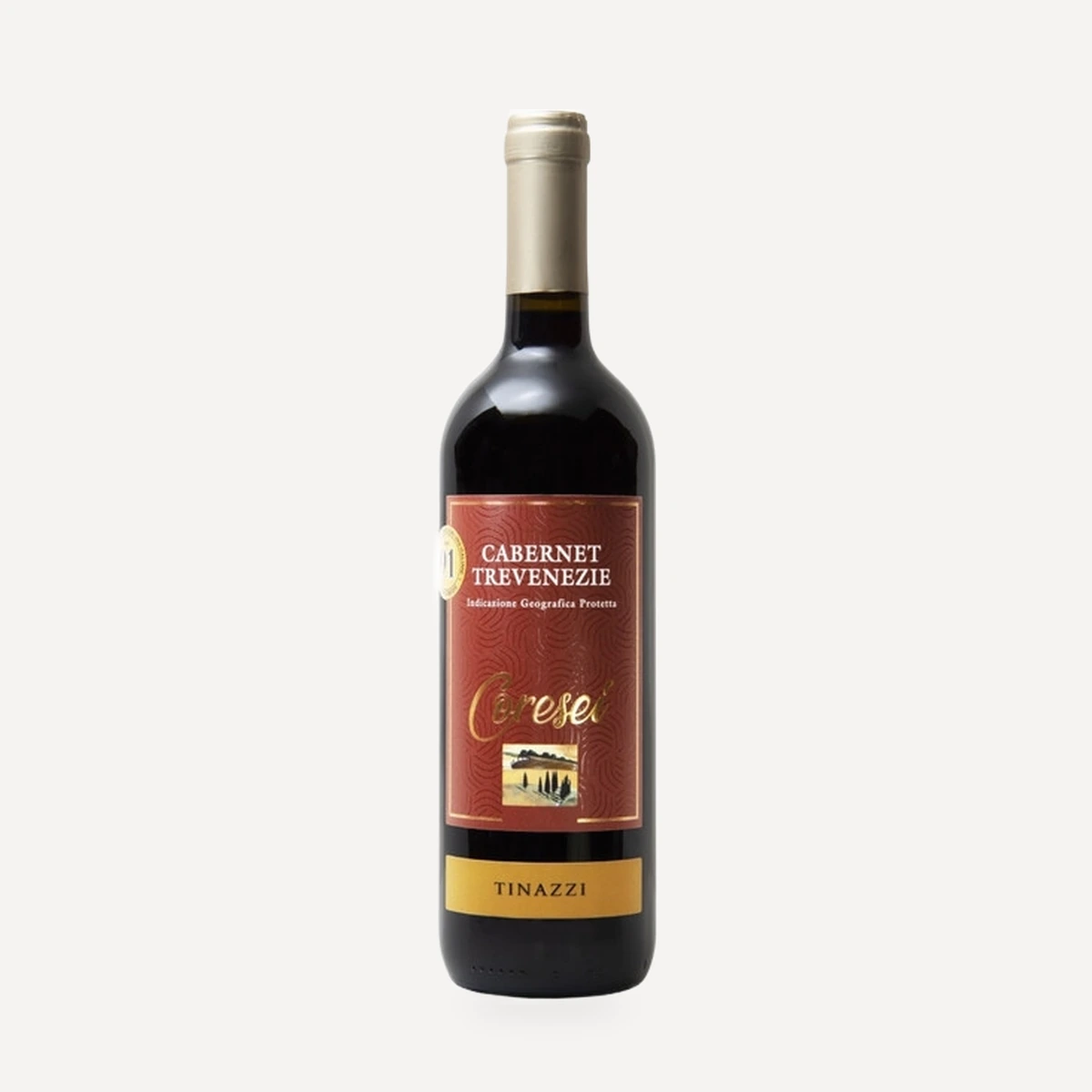
Coresei Cabernet Trevenezie IGP
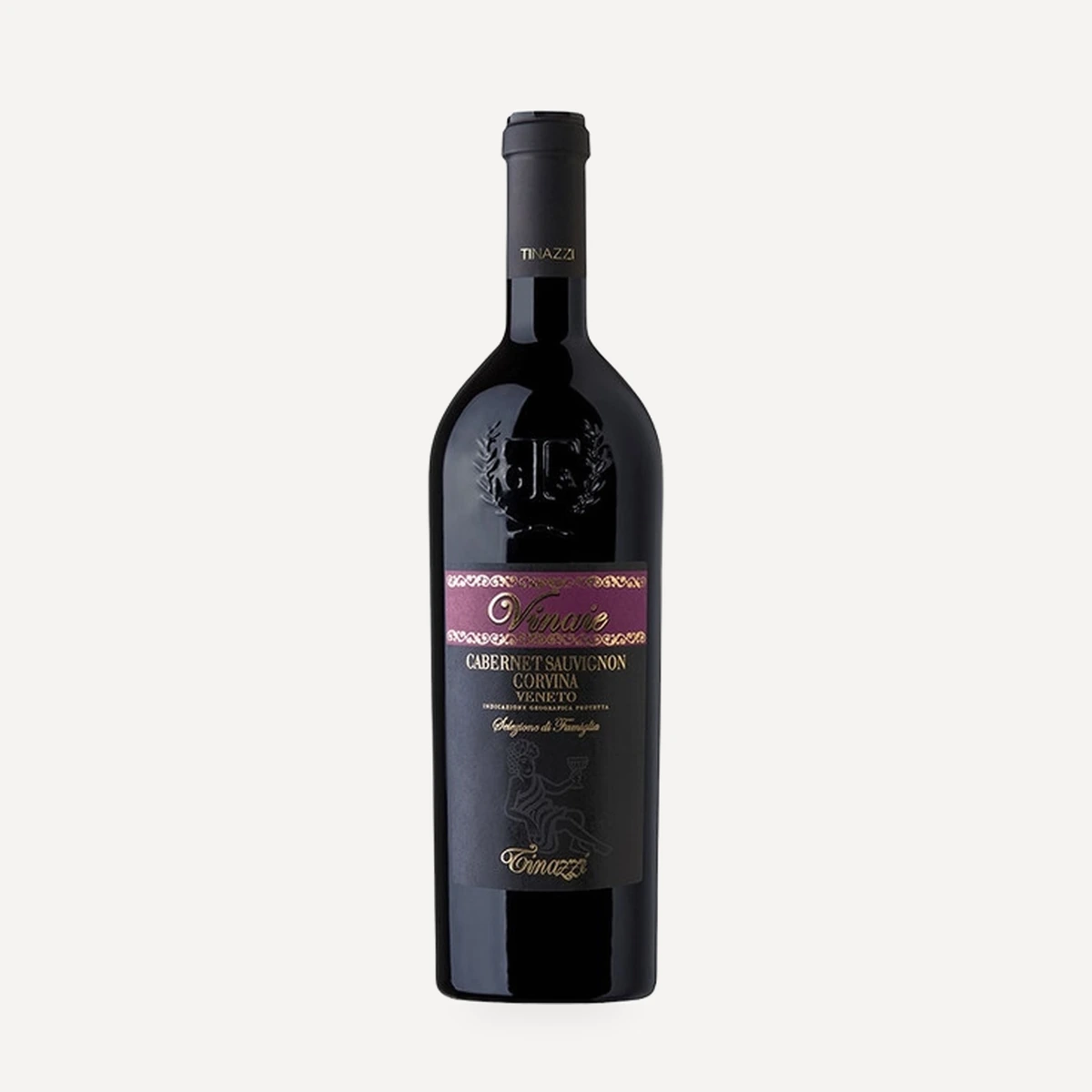
Selezione di Famiglia Vinaie Cabernet Sauvignon Corvina Veneto IGP
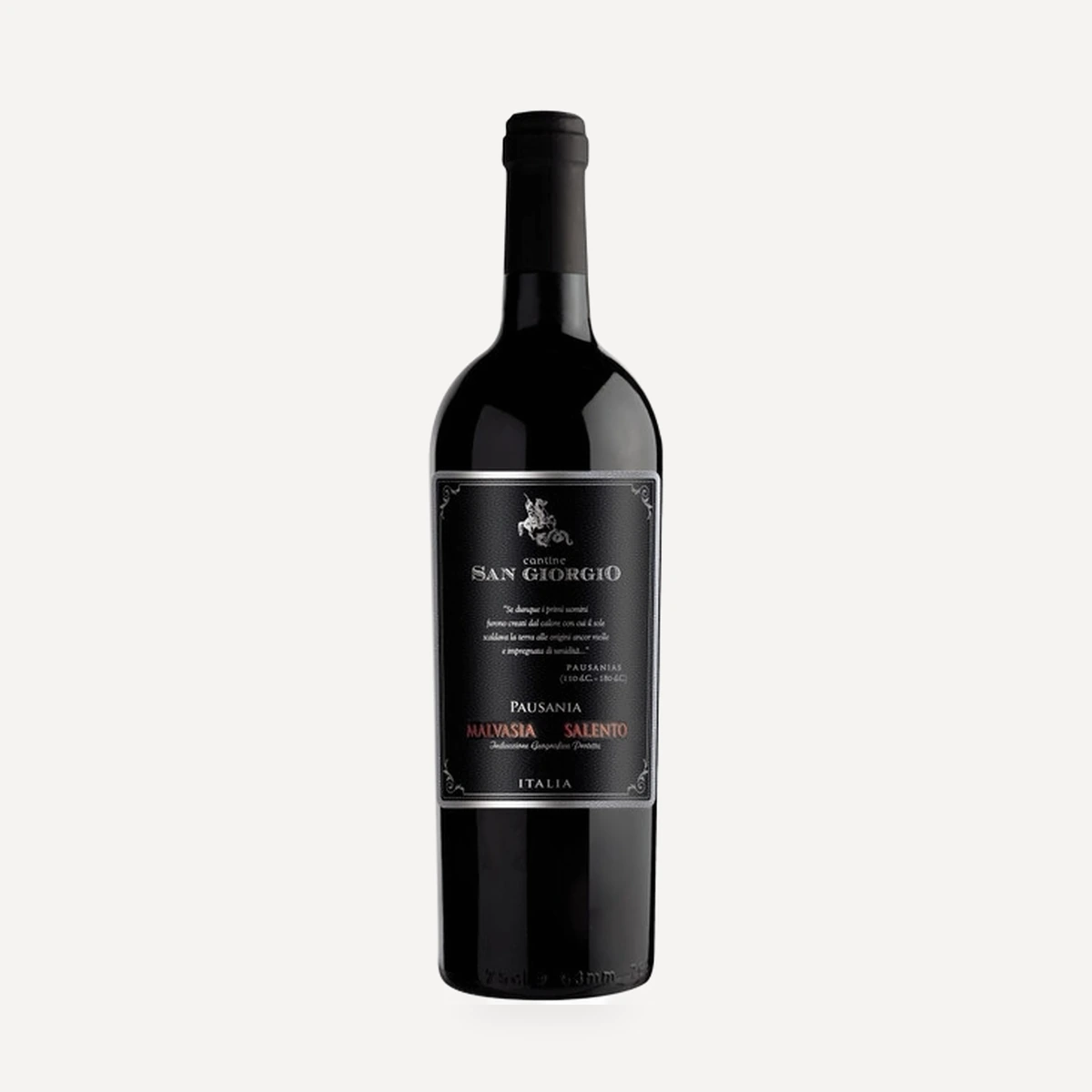
Pausania Malvasia Nera Salento IGP
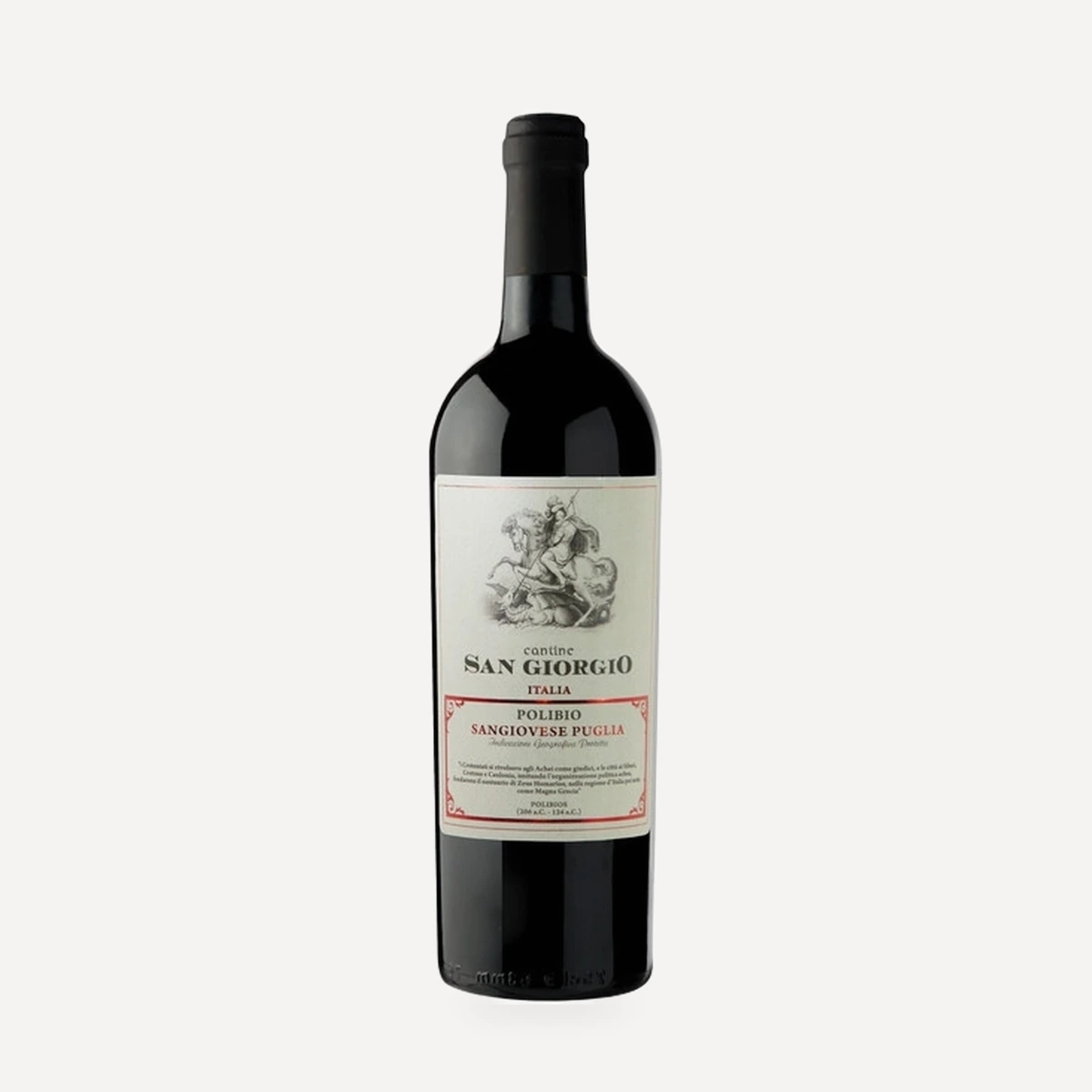
Polibio Sangiovese Puglia IGP
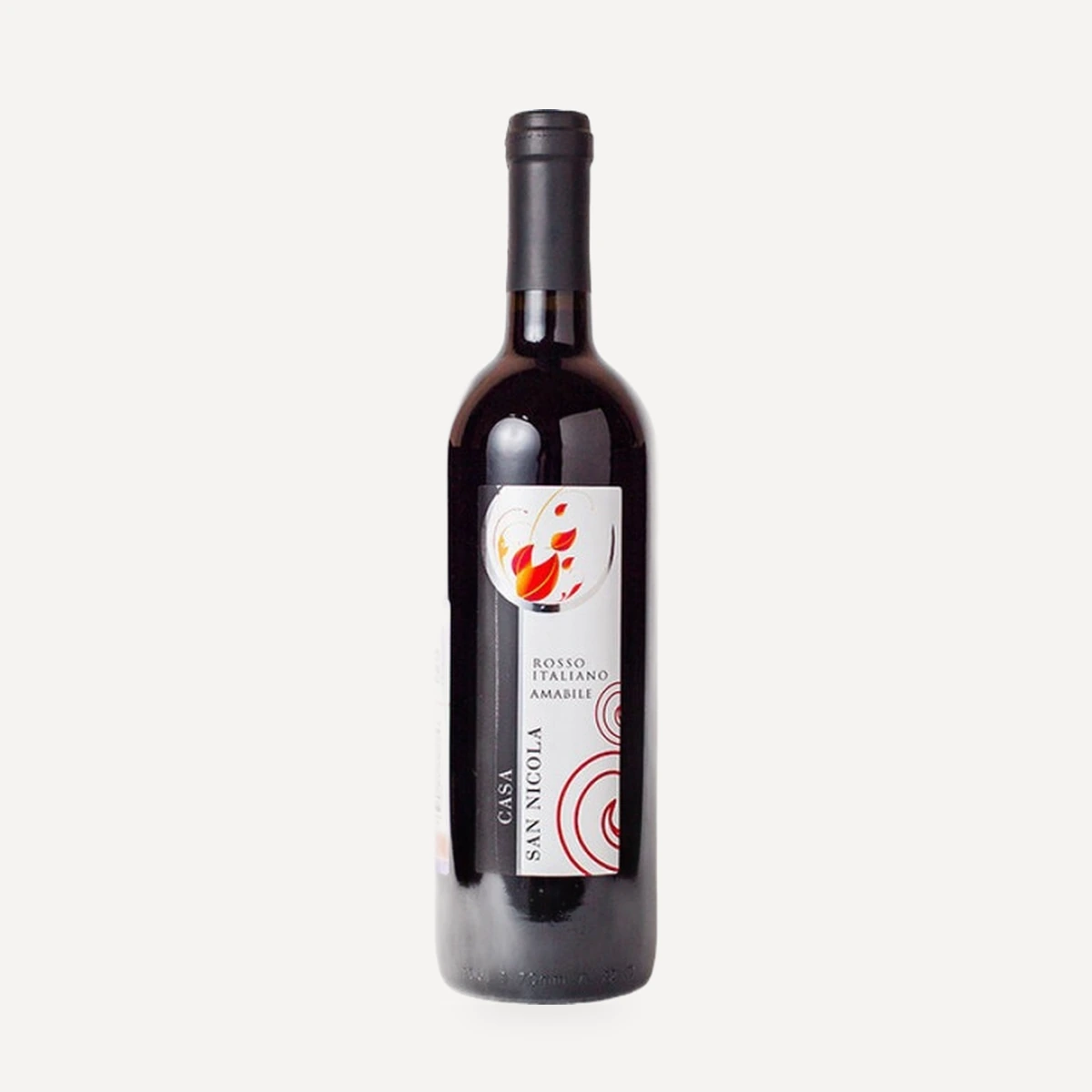
Casa San Nicola Rosso Secco
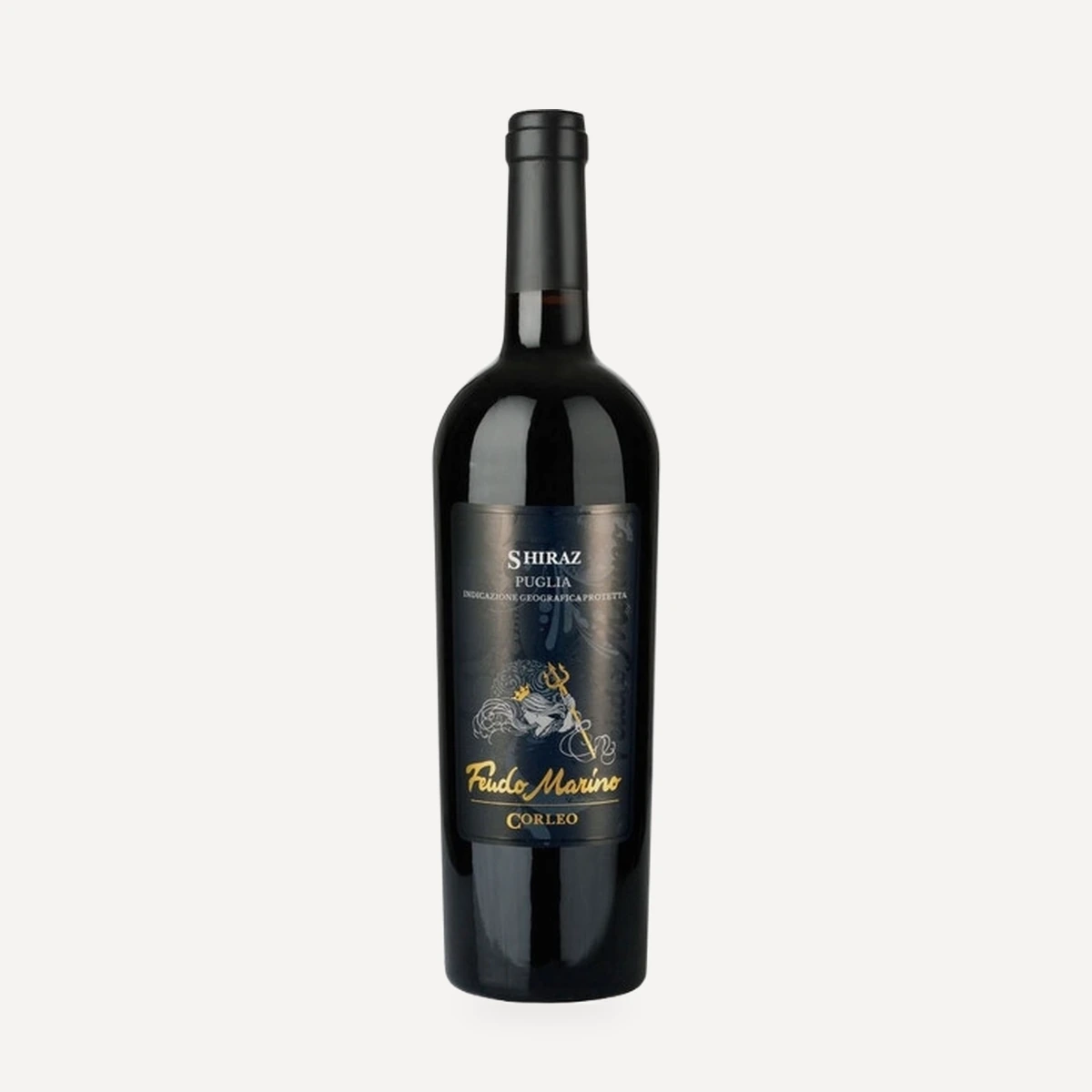
Corleo Shiraz Puglia IGP
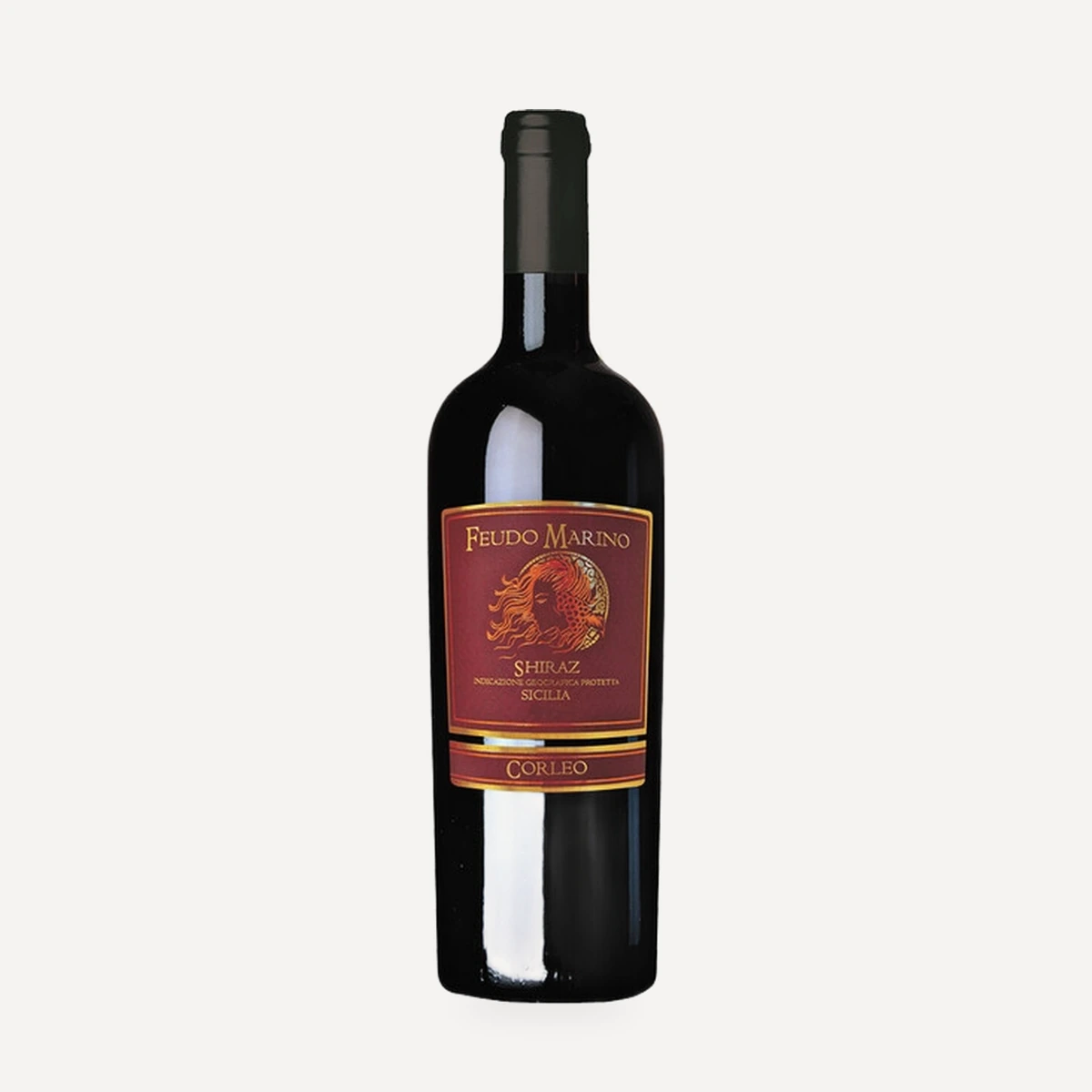
Corleo Shiraz Sicilia IGP
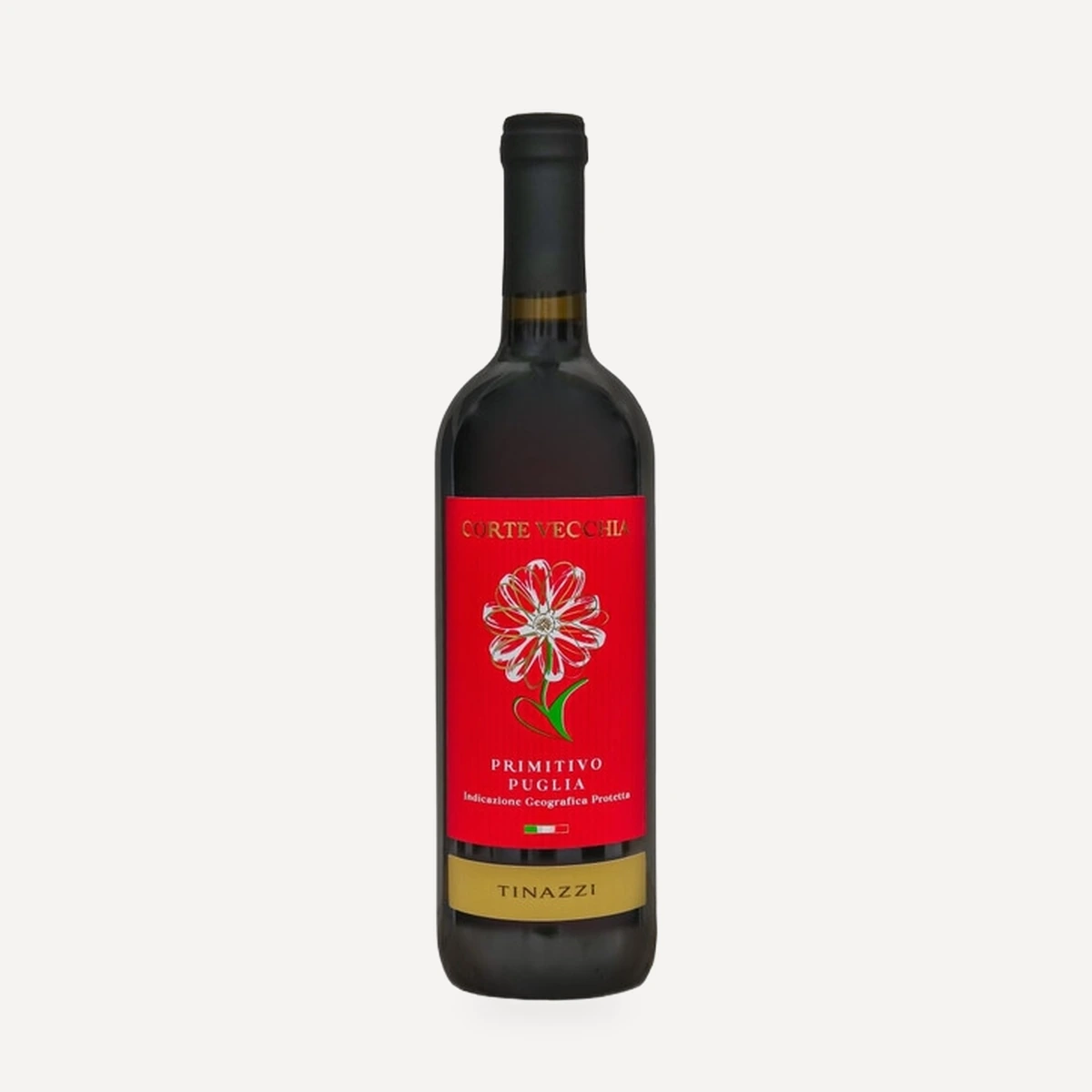
Corte Vecchia Primitivo Puglia IGT
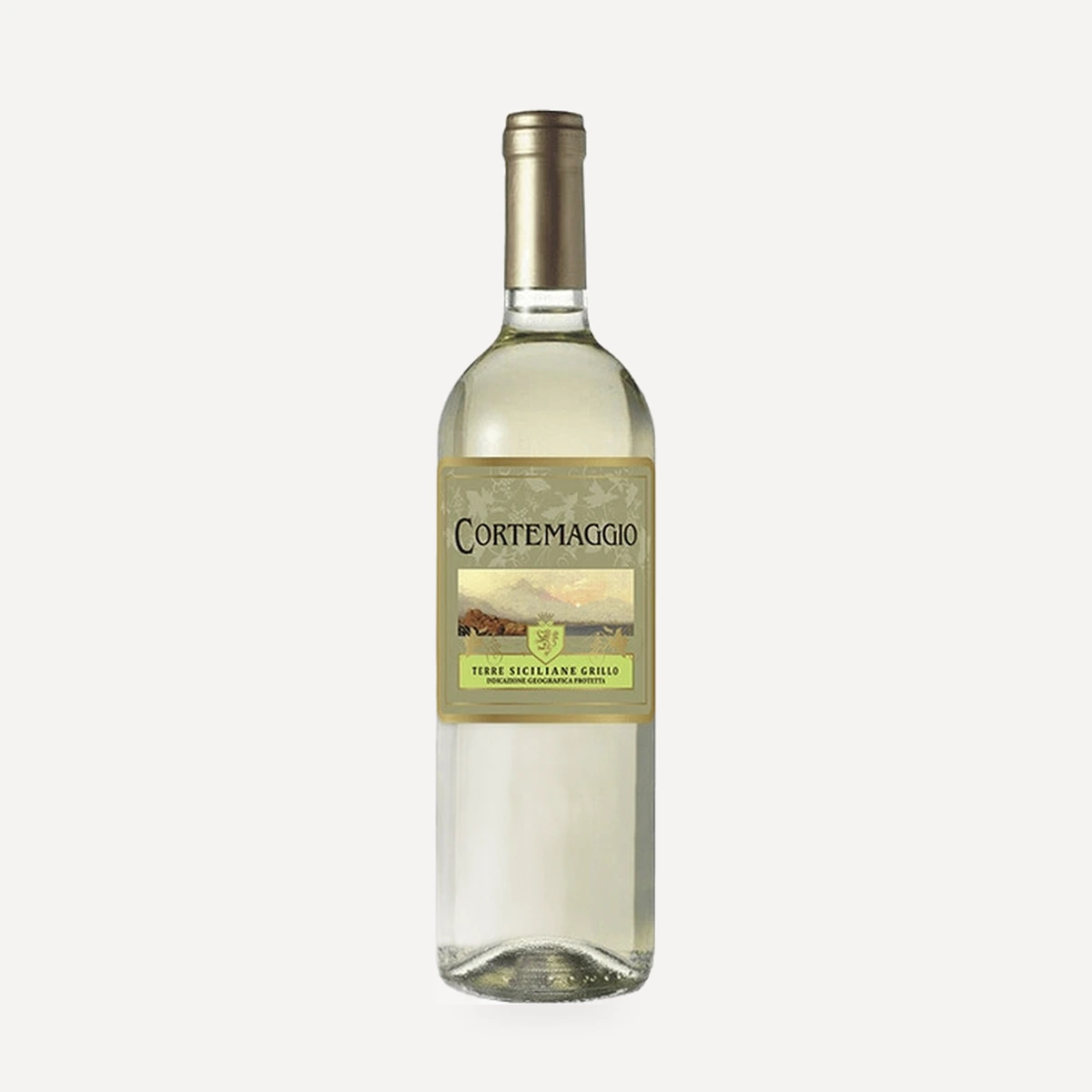
Cortemaggio Grillo Terre Siciliane IGT
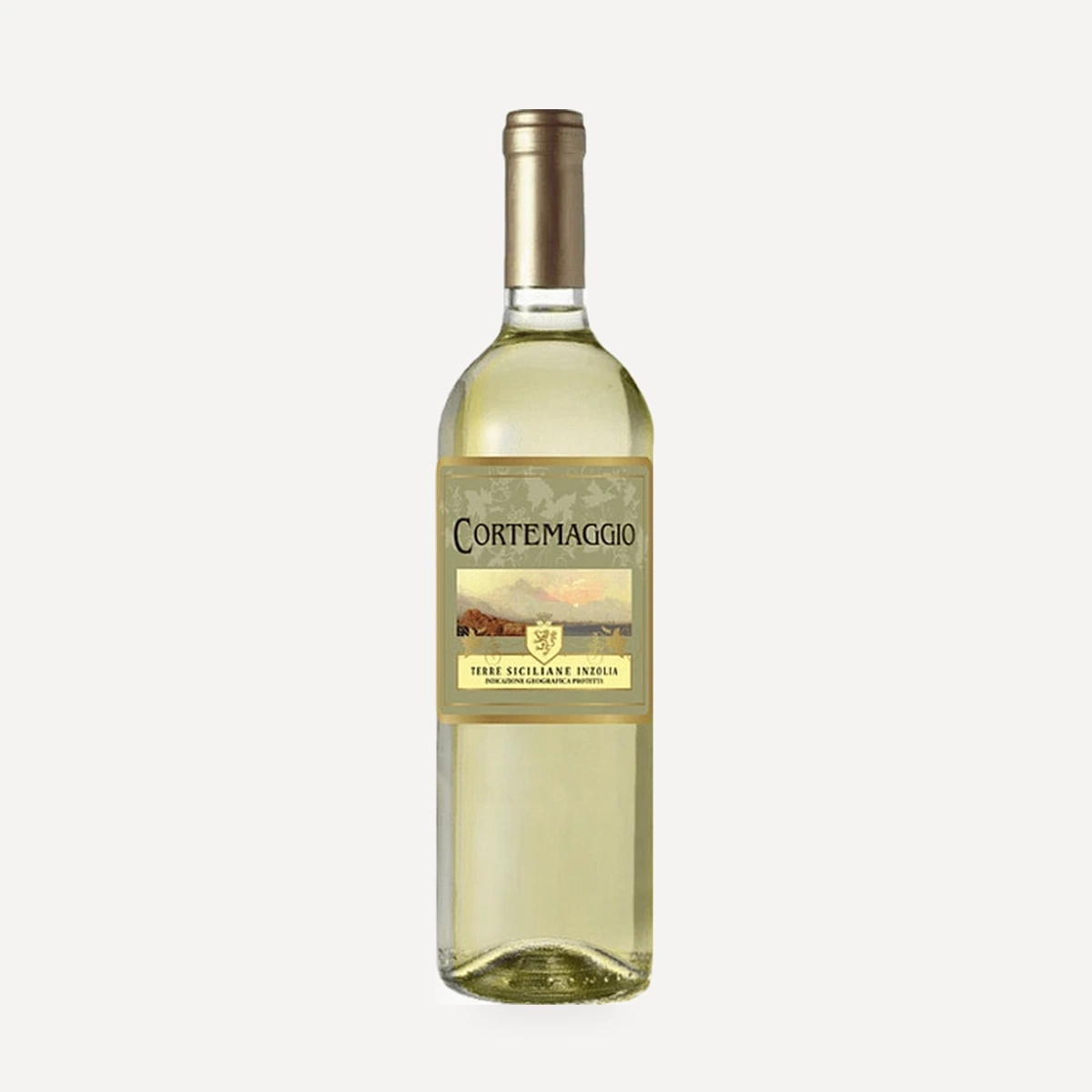
Cortemaggio Insolia Terre Siciliane IGT
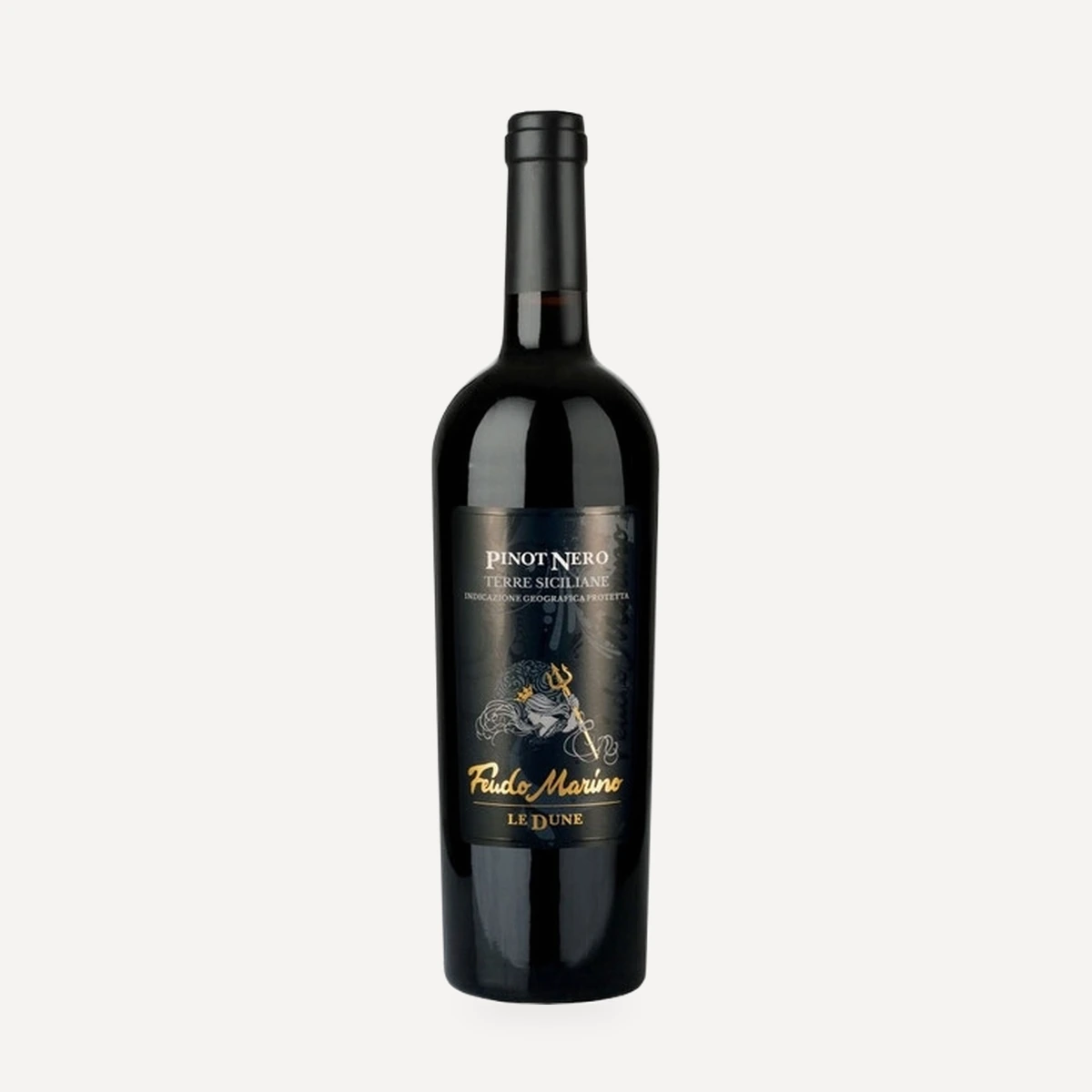
Le Dune Pinot Nero Terre Siciliane IGP
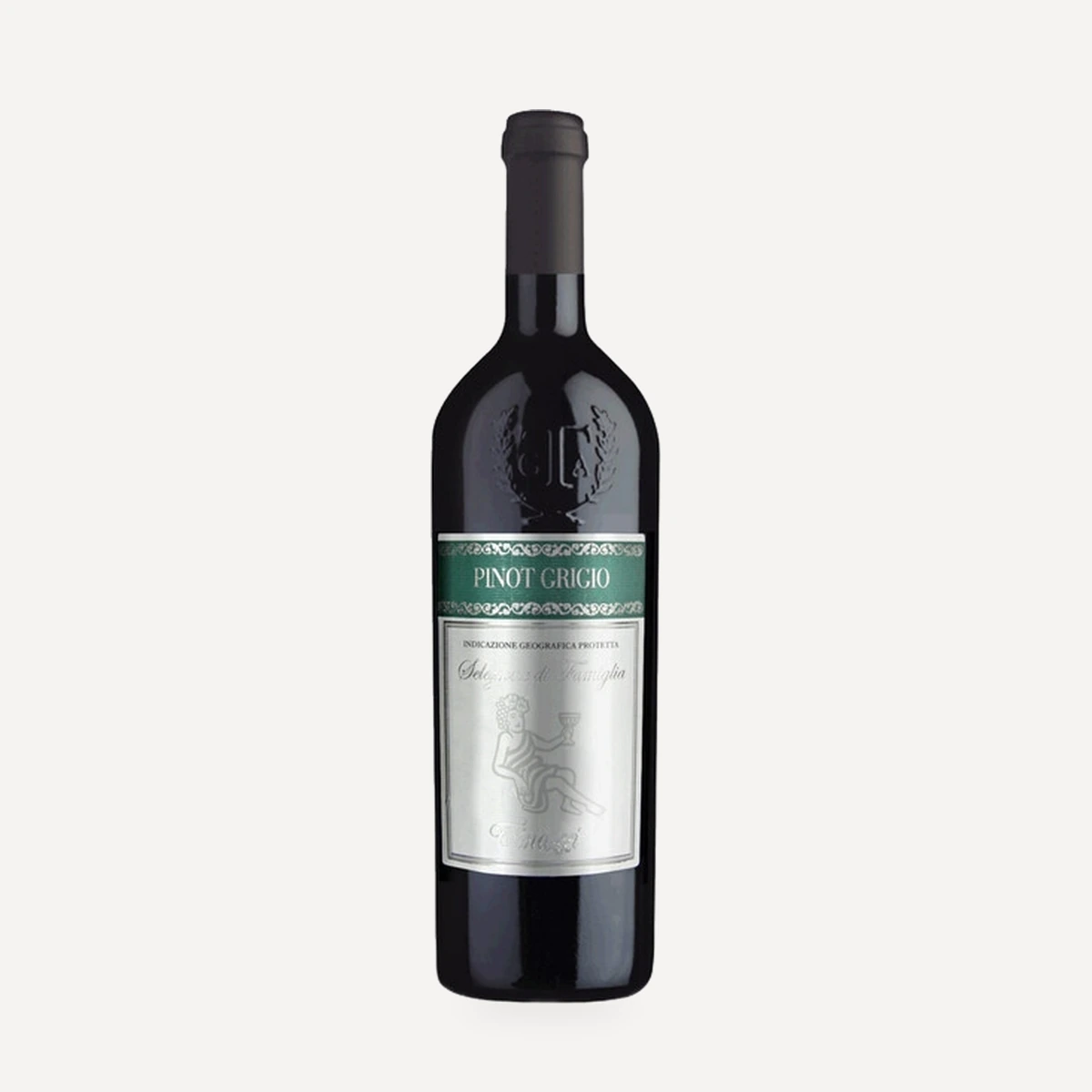
Selezione di Famiglia Pinot Grigio Veneto IGP
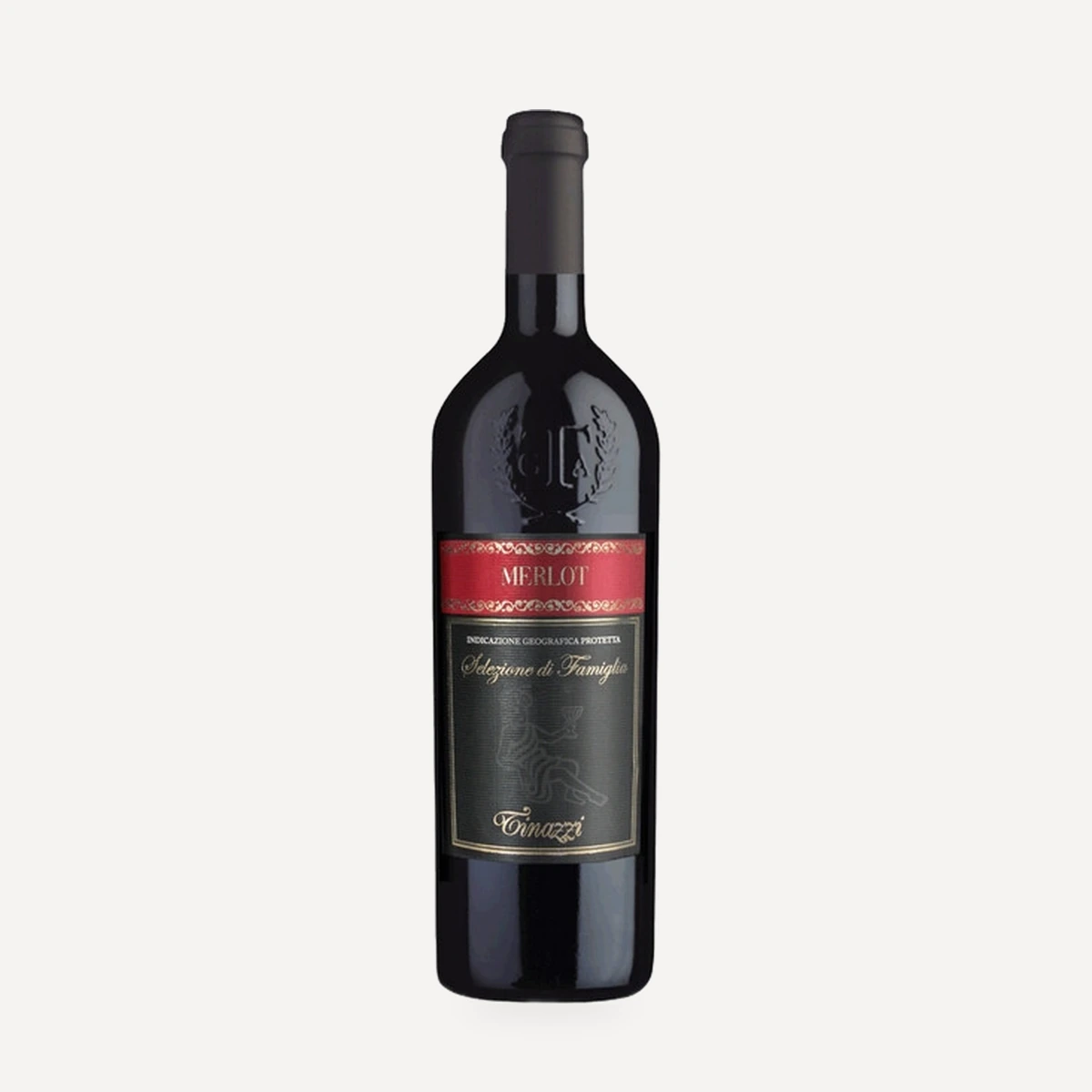
Selezione di Famiglia Merlot Veneto IGP
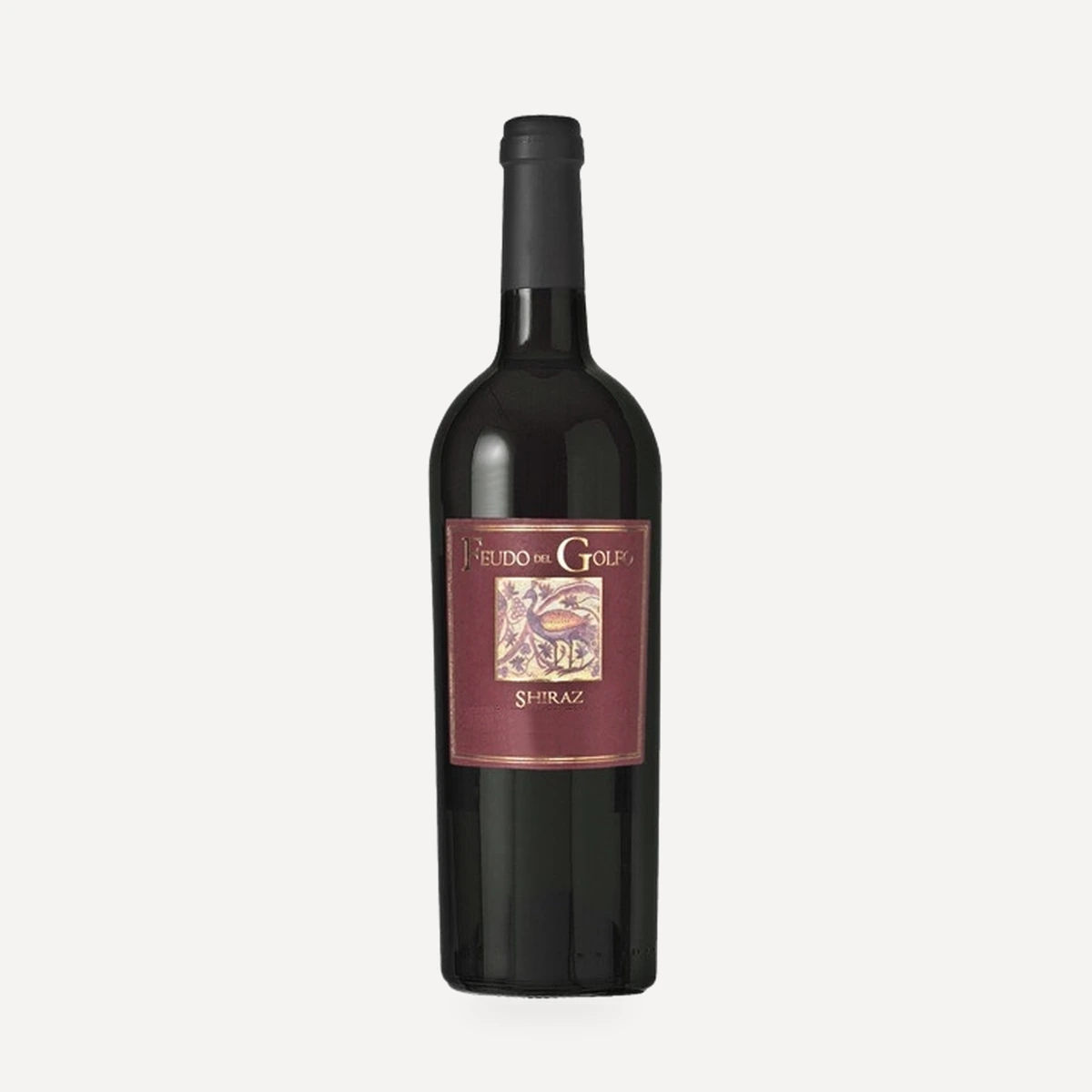
Feudo Del Golfo Shiraz Puglia IGP
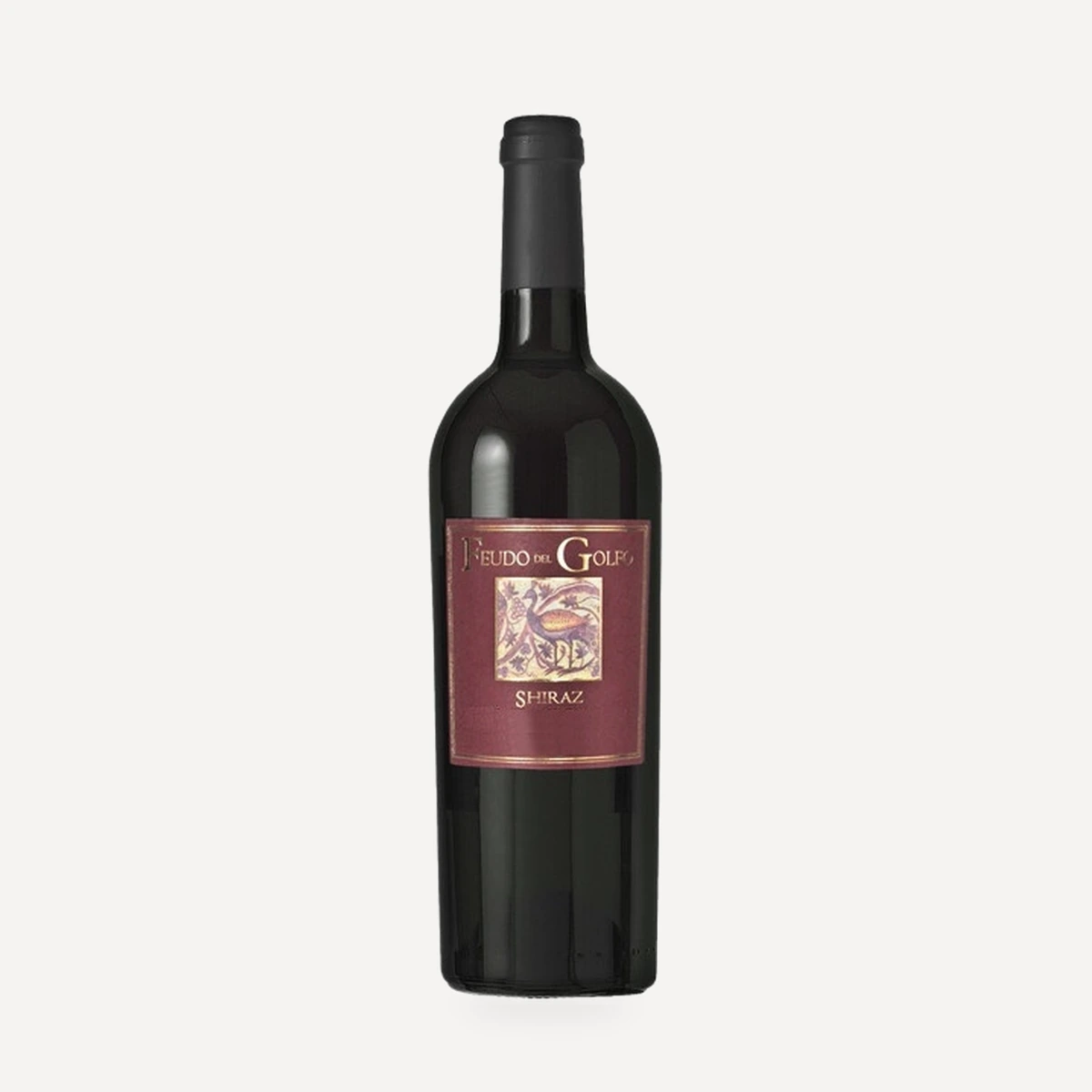
Feudo Del Golfo Shiraz Sicilia IGP
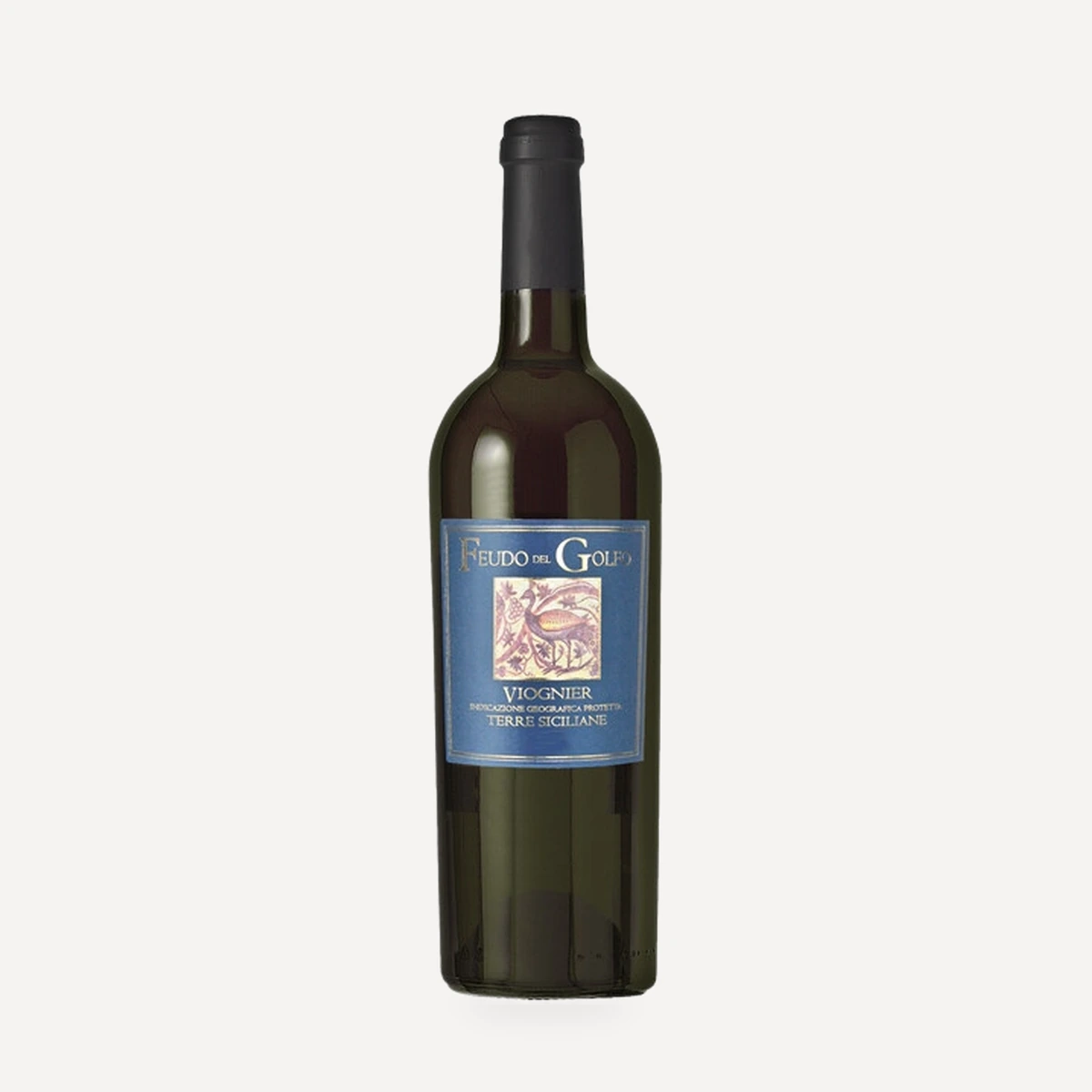
Feudo Del Golfo Viognier Terre Siciliane IGP
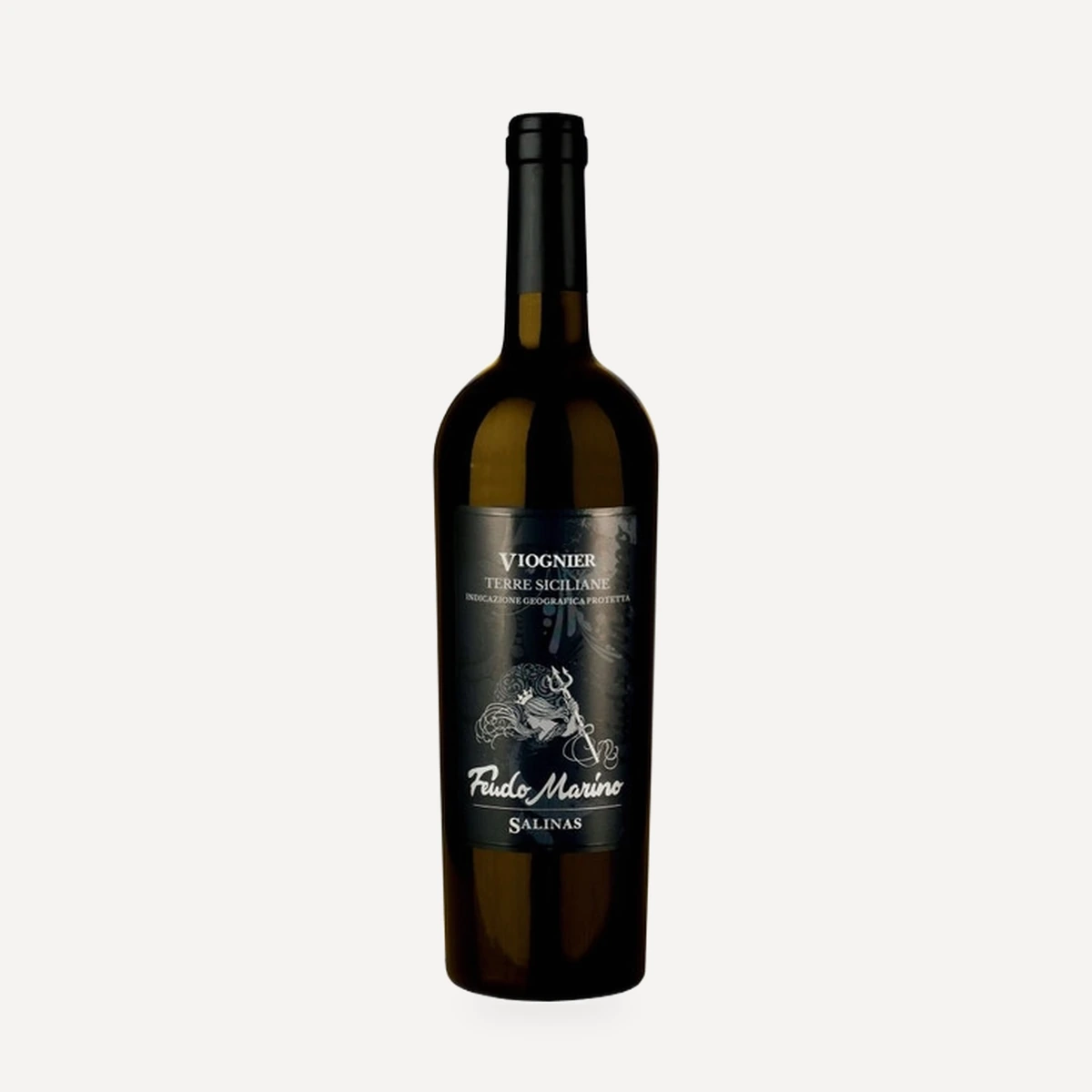
Salinas Viognier Terre Siciliane IGP
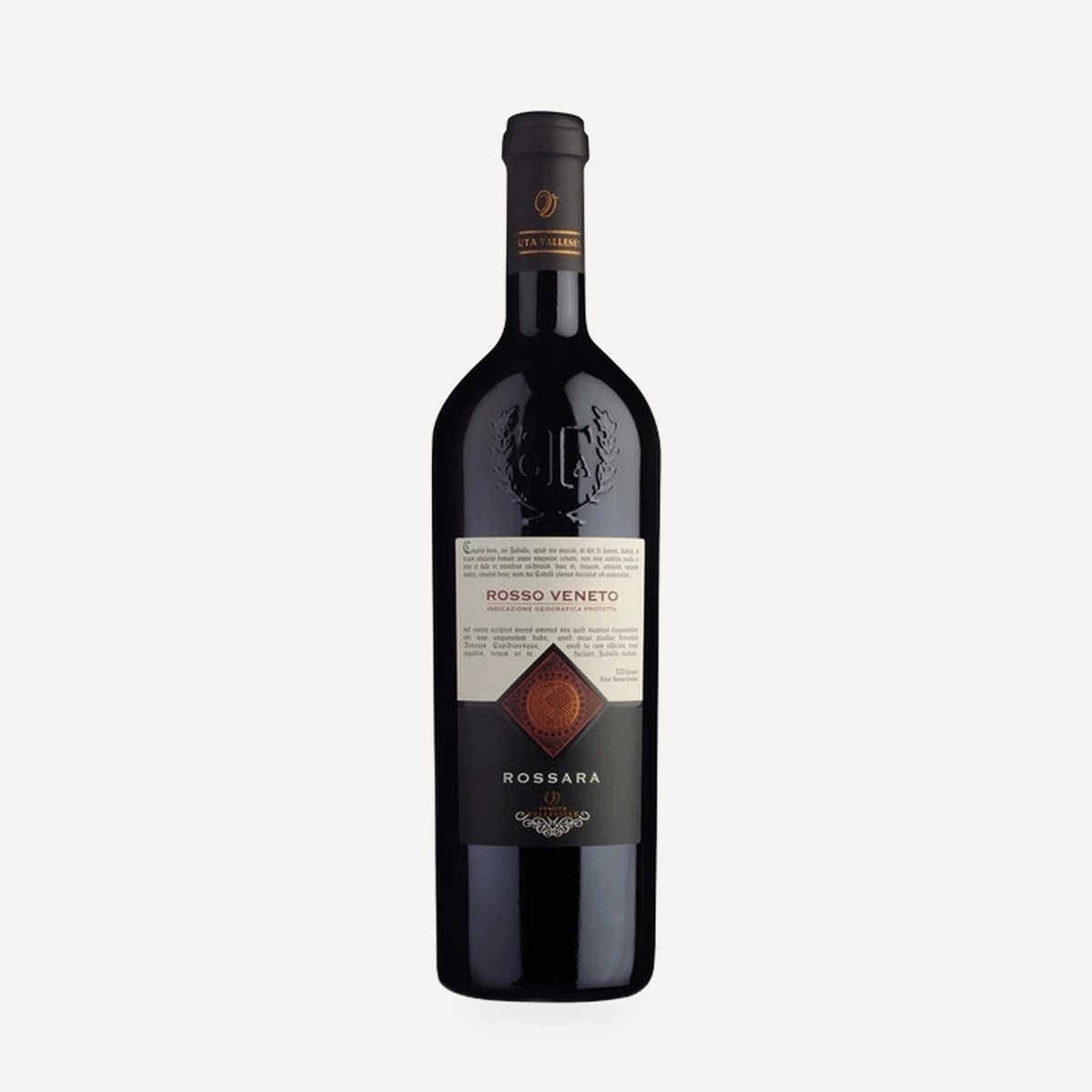
Rossara Molinara IGP
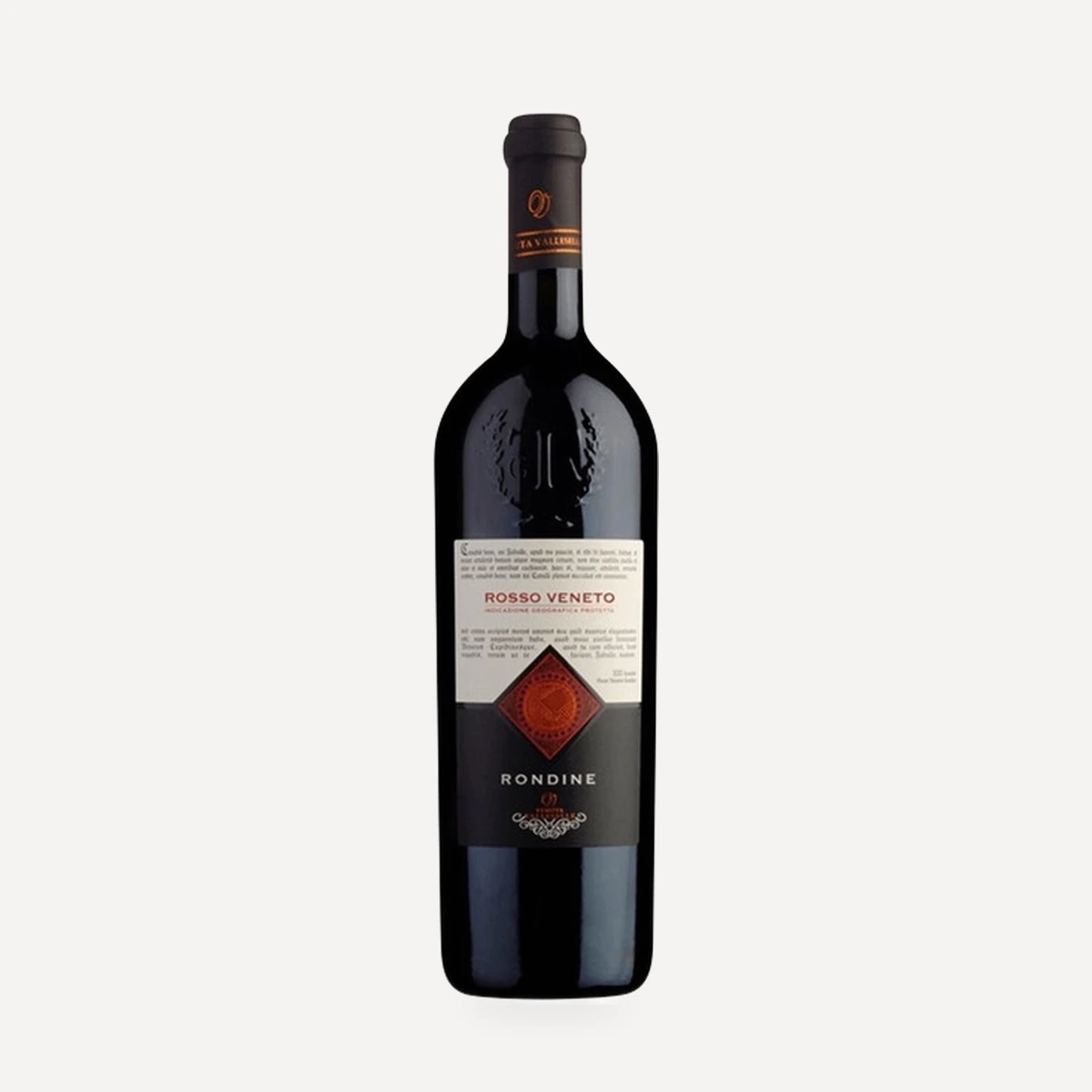
Rondine Rosso Veneto IGP
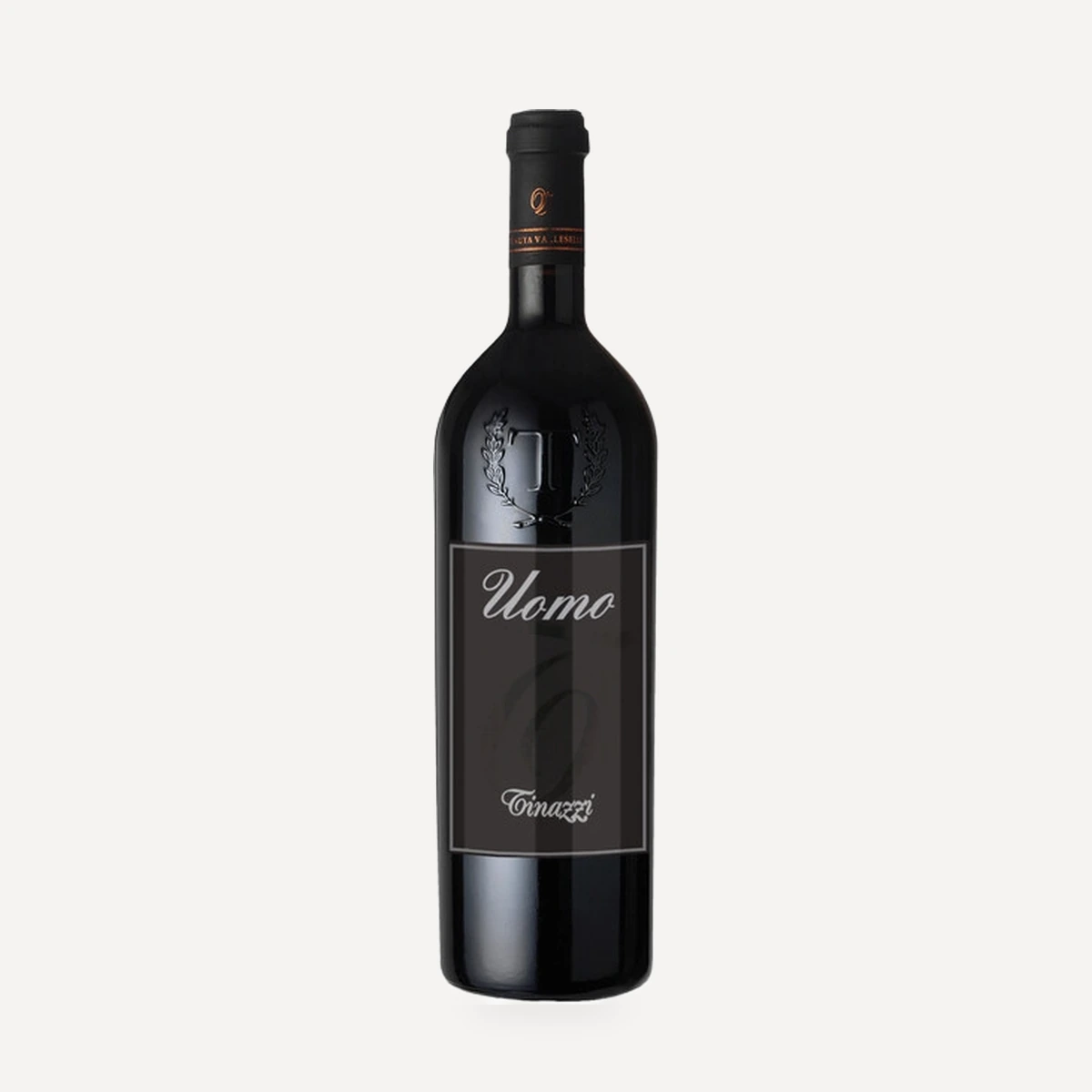
Uomo Veneto IGP