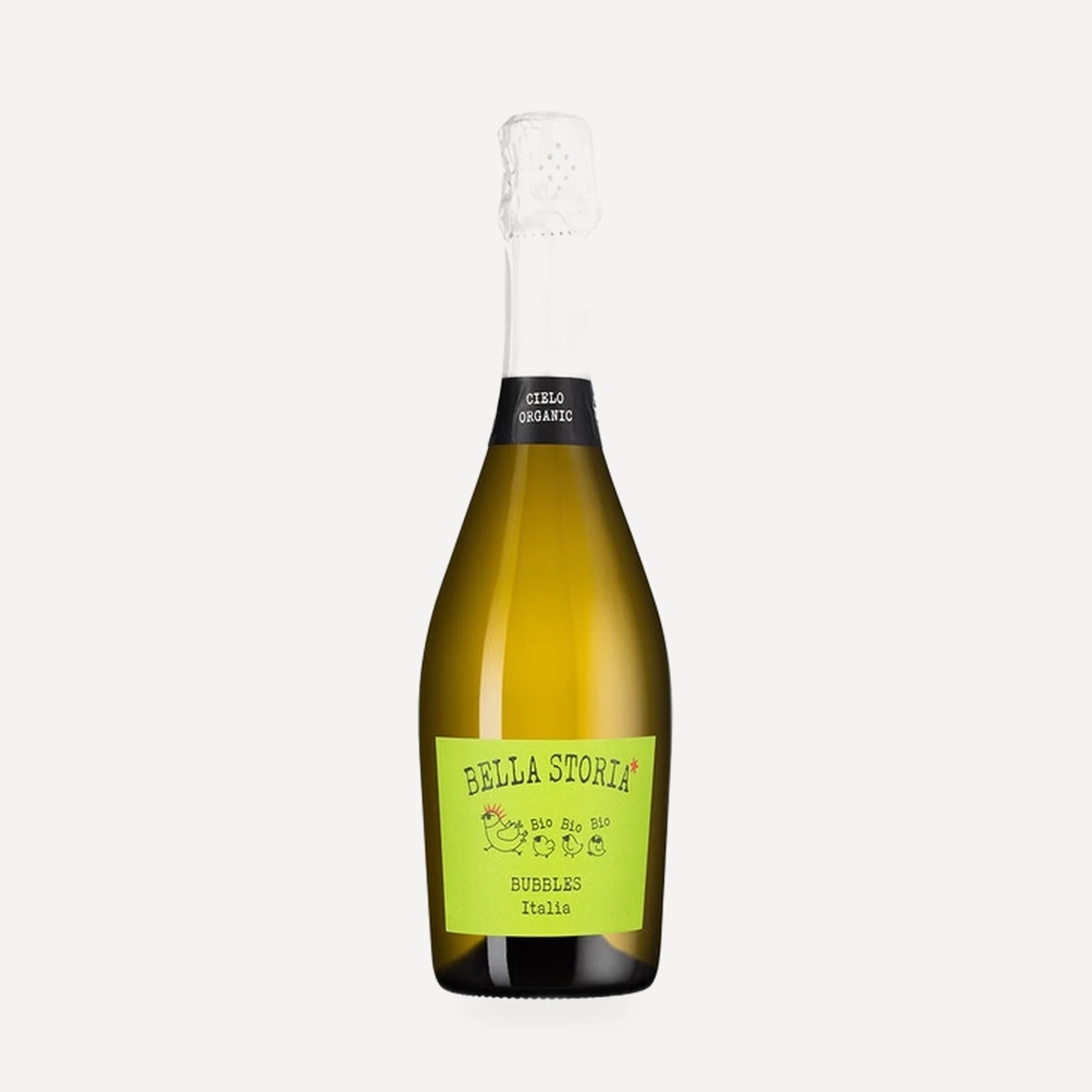
Storia
Family origins: 1908–1962
The Cielo family’s connection with wine began in 1908 in the Vicenza countryside, opposite the Castles of Romeo and Juliet. Giovanni Cielo acquired Casa Defrà, a small farm with a vineyard, founded a wine business and began producing the family’s first bottled wines. His son, identified as Pietro in the family narrative and as Piero in the 1962 chronology, continued to run the enterprise with a combination of commitment to wine and social engagement.
A second root developed nearby in 1951, when local growers established Cantine dei Colli Berici. The cooperative was conceived as a means of bringing growers together, processing their grapes and marketing the resulting wines through a shared strategy.
In 1962, Piero Cielo and his three sons—Giovanni, Renzo and Piergiorgio—founded the present Cielo winery in Montorso Vicentino. This third generation combined family tradition with research and innovation and oversaw strong expansion across the Italian market.
Creation of Cielo e Terra: 1999–2010
After a period of commercial collaboration, Cielo S.p.A. opened its capital to Cantine dei Colli Berici in 1999. The resulting company took the name Cielo e Terra, joining the Cielo family with the local winegrower base in pursuit of a fairer, more sustainable and more closely integrated supply chain.
Cielo e Terra introduced the Kaizen and Lean Organization model in 2006, becoming the first Italian wine company to organize its production activities according to those principles. The model was intended to remove waste and inefficiency, develop productive potential and involve employees in continuous improvement. The workforce subsequently grew from 54 to approximately 90 people, accompanied by numerous training programmes.
In 2010, Cantine dei Colli Berici and the winery at Colognola ai Colli created Collis Veneto Wine Group. This development gave Cielo e Terra access to a controlled supply chain for major Veronese wines, including Amarone and Ripasso. Collis later became the majority shareholder in Cielo e Terra.
Sustainability and corporate development: 2016–2020
In 2016, Cielo e Terra served as operating partner and sponsor of Ca’ Foscari University of Venice for Brindiamo alla sostenibilità, presented at Ecomondo as the first global conference devoted to the circular economy and the wine sector.
The Freschello for Forest initiative was unveiled at Vinitaly in 2017 and subsequently became a model for the company’s broader use of responsibly sourced paper-based packaging. Electricity has been procured exclusively from certified renewable sources since 2017. The company completed its first materiality analysis in the same period, followed by a more formal analysis in 2019 that defined transparency, business evolution, professional development, wine culture, product quality and supply-chain sustainability as core values.
An integrated-reporting programme culminated in March 2020 with Cielo e Terra’s first B Corp certification and a score of 87.3 points.
Villa La Favorita and Benefit Corporation status: 2021–2023
In 2021, Cielo e Terra acquired Villa da Porto “La Favorita” in the same area where Giovanni Cielo had bought his first property. The acquisition was intended to preserve and restore an important element of local artistic heritage while creating a future headquarters, showroom and hospitality centre for events, tastings and guided visits.
The company adopted VIVA, the Italian wine-sector sustainability standard, in 2021 and began using its Air, Water and Territory indicators from the beginning of 2022. These indicators measure organizational carbon and water footprints under UNI EN ISO 14064-1 and UNI EN ISO 14046.
Cielo e Terra formally became a Società Benefit in 2022. Its corporate purpose was expanded beyond profit to include measurable benefits for people, communities, the environment, the winegrowing area, cultural and social assets and other stakeholders. The materiality analysis was also updated in 2022 with direct stakeholder participation.
Equalitas corporate certification was awarded on 11 December 2023 under SOPD CORP revision 4. The certified scope covers the receipt of bulk wine, stabilization, possible refermentation in autoclaves, conditioning and storage, the packaging of still, semi-sparkling and sparkling wines, and control of outsourced bottling. The 2023 ownership structure comprised Collis Veneto Wine Group with 51% and Pierpaolo, Luca and Renzo Cielo with 16% each.
Renewed targets and performance: 2024–2026
During 2024, Cielo e Terra revised its materiality assessment to align with the Corporate Sustainability Reporting Directive and carried out a double-materiality analysis addressing impacts, risks and opportunities. The company also continued to work under VIVA, SQNPI and Equalitas standards.
B Corp certification was renewed in March 2025 with an improved score of 103.3. During the same year, Cielo e Terra launched a premium-packaging project with O-I Glass that reduced the glass weight of a conical bottle by 22%, corresponding to an estimated saving of 360,000 kg of glass. Almost all forest-derived materials used in 2025—approximately 1,400 tonnes of cork, labels and cardboard—were FSC certified.
The 2025 reporting year recorded 35,497,754 bottles sold. Energy consumption per bottle and energy intensity reached their lowest levels of the preceding decade, while methane use fell to 102,000 m³, the lowest level since 2019. Water use reached 1.21 litres per bottle; process-water recovery and microfiltration had prevented almost 70,000 m³ of water from being wasted between 2018 and 2024. The Zero Waste to Landfill programme had eliminated landfill disposal from 2022, with all recorded waste directed to recovery. A Sustainability Team embedded these subjects across company departments.
By 2025, Cielo e Terra and Collis Veneto Wine Group together represented more than 2,000 winegrower members and 6,000 ha of vineyards. The fourth generation, Luca and Pierpaolo Cielo, continued to lead the business in partnership with the grower network. The integrated corporate policy was revised again on 4 May 2026, retaining commitments to quality, food safety, employee welfare, responsible purchasing, circularity, lower energy consumption, reduced waste and greenhouse-gas emissions, and continued B Corp participation.
Terroir
The partner-grower vineyards extend across the provinces of Vicenza and Verona in Veneto. The landscape is characterized by volcanic and basaltic origins, woodland, vineyards, small settlements and Palladian villas. Proximity to the sea moderates the area, while the Piccole Dolomiti provide protection; together these influences contribute to the district’s favourable vine-growing climate.
In the pre-hill zone around Vicenza and the Colli Berici, soils include clay, volcanic material and limestone from fossil deposits left by an ancient sea. The integrated supply-chain programme studies the district to identify the most suitable areas for new plantings and to segment production according to origin and potential.
The area has a long viticultural record associated with Garganega and Tai. Monte Berico Prosecco appeared in the literary work Roccolo Ditirambo in 1754, presented as the earliest written evidence of Prosecco production connected with the district.
Vinificazione
Cielo e Terra’s vineyard model is based on an integrated relationship with the winegrower members and wineries of Collis Veneto Wine Group. A significant but variable proportion of the wine packaged by Cielo e Terra comes from this chain; other purchased wines undergo analytical and organoleptic checks together with documentary and operational audits.
New vineyard sites are selected after studying the territory for areas of stronger viticultural suitability. Grower members certify new plantings and use non-GM grafted vines. In the Colli Berici, renewal has included higher planting densities and selected varieties, with the aim of lowering yield per hectare and increasing extract, polyphenol and sugar concentration.
Soil analysis establishes the nutritional requirements of each vineyard, allowing fertilizer inputs to be restricted. Permanent or temporary grassing is adopted where conditions allow. Disease protection follows monitored or guided-control principles: interventions are checked and targeted using weather forecasts so that treatments can be reduced. Every treatment is entered in a vineyard logbook, creating detailed control across the chain and helping growers refine subsequent interventions and reduce mistakes.
Cielo e Terra contributes financially to the Collis/Cantina dei Colli Berici Quality Project, which supports growers in maintaining local agricultural traditions while improving quality and sustainability. Vineyard and supply-chain work is covered by SQNPI, VIVA and Equalitas controls, while organic certification forms part of the company’s audited management systems for the applicable products and ranges.
Cielo e Terra produces and packages still, semi-sparkling and sparkling wines at Montorso Vicentino. The Equalitas-certified process begins with the receipt of bulk wine. A significant but variable share is supplied through Collis Veneto Wine Group; wine purchased from other suppliers is subjected to analytical and organoleptic testing as well as documentary and operational audits.
The certified production sequence comprises stabilization, conditioning and storage of bulk wine. Where required, wines undergo secondary fermentation in autoclaves. The facility packages still, semi-sparkling and sparkling wines and supervises bottling performed by outsourced operators. Food-safety controls are organized under HACCP, IFS and BRCGS systems.
Lean Organization and Kaizen principles have governed operations since 2006. Production teams use continuous improvement to reduce waste and inefficiency, while quality performance is tracked through product and process inspections. In 2025, 15,760 quality controls were completed, and order compliance reached 99.15%.
Environmental infrastructure includes photovoltaic installations at the winemaking cellars, certified renewable electricity, process-water recovery and microfiltration. Water consumption reached 1.21 litres per bottle in 2025. The Zero Waste to Landfill programme has eliminated landfill disposal since 2022, and packaging loops recover label reels and corks through the RafCycle and Tappo Etico programmes.
Filosofia
Cielo e Terra defines its purpose as creating value through a fairer and more sustainable supply chain while respecting people and the planet. The name expresses that partnership: “Cielo” represents the family, while “Terra” represents the winegrower members whose work supplies the wines.
As a Società Benefit, the company commits itself to responsible, sustainable and transparent conduct toward employees, communities, the territory, the environment, cultural and social assets, institutions and other stakeholders. Its stated common-benefit objectives encompass transparent non-financial reporting, movement toward a zero-greenhouse-gas economy, fair remuneration, professional development, physical and psychological wellbeing at work, dissemination of wine culture, business innovation, efficient processes, responsible resource use and greater sustainability throughout the value chain.
Financial sustainability is treated as the means of generating resources for environmental and social programmes. Integration with the grower network is intended to distribute value more fairly, preserve the winegrowing district and connect production more closely with its markets.
The operating philosophy combines product quality with efficiency. Lean Organization and Kaizen give employees a central role in continuous improvement, the elimination of waste and the prevention of problems. Responsible purchasing favours certified, recycled or lower-impact materials; lifecycle thinking extends environmental management from suppliers to consumers.
The company’s environmental commitments include reducing energy consumption, waste and direct and indirect greenhouse-gas emissions; maintaining certified management systems; using circular-economy criteria for packaging; and retaining B Corp participation. Its social policy includes fair employment, freedom of association, equal opportunity, rejection of child, forced and precarious labour, safe working conditions and opposition to corruption.
Vini
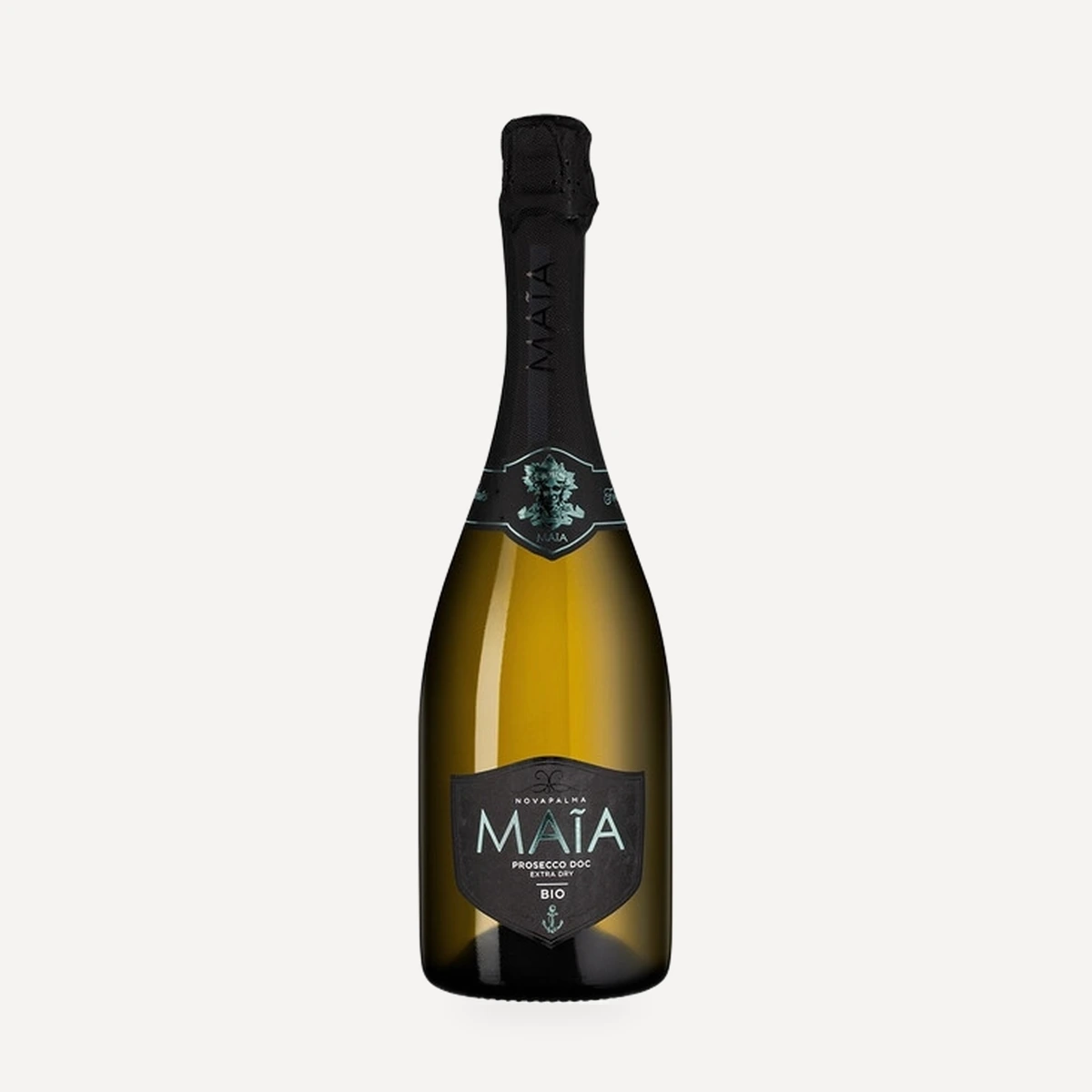
Maia Prosecco Extra Dry DOC
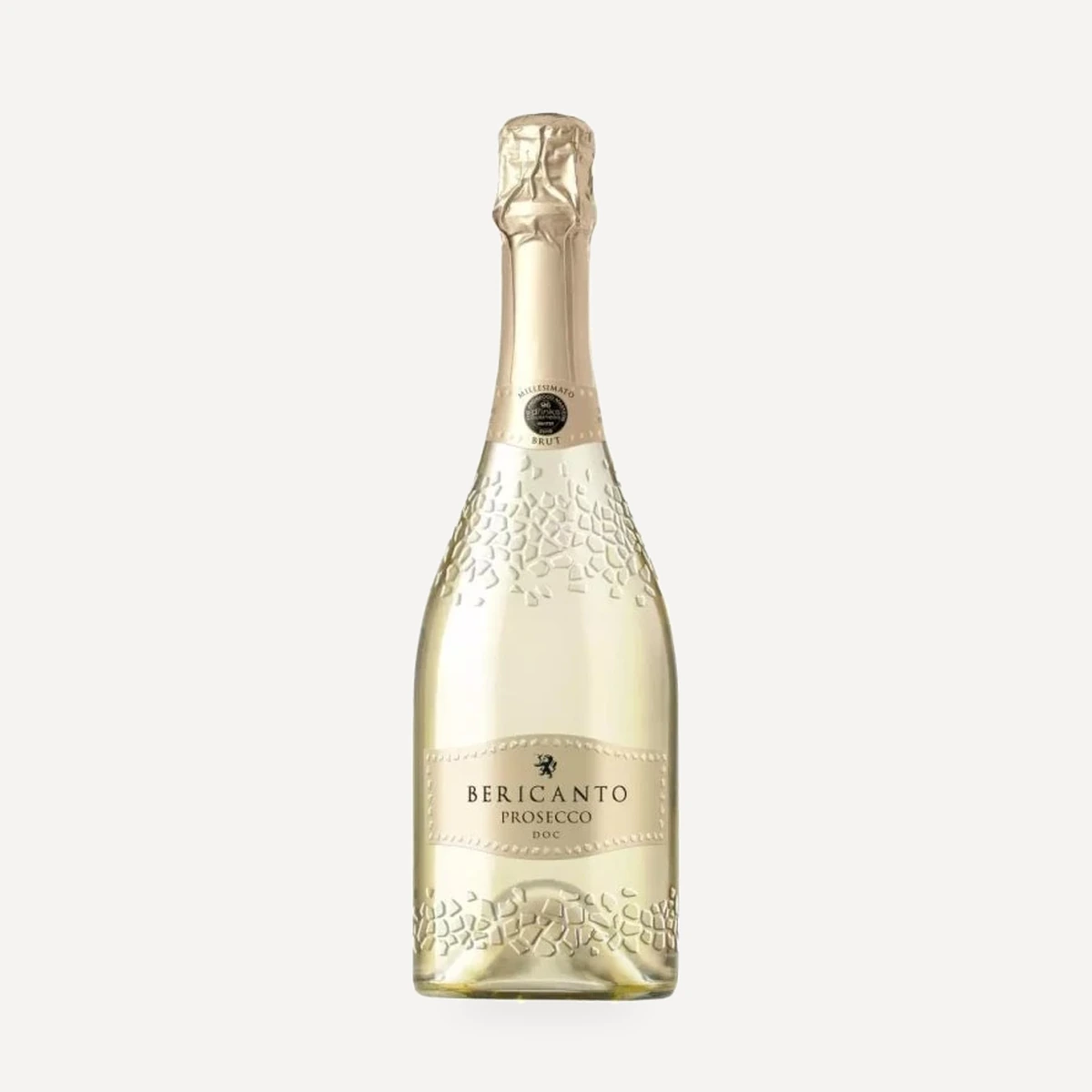
Bericanto | Prosecco DOC Brut
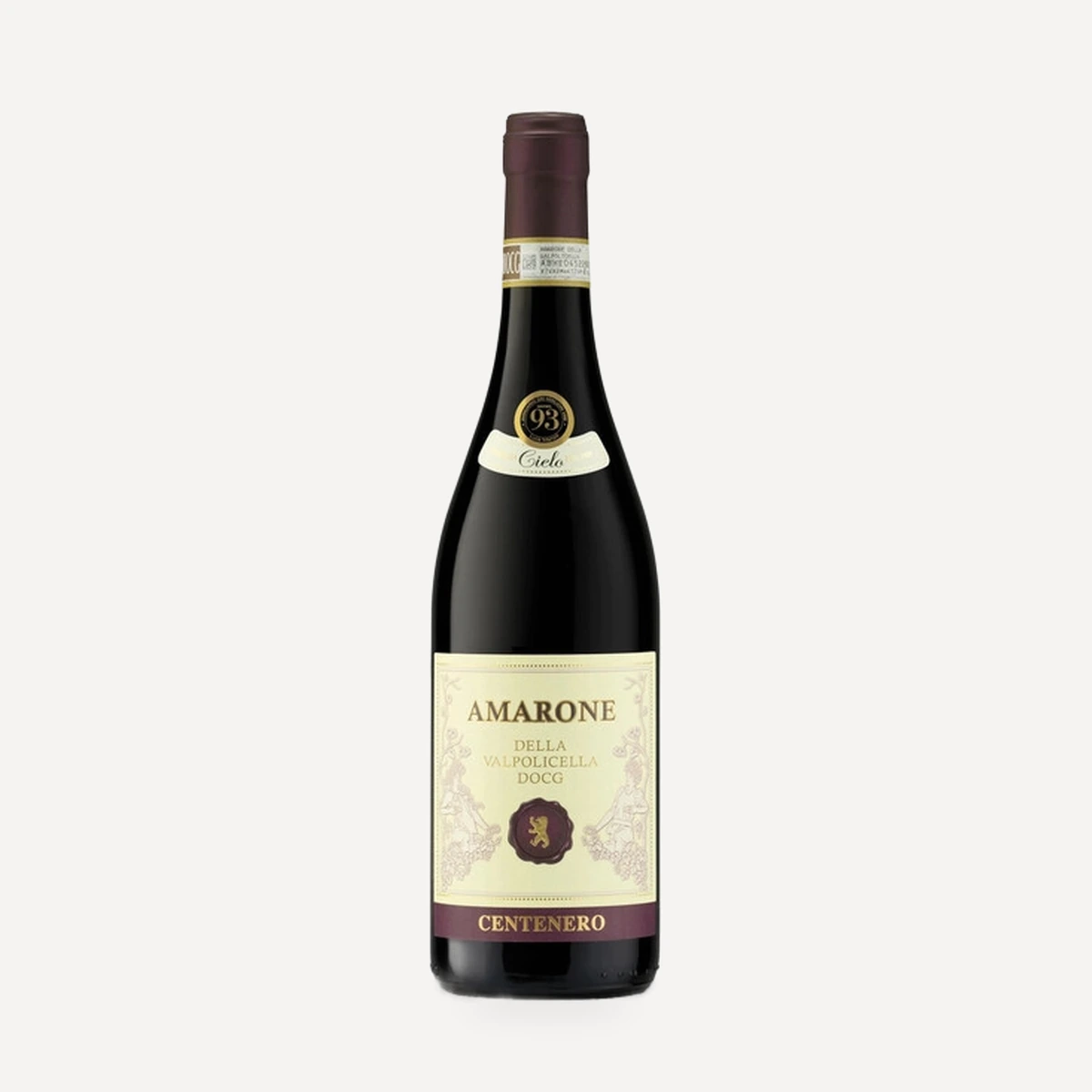
Centenero Amarone della Valpolicella DOCG
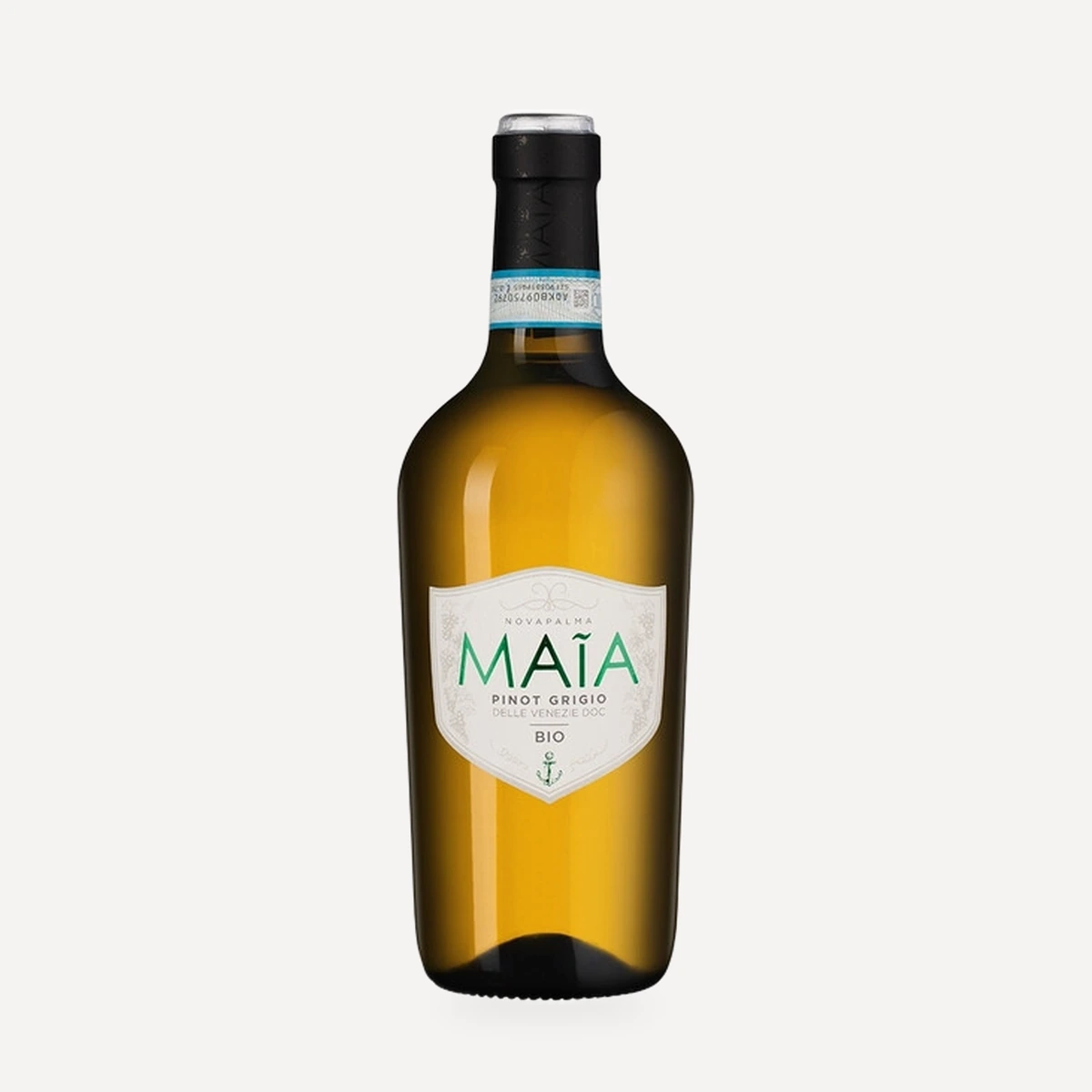
Maia Pinot Grigio delle Venezie DOC
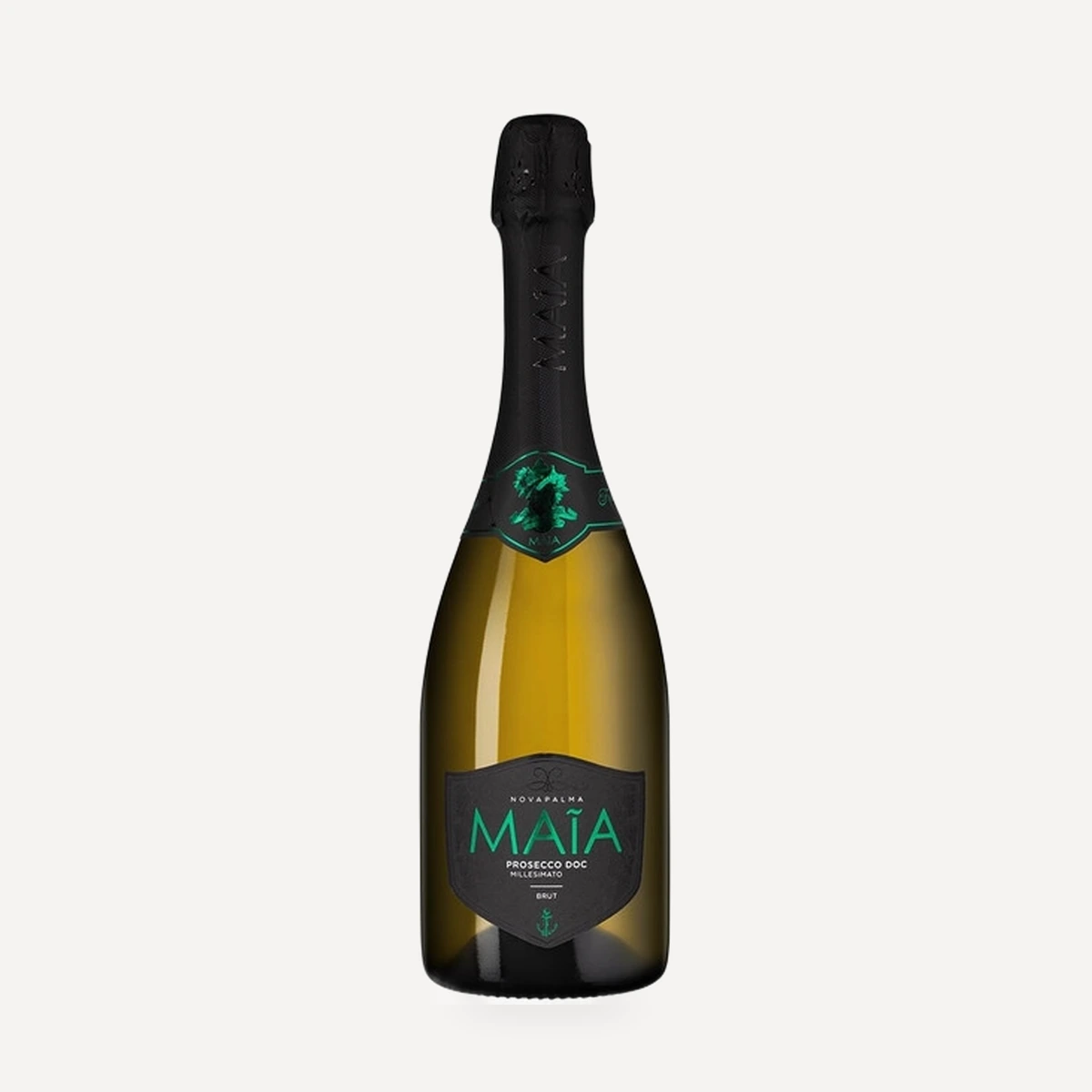
Maia Prosecco Millesimato Brut DOC
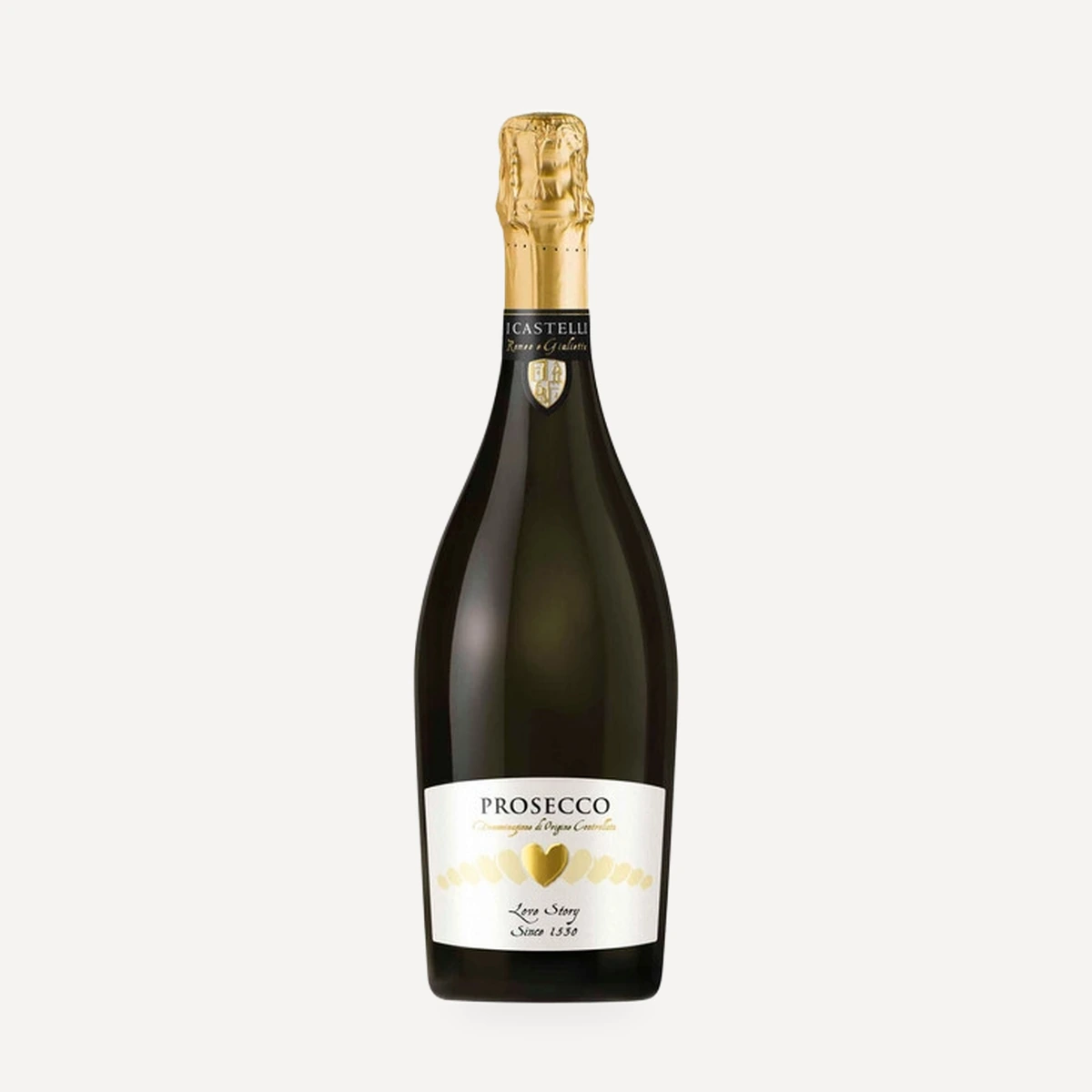
I Castelli Romeo e Giulietta Prosecco DOC
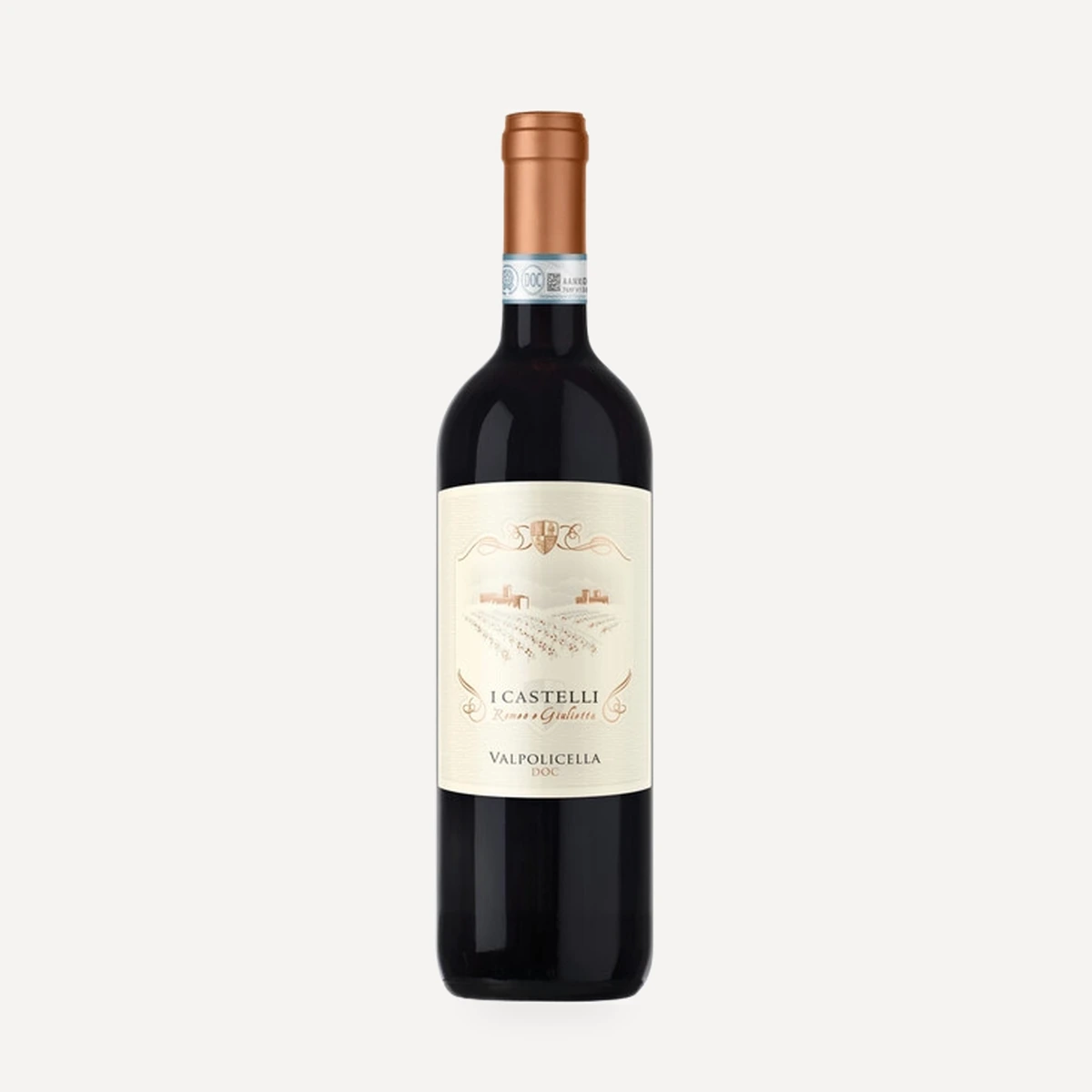
I Castelli Romeo e Giulietta Valpolicella DOC
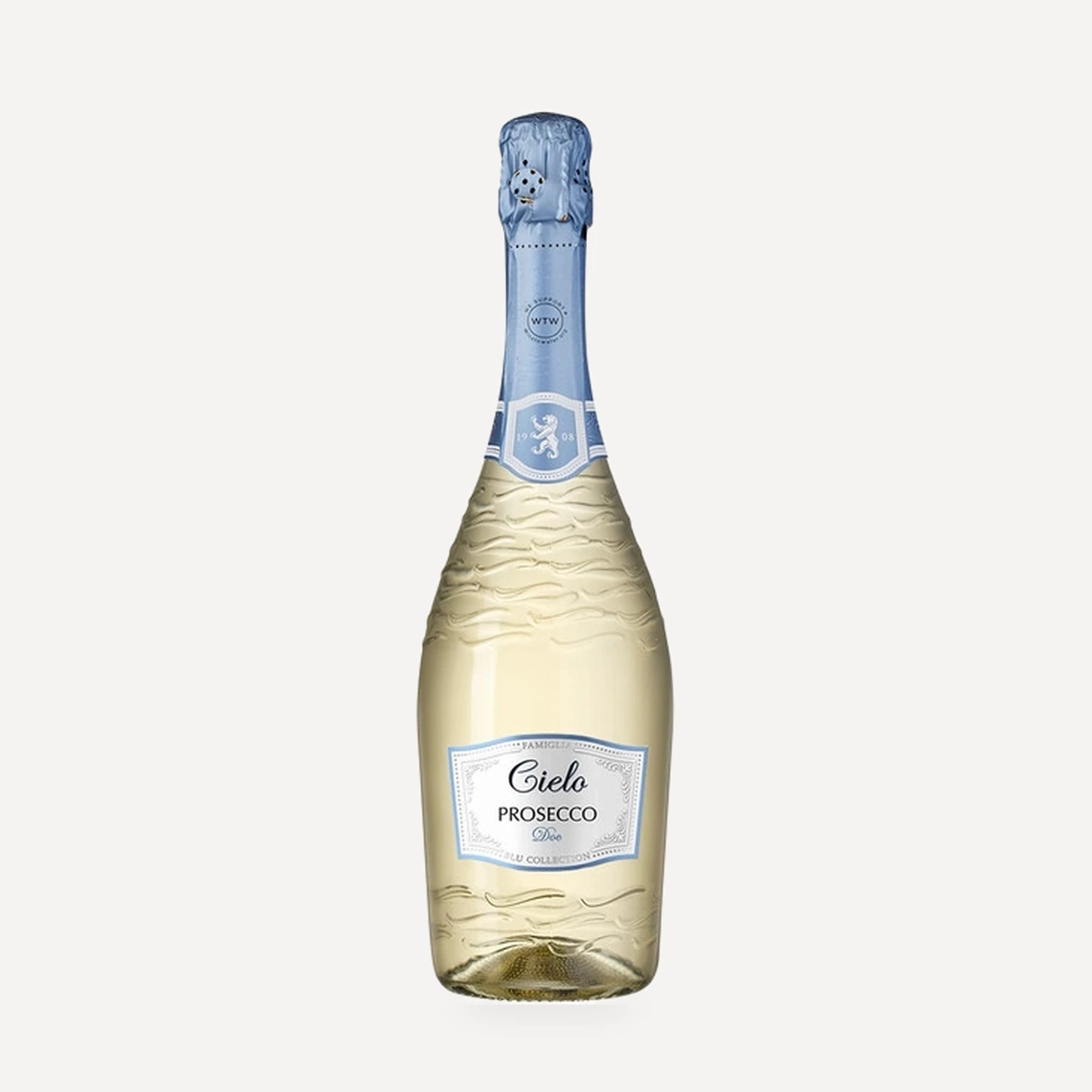
Prosecco Spumante DOC
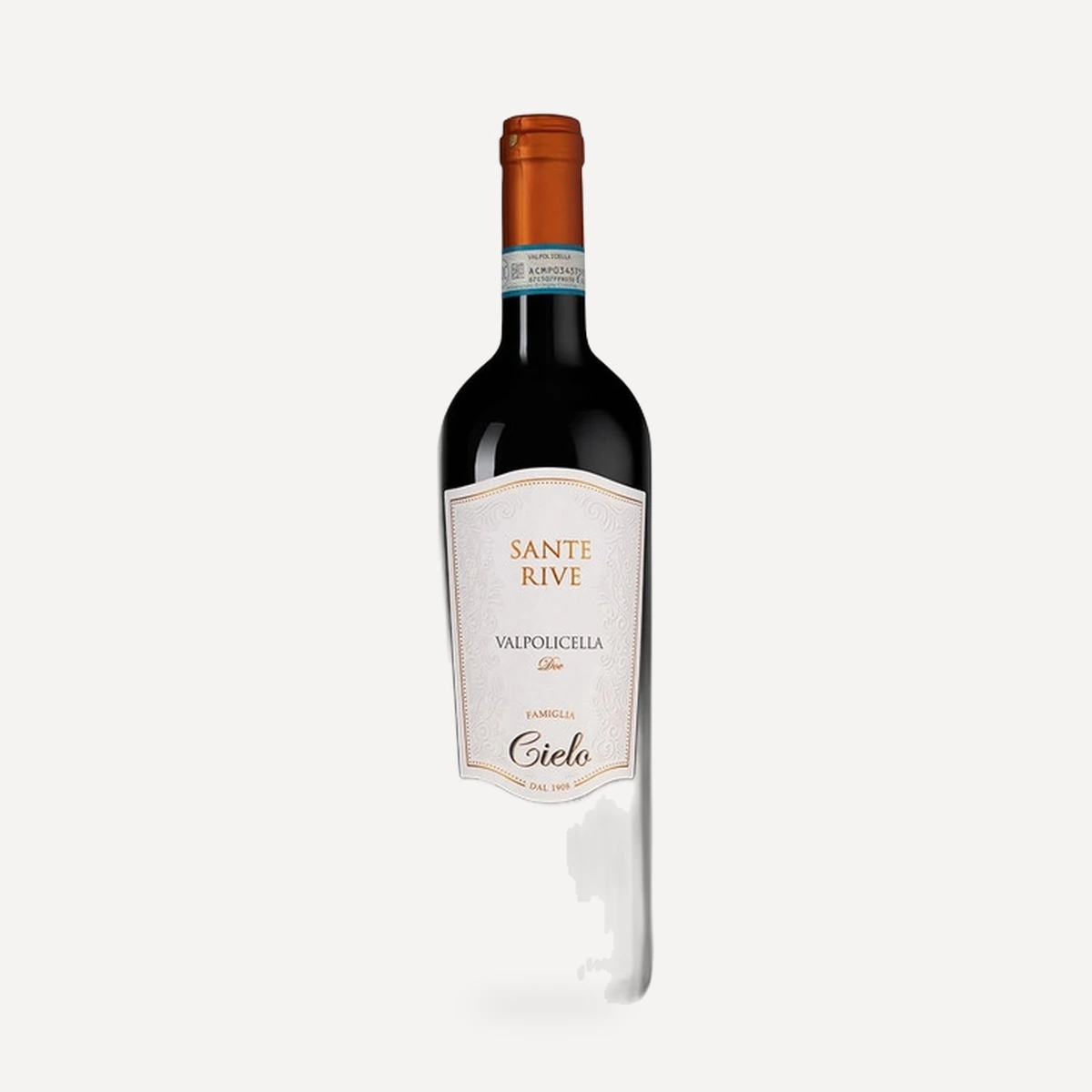
Sante Rive Valpolicella DOC
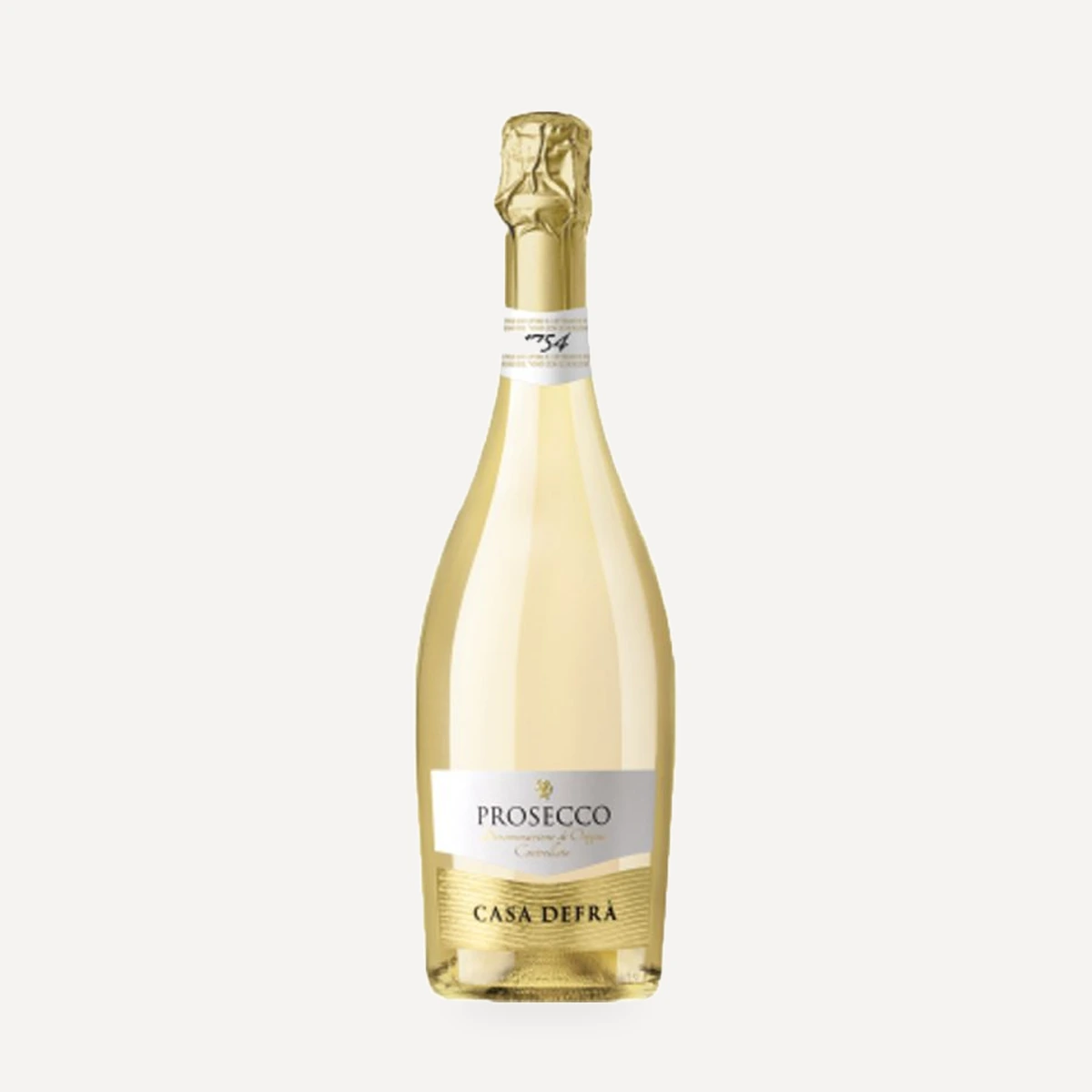
Casa Defrà | MDCCLIV Prosecco DOC Brut
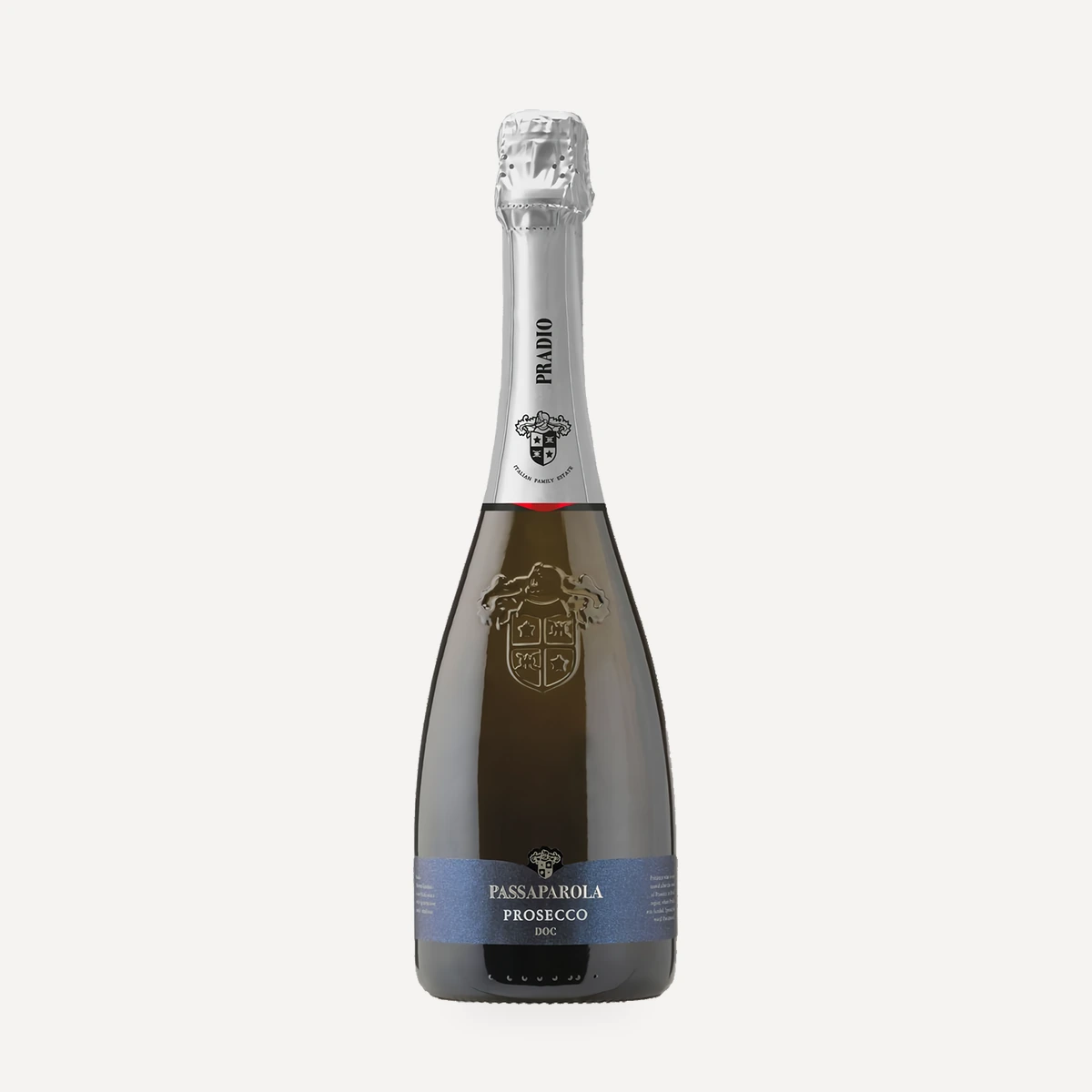
Pradio | Passaparola Prosecco DOC Brut
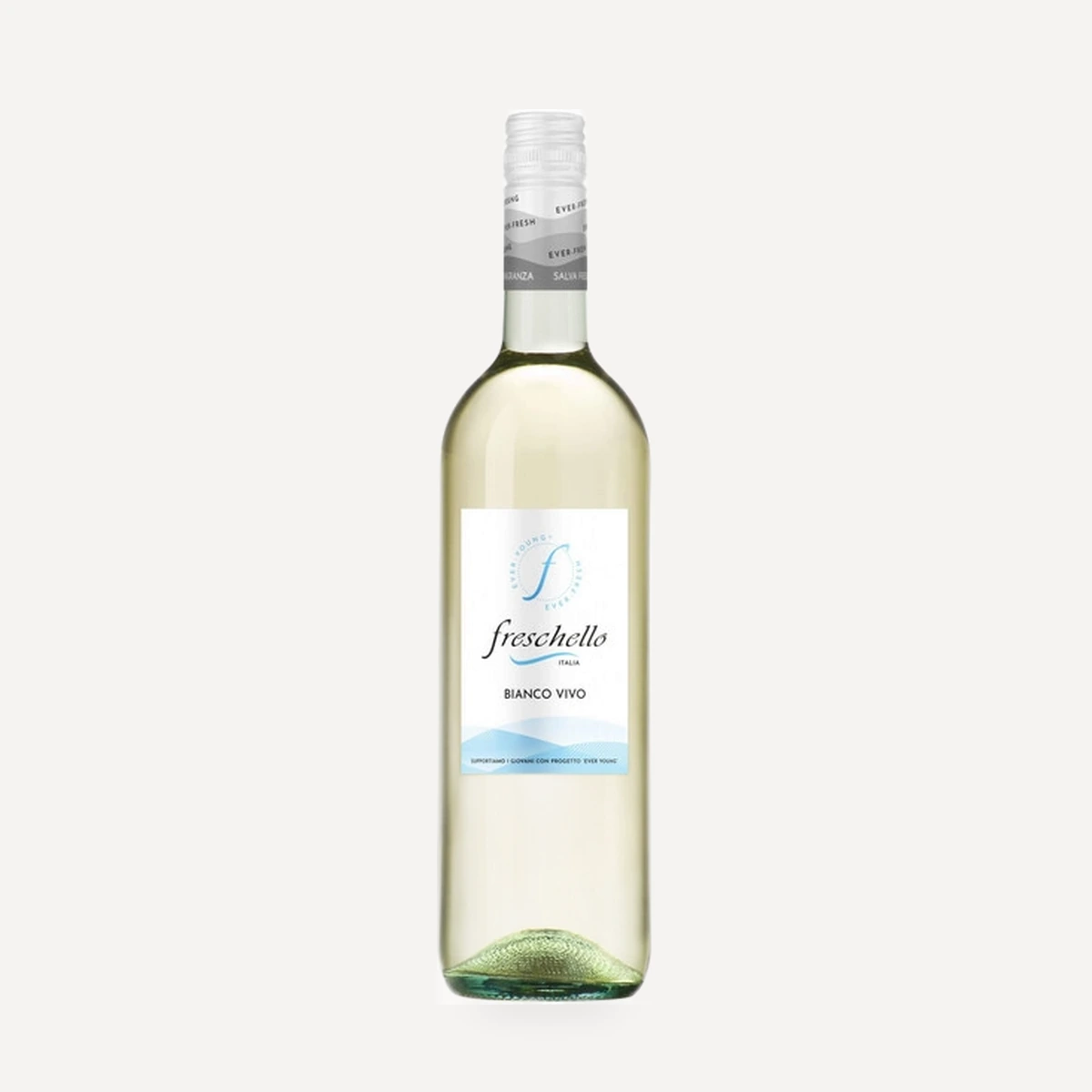
Freschello Bianco VdT
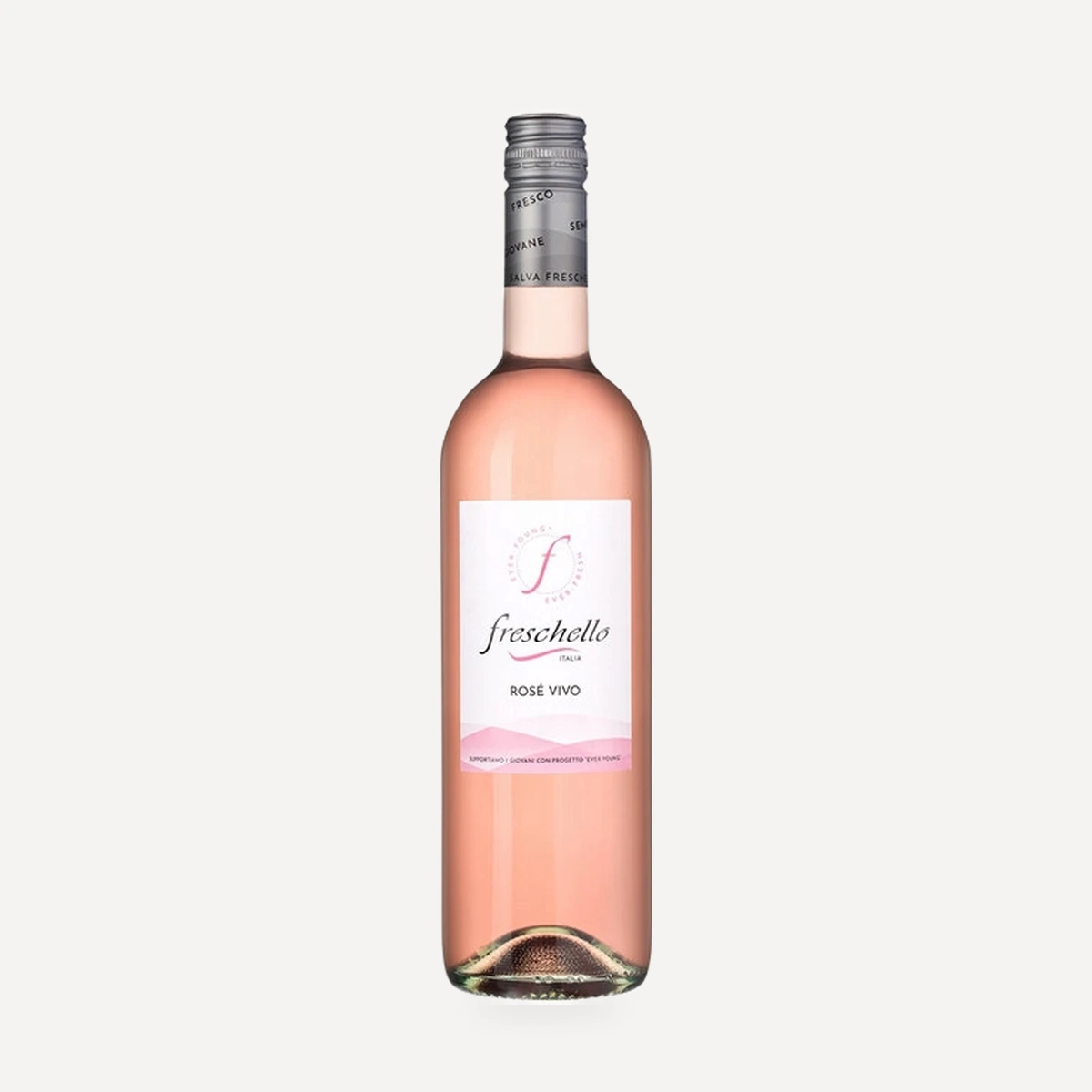
Freschello Rosato VdT
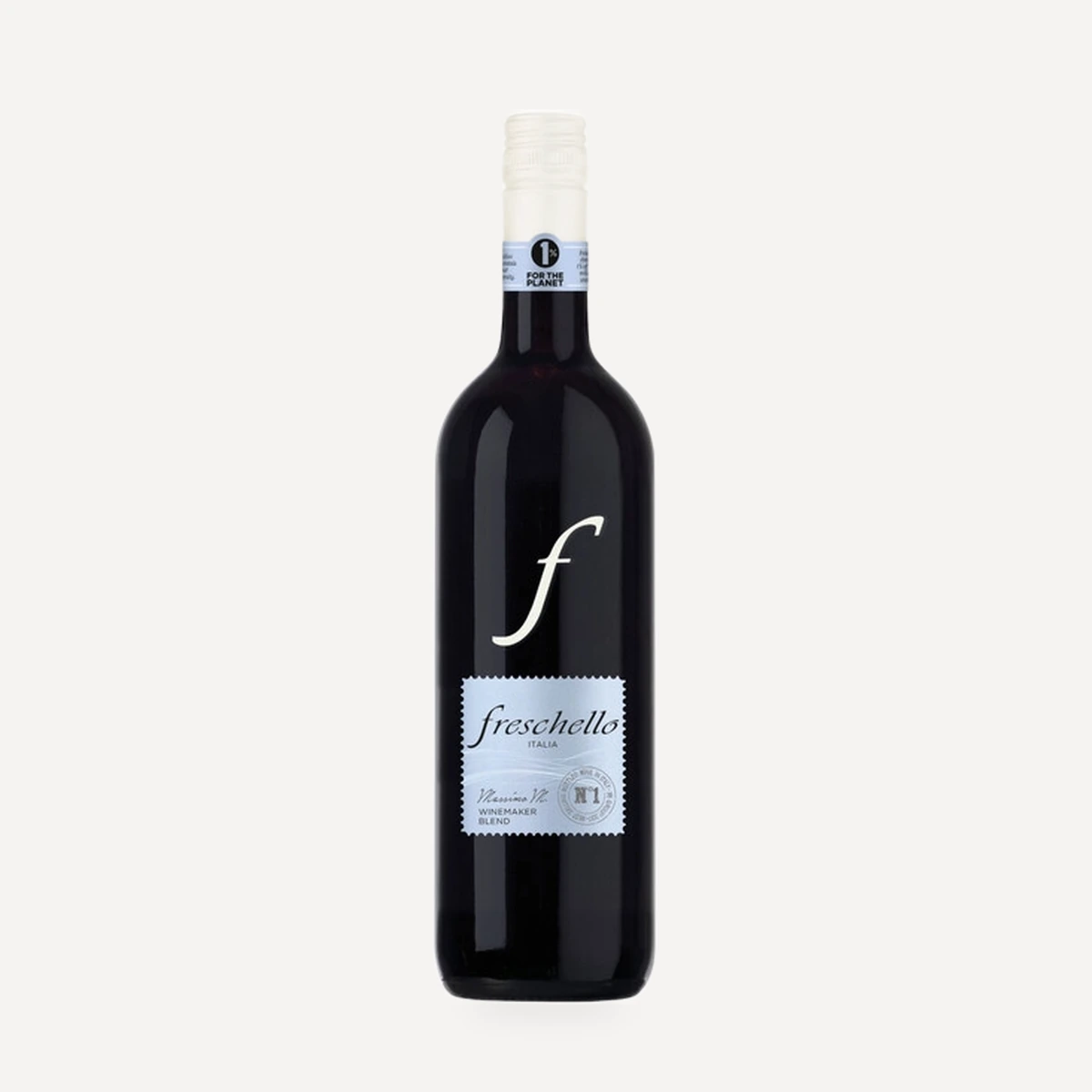
Freschello Rosso VdT
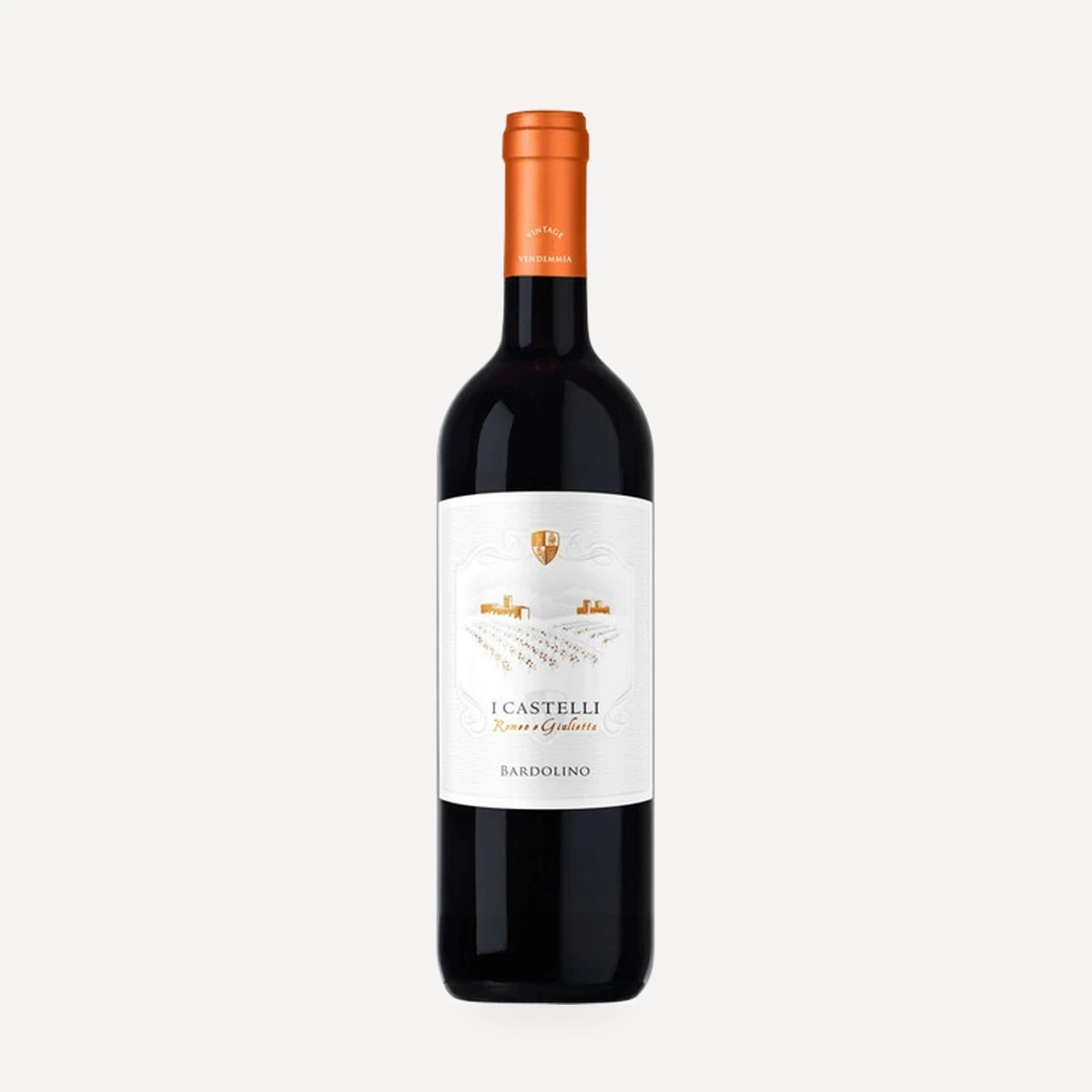
I Castelli Romeo e Giulietta Bardolino DOC
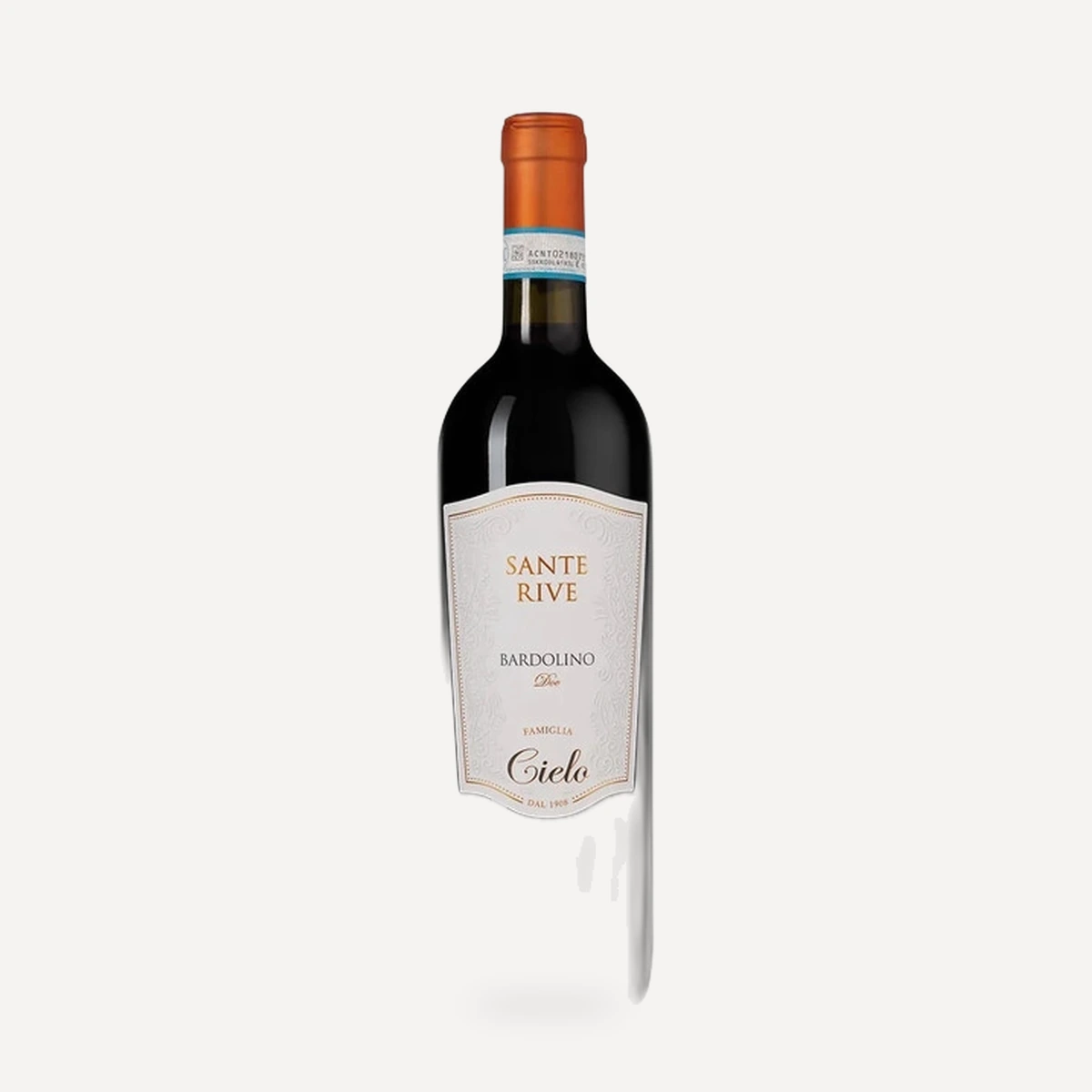
Sante Rive Bardolino DOC
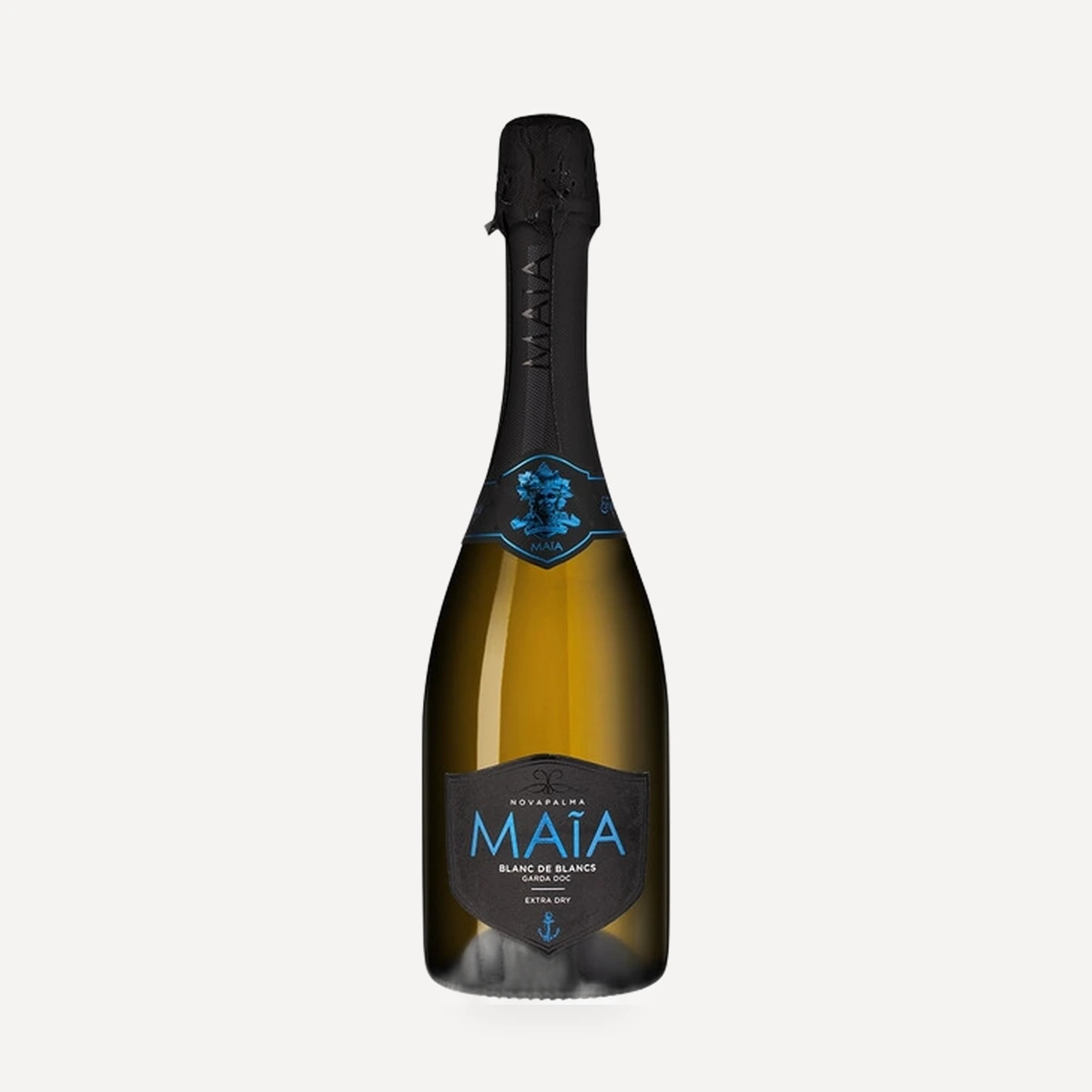
Maia Blanc de Blancs Garda DOC
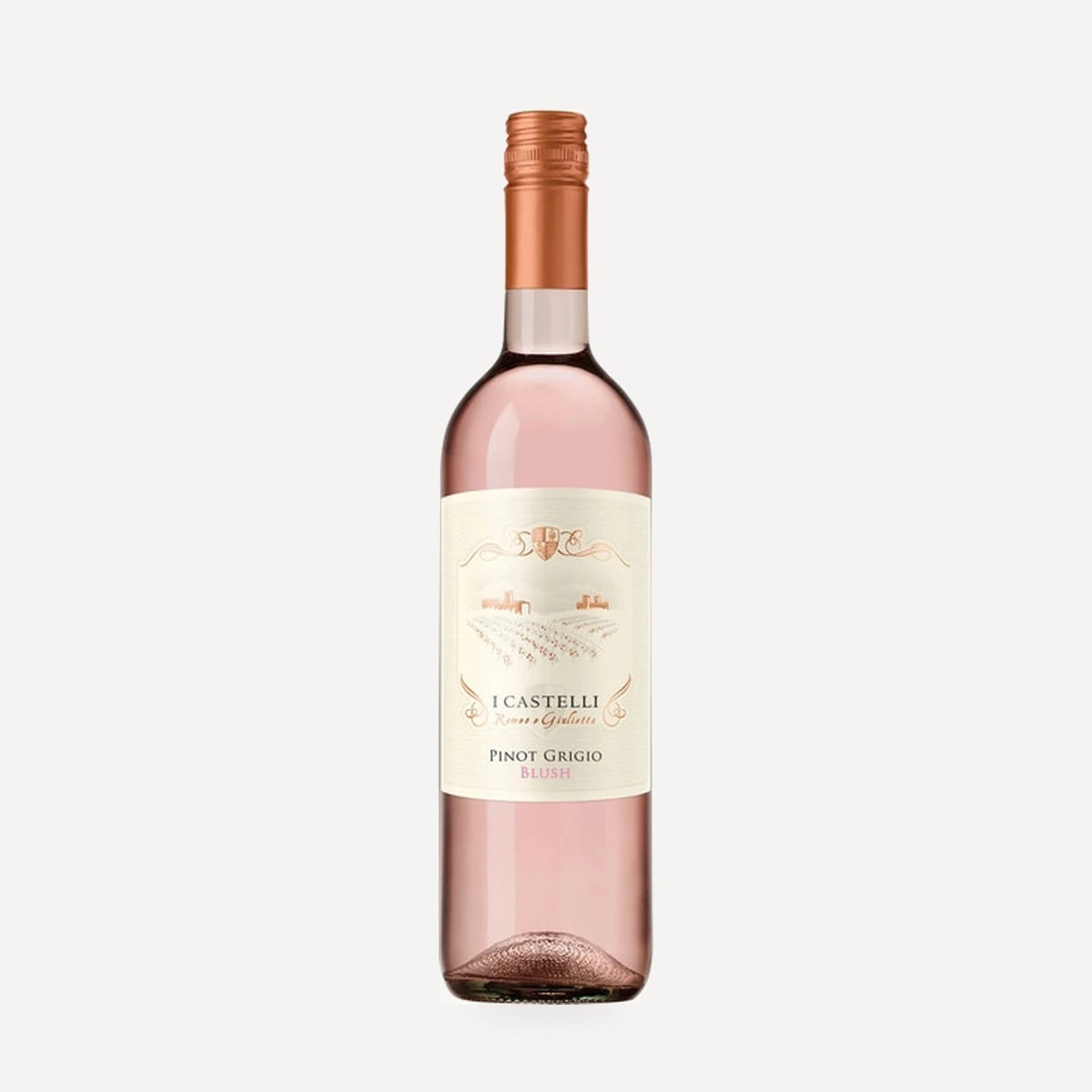
I Castelli Romeo e Giulietta Pinot Grigio Blush Venezie IGT
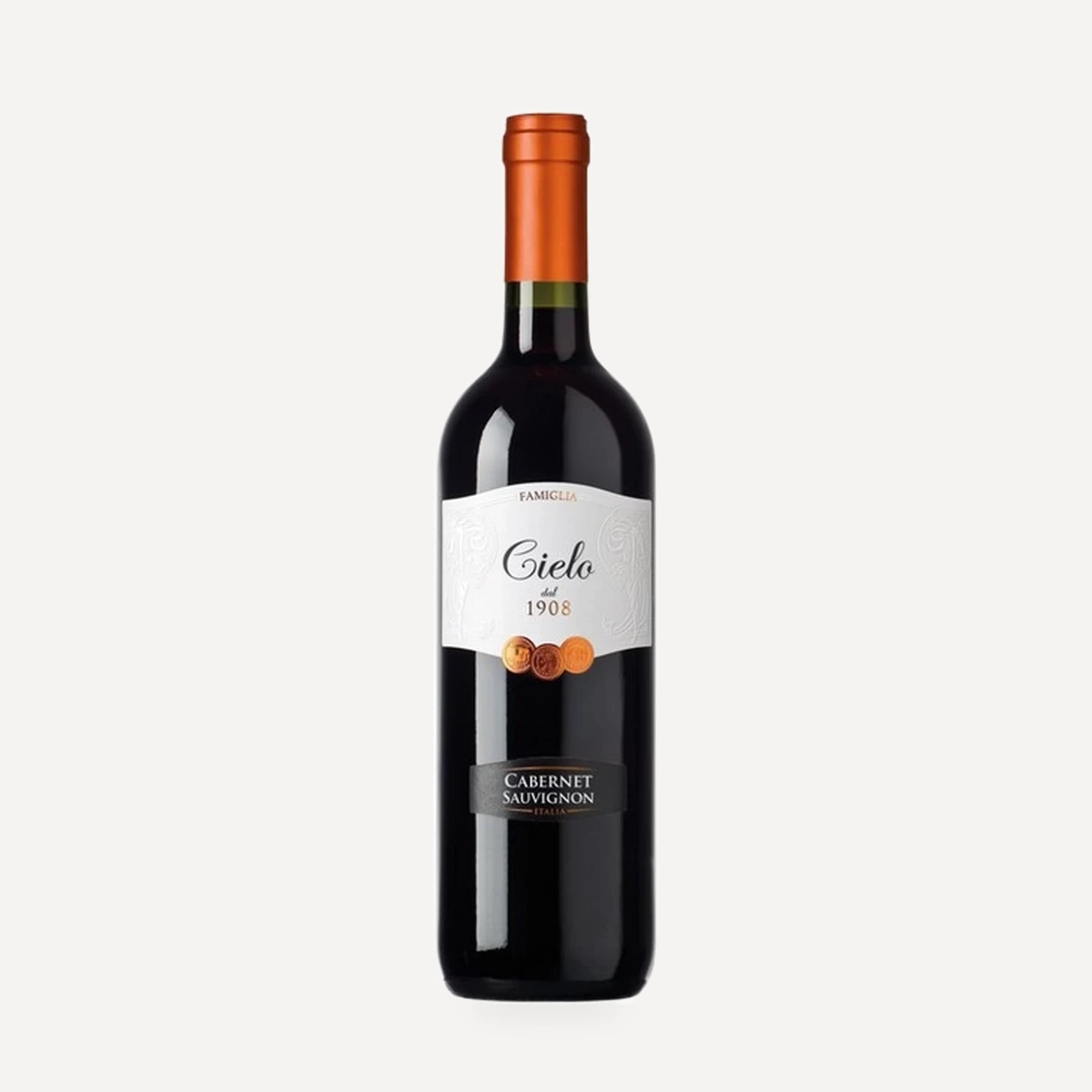
Cabernet Sauvignon IGT
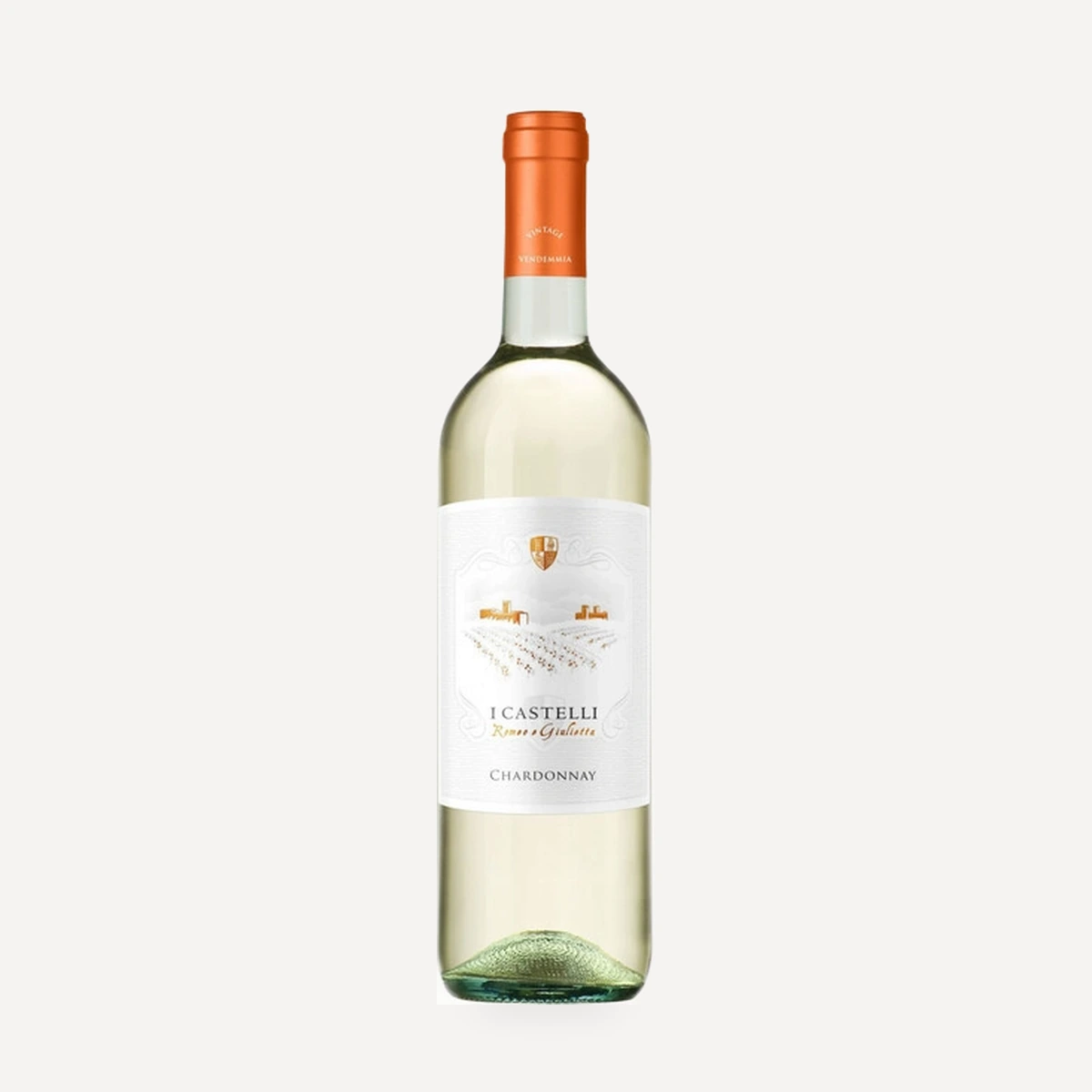
I Castelli Romeo e Giulietta Chardonnay Venezie IGT
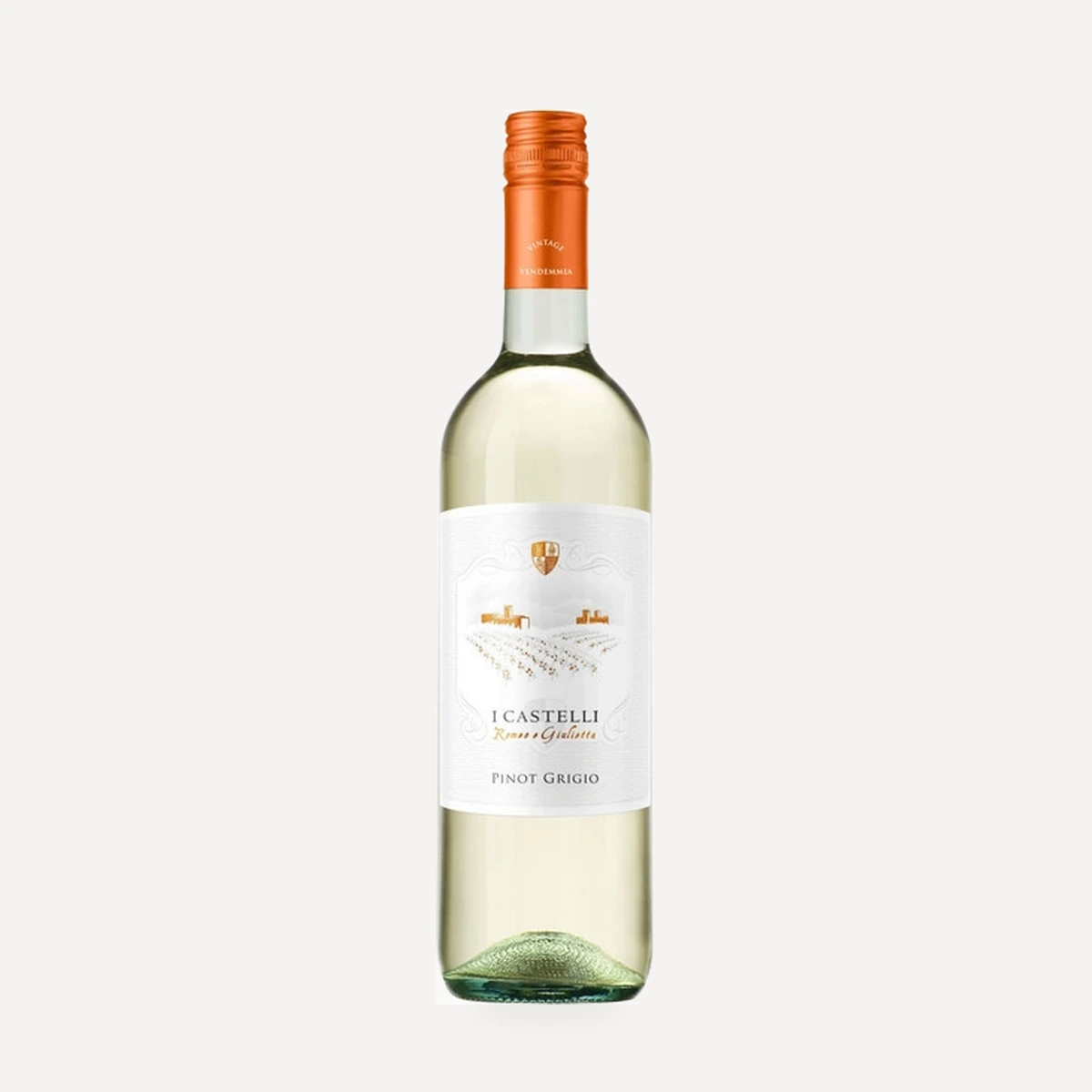
I Castelli Romeo e Giulietta Pinot Grigio Venezie IGT
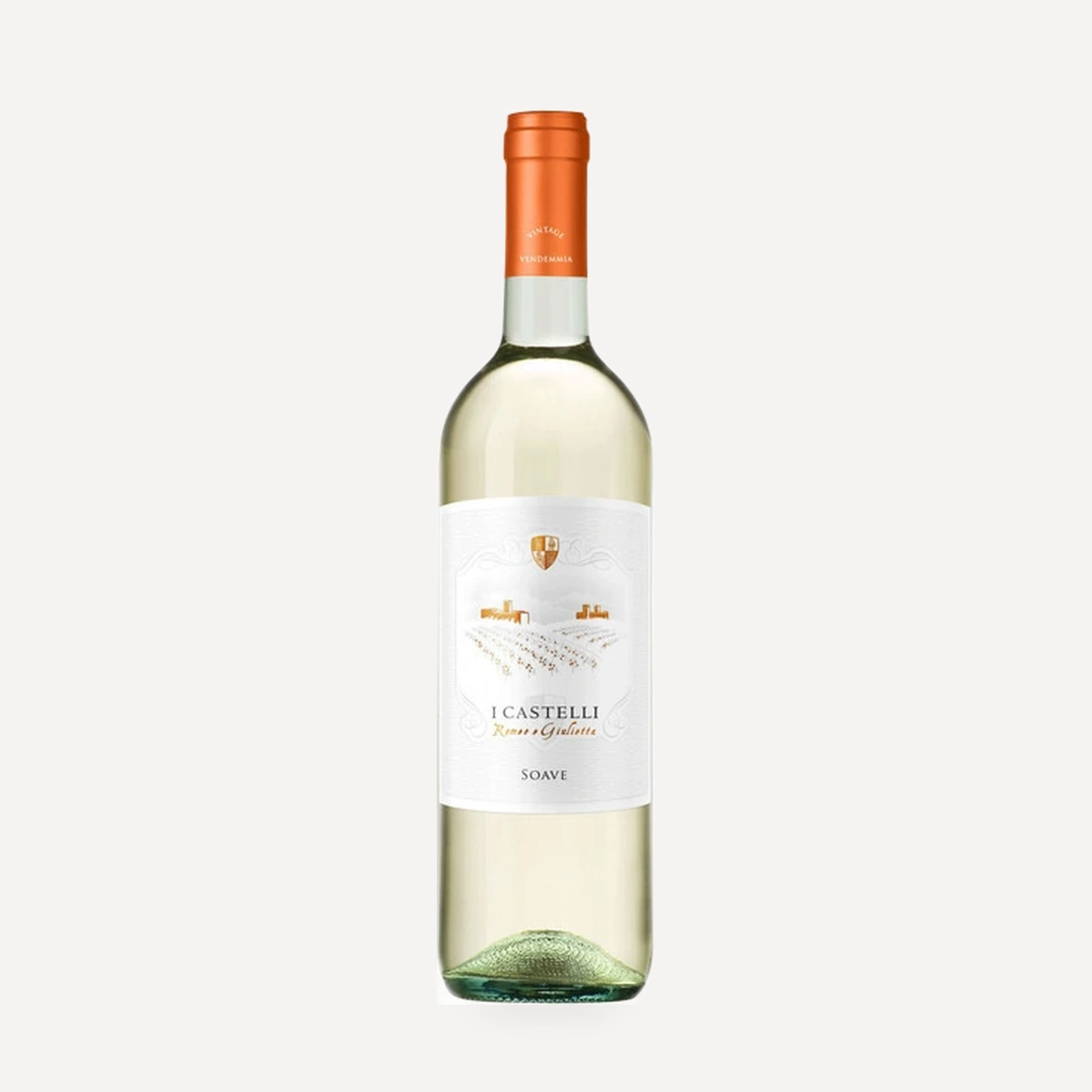
I Castelli Romeo e Giulietta Soave DOC
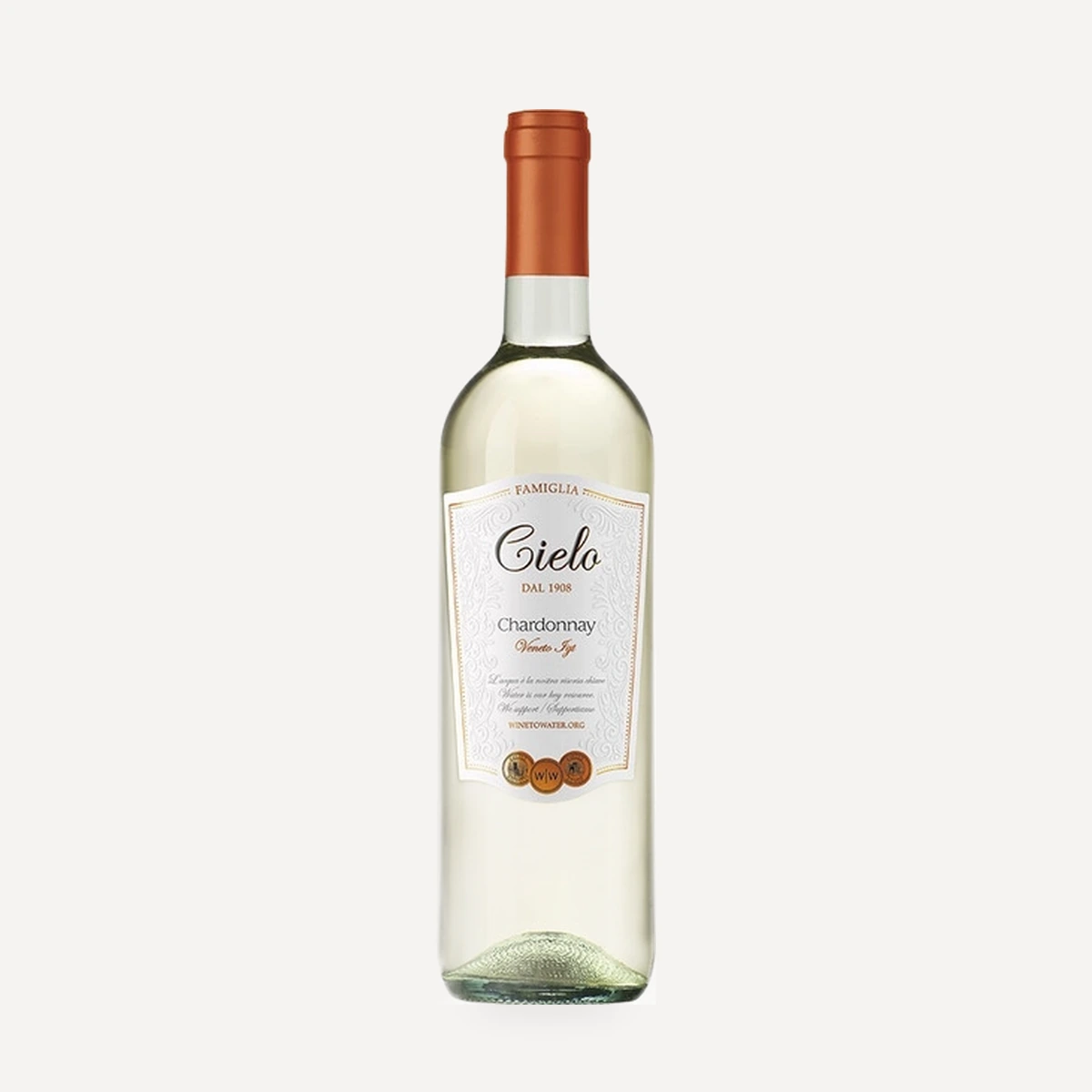
Chardonnay IGT
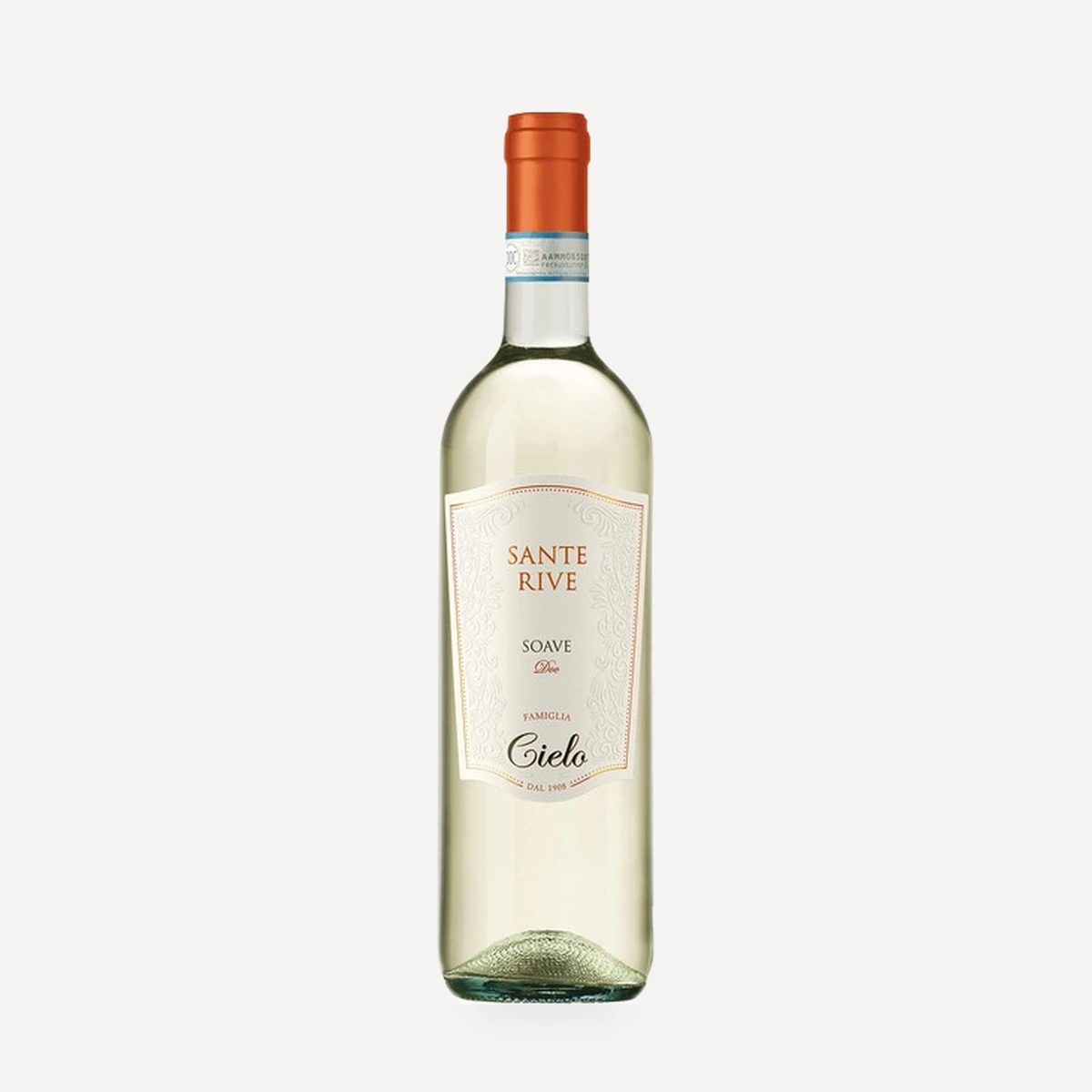
Sante Rive Soave DOC
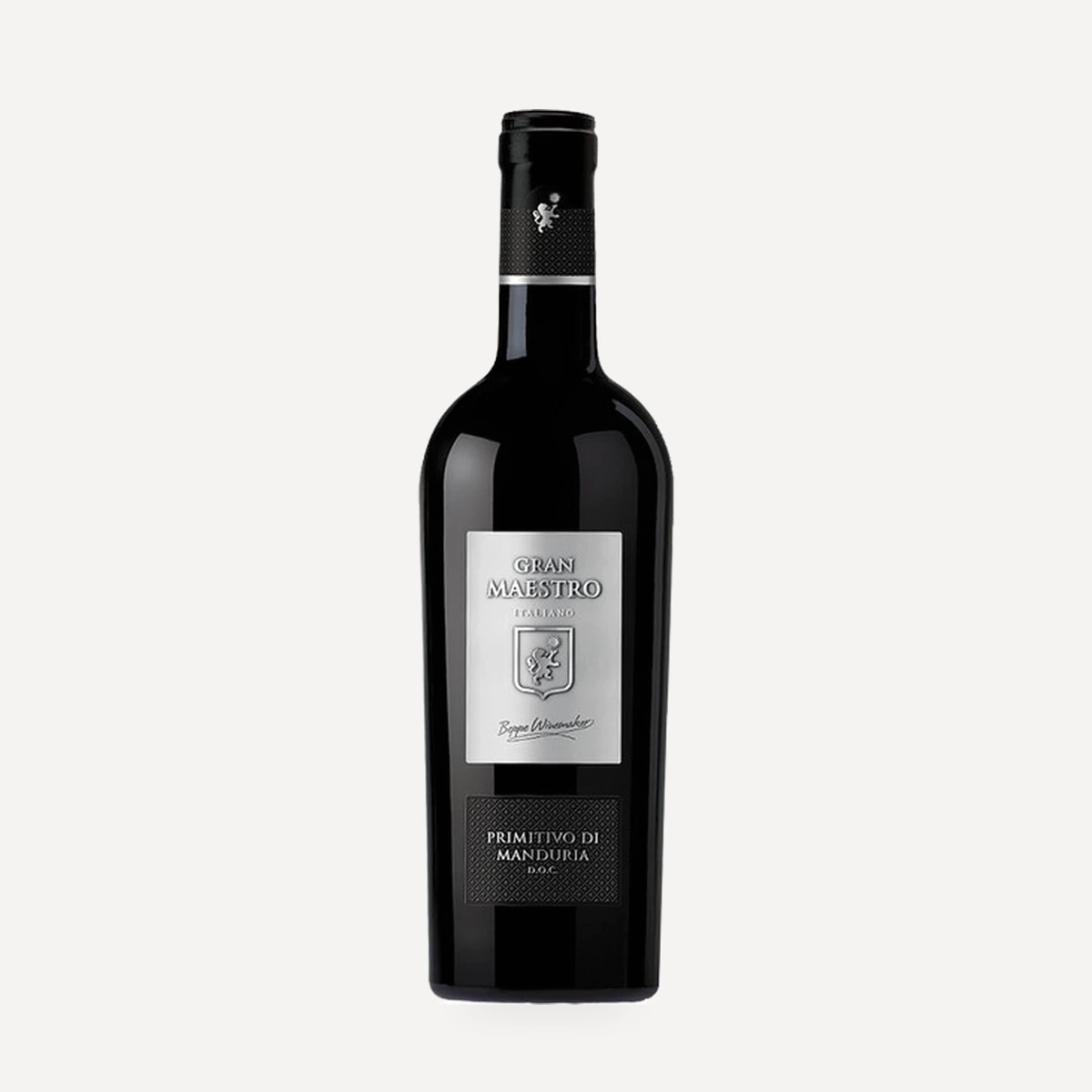
Gran Maestro Primitivo di Manduria DOC
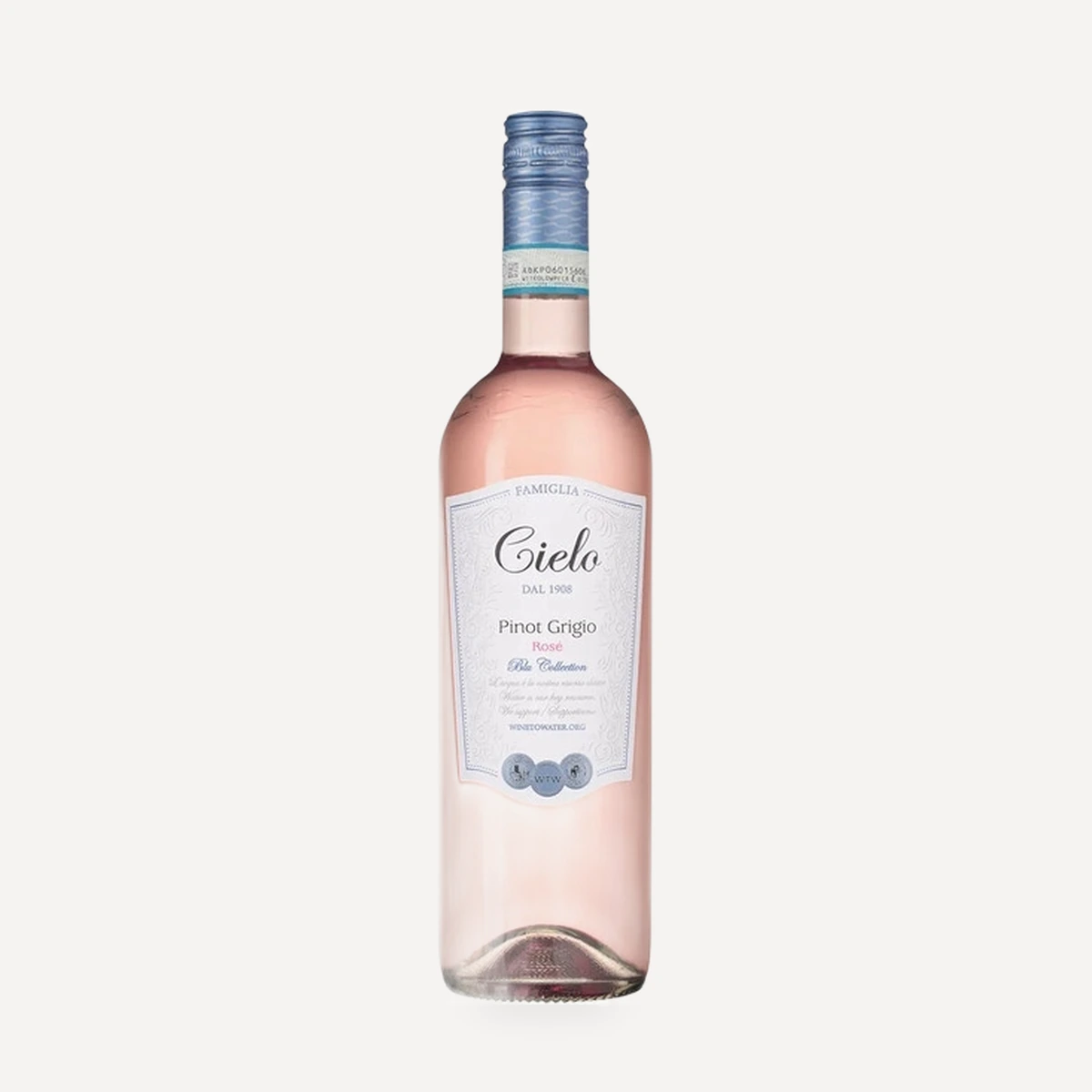
Pinot Grigio Rose delle Venezie DOC
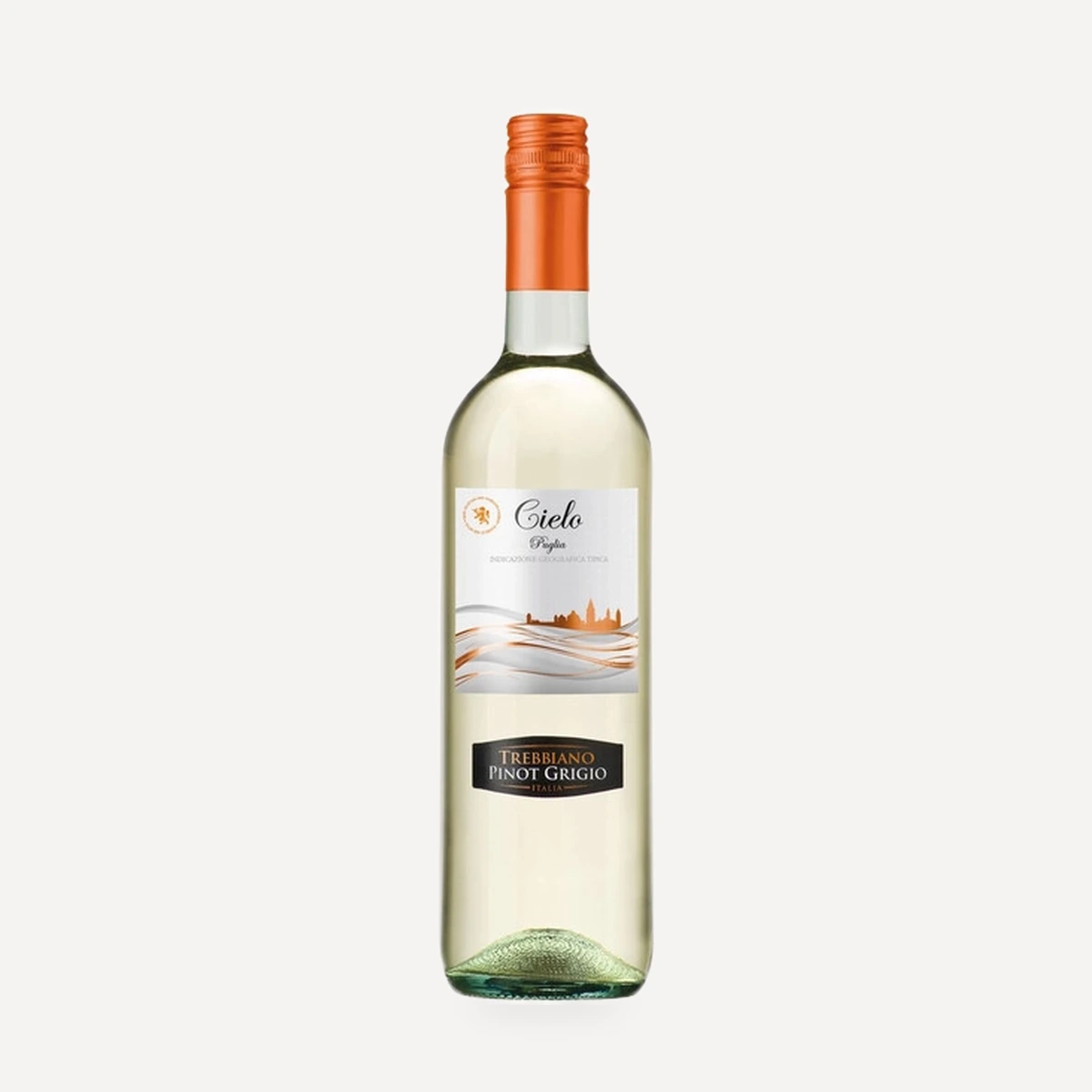
Trebbiano-Pinot Grigio
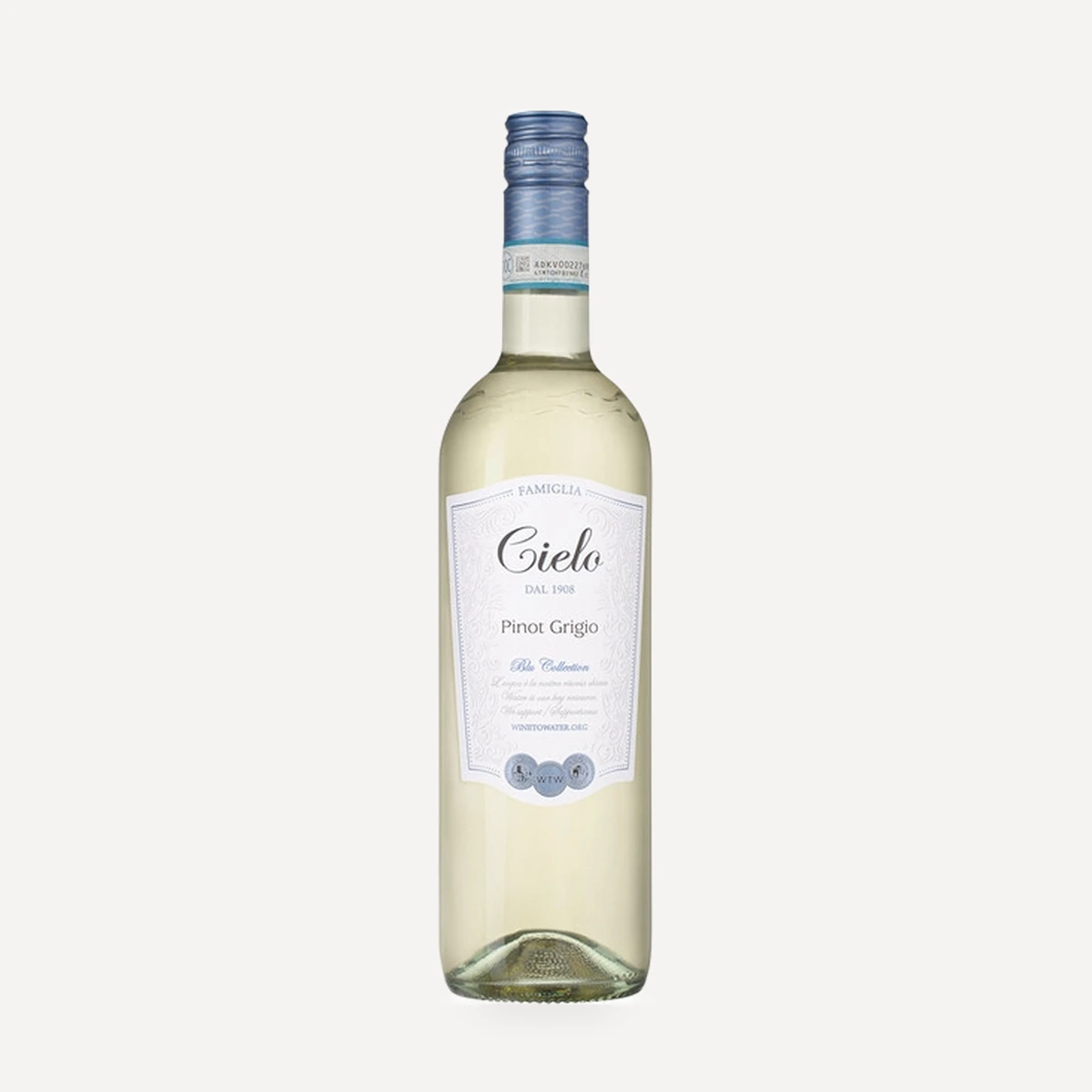
Cielo Pinot Grigio delle Venezie DOC
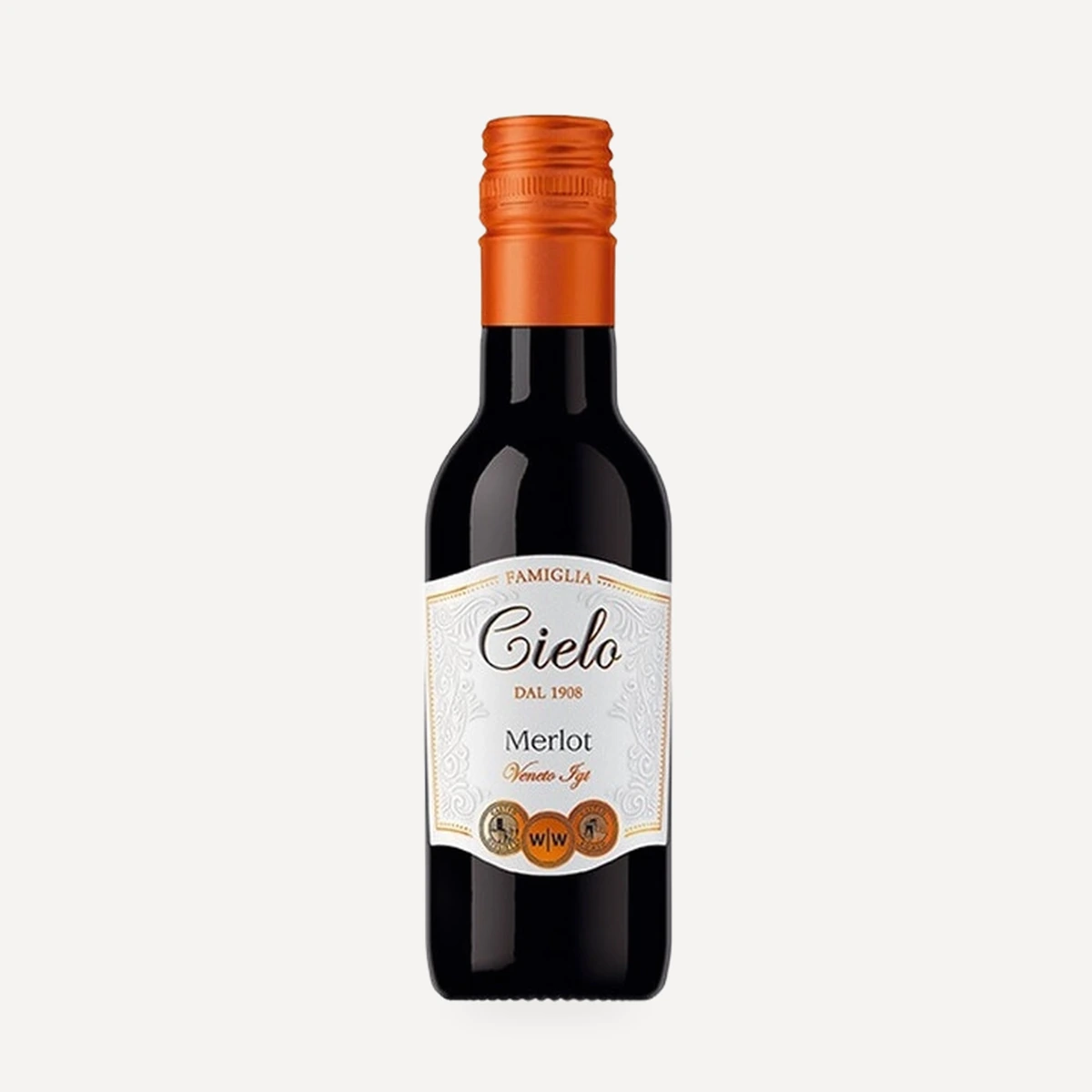
Merlot IGT
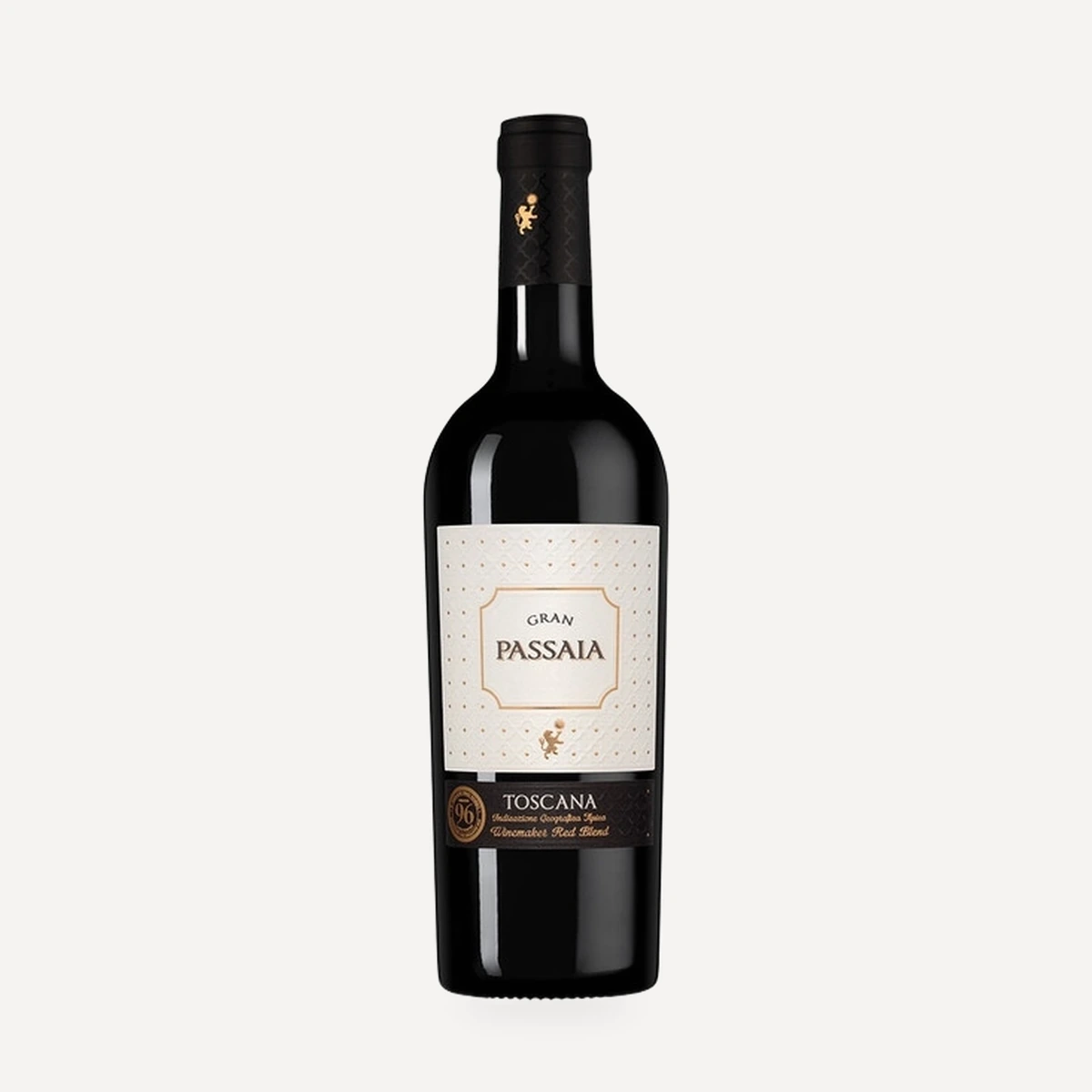
Passaia Toscana IGT
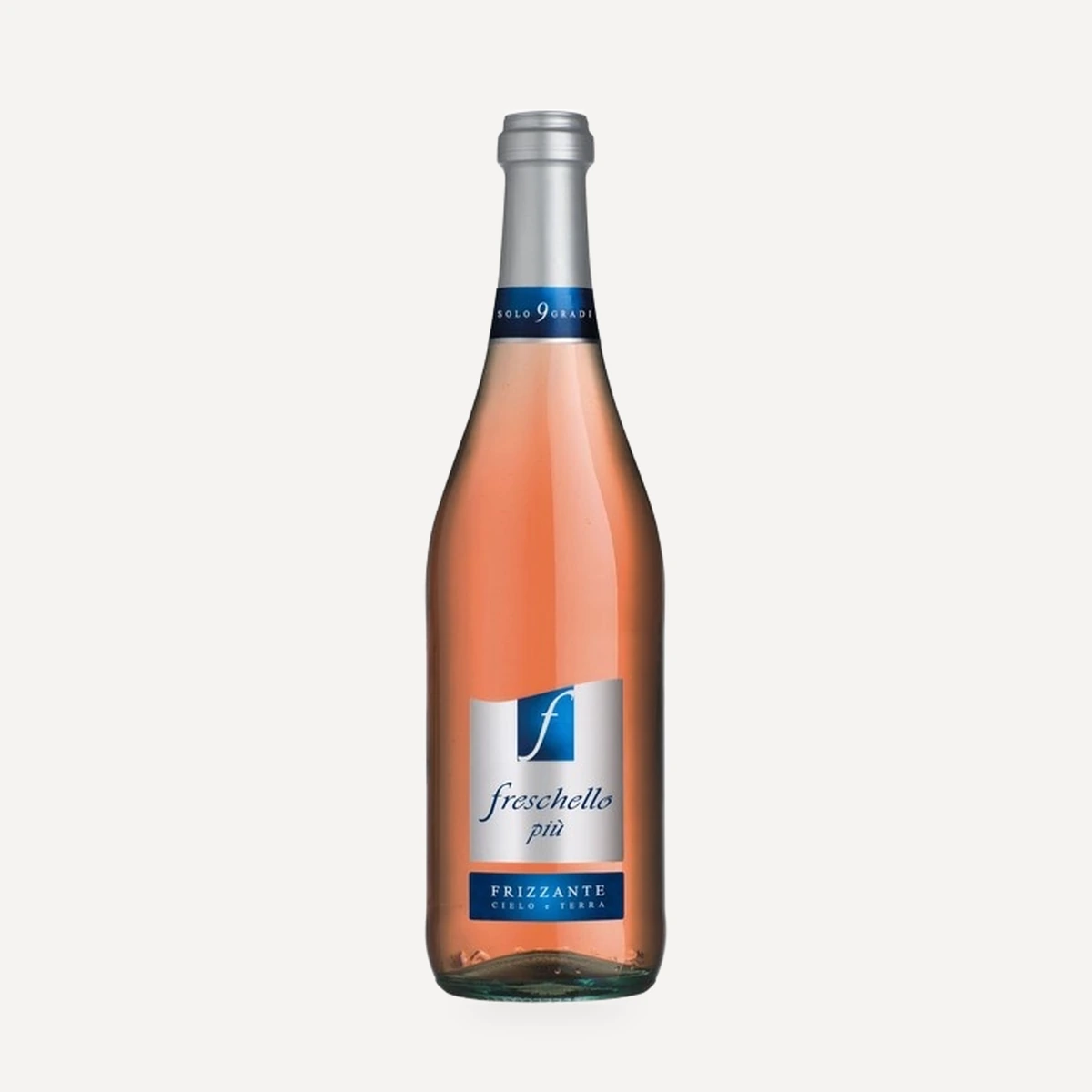
Freschello Piu Rosato
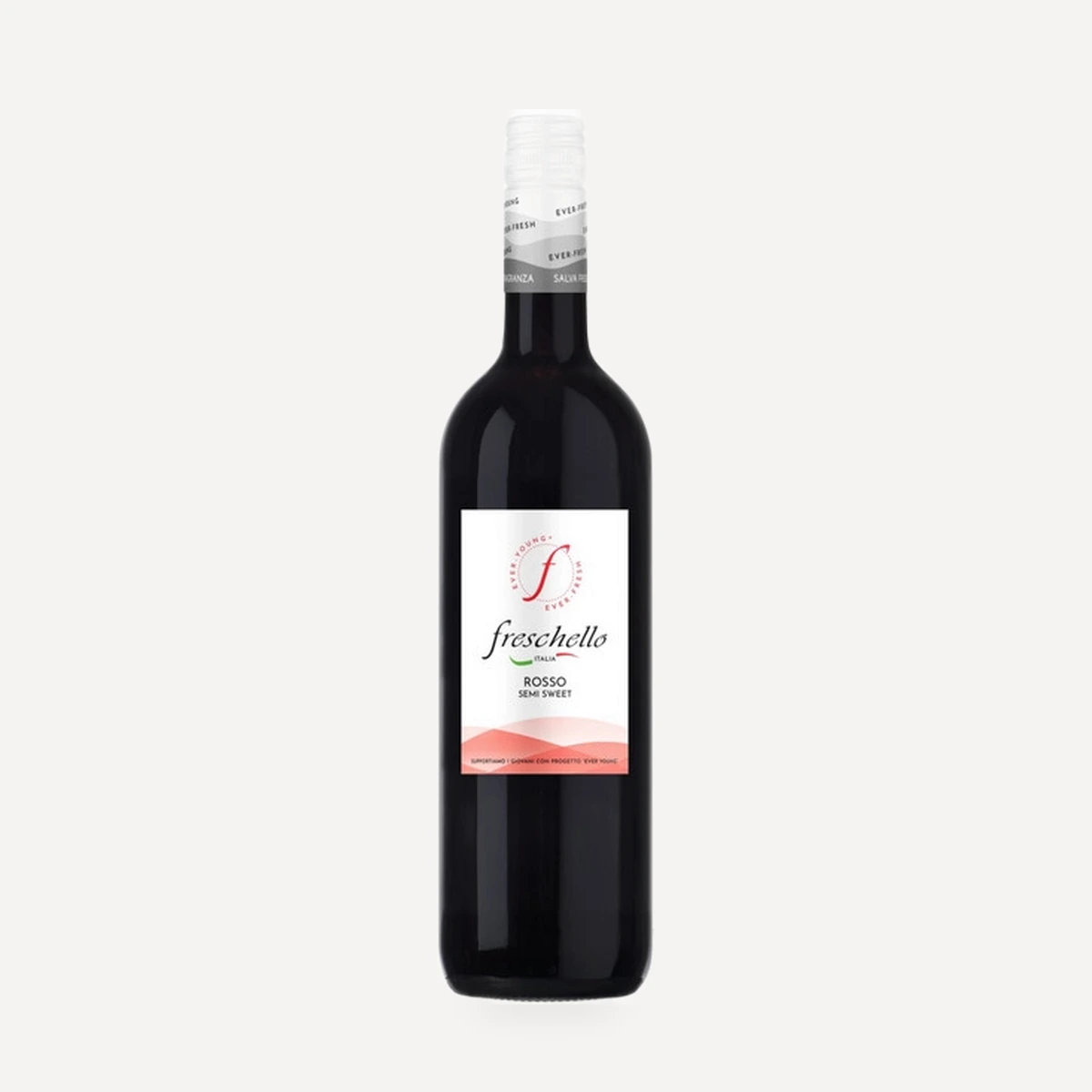
Freschello Rosso Semi Sweet
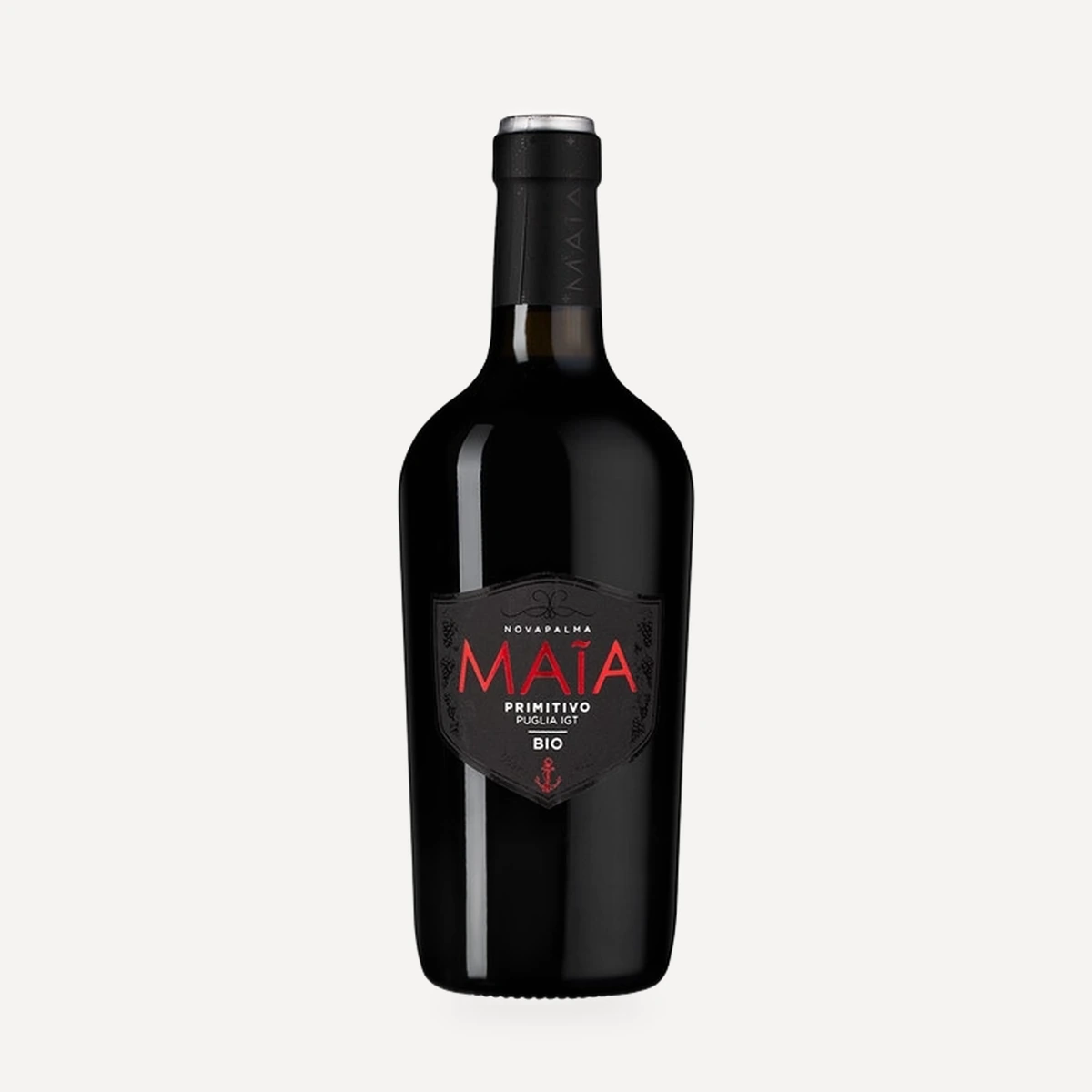
Maia Primitivo Puglia IGT
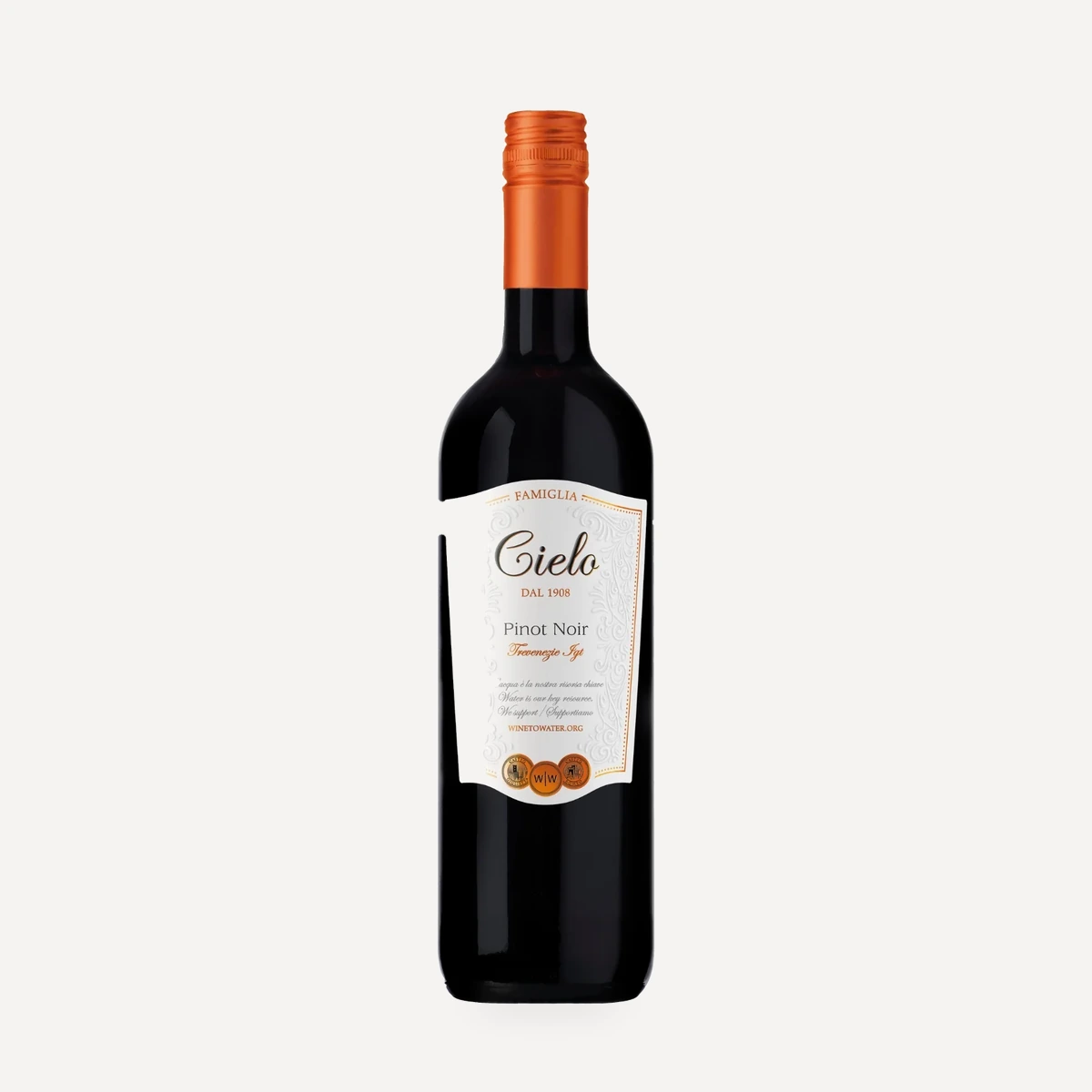
Cielo Blu | Pinot Noir Tre Venezie IGT
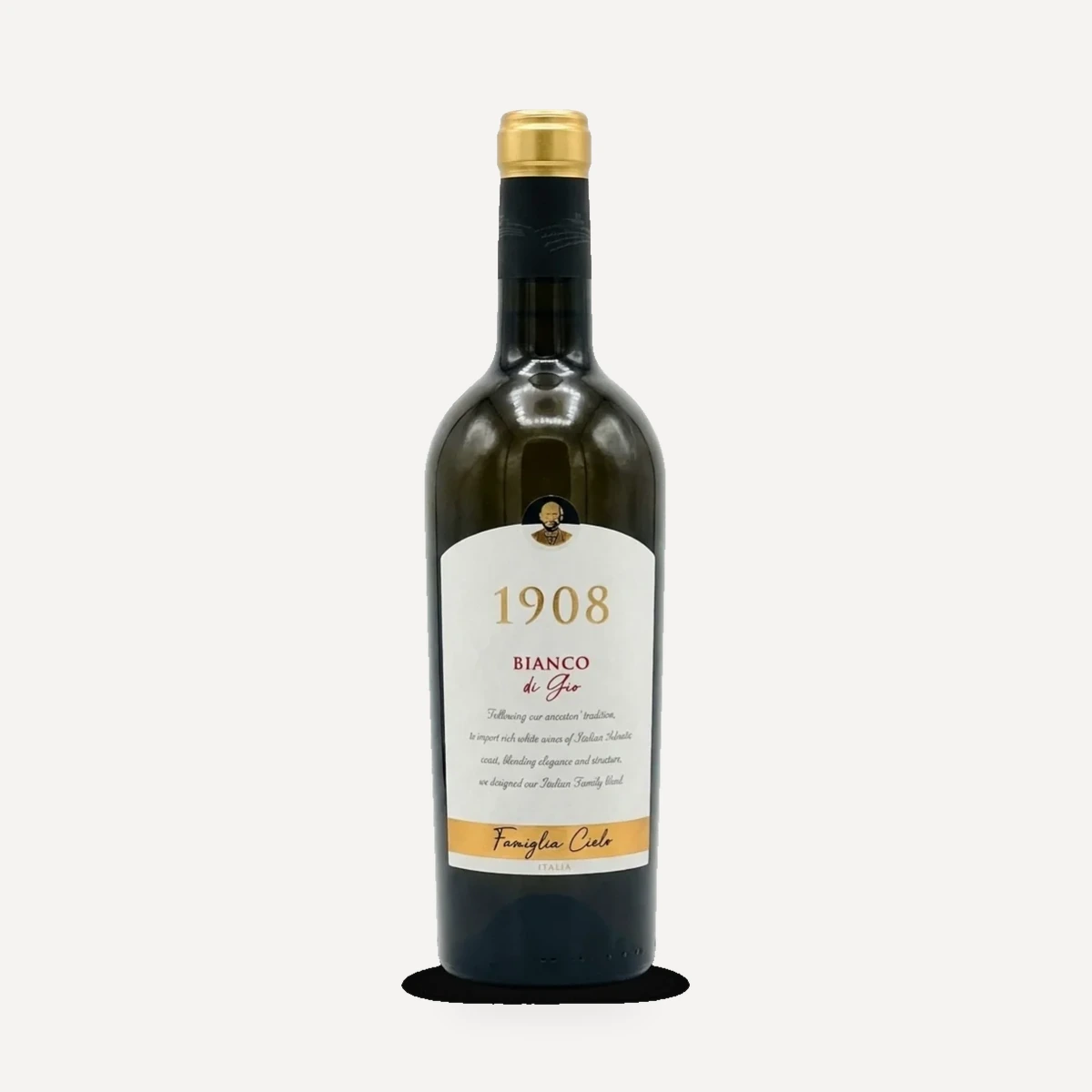
Cielo1908 | Bianco di Gio Master White Blend
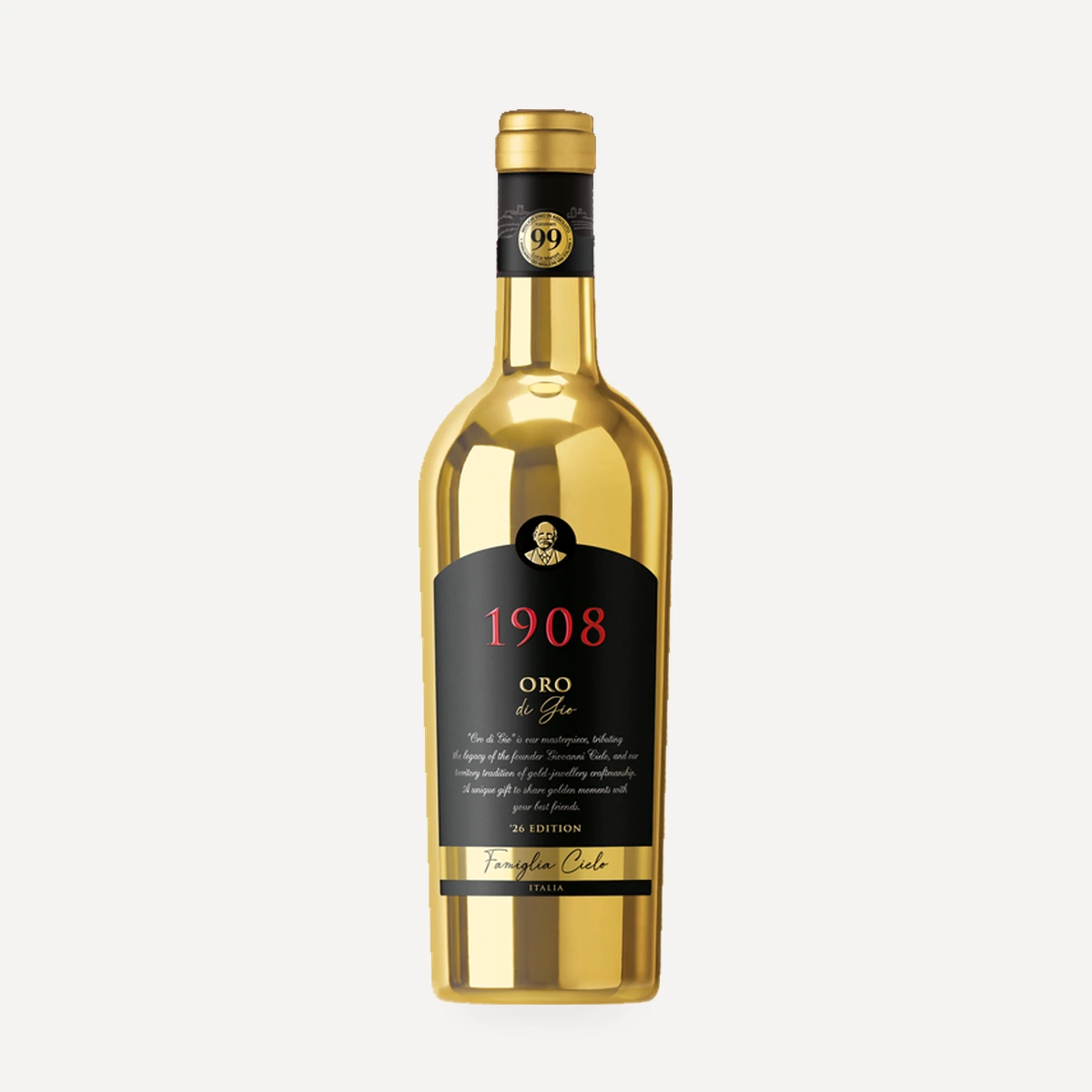
Cielo1908 | Oro di Gio Italian Red
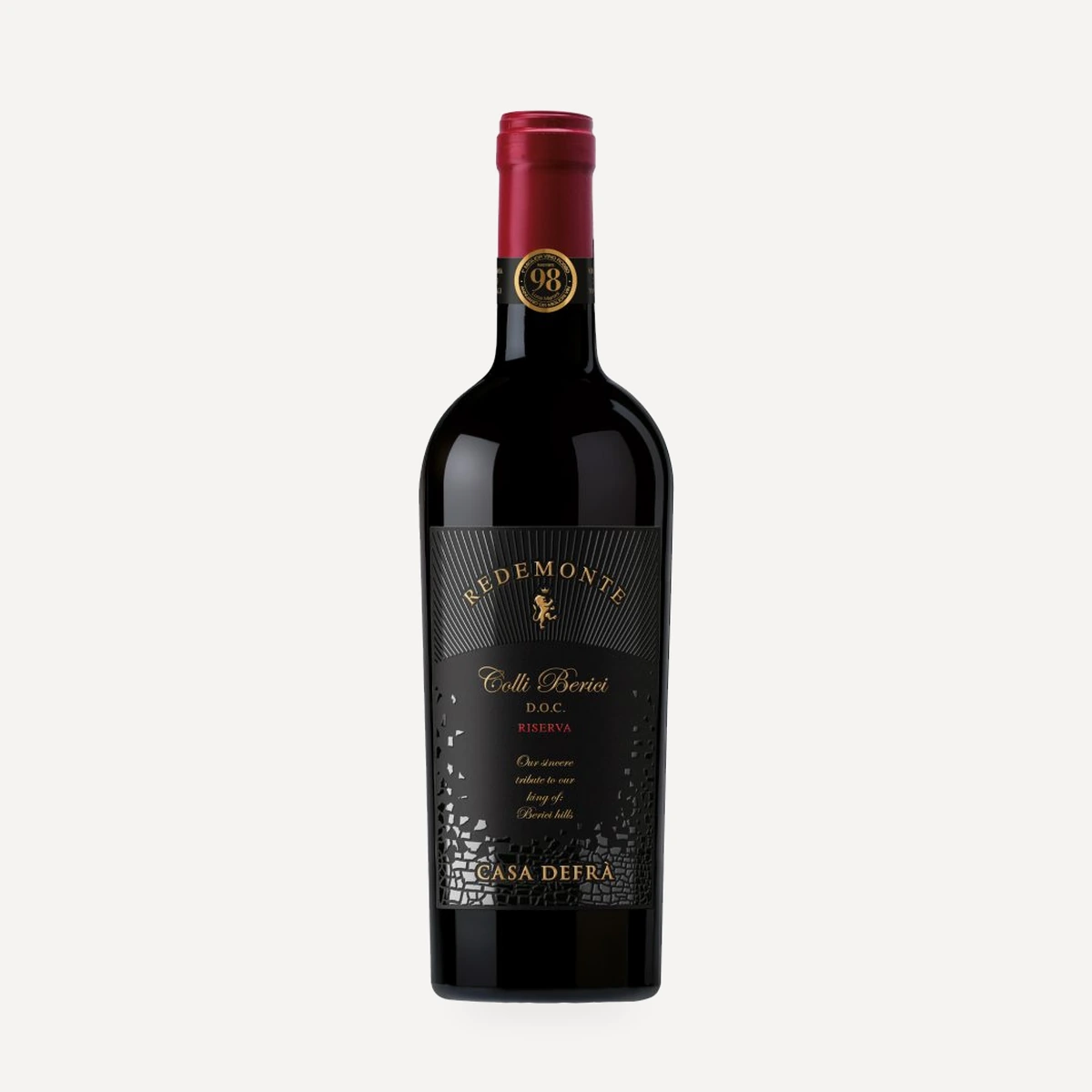
REDEMONTE | Rosso Riserva Colli Berici DOC
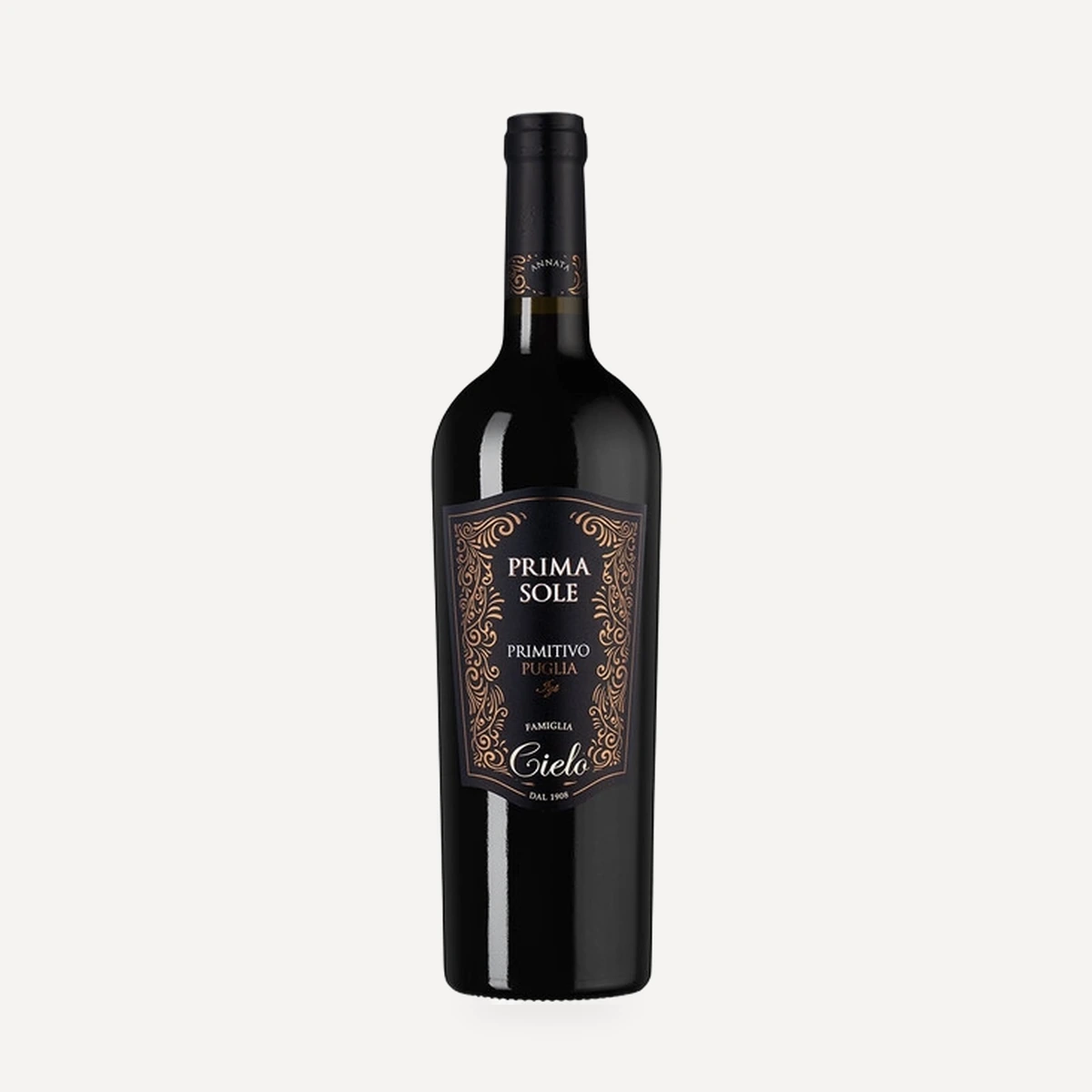
Primasole Primitivo Puglia IGT
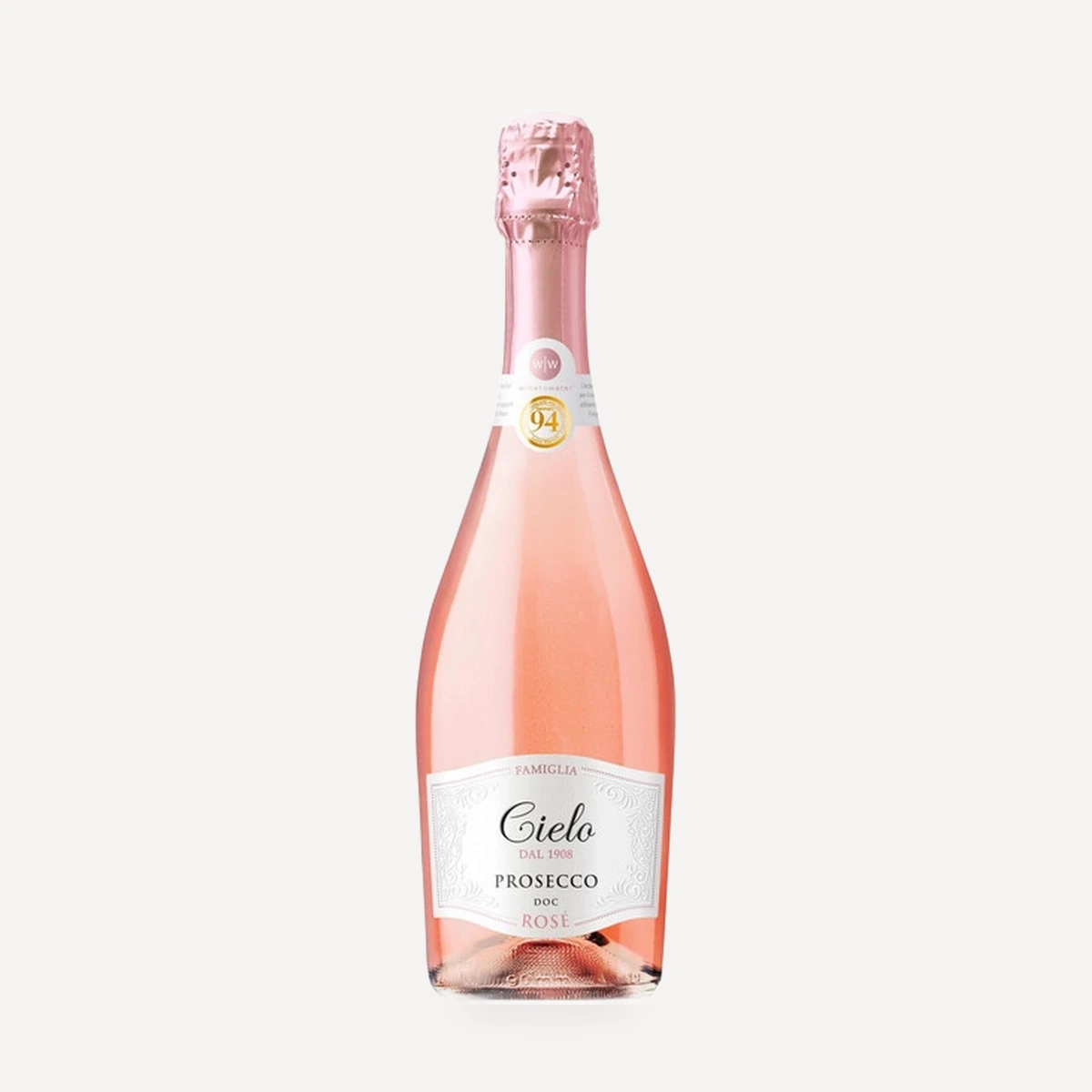
Prosecco Rose Extra Dry DOC
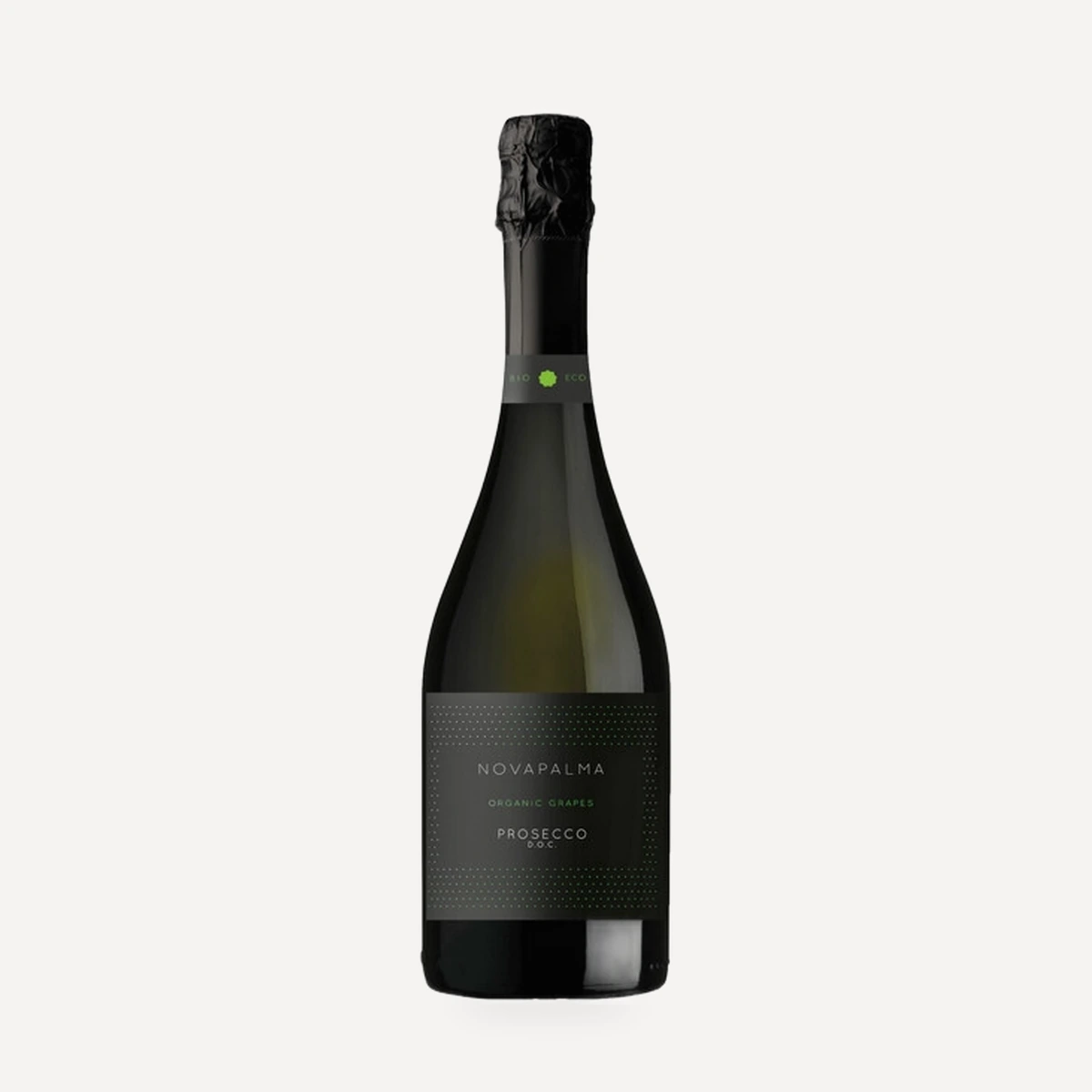
Novapalma Prosecco DOC
Albestro Bianco (
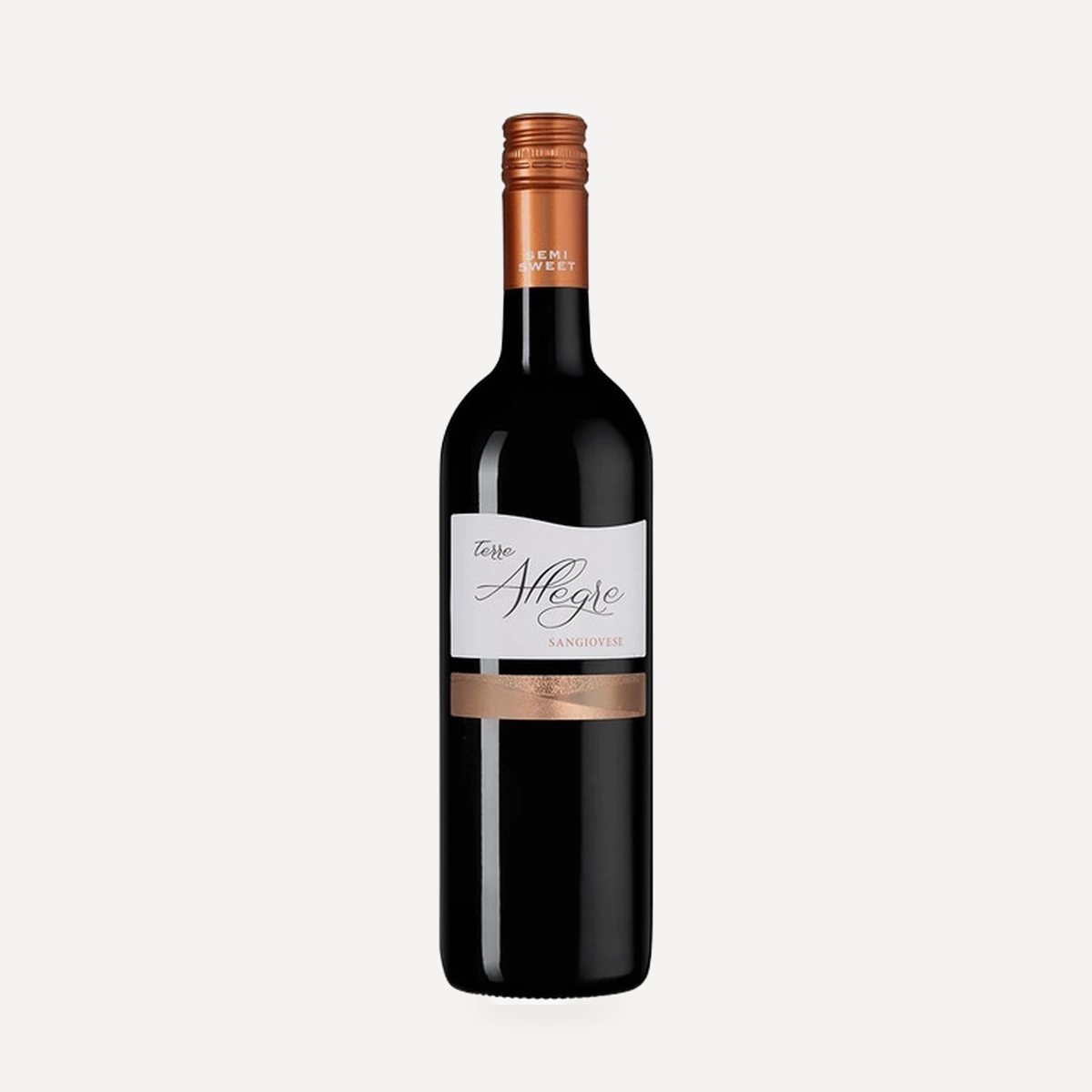
Terre Allegre Sangiovese Puglia Semidolce IGT
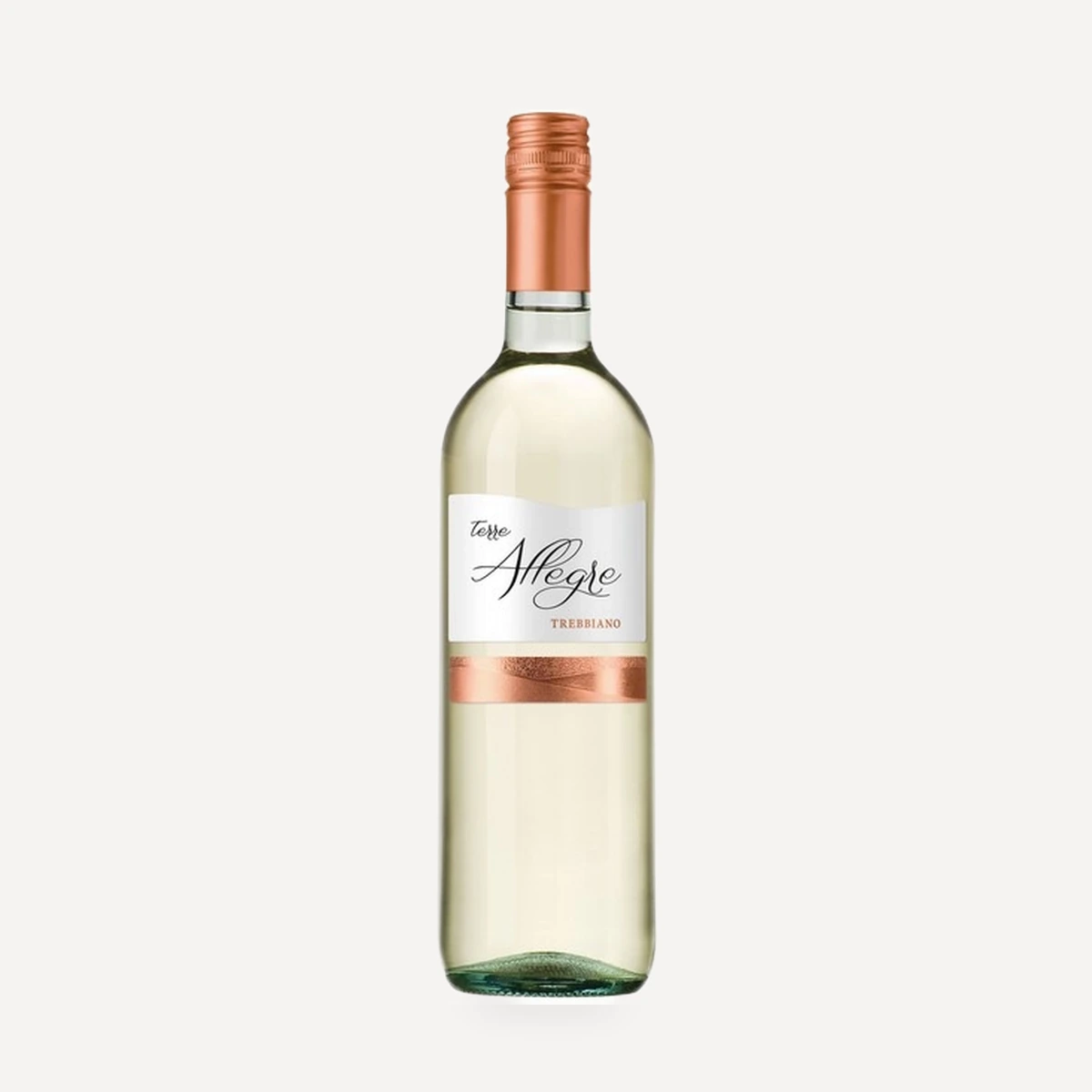
Terre Allegre Trebbiano Semi Sweet
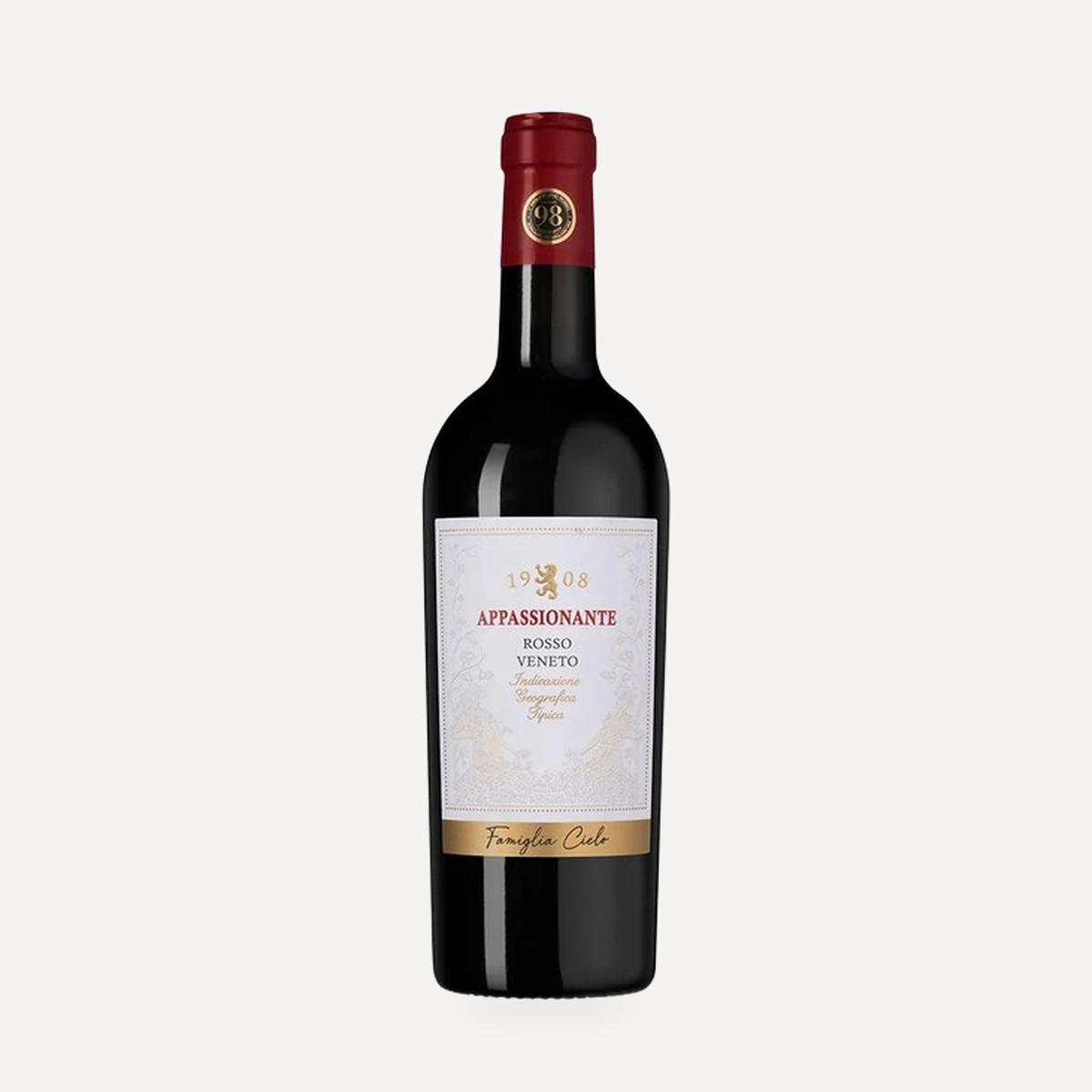
Appassionante Rosso Veneto IGT
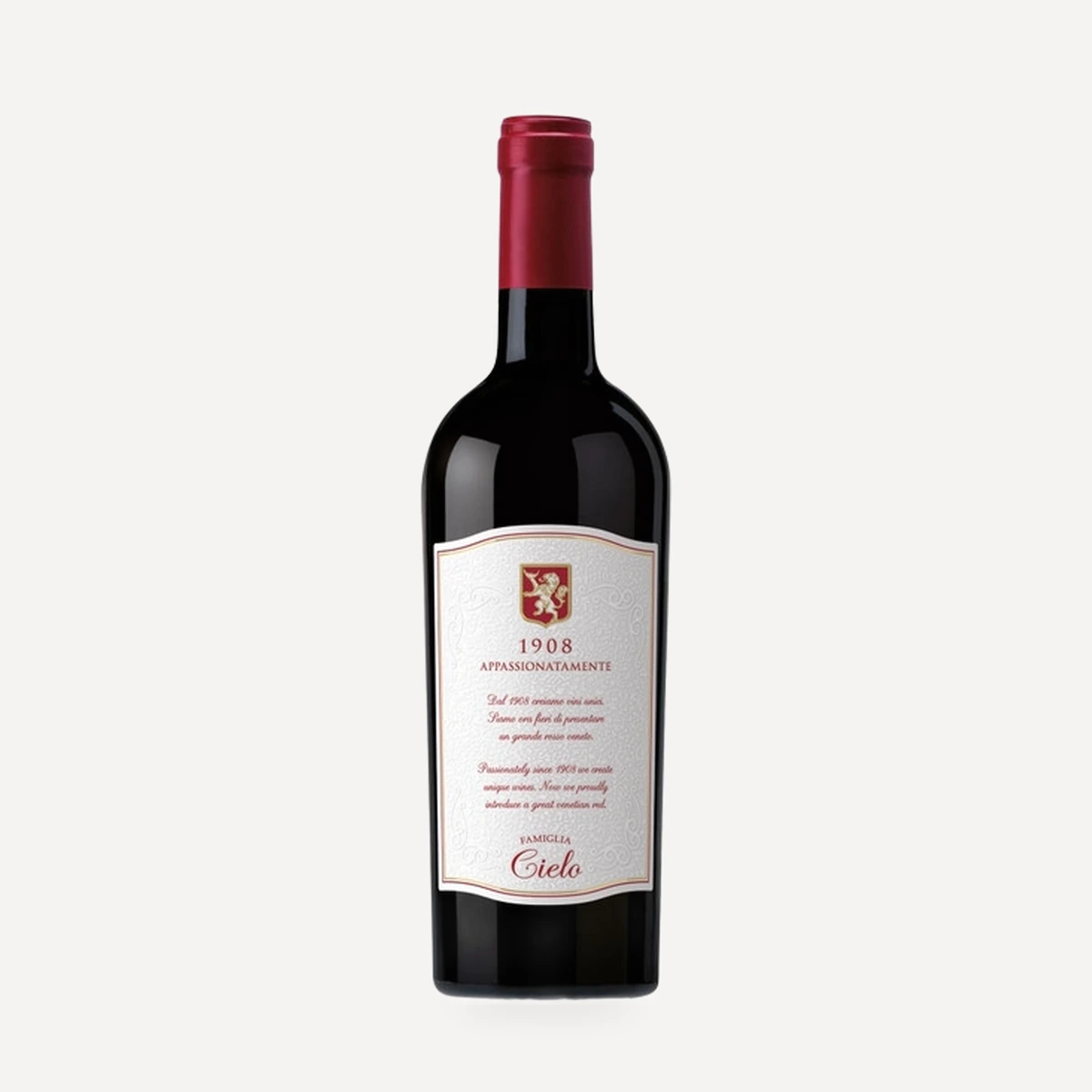
Appassionatamente Rosso Veneto IGT
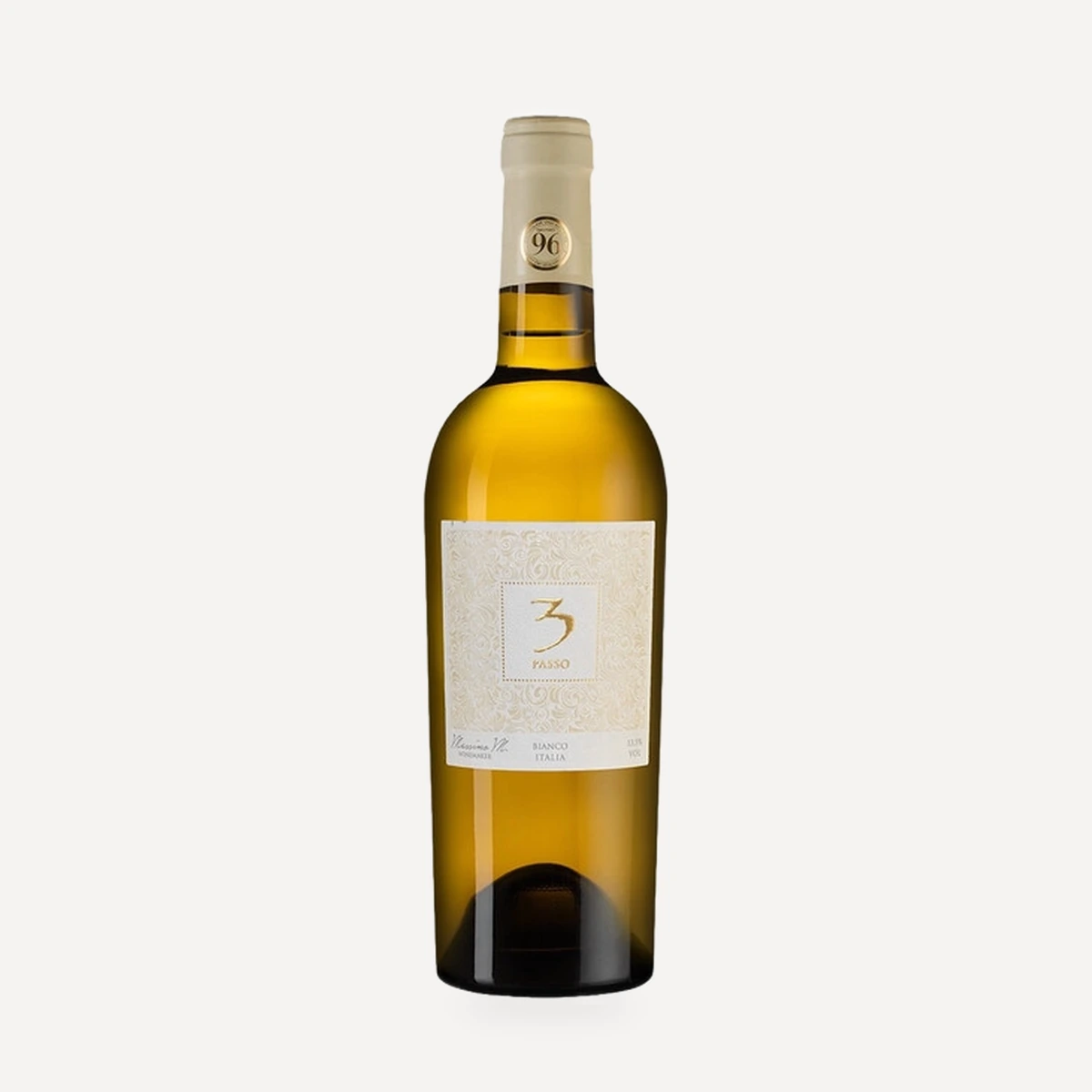
3 Passo Bianco
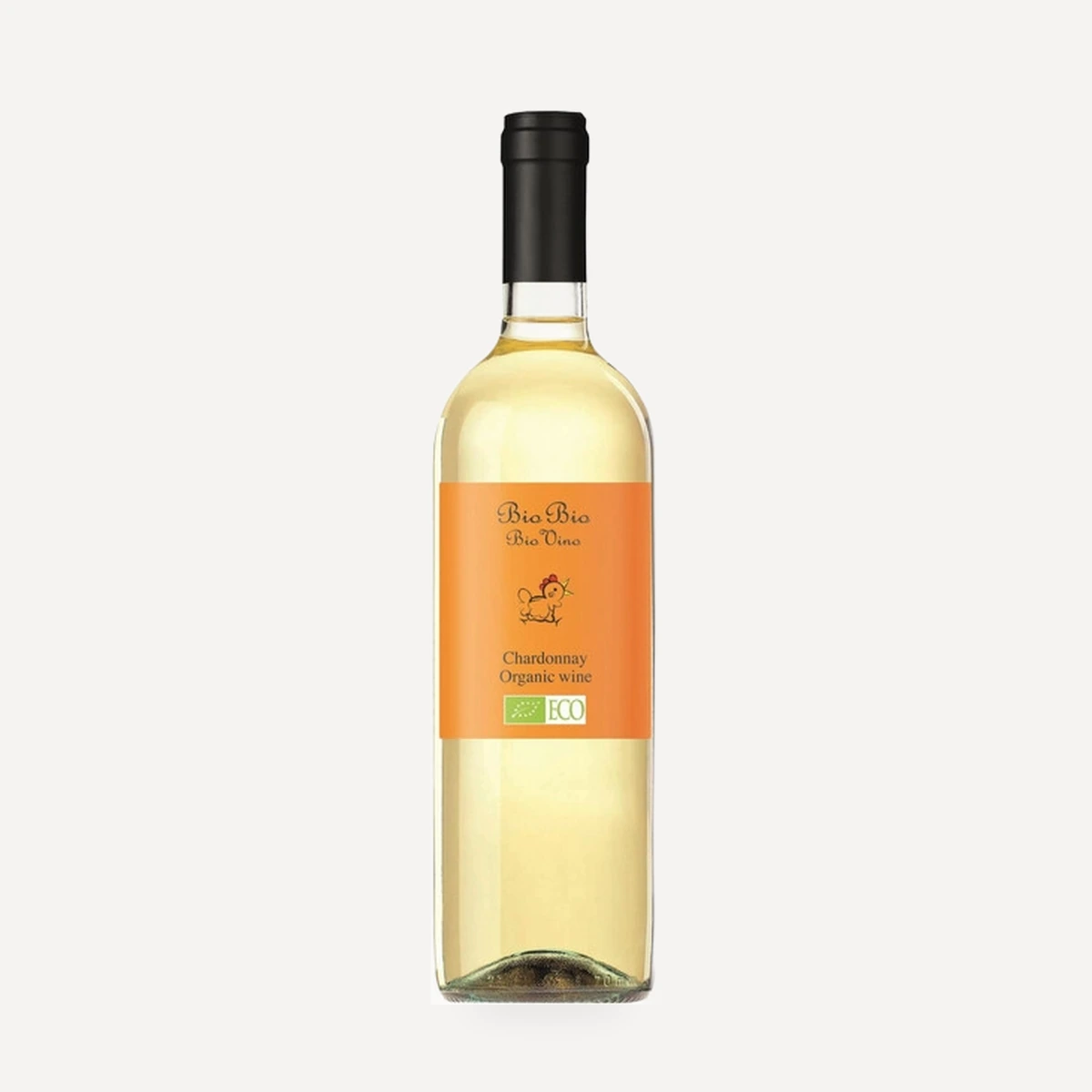
Bio Bio Chardonnay
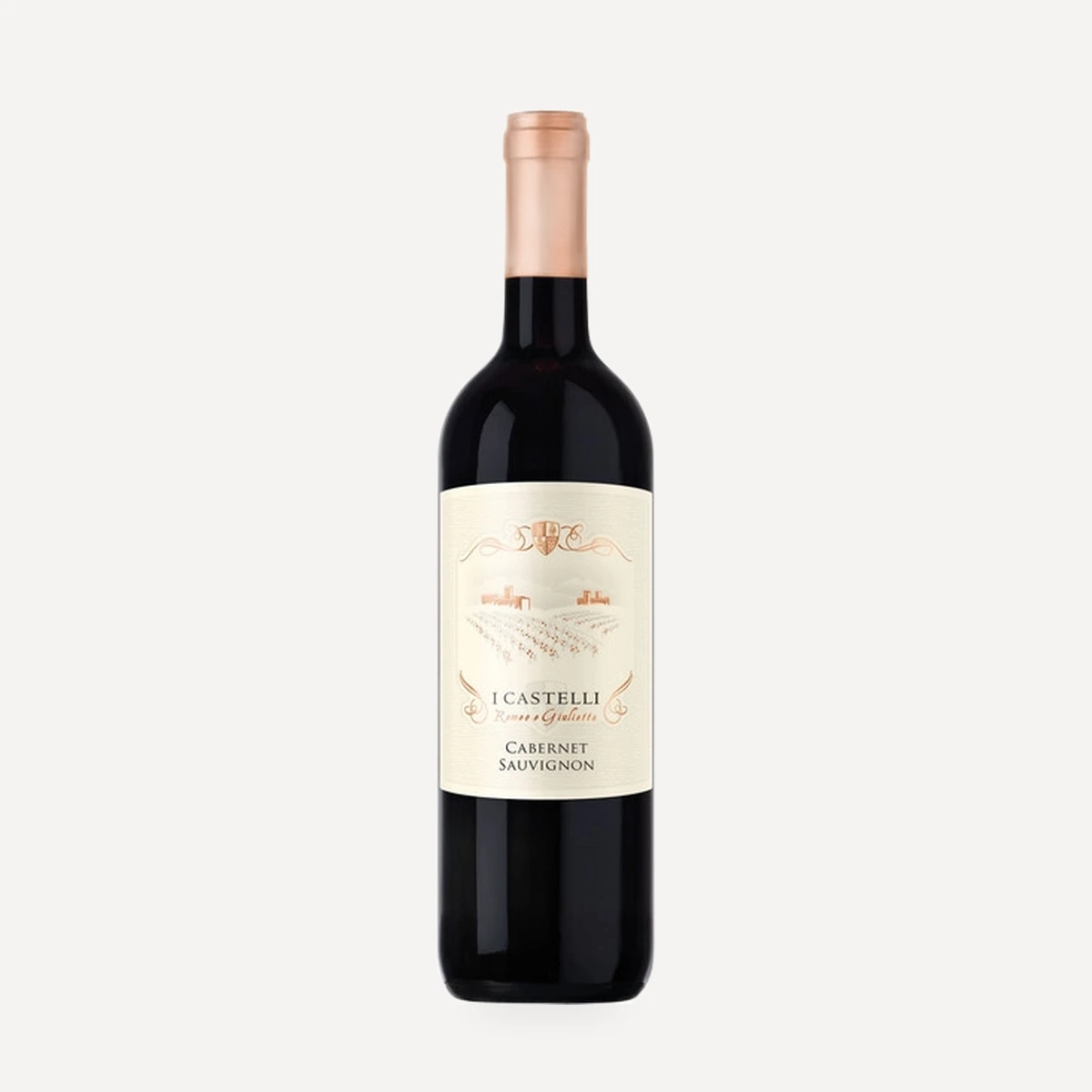
I Castelli Romeo e Giulietta Cabernet Sauvignon Trevenezie IGT
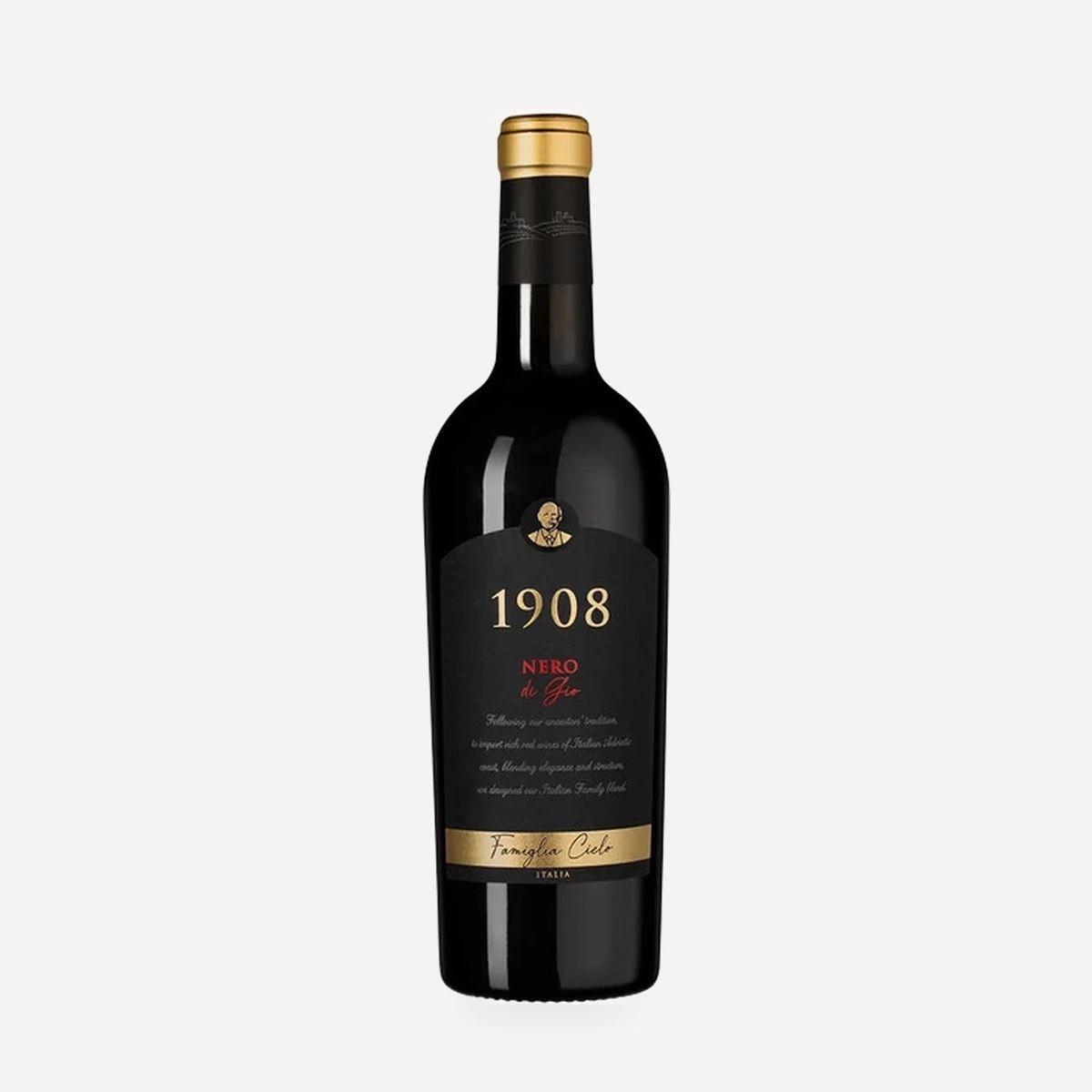
Nero di Gio
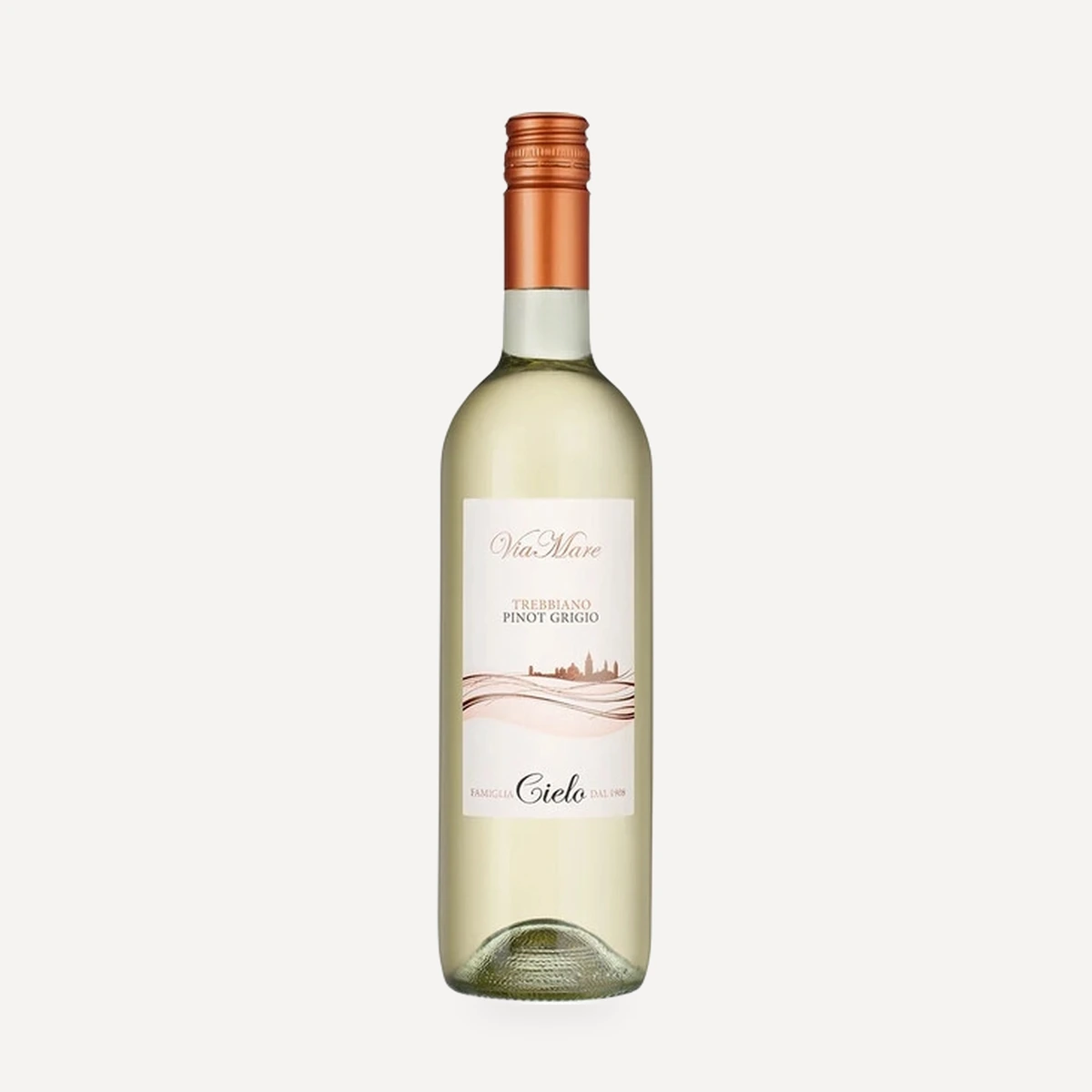
Viamare Trebbiano-Pinot Grigio
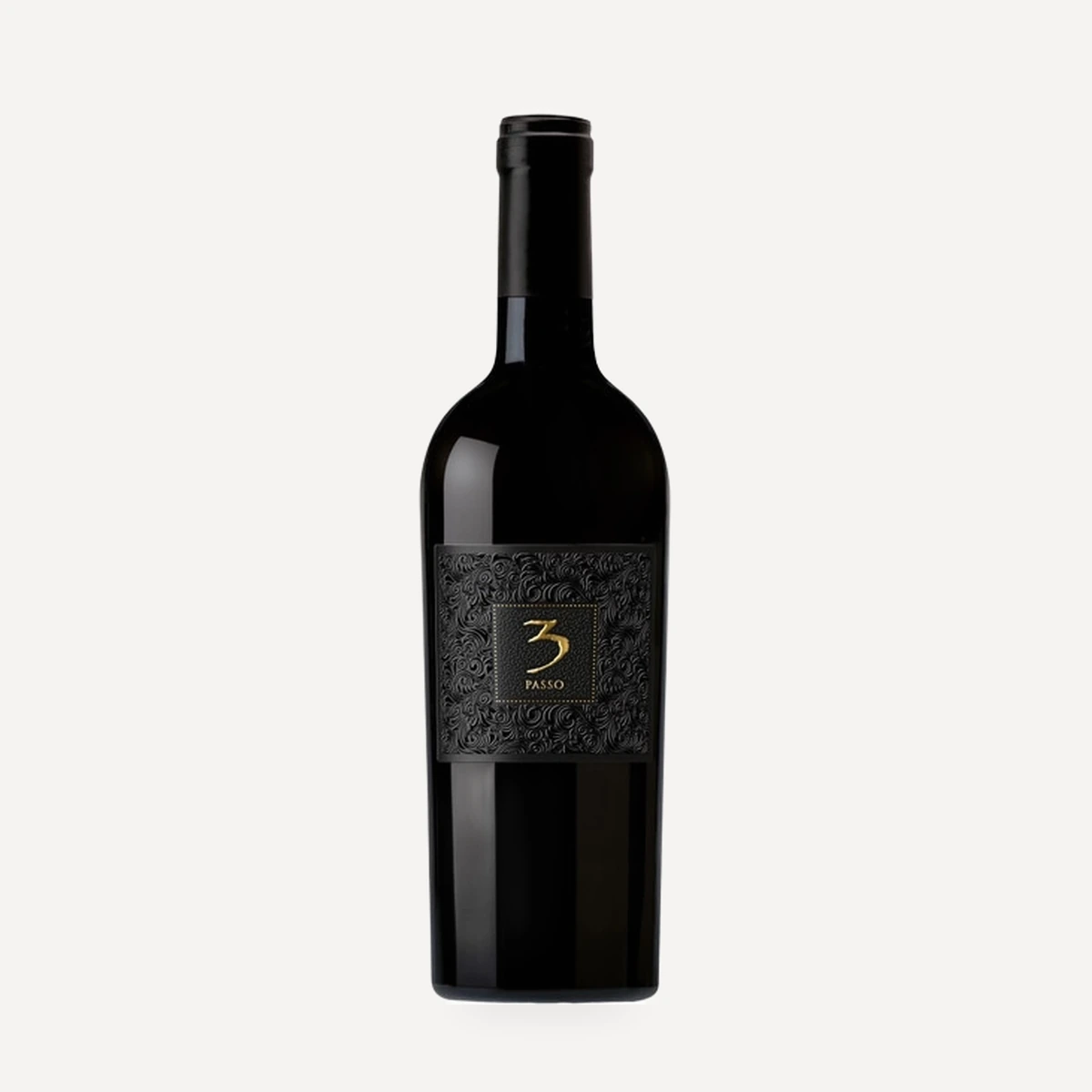
3 Passo
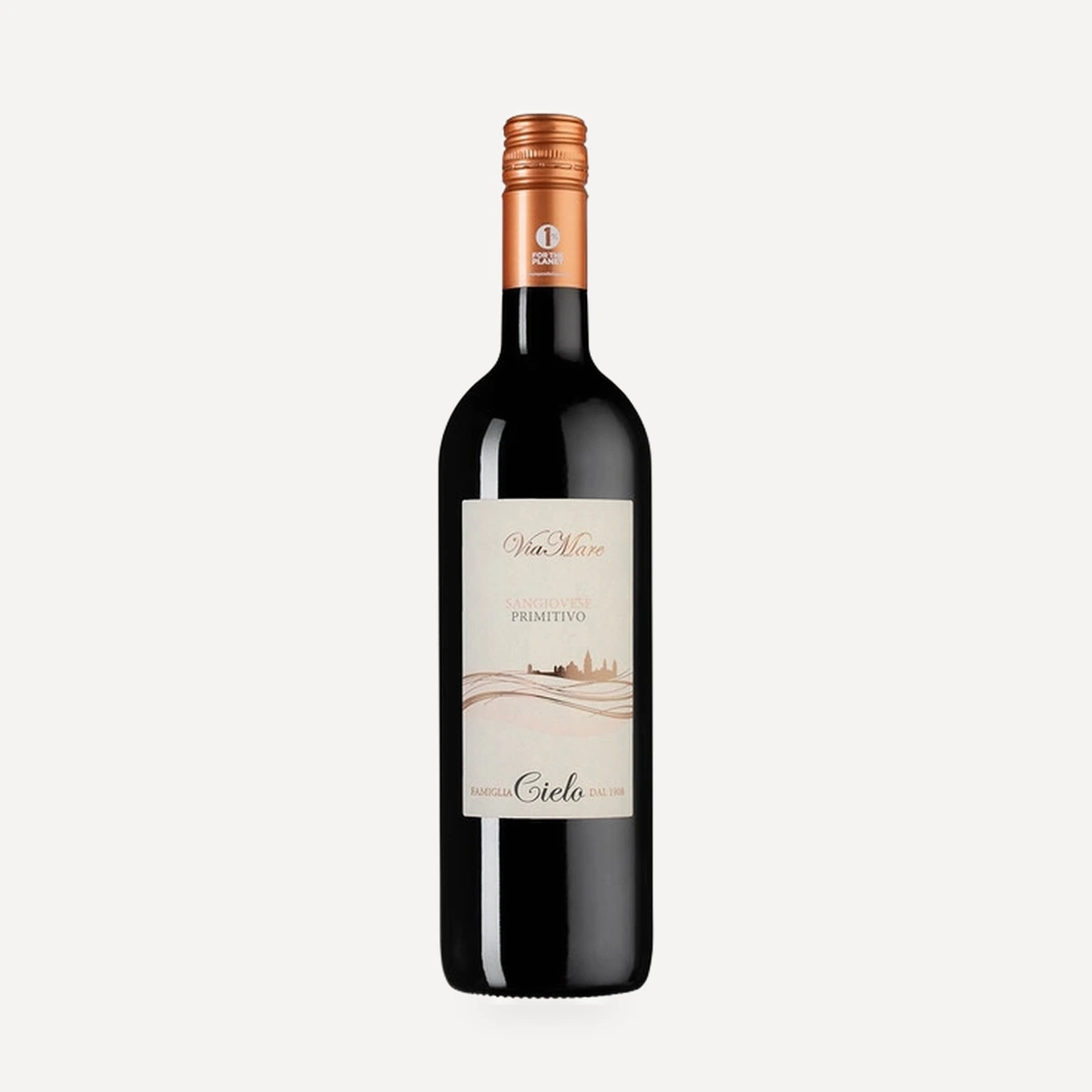
Viamare Sangiovese Primitivo
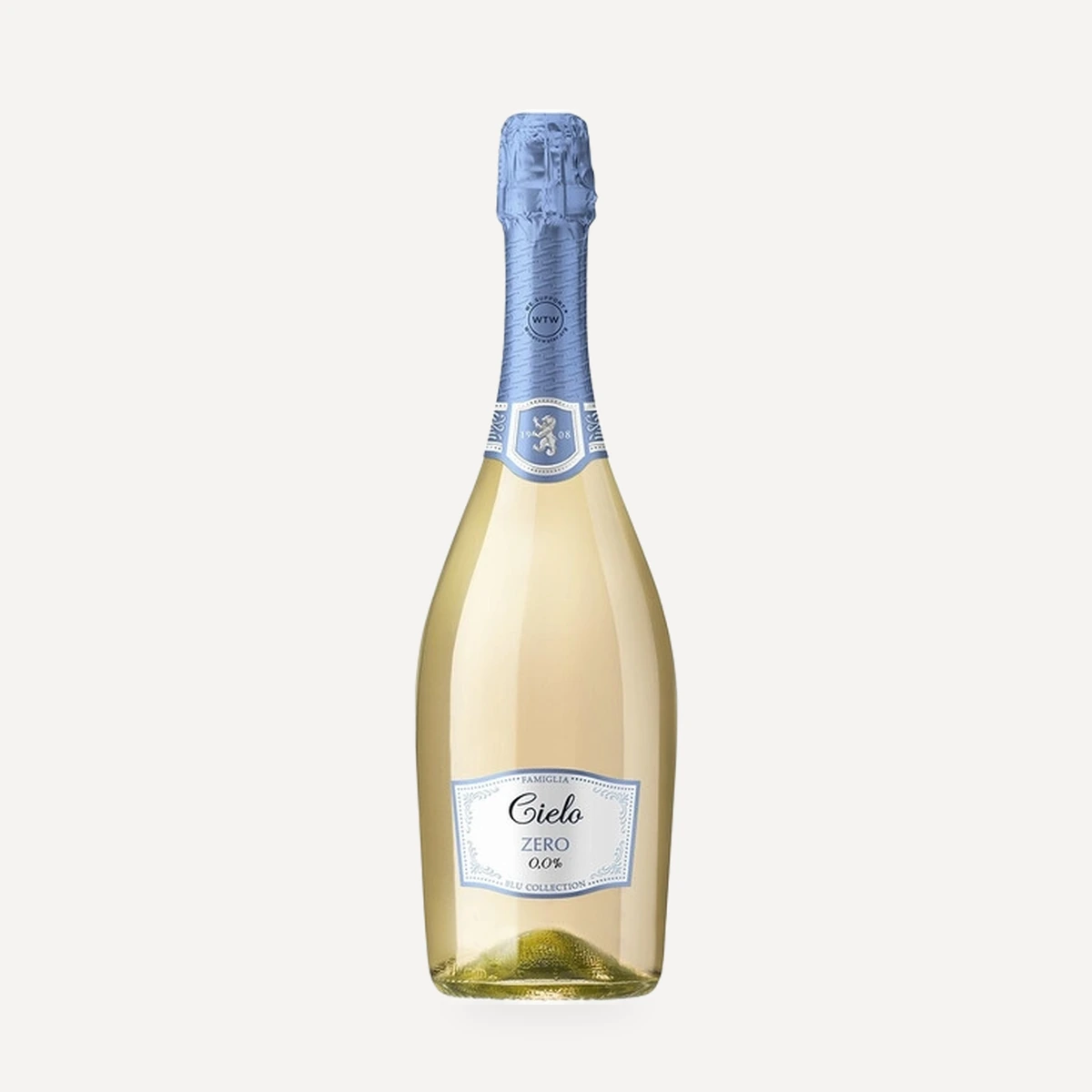
Zero
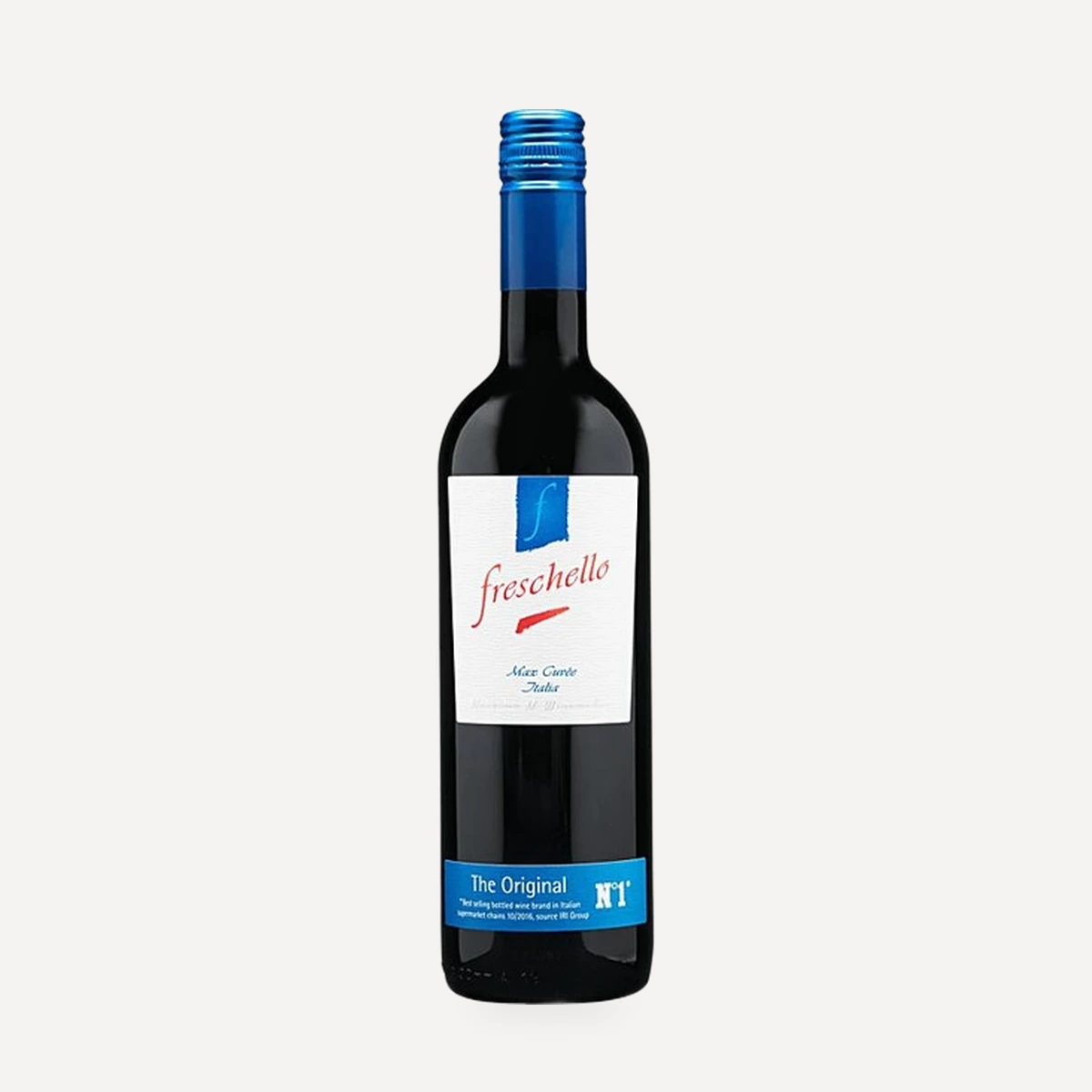
Freschello Max Cuvee Rosso
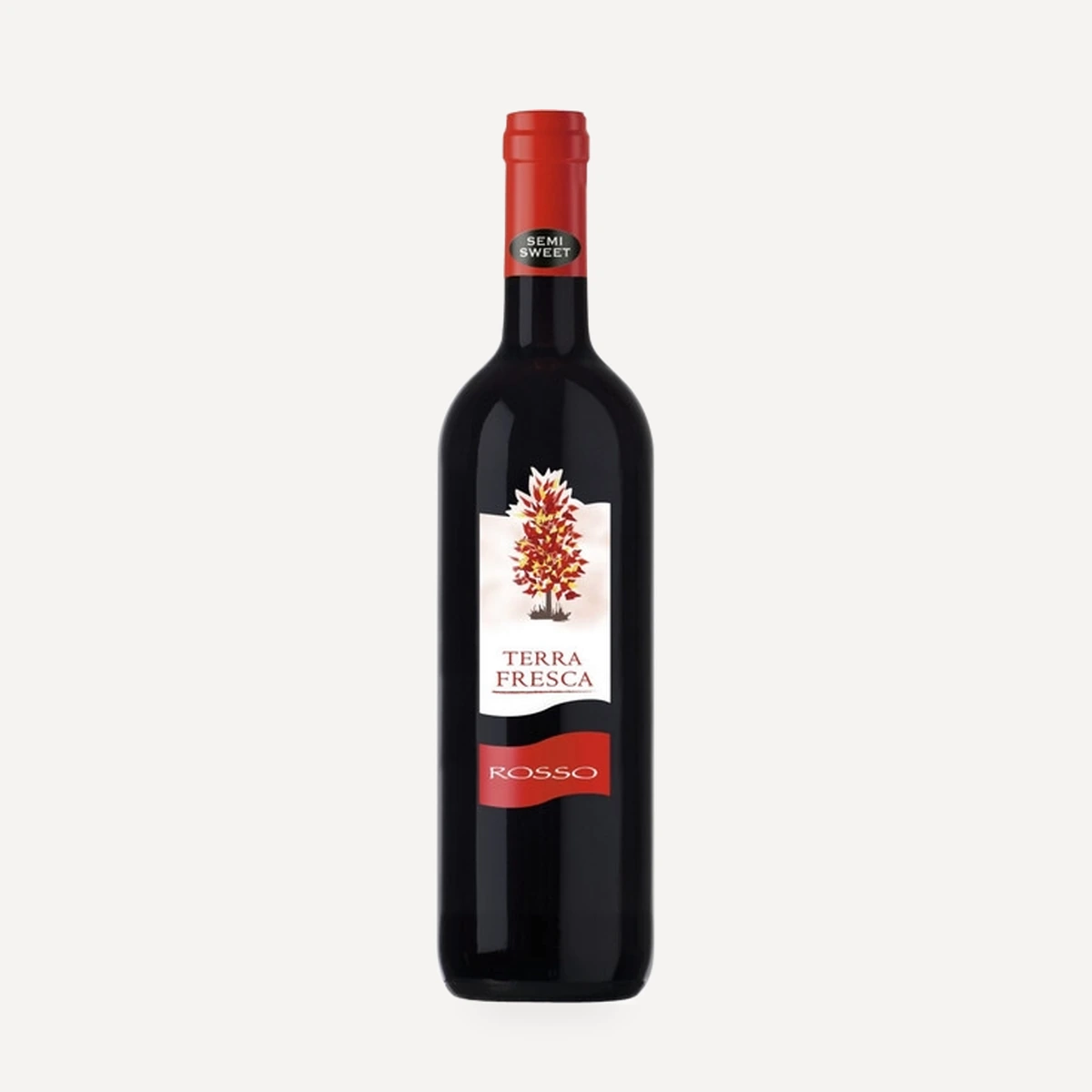
Terra Fresca Rosso Semi-Sweet Veneto IGT
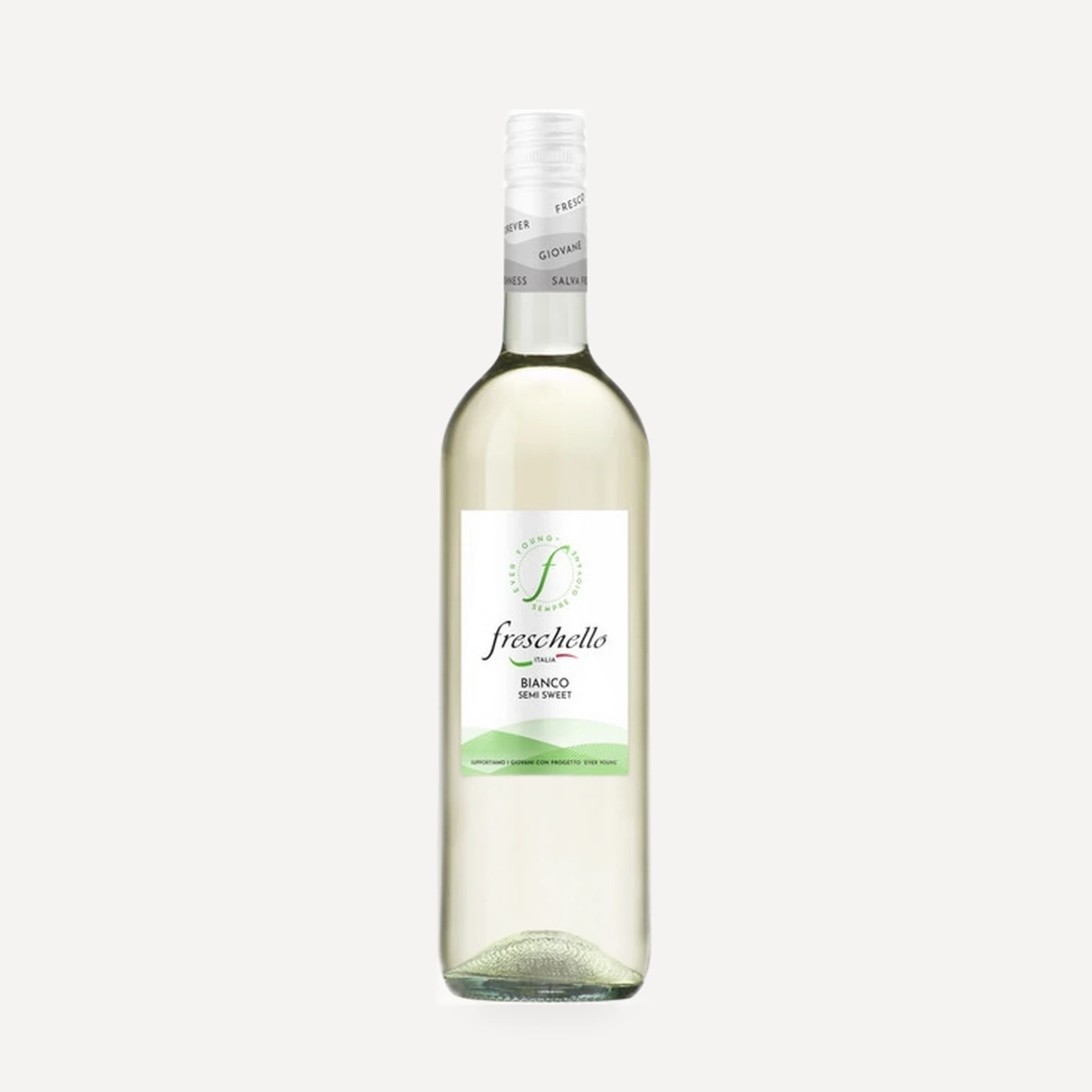
Freschello Semi Sweet White
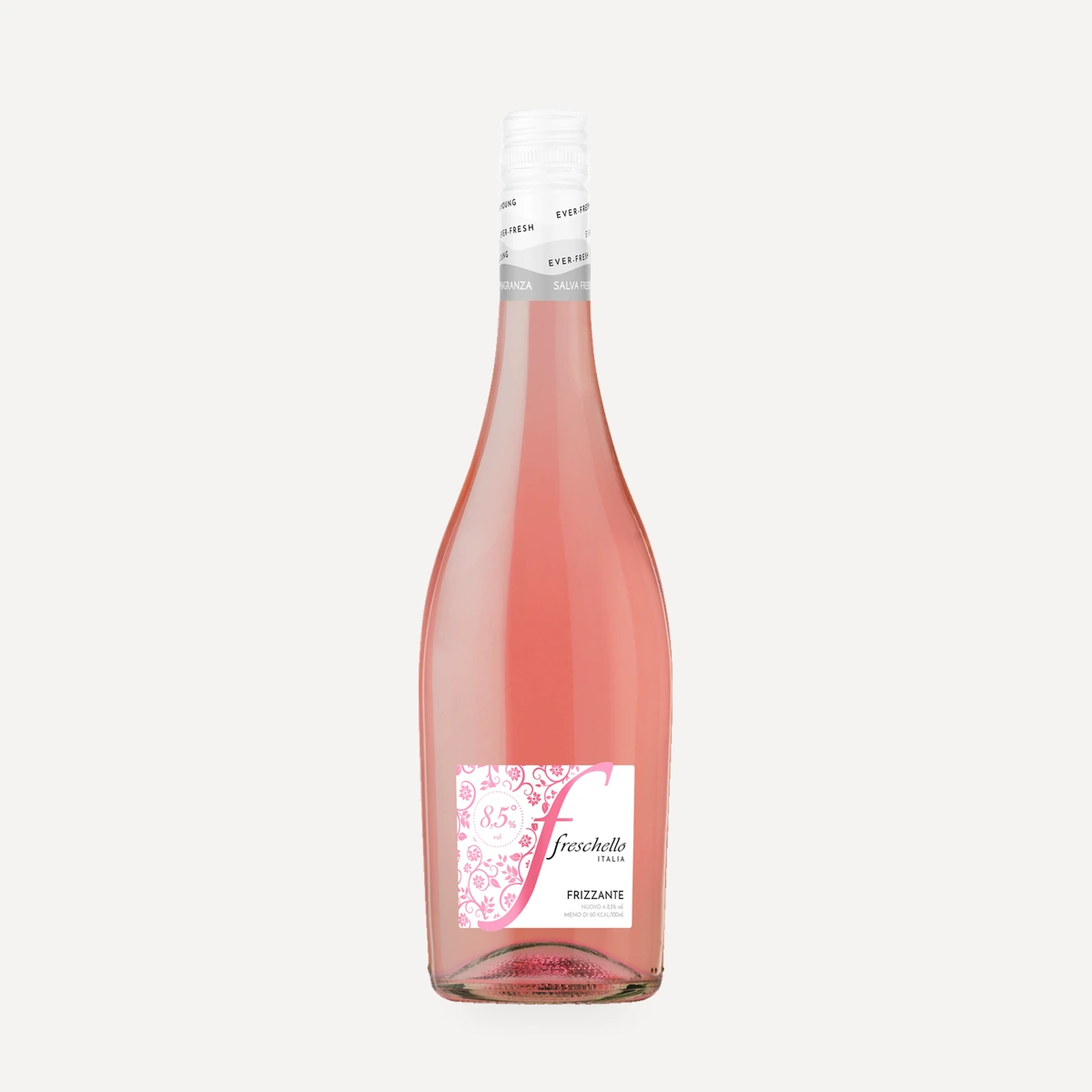
Freschello | Rosè Frizzante
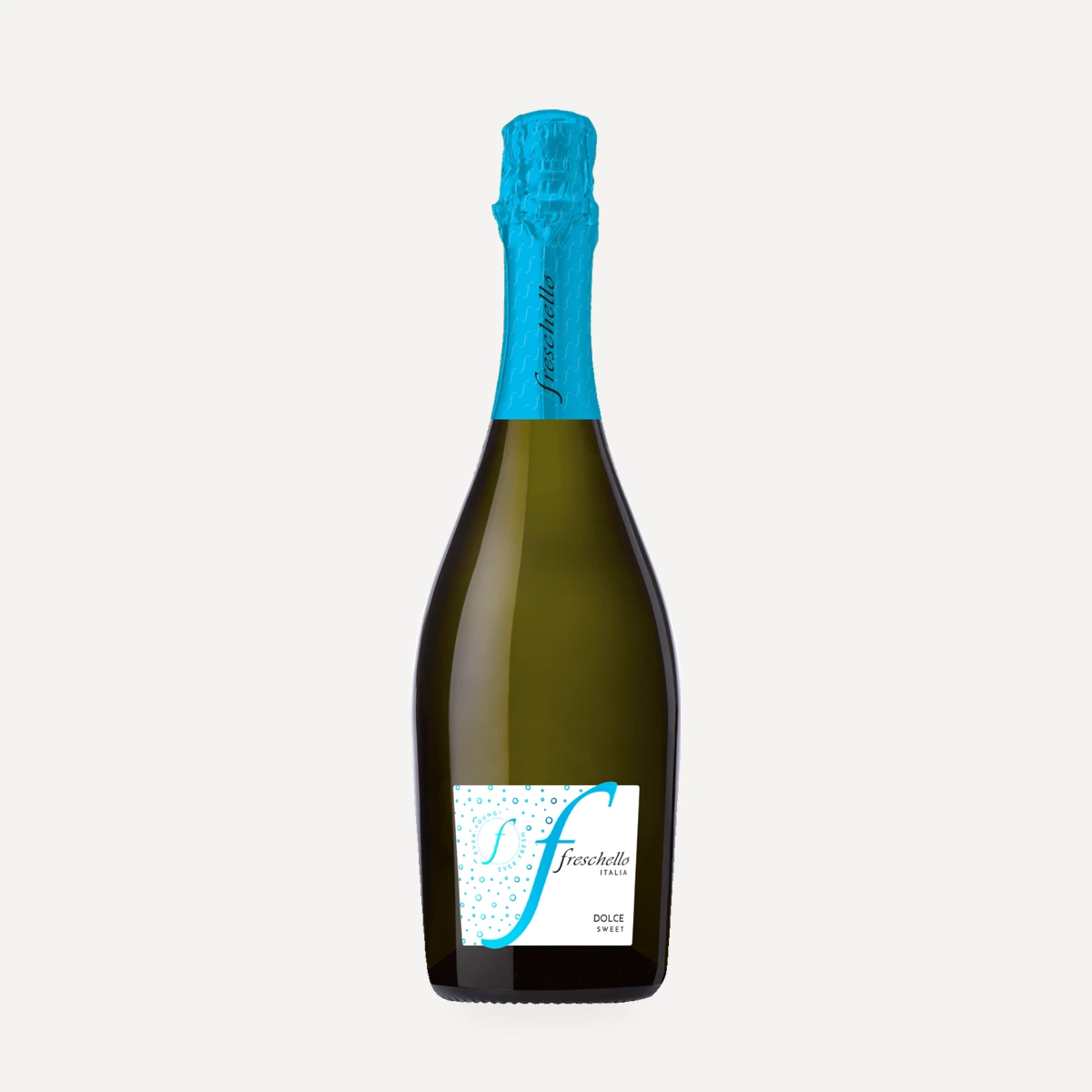
Freschello | Spumante Dolce
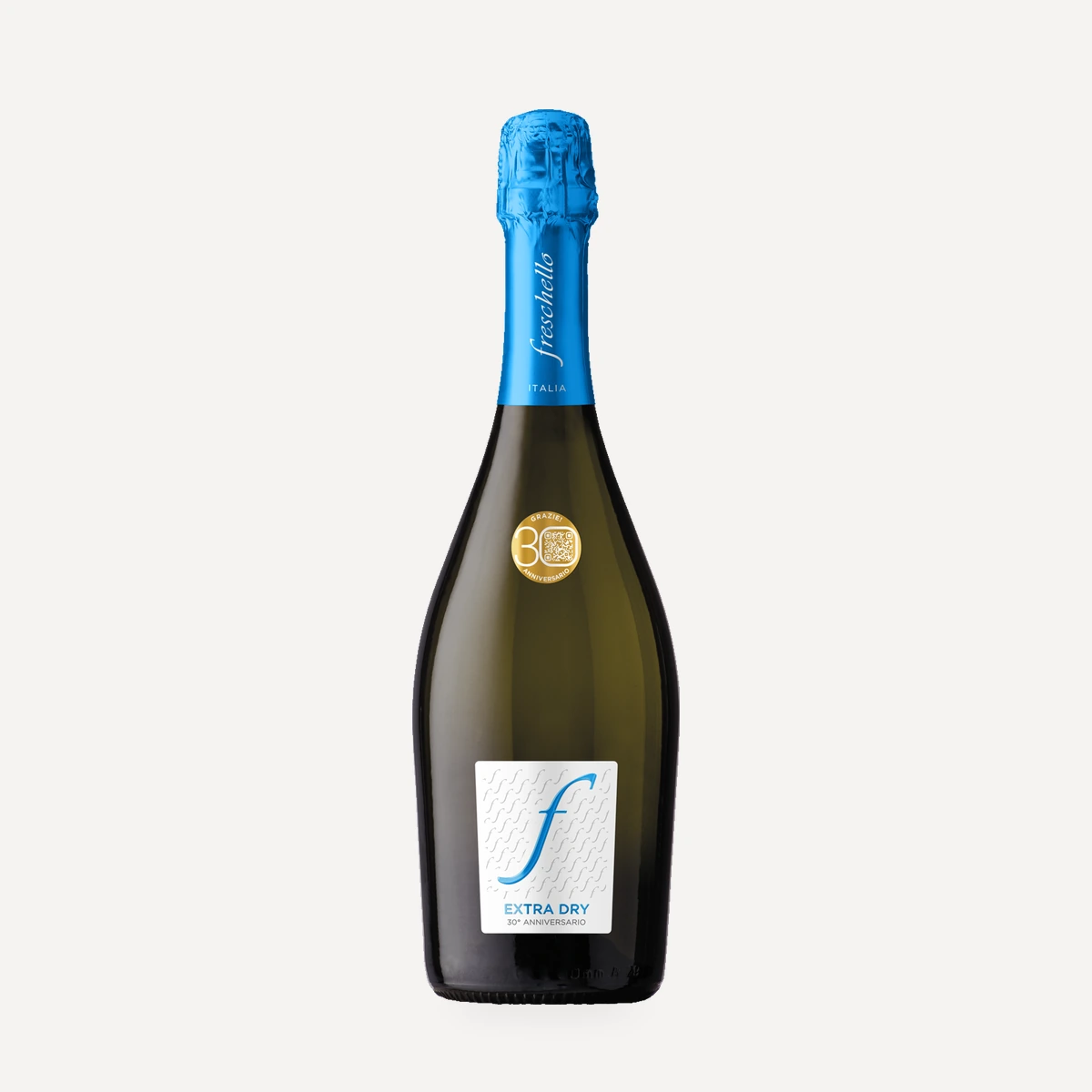
Freschello | Spumante Extra Dry
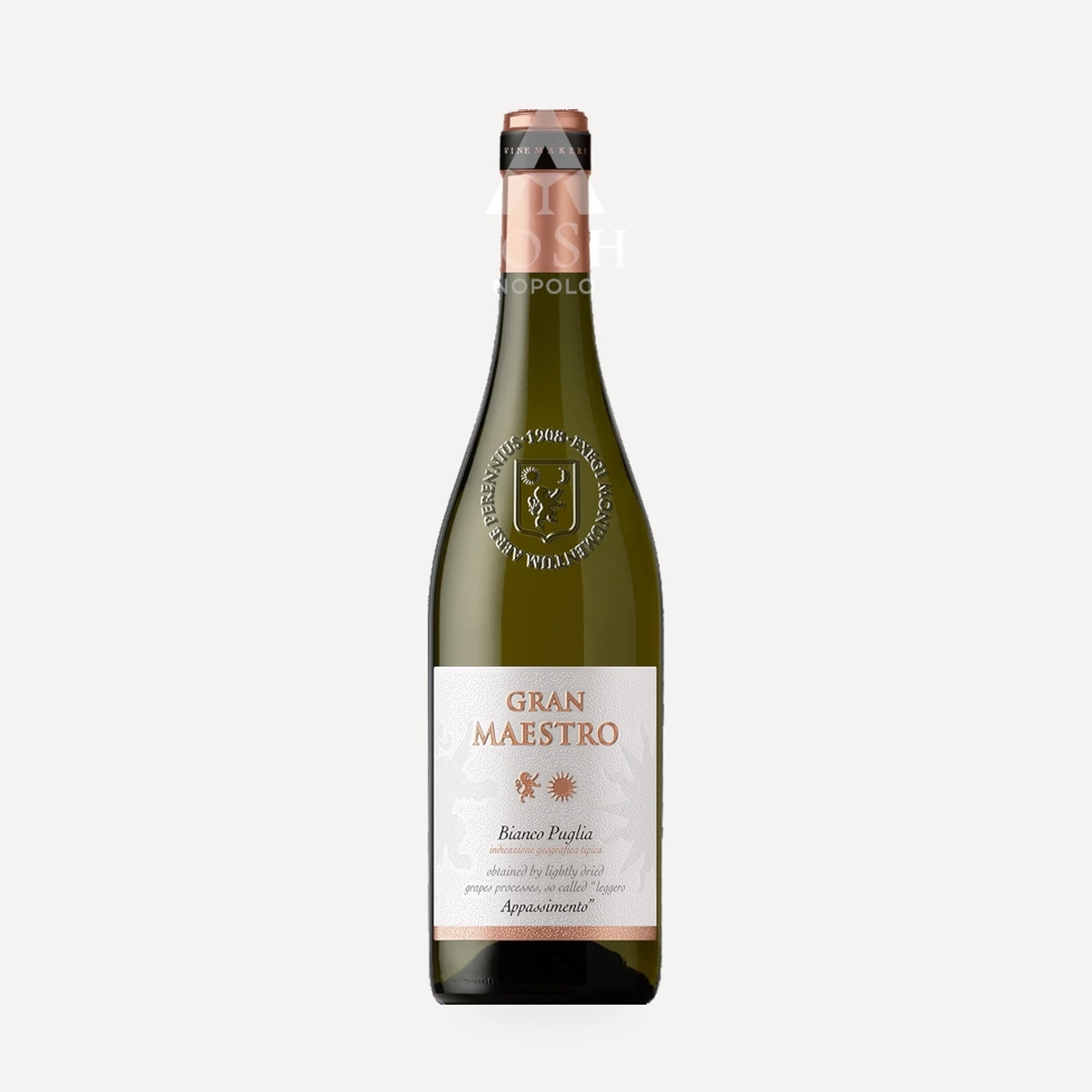
Maestro | Gran Maestro Appassimento Bianco Puglia IGT
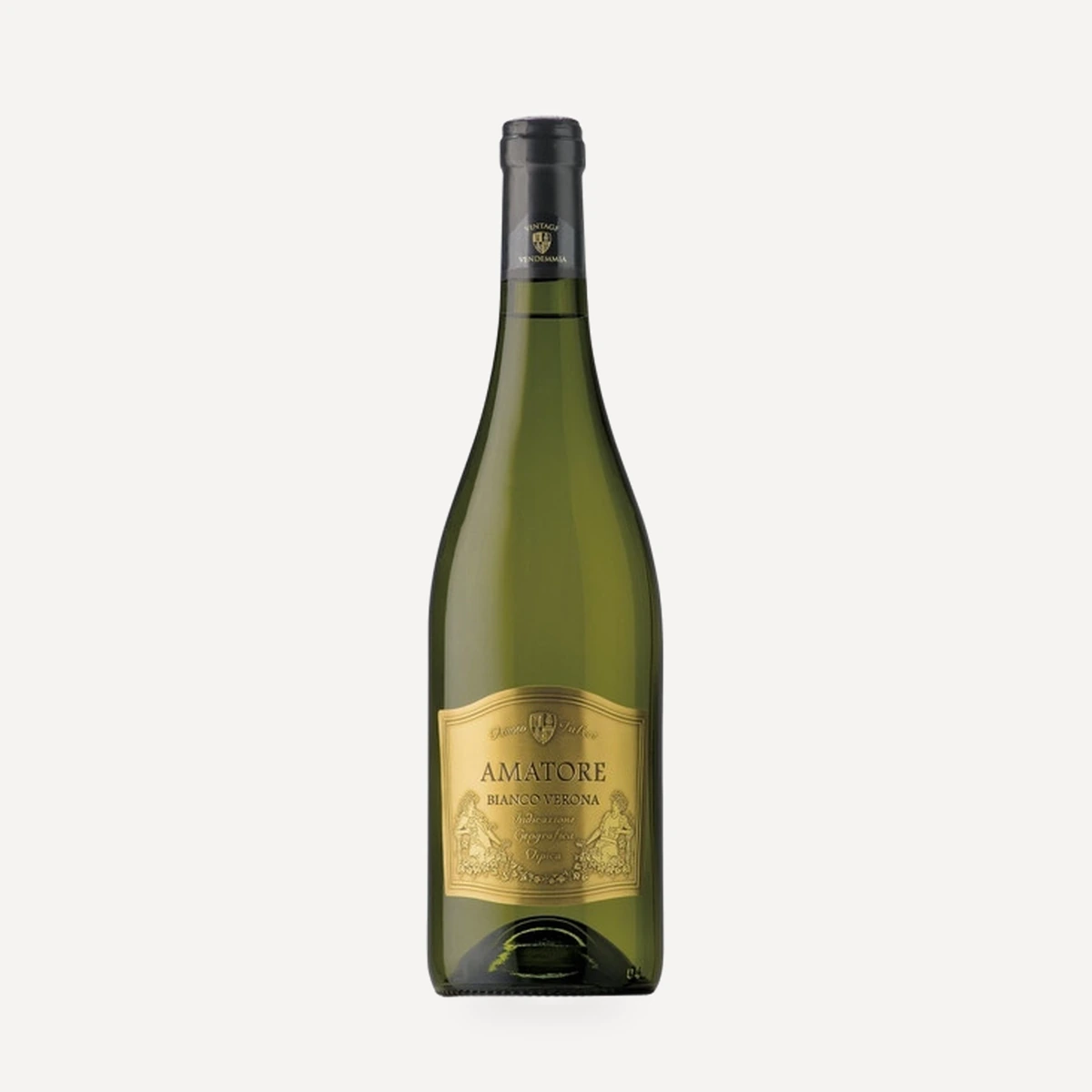
Amatore Bianco Verona IGT
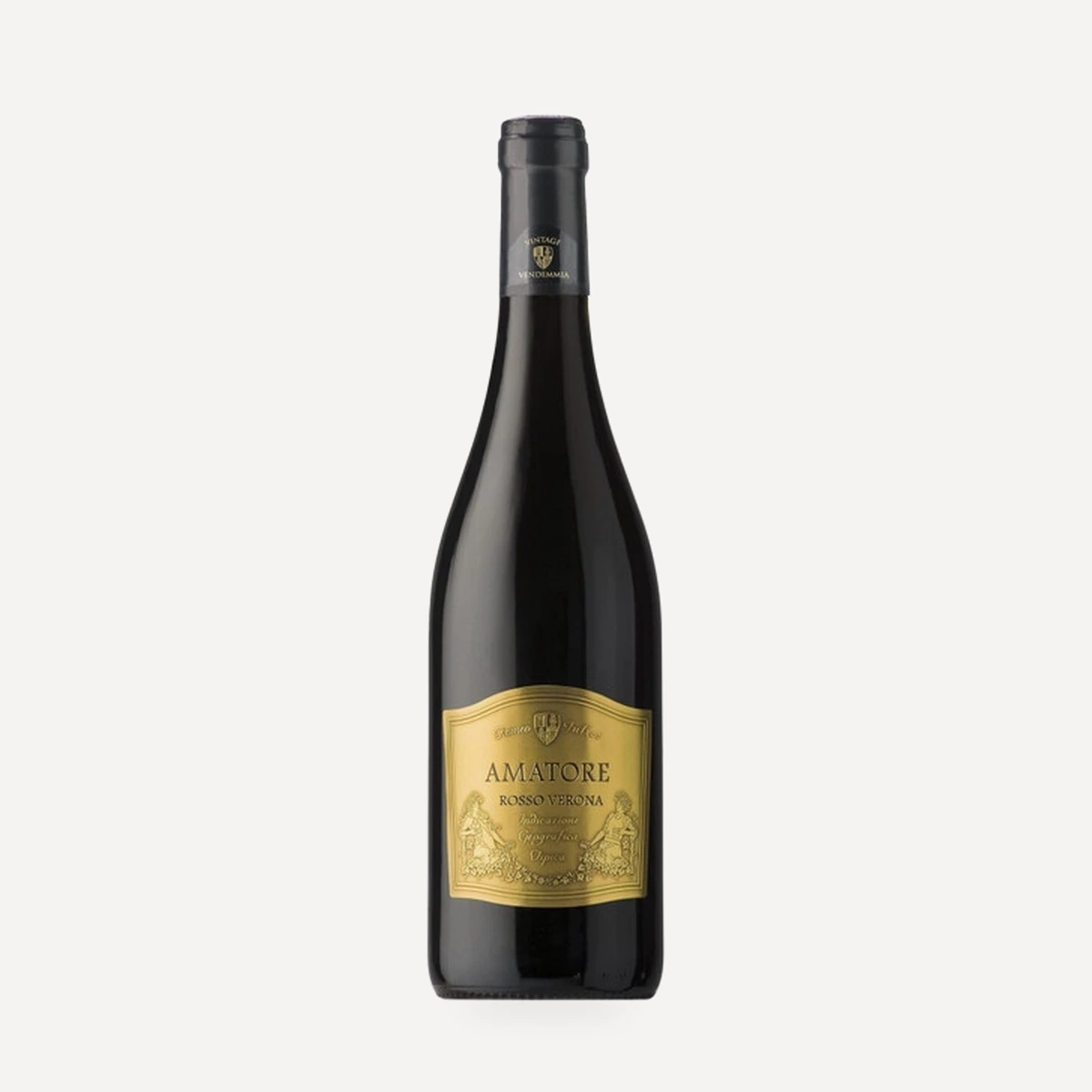
Amatore Rosso Verona IGT
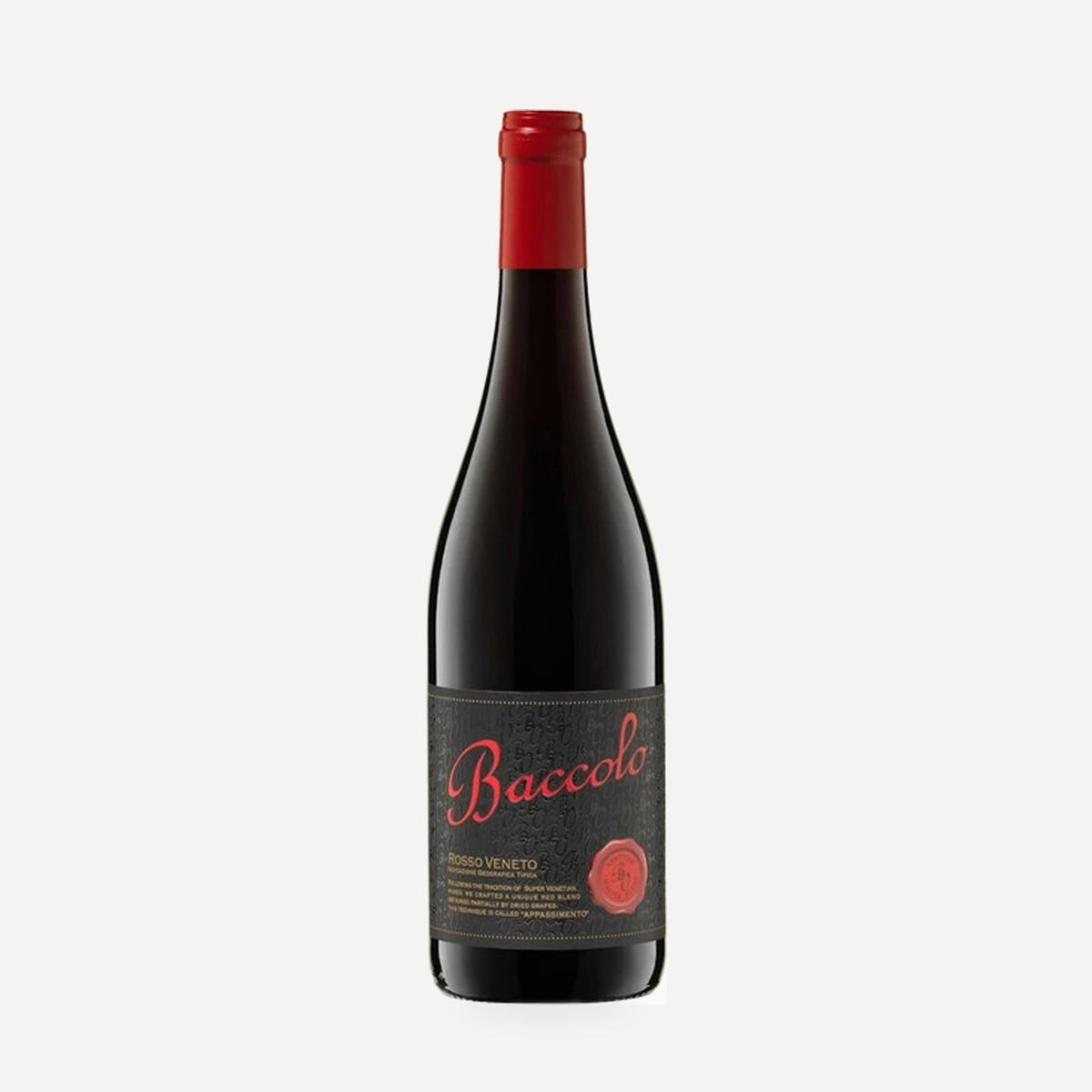
Baccolo Rosso Veneto IGT
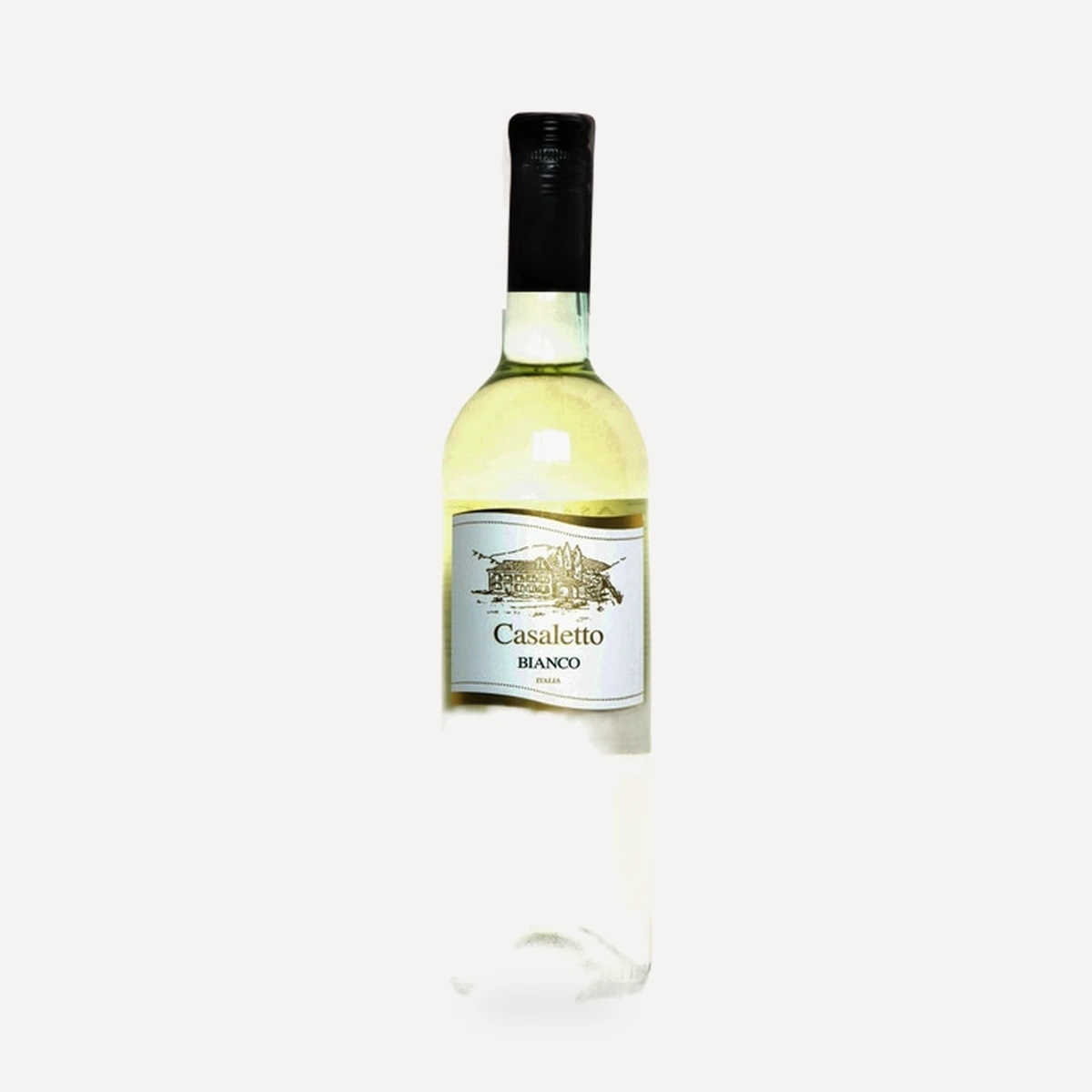
Casaletto Bianco VdT
Pinot Bianco e Chardonnay Frizzante delle Venezie IGT
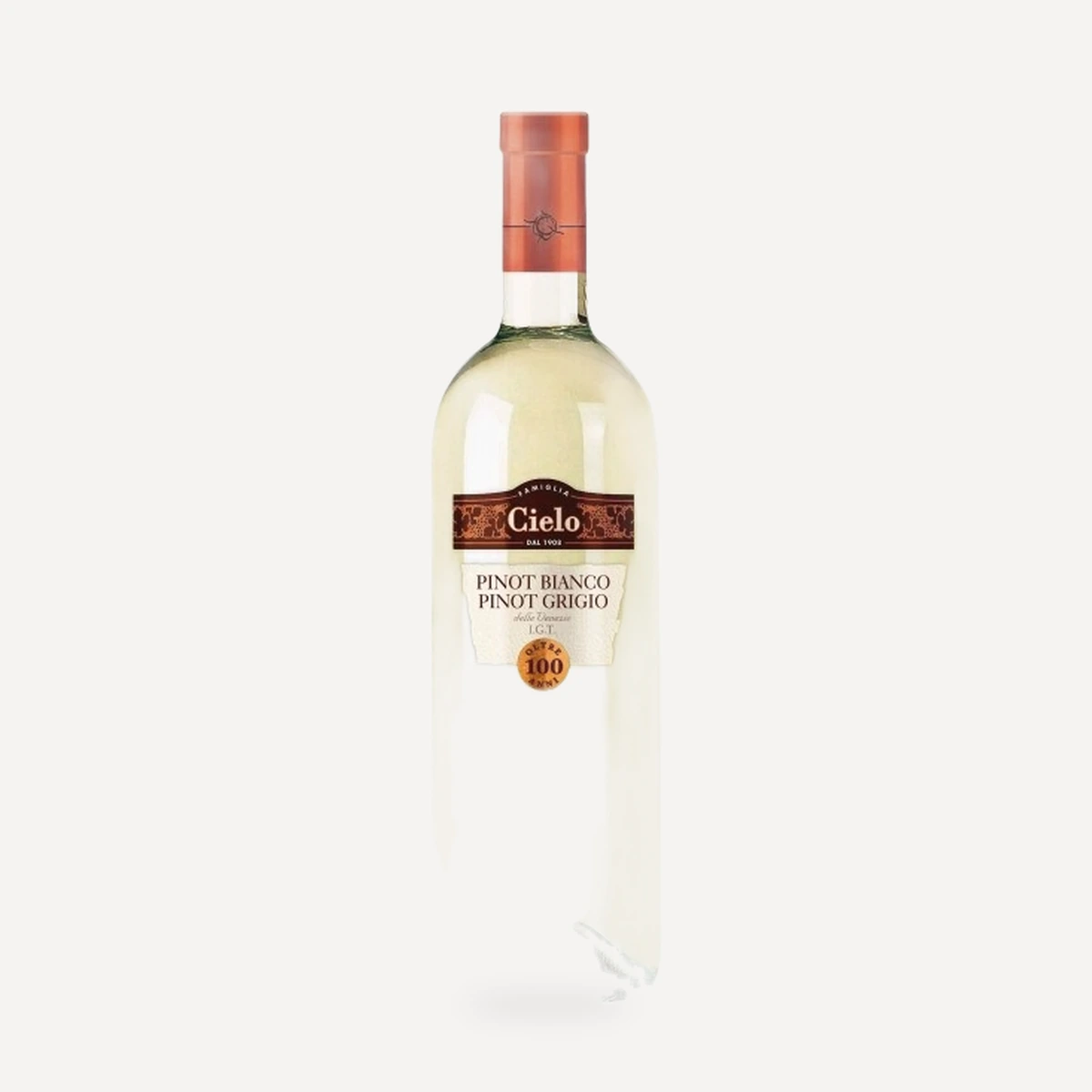
Pinot Bianco e Pinot Grigio delle Venezie IGT
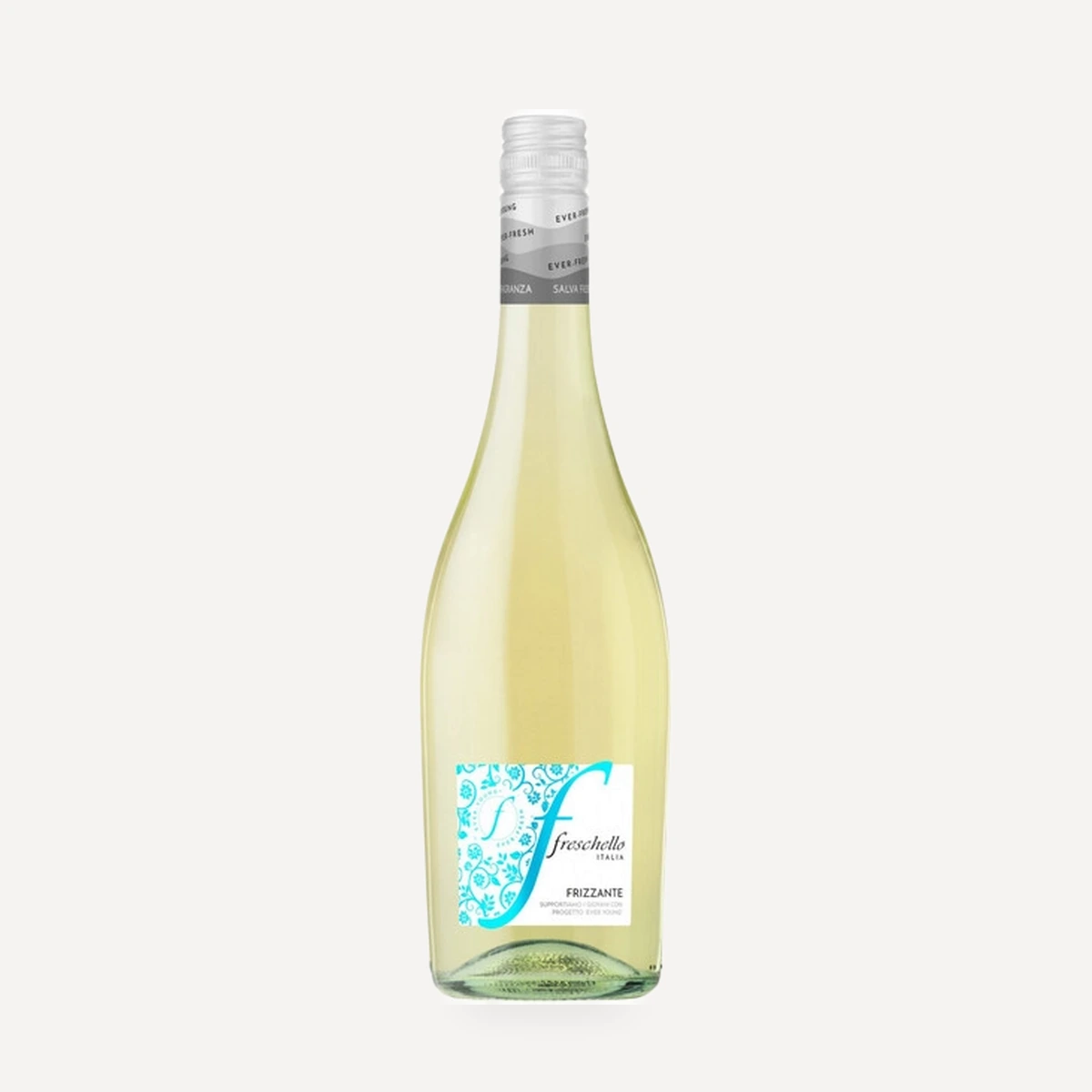
Freschello Frizzante Bianco
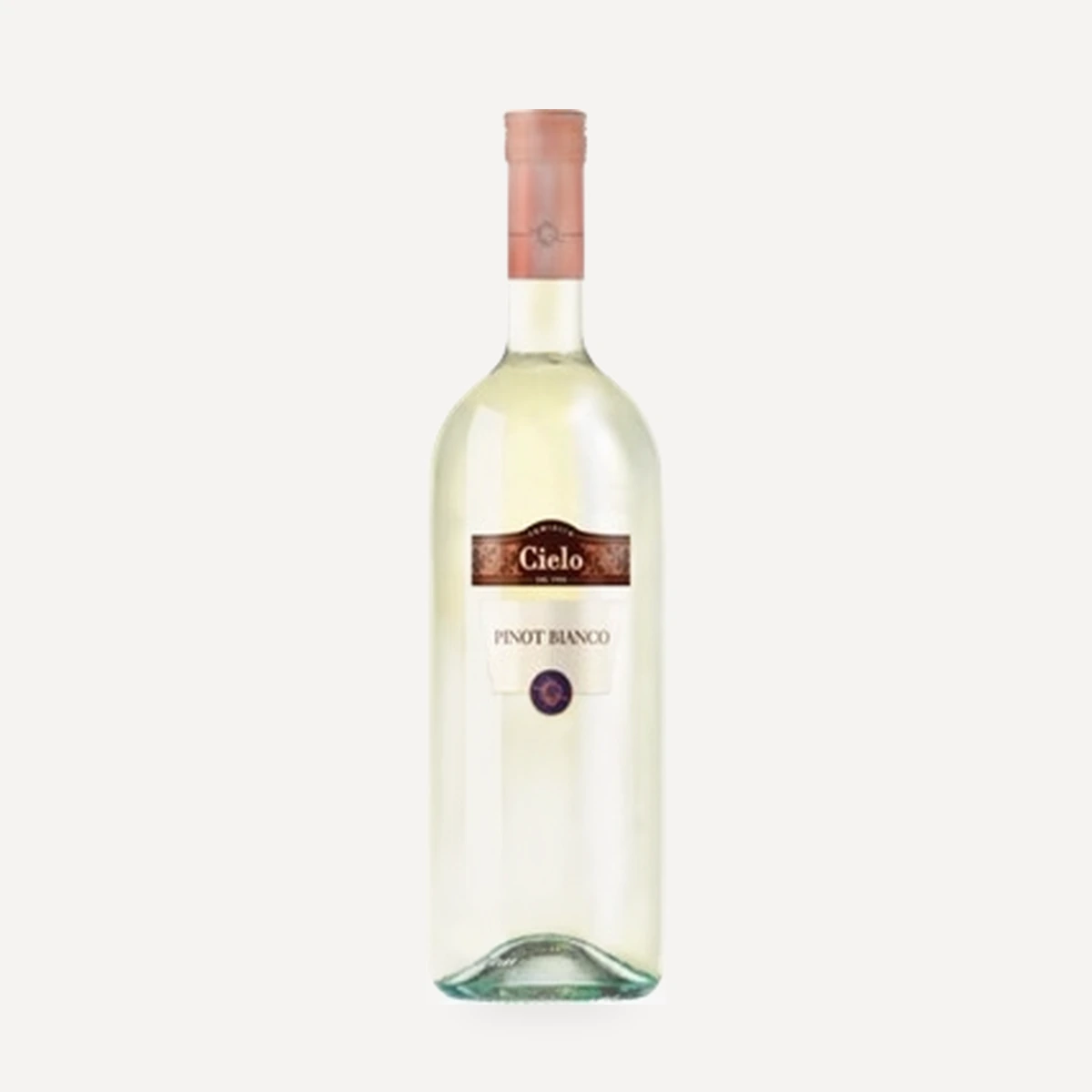
Pinot Bianco IGT
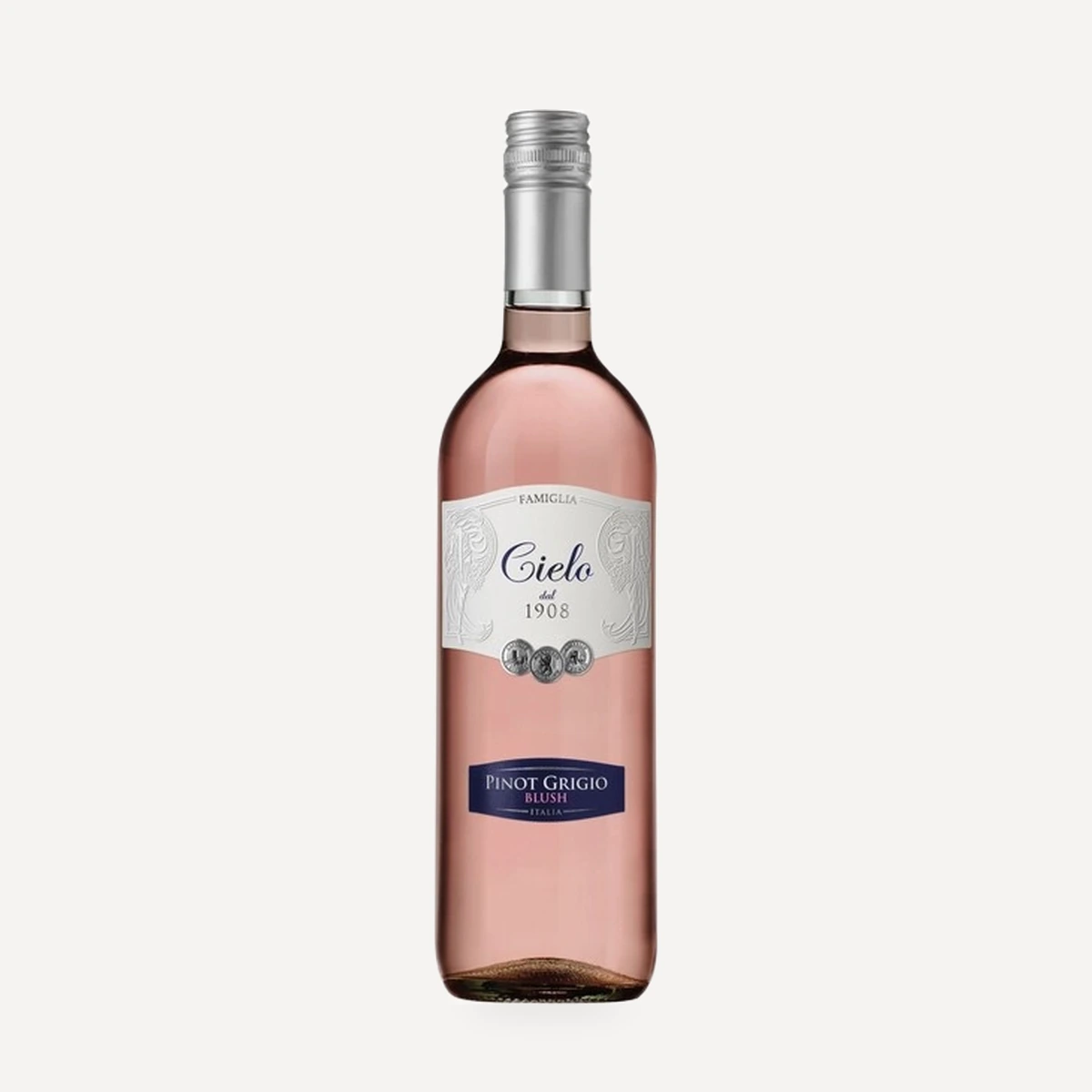
Pinot Grigio Blush IGT
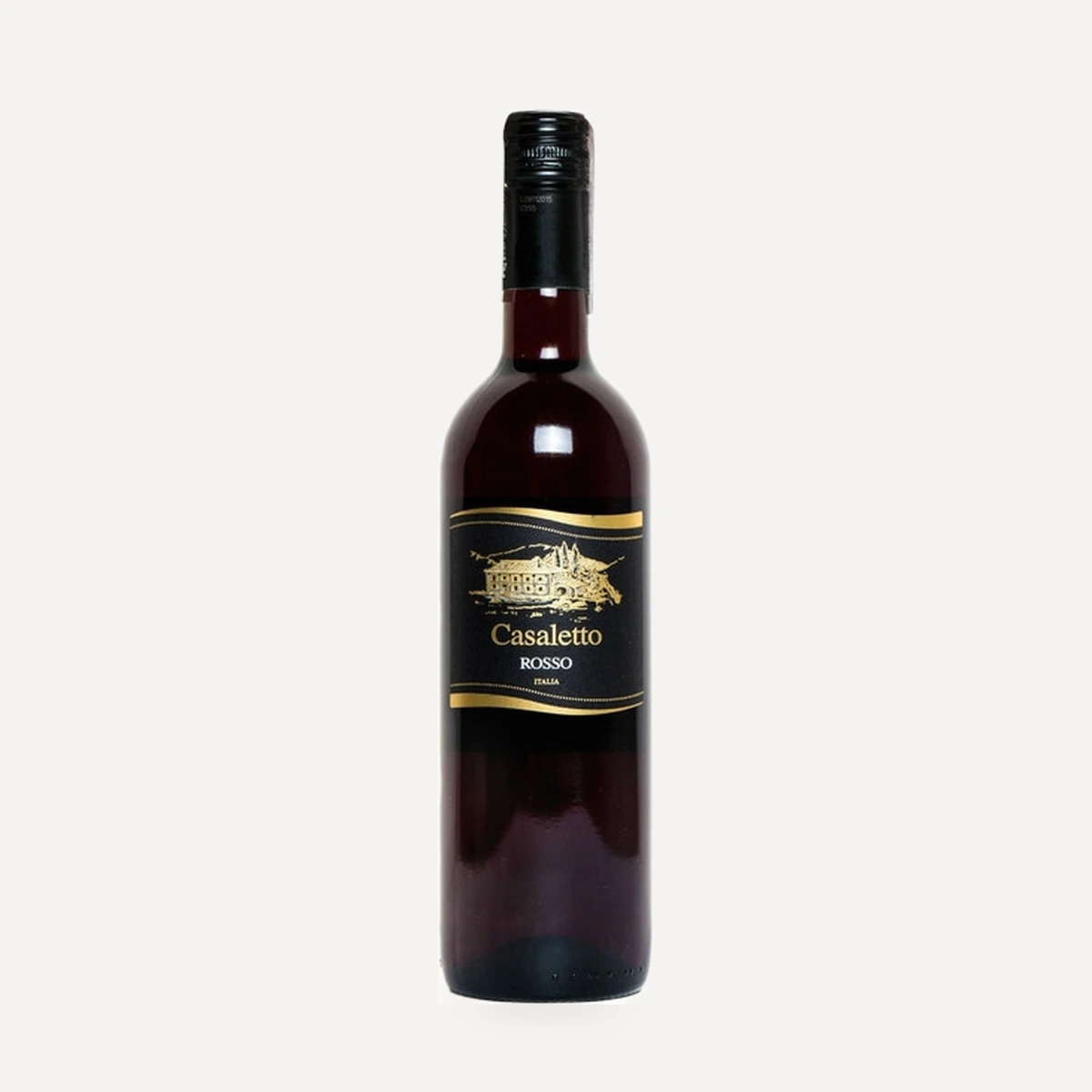
Casaletto Rosso VdT
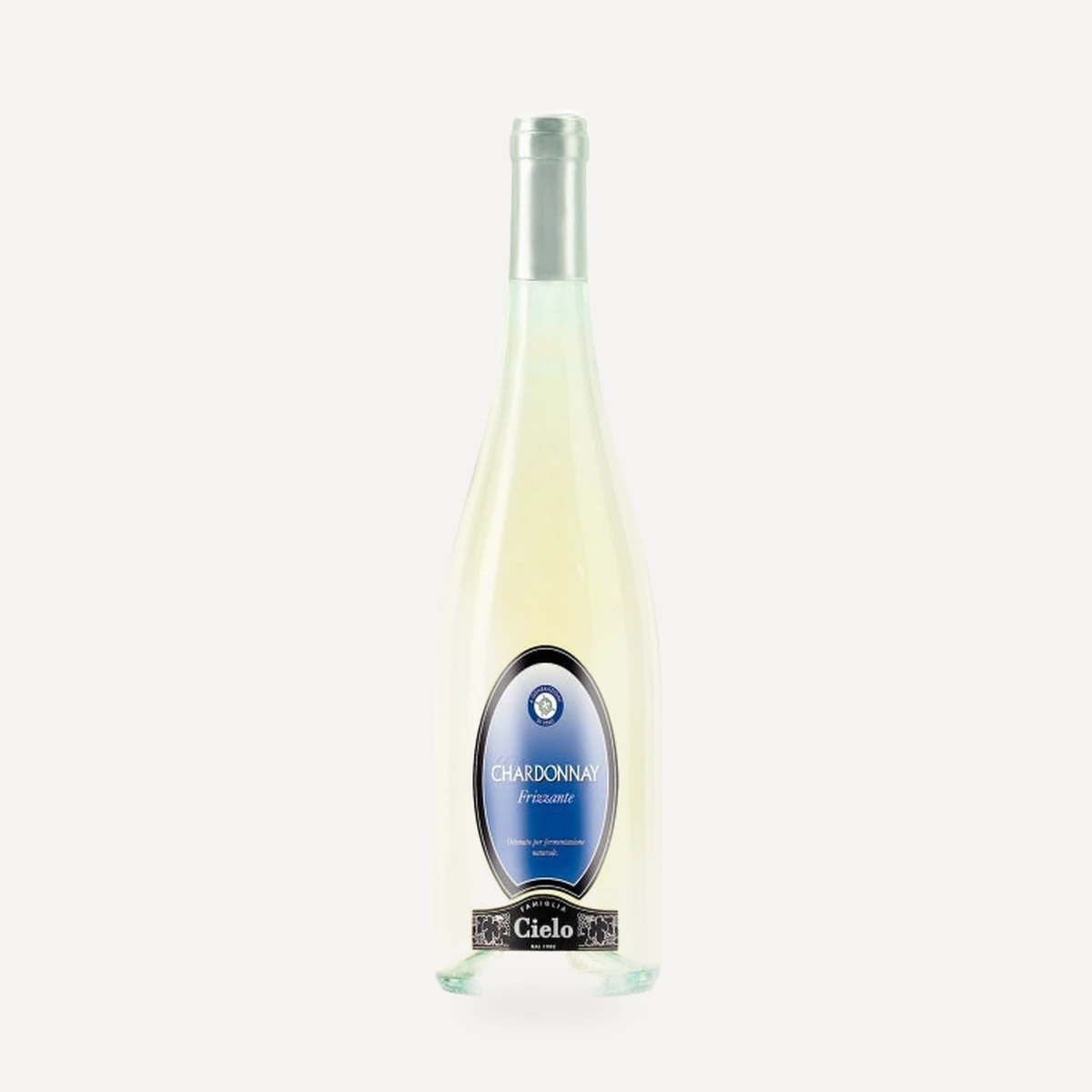
Cielo e Terra Chardonnay delle Venezie IGT
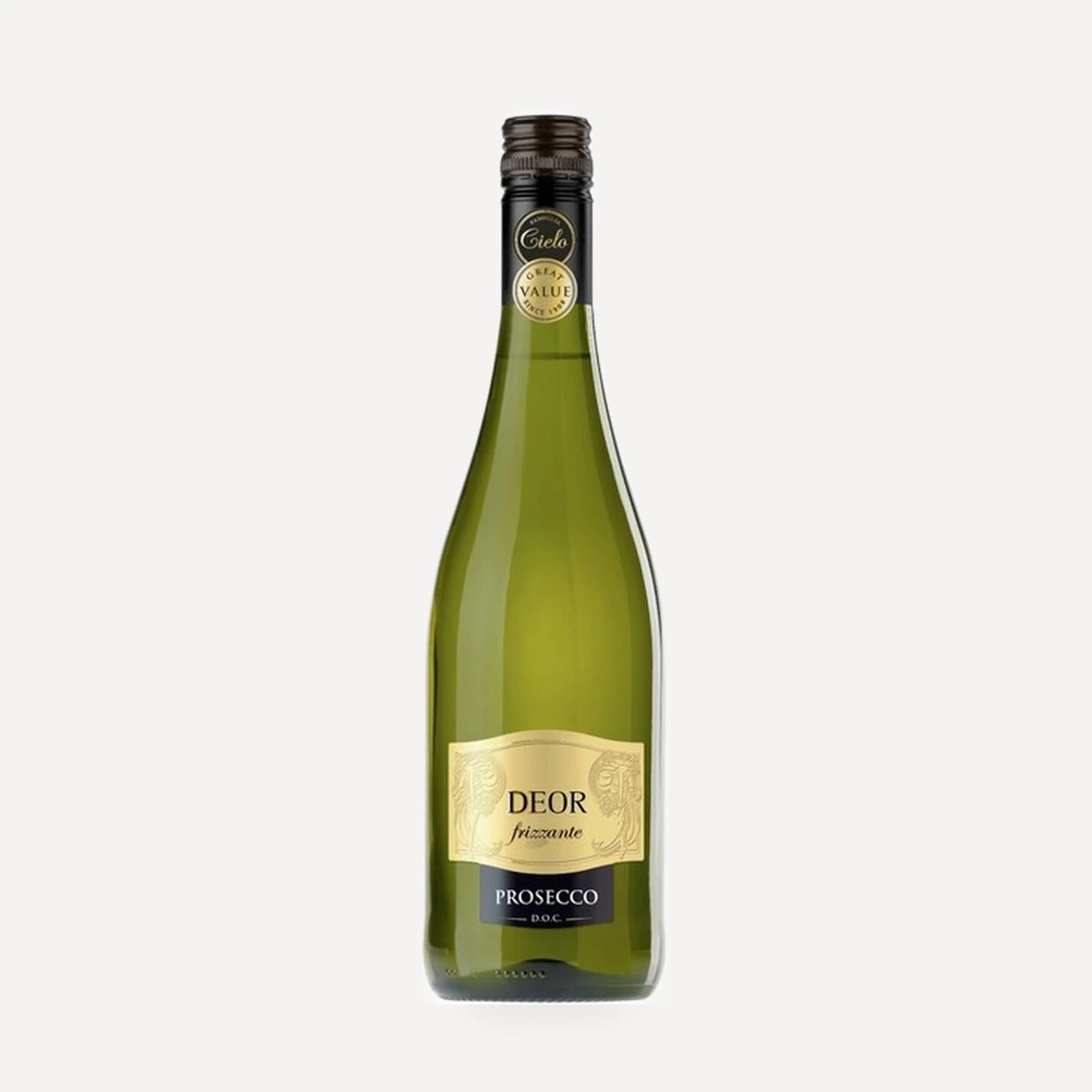
Deor Frizzante Prosecco DOC
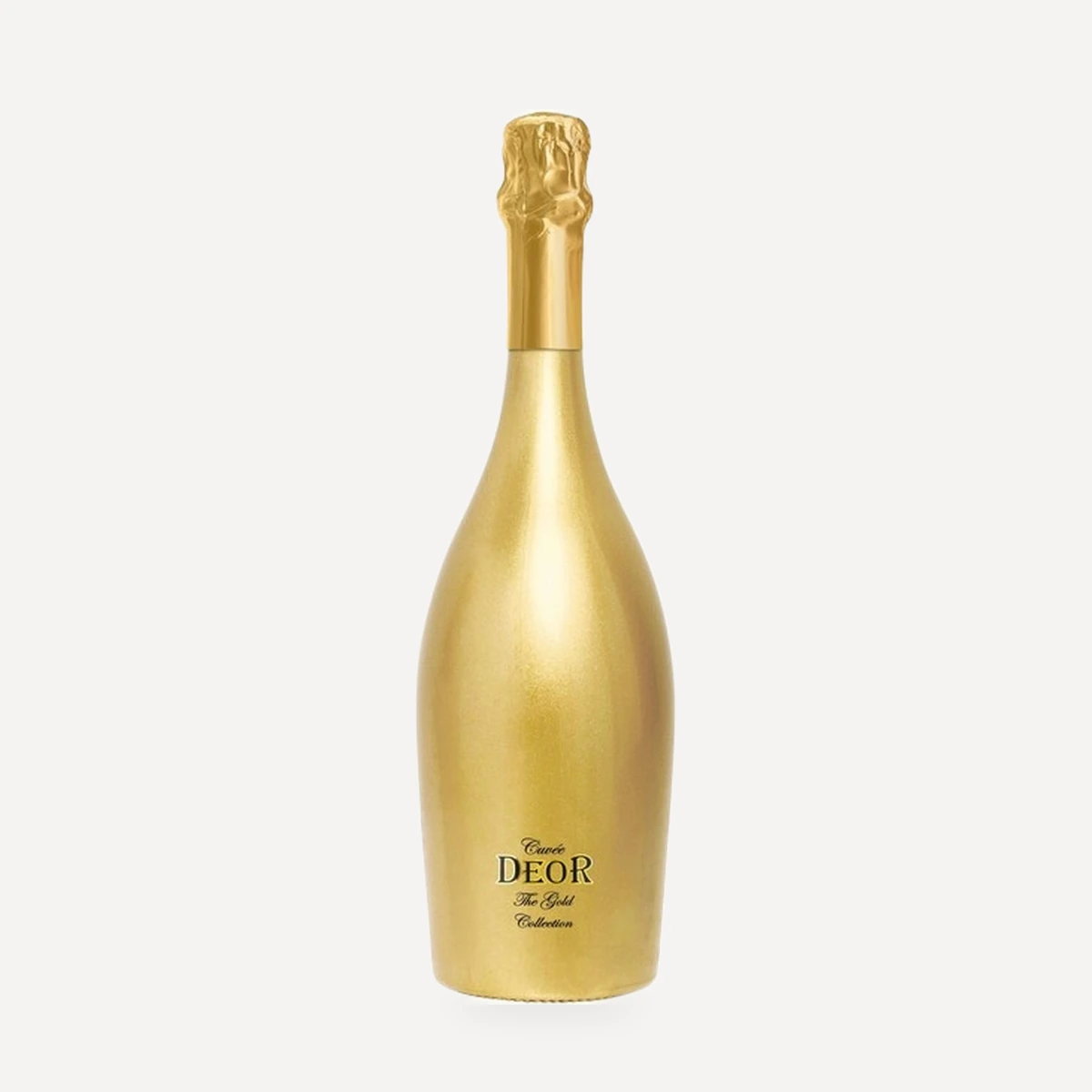
Deor Gold
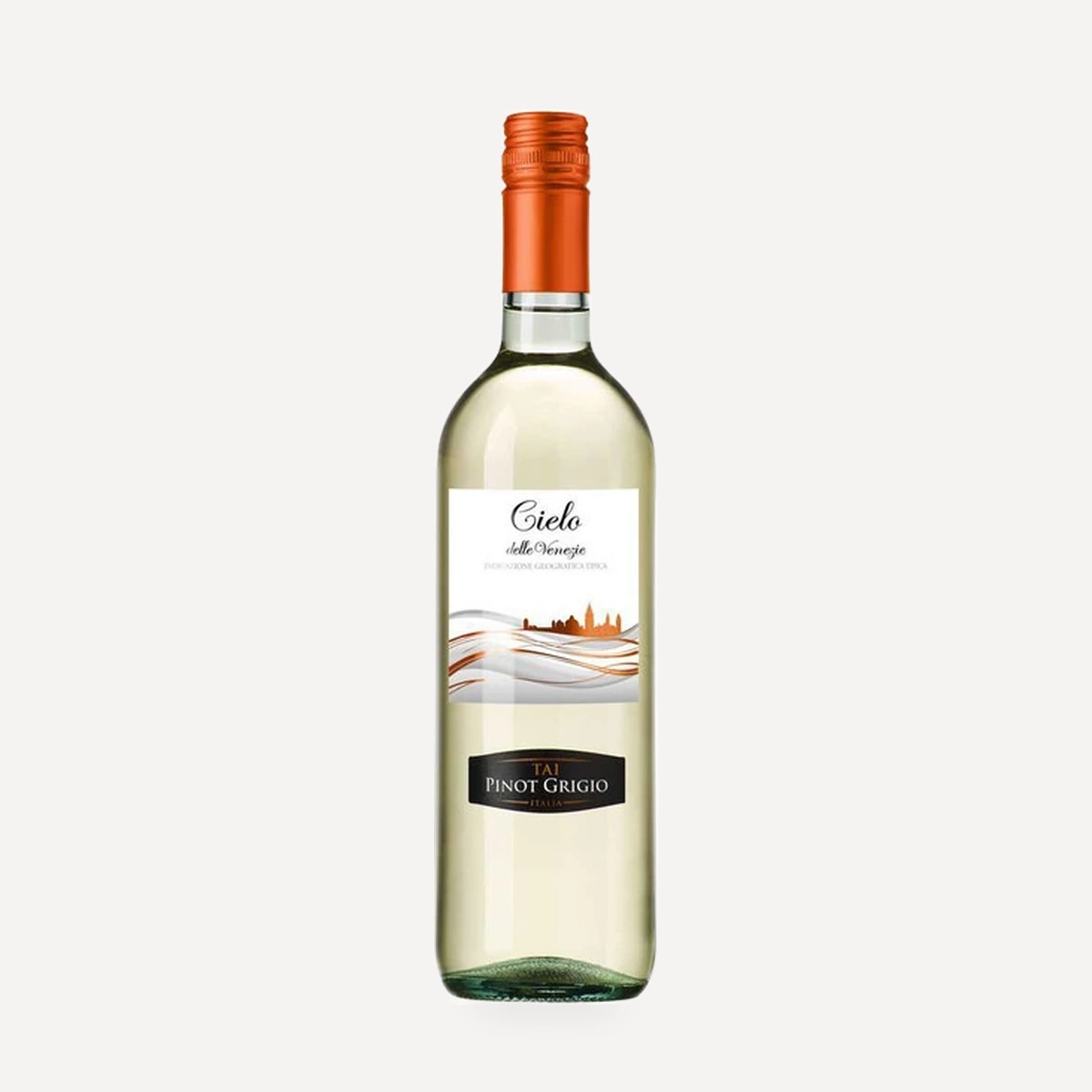
Tai Pinot Grigio Venezie IGT
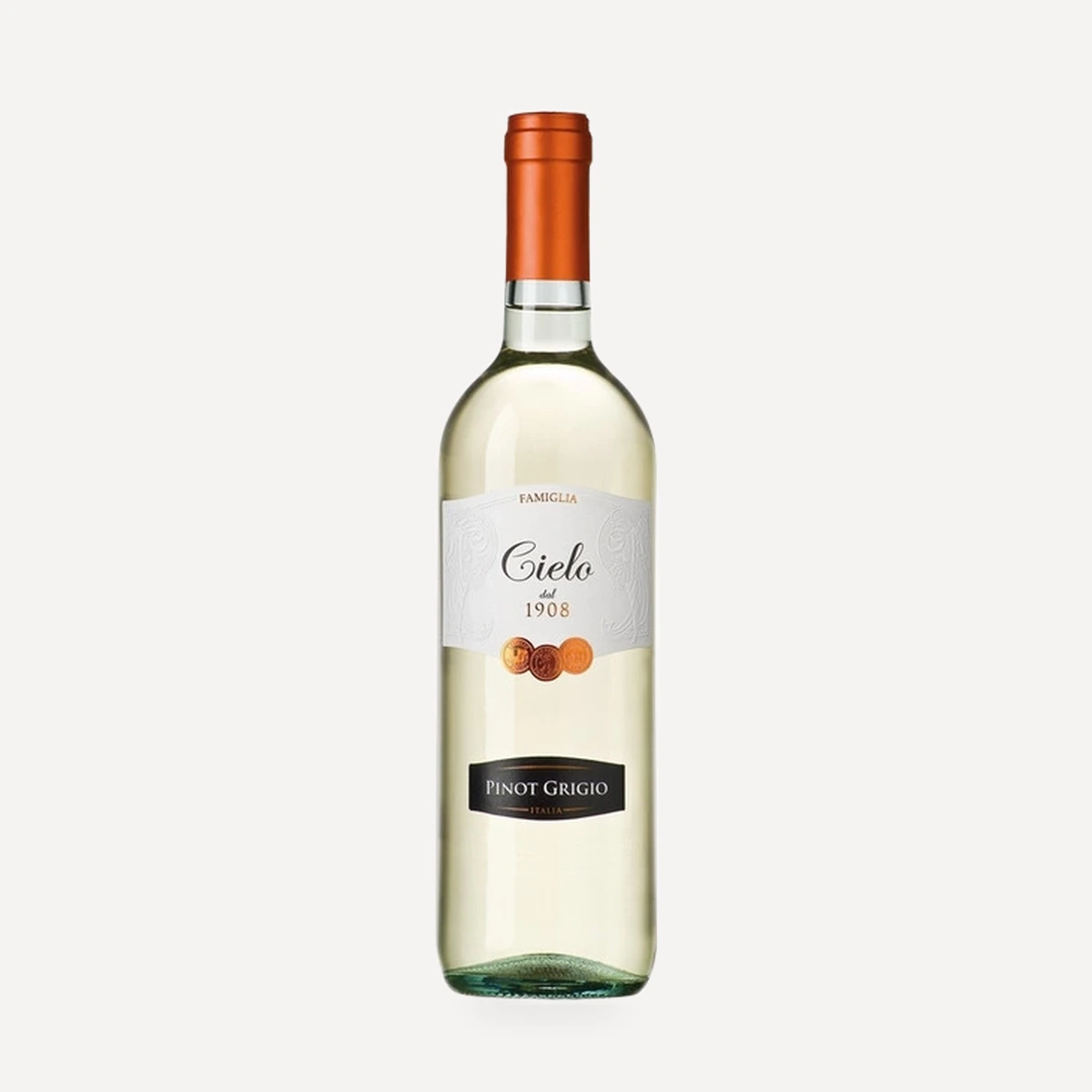
Pinot Grigio IGT
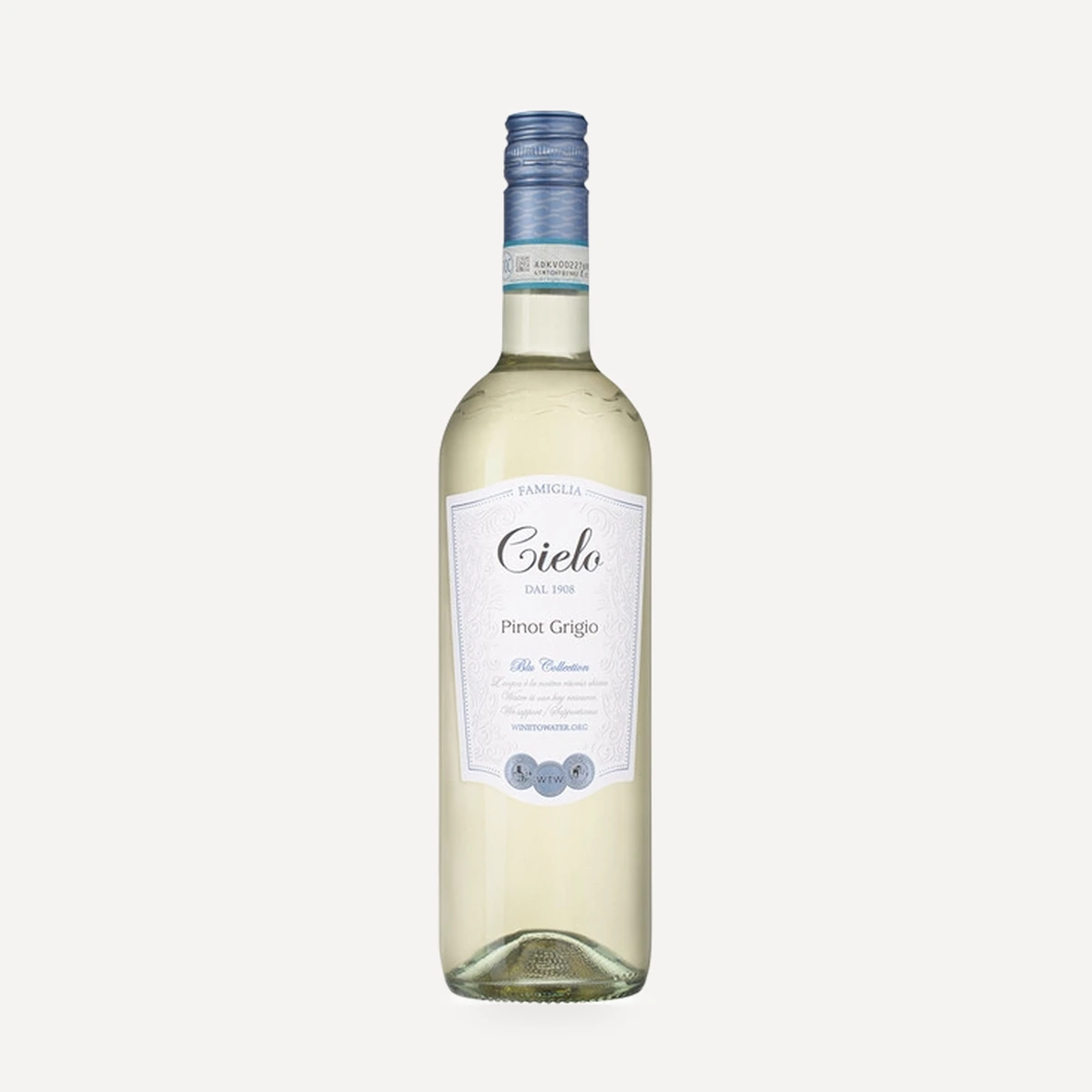
Pinot Grigio delle Venezie DOC
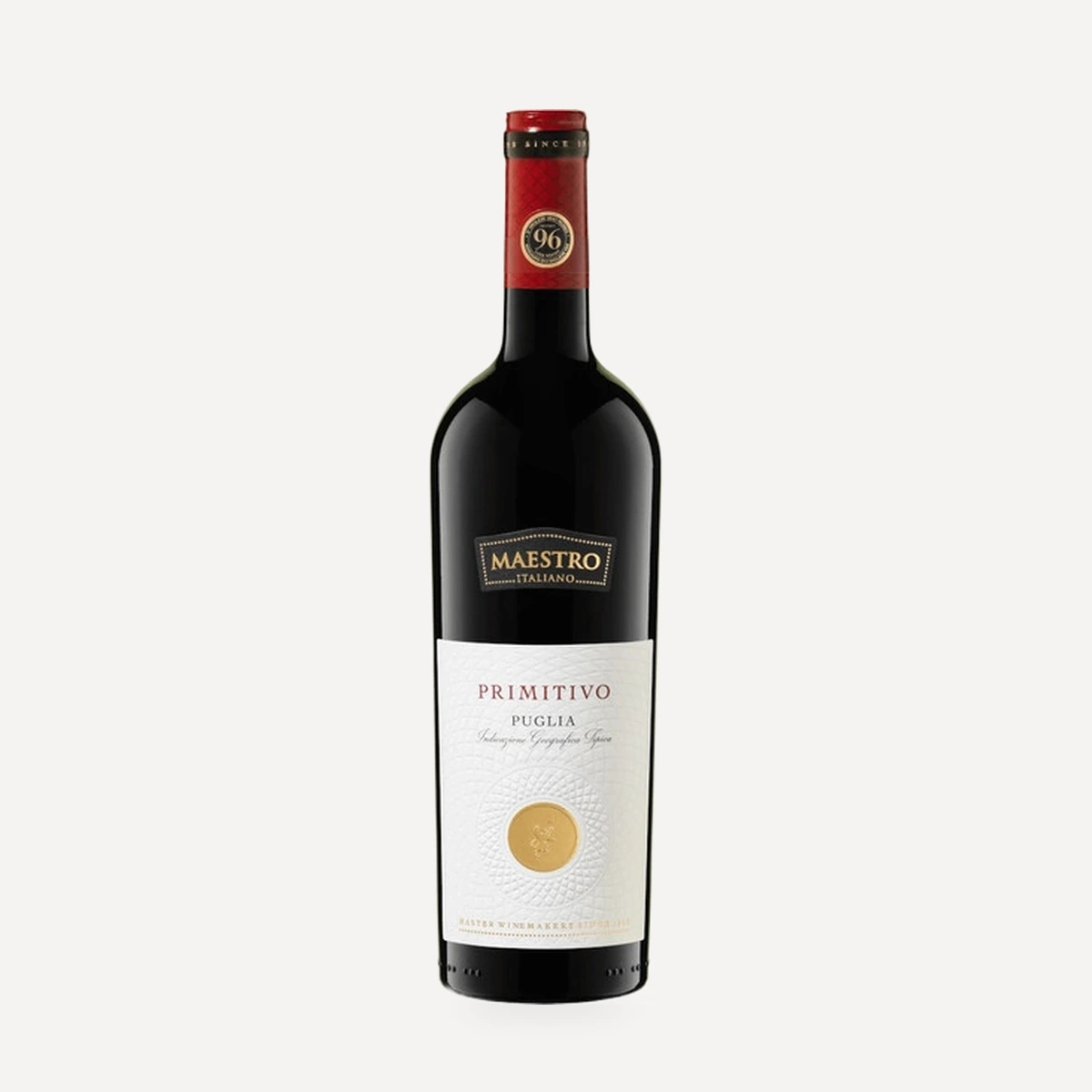
Maestro Primitivo Puglia IGT
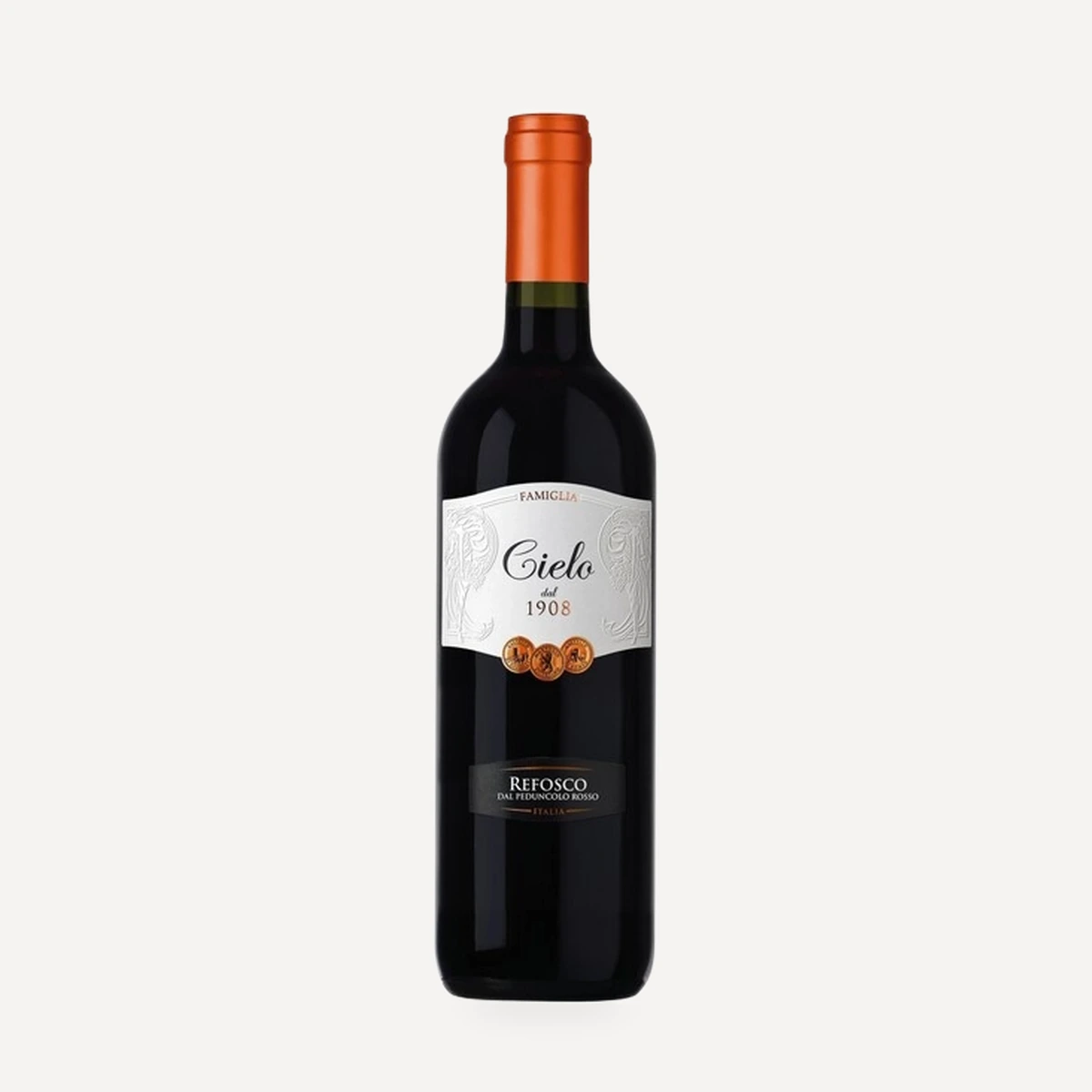
Refosco IGT
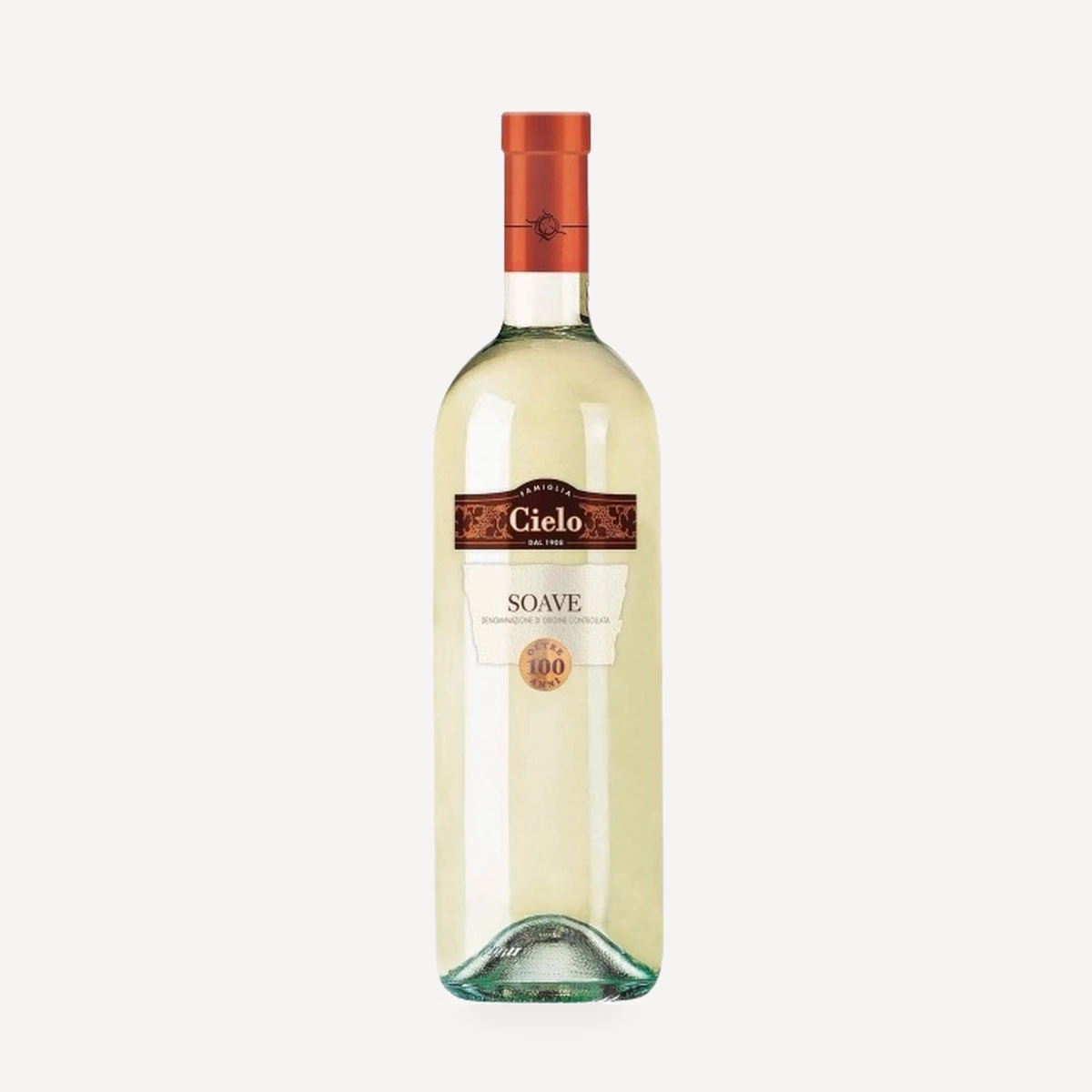
Soave DOC
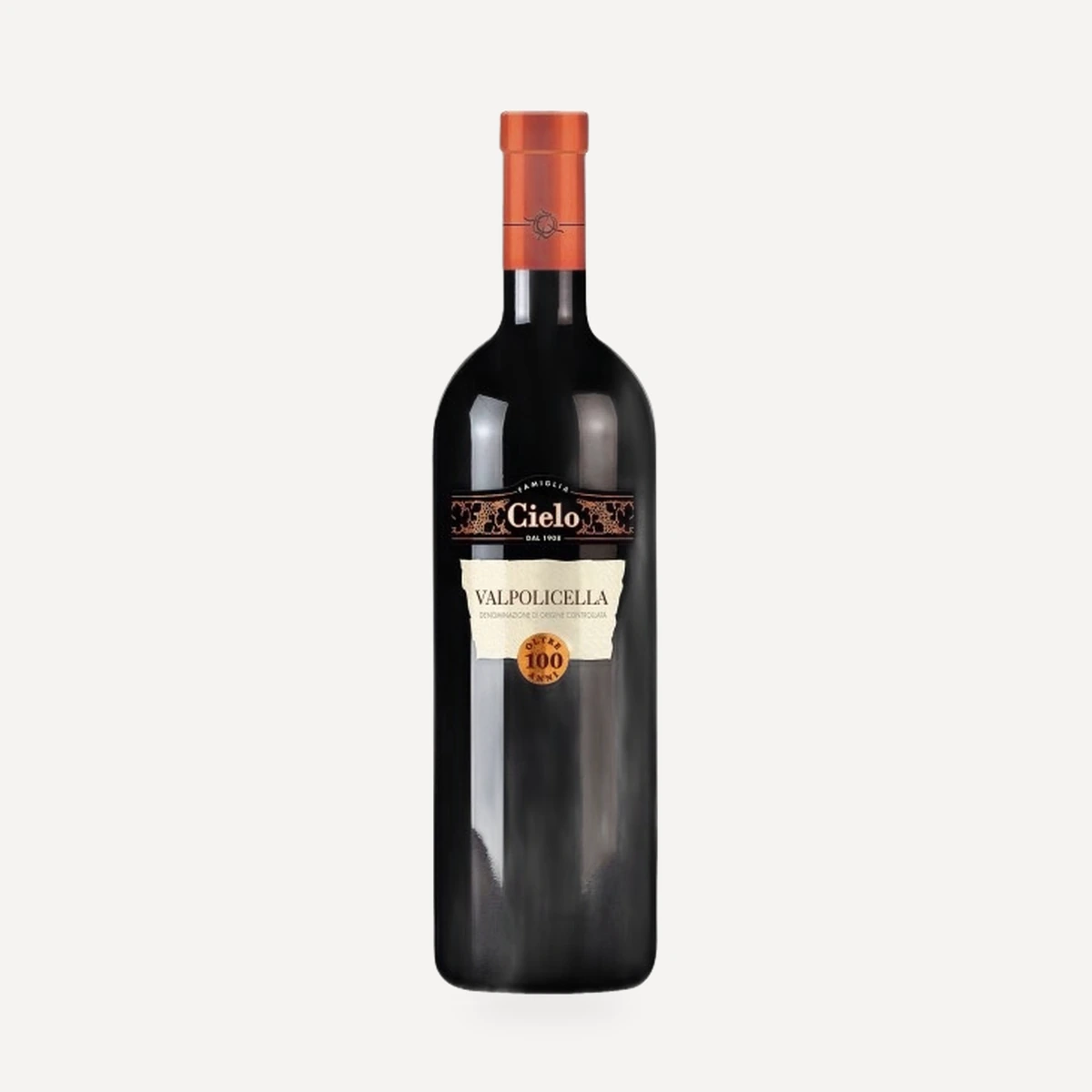
Valpolicella DOC
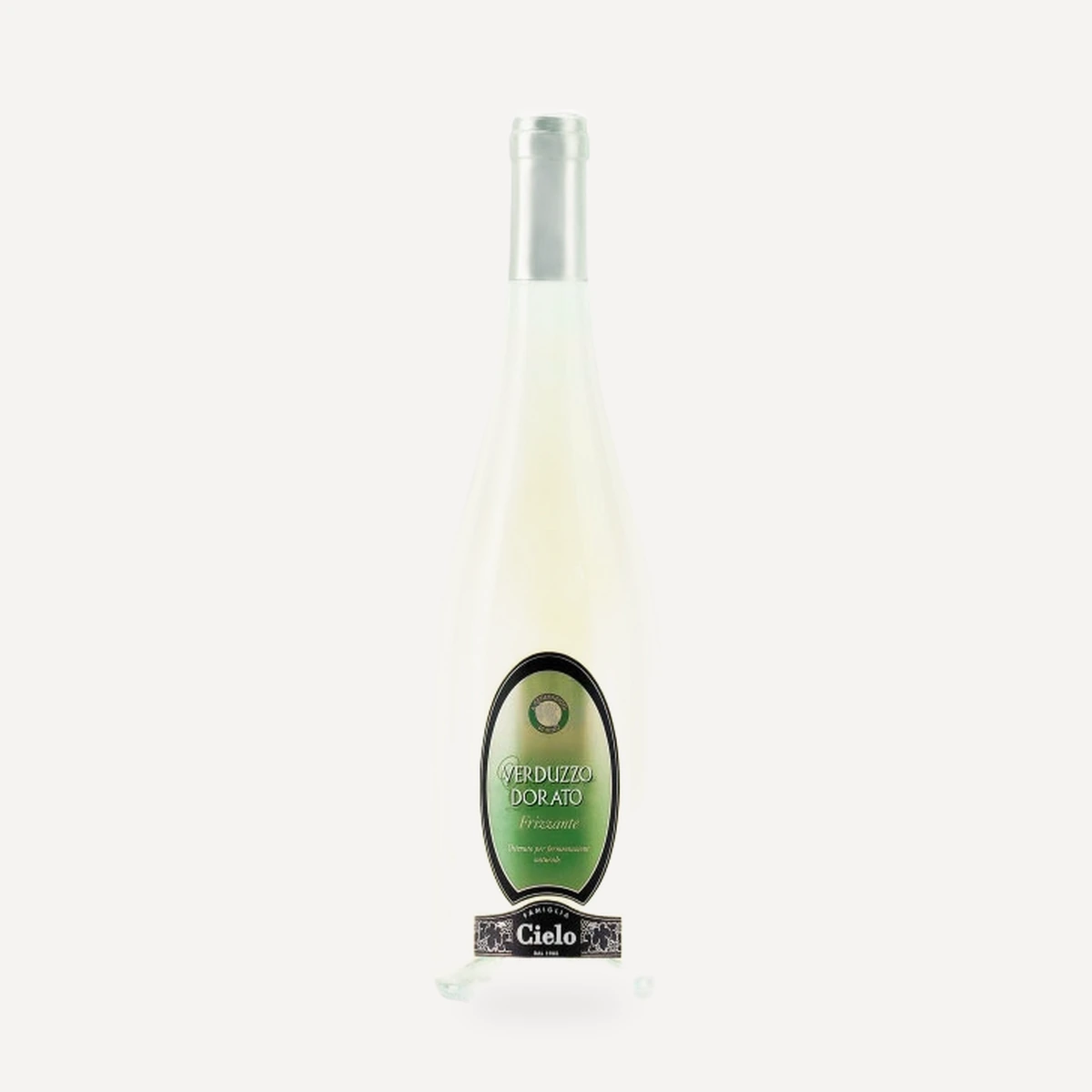
Verduzzo Dorato Frizzante delle Venezie IGT
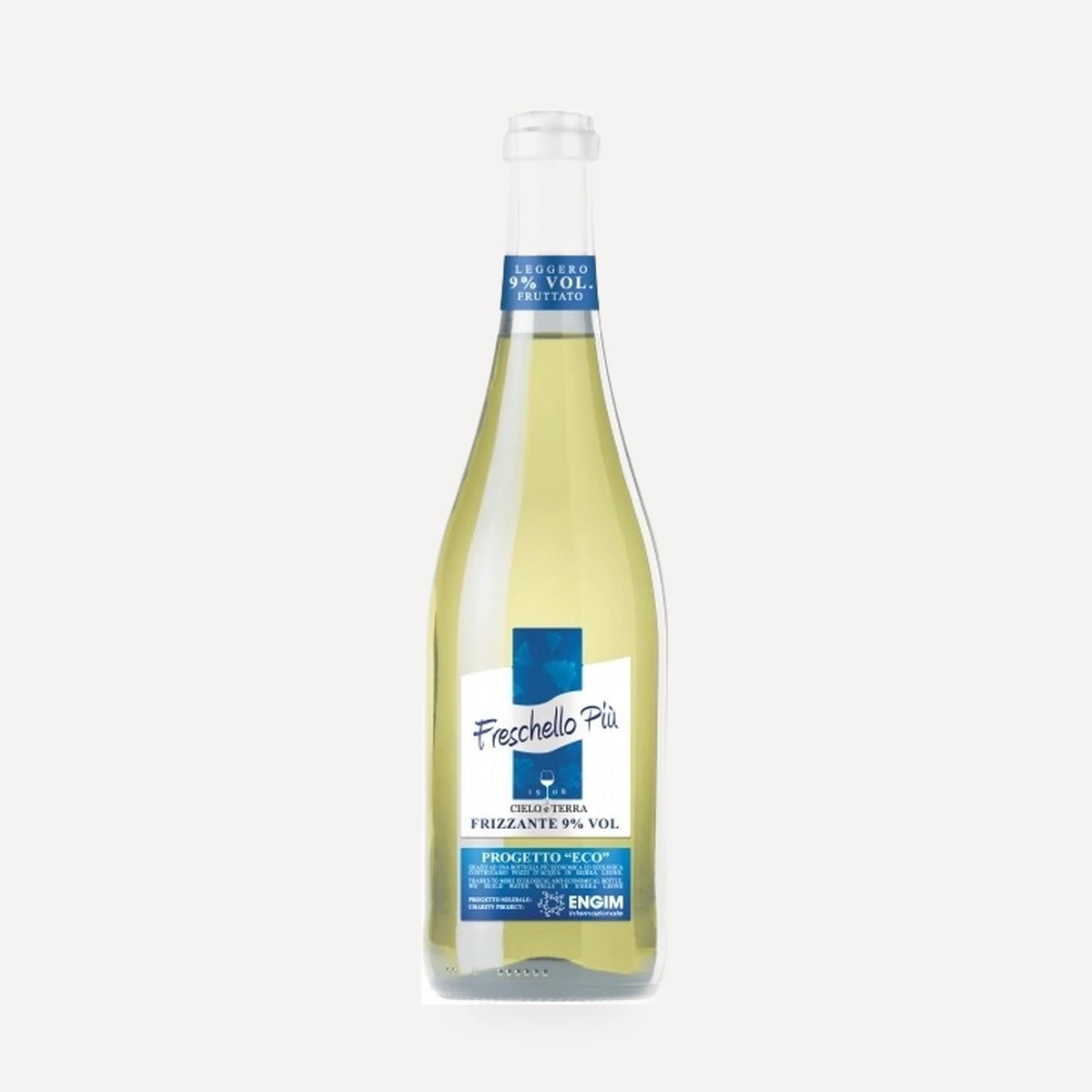
Freschello Piu Frizzante
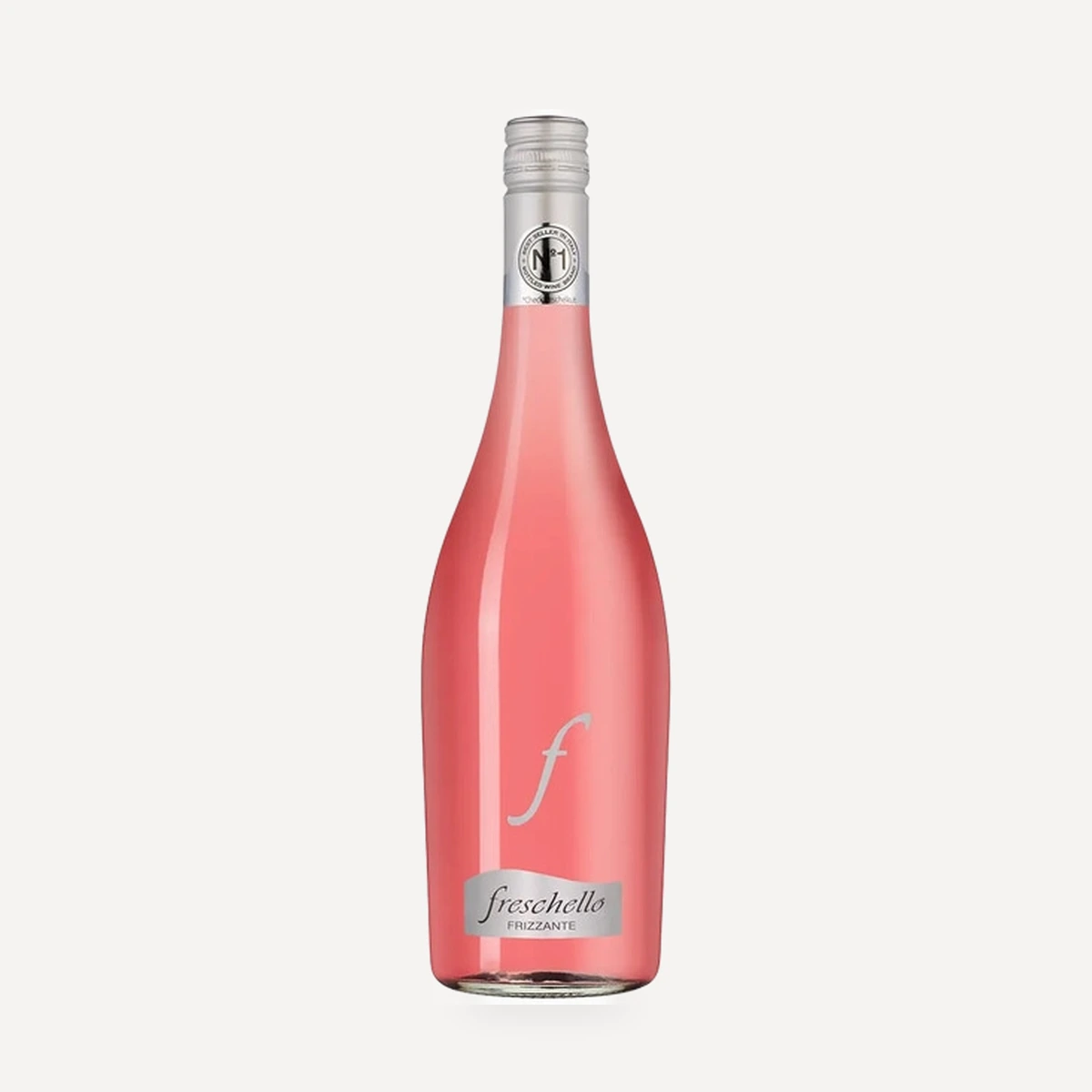
Freschello Frizzante Rosato
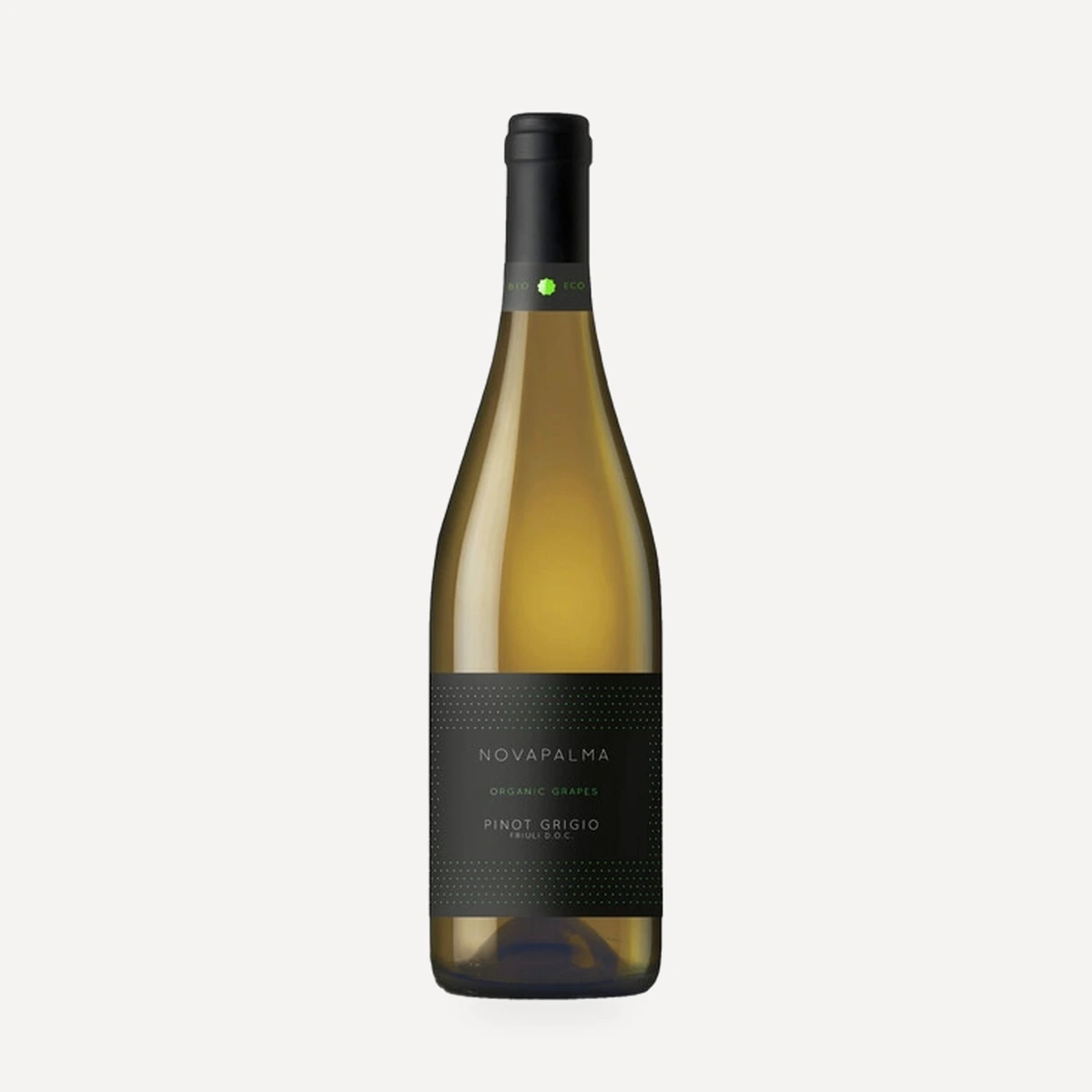
Novapalma Pinot Grigio Friuli DOC
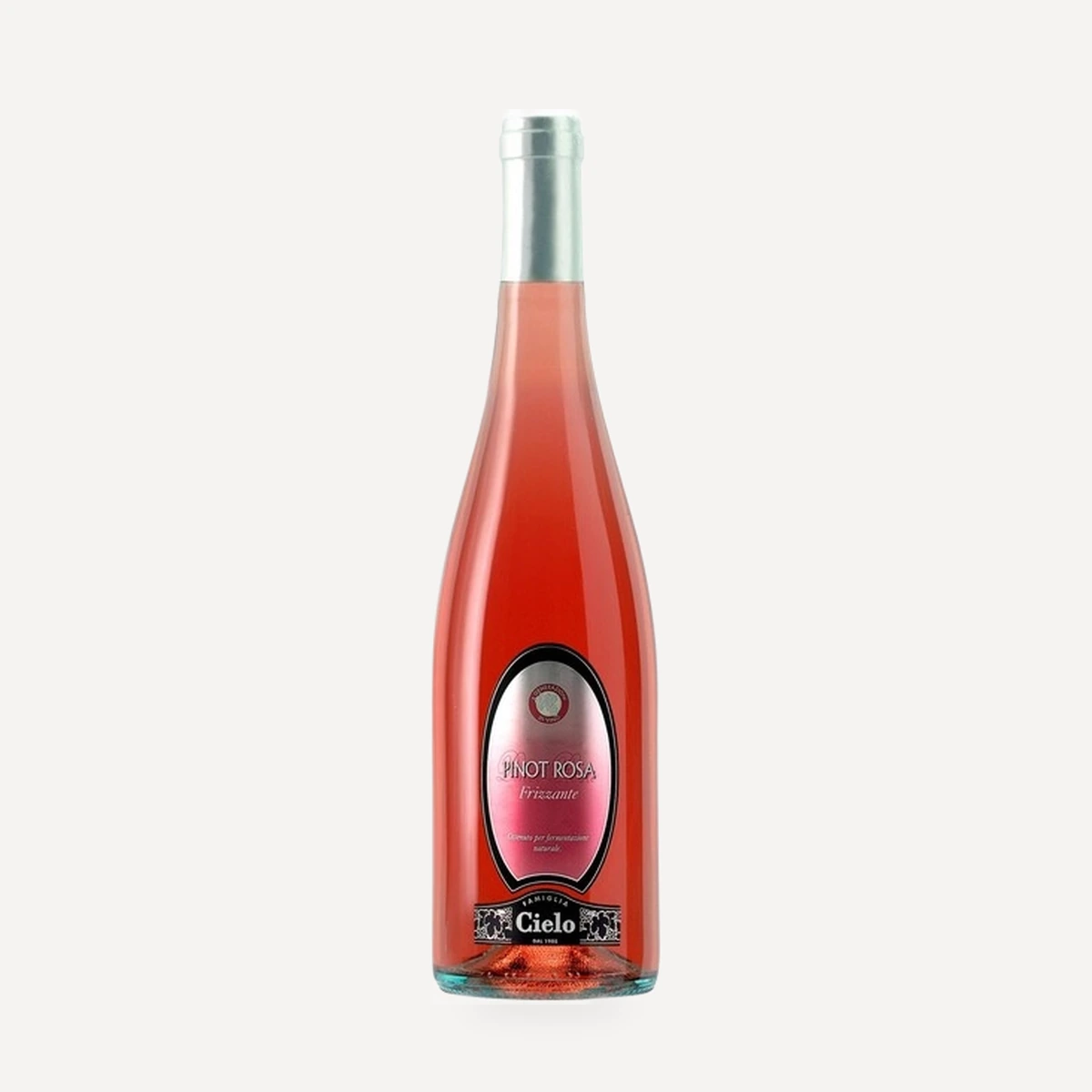
Pinot Rosa Frizzante delle Venezie IGT
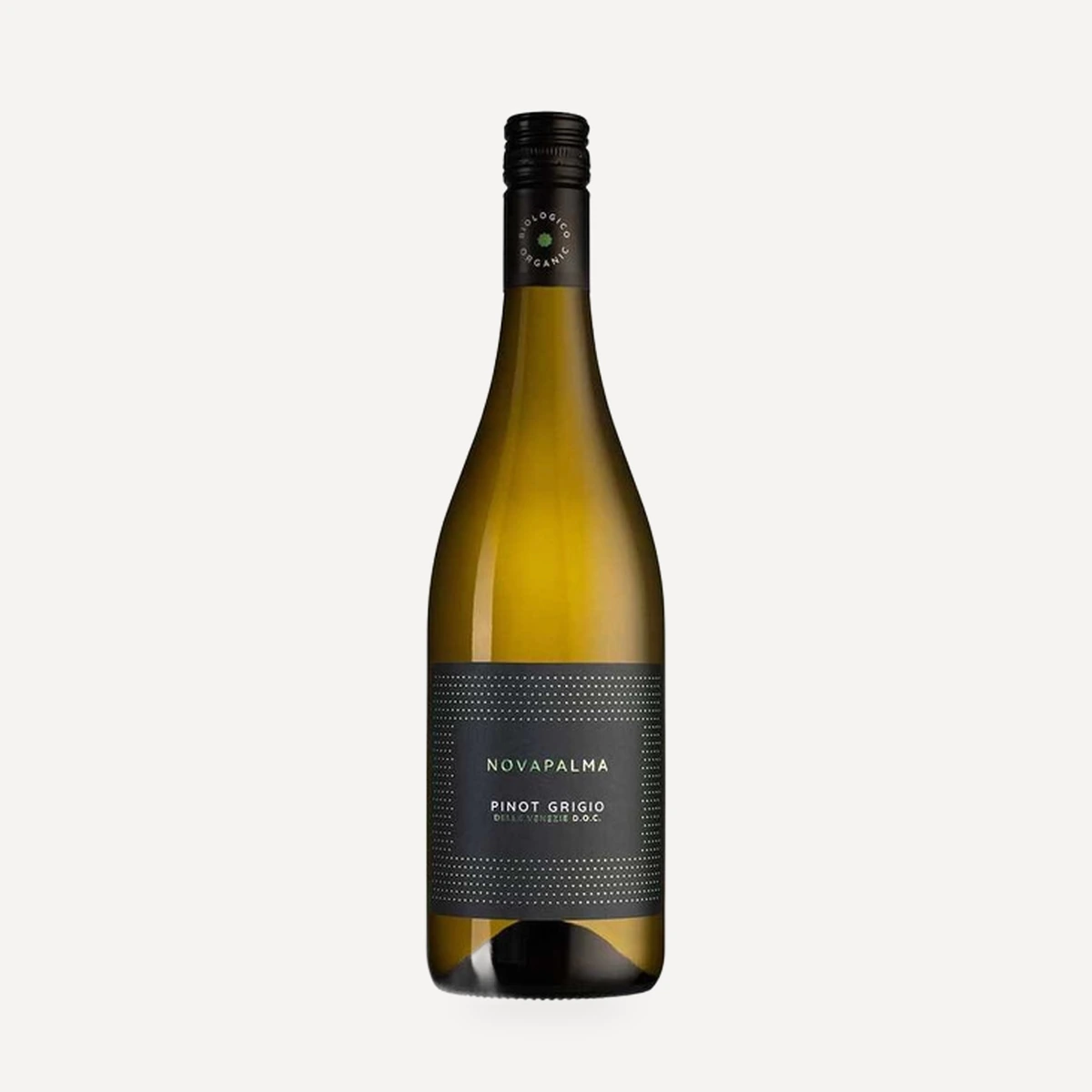
Novapalma Pinot Grigio delle Venezie DOC
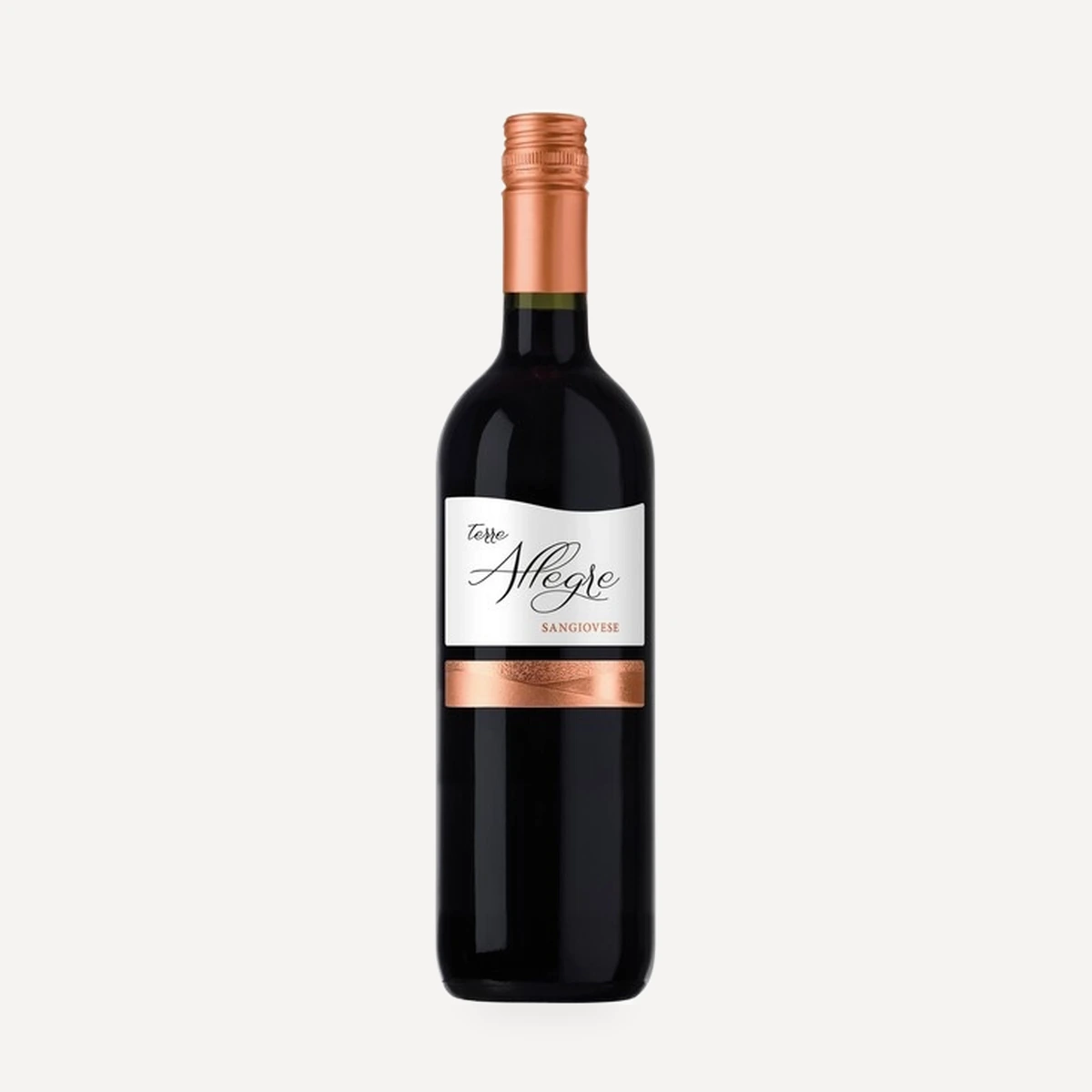
Terre Allegre Sangiovese Puglia Semisecco IGT
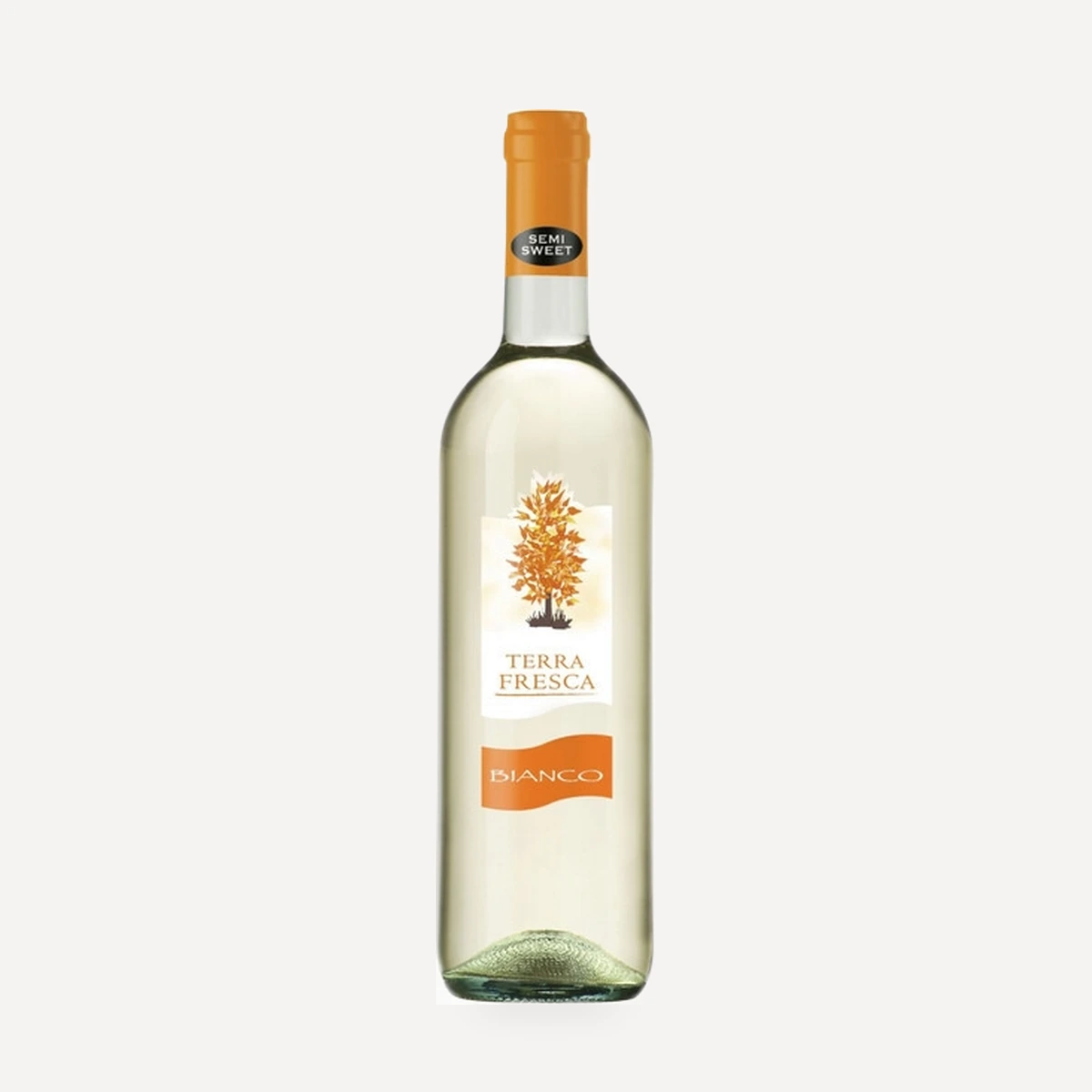
Terra Fresca Bianco Semi-Sweet Veneto IGT
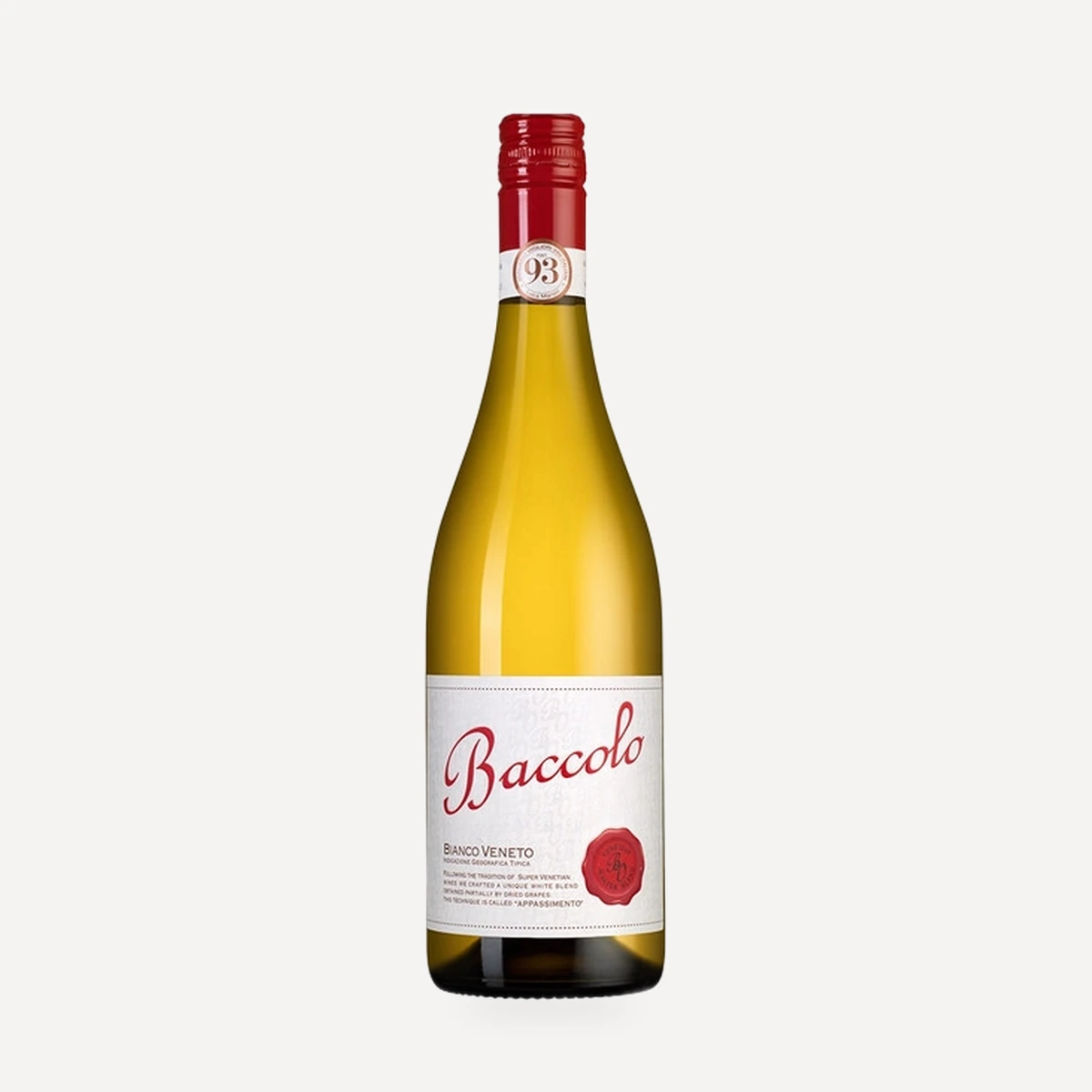
Baccolo Bianco Veneto IGT
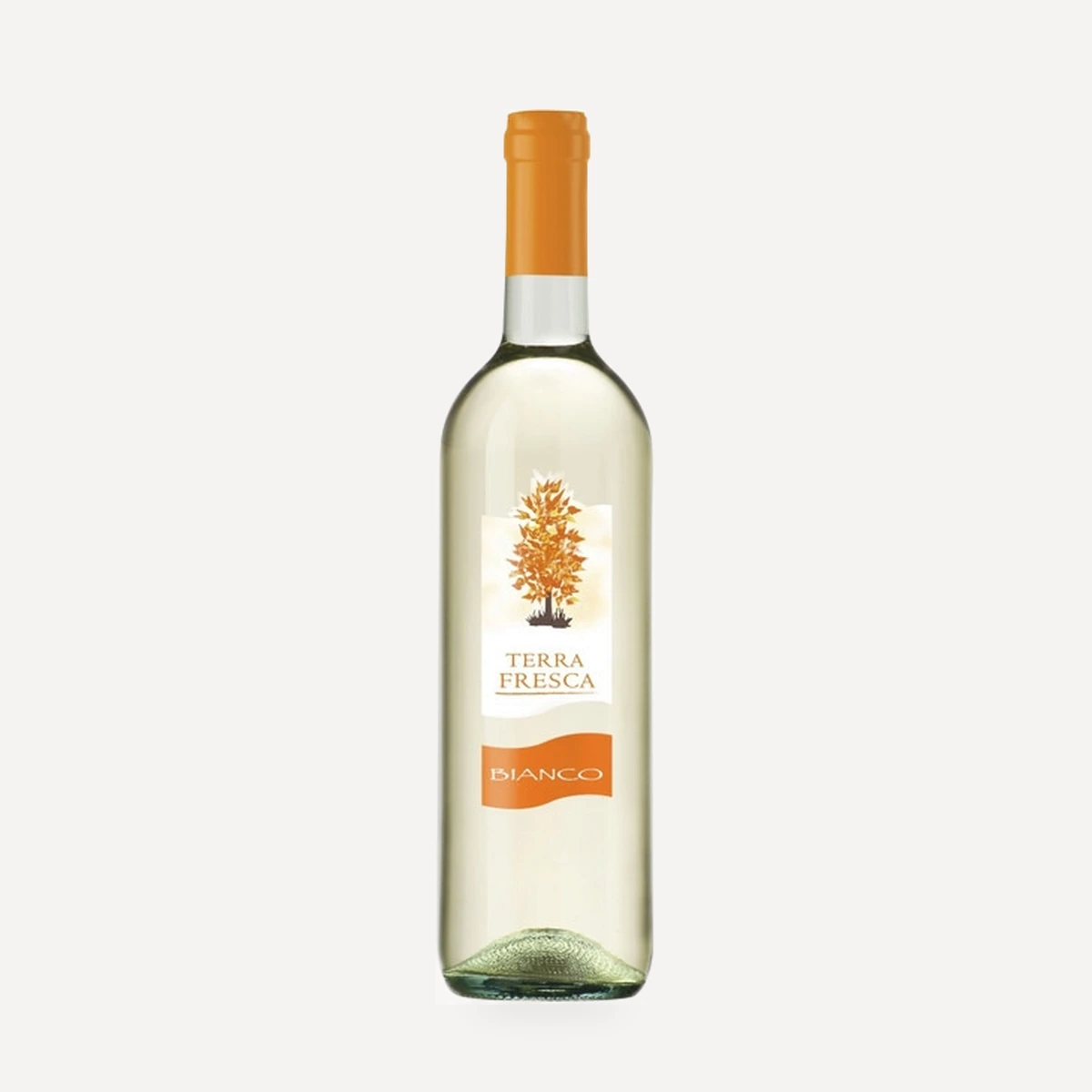
Terra Fresca Bianco Semi-Secco Veneto IGT
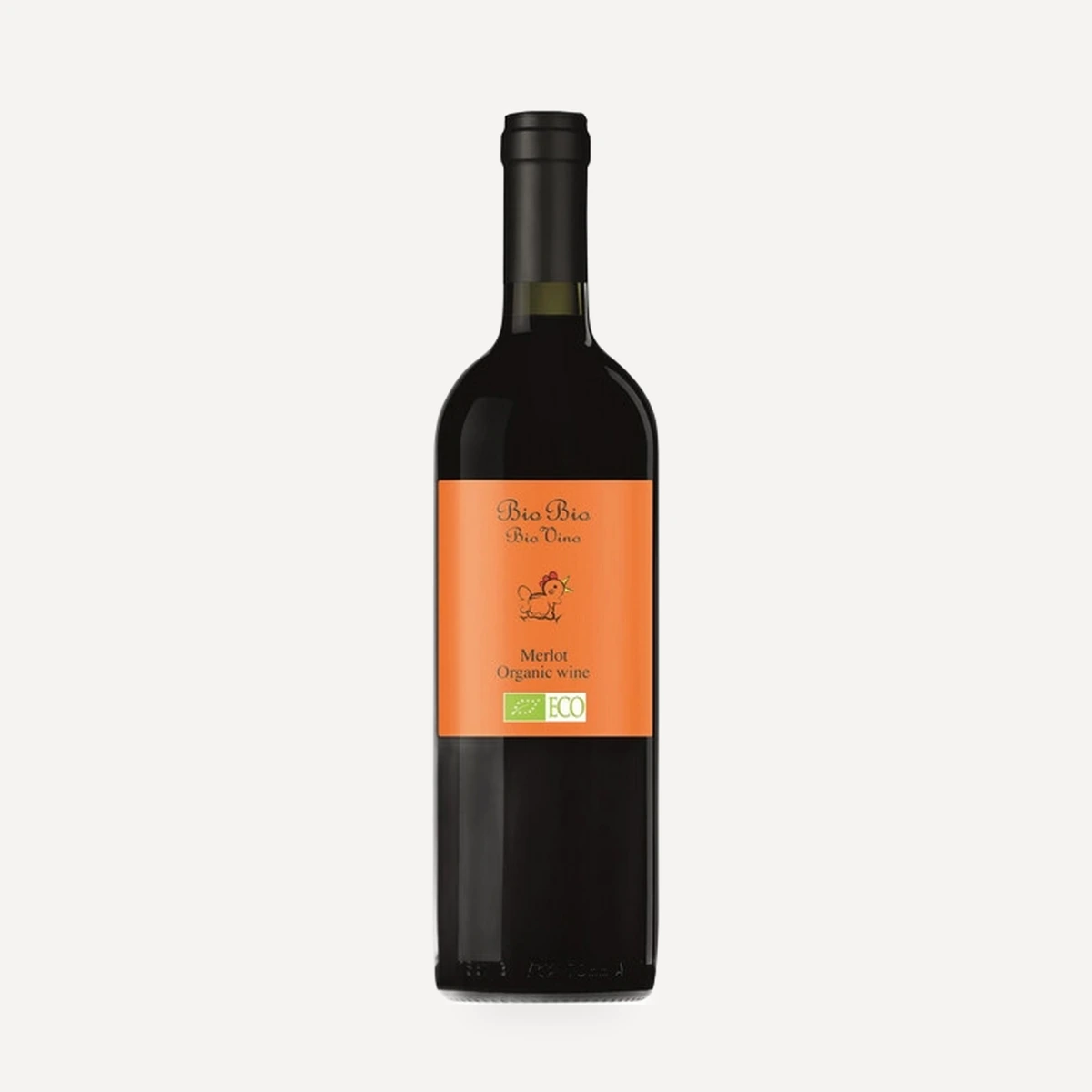
Bio Bio Merlot
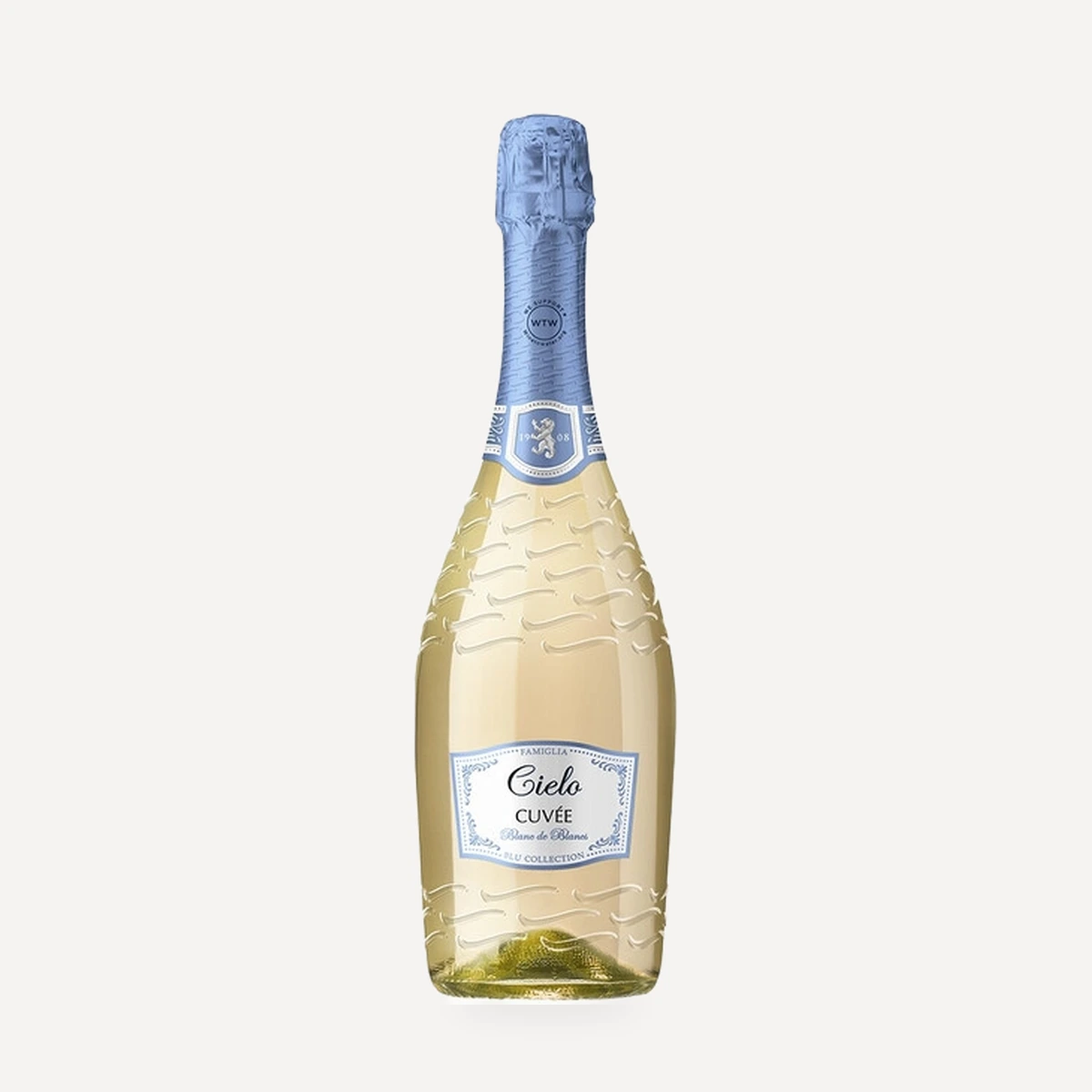
Cuvee Blanc de Blancs
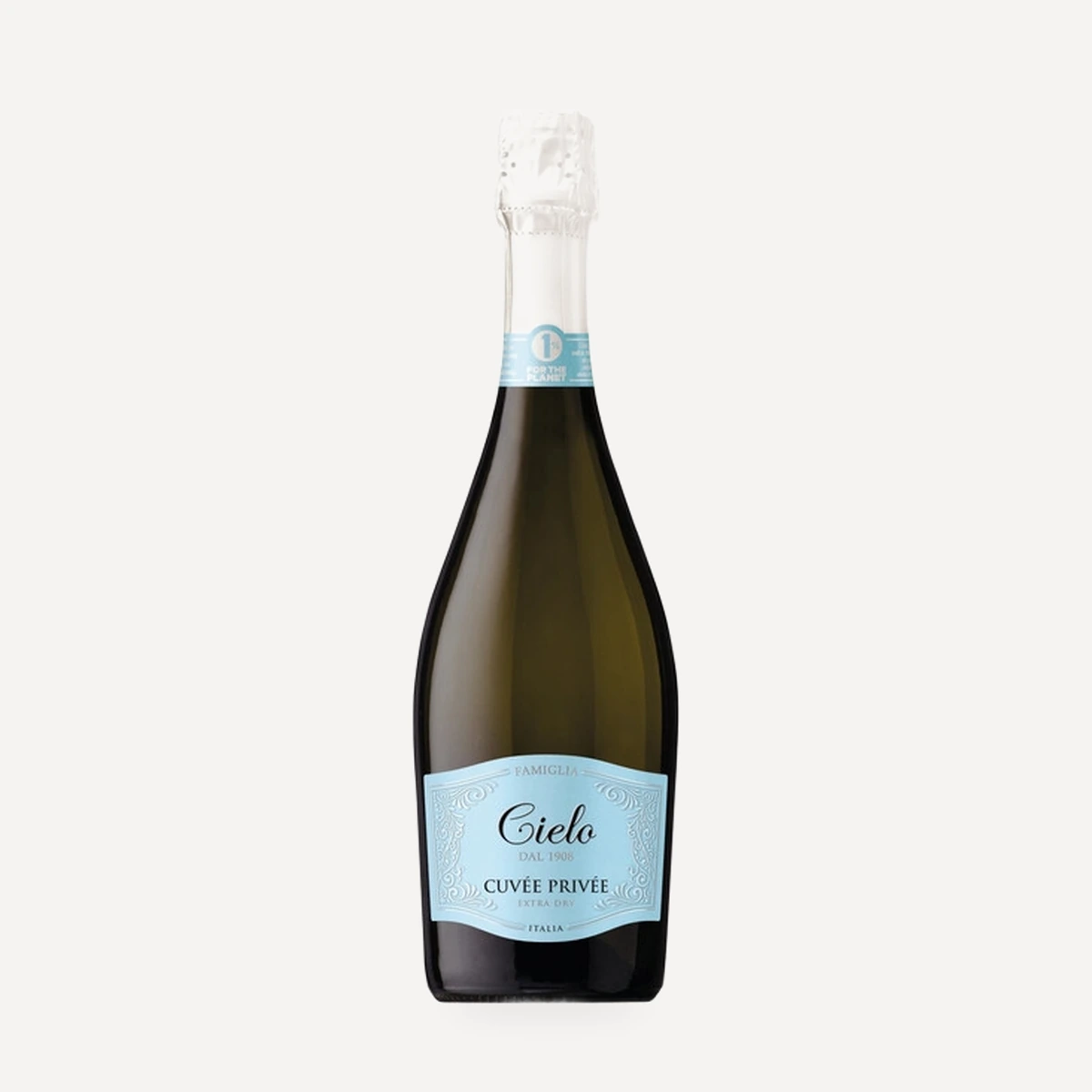
Cuvee Privee Extra Dry
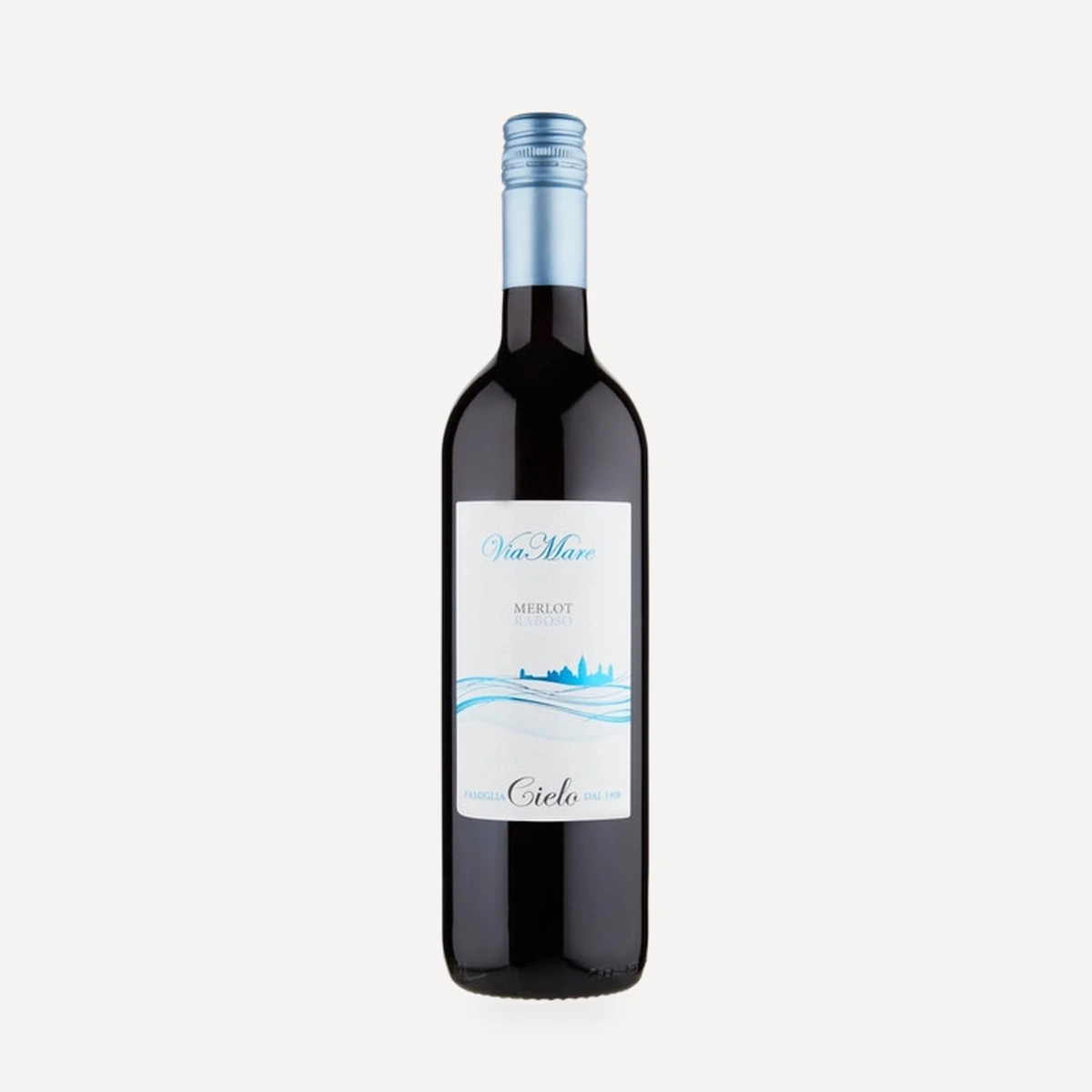
Merlot & Raboso Veneto IGT
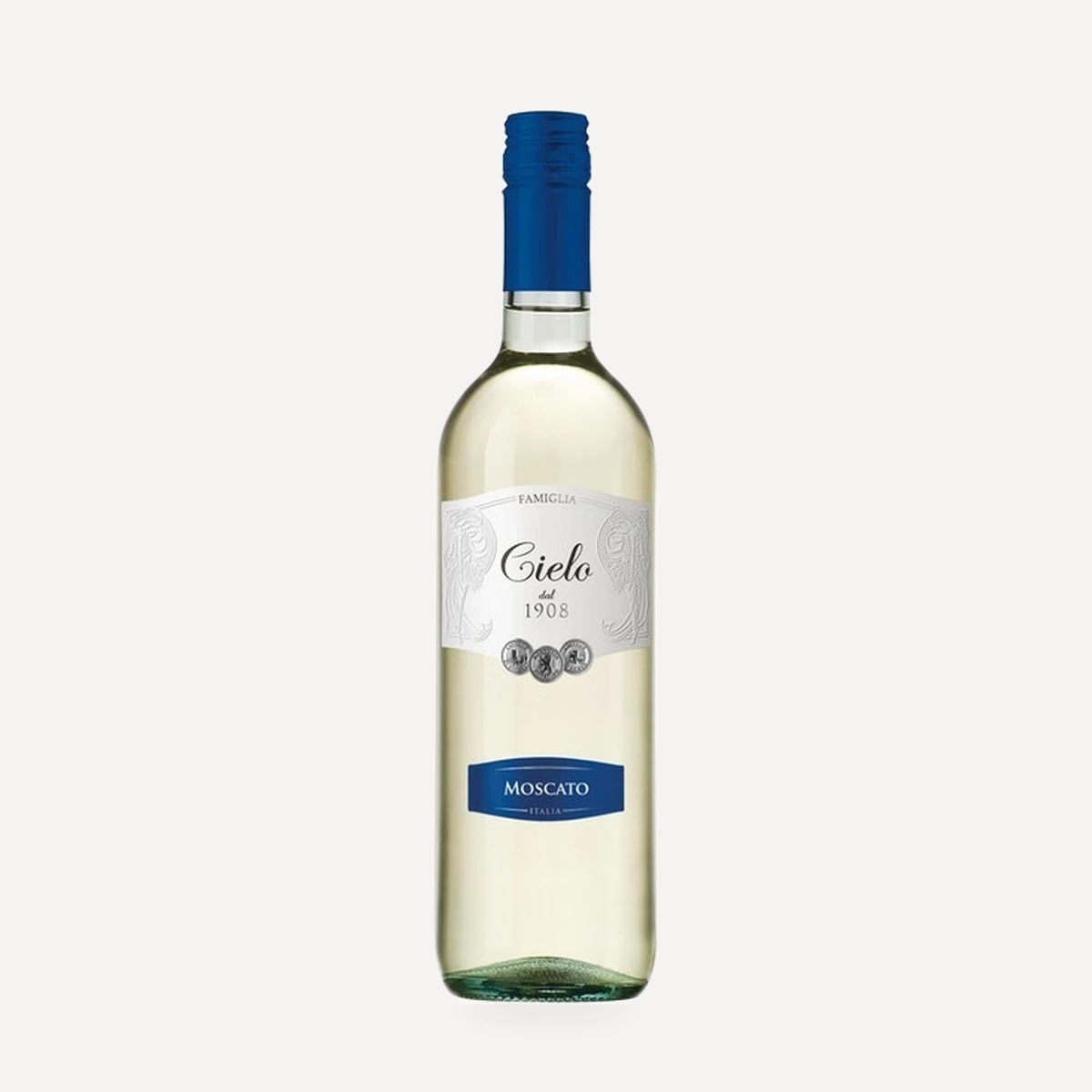
Moscato Puglia IGT
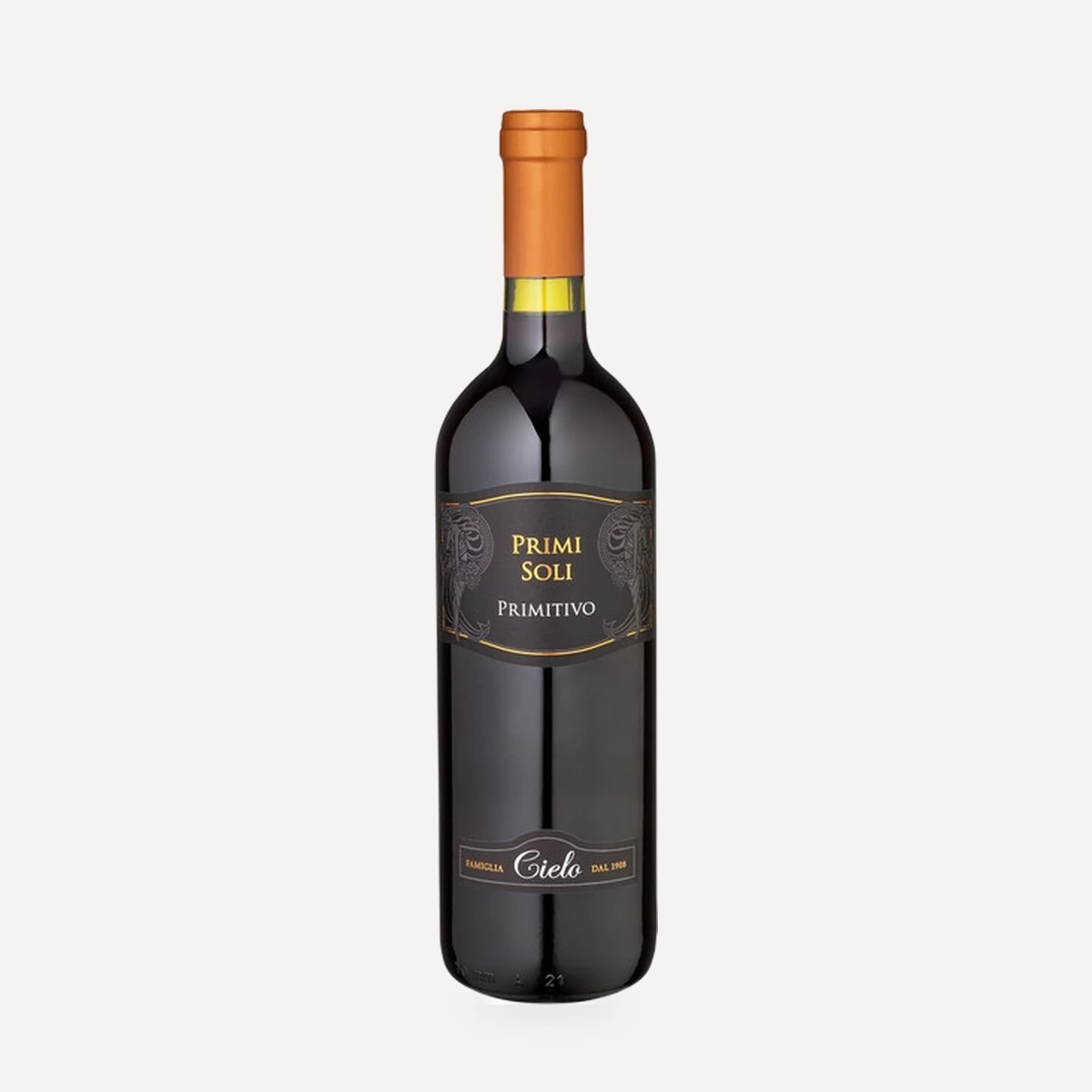
Primi Soli Primitivo Puglia IGT
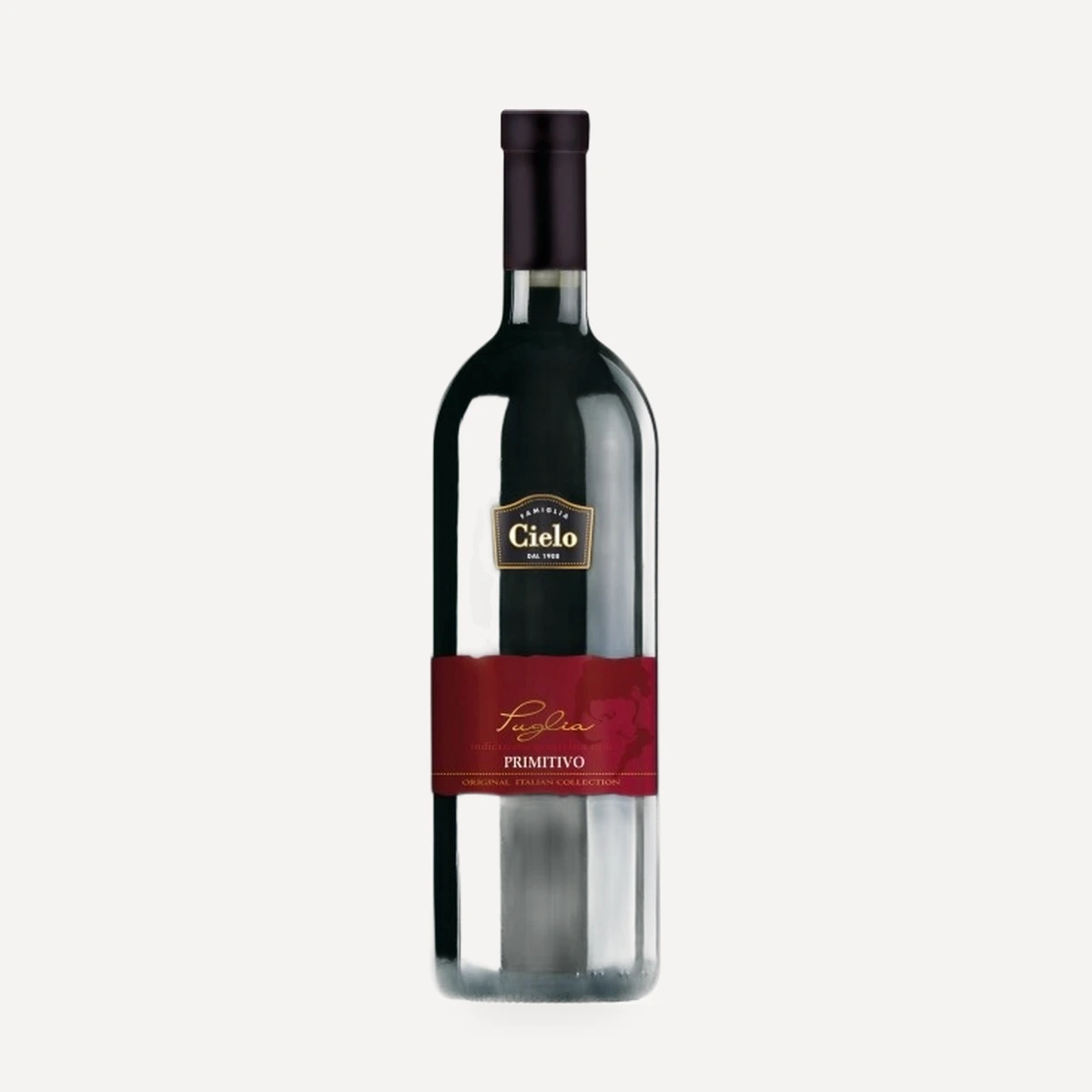
Primitivo IGT
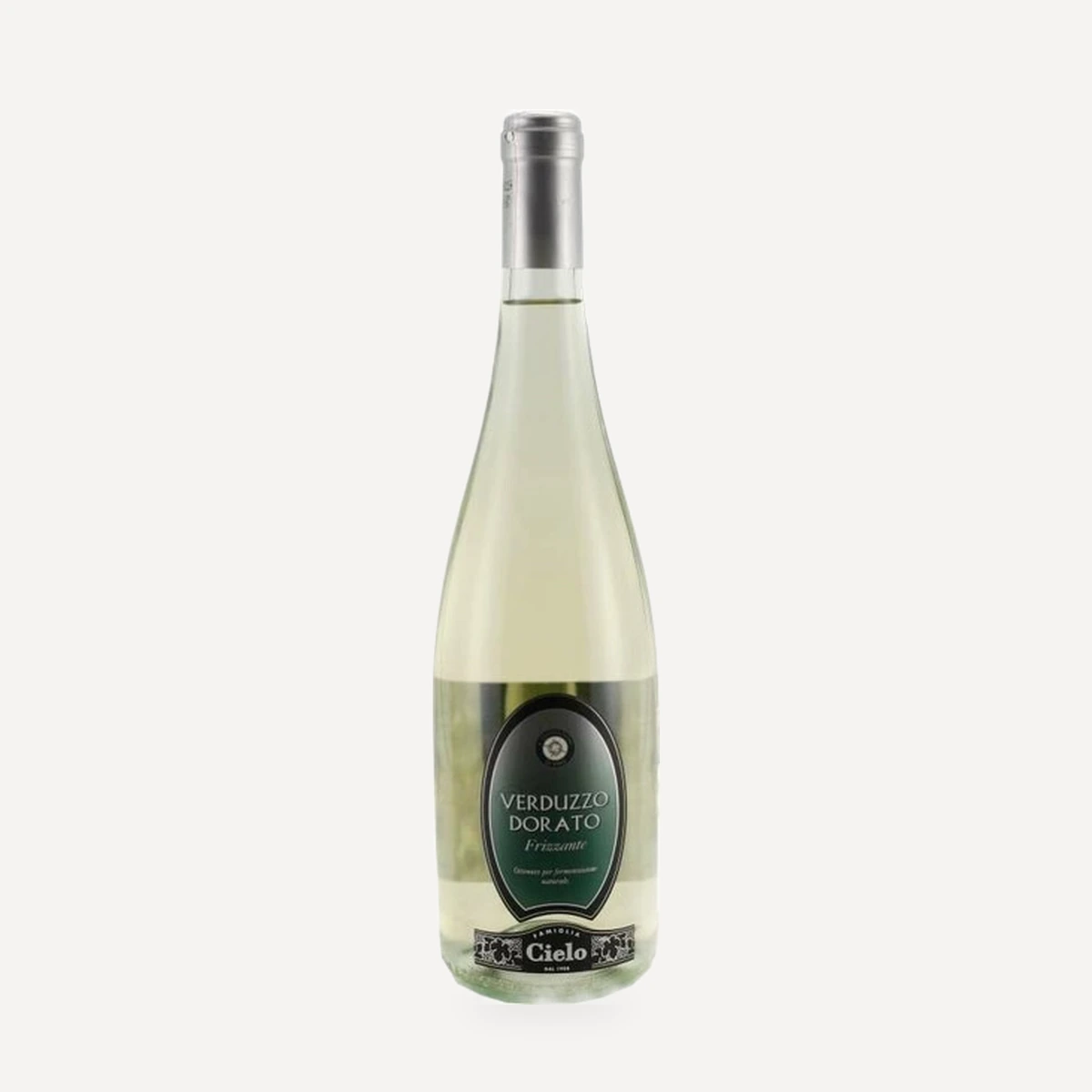
Verduzzo Dorato Frizzante
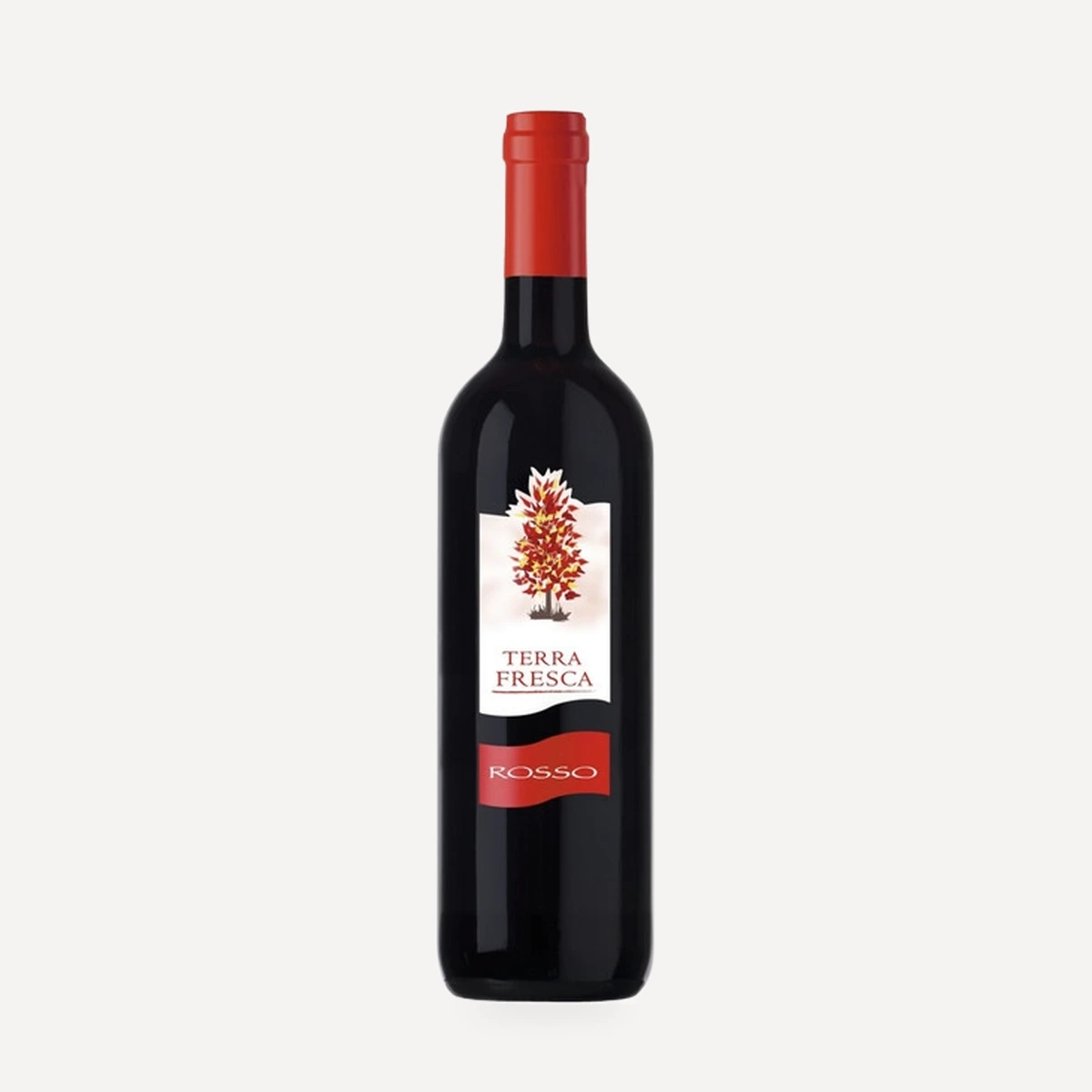
Terra Fresca Rosso Semi-Secco Veneto IGT
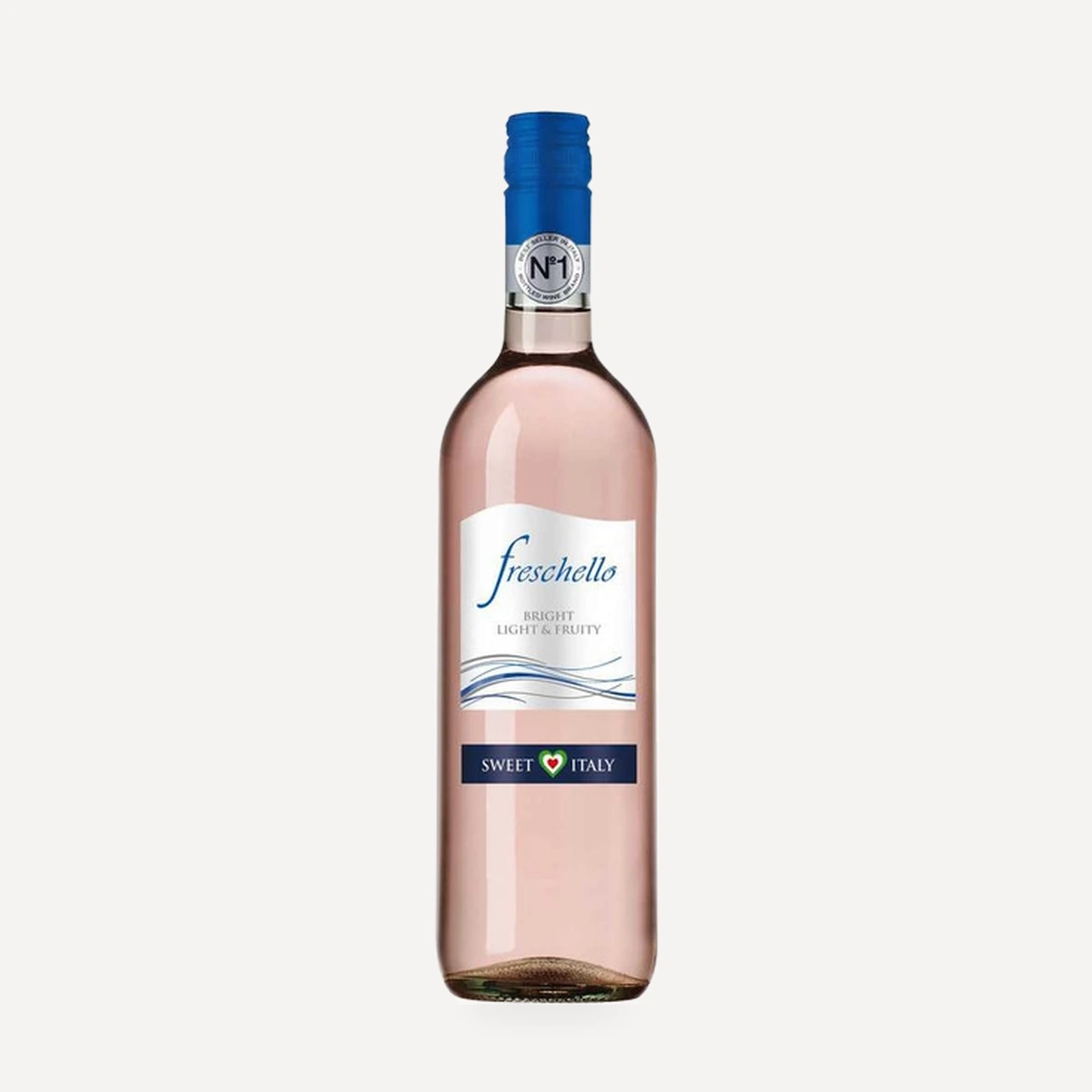
Freschello Rose Sweet
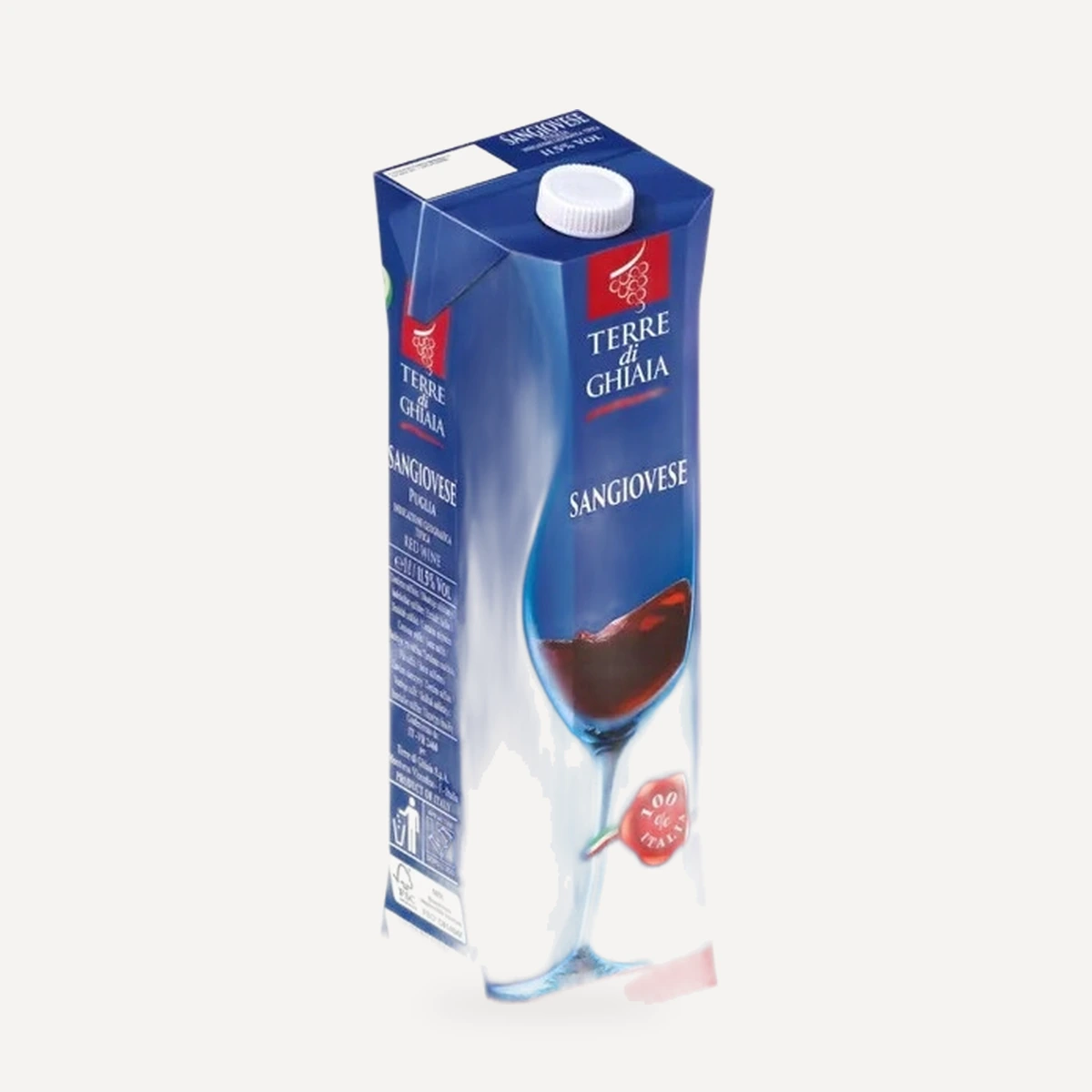
Terre di Ghiaia Sangiovese
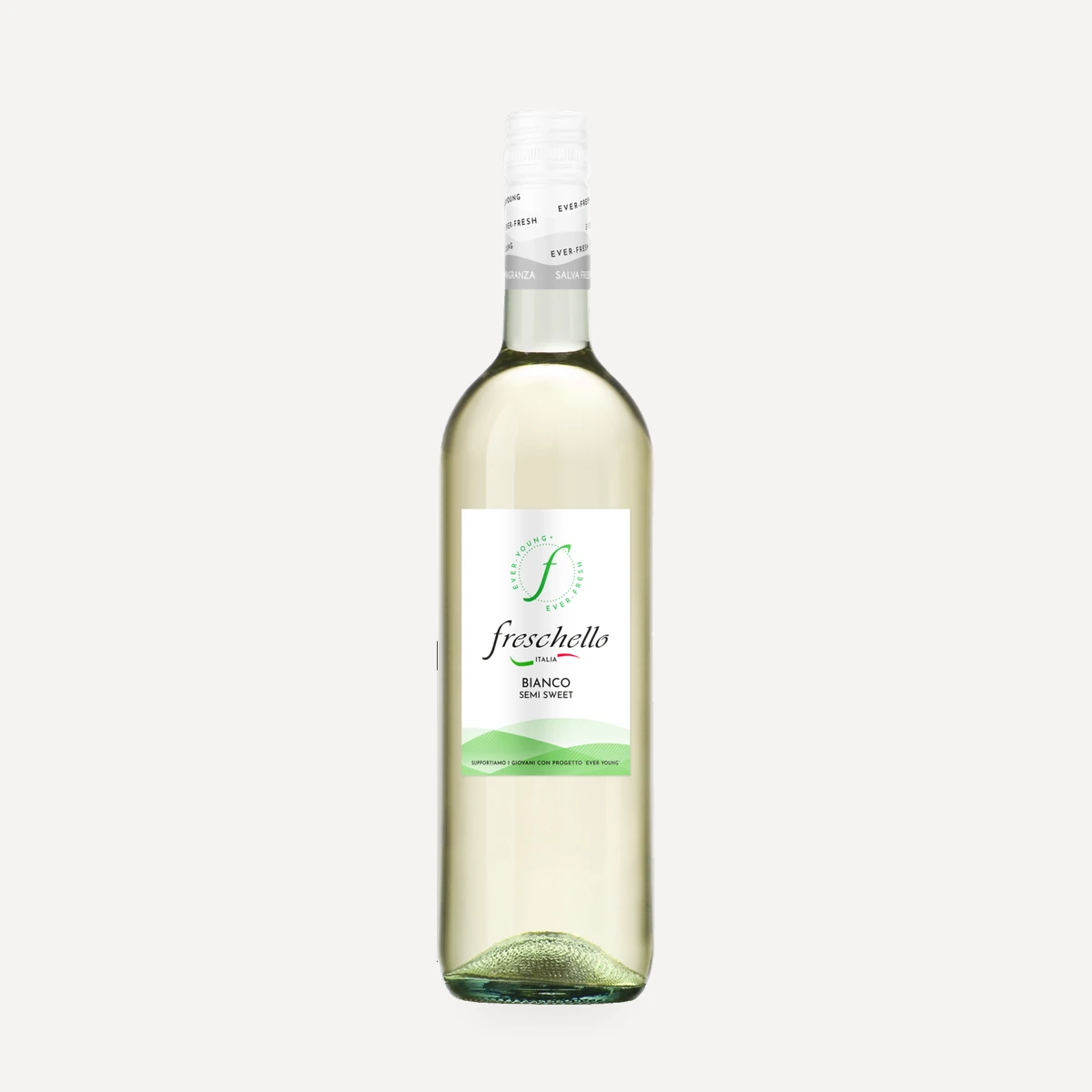
Freschello | Semi-Sweet Bianco
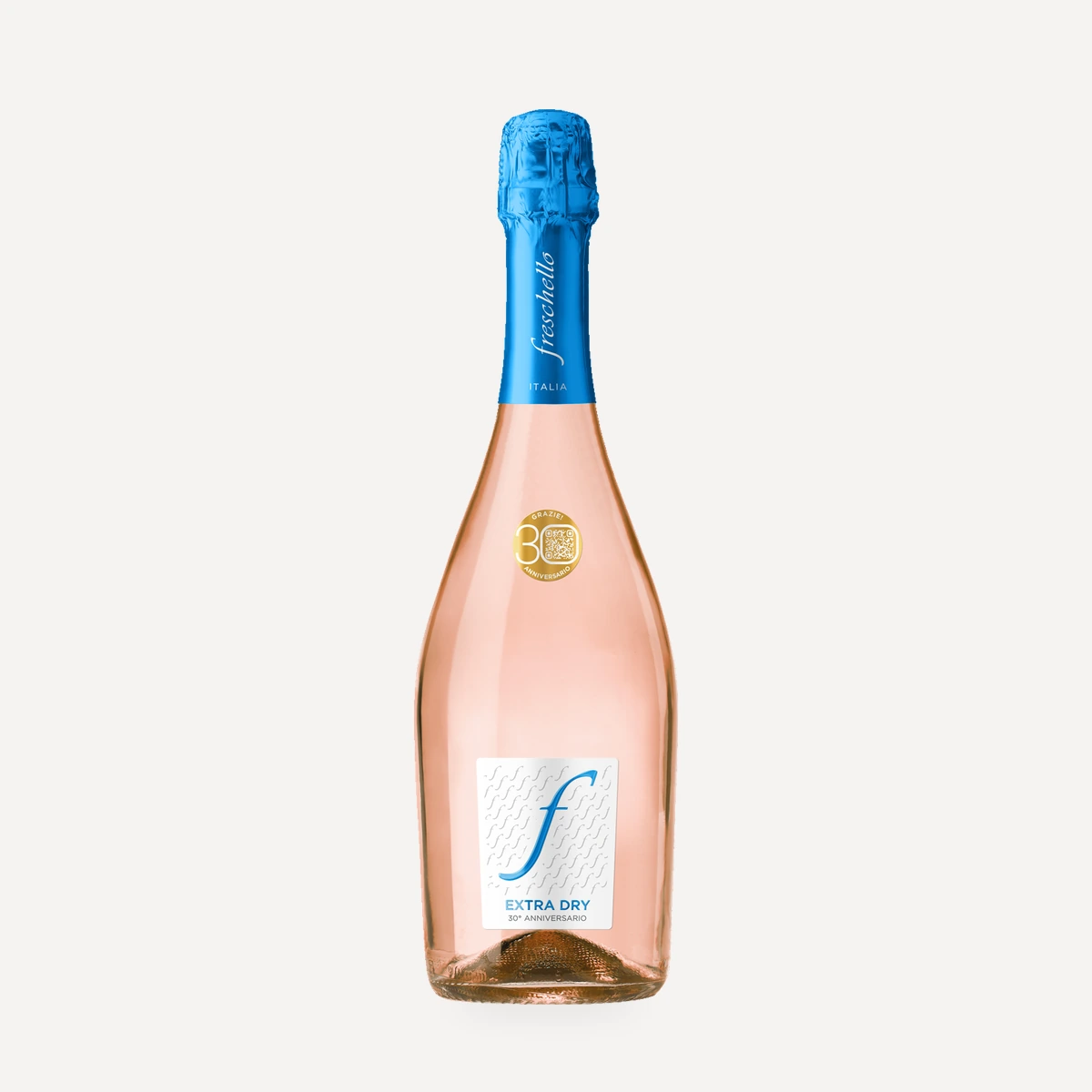
Freschello | Spumante Rosè Extra Dry
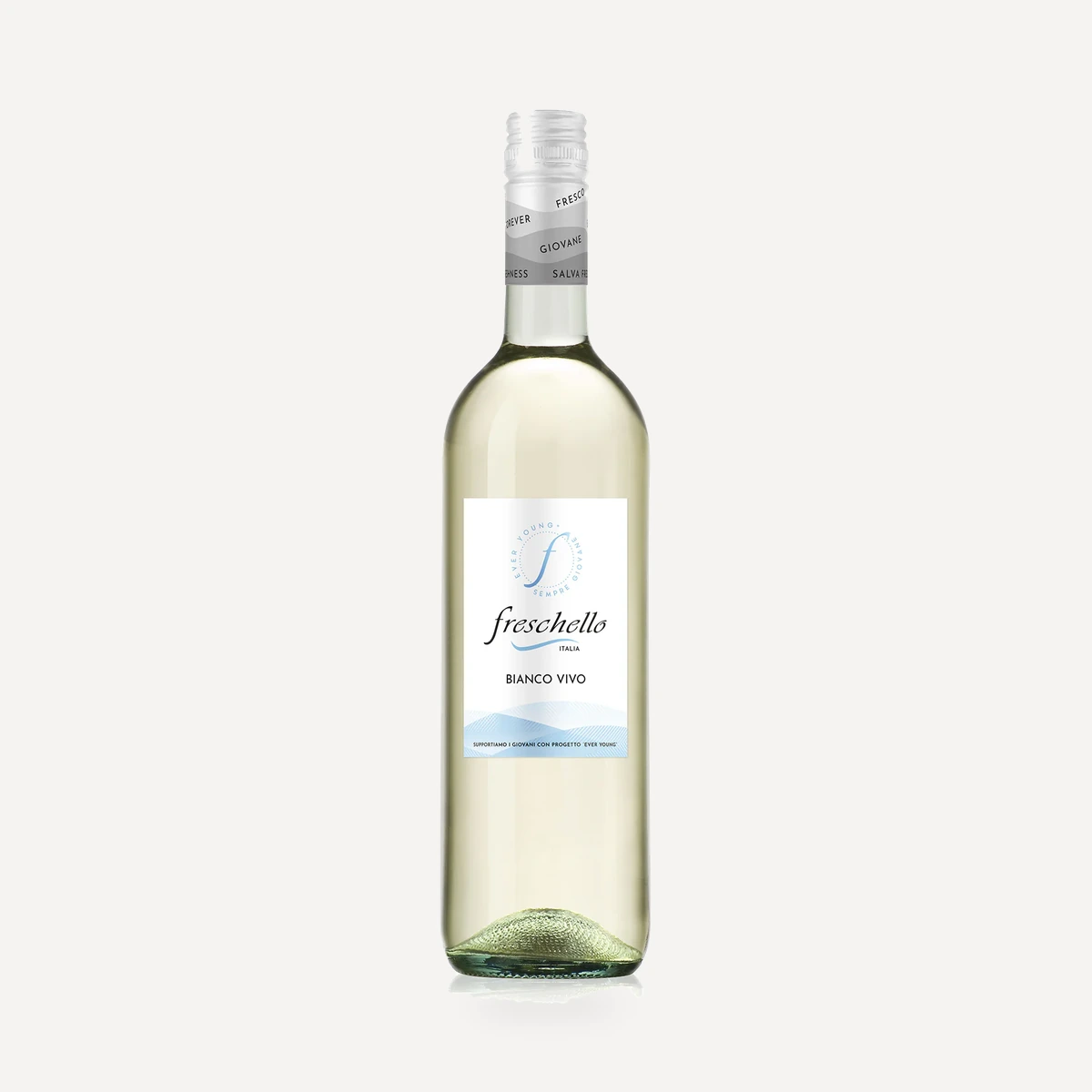
Freschello | Vivo Bianco
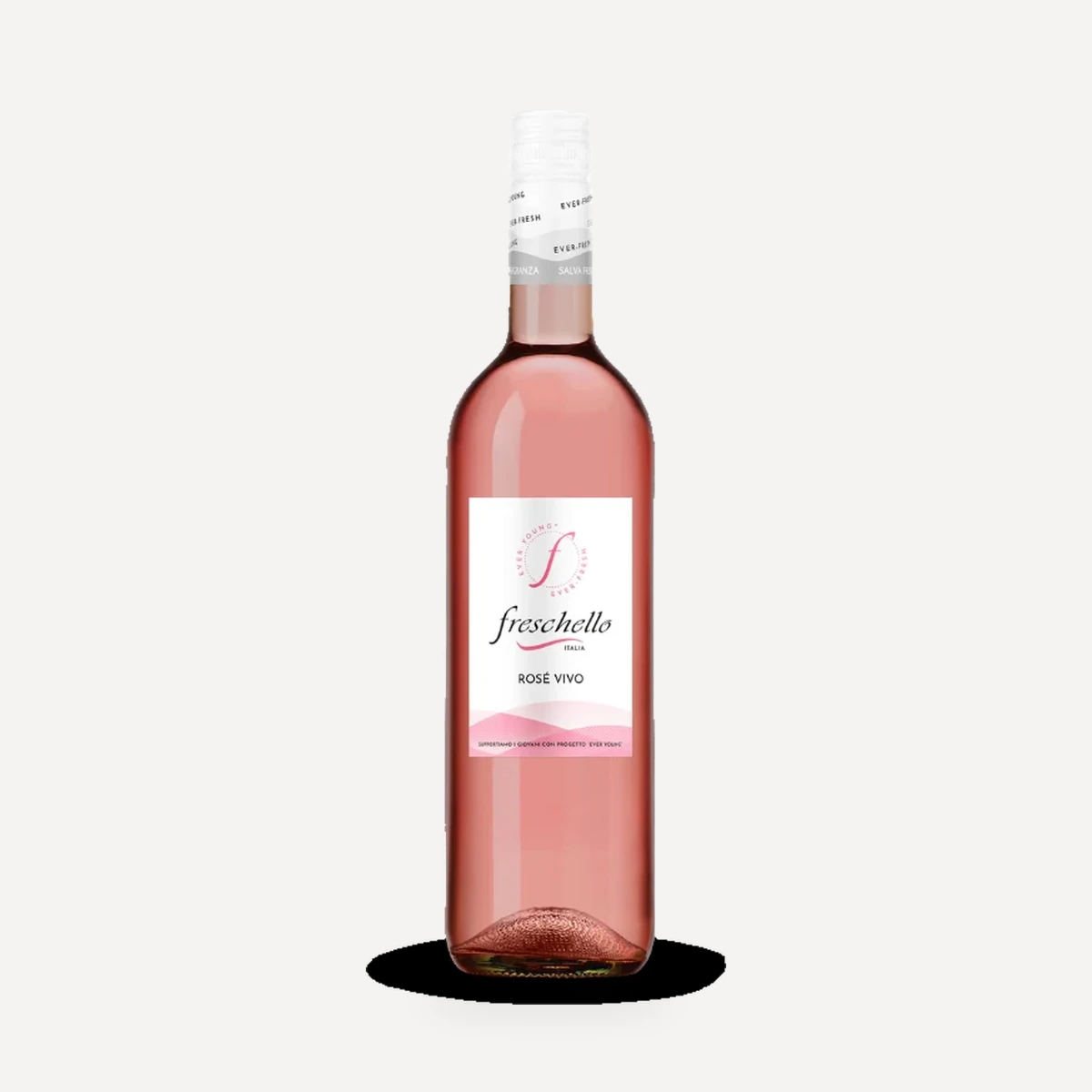
Freschello | Vivo Rosé
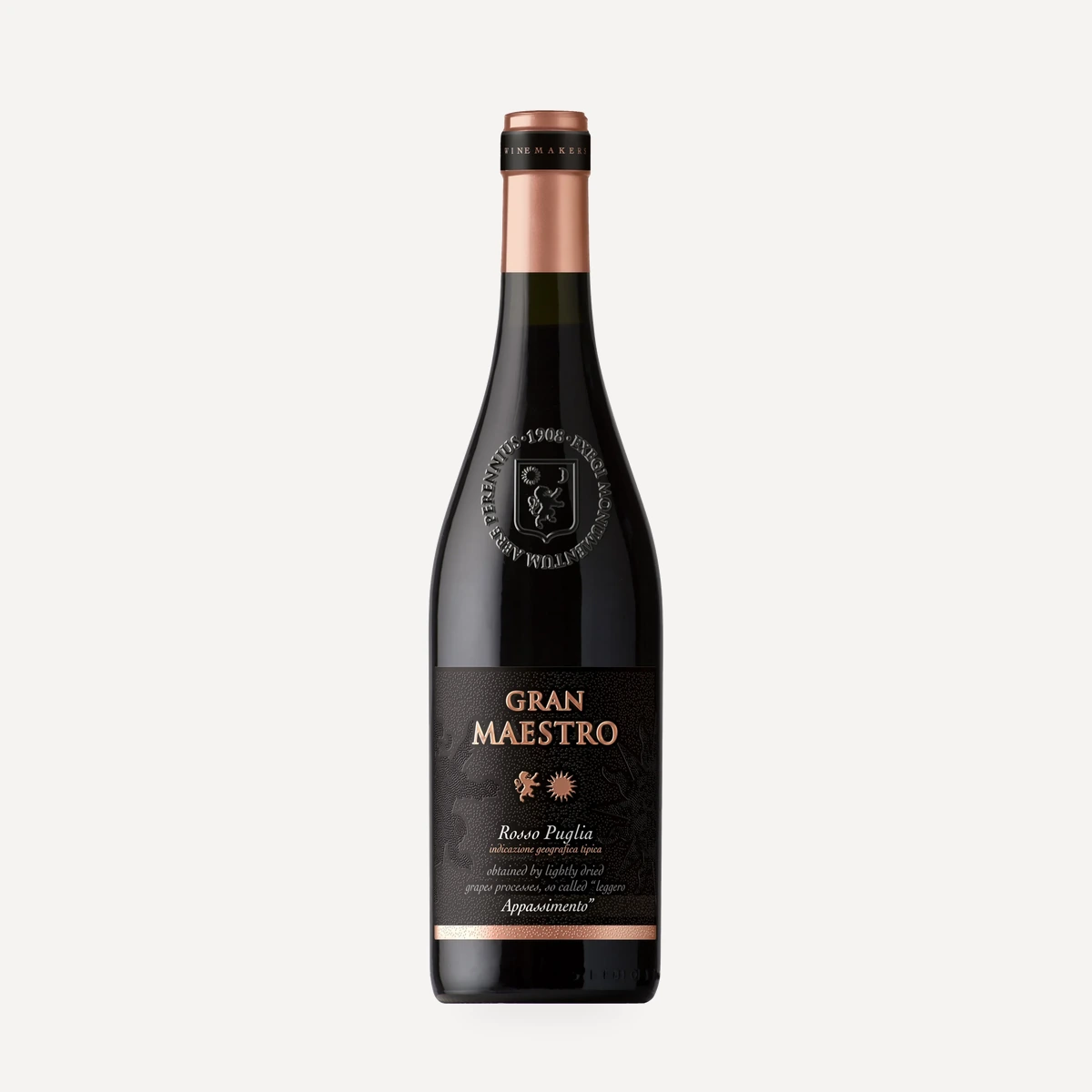
Maestro | Gran Maestro Appassimento Rosso Puglia IGT
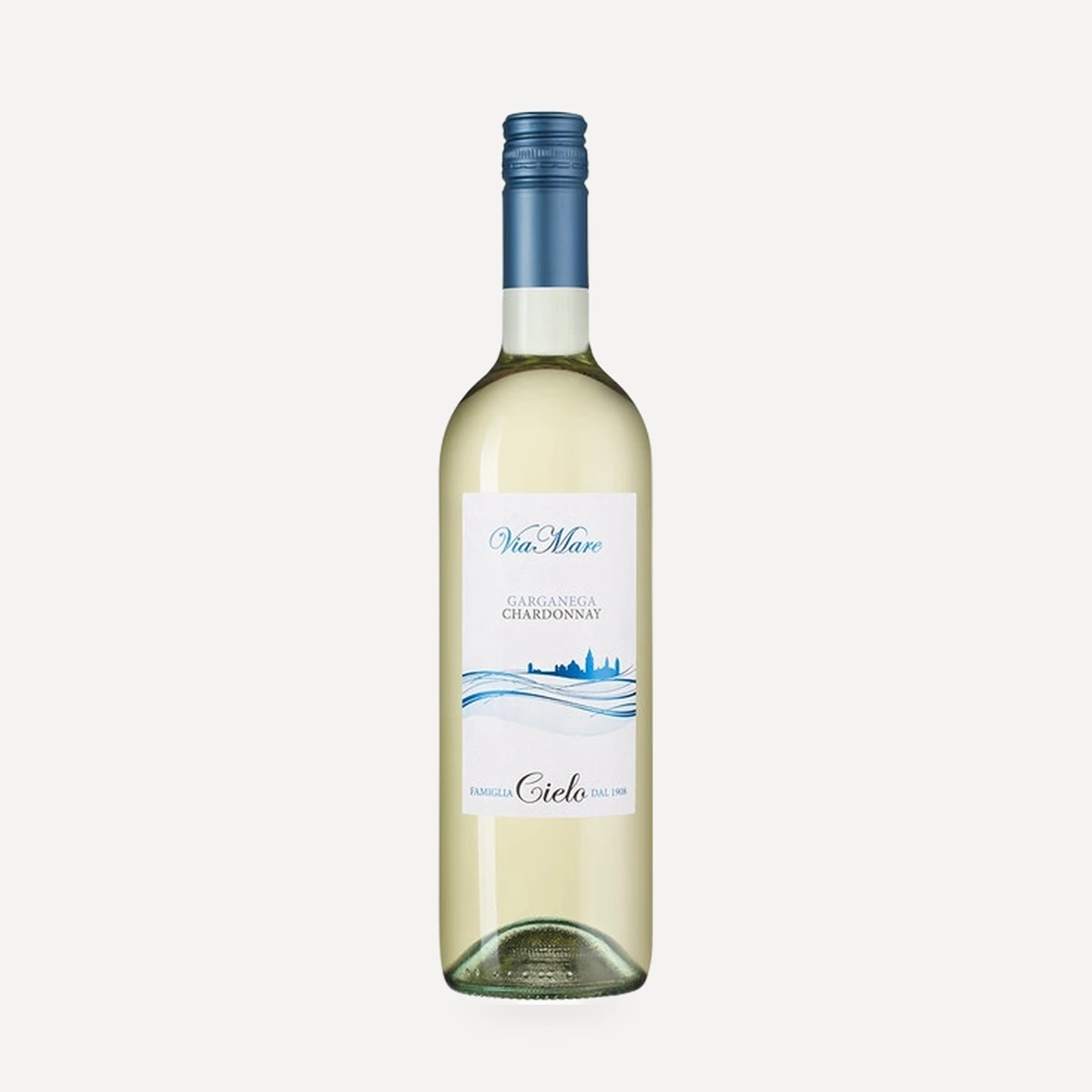
Garganega & Chardonnay delle Venezie IGT
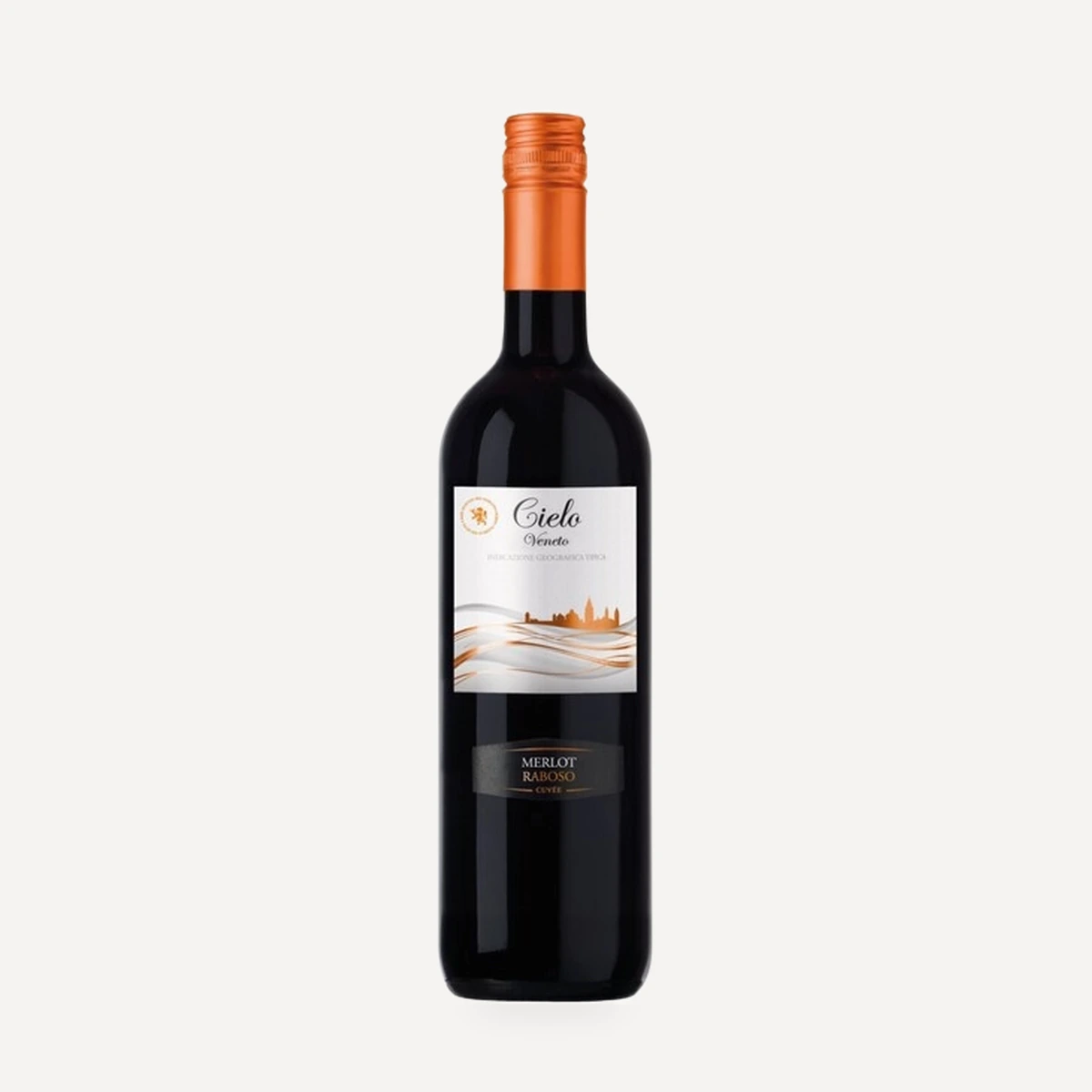
Merlot & Raboso delle Venezie IGT
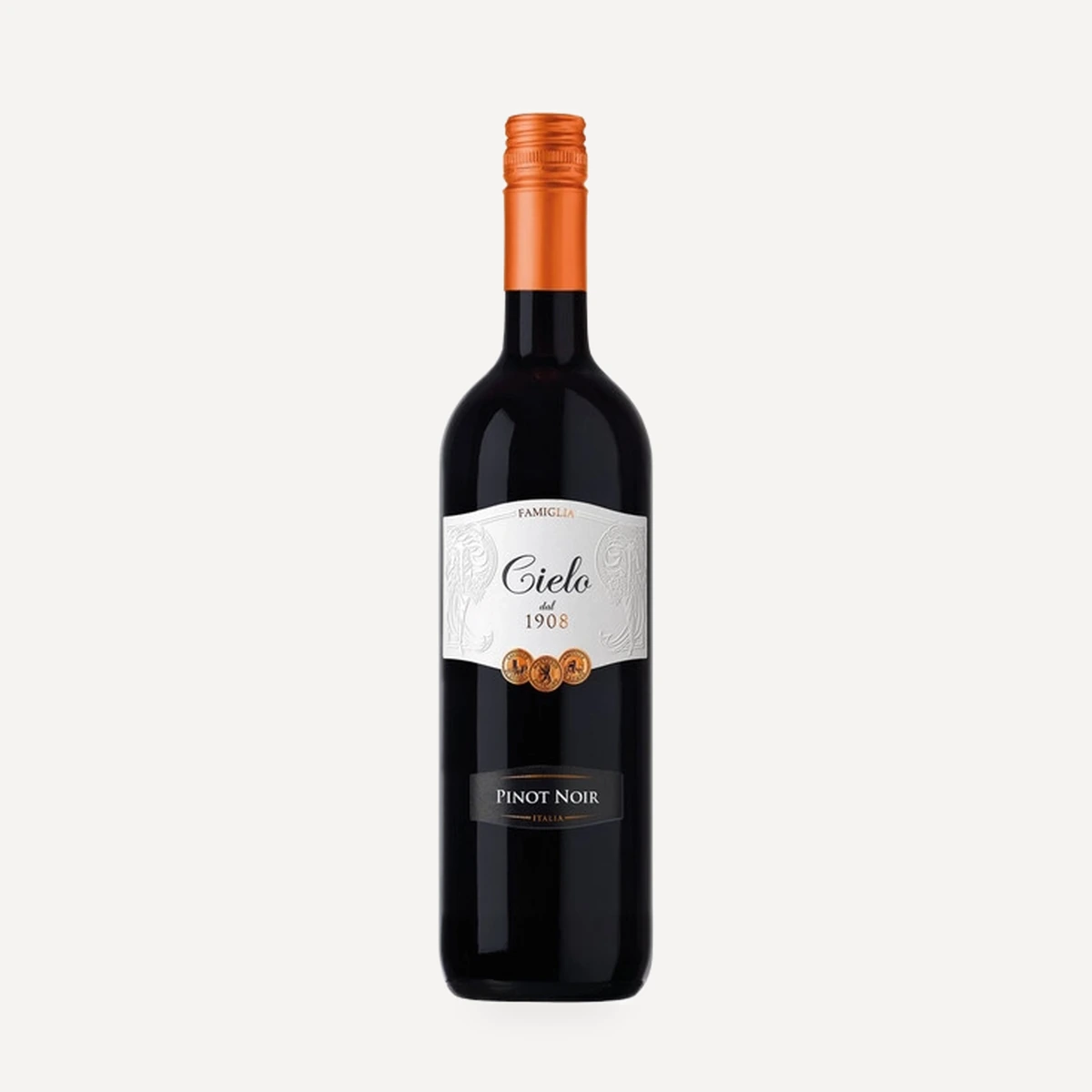
Pinot Noir delle Venezie IGT
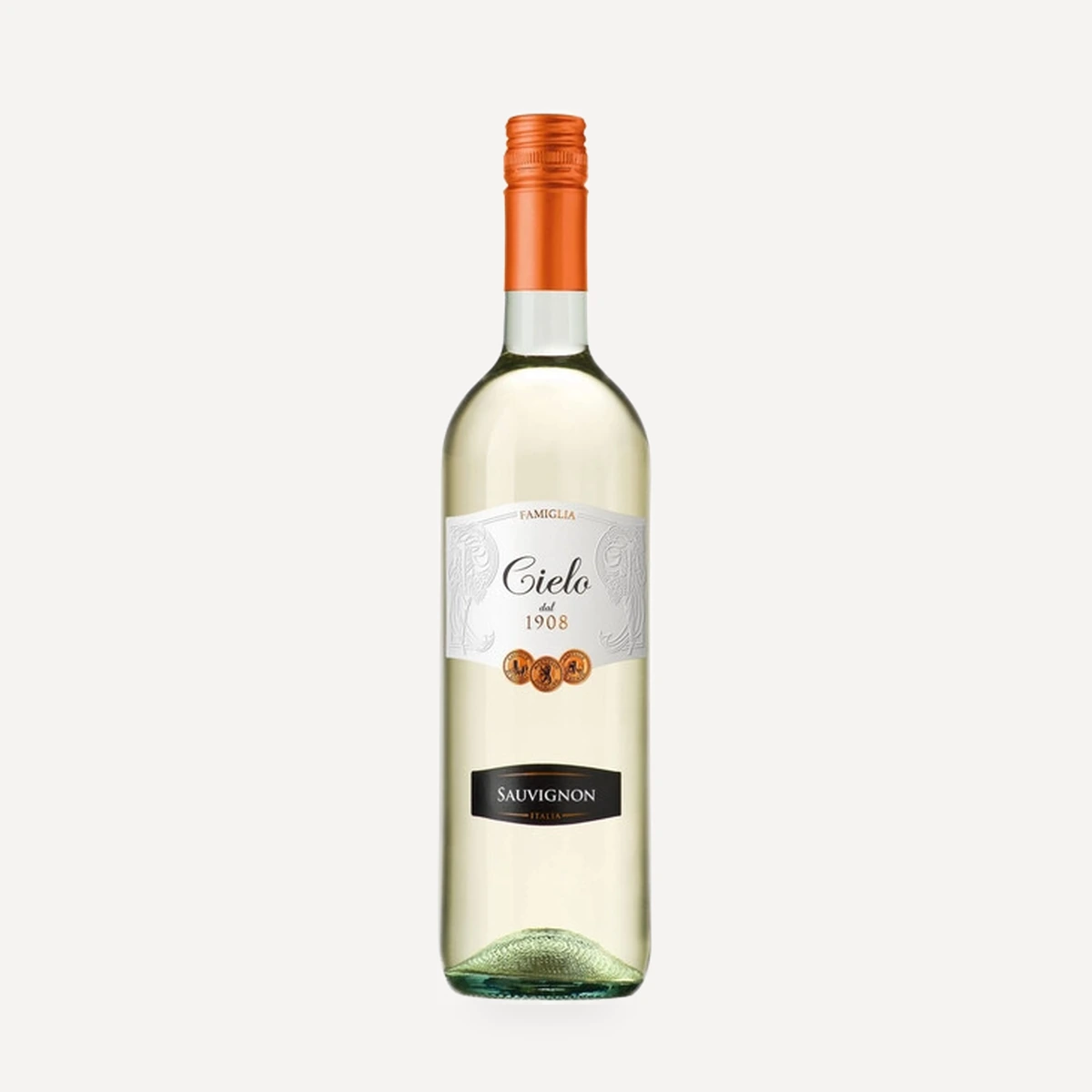
Sauvignon IGT
Sauvignon DOC
Casa Defrà | Prosecco DOC Brut
Cielo Blu | Prosecco
Cielo Blu | Prosecco Rosè